Secretary Read: Supreme Court Ruling Will Have No Impact on Oregon’s Election
SALEM, OR — Today, the U.S. Supreme Court allowed a controversial federal database to be used for reviewing voter eligibility in this November’s general election. States can voluntarily send voter data to the federal government to be checked against the SAVE system, which has already been shown to have a high error rate.
Oregon Secretary of State Tobias Read released the following statement:
“Today’s ruling by the Supreme Court will have no impact on Oregon’s upcoming election. Oregon will not participate in a flawed system that will likely result in eligible voters losing their right to vote. However, today demonstrates that President Trump and his administration will never stop trying to avoid accountability from voters. Voting is a right and we will continue to protect it for all eligible citizens.”
This email was sent to using Granicus Communications Cloud on behalf of: Oregon Secretary of State · 900 Court Street NE · Capitol Room 136 · Salem OR 97310-0722
Yah, so we have been going on and on about the Democrats getting into power, taking control of the House, well, that’s a given and maybe even the Senate. That’s not a given, but there’s a good chance.
But okay. They do it.
So what?
What do you expect? Massive change? Impeach Trump, throw the administration behind bars where they belong? Oh, still my beating heart. If only it could happen that easily.
Reality is raising its ugly head. What’s going to happen? Well, I’ll tell you what’s going to happen.
A lot of INVESTIGATIONS.
A lot of ARM WAVING.
A lot of NAME CALLING.
A lot of NOTHING.
Why?
Because the Democrats have their own dirty laundry.
Because both parties depend on wealthy donors, corporations, interest groups and the mountains of money that now flow through our political system. Because the same basic system of campaign contributions, lobbying and dark money that Republicans complain about when Democrats benefit from it is the same system Democrats complain about when Republicans benefit from it.
The names are different.
The excuses are different.
The money is still money.
Don’t get me wrong. We will see change. We may see Trump and his political machine dismantled. We may see investigations that uncover things that actually deserve to be uncovered. We may see parts of the Trump political operation disappear.
But will the underlying system change?
That’s the question.
Because if you simply replace one political machine with another, what have you really fixed?
We aren’t going to see fundamental change until we start dealing with the two-party system itself, until Citizens United is addressed, and until the super-rich lose some of their influence over our government.
They will never lose all of it.
Because money is power, and that’s just the way it is.
This is a late-in-the-evening post.
I am reminded of Chuck Keller’s recent post where he brought up alcohol, and I made a comment about how every now and again I guess we all, including Hemingway, must stand there sober occasionally.
Well, today isn’t that day.
I cleaned my smoker. I scraped the grease from the BBQ. I showered twice. I even did a paying job.
And now I’m sitting here with a glass of bourbon, my poison of choice, which apparently makes me willing to admit that I can appreciate the Chinese game plan:
Don’t think about tomorrow. Think about the next 100 years.
So, looking forward:
Who are we going to let call the shots?
A bunch of rich dudes who only want to get richer?
Or…
Maybe that’s the question we should be asking before we decide that simply changing who holds the gavels means we have changed the system.
Because making that decision tomorrow may be too late.
A little history for you youngsters. The phrase “screwed, blued and tattooed” (sometimes “screwed, blewed and tattooed,” or variants like “stewed, screwed and tattooed”) is classic slang meaning thoroughly cheated, taken advantage of, victimized, or put in a hopeless/messed-up situation. It’s emphatic: not just screwed, but really screwed.
So yes, my Republicans, you have been Royally screwed, blued and tattooed.
Take a deep breath. Here is the lay of the land. Right now, take a good look at what kind of a Republican you are. MAGA, far right, deaf to all but the noise that validates your rock-solid position? If so, read no farther. Go away. I’m not interested in you. I don’t like closed-minded people. Goodbye. Oh, and that goes for you on the far left as well. Adios.
=========================================
And it’s the same when the far left keeps referring to all Republicans as MAGAs. You don’t need to apologize, but if you’re not a card-carrying MAGA, tell someone that. Hey, I’m a Republican, I’m conservative, but please don’t make me a NAZI and I won’t make you a COMMIE. Deal?
Forward Party Endorses Diana DiZoglio for Massachusetts State Auditor
Washington D.C. – September 23, 2026– The Forward Party recently announced its endorsement of Massachusetts State Auditor Diana DiZoglio, who is running for re-election in November, continuing the party’s commitment to supporting officials who fight for transparency and accountability regardless of party. DiZoglio has built her career on holding Beacon Hill accountable to the people it serves, a mission she has pursued relentlessly since taking office as the Commonwealth’s chief accountability officer in 2023.
“Diana DiZoglio has shown what it looks like to actually fight for transparency instead of just talking about it. She took on entrenched interests in her own party in pursuit of an audit of the Legislature that voters overwhelmingly demanded, and she hasn’t backed down since. That kind of independence and accountability to the public rather than to political insiders is exactly what Forward stands for.”
It’s time to hit the pavement in Rapid City! This Saturday!
Our affiliate partner and friend, Moving America Forward, will be canvassing to connect with independent voters. Join them and get out into your community to have real conversations about real solutions. Whether your first time canvassing or you’re a seasoned veteran, all experience levels are needed! Training and materials will be provided.
There will be a morning deployment from 8:30 AM to 12:00 PM and an afternoon deployment from 12:30 PM to 4:00 PM.
Additionally, Moving America Forward will be hosting a multi-partner coalition dinner (5:30 PM – 8:00 PM) for participating volunteers and partner organizations, featuring special guest speaker and U.S. Senate candidate Brian Bengs.
Here’s something you can test yourself, no research degree required. Open your inbox. Count how many fundraising emails from either party mention a policy detail versus how many mention a villain. Scroll your social feed for five minutes. Count how many posts from either side describe the other as “evil” versus how many describe a disagreement.
I’ll save you the counting. It won’t be close.
That’s not because one side is worse than the other. It’s because both sides are being run through the same machine, and the machine doesn’t care who wins. It only cares whether you open, click, share, and donate.
Political fundraising emails are A/B tested the same way a shoe company tests two versions of an ad. Somebody writes version A, calm and detailed. Somebody writes version B, urgent and scary. They send both to a slice of the list, measure which one gets opened and which one gets money, and then everybody gets version B. Every cycle, every party, this has been true since direct mail. Fear and urgency outperform nuance. Not sometimes, reliably, across decades, regardless of which side is running the campaign. “The commies are coming for your guns” and “democracy dies if you don’t give $5 right now” are the same product with different labels on the bottle.
Your social feed runs on a similar engine with a different fuel. Engagement, not donations, is the currency. And the version of any political opinion that gets the most shares is never the accurate one, it’s the most inflammatory one. “Republicans are all MAGA extremists” gets shared more than “most Republicans are people I disagree with on policy.” “The left wants to destroy the country” gets shared more than “the left and I disagree about the size of government.” Nuance doesn’t clip. Contempt does. So what shows up in your feed isn’t a representative sample of what people actually think, it’s a representative sample of what got the most clicks, which quietly trains you to believe the loudest, angriest version of the other side is the normal one.
I wrote a parody speech a while back putting a fake $5,000-per-voter bribe in Trump’s mouth, tied to a mocked-up currency bill “backed by the Department of D.O.G.E. and Tariffs.” It worked, if it worked, for the same reason the fundraising emails and the outrage posts work, it’s built to travel faster than a fact-check, because a joke that lands doesn’t need anyone to read past the headline to get the point. I’m not proud of that mechanism and I’m not ashamed of it either. I used the same lever everyone else is pulling. That should bother you a little. It bothers me a little.
None of this means the disagreements are fake. Real differences exist on taxes, immigration, healthcare, foreign policy — differences worth arguing about hard. But the version of the argument you’re being shown, on both sides, has been filtered through machinery optimized to make you angrier and more loyal, not more informed. Loyal is the goal. Loyal voters don’t need to be persuaded. Loyal voters just need to be reminded who the enemy is, on schedule, forever.
So here’s the ask, and it isn’t complicated: stop voting the party line because it’s your team, and start voting for the candidate who actually earns it. That might mean sticking with your party most years and breaking from it some years. It might mean voting in a primary specifically to weaken a candidate you can’t stand, even in your own party. It costs you nothing but the discomfort of not being predictable to the machine that’s counting on you to be.
Nobody’s asking you to switch teams forever. Nobody’s asking you to feel bad for the values you hold. The ask is smaller and harder than that: notice when you’re being fed fear instead of information, on either side, and vote like you noticed.
Let me ask you one question: just how many votes does it take to win an election? 1,000? 100? 10? Or maybe… just 1?
Early reports from the 2026 Boca Raton mayoral race suggested it could have been a single vote. One person deciding to mail their ballot—or to skip it—could have changed the outcome entirely. In the end, it turned out the margin was five votes. Still, in a city election, that’s barely a handful—and it perfectly illustrates why every vote truly matters.
New York, New York. Zohran Mamdani. Labels. What does Trump call him? A communist, and worse, of course never to his face, because Trump hasn’t the huevos to say anything to anyone’s face. But let’s be polite. Maybe a democratic socialist?
And then there’s AOC, Alexandria Ocasio-Cortez. Now there’s a woman I would vote for. Just like I would vote for Salma Hayek or Rachel Weisz, not because I agree with their politics, but because, well, damn. I think they’re hot. But hot doesn’t solve our country’s sociopolitical needs. At least I don’t think it does. The wife is reading this, so I’m going to move along quickly. She stopped laughing when I got to Rachel.
================================
That doesn’t mean every single thing gets decided at the local level. Basic education standards, welfare guidelines, healthcare and vaccination policy, freedom of religion guarantees, these need universal federal oversight. Some things belong to all of us equally. But how many chocolate chips go into your Toll-House cookie? That’s up to you.
How many chips do you want?
And while I’m telling you what I’m looking for in the next president, there’s one more thing. I want a team from day one. Not a successor chosen in some smoke-filled hotel room because they might carry a swing state. Not a running mate picked in the last forty-eight hours of a convention to patch the electoral math. A team. Built deliberately, from the beginning, with intention.
If you can’t give me that before you ask for my vote, I’m not interested.
In May 2026 (around the primary election), officials noted that Oregon has 321 official drop boxes (also called drop sites). These are available until 8 p.m. on Election Day, are monitored, and include fire-suppression features.
newsfromthestates.com
The state does not maintain a single permanent public “total” page that is always updated outside election periods. Instead:
The Oregon Secretary of State provides an Oregon Drop Box Locator tool (sos.oregon.gov) that lists locations statewide. It becomes available about 21 days before a statewide election.
sos.oregon.gov
Individual counties publish their own lists and counts (e.g., Clackamas County has listed 26 sites; Multnomah County has listed around 30).
Oregon is an all-mail voting state, so every registered voter gets a ballot by mail and can return it by mail (postmarked by Election Day) or at any official drop box/site in the state. The number of boxes can vary slightly by election as counties adjust locations. For the most current count or map during an election window, check the Secretary of State’s Drop Box Locator or your county elections office.
New York, New York. Zohran Mamdani. Labels. What does Trump call him? A communist, and worse, of course never to his face, because Trump hasn’t the huevos to say anything to anyone’s face. But let’s be polite. Maybe a democratic socialist?
And then there’s AOC, Alexandria Ocasio-Cortez. Now there’s a woman I would vote for. Just like I would vote for Salma Hayek or Rachel Weisz, not because I agree with their politics, but because, well, damn. I think they’re hot. But hot doesn’t solve our country’s sociopolitical needs. At least I don’t think it does. The wife is reading this, so I’m going to move along quickly. She stopped laughing when I got to Rachel.
Back to Mamdani, AOC, and let’s throw Bernie in while we’re at it. All good people. I’m glad they’re out there fighting the good fight. A bit too far left for my taste, well, yes, more than a bit. But they have one thing in common and I genuinely respect them for it. They believe what they preach. No soapboxes with a shelf of snake oil hidden inside.
And their views? Valid, for where they come from. Just too extreme to export nationally. But here’s the thing about extremes, they produce something useful when they meet each other. Wait for it. It’s almost here and it’s worth the wait.
The middle.
Now before you check out — the middle doesn’t mean flatline. In an emergency room, a flatline is when they call time of death. The middle isn’t death. The middle is different strokes for different folks. What works beautifully in New York City works for New York. If rent has gotten out of hand, rent control makes sense there. But that doesn’t mean rent control belongs in Mayberry. Why can’t both New York and Mayberry co-exist with different solutions to different problems?
Because choosing a president isn’t obvious, that’s why. They have to thump on a stump everywhere. They have to sell their goods to people with completely different needs, different economies, different histories. And what I’m looking for, what I’ve been looking for, is a candidate who stands up and says: I’m here to let you solve your own problems, and if you ask for help, the federal government will be there. But only if you ask.
That doesn’t mean every single thing gets decided at the local level. Basic education standards, welfare guidelines, healthcare and vaccination policy, freedom of religion guarantees, these need universal federal oversight. Some things belong to all of us equally. But how many chocolate chips go into your Toll-House cookie? That’s up to you.
How many chips do you want?
And while I’m telling you what I’m looking for in the next president, there’s one more thing. I want a team from day one. Not a successor chosen in some smoke-filled hotel room because they might carry a swing state. Not a running mate picked in the last forty-eight hours of a convention to patch the electoral math. A team. Built deliberately, from the beginning, with intention.
If you can’t give me that before you ask for my vote, I’m not interested.
Let me ask you one question: just how many votes does it take to win an election? 1,000? 100? 10? Or maybe… just 1?
Early reports from the 2026 Boca Raton mayoral race suggested it could have been a single vote. One person deciding to mail their ballot—or to skip it—could have changed the outcome entirely. In the end, it turned out the margin was five votes. Still, in a city election, that’s barely a handful—and it perfectly illustrates why every vote truly matters.
More Than Just a Ballot: How Votes Are Shaped Before They’re Cast
Even in small towns, elections don’t work the way most of us think. There was a time when Americans largely got the same story from the evening news—ABC, NBC, CBS. Today, a voter in rural Montana might watch a cable town hall on CNN, scroll X for candidate updates, and see a TikTok ad funded by a local political action committee. By the time they step into the booth, the story they’ve absorbed is a patchwork of channels, platforms, and messages—and each piece is shaped by someone trying to influence their choice.
Concrete Example — Boca Raton Mayor
Andy Thomson won the 2026 Boca Raton mayoral race by just five votes, after machine counts and multiple manual recounts. Early reports suggested the margin could have been a single vote. In other words, a handful—or even one—ballot could have changed the result.
In Boca Raton, like everywhere else, candidates weren’t just counting ballots—they were trying to reach voters with the right information at the right time. Even small shifts in turnout or perception could tip the scales. And that’s where the system behind elections—the information channels, messaging, and media—starts to matter.
Your vote can change outcomes, even if it feels invisible. And the information you receive before you vote—the stories, ads, news, and commentary—plays a role in shaping that choice. Understanding the system is the first step in making your vote count.
Core Explanation: Elections Are No Longer Simple
Voting today is no longer a straight line from candidate to voter. It’s a complex web of influence:
Traditional layers remain: parties, candidates, ballots, volunteers.
Digital platforms amplify influence: social media and apps deliver precise messages to specific audiences.
Fragmented media environment: cable, social media, and online outlets deliver very different stories, so voters rarely encounter the same information.
The end result is clear: votes aren’t just cast—they’re shaped long before they reach the ballot box.
Relatable Example Continued
Imagine Mary, a voter navigating today’s environment. She sees:
A Facebook post from a candidate’s page highlighting local infrastructure promises
A TikTok ad from a PAC showing a dramatic clip about healthcare
A cable news segment analyzing the same election in a different context
Each source presents a slightly different narrative. Mary has to make sense of it all—but the truth behind who funded each message is mostly invisible. And yet, in places like Boca Raton, a handful of votes—or even one—can decide who governs the city. That’s the tangible power of participation.
Pattern / Insight
This isn’t about ideology. It’s about mechanics. The flow of information—shaped by parties, outside money, and digital platforms—affects every voter. Understanding that flow gives people the clarity to see why elections look the way they do today, beyond the surface headlines.
Understanding why every vote matters is only the first part of the story. Equally important is how the information voters receive before Election Day is shaped and delivered. From traditional network broadcasts to social media, cable news, and independent commentary, the channels through which voters learn about candidates and issues have multiplied—and fragmented. To see why elections look the way they do today, we need to look closely at the modern media landscape.
Date: September 21, 2026 Contact: Tess Seger | tess.seger@sos.oregon.gov
Voting Guidance TV PSA Launched by Oregon Secretary of State
SALEM, OR — Oregon Secretary of State Tobias Read is broadcasting new public service announcements to inform all eligible Oregonians about how to make sure their ballot gets counted this November. The announcements were produced and placed in partnership with the Oregon Association of Broadcasters and television stations across Oregon. Later this month, this message will also be aired statewide on radio stations
“Eligible voter needs to know how to make sure their vote counts this November. With all the back and forth and uncertainty, I am committed to providing Oregonians with clear information about how to get their ballot in on time this year, and we’re getting this message out in every way we can,” said Secretary Read.
“I want to thank the Oregon Association of Broadcasters and television stations across the state for working with us to get this important message out.”
The public service announcement can be found here, and a transcript is below:
Voting Guidance Public Service Announcement Transcript
Oregon, the next election is November 3rd. Are you ready?
Secretary of State Tobias Read here encouraging you to make a plan and vote early.
Your ballot will arrive by mail.
To return it, your best option is a secure drop box.
If you must use the mail, send your ballot at least one week before election day.
Track your ballot, find drop boxes, and more at OregonVotes.gov.
You have the power to decide Oregon’s future. Vote.
Sponsored by the Oregon Secretary of State, the Oregon Association of Broadcasters and this station.
This email was sent to com using Granicus Communications Cloud on behalf of: Oregon Secretary of State · 900 Court Street NE · Capitol Room 136 · Salem OR 97310-0722
Here’s something you can test yourself, no research degree required. Open your inbox. Count how many fundraising emails from either party mention a policy detail versus how many mention a villain. Scroll your social feed for five minutes. Count how many posts from either side describe the other as “evil” versus how many describe a disagreement.
I’ll save you the counting. It won’t be close.
That’s not because one side is worse than the other. It’s because both sides are being run through the same machine, and the machine doesn’t care who wins. It only cares whether you open, click, share, and donate.
==============================================
So here’s the ask, and it isn’t complicated: stop voting the party line because it’s your team, and start voting for the candidate who actually earns it. That might mean sticking with your party most years and breaking from it some years. It might mean voting in a primary specifically to weaken a candidate you can’t stand, even in your own party. It costs you nothing but the discomfort of not being predictable to the machine that’s counting on you to be.
Nobody’s asking you to switch teams forever. Nobody’s asking you to feel bad for the values you hold. The ask is smaller and harder than that: notice when you’re being fed fear instead of information, on either side, and vote like you noticed.
Went shopping last week, saw some great stuff, was reminded of the surf and turf we had in Maine and I got kinda lonely, well to tell the truth, I kinda choked up.
What, what the heck you going on about?
Well. One of those personal stories that ain’t none of your business, but lays the groundwork, so here goes. You see, I have a wife, not just any wife. But The Wife. My Partner in Crime and Partner in Life. But it took a while to get there.
You see, we each had our own baggage, well, a lot of baggage, well, we could have opened a luggage store.
But there was that thing, you know, that thing. I walked by the office window where she worked, needed insurance, took a chance and got turned down on both fronts.
But damn, she was something to behold. So on the way out, I stopped, turned and politely asked “Mind if I just stop by, say Hi and maybe flirt a little?” Silly woman, hesitated and said “okay.”
That was over 22 years ago. Ah, a marriage made in heaven, yeah, my ass. We get to celebrate our wedding anniversary in the spring by playing in the garden, in the summer going to the beach, and once again in the winter playing in the snow. You see, 22 years married 3 times to each other and it’s still a work in progress.
So Canada, Canada, I know we have been down this track before, but, I kinda miss you. And when I heard through the grapevine you were flirting with the EU, I got a little jealous, after I choked up a bit.
I know things are a bit rough right now between us, but I’m pretty sure we have that issue being taken care of, and yes, it’s going to take some time to feel comfortable, but all I’m suggesting is maybe a little walk on a Vancouver beach, you know, get away from that Eastern craziness.
That’s what happens when we let others get involved, they get all controlling and think they know what is best for us, and we let them get away with it until we realize all they were interested in was what was best for themselves. They didn’t care about us and it made us question each other. Innuendo, lies and suspicion. A hard thing to ignore.
Anyway, I think we will have that disruption under control soon, and we really did have a pretty good thing going until someone decided sharing, respect, and having each other’s back wasn’t good enough.
Maybe a nice king crab and salmon dinner and a bottle of Pinot Noir from one of my Willamette Valley wineries.
Not commitments, maybe just some nice conversation away from the noise. After all, we like the same wine, same beer, who needs that stupid partition anyway.
Date: September 18, 2026 Contact: Tess Seger | tess.seger@sos.oregon.gov
Is it Official Election Mail? A PSA from Secretary of State Tobias Read
SALEM, OR — The 2026 General Election is underway, and Oregonians are beginning to receive mail and other communication related to their vote. To prevent confusion and combat misinformation, Secretary of State Tobias Read is once again reminding Oregonians how to identify whether election-related communications come from an official source – or not.
“We’re already getting reports about misleading mail going out to voters, so I want Oregonians to have the tools to be able to tell fact from fiction,” said Secretary Read. “The good news is, it’s pretty simple: If you receive something in the mail about voter registration or your ability to participate in the upcoming election, look for the official election mail logo to verify that it’s from an official source.”
If Oregonians receive mail about an election that does not have the official election mail logo, here are some important things to keep in mind:
If the mailer does not display the official election logo, it did not come from your local or state election office.
Third-party groups often use outdated or incorrect data.
Your local election office maintains the most accurate, up-to-date voter registration information. If you want to make sure your registration is correct, go to oregonvotes.gov/myvote or call 1-866-673-VOTE.
About the Official Election Mail Logo
The Official Election Mail logo is a trademarked design that can only be used on mail pieces created by, or on behalf of, an election official that is mailed to or from a U.S. citizen for the purpose of participating in the voting process. This includes items like balloting materials, voter registration cards, and voter reply mail.
The logo design features an interpretation of the stars and stripes of the American flag, and the words “Official Election Mail,” clearly visible over the designation — “Authorized by the U.S. Postal Service.” It can only be printed in black or specific shades of blue or red.
Oregon voters with further questions about election-related mail can reach out to the Oregon Secretary of State’s Elections Division or contact their local county clerk.
This email was sent to using Granicus Communications Cloud on behalf of: Oregon Secretary of State · 900 Court Street NE · Capitol Room 136 · Salem OR 97310-0722
I just read an article by Alisa Valdes-Rodriguez that said something I think deserves to be repeated.
We have gotten so used to thinking politics means choosing a team that we sometimes forget what voting is actually supposed to be about.
A party label can tell you what someone calls themselves. It doesn’t tell you what they believe, what they have done, or what they will actually do once they are in office.
That’s why I keep coming back to the middle.
I don’t completely trust either political party — and I don’t think you should simply hand either one your vote.
Research the candidate. Look at their record. Look at what they actually say, not just the slogans, ads and talking points coming from their party. Then make your own decision.
Sometimes that may mean voting for a Republican. Sometimes a Democrat. Sometimes someone outside the two major parties. And sometimes it may mean leaving a box unchecked.
The point is simple: don’t vote for the party. Vote for the person.
And credit where it belongs — the idea that prompted this post came from Alisa Valdes-Rodriguez and her article. I’m not trying to rewrite her work. I’m saying her point is worth passing along.
Give the Money Back, Deb by Alisa Valdes-Rodriguez
The campaign of Deb Haaland, the Democratic nominee for governor in NM, has been taking huge sums of cash from Oracle, the company behind the Project Jupiter data center, despite voter hatred of it
I generally don’t weight in on Shared Posts, but if you think it’s time to weaken the 2 party stranglehold on today’s politics and Superpac money that controls the candidates and the elections, then you need to read this, and then make your voice heard.
Forward Party CEO, Lindsey Williams Drath, Vows Pursuit of Equity in Ballot Access After US Supreme Court Petition Denial
Washington D.C. – September 17, 2026 – “Today we learned the United States Supreme Court’s Tenth Circuit has chosen to deny New Mexico Forward Party’s petition for injunctive relief in its lawsuit, ‘New Mexico Forward Party v. Toulouse Oliver’, preventing two Forwardists, Bob Perls and Michael Vigil, from being added to the November 3rd ballot.
“Though we are disappointed in the court’s decision to not add Perls and Vigil to the ballot in time for the immediate upcoming election, we remain encouraged and steadfast in our belief that unconstitutional signature requirements in the state of New Mexico will soon fall when the case is heard in full.
“Onerous and opaque signature requirements are just one of the many ways the legacy parties lock out potential competition at the polls, reducing candidate options for voters. There are examples of questionable ballot access requirements in other states across the country wherein independent candidates are met with mountainous tasks and red tape to be listed on the ballot, while Democrats and Republicans step over relative molehills.
“This moment further underscores the need for the Federal Election Commission to recognize Forward as a national party committee in 2028. Without it, the independent movement is severely disadvantaged, preventing full coordination across every surface of the political process. I look forward to the proceedings of the New Mexico Forward Party’s lawsuit at a later date and thank them for their continued diligence in pursuing this matter.”
— Forward Party CEO, Lindsey Williams Drath
About Forward Party
The Forward Party is bringing moderates, conservatives, and progressives together to heal our political divisions, find our shared ground, and create a brighter future for America. Forward Party candidates are accountable to the voters, and they will focus on solutions, not partisan fighting, in order to serve their constituents better.
The Forward Party may be on the verge of an independent governing fulcrum in the Senate.
For years, we’ve talked about what it would mean to have independent voices holding the balance of power in Congress. Now, with Todd Achilles in Idaho and Brian Bengs in South Dakota running competitive, one-on-one Senate races, we’re seeing that possibility take shape in real time.
Todd and Brian recently joined former Lieutenant Governor Kerry Healey on Boston Public Radio to talk about their campaigns and the independent opportunity.
About the Forward Party
The Forward Party is bringing moderates, conservatives, and progressives together to heal our political divisions, find our shared ground, and create a brighter future for America. Forward Party candidates are accountable to the voters, and they will focus on solutions, not partisan fighting, in order to serve their constituents better.
Our affiliate partner, Moving America Forward, will be canvassing to connect with independent voters. Join them and get out into your community to have real conversations about real solutions. Whether your first time canvassing or you’re a seasoned veteran, all experience levels are needed! Training and materials will be provided.
There will be a morning deployment from 8:30 AM to 12:00 PM and an afternoon deployment from 12:30 PM to 4:00 PM.
Additionally, Moving America Forward will be hosting a multi-partner coalition dinner (5:30 PM – 8:00 PM) for participating volunteers and partner organizations, featuring special guest speaker and U.S. Senate candidate Brian Bengs.
Audit: To Preserve Federal Funding, OHA Must Do More to Prevent Duplicate Medicaid IDs
SALEM, OR — Duplicate IDs within the Oregon Health Plan can lead to overpayments to Coordinated Care Organizations, which, if not addressed, can risk a reduction or withholding of federal funding for this critical program, auditors found.
In an audit released today, Oregon Secretary of State auditors report that between 2020 and 2024 they identified 645 potential duplicate system IDs out of more than 2 million reviewed, and associated overpayments of up to an estimated $4.1 million.
In that same time frame, the state paid $37 billion in payments to Coordinated Care Organizations. One in three Oregonians rely on Medicaid for access to health care, and much of the program is federally funded.
“The Oregon Health Plan is a critical program that supports the wellbeing of Oregonians, which is why it must be administered efficiently, effectively, and in compliance with federal rules,”Oregon Secretary of State Tobias Read said. “OHA already identified many of the duplicate payments and recouped or adjusted them before our review was complete, but overpayments are still overpayments, and any lost federal funding for the Oregon Health Plan would make it more difficult to care for the Oregonians who need help the most.”
Auditors concluded that while the system used by the agency can identify potential duplicates, adequate worker training is necessary for the system to be more effective.
Improving staff training is particularly important with recent changes to Medicaid that require eligibility to be redetermined every six months, four times more frequently than had been required.
Auditors made five recommendations to improve the detection and prevention of duplicate IDs, and, if incorrect payments do occur because of duplicate IDs, to quickly correct overpayments. As part of Secretary Read’s new audit follow-up plan, auditors will review the agency’s progress on implementing these recommendations within the next 18 months.
This email was sent to using Granicus Communications Cloud on behalf of: Oregon Secretary of State · 900 Court Street NE · Capitol Room 136 · Salem OR 97310-0722
A little history for you youngsters. The phrase “screwed, blued and tattooed” (sometimes “screwed, blewed and tattooed,” or variants like “stewed, screwed and tattooed”) is classic slang meaning thoroughly cheated, taken advantage of, victimized, or put in a hopeless/messed-up situation. It’s emphatic: not just screwed, but really screwed.
So yes, my Republicans, you have been Royally screwed, blued and tattooed.
Take a deep breath. Here is the lay of the land. Right now, take a good look at what kind of a Republican you are. MAGA, far right, deaf to all but the noise that validates your rock-solid position? If so, read no farther. Go away. I’m not interested in you. I don’t like closed-minded people. Goodbye. Oh, and that goes for you on the far left as well. Adios.
Okay, so you have a Red Hat, and it has some letters on it, and the slogan coined by Ronald Reagan was actually a pretty good one, until it was hijacked and bastardized by the First RINO. Yes, the real RINO, not the Republicans that could actually think for themselves.
Maybe you even voted for someone and now have regrets. Well, you may not be alone. You see, the campaign promises were actually pretty good promises, but a campaign promise is not a legal contract. No politician fulfills all their campaign promises, but most try.
Sadly, this time around, it was more like the reverse of every promise is what he did — except the Dictator part. But this isn’t about Trump’s character. It’s about YOU, and what you are going to do now.
Don’t drink any more Kool-Aid (actually it was Flavor-Aid), and administer the Vaccine. It is easy to self-administer, it is painless, and it makes you feel good instantly. Its label is Voter’s Ballot.
Okay, let’s go back to being a Republican. I would never suggest you change parties. By the way, I am a registered Republican. But what I would suggest is that you stop voting the party line. I would suggest you evaluate the candidates by their strengths and what they bring to you.
We may have to vote for an independent or a Democrat in the next couple of elections to get our country back on track. But if we do, then study the candidates and vote for the ones that best align to your values. You may even have to “change” parties for an election. Or vote against the one you can’t stand in your party just to weaken them in the primaries.
Remember, this isn’t about being LOYAL. Loyalty sucks and is stupid if it means supporting an evil, stupid person. Think that one over.
Most of all, stop the HATE. The other party is not evil. There may be bad people in the party, and the extremes of all parties come close. But when you hear “they are all Commies” or “all Socialists”, that’s just BS to scare you and control you.
And it’s the same when the far left keeps referring to all Republicans as MAGAs. You don’t need to apologize, but if you’re not a card-carrying MAGA, tell someone that. Hey, I’m a Republican, I’m conservative, but please don’t make me a NAZI and I won’t make you a COMMIE. Deal?
Hope your September is going well. We had an incredible Meet the Forwardists event with NBC’s Chuck Todd last week, thank you so much to everyone who was able to join! For those who were unable, it was recorded, and you can click the button below to watch.
But don’t worry, we are nowhere near done introducing our candidates! Tomorrow, Wed Sept 16th at 8pm ET the Women’s Committee has a candidate panel with some of our incredible female Forward candidates, from states like KY, NC, NV, and more. Then nextThurs Sept 24th at 8pm ET Andrew Yang will introduce some of our independent congressional candidates and discuss the Fulcrum strategy. We will round out the series on Thursday Oct 1st at 8pm with Gov Whitman and our independent gubernatorial and Senate candidates. Make sure to mark your calendar!
Don’t forget we are also texting for candidates. We have over 50,000 texts that need to be sent out ASAP! Check out our Forward Text Force information below and sign up to get started or attend an upcoming event!
Our partner organization, Moving America Forward, will be hosting a Forward March, consisting of in person deployments in multiple states to to educate and mobilize independent voters over the next few weeks, and they need your help! The first one is next weekend, Sept 25th & 26th, in Rapid City, SD.
Date: September 14, 2026 Contact: Tess Seger | tess.seger@sos.oregon.gov
Supreme Court Decision: Oregon Will Vote-By-Mail in Upcoming Election
SALEM, OR — Tonight, the U.S. Supreme Court rejected President Donald Trump’s attempt to restrict mail-in voting ahead of the 2026 midterm elections, blocking changes that would have caused major disruption just days before the first ballots are sent to Oregon voters.
The decision is the latest in a series of court rulings preserving states’ constitutionally-granted authority to administer elections and allowing existing mail-voting rules to remain in place for the midterms.
“Oregon will vote-by-mail in the November election. Eligible voters should plan to return their ballots via secure drop box or mail them back at least seven days early,” said Oregon Secretary of State Tobias Read.
“This is a victory for Oregonians, the right to vote, and the rule of law. This provides voters and elections officials with the certainty they need ahead of a major, federal election, and it sends a clear message to this country: Presidents don’t run elections, the people do.”
This email was sent to …… using Granicus Communications Cloud on behalf of: Oregon Secretary of State · 900 Court Street NE · Capitol Room 136 · Salem OR 97310-0722
Forward Party CEO Agrees with New Mexico Attorney General: Minor Party Signature Requirements in the State are Unconstitutional
Washington D.C. – September 14, 2026 – “Late last week we learned the Attorney General of New Mexico, Raúl Torrez, filed an amicus curiae in support of the New Mexico Forward Party’s motion for injunctive relief in its lawsuit, ‘New Mexico Forward Party v. Toulouse Oliver’.
“Our party’s motion for relief asserts the state law requiring minor political party candidates to gather 14,200 signatures each in order to appear on the general election ballot — even after achieving statewide minor party status — is overly burdensome and wildly misaligned with the Democratic candidate requirement of 2,505 signatures and the Republican candidate requirement of 2,351.
“Simply put, New Mexico’s attorney general — a Democrat — agrees that asking minor party candidates in the state to achieve many multiples of what is required of legacy party candidates is unfair, prevents reasonable competition at the polls and effectively eliminates challenges to legacy party candidates in the state. We agree with Attorney General Torrez in his assessment that these burdensome signature requirements are not only unfair, but also unconstitutional.
“The American people are beginning to understand that Democrats and Republicans alike have a vested interest in maintaining their duopoly on American politics. Wrestling power from one another, back and forth, is more closely aligned with the theatrics associated with the lead up to a WWE championship match than representative, consensus-based governance intended by the framers of our constitution. The people of New Mexico deserve choices in who and how they are governed. The easiest way to provide additional candidate options is to even the playing field and equalize signature requirements regardless of party affiliation.
“We at the Forward Party are grateful to Attorney General Torrez for his courage in filing this historic amicus curiae and look forward to the full resolution of this issue — with Forward Party candidates fully present and on the ballot this November.”
— Forward Party CEO, Lindsey Williams Drath
About Forward Party
The Forward Party is bringing moderates, conservatives, and progressives together to heal our political divisions, find our shared ground, and create a brighter future for America. Forward Party candidates are accountable to the voters, and they will focus on solutions, not partisan fighting, in order to serve their constituents better.
Have you ever played a game of checkers where all you did was run around the board — no move was a good move? Played a game of chess against some player so inept that he beat the pants off you because you just didn’t take him seriously?
=================================================
Republicans and Democrats should be partners, not adversaries. Some states should lean blue, some red — and honestly, carry that down to the county level if we ever get the chance. Different values for different environments. That’s not weakness. That’s actually how it’s supposed to work.
And if we can ever get free of the two-party stranglehold, we limit the influence of outside money. Wouldn’t that be something.
For now — time to get rid of the stink.
Start asking hard questions. The first person you need to ask them of is yourself. You might be surprised at the answers.
There is a vaccine for authoritarianism. It’s called the vote, and it’s delivered by the ballot box.
Have you ever played a game of checkers where all you did was run around the board — no move was a good move? Played a game of chess against some player so inept that he beat the pants off you because you just didn’t take him seriously?
That’s what it feels like to be a Republican right now. Just out and out F^%%% ked. Yes, too many characters on purpose — because you let it drag out way too long.
MAGA to the rescue? How about just the opposite. The original RINO taking you to the cleaners, and you’re so squeaky clean by now you can’t even find a quarter to do your own dirty laundry.
What happened?
Make America Gullible Again. And it worked. Oh, you thought it meant something else? Sucker.
Well, we are screwed now. Yes — we. You see, I am a registered Republican as well. But unlike a lot of you, Jan 6th opened my eyes. I saw through the bullshit at that point.
I slept on this last night. And then my phone buzzed.
A text from my MAGA friend — yes, I still have friends who don’t believe the way I do. The headline: “More Americans are identifying as Democrats.” What? Well, probably yes. And that’s a shame.
There isn’t anything wrong with conservative values. We just let Bozo with his orange makeup distort them. The first RINO did what he does best. He called you what he is.
He called Biden a crook. Who’s the thief? Who is the fox in the hen house?
Here’s how the con works: 10% of what he said was true. That’s how you sell the bullshit. That 10% — the part that could have some fact behind it — makes it feel legit. Forget the 90%. That 10% covered the stink.
But nothing covers the stink anymore.
Even he admits it now. If you don’t vote for the candidate he endorses, you are voting against Donald Trump. It’s all about him. My God — just how did Graham’s sister get the nomination? Wake up, Republicans. Donald Trump is no more a Republican than the moon is made of green cheese.
The skunk odor of MAGA will go away eventually. It always does. But it takes time and it takes work.
Here’s what that work looks like: you might lose some elections while you sort this out. That’s the price. It’s cheaper than the alternative — which is either giving up entirely or staying on the same path that got you here.
There is another way.
Start voting for yourself. Not for him. Not for the party. Not for the noise. For yourself — for what you actually believe when the television is off and nobody is watching. And when you drop it in the box, knowing what you voted for and why, you might be surprised how good that feels.
Pay attention to your local politics more than the national hoopla. What works in New York isn’t what works in Mayberry, and decent national leadership will support that difference instead of forcing everyone to bend the knee.
Republicans and Democrats should be partners, not adversaries. Some states should lean blue, some red — and honestly, carry that down to the county level if we ever get the chance. Different values for different environments. That’s not weakness. That’s actually how it’s supposed to work.
And if we can ever get free of the two-party stranglehold, we limit the influence of outside money. Wouldn’t that be something.
For now — time to get rid of the stink.
Start asking hard questions. The first person you need to ask them of is yourself. You might be surprised at the answers.
There is a vaccine for authoritarianism. It’s called the vote, and it’s delivered by the ballot box.
I can accept a lot. And I have to admit I’m partly to blame for not always showing respect for the office when I should. But when the office is held by a man one can’t respect, a quandary is created. One I fall victim to. But my disrespect is directed. It has a target.
A target that in my opinion has earned every bit of ridicule that comes his way. I say this because I can no longer watch this narcissistic, self-serving, oblivious man show such disrespect to those who have earned the nation’s greatest respect and honors. Our service men and women. Our first responders.
It may not be his own little fingers creating the prompts that fabricate the memes. I doubt they are, I don’t believe he has the mental capacity to be that creative. But they are created and posted with his blessing and his giggles. Posted and reposted via his MAGA bots in East Asia and Africa.
When a cowardly draft dodger with made-up bone spurs has himself portrayed as a heroic five-star General, it makes me furious. I gave six years to the National Guard. My brother served and did a tour in Vietnam as a First Lieutenant. My father retired as a full bird Colonel. And watching a coward who deserted his staff and crawled away in a catering cart insult those who served, those who simply did their duty, is beyond what I can quietly absorb.
Forget those who died. Forget those who were captured, who spent years as prisoners of war. Trump has already weighed in on them, they were just losers. Forget those who came home carrying wounds nobody can see, who suffer from PTSD. Not the PTSD Trump suffers from missing a golf date. The real kind.
Portrayed as a five-star General patterned after Patton. Memes of him landing at Normandy. My God. Has this man no sense of dignity at all.
Then the memes of him as a first responder at 9/11, being cheered on by fellow first responders. What an insult to the real men and women who showed up, who dug through the rubble, some of whom died, some of whom are sick, and whom Congress can’t be bothered to help. But Second String Donny gets to fake his way into their story.
He isn’t content just being nothing. He has to tear everything good down to his level as well.
He thinks he will be remembered as a hero. Let him know we will do everything we can to just forget him.
Donald J. Trump. You have insulted and offended me and my family. And I would imagine you have insulted and offended just about every person who has ever served in the military, and every first responder, and every family that loves them.
Is there no decency?
It will take a generation for the stench to dissipate.
Legislature Passes Emergency Funding for Drop Boxes, Improved Ballot Tracking for Voters
Secretary Read advocated for these resources on behalf of Oregonians concerned about the upcoming general election amid federal attacks
SALEM, OR — Today, the Joint Emergency Board allocated $1.25 million to the Oregon Secretary of State to expand the state’s network of secure, official ballot drop boxes and provide all Oregonians greater transparency into the status of their ballot.
“I told Oregonians I would use every tool available to ensure Oregon’s elections remain secure, accurate, and fair despite ongoing federal attacks,”Oregon Secretary of State Tobias Read said. “Oregonians will have more secure locations to return their ballots this election and a tool to be confident that their vote was counted. These are critical investments that will have real impact. I want to thank the Oregon Legislature and legislative leadership for their partnership in supporting Oregon’s elections.”
Secretary Read advocated for the funding request to legislators on a budget subcommittee earlier in the week. It passed both committees with unanimous support.
“Oregonians have safely and effectively voted by mail for decades. Secretary Read’s work to maintain access to vote by mail is essential during this time of unprecedented federal challenges to our elections. The funding allocated today by the Emergency Board supports the Secretary’s work and helps ensure that all Oregon voters have an opportunity to cast a ballot – a goal that we should all share,” said House Speaker Julie Fahey (D-West Eugene, Veneta), co-chair of the Joint Emergency Board.
“Thanks to Secretary of State Read, Oregonians can continue to have complete confidence in our state’s voting system. Ensuring the integrity of every ballot and protecting the principle that every vote counts are at the center of our nation’s democracy. The Joint Legislative Emergency Board’s investment in key areas supporting these ideals comes at a time when threats to derail our 30-year legacy of secure, accurate vote-by-mail elections have never been greater,” said Senate President Rob Wagner (D-Lake Oswego), co-chair of the Joint Emergency Board.
Emergency funding of $618,000 will pay for additional drop box locations and expenses related to an anticipated increase in drop box usage. Implementation will require county support, site preparation, and procurement.
The Secretary of State’s office conducted a comprehensive study to identify gaps in drop box availability around the state and final locations will be announced when established.
An additional $154,000 will allow the Secretary of State’s office to provide all Oregon voters access to BallotTrax, an opt-in service that gives voters updates on the status of their ballot: when it is sent, when their county receives it, and when their signature has been accepted so their ballot can be counted. Currently five counties provide BallotTrax as a service to voters and it is widely popular.
The remaining $480,000 will allow counties to send updated voter notification cards to inactive voters to continue the process of clearing old data from the inactive voter list. The impact to the upcoming election will be negligible because inactive voters cannot vote and do not receive ballots. This data management will improve public trust in Oregon’s voter rolls.
This email was sent to using Granicus Communications Cloud on behalf of: Oregon Secretary of State · 900 Court Street NE · Capitol Room 136 · Salem OR 97310-0722
Greatest party of all time, look at the attendance, we had to turn people away, they said when we filled the camera’s field of view, that was enough. It was for your safety. Really it was for you. My loyalists, that’s why we kept 2 out of 3 seats empty. For you, for your safety, we didn’t want anyone crushed trying to leave in a hurry.
Here we are, the largest party of all for ME, and well for the candidates running for office during the mid-terms. Well, really for ME.
Speaking of me, because that’s why we are all here anyway, they say those other people, you know who I’m talking about, the ones that — choke — don’t like me, if you can believe anyone doesn’t like me, may actually stand a chance of winning in the upcoming elections. I know, I know. I have done all I can to protect us.
I have tried to stop the elections, I have tried to prevent mail-in voting — older people who vote against me can’t get out to the voting stations — I have tried to have voting stations removed from those blue counties, yes, right here in Great Old Red Star, oops, I mean Lone Star Texas.
But even the courts, even the Supreme Courts, Supreme my orange ass, has traitors, commie traitors, why they even don’t want me giving Jan 6th Rioters a Billion Dollars for their insurrection, no, wait, their patriotism. Yes, that’s right. Patriotism.
But I have a grand plan, one they didn’t see coming, they didn’t see coming because I’m so smart, I’m a genius, a genius among geniuses. You could check my school records of course, except they have been threatened with lawsuits if they disclose any of that information, information, what a big word, like affordability.
Speaking of affordability, here is what I’m going to do, but it only works if I stay in POWER, wait, in Office.
I’m going to give every adult $5,000.00 if I stay in POWER, oops, there it went again, in office. Yes, $5,000.00.
Just don’t think about the issues, don’t think about wars, don’t think about healthcare, don’t think about schools, don’t think about SNAP. Don’t think about anything but your own greed, yes, think like me. Just look at the ballot and if the choice says Republican make that disappear and see a glorious MAGA and TRUMP there instead.
Fine Print: Congress needs to approve this. Congress needs to be MAGA Cronies on the take. Money will come from D.O.G.E. non-existent funds. Money will come from Illegal Tariffs that the traitor courts have already demanded be returned (of course you still didn’t get any of the actual cash). I will drag this lie out until you give up so the 1.6 Trillion Dollars will never be added to the deficit anyway, sucker.
When the FCC can strong-arm a network into yanking a Senate candidate’s interview off the air—and it happens twice, to two different hosts covering the exact same race—that’s not some random regulatory hiccup. That’s a carefully delivered message.
Traditional broadcast is getting the memo in real time: book the wrong guest and the federal referee might just decide your license is looking a little fragile today. No formal ban needed. No public hearing. Just a quiet threat, a sudden schedule change, and the interview vanishes before most viewers even notice it was supposed to air.
Twice. Same race. Different hosts. If that still reads as coincidence to you, I have a bridge in Brooklyn and a very earnest press release about “viewpoint diversity” to sell you.
The beauty of the system is how deniable it stays. Officials never have to say “pull it or else.” They just apply enough pressure that the network’s lawyers and risk managers do the rest. The candidate never gets the airtime. The hosts learn the lesson. And every other producer in the building files it under “things that can get expensive real fast.”This isn’t about one interview or even one race.
It’s about the chilling effect that spreads the moment people realize the government can still lean on the old broadcast gatekeepers with almost no friction. Streaming and social might be harder to throttle, but the licensed airwaves? Those still come with strings—and the FCC knows exactly how hard to pull them.
So yeah. Not a coincidence. A warning shot. Loud enough for anyone still playing by the old rules to hear it clearly.
A tale of two parties, who would have ever guessed that both parties could see such power in the simple Endorsement by the sitting President of the United States.
The Republican view it as the mark of Cain, the albatross around the neck that will surely drag them down.
Trump, tainted, branded, scarred by life. MAGA forever.
To ever survive the suspicion of corruption they must distance themselves from Trump at all cost.
Trump, Trump who?
The Democrats see it as the battle cry, a rally point.
That one, he’s/she’s got Trumps endorsement, you know what that means, don’t you?
A Trump enforcement, must be on the take..
Of course he has Trump’s sign of approval, he’s a pool contractor.
“Backed by Trump”
“Trump’s Seal of Approval”
“Trump’s Endorsement: Pure Political Gold.”
Take your pick, they all come with the same baggage.
Did you watch it? Better yet, I’m old enough that I actually went to it. Ringling Bros.-Barnum and Bailey Circus. The greatest three-ring circus in the land. Celebrated in film back in 1952 with Cornel Wilde, Betty Hutton, and James Stewart. Before your time, maybe. Not mine.
Then in 2017, Hugh Jackman played P.T. Barnum in The Greatest Showman. Entertaining both times. Good spectacle. Great misdirection.
But why do I feel like what I’ve been watching lately is just another circus remake, only this time starring Emmett Kelly the sad clown, sweeping up the spotlight after everyone else has gone home?
Where have we been? Asleep on Vance’s couch?
=====================================
Make your decisions with thought. Because whoever walks into the White House next walks in carrying way too much inherited power, and must be honestly, genuinely willing to give a lot of it back for the sake of the rest of us.
Oregon Leaders Stand United in Protecting Vote-By-Mail Elections
New data released on the May 2026 primary indicates more ballots rejected due to late postmarks
SALEM, OR — Today, Oregon Secretary of State Tobias Read held a press conference with Oregon Governor Tina Kotek and U.S. Senators Ron Wyden and Jeff Merkley to discuss their work protecting Oregon’s safe, accurate, and fair vote-by-mail elections and the ongoing battle over the federal government’s illegal actions.
A recording of the press conference can be found here.
“There is a lot of uncertainty right now. There are a lot of people trying to make voting harder or more confusing. But Oregon is not going to sit back and hope for the best. We are going to prepare. We are going to adapt. And we are going to protect every eligible Oregonian’s right to vote,”Secretary Read said.
“Vote-by-mail is what Oregonians have come to know and rely on, and that’s why protecting our elections isn’t about one political party or another,”Governor Kotek said. “We are all better off when everyone can participate in our elections without disruption, confusion, or threat. We stand united in that belief.”
“Oregon set the gold standard for vote by mail decades ago, proving that when you make voting safe, accessible, and convenient, democracy thrives,”Senator Wyden said. “Oregonians will not stand by while radical federal overreach and postal disruptions threaten to strip away our fundamental right to make our voices heard. As the first U.S. Senator to be elected entirely by mail-in voting, I’ll keep fighting in Washington to stand by mail-in voting because we know it works and has been fraud free for decades. I’ll ensure every valid vote in Oregon is counted no matter what hurdles are thrown in our way.”
“In a republic, the voters choose their leaders. But Trump is striving to flip that concept and allow one leader, himself, to choose the voters. We must do everything we can to stop his effort to rig the November election, and that includes a fierce defense of our secure, accessible, high-integrity vote-by-mail system,”Senator Merkley said.
Earlier today, Secretary Read released the official turnout and participation statistics for the May 2026 primary election, which includes new statistics and data visualizations to improve transparency in Oregon’s elections.
The data shows that more ballots were rejected in this year’s primary due to late postmarks than in other recent primary elections.
7,314 ballots received during the 7-day post-election grace period in the May 2026 primary were rejected for having a late postmark. This represents an increase of 35% compared to 5,404 ballots rejected for late postmarks in May 2022, the last midterm primary.
Put in terms of rates of rejection for ballots received in the 7-day grace period, 13.1% were rejected for having a late postmark in 2026. In the 2024 primary, that rate was 9.5%, and in 2022, it was 8.2%.
That means more Oregonians had their voices go unheard this year just because their ballots didn’t make it through the mail on time.
In response, Secretary Read is continuing to urge Oregon voters to return their ballot using one of the 324 secure, official drop boxes located across the state.
To make this option more convenient for more Oregonians, Secretary Read made emergency request to the Oregon Legislature for funds to pay for 20 additional drop boxes and to cover the costs associated with increased drop box usage. He also requested funding for an opt-in statewide ballot tracking tool that can provide Oregonians with more information about the status of their ballot so they can act quickly if there are any disruptions.
7,314 ballots received during the 7-day post-election grace period in the May 2026 primary were rejected for having a late postmark. This represents an increase of 35% compared to 5,404 ballots rejected for late postmarks in May 2022, the last midterm primary.
Put in terms of rates of rejection for ballots received in the 7-day grace period, 13.1% were rejected for having a late postmark in 2026. In the 2024 primary, that rate was 9.5%, and in 2022, it was 8.2%.
That means more Oregonians had their voices go unheard this year just because their ballots didn’t make it through the mail on time.
In response, Secretary Read is continuing to urge Oregon voters to return their ballot using one of the 324 secure, official drop boxes located across the state.
This email was sent to .com using Granicus Communications Cloud on behalf of: Oregon Secretary of State · 900 Court Street NE · Capitol Room 136 · Salem OR 97310-0722
Secretary Read Requests Emergency Funding for Election Security
Additional resources would provide voters with greater confidence and transparency amid federal attacks on elections
SALEM, OR — Today, Oregon Secretary of State Tobias Read proposed concrete steps to provide eligible Oregonians with more ways to return their ballots and make sure their votes get counted.
In testimony before a budget subcommittee of the Oregon Legislature, Secretary Read advocated for a total of $1.25 million in emergency funding to support Oregon’s elections as the federal government continues its attempts to control and undermine election integrity.
“Our goal is simple: every eligible Oregonian should have a clear and dependable way to cast a ballot and be confident that their vote gets counted,” Secretary Read said. “Expanding drop box access and providing a means for voters to track their ballot are some of the tools we have to protect Oregonians’ right to vote. I’m grateful to the Legislature for considering the request for emergency funding on behalf of Oregon voters.”
The funding request has three main components: supporting greater access to official drop boxes, providing an opt-in ballot tracking system for voters, and taking the next step to clear out old data in the inactive voter list.
Recently, the Oregon Secretary of State’s office conducted a comprehensive study to identify gaps in drop box availability around the state. Multiple locations were identified where an additional drop box would give Oregonians better access to submitting their ballots through this secure method.
Emergency funding of $618,000 would pay for 20 drop boxes and expenses related to an increase in drop box usage. Installation requires coordination with local leaders and quick work to get as many drop boxes as possible functional before the election.
Every voter in Oregon should have access to the same tools to protect their vote, and $154,000 would expand BallotTrax statewide. Currently five counties use this opt-in service that provides updates to voters about their ballot: when it is sent, when their county receives it on the way back, and when their signature has been accepted so their ballot can be counted.
The final $480,000 would allow counties to send voter notification cards to inactive voters to continue the process of clearing out old data on the inactive voter list. Inactive voters do not receive ballots and do not impact the outcome of any election, but proper data management is important.
The funding request advanced with unanimous support and will be considered by the Emergency Board on Thursday.
###
09/08/26 Oregon – Your State Update – Is YOUR State making sure you have a fair election?? That’s a huge question and it doesn’t matter if it’s a Blue or a Red State, Our Elections are Sacred to our Freedom and our Democracy. What matters isn’t the winner as long as it is the person that we voted for. I sincerely hope you are following your State and DEMANDING they are providing you a fair election. It is your RIGHT, not a privileged. There is a great deal about Oregon’s leadership I personally disagree with but I am proud as hell of their Election Division.
This email was sent to using Granicus Communications Cloud on behalf of: Oregon Secretary of State · 900 Court Street NE · Capitol Room 136 · Salem OR 97310-0722
I can’t tell you what to do. Plenty of people will try. All I can say is this: what you read and hear is often not the full truth. From my experience, the louder something is labeled—and the more superlatives it carries—the less substance it usually has.
This weekend President Trump announced the biggest, greatest, most fantastic oil deal in history: majority U.S. control of more than 65 billion barrels of Venezuelan reserves. The deal was struck with the interim leader the United States helped install after the January military operation that removed Maduro. Don’t hold your breath. Even if the agreement holds, it will take years of investment and development before any meaningful volume reaches the market. It won’t lower the price of gasoline or put bread on the table anytime soon. It’s loud, diversionary messaging.
This same weekend Trump was praising the successful launch of NASA’s Nancy Grace Roman Space Telescope, as if it happened because of him. Spoiler: his administrations repeatedly tried to cancel or slash funding for the project. Congress kept it alive. Now that it’s launched, the credit is claimed as his own.
Did you know Trump was a registered Democrat for years? Most people don’t. Somewhere along the way he realized he could take control of the Republican Party by building the MAGA movement around himself. MAGA was never a traditional Republican project—it was a personal brand that the party chose to follow.
Trump is not a Republican. He is the original RINO. And too many of us let him get away with it.
With the midterms approaching, the only real question left is this: when will America find its backbone again and take the country back?
Did you watch it? Better yet, I’m old enough that I actually went to it. Ringling Bros.-Barnum and Bailey Circus. The greatest three-ring circus in the land. Celebrated in film back in 1952 with Cornel Wilde, Betty Hutton, and James Stewart. Before your time, maybe. Not mine.
Then in 2017, Hugh Jackman played P.T. Barnum in The Greatest Showman. Entertaining both times. Good spectacle. Great misdirection.
But why do I feel like what I’ve been watching lately is just another circus remake, only this time starring Emmett Kelly the sad clown, sweeping up the spotlight after everyone else has gone home?
Where have we been? Asleep on Vance’s couch?
There has to be more than this. Noise. Non-stop noise. And guess who’s making it, and making it on purpose. Some call it distraction. Some call it ego. Some call it, ah, fudge, I’ll be polite and leave that one blank.
Bottom line: it’s all noise. Not governing. Not leading. Just noise.
Name one single thing that has been done that actually benefited you. And if you’re about to say immigration, I’ll counter with the hundreds of millions wasted on ICE theater, detention centers, the failed Alligator Alcatraz, vanity jets, and murdered innocents. So be smart and don’t go there.
It’s time for the circus to fold its tents, load the wagons, remove the fake freaks’ makeup, and leave town. And on the way out put the stolen assets back in the treasury where they belong.
So where do we go from here?
More extreme right MAGA? I hope not, and I think their scared leader has done more damage to that movement than any opponent could have managed. They took themselves down.
Looking at party labels right now would be a mistake. The midterms should put Democrats in power, and hopefully they’ll be wise enough to clean out the obvious corruption while doing a little honest housekeeping on their own side as well. Nobody’s hands are entirely clean and the ones who pretend otherwise are lying to your face.
So let’s look at people. Not parties.
I started this piece about the circus on purpose. Because who’s popping up as the early favorite for 2028? Who looks good? Maybe a little too good. Maybe a little too camera-ready, too well-spoken, too perfectly lit for every occasion? Could be that’s exactly what we need right now to get people’s attention again after four years of this.
But is a pretty face ultimately who we want as Commander in Chief? And who has he alluded to as his second in command? I’m going to keep harping on that angle, because I want to know the backup plan. I want to know from day one — or at absolute minimum, day two.
Then there’s Harris. Has she gotten past being Biden’s second? I’m not anti-Biden, but he was a fool for running again and the Democratic Party was plain stupid to go that route. He and Trump were just too damn old. Just like me, so don’t anyone get any ideas about talking me into running, even though I would be absolutely fantastic. Especially with Robert Reich as my number two. Geriatrics to the rescue. Combined age of about 160 years, zero interest in a second term, nothing left to prove, and no donors to protect. Dangerous combination in the best possible way.
The point I’ll keep making between now and 2028 is this: that election will be more important than anyone currently thinks it will be. It could be, it should be, the chance to start setting things straight. To pass laws that prevent this kind of unbridled power and corruption from happening again. To rebuild the guardrails that got quietly dismantled while we were watching the circus.
Make your decisions with thought. Because whoever walks into the White House next walks in carrying way too much inherited power, and must be honestly, genuinely willing to give a lot of it back for the sake of the rest of us.
When you are King, anything can happen. Wars can dissolve like bone spurs can.
The whole Vietnam catastrophe — French involvement, Chinese influence, the death tolls, the North Vietnamese and Communist threat, and yes, our own misguided decade of it — deserves at least a timeline. Trump’s war of choice deserves a footnote. At least Vietnam had the decency to be a real war. This one was invented by a man who needed to feel like a war president.
After all, why did he insist on changing the name of the Department of Defense to the Department of War and put a Bottle of Gin in charge of it?
The Peace President. Who became the Peace President by destroying anything that could pose a threat. A war created against a country so they couldn’t have a nuclear weapon — a weapon they didn’t have. A capability Trump declared he had previously destroyed only months earlier.
Hmm.
But back to anything can happen. Somehow the Persians, the Iran War of choice, turned into scalloped potatoes. Yes, you read that right.
“Small potatoes.” That’s a quote. He said that. About Iran.
18 dead. Most of our missiles depleted. The Aircraft Carrier Abraham Lincoln — a bit rusty and overworked, her sailors thinking about swimming home, every last one of them dreaming of a nice warm plate of scalloped potatoes — reduced to small potatoes.
It’s good to be King.
Now go read that voters pamphlet. Over meatloaf if you like. Take your time with your ballot. Find a good polling station or ballot box if your state provides one.
I am going to keep this short. I had a father I loved, a father I felt I never lived up to his expectations, but he never made me feel like it. That was my issue. I never felt like he was disappointed in me, I just never felt like he was proud of me. But then again, that is my issue. I didn’t hit my stride until after he died.
I was one of the first baby boomers, born in 1946, and my father had just returned from the Pacific Theater. Dad never talked about the Army, but he was a soldier. He loved it. Obviously I was too young to understand him going off to Korea, Army Corps of Engineers. And then coming home for a short time before heading off to Germany.
We, the family, Mom, my brother three years older, and I, went to Germany and spent three years there as an officer’s family and enjoyed all the benefits. I have great memories. The problem with a mind that works like a VCR without an erase feature.
If you have read my series “The Long View From 1964” you will have read stories about Germany, and Dachau, Switzerland, and zooming around in our red Ford Convertible and then a 1955 Red Austin Healey.
But to the point of Cow Dung. When we returned from Germany, we spent a year in Monterey, California, where my father was the East Garrison Commander of Fort Ord, where I later did my basic training.
Now you would think, growing up in this environment, I would and could regale you with war stories and blood baths that would put Rambo to shame. But the only real story I recall was him saying some was SOB threw some batteries in a fire on the way home and it almost blinded him. To go through the damn war, get hit by a Japanese hand grenade and flame thrower, not have a scar, and almost get blinded by a damn battery. Crap.
That was it. That was the extent of the war stories.
After he passed away, going through everything, laying out the Colonel’s uniform, coming across the Bronze Star, the Purple Hearts, the commendations, having died from being Army Intelligence and White Sands Testing. It leaves me thankful.
I am thankful that he didn’t live to see our country led by such an incompetent pair of buffoons.
I’ve always been a conservative. I’ve always registered Republican.
Today I find myself asking a different question. Looking toward 2028, who actually makes sense? Who can represent the broad range of Americans who don’t fit neatly into one political box?
My answer is simple:
I like a team.
I think putting a team together from day one is the smart move.
Not just a candidate. A governing team.
Two people who complement each other, who can genuinely work together, and who both understand the responsibility of the presidency. Two people where, if one had to step into the Oval Office, Americans would feel confident that the direction of the country would continue.
The old way — selecting one popular candidate and then scrambling to find a vice president who might help win a certain state or demographic — is outdated. It does a disservice to the office and to the voters.
Why not build the team first?
=========================================
A governing team.
A team with a realistic agenda, not promises made from a stage two weeks before Election Day.
Date: September 4, 2026 Contact: Connor Radnovich | connor.radnovich@sos.oregon.gov
Vote-by-Mail Press Conference with Secretary of State Tobias Read, U.S. Senators Ron Wyden and Jeff Merkley
SALEM, OR — On Tuesday, September 8, Oregon Secretary of State Tobias Read will hold a press conference with U.S. Senators Ron Wyden and Jeff Merkley to address Oregon’s response to the Executive Order and U.S. Postal Service rules that could restrict vote-by-mail. They will cover what actions can be taken now to protect Oregon’s safe, accurate, and fair vote-by-mail elections, in addition to the ongoing legal challenges to the actions taken by the federal government.
EVENT INFORMATION
WHO: Oregon Secretary of State Tobias Read, U.S. Senator Ron Wyden and U.S. Senator Jeff Merkley
WHAT: Vote-by-Mail Press Conference
WHERE: Oregon State Capitol Building Press Conference Room
WHEN: Tuesday, September 8 at 10:15 a.m.
MEDIA RSVP: To reserve your spot at the press conference or receive a remote access link, email connor.radnovich@sos.oregon.gov
Date: September 4, 2026 Contact: Connor Radnovich | connor.radnovich@sos.oregon.gov
Secretary Read: Ruling Reaffirms Oregon’s Vote-by-Mail Elections Will Proceed As Planned
SALEM, OR — Today, a federal judge extended a legal block against the U.S. Postal Service from implementing its rules that would illegally restrict vote-by-mail in the upcoming general election.
Oregon Secretary of State Tobias Read is releasing the following statement:
“This is an important win, and it reaffirms that our secure, fair, accurate vote-by-mail elections will go forward as they always do. While this fight is not over, this preliminary injunction should give voters and elections officials more confidence; there is now another, stronger barrier between our elections and illegal interference from the federal government. It’s time for the federal government to realize they are not above the law and respect the Constitution and Oregonians’ right to determine how our elections are run.”
In May 2026 (around the primary election), officials noted that Oregon has 321 official drop boxes (also called drop sites). These are available until 8 p.m. on Election Day, are monitored, and include fire-suppression features.
newsfromthestates.com
The state does not maintain a single permanent public “total” page that is always updated outside election periods. Instead:
The Oregon Secretary of State provides an Oregon Drop Box Locator tool (sos.oregon.gov) that lists locations statewide. It becomes available about 21 days before a statewide election.
sos.oregon.gov
Individual counties publish their own lists and counts (e.g., Clackamas County has listed 26 sites; Multnomah County has listed around 30).
Oregon is an all-mail voting state, so every registered voter gets a ballot by mail and can return it by mail (postmarked by Election Day) or at any official drop box/site in the state. The number of boxes can vary slightly by election as counties adjust locations. For the most current count or map during an election window, check the Secretary of State’s Drop Box Locator or your county elections office.
I’ve always been a conservative. I’ve always registered Republican.
Today I find myself asking a different question. Looking toward 2028, who actually makes sense? Who can represent the broad range of Americans who don’t fit neatly into one political box?
My answer is simple:
I like a team.
I think putting a team together from day one is the smart move.
Not just a candidate. A governing team.
Two people who complement each other, who can genuinely work together, and who both understand the responsibility of the presidency. Two people where, if one had to step into the Oval Office, Americans would feel confident that the direction of the country would continue.
The old way — selecting one popular candidate and then scrambling to find a vice president who might help win a certain state or demographic — is outdated. It does a disservice to the office and to the voters.
Why not build the team first?
Presidential candidates spend years traveling the country trying to understand the needs of people with different economies, different histories, and different challenges.
The farmer in rural America, the technology worker in the city, the small business owner, the factory worker, the healthcare worker — they do not all have the same problems.
The president cannot personally solve every problem.
Nor should they.
What I want to hear from a candidate is:
“I am here to help you solve your own problems. When you need help, the federal government will be there. But government should empower people, not replace them.”
That does not mean everything belongs at the local level. Some things belong to all Americans equally: basic education standards, protection of constitutional rights, healthcare standards, and guarantees of religious freedom.
Some responsibilities are shared.
But the idea that one person can personally make every decision, solve every problem, and direct every aspect of government is unrealistic.
Recent years have reminded us of the risks of placing too much responsibility in the hands of one individual.
This is why I believe in a team.
And not just a President and Vice President selected for political convenience.
A real governing partnership.
The Vice President should not be an afterthought. The Vice President should be someone Americans would trust to become President if circumstances required it. The agenda should not change because one person leaves office.
The team should already be working together before Election Day.
We live in an era of artificial intelligence, robotics, space exploration, and challenges we have never faced before.
Why are we still choosing executive leadership the same way we did generations ago?
Imagine a different approach.
After the primaries, instead of waiting for a winner to choose a cabinet after the election, a presidential team could begin assembling the administration before voters make their final decision.
The voters would know what they are voting for.
The country would not lose months while Congress fights over political appointments.
The vetting, planning, and preparation would already be underway.
Government is the largest project any of us will ever undertake.
I spent much of my career in engineering, and one lesson applies to any complex project:
You do not hire one person and tell them, “Make it work.”
You assemble the right team.
You identify the lead programmer, the project manager, and the people with the skills needed to complete the job. You define the goals, the scope, and the expected results before the work begins.
Then you maintain oversight to keep the project on track.
Government should be no different.
We still need accountability. The buck still has to stop somewhere.
But the idea that one person can successfully manage the entire operation alone is outdated.
A strong team is not a weakness. It is how complex organizations succeed.
And perhaps the greatest benefit is that it moves us beyond the idea that only one party has all the answers.
Yes, we have a two-party system today. Hopefully, someday we have more choices.
But a governing team built around competence should be able to draw from the best people available, regardless of party label.
The question should not always be:
“Who has the right letter after their name?”
The question should be:
“Who can do the job?”
Today’s challenges are simply too great for one person, one party, or one ideology to solve alone.
It is time to stop playing politics and start playing government.
While we still have one.
Maybe that is the lesson America should take from the Trump years.
Not simply who won or who lost.
But that our system needs to adapt.
Let’s build a team.
Not just a campaign team.
A governing team.
A team with a realistic agenda, not promises made from a stage two weeks before Election Day.
We’d like to highlight more candidate endorsements this week. Adding to our slate of federal candidates are two Navy veterans who meet the standard we value at Forward Party.
They are John Gregory Vincent of South Carolina, running for U.S. House (SC-07) and Bob Smith of California, running for U.S. House (CA-24). They are on opposite coasts and opposite sides of the political spectrum, but both are running because they believe the communities they want to serve deserve representation that actually serves them.
John Gregory Vincent is running as a Democrat and Bob Smith is running as a Republican. As we have argued for years, the letter next to the name should not matter. Forward Party endorses candidates based on simple principles: are they prepared to serve their constituents, work with people who don’t share their politics and focus on delivering results rather than performing for their base?
In both cases, the answer is yes.
Meet John Gregory Vincent
Democratic Candidate — U.S. House
South Carolina’s 7th Congressional District
John Gregory Vincent spent 20 years in the Navy, retired as a Command Master Chief responsible for the welfare and training of service members across seven bases and five military branches, and came home to South Carolina to spend the next chapter of his career in service to his community.
He served on the Board of Directors of the Augusta Kiwanis. He is the Small and Minority Business co-chair for the Florence Chamber of Commerce. He is involved with the committee supporting the Veterans Park in Florence. And he has been sober for more than two decades, which he speaks about publicly and directly, working to reduce the stigma that keeps people from seeking treatment.
His campaign is built around four areas that reflect what he has heard in his district: affordability, jobs and small businesses and farms, schools, healthcare and veterans’ services, and government accountability and the federal budget. South Carolina’s 7th District deserves a representative who has spent his career studying what it means to serve. Vincent has been doing that work his entire life.
Meet Bob Smith
Republican Candidate — U.S. House
California’s 24th Congressional District
Bob Smith spent more than 26 years in the Navy as a combat veteran and engineer. He was named the U.S. Navy Engineer of the Year in 2023 and received the Humanitarian Service Medal for his work with international disaster relief operations. He is now running in California’s Central Coast with the same engineering discipline he brought to advanced weapons systems and international disaster relief.
His community engagement in California’s Central Coast has crossed partisan lines in ways that are not commonly seen. He has volunteered with his local Republican Party on data analysis and canvassing. He has also worked on his wife’s Democratic city council campaign. He coaches youth sports and mentors young athletes.
His campaign focuses on affordability, education, energy and water, immigration, and national defense. All are framed around their direct impact on the safety and economic security of Central Coast families. Bob’s approach to every problem he has ever faced is a testament to his training as an engineer: evaluate the options and put the best solution forward.
Why Forward Endorses Democrats and Republicans
The Forward Party is building a different theory of representation, one that answers to constituents rather than to partisan interests and is willing to work with whoever is serious about getting things done for the American people.
Forward Party’s Fulcrum Strategy leans on the argument that across the ideological spectrum, there are people who are more interested in governing than in performing on the stage of partisan theatre. This supports that approach in building a bloc of elected officials willing to act independently of party leadership on consequential votes, ultimately helping to shift the incentive in Congress away from party loyalty and toward earning support on the merits of legislation.
A Democrat from South Carolina and a Republican from California who share that operating principle are more aligned with what Congress is supposed to do than two members from the same party who vote in lockstep with their parties on every issue. That is the Forward Party’s primary premise. John Gregory Vincent and Bob Smith are this week’s evidence for it.
Both are the kind of people Congress is supposed to have more of, and currently has far too few of.
November 3rd is 61 days away. The Forward Party has candidates on the ballot in South Carolina, California, Ohio, Montana, New York, Idaho, South Dakota, Colorado, Minnesota, Utah, and across the country. Every one of them is evidence of the same thing: good representation does not require a party. It requires the right person.
In case you missed it, we had Rep. Kevin Kiley on the podcast last week with host Lindsey Drath for a discussion on leading with integrity in Washington.
Their conversations explore why experienced political leaders are stepping away from party labels, what voters are asking for, and whether independent candidates can offer a different approach to governing.
Please join our director of volunteer engagement Carrie Anne for a 30 minute rundown of all things Forward Party! Meet other volunteers, hear what’s happening in the committees and other states, and stay abreast of party news. This call is for any level of volunteer in any state, and is a great starting point if this is your first time getting involved!
Join the Forward Text Force, a group of dedicated volunteers working remotely to support our candidates and GOTV efforts. Each Thursday from 6:30-7:00pm ET from Sept 10th through election day, we will log on together to onboard, troubleshoot, and send text messages in community. We provide the script, support, and socialization with other volunteers, all you need to bring is your computer or phone!
Once again this campaign season we bring you Meet the Forwardists, a virtual opportunity to get to know some of the federal and statewide candidates we have endorsed this year.
Next week will feature candidates running for various levels of office across the country on the Forward Party ballot line.
Bob Chew the Forward Party candidate running for the U.S. Senate seat currently held by John Hickenlooper joins Colorado Point of View to discuss his campaign
As Sen. Emily Buss vies to hold on to the Forward Party’s highest-ranking elected position in the country, Democrat bows out to give her a better chance at keeping the seat out of the GOP supermajority’s hands
With 47% of voters nationally identifying as independent, Columbia businesswoman Lauren Pinkston wants to give voters who don’t identify with either major political party someone to vote for.
The long game and it’s only a little piece of dirt so who really cares.
Why does anyone ever do any thing? That’s a good question, and I have a couple of divorces under my belt to highlight that question. But why would someone buy or pay $4,000,000 for a parcel of land next to Yosemite National Park that sure looks like prime Resort land and upscale homes real estate.
That what Kingsbarn (through related LLCs such as Sanctuary at Yosemite) owns roughly 83 acres (two ~40-acre parcels, historically known as Hazel Green Ranch) just outside Yosemite’s western boundary in the Stanislaus National Forest area, purchased in early 2024 for about $4 million.
Now what this interesting and why I write about it is, all it would take is roughly quarter-mile strip, access road to connect it to an existing Park road. Access that has been repeatedly denied over the years by both the parks services and even the courts.
Yet they still purchased the land. Without this access road, Sources say Resort or homeowners would have ~90 minutes / 1.5 hours, more than 10 miles from an entrance via the long Forest Service route
In exchange, Kingsbarn would buy and convey to the National Park Service other land of equivalent value in California (location not yet specified; potentially near Yosemite or elsewhere).
Who determines the value. A quarter mile of dirt isn’t worth much, an access road for a resort could be worth millions.
Interestingly there are noted business connections in other contexts (e.g., a separate deal involving firms with ties to Trump orbit figures), including an indirect link via Don Hankey (whose insurance company underwrote Trump’s $175 million bond in a New York civil fraud appeal) through a different real-estate transaction. These are not the same as the bond underwriter or poster being the party seeking or receiving the Yosemite land/access for a resort.
I am not suggesting anything other than the coincidence of timing and it is only a little piece of dirt.
I am going to keep this short. I had a father I loved, a father I felt I never lived up to his expectations, but he never made me feel like it. That was my issue. I never felt like he was disappointed in me, I just never felt like he was proud of me. But then again, that is my issue. I didn’t hit my stride until after he died.
I was one of the first baby boomers, born in 1946, and my father had just returned from the Pacific Theater. Dad never talked about the Army, but he was a soldier. He loved it. Obviously I was too young to understand him going off to Korea, Army Corps of Engineers. And then coming home for a short time before heading off to Germany.
We, the family, Mom, my brother three years older, and I, went to Germany and spent three years there as an officer’s family and enjoyed all the benefits. I have great memories. The problem with a mind that works like a VCR without an erase feature.
If you have read my series “The Long View From 1964” you will have read stories about Germany, and Dachau, Switzerland, and zooming around in our red Ford Convertible and then a 1955 Red Austin Healey.
But to the point of Cow Dung. When we returned from Germany, we spent a year in Monterey, California, where my father was the East Garrison Commander of Fort Ord, where I later did my basic training.
Now you would think, growing up in this environment, I would and could regale you with war stories and blood baths that would put Rambo to shame. But the only real story I recall was him saying some was SOB threw some batteries in a fire on the way home and it almost blinded him. To go through the damn war, get hit by a Japanese hand grenade and flame thrower, not have a scar, and almost get blinded by a damn battery. Crap.
That was it. That was the extent of the war stories.
After he passed away, going through everything, laying out the Colonel’s uniform, coming across the Bronze Star, the Purple Hearts, the commendations, having died from being Army Intelligence and White Sands Testing. It leaves me thankful.
I am thankful that he didn’t live to see our country led by such an incompetent pair of buffoons.
A Republican-controlled Texas county that has been trending Democratic is eliminating 92 Election Day polling places. Republicans say they’re eliminating underused locations and improving efficiency; Democrats say reducing convenient polling places suppresses turnout. The facts establish the reduction. They do not, by themselves, establish the motive.
Tarrant County, Texas, is cutting 92 Election Day polling locations for the 2026 midterms. The county had 316 locations in 2022; the new plan leaves 224 locations for roughly 1.3 million registered voters.
The Republican-controlled county commissioners approved the reduction 3–2 along party lines. Republicans say they’re eliminating poorly used locations, saving money and concentrating resources where they’re needed. They also point out that the county has adopted countywide voting, meaning voters can use any polling location rather than being restricted to one assigned site.
Democrats and voting-rights groups argue that fewer polling places means less convenient access to voting, particularly in Black, Hispanic and college communities. They call it voter suppression. Tarrant County is also politically important: it has been gradually moving toward Democrats and is a major battleground in the 2026 Senate race.
Can reducing polling locations affect turnout?
Absolutely. The argument isn’t really that “you can’t vote.” It’s that making voting less convenient can cause some people not to vote at all.
And that’s where the political controversy comes from.
The interesting wrinkle is that Tarrant County really has been moving toward the Democrats, so the timing naturally raises suspicion. But correlation isn’t proof that the polling-place cuts were designed to hurt Democrats. The Republicans have a plausible administrative explanation: fewer, better-used locations and fewer poll workers needed.
So here we are less than two months from mid-terms, the Administration is against the wall, And we know which wall that is and now lets start playing with the where we can cast a vote, was Gerrymandering bad enough?
What’s next. A proctor checking your ballot before submission, oh, crap. Don’t want to give them any ideas.
Surprising, two red states, Republican governors and candidates with different values. Take Wyoming and Maine. Opposite sides of the country, Wyoming, the strongest Trump supporter in the 2024 Election in the nation, They voted Trump 72.3% and Harris 26.1%
Maine, Harris won, 52.4 % to Trump’s 45.5% yet when we look at what is coming up for the midterms. Something strange happened.
Earlier, Trump administration officials have stated that they intend to send up to 1,000 election monitors to the polls this fall. In Fact 2 election monitors were sent as part of a “monitoring initiative aimed at promoting transparency,” to Wyoming for the States August 18 primary elections.
And…. their behavior managed to upset even Republican Gov. Mark Gordon of Wyoming.
Gordon said “I feel very strongly about the federal government coming in and taking our guns. I don’t like that. I don’t like the federal government coming in and taking our votes, either,” Gordon said they were not made aware the monitors would be present and did not present credentials until requested to do so.
They then proceeded to ask questions “outside the scope of federal voting rights laws …about the nature, length, and timing of poll worker training. Monitors requested training guides, asked how our new election equipment was acquired, and wanted to examine our tabulators.”
Governor Gordon has asked the State AG to look into the matter.
Maine on the other hand., or at least Maine Republican gubernatorial nominee Bobby Charles told members of a Young Republican Club earlier that he intends to call his “friend” Tom Homan, Trump’s deportation czar, to ask for ICE presence at the polls.
It’s that time of year! The election is two months away, and we are in full campaign mode. Our volunteer dashboard has been updated to offer you direct links to our candidates’ volunteer signups, and text banking, which is live! If you want to know more about who we are supporting this cycle, I’ve got you covered. We have three “Meet the Forwardists” events planned, and all the Committees will be hosting candidate panels as well.
We’ll also have weekly Forward Text Force meetings. This will be your chance to get onboarded, ask questions about the candidates, and troubleshoot any technical issues with me. We plan to send out close to half a million texts this year, so we definitely need your help!
Our Volunteer of the Month for September is Chris Scott in Utah! He has stepped up to help the team there with parade organization and lobbying at the State Capitol, all very important work. When asked why he spends his time doing this, Chris said, “A majority of Americans want a viable third political party. To me, viable means less national drama, and more local results for people. I truly believe Forward can influence that and stabilize our politics. I work hard so our fellow citizens discover that we exist and associate us with being viable.” Thank you, Chris, for helping make us a viable party!
Your first stop to updates on the National party and how to plug into the work. We have so many new things to share that you may want to attend this again even if you have before!
This first week will focus on candidates running on the Forward ballot line from various states and for different levels of office, and will be hosted by Chuck Todd!
Meet impressive female candidates from all different parties!
You can find more things to do on our events calendar.
In person events:
We are working on some in person volunteer deployments this season. If you are interested in traveling to support Forward please respond to this email and let me know!
We have so much happening that you’ll be hearing again from me in 2 weeks. You can also join our volunteer slack for faster updates on events and the ability to connect with other volunteers.
I really appreciate everyone that opens this newsletter and tries to attend our events. I do all this for you!
Are you a Republican? A real Republican, not a RINO like Donald Trump.
You read that right. Donald Trump is no more a Republican than Barack Obama is. He hijacked the party and turned it into a vehicle for his personal MAGA brand. That movement’s loyalty is real, war paint, buffalo horns, felonies and all, but loyalty to a man is not the same as loyalty to conservative principles or to the country.
It’s time for the Republican Party to wake up. The damage may already take 20–30 years to repair, if it can be repaired at all.
If you still hold conservative views, if you care about this nation, and if you remember that so many of our fathers, brothers, aunts, uncles, and grandfathers died on foreign and domestic soil to give us the America we have today, then open your eyes and do something.
I’ve been following the Forward Party and sharing their newsletter for months. I’m not telling you to join them. I’m suggesting you read what they publish. Their focus is the middle: they evaluate and support candidates, Democrat, Independent, or Republican—who actually work across the aisle for the common good. They’re a useful source for finding people who still share the values you care about. Who knows? One of them might even be a Republican.
His buddy buddy Roberts just green lit the construction so get yours now, before they sell out again.
When the Berlin Wall fell, everyone was caught off guard, why people had to just grab what was handy to get the job done. Don’t be caught off guard, be ready. Get your Limited Edition Grand Ballroom Sledge Hammer now. Both His and hers editions, only $999.99 each, reserve yours now. Absolutely guaranteed to be available before the Trump Phone is available and decades before the Trump Health Plan leaves the concept stages.
Why for an additional fee, we will even have your name inscribed on the handle for you, spelling not guarenteeed. Priced does not include shipping or handling. Probably fullfilled from our trade partner in Canada. Tariffs additional.
By now, it is clear that the 2026 midterms are unlike any we have seen in recent memory. The scale of spending, the intensity of coordination, and the precision of messaging all suggest a high-stakes contest—but the full story goes deeper than individual candidates or party control.
The real question is not just who wins, but how power is being built and exercised beyond what voters can easily see.
As the 2026 midterms approach, voters must ask themselves: are we witnessing a straightforward contest over seats, or is there a larger game being played—one where both sides seek enduring structural influence, often invisible to the public eye?
Understanding this hidden layer is essential for anyone seeking to grasp the stakes of modern American politics. The long game is underway, and the rules are not fully visible.
This week we are focusing on the work being done in Minnesota. Eight legislative candidates stood together at the Minnesota State Capitol last Thursday and made a public commitment to govern across party lines after Election Day.
Minnesota Forward Together, a coalition of DFL, Republican, Independent and Forward Independence legislative candidates, committed to working across party lines to solve problems for their constituents instead of trying to score political points
They did not promise to agree on everything. They are promising to put their constituents ahead of their party and find common ground wherever they can.
The Forward Party has been talking about the Fulcrum Strategy at the federal level all year. The argument is you don’t need a majority of independent senators or representatives to change how Congress works. You need enough members who are independent from the control of either party to hold the balance of power on votes that matter.
Minnesota Forward Together is that argument: built at the state level with eight candidates standing together who are running for office right now.
A note for readers outside Minnesota: The DFL (The Democratic-Farmer-Labor Party) is Minnesota’s Democratic Party. It was formed in 1944 through a merger of the Minnesota Democratic Party and the Farmer-Labor Party, which had been a powerful independent political force in the state since the 1920s.
The DFL name reflects Minnesota’s long tradition of coalition politics, the same tradition that Minnesota Forward Together is drawing on.
It also reflects the work and growth of the MN Forward Party that formed through a merger last year. The Independence-Alliance Party of Minnesota and the Minnesota Forward Party merged to form the Forward Independence Party of Minnesota. The merged organization is bringing candidates together that share our values and ultimately driving more choices in front of the voters.
So when you see DFL candidates committing to govern alongside Republicans and independents, it is worth knowing that the party itself was founded on the principle that different political movements could come together around shared values.
Politicians from different parties sharing a stage and making this pledge reflects the current stage of our democracy. It reflects that this kind of promise has grown uncommon among our representatives. Putting the needs of constituents first should be expected of our state and federal leaders. What makes Minnesota Forward Together significant is the timing.
These candidates are making a public pledge before they are elected. They are choosing accountability now and presenting their intentions to voters before they are safely in office.
They are publicly announcing to the people of Minnesota that they are better served by legislators who talk to each other than by legislators who perform for their base.
The Bigger Picture
Minnesota Is the State-Level Version of What We’re Building Nationally.
The Fulcrum Strategy in the U.S. Senate says a small bloc of genuinely independent senators, two to three members who answer only to their states and not to either party, can hold the balance of power in a closely divided chamber. Neither party can pass anything without them. That changes the incentive structure for everyone. Legislation has to earn their vote on the merits, not on party loyalty.
Minnesota Forward Together is enacting a model of that strategy with a cross-partisan coalition of state legislators who have committed publicly to governing together. Pledging to agree where they can, and disagree where they must, is a vehicle for changing how a state legislature operates. In an evenly divided state house like Minnesota currently has, this coalition would be incredibly powerful in advocating for principled reforms.
The principle is identical. You don’t need a majority. You need a committed coalition that refuses to be owned by either side. Minnesota Forward Together is what that looks like when eight people decide to do it before they even win. Imagine what it looks like when they do.
What does it take to govern effectively when you leave the traditional party system behind? On this episode of The Forward Party Podcast, host Lindsey Drath sits down with independent Congressman Kevin Kiley for a discussion on leading with integrity in Washington.
Their conversations explore why experienced political leaders are stepping away from party labels, what voters are asking for, and whether independent candidates can offer a different approach to governing.
Ready to help Forward Party grow? This training will give you the tools and confidence to talk about our mission with others in a way that actually connects. We’ll go over a party status update so you feel knowledgeable, values to talk about, and a formula for creating your own Forward story. Whether you are already active as a volunteer or brand new to the movement, there is something for everyone in this training. Build the future, and bring a friend!
Come meet the UNLV Forward Party at the Fall Involvement Fair! Whether you are interested in politics, civic engagement, leadership, or simply want to meet students passionate about creating a healthier democracy, we would love to connect with you
Join members of the Young Forwardists as they introduce you to the Forward Party and how you can get involved in our pivotal movement to make politics better. Whether you are a Democrat, a Republican, or anything in between, there’s a place in the Forward Party for you.
Learn about how you can get involved with the Young Forwardists by joining our Young Forwardists Introduction Meetings! These introductions occur every month (1st and 3rd Wednesday, 2nd and 4th Saturday).
Host Ali Vitali has a conversation with Forward Party CEO Lindsey Drath and MS Now Political Analyst Basil Smikle about 2028, midterms, mail-in ballots and more.
Chad features a conversation with Forward Party Executive Chair Kerry Healey on the viability of third-party options and the announcement of Minnesota Forward Together
Chris Gambino, an independent candidate who is running in the 143rd state House District in Bucks County, will be allowed to stay on the ballot after a challenge to his nomination papers.
SALEM, OR — Today, a federal judge again temporarily blocked the United States Postal Service (USPS) from moving forward with its new rule that would illegally restrict access to vote-by-mail, a rule that was mandated by President Trump’s Executive Order 14399. The USPS will be blocked from implementing many of the rule’s provisions related to the November election for at least 14 days.
Oregon Secretary of State Tobias Read is releasing the following statement:
“The Constitution is clear: states run elections. The USPS doesn’t get to pick and choose who gets ballots. Presidents don’t get to rig elections via executive decree. The USPS rule and the executive order it came from are unconstitutional.
“This order provides more certainty for voters and elections officials in the middle of a major election. While this is a win, we will continue to aggressively pursue every available tool we have to protect every Oregon citizen’s right to vote. I’ve said it before and I will say it again: Oregon elections are secure, accurate and fair, and we’re going to keep it that way.”
Date: August 27, 2026 Contact: Tess Seger | tess.seger@sos.oregon.gov
New Voter Registration PSA Launched by Oregon Secretary of State
SALEM, OR — Today, Oregon Secretary of State Tobias Read launched new public service announcements to inform all eligible Oregonians about how to register to vote. The announcements were produced and placed in partnership with the Oregon Association of Broadcasters and radio stations across Oregon.
“Our state is a stronger, better place when the people hold the powerful accountable through free and fair elections. That’s why I want every eligible Oregonian to vote, and registering is the first crucial step,” said Secretary Read.
“No citizen should be left out of our elections because they don’t know how the process works, which is why these announcements are so critical. I want to thank the Oregon Association of Broadcasters and radio stations across the state for working with us to get this important message out.”
A recording of the public service announcements can be found here, and a transcript is below:
Voter Registration Public Service Announcement Transcript
Attention Oregonians: The deadline to register to vote in the next election is October 13th.
If you are…
A U.S. Citizen
A resident of Oregon
And at least 16 years old
…you can register to vote. You must be 18 years old to get a ballot.
You can quickly register, check, or update your voter information through the secure portal at oregonvotes.gov.
You have the power to decide Oregon’s future. Vote.
Sponsored by Oregon Secretary of State Tobias Read, the Oregon Association of Broadcasters and this station.
The early surge of funding into the 2026 midterms is hard to ignore, yet the public is still largely in the dark about how that money actually shapes the election. Even when contributions are disclosed, transparency is often more illusory than real.
Voters see the headlines—mega-donors, super PACs, and campaign cash—but few grasp the mechanics behind it, or the strategic intent that guides these flows. In essence, visibility does not equal understanding.
Disclosed vs. Hidden Influence
Campaign finance laws require certain reporting: super PACs must list their donors, and major contributions are public record. This disclosure gives the impression of accountability.
================================
And even among visible spending, both parties appear to be building something larger than a simple tally of wins and losses. Influence flows, narratives solidify, and infrastructure takes shape—often with consequences that extend well beyond Election Day.
The stage is set for a deeper exploration: how much of the opposition’s strategy is truly reactive, and how much is about quietly shaping enduring structures of influence?
Date: August 26, 2026 Contact: Connor Radnovich | connor.radnovich@sos.oregon.gov
Secretary Read: Lawsuit to Block USPS Rule on Mail-In Ballots Will Protect Ongoing Election
SALEM, OR — Today, Oregon joined with 23 other states and Washington, D.C., to block the final rule published by the U.S. Postal Service (USPS) that would restrict vote-by-mail by giving the USPS the power to decide who gets a ballot. This rule was written in response to an executive order signed by the President.
Oregon Secretary of State Tobias Read is releasing the following statement:
“The November election is already underway. Now is not the time to change the rules. The USPS rule, like the executive order it arises from, is a clear attempt to make it harder for Americans to vote and undermine free, fair elections. It won’t work.
“The directive I issued yesterday instructs elections officials to proceed with running the next election as normal and according to Oregon law. If successful, this lawsuit will further protect our elections from illegal interference. Thank you to the Attorney General for his quick action to advance this critical work.
“We will continue pursuing all available options to protect Oregon’s safe, accurate, and fair elections.”
Recording of Secretary Read’s press conference about the directive available now
PRESS RELEASE
Date: August 25, 2026 Contact: Connor Radnovich | connor.radnovich@sos.oregon.gov
New Directive Issued by Secretary Read Confirms Oregon Vote-by-Mail Elections Will Proceed as Planned
Recording of Secretary Read’s press conference about the directive available here
SALEM, OR — Today, in response to the uncertainty caused by the Supreme Court’s ruling that lifted the injunction on Executive Order 14399 (Ensuring Citizenship Verification and Integrity in Federal Elections), Oregon Secretary of State Tobias Read issued a new directive to Oregon’s local elections officials instructing them to proceed with administering the election according to current Oregon law and reiterating election procedures and timelines.
“The purpose of this directive is to provide certainty to elections officials and voters alike. All eligible Oregonians will receive their ballots by mail for the upcoming election and should plan to return them using the mail or a secure, official drop box,” said Secretary Read in a letter accompanying the directive.
“If a later judicial decision requires immediate changes to Oregon election administration, I will provide further direction. However, we are on the eve of the first ballots for the November election being sent out to voters. Now is not the time to make major changes to how elections are run in Oregon. I will pursue all available means to protect Oregon’s gold-standard system of elections, which routinely makes us a national leader in voter participation. Our elections are secure, accurate, and fair, and we will keep them that way.”
Secretary Read held a press conference to announce the directive and answer questions. A recording of the event can be found here.
Midterm elections are supposed to be smaller, quieter affairs compared to presidential contests. Yet, heading into 2026, the sums being poured into these races are unprecedented, rivaling what we normally see only in general elections. The early flood of resources, even when fully disclosed, is a stark reminder that what the public sees is rarely the full story.
While headlines often focus on candidates, slogans, and social media battles, the real game is being played behind the scenes, where money flows strategically, shaping outcomes before most voters even pay attention.
The Numbers Are Jaw-Dropping
===============================================
Setting the Stage for Deeper Questions
If the stakes of the 2026 midterms are already higher than expected, and the flow of money is more aggressive than usual, we must ask: what is the larger purpose? Is this simply about winning seats, or is there a longer-term plan to entrench influence, shape norms, and steer policy pathways?
Understanding the scale and timing of these investments is the first step toward asking the bigger question: what are voters not being shown, and what structures are quietly being built behind the curtain?
Sadly that may be the real question we all have to face very soon. The static on the grapevine is Trump will declare a national emergency so the midterms either will not happen, or are controlled by him or invalidated before, during or after as fake results because they are against him, and anything against Trump, as we know is FAKE. Just like his orange tan and hair piece.
So, the big question will be, what will you do?
What will you do when you can’t even cast a vote?
That’s not a small question, That’s the Elephant in the room and when/if he does does this, I may not even be able to ask the question without being considered a traitor. Your either for Trump, or your a traitor, If you think I am being overly dramatic, you have been napping just as much as Trump does during cabinet meetings.
He believes he is above the law and Supreme Court Justice Roberts is doing his best to help him believe just that. Nothing he does is for you, it’s for himself and his family. You have stood by and watched him increase his personal wealth by almost 2 Billion dollars in the first year of his second term. He has no plans on leaving, he thinks he is above it all.
I am not suggesting anything, I am not suggesting a course of action, I am just asking a simple question now, because I may not be able to ask it later.
Well, what are you going to do?
After the sheep have been sheared, all they have left to give are the lamb chops.
We have to give the midterms to the Democrats. That’s a given. Not because we love the Democrats — but because MAGA has screwed the pooch so badly that there’s no other responsible choice left. Notice I said MAGA, not Republicans, although the ones currently sitting in Congress should be ashamed to carry that label much longer.
RINOs — stand up. Fight back. You are not Republicans in Name Only. Yes, you’ll lose voting power in November. But be glad about it. This is the moment to shed MAGA, shed the Christian Nationalists, shed the far right extremist wing, and let the moderate conversation breathe again for the first time in a decade.
Here’s something worth knowing. The largest voting bloc in this country isn’t a party at all. Dark money is terrified of them, which is exactly why state election processes have been quietly rigged to make it nearly impossible for them to have a real say in any primary — the stage where the two final candidates actually get decided.
This week’s Fast Forward is building on the foundation we emphasized last week with the pursuits for ballot access, the expansion to 41 states, and the lasting infrastructure that will go beyond one election cycle. This week, we want to show you who that foundation is for.
In recent days, Forward Party endorsed three candidates in Ohio, New York, and Montana, whose regions could not be more different, and whose candidacies say the same thing: there are good people everywhere who are done waiting for the two parties to fix things, and they are doing something about it.
We would like to spotlight those candidates and the work they stand on.
Tracey Tackett
Independent Candidate – Ohio’s 4th Congressional District
Tracey Tackett has been doing the essential work of local government in Springfield, Ohio for years. As Assistant Mayor, she represents the city on boards and commissions covering economic development, transportation, neighborhood engagement, historic preservation, and community relations. This is the kind of work that determines whether a city functions, businesses open, or even if neighborhoods stay together.
She has also served in leadership roles with the Epilepsy Foundation of Ohio, the Glen Helen Association, Habitat for Humanity, the Greater Springfield Chamber of Commerce, and the American Cancer Society.
Her campaign is built on the conviction that OH-04 deserves a representative who brings people together rather than using the district as a vehicle for partisan warfare. She is running as an independent not because she couldn’t choose a party but because she has decided that the party framework itself is the problem.
Alissa Ellman
Independent Candidate – New York’s 24th Congressional District
Alissa Ellman joined the military before she was old enough to vote. She served at Bagram Airfield in Afghanistan, came home, and then spent years teaching underprivileged students before helping fellow veterans navigate the Department of Veterans Affairs to obtain the benefits they earned. She was doing that VA work when the Department of Government Efficiency eliminated her position.
That loss activated her. She began hosting town halls and listening sessions across New York’s 24th District and then launched a campaign for Congress that won the Democratic primary in June. She is now in the general election, and Forward Party is standing with her.
Her platform covers affordability, healthcare access, childcare, infrastructure, responsive constituent services, and election reforms including ranked-choice voting. But what defines her campaign more than any specific issue is the operating principle underneath all of them: listen first, govern pragmatically, represent everyone in the district, not just the people who share your political affiliation. That is a Forward Party principle as much as it is a campaign message. It is why we are endorsing her even as a Democratic nominee, because Forward has always said that good representation matters more than party label.
Dr. Michael Eisenhauer
Independent Candidate – Montana’s 2nd Congressional District
Dr. Michael Eisenhauer spent nearly 25 years in the United States Army as a physician and medical corps officer, serving in leadership positions around the world before deploying to Iraq as Deputy Forces Surgeon and Chief of Clinical Operations for Multi-National Forces–Iraq. He earned the Bronze Star for that service. When he retired from active duty, he came home to Montana and kept working, traveling to rural communities across the state to provide specialized cardiac care to patients who otherwise had no access to it.
He is running for Montana’s 2nd Congressional District as an independent because he believes the two-party system has stopped delivering for Montanans. Congress has dismal approval ratings, young Montanans are losing faith in the American Dream, and the people sent to Washington to fix these things keep prioritizing their party over their constituents. His platform focuses on affordability, healthcare, veterans’ issues, and reducing the partisan gridlock that has made Congress functionally useless on the issues Montana actually cares about. As an independent, he answers only to the people of Montana. That is the job as he sees it.
What These Endorsements Say
It is easy to make an argument for a better political system. Forward Party makes that argument every day. What is harder, and what matters more, is backing that argument with real candidates in real races, in places where real voters are being asked to make a choice this November.
Ohio, New York, and Montana are all very different but connected in wanting to revive faith in our democracy.
These are Forward Party’s megaphones. They speak in their own voices, from their own experience, to their own communities. That is the point. A movement that only produces candidates who sound like the party is not a movement. Forward Party is something different: a home for the kind of people who want to serve their communities and understand the needs of those communities better than any party leaders could.
As we get closer to November 3, Forward Party will continue endorsing candidates who meet our standard, wherever they are, whatever their background, ensuring more and better choices are on the ballot.
Please forward this to your friends, family, and coworkers. It helps us introduce them to Forward and to what we are building. Also consider inviting them to one of our upcoming events listed below. We’d love to meet them.
If you haven’t caught last week’s episode, Lindsey Williams Drath, Governor Christine Todd Whitman, and Lieutenant Governor Kerry Healey dive in to two states where a new Governor is just around the corner.
Rick Bennett (ME) and Ken Block (RI) are both running as independents for governor in their states. They each have a unique state and a unique driver for running but they have one thing in common – an American independent spirit.
For our August meeting we’ll be learning about “Ranked Choice Voting”. What is it exactly? And can we/should we have it here in Illinois? As always, bring your friends, your neighbors, your questions and suggestions.
Join the FWD Women’s Committee, along with special guests, co-chairs Lt Gov Kerry Healey and Gov Christine Todd Whitman, as they share their inspiring journeys from volunteer to elected official to leaders in this movement.
We will then discuss creative ways you can help support Forward candidates this campaign season, including using our new text banking platform prompt io. We will even have a couple of campaigns live if you would like to get started texting for incumbent Forwardists!
Join the Black Voters Committee for our monthly call. We’ll connect, share committee updates, discuss current priorities, and plan upcoming initiatives. New and returning members are welcome.
CNN poll says Independents are drivers of elections. The President is seeing a massive drop in Independent support- a group known to be drivers of the elections.
Date: August 20, 2026 Contact: Connor Radnovich | connor.radnovich@sos.oregon.gov
Secretary Read Launches Campus Challenge to Boost Student Voter Turnout
SALEM, OR — Today, Oregon Secretary of State Tobias Read launched the Oregon Campus Voting Challenge to boost student voter participation in the upcoming general election.
“Our elections decide our future, and no one has more at stake in that future than young Oregonians. However, too many young people don’t vote because they don’t feel connected to the process. That’s why we launched the Oregon Campus Voting Challenge. It’s a proven approach to building civic engagement among young adults,” said Secretary Read. “We are going to keep finding ways to get Oregonians involved in our elections because our state is stronger when more people make their voices heard.”
The challenge is debuting with 20 colleges and universities from across the state. To join, the institution must commit to taking a series of actions to improve nonpartisan civic engagement on campus, including:
Helping students build the habits of an engaged citizen.
Making nonpartisan democratic participation a core value on campus.
Convening a nonpartisan campus-wide working group that includes students and administrators.
Engaging with data to improve campus resources and programming to support nonpartisan student civic engagement.
Developing and implementing a nonpartisan action plan to improve civic learning, political engagement, and voter participation.
“At Chemeketa, we believe education is about more than preparing students for successful careers. It’s also about helping them find their voice, recognize that their opinion matters, and see themselves as active participants in the communities they call home,” said Chemeketa Community College President Jessica Howard. “Voting is one of the most direct ways students can put that sense of belonging into action. Through the Oregon Campus Voting Challenge, we can help students build the knowledge, confidence, and habits they need to participate in our democracy, not just while they are in college, but throughout their lives.”
Oregon’s campus voting challenge is in collaboration with Civic Nation’s ALL IN Campus Democracy Challenge, a nationwide initiative that empowers colleges and universities to achieve excellence in nonpartisan student democratic engagement.
Based on past elections, campuses that are highly engaged in ALL IN programming have voter turnout rates that are 4-6 percentage points higher than their peers.
Oregon institutions and individuals who participate in the challenge are eligible for a variety of national recognitions from ALL IN. These are awarded for achievement in areas such as: creation of a strong action plan, extraordinary engagement with students, and exemplary individual nonpartisan actions boosting campus voter turnout.
“As college students return to campus ahead of the 2026 midterm elections, they will navigate new syllabi, schedules, and opportunities to make their voices heard. ALL IN commends Oregon’s commitment to nonpartisan civic engagement on college campuses, and we are proud to partner with Secretary of State Read to launch the Oregon Campus Voting Challenge to empower and support thousands of students to vote not only in November, but throughout their entire lives,” said Jen Domagal-Goldman, Executive Director of the ALL IN Campus Democracy Challenge.
The Oregon colleges and universities participating at launch are:
We have to give the midterms to the Democrats. That’s a given. Not because we love the Democrats — but because MAGA has screwed the pooch so badly that there’s no other responsible choice left. Notice I said MAGA, not Republicans, although the ones currently sitting in Congress should be ashamed to carry that label much longer.
RINOs — stand up. Fight back. You are not Republicans in Name Only. Yes, you’ll lose voting power in November. But be glad about it. This is the moment to shed MAGA, shed the Christian Nationalists, shed the far right extremist wing, and let the moderate conversation breathe again for the first time in a decade.
Here’s something worth knowing. The largest voting bloc in this country isn’t a party at all. Dark money is terrified of them, which is exactly why state election processes have been quietly rigged to make it nearly impossible for them to have a real say in any primary — the stage where the two final candidates actually get decided.
Over 45 percent of all voters identify as independent. My guess — and it’s a confident one — is that most of them are moderates. Moderate Republicans. Moderate Democrats. Purple, not extreme. But our choices keep getting forced on us by the extremes on both ends, while the actual majority gets left standing outside the room.
Off the soapbox and back to the midterms.
We give the midterms to the Democrats. Good choice, because we have to. We need to neuter an administration causing this much uncontrolled damage. To put it bluntly — the current administration doesn’t give a damn about us. Period.
But that doesn’t mean we’re stuck with what comes next by default.
The day after the midterms is the day all of us start planning for 2028. That’s the day we decide where this actually goes — conservative, liberal, moderate. The choice belongs to the people, not to the machinery that’s been making it for them.
Maybe, finally, people will actually think about what they’re voting for. After this entire fiasco, maybe folks stop believing the campaign promises, the rhetoric, the “two weeks” timelines that never arrive, the lunacy about pets being eaten for dinner. Maybe they realize it was never a joke worth laughing at — it was just stupidity wearing a microphone. And maybe, just maybe, they stop voting the party line out of habit.
Are you ready for the biggest decision of our lives?
As with a lot of what I write this started off in my head at 3:34am trying not to stub my toe on the bed frame. I was thinking of the reasons why someone shouldn’t vote, you know the devils advocate, that sneaky little demon that muddies the waters.
So when I sat down to tell all of you to just stay home I stumbled across an old youtube video of some jerk doing just that, and he pissed me off, how dare you tell people that it isn’t their civic and moral obligation, wait, isn’t that what I…
Except it wasn’t, not really. His argument was that your one voice doesn’t matter, so why bother. Mine was never that. Mine was don’t bother if you’re just punching holes without caring which holes. Two different kinds of not-voting, and only one of them is actually about not voting at all.
So I said to, no, not myself, but to my dog, and he in his wisdom just looked at my with his big eyes and said nothing.
Ha, you thought I was going to say woof. Gotcha.
So here is where our real duty is, we have a responsibility to participate in the process of our government, it’s an obligation, but we must be informed of the issues to do so effectively. We must broaden our horizons and actually be interested in something more than what a bobbing head on FOX or CNN tells us to think. It’s not hard, all it takes is to widen our field of view a bit.
I grew up in a Republican, not spelled RINO, household and if my Father was Republican then I must be a Republican. And for years that is how I voted. And for years I voted wrong. Not because it was Republican, but because I voted for the tribe without understanding the tribe or the other tribes. And to be fair. This paragraph could just as easily be the same with Democrat switched for Republican, wouldn’t matter.
So we have two type of voting, responsible and irresponsible.
Responsible voting: You look at the races you actually understand, form your own imperfect judgment, and mark those boxes.
Irresponsible “voting”: You check every box under one party because that’s the team, or because the hat looks good, or because “that’s what we do in this family.”
If it is mine to give, I give you permission to leave the boxes unchecked. If you don’t know who those judges are, why are you checking a box, if you don’t know how that measure will impact the community, why are you checking the box.
I also give you permission to maybe learn about that measure, a little more than what the voter pamphlet says, The pros and cons, both are slanted. Your neighbors, friends, may have an opinion.
Goodness gracious, think of what this world would be like if we actually knew what those boxes represented before we checked them.
So, it is your responsibility. Yes it matters, yes that one vote is only one, but the number 1,000 consists of one thousand ones.
And what matters most is that you understand what that box you just checked represents. That is the challenge, that is your duty
Notice of Temporary Administrative Order
OAR 165-010-9901
Filing Deadline for Certain Nonpartisan Vacancies Occurring Before the 2026 General Election
The Election Division hereby provides notice of rulemaking activity for OAR 165-010-9901. More information may be found below and on our website.
This temporary rule went into effect August 17, 2026.
RULE TEXT: The rule text may be found at this link.
RULE SUMMARY:
ORS 249.205 authorizes the Secretary of State to establish filing deadlines for candidates seeking election to fill certain nonpartisan vacancies. This temporary rule establishes filing deadlines for vacancies that occur after the 80th day but on or before the 62nd day before the November 3, 2026, General Election.
NEED FOR TEMPORARY RULE:
ORS 249.205 authorizes the Secretary of State to establish filing deadlines for candidates seeking election to fill certain nonpartisan vacancies. OAR 165-010-0110 establishes filing schedules for several vacancy scenarios but does not establish a filing deadline when a vacancy occurs after the 80th day but on or before the 62nd day before the general election. This temporary rule establishes filing deadlines for vacancies occurring during that period to ensure candidates have a filing process, and the Elections Division has authority to accept declarations of candidacy.
JUSTIFICATION FOR TEMPORARY RULE:
A nonpartisan vacancy may occur after the 80th day but on or before the 62nd day before the November 3, 2026, General Election. Because the permanent rule does not establish filing deadlines for vacancies occurring during this period, a temporary rule is necessary to provide timely filing deadlines and allow the Elections Division to accept declarations of candidacy. Temporary rulemaking is required because waiting to complete the permanent rulemaking process would impair the orderly administration of the 2026 General Election.
DOCUMENTS RELIED UPON & WHERE THEY ARE AVAILABLE:
ORS 246.150, ORS 249.205, OAR 165-010-0110, 2026 State Candidate Manual and 2026 election calendar. Elections Division administrative records relating to candidate filing deadlines for nonpartisan vacancies. Documents available online or from the Elections Division.
The shell game. It never changes, but even after we’re shown how it works, we fall for it. No surprises. Maybe it’s the art of the distraction, or just the desire for distraction. But we get sucked in.
Trump’s book should never have been titled The Art of the Deal. He couldn’t deal his way out of a game of solitaire.
But what he can do is be the victim. Oh, the mighty victim.
The Art of the Deal left out that his success was really just taking people to court and appealing until they went broke or gave up. Pretty simple, if it’s all about you.
So don’t leave, thinking this is just another Trump bash — otherwise you’d never get out of bed, ever again.
This is about the book that should have been written: The Art of Being a Victim.
Step back. Really step back. He is the victim. You are the victim. But never fear, Don Quixote is here to take on those malicious windmills — the ones killing all the birds. (Forget that his own shiny Trump Towers kill more birds than wind turbines ever have.) And Quixote is the only one who can save them, and you. And maybe pocket a hundred million in gratitude from the coal industry along the way.
I===========================================
If you think that’s not really just Trump’s pocketbook too, you’ve been asleep for way too long.
This is just the tip of the iceberg. Any more and it gets redundant, and besides, I’ll need something to write about tomorrow.
Poor, poor President Trump. He’s trying so hard to fix it for you, and suffering so much in the process.
We’ve met the Horsemen. We’ve named the disease. Now comes the question that has been keeping me up at night, the one that started as a seed and grew into something I can’t pull out of my pea brain no matter how hard I try.
Is any of this accidental?
Bear with me. I’m not a conspiracy theorist. I’m an eighty year old man who has been watching American politics since 1964, who has seen administrations come and go, who has lived through assassinations and Watergate and Vietnam and Iran-Contra and all the other moments when the republic looked into the abyss and stepped back from the edge.
And somewhere out there, someone is reading this who wasn’t reading it last week. Someone who picked it up the way you used to pick up a newspaper left on a lunch counter, not because they were looking for it, but because it was just sitting there.
The Forward Party has been building the infrastructure that serious political change requires. This week, Forward’s drivers are proving every step is one we take together for the growth of the movement.
More than anything, this is an opportunity to leave a lasting legacy, not through any single campaign or election but by helping build one of the most consequential pieces of civic infrastructure for American politics in a generation.
This Week in Texas
Mike Collier fought for the movement’s future
On Monday, U.S. District Judge Robert Pitman denied Mike Collier’s request for a temporary injunction that would have placed him on the Texas ballot as an independent candidate for Lieutenant Governor. Judge Pitman expressed sympathy for Collier’s situation, noting that the burden the law creates is not felt similarly by candidates from the Republican and Democratic parties, but he concluded that it was not clear Collier would have succeeded in getting on the ballot even if Texas had a more moderate requirement.
Collier will not be on the November ballot in Texas. That is a loss for the people of Texas who will once again have fewer choices in who to place in elected leadership. This is not the end of the story, however. Not by a long measure.
We highlighted the case in Texas previously and supported Mike in the lawsuit. As a reminder, Texas law requires that an independent candidate for statewide office must collect more than 81,030 valid voter signatures. That alone would be a serious challenge for any campaign, but Texas prohibited independent candidates from signature collection untilafter the primary runoff elections, which gave them only 30 days.
Collier took on Texas’s ballot access system, which, we should note, is so burdensome that no independent candidate for statewide office has ever qualified for the ballot in a Texas race with a primary runoff. Mike knew the odds were steep and that the timeline was nearly impossible.
The temporary injunction was denied but the constitutional case continues with an expected decision later this year. This ruling does not end the lawsuit. It does not settle the constitutional question. It establishes a legal record and creates precedent for future challenges. Mike Collier did not fight this battle just to get on the ballot in 2026. He fought it to build the case for changes to the ballot in 2028 and beyond.
What We Are Building with Mike Collier and Hundreds of Others Like Him
For our volunteers, donors, Fast Forward readers, and beyond, we want to say directly that our work is real. Our dedication to this country’s democracy is why we have put in the effort all these years. It is why we continue to stand behind the people who see the path to change, and we welcome more every day to join us in building something better.
When people talk about a political movement, they usually mean the candidates, the yard signs, the rallies. Those things matter. But the part of a political movement that determines whether it lasts is the part nobody talks about: the infrastructure that operates underneath it all.
Forward has grown state-level teams, now expanding into 41 states with chapters, leaders, volunteers, and the legal standing to participate in the political process as recognized entities.
We are reaching communities. The Forward Party’s presence in New Mexico, for example, has earned minor party status and is fielding candidates for Magistrate Judge, Public Education Commissioner, State Auditor, and U.S. Senate. New Mexico Forward Party even prevailed on a ballot access dispute before a single court hearing recently. The fact that the filing prompted a county clerk to reverse a disqualification decision illustrates something important about the long game Forward is playing. We are not going away. This is a local story but one that shows the movement is real. Parties that are serious about governing show up in county courthouses and school board races, not just Senate campaigns – and the Forward Party is doing both.
Real change has never happened fast. It has always happened because people did not stop their pursuit of change.
What does it take to govern effectively when you leave the traditional party system behind? On this episode of The Forward Party Podcast, hosts Lindsey Drath, former New Jersey Governor Christine Todd Whitman, and former Massachusetts Lieutenant Governor Kerry Healy sit down with two independent candidates running for governor in 2026: Ken Block of Rhode Island and Rick Bennett of Maine.
Their conversations explore why experienced political leaders are stepping away from party labels, what voters are asking for, and whether independent candidates can offer a different approach to governing.
Join members of the Young Forwardists as they introduce you to the Forward Party and how you can get involved in our pivotal movement to make politics better. Whether you are a Democrat, a Republican, or anything in between, there’s a place in the Forward Party for you.
A quick training and show of resources for new members of the Welcome Team! Welcome Team participants will call new supporters in their state and welcome them to the Forward Party. A suggested script for conversations and email template for follow up will be provided.
Join the Forward Women’s Committee, along with special guest and Executive Co-chair Lt. Gov. Kerry Healey, for inspiring ways you can take action this campaign season.
Frances Kava of Deming, New Mexico will run for a magistrate judge seat in Luna County on the Forward Party ticket, joining Santa Fe County magistrate judge candidate Harry Montoya and Public Education Commission candidate Dennis Dinge as the party’s currently qualified candidates on the ballot.
Bob Chew, the Forward Party nominee for U.S. Senate in Colorado, sends household objects flying in a TV ad set to run statewide through September, backed by $1.3 million in ad reservations across multiple platforms, his campaign told Colorado Politics.
Independent gubernatorial candidate Rick Bennett is renewing his long-running push for campaign finance reform, calling on his opponents in Maine’s race for governor to support stronger transparency laws and disclose more information about the people and organizations supporting their campaigns.
We’ve met the Horsemen. We’ve named the disease. Now comes the question that has been keeping me up at night, the one that started as a seed and grew into something I can’t pull out of my pea brain no matter how hard I try.
Is any of this accidental?
Bear with me. I’m not a conspiracy theorist. I’m an eighty year old man who has been watching American politics since 1964, who has seen administrations come and go, who has lived through assassinations and Watergate and Vietnam and Iran-Contra and all the other moments when the republic looked into the abyss and stepped back from the edge.
This feels different.
Let me give you two possibilities and you can decide which one keeps you up at night more.
Possibility One: Don Quixote has lost his Sancho.
The man on the white horse is genuinely, measurably, visibly in cognitive decline. The rambling. The confusions. The speeches that start in one place and arrive nowhere. The July 4th celebration where people walked out mid-speech and he noticed, which was ironically the most coherent observation he’s made in months.
If this is true, then what we are watching is a man whose handlers are managing a deteriorating situation in real time, feeding him day old nuclear codes and hoping nothing lands on the wrong desk while Project 2025 runs the actual government from whatever think tank conference room they’ve claimed as their own.
The puppet show is running without a puppeteer. The chaos is not a strategy. It’s just chaos, and the most dangerous kind, chaos with a red button attached.
That should terrify you.
Possibility Two: The shell game is working exactly as designed.
Watch the shells. The pea isn’t under any of them until he wants it to be. The confusion is strategic. The rambling is cover. The apparent disorder is actually a remarkably effective method of keeping opponents off balance, exhausted, and unable to focus long enough on any single outrage before the next one lands.
Every morning a new fire. Every afternoon a new crisis. Every evening a new enemy. Nobody can keep up. Nobody can organize around a target that keeps moving. The media chases the noise. The opposition chases the media. And while everyone is looking at the shells, the quiet work of dismantling institutions, consolidating power, and lining pockets continues uninterrupted.
If this is true then we are not dealing with a declining old man. We are dealing with something considerably more calculated and considerably more dangerous.
That should also terrify you.
Here is what makes this particularly uncomfortable, both possibilities can be simultaneously true.
A man can be in genuine cognitive decline AND be surrounded by people using that decline as useful cover for their own agenda. Project 2025 didn’t need a genius. They needed a vessel. Something loud enough to keep the cameras pointed at it while the real work happened offstage.
Don Quixote tilting at windmills while Sancho quietly empties the treasury.
The bone spurs hero on the white horse waving to the crowd while the Horsemen do their actual work behind him.
So where does that leave the rest of us?
Tired. Angry. Occasionally writing things at midnight that surprise us in the morning. Planting seeds and hoping they find soil somewhere useful. Asking friends in driveways whether they have the right to complain about things they won’t lift a finger to change. Wrapping fish guts in whatever we can find because the newspaper is gone and the commons it created went with it.
It leaves us here, at the kitchen table, coffee going cold, dogs asleep on the floor, trying to figure out how a republic survives four horsemen, one on a white horse, rider with a red button and a grudge.
I don’t have the complete answer. I’m not sure anyone does right now.
What I do know is this. The republic has survived worse, barely, sometimes, and not without cost. What it has never survived is a citizenry that decided the situation was too overwhelming to engage with. The bunker is tempting. The dance floor on top of it is genuinely appealing some days.
But the door stays open. The Substack keeps publishing. The memes keep landing. Someone who smiles when they hear something true they weren’t expecting.
And somewhere out there, someone is reading this who wasn’t reading it last week. Someone who picked it up the way you used to pick up a newspaper left on a lunch counter, not because they were looking for it, but because it was just sitting there.
I should introduce myself properly before this part, because it matters here more than it did in Part One.
I am Episcopalian. I probably misspelled that. Which tells you everything you need to know about the depth of my devotion. But I do have my own relationship with God, it doesn’t require your children to memorize passages from a Chinese-printed Trump Bible, and it doesn’t require my wife to fetch anyone a beer.
What it does require, occasionally, is calling something out when it’s being done in God’s name that God would find deeply embarrassing.
I want to be precise about something. I have no argument with Christianity. I have no argument with faith, with prayer, with the comfort and community and moral framework that genuine religious life provides. What I have an argument with is the weaponization of Christianity for political ends by people whose behavior suggests they haven’t read past the cover of the book they’re thumping.
Here it comes again. Donny, Donny, Donny. If I were your daddy, I’d paddle your bottom and put you in time out. I am so tired of your predictable BS.
Voter fraud. Again.
Well, let’s start with the big elephant in the room. If the elections are rigged, if they’re fraudulent, then what the hell are you doing in office? You can’t have it both ways. The system either elected you legitimately or it didn’t. Pick one and live with the consequences of admitting it.
I should introduce myself properly before this part, because it matters here more than it did in Part One.
I am Episcopalian. I probably misspelled that. Which tells you everything you need to know about the depth of my devotion. But I do have my own relationship with God, it doesn’t require your children to memorize passages from a Chinese-printed Trump Bible, and it doesn’t require my wife to fetch anyone a beer.
What it does require, occasionally, is calling something out when it’s being done in God’s name that God would find deeply embarrassing.
So here we are.
Christian Nationalism has become the banner of this administration the way a flag gets planted on conquered ground. Thump that Bible — or is it Trump that Bible — in the name of hate and greed. It always works. It has always worked. From the Crusades to the Inquisition to the burning of crosses on lawns, someone has always found a way to wrap ugliness in scripture and call it righteousness.
From a pulpit, it sure sounds good.
I want to be precise about something. I have no argument with Christianity. I have no argument with faith, with prayer, with the comfort and community and moral framework that genuine religious life provides. What I have an argument with is the weaponization of Christianity for political ends by people whose behavior suggests they haven’t read past the cover of the book they’re thumping.
The Constitution says separation of Church and State. Not as a suggestion. Not as a starting point for negotiation. As a founding principle. You want your First Amendment rights? You want your Second Amendment rights? Then the rest of the document applies too, whether it’s convenient or not. That’s not a liberal argument. That’s just how documents work.
Let me tell you about Nancy Mace.
I received her campaign materials. Every single piece of communication from her campaign contained exactly two things: a declaration that she is a Christian, and a demand to deport Ilhan Omar because she allegedly celebrates the deaths of slain Americans and Jews. No proof offered. No policy proposed. No single word about what she would actually do for the people she wanted to represent.
Just: I am Christian. Hate the different. Deport the different.
She lost. Good.
But she is not alone and she is not the point. She is a symptom. The disease is the movement that produced her, funded her, and will produce ten more like her in the next cycle. The movement that has decided hate is a platform, fear is a policy, and Christianity is a costume you put on to make both of those things sound holy.
Not a single word about what they will do for you. Only what they will do to someone else.
Sound familiar? It should. We covered that ground in Part One with the Black Horse. The pattern is the same — no vision, no plan, no positive case. Just the enemy at the gates and your donation standing between civilization and destruction.
Here is what Christian Nationalism actually is, stripped of the scripture and the flags and the pageantry.
It is HATE.
Hate for anyone not like you. Hate for anyone who has more than you. Hate for anyone whose skin is darker than yours — as if that makes yours any whiter. Hate dressed in a Sunday suit, carrying a Chinese-printed Bible, standing in front of a flag, telling you God is on its side.
The horsemen we met in Part One — War, Famine, Disease — those are catastrophic. Those are the kind of things that end up in history books with casualty counts and timelines.
But hate is the disease that makes all of them possible. Hate is what convinces a population to look away while children go hungry. Hate is what makes a war feel righteous even when it isn’t. Hate is what fills the vacuum when competent public health officials get fired and replaced with people who agree with the podcaster.
Hate is the pre-existing condition that makes every other disease worse.
And it is being marketed to you right now, from pulpits and platforms and campaign emails, as Christianity.
I know half of you stopped reading two paragraphs ago. Too close to home. The mirror got uncomfortable. Feel free to call me a few choice names on your way out — I’ve heard most of them and the ones I haven’t heard I can probably guess.
For the rest of you — the ones still at the table — Part Three is where we ask the question nobody in power wants asked out loud.
Here it comes again. Donny, Donny, Donny. If I were your daddy, I’d paddle your bottom and put you in time out. I am so tired of your predictable BS.
Voter fraud. Again.
Well, let’s start with the big elephant in the room. If the elections are rigged, if they’re fraudulent, then what the hell are you doing in office? You can’t have it both ways. The system either elected you legitimately or it didn’t. Pick one and live with the consequences of admitting it.
Now off to the Reuters races.
[WASHINGTON, June 19 (Reuters) — White House officials have for months delayed the release of a U.S. government report that outlines what it describes as significant vulnerabilities in the nation’s voting machines ahead of the November midterms, according to three sources familiar with the matter.
The report, produced by the Office of the Director of National Intelligence, concludes that voting machines could be further safeguarded by, for example, updating their software, the sources said. It does not say the vulnerabilities have led to votes flipping, but examines security gaps in how the machines are used during U.S. elections.]
Okay. The machines may have a problem. Fine. So why are you sitting on that information?
Could it be you’re waiting for the right moment to tell us?
Could it be they’re getting fixed quietly, and you’ll just never mention it?
Could it be this is simply step one of the plan to invalidate the midterms the moment they go against you?
Where’s that paddle — the one with the inch-wide holes drilled clean through it, the one shop teachers used because it really stung. Somebody find it. We may need it.
This Republic was built on the principle of fair and legal elections. Not “fair when convenient.” Not “legal until inconvenient.” Fair. Legal. Full stop.
So, Donny —
This isn’t a song about cake left out in the rain. But it sure looks like something sweet and green has melted down into the reflecting pool, and we may never get that recipe back the way it was. Even so — even when it feels like we can’t take it — there’s another dream waiting on the other side of you. There always is. That’s how republics survive men like you.
You made a big mistake thinking we were asleep at the wheel.
We weren’t. We aren’t. And we’re watching exactly what you do next.
They need to unite. Even I’ve been known to say it lately, and in some way I’ll probably keep saying it: find your voice. Get together, form a band, be the Monkees.
The Monkees, why the Monkees, you ask?
Easy. They didn’t start off as singers. They hadn’t decided to get together in a garage. Heck, they were young actors put together for a sitcom, meant to appeal to teenyboppers, sell airtime and ads. Make money. And some young exec said to himself, “Self, what if they sang a song?” So the network had them sing a song. Among them, “Last Train to Clarksville.” What does Clarksville have to do with any of this? Nothing. Just a good opening.
At first, they didn’t even play the instruments. But isn’t that called politics?
So I wander, The Wanderer? No, that was Dion. Back to it: they need to unite, find a voice. Yes, unite. Yes, find a voice. But let me add a few words to that. They need to get together and speak the same language, but not say the same words.
Why does everything have to revolve around he-said, she-said? I just saw where Mamdani wants a few city-owned grocery stores in the poor parts of town, and the first thing the news did was jump to failed attempts tried before. Okay, some failed. Some didn’t. And I didn’t hear Mamdani say every grocery store in the nation needs to be state-owned. Did you?
Where I live, in the fall, we have local farmers markets. It works because we have local farms — imagine that. We grow tomatoes in our small backyard and still buy a basket of some of the greatest tomatoes you’ve ever seen, if you live in a city. Way too much to eat in a salad, or sliced for a burger. Oh, so sweet and tasty. Getting hungry.
I’ve dried them, soaked them in olive oil, made sauces and salsas galore. But we’ve finally settled on homemade tomato soup. Never buy Campbell’s again. Freezes well. And come a cold winter’s day, California Dreamin’, did I tell you I grew up on a SoCal beach? soup, alongside a BLT. Oh my. That’s non-partisan at its best.
But if my wife were Sue, I’d say I was Running Around again.
My aim here is that the voice needs to be consistent on core values, but tailored to the audience. It can still stand up, because it’s true: affordable food and groceries in a small rural town means exactly the same thing as affordable food in an affluent major city, as well as in a hardship community. But the methods of achieving it are different. The message can be the same, affordable groceries, but the solutions are not one-size-fits-all. And the message has to say that too.
One example: in my area we have a commercial chain of privately owned outlets called Grocery Outlet, usually found in college towns. They specialize in bulk-buying slow sellers from distributors at a discount, then selling with that discount passed along. Each store is privately owned, a franchise.
My message: RINO, Democratic Socialist, Democrat, or Independent, with or without an uppercase “I”, we may really all want the same thing in the end. But the solutions will be different from each other, because they have to be.
When someone calls you a communist, a radical, or worse, maybe the retort, and there should be a retort, is: “No, I’m not the label you just called me. I’m a representative of Rural Michigan, looking to provide my constituents the best services I can.” Feel free to replace “rural” and “Michigan” with whatever’s appropriate to you.
How about we ship snowshoes to Mar-a-Lago?
After all, Isn’t that what MAGA is trying to do? Make us all wear the same same thing, the same size? Doesn’t sound like freedom to me.
It started as absurdity. A simple meme — some poor Stepford wife drowning in Toll-House cookies and too many babies, fetching her husband one too many beers. Then a second meme, our fearless leader being interviewed: So far, Mr. President, we have War, Famine, and Disease as your accomplishments. What’s next? Is the Pale Horse waiting in the wings?
Funny. The kind of funny where you laugh and then quietly look for a desk to hide under.
But here’s the thing about seeds. You plant them as a joke and they grow whether you want them to or not. Two days later I can’t sleep, Revelations has taken over my pea brain, and what started as sarcasm has turned into something I can’t quite laugh off anymore.
So let me correct myself first, for those of you who actually read Revelation 6. My earlier memes had the order wrong. Let me introduce them properly this time.
The king is dead, long live the king. Or is it long live The Vance?
Are we really ready for The Vance? Big question. I’ve been waffling on this one as much as Taco Donny waffles on an Article 25. Keep the known putz, or hand the keys to the non-senile conniver waiting in the wings? Not an easy choice.
There’s a real argument for simply neutering the king until 2028 and cleaning house then. Yes, it would be painful to wait. But maybe less painful than living through The Vance.
Here’s the real argument against him. He’s the true believer Trump never was. More disciplined. Younger. Genuinely ideological in ways Trump simply isn’t — Trump wants applause, Vance wants outcomes. That combination is more durable and more dangerous than anything Trump has ever managed to be.
That scares me.
I don’t believe he cares about us any more than Trump does. Everything he’s done up to this point says it’s all about The Vance. I have never once heard him put forward an actual plan — even when he was running for VP, he was a yes man. I know that’s practically a job requirement in this administration, but I never expected it to be the entire resume.
We have better. On both sides of the aisle. But The Vance has the microphone and the spotlight right now.
I suspect Trump is quietly setting him up to take the fall on Iran. But nobody’s watching closely enough to fall for it — not even the most committed MAGA voter is that gullible. Sorry, Donny.
I’ll admit I’m surprised I haven’t seen more movement from him and Rubio. Not sure what they’re waiting for, unless they’re still giving the MAGA base far more credit than it deserves. My honest read, for whatever an old man’s observation is worth — if either of them publicly distanced themselves from MAGA right now, the rest of the Republican party would carry them through the streets on their shoulders.
We’ve watched The Vance flip flop more times than I can count. He called Trump “cultural heroin.” He called him “reprehensible.” Then he slithered right into the VP slot anyway. I will never forgive him for promoting election denial-ism or for downplaying January 6th. If that’s genuinely who he is, I don’t want him anywhere near the Oval Office. And if it was all lip service to get the job — then grow a spine and be your own man. Either way, I have real trouble seeing the qualities of a Commander in Chief in there.
It started as absurdity. A simple meme — some poor Stepford wife drowning in Toll-House cookies and too many babies, fetching her husband one too many beers. Then a second meme, our fearless leader being interviewed: So far, Mr. President, we have War, Famine, and Disease as your accomplishments. What’s next? Is the Pale Horse waiting in the wings?
Funny. The kind of funny where you laugh and then quietly look for a desk to hide under.
But here’s the thing about seeds. You plant them as a joke and they grow whether you want them to or not. Two days later I can’t sleep, Revelations has taken over my pea brain, and what started as sarcasm has turned into something I can’t quite laugh off anymore.
So let me correct myself first, for those of you who actually read Revelation 6. My earlier memes had the order wrong. Let me introduce them properly this time.
The Red Horse — War
This Horseman is given a great sword and the power to take peace from the earth, causing individuals to slaughter one another.
What a disappointment that a horse this powerful had to be ridden by such a clown. The United States Secretary of War — sword in one hand, Jack Daniels in the other. You would think Project 2025 could have done better. Could have picked someone a little more competent. Maybe Wile E. Coyote. Maybe Yosemite Sam.
The most creative way to appear as the smartest man in the room is to fire everyone else with an IQ above ten and military experience beyond supply clerk. And the way we’re going through missiles, rockets, and airplanes, we may be back to throwing stones before this is over. Still more lethal than our fearless leader throwing insults.
He does look good on that mighty red steed though — hair slicked back, grey one day, black the next, streaked only on Sundays. His makeup team must travel by chariot just to keep him camera-ready for the updates on how we’re losing the war. Oh, sorry. The ten billion dollar skirmish.
All jokes aside — make no mistake about the seriousness of the role. Project 2025 wanted a puppet. The puppet has gotten loose and unleashed forces that may now be beyond anyone’s control.
The Black Horse — Famine
This rider carries scales, signifying severe scarcity and economic collapse. A day’s wages buys enough wheat for one person, while luxuries remain untouched for those who can afford them.
DOGE to the rescue. Look at all the children who have gone hungry since USAID was shut down. Sure, there was some corruption — but corruption can be fixed. Fixing it, however, would have left less money available for granite walkways, ballrooms, and fight cages.
After all, our own children don’t need SNAP benefits or free school lunches, do they? We have a true professional in charge of Education now. Soon those children won’t have a school to go to anyway. But not to worry — some children will be receiving a private education and a private chef will be preparing their lunches. You know which children.
The Black Horse has a primary rider but when he gets tired there are plenty of extras waiting to take the steed for a trot. Inflation rising. War driving fuel costs through the roof. Not just gasoline — heating, fertilizer, food, ENERGY. The answer from this administration? Defund alternate energy. No solar subsidies, no wind farms, no research. None of that lines their pockets. Dead birds have nothing to do with it.
Name one promise made that was kept — that actually helped you. Just one.
That’s the Black Horse.
The Pale Horse — Disease
This rider brings mass devastation through sword, famine, pestilence, and disease. Hades follows close behind.
Who looks better astride a sickly pale green horse than our very own Secretary of Health and Human Services? No more vaccinations. Measles returning. Whooping cough making a comeback nobody asked for. And somewhere in between, a man studying dead raccoon anatomy while children get sick.
When drug approval gets fast tracked because a podcaster asked the President to — okay, maybe it’s a good drug. But a podcaster influencing the FDA. Come on.
A Secretary of Health who suggested the toilet seat as a place of recreation, fired everyone competent, and replaced them with conspiracy theorists. These are the people now telling your pediatrician what’s best for your children.
The Pale Horse didn’t need an invitation. We rolled out the welcome mat and handed him the keys.
The White Horse — Conquest
Bearing a crown and a bow, this conqueror deceives humanity with false peace before unleashing global turmoil. Many scholars identify this rider as a false Messiah.
The only thing ever conquered was a pair of bone spurs — right after the draft ended. Fancy that. Our hero.
False peace. False peace prizes. Lies stacked on lies while the crayon writing on the Christian Nationalist kitchen wall gets harder and harder to ignore. And somewhere in that addled or calculating mind, a man on a white horse who has repeatedly — and I want to be clear about this, repeatedly — threatened to push a very large red button.
Is he senile or is it an act? Is this Don Quixote with Sancho having lost control? Or is everything going exactly as Project 2025 planned, and the chaos is the point?
Paranoid minds need to know.
Because if you’ve ever actually read Revelation, the part we’re living through right now isn’t the scary part.
Here they come to save the day! Independents are on their way!Flipping seats left and right, Upsetting the majority overnight— No party line can hold them back, They’re breaking the gridlock and tipping the stack! Here they come to save the day… Independents are on their way!
The Democrats and Republicans, the war of the TITANS. Onward they march, threats made, slander cast, mud never left to dry.
MAGA turned the non-MAGA Republicans into RINOs. The Wokes are now Democratic Socialists. My head hurts. Must be my silver locks waving in the wind — no, that can’t be it, too old for the motorcycle, and the last convertible left the stable a while back. Must just be all the BS flying by.
But wait, the day is saved. The moderates to the rescue. The independents may save the day, those of us who aren’t out there slinging that brown stuff, take your pick on which kind.
How can that be? Yes, the House and Senate are almost 50/50, Republicans and Democrats. How can independents save the day, you ask? I’m glad you asked. But now I have to decide if I’ll bother telling you why. Smiley face, sitting here drinking my own coffee.
Well, I subscribe to the Forward Party newsletter. You know, that party started by Andrew Yang, the guy who ran for President that nobody voted for.
He started the Forward Party, and I won’t waste your time or risk explaining it wrong, look it up yourself, you might be impressed.
But their latest newsletter, dated 8/7/2026, titled “South Dakota is the Latest Domino to Fall,” has a piece about how South Dakota’s Democratic Senate nominee dropped out of the race last week. Same thing happened in Idaho’s Senate race the week before that. And before either of those, Nebraska’s Democratic nominee did the exact same thing back in July, clearing the way for independent Dan Osborn to run against Pete Ricketts. That’s three states now, not two, and three is a lot harder to wave off as a coincidence.
Oh no, three Democratic Senate candidates stepping aside, what will we do now? Probably rejoice, since none of those were exactly Blue states to begin with.
Now, I’ll be honest, it’s not all clean and tidy behind the scenes, when has politics ever been. Beaudion, the guy who dropped out in South Dakota, says he and his family got hit with “intimidating threats” to get out of the race, and he’s refused to endorse the independent, Bengs, or the Republican. He’s even said publicly that Bengs will “stoop to whatever level” it takes to win. And Rounds, the Republican incumbent, is calling Bengs a “fake independent” quietly backed by the Democratic Party the whole time. Take all of that with the grain of salt it deserves, politics doesn’t hand you a clean story, and I’m not going to pretend this one is spotless just because it helps my point.
Where this gets good is that in all three states, the independent candidates have real, measurable support. All three states seem to want a change. All three seem to want something other than MAGA leadership. And the polling in each of them looks genuinely favorable for these independents actually winning.
Now, to quote rather than paraphrase, so you can see why you just might want to start looking more toward the middle and watch that old pendulum swing a little less wildly:
“We previously noted that Bengs submitted the highest-validity petition of any statewide South Dakota candidate in 2026, which was 93.85% validity, beating both major party candidates in the quality of signatures gathered. This decision by a major party nominee to drop out is becoming an emerging pattern in one-party-rule states, with similar developments possible in additional districts and states. With under 100 days to go until midterms, this election cycle is seeing independent thinking taking root. Our strategy at Forward has always been about math. You don’t need 51 independent senators to change the United States Senate. You need enough to hold the balance of power: three or four members who answer only to their constituents, who can’t be controlled by either party, and who will vote on the merits of what’s in front of them. That math is now closer to real than it has ever been.”
And that’s really the main thrust of the whole thing. We keep thinking about Congress as 50/51 or 51/50, one party’s razor-thin majority against the other’s. But that framing only holds if every single vote lines up straight down party lines, every time, no exceptions. Add three or four senators who don’t answer to either party, who can’t be whipped into line by leadership, and 50/51 stops meaning what everybody assumes it means. Suddenly the majority doesn’t get to just push a bill through on party discipline alone, they have to actually make the case, to people who have no reason to owe them anything.
It may be time to realize you don’t need a majority of a single party to guide the decisions. In fact, consider this: the more independents in the mix, with genuinely different views and different constituents to answer to, the harder it becomes to ram through something like the Big Beautiful Bill on party-line muscle alone. If they’re not bought by any Super PAC, they’re not beholden to anyone either.
Wouldn’t it be something if no party held all the power?
If he needs to be Robin Hood, he will be. After all, the peasants have been abused over and over again by those commies — the Bidens and Obamas and their SNAP benefits and Medicaid. And let’s not forget school lunches.
Robin will protect you, as only Robin can, in his little green tights. Maybe that’s the problem, lack of blood flow to the thinking region.
Poor Robin Hood, he could succeed in helping you, if only all those horrible left-wing commies didn’t use the law to stop him. Meanwhile, back at the tenements, have you seen the digs poor Robin goes home to every weekend? Horrible. Just horrible. All those golf courses.
What was Robin good at again? That’s right, stealing from the rich and giving the spoils to the poor. Doesn’t seem like he’s doing much stealing these days, though. Maybe that wedgie’s slowing him down.
It looks a lot more like the rich are throwing money at our poor Robin. Cash, lots of cash. Poor Robin, getting buried in it. Bewildering, really. Why would all these super-rich people make such generous contributions to Robin of Mar-a-Lago?
Why would they gladly pay millions of dollars for a McDonald’s hamburger and fries, when they could’ve just gone to Five Guys for fifteen bucks? I wonder why.
Poor Robin had spent time in the Middle East before returning to fight the good fight for you. Of course, for you. And an Eastern prince saw the shoddy plane poor Robin had to fly around in and gave him a $400 million replacement. Just from the goodness of his oil-laden heart. Just so our Robin might remember the kindly prince with good thoughts. Nothing else.
Robin the Hood, sacrificing so much for the people, 24-7. Yes, 24-7, except for the twelve hours on Truth Social telling you how much he’s stealing from you (scratch that, from the rich), the three hours for the McDonald’s breakfast special, gotta keep the energy up, and the four-hour nap during those pesky cabinet meetings. So boring. Government business, you know. So boring, and they just praise me so much, so boring, good time to sleep.
Sacrificing himself to the burden of having to thank each and every rich donor with a kind thought and a fast-tracked monopoly merger, or drug approval, or a friend’s pardon. Nothing questionable. Maybe 600 tons of cocaine. Nothing questionable at all. Nothing any honorable Hood wouldn’t do.
But Robin the Hood did it all for you. Sacrificed it all for you. Spent all those miserable hours wondering why golf balls and bows don’t play well together, so much to do, he sacrificed almost every weekend analyzing the problem. After all, when it comes down to Medicaid or the eighteenth green, is there really anything to choose between?
So here we have famous Robin the Hood, receiving so very, very much from the rich, notice I left out the word “stealing”? And is he giving to the people? Health benefits, food benefits, education, housing credits?
Never. If he did that, he’d be labeled a radical left communist, and we can’t have that. Have to maintain the image. Besides, those communists would want an income tax, you know, that thing you pay every year, on the oligarchs, the super-rich, the ones whose immense wealth came from you, in one way or another.
No, our Robin the Hood only knows how to take. He never learned the meaning of the word “give.”
Why does he keep sending me emails asking me to support his efforts? As if I’ve gotten rich from his generosity, instead of running on half a tank. But if I do, I’ll get a real GOLD medal, emailed to me. And we all know what a GOLD medal in an email is worth. Don’t we?
A lot of what I write, well more than a lot. Most of what I write is a mental response to what I have witnessed or read, and I just read something that bothers me. A short quote: “Not the centrist, ‘negotiating’ Democrats but the fighters like Bernie Sanders, Alexandria Ocasio-Cortez, etc.”
Now I may be interpreting this incorrectly, and to me this isn’t about a Democrat, but about the term CENTRIST, which I define as moderate. This can be a right-leaning Democrat or a left-leaning Republican, now referred to as a RINO. Or really just one of the 45% of us who are actually independents.
It’s not the term Centrist exactly, it’s that we would be considered “negotiating.” I’d say we’re the least negotiating bunch out there. Our agenda is the least agenda of the lot. It’s not that we don’t have a stand, oh, we do. It’s Don’t Tread on Me. It’s Hands Off.
And let’s be honest about something else while we’re at it: that federal help isn’t a gift. It’s not Washington being generous with its own money. It’s our money, every dollar of it started as a paycheck deduction before it ever became a program. The federal government depends on us, not the other way around. So why does it get talked about, year after year, campaign after campaign, like the relationship runs the opposite direction, like we should be grateful for the return of our own money, instead of the government being grateful we keep sending it in the first place?
What we don’t need is Bernie telling us all what we need any more than we need Trump forcing it down our throats with an executive order and a threat. The moderates don’t need to negotiate. They just need to be left alone to do the job.
A lot of what I write, well more than a lot. Most of what I write is a mental response to what I have witnessed or read, and I just read something that bothers me. A short quote: “Not the centrist, ‘negotiating’ Democrats but the fighters like Bernie Sanders, Alexandria Ocasio-Cortez, etc.”
Now I may be interpreting this incorrectly, and to me this isn’t about a Democrat, but about the term CENTRIST, which I define as moderate. This can be a right-leaning Democrat or a left-leaning Republican, now referred to as a RINO. Or really just one of the 45% of us who are actually independents.
It’s not the term Centrist exactly, it’s that we would be considered “negotiating.” I’d say we’re the least negotiating bunch out there. Our agenda is the least agenda of the lot. It’s not that we don’t have a stand, oh, we do. It’s Don’t Tread on Me. It’s Hands Off.
It’s: I can take care of myself, so take care of yourself. I don’t need you telling me what to do, and in return, I won’t tell you what to do. That’s not negotiating.
Now take the MAGA wing. They don’t want to negotiate either, but they don’t believe in live and let live, they want to set the terms and expect the rest of us to fall in line, one way or another. I’m not talking about the Republican Party here, because I believe that party’s been hijacked, and there are plenty of principled conservatives and honorable people who believe in a fair, helpful government for this country. Sadly, they’re just not the ones in office right now.
Look at the left side, fighters like Bernie Sanders, Alexandria Ocasio-Cortez, Abdul El-Sayed, the Democratic Socialists making headlines lately. I’m genuinely for what they represent. But they’re the ones who’ll eventually have to negotiate. Why? Simple. What they want doesn’t work for the whole country. It sounds good in New York. It doesn’t play the same in Pendleton, Oregon.
The Democratic Socialists always hold their rallies on or near a college campus. Not in a farming community.
That’s where this all falls apart. This is a Republic, and it’s a democracy too, both things at once, that’s the design, and part of that design is that what works in one place doesn’t automatically work in another. It’s not about negotiating. It’s about allowing self-governing. That’s where the centrists, the moderates, the independents come in. Let us take care of ourselves.
Now, I said “let us take care of ourselves,” and then I’m about to list off Medicare, Medicaid, Defense, FEMA. That’s not a contradiction, even though it might look like one at first glance. There’s a difference between the things that genuinely need to work the same everywhere, national defense, a safety net that doesn’t disappear the moment you cross a state line, disaster response, and the things that don’t. Self-governance was never “no federal government.” It’s “federal for what actually has to be federal, and local for everything else, and stop pretending every problem needs the same answer in New York and in Pendleton.”
And let’s be honest about something else while we’re at it: that federal help isn’t a gift. It’s not Washington being generous with its own money. It’s our money, every dollar of it started as a paycheck deduction before it ever became a program. The federal government depends on us, not the other way around. So why does it get talked about, year after year, campaign after campaign, like the relationship runs the opposite direction, like we should be grateful for the return of our own money, instead of the government being grateful we keep sending it in the first place?
What we don’t need is Bernie telling us all what we need any more than we need Trump forcing it down our throats with an executive order and a threat. The moderates don’t need to negotiate. They just need to be left alone to do the job.
Last week we told you that Idaho’s math changed in favor of Senate candidate Todd Achilles. This week, it happened again with South Dakota’s Democratic Senate Nominee Julian Beaudion dropping out of the race, leaving a clear one-on-one race between independent Senate candidate Brian Bengs and Republican candidate Mike Rounds.
The move from Beaudion verifies the direction more voters are heading, which is preferring independent leadership over partisan picks. It leaves Bengs as the main competitor against Rounds, mirroring last week’s development in Idaho.
These are the first dominoes to fall in states where Democratic nominees are unlikely to win and have historically served only to split the non-Republican vote and hand incumbents an easy victory. Legacy party nominees are beginning to recognize the overwhelming support for a new kind of leadership in these states and are stepping aside, ultimately clearing a path for independent candidates who can compete.
At the center of this South Dakota shift is Brian Bengs, Independent Senate Candidate. He is a dual-service military veteran, attorney, former criminal justice professor at Northern State University, and National Park Ranger. He served in the United States Navy and then as a Lieutenant Colonel in the United States Air Force, where he spent years as a JAG officer. He has been an independent for, in his own words, “97% of my adult life.”
We previously noted that Bengs submitted the highest-validity petition of any statewide South Dakota candidate in 2026, which was 93.85% validity, beating both major party candidates in the quality of signatures gathered.
This decision by a major party nominee to drop out is becoming an emerging pattern in one-party-rule states, with similar developments possible in additional districts and states. With under 100 days to go until midterms, this election cycle is seeing independent thinking taking root.
Our strategy at Forward has always been about math. You don’t need 51 independent senators to change the United States Senate. You need enough to hold the balance of power: three or four members who answer only to their constituents, who can’t be controlled by either party, and who will vote on the merits of what’s in front of them. That math is now closer to real than it has ever been.
The Forward Party endorses Brian Bengs in South Dakota and Todd Achilles in Idaho. We believe these candidates, and all Forward-endorsed candidates, represent the clearest path to showing that independents can win in the most difficult electoral environments in the country and that when they do, American politics changes.
Primary Highlight
Niina Baum
Republican Candidate for Wisconsin’s 7th Congressional District
This Tuesday (August 11) is primary day in Wisconsin, where Niina Baum is competing for the Republican nomination in the 7th Congressional District. Regardless of party label, her campaign represents the kind of candidate Forward is committed to supporting: someone who cares deeply about the voters they are pledging to represent and who is willing to fight for them while putting effective representation ahead of partisan politics.
Niina grew up on a dairy farm in northern Wisconsin and is now running to represent the same rural communities that shaped her. She co-founded Northwoods Young Professionals to help keep young talent in rural Wisconsin, organized community events that generated more than $500,000 in economic impact, helped establish the Hodag Snack Attack program to provide food for local elementary school students, and currently serves on the Rhinelander Rotary Club Board and as Planning Commissioner for the Town of Crescent.
Baum’s campaign reflects many of the qualities the Forward Party looks for in endorsed candidates: a record of community service, independence, and a focus on representing constituents over partisan interests.
If you missed it last week, we had Todd Achilles (Idaho) on a brand new podcast episode with Bob Chew (Colorado)! They talk with our hosts about what drew them to the Forward Party, why they are running, and what a few good Forwardists in the Senate means for the country.
Please join our director of volunteer engagement Carrie Anne for a 30 minute rundown of all things Forward Party! Meet other volunteers, hear what’s happening in the committees and other states, and stay abreast of party news
— August 11, 2026 at 7:30pm Eastern Time Recruitment Day
Getting Started: Forward to the Polls is our national virtual recruitment event celebrating civic service and showing how ordinary volunteers can play an extraordinary role in keeping democracy strong. On National Poll Worker Recruitment Day, we’ll hear from Forwardists who have served as poll workers and learn why this work matters so much to voters, communities, and the integrity of local elections.
Join the Black Voters Committee for our monthly call. We’ll connect, share committee updates, discuss current priorities, and plan upcoming initiatives. New and returning members are welcome.
The decision by Julian Beaudion, the Democratic nominee, to leave the race was the third recent withdrawal by a Democratic Senate candidate in a red state
Oregon Minor Party Status Reviewed, Two Parties Fail to Meet Qualifications
On Wednesday, August 5, in accordance with ORS 248.008, the Secretary of State Elections Division performed the final status review of Oregon’s recognized minor political parties ahead of the November general election.
A recognized minor political party may maintain its status in one of two ways:
At any time during the period between the primary election and the 90th day before the general election, have registered party members equal to at least .25% of all active registered voters in Oregon; or
At any time during the period between the primary election and the 90th day before the general election, have registered party members equal to at least .1% of all votes cast for Governor and, at least once in a 4-year period, secure at least 1% of all votes cast for its presidential or statewide party candidate.
Following the review, it was determined that two minor political parties did not meet the requirements to maintain their recognized status.
The Constitution Party of Oregon and the We The People political party are no longer recognized minor political parties under Oregon law.
Voters registered with either political party will still have the opportunity to participate in the upcoming November election regardless of their party affiliation. Over the coming weeks, county election officials will send every voter impacted by this change a voter notification card showing that their party affiliation is now “other.” Voters may change their party affiliation online at OregonVotes.gov or by submitting a paper voter registration card.
Following this review, six minor political parties maintained their status:
As the summer begins to wind down and sample ballots start to go out, I have the scoop you’ve all been waiting for: Forward endorsed candidates! Filing deadlines are past and some amazing independents have emerged in some interesting races. There are still people in the pipeline, and we’re working to keep the website updated, so check back regularly. Also our state teams are doing their own endorsements this year, so make sure you check with your state to see who they’re supporting.
Of course I wouldn’t present you with candidates unless I also had a way for you to help them! We just launched our Campaign Opportunities section on your volunteer dashboard. Let us know what skills you have, and connect directly with a campaign to volunteer. Click the button below to check it out!
This fall we are partnering with our friends at the Builders Movement, a civic nonprofit with a community of 5M+ Americans, to encourage people to fire up their grill and strike up a conversation with someone different from you in an effort to bridge the divide in this country.
What it is
Builders Movement is asking Americans to host community gatherings across differences this summer, timed to America’s 250th anniversary. The ask is simple: invite someone you do not always agree with, sit down together, and start there.
The goal
250 gatherings across all 50 states.
How to participate
Register at BuildersBBQ.org. The first 250 host receives a free Builders Starter Kit with recipes, conversation starters, Builders Jenga, and goodies from our brand partners.
If you cannot host
Share the campaign with your community using #BiteToUnite. Even one post or mention can inspire someone in your network to host.
Why it matters
Because connection across difference does not happen on its own. Someone has to fire up the grill first!
Volunteer Spotlight:
Our volunteer of the month for August is Chris Stevens in NC! She has been an effective, organized leader in the efforts to gather signatures for ballot access, and has remained dedicated, even after having surgery! This is what she has to say about volunteering with Forward, “…because experience has taught me that positive change rarely happens without effort. Our election system is broken and so, therefore, is our country. The only way to fix the situation as far as I can tell is for regular people to step up and take action.” She’s right about that. We appreciate everything you do, Chris!
Special guests Lt Gov Healey and Gov Whitman inspire us to support candidates this fall!
You can find more things to do on our events calendar.
There was a lot to share with you this newsletter, thank you if you read this far. Next month I will resume bi-weekly communication to keep you informed on all our grassroots candidate support activities. Until then I hope to see you at an upcoming event, enjoy the rest of your summer!
Okay, let’s impeach him. Down with the king. Vance is in, and who cares, the Democrats are in power — that’s what everybody wants, right? Right?
Come on now, that’s all I’m hearing and reading: get rid of Trump, get rid of the administration. And I’ll admit, I’m one of those voices too. I want all of them gone as much as anyone else out here does, but maybe for different reasons. That’s for another episode of the Twilight Zone. Today’s episode is about the vacuum.
We all listen to our favorites — Stephen, Jon, Desi on late night, or the Daily Show — satirizing the evils of today’s events. But do they offer a solution for what should fill the vacuum? No.
How about all those law professors and lawyers, either retired or unable to find clients, dissecting every Trump court case failure and predicting how the Democrats will win the midterms? Do they offer any idea of what should follow? No.
It seems to me it’s all about the evils of the Republicans and how the Democrats will come to the rescue. But for the life of me, I can’t seem to remember just who these Democrats are. And maybe that’s the game plan. If so, I think it sucks.
How many out here watched The Hunger Games and how that played out? If you don’t know what I’m talking about, skip the movies and just watch the ending on YouTube.
So here’s where I’m going with this: just who are these Democrats we’re cheering for? I’d like to have a clue, because I don’t trust them any more than I trust the Republicans.
News flash: Donald Trump became the 47th president. In my humble opinion, he won because he started campaigning before Biden was even sworn in. He campaigned every single day until the election — love him or hate him, he was in your face telling you he was going to take the crown back, that Biden and the Democrats stole the election, every single day.
News flash: the Republicans are going to win in 2028. What? What did I just say? Everybody says Trump is done, so why would Republicans win? Because they’re already campaigning. They’re already in the race. Where are the Democrats? Where are the Independents? Where’s my breakfast? I guess nobody really cares.
Nobody cares because “MAGA bad” isn’t a plan, it’s a mood. You say “wait for the midterms,” and I say why? What do the midterms actually have to do with 2028? They have everything to do with saving this country between now and then, and everything to do with limiting future executive power. But I fail to see what they have to do with who the Democrats’ choice will be in 2028.
If the Democrats don’t find their voice, and find it now, they won’t have a snowball’s chance in Trump’s hell. Trump is already on the attack. His McCarthyism is effective. The general public can be swayed by this kind of scare tactic — otherwise it wouldn’t keep getting used. Say it once, we laugh. Say it a hundred times, it starts to sound true.
MAGA is hurting, so I guess the best tactic is to do nothing? Let them regroup. Let them rebuild MAGA 2.0. Everybody’s got plenty of time, right? Wrong. No fight is a fair fight if you actually want to win. Oh, sorry, did you run out of bullets? Here, use mine. Last man standing gets the prize.
Whoever steps up will be attacked. That’s a fact. That’s the game plan. Grow a thick skin and develop a “so what.” There are a lot of good potential players who should be making their move, and I’m suggesting they make it now. I’m impressed with Buttigieg’s town halls, but if he’s looking to run, say so now. I’m sure Newsom’s already planning his play. Don’t wait for an endorsement.
In fact, waiting for an endorsement seems foolish to me. A party that can’t tie its own shoes right now needs a leader to actually lead it. So if I were building the bench today, here’s who’d be on it: Gina Raimondo, Larry Hogan, Lisa Murkowski, Michelle Obama, Adam Kinzinger, Cory Booker, Dan Crenshaw, Joe Manchin, Amy Klobuchar, Mark Cuban, Andrew Yang, Gavin Newsom, Pete Buttigieg, Condoleezza Rice — just to name a few. Let’s go crazy, forget the politicians entirely: I think Jon Stewart would stir things up, and his late-night tweets would be a lot more entertaining than most of what’s on offer now.
Bottom line: Democrats, Independents, even RINOs — get a voice, and get it now. 2028 is just a little more than two Christmases away. Stay quiet, stay the same, and Trump’s already got his Trump 2028 hat ready.
Are you looking for something impactful to do this weekend? Will you be up in the Northwest part of our state?
Jason Faler is an Independent running for Oregon’s 6th Congressional District, and he needs YOUR help! Signatures are due on Monday, August 10th, and his campaign is doing one final push to ensure he is on the ballot. If you believe in more choices for voters, come out and help Jason this weekend!
Mamdani is MAGA’s Golden Ticket to 2026 — that’s right, that’s the actual headline, from Clandestine’s Newsletter on Substack. What, Substack? Who cares? Well, every single person should care. Every voice gets heard, every voice gets repeated. Glory be to miracles, even my voice gets echoed back every now and again.
So where am I going with this? It’s Trump’s “the commies are coming, the commies are coming.” If you don’t vote like he tells you to, the commies will eat your dogs and cats and educate your wives, and then where will you be?
Mamdani, in case you haven’t been awake this year, is the new mayor of New York. And guess what he did, rent control. In New York, no less, where even the rats can’t afford their rat holes.
And as usual, Trump’s making it up as he goes. Democratic socialism and communism aren’t the same thing, no matter how many times he says “communist” in the same breath as Mamdani’s name. Communism means the state owns everything. Democratic socialism means the government invests in workers. That’s not a technicality, that’s the whole difference. But Trump knows the label doesn’t need to be accurate, it just needs to be scary. He’s not making an argument. He’s manufacturing a boogeyman he can point at.
Now here’s what’s actually important: Mamdani is the mayor of New York because New York decided that’s what they wanted, and they voted for him. So, Donald, are you saying it isn’t valid, even though they voted for it, and for him?
Haven’t you played that exact card elsewhere this year? You don’t like it, so you invalidate it. But you say we’re a democracy, right? Hmm. I’ll have to think about that one.
What’s even more important is: where are the Democrats? Why aren’t they defending Mamdani? Are they afraid of Donald’s McCarthyism? Yes, I know I’ve said that before. Yes, I know you’re tired of hearing it. And yes, I still want you to go read up on it anyway.
Whatever tactic Trump reaches for, ninety percent of his playbook runs on hate and fear and, please don’t take offense, stupidity. He builds his hate speech and fear-mongering on fringe topics that were never clearly defined to begin with, or that everyone else forgot about years ago.
The other ten percent is calling people stupid names, because he isn’t clever enough to come up with better ones. Or grown up enough to be past the name-calling stage at all. He thinks it makes the President of The United States of America look inteeligent (wink).
Democrats, where are you? Hey, Independents, you’re being awfully quiet. Even the RINOs should have something to say, if not something to yell.
Well? I’m listening. Awfully quiet out there. Are you going to just let the clown, and that’s not name-calling, that’s just what he is, run the same tired routine all over again? Haven’t you learned anything yet?
How about somebody standing up and explaining what a democracy actually is, and what it isn’t? How it’s perfectly fine for one part of the country to choose one thing, and a different part to choose something else entirely. That’s not chaos. That’s self-government, working exactly as designed.
If New York wants rent control, and I’m only using that as one example, then more power to them. That was their choice, and they made it. That doesn’t mean it would work in Dallas, or even be wanted there. That should be the loud voice coming out right now.
Mister President: shut up, and let us make our own rules for where we live. Stop the childish name-calling, or we’re putting you in time out.
Mr. President, it’s perfectly fine for one state to be a blue state that runs better on liberal policy, and another to be a red state that runs better on conservative policy. That should be the voice coming from the gallery, and it needs to be loud, and it needs to be clear. And just because a state didn’t vote for you doesn’t mean they don’t like you. Well, maybe it does, at that.
I feel like we’re sitting in a vacuum right now, with the only noise coming from a clown, and all the air getting sucked out of the room. We need leaders to come out, stand up, and speak out. Now. Not next week. Not when it feels safe. Because if they wait for it to feel safe, it never will, and by then it’ll be too late.
I keep hearing and reading that MAGA is done for. I hope so. But who, or what, replaces it? So far all I hear is “when the Democrats…”
If that’s really the plan, I’ve got one very big question I’d like answered soon. Who, exactly, is this Democrat? This Independent? This RINO? Take your pick. But whoever it is better make a stage entrance soon, before the curtain comes down on them and the audience walks out.
The shell game. It never changes, but even after we’re shown how it works, we fall for it. No surprises. Maybe it’s the art of the distraction, or just the desire for distraction. But we get sucked in.
Trump’s book should never have been titled The Art of the Deal. He couldn’t deal his way out of a game of solitaire.
But what he can do is be the victim. Oh, the mighty victim.
The Art of the Deal left out that his success was really just taking people to court and appealing until they went broke or gave up. Pretty simple, if it’s all about you.
So don’t leave, thinking this is just another Trump bash, otherwise you’d never get out of bed, ever again.
This is about the book that should have been written: The Art of Being a Victim.
Step back. Really step back. He is the victim. You are the victim. But never fear, Don Quixote is here to take on those malicious windmills, the ones killing all the birds. (Forget that his own shiny Trump Towers kill more birds than wind turbines ever have.) And Quixote is the only one who can save them, and you. And maybe pocket a hundred million in gratitude from the coal industry along the way.
I’ve shown you the results first, to illustrate the shell game, you see the sleight of hand before and during the switch, but the showmanship keeps you watching anyway. Maybe because it’s all explained by The Plan. You know, THE Plan. The one he’ll unveil in two weeks. The one promised since, what, 2016? That’s 494 weeks and counting.
The game plan, and it’s important you understand this, it is a game plan, established from the beginning, is this: you’re being taken advantage of by lazy people sucking the system dry, or stealing it dry, and only he can save you. Only Trump can make it right.
Every day he tweets his little fingers away, telling you he would have done this for you, but those commies stopped him. He tried to give you the 1776 Fund, but the radical left stopped him. (Forget the hundred million he was taking, and the immunity for him and his family on tax issues, and that money was yours, ours, to begin with. Not his.)
He can only save you if you keep voting him and his MAGA crew back into office.
So how’s that going? Let’s see. First year and a half: the number one victim, Trump, up $2,000,000,000. The victims who voted for him, the ones he’s here to save, lost SNAP benefits, lost daycare, higher grocery bills, higher gas prices.
And let’s not forget the war. Only Trump can save you from Iran’s nuclear bombs, the same bombs Trump claimed to have already destroyed all capability of, months earlier. On this one, I have to think maybe he should’ve counted the deck before he sat down, because somebody played him, the same way he’s been playing you. And now his ego is digging you a deeper hole than any Iranian bomb ever could have. But hey, it’s your money, not his.
If you think that’s not really just Trump’s pocketbook too, you’ve been asleep for way too long.
This is just the tip of the iceberg. Any more and it gets redundant, and besides, I’ll need something to write about tomorrow.
Poor, poor President Trump. He’s trying so hard to fix it for you, and suffering so much in the process.
If he needs to be Robin Hood, he will be. After all, the peasants have been abused over and over again by those commies — the Bidens and Obamas and their SNAP benefits and Medicaid. And let’s not forget school lunches.
Robin will protect you, as only Robin can, in his little green tights. Maybe that’s the problem, lack of blood flow to the thinking region.
Poor Robin Hood, he could succeed in helping you, if only all those horrible left-wing commies didn’t use the law to stop him. Meanwhile, back at the tenements, have you seen the digs poor Robin goes home to every weekend? Horrible. Just horrible. All those golf courses.
What was Robin good at again? That’s right, stealing from the rich and giving the spoils to the poor. Doesn’t seem like he’s doing much stealing these days, though. Maybe that wedgie’s slowing him down.
============================================
So here we have famous Robin the Hood, receiving so very, very much from the rich, notice I left out the word “stealing”? And is he giving to the people? Health benefits, food benefits, education, housing credits?
Never. If he did that, he’d be labeled a radical left communist, and we can’t have that. Have to maintain the image. Besides, those communists would want an income tax, you know, that thing you pay every year, on the oligarchs, the super-rich, the ones whose immense wealth came from you, in one way or another.
No, our Robin the Hood only knows how to take. He never learned the meaning of the word “give.”
Why does he keep sending me emails asking me to support his efforts? As if I’ve gotten rich from his generosity, instead of running on half a tank. But if I do, I’ll get a real GOLD medal, emailed to me. And we all know what a GOLD medal in an email is worth. Don’t we?
Is anyone paying attention to anything at all? Really, is anyone thinking about anything other than the Grand Putz and his minions and their daily diversions?
Let’s look at real life. I’m past retirement age, and my Social Security won’t cover my house payment. Nobody cares, because I’m one of the “chosen few” who actually owns a home. I still pay taxes, because I still work, because Medicare fixed my body, not because my country failed me. They didn’t fail me. I failed me. But without Social Security and Medicare, I wouldn’t be up shit creek. I would be dead. Medicare paid for the Tavor valve that’s keeping my heart working right now. That’s not a metaphor. That’s not hyperbole. That’s a valve, in my chest, paid for by a program he jokes about gutting.
On August 14, 1935, this government passed the Social Security Act, because older people had no money left once they could no longer work. In November 1936, the first Social Security cards were issued. In January 1937, payroll taxes were collected for the first time, and the first one-time lump-sum payments went out. In January 1940, Ida May Fuller received the first-ever monthly retirement check.
Your President Donald J. Trump wants to deport all the communists who did this terrible thing to us.
In 1965, President Lyndon B. Johnson signed the Social Security Act Amendments into law, though actual health coverage and benefits officially began on July 1, 1966. This is known as Medicare.
July 30, 1965: the legislation creating Medicare Part A and Part B was signed in Independence, Missouri. Former President Harry S. Truman and his wife, Bess, received the first two Medicare cards.
July 1, 1966: the program officially went into effect, providing medical coverage to more than 19 million Americans age 65 and older.
Your President Donald J. Trump wants to deport all the communists who did this terrible thing to us.
SNAP benefits trace back to two key periods: the original Food Stamp Program, launched May 16, 1939, and the modern, permanent program established by the Food Stamp Act of 1964, under President Lyndon B. Johnson. The name officially changed to the Supplemental Nutrition Assistance Program, SNAP, in 2008.
Early Program (1939–1943): On May 16, 1939, the first food stamp plan started in Rochester, New York, to help low-income families buy surplus farm goods during the Great Depression. It ended in 1943, as employment and food demand shifted during World War II.
Modern Program (1961–Present): On May 29, 1961, President John F. Kennedy revived the initiative through pilot projects. On August 31, 1964, President Lyndon B. Johnson signed the permanent Food Stamp Act into law. By July 1, 1974, the system had expanded nationwide across all states. In 2008, it was officially renamed SNAP under the Food, Conservation, and Energy Act.
Your President Donald J. Trump wants to deport all the communists who did this terrible thing to us.
Is this progress, or a step backward into the darkness? President Trump is also threatening, promising, and begging anyone and everyone to kill the Senate filibuster so he can FORCE through his SAVE America Act. Key word: FORCE. This is about elections, and apparently you need to force your way through one to protect it.
This president is trying to stay in power. That is his entire agenda. Not you. Not me. Just his bank accounts, his ego, and his power. He must not lose power, and he does not care who pays the price for that, or what it costs them.
Right now, you, the American people, are still in charge. I’m just not sure for how much longer that stays true.
What comes next isn’t up to the Democrats. It isn’t up to Trump. It isn’t up to me, either, bummer. It’s up to you.






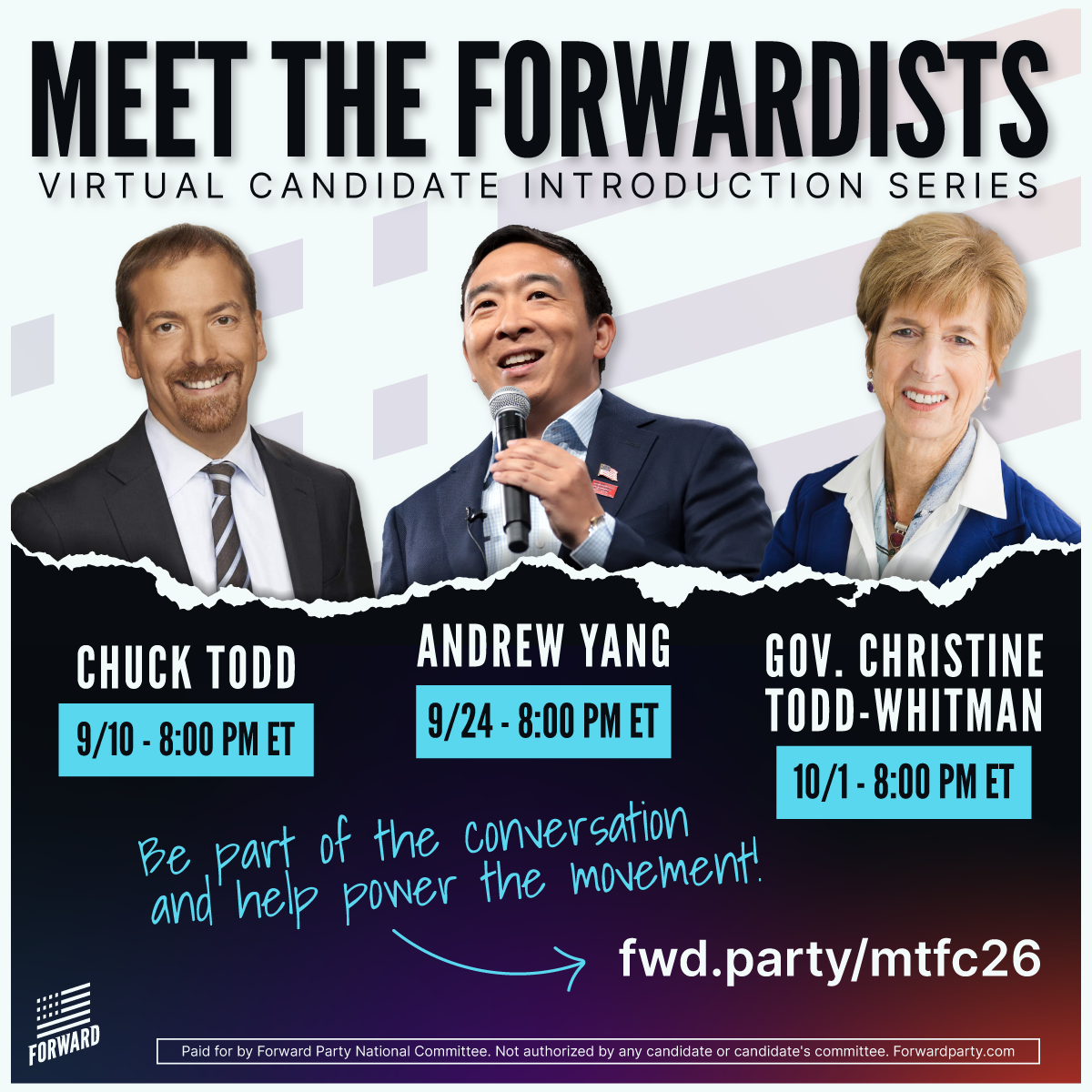









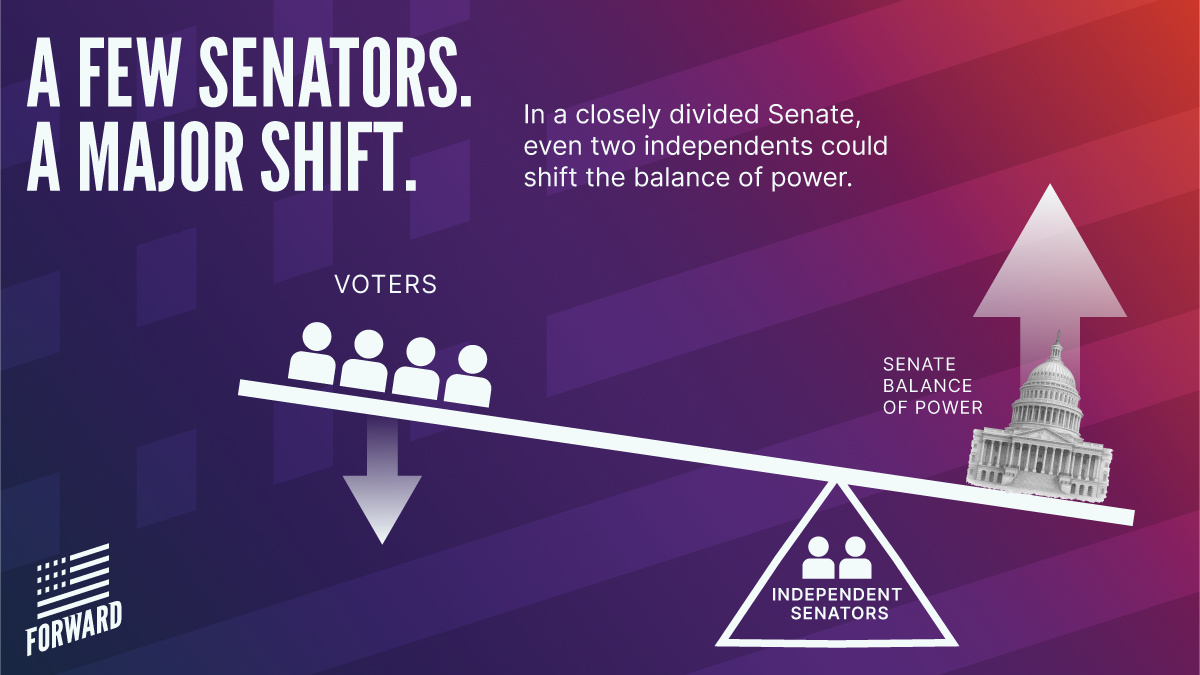





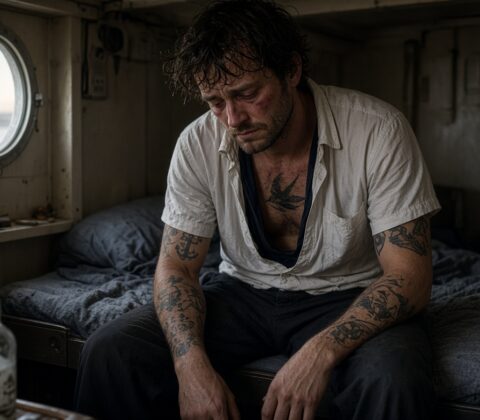
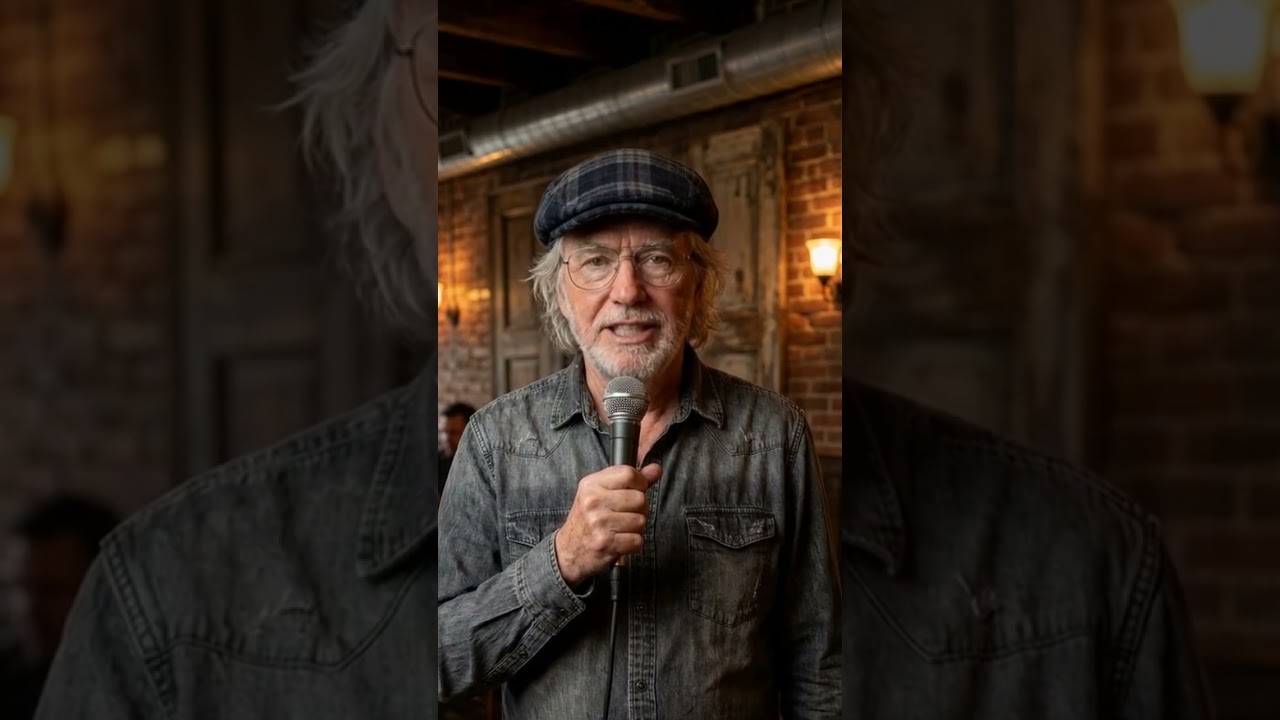




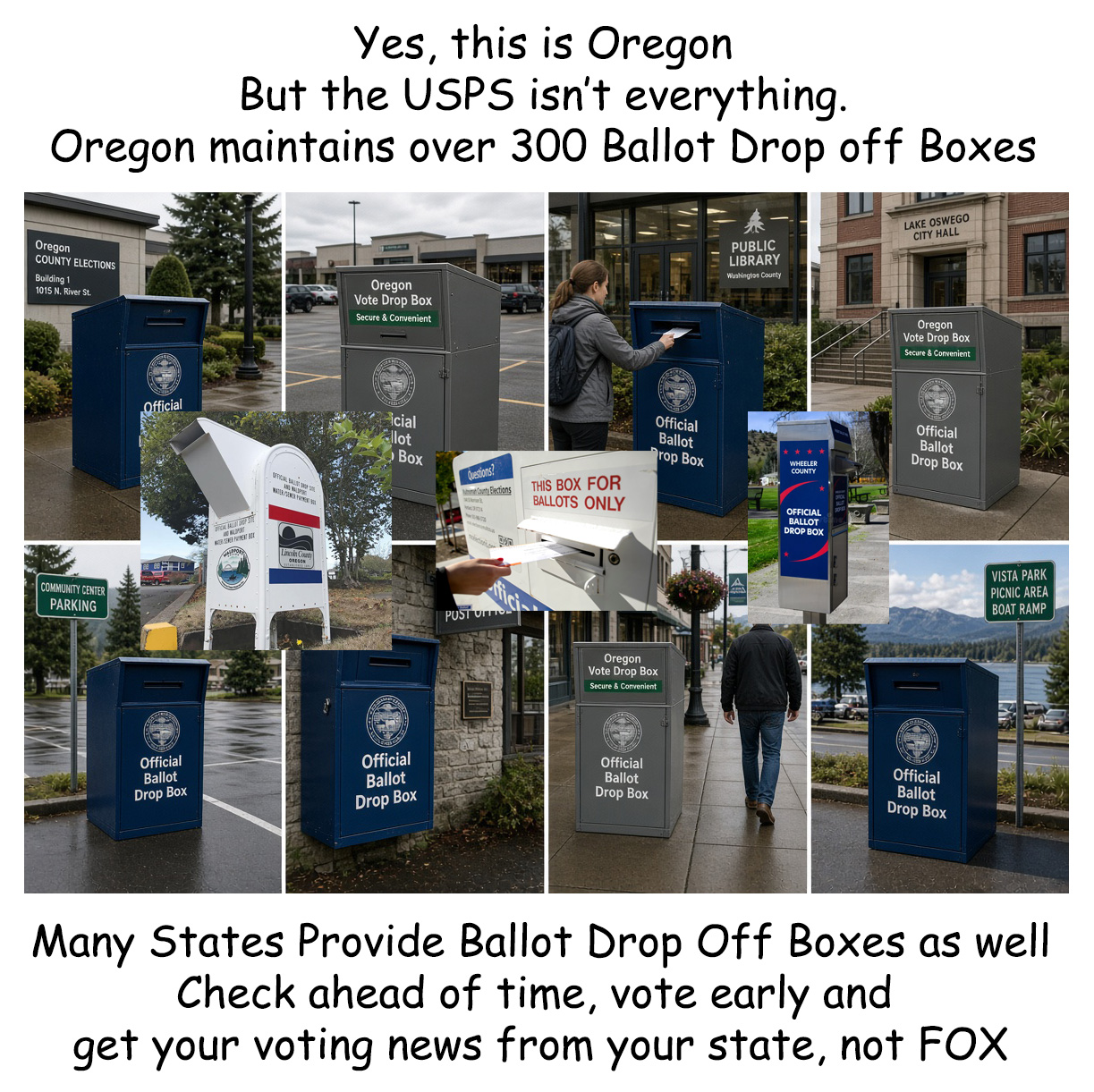




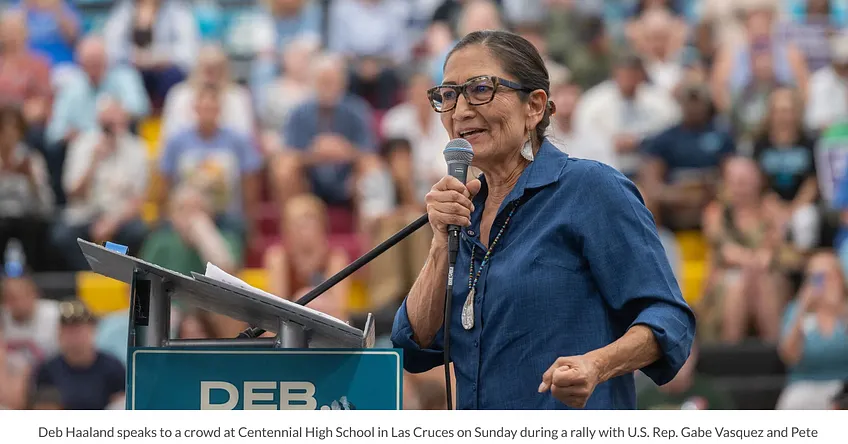









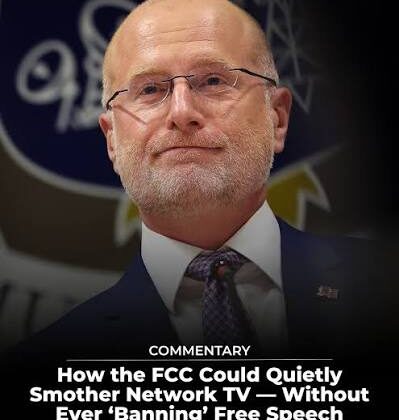


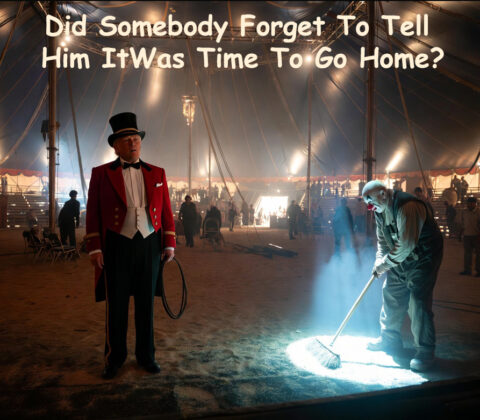






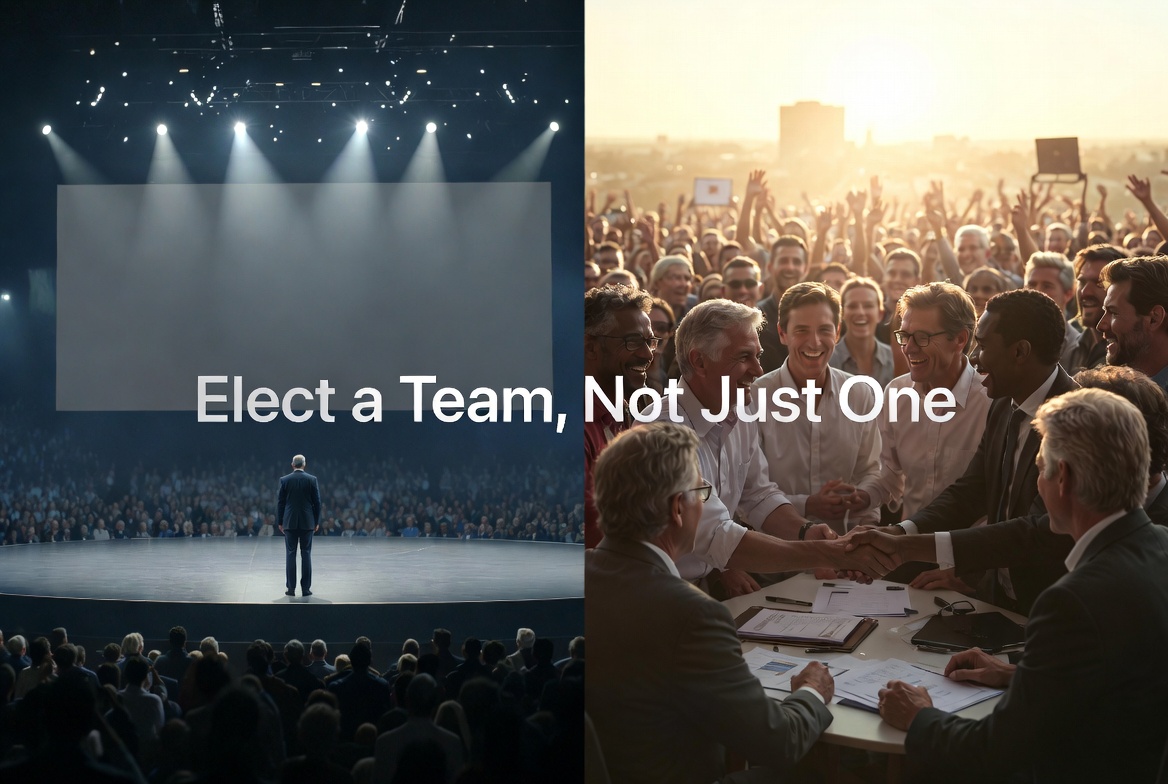


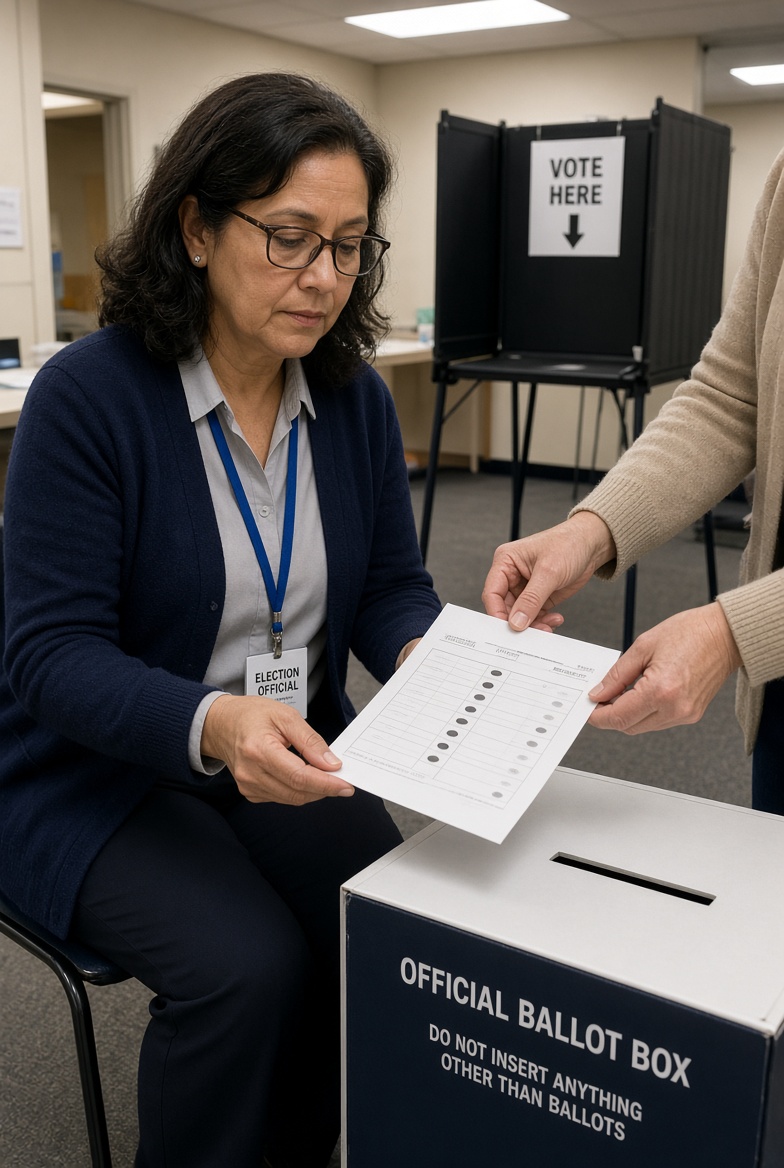
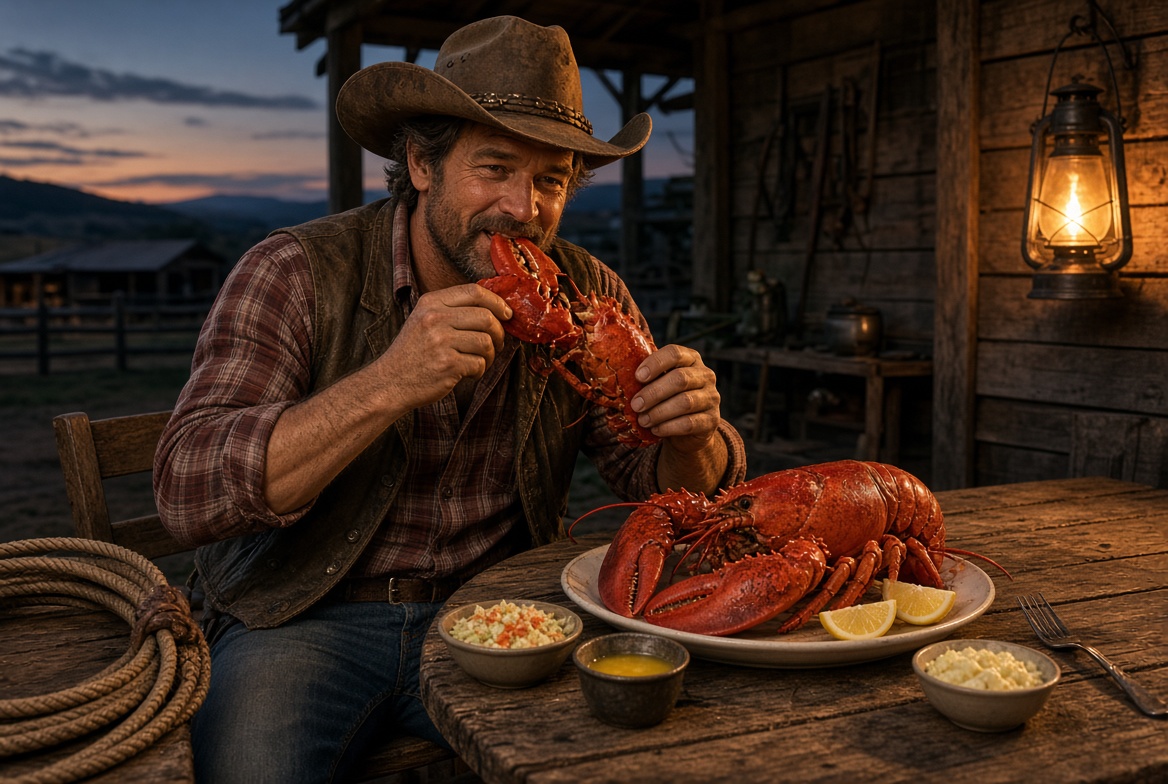
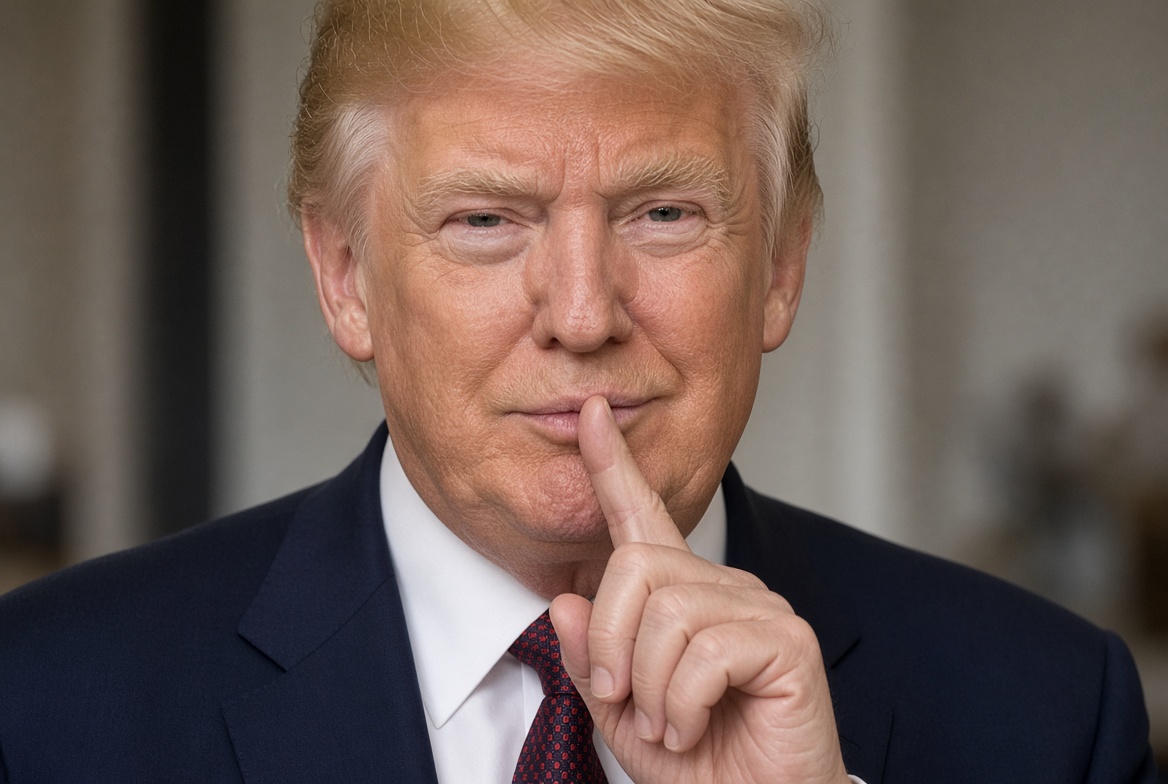


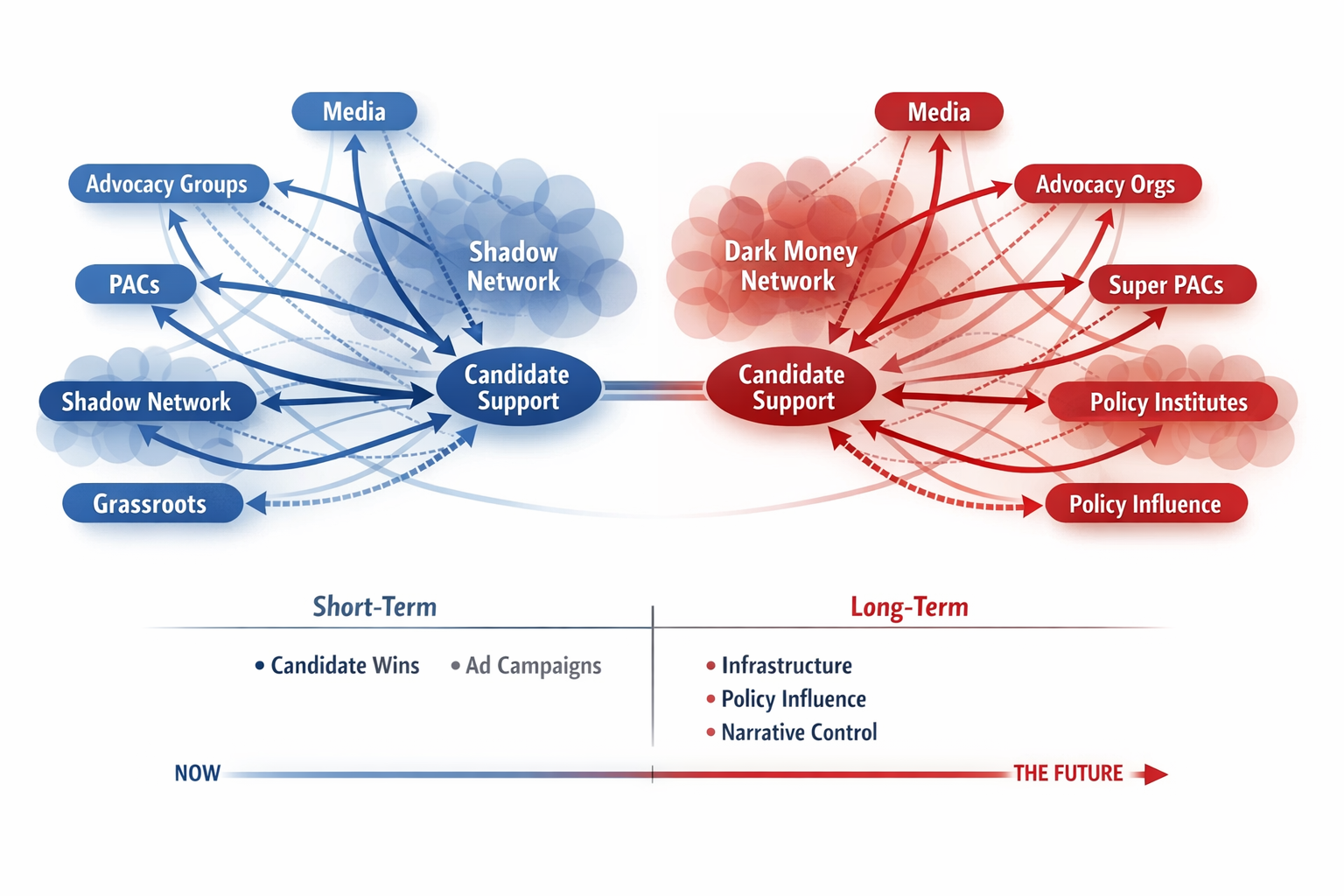

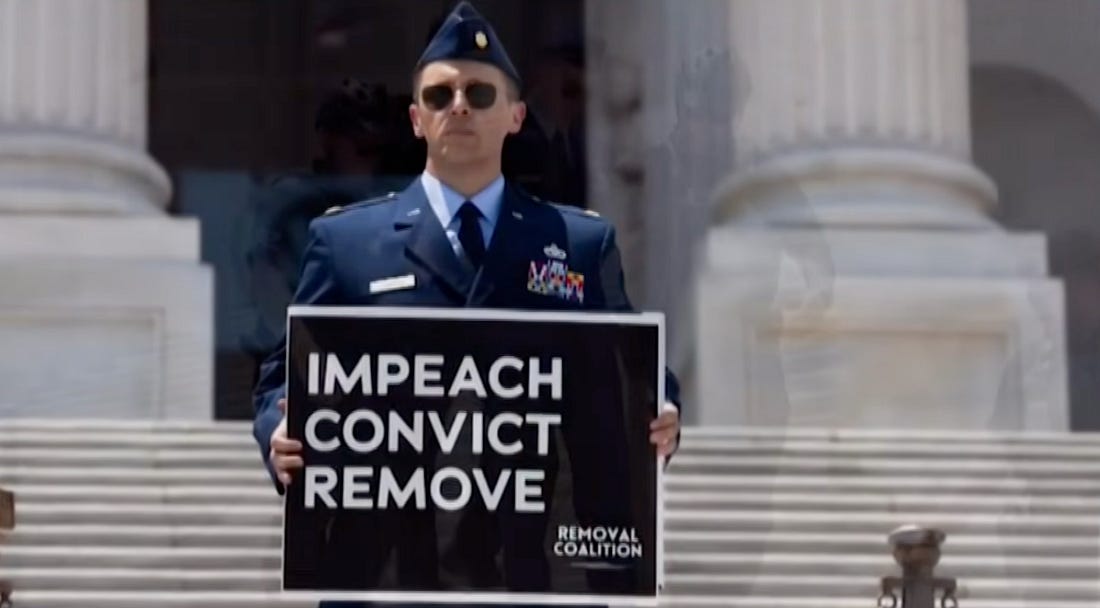
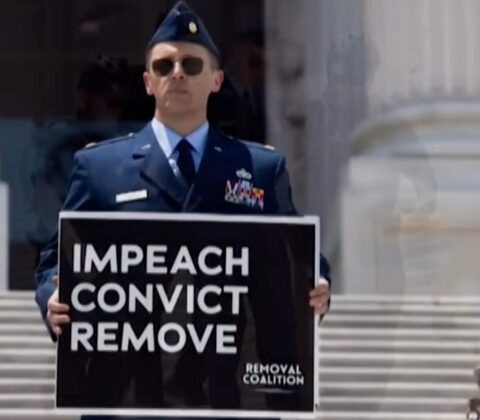

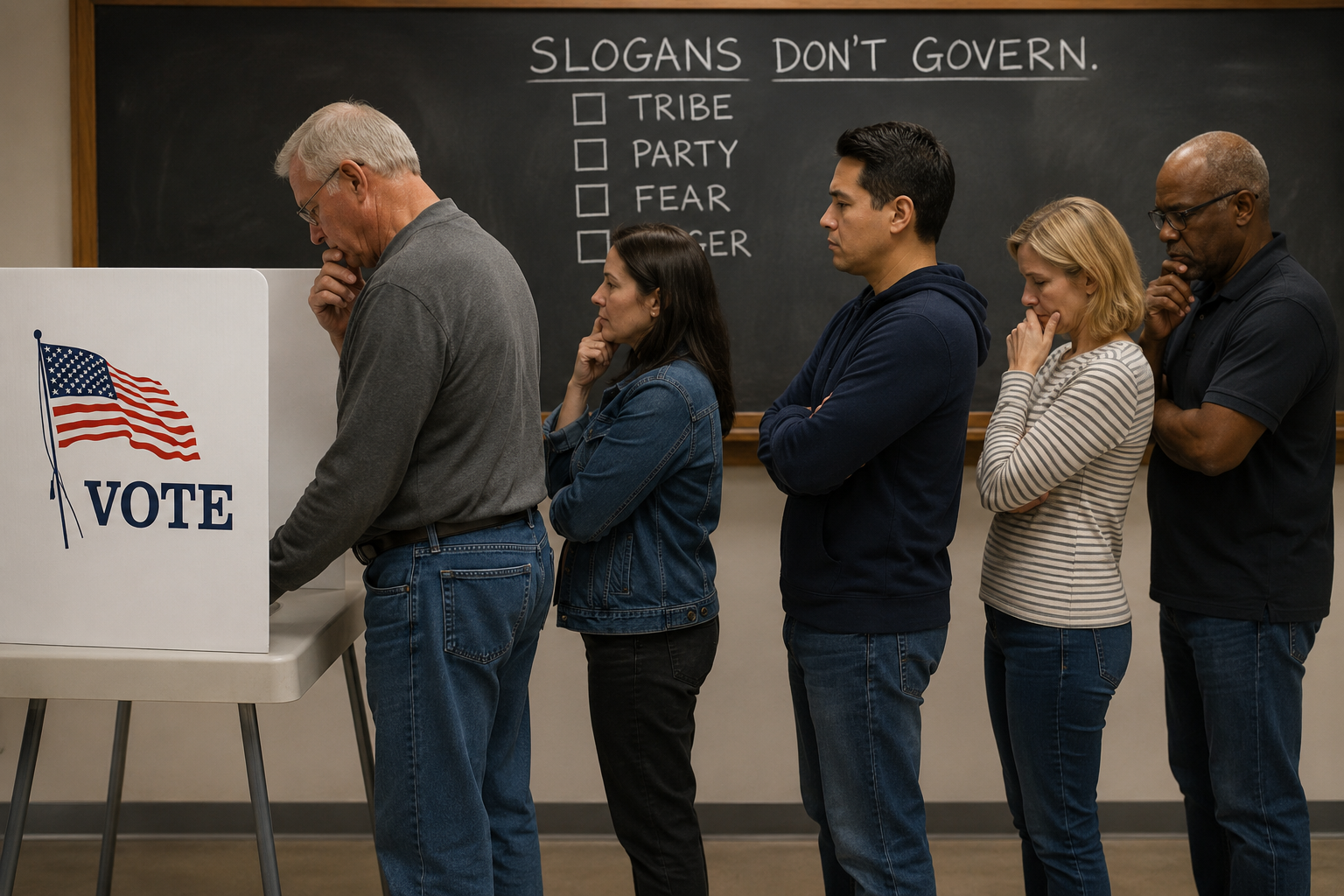


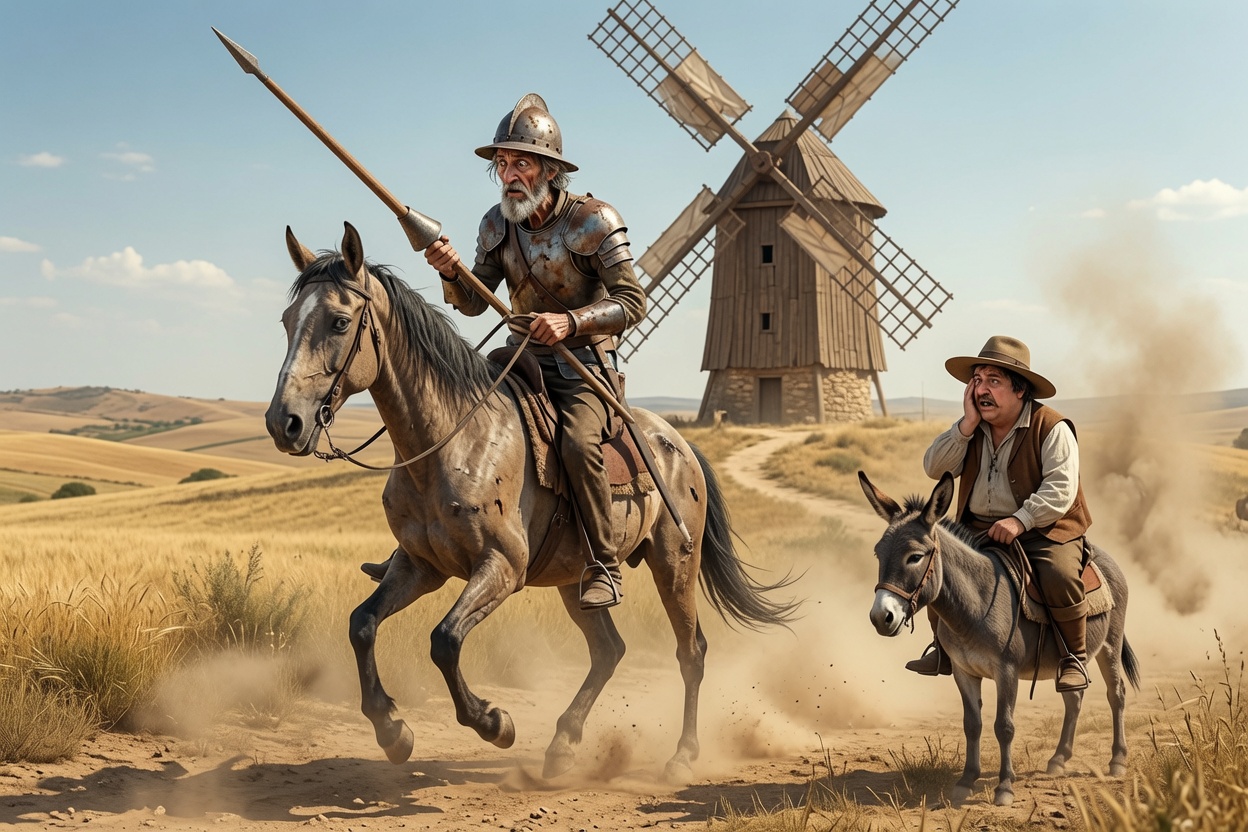










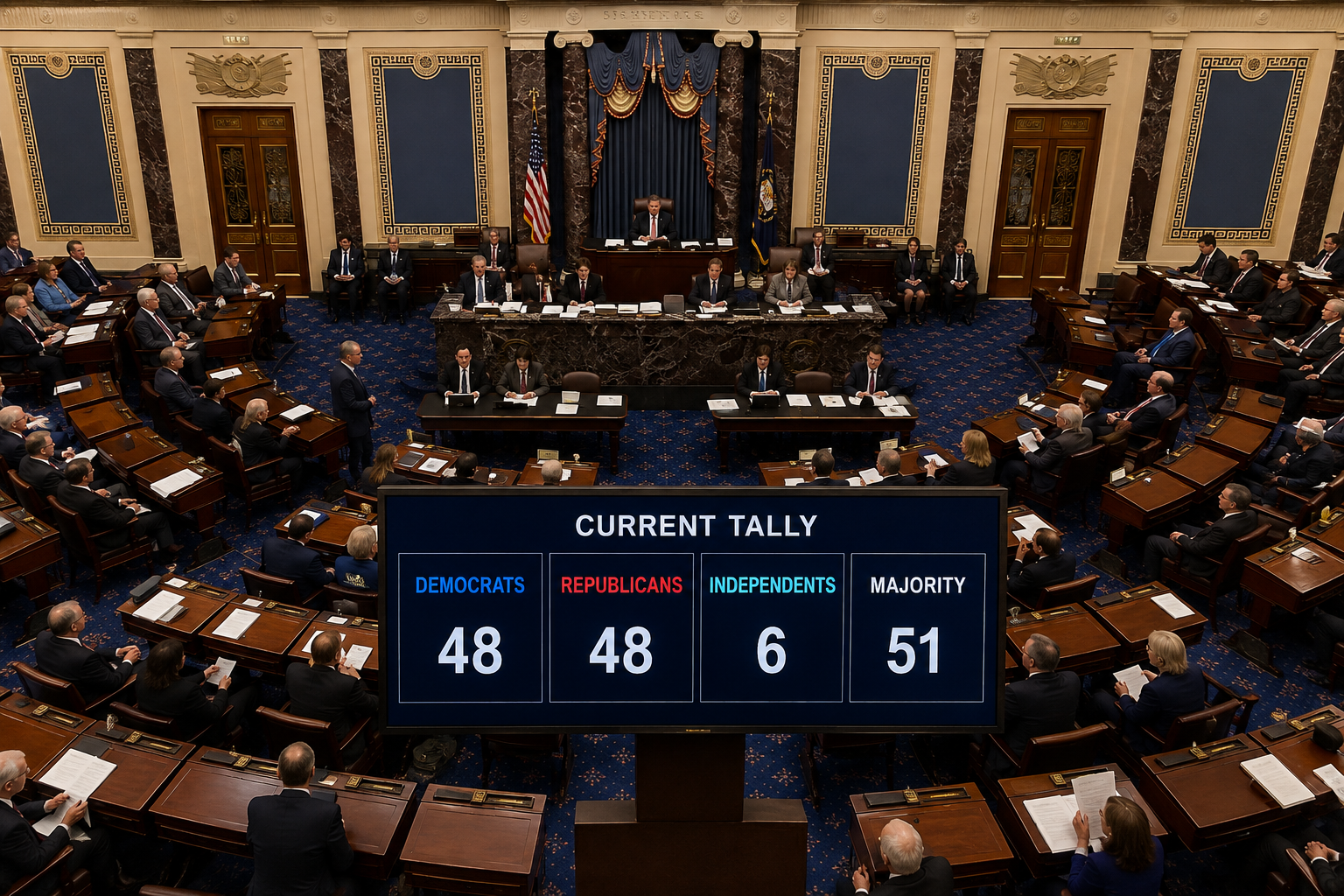
















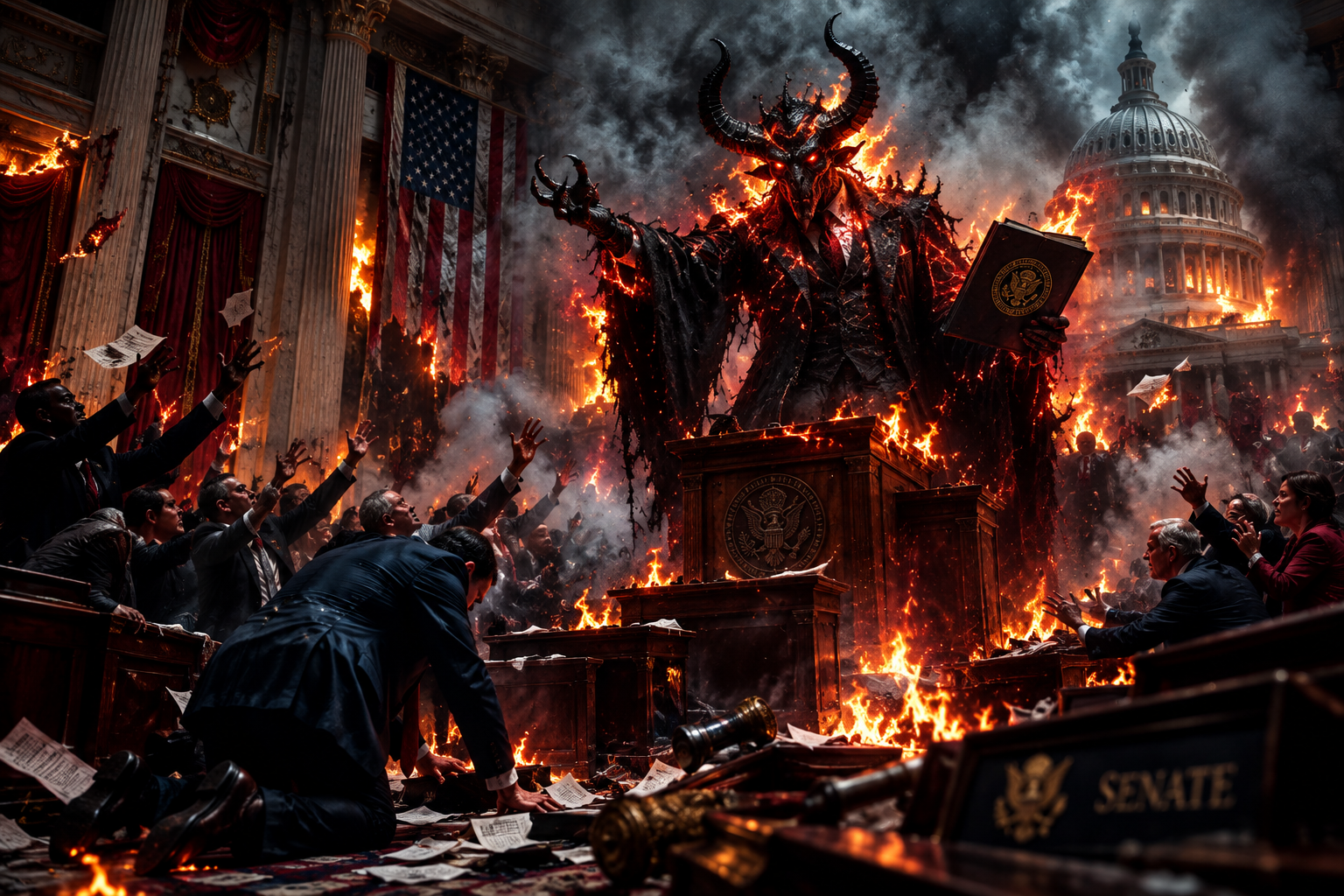






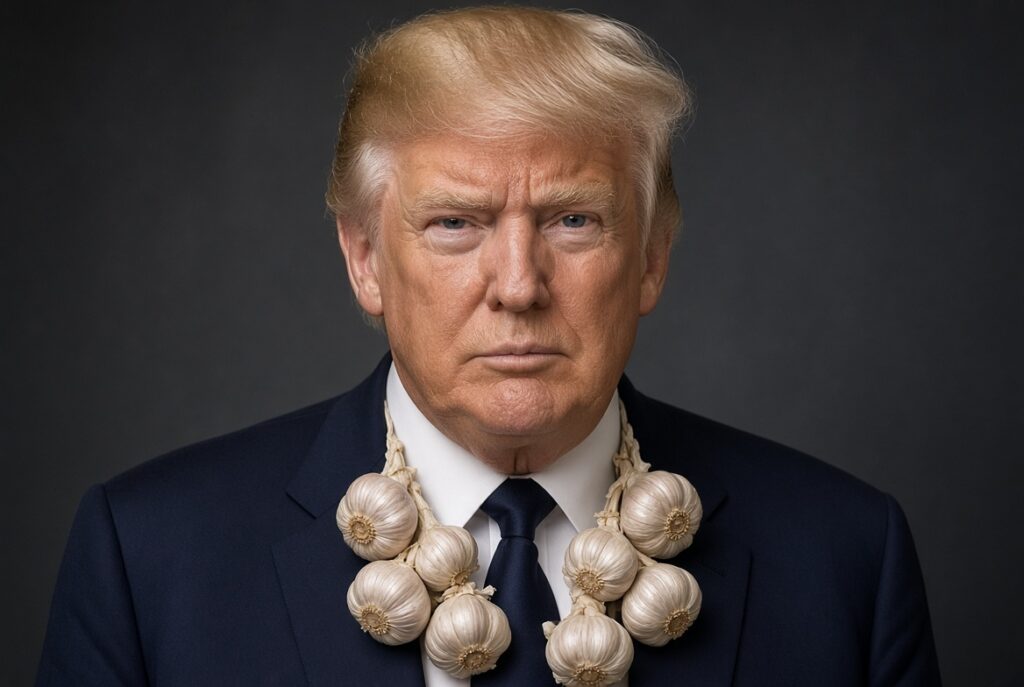


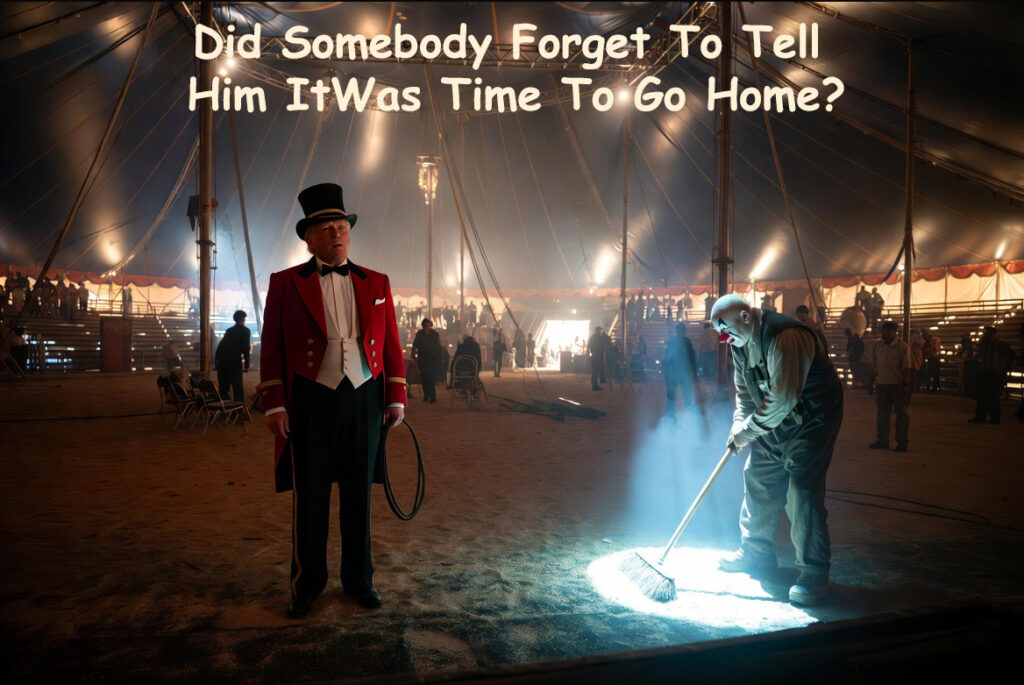








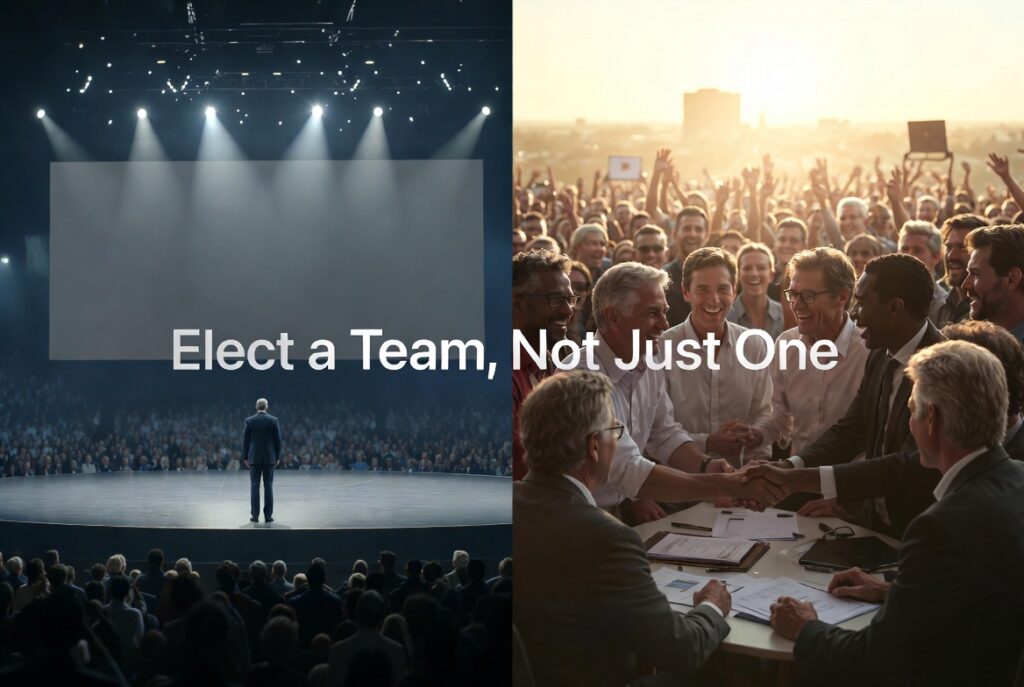




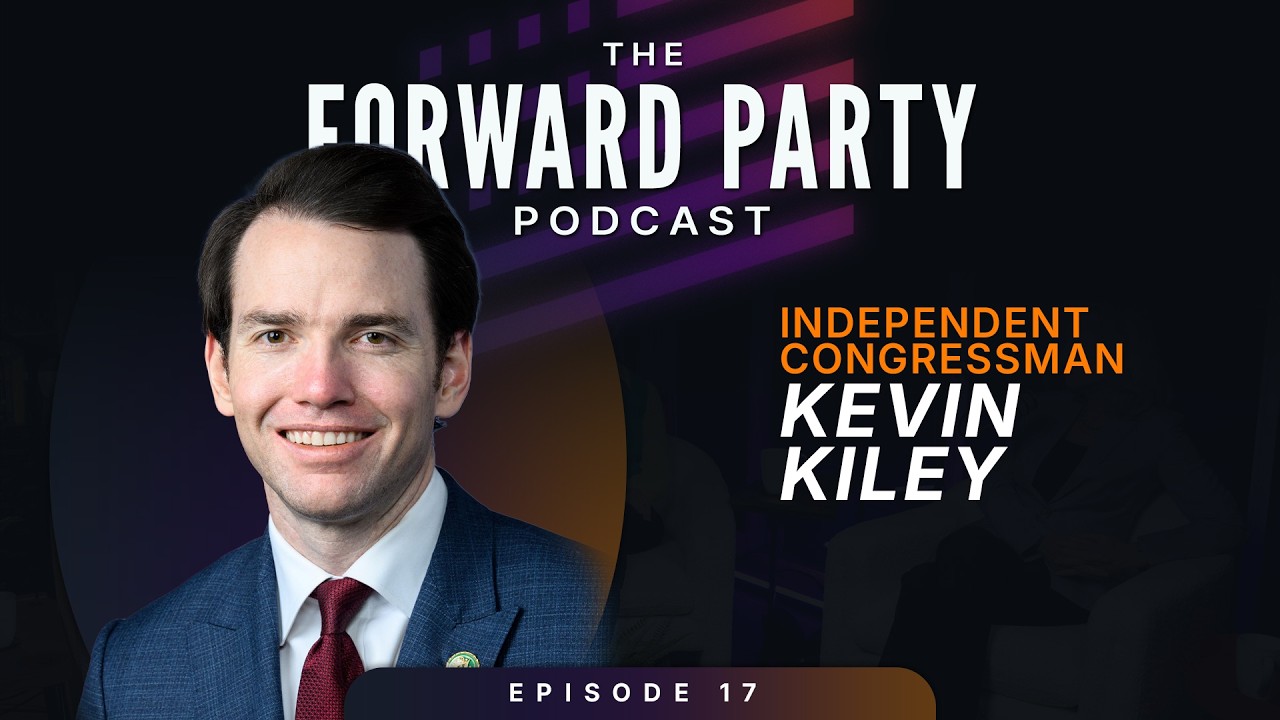









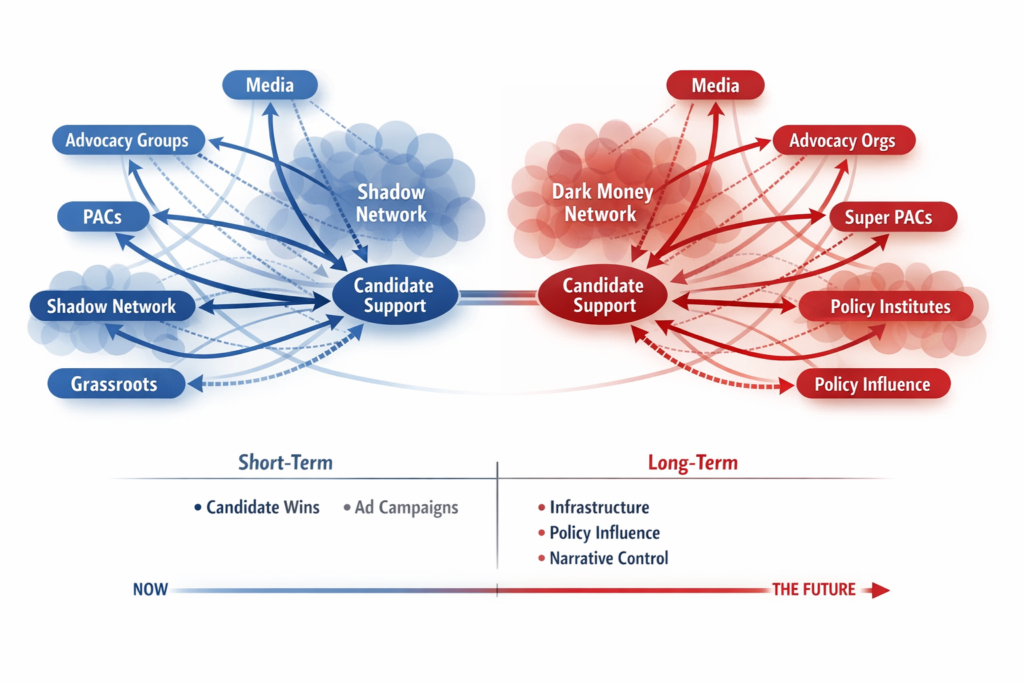

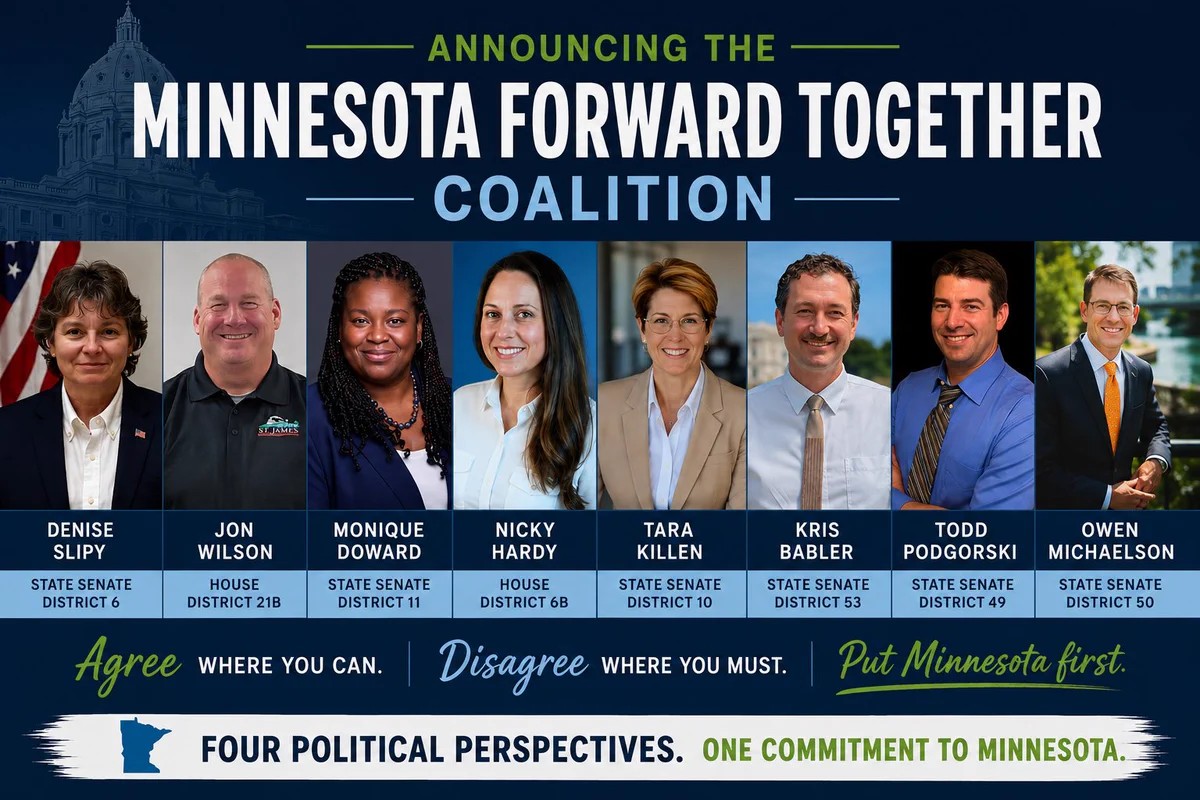


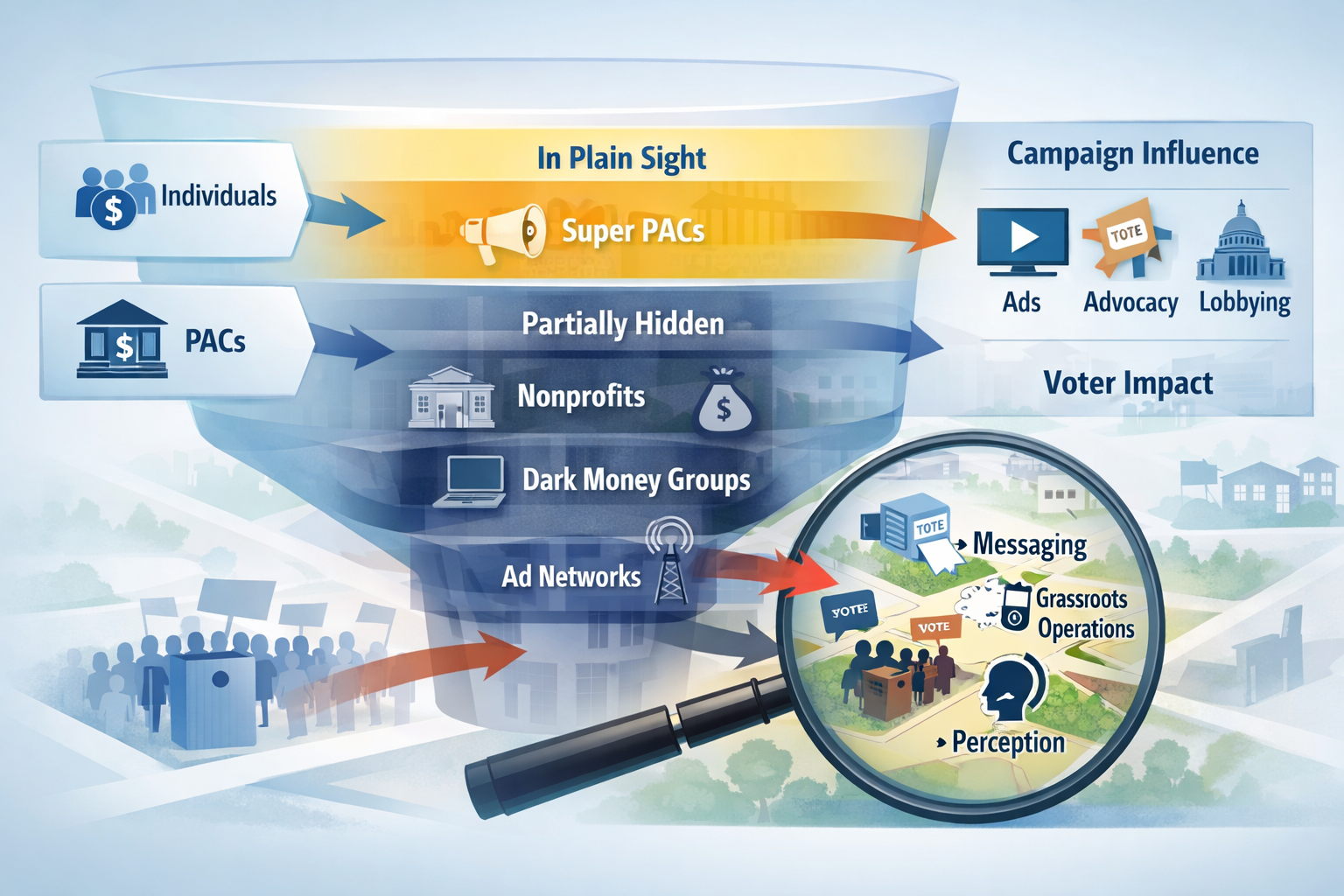
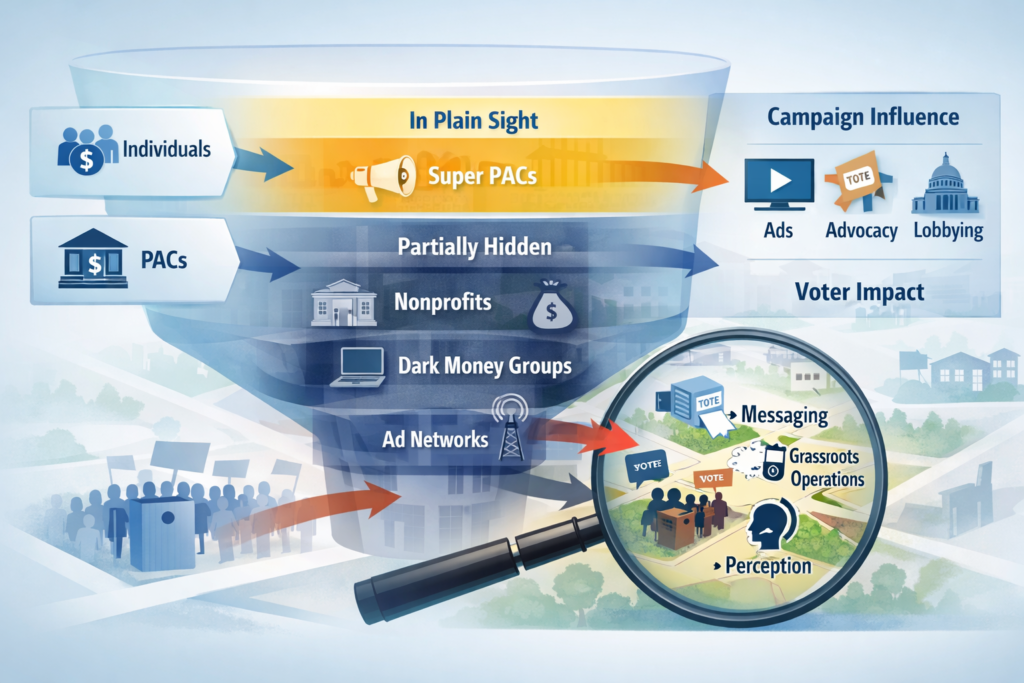


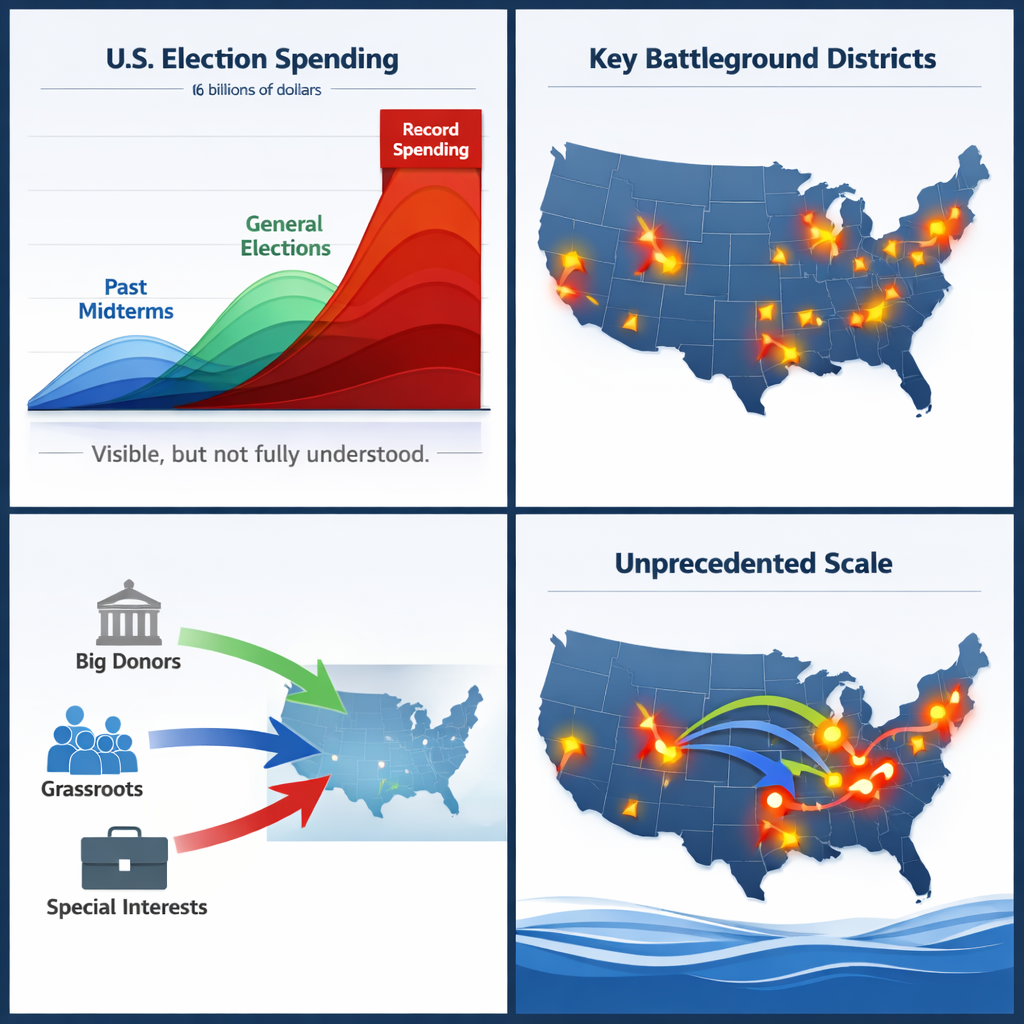







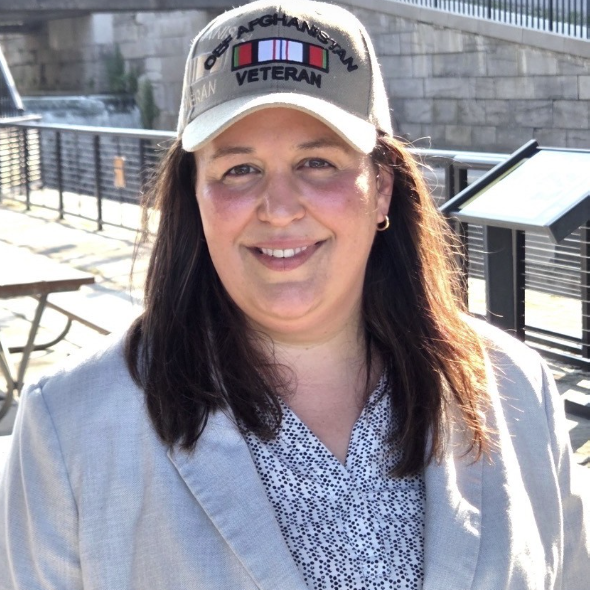

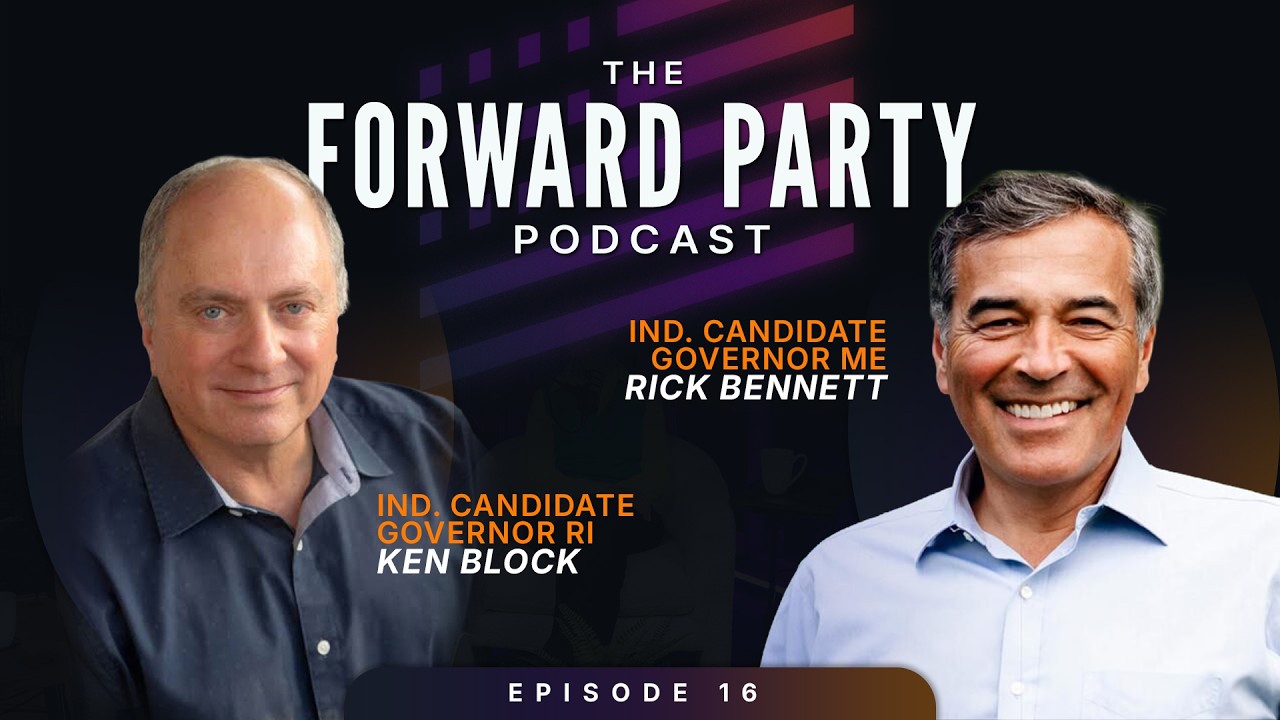






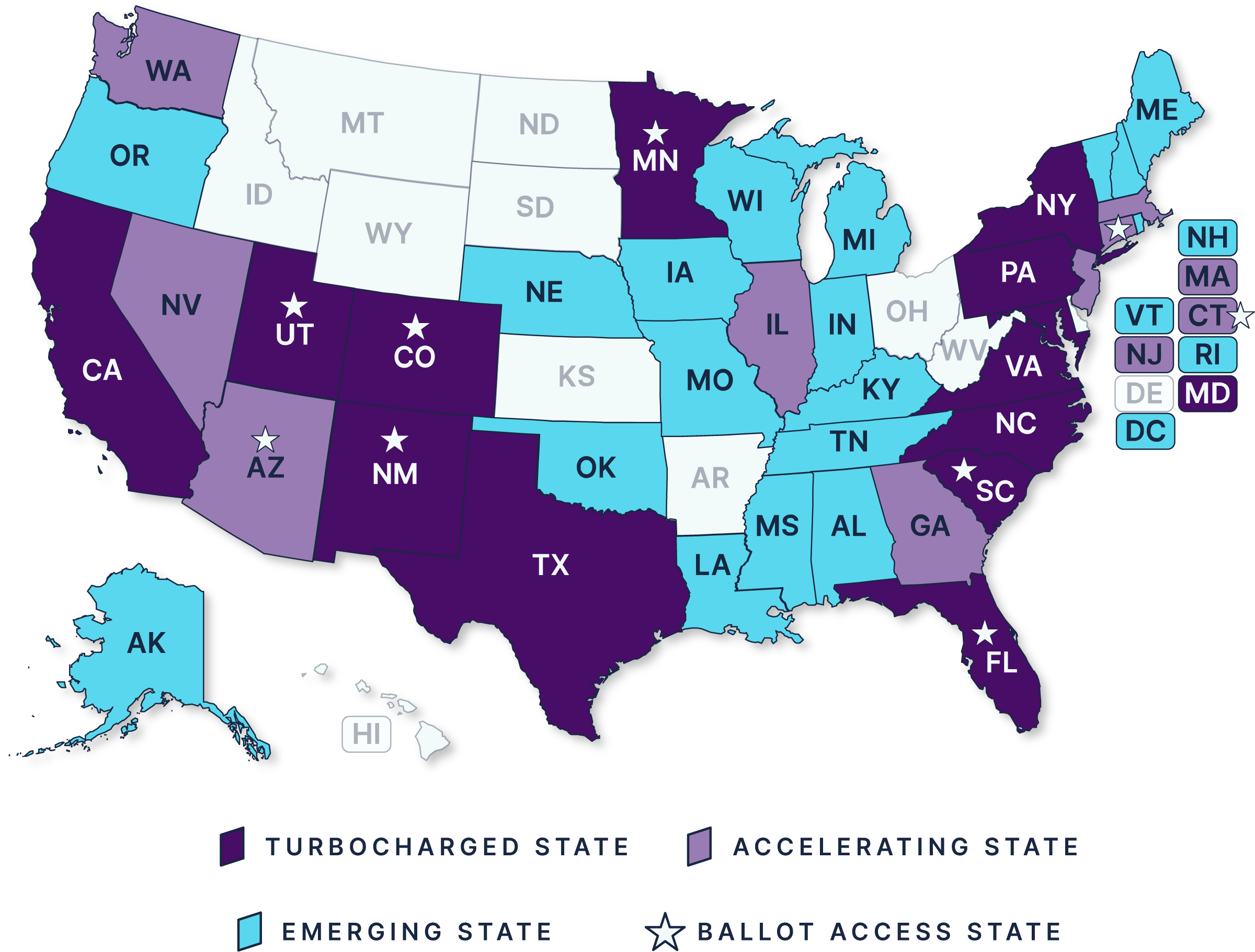
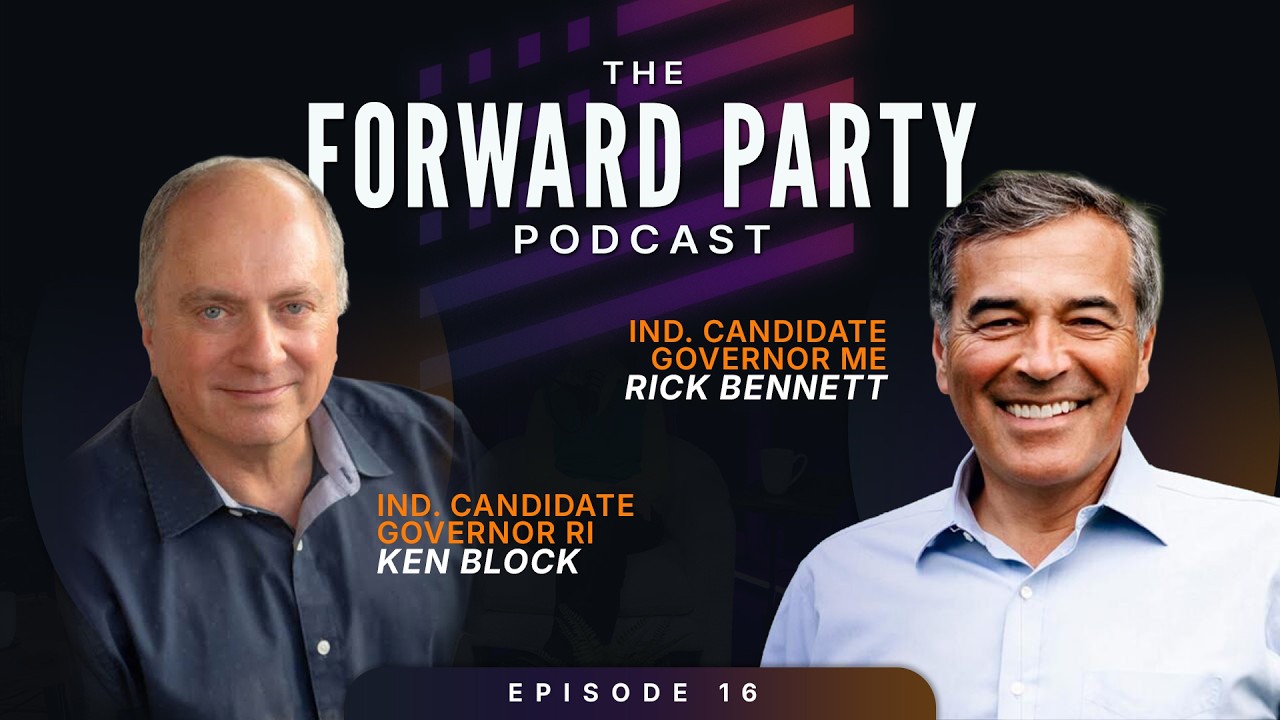
















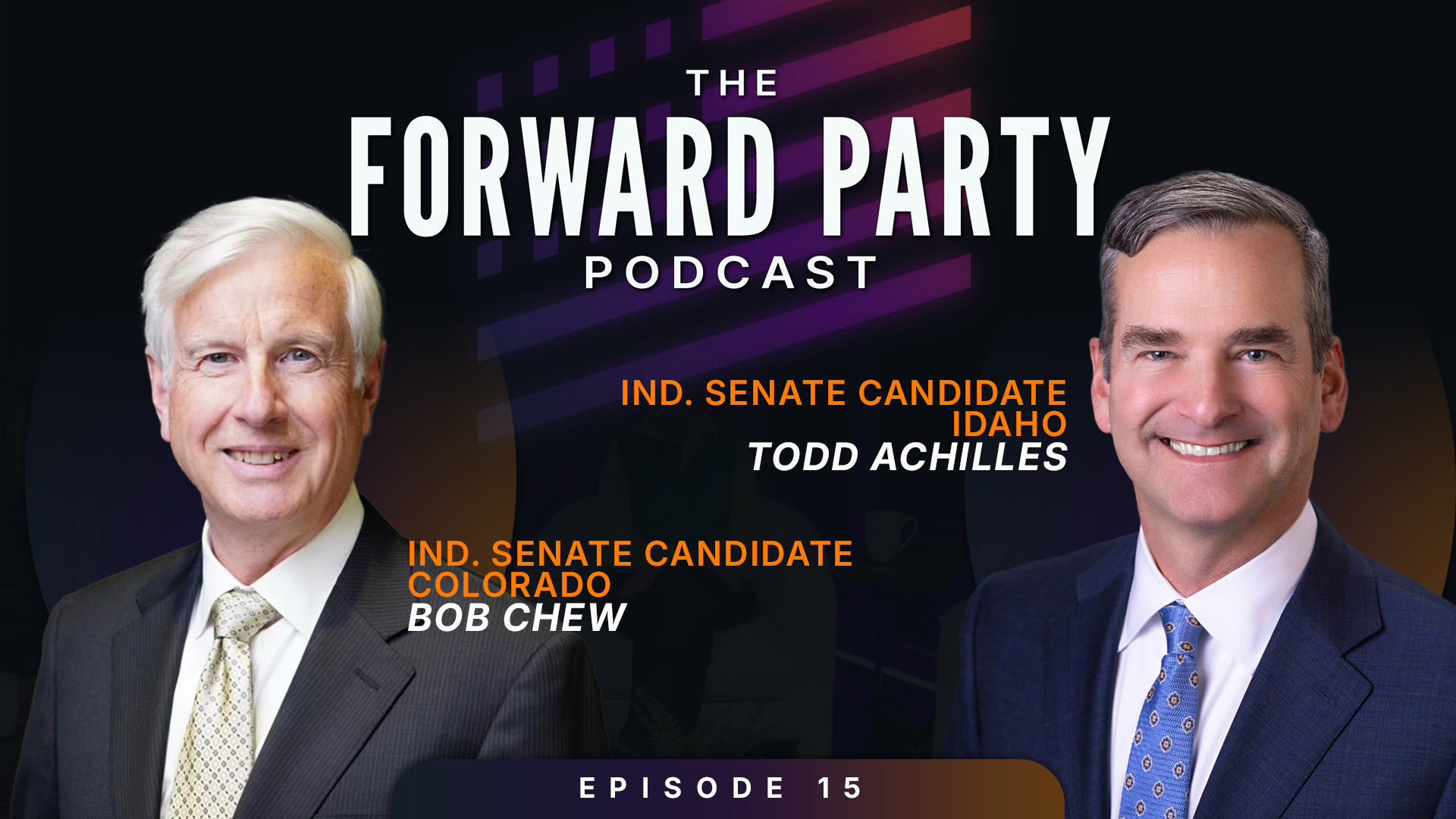








Is There No Decency
I can accept a lot. And I have to admit I’m partly to blame for not always showing respect for the office when I should. But when the office is held by a man one can’t respect, a quandary is created. One I fall victim to. But my disrespect is directed. It has a target.
A target that in my opinion has earned every bit of ridicule that comes his way. I say this because I can no longer watch this narcissistic, self-serving, oblivious man show such disrespect to those who have earned the nation’s greatest respect and honors. Our service men and women. Our first responders.
It may not be his own little fingers creating the prompts that fabricate the memes. I doubt they are, I don’t believe he has the mental capacity to be that creative. But they are created and posted with his blessing and his giggles. Posted and reposted via his MAGA bots in East Asia and Africa.
When a cowardly draft dodger with made-up bone spurs has himself portrayed as a heroic five-star General, it makes me furious. I gave six years to the National Guard. My brother served and did a tour in Vietnam as a First Lieutenant. My father retired as a full bird Colonel. And watching a coward who deserted his staff and crawled away in a catering cart insult those who served, those who simply did their duty, is beyond what I can quietly absorb.
Forget those who died. Forget those who were captured, who spent years as prisoners of war. Trump has already weighed in on them, they were just losers. Forget those who came home carrying wounds nobody can see, who suffer from PTSD. Not the PTSD Trump suffers from missing a golf date. The real kind.
Portrayed as a five-star General patterned after Patton. Memes of him landing at Normandy. My God. Has this man no sense of dignity at all.
Then the memes of him as a first responder at 9/11, being cheered on by fellow first responders. What an insult to the real men and women who showed up, who dug through the rubble, some of whom died, some of whom are sick, and whom Congress can’t be bothered to help. But Second String Donny gets to fake his way into their story.
He isn’t content just being nothing. He has to tear everything good down to his level as well.
He thinks he will be remembered as a hero. Let him know we will do everything we can to just forget him.
Donald J. Trump. You have insulted and offended me and my family. And I would imagine you have insulted and offended just about every person who has ever served in the military, and every first responder, and every family that loves them.
Is there no decency?
It will take a generation for the stench to dissipate.
Share this:
Like this: