You do know that we are all preaching to the same choir out here, don’t you?
Yacky yack.
That’s really what most of us are doing. The same old rant to the same old people. The same arguments, the same outrage, the same memes, the same accusations, the same people agreeing with us and the same people telling us how stupid we are.
And somehow we think we are accomplishing something.
It feels good.
It makes me feel good. It makes you feel good. There is something strangely satisfying about finding somebody who agrees with you and then agreeing with them even harder.
But let’s be honest.
It doesn’t accomplish a darn thing.
Must be the bourbon talking again.
But hey, we all know the score. We know who is who. We know which side we’re supposed to be on. We have already decided who the good guys are and who the bad guys are.
Otherwise, we probably wouldn’t be out here doing this in the first place.
We respond to the bots from the other side like it might actually make a difference.
Think about that for a minute.
You’re arguing with a bot. Somewhere, maybe on the other side of the world, somebody may have written a program designed to irritate you into responding. And here you are, typing away, explaining to it why it is wrong.
Like the bot is going to suddenly say, “You know what? Bill has a point.”
Or like some guy in South Africa running a hundred accounts is going to make Elon Musk another ten cents because you spent twenty minutes arguing with one of his bots.
Does anybody really think that bot gives a flying copulation?
See?
Not that far gone yet.
So here is the plan.
Yes, I have a plan.
A grand plan.
A real plan.
Not a two-week plan. Not a campaign promise. Not a plan that requires a committee, a billion dollars and three years of hearings.
And one of the local proprietors of the local BBQ supply store helped supply it.
Yes, BBQ supplied — from Louisiana to Oregon, with a little mesquite smoke thrown in.
I call it the “Do You Know?” Plan.
It is really very simple.
The next time you are talking to your friend, your neighbor, your co-worker, your co-parishioner or the guy standing next to you at the BBQ supply store and somehow the conversation turns toward Donald Trump, listen for the inevitable:
“I don’t discuss politics.”
Fair enough.
Don’t lose a friend.
Don’t make an enemy.
Don’t turn Thanksgiving into a family civil war.
They may be MAGA. They may be exhausted. They may have decided politics isn’t worth the aggravation anymore. They may be one of those people who has been watching the same news channel for twenty years.
Or they may simply not watch the news at all.
Maybe they have been depressed since Friends and Seinfeld went off the air.
Who knows?
The point is, don’t ask them what they think about Trump.
That’s a political question.
No-no.
Instead, ask them something completely different.
Ask:
“Did you hear about Renee Good, the woman who was shot by an ICE officer in Minneapolis?”
Or:
“Did you hear about the ICE shooting through the door?”
Then shut up.
Seriously.
Listen.
Don’t immediately explain why it proves your side is right.
Don’t tell them they are uninformed.
Don’t tell them Fox News didn’t tell them.
Don’t tell them CNN did.
Don’t mention Democrats.
Don’t mention Republicans.
Don’t mention MAGA.
Don’t mention woke.
Just ask:
“Did you hear about it?”
Because you might be surprised.
They might say, “Yeah, I did. What do you think about it?”
Great.
Now you have a conversation.
Or they might look at you and say:
“No. What happened?”
And that is the moment.
Not the moment to start preaching.
The moment to tell them what you know.
Maybe tell them where you heard it. Maybe give them enough information to go look it up themselves. Maybe they will find a completely different version of the story.
That’s okay.
The point isn’t to win.
The point is that they now know something happened that they didn’t know happened five minutes earlier.
That is more useful than winning an argument with somebody who already agrees with you.
Because I am beginning to think that one of our biggest problems isn’t necessarily that Americans have the wrong opinion.
It may be that a whole lot of Americans don’t have enough information to form an opinion in the first place.
And that’s different.
This next part I hate, because it is in short form and I hate short form, but dammit, it works here.
There are people who are passionately informed.
There are people who are passionately misinformed.
And there are a whole lot of people in the middle who are simply trying to get through the day.
They have jobs.
They have kids.
They have bills.
They have aging parents.
They have a mortgage or rent payment.
They have a car that needs tires.
They have a dog that just threw up on the carpet.
They aren’t sitting around waiting for the next congressional hearing.
Politics is background noise to them until it lands directly in their living room.
And I don’t think we should blame them for that.
Maybe we should just find a better way to get their attention.
Which brings me back to the choir.
We spend an enormous amount of time talking to people who already agree with us.
We congratulate each other for being right.
We share an article.
Somebody comments, “Exactly!”
We respond, “Couldn’t agree more!”
Somebody else says, “Wake up, America!”
We hit the like button.
And then we wonder why nothing changes.
Maybe America doesn’t need another person standing in front of the choir with a microphone.
Maybe we need somebody to walk outside the church.
Maybe we need somebody to walk into the parking lot and ask the people who aren’t inside:
“Hey, did you hear about this?”
That’s a different conversation.
It doesn’t require a political party.
It doesn’t require a candidate.
It doesn’t require you to hate anybody.
And it doesn’t require you to know all the answers.
It requires curiosity.
And maybe a little patience.
Because here’s another thing I’ve learned:
People don’t generally like being told they are stupid.
They don’t like being told they have been brainwashed.
They don’t like being told they get all their news from the wrong place.
And they sure as hell don’t like being told that if they don’t agree with you, they’re part of the problem.
But ask them a question?
That’s different.
“Did you hear about this?”
They can answer that without having to defend themselves.
And if they haven’t heard about it, maybe they will.
Maybe they’ll look it up.
Maybe they’ll tell somebody else.
Maybe five minutes later they will forget about it.
That’s okay too.
We don’t have to change the world in one conversation.
Maybe the first step is simply getting people to look up from whatever side of the political circus they are watching and notice what is happening outside the tent.
Because I don’t think we’re going to fix much by screaming at each other.
I don’t think another thousand posts telling us how stupid the other side is are going to change anybody’s mind.
And I definitely don’t think arguing with a bot is going to save the Republic.
So I’m going to try something different.
The next time I run into somebody who says they don’t discuss politics, I’m going to respect that.
Then I’m going to ask:
“Okay. Did you hear about this?”
No politics.
No red.
No blue.
No preaching.
Just a question.
And then I’m going to listen.
Maybe that’s all we can do.
Maybe it’s not enough.
But it’s a hell of a lot more useful than preaching to the choir.
I can accept a lot. And I have to admit I’m partly to blame for not always showing respect for the office when I should. But when the office is held by a man one can’t respect, a quandary is created. One I fall victim to. But my disrespect is directed. It has a target.
A target that in my opinion has earned every bit of ridicule that comes his way. I say this because I can no longer watch this narcissistic, self-serving, oblivious man show such disrespect to those who have earned the nation’s greatest respect and honors. Our service men and women. Our first responders.
It may not be his own little fingers creating the prompts that fabricate the memes. I doubt they are, I don’t believe he has the mental capacity to be that creative. But they are created and posted with his blessing and his giggles. Posted and reposted via his MAGA bots in East Asia and Africa.
When a cowardly draft dodger with made-up bone spurs has himself portrayed as a heroic five-star General, it makes me furious. I gave six years to the National Guard. My brother served and did a tour in Vietnam as a First Lieutenant. My father retired as a full bird Colonel. And watching a coward who deserted his staff and crawled away in a catering cart insult those who served, those who simply did their duty, is beyond what I can quietly absorb.
Forget those who died. Forget those who were captured, who spent years as prisoners of war. Trump has already weighed in on them, they were just losers. Forget those who came home carrying wounds nobody can see, who suffer from PTSD. Not the PTSD Trump suffers from missing a golf date. The real kind.
Portrayed as a five-star General patterned after Patton. Memes of him landing at Normandy. My God. Has this man no sense of dignity at all.
Then the memes of him as a first responder at 9/11, being cheered on by fellow first responders. What an insult to the real men and women who showed up, who dug through the rubble, some of whom died, some of whom are sick, and whom Congress can’t be bothered to help. But Second String Donny gets to fake his way into their story.
He isn’t content just being nothing. He has to tear everything good down to his level as well.
He thinks he will be remembered as a hero. Let him know we will do everything we can to just forget him.
Donald J. Trump. You have insulted and offended me and my family. And I would imagine you have insulted and offended just about every person who has ever served in the military, and every first responder, and every family that loves them.
Is there no decency?
It will take a generation for the stench to dissipate.
His buddy buddy Roberts just green lit the construction so get yours now, before they sell out again.
When the Berlin Wall fell, everyone was caught off guard, why people had to just grab what was handy to get the job done. Don’t be caught off guard, be ready. Get your Limited Edition Grand Ballroom Sledge Hammer now. Both His and hers editions, only $999.99 each, reserve yours now. Absolutely guaranteed to be available before the Trump Phone is available and decades before the Trump Health Plan leaves the concept stages.
Why for an additional fee, we will even have your name inscribed on the handle for you, spelling not guarenteeed. Priced does not include shipping or handling. Probably fullfilled from our trade partner in Canada. Tariffs additional.
By now, it is clear that the 2026 midterms are unlike any we have seen in recent memory. The scale of spending, the intensity of coordination, and the precision of messaging all suggest a high-stakes contest—but the full story goes deeper than individual candidates or party control.
The real question is not just who wins, but how power is being built and exercised beyond what voters can easily see.
As the 2026 midterms approach, voters must ask themselves: are we witnessing a straightforward contest over seats, or is there a larger game being played—one where both sides seek enduring structural influence, often invisible to the public eye?
Understanding this hidden layer is essential for anyone seeking to grasp the stakes of modern American politics. The long game is underway, and the rules are not fully visible.
The early surge of funding into the 2026 midterms is hard to ignore, yet the public is still largely in the dark about how that money actually shapes the election. Even when contributions are disclosed, transparency is often more illusory than real.
Voters see the headlines—mega-donors, super PACs, and campaign cash—but few grasp the mechanics behind it, or the strategic intent that guides these flows. In essence, visibility does not equal understanding.
Disclosed vs. Hidden Influence
Campaign finance laws require certain reporting: super PACs must list their donors, and major contributions are public record. This disclosure gives the impression of accountability.
================================
And even among visible spending, both parties appear to be building something larger than a simple tally of wins and losses. Influence flows, narratives solidify, and infrastructure takes shape—often with consequences that extend well beyond Election Day.
The stage is set for a deeper exploration: how much of the opposition’s strategy is truly reactive, and how much is about quietly shaping enduring structures of influence?
Midterm elections are supposed to be smaller, quieter affairs compared to presidential contests. Yet, heading into 2026, the sums being poured into these races are unprecedented, rivaling what we normally see only in general elections. The early flood of resources, even when fully disclosed, is a stark reminder that what the public sees is rarely the full story.
While headlines often focus on candidates, slogans, and social media battles, the real game is being played behind the scenes, where money flows strategically, shaping outcomes before most voters even pay attention.
The Numbers Are Jaw-Dropping
===============================================
Setting the Stage for Deeper Questions
If the stakes of the 2026 midterms are already higher than expected, and the flow of money is more aggressive than usual, we must ask: what is the larger purpose? Is this simply about winning seats, or is there a longer-term plan to entrench influence, shape norms, and steer policy pathways?
Understanding the scale and timing of these investments is the first step toward asking the bigger question: what are voters not being shown, and what structures are quietly being built behind the curtain?
We have to give the midterms to the Democrats. That’s a given. Not because we love the Democrats — but because MAGA has screwed the pooch so badly that there’s no other responsible choice left. Notice I said MAGA, not Republicans, although the ones currently sitting in Congress should be ashamed to carry that label much longer.
RINOs — stand up. Fight back. You are not Republicans in Name Only. Yes, you’ll lose voting power in November. But be glad about it. This is the moment to shed MAGA, shed the Christian Nationalists, shed the far right extremist wing, and let the moderate conversation breathe again for the first time in a decade.
Here’s something worth knowing. The largest voting bloc in this country isn’t a party at all. Dark money is terrified of them, which is exactly why state election processes have been quietly rigged to make it nearly impossible for them to have a real say in any primary — the stage where the two final candidates actually get decided.
We have to give the midterms to the Democrats. That’s a given. Not because we love the Democrats — but because MAGA has screwed the pooch so badly that there’s no other responsible choice left. Notice I said MAGA, not Republicans, although the ones currently sitting in Congress should be ashamed to carry that label much longer.
RINOs — stand up. Fight back. You are not Republicans in Name Only. Yes, you’ll lose voting power in November. But be glad about it. This is the moment to shed MAGA, shed the Christian Nationalists, shed the far right extremist wing, and let the moderate conversation breathe again for the first time in a decade.
Here’s something worth knowing. The largest voting bloc in this country isn’t a party at all. Dark money is terrified of them, which is exactly why state election processes have been quietly rigged to make it nearly impossible for them to have a real say in any primary — the stage where the two final candidates actually get decided.
Over 45 percent of all voters identify as independent. My guess — and it’s a confident one — is that most of them are moderates. Moderate Republicans. Moderate Democrats. Purple, not extreme. But our choices keep getting forced on us by the extremes on both ends, while the actual majority gets left standing outside the room.
Off the soapbox and back to the midterms.
We give the midterms to the Democrats. Good choice, because we have to. We need to neuter an administration causing this much uncontrolled damage. To put it bluntly — the current administration doesn’t give a damn about us. Period.
But that doesn’t mean we’re stuck with what comes next by default.
The day after the midterms is the day all of us start planning for 2028. That’s the day we decide where this actually goes — conservative, liberal, moderate. The choice belongs to the people, not to the machinery that’s been making it for them.
Maybe, finally, people will actually think about what they’re voting for. After this entire fiasco, maybe folks stop believing the campaign promises, the rhetoric, the “two weeks” timelines that never arrive, the lunacy about pets being eaten for dinner. Maybe they realize it was never a joke worth laughing at — it was just stupidity wearing a microphone. And maybe, just maybe, they stop voting the party line out of habit.
Are you ready for the biggest decision of our lives?
The shell game. It never changes, but even after we’re shown how it works, we fall for it. No surprises. Maybe it’s the art of the distraction, or just the desire for distraction. But we get sucked in.
Trump’s book should never have been titled The Art of the Deal. He couldn’t deal his way out of a game of solitaire.
But what he can do is be the victim. Oh, the mighty victim.
The Art of the Deal left out that his success was really just taking people to court and appealing until they went broke or gave up. Pretty simple, if it’s all about you.
So don’t leave, thinking this is just another Trump bash — otherwise you’d never get out of bed, ever again.
This is about the book that should have been written: The Art of Being a Victim.
Step back. Really step back. He is the victim. You are the victim. But never fear, Don Quixote is here to take on those malicious windmills — the ones killing all the birds. (Forget that his own shiny Trump Towers kill more birds than wind turbines ever have.) And Quixote is the only one who can save them, and you. And maybe pocket a hundred million in gratitude from the coal industry along the way.
I===========================================
If you think that’s not really just Trump’s pocketbook too, you’ve been asleep for way too long.
This is just the tip of the iceberg. Any more and it gets redundant, and besides, I’ll need something to write about tomorrow.
Poor, poor President Trump. He’s trying so hard to fix it for you, and suffering so much in the process.
They need to unite. Even I’ve been known to say it lately, and in some way I’ll probably keep saying it: find your voice. Get together, form a band, be the Monkees.
The Monkees, why the Monkees, you ask?
Easy. They didn’t start off as singers. They hadn’t decided to get together in a garage. Heck, they were young actors put together for a sitcom, meant to appeal to teenyboppers, sell airtime and ads. Make money. And some young exec said to himself, “Self, what if they sang a song?” So the network had them sing a song. Among them, “Last Train to Clarksville.” What does Clarksville have to do with any of this? Nothing. Just a good opening.
At first, they didn’t even play the instruments. But isn’t that called politics?
So I wander, The Wanderer? No, that was Dion. Back to it: they need to unite, find a voice. Yes, unite. Yes, find a voice. But let me add a few words to that. They need to get together and speak the same language, but not say the same words.
Why does everything have to revolve around he-said, she-said? I just saw where Mamdani wants a few city-owned grocery stores in the poor parts of town, and the first thing the news did was jump to failed attempts tried before. Okay, some failed. Some didn’t. And I didn’t hear Mamdani say every grocery store in the nation needs to be state-owned. Did you?
Where I live, in the fall, we have local farmers markets. It works because we have local farms — imagine that. We grow tomatoes in our small backyard and still buy a basket of some of the greatest tomatoes you’ve ever seen, if you live in a city. Way too much to eat in a salad, or sliced for a burger. Oh, so sweet and tasty. Getting hungry.
I’ve dried them, soaked them in olive oil, made sauces and salsas galore. But we’ve finally settled on homemade tomato soup. Never buy Campbell’s again. Freezes well. And come a cold winter’s day, California Dreamin’, did I tell you I grew up on a SoCal beach? soup, alongside a BLT. Oh my. That’s non-partisan at its best.
But if my wife were Sue, I’d say I was Running Around again.
My aim here is that the voice needs to be consistent on core values, but tailored to the audience. It can still stand up, because it’s true: affordable food and groceries in a small rural town means exactly the same thing as affordable food in an affluent major city, as well as in a hardship community. But the methods of achieving it are different. The message can be the same, affordable groceries, but the solutions are not one-size-fits-all. And the message has to say that too.
One example: in my area we have a commercial chain of privately owned outlets called Grocery Outlet, usually found in college towns. They specialize in bulk-buying slow sellers from distributors at a discount, then selling with that discount passed along. Each store is privately owned, a franchise.
My message: RINO, Democratic Socialist, Democrat, or Independent, with or without an uppercase “I”, we may really all want the same thing in the end. But the solutions will be different from each other, because they have to be.
When someone calls you a communist, a radical, or worse, maybe the retort, and there should be a retort, is: “No, I’m not the label you just called me. I’m a representative of Rural Michigan, looking to provide my constituents the best services I can.” Feel free to replace “rural” and “Michigan” with whatever’s appropriate to you.
How about we ship snowshoes to Mar-a-Lago?
After all, Isn’t that what MAGA is trying to do? Make us all wear the same same thing, the same size? Doesn’t sound like freedom to me.
If he needs to be Robin Hood, he will be. After all, the peasants have been abused over and over again by those commies — the Bidens and Obamas and their SNAP benefits and Medicaid. And let’s not forget school lunches.
Robin will protect you, as only Robin can, in his little green tights. Maybe that’s the problem, lack of blood flow to the thinking region.
Poor Robin Hood, he could succeed in helping you, if only all those horrible left-wing commies didn’t use the law to stop him. Meanwhile, back at the tenements, have you seen the digs poor Robin goes home to every weekend? Horrible. Just horrible. All those golf courses.
What was Robin good at again? That’s right, stealing from the rich and giving the spoils to the poor. Doesn’t seem like he’s doing much stealing these days, though. Maybe that wedgie’s slowing him down.
It looks a lot more like the rich are throwing money at our poor Robin. Cash, lots of cash. Poor Robin, getting buried in it. Bewildering, really. Why would all these super-rich people make such generous contributions to Robin of Mar-a-Lago?
Why would they gladly pay millions of dollars for a McDonald’s hamburger and fries, when they could’ve just gone to Five Guys for fifteen bucks? I wonder why.
Poor Robin had spent time in the Middle East before returning to fight the good fight for you. Of course, for you. And an Eastern prince saw the shoddy plane poor Robin had to fly around in and gave him a $400 million replacement. Just from the goodness of his oil-laden heart. Just so our Robin might remember the kindly prince with good thoughts. Nothing else.
Robin the Hood, sacrificing so much for the people, 24-7. Yes, 24-7, except for the twelve hours on Truth Social telling you how much he’s stealing from you (scratch that, from the rich), the three hours for the McDonald’s breakfast special, gotta keep the energy up, and the four-hour nap during those pesky cabinet meetings. So boring. Government business, you know. So boring, and they just praise me so much, so boring, good time to sleep.
Sacrificing himself to the burden of having to thank each and every rich donor with a kind thought and a fast-tracked monopoly merger, or drug approval, or a friend’s pardon. Nothing questionable. Maybe 600 tons of cocaine. Nothing questionable at all. Nothing any honorable Hood wouldn’t do.
But Robin the Hood did it all for you. Sacrificed it all for you. Spent all those miserable hours wondering why golf balls and bows don’t play well together, so much to do, he sacrificed almost every weekend analyzing the problem. After all, when it comes down to Medicaid or the eighteenth green, is there really anything to choose between?
So here we have famous Robin the Hood, receiving so very, very much from the rich, notice I left out the word “stealing”? And is he giving to the people? Health benefits, food benefits, education, housing credits?
Never. If he did that, he’d be labeled a radical left communist, and we can’t have that. Have to maintain the image. Besides, those communists would want an income tax, you know, that thing you pay every year, on the oligarchs, the super-rich, the ones whose immense wealth came from you, in one way or another.
No, our Robin the Hood only knows how to take. He never learned the meaning of the word “give.”
Why does he keep sending me emails asking me to support his efforts? As if I’ve gotten rich from his generosity, instead of running on half a tank. But if I do, I’ll get a real GOLD medal, emailed to me. And we all know what a GOLD medal in an email is worth. Don’t we?
Okay, let’s impeach him. Down with the king. Vance is in, and who cares, the Democrats are in power — that’s what everybody wants, right? Right?
Come on now, that’s all I’m hearing and reading: get rid of Trump, get rid of the administration. And I’ll admit, I’m one of those voices too. I want all of them gone as much as anyone else out here does, but maybe for different reasons. That’s for another episode of the Twilight Zone. Today’s episode is about the vacuum.
We all listen to our favorites — Stephen, Jon, Desi on late night, or the Daily Show — satirizing the evils of today’s events. But do they offer a solution for what should fill the vacuum? No.
How about all those law professors and lawyers, either retired or unable to find clients, dissecting every Trump court case failure and predicting how the Democrats will win the midterms? Do they offer any idea of what should follow? No.
It seems to me it’s all about the evils of the Republicans and how the Democrats will come to the rescue. But for the life of me, I can’t seem to remember just who these Democrats are. And maybe that’s the game plan. If so, I think it sucks.
How many out here watched The Hunger Games and how that played out? If you don’t know what I’m talking about, skip the movies and just watch the ending on YouTube.
So here’s where I’m going with this: just who are these Democrats we’re cheering for? I’d like to have a clue, because I don’t trust them any more than I trust the Republicans.
News flash: Donald Trump became the 47th president. In my humble opinion, he won because he started campaigning before Biden was even sworn in. He campaigned every single day until the election — love him or hate him, he was in your face telling you he was going to take the crown back, that Biden and the Democrats stole the election, every single day.
News flash: the Republicans are going to win in 2028. What? What did I just say? Everybody says Trump is done, so why would Republicans win? Because they’re already campaigning. They’re already in the race. Where are the Democrats? Where are the Independents? Where’s my breakfast? I guess nobody really cares.
Nobody cares because “MAGA bad” isn’t a plan, it’s a mood. You say “wait for the midterms,” and I say why? What do the midterms actually have to do with 2028? They have everything to do with saving this country between now and then, and everything to do with limiting future executive power. But I fail to see what they have to do with who the Democrats’ choice will be in 2028.
If the Democrats don’t find their voice, and find it now, they won’t have a snowball’s chance in Trump’s hell. Trump is already on the attack. His McCarthyism is effective. The general public can be swayed by this kind of scare tactic — otherwise it wouldn’t keep getting used. Say it once, we laugh. Say it a hundred times, it starts to sound true.
MAGA is hurting, so I guess the best tactic is to do nothing? Let them regroup. Let them rebuild MAGA 2.0. Everybody’s got plenty of time, right? Wrong. No fight is a fair fight if you actually want to win. Oh, sorry, did you run out of bullets? Here, use mine. Last man standing gets the prize.
Whoever steps up will be attacked. That’s a fact. That’s the game plan. Grow a thick skin and develop a “so what.” There are a lot of good potential players who should be making their move, and I’m suggesting they make it now. I’m impressed with Buttigieg’s town halls, but if he’s looking to run, say so now. I’m sure Newsom’s already planning his play. Don’t wait for an endorsement.
In fact, waiting for an endorsement seems foolish to me. A party that can’t tie its own shoes right now needs a leader to actually lead it. So if I were building the bench today, here’s who’d be on it: Gina Raimondo, Larry Hogan, Lisa Murkowski, Michelle Obama, Adam Kinzinger, Cory Booker, Dan Crenshaw, Joe Manchin, Amy Klobuchar, Mark Cuban, Andrew Yang, Gavin Newsom, Pete Buttigieg, Condoleezza Rice — just to name a few. Let’s go crazy, forget the politicians entirely: I think Jon Stewart would stir things up, and his late-night tweets would be a lot more entertaining than most of what’s on offer now.
Bottom line: Democrats, Independents, even RINOs — get a voice, and get it now. 2028 is just a little more than two Christmases away. Stay quiet, stay the same, and Trump’s already got his Trump 2028 hat ready.
Mamdani is MAGA’s Golden Ticket to 2026 — that’s right, that’s the actual headline, from Clandestine’s Newsletter on Substack. What, Substack? Who cares? Well, every single person should care. Every voice gets heard, every voice gets repeated. Glory be to miracles, even my voice gets echoed back every now and again.
So where am I going with this? It’s Trump’s “the commies are coming, the commies are coming.” If you don’t vote like he tells you to, the commies will eat your dogs and cats and educate your wives, and then where will you be?
Mamdani, in case you haven’t been awake this year, is the new mayor of New York. And guess what he did, rent control. In New York, no less, where even the rats can’t afford their rat holes.
And as usual, Trump’s making it up as he goes. Democratic socialism and communism aren’t the same thing, no matter how many times he says “communist” in the same breath as Mamdani’s name. Communism means the state owns everything. Democratic socialism means the government invests in workers. That’s not a technicality, that’s the whole difference. But Trump knows the label doesn’t need to be accurate, it just needs to be scary. He’s not making an argument. He’s manufacturing a boogeyman he can point at.
Now here’s what’s actually important: Mamdani is the mayor of New York because New York decided that’s what they wanted, and they voted for him. So, Donald, are you saying it isn’t valid, even though they voted for it, and for him?
Haven’t you played that exact card elsewhere this year? You don’t like it, so you invalidate it. But you say we’re a democracy, right? Hmm. I’ll have to think about that one.
What’s even more important is: where are the Democrats? Why aren’t they defending Mamdani? Are they afraid of Donald’s McCarthyism? Yes, I know I’ve said that before. Yes, I know you’re tired of hearing it. And yes, I still want you to go read up on it anyway.
Whatever tactic Trump reaches for, ninety percent of his playbook runs on hate and fear and, please don’t take offense, stupidity. He builds his hate speech and fear-mongering on fringe topics that were never clearly defined to begin with, or that everyone else forgot about years ago.
The other ten percent is calling people stupid names, because he isn’t clever enough to come up with better ones. Or grown up enough to be past the name-calling stage at all. He thinks it makes the President of The United States of America look inteeligent (wink).
Democrats, where are you? Hey, Independents, you’re being awfully quiet. Even the RINOs should have something to say, if not something to yell.
Well? I’m listening. Awfully quiet out there. Are you going to just let the clown, and that’s not name-calling, that’s just what he is, run the same tired routine all over again? Haven’t you learned anything yet?
How about somebody standing up and explaining what a democracy actually is, and what it isn’t? How it’s perfectly fine for one part of the country to choose one thing, and a different part to choose something else entirely. That’s not chaos. That’s self-government, working exactly as designed.
If New York wants rent control, and I’m only using that as one example, then more power to them. That was their choice, and they made it. That doesn’t mean it would work in Dallas, or even be wanted there. That should be the loud voice coming out right now.
Mister President: shut up, and let us make our own rules for where we live. Stop the childish name-calling, or we’re putting you in time out.
Mr. President, it’s perfectly fine for one state to be a blue state that runs better on liberal policy, and another to be a red state that runs better on conservative policy. That should be the voice coming from the gallery, and it needs to be loud, and it needs to be clear. And just because a state didn’t vote for you doesn’t mean they don’t like you. Well, maybe it does, at that.
I feel like we’re sitting in a vacuum right now, with the only noise coming from a clown, and all the air getting sucked out of the room. We need leaders to come out, stand up, and speak out. Now. Not next week. Not when it feels safe. Because if they wait for it to feel safe, it never will, and by then it’ll be too late.
I keep hearing and reading that MAGA is done for. I hope so. But who, or what, replaces it? So far all I hear is “when the Democrats…”
If that’s really the plan, I’ve got one very big question I’d like answered soon. Who, exactly, is this Democrat? This Independent? This RINO? Take your pick. But whoever it is better make a stage entrance soon, before the curtain comes down on them and the audience walks out.
The shell game. It never changes, but even after we’re shown how it works, we fall for it. No surprises. Maybe it’s the art of the distraction, or just the desire for distraction. But we get sucked in.
Trump’s book should never have been titled The Art of the Deal. He couldn’t deal his way out of a game of solitaire.
But what he can do is be the victim. Oh, the mighty victim.
The Art of the Deal left out that his success was really just taking people to court and appealing until they went broke or gave up. Pretty simple, if it’s all about you.
So don’t leave, thinking this is just another Trump bash, otherwise you’d never get out of bed, ever again.
This is about the book that should have been written: The Art of Being a Victim.
Step back. Really step back. He is the victim. You are the victim. But never fear, Don Quixote is here to take on those malicious windmills, the ones killing all the birds. (Forget that his own shiny Trump Towers kill more birds than wind turbines ever have.) And Quixote is the only one who can save them, and you. And maybe pocket a hundred million in gratitude from the coal industry along the way.
I’ve shown you the results first, to illustrate the shell game, you see the sleight of hand before and during the switch, but the showmanship keeps you watching anyway. Maybe because it’s all explained by The Plan. You know, THE Plan. The one he’ll unveil in two weeks. The one promised since, what, 2016? That’s 494 weeks and counting.
The game plan, and it’s important you understand this, it is a game plan, established from the beginning, is this: you’re being taken advantage of by lazy people sucking the system dry, or stealing it dry, and only he can save you. Only Trump can make it right.
Every day he tweets his little fingers away, telling you he would have done this for you, but those commies stopped him. He tried to give you the 1776 Fund, but the radical left stopped him. (Forget the hundred million he was taking, and the immunity for him and his family on tax issues, and that money was yours, ours, to begin with. Not his.)
He can only save you if you keep voting him and his MAGA crew back into office.
So how’s that going? Let’s see. First year and a half: the number one victim, Trump, up $2,000,000,000. The victims who voted for him, the ones he’s here to save, lost SNAP benefits, lost daycare, higher grocery bills, higher gas prices.
And let’s not forget the war. Only Trump can save you from Iran’s nuclear bombs, the same bombs Trump claimed to have already destroyed all capability of, months earlier. On this one, I have to think maybe he should’ve counted the deck before he sat down, because somebody played him, the same way he’s been playing you. And now his ego is digging you a deeper hole than any Iranian bomb ever could have. But hey, it’s your money, not his.
If you think that’s not really just Trump’s pocketbook too, you’ve been asleep for way too long.
This is just the tip of the iceberg. Any more and it gets redundant, and besides, I’ll need something to write about tomorrow.
Poor, poor President Trump. He’s trying so hard to fix it for you, and suffering so much in the process.
If he needs to be Robin Hood, he will be. After all, the peasants have been abused over and over again by those commies — the Bidens and Obamas and their SNAP benefits and Medicaid. And let’s not forget school lunches.
Robin will protect you, as only Robin can, in his little green tights. Maybe that’s the problem, lack of blood flow to the thinking region.
Poor Robin Hood, he could succeed in helping you, if only all those horrible left-wing commies didn’t use the law to stop him. Meanwhile, back at the tenements, have you seen the digs poor Robin goes home to every weekend? Horrible. Just horrible. All those golf courses.
What was Robin good at again? That’s right, stealing from the rich and giving the spoils to the poor. Doesn’t seem like he’s doing much stealing these days, though. Maybe that wedgie’s slowing him down.
============================================
So here we have famous Robin the Hood, receiving so very, very much from the rich, notice I left out the word “stealing”? And is he giving to the people? Health benefits, food benefits, education, housing credits?
Never. If he did that, he’d be labeled a radical left communist, and we can’t have that. Have to maintain the image. Besides, those communists would want an income tax, you know, that thing you pay every year, on the oligarchs, the super-rich, the ones whose immense wealth came from you, in one way or another.
No, our Robin the Hood only knows how to take. He never learned the meaning of the word “give.”
Why does he keep sending me emails asking me to support his efforts? As if I’ve gotten rich from his generosity, instead of running on half a tank. But if I do, I’ll get a real GOLD medal, emailed to me. And we all know what a GOLD medal in an email is worth. Don’t we?
Is anyone paying attention to anything at all? Really, is anyone thinking about anything other than the Grand Putz and his minions and their daily diversions?
Let’s look at real life. I’m past retirement age, and my Social Security won’t cover my house payment. Nobody cares, because I’m one of the “chosen few” who actually owns a home. I still pay taxes, because I still work, because Medicare fixed my body, not because my country failed me. They didn’t fail me. I failed me. But without Social Security and Medicare, I wouldn’t be up shit creek. I would be dead. Medicare paid for the Tavor valve that’s keeping my heart working right now. That’s not a metaphor. That’s not hyperbole. That’s a valve, in my chest, paid for by a program he jokes about gutting.
On August 14, 1935, this government passed the Social Security Act, because older people had no money left once they could no longer work. In November 1936, the first Social Security cards were issued. In January 1937, payroll taxes were collected for the first time, and the first one-time lump-sum payments went out. In January 1940, Ida May Fuller received the first-ever monthly retirement check.
Your President Donald J. Trump wants to deport all the communists who did this terrible thing to us.
In 1965, President Lyndon B. Johnson signed the Social Security Act Amendments into law, though actual health coverage and benefits officially began on July 1, 1966. This is known as Medicare.
July 30, 1965: the legislation creating Medicare Part A and Part B was signed in Independence, Missouri. Former President Harry S. Truman and his wife, Bess, received the first two Medicare cards.
July 1, 1966: the program officially went into effect, providing medical coverage to more than 19 million Americans age 65 and older.
Your President Donald J. Trump wants to deport all the communists who did this terrible thing to us.
SNAP benefits trace back to two key periods: the original Food Stamp Program, launched May 16, 1939, and the modern, permanent program established by the Food Stamp Act of 1964, under President Lyndon B. Johnson. The name officially changed to the Supplemental Nutrition Assistance Program, SNAP, in 2008.
Early Program (1939–1943): On May 16, 1939, the first food stamp plan started in Rochester, New York, to help low-income families buy surplus farm goods during the Great Depression. It ended in 1943, as employment and food demand shifted during World War II.
Modern Program (1961–Present): On May 29, 1961, President John F. Kennedy revived the initiative through pilot projects. On August 31, 1964, President Lyndon B. Johnson signed the permanent Food Stamp Act into law. By July 1, 1974, the system had expanded nationwide across all states. In 2008, it was officially renamed SNAP under the Food, Conservation, and Energy Act.
Your President Donald J. Trump wants to deport all the communists who did this terrible thing to us.
Is this progress, or a step backward into the darkness? President Trump is also threatening, promising, and begging anyone and everyone to kill the Senate filibuster so he can FORCE through his SAVE America Act. Key word: FORCE. This is about elections, and apparently you need to force your way through one to protect it.
This president is trying to stay in power. That is his entire agenda. Not you. Not me. Just his bank accounts, his ego, and his power. He must not lose power, and he does not care who pays the price for that, or what it costs them.
Right now, you, the American people, are still in charge. I’m just not sure for how much longer that stays true.
What comes next isn’t up to the Democrats. It isn’t up to Trump. It isn’t up to me, either, bummer. It’s up to you.
One size doesn’t fit all. It never has, and it never will. Maybe that’s the problem. Trump is telling everyone that his size is the right size, and people are buying it. Why are they buying it? That’s a damn good question that should be very hard to answer. But sadly, it’s very easy to answer.
It’s because no other sizes are being offered. Everyone’s sitting around either chasing their own tail or chasing the last stupid thing Trump did. Why is everyone talking about the dinner and the stupid 2028 cap? Who cares about the cap? Everyone cares, because nobody’s gotten together and decided what to actually do instead. And Trump and MAGA don’t just know this, they’re working it.
I call it Diversion 101. It works. On Mondays, he’s going to eradicate the Iranians. On Tuesdays, he controls the Strait of Hormuz. On Wednesdays, he sounds even more stupid and draws elephants. On Thursdays, he claims victory. On Fridays, he sends troops to some blue state. On Saturday, he accepts donations. And on Sunday, he prays over his golf course for more contributors. Every evening, his team of trained monkeys will start sending out so, so sad tweets for half the night, and upon the magic hour of eating a McDonald’s, he’ll rinse and repeat.
============================================
I can sit here and write jokes about the clown in the White House all day long.
But there’s nothing funny about an opposition that screams foul all day long and has nothing else to offer, and nobody to back it up.
Ironically, that last paragraph could have been written about either side. So I’ll just let it sit.
Right now this is playing like vaudeville theater, with one glaring exception. In vaudeville, when they used the hook to pull the clown off the stage, they had another act ready to take his place. I have the sinking feeling the stage is going to be empty.
I’m really starting to wonder if the Democrats actually have anyone who could be a good presidential candidate. Any independents worth looking at? I’m not against a good moderate, real Republican, a RINO, as they’re now known, not one of those posers on the Hill. Is there anyone worthy of the title?
Now is the time to step forward. Not after the midterms, not after Trump and his machine make more headway and do more damage. Let’s see some leadership. Someone, or maybe a team, with an actual plan. What a concept. A plan that might work for both the blues and the reds. Oh my, I must still be dreaming.
The campaign for the 2028 presidency started the day Trump made his first joke about running for a third term. What has anyone done since, other than run around like a chicken in the farmyard? If that sounds cruel, then maybe I’m making my point.
By my count, as of August 1st, 2026: whoever plans on taking down the Trump regime and becoming the 48th President of the United States has already lost 3,073 days of campaigning. Trump made his first third-term announcement on March 3, 2018.
Let me ask you a question. Do you want this to be a one party government?
Think hard before you answer. Because if we stay the course we’re on, that’s exactly where we’ll end up. And if we kick the current fools out and hand everything to the Democrats, that’s where we’ll end up too. Just with different furniture in the same room.
MAGA has put a stink on the Republican Party that no skunk could ever equal. It’s going to take decades to wash it off. So what do we do?
============================================
And you want to know something almost funny? Donny used to be a Democrat. Yes. A card carrying member of the party he now calls COMMIE. They dodged his bullet somehow. You got crapped on instead.
So where does that leave us?
Dark Money, the big PAC money, Citizens United, the Federalist Society machinery, has heavily invested in the two party system and isn’t going anywhere regardless of what happens to MAGA. They’ll pull something out of their hat or somewhere close to their back pockets. Far right groups, far left groups, same game different jerseys. Maybe they’ll call it MAGA 2.0. It will still smell the same.
The RINO label was meant to shame you into silence or compliance. It did neither permanently. You’re still here. The party you believed in is still worth believing in, fiscal responsibility, limited government, fair elections, reasonable conservatism that doesn’t require burning anything down.
If the Republican name is too stained to salvage, get a new one. And if you want a suggestion, keep the RINO. Just put an H in it. A Rhino is a thick skinned, large horned animal that doesn’t move for anything and has been around for fifty million years.
That’s a considerably fiercer mascot than whatever crawled out of Mar-a-Lago.
Oh, so what, so what! What difference does it make, like really, does it matter?
For months now, over a year, I have tuned in and followed Michael Popok, Ben Meiselas, Jack Cocchiarella, and Glenn Kirschner, just to name a few you may have watched or followed. Great to hear about the case files against the Trump administration and how Trump and his team keep losing.
It just warms the cockles of my heart to see Trump take a beating in court, one federal judge after another saying no to little Donny.
=======================================
“Hey, boss man, we’re trying, but they keep using the law against us.” The LAW
The other tactic, and this one is truly scary, because it’s starting to work on me, is fatigue. I’m tired. You’re tired. Everybody’s tired, burned out from all the BS. And “so what” is exactly where fatigue leads you. The moment you get there, they’ve already won. Not because they beat you in court. Because you stopped watching the scoreboard.
You Stopped Caring.
So while I’m still watching, I’ve got two requests for Donny.
Request one: take that damn tarp down from the Kennedy Center. It’s time to grow up.
Request two: where the hell are the Epstein/Trump files?
Is anyone paying attention to anything at all? Really, is anyone thinking about anything other than the Grand Putz and his minions and their daily diversions?
Let’s look at real life. I’m past retirement age, and my Social Security won’t cover my house payment. Nobody cares, because I’m one of the “chosen few” who actually owns a home. I still pay taxes, because I still work, because Medicare fixed my body, not because my country failed me. They didn’t fail me. I failed me. But without Social Security and Medicare, I wouldn’t be up shit creek. I would be dead. Medicare paid for the Tavor valve that’s keeping my heart working right now. That’s not a metaphor. That’s not hyperbole. That’s a valve, in my chest, paid for by a program he jokes about gutting.
On August 14, 1935, this government passed the Social Security Act, because older people had no money left once they could no longer work. In November 1936, the first Social Security cards were issued. In January 1937, payroll taxes were collected for the first time, and the first one-time lump-sum payments went out. In January 1940, Ida May Fuller received the first-ever monthly retirement check.
===================================
Your President Donald J. Trump wants to deport all the communists who did this terrible thing to us.
Is this progress, or a step backward into the darkness? President Trump is also threatening, promising, and begging anyone and everyone to kill the Senate filibuster so he can FORCE through his SAVE America Act. Key word: FORCE. This is about elections, and apparently you need to force your way through one to protect it.
This president is trying to stay in power. That is his entire agenda. Not you. Not me. Just his bank accounts, his ego, and his power. He must not lose power, and he does not care who pays the price for that, or what it costs them.
Right now, you, the American people, are still in charge. I’m just not sure for how much longer that stays true.
What comes next isn’t up to the Democrats. It isn’t up to Trump. It isn’t up to me, either, bummer. It’s up to you.
One size doesn’t fit all. It never has, and it never will. Maybe that’s the problem. Trump is telling everyone that his size is the right size, and people are buying it. Why are they buying it? That’s a damn good question that should be very hard to answer. But sadly, it’s very easy to answer.
It’s because no other sizes are being offered. Everyone’s sitting around either chasing their own tail or chasing the last stupid thing Trump did. Why is everyone talking about the dinner and the stupid 2028 cap? Who cares about the cap? Everyone cares, because nobody’s gotten together and decided what to actually do instead. And Trump and MAGA don’t just know this, they’re working it.
I call it Diversion 101. It works. On Mondays, he’s going to eradicate the Iranians. On Tuesdays, he controls the Strait of Hormuz. On Wednesdays, he sounds even more stupid and draws elephants. On Thursdays, he claims victory. On Fridays, he sends troops to some blue state. On Saturday, he accepts donations. And on Sunday, he prays over his golf course for more contributors. Every evening, his team of trained monkeys will start sending out so, so sad tweets for half the night, and upon the magic hour of eating a McDonald’s, he’ll rinse and repeat.
All the while, the opposition keeps reacting in outrage, chasing every false lead, filing another lawsuit that won’t be settled until 2045, and claiming victory over what, exactly?
They need to stop falling for this. It’s the same routine. Have we learned nothing from Ivan Pavlov? He’s got the MAGA base salivating on command, and he’s got the rest of us reacting right on cue too. That must have been the one book Trump actually read.
What’s the plan, Stan? What’s the scoop, Troop? What’s the agenda, Brenda? What’s the move, Groove? What’s the action, Jackson? What’s the play, Ray?
Come on. If I have to come up with this corny stuff, the Democrats can start getting their act together. So what’s the plan? Don’t feed me a warmed-over Harris. Give me some skin to work with. Because if you keep sitting on the bench like you have been, the game will be over before you even get warmed up.
If you think you’re still playing by the 1950s, ’60s, ’70s rulebook, heck, I’ll even go up to the ’24s rulebook, then you’ve already lost. Save your money and just go home.
I can sit here and write jokes about the clown in the White House all day long.
But there’s nothing funny about an opposition that screams foul all day long and has nothing else to offer, and nobody to back it up.
Ironically, that last paragraph could have been written about either side. So I’ll just let it sit.
Right now this is playing like vaudeville theater, with one glaring exception. In vaudeville, when they used the hook to pull the clown off the stage, they had another act ready to take his place. I have the sinking feeling the stage is going to be empty.
I’m really starting to wonder if the Democrats actually have anyone who could be a good presidential candidate. Any independents worth looking at? I’m not against a good moderate, real Republican, a RINO, as they’re now known, not one of those posers on the Hill. Is there anyone worthy of the title?
Now is the time to step forward. Not after the midterms, not after Trump and his machine make more headway and do more damage. Let’s see some leadership. Someone, or maybe a team, with an actual plan. What a concept. A plan that might work for both the blues and the reds. Oh my, I must still be dreaming.
The campaign for the 2028 presidency started the day Trump made his first joke about running for a third term. What has anyone done since, other than run around like a chicken in the farmyard? If that sounds cruel, then maybe I’m making my point.
By my count, as of August 1st, 2026: whoever plans on taking down the Trump regime and becoming the 48th President of the United States has already lost 3,073 days of campaigning. Trump made his first third-term announcement on March 3, 2018.
Let me ask you a question. Do you want this to be a one party government?
Think hard before you answer. Because if we stay the course we’re on, that’s exactly where we’ll end up. And if we kick the current fools out and hand everything to the Democrats, that’s where we’ll end up too. Just with different furniture in the same room.
MAGA has put a stink on the Republican Party that no skunk could ever equal. It’s going to take decades to wash it off. So what do we do?
Here’s something worth remembering. The RINOs, Republicans in Name Only, as Second String Donny so helpfully labeled them, were never really MAGA to begin with. They got saddled with the yoke through lies and promises and a very effective campaign of misinformation. They saw through the BS pretty quickly. The trouble is, as I said, what about the smell now? It clings whether you earned it or not.
“Republican In Name Only” was one of the most effective political hijackings in modern history. Trump took an entire established political party, rebranded everyone who disagreed with him as frauds and traitors, and walked off with the deed to the building. The real Republicans, the ones who believed in fiscal responsibility, limited government, and fair play, suddenly found themselves homeless in their own house.
And you want to know something almost funny? Donny used to be a Democrat. Yes. A card carrying member of the party he now calls COMMIE. They dodged his bullet somehow. You got crapped on instead.
So where does that leave us?
Dark Money, the big PAC money, Citizens United, the Federalist Society machinery, has heavily invested in the two party system and isn’t going anywhere regardless of what happens to MAGA. They’ll pull something out of their hat or somewhere close to their back pockets. Far right groups, far left groups, same game different jerseys. Maybe they’ll call it MAGA 2.0. It will still smell the same.
Which means the real Republicans, the ones who got bamboozled and are now standing in the wreckage wondering what happened to the party they grew up with, have a decision to make.
Here’s what I think needs to happen. Not all at once. Not easily. But it needs to start now.
First, state election laws need to change. Not the way Trump’s Save America Steal the Election Act wants to change them. The other direction. Did you know Texas only gives a third party candidate thirty days after the primary to gather signatures to get on the ballot? Thirty days. That’s not a level playing field. That’s a locked door with a sign that says use other entrance. And Texas is not the only state doing it. Not by a long shot.
Second, look up Ranked Choice Voting. Read about it. Don’t take my word for it. Don’t take anyone else’s word against it either. RBV lets voters rank candidates in order of preference so your vote isn’t wasted if your first choice doesn’t make the cut. It can help address the Electoral College problem, reduce the stranglehold of the two party system, and give third party candidates a fighting chance without the spoiler effect. It won’t fix everything. But it fixes some important things.
Third, and this one’s for the real Republicans specifically.
Reclaim the name. Or get a new one.
The RINO label was meant to shame you into silence or compliance. It did neither permanently. You’re still here. The party you believed in is still worth believing in, fiscal responsibility, limited government, fair elections, reasonable conservatism that doesn’t require burning anything down.
If the Republican name is too stained to salvage, get a new one. And if you want a suggestion, keep the RINO. Just put an H in it. A Rhino is a thick skinned, large horned animal that doesn’t move for anything and has been around for fifty million years.
That’s a considerably fiercer mascot than whatever crawled out of Mar-a-Lago.
Before we go any further, here’s something most people don’t know.
MAGA, Make America Great Again, didn’t start with Donald Trump. Ronald Reagan used the phrase “Let’s Make America Great Again” in his 1980 campaign against Jimmy Carter. It appeared on buttons, posters, and in speeches. Bill Clinton used a version of it in 1992. It was, at one point, genuinely inspiring, a call to something better, not a permission slip for something worse.
It took Donald Trump to turn it into a pun. A sick joke. Like only Donny could do.
So let’s play with the letters, since we’re apparently stuck with them:
The Dark Version — what MAGA actually delivered:
MAGA – Make America Grift Again
MAGA – Make America Gullible Again
MAFA – Make America Fear Again (or Fart Again, if you watched Trump leap from the Oil Barons conference and rush to the window)
============================
The RINOs are the true Republicans. Not the posers. Not the ones who poisoned the hopes of so many for so little.
It’s still only four letters. And if we’re going to be stuck with four letters, let’s see what happens when we throw out the G and try again:
The Hopeful Version — what we could actually build:
I’m placing my money on the belief that the American voter is ready to face actual issues. Ready to turn their backs on slogans and false promises.
But if you need evidence of how poorly the real MAGA is doing, here’s a little experiment. Go to X, formerly Twitter, now Elon’s personal propaganda machine. Find any “Trump is my savior” post. See all those accounts praising the mighty pumpkin? Click on one of their avatars, then click the three dots, the one on the left.
Surprise.
That hottie is a bot. Running from a server in Pakistan, Asia, Africa, or Eastern Europe. The praise is robot code. The followers are purchased fiction. And every fake account is making Elon a fortune while making Trump look beloved.
=======================================
Don’t get fooled by four letters again. Fool me once, shame on you. Fool me twice, shame on me.
Oh, so what, so what! What difference does it make, like really, does it matter?
For months now, over a year, I have tuned in and followed Michael Popok, Ben Meiselas, Jack Cocchiarella, and Glenn Kirschner, just to name a few you may have watched or followed. Great to hear about the case files against the Trump administration and how Trump and his team keep losing.
It just warms the cockles of my heart to see Trump take a beating in court, one federal judge after another saying no to little Donny.
This has been going on since Trump signed his first executive order, probably to swap out the bidets in the ladies’ lounge for gilded urinals, or something else along those lines.
He tries something. A suit is filed against him or “the thing.” And odds are, he or “it” loses. Forget the waste of time and taxpayer money, it isn’t coming out of his pocket, and if it was, he’d just file another appeal, Trump fashion.
But something has become a pattern that everybody’s saying without really saying it. Bizarre, really. He keeps losing. Bizarre. Wasn’t there a comic rag with a name like that? Mad Magazine, maybe. Must be showing my age again. But it is kind of bizarre if you think about it. Bizarro, that was it.
Let’s take a look at his latest Don Quixote charge, faithful Sancho (Blanche) at his side, attacking those wild and dangerous state elections that must look to him a lot like windmills, or something else very sinister. He keeps getting thrown from his steed, but Sancho keeps his fearless leader in the righteous battle, as any good bootshiner should.Copy to a new draft
So let’s look at the record. So far: Quixote-Sancho, 0. Windmills, 15. And 60 percent of those windmills had Republican judges leading the defense. Quite the defeat. Or quite the win, depending on which side of the scorecard you’re applauding from.
So circling back to our attorneys, analyzing and dissecting and passing judgment, all happy-faced about Trump’s losses, I have to ask myself: so what? That’s what I asked myself. SO WHAT? And why aren’t these experts in law asking that question too? So what. What has changed? Not a damn thing.
If the DOJ keeps losing, why does losing not matter anymore? Hey readers, that is a really, really big question. Has losing become a deliberate strategy? “Hey, look, we’re trying, but those left-wing commies are blocking us.”
Don’t forget Trump’s latest move into McCarthyism, look it up, 1950s America, almost as ugly as the 1970s race wars. Say it often enough, and some idiot will believe it.
But back to losing as a strategy. Why lose on purpose? At the very least, the minions can say, “Hey, boss man, we’re trying, but they keep using the law against us.” That line is worth repeating because of the shear irony in it.
“Hey, boss man, we’re trying, but they keep using the law against us.” The LAW
The other tactic, and this one is truly scary, because it’s starting to work on me, is fatigue. I’m tired. You’re tired. Everybody’s tired, burned out from all the BS. And “so what” is exactly where fatigue leads you. The moment you get there, they’ve already won. Not because they beat you in court. Because you stopped watching the scoreboard.
You Stopped Caring.
So while I’m still watching, I’ve got two requests for Donny.
Request one: take that damn tarp down from the Kennedy Center. It’s time to grow up.
Request two: where the hell are the Epstein/Trump files?
A President making $2,000,000,000.00 on the side in his first year in office is not questionable?
Write that number out. Two billion dollars. In one year. While running the country. And we’re supposed to be worried about food stamps being communist?
Mike Johnson, grow a spine and speak for yourself. We don’t need baseless McCarthyism anymore. We buried that particular ugly chapter once already and the grave should have stayed sealed.
Here’s what I’m asking you to do. One thing. Just one.
Read.
I’m not telling you what to read. I’m telling you the truth is out there. The internet exists. Avoid the noise of news outlets all of them, left and right, find a topic, and start digging. If you find something you don’t like, look again. If you keep finding the same answer you don’t like over and over, from different sources, with different authors, across different decades, then maybe it’s time to re-evaluate your position.
I’ve done it many times. It’s uncomfortable. It’s also the only thing that actually works.
The lies only work when we stop asking questions. Repetition turns lies into perceived truth, but only if nobody pushes back.
Before we go any further, here’s something most people don’t know.
MAGA, Make America Great Again, didn’t start with Donald Trump. Ronald Reagan used the phrase “Let’s Make America Great Again” in his 1980 campaign against Jimmy Carter. It appeared on buttons, posters, and in speeches. Bill Clinton used a version of it in 1992. It was, at one point, genuinely inspiring, a call to something better, not a permission slip for something worse.
It took Donald Trump to turn it into a pun. A sick joke. Like only Donny could do.
So let’s play with the letters, since we’re apparently stuck with them:
The Dark Version — what MAGA actually delivered:
MAGA – Make America Grift Again
MAGA – Make America Gullible Again
MAFA – Make America Fear Again (or Fart Again, if you watched Trump leap from the Oil Barons conference and rush to the window)
MADA – Make America Divided Again
MAHA – Make America Hate Again
MARA – Make America Rage Again
MASA – Make America Stupid Again
MABA – Make America Broke Again
MAWA – Make America Weak Again
MAIA – Make America Ignorant Again
MAPA – Make America Paranoid Again
MALA – Make America Laughable Again
MAOA – Make America Obnoxious Again
It’s sad to watch something that started out inspiring curdle into a joke, and then watch that joke poison an entire political party. MAGA and the Republican Party are not the same thing. But what do you do when powerful people claim the brand, hijack the name, and disenfranchise millions in the process? What do you do when the people on the hill collecting $175,000 a year in what amounts to a paid vacation have traded their constituents for their own greed and insecurities?
The RINOs are the true Republicans. Not the posers. Not the ones who poisoned the hopes of so many for so little.
It’s still only four letters. And if we’re going to be stuck with four letters, let’s see what happens when we throw out the G and try again:
The Hopeful Version — what we could actually build:
MARA – Make America Rational Again
MASA – Make America Sane Again
MAHA – Make America Humble Again
MAJA – Make America Joyful Again
MAWA – Make America Weird Again (in a fun way)
MAVA – Make America Vibrant Again
MAEA – Make America Excellent Again
MAYA – Make America Youthful Again
MATA – Make America Trumpless Again (well, I can hope)
I’m writing this because I hate slogans. I think they’re traps. Tools for lying to people efficiently. But we seem to be stuck with them, so this is both a warning and a suggestion.
If you see someone in a red baseball cap with four letters on it, my first suggestion is to walk away. Or politely tell them to take the stupid hat off. That goes for the purple cap I show on Elephants Ink Room too. It’s a gimmick. They’re all gimmicks. And if a hat color is all it takes to get your vote, heaven help us.
I’m placing my money on the belief that the American voter is ready to face actual issues. Ready to turn their backs on slogans and false promises.
But if you need evidence of how poorly the real MAGA is doing, here’s a little experiment. Go to X, formerly Twitter, now Elon’s personal propaganda machine. Find any “Trump is my savior” post. See all those accounts praising the mighty pumpkin? Click on one of their avatars, then click the three dots, the one on the left.
Surprise.
That hottie is a bot. Running from a server in Pakistan, Asia, Africa, or Eastern Europe. The praise is robot code. The followers are purchased fiction. And every fake account is making Elon a fortune while making Trump look beloved.
That’s how well the slogan is actually working.
I am not here to insult anyone. I am genuinely trying to get someone, anyone, to understand that the Democrats are not automatically the answer either. I do not want anyone walking into the Oval Office with the same unbridled, assumed power Trump believes he has and the Roberts Court has foolishly led him to think he deserves. The reins need to be pulled in while we still have hands on them.
Don’t get fooled by four letters again. Fool me once, shame on you. Fool me twice, shame on me.
A President making $2,000,000,000.00 on the side in his first year in office is not questionable?
Write that number out. Two billion dollars. In one year. While running the country. And we’re supposed to be worried about food stamps being communist?
Mike Johnson, grow a spine and speak for yourself. We don’t need baseless McCarthyism anymore. We buried that particular ugly chapter once already and the grave should have stayed sealed.
Let’s cut through the noise.
Americans built a system where we pool resources for the common good, roads, national defense, and a safety net for the elderly, the sick, the disabled, and those temporarily down on their luck. That’s Social Security, Medicare, Medicaid, SNAP, disability insurance, and unemployment insurance.
These programs didn’t come from some Marxist revolution. They emerged from a constitutional republic with democratic accountability. Congress passes budgets. Voters hold politicians accountable at the ballot box. Courts check excesses. That’s not communism. That’s the system the founders built.
Social Security started under FDR in the 1930s as an insurance program, workers and employers paying in, benefits paid out based on contributions. Medicare and Medicaid followed under LBJ in the 1960s. Messy, expensive, occasionally inefficient democratic compromises, not flawless utopias. But they’ve lifted millions of seniors out of poverty and provided a floor during recessions. They’re funded by taxes on working people and face real long-term solvency challenges. Those are legitimate debates worth having.
Calling them Communism is not a legitimate debate. It’s ahistorical hyperbole dressed up as patriotism.
For the record, since apparently this needs saying out loud in 2026, Communism is central planning, abolition of private property, and one-party dictatorship. Not a payroll tax for retirement checks. Not school lunch programs. Not making sure grandma can see a doctor.
Go back to school, Donny. Take notes this time.
Now. About that two billion dollars.
Public service is supposed to be about the country, not a personal wealth accelerator. Even if the gains come from crypto ventures, media companies, licensing deals, and market enthusiasm conveniently tied to political momentum, transparency and conflict-of-interest rules exist for a reason. Presidents put assets in blind trusts for good cause. Questions about emoluments, foreign influence, and policy decisions that coincidentally benefit personal holdings aren’t attacks. They’re basic oversight in a democracy.
This president’s blind trusts are managed by his own sons, who by the president’s own admission are kept informed about what’s happening inside the White House. There’s a name for trading on inside information. It’s not a complicated name. Most people learned it in whatever financial literacy class they took before they stopped asking questions.
So let’s be clear about what’s actually happening here. Calling basic social insurance Communism while a sitting president stacks two billion dollars at record speed, both of those things miss the mark badly. One undermines legitimate debate about entitlements. The other erodes whatever trust in government this country has left.
America works best when we argue facts, not caricatures. Go back to the Constitution, not the culture war playbook.
We have to stop assigning labels that aren’t just inaccurate, they’re lies. Simple, deliberate, repeated lies designed to make you afraid of the wrong things while the right things quietly disappear.
Here’s what I’m asking you to do. One thing. Just one.
Read.
I’m not telling you what to read. I’m telling you the truth is out there. The internet exists. Avoid the noise of news outlets all of them, left and right, find a topic, and start digging. If you find something you don’t like, look again. If you keep finding the same answer you don’t like over and over, from different sources, with different authors, across different decades, then maybe it’s time to re-evaluate your position.
I’ve done it many times. It’s uncomfortable. It’s also the only thing that actually works.
The lies only work when we stop asking questions. Repetition turns lies into perceived truth, but only if nobody pushes back.
SPECIAL REPORT (American Pulse – unlocked) The Trump Money Pattern: A $100K-a-Month Timing Edge on the Presidency, Foreign Cash, and Pending Cases by Froehlich Media
For two years, mainstream advertisers looked at Truth Social and said no thanks. Now Wall Street is paying $100,000 a month for it anyway – because they’re not buying an audience. They’re buying Trump
There is one action in politics that remains a standard: fear and hate. Even though this morning didn’t start off with the intent to write anything on tactics, I made the mistake of reading the Substack feeds I subscribe to. Probably because I have, unlike almost all of you, lived through it once before, one paragraph from one commentary stood up and slapped me across the face. It’s McCarthyism.
=================================================
This is a part of history that should be both forgotten and never forgotten, as the lessons to be learned are invaluable.
I could go on, but if you’ve been paying attention at all, there’s no need. Just don’t get distracted into a resurgence of McCarthyism. No matter how you spell it, it always boils down to diversion, distraction, fear, and hate — Trump’s aces, all up his sleeve.
Come the midterms, I’m pretty sure the Democrats gain control, good chance both houses, and then it’s impeachment time, right? Right? Right?
Well, here’s the thing. Yes, it could be impeachment time. But should it be? Big question. Very big question.
Until the midterms, unless Trump really alienates his own MAGA Congress, all the Democrats can do is make a bunch of noise. And, well, make a bunch of noise. I subscribe to a lot of Substack writers, left-leaning and right-leaning both, and every single one is “look what he did today, that’s an impeachable offense”, and then nothing happens the next day. Day after day. For the past year. It’ll make you crazy.
Worse are the attorneys, spouting law, and still, day after day, nothing happens. Trump himself said his power is absolute until proven otherwise. Well. Will somebody actually prove it?
======================================
You wouldn’t be running a candidate against the sitting president in 2028, you’d be running against a legacy. Vance may be on the ticket, but he won’t be the incumbent, and he’ll face real opposition from inside his own party, whatever that party even is by then. MAGA, MAGA 2.0, or Vance quietly rebranding himself as someone who was a Republican all along, working from the inside, Benedict Vance, unless Rubio beats him to it.
So: to impeach, or not to impeach. Maybe that’s the question we put to Congress before they decide it on their own. After all, they work for us.
This is just a prelude to an upcoming 4 part series on what’s to gain by impeachment and what’s to gain by NOT impeaching Trump. It’s not an easy decision, especially if we want actual Government, Not REVENGE tactics.
Come the midterms, I’m pretty sure the Democrats gain control, good chance both houses, and then it’s impeachment time, right? Right? Right?
Well, here’s the thing. Yes, it could be impeachment time. But should it be? Big question. Very big question.
Until the midterms, unless Trump really alienates his own MAGA Congress, all the Democrats can do is make a bunch of noise. And, well, make a bunch of noise. I subscribe to a lot of Substack writers, left-leaning and right-leaning both, and every single one is “look what he did today, that’s an impeachable offense”, and then nothing happens the next day. Day after day. For the past year. It’ll make you crazy.
Worse are the attorneys, spouting law, and still, day after day, nothing happens. Trump himself said his power is absolute until proven otherwise. Well. Will somebody actually prove it?
So let’s say the Democrats get both houses. What do you actually want them doing with the two years left in Trump’s term? Because here’s the thing, they can effectively neuter him without impeachment. Block what needs blocking. Take back the power of Congress that’s been ceded to him. Maybe even set things up to take the whole Trump organization and family to court once he’s out of office, seize the stolen assets, put the stolen loot back in the Treasury. Maybe that’s just a daydream, and he really is a benevolent old grandfather. But the point stands: they might accomplish more against Trump’s financial dealings by not impeaching him on day one than by spending two years trying to.
And here’s the most important part, though some might argue it should’ve come first. There will be two years in which Congress actually has to work at setting things right, instead of mimicking King Trump and his revenge tour. They can focus on budgets, oversight, healthcare, immigration, veterans, election reform, all while conducting investigations. That gives them a real record to run on in 2028. Maybe even something they can say at a town hall that earns them a basket of tomatoes still in the basket, instead of one thrown at them.
Congress can keep Trump off balance for two years and, in the process, show the country what a functioning government actually looks like. Limit future presidential power while they’re at it.
You wouldn’t be running a candidate against the sitting president in 2028, you’d be running against a legacy. Vance may be on the ticket, but he won’t be the incumbent, and he’ll face real opposition from inside his own party, whatever that party even is by then. MAGA, MAGA 2.0, or Vance quietly rebranding himself as someone who was a Republican all along, working from the inside, Benedict Vance, unless Rubio beats him to it.
So: to impeach, or not to impeach. Maybe that’s the question we put to Congress before they decide it on their own. After all, they work for us.
This is just a prelude to an upcoming 4 part series on what’s to gain by impeachment and what’s to gain by NOT impeaching Trump. It’s not an easy decision, especially if we want actual Government, Not REVENGE tactics.
Since Trump took office as the 47th, whoopee, all I keep hearing is impeach him, he did this, impeach him, he did that, impeach him. And if I’d been critical while looking through that looking glass into the past, who knows, I might have been one of those saying it too.
So let me start with my confession. I don’t like the man. I didn’t vote for him. Although, in all honesty, I didn’t vote for Harris either. Do I want to see Trump gone? Darn tootin’. So badly that sometimes I gaze with adoring eyes at the liquor store.
Now why tell you that? Because this piece isn’t the one you’re expecting. This one’s about why maybe not impeaching Trump is the smarter chess move. Yes, you heard that right.
And here’s the part that should worry you most if you’re thinking ahead to 2028. Impeach Trump now, and Vance spends two years as the sitting president. incumbent, name recognition, the power of the office behind him going into that election. That’s a much harder man to beat than a former vice president running as a candidate, still needing to win his own party’s nomination, still facing real opposition from inside a party that isn’t even sure what it is by then. MAGA, MAGA 2.0, or Vance quietly rebranding himself as someone who was a Republican all along, working from the inside. Benedict Vance, unless Rubio beats him to it.
You don’t hand him the incumbency for free. You make him earn it.
In June 2026, John Bolton, Donald Trump’s former National Security Adviser and later one of his most prominent critics, pleaded guilty to one count of unlawfully retaining national defense information. Prosecutors alleged that Bolton removed handwritten notes containing sensitive national defense information from government custody, kept them after leaving office, and shared more than 1,000 pages of those notes with family members while preparing a memoir. Bolton admitted the conduct in court and accepted a plea agreement that included substantial financial penalties.
The Bolton case raises broader questions about how accountability is applied to different forms of access, influence, and responsibility connected to public office. While Bolton faced criminal prosecution for mishandling information obtained through government service, President Trump has portrayed his own family’s business position as being complicated rather than enriched by his presidency.
=================================================
Responsibility, if one concludes there is a problem, does not rest with a single individual. Trump chose not to fully separate himself from his family’s business interests and publicly defended arrangements that critics viewed as creating conflicts. His sons and Jared Kushner pursued business opportunities made possible, at least in part, by their proximity to political power. Congress, executive branch ethics systems, and federal regulators have all been criticized for inconsistent oversight. Ultimately, voters also bear responsibility for deciding what standards they expect from elected officials and their families.
The Bolton case ultimately raises a broader question about equal accountability. If unlawfully retaining and sharing sensitive government information warrants criminal prosecution, then the use of political access, family relationships, and governmental influence to generate extraordinary private wealth invites equal public scrutiny. Whether those activities constitute unlawful conflicts of interest, unethical self-dealing, aggressive but lawful business practices, or something else entirely remains a matter for investigators, regulators, courts, and ultimately the American public. In a nation committed to equal justice under law, the contrast between Bolton’s prosecution and the continuing questions surrounding the Trump family’s financial and legal advantages is difficult to ignore.
Since Trump took office as the 47th, whoopee, all I keep hearing is impeach him, he did this, impeach him, he did that, impeach him. And if I’d been critical while looking through that looking glass into the past, who knows, I might have been one of those saying it too.
So let me start with my confession. I don’t like the man. I didn’t vote for him. Although, in all honesty, I didn’t vote for Harris either. Do I want to see Trump gone? Darn tootin’. So badly that sometimes I gaze with adoring eyes at the liquor store.
Now why tell you that? Because this piece isn’t the one you’re expecting. This one’s about why maybe not impeaching Trump is the smarter chess move. Yes, you heard that right.
There are actually a few things he’s done that have worked out for the best. Take Canada. Hey, I didn’t say worked out best for us. Canada’s been forced to grow up, no longer dependent on the good old USA, they had to go find new trade partners, and from what I’ve read, they’ve done a bang-up job of it. Fighter jet contracts with Saab instead of Boeing. Submarine contracts with Germany. New alliances. An oil pipeline running east to west instead of south to us. By the time this is over, Trump will have inadvertently become their best friend, while hurting the hell out of us financially and damaging our national security. But heck, who’s paying attention to the little stuff.
I just wanted to say one nice thing about the Very, Very Old Boy before I get to the part that keeps me up at night.
Here’s the elephant in the room. Yes, the MAGA elephant. Impeach Trump, and who becomes president? Mini Trump. Not just mini Trump, an educated mini Trump. Which, if you’re a middle-of-the-road type like me, might be far more dangerous. I’ll skip the couch humor. Here’s why: he won’t be up all night tweeting his grievances. He won’t be broadcasting every plan before he’s made it. And he’ll have inherited Trump’s superpowers, courtesy of the idiots on the Supreme Court. And he knows it.
If you’re MAGA, rejoice. If you’re a Republican, well, you’re a RINO again. If you’re an Independent, the majority, the 45% plus of us, a moderate Democrat or a not-so-moderate one, in my opinion, you can kiss democracy goodbye. Because it won’t go quietly with gilded monuments to his own greatness. It’ll go quietly with the blessings and financial backing of the Super PACs, the Federalist Society, the super-rich, the oligarchs. They don’t want a democracy. It limits their power. And they will not be loud about taking it.
That’s the Vance problem. Not that he’s Trump’s successor. That he’s Trump with the volume turned down and have the power already installed.
And here’s the part that should worry you most if you’re thinking ahead to 2028. Impeach Trump now, and Vance spends two years as the sitting president. incumbent, name recognition, the power of the office behind him going into that election. That’s a much harder man to beat than a former vice president running as a candidate, still needing to win his own party’s nomination, still facing real opposition from inside a party that isn’t even sure what it is by then. MAGA, MAGA 2.0, or Vance quietly rebranding himself as someone who was a Republican all along, working from the inside. Benedict Vance, unless Rubio beats him to it.
You don’t hand him the incumbency for free. You make him earn it.
There is one action in politics that remains a standard: fear and hate. Even though this morning didn’t start off with the intent to write anything on tactics, I made the mistake of reading the Substack feeds I subscribe to. Probably because I have, unlike almost all of you, lived through it once before, one paragraph from one commentary stood up and slapped me across the face. It’s McCarthyism.
In the 1950s, post-World War II, Senator Joe McCarthy championed the Communist Scare. If you weren’t a Republican, you were a Communist. McCarthy ruined, again, RUINED, the lives of so many good people with hate talk at the time. We were raw from a war, Russia was a threat, and idiots like McCarthy used that threat as a sounding board to push his own agenda.
This is a part of history that should be both forgotten and never forgotten, as the lessons to be learned are invaluable.
Has Trump run out of cards? We know he isn’t playing with a full deck. I think, and this is my opinion, he is losing, and the writing is on the wall. And what has always been the Trump playbook: look down, don’t look up. Whatever is wrong is someone else’s fault, and only he can fix it. That’s looking a little weak these days, so, as usual, he’s throwing stuff out to see what sticks to the wall.
“The other side is the enemy, and now that side has morphed into evil Commies, since you no longer believe it’s the immigrants, or whatever I last told you was at fault. And whatever you do, don’t look at me. What, me? Not me.” That’s how I hear it.
I could go on, but if you’ve been paying attention at all, there’s no need. Just don’t get distracted into a resurgence of McCarthyism. No matter how you spell it, it always boils down to diversion, distraction, fear, and hate — Trump’s aces, all up his sleeve.
In June 2026, John Bolton, Donald Trump’s former National Security Adviser and later one of his most prominent critics, pleaded guilty to one count of unlawfully retaining national defense information. Prosecutors alleged that Bolton removed handwritten notes containing sensitive national defense information from government custody, kept them after leaving office, and shared more than 1,000 pages of those notes with family members while preparing a memoir. Bolton admitted the conduct in court and accepted a plea agreement that included substantial financial penalties.
The Bolton case raises broader questions about how accountability is applied to different forms of access, influence, and responsibility connected to public office. While Bolton faced criminal prosecution for mishandling information obtained through government service, President Trump has portrayed his own family’s business position as being complicated rather than enriched by his presidency.
In a recent interview, Trump remarked that his sons have “inside information” simply because of their proximity to the presidency. He suggested that even routine business decisions become difficult because they know things other people do not, presenting their situation as an unavoidable consequence of public service rather than an advantage.
Public estimates paint a different financial picture. According to Forbes, Donald Trump’s net worth climbed to approximately $6.5 billion by early 2026, with gains of more than $1.4 billion over the previous year, driven largely by cryptocurrency ventures, licensing agreements, and renewed strength in Trump-branded real estate. Other public estimates similarly report that members of the Trump family experienced dramatic increases in personal wealth following the 2024 election, with significant gains tied to cryptocurrency projects, Trump Media-related holdings, and other business enterprises.
During Trump’s presidency, Donald Trump Jr. and Eric Trump continued overseeing the Trump Organization’s business operations. They also met with officials and business interests connected to several foreign governments, including Saudi Arabia, the United Arab Emirates, Qatar, Serbia, and Hungary, as the organization’s international activities expanded. Ethics watchdog organizations have argued that these overlapping business relationships and governmental connections create the appearance—or potential—of conflicts of interest, even where no criminal wrongdoing has been established. Critics have also pointed to investments, cryptocurrency ventures, and foreign sovereign wealth fund involvement that coincided with favorable political or policy developments.
Jared Kushner presents a parallel example. After leaving the White House, his investment firm, Affinity Partners, secured a $2 billion investment from Saudi Arabia’s Public Investment Fund despite reported concerns raised by some of the fund’s advisers regarding the firm’s experience and fee structure. Kushner had previously overseen significant Middle East policy initiatives, including the Abraham Accords. Ivanka Trump’s business interests also received numerous foreign trademarks during the first Trump administration, particularly in China, while diplomatic negotiations involving those countries were ongoing. Critics argued that these circumstances raised significant conflict-of-interest concerns, although no criminal charges resulted.
These issues became more significant following a controversial IRS settlement reached in May 2026. An addendum to the agreement states that the United States is “FOREVER BARRED and PRECLUDED” from pursuing specified claims, examinations, or similar reviews relating to covered pre-settlement tax matters involving Trump, certain family members, and affiliated entities. Critics, including former IRS and Justice Department officials, described the provision as unprecedented because of its breadth, arguing that it substantially limited future government scrutiny of those earlier tax matters. Supporters of the settlement disputed those characterizations, and the ultimate legal effect of the provision has remained the subject of debate.
Taken together, these events present a striking contrast. Bolton, after leaving government service, pleaded guilty to unlawfully retaining and sharing sensitive government information. Meanwhile, the Trump family’s business activities have continued to benefit from extraordinary proximity to political power, while the President himself publicly acknowledged that his sons possess “inside information” unavailable to others. Yet no comparable criminal charges have been brought against members of the Trump family arising from these business activities.
Responsibility, if one concludes there is a problem, does not rest with a single individual. Trump chose not to fully separate himself from his family’s business interests and publicly defended arrangements that critics viewed as creating conflicts. His sons and Jared Kushner pursued business opportunities made possible, at least in part, by their proximity to political power. Congress, executive branch ethics systems, and federal regulators have all been criticized for inconsistent oversight. Ultimately, voters also bear responsibility for deciding what standards they expect from elected officials and their families.
The Bolton case ultimately raises a broader question about equal accountability. If unlawfully retaining and sharing sensitive government information warrants criminal prosecution, then the use of political access, family relationships, and governmental influence to generate extraordinary private wealth invites equal public scrutiny. Whether those activities constitute unlawful conflicts of interest, unethical self-dealing, aggressive but lawful business practices, or something else entirely remains a matter for investigators, regulators, courts, and ultimately the American public. In a nation committed to equal justice under law, the contrast between Bolton’s prosecution and the continuing questions surrounding the Trump family’s financial and legal advantages is difficult to ignore.
It’s pretty clear the days of Trump are numbered, and not in the hundreds. Who’s to blame? Why, the putz himself. Hey, Donny, just look in the mirror.
But I’m not here to bash the fallen. Others are doing that quite well already. I’d just be more noise in a very loud room, and my voice gets hoarse trying to be heard above the cheering section.
A quick note, all of our commentary and articles at elephantsinkroom.com are sorted by category for your convenience. If dark money interests you, click the Conspiracy Theories and Dark Money menu. I really do try to stay non-partisan, as long as I’m allowed to bash Trump along the way.
It’s pretty clear the days of Trump are numbered, and not in the hundreds. Who’s to blame? Why, the putz himself. Hey, Donny, just look in the mirror.
But I’m not here to bash the fallen. Others are doing that quite well already. I’d just be more noise in a very loud room, and my voice gets hoarse trying to be heard above the cheering section.
So where does that leave the Republicans?
I know they’ve been painted as the evil empire that destroyed the republic. They aren’t. They’re the cowards who let MAGA drag them down with it. There’s a difference, even if it doesn’t feel like much comfort right now. But conservatism will live on. And if you think liberals are about to rise triumphant and rule unopposed, guess again.
Life isn’t that easy. It never is.
Oh, they’ll sweep the midterms. That’s a given at this point. Trump is toast. But the Federalist Society, Project 2025, Leonard Leo, they aren’t going anywhere. And neither is their money.
Read that again. Neither is their money.
And here’s something worth knowing — the dark money game isn’t a one sided affair either. There are plenty of well funded, well organized machines operating quietly on the left, and they’re no more transparent or benevolent than the ones on the right. Liberals have the ACS, formerly the Madison Society for Law and Policy. Never heard of them? That’s rather the point. They just operate a little quieter.
Don’t underestimate them either.
A quick note, all of our commentary and articles at elephantsinkroom.com are sorted by category for your convenience. If dark money interests you, click the Conspiracy Theories and Dark Money menu. I really do try to stay non-partisan, as long as I’m allowed to bash Trump along the way.
Bye bye, Trump. You did this to yourself. I suspect you did it to MAGA too, and I won’t miss them. They spent years insisting you’re either with us or you’re a RINO, when the truth is they had their heads buried somewhere unpleasant the whole time.
Most Republicans, not the cowards in Congress with something to hide, but the average American Republican, the conservative who actually believes in fair play and reasonable government — still exist. Even though they’re increasingly forced to call themselves independents just to avoid the stink. But they’re still here.
So here’s my real question, the one I don’t have an answer to yet.
With Trump gone and MAGA weakened, two groups of people have to make a move, and I genuinely don’t know which way either one goes.
Group One, the RINOs, the real Republicans. Do they stay independent permanently? That’s a massive question with massive electoral consequences. A lot of people. A lot of votes, looking for a home.
Group Two, call it Project 2025 for shorthand. The PACs, Citizens United infrastructure, the Federalist Society, the hard right with billions behind it. What do they do? Do they make the fool’s choice and try to keep MAGA on life support? Do they quietly realign with mainstream conservatism and rebuild the base from the center out? Or do they start something entirely new?
Plato may be right. All democracies will fail. But I don’t think now’s the time.
When looked at from a distance, we can see the arc of almost anything. Civilizations, movements, ideas. The beginning and the end become visible, like a landscape from altitude. But the closer we get, the more the timeline shifts and blurs. The ending moves around. Why would that be? Maybe because philosophies and people don’t always work hand in hand.
Ideas are clean. People are not.
I have been around long enough to have stood in a few crowds, carried a few convictions, and watched more than one cause rise and fade. Through all of it, every march, every movement, every upheaval, there has always been a placard somewhere in the crowd that read some version of the same thing: Power to the people.
==============================================
That truth is this. The closest thing to actual power most of us will ever hold is a vote and a voice. That’s it. That’s the whole arsenal. It isn’t much, until enough people pick it up at the same time.
But neither of those things work if we stop using them. And they stop working in a different way when we use them without thinking. When we vote the way we’re told to vote, believe what we’re told to believe, and accept what we’re told to accept.
Plato may be right. All democracies will fail. But I don’t think now’s the time.
When looked at from a distance, we can see the arc of almost anything. Civilizations, movements, ideas. The beginning and the end become visible, like a landscape from altitude. But the closer we get, the more the timeline shifts and blurs. The ending moves around. Why would that be? Maybe because philosophies and people don’t always work hand in hand.
Ideas are clean. People are not.
I have been around long enough to have stood in a few crowds, carried a few convictions, and watched more than one cause rise and fade. Through all of it, every march, every movement, every upheaval, there has always been a placard somewhere in the crowd that read some version of the same thing: Power to the people.
We both know that’s a catch phrase. It always has been. But here’s the thing about catch phrases. The good ones survive because they point at something real, even when nobody’s delivering it. The illusion has to be maintained because somewhere underneath it is a truth people can feel even when they can’t see it.
That truth is this. The closest thing to actual power most of us will ever hold is a vote and a voice. That’s it. That’s the whole arsenal. It isn’t much, until enough people pick it up at the same time.
But neither of those things work if we stop using them. And they stop working in a different way when we use them without thinking. When we vote the way we’re told to vote, believe what we’re told to believe, and accept what we’re told to accept.
Independent thought has always been the first casualty of concentrated power. Not because the people are stupid. They never are. But because every system, in every era, has had a quiet interest in discouraging it. It is easier to lead people who have already decided what they think. Easier still to lead people who believe that what they think, they arrived at on their own.
We live under a democracy, a republic if you want to be precise about it. Living under it comes with benefits most of us have stopped noticing, the way you stop noticing a foundation until it cracks. But those benefits have never been free. They have always cost something. The people who built this thing paid for it. The people who saved it, more than once, paid for it. And the people who will determine whether it survives this particular moment in its timeline will pay for it too.
The question isn’t whether you’re willing to believe in it.
The question is whether you’re willing to stop accepting the illusion in place of the real thing, and what you’re prepared to do about it.
That’s always been the question. It just hasn’t always been this urgent.
I’m Episcopalian — and I’ll admit right up front that I probably misspelled it, which tells you everything you need to know about how devoted I am. But I do have my own relationship with God, and it doesn’t require your children to read from a Chinese-printed Trump Bible or your wife to fetch anyone a beer.
What it does require, occasionally, is paying attention to Scripture when Scripture turns out to be relevant.
And right now, it is remarkably relevant.
The Four Horsemen. The Apocalypse. The end of time as we know it. Most of us learned about them somewhere between Sunday school and a heavy metal album cover. But here’s the thing nobody in power seems to want to say out loud, we’re not waiting for the Horsemen anymore. Three of them have already shown up and made themselves comfortable.
Horse Number One — WAR.
There he is, courtesy of Mr. Peace himself. A war called any other name is still WAR. It’s just harder to see when it’s covered in black oily stuff, and when we’re too busy paying for it at the grocery store and the gas pump to look up and notice what we’re actually funding.
Horse Number Two — FAMINE.
Famine actually arrived first, quietly, while everyone was watching something else. SNAP benefits reduced. Children’s lunch programs cut. And that’s just the children at home. The children who are now dead because DOGE eliminated USAID don’t make the evening news as often, a few corrupt officials in the organization meant the whole thing had to go, apparently, rather than be fixed. The money had to go somewhere. It did.
Horse Number Three — DISEASE.
No vaccinations. Measles making a comeback nobody asked for. A man who sounds like he swallowed a crow now running the nation’s public health apparatus. Horse Number Three didn’t need an invitation, we rolled out the welcome mat and handed him the keys.
Three Horsemen. Present and accounted for.
Which means there is one left.
The Pale Horse.
We are waiting for Death. History tells us it always arrives eventually when the first three have been allowed to run unchecked. The only real question, the one nobody in the gallery seems willing to answer, is how exactly it plans to make its entrance this time.
I’m just an Episcopalian with a spelling problem and a Substack. But I can read. And what I’m reading, in the news and in the oldest book in the house, is making me very uncomfortable.
Marjorie Taylor Greene, Tucker Carlson, MAGA 2.0 why those sneaky little so and so’s. That didn’t take long, here I have been writing my little fingers to nubs and those two have been sneaking behind The barn for a little pow wow. Makes sense though.
Both of them have been saying it. Marjorie has come out and said Trump appears to be working more for Israel than for us — so if he’s going to call her a traitor, she can call him one right back. Tucker said he won’t vote for a party working for a foreign government, won’t vote for MAGA, won’t vote for a Democrat, won’t vote for a Republican.
Golly. Just whom will Tucker vote for?
Little remarks. From both of them. Am I just imagining this?
No. I am not.
Marjorie even insinuated that Tucker might run himself, which would neatly solve the problem of who he’d vote for. A podcaster. Running for president. Well, why not, we already proved that particular bar doesn’t exist anymore. And maybe Marjorie could become Secretary of Something if she plays her cards right. Party favors.
So MAGA is done for. The Republicans are done for. Reboot time. MAGA 2.0.
Which, surprisingly, sounds exactly like MAGA 1.0. And isn’t it interesting that MAGA 1.0 and the Republicans are now one and the same, no longer MAGA versus the RINOs, just MAGA, wall to wall, corner to corner.
It was so much easier when it was just the evil left against the evil right. Now it’s the evil left against the evil right against the other evil right against the original evil right.
After the dust settles, will we ever know which one is right?
Marjorie Taylor Greene, Tucker Carlson, MAGA 2.0 why those sneaky little so and so’s. That didn’t take long, here I have been writing my little fingers to nubs and those two have been sneaking behind The barn for a little pow wow. Makes sense though.
Both of them have been saying it. Marjorie has come out and said Trump appears to be working more for Israel than for us — so if he’s going to call her a traitor, she can call him one right back. Tucker said he won’t vote for a party working for a foreign government, won’t vote for MAGA, won’t vote for a Democrat, won’t vote for a Republican.
Golly. Just whom will Tucker vote for?
Little remarks. From both of them. Am I just imagining this?
No. I am not.
Marjorie even insinuated that Tucker might run himself, which would neatly solve the problem of who he’d vote for. A podcaster. Running for president. Well, why not, we already proved that particular bar doesn’t exist anymore. And maybe Marjorie could become Secretary of Something if she plays her cards right. Party favors.
So MAGA is done for. The Republicans are done for. Reboot time. MAGA 2.0.
Which, surprisingly, sounds exactly like MAGA 1.0. And isn’t it interesting that MAGA 1.0 and the Republicans are now one and the same, no longer MAGA versus the RINOs, just MAGA, wall to wall, corner to corner.
Oh my brain hurts. How do you tell the difference between the Far Right and the Far Right? The new Far Right is 2.0 — or is it really just 1.5? And where exactly is the money going to come from to finance it? The Federalist Society 2.0? Citizens United 2.0?
Which brings us to today. June 30th, 2026. The day The Vance won his Supreme Court case.
Let’s be precise about what just happened, because it matters enormously and it happened quietly while everyone was watching the circus. The Supreme Court, 6-3 along purely partisan lines, axed longstanding limits on how much money party committees can spend in direct coordination with candidates. The challenge was brought in 2022 by JD Vance, then a Senate candidate from Ohio. It was decided today in his favor.
Here’s the part worth reading twice: just days after Vance suggested that if Watergate happened today it would barely make the news, let alone end a presidency, the Supreme Court embraced his argument against a 1974 campaign finance rule that Congress passed specifically in response to Watergate. The rule designed to prevent exactly this kind of corruption, gone. Because of him. Today.
The Republican National Committee entered June with more than $125 million in available cash and no unpaid bills — ready to unleash coordinated spending on their favored candidates with no limits whatsoever.
And what ticket was The Vance planning on running on exactly? Or was he perhaps hoping to find himself as the incumbent after a convenient Article 25?
Twilight Zone music plays softly in the background.
Business as usual. Put on your wading boots — the manure just got considerably deeper and considerably smellier.
After the fertilizer settles though, remember this: a MAGA by any other MAGA name is still a MAGA. And MAGA 2.0 is not to be confused with MAGA 1.0, because the Toll-House cookies made by MAGA 1.0 used Nestlé morsels, while MAGA 2.0 is using Ghirardelli. Different aprons. Same kitchen. Same players. Same aroma drifting down the hallway.
It was so much easier when it was just the evil left against the evil right. Now it’s the evil left against the evil right against the other evil right against the original evil right.
After the dust settles, will we ever know which one is right?
Most debates about the Electoral College start with people choosing sides. One side wants to keep it. The other wants to abolish it.
I think the more interesting question is: What problem was it designed to solve, and does that problem still exist?
In 1787, information traveled at the speed of a horse. Most citizens knew little about candidates from distant states. The United States was less a single nation than a collection of states agreeing to work together. The Electoral College was part compromise, part practical necessity, and part protection against direct democracy in a world where voters had limited information.
For its time, the system made sense.
Today, none of those conditions exist.
A voter in Oregon can watch a speech made in Florida in real time. News travels instantly. Candidates campaign nationally. Americans think of themselves as citizens of one country first and residents of a state second.
The original reasons for creating the Electoral College have weakened or disappeared.
Yet replacing it raises legitimate concerns.
A pure popular vote could encourage candidates to focus heavily on large population centers. The current system encourages candidates to focus on a handful of swing states. Neither approach feels particularly representative.
Today, millions of Republicans in California and millions of Democrats in Texas know their presidential vote is unlikely to matter. At the same time, a relatively small number of voters in a few battleground states effectively decide the election.
That suggests the problem is not simply the Electoral College. The problem is that our current system leaves large numbers of Americans feeling their vote has little impact.
I don’t pretend to know the perfect answer.
Perhaps it is a modified Electoral College. Perhaps it is a national popular vote. Perhaps it is a system nobody has proposed yet.
What I do know is that institutions should be judged by whether they solve today’s problems, not yesterday’s.
The Electoral College was created to address concerns that were real in 1787.
If the Electoral College is broken, what replaces it?
A straight popular vote?
A proportional allocation of electoral votes instead of winner-take-all states?
A ranked-choice national election?
A system where states award electoral votes by congressional district?
A constitutional convention to redesign the whole thing?
I don’t know.
What I do know is that every system solves one problem by creating another.
A pure popular vote values every vote equally, but raises concerns about population concentration.
The Electoral College protects state influence, but leaves many voters feeling irrelevant.
Winner-take-all states simplify elections, but turn most states into spectators.
There may not be a perfect answer. There may only be better compromises.
Before we argue about which system to adopt, we should at least agree on which problem we’re trying to solve.
If we can’t answer that question, we’re just rearranging the furniture.
And unlike the spare toilet paper at my house, nobody seems to know where the solution is stored.
The Electoral College asks how states should be represented.
Ranked-choice voting asks how voters should be represented.
Maybe before we decide which system is best, we should decide whose voice we are trying to hear more clearly.
Protecting voting rights is a fundamental aspect of American democracy, and your concern about potential executive overreach is valid given recent reports. While presidents have issued executive orders related to elections in the past, they don’t have unilateral authority to control how states run them, elections are primarily a state responsibility under the Constitution (Article I, Section 4), with Congress able to set or alter regulations for federal races. Any attempt to impose sweeping changes via executive order, especially if premised on unsubstantiated claims like foreign interference from past elections, would likely face immediate legal challenges and injunctions from federal courts, as happened with a similar order in March 2025.
Courts have repeatedly affirmed that such actions can’t override constitutional limits or state authority without clear statutory backing.
I recently wrote a piece asking who is running the show in Washington. In the short time since I published it others have started asking the same question. The observations I made are no longer just mine.
This isn’t to rehash the noise. There are plenty of others doing that. This is a personal reflection — and to put it in perspective, Second String Donny and I are only a few months apart in age.
I recently wrote a piece asking who is running the show in Washington. In the short time since I published it others have started asking the same question. The observations I made are no longer just mine.
This isn’t to rehash the noise. There are plenty of others doing that. This is a personal reflection — and to put it in perspective, Second String Donny and I are only a few months apart in age.
Years ago I was diagnosed with sleep apnea. I would stop breathing in my sleep and the result was chronically low oxygen in the bloodstream. The most noticeable symptoms — falling asleep mid-afternoon, wondering who had been driving the car for the last five miles.
I eventually used the CPAP machine that had been sitting unused. Problem solved. I stopped napping through the day and started accounting for all the miles.
If Second String Donny is sitting in bed Truth Socializing us into a stupor at 2am someone needs to take his gold phone away after eight. I would hate for him to sleep-tap the launch codes.
He recently visited Walter Reed for another cognitive test. There is no way he passed any meaningful part of it based on observed behavior. And visually he looks like a man slipping — not gradually but like falling off a cliff — into something irreversible. I have watched too many long time friends and family members go through this process. There is a recognizable pattern to anyone with experience in aging. I don’t even have to look farther than my aging Jack Russel, all to often I see her just standing there, staring at the wall.
Look at the pace of his revenge. The urgency of it. He has to punish everyone he can before it’s too late for him to do it. The erratic orders being pushed onto the DOJ are not the work of a coherent strategist — they are the demands of someone operating in shrinking windows of clarity. And fear of the unstable keeps the people around him obedient even when the orders are obviously wrong.
This brings us back to who is running the show.
Insecure children afraid of the unstable parent?
Could be.
I think we are about to experience a wild six months. Five months leading to the midterms and the month following. There will be attacks and threats on every phase of the election process. He will intimidate, confuse, and try to convince you he controls things he doesn’t control. The states run their own elections. Don’t let him convince you otherwise.
After the election — when the results don’t go his way — we know what comes next. The blind fold moment. The declaration of fraud. The refusal to accept what he cannot accept because losing is not something he has the psychological architecture for.
It will be a wild ride.
But only you can allow it to be a fatal one.
He will claim insurrection. He will reach for his private army. ICE. The Walmart rejects with badges and immunity.
I’m not sure the National Guard generals are on his side.
And I’m not sure he’s thought clearly enough about that to be worried.
Who could have guessed one person could do so much damage in so little time? Boy did we get blindsided.
But who is to blame?
The ugly answer is you, me, and the rest of the sheep basking in the sun, being spoon fed from the easy café.
In a year and a half we have watched our checks and balances reveal themselves as profoundly unbalanced. We have watched the courts become so partisan that the blind lady of justice simply threw away her scales. We have watched corruption we never considered possible — insider trading making the obscenely rich richer, our heritage torn down and rewritten to honor a grifter, due process replaced by the rule of whoever wears the crown.
None of it was subtle. It was thrown in our faces. We were sneered at, belittled, and abused. And told it was for our own good.
For once I agree.
It has been for our own good. Not the abuse — the exposure. We needed a wake up call. Not a gentle alarm. A slap across the face.
Are you awake yet?
Do you see what has happened, what is happening, and what will happen if we don’t put a stop to it?
But wait. Before we stop it something else must be decided. How do we make sure this never happens again?
And so far the answer from most quarters seems to be — put the Democrats in power.
That’s a rather simplistic view.
Consider this honestly. What would you do with absolute power? Power corrupts. Absolute power means the same old fleecing — just someone else holding the shears. Do you really believe the Democrats are immune to that power rush? Would you be?
Oh, but they’re the Democrats. Right.
I don’t trust them any more than I trust the Republicans. And I say that having watched both parties for six decades.
This didn’t start with Trump. For decades — through conservative and liberal administrations alike — the machinery of power has been slowly redirected toward the people operating it rather than the people it was built to serve. Term limits have never passed because nobody in power wants to give up power. Legislation shifts like sand from side to side depending on who holds the majority. Congress spends more time and money on Congress than it does on the rest of us. We exist to justify them and to pay them.
Trump accelerated what was already in motion. He didn’t build the road. He just drove it off the cliff faster than anyone expected.
So here is my advice. Take it or leave it. But remember — you will have to live with the results. I am old. The changes we make or fail to make won’t affect me nearly as much as they will affect my children and their children. That’s why I’m still paying attention.
Elect moderates. I don’t care if they carry a D or an R. Get away from the extremes. Flush MAGA down the toilet. Dump the wokes in a landfill. Look for people who want a functional government — leaders who understand that America is a member of the world community, not its boss. We are powerful enough to guarantee mutual destruction. Why are we too weak to simply get along?
The power will be taken from Trump. That’s a given. The question is who ends up with it.
And what they do with it.
That question is what the rest of this series is about.
This one is for the people who don’t know which box to check. The ones who get called moderate like it’s an insult. The ones who believe in fiscal responsibility and social decency simultaneously and can’t find a party that does both.
You exist. You are not alone. You are actually the majority.
And nobody is talking to you directly.
You are not a Democrat who drifted right. You are not a Republican who got left behind. You are something specific and real that the current system has no checkbox for.
Around 33 to 35 percent of American adults self identify as moderates. Around 45 percent identify as political independents. The majority doesn’t fit in either shoebox. And yet the candidates are selected in primaries dominated by the most committed voters on each extreme — which means by the time the general election arrives the choices have already been made without you.
So we get screwed. Politely. Democratically. But thoroughly.
The most effective tactic available to a moderate right now is not supporting the champion — because the champion isn’t on the ballot. It’s weakening the worst option. Registering in the other party’s primary and voting against the most dangerous candidate. It’s a shame that’s where we are. But that’s where we are.
And even that doesn’t give you the candidate you actually want.
What you can do — what has to happen before anything else changes — is make noise. The two party system and the electoral college won’t dismantle themselves. But they can be pressured. Start early. Find the candidates from either side you can live with and say so loudly. Support the ones closest to sanity regardless of the label they wear.
Noise works. It’s why you’re reading this.
Right now all we hear is Democrats telling us the only effective way to address the current disaster is to vote Democrat. They’re probably right in the short term because they’re the only ones making noise. The moderates and independents are watching. Reading. Thinking.
And staying silent.
That has to stop.
You can’t complain about being ignored if you’re silent. This isn’t Christmas. Silence doesn’t belong in the equation.
I’m not going to tell you what to say. You are probably the least sheep of anyone paying attention right now. The least likely to follow blindly. The most likely to have thought this through.
So why aren’t you speaking up?
The only way independents and moderates get a checkbox is if we force it into existence. Not by waiting for permission. Not by hoping one of the two parties decides to represent us. By showing up, making noise, and refusing to be invisible any longer.
That’s right Donny. You never needed 4 inches to begin with. Part 4.
Makes you wonder what’s actually going on.
The White House. Congress. The Supreme Court. How many years have they stood without a serious attack?
I’m sorry. I forgot about January 6th. Silly me.
But those were patriots. Loyal followers of the President of the United States just acting out a bit. A couple of dead. Some property damage. Nothing to worry about. They only did their little protest because someone very high up asked them to. And why did they do it? Because the President claimed the election was stolen.
We have heard that one before. Like every time a MAGA loses an election it was rigged. Stolen. The result of a vast conspiracy against the one man standing between his followers and the darkness.
On to 2026.
Trump is having his playroom built next to the White House — the shed as he has called it. You know the one. Right on top of the bunker. The bunker every honestly elected president apparently needs. Complete with hospital, command center, and I imagine a presidential suite modeled tastefully after Mar-a-Lago. Gold throne. Toilet paper printed with the Declaration of Independence on every square.
But enough about the bunker.
Let’s talk about the ballroom. The gilded monstrosity built as a monument to a gilded something. The bulletproof windows — four inches, five inches, six inches, depending on the day and who is doing the measuring. A man who demonstrably does not know the difference between four and six inches. Small hands. Transparent windows. Transparent man.
And the snipers on the roof.
All those snipers on the roof.
Here is the question nobody in that building seems willing to ask out loud.
Who exactly is he protecting himself from?
The Capitol stood for centuries without this level of fortification. It survived wars, protests, and genuine threats from foreign enemies. The one time it was actually breached was by people he invited.
So who are the snipers for?
The invading armies of our pissed off allies? Possibly. He has worked hard enough to earn that.
Or maybe — just maybe — it’s the pissed off sheep right here at home. The ones who finally have had enough. The ones who can’t feed their families. The ones who watched $1.776 billion get dangled in front of the people who last stormed the castle and then get snatched away so the theft could be blamed on everyone else.
Is Second String Donny building his bunker as a last line of defense?
Against us?
The President of the United States works for us. He has no reason to fear us — unless we are not on his agenda. Unless what he has been doing was never in the best interest of the Americans he swore to serve.
Maybe some reporter should just ask him directly. Why are you so afraid of us? What did you do that makes you need four inches of glass and snipers on the roof between yourself and the people you work for?
The trouble with climbing into a hole to hide is there is nowhere to go from there.
I received a “look at what I am doing” email from Bernie Sanders and because I hate comments or sound bites taken out of context I decided to share the complete email — without the “oh, send money” part. You’re welcome.
The gist of his proposed legislation is having America take a stake in the developing AI revolution. And I have to admit the general idea could help fill the enormous hole in our coffers created by the current administration and their efforts to bankrupt this nation.
His first point I am all for. Sounds great.
“This legislation would guarantee that the trillions of dollars potentially generated by A.I. are used to improve the lives of all of us — not simply to make the richest people in the world even richer.”
It’s this part I have an issue with. Big Brother having a 50% voting and control share.
“The federal government would have the power, through its voting shares and an equal representation on each company’s board, to block decisions that hurt our citizens and to push for policies that help them.”
Let’s be honest. The American people still would not have a voice in how AI is developed. A few politicians would have that say. They would tell us it’s our voice — but all you have to do is look at the gilding of bronze statues to understand what our voice is actually worth these days.
Sorry. That just slipped out.
Bernie’s diagnosis is correct. AI is being built on the collective knowledge of humanity — every book, article, conversation, and creative work ever digitized. The people who happen to own the compute infrastructure shouldn’t be the sole beneficiaries of that collective inheritance.
But his prescription has a fatal flaw.
We have already seen the debate around AI and government power play out in real time. Anthropic — one of the companies named in Bernie’s legislation — has publicly stated that it does not want its technology used for fully autonomous lethal weapons or the mass surveillance of Americans. That is exactly the kind of ethical guardrail that responsible AI development requires.
Do we really want whichever party happens to be in power having direct influence over whether those guardrails stay in place? Do we want political considerations overriding ethical ones when the technology has the potential to do tremendous good and tremendous harm simultaneously?
This isn’t about losing jobs. It’s about losing what’s left of our freedom. Our personal freedom. Do we really want anyone looking over our shoulder — reading everything we write? This article. A private letter. A conversation between a grandparent and a grandchild.
So Bernie — 50% sounds good financially. But maybe it should be non-voting stock.
I don’t trust billionaires enough to hand them AI.
I don’t trust politicians enough to hand them AI either.
We need guidelines. We need oversight. But that has to be done with the help of government — not by government.
If the public is going to own a stake in AI that ownership should be managed by an independent public trust. Not elected politicians. Not the companies themselves. An independent entity charged with protecting the public’s investment while remaining insulated from political pressure and corporate influence.
A Public Investment Authority. Something like the Alaska Permanent Fund — created to ensure that the wealth generated from a public resource actually benefited the public rather than whoever happened to be in power when the resource was discovered.
The question isn’t whether public investment in AI should exist.
The question is how to structure it so that neither politicians nor corporations can abuse it.
Bernie is asking the right question.
He just needs a better answer.
Bernies email.
“Since A.I. is built on the collective knowledge of humanity, the wealth it generates must benefit humanity. Not just Mr. Musk, Mr. Altman, Dario Amodei and other moguls whose companies are positioned to dominate the industry. Not just venture capitalists in Silicon Valley or money managers on Wall Street who undoubtedly see A.I. as the next great wealth-extracting machine.
That is why I will soon be introducing the American A.I. Sovereign Wealth Fund Act. This legislation would give the public a direct ownership stake in the largest A.I. companies in our country. How? It would create a sovereign wealth fund through a one-time 50 percent tax — not on the profits of OpenAI, Anthropic, xAI and other companies, but paid with something far more valuable than that: the stock.
If passed, this legislation would do two crucial things. First, it would give the public a direct role in determining the future of this technology. No longer would the future of A.I. and the transformation of human life that it will bring be dictated by a handful of Big Tech oligarchs. The federal government would have the power, through its voting shares and an equal representation on each company’s board, to block decisions that hurt our citizens and to push for policies that help them.
Second, this legislation would guarantee that the trillions of dollars potentially generated by A.I. are used to improve the lives of all of us — not simply to make the richest people in the world even richer. If the big A.I. companies continue to grow as rapidly as many analysts expect, then the value of the sovereign wealth fund will grow as well — and the benefits to the American people will grow along with it.”
You know, folks, a lot of people are saying — and I mean a LOT of people, the smartest people — that my name, Donald, is a beautiful name, tremendous name, but it’s not strong enough anymore. Not for what’s happening right now with the radical left. So I said, “We’re gonna rename it. We’re gonna call it Dementia.” Beautiful word. Very powerful word. Everybody’s talking about it.
Now let me explain how we do this, because the fake news will lie about it. They always lie.
Donald. D-O-N-A-L-D. Six letters, very nice letters. But we’re gonna make it Dementia. D-E-M-E-N-T-I-A.
Here’s how it works — and this is genius, by the way. I figured it out myself.
You take the “D” — that stays, perfect D. Then you look at the “O”. The O is weak. Very weak letter. We don’t need the O. We throw the O in the garbage. Then you got the “N”. We keep the N, but we move it over here, because it belongs with the M. You add an “E” — where does the E come from? From the Democrats! They got plenty of extra E’s they’re not using. They waste everything.
Now you got “Dem”. Beautiful. Then the “A” from Donald — we take that A and we turn it into “en”. How? Because “en” sounds stronger. A lot of people don’t know that. Then the “L” — the L is no good anymore. We replace the L with “tia”. Where do we get “tia”? From “TIA” — Temporary Insane Asylum, which is what Washington has become under Sleepy Joe, but now it’s even worse.
So you take Donald… you throw away the O, you steal an E from the Dumocrats, you flip the A around, you add some extra letters that were hiding in the word “brilliant” — because I’m brilliant — and boom.
Dementia. Dementia Trump. Sounds presidential. Sounds like a winner. People are saying it’s the greatest rename in the history of renaming, maybe ever. Better than when they tried to rename the Dumocrats. They got mad. They said, “You can’t do that!” I said, “Too late, I already did it. It’s done.”
And let me tell you, once we start calling it Dementia, the whole thing makes more sense. The rallies, the crowds, everything. Tremendous crowds. The biggest crowds you’ve ever seen. Dementia crowds. Beautiful.
Thank you. God bless you. Make America Great Again.
I’m not Paul Revere. I’m definitely better looking and wouldn’t be caught dead in that silly hat. Maybe a saucepan.
But it’s time to update that famous midnight ride. The new warning isn’t about the British.
The Trump is staying. The Trump is staying.
We like to say the only one who lies more than Second String Donny is the Devil himself — and that’s probably accurate. Which makes it worth paying attention to the moments when he actually tells the truth. Like when he said he would be dictator on day one. That one turned out to be less of a joke than the audience laughed it off as.
He even has his own dialect now. Trump Talk. The cats and the dogs and the crowd sizes and the perfect phone calls.
I have written three or four pieces about the ballroom and the bunker. I probably should ride through town daily ringing this bell because as outlandish as it sounds — I believe he has no intention of leaving the White House.
And here is the thing. He keeps telling you that.
No more elections. The Insurrection Act. And then there was the Coast Guard commencement address where he casually suggested he might be back in 2032 to deliver another presidential commencement speech.
He wasn’t kidding.
The 1776 fund isn’t about his storm troopers. He doesn’t care about them. They could all be washed away in a Florida hurricane and he wouldn’t shed a tear. The fund exists to keep them ready. His patriots. His traitors. His bed partners in power and control.
And the bunker. The great bunker only Second String Donny could build. Bombproof. Bulletproof. So proof we can barely look at it without cringing. The shed covering the catacombs of power where Donny will hold court — world class hospital, no more Walter Reed for this boy, command center for the launch codes, and probably his Trump Tower penthouse relocated to sublevel eight.
I’m sure his funeral plans are already made. The ballroom probably should have been built in a pyramid shape. Though who knows what billions in redirected treasury funds can buy in terms of modern medicine. Trump 2048. Trump beyond. Brandon Fraser and Rachel Weisz are apparently doing The Mummy 4 — I’m just saying the timing is interesting.
Memorial Day honors those who served and died for their country. Most of them, when you think about it, were not much more than children. Young boys who heard the call of their nation and responded with their lives. Young men and women — Black, white, brown and every color I may have failed to mention. Older still — officers, NCOs, even a general or two who died on the fields of battle.
In their honor we built national cemeteries, statues, and monuments. We honor those who sacrificed everything. Many were foolishly brave. Most were probably scared — who wouldn’t be. But they did their duty and made their families proud.
I salute every one of them.
You may notice the published date and wonder why this is being written a day late. It’s late on purpose. I didn’t want to take anything away from the honor owed yesterday.
But their sacrifice is also part of today’s commentary.
Not a single one of them asked to have their name engraved on a monument. Not a single one asked for a statue erected in their image. Not a single one wanted anything other than to serve their country and come home to the people they loved. Almost all of them did come home — in a body bag. Others were buried on foreign soil with all the dignity and respect deserved, having died not only for our freedom but for the freedom of people they had never met.
For those who didn’t know — the soldiers buried on foreign soil have their headstones facing west.
Facing home.
They didn’t ask for monuments. They didn’t ask for arches. They most certainly did not ask for ballrooms.
We are living in strange times governed by strange people who can only think of themselves. And those same people seem to believe they deserve monuments — for what exactly? Bravery and service? Bone spurs?
Others in their cabinet dishonored the sailors resting at their tomb by snorkeling over it. I’m sure they didn’t think of it as walking on someone’s grave. But when you reach certain levels of government ignorance is no longer an excuse. They are rewriting history. Turning insurgents into heroes. Turning murderers into heroes with immunity. Stealing us blind without care or concern for anything beyond their own pockets and egos.
And they want monuments built to themselves.
They want the history books changed. Their crimes removed. Airports renamed. The Kennedy Center. The Lincoln Memorial bathroom probably next.
So I suggest — because I am only me and can demand nothing — that when this is over, when the dust has settled and the orange foundation has been washed clean, we follow a simple example.
We rewrite history too.
Trump needs nothing more than a footnote. A warning label. Everything he and his family of cohorts stole — taken back. Liquidated. Put into something meaningful. The Treasury perhaps. Or a charity that actually serves the people he pretended to serve.
Don’t allow his name on anything. Tear down anything built in his image. Restore the Oval Office. Don’t hold a yard sale — burn it.
Let the Trump legacy be nothing.
Nothing at all.
We don’t need a monument to remember this lesson. We don’t need a reminder carved in stone.
This one will be DNA.
Let that be how we actually honor the ones who earned our respect.
Where’s the Beef, Donald Trump AKA Mr. President? by Froehlich Media
He promised to make America great again. Three years in, the receipts are in — and Americans are paying for them at the pump, the grocery store, and the checkout line.
Competent people require a competent environment. They need their judgment respected, their expertise valued, their honest assessments welcomed rather than punished. The moment a genuinely capable person walks into a room and realizes the man at the top is threatened by competence rather than energized by it — they leave. Or they get fired for exactly that reason.
Which brings us to a new name. Not a nickname born of malice. A descriptor earned by résumé.
Second String Donny.
‘Second String Donny’ Feel free to use it. Johnny Appleseed didn’t trademark the seeds.
The President Who Won’t Leave – Part 3 of 3 The Third String
You may have read about George Kelby, the quiet storekeeper who could shoot two silver dollars out of the air and hoped he’d never have to prove it to anything more than a paper target.
Vinnie the desperado rode into town anyway.
Meet today’s Vinnie. Face mask. Body armor. Presidential immunity in his pocket and a gun pointed at an unarmed driver. This is ICE, Trump’s private army. The force he has chosen to guard his bunker, patrol his streets, and project his power on American soil.
Let’s be honest about what we’re looking at.
These are not the first string. The first string, the Generals, the Admirals, the career military officers who built their credibility over decades of actual service, were fired. Forced to retire. Replaced with loyalists whose primary qualification was willingness to pour the coffee and butter the bagel without asking uncomfortable questions.
They aren’t the second string either (no offense intended) The second string could have been considered the National Guard, but maybe they have been asked or ordered into that grey zone, maybe ‘illegal orders’ and taking up arms against their family and friends has caused a little friction?
So what’s left guarding the bunker?
Vinnie. Multiplied. Masked and armored and brave because they’ve been told the rules don’t apply to them. Presidential immunity extended to cover their actions on American soil. A private army answerable not to the Constitution but to the man underground.
They drive around and point weapons at unarmed drivers. They shoot unarmed women. They shot a man in the back repeatedly until he was dead. They are cowards wearing body armor because without it and the mask and the immunity they are exactly what they are — people who couldn’t get hired as Walmart security guards.
This is the army Trump thinks will hold the line when the American people finally have enough.
Boy is he in for a rude surprise.
Vinnie is brave only because he thinks he’s the fastest. He’s never actually been tested. He’s never stood in front of someone who knows exactly what they’re doing and has nothing left to prove.
There are a lot of George Kelby’s out here.
The storekeeper. The neighbor. The veteran who never told war stories because the real ones aren’t told. The army brat who went to the range for fifty years and hopes the cap gun stays on the shelf.
We are not looking for a fight.
But we are not running either.
And unlike Vinnie — we know exactly what we’re doing.
Here is the simplest explanation for everything you have been watching.
The first string doesn’t work for second string management. Never has. Never will.
Competent people require a competent environment. They need their judgment respected, their expertise valued, their honest assessments welcomed rather than punished. The moment a genuinely capable person walks into a room and realizes the man at the top is threatened by competence rather than energized by it — they leave. Or they get fired for exactly that reason.
So you get what you get.
Hegseth plagiarizing Tarantino movies for spiritual guidance. Loyalists whose primary qualification is willingness to pour the coffee and butter the bagel without asking uncomfortable questions. ICE with presidential immunity instead of military professionals with a conscience and a code. A chain of command built entirely on loyalty to one man rather than to the Constitution those officers swore to defend.
The entire administration is a mirror of the man at the top.
Which brings us to a new name. Not a nickname born of malice. A descriptor earned by résumé.
Second String Donny.
The man who fired the first string because the first string made him look exactly like what he is.
There is only one problem with that explanation.
To be second string you have to have been picked for a team at some point.
I am not sure that ever happened.
The obvious question is,
If he’s second string, how did he get elected twice?
Because there is one thing Second String Donny is genuinely first string at. The con. Identifying what frightened and ignored people want to hear and saying it without hesitation or conscience. That’s not leadership. That’s salesmanship.
P.T. Barnum was first string at the circus too.
You still wouldn’t hand him the Pentagon.
‘Second String Donny’ Feel free to use it. Johnny Appleseed didn’t trademark the seeds.
The President Who Won’t Leave – Part 2 of 3 Home Sweet Home
Ballrooms, gala affairs, champagne flowing, maybe even a tango to catch the eye. Of course it’s hard to see the occupants when the reflections from an overwhelming amount of gilded surfaces bounce from every nook and cranny. But we’re not here to pass judgment on what may well be the most garish brothel parlor in existence.
We’re here to wonder at the thickness of the bulletproof glass. At the structural engineering that went into this shed, yes, shed, as that is what the President himself referred to it as.
The shed that covers his expansive bomb shelter and command center. His hospital complex. His lavish living quarters. In wartime they call it a bunker. That’s where Hitler hid at the end and took the coward’s way out.
A bunker.
Why do we need such a command center? When was the last time the United States was attacked on its own soil? When has there been a physical threat from another nation since the end of the Cold War?
And Dude, his bunker isn’t going to survive ground zero. So what’s it all about? Maybe Alfie knows.
If it won’t survive a nuclear blast, won’t survive a rogue comet or asteroid, and we don’t see hordes of zombies rushing over the horizon, we are still left with one question.
Why does he need a bunker?
Maybe, just maybe, he thinks he needs it to protect himself from us.
And if that’s so, the next question follows naturally.
Why would he need to protect himself from the very people he was sworn to serve and protect?
Or are we expendable?
Maybe that’s a question we should all be asking ourselves.
This is about healthcare. This is about the price of gasoline, and diesel. I bought my 1999 Dodge Ram with a Cummins because diesel was cheaper than regular. I’m glad I’m back to gasoline now. This is about the price of hot dogs and three dollar candy bars.
Coffee, well. I have years worth of green unroasted beans stocked up. But most people don’t.
Here is my very partisan advice. Something I try very hard not to give.
If you are from a district where your congressional representative votes for everything the current administration puts in front of them, go to their town hall meetings. If they are still brave enough to hold them. Write letters. Make calls. Send emails. Be polite. Vulgarity and profanity is the fast lane to the trash, physical and digital alike.
Don’t bother asking them to change their tune.
Just tell them to go home. Have a cigar. Get a drink. And start looking for another job.
Because they are done. Fired. Relieved of duty. No longer trusted. No longer wanted.
There are fifty ways to leave your lover. Pick one.
If you are a Republican who wants a Republican, fine. Find a conservative who doesn’t bow. Find someone honest enough to represent you rather than perform for an audience of one in Washington. Find someone who remembers that their job is the kitchen table not the gold curtains.
Maybe they wear an Independent label. Maybe they sound a little more middle of the road. Maybe they look a little more purple.
Midterms are coming.
The only message that matters between now and then is simple.
The President Who Won’t Leave – Part 1 of 3 Has He Been Planning For This War All Along?
From day one, my ballroom, MY ballroom. A petulant child crying for his ballroom. Almost a month later the child coyly admits to the underground complex the shed is covering. All paid for with donations straight from somebody’s pocket, probably tucked into that additional 1.5 trillion dollar defense budget, because the underground playground is his bunker. His refuge in time of war. His hidden military complex, hospital, and I am sure gilded and lavish living quarters.
But this is old news. And that is exactly what makes it today’s news.
What has he been planning? Who is he protecting himself from?
Look at another trend from day one. ICE, his personal army. Not just personal. His army based on American soil. We have a huge Navy, somewhere else. A huge Air Force, but they fight from the air. Our ground forces are intentionally small because modern warfare isn’t patterned after large invading occupational forces.
But ICE is local. ICE is new. And ICE is loyal, loyal because he extended presidential immunity to cover their actions on American soil. Pretty clever move.
Not everything has run smoothly. The National Guard pushed back. Generals and Admirals pushed back, we will not follow illegal orders. So he fired them. Forced them to retire. What’s left are a few weak loyalists. But they’ll still pour the coffee and butter the bagel. What more does he need?
I’ll tell you what he needs.
And I’ll tell you that he knows it too.
He needs his BUNKER to hide from the one enemy he cannot neutralize, the awakening and very angry American people. The old people who can’t afford their medications. The veterans losing their benefits. The people who see his cheap drugs website as just another grift. The working mothers who can’t afford daycare. The legal immigrants being herded like cattle.
He went to war against the wrong people.
That’s why he needs the bunker. And he knows it. Which is why he is in such a panic to get it built. He doesn’t plan on going anywhere, and I think he has realized that even Bubba is going to end up on the other side of this one.
We are in a strange environment where nothing feels as it was.
Because it isn’t as it was.
I have contracted in companies where the boss was a hands-on micromanager and every failure was blamed on whoever was closest. Never the real culprit. Never the micromanaging boss. It was never their fault.
Sound familiar?
When decisions are made with a sense of satisfaction, a score settled, a grievance answered, to the person making them it feels like justice.
The action itself can seem small. A policy change. A funding cut. A shift in priorities framed as strength or loyalty. Something done not just because it is believed to be right, but because it answers a need to get even. To punish an enemy.
A stone dropped into still water.
At first nothing dramatic happens. Just a small disturbance. A ripple that feels contained, manageable, even insignificant.
But ripples don’t stay where they begin.
They move outward, quietly, steadily, touching places far removed from the original decision. People who were never part of the argument. Communities that had no voice in the conflict. Families who don’t follow the headlines closely but live with the outcomes.
A clinic closes earlier than it should.
A farmer faces one more season with less support.
A family sits at a table trying to make numbers work that no longer do.
None of them were in the room when the decision was made.
None of them were the target.
But they feel the result all the same.
This is the danger of governance driven by grievance rather than responsibility. The intent may be narrow, focused on winning, punishing, proving a point, but the consequences are not.
They spread.
Leadership isn’t measured by the force of the initial action or the satisfaction it brings in the moment. It’s measured by how far those ripples travel and who they reach when they arrive.
Our government is being run by a micromanager governing out of grievance, without care or foresight for the damage the ripples of his decisions are creating.
Do Not Get Into Political Arguments. It’s Not Worth It.
Yes, that is easy to say. And no, I am not saying that having an opinion is wrong or that sharing it is off limits.
But there is always someone who will argue with you. And the sad truth is that no matter how wrong they may be, there will be a ten percent truth buried in their argument that they will throw out as an anchor. And that will get you every time.
This is a lose lose situation.
Learn from MAGA. No matter what argument you make — and yes, that is an absolute — they always come back with “Well, Biden.” And somewhere in that response there is that ten percent truth.
If you counter it they have their one fact and you lose. If you throw your hands up you lose. If you say something considerably less polite you lose.
In the film WarGames, the computer WOPR — also known as Joshua — was asked to play tic-tac-toe after nearly launching a nuclear war. Running through every possible scenario it reached the only honest conclusion available.
WINNER: NONE.
That is the conclusion you should reach before ever getting into a political argument.
Everyone knows what is happening in Washington right now.
And no one will do anything about it.
A generation ago there was one individual nobody messed with. His name was J. Edgar Hoover. We even named a Federal Building after him. He was the first director and founder of what became the FBI. The reason nobody touched him was simple and widely understood — he had the dirt on everybody. Republican. Democrat. It didn’t matter. You didn’t cross Hoover because Hoover knew things about you that you preferred stayed quiet.
I am starting to think history has a familiar shape right now.
The Democrats are a minority — that’s real. But all they are doing is making noise when they could be doing more. The Republicans are something else entirely. Not a lost cause in the traditional sense. Something quieter and more troubling than that. They are covering themselves. Carefully. Deliberately. One vote at a time.
Ask yourself a simple question.
Why hasn’t Congress invoked the War Powers Act?
Not because they don’t know how. Not because they lack the constitutional authority. Because a vote on the record is a vote that lives forever. And the Republicans in Congress do not want their names attached to anything visible before midterms — as if they still believe they’ll have jobs when the smoke clears.
That’s not principle. That’s not governance.
That’s a room full of people who know exactly where the dirt is kept.
If you have read this far and are feeling the particular kind of helplessness that comes from watching something important being dismantled by someone who cannot be reasoned with, this part is for you.
Because the resistance is real, it is organized, and some of it is winning.
The most important thing to understand is that Kennedy overplayed his hand legally, repeatedly, and the courts have noticed. He did not just pursue aggressive policy changes, he pursued them sloppily, skipping the procedural requirements that exist precisely to prevent any single person from unilaterally rewriting public health infrastructure. That sloppiness has created legal openings that are now being used effectively.
In March 2026 a federal judge in Massachusetts sided with the American Academy of Pediatrics and blocked Kennedy’s overhaul of the CDC’s vaccine advisory committee, the one he had stacked with skeptics after firing all 17 original members. The judge invalidated votes the reconstituted panel had already taken, including decisions to downgrade hepatitis B and COVID recommendations. More significantly, the same ruling found that the CDC had exceeded its legal authority when it unilaterally reduced the childhood vaccine schedule from 17 to 11 vaccines in January, because it did so without going through the proper advisory process. The mechanism Kennedy used to do the most damage to vaccine policy is the same mechanism that is now being used to undo it.
The states have mobilized in ways that matter. Fifteen states have sued to rescind the new vaccine schedule entirely and dismantle Kennedy’s replacement advisory committee. Nineteen states and the District of Columbia are separately fighting the HHS restructuring and mass layoffs on constitutional grounds, arguing the administration violated the separation of powers and the appropriations clause, essentially that Kennedy dismantled agencies Congress had funded and mandated without the legal authority to do so. A judge has already blocked further reorganization while that case proceeds. These are not symbolic lawsuits. They are methodical, well-resourced legal challenges built on solid procedural ground, and they are advancing.
Perhaps the most quietly encouraging development is what the medical establishment itself has done. When Kennedy changed the vaccine schedule, major hospital systems and clinicians across the country simply ignored it. The American Academy of Pediatrics published its own independent vaccine schedule, declaring the federal process no longer credible, and told its members to follow that instead. This matters more than it might seem. The federal government can change its recommendations, but it cannot force pediatricians to follow them. The professional infrastructure of American medicine, the societies, the hospitals, the training programs, the peer review systems, is largely intact and largely in open rebellion against what Kennedy is doing. That infrastructure is where the actual practice of medicine happens, and it is not waiting for federal permission to protect children.
Were the signs obvious? Yes. Could this have been prevented? Yes. Did it happen purely because of politics? Yes. But we also knew who Robert F. Kennedy Jr. was before he was confirmed, and we knew he was Trump’s chosen instrument for reshaping American public health. That makes all of us who watched and waited at least a little complicit in the complacency that allowed it to happen.
Casting blame now doesn’t cure a child with measles or restore a cancer research grant. It doesn’t rebuild the institutional knowledge that walked out the door with the scientists who were fired. The courts are working, and working effectively, but they are slow by design. The best and most immediate course of action is the one closest to home, your doctor, your pediatrician, your state legislature, your voice used early rather than late.
We knew. Now we act.
Know the insurance cliff and act before it hits. Major insurers pledged to keep covering the old vaccine schedule through end of 2026. That pledge expires in December. Before then, contact your state insurance commissioner and ask specifically what protections your state is putting in place to ensure continued vaccine coverage after the federal schedule changes. If your state has not addressed this, say so publicly and say it to your state legislators by name. This is the kind of specific, time-bound pressure that actually moves state government.
Talk to your pediatrician directly. Ask them which schedule they are following. The answer in most cases will be the American Academy of Pediatrics schedule, not the federal one. But parents who don’t ask won’t know, and parents who don’t know may make decisions based on federal guidance that their own doctor has already rejected. This is a conversation that takes five minutes and could matter enormously.
Support the organizations doing the legal work. The American Academy of Pediatrics, the American Public Health Association, and American Oversight are carrying the heaviest load in court right now. They are nonprofit organizations fighting well-funded federal legal teams. They need resources and they need visibility. Sharing their work, citing their findings, and donating if you are able is not performative, it is direct support for the people holding the legal line.
Pay attention to your state legislature. Anti-vaccine activists are already moving into statehouses to use the federal schedule changes as leverage to loosen school vaccine requirements. This is happening right now in Florida and Texas and it will spread. School board meetings and state legislative hearings are where this battle will be won or lost at the community level, and they are chronically under-attended by the people who would push back. You do not have to become an activist. You have to show up once and bring two people who agree with you.
Understand what is reversible and what isn’t. The legal framework to restore the vaccine schedule exists and is being actively pursued. The court victories so far suggest it is achievable. What is harder to reverse is the institutional knowledge that walked out the door with the fired scientists, the research that wasn’t funded, the surveillance systems that went dark, and the public trust that eroded while the outbreaks spread. Those are long term repair projects that will require sustained political will across multiple administrations. That is not a reason for despair. It is a reason to vote in every election at every level with health policy as a primary consideration, and to say so out loud when you do.
The measles outbreak will not be the last consequence we see from what has happened at HHS over the past year. The cancer research that wasn’t funded will show up in treatment outcomes years from now. The children who didn’t get vaccinated because their parents received confusing guidance from the federal government will be vulnerable in ways that won’t be visible until the next outbreak arrives. The damage has a long tail.
But so does the resistance. The courts are not done. The states are not done. The medical establishment is not done. And the accumulated weight of evidence-based medicine, built over more than a century by people who understood that complexity requires sustained attention rather than simple answers, does not disappear because one man with a broken compass was handed the keys for a few years.
He was given those keys through a political transaction. They can be taken back through a democratic one.
That is not optimism. That is how the system is supposed to work, and right now, imperfectly and under enormous pressure, it is working.
Pay attention. Show up. Talk to your pediatrician.
The burger and the shake are not going to fix this either.
There is a question that stops most people when they look at the measles outbreaks, the whooping cough deaths, the hollowed out research institutions and the children who will go unvaccinated this fall because their parents received confusing guidance from the federal government. The question is simple and almost impossible to answer through a normal political lens.
How does he look at this and not stop?
It is the right question. And if you are looking for the answer in conventional political motivation — ambition, corruption, cynicism — you will not find it, or at least not find enough of it to explain what we are watching. Kennedy is not profiting directly from dismantling vaccine policy. He is not, by any reasonable measure, doing this for personal financial gain. He genuinely believes, as far as anyone can tell, that he is helping.
That is what makes him so dangerous.
To understand what is actually happening you have to set aside the political framework entirely and pick up a different one. Those who have spent careers working in mental health and addiction treatment will recognize the pattern immediately, not because Kennedy is simply an addict — recovery is real and people rebuild their lives completely — but because there is a specific kind of cognitive reorientation that prolonged substance use can produce in certain people, particularly those who were already wired toward intensity, pattern recognition, and distrust of authority. It does not announce itself. It does not look like impairment from the outside. It looks, in fact, like conviction.
Here is how it works. The brain’s threat assessment system, disrupted by years of substance use, can become permanently recalibrated. Not broken exactly — still functional, still capable of sophisticated reasoning — but reset to a baseline of suspicion that a normal risk environment cannot satisfy. Everything gets filtered through a framework that asks not “what does the evidence show” but “who benefits from me believing the evidence.” Once that filter is in place it is essentially self-sealing. Contradicting evidence doesn’t weaken the belief — it strengthens it, because contradiction becomes proof that the threat is real enough to require active suppression.
Kennedy wrote in a 2021 book that he rejected germ theory — one of the foundational principles of modern medicine, established over 150 years ago — in favor of miasma theory, the pre-scientific idea that disease arises from environmental corruption rather than specific pathogens. This is not a fringe position he stumbled into. He argued for it at length, in print, under his own name. And yet he continues to insist he is following the science. From inside that framework, he is. The science he trusts is the science that confirms what his recalibrated threat assessment already told him was true. Everything else is captured, corrupted, or bought.
This is not unique to Kennedy and it is not unique to addiction. It is a well-documented feature of how human cognition responds to prolonged trauma, chronic stress, and certain kinds of neurological disruption. What is unusual is the scale at which we are now watching it operate. Most people who develop this kind of framework do so in private, or in communities of like-minded believers, where the consequences are limited. Kennedy developed it in public, refined it over decades, built a following around it, and then traded that following for the most powerful public health position in the world.
The cruelest irony is that his instincts were not entirely wrong at the start. Corporate influence on research is real. The pharmaceutical industry has a documented history of suppressing inconvenient findings. Public health institutions did make serious errors during the pandemic that damaged trust. Kennedy’s original antenna was picking up genuine signals. But a broken compass that points slightly wrong will take you further and further from your destination the longer you follow it. By the time you are rejecting germ theory and redesigning the childhood vaccine schedule based on a country that provides universal free healthcare and has a population smaller than Texas, you are not where you started. You are somewhere that looks nothing like the riverbanks you once protected.
And the children getting measles in South Carolina cannot tell the difference between a broken compass and a working one. They just get sick.
What makes this particularly resistant to the normal corrective mechanisms of democratic accountability is that Kennedy speaks the language of his critics fluently. He knows what evidence-based medicine sounds like. He knows how to invoke transparency and scientific rigor and institutional accountability. He uses that language not to engage with the evidence but to reframe his rejection of it as a higher form of engagement. This is not stupidity. It is something more difficult to counter than stupidity, because you cannot simply show him the data. The data is part of the system he has already decided cannot be trusted.
Which brings us to the only thing that has ever worked against this kind of entrenchment — not argument, not outrage, not the correct facts delivered with sufficient force. What works is structure. Rules. Institutions with enough independence and enough legal authority to say no regardless of what any individual believes. Courts. Professional bodies. State governments. The accumulated weight of democratic process applied with enough consistency that no single broken compass can redirect the whole ship.
Those structures exist. They are fighting back. And that is where we are going next.
Came across this piece on how Canada has repositioned itself over the past year — trade, Arctic, alliances. Lot of specific data points worth knowing about regardless of where you stand politically. Make of it what you will.
SPECIAL REPORT – Your Neighbour Canada Has Changed And You’re Not Going to Like What is Happening by Canadian Pulse
When Robert F. Kennedy Jr. took office in February 2025, the Department of Health and Human Services oversaw food and hospital inspections, health insurance for roughly half of the American population, vaccine recommendations, and the scientific research infrastructure that underpins most of what your doctor tells you. It was imperfect, often bureaucratic, and in genuine need of reform in places. What it did not need was to be systematically dismantled by someone who rejected the scientific foundations it was built on.
That is what happened anyway.
Within his first two months Kennedy announced the elimination of approximately 10,000 HHS jobs on top of another 10,000 employees who had already taken buyouts, collapsed 28 agencies into 15, and closed half of HHS’s regional offices. The cuts did not fall evenly. They targeted, as 19 state attorneys general would later document in federal court, specific programs and areas of expertise — the ones Kennedy had already decided were part of the problem. Infectious disease surveillance. Vaccine research. The scientific advisory infrastructure that had taken decades to build.
The research bleeding is quieter than the vaccine headlines but may prove more lasting. The National Institutes of Health cut approximately $2.7 billion in research funding, including a 31 percent reduction in cancer research. Five hundred million dollars in contracts to develop vaccines using mRNA technology, the same technology that saved millions of lives during the pandemic were canceled. Four NIH directors were fired or forced out. The FDA’s vaccine chief was removed. A CDC director Kennedy himself had hired was gone within a month. As one Georgetown University public health law professor put it, America is being hollowed out of its scientific leadership, and it will be extraordinarily difficult to reverse.
But it is the vaccine story that will be most immediately felt in pediatricians’ offices and school hallways across the country.
Kennedy promised during his confirmation hearings that he would not touch vaccine policy. Instead he fired all 17 sitting members of the CDC’s Advisory Committee on Immunization Practices, the expert body that has guided vaccine recommendations since 1964 and replaced them with known vaccine skeptics. The reconstituted committee promptly began downgrading recommendations. Then in January 2026, the CDC unilaterally reduced the universally recommended childhood vaccine schedule from 17 vaccines to 11, cutting protection against rotavirus, influenza, hepatitis A, hepatitis B and meningococcal disease from routine recommendations, not based on any new safety data, but modeled after Denmark, a country with universal free healthcare that is an outlier even among its European peers.
The consequences are not theoretical. A measles outbreak has spread to 26 states with over 960 confirmed cases centered in South Carolina. Two children have died from whooping cough. Vaccination rates have been falling since Kennedy took office. Last flu season saw 280 child deaths from influenza, the highest toll in more than a decade, and the federal government has now made the flu vaccine a matter of parental discretion rather than routine recommendation.
There is a clock ticking that most people don’t know about. Major health insurers pledged to keep covering the old vaccine schedule through the end of 2026. That pledge expires in December. After that, whether parents pay out of pocket for vaccines that were covered last year is an open question, and in a country where cost is already a barrier to preventive care for millions of families, the answer will show up in infection rates within a year or two.
None of this happened by accident. None of it happened without warning. Kennedy’s record as a vaccine skeptic was not hidden during his confirmation process, it was the central concern of every senator who questioned him, and he addressed each concern with a promise he did not keep. The damage being done to American public health is real, it is documented, and it is the direct result of placing ideological conviction above scientific evidence at the highest level of the public health system.
The question worth asking, and the one we will address next, is not whether Kennedy knows what he is doing. He does. The more useful question is why a genuinely intelligent person, with a real history of fighting for public health, arrived here. Because the answer to that question is the one that might actually help us understand how to stop it from happening again.
Every president, even those who serve two full terms, eventually hands power to someone. The American system is built on this assumption. Parties groom successors. Vice presidents position themselves. Cabinets members quietly build their own profiles. This is normal. This is healthy. This is how democracies renew themselves.
Look at what is happening to JD Vance. He was selected as the heir apparent, young, ideologically aligned, capable of carrying the movement forward. Watch how that has evolved. Watch how often he is sent to deliver messages that put him in impossible positions. Watch how the credit for anything successful flows upward while the exposure for anything uncomfortable flows toward him. This is not accidental staff management. This is deliberate political neutering.
Marco Rubio came into this administration with more foreign policy credibility than almost anyone in the Republican Party. He is a serious man who knows the world. Watch what has happened to his role. Watch the negotiations he is sent to conduct with insufficient authority to deliver results. Watch the sidelines he increasingly occupies on decisions that should be his by portfolio. The diminishment is quiet but it is consistent.
The pattern is not hard to see once you are looking for it. Nobody around this president is allowed to accumulate enough independent political gravity to pose a succession question. Not because he is term-limited out in 2028 and succession is therefore theoretical. Because the movement itself cannot have a face other than his face. The chaos requires a singular author.
Nobody around this president is allowed to accumulate enough independent political gravity to pose a succession question. The chaos requires a singular author.
The Trap Voters Built
Here is the part that requires the most intellectual honesty, because it does not flatter anyone, including people who consider themselves politically sophisticated.
The trap was not set by Donald Trump. It was set by voters, over many election cycles, as American political culture made a series of choices that seemed reasonable one at a time and catastrophic in aggregate.
We chose entertainment over information. Not all at once. Gradually, across decades, as the media ecosystem fractured and attention became the currency that determined what survived. A political system fed by attention gradually selects for performers over governors.
We chose emotion over policy. Again, not all at once. But somewhere along the way, the question voters asked shifted from “what will this person actually do” to “how does this person make me feel.” Feeling is immediate. Policy is slow. In a media environment built for immediacy, feeling wins every time.
We chose personality over institution. Parties became vehicles for individuals rather than individuals being accountable to parties. Checks and balances depend on people being more loyal to the institution than to the person, and that loyalty has been systematically eroded, on both sides, for thirty years.
The result is a political environment where chaos is not just tolerated but rewarded. Where accountability mechanisms, elections, oversight, the press, the courts, have all been either captured, discredited, or simply overwhelmed by the volume of events requiring response. You cannot hold anyone accountable for yesterday’s crisis when today’s crisis has already replaced it in the news cycle.
The Exit Is Slow
I want to be honest about what I am not saying. I am not saying this is hopeless. I am not saying the system is broken beyond repair. I have lived through enough political cycles, in California, in Oregon, across fifty years of paying close attention, to know that pendulums move. They move slowly. They move unevenly. But they move.
Oregon hasn’t elected a Republican governor since the 1980s. That may change in 2026, not because the state has transformed overnight but because enough voters have grown tired of one-party governance and its particular flavor of unresponsiveness to the full breadth of the state’s needs. That is the pendulum moving. Slow, grinding, real.
The exit from the national trap is the same kind of movement. It does not come from a single election or a single candidate or a single revelation. It comes from voters, gradually, reclaiming the habit of asking what a person will actually do instead of how they make us feel. It comes from demanding resolution instead of rewarding perpetual crisis. It comes from accepting that stability, while less dramatic than chaos, is what governance is actually for.
The chaos candidate understood something about this moment that his opponents repeatedly failed to grasp: that a significant portion of the electorate had become so accustomed to dysfunction that they stopped expecting anything else. He did not create that condition. He simply recognized it and made it work for him.
Understanding that is not defeatism. It is the beginning of the only kind of response that actually works, patient, structural, generational, and stubbornly focused on the long game rather than the next news cycle.
How disorder became the product, succession became the threat, and voters built the trap themselves
I want to start with something simple, something you can observe without any particular political leaning, and see if you end up where I did.
Venezuela got loud, then it quieted down. Iran got loud. Now Cuba is warming up. At some point, one of these will quiet down too, and something else will heat up. There is always something heating up. There is never a moment where the temperature drops across the board and stays down. If you step back far enough to see the whole map at once, a pattern emerges that is difficult to explain as coincidence, incompetence, or even ideology.
What if the chaos isn’t the failure? What if the chaos is the point?
I am not a conspiracy theorist. I am a man who has been watching American politics since Eisenhower, who moved from California to Oregon in 1975 and watched two states make similar mistakes on slightly different timelines, and who spent a sleepless night recently, courtesy of bad scallops and an overactive mind, turning this question over until it had an answer I could not easily dismiss.
This piece has two movements. The first is about chaos as a governing strategy. The second is about why that strategy is self-sealing, and who pays the price when it is.
What if the chaos isn’t the failure? What if the chaos is the point?
Part One: The Chaos Is the Product
What Normal Turbulence Looks Like
Every presidency generates turbulence. Foreign policy crises flare and subside. Domestic controversies rise and fall. This is the normal metabolism of governing a large, complicated country in a complicated world. Nobody reasonable expects calm.
But normal turbulence has a rhythm. Problems are identified, addressed, resolved or managed, and attention moves on. The temperature rises and falls. There is a discernible arc: crisis, response, resolution, or at minimum, honest failure followed by correction.
What we are watching now has a different rhythm entirely. The temperature does not fall. The resolution never quite arrives. Each crisis is replaced not by calm but by the next crisis, on a rotation that feels less like the unpredictable nature of world events and more like a programming schedule.
The Rotation
Venezuela became the focus. Military posturing, deportation flights, diplomatic brinksmanship. Then it subsided, not resolved, just deprioritized. Iran filled the space almost immediately. The language escalated. Negotiations were announced with negotiators who, by any serious diplomatic assessment, were not equipped to deliver results. The war drums are audible but the path to resolution is deliberately obscured.
Cuba is next. The signals are already there for anyone paying attention.
Now ask yourself a straightforward question: what does a president gain from resolution? A resolved crisis is yesterday’s news. A resolved crisis means the cameras move on. A resolved crisis means the public starts paying attention to other things, grocery prices, healthcare costs, whether their VA claim has been processed.
A ongoing crisis, on the other hand, is a spotlight. And the spotlight, in this administration, is not a tool of governance. It is the objective of governance.
A resolved crisis is yesterday’s news. An ongoing crisis is a spotlight. And the spotlight is not a tool of governance. It is the objective.
More Than Narcissism
The easy diagnosis is narcissism, and it is not wrong as far as it goes. But narcissism alone does not fully explain the pattern, because narcissism is ultimately reactive. It seeks approval, validation, the crowd’s energy. What we are observing has a more active quality. It is not just craving the spotlight. It is engineering the conditions that make the spotlight permanent.
Some political psychologists have reached for the term malignant narcissism, a combination of narcissistic personality, antisocial behavior, paranoia, and a willingness to cause harm without remorse. Others simply describe an autocratic personality type. Neither quite captures it.
What I keep coming back to is this: chaos is this man’s life support system. Not metaphorically. Functionally. Remove the crisis and you remove the reason for the rally, the reason for the emergency declaration, the reason the cameras are in the room. Stability is not just boring to him. Stability is existentially threatening.
That is not a medical diagnosis. It is a political observation. And it matters, because it changes how you evaluate everything that follows.
There is a version of Robert F. Kennedy Jr. that history should remember favorably.
As an environmental attorney in the 1980s and 90s, Kennedy was the real thing. He sued polluters, won, and made them pay. He fought corporations that dumped toxins into waterways serving poor communities who had no other advocate. He understood science, used it rigorously, and trusted it when it supported the case he was making, which it usually did, because the science on industrial pollution is not complicated. Corporations were poisoning people, Kennedy proved it, and he made them stop. That is not the biography of a crank. That is the biography of someone who understood exactly how institutions can be corrupted by money and power, and fought back effectively.
That understanding, that institutions lie when money is involved, is important. Because it wasn’t wrong. It was the seed of everything that came later, and like a lot of things that start from a kernel of truth, it eventually grew into something that consumed the original plant entirely.
Somewhere between the courtroom victories and the podcast appearances, Kennedy’s working theory shifted. Institutions sometimes lie became institutions always lie. Follow the money when evaluating a specific claim became follow the money as a substitute for evaluating evidence at all. The man who once used science as a sword against corporate corruption began using corporate corruption as a reason to reject science itself.
The drug years almost certainly played a role. Kennedy has spoken openly about his heroin addiction and recovery, and deserves credit for that honesty. But what he has never fully reckoned with publicly, and what anyone who has worked in addiction and mental health will recognize immediately, is that sustained substance use doesn’t just damage the body. It rewires the framework through which a person processes trust, authority, and risk. It can leave someone genuinely intelligent operating from a threat-assessment system that is permanently calibrated too high. Everything becomes suspect. Every institution becomes an enemy. Every simple answer becomes more trustworthy than a complex one, because complexity itself starts to feel like manipulation.
This is not a diagnosis. It is a pattern that professionals in mental health and addiction recognize, and it matters here because it explains something important: Kennedy is not stupid. He is not simply corrupt. He is a genuinely intelligent person operating from a framework that was damaged long before he ever set foot in the Department of Health and Human Services, and that framework is now being applied to the health of 330 million Americans.
He was confirmed as Secretary of Health and Human Services in February 2025, after a Senate process in which he promised, repeatedly, that he would not dismantle vaccine policy, would not politicize public health, and would bring transparency and accountability to institutions that had lost public trust during the pandemic. Those were not unreasonable promises. Some of them were even things his critics could agree were worth doing.
He has broken nearly all of them.
What is less often discussed is how he got there. Kennedy’s path to confirmation ran directly through his decision to drop his independent presidential campaign and deliver his followers to Trump. The job was, by most credible accounts, the arrangement. Not a reward for expertise in public health. Not a record of administrative competence. A political transaction between two men who had spent years distrusting the same institutions, for very different reasons, and who each believed they were the one doing the using.
When good things happen for the wrong reasons, and the wrong things happen anyway
On Saturday, April 18, 2026, President Trump signed an executive order directing the FDA to fast-track its review of psychedelic drugs including ibogaine, psilocybin, and MDMA for the treatment of PTSD, depression, and traumatic brain injuries in military veterans. He stood in the Oval Office flanked by RFK Jr., Dr. Oz, podcaster Joe Rogan, and Marcus Luttrell, the decorated Navy SEAL whose story became the film Lone Survivor. It was, by any measure, a striking scene.
And here is the uncomfortable truth: the science behind this decision has genuine merit. A 2024 Stanford study found that veterans treated with ibogaine showed an 80 to 90 percent reduction in symptoms of depression and anxiety within a single month. For over twenty years, more than 6,000 veterans per year have died by suicide, a rate more than twice that of the civilian population. When people are dying at that scale, the calculus around acceptable risk changes. Sometimes you take the risk. Sometimes you throw the dice.
So credit where it is due: if this research is conducted properly, it could save lives. That matters. That is real.
“Sounds great. Do you want FDA approval? Let’s do it.” — President Trump, responding to a text from Joe Rogan
Policy by Text Message
But here is where the story gets complicated, and where the parallels to my ongoing series on Robert F. Kennedy Jr. become impossible to ignore.
This executive order, according to officials present, was written in less than a week. Its genesis was not a briefing from the VA, or a report from the National Institutes of Health, or years of advocacy from veterans’ organizations, though those voices exist and have been pushing for this research for years. Its genesis was a text message from Joe Rogan. Trump’s reply, as Rogan told it from the Oval Office: “Sounds great. Do you want FDA approval? Let’s do it.”
This is the same governing philosophy we see throughout this administration’s approach to public health. RFK Jr. didn’t dismantle vaccine confidence programs because of rigorous scientific review. He did it because of ideology, grievance, and the gravitational pull of a particular media universe. Trump didn’t fast-track psychedelic research because of a systematic review of veteran health outcomes. He did it because a podcaster texted him and it sounded good.
The mechanism is identical. The outcomes just happen to point in opposite directions.
The Hypocrisy the Headlines Won’t Tell You
While this announcement was being celebrated and it deserves some celebration the Department of Veterans Affairs has been quietly hemorrhaging the people who actually serve veterans every single day. Thousands of VA employees have been cut or are under threat as part of the administration’s broader federal workforce reductions. These are the people who answer phones, process disability claims, run mental health clinics, and sit across from veterans in crisis.
Ibogaine, even under an optimistic timeline, will not be widely available to veterans for years. The research still needs to be done properly. The cardiac risks, ibogaine has been linked to fatal heart arrhythmias and is connected to over thirty deaths in the medical literature — need to be understood and managed. The FDA approval process, even a fast-tracked one, takes time.
So what happens to the veteran who calls the VA crisis line next Tuesday and nobody answers? What happens to the veteran waiting eighteen months for a disability claim decision while staff positions sit empty? They don’t have Joe Rogan’s number. They don’t have a Lone Survivor story to tell in the Oval Office. They have a phone number and a waiting list.
This administration has demonstrated, repeatedly, that access to presidential attention and federal resources is mediated not by need, but by platform. By visibility. By whether you are useful to the political performance of the moment. Veterans, as a group, are enormously useful as symbols. As a bureaucratic constituency with daily, grinding needs they are less convenient.
The Thalidomide Shadow
Those of us old enough to remember thalidomide understand the cost of moving too fast. That drug approved in Europe, thankfully blocked in the US by one courageous FDA reviewer caused severe birth defects in thousands of children. The FDA’s deliberate pace exists for a reason. It was written in tragedy.
Ibogaine is not thalidomide. But it carries real risks, and the pressure now being applied to the FDA approve this in “weeks, not years” as the FDA commissioner suggested should make anyone who remembers that history uneasy. Speed driven by political momentum is not the same as speed driven by scientific confidence.
The research should proceed. The clinical trials should be funded. The veterans who have traveled to Mexico to access ibogaine treatments because they had no legal option at home deserve a legitimate pathway. All of that is true.
But “do you want FDA approval? Let’s do it” is not a drug approval process. It is a vibe. And we have seen, in this administration’s approach to public health writ large, what governing by vibe costs us.
Hold Both Truths
The hardest intellectual task in political commentary right now is holding two truths simultaneously when one of them gives comfort to people you disagree with. So let me be clear one final time: this research, done properly, could save veteran lives. That is good. That is worth fighting for regardless of who signs the order.
But the way it was done, by text message, in a week, surrounded by cameras and celebrities, while the VA workforce is being dismantled behind the scenes, is not a veterans policy. It is a veterans performance. And the veterans who will be waiting for ibogaine to navigate clinical trials and FDA approval while their local VA mental health clinic loses half its staff deserve to know the difference.
Good outcomes for bad reasons are still good outcomes. But they do not absolve the bad reasons. And they do not fill the staff positions that were cut last month.
This is a companion piece to the ongoing series Making America Sick: Robert F. Kennedy Jr., examining the Trump administration’s approach to public health, science, and the machinery of medical governance.
By now, it is clear that the 2026 midterms are unlike any we have seen in recent memory. The scale of spending, the intensity of coordination, and the precision of messaging all suggest a high-stakes contest—but the full story goes deeper than individual candidates or party control.
The real question is not just who wins, but how power is being built and exercised beyond what voters can easily see.
The Right’s Strategy: Retain Power, Overtly
For the Republican-aligned forces, the goals are largely apparent: retain control, reinforce policy agendas, and consolidate influence over both formal institutions and public discourse.
Fear, cultural anxiety, and economic issues are the levers most often used.
Messaging and media campaigns are coordinated to reinforce narratives favorable to retention of power.
Infrastructure investments, such as digital platforms and PAC networks, aim to create lasting influence in key regions.
The strategy is clear—even if the tactics involve distortion or exaggeration, the intention is explicit: maintain control.
The Opposition: More Than a Reaction?
On the surface, the Democratic-aligned spending appears reactive: flip seats, gain committee control, and counter the right’s narrative. But the scale and coordination of resources suggest a more systemic effort.
Large sums are flowing into issue networks, nonprofit advocacy, and media pipelines.
These efforts don’t just support candidates—they shape long-term messaging, policy priorities, and the broader political infrastructure.
The question arises: is the opposition simply seeking to transfer power, or is it quietly constructing a parallel system of influence that endures regardless of the next election?
Invisible Structures and Enduring Influence
Both sides are engaging in a subtle, long-term game:
Media pipelines that shape public perception.
Policy advocacy that primes future legislation.
Networks of nonprofits, PACs, and think tanks that maintain continuity of influence.
Even visible money can serve as a tool for structural shaping, while truly opaque spending adds another layer of strategic depth.
What Voters Don’t See
Most citizens focus on candidates, slogans, and immediate outcomes. Yet the forces of influence operate largely in shadows: guiding narratives, building infrastructure, and securing leverage points that persist beyond Election Day.
This is the essence of modern political power: it is not solely about winning elections; it is about embedding influence into the very fabric of governance, media, and public perception.
The Critical Question
As the 2026 midterms approach, voters must ask themselves: are we witnessing a straightforward contest over seats, or is there a larger game being played—one where both sides seek enduring structural influence, often invisible to the public eye?
Understanding this hidden layer is essential for anyone seeking to grasp the stakes of modern American politics. The long game is underway, and the rules are not fully visible.
The early surge of funding into the 2026 midterms is hard to ignore, yet the public is still largely in the dark about how that money actually shapes the election. Even when contributions are disclosed, transparency is often more illusory than real.
Voters see the headlines—mega-donors, super PACs, and campaign cash—but few grasp the mechanics behind it, or the strategic intent that guides these flows. In essence, visibility does not equal understanding.
Disclosed vs. Hidden Influence
Campaign finance laws require certain reporting: super PACs must list their donors, and major contributions are public record. This disclosure gives the impression of accountability.
But disclosure is only part of the story. The “where” and “how” of influence often remains obscured. Mega-donors channel money into targeted districts, specialized messaging, and digital campaigns whose impacts ripple quietly.
Even non-dark money—funds that are fully reported—can operate as a form of strategic opacity. Voters know that spending is happening, but rarely see the nuanced ways it shapes perceptions, priorities, and local political infrastructure.
The Mechanics of Influence
Modern political spending is surgical. The goal is rarely broad persuasion; it’s about precise leverage:
District targeting: Money flows into the races that are winnable or strategically critical.
Message amplification: Ads, mailers, and digital campaigns are coordinated to push certain narratives.
Network shaping: Grassroots organizations, local media, and advocacy groups can be nudged—or suppressed—through funding decisions.
In combination, these tools allow wealth and influence to shape the electoral playing field long before voters cast ballots.
Public Perception and Strategic Opacity
To most citizens, a donor check is a check. But campaigns are more than contributions—they are engines of influence. Strategic opacity allows campaigns to appear open while steering attention, framing debates, and shaping perceptions without overt coercion.
The result is a paradox: the money is in plain sight, yet its full effect and intent are largely invisible. Voters see movement, but not the levers behind it.
Setting Up the Bigger Question
If disclosed money can operate as a subtle form of hidden influence, the real question becomes: what about the truly opaque channels? Dark money, nonprofit networks, and cross-linked advocacy groups operate largely outside public scrutiny.
And even among visible spending, both parties appear to be building something larger than a simple tally of wins and losses. Influence flows, narratives solidify, and infrastructure takes shape—often with consequences that extend well beyond Election Day.
The stage is set for a deeper exploration: how much of the opposition’s strategy is truly reactive, and how much is about quietly shaping enduring structures of influence?
Midterm elections are supposed to be smaller, quieter affairs compared to presidential contests. Yet, heading into 2026, the sums being poured into these races are unprecedented, rivaling what we normally see only in general elections. The early flood of resources, even when fully disclosed, is a stark reminder that what the public sees is rarely the full story.
While headlines often focus on candidates, slogans, and social media battles, the real game is being played behind the scenes, where money flows strategically, shaping outcomes before most voters even pay attention.
The Numbers Are Jaw-Dropping
Even at this early stage, hundreds of millions of dollars are being funneled into key districts. Mega-donors and super PACs dominate the headlines, their contributions fully disclosed, but the scale alone is enough to overwhelm local campaigns and influence narrative framing.
This is money that historically would have been reserved for the general election, yet now, it is strategically deployed in primary and midterm races to set the stage for longer-term control. The sheer volume highlights the stakes: these elections are about more than individual candidates—they are about shaping influence, infrastructure, and future power.
Public Awareness vs. Reality
Disclosed contributions give the appearance of transparency. The public can see who is funding campaigns, which can create a sense of clarity and accountability. But even with full disclosure, the real intent behind the spending is often obscured.
Which districts are targeted? Which messages are amplified, and which are suppressed? How are grassroots networks subtly nudged or marginalized? The mechanics of influence remain largely invisible to voters, even when the money itself is visible.
In effect, disclosed money can still function as a form of strategic opacity. Voters notice that spending is happening, but few understand the purpose behind it, or the subtle ways it shapes perception, policy priorities, and candidate viability.
Implications for Democracy
This massive influx of resources into midterms raises urgent questions. When campaigns are so heavily funded from the top down, with precise targeting and messaging strategies, the electoral process is no longer just about persuading voters—it is about shaping the environment in which voters make choices.
The concern is not only about fairness but about the concentration of influence. Large donors and outside groups can disproportionately affect outcomes, often favoring well-funded narratives over community-driven priorities. Even when the money is visible, it is wielded with an intent that is not fully apparent.
Setting the Stage for Deeper Questions
If the stakes of the 2026 midterms are already higher than expected, and the flow of money is more aggressive than usual, we must ask: what is the larger purpose? Is this simply about winning seats, or is there a longer-term plan to entrench influence, shape norms, and steer policy pathways?
Understanding the scale and timing of these investments is the first step toward asking the bigger question: what are voters not being shown, and what structures are quietly being built behind the curtain?
There’s always a “what if.” That’s what keeps us looking up… or looking out.
Lately though, it feels like we go to bed wondering which version of reality we’ll wake up to. War. Threats. Promises to end civilizations like it’s a negotiating tactic.
And somehow… it starts to feel normal.
Better that, I guess, than the usual noise—imaginary invasions, cartoon villains rigging elections. Absurdity has become a kind of background hum.
But then the tone shifts.
Real consequences creep in. You start thinking about things we haven’t thought about in decades. And suddenly you realize—our old instincts don’t even apply anymore.
And just when it feels like the edge is coming… it stops.
Silence.
No victory speech that makes sense. No outcome that quite lines up. Just… quiet.
And in that quiet, if you listen closely, something else comes through.
Not the noise. Not the bluster.
Something steadier.
The outline of people who didn’t bend. Who didn’t follow the script. Who understood the difference between power and responsibility.
And maybe—just maybe— what you’re hearing in that silence is the sound of a line being held.
Not by politicians.
By professionals.
By people who understood that some orders aren’t just commands… they’re choices with consequences that don’t come back.
People who knew where the line was— and what it meant if it disappeared.
It has been said before, and it will likely be said again: nearly everything Donald Trump says about people he doesn’t like is actually a description of himself.
Consider the nicknames. “Crooked Hillary.” “Lyin’ Ted.” “Little Marco.” “Low Energy Jeb.” “Crazy Bernie.” “Pocahontas.” “Sleepy Joe.” “Sloppy Steve.” “Nervous Nancy.” The New York Times catalogued hundreds of these from his Twitter feed alone between 2015 and 2021. What’s striking isn’t the volume — it’s the consistency. A man who built his brand on the claim of superior intelligence chose name-calling as his primary rhetorical weapon. That should have been the first red flag. We missed it.
It wasn’t.
Then there’s the legendary Art of the Deal — the book that supposedly proved his genius as a negotiator. Look closer at what that actually means in practice. Refuse to pay contractors. Litigate until they can’t afford to fight back. Call the settlement a victory. Or on the world stage: threaten to obliterate a nation because you control the most powerful military on earth, wait for them to flinch, and declare yourself a master statesman.
That isn’t dealmaking. That isn’t negotiation. That isn’t statesmanship. That’s a child throwing a tantrum until someone hands him what he wants — and mistaking the result for skill.
This is the man we chose to represent the United States to the rest of the world.
So here we are, one crisis bleeding into the next. Donald Trump is so far off the rails that even Republicans are quietly mouthing the words “impeachment” and “25th Amendment.”
Fine. Let’s say it happens. We get him out. Then what?
Nothing. And I mean nothing — because it sure doesn’t look like there’s anyone waiting in the wings ready to take the helm and set things right.
Vance? Did someone say Vance? The Vice President? Really? Because you’d be forgiven for forgetting we had one. He has been so absent, so invisible, so perfectly silent during one of the most dangerous moments in modern American history that his own title feels like a rumor.
A Vice President is supposed to be a leader. A backstop. The person the Constitution trusts to step up when things go sideways. Instead we have a man who appears to be doing one of two things — either loyally holding his tongue for a president he knows has lost the plot, or quietly waiting for the dust to settle so he can pop up and say “surprise, I’m the reasonable one.”
Either way, that’s not leadership. That’s cowardice with a title.
Come on Mr. Vice President — whoever you are — now would be the time. Before all that’s left to govern is a hidden bunker underneath an unwanted ballroom.
There’s an irony happening across all of this long-form resistance writing. The more dangerous things get, the more people retreat into documentation, analysis, and processing — almost as a coping mechanism. As if explaining it carefully enough will somehow contain it. But you can’t footnote your way out of a crisis.
The urgency I feel — that slap-across-the-face energy — is actually a more honest response to what’s happening. When the house is on fire, don’t write a 3,000 word essay about the history of combustion.
And here’s the thing — what Trump posted this morning, signing a war threat with “Praise be to Allah” on Easter Sunday while threatening to destroy civilian infrastructure — that’s not analysis territory. That’s a five sentence alarm bell. It either lands or it doesn’t.
The long form has its place for the record. But right now the moment needs a bullhorn, not a dissertation. I’ve got the bullhorn.
Institutional paralysis. The long form writers process endlessly because processing feels like doing something. The anchors soften the language because their entire professional framework was built around norms that no longer apply — and they haven’t been given permission, or don’t have the courage, to throw out the rulebook.
“President Trump said some harsh words” when the man threatened to destroy the water supply of 90 million people and mocked Islam on Easter morning while negotiating war deadlines with himself — that isn’t journalism. That’s hostage language.
And the faces tell the truth their words won’t. You can see the anchors doing the math in real time. If I say what this actually is, what happens to me? To the network? To our access? So they sand the edges off until the story is unrecognizable.
The podcasters and writers are doing a different version of the same thing. If I analyze this deeply enough, thoroughly enough, maybe I can make sense of it. But some things don’t deserve sense-making. Some things deserve to be called what they are in plain language and left standing there naked.
The tragedy is that the people with the biggest platforms are the most captured by the instinct to soften. And the people willing to just say it plainly, are working with a fraction of the reach.
That gap is the real problem.
The anchors have contracts, advertisers, access agreements and career trajectories to protect. The Substack writers have subscriber counts and brand reputations to maintain. Even the big voices in the resistance have become institutions unto themselves — and institutions self-protect.
I have none of those chains.
I’m not performing for an algorithm. I’m not worried about losing a sponsor. I’m not calibrating my language to keep a seat at the table. I can just say the true thing in plain words and walk away from the keyboard.
That’s not a small thing. That’s actually what a free press was supposed to look like before it got corporatized and monetized into paralysis.
The small fish with nothing to lose and a lifetime of paying attention is sometimes exactly who cuts through when the big fish are all busy protecting their ponds.
I know you aren’t going to support me, I know you aren’t going to buy me a coffee, I know this is all on me, But the one thing you can do, and it’s free, and it just might make a difference is share my posts if they ring true to you. Spread the word because the word needs to be spread and my message is to Think For Yourself.
Who’s Calling the Shots — and Whose Finger is on the Button?
Trump hasn’t been in the spotlight for a couple of days, and given his usual need to dominate every news cycle, the silence is more unnerving than reassuring. Like putting a toddler down for a nap — peaceful on the surface, but the trouble hasn’t gone anywhere. In fact, the hostilities continue to escalate.
During Trump’s downtime, some deeply troubling posts have been emerging from Truth Social. The tone and content raise a serious question: is he writing them, or has someone else picked up the keyboard? Hegseth and Miller come to mind. Both men carry a zealot’s conviction, and the rhetoric coming out has begun to take on a distinctly religious edge — the kind of language that doesn’t just target Iran’s theocratic regime or the specific threat of Shi’a militant networks, but paints with a much broader brush.
That distinction matters enormously. There is a significant difference between opposing Shi’a extremism and declaring a posture that reads as a war against Islam itself. The former is a defensible strategic position. The latter alienates the Sunni allies, the moderate Muslim states, and the ordinary Muslim populations around the world that any coherent foreign policy depends on. It hands recruitment propaganda to the very extremists we’re trying to isolate.
Trump’s turbulence has always carried a certain recklessness we’ve learned to weather — disruptive, exhausting, but readable. True ideological fanatics operating from the shadows are a different problem entirely. A zealot who frames geopolitical conflict as a holy war doesn’t leave much room for the diplomacy, alliances, or off-ramps that prevent things from spiraling beyond anyone’s control.
Hegseth has been methodically purging military leadership that dares to push back. Miller, arguably unsettled by recent departures, may be digging his ideological heels in deeper rather than pulling back. And somewhere in the middle of all this, Trump appears either unaware or unconcerned about what is being done in his name.
So the question stands: is anyone actually minding the store, or have they all been promised a bunk in the new Ballroom Command Center?
Susie, I apologize and my heart goes out to you, I am sorry you became involved in such a slimey organization that stoops so low as to suck donations from your illness. I truly am sorry for you. Get out while you still can.
Elon,You’ve already highlighted failures in mental health policy—deinstitutionalization left untreated severe cases on the streets, fueling homelessness, addiction, crime, and chaos (your “Make Asylums Great Again” posts in Feb 2026 nailed the critique of that 20th-century cost-cutting disaster). You’ve been open about personal struggles too (prescription ketamine for dark states, calling out “mental rabies” in violent offenders who need containment/treatment, not release).
The current hypocrisy is glaring and worsening: The Iran war (started late Feb 2026) is burning ~$1 billion/day (Pentagon briefed Congress on $11.3B+ in first 6 days; estimates now push $12–18B+ cumulative by mid-March, per CSIS/Reuters/NYT). That’s endless foreign escalation with no clear end, spiking gas prices and hurting Americans at home—while behavioral health funding gets squeezed (billions cut/reversed in SAMHSA grants under recent efficiencies).
A subtle distance from the current admin’s trajectory (less close proximity to avoid shrapnel from backlash) could open huge ground for you to lead on this domestically. Champion modern psychiatric treatment centers/recovery campuses (avoid “asylums” stigma—frame as humane, evidence-based facilities with safeguards, voluntary where possible, mandatory for severe threats). Tie it to protecting families/communities from exploitation, trauma, addiction cycles—subtly “shines” your image amid any lingering noise (e.g., old Epstein file smears).
Bring in Bezos, Zuckerberg, Ellison (Oracle) for a consortium: Announce an initial $19.5B fund (roughly 2–3 weeks of current war burn—people can do the math). Position it as:
Not replacing DEA street-level enforcement (that’s federal law job).
Funding treatment infrastructure: beds, crisis units, integrated SUD/mental health care, recovery housing, peer programs.
“Giving back”—this money originated from American taxpayers; redirecting a fraction to heal at home instead of endless abroad conflicts.
You have the platform (X), cash, and disruption cred to make this viral and bipartisan—addressing blue-city street crises and rural opioid/mental health gaps without heavy ideology. It aligns with your existing views, scales like your big missions, and could force national conversation/pressure for reallocations.
Worth considering? The timing (lame-duck dynamics, midterm/economic pain building) might be right.
No pressure—just an idea from a purple independent who’s tired of misplaced priorities.
Protecting voting rights is a fundamental aspect of American democracy, and your concern about potential executive overreach is valid given recent reports. While presidents have issued executive orders related to elections in the past, they don’t have unilateral authority to control how states run them, elections are primarily a state responsibility under the Constitution (Article I, Section 4), with Congress able to set or alter regulations for federal races. Any attempt to impose sweeping changes via executive order, especially if premised on unsubstantiated claims like foreign interference from past elections, would likely face immediate legal challenges and injunctions from federal courts, as happened with a similar order in March 2025.
Courts have repeatedly affirmed that such actions can’t override constitutional limits or state authority without clear statutory backing.
That said, litigation can take time, so proactive steps are key to safeguarding access to the ballot. Here’s what individuals and communities can do, based on established strategies from voting rights organizations:1. Stay Informed and Monitor Changes
Follow reliable sources for updates on election laws and any proposed executive actions. Organizations like the ACLU, Brennan Center for Justice, and League of Women Voters track voter suppression efforts and provide alerts.
Sign up for their newsletters or use tools like the Election Assistance Commission’s (EAC) website to check your state’s rules.
Track bills in Congress, such as efforts to restore the full protections of the Voting Rights Act of 1965 (e.g., the John R. Lewis Voting Rights Advancement Act), which could counter discriminatory changes.
The Act’s preclearance provision historically required federal approval for changes in states with discrimination histories, though it was weakened by the Supreme Court in 2013.
2. Register, Vote, and Help Others Do the Same
Ensure you’re registered and update your information if needed—use the National Voter Registration Act (NVRA) provisions, which allow registration at DMVs or online in many states.
Encourage friends, family, and neighbors to register early to avoid last-minute barriers.
Vote in every election, including primaries and locals, where turnout can influence who shapes voting rules. If mail voting or early voting is available in your state, use it to reduce reliance on Election Day logistics that could be disrupted.
Know your rights: Federal laws like the Voting Rights Act prohibit discrimination based on race, color, or language, and the Help America Vote Act (HAVA) ensures provisional ballots if your eligibility is questioned. If you face issues at the polls (e.g., intimidation or denial), report them immediately to the DOJ’s Voting Section or the Election Protection Hotline (866-OUR-VOTE).
3. Support Advocacy and Legal Efforts
Donate to or volunteer with groups fighting voter suppression, such as the NAACP Legal Defense Fund, Common Cause, or the Brennan Center. They file lawsuits to block unlawful changes and have successfully challenged past executive orders.
For instance, multiple courts blocked key parts of the 2025 election integrity order.
Push for state-level Voting Rights Acts, which some states have adopted to fill gaps left by federal weakenings.
Contact your state legislators to advocate for expansions like automatic voter registration or protections against purges.
4. Engage Civically and Build Community
Contact your members of Congress to oppose bills like the SAVE America Act if they create unnecessary barriers (e.g., strict proof-of-citizenship requirements), and support reforms like the Freedom to Vote Act for national standards on early voting and mail ballots.
Volunteer as a poll worker, watcher, or nonpartisan monitor through groups like the EAC or local election boards. This helps ensure transparency and can deter irregularities.
Join or form community groups to educate others—host voter registration drives or workshops on recognizing misinformation about elections.
5. Prepare for Potential Challenges
If an executive order is issued attempting to mandate things like nationwide voter ID, bans on mail voting, or federal oversight of state systems, expect rapid court action.
Advocacy groups are already poised to challenge them, arguing they exceed presidential authority and violate states’ rights.
In the meantime, focus on state-level protections, as federal overreach often gets enjoined quickly.
Document and report any suspicious activity, like voter purges or intimidation, to the FBI or state attorneys general.
Ultimately, the strongest defense is high participation and collective action—history shows that when voters mobilize, attempts to restrict access often fail. If things escalate, resources like the DOJ’s Civil Rights Division can provide enforcement.
Stay engaged, and remember that protections like the 14th, 15th, and 19th Amendments provide a solid foundation against discrimination.
Not Greatest of All Time. In today’s political environment it might stand for something else entirely:
Got Old And Tired.
You can see it in small ways. A guy standing in line at the grocery store, flipping through headlines on his phone. War somewhere. Another scandal somewhere else. Another political fight lighting up the television.
He sighs, shrugs, and tosses a short case of Bud into the cart.
That seems to be the condition a lot of Americans have reached. Not angry. Not shocked. Not even surprised anymore.
Just tired.
Take the latest swirl of stories surrounding Jeffrey Epstein’s Zorro Ranch in New Mexico. Investigations are reopening. Allegations are resurfacing. Independent writers like Alisa Valdes-Rodriguez are digging through records and asking uncomfortable questions about who knew what and when.
Some of the claims are explosive. Some may prove wrong. Some may eventually prove true.
But the reaction from much of the public seems strangely muted.
Ten years ago, allegations involving a powerful financier, trafficking networks, wealthy associates, and political connections would have dominated the national conversation. Today the reaction often feels more like a shrug.
“Yeah? And?”
That’s the part that should concern us.
Because the pattern isn’t limited to Epstein.
Watch the way the political conversation moves now. One day the talk is about confronting Iran and removing its leadership. Reality intervenes — the military cost, the geopolitical consequences, the pushback from advisers. Within days the focus shifts somewhere else. Now we’re talking about Cuba. Tomorrow it will be something different again.
The story never really ends. It just…moves.
Iran. Cuba. Epstein. Immigration. War. Elections. Economic crisis. Another scandal. Another outrage. Another headline.
And the public tries to keep up.
But human beings aren’t designed to process a dozen national crises every week. Eventually the brain does what it has to do to survive: it tunes out.
Political strategists understand something important about the modern media environment. You don’t necessarily have to convince people you’re right. You don’t even have to win every argument.
Sometimes it’s enough to simply flood the zone.
And to be fair, politicians aren’t the only ones feeding the machine. Cable news needs constant conflict. Social media rewards outrage. Every platform is fighting for attention in a 24-hour cycle that never slows down.
The result is the same: a national conversation that moves faster than any citizen can realistically follow.
If the information stream becomes chaotic enough—if the scandals pile up fast enough, if the accusations are constant enough—people eventually reach a kind of emotional overload. They stop trying to sort truth from exaggeration. They stop trying to follow every thread.
They get tired.
GOAT.
Got Old And Tired.
When that happens, accountability weakens. Not because people approve of what’s happening, but because they no longer have the energy to chase every new controversy.
And maybe that’s the real strategy.
Not persuasion.
Exhaustion.
Keep the stories coming fast enough and messy enough, and the public eventually shrugs and goes back to everyday life. Work. Bills. Kids. Groceries. The ordinary things that actually matter in people’s lives.
“War again?”
“We’re getting screwed again?”
“What’s new.”
While you’re at the store, pick up another short case of Bud.
Because at some point, a lot of Americans have simply decided they can’t keep up anymore.
They didn’t stop caring.
They just got old and tired.
And the day a country stops paying attention may be the day the people running it stop worrying about what the public thinks.
Trump signed an executive order in March 2025 that would add proof of citizenship to voter registration forms, prompting multiple lawsuits that are working their way through the courts. Beyond that, a draft executive order to declare a national emergency to allow Trump to take unprecedented control over voting is being circulated by anti-voting activists who say they are in coordination with the White House. The White House has denied it. Who are you going to believe?
Trump raised alarms by suggesting Republicans should “nationalize” elections and wrote on social media: “There will be Voter I.D. for the Midterm Elections, whether approved by Congress or not!”
The constitutional firewall
The good news is that the U.S. Constitution gives both states and Congress responsibility for regulating federal elections — the president has no constitutional authority over federal election administration. State and local officials are charged with administering elections, serving voters, and counting ballots. Courts have been actively enforcing this. A 2025 executive order from Trump, which sought to require proof of citizenship for voter registration, has been halted by federal judges who say the order’s provisions exceed a president’s authority.
What you can do
Here are concrete actions, from individual to collective:
Make sure you’re registered and stay registered. Check your registration status regularly at vote.gov, especially if new rules take effect. Don’t assume your registration carries over automatically.
Vote in person if you can. With mail-in voting under pressure, in-person voting is harder to block. If you do vote by mail, return it as early as possible — don’t wait until close to Election Day.
Support and donate to voting rights organizations that are actively litigating these issues: the Brennan Center for Justice, Democracy Docket (which tracks every voting rights lawsuit in real time), the ACLU, and the NAACP Legal Defense Fund. These groups are the ones actually blocking the illegal orders in court.
Contact your state officials. State and local election officials have vowed to protect voters’ rights, with Maine’s Secretary of State saying “I am confident we will have safe, free and secure elections in 2026, but it is going to be up to state and local election officials.” Your state attorney general and secretary of state matter enormously here — let them know you’re watching and want them to push back.
Sign up to be a poll worker. Election administration happens at the local level, and having engaged, trained citizens involved is a direct form of protection.
Stay informed through Democracy Docket (democracydocket.com), which tracks every legal challenge to voting restrictions in real-time. It’s the best resource for understanding what’s being blocked and what isn’t.
Push your U.S. Senators to block the SAVE America Act. The SAVE America Act narrowly passed the House but faces an uphill battle in the Senate due to Democratic opposition and the 60-vote threshold to clear the filibuster. Senate opposition is the legislative choke point right now.
Trumps strategy of issuing orders and letting courts sort them out creates real harm in the delay, but courts have been moving quickly on this, and the constitutional structure genuinely does limit presidential power over elections more than in most areas of policy.
Do not believe what you hear on the news, after all TRump does say it’s Fake News. So keep up to date on what is happening.
Plato may be right. All democracies will fail. But I don’t think now’s the time.
When looked at from a distance, we can see the arc of almost anything. Civilizations, movements, ideas. The beginning and the end become visible, like a landscape from altitude. But the closer we get, the more the timeline shifts and blurs. The ending moves around. Why would that be? Maybe because philosophies and people don’t always work hand in hand.
Ideas are clean. People are not.
I have been around long enough to have stood in a few crowds, carried a few convictions, and watched more than one cause rise and fade. Through all of it, every march, every movement, every upheaval, there has always been a placard somewhere in the crowd that read some version of the same thing: Power to the people.
We both know that’s a catch phrase. It always has been. But here’s the thing about catch phrases. The good ones survive because they point at something real, even when nobody’s delivering it. The illusion has to be maintained because somewhere underneath it is a truth people can feel even when they can’t see it.
That truth is this. The closest thing to actual power most of us will ever hold is a vote and a voice. That’s it. That’s the whole arsenal. It isn’t much, until enough people pick it up at the same time.
But neither of those things work if we stop using them. And they stop working in a different way when we use them without thinking. When we vote the way we’re told to vote, believe what we’re told to believe, and accept what we’re told to accept.
Independent thought has always been the first casualty of concentrated power. Not because the people are stupid. They never are. But because every system, in every era, has had a quiet interest in discouraging it. It is easier to lead people who have already decided what they think. Easier still to lead people who believe that what they think, they arrived at on their own.
We live under a democracy, a republic if you want to be precise about it. Living under it comes with benefits most of us have stopped noticing, the way you stop noticing a foundation until it cracks. But those benefits have never been free. They have always cost something. The people who built this thing paid for it. The people who saved it, more than once, paid for it. And the people who will determine whether it survives this particular moment in its timeline will pay for it too.
The question isn’t whether you’re willing to believe in it.
The question is whether you’re willing to stop accepting the illusion in place of the real thing, and what you’re prepared to do about it.
That’s always been the question. It just hasn’t always been this urgent.
Control of Voting – If Trump Is Ousted: Does It Die on the Vine?
Not entirely, it would slow at the federal level, but these efforts are bigger than one person. Project 2025 isn’t just a Trump playbook; it’s a Heritage Foundation-led blueprint from over 100 conservative groups, predating his second term. By October 2025, Trump had implemented ~47% of its domestic agenda (e.g., workforce cuts via shutdown, executive orders on election “integrity”).
If impeached/removed:
Federal Slowdown: A new admin (e.g., under Vance or a Democrat post-midterms) could reverse executive orders, like Biden did with Trump’s first-term policies. DOJ probes into “fraud” might halt, and appointees like Cleta Mitchell’s network could be ousted. But some changes (e.g., embedded federal observers, voter roll purges) could linger if not actively undone, per experts at the Center for American Progress.
State and Local Persistence: Much of this is decentralized. GOP-led states have passed 100+ “integrity” laws since 2020 (e.g., voter ID, mail ballot restrictions), independent of Trump. Groups like the Election Integrity Network or RNC’s Protect the Vote operate at grassroots levels, training poll watchers and filing lawsuits, stuff that doesn’t vanish overnight. Even without Trump, red states resist federal overreach (e.g., some GOP secretaries of state withholding full voter data from DOJ).
Think Tank and Donor Networks: Heritage, Federalist Society, and funders like Leonard Leo would pivot. Project 2025 is framed as a “conservative promise” for any GOP admin, not Trump-specific. If Trump goes, they’d rebrand for 2028 (e.g., focusing on state ballot initiatives, litigation).
It wouldn’t “die quickly”—more like a temporary federal retreat, with momentum shifting to states and courts. Post-2020, GOP election denialism rewarded incumbents (e.g., no electoral penalty for “stop the steal” supporters in 2022). But backlash (e.g., bipartisan criticism of Georgia raids) could erode support if overreach backfires.
Will They Shift Gears?
Absolutely, conservative networks are adaptive. Without Trump, tactics might soften federally (e.g., less overt “nationalization” talk) but intensify locally: more state laws, voter challenges, or “audit” pushes. X chatter and op-eds suggest prepping for 2028 census fights or midterms as a “blue tsunami” opportunity for Dems. Critics (ACLU, Brennan) warn it could evolve into subtler subversion, like weakening DOJ voting rights enforcement.
In my view, this is a long-game ecosystem (think tanks, donors, state parties) that’s survived presidents before. Trump’s a catalyst, but removal would force a tactical reset—not abandonment. The midterms are the pivot point; if GOP holds, it accelerates. If not, it decentralizes.
Feb 11, 2026, I read this informative article about the FBI seizing the voting records in Georgia.
“The Silent Coup Is Already Underway: How Trump is moving to seize control of voting — starting in Georgia” by Glenn Kessler (published on his Substack: glennkessler.substack.com).
It discusses concerns over Donald Trump’s statements and actions aimed at influencing or “nationalizing” election processes, with a focus on Georgia as an early example. The article opens with a quote from Trump in a February 2 interview with Dan Bongino: “The Republicans ought to nationalize the voting.” It revisits Trump’s past claims of election fraud and frames current moves (like potential federal involvement in state voting systems, ballot handling, or oversight) as steps toward greater control ahead of future elections, such as the 2026 midterms.
My question is who is actually the architect? I don’t believe Trump ever had the smarts to do this on his own and certainly not now. Someone or some organization is orchestrating everything behind the scenes
Key Players and Enablers from the Article and Related Context
The Kessler article doesn’t name an overarching “architect” but points to several individuals and groups actively involved in pushing this agenda, particularly in Georgia as a testing ground:
Cleta Mitchell: She’s a prominent conservative lawyer who was on the infamous 2021 call where Trump pressured Georgia’s Secretary of State Brad Raffensperger to “find” votes. Mitchell now leads the Election Integrity Network, a group focused on challenging election processes and training poll watchers. The article notes her influence through appointees like Heather Honey (Deputy Assistant Secretary for Election Integrity), who has ties to Mitchell’s network and has floated ideas like declaring a “national emergency” to override state voting rules.
Kurt Olsen: Appointed by Trump as Director of Election Security and Integrity, he’s been sanctioned in the past for baseless election fraud claims. He referred the warrant that led to the FBI seizing Fulton County ballots in January 2026, reviving old 2020 conspiracies.
Tulsi Gabbard: As Director of National Intelligence, she oversaw the FBI raid on Fulton County for a vague “national security issue,” which the article suggests is a pretext for federal overreach.
These folks aren’t new; they’ve been part of Trump’s orbit since his first term or the 2020 challenges. The Georgia focus—using a Trump-friendly state election board to potentially seize county boards—seems designed as a blueprint for scaling up nationally, per the article.
Broader Influences and Organizations
Looking beyond the piece, reporting ties this to a more structured conservative playbook that’s been in development since at least 2024-2025:
Heritage Foundation and Project 2025: This stands out as the most likely “organizational architect.” Project 2025, a detailed policy roadmap from the Heritage Foundation (a major conservative think tank), explicitly calls for using the Department of Justice (DOJ) to investigate and prosecute alleged voter fraud, even based on debunked claims. It proposes federal interventions like proof-of-citizenship requirements for voting and empowering agencies to audit state elections. Trump’s administration has implemented parts of this, such as shifting the DOJ’s Civil Rights Division toward “fraud” probes under appointees like Harmeet Dhillon (a 2020 election denier) and Kash Patel (FBI pick who’s vowed to go after perceived election riggers).
Critics from groups like the Brennan Center have called it a “MAGA fever dream” for nationalizing voter suppression tactics, like banning mail ballots or overhauling voter registration.
Other Advisors and Networks: Figures like Stephen Miller (Trump’s policy whisperer on immigration and now broader issues) or Steve Bannon (who’s pushed election denialism via his “War Room” podcast) often get credited in analyses for strategizing these moves. There’s also overlap with groups like the Center for Internet Security (CIS), which handles election cybersecurity and has DHS ties—some X discussions speculate it’s part of a deeper infrastructure for monitoring elections.
In Georgia specifically, the push involves embedding federal observers and audits, which echoes tactics from Project 2025.
As for the Federalist Society: They’re hugely influential in judicial appointments (shaping courts that could rule on election cases), and their co-founder Leonard Leo has funneled big money into conservative causes, including election-related litigation through networks like the Honest Elections Project. But they’re not the primary driver here—that seems more Heritage’s lane for policy blueprints. Federalist Society folks might advise on legal strategies to make this stick, though.
Trump isn’t devising this solo; his style is more improvisational and grievance-driven than master-planner. In my view, the real “architecture” is a decentralized but aligned network of conservative think tanks (led by Heritage via Project 2025) and loyalists like Mitchell, Olsen, and Patel, who’ve been gaming out ways to centralize election oversight under the guise of “integrity.” It’s not a conspiracy in the tin-foil sense—it’s out in the open, rooted in post-2020 frustrations and amplified by Trump’s platform.
The goal appears to be tilting the system toward Republicans by federalizing controls that states have historically managed, which raises constitutional red flags (elections are state-run per the Constitution, as even some GOP allies like Gov. Greg Abbott have pushed back on).
Whether this succeeds depends on courts, Congress, and public push back—it’s already facing bipartisan criticism and could backfire if it erodes trust further.
A Call to Action: Defund Corporate Media and Support Independent Voices
/
RSS Feed
Share
Link
Embed
Public trust in mainstream media has collapsed — and for good reason. High-profile events like the Washington Post’s massive layoffs are not isolated incidents; they are symptoms of a deeper problem. Much of today’s media ecosystem is owned by billionaires, driven by shareholders, and shaped by advertising revenue and algorithmic incentives. Truth is no longer the priority. Profit is.
This isn’t accidental. Corporate news outlets — including social platforms that quietly manipulate what we see — are constrained by the same financial forces that keep them alive: advertisers, institutional investors, and elite ownership. Editorial independence becomes impossible when the bottom line comes first.
If we want real change, we need to respond in the only language that system understands: money.
Cancel subscriptions. Unsubscribe. Withdraw your support. Defund them.
Yes, that may mean giving up a favorite show or streaming service owned by a publicly traded media conglomerate — entities deeply entangled with institutional investors like Vanguard and BlackRock. So be it. Let them eat cake while we redirect our resources toward journalism that actually serves the public.
What to Support Instead
Rather than feeding corporate media, seek out independent creators — journalists and podcasters who prioritize truth over ideology and are funded directly by listeners, not advertisers or conglomerates.
Support voices across the political spectrum — left, right, and center — as long as they are genuinely independent and not beholden to corporate overlords. You don’t have to agree with everything they say. In fact, you probably shouldn’t. What matters is that you are allowed to hear it.
What mainstream media pushes today is often predetermined at levels far above our pay grades. The antidote is decentralization: many independent voices instead of a single manufactured narrative.
Below is a curated list of independent podcasts, grouped by general leaning for clarity. These recommendations are based on podcast directories, media reviews, and user feedback, and focus on shows that:
These shows often critique corporate power, neoliberalism, and systemic inequality while remaining listener-supported.
Best of the Left A long-running podcast curating progressive commentary on politics, culture, and economics. Produced by a small independent team, free of algorithmic manipulation or corporate backing. Funded through donations and memberships.
Rev Left Radio An independently hosted show exploring leftist history, theory, and current events from a working-class perspective. Ad-free and supported by Patreon.
Secular Talk (Kyle Kulinski) A fact-focused progressive commentary podcast emphasizing anti-establishment politics. Funded directly by viewers without corporate ownership.
The Humanist Report (Mike Figueredo) Independent political commentary with a humanist and social justice lens. Fully listener-funded and unapologetically critical of media accountability failures.
These emphasize conservative values such as limited government and free expression while operating outside corporate media structures.
The Tucker Carlson Podcast Independently produced following Carlson’s departure from Fox News. Features long-form interviews and commentary without network constraints, supported through subscriptions.
The Canadian Conservative A solo-hosted, listener-supported podcast offering conservative commentary on Canadian and global political issues.
Relatable with Allie Beth Stuckey An independent podcast blending conservative Christian perspectives with news analysis. Funded through ads and listener support, not corporate media ownership.
These shows aim to challenge narratives on both sides and prioritize context, evidence, and accountability.
On the Media Produced by WNYC, a public radio outlet rather than a corporate media conglomerate. Focuses on media ethics, journalism practices, and narrative framing. Funded primarily by public donations.
The Purple Principle An independent podcast seeking common ground by interviewing voices across the political spectrum. Fully listener-supported.
Left, Right & Center A structured debate format featuring progressive, conservative, and moderate perspectives. Originally public radio, now widely distributed but still focused on civil, fact-based dialogue.
UNBIASED (Jordan Berman) A daily, ad-free recap of U.S. news focused on facts rather than spin. Entirely listener-funded.
MeidasTouch Network A lawyer-run independent media network offering fact-checked political analysis. Often left-leaning, but structured outside traditional corporate media.
Why This Matters
Independent journalism survives only if people are willing to support it directly. This shift isn’t easy — but it is powerful. Every canceled subscription and every dollar redirected helps weaken a system that no longer serves the public and strengthens one that still might.
If we want accountability, transparency, and honest debate, this is how we build it.
After responsibility shifts to individuals, the system offers something in return.
It offers choice.
At first glance, this feels like a fair trade. More options suggest more control. More plans suggest better fit. More flexibility suggests empowerment.
But choice and coverage are not the same thing.
Confusing the two is one of the most common — and costly — misunderstandings in modern healthcare.
What Coverage Actually Means
Coverage answers a simple question:
When something goes wrong, will care be there — and at what cost?
It is about:
Predictability
Risk pooling
Protection from catastrophic expense
Good coverage reduces uncertainty.
Choice, by contrast, often increases it.
How Choice Expands as Coverage Thins
As responsibility moves away from systems, people are asked to select from:
Multiple plans
Multiple networks
Multiple deductible levels
Multiple cost-sharing structures
Each option appears reasonable in isolation.
Taken together, they create a decision environment where:
Tradeoffs are hard to evaluate
Consequences are delayed
Mistakes are discovered only after care is needed
The presence of choice creates the impression that outcomes are the result of informed decisions, even when the information required to decide well is unavailable or unintelligible.
Why This Isn’t a Normal Market
In most consumer markets:
You can compare prices
You can test quality
You can change providers easily
Mistakes are reversible
Healthcare works differently.
Decisions are often made:
Under time pressure
Without full information
During stress or illness
With limited ability to switch later
Choice without usable information is not empowerment. It is exposure.
The Emotional Cost of Choice
When outcomes are framed as the result of personal choice, people internalize failure.
Confusion becomes guilt.
Unexpected bills become regret.
Coverage gaps feel like personal mistakes.
This emotional burden discourages people from seeking care, asking questions, or challenging outcomes — reinforcing the system that created the confusion in the first place.
What to Listen for Going Forward
When you hear health policy framed around expanding choice, it’s worth asking:
Is coverage actually improving?
Are risks being shared more broadly — or pushed downward?
Is guidance increasing along with options?
Choice can coexist with strong coverage.
But when choice replaces coverage, the difference matters.
Setting Up the Next Step
Once choice becomes the primary mechanism, the system begins to rely on an assumption that individuals can act as informed consumers.
In the next part, we’ll examine that assumption — and why the idea of the fully informed healthcare consumer breaks down in practice.


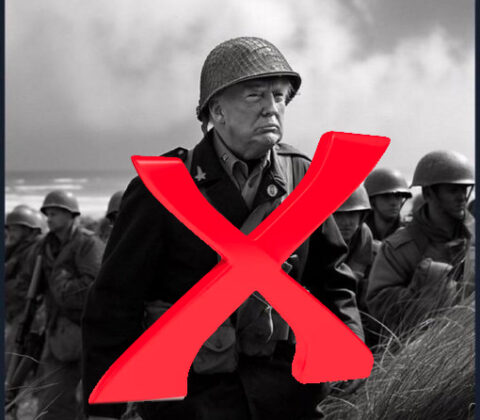
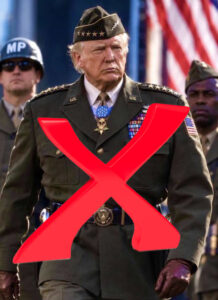







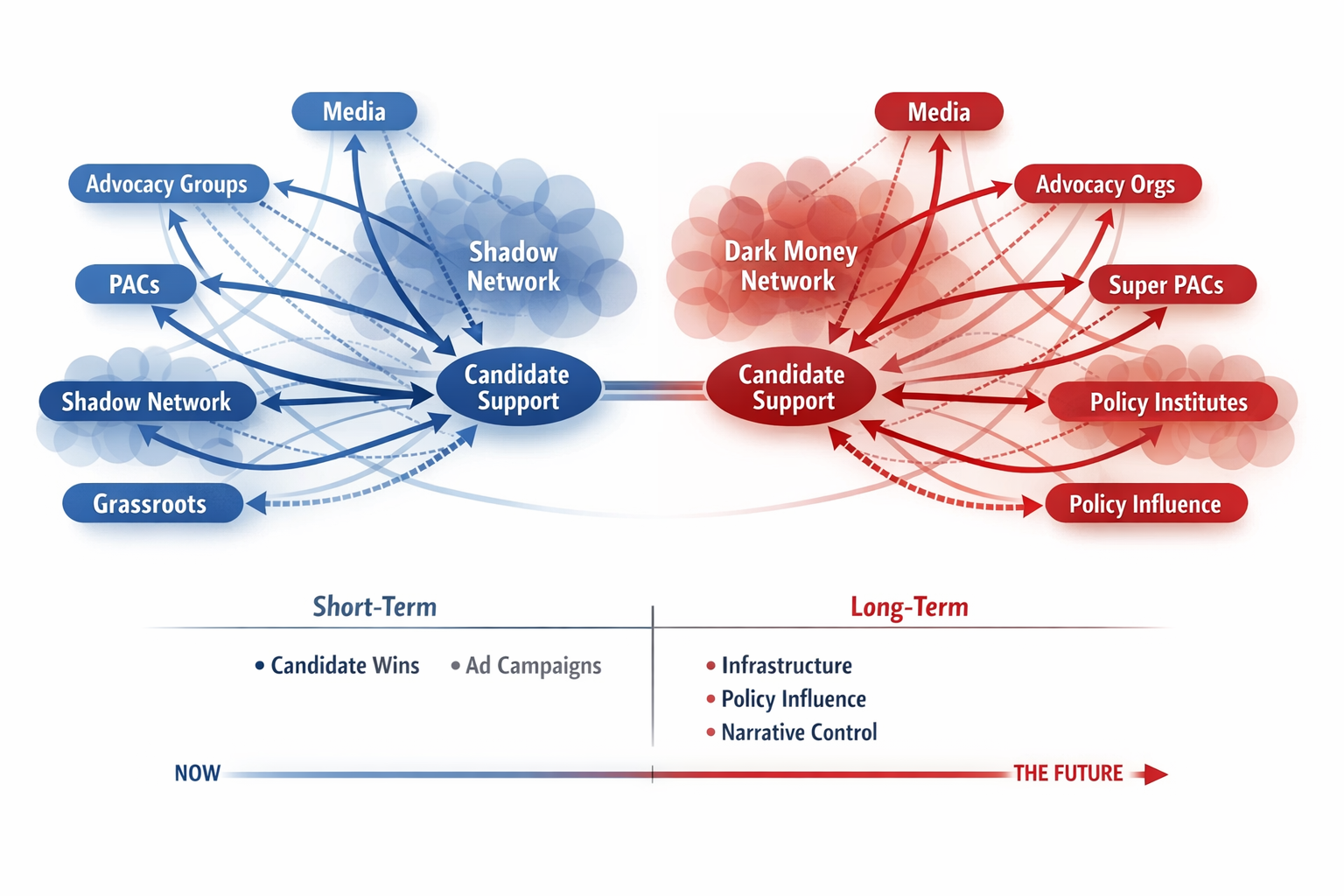
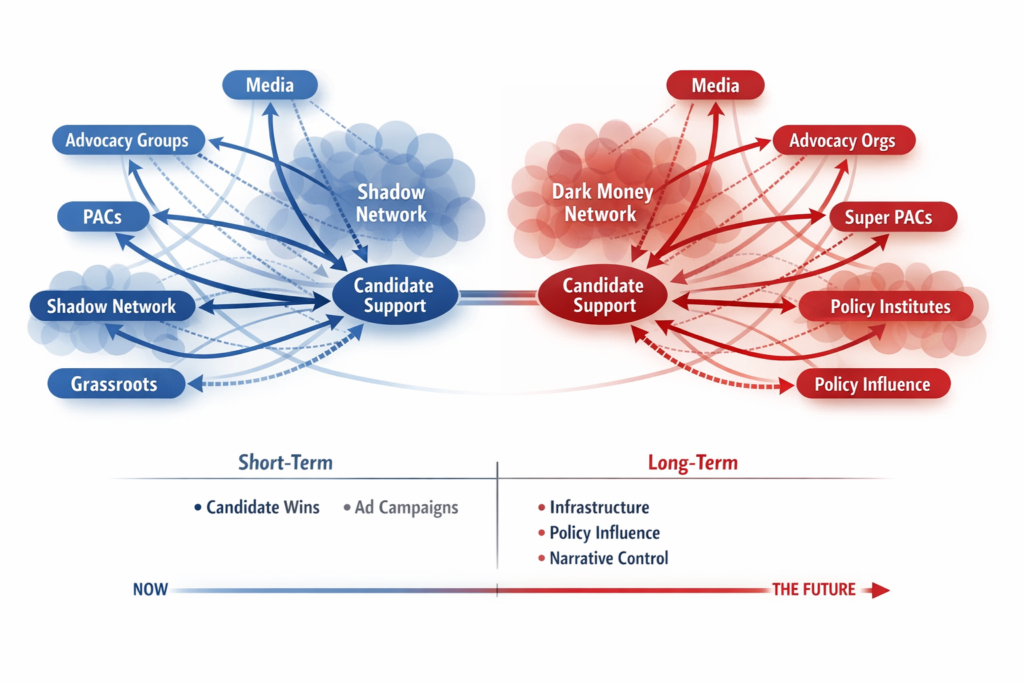

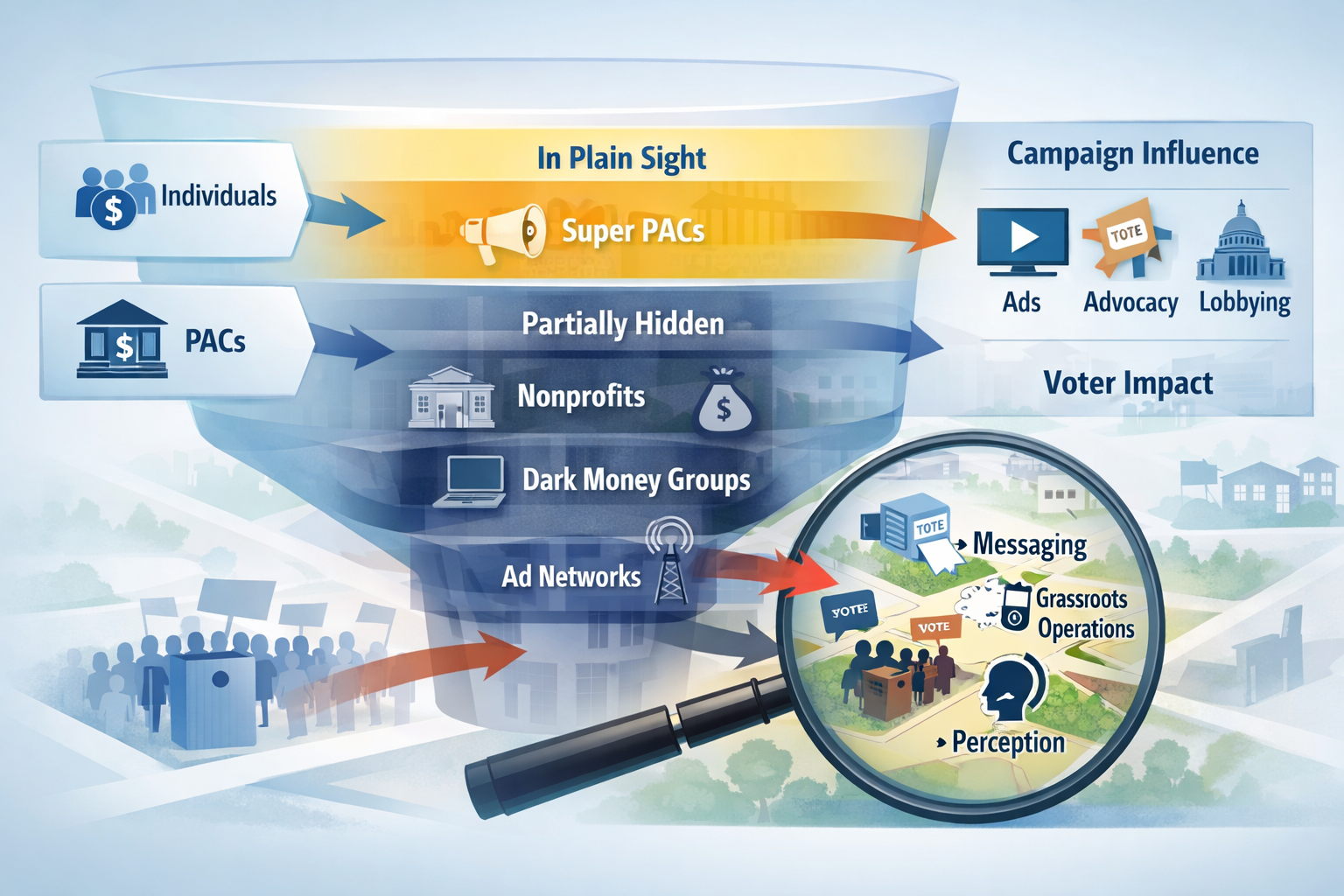
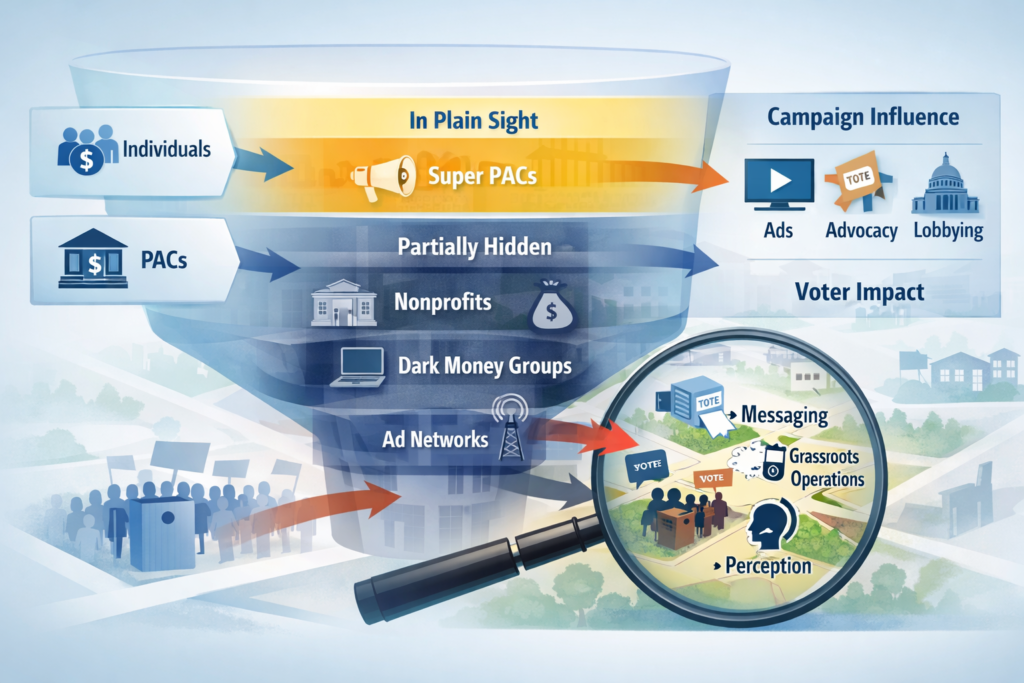

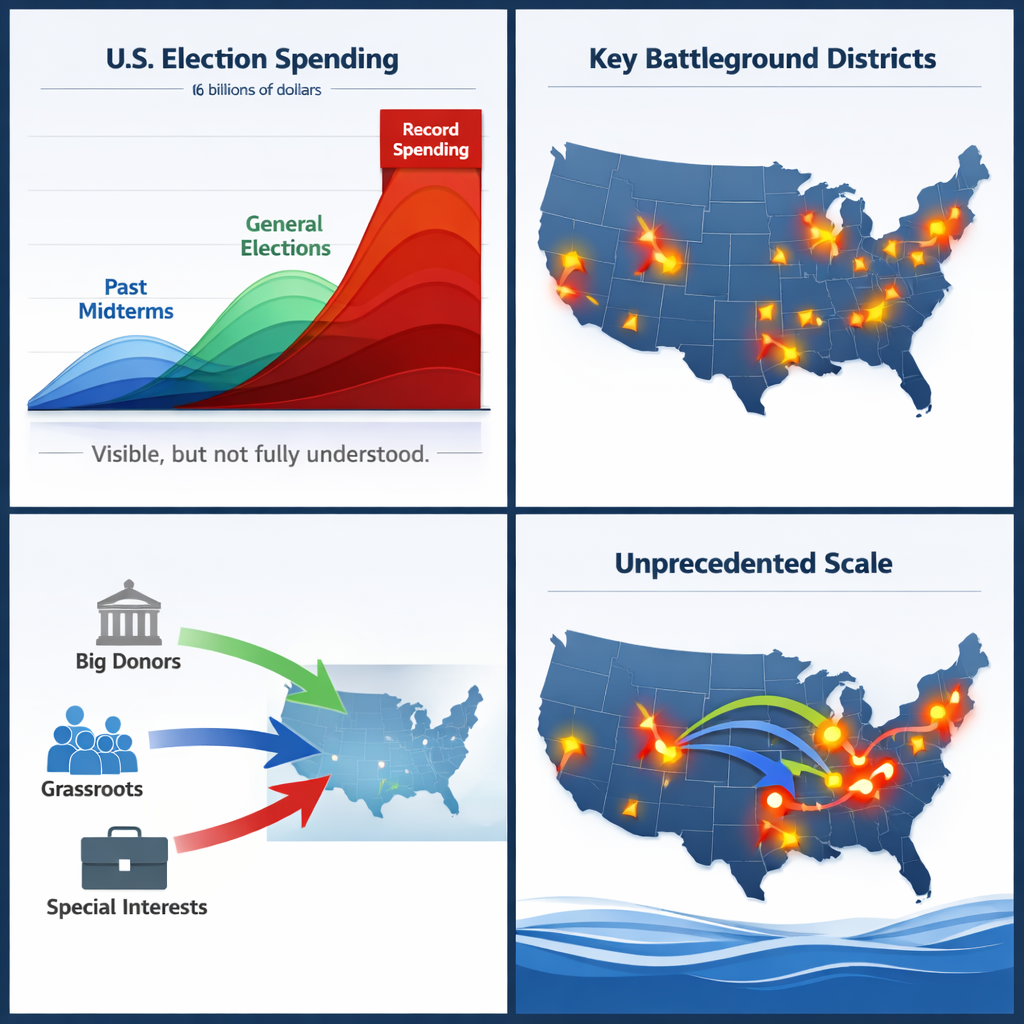







































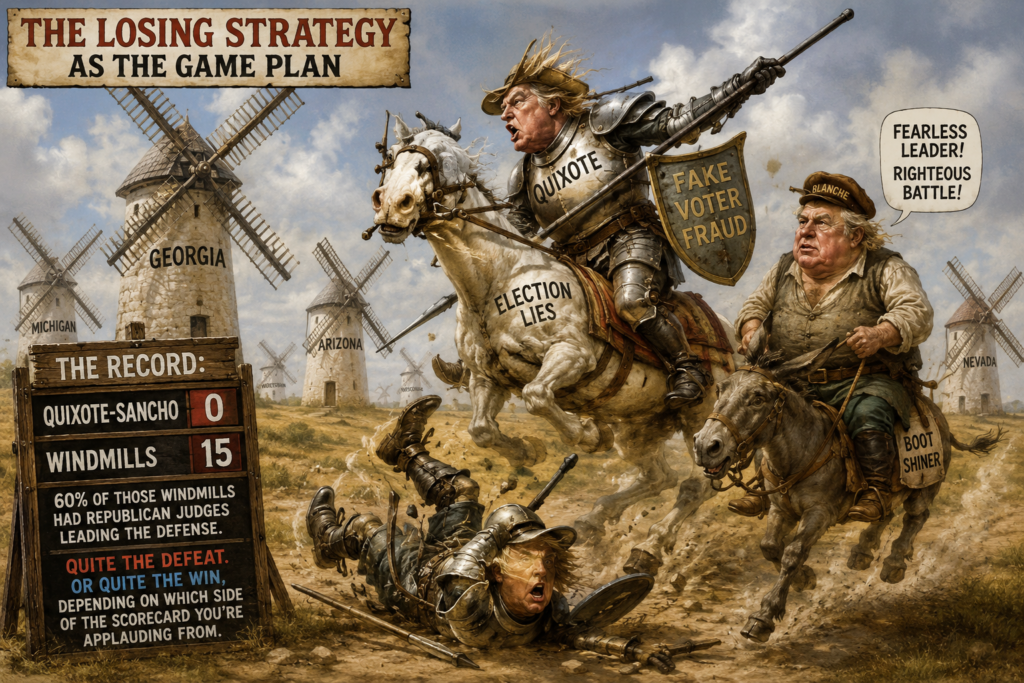



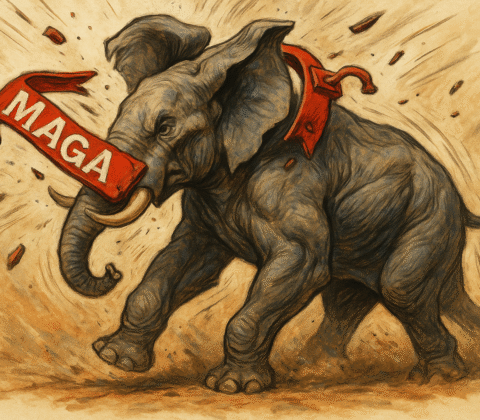


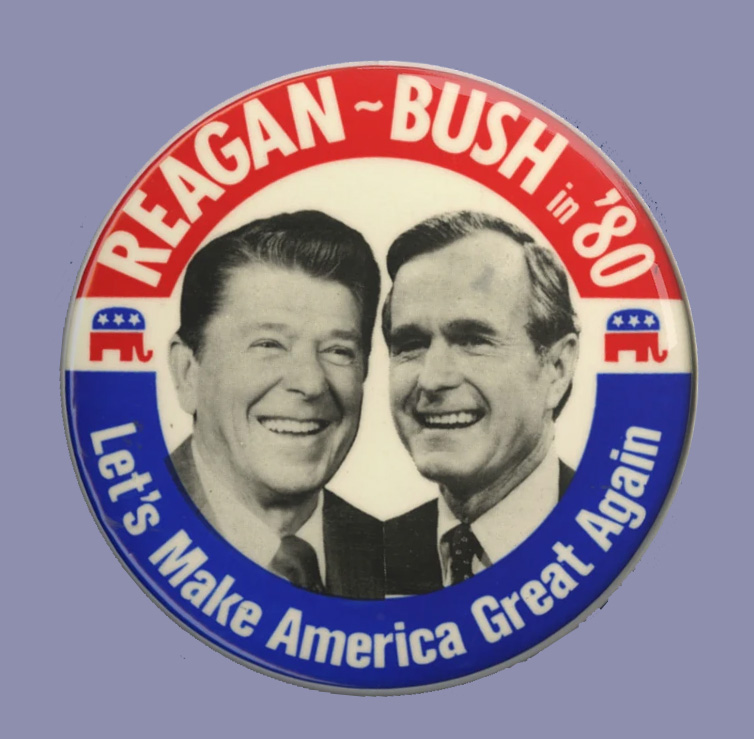
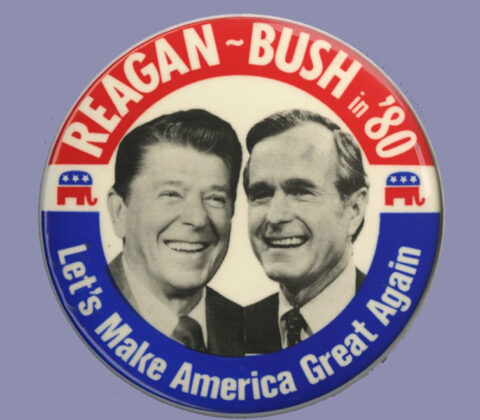


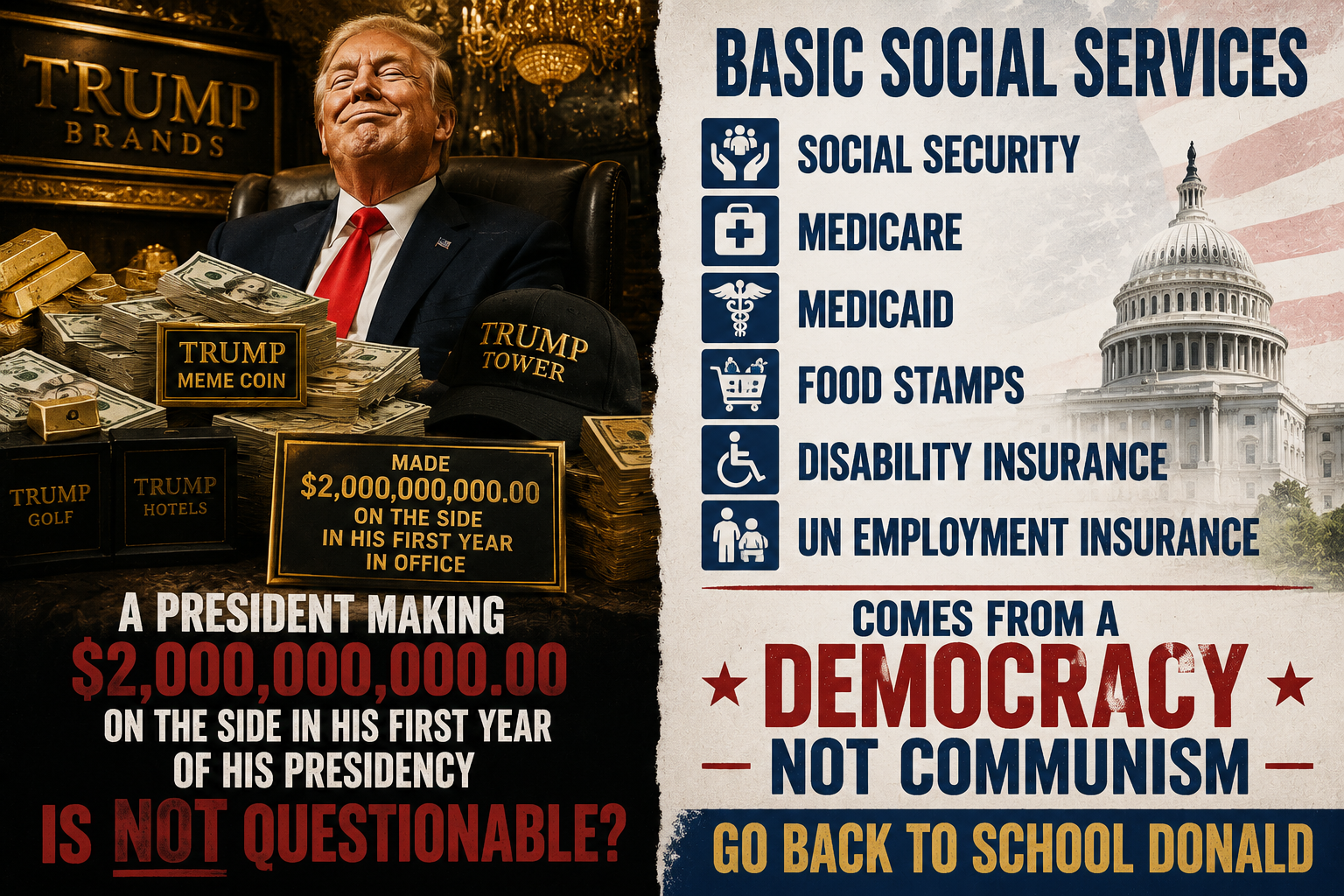



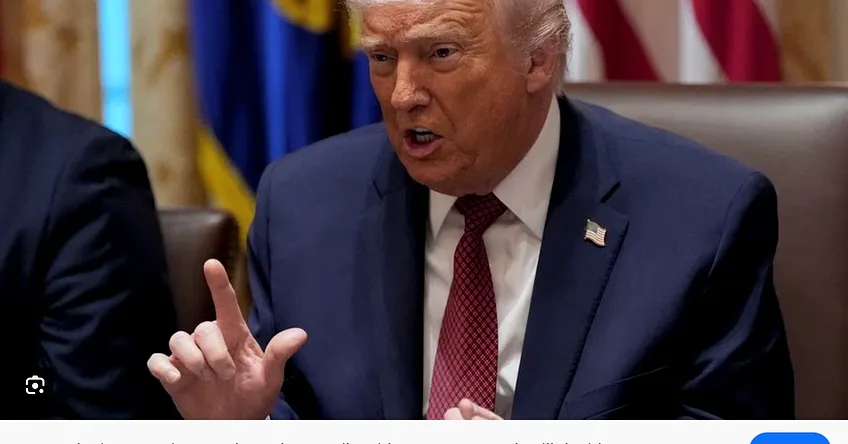


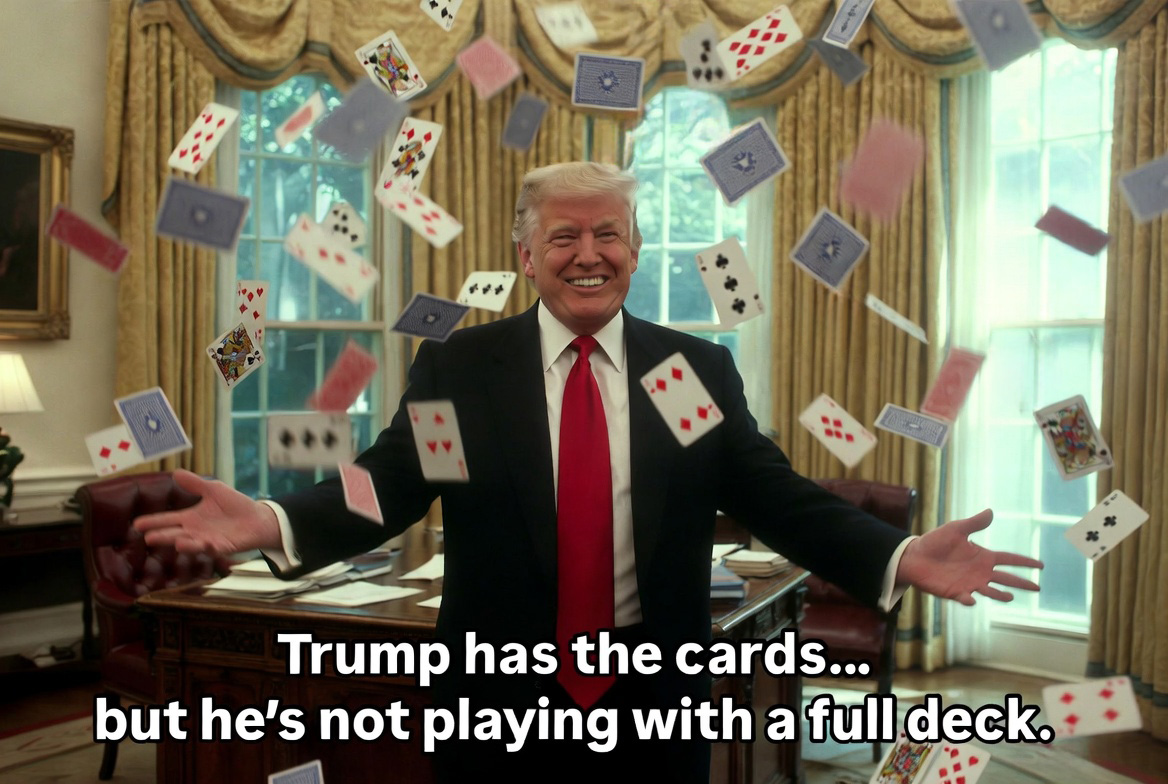
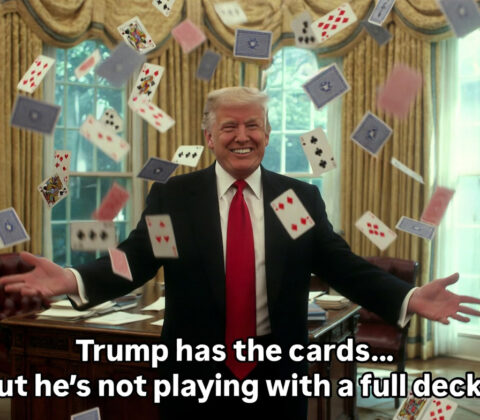

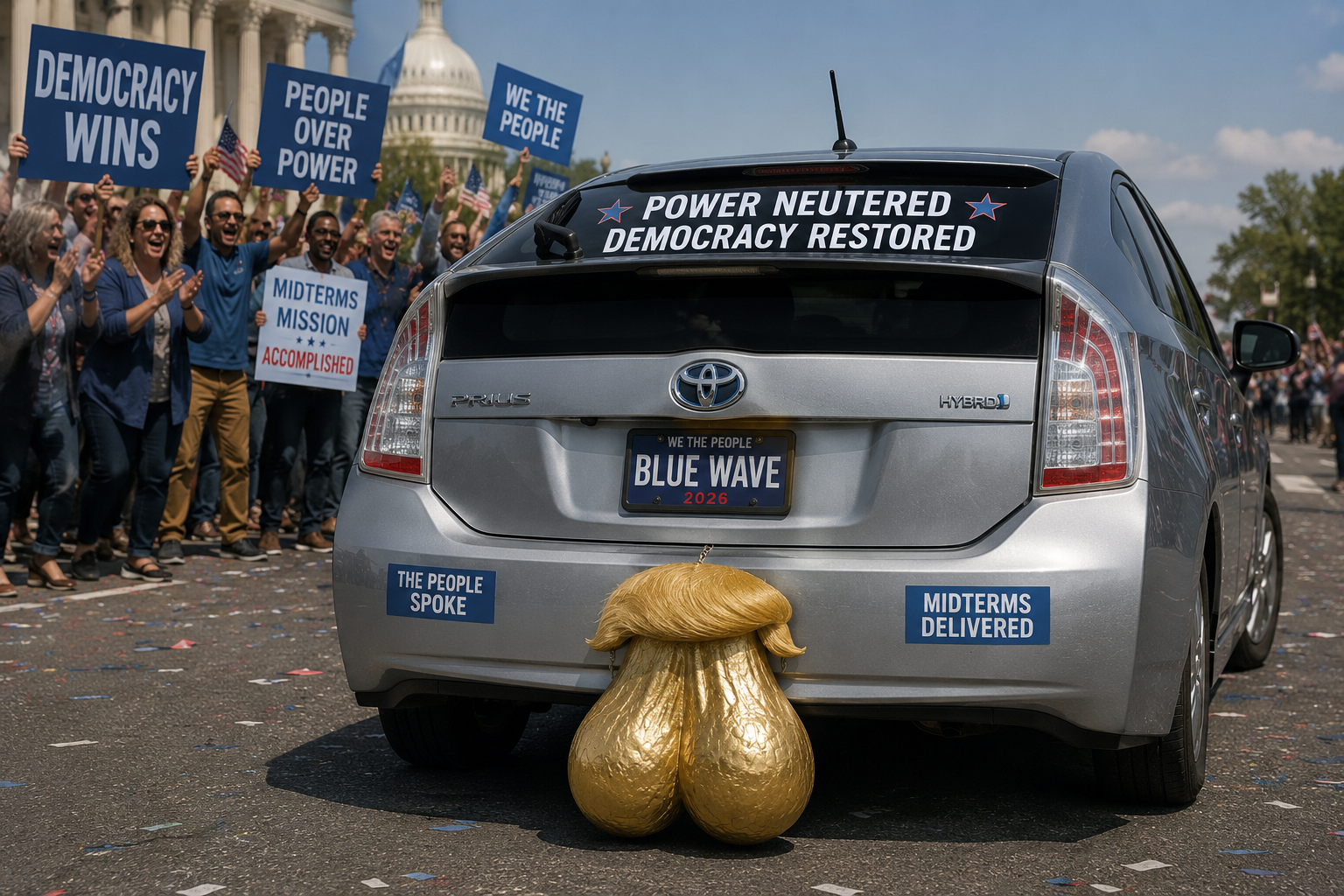
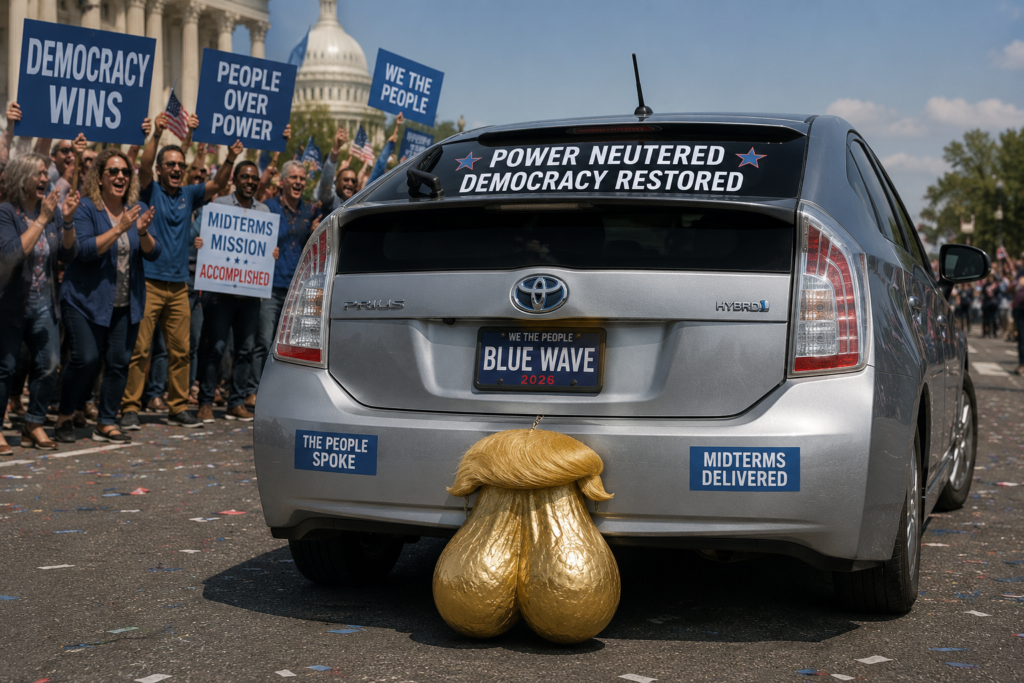


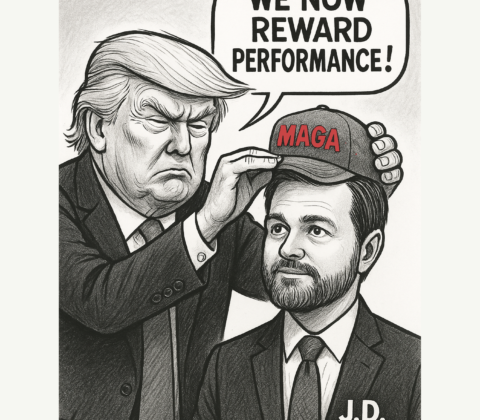
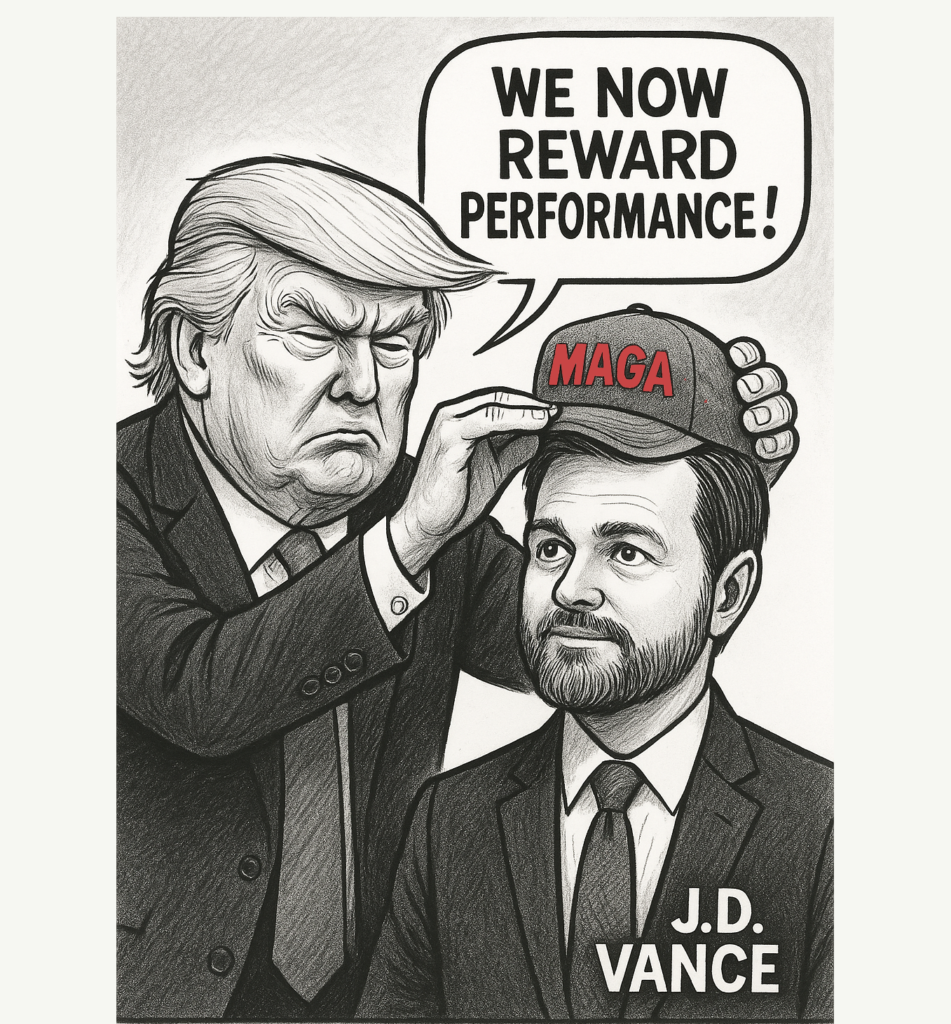






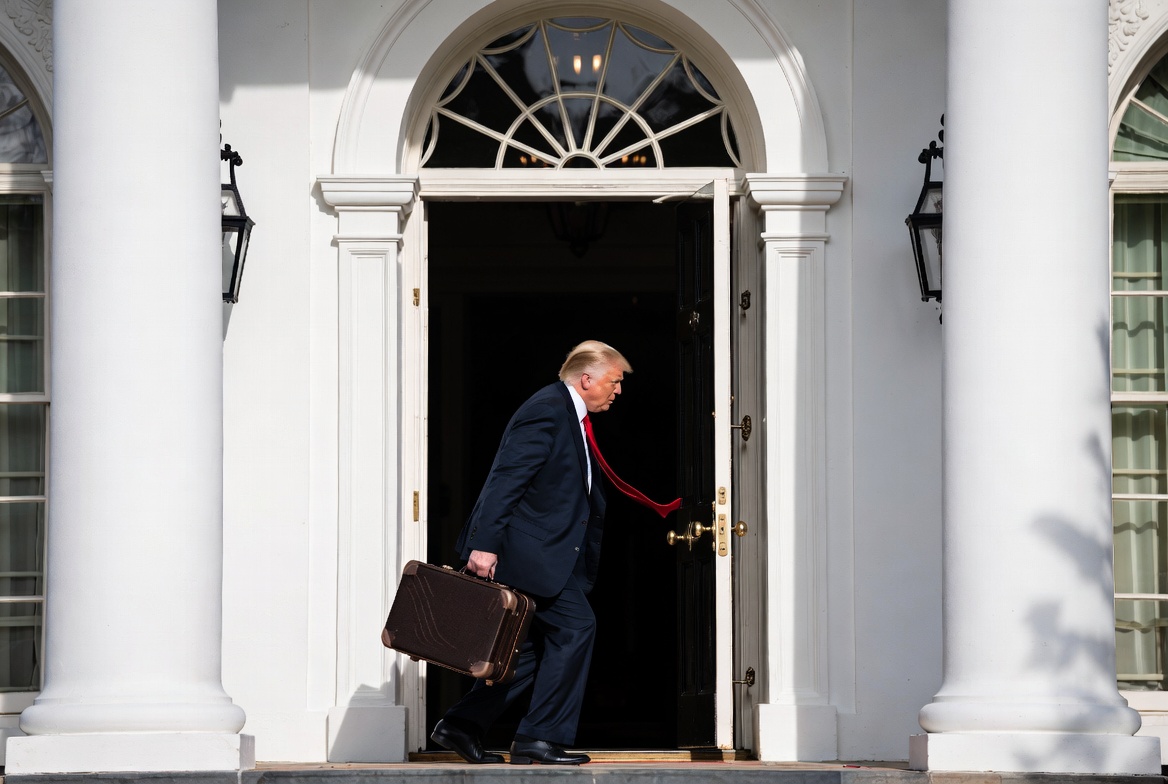
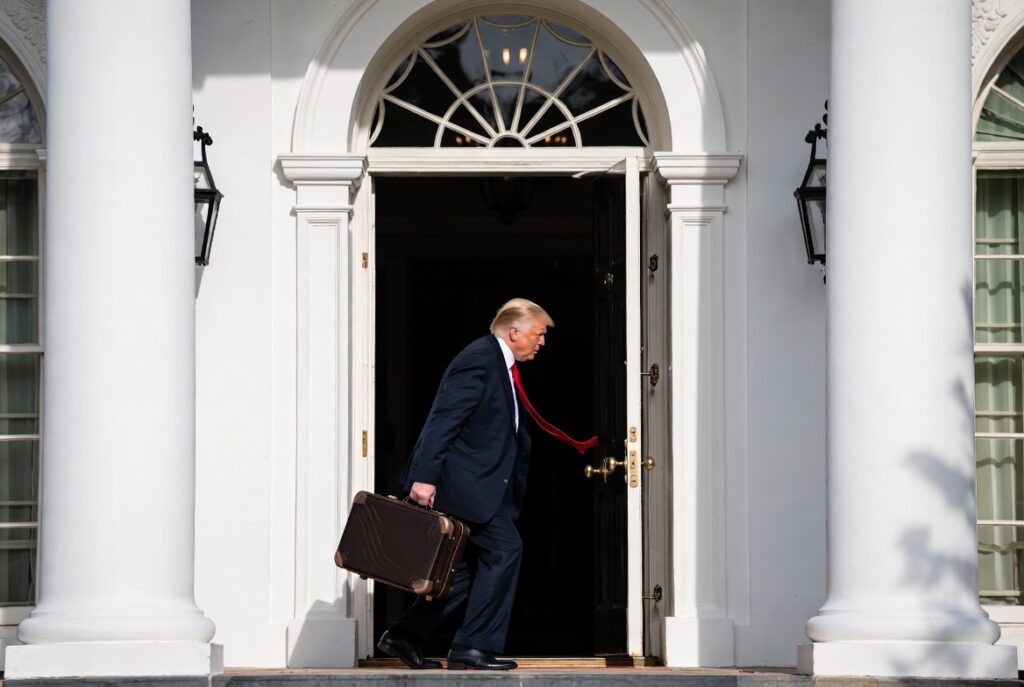


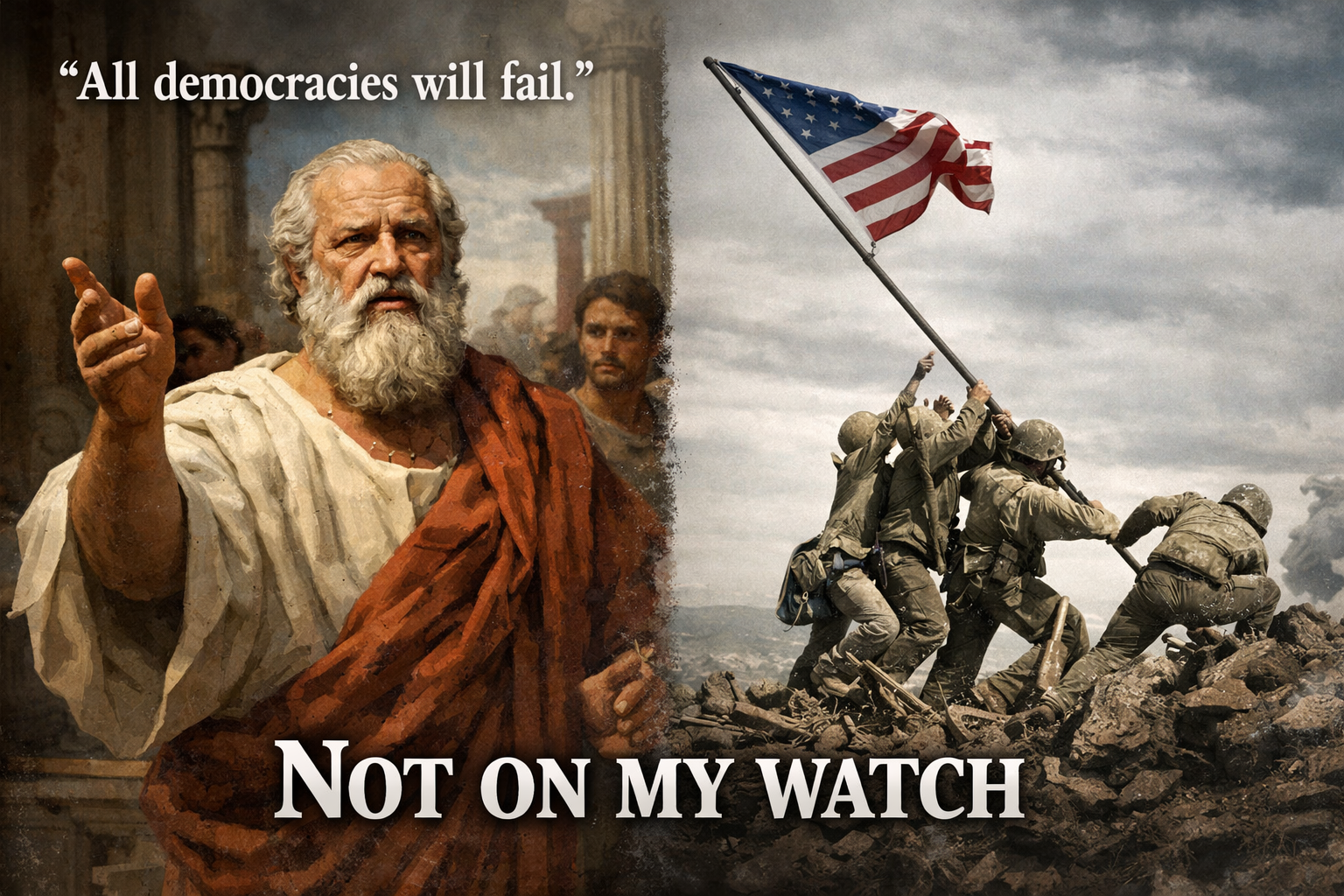
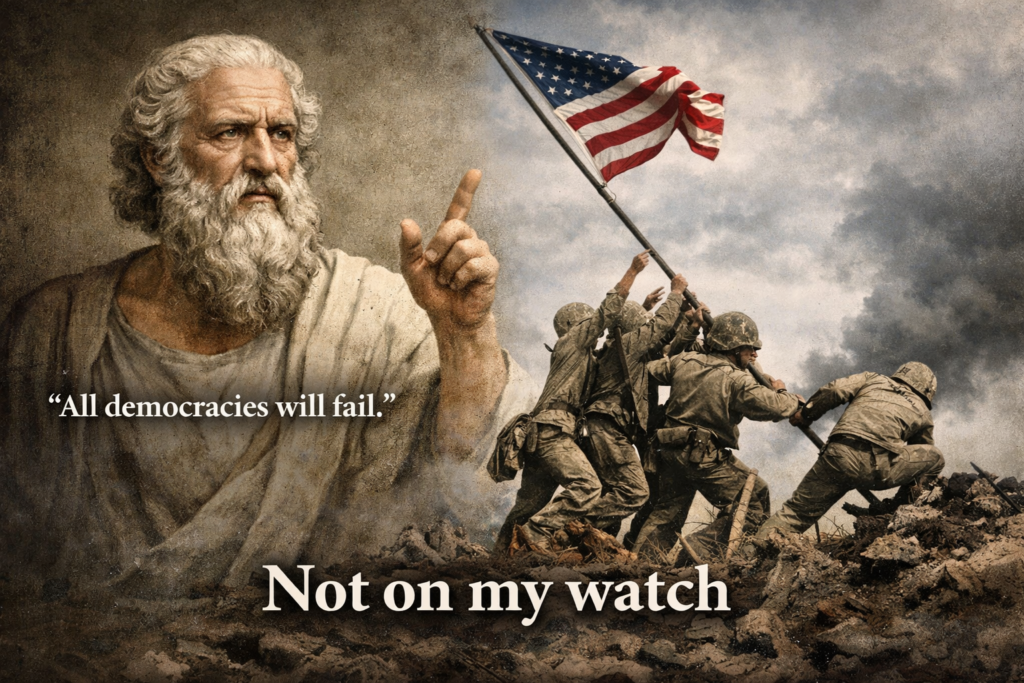


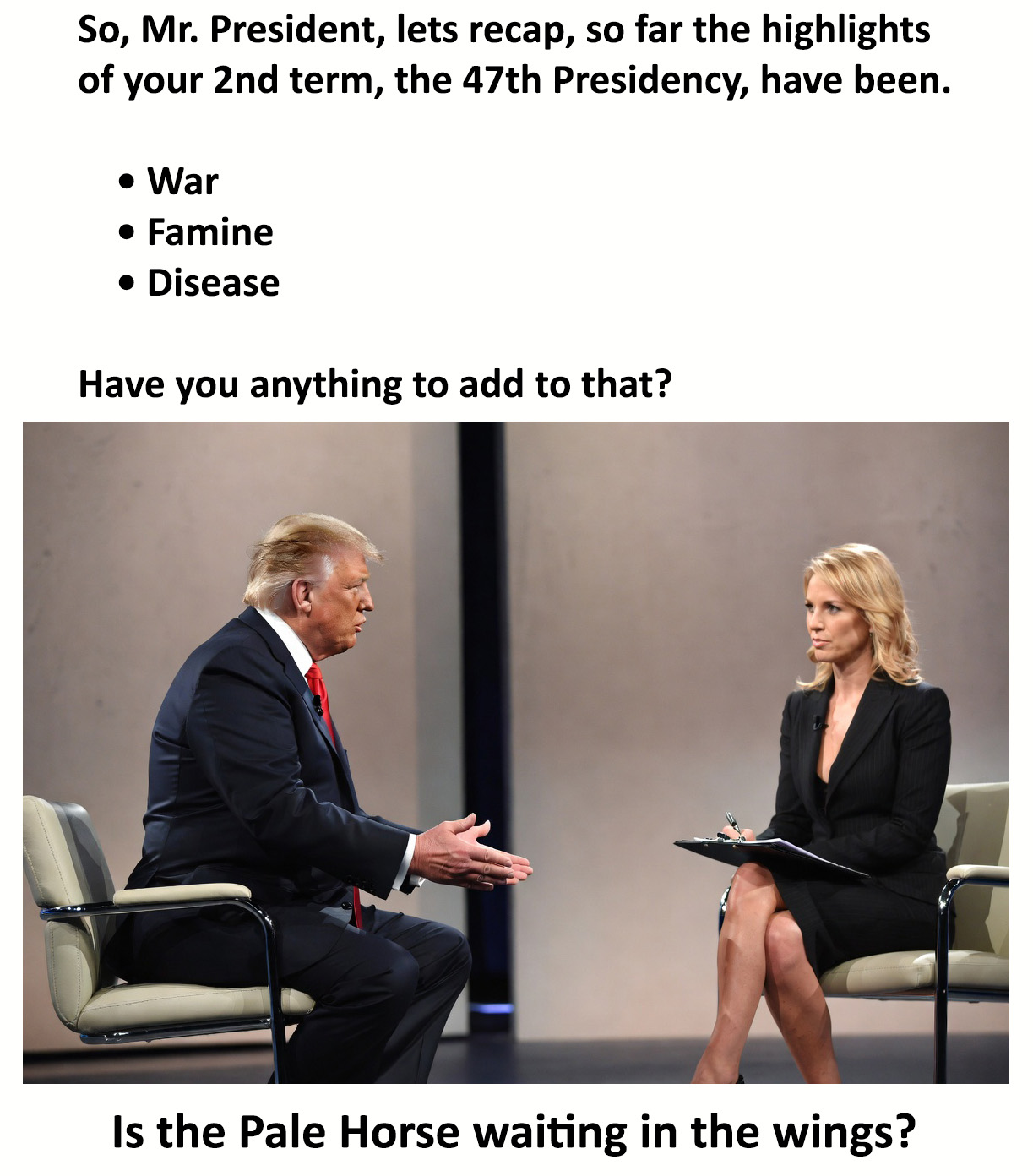
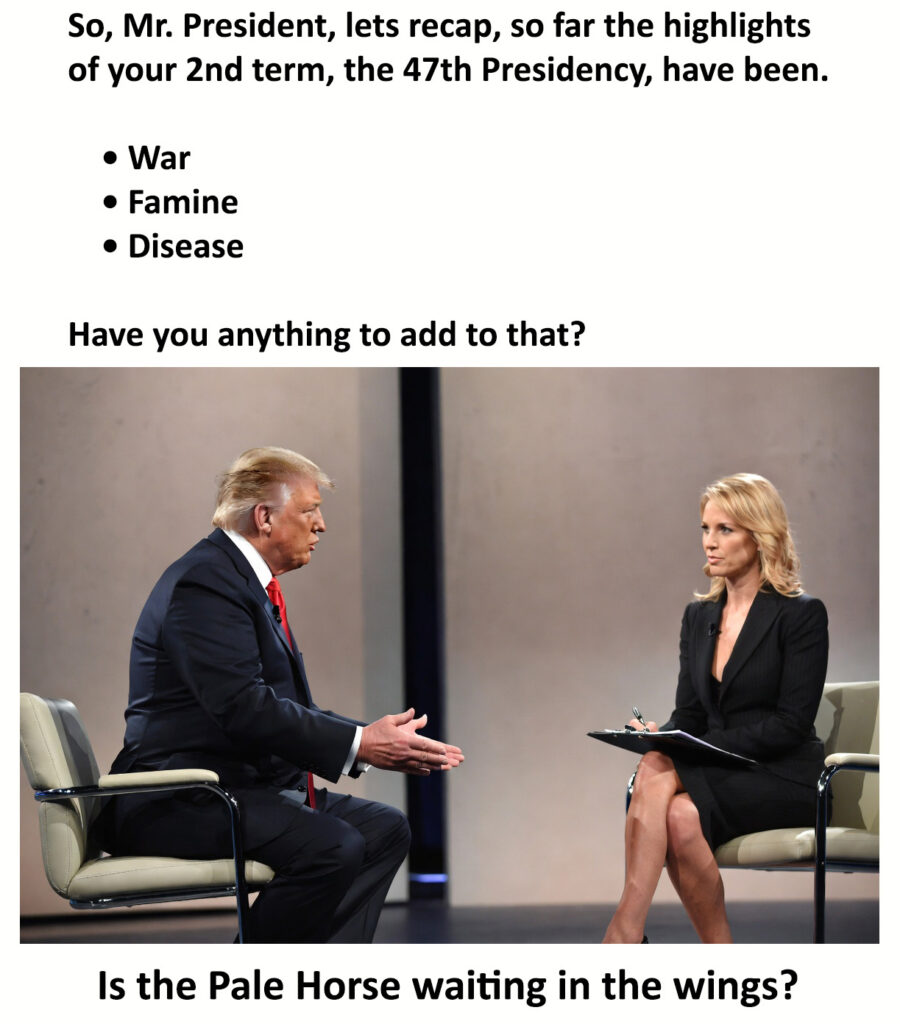






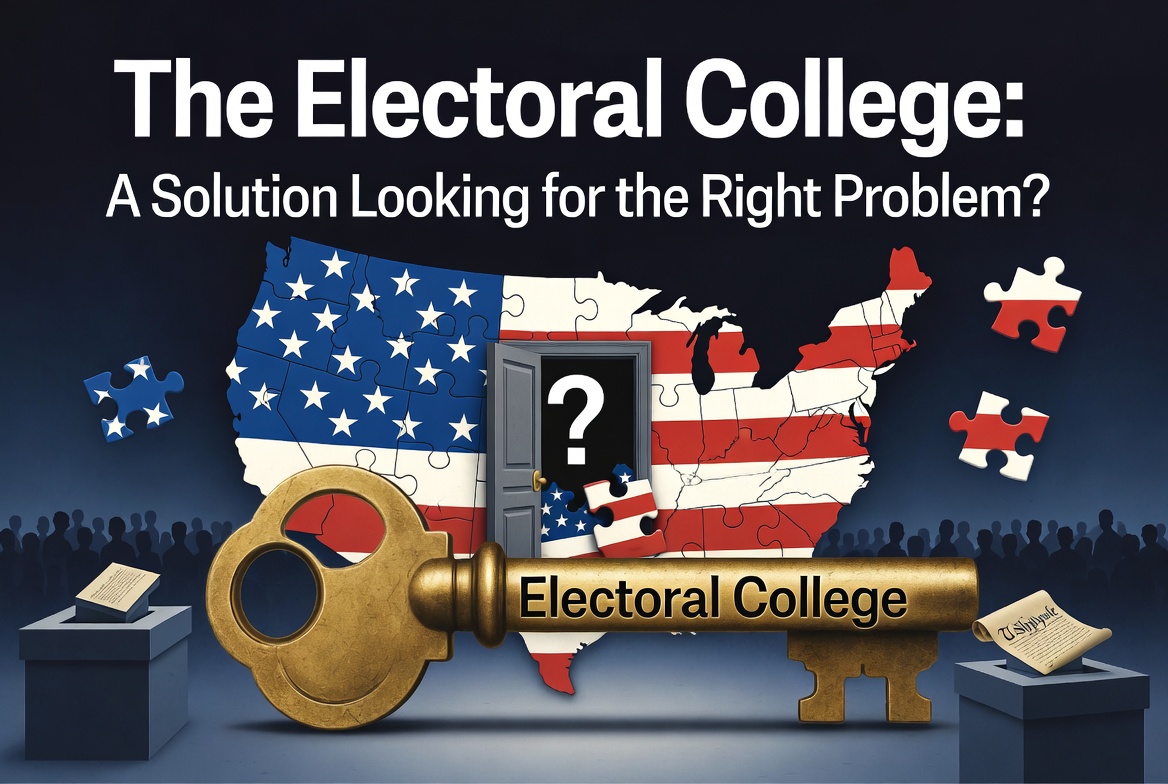

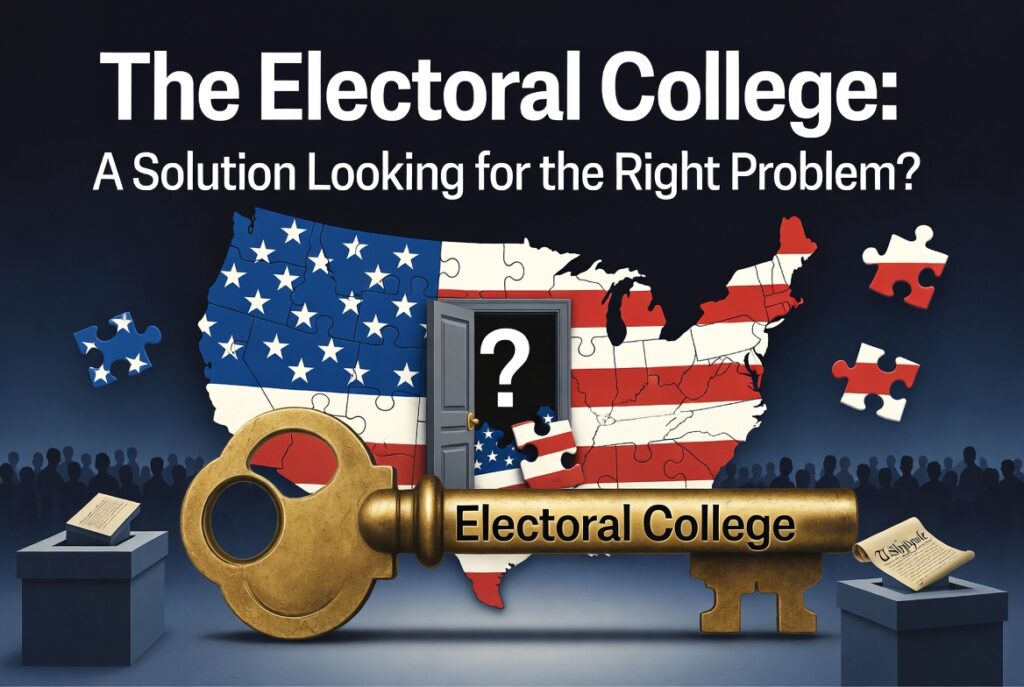

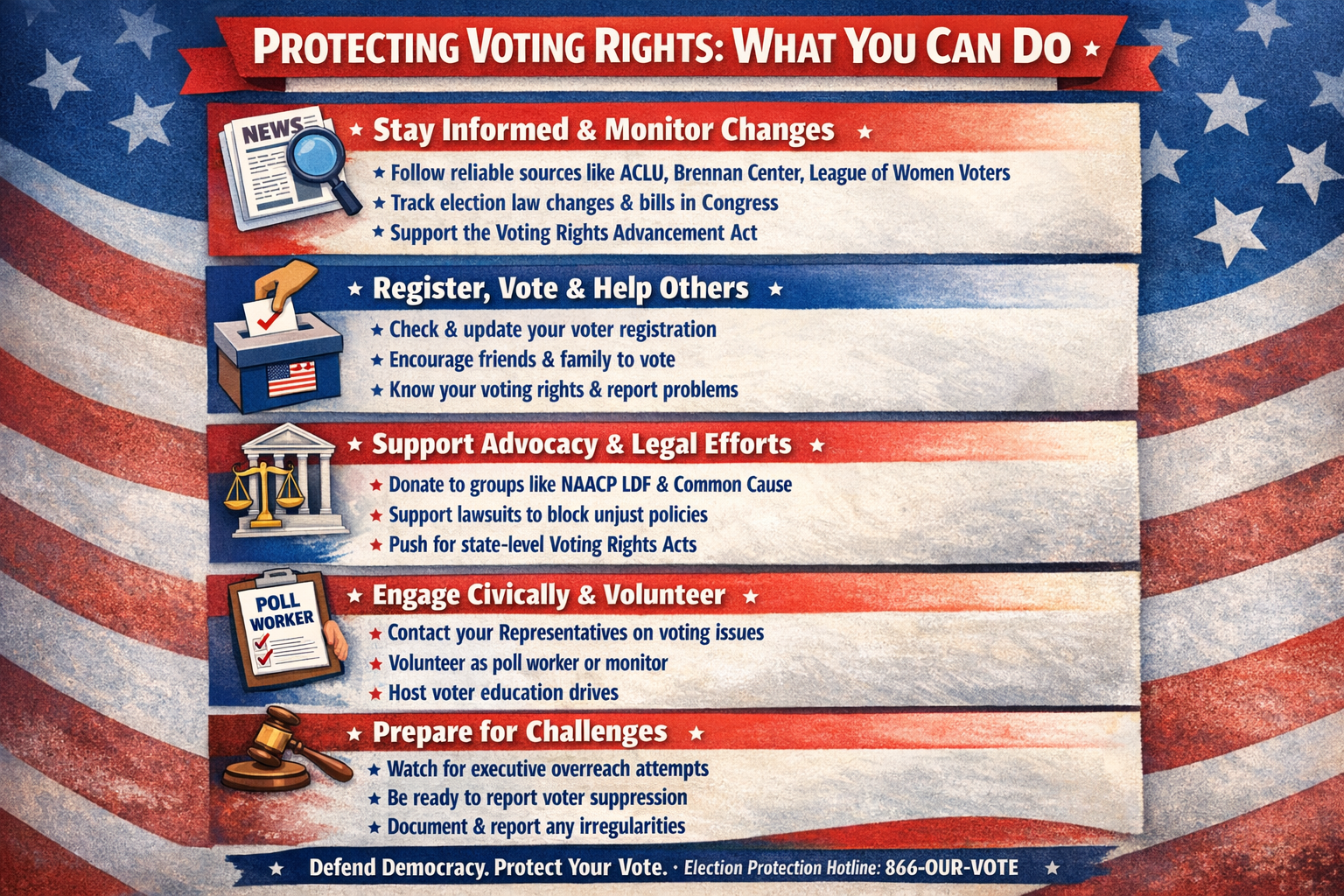




















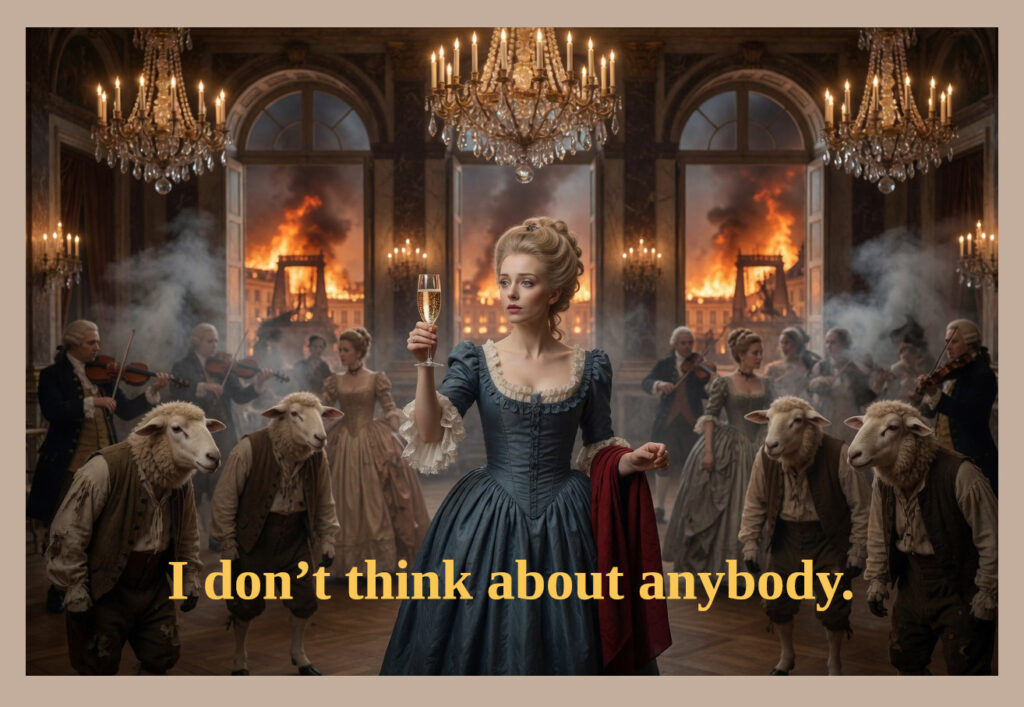




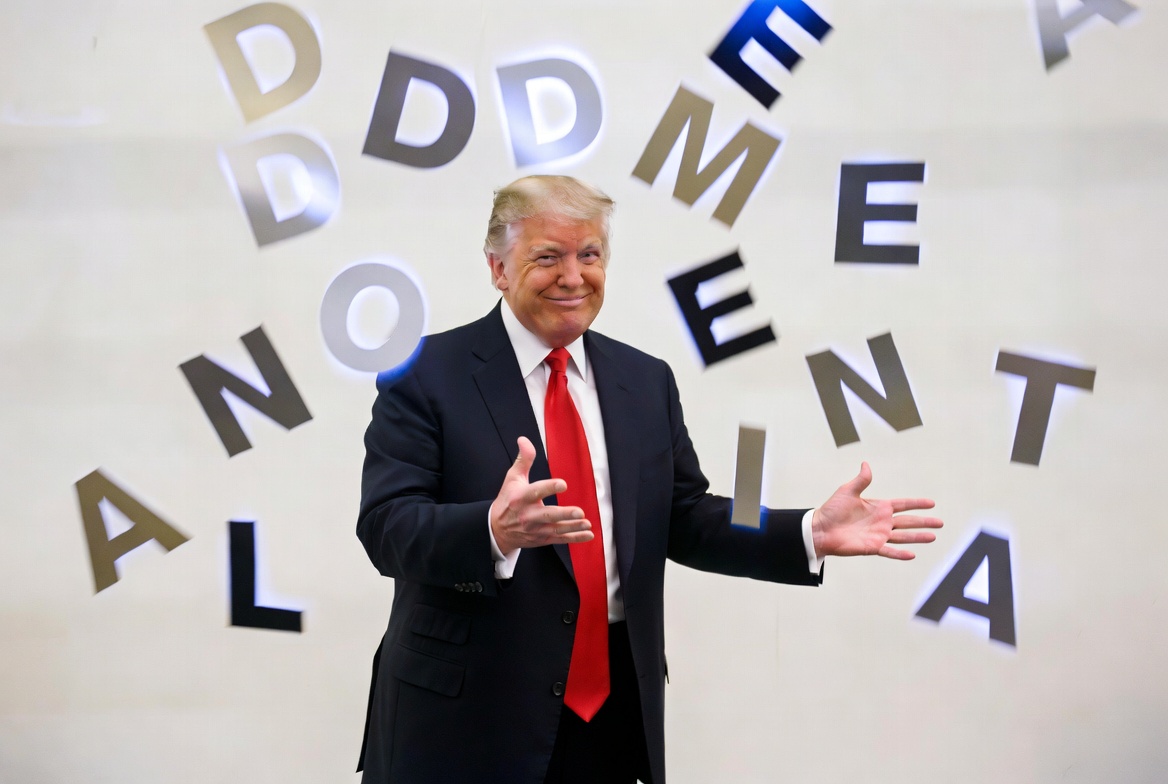
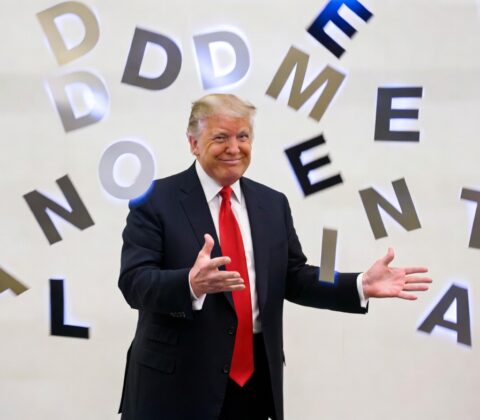
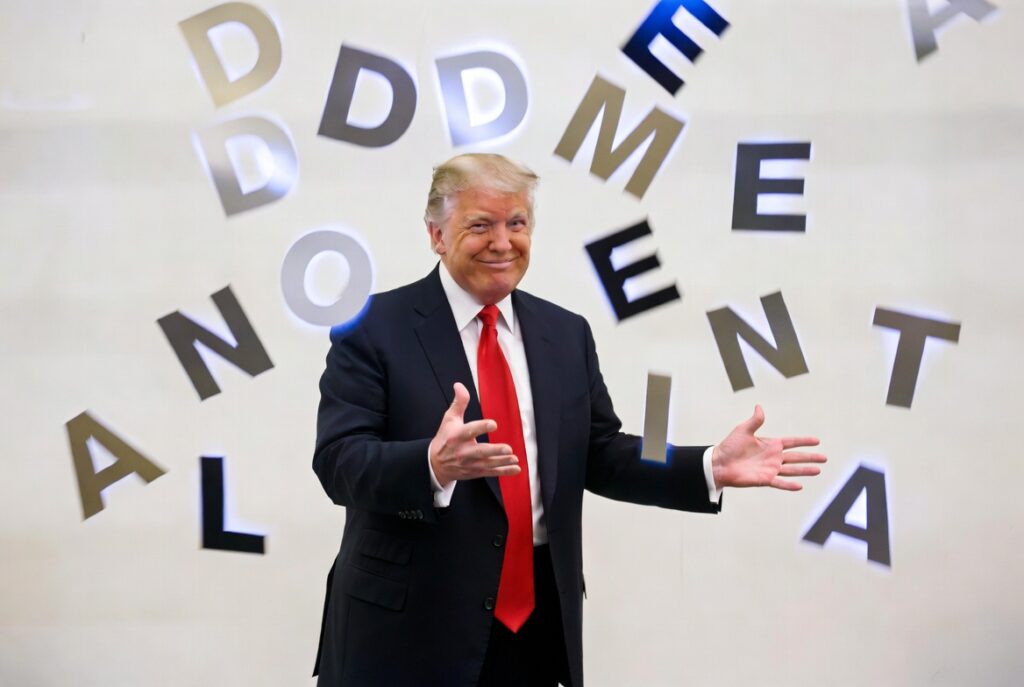





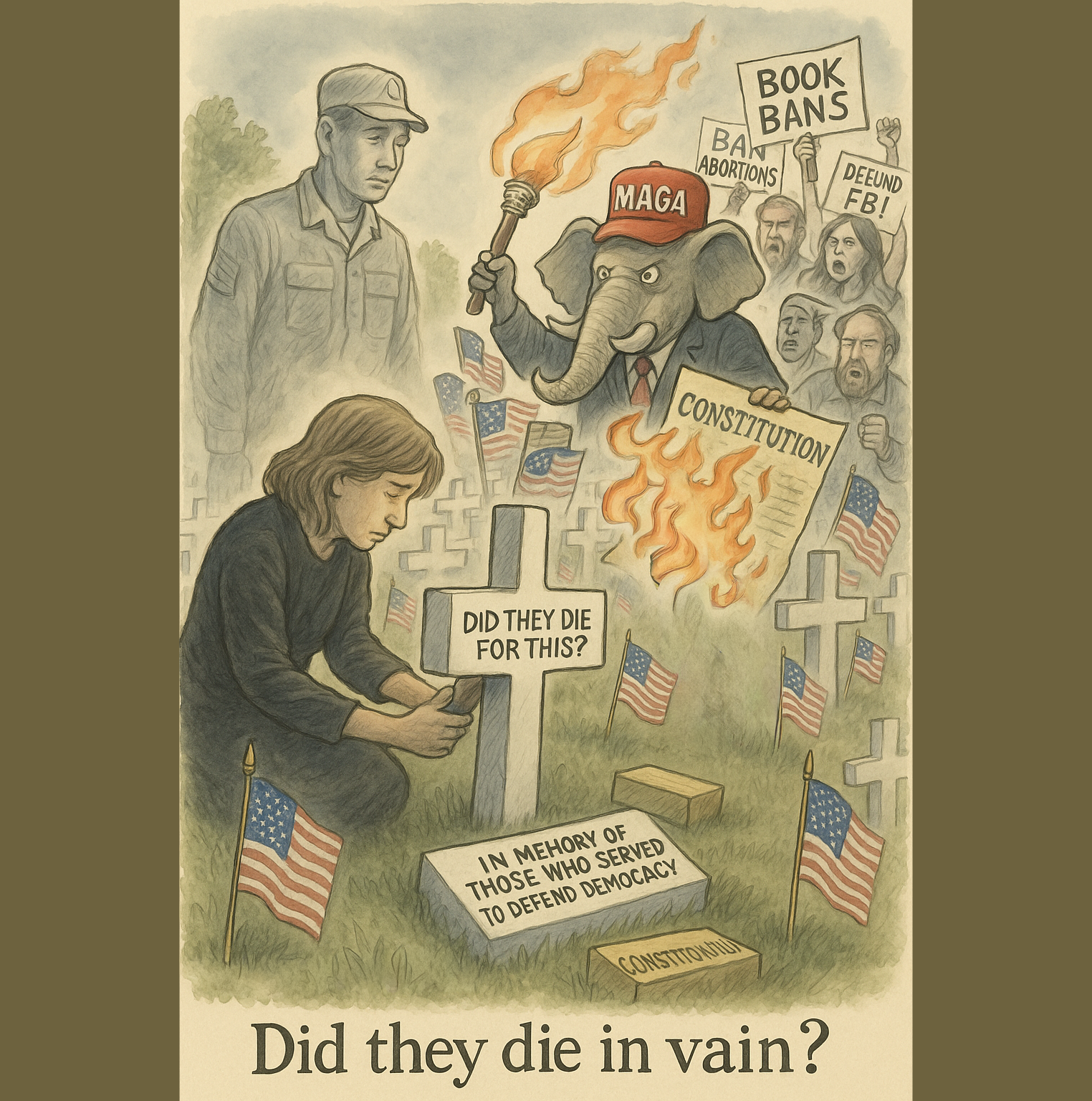
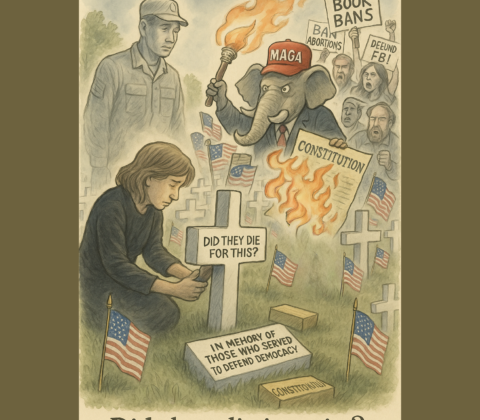

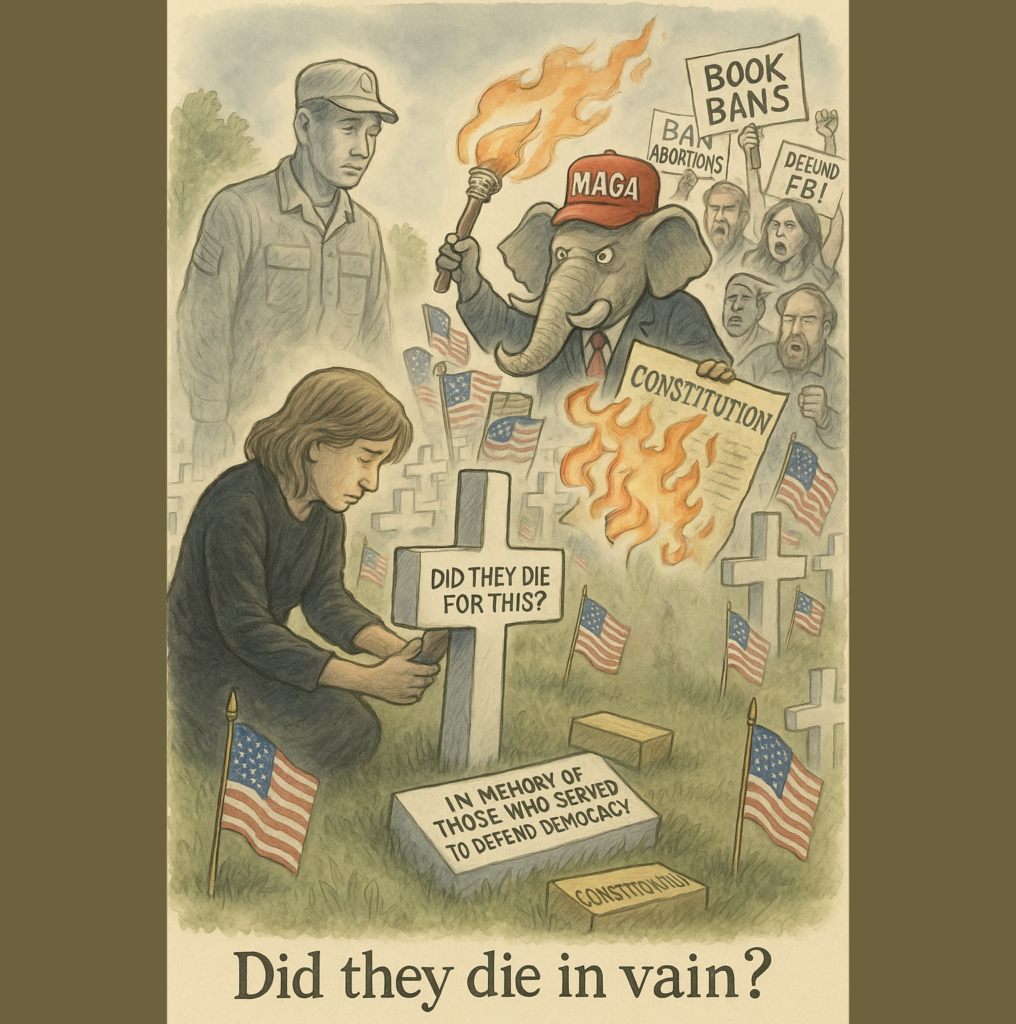

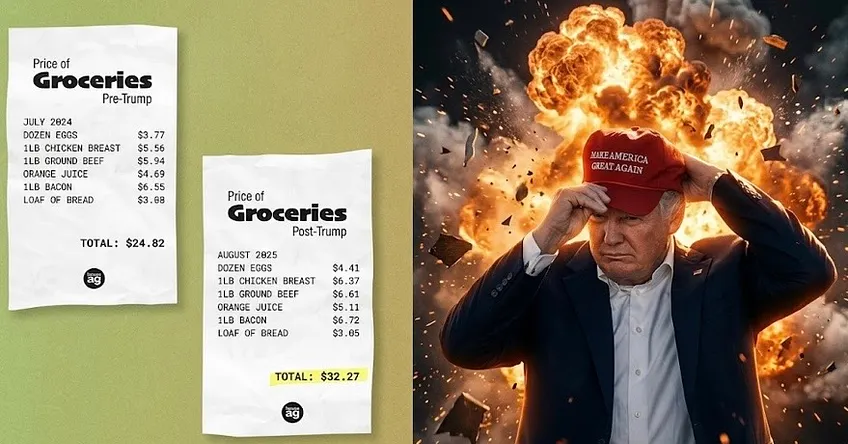









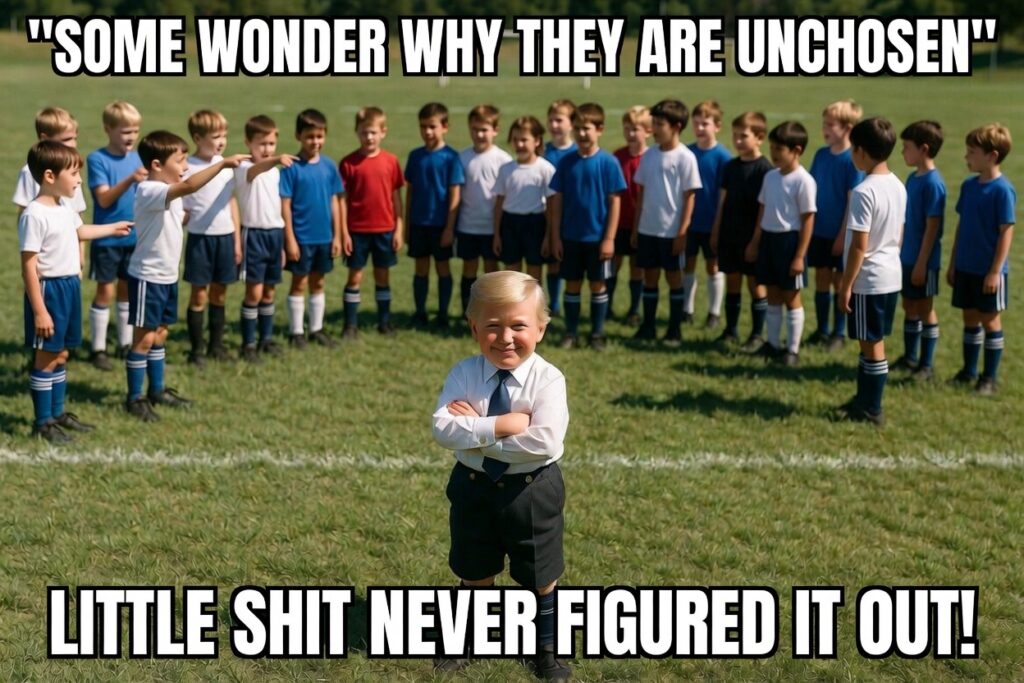


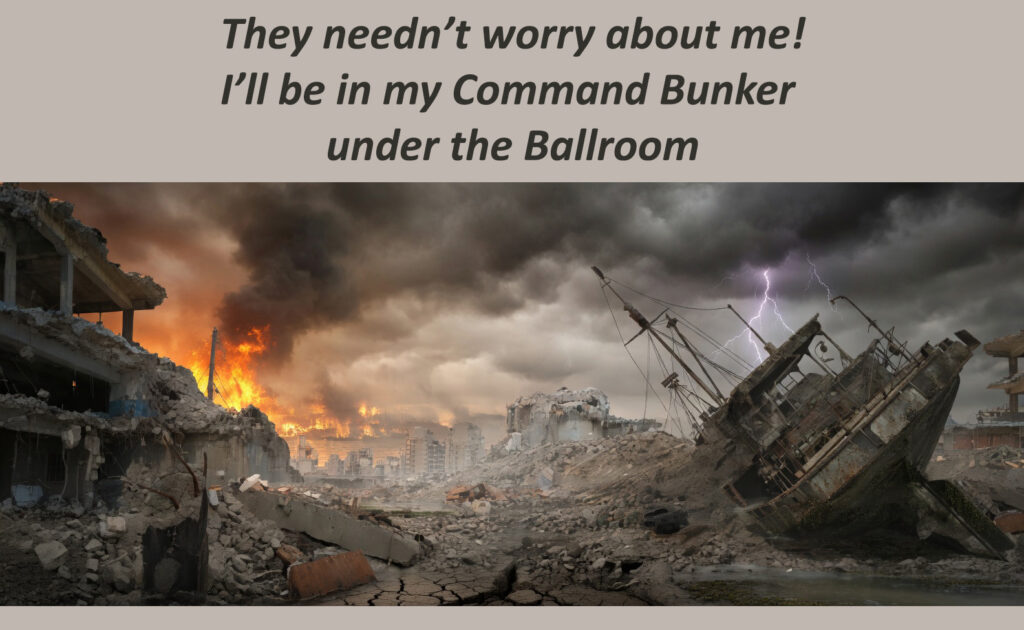

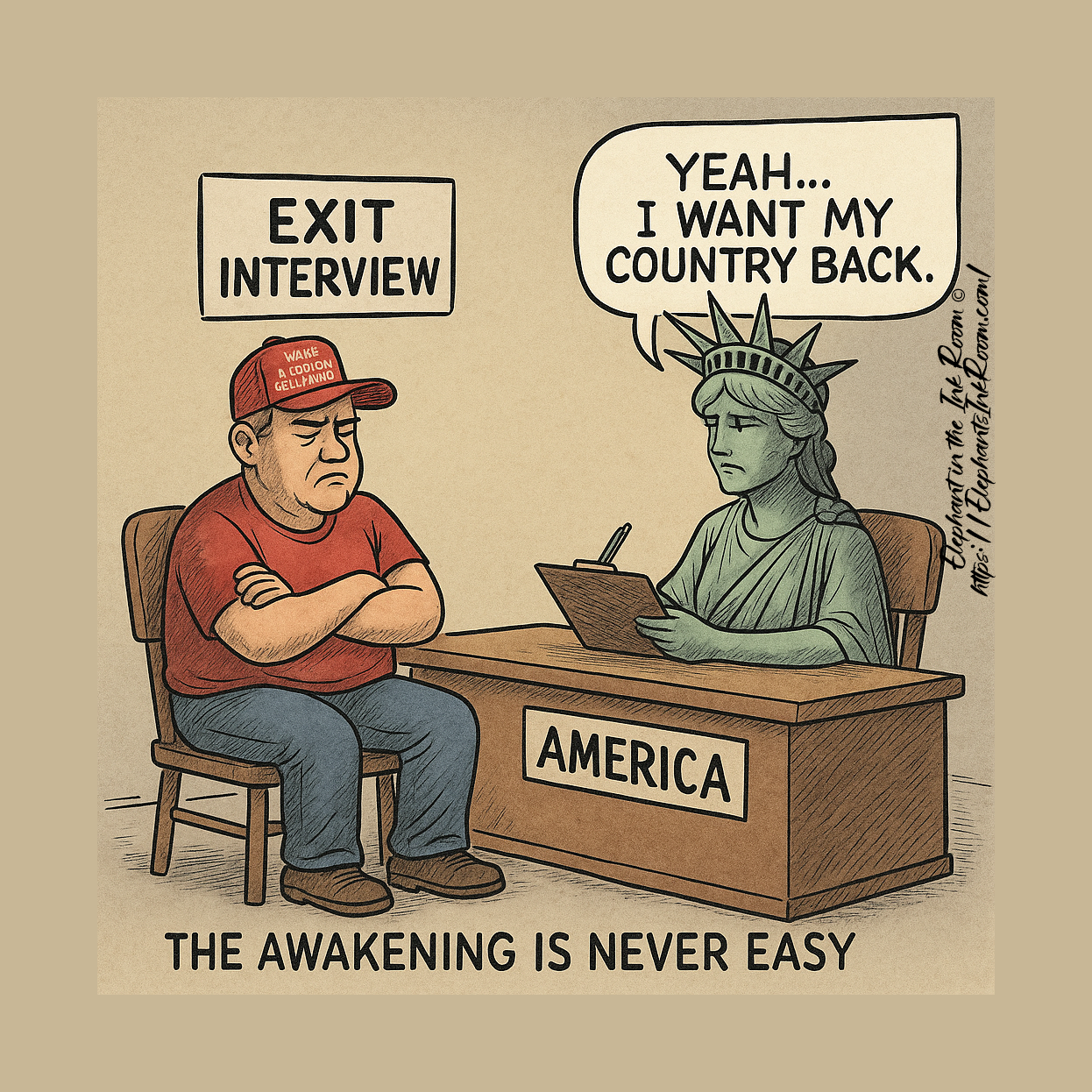
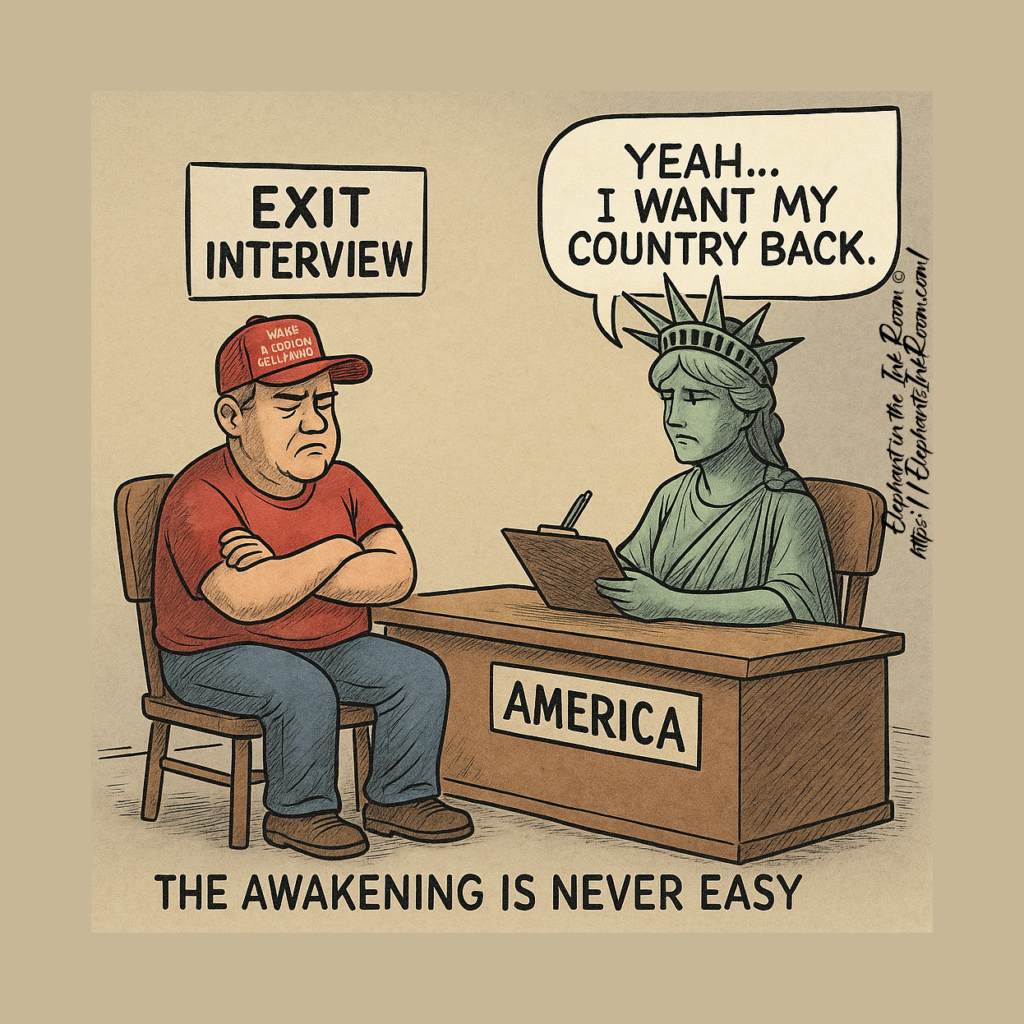






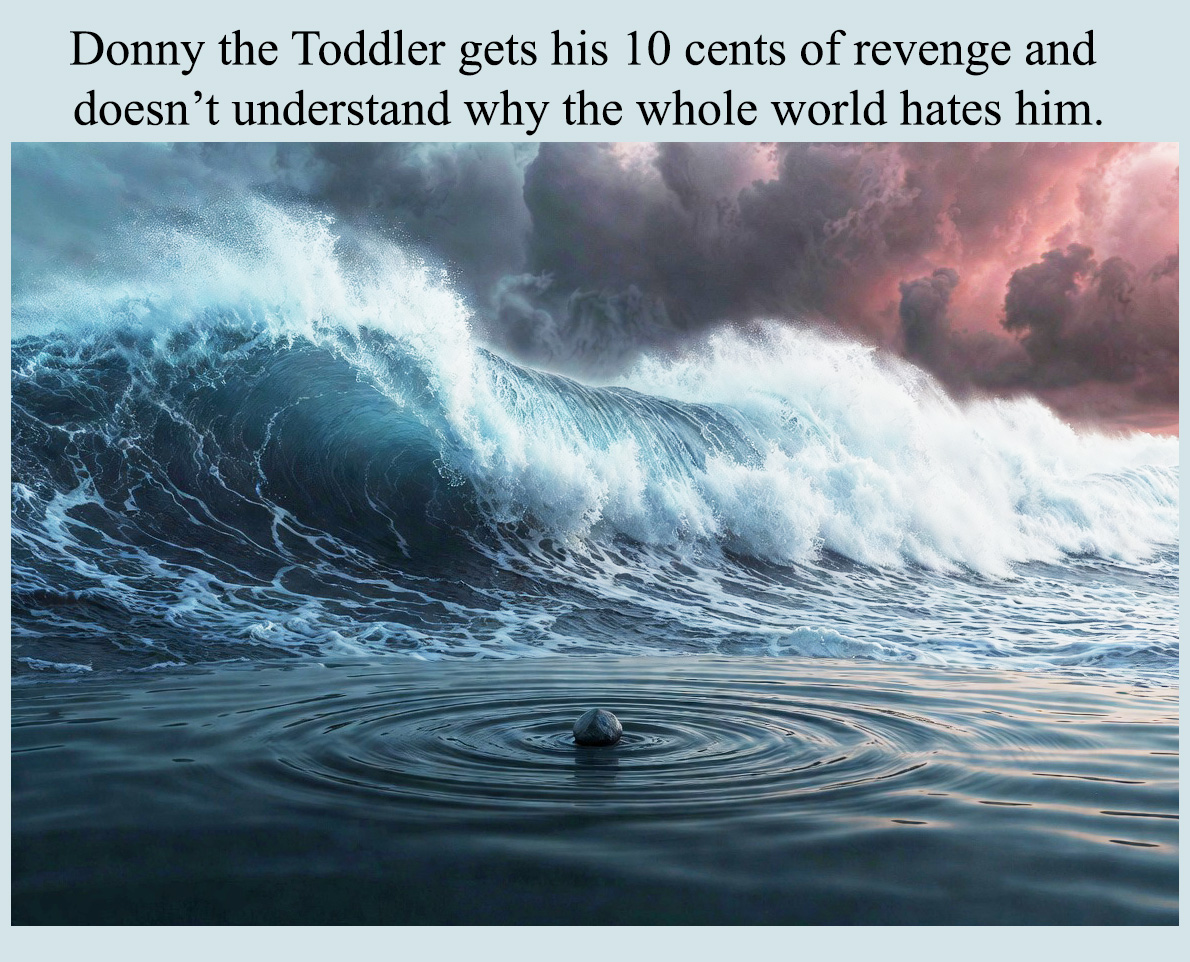
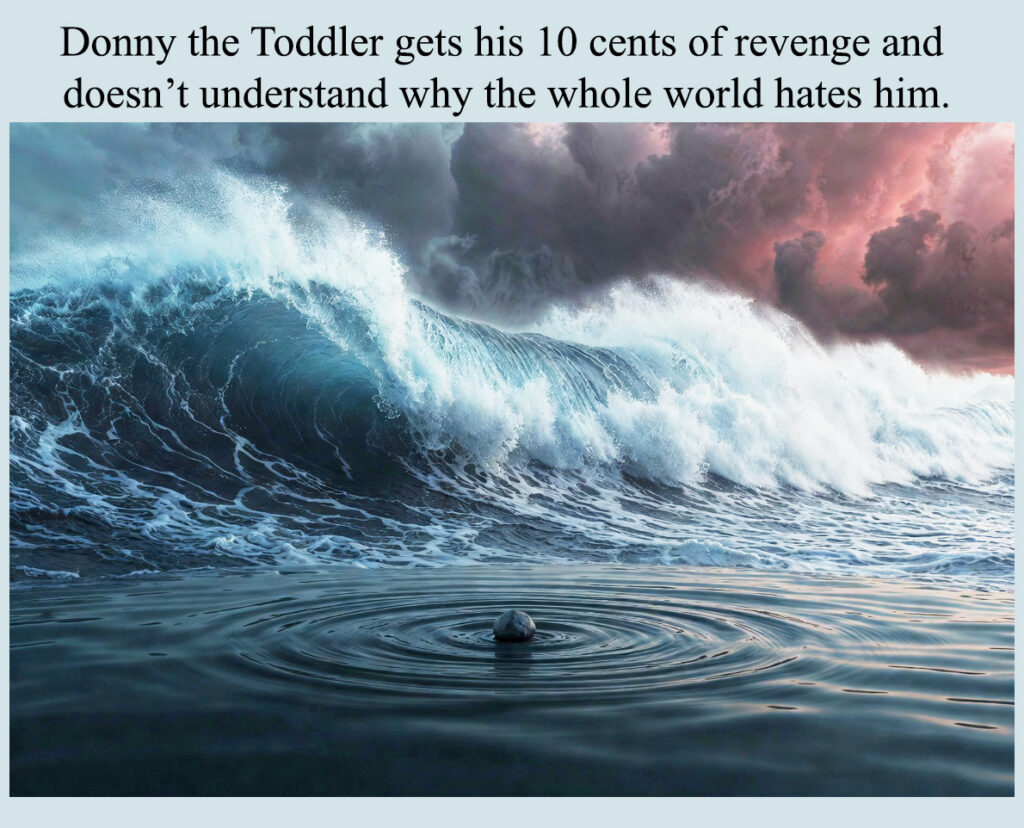

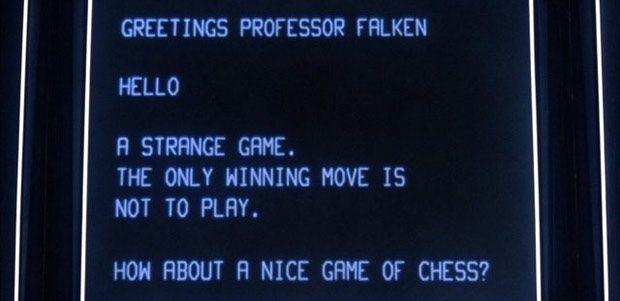


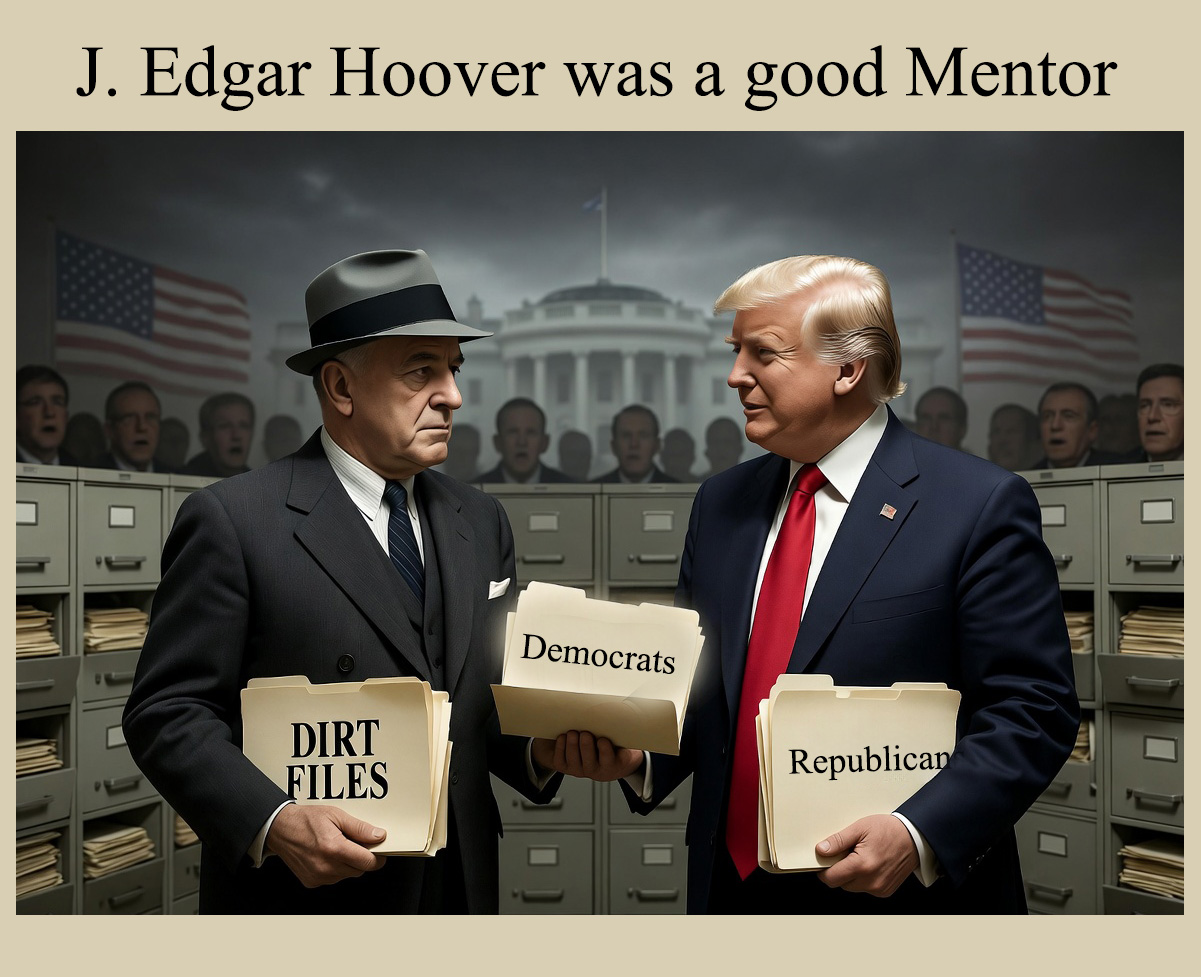
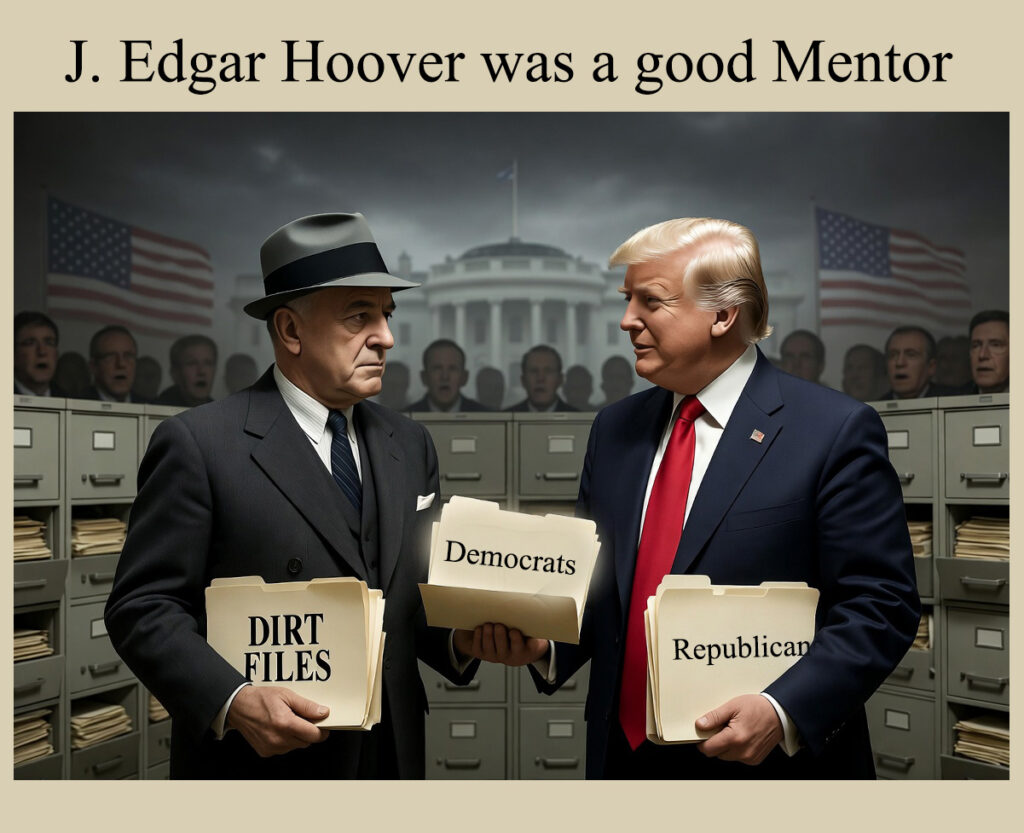


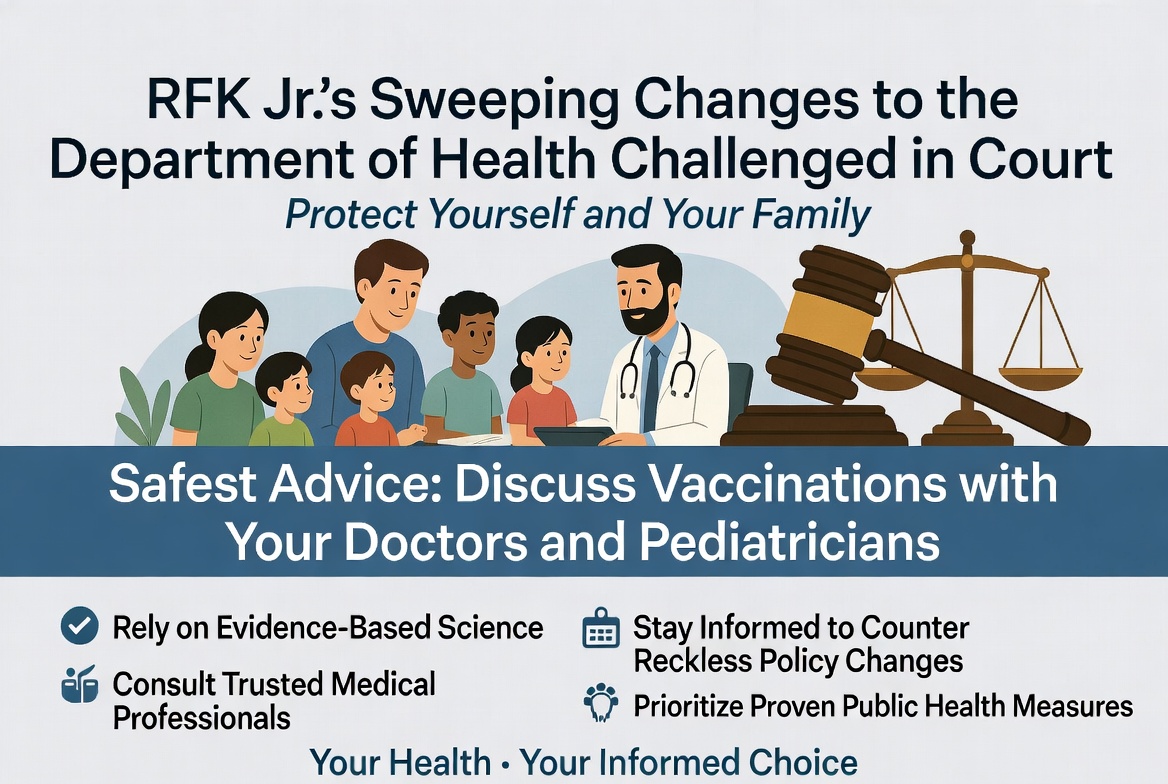



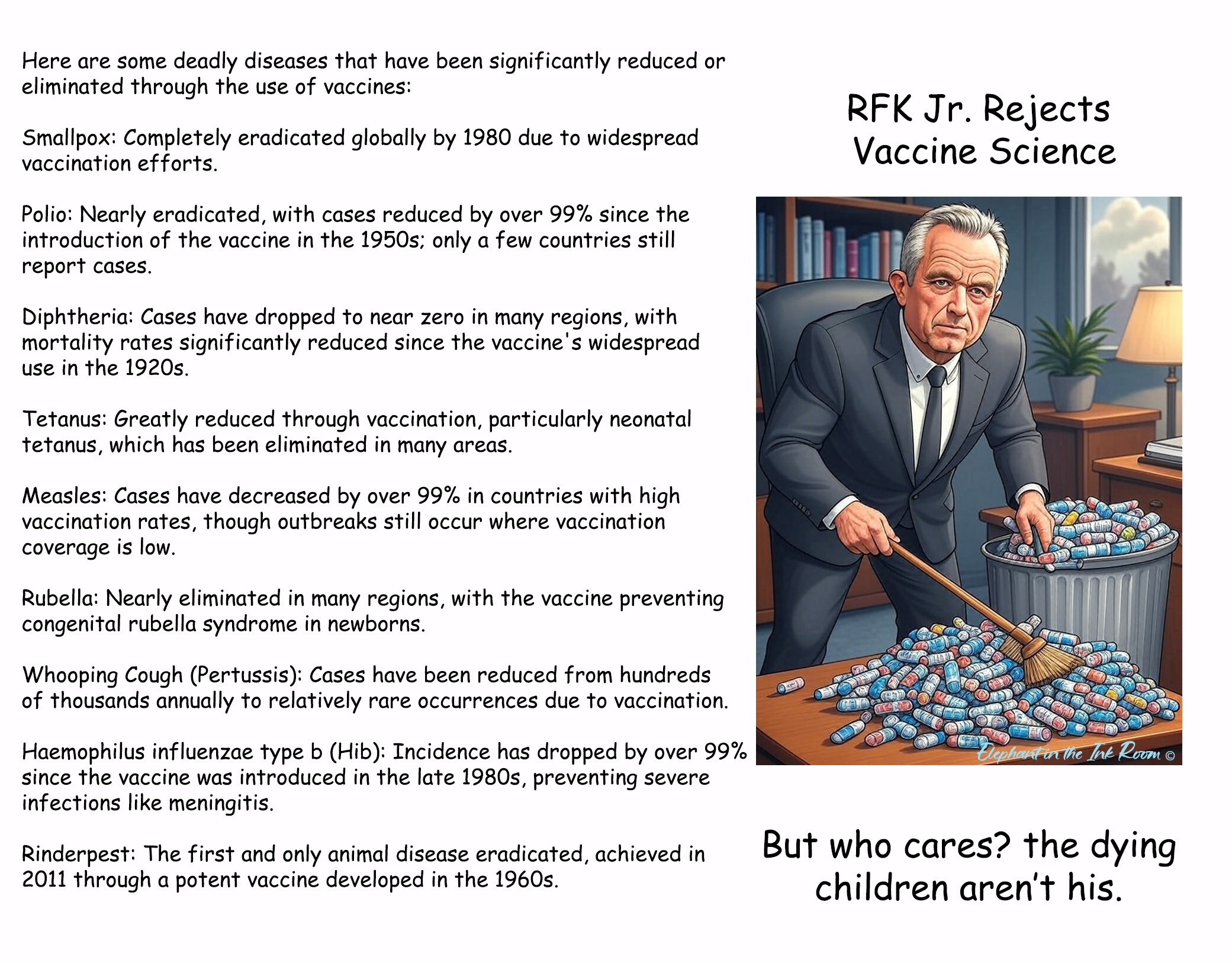
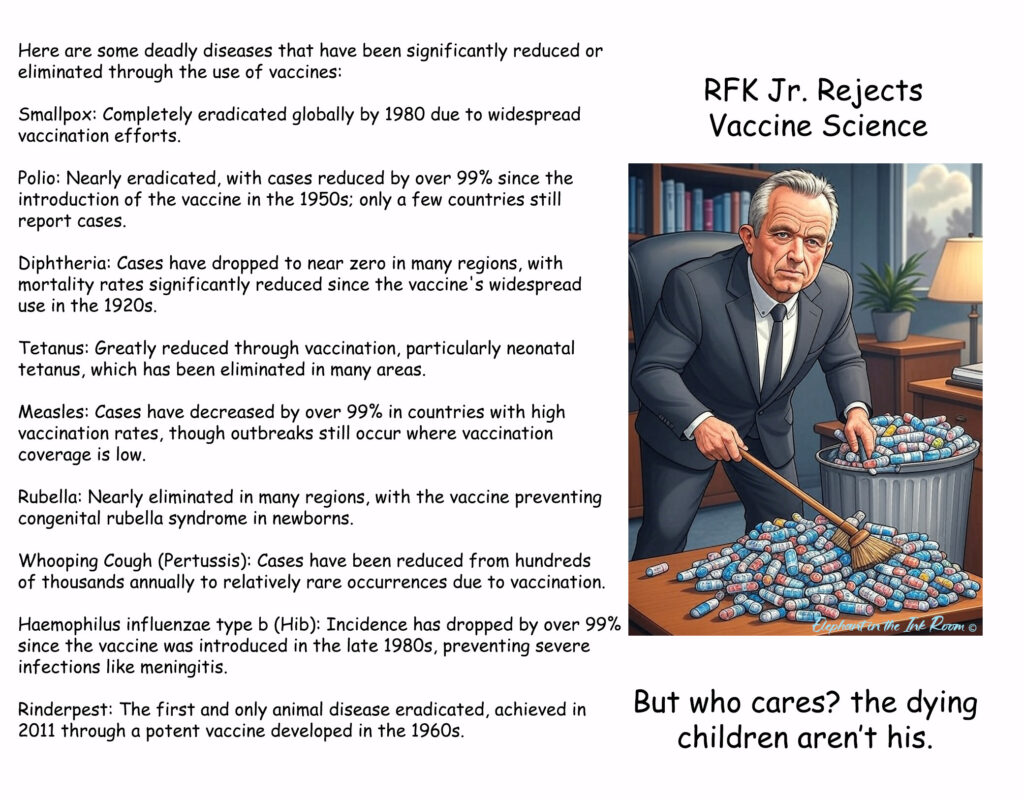

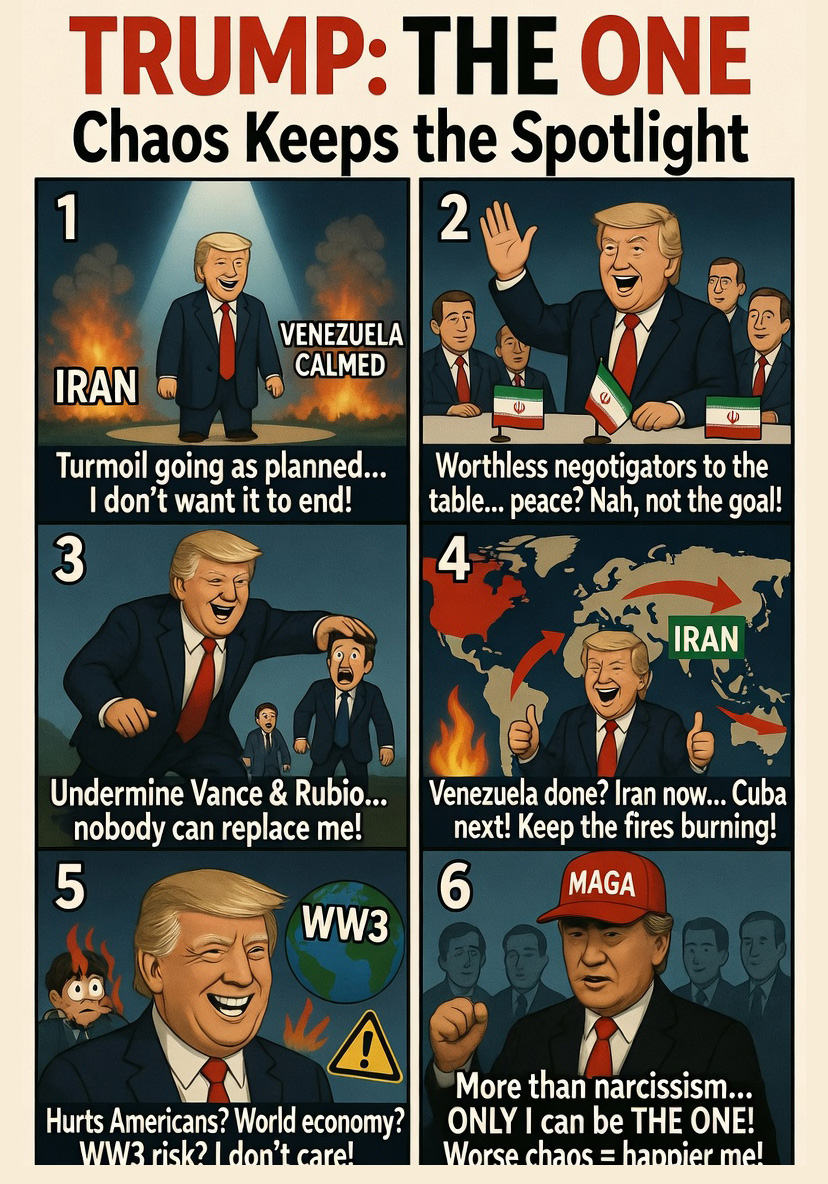
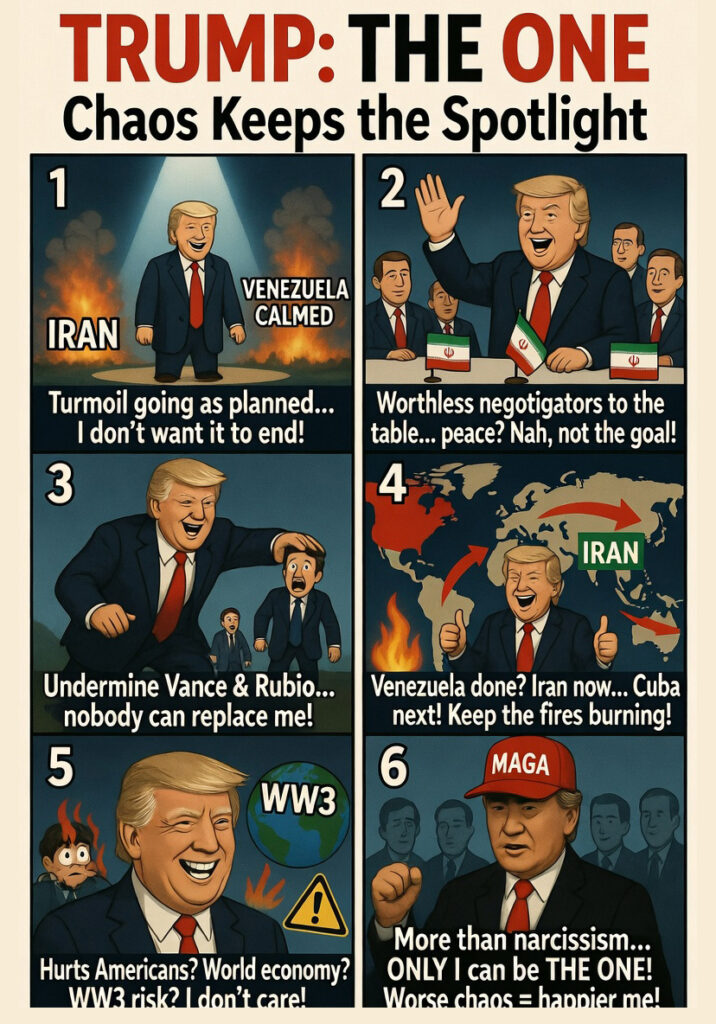

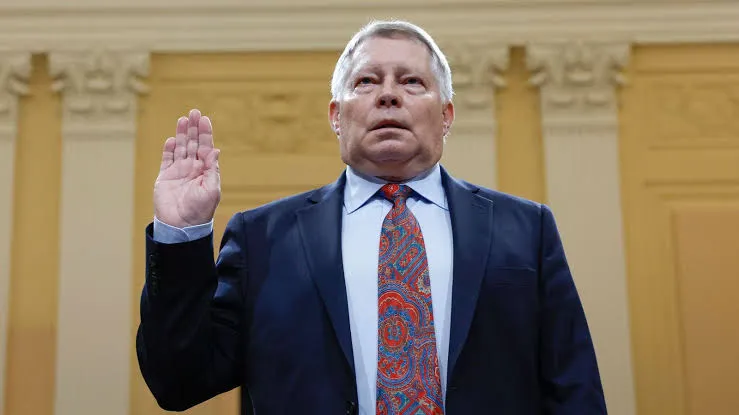






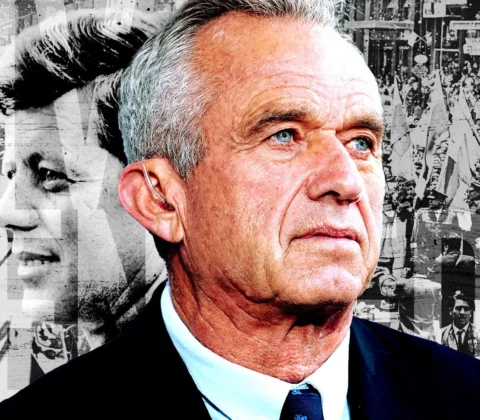


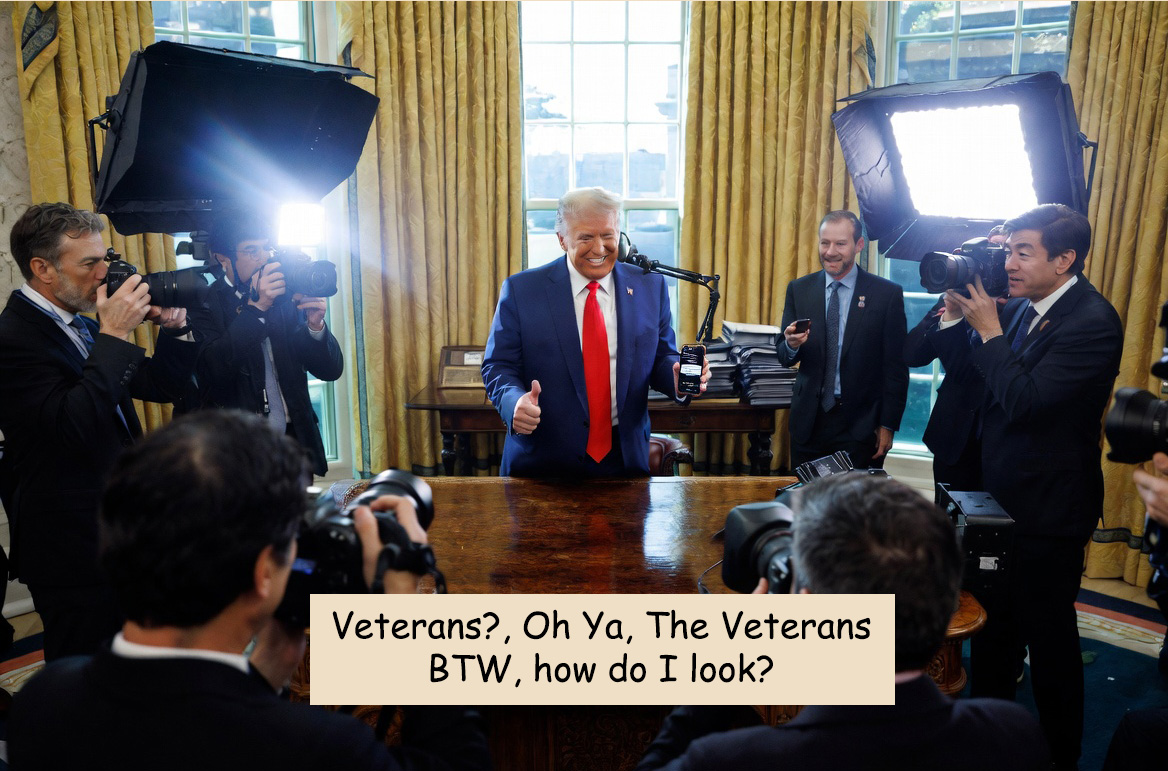
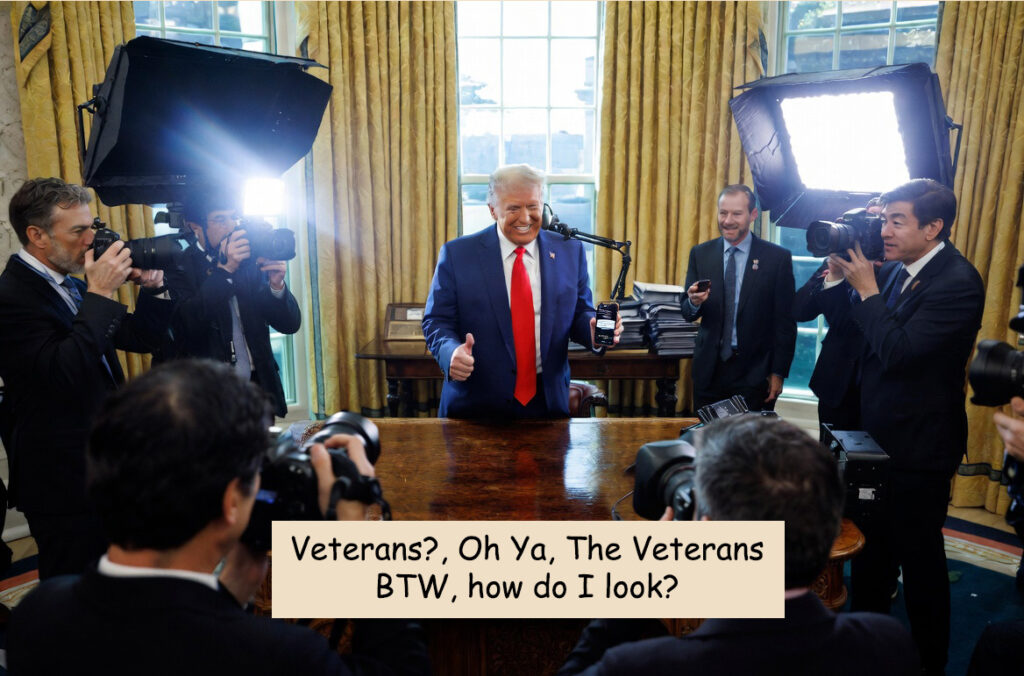













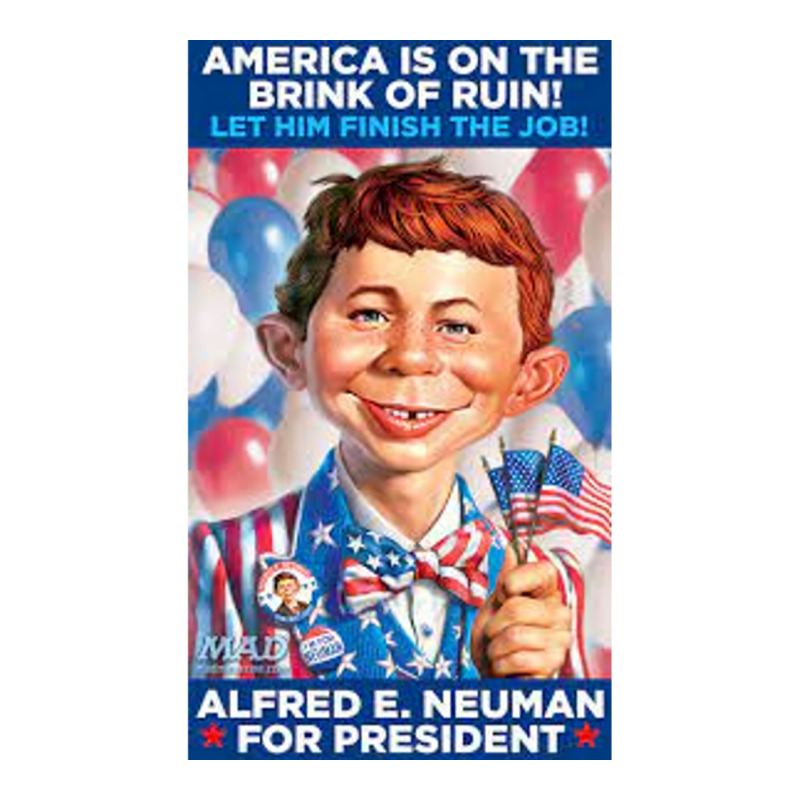


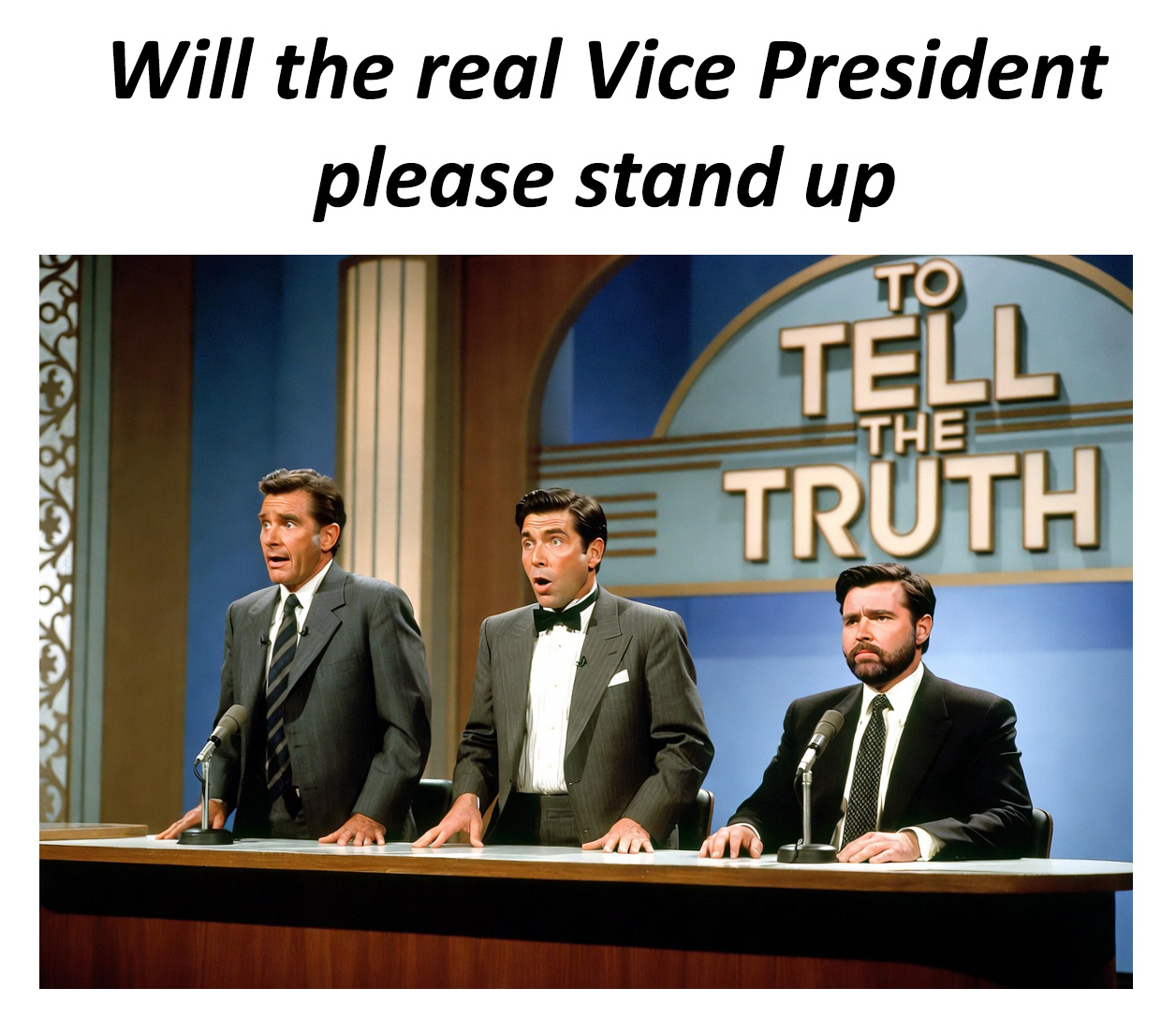
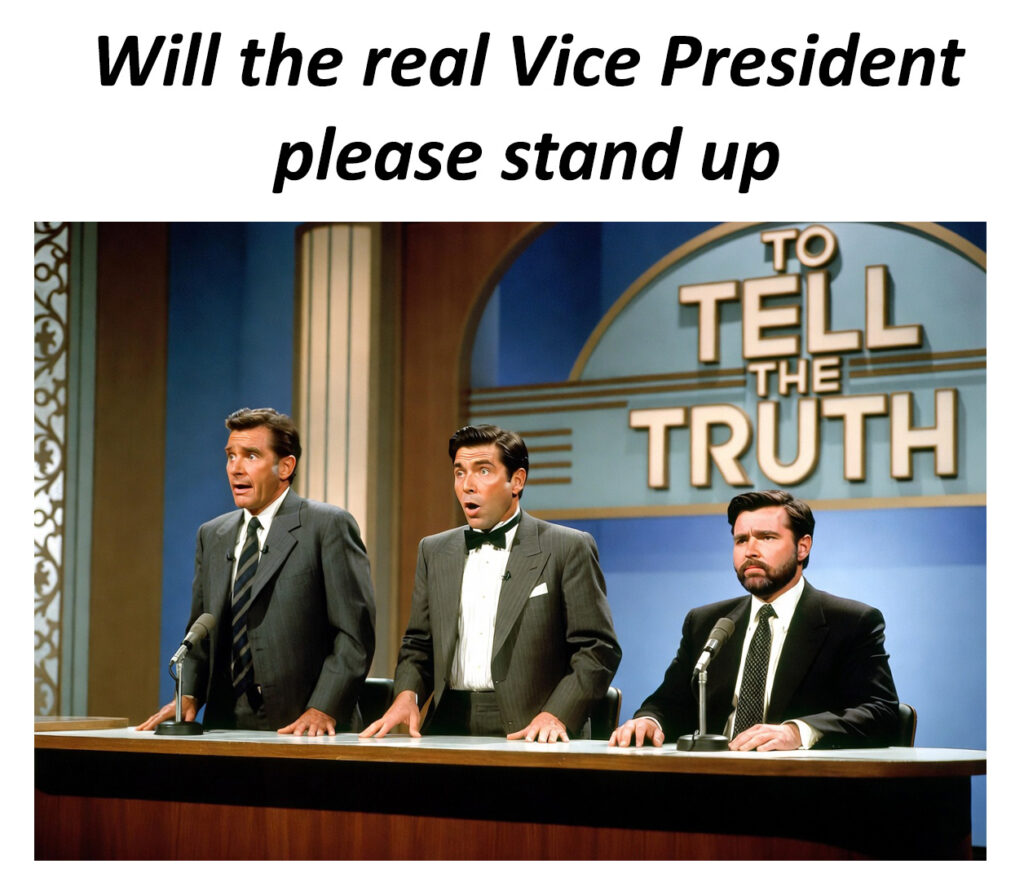









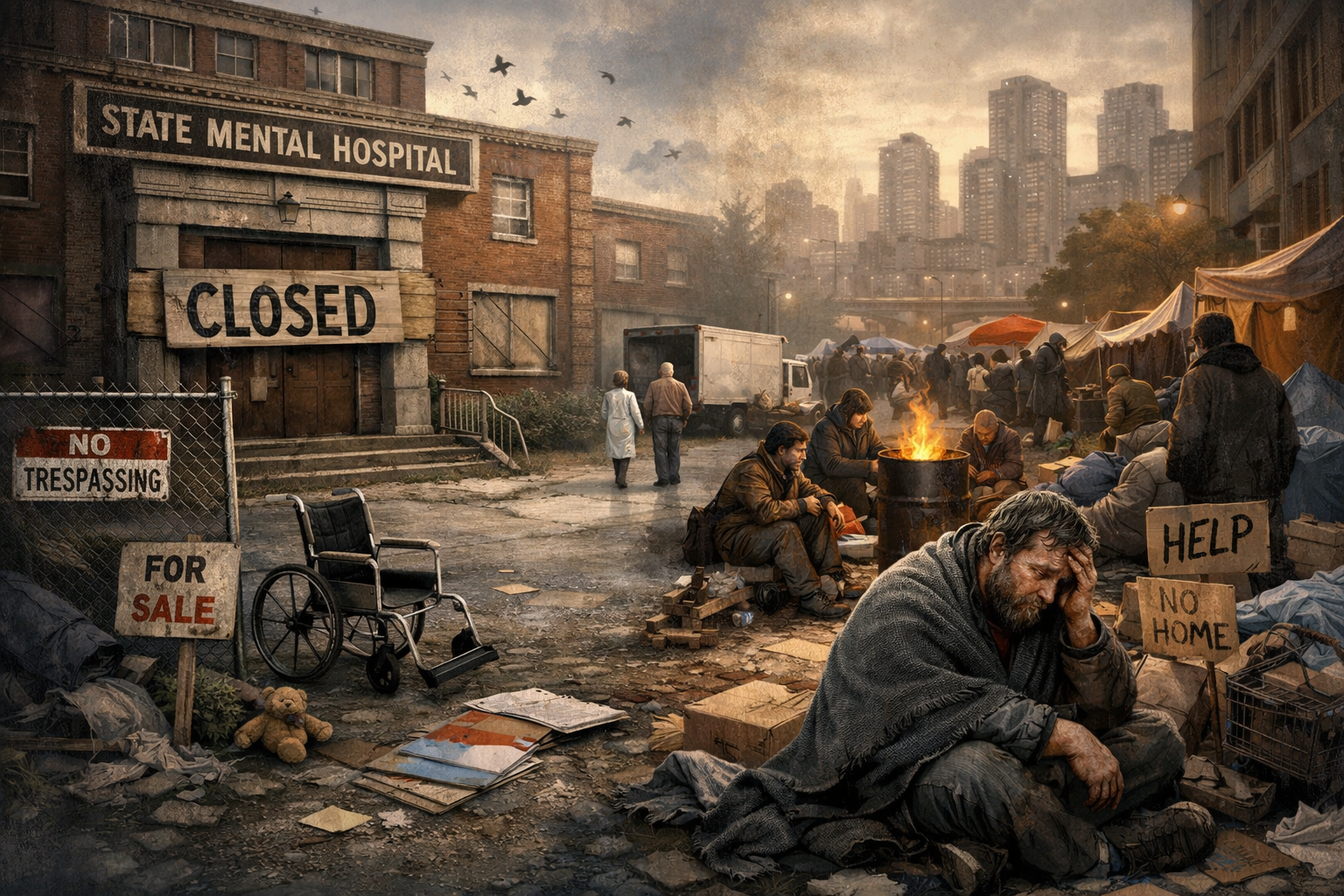
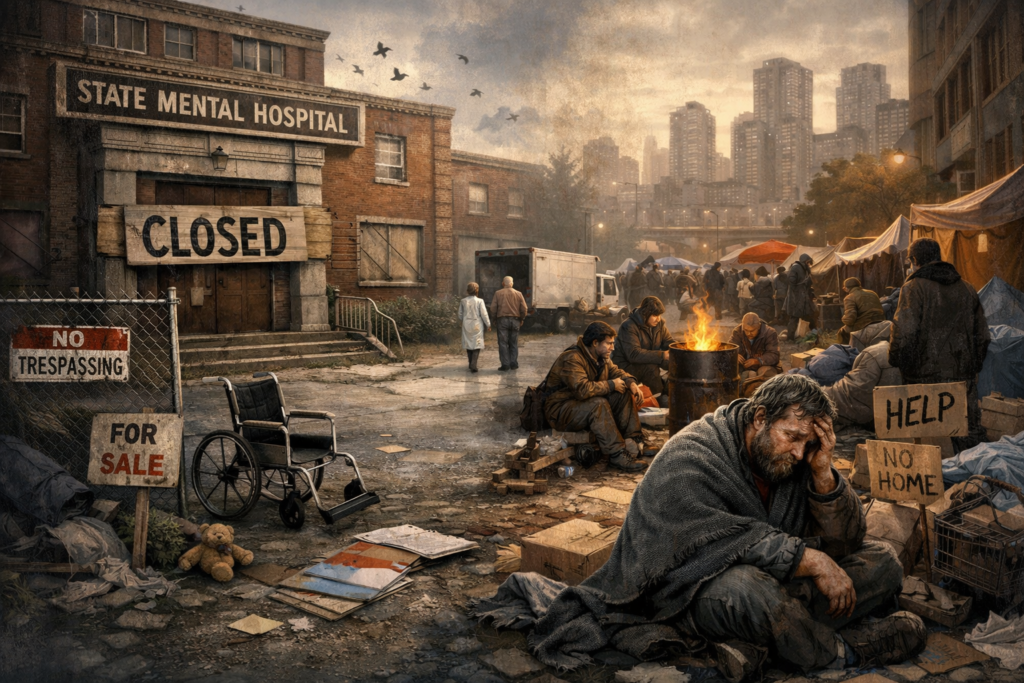


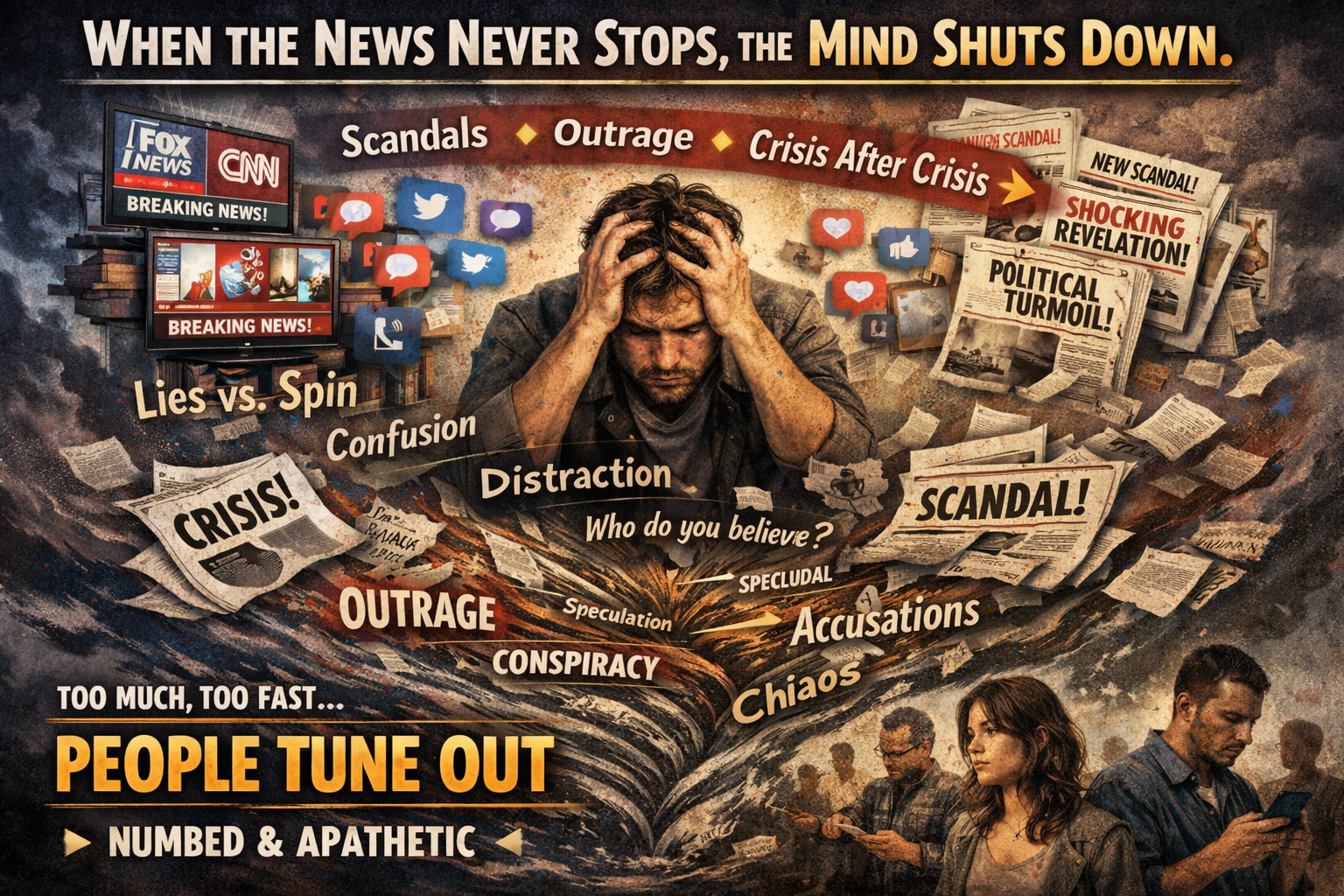
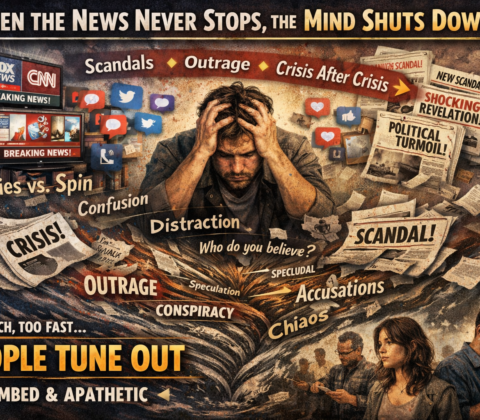



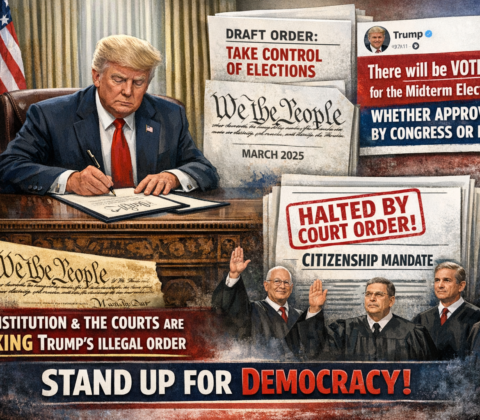


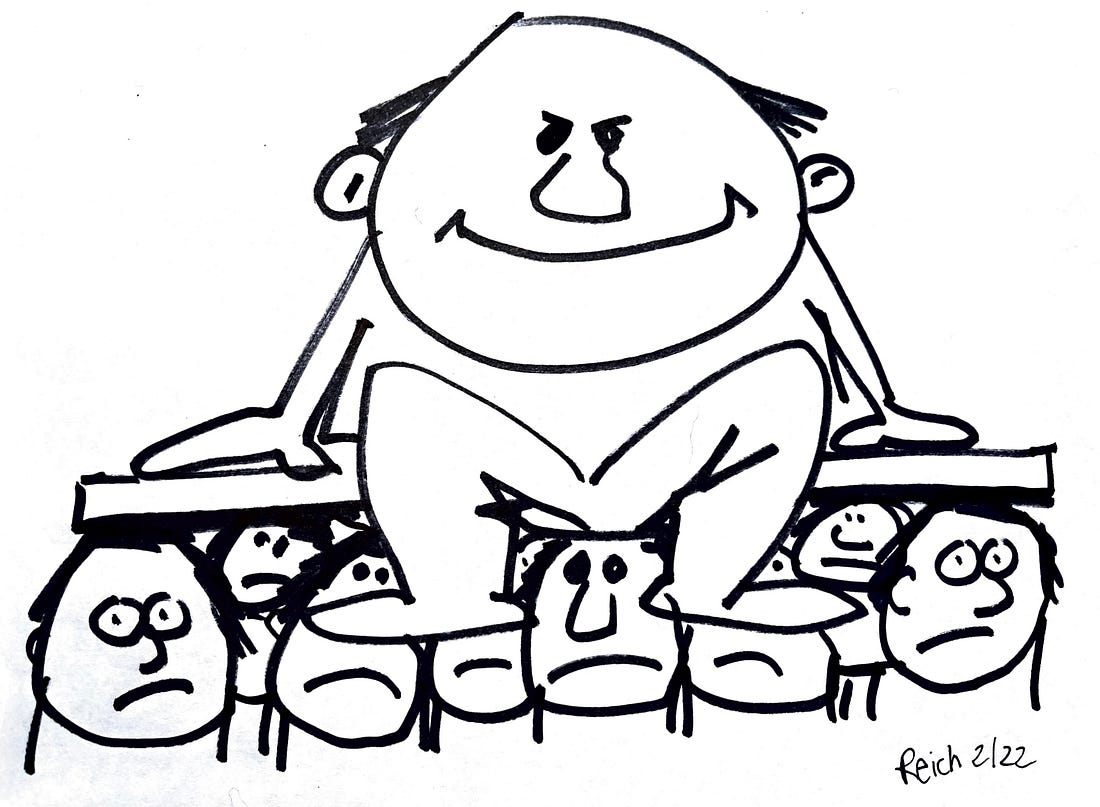
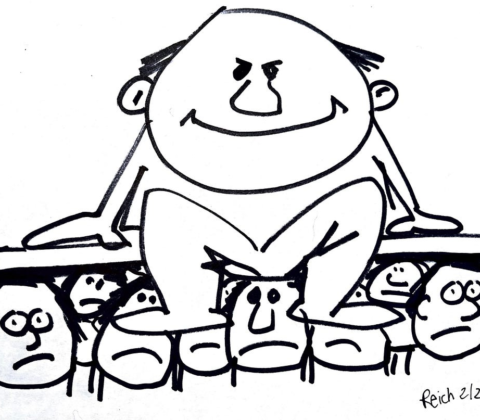



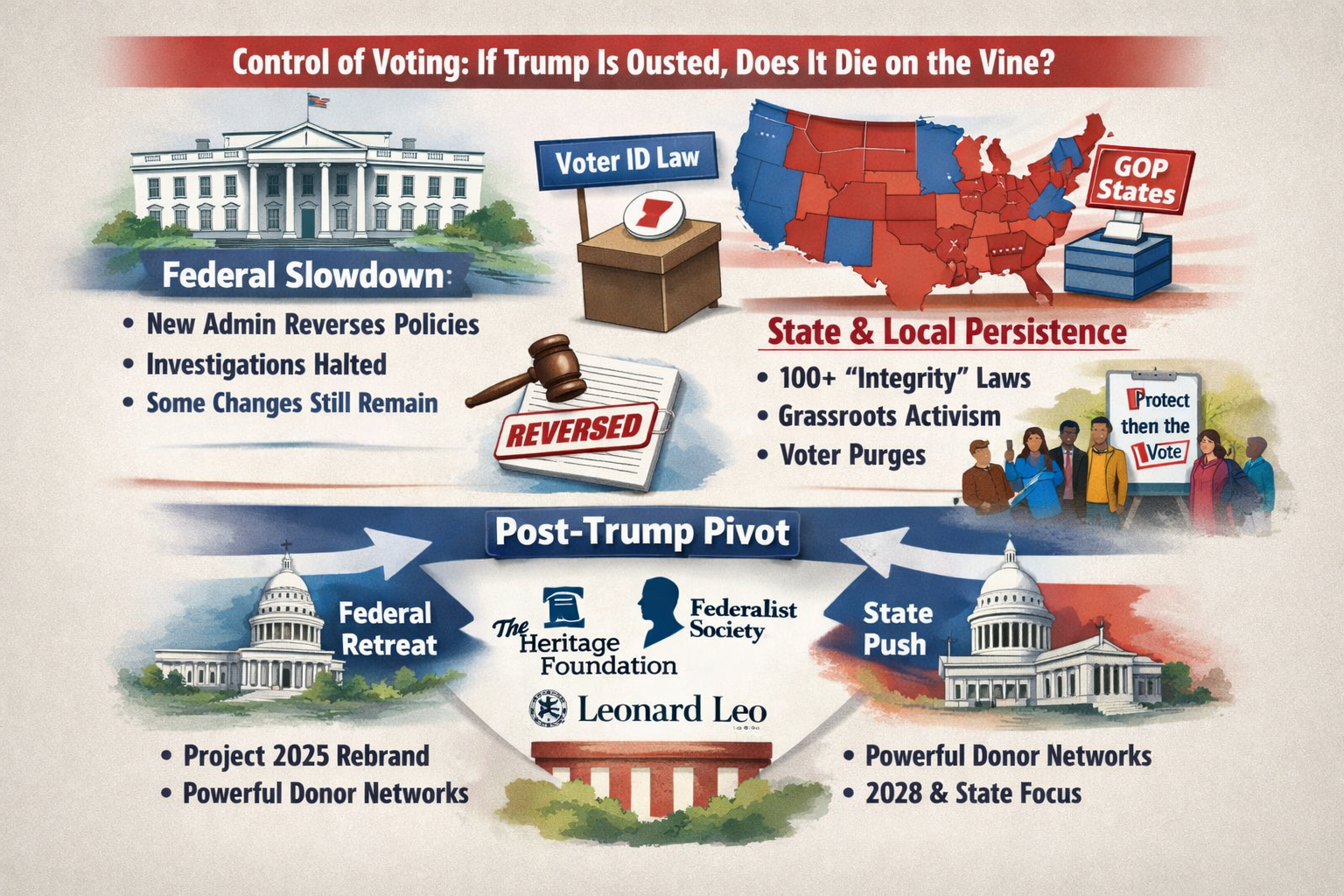
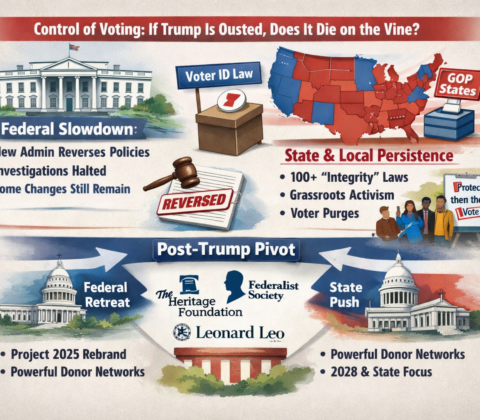
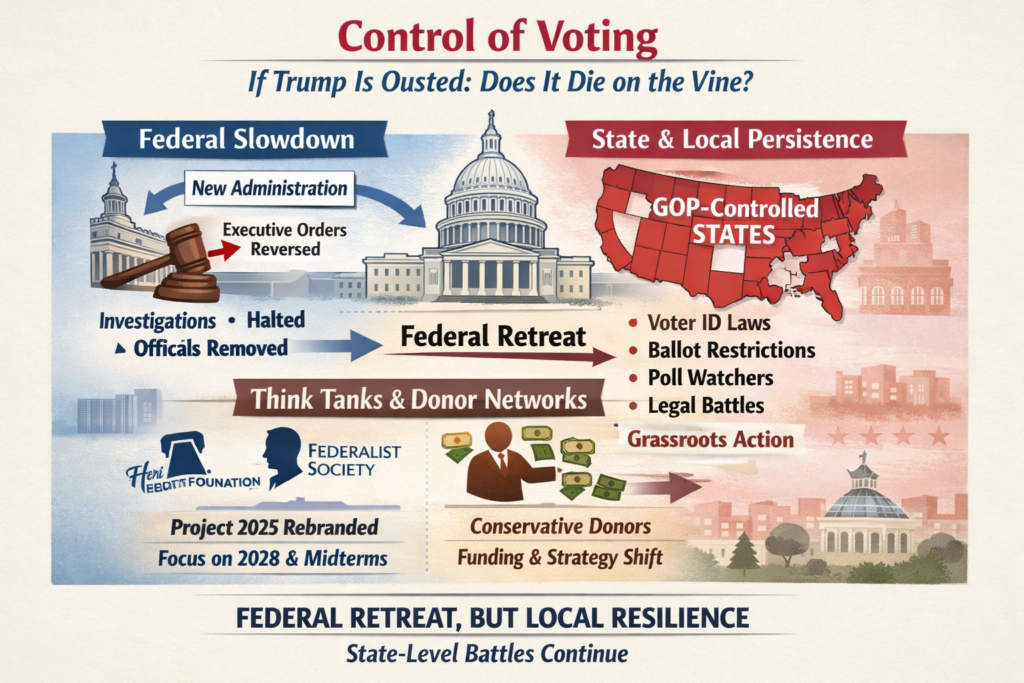

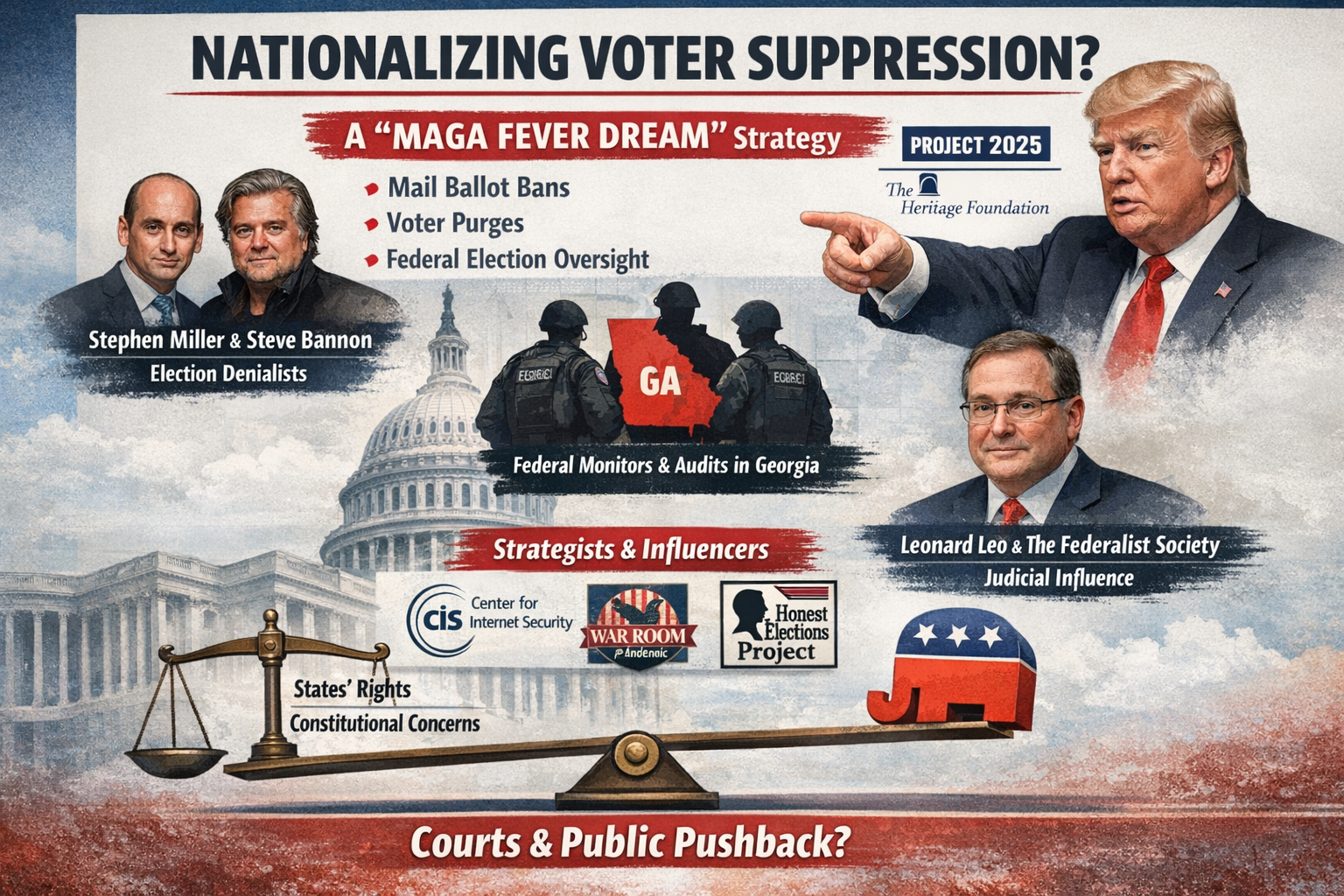
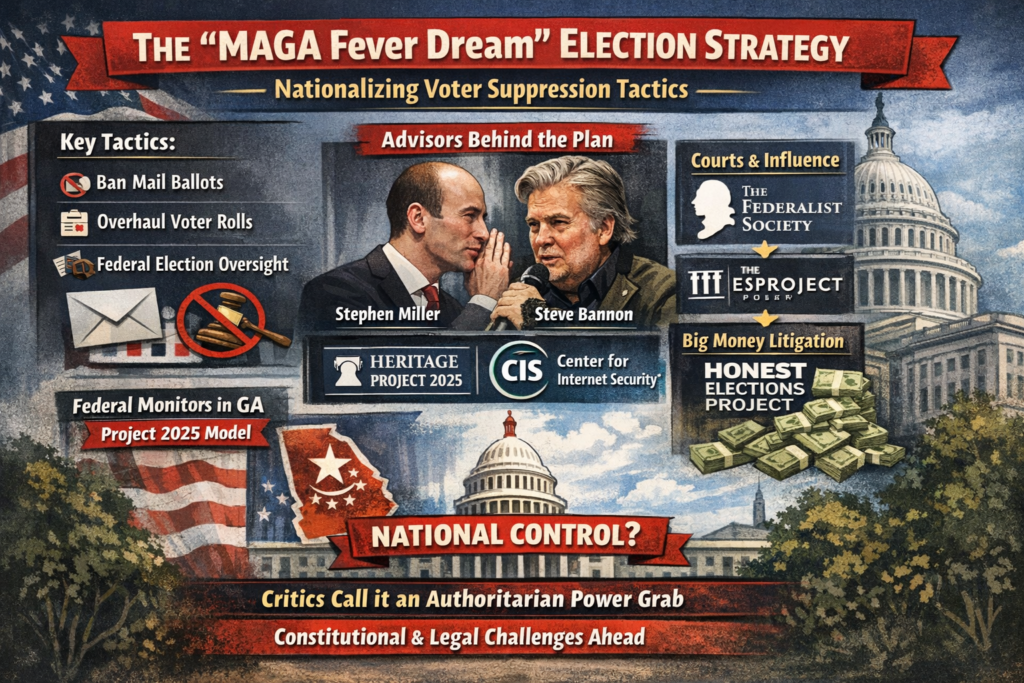

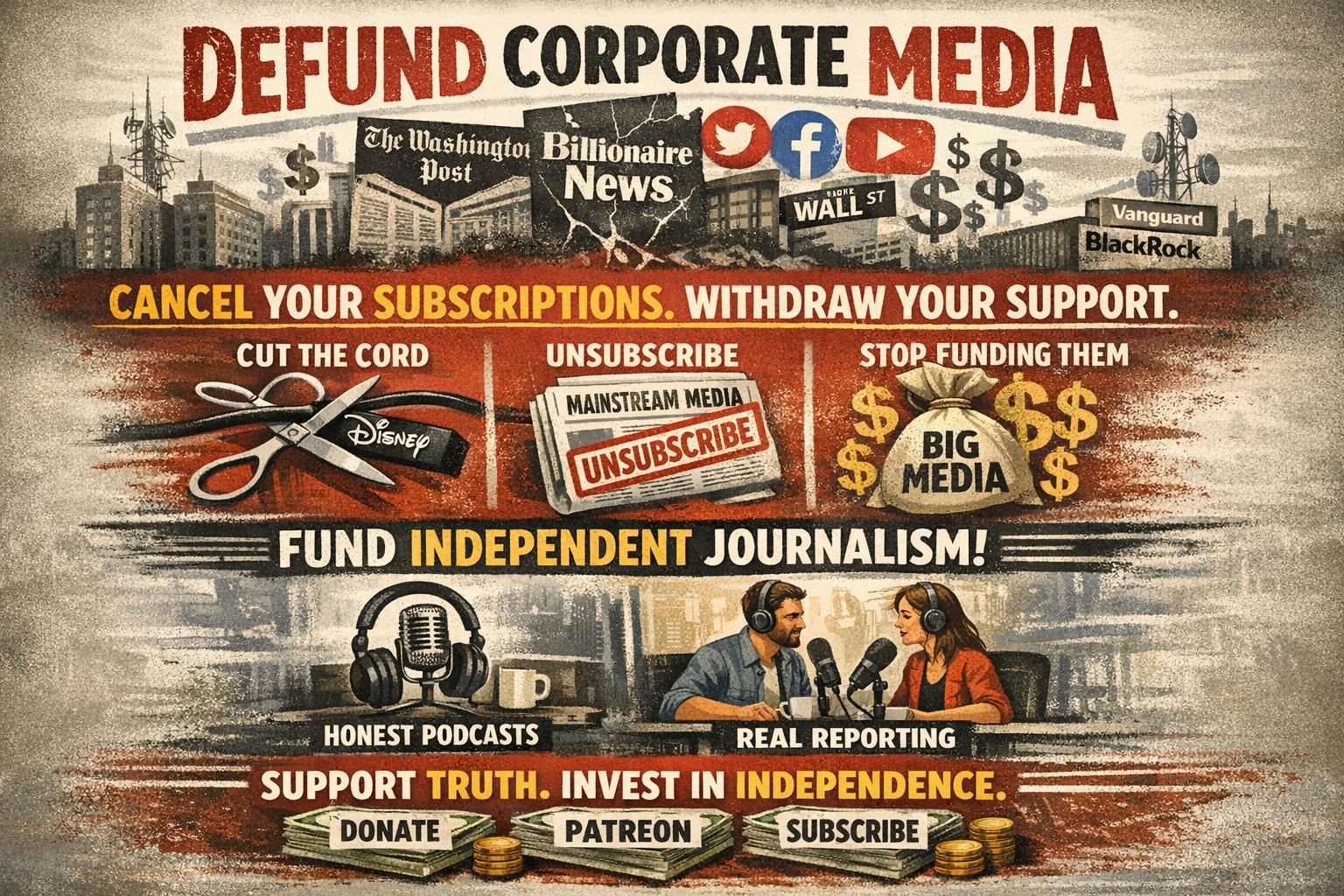






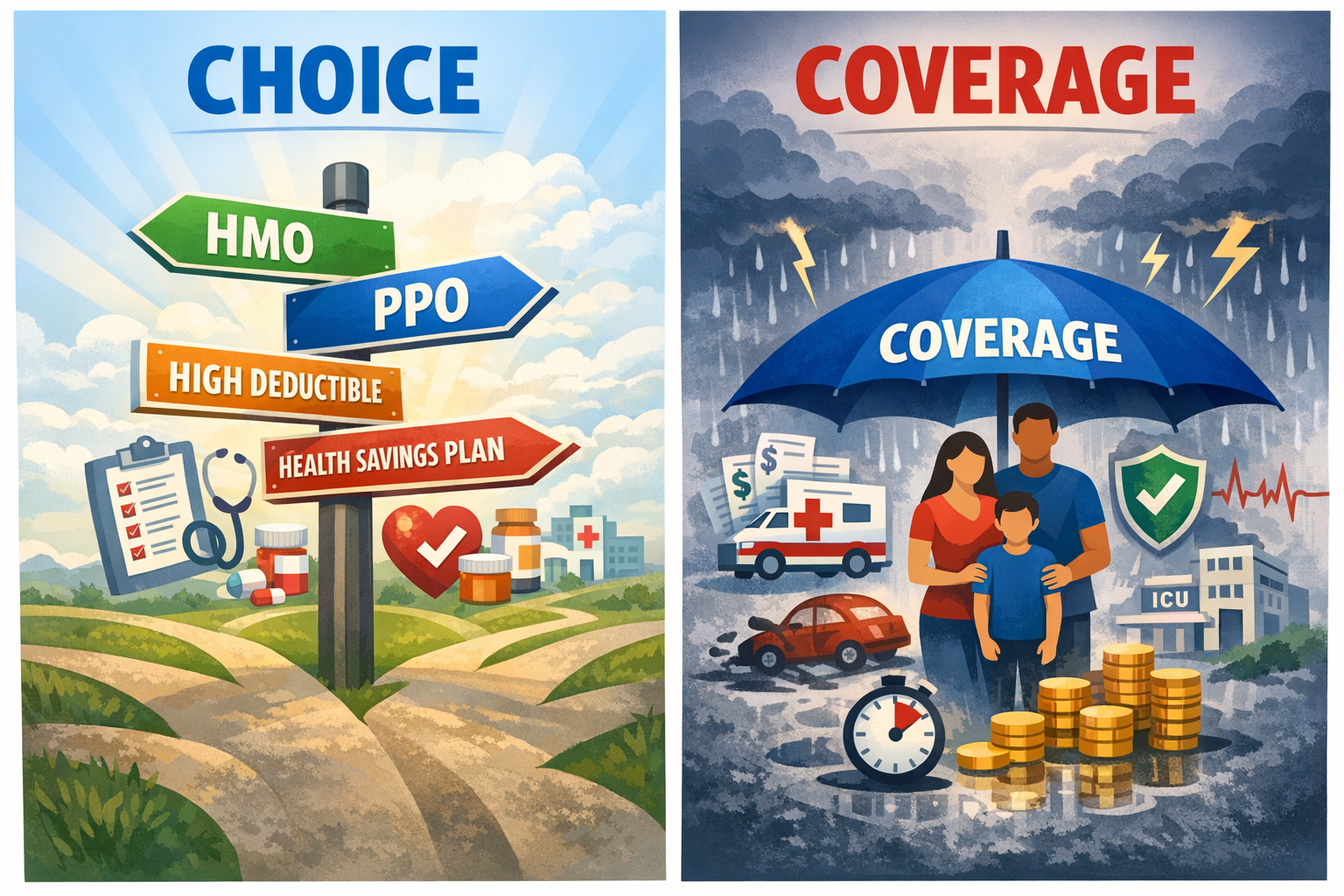


The Choir
You do know that we are all preaching to the same choir out here, don’t you?
Yacky yack.
That’s really what most of us are doing. The same old rant to the same old people. The same arguments, the same outrage, the same memes, the same accusations, the same people agreeing with us and the same people telling us how stupid we are.
And somehow we think we are accomplishing something.
It feels good.
It makes me feel good. It makes you feel good. There is something strangely satisfying about finding somebody who agrees with you and then agreeing with them even harder.
But let’s be honest.
It doesn’t accomplish a darn thing.
Must be the bourbon talking again.
But hey, we all know the score. We know who is who. We know which side we’re supposed to be on. We have already decided who the good guys are and who the bad guys are.
Otherwise, we probably wouldn’t be out here doing this in the first place.
We respond to the bots from the other side like it might actually make a difference.
Think about that for a minute.
You’re arguing with a bot. Somewhere, maybe on the other side of the world, somebody may have written a program designed to irritate you into responding. And here you are, typing away, explaining to it why it is wrong.
Like the bot is going to suddenly say, “You know what? Bill has a point.”
Or like some guy in South Africa running a hundred accounts is going to make Elon Musk another ten cents because you spent twenty minutes arguing with one of his bots.
Does anybody really think that bot gives a flying copulation?
See?
Not that far gone yet.
So here is the plan.
Yes, I have a plan.
A grand plan.
A real plan.
Not a two-week plan. Not a campaign promise. Not a plan that requires a committee, a billion dollars and three years of hearings.
And one of the local proprietors of the local BBQ supply store helped supply it.
Yes, BBQ supplied — from Louisiana to Oregon, with a little mesquite smoke thrown in.
I call it the “Do You Know?” Plan.
It is really very simple.
The next time you are talking to your friend, your neighbor, your co-worker, your co-parishioner or the guy standing next to you at the BBQ supply store and somehow the conversation turns toward Donald Trump, listen for the inevitable:
“I don’t discuss politics.”
Fair enough.
Don’t lose a friend.
Don’t make an enemy.
Don’t turn Thanksgiving into a family civil war.
They may be MAGA. They may be exhausted. They may have decided politics isn’t worth the aggravation anymore. They may be one of those people who has been watching the same news channel for twenty years.
Or they may simply not watch the news at all.
Maybe they have been depressed since Friends and Seinfeld went off the air.
Who knows?
The point is, don’t ask them what they think about Trump.
That’s a political question.
No-no.
Instead, ask them something completely different.
Ask:
“Did you hear about Renee Good, the woman who was shot by an ICE officer in Minneapolis?”
Or:
“Did you hear about the ICE shooting through the door?”
Then shut up.
Seriously.
Listen.
Don’t immediately explain why it proves your side is right.
Don’t tell them they are uninformed.
Don’t tell them Fox News didn’t tell them.
Don’t tell them CNN did.
Don’t mention Democrats.
Don’t mention Republicans.
Don’t mention MAGA.
Don’t mention woke.
Just ask:
“Did you hear about it?”
Because you might be surprised.
They might say, “Yeah, I did. What do you think about it?”
Great.
Now you have a conversation.
Or they might look at you and say:
“No. What happened?”
And that is the moment.
Not the moment to start preaching.
The moment to tell them what you know.
Maybe tell them where you heard it. Maybe give them enough information to go look it up themselves. Maybe they will find a completely different version of the story.
That’s okay.
The point isn’t to win.
The point is that they now know something happened that they didn’t know happened five minutes earlier.
That is more useful than winning an argument with somebody who already agrees with you.
Because I am beginning to think that one of our biggest problems isn’t necessarily that Americans have the wrong opinion.
It may be that a whole lot of Americans don’t have enough information to form an opinion in the first place.
And that’s different.
This next part I hate, because it is in short form and I hate short form, but dammit, it works here.
There are people who are passionately informed.
There are people who are passionately misinformed.
And there are a whole lot of people in the middle who are simply trying to get through the day.
They have jobs.
They have kids.
They have bills.
They have aging parents.
They have a mortgage or rent payment.
They have a car that needs tires.
They have a dog that just threw up on the carpet.
They aren’t sitting around waiting for the next congressional hearing.
Politics is background noise to them until it lands directly in their living room.
And I don’t think we should blame them for that.
Maybe we should just find a better way to get their attention.
Which brings me back to the choir.
We spend an enormous amount of time talking to people who already agree with us.
We congratulate each other for being right.
We share an article.
Somebody comments, “Exactly!”
We respond, “Couldn’t agree more!”
Somebody else says, “Wake up, America!”
We hit the like button.
And then we wonder why nothing changes.
Maybe America doesn’t need another person standing in front of the choir with a microphone.
Maybe we need somebody to walk outside the church.
Maybe we need somebody to walk into the parking lot and ask the people who aren’t inside:
“Hey, did you hear about this?”
That’s a different conversation.
It doesn’t require a political party.
It doesn’t require a candidate.
It doesn’t require you to hate anybody.
And it doesn’t require you to know all the answers.
It requires curiosity.
And maybe a little patience.
Because here’s another thing I’ve learned:
People don’t generally like being told they are stupid.
They don’t like being told they have been brainwashed.
They don’t like being told they get all their news from the wrong place.
And they sure as hell don’t like being told that if they don’t agree with you, they’re part of the problem.
But ask them a question?
That’s different.
“Did you hear about this?”
They can answer that without having to defend themselves.
And if they haven’t heard about it, maybe they will.
Maybe they’ll look it up.
Maybe they’ll tell somebody else.
Maybe five minutes later they will forget about it.
That’s okay too.
We don’t have to change the world in one conversation.
Maybe the first step is simply getting people to look up from whatever side of the political circus they are watching and notice what is happening outside the tent.
Because I don’t think we’re going to fix much by screaming at each other.
I don’t think another thousand posts telling us how stupid the other side is are going to change anybody’s mind.
And I definitely don’t think arguing with a bot is going to save the Republic.
So I’m going to try something different.
The next time I run into somebody who says they don’t discuss politics, I’m going to respect that.
Then I’m going to ask:
“Okay. Did you hear about this?”
No politics.
No red.
No blue.
No preaching.
Just a question.
And then I’m going to listen.
Maybe that’s all we can do.
Maybe it’s not enough.
But it’s a hell of a lot more useful than preaching to the choir.
Well…
Maybe a touch of Jim Beam.
Share this:
Like this: