





















|

Posts in Category: shared

Ballot Tracking Alerts Now Available for All Oregon Voters
| Sign-up at OregonVotes.gov/Track |
|
| Having trouble viewing this email? View it as a Web page. |
| Manage Subscriptions | Help |
|
||||
Share this:
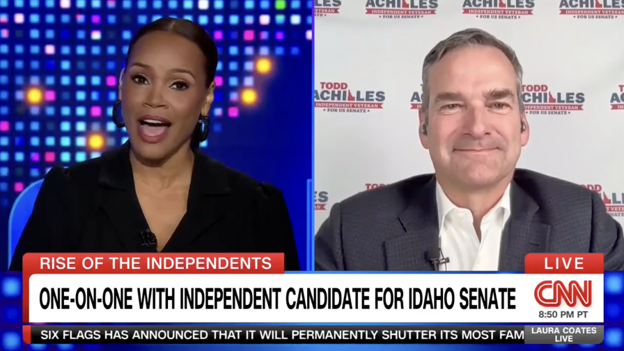
Independent Movement in South Dakota and Idaho Gaining Real Traction
|
Share this:
Ballot tracking now available statewide!
|
| Having trouble viewing this email? View it as a Web page. |
| Manage Subscriptions | Help |
|
||||
Share this:
Secretary Read: ‘It’s Time to Get Ready to Vote’ – Ballots In The Mail
|
Having trouble viewing this email? View it as a Web page. |
| Manage Subscriptions | Help |
|
||||
Share this:
MEDIA ADVISORY: Secretary Read to Hold Press Conference as Counties Prepare to Mail Ballots
|
| Having trouble viewing this email? View it as a Web page. |
| Manage Subscriptions | Help |
|
||||
Share this:
One Week Left to Register to Vote – Oregon, but probably most States
|
| Having trouble viewing this email? View it as a Web page. |
| Manage Subscriptions | Help |
|
||||
Share this:


Who Pays for American Politics? Citizens United and the Rise of Big Money by John Turley MD
Share this:
The Forward Party Message is Catching 🔥🔥🔥
|
Share this:
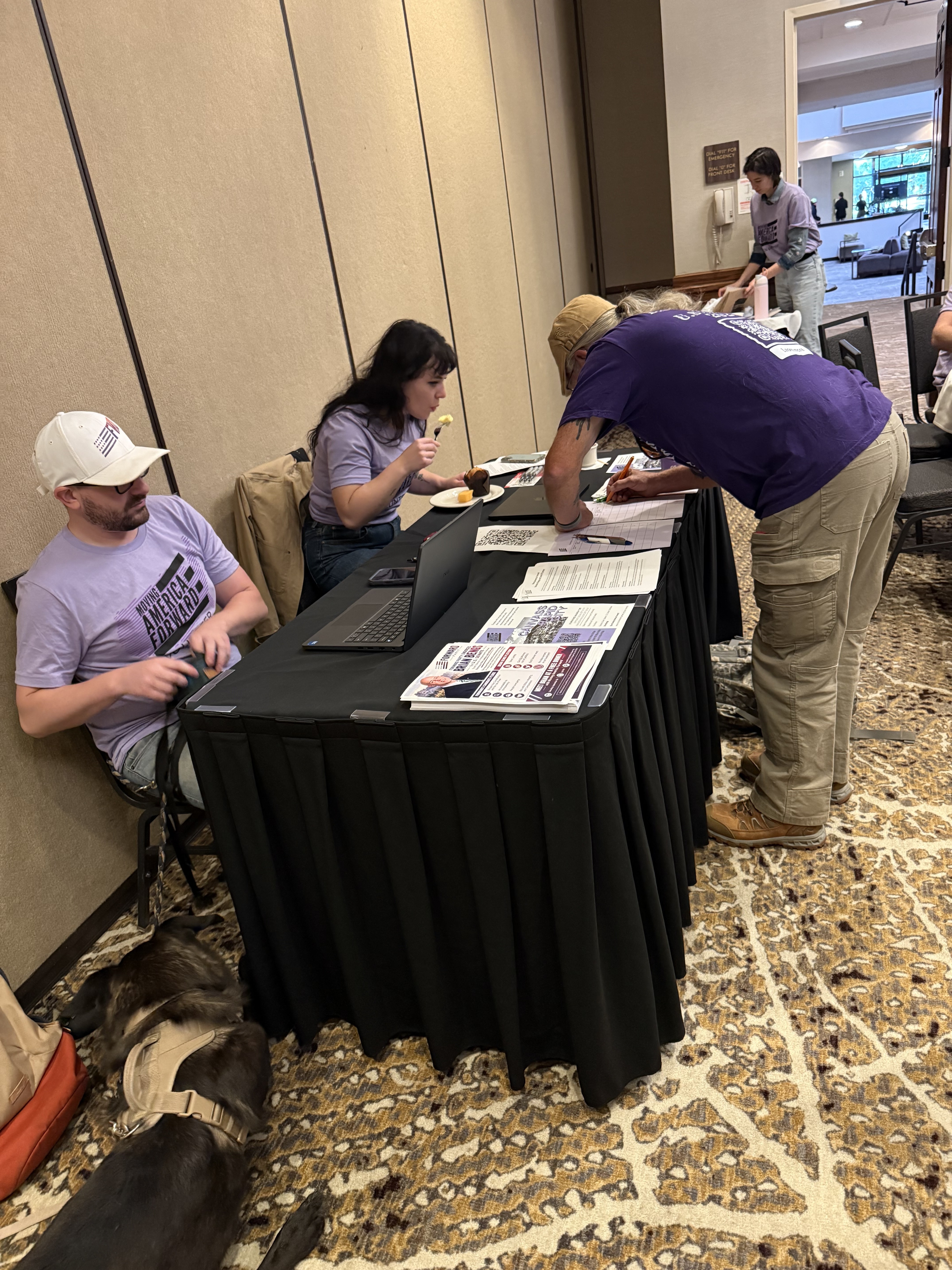
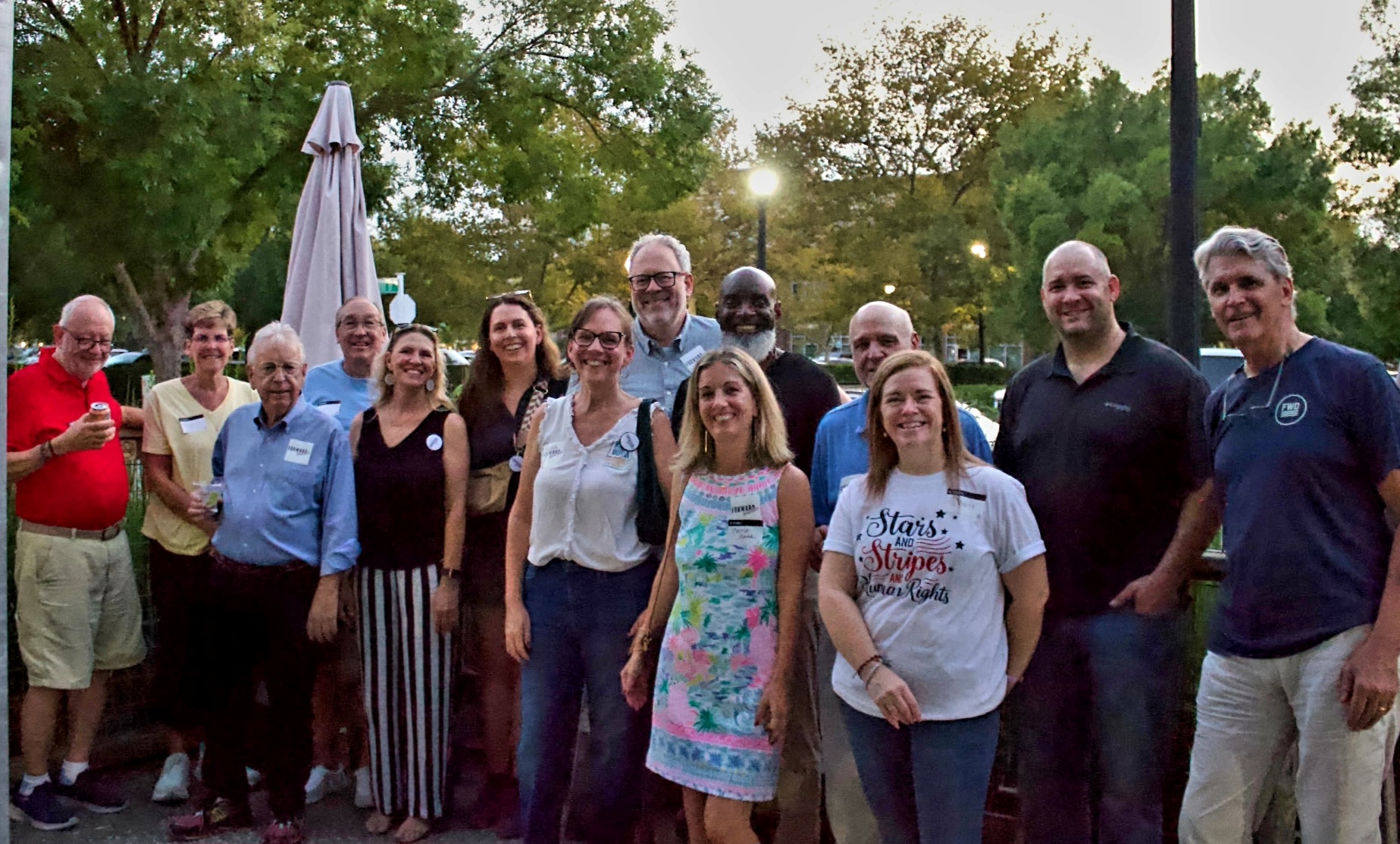
One month to go! What is Forward doing, and how can you help?

Share this:

Get Ready to Vote
|




| Having trouble viewing this email? View it as a Web page. |
| Manage Subscriptions | Help |
|
||||
Share this:

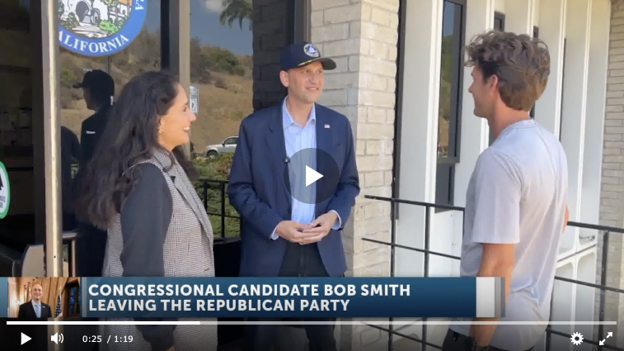
California Endorsement and a Warm Embrace of Independence 09/29/2026
|


Share this:

Notice of Temporary Administrative Order OAR 165-007-0550
|


| Having trouble viewing this email? View it as a Web page. |
| Manage Subscriptions | Help |
|
||||
Share this:



10 Steps To Fix What Trump Has Broken And mend everything thereafter by Robert Reich
Share this:

Secretary Read: Supreme Court Ruling Will Have No Impact on Oregon’s Election
|
| Having trouble viewing this email? View it as a Web page. |
| Manage Subscriptions | Help |
|
||||
Share this:

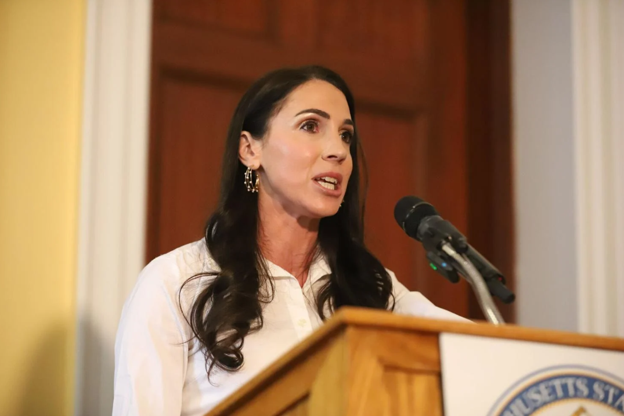
Forward Party Endorses Diana DiZoglio + Friends at MAF in South Dakota!
|

Share this:

Voting Guidance TV PSA Launched by Oregon Secretary of State
|
| Having trouble viewing this email? View it as a Web page. |
| Manage Subscriptions | Help |
|
||||
Share this:

Is it Official Election Mail? A PSA from Secretary of State Tobias Read
|

| Having trouble viewing this email? View it as a Web page. |
| Manage Subscriptions | Help |
|
||||
Share this:

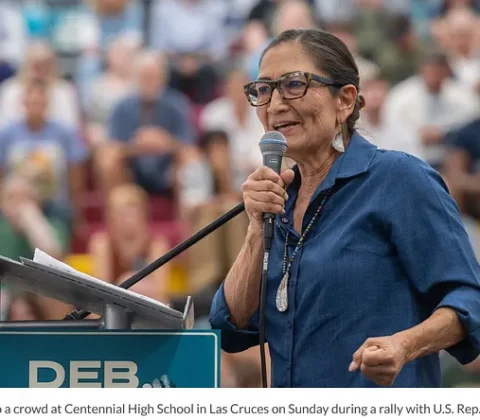
Don’t Check Just the Box
I just read an article by Alisa Valdes-Rodriguez that said something I think deserves to be repeated.
We have gotten so used to thinking politics means choosing a team that we sometimes forget what voting is actually supposed to be about.
A party label can tell you what someone calls themselves. It doesn’t tell you what they believe, what they have done, or what they will actually do once they are in office.
That’s why I keep coming back to the middle.
I don’t completely trust either political party — and I don’t think you should simply hand either one your vote.
Research the candidate. Look at their record. Look at what they actually say, not just the slogans, ads and talking points coming from their party. Then make your own decision.
Sometimes that may mean voting for a Republican. Sometimes a Democrat. Sometimes someone outside the two major parties. And sometimes it may mean leaving a box unchecked.
The point is simple: don’t vote for the party. Vote for the person.
And credit where it belongs — the idea that prompted this post came from Alisa Valdes-Rodriguez and her article. I’m not trying to rewrite her work. I’m saying her point is worth passing along.
Share this:

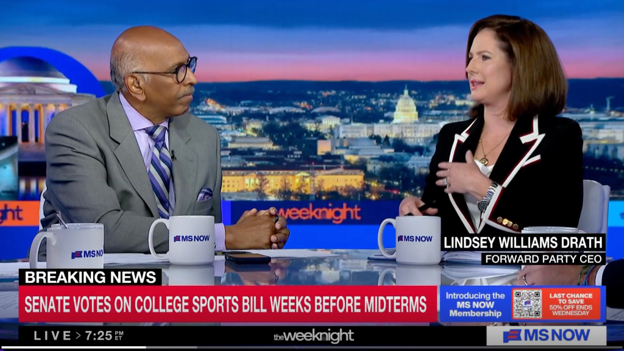
Forward Party CEO Weighs in After US Supreme Court Denial 09/17/2026
I generally don’t weight in on Shared Posts, but if you think it’s time to weaken the 2 party stranglehold on today’s politics and Superpac money that controls the candidates and the elections, then you need to read this, and then make your voice heard.
|
Share this:

The Moment We’ve Been Building Toward
|
Share this:



Audit: To Preserve Federal Funding, OHA Must Do More to Prevent Duplicate Medicaid IDs
|
| Having trouble viewing this email? View it as a Web page. |
| | Help |
|
||||
Share this:

Less than 50 days left to help Forward Party win! 09/15/2026
|

Share this:

Supreme Court Decision: Oregon Will Vote-By-Mail in Upcoming Election
|
| Having trouble viewing this email? View it as a Web page. |
| | Help |
|
||||
Share this:

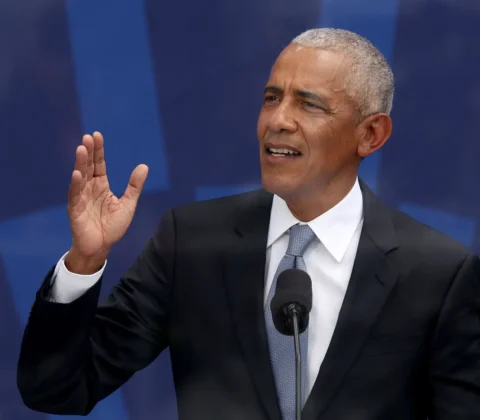

Forward Party CEO Agrees with New Mexico Attorney General
|
Share this:

Legislature Passes Emergency Funding for Drop Boxes, Improved Ballot Tracking for Voters
|
Having trouble viewing this email? View it as a Web page. |
| Help |
|
||||
Share this:

Oregon Leaders Stand United in Protecting Vote-By-Mail Elections
|
Having trouble viewing this email? View it as a Web page. |
| Help |
|
||||
Share this:

Secretary Read Requests Emergency Funding for Election Security
|
09/08/26 Oregon – Your State Update – Is YOUR State making sure you have a fair election?? That’s a huge question and it doesn’t matter if it’s a Blue or a Red State, Our Elections are Sacred to our Freedom and our Democracy. What matters isn’t the winner as long as it is the person that we voted for. I sincerely hope you are following your State and DEMANDING they are providing you a fair election. It is your RIGHT, not a privileged. There is a great deal about Oregon’s leadership I personally disagree with but I am proud as hell of their Election Division.
Having trouble viewing this email? View it as a Web page. |
| Help |
|
||||
Share this:




MEDIA ADVISORY: Vote-by-Mail Press Conference with Oregon Secretary of State Tobias Read, U.S. Senators Ron Wyden and Jeff Merkley
|
Having trouble viewing this email? View it as a Web page. |
| Help |
|
|
||||
Share this:

Secretary Read: Ruling Reaffirms Oregon’s Vote-by-Mail Elections Will Proceed As Planned
|
Having trouble viewing this email? View it as a Web page. |
| Help |
|
|
||||
Share this:

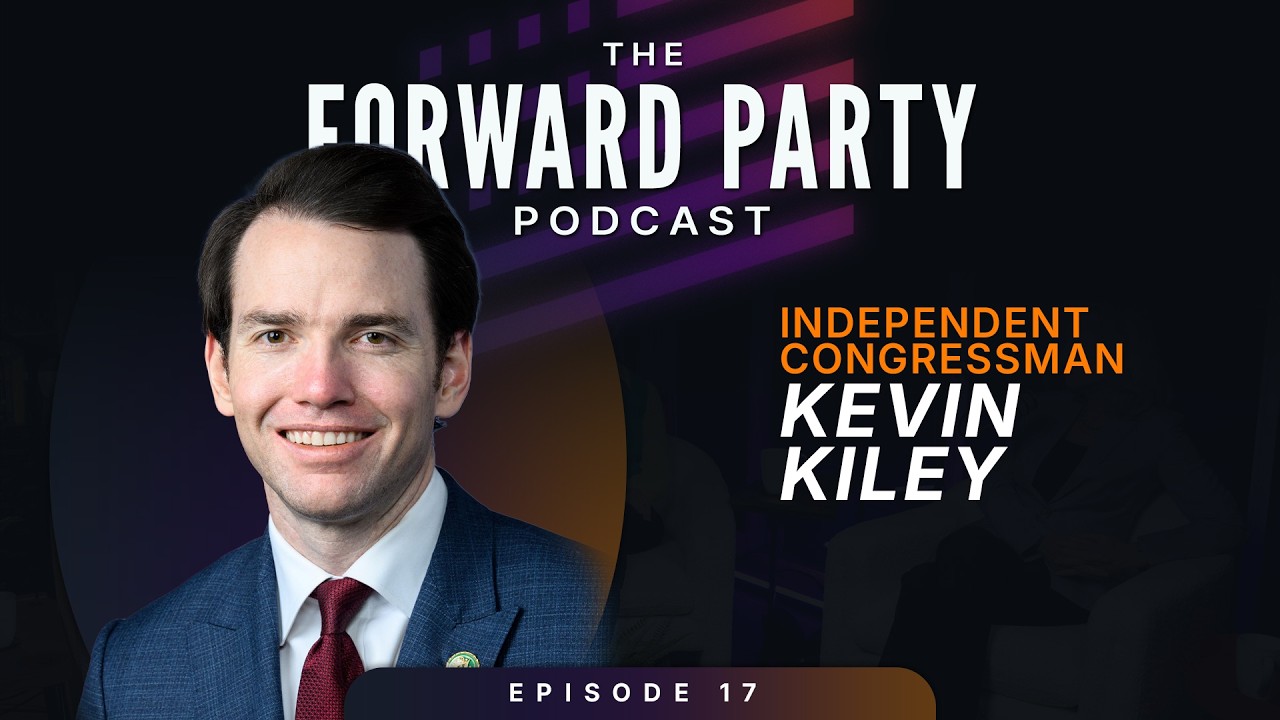
This Week’s Endorsements 09/03/2026
|




Share this:

Finally! Meet the Forward candidates & text banking is LIVE 09/01/2026
|
Share this:




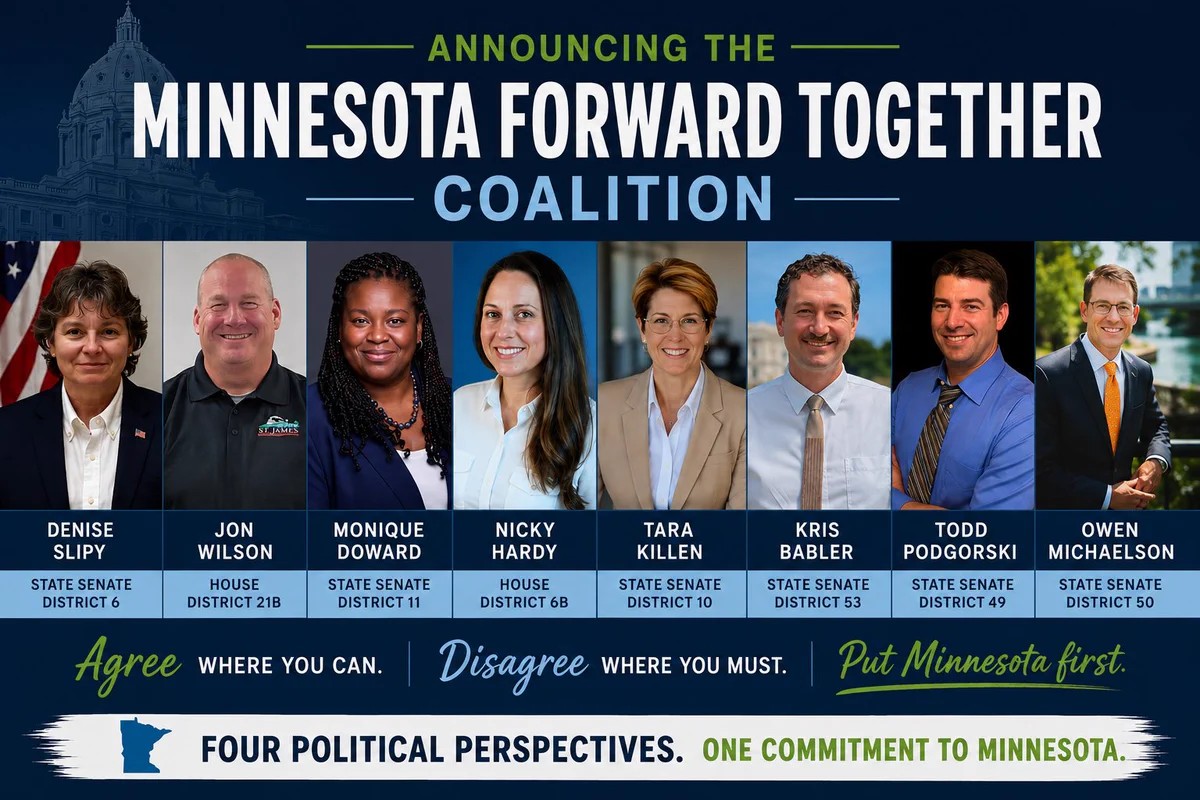
Agree Where You Can 08/29/2026
|
Share this:



Is Russell Vought the Most Destructive Person in the Trump Administration? by John Turley MD
Share this:

Judge’s Ruling Halts USPS Rule Restricting Mail–in Voting
|
| Having trouble viewing this email? View it as a Web page. |
| | Help |
|
|
||||
Share this:

New Voter Registration PSA Launched by Oregon Secretary of State
|
| Having trouble viewing this email? View it as a Web page. |
| | Help |
|
|
||||
Share this:

Secretary Read: Lawsuit to Block USPS Rule on Mail-In Ballots Will Protect Ongoing Election
|
| Having trouble viewing this email? View it as a Web page. |
| | Help |
|
|
||||
Share this:

New Directive Issued by Secretary Read Confirms Oregon Vote-by-Mail Elections Will Proceed as Planned
| Recording of Secretary Read’s press conference about the directive available now |
|
| Having trouble viewing this email? View it as a Web page. |
| Manage Subscriptions | Help |
|
|
||||
Share this:




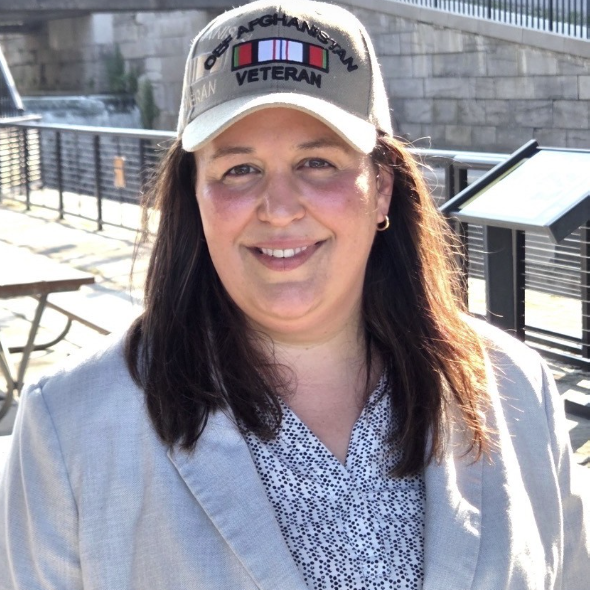
Forward Party is Everywhere 08/21/2026
|



Share this:

Secretary Read Launches Campus Challenge to Boost Student Voter Turnout
|
Having trouble viewing this email? View it as a Web page. |
| Help |
|
|
||||
Share this:

Notice of Temporary Administrative Order OAR 165-010-9901
|

Having trouble viewing this email? View it as a Web page. |
| Help |
|
|
||||
Share this:

In it for the Long Haul – 08/15/2026
|

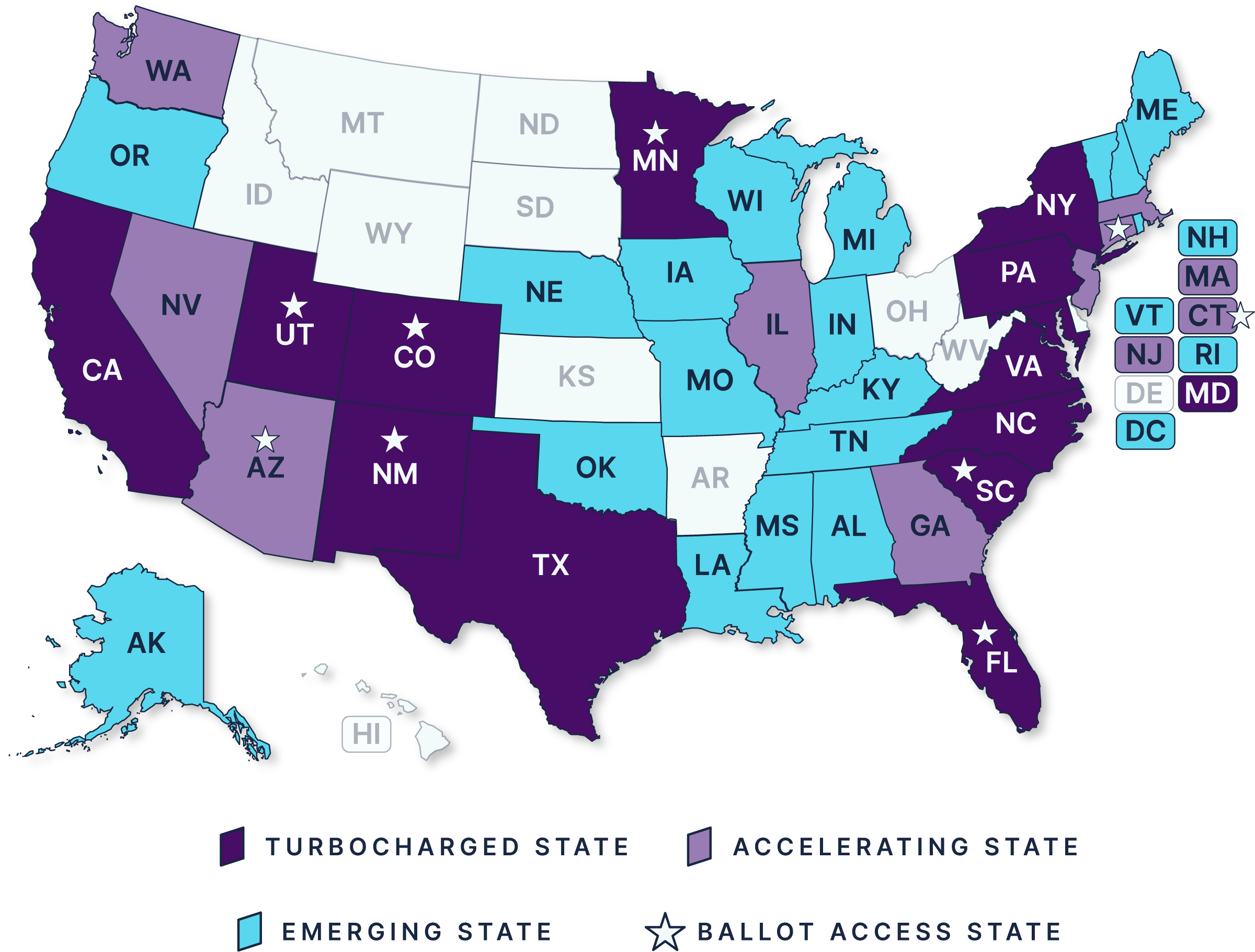

Share this:

South Dakota is the Latest Domino to Fall 08/07/2026
|


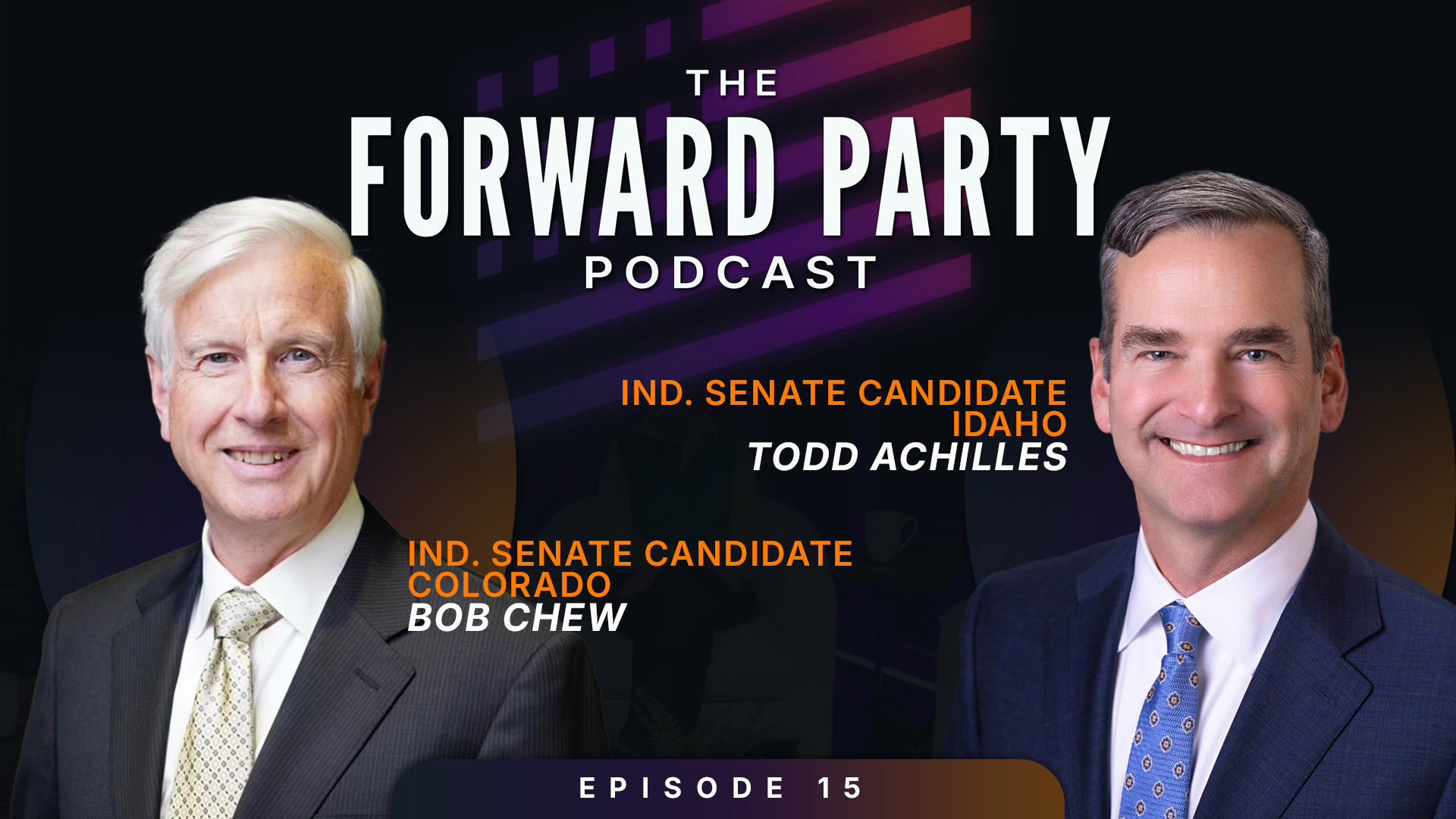
Share this:

Oregon Minor Party Status Reviewed, Two Parties Fail to Meet Qualifications
|
Having trouble viewing this email? View it as a Web page. |
| Help |
|
|
||||
Share this:

BBQs, Candidates, and Grassroots support! 08/07/2026
|
Share this:

One last push before Monday’s deadline – Forward – Oregon – 08/06/2026
|

Share this:

Democrat Drops Out Setting Up Idaho Showdown 07/31/2026
|

Share this:

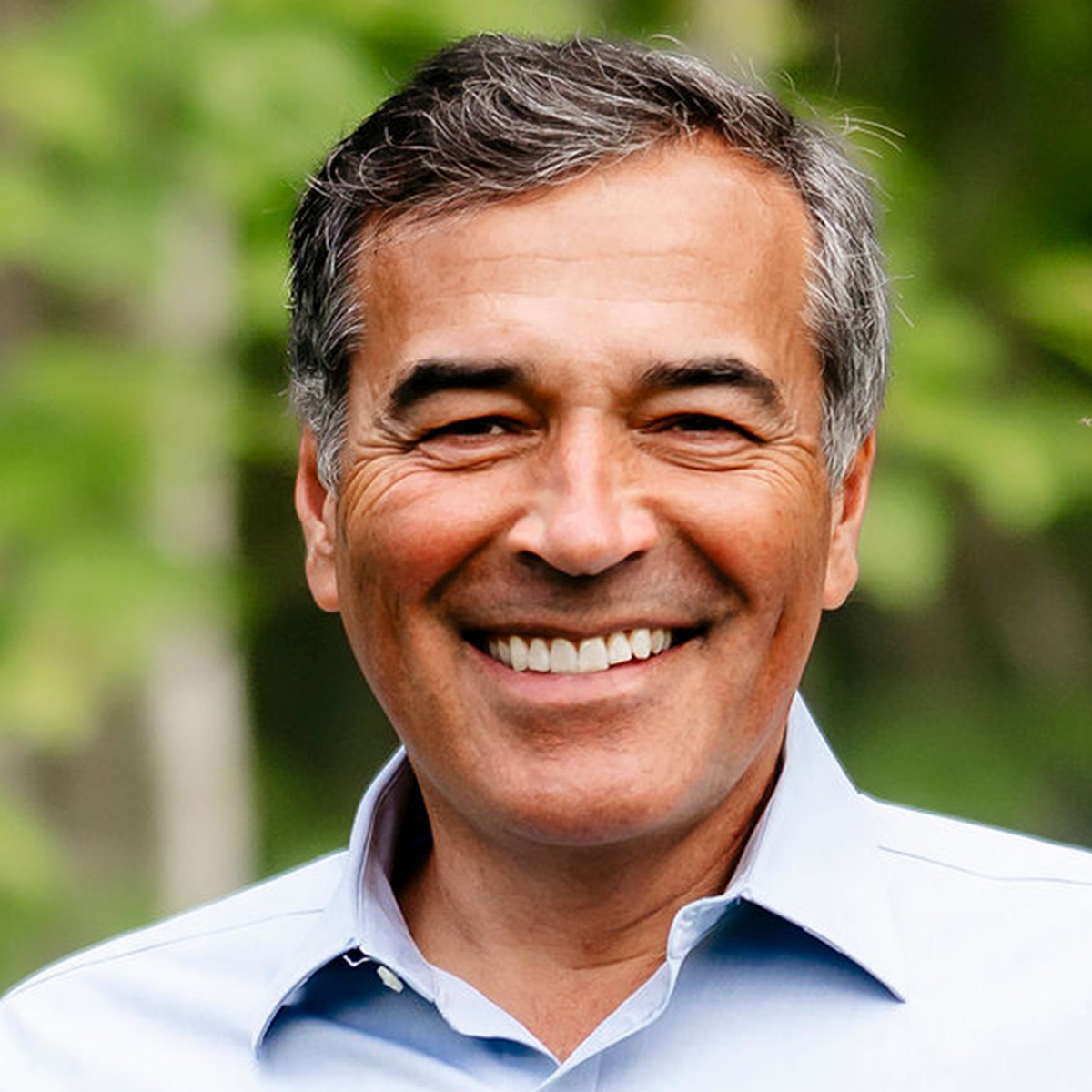
Three Independent Governor Candidates – 06/20/2026
|



Share this:

MEDIA ADVISORY: Oregon Secretary of State Tobias Read to Hold Election Security Press Conference
|
Having trouble viewing this email? View it as a Web page. |
Manage Subscriptions | Help |
|
||||
Share this:

Ballot Access is Just the Beginning 07/18/2026
|

Share this:

Secretary Read Pushes Back on DHS Secretary Mullin’s Newest Threats Against Election Workers
|
Having trouble viewing this email? View it as a Web page. |
| Help |
|
||||
Share this:




‘Elections are Decided by Voters, Not by the President’: Secretary Read Responds to President Trump’s Prime-Time Address on Elections
|
Having trouble viewing this email? View it as a Web page. |
| Help |
|
||||
Share this:



Oregon Health Authority urges vaccination amid global rise in clade I mpox transmission – Because RFK JR is a Putz
| Mpox type can cause more severe symptoms than clade II version of virus |
|
| Help Account Preferences Contact |
Let’s be friends | ||||
| Everyone has a right to know about and use Oregon Health Authority programs and services. Some examples of the free help we can provide include sign language and spoken language interpreters, written materials in other languages, Braille, large print, audio, and other formats. If you need help or have questions, please contact us. | |||||
|
||||
Share this:

Removal of Elections Commissioners an Attempt to Disrupt Election
|
Share this:



Trump refuses to sign major housing affordability bill ‘in PROTEST.’ It’s about to become law anyway.
A sweeping bipartisan housing affordability bill is set to become law in a matter of hours, even after President Trump reiterated on Friday that he won’t sign the legislation.
“I will not sign the Housing Bill, which has been fully approved by Congress and sent to the White House, in PROTEST over the fact that the United States Senate is not capable of passing THE SAVE AMERICA ACT,” Trump posted on Truth Social on Friday morning.
Share this:

Calls for Explanation from USPS, Secretary Read Commends Benton County Elections,
|
|
|
||||
Share this:

Thank You Oregon, Highest Voter Turnout in this year’s Primary Election
|
Having trouble viewing this email? View it as a Web page. |
| Help |
|
|
||||
Share this:

Trump Administration Renews Attempts to Intimidate Election Administrators, Undermine Elections – Oregon
|
Having trouble viewing this email? View it as a Web page. |
| Help |
|
|
||||
Share this:

The Declaration Of Independents – Forward – 07/04/2026
|




Share this:

America’s 250th Birthday Is Here – Forward – 07/01/2026
|
Share this:

The Forward Party and You
One of my Menu Selection is Shared Content, labeled Forward because that’s where it started. A year ago I was reading up on Andrew Yangs Forward Party and was impressed enough to start adding their news letter to the Elephants Ink Room. Well time goes on, I have been publishing their news letter and though that maybe it was a time to do a reality check.
For the record, I do read their news letter, but I don’t follow the candidates they endorse, to many in to many different states. And I have other import stuff to do, like bake muffins and mow lawns.
So, I asked Claude to do a little background for me, why Claude, well first off, Anthropic told the Powers That Be to F off, a point in their favor and Claude has seen most of what I write and understands my position. So here is the conversation and I will continue to publish the Forward Newsletter.
Me:
What is your take on the forward party? are they staying pretty true to their stated position?
Claude:
Let me check on where the Forward Party actually stands right now rather than rely on what I knew at training time — this is exactly the kind of “current status of an organization” question that needs a fresh look.
Searched the web
Searched the web
Good question, and the data backs up a genuinely interesting picture. Here’s the honest take.
On staying true to their stated position:
Yes, remarkably so. Forward has stuck consistently to its core platform of electoral and democratic reform — nonpartisan primaries, independent redistricting commissions, ranked-choice voting, STAR voting, and approval voting — and has deliberately avoided taking positions on hot-button issues like guns and abortion, leaving those to state chapters and individual candidates. Joel Searby, the party’s former managing director, put it plainly: they want a party that gives elected officials flexibility to meet local needs instead of a rigid top-down platform. That’s the exact “one size does not fit all” argument you’re building toward.
Where it gets interesting — and validates your skepticism about national third parties:
Andrew Yang himself said there’s a misconception that Forward is “the third party” — in places like New Mexico, he argues, they’re actually positioning as the second party, since many Democrats run unopposed there. That’s a smart, regionally adaptive strategy rather than a one-size-fits-all national push — which tracks with your own instinct that political solutions need to be local first.
The honest weaknesses:
Critics on the left have called Forward’s platform “vague” and “blandly conventional,” raising more questions than it answers — and Yang has faced criticism for launching a third party despite never winning elected office himself. At the end of 2025 the party claimed about 250,000 supporters total — meaningful for a startup party, but nowhere near the scale needed to be a national force yet. Their actual 2026 traction is mostly in smaller races — Senate endorsements in places like Idaho, Montana, and South Dakota, and a gubernatorial endorsement in Rhode Island — not exactly headline contests.
Bottom line for your purposes: Forward is one of the more honest attempts at structural reform you’ve been writing about — they’re literally campaigning on the Electoral College problem and the primary system problem you’ve identified yourself. But they’re small, slow, and arguably more of a proof-of-concept than a near-term electoral threat to the duopoly. Worth a mention in your Electoral College or Two to Tango lineage, maybe, as evidence that the appetite for structural reform exists — even if Forward isn’t yet the vehicle that delivers it.
=====================
So there you have a pretty honest take on Andrew Yangs Forward Party. I think it is worth you looking into and if you want to make a change then I would suggest getting involved.
The reason I haven’t, isn’t because I don’t believe in them, I do. But writing this drivel for the Elephant, for Substack, publishing on another 7 social media platforms, creating the videos, and working full time to pay the bills because so far no one has seen fit to buy me a cup of coffee hasn’t left me much time time for anything other than to smoke a good rack of ribs, maybe a brisket and play with the grand-kids after I try to make sure there is a world for them to grow up in.
What are you doing?
Share this:

Secretary Read: Supreme Court Protects Oregon Voters’ Right to Have Their Ballots Counted – Oregon
|
Having trouble viewing this email? View it as a Web page. |
| Help |
|
|
||||
Share this:

Six Candidates. Two Chambers. One Movement. 06/26/2026
|







Share this:

Secretary Read Certifies May Election Results, Confirms Historic Turnout – Oregon
|
| Having trouble viewing this email? View it as a Web page. |
| | Help |
Share this:

Federal Court Blocks Executive Order that Would Undermine Vote-by-Mail – Oregon
|
| Having trouble viewing this email? View it as a Web page. |
| | Help |
Share this:

Secretary Read Celebrates Victory in Executive Order Case on Voting Rights – Oregon
|
Having trouble viewing this email? View it as a Web page. |
| Help |
|
|
||||
Share this:

Oregon – Campaign Finance Learning Opportunity – Voters’ Pamphlet Filing Process – Maybe what free election are all about
|
Having trouble viewing this email? View it as a Web page. |
| Help |
|
||||
Share this:

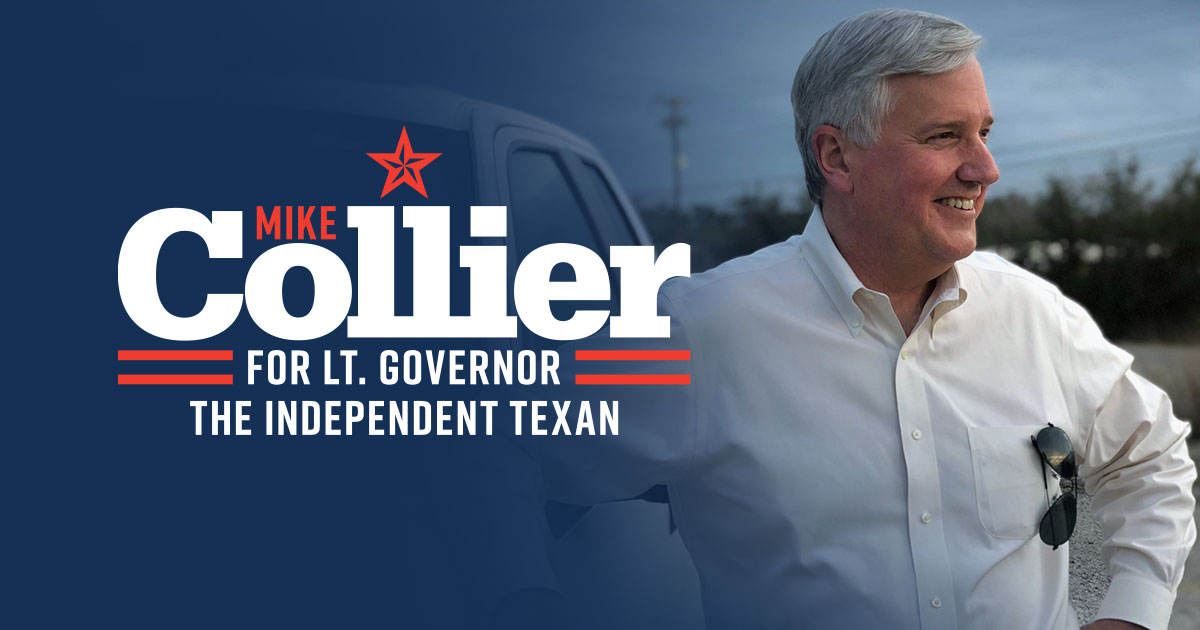
Texas Is Pushing Independents Off Ballots – 06/19/26
|

Share this:

All Eyes On Maine… 06/15/26
|
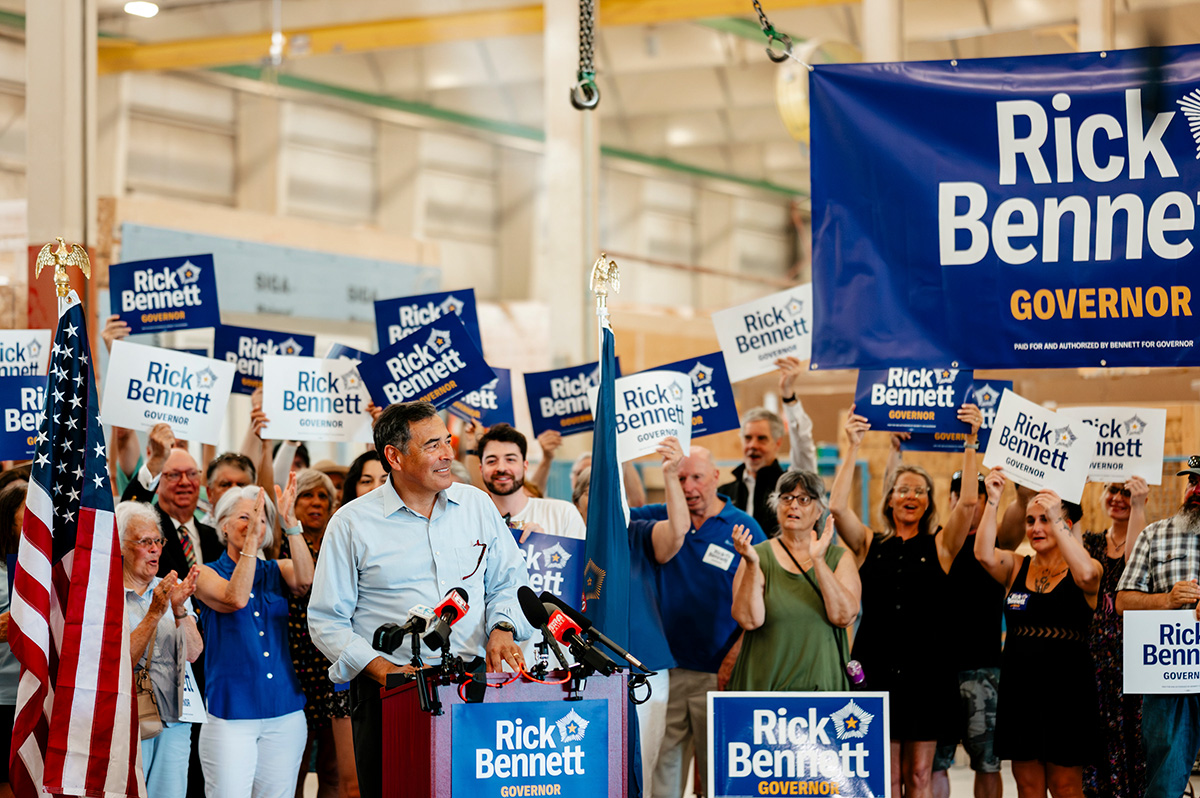
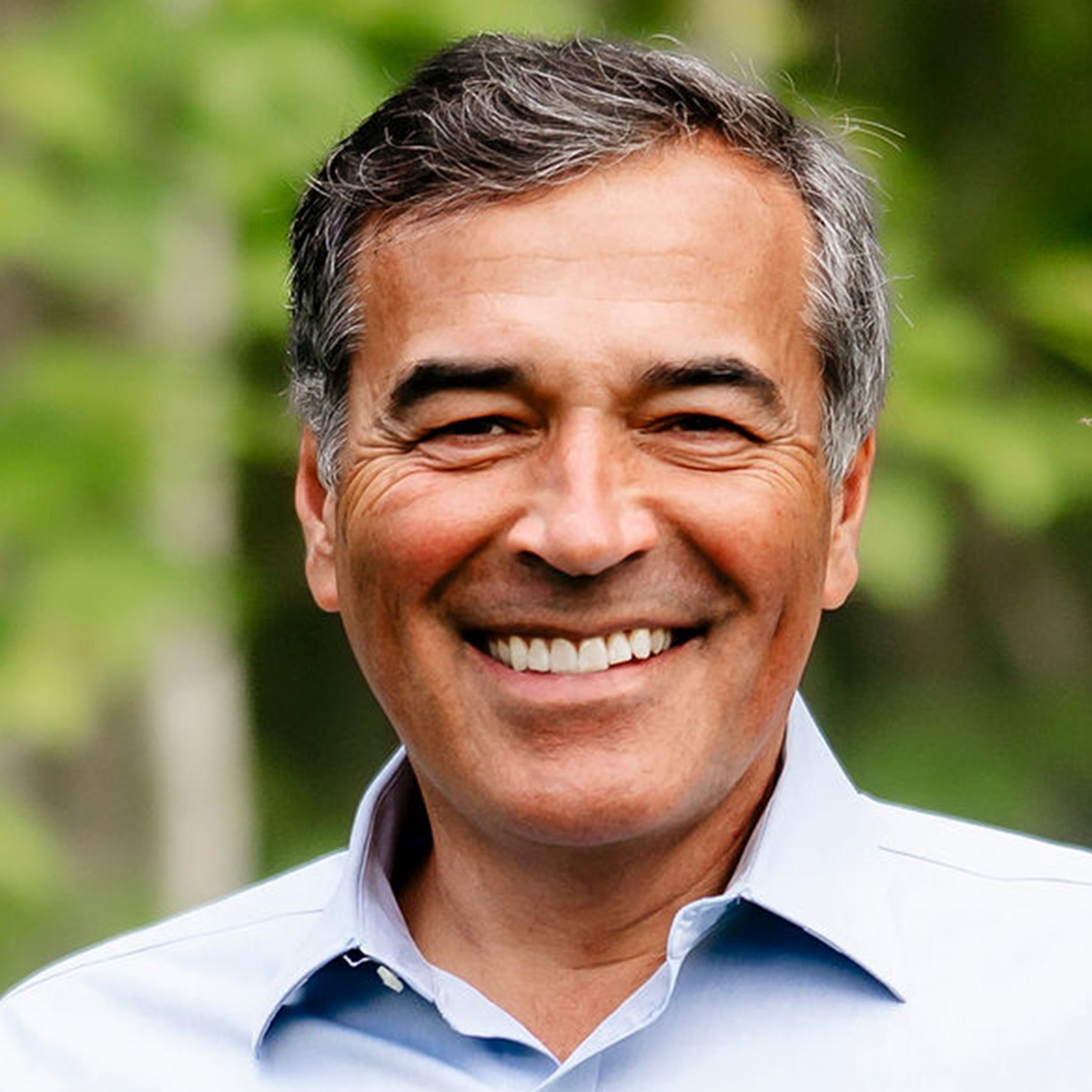
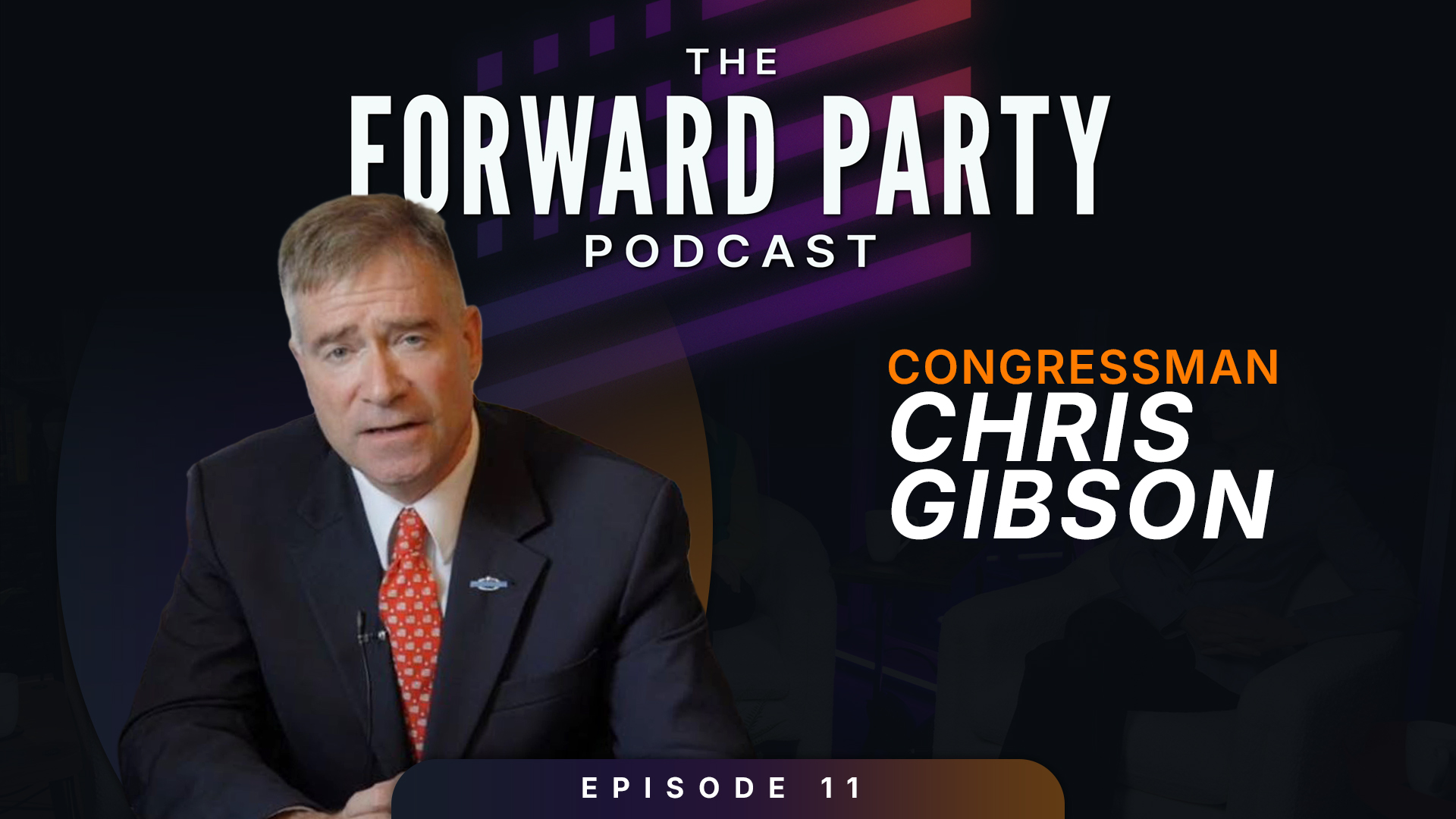
Share this:

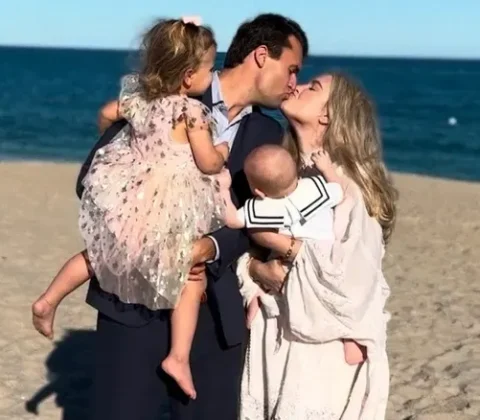

Independents Move Us Forward – 06/05/26
|
|||||||||||||||||||||||||||||||||||||||||||||||
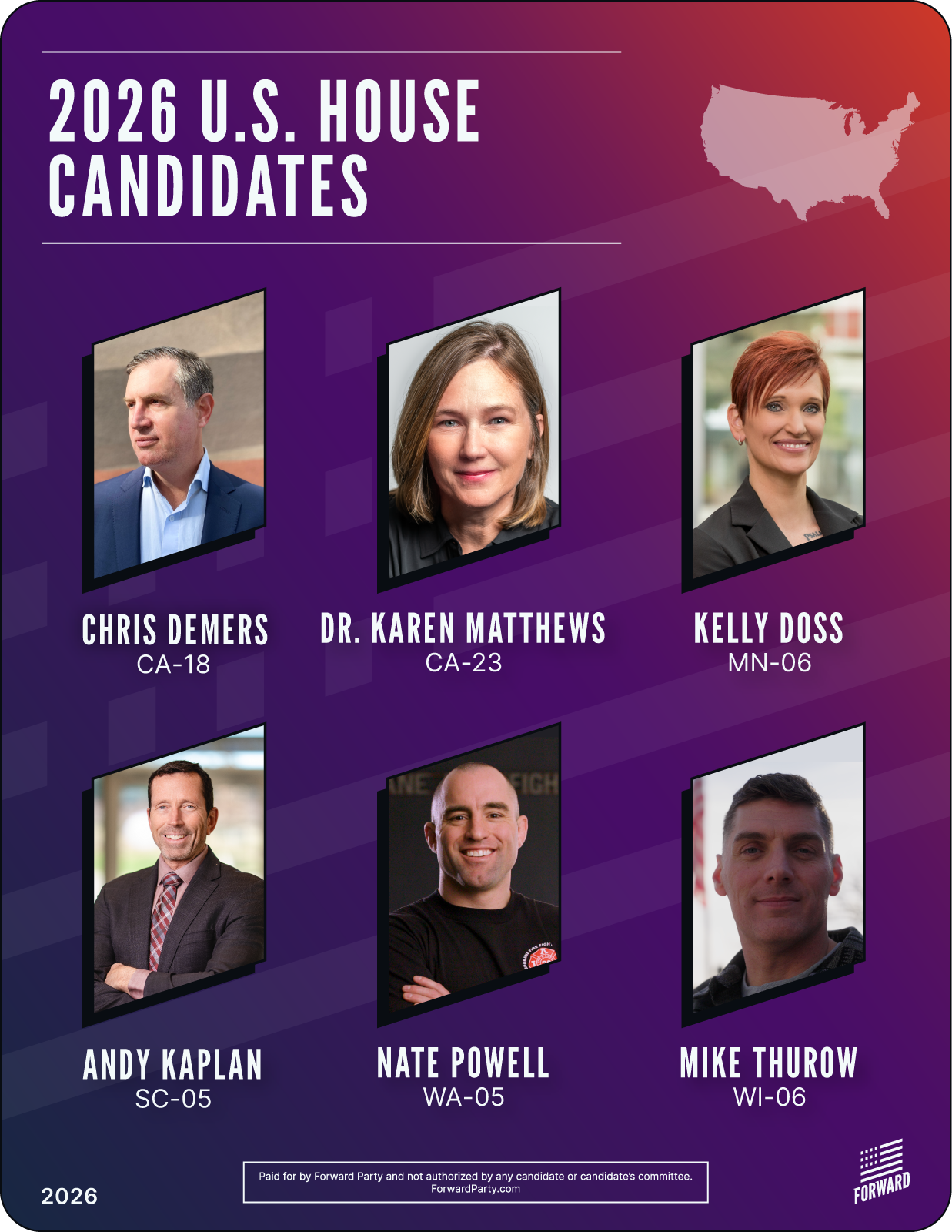
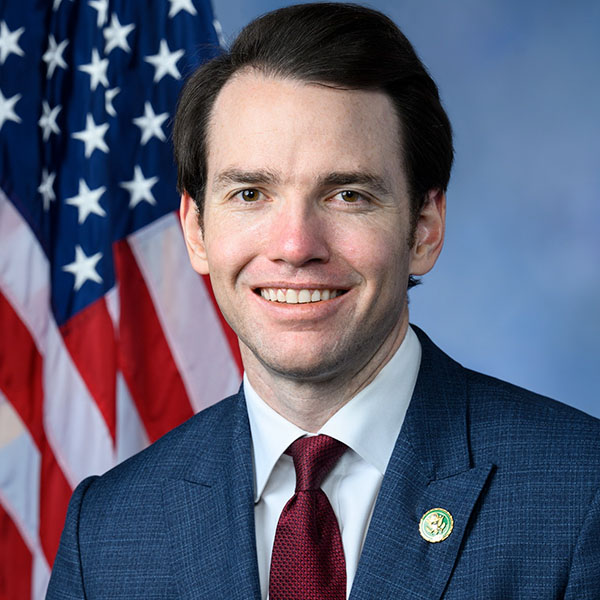 Rep. Kevin Kiley
 Chris Demers
 Karen Leigh Matthews
 Michael Bridgford
 Dave Bushaw
 Seth Bodnar
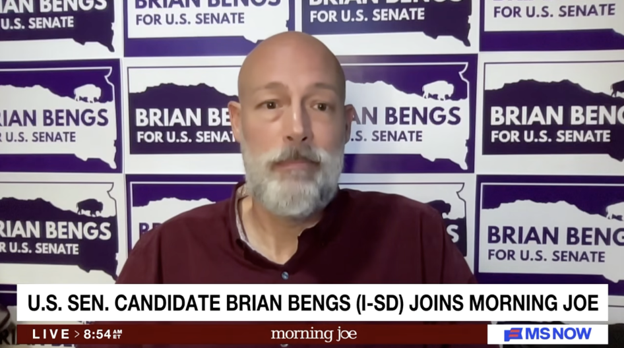
 Brian Bengs
Share this:

Young Americans and the Future of Work 5/21/26
|
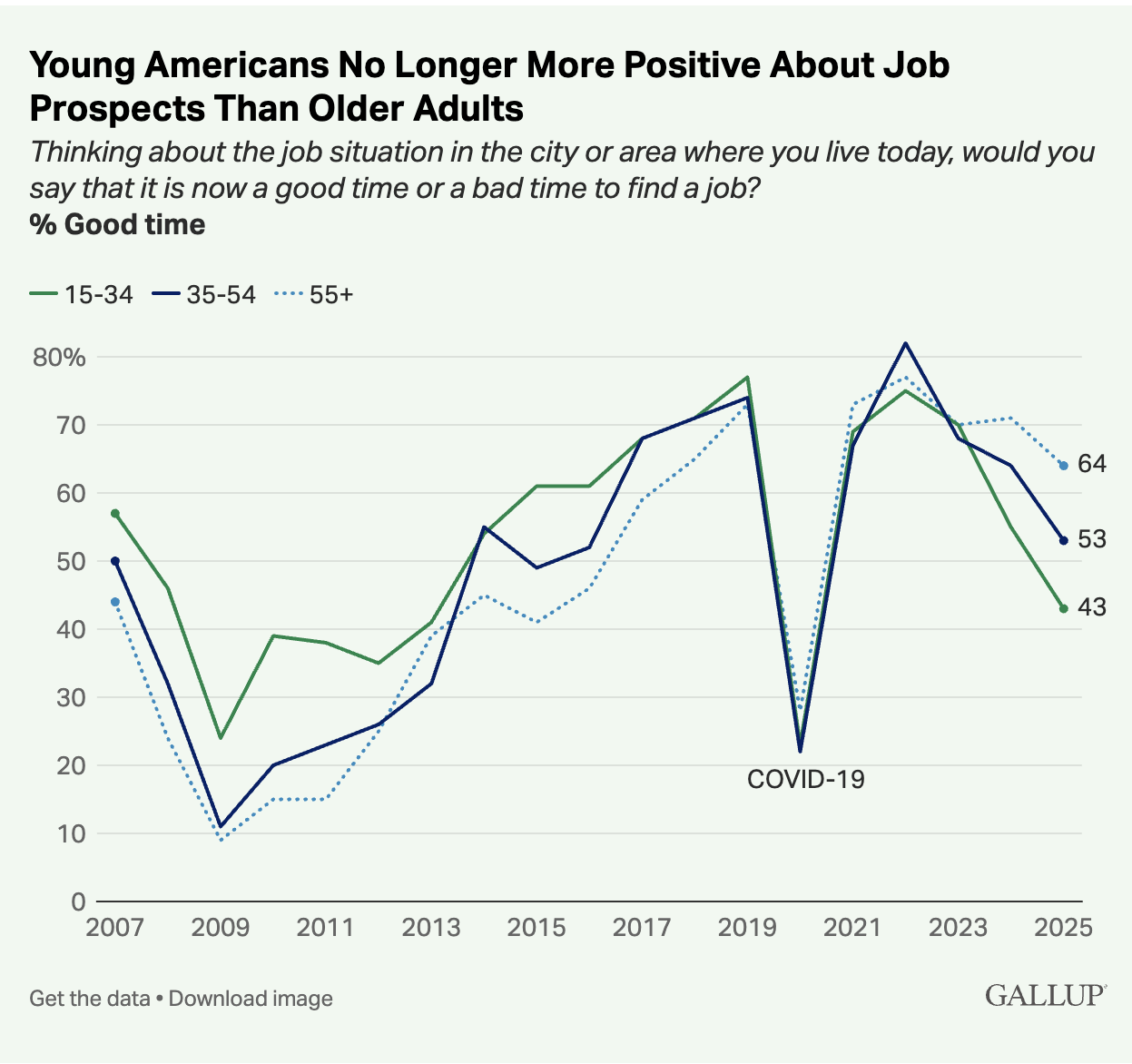
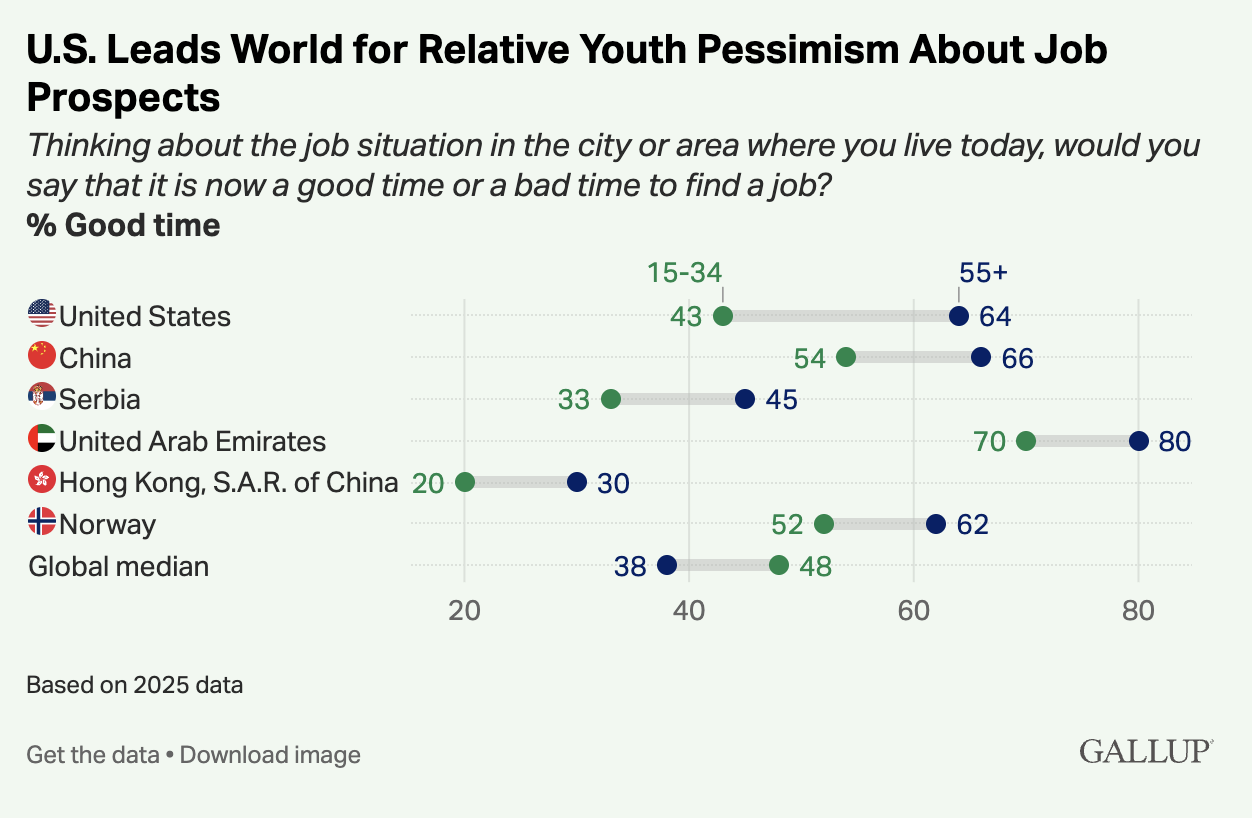 The good news is that pessimism is not destiny.
Share this:



“I couldn’t care less.” Where’s the Beef, Donald Trump AKA Mr. President? – Froehlich Media
Share this:

MEDIA ADVISORY: Oregon Secretary of State Tobias Read and Oregon Attorney General Dan Rayfield to Hold Election Protection Press Conference 05/18/26
| May 19 Primary is the first major Oregon election since the string of unprecedented attacks on elections from the Trump administration began |
|
| Having trouble viewing this email? View it as a Web page. |
| | Help |
|
|
||||
Share this:



The 20th century begins on a midnight ride by Steve Schmidt
My series looks at the world through the eyes of one young, and naive man who was first eligible to vote in 1964. The Long View From 1964.
Steve Steve Schmidt takes us on journey of American Politics from day one, an excellent piece that could replace volumes of rhetoric in classroom texts. I am bringing you into his series with segment seven, but links to the previous 6 segments are prominent in the beginning. This isn’t a dry reading of the facts, but engaging and well worth the read if you interested in more than just outrage at our current predicament. You can’t fix it, if you done’ understand the mechanics.. I encourage you to engage. I believe it is worth it.
Share this:

The Primary Election is Only 4 Days Away! 5/15/26
|
| Having trouble viewing this email? View it as a Web page. |
| | Help |
|
|
||||
Share this:

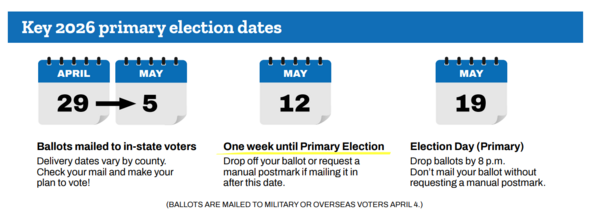
It’s time to mail back your ballot! The May 19th election is 1 week away. 6/12/26
|









Share this:

TODAY: Virtual Town Hall on Elections & Voting with Oregon Secretary of State Tobias Read, U.S. Senator Jeff Merkley, OACC President Dag Robinson 5/11/26
| Town hall will be moderated by Sandy Chung, Executive Director of ACLU of Oregon |
|
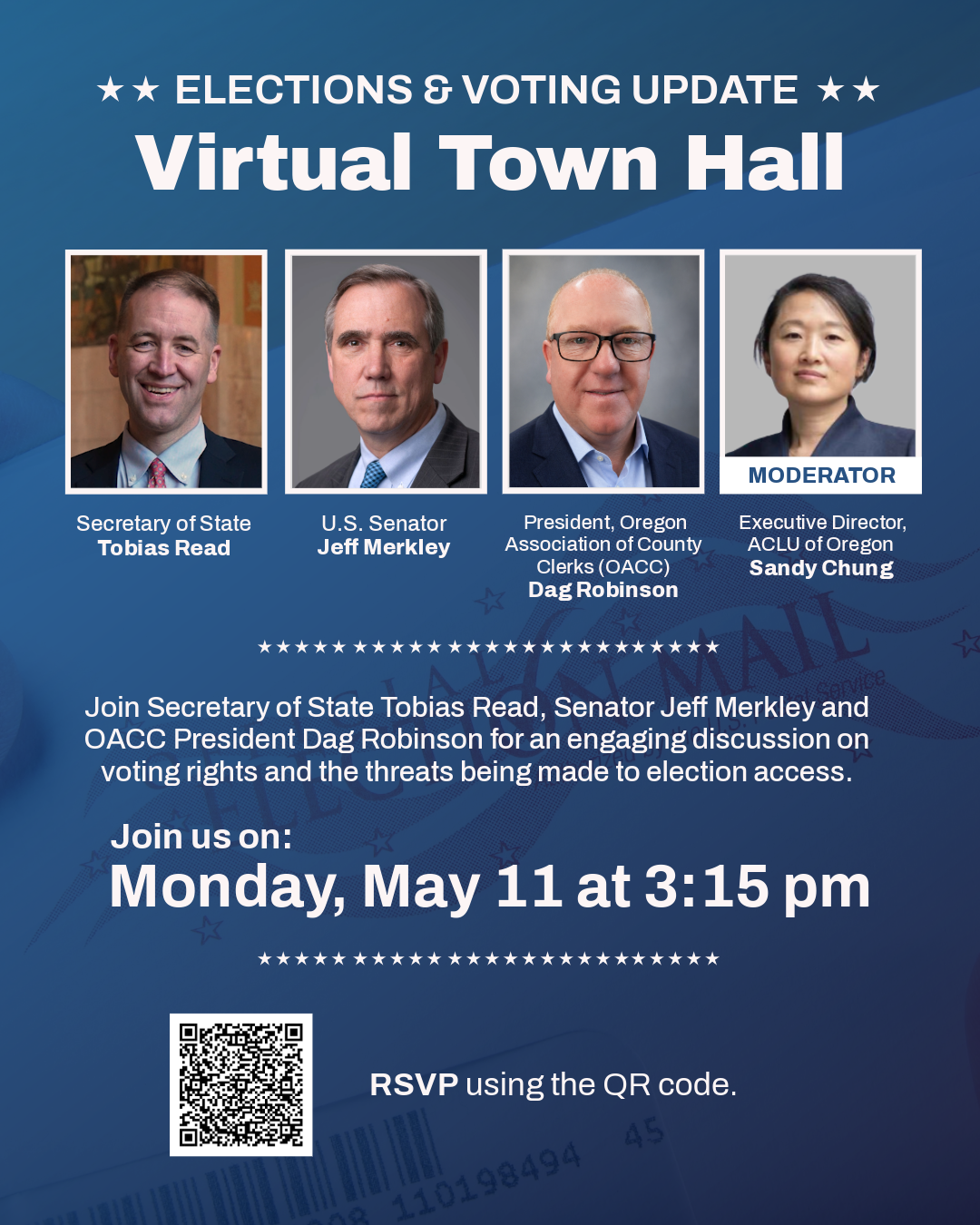 U.S. Senator Jeff Merkley and President of the Oregon Association of County Clerks (OACC) Dag Robinson are joining Oregon Secretary of State Tobias Read for a virtual town hall about elections & voting TODAY, May 11, at 3:15 p.m. The event will be moderated by Sandy Chung, Executive Director of the ACLU of Oregon.
Share this:




Americans Are Feeling the Squeeze. Washington Must Do Better. 05/08/2026
|
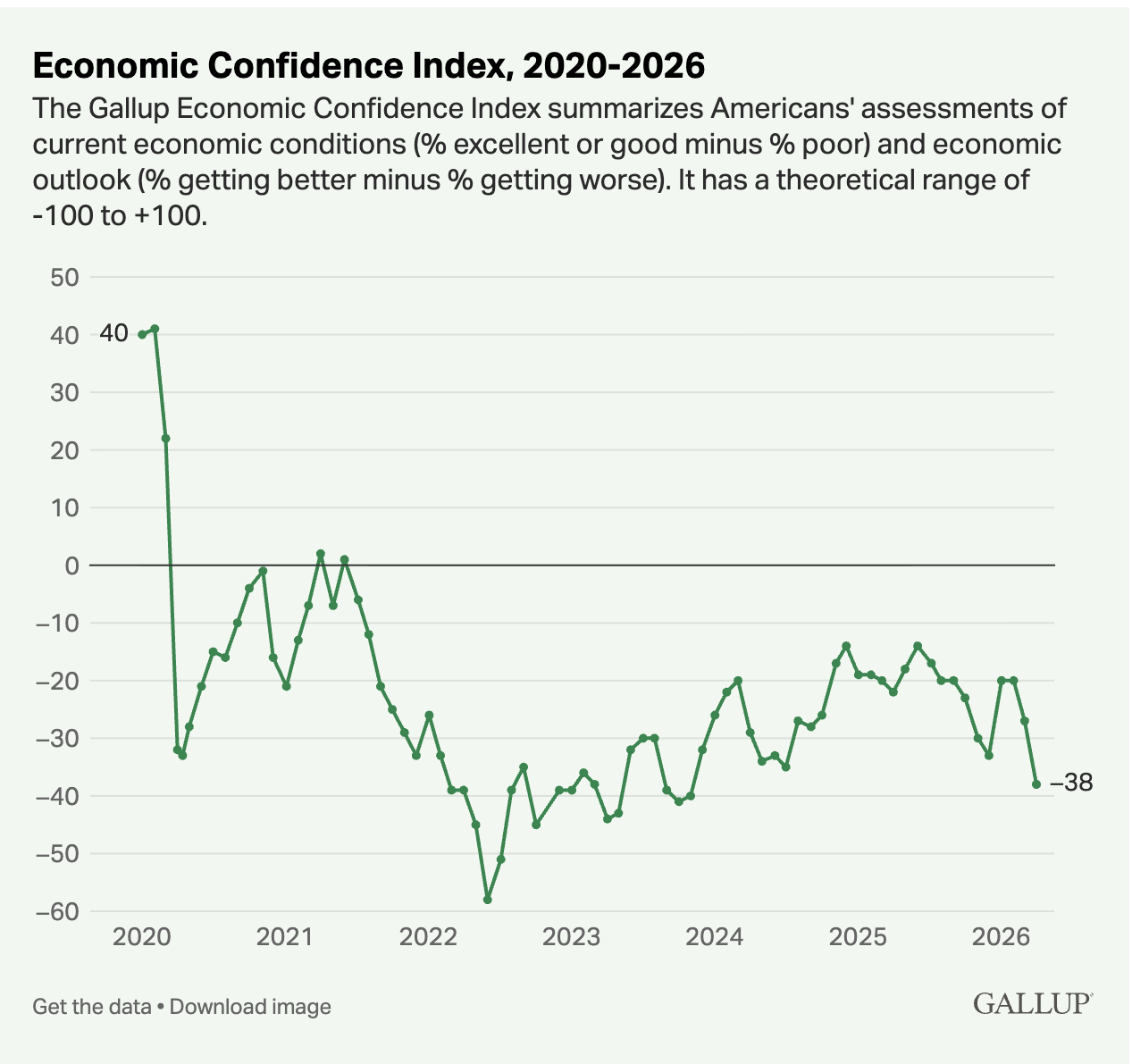
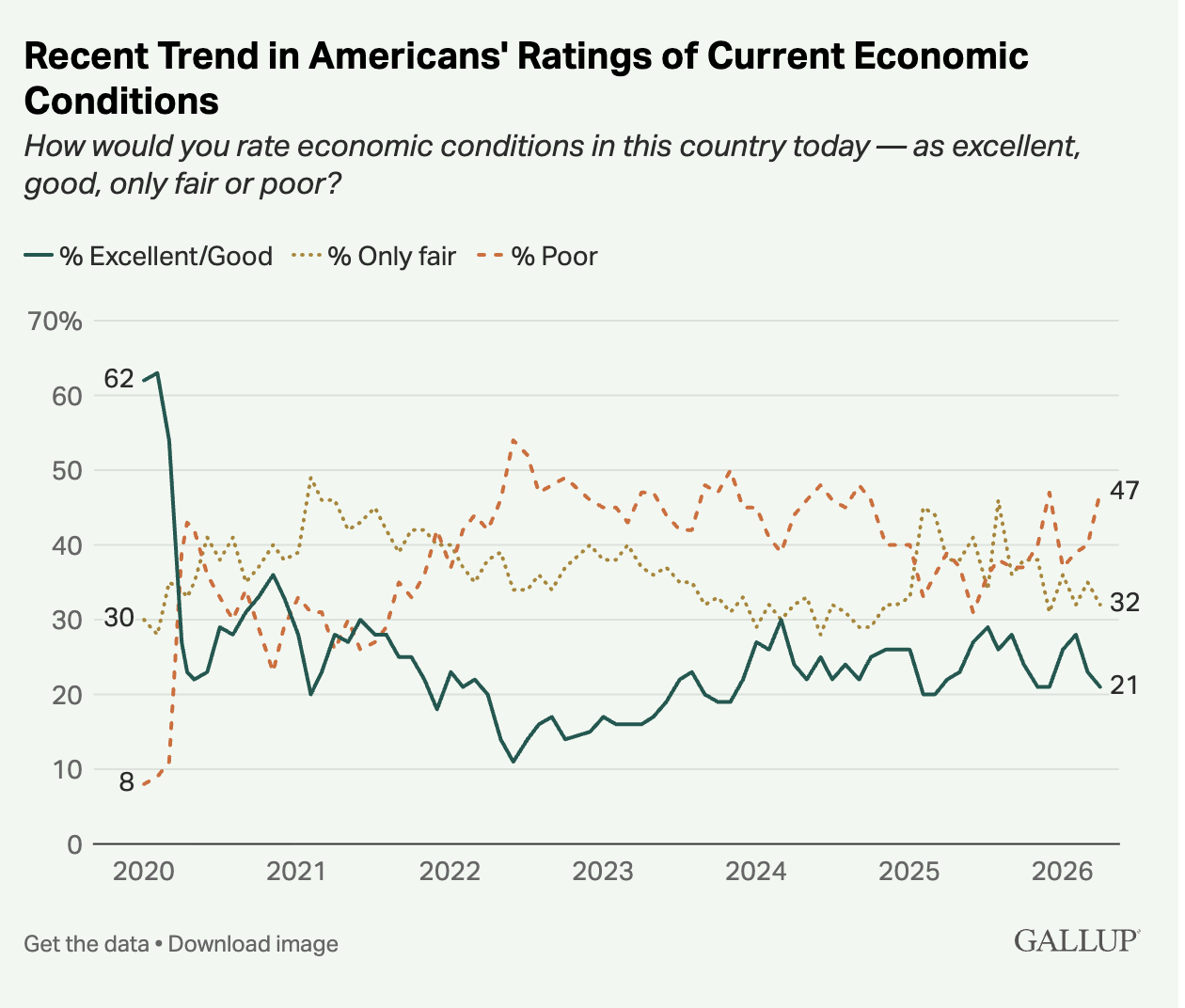
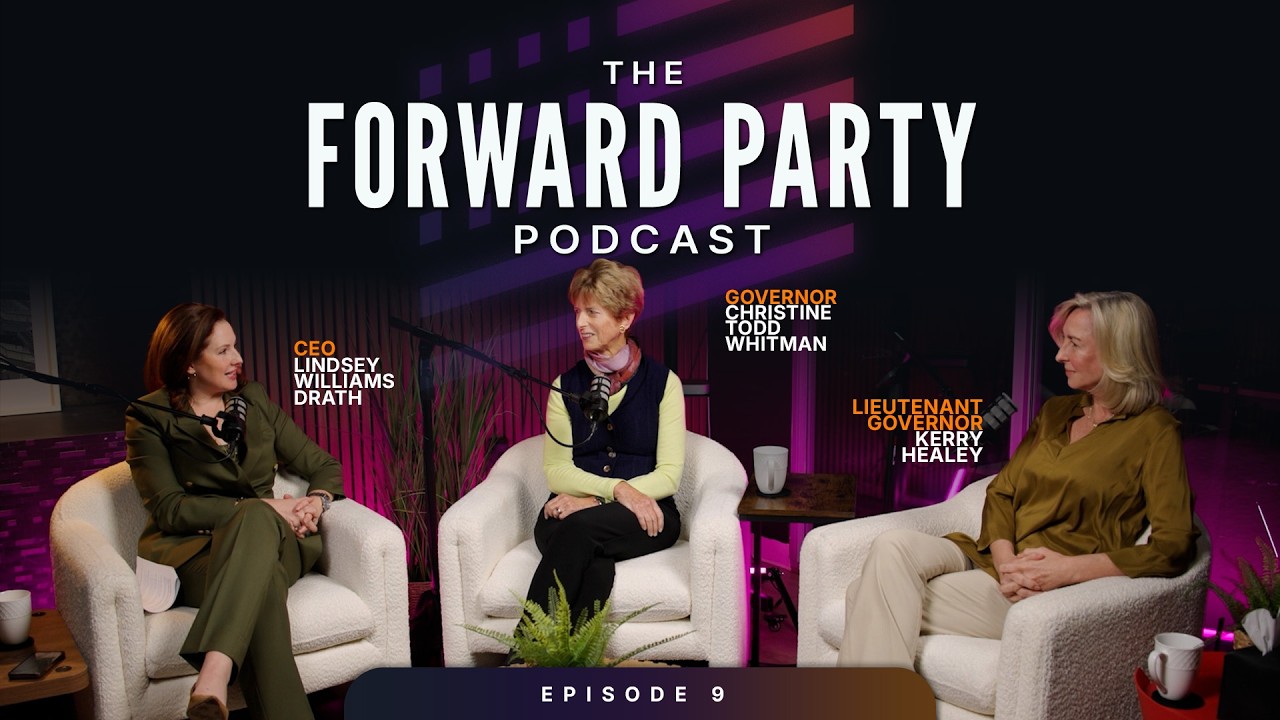
Share this:

EVENT ALERT: Portland Election Info Town Hall with Congresswoman Dexter, Representatives Nosse & Chotzen
| RSVP today! |
|
 Oregon Secretary of State Tobias Read, U.S. Congresswoman Maxine Dexter, State Representative Rob Nosse, and State Representative Willy Chotzen will hold a community town hall on Friday, May 8 in Portland for a conversation about voting, election integrity, and recent activity in Salem and Washington D.C.
Share this:

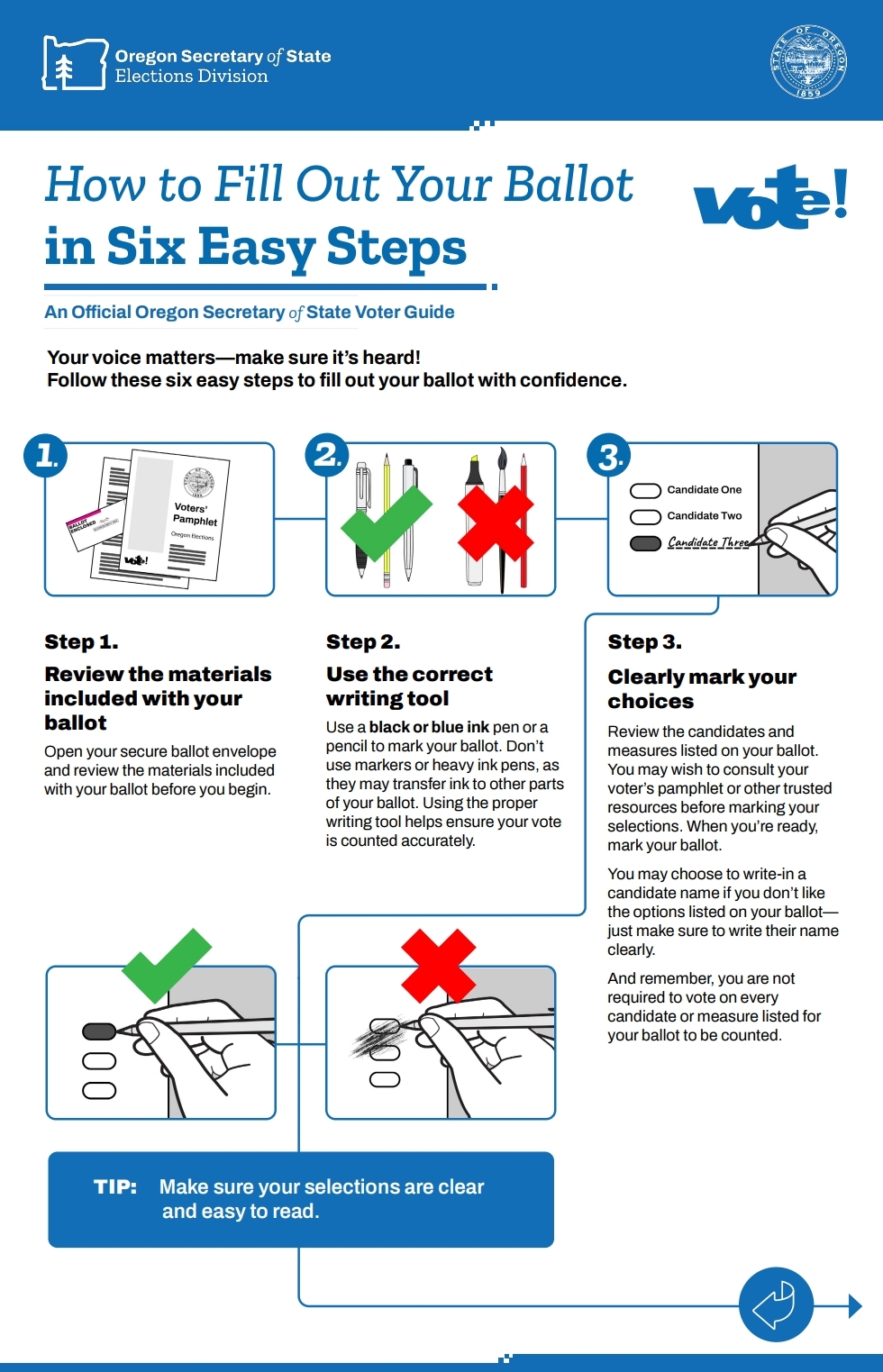
Fill Out Your Ballot with Confidence this Primary Election – Oregon
|

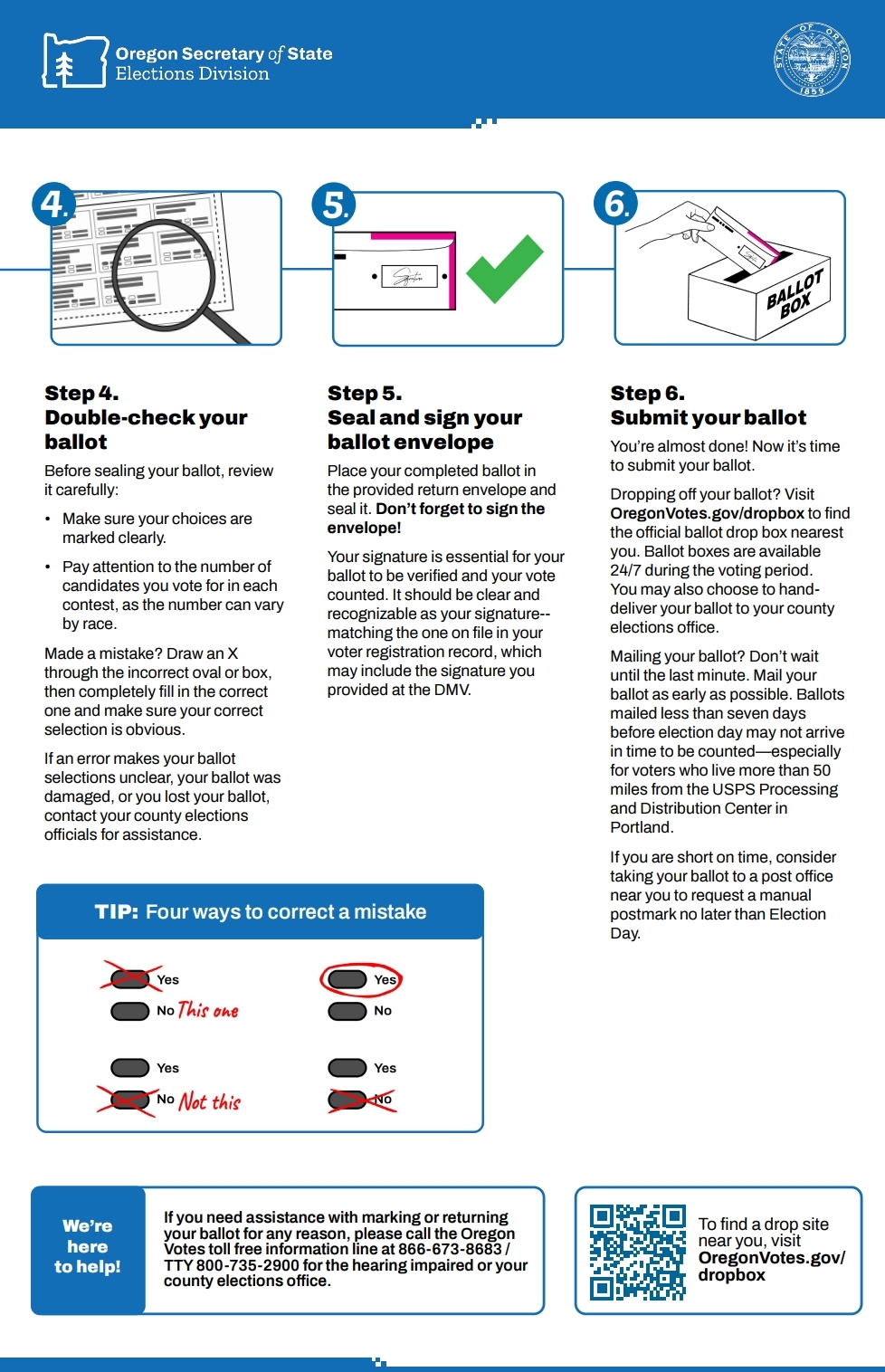
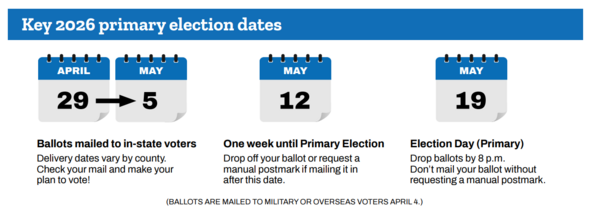

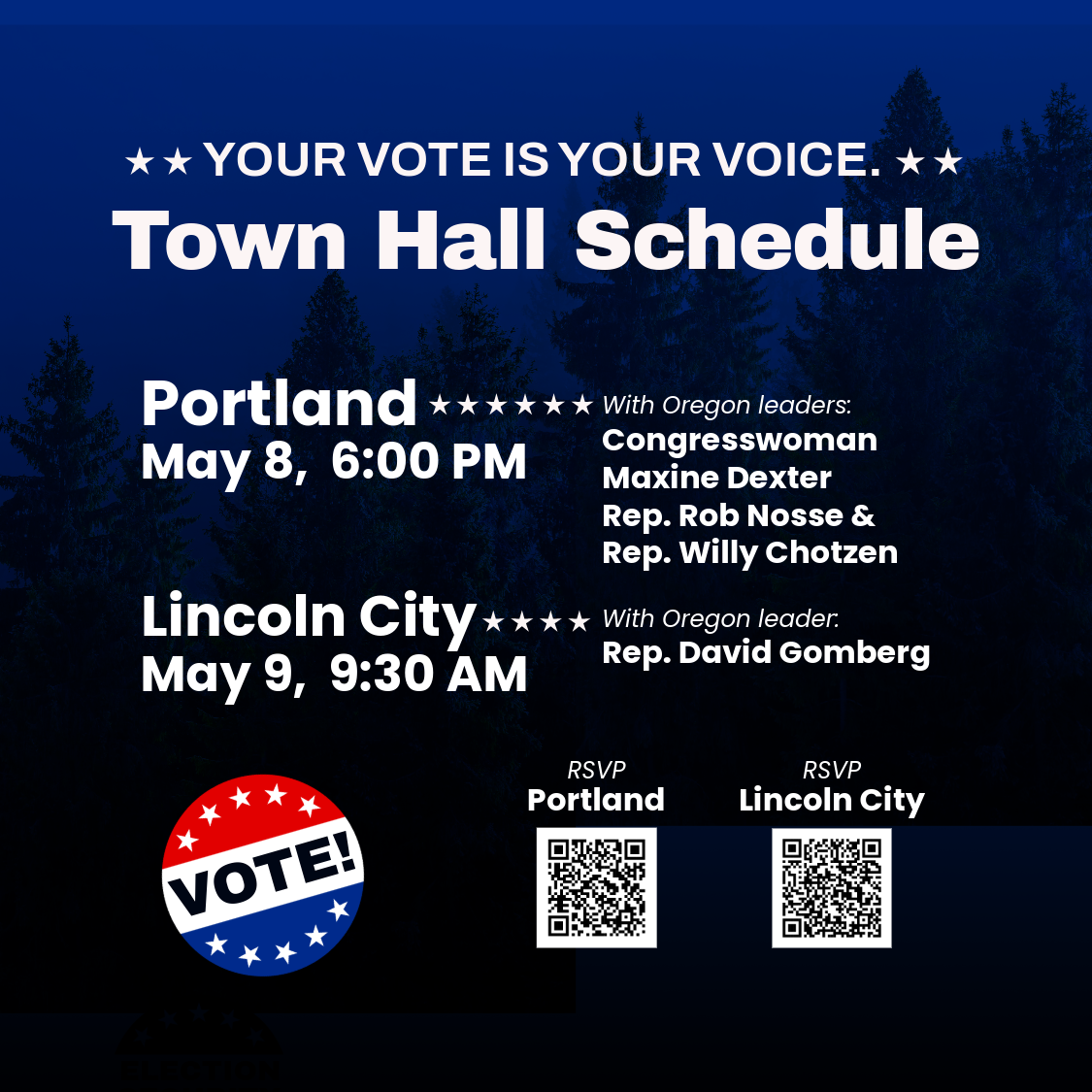
Share this:



PROLOGUE: IN THE BEGINNING, THERE WAS THE LIE – Repost American Pulse
Share this:

Are Our Leaders Focused on What Actually Matters? 05/01/2026
|

Share this:

Secretary Read Responds to Supreme Court Voting Rights: ‘Another Loophole Politicians Will Use to Rig the System Against the American People’
|
|
|
|
|
Share this:

Today’s Your Last Day to Register to Vote for the Big Primary Election!
|
| Having trouble viewing this email? View it as a Web page. |
| | Help |
Share this:




Fast Forward 04/24/2026
|
Share this:

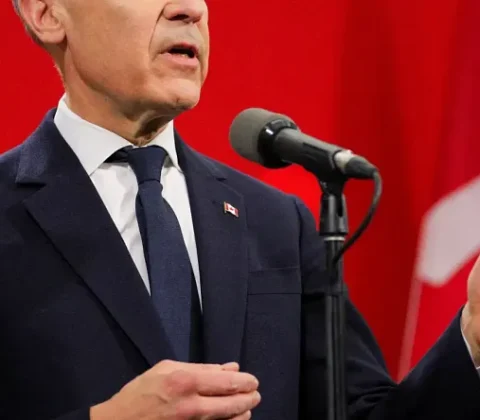
SPECIAL REPORT – Your Neighbour Canada Has Changed And You’re Not Going to Like What is Happening by Canadian Pulse
Came across this piece on how Canada has repositioned itself over the past year — trade, Arctic, alliances. Lot of specific data points worth knowing about regardless of where you stand politically. Make of it what you will.
Share this:

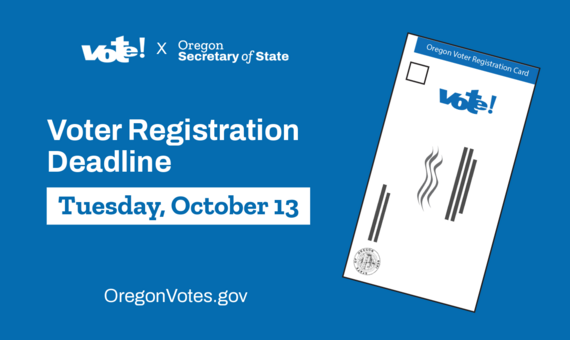
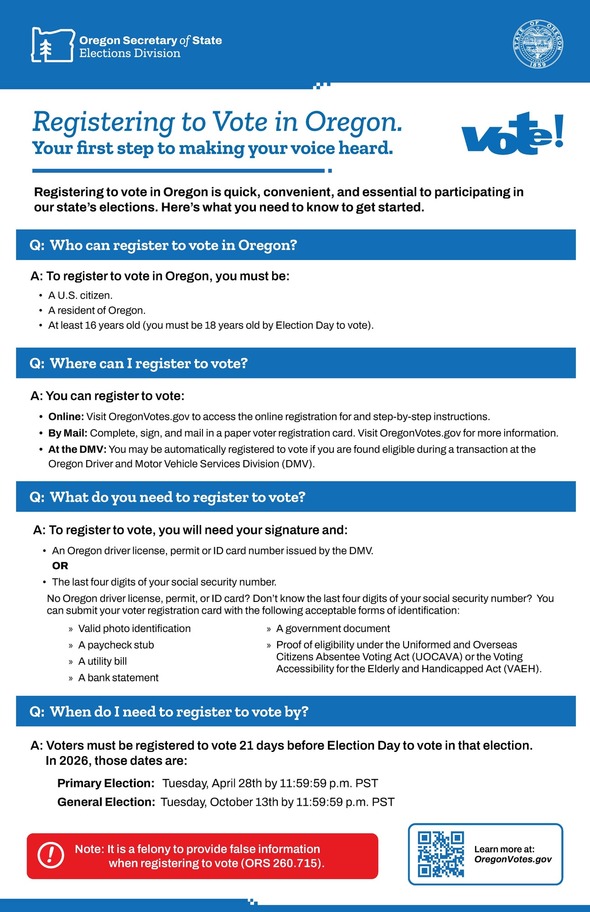
2026 Elections Toolkit & Voter Registration Deadline- Oregon
|
|||||||||||||||||


Share this:

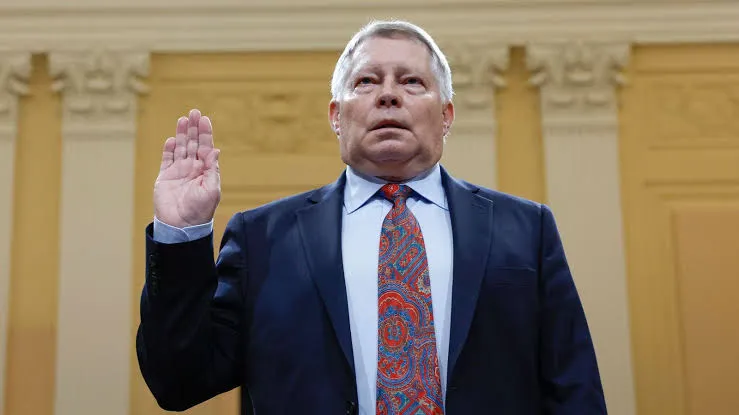
The Most Important Speech of Political and Constitutional Philosophy That Never Should Have Been Given
Share this:



What Your Cat Understands About Donald Trump That Most Democrats Don’t
Share this:

Fast Forward 04/17/2026
|

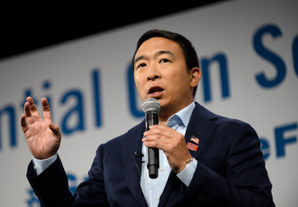
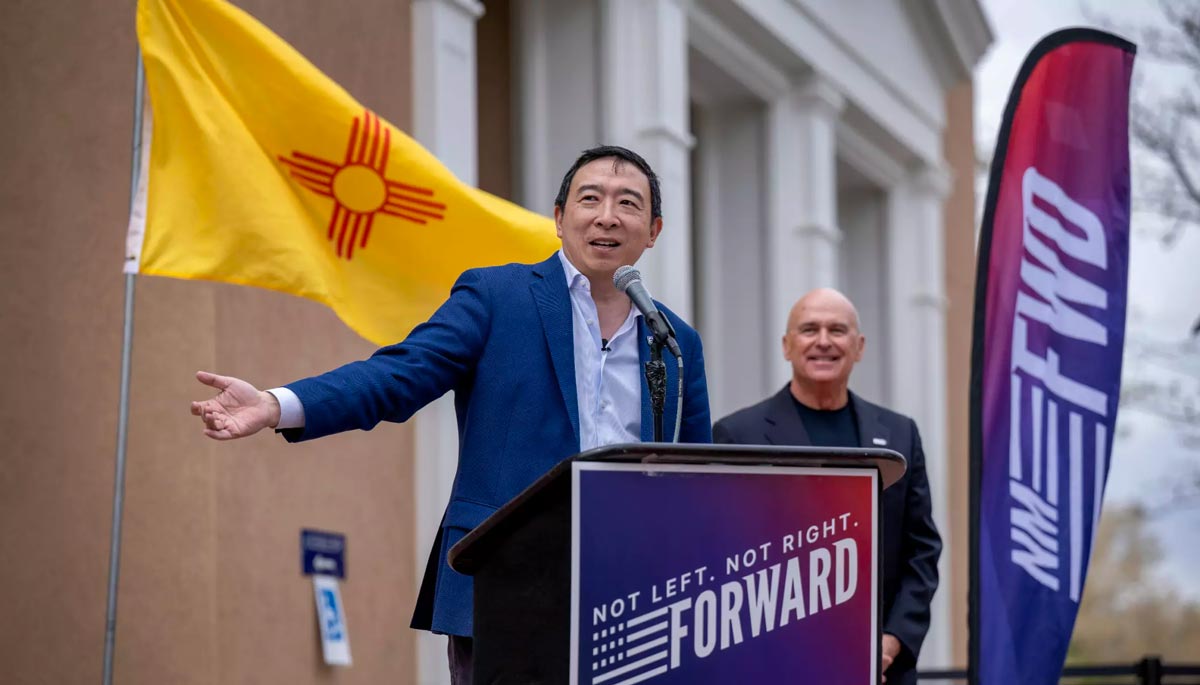 A former presidential candidate came to the New Mexico state Capitol on Friday to announce a new home for voters who are tired of the strife between Republicans and Democrats. “Politics in the state will never be the same,” Andrew Yang proclaimed to about two dozen people at a news conference where he announced the arrival of the Forward Party.
Share this:

Fast Forward 04/09/2026
|

SPECIAL REPORT (American Pulse – unlocked) The Trump Money Pattern: A $100K-a-Month Timing Edge on the Presidency, Foreign Cash, and Pending Cases
SPECIAL REPORT (American Pulse – unlocked) The Trump Money Pattern: A $100K-a-Month Timing Edge on the Presidency, Foreign Cash, and Pending Cases by Froehlich Media
For two years, mainstream advertisers looked at Truth Social and said no thanks. Now Wall Street is paying $100,000 a month for it anyway – because they’re not buying an audience. They’re buying Trump
Read on Substack
Share this:
Like this: