Skip to content









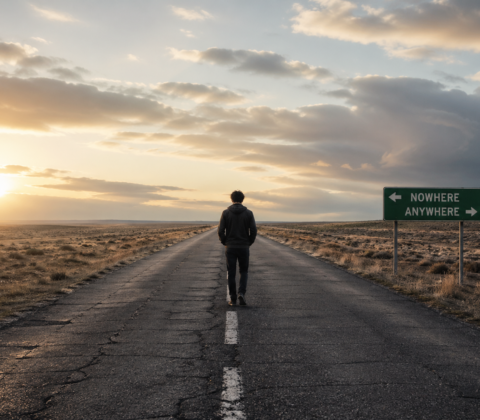
Some people try by running for office — and sometimes America is saved because they lose.
And where am I?






Posts in Category: View From 1964
The Greatest Show On Earth — Sorry Trump, Your Flatulence Still Stinks – Video
On
- Daily, or my first cup of coffee, Midterms then 2028, Politics, purple, Real Men, View From 1964

Did you watch it? Better yet, I’m old enough that I actually went to it. Ringling Bros.-Barnum and Bailey Circus. The greatest three-ring circus in the land. Celebrated in film back in 1952 with Cornel Wilde, Betty Hutton, and James Stewart. Before your time, maybe. Not mine.
Then in 2017, Hugh Jackman played P.T. Barnum in The Greatest Showman. Entertaining both times. Good spectacle. Great misdirection.
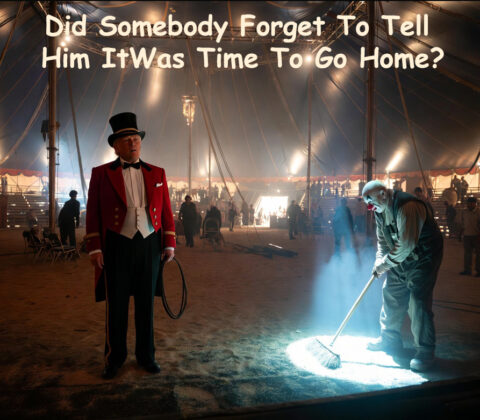
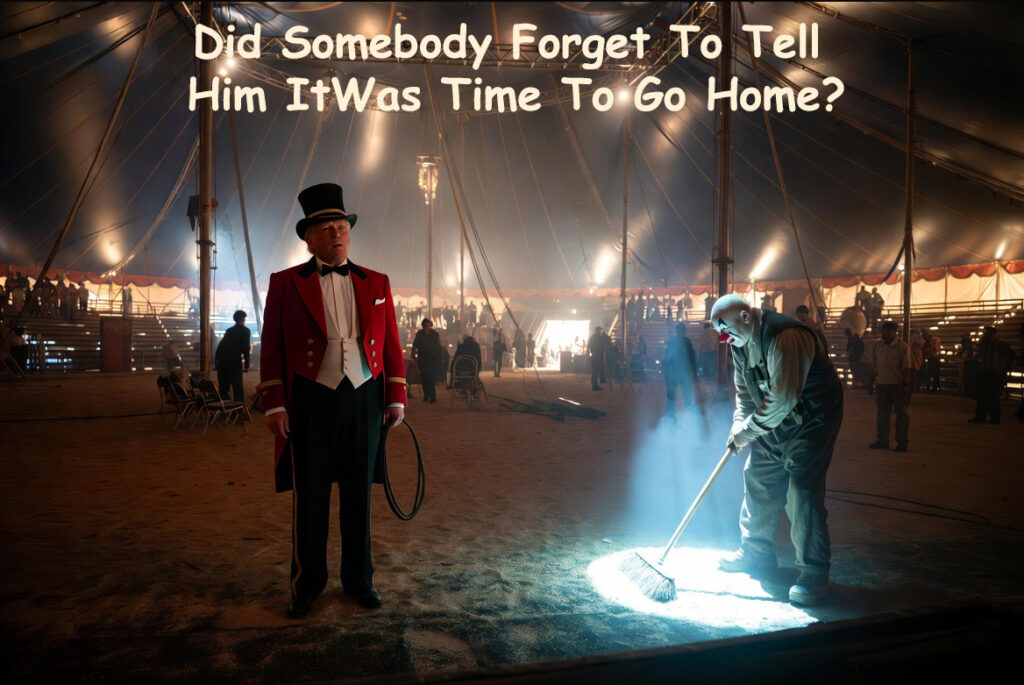
But why do I feel like what I’ve been watching lately is just another circus remake, only this time starring Emmett Kelly the sad clown, sweeping up the spotlight after everyone else has gone home?
Where have we been? Asleep on Vance’s couch?
=====================================
Make your decisions with thought. Because whoever walks into the White House next walks in carrying way too much inherited power, and must be honestly, genuinely willing to give a lot of it back for the sake of the rest of us.
Only God is God. By whatever name you call him.
Sorry Trump. Your flatulence still stinks.
Share this:

The Greatest Show On Earth — Sorry Trump, Your Flatulence Still Stinks
On
- Daily, or my first cup of coffee, Midterms then 2028, Politics, purple, Real Men, View From 1964
Did you watch it? Better yet, I’m old enough that I actually went to it. Ringling Bros.-Barnum and Bailey Circus. The greatest three-ring circus in the land. Celebrated in film back in 1952 with Cornel Wilde, Betty Hutton, and James Stewart. Before your time, maybe. Not mine.
Then in 2017, Hugh Jackman played P.T. Barnum in The Greatest Showman. Entertaining both times. Good spectacle. Great misdirection.
But why do I feel like what I’ve been watching lately is just another circus remake, only this time starring Emmett Kelly the sad clown, sweeping up the spotlight after everyone else has gone home?
Where have we been? Asleep on Vance’s couch?
There has to be more than this. Noise. Non-stop noise. And guess who’s making it, and making it on purpose. Some call it distraction. Some call it ego. Some call it, ah, fudge, I’ll be polite and leave that one blank.
Bottom line: it’s all noise. Not governing. Not leading. Just noise.
Name one single thing that has been done that actually benefited you. And if you’re about to say immigration, I’ll counter with the hundreds of millions wasted on ICE theater, detention centers, the failed Alligator Alcatraz, vanity jets, and murdered innocents. So be smart and don’t go there.
It’s time for the circus to fold its tents, load the wagons, remove the fake freaks’ makeup, and leave town. And on the way out put the stolen assets back in the treasury where they belong.
So where do we go from here?
More extreme right MAGA? I hope not, and I think their scared leader has done more damage to that movement than any opponent could have managed. They took themselves down.
Looking at party labels right now would be a mistake. The midterms should put Democrats in power, and hopefully they’ll be wise enough to clean out the obvious corruption while doing a little honest housekeeping on their own side as well. Nobody’s hands are entirely clean and the ones who pretend otherwise are lying to your face.
So let’s look at people. Not parties.
I started this piece about the circus on purpose. Because who’s popping up as the early favorite for 2028? Who looks good? Maybe a little too good. Maybe a little too camera-ready, too well-spoken, too perfectly lit for every occasion? Could be that’s exactly what we need right now to get people’s attention again after four years of this.
But is a pretty face ultimately who we want as Commander in Chief? And who has he alluded to as his second in command? I’m going to keep harping on that angle, because I want to know the backup plan. I want to know from day one — or at absolute minimum, day two.
Then there’s Harris. Has she gotten past being Biden’s second? I’m not anti-Biden, but he was a fool for running again and the Democratic Party was plain stupid to go that route. He and Trump were just too damn old. Just like me, so don’t anyone get any ideas about talking me into running, even though I would be absolutely fantastic. Especially with Robert Reich as my number two. Geriatrics to the rescue. Combined age of about 160 years, zero interest in a second term, nothing left to prove, and no donors to protect. Dangerous combination in the best possible way.
The point I’ll keep making between now and 2028 is this: that election will be more important than anyone currently thinks it will be. It could be, it should be, the chance to start setting things straight. To pass laws that prevent this kind of unbridled power and corruption from happening again. To rebuild the guardrails that got quietly dismantled while we were watching the circus.
Make your decisions with thought. Because whoever walks into the White House next walks in carrying way too much inherited power, and must be honestly, genuinely willing to give a lot of it back for the sake of the rest of us.
Only God is God. By whatever name you call him.
Sorry Trump. Your flatulence still stinks.
Share this:

The Only War Story He Ever Told, From The Long View From 1964 – Video
On
- View From 1964
Pete Hegseth. Incompetent Cow Dung.
I am going to keep this short. I had a father I loved, a father I felt I never lived up to his expectations, but he never made me feel like it. That was my issue. I never felt like he was disappointed in me, I just never felt like he was proud of me. But then again, that is my issue. I didn’t hit my stride until after he died.
I was one of the first baby boomers, born in 1946, and my father had just returned from the Pacific Theater. Dad never talked about the Army, but he was a soldier. He loved it. Obviously I was too young to understand him going off to Korea, Army Corps of Engineers. And then coming home for a short time before heading off to Germany.
We, the family, Mom, my brother three years older, and I, went to Germany and spent three years there as an officer’s family and enjoyed all the benefits. I have great memories. The problem with a mind that works like a VCR without an erase feature.
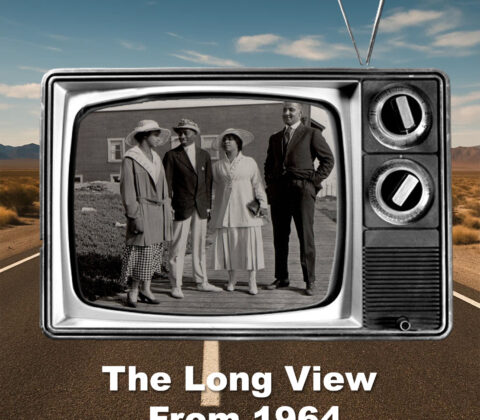
If you have read my series “The Long View From 1964” you will have read stories about Germany, and Dachau, Switzerland, and zooming around in our red Ford Convertible and then a 1955 Red Austin Healey.
But to the point of Cow Dung. When we returned from Germany, we spent a year in Monterey, California, where my father was the East Garrison Commander of Fort Ord, where I later did my basic training.
Now you would think, growing up in this environment, I would and could regale you with war stories and blood baths that would put Rambo to shame. But the only real story I recall was him saying some was SOB threw some batteries in a fire on the way home and it almost blinded him. To go through the damn war, get hit by a Japanese hand grenade and flame thrower, not have a scar, and almost get blinded by a damn battery. Crap.
That was it. That was the extent of the war stories.
After he passed away, going through everything, laying out the Colonel’s uniform, coming across the Bronze Star, the Purple Hearts, the commendations, having died from being Army Intelligence and White Sands Testing. It leaves me thankful.
I am thankful that he didn’t live to see our country led by such an incompetent pair of buffoons.
Share this:

The Only War Story He Ever Told, From The Long View From 1964
On
- View From 1964
Pete Hegseth. Incompetent Cow Dung.
I am going to keep this short. I had a father I loved, a father I felt I never lived up to his expectations, but he never made me feel like it. That was my issue. I never felt like he was disappointed in me, I just never felt like he was proud of me. But then again, that is my issue. I didn’t hit my stride until after he died.
I was one of the first baby boomers, born in 1946, and my father had just returned from the Pacific Theater. Dad never talked about the Army, but he was a soldier. He loved it. Obviously I was too young to understand him going off to Korea, Army Corps of Engineers. And then coming home for a short time before heading off to Germany.
We, the family, Mom, my brother three years older, and I, went to Germany and spent three years there as an officer’s family and enjoyed all the benefits. I have great memories. The problem with a mind that works like a VCR without an erase feature.
If you have read my series “The Long View From 1964” you will have read stories about Germany, and Dachau, Switzerland, and zooming around in our red Ford Convertible and then a 1955 Red Austin Healey.
But to the point of Cow Dung. When we returned from Germany, we spent a year in Monterey, California, where my father was the East Garrison Commander of Fort Ord, where I later did my basic training.
Now you would think, growing up in this environment, I would and could regale you with war stories and blood baths that would put Rambo to shame. But the only real story I recall was him saying some was SOB threw some batteries in a fire on the way home and it almost blinded him. To go through the damn war, get hit by a Japanese hand grenade and flame thrower, not have a scar, and almost get blinded by a damn battery. Crap.
That was it. That was the extent of the war stories.
After he passed away, going through everything, laying out the Colonel’s uniform, coming across the Bronze Star, the Purple Hearts, the commendations, having died from being Army Intelligence and White Sands Testing. It leaves me thankful.
I am thankful that he didn’t live to see our country led by such an incompetent pair of buffoons.
Share this:

They must be commies, or my middle name isn’t McCarthy
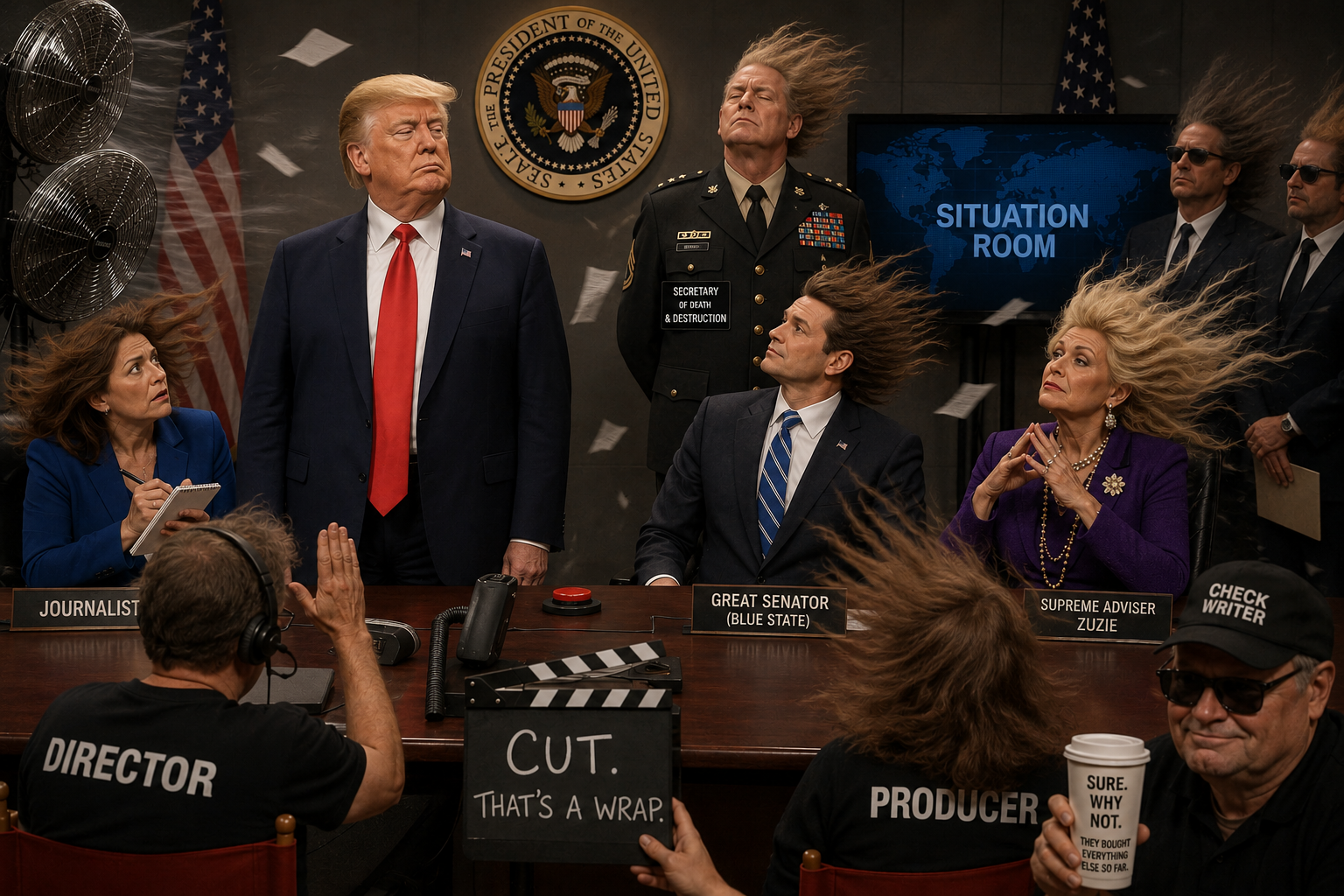
The Orange Man walked into the Situation Room. Before him stood the Secretary of Death and Destruction. Orange Man’s blond comb-over barely moved a micrometer, even though the air conditioner was working overtime, blowing a steady 45-mile wind, trying to keep the air fresh as a daisy. After all, the Persian warlords had offered to make him their daisy, and even though he hadn’t a clue what that meant, he wanted to be prepared.
“Chief Warlord,” he asked, “who are those minions questioning my commands?” He pointed to the lady in blue to his left. Chief Warlord responded, “Oh, my mighty Orange Man, that is a journalist.” The Orange Man then pointed to the dapper, good-looking gentleman in front of him. The mighty Boot Licker promptly replied, “Your Majesty, he is a great senator, and he represents a blue state.”
After a few more, the great and wise comb-over turned to his grand wizard, the Supreme Adviser Zuzie, and asked, “Did any of them vote for me?”
She promptly replied, “Oh Greatness, no, they did not vote for you. In fact, they think you are really just a grand putz.”
The greatest of them all, even greater than Charlie Brown’s Great Pumpkin, stood there and made a royal proclamation: “Sad, So Sad, Well then, if they didn’t vote for me, and if they don’t agree with what I do, then they must be COMMIES, or my middle name isn’t McCarthy.”
Director calls, “Cut, that’s a wrap.” Producer asks, “Well, do you think the sheep will buy it?” The check writer answers, “Sure, why not, they bought everything else so far.”

Share this:

What Do We Need? (A Question Asked Mid-Toke)
On
- Daily, or my first cup of coffee, Midterms then 2028, Politics, purple, Real Men, View From 1964
So much to think about. My brain hurts.
What does this wonderful country need in a President? What do I need in a President? Are those even two different questions? Can they be the same thing?
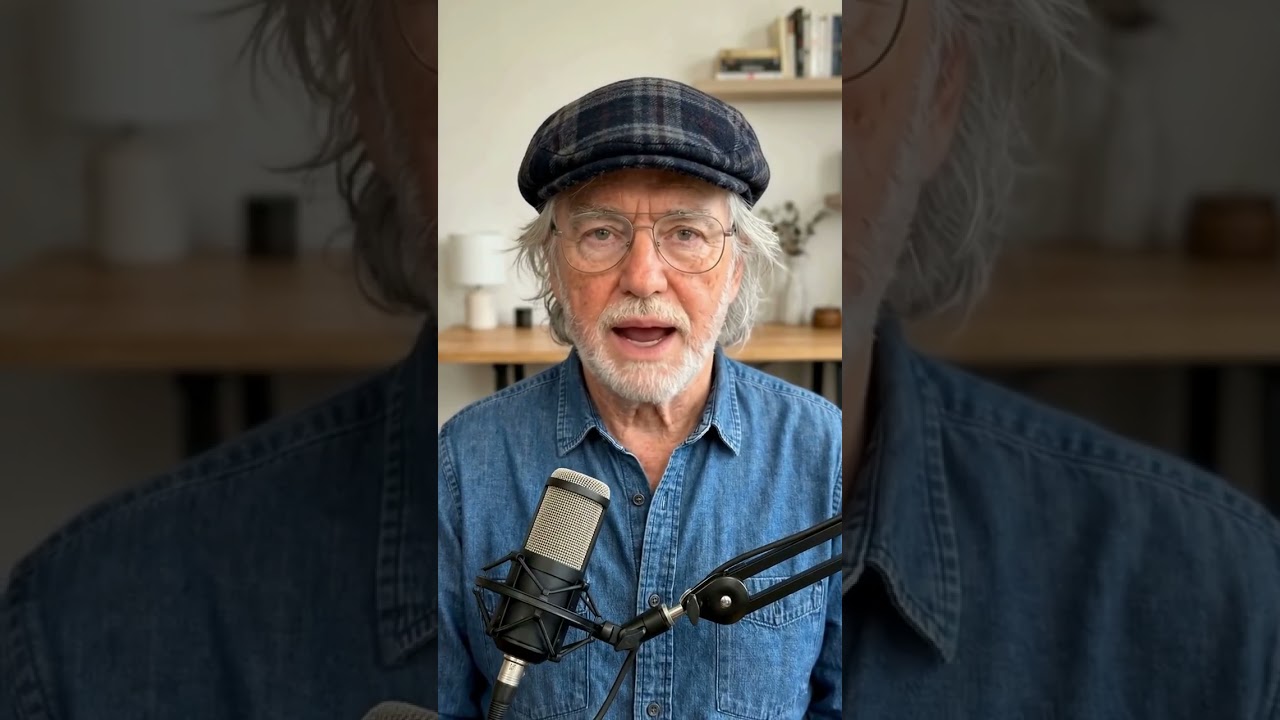
I’ll be honest, I’m out back, enjoying something local again. Enquiring minds need to know.
So what do we actually need? Big question, if I do say so myself. And I’m here to tell you, yes, why me? Because apparently I’m the only one asking. Just me and my doobie.
Well , I’m in Oregon. What’s that? You’re in North Carolina? Well, fudge. That plan just went right out the window. What’s best for me may not be what’s best for you. Maybe that’s exactly why we have state governments. Could be. What do you think? Is that why we’re called a Republic in the first place? Fancy that.
Now, a quick detour into Trump bashing. How much money and energy has that fool spent trying to punish blue states simply because they didn’t vote for him? What a waste of presidential energy. But what do you expect from Second String Donny? Okay. Trump bashing over. Doobie’s out.
Let’s make this even more confusing.
I live in a suburb close to wine country and farmland, but also close to the big metro. Almost all of Oregon is fishing, timber, hunting, or farming, yet nearly every political decision in this state gets made by the blue, because the population centers are Portland, Eugene, Salem, and Corvallis. College towns, every one of them. So the majority of the money and the decision-making gets structured around housing, homelessness, drugs, and freeways, while the rest of the state quietly picks up the bill.
Doesn’t sound very fair, does it?
Now zoom that out to the national scale and you start to understand a real piece of the division we’re living through. Too many decisions get built around the needs of the masses in the cities, while rural communities pick up the tab, if not in coin, then in grain.
I’ve oversimplified the problem here, deliberately, just to make the point land. But I think the point landed anyway.
So let’s simplify the original question. Who, or what, do we actually want for our next President, other than a golf hack with an ego problem and an image obsession?
I’ll be looking for someone who genuinely recognizes diversity and understands that micromanagement from Washington is a fool’s errand they have no business attempting. I’ll be looking for candidates who understand that the answer for New York isn’t the answer for Phoenix, and who are willing to let each region work out its own problems, asking for federal help only when it’s actually needed. I’ll be looking for candidates who believe in a strong military as a deterrent, not a submissive club to be quietly dismantled or weaponized for personal grievance.
This is a post that’s going to take on many forms in the months ahead. All I really want to accomplish today is getting you to start asking the same question I’m asking, what do you think we actually need, and to stop listening to the BS in the meantime.
Okay by you?

Share this:

The Long View From 1964 – 23 and Me
Some things we bury. Not for any big reason, for a lot of little reasons. Things we just don’t think about anymore because times have changed and we’ve changed. But then stuff around you happens, and you start remembering.
So let’s go back in time again. Not to Superman. To before me.

Manhattan Beach. Truly one of the most beautiful places you could grow up. I spent years there as a toddler, then off and on through the 1970s, since my father’s family moved there in the 1920s. Why do I mention this? Bruce’s Beach. I won’t spend paragraphs on it, go ahead, show some initiative, ask your favorite AI about Bruce’s Beach in Manhattan Beach.
Here’s how it touches me. My grandfather was the city councilman instrumental in getting the Bruce family’s property stolen through eminent domain and turned into an unnecessary park. Stolen from Manhattan Beach’s Black family.
Follow the story forward. Nearly a century later, L.A. County finally settled with the Bruce family for close to $20 million. Too bad it took so many decades. My grandfather helped take that land. I grew up ten minutes from the empty lot he helped empty, and never once thought about who used to be there.
I spent most of my life thinking of my family as quietly Southern and decent. Turns out we were also thieves, and it took me eighty years to say that plainly.
Move forward many years. In one of my Long View From 1964 commentaries, I mentioned my father tried to talk to me about women, and I, with puffed-out chest, declared I already knew candy was dandy and liquor was quicker. Five wives later, it dawned on me I should’ve put down the beer and listened.
My father was born in Alabama. A real Colonel, not the fried chicken kind. He always thought of himself as a Southern gentleman without the accent, and I honestly cannot remember ever hearing him use a cuss word or a racial slur.
Once again, guacamole, chips, a few beers, hadn’t gotten to the gin and tonics yet. Ten miles from Watts, working in Inglewood, a stone’s throw from East LA, Dad dropped one of his pearls of wisdom. This was before the gin and tonic, mind you. It’s been fifty-plus years, so I won’t fake the exact quote, but it went something like: “Son, you come from a good old Southern family. Before you pass judgment or start throwing stones, it may be your cousin you’re throwing those stones at.”
That’s not something most little white boys hear from dear old Dad. Probably a good thing Mom the Bigot was on the other side of the room.
This may look like it’s wandering without a direction, but there’s one here somewhere.
Being footloose and fancy-free in the ’60s, I always had a few questions. Decades later, when my kids started doing 23andMe and Ancestry.com, I got curious, and figured I’d probably have to prove Don Henley wasn’t their father. So I joined both. Kids were disappointed to learn I was Dad, and Don Henley was out.
You can post a photo to your profile on those sites. And I keep finding more and more second and third cousins with really, really dark tans. Maybe that should be a requirement for the whole family reunion.
Thanks, Dad, for the heads-up, all those years ago in Inglewood. He or she just may be distant family. And that stone, the one my grandfather threw, the one I nearly kept carrying, really belongs on the ground.

Share this:

The Long View From 1964 – The Newsboy Cap
Fish guts. What do I do with these fish guts? I don’t want to run them down the garbage disposal — I have a septic tank. So they have to go into the garbage, but oh woe is me. There isn’t any newspaper to wrap them in. What has happened to America? What has happened? No more newspaper to wrap fish guts in.
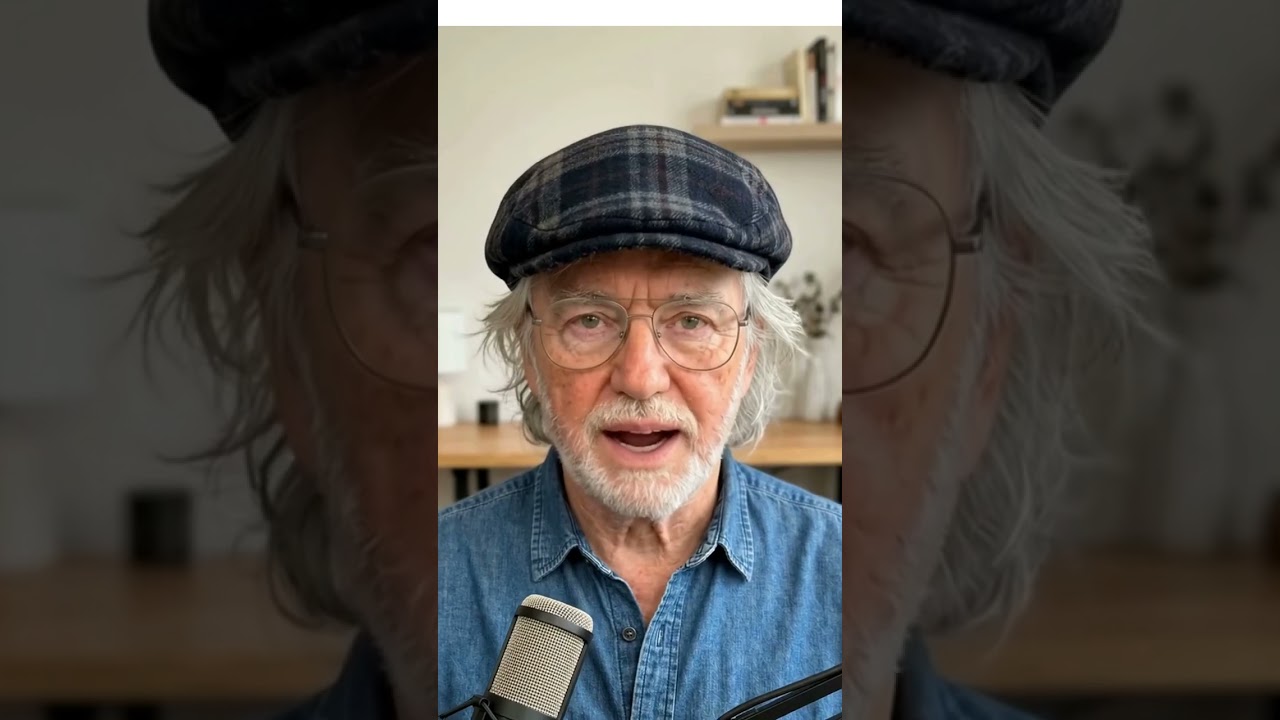
Ol’ English Fish and Chips, Inglewood California, 1974. Lunch time, an hour off. I worked at Inglewood Physical Therapy on Locust Street and would walk over for fast food — Ol’ English Fish and Chips, wonderful cod and french fries wrapped in fake newsprint. So good. So much better than some fast food burger. Gone now, but the memories aren’t.
Corvallis, late seventies. Walk over to the local market for a counter lunch, find a newspaper someone left waiting for me. Headlines that told what happened nationally and what the Beavers did. Good stuff, even if it was a week old.
Growing up, Mom and Dad always had the daily paper delivered. In Manhattan Beach it was the Daily Breeze and the Los Angeles Times. Wherever we lived, it was local and regional and national. That’s where we got the news — and it was the news. If you wanted an opinion, you went to the editorial page. There you read the partisan slant. If the publisher was conservative, that’s where the slant went. The front page was holy ground for the NEWS.
The best part was you didn’t throw it away that day. You saved them up for the school kid with the fundraising paper drive. What we didn’t realize at the time was that we had accidentally built an archive. You didn’t have to go to the library to look something up — you had a six month to one year record already sitting in your garage, in order, except for the few sheets that had wrapped the fish guts. And those were probably the classified ads anyway.
Try finding an article posted five minutes ago if you’re not subscribed to that thread. And even if you are, good luck.
What has really happened is we changed from printing and distributing the news — news that if found incorrect would have a redaction printed, visibly, permanently, for everyone to see — to online content that can be quietly edited into something else entirely, or simply deleted, with no trace and no accountability. Never before has the phrase Buyer Beware been so important. And most critically, we aren’t even paying for it. It’s being force fed to us, customized by an algorithm we can’t see, shaped by a bias we can’t find on any editorial page.
The newspapers had their editorial page and they had something else — Letters to the Editor. Online publications have those as well, technically. Try finding them though. Try submitting something. I have. But newspapers were more open and honest about it. If they made a mistake, they owned up to it. Sometimes on their own. Integrity was important. A reporter’s reputation was his livelihood. Nobody buys a Timex watch on an outboard motor’s prop from someone they didn’t trust. Who in mainstream media do you trust today?
The point I am really trying to make — even with the podcasters you trust, the Substack authors you trust, the elephantsinkroom.com you trust — we have a limited audience. We keep talking to the same people, over and over. The share button only shares to the same platform, the same followers, the same converted.
We hope you are spreading the word. Because what we say isn’t being left on the lunch counter anymore. It isn’t sitting in the news rack on the street corner. It isn’t landing on your doorstep to be read by whoever picks it up. If it were printed you could share it — hand it to someone, leave it somewhere, let it find a stranger. That would be better than forwarding it to someone who already agrees, or just deleting it.
Newspapers died an unwarranted death.
Oh, I would love a basket of Ol’ English Fish and Chips with a bottle of malt vinegar right now.
On a side note — some people wear baseball caps, cowboy hats, no hats at all. Last year I started wearing the classic newsboy cap. Go figure. Does look good with the grey and white hair though.

Share this:

The Long View From 1964 – The Saucepan Hat
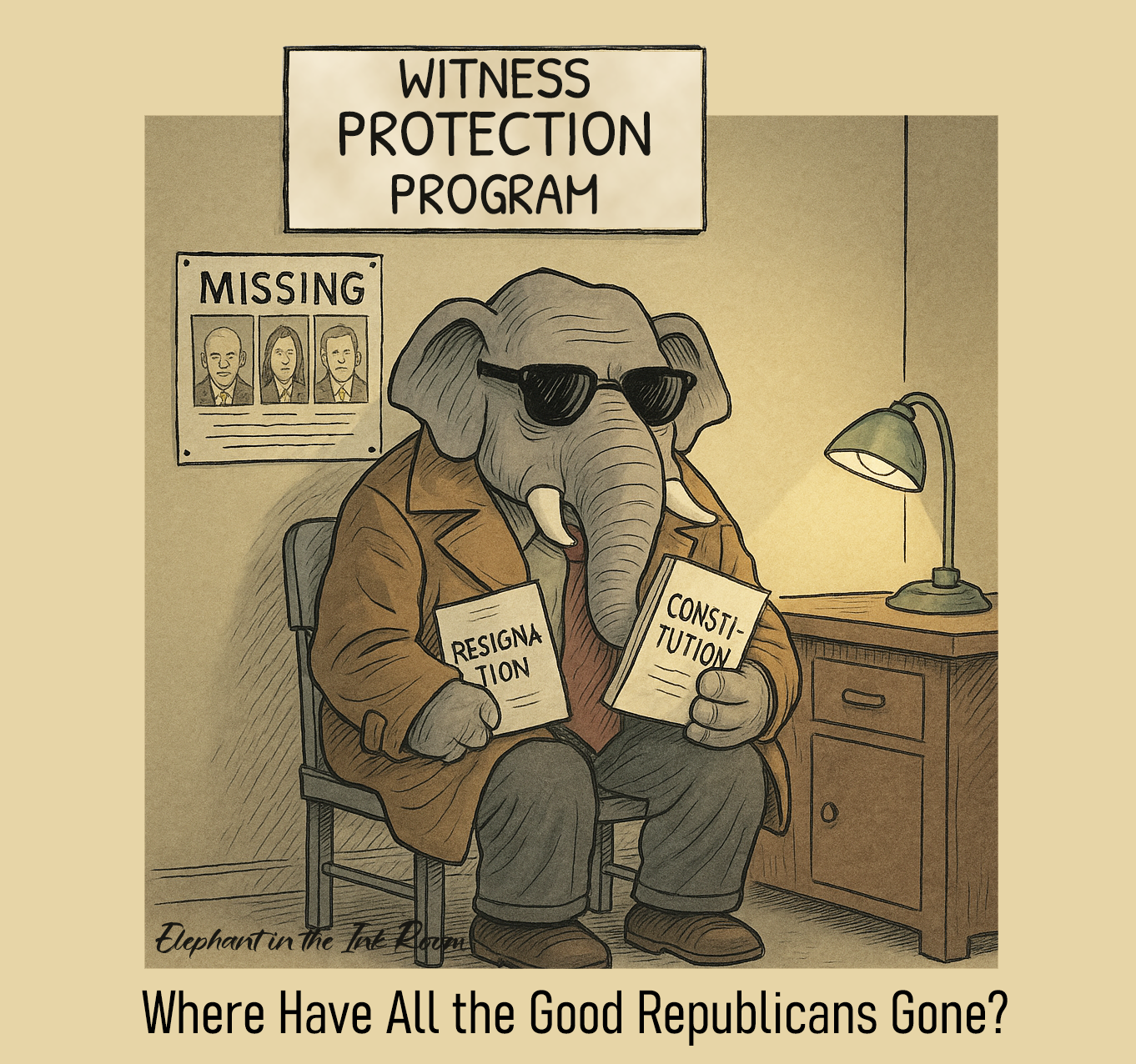
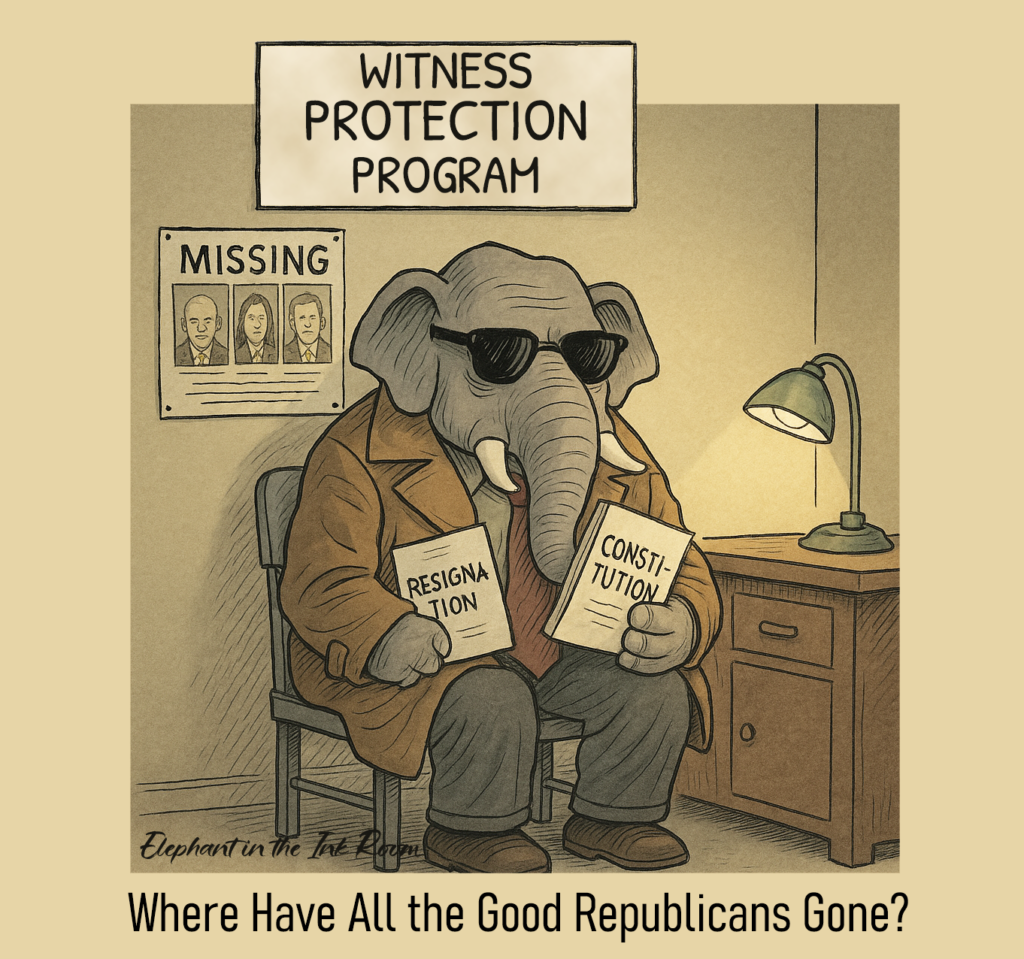
The old elephant on a diet went into witness protection and found he no longer had a home. Looked around and didn’t really see any welcome signs that didn’t just ask for donations.
It gets lonely standing out here. Nothing looks familiar anymore. The old guard has either died off or is getting selective dementia.
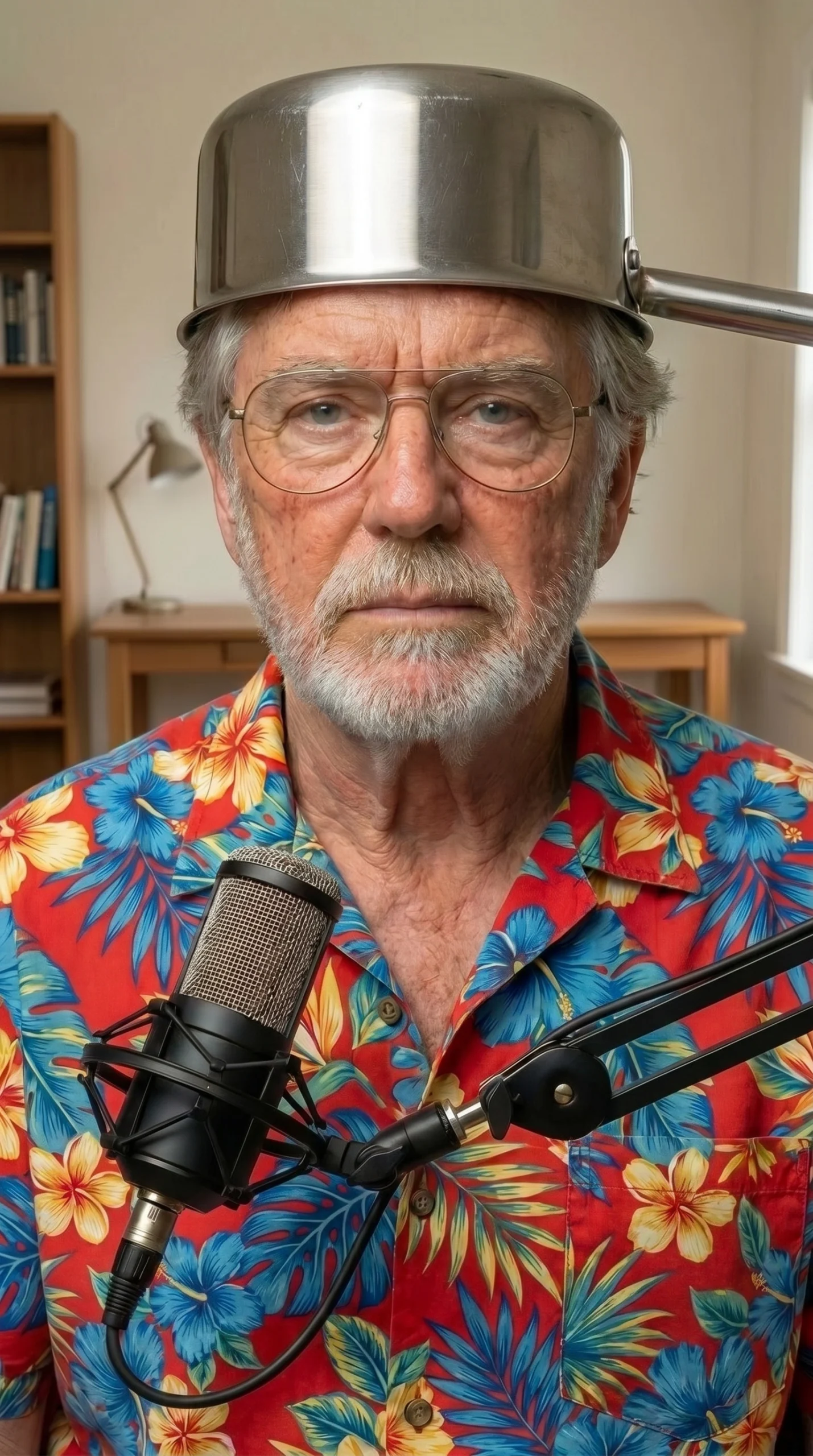
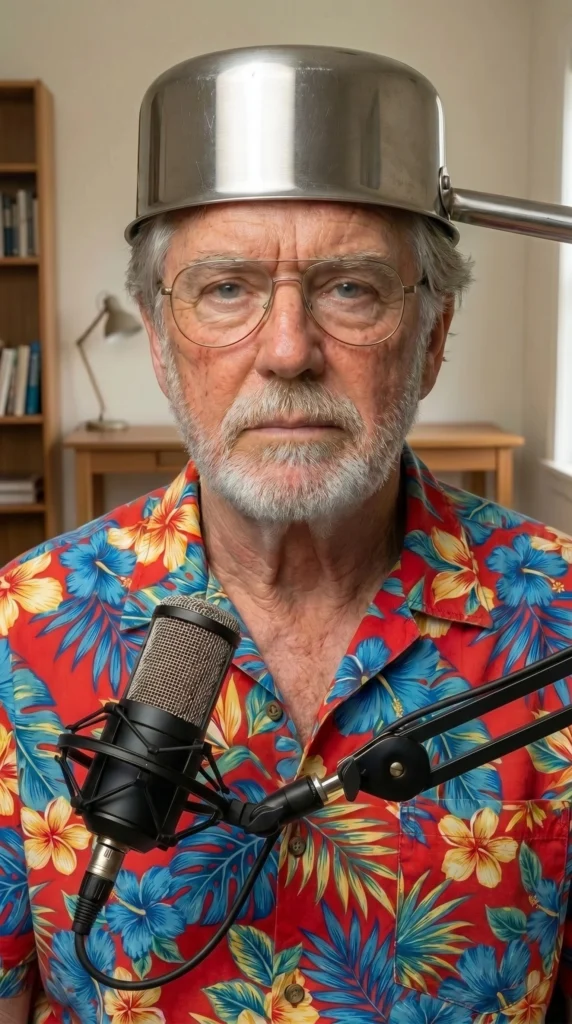
You know what they say about growing old, your mind keeps digging up old memories. So when I found myself standing out in the Oregon rain, my fabulous gray locks getting wet and not a hat to be found, I dashed into my outdoor BBQ ballroom, the one paid for with my own money, no taxpayer investment needed, and grabbed a saucepan and put it on my head.
What? Wearing a saucepan on your head? You’ve really lost it this time old man. Time for the dementia truck.
Hey. Hold on now.
Just good common sense and a fine memory.
Haven’t you ever read the tales of Johnny Appleseed?
I did. As a little boy. Johnny wore a saucepan for a hat and spread apple seeds through the land so apples could flourish everywhere. Smart little cuss. And that’s why we have apple pie.
After a year of political cartoons, then parody, migrating into complaints and now political commentary, I realized all I am really trying to do is plant some seeds for the future. The red versus blue war is too entrenched to flip a switch and start anew with sanity. But you can plant seeds of something better. You can suggest a better way. You can draw attention to failures that cost lives and hurt people and hurt nations.
We have elections coming up. You are going to have to make choices. I wish I could make them for you, and if so, I wish I were wise enough to make the right ones. But I am just a person with opinions and I hope you are as well.
The voters that scare me are the sheep. Here is how to vote, do it this way because I told you to. That is what keeps me up at night.
Those are people with unfertilized minds. The seeds didn’t find anything to take root in. Dead turf.
Besides, if you find the right pan, it isn’t that uncomfortable. And it keeps that mighty fine looking gray hair perfectly in place.
Share this:

The Long View From 1964 – Where is Anywhere
I roast my own coffee.
This morning my latest order arrived — green beans, just waiting for the roaster. Nicaraguan Selva Negra, Guatemalan Antigua Los Volcanes Washed, Brazil Mogiana Guaxupé, Indonesian Sumatra Mandheling and six others. I can see you are thrilled that you asked.

Roasting coffee sounds wonderful. I have a secret for you. It stinks. The aroma of freshly brewed coffee is heaven on earth. Coffee beans going into a dark roast after the second crack — well. You only do that inside the house once.
Everyone who hears I roast my own coffee asks the same question. What’s your favorite? What do you roast? As if there is a simple answer to either question and as if they actually want to hear it.
Here is the thing about roasting your own coffee at 79. I am losing my sense of taste. Too many good bourbons. Too many excellent cigars. If I am being completely honest I might as well buy French Roast from Costco and be done with it.
But then I couldn’t sit in my two thirds enclosed BBQ smoker’s paradise and roast coffee, could I?
And that matters. Not because of the coffee. Because of the sitting. Because of the practice. Because some things retain their value after the practical justification has quietly slipped away and you do them anyway because the doing itself is the point.
Which, it turns out, has everything to do with politics today.
Or rather — it all tastes the same.
Red. Blue. I brew it carefully, I tend it with genuine attention, and what comes out is noise. It’s the evil Democrats, they ruined everything. Blame the Republicans, they tore it all down. The Democrats want this. The Republicans are taking that. For whoever’s sake — insert deity of choice — just stop.
We don’t even know what a Republican or a Democrat is anymore. I asked that question at the beginning of this series and I am no closer to an answer. I suspect you aren’t either.
Maybe that’s the beginning of something.
Because what we have is broken. The two party system that limits our choices to two flavors of the same noise, backed by dark money from both directions that you mostly never hear about. Citizens United didn’t just open the door — it took the door off the hinges. The Federalist Society on one side, the Tides Foundation and Priorities USA on the other, and the rest of us standing in the room where the door used to be wondering why it’s so cold.
Here is a what if. Offered with open hands, no god complex, no manifesto.
What if we dropped the party labels altogether? Not reformed them. Not rebranded them. Just — dropped them. Watch the dark money groups scramble for a target. Watch Citizens United try to decide who to back when the teams dissolve. It would give them fits and I confess that brings me more satisfaction than it probably should.
And while we are at it — what if the Supreme Court had fifteen justices? Twenty one? Enough that no single president could stack the deck in a term or two. Enough that the Constitution might once again be interpreted rather than used as a party tool. Enough that the word justice recovered some of its original meaning.
These are seeds. I know that. Nothing on the next ballot. Nothing in the next cycle. Maybe nothing in my lifetime.
But I still roast the coffee.
Not because my palate is what it was. Not because I can reliably taste the difference between the Nicaraguan and the Sumatran on any given morning. But because I sit in my smoker’s paradise and tend something carefully and the practice itself is worth preserving even when the justification has gotten complicated.
That’s what this series has been. Not solutions. Not a platform. Not a party. Just someone who has been paying attention since 1964 sitting with the question honestly and refusing the checkboxes that don’t fit.
Harry Chapin understood it. His little man said it best.
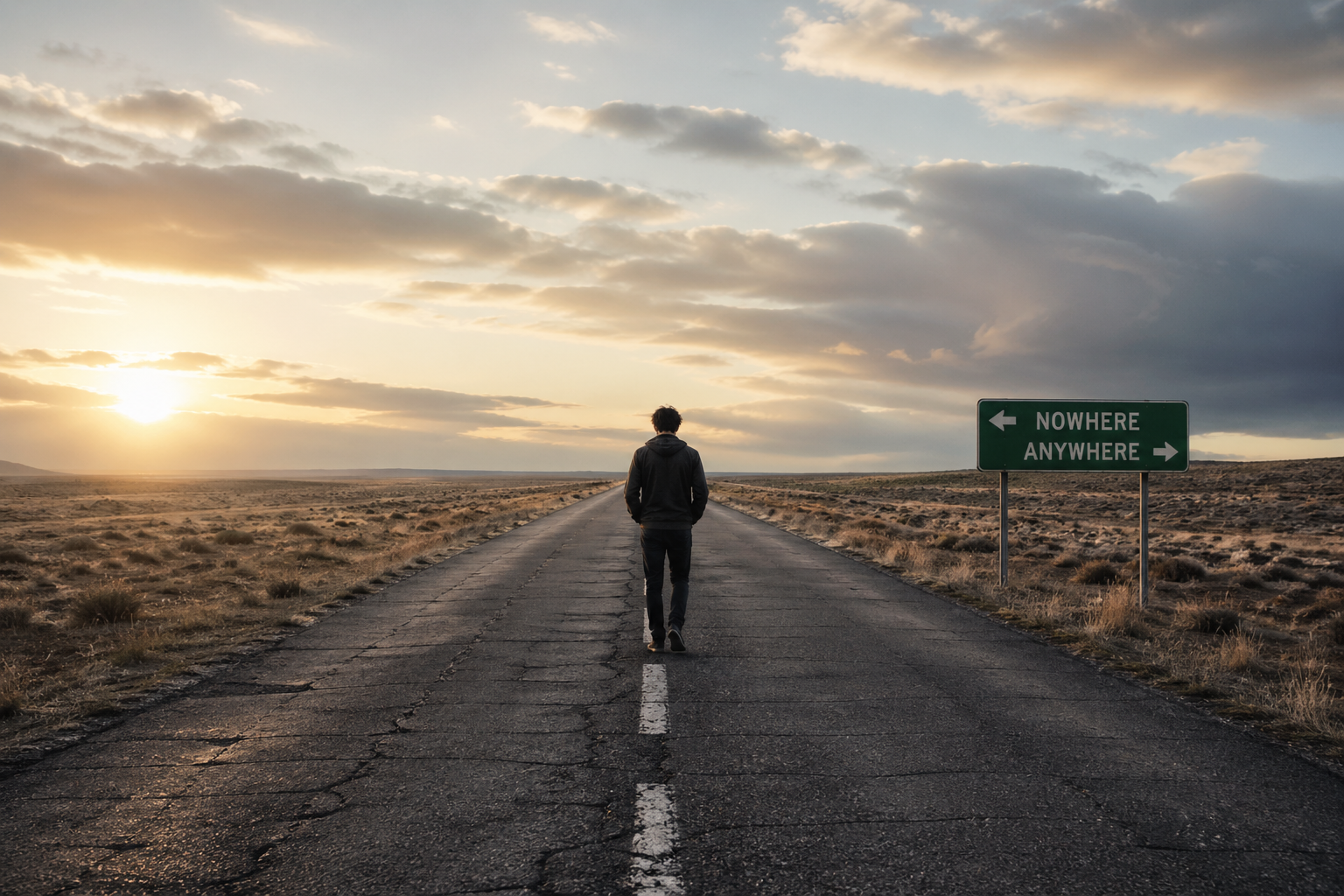
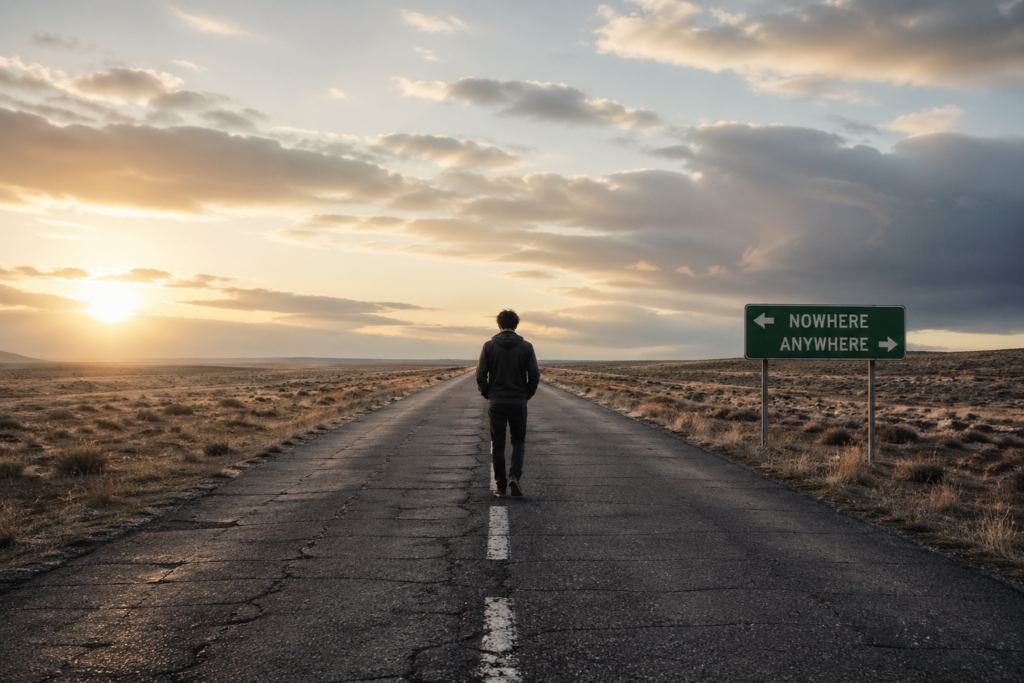
‘Cause I know I’m goin’ nowhere. And anywhere’s a better place to be.
We may not know what we’re building yet.
But anywhere is a better place to be than where we are standing.
That’s enough to start.
Share this:





The Long View From 1964 – How I tried to Save America
How I tried to Save America
That’s right. Single-handedly, I tried to save America. All by myself.
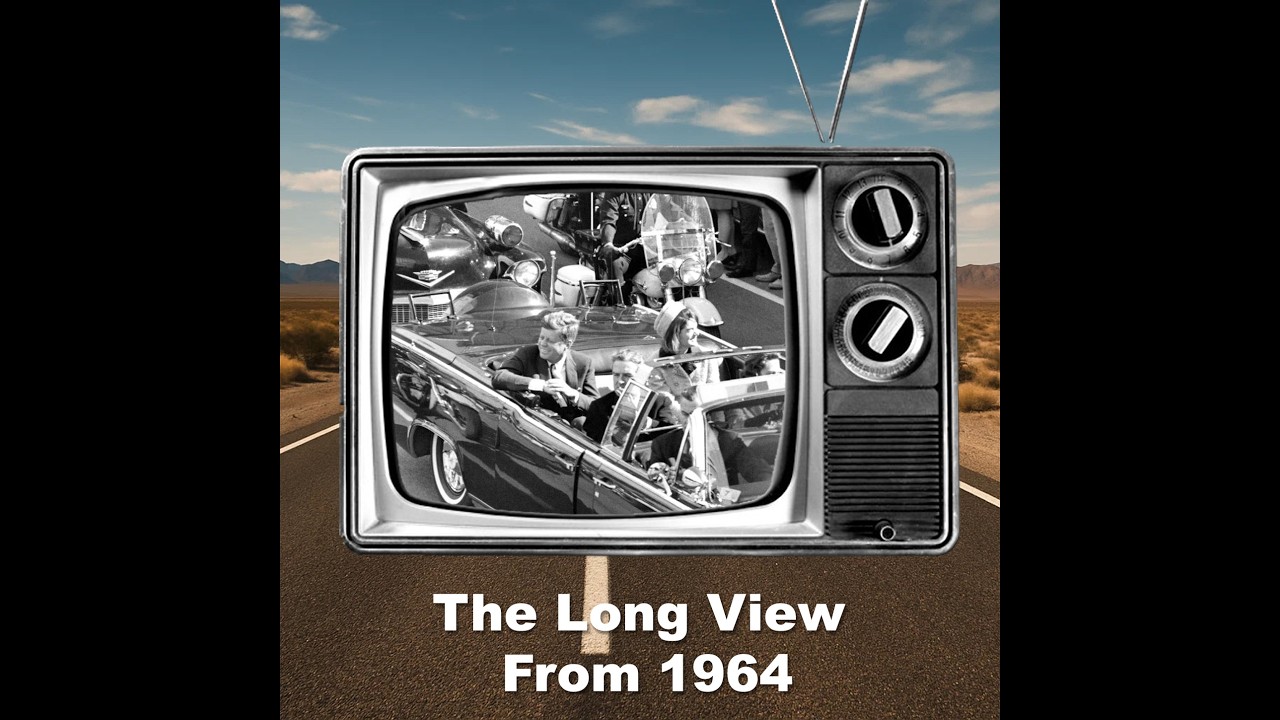
Some people try by running for office — and sometimes America is saved because they lose.
Some go into law enforcement, all Miami Vice and hero music, only to end up gaining fifty pounds eating donuts. Either way, America usually wakes up looking about the same the next morning.
We all see ourselves playing some important role. Flag wavers. Protesters. Patriots. Rebels. Whether we realize it or not, we all play a part in the national circus.
But this story is about me… and how I almost saved America by simply not turning on the daytime television.
My mother was a working woman — which wasn’t exactly common in the 1950s and early ’60s. She ran her own business for over twenty years and kept working well into the late 1980s. Before work, she’d do her morning exercises with Jack LaLanne on TV, jumping jacks and all. Then she’d get ready for work while I was supposed to be getting ready for school.
One morning, I stayed home. Probably some weak excuse involving too much candy the night before.
So there I am, flipping channels, when I stumble onto a parade in Texas.
Figure it out yet?
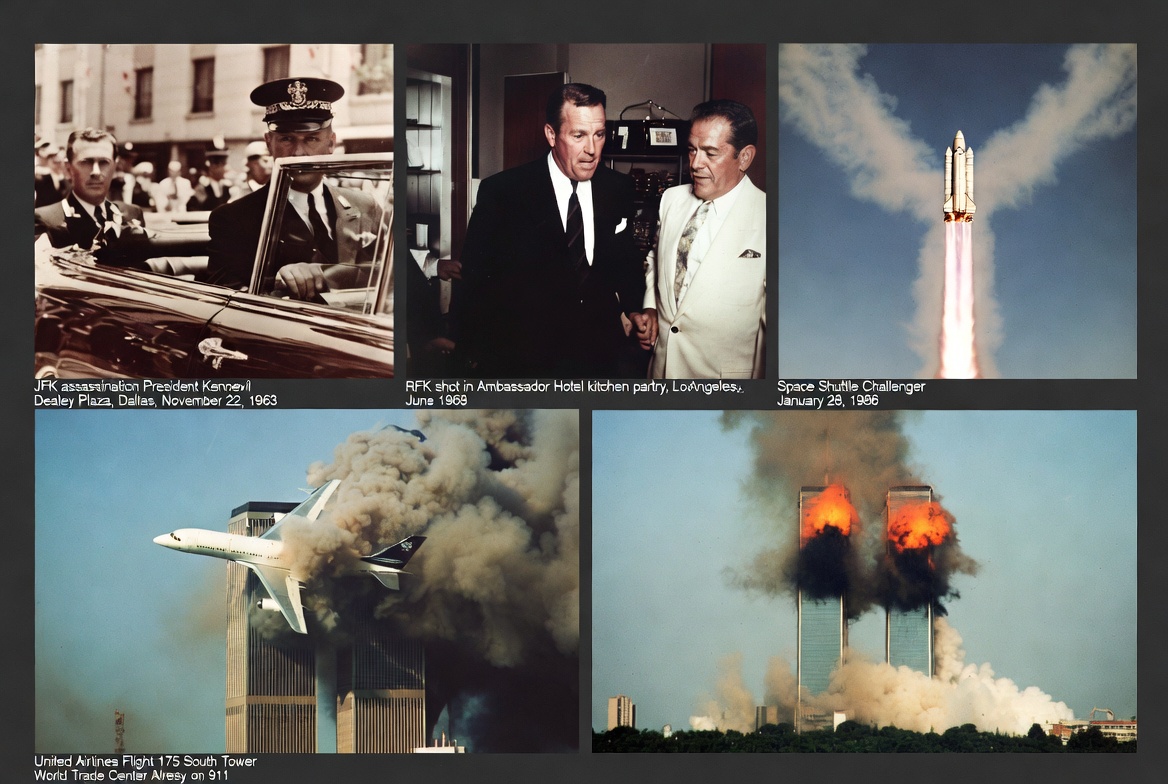
November 22, 1963.
I’m seventeen years old — and sitting there live as John F. Kennedy is assassinated.
And where am I?
Sitting in front of the television instead of being in school.
So, being the responsible young man that I clearly was, I called the school, confessed I was skipping, and informed them the president had just been shot.
Probably part of why I enlisted a few days later.
Back in the ’60s, we didn’t leave the TV on all day. We had lives. We did things. Probably not homework, but things.
Still, I got bored one afternoon and turned the television back on.
And there it was again — live television history.
I watched Jack Ruby shoot Lee Harvey Oswald on live TV.
Or silence him forever, if you prefer the conspiracy version.
A few years pass.
At that point I didn’t care much about politics. But once again, I was bored. And once again, I turned on the television.
June 5, 1968.
Enter Sirhan Sirhan.
I end up watching coverage surrounding the assassination of Senator Robert F. Kennedy.
The Middle East was already tearing itself apart back then. Different decade, same human species.
Maybe somebody should’ve paid more attention in history class.
Unfortunately, apparently that somebody wasn’t me either.
A couple more decades roll by.
I’m self-employed now, working from an upstairs loft office, with one hard rule: no television during the day.
I go downstairs for caffeine, think, “Ah, what the heck,” and flip on the TV.
There’s the Space Shuttle Challenger launching.
And then there’s the Challenger exploding seventy-three seconds later.
January 28, 1986.
At this point I’m beginning to suspect I may be the problem.
Then comes September 11, 2001.
Same house. Same office. Same caffeine run. Same television.
I turn it on just in time to see smoke pouring from one tower.
I remember thinking, “Why is that plane flying so close to those buildings?”
I had no idea what was unfolding.
Then I watched the second plane hit live.
And just like that, the Twin Towers became rubble, nearly 3,000 people were dead, and America changed forever.
That was the moment I finally recognized the pattern.
The television was clearly too dangerous for me to operate during daylight hours.
So I made a sacrifice for my country.
No more daytime TV.
America needed me vigilant. Disciplined. Focused.
If avoiding daytime television could prevent national catastrophe, then by God, I was willing to do my part.
And honestly, I’d like to think my sacrifice saved millions.
But despite my efforts, COVID still showed up. Wars kept happening. Inflation kept climbing. Gas prices rose. Eggs became luxury items.
And somehow, against all odds, Donald Trump still became president… twice.
So after all my sacrifice… after all my patriotism… after all my heroic refusal to watch daytime television…
Trump still happened.
Well, shit happens.
Share this:

The Fastest Gun Alive — A Case for the Second Amendment
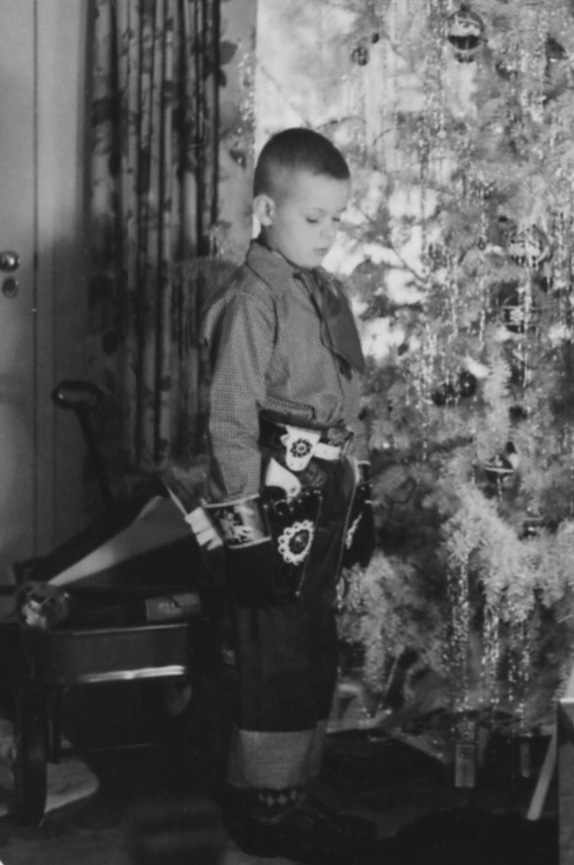
Christmas morning. There I stand dressed in my finest — my Christmas cowboy outfit, six shooter hung low. Maybe a Hopalong Cassidy rig. Roy Rogers. Red Ryder. Doesn’t matter. There I am, the fastest gun alive. Darn tootin. Six years old and nobody faster.
Fast forward to 1964. Too many westerns under my belt and James Bond takes on Dr. No. I sit in a theater in St. Louis Missouri waiting for the bus to Fort Leonard Wood and advanced training. First chance at the PX I buy my first James Bond book. By Christmas I have read them all and can field strip a Walther PPK in my sleep.
A couple of years later I order my first pistol from the big hardware catalog at the local hardware store , a Bernardelli Model 60. Looks and feels just like James’s Walther. Just costs a whole lot less. I am officially hooked.
More years go by. More firearms. Smith and Wesson Model 19s, K38s, Browning Challengers, and finally Dirty Harry’s S&W Model 29 a 44 Magnum. I join the Corvallis Sheriff’s Department and can’t resist competitive shooting. Back in the seventies it was PPC and revolvers. I took home trophies, even a few first places for the 2½ inch revolver category.
The fastest gun alive.
50 years later, I still go to the range. Speed drills now with 10mm competition Tanfoglios and Nighthawks. Always felt you should stay a step ahead.
Which brings me to a film, The Fastest Gun Alive, an old western starring Glenn Ford. He plays George Kelby, a quiet storekeeper in a small town. He proves his skill to the townspeople by shooting two silver dollars tossed simultaneously into the air. Now they know who the storekeeper really is. More than a merchant. A man with six notches on his father’s gun.
But here is the thing about George Kelby. He is the fastest gun alive, and he has never once drawn against another man. The notches aren’t his. He has the skill, the nerve, the weapon. What he has never had to do is use it against another human being.
In six years in the Army and my time with the Sheriff’s Department I never once drew my weapon and pointed it at another person. Let alone fired it at one.
That is not a confession of weakness. That is the point.
The Second Amendment was never about Vinney the desperado riding into town looking for a fight. It was never about bravado or immunity or masks or the performance of toughness by people who have never actually been tested.
It was about George Kelby. The storekeeper. The neighbor. The man who can shoot two silver dollars out of the air and hopes he never has to prove it to anything other than a paper target.
I still go to the range.
I still stay a step ahead.
And I still hope, genuinely, completely hope, that the cap gun stays on the shelf where it belongs.
But I know what I’m doing if it doesn’t.
Vinney may not.
In today’s uncertain world, the Second Amendment to the United States Constitution affirms a simple principle: responsible, law-abiding citizens have the right to protect themselves and their families.
Christmas in Atascadero, probably 1951.
Share this:

The Long View From 1964 – The Land Moved While You Slept
The Land Moved While You Slept
I didn’t leave the Republican Party.
I didn’t leave the Democratic Party either.

They left. Both of them. While I was paying attention to other things — raising a family, building a life, watching the news with a growing sense that something wasn’t adding up — the ground shifted underneath the labels and nobody announced it.
It’s like waking up and finding yourself a stranger in a strange land. Except you never went anywhere. The land moved. You just didn’t notice until you tried to take a step in the direction you always walked and found nothing there.
So I looked left. If I couldn’t call myself a Republican by the standards of what that word means today, maybe I was a Democrat. Except that didn’t fit either. The Democratic Party of the New Deal built the American middle class. It passed labor protections, created social infrastructure, and pointed at the people standing beside you and said — here is what you share, here is what you can build together. The Democratic Party of JFK spoke of sacrifice and responsibility and American strength without apology.
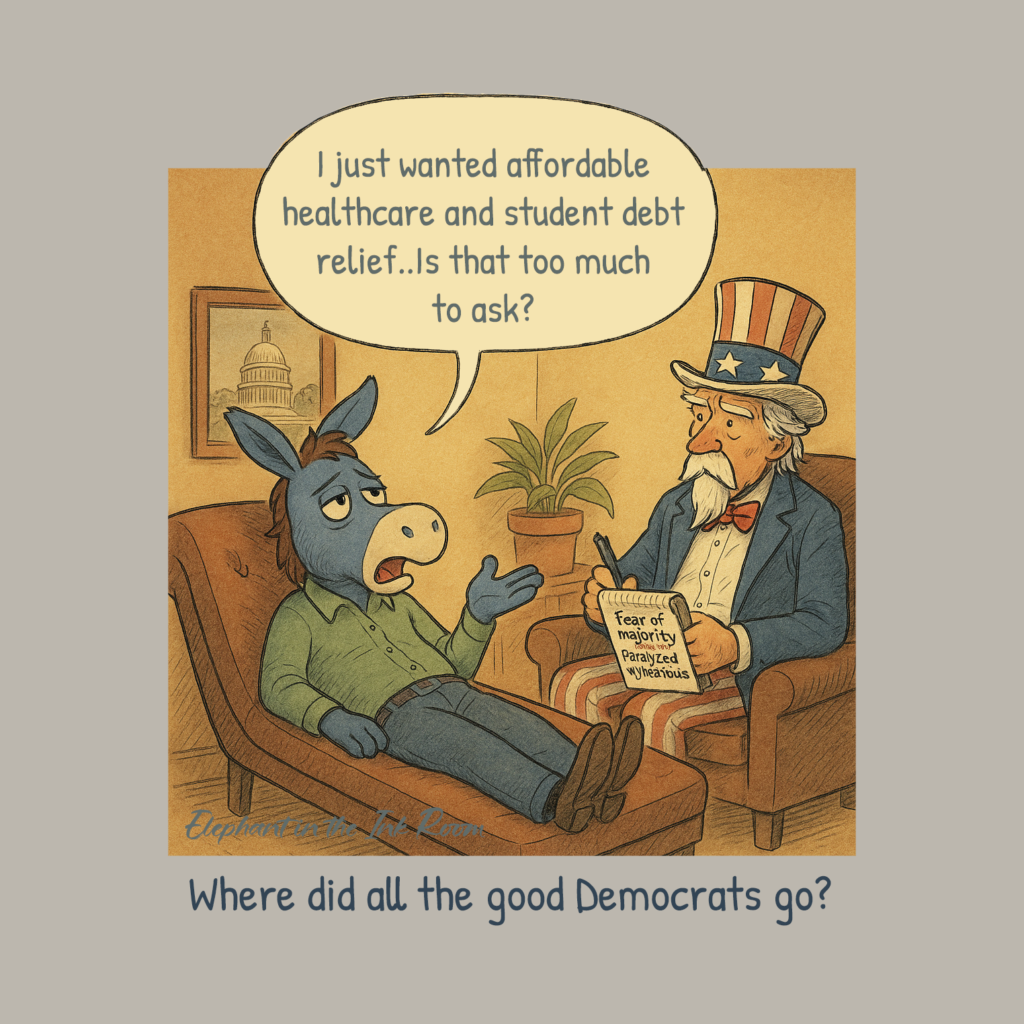
I don’t know what the Democratic Party of today is. And I don’t think it does either.
So I’m back to independent. Which has the numbers — somewhere between 40 and 45 percent of the American electorate by most honest measures — but not the official label, not the infrastructure, not the primary, not the power.
It’s like being a marionette with two sets of strings pulled from opposite sides of the stage. And if you cut the strings you have free movement but nowhere to go.
Here is what I think happened.
The wealthy have always used the rest of us. That’s not a new observation and it’s not a simple condemnation. The Carnegies and the Vanderbilts exploited labor — no unions, poor wages, dangerous conditions. We had to fight for every right we eventually won. But here is the difference that doesn’t get said clearly enough — they were building something. Railroads. Steel. Infrastructure. A physical nation that everyone eventually lived inside. We got something for our sacrifice, even if we had to bleed for it.
What does the new generation of concentrated wealth build? Platforms. Delivery systems. Social media that monetizes your attention and sells it back to you as connection. Electric cars for people who can afford them. The byproduct this time isn’t a nation. It’s a customer base.
We got something for our sacrifice. Now we want something for our tolerance. And nothing is being offered.
But here is the part that keeps me up at night. Most people didn’t notice. They bought stock. They got a 401k. They watched the Dow. The system handed them a small thread connecting their personal security to its performance and somewhere along the way they stopped identifying with the people beside them and started identifying with the people above them.
It was the most elegant capture imaginable. You don’t silence dissent by force. You give people a small piece of the thing they might otherwise resent and watch them defend it like it’s their own.
I have a brother. Smarter than me by any standard measure. He can’t see it. He watches his portfolio.
He’s not foolish. He’s captured. There’s a difference. And the system that captured him is the same system that pulled the strings on both parties until neither one represents the people who are actually holding them up.
The donkey and the elephant. I’m not sure either animal still exists in any form I recognize.
What replaced them nobody has named yet.
That’s what we’re here to figure out.
Share this:

1776 — The Number That Tells You Everything
( I Don’t Trust Blanche )
Let’s start with the number.
Not the policy. Not the legal arguments. Not the court battles that were always going to happen and were always going to produce the same result.
The number.
$1.776 billion.
In a country where political messaging is tested and retested before it reaches the public, nothing that specific is accidental. The amount could have been $2 billion. It could have been $1.5 billion. It could have been any number that accomplished the stated policy goal.
It wasn’t. It was $1.776 billion.
To most Americans 1776 means one thing. The founding. The declaration. The birth of the republic.
To a specific and carefully cultivated audience it means something additional. It means the patriots. It means the people who showed up on January 6th because they believed the republic was being stolen from them. It means the people who have been told repeatedly that their country is being taken away and that only one man is fighting to give it back.
The number was a message. Delivered in plain sight.
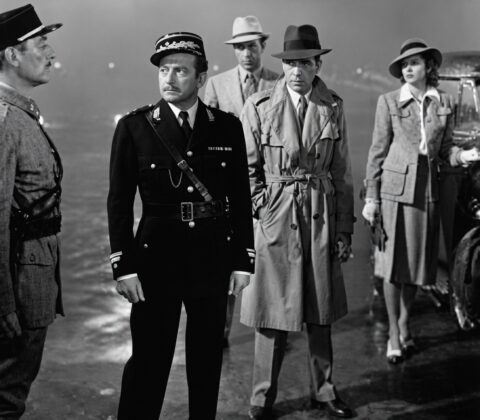
Now ask the question that Captain Renault never quite got around to asking before he rounded up the usual suspects.
Why propose something you know will be rejected?
Because the rejection is the point.
Here is how the playbook reads when you step back far enough to see the whole page.
Propose something dramatic and specifically coded for your base. Watch it get challenged in court. Watch it get rejected by the institutions designed to reject exactly this kind of unconstitutional overreach. Then turn to your base and say — you see? They stole it. Not just the election. Not just the country. Now they stole the $1.776 billion I was trying to give you. The money with your founding fathers’ number on it. The money that was yours.
Who stole it?
The rest of us. Of course.
This is not a new play. It is the same play run repeatedly with different props. The stolen election narrative wasn’t born on January 6th. It was constructed methodically for months before that day so that when the result arrived the audience was already primed to reject it. The architecture of grievance is always built before the grievance is needed.
What concerns me — and I want to be precise here because this is pattern recognition not accusation — is that the structural fingerprints look familiar.
Unless something dramatically changes the electoral landscape the midterms should produce significant Democratic gains. The math of an unpopular administration historically produces that result. Fair elections should deliver it.
But we have already established in this country that fair elections and accepted elections are not always the same thing.
I have a sinking feeling we will find ourselves watching Second String Donny screaming foul again. Not just about the midterms. About the $1.776 billion that was stolen from his patriots along with everything else.
Is this proof of intent? No.
Is this a history of behavior that gives us every reason to watch carefully and prepare honestly?
Oh hell yes.
The number told us. Right there in plain sight.
1776
Round up the usual suspects.
Share this:

The Long View From 1964 – The Checkbox Problem
The Checkbox Problem
I am not a Democrat.
I am not a Republican.
I am not whatever “Independent” means on a form that was designed to make that choice feel like surrender.
I grew up with a Republican Party that meant something specific, a set of principles, a temperament, a way of approaching governance that I could argue with or agree with but at least recognize. That party is gone. What carries the label today bears no resemblance to what the label used to mean. Calling yourself a Republican in 2026 means something that would have been unrecognizable, and I think deeply alarming, to most of the people who built that party.
So I am not that either.
What I am is a moderate. A person who believes in making decisions carefully, in recognizing complexity, in not burning the house down because you’re angry at the neighbors. A person who wants others to make their own informed choices rather than be handed a script.
There is no checkbox for that.
There is no party infrastructure, no primary, no institutional home for the person who looks at both options and says, honestly, clearly, without drama, neither of these fits.
The labels don’t fit anymore. And the system was not built for the moment when the labels stop fitting.
I am 79 years old. I have been voting since 1968. And this is the first time I have felt genuinely politically homeless.
But here is the thing about being lost, recognizing it is not the end. It is actually the beginning. Before you can define where you are going, you have to be honest about where you are. That is what this is. The first step in figuring out what a political identity looks like when the old labels have stopped telling the truth.
This is the beginning of that conversation. Not answers. Just honest questions from someone who has been paying attention for a long time and is tired of being handed choices that don’t fit.
More to follow.
Share this:

The Long View From 1964 – Maybe Just Listen
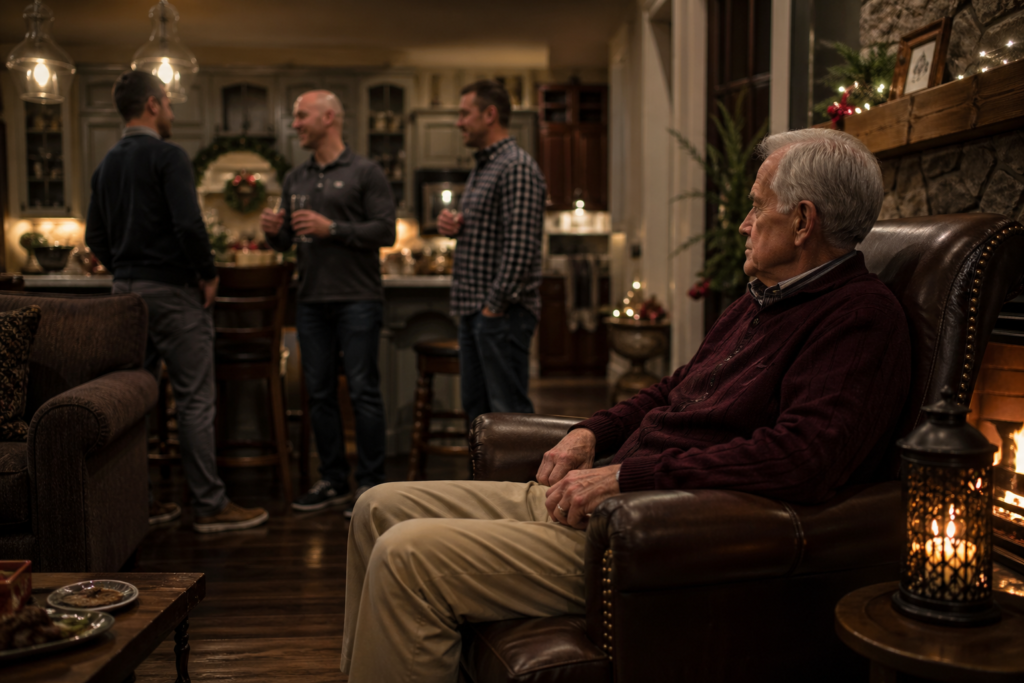
So often we sit there and tune him out.

Not another war story. I have heard it before. I know, I know. Dad, Reagan isn’t President anymore and I don’t know who he is anyway except some cowboy on TV.
Everything is moving so fast today. We have AI. We have instant everything. And somewhere in that acceleration we forgot that Dad — and Mom, I’m just shortening the typing process — are the ones who actually built the infrastructure we are all living inside.
Our children forget that Dads started Intel. Built Tektronix. Worked at Texas Instruments. That the company that became Texas Instruments was created by GSI — Geophysical Services Incorporated — because analog computing wasn’t getting the job done. That Dads spent years in Southern California discovering the oil that Standard Oil and Chevron pumped out of the LA Basin and the Santa Barbara Channel. That these things did not build themselves.
The grandchildren watch Saving Private Ryan. But they forget that Great Grandpa was the one bleeding in Europe and the Philippines. They just see old people without opinions worth hearing.
Maybe we rant because nobody will listen.
But here is what I think the real problem is. They can’t see what politics is anymore. All they see is TikTok. All they see is YouTube. All they see is one outlet calling another outlet fake news while being called fake news in return. And then they watch it all falling down and they can’t even find the question to ask, let alone the answer.
Maybe if Grandpa and Dad had stopped ranting and started explaining. And maybe if Johnny and Jane had stopped scrolling and started listening. Maybe some of this could have been avoided.
Maybe. Just maybe.
I don’t have all the answers. I want to be clear about that. This entire series has been questions more than answers and that is entirely intentional. But there is one truth I know from experience — and I have the scars on my shoulder and chest to prove it is experience and not theory.
When you pull a boiling coffee pot off the stove and it comes down on you, you get burned. You don’t do it a second time. You learned something real in a way that no amount of telling could have taught you.
So yes. You have to make mistakes to learn. You have to touch something hot to understand burns. You have to get things wrong before you understand what right costs.
But the secret — the thing the scars actually teach you if you pay attention — is to get a small burn and learn your lesson. Not go down in the flames.
And right now it looks very much like we are headed for the flames.
Grandpa is not ranting.
Grandpa is pointing at the stove.
Share this:

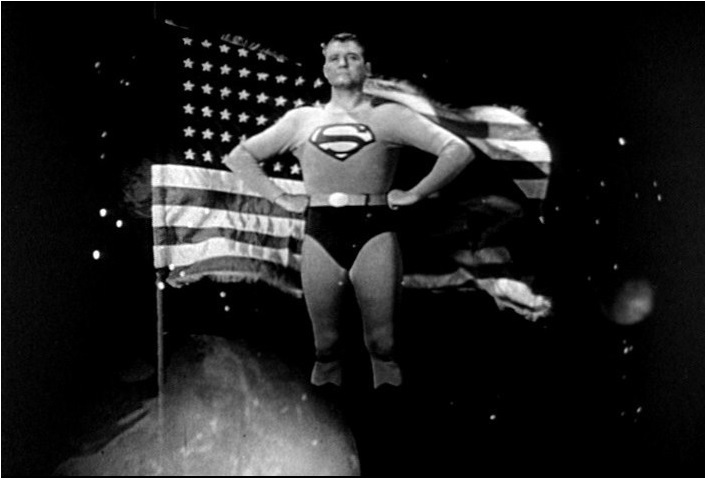
The Long View From 1964 – Superman
I grew up watching a small black and white television in the living room. Not the family room, because we didn’t have family rooms in 1,300 square foot ranches in 1955. My older brother and I would watch the Mickey Mouse Club, heart throbbing as Annette would grace the screen — all 1.5 inches of grainy image of her. That was high tech back then.

Lassie would dash back into the one room farmhouse and announce that Timmy had fallen in the well again, and Superman would boldly declare that he stood for Truth, Justice and the American Way. Oh, the patriotic pride we would feel — young army brats, freshly back from Germany where our father had been stationed for three years. But that’s another story of concentration camps and sausage restaurants on the Danube.
Back to Superman, because that’s what this is all about. Truth, Justice and the American Way. Straight from the 1940’s comic books — not graphic novels. They were comic books. A graphic novel was Classics Illustrated doing The Last of the Mohicans.
Truth was the TRUTH. It was telling the truth. Real truth. What do we have today? We have Truth Social, and we are told to believe it. But what is it? It is whatever Donald Trump and the MAGA movement wants you to believe. I’m not saying it’s all lies, because everything has to have an element of truth to stand. But believe at your own peril.
How about X.com? Look at the bots. Look at how many times posts have been reposted — not 5 or 6 times, but hundreds. That’s a machine. Posted by Betsy, a housewife from Atlanta. Check her profile — courtesy of Elon, finally — and you find that Betsy has changed her name 83 times and is posting from Asia or Eastern Europe.
Get a clue.
Justice. That’s a good one. Look at what our courts have become. We have so much partisan influence that the very word has little meaning anymore. I learned the hard way fifty years ago that all you can reasonably expect is a decision. But fifty years ago it was a mostly unbiased and impartial one.
Today at the federal level that’s an ongoing war. A war because we do still have honorable people in power — but they are outnumbered and outfunded, all the way to the very top. It’s a stacked deck.
And lastly, perhaps the most ambiguous but most important — The American Way.
When you’re ten years old watching the Mickey Mouse Club, Superman, Zorro, Father Knows Best and the rest, the American Way seems perfectly clear. We were strong. We were proud. We had clear cut enemies. At school we were told to stand and recite the Pledge of Allegiance with pride, and when the air raid sirens went off we got under our desks — as if that would actually do any good. But it made us feel safe.
We had presidents who built America. Eisenhower chose highways over rail because he saw how disabling rail lines stopped troop movements. He should have prioritized both. JFK, with all his faults, still told us that our strength was to stand together and build a great nation. Not a monument.
Sometime after that I took a break. I married, I divorced, I had children — not necessarily in that order. I raised families. I now have grandchildren. I learned how to build businesses and was part of the great technological revolution — time spent at gin joints like Tektronix, Intel, my own consulting and more.
And when I stopped and took a breath, I looked around and saw an America that had become super wealthy and gone to hell at the same time.
So I ask you — by today’s standards, what is the American Way?
The Long View From 1964
- Superman
- Maybe Just Listen
- The Checkbox Problem
- The Land Moved While You Slept
- The Road and the Ground Beneath It
- Where is Anywhere
- The Saucepan Hat
Share this:

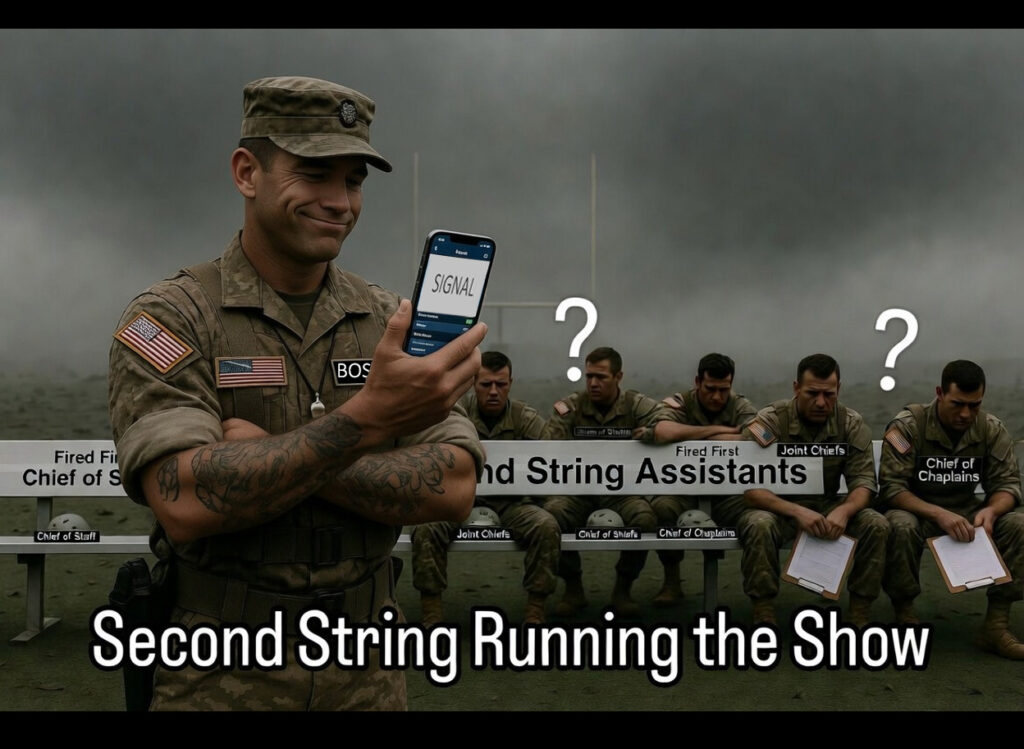
A War Being Run By the Second String
I was in the Army Corps of Engineers for six years. Sounds impressive. I must know my stuff.

Let me tell you war stories. Let me show you my tattoos. Let me regale you with heroics that will make you swoon. I will lead into battle and command troops like no other. Just look at me — a true American hero. All you have to do is be stupid enough to believe me.
Now for the truth.
Yes, I was in the Army for six years. Yes, I was trained as a Pioneer Combat Engineer. Yes, I was taught to clear minefields with a bayonet, build bridges between our infantry and theirs, and duck when the bullets screamed by.
But what wasn’t said — what never gets said by people like me — is that I enlisted right after my 17th birthday, still in high school, in the California National Guard. November 1963. Monthly Guard meetings until graduation, then off to basic training at Fort Ord.
For anyone who went through basic training, you know the first thing they try to do is intimidate, confuse, and disorient you. That’s a pretty hard thing to accomplish when you and your brother had the run of the base because your father had been the East Garrison Commander — but that’s another story.
Basic done. Off to Fort Leonard Wood for advanced training. Back by Christmas. Monthly meetings. First summer camp and we had the Watts Riots — not nice, but afterwards a walk in the park.
Why? Because I did the worst thing you can do in the military. I volunteered.
During monthly meetings there isn’t much to do except clean things. So when they needed a cook I raised my hand. I like to cook. Every summer camp afterward, instead of going to the desert and sleeping in the dirt, I went to Camp San Luis Obispo and cooked for the California Military Academy. Didn’t ride in a deuce and a half for 200 miles — I drove my ’48 MG TC and later my ’68 Plymouth GTX. Rough six years. Great war stories — catching flies and drag racing up the main entrance.
I tell you all of this for one reason.
The people who tell you heroic war stories are liars. The people who actually saw the horrors of war keep it to themselves. My father served in the Pacific, was stationed in Japan, served in Korea, was stationed in Germany. My brother’s National Guard unit was one of the very few activated and sent to Vietnam. I had close friends drafted who went. None of them ever told me war stories. And I never asked.
I also tell you this because I know what I am talking about. I am an Army brat — born and bred. And I know BS when I smell it.
You don’t have to be Rambo. You just have to be honest with and about yourself.
Which is why I am bothered — genuinely, deeply bothered — when a Fox News broadcaster covered in tattoos has the unmitigated gall to believe he has the experience and wisdom to lead our fine service personnel into battle.
He is such a leader that his spiritual pep talks are plagiarized from Tarantino movies.
Perhaps that explains why Major General William Green Jr., Army Chief of Chaplains, was fired in April 2026. He may have thought the Bible was a better source for scripture than Pulp Fiction.
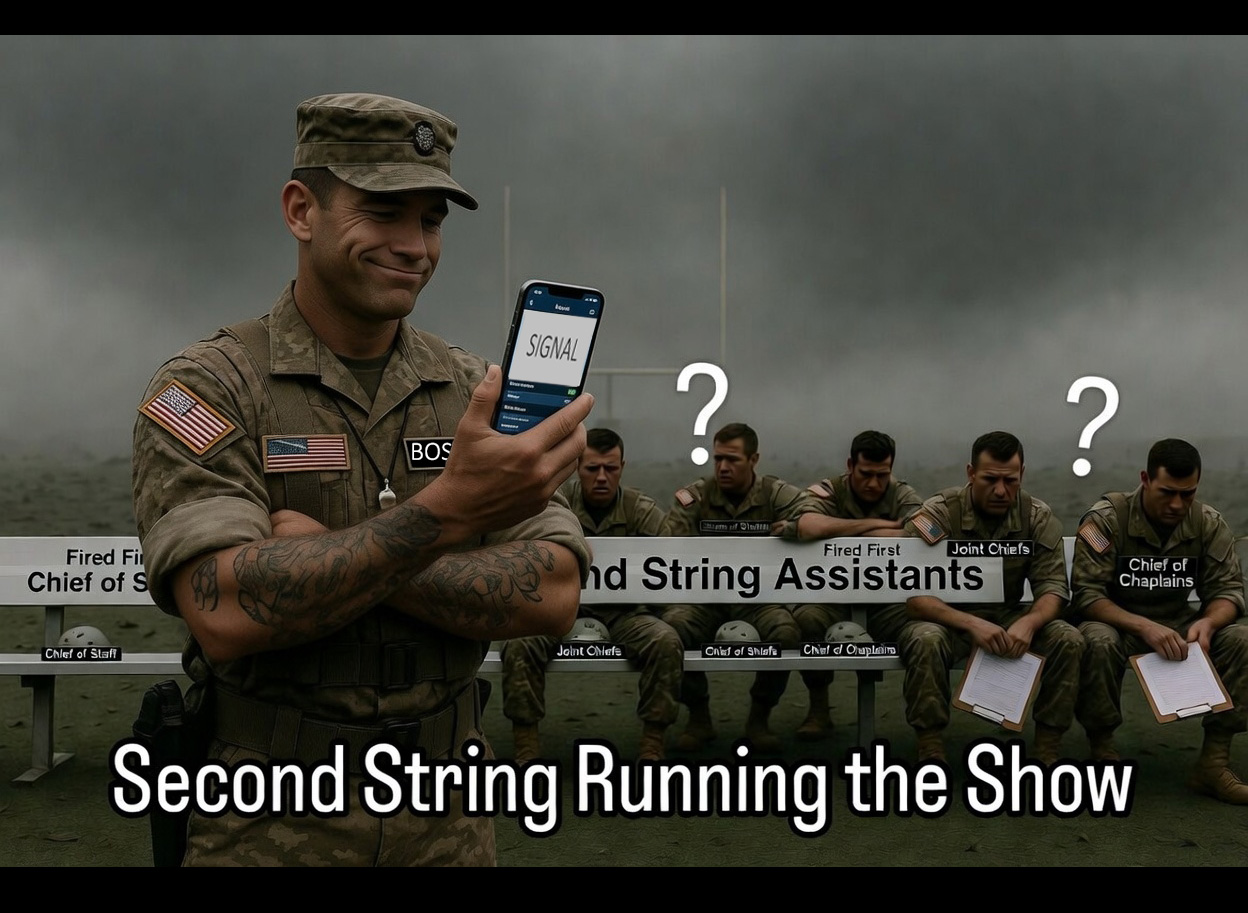
He wasn’t alone. Here is what the first string looks like after the second string finished with it:
General Randy George, Army Chief of Staff — removed and asked to retire, April 2026, following disputes with Hegseth. Major General William Green Jr., Army Chief of Chaplains — fired — the first time in history this role was terminated by the Secretary of Defense. General David Hodne — removed from command of the Transformation and Training Command. General C.Q. Brown, Chairman of the Joint Chiefs — fired. General James Slife, Air Force Vice Chief of Staff — removed. Admiral Lisa Franchetti, Chief of Naval Operations — fired. Lieutenant General Jeffrey Kruse, Defense Intelligence Agency — fired.
The first string was either fired or asked to resign. What we have left is the second string. At best.
And at the very top — bone spurs and all — a man now talking about bringing back firing squads because he finds other people’s free speech inconvenient. Only his own has value.
Pete’s Crusader Cross tattoo is going to look real interesting sagging off an eighty year old man’s bitch tits in about twenty years. But that’s the least of our problems right now.
We have the second string running the show.
Makes you proud to be an American, doesn’t it?
A clarification worth making. Every incoming president replaces cabinet members. That is normal, expected, and appropriate. The president’s political appointees serve at the president’s pleasure and a new administration brings new priorities.
What is not normal — what career military officers and national security experts have described as unprecedented — is the systematic purge of decorated senior military leadership based on personal loyalty rather than performance or strategic need. Previous presidents fired specific generals for specific cause. Truman fired MacArthur for public insubordination. Bush replaced commanders in Iraq as part of a documented strategic shift.
Firing more than a dozen four star generals and admirals — including the first woman to lead the Navy, the second Black chairman of the Joint Chiefs, and the head of the Defense Intelligence Agency days after his agency contradicted the president’s claims — is a different thing entirely.
That is not transition. That is the second string replacing the first string because the first string wouldn’t salute the right person.
Share this:

The Ash Didn’t Disappear
I was seven years old, an American officer’s son, when I walked through Dachau.
I remember the ovens. I remember the showers. I remember the stains still on the walls. I remember the ash piles, this was 1954, nine years after liberation, and the ash still hadn’t disappeared. It had not yet soaked completely into the dirt.
If you think seven years old is too young to remember something like that, you don’t know a child whose memory is a video recorder without an erase feature.
As I grew older I could never understand how the German people had allowed it to happen. How ordinary men and women watched it unfold and did nothing. How a civilization that produced Beethoven and Goethe looked away while the ovens ran.
I am getting a better understanding these days.
Ignorance and apathy go a long way. Distance from history plays a large role as well. And the road has to stretch far enough that the people who remember are gone before the circle closes.
But not all of us are gone.
My father was stationed in postwar Germany, Army Corps of Engineers officially. When you read through his documents as an adult he appears to have played larger roles — why else would his pancreatic cancer have been attributed to White Sands testing? He was 6’2″, quiet, decorated. Purple Hearts. Bronze Star. Never talked about any of it.
Dachau was probably a Saturday or Sunday outing. Dad, Mom, my brother and I. Before the monuments, before the cleanup, before the ash was removed or fully absorbed. Just the ovens and the showers and the stains and the silence of a place where the horror was still present enough to touch.
We went home afterward. I honestly don’t remember if we were still driving the 1951 red Ford convertible my mother had bought when my father turned his back and left for Germany, or the new 1955 Austin Healey, all red, red leather, red top. Either way there were four of us, none of us small, a full sized long haired dachshund, and a very little car touring a lot of postwar Germany. One of us boys on the padded hump, the other between Mom’s legs, the dog on the floorboard. I don’t remember any of us complaining much.
But I am drifting from what brought me here.
A brief history is in order.
On February 27, 1933, the German Reichstag building burned. Within hours Hitler’s government blamed the Communists. The following day the Reichstag Fire Decree suspended civil liberties across Germany. Within weeks political opponents were being arrested for using their voices to warn about the man in power.
Whether the fire was set by the Nazis themselves remains disputed. What is not disputed is what they did with it. The crisis, real or manufactured, became the mechanism. The emergency became the justification. And by the time people understood what was happening the machinery was already running.
We don’t need to know who fired the shots at the White House Correspondents Dinner. What matters is what came immediately after.
The White House Press Secretary, who by any reasonable standard should have been on maternity leave, delivered remarks that directly attacked the First Amendment. What we say going forward will not be treated as political commentary. It will be treated as slander. As sedition.
This was delivered shortly after the Department of Justice had been instructed to explore reinstating firing squads as a form of capital punishment.
I am not speculating about the shooting. I am not attributing motive. I am simply observing the sequence. Crisis. Immediate response. Threats against speech. Escalating consequences for dissent.
I have seen this sequence before.
Not in a textbook. In the dirt. In the ash that hadn’t yet disappeared nine years after the fact.
We look at history as a linear line. We open the textbook at the beginning and work forward to where we are standing. But I cannot help feeling, standing on this hill in time and looking at that line from the side, that it has taken a detour and made a circle back onto itself.
The problem is that the road stretched far enough that most of the people who would recognize the circle have died.
But not all of us.
I walked through Dachau at eight years old. The ash was still there.
I am still here too.
And I remember everything.