Posts in Category: Blog
Your blog category


Did I Lose You? Let Me Try Again.
A follow-up for anyone who missed the point the first time
So I wrote this cool and informative piece — Why is Trump Desperate to Pass the SAVE America Act? — and I listed all the reasons the Wolf wants to eat the sheep. Really pretty comprehensive, if I do say so myself.
Then, a few days later, word starts drifting back through the grapevine. People asking, “well, so what?” What does any of that have to do with anything? Old people shouldn’t have franchises anyway.
W — T — Fudge.
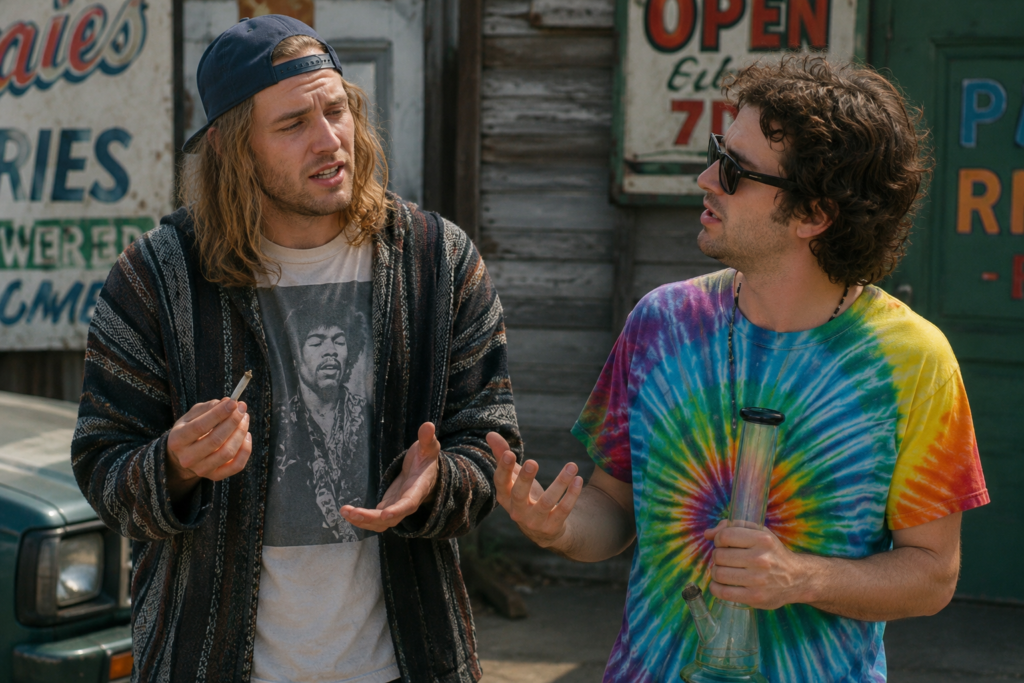
It appears something may have flown a little too high, or maybe some readers were a little too high. After all, it was only ten days after the 4th, and after watching Trump stumping in his own honor in the July heat, I probably should have still been a little elevated myself.
So. Doobie out. Paying attention? Let’s go over the cryptic points one more time.
This isn’t 1939 Germany, but more than 21 million Americans do not have passports. Do not. Up until now, they never thought they had a reason to make a run for the border. The SAVE Act just gave them one, except now they can’t leave and they can’t vote either. Fancy that.
This makes it harder for young voters and people of less than a purely white hue to obtain the necessary documents. They’re still in school, traditionally Democratic voters, or they’re lower income and already navigating SNAP benefits and everything else that’s been quietly dismantled under their feet. Why does this matter? Because young people vote Democratic. It’s a fact. Believe Trump on this one, otherwise why would he be trying to keep them from voting?
Older Black Americans have a legitimate beef with white supremacists, a beef that goes back considerably further than this administration. Don’t believe Trump when he says he has the Black vote. Or maybe he does, but it’s not for President.
Married women, unless we’re talking about Trad Wives and Christian Nationalist Wives who let hubby fill out their ballots, got wise, got divorced, changed their names, and now have documents that don’t match their birth certificates. And they are ticked off. Because someone came for:
-
Their SNAP benefits
-
Their employment
-
Their family’s healthcare
Do you really need more? Didn’t think so.
People who register by mail or online, that’s farmers, rural voters, older Americans who were promised good fortune and instead got fertilizer and diesel prices raised to bankruptcy levels with a “I don’t give a crap” attitude from an administration busy admiring its shiny new airplane. He knows how they’re going to vote this time around. That’s exactly why the mail registration has to go.
People with disabilities and the elderly. Really. Do you need me to explain this one? Or do you just want to borrow my lighter?
And don’t look surprised when you show up to vote and get turned away at the door.
Don’t look surprised when the voting booth that was on Main Street last Tuesday got quietly moved overnight to a new, undisclosed location, with an ICE barricade out front checking tattoos.
And no. You are definitely not invited to the Ballroom Gala.
Share this:

Fifty Ways to Lose Your Congressman – Video
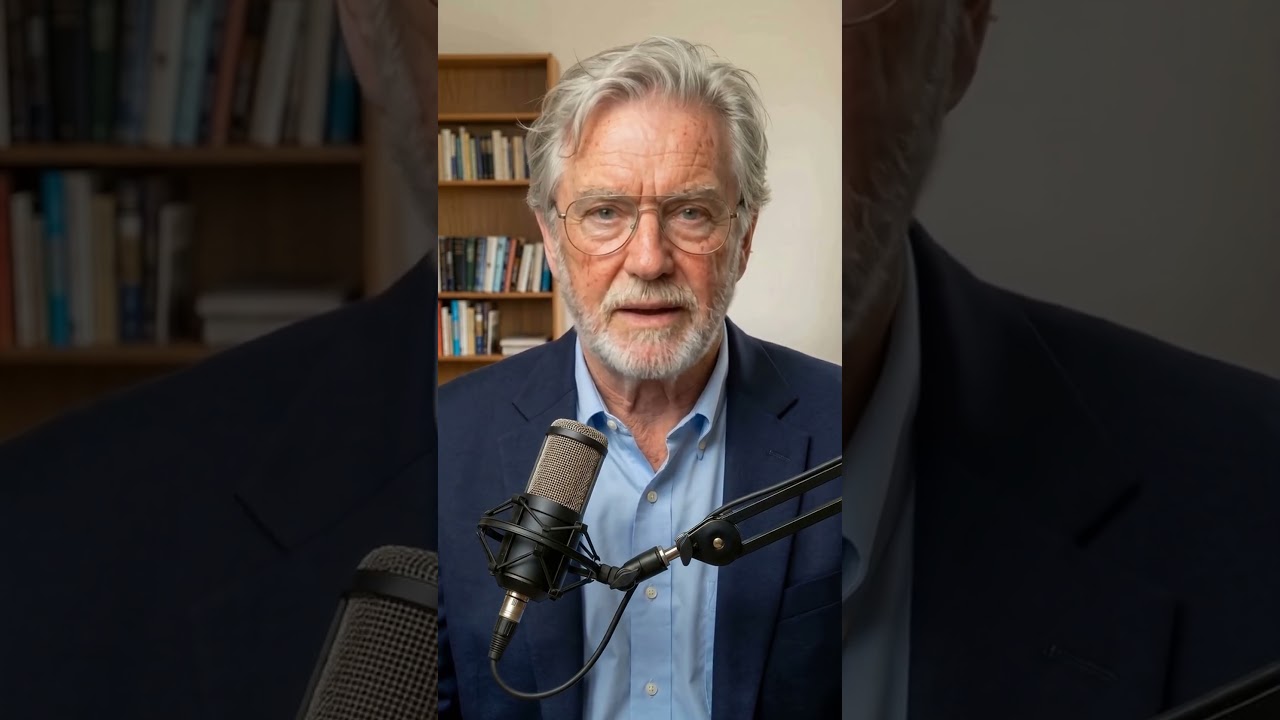
If you are from a district where your congressional representative votes for everything the current administration puts in front of them, go to their town hall meetings. If they are still brave enough to hold them. Write letters. Make calls. Send emails. Be polite. Vulgarity and profanity is the fast lane to the trash, physical and digital alike.
Share this:



The Chaos Candidate Part 1 of 2
The Chaos Candidate
How disorder became the product, succession became the threat, and voters built the trap themselves
I want to start with something simple, something you can observe without any particular political leaning, and see if you end up where I did.
Venezuela got loud, then it quieted down. Iran got loud. Now Cuba is warming up. At some point, one of these will quiet down too, and something else will heat up. There is always something heating up. There is never a moment where the temperature drops across the board and stays down. If you step back far enough to see the whole map at once, a pattern emerges that is difficult to explain as coincidence, incompetence, or even ideology.
What if the chaos isn’t the failure? What if the chaos is the point?
I am not a conspiracy theorist. I am a man who has been watching American politics since Eisenhower, who moved from California to Oregon in 1975 and watched two states make similar mistakes on slightly different timelines, and who spent a sleepless night recently, courtesy of bad scallops and an overactive mind, turning this question over until it had an answer I could not easily dismiss.
This piece has two movements. The first is about chaos as a governing strategy. The second is about why that strategy is self-sealing, and who pays the price when it is.
What if the chaos isn’t the failure? What if the chaos is the point?
Part One: The Chaos Is the Product
What Normal Turbulence Looks Like
Every presidency generates turbulence. Foreign policy crises flare and subside. Domestic controversies rise and fall. This is the normal metabolism of governing a large, complicated country in a complicated world. Nobody reasonable expects calm.
But normal turbulence has a rhythm. Problems are identified, addressed, resolved or managed, and attention moves on. The temperature rises and falls. There is a discernible arc: crisis, response, resolution, or at minimum, honest failure followed by correction.
What we are watching now has a different rhythm entirely. The temperature does not fall. The resolution never quite arrives. Each crisis is replaced not by calm but by the next crisis, on a rotation that feels less like the unpredictable nature of world events and more like a programming schedule.
The Rotation
Venezuela became the focus. Military posturing, deportation flights, diplomatic brinksmanship. Then it subsided, not resolved, just deprioritized. Iran filled the space almost immediately. The language escalated. Negotiations were announced with negotiators who, by any serious diplomatic assessment, were not equipped to deliver results. The war drums are audible but the path to resolution is deliberately obscured.
Cuba is next. The signals are already there for anyone paying attention.
Now ask yourself a straightforward question: what does a president gain from resolution? A resolved crisis is yesterday’s news. A resolved crisis means the cameras move on. A resolved crisis means the public starts paying attention to other things, grocery prices, healthcare costs, whether their VA claim has been processed.
A ongoing crisis, on the other hand, is a spotlight. And the spotlight, in this administration, is not a tool of governance. It is the objective of governance.
A resolved crisis is yesterday’s news. An ongoing crisis is a spotlight. And the spotlight is not a tool of governance. It is the objective.
More Than Narcissism
The easy diagnosis is narcissism, and it is not wrong as far as it goes. But narcissism alone does not fully explain the pattern, because narcissism is ultimately reactive. It seeks approval, validation, the crowd’s energy. What we are observing has a more active quality. It is not just craving the spotlight. It is engineering the conditions that make the spotlight permanent.
Some political psychologists have reached for the term malignant narcissism, a combination of narcissistic personality, antisocial behavior, paranoia, and a willingness to cause harm without remorse. Others simply describe an autocratic personality type. Neither quite captures it.
What I keep coming back to is this: chaos is this man’s life support system. Not metaphorically. Functionally. Remove the crisis and you remove the reason for the rally, the reason for the emergency declaration, the reason the cameras are in the room. Stability is not just boring to him. Stability is existentially threatening.
That is not a medical diagnosis. It is a political observation. And it matters, because it changes how you evaluate everything that follows.

When it’s all about me
Share this:

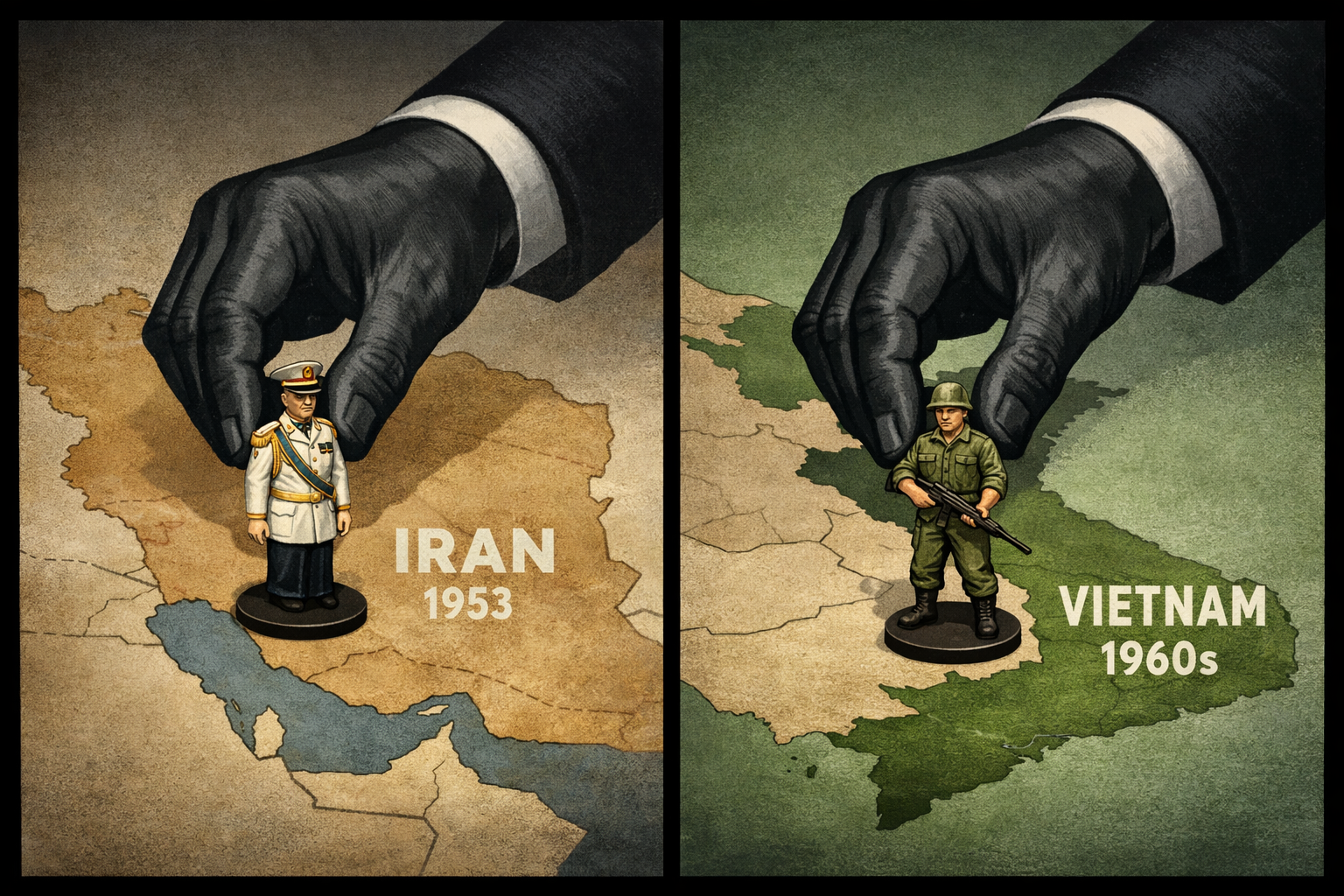
The Illusion of Control: From Vietnam to Iran
1963.
At the time, Vietnam wasn’t “the war”—not yet. It was something smaller, something contained. Advisors. Strategy. A situation we believed we understood.
Looking back, that belief may have been the most dangerous part.
Because by 1963, the United States was already working from a playbook it had used before—most notably in Iran just ten years earlier.
In 1953, the U.S., alongside Britain, helped remove Iran’s democratically elected leader,
Mohammad Mossadegh, after he nationalized the country’s oil industry. In his place, we reinforced the rule of
Mohammad Reza Pahlavi—a leader more aligned with Western interests.
At the time, it looked like a clean success.
No drawn-out conflict. No troop buildup. Just decisive action in the name of stability and Cold War necessity.
But what we couldn’t see—or perhaps didn’t want to see—was what we had set in motion.
Vietnam unfolded differently, but the thinking behind it felt familiar.
We didn’t begin with war. We began with confidence.
Confidence that we understood the threat.
Confidence that we could shape the outcome.
Confidence that backing the “right” leadership would bring stability.
So we supported governments in South Vietnam, including leaders like
Ngo Dinh Diem, even as their footing at home became more uncertain.
We believed we were preventing something—communism spreading across Southeast Asia.
What we didn’t fully recognize was what we were creating in the process: instability, resistance, and a conflict that could not be managed from the outside.
Iran and Vietnam were not the same.
But the pattern was.
In both cases, American policy was driven by a mix of real strategic concern and a powerful assumption—that we could influence events inside countries we did not fully understand.
In Iran, that assumption produced short-term stability and long-term resentment, culminating in the
Iranian Revolution.
In Vietnam, it led to gradual escalation, a prolonged war, and a divided country at home.
Different circumstances. Same blind spot.
The illusion wasn’t that we acted without reason.
The illusion was that we were in control.
That belief—that with enough planning, pressure, or precision we could shape another nation’s future—has echoed through decades of American foreign policy.
Sometimes quietly. Sometimes with consequences that take years to fully reveal themselves.
Today, the names and places have changed, but the instincts can feel familiar.
We still face moments where distant conflicts are framed in simple terms. Where intervention is presented as measured, necessary, and under control. Where the complexities on the ground are compressed into something easier to act on—and easier to explain.
And once again, the question isn’t whether the concerns are real.
It’s whether our confidence matches our understanding.
For those of us who remember Vietnam, this isn’t abstract history.
It’s personal.
It’s the distance between what we were told and what we later came to understand.
And it leaves us with a question that still matters:
Have we learned to recognize that pattern when it appears?
Or do we still mistake influence for understanding—and action for control?
History doesn’t repeat itself exactly.
But it does repeat its assumptions.
And if there’s one lesson that connects Iran in 1953 and Vietnam in 1963, it’s this:
We are far better at shaping events in the moment
than we are at living with what follows.
Share this:



The EU and France’s repsonse to get your own oil.
Trump screwed up the straights, he doesn’t care, he can’t open them and has to France and the EO to go open the straights themselves, or better yet, buy oil from Trump. The UE was touched, so they gifted the American people another statue of Liberty. That is, if we are tired of eating cake.

Share this:

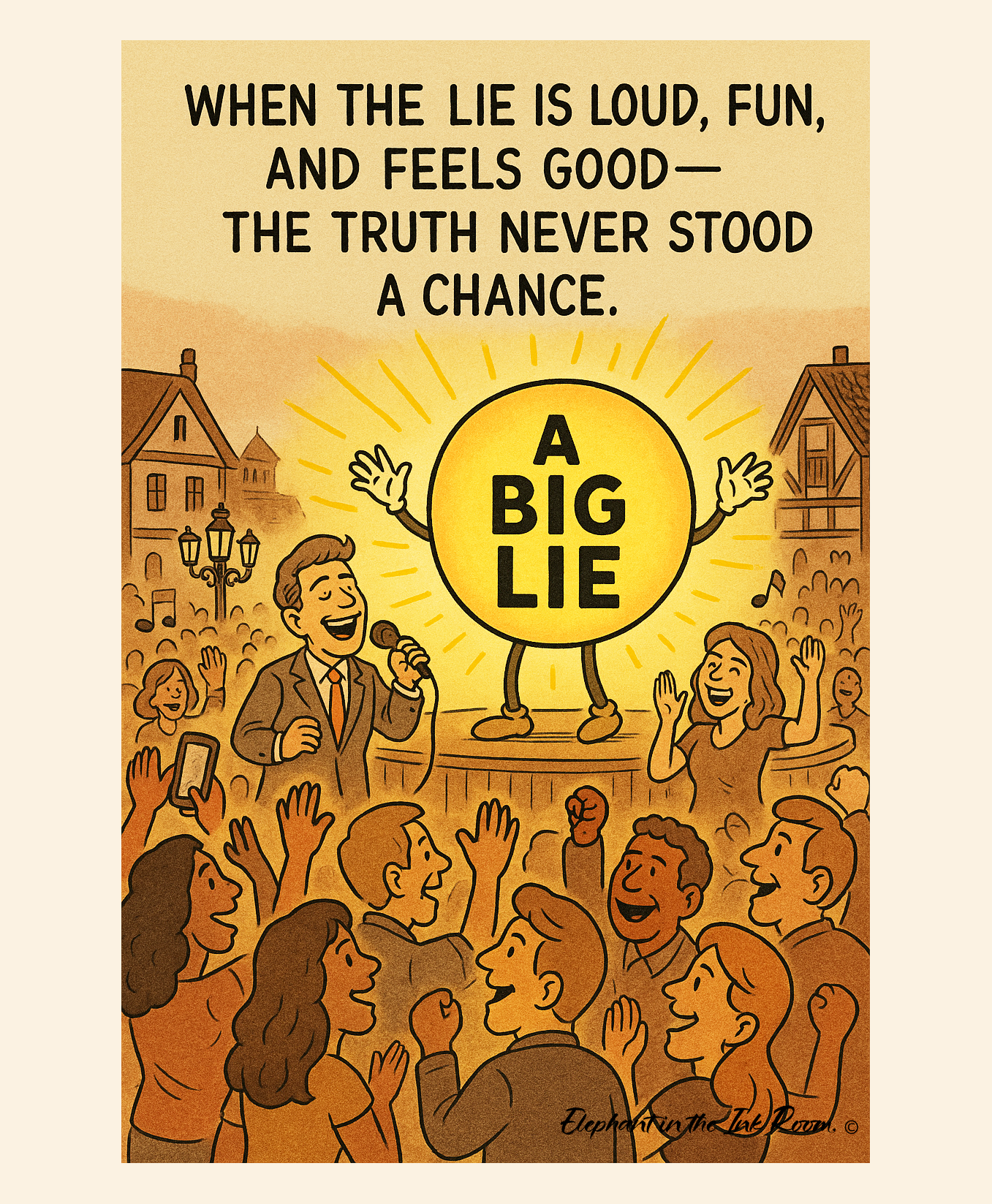

Just how STUPID is Iran? or maybe that should be US.
I paired a 785 word essay down to the following 22 words, And they are not my words, they are Irans words.
“If the American People believe Trump is a Liar and can not be Trusted, then why would we believe and Trust him?”
So back to me, if we want to stop Trumps and Israels war against Iran, then tell Isreal where to get off and let’s get rid of Trump, today, not tomorrow, our soldiers lives depend on it, stopping World War III depends on it. Home Depot and Lowes is having a sale on Tar, sacrifice one of your pillows. Okay, time for the Toddler to go. BTW why is he calling in troops if we already won?? Inquiring minds want to know.
Share this:



Pentagon to seek $200B for Iran war
Fund what is needed at home first, divert ICE funds, better yet send those brave ICE Soldiers. They’re have been so well trained. Kick any Senator OUT that votes 5 cents towards Israels War, you know, the one they suckered Putz into, just tell him he’s the greatest and you get what ever you want, maybe even a Red Tesla. Remember PUTZ has Billions, he doesn’t care about you and me. Just how STUPID are we?
Unchain My Vote

Share this:

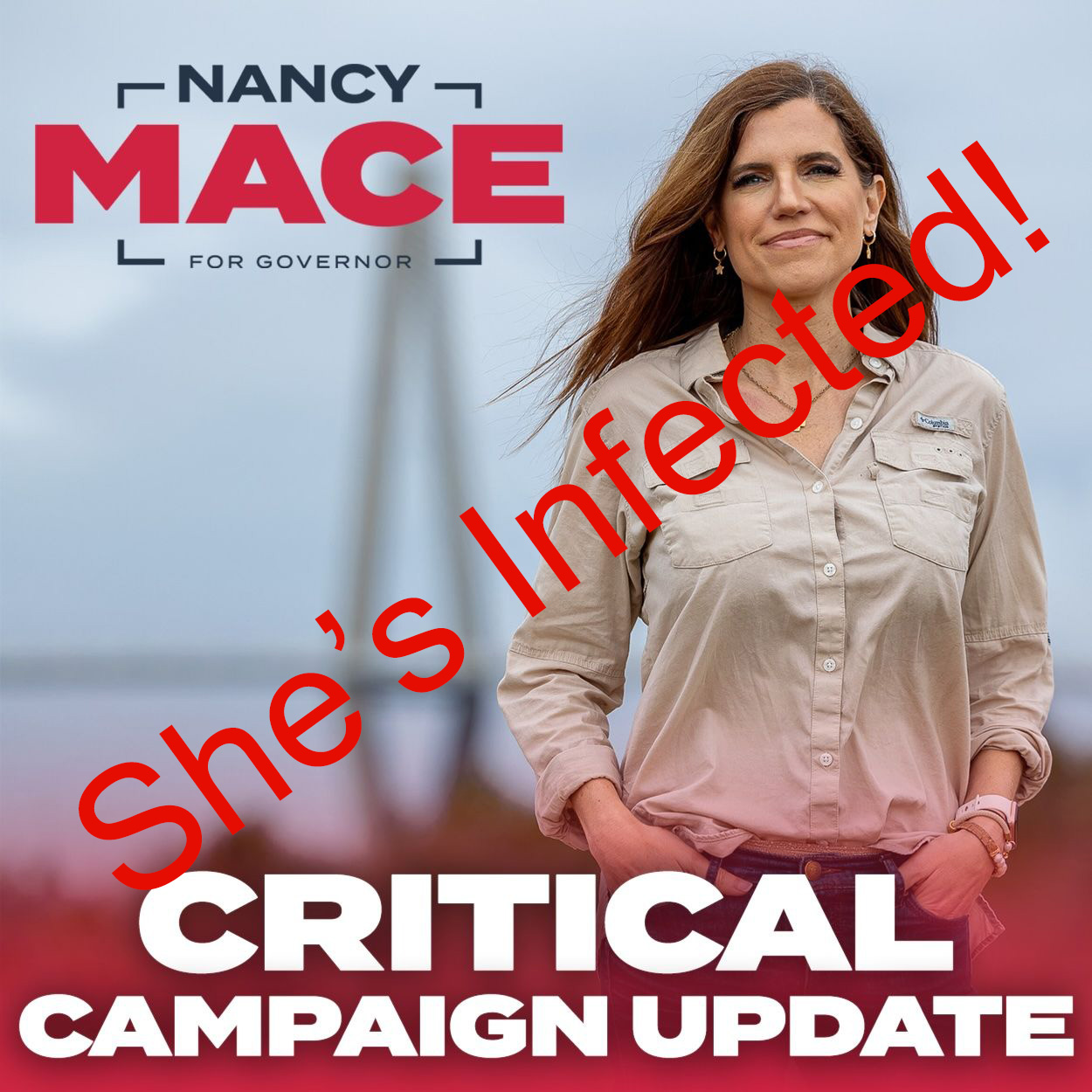

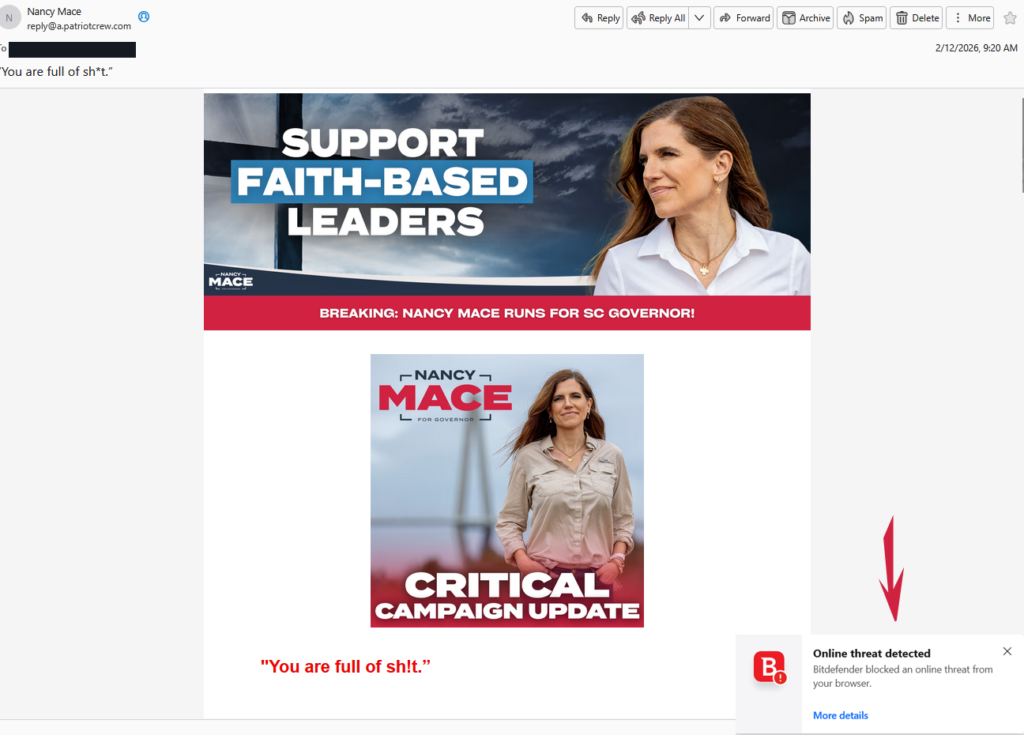
MAGA – “You are full of sh!t.” Yes they are, and they so is their email VIRUS – BEWARE
To the point. The give me money email solicitation spam emails I am recieving from MAGA, specifically from Nancy Mace, Action Team, Donald the Putz.. email a.patriotcrew.com are being flagged as malware, virus infected. So now MAGA is so desperate they are not only spam us 20 times a day, but are sending out virus’s as well. Why am I not surprised
Share this:

This HAS to be stopped. WASHINGTON, PUT A STOP TO THIS FEDERAL OVER REACH, IT’S ILLEGAL. IT’S NOT IN THE LINE OF DUTY. PROTECT US.
VANCOUVER, Wash. — A Vancouver family worries their loved one was run over by federal agents as they arrested him in the middle of a busy street on Thursday.
Cell phone video captured by a driver stuck in traffic behind the immigration officers partially captured the incident. It happened on East 4th Plain Boulevard and Z Street.
They arrested him, then drove over hime and then then threw him in their SUV. Is this all right with anyone, WASHINGTON, PUT A STOP TO THIS FEDERAL OVER REACH, IT’S ILLEGAL. IT’S NOT IN THE LINE OF DUTY. PROTECT US.
https://www.kgw.com/article/news/politics/immigration-news/ice-vancouver-detain-run-over-car-arrest-video-jose-calderon/283-f7b22a09-08b1-48d7-ae94-eebb60b0a832#:~:text=VANCOUVER%2C%20Wash.,town%20by%20a%20family%20friend.
Share this:


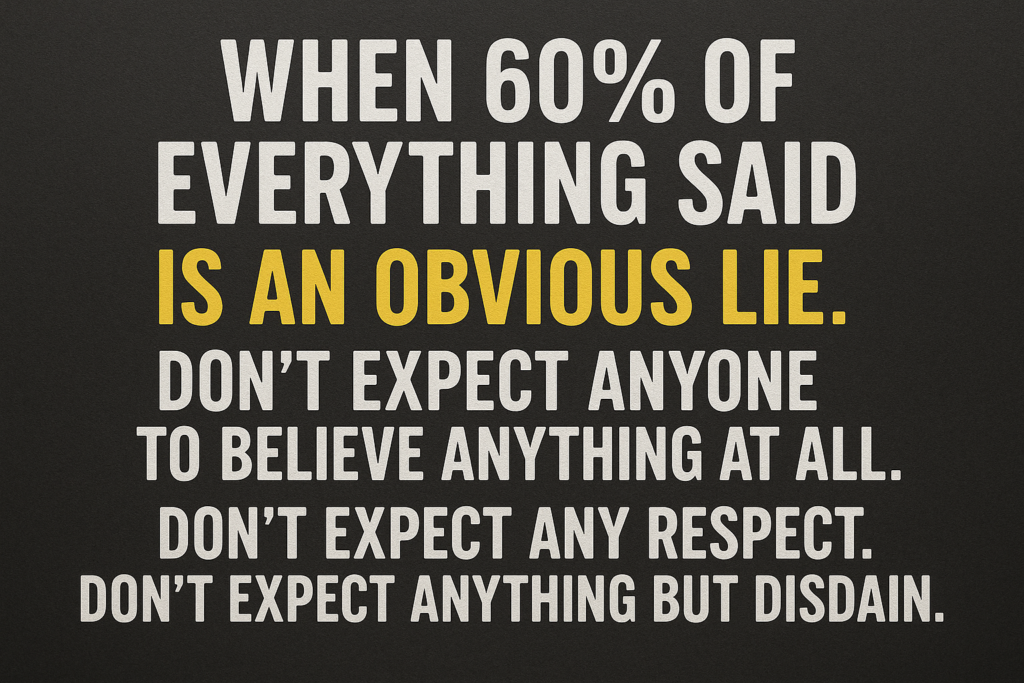


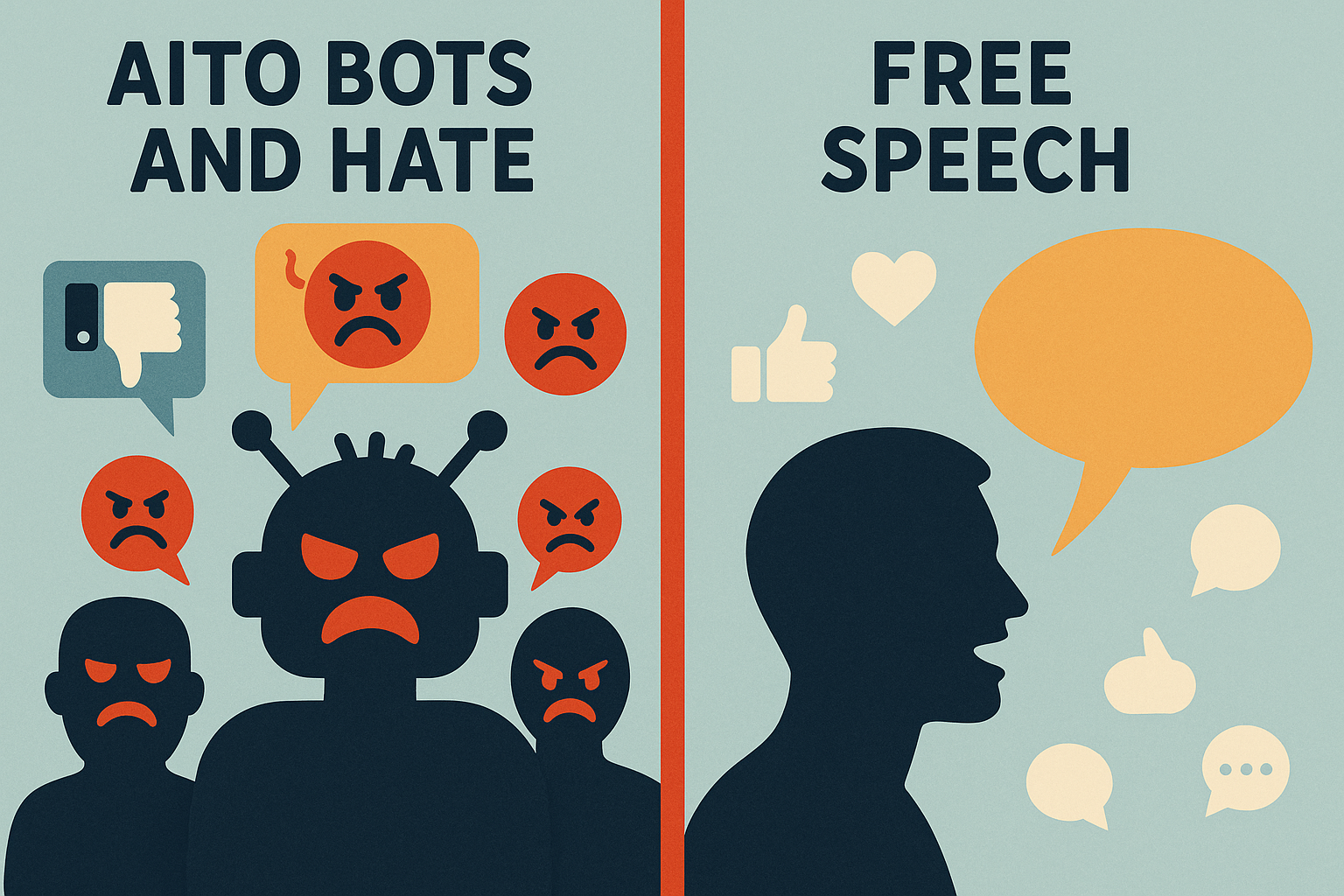
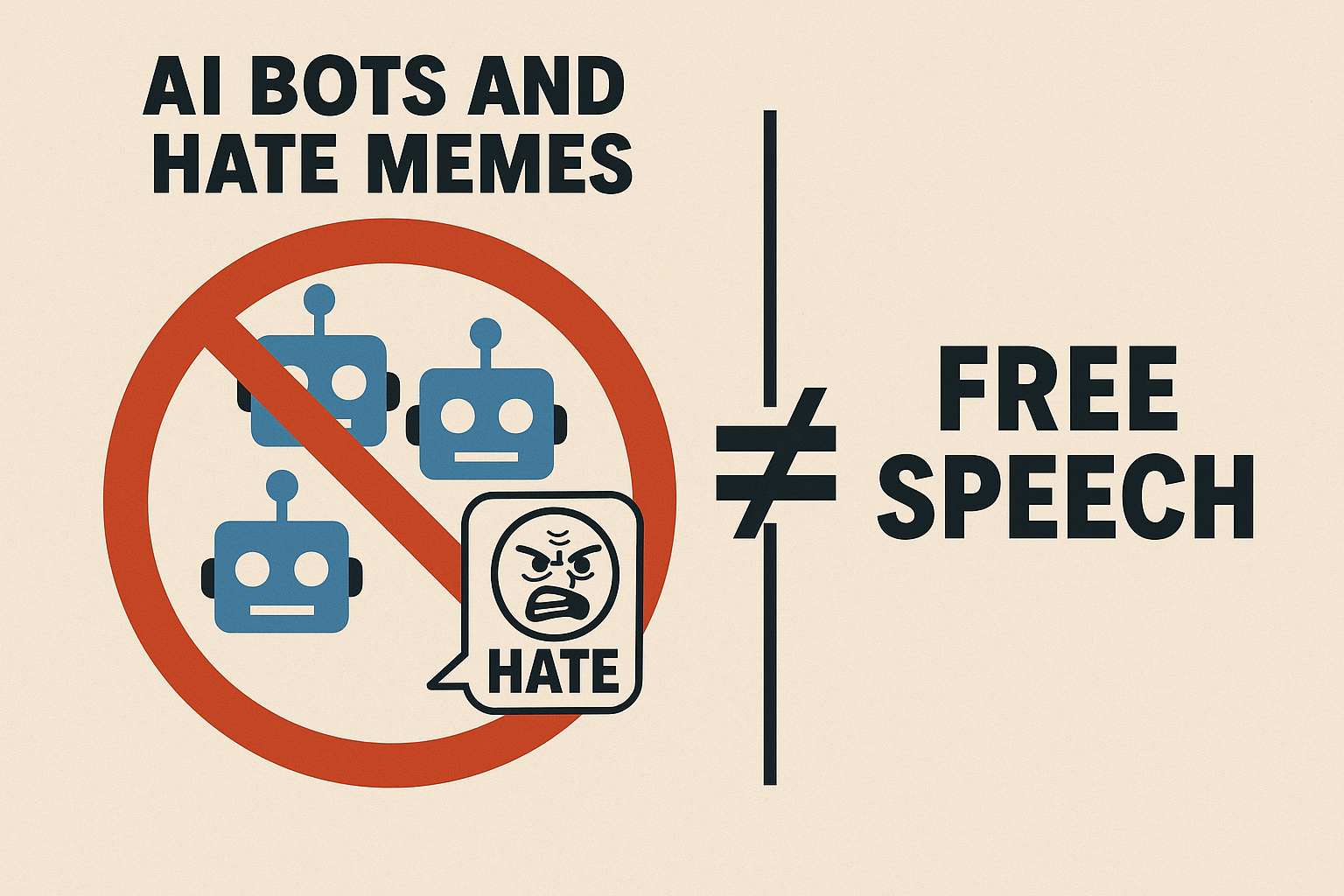
Are bot traffic, ad-driven posts, and viral hate memes truly free speech?
Are bot traffic, ad-driven posts, and viral hate memes truly free speech—or just amplification of chaos? If the platform reflects genuine conversation without repetition loops, what’s left is what people actually want to say. @elonmusk, are we ready to see it? @timnitGebru @glennbeck @TechCrunch

#FreeSpeechTest #BotFree #SocialExperiment
Share this:

The Free Speech Challenge
“@elonmusk @ev @glennbeck @wired Let’s test what free speech really looks like. Turn off bot reposting for 3–5 days. Freeze any content after 5 reposts. No algorithms, no ad incentives, no artificial amplification. Let’s see what actual human discourse looks like when the noise is gone.
#FreeSpeechTest #BotFree #SocialExperiment
Share this:



Take away the ability to Pardon
I wonder how Trumps Administration would be acting, or behaving if Trump didn’t have the power to Pardon them of all Federal Crimes before he left office. Just a thought..

Share this:

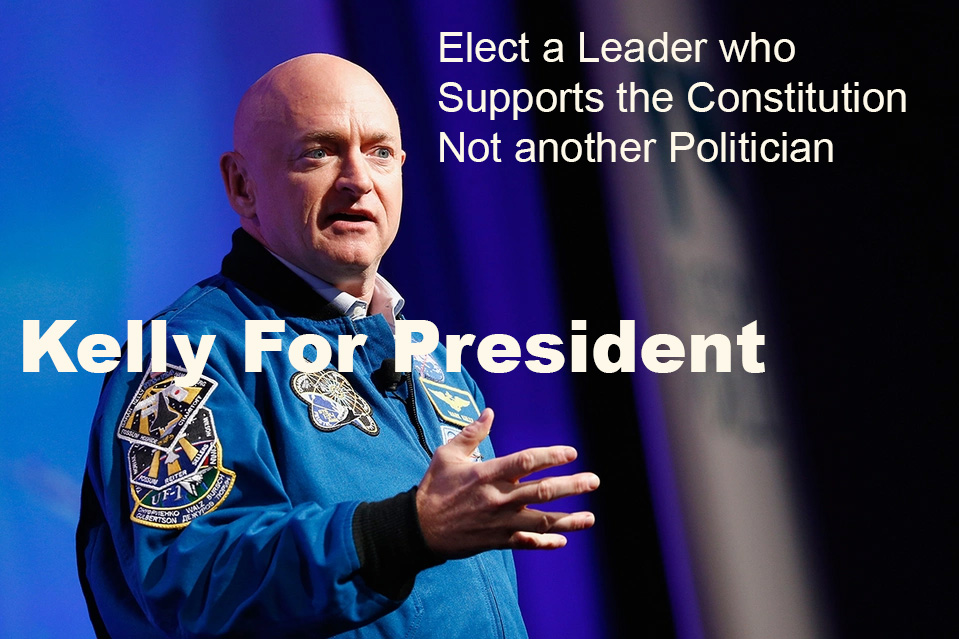

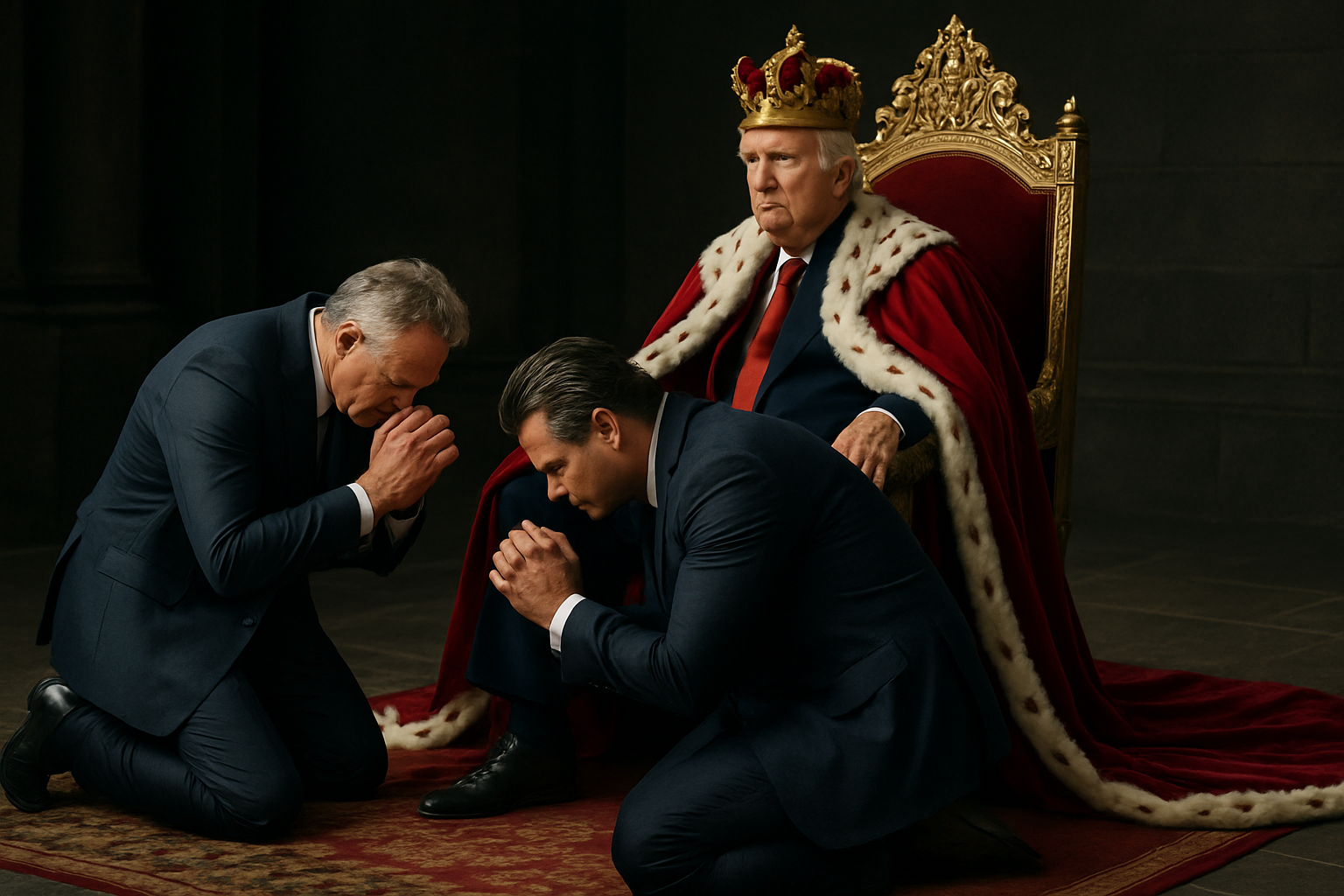
Why? RFK Jr and Hegseth, Why? Why? Why?
Trump’s Odd Squad: Loyalty Over Logic
From the outside, some of Trump’s appointees defy reason. Take RFK Jr. — a conspiracy-prone, chaotic figure — or Pete Hegseth, whose bluster often outweighs expertise. On paper, neither seems fit for the roles they occupy. And yet, in Trump’s world, they make perfect sense.
Trump isn’t building a government. He’s building a mirror, a network of loyalists who reflect back his worldview, validate his instincts, and attack anyone who questions him. Expertise? Competence? Those are secondary. What matters is absolute devotion and performative support.
Kennedy lends a veneer of “intellectual” anti-establishment credibility, rallying voters who distrust institutions. Hegseth broadcasts loyalty and grievance in real time, echoing Trump’s voice for all to hear. Neither contradicts him, neither questions him — and that’s precisely the point.
The pattern becomes clear: Trump selects for loyalty, amplification, and ideological alignment, not skill or judgment. Viewed this way, what seems like idiocy from the outside is actually a carefully curated ecosystem of validation. In Trump’s universe, the reward isn’t competence. It’s obedience.

And after all is said and done, who really suffers? Let that lead your next thought.
Share this:

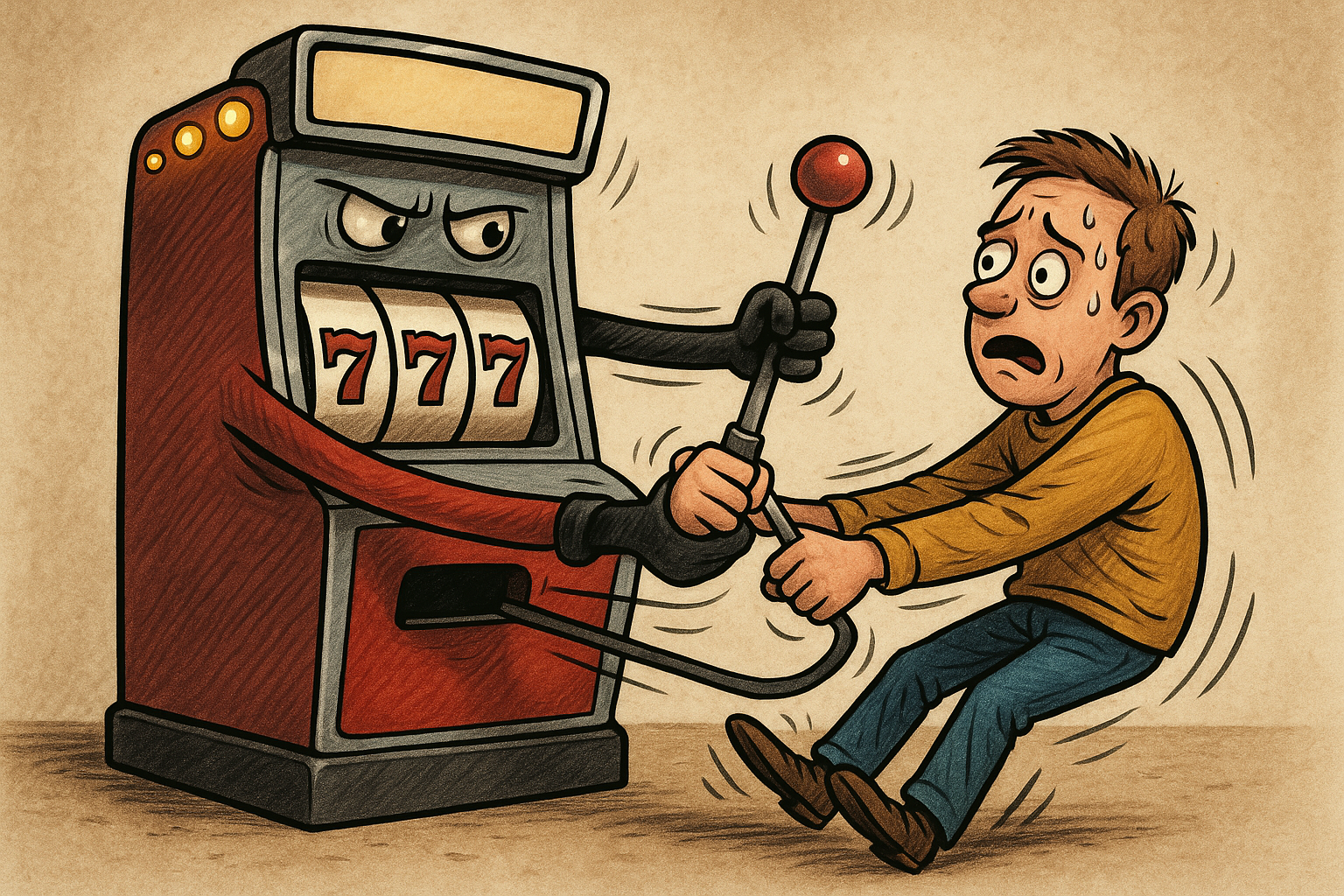
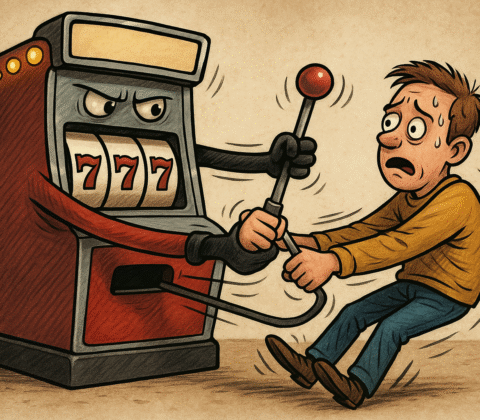
When we become a parody of ourselves.
I asked Grok about one of X’s bot users and the back and forth led to this last exchange. I hope you see a little something worthwhile it it.
My mother bought 3 slot machines when they changed from mechanical to electronic. the same of anything gets boring very quickly. especially when it’s your own money your winning.
Share this:

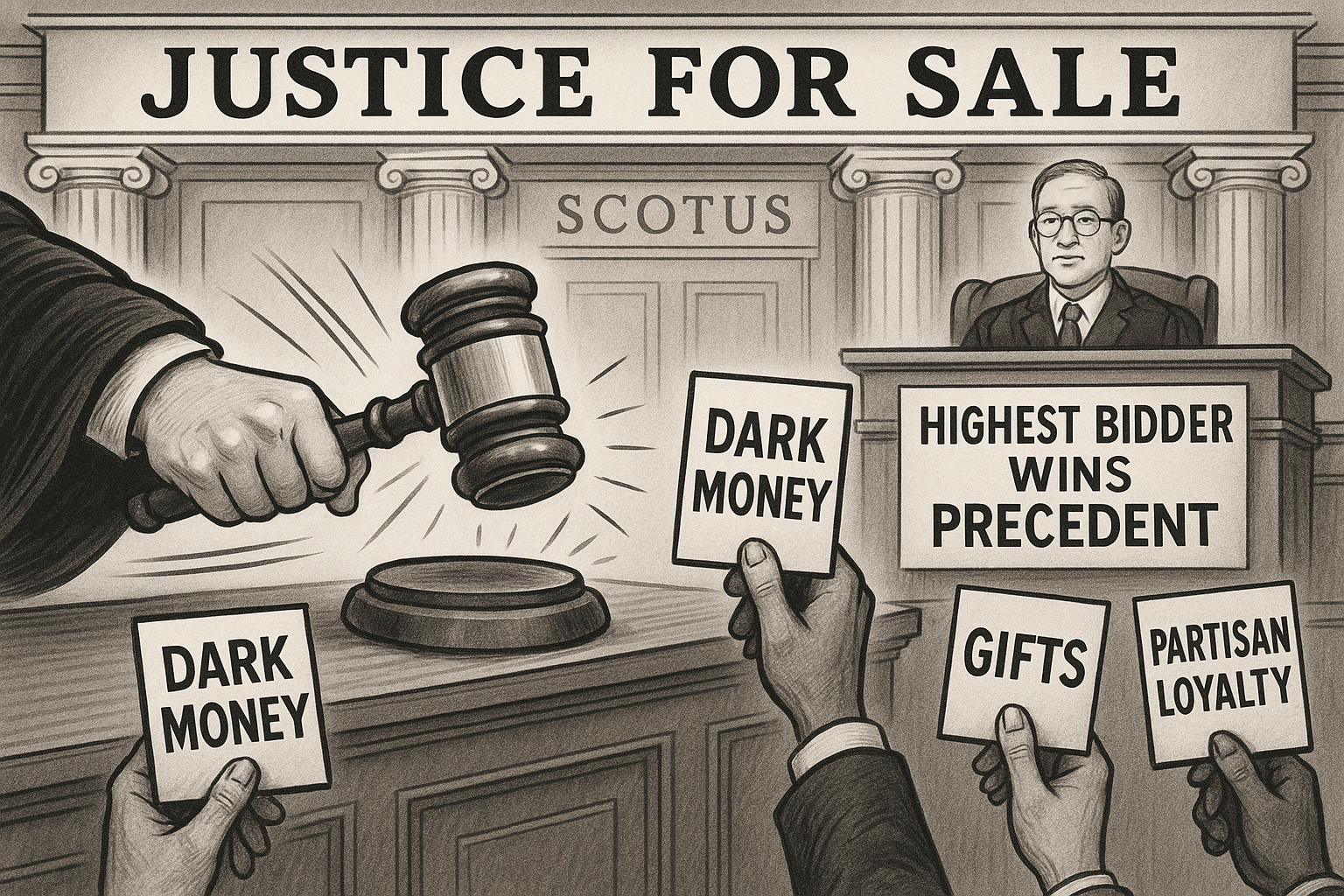
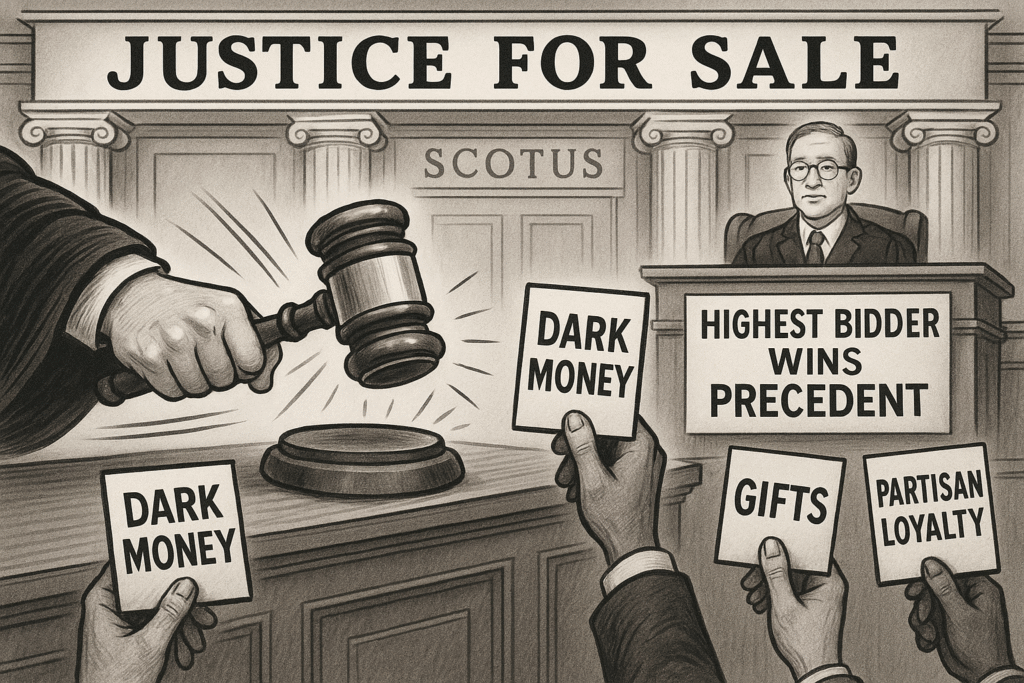
The Balls in Their Court, Time Will Tell.
If it’s time for a change, I believe it should still be up to the voters. This country is not just one crazy old man.
Share this:


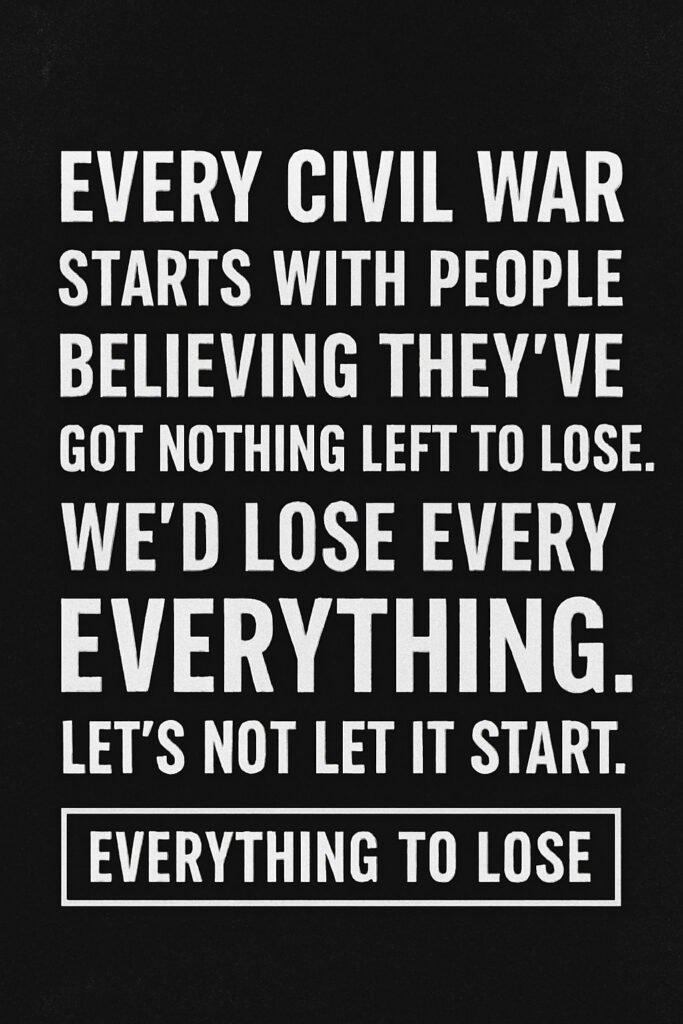
Every civil war starts with people believing they’ve got nothing left to lose. We’d lose everything. Let’s not let it start.
“Every civil war starts with people believing they’ve got nothing left to lose. We’d lose everything. Let’s not let it start.”
Share this:

Coming soon, The ‘Sovereignty Alliance’
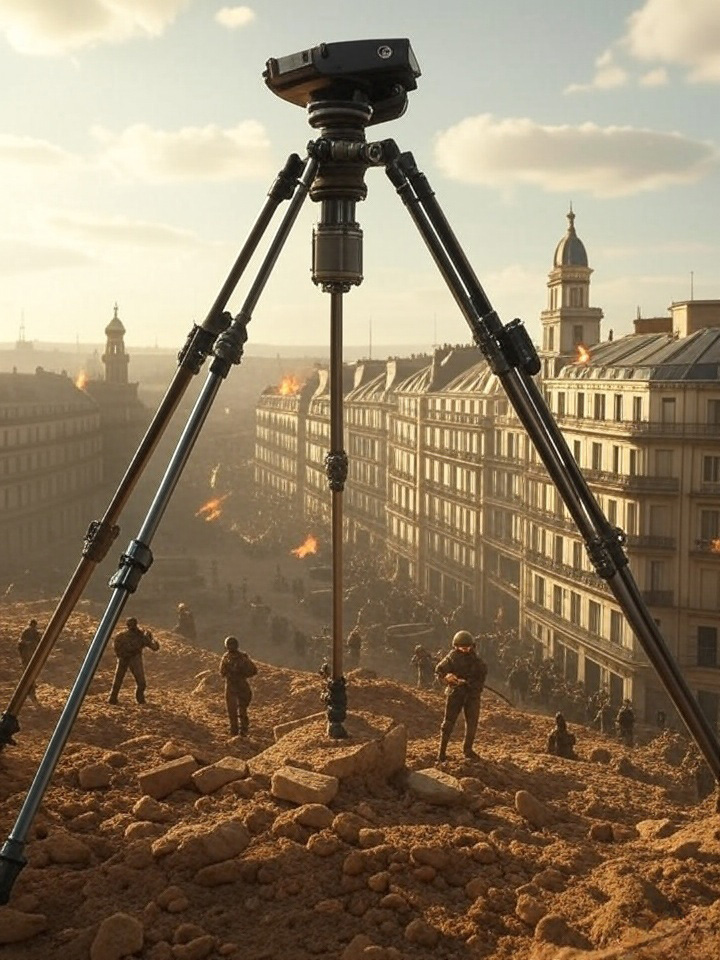
This is the Walkers, the real date is August 15th, 2025. With scenarios unfolding faster than we can keep up with we decided we would write our own.
Because the story we will tell is so close to reality, and Grandpa having told a story about H.G. Wells and story he told on the radio. It was based on the story ‘the war of the worlds’ serialized in 1897 and published as a novel in 1898. The story depicts the Martians’ invasion using advanced weaponry like heat rays and fighting machines, leading to widespread panic and destruction in England. Maybe someone should send a copy the Musk.
No Martians, although the villain is no less scary, we are weaving a short story, the ‘Sovereignty Alliance’. A Narration of unfolding events when a President who thinks he’s beyond question or reproach pushes to many buttons and is pushed back in ways that weren’t expected.
The ‘Sovereignty Alliance’ is coming this weekend.

The Chaos Candidate Part 2 of 2
The Chaos Candidate
Part Two: Nobody Gets to Succeed Him
The Heir Problem
Every president, even those who serve two full terms, eventually hands power to someone. The American system is built on this assumption. Parties groom successors. Vice presidents position themselves. Cabinets members quietly build their own profiles. This is normal. This is healthy. This is how democracies renew themselves.
Look at what is happening to JD Vance. He was selected as the heir apparent, young, ideologically aligned, capable of carrying the movement forward. Watch how that has evolved. Watch how often he is sent to deliver messages that put him in impossible positions. Watch how the credit for anything successful flows upward while the exposure for anything uncomfortable flows toward him. This is not accidental staff management. This is deliberate political neutering.
Marco Rubio came into this administration with more foreign policy credibility than almost anyone in the Republican Party. He is a serious man who knows the world. Watch what has happened to his role. Watch the negotiations he is sent to conduct with insufficient authority to deliver results. Watch the sidelines he increasingly occupies on decisions that should be his by portfolio. The diminishment is quiet but it is consistent.
The pattern is not hard to see once you are looking for it. Nobody around this president is allowed to accumulate enough independent political gravity to pose a succession question. Not because he is term-limited out in 2028 and succession is therefore theoretical. Because the movement itself cannot have a face other than his face. The chaos requires a singular author.
Nobody around this president is allowed to accumulate enough independent political gravity to pose a succession question. The chaos requires a singular author.
The Trap Voters Built
Here is the part that requires the most intellectual honesty, because it does not flatter anyone, including people who consider themselves politically sophisticated.
The trap was not set by Donald Trump. It was set by voters, over many election cycles, as American political culture made a series of choices that seemed reasonable one at a time and catastrophic in aggregate.
We chose entertainment over information. Not all at once. Gradually, across decades, as the media ecosystem fractured and attention became the currency that determined what survived. A political system fed by attention gradually selects for performers over governors.
We chose emotion over policy. Again, not all at once. But somewhere along the way, the question voters asked shifted from “what will this person actually do” to “how does this person make me feel.” Feeling is immediate. Policy is slow. In a media environment built for immediacy, feeling wins every time.
We chose personality over institution. Parties became vehicles for individuals rather than individuals being accountable to parties. Checks and balances depend on people being more loyal to the institution than to the person, and that loyalty has been systematically eroded, on both sides, for thirty years.
The result is a political environment where chaos is not just tolerated but rewarded. Where accountability mechanisms, elections, oversight, the press, the courts, have all been either captured, discredited, or simply overwhelmed by the volume of events requiring response. You cannot hold anyone accountable for yesterday’s crisis when today’s crisis has already replaced it in the news cycle.
The Exit Is Slow
I want to be honest about what I am not saying. I am not saying this is hopeless. I am not saying the system is broken beyond repair. I have lived through enough political cycles, in California, in Oregon, across fifty years of paying close attention, to know that pendulums move. They move slowly. They move unevenly. But they move.
Oregon hasn’t elected a Republican governor since the 1980s. That may change in 2026, not because the state has transformed overnight but because enough voters have grown tired of one-party governance and its particular flavor of unresponsiveness to the full breadth of the state’s needs. That is the pendulum moving. Slow, grinding, real.
The exit from the national trap is the same kind of movement. It does not come from a single election or a single candidate or a single revelation. It comes from voters, gradually, reclaiming the habit of asking what a person will actually do instead of how they make us feel. It comes from demanding resolution instead of rewarding perpetual crisis. It comes from accepting that stability, while less dramatic than chaos, is what governance is actually for.
The chaos candidate understood something about this moment that his opponents repeatedly failed to grasp: that a significant portion of the electorate had become so accustomed to dysfunction that they stopped expecting anything else. He did not create that condition. He simply recognized it and made it work for him.
Understanding that is not defeatism. It is the beginning of the only kind of response that actually works, patient, structural, generational, and stubbornly focused on the long game rather than the next news cycle.
The pendulum is heavy. But it moves.
Share this:
Like this: