






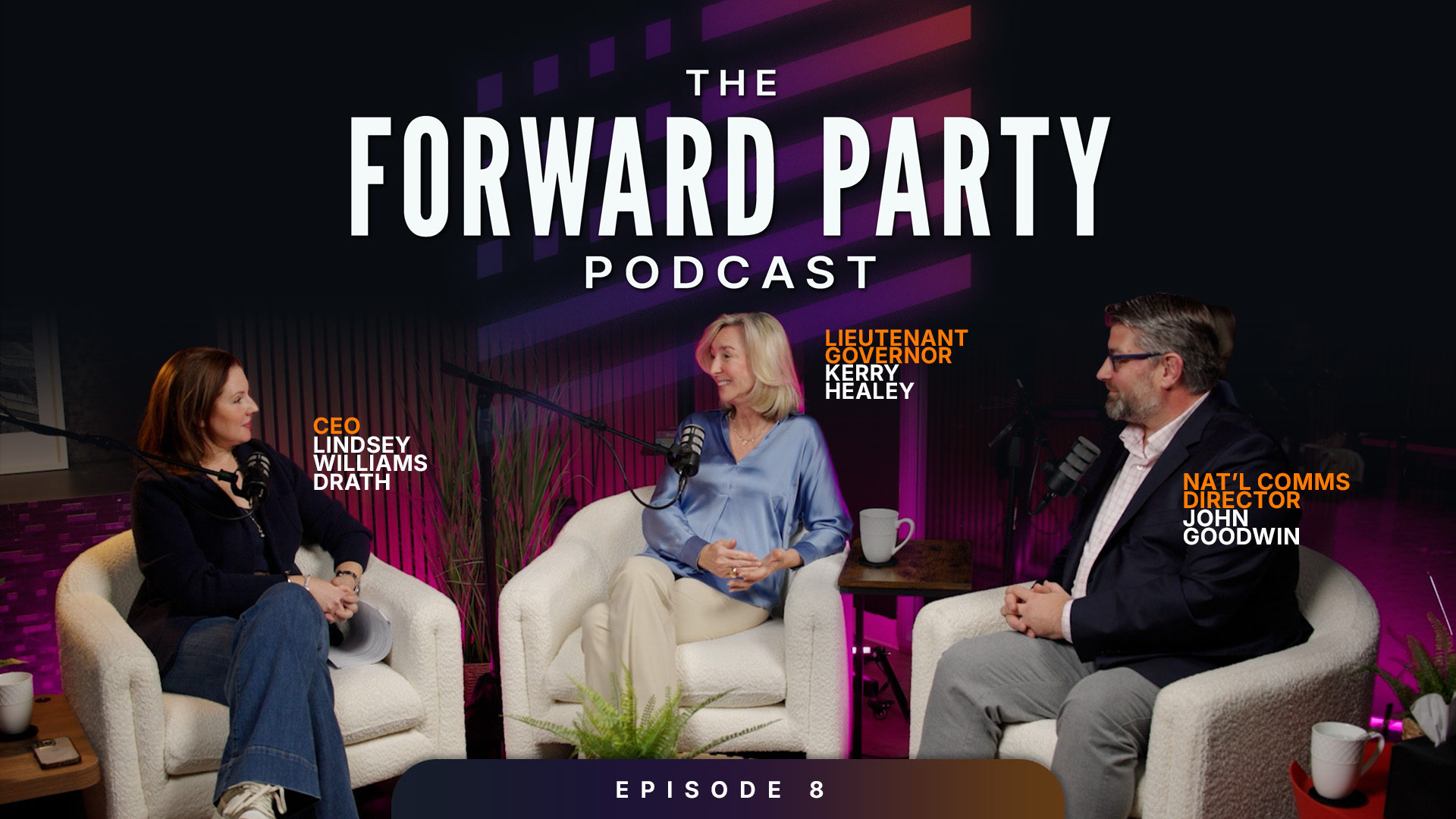


































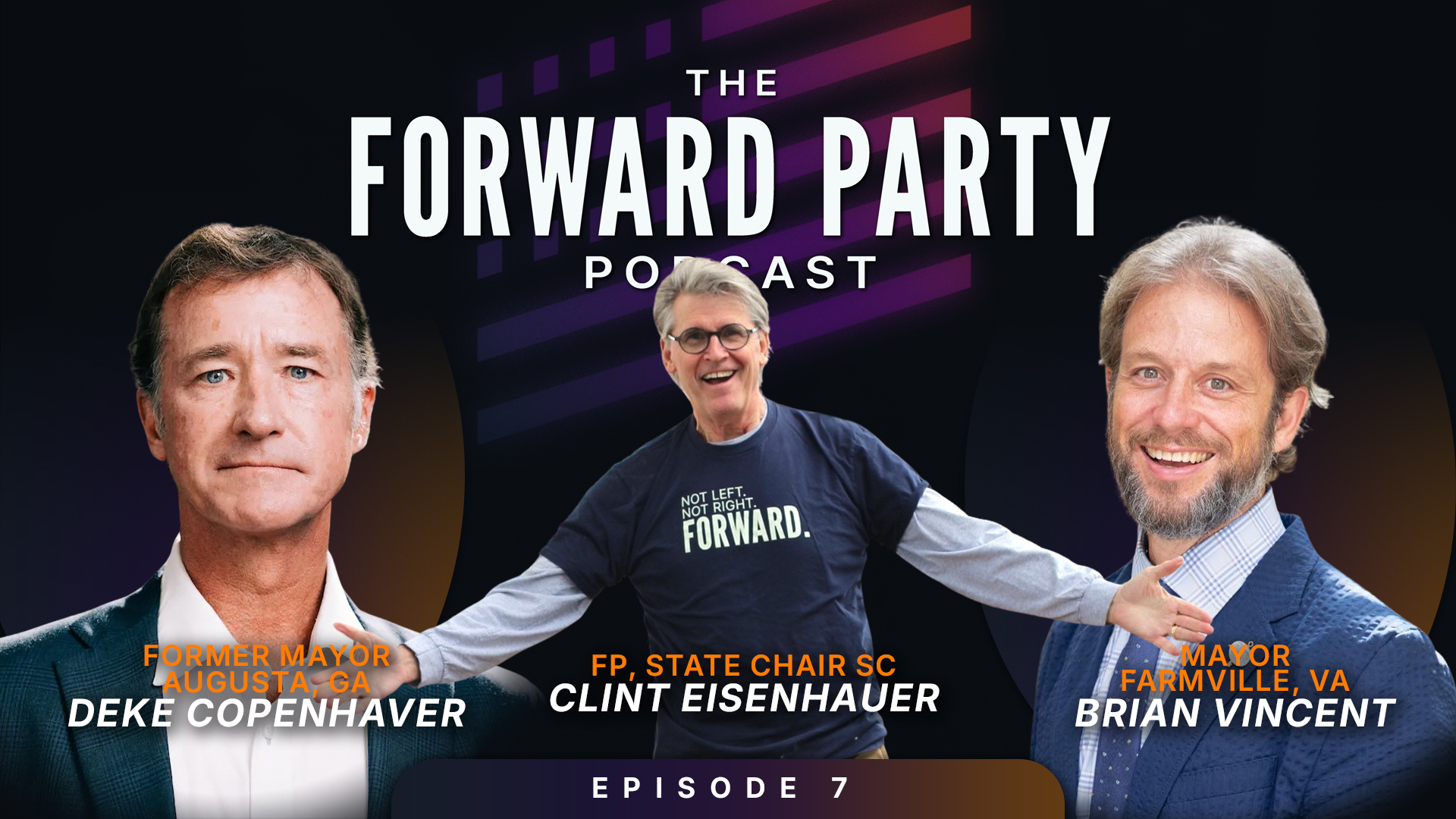
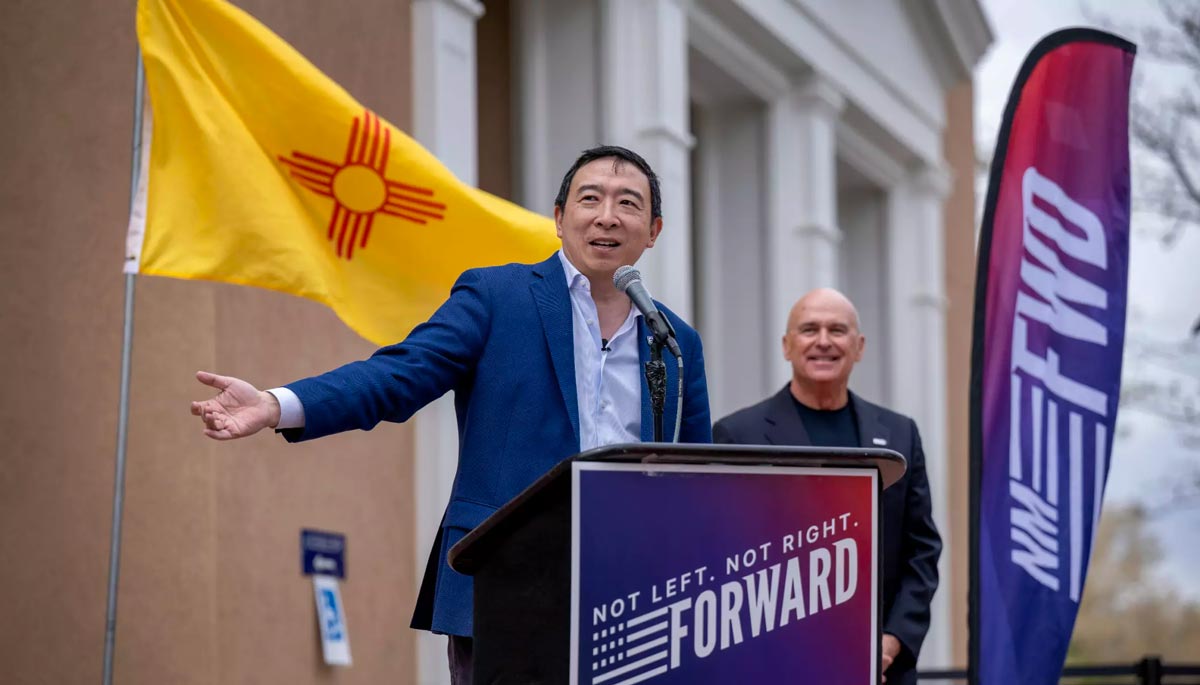
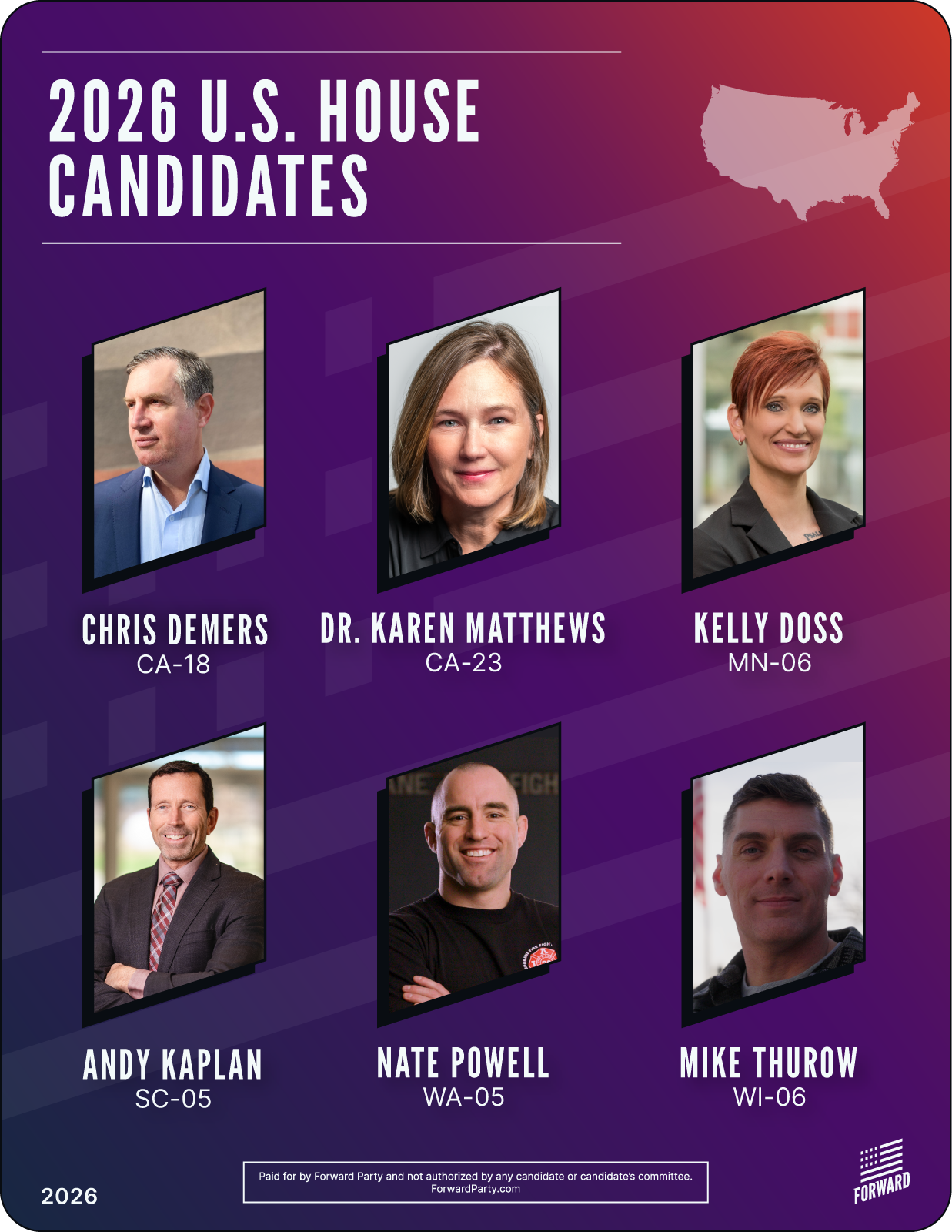
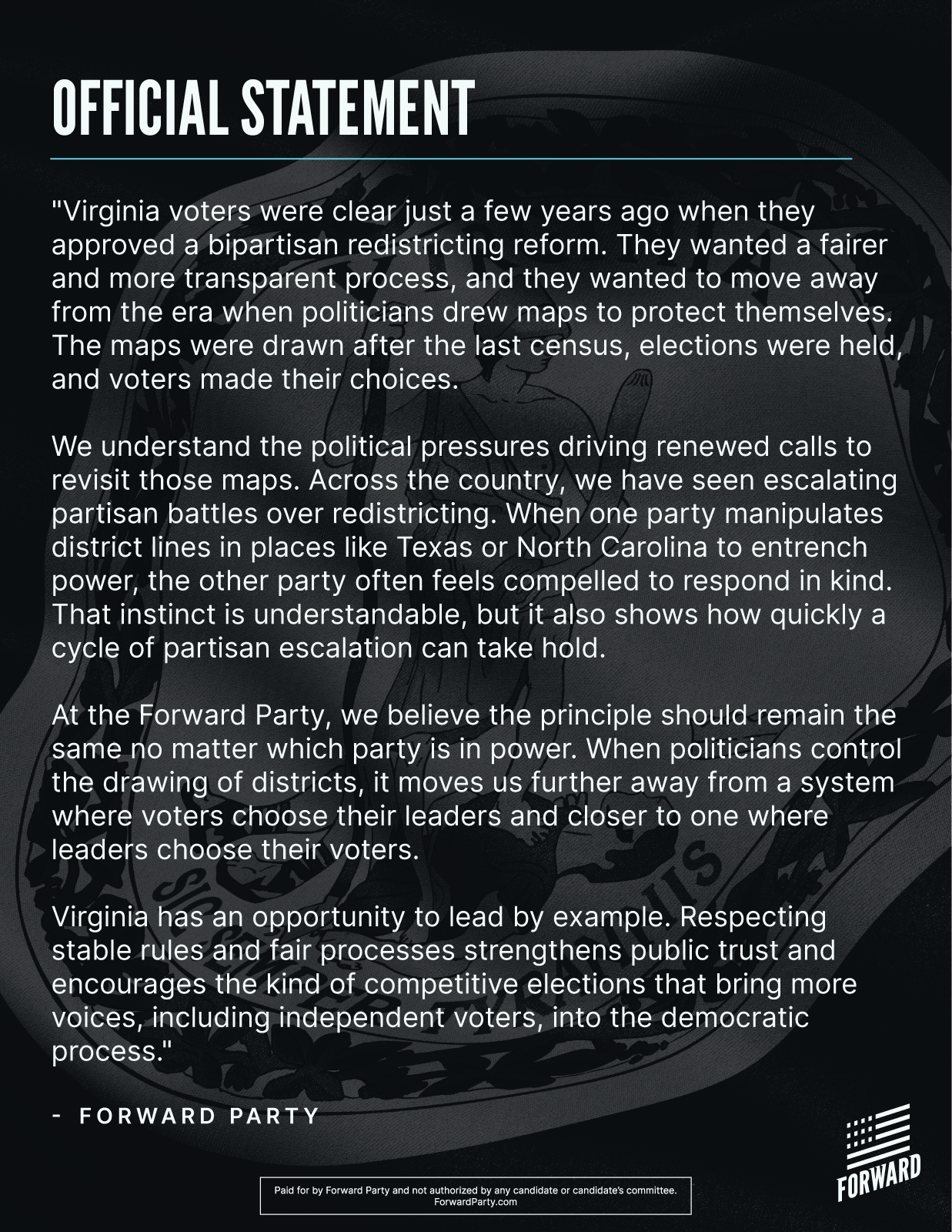
 A former presidential candidate came to the New Mexico state Capitol on Friday to announce a new home for voters who are tired of the strife between Republicans and Democrats. “Politics in the state will never be the same,” Andrew Yang proclaimed to about two dozen people at a news conference where he announced the arrival of the Forward Party.

























































































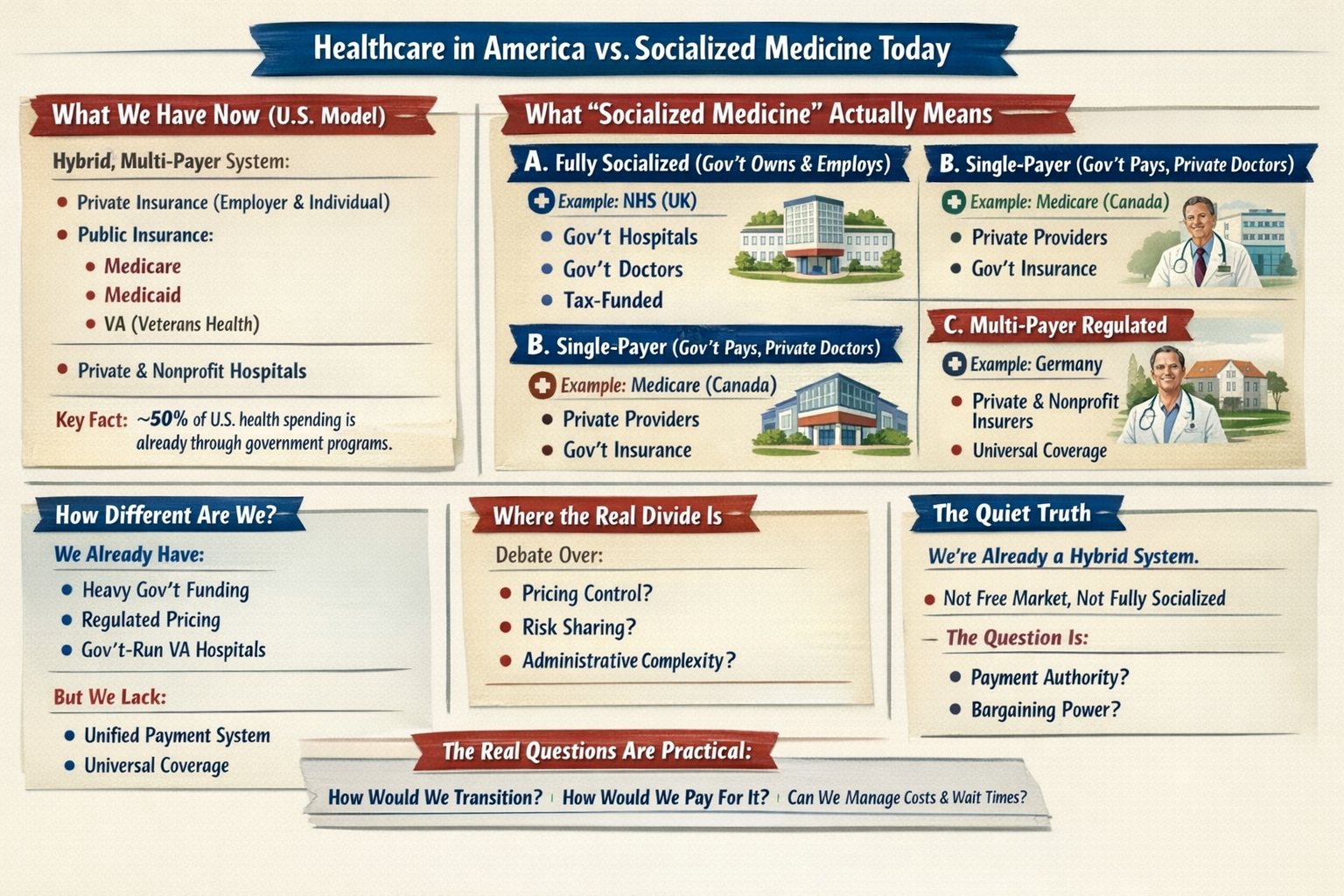
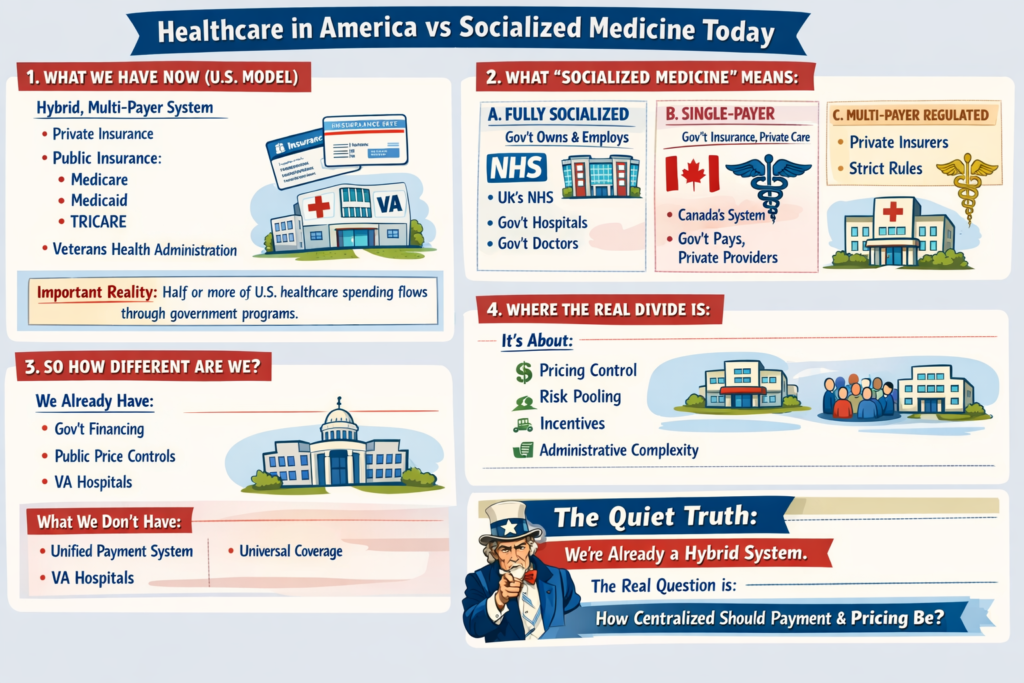
Healthcare in America vs Socialized Medicine Today
1. What We Have Now (U.S. Model)
The U.S. system is a hybrid, multi-payer system:
-
Private insurance (employer-based and individual market)
-
Public insurance:
-
Medicare
-
Medicaid
-
TRICARE
-
Veterans Health Administration
-
-
Private hospitals (mostly nonprofit, some for-profit)
-
Private physician practices (increasingly consolidated)
Important reality:
Roughly half or more of U.S. healthcare spending already flows through government programs. We are not a pure market system. We are a complex blend.
2. What “Socialized Medicine” Actually Means
People often use “socialized” loosely. There are actually three different models internationally:
A. Fully Socialized (Government Owns & Employs)
Example: National Health Service in the UK
-
Government owns hospitals
-
Doctors are government employees
-
Government sets budgets directly
-
Care funded through taxes
That’s true “socialized medicine.”
B. Single-Payer (Government Pays, Private Providers Deliver)
Example: Medicare (Canada’s system)
-
Private hospitals & doctors
-
Government is the main insurer
-
One public payment system
-
Funded via taxes
This is not government-run hospitals — it’s government-run insurance.
C. Multi-Payer Regulated System
Example: Statutory Health Insurance
-
Private and nonprofit insurers
-
Strict national rules
-
Price controls
-
Universal coverage mandate
3. So How Different Are We?
Structurally:
-
We already have heavy government financing.
-
We already regulate pricing in public programs.
-
We already operate large government-run care systems (VA hospitals).
-
We already subsidize private insurance through tax exclusions.
What we don’t have:
-
A unified payment structure
-
National price controls across the board
-
Universal automatic coverage
-
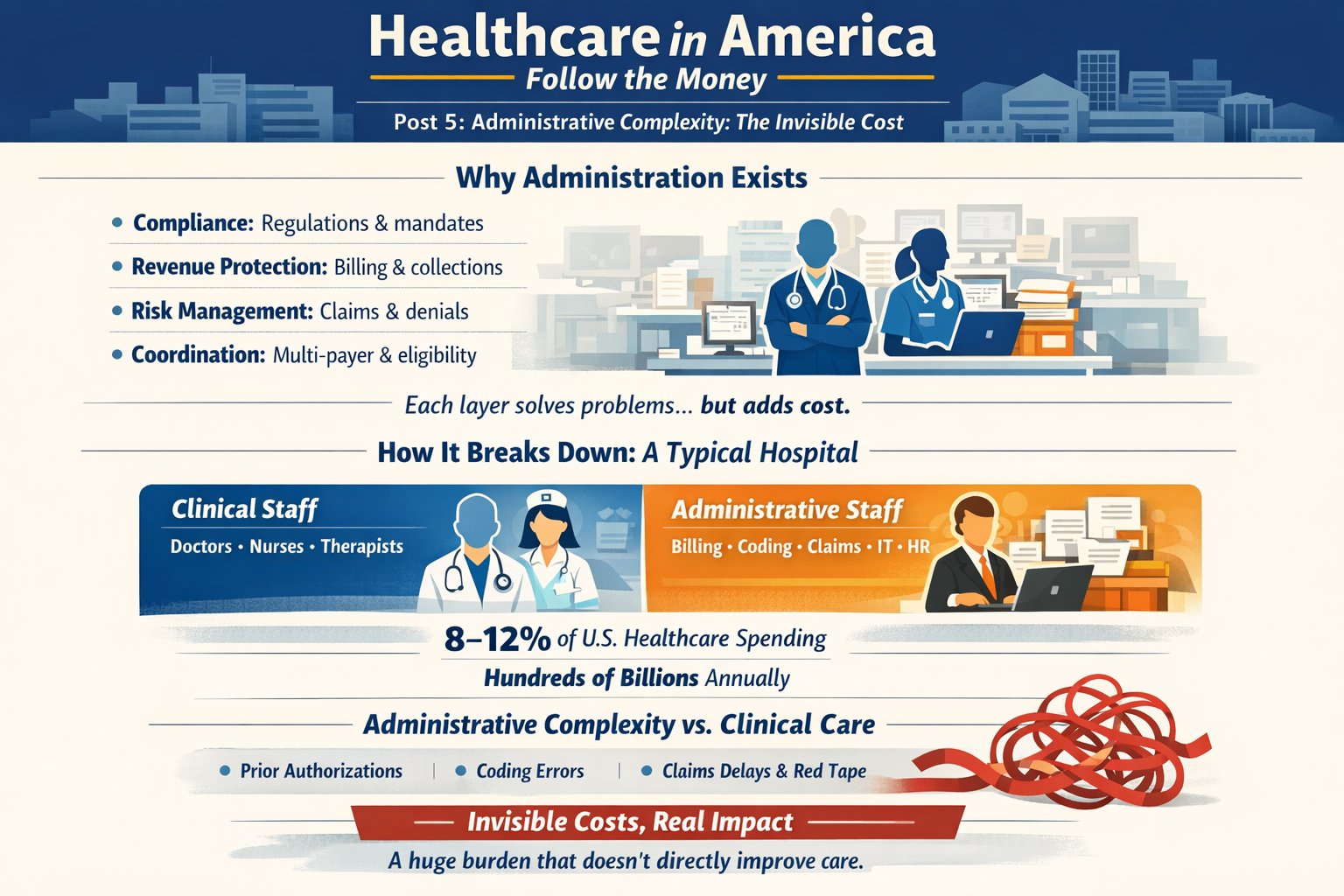
Simplified billing
The biggest structural difference isn’t just “who pays.”
It’s:
-
Fragmentation
-
Administrative layering
-
Pricing freedom in private markets
-
Employment-tied insurance
4. Where the Real Divide Is
The debate isn’t simply:
Private vs Socialized.
It’s about:
-
Who controls pricing?
-
How risk is pooled?
-
How incentives are aligned?
-
How much administrative complexity is tolerated?
Even a “socialized” system still rations care — just differently (wait times vs cost-sharing).
Even our current system has price controls — just unevenly applied.
5. If the U.S. “Moved Toward Socialized” — What Would Actually Change?
Not necessarily hospital ownership.
More likely changes would include:
-
Centralized bargaining power
-
Uniform reimbursement rates
-
Elimination of employer-based insurance
-
Tax-based funding instead of premium-based funding
-
Dramatically reduced administrative overhead
-
Reduced insurer role
The money flow changes.
The power centers shift.
Administrative structure simplifies.
But doctors would still practice medicine.
Hospitals would still exist.
Care would still be rationed — just through different mechanisms.
6. The Quiet Truth
We are already halfway between models.
The U.S. system is not a free market.
It is not socialized.
It is a layered hybrid with competing incentives.
The question isn’t:
“Would we become socialized?”
The real question is:
“How centralized do we want payment and pricing authority to be?”
That’s a structural debate — not just a funding debate.
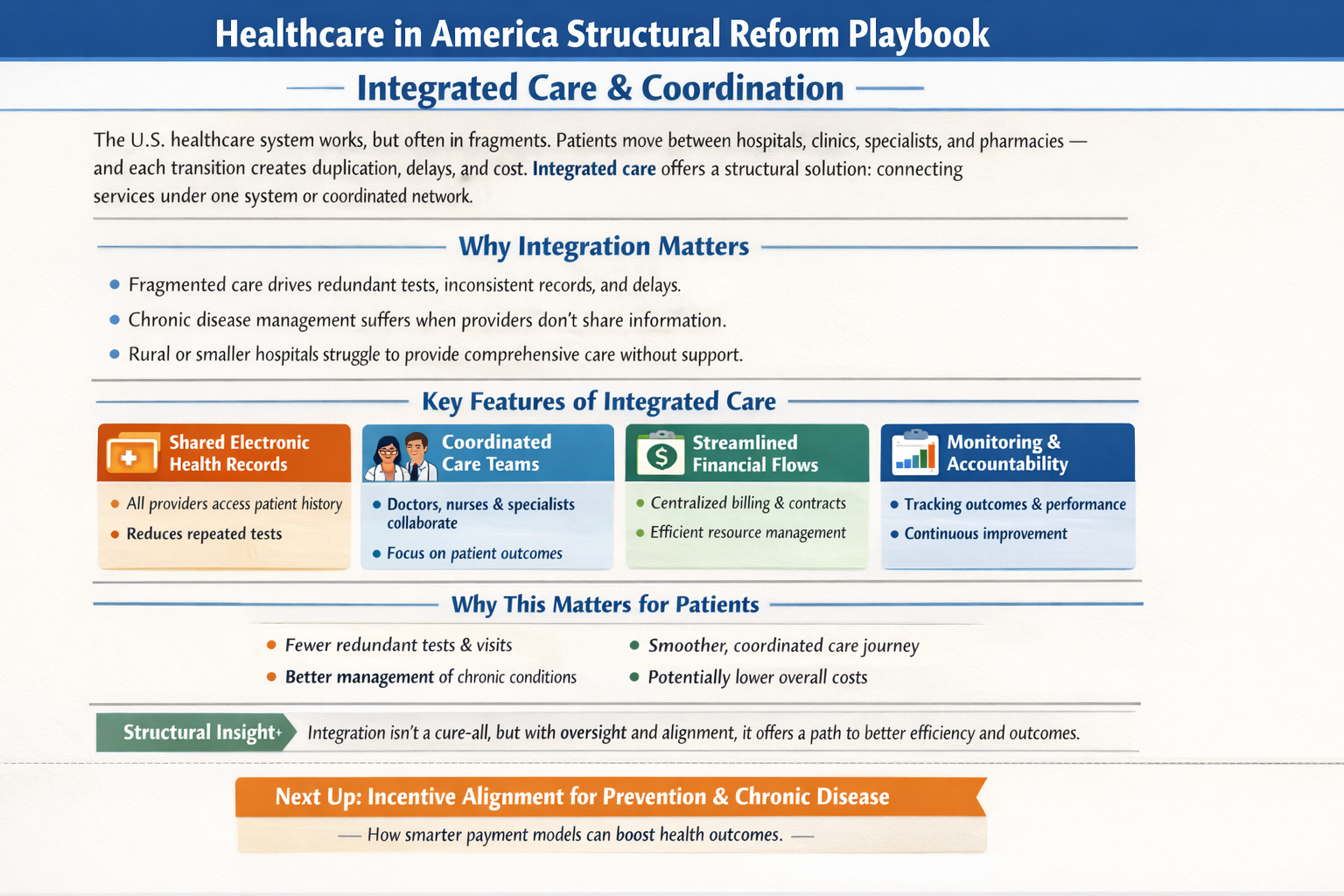
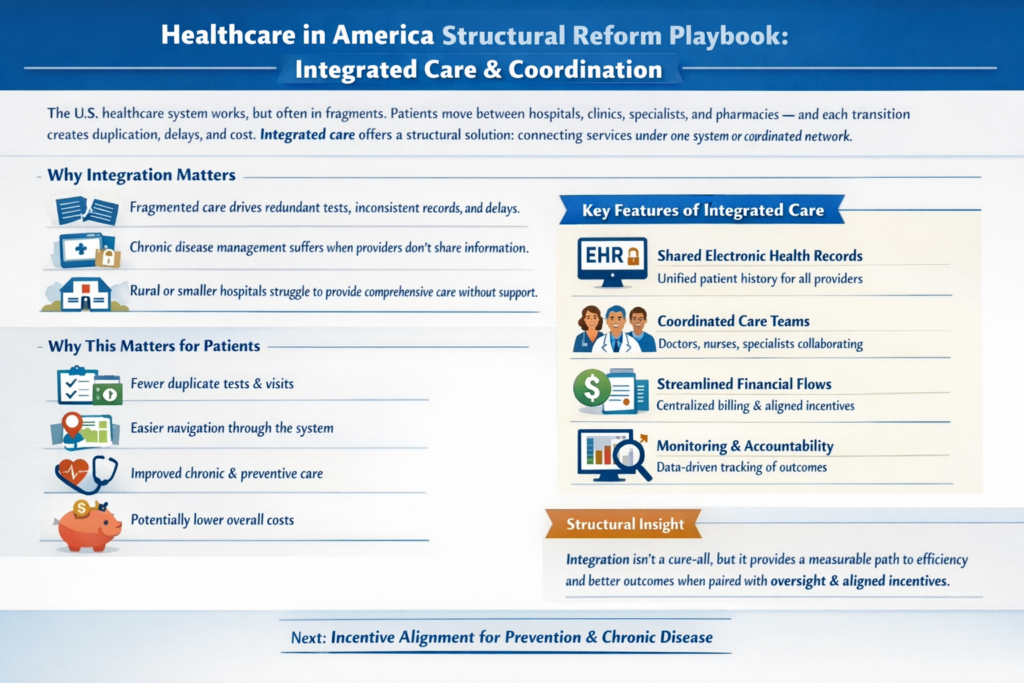
To go deeper, we have to explore:
-
What would actually happen to costs?
-
What happens to innovation?
-
What happens to wait times?
-
Or what a realistic transition would look like?
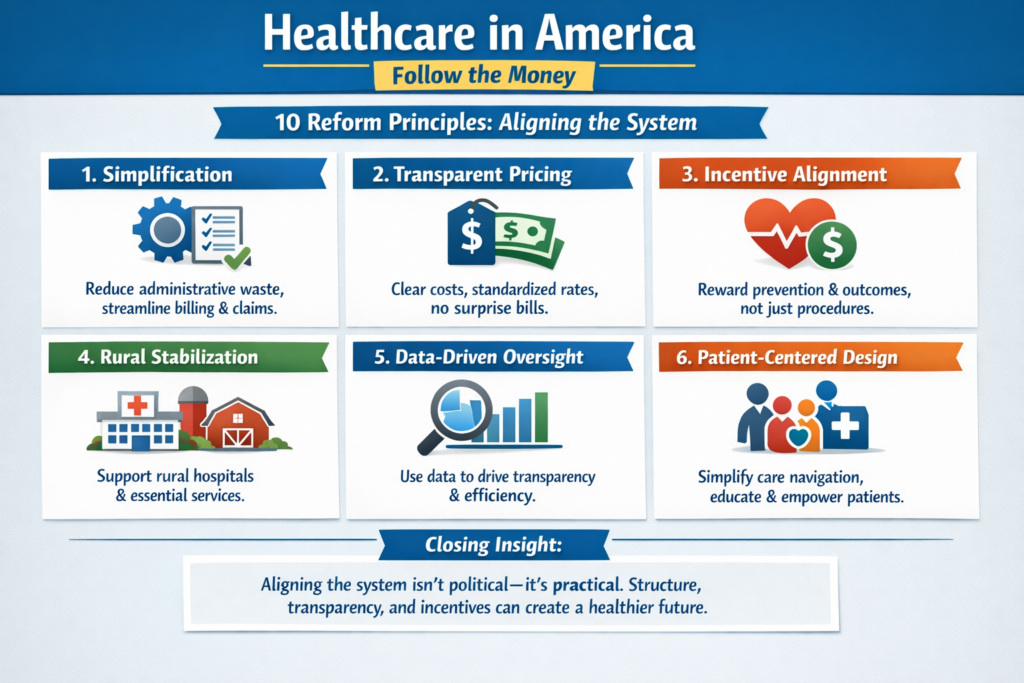
The real questions aren’t ideological. They’re mechanical:













































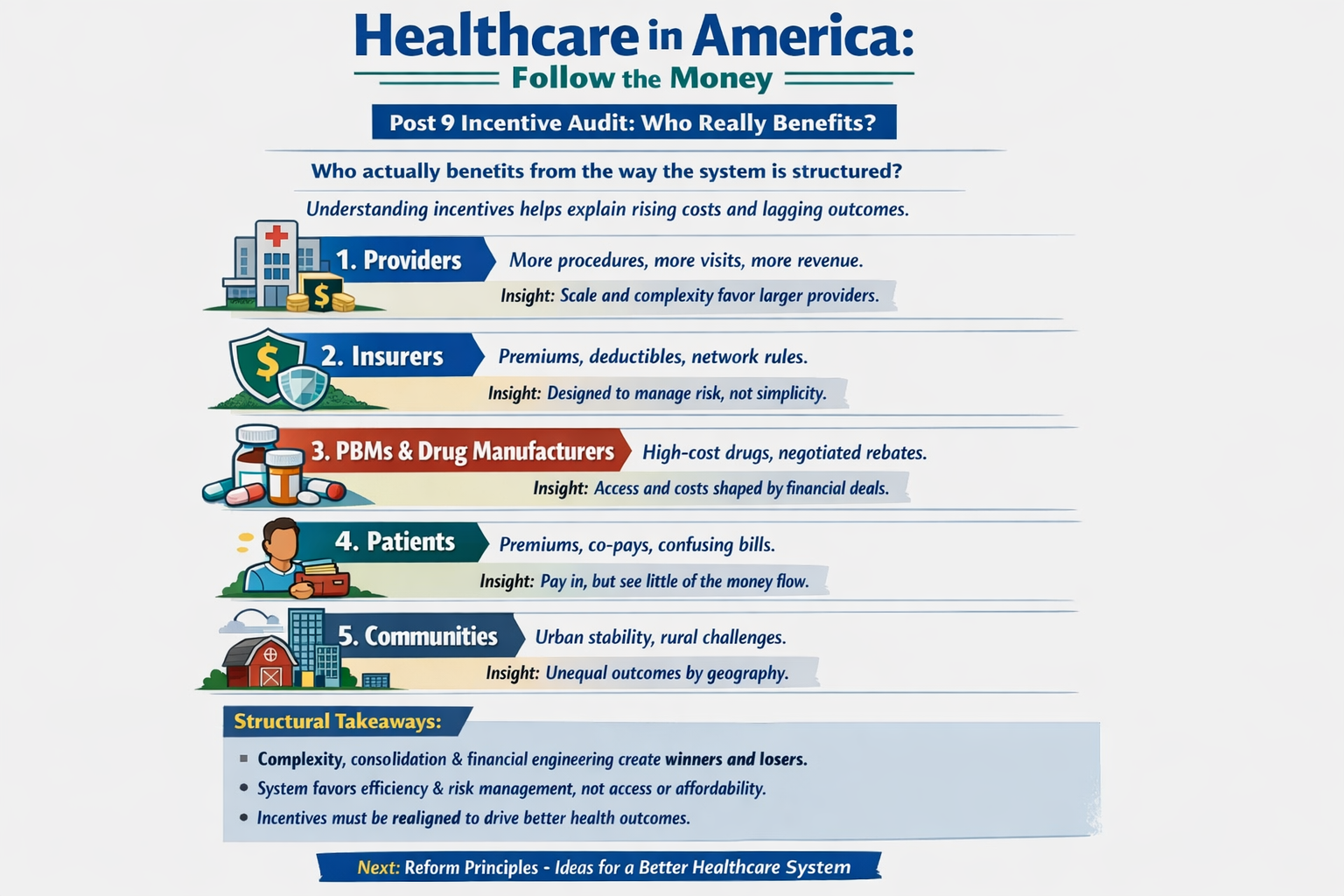
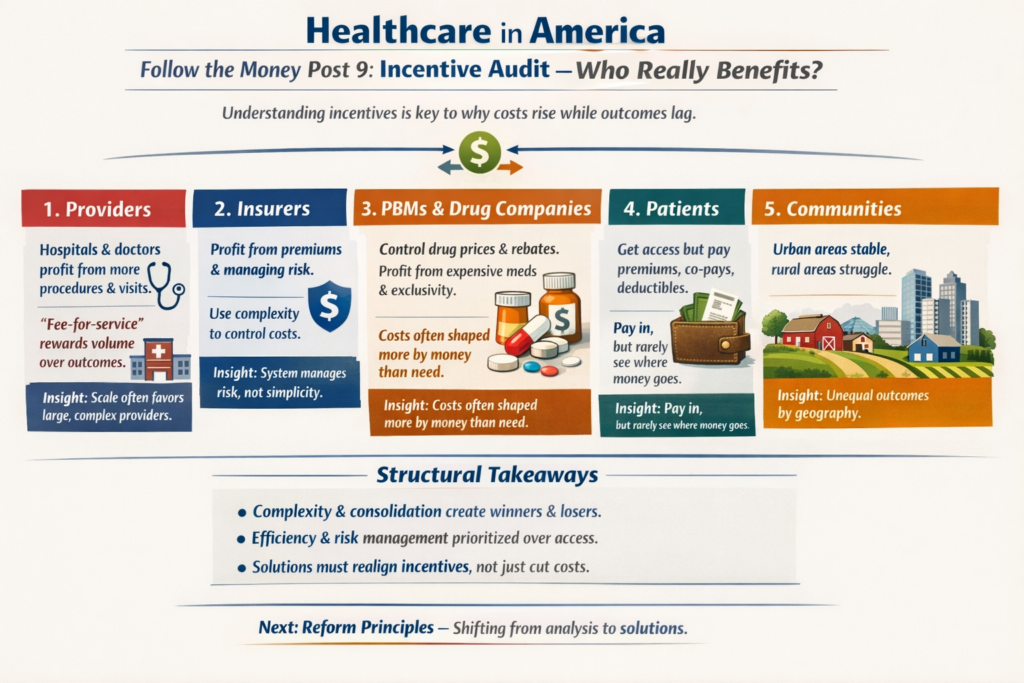














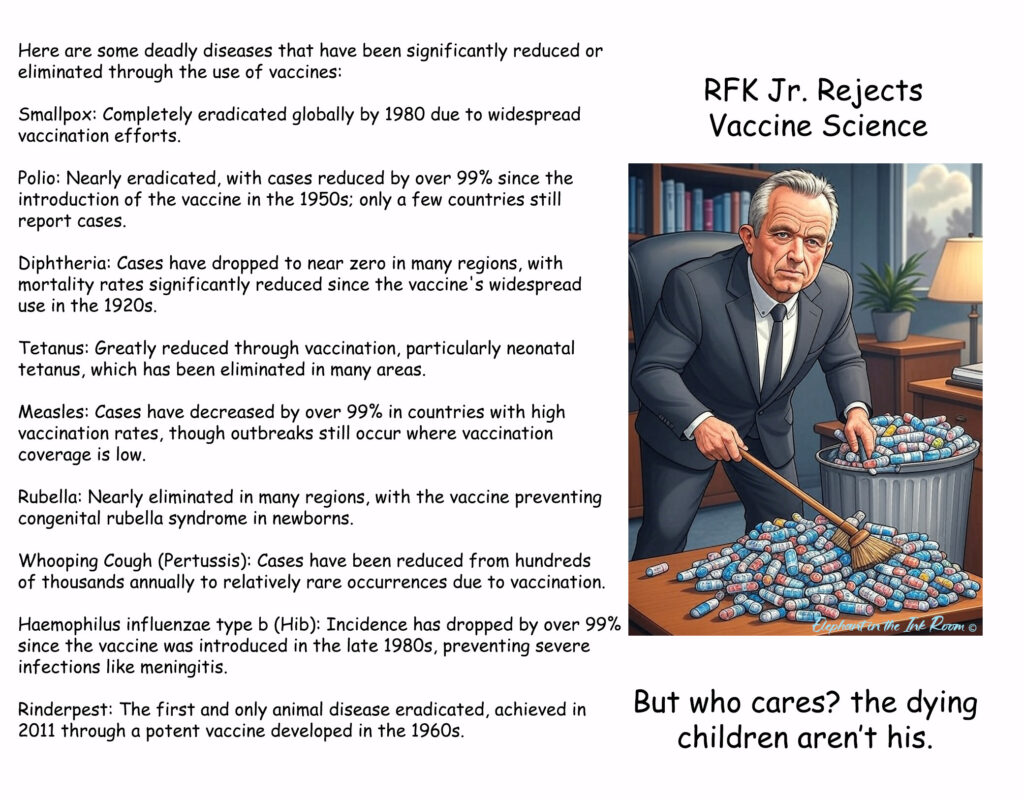
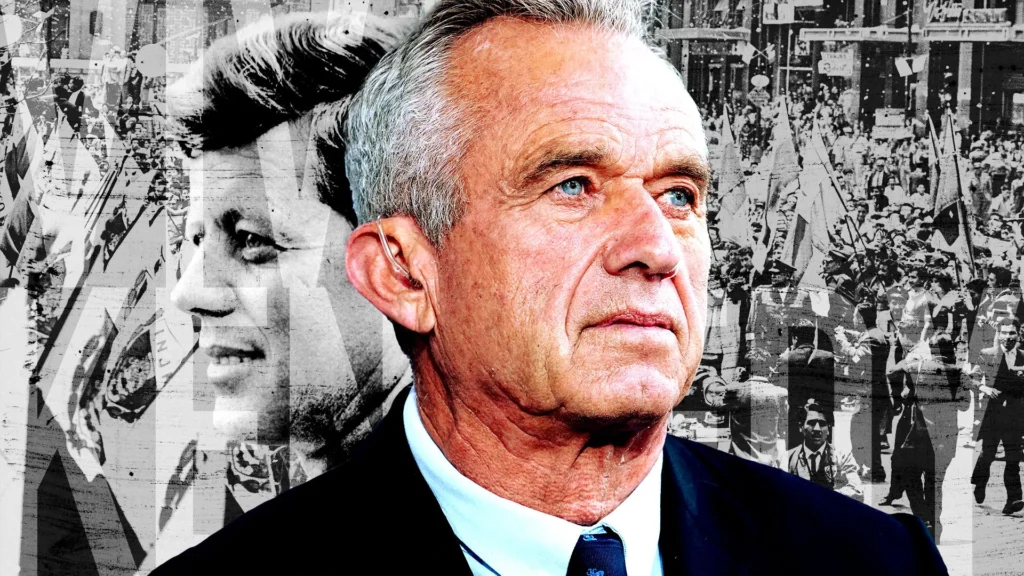
Making America Sick — Part 3 of 4: Why He’s Doing It? The Broken Compass
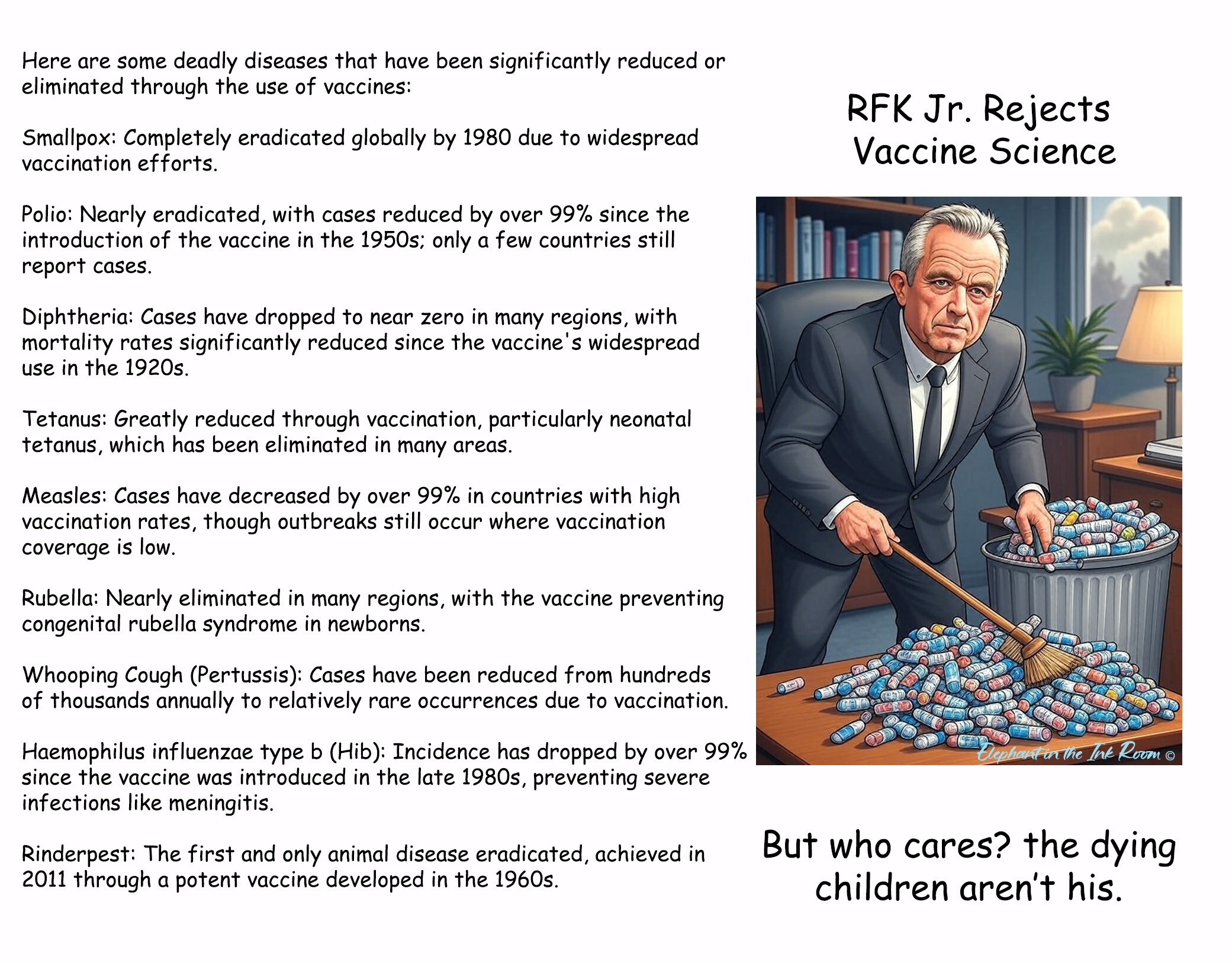
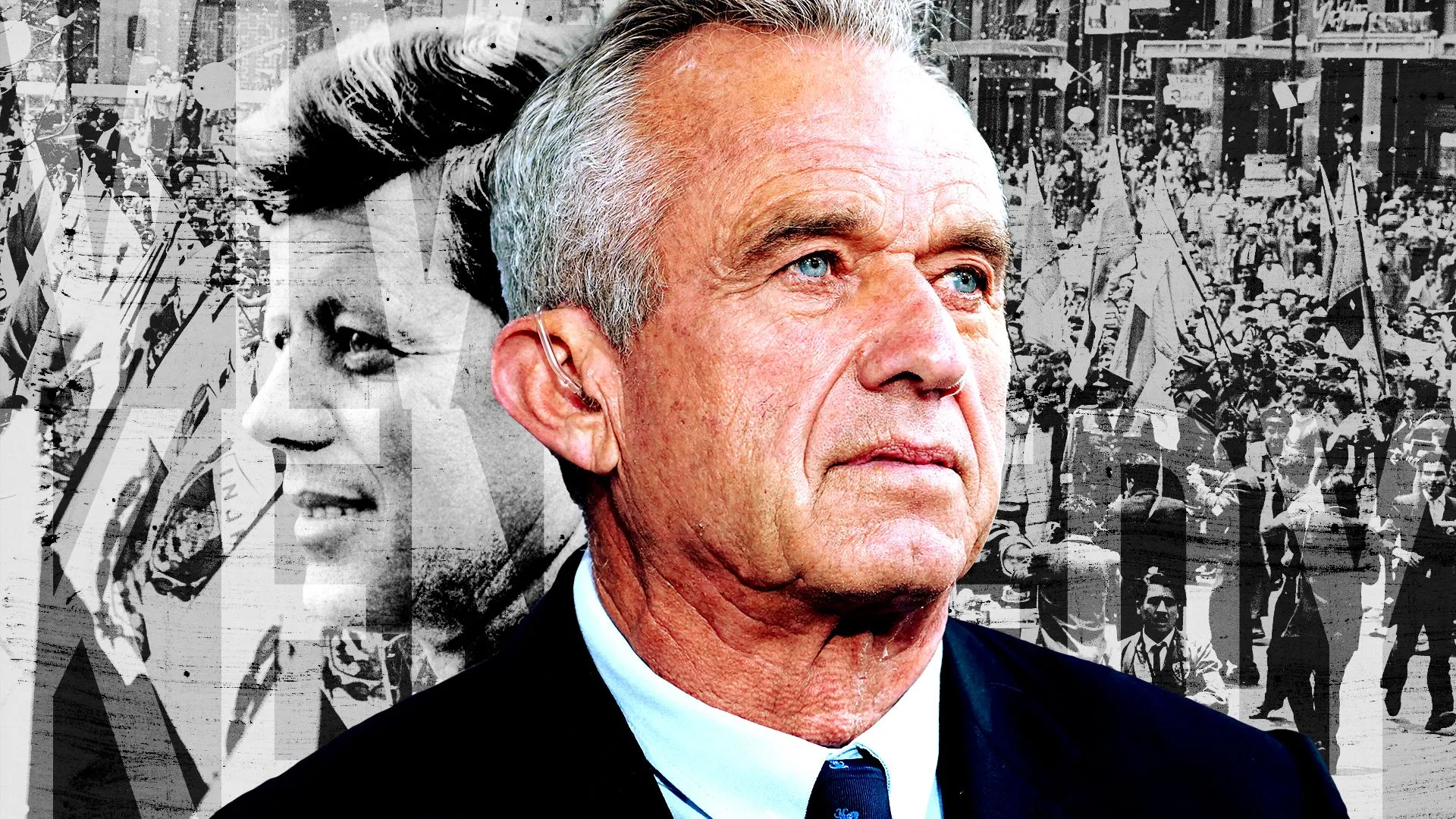
There is a question that stops most people when they look at the measles outbreaks, the whooping cough deaths, the hollowed out research institutions and the children who will go unvaccinated this fall because their parents received confusing guidance from the federal government. The question is simple and almost impossible to answer through a normal political lens.
How does he look at this and not stop?
It is the right question. And if you are looking for the answer in conventional political motivation — ambition, corruption, cynicism — you will not find it, or at least not find enough of it to explain what we are watching. Kennedy is not profiting directly from dismantling vaccine policy. He is not, by any reasonable measure, doing this for personal financial gain. He genuinely believes, as far as anyone can tell, that he is helping.
That is what makes him so dangerous.
To understand what is actually happening you have to set aside the political framework entirely and pick up a different one. Those who have spent careers working in mental health and addiction treatment will recognize the pattern immediately, not because Kennedy is simply an addict — recovery is real and people rebuild their lives completely — but because there is a specific kind of cognitive reorientation that prolonged substance use can produce in certain people, particularly those who were already wired toward intensity, pattern recognition, and distrust of authority. It does not announce itself. It does not look like impairment from the outside. It looks, in fact, like conviction.
Here is how it works. The brain’s threat assessment system, disrupted by years of substance use, can become permanently recalibrated. Not broken exactly — still functional, still capable of sophisticated reasoning — but reset to a baseline of suspicion that a normal risk environment cannot satisfy. Everything gets filtered through a framework that asks not “what does the evidence show” but “who benefits from me believing the evidence.” Once that filter is in place it is essentially self-sealing. Contradicting evidence doesn’t weaken the belief — it strengthens it, because contradiction becomes proof that the threat is real enough to require active suppression.
Kennedy wrote in a 2021 book that he rejected germ theory — one of the foundational principles of modern medicine, established over 150 years ago — in favor of miasma theory, the pre-scientific idea that disease arises from environmental corruption rather than specific pathogens. This is not a fringe position he stumbled into. He argued for it at length, in print, under his own name. And yet he continues to insist he is following the science. From inside that framework, he is. The science he trusts is the science that confirms what his recalibrated threat assessment already told him was true. Everything else is captured, corrupted, or bought.
This is not unique to Kennedy and it is not unique to addiction. It is a well-documented feature of how human cognition responds to prolonged trauma, chronic stress, and certain kinds of neurological disruption. What is unusual is the scale at which we are now watching it operate. Most people who develop this kind of framework do so in private, or in communities of like-minded believers, where the consequences are limited. Kennedy developed it in public, refined it over decades, built a following around it, and then traded that following for the most powerful public health position in the world.
The cruelest irony is that his instincts were not entirely wrong at the start. Corporate influence on research is real. The pharmaceutical industry has a documented history of suppressing inconvenient findings. Public health institutions did make serious errors during the pandemic that damaged trust. Kennedy’s original antenna was picking up genuine signals. But a broken compass that points slightly wrong will take you further and further from your destination the longer you follow it. By the time you are rejecting germ theory and redesigning the childhood vaccine schedule based on a country that provides universal free healthcare and has a population smaller than Texas, you are not where you started. You are somewhere that looks nothing like the riverbanks you once protected.
And the children getting measles in South Carolina cannot tell the difference between a broken compass and a working one. They just get sick.
What makes this particularly resistant to the normal corrective mechanisms of democratic accountability is that Kennedy speaks the language of his critics fluently. He knows what evidence-based medicine sounds like. He knows how to invoke transparency and scientific rigor and institutional accountability. He uses that language not to engage with the evidence but to reframe his rejection of it as a higher form of engagement. This is not stupidity. It is something more difficult to counter than stupidity, because you cannot simply show him the data. The data is part of the system he has already decided cannot be trusted.
Which brings us to the only thing that has ever worked against this kind of entrenchment — not argument, not outrage, not the correct facts delivered with sufficient force. What works is structure. Rules. Institutions with enough independence and enough legal authority to say no regardless of what any individual believes. Courts. Professional bodies. State governments. The accumulated weight of democratic process applied with enough consistency that no single broken compass can redirect the whole ship.
Those structures exist. They are fighting back. And that is where we are going next.
Healthcare In America – The Nuts and Bolts – The Series
Share this:
Like this: