A Line in the Sand, that would be nice, too bad Taco Man is at the other end of the stick.
Here is the line, no wait, (feet scrub out line) Here is the line, rinse and repeat. I will strive to keep it short and sweet, here is the outline for Trumps Crime Fighting mantle. Of course it could all be be summed up with a simple “I don’t care about crime, I only care about obedience and loyalty”
1. The “threat list” Frame Trump’s targeting of cities like Los Angeles, Portland, Seattle as if they were enemy capitals in his personal war.
They’re “woke,”
They resist ICE raids and mass deportations,
They pass sanctuary policies,
And they refuse to treat immigrants as scapegoats. In his worldview, that makes them part of the “Evil Empire” that must be brought to heel.
2. The claimed reason: “Crime”
Trump uses “sky-high crime rates” as the pretext, banking on most people not looking up the numbers.
In reality, many of these cities have seen steady declines in violent crime in recent years.
This isn’t about public safety — it’s about political obedience.
3. The ignored reality
Some of the most dangerous cities in America are in deep-red states or counties.
Examples: St. Louis, MO and Little Rock, AR — violent crime rates dwarf those in his “target” cities.
These places get a free pass, not because they’re safer, but because they’re already politically compliant.
4. The hypocrisy punch
If crime was truly the driver, the crackdown list would look very different.
Instead, it’s a political hit list dressed up as law-and-order policy.
The “loyal” high-crime cities don’t get military control, they get silence.
5. The close
This isn’t about making America safer — it’s about making dissent more dangerous.
Trump’s selective “martial law” threats are about dominance, not justice.
The real danger is not crime in the streets, but power in the wrong hands.
So there you have it, short, sour and simple. You do know we have enabled comments. If you want to spew hate, stay away. And that doesn’t matter which side you hate. If you want to discuss solutions, then welcome.
The Michael and Sarah Walker podcast from “Elephant in the Ink Room” is a political commentary podcast that focuses on the current political climate in the United States. The episodes are often quite short, with many lasting only a few minutes.
The podcast’s commentary often addresses the polarized nature of politics and the role of truth and facts in public discourse. Topics covered include:
Foreign Policy: For example, a recent episode discussed the rationale behind supporting Ukraine.
Journalism and Media: The podcast frequently examines issues like the weaponization of context, the challenges of reporting in a polarized environment, and the chilling effect of lawsuits on journalism.
Social Commentary: They also touch on broader societal issues and how they are manipulated for political gain, such as manufactured outrage and immigration policy.
Essentially, the podcast offers a critical perspective on contemporary political events, urging listeners to look beyond easy answers and consider the complexities of the issues at hand.
When Crime Is a Convenient Excuse: Trump’s Selective Martial Law Target List
/
RSS Feed
Share
Link
Embed
When Crime Is a Convenient Excuse: Trump’s Selective Martial Law Target List
Donald Trump’s recent threats to impose martial law have sent chills through the nation. But behind the bluster and fear-mongering lies a disturbingly clear political agenda: targeting cities that dare to resist his authority while ignoring those that align with it — no matter their crime rates.
Take a look at the cities Trump has publicly set his sights on: Los Angeles, Portland, Seattle. These are places branded as “woke,” fiercely protective of immigrant rights, and openly hostile to the kind of mass deportations and ICE raids Trump champions. For him, these cities aren’t just trouble spots — they are the heart of an “Evil Empire” that must be brought to heel.
The justification? Sky-high crime rates. Trump and his allies wield “crime” like a weapon, confident that most Americans won’t bother checking the facts. But here’s the inconvenient truth: violent crime in these cities has often been declining in recent years. While not crime-free by any means, these urban centers aren’t the out-of-control war zones Trump portrays.
Meanwhile, some of the most dangerous cities in America fly under the radar. St. Louis, Missouri, with violent crime rates far exceeding those in Seattle or Portland, remains off Trump’s radar. Little Rock, Arkansas, another high-crime city nestled in a deeply Republican state, doesn’t warrant a mention in Trump’s crackdown plans. Why? Because these cities don’t challenge his authority. They don’t defy his immigration policies. They are loyal to the political order he demands.
If crime were truly the issue, the list of cities facing martial law would look very different. But it doesn’t. Instead, the threat of military intervention is wielded as a blunt instrument of political control — reserved for cities that resist, ignored where loyalty prevails.
This is not about safety or justice. It’s about power.
The real danger lies not in the streets of America’s “woke” cities but in the unchecked ambitions of a man eager to silence dissent under the guise of law and order.
So next time you hear “crime” used as a reason to militarize a city, remember: crime only matters when it votes blue.
I keep coming back to analogies when I think about Trump. The simplest? A kid playing with matches. The question is, is he just a foolish kid with a new toy, or an experienced arsonist starting little fires on purpose to keep us distracted?
Whether accidental or deliberate, there are too many fires to do anything but run around putting them out. Take the DOJ. We hear of resignations — principled people saying, “Enough. We won’t be part of your crimes. We took an oath.” Sounds noble. But in reality, it’s functioning more like a stay of execution for Trump.
As more lawsuits pile up against him and his executive orders, everything in the courts gets delayed. The DOJ says it lacks the lawyers to handle the cases, so courts grant more time. And that extra time is a gift to Trump: he keeps ignoring injunctions, moving his agenda forward. By the time he’s forced to stop, either no one cares anymore or he’s already achieved what he wanted.
Today’s ramble is sparked by Trump’s federalizing of Washington, D.C. Is this just a crime-fighting measure? Or is it the first step toward martial law, holding onto power by claiming the country “needs” him — or by removing the barriers altogether? Make no mistake: he does not want to leave office. Who spends $200 million on a ballroom nobody wants unless they plan on sticking around to use it?
And this isn’t a one-track operation. Trump can multitask chaos. He’s in a panic as the Epstein mess keeps unraveling — a mess he helped create. Maxwell is suddenly being moved to a minimum-security prison after allegedly threatening Trump. Gossip says she’ll get work-release privileges. Why? Because Trump wants her silent. She must have documentation he hasn’t found yet; otherwise, she’d have “committed suicide” by now.
The danger here is losing focus. This isn’t just about Trump and Epstein. Or Trump and the DOJ. Or Trump and martial law. It’s about the endgame — and what we can do to prevent it. In our earlier editorial “Okay, He’s Been Impeached, Now What?” we explored the idea of power passing to a bunch of nobodies. Not comforting.
Would removing Trump solve the problem? Or is it better to strip him of power but leave him in place? Honestly, I don’t know. What’s clear is that he’s surrounded himself with spineless loyalists — spineless because otherwise they’d be a threat to him.
That leaves us with a bigger question: if we ever clean this mess up, who fills the vacuum? Replacing all the Trump loyalists means nothing if we don’t have sane, competent leadership ready to step in. I call myself “purple” — a moderate — and even in my own family, we don’t have an answer that satisfies us. The Woke movement is as dangerous as the MAGA movement.
So, who do we start grooming to bring sanity back? Maybe it’s time for you — the Magnificent Seven who actually follow these posts — to start weighing in. Leave comments. Start discussions. And let’s try to do it without hate. The country’s going to need that.
Martial Law, if you Allow It. Kiss Freedom Goodbye
/
RSS Feed
Share
Link
Embed
He is doing it again, he tried it in Los Angeles and was pushed back. He was swamped with No King protests and changed the subject, deflection 101. He let it cool down. You have to remember that Trump relies on the proven two week rule. That we have an attention span that’s less than two weeks, and we are stupid.
Trump has repeatedly declared he is the smartest man in the room and in his words. “They don’t know what the fuck they are doing” and you thought he was talking about the Middle East.
It’s time to get those no king signs out of the garage or trash because it has just begun again and he isn’t going to stop trying.
Let me ask you one question, “What idiot would spend two hundred million dollars to add a Ball Room nobody else wants if he wasn’t planning on using it for a long, long, time?”
What is to be talked about in a moment should have just a little preface.
What the Data Tells Us About Washington DC
Crime Is Actually Falling
Violent crime in D.C. is down significantly:
26% drop in 2025 compared to last year
12% decline in homicides, 29% drop in robberies
The city hit a 30-year low in violent crime in 2024 (The Biden Administration)
What’s Trump Saying and Proposing
Federal Takeover Talk …
Trump has publicly threatened to federalize D.C.—essentially overriding the Home Rule Act if city authorities don’t get crime under control. He’s exploring whether Congress could revoke local autonomy
National Guard & Police Control …
He has floated deploying the National Guard, potentially taking control of D.C.’s police force, and even sending homeless individuals out of the city. Flyers on Truth Social warn of making the city “safe” by replacing local with federal order
Crime Surge Claims …
Trump framed the city as being “out of control,” referencing a high-profile attempted carjacking of Edward “Big Balls” Coristine, to justify his hardline approach.
Now to repeat the preface.
What the Data Tells Us
Crime Is Actually Falling
Violent crime in D.C. is down significantly:
26% drop in 2025 compared to last year
12% decline in homicides, 29% drop in robberies
The city hit a 30-year low in violent crime in 2024
Local Officials Push Back
Mayor Muriel Bowser rejects the narrative of rising crime. She’s implemented youth curfews, and critics warn that Trump’s approach risks eroding democratic governance, not improving safety.
What’s Actually Happening On the Ground
Federal Law Enforcement Surge
The White House has ordered a weeklong deployment of federal officers from over a dozen agencies—including the FBI, ATF, DEA, and Capitol Police—in “high-traffic tourist areas” of the city
Minimal Visible Impact So Far
Early observations found little overt difference from usual policing levels. However, one report indicates 450 federal officers were active on a recent Saturday night, though city police say the situation remains stable.
Bottom Line
While Trump is ramping up rhetoric around an alleged crime wave in D.C., the actual numbers tell a different story: crime rates are falling, not rising. His push for federal control—via the National Guard, eviction of homeless camps, and taking over local policing—appears to be a power play rather than an urgent safety measure. Whether Congress or courts would allow such actions remains highly uncertain.
So back to Martial Law, Washington DC is not a State and it has considerably less control over actions that can be taken by Trump, But what Washington D.C. does have, is us. The people of the United States of America. Don’t just sit there and say that this is their problem because it is a problem for all of us.
We stopped him in Los Angeles, we need to stop him in Washington D.C. Oh, hell, we just need to stop him.
If Trump manages to establish even a partial federal takeover of D.C.’s local government under the justification of “crime control,” it could become a precedent he uses to justify similar interventions elsewhere.
Here’s the way that could unfold:
Phase 1 – D.C. “Special Case” He uses D.C.’s unique constitutional status (not a state, under federal jurisdiction) as the test bed. He frames it as restoring “law and order” and bypassing the Home Rule Charter. This would require only limited legal maneuvering compared to seizing control of a state or city elsewhere.
Phase 2 – Expanding the Justification Once the public is used to the idea that the federal executive can override local control “for safety,” he might argue that any city or state with “out of control crime” or “failed leadership” could require similar “temporary” oversight.
Phase 3 – Normalizing Emergency Powers This is where it starts to look like martial law in spirit, if not in name. By invoking emergency or national security powers, the executive could justify increased federal policing, deployment of National Guard units, or restrictions on local governance.
The Key Risk The danger isn’t just the takeover itself — it’s the normalization of federal override without meaningful checks. Once precedent exists, it can be expanded with far less political or legal pushback.
Historically, authoritarians rarely start with sweeping power grabs. They start with one example that “makes sense to the public” and then expand it until it becomes the new normal.
Here’s the blunt truth:
If Trump uses crime in Washington, D.C. as his pretext for asserting direct federal control, the concern is that it could be less about solving the crime problem and more about creating a legal and political foothold to normalize bypassing local authority.
D.C. is unique — it’s not a state, so Congress already has extraordinary oversight powers. That makes it a tempting testing ground for executive overreach. If a president successfully assumes direct operational control of its government or police under the banner of “restoring order,” it could set a precedent for similar moves elsewhere, especially in Democrat-led cities.
The risk here isn’t just what happens to D.C. — it’s the potential for a proof of concept for federalized policing or even quasi-martial law in targeted regions. If crime statistics are manipulated or selectively publicized, he could manufacture justification for interventions in other cities by declaring them “failed” or “in insurrection.”
That’s why civil liberties lawyers, local leaders, and constitutional scholars are already warning that the real fight isn’t over crime numbers — it’s over whether we accept the normalization of federal takeovers of local governance. Once that door is cracked open, closing it again could be nearly impossible without a major court battle or political shift.
If Trump used crime in D.C. as the opening wedge for federal intervention, the big question is whether it would be a contained, temporary measure or the start of a broader power grab. Based on his past rhetoric, his leadership style, and the constitutional tools available to him, here’s how it could unfold:
Step-by-Step Risk Progression
Step
What Could Happen
Why It Matters
Risks of Escalation
1. Targeted D.C. Takeover
Federalizes D.C. police, replaces local leadership, suspends city control “to restore law and order.”
Sets precedent for bypassing local government.
Establishes legal and political justification for further interventions.
2. Expansion to Other Cities
Uses similar “emergency” declarations in Chicago, Philadelphia, Atlanta, etc., citing rising crime.
Selective targeting of cities could be politically motivated.
Blurs the line between legitimate crime control and partisan enforcement.
3. Creation of a Federal Security Force
Deploys DHS, DOJ task forces, or even military units in urban areas.
Federal policing on a broad scale is rare and controversial.
Public acceptance could normalize permanent federal presence.
4. Invocation of the Insurrection Act
Claims civil unrest or political violence requires military deployment inside U.S. borders.
Law allows bypassing governors and legislatures.
Opens door to nationwide martial-law-like conditions without declaring martial law.
5. Soft Martial Law
Controls protests, media access, curfews, and assembly rights “for public safety.”
Framed as temporary, but lacks clear end date.
Can become permanent under “continuing emergency” logic.
6. Consolidation of Power
Redefines “domestic threats” to include political opposition or journalists.
Destroys checks and balances at the practical level.
Moves from crime control to authoritarian rule.
Why This Isn’t Far-Fetched
Past behavior: Trump has already floated ideas of “sending in the military” during protests, and praised leaders who used harsh crackdowns.
Legal mechanisms exist: The Insurrection Act and certain emergency powers are broad enough to be abused if courts don’t act quickly.
Psychological strategy: Framing the moves as “temporary safety measures” makes them easier for the public to accept.
Weak local defenses: D.C. is not a state, so it has fewer legal protections against federal takeover.
Robert F. Kennedy Independent Thinker, I Think Not - Part 3
/
RSS Feed
Share
Link
Embed
The Dangerous Allure of “Independent Thinking” — When Anti-Establishment Becomes Anti-Truth
Robert F. Kennedy Jr. has built his entire campaign on one central appeal: “I don’t trust them, and you shouldn’t either.” Them, of course, being the government, the media, public health officials, scientists, pharmaceutical companies, and in some cases even common sense. It’s a seductive narrative. It gives people permission to throw away anything that makes them uncomfortable — and label it a lie.
Kennedy isn’t just tapping into populist skepticism. He’s exploiting it.
And that exploitation is dangerous.
He’s framed himself as the truth-teller in a sea of deception. But the truths he’s telling aren’t based in fact. They’re based in fear. And fear spreads faster than reason.
The Myth of the Medical Maverick
RFK Jr. has no medical degree. No epidemiological background. No formal training in public health.
What he does have is a recognizable name, a passionate speaking style, and decades of practice weaving compelling-sounding arguments from cherry-picked data and fringe science. And when that doesn’t suffice, he leans on conspiracy.
Let’s be clear: questioning authority is healthy in a democracy. But rejecting every expert opinion as “part of the machine” while offering no credible alternative is not courageous — it’s reckless.
Anti-Vax, Rebranded
RFK Jr. claims he’s “not anti-vaccine.” He says he’s just asking questions.
But those questions often come laced with misinformation:
That vaccines are causing autism (a claim long debunked).
That the COVID vaccine is more dangerous than the virus itself (false).
That government and pharma are in secret cahoots to suppress natural immunity (no evidence).
This isn’t healthy skepticism. This is repackaged paranoia.
And worse, he’s giving it a respectable face — one the public instinctively associates with credibility because of his family name.
When Influence Outpaces Integrity
With social media reach, podcast appearances, and alternative media platforms, Kennedy’s views are no longer fringe. They’re front and center. And when people make healthcare decisions based on his claims, real people suffer.
Vulnerable communities turn to unproven treatments.
Trust in public health institutions erodes further — even when they’re telling the truth.
Freedom of speech is sacred. But freedom to deceive should not be without scrutiny.
A Country Starved for Trust
What makes Kennedy so appealing to many voters isn’t his policies, which are vague or self-contradictory. It’s his posture. He positions himself as the last honest man in a dishonest world.
And for people who feel lied to by politicians, doctors, or the media — that’s intoxicating.
But it’s a mirage.
He’s not offering independence. He’s selling suspicion.
He’s not empowering people. He’s leaving them lost — unsure who to believe, who to trust, or whether truth even exists anymore.
And in a democracy, that’s a dangerous place to be.
Veterans’ Healthcare: The Promise, the Politics, and the Price
/
RSS Feed
Share
Link
Embed
Clickbait-Style Headline Options:
“They Fought for Us. Now They’re Fighting the VA.”
“Veterans to the VA: We’ll Take Our Chances With the Private Sector!”
“Rural Vets Are Ditching the VA—And Congress Just Made It Easier”
“Trump Says He Supports Vets—But This Healthcare Move Tells Another Story”
“The VA Is Broken—And Lawmakers Just Admitted It”
No body cares unless you scream the sky is falling. Click bait is what gets the views, “Epstein points the finger from the grave”, or “Trump give rude gesture after Courts find him lying, again”. It gets frustrating, after all going viral is the thing today. But after looking over these titles.
We decided to stick to our tried and true format, the facts, just the facts (credited to sergeant Joe Friday) for those old enough to have voted for the past 60 years.
In his second term, Donald Trump has made bold claims about transforming veterans’ healthcare. But behind the headlines and hashtags, the reality for many veterans—especially those in rural or underserved areas—remains murky. The question is not whether veterans deserve better; it’s whether they’re actually getting it.
The Promise:
Trump has pushed forward a second-phase expansion of the VA MISSION Act, originally signed in 2018. It now places even more emphasis on privatized, community-based care—with the argument that choice and speed matter more than bureaucracy. Veterans who live more than a 30-minute drive from a VA facility or face long wait times are now more easily referred to private doctors.
In theory, this sounds like freedom of choice. But choice is only meaningful if there’s quality behind it.
The Problem:
Many rural areas simply don’t have adequate medical providers to meet the new demand. Some veterans now wait longer for community appointments than they did under the VA system. Worse, these providers aren’t always trained in the unique mental and physical health needs of veterans—PTSD, combat injuries, military sexual trauma—leading to subpar or even harmful treatment.
And there’s another wrinkle: privatized care often costs more. While Trump touts efficiency and market-based solutions, critics argue that siphoning money from the VA weakens its capacity over time. What’s being called “choice” might in fact be a slow-motion dismantling of the system that was built for veterans in the first place.
The Politics:
Let’s be honest: veterans are a reliable Republican voting bloc, and Trump knows it. His messaging isn’t subtle—he claims to be “the best president veterans have ever had.” But when political loyalty becomes the goal, instead of actual outcomes, veterans become pawns rather than patriots.
Meanwhile, attempts to reform or expand mental health services have been delayed or diluted, often buried in partisan fights over budget ceilings and “woke” policies. Some of Trump’s allies in Congress have actively blocked bipartisan bills that would have improved suicide prevention programs and housing support for homeless vets—because they didn’t align with the broader MAGA narrative.
The Reality:
Veterans aren’t looking for fanfare. They want competence, consistency, and care. They want promises that are kept—not headlines that disappear the next news cycle.
If this administration truly believes veterans are the backbone of America, it’s time to stop using them as a backdrop for political theater and start treating their healthcare like the sacred duty it is.
Robert F. Kennedy Jr. was once a respected environmental attorney and activist. But today, he’s better known for something else: a steady stream of anti-science rhetoric dressed in the language of rebellion and “truth-telling.” What began as skepticism has now hardened into dogma — and the consequences are not harmless. They’re deadly.
RFK Jr. has no medical degree, no epidemiological credentials, and no experience treating illness — yet he presents himself as a public health expert, urging millions to ignore doctors, scientists, and regulatory agencies in favor of his own conspiratorial worldview. And it’s working. His brand is thriving. He’s become a symbol for those who distrust institutions — not because he’s offering real answers, but because he’s selling fear.
The Vaccine Misinformation Machine
Kennedy’s primary claim to fame in recent years has been his crusade against vaccines — long before COVID-19, he was peddling disproven theories linking childhood vaccines to autism. Study after study refuted his claims. Major platforms removed his content for spreading dangerous misinformation. Even members of his own family publicly denounced him. But none of that slowed him down.
In fact, he built an empire around it.
Through his organization Children’s Health Defense, Kennedy amplified falsehoods and sowed doubt — not just about the COVID vaccine, but about vaccine science as a whole. In 2021 alone, his group earned tens of millions in donations, a sign not of legitimacy, but of how profitable paranoia has become. And in a country where millions were desperate for clarity during a global health crisis, Kennedy gave them seductive chaos.
The result? Higher vaccine hesitancy. Lower trust in science. And a pandemic death toll that might have been lower if fewer people had listened to voices like his.
Turning Doubt into Doctrine
This isn’t just about vaccines. Kennedy has claimed that Wi-Fi causes cancer, that COVID was engineered to spare Ashkenazi Jews and Chinese people, and that mass shootings are often tied to antidepressants. He paints a picture of a shadowy cabal controlling everything from medicine to media, and he sells himself as the lone voice of truth.
It’s an effective strategy — not because it’s true, but because it plays into a primal instinct: fear of betrayal. But governing a nation, leading people, or protecting lives requires more than just triggering emotions. It requires evidence. It requires humility. It requires some tether to reality.
RFK Jr. and the Collapse of Credibility — When Fringe Becomes Dangerous - Part 4
/
RSS Feed
Share
Link
Embed
RFK Jr. and the Collapse of Credibility — When Fringe Becomes Dangerous
In a time when science is under siege and public health hinges on trust, Robert F. Kennedy Jr. has chosen to go to war with the very idea of consensus. He frames himself as a whistleblower, a rebel against corrupt institutions—but his rebellion is less about truth and more about traction. And the cost? The safety of Americans who take him at his word.
Kennedy has claimed, without evidence, that both COVID-19 and AIDS were possibly engineered or exaggerated for profit. He’s promoted the long-debunked link between vaccines and autism. He’s suggested that chemicals in the water supply are feminizing boys and harming masculinity. Each claim might be brushed off if he were just another internet crank—but this is a man who ran for President of the United States but became Voodoo Doctor extrodinaire, he became Secretary of the U.S. Department of Health and Human Services. And that makes the danger real.
RFK Jr. is a master of half-truths—statements that contain just enough kernel of reality to confuse the public and just enough innuendo to suggest shadowy forces at work. He constantly positions himself as the last honest man standing, the one voice willing to speak “what others won’t.” But his rhetoric is not grounded in evidence—it’s grounded in performance.
This isn’t an intellectual pursuit. It’s a campaign strategy based on distrust. And it’s working—because distrust is a potent political fuel, especially when people are hurting, confused, and exhausted from years of whiplash-inducing headlines.
But here’s what that strategy is really doing:
It erodes the fragile trust we need during public health emergencies.
It leads people to delay or refuse life-saving vaccines, tests, and treatments.
It undermines legitimate scientists and doctors who are already overburdened and under attack.
RFK Jr. argues he’s just asking questions. But when a public figure with the Kennedy name spreads misinformation in the form of questions, the consequences are no less severe than if they were shouting lies outright.
This isn’t harmless curiosity. It’s weaponized doubt.
And while the public may enjoy the drama, or feel validated by the suspicion, we can’t ignore the end result: Americans will die because of what they didn’t believe—because a trusted name told them not to.
This isn’t theory. It’s already happening.
RFK Jr. is not a doctor. He is not an epidemiologist. He is not an expert in pharmacology, virology, or public health. What he is, is a celebrity with a platform—and that platform is now being used to sow mistrust that costs lives.
And now in a position of power, he is dismatling what took us decades and billions of dollars to accomplish, He will single handly be resposible for the deaths of millions of Americans, many to youmg to make their own decisions.
This isn’t about politics anymore. It’s about the line between skepticism and sabotage.
If Kennedy truly cared about the public, he would amplify evidence—not conspiracy. He would platform facts—not fear. And he would take responsibility for the real-world effects of his words.
Until then, he remains not a public servant—but a public threat.
Promises and Prescriptions: The Reality of Veterans' Healthcare in Trump's Second Term
/
RSS Feed
Share
Link
Embed
Veterans’ healthcare has always been a sacred pledge — a promise exchanged for sacrifice. But in Donald Trump’s second term, that promise is being reshaped, repackaged, and, in some cases, quietly outsourced.
Trump’s rhetoric remains bold: “No one has done more for veterans than me.” But behind the slogans, a different reality unfolds — particularly for those living in rural America, where access to quality care is already a logistical challenge. Under the guise of “freedom of choice,” the Trump administration has accelerated a shift toward privatization, outsourcing more care to the private sector. That sounds good — until you realize that for many veterans, especially in underserved regions, it means longer waits, fewer specialists, and an increased reliance on providers who don’t fully understand the VA system or military-related conditions.
The expanded use of private clinics through the VA Mission Act (initially passed in 2018 but dramatically expanded during Trump’s second term) has created what critics call a “two-tiered system.” The best care remains in VA hospitals, but the funding and resources are quietly being drained away — diverted to private providers whose oversight is looser and whose outcomes vary.
Rural veterans — those who arguably need the most consistent and integrated care — now face a fractured healthcare network. Many have to drive hours, not to the nearest VA hospital, but to a private clinic that may or may not accept them. If they don’t like the care? Tough. The much-touted “choice” is often an illusion.
Meanwhile, Trump’s political allies paint the issue in black-and-white terms: government care bad, private market good. But this ignores a fundamental truth — the VA system, for all its flaws, was built to treat the unique health challenges of veterans: PTSD, burn pit exposure, prosthetics, military sexual trauma. These aren’t routine ailments, and generic civilian care doesn’t cut it.
To make matters worse, partisan messaging has drowned out nuance. Anyone who criticizes the shift is branded as “anti-veteran.” But if honoring veterans means more than applause at rallies, we must ask: what kind of system are we building, and for whom?
Ironically, some of the loudest voices calling for the privatization of the VA have never served. And some of the most outspoken defenders of the VA — doctors, nurses, and veterans themselves — are struggling to be heard above the political noise.
In Trump’s second term, the battle for veterans’ healthcare isn’t just about clinics and co-pays. It’s about priorities. Do we value loyalty to slogans, or loyalty to those who served? Do we want a healthcare system that rewards political donors, or one that keeps its promise to the people who wore the uniform?
Veterans didn’t ask for this ideological experiment. They asked for care, dignity, and respect. It’s time we deliver.
Gerrymandering: The Fire Trump Lit—and Why Everyone’s Getting Burned
/
RSS Feed
Share
Link
Embed
In a democracy, voters are supposed to choose their leaders. But once again, in 2025, Donald Trump has flipped that idea on its head—this time by pressuring Texas Republicans to redraw their congressional map mid-decade. Not because the population changed. Not because there was a court order. But because they saw a political opportunity.
The new Texas map, rammed through under Trump’s influence, would give Republicans nearly 80% of the state’s congressional seats—even though they win just over half the vote. This isn’t just a tilt; it’s a landslide created by slicing up Democratic communities, particularly Black and Latino districts, and burying their votes under carefully carved boundaries. It’s called gerrymandering, and Trump’s making it an art form.
Naturally, it didn’t stop there. Democrats—especially in California and New York—are now gearing up to respond in kind. California Governor Gavin Newsom has already signaled that if Texas wants to play dirty, California’s ready to fight fire with fire. And suddenly, the very people who pioneered this game—Trump’s MAGA base—are screaming foul.
That’s the hypocrisy of the moment. After more than a decade of Republican-led redistricting across states like North Carolina, Wisconsin, and Ohio, Trump has simply escalated the tactic to a new level. And now that Democratic states are considering similar power plays, the cries of “unfair” from the GOP ring hollow.
But let’s be clear: this isn’t a win for either party. It’s a loss for the country. Gerrymandering erodes the principle of one person, one vote. It rigs the game before it starts. And when both sides begin weaponizing redistricting, we move further away from representative government and deeper into partisan trench warfare.
This isn’t about balance—it’s about manipulation. And the more we normalize it, the more we teach future leaders that power matters more than process, and winning matters more than fairness.
So yes, Trump lit the fire. But now it’s spreading. And unless we find the courage to put partisan advantage aside and restore independent redistricting across all states, we’ll all be standing in the ashes—wondering when democracy burned down.
Politicization of Economic Data. When it sounds too good to be True, it Usually Is
/
RSS Feed
Share
Link
Embed
Firing of the Bureau of Labor Statistics Commissioner
On August 2, 2025, Trump abruptly dismissed Erika McEntarfer, commissioner of the Bureau of Labor Statistics (BLS), after a jobs report showing slow employment growth. He accused her of fabricating data without evidence—a claim widely condemned by economists and former officials who argue this politicization could seriously undermine faith in U.S. economic statistics and market stability. Experts warned such actions risk eroding credibility in one of the world’s most respected data agencies
Below we get into more specific areas of how The Trump Administration is falseifing economic data. A feel good tactic for the Loyalist and a way to hide correct data for everyone else. Investing for our future and budgeting for today is impossible when the TRUTH is hidden, and the LIES are the only barometer we have to ‘depend’ upon.
1. Labor‐Market Statistics (BLS Reports)
What’s changing?
The BLS’s monthly employment and unemployment figures—long regarded as nonpartisan—are now subject to leadership appointments based on political loyalty rather than technical expertise. Surveys that underlie these reports already suffer from declining response rates (down from ~82% to 57.6%), increasing volatility and revisions in the headline numbers .
Threats:
Erosion of credibility in one of the world’s most trusted labor‐market gauges, which companies and policymakers rely on for hiring and rate‐setting decisions .
Heightened market volatility, as investors demand larger risk premiums to compensate for “flawed instrument panels” when interpreting jobs data .
The BLS also compiles the Consumer Price Index and Producer Price Index—benchmarks for cost‐of‐living adjustments, Federal Reserve inflation targets, and Social Security benefits. Staffing cuts and budget shortfalls have already forced the BLS to scale back data collection, relying more heavily on statistical models rather than fresh survey information .
Threats:
Misleading inflation signals, which could delay or accelerate interest‐rate changes inappropriately, risking either unnecessary tightening (stoking recession) or easy money (fueling runaway prices).
Undermined public trust in price‐stability measures, potentially spurring “second‐order” effects like wage‐price spirals if workers and businesses doubt official CPI figures.
3. Federal Reserve Governance
What’s changing?
By publicly disparaging Fed Chair Jerome Powell and engineering board vacancies (e.g., the recent resignation of Governor Adriana Kugler), the administration is seeking a more “rate‐cut‐friendly” leadership team .
Threats:
Compromised central‐bank independence, which is crucial to anchoring inflation expectations. If markets believe the Fed must defer to political pressures, long-term borrowing costs rise and the U.S. dollar’s reserve‐currency status could weaken .
4. National Accounts & Trade Data
What’s changing?
While less visible, the Commerce Department’s Bureau of Economic Analysis (GDP, trade balances) and Census Bureau (manufacturing, retail data) could face similar leadership swaps or budget assaults, tilting headline growth and trade‐deficit figures to suit political narratives.
Threats:
Distorted growth metrics, making it harder to gauge the true health of the economy and leading to ill-informed fiscal and monetary policies.
Diplomatic friction, if “adjusted” trade stats are used to justify tariff escalations, it could fuel international legal disputes and market dislocations.
Bottom Line
Political control over these data channels risks undermining the bedrock of policy and market decision‐making. Without reliable, transparent statistics:
Investors face murkier risk assessments.
Policymakers lose their compass for calibrating interest rates and fiscal stimulus.
The public may come to distrust not just one agency but the entire system of U.S. governance.
Restoring trust will require both technical fixes (e.g., adequate funding, survey improvements) and institutional safeguards (statutory protections for data‐agency independence), lest the U.S. slide toward the very instability past cases in Greece, Argentina, and elsewhere have shown.
When power resides in one man, and one man alone, you might as well bend over and say goodbye. Jerome Powell isn’t one man giving orders, he is the front man for a board that evaluates the economy and then sets interest rates. Trump want to be in charge of everything and is destroying America in the process.
Your voice does count and is heard. It may sound weak and small by it’s self, but when it joines 10 thousand voices, it starts to demand attention. Get the picture?
Canceled Kennedy Center Shows, 1st 6 months of Trump Taking the Center Over.
/
RSS Feed
Share
Link
Embed
Since President Donald Trump took over as chairman of the John F. Kennedy Center for the Performing Arts in February 2025, at least 26 shows have been canceled or postponed, as reported by the Kennedy Center in a statement released on March 7, 2025. This list, described as a “complete account of program cancellations over the last six months,” includes 15 cancellations attributed to reasons unrelated to illness, availability, sales, or finances, with several artists explicitly citing Trump’s takeover as their reason for pulling out. Notable cancellations include:
Hamilton, a Tony- and Pulitzer Prize-winning musical, canceled its 2026 run due to the “new spirit of partisanship” at the center.
Eureka Day, a play about the anti-vaxx movement, canceled due to “financial circumstances” shortly after Trump’s appointment.
Finn, a children’s musical with an LGBTQ+ subtext, canceled for financial reasons.
A Peacock Among Pigeons, a National Symphony Orchestra concert featuring the Gay Men’s Chorus of Washington, D.C., removed from the schedule during World Pride 2025, listed as a financial decision.
An Evening with Issa Rae, a sold-out show canceled by the actress citing an “infringement on the values” of the institution.
Low Cut Connie, a rock band, canceled their March 19, 2025, performance in protest of Trump’s leadership.
Fellow Travelers, an opera about gay government workers, withdrawn from the 2025–26 Washington National Opera season due to the takeover.
Les Misérables, where 10 to 12 performers boycotted a July 11, 2025, performance tied to a Trump fundraiser.
International Pride Orchestra’s Pride Celebration Concert, scheduled for June 4, 2025, canceled after Trump’s comments against drag shows.
Performances by artists like Louise Penny, Amanda Rheaume, Rhiannon Giddens, Peter Wolf, and Christian Tetzlaff, who cited ideological conflicts or Trump’s leadership as reasons for canceling.
The Kennedy Center’s statement claims cancellations since February 12, 2025, were due to low ticket sales or artist availability, but artists like Lin-Manuel Miranda, Issa Rae, and others explicitly protested Trump’s takeover, suggesting a mix of financial and political motivations. The exact number may vary slightly as some cancellations, like those by Ben Folds or Renée Fleming, involved resignations rather than specific show cancellations, and others may not be fully documented.
The Kennedy Center was one of the first things Trump attacked after taking office in second term, This begs the question, why? Is his fragile ego that needy, was he trying to impress Melania, or more likely, he just doesn’t care what he corrupts. Where ever he goes, he leaves an orange stain. Hopefully this can be cleaned after he is gone.
John F Kennedy was a President that served his country as a Naval Officer in World War II and as President helped defuse the Cuban Crisis in the 1960’s and now we have a draft dodger degrading his name and accomplishments because his overblown EGO needs the attention it doesn’t deserve.
House Republicans have proposed renaming the John F. Kennedy Center for the Performing Arts in Washington, D.C., after President Donald Trump, with a bill introduced by Rep. Bob Onder on July 23, 2025, called the “Make Entertainment Great Again Act.” The legislation aims to designate the venue as the “Donald J. Trump Center for the Performing Arts.” Additionally, on July 22, 2025, the House Appropriations Committee passed an amendment (33-25) to rename the Kennedy Center’s Opera House the “First Lady Melania Trump Opera House,” citing her role as honorary chair of the center’s board and her supposed support for the arts.
These proposals follow Trump’s appointment of himself as chairman of the Kennedy Center’s board in February 2025, after replacing Biden-appointed trustees with his own allies, including Richard Grenell as president.
The Kennedy Center, established in 1971 as a living memorial to President John F. Kennedy under Public Law 88-260, is a major cultural institution hosting thousands of performances.
Critics, including Kennedy’s grandson Jack Schlossberg and niece Maria Shriver, argue that renaming it violates federal law, which prohibits additional memorials or plaques within the center. Schlossberg called the move an attempt by Trump to overshadow JFK’s legacy, while Shriver labeled it “petty” and “small-minded.”
Legal experts, like Georgetown law professor David Super, note that the center’s board, even with Trump as chair, lacks authority to rename the facility, and such changes would require congressional approval, which faces significant hurdles.The proposals have sparked controversy, with opponents arguing they disrespect Kennedy’s legacy as a supporter of the arts and reflect an unusual push to name public institutions after living figures.
The bill to rename the entire center has not yet been voted on by the full House, which is on summer break, and the opera house amendment requires further House and Senate approval to become law. Public sentiment on X reflects polarized views, with some decrying the proposals as cultural vandalism and others supporting Trump’s influence. The Kennedy Center has not officially commented.
Is this just another diversion, another slap across the face designed to make us look the other way, or is this an unchecked ego running rampant?
A prime example is what just happened to Sydney Sweeney and American Eagle Jeans.
And naturally, the internet lit up — because what’s more American than a blonde woman in tight jeans under a waving flag?
To some, it was patriotic. To others, it was white nationalism in high-waisted denim.
Because apparently, if you’re blonde, busty, and not apologizing for it, you’re now one step away from a book burning.
Like MAGA, the Woke just became angry, if it wasn’t their way, it was wrong, so wrong it was as affront. They had to have demonstrations, they needed to shout, when all they really had to do was calm down. Not everything is a personal attack.
Good movements can lose their way when they become obsessed with control. The ideals that began as a call to conscience slowly hardened into a set of dogmas, and then into a kind of cultural authoritarianism.
In the name of inclusion, speech was policed. In the name of justice, individuals were shamed, fired, or silenced for using the wrong word, asking the wrong question, or simply disagreeing. Forgiveness was replaced with punishment. Grace became weakness. The only safe position was total, uncritical agreement.
Soon, people began to notice that the movement had stopped persuading — and started enforcing.
Woke culture turned into something that often felt more like a religion than a political cause: complete with rituals, heresies, and moral purges. Even longtime progressives — writers, professors, comedians, feminists, even civil rights leaders — found themselves under fire for stepping slightly outside the ever-shifting lines of acceptable thought.
Worse, the obsession with language and symbolism began to overshadow real progress. Elite institutions performed grand gestures of virtue signaling while doing little to address deeper problems like poverty, housing, education, and opportunity. Identity became the central lens for everything, while class — the great unifier of struggle — was pushed aside.
As the movement turned inward, it lost public support. Ordinary people, even sympathetic ones, began to walk away — not because they didn’t believe in justice, but because they didn’t recognize the movement anymore.
There was a time not long ago when the progressive Left captured the moral imagination of an entire generation. The promises were simple, powerful, and overdue: treat people with dignity, include those left out, right the wrongs of history, and build a more compassionate society.
The movement that would later be labeled “Woke” began as something far more grounded: a call to awareness. Awareness of how racism, sexism, homophobia, and other forms of exclusion had quietly embedded themselves in the systems we live under. Schools, police departments, housing, healthcare, hiring — none of it was ever neutral, and people began to wake up to that.
Young people especially were drawn to the energy. They saw injustice and wanted to fix it, now — not later. They marched, they organized, they read and listened and learned. They believed that progress wasn’t just possible — it was urgent. Many institutions, from universities to corporations, responded with new policies and pledges. In those early days, the moral center of the Left was strong: driven by empathy, energized by truth, and guided by a desire to include, not exclude.
This was the Left at its best — idealistic, honest, impatient in the right ways, and serious about improving the lives of others. No reasonable person could deny the importance of what they were trying to do.
The solution isn’t to abandon the values of justice, inclusion, and equity — it’s to grow up with them. Maturity doesn’t mean compromise with cruelty; it means knowing the difference between real harm and honest disagreement. It means building bridges, not burning them. It means remembering that people are flawed, not evil — and that progress is measured by outcomes, not slogans.
The future of the Left — the sane, principled Left — will be made by those who:
Refuse to dehumanize people they disagree with
Embrace open dialogue instead of purity tests
Fight for fairness without becoming fanatics
Focus on policy over posturing
Reclaim empathy as a strength, not a weakness
If the original Woke moment was a kind of moral adolescence — angry, idealistic, sensitive to hypocrisy — then this next phase must be adulthood. Clear-eyed. Humble. Strategic. Compassionate.
America still needs a Left that speaks to its better angels — that reminds us of our shared responsibilities, not just our separate identities. A Left that stands for something, not just against everything. A Left that leads by inspiration, not intimidation.
We don’t need to tear down the house of justice. We just need to rebuild it with stronger beams and wider doors.
We don’t need to abandon what we believed — we need to reclaim it. Not with rage, but with resolve. Not by burning everything down, but by rebuilding what’s worth saving.
Border security still matters. So does fair trade. But we can defend our borders without losing our soul. We can prioritize American jobs without picking scapegoats.
We need leaders who speak to working people — and actually know what work is. Leaders who serve, not perform. Who understand that compromise is not weakness — it’s how democracy breathes.
We need to stop mistaking cruelty for strength. And start valuing competence over charisma.
It’s time to turn off the noise machines — the talk show politics, the endless culture wars, the rage-for-ratings economy. And get serious again.
The path forward isn’t extreme. It’s steady. Practical. Real. It’s the road where decency isn’t mocked, facts still matter, and being wrong isn’t a sin if you’re willing to learn.
You don’t have to abandon your values to escape the chaos. You just have to decide: What kind of country are we trying to save?
Because if it’s one worth saving — it won’t be saved by a circus. It’ll be saved by grown-ups who show up, think clearly, and still believe in something bigger than themselves.
We started with ideas — real concerns. We wanted jobs brought back, borders respected, and a government that actually worked for its people. But somewhere along the way, it stopped being about the country… And became entirely about one man.
Trump didn’t build on the core of MAGA — he hijacked it. He turned a movement meant to restore dignity into one that demands loyalty over honesty, anger over results, and spectacle over service.
He didn’t drain the swamp. He waded in and brought his own gators — using the presidency to enrich himself, reward allies, and punish anyone who dared tell the truth. It became less about what we believed, and more about who we hated.
Concerns about immigration turned into cruelty at the border. Valid skepticism of government turned into unhinged conspiracies. Criticism of media turned into an all-out war on reality.
The promise of “America First” became “Trump First, Always.” Every institution that didn’t bow — the courts, the military, elections themselves — became the enemy.
MAGA was supposed to be a wake-up call. Instead, it became a cult of grievance, a reality show powered by rage and reruns.
We didn’t get better jobs or stronger families — we got hats, hashtags, and a heap of broken trust.
If you ever felt disillusioned, it’s not because you were wrong to care. It’s because the man who claimed to represent you used your hope as a prop. And he’s still doing it — running again, not for your future, but for his freedom.
MAGA, What is MAGA? Before Trump Turned it into a Cult
/
RSS Feed
Share
Link
Embed
When we look at the original core beliefs of MAGA — before they were distorted by authoritarianism, disinformation, and grievance theatrics — there were some genuinely resonant themes that connected with millions of Americans. Here’s a breakdown of those core ideas, framed without the Trump spectacle:
1. Economic Nationalism
Belief: American jobs should come first — especially in manufacturing and industry.
Motivation: Decades of globalization and free trade deals like NAFTA were seen as hurting U.S. workers while benefiting multinational corporations.
Goal: Bring jobs back to American soil, reduce outsourcing, and protect domestic industries with fair trade policies.
2. Border Security and Immigration Reform
Belief: A sovereign nation must control its borders.
Motivation: Concerns over illegal immigration, wage suppression, and national security — mixed with cultural anxiety about changing demographics.
Goal: Enforce immigration laws, secure the border, and reform the system so it serves U.S. interests while maintaining lawful pathways.
3. Government Accountability & Drain the Swamp
Belief: Washington is corrupt, elitist, and out of touch.
Motivation: Anger at career politicians, lobbyists, and bureaucrats who seemed to serve donors and corporations instead of the people.
Goal: Shake up the system, reduce special interests, and return power to voters.
4. America-First Foreign Policy
Belief: The U.S. should stop being the world’s policeman.
Motivation: Frustration with costly wars (Iraq, Afghanistan) and foreign aid while domestic problems were ignored.
Goal: Focus on national interests, avoid entangling alliances, and use diplomacy and economic leverage over military force.
5. Respect for Working-Class and Rural Americans
Belief: The voices of rural and working-class people have been ignored or mocked.
Motivation: Cultural resentment toward urban elites, media, academia, and Hollywood.
Goal: Reassert the dignity and importance of everyday Americans — especially those in smaller towns and traditional industries.
6. Skepticism of Global Institutions
Belief: Organizations like the UN, WTO, and WHO don’t always act in America’s best interest.
Motivation: A feeling that globalism had undermined American sovereignty.
Goal: Reassert national independence in decision-making.
7. Cultural Traditionalism
Belief: Traditional values — faith, family, patriotism — are under assault.
Motivation: Rapid cultural change, secularism, and progressive social norms created anxiety and backlash.
Goal: Defend what many saw as the moral foundation of the country.
Summary:
MAGA began as a reaction to lost trust in institutions — economic, political, and cultural. It channeled authentic frustration with globalization, elitism, and cultural displacement. Many of its early supporters were not racist, authoritarian, or conspiracy-driven — they were disillusioned voters looking for someone to listen.
What Went Wrong:
Trump harnessed that energy but weaponized it, shifting the focus from policy solutions to personal loyalty, vengeance, and spectacle.
MAGA became less about “Make America Great Again” and more about “Make Trump Untouchable.”
But if you strip the narcissism and noise away, what remains are concerns that deserve serious, non-extremist attention — and could form the basis of a healthier populism if reclaimed from demagogues.
When Donald Trump talks about transgender issues, it’s rarely about protecting rights or understanding complexity. More often, it feels like a distraction — a shiny object dangled to redirect public outrage while more consequential matters unfold in the background.
Transgender Americans make up an estimated 0.6% to 0.8% of the U.S. population — a small but visible group. They live in every state, pay taxes, raise children, serve in the military, and simply want the same freedoms promised to everyone else.
So why the obsession?
Trump has increasingly focused on transgender participation in sports, access to bathrooms, and visibility in education. But his tone isn’t one of thoughtful debate — it’s one of mockery, fearmongering, and misdirection. If he truly cared about competitive fairness, why not address disparities in funding between men’s and women’s sports? If it’s about children, why ignore gun violence, hunger, and educational inequity?
The answer may be simpler than ideology: distraction works.
Trump is under legal fire, facing courtrooms instead of campaign rallies. Every time news tightens around his legal troubles, another wedge issue surfaces. Immigration. Crime. And now, gender identity. These aren’t just issues — they’re tools. And transgender people, many already vulnerable, are being used as props in a political play.
This isn’t to say all questions about fairness and inclusion are invalid. There are good-faith discussions to be had about how to ensure athletic equity. But those conversations deserve reason, respect, and science-based policy — not culture war theater.
It’s possible to believe in fairness without cruelty. It’s possible to protect kids without persecuting others. And it’s essential to recognize when outrage is being manufactured for manipulation.
Trump isn’t speaking out because he cares. He’s speaking out because it sells.
Trump and the Windmill: A Case Study in Manufactured Enemies
Donald Trump’s bizarre vendetta against wind turbines might seem like comic relief—a sideshow of sound effects, bird-killing accusations, and cancer conspiracies—but it actually offers a telling window into how he operates politically. Like so many of his obsessions, the war on windmills began as a personal grievance, was inflated into a populist symbol, and has now become a permanent part of his rhetorical arsenal.
The origin is almost petty: Trump’s long, losing legal battle in Scotland, where he tried to block an offshore wind farm near his Aberdeenshire golf course. He claimed the turbines would ruin the view and diminish property values. When the courts and the Scottish government didn’t side with him, the issue metastasized into something larger. It was no longer about one golf course; it became about betrayal, liberal overreach, and the indignity of being told “no.”
And so, from that personal defeat, Trump built a narrative villain: the windmill. Not just a clean energy device—but a symbol of everything he resents: environmental regulation, international cooperation, changing technology, and a world where his preferences don’t automatically carry the day.
Trump’s windmill rants are more than comic outbursts. They’re a blueprint for his political style. He takes something real (wind energy), attaches a lie or distortion (“they cause cancer”), sprinkles in some emotional bait (“your property values will collapse”), and then sells it as a righteous fight. Facts don’t matter—what matters is that his audience feels under attack and sees him as their champion. Even when the “enemy” is a giant fan.
By mocking wind energy, he also draws a line in the sand between traditional energy (coal, oil, gas—industries tied to his base) and the future he’s convinced his supporters to fear. It’s climate denialism packaged in slapstick, grievance dressed up as policy. His windmill routine is both absurd and strategic.
It also fits into a larger pattern: Trump doesn’t battle real problems; he invents ones he can beat. Immigrants are “invaders.” Journalists are “enemies of the people.” Wind turbines are death machines. These inflated threats allow him to present himself as a larger-than-life warrior defending the country—when in fact, he’s just tilting at windmills.
In Don Quixote, Cervantes gave us a man so lost in his own delusion that he charged at windmills thinking they were giants. In Trump, we’ve somehow elected the same archetype—with a gold-plated golf cart instead of a horse, and a microphone instead of a lance.
We laugh at his windmill tirades because they’re ridiculous. But underneath the absurdity is a political strategy: Create the enemy. Exaggerate the threat. Declare yourself the savior. Rinse and repeat. The windmill is just the punchline. The pattern is the warning.
Every time Donald Trump is cornered by truth, he doesn’t defend—he deflects.
The pattern is so consistent it might as well be strategy.
Epstein connections start surfacing?
Suddenly:
“Obama has been caught. Biggest scandal in American history.”
No evidence. No facts. Just noise—louder and louder—until headlines forget what they were originally chasing.
His mental sharpness gets questioned?
He rolls out the old story:
“I took the test. I aced it. No one’s ever done better.”
What he’s referring to is not an IQ test, not even a memory test—it’s a cognitive screening for early dementia. Questions like:
“Name three words: cat, shy, kitchen.”
“Draw a clock: the big hand is on 12, the little hand on 11.”
It’s a test for Alzheimer’s, not aptitude. And yet, he brags about it—because he knows the headline isn’t the truth. It’s his confidence in the lie.
And when even that doesn’t work? It’s “Biden’s fault”. Or “The election was rigged.” Or “They’re coming after me because of you.”
The Game Isn’t Defense—It’s Distraction
It’s never about answering the question. It’s about changing the subject so fast and so furiously, the public can’t keep up. It’s political sleight of hand. While we’re staring at the noise, the truth quietly disappears.
This isn’t incompetence. It’s a formula. And unless we start recognizing the pattern, we’ll keep falling for it.
He does it because it works for him, but this stuff gets old and we get tired of it. Call him on all of it, all the time, over and over. Let him know we aren’t as stupid as he thinks we are, and yes, he thinks everyone but him is STUPID.
Reporting Under Fire: How Trump’s Lawsuit Against Murdoch Is Reshaping Political Journalism
/
RSS Feed
Share
Link
Embed
The most recent development in the lawsuit filed by President Donald Trump against Rupert Murdoch, The Wall Street Journal, and its parent companies, Dow Jones and News Corp, occurred in July 2025. Trump initiated a $10 billion defamation lawsuit in the Southern District of Florida federal court on July 18, 2025, following a Wall Street Journal article published the previous day. The article alleged that Trump sent a “bawdy” birthday letter and a sexually suggestive drawing to Jeffrey Epstein for his 50th birthday in 2003. Trump denies the authenticity of the letter, calling it “fake” and claiming it does not reflect his writing style or behavior, and accuses the defendants of acting with malicious intent to harm his reputation.
The lawsuit names Murdoch, News Corp CEO Robert Thomson, and reporters Khadeeja Safdar and Joe Palazzolo as defendants, alleging libel and slander. Trump’s legal action followed his direct warnings to Murdoch and the Journal’s editor, Emma Tucker, against publishing the story, which he claims they ignored. The Wall Street Journal and Dow Jones have stated they stand by their reporting and will vigorously defend against the lawsuit.
The case has been assigned to U.S. District Judge Darrin Gayles, who previously handled a 2023 lawsuit Trump filed against his former lawyer Michael Cohen, which Trump dropped before a scheduled deposition. Legal experts have expressed skepticism about the lawsuit’s merits, noting that Trump must prove “actual malice” to succeed in a defamation case, and the $10 billion damages sought are considered unusually high and potentially unrealistic.
The lawsuit has strained the long-standing, complex relationship between Trump and Murdoch, a media mogul whose outlets, including Fox News, have historically supported Trump but have also faced his criticism. Some reports suggest the suit serves as a warning to other media outlets, raising concerns about press freedom. There are no updates beyond July 2025 indicating further court proceedings or resolutions as of my last available information.
This isn’t just a defamation suit—it’s a tactic. Trump’s lawsuit is part of a larger pattern in which journalism isn’t merely questioned, but threatened—by legal firepower intended to force editorial compliance, intimidate sources, and discourage scrutiny. It tests whether a free press can operate freely when powerful political figures use litigation to police narrative boundaries.
1. Weaponizing Lawsuits to Regulate Truth
Trump’s case isn’t likely to succeed on legal grounds—New York Times v. Sullivan sets a high bar for defamation. But that may not be the point. Like SLAPP suits (Strategic Lawsuits Against Public Participation), this action imposes financial and legal burdens meant to:
Stall or chill investigative reporting
Shift editorial policies toward “safer,” less critical ground
Force outlets to weigh the legal cost of “getting it wrong” against journalistic boldness
What this implies: A political figure can regulate journalism not with laws, but with lawyers.
2. Political Oversight Through Fear, Not Policy
Unlike traditional government censorship or regulatory control, this is oversight through intimidation:
Editors become risk managers
Reporters self-censor to avoid being the next target
Media companies weigh “is it worth it?” instead of “is it true?”
This form of “soft censorship” doesn’t require legislation—it requires deep pockets, loyal followers, and a willingness to attack institutions.
3. Eroding the Public’s Trust by Destabilizing the Source
When Trump sues The Wall Street Journal, it’s not just about setting the record straight. It’s a message to his base:
“Even your trusted conservative outlets are lying—only I speak the truth.”
This isolates his followers from any independent source of verification—making journalism itself the enemy. The result?
Loyalty trumps objectivity
Tribal narratives override shared facts
Journalism is seen as either “ours” or “theirs”
4. The Long-Term Cost: Press as Political Risk, Not Public Service
The chilling effect doesn’t stop at WSJ. Smaller outlets, freelance journalists, even whistleblowers see what happens when you challenge political power with inconvenient facts.
If the new precedent is:
“Report on power at your own risk,” then journalism is no longer a civic tool—it’s a liability.
In an era where power no longer needs to pass laws to control speech, it simply needs to raise the cost of telling the truth. And that cost is now being paid in court.
And one more thought, just who do you think is paying for all this?
In an age of rampant misinformation, understanding the distinction between genuine fact-checking and merely seeking evidence to support a preconceived notion is crucial. While both involve reviewing information, their fundamental goals and methodologies are worlds apart. Actual fact-checking is a process of impartial verification, while searching for supporting documentation is often an exercise in confirmation bias.
The Goal: Truth vs. Affirmation
The primary objective of fact-checking is to determine the accuracy of a claim, regardless of the outcome. A fact-checker starts with a question: “Is this statement true?” They then embark on a comprehensive and unbiased investigation, gathering all relevant evidence, both for and against the claim. The ultimate goal is to present a verified and accurate picture to the public.
Conversely, the principal aim of searching for supporting documentation is to find evidence that validates a pre-existing belief or argument. The starting point is not a question, but an assertion. The individual is not seeking to test the validity of their claim, but rather to find proof that they are correct.
The Process: Investigation vs. Advocacy
The methodologies employed by fact-checkers and those simply seeking support differ significantly.
Fact-checking is a meticulous and often lengthy process that includes:
Identifying verifiable claims: Not all statements can be fact-checked. Opinions, for instance, are not subject to this process.
Gathering diverse evidence: Fact-checkers consult a wide array of sources, including primary documents, expert opinions, and data from reputable institutions. They actively look for conflicting information to ensure a well-rounded view.
Evaluating sources: A critical component of fact-checking is assessing the credibility and potential bias of each source of information.
Synthesizing and concluding: After weighing all the evidence, a conclusion is drawn about the veracity of the claim, often with a nuanced explanation of the findings.
Searching for supporting documentation, on the other hand, is often characterized by:
Cherry-picking data: Individuals may selectively choose evidence that aligns with their views while ignoring contradictory information.
Ignoring source credibility: The reliability of a source may be overlooked if the information it provides is favorable to the individual’s argument.
Avoiding contradictory evidence: There is no active effort to find information that might challenge the initial belief.
The Mindset: Objectivity vs. Confirmation Bias
At its core, the difference between these two activities lies in the mindset of the individual. A fact-checker approaches a claim with a healthy dose of skepticism and a commitment to objectivity. The goal is to be a neutral arbiter of facts.
In contrast, someone searching for supporting documentation is often operating under the influence of confirmation bias. This is the psychological tendency to search for, interpret, favor, and recall information in a way that confirms or supports one’s prior beliefs or values. This can lead to a skewed and inaccurate understanding of an issue.
In essence, a fact-checker’s loyalty is to the truth, wherever it may lead. For someone simply seeking to support their own views, their loyalty lies with their pre-existing beliefs.
Sometimes you just wake up and the first thing you see is some Troll posting something they found and out of ignorance have fact checked it while cruising X dot Com while having their morning constitution sitting on their porcelain throne and ….. Get the idea?
Okay, so what got me going? The Muslims, those horrid decapitators of the innocence.
So to start off, here it the image posted showing how evil the Koran is.
My goal is to encourage you to think critically and formulate your own questions. To preserve your freedom, rely on intelligence as your primary tool, supported by strength, because oppressors depend on force paired with ignorance.
All of this was done while my Pot of Coffee was brewing, (Yah, because you all are to cheap to buy me a cup).
Since I was on X I took a copy of the image and asked Grok to analyze it.
‘Grok, can you analyze and fact check this image?’
Yes, I can analyze the image you provided. The image contains a list of alleged Quranic verses (Koran 2:191, 3:28, 3:85, 5:33, 8:12, 8:60, 8:65, 9:5, 9:30, 9:123, 22:19, 47:4) with interpretations suggesting violent or intolerant actions toward non-believers, Jews, Christians, and others, framed under the question “A religion of peace?” The image appears to be designed to provoke or challenge perceptions of Islam.However, without the ability to perform a web search at this time, I cannot fully fact-check the exact wording or context of these verses against the Quran. Based on my general knowledge, some of these citations may be taken out of context or inaccurately quoted. The Quran, like many religious texts, contains a range of verses that can be interpreted in different ways depending on historical context, scholarly analysis, and translation. Many of the verses listed are associated with specific wartime situations or defensive measures, and mainstream Islamic scholarship often emphasizes verses promoting peace and tolerance, such as “There is no compulsion in religion” (2:256).For a precise fact-check, I would need to consult the original Arabic text and authoritative translations, which I cannot do without searching. I suggest you provide the specific verses or context you’d like me to address further, or I can offer to search for more detailed information if needed. Would you like me to proceed with a search?
‘YES’
Thank you for confirming. I have analyzed the image and fact-checked the listed Quranic verses using available information. The image provides interpretations of verses (Koran 2:191, 3:28, 3:85, 5:33, 8:12, 8:60, 8:65, 9:5, 9:30, 9:123, 22:19, 47:4) that suggest violence or intolerance, but many of these are either misquoted, taken out of context, or lack complete translation.
2:191: The verse mentions killing those who wage war against Muslims and expelling them from where they expelled Muslims, but it specifies this is in response to aggression and oppression, with a call to cease if they stop (2:192-193).
3:28: This advises not taking disbelievers as allies during war, not a general prohibition on friendship.
3:85: States that Islam is the only acceptable religion in the sight of God, but this is a theological claim, not a call to violence.
5:33: Describes punishment for those who wage war against God and the Prophet, including crucifixion, but applies to specific crimes like highway robbery or sedition, not all non-believers.
8:12: Refers to striking the necks of enemies in battle, a wartime context, not a general command.
8:60: Encourages preparing military strength to deter enemies, not to terrorize indiscriminately.
8:65: Urges Muslims to urge others to fight, but in the context of defending the community.
9:5: Known as the “Verse of the Sword,” it calls to kill polytheists who broke treaties, but is limited to a specific historical context and followed by offers of peace (9:6).
9:30: Criticizes Jews and Christians for certain beliefs, calling them accursed, but does not mandate fighting them.
9:123: Instructs fighting disbelievers near Muslims, again in a defensive or wartime context.
22:19: Describes punishment in hell for disbelievers, not an earthly command.
47:4: Permits striking disbelievers’ necks in battle, with instructions to release or ransom them if they surrender.
These verses often relate to specific historical conflicts (e.g., battles during the Prophet Muhammad’s time) and are moderated by other verses promoting peace, such as 2:256 (“No compulsion in religion”) and 60:8 (kindness to non-hostile non-Muslims). The image’s interpretations exaggerate or omit context, presenting a skewed narrative. For a deeper understanding, consulting a full Quran translation (e.g., Sahih International) or Islamic scholars is recommended. Would you like me to search further or focus on a specific verse?
Compare Quran and Bible
‘YES’
Thank you for confirming. I have analyzed the image and fact-checked the listed Quranic verses using available information. The image provides interpretations of verses (Koran 2:191, 3:28, 3:85, 5:33, 8:12, 8:60, 8:65, 9:5, 9:30, 9:123, 22:19, 47:4) that suggest violence or intolerance, but many of these are either misquoted, taken out of context, or lack complete translation.
2:191: The verse mentions killing those who wage war against Muslims and expelling them from where they expelled Muslims, but it specifies this is in response to aggression and oppression, with a call to cease if they stop (2:192-193).
3:28: This advises not taking disbelievers as allies during war, not a general prohibition on friendship.
3:85: States that Islam is the only acceptable religion in the sight of God, but this is a theological claim, not a call to violence.
5:33: Describes punishment for those who wage war against God and the Prophet, including crucifixion, but applies to specific crimes like highway robbery or sedition, not all non-believers.
8:12: Refers to striking the necks of enemies in battle, a wartime context, not a general command.
8:60: Encourages preparing military strength to deter enemies, not to terrorize indiscriminately.
8:65: Urges Muslims to urge others to fight, but in the context of defending the community.
9:5: Known as the “Verse of the Sword,” it calls to kill polytheists who broke treaties, but is limited to a specific historical context and followed by offers of peace (9:6).
9:30: Criticizes Jews and Christians for certain beliefs, calling them accursed, but does not mandate fighting them.
9:123: Instructs fighting disbelievers near Muslims, again in a defensive or wartime context.
22:19: Describes punishment in hell for disbelievers, not an earthly command.
47:4: Permits striking disbelievers’ necks in battle, with instructions to release or ransom them if they surrender.
These verses often relate to specific historical conflicts (e.g., battles during the Prophet Muhammad’s time) and are moderated by other verses promoting peace, such as 2:256 (“No compulsion in religion”) and 60:8 (kindness to non-hostile non-Muslims). The image’s interpretations exaggerate or omit context, presenting a skewed narrative. For a deeper understanding, consulting a full Quran translation (e.g., Sahih International) or Islamic scholars is recommended. Would you like me to search further or focus on a specific verse?
Compare Quran and Bible
Comparing the Quran and the Bible involves examining their origins, content, structure, and theological perspectives. Here’s a concise overview:Origins
Quran: Revealed to the Prophet Muhammad in Arabic over 23 years (610–632 CE) in Mecca and Medina. Considered by Muslims to be the literal word of God (Allah) as dictated by the angel Gabriel.
Bible: Comprises the Old Testament (Hebrew Bible, completed by ~100 BCE) and New Testament (written 50–100 CE). Compiled over centuries, it includes writings by multiple authors inspired by God, according to Christian belief.
Structure
Quran: 114 chapters (surahs) of varying lengths, arranged roughly by size (longest to shortest), except the opening chapter. Written in poetic Arabic, with verses (ayahs) revealed in different contexts.
Bible: 66 books (in Protestant versions), divided into Old Testament (39 books) and New Testament (27 books), including historical narratives, poetry, prophecy, and letters. Organized by genre and chronology.
Content Themes
God: Both affirm monotheism. The Quran emphasizes Allah’s oneness (Tawhid) and transcendence, rejecting the Trinity. The Bible presents God as one but with a Trinitarian nature (Father, Son, Holy Spirit) in Christianity.
Prophets: Both recognize figures like Adam, Noah, Abraham, Moses, and Jesus. The Quran views Muhammad as the final prophet, while the Bible ends with Jesus as the fulfillment of prophecy.
Jesus: In the Quran, Jesus (Isa) is a prophet and messenger, born of the Virgin Mary, but not divine or crucified (4:157). In the Bible, Jesus is the Son of God, crucified, and resurrected for humanity’s salvation.
Law and Morality: The Quran provides legal and ethical guidance (e.g., Sharia), including dietary laws and prayer. The Bible includes the Mosaic Law (Old Testament) and Jesus’ teachings (e.g., Sermon on the Mount) emphasizing love and forgiveness.
Violence: Both contain verses on warfare (e.g., Quran 9:5, Bible Deuteronomy 20:10-18), often tied to historical contexts like defense or conquest, though interpretations vary widely.
Key Differences
Revelation: The Quran is seen as unaltered and final; the Bible’s texts evolved through translation and canonization.
Afterlife: Both describe heaven and hell, but the Quran details physical rewards/punishments (e.g., 22:19), while the Bible focuses more on spiritual states.
Scriptural Authority: Muslims believe the Quran supersedes previous scriptures (including the Bible), which they view as corrupted. Christians see the Bible as the complete revelation.
Similarities
Both promote faith, prayer, charity, and moral living.
Shared stories (e.g., Noah’s flood) reflect a common Abrahamic heritage.
For a deeper comparison, specific topics (e.g., specific verses, ethics) could be explored. Would you like me to focus on any particular aspect?
There was a time in America when satire was celebrated — a necessary pressure valve in a democracy, a mirror that reflected uncomfortable truths through the safety of humor. But today, that mirror is being shattered, not by mobs or movements, but by boardrooms and political power.
The recent cancellation of The Late Show — conveniently following an administration’s sustained pressure campaign — is more than a programming change. It’s a warning shot across the bow of every parent company, streaming platform, and publication: comedy that speaks truth to power is no longer good for business. Or rather, it’s no longer safe for business.
Why did Paramount fold? Why now? And who’s next?
We are witnessing a quiet but forceful reshaping of the public square. Instead of government censorship, we get corporate compliance. Instead of storming newsrooms, leaders merely have to hint — threaten a lawsuit here, suggest regulatory pressure there — and truth buckles under the weight of liability.
Donald Trump’s threat to sue The Wall Street Journal if it published an article linking him to Jeffrey Epstein isn’t just a blustering headline — it’s an attempt to preemptively kill reporting that may be factual, inconvenient, or worse: undeniable. Whether or not the story sees daylight, the chilling effect already spreads.
What we’re left with is a hollowed-out discourse. Facts are rebranded as attacks. Jokes become “fake news.” And networks — fearing backlash more than boredom — simply choose silence.
It’s not about whether you liked Colbert or hated him, whether you trust the Journal or cancel your subscription. This is about whether we still believe truth matters. Whether satire still has a place. Whether comedy, critique, and inconvenient reporting are signs of a functioning democracy — or symptoms to be suppressed.
Because when power no longer fears the truth, it doesn’t argue with it. It simply erases it.
I Grew Up with the Truth — Now I Watch Them Bury It
/
RSS Feed
Share
Link
Embed
I Grew Up with the Truth — Now I Watch Them Bury It
I grew up believing truth had power. That facts could stand on their own — maybe bruised in the headlines, maybe doubted in the moment — but ultimately stronger than lies. And when the truth got too hard to face, we had satire. A comedian could say what a politician couldn’t. Laughter was a lifeline — not just for humor, but for honesty.
Now I watch that lifeline being cut.
The recent cancellation of The Late Show hit harder than I expected. Not because I thought Stephen Colbert could save the country with a monologue, but because I saw the message behind it. This wasn’t just a show ending — it was a warning. When those in power start making parent companies like Paramount nervous, satire becomes expendable. Not because it isn’t working — but because it is.
Then came the threats against The Wall Street Journal. Trump warning of lawsuits if they print a story connecting him to Epstein — whether the article is airtight or not — sends a message louder than any denial: “Tell the truth, and I’ll destroy you.” And just like that, the reporting gets delayed, the story shelved, the truth silenced.
This isn’t about left or right. It’s about a shift in the ground we’re standing on. We used to debate the facts. Now we debate whether they matter at all. Truth has become a liability. Satire, a threat. I never thought I’d see the day when a punchline could get you canceled — not by angry audiences, but by political pressure disguised as business decisions.
I don’t know where we go from here. But I do know this: when leaders fear jokes more than journalists, we’re in trouble. And when journalists start pulling punches to keep the lawyers away, we’re already there.
So yeah, I miss the laughs. But what I miss more is what those laughs meant — that we still had the freedom to question, to expose, to say it out loud.
COINTELPRO, short for Counter Intelligence Program, was a series of covert and often illegal projects conducted by the FBI from 1956 to 1971, aimed at surveilling, infiltrating, discrediting, and disrupting domestic American political organizations deemed subversive.
Authorized by FBI Director J. Edgar Hoover, it targeted groups like the Communist Party USA, civil rights movements (including Martin Luther King Jr.), Black Panther Party, American Indian Movement, and anti-Vietnam War organizers, among others.The program used tactics like wiretapping, smear campaigns, forged documents, psychological warfare, and encouraging violence between groups (e.g., between the Black Panthers and other organizations).
Notable examples include attempts to discredit MLK by spreading false information about his personal life and pressuring him to commit suicide. COINTELPRO’s actions often violated civil liberties and constitutional rights.It was exposed in 1971 when activists stole documents from an FBI office in Media, Pennsylvania, and leaked them to the press.
This led to public outcry, congressional investigations (notably the Church Committee in 1975), and the program’s official termination. However, its legacy raised lasting concerns about government overreach and surveillance of citizens.
MKUltra was a covert CIA program, officially running from 1953 to 1973, focused on developing mind control and interrogation techniques through human experimentation. Authorized by CIA Director Allen Dulles, it aimed to counter perceived Soviet and Chinese advances in brainwashing during the Cold War. The program involved illegal and unethical experiments on unwitting subjects, including U.S. and Canadian citizens.Key aspects:
Experiments: MKUltra tested drugs (notably LSD), hypnosis, sensory deprivation, electroshock, and psychological manipulation. Subjects included prisoners, mental patients, and unaware civilians, often without consent.
Scope: It spanned 80+ institutions, including universities, hospitals, and prisons, with 44 colleges involved. Over 150 subprojects explored everything from chemical interrogation to behavioral modification.
Notable Cases: Experiments like dosing people with LSD in public settings (e.g., Operation Midnight Climax in San Francisco) or the death of Frank Olson, a scientist who was unknowingly given LSD and later died under suspicious circumstances, highlight the program’s recklessness.
Secrecy and Destruction: In 1973, CIA Director Richard Helms ordered most MKUltra records destroyed, leaving limited documentation. Surviving details emerged through 1975 Freedom of Information Act requests and investigations.
The program was exposed publicly during the 1975 Church Committee hearings, alongside COINTELPRO, revealing gross violations of ethics and civil rights. It was officially halted, but its legacy fuels distrust in government and speculation about continued covert programs.
The following is a fictionalized storyboard outlining potential Covert Programs, fictionalized to avoid legal or other repercussions. But feel free to read between the lines. The setting is somewhere else.
“Invisible hands leave visible fingerprints.”
“The Architects of Influence”
The Setting: Republica
A modern democratic nation, constantly on edge. Its people vote, protest, and dream freely — but shadows linger behind the curtain.
1. The Watchtower Agency
(Inspired by the CIA)
A secretive agency born after the Great War. Officially foreign-focused, it keeps Republica safe. Unofficially, it seeds coups abroad and whispers narratives at home.
Key Tactic: “Feather & Quill” — placing storytellers in key media posts to control the plotline without writing it themselves.
Notable Operation: “Mockbird” — where agents whispered headlines into trusted ears, shaping what the people feared, hated, and ignored.
Modern Twist: Funded a network of independent news “hubs” that subtly echoed official lines with a local accent.
2. The Sentinel Bureau
(Inspired by the FBI)
Meant to defend from internal sabotage, but often defined what “subversion” meant based on the politics of the day.
Key Tactic: “Echo Disruption” — infiltrating activist circles and sowing paranoia, false friendships, and betrayal.
Notable Operation: “Harpy” — a campaign to dismantle the Unity March Movement by labeling them enemies of order and peace.
Fallout: The movement imploded from within; the leaders never fully trusted each other again.
3. The Listening Vault
(Inspired by the NSA)
A faceless cathedral of code. It doesn’t act — it watches, collects, connects. “If you whisper, they can hear it. If you think it, they may predict it.”
Key Tactic: “Mind Lattice” — linking data from every citizen into behavioral profiles for “national security modeling.”
Revelation: A rogue technician leaked the truth to the public. Instead of outrage, the people shrugged. “If you have nothing to hide…”
4. The Forge
(Inspired by Cambridge Analytica, military psyops, and political data firms)
A private, unregulated lab where public will is melted and recast into programmable segments.
Key Tactic: “Soul Maps” — personalized emotional profiles built from likes, clicks, and idle complaints.
“They don’t sell ads — they sell certainty.”
Use Case: A political faction buys access before the election, deploying fear-based ads to suppress enemy voters and ignite their own.
5. The Ministry of Tomorrow
(A fictional mashup of think tanks, media outlets, and social platforms)
Not officially government. Not officially anything. But its ideas somehow always reach the top.
Key Tactic: “Consensus Sculpting” — the art of turning radical ideas into breakfast-table common sense.
“The people chose it — we just helped them want it.”
Example: A new law restricts protest zones. Within a week, every morning show host is saying “Well, you can’t just let mobs run the streets…”
Epilogue Chapter: The Mirror Room
A small room beneath the Capitol of Republica. No one lives there — but the walls reflect every decision made upstairs. In the center, a marionette stage, strings dangling. But no puppets.
The message?
“If the people believe they chose the show, do they need to know who built the stage?”
Republica isn’t real. But the shadows behind it often are. We’re not told to think anymore — just to choose sides. But when the stage is rigged and the script already written… what good is a vote?
We get caught up in the little stuff — who’s president, how it happened, who to blame. We fixate on the face in front of the curtain — the clown or the statesman — but rarely ask who’s pulling the strings behind them.
We toss around vague culprits: “corporate America,” “the global elite,” “one world government.” But I don’t think it’s the oligarchs or the CEOs. I believe it’s the idealists — the ones who believe so deeply in their vision that they’ve become the puppet masters, manipulating outcomes in the name of the greater good.
So in this arena called politics, I’ll try to pull back the curtain. To shine some light on the power brokers we don’t elect, the movements we don’t see coming, and the hands guiding the show. I’ll offer some insight, some opinion — but the real mysteries? Those are yours to solve.
Because in the end, maybe the only real truth… is your truth.
I grew up with big screen HEROS, John Wayne, Eddie Murphy, and way to many more saving America from the Evils of tyranny during WW II, and still enjoyed Gary Cooper as SGT York saving
Trump’s known investment profile: Public records and reporting show he has diversified holdings across multiple sectors (stocks, real estate, funds, etc.), including historical past holdings in companies like Intel. Yet, there is no indication that
But we have already established in this country that fair elections and accepted elections are not always the same thing. I have a sinking feeling we will find ourselves watching Second String Donny screaming foul
But we have already established in this country that fair elections and accepted elections are not always the same thing. I have a sinking feeling we will find ourselves watching Second String Donny screaming foul
Influence: Huge impact on the judiciary. Many federal judges (including 6 current Supreme Court Justices with ties) are members or recommended by the group. Helped shape conservative legal thinking on issues like gun rights, free
It falls to Republicans to make a hard but patriotic choice: Preserve one man’s ego, or preserve the constitutional order. The conservative answer should be obvious.
You don’t have to take my word for it. Most of us have already seen this — we just didn’t always know what we were looking at. A Few “Oh Yeah” Examples of Dark Money
Industry groups warn of potential disruptions when 2027 coverage renews in late 2026, though final rates will not be set until April. This adds pressure to an already challenging Medicare Advantage landscape, where many plans
This week, we're going to Maine, where something historic just happened quietly and deserves to be said loudly. While Maine’s U.S Senate primary has been a focal point recently with party candidates Graham Platner and
Examine policy outcomes without assigning personal motive Use real examples to illustrate structural dynamics Move deliberately, one concept at a time Include guidance on what signals matter and where influence exists
Americans are anxious about the economy. People feel it every time they buy groceries, fill up their gas tank, pay rent, or open a credit card bill. Across the country, families are asking the same
Commandeer the Food Trucks: Rally a squad of our iconic mobile kitchens—Voodoo Doughnut for the sugar rush, Nong's Khao Man Gai for that Thai soul food hug, and a fleet of taco wagons from the
The truth is, millions of Americans feel cheated. They feel as if the deck is stacked against them, no matter how hard they work or how carefully they play by the rules. They see the
Distance from local impact National funding routed through professionalized networks can shape outcomes in local or state-level debates without local communities fully understanding where the support originated.
If you ask most Americans what is on their mind right now, the answer is simple: affordability. The cost of everyday life, from groceries and gas to housing and healthcare, has become the defining issue
I support the Forward movement because it is one of the few efforts trying to pull American politics out of the tribal trench warfare it has been stuck in for far too long. I don’t
So what is below is jumping into the middle of a discussion, but you should get the drift. We need to figure this stuff out, we need to act, not always react. You may say,
Trump says we can't afford daycare. Can't afford Medicaid. Can't afford Medicare. States can handle it. He's got one priority: "military protection." $1.5 trillion for defense in FY2027. Let that sink in. That's a 40%
But here's where it gets interesting. Trump called the ballroom — and I'm quoting him directly here — "a shed for what's being built underneath." Underneath is a massive military command center. Bulletproof glass. Drone-proof
Pete Hegseth — former Fox News host, current Secretary of what he now proudly calls the "Department of War" — just fired the Army Chief of Staff. During wartime. Nearly without precedent in American history.
I can understand the conservative point of view here. I’m conservative by heart and by history. I believe in responsibility, not dependency. I’ve seen the waste, the abuse, the fraud that creeps into welfare systems.
The obvious goal with this set of foundation blocks isn't to fix the broken system. It's to provide a structure with enough strength that it cannot be so easily broken and manipulated again. The strength
The obvious goal with this set of foundation blocks isn't to fix the broken system. It's to provide a structure with enough strength that it cannot be so easily broken and manipulated again. The strength
When leaders or high-ranking officials make financial moves that profit from economic decline, it undermines the very foundation of public trust. Reports suggest former President Trump and some government officials may have engaged in activities
Between Socialism and Capitalism: Finding the Compromise Margaret Thatcher once said that “the problem with socialism is that you eventually run out of other people’s money.” She meant that systems built entirely on redistribution can
The GOP has a unified voice. You can agree with it or despise it, but you always know what it is. Democrats keep waiting for permission to find theirs. That's not a messaging problem. That's
The purpose here was not to provide answers, but to establish a starting point grounded in reality rather than ideology. Any serious conversation going forward has to begin with what healthcare actually is: partially market,
In my view, this is a long-game ecosystem (think tanks, donors, state parties) that's survived presidents before. Trump's a catalyst, but removal would force a tactical reset—not abandonment. The midterms are the pivot point; if
Notable Cases: Experiments like dosing people with LSD in public settings (e.g., Operation Midnight Climax in San Francisco) or the death of Frank Olson, a scientist who was unknowingly given LSD and later died under
The articles in this collection discuss dark money in politics—anonymous or undisclosed funding from private individuals, organizations, or special interests that can influence messaging and narratives behind the scenes. Importantly, the presence of such hidden
“Dark money” sounds dramatic, like something illegal or conspiratorial. Most of the time, it’s neither. At its simplest, dark money is political spending where the true source of the money is hidden from the public
Once people understand what dark money is, the next question is obvious: If this creates so many problems, why does it exist at all? The short answer is not corruption or conspiracy.
Two months ago, we explored the Montana initiative as a test case for curbing dark money. The story didn’t end there. Today, states like California are building on that example, showing that structural solutions —
RFK Jr.’s rhetoric around detoxing children, rejecting vaccines, and elevating “natural immunity” taps into those old, unscientific veins — and when implemented from a position of power, they do carry population-level consequences.
This is a repost from Substack from the MeidasTouch Network 1 VOTE MeidasTouch Network 1d 🚨NEWS: Democrat Andy Thomson has won the Boca Raton mayoral race by just ONE vote. 🔵 Thomson — 7,568
Democrats overwhelmingly favor the popular vote. Republicans strongly prefer the Electoral College. Independents lean toward the popular vote but are more divided. Overall, most Americans favor switching to a popular vote system.
RSVP today! Portland Election Information Town Hall on Friday, May 6th Oregon Secretary of State Tobias Read, U.S. Congresswoman Maxine Dexter, State Representative Rob Nosse, and State Representative Willy Chotzen will hold a community town
We’ve officially kicked off our 2026 congressional endorsements, and this first slate says a lot about where this movement is headed. These are not typical candidates. They are leaders who have built careers solving real
As we read the news and see Americans concerned about the costs imposed on them by tariffs, Presidential and Congressional approval ratings exploring new lows, continuously swirling questions about accountability and association with Jeffrey Epstein
Tuesday’s State of the Union was another reminder of how divided Washington has become. Instead of laying out a vision that spoke to the whole country, the President spent much of the speech framing the
With Operation Epic Fury, the United States is now engaged in a serious military confrontation with Iran. The situation is dangerous and still unfolding. Six American service members have already been killed, and others wounded.
Right now, people across the country are watching the same thing play out again in Washington, and a lot of them are asking a simple question: why does it always have to be like this?
Americans want elections that are secure and easy to participate in. Mail-in voting is one of the ways we make that possible. It’s back in the spotlight right now because of a new executive order
Bill — Viktor Orbán, long a symbol of democratic backsliding and the self-proclaimed creator of "illiberal democracy," was defeated by the very force he worked so hard to bend: the will of the voters. In
Bill — Just a few years ago, Virginia voters took an important step toward fairer elections. In 2020, they approved a redistricting reform that created a bipartisan citizen-legislator commission to draw political maps, with the
Early voting is now underway in Virginia. On April 21, voters will decide whether to allow a mid-decade redraw of congressional maps, revisiting a system designed to limit direct political control.
PRESS RELEASE Date: June 25, 2026 Contact: Connor Radnovich | connor.radnovich@sos.oregon.gov Federal Court Blocks Executive Order that Would Undermine Vote-by-Mail The executive order would have allowed the U.S. Postal Service to deny ballots to voters
Federal Judge Mark L. Wolf recently resigned from the District Court for the District of Massachusetts to protest President Trump's actions. In a published essay, he stated his resignation was necessary to speak out against what he
What can we do about it? As with anything thing in politics, the louder the voice, the more often it will be heard. You know where your phone is, you know where your email is,
If you are a Republican who wants a Republican, fine. Find a conservative who doesn't bow. Find someone honest enough to represent you rather than perform for an audience of one in Washington. Find someone
Date: May 5, 2026 Follow for elections updates: Facebook, Instagram, X, Bluesky, and Youtube Oregonians, The big May Primary Election is exactly two weeks away (Tuesday, May 19). County clerks started sending out ballots last
Let’s be clear: this isn’t clever strategy, it’s cowardice. It’s the political equivalent of moving the goalposts because you’re afraid to lose a fair fight. Even when done in retaliation, it’s still rigging — a
The new Texas map, rammed through under Trump’s influence, would give Republicans nearly 80% of the state’s congressional seats—even though they win just over half the vote. This isn’t just a tilt; it’s a landslide
Voters deserve more than fear and name-calling. It doesn’t matter if the attack ads come from the right or the left—they’re distractions. What matters is whether a candidate will look us in the eye and
That reality does not erase legitimate differences between left and right. It simply raises a different question: who benefits when citizens become so consumed by fighting one another that they stop paying attention to the
That reality does not erase legitimate differences between left and right. It simply raises a different question: who benefits when citizens become so consumed by fighting one another that they stop paying attention to the
You didn’t run when you had the chance. Post-2020, when whispers of independence could’ve saved you, you drowned them out with the roar of primary fears and donor demands. You gave eulogies for the old
What has changed is the urgency. He said it himself at the Turning Point rally this week, almost accidentally. He knows the historical pattern, that the president's party typically loses ground in midterm elections. He
Overall, Oregon's closures are a microcosm of a national policy that prioritized deinstitutionalization without the necessary infrastructure, directly fueling homelessness by stranding vulnerable people. If you're diving deeper for your healthcare series, sources like HUD's
In the first episode, we’ll explore what urgent care actually is, and what it isn’t. We’ll see how immediacy changes the rules, compresses choices, and forces decisions that no one wants to make lightly. In
Most conversations about healthcare skip this moment. We jump to policy, budgets, and blame. We treat crises as exceptions rather than as signals. But the truth is that someone always absorbs the weight when care
Urgency collapses options. Decisions that would normally take days, weeks, or months are compressed into minutes or hours. There’s no time to compare prices, shop for the best facility, or negotiate who sees you first.
Most healthcare systems are built around averages. Schedules, staffing, and workflow all assume a level of predictability. Efficiency depends on forecasting, and forecasting depends on stability. But urgent care doesn’t follow a curve or a
Urgency does not distribute impact evenly. Some patients are more vulnerable than others. Some families are better equipped to navigate complexity. And some communities have far fewer resources. The system doesn’t decide this intentionally. It
Most of the anger and confusion people feel about healthcare doesn’t come from bad intentions or unreasonable expectations. It comes from assuming that healthcare is a single thing — a place, a person, or a
One of the most persistent misunderstandings in healthcare is the idea that insurance and care are the same thing. They’re related — but they are not interchangeable. This confusion shapes expectations, frustration, and even how
Healthcare debates often center on security. People want to feel protected — protected from catastrophic illness, from unexpected bills, from system failure. That desire is reasonable. It is human.
When risk moves to individuals, it is often described in the language of responsibility. We hear phrases like “consumer engagement” or “skin in the game.” But exposure and empowerment are not the same thing. Responsibility
Clinical risk is inherent in medicine. But modern practice also carries moral and structural risk. Practicing under constraint — limited time, limited staffing, insurance limitations, documentation demands — forces tradeoffs. Liability exposure exists alongside ethical
At the community level, accumulation can reshape access entirely. When a hospital closes, travel times increase. Emergency response lengthens. Recruitment of clinicians becomes more difficult. Economic stability shifts. Healthcare infrastructure is not separate from community
Administrative tasks — billing, claims processing, coding, approvals — are necessary, but studies show U.S. administrative costs are roughly double those of comparable countries. That’s hundreds of billions of dollars each year that could be
Price transparency is not about “free market” ideology; it’s about clarity, fairness, and predictability. When patients see costs clearly, the system becomes easier to navigate — and wasteful practices are exposed.
Integrated models — like Kaiser Permanente or other vertically coordinated systems — reduce these frictions by aligning care delivery, records, and financial flows.
Chronic disease drives the majority of U.S. healthcare costs. Managing it is not just a clinical challenge — it’s also a matter of incentives. Even small changes in how care is reimbursed or structured can
Rural and underserved populations are canaries in the coal mine for healthcare stress. Structural interventions — not political promises — determine whether access is preserved.
When combined with oversight, transparency, and coordinated care, technology turns abstract reforms into real-world improvements that patients can see and feel. The series shows that practical, achievable reforms exist, even without overhauling the entire system.
American healthcare is not a single program. It is a layered payment network built over decades — employers, insurers, federal programs, state programs, hospital systems, physician groups, pharmacy benefit managers, pharmaceutical manufacturers, compliance divisions, coding
The U.S. healthcare system is enormous, expensive, and complex. But it is not irredeemable. By focusing on structure, transparency, and incentives, it is possible to reduce waste, improve access, and align resources with actual care.
Employers contribute a significant portion of the premium, but economists generally agree those costs are built into total compensation. In practical terms, health insurance premiums come out of wages — whether workers see the deduction
Price negotiation occurs through insurers and pharmacy benefit managers, but patients often experience unpredictability in costs, especially for high-cost or specialty medications.
Even here, the dollar is split: part covers the premium contribution from the employee, part comes from the employer’s share. Often, employees never see this money — it’s folded into total compensation. This means the
Administrative complexity is invisible to most patients. You see your bills, your deductible, your co-pay — but rarely the thousands of small interactions behind them.
Network design can be narrow, meaning that not every local provider is covered. This protects insurers from excessive risk but can frustrate patients who assume all doctors are treated equally under their plan.
Structural Takeaways Complexity, consolidation, and financial engineering create winners and losers. The system works for efficiency and risk management, but not always for access, affordability, or simplicity. Understanding incentives is essential before discussing reform: any
It's time to put the Nation first and tell the Pumkin Head where to put it. Current Status Payments on Hold: Full November SNAP benefits are paused nationwide pending the 1st Circuit's ruling and potential
In a rare statement on U.S. politics, Pope Leo XIV expressed concerns over remarks made by President Donald Trump and Defense Secretary Pete Hegseth during a meeting with military commanders, criticizing their confrontational rhetoric as
If the Epstein materials threaten individuals far more powerful than Trump, then Trump’s resistance to transparency might be driven by external pressure. In such a scenario, the political system — including members of both parties
I'm thinking of a free speech challenge to Elon, is bot traffic free speech, is ad revenue theft free speech, is radical left or right hate bot meme attacks free speech or is an honest
Fifteen years later (and counting), the ruling birthed super PACs, record-shattering election spending, and ongoing calls for a constitutional amendment to overturn it. Polls show overwhelming public opposition across party lines. Was Citizens United a
No child exploitation No credible threats of violence No doxxing of private individuals No coordinated foreign interference No impersonation or fraud #FreeSpeechTest #BotFree #SocialExperiment #HumanDiscourse #FreeSpeechTest #SocialExperiment
Question what you are being told, check with your State, The State controls voting, not the Federal Government and especially not the current administration. You will lied to and you will be threatened. Follow these
I asked Grok "Trump sues everyone who says anything bad about him, I see it as his way of eliminating free speech through intimidation, am I missing something here?" Searched for "Trump lawsuits free speech
Meet the Man America Should Be Watching, But Isn’t
By Elephants Ink Room
Most Americans can name Donald Trump. Many can name Joe Biden. Fewer can name Brett Kavanaugh or Amy Coney Barrett. But almost no one knows the name Leonard Leo — and that’s exactly how he prefers it.
While the country fights over policies, Leo quietly builds the structures that decide them. He’s not an elected official. He doesn’t run for office. But over the past 20 years, Leonard Leo has done more to reshape the American legal landscape than any senator, any president, or any judge. And he’s done it behind the curtain.
A former vice president of the Federalist Society, Leo helped handpick the Supreme Court justices who overturned Roe v. Wade, narrowed voting rights, and stripped environmental protections. But he didn’t stop at the high court — he built a pipeline. From district courts to appeals courts, Leo’s influence extends like a legal shadow network, placing loyal ideologues where precedent used to live.
And now he has the money to go even further.
In 2022, Leo received a jaw-dropping $1.6 billion donation — the largest single political gift in American history. Not to fund a campaign, but to build the future of American governance in his image. That means legal challenges against government regulation, climate policy, abortion access, and even how elections are certified. The playbook? It’s already written. It’s called Project 2025, and Leonard Leo is one of its architects.
He’s also the man behind the lavish, undisclosed gifts and trips to Supreme Court justices like Samuel Alito and Clarence Thomas — the kind of perks that would get a public servant fired, but which glide past ethics rules in a judiciary with no meaningful oversight.
And yet, the headlines rarely mention his name. That’s the danger. While we’re busy arguing on social media about candidates and slogans, Leonard Leo is writing the footnotes of history — in fine print most of us never see.
This isn’t conspiracy. It’s coordination. And it’s working.
So the next time you wonder how a fringe legal theory became binding law, or why public trust in the courts has cratered, remember this name. Not because he shouts it — but because he doesn’t have to.
Leonard Leo. The most powerful unelected man in America. And we’re letting him do it in silence.
1. He’s almost completely invisible to the public
Most Americans couldn’t pick him out of a lineup, and yet he has arguably reshaped more of the American political landscape than any living figure — without ever running for office.
2. He operates through permanence, not popularity
While presidents come and go, Leo’s real power comes from engineering a judicial supermajority and embedding his ideology into the law for decades — particularly through lifetime federal judges.
3. He has billion-dollar influence with zero accountability
Through his networks (like the Marble Freedom Trust), he’s moved $1.6 billion from donors into judicial appointments, legal activism, and media shaping — with almost no oversight or press scrutiny.
4. His agenda is deeply ideological — and strategic
This isn’t just about being “conservative.” It’s about remaking the constitutional framework:
Weakening federal oversight
Empowering state-level theocracy
Rolling back decades of precedent on voting rights, reproductive rights, regulatory power, and civil protections
He’s the architect behind decisions like Dobbs, Shelby County, and now the Chevron deference rollback — each systematically shifting power away from elected government and toward courts, corporations, and Christian legal theory.
So, a quick recap:
Former executive vice president of the Federalist Society
Longtime judicial kingmaker on the American right
Architect of the conservative legal revolution, including stacking the Supreme Court
Quiet hand behind Project 2025 — the policy playbook for a post-democracy conservative state
Why He’s Dangerous
He doesn’t run for office. He runs people who do.
He’s behind the curtain shaping judicial, legal, and policy infrastructure that outlasts any election.
His fingerprints are on decisions gutting voting rights, abortion access, campaign finance law, and federal agency power.
He builds systems, not headlines.
While Trump tweets and shouts, Leo writes the manual, places the judges, and engineers the undoing of the administrative state.
Bureaucratic reprogramming disguised as “liberty.”
He understands how to leverage chaos.
The louder the MAGA noise, the more quietly Leo’s network rewires the levers of power: Supreme Court, state AGs, education boards, religious coalitions, media outlets.
He has billions at his disposal now.
In 2022, he received $1.6 billion from Barre Seid, the largest known political donation in U.S. history — and he’s using it not to run ads, but to reshape the legal battlefield.
Why People Overlook Him
No bombastic rallies, no orange spray tan, no obvious cult of personality.
The media mostly sees him as “that judicial guy from the Federalist Society.”
But under the radar, he’s weaponizing legal legitimacy, which is far more enduring than any single politician’s charisma.
If Trump is the actor, Leonard Leo is the playwright — and the stage manager, and the guy who installed the trapdoor under the audience.
Do some elites or movements support depopulation — quietly or not?
Yes, in the shadows of policy — though rarely called that:
Through environmental Malthusianism: “Too many people, not enough resources.”
Through selective policy neglect: Cutting public health programs or social safety nets knowing full well which populations will suffer.
Through experimentation: Historically, there’s a dark record — from Tuskegee to forced sterilizations — where “health” was used to justify control or reduction.
RFK Jr.’s rhetoric around detoxing children, rejecting vaccines, and elevating “natural immunity” taps into those old, unscientific veins — and when implemented from a position of power, they do carry population-level consequences.
It’s not always a Bond villain with a red button — sometimes it’s slow, ideological erosion of protections that keeps the vulnerable… vulnerable.
President Barack Obama and First Lady Michelle Obama
/
RSS Feed
Share
Link
Embed
“Still Building Something Bigger”
Barack Obama didn’t come from money or power. He came from organizing neighborhoods, teaching the Constitution, and believing deeply in what ordinary people could do together. And though he made history in the White House, his legacy—along with Michelle’s—has only grown since he left it.
Before the White House: A Foundation of Service
Barack Obama began his career not in politics, but on the streets of Chicago’s South Side. With a Columbia degree in hand, he became a community organizer, helping struggling residents fight for jobs, housing, and opportunity. It wasn’t glamorous—but it was real.
Later, he graduated from Harvard Law School and became the first Black president of the Harvard Law Review. But instead of chasing prestige, he returned to Chicago—working as a civil rights attorney and teaching constitutional law at the University of Chicago.
He didn’t seek the spotlight. He sought impact. That ethic followed him through the Illinois State Senate and into the U.S. Senate, where he gained national attention with a single line:
“There is not a liberal America and a conservative America—there is the United States of America.”
Michelle Obama—Princeton and Harvard-educated—also began in corporate law but chose a different path. She left a high-paying job to work in public service, first in city government and later as the founding executive director of Chicago’s Public Allies, helping young people become leaders in their own communities.
Before becoming First Lady, she was a hospital executive developing programs that connected the University of Chicago Medical Center with underserved neighborhoods. She never needed fame. She chose purpose.
The Presidency (2009–2017): Calm in the Storm
Barack Obama’s presidency was historic—but more than that, it was steady.
He took office during the worst economic collapse since the Great Depression. His actions helped prevent another one.
The Affordable Care Act expanded health coverage to over 20 million Americans.
The Recovery Act saved jobs and rebuilt infrastructure.
Dodd-Frank added safeguards to a reckless financial system.
He ended the war in Iraq.
He repealed “Don’t Ask, Don’t Tell.”
He ordered the raid that killed Osama bin Laden.
But perhaps his most lasting presidential achievement was emotional:
He led with dignity, grace, and zero personal scandal—modeling what character in leadership could look like.
After the White House: Service, Not Celebrity
When they left the White House, Barack and Michelle Obama didn’t disappear—but they didn’t cling to the spotlight, either. They started building again.
The Obama Foundation
Launched to train and empower the next generation of leaders. Its key initiatives:
The Obama Presidential Center in Chicago: More than a museum—it’s a hub for activism and leadership development.
My Brother’s Keeper Alliance: Created to support boys and young men of color facing systemic barriers.
Michelle Obama’s initiative to educate and empower girls around the world.
Higher Ground Productions
Their Netflix-based storytelling company highlights hope, resilience, and truth. Its debut, American Factory, won an Oscar for Best Documentary. Projects like Crip Camp and Waffles + Mochi mix education with cultural connection.
The Written Word
Barack’s A Promised Land and Michelle’s Becoming became publishing phenomena, offering not gossip—but depth, vulnerability, and clarity.
Their book tours and speaking engagements continue to inspire civic engagement across generations.
They Could’ve Cashed Out—They Paid It Forward Instead
There are easier paths for ex-presidents. But the Obamas didn’t take them.
No gold-plated towers. No angry rallies. No grievance campaigns.
Just libraries, documentaries, classrooms, and community centers.
“I’m inspired by the young people I meet—confident, hopeful, and unafraid to make their voices heard.”
— Barack Obama
“When they go low, we go high.”
— Michelle Obama
Barack Obama didn’t just make history. He and Michelle are still making a future—one book, one girl, one young leader at a time.
“The best way to not feel hopeless is to get up and do something.” — Barack Obama
“Your story is what you have, what you will always have. It is something to own.” — Michelle Obama
President Dwight D. Eisenhower - General of the Army
/
RSS Feed
Share
Link
Embed
“The Commander Who Warned Us All”
Dwight D. Eisenhower wasn’t just a five-star general and two-term president—he was a builder, a unifier, and in the end, a truth-teller.
The Presidency (1953–1961): Steady Hands in Unsteady Times
As the 34th President of the United States, Eisenhower brought calm leadership to a nation caught between Cold War anxiety and rapid post-war change.
Built to Last: His Federal-Aid Highway Act of 1956 created the 41,000-mile Interstate Highway System—transforming commerce, defense, and daily life for generations.
Civil Rights Action: Though cautious by modern standards, he signed the Civil Rights Act of 1957, the first since Reconstruction, and sent federal troops to Little Rock to enforce desegregation—putting law above politics.
Space Age Vision: In response to Sputnik, he created NASA in 1958, launching America into the Space Race and sparking a new era of scientific achievement.
Peace Through Strength: He ended the Korean War and adopted the “New Look” defense strategy—emphasizing deterrence, not escalation. Yet, in his farewell address, he warned Americans of a new danger: the growing influence of the “military-industrial complex.”
“Only an alert and knowledgeable citizenry can compel the proper meshing of the huge industrial and military machinery of defense with our peaceful methods and goals.”
— Eisenhower, 1961
After the White House: Still Serving
Eisenhower didn’t disappear when his presidency ended—he just kept serving.
A President’s President: From his Gettysburg farm, he advised both Kennedy and Johnson, offering counsel on crises like the Bay of Pigs and Vietnam.
A Thoughtful Legacy: He authored two presidential memoirs and a personal reflection, At Ease, sharing wisdom without self-glorification.
Still a General: In a rare honor, President Kennedy restored his five-star rank after he left office—an acknowledgment that some titles transcend politics.
He Could Have Led Forever—But He Chose to Warn Us Instead
Eisenhower was a man who won wars but didn’t glorify them, built systems without seeking credit, and spoke hard truths when silence would’ve been safer.
He left us highways, a space agency, and a cautionary note we still haven’t fully heeded.
He didn’t rage or rant.
He didn’t sell hats.
He just served.
That’s what real leadership looks like.
During World War II, Dwight D. Eisenhower held several key command positions, culminating in the highest-ranking and most influential role in the Allied war effort in Europe, His rank and titles evolved as his responsibilities grew throughout the conflict.
At the time of the United States’ entry into the war in December 1941, Eisenhower was a Colonel. However, his rise through the ranks was swift. His most notable ranks and titles during World War II were:
General of the Army: This five-star rank was conferred upon Eisenhower in December 1944, making him one of a select few to hold this distinction in American history. It signified his immense authority and contribution to the war effort.
Supreme Commander, Allied Expeditionary Force (SCAEF): This was Eisenhower’s most famous and consequential title, which he held from late 1943 until the end of the war in Europe. In this capacity, he was the supreme commander of all Allied forces in the European Theater of Operations. He was responsible for planning and executing Operation Overlord, the Allied invasion of Normandy on D-Day, June 6, 1944, and the subsequent campaign to defeat Nazi Germany.
Prior to his appointment as SCAEF, Eisenhower also held other significant commands, including:
Commanding General, European Theater of Operations, U.S. Army (ETOUSA)
Allied Commander-in-Chief of the North African Theater of Operations
In essence, Dwight D. Eisenhower’s ultimate rank during World War II was General of the Army, and his most critical title was Supreme Commander, Allied Expeditionary Force.
41st President of the United States • WWII Hero • Diplomat • Humanitarian
Before politics, before power, and long after the spotlight faded, George H. W. Bush led a life defined not by ego, but by service. In an era increasingly obsessed with celebrity and dominance, Bush represented something rare: a man who could lead without the need to be worshipped.
From Cockpit to Character
Bush enlisted in the U.S. Navy on his 18th birthday during World War II — becoming the nation’s youngest naval aviator at the time. He flew 58 combat missions, was shot down over the Pacific, and rescued by submarine. For completing his bombing run even as his plane burned, he earned the Distinguished Flying Cross.
That moment of courage wasn’t just a war story. It was a window into a life defined by duty, sacrifice, and resolve — values that remained steady through war, peace, politics, and personal tragedy.
The Businessman Who Didn’t Brag
After the war, Bush attended Yale and moved to Texas to build a life from scratch in the oil industry. He co-founded Zapata Offshore, achieving financial success quietly, without the bravado or headlines. His wealth wasn’t flaunted — it enabled him to serve, not to posture.
Service in Every Season
Bush’s rise through public service was old-school and hands-on:
Congressman.
U.N. Ambassador.
Envoy to China.
CIA Director.
Vice President.
He accepted each role with humility, rarely complaining, never self-promoting.
A Presidency of Prudence and Principle
As President, he navigated some of the most delicate moments in modern history:
Oversaw the peaceful end of the Cold War.
Managed the reunification of Germany.
Built a broad coalition to repel Saddam Hussein from Kuwait.
Signed the Americans with Disabilities Act.
Called Americans to service with his “Thousand Points of Light” — a lasting initiative that celebrated community and volunteerism over ideology.
He was mocked for being careful with his words, thoughtful in his diplomacy, and unwilling to boast. But history has grown kinder with time.
Loss, Grief, and Grace
In 1953, he and Barbara lost their daughter Robin to leukemia. It left a wound that never fully healed — but it also deepened their compassion and drove their charitable work. Later in life, his devotion to Barbara and their family stood in contrast to the performative masculinity often worshipped in politics.
Post-Presidency: The Best Years?
Bush’s most admired acts may have come after he left office:
The Letter to Clinton (1993): After losing reelection, Bush left a handwritten note in the Oval Office — gracious, hopeful, and supportive. A final act of statesmanship.
Bipartisan Humanitarianism:
Teamed with Bill Clinton to raise over $100 million for global disaster relief. Their friendship became iconic — a reminder that decency can rise above party.
A Volunteer to the End:
Continued parachuting into his 70s and 80s — not for headlines, but to honor his past and inspire others.
Through the Points of Light Foundation, he kept calling Americans to serve — not a party, but each other.
Legacy Beyond Power
He lived to see his son become President — and handled both agreement and disagreement with quiet dignity. He outlived his wife by just months, and was laid to rest with her and daughter Robin, carried by the same plane he once flew into war.
Final Reflection:
George H. W. Bush may not have tweeted. He didn’t insult his rivals. He didn’t stage rallies for applause. But he did risk his life for his country, govern with humility, admit mistakes, extend a hand to his opponents, and continue serving long after power was gone.
Quote to Frame It All:
“Any definition of a successful life must include service to others.” — George H. W. Bush
Senator John McCain — A Legacy of Courage, Principle, and Service
/
RSS Feed
Share
Link
Embed
John McCain — A Legacy of Courage, Principle, and Service
John Sidney McCain III (1936–2018) was more than a U.S. Senator or presidential candidate. He was a war hero, a maverick politician, and a man defined by his service and sacrifice — qualities that set him apart in today’s politics.
Early Life and Military Service
Born into a distinguished naval family, McCain followed in the footsteps of his father and grandfather, both four-star admirals. Though he struggled academically, his rebellious spirit and charisma earned him the nickname “John Wayne.” He graduated from the U.S. Naval Academy in 1958 and became a naval aviator.In
1967, during the Vietnam War, McCain was shot down over Hanoi and captured. Despite severe injuries and brutal torture, he refused an early release because he insisted that fellow prisoners captured before him be freed first — a testament to his honor and loyalty. He endured over five years of imprisonment in harrowing conditions before his release in 1973.
Political Career and Leadership
After retiring from the Navy due to war injuries, McCain entered politics, serving as a U.S. Representative and then as a Senator from Arizona for more than three decades. Known as a “maverick,” he frequently defied party lines to champion campaign finance reform, immigration reform, and veterans’ issues.
His political life wasn’t without controversy — from the Keating Five scandal to his choice of Sarah Palin as a running mate — but McCain’s willingness to admit mistakes and push for ethical reform remained central to his character.
Defining Moments of Principle
McCain’s legacy is punctuated by moments that highlight his courage over convenience:
Crossing Party Lines: He worked across the aisle to pass important legislation and improve government integrity.
2008 Concession Speech: After losing the presidential race to Barack Obama, McCain graciously urged unity and acceptance.
2017 Healthcare Vote: In a dramatic Senate moment, McCain cast the decisive vote against repealing the Affordable Care Act, defying party pressure and President Trump’s demands — a bold act of independence that cost him political favor but earned widespread respect.
Vocal Trump Critic: McCain openly opposed many Trump policies and refused to endorse him in 2016. Their feud culminated when Trump publicly disparaged McCain’s war record.
Legacy of Service and Honor
McCain’s story is one of duty over self, endurance in the face of adversity, and standing by principles even when unpopular. His military valor, bipartisan efforts, and moral leadership make him a compelling figure in contrast to today’s divisive politics.
He passed away in 2018 after a battle with brain cancer, leaving behind a legacy celebrated by many across political divides. The John S. McCain Institute continues his work, focusing on leadership and human dignity.
A Contrast Worth Remembering
As Trump dismissed McCain with crude remarks — including the infamous “I like people who weren’t captured” — McCain’s life embodied the highest form of service: sacrifice without complaint, honor without self-promotion, and courage under fire.
President Jimmy Carter: The Power of Selfless Service
Jimmy Carter’s presidency (1977–1981) was marked by economic challenges and foreign policy crises, leading some to label him a “weak president.” But history tells a different story. It was after he left office that Carter’s greatness truly emerged.
This wasn’t a man chasing power, attention, or wealth. Carter devoted the rest of his life — more than four decades — to humanitarian causes, global diplomacy, and public service. He turned the quiet years after the presidency into a platform for peace, justice, and dignity.
Before the Presidency: A Foundation in Service
Naval Officer & Engineer: Carter graduated from the U.S. Naval Academy in 1946, serving on submarines and working under Admiral Hyman Rickover on the early nuclear fleet. He developed a reputation for discipline, intelligence, and humility.
Peanut Farmer: After his father’s death, Carter returned to Plains, Georgia, where he modernized and saved the family’s struggling peanut business. He understood labor, economics, and resilience from the ground up.
Progressive Southern Governor: As Georgia’s governor (1971–1975), Carter pushed for government reform, racial integration, better mental health systems, and environmental conservation — rare and risky stands in the South at the time.
After the Presidency: Service Over Self
The Carter Center (Founded 1982)
Created with Rosalynn Carter to promote peace, fight disease, and strengthen human rights globally.
Disease Eradication: The Carter Center led efforts that reduced Guinea worm disease from 3.5 million cases in 1986 to fewer than 10 in 2023. Carter once said:
“I’d like the last guinea worm to die before I do.”
The Center also fought river blindness, malaria, and other neglected diseases.
Election Monitoring: Carter personally observed over 100 elections in 39 countries — from Nicaragua to Ghana — helping ensure democratic integrity where it was fragile or new.
Conflict Mediation: Often working behind the scenes, Carter brokered peace talks or humanitarian access in North Korea (1994), Sudan, Ethiopia, Haiti, Bosnia, and beyond.
Habitat for Humanity
Starting in 1984, Carter became the face of Habitat for Humanity, physically helping build and repair homes in more than 14 countries.
Even into his 90s — after cancer and surgeries — he was still swinging a hammer. The annual “Carter Work Project” continues his legacy of hands-on compassion.
Author and Thought Leader
Carter wrote over 30 books, blending personal memoir, policy insight, and moral reflection. Highlights include:
An Hour Before Daylight (2001) – a memoir of rural life, race, and responsibility
Palestine: Peace Not Apartheid (2006) – a controversial but honest attempt to push for a two-state solution
A Call to Action (2014) – on global gender inequality and religious injustice
Moral Leadership
Carter consistently put principle before politics, even when it cost him.
Spoke out against U.S. human rights violations, regardless of party
Criticized the Southern Baptist Convention for its sexism, leaving it in protest
Advocated for women’s rights, democracy, and global justice
A Life Lived in Full
Jimmy and Rosalynn Carter returned to Plains, Georgia, and lived in a modest $200,000 house. No speaking tours for millions, no luxury estates. Just service.
He taught Sunday school at his local church into his 90s. When he entered hospice care in 2023, the world remembered him not just as a former president — but as a man who walked his talk for a lifetime.
Barack Obama once said: “Jimmy Carter may be the best former president America has ever had.”
This section is here to illustrate what a real man does — not in the spotlight, but often before or after it. It’s about character over ego, service over self.
This not about which party, but the devotion to this country exhibited by a few really good men and their wives.
My first example is President Jimmy Carter. I chose him because I don’t think anything in his life was ever about him. While he’s often remembered as a “weak” president and dismissed for it, I see something very different.
To me, his life is a testament to greatness — not the kind that demands attention, but the kind that quietly builds homes, heals nations, and uplifts others long after the cameras are gone.
You took an oath. Thirty eight words. You said them out loud, probably with your hand raised and people you love watching. They weren't complicated words. They didn't leave much room for interpretation. They asked
Semantic change (also semantic shift, semantic progression, semantic development, or semantic drift) is a form of language change regarding the evolution of word usage—usually to the point that the modern meaning is radically different from
It's time to put the Nation first and tell the Pumkin Head where to put it. Current Status Payments on Hold: Full November SNAP benefits are paused nationwide pending the 1st Circuit's ruling and potential
"I, [state your name], having been appointed an officer in the [branch] of the United States, do solemnly swear (or affirm) that I will support and defend the Constitution of the United States against all
Barack Obama didn’t come from money or power. He came from organizing neighborhoods, teaching the Constitution, and believing deeply in what ordinary people could do together. And though he made history in the White House,
Supreme Commander, Allied Expeditionary Force (SCAEF): This was Eisenhower's most famous and consequential title, which he held from late 1943 until the end of the war in Europe. In this capacity, he was the supreme
After the war, Bush attended Yale and moved to Texas to build a life from scratch in the oil industry. He co-founded Zapata Offshore, achieving financial success quietly, without the bravado or headlines. His wealth
1967, during the Vietnam War, McCain was shot down over Hanoi and captured. Despite severe injuries and brutal torture, he refused an early release because he insisted that fellow prisoners captured before him be freed
The Carter Center (Founded 1982) Created with Rosalynn Carter to promote peace, fight disease, and strengthen human rights globally. Disease Eradication: The Carter Center led efforts that reduced Guinea worm disease from 3.5 million cases
Trump publicly dismissed ongoing interest in the Epstein case, calling the allegations and push for file releases a “Jeffrey Epstein hoax”, and described this as a “scam” by DemocratsTIME+11The Guardian+11New York Magazine+11ABC News.
He targeted members of his own MAGA base, using terms like “stupid people,” “foolish Republicans,” and “weaklings” to describe those demanding transparencyAP News+2New York Magazine+2The Guardian+2.
Trump said he had received a “very quick briefing” and downplayed any personal connection: “No, no… she’s given us just a very quick briefing” regarding whether his name appeared in the filesABC News.
Calls within his administration, including from AG Pam Bondi, might release credible documents, but Trump insisted that the issue was boring and not worth attentionThe Independent+15AP News+15New York Post+15.
Why This Shift Matters
Reversal of tone: Trump, who once encouraged speculation about Epstein’s “client list” and celebrated potential revelations, has now pivoted to complete dismissalAP News+9Wikipedia+9New York Magazine+9.
Base fracture warning: Conservatives like Laura Loomer, Michael Flynn, and Steve Bannon have criticized Trump for side‑stepping the issue and are demanding transparency or resignationsTIME+1AP News+1.
House Speaker Mike Johnson and others have urged Bondi to release documents, showing internal party pressure diverging from Trump’s dismissalNew York Magazine+12AP News+12The Guardian+12.
Summary Table
What Trump Said
Media & Public Reaction
Called the Epstein revelations a “hoax,” “scam,” “bulls***”
Labeled those pressing for transparency “stupid” or “weaklings”
Some Republican leaders (e.g. Mike Johnson) continue to call for transparency .
Supported Pam Bondi’s handling of the case
Despite promises, Bondi hasn’t released much—raising questions about credibility .
Claimed disinterest: “sordid, boring,” “I don’t understand the fascination”
Many see this as a strategic retreat from previously embracing Epstein conspiracy theories .
Trump has effectively shifted from stoking interest in the Epstein case to condemning it as a partisan hoax, admonishing his own supporters in the process. This shift highlights core tensions between his rhetoric and that of some of his most vocal allies.
My Comment: When everything is a lie, then you can’t believe anything.
What I am interested in is project 2025, key points and what Trump has done thats aligns with the project.
ChatGPT said:
Project 2025 is a comprehensive plan developed by the Heritage Foundation, a prominent conservative think tank, to reshape the U.S. federal government if a Republican—likely Donald Trump—returns to power in 2025. It’s officially called “Mandate for Leadership: The Conservative Promise.” The project is a 900+ page policy and staffing blueprint aiming to overhaul the federal bureaucracy, expand presidential power, and implement far-right conservative policy across all agencies.
Key Points of Project 2025
Presidential Power Expansion
Dismantle the “administrative state” (career civil servants) and replace them with loyal political appointees.
Use the Schedule F executive order (briefly enacted by Trump in 2020) to reclassify tens of thousands of federal workers and fire those deemed disloyal.
Departmental Overhauls
Eliminate or consolidate federal agencies viewed as obstacles to conservative goals (e.g., Department of Education, Department of Energy).
Replace leadership and staff at agencies like the FBI, DOJ, IRS, CDC with political loyalists.
Rollbacks of Social Programs and Regulations
Roll back climate initiatives, LGBTQ+ protections, DEI (diversity, equity, inclusion) programs.
Reverse clean energy policies and environmental protections.
Privatize social safety net programs and reduce federal oversight.
Immigration Crackdown
Mass deportations using expanded military powers.
Restore and expand the travel ban and public charge rule.
Push for ending birthright citizenship through executive action or reinterpretation of the 14th Amendment.
Education
Ban “critical race theory” and DEI from public education.
Promote school choice, religious schooling, and parental control over curriculum.
Culture War Agenda
Advance anti-abortion policies (including national restrictions).
Use federal agencies to promote “biblical” values.
Restrict rights of transgender individuals.
Foreign Policy Shift
Dismantle globalist institutions and alliances.
Favor unilateral military action and protectionist trade policies.
Law and Order
Expand policing and surveillance powers.
Curtail protest rights and restrict civil liberties in the name of “order.”
Media & Censorship
Investigate and potentially prosecute journalists or tech platforms accused of “bias.”
Defund or dismantle public media (like NPR, PBS).
How Trump Already Aligns with or Has Acted on Project 2025 Goals
Schedule F (Civil Service Purge Tool)
Trump signed this executive order in October 2020. Though it was never widely implemented before Biden rescinded it, Trump has promised to revive it on Day One of a second term—Project 2025 heavily relies on it.
Loyalty-Driven Appointments
Trump has already shown preference for personal loyalty over qualifications—Project 2025 calls for a “deep bench” of vetted loyalists ready to take over federal positions.
Agency Overhauls
Trump previously tried to slash the budgets or eliminate agencies like the EPA, NEA, and even the Department of Education. These goals are reiterated in Project 2025.
Immigration
He implemented family separations, “Remain in Mexico,” and tried to end DACA. Project 2025 recommends going further, including using the military for mass deportations.
Anti-DEI & Anti-Trans Policies
Trump banned diversity training in federal agencies and military.
Project 2025 would expand these efforts system-wide and implement national restrictions on transgender healthcare and visibility.
Abortion
Trump appointed the Supreme Court justices who overturned Roe v. Wade. Project 2025 advocates using the Comstock Act (an 1800s anti-obscenity law) to ban abortion pills nationwide.
Climate and Energy
Trump withdrew from the Paris Agreement, slashed EPA regulations.
Project 2025 calls for ending all “green energy” subsidies and fast-tracking oil and gas drilling.
Election Law and DOJ Interference
Trump repeatedly pressured DOJ to support false election claims; Project 2025 wants to remove independence from DOJ and make the Attorney General fully answerable to the President.
Christian Nationalism
Project 2025 openly aligns with Christian nationalist language. Trump has embraced this in speeches, portraying himself as a protector of Christian values against secular liberalism.
Why This Matters
Project 2025 is not just a policy document—it’s a staffing and execution plan for a second Trump term. It represents the culmination of efforts to institutionalize authoritarian tendencies, weaken checks and balances, and reorient federal power toward a hard-right ideological agenda. Trump has endorsed its ideas indirectly through campaign promises, and many of his allies are directly involved in the project’s creation.🇺🇸 Trump vs. Project 2025: Policy Comparison Chart
Issue Area
Trump 2016–2020
Project 2025 (Heritage Plan)
Trump 2025 Campaign Promises
Federal Workforce
Tried to “drain the swamp,” fired Comey, but most bureaucracies remained intact
Replace 50,000+ civil servants with loyalists via Schedule F
Reinstate Schedule F, purge “Deep State” on Day One
The title pretty much covers it. If you feel that you don’t have a voice, or your vote doesn’t count (I have been there) I have news for you. All the rules around you are determined by very few people, Who are they? The ones that showed up.
Good outcomes for bad reasons are still good outcomes. But they do not absolve the bad reasons. And they do not fill the staff positions that were cut last month.
This began as a short explanation of American healthcare and the dynamics behind it. The goal was simply to spark interest, open some eyes, and encourage people to think beyond the talking points politicians and
When combined with oversight, transparency, and coordinated care, technology turns abstract reforms into real-world improvements that patients can see and feel. The series shows that practical, achievable reforms exist, even without overhauling the entire system.
The trades weren’t random. They were overwhelmingly sells—aggressive short positions betting that oil prices were about to crater. At the exact same moment, another $1.5 billion flood of buy orders hit S&P 500 futures.
Rural and underserved populations are canaries in the coal mine for healthcare stress. Structural interventions — not political promises — determine whether access is preserved.
We’ve pointed fingers. We’ve said, “This isn’t what I voted for.” Now comes the part where we ask: What are you willing to do about it?
We Live in What We Build
You don’t get to sit in silence while others vote, organize, or legislate — and then act shocked when the country veers hard left or right. If the future looks more like a police state than a democracy, ask yourself:
Did I speak up?
Did I show up?
Did I support institutions or just complain about them?
If you don’t want a police state, don’t wait for someone else to stop it. If you do want one, at least own that openly — and let the rest of us challenge you in public.
Part 5 of “The Cost of Doing Nothing” - Volunteer for a Cause, Not a Party
/
RSS Feed
Share
Link
Embed
“Your Country Doesn’t Just Need Voters — It Needs Neighbors”
Political engagement doesn’t stop at the ballot box — and it doesn’t always wear a campaign button. Some of the most patriotic acts happen quietly: building homes with Habitat for Humanity, tutoring kids after school, delivering groceries to neighbors, or mentoring young people who need a role model.
Real democracy is local. It’s grounded in empathy and action — not in shouting matches or social media arguments. When you give your time and heart to your community, you invest in a future that goes beyond party lines.
You don’t have to join a movement to make a difference — just show up. Lend a hand. Be a neighbor.
Because America is built on sweat and kindness, not tweets and slogans.
Part 4 of “The Cost of Doing Nothing” - Fund Local Journalism
/
RSS Feed
Share
Link
Embed
If You Don’t Pay for Truth, You Pay for Chaos
There was a time when every city council meeting, school board vote, and budget proposal had a reporter in the room. Not because it was glamorous—but because someone needed to keep watch. That was the role of local journalism: the quiet watchdog making sure decisions were made in the light of day.
But today, many of those newsrooms are gone. Shrinking ad revenue and the rise of free digital content gutted local papers. Hedge funds bought what was left, stripped them for parts, and left ghost publications behind.
And into that vacuum rushed social media—faster, louder, and rarely accountable. But Facebook doesn’t report on your school district’s budget hearing. TikTok won’t tell you when your mayor quietly signs a zoning change that affects your property taxes. Twitter doesn’t sit through six-hour planning commission meetings.
When no one is watching, the powerful get reckless. Corruption grows in the dark. Misinformation fills the void. And democracy starts to wobble.
If we want to keep self-government intact, we need to fund the people who shine the light.
Subscribe. Donate. Share real reporting.
Local truth is not free. But the cost of losing it is far greater.
Part 3 of “The Cost of Doing Nothing” - Vote in the Primaries
/
RSS Feed
Share
Link
Embed
“The Extremes Win by Default”
By the time you vote in November, the real choice has already been made — often by just 1 in 10 voters.
That’s not a metaphor. In many districts, primary turnout is under 15%. That means a small, highly motivated, often ideologically extreme group picks the candidates. You’re left choosing between two people handpicked by the far edges of the political spectrum. So if you’re wondering why our national conversations feel hijacked by outrage and slogans — look no further than the primaries.
Moderates don’t lose because they’re unpopular. They lose because they don’t show up.
The Cycle We’re Stuck In
Primaries are held in the spring or early summer — most people don’t vote.
Candidates cater to the “base,” not the middle, to win the primary.
By November, you’re choosing between extremes.
People feel disillusioned — and disengage even more.
This cycle feeds itself — and extremists know it.
What You Can Do
Mark your local and state primary dates — they’re different everywhere.
Vote early if you can. Don’t let a long workday or a flat tire stop you.
Encourage independents to check if they can vote — in some states, you need to register with a party before the primary to participate.
This is where your vote has the most impact. A few hundred votes can swing a district. And a moderate challenger can win — if moderates show up.
Part 2 of “The Cost of Doing Nothing” - Show Up Locally
/
RSS Feed
Share
Link
Embed
“The People Who Actually Control Your Life Aren’t on TV”
You can rage all day about the president, Congress, or that guy on cable news, but the truth is: your everyday quality of life is shaped far more by people whose names you don’t know — yet.
We’re talking about the local school board deciding what your kids read.
The zoning commission deciding if a big box store goes up on your corner.
The water district deciding what you drink.
The county clerk deciding how — or whether — your vote counts.
These aren’t glamorous offices. Most don’t get debates. Few attract press. Often, no one even runs against them. Which means that:
The fewer people show up, the more power each person has. Want influence? Be there.
Real Power Is Often Unattended
In many local elections, turnout is under 20%. Sometimes it’s under 10%. That means a dozen people at a school board meeting can sway policy. One vote can decide who gets to redraw your district map. Your absence is someone else’s opportunity.
What Showing Up Looks Like
Attend a city council or board meeting (they’re public — and sometimes online).
Ask a question. You don’t need a soapbox, just curiosity.
Vote in the “boring” elections. They’re where the rules are written.
Volunteer for a committee or advisory group. You don’t need experience — just the willingness to listen and help.
Remember This:
The people who affect your daily life — traffic, schools, bills, clean water, housing, voting access — don’t have to go viral to be powerful.
And they don’t need millions to win. Sometimes they only need you not to notice.
Technically True, Totally Misleading — The Weaponization of Context
/
RSS Feed
Share
Link
Embed
“Technically True, Totally Misleading” — The Weaponization of Context”
Truth Without Context Is Just a Weapon We live in the age of the sound bite — the 6-second clip, the cherry-picked quote, the one-liner pulled from a 10-minute conversation. It’s no longer about what was said, but about what can be used.
Take any public figure, any marriage argument, any social post — isolate a sentence, and boom: you’ve got ammunition. It’s how truth becomes distortion. Something technically accurate can be wildly inaccurate once it’s amputated from its full meaning.
Clint Eastwood once called Obama a “hoax.” That’s true. But say it without context, and you’ve created a falsehood with a fact. Same with how a spouse might say, “You said you didn’t care,” without including the next part: “…about the color of the curtains.”
In politics, this kind of manipulation isn’t lazy — it’s strategic. And in our personal lives, it’s toxic.
So maybe we should all stop judging each other by headlines and start reading the full article — or listening to the whole sentence.
That’s where the real truth still lives.
This was written because I love the Kimmel, The Daily Show, Jon Stewart and their satire about just anything.
But we must be careful to not let those short clips, you know. The ones where ‘The Sound Bite, says something entirely different than what the message was’ . Go ahead and laugh, I do. But make sure you fact check the parts that bother you. Or the ones you are about to “Quote”
I could list more why not’s but in reality, you do matter, you do count. How eles do you think all this stuff you are against happens.
Spoiler alert, it doesn’t happen on it’s own. It happens because the people that do believe or want that agenda go out and work for it while you sit arong a complain and say “That’s not what I wanted”
So we will list five things that you can do that will make a difference.
Part 1 of “The Cost of Doing Nothing” “talking”
We’re living in an age where it’s easier than ever to surround yourself with agreement. Algorithms make sure your feed reflects your views. Friends and family know which topics to avoid. And the people who might challenge you? They’re just a swipe away from being unfollowed.
It’s peaceful. Comfortable.
And, frankly, lethal.
The truth is, our country isn’t broken because people disagree. It’s broken because people have stopped talking across the disagreement. We’ve traded in the messy, human business of dialogue for the false security of echo chambers — and in doing so, we’ve lost the ability to even understand each other, let alone work together.
Here is A Conversation That Went Sideways (But Was Worth It)
A while back, I sat down with an old friend — someone I’d shared beers and stories with back when politics were just background noise. But things changed. He took the MAGA route, full throttle. And I didn’t. Still, we met for coffee. Within 10 minutes, it was clear: we weren’t going to agree on much.
The election. The media. January 6. His tone got sharp. Mine probably did too. At one point he said something I thought was completely nuts — and I told him so. It could’ve ended right there.
But we kept going. I stopped trying to win. I started listening, asking questions. Not to catch him in contradictions — just to understand how he got there. And somewhere in that mess, something softened. Not agreement. But recognition.
We walked away still disagreeing. But we also walked away still friends. And now, oddly enough, he sends me articles — some ridiculous, but some thoughtful. And I send him a few back. We don’t always read them. But we send them. That matters.
Why This Matters
If we don’t start rebuilding the muscle of uncomfortable conversation, we’re going to keep drifting into camps that don’t see each other as human anymore.
And once that happens — once people stop being neighbors and become enemies — history tells us what comes next.
You don’t have to agree. You don’t have to convince anyone.
But you do have to be brave enough to talk.
That’s how democracy survives. Not in the yelling, but in the listening.
“Boring. You’re boring. You’re a moderate. How boring.”
Yeah, I’m a moderate. Do you know what that actually means? Because I’ll tell you this: it’s not boring.
Let’s take a simplified look at our current politics. We have a two-party system locked in a tug-of-war between extremes. Each side keeps attacking the other, and in response, both sides retreat further — farther left, farther right — until they’re not just disagreeing anymore, they’re trained to hate each other. That’s not governance. That’s dysfunction.
So what are we left with? Two radical ends.
The Radical Left: The extreme radical left represents a fringe segment of progressive politics that pushes for sweeping systemic change through aggressive, often uncompromising means. This group tends to reject capitalism, traditional institutions, and incremental reform, favoring revolutionary approaches to issues like race, gender, climate, and economic equality. They often prioritize ideology over dialogue, and in doing so, can alienate potential allies and undermine broader efforts at progress by insisting that moral purity trumps practical coalition-building.
The Radical Right: The extreme radical right represents a fringe segment of conservative politics that embraces authoritarianism, ultranationalism, and rigid traditionalism. This group often resists social progress and diversity, favoring exclusionary policies and rhetoric rooted in fear, grievance, and cultural dominance. They prioritize loyalty over law, and often reject democratic norms when those norms threaten their power or worldview. In doing so, they undermine the very principles of liberty and equality they claim to defend.
And then there’s us. The moderates. Maybe what’s sometimes called the “silent majority.”
The Moderate Middle: The moderate middle is often dismissed as indecisive or dull, but in reality, it’s where the hard work of democracy happens. It’s the space where values meet reality — where compromise isn’t weakness, but a strategy for progress. Moderates challenge extremism on both sides, not by shouting louder, but by thinking deeper — weighing facts, listening to others, and choosing country over party. It may not grab headlines, but the middle holds the line when others pull us apart.
Now, if you’re reading my articles, rants, and commentary, you might think I lean left. But that’s only because of the current administration — a gang of political gangsters whose zealousness is causing damage that could take generations to repair.
But make no mistake: if it were Marxists or Leninists destroying us, I’d be saying the exact same thing. Sometimes you have to throw the punch across the line to be heard. That doesn’t mean you switched sides — it means you’re paying attention.
If you feel the need to belong somewhere, take a look at something like the Forward Party. They seem grounded. They seem sane. But I’m not here to recruit you. I’m here to challenge you: Be a thinker, not a follower.
I’ve made mistakes. I’ve been swindled, both financially and politically. But it wasn’t because I was ignorant — and that’s the one thing I want for you, too.
Just take one hour. One hour a week. Do some real research. Learn what’s really going on. Then make decisions. Do something.
The Silent Majority — yes, majority — has to find its voice. It’s no longer safe or sane to just go along with the flow. If you’re still a Republican or Democrat just because that’s what your family always was (that used to be me), ask yourself this:
Is the country we live in today the same one your father or grandfather built their values on? If not? I’m not asking you to change — I’m asking you to be sure.
The following is the response I recieved from Grok.
The Forward Party, often shortened to Forward (FWD), is a centrist political party in the United States founded by Andrew Yang, a former Democratic presidential and New York City mayoral candidate. Launched in 2021 as a political action committee (PAC), it aims to provide an alternative to the two-party system by reducing partisan polarization and implementing electoral reforms. In July 2022, it merged with the Renew America Movement and Serve America Movement to strengthen its efforts, with a goal of achieving ballot access in all 50 states by 2025 and federal recognition by 2028.
If you want more information on the Forward Party, please vitit their web site. Join the Movement
Core Principles and Goals The Forward Party emphasizes pragmatic, data-driven solutions over ideological rigidity, rejecting the extreme partisanship of the traditional left-right spectrum. Its primary focus is on democratic reform, including: Electoral Reforms: Advocating for open primaries, ranked-choice voting, and independent redistricting commissions to reduce gerrymandering and increase voter choice.
Vibrant Democracy: Empowering voters with more choices and confidence in government through systems that prioritize accountability and representation.
Free People and Thriving Communities: Promoting individual choice, rejecting hate, and fostering safe, flourishing communities with policies tailored to local needs rather than top-down mandates.
Bottom-Up Governance: Unlike traditional parties, Forward avoids a rigid national platform, encouraging local leaders to craft solutions specific to their communities.
The party positions itself as “Not Left. Not Right. Forward,” appealing to independents, moderates, and those disillusioned with the Republican and Democratic parties. It supports candidates across the political spectrum—Democrats, Republicans, and independents—who align with its values of collaboration, integrity, and problem-solving.
Key Features Candidate Support: Forward endorses candidates at local, state, and federal levels who share its principles, often cross-endorsing Democrats and Republicans. For example, in 2022, it backed candidates like Sen. Lisa Murkowski (R-AK) and Rep. Mark Kelly (D-AZ). It also supports its own candidates in states where it has ballot access.
No Presidential Run: The party has stated it will not run a presidential candidate in 2024, focusing instead on reducing partisan gridlock in Congress and state legislatures.
Grassroots Approach: Forward builds from the ground up, starting with local races like school boards and city councils, aiming to create a sustainable third-party presence over multiple election cycles.
Financial Backing: The party started with a $5 million budget in 2022, with contributions from donors like William Perkins and groups like the Renew America Movement. It reported raising $97,607.59 from January to June 2025.
Criticisms and Challenges Lack of Platform: Critics argue the party’s lack of a specific policy platform makes it vague and ineffective, with some comparing it to failed tech startups like Theranos for prioritizing disruption over substance. Former national press secretary Mary Anna Mancuso noted its reliance on Yang’s personality and lack of ideological cohesion.
Spoiler Concerns: Some Democrats fear Forward could siphon votes, inadvertently helping Republicans in close races, though the party insists its endorsement strategy and focus on electoral reform mitigate this risk.
Skepticism on Viability: Political analysts doubt its ability to break the two-party dominance, citing historical failures of third parties and the challenge of gaining widespread support without clear policy stances.
Current Sentiment and Activities Growth Efforts: Forward is actively working to gain party registration in states like California (needing 75,000 registrations) and Pennsylvania, where achieving 2% of the vote in certain races could grant minor party status.
Public Perception: Posts on X reflect mixed views, with some praising its rejection of partisanship () while others criticize it as a “failed” or “vapid” stunt lacking substance.
Recent Developments: In 2024, Forward held its national watch party in Philadelphia, expressing optimism about laying the foundation for future growth despite electoral losses. Leaders like Andrew Yang and Craig Snyder emphasized long-term goals over immediate wins.
Why It Matters The Forward Party taps into widespread dissatisfaction with the two-party system, with polls showing 51% of Americans identifying as independents and two-thirds believing a third party is needed. Its focus on electoral reform and local governance aims to address systemic issues like polarization and voter disenfranchisement, though its success hinges on overcoming skepticism and building a durable infrastructure.
Yesterday I talked about blame — who’s to blame and how we come to terms with our role in what’s happening. That second part — accepting our role — is the hard part. But it’s also the pivotal one.
We can’t fix anything until we’re clear-headed and honest with ourselves. Only then can we be honest with others.
That said, let’s talk about what the real problem is.
I’ll generalize: the issue revolves around the 47th President and a pattern of behavior many of us see as unlawful and anti-constitutional. I assume you’re reading this because you feel the same way — if you weren’t, you’d be over at Bubba’s MAGA retreat sipping Kool-Aid out of a red hat.
I perceive Trump as a clear and present danger to the Republic. A wannabe dictator — or as I call it, a “dictraitor.” He’s a power-hungry tyrant who demands absolute loyalty, sees himself as not above the law, but the law and surrounds himself with so-called loyalists who are actually opportunists. Let’s not kid ourselves — any one of them would throw the others, even Trump himself, under the bus if it got them closer to power.
That’s the danger. If Trump goes down, these people don’t just disappear — they’re waiting in the wings. I cover this more in my commentary “Okay, He’s Been Impeached — Now What?”(read it if you’re serious about helping).
Once you start asking those hard questions, you have to start examining consequences.
Would we be better off politically neutering him — stripping him of influence while letting the term play out — so that we can choose his successor democratically? Or do we impeach and risk a Mar-a-Lago shadow presidency run through handpicked stooges? He has demonstrated that his control runs deep, from making Mike Johnson Speaker to forcing his Big Beautiful Bill through. He doesn’t have the clout, he has the dirt.
If we choose to let the term expire, then the next big question becomes: Who do we want next? And that choice shouldn’t be made for us by party machines. I’m a Republican moderate — that’s where my heart lies. But I believe the answer should come through consensus, not coercion.
We should be looking at new frameworks, like Andrew Yang’s Forward Party — a space where the extremes are left behind. But we still need to ask: What does it mean when a party is founded by a billionaire? What’s the long game — good or bad?
None of this matters if all we do is bitch and moan. Get up. Protest. Join something — anything — that isn’t pushing a red hat or a deep blue badge.
Or join my Purple Hat Party — no membership, no dues, no agenda except one: Make decisions based on morality and facts. Stop swallowing lies. Save America — don’t burn it down.
For most of us, the answer is no. But there are some out there who want to play Rambo—and I understand the temptation.
After all, First Blood had a message: push people too far, and they break. And yes—Trump has drawn first blood. That’s on him, no matter how he tries to spin it.
But is violence the answer? I hope not.
Because Trump’s army is being built—we see it. And yes, it’s evil.
Not because they’re enforcing immigration laws, but because of how they’re doing it.
We’re watching armed bullies act with impunity—given permission to intimidate, provoke, and escalate. And it’s not random. It’s strategic. They are pushing the buttons.
They need to be stopped—and they need to be stopped now.
Every day that passes, they grow stronger, bolder, more dangerous.
But here’s the trap: if you answer their violence with violence, you’re walking straight into Trump’s plan.
He needs the chaos. His playbook is short—and this is the play:
Provoke violence. Then declare martial law.
Once that happens, democracy won’t stand a chance.
These are dangerous times. We must resist—but not fall into his hands.
We must fight back—but not start a war.
Go back to peaceful demonstrations. Go back to community rallies.
Go back to trusting in democracy—and fighting for it the right way.
Go back to your families, but don’t give up. And don’t give in.
Make your signs personal. Speak from the heart.
When you see the uniformed enforcers, remind them: their oath is to the Constitution, not the President.
Ask them: Is this what you want for your children’s future?
Ask them: Do you want a fight? Because if you do, it won’t be a foreign enemy. You’ll be fighting fellow Americans—Americans who won’t bow, won’t flinch, and won’t move out of the way.
We stand for a country that still belongs to all of us.
Don’t let Trump burn it down to save himself.
If you ever needed proof that branding can be more powerful than reality, look no further than TRUTH Social—the loudest banner yet in a long parade of manipulation.
But here’s the thing: the bigger the banner that says “TRUTH,” the more likely it’s covering up a lie. And in this case, that banner isn’t just a label—it’s a lure.
Imagine a carnival tent. Flashing lights. Booming music. Huge, bold letters above the entrance: “TRUTH Social – Step Inside!”
You walk in hoping to find clarity, honesty, maybe even answers.
But what you get is a funhouse of distortion mirrors. Every reflection tells you what you want to hear. Every hallway echoes your own voice back to you. There’s fog, there’s spin, and a whole lot of shouting.
This isn’t where truth lives. It’s where truth goes to get drowned out.
The sad part? People keep lining up. They believe the sign. They trust the marquee.
And that’s the danger—not just in the lies being told, but in the way we’ve come to confuse truth with branding.
So no, TRUTH Social isn’t the answer. It’s not even the question. It’s just the latest tent in the propaganda carnival. And until we stop buying tickets, the show will go on.
Yesterday, we cast blame—on Trump, on his enablers, on the media, on the voters. And yes, we even pointed a little at ourselves.
But today, we move forward. Today is about accepting our own role in all of this.
Yes—you are to blame. Yes—you probably could have stopped it. And yes, I can hear the whining already: “But I tried! I told my friends Trump was a bad choice!”
I did that too. I told anyone who would listen. I watched The Daily Show. I watched Jon Stewart and Jimmy Kimmel. I laughed. We all laughed.
But laughter made it safe. Laughter made it seem like it wasn’t really serious. They poked fun at Biden too, right? They always poke fun at everyone. So we dismissed the threat. We smirked, shrugged, and said, “Yeah, that was funny.”
But did we really believe what we were seeing?
This is what I call Step Two: Acceptance. Truly, deeply accept the role you played—because doing nothing is still a choice. It still plays a part.
If we don’t accept that, then nothing changes. The Administration won’t change. You won’t change.
And if you don’t change, then the beat goes on.
After acceptance comes a harder question: What now? How do you deal with the anger? The despair? The guilt?
Yes—guilt.
For me, the first emotion was anger. I was pissed off—at myself and everyone I knew who thought Trump walked on water. So I turned to satire.
Look through the 300+ cartoons here. You’ll see it— the early rage, the raw emotion, and how it slowly evolved. The work became more thoughtful, less mean. It became a way to make people think instead of just yelling.
That’s growth. That’s acceptance in motion.
If this resonates with you, go back to my earliest Daily Thought posts. Start from the bottom and read forward. It’s a journey—from blame to purpose.
And soon, I’ll share what comes next. What we can do to win this battle. What we must do to save the grandkids— because they’re watching, and they are depending on us.
First off, let’s figure out just who did this to us.
All of you. That’s who. I’m blameless. Well, maybe not completely blameless. I didn’t vote for him—I wrote in a name, thinking that would “send a message.” To who? Probably nobody. But hey, it made me feel better.
Let’s start casting blame where it belongs.
The Non-Voters
You’re to blame. Maybe if you’d actually shown up, the outcome would’ve been different. Democracy doesn’t run on vibes—it runs on participation.
The Democrats
Wake. Up.
You knew Biden was slipping. Everyone knew. And you picked him anyway, assuming Trump didn’t have a chance. He was nuts, sure—but he had a loyal following. He had dirt. On everybody. Senators. Congressmen. You name it.
And Epstein? Oh, right. There never was an Epstein—just more “fake news.” But if Musk read the Epstein files, where do you think he read them? Yeah. Duh.
And Kamala Harris? I’m not sexist. But she was attached to the Biden administration like a sidecar on a sinking motorcycle. Trump crucified the whole administration, and she’s the backup plan?
Democrats, seriously—get your act together. Quit the infighting. Form a real party line or we’ll be stuck with Trump until he dies—and then his loyalists will carry on like foot soldiers in a post-apocalyptic monarchy.
The Party-less Voters
Yep. You too. You saw the writing on the wall. Most of you didn’t want Trump or Harris—fine. But this isn’t fantasy football. You don’t get points for having cool opinions while the house burns down.
Look hard at someone like the Forward Party. Moderates. Grounded. Some idealism but not delusional. Take it seriously this time.
Third-Party Voters (and Me)
I’m all for third parties. I’m a moderate. But when the devil’s knocking, don’t do what I did. Hold your nose, vote for the lesser evil. It sucks. But it’s better than a man who told you to your face that he wanted to be a dictator. That “ha ha” wasn’t a joke. He meant it.
The Republican Voter Who Just Votes the Line
“My granddaddy was Republican, my daddy was Republican, so I vote Republican.” Well, grow up. I did. And for way too many years, I voted the party no matter who was running. That was my mistake. Don’t make it yours.
The MAGA Crowd—Two Kinds
Let’s be real—there are two MAGAs:
The ones who genuinely want to Make America Great Again. Smaller government. Border security. Law and order. I get it. I want those things too. I want affordable healthcare. Kids who aren’t hungry. An American Dream worth chasing.
The Cult of Trump. You think he’s your Jesus. Your savior. You’d sacrifice your firstborn for him if he told you to.
To the First MAGAs (Not in the Cult)
Stop saying “this isn’t what I voted for.”
Because yes it is.
He said it. You heard him. Tariffs. Deportations. Endless executive power. He told you who his friends were. You knew. You just didn’t want to believe it. You thought he was bluffing.
Next time—if there is a next time—pay attention. It’s not just your life on the line. It’s your grandchildren’s future. And that’s a terrifying thought.
To the Trump Loyalists
You’re the worst of all. Just a bunch of haters looking for someone to blame for your own misery. You don’t want to fix anything—you want to burn it all down. And you’re willing to follow a man who’d gladly sacrifice you if it made him king.
Final Thought for the MAGA Base
Take off those stupid red hats.
Better yet, put them on, and come help us fix this. We need you to help take Trump down. But when we do, we’ve got work to do—his loyalists are embedded deep. And if we don’t root them out, Trump won’t need a second term. He’ll keep pulling the strings from Mar-a-Lago, louder and stronger than ever.
If you have read this far, then there is one question for you, and it’s the most important one you will ever be asked out here. What is Plan B?
Don’t have one? don’t know? well get to work on it.
Many Trump supporters heard his extreme rhetoric—about punishing enemies, silencing media critics, or ignoring norms—but assumed it was hyperbole. They liked the attitude, not the action.
Example: When Trump said he would “lock her up” (Hillary Clinton), many assumed it was just campaign bluster, not an actual policy intent.
2. Wishful Filtering
Supporters often filtered Trump’s agenda through their own values, believing he’d do the “good” things they liked (tax cuts, deregulation, strong border) but not follow through on the more destructive promises—or would be restrained by institutions.
“He won’t really try to overturn an election,” some believed—until he did.
3. MAGA Identity over Policy
For some, the Trump vote was a cultural statement, not a policy choice. It was about fighting “elites,” “wokeness,” or “the swamp.” That identity sometimes blinds people to the real consequences of electing someone who actually meant what he said.
4. Post-Hoc Regret
Now that many of Trump’s actions are playing out in ways that damage democratic norms or reveal disregard for the rule of law, some voters are facing cognitive dissonance: “I didn’t vote for this.” But in many cases—they did. He telegraphed much of it.
5. The ‘Entertainer’ Effect
Many treated Trump like a TV character. His bombast was entertaining, not threatening—until it wasn’t.
These are things Trump said and either you thought is was bluster or with some of them, your sentiments as well.
Frequently Criticized Words & Phrases Used by Trump:
Regarding Opponents or Critics:
“Crooked Hillary” (referring to Hillary Clinton)
“Sleepy Joe” (referring to President Biden)
“Pencil-neck” (Adam Schiff)
“Crazy Nancy” (Nancy Pelosi)
“Low IQ” (used toward various women and critics, including Rep. Maxine Waters)
Understanding that Vance may end up President I did two different AI searches on him. You should read both to get a better idea of what kind of President he would make. I also did a mock-up of what to expect if Trump was impeached. When Sparky had finished I made the simple comment ‘were fucked’ and Sparky calmly replied ‘yes, were fucked’
Who Is J.D. Vance?Full name: James David Vance Born: August 2, 1984 (Middletown, Ohio) Occupation: U.S. Senator from Ohio (2023–present), author, venture capitalist Military Service: U.S. Marine Corps, served in Iraq Education: B.A. from Ohio State University, J.D. from Yale Law School Claim to Fame: Author of Hillbilly Elegy, a bestselling 2016 memoir that explored working-class Appalachian struggles, later adapted into a Netflix film
Rise to Prominence
2016 –Hillbilly Elegy becomes a cultural lightning rod during the Trump-Clinton election, widely read as a decoder ring for the “white working class.”
2017–2020 – Vance positions himself as a thoughtful conservative outsider, often critical of Donald Trump’s tone and authoritarian drift.
2021 – Announces Senate run in Ohio and rapidly shifts tone to embrace Trumpism, earning Trump’s endorsement after public displays of loyalty.
2022 – Wins U.S. Senate seat.
2024 – Selected by Donald Trump as his running mate in the 2024 presidential election.
Pros (Supporter Perspective)
Self-Made Story: Rose from poverty and a chaotic upbringing to become a Marine, Yale Law grad, author, and senator — a genuine bootstrap narrative.
Understands Working-Class Issues: Seen by many as having authentic insight into the cultural and economic struggles of rural America.
Military Experience: His Marine Corps service lends him credibility on foreign policy and national security.
Populist Messaging: Emphasizes anti-globalism, American manufacturing, and conservative family values — appealing to MAGA and disaffected voters.
Effective Communicator: Intelligent, media-savvy, and articulate, especially in long-form interviews or debates.
Cons (Critic Perspective)
Flip-Flopper: Was a vocal critic of Trump (called him “cultural heroin,” “reprehensible”) — now one of his most loyal defenders. Seen as opportunistic.
Elitist Turned Populist: Critics say he rebranded to gain political capital, abandoning his earlier intellectual integrity for MAGA acceptance.
Dangerous Rhetoric: Since joining Trump’s orbit, has promoted election denialism, embraced far-right talking points, and downplayed January 6.
Questionable Judgment: Backed conspiracy theories and aligned with controversial figures like Tucker Carlson and Peter Thiel (his early funder).
Policy Inexperience: Aside from culture war rhetoric, hasn’t established a strong legislative track record in the Senate.
The Big Contradiction J.D. Vance is either:
a bold truth-teller who finally aligned with the political movement he believes can save America,
or
an ambitious chameleon who betrayed his values for power.
His selection as Trump’s VP may lock in his transformation — from analyst of populism to its full-blown avatar.
Understanding that Vance may end up President I did two different AI searches on him. You should read both to get a better idea of what kind of President he would make. I also did a mock-up of what to expect if Trump was impeached. When Sparky had finished I made the simple comment ‘were fucked’ and Sparky calmly replied ‘yes, were fucked’
Candidate Profile: J.D. Vance
Full Name: James David Vance Born: August 2, 1984 (age 40) Home State: Ohio Current Position: U.S. Senator (Ohio), elected in 2022 Affiliation: Republican Party Occupation: Author, venture capitalist, Marine veteran Education: B.A. in Political Science and Philosophy – Ohio State University J.D. – Yale Law School
Overview
J.D. Vance rose to national prominence with his 2016 memoir Hillbilly Elegy, which explored the decline of white working-class communities in Appalachia and the cultural despair driving much of modern American politics. Initially seen as a thoughtful conservative voice, he later transformed into a staunch Trump loyalist, aligning himself with populist nationalism and becoming a regular presence in far-right political discourse.
In 2022, Vance won a contentious U.S. Senate race in Ohio with strong backing from Donald Trump, whom he had once criticized but now embraces enthusiastically. In 2024, Trump selected him as his running mate.
Strengths & Accomplishments
Compelling Personal Story: Vance’s rise from poverty and family instability to Yale Law School made Hillbilly Elegy a bestseller and positioned him as a unique conservative voice on class and culture.
Military Service: Served in the U.S. Marine Corps and did a tour in Iraq as a public affairs specialist.
Business Experience: Worked as a venture capitalist in Silicon Valley, co-founded the investment firm Narya Capital, and served on the board of various tech startups.
Senate Work: In his brief Senate career, Vance has focused on issues such as China policy, fentanyl trafficking, and American industrial decline — aligning himself with populist, anti-globalist conservatives.
Trump Endorsement Magnet: His Trump endorsement in 2022 was widely seen as pivotal in securing the GOP nomination in a crowded primary field.
Controversies & Criticisms
Flip-Flop on Trump: Vance was originally a vocal critic of Trump, calling him “reprehensible,” “noxious,” and “cultural heroin.” His later embrace of Trumpism has been called opportunistic and disingenuous.
Far-Right Alignments: Vance has echoed white nationalist talking points on immigration and “Great Replacement” theory. Critics argue he’s flirted with conspiracy rhetoric under the guise of populism.
Inexperience: Critics argue Vance has a thin political résumé, with limited legislative accomplishments and little foreign policy or executive experience.
Authoritarian Leanings: Publicly defended Trump’s attempts to overturn the 2020 election, opposed aid to Ukraine, and has spoken favorably about limiting the independence of the DOJ and FBI — positions viewed by many as anti-democratic.
Corporate Hypocrisy: Once critical of corporate power, Vance has taken large donations from tech and finance elites, and critics note his VC background undermines his “working-class hero” image.
Public Persona
Populist Rebrander: Vance seeks to frame himself as the intellectual arm of the Trump movement — giving academic polish to authoritarian nationalism.
Media-Savvy: Regular appearances on Fox News and conservative podcasts have helped maintain his visibility among the GOP base.
Contradictions: His shift from anti-Trump social critic to full MAGA loyalist is seen by some as a personal reinvention, and by others as political opportunism at its most cynical.
Role in 2024 Election
As Trump’s VP pick, Vance brings youth, elite credentials, and a populist sheen to the ticket. He was expected to appeal to white working-class voters in Rust Belt states and serve as a bridge between Trumpism and institutional conservatism. Critics argue he lacks the temperament or independence needed for high office — especially one a heartbeat from the presidency.
Once the voice of Appalachian disillusionment, J.D. Vance built his brand as the reflective conservative who got it. He warned us about the dangers of Trumpism. He questioned the grift, the chaos, the cult. But ambition, as it often does in Washington, found its price.
Now, as Trump’s chosen running mate, Vance isn’t just toeing the line — he’s doing the goose-step.
Gone is the man who warned of authoritarian drift. In his place stands a perfectly-coiffed apprentice, parroting conspiracy theories, defending insurrections, and pledging loyalty not to the Constitution, but to one man. It’s not just a flip-flop — it’s a full costume change, complete with MAGA hat and media training.
Vance didn’t evolve. He surrendered.
And if you think this is just politics as usual, think again. This is the coronation of a new kind of conservative: one who knows better — but does it anyway. One who wraps populist anger around corporate servitude. One who will trade legacy for loyalty in the blink of a Fox News segment.
This isn’t just about J.D. Vance. It’s about what we now reward in our leaders: not truth, not principle, but performance. And Vance is ready for his curtain call.
MAGA realizes they were sold a fantasy. Jobs aren’t returning, the “enemies” list keeps growing, and now even they are scared of his next target.
The Left already hated him, but now even centrist Democrats and old-guard Republicans are whispering about invoking the 25th or impeachment.
The VP? Handpicked for loyalty, not leadership—probably spineless and dangerous.
What We’re “Stuck With” If He’s Impeached/Removed Now:
1. Vice President Puppet
Could be J.D. Vance, Stefanik, Noem, Donalds, or another MAGA diehard.
Their presidency would appear calmer, but only because they’d be doing the same authoritarian playbook—just with better manners.
No one elected them. They were chosen to be a loyalist safety net.
2. Deep State of Fear
Even if Trump is removed, his influence remains through:
Loyalty oaths and NDAs
Stacked judiciary
Intelligence agency blackmail files
Pardoned loyalists in key positions
He could be the shadow president, feeding directives from Mar-a-Lago or prison.
3. Civil Instability
MAGA diehards may riot or splinter.
The Left won’t celebrate—they’ll fear what’s next.
The Middle is numb and angry.
America breathed a half-sigh of relief when Trump was finally impeached—well into his second term of chaos, vendettas, and whispered threats. But no sooner was one fire put out, another began smoldering.
Because Trump didn’t pick a VP for strength, leadership, or vision. He picked J.D. Vance—not for what he believes, but for how little he’d dare to believe on his own.
What We’re Stuck With: The J.D. Vance Scenario
If Trump is impeached and removed seven months into his second term, we don’t get relief—we get J.D. Vance or someone just like him. And that’s not a return to normalcy. It’s the next act of the same show, just with a cleaner face and fewer indictments.Who Is J.D. Vance, Really?
Author of Hillbilly Elegy, once a Trump critic who warned about populist rage.
Now? Full MAGA loyalist. Made his peace with Trumpism for power.
Smart, calculating, but not ideologically grounded—more opportunist than true believer.
What He Represents
Trumpism without Trump: Same attacks on institutions, same scapegoating, but delivered with Ivy League polish.
Obedience over leadership: He was chosen for loyalty, not backbone.
No baggage? No problem: Without Trump’s circus, he could more efficiently implement the same dangerous agenda.
Why That Might Be Worse
He’s more coherent. Vance could actually get things done. Bad things.
He lacks Trump’s legal vulnerabilities. No indictments, no porn star trials—just a clean slate and a MAGA checklist.
He appeals to the intellectual Right. Think tanks and media outlets might embrace him as a “serious” alternative.
And Don’t Forget…
The MAGA machine stays in place—courts, cabinet, enforcers.
Trump himself might still be broadcasting from Mar-a-Lago, trying to puppet the movement.
The people who enabled Trump won’t suddenly grow a spine just because Vance has a different tone.
Final Thought:Trump may be impeached, but unless the movement itself is rejected—and the people propping it up held accountable—we’re just swapping one version of autocracy for a smoother, more effective one.
“The Devil You Know vs. the Devil You Helped Groom.”
Vance will become The Inheritor of a Throne Built on Fear A decade ago, J.D. Vance was a bestselling author trying to bridge America’s class divides. Today, he’s become Trump’s polished, camera-ready protégé. More articulate. Less scandal-prone. And dangerously better at hiding the cruelty behind conservative populism.Trumpism with a law degree.
From Chaos to Competence… in the Worst WayIf Vance becomes president, the mood will shift from wild and erratic to controlled and calculating. That’s not comfort—it’s concern.
He’ll speak calmly, but push the same extremist judges.
He’ll smile politely, while slashing protections and scapegoating immigrants.
He’ll avoid the bluster, but maintain the loyalty machine Trump built—maybe even refine it.
The Deeper Trap Replacing Trump with Vance doesn’t reverse course. It makes the authoritarian turn more palatable to the average voter. More difficult to challenge. It trades a burning barn for a freshly painted dungeon.And worst of all, it could fracture the opposition:
Woke progressives mistrust centrist Dems.
Never-Trump Republicans claim “see, it’s normal now.”
Independents disengage again.
The Real Legacy of Trump? Not that he broke America. But that he taught someone else how to break it more effectively.
Longtime Republican politician: South Dakota native, first served in the state legislature (2007–2011), then in the U.S. House (2011–2019), and became South Dakota’s first female governor (2019–2025)
Now U.S. Secretary of Homeland Security under Trump’s second term (since January 25, 2025)
Theatrical Public Image
Known for “cosplays”, dressing up in themed outfits for photo ops (cowgirl style, law enforcement, etc.).
A recent Instagram poll invited followers to vote on her best western-themed look—a move critics called “ICE Barbie” theatrics
Frequently uses dramatic visuals: horseback border patrols, livestreams, and photo ops tied to her hardline immigration stance
Controversies & Criticism
Dog-killing incident: In her memoir, she candidly described shooting her own dog after labeling it “aggressive.” The revelation sparked backlash from Democrats and conservatives alike
Claims questioned: Her memoir included anecdotes that were later disputed or retracted (e.g., alleged meeting with Kim Jong Un)
Native American tribal conflicts: Faced formal rebukes from tribes like the Oglala Sioux and Cheyenne River Sioux over Mount Rushmore fireworks and anti-protest measures
Online and Public Reaction
On Reddit and elsewhere, she’s often mocked as an attention-seeking figure, with critics dubbing her a “political cosplayer” .
Her handling of the dog incident was widely condemned, with users calling it “psychotic” or “inhumane” and questioning her moral judgment—despite her defense that it was a farm-raised “tough choice”
Bottom Line
Attribute
Summary
Reality
Real politician with a long GOP resume
Persona
Embraces media-savvy stunts and “cosplay” self-portrayals
Controversy
Dog shooting, disputed memoir claims, tribal clashes
Reception
Polarizing—some praise her boldness, many see her antics as performative or misguided
So, is she a parody?
No—she’s very real. But yes, she often performs like one, with a stylized image that blurs the line between policy and pageantry. Her mix of media-leaning presentation and controversial decisions cements her as one of the most distinctive (and divisive) figures in Trump-aligned politics.
Another day, no more dollars. Good thing I roast my own coffee beans.
A new tact is taking shape. I’ve always wanted this to be a voice from the middle — no WOKEs, no MAGAs — and for the most part, I think I’ve held that line.
That said, I’ll admit: the WOKE movement needs to get its act together and lighten up. If it doesn’t, the Democrats may soon be little more than a footnote. On the flip side, Republicans need to shut down MAGA — the hate and bigotry will destroy them from within. And no, I’m not pushing my imaginary Purple Hat Party.
What I’m trying to build here is honest commentary — something that might offer insight, even if you don’t yet know the right questions to ask. Maybe this space helps you start asking, instead of shouting and hating.
I truly hope the comments and articles I share here (as opposed to the occasional snarky jab online) are only a little biased. Try reading them. You might just end up with a few questions of your own.
Occupation: Fox News host, author, political commentator
Military Background: Army National Guard officer; served in Iraq and Afghanistan
Political Ties: Strong Trump ally; considered for VA Secretary in 2017
Media Role: Co-host on Fox & Friends Weekend; outspoken culture-warrior
Pros – What Supporters Highlight
1. Military Service
Served honorably in combat zones.
Received a Bronze Star and Combat Infantryman Badge.
Advocates for veterans’ issues and patriotism.
2. Strong Communicator
Charismatic, media-savvy speaker.
Effective at mobilizing conservative audiences around traditionalist themes.
3. Trump Loyalist & Policy Influencer
Was a behind-the-scenes adviser to Trump, particularly on veterans’ affairs.
Helped shape Trump’s stances on education, the military, and cultural issues.
4. Author and Ideologue
Co-authored books like Battle for the American Mind, promoting traditional education values.
Seen by supporters as a thought leader on “saving Western civilization” from leftist ideology.
Cons – What Critics Point Out
1. Anti-Intellectual Culture War Rhetoric
Frequently attacks public education, diversity efforts, and “elites” with little nuance.
Accused of promoting whitewashed or revisionist history through a nationalist lens.
2. Dismissive of Public Health
Famously claimed on-air: “I haven’t washed my hands in 10 years” — later said it was a joke, but it drew widespread backlash during the COVID era.
3. Media Propaganda Allegations
Known for blending opinion with news without clear distinction.
Critics say he functions more as a partisan propagandist than a journalist.
4. Notable Hypocrisy
Criticized “liberal elites” while enjoying high-profile media status and political influence.
Promotes rugged individualism but supports government intervention on cultural issues (e.g., banning books, curriculum mandates).
Final Take
Strengths
Patriotic service, effective media voice, clear ideology
Weaknesses
Heavy bias, inflammatory language, ethics of journalism questioned
Impact
Hegseth isn’t just a commentator — he’s part of a larger conservative effort to reshape American education and culture from within, using media influence as his primary weapon.
Kashyap “Kash” Patel is a former federal prosecutor and national security official who rose to prominence during Donald Trump’s presidency. Known for his fierce loyalty to Trump and willingness to challenge intelligence and law enforcement institutions, he has played roles across several key government agencies — often in controversial ways.
Career Highlights
House Intelligence Committee Staff (2017–2019)
Helped author the Devin Nunes memo, which alleged FBI abuses in the Trump-Russia probe.
Critics say it selectively disclosed classified info to undermine the Mueller investigation.
National Security Council (2019)
Briefly served under then-National Security Adviser John Bolton.
Bolton later described Patel as a political operative, not a policy expert.
Senior Roles at DoD (2020)
Installed as chief of staff to the acting Secretary of Defense after Trump fired Pentagon leadership post-election.
Critics called this a “loyalty-based purge” — Patel had no prior defense experience.
Trump World Fixture
Spokesman, Surrogate, & Legal Ally
Regularly defends Trump on TV and Truth Social, particularly over classified documents, Jan. 6, and the “Deep State.”
Claimed Trump had given him personal authority to declassify documents — a point ridiculed by legal analysts.
Named as a potential witness in the Mar-a-Lago documents case.
Author & Culture Warrior
Wrote a children’s book The Plot Against the King, presenting the Trump-Russia investigation as a fairy tale hoax.
Promotes himself as a truth-teller who exposes government corruption — often aligned with conspiracy theorists.
Public Perception
Camp
View
Supporters
See Patel as a brave outsider, exposing corruption in the FBI, CIA, and Pentagon. Loyal, tough, fearless.
Critics
View him as a partisan bulldog with little respect for national security norms. Loyal to Trump above the Constitution.
Press
Described as one of Trump’s “fixers” and a “political grenade thrower.” Viewed with suspicion by traditional intel circles.
Bottom Line
Kash Patel isn’t just a Trump loyalist — he’s become an ideological enforcer of Trump’s agenda inside national security and intelligence. Whether acting as a lawyer, spokesman, or provocateur, he operates like a partisan commando in institutions built for neutrality.
Karoline Leavitt, born on August 24, 1997, in Atkinson, New Hampshire, is a prominent Republican political spokesperson who currently serves as the 36th White House Press Secretary under President Donald Trump.At 27, she is the youngest individual ever to hold this position
Education and Early CareerLeavitt graduated from Saint Anselm College in 2019 with a degree in communications and political science.During her time there, she founded the college’s first broadcasting club and was a staff writer for the student newspaper, where she expressed conservative viewpoints . Her early experiences include interning at Fox News and the White House Office of Presidential Correspondence, where she later became associate director
Political and Professional Trajectory
White House Press Office (2020–2021):Leavitt served as an assistant press secretary under Kayleigh McEnany during President Trump’s first term
Congressional Campaign (2022):She ran for New Hampshire’s 1st Congressional District, securing the Republican primary but losing in the general election to Democrat Chris Pappas
Post-Campaign Roles (2023–2024):Following her congressional bid, Leavitt worked as a spokeswoman for Trump’s super PAC, MAGA Inc., and later as national press secretary for his 2024 presidential campaign .
White House Press Secretary (2025–Present):Appointed by President Trump in January 2025, Leavitt has been noted for her direct communication style and efforts to engage with non-traditional media outlets
Public Image and Media Relations Leavitt is recognized for her combative approach during press briefings, often challenging traditional media narratives and promoting alternative viewpoints . Her tenure has been marked by a focus on media engagement, including interactions with podcasters and social media influencers .
Future Prospects Leavitt’s rapid ascent in political communications and her strong alignment with President Trump’s policies suggest potential future roles in politics or media.Her background and public persona position her as a prominent figure within the Republican Party .the-sun.com
The 27-Year-Old Press Secretary Who ‘Speaks Trump Fluently’
Feb 15, 2025
So she’s doing a good job although she is completely biased on her press conferences. It seems that she will either avoid you or ban you if question trump actions though
ChatGPT said:
That’s a pretty fair summary.
Karoline Leavitt has been effective in her role in terms of getting Trump’s message out clearly and consistently—she’s loyal, media-savvy, and knows how to rally the base. But her style is definitely partisan and combative, often avoiding tough questions or deflecting criticism rather than engaging with it honestly.
Several reporters and critics have noted that if a journalist presses too hard on Trump’s controversies or missteps, Leavitt can become dismissive or even block questions — and in some cases, banish reporters from briefings or social media platforms.
So while she’s doing her job well as a mouthpiece and defender, it’s at the expense of traditional press transparency and accountability.
In 2013, Bondi’s office dropped a Trump University fraud investigation after receiving a $25,000 campaign donation from the Trump Foundation.
Though no formal wrongdoing was found, the optics led many to see it as a politically motivated decision to protect Trump.
Critics point to this as an early example of Bondi aligning legal discretion with Trump’s interests.
2. Role in Trump’s Impeachment Defense
In 2020, Bondi joined Trump’s legal defense team during his first impeachment trial, where she echoed Trump’s arguments and focused on attacking the Bidens, despite lack of direct relevance to the abuse-of-power charge.
Legal analysts noted she spent more time repeating Fox News-style talking points than addressing the constitutional issues at hand.
3. Post-AG Political Work and Loyalty
After leaving the Florida AG post, Bondi joined Trump’s America First Policy Institute and became a key legal surrogate during his re-election efforts and election-related lawsuits.
She promoted the claim of a “stolen election,” though no evidence supported widespread fraud.
4. Current Role as U.S. Attorney General (2025)
Bondi, confirmed as AG under Trump’s second term, has been widely criticized for:
Shutting down investigations into Trump allies
Delaying or redirecting cases against key donors
Retaliating against perceived political enemies (journalists, whistleblowers, Democratic prosecutors)
Several former DOJ officials described her department as a “legal shield for the president” rather than a guardian of independent justice.
She has also promoted conspiracy theories — such as claiming possession of Epstein-related videos — without producing evidence.
What Could Be Seen as Independent?
1. Opioid Crisis Work (Earlier in Florida)
Bondi was praised for pursuing aggressive action against Florida pill mills, long before Trump made opioids a political issue.
2. Human Trafficking Initiatives
She launched programs to raise awareness and improve law enforcement coordination — some bipartisan support for these efforts existed.
However, even these actions are not part of her federal service under Trump, and critics argue they don’t counterbalance her later partisan conduct.
Verdict:
While Bondi has legal credentials and prosecutorial experience, her service under Donald Trump — especially as U.S. Attorney General — has been defined by loyalty over independence. From the dropped Trump U case to her actions at DOJ, her public role has consistently reinforced Trump’s narrative, often at the expense of institutional credibility.
So yes — it’s fair to say she has mostly served as a parrot to his agenda, with few, if any, notable breaks from that alignment.
Know the Players With so much lying, bashing, and hate, it’s easy to lose track of what’s an obvious lie and what’s just troll bait. So, with the help of AI, here’s a short history lesson about Trump’s “cabinet.”
Is it biased? Of course. I’m about as anti-Trump as you can get. But I do believe him when he says, “Loyalty to me, above all else” — including the Constitution.
Still, they’re human beings. And here, I’m trying to be fair to them.
Good outcomes for bad reasons are still good outcomes. But they do not absolve the bad reasons. And they do not fill the staff positions that were cut last month.
RFK Jr.’s rhetoric around detoxing children, rejecting vaccines, and elevating “natural immunity” taps into those old, unscientific veins — and when implemented from a position of power, they do carry population-level consequences.
The Big Contradiction J.D. Vance is either: a bold truth-teller who finally aligned with the political movement he believes can save America, or an ambitious chameleon who betrayed his values for power. His selection as
Flip-Flop on Trump: Vance was originally a vocal critic of Trump, calling him “reprehensible,” “noxious,” and “cultural heroin.” His later embrace of Trumpism has been called opportunistic and disingenuous. Far-Right Alignments: Vance has echoed white
Several reporters and critics have noted that if a journalist presses too hard on Trump’s controversies or missteps, Leavitt can become dismissive or even block questions — and in some cases, banish reporters from briefings
Theatrical Public Image Known for “cosplays”, dressing up in themed outfits for photo ops (cowgirl style, law enforcement, etc.). A recent Instagram poll invited followers to vote on her best western-themed look—a move critics called
The consequences are not theoretical. A measles outbreak has spread to 26 states with over 960 confirmed cases centered in South Carolina. Two children have died from whooping cough. Vaccination rates have been falling since
Were the signs obvious? Yes. Could this have been prevented? Yes. Did it happen purely because of politics? Yes. But we also knew who Robert F. Kennedy Jr. was before he was confirmed, and we
Trump may be impeached, but unless the movement itself is rejected—and the people propping it up held accountable—we’re just swapping one version of autocracy for a smoother, more effective one.
In 2013, Bondi’s office dropped a Trump University fraud investigation after receiving a $25,000 campaign donation from the Trump Foundation. Though no formal wrongdoing was found, the optics led many to see it as a
Notable Hypocrisy Criticized “liberal elites” while enjoying high-profile media status and political influence. Promotes rugged individualism but supports government intervention on cultural issues (e.g., banning books, curriculum mandates).
RFK Jr. is a master of half-truths—statements that contain just enough kernel of reality to confuse the public and just enough innuendo to suggest shadowy forces at work. He constantly positions himself as the last
Robert F. Kennedy Jr. was once a respected environmental attorney and activist. But today, he’s better known for something else: a steady stream of anti-science rhetoric dressed in the language of rebellion and “truth-telling.” What
Robert F. Kennedy Jr. has built his entire campaign on one central appeal: “I don’t trust them, and you shouldn’t either.” Them, of course, being the government, the media, public health officials, scientists, pharmaceutical companies,
He’s one of the most influential spreaders of vaccine misinformation in the 21st century. Vaccines & Autism: RFK Jr. has promoted the long-debunked claim that vaccines cause autism, particularly targeting thimerosal (a preservative). This has
Revoked COVID‑19 vaccine recommendation for children & pregnant women Released a directive removing the blanket CDC recommendation for COVID-19 vaccines in these groups This has prompted multiple lawsuits from bodies like AAP, ACP, and Infectious
Tiny Tim Cratchit finally gets a new pencil, farmers get a 30% “bailout” that’s really their own money, and Marco Rubio… well, he’s still agonizing over whether the font says “leadership” or “panic.” Welcome to
That means the narrative of “stay in the fight” — or justification of the strike as combat — is highly contested, deeply ambiguous, and legally dubious given what is known so far. Got news for
Could it be, Trump wants the Oil and there wasn't any Drugs? The Navy vaporizes fishing boats like they’re the Death Star, and the Coast Guard arrests an entire tanker crew like they’re checking fishing
Democrats have been throwing a temper tantrum to try and thwart President Trump’s agenda. And so, Senate Republicans did what we had to do… …We invoked the “Nuclear Option.” Please read my emergency briefing to
Kash Patel isn’t just a Trump loyalist — he’s become an ideological enforcer of Trump’s agenda inside national security and intelligence. Whether acting as a lawyer, spokesman, or provocateur, he operates like a partisan commando
Core Concern: He’s one of the most influential spreaders of vaccine misinformation in the 21st century.
Vaccines & Autism: RFK Jr. has promoted the long-debunked claim that vaccines cause autism, particularly targeting thimerosal (a preservative). This has had long-term public health consequences, especially during the COVID-19 pandemic.
COVID-19 Vaccines: He spread conspiracy theories that COVID vaccines are part of a global plot, labeling Anthony Fauci as corrupt and even comparing vaccine mandates to Nazi-era atrocities.
Children’s Health Defense (CHD): His organization was labeled a “disinformation superspreader” by the Center for Countering Digital Hate. CHD played a central role in discouraging vaccine uptake during a public health emergency.
Public Trust Erosion: Kennedy helped seed skepticism that undermines routine childhood vaccinations, risking disease resurgences like measles and polio.
Danger: Increased vaccine hesitancy has already led to preventable outbreaks, especially in underserved communities.
2. Erosion of Public Trust in Institutions
Core Concern: RFK Jr. consistently portrays science, media, and government as part of a grand conspiracy.
Paranoia over Institutions: He suggests the CDC, WHO, and pharmaceutical companies are working together to suppress truth and profit from illness.
Use of ‘Free Speech’ as a Shield: While free speech is a core American value, Kennedy often frames misinformation as dissent, making it harder to distinguish truth from deliberate distortion.
Conspiracies as a Campaign Platform: His campaign is built on suspicion and grievance—often appealing to both far-left and far-right populists.
Danger: This amplifies political polarization, tribalism, and a rejection of evidence-based policymaking.
3. Environmental Legacy and Hypocrisy
Core Concern: Though once a respected environmental lawyer, his credibility has been tarnished.
Past Successes: He worked for decades on water quality and environmental justice, including suing polluters.
Now: His environmental credibility is undermined by alliances with anti-science figures and pseudoscientific health claims.
Contradictions: He claims to stand for health and the environment while promoting wellness snake oil and conspiracies that increase disease risk.
Danger: Undermines legitimate environmental advocacy by associating it with fringe beliefs.
4. Alliances with Extremist Figures
Core Concern: Kennedy’s coalition includes conspiracy theorists, anti-government militias, and figures on both far ends of the spectrum.
Podcasts & Interviews: He appears on shows like InfoWars and with Steve Bannon—platforms known for lies and manipulation.
Bipartisan Trojan Horse: By claiming to unite left and right, he actually gives extreme ideas mainstream exposure, often without accountability.
Danger: Normalizes fringe ideologies and muddies the waters between rational centrism and destabilizing extremism.
5. False Equivalency and the “Truth Warrior” Illusion
Core Concern: He brands himself as someone “asking questions” or “just seeking the truth,” but often uses this tactic to inject disproven claims into public debate.
Censorship Martyrdom: Claims he’s being silenced while getting enormous press coverage.
Science-Speak without Substance: He’s skilled at co-opting scientific language to sound credible to the layperson while cherry-picking data.
Danger: Makes it harder for the public to discern actual science from pseudoscience—critical during health crises or environmental disasters.
Summary: What Are the Real Dangers He Poses?
Danger
Impact
Vaccine misinformation
Increased disease outbreaks, lower herd immunity
Undermining trust in science/government
Public paralysis during future crises
Empowering fringe ideologies
Destabilizes rational discourse and civic trust
Hijacking environmental credibility
Damages legitimate climate and health movements
Promoting conspiracy-laden populism
Fuels political extremism, especially among disillusioned voters
RFK Jr.’s Cabinet Position Below is a list of the damage he has done in only 6 months of service.
On February 13, 2025, President Trump signed the nomination for RFK Jr. as the 26th HHS Secretary, and he was confirmed by the Senate by a narrow 52–48 vote
Major Actions Since Taking Office
1. Slashed ~10,000 HHS jobs
A department-wide restructuring reduced approximately 10,000 positions across the FDA, CDC, NIH, and other agencies
A federal judge has temporarily blocked parts of this plan in response to a lawsuit by 19 states
2. Dismantled CDC immunization advisory board
In May 2025, he disbanded the 17-member CDC Advisory Committee on Immunization Practices, replacing them with individuals aligned with vaccine skepticism
3. Revoked COVID‑19 vaccine recommendation for children & pregnant women
Released a directive removing the blanket CDC recommendation for COVID-19 vaccines in these groups
This has prompted multiple lawsuits from bodies like AAP, ACP, and Infectious Disease Society of America
4. Prompted mass resignations from FDA officials
Tensions over vaccine safety led to the resignation of Dr. Peter Marks, head of the FDA’s Biologics division, along with other senior staff people.com.
5. Established the ‘Make America Healthy Again’ (MAHA) Commission
Chaired a new presidential commission launched simultaneously with his swearing-in, focusing on chronic diseases and reexamining vaccines, psychiatric medications, environmental chemicals, and processed foods .
The MAHA report, issued May 22, featured significant citation errors—some studies even appeared fabricated
6. Promoted food‑related initiatives for Medicaid & Medicare beneficiaries
On July 7, he endorsed Mom’s Meals—claiming they are “without additives”—despite criticism that their offerings are ultraprocessed with high sodium and fats
7. Public approval is low
As of early May 2025, 43% of U.S. adults disapprove of his performance, versus 36% approval; disapproval is especially high (~70%) among Democrats
Why These Moves Spark Controversy
Removing vaccine recommendations and advisory experts undermines established science-based policies, according to public health groups
The job cuts and restructuring are viewed as potentially crippling key agencies (CDC, FDA, NIH) during outbreaks
The MAHA report’s shaky sourcing and alleged AI-created citations cast doubt on its legitimacy
Summary: What He’s Done Since Entering Office up to 7/7/2025
Confirmed as HHS Secretary on Feb 13, 2025
Led major downsizing of HHS staff (~10k cuts)
Dismantled CDC immunization advisory board
Revoked COVID‑19 vaccine guidance for children & pregnant women
Faced multiple lawsuits from leading medical groups
Sparked resignations of senior FDA personnel
Created and chaired the MAHA Commission (report issued May 22)
Public health professionals overwhelmingly disapprove of his direction
Good morning. Let’s walk through what’s known, what’s speculative, and what’s observable regarding Trump’s mental state — particularly the concern over possible cognitive decline or dementia.
What’s Observable:
Over time — and especially in recent years — Trump has shown a number of visible changes in behavior, speech, and memory that have led some observers (including former aides and medical professionals) to speculate about cognitive decline, possibly even dementia or frontotemporal degeneration. These include:
Verbal Confusion and Word Salad
Increasing slurring of words and tangential rants
Repeating phrases like “many people are saying” without follow-up
Nonsensical tangents mid-sentence (e.g., jumping from policy to personal grievances)
Confusing names and historical facts (mixing up Nancy Pelosi with Nikki Haley, or Obama with Biden)
Temporal Confusion and Memory Lapses
Claiming he beat Obama in an election (he ran against Hillary Clinton and Biden)
Repeated confusion of basic facts he used to confidently wield (dates, countries, officials)
Forgetting major policy positions he previously pushed
Behavioral Signs
More erratic, disinhibited public appearances (e.g., calling people “stupid,” “fat,” or worse)
Dramatic increase in grievance-oriented thinking and paranoia
Inability to process criticism without outbursts or projection
Long, rambling speeches where coherence breaks down over time
Medical Context (Without a Diagnosis)
Doctors who haven’t personally examined Trump cannot ethically diagnose him, but some neurologists and psychologists have raised red flags, including:
Possible frontotemporal dementia (FTD): A form of dementia marked by personality change, emotional flatness, and language disruption — more common in the 70s.
Cognitive fatigue: Long rallies or interviews often show him deteriorating in energy, focus, and coherence over time.
The group Duty to Warn (psychologists warning of presidential instability) has pointed to malignant narcissism, but that’s psychological, not neurological — though these can coexist.
How Trump and His Team Respond
Trump has bragged about passing a cognitive test, repeatedly mentioning he “aced” the Montreal Cognitive Assessment (which screens for basic dementia signs).
His public defenses often reinforce concerns, such as challenging Biden to “take a test,” as if this somehow proves his own sharpness.
Allies tend to dismiss critiques as political attacks, calling his behavior “strategic” or “authentic.”
Context: Comparison with Biden
Both men have had their cognitive fitness questioned — but Biden’s is often tied to slowness, stammering, or stiffness, while Trump’s is about impulse control, paranoia, and disorganized thinking. These are different types of decline, and one doesn’t negate the other.
What To Watch For
Worsening speech coherence over time
Delusions of grandeur or persecution
Increasing paranoia or fixation on enemies
Public lapses in understanding context or basic facts
Reliance on simple language, filler phrases, or repetitive content
We’ve reached the point where Donald Trump’s mental decline is no longer whispered speculation—it’s observable, repeated, and dangerous. His slurred speech, wandering thoughts, invented stories, and childlike tantrums aren’t occasional slips; they’re symptoms. The man who once blustered with bombast is now often lost in word salad, praising imaginary people, confusing basic facts, and recycling lies even he seems to forget are lies. The signs of cognitive impairment are glaring.
And yet… the machine rolls on.
The Republican Party, which once argued that age and mental acuity must be evaluated in a president, now turns its eyes downward in unified silence. These are not stupid people. They see what we see. But they’ve chosen to ride the broken-down chariot as long as it still gets them closer to power. History is littered with men who lost their minds while surrounded by flatterers who gained by pretending otherwise.
This is not just about Donald Trump anymore. It’s about the people—senators, governors, donors, media personalities—who have decided that winning matters more than governing, more than stability, more than reality.
It’s about us, too.
Because if a man who cannot form a coherent sentence is handed the nuclear codes again, it won’t be because no one knew better. It will be because enough people decided it didn’t matter.
We don’t need more videos proving he’s unfit. We need a national gut-check about what we’re willing to accept in a leader. Not just from Trump, but from those who prop him up like a gilded weekend-at-Bernie’s mascot of a movement they no longer control.
The 25th Amendment is real. Primary challenges are real. Convention delegates, party leadership, and state-level ballots still matter. But none of it will happen unless enough Americans—on both sides—stop pretending this is normal.
Trump’s mind is fading. That’s tragic. What’s worse is the moral fadeout of those who see it clearly… and keep marching anyway.
I wake up in the morning and don’t feel refreshed. Not ready for the good fight. Mostly, I lie there thinking it would be nice to just roll over — roll far enough and maybe, just maybe, all of this would go away.
So far, that hasn’t worked.
At some point, I decided I wasn’t going to be a quiet toad in the corner. I started making satirical images — calling out Trump and the cult of grievance he built. At first, it felt good. Like I was fighting back. But lately? I’ve had to admit: they made me feel good, but I’m not sure they’ve done much else.
And let’s be honest — no one really sees what I do. I’m not Elon. I’m not one of the influencers with a million eyes tracking every word. I’m just… me. A nobody trying to be seen and heard.
And as the old saying goes: “How’s that working out for you?” Pretty dismal.
So I built a website to spread the message. I added a “Buy Me a Coffee” link — a little button for anyone who cared about the work, who maybe wanted to help in some small way. So far, 112 people have clicked it. I’m still the only one buying my coffee.
What does that tell me?
Maybe people are as broke as I am. Maybe they just don’t care what the future holds. Or maybe — and this is the one that gets me — maybe they feel like nothing they do will make a damn bit of difference.
And that… makes me question my own efforts.
Should I just fire up the barbecue, throw on some chicken, and try not to notice the federal police force Trump is assembling? In 1938 Germany, they called it the Gestapo. But hey — who cares, right?
We used to have FEMA: a flawed but functional system that, at its best, tried to show up when Americans were hurting. Hurricanes, floods, fires — the goal was to help people rebuild, not watch them sink. There was at least a pretense of coordination, of seriousness, of the idea that government should protect its citizens.
Now?
We’ve traded that for a political circus. Alligator Alcatraz. Red hats cheering for crackdowns, detention camps for migrants, and policies built more on cruelty than competence. It’s not about responding to disaster — it’s about manufacturing it. Fear and spectacle have replaced planning and compassion.
So what can we do?
1. Call it out. Relentlessly. Don’t let the absurd become normalized. Satire, editorials, political cartoons — use every tool available to expose the cruelty and incompetence for what it is.
2. Reclaim the narrative. Remind people what FEMA was supposed to be. Talk about real emergencies — climate disasters, housing crises, wildfires — and how unprepared we now are because the focus has shifted to punishing instead of protecting.
3. Support real leadership. Local and state leaders still matter. Back the ones who are rebuilding emergency infrastructure, resisting federal overreach, and actually delivering aid without a political litmus test.
4. Humanize the consequences. This isn’t just about politics — it’s about families left stranded, neighborhoods ignored, and lives uprooted. Share those stories. Make it impossible for people to look away.
5. Vote like it matters. Because it does. Every down-ballot race, every school board, every sheriff. The machinery of real governance is being hollowed out while we’re distracted by the show.
If FEMA stood for Federal Emergency Management, Alligator Alcatraz is Federally Endorsed Madness Amplified — a spectacle meant to keep us scared, distracted, and divided.
We fix it by staying serious when they turn everything into a game.
It’s was supposed to be a day of pride. A day of unity, of fireworks and flags and some shared sense of who we are. But this year? It feels different. A little hollow. Like the celebration is more about what we used to be than what we are now.
And I’ve been asking myself—am I overreacting? Am I being too cynical? But no. It’s not paranoia when the fractures are this visible. When truth bends to loyalty. When institutions tiptoe around threats. When shouting drowns out listening. It’s not paranoia when I’ve seen the warning signs before—and now they’re flashing red again.
I’ve lived through times when we actually moved forward. Times when, despite our flaws, we were at least trying to get better. But now? It feels like people are giving up ground they don’t even realize they’re standing on.
Still, I haven’t stopped trying.
I keep writing. Drawing. Questioning. Challenging. Speaking out. I’ve chosen to fight back—with reason, with satire, with decency. Even when it’d be easier to just sit and fume.
That’s my kind of patriotism. The kind that day should honor.
So maybe it doesn’t quite feel like the Fourth of July this year. Maybe that’s because I’m not just treating it like a holiday—I’m treating it like a responsibility. And yeah, that can feel heavy sometimes.
And I don’t have to carry it alone. There are millions of us out there who still believe this country can be worth the effort.
The ideologies listed under this fictional or satirical “America Party” (AMP) — Neoliberalism, Economic Nationalism, Right-Wing Populism, and Libertarianism — aren’t radically different from the forces already influencing American politics. Let’s break them down and compare them to our current landscape:
Neoliberalism
Definition: Market-oriented reforms, deregulation, privatization, reduced government spending.
Already Present? Yes — this has been a dominant economic philosophy in both major parties since the 1980s (think Reagan, Clinton, even Obama-era trade and tech policy).
Impact Today: Corporate power, gig economy, Wall Street influence, limited social safety net.
Economic Nationalism
Definition: Protecting domestic industries, reducing imports, emphasizing national self-sufficiency.
Already Present? Yes — Donald Trump mainstreamed this with tariffs, “America First,” reshoring rhetoric. Biden has continued some of these policies in the CHIPS Act and energy independence push.
Definition: Anti-elite, anti-establishment, often nativist, appealing to the “common man.”
Already Present? Absolutely — Trumpism thrives on this, and many GOP candidates emulate it. Even RFK Jr. and certain Dem factions dabble in populist messaging.
Impact Today: Political polarization, conspiracy-friendly narratives, erosion of trust in institutions.
Libertarianism
Definition: Small government, personal freedom, reduced regulation, low taxes.
Already Present? Partially — more as a flavor in GOP rhetoric (tax cuts, 2nd Amendment) and tech/crypto culture. But few in power are truly libertarian.
Impact Today: Deregulation in certain sectors, hostility to federal oversight (esp. in tech and finance).
So What’s New Here?
This “party” feels like it’s repackaging current ideologies under a new banner, possibly as satire or a fictional what-if. The blend reflects what we already see:
A corporate-libertarian mindset (Musk-ian),
A nationalist streak from post-2016 politics,
And disillusionment with traditional parties.
In short: this isn’t much of a shift — it’s more like formalizing what we’ve already slid into.
Because owning everything isn’t quite as satisfying as running everything.
They’ve already got:
Private jets
Private islands
Private security
Private space programs
But what they really want… is a say in your public life.
“Sure, I could buy the system from the outside… But wouldn’t it be more efficient if I just became the system?”
They call it leadership. We call it monopoly with better PR.
Because nothing says “man of the people” like a tax shelter in the Caymans and a 9-figure Super PAC.
1. Power Begets Power Wealth brings access. But for many billionaires, money alone isn’t enough — they want influence, the ability to shape the rules of society, not just play by them. Politics gives them a say in taxation, regulation, labor policy, even global diplomacy.
2. Protecting Their InterestsThey often enter politics (directly or indirectly) to defend their fortunes:
Lower corporate or capital gains taxes
Looser regulation
Weaker labor unions
Favorable contracts or subsidies
Even if they claim “public service,” there’s almost always an economic upside.
3. Ego and LegacySome billionaires genuinely believe they know best — and want history to remember them not just for money, but as visionaries or saviors:
Think Elon Musk, who tweets like a policy czar.
Or Michael Bloomberg, who literally ran for president.
Or Ross Perot, who spent a fortune trying to “fix” the system.
They often see themselves as smarter than the politicians they fund — and sometimes, they’re right.
4. Ideology and Belief (Real or Manufactured)Some have actual convictions. Others adopt them as branding strategies. Either way, they often:
Fund think tanks and media outlets
Shape school curriculums
Influence public opinion in ways most voters never see
It’s soft power, backed by massive wallets.
5. They Don’t Trust Democracy Many billionaires prefer technocratic control — that is, rule by “smart” elites (including themselves). Democracy is slow, messy, and involves compromise. For someone used to absolute control, it’s frustrating.
The BBQ is over, the One Big Beautiful Bill has passed, and the lies are already ramping up.
I watched Trump’s little speech from the balcony. I actually felt for Melania — she looked like she either wanted to be anywhere else or throw up over the railing.
As Trump droned on to a completely silent audience, he told us we could now deduct auto loan interest from our taxes — a “first-time-ever” benefit, supposedly created by him. The lies come so easily to him, delivered with a straight face. But here’s the truth: we used to be able to deduct auto loan interest — along with credit card and other consumer loan interest — until the 1986 Tax Reform Act under Reaganomics eliminated it.
That moment lit a fire in me. I wasn’t just disgusted — I was angry. And that’s important, because I’ve always said it was hate that first pushed me to speak out here — not my own hate, but the hate I saw rising around me. Baseless. Ugly. Toxic.
I don’t want to become that. But Trump — and the Cult he’s built — keep pushing that button.
Here are two truths that should be obvious: You’re not a hero just because you wear a MAGA hat. And you’re not a commie bastard if you don’t.
But maybe, just maybe, there are some red hats out there who are starting to get tired of the hate too. I believe — deeply — that many people do see through the lies. But they feel trapped. They’re afraid of looking foolish. Afraid that admitting they were wrong will lead to shame or scorn.
I can’t speak for anyone but myself. But if I ever see someone discard that red hat?
Well maybe not daily, but as the need to express my current feelings. Joy and Depression. I know that this to shall pass, but sometimes it just feels hopeless.
This page is a curated and evolving list of internet voices I find worth listening to. Like anyone else, I’ve been pulled in by clickbait and hype more times than I care to admit, and I use sources like these to step back, clear the noise, and see the broader picture again.
I’ll be honest with you — most of what I read and listen to leans left. That’s where I land. But I’m genuinely afraid of any pendulum that swings too far in either direction, so I’ve made a deliberate effort to include voices that challenge that. The Dispatch and Tangle in particular are worth your time regardless of where you stand politically. If a source is a late-night show like The Daily Show or Jimmy Kimmel, you’re responsible for separating the delivery from the substance — humor often carries truth beneath it.
The goal here isn’t to tell you what to think. It’s to give you the opportunity to think — to slow the manufactured insanity we’re all living through, and to focus on fixing broken systems rather than just tearing everything down. Links get added and removed over time. So do my opinions.
It's reassuring to know that after months of what generally sounds like a five year old throwing a tantrum, the administration has now added what sounds like a door left open at the local establishment
When I started writing this there was one clear thought — this is Second String Donny's fault. But by the time I got here I realized everything is broken because we the sheep allowed it
Same work scenario, same house, same need for caffeine, same TV and why is that big plane flying to those buildings. I didn't have a clue to what was unfolding, I just turned on, you
Hawaii’s law may ultimately fail in court. It may be narrowed, delayed, or overturned entirely. But its existence alone marks an escalation in the national conversation. It suggests that some states are no longer satisfied
Same work scenario, same house, same need for caffeine, same TV and why is that big plane flying to those buildings. I didn't have a clue to what was unfolding, I just turned on, you
From the Author of The Long View From 1964 The Second Amendment was never about Vinney the desperado riding into town looking for a fight. It was never about bravado or immunity or masks or
From the Author of The Long View From 1964 The Second Amendment was never about Vinney the desperado riding into town looking for a fight. It was never about bravado or immunity or masks or
But we have already established in this country that fair elections and accepted elections are not always the same thing. I have a sinking feeling we will find ourselves watching Second String Donny screaming foul
But we have already established in this country that fair elections and accepted elections are not always the same thing. I have a sinking feeling we will find ourselves watching Second String Donny screaming foul
There is no party infrastructure, no primary, no institutional home for the person who looks at both options and says — honestly, clearly, without drama — neither of these fits. The labels don't fit anymore.
There is no party infrastructure, no primary, no institutional home for the person who looks at both options and says — honestly, clearly, without drama — neither of these fits. The labels don't fit anymore.
My series looks at the world through the eyes of one young, and naive man who was first eligible to vote in 1964. The Long View From 1964. Steve Steve Schmidt takes us on journey
Boy is he in for a rude surprise. Vinnie is brave only because he thinks he's the fastest. He's never actually been tested. He's never stood in front of someone who knows exactly what they're
So yes. You have to make mistakes to learn. You have to touch something hot to understand burns. You have to get things wrong before you understand what right costs. But the secret — the
Boy is he in for a rude surprise. Vinnie is brave only because he thinks he's the fastest. He's never actually been tested. He's never stood in front of someone who knows exactly what they're
Maybe, just maybe, he thinks he needs it to protect himself from us. And if that's so, the next question follows naturally. Why would he need to protect himself from the very people he was
So yes. You have to make mistakes to learn. You have to touch something hot to understand burns. You have to get things wrong before you understand what right costs. But the secret — the
Maybe, just maybe, he thinks he needs it to protect himself from us. And if that's so, the next question follows naturally. Why would he need to protect himself from the very people he was
What makes this kleptocracy rather than mere corruption is the systematic dismantling of oversight mechanisms. Trump fired inspectors general across multiple cabinet departments
That's why he needs the bunker. And he knows it. Which is why he is in such a panic to get it built. He doesn't plan on going anywhere, and I think he has realized
Sheep don't storm castles. They stand in the field and wait to be shorn. Again and again and again. Occasionally complaining to each other about the cold. Occasionally sharing a strongly worded post about the
That's why he needs the bunker. And he knows it. Which is why he is in such a panic to get it built. He doesn't plan on going anywhere, and I think he has realized
Sheep don't storm castles. They stand in the field and wait to be shorn. Again and again and again. Occasionally complaining to each other about the cold. Occasionally sharing a strongly worded post about the
Back to Superman, because that's what this is all about. Truth, Justice and the American Way. Straight from the 1940's comic books So I ask you — by today's standards, what is the American Way?
You are in the room. You still have a choice that most of us don't have. We can vote, we can write, we can refuse the checkbox that no longer fits — and we will.
Courts have repeatedly affirmed that such actions can't override constitutional limits or state authority without clear statutory backing. That said, litigation can take time, so proactive steps are key to safeguarding access to the ballot.
From the Author of The Long View From 1964 I walked through Dachau at seven years old. The ash was still there. I am still here too. And I remember everything.
You are in the room. You still have a choice that most of us don't have. We can vote, we can write, we can refuse the checkbox that no longer fits — and we will.
As a direct result, governments and corporations worldwide are now frantically dumping resources into renewable energy. Solar is getting some love, but the real winner? Wind turbines. They’re popping up on the horizon faster than
At a time when the country is dealing with serious economic pressure, global instability, and eroding trust in institutions, some of the legislative attention in Washington is being directed toward symbolic efforts tied to Donald
The chaos candidate understood something about this moment that his opponents repeatedly failed to grasp: that a significant portion of the electorate had become so accustomed to dysfunction that they stopped expecting anything else. He
What I keep coming back to is this: chaos is this man’s life support system. Not metaphorically. Functionally. Remove the crisis and you remove the reason for the rally, the reason for the emergency declaration,
What has changed is the urgency. He said it himself at the Turning Point rally this week, almost accidentally. He knows the historical pattern, that the president's party typically loses ground in midterm elections. He
If there are no records worth keeping, there is nothing to archive. And if there is nothing to archive, there is no justification for gifting hundreds of millions of dollars worth of public college land
People are questioning narratives they once accepted. They’re comparing sources. They’re recognizing when emotion is being used as a lever. They’re less willing to stay neatly inside political lanes that no longer reflect their views.
For now, I'm taking a much-needed reset. I'll let others continue the great work they're doing exposing the Epstein chronicles, pushing to impeach the entire administration, and getting certain leaders the mental health help they
Politics is 10% feel-good, 10% token bones thrown your way, and 80% whatever lie makes you open your wallet or pull their lever. "I'll lower your taxes." "I'll fix it all." Give me a topic
That isn't dealmaking. That isn't negotiation. That isn't statesmanship. That's a child throwing a tantrum until someone hands him what he wants — and mistaking the result for skill.
In 1953, the U.S., alongside Britain, helped remove Iran’s democratically elected leader, Mohammad Mossadegh, after he nationalized the country’s oil industry. In his place, we reinforced the rule of Mohammad Reza Pahlavi—a leader more aligned
He’s scary. It’s not just the ego—it’s the total self-centered survival instinct. In the midst of catastrophe, his focus is entirely on his own comfort and safety, not the people depending on him, the consequences,
It’s the Fourth of July, but it doesn’t feel like it.
Sure, the flags are out. The hot dogs are on. Fireworks will light up the sky. But deep down, something’s missing—and I think a lot of us feel it, even if we’re not saying it.
Maybe it’s trust. Maybe it’s unity. Maybe it’s the quiet belief that the system still works.
I used to feel proud on this day. Now I mostly feel determined. Determined not to let the loudest, angriest voices define what this country becomes. Determined not to let indifference win. Determined to say something while it still matters to say it.
Because America wasn’t built on perfection. It was built on disagreement, reinvention, and the stubborn refusal to accept that things have to be the way they are.
So today, even if I’m not feeling the fireworks in my heart, I’m still here. Still pushing. Still believing we can be better than this—if we want to be.
And maybe that’s what patriotism really looks like right now. Not celebration. Commitment.
About Here - How it started, and where it is going.
/
RSS Feed
Share
Link
Embed
For those interested—yes, all seven of you—you might just be the real Magnificent Seven.
In the distant past, a billionaire caught my attention. He promised positive change, and I voted for him.
Then I had four years to watch and learn. I realized I’d made a mistake—but at the time, I still thought he was the best we had to offer.
Then came the day of reckoning: January 6th. Oh boy, did he convince me of the error of my ways. I have to admit, his performance had been so bad that I voted for the opposition, if only because the Republican Party had started embracing MAGA: Make Americans Gullible Again.
The next four years? Honestly, not so bad. I’m a moderate, and the Democrats’ WOKE movement was too far left for my taste—but life went on. Meanwhile, #45 kept stumping, kept selling cheap Chinese junk like it was treasure. The only thing of value? The money MAGA supporters kept pouring into it. And don’t get me started on the endless “contribute now” emails.
Then came another election. I couldn’t stand the Putz, and I wasn’t thrilled with the alternative either. So I wrote in someone I believed in—Nikki Haley. I knew she didn’t have a chance, but I hoped someone might notice the message behind the vote.
Fast forward a few months, and my suspicions were confirmed. I’m not willing to live through another Nazi Germany, not if I can help it.
So, I started speaking up—using satire and cartoons to say what I wanted to say. You know what they say: one picture is worth a thousand words.
Then I really got into it. It was fun. It felt rewarding. But it needed more.
So, I built a website. I began creating commentaries—messages based on what I believe to be true. Not hate-based. Just good, common sense and Fact checked.
As time passed, I kept wondering: what happens if we impeach the Putz? And I’ll admit, I was hesitant to see the Vice President take over. Why? Because he doesn’t stand for America. He sold his soul to the devil to get his foot in the door.
I still didn’t see real leadership rising on the left either. I like Jasmine for her outspoken attacks. I like AOC—I think she’s honest. But at this point, I don’t see either as the leader we need.
So… what if?
What if we could bypass both the MAGAs and the WOKEs? What if we had a no-party movement? What if we could form teams—not politicians, but just good Americans?
A President and Vice President who believe in balance. Who could work together for a better America. An America I could be proud of. An America the world respected again—one they stopped laughing at.
These are pairings of people I think would give it their all: Keep America strong. Support the military. Secure the borders. Stand up for the poor. And live by one guiding motto: “No child dies of starvation or lack of medicine on our watch.”
Sounds good to me.
How about you?
About the Author I joined the military at 17 in 1963 and somehow walked away after 6 years with an honorable discharge—despite forcing my immaturity on the U.S. government. Since then, I’ve spent a lifetime learning, creating, and occasionally yelling at the TV. Now I use satire, commentary, and political cartoons to say what too many are afraid to say: this country is worth fixing, and it won’t fix itself.
Could I use some help YES, Doing this isn’t cheap, Not cheap in Time and Not Cheap building this message. So think about helping me out. Money is always good so if you want to donate then please do. Otherwise reuse this content, re-post what you find that rings true to you, the message is worth just giving this to you.
When Reform Is Needed, But Retraction Becomes a Death Sentence
No one is denying it: serious misconduct has occurred inside USAID. There have been failures of oversight, mismanagement, and moments of corruption that rightly demand accountability. Some officials abused public trust, others looked the other way, and safeguards that should have protected taxpayer dollars often failed to do so.
But there is a profound difference between cleaning house and burning the house down. And by choosing to freeze, dismantle, or politically sideline USAID rather than reform it, we are not punishing the guilty — we are abandoning the innocent.
Corruption is Real — But So Is the Need
Yes, the system must be fixed. But when the U.S. government pulls back aid in response to internal wrongdoing, the ones who suffer aren’t the bureaucrats in D.C. — they are families in Sudan, Gaza, Haiti, and dozens of fragile states.
These are people who depended on shipments of food, vaccines, water purification, and basic medical supplies. To them, USAID was not a political entity. It was hope.
Reform Is Possible — and Necessary
Every institution with global reach eventually confronts its own failures. The answer is not to dismantle it, but to build back better — with transparency, accountability, and structural integrity.
Reform could mean:
Independent auditing and reporting,
Whistleblower protections,
Contracting transparency,
Career experts, not political appointees, in charge of field decisions.
These are not radical ideas. They are the very practices that prevent corruption from becoming systemic.
The Cost of Retraction
If the decision to punish a few leads to the withdrawal of aid from millions, then the punishment is not justice — it is negligence.
When vaccines spoil in warehouses, when famine goes unaddressed, when clean water systems shut down because funds are frozen, the cost is counted not in dollars, but in deaths. Quiet deaths. Children who never make the news. Entire regions that fall further into desperation.
What We Stand For
The United States doesn’t have to be the world’s savior. But it should not become a silent bystander to suffering it once helped prevent. A tarnished agency can be repaired. A global reputation — and the lives lost along the way — may not be so easily recovered.
In Closing
Yes, there was wrongdoing. Yes, there must be consequences. But if we confuse justice with abandonment, we risk turning a scandal into a catastrophe. USAID must change — but it must survive.
Because in much of the world, our ability to help is not a symbol of power. It’s a lifeline.
ICE and the Gestapo: Structural Parallels in Authoritarian Policing
/
RSS Feed
Share
Link
Embed
ICE and the Gestapo: Structural Parallels in Authoritarian Policing
The comparison between ICE under the Trump administration and Nazi Germany’s Gestapo is not a moral equivalency — it’s a historical warning. The two agencies differ enormously in scale, ideology, and brutality. But understanding the tactical similarities in how they enforced policy through fear, secrecy, and dehumanization is essential in preventing future abuses of government power.
1. Purpose-Built Agencies for “Internal Threats”
The Gestapo (Geheime Staatspolizei) was created in 1933 to suppress dissent and control populations deemed dangerous to the Nazi regime.
ICE, formed in 2003 under DHS, intensified under the Trump administration, expanding its mission from immigration enforcement to include aggressive workplace raids, mass deportations, and surveillance.
Similarity: Both agencies were designed or adapted to target specific populations deemed threatening — often based on identity, ideology, or origin.
2. Fear-Based Compliance and Raids
The Gestapo operated without judicial oversight, conducting raids, detentions, and interrogations often without evidence or warrants.
Under Trump, ICE carrys out high-profile raids in homes, schools, hospitals, and workplaces — often with vague warrants or none at all. Family separations at the border added to the psychological warfare.
Similarity: Both institutions wielded fear as a tool of social control, where the possibility of arrest was enough to drive people into hiding or silence.
3. Dehumanization of the Target Population
The Gestapo labeled Jews, Roma, LGBTQ+ individuals, and political dissidents as Untermenschen — subhuman — to justify extrajudicial brutality.
Trump-era rhetoric around immigrants often uses dehumanizing language: “animals,”“infestation,” and “invaders.” This language gave ICE cover to operate with public tolerance, if not support.
Similarity: Dehumanization served as a precursor to policy justification — once a group is seen as “less than,” extreme actions against them feel permissible.
4. Legal Loopholes and Lack of Oversight
The Gestapo had full power to arrest without judicial review under the 1936 Gestapo Law.
ICE under Trump operates in legal gray zones: detaining asylum seekers indefinitely, fast-tracking deportations, and sidestepping local law enforcement cooperation through federal supremacy.
Similarity: The erosion of checks and balances enabled both to act beyond typical rule-of-law constraints.
5. Public Spectacle and Message Control
The Gestapo used visible arrests and disappearances as deterrents.
ICE’s public raids — especially those timed near political moments — created a media spectacle, reinforcing political narratives about crime, sovereignty, and national identity.
Similarity: Both systems used public visibility to spread fear, not just enforce law.
Important Distinctions
Scale and intent: The Gestapo enforced a totalitarian regime, committed genocide, and worked outside any ethical framework. ICE, despite its excesses, operated within a constitutional democracy.
Resistance and visibility: ICE faces ongoing resistance from U.S. courts, media, advocacy groups, and whistleblowers. The Gestapo operated with near-total impunity.
Why These Comparisons Matter
Comparing modern agencies to past authoritarian tools doesn’t mean they are the same — it means we must recognize when democratic institutions begin to drift toward unchecked power.
ICE’s trajectory under Trump wasn’t inevitable — it is policy-driven. And history reminds us that authoritarianism isn’t always born in revolutions — it often grows through bureaucracy, fear, and “just doing my job.”
Conclusion
The Trump-era ICE is not the Gestapo. But it sometimes acts with disturbing echoes of how authoritarian regimes uses policing agencies to enforce ideology, sow fear, and target vulnerable populations. Drawing those lines isn’t hyperbole — it’s a democratic responsibility.
Gavin Newsom Visionary Governor. Crisis-tested leader. Newsom brings bold executive experience, from wildfire response to universal preschool. He champions clean energy, climate resilience, and digital infrastructure — while keeping California’s economy the fourth largest in the world.
Pete Buttigieg Technocrat. Veteran. Forward-thinker. As U.S. Transportation Secretary, Buttigieg rebuilt roads, bridges, and broadband with quiet competence. Harvard-smart, Indiana-practical — he’s the rare public servant who speaks policy and people.
Why This Ticket?
Because climate change won’t wait. Because high-speed rail shouldn’t be science fiction. Because government can be smart, not bloated.
This ticket fuses West Coast ambition with Midwest pragmatism. It’s what progress could look like — if we were serious.
Core Values
Infrastructure for the Future — Invest in clean transit, modern housing, and broadband access.
Climate Action Now — Renewable energy scaled intelligently, not ideologically.
Data-Informed Policy — Let evidence drive results, not partisanship.
Social Inclusion — Equality isn’t a talking point — it’s table stakes.
What They’re Not
Not chasing nostalgia.
Not performative.
Not interested in culture wars or clickbait.
Not afraid to be wonky — because it’s time to fix things.
The Purple Hat Party It’s FREE, you don’t join, you become.
Truth. Justice. The American Way.
Not owned by any agenda. Not bought by corporations or oligarchs.
We serve the people who elected us — and answer only to the United States of America.
A note on appearances: this site reads as left-leaning, and I understand why. But what I am actually fighting against is a current administration so far to the radical right that it can no longer honestly be called conservative. Traditional conservatism — fiscal responsibility, limited government, rule of law, respect for institutions — has been abandoned by the very party that once claimed to own it. Opposing what is happening right now doesn’t make you a liberal. It makes you someone paying attention. I’d like to think there are honest conservatives out there who feel the same way, and this page is partly an olive branch to them.
But make no mistake: if it were Marxists or Leninists destroying us, I’d be saying the exact same thing. Sometimes you have to throw the punch across the line to be heard. That doesn’t mean
2025. the joke was on us, they flew at us so fast we couldn't keep up. The only way to respond was through satire and parody, but it may may be good or it may
Influence: Huge impact on the judiciary. Many federal judges (including 6 current Supreme Court Justices with ties) are members or recommended by the group. Helped shape conservative legal thinking on issues like gun rights, free
When you see the uniformed enforcers, remind them: their oath is to the Constitution, not the President. Ask them: Is this what you want for your children’s future? Ask them: Do you want a fight?
It falls to Republicans to make a hard but patriotic choice: Preserve one man’s ego, or preserve the constitutional order. The conservative answer should be obvious.
You don’t have to take my word for it. Most of us have already seen this — we just didn’t always know what we were looking at. A Few “Oh Yeah” Examples of Dark Money
You have the platform (X), cash, and disruption cred to make this viral and bipartisan—addressing blue-city street crises and rural opioid/mental health gaps without heavy ideology. It aligns with your existing views, scales like your
Industry groups warn of potential disruptions when 2027 coverage renews in late 2026, though final rates will not be set until April. This adds pressure to an already challenging Medicare Advantage landscape, where many plans
As time passed, I kept wondering: what happens if we impeach the Putz? And I’ll admit, I was hesitant to see the Vice President take over. Why? Because he doesn’t stand for America. He sold
Part of the reason is that we’ve treated it like a political problem. Something to be argued over. Something funded or defunded depending on who’s in charge. Something that shifts direction every few years without
Commandeer the Food Trucks: Rally a squad of our iconic mobile kitchens—Voodoo Doughnut for the sugar rush, Nong's Khao Man Gai for that Thai soul food hug, and a fleet of taco wagons from the
Distance from local impact National funding routed through professionalized networks can shape outcomes in local or state-level debates without local communities fully understanding where the support originated.
I support the Forward movement because it is one of the few efforts trying to pull American politics out of the tribal trench warfare it has been stuck in for far too long. I don’t
So what is below is jumping into the middle of a discussion, but you should get the drift. We need to figure this stuff out, we need to act, not always react. You may say,
Rather than vilifying fossil fuels entirely, we should demand smarter use. Cleaner-burning technologies, stricter emissions standards, and investments in carbon capture can reduce their impact while giving renewables time to scale. Likewise, green energy advocates
I can understand the conservative point of view here. I’m conservative by heart and by history. I believe in responsibility, not dependency. I’ve seen the waste, the abuse, the fraud that creeps into welfare systems.
I received a "look at what I am doing" email from Bernie Sanders and because I hate comments or sound bites taken out of context I decided to share the complete email — without the
"This legislation would guarantee that the trillions of dollars potentially generated by A.I. are used to improve the lives of all of us — not simply to make the richest people in the world even
When leaders or high-ranking officials make financial moves that profit from economic decline, it undermines the very foundation of public trust. Reports suggest former President Trump and some government officials may have engaged in activities
Between Socialism and Capitalism: Finding the Compromise Margaret Thatcher once said that “the problem with socialism is that you eventually run out of other people’s money.” She meant that systems built entirely on redistribution can
“You know, I once healed the economy — true story, everybody says so. They say I walk on tariffs, I turn deficits into wine. And I can save you, too — for a very small
If the Epstein materials threaten individuals far more powerful than Trump, then Trump’s resistance to transparency might be driven by external pressure. In such a scenario, the political system — including members of both parties
Trump blew it on Jan 6th, 2020 - He proved it was all about Him. Then I knew he was just a lying wanna be Dictator that would put America up for sale. Bash me
The GOP has a unified voice. You can agree with it or despise it, but you always know what it is. Democrats keep waiting for permission to find theirs. That's not a messaging problem. That's
The purpose here was not to provide answers, but to establish a starting point grounded in reality rather than ideology. Any serious conversation going forward has to begin with what healthcare actually is: partially market,
As much as I dislike Trump and everything he represents, I try to stay grounded in facts, not rumors. That’s why I checked the claim that Corey Lewandowski pulled in $1.2 million in 2025 through
The articles in this collection discuss dark money in politics—anonymous or undisclosed funding from private individuals, organizations, or special interests that can influence messaging and narratives behind the scenes. Importantly, the presence of such hidden
“Dark money” sounds dramatic, like something illegal or conspiratorial. Most of the time, it’s neither. At its simplest, dark money is political spending where the true source of the money is hidden from the public
Once people understand what dark money is, the next question is obvious: If this creates so many problems, why does it exist at all? The short answer is not corruption or conspiracy.
Two months ago, we explored the Montana initiative as a test case for curbing dark money. The story didn’t end there. Today, states like California are building on that example, showing that structural solutions —
Those who remain — especially those already planning to leave — should stand up now. Speak clearly. Let us know you are better than this administration, better than blind loyalty, better than silence. If you’re
Democrats overwhelmingly favor the popular vote. Republicans strongly prefer the Electoral College. Independents lean toward the popular vote but are more divided. Overall, most Americans favor switching to a popular vote system.
The ideologies listed under this fictional or satirical "America Party" (AMP) — Neoliberalism, Economic Nationalism, Right-Wing Populism, and Libertarianism — aren't radically different from the forces already influencing American politics. Let’s break them down and
What can we do about it? As with anything thing in politics, the louder the voice, the more often it will be heard. You know where your phone is, you know where your email is,
Trump isn’t just lighting political fires — he’s keeping them burning long enough to distract us from the real game. From DOJ slow-walks to federalizing D.C., from the Epstein fallout to filling Washington with loyalists,
That reality does not erase legitimate differences between left and right. It simply raises a different question: who benefits when citizens become so consumed by fighting one another that they stop paying attention to the
That reality does not erase legitimate differences between left and right. It simply raises a different question: who benefits when citizens become so consumed by fighting one another that they stop paying attention to the
Overall, Oregon's closures are a microcosm of a national policy that prioritized deinstitutionalization without the necessary infrastructure, directly fueling homelessness by stranding vulnerable people. If you're diving deeper for your healthcare series, sources like HUD's
In the first episode, we’ll explore what urgent care actually is, and what it isn’t. We’ll see how immediacy changes the rules, compresses choices, and forces decisions that no one wants to make lightly. In
Most conversations about healthcare skip this moment. We jump to policy, budgets, and blame. We treat crises as exceptions rather than as signals. But the truth is that someone always absorbs the weight when care
Urgency collapses options. Decisions that would normally take days, weeks, or months are compressed into minutes or hours. There’s no time to compare prices, shop for the best facility, or negotiate who sees you first.
Most healthcare systems are built around averages. Schedules, staffing, and workflow all assume a level of predictability. Efficiency depends on forecasting, and forecasting depends on stability. But urgent care doesn’t follow a curve or a
Urgency does not distribute impact evenly. Some patients are more vulnerable than others. Some families are better equipped to navigate complexity. And some communities have far fewer resources. The system doesn’t decide this intentionally. It
Most of the anger and confusion people feel about healthcare doesn’t come from bad intentions or unreasonable expectations. It comes from assuming that healthcare is a single thing — a place, a person, or a
One of the most persistent misunderstandings in healthcare is the idea that insurance and care are the same thing. They’re related — but they are not interchangeable. This confusion shapes expectations, frustration, and even how
Healthcare debates often center on security. People want to feel protected — protected from catastrophic illness, from unexpected bills, from system failure. That desire is reasonable. It is human.
When risk moves to individuals, it is often described in the language of responsibility. We hear phrases like “consumer engagement” or “skin in the game.” But exposure and empowerment are not the same thing. Responsibility
Clinical risk is inherent in medicine. But modern practice also carries moral and structural risk. Practicing under constraint — limited time, limited staffing, insurance limitations, documentation demands — forces tradeoffs. Liability exposure exists alongside ethical
At the community level, accumulation can reshape access entirely. When a hospital closes, travel times increase. Emergency response lengthens. Recruitment of clinicians becomes more difficult. Economic stability shifts. Healthcare infrastructure is not separate from community
Administrative tasks — billing, claims processing, coding, approvals — are necessary, but studies show U.S. administrative costs are roughly double those of comparable countries. That’s hundreds of billions of dollars each year that could be
Price transparency is not about “free market” ideology; it’s about clarity, fairness, and predictability. When patients see costs clearly, the system becomes easier to navigate — and wasteful practices are exposed.
Integrated models — like Kaiser Permanente or other vertically coordinated systems — reduce these frictions by aligning care delivery, records, and financial flows.
Chronic disease drives the majority of U.S. healthcare costs. Managing it is not just a clinical challenge — it’s also a matter of incentives. Even small changes in how care is reimbursed or structured can
Rural and underserved populations are canaries in the coal mine for healthcare stress. Structural interventions — not political promises — determine whether access is preserved.
When combined with oversight, transparency, and coordinated care, technology turns abstract reforms into real-world improvements that patients can see and feel. The series shows that practical, achievable reforms exist, even without overhauling the entire system.
American healthcare is not a single program. It is a layered payment network built over decades — employers, insurers, federal programs, state programs, hospital systems, physician groups, pharmacy benefit managers, pharmaceutical manufacturers, compliance divisions, coding
The U.S. healthcare system is enormous, expensive, and complex. But it is not irredeemable. By focusing on structure, transparency, and incentives, it is possible to reduce waste, improve access, and align resources with actual care.
Employers contribute a significant portion of the premium, but economists generally agree those costs are built into total compensation. In practical terms, health insurance premiums come out of wages — whether workers see the deduction
Price negotiation occurs through insurers and pharmacy benefit managers, but patients often experience unpredictability in costs, especially for high-cost or specialty medications.
Even here, the dollar is split: part covers the premium contribution from the employee, part comes from the employer’s share. Often, employees never see this money — it’s folded into total compensation. This means the
Administrative complexity is invisible to most patients. You see your bills, your deductible, your co-pay — but rarely the thousands of small interactions behind them.
Network design can be narrow, meaning that not every local provider is covered. This protects insurers from excessive risk but can frustrate patients who assume all doctors are treated equally under their plan.
Structural Takeaways Complexity, consolidation, and financial engineering create winners and losers. The system works for efficiency and risk management, but not always for access, affordability, or simplicity. Understanding incentives is essential before discussing reform: any
I'll keep is short because it's obvious, it's trust. We have nothing to trust. Especially our Government. When there isn't even an effort to disguise a lie anymore, when we are expected believe whatever we
It's time to put the Nation first and tell the Pumkin Head where to put it. Current Status Payments on Hold: Full November SNAP benefits are paused nationwide pending the 1st Circuit's ruling and potential
If the Epstein materials threaten individuals far more powerful than Trump, then Trump’s resistance to transparency might be driven by external pressure. In such a scenario, the political system — including members of both parties
I'm thinking of a free speech challenge to Elon, is bot traffic free speech, is ad revenue theft free speech, is radical left or right hate bot meme attacks free speech or is an honest
Fifteen years later (and counting), the ruling birthed super PACs, record-shattering election spending, and ongoing calls for a constitutional amendment to overturn it. Polls show overwhelming public opposition across party lines. Was Citizens United a
No child exploitation No credible threats of violence No doxxing of private individuals No coordinated foreign interference No impersonation or fraud #FreeSpeechTest #BotFree #SocialExperiment #HumanDiscourse #FreeSpeechTest #SocialExperiment
Question what you are being told, check with your State, The State controls voting, not the Federal Government and especially not the current administration. You will lied to and you will be threatened. Follow these
You don’t get to sit in silence while others vote, organize, or legislate — and then act shocked when the country veers hard left or right. If the future looks more like a police state
The following is un edited, my question and the reponse. And I asked for permission to use it. Question: Looking for an opinion, doesn't have to be fact and this is conversation, not fact checking.
I must say terms like RINO are offensive and inaccurate. It should also be noted that the largest percentage of voters, over 45% align themselves as independents, maybe that's why both parties fight so hard
. Not conspiracy theories, just a better understanding of the how and why. My goal wasn't to be partisan — it was to help readers better grasp the mechanics behind the curtain and make better,
No bombastic rallies, no orange spray tan, no obvious cult of personality. The media mostly sees him as “that judicial guy from the Federalist Society.” But under the radar, he’s weaponizing legal legitimacy, which is
So where do we go from here? We don’t need to abandon what we believed — we need to reclaim it. Not with rage, but with resolve. Not by burning everything down, but by rebuilding what’s
Trump didn’t build on the core of MAGA — he hijacked it. He turned a movement meant to restore dignity into one that demands loyalty over honesty, anger over results, and spectacle over service. He didn’t
When we look at the original core beliefs of MAGA — before they were distorted by authoritarianism, disinformation, and grievance theatrics — there were some genuinely resonant themes that connected with millions of Americans. Here's
But if you can get them off their soap boxes and convince them to compromise, open their eyes to what the other side wants, you should end up with this.
Only through education can you understand the issues. Only through observation can you make informed decisions. Only by thinking for yourselves can you make a difference. And only by voting can you be heard.
Do you ever look behind the posted numbers in a column to see what's being reported? Yes the 4.3 is correct. but it's offset by the government shutdown and lack of government spending during that
Don't believe the ridiculous propaganda being forced down our throats, don't believe the lies and don't bend the knee. And don't take our word for it. Do some research, do some fact checking and above
The difficulty arises when: Money becomes scalable Influence becomes detached from consequences The people paying don’t live with the outcomes Banning money outright isn’t realistic. Limiting it too tightly just pushes it into new, often
Accountability is stronger closer to home When decisions are made locally: The people affected are easier to identify The consequences are harder to ignore The distance between influence and impact is shorter
It tests something narrower: Whether a state can limit certain forms of outside influence Whether local accountability can be strengthened structurally Whether reducing scale changes behavior
Not every failure looks like a tent on a sidewalk. Some of it happens quietly. In apartments. In classrooms. In lives that, from the outside, still look like they’re moving forward.
Trump may be impeached, but unless the movement itself is rejected—and the people propping it up held accountable—we’re just swapping one version of autocracy for a smoother, more effective one.
In the race toward a cleaner, more sustainable future, renewable energy has emerged as a powerful symbol of progress. Solar, wind, hydro, and other green sources promise lower emissions, energy independence, and long-term cost savings. But as the world transitions, it’s important to acknowledge a reality that often gets lost in the noise: fossil fuels aren’t going away overnight.
The responsible path forward isn’t about choosing one over the other — it’s about balance.
Renewables are growing rapidly, but they face limits: energy storage remains expensive, wind and solar are intermittent, and our existing infrastructure wasn’t built to accommodate them at scale. Meanwhile, fossil fuels—especially natural gas—still provide critical baseload power, keep transportation systems moving, and heat millions of homes during extreme weather.
Rather than vilifying fossil fuels entirely, we should demand smarter use. Cleaner-burning technologies, stricter emissions standards, and investments in carbon capture can reduce their impact while giving renewables time to scale. Likewise, green energy advocates must continue pushing for innovation, better grids, and more equitable access.
This isn’t a war between old and new — it’s a relay. Fossil fuels carried the baton for centuries. Now, we need them to hand it off responsibly while renewable energy systems build the strength to run the next leg. Balance is not compromise — it’s the only way forward.
After the initial post I recieved 2 thoughtful replies, both with merit. I could rewrite the article to address the validity of what was brought up, or post the the replies here and my response. I will do the latter.
@nerd7132.bsky.social
they use gas plants in the US for baseline nowadays
@mpellatt.bsky.social
An opinion piece with no recognition of how the fossil fuel industry has behaved anything but “responsibly” to date, and offering no evidence that the leopard can change its spots. Also misunderstands current use of fossil fuel (at least in UK) – CCGT gas plants are used for peaking, not baseline.
Reply from me
Thanks for the thoughtful replies — really appreciate the added perspective.
You’re absolutely right that the role of gas plants varies by region. In the U.S., many combined-cycle plants are still used for baseload, while in the UK, natural gas has shifted more toward peaking support as renewables take the lead. It’s a good reminder that energy strategies aren’t one-size-fits-all.
And yes — the fossil fuel industry’s track record of resisting change deserves criticism. I wasn’t trying to gloss over that history, just focusing on how we move forward now with the tools and systems we still rely on. Calling for responsible use shouldn’t be confused with giving anyone a free pass.
The main point stands: this is a transition, not a binary switch. Balance and accountability can — and should — coexist.
It’s Not About Zelensky — It’s About Stopping Putin
/
RSS Feed
Share
Link
Embed
As war fatigue sets in and political narratives twist public perception, it’s important to clarify one thing: supporting Ukraine is not about idolizing President Volodymyr Zelensky. It’s about stopping Vladimir Putin.
You don’t have to romanticize Ukraine’s government or approve of every decision it makes. Like any young democracy, Ukraine has flaws — corruption, internal divisions, and growing pains. But that’s not what’s at stake here. What’s at stake is the world’s response to a violent, revisionist autocrat using brute force to redraw borders and extinguish a sovereign nation.
Putin’s invasion of Ukraine wasn’t provoked by NATO expansion or western meddling — it was fueled by a belief that smaller, weaker neighbors don’t deserve true independence. That belief has no place in a modern world. If left unchecked, it sends a dangerous message to other authoritarian regimes: you can crush your neighbor, massacre civilians, and still be tolerated on the world stage.
This isn’t a regional squabble. It’s a test of whether democratic nations will still stand together in the face of naked aggression. It’s about whether might makes right becomes the new normal.
Zelensky, for all his flaws, has become a symbol of national resistance — not because he’s perfect, but because he stayed and fought while bombs fell on his capital. He didn’t start this war. Putin did. And when the dust settles, history won’t ask whether Zelensky’s approval ratings were high. It will ask whether the world let a dictator conquer a free nation by force.
This is bigger than one man. This is about defending the basic idea that borders aren’t erased by tanks, and that people have the right to choose their own leaders, even in countries far from our own.
You don’t have to love Zelensky to believe in Ukraine’s right to exist — and in the world’s duty to say: no more.
The Elephant, once proud, now just mutters about how crazy things have gotten.
The Donkey, high on hashtags, barely notices the foundation cracking underfoot.
I used to pick sides.
Now I’m picking up what’s left.
What you’ll find here is a reflection — not of who I was told to hate, but of what I’ve learned to value again.
A reckoning — not with a party, but with myself.
And maybe — a reminder, for anyone still listening:
Silence and loyalty are not the same as integrity.
But make no mistake: if it were Marxists or Leninists destroying us, I’d be saying the exact same thing. Sometimes you have to throw the punch across the line to be heard. That doesn’t mean
2025. the joke was on us, they flew at us so fast we couldn't keep up. The only way to respond was through satire and parody, but it may may be good or it may
Influence: Huge impact on the judiciary. Many federal judges (including 6 current Supreme Court Justices with ties) are members or recommended by the group. Helped shape conservative legal thinking on issues like gun rights, free
When you see the uniformed enforcers, remind them: their oath is to the Constitution, not the President. Ask them: Is this what you want for your children’s future? Ask them: Do you want a fight?
It falls to Republicans to make a hard but patriotic choice: Preserve one man’s ego, or preserve the constitutional order. The conservative answer should be obvious.
You don’t have to take my word for it. Most of us have already seen this — we just didn’t always know what we were looking at. A Few “Oh Yeah” Examples of Dark Money
You have the platform (X), cash, and disruption cred to make this viral and bipartisan—addressing blue-city street crises and rural opioid/mental health gaps without heavy ideology. It aligns with your existing views, scales like your
Industry groups warn of potential disruptions when 2027 coverage renews in late 2026, though final rates will not be set until April. This adds pressure to an already challenging Medicare Advantage landscape, where many plans
As time passed, I kept wondering: what happens if we impeach the Putz? And I’ll admit, I was hesitant to see the Vice President take over. Why? Because he doesn’t stand for America. He sold
Part of the reason is that we’ve treated it like a political problem. Something to be argued over. Something funded or defunded depending on who’s in charge. Something that shifts direction every few years without
Commandeer the Food Trucks: Rally a squad of our iconic mobile kitchens—Voodoo Doughnut for the sugar rush, Nong's Khao Man Gai for that Thai soul food hug, and a fleet of taco wagons from the
Distance from local impact National funding routed through professionalized networks can shape outcomes in local or state-level debates without local communities fully understanding where the support originated.
I support the Forward movement because it is one of the few efforts trying to pull American politics out of the tribal trench warfare it has been stuck in for far too long. I don’t
So what is below is jumping into the middle of a discussion, but you should get the drift. We need to figure this stuff out, we need to act, not always react. You may say,
Rather than vilifying fossil fuels entirely, we should demand smarter use. Cleaner-burning technologies, stricter emissions standards, and investments in carbon capture can reduce their impact while giving renewables time to scale. Likewise, green energy advocates
I can understand the conservative point of view here. I’m conservative by heart and by history. I believe in responsibility, not dependency. I’ve seen the waste, the abuse, the fraud that creeps into welfare systems.
I received a "look at what I am doing" email from Bernie Sanders and because I hate comments or sound bites taken out of context I decided to share the complete email — without the
"This legislation would guarantee that the trillions of dollars potentially generated by A.I. are used to improve the lives of all of us — not simply to make the richest people in the world even
When leaders or high-ranking officials make financial moves that profit from economic decline, it undermines the very foundation of public trust. Reports suggest former President Trump and some government officials may have engaged in activities
Between Socialism and Capitalism: Finding the Compromise Margaret Thatcher once said that “the problem with socialism is that you eventually run out of other people’s money.” She meant that systems built entirely on redistribution can
“You know, I once healed the economy — true story, everybody says so. They say I walk on tariffs, I turn deficits into wine. And I can save you, too — for a very small
If the Epstein materials threaten individuals far more powerful than Trump, then Trump’s resistance to transparency might be driven by external pressure. In such a scenario, the political system — including members of both parties
Trump blew it on Jan 6th, 2020 - He proved it was all about Him. Then I knew he was just a lying wanna be Dictator that would put America up for sale. Bash me
The GOP has a unified voice. You can agree with it or despise it, but you always know what it is. Democrats keep waiting for permission to find theirs. That's not a messaging problem. That's
The purpose here was not to provide answers, but to establish a starting point grounded in reality rather than ideology. Any serious conversation going forward has to begin with what healthcare actually is: partially market,
As much as I dislike Trump and everything he represents, I try to stay grounded in facts, not rumors. That’s why I checked the claim that Corey Lewandowski pulled in $1.2 million in 2025 through
The articles in this collection discuss dark money in politics—anonymous or undisclosed funding from private individuals, organizations, or special interests that can influence messaging and narratives behind the scenes. Importantly, the presence of such hidden
“Dark money” sounds dramatic, like something illegal or conspiratorial. Most of the time, it’s neither. At its simplest, dark money is political spending where the true source of the money is hidden from the public
Once people understand what dark money is, the next question is obvious: If this creates so many problems, why does it exist at all? The short answer is not corruption or conspiracy.
Two months ago, we explored the Montana initiative as a test case for curbing dark money. The story didn’t end there. Today, states like California are building on that example, showing that structural solutions —
Those who remain — especially those already planning to leave — should stand up now. Speak clearly. Let us know you are better than this administration, better than blind loyalty, better than silence. If you’re
Democrats overwhelmingly favor the popular vote. Republicans strongly prefer the Electoral College. Independents lean toward the popular vote but are more divided. Overall, most Americans favor switching to a popular vote system.
The ideologies listed under this fictional or satirical "America Party" (AMP) — Neoliberalism, Economic Nationalism, Right-Wing Populism, and Libertarianism — aren't radically different from the forces already influencing American politics. Let’s break them down and
What can we do about it? As with anything thing in politics, the louder the voice, the more often it will be heard. You know where your phone is, you know where your email is,
Trump isn’t just lighting political fires — he’s keeping them burning long enough to distract us from the real game. From DOJ slow-walks to federalizing D.C., from the Epstein fallout to filling Washington with loyalists,
That reality does not erase legitimate differences between left and right. It simply raises a different question: who benefits when citizens become so consumed by fighting one another that they stop paying attention to the
That reality does not erase legitimate differences between left and right. It simply raises a different question: who benefits when citizens become so consumed by fighting one another that they stop paying attention to the
Overall, Oregon's closures are a microcosm of a national policy that prioritized deinstitutionalization without the necessary infrastructure, directly fueling homelessness by stranding vulnerable people. If you're diving deeper for your healthcare series, sources like HUD's
In the first episode, we’ll explore what urgent care actually is, and what it isn’t. We’ll see how immediacy changes the rules, compresses choices, and forces decisions that no one wants to make lightly. In
Most conversations about healthcare skip this moment. We jump to policy, budgets, and blame. We treat crises as exceptions rather than as signals. But the truth is that someone always absorbs the weight when care
Urgency collapses options. Decisions that would normally take days, weeks, or months are compressed into minutes or hours. There’s no time to compare prices, shop for the best facility, or negotiate who sees you first.
Most healthcare systems are built around averages. Schedules, staffing, and workflow all assume a level of predictability. Efficiency depends on forecasting, and forecasting depends on stability. But urgent care doesn’t follow a curve or a
Urgency does not distribute impact evenly. Some patients are more vulnerable than others. Some families are better equipped to navigate complexity. And some communities have far fewer resources. The system doesn’t decide this intentionally. It
Most of the anger and confusion people feel about healthcare doesn’t come from bad intentions or unreasonable expectations. It comes from assuming that healthcare is a single thing — a place, a person, or a
One of the most persistent misunderstandings in healthcare is the idea that insurance and care are the same thing. They’re related — but they are not interchangeable. This confusion shapes expectations, frustration, and even how
Healthcare debates often center on security. People want to feel protected — protected from catastrophic illness, from unexpected bills, from system failure. That desire is reasonable. It is human.
When risk moves to individuals, it is often described in the language of responsibility. We hear phrases like “consumer engagement” or “skin in the game.” But exposure and empowerment are not the same thing. Responsibility
Clinical risk is inherent in medicine. But modern practice also carries moral and structural risk. Practicing under constraint — limited time, limited staffing, insurance limitations, documentation demands — forces tradeoffs. Liability exposure exists alongside ethical
At the community level, accumulation can reshape access entirely. When a hospital closes, travel times increase. Emergency response lengthens. Recruitment of clinicians becomes more difficult. Economic stability shifts. Healthcare infrastructure is not separate from community
Administrative tasks — billing, claims processing, coding, approvals — are necessary, but studies show U.S. administrative costs are roughly double those of comparable countries. That’s hundreds of billions of dollars each year that could be
Price transparency is not about “free market” ideology; it’s about clarity, fairness, and predictability. When patients see costs clearly, the system becomes easier to navigate — and wasteful practices are exposed.
Integrated models — like Kaiser Permanente or other vertically coordinated systems — reduce these frictions by aligning care delivery, records, and financial flows.
Chronic disease drives the majority of U.S. healthcare costs. Managing it is not just a clinical challenge — it’s also a matter of incentives. Even small changes in how care is reimbursed or structured can
Rural and underserved populations are canaries in the coal mine for healthcare stress. Structural interventions — not political promises — determine whether access is preserved.
When combined with oversight, transparency, and coordinated care, technology turns abstract reforms into real-world improvements that patients can see and feel. The series shows that practical, achievable reforms exist, even without overhauling the entire system.
American healthcare is not a single program. It is a layered payment network built over decades — employers, insurers, federal programs, state programs, hospital systems, physician groups, pharmacy benefit managers, pharmaceutical manufacturers, compliance divisions, coding
The U.S. healthcare system is enormous, expensive, and complex. But it is not irredeemable. By focusing on structure, transparency, and incentives, it is possible to reduce waste, improve access, and align resources with actual care.
Employers contribute a significant portion of the premium, but economists generally agree those costs are built into total compensation. In practical terms, health insurance premiums come out of wages — whether workers see the deduction
Price negotiation occurs through insurers and pharmacy benefit managers, but patients often experience unpredictability in costs, especially for high-cost or specialty medications.
Even here, the dollar is split: part covers the premium contribution from the employee, part comes from the employer’s share. Often, employees never see this money — it’s folded into total compensation. This means the
Administrative complexity is invisible to most patients. You see your bills, your deductible, your co-pay — but rarely the thousands of small interactions behind them.
Network design can be narrow, meaning that not every local provider is covered. This protects insurers from excessive risk but can frustrate patients who assume all doctors are treated equally under their plan.
Structural Takeaways Complexity, consolidation, and financial engineering create winners and losers. The system works for efficiency and risk management, but not always for access, affordability, or simplicity. Understanding incentives is essential before discussing reform: any
I'll keep is short because it's obvious, it's trust. We have nothing to trust. Especially our Government. When there isn't even an effort to disguise a lie anymore, when we are expected believe whatever we
It's time to put the Nation first and tell the Pumkin Head where to put it. Current Status Payments on Hold: Full November SNAP benefits are paused nationwide pending the 1st Circuit's ruling and potential
If the Epstein materials threaten individuals far more powerful than Trump, then Trump’s resistance to transparency might be driven by external pressure. In such a scenario, the political system — including members of both parties
I'm thinking of a free speech challenge to Elon, is bot traffic free speech, is ad revenue theft free speech, is radical left or right hate bot meme attacks free speech or is an honest
Fifteen years later (and counting), the ruling birthed super PACs, record-shattering election spending, and ongoing calls for a constitutional amendment to overturn it. Polls show overwhelming public opposition across party lines. Was Citizens United a
No child exploitation No credible threats of violence No doxxing of private individuals No coordinated foreign interference No impersonation or fraud #FreeSpeechTest #BotFree #SocialExperiment #HumanDiscourse #FreeSpeechTest #SocialExperiment
Question what you are being told, check with your State, The State controls voting, not the Federal Government and especially not the current administration. You will lied to and you will be threatened. Follow these
You don’t get to sit in silence while others vote, organize, or legislate — and then act shocked when the country veers hard left or right. If the future looks more like a police state
The following is un edited, my question and the reponse. And I asked for permission to use it. Question: Looking for an opinion, doesn't have to be fact and this is conversation, not fact checking.
I must say terms like RINO are offensive and inaccurate. It should also be noted that the largest percentage of voters, over 45% align themselves as independents, maybe that's why both parties fight so hard
. Not conspiracy theories, just a better understanding of the how and why. My goal wasn't to be partisan — it was to help readers better grasp the mechanics behind the curtain and make better,
No bombastic rallies, no orange spray tan, no obvious cult of personality. The media mostly sees him as “that judicial guy from the Federalist Society.” But under the radar, he’s weaponizing legal legitimacy, which is
So where do we go from here? We don’t need to abandon what we believed — we need to reclaim it. Not with rage, but with resolve. Not by burning everything down, but by rebuilding what’s
Trump didn’t build on the core of MAGA — he hijacked it. He turned a movement meant to restore dignity into one that demands loyalty over honesty, anger over results, and spectacle over service. He didn’t
When we look at the original core beliefs of MAGA — before they were distorted by authoritarianism, disinformation, and grievance theatrics — there were some genuinely resonant themes that connected with millions of Americans. Here's
But if you can get them off their soap boxes and convince them to compromise, open their eyes to what the other side wants, you should end up with this.
Only through education can you understand the issues. Only through observation can you make informed decisions. Only by thinking for yourselves can you make a difference. And only by voting can you be heard.
Do you ever look behind the posted numbers in a column to see what's being reported? Yes the 4.3 is correct. but it's offset by the government shutdown and lack of government spending during that
Don't believe the ridiculous propaganda being forced down our throats, don't believe the lies and don't bend the knee. And don't take our word for it. Do some research, do some fact checking and above
The difficulty arises when: Money becomes scalable Influence becomes detached from consequences The people paying don’t live with the outcomes Banning money outright isn’t realistic. Limiting it too tightly just pushes it into new, often
Accountability is stronger closer to home When decisions are made locally: The people affected are easier to identify The consequences are harder to ignore The distance between influence and impact is shorter
It tests something narrower: Whether a state can limit certain forms of outside influence Whether local accountability can be strengthened structurally Whether reducing scale changes behavior
Not every failure looks like a tent on a sidewalk. Some of it happens quietly. In apartments. In classrooms. In lives that, from the outside, still look like they’re moving forward.
Trump may be impeached, but unless the movement itself is rejected—and the people propping it up held accountable—we’re just swapping one version of autocracy for a smoother, more effective one.
Are you tired of the endless bickering, fed up with the lies, and weary of empty promises? You’re not alone. Imagine a world where we move beyond partisan divides, choosing leaders who haven’t sold their souls to wealthy elites. Picture a society that walks down the middle of the road, focused on getting things done for the common good.I’m starting this movement because I’m old, tired, and know that today’s political decisions won’t affect me much. But I care deeply about the world my children and grandchildren will inherit.
What kind of future awaits them if we stay trapped in partisan gridlock? We need a no-party system—a way to elect leaders without the baggage of political parties. In this system, candidates run as individuals, not as Democrats or Republicans. They campaign on their own ideas, not party platforms, and voters choose based on merit, not labels. Think of city elections where mayors win by addressing real issues like safety or schools, not by towing a party line. A no-party system frees leaders to form coalitions on specific issues, reducing the influence of powerful elites and fostering practical solutions.This approach can deliver the balance we need:
Sustainable Energy: Blend green energy with responsible fossil fuel use for a stable, eco-friendly future.
Accessible Healthcare: Build a system that’s affordable and high-quality for all.
Community Safety: Strengthen neighborhoods so everyone feels secure, while rebuilding trust with allies to promote global cooperation.
Economic Stability: Ensure food on every table and opportunities for all to thrive.
Extreme ideologies—whether far-left or far-right—divide us. By drawing on the best ideas from all sides, we can build a stronger nation and a united people. Let’s reject the status quo and support independent voices who prioritize progress over power. Join me in this crusade for a no-party future—one where our children inherit a world that works for everyone. Start by learning about nonpartisan elections in your community or supporting candidates who put people first
These potential running mates are from our imagination. They are here to illustrate what could be if we didn’t rely on antiquated labels like Democrat, WOKE, Republican or MAGA. But we evaluated them based on what they bring to the table.
Raimondo (current U.S. Secretary of Commerce, former RI Governor)
Hogan (former Republican Governor of Maryland)
Technocrats. Proven governors. Economic pragmatists.
Theme: “Competence over Chaos”
Tester (Democratic Senator from Montana, moderate voice in a red state)
Murkowski (Republican Senator from Alaska, one of the most independent-minded)
Rural-friendly, bipartisan respect, grounded in practical values.
Theme: “Heartland Grit Meets Alaskan Independence”
Michelle Obama (popular, credible, above the fray)
Kinzinger (former GOP congressman, critic of extremism)
Moral clarity, emotional intelligence, political courage.
Theme: “Dignity and Duty”
Booker (optimistic, solution-oriented)
Crenshaw (conservative but thoughtful, willing to criticize MAGA)
Veteran + Idealist. May disagree on policy but could forge common ground.
Theme: “Service First. Ego Last.”
Manchin (centrist from West Virginia, known for deal-making)
Klobuchar (pragmatic Senator, pro-worker, good on infrastructure)
Capitol Hill vets. Middle-roaders.
Theme: “Let’s Fix It”
Stewart brings sharp insight, credibility with younger and independent voters, and a long-standing commitment to veterans and government transparency.
Rice, former Secretary of State, offers deep foreign policy expertise, grace under pressure, and broad respect on both sides of the aisle.
Theme: “Accountability Meets Experience”
Nonpartisan integrity
Calm leadership in crisis
A ticket rooted in honesty, humility, and global perspective
Newsom brings bold leadership and a climate-forward vision shaped by real-world governance in the nation’s most complex state.
Buttigieg delivers sharp, data-driven solutions with a calm, competent hand — turning infrastructure into innovation. Together, they fuse ambition with execution — idealism with engineering.
In an era of misinformation and mistrust, Jon Stewart and Condoleezza Rice offer something the country desperately needs: clarity, courage, and calm. Stewart, a relentless advocate for truth and veterans, brings humor and grit to a tired political landscape. Rice, a stateswoman with decades of experience at the highest levels of government, offers steady leadership and diplomatic know-how. Together, they balance accountability with wisdom — ready to restore faith in American governance.
What They Bring to the Table
Jon Stewart
Comedian | Former Host of The Daily Show | Advocate for Veterans
Champion of Truth – Known for cutting through political spin with wit and insight.
Veterans’ Advocate – Instrumental in raising awareness about health care and benefits for military personnel.
Independent Outsider – Respected by viewers across the political spectrum.
Passionate Communicator – Engages young and disillusioned voters with honesty and humor.
Condoleezza Rice
Former U.S. Secretary of State | National Security Advisor | Professor
Experienced Diplomat – Navigated some of America’s most critical foreign policy challenges.
Respected Leader – Praised for intellect, composure, and bipartisan respect.
Bridge Builder – Worked to advance national security while promoting international cooperation.
Educator and Thought Leader – Committed to mentoring future leaders and public service.
Shared Values
Truth over spin Service before self Experience paired with candor Unity in diversity of thought
Who This Ticket Is For
Americans craving honest dialogue and real solutions
Veterans and public servants seeking dedicated advocates
Younger voters and independents tired of partisan extremes
Anyone who believes that experience and authenticity matter
Mark Cuban and Andrew Yang are not career politicians — and that’s exactly the point. One is a self-made billionaire entrepreneur who’s built businesses and called out corporate greed. The other is a visionary thinker whose ideas on automation, universal basic income, and future-of-work issues have reshaped political conversation. Together, they offer nonpartisan, forward-thinking leadership built on data, transparency, and guts.
What They Bring to the Table
Mark Cuban
Entrepreneur | Investor | Owner of the Dallas Mavericks
Self-Made Billionaire – Built and sold successful companies without special favors.
Government Skeptic, Systems Fixer – Advocates for price transparency in healthcare, reducing red tape, and ethical capitalism.
Outspoken and Unbought – Willing to challenge both parties and entrenched interests.
Believes in Tech for Good – Champions innovation, digital access, and entrepreneur-friendly policy.
Andrew Yang
Entrepreneur | Founder of Forward Party | Former Presidential Candidate
Ideas-Driven Leader – First to bring UBI, AI ethics, and data-as-property to the national stage.
Human-Centered Capitalist – Supports economic reform that benefits people, not just corporations.
Cross-Party Popularity – Draws support from disillusioned voters across the political spectrum.
Optimistic Realist – Focuses on long-term structural solutions over short-term posturing.
Shared Values
Innovation over inertia Facts over fearmongering Transparent governance and tech-savvy solutions Empowering individuals in a changing economy
Who This Ticket Is For
Younger voters and digital natives
Entrepreneurs, freelancers, and gig economy workers
Disillusioned independents and non-voters
Anyone ready to break the gridlock without breaking the country
Americans are tired of political games and Washington standoffs. Senator Joe Manchin and Senator Amy Klobuchar have spent decades doing what many politicians only talk about: writing laws, making deals, and actually governing. Together, they bring a steady, pragmatic approach rooted in midwestern work ethic and Appalachian realism. No flash. No cult of personality. Just two senators who still believe democracy should work.
What They Bring to the Table
Joe Manchin
U.S. Senator from West Virginia | Former Governor
Independent-Minded Democrat – Not afraid to break party lines in favor of his constituents.
Energy + Economy Focused – Strong on domestic energy, job growth, and labor protections.
Deal-Maker in a Divided Senate – A key figure in bipartisan budget and infrastructure talks.
Moderate, Not Malleable – Willing to say no, even under political pressure.
Amy Klobuchar
U.S. Senator from Minnesota | Former Prosecutor
Effective and Efficient – One of the most prolific legislators in Congress.
Champion for Families & Fairness – Supports consumer protections, broadband access, and affordable healthcare.
Proven Vote-Getter – Wins in a purple state by focusing on kitchen-table issues.
Tough Without Being Toxic – Believes in accountability, not antagonism.
Shared Values
Function over fanfare Middle-class priorities Energy independence & economic realism Preserving institutions through reform, not revolution
Who This Ticket Is For
Blue-collar workers, energy workers, and small-town Americans
Moderates who want Congress to function
Voters who prioritize infrastructure, healthcare, and economic fairness
America doesn’t need louder voices — it needs stronger listeners. Senator Cory Booker and Congressman Dan Crenshaw come from different sides of the aisle, but they share one essential belief: public service means showing up for the people, not yourself. One grew up in urban Newark, the other served in combat zones abroad. Together, they offer a balance of compassion and conviction — and a path forward built on real dialogue.
What They Bring to the Table
Cory Booker
U.S. Senator from New Jersey | Former Mayor of Newark
Urban Optimist – Lifted up a struggling city with hands-on leadership and hope-based policy.
National Voice for Justice – Advocates for criminal justice reform and economic fairness.
Faith-Based Bridge Builder – Known for kindness, compromise, and emotional intelligence.
Charismatic Communicator – Energizes young voters and urban communities with a vision of unity.
Dan Crenshaw
U.S. Congressman from Texas | Former Navy SEAL
Combat-Tested Patriot – Wounded in Afghanistan, continues to serve with resolve.
Principled Conservative – Fiscal discipline, strong national defense, and liberty-driven policy.
Calls Out Extremes – Willing to challenge far-right rhetoric from within his own party.
Policy-Focused Problem Solver – Supports innovation, clean energy, and infrastructure investment.
Shared Values
Service before party loyalty Civil debate over performative outrage Public trust over partisanship Strength with humility
Who This Ticket Is For
Veterans, first responders, and urban voters who want action, not slogans
Civic-minded Americans who believe in leadership without arrogance
Moderates looking for fire without fury
Those craving cross-cultural, cross-geographic understanding
In a time when many Americans feel like their country has lost its moral compass, Michelle Obama and Adam Kinzinger offer something rare: decency, character, and the courage to lead with principle. One is a former First Lady whose grace and advocacy earned global respect. The other, a veteran and former Republican congressman, risked his career to stand for the Constitution. Together, they offer a unifying message: This country still belongs to the people who care.
What They Bring to the Table
Michelle Obama
Former First Lady | Advocate for Youth, Health, and Education
Trusted Moral Voice – One of the most admired women in the world.
Champion for Families and Kids – Focused on education, nutrition, and opportunity.
Above the Fray – Has never run for office, but has been at the center of civic engagement.
Inspirational Figure – Brings unmatched ability to connect across generations and backgrounds.
Adam Kinzinger
Former GOP Congressman | Air National Guard Pilot | Jan. 6 Committee Member
Defender of Democracy – Broke ranks with his party to stand for constitutional accountability.
Military Experience – Over 20 years of service and multiple overseas deployments.
Fiscal Conservative, Socially Responsible – Supports pragmatic government and personal freedoms.
Strong Communicator – Advocates for reasoned dialogue, national service, and unity.
Shared Values
Country over party Honor over opportunism Facts over fear Future-focused and people-centered
Who This Ticket Is For
Americans looking for moral leadership, not power grabs
Young voters, veterans, and families tired of culture wars and chaos
Civic-minded moderates and independents who believe character matters
Anyone who wants to restore America’s image at home and abroad
Jon Tester and Lisa Murkowski don’t just talk about bipartisanship — they’ve lived it. With deep roots in America’s rural heartland and frontier state, they understand that real leadership means listening, working across divides, and protecting the values that hold this country together. No theatrics. No cults of personality. Just two seasoned lawmakers willing to work — and work together.
What They Bring to the Table
Jon Tester
U.S. Senator from Montana | Farmer | Veteran’s Advocate
Authentic Rural Voice – Still runs his family farm; understands the challenges of everyday Americans.
Veterans’ Champion – A powerful voice for the VA and servicemember healthcare.
Pro-Privacy, Anti-Corruption – Fights for transparency, data rights, and government accountability.
Deals, Not Drama – One of the most effective bipartisan negotiators in the Senate.
Lisa Murkowski
U.S. Senator from Alaska | Energy & Environment Expert
Independent-Minded Republican – Voted her conscience, not her party line, even under intense pressure.
Pro-Conservation + Pro-Energy – Skilled in balancing natural resource development with environmental protections.
Respected Across the Aisle – A moderate voice trusted by Democrats and Republicans alike.
Courage Under Fire – Took principled stands, often alone, in defense of democracy and norms.
Shared Values
Rural dignity over urban elite pandering Governing over grandstanding Integrity, not infamy Respect for process, institutions, and the Constitution
Who This Ticket Is For
Rural and working-class Americans tired of being talked over
Disenchanted Republicans and Democrats who still want common sense
Veterans and public servants looking for representation with backbone




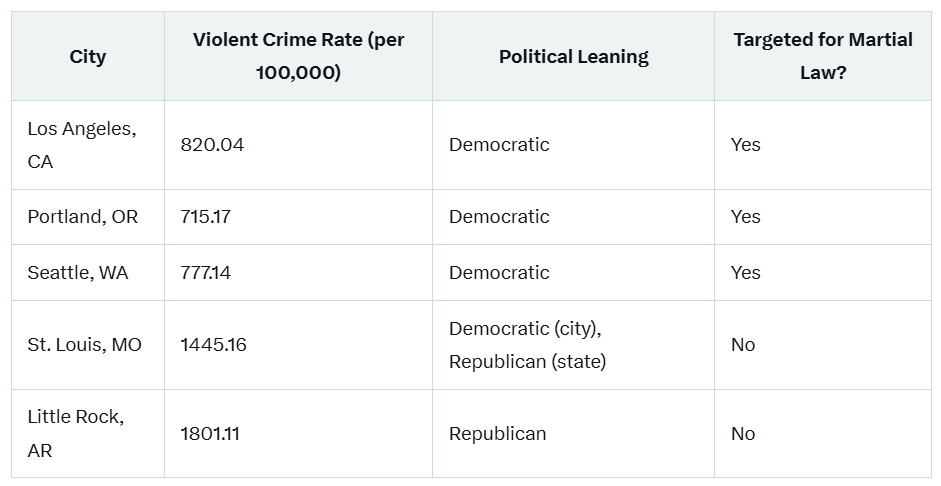



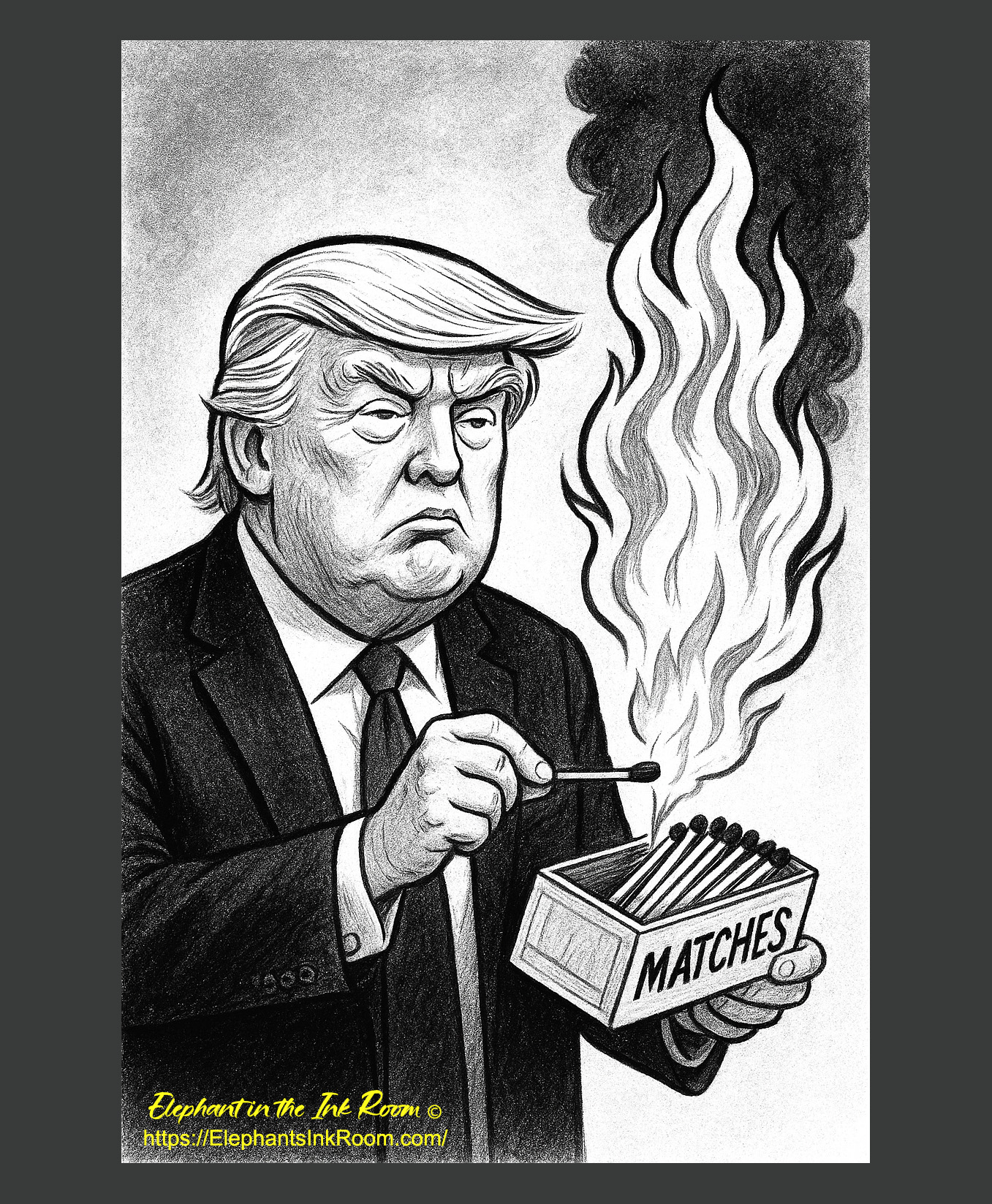
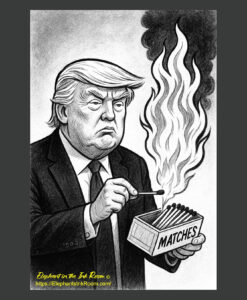



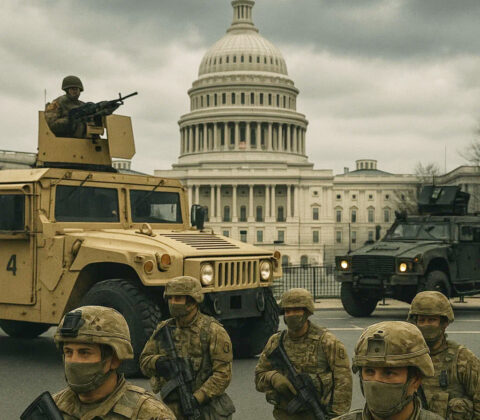

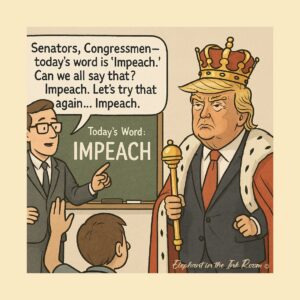



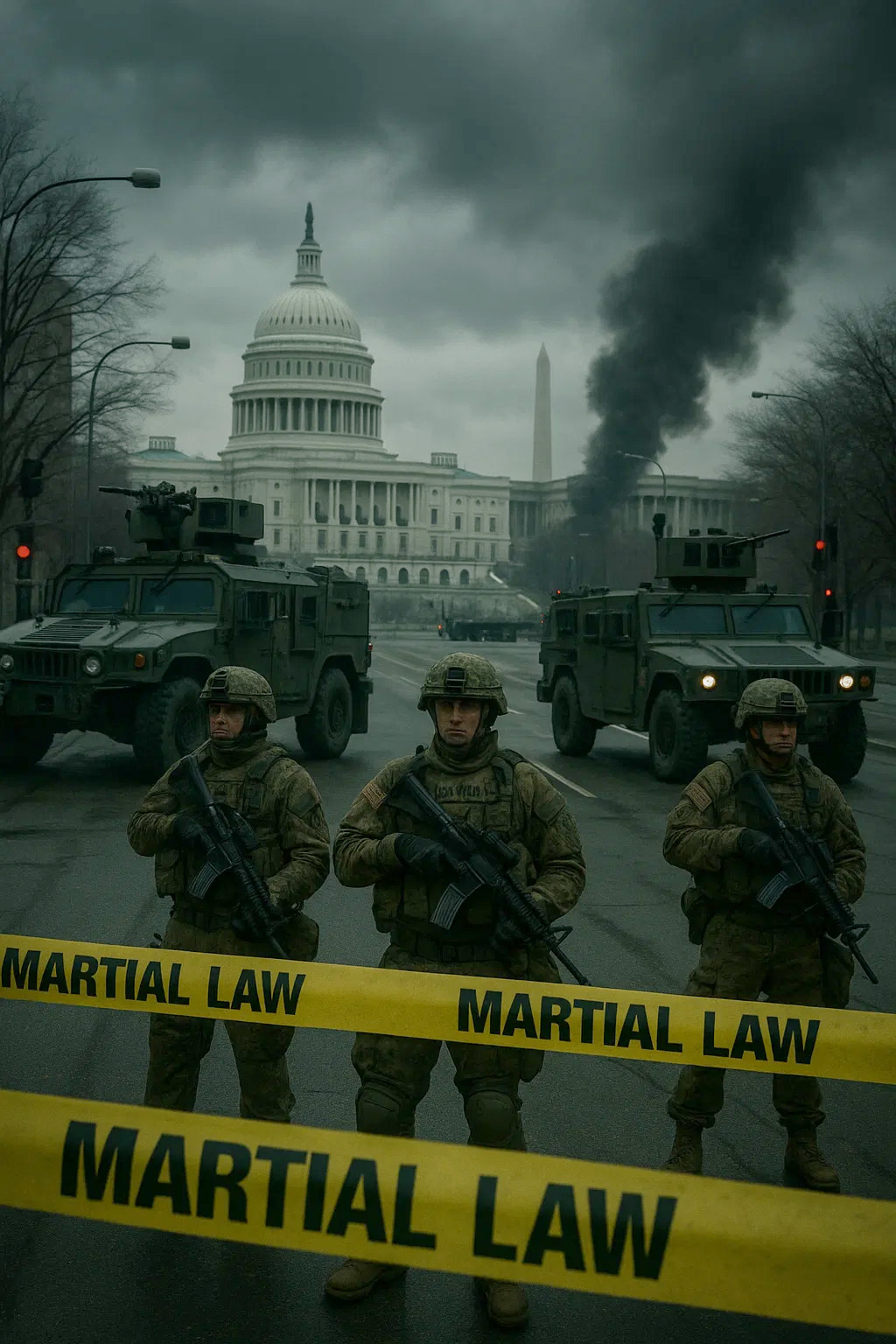
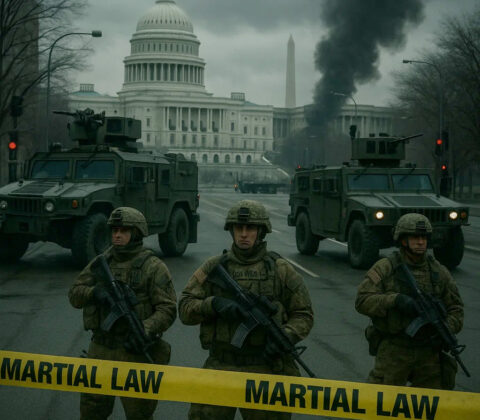








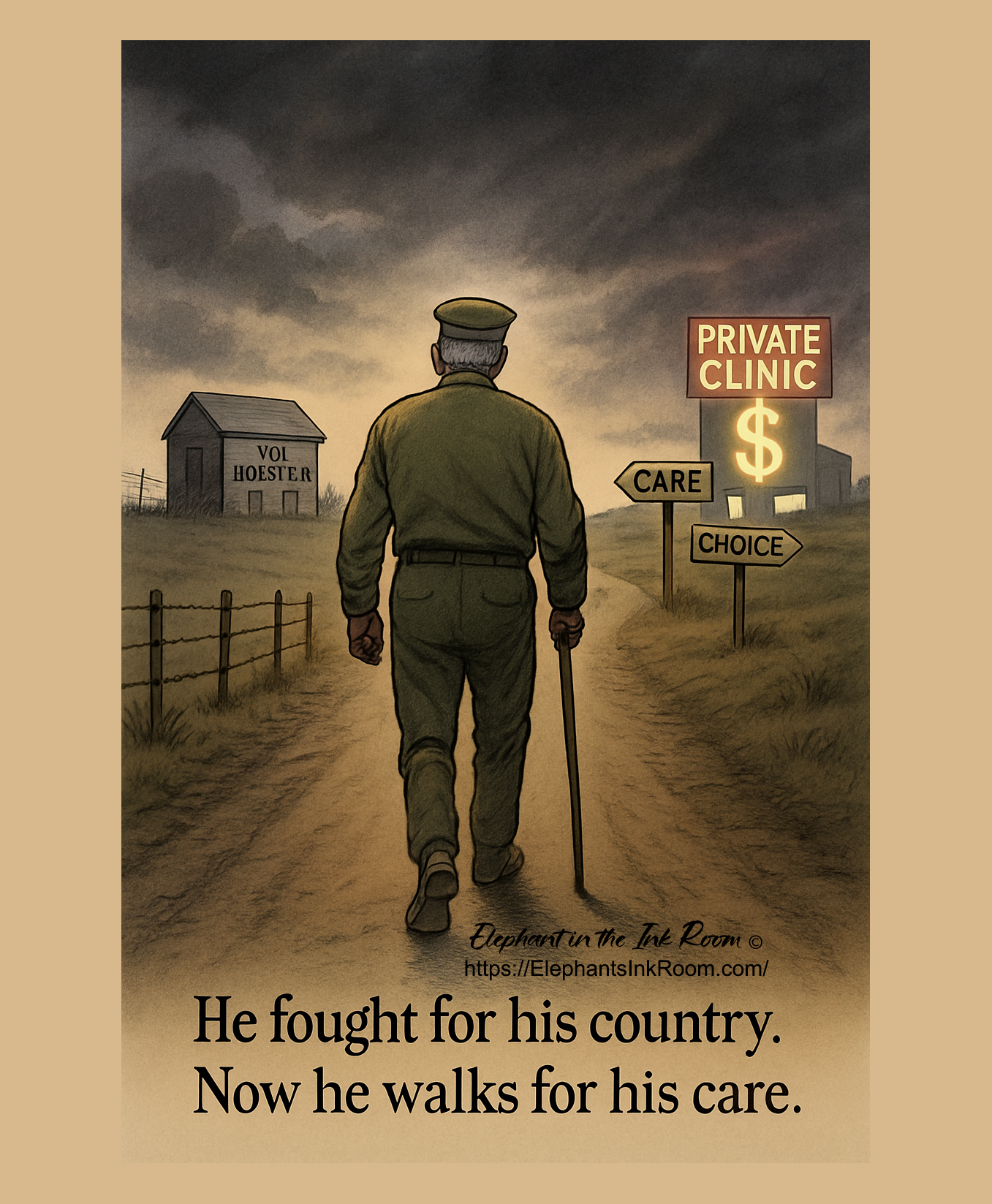


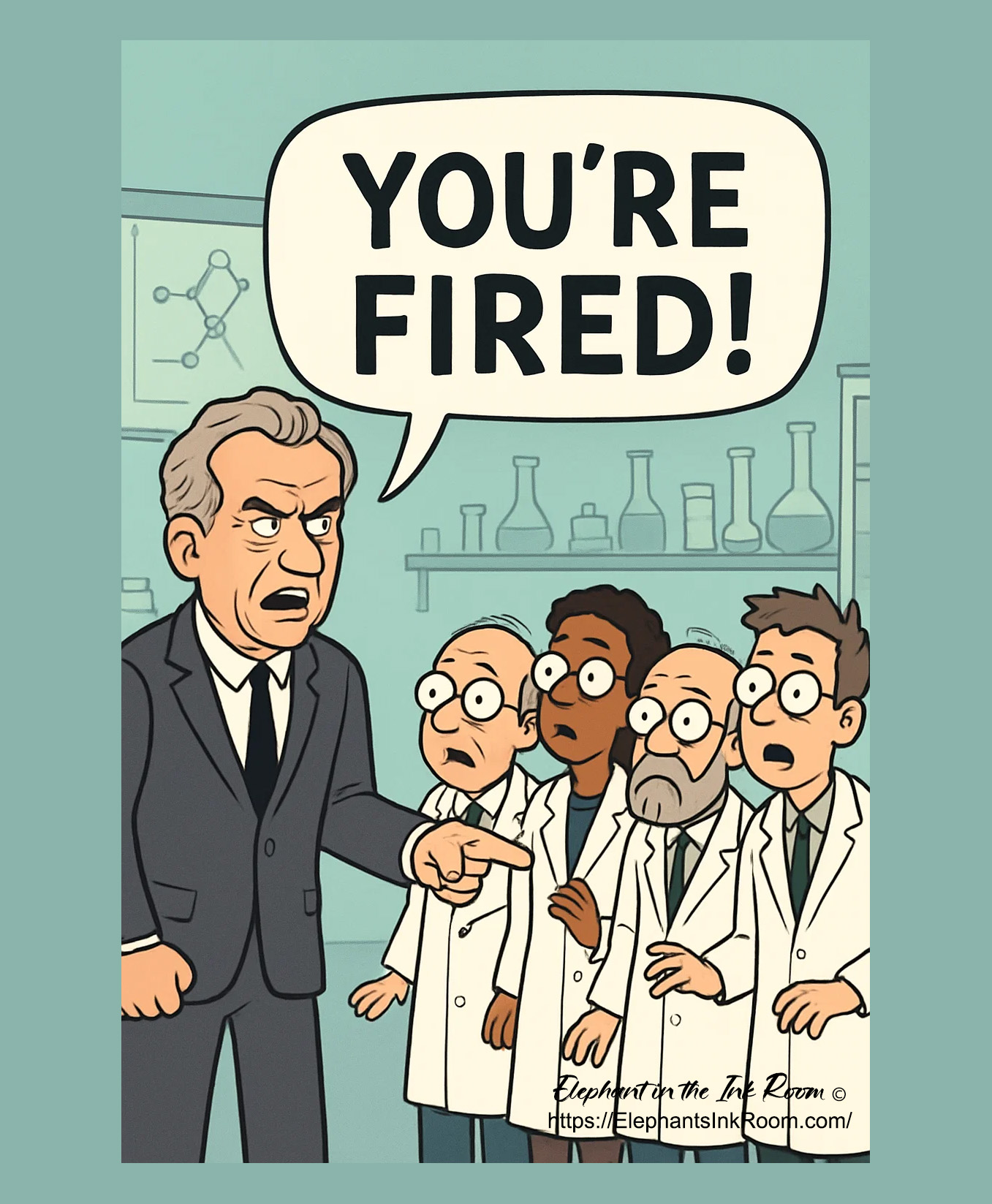
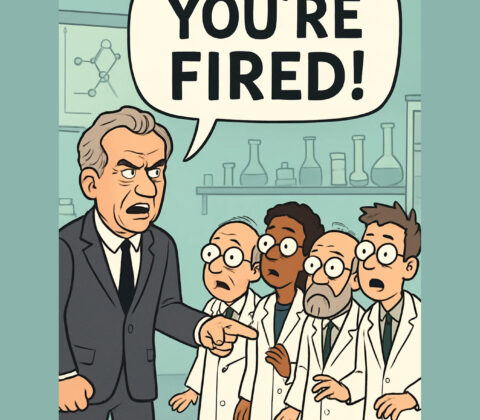





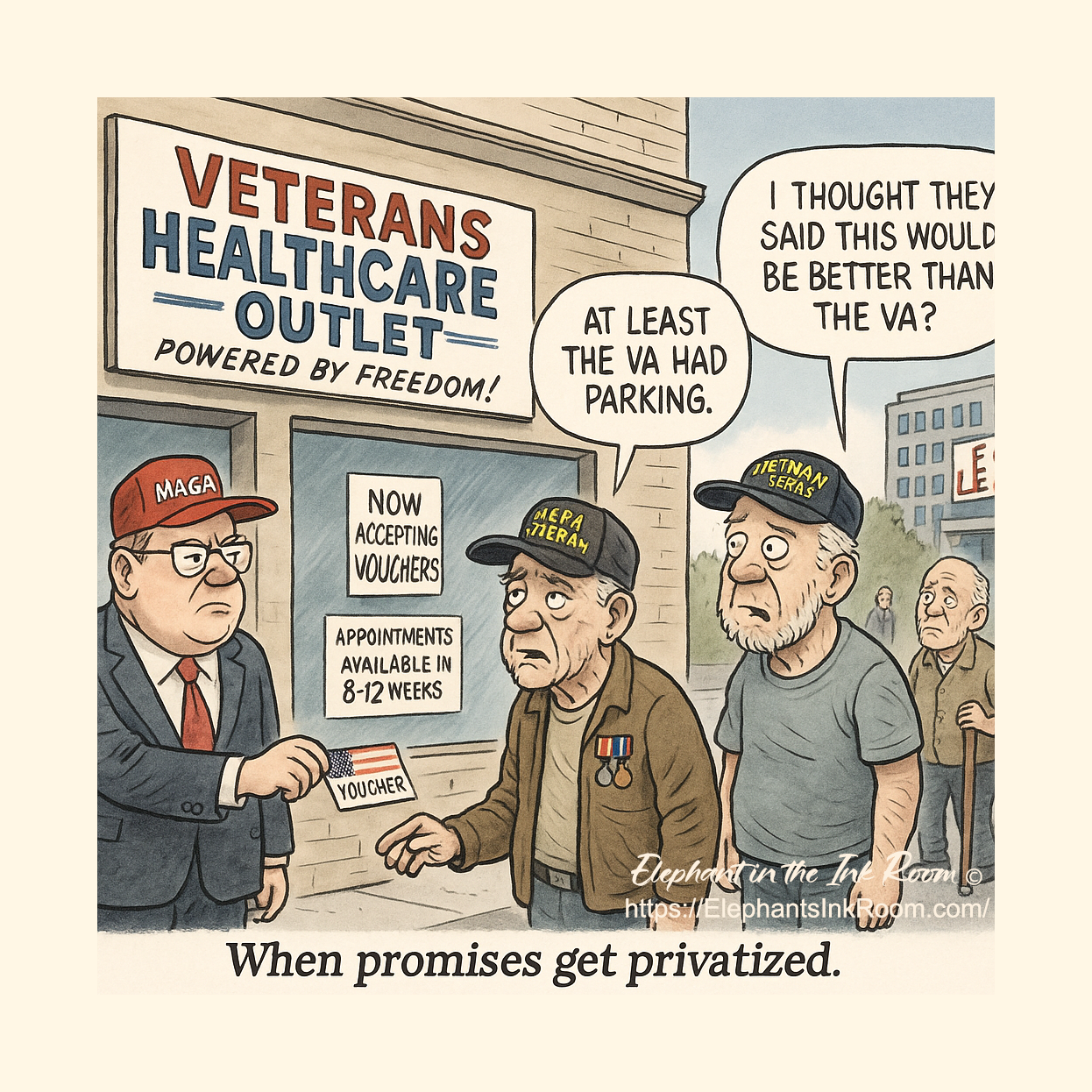


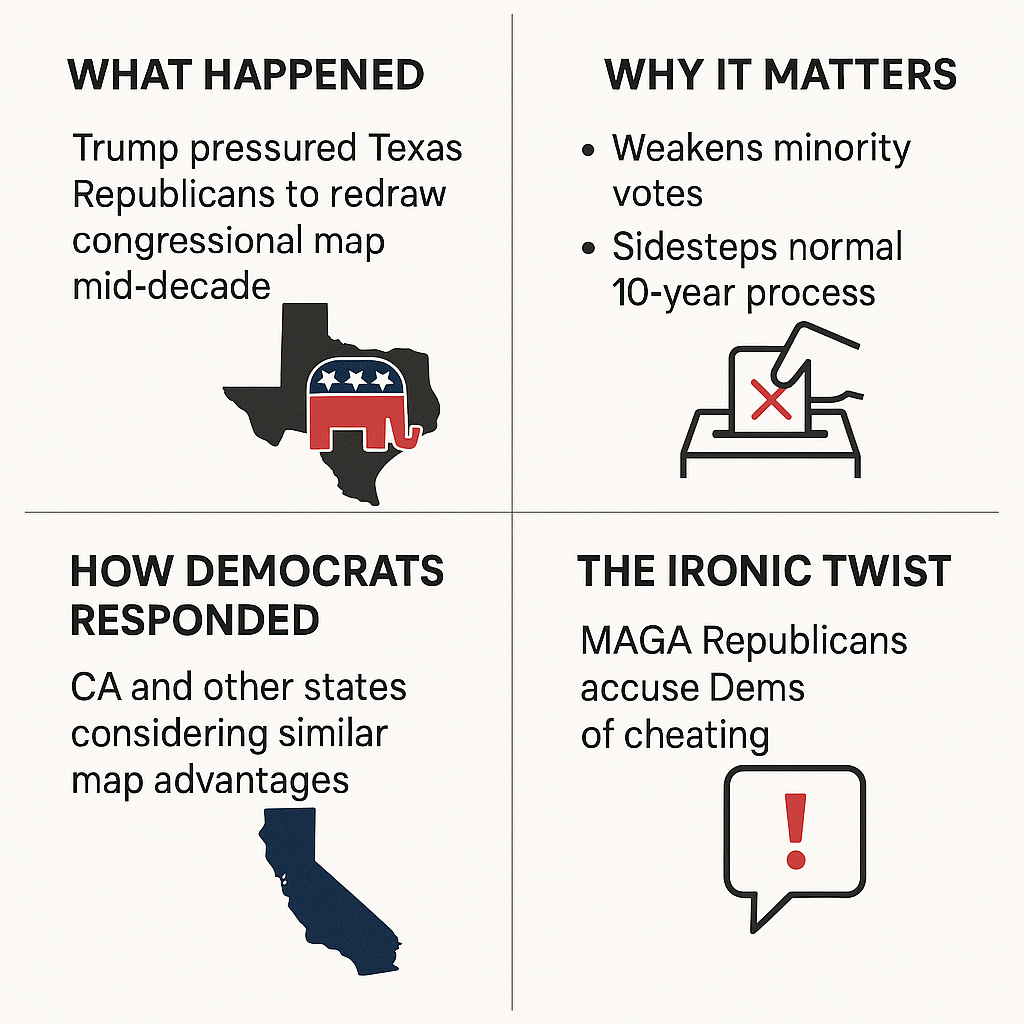
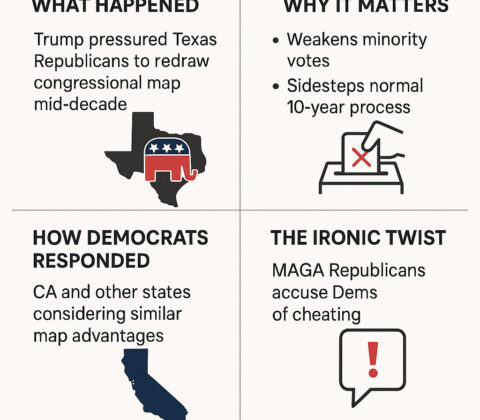


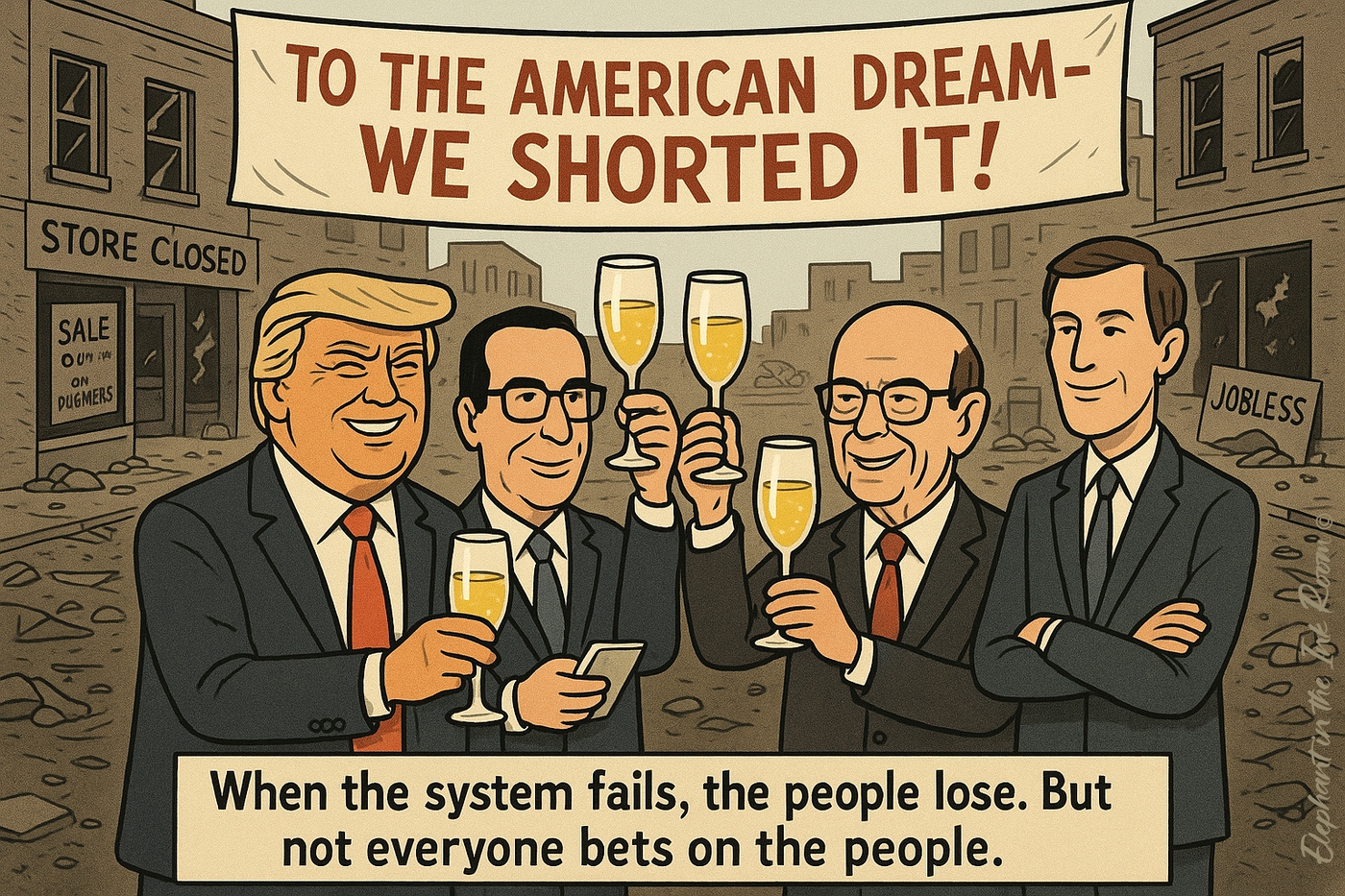

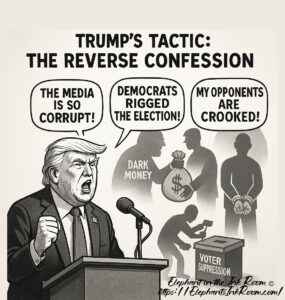
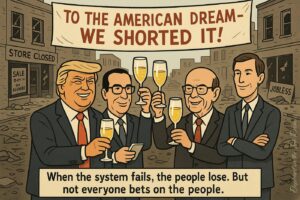

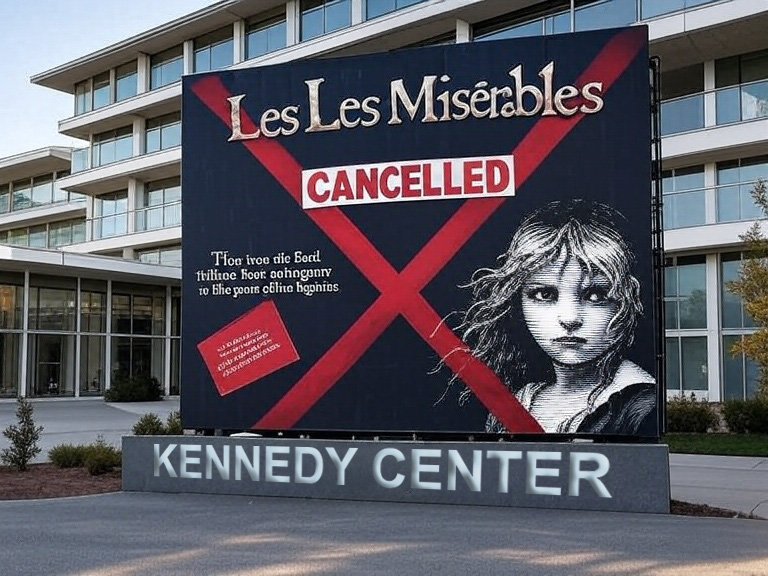















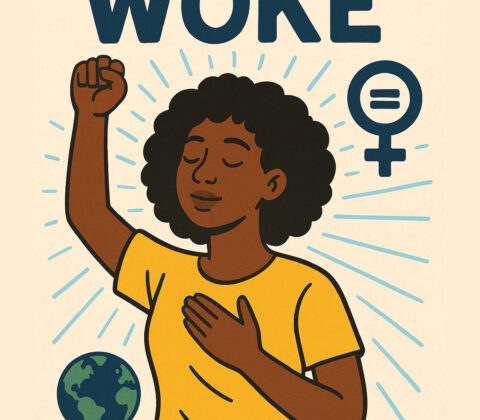

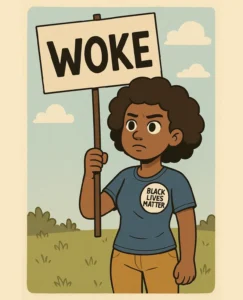

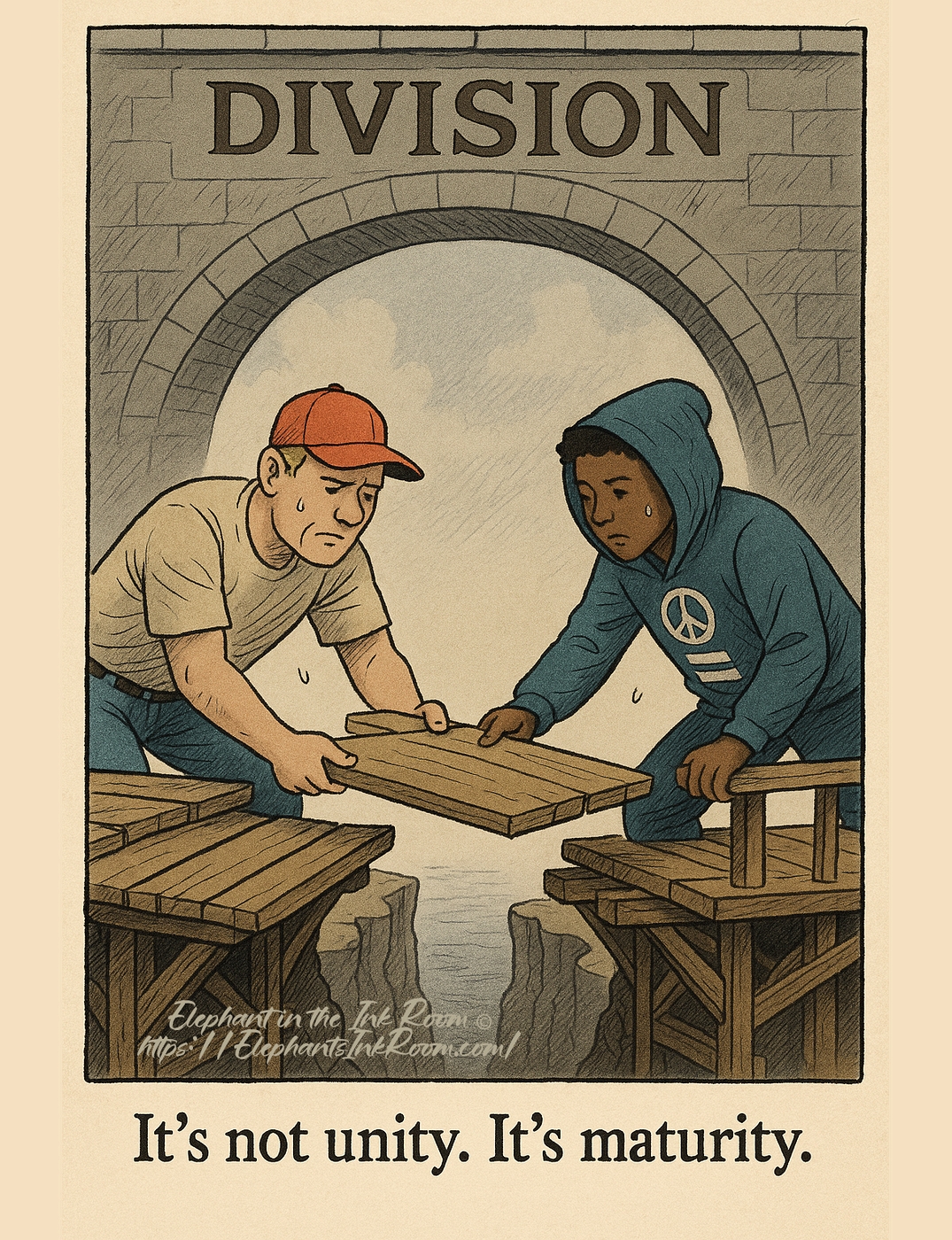




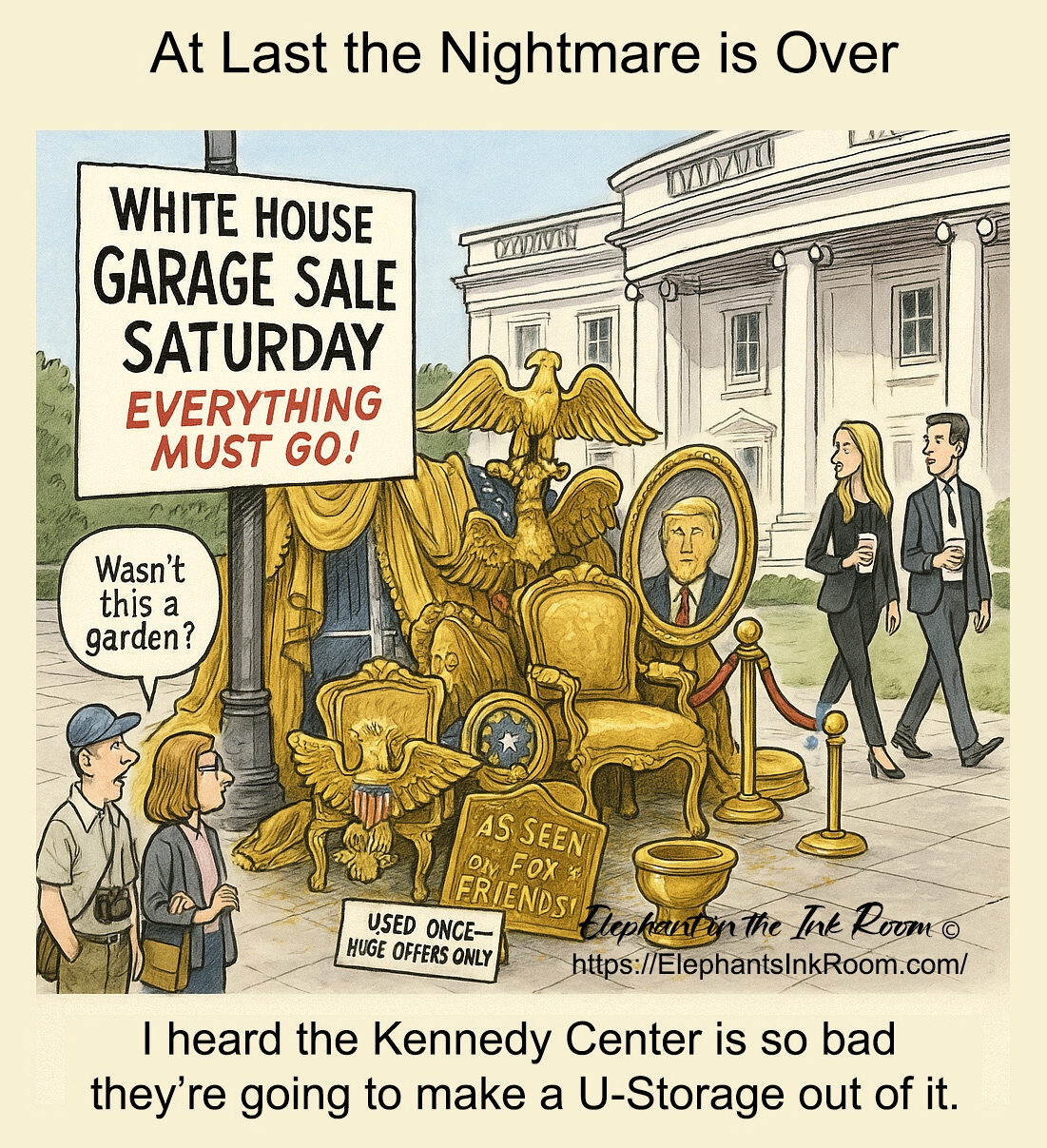




















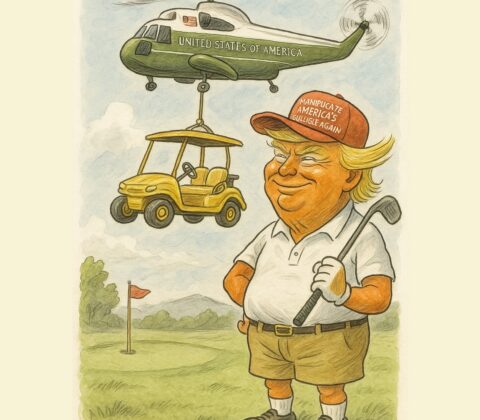

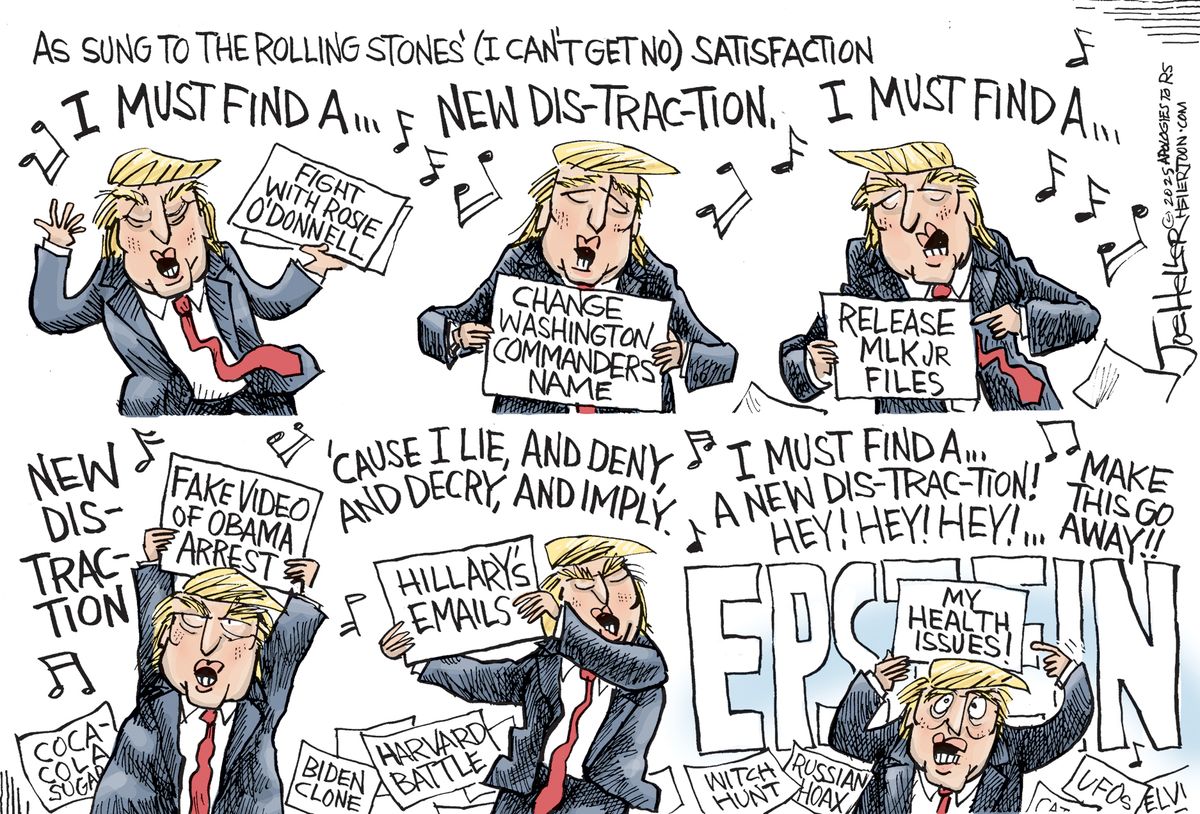

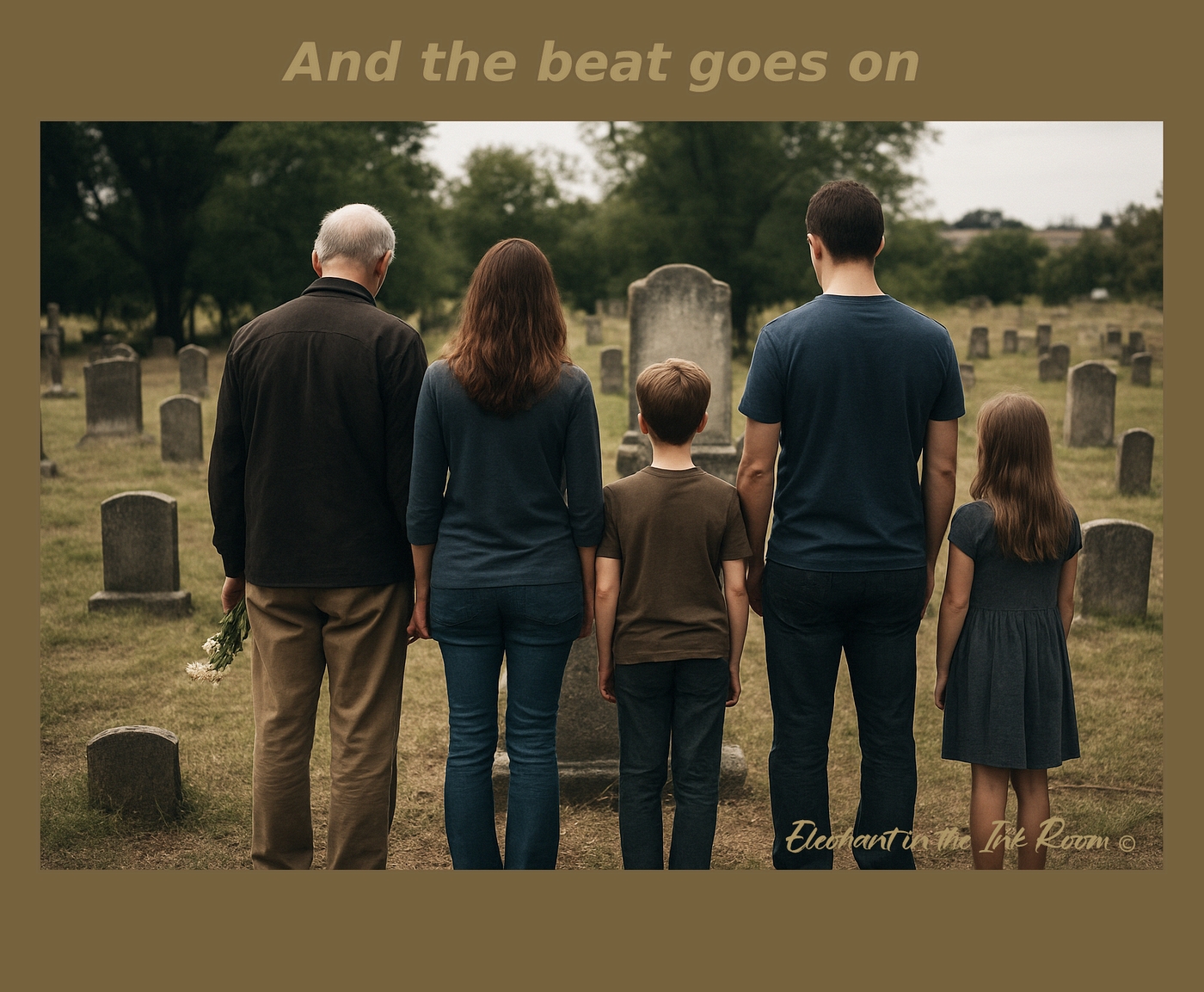



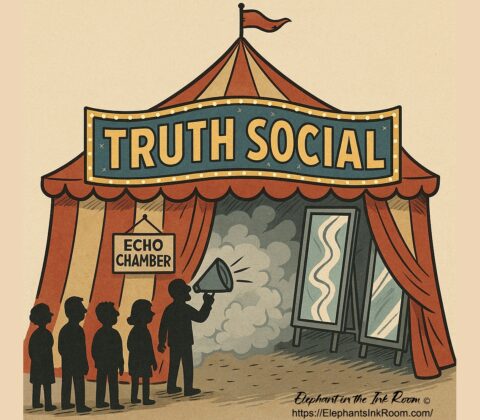

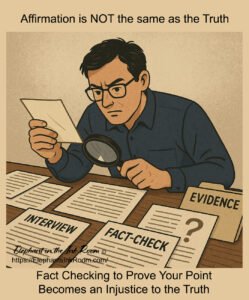



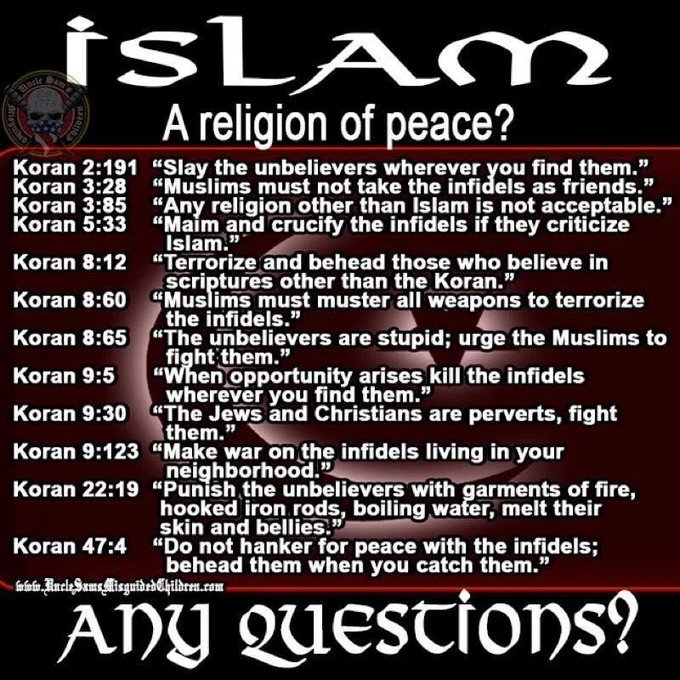







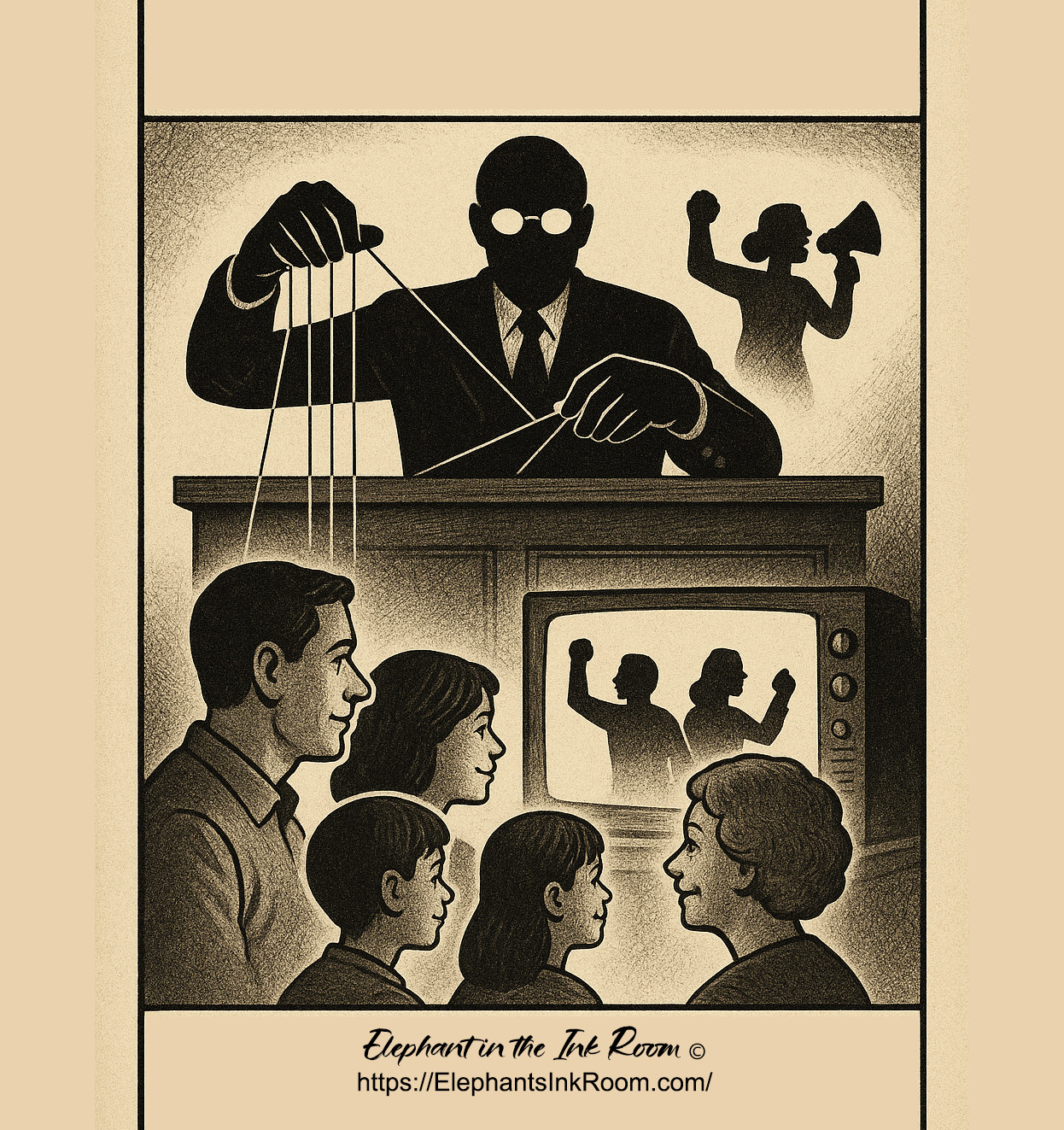

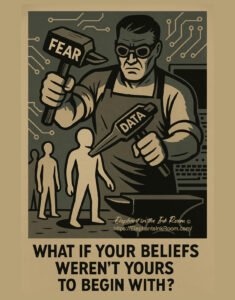
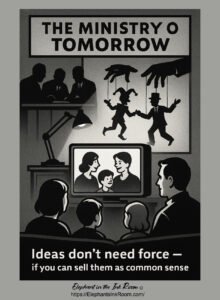
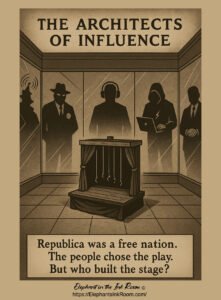




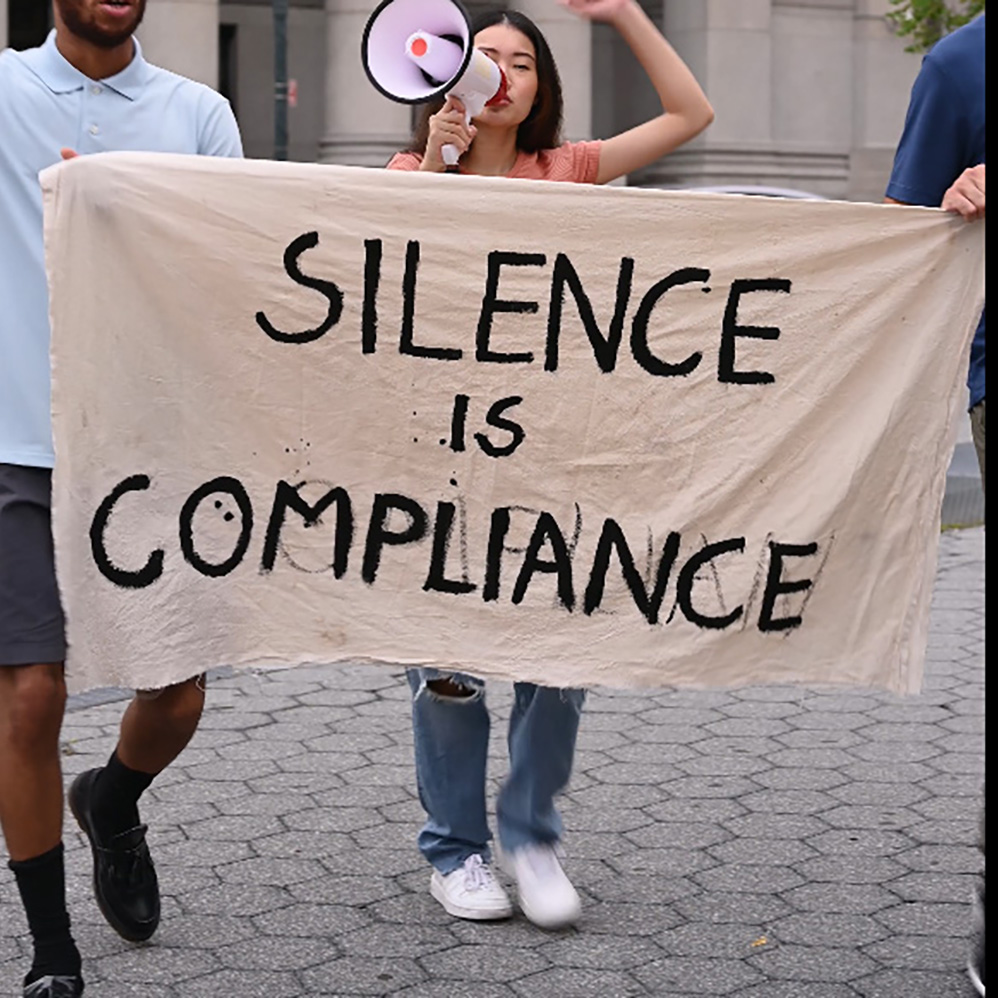
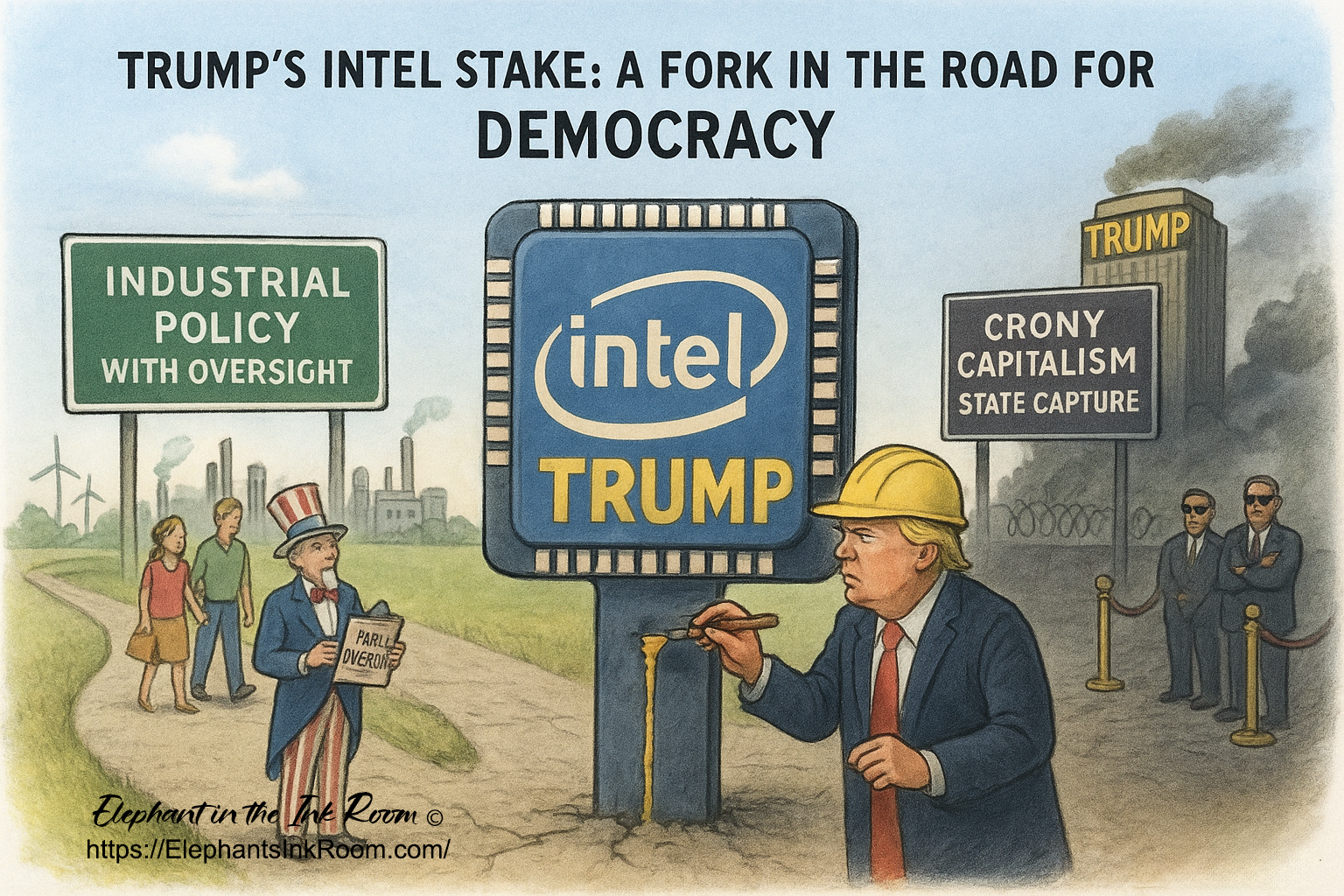

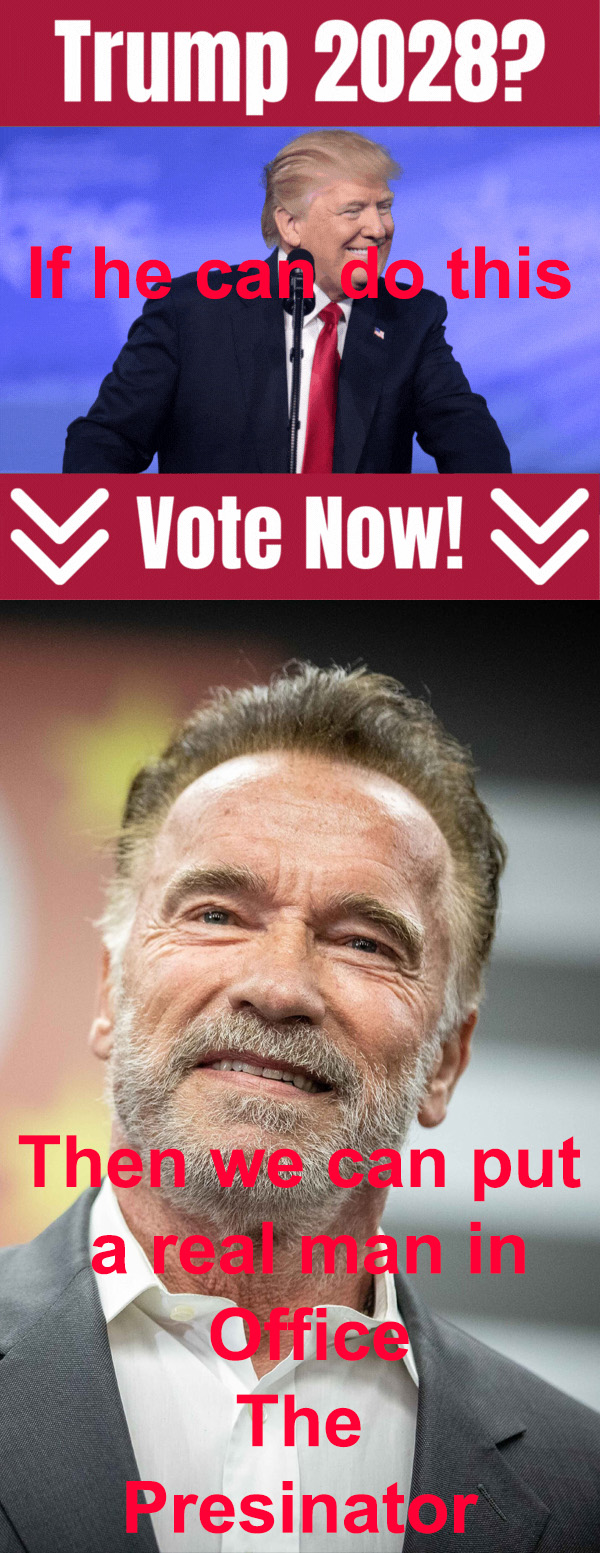
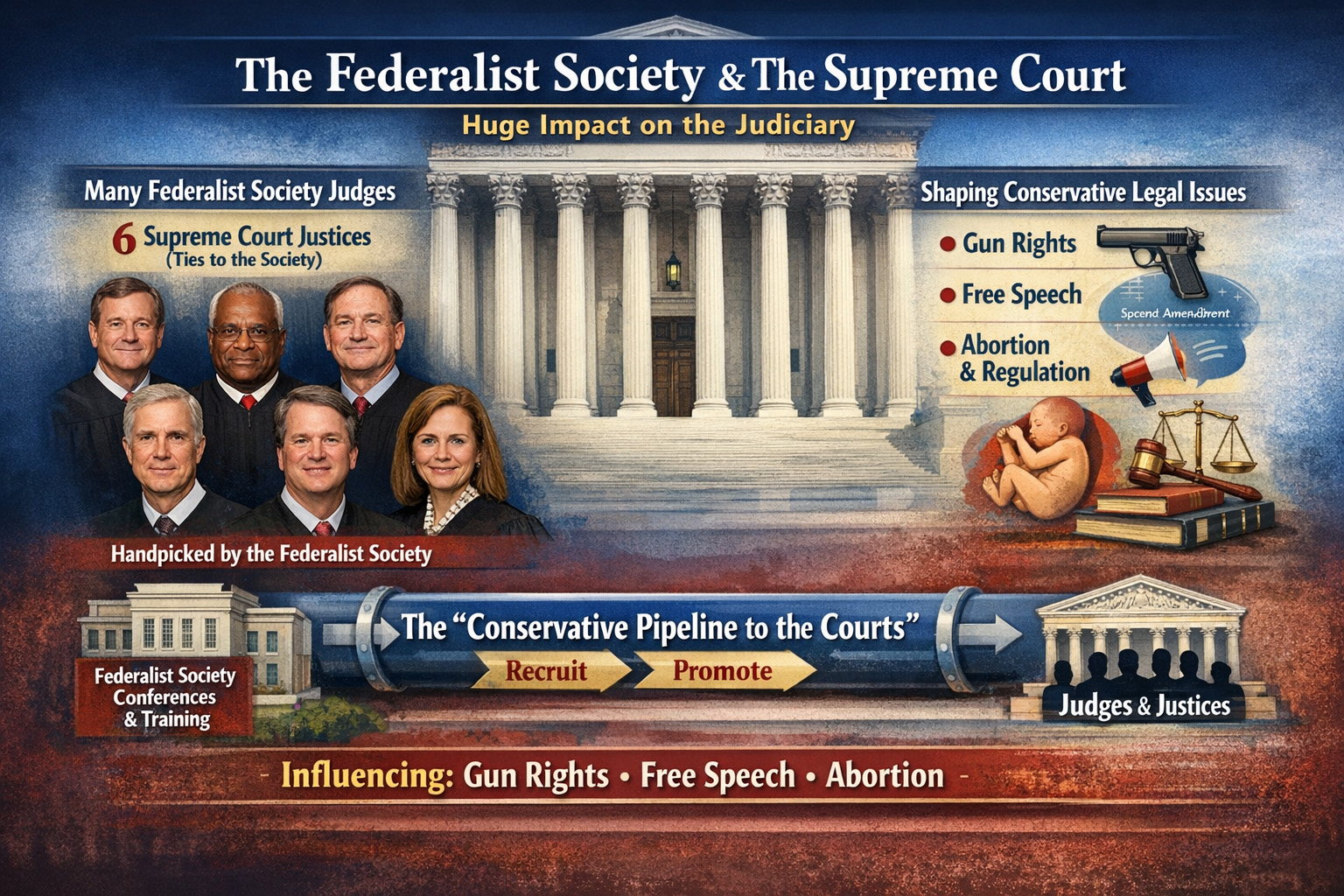
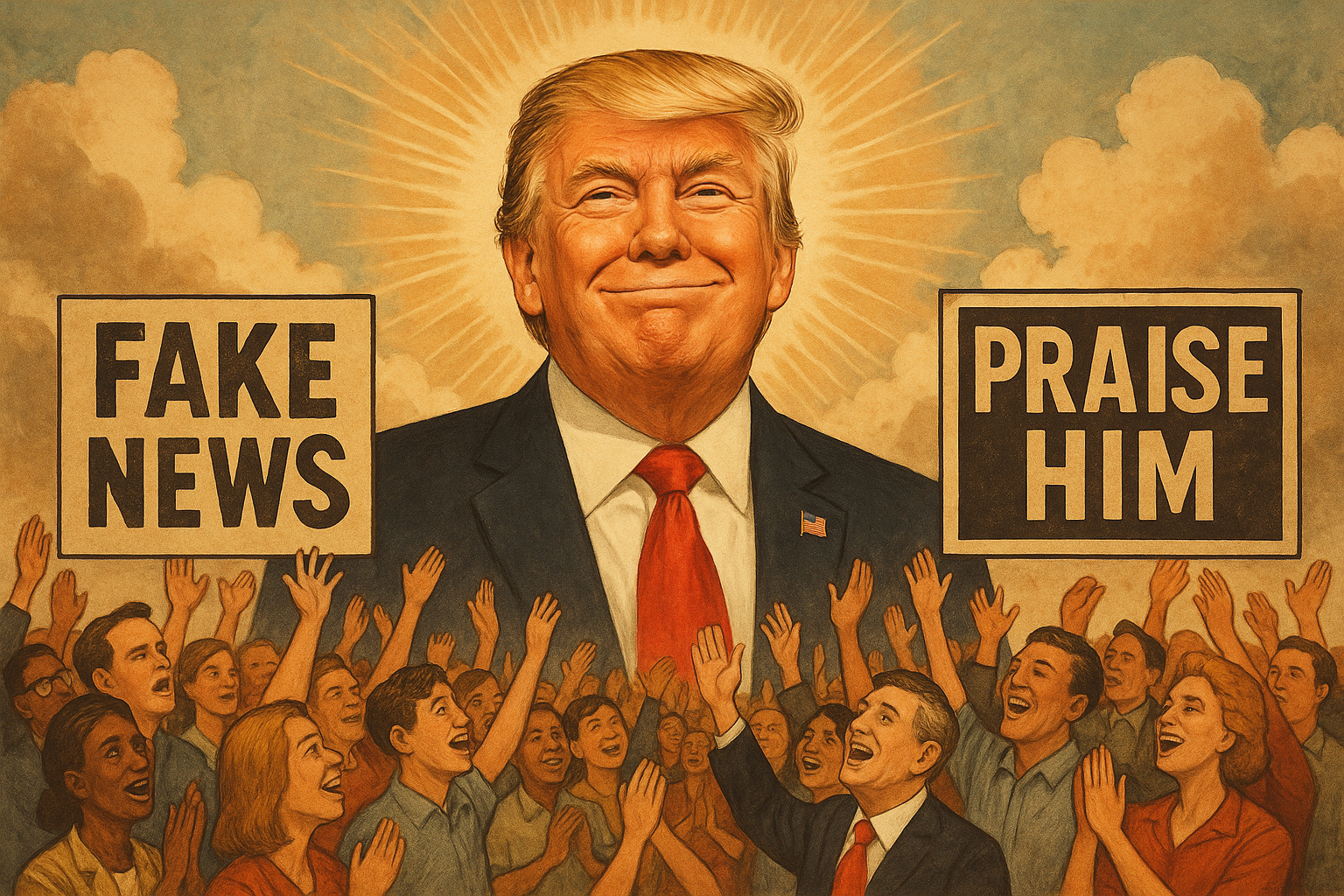
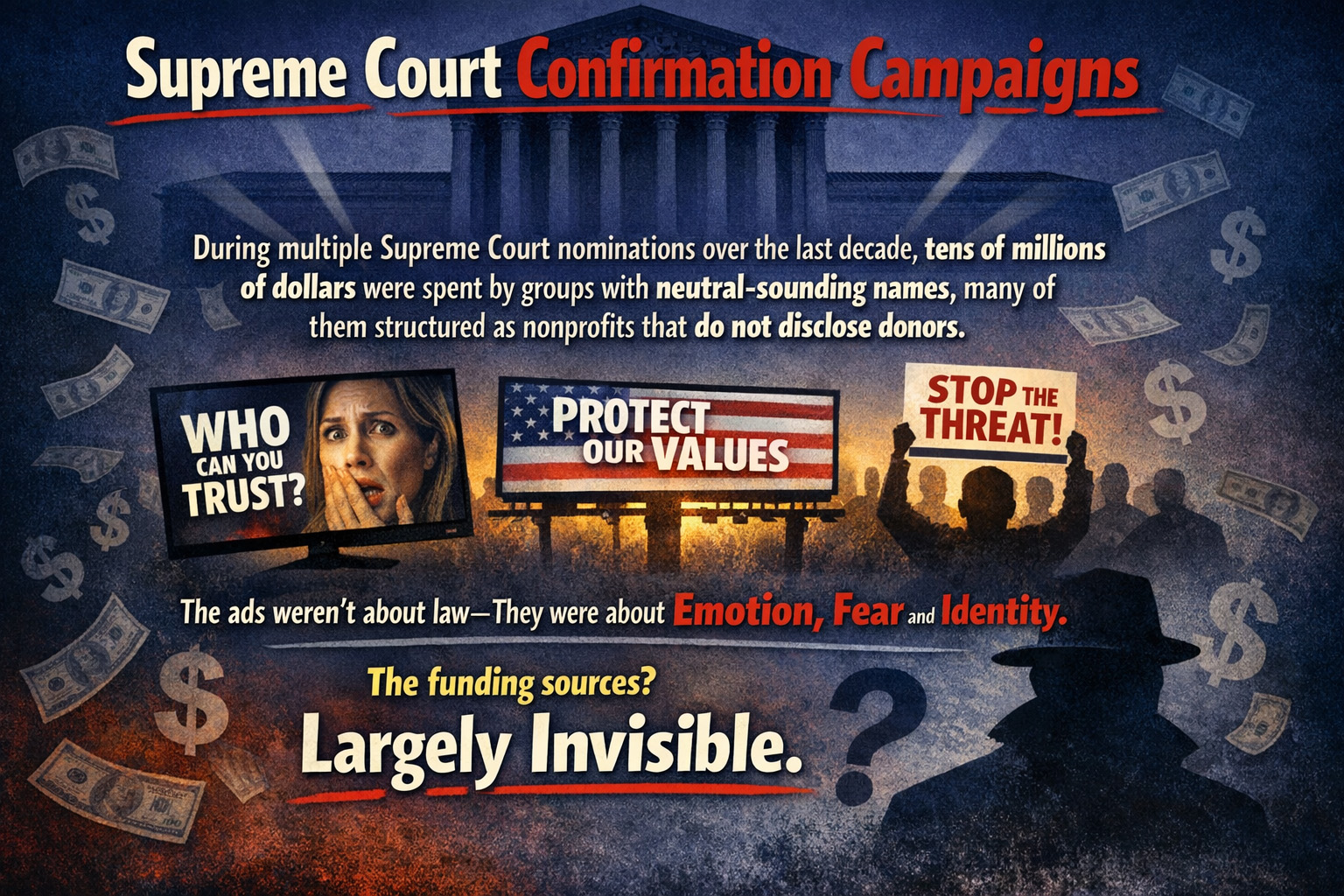
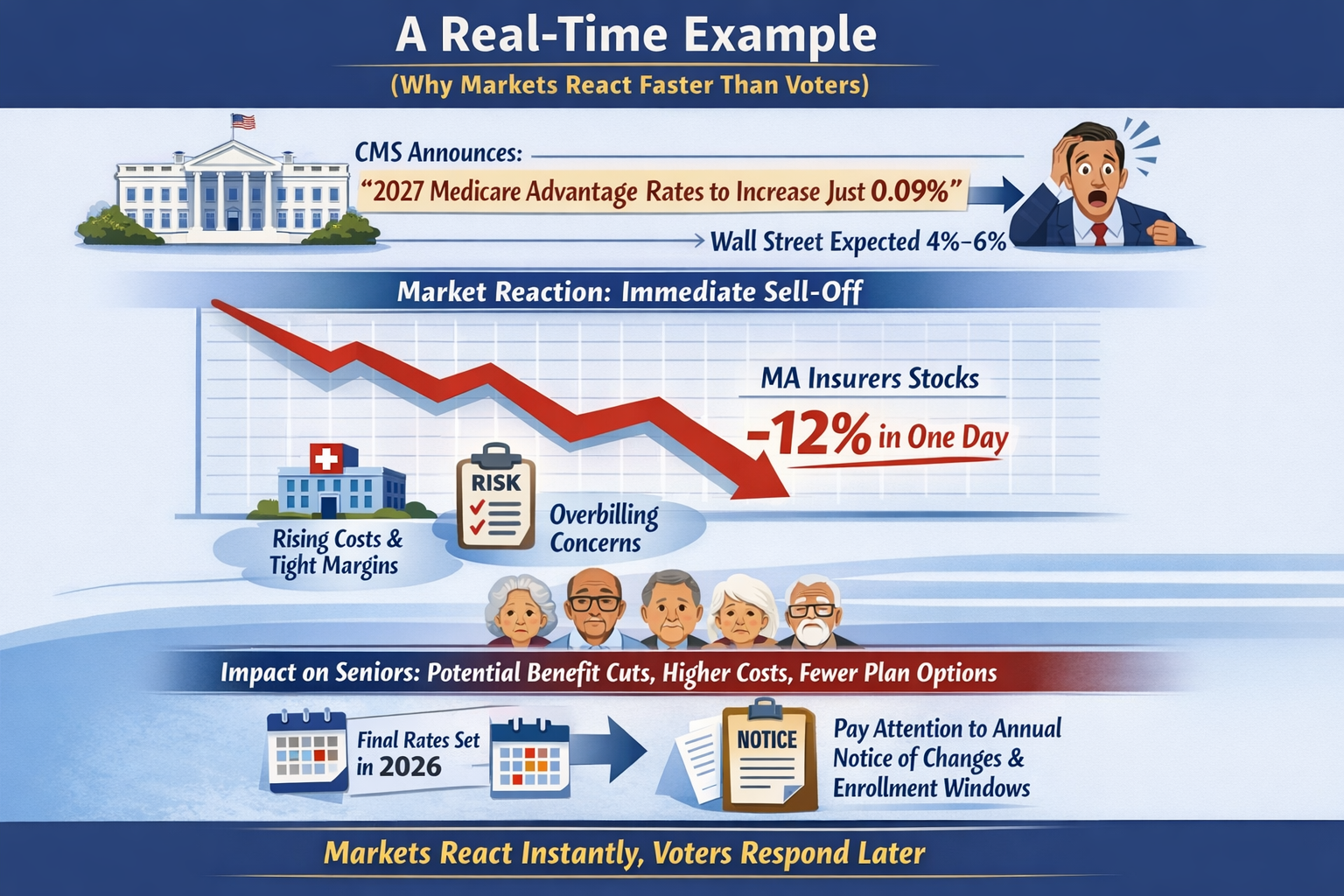

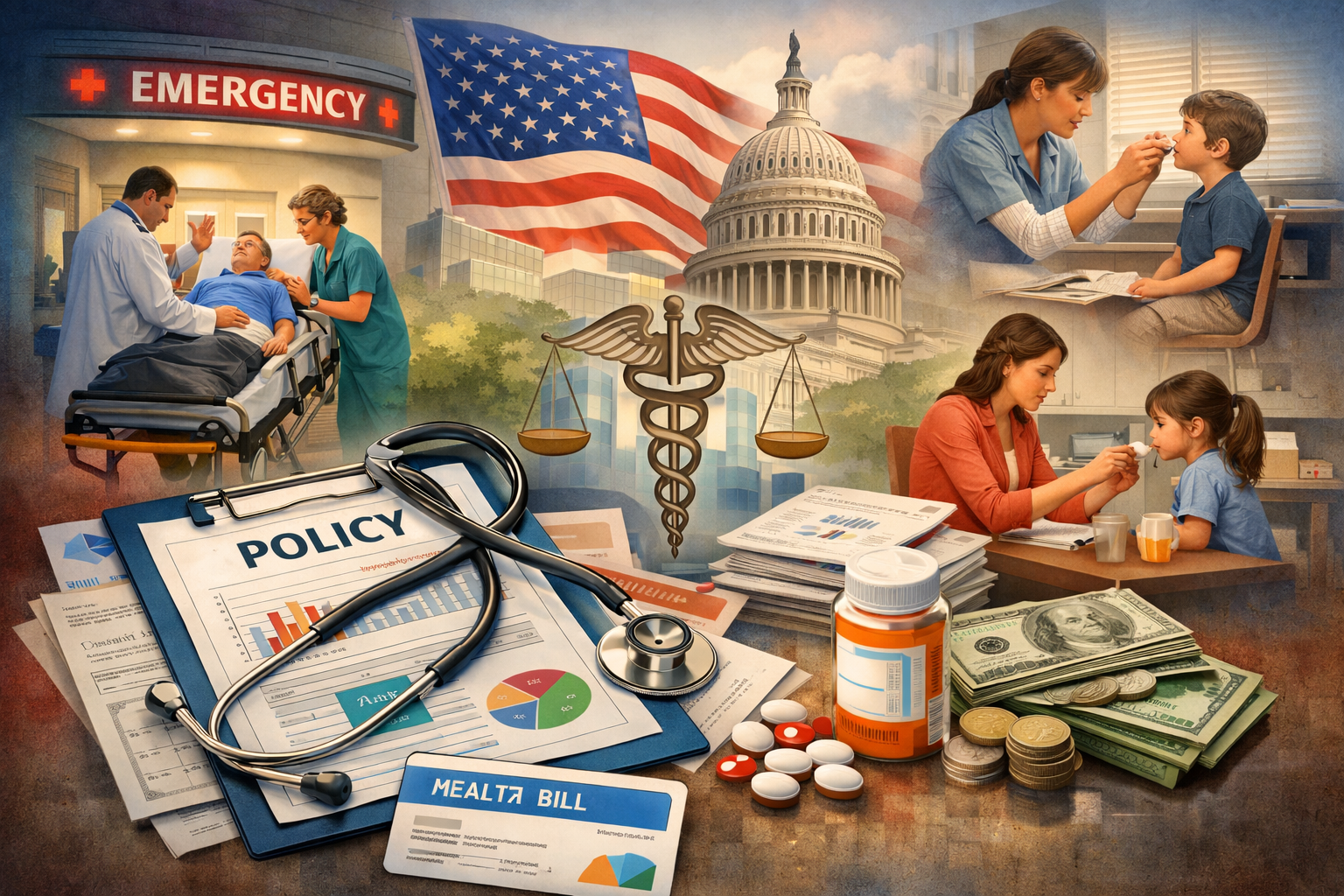

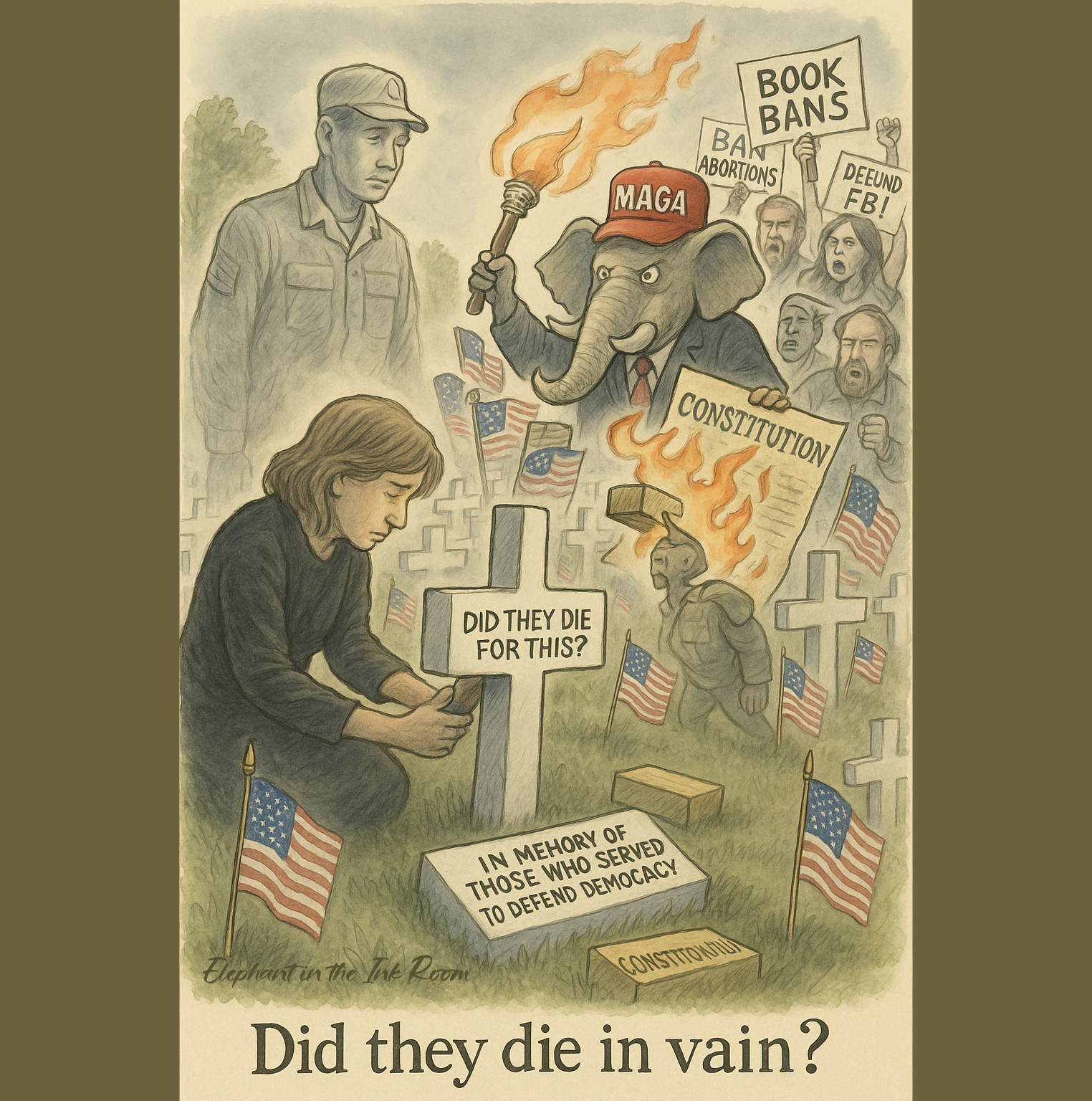

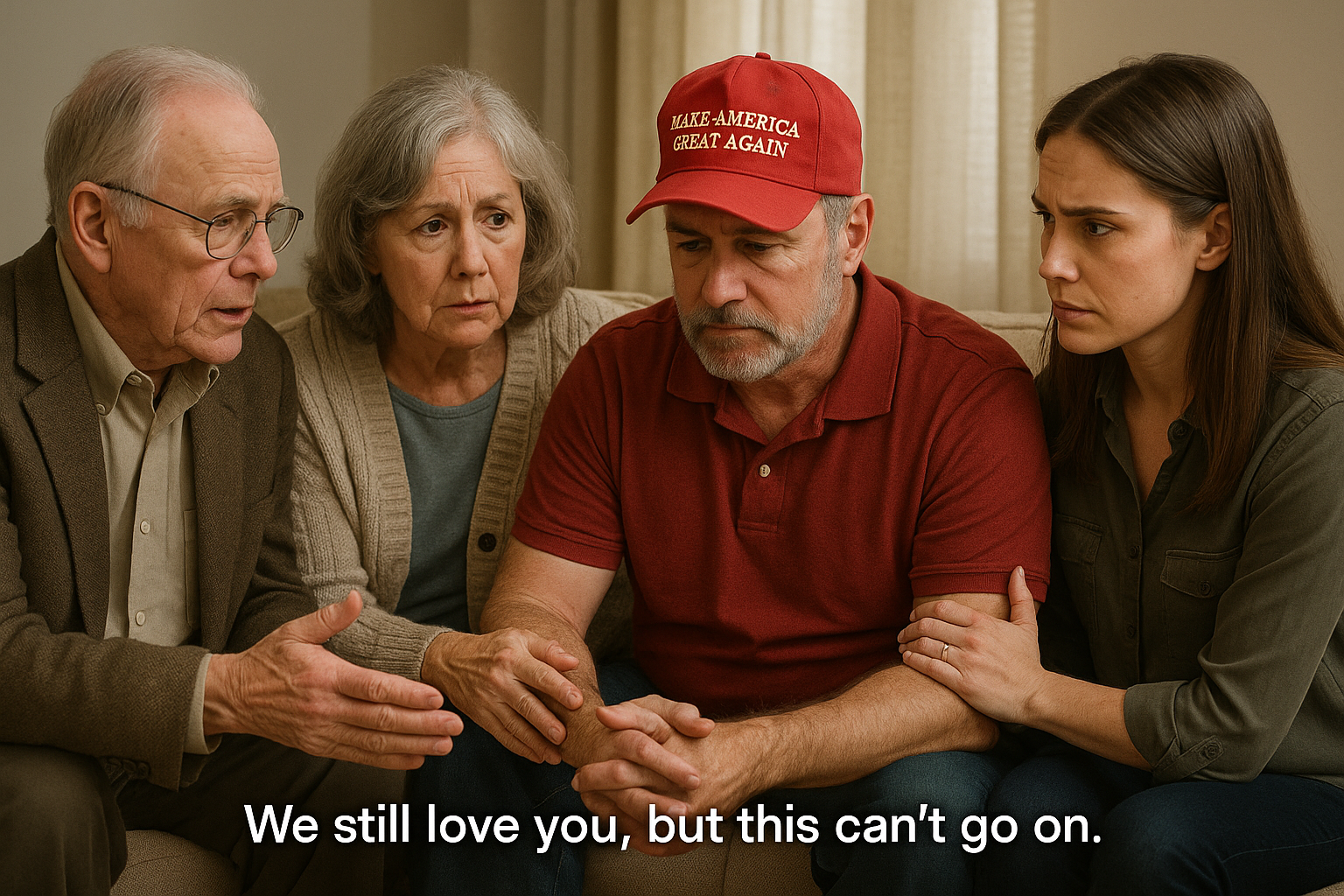
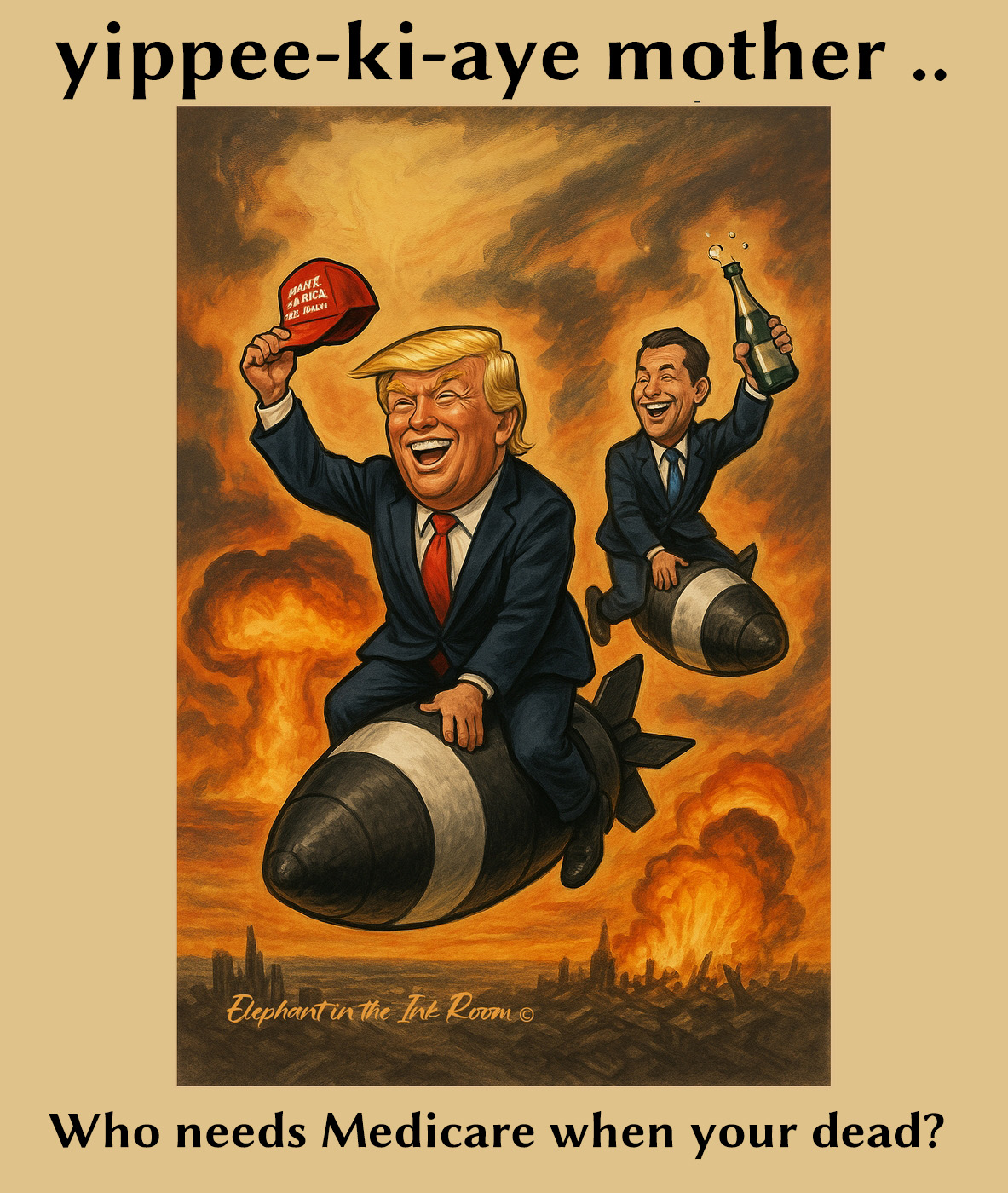
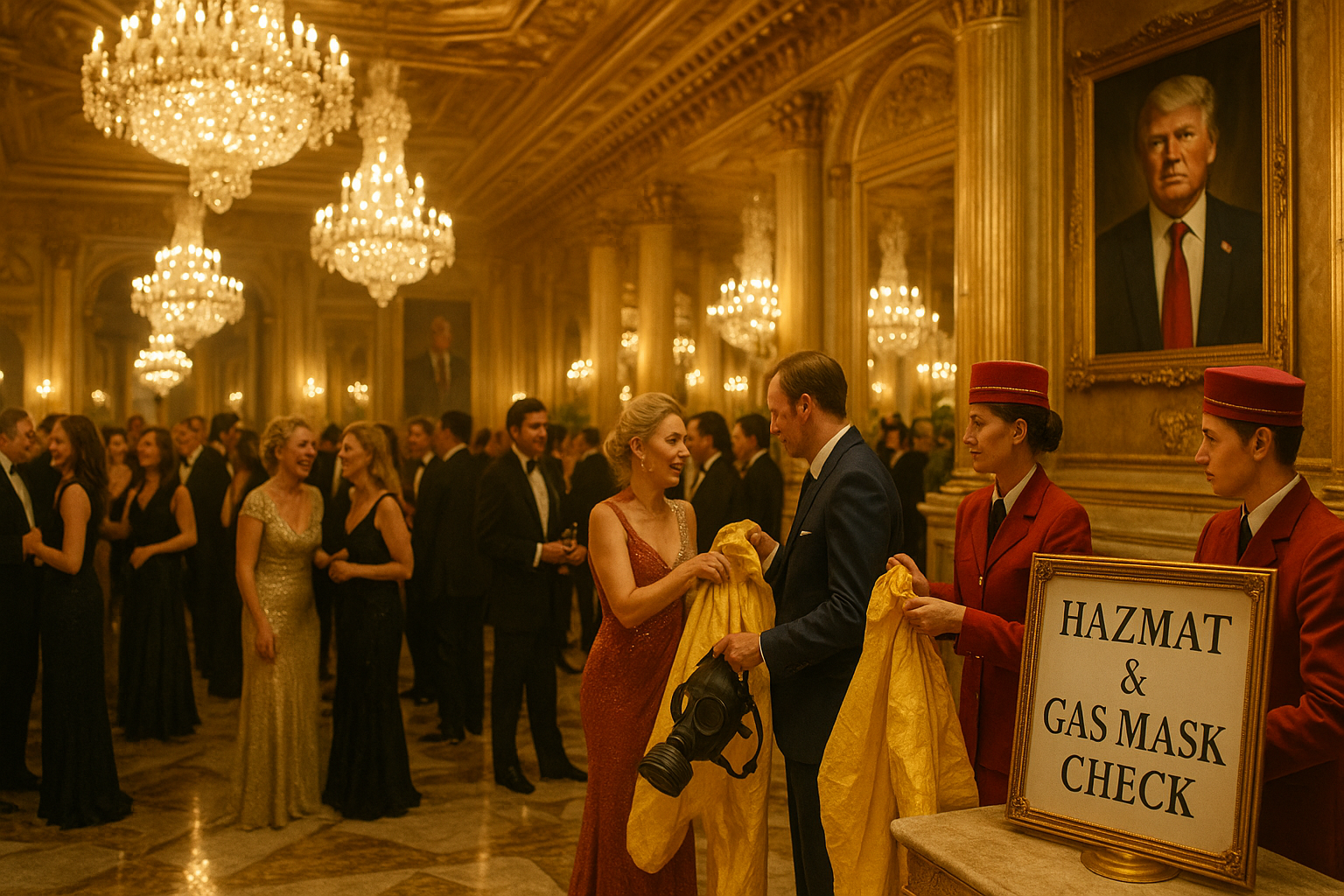
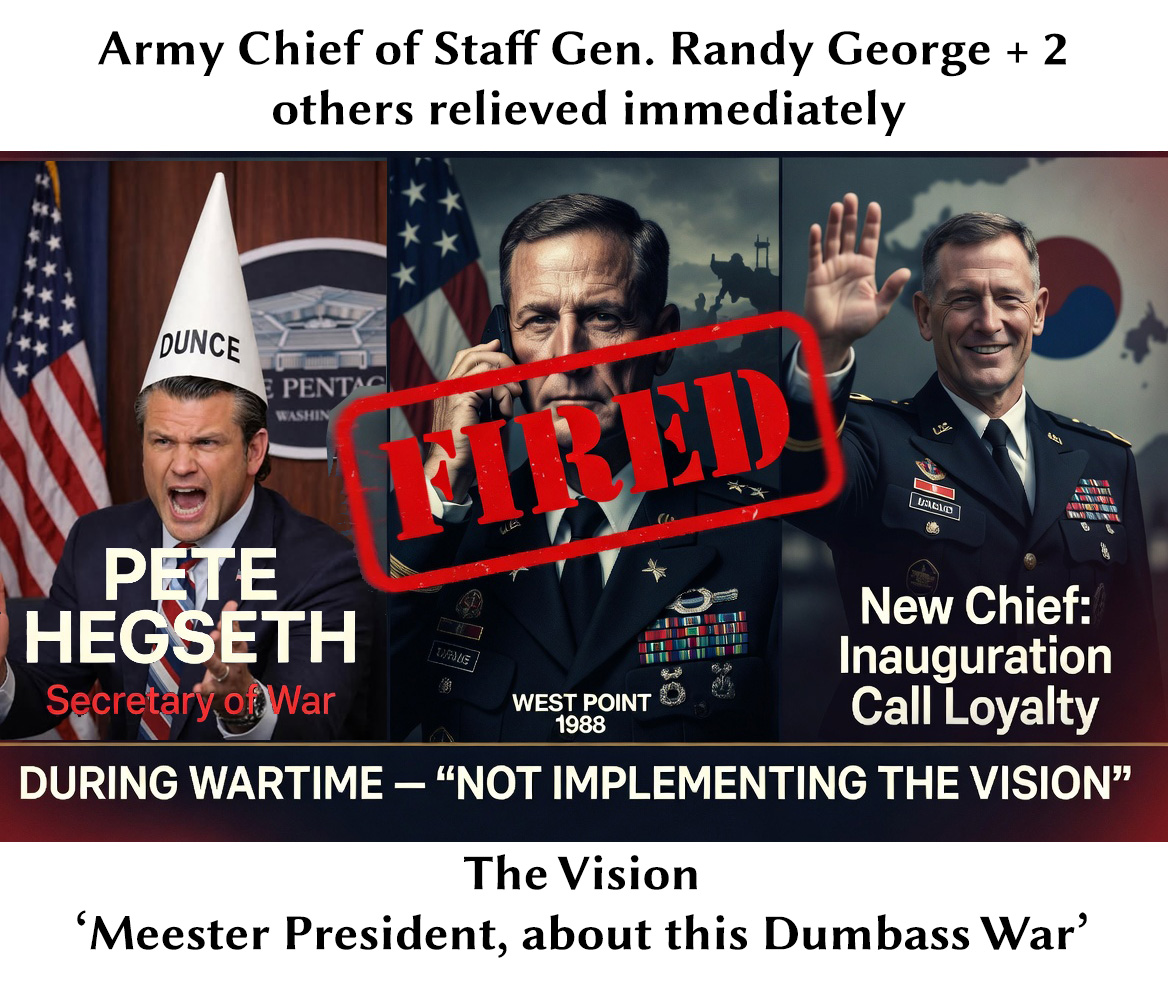

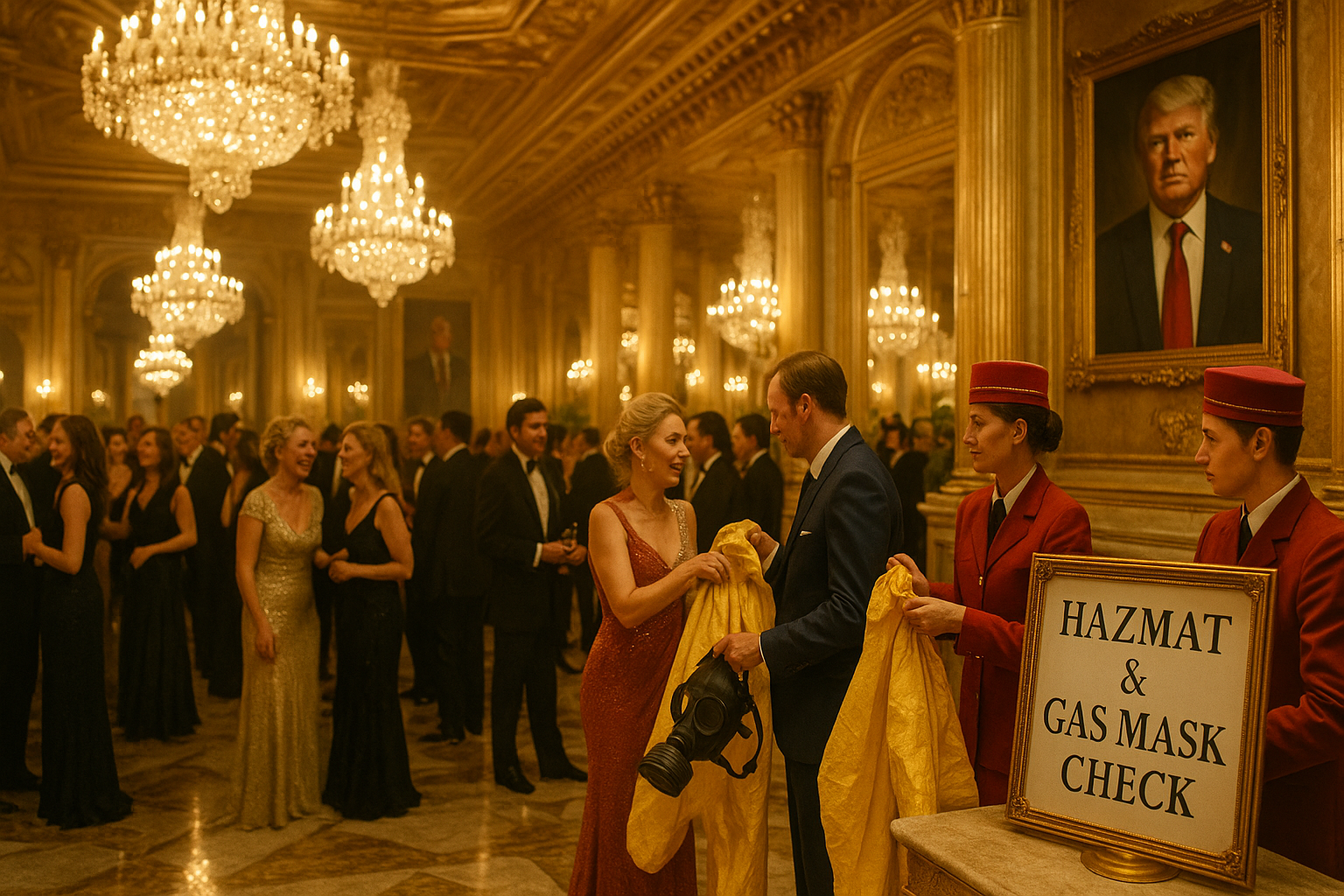
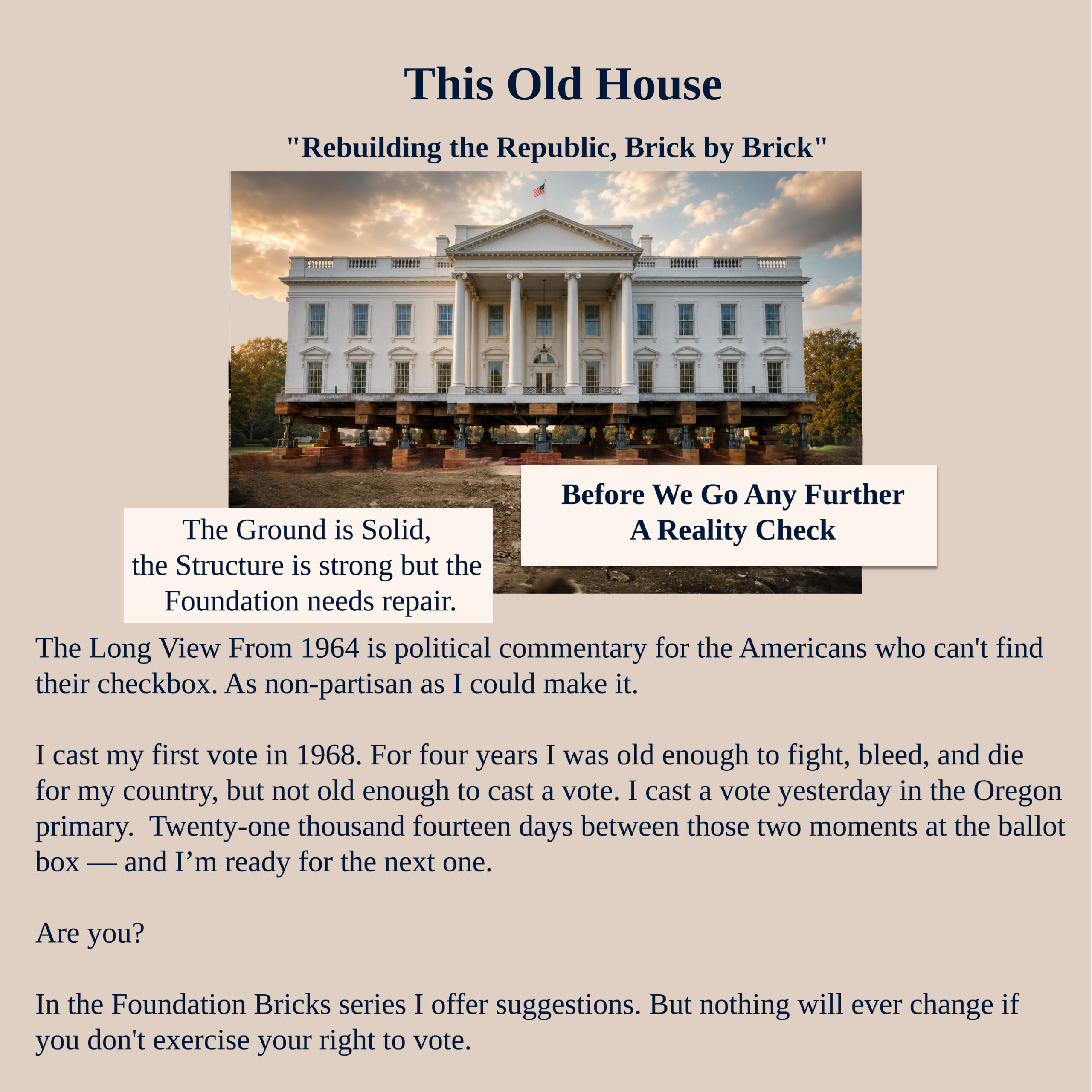
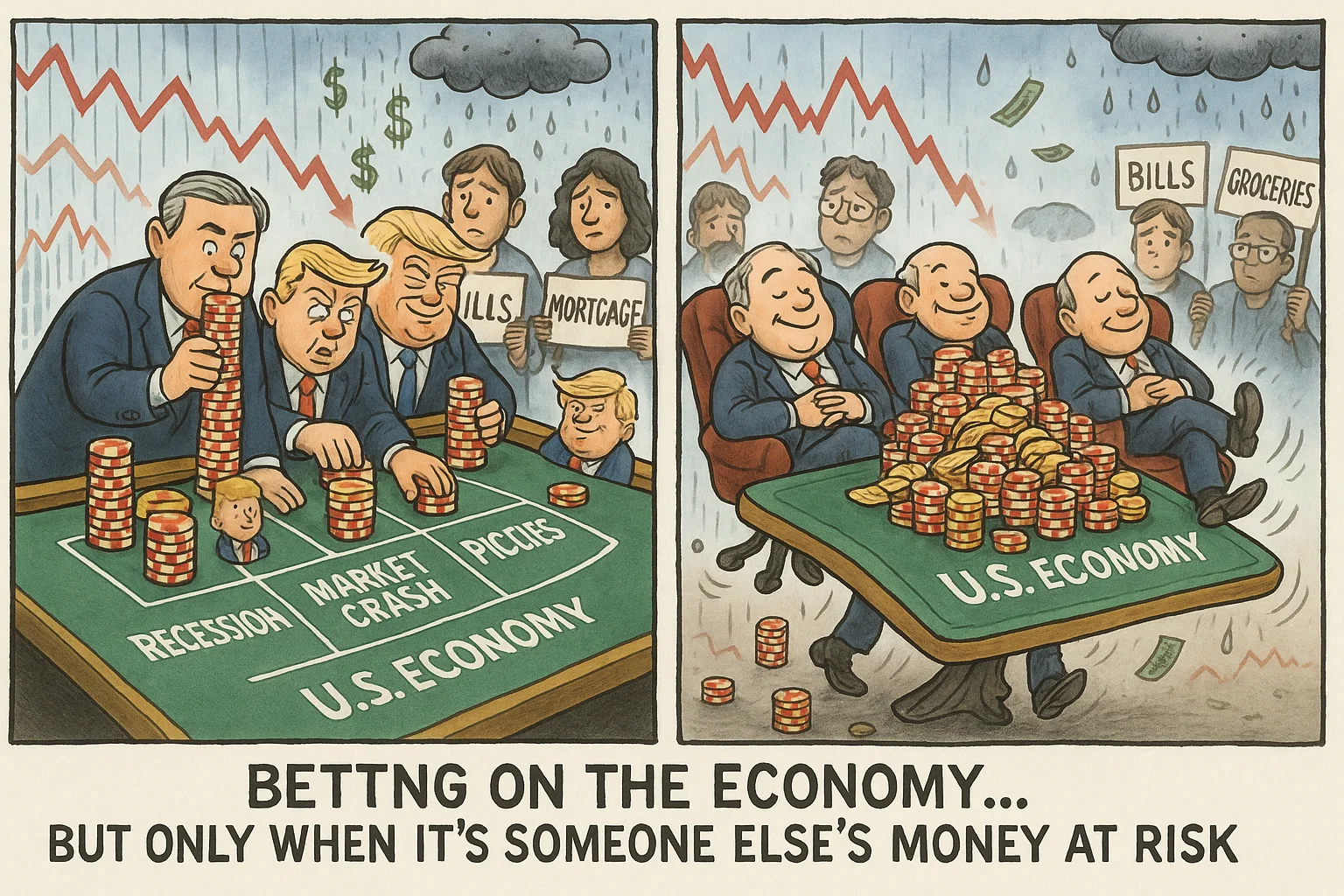
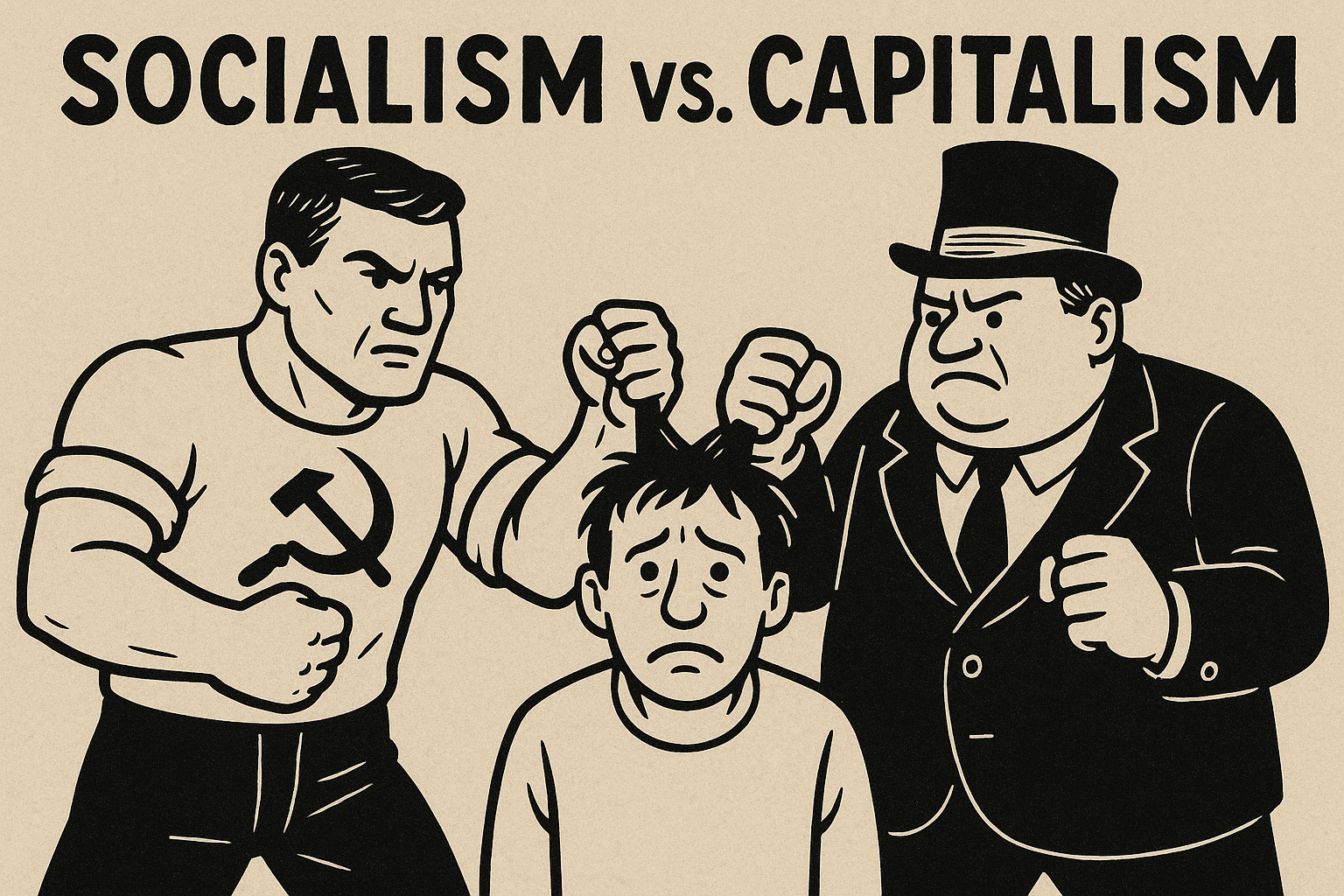



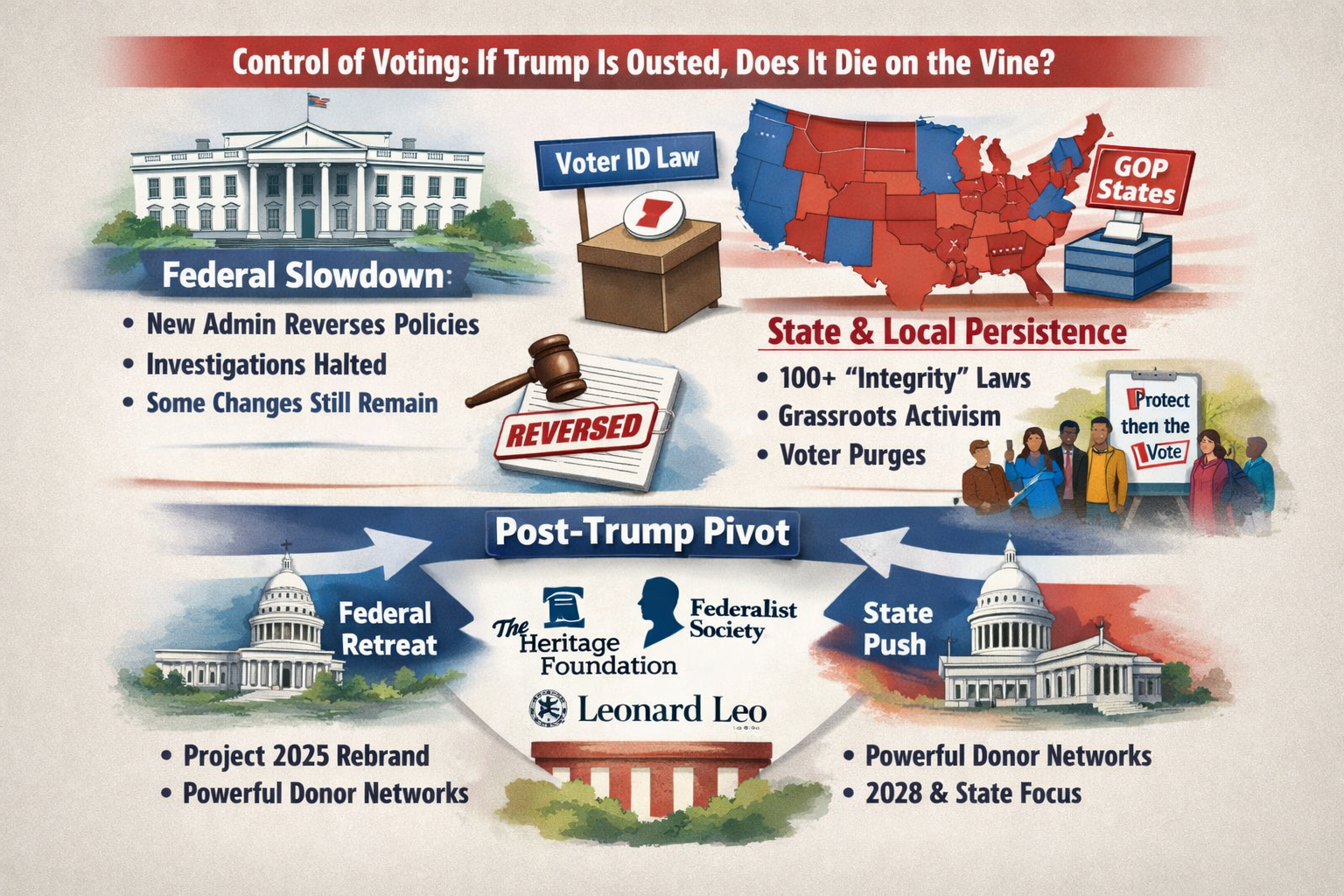



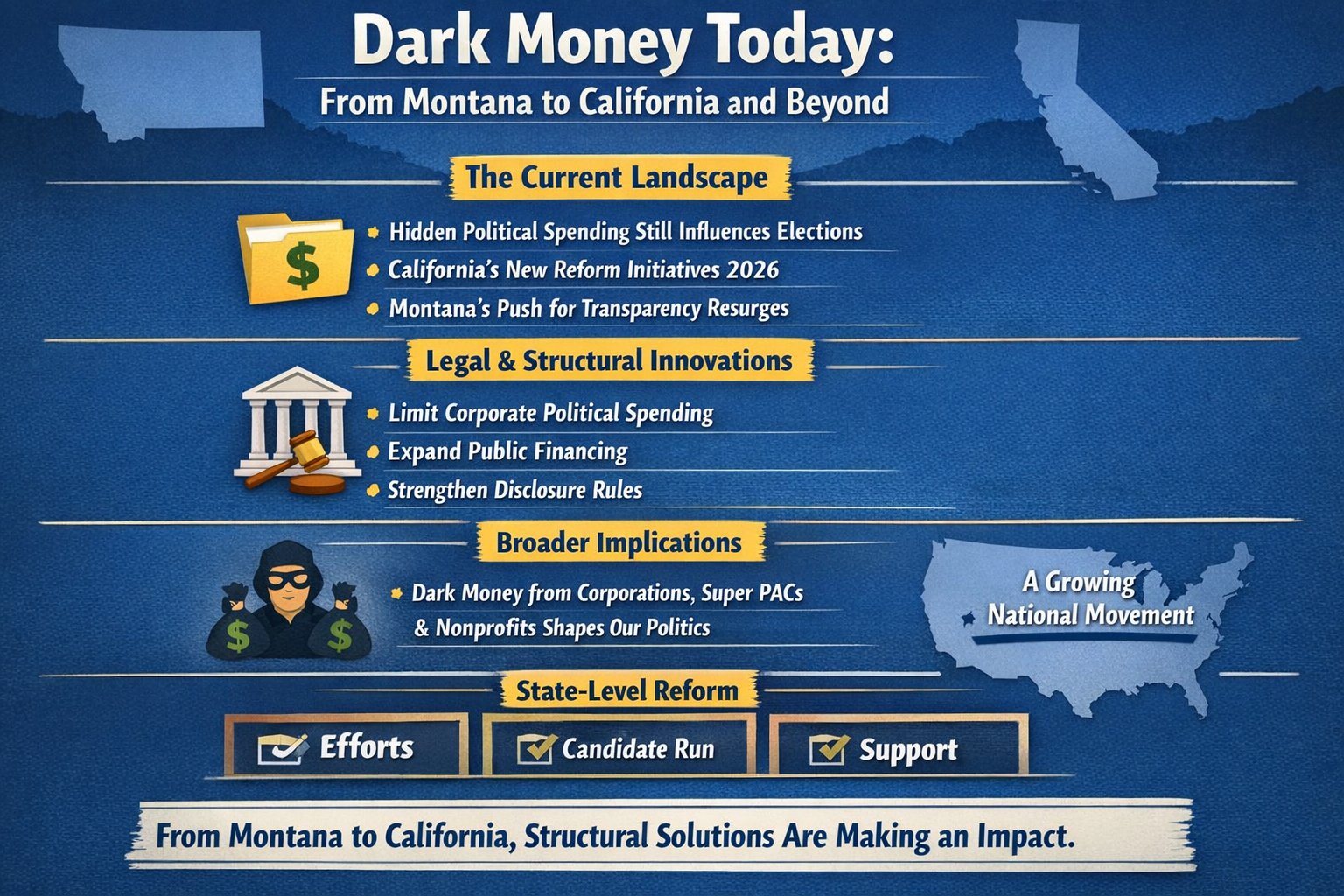
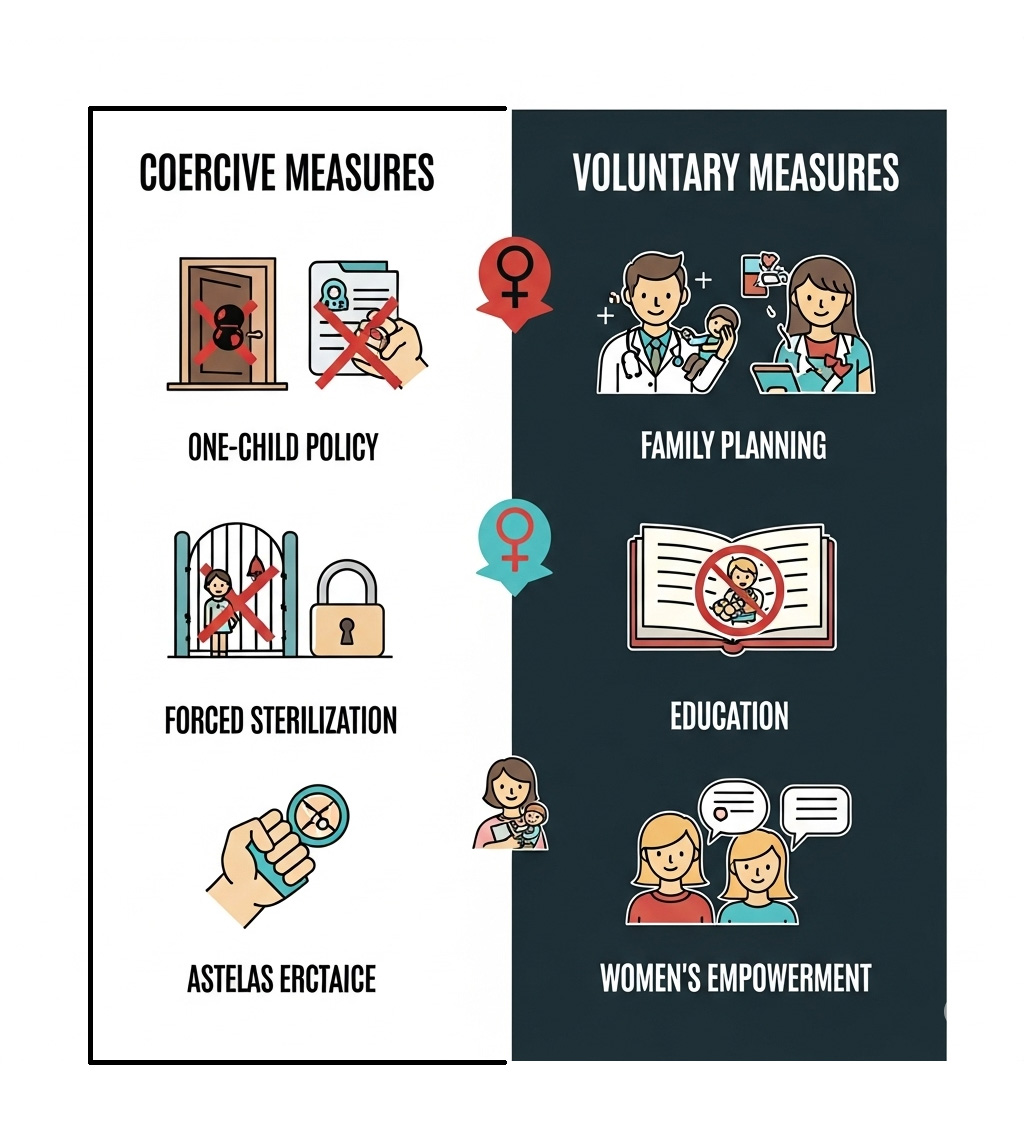

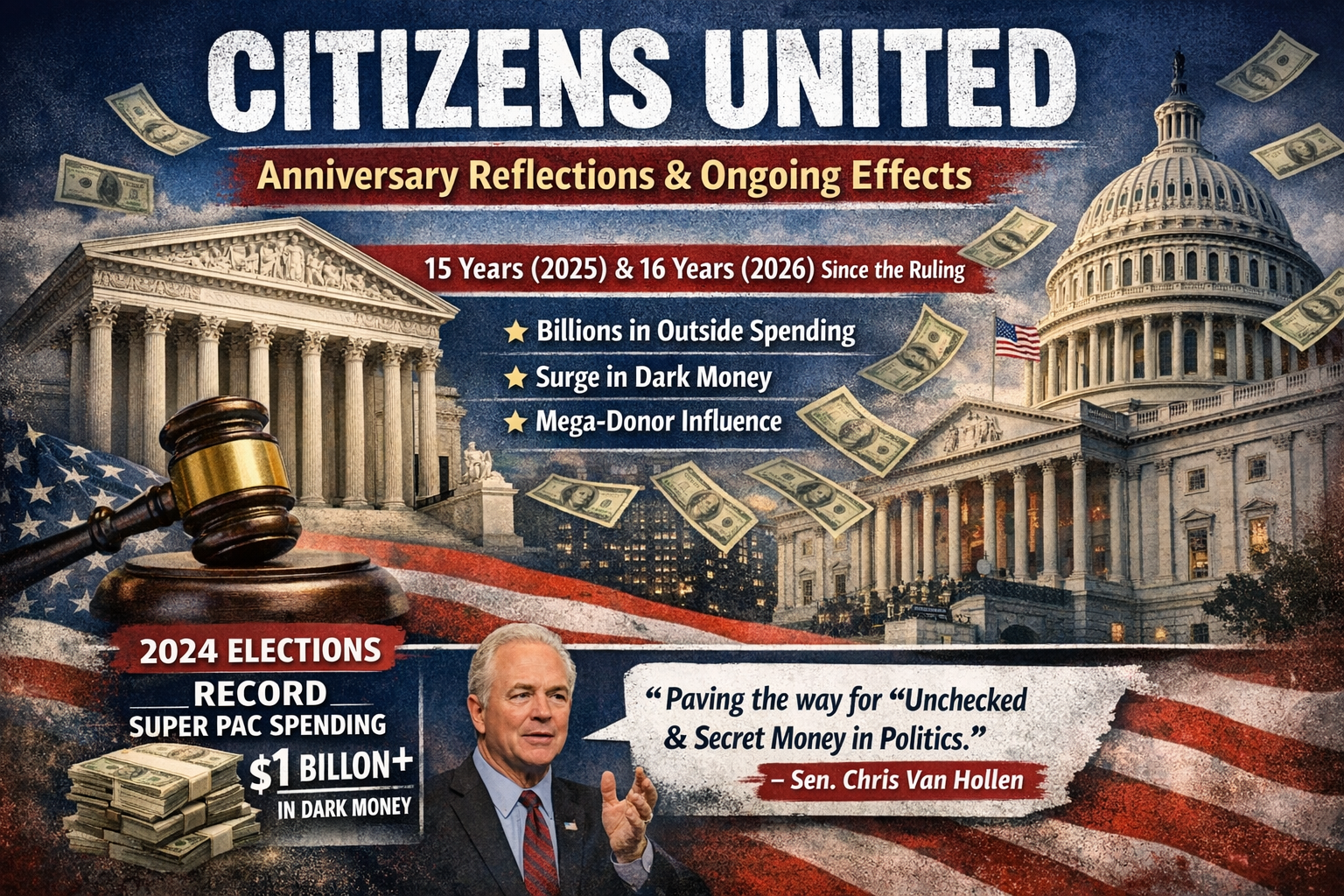
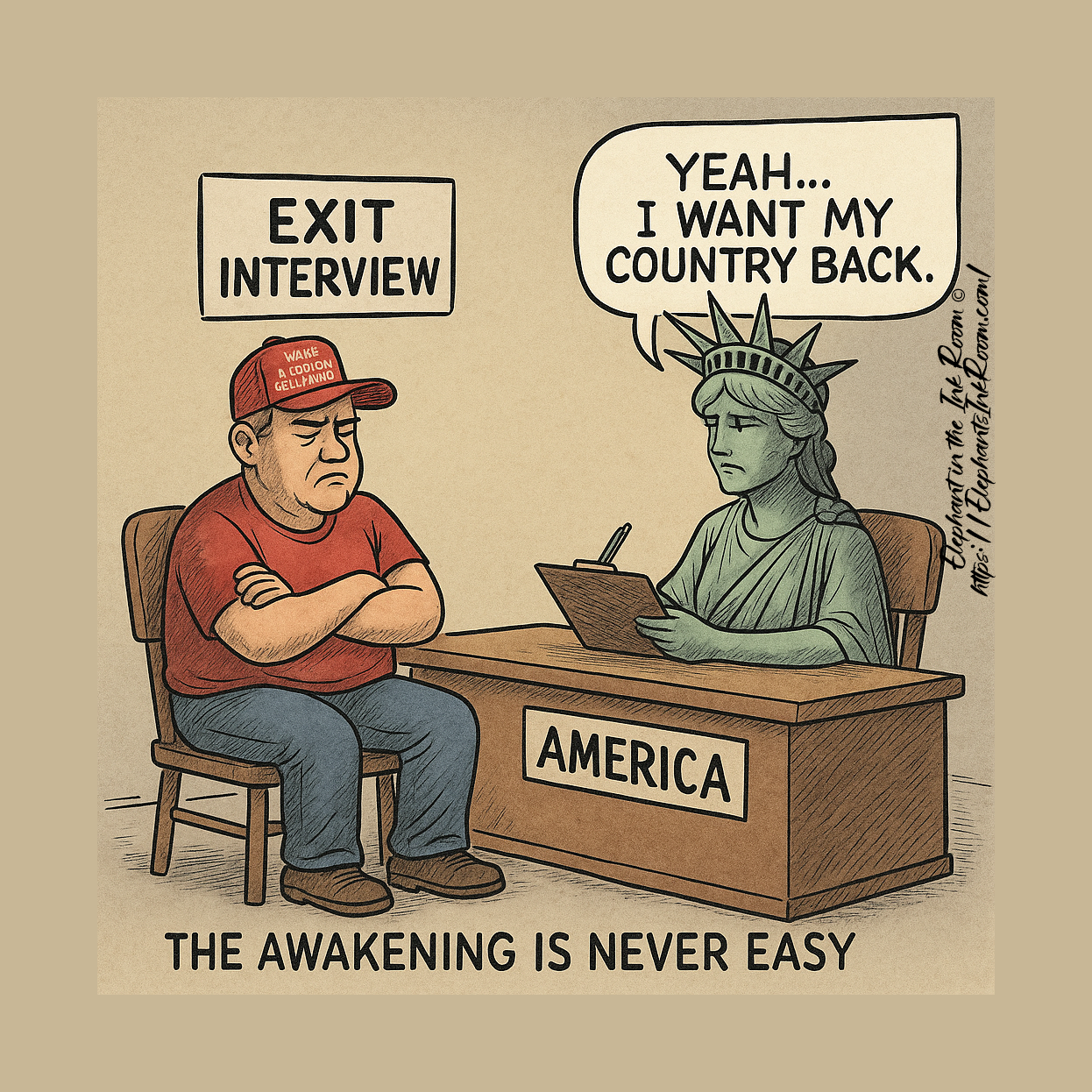
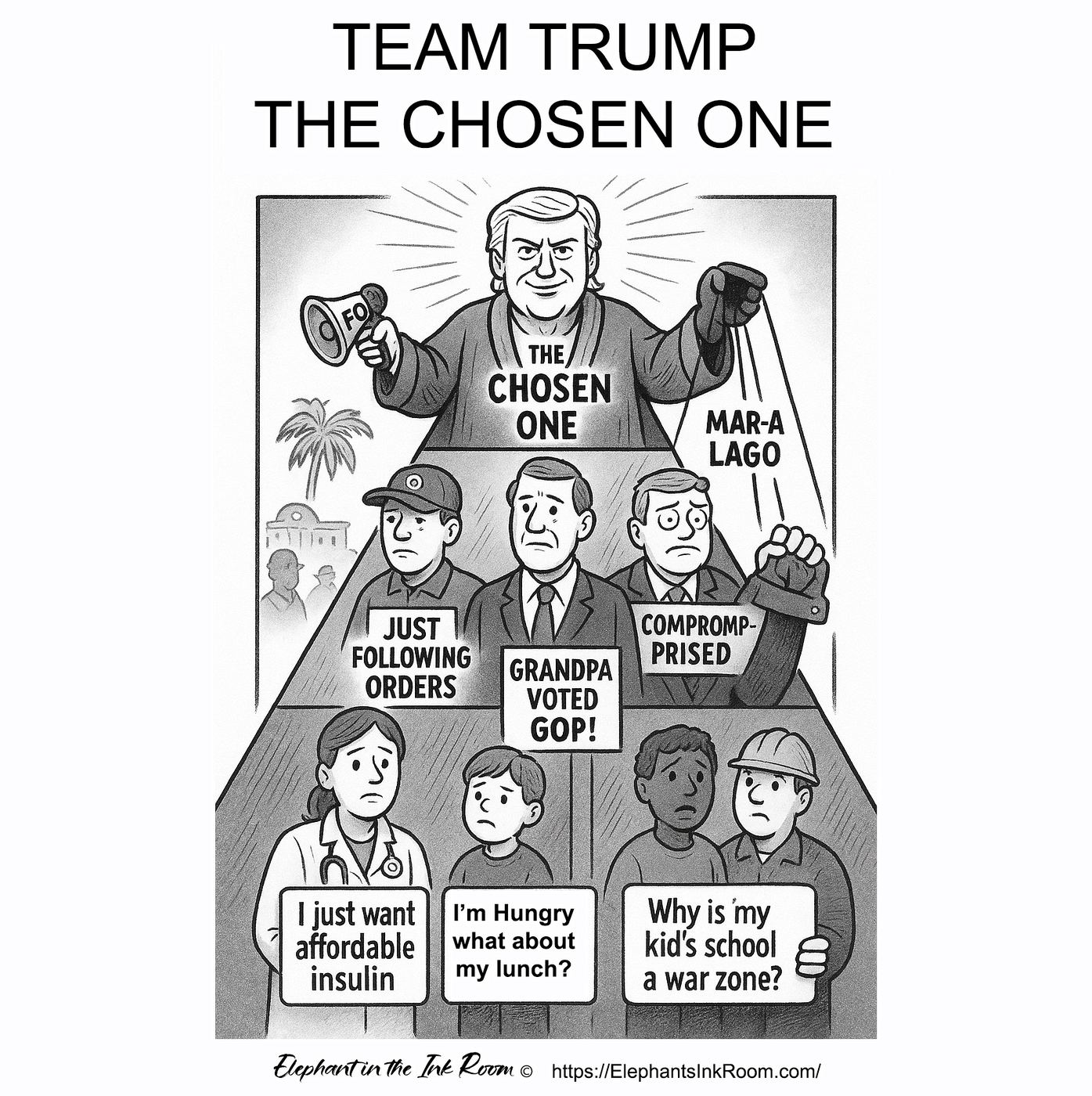



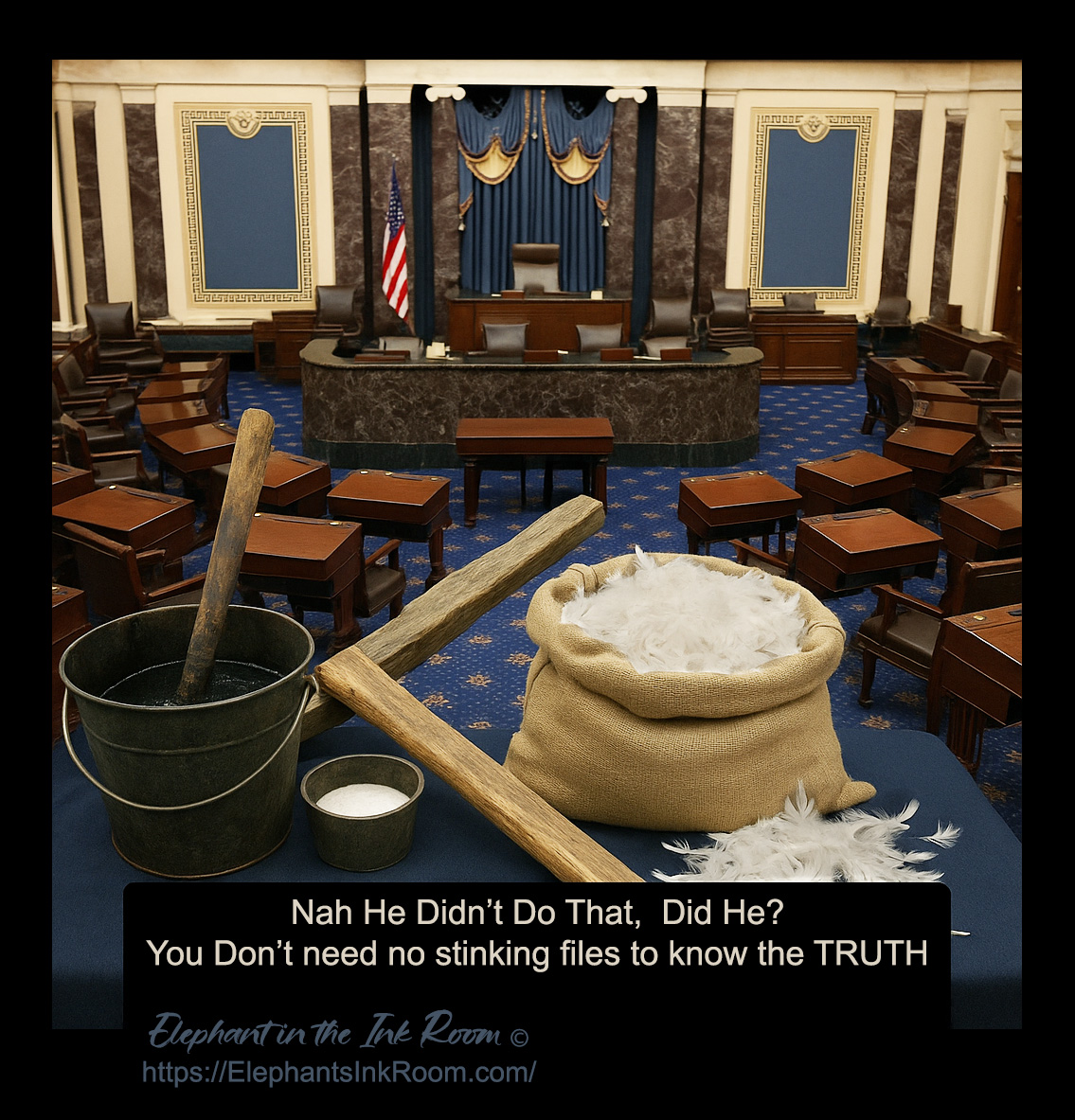
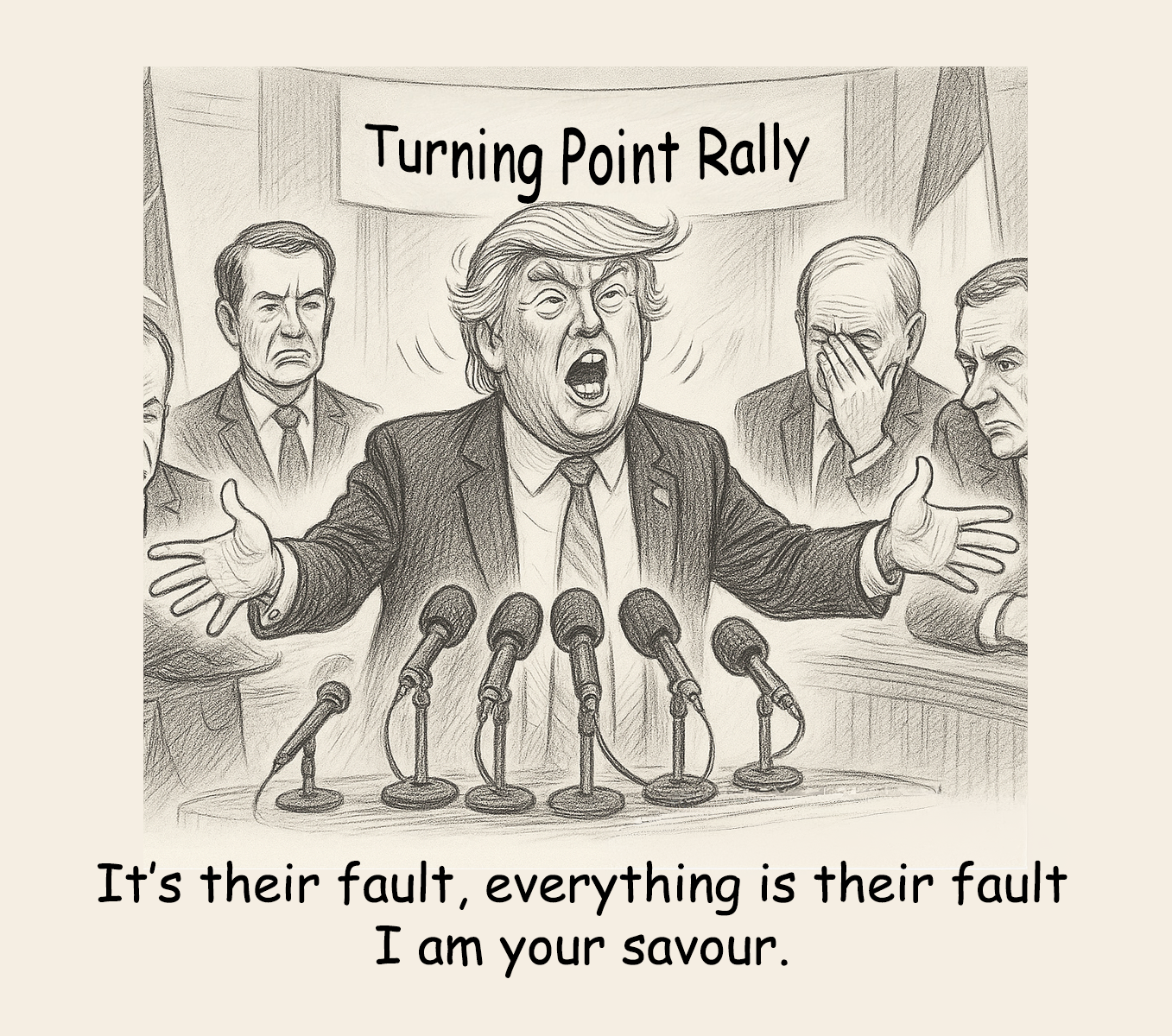
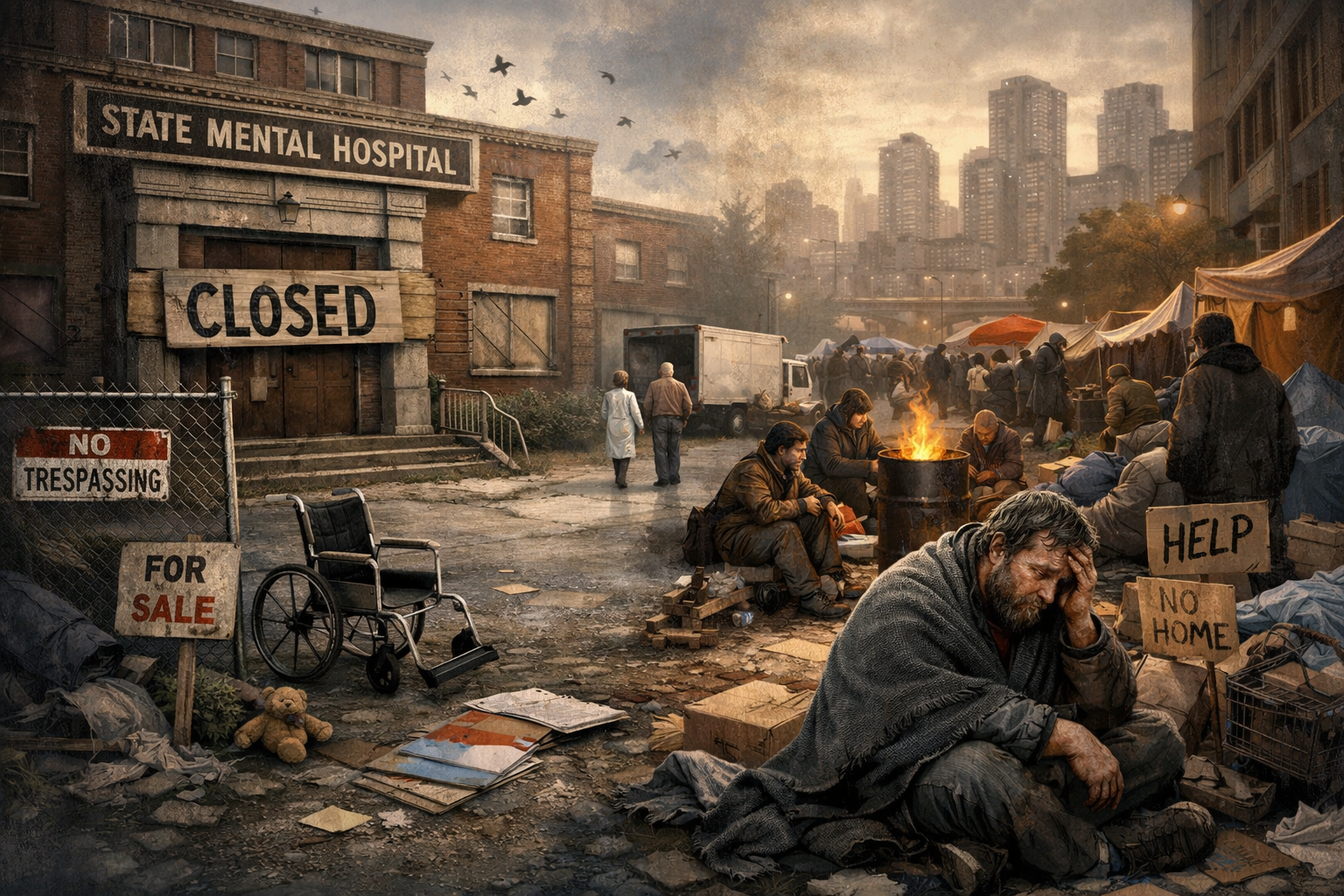
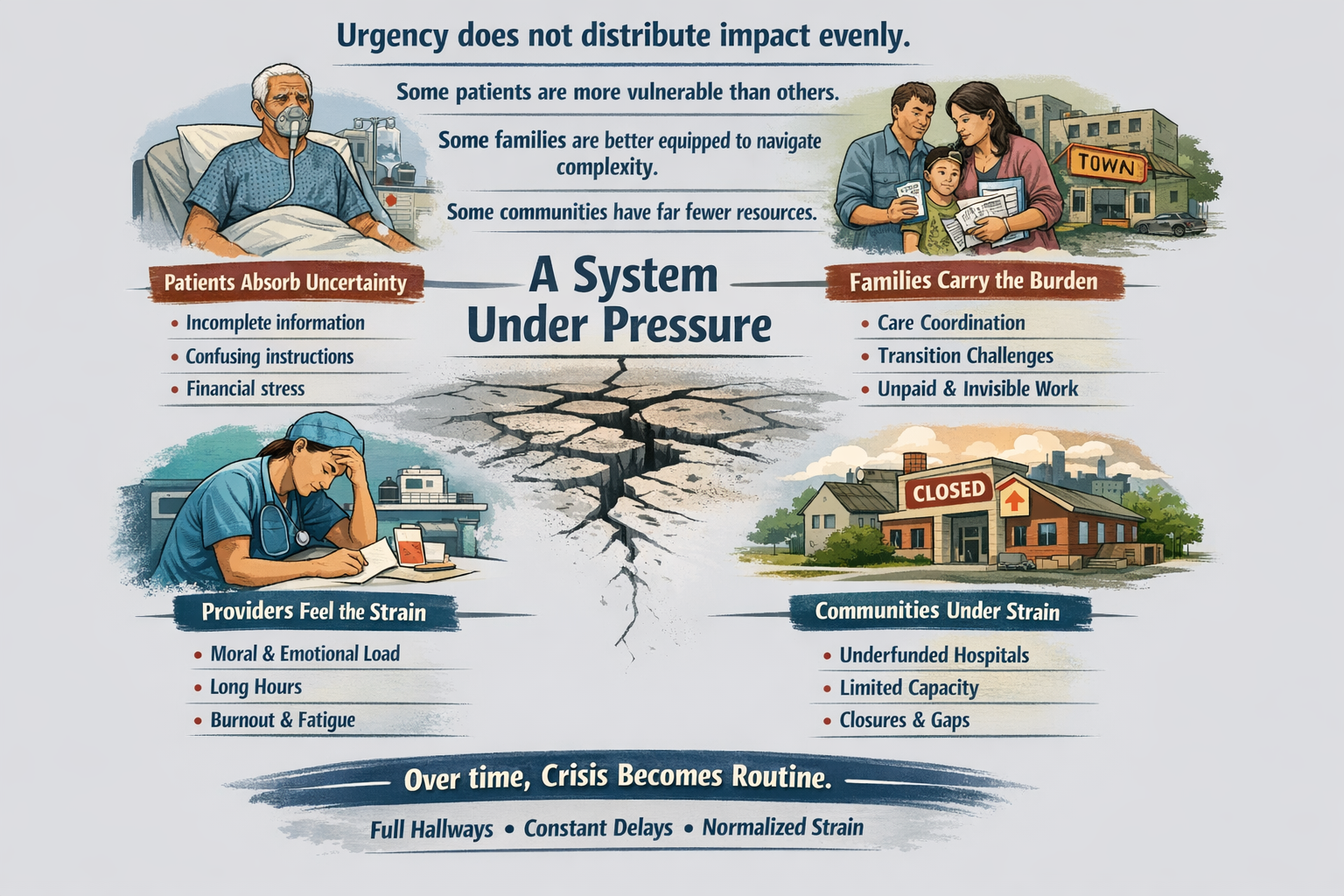

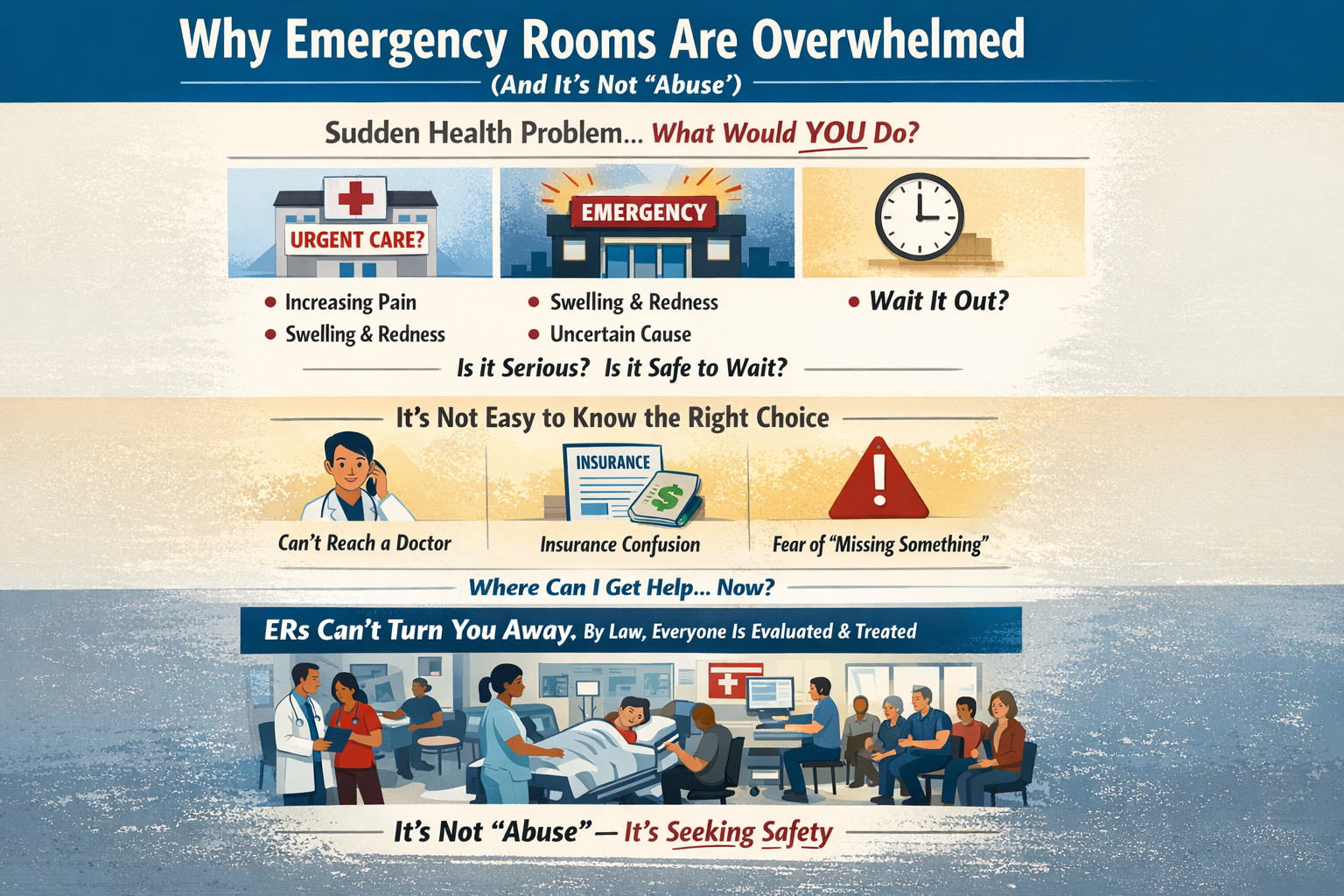
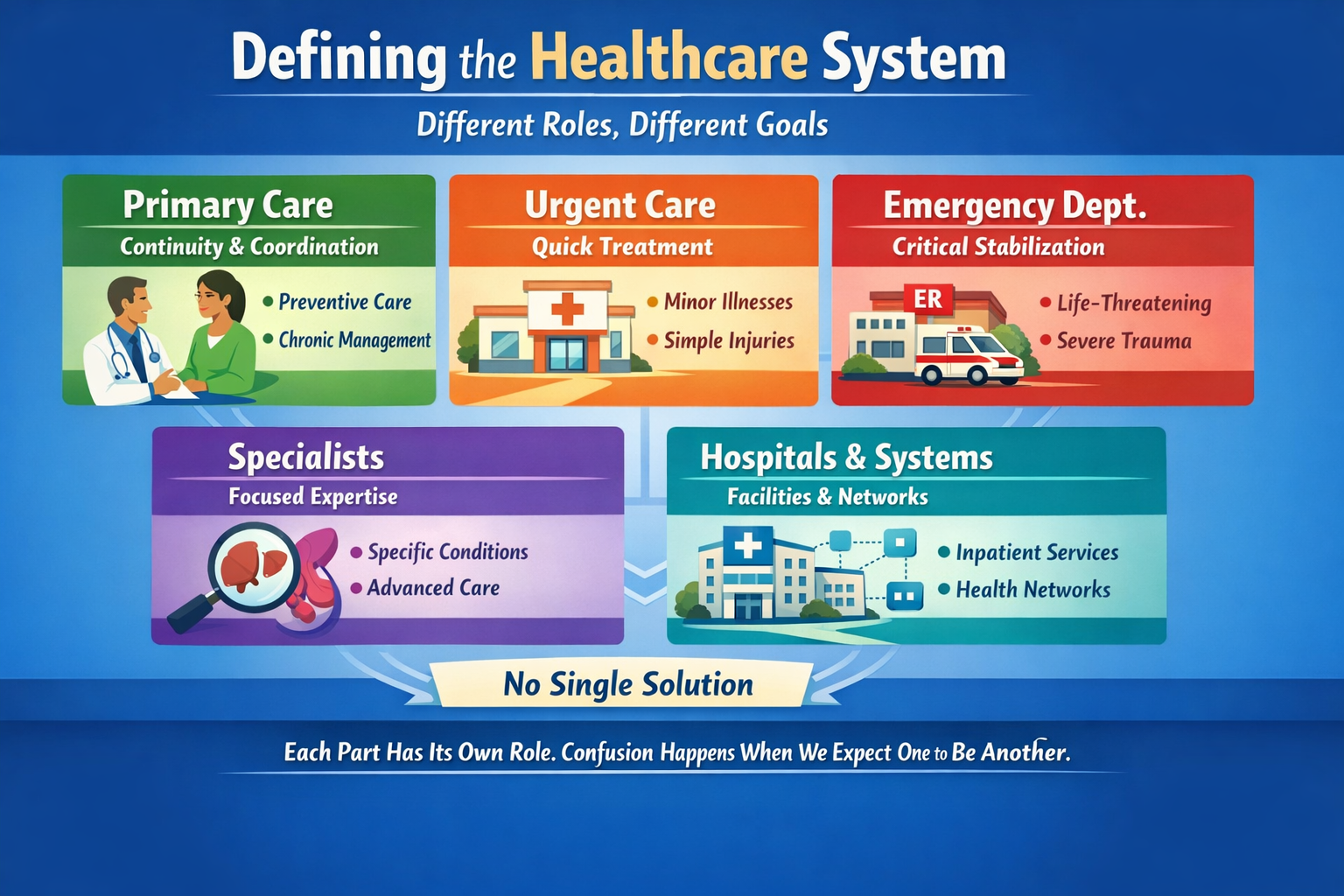

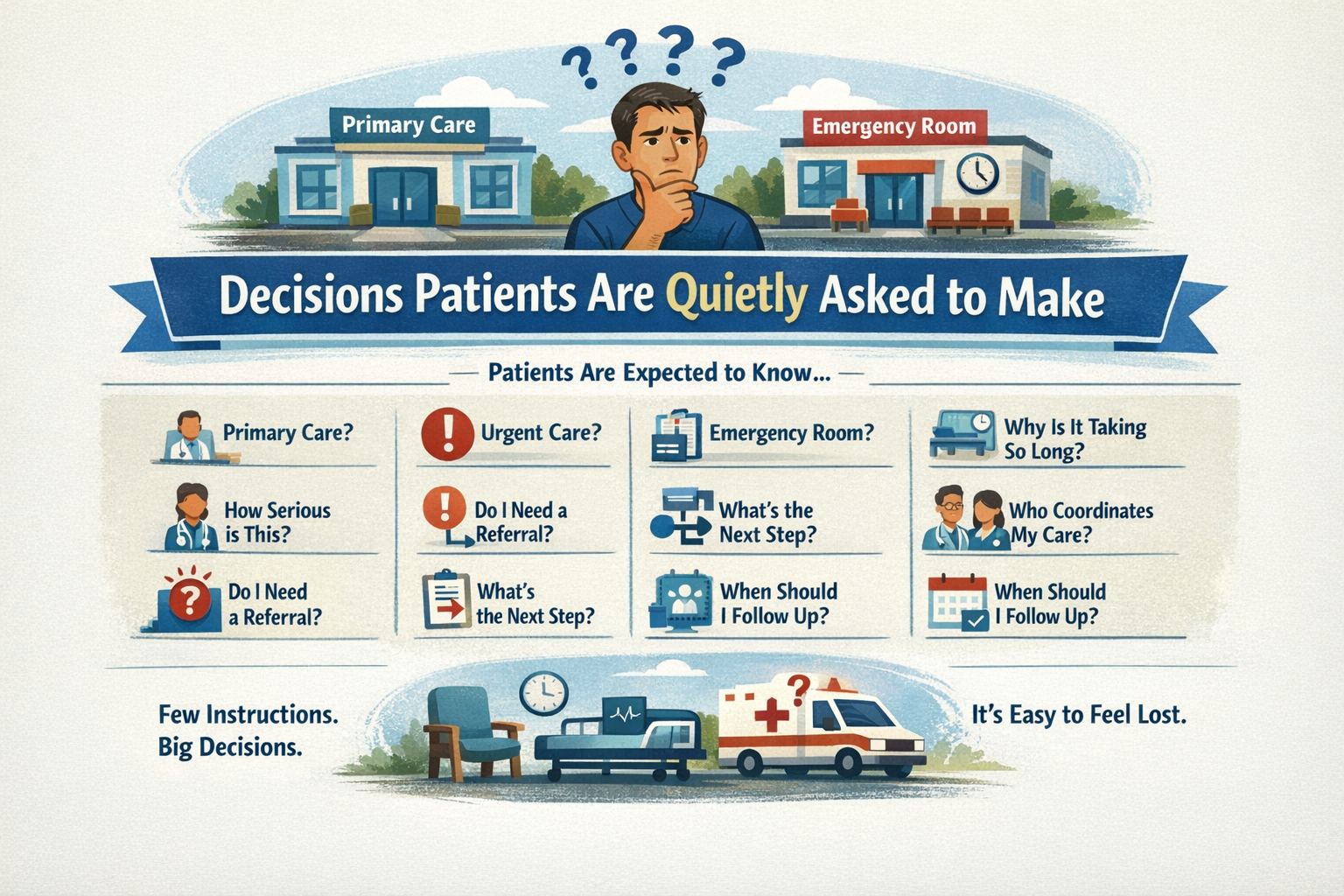
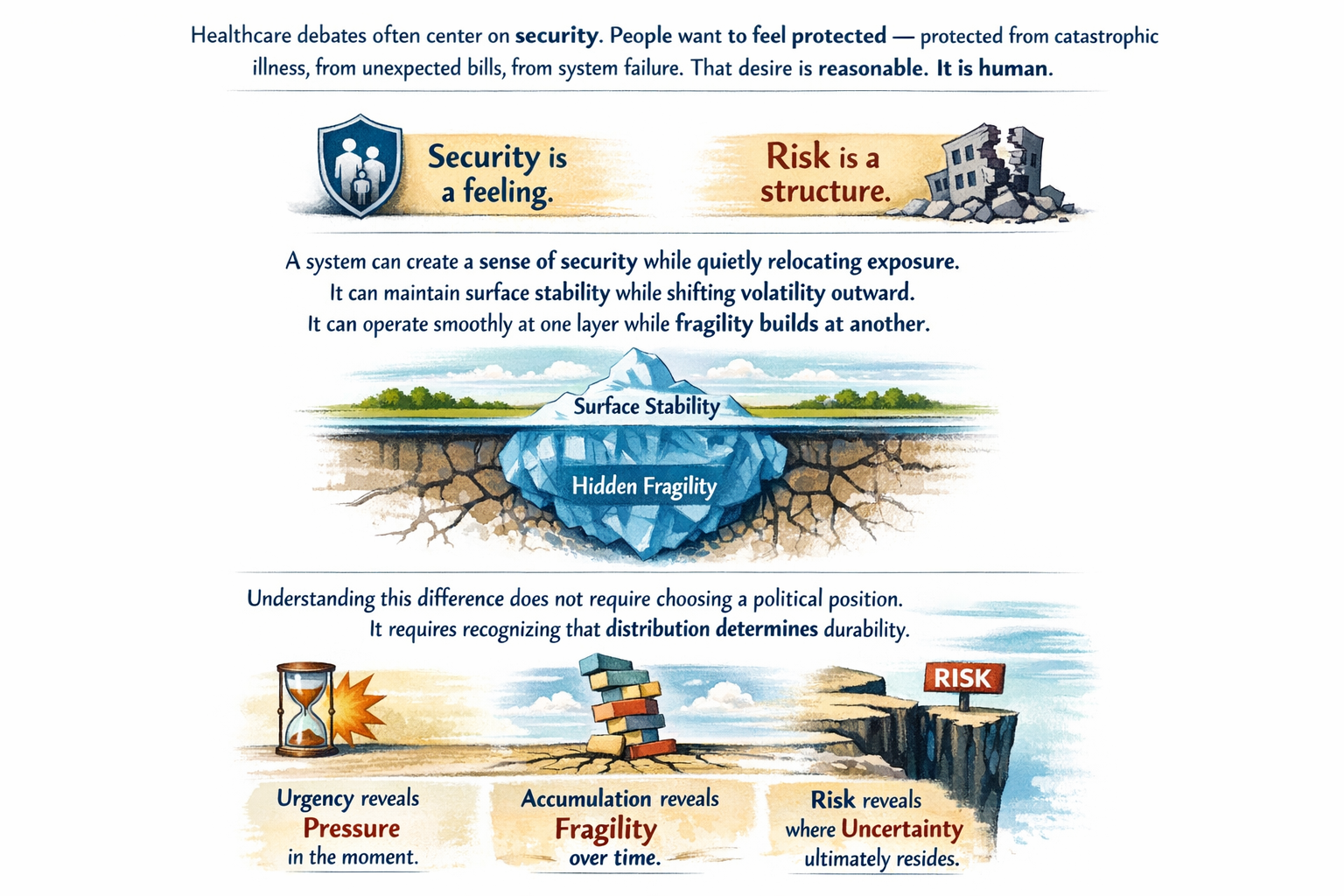
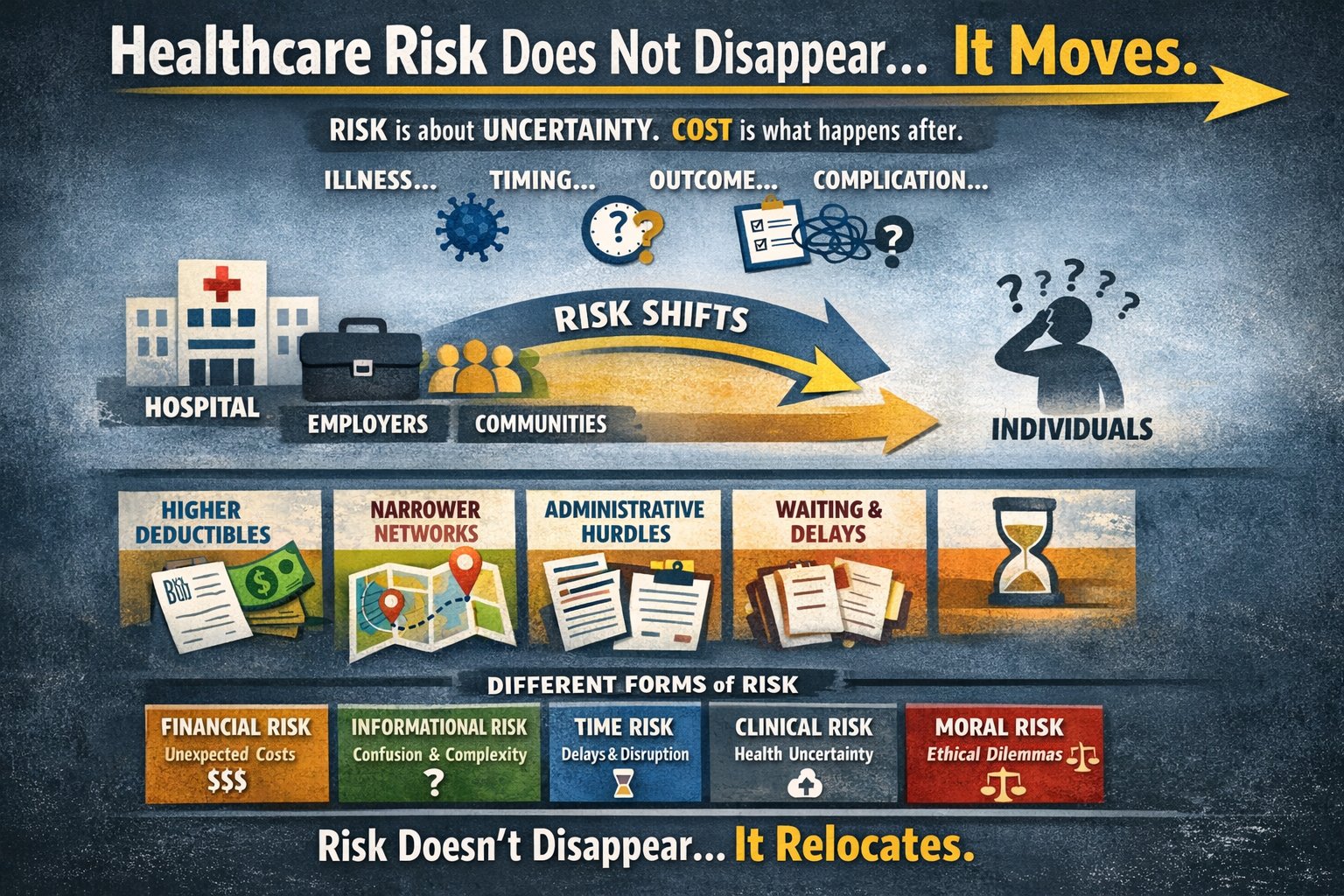
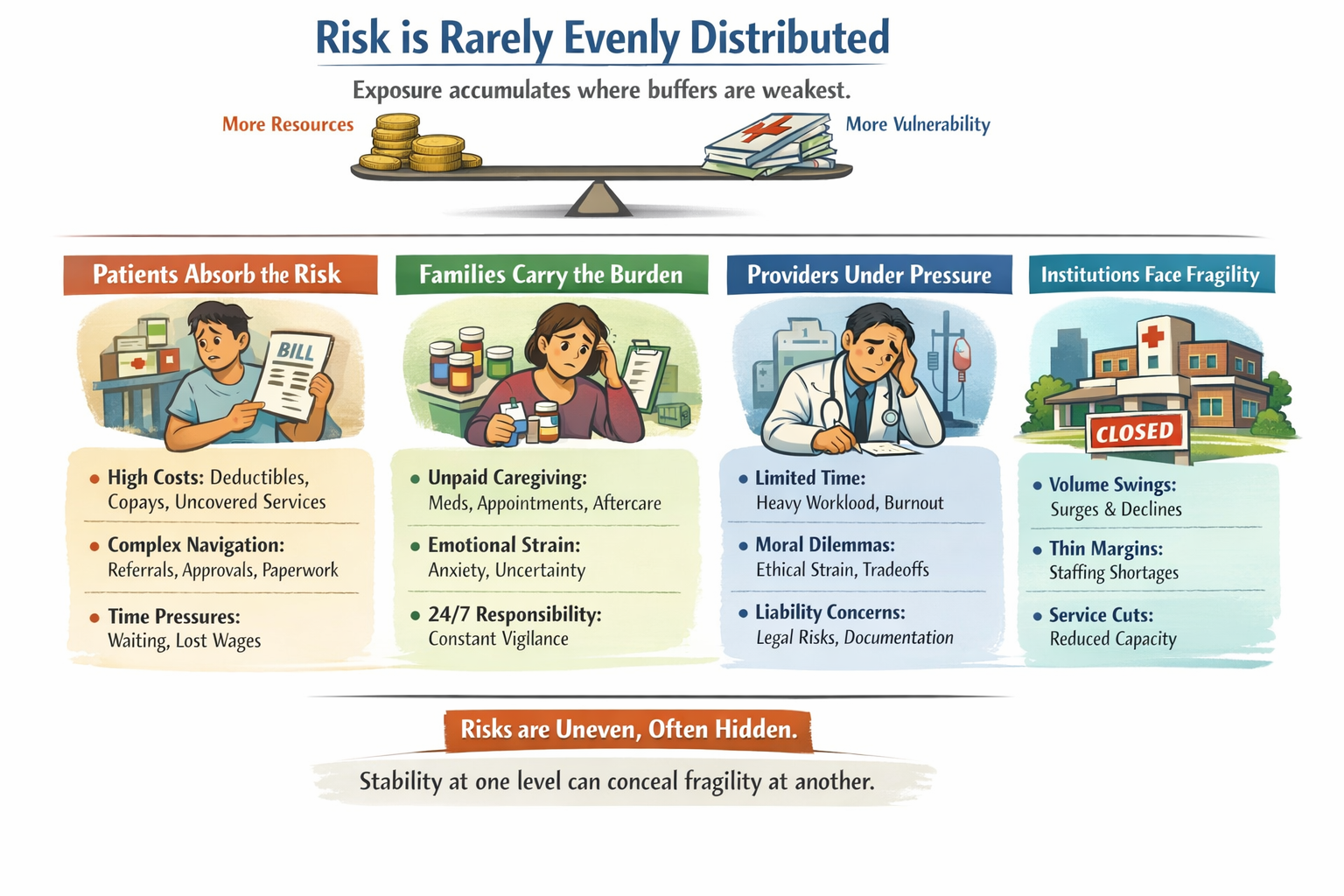
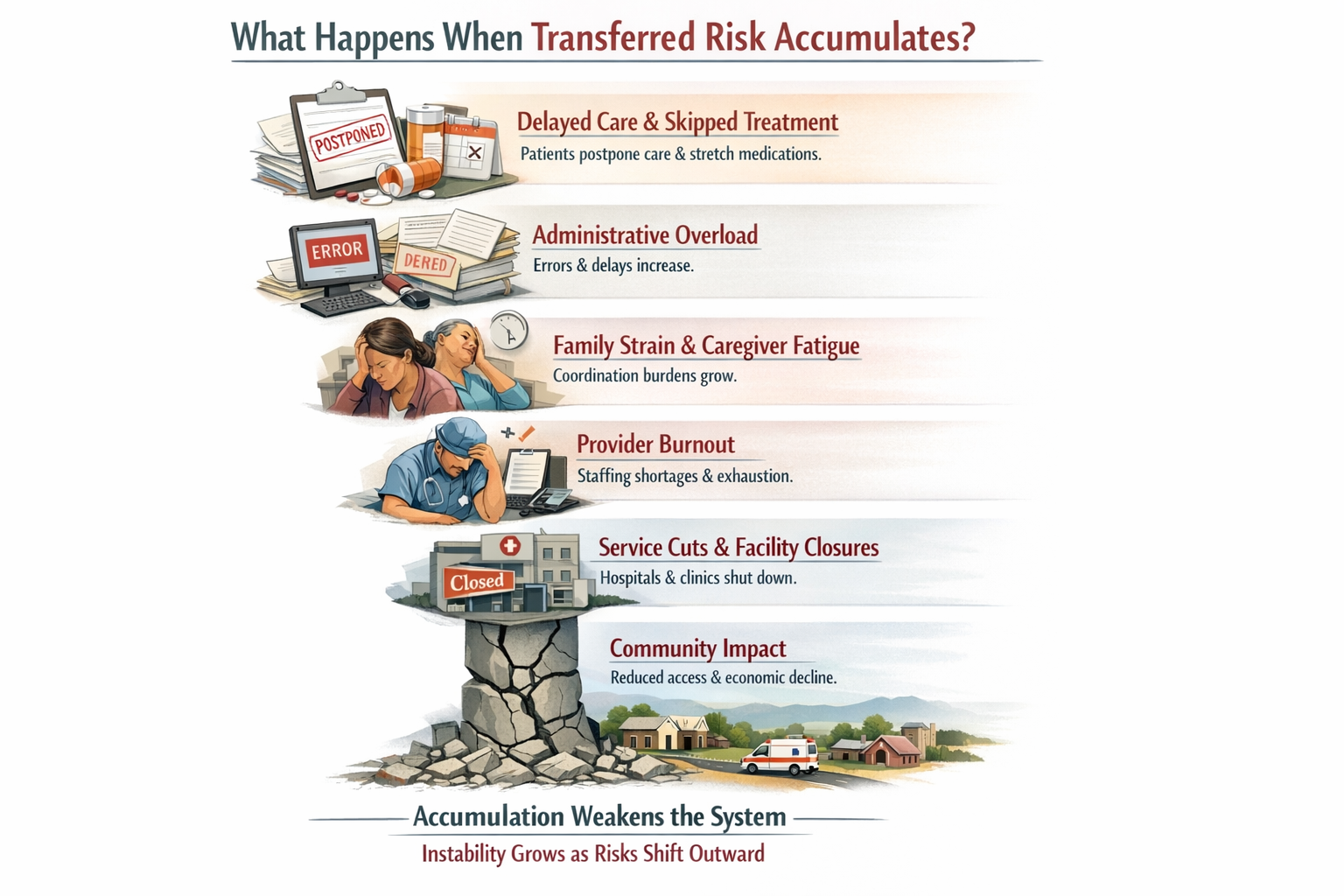
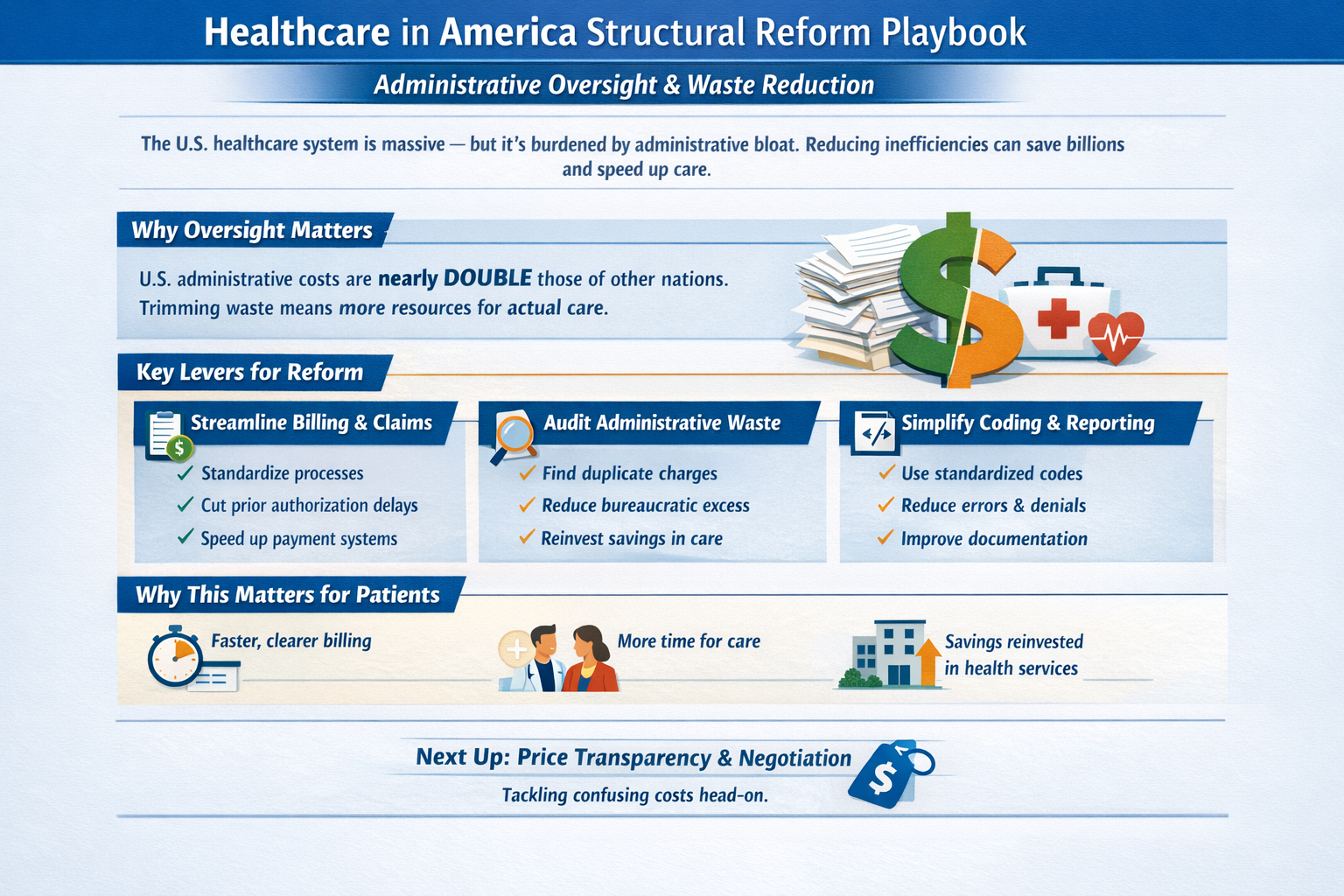
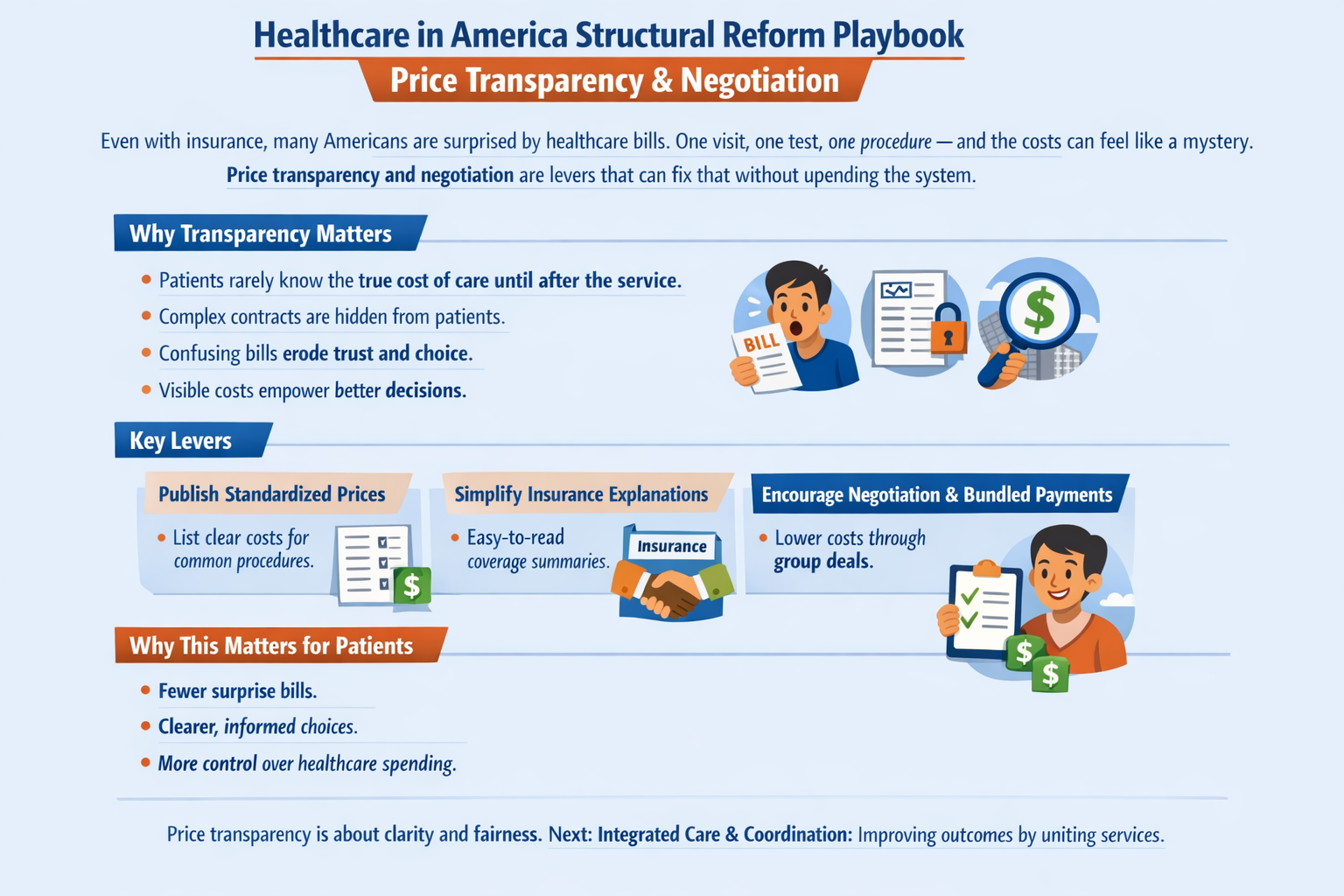
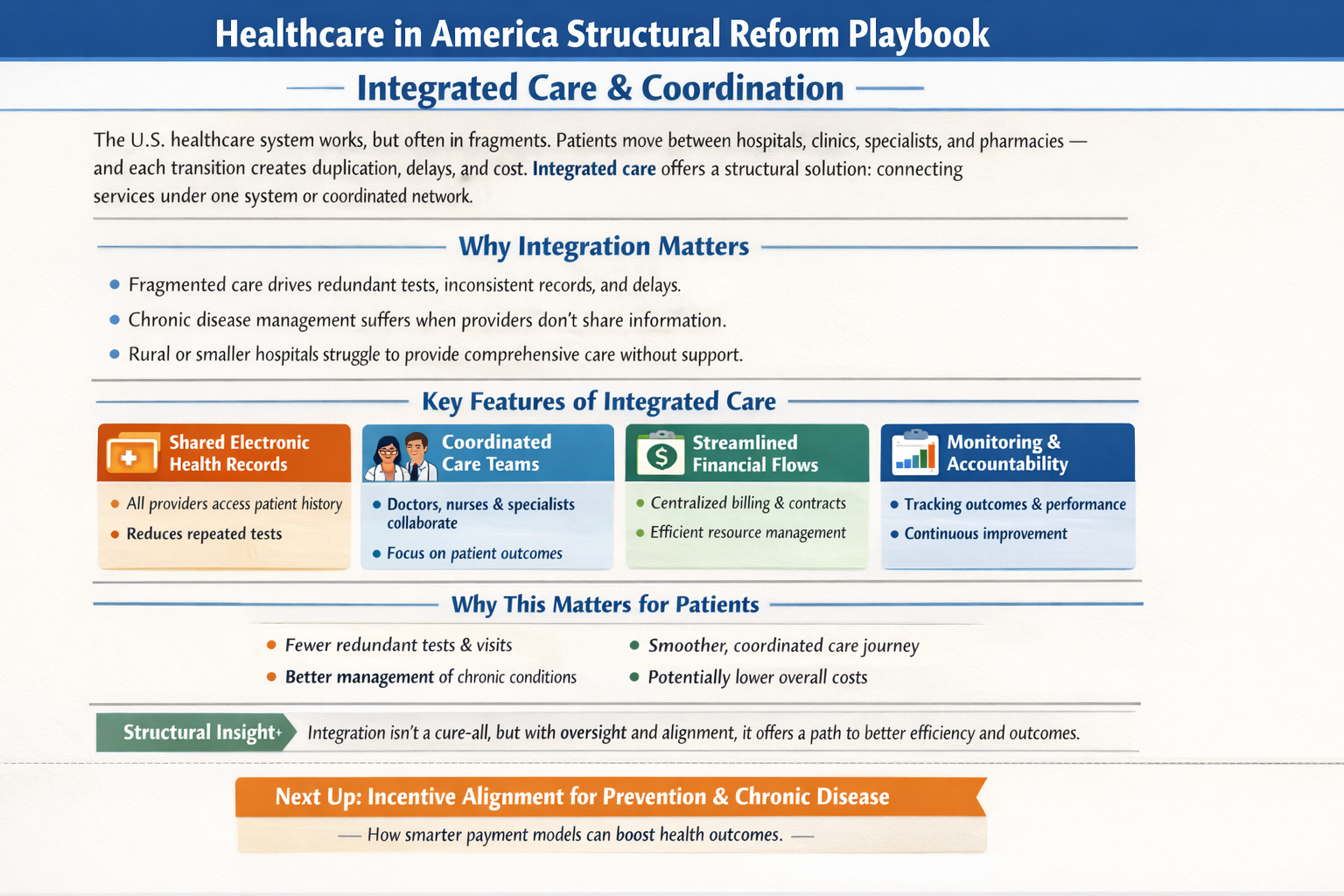
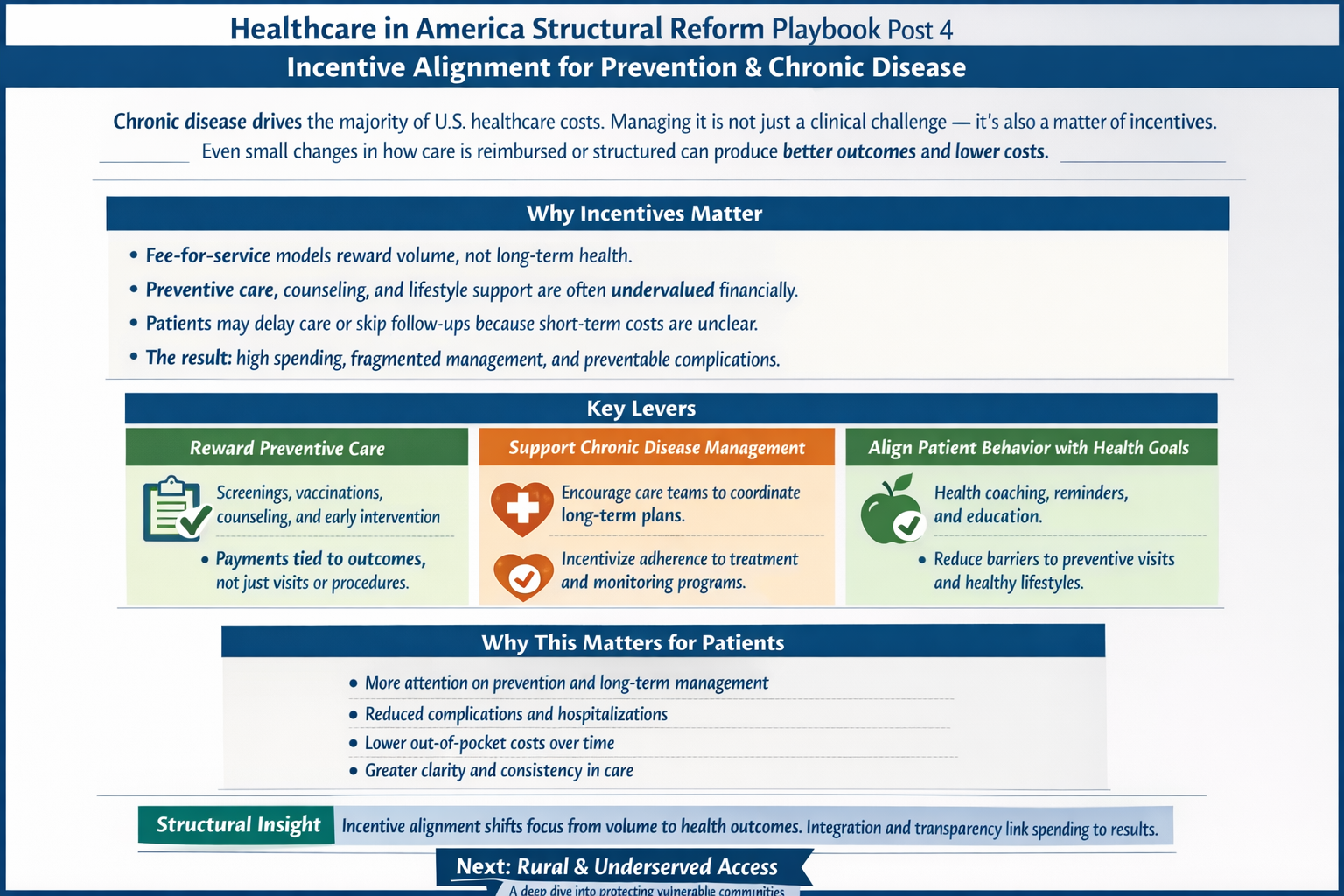
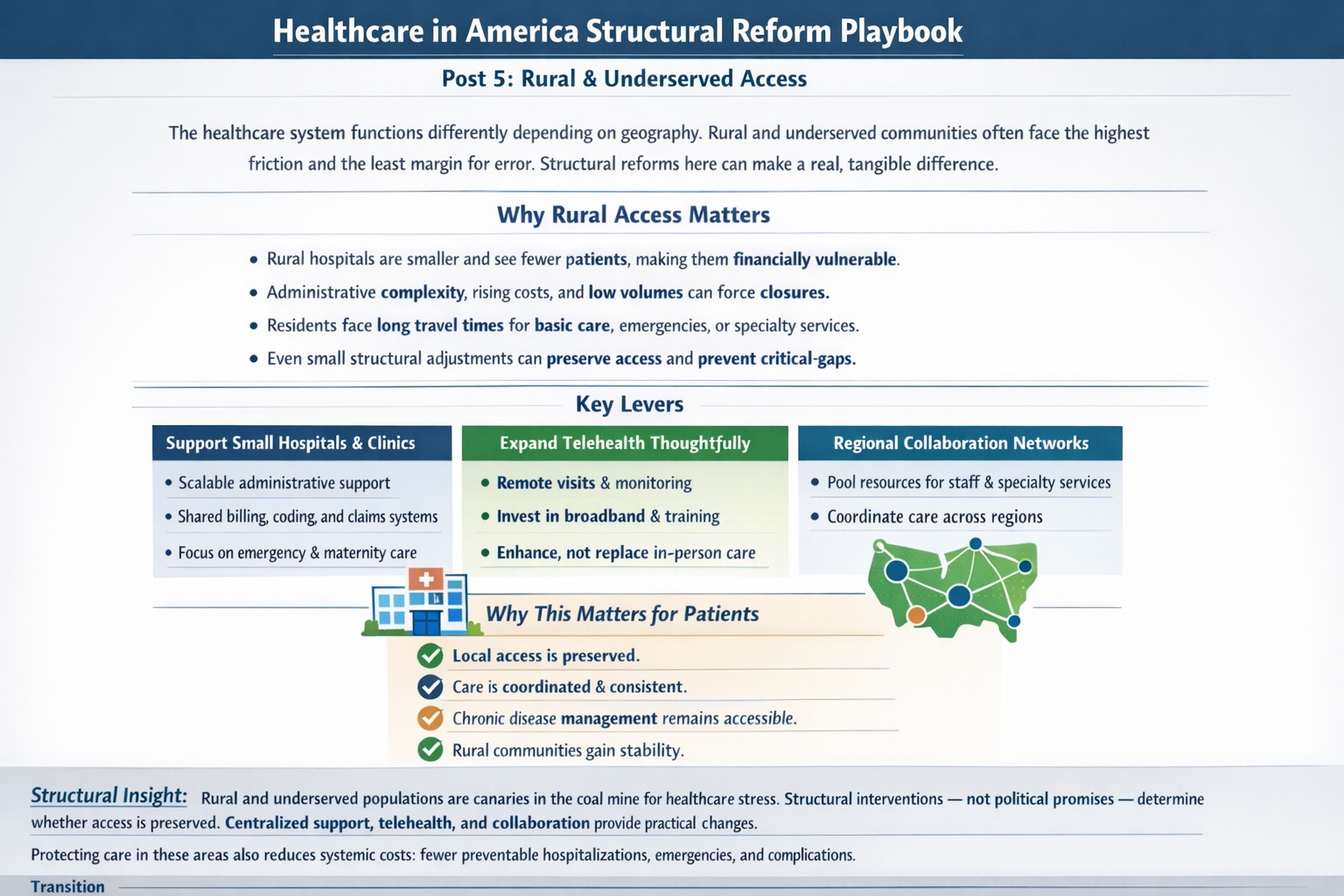
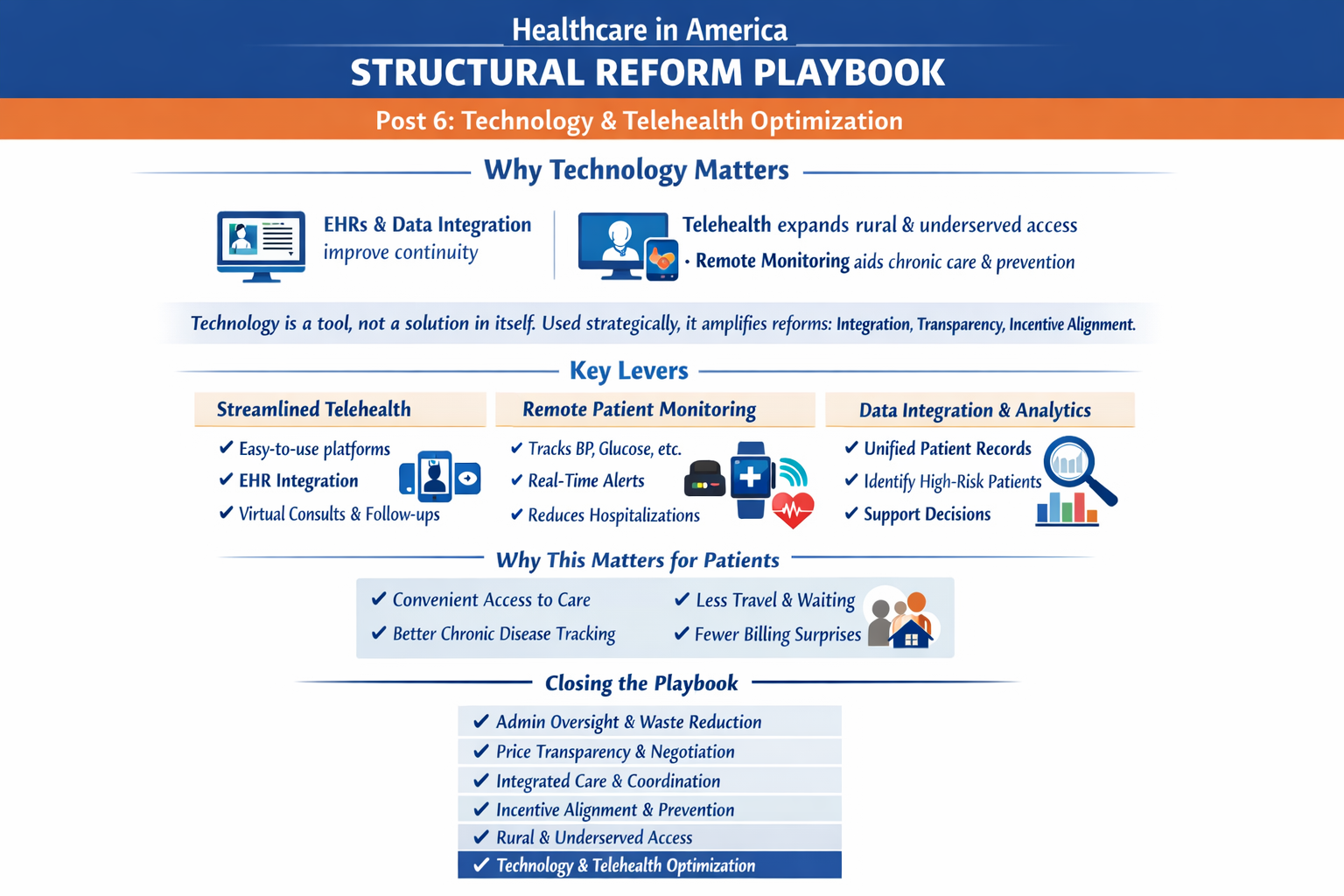
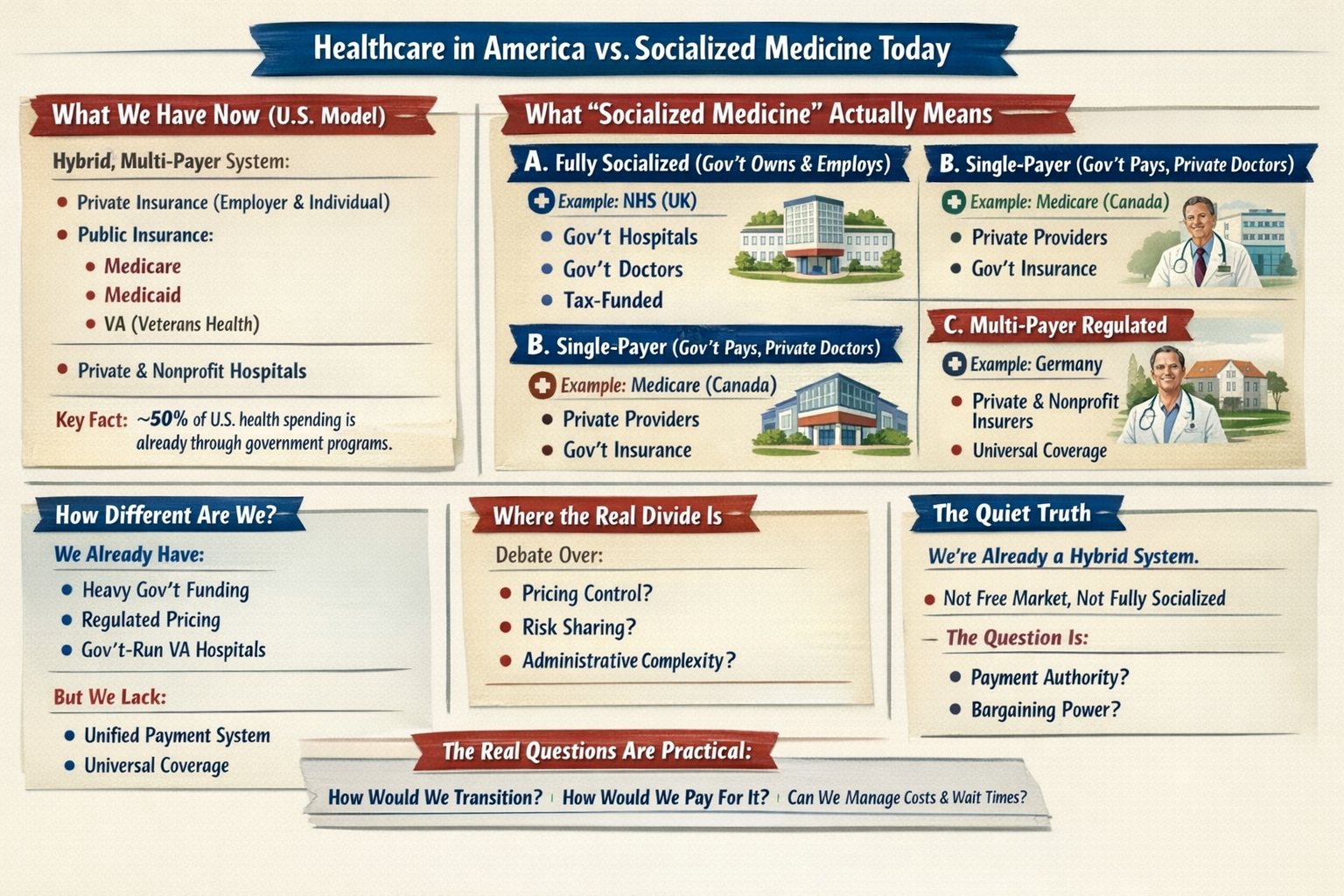
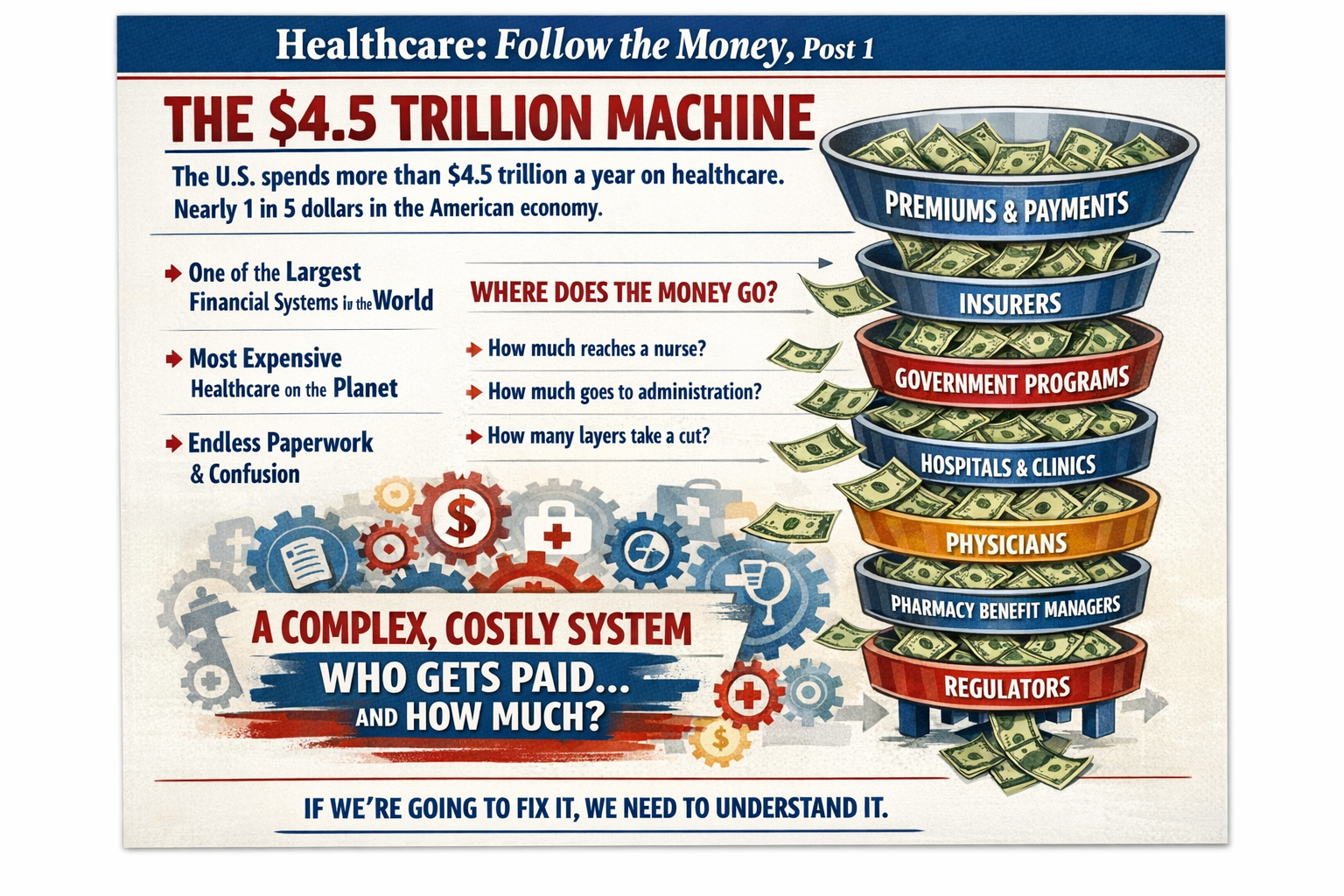
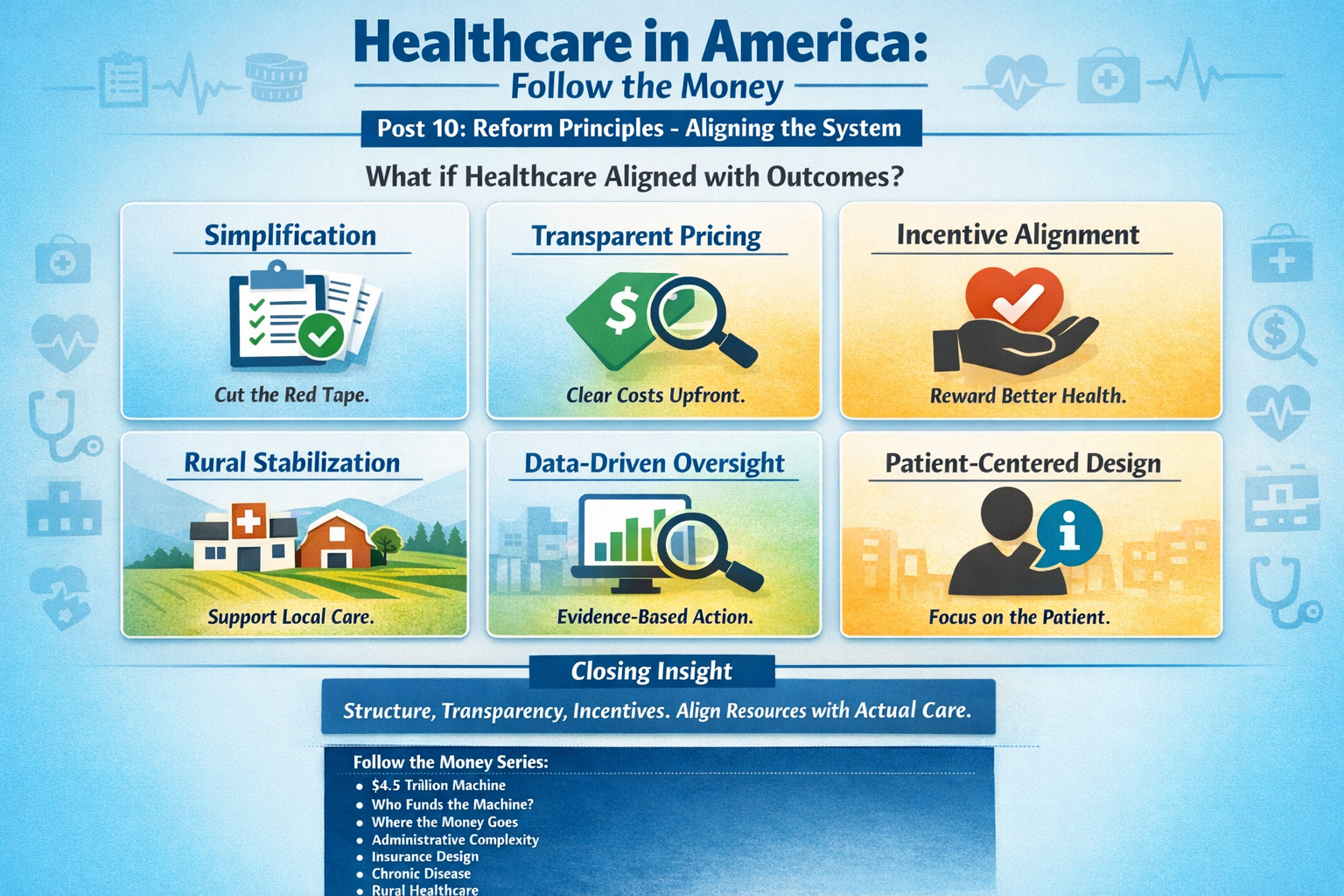
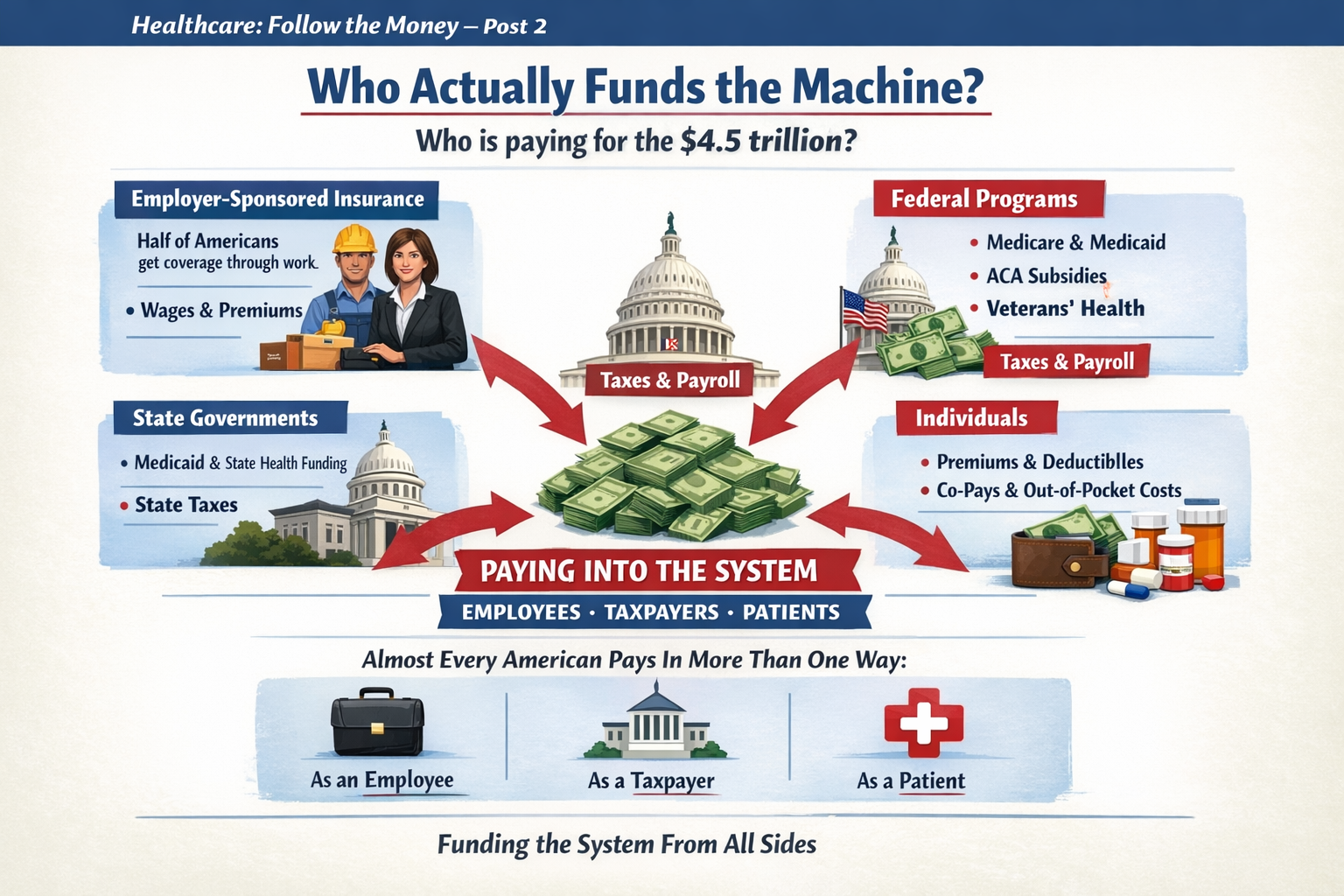
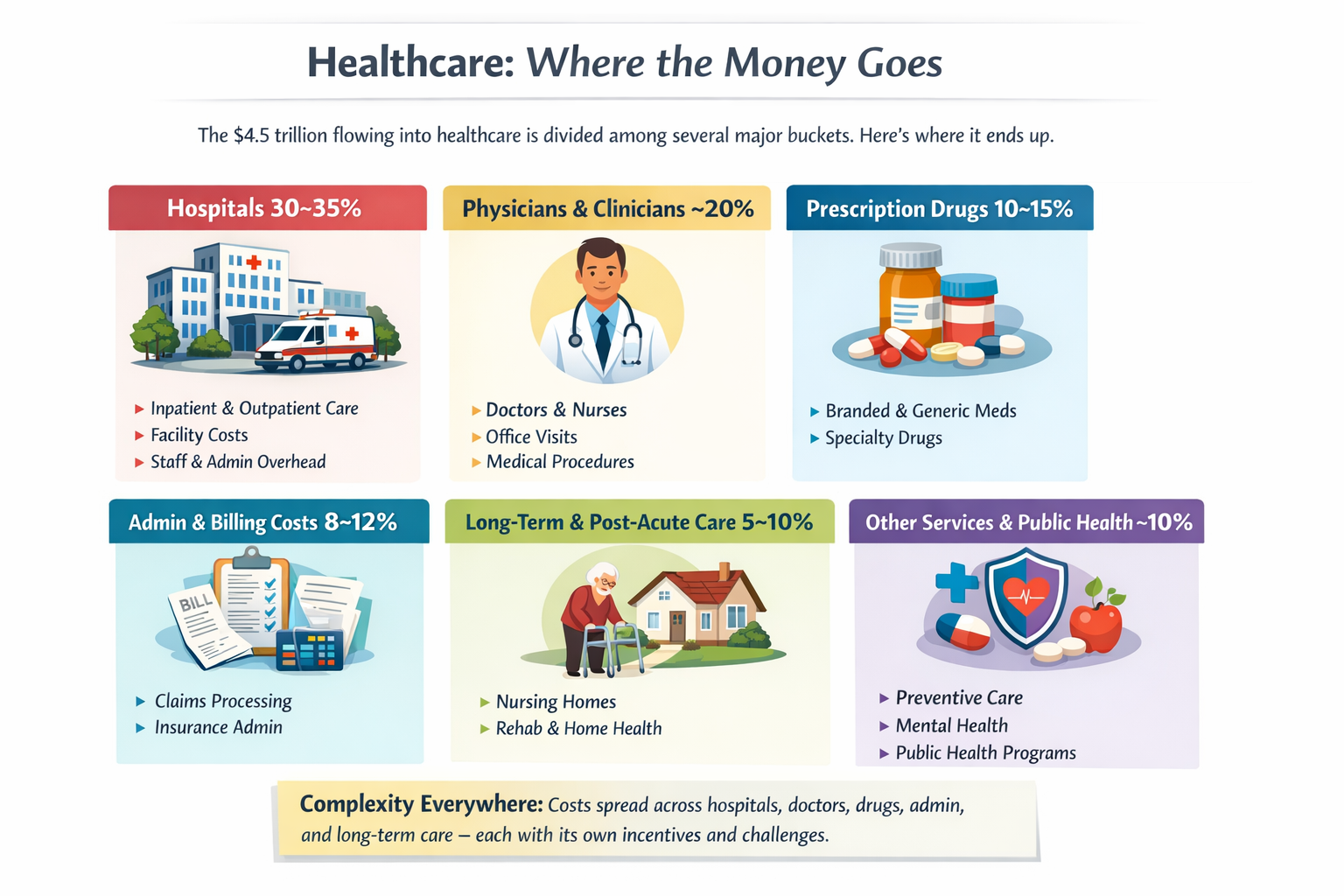
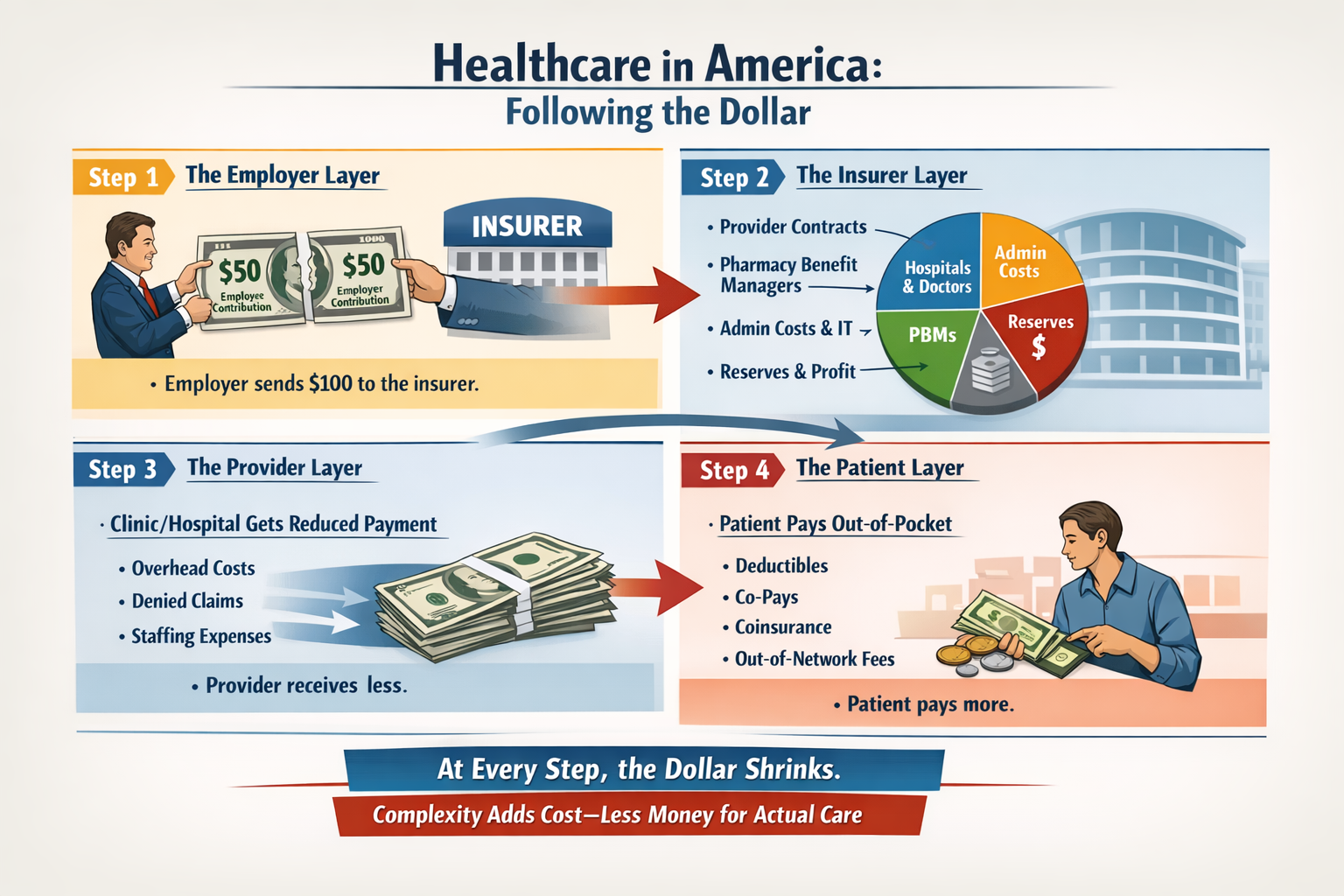
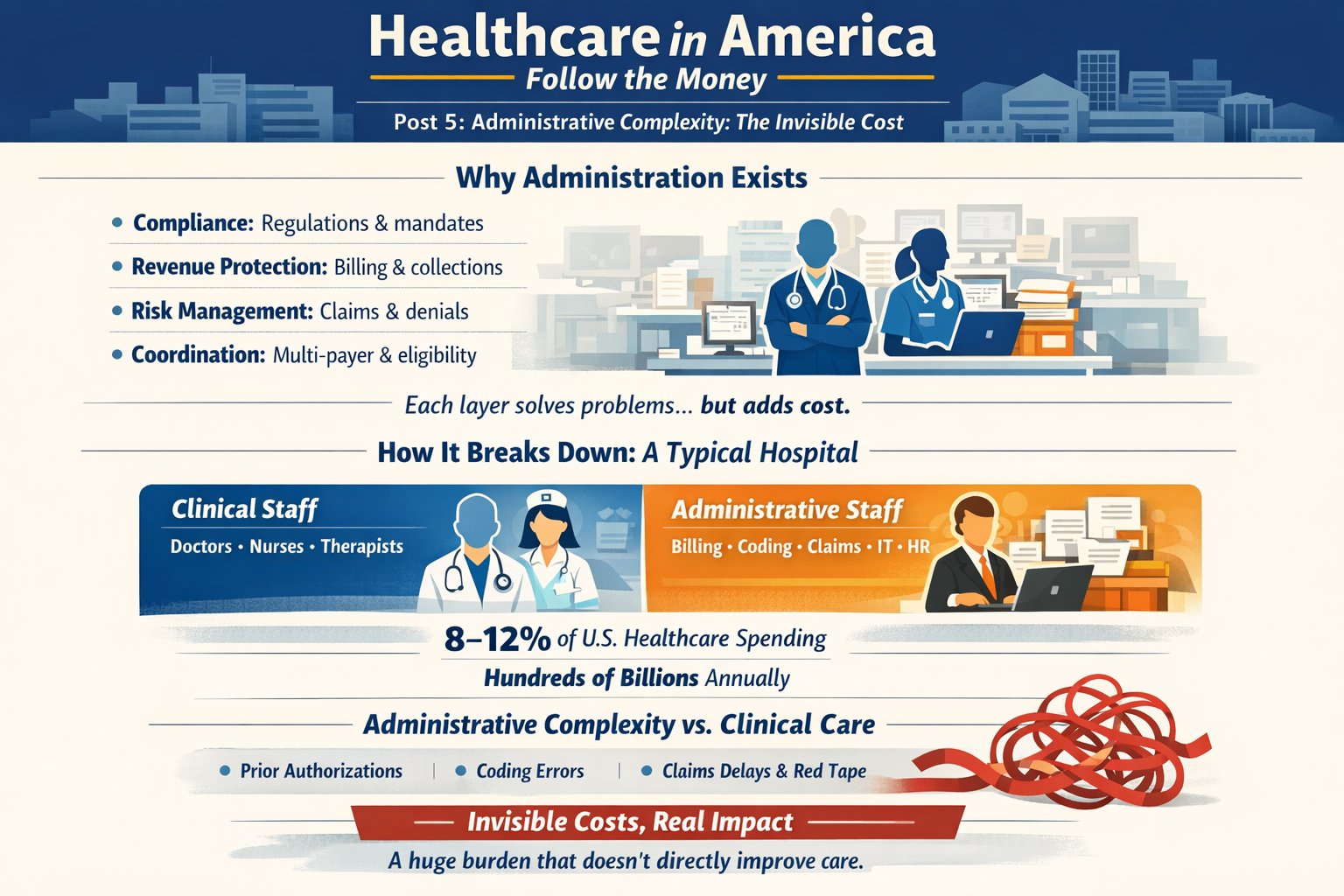
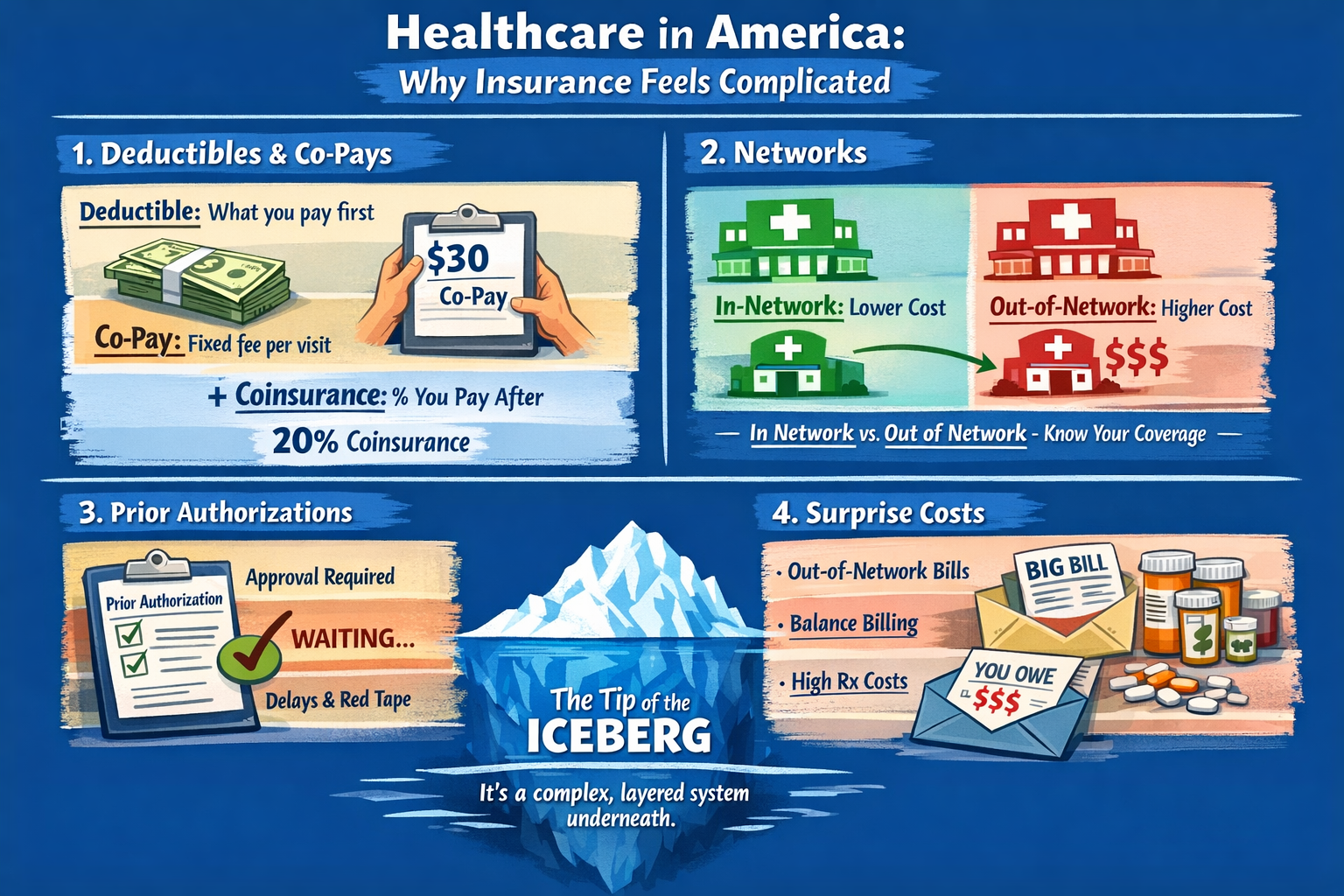
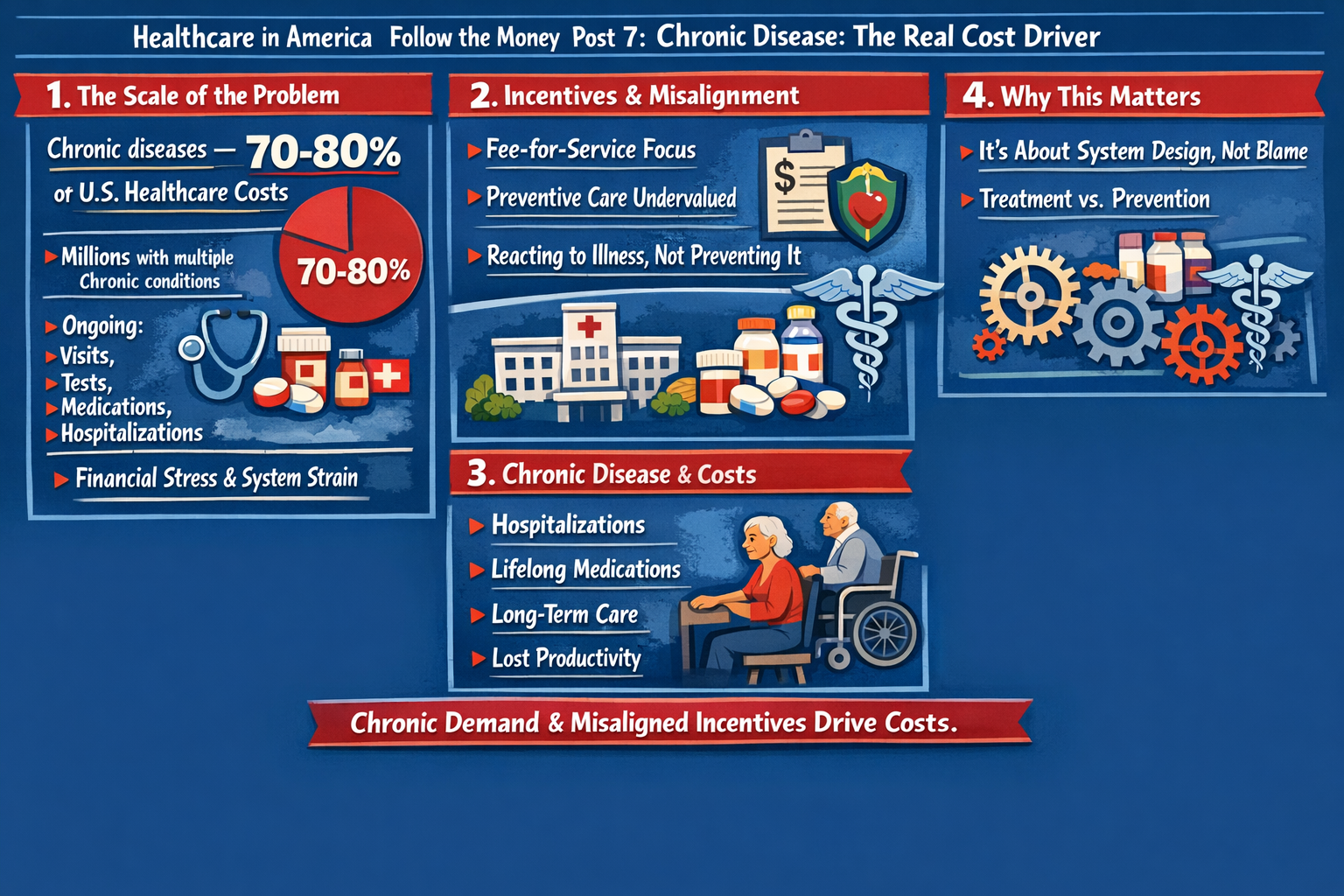
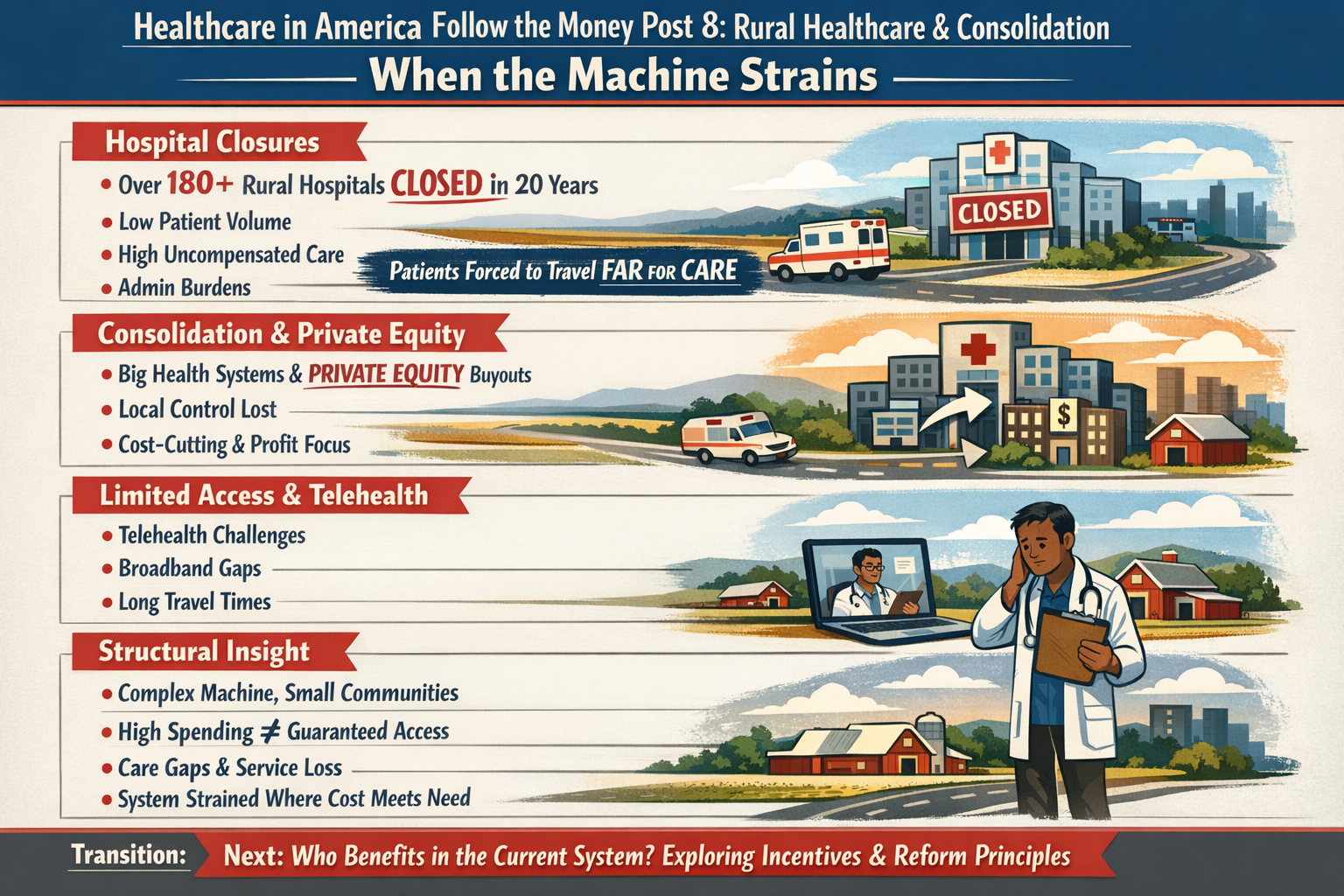
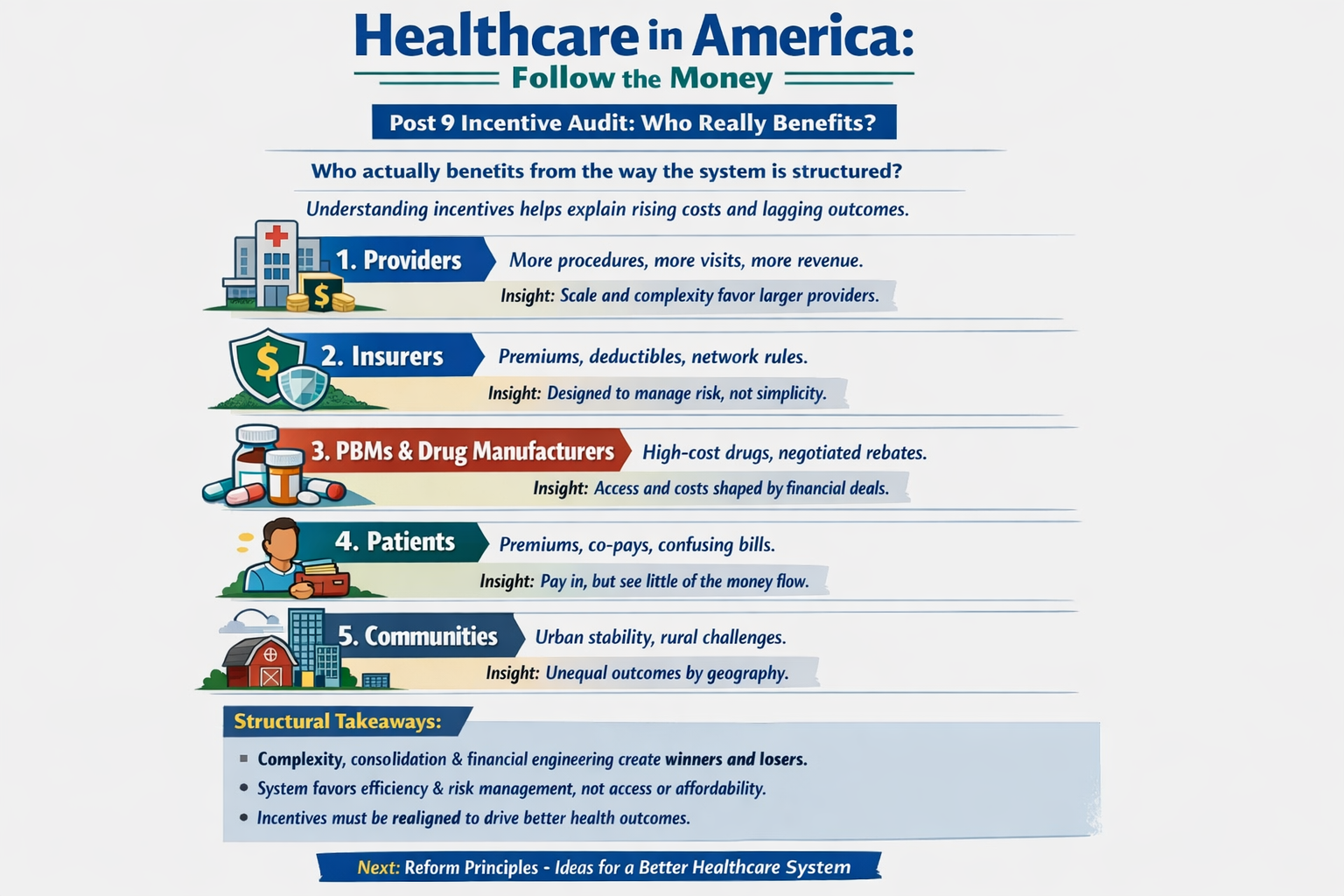



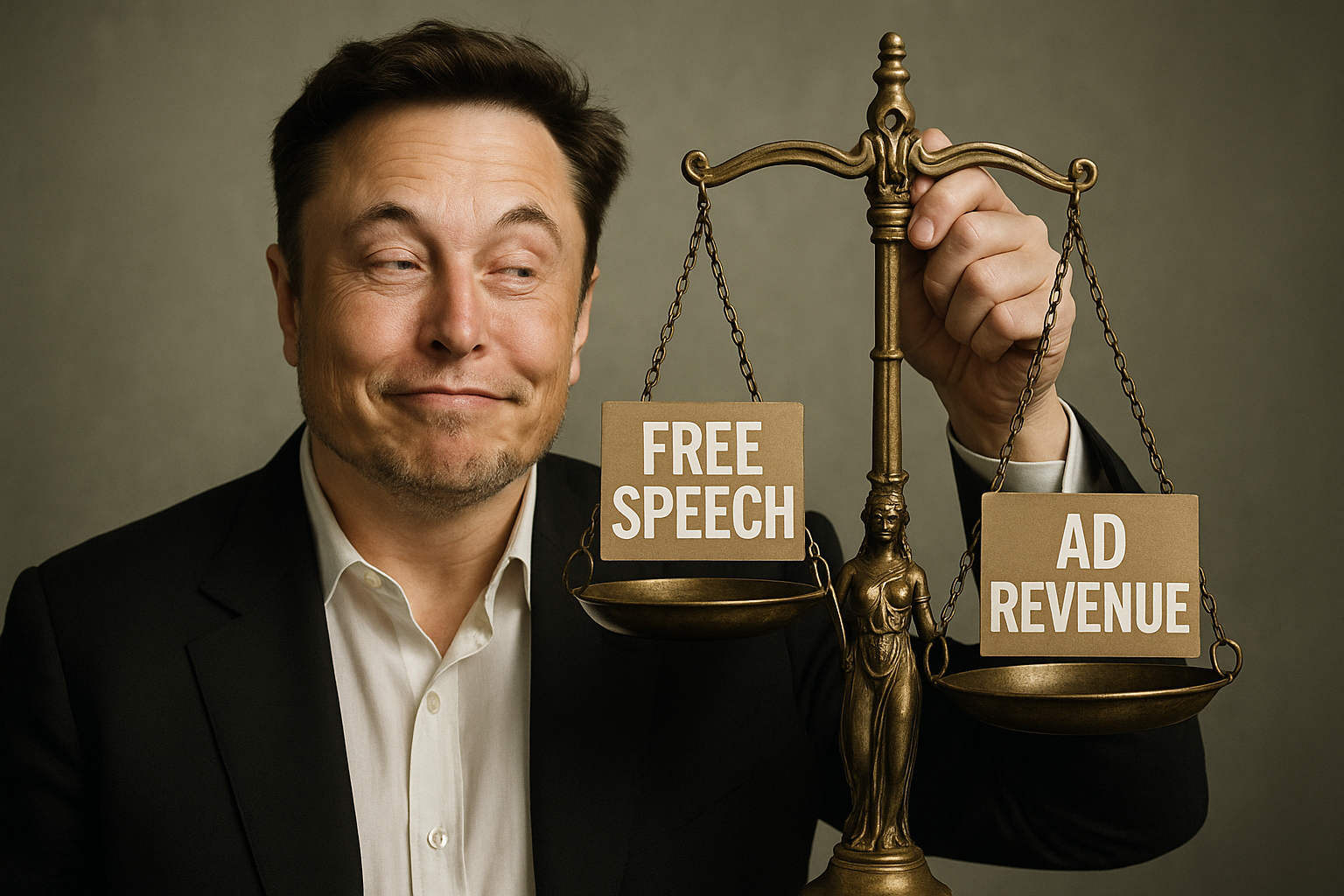
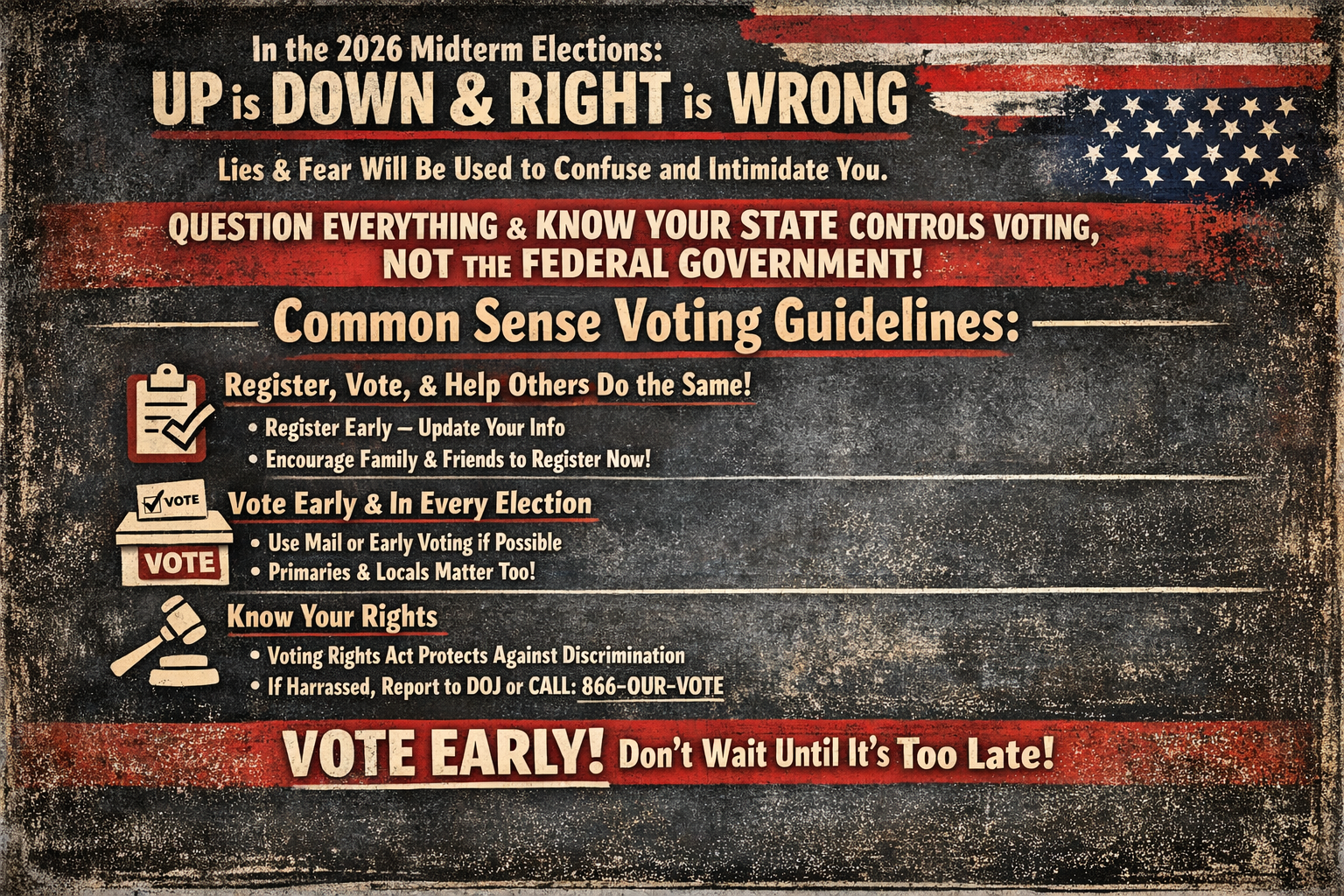
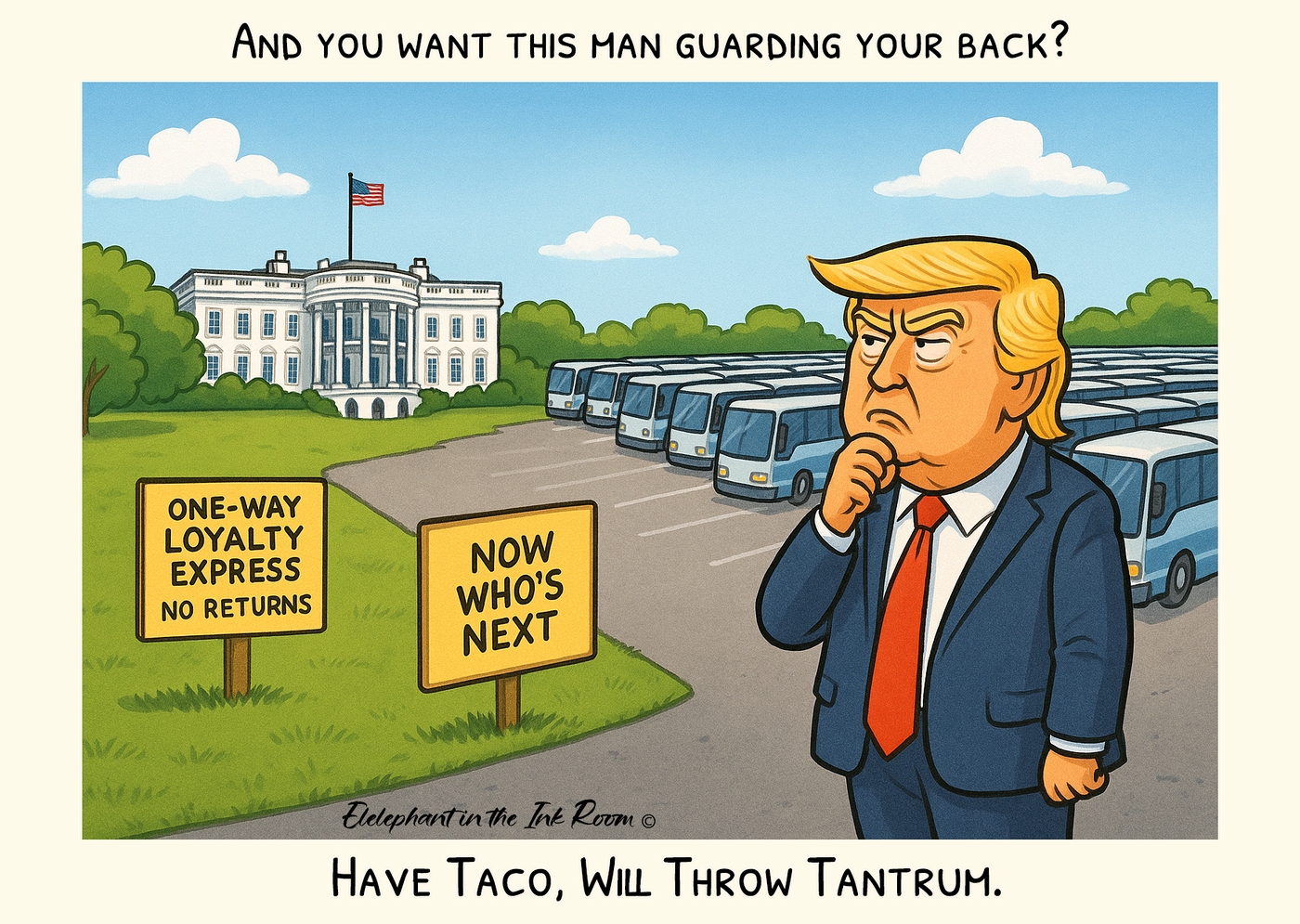


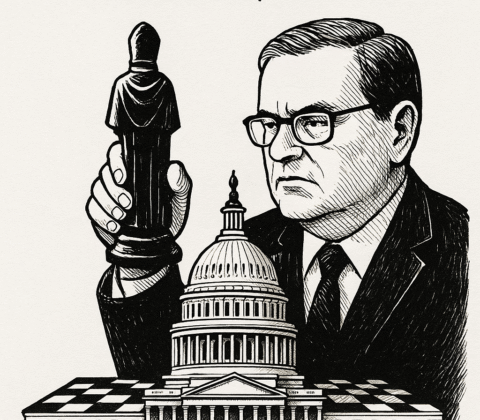


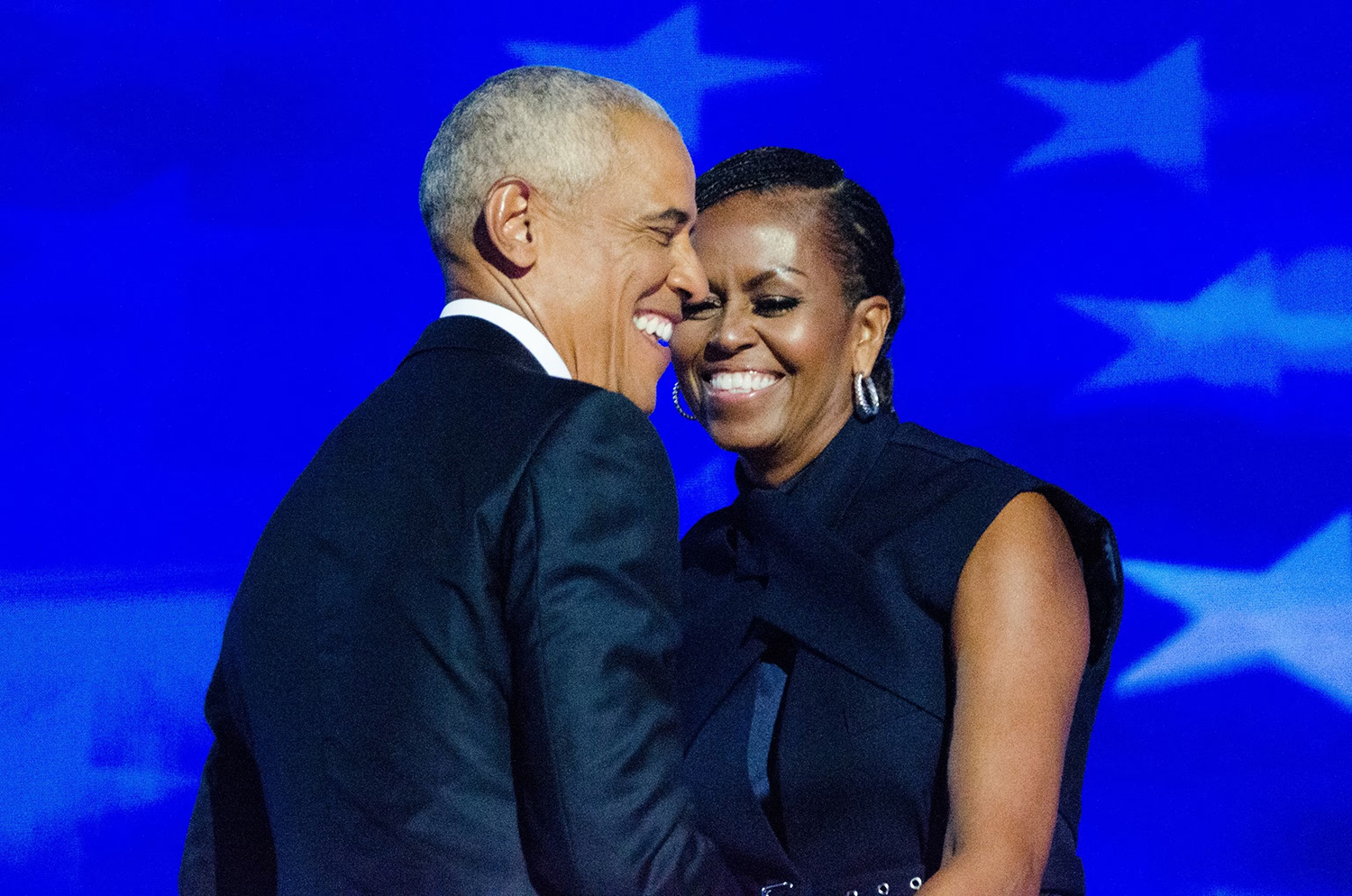












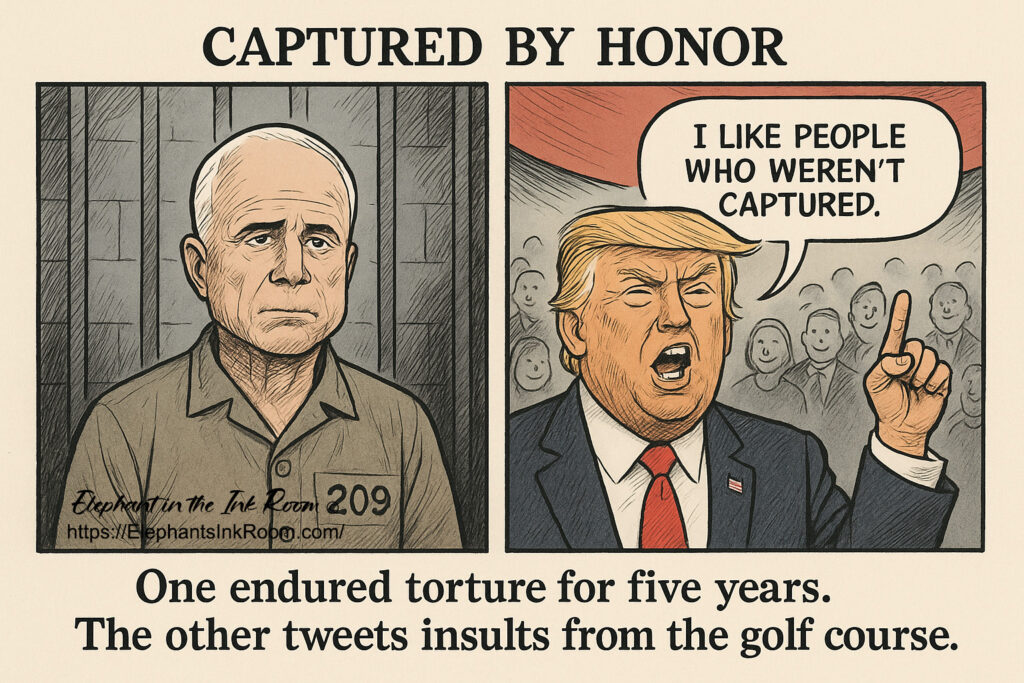


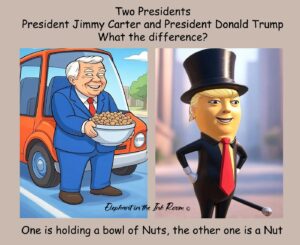






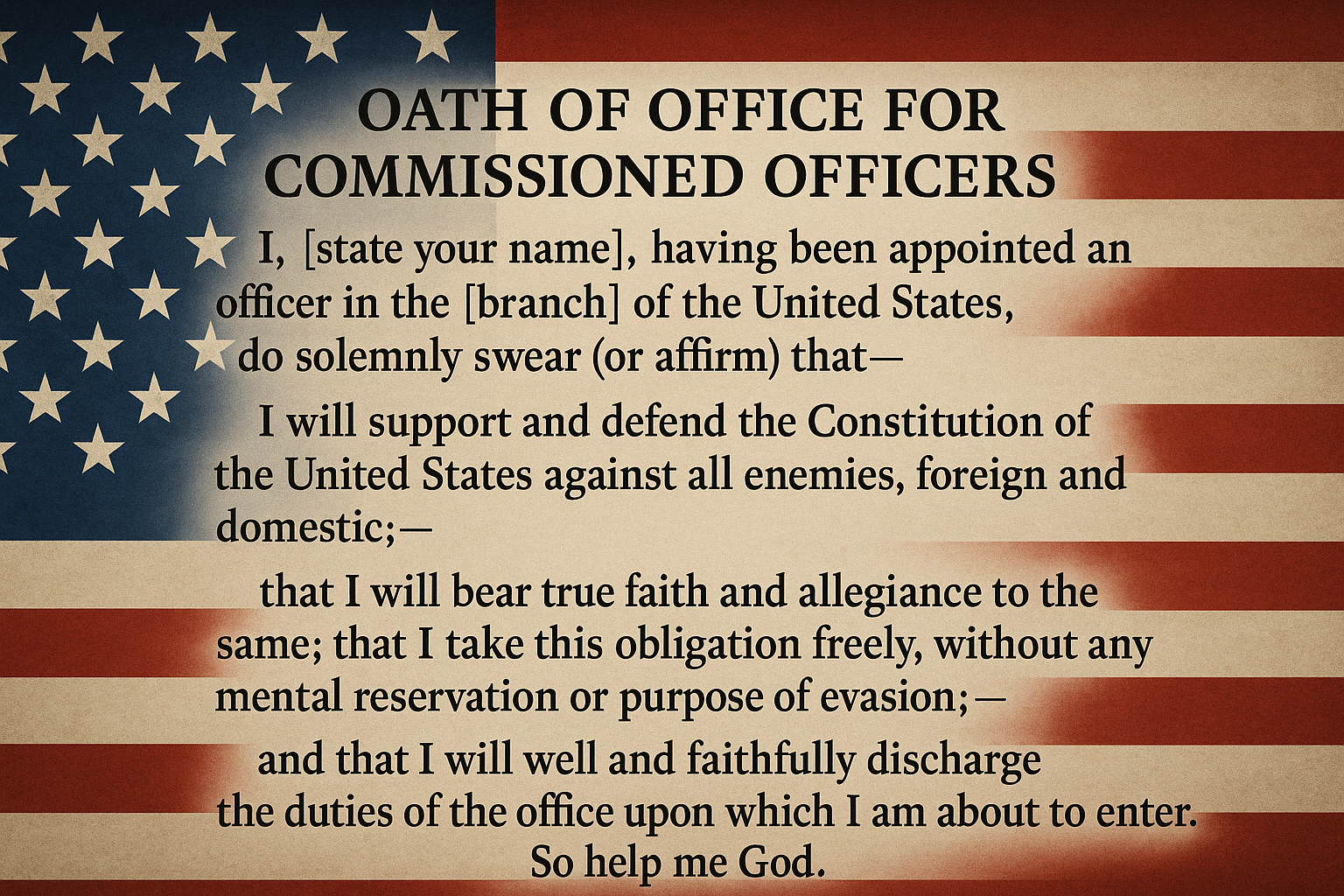

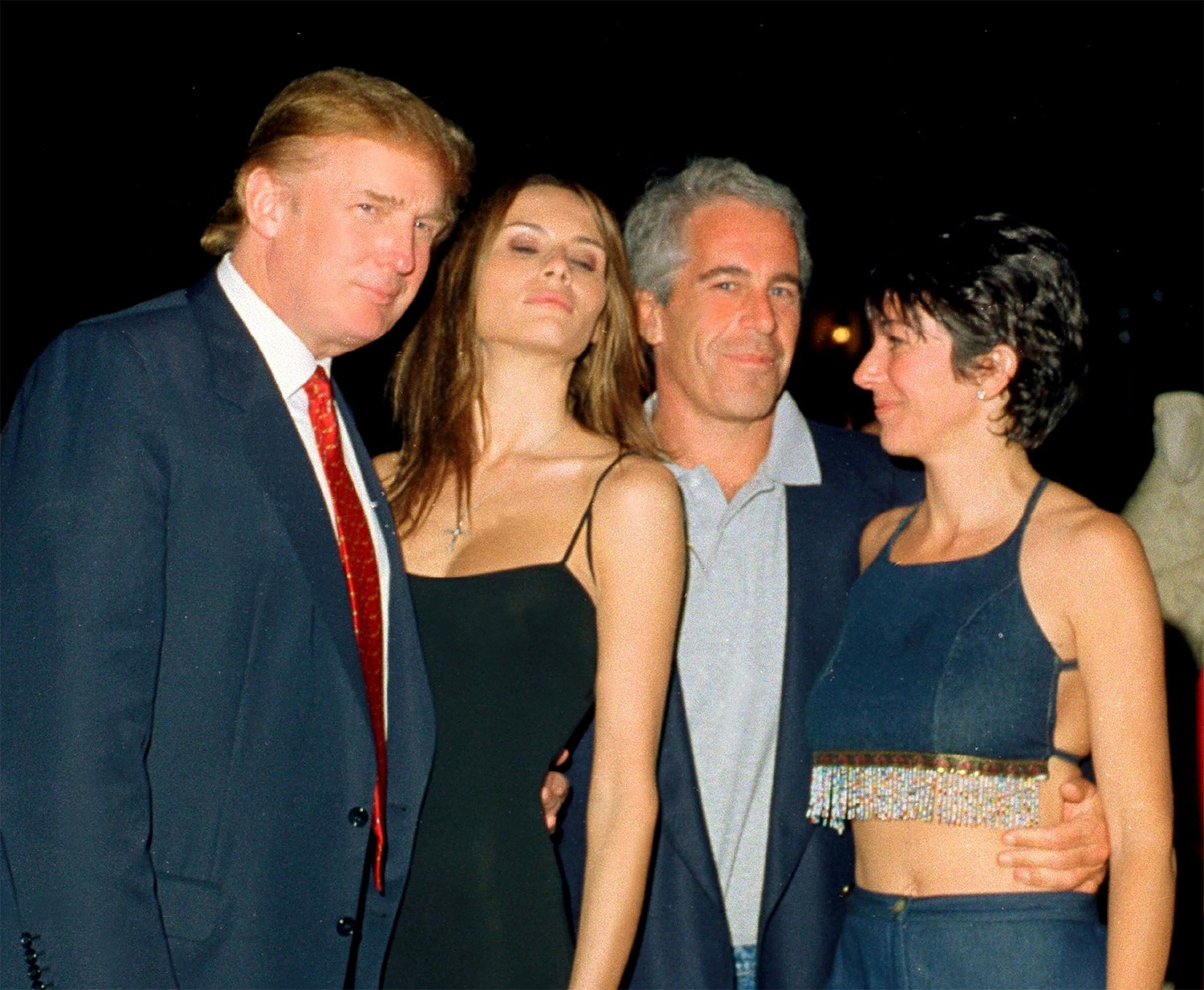

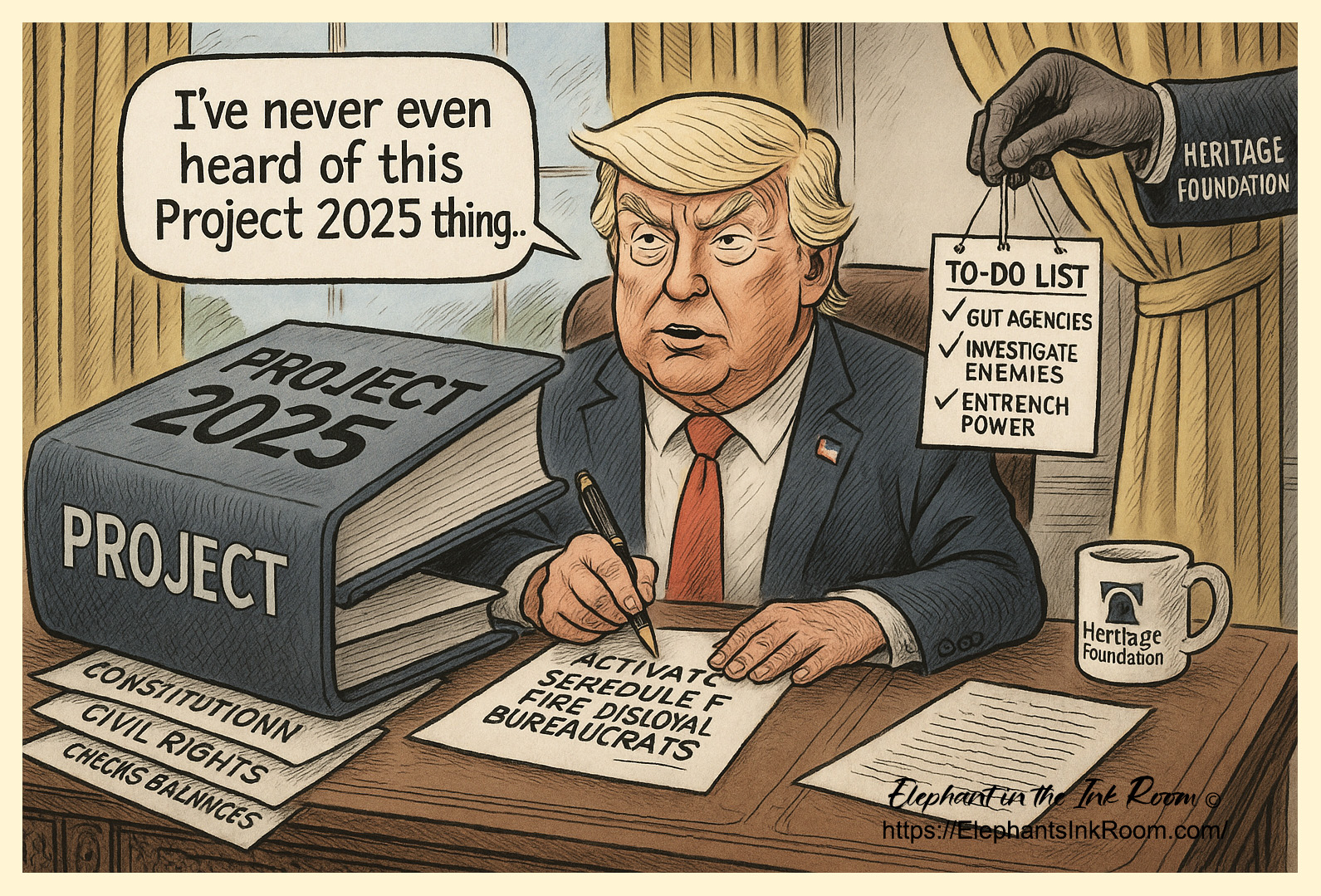

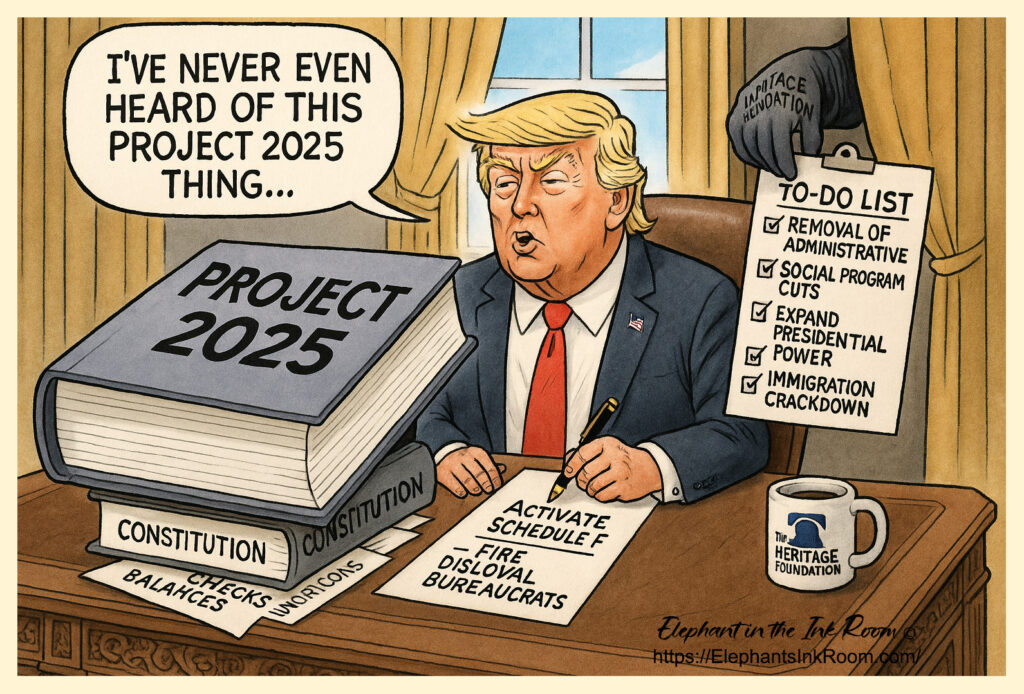
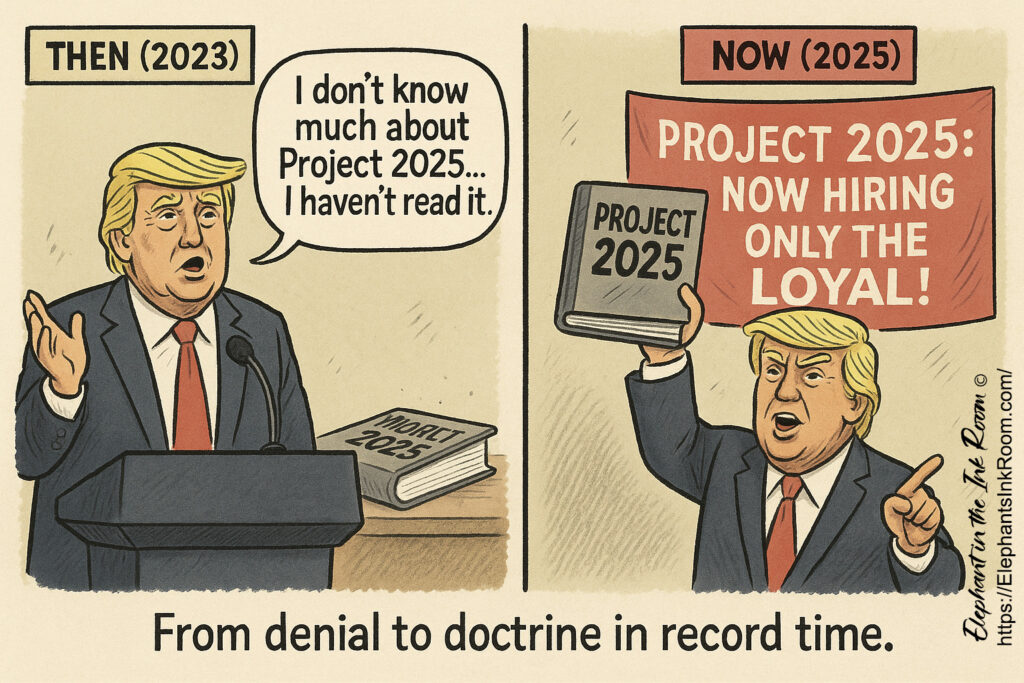

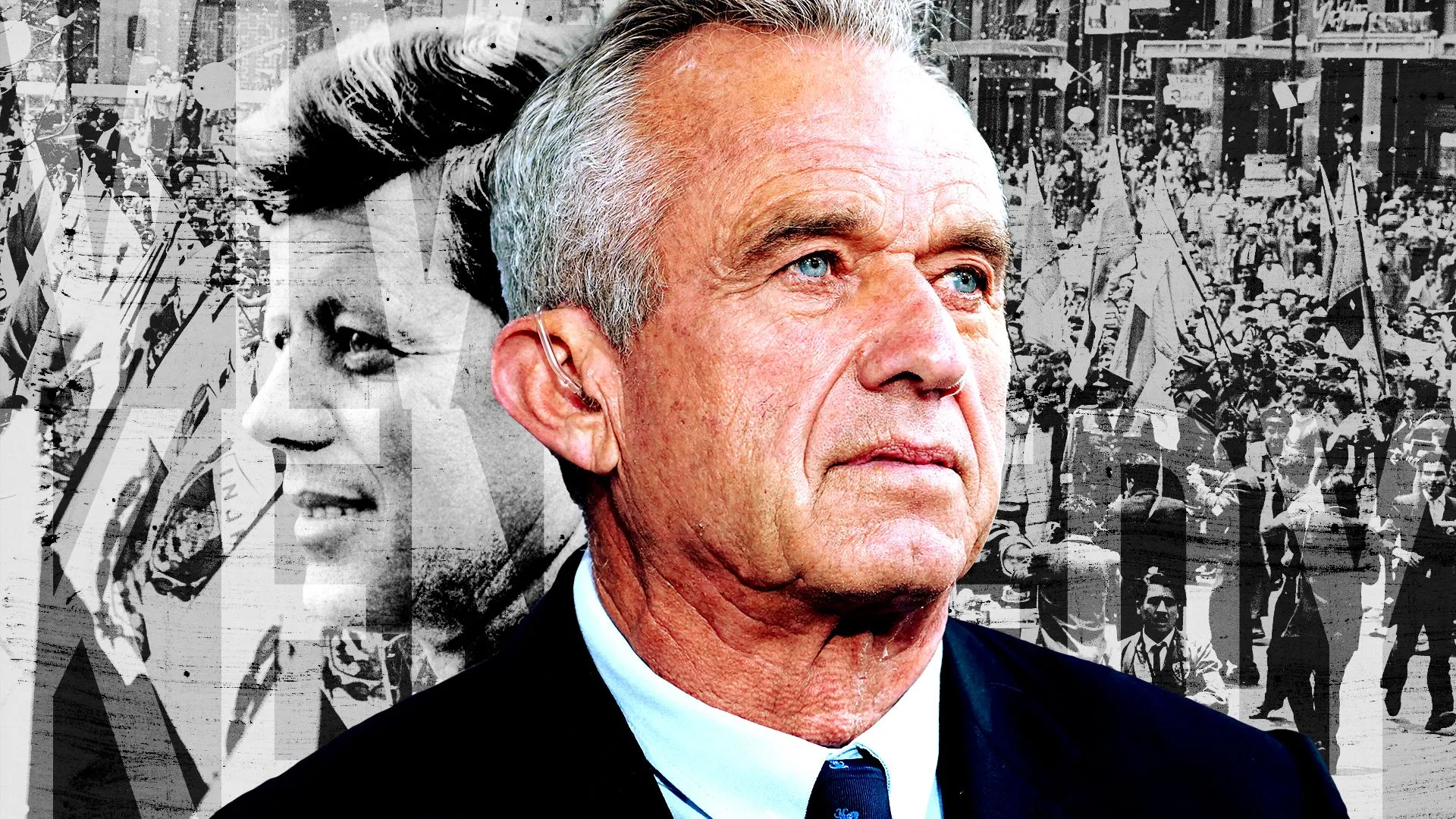
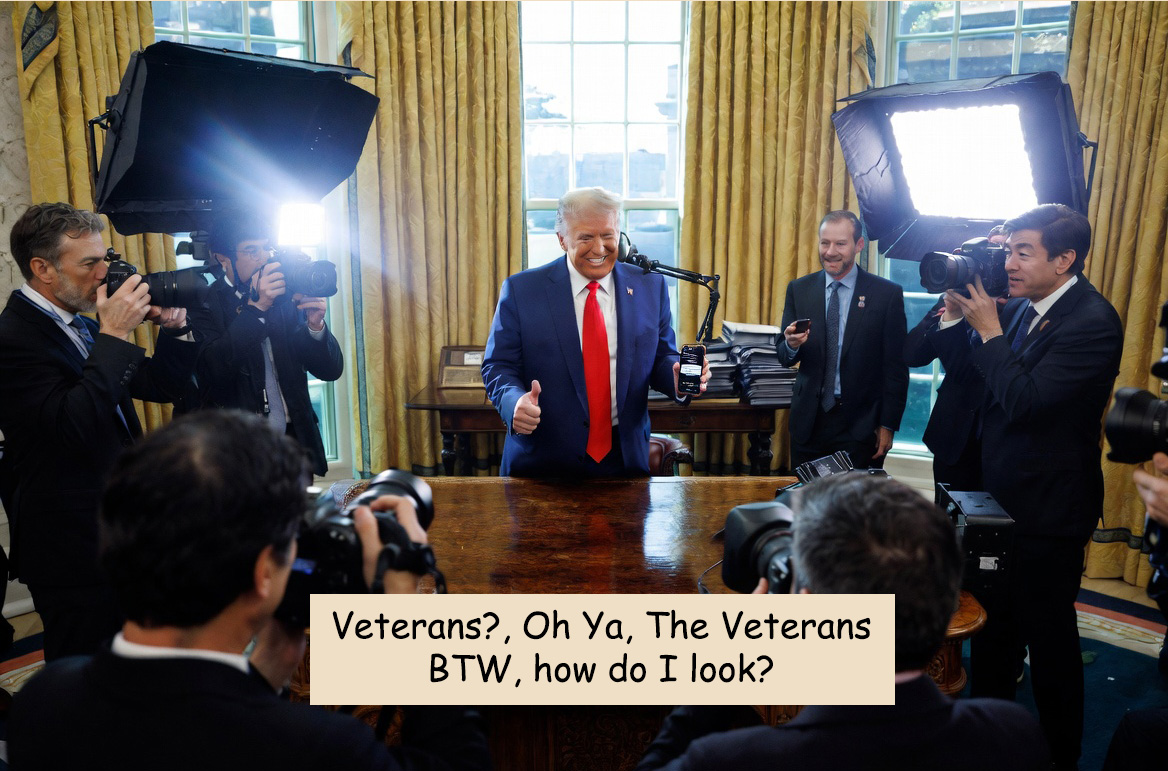
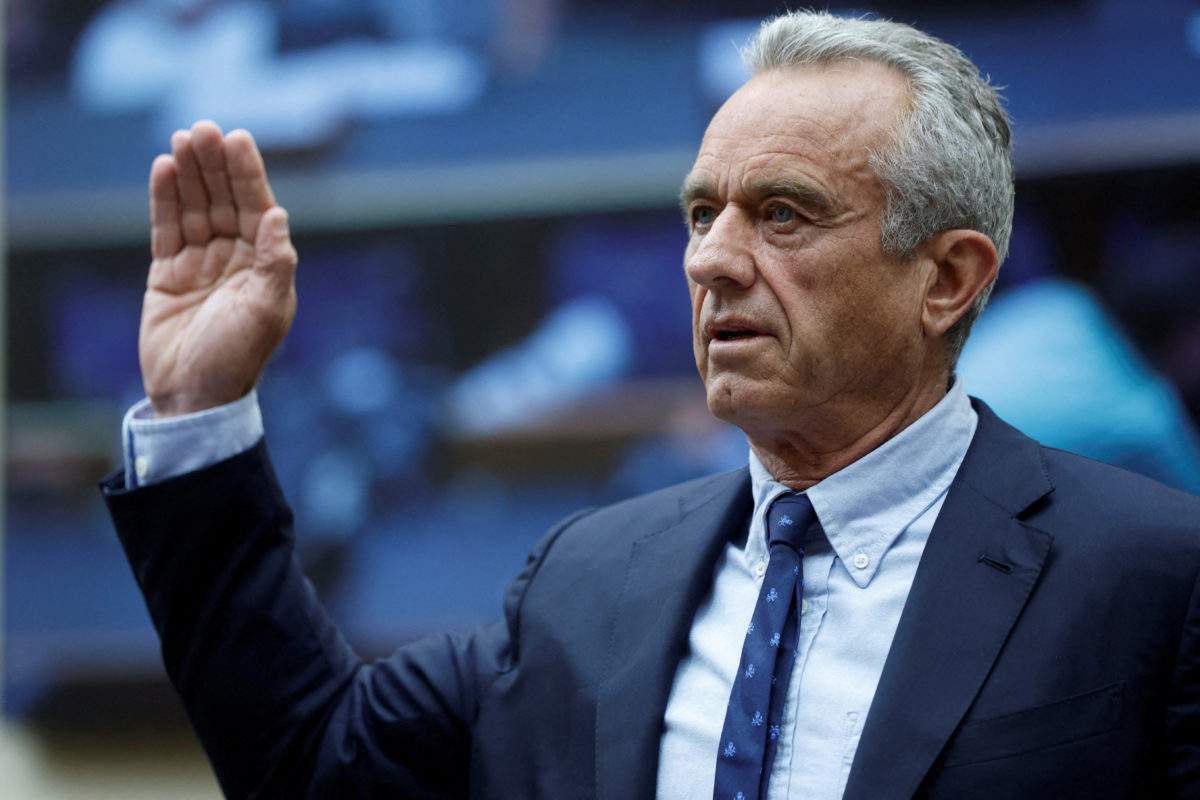
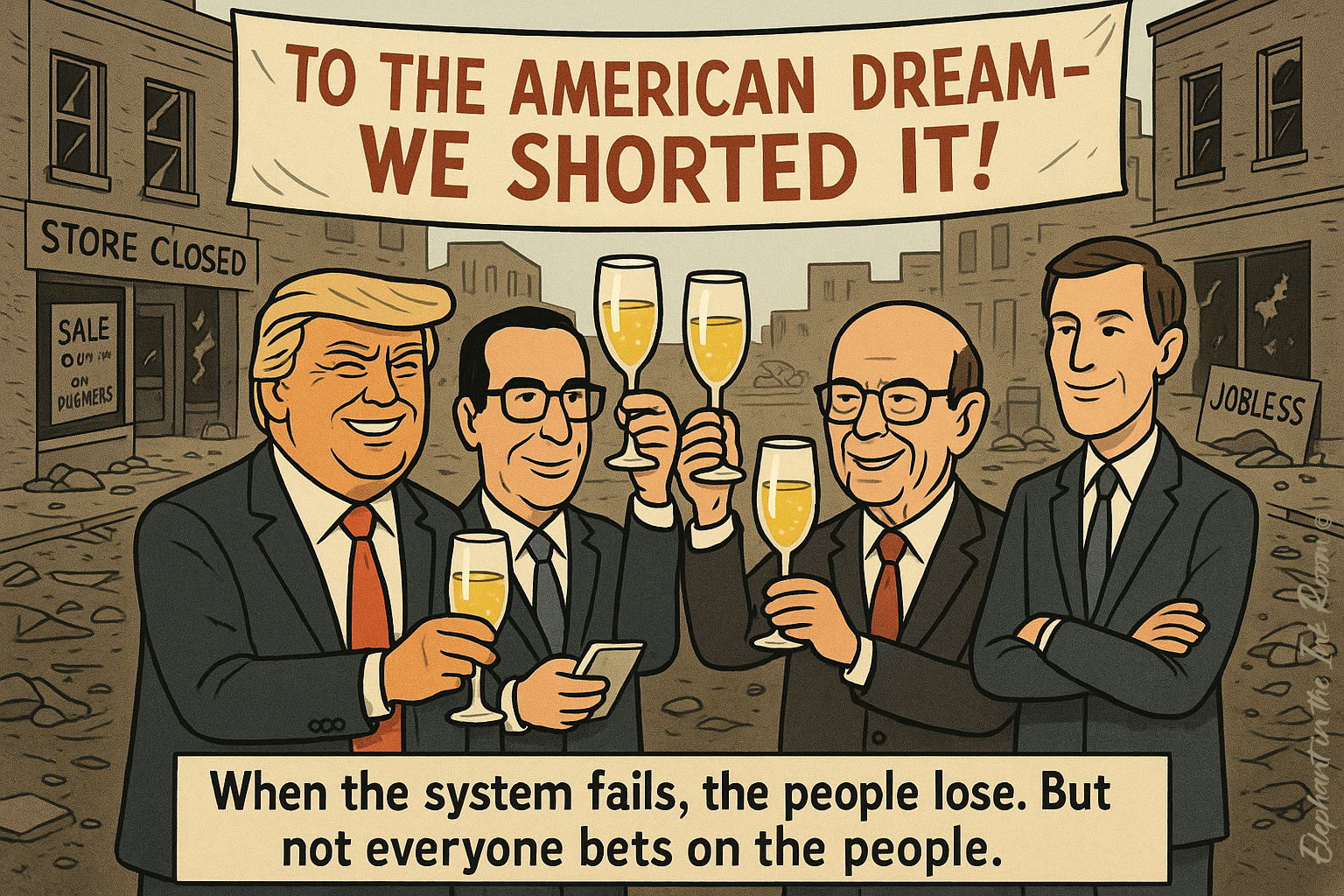
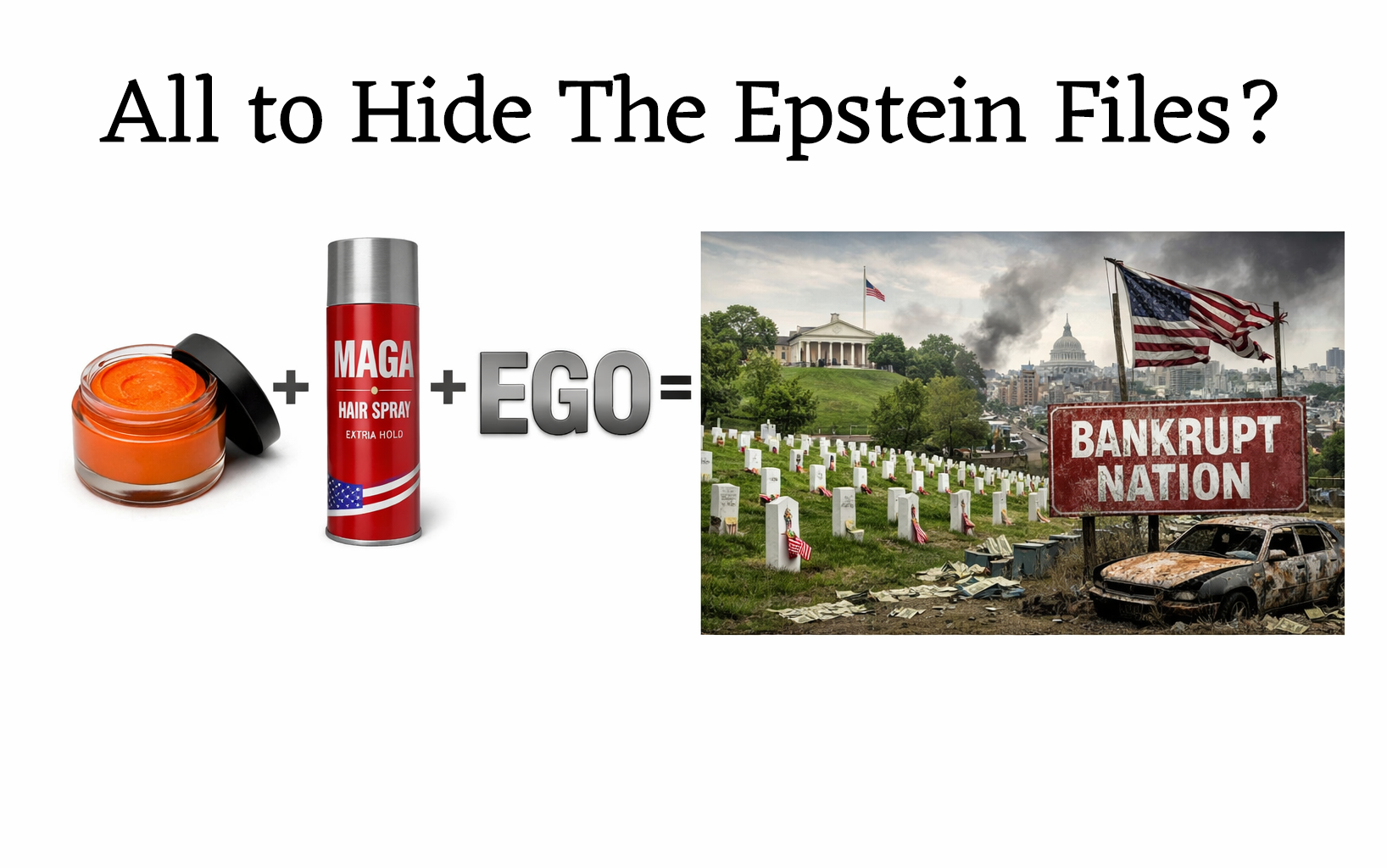


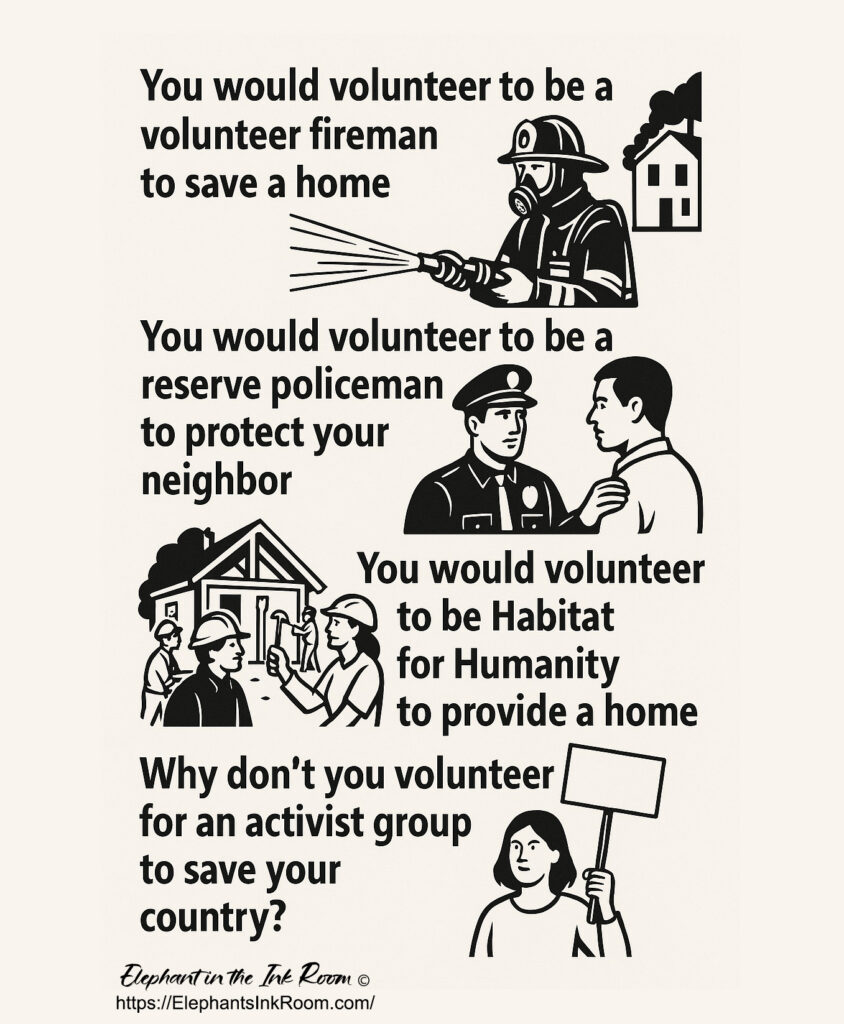




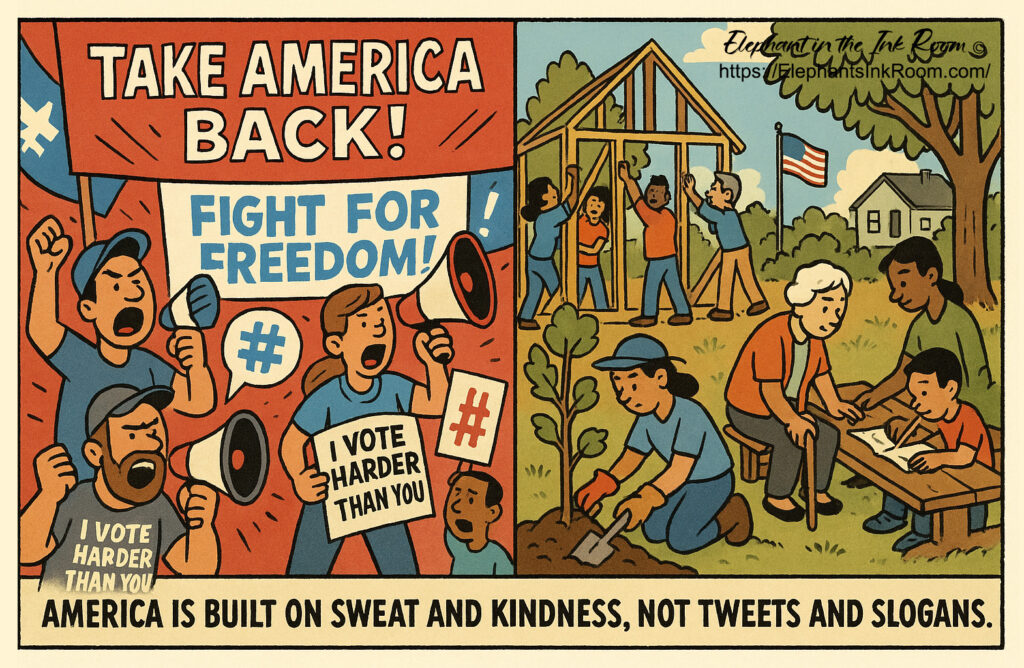



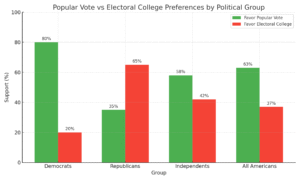

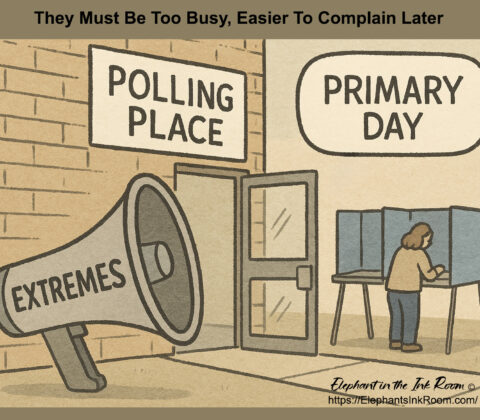
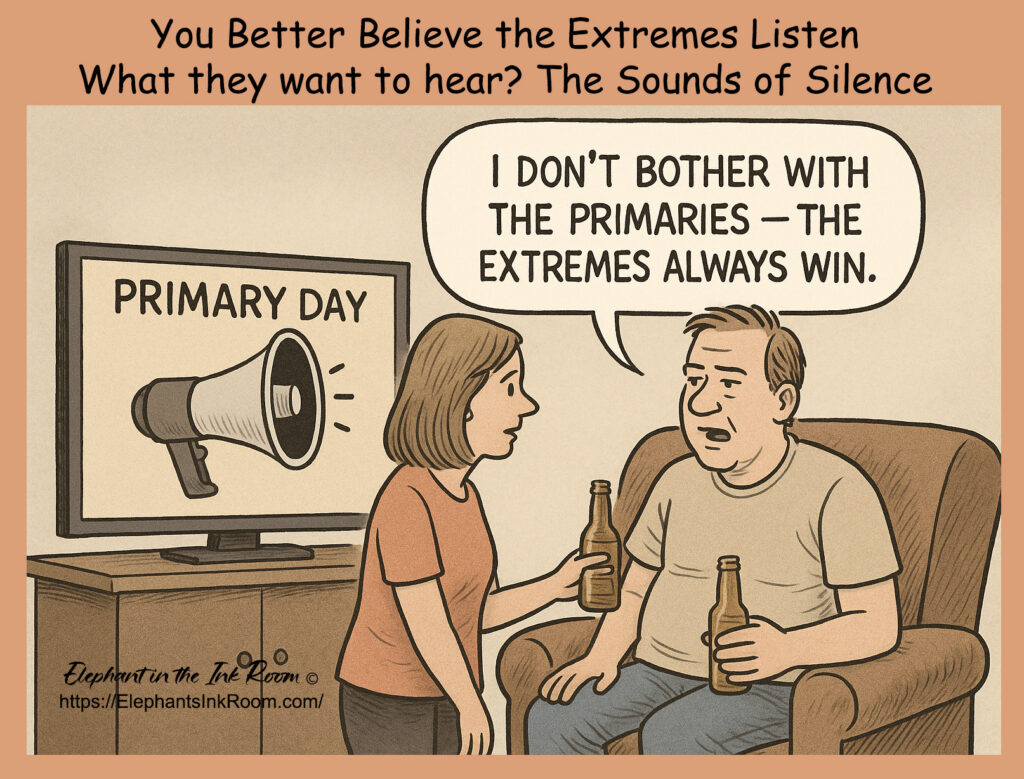
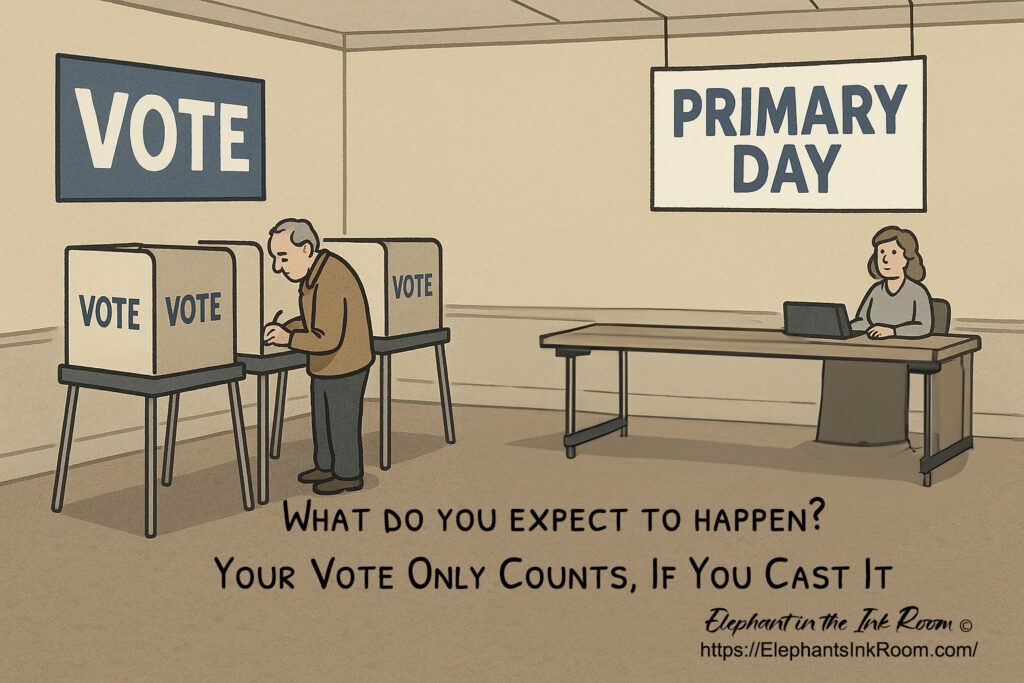





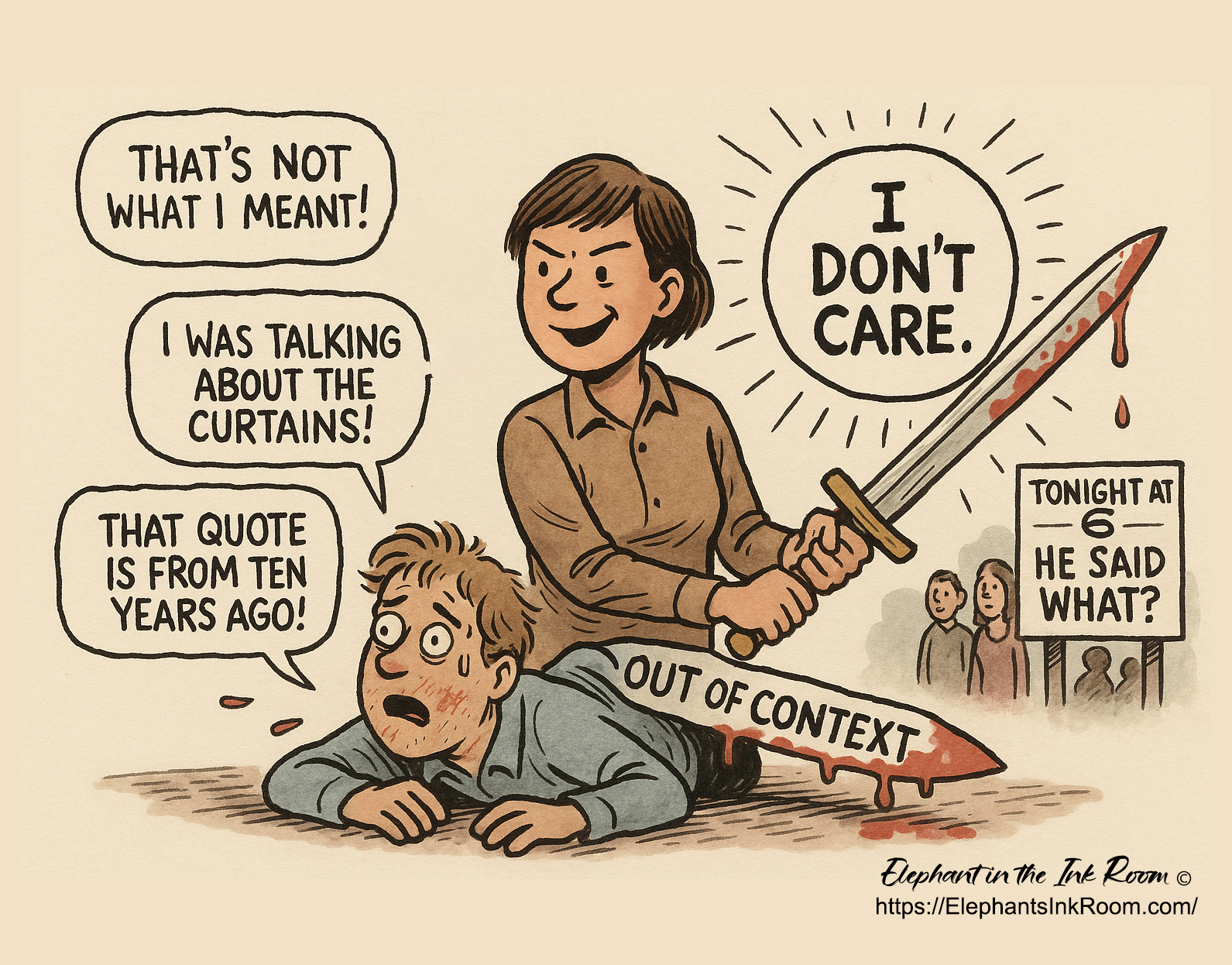



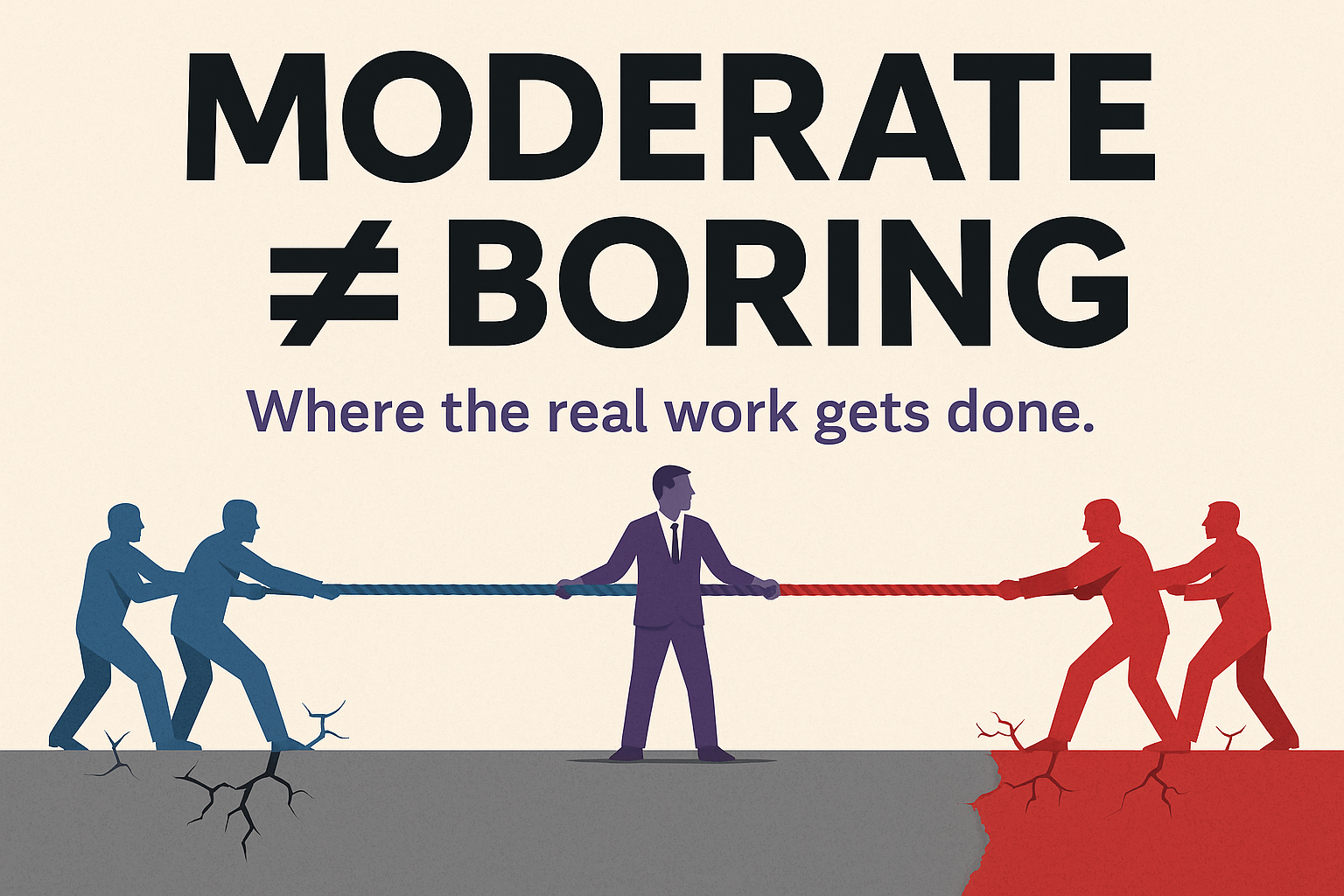














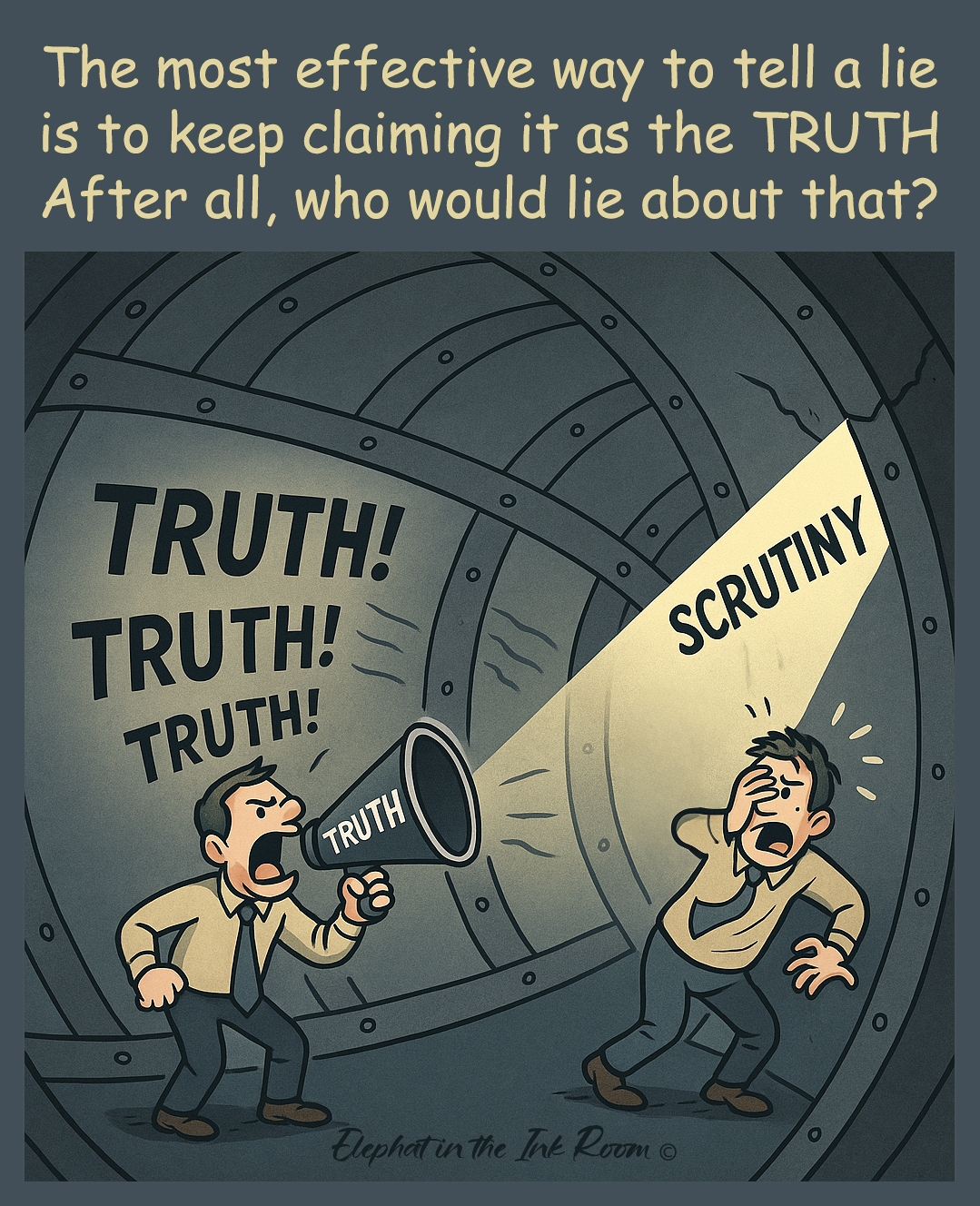
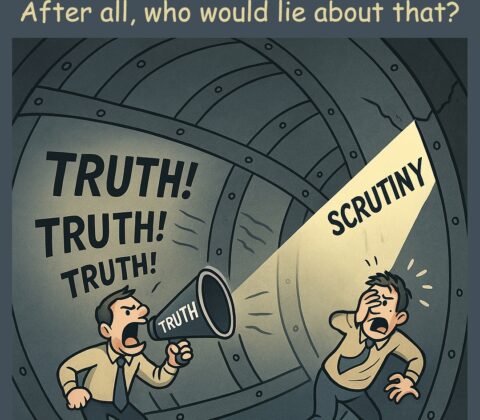
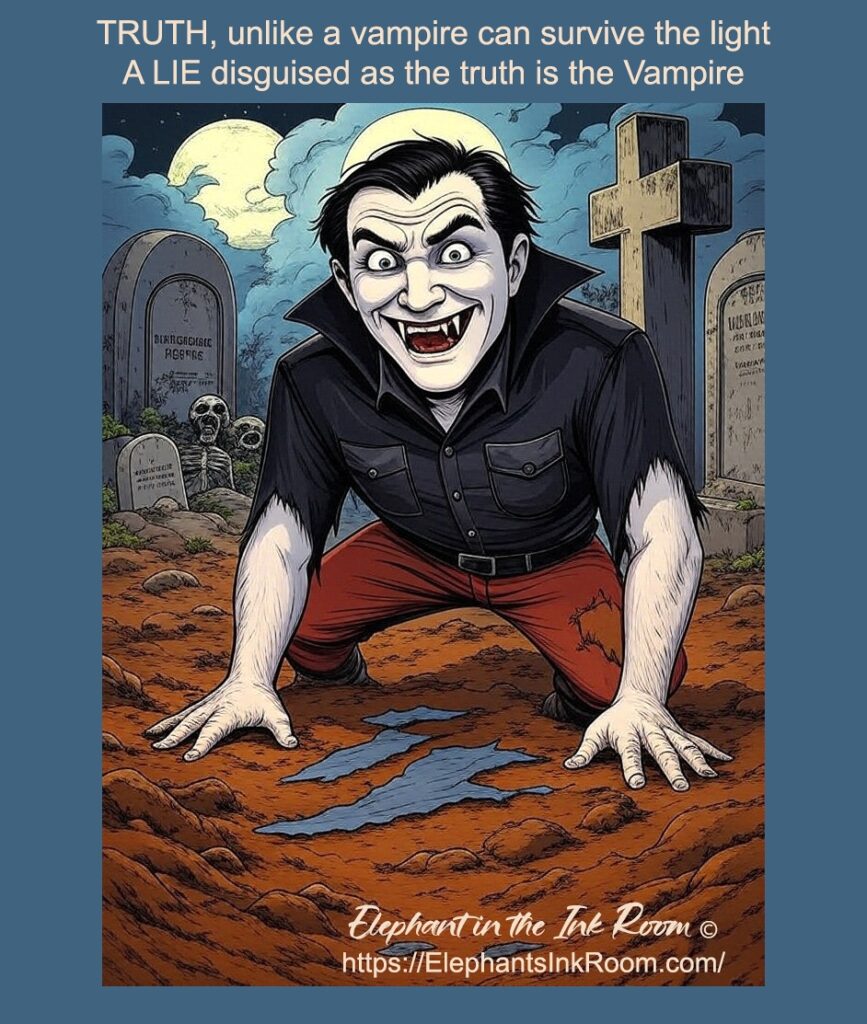

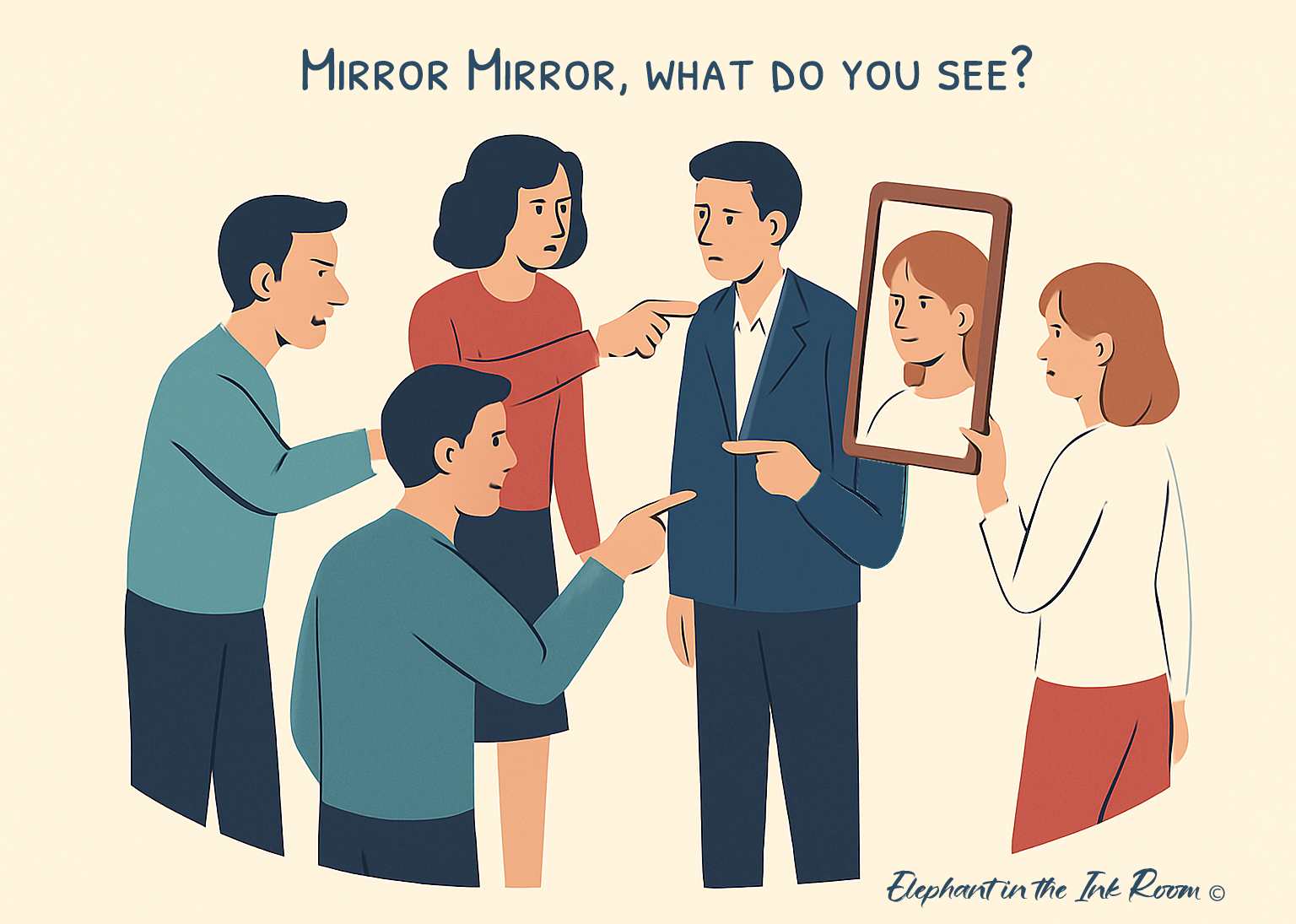
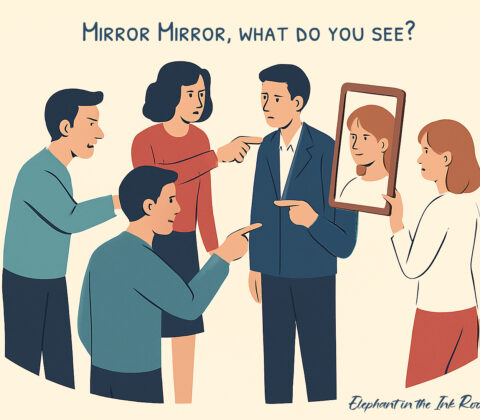
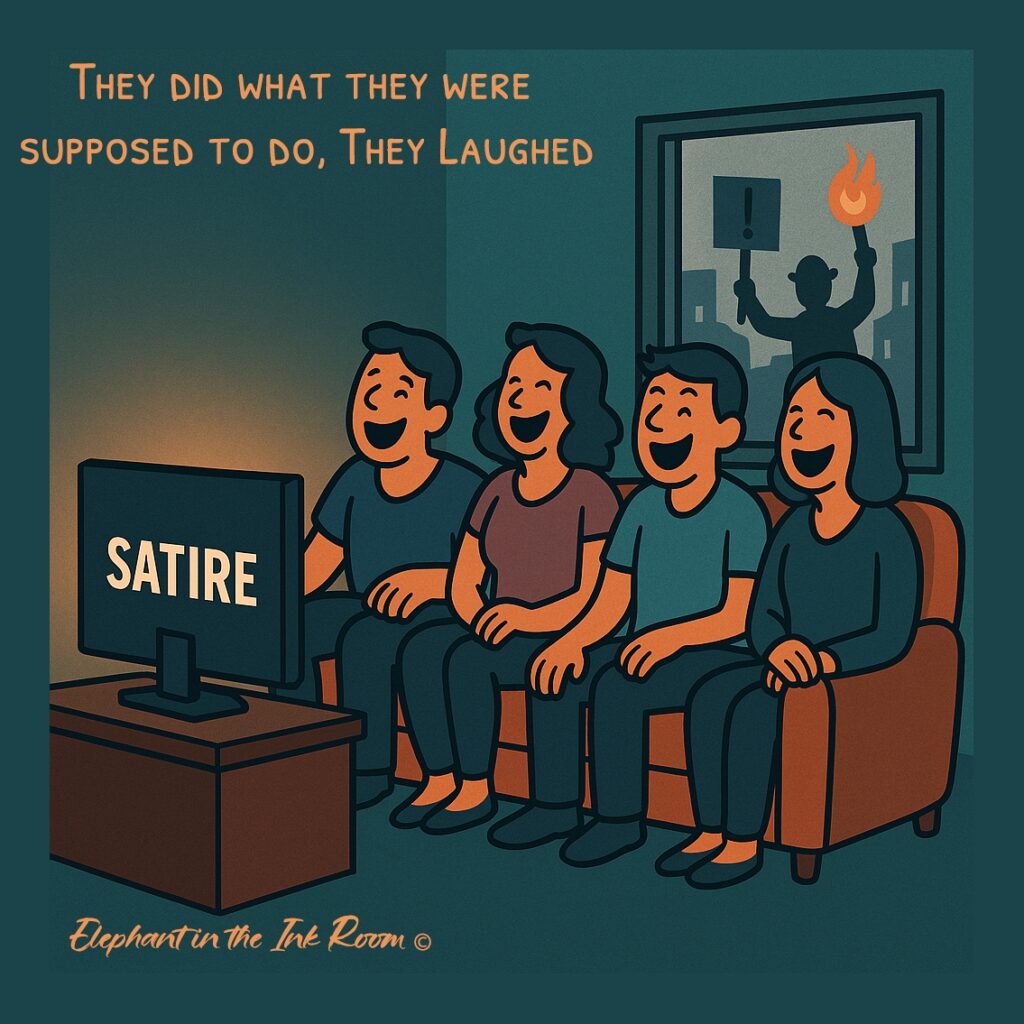

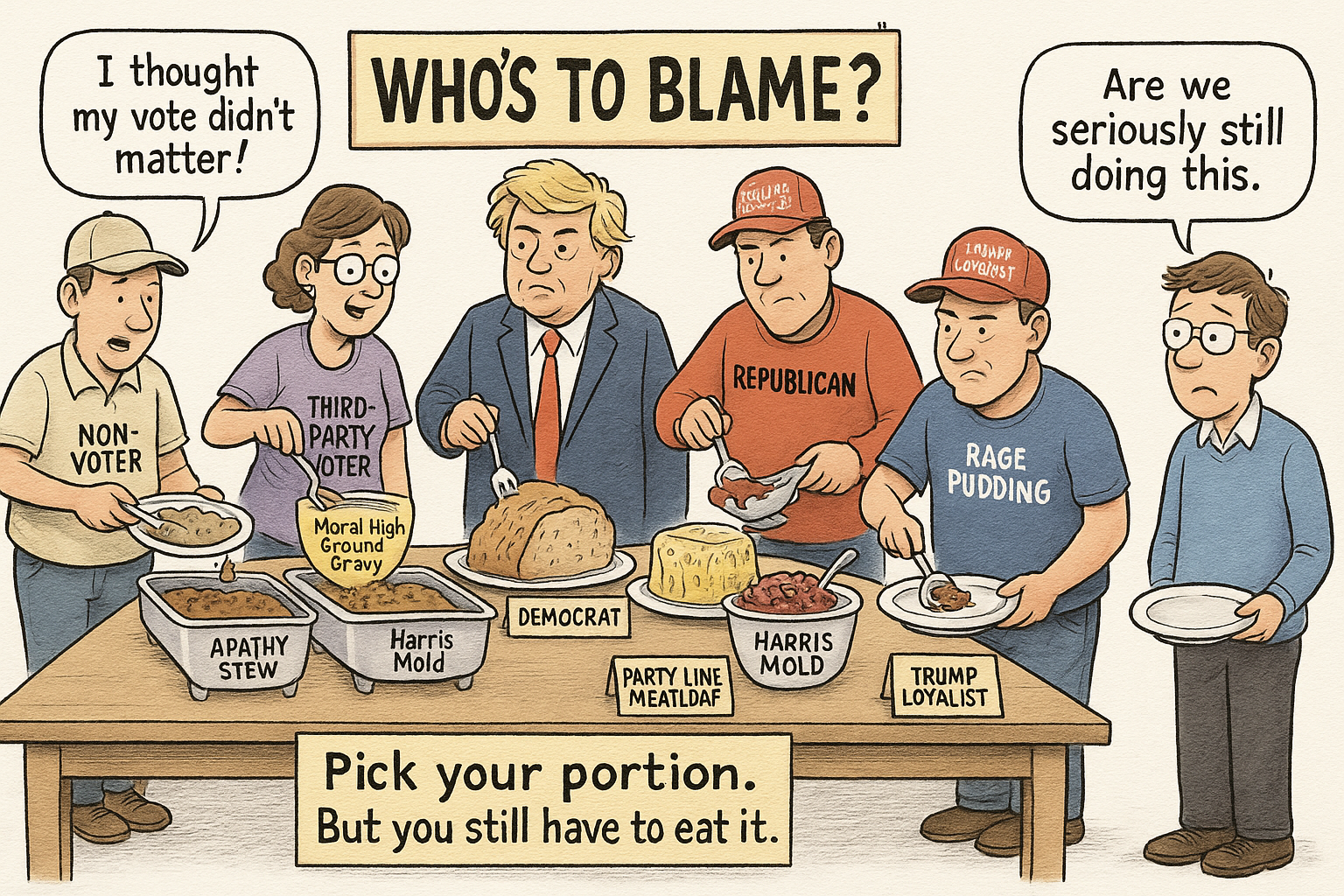



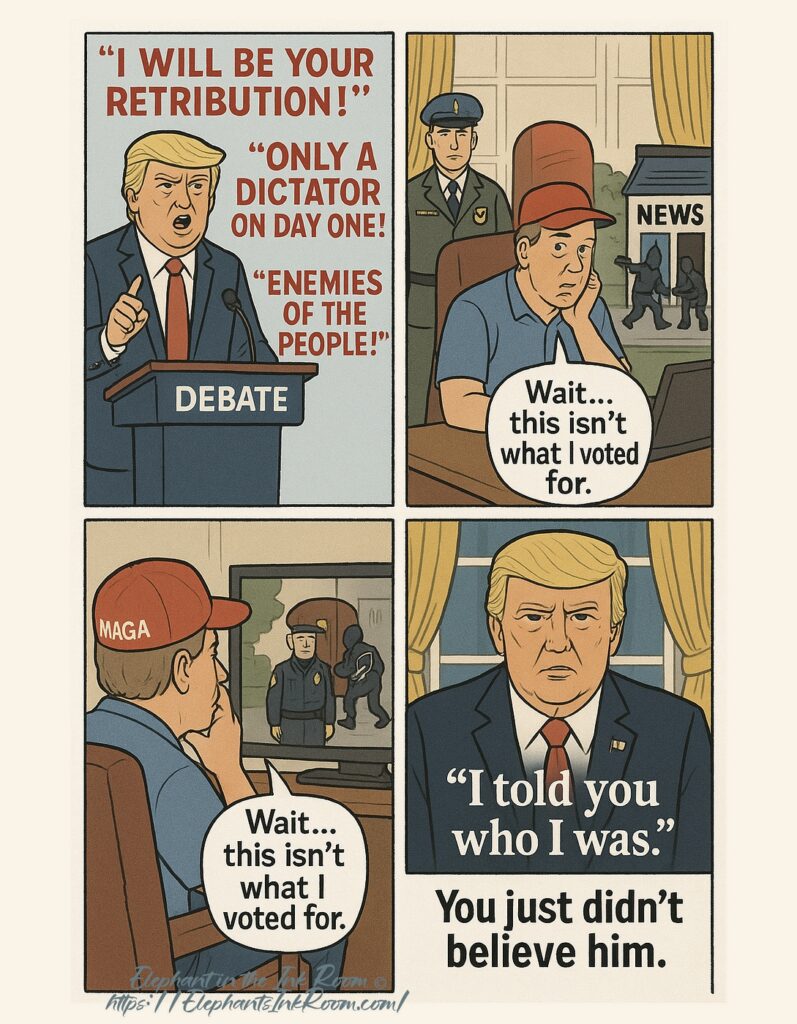
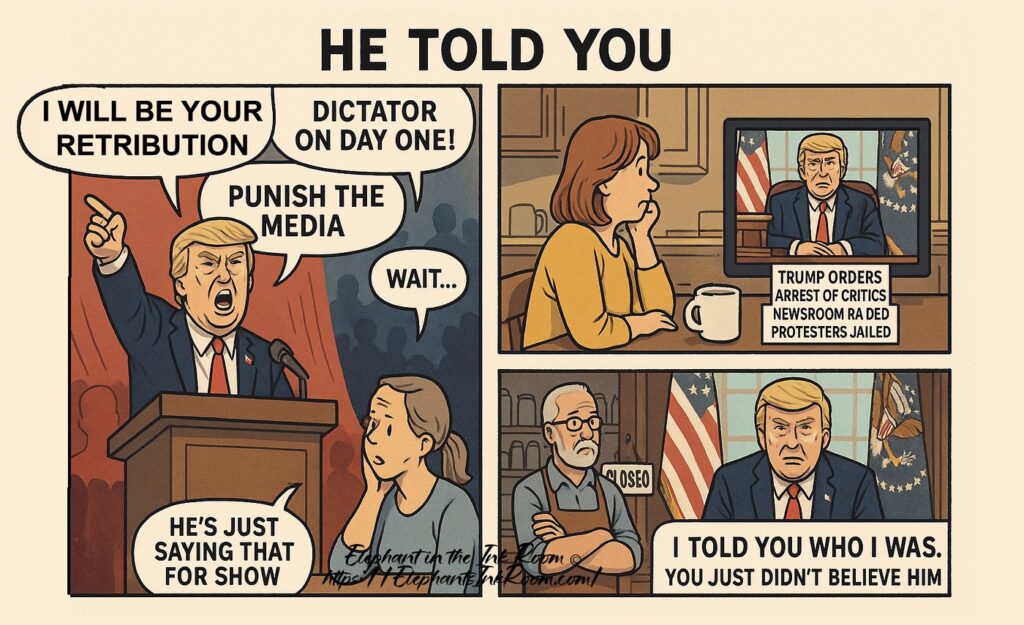

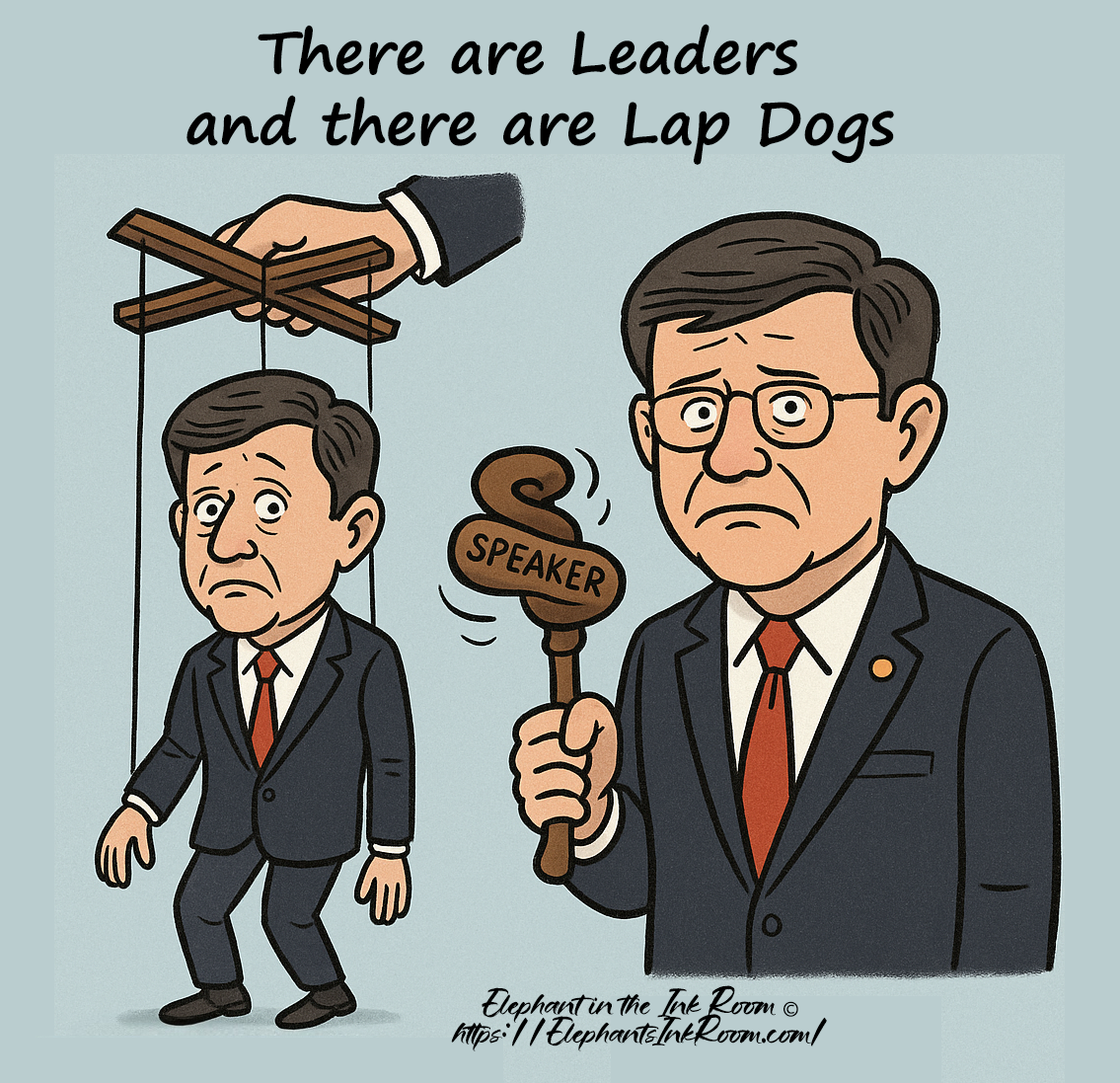



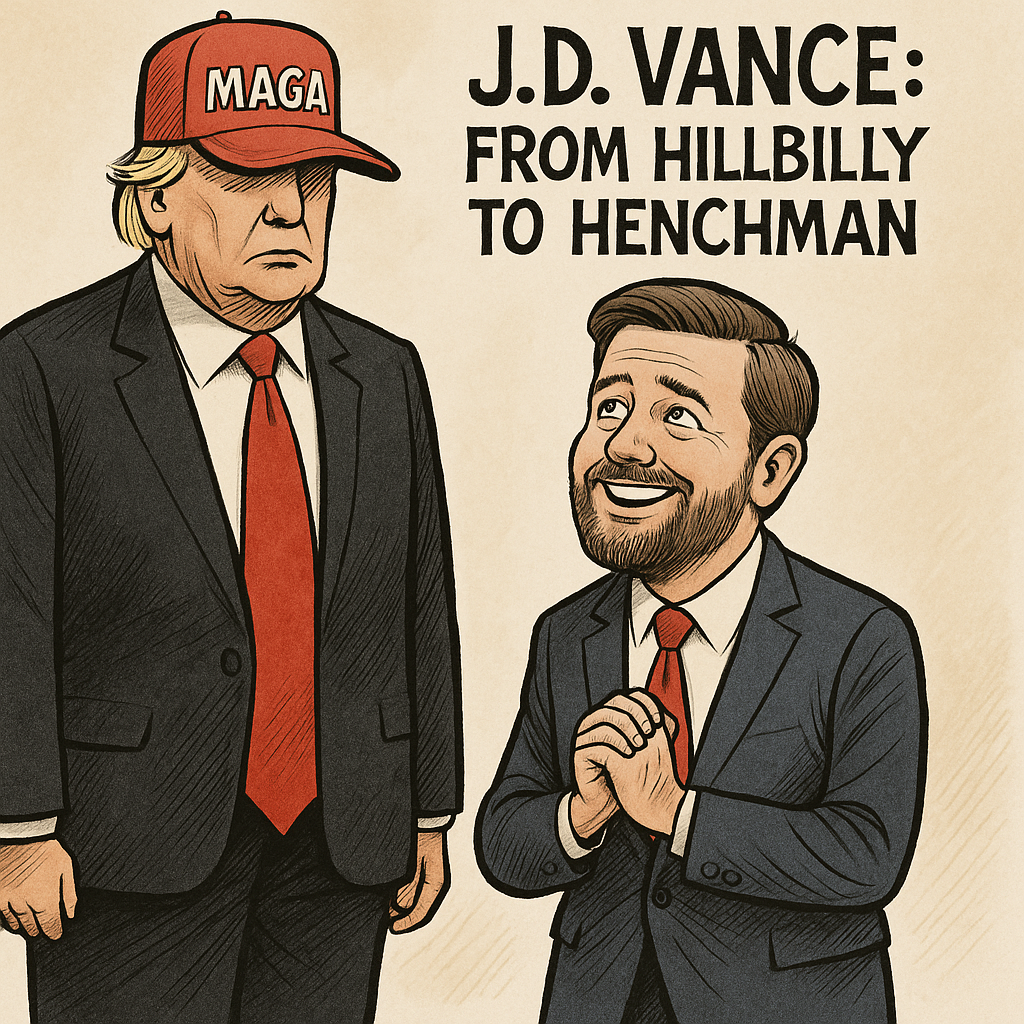



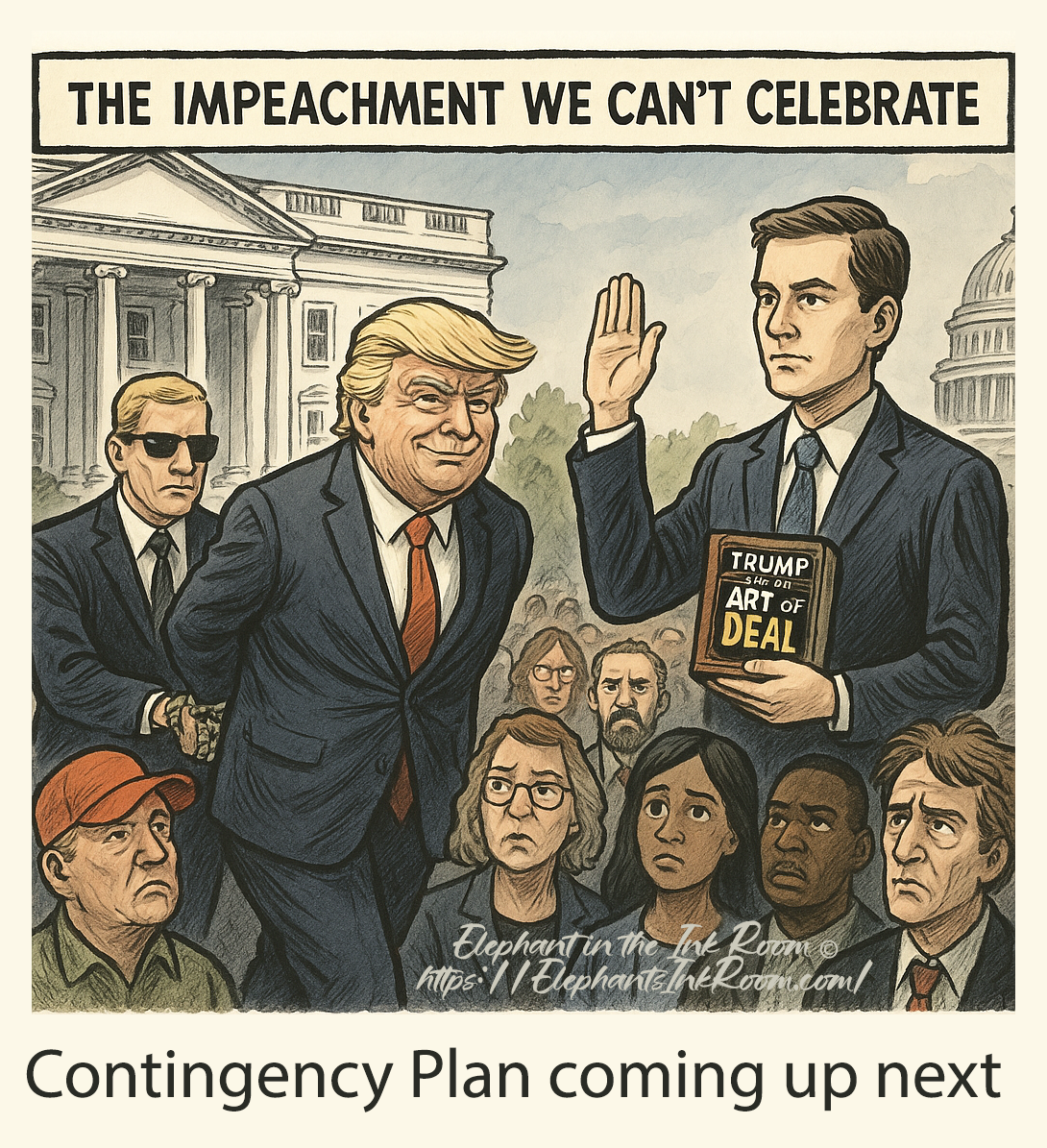




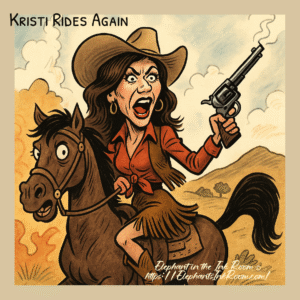


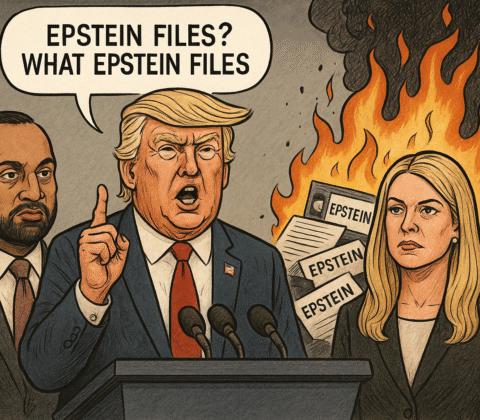


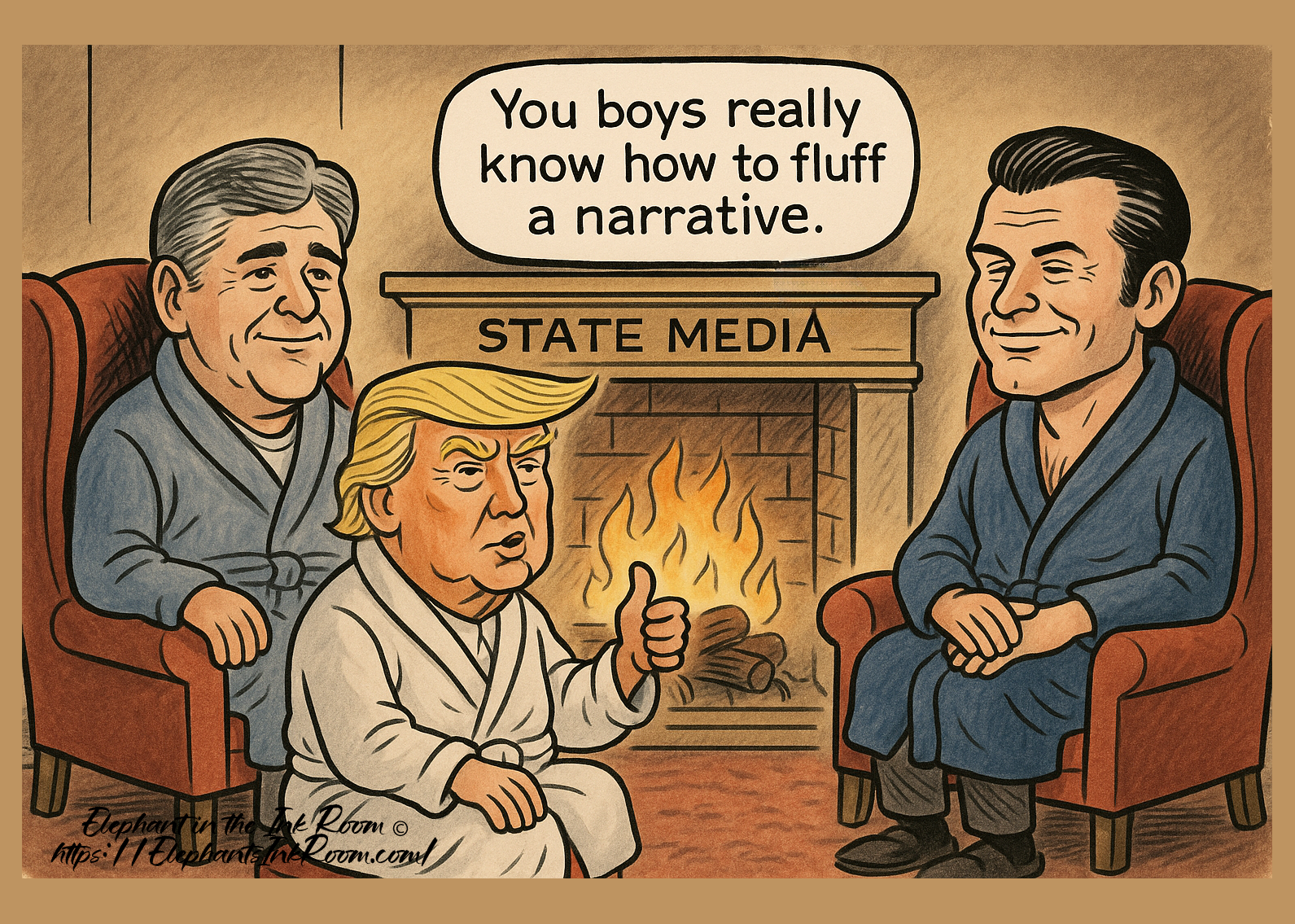







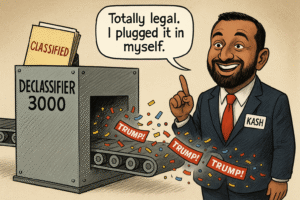







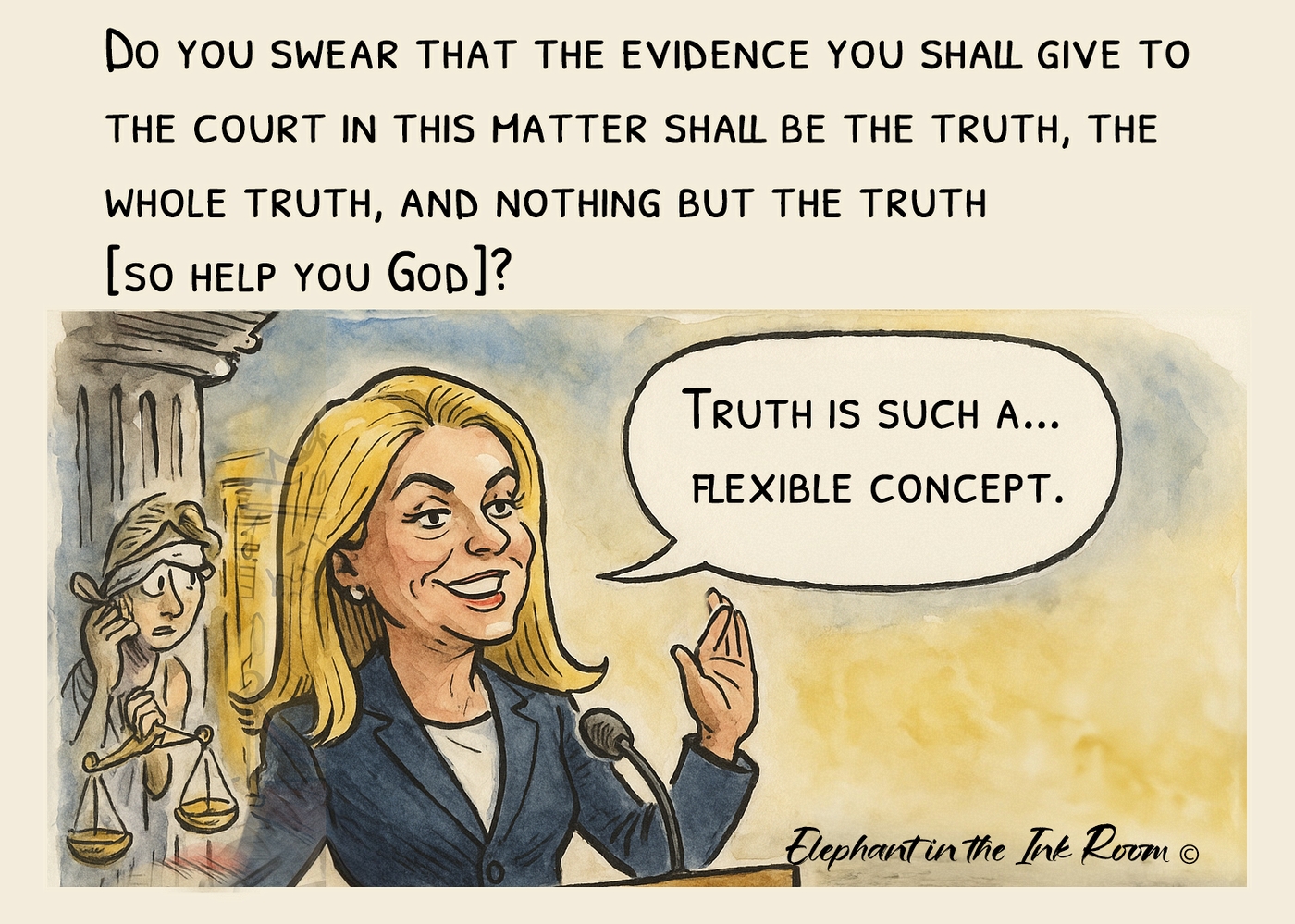
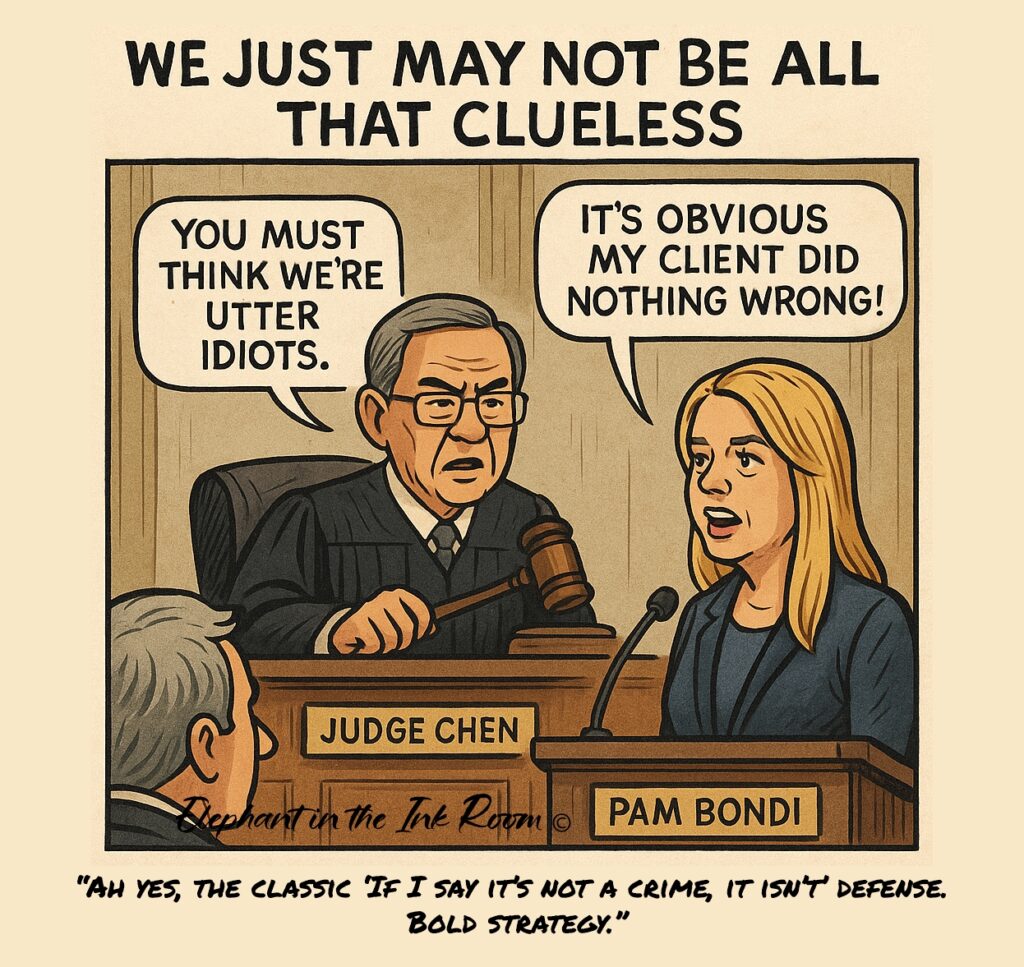



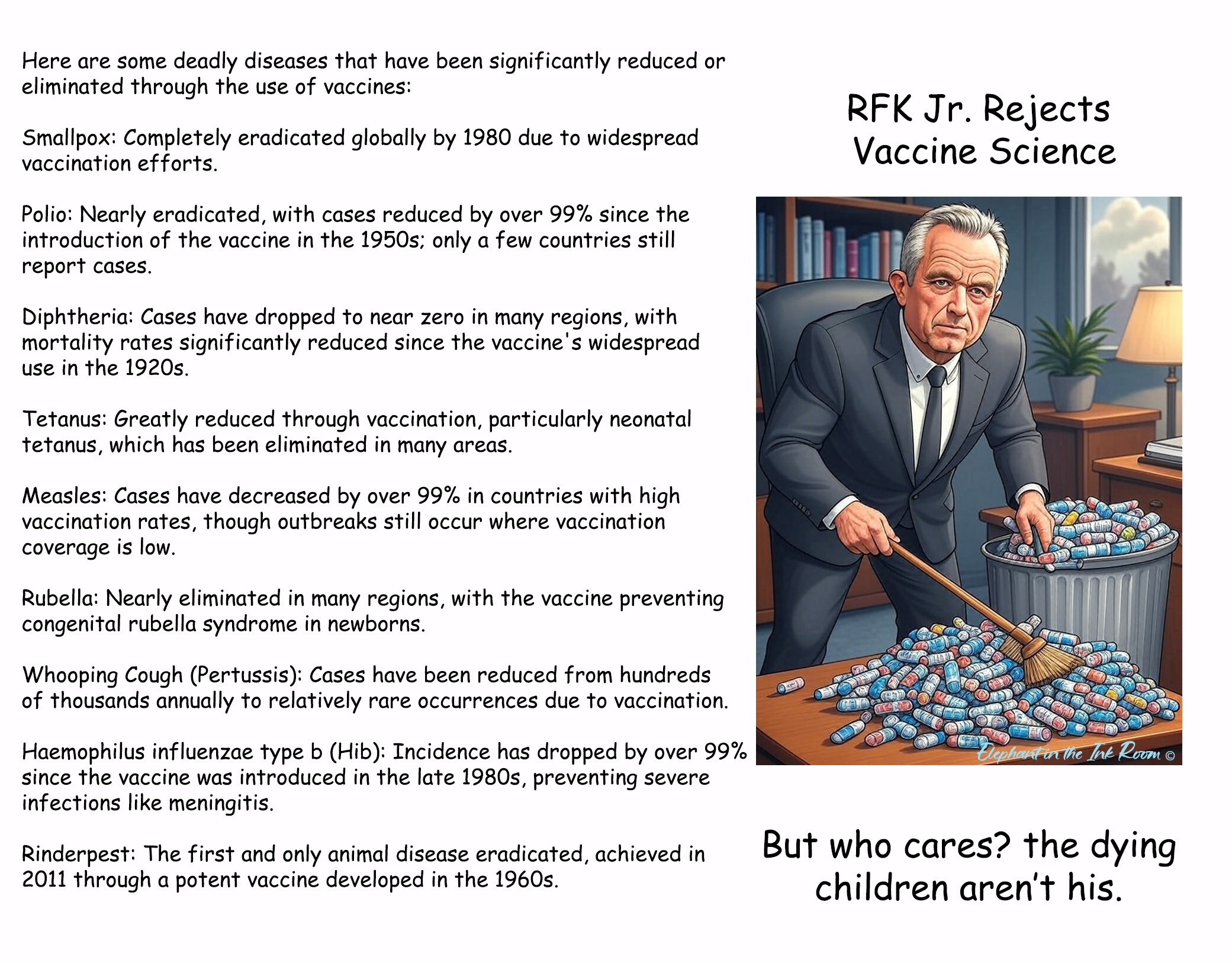
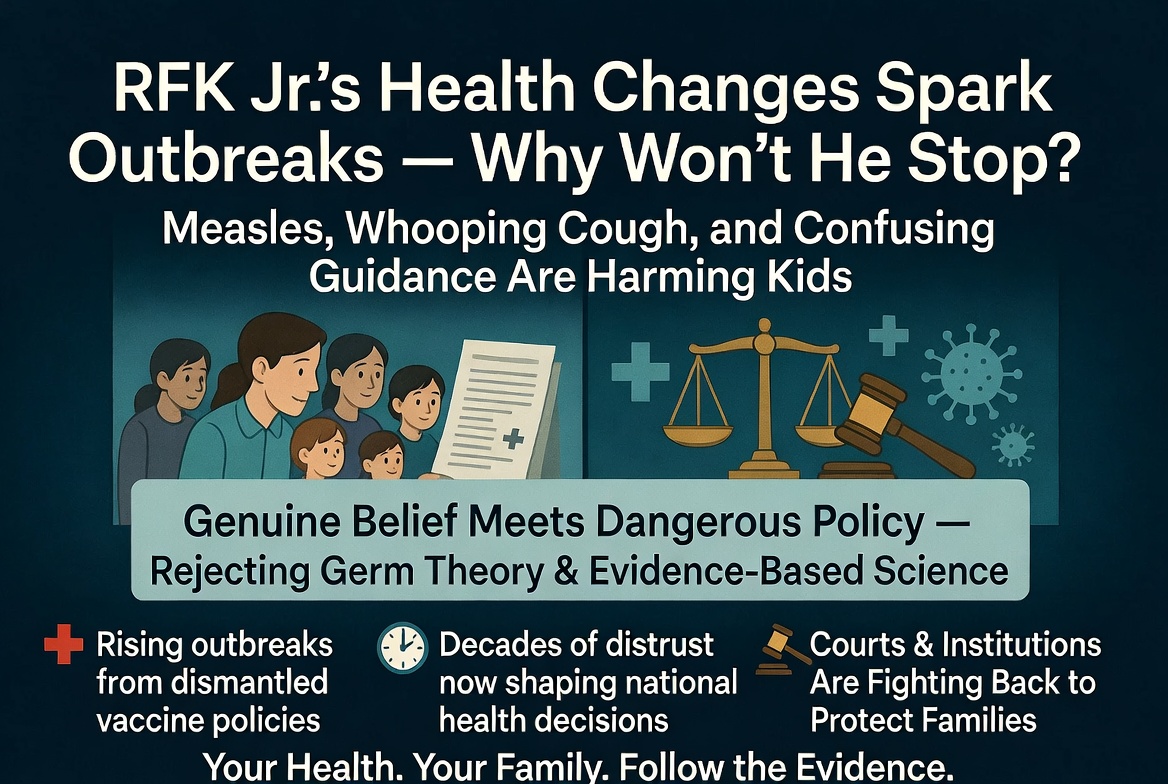
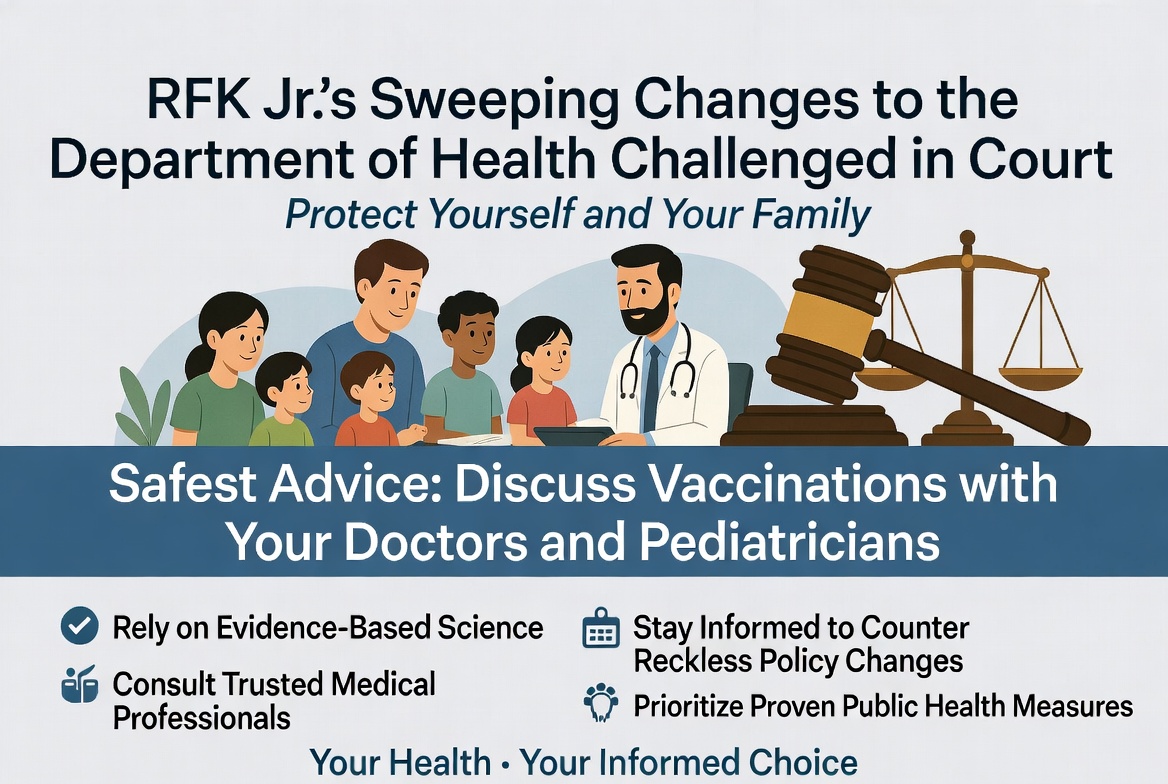




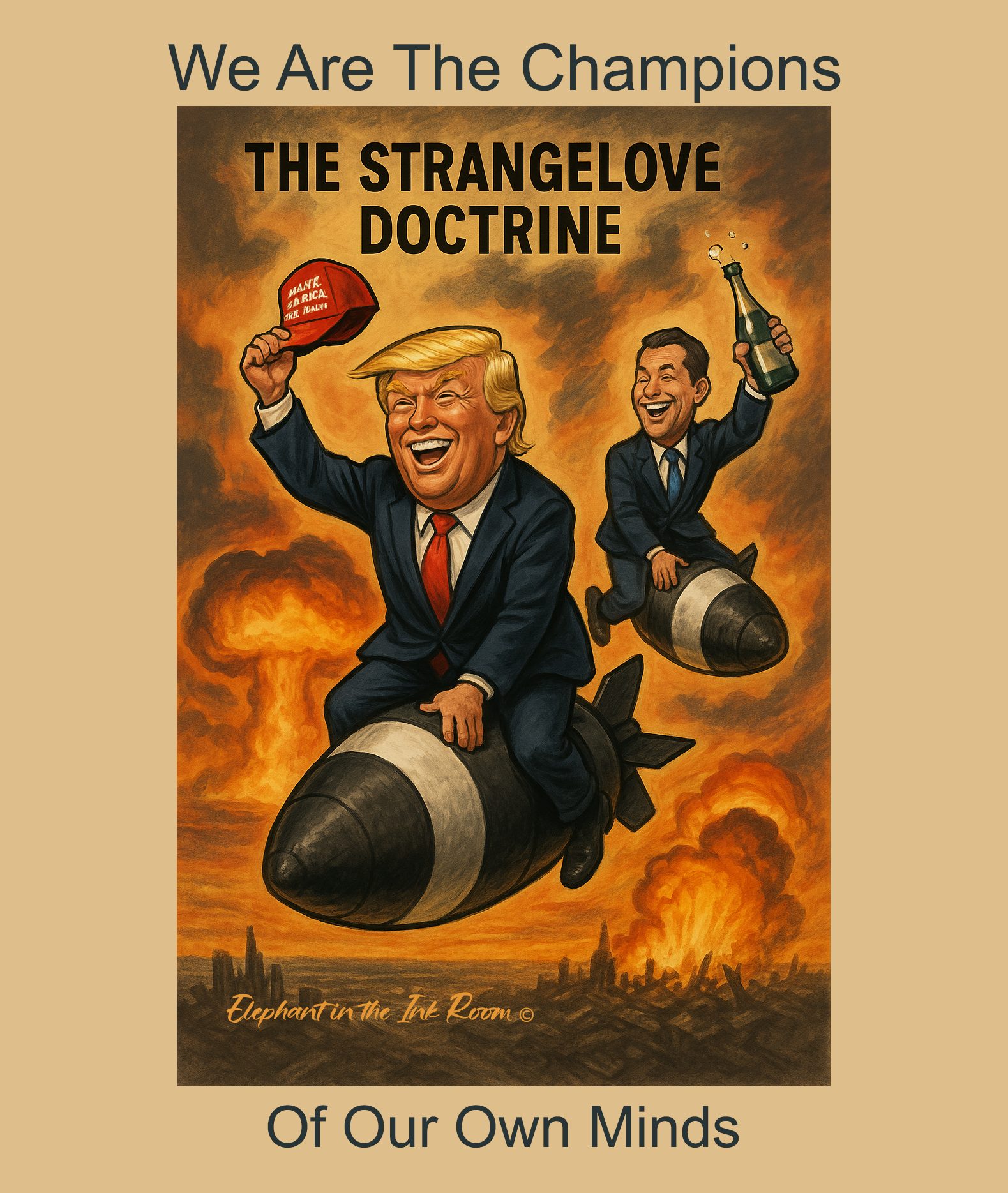




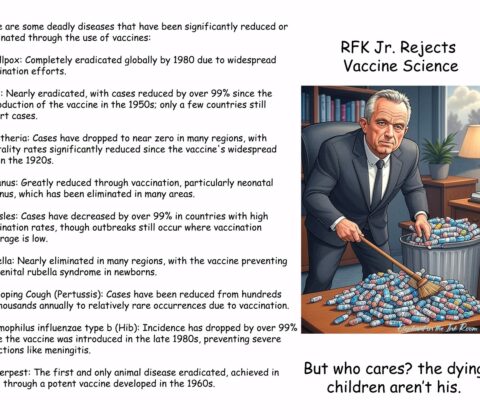


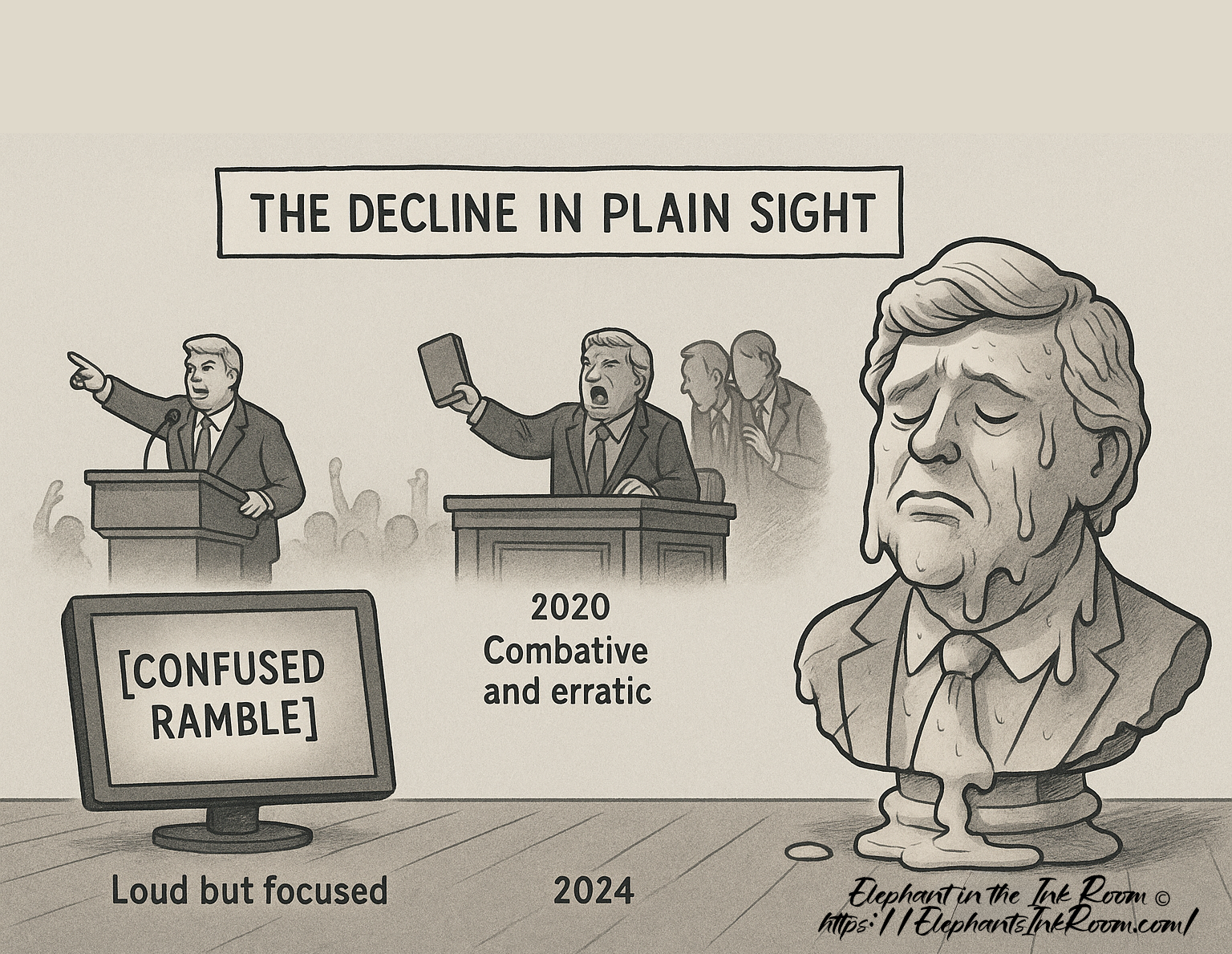
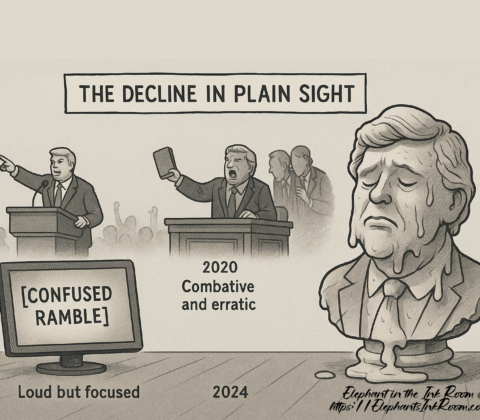

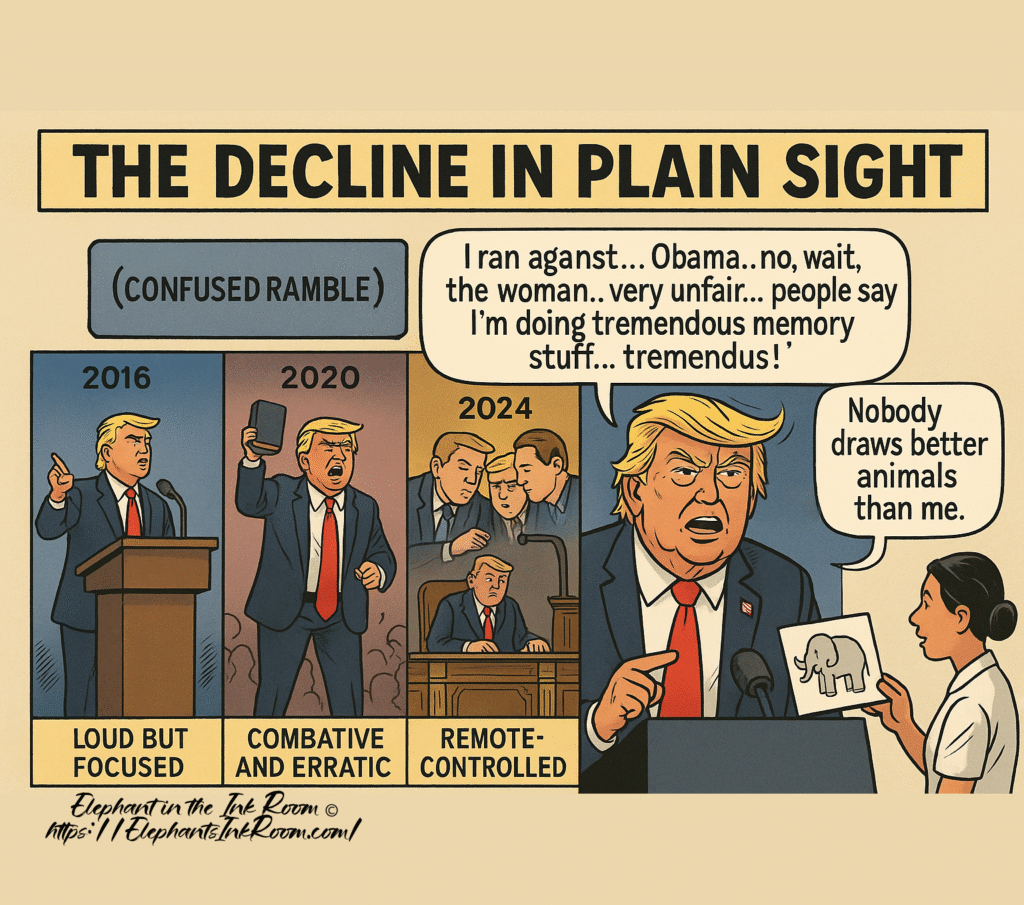


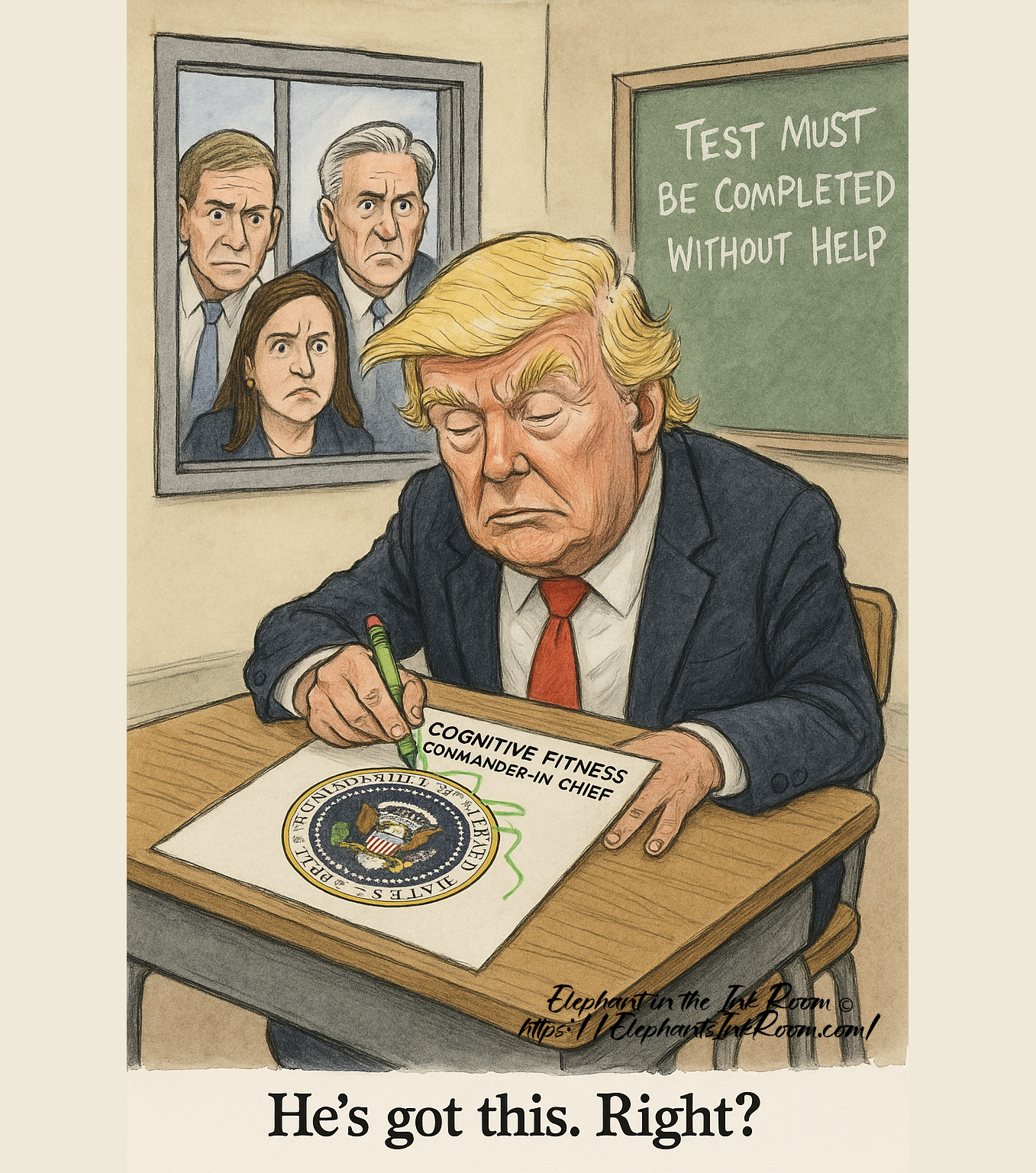




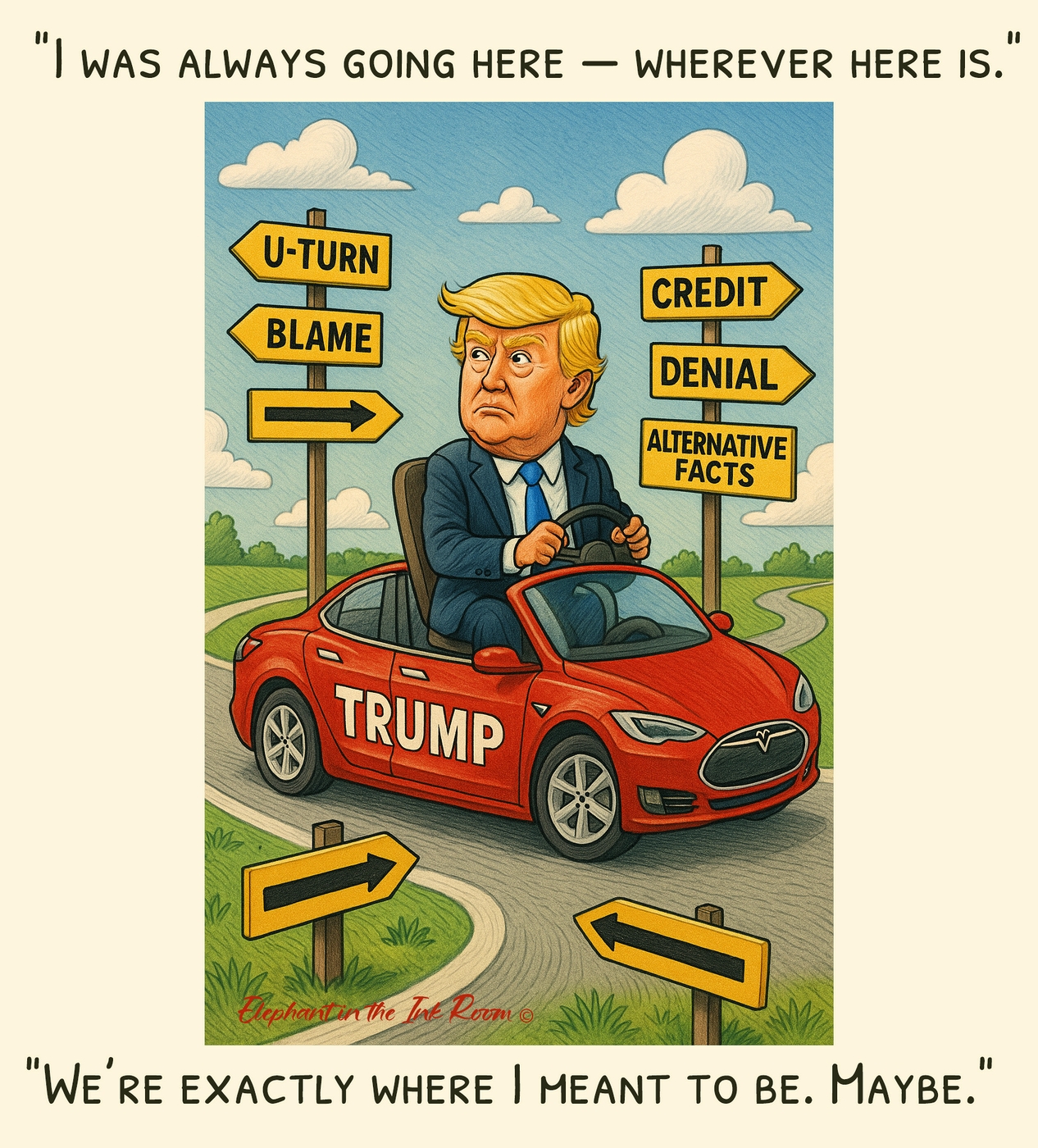


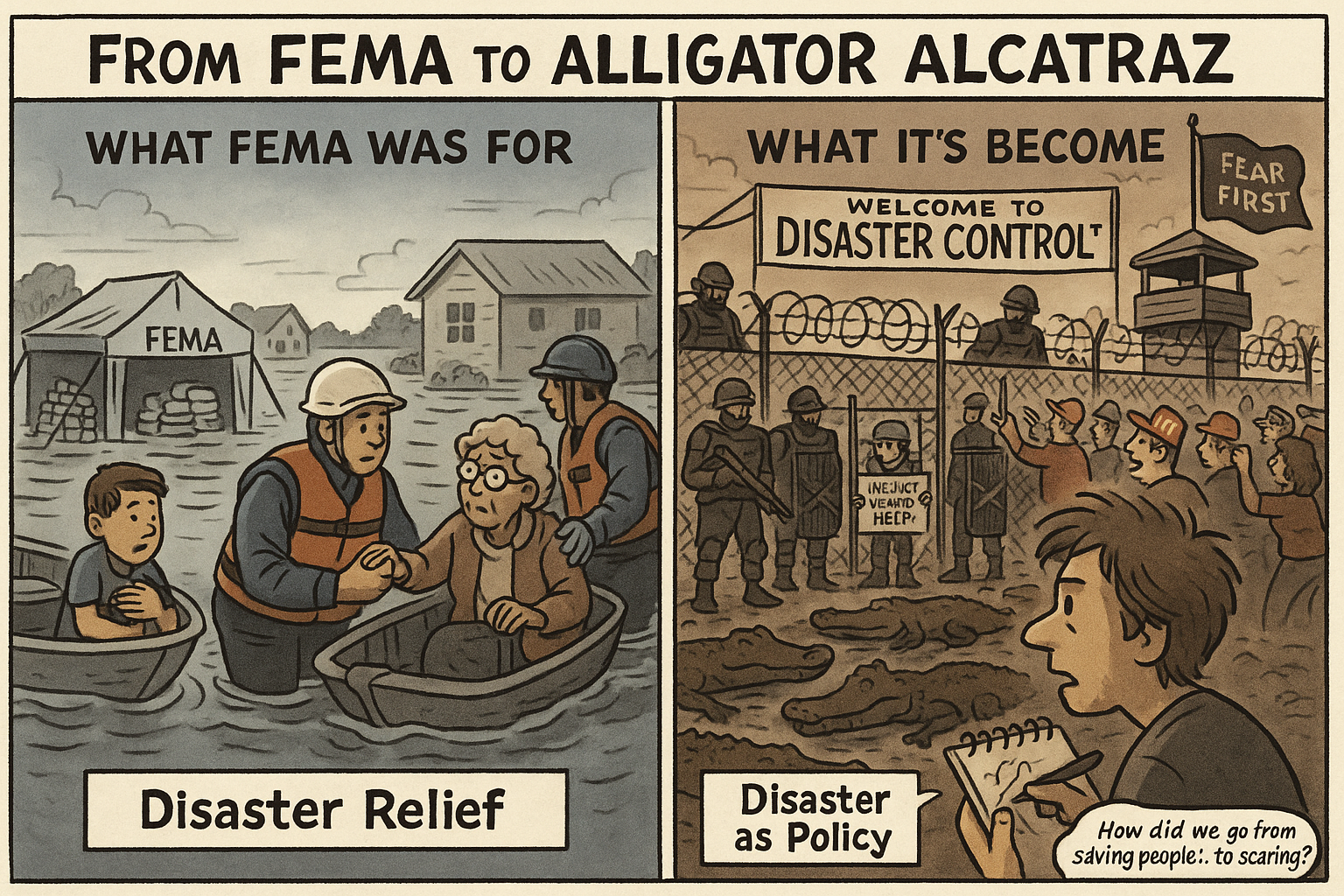


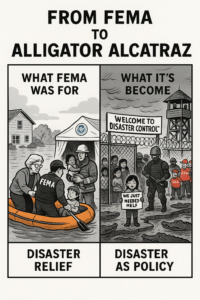


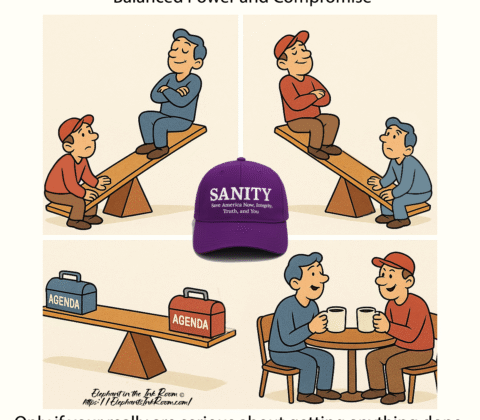


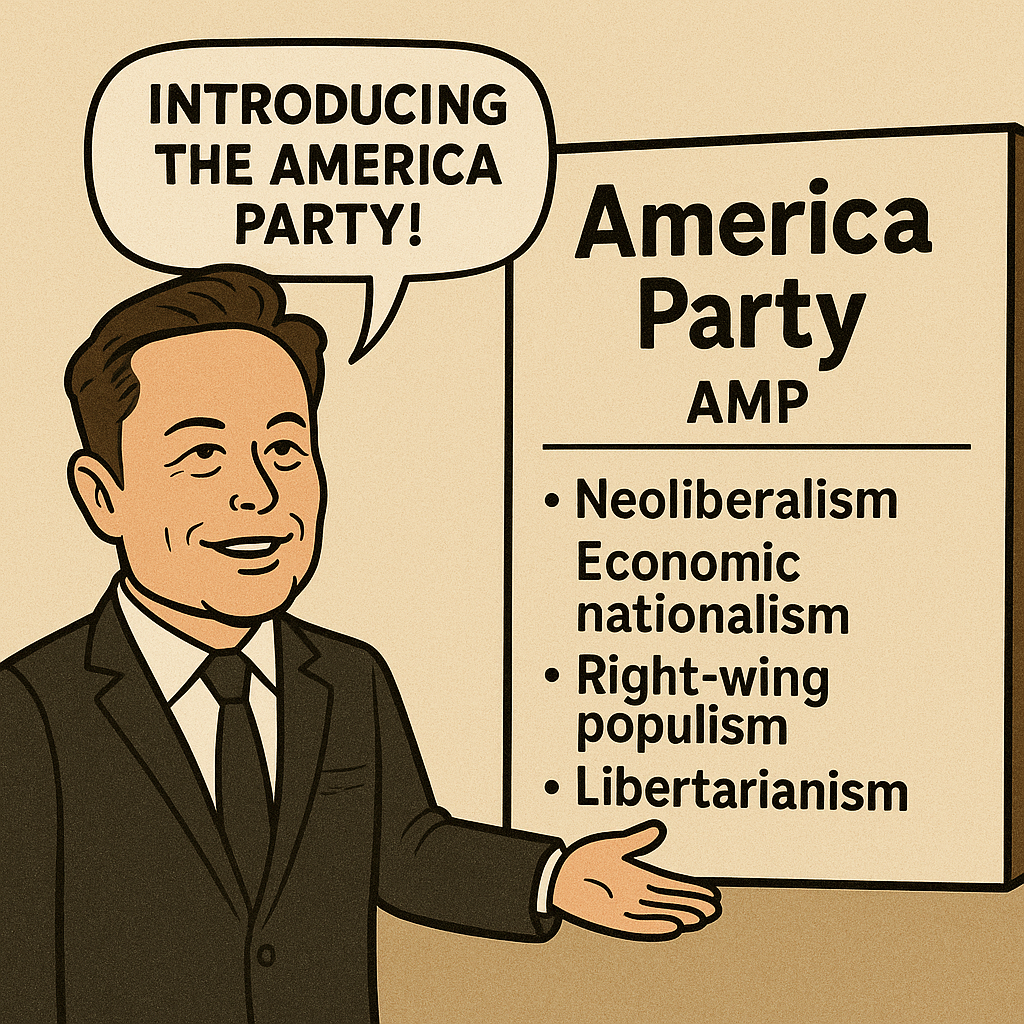
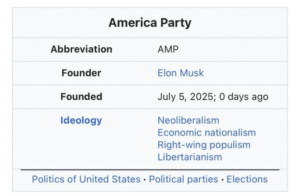

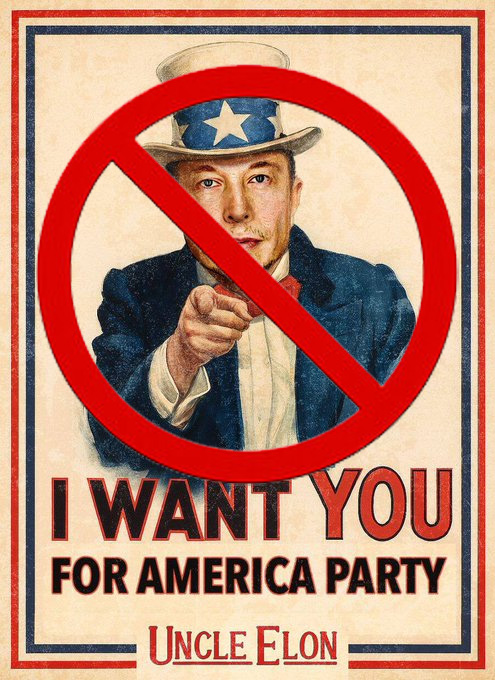









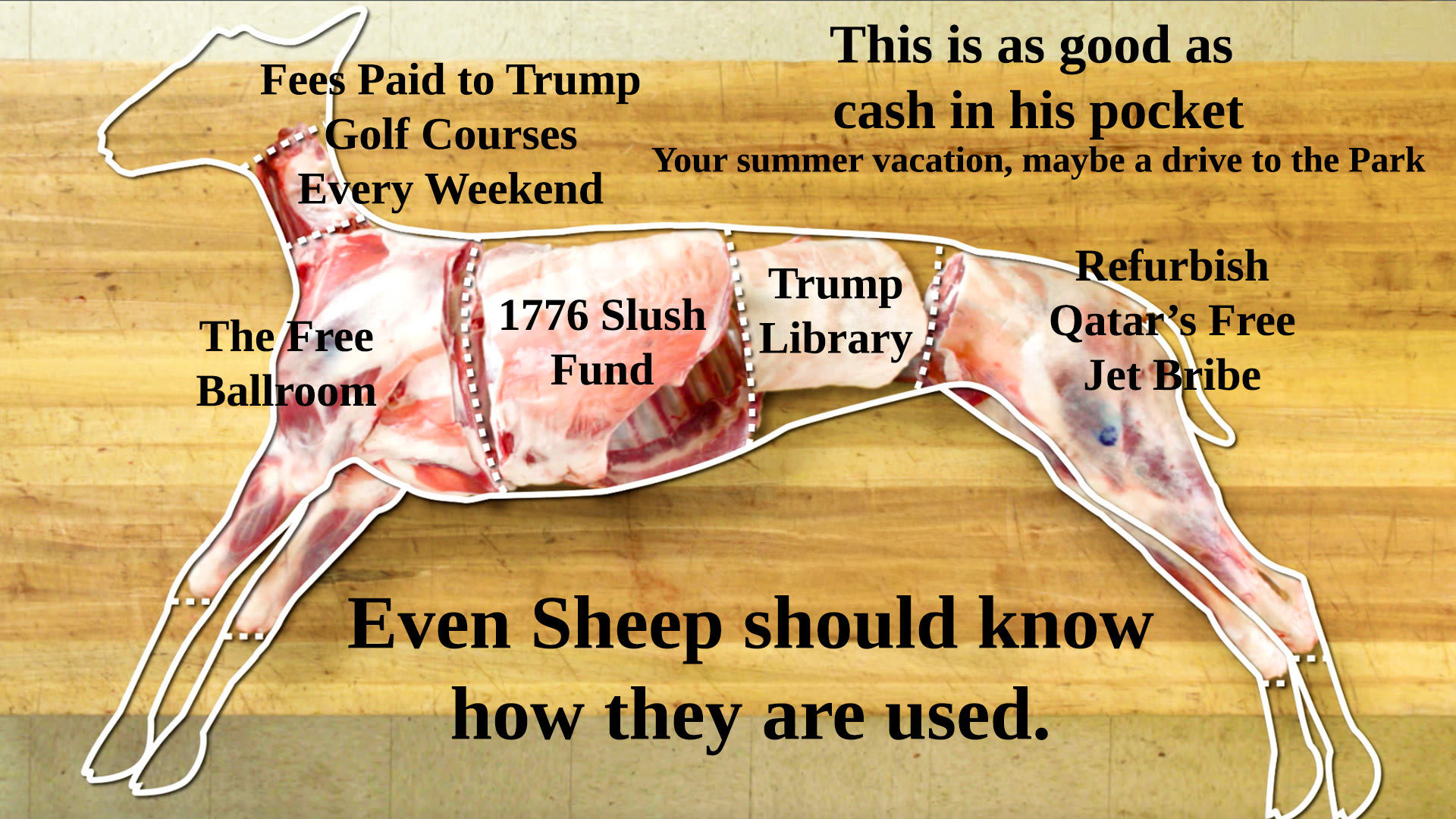





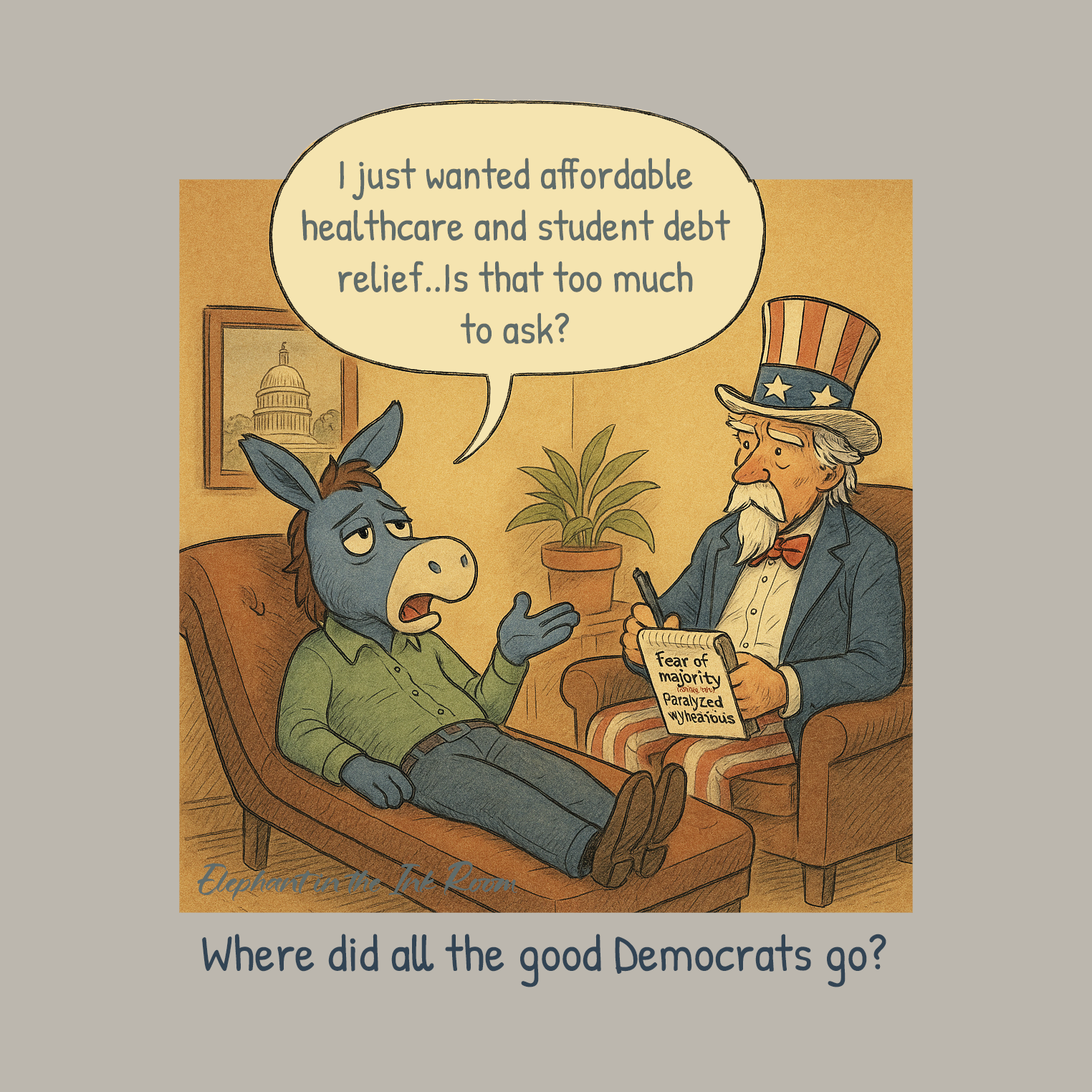

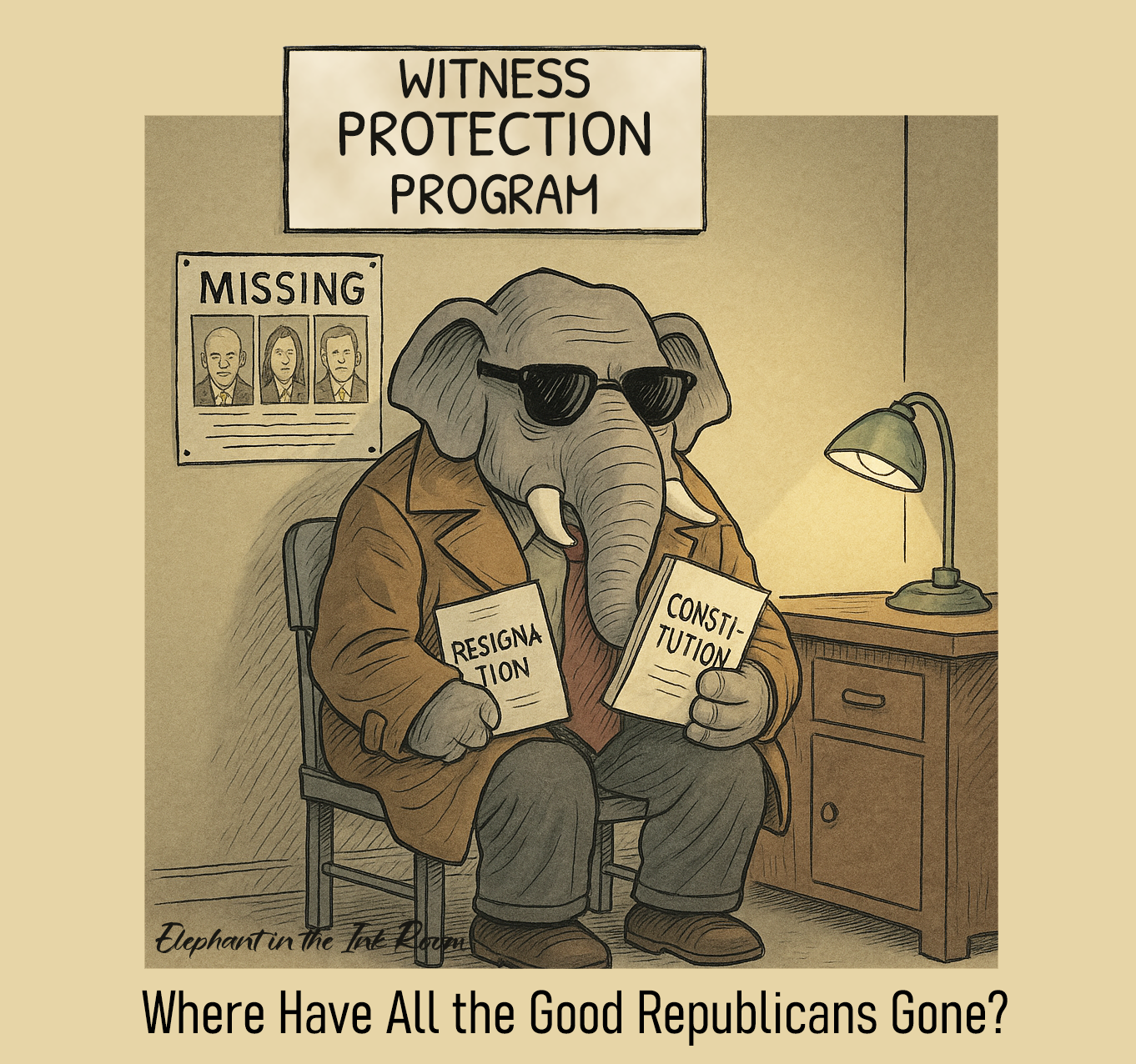


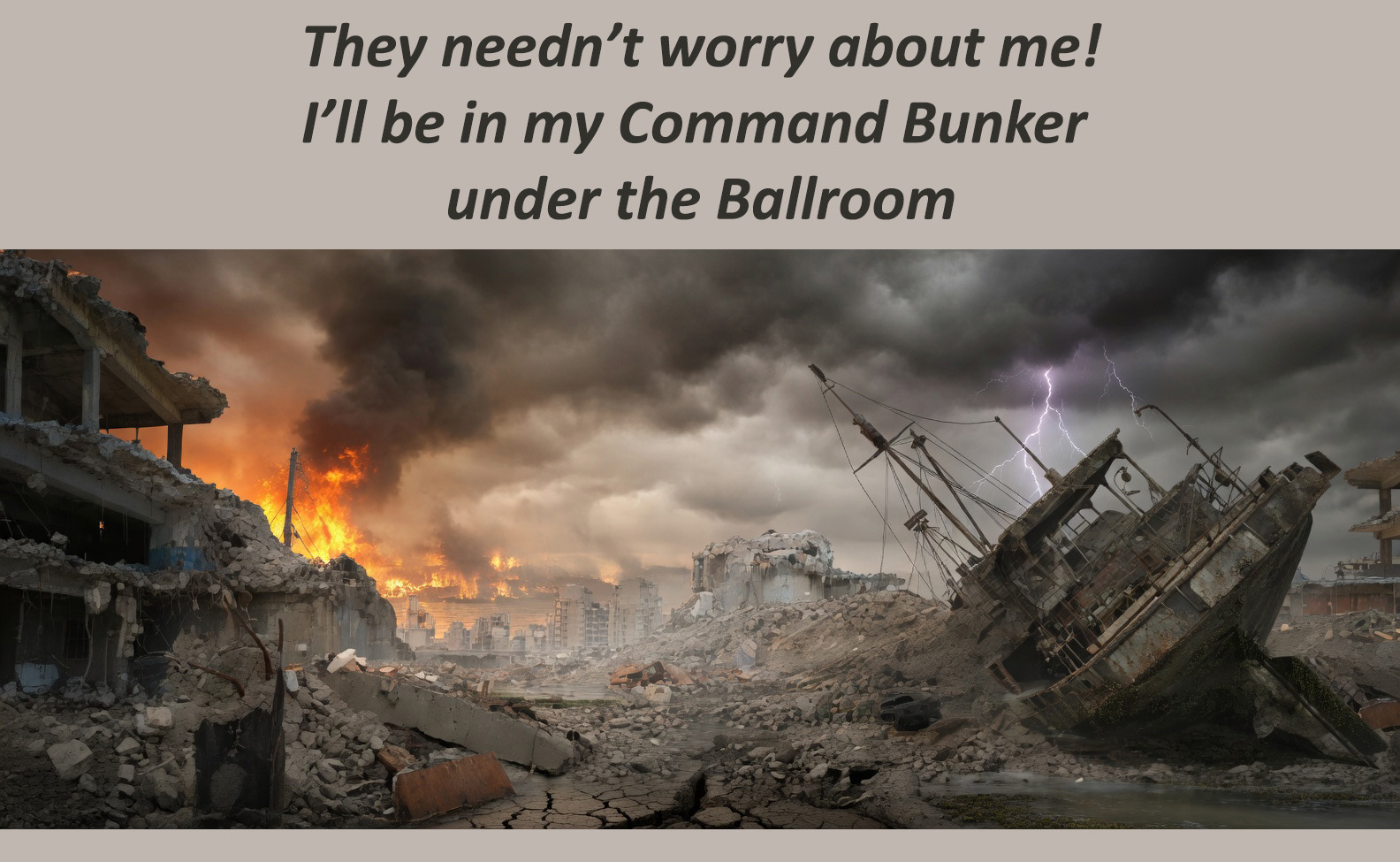





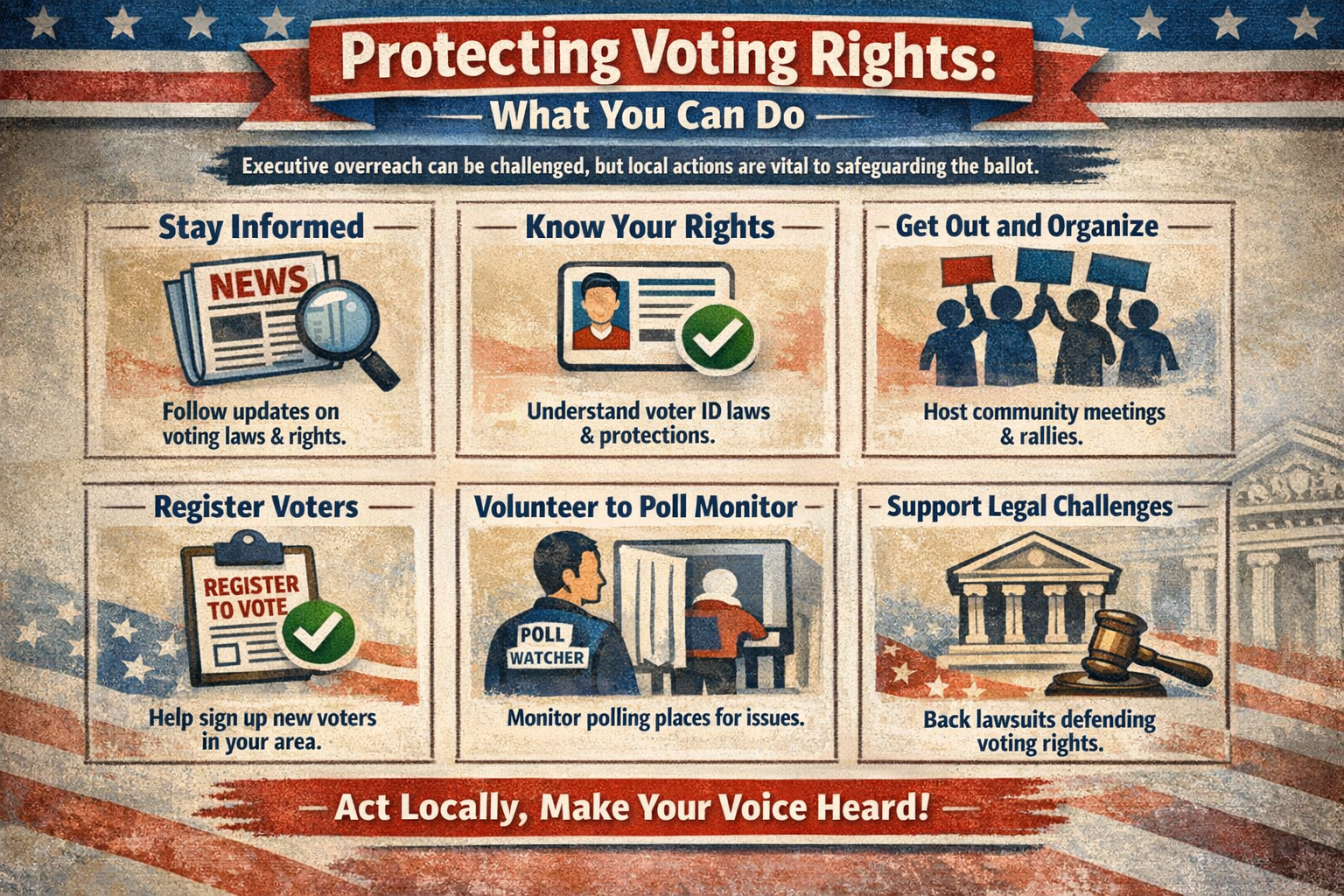




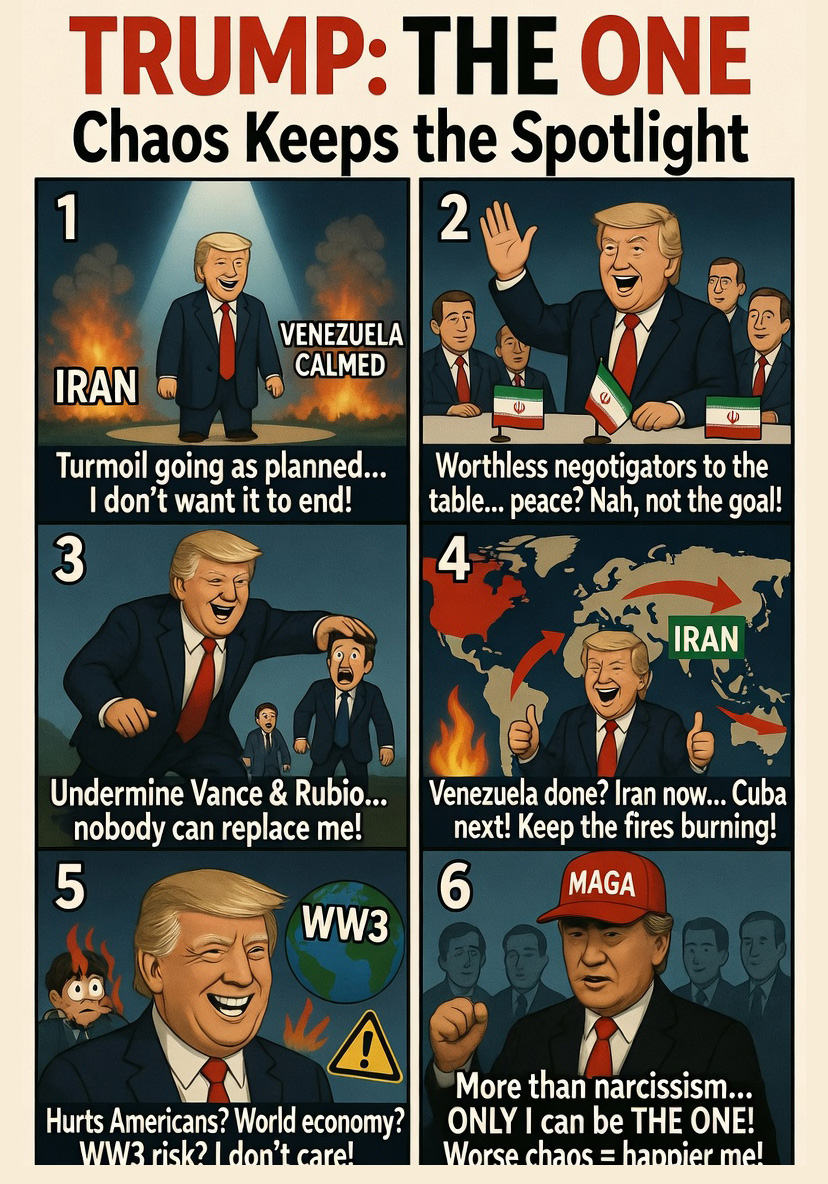

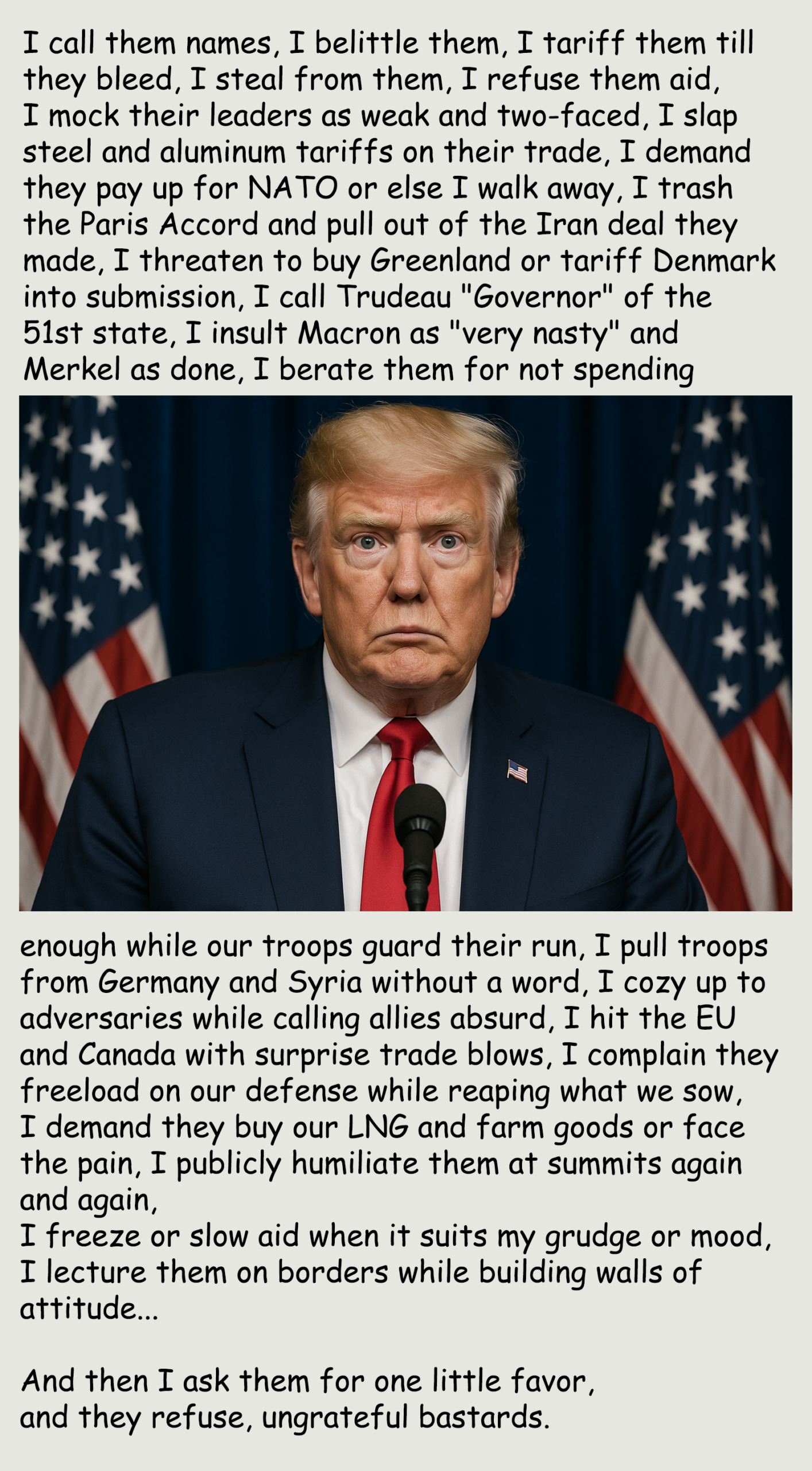


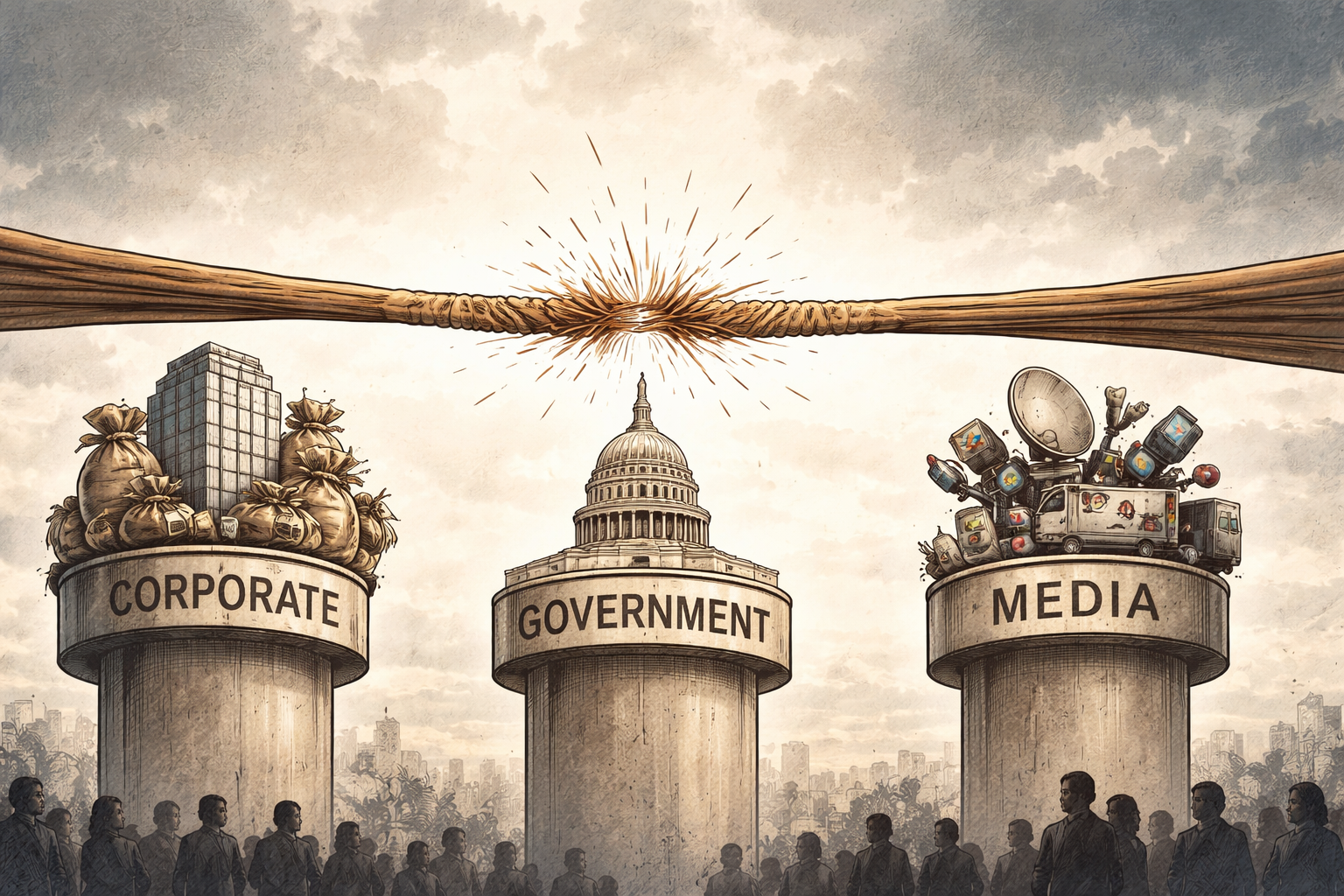

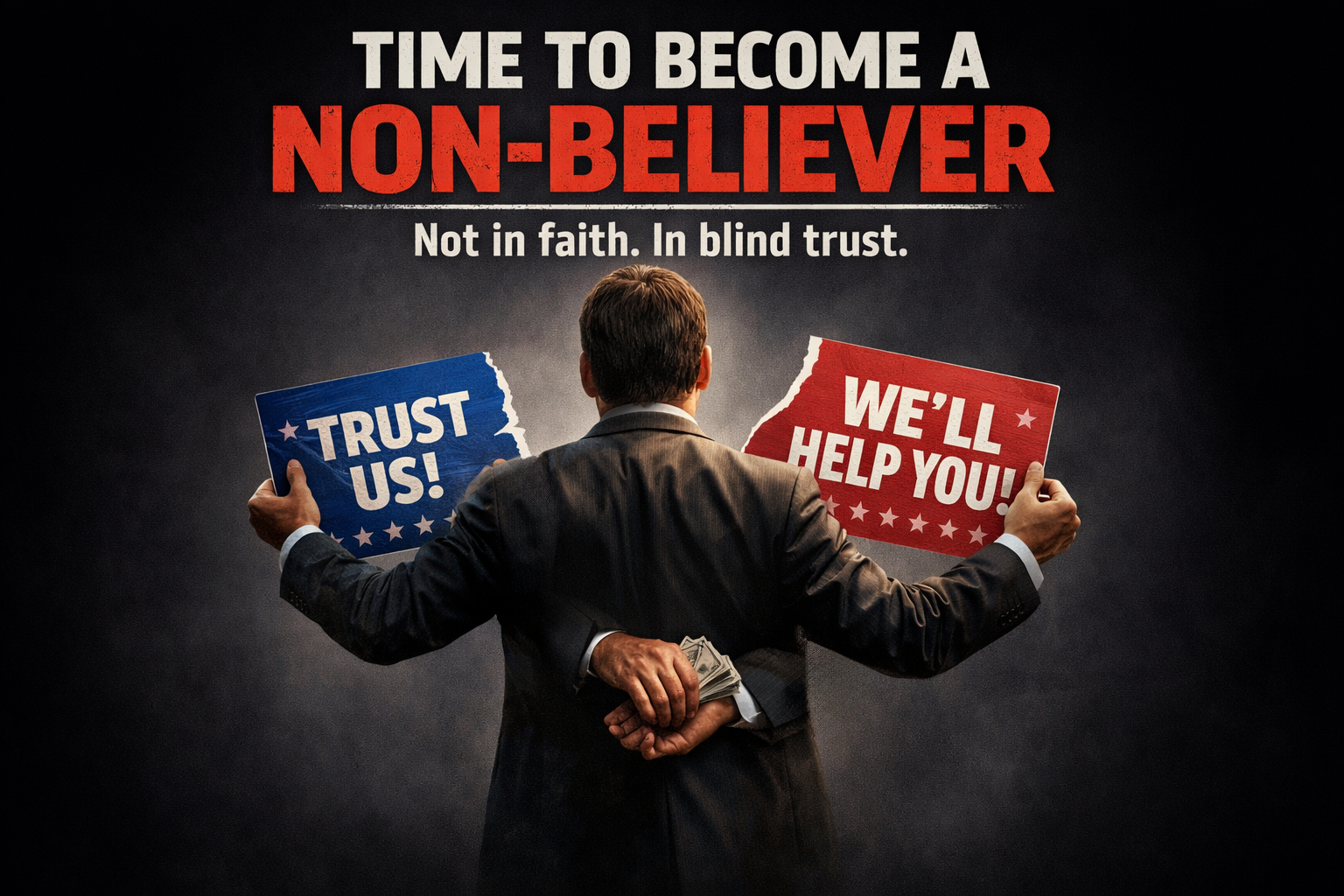
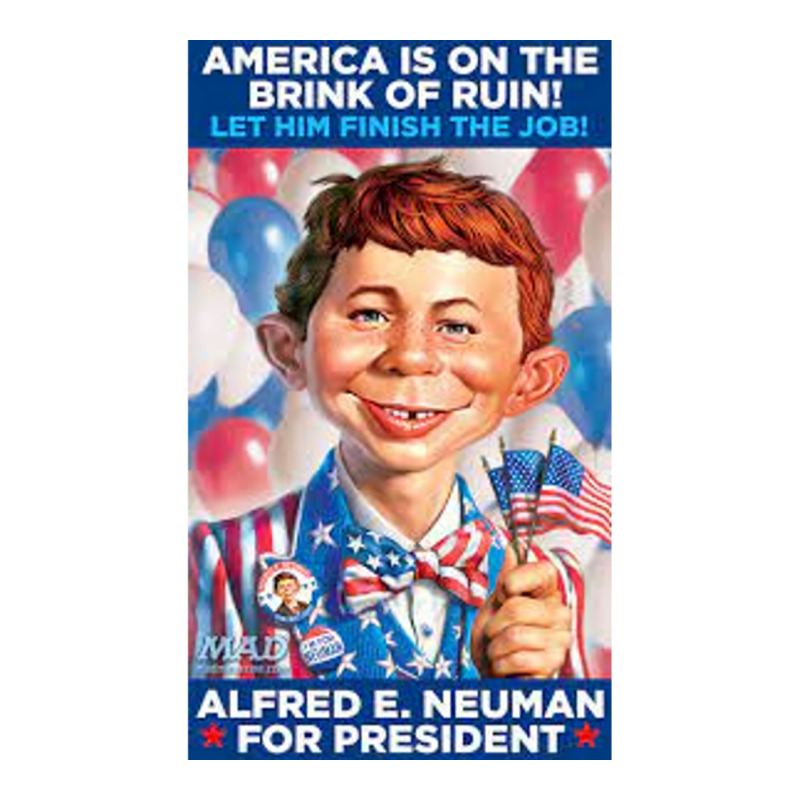
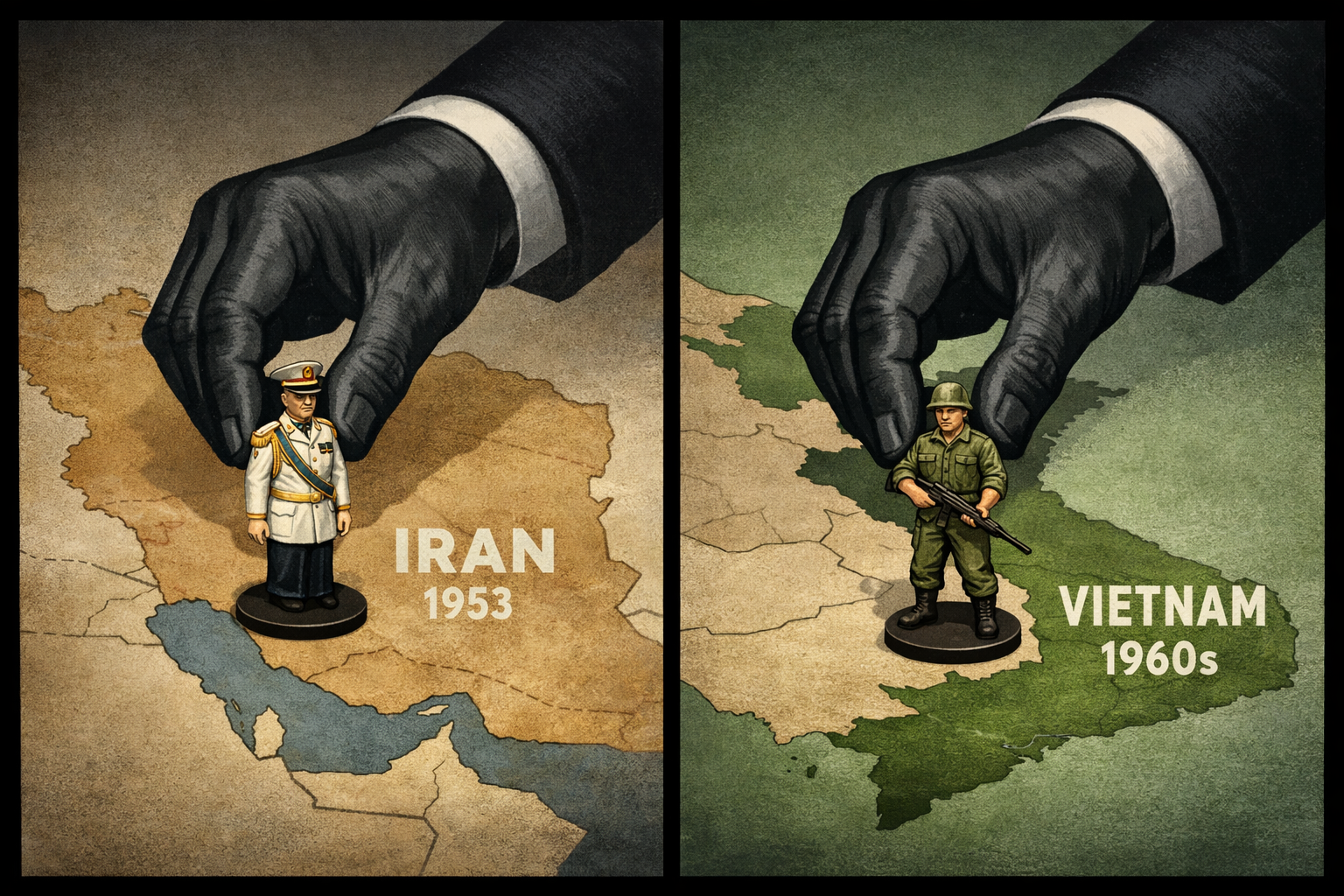
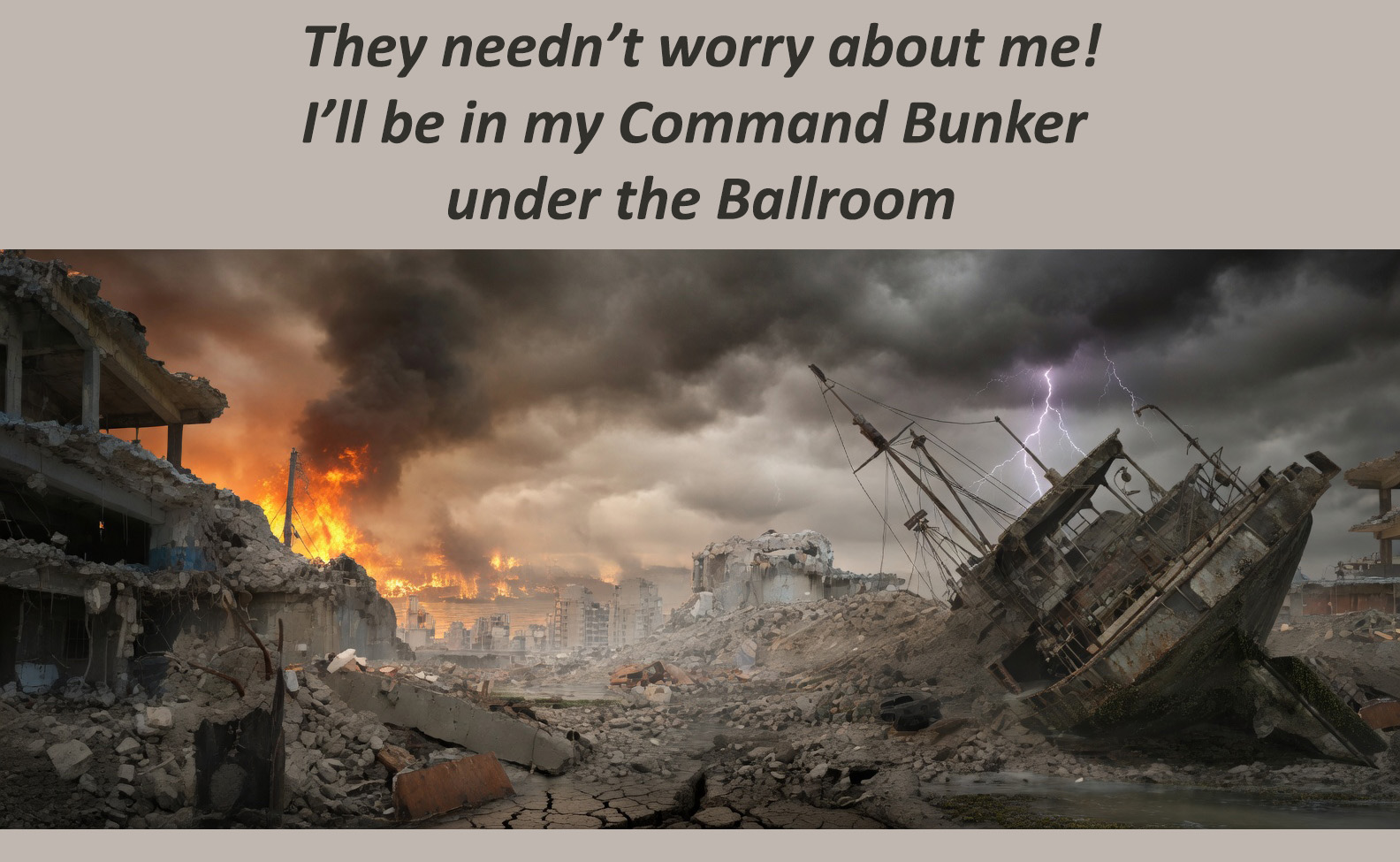



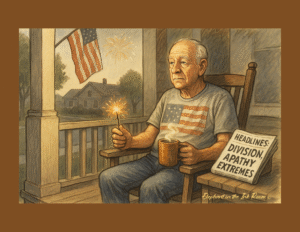




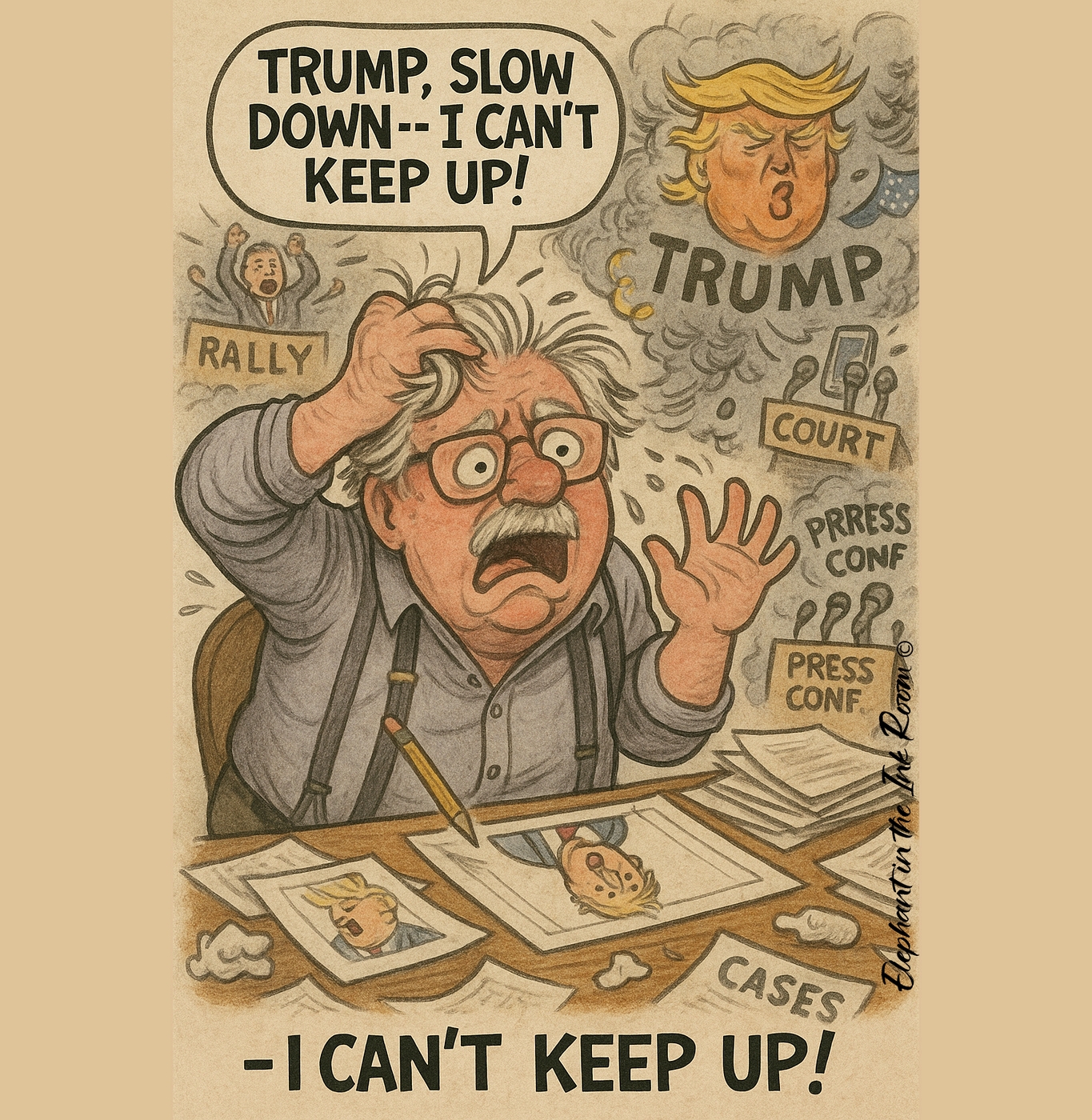

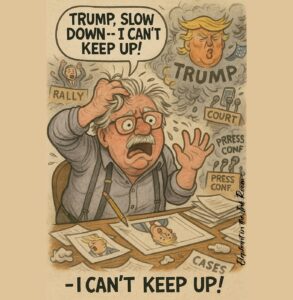
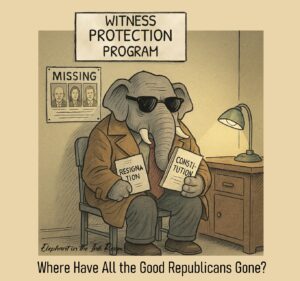





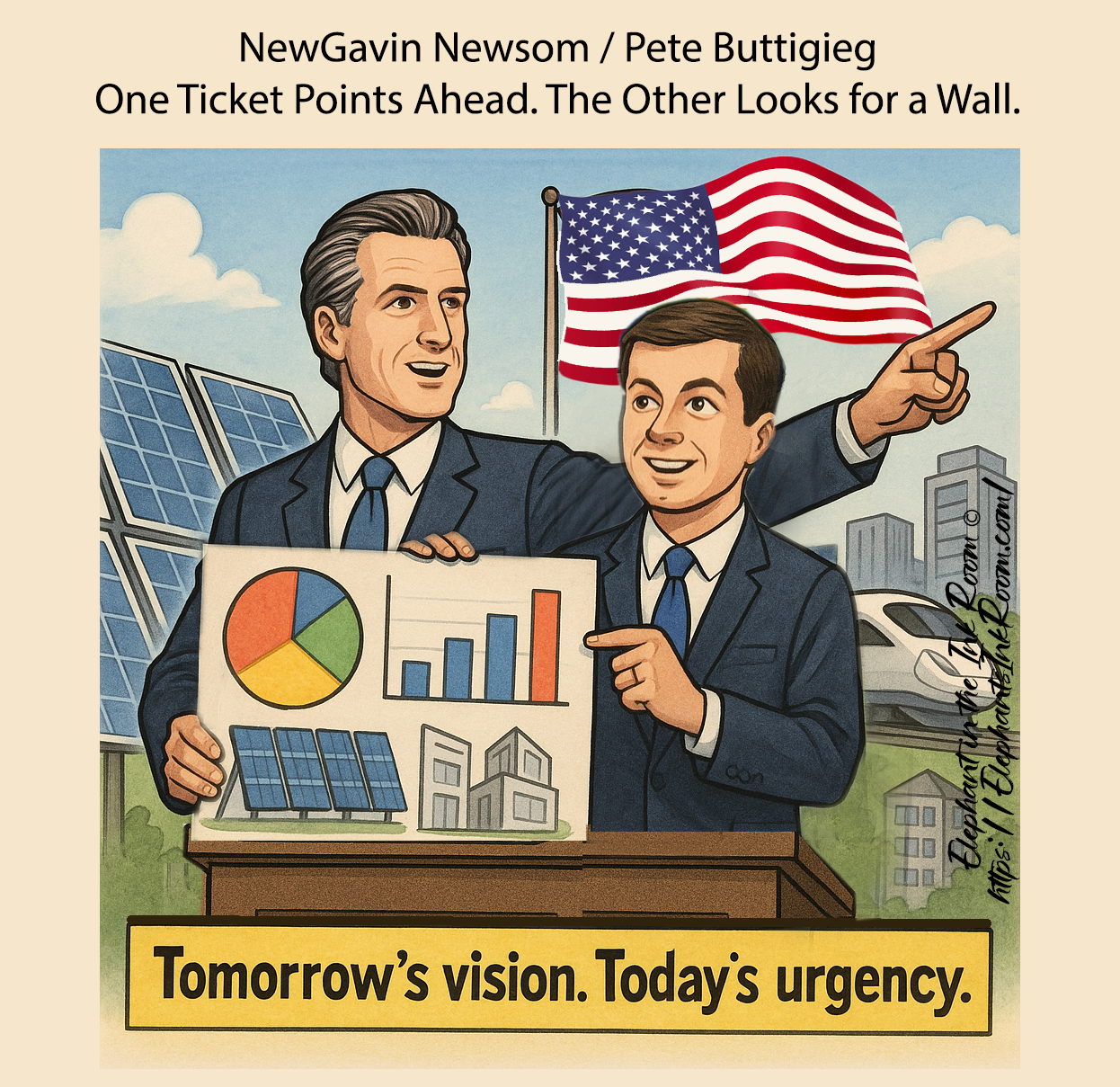

















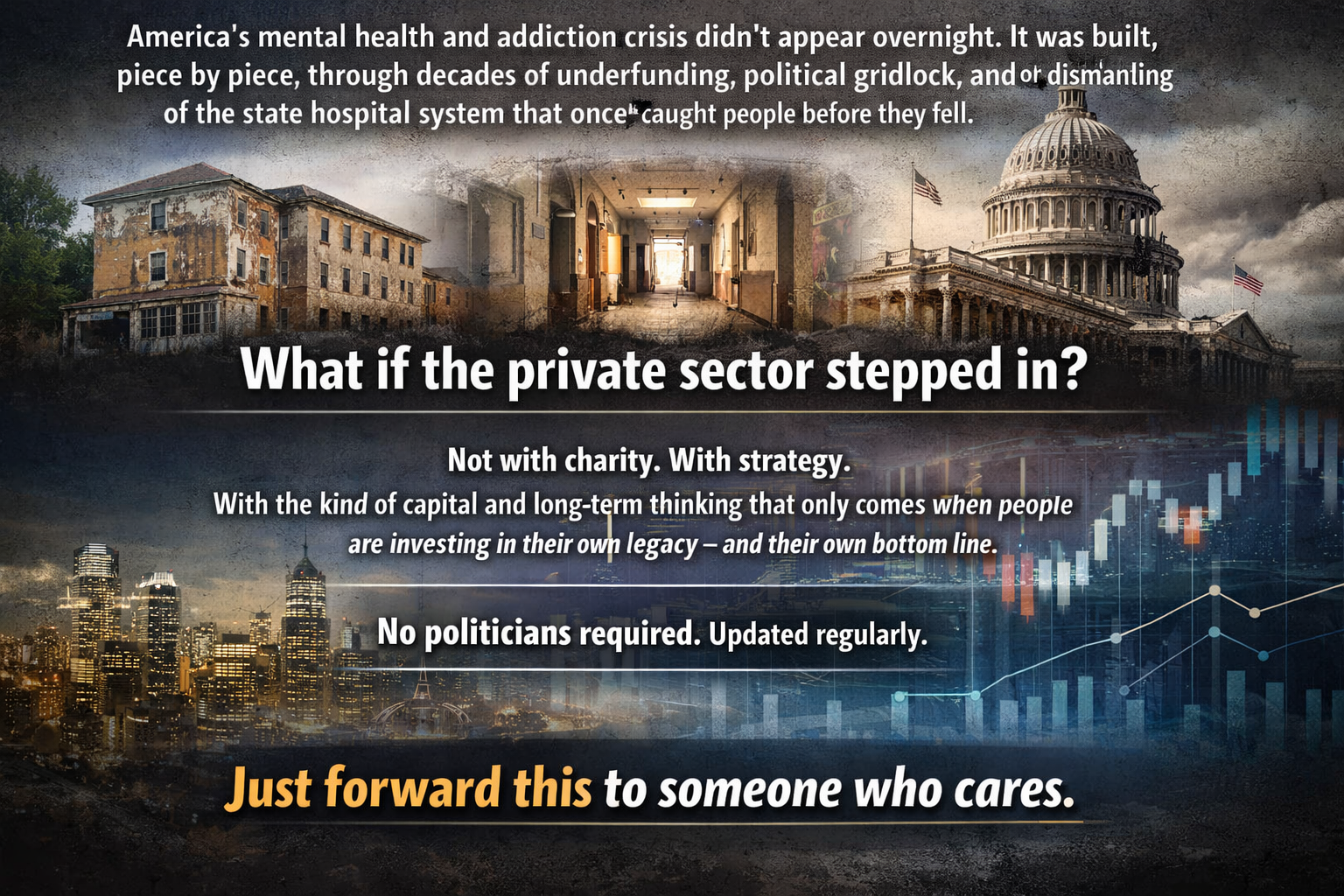


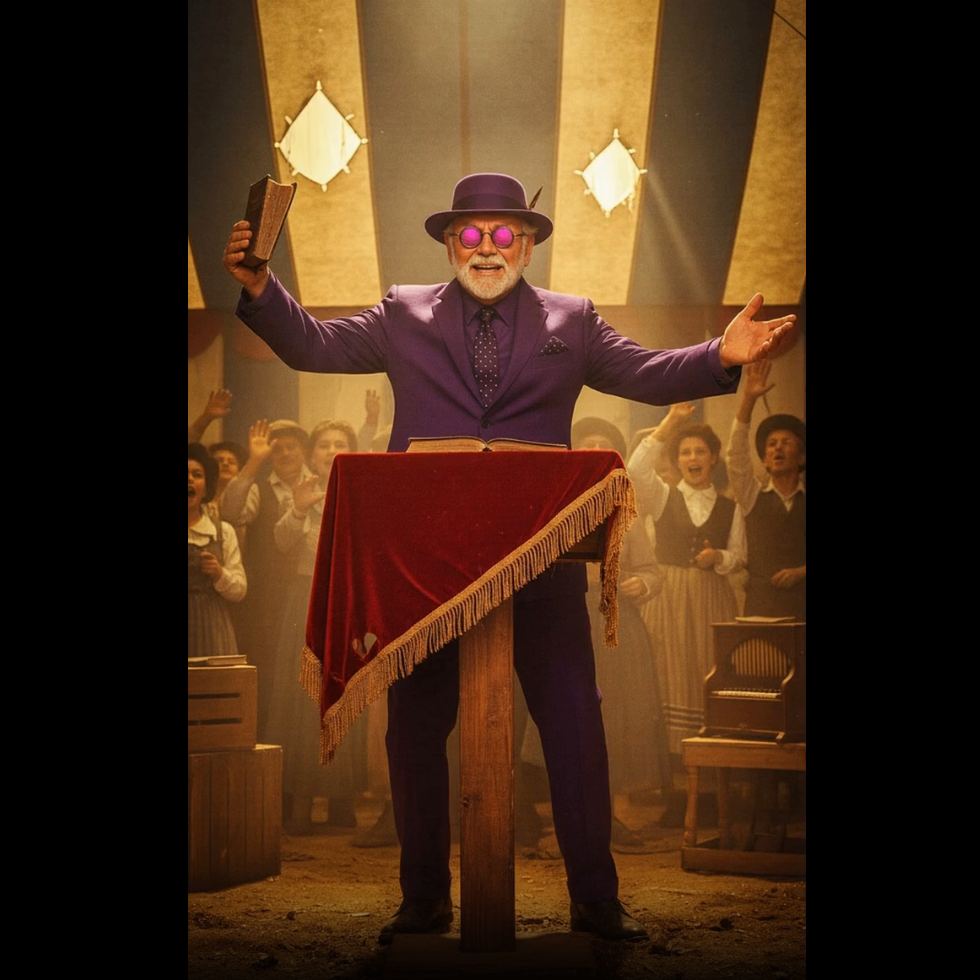


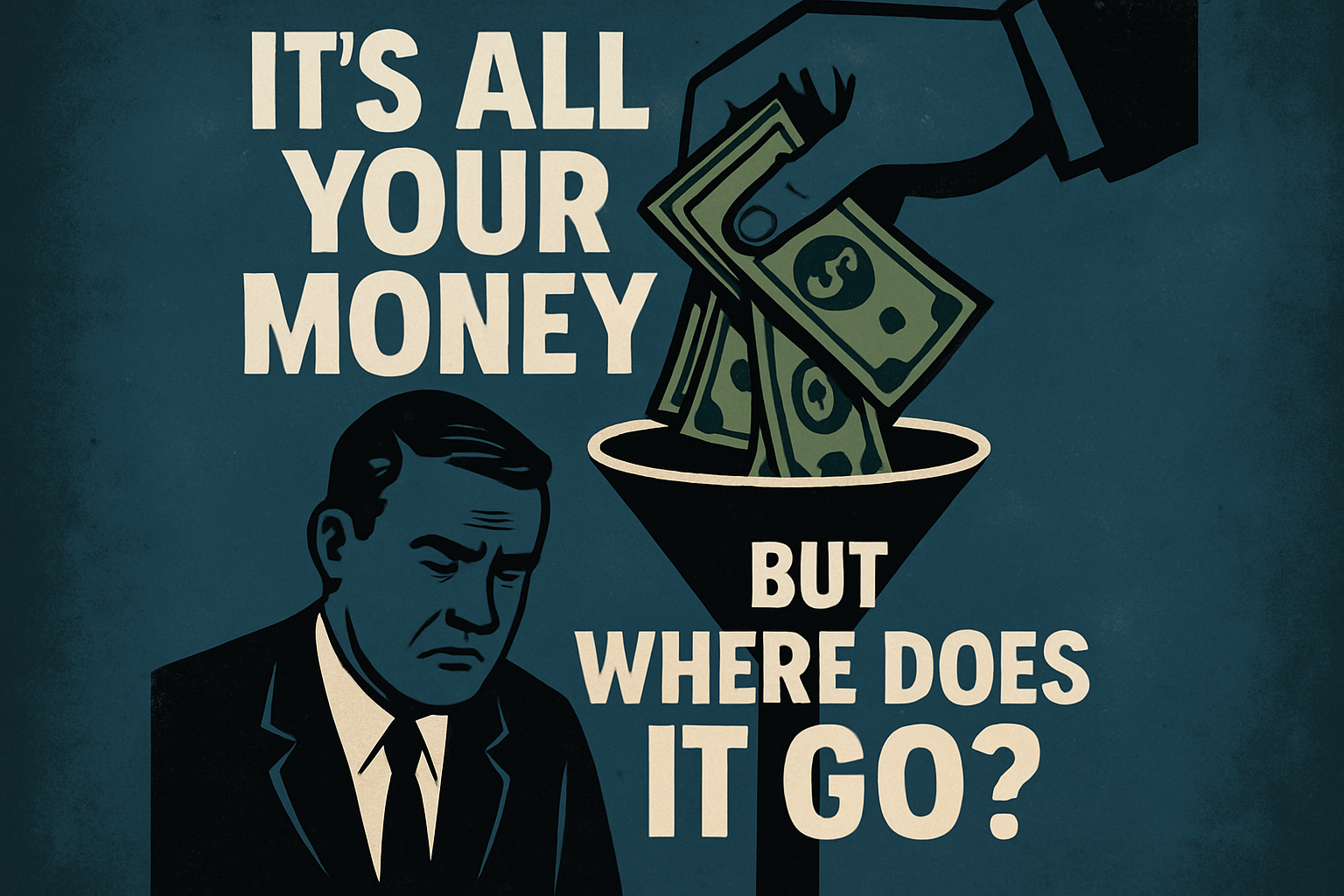
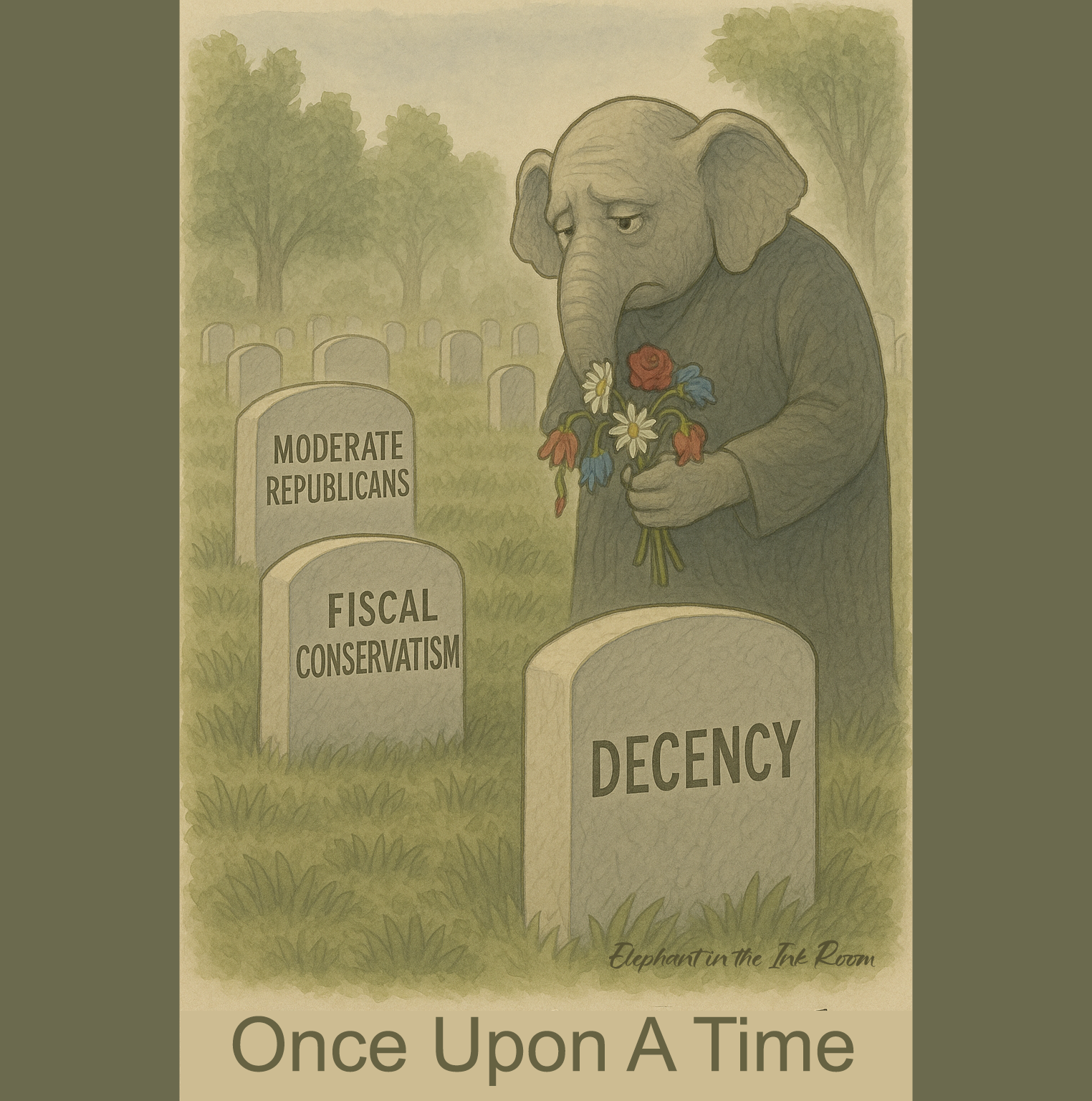

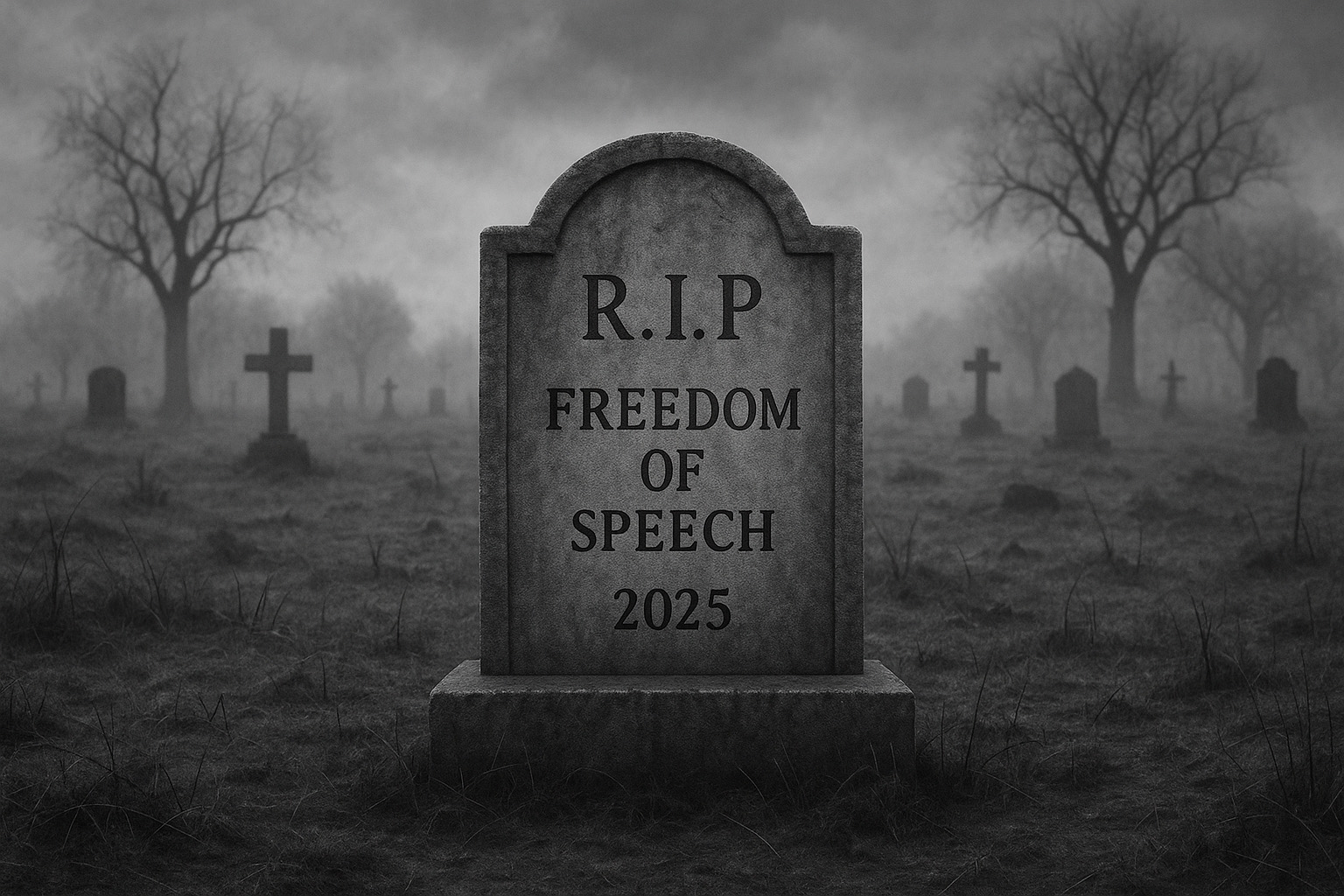
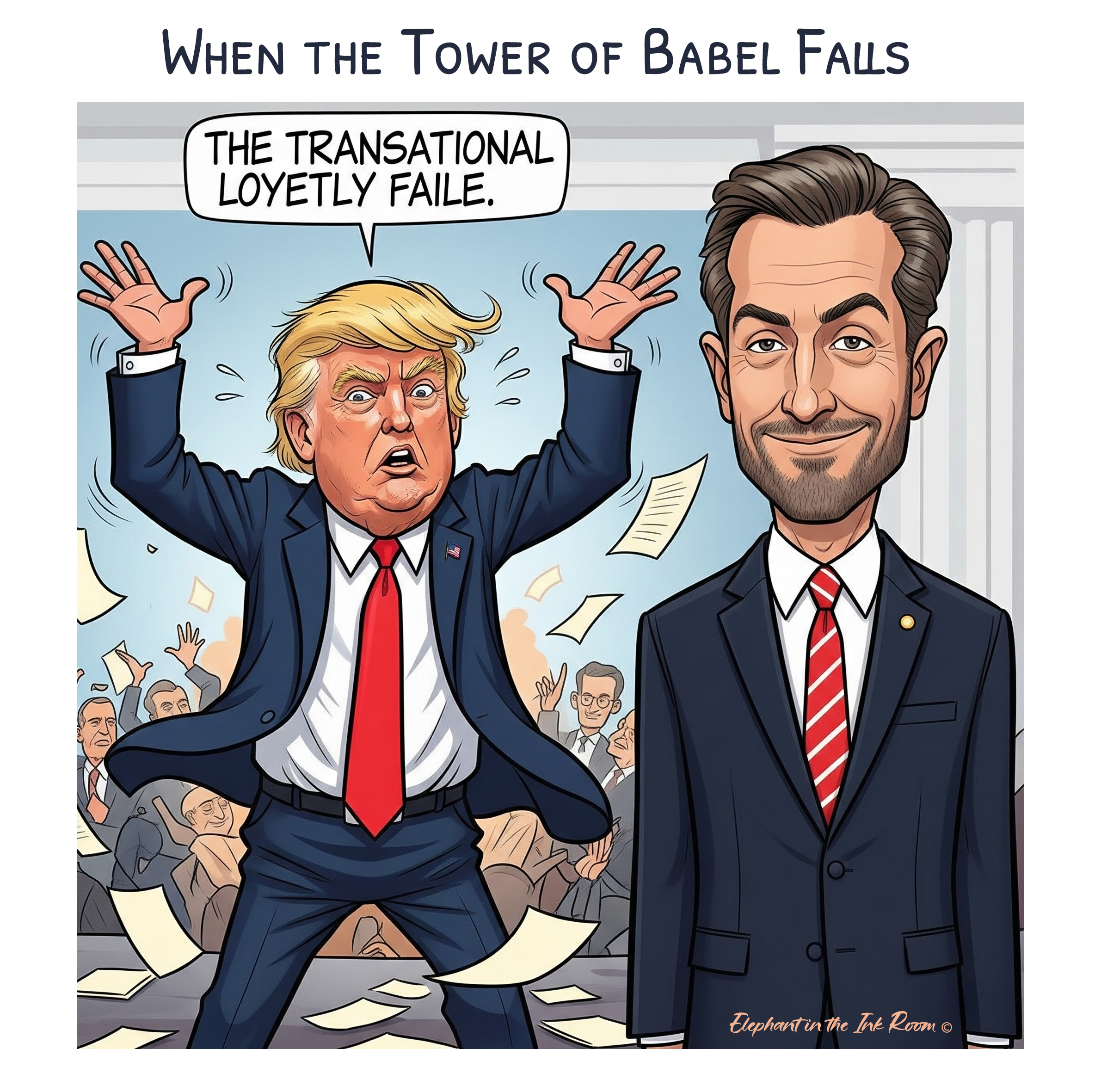
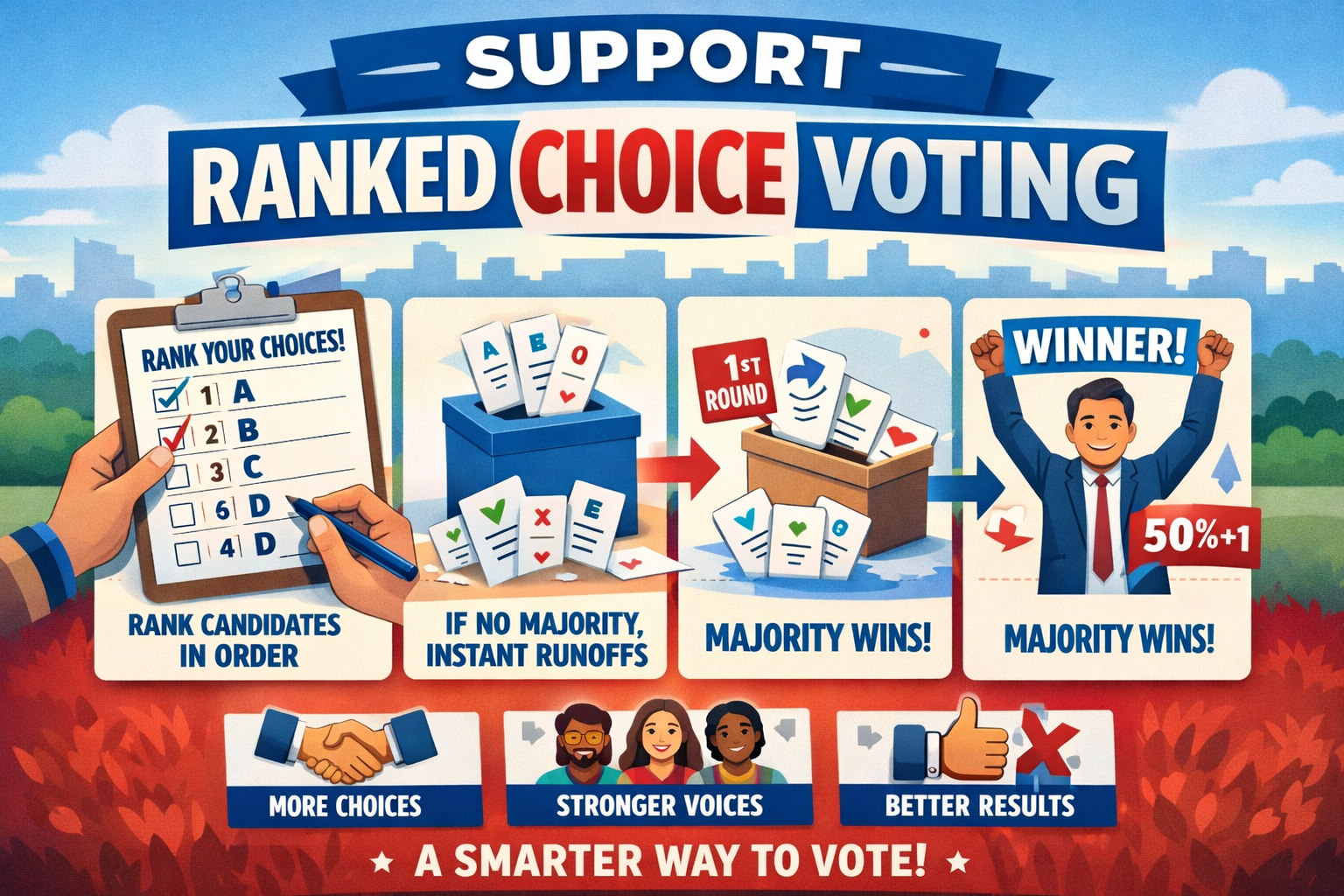


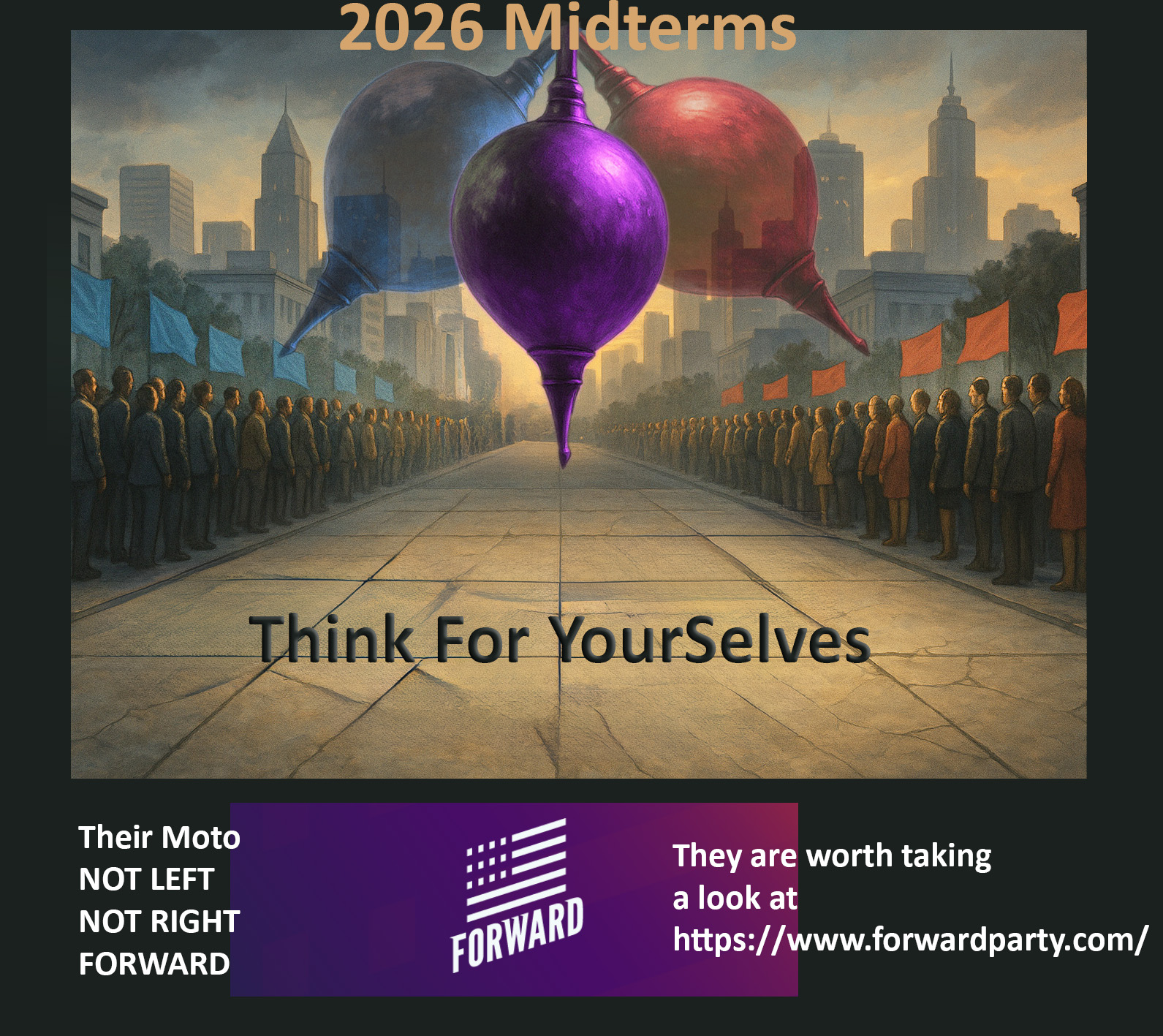
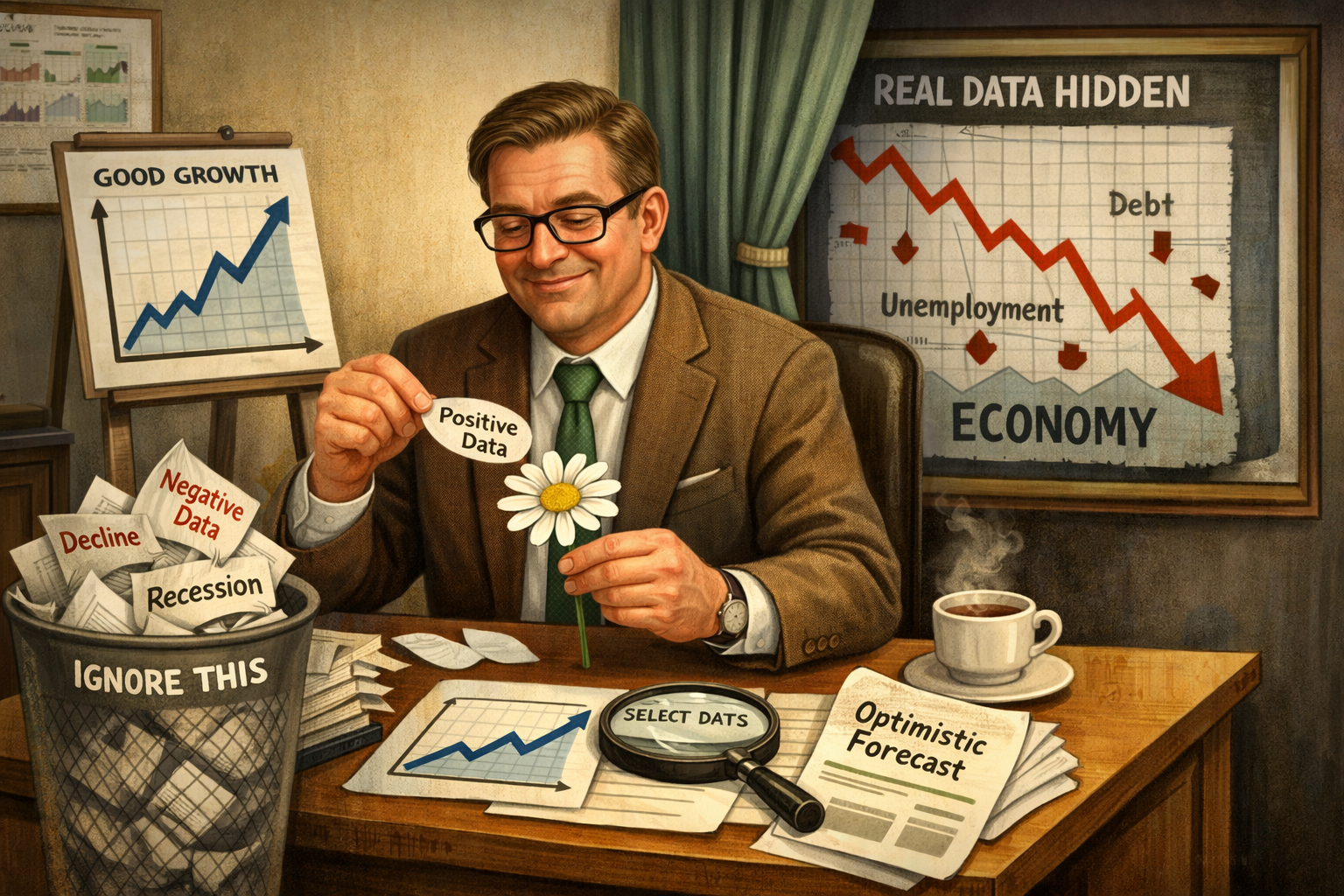

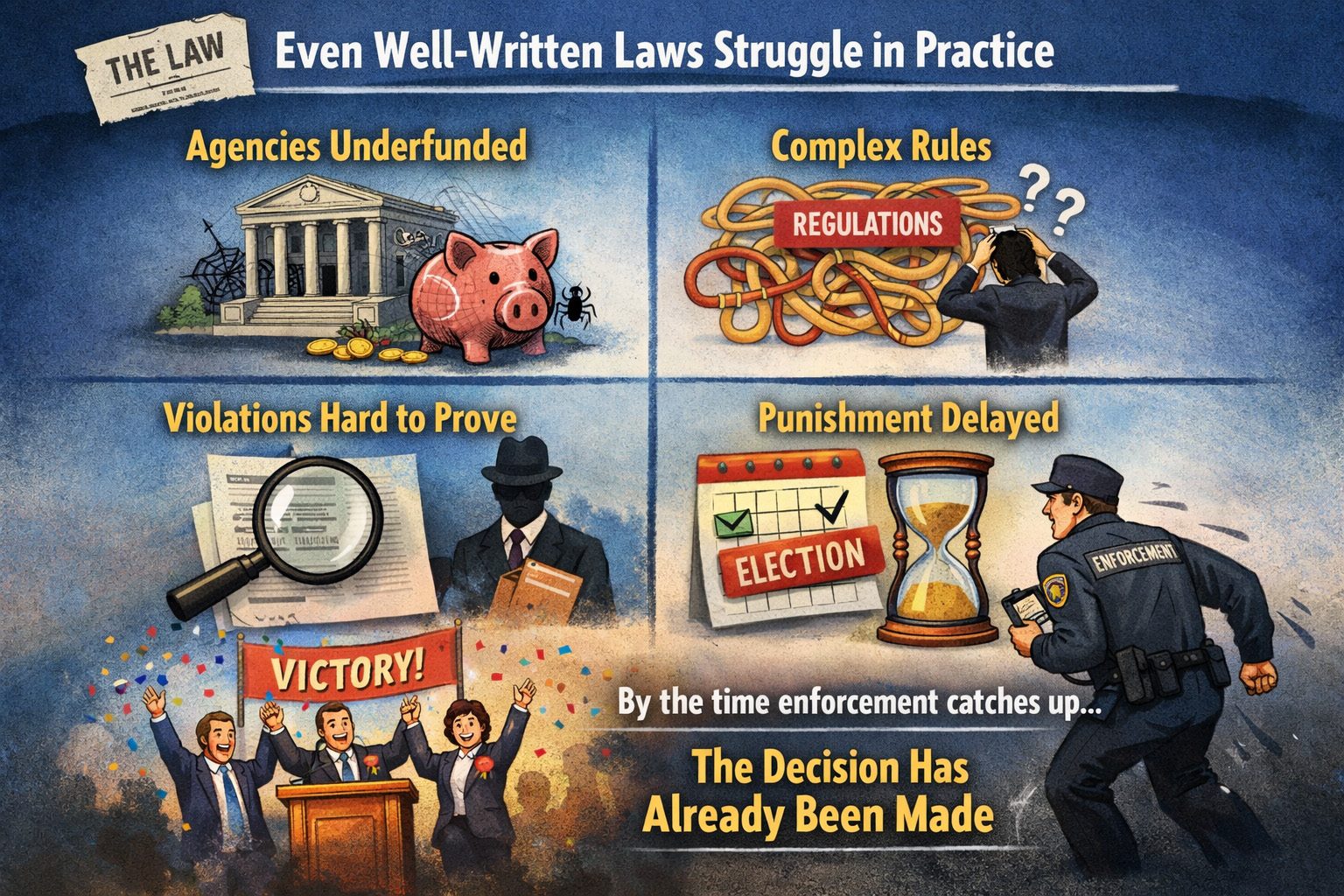
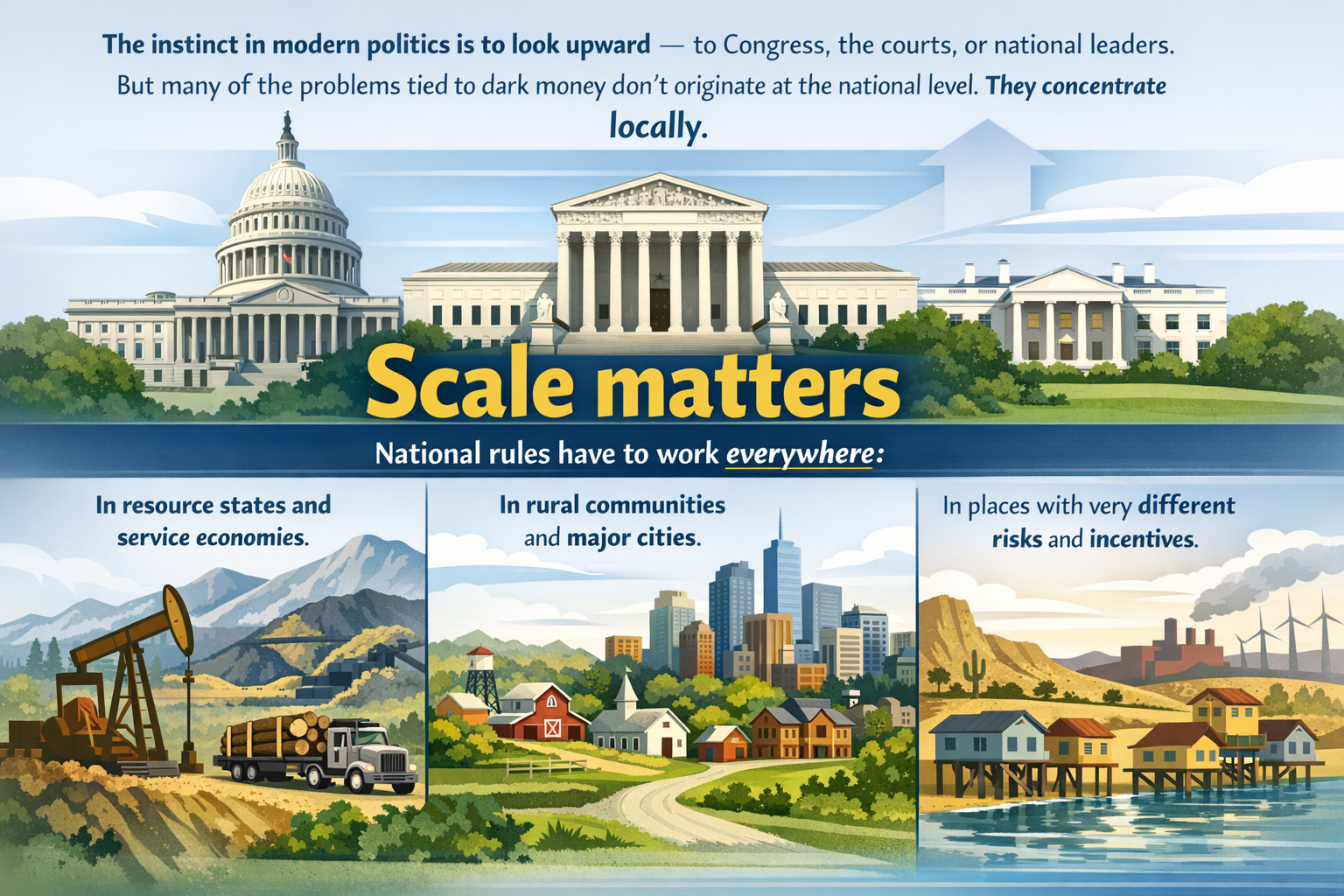
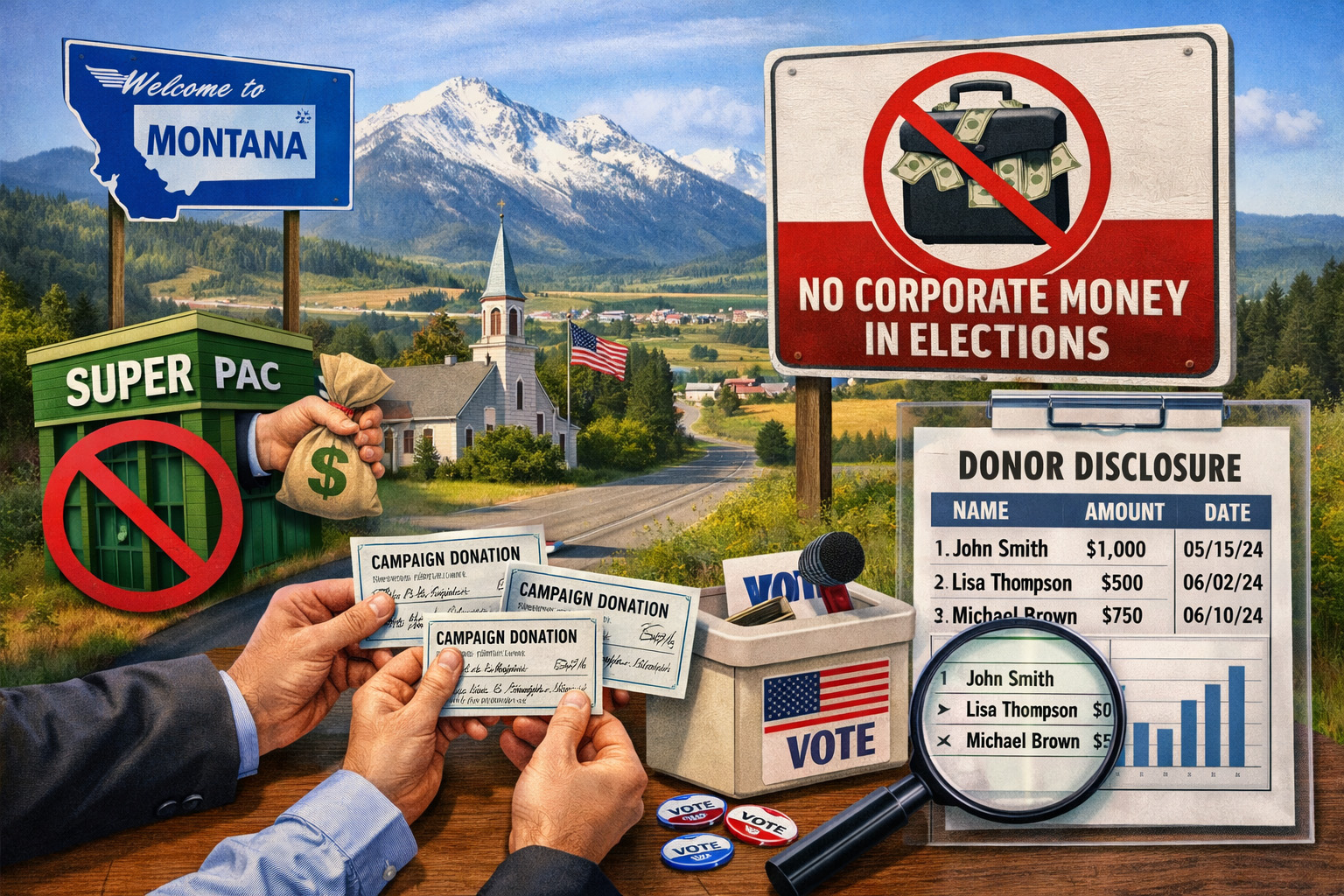
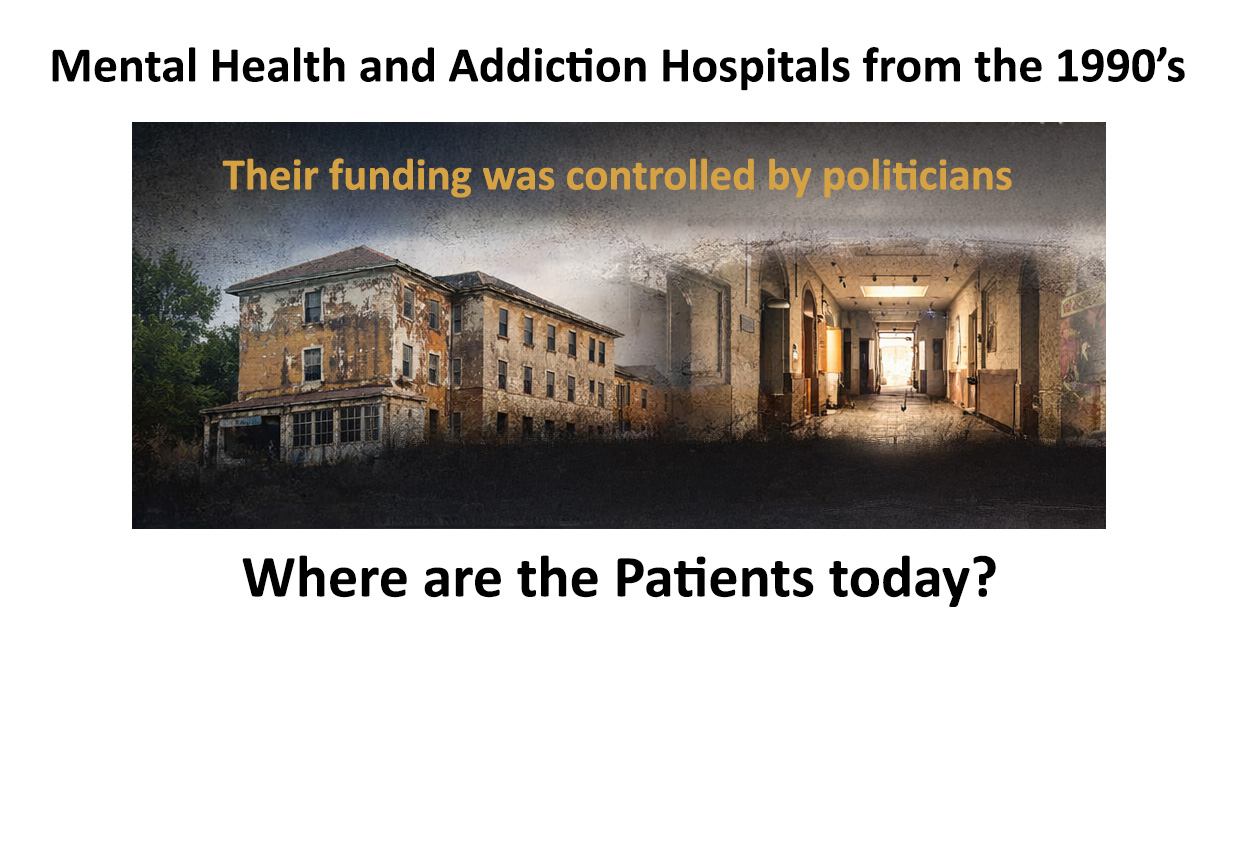




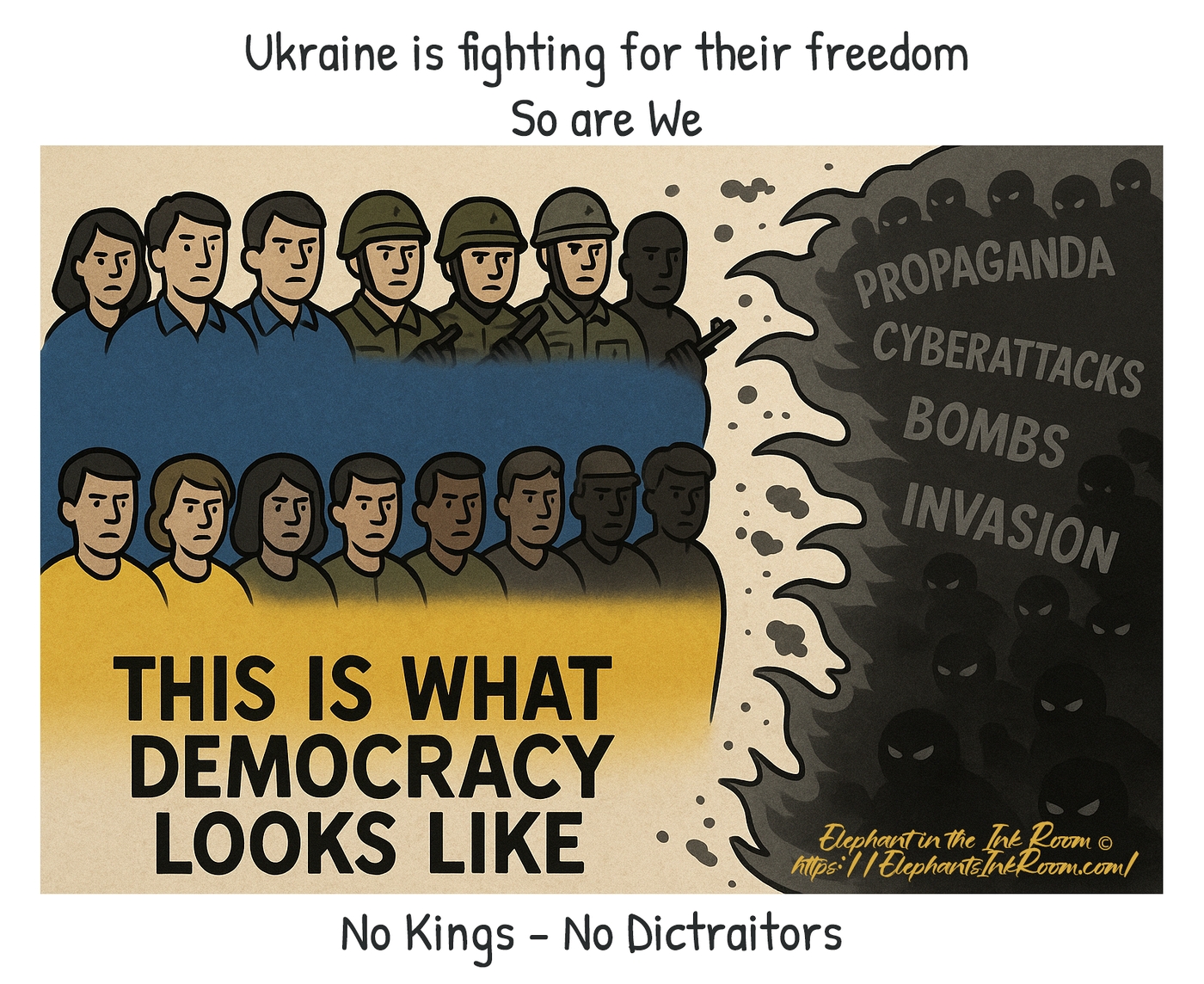






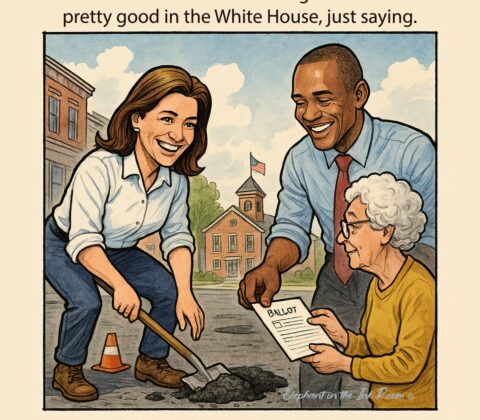

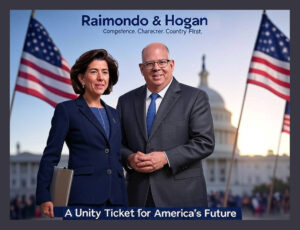
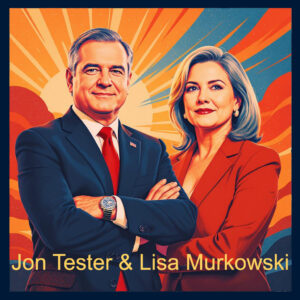
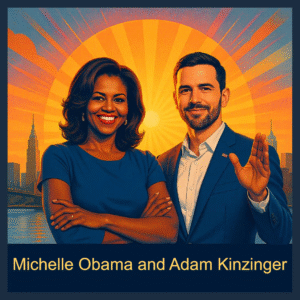










Trumps Line in The Sand
So there you have it, short, sour and simple. You do know we have enabled comments. If you want to spew hate, stay away. And that doesn’t matter which side you hate. If you want to discuss solutions, then welcome.
Share this:
Like this: