



















































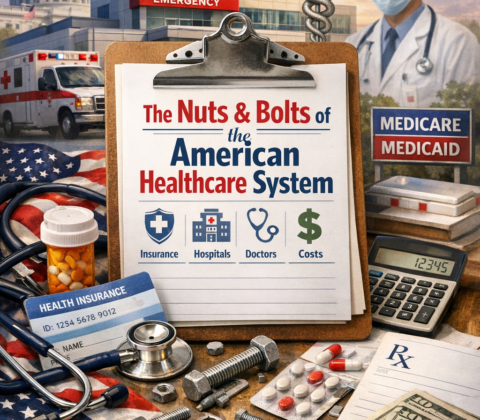







Healthcare in America vs Socialized Medicine Today
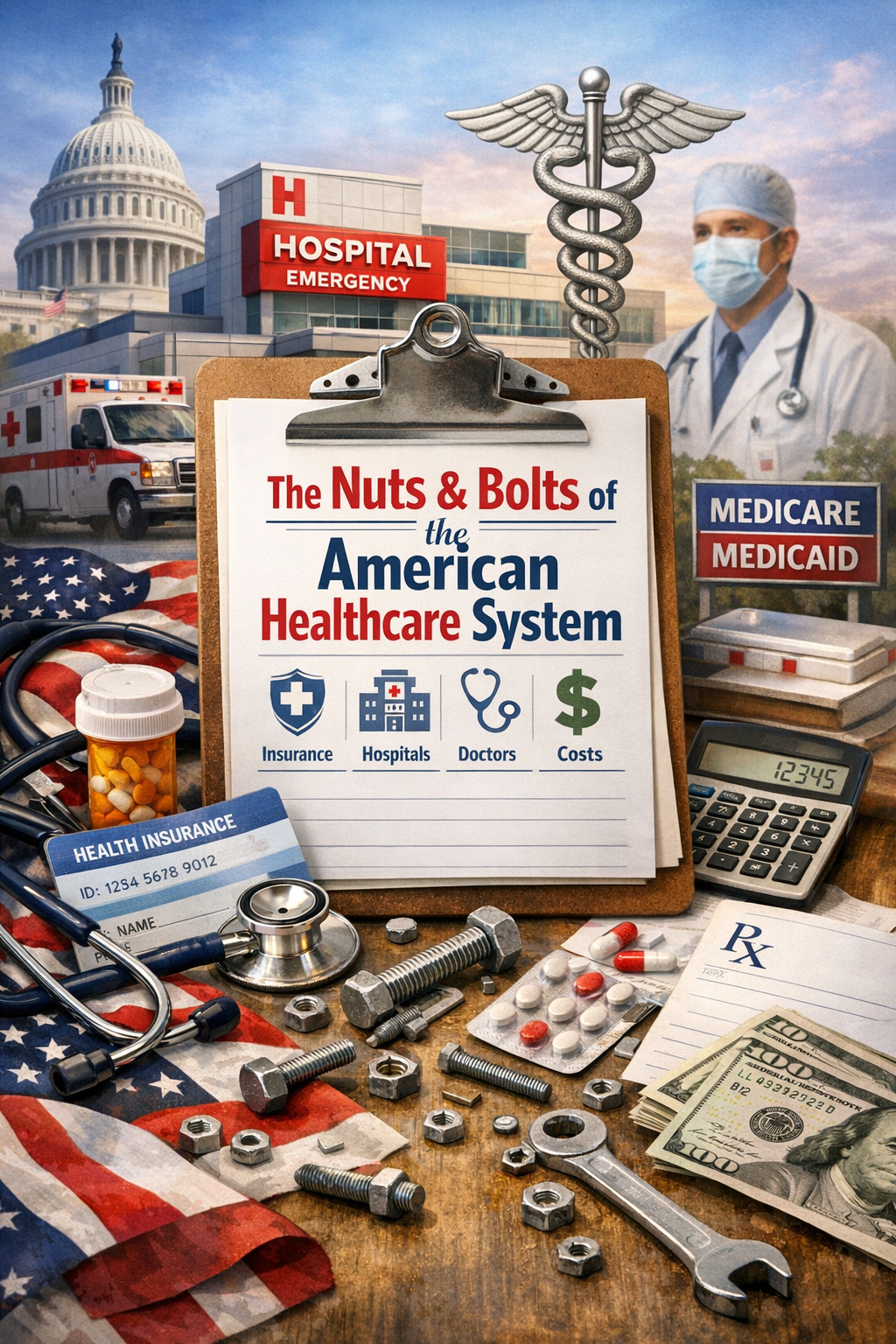
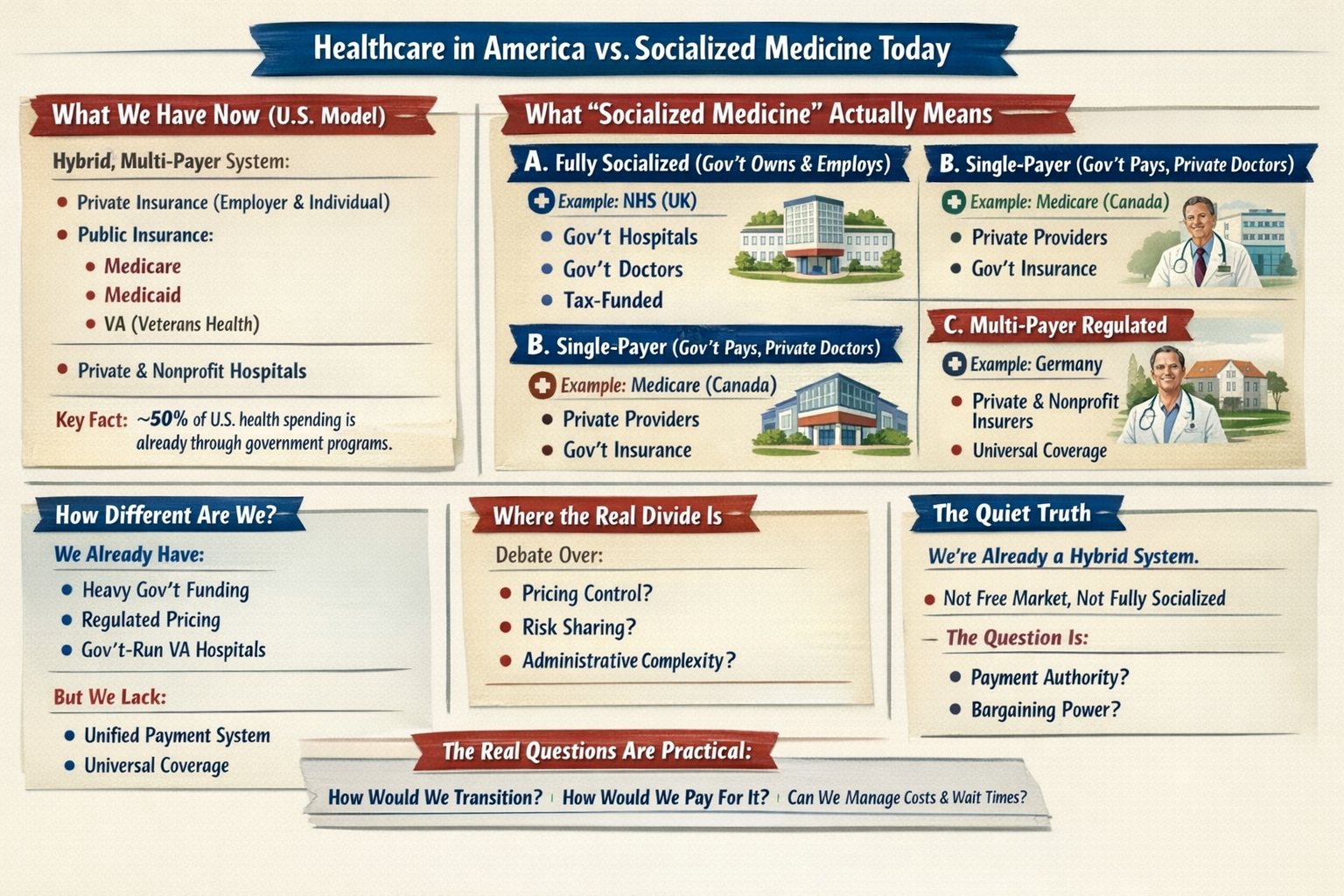
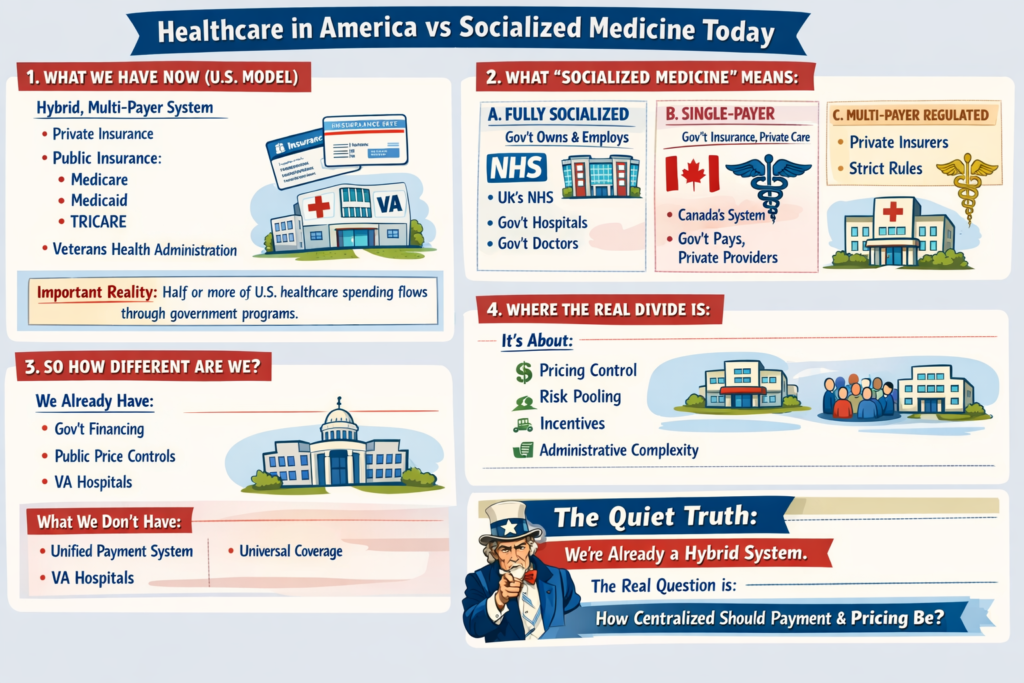
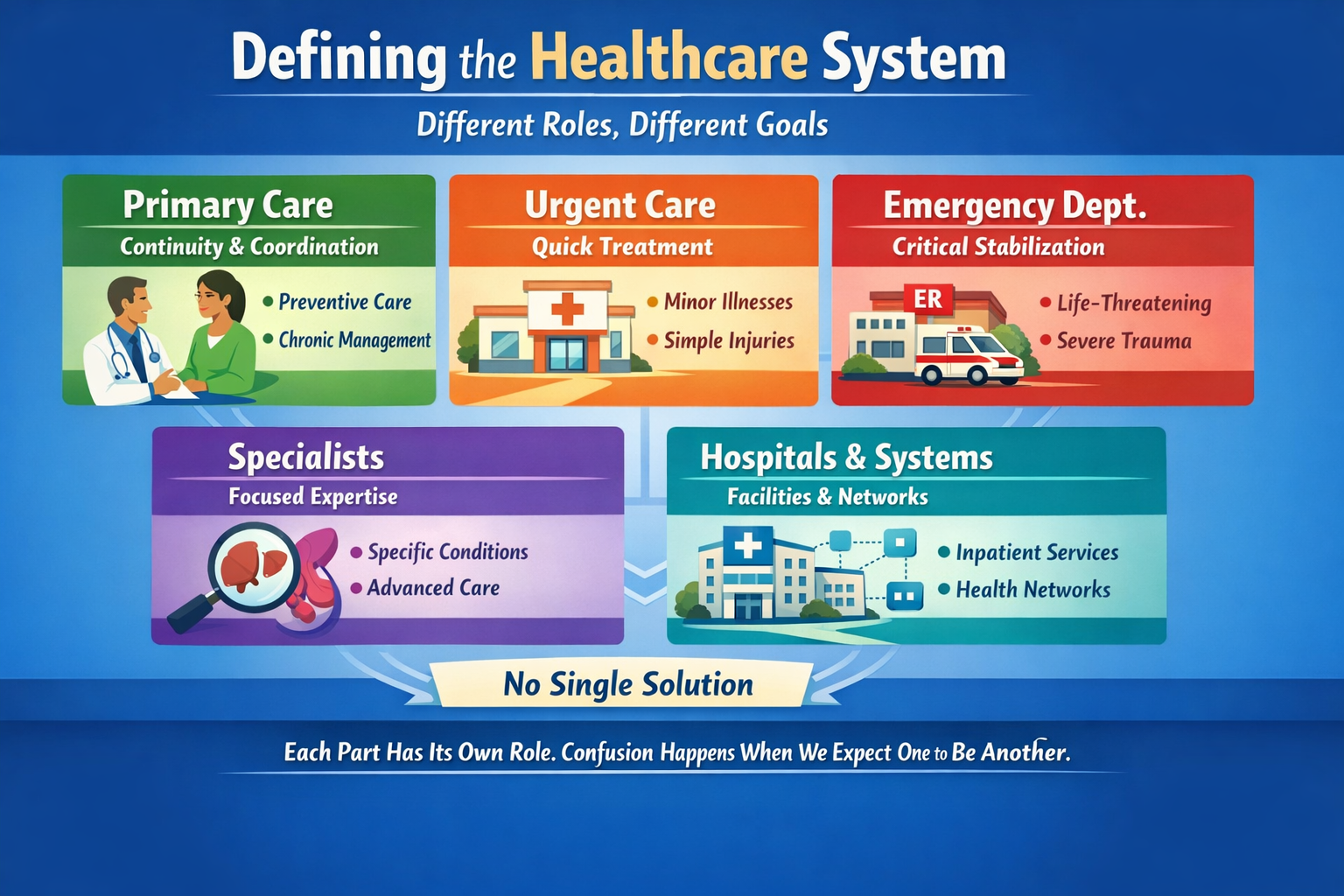
1. What We Have Now (U.S. Model)
The U.S. system is a hybrid, multi-payer system:
-
Private insurance (employer-based and individual market)
-
Public insurance:
-
Medicare
-
Medicaid
-
TRICARE
-
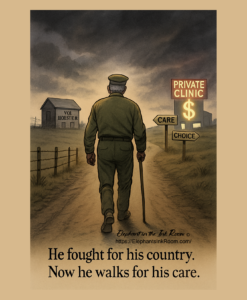
Veterans Health Administration
-
-
Private hospitals (mostly nonprofit, some for-profit)
-
Private physician practices (increasingly consolidated)
Important reality:
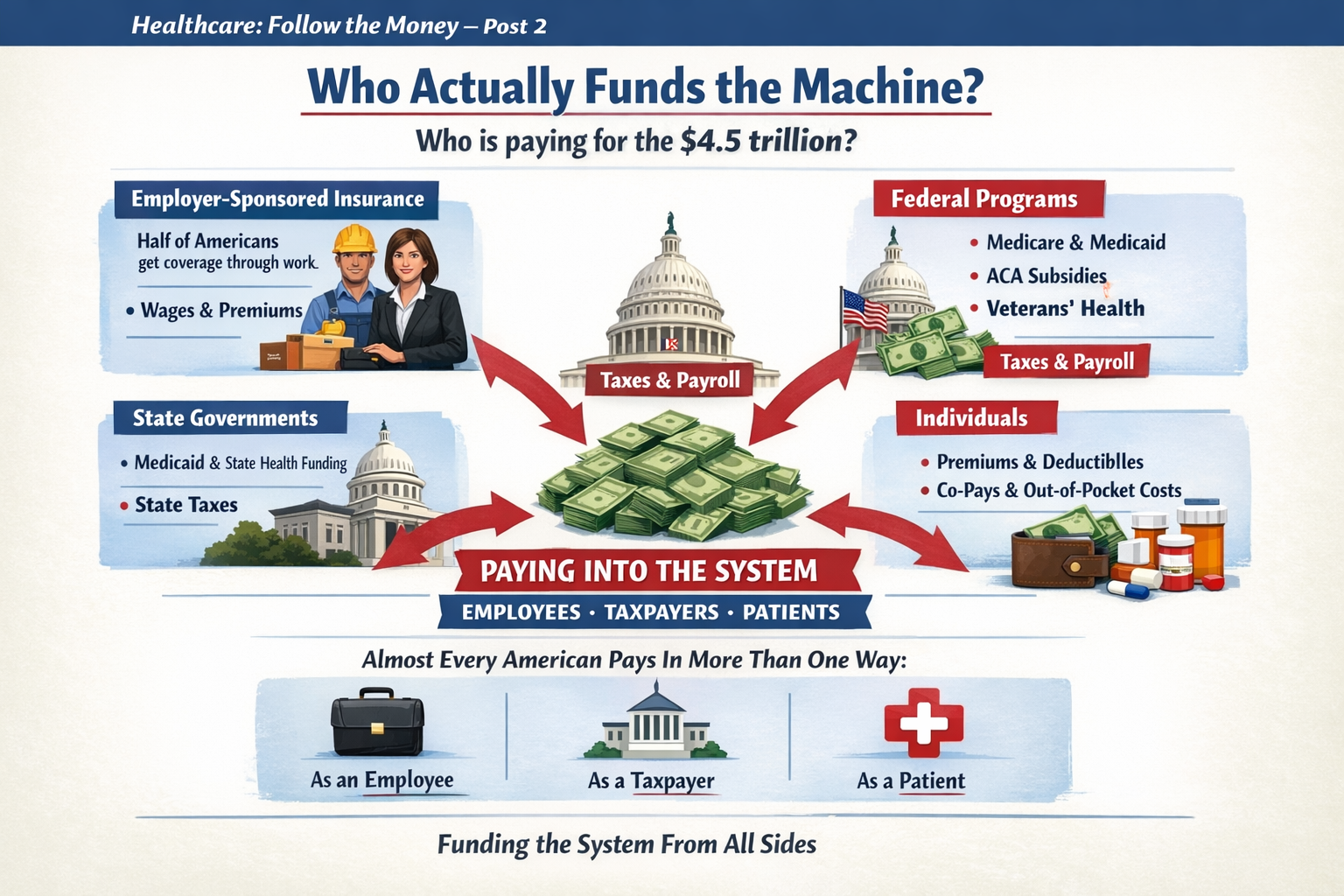
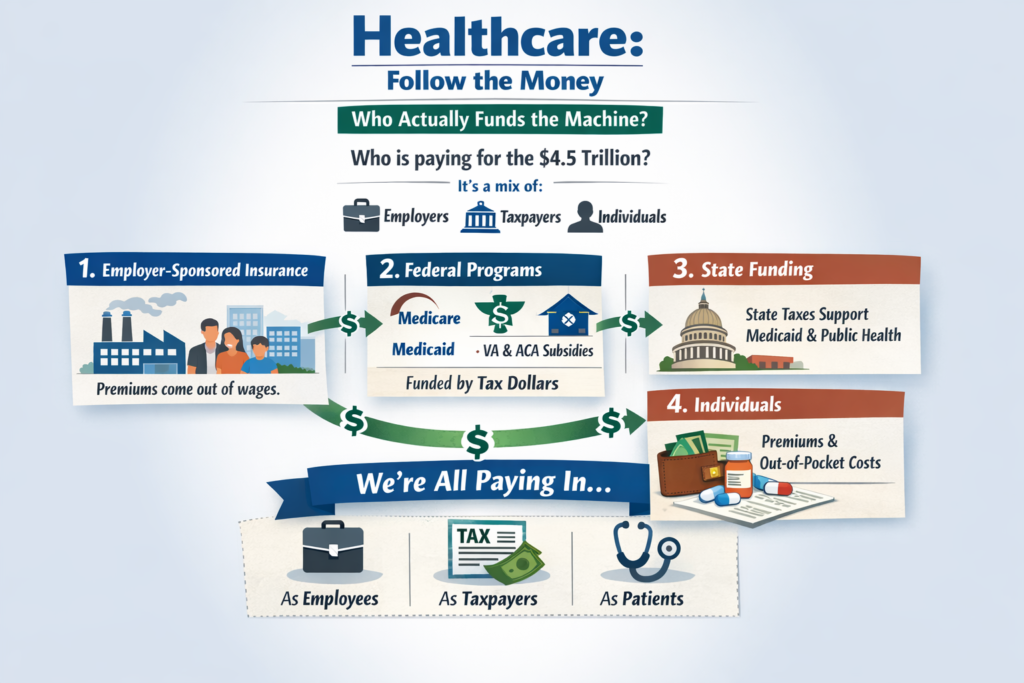
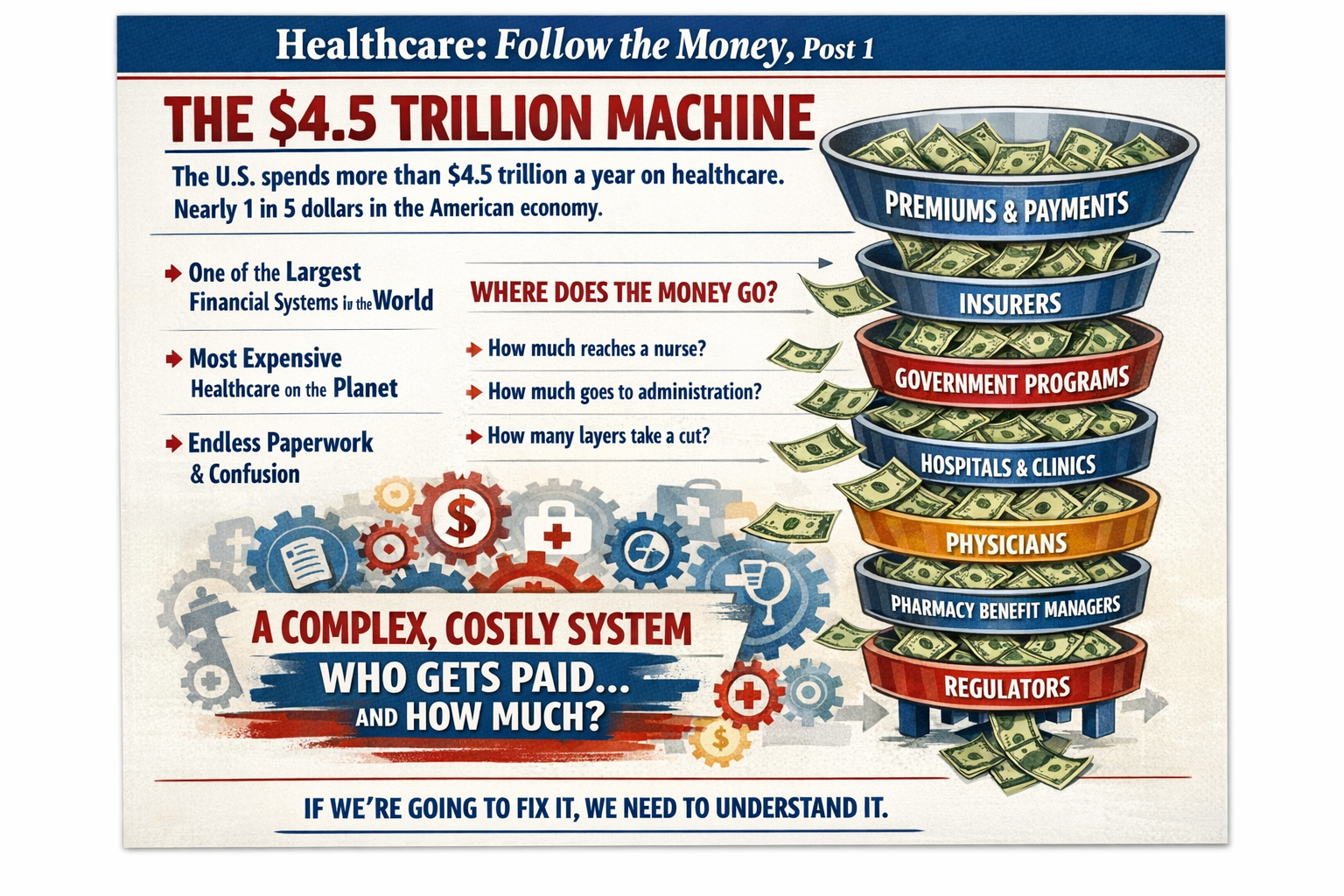
Roughly half or more of U.S. healthcare spending already flows through government programs. We are not a pure market system. We are a complex blend.
2. What “Socialized Medicine” Actually Means
People often use “socialized” loosely. There are actually three different models internationally:
A. Fully Socialized (Government Owns & Employs)
Example: National Health Service in the UK
-
Government owns hospitals
-
Doctors are government employees
-
Government sets budgets directly
-
Care funded through taxes
That’s true “socialized medicine.”
B. Single-Payer (Government Pays, Private Providers Deliver)
Example: Medicare (Canada’s system)
-
Private hospitals & doctors
-
Government is the main insurer
-
One public payment system
-
Funded via taxes
This is not government-run hospitals — it’s government-run insurance.
C. Multi-Payer Regulated System
Example: Statutory Health Insurance
-
Private and nonprofit insurers
-
Strict national rules
-
Price controls
-
Universal coverage mandate
3. So How Different Are We?
Structurally:
-
We already have heavy government financing.
-
We already regulate pricing in public programs.
-
We already operate large government-run care systems (VA hospitals).
-
We already subsidize private insurance through tax exclusions.
What we don’t have:
-
A unified payment structure
-
National price controls across the board
-
Universal automatic coverage
-
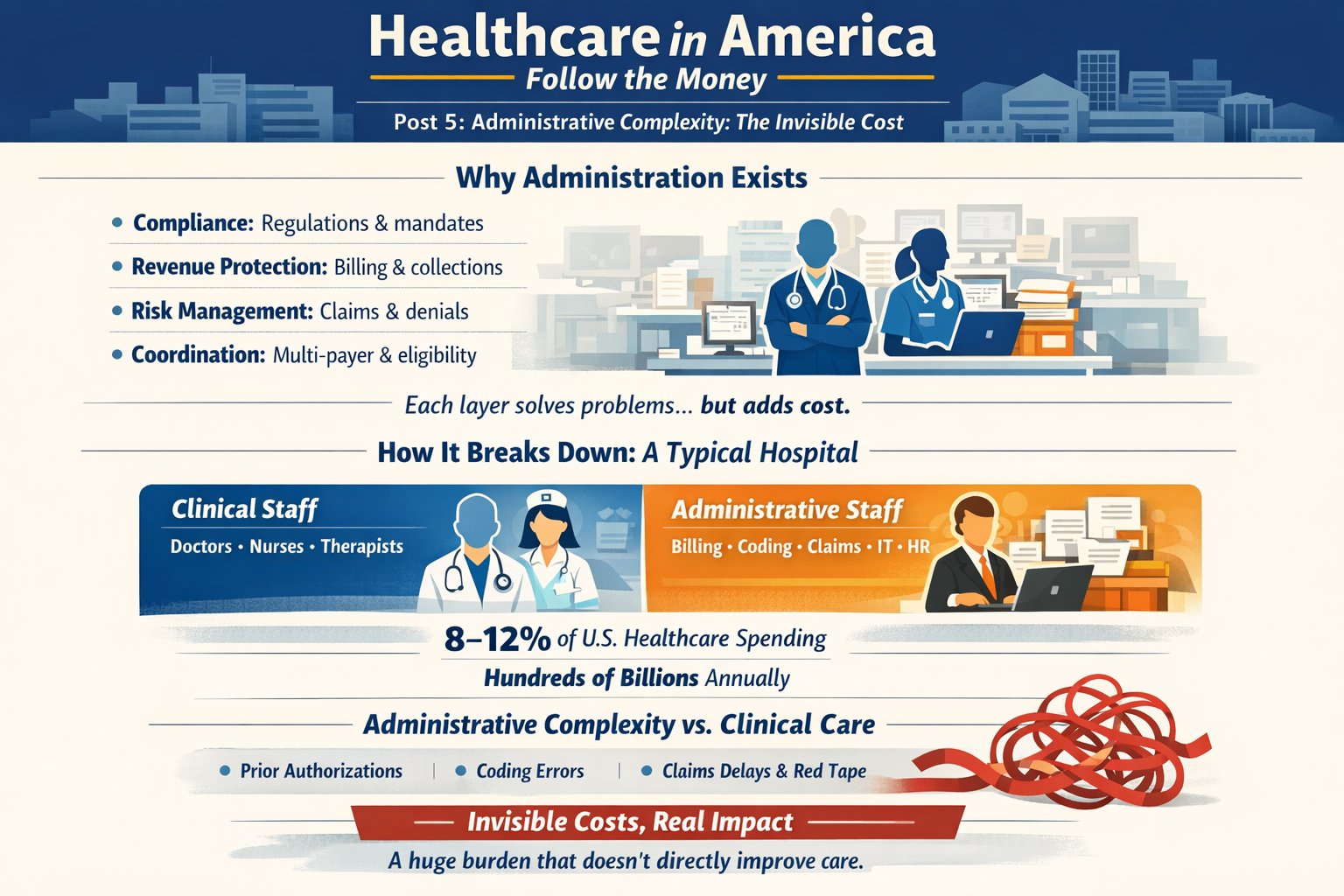
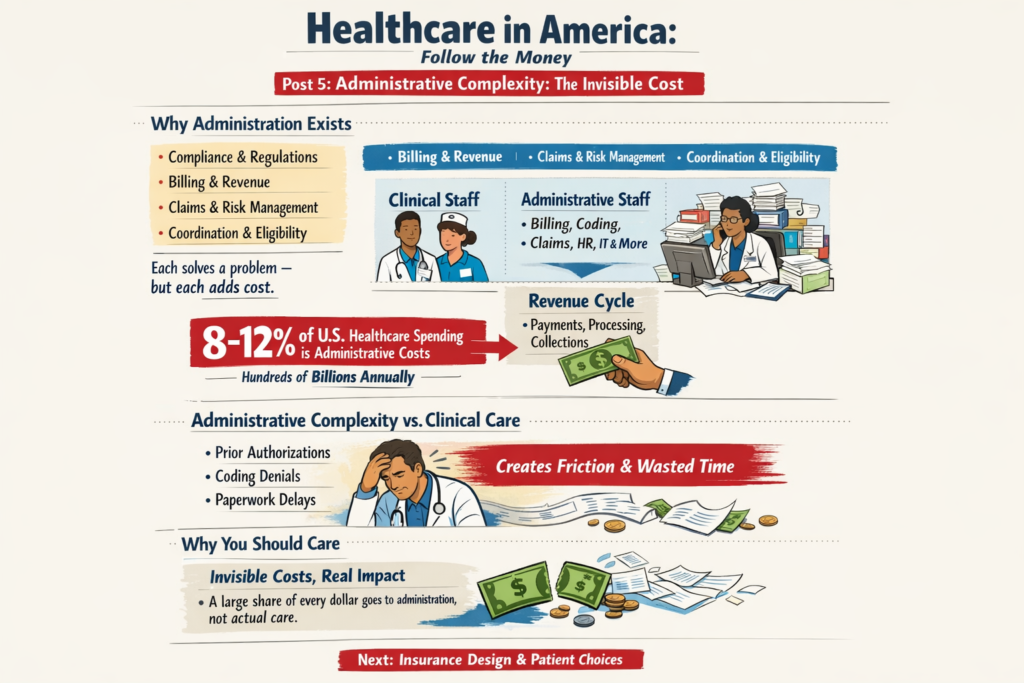
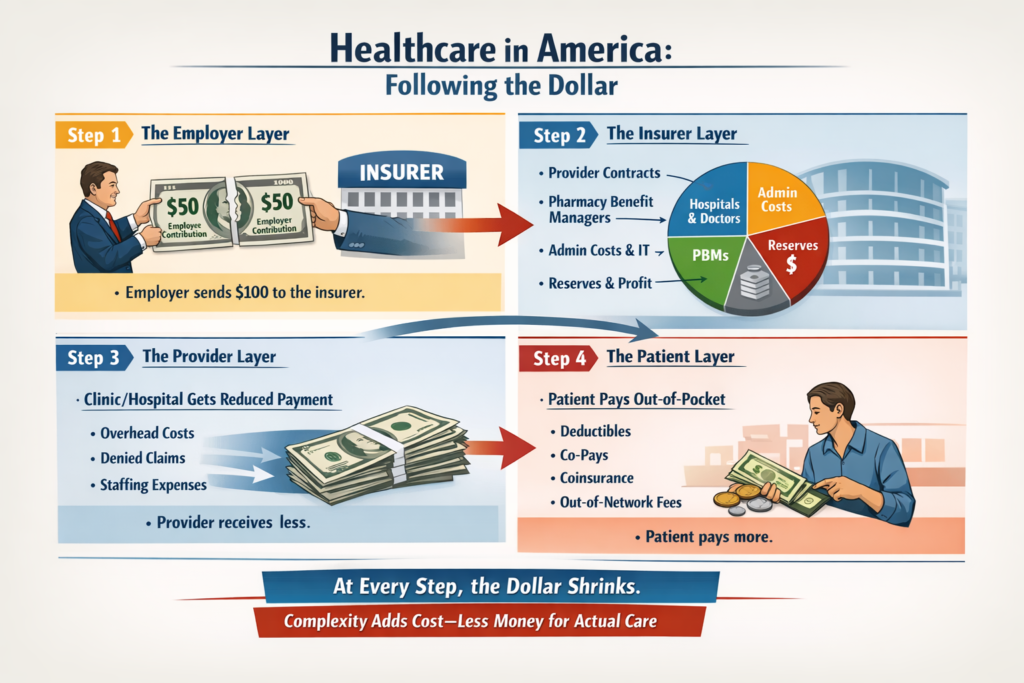
Simplified billing
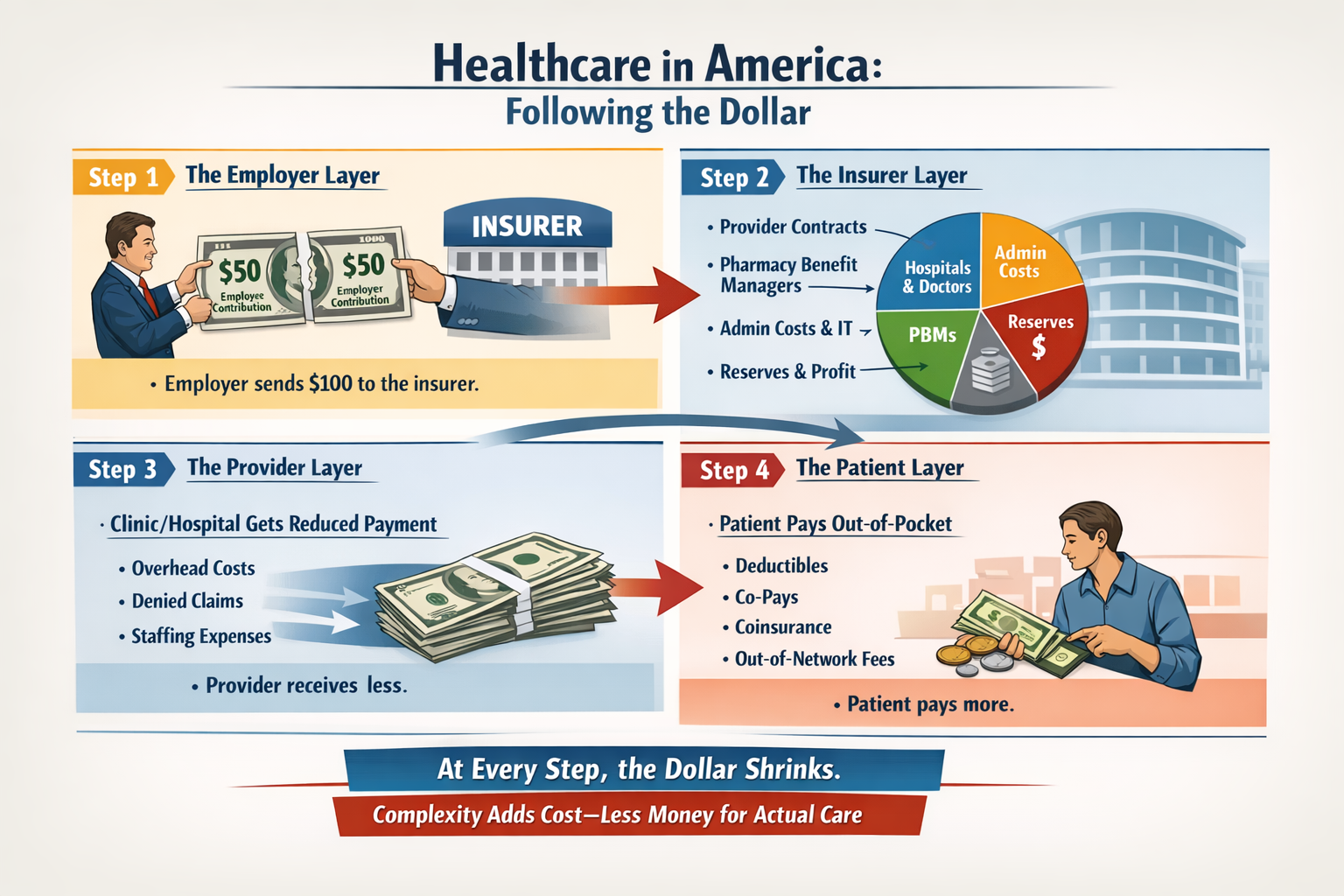
The biggest structural difference isn’t just “who pays.”
It’s:
-
Fragmentation
-
Administrative layering
-
Pricing freedom in private markets
-
Employment-tied insurance
4. Where the Real Divide Is
The debate isn’t simply:
Private vs Socialized.
It’s about:
-
Who controls pricing?
-
How risk is pooled?
-
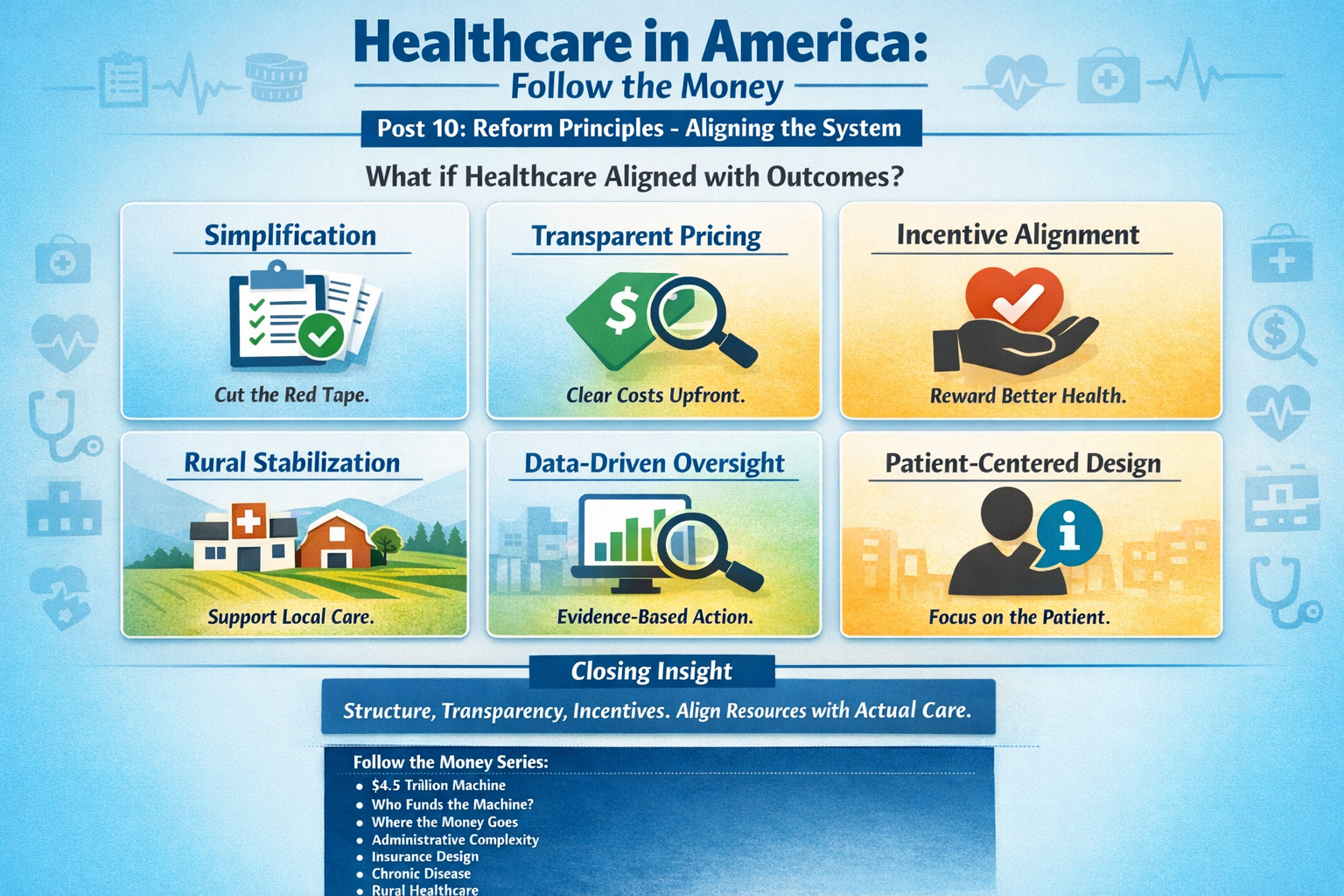
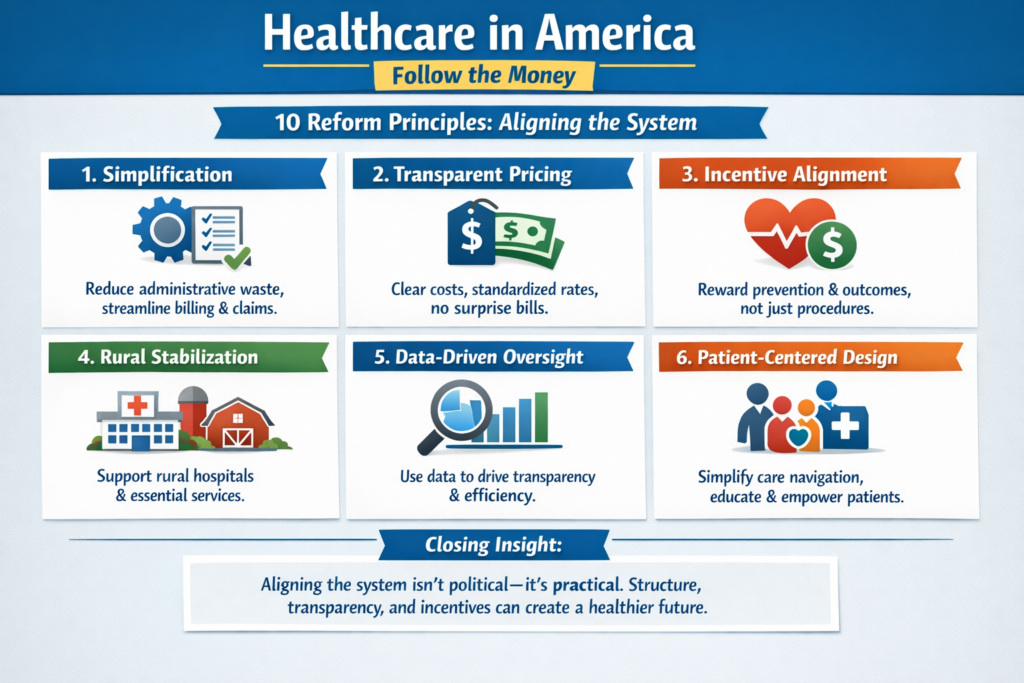
How incentives are aligned?
-
How much administrative complexity is tolerated?
Even a “socialized” system still rations care — just differently (wait times vs cost-sharing).
Even our current system has price controls — just unevenly applied.
5. If the U.S. “Moved Toward Socialized” — What Would Actually Change?
Not necessarily hospital ownership.
More likely changes would include:
-
Centralized bargaining power
-
Uniform reimbursement rates
-
Elimination of employer-based insurance
-
Tax-based funding instead of premium-based funding
-
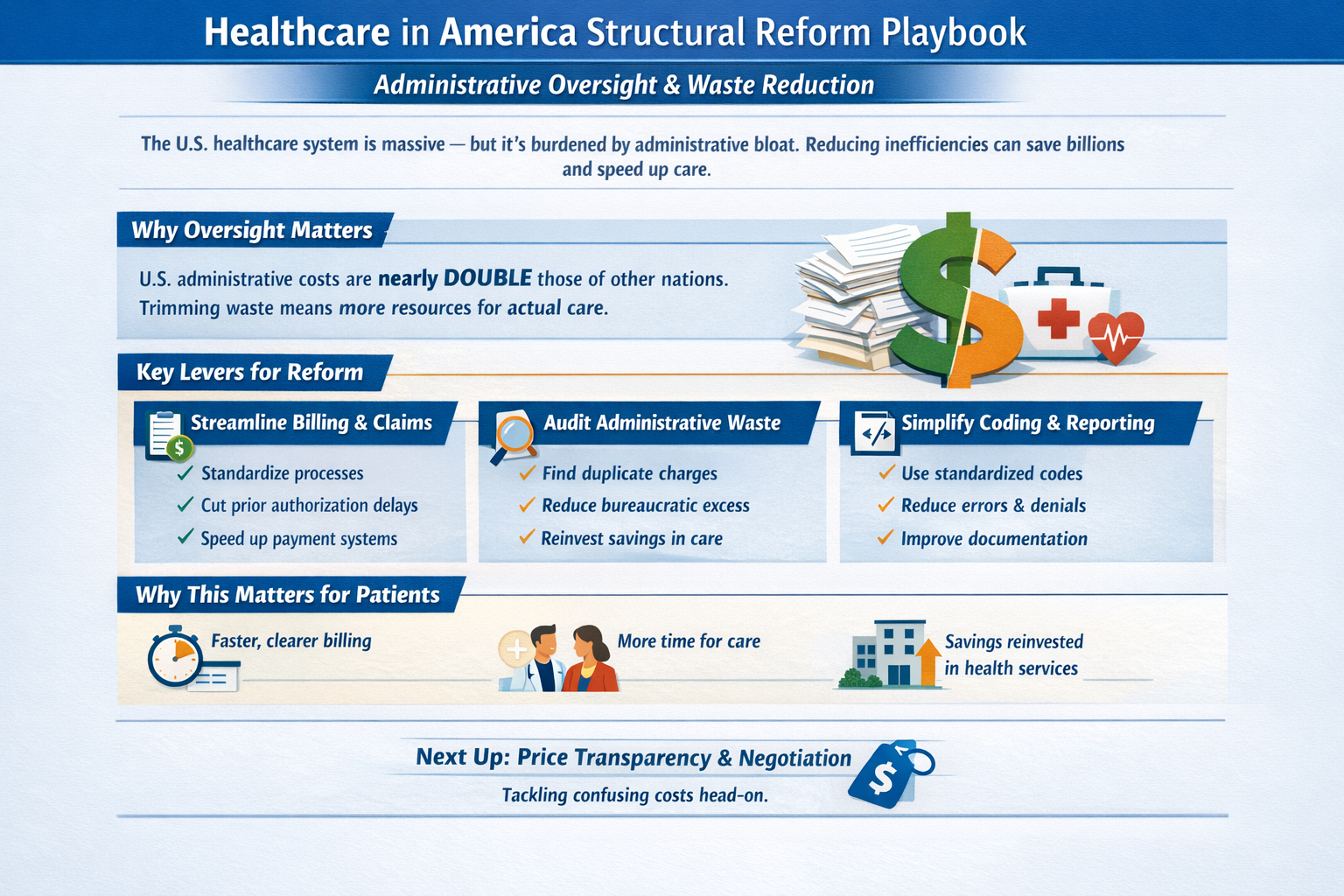
Dramatically reduced administrative overhead
-
Reduced insurer role
The money flow changes.
The power centers shift.
Administrative structure simplifies.
But doctors would still practice medicine.
Hospitals would still exist.
Care would still be rationed — just through different mechanisms.
6. The Quiet Truth
We are already halfway between models.
The U.S. system is not a free market.
It is not socialized.
It is a layered hybrid with competing incentives.
The question isn’t:
“Would we become socialized?”
The real question is:
“How centralized do we want payment and pricing authority to be?”
That’s a structural debate — not just a funding debate.
To go deeper, we have to explore:
-
What would actually happen to costs?
-
What happens to innovation?
-
What happens to wait times?
-
Or what a realistic transition would look like?
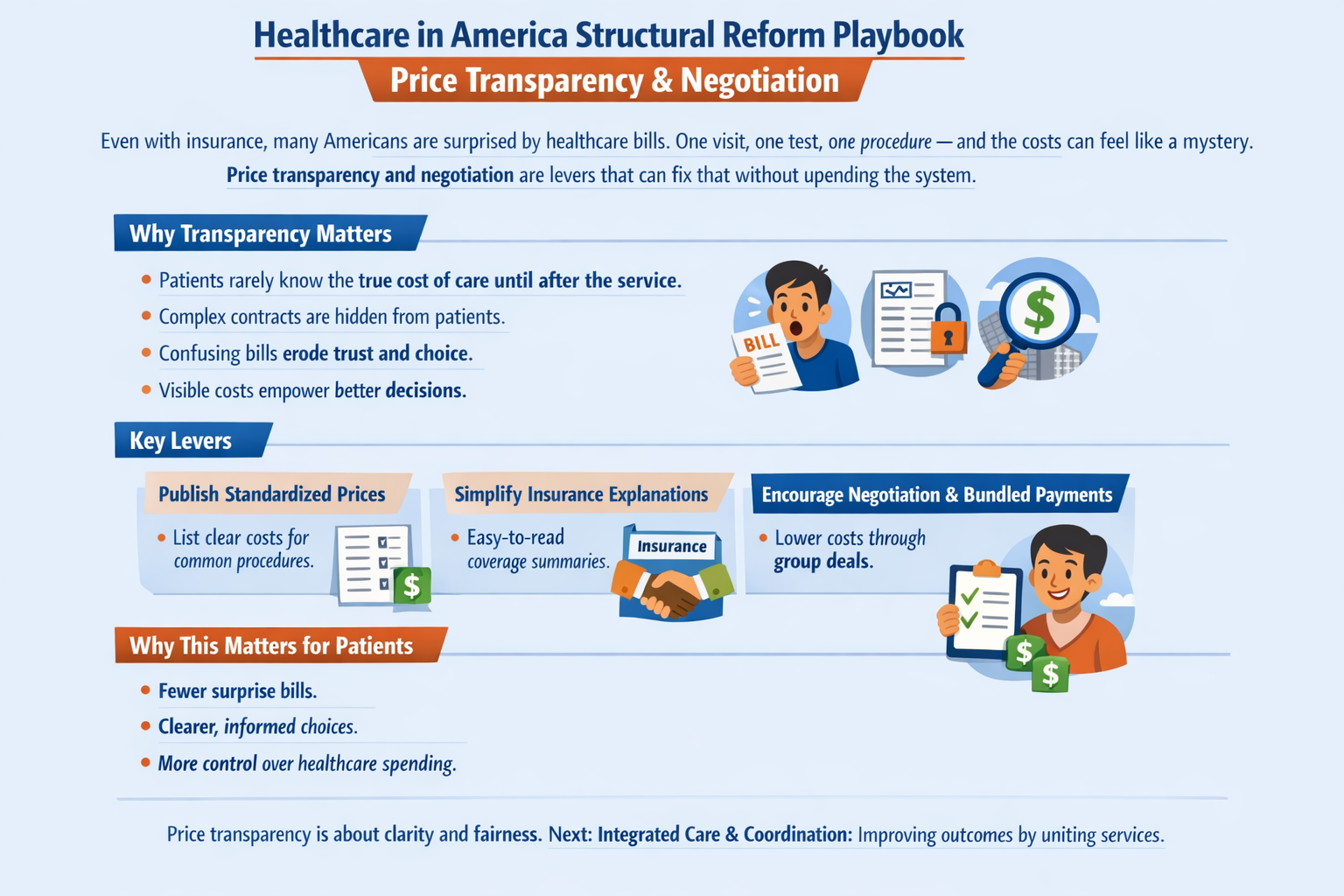
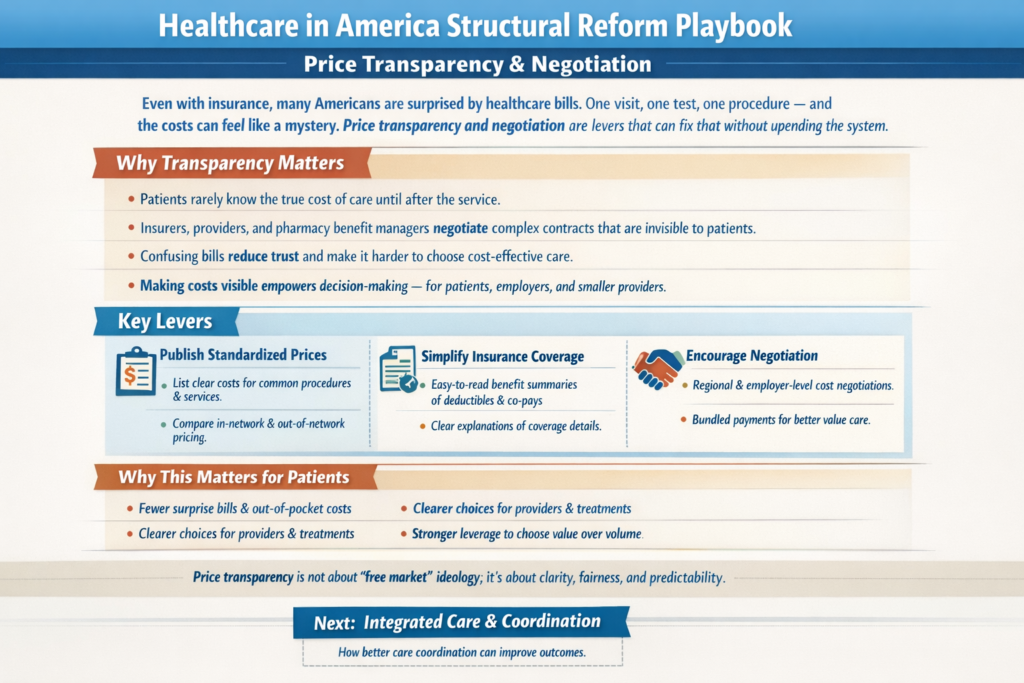
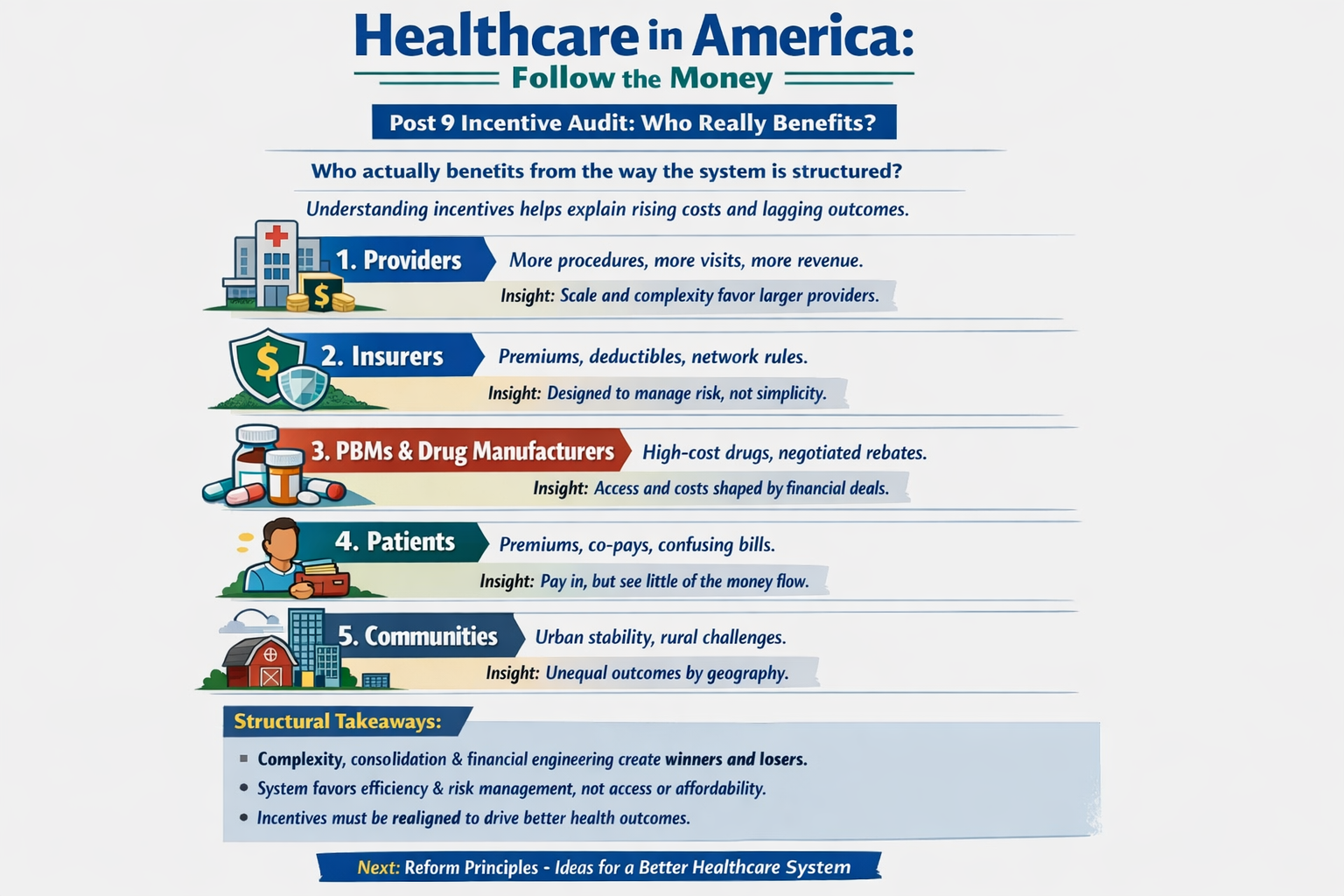
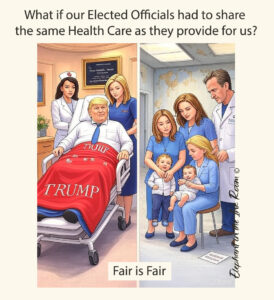
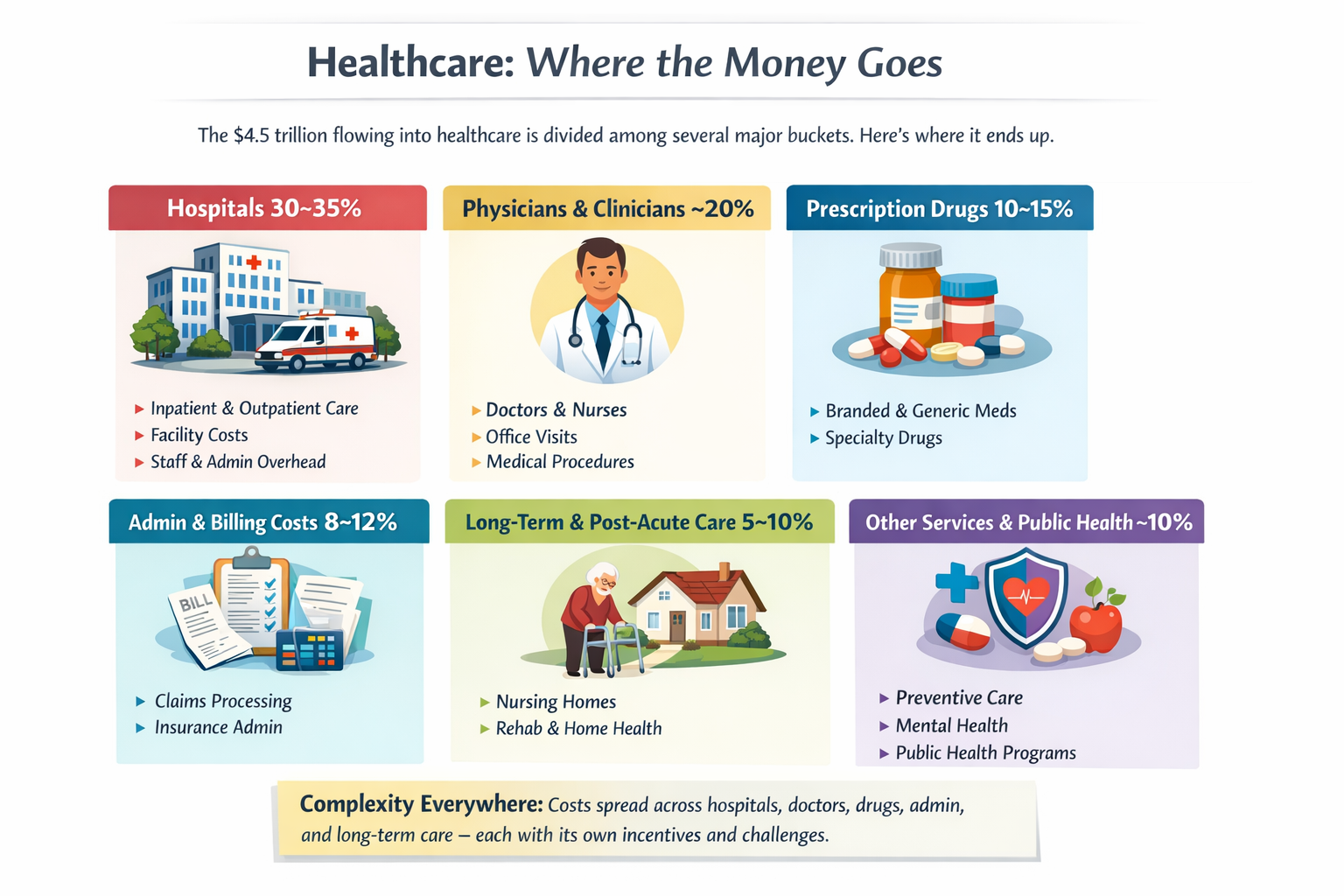
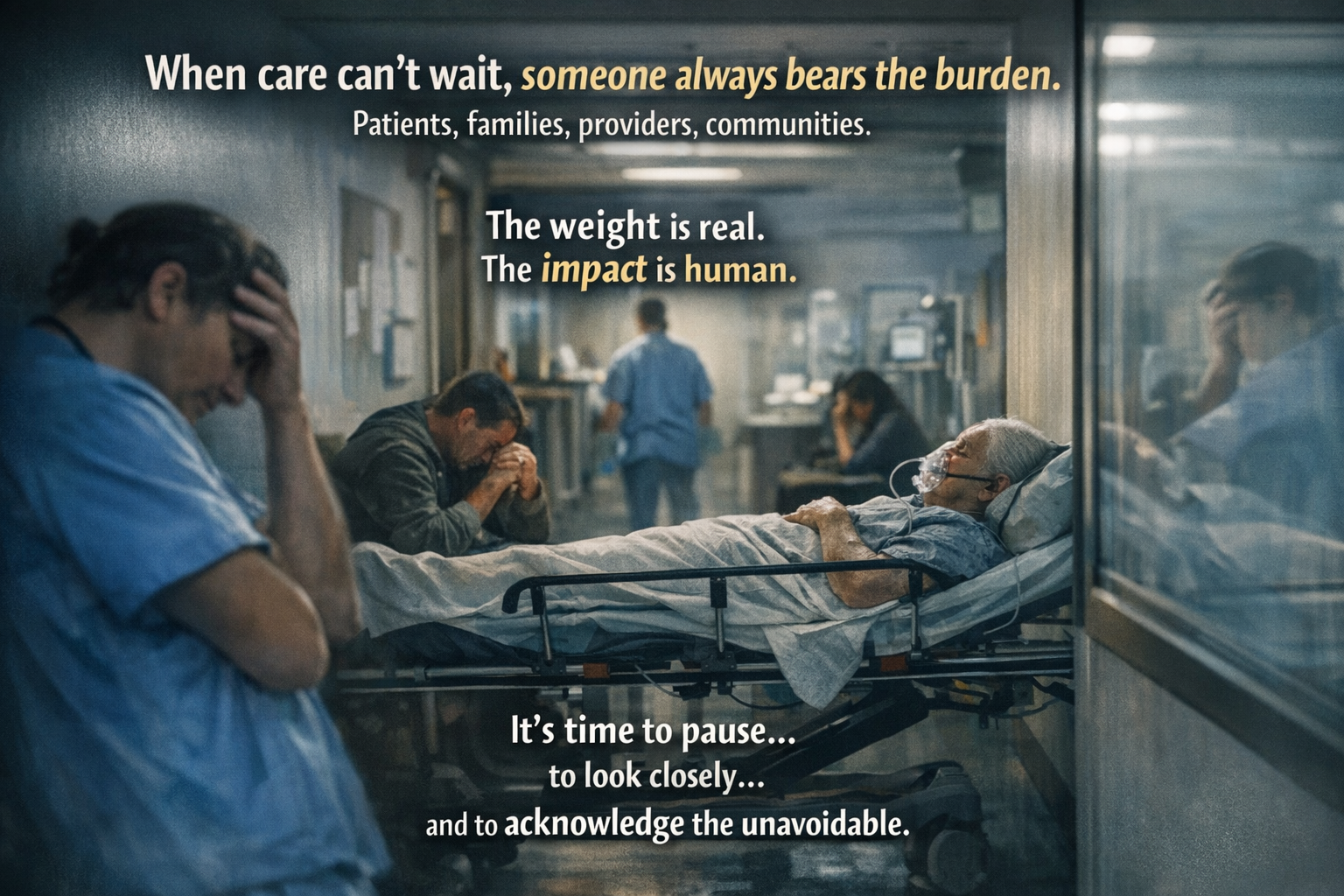
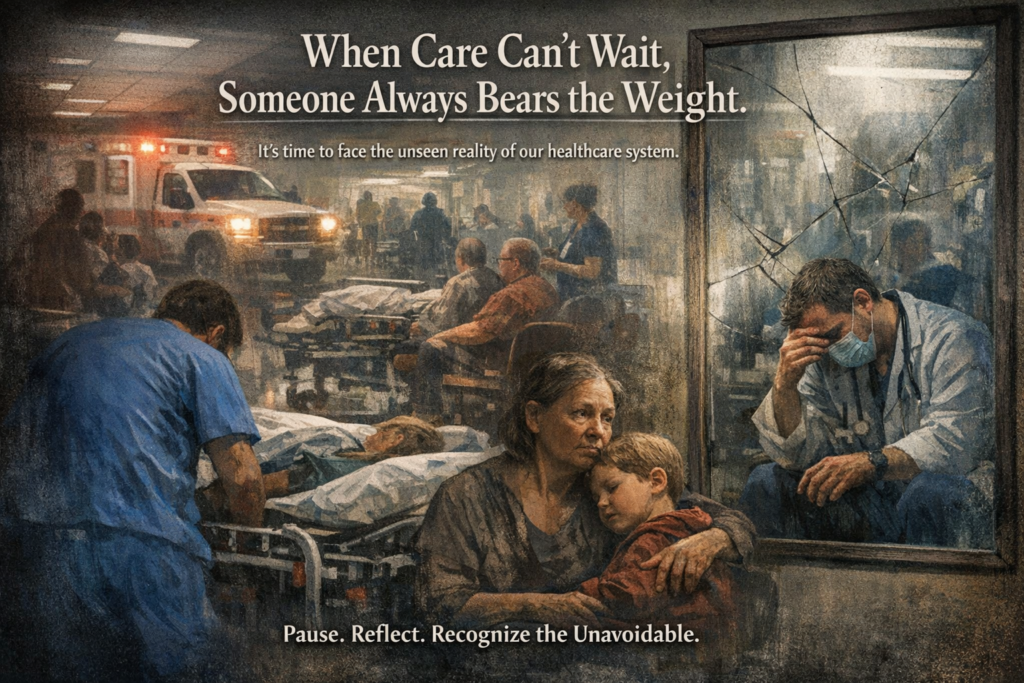
The real questions aren’t ideological. They’re mechanical:















































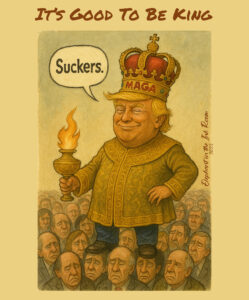
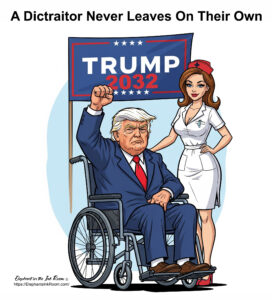
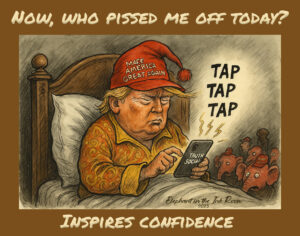
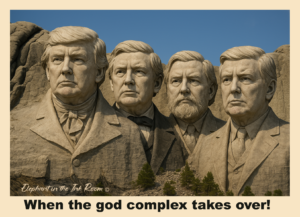









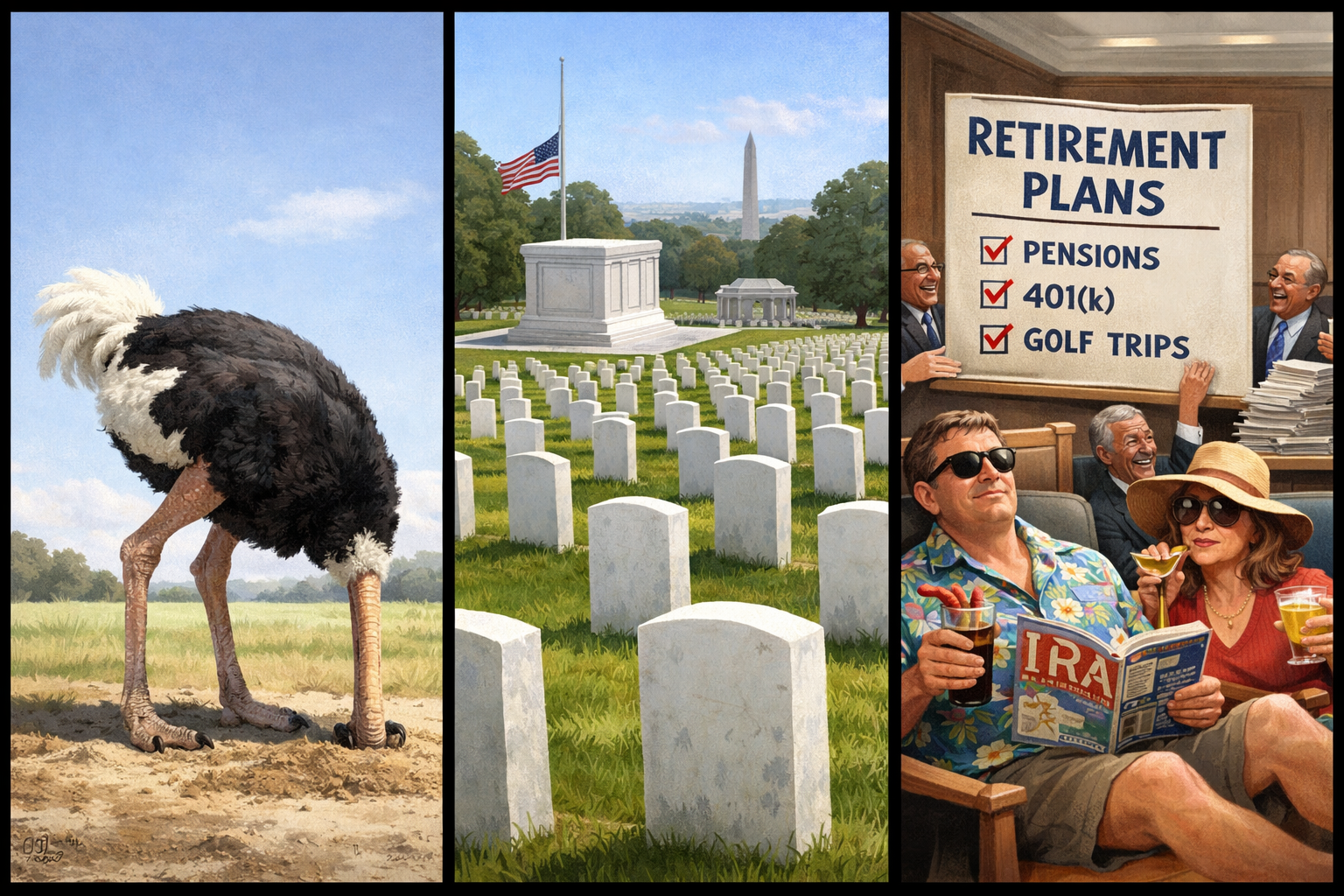
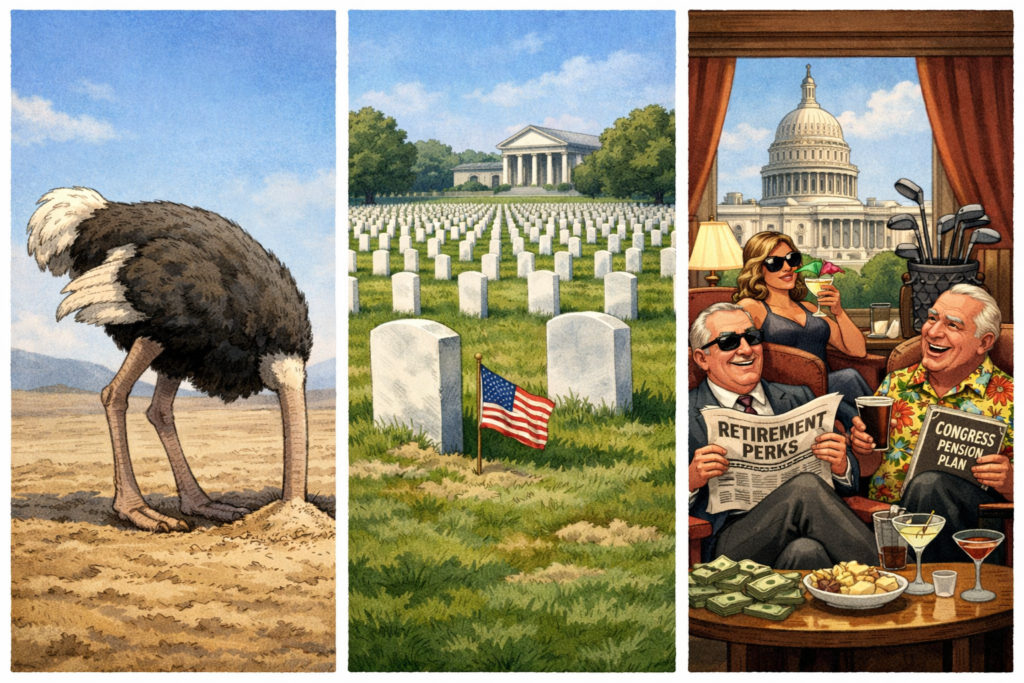





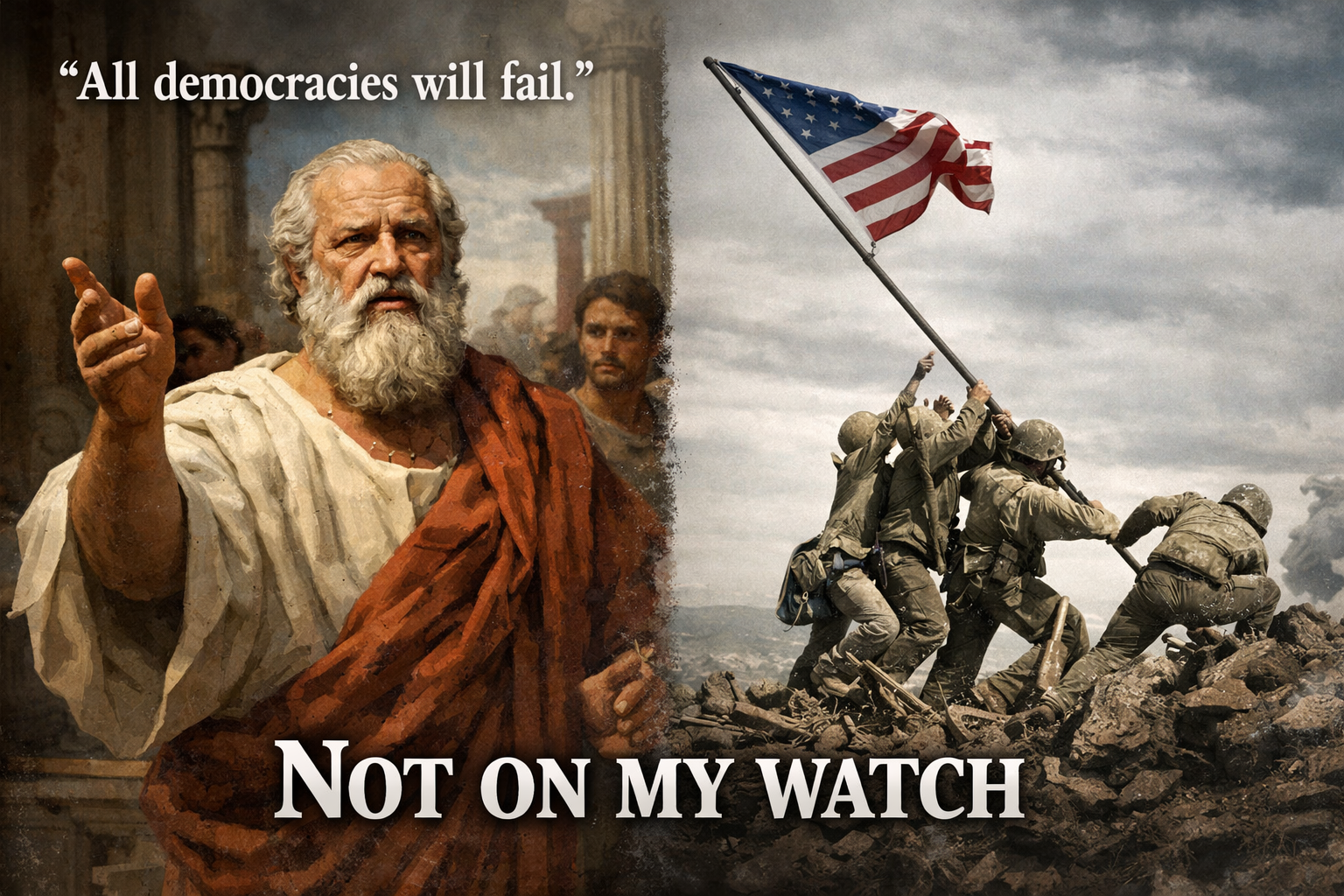
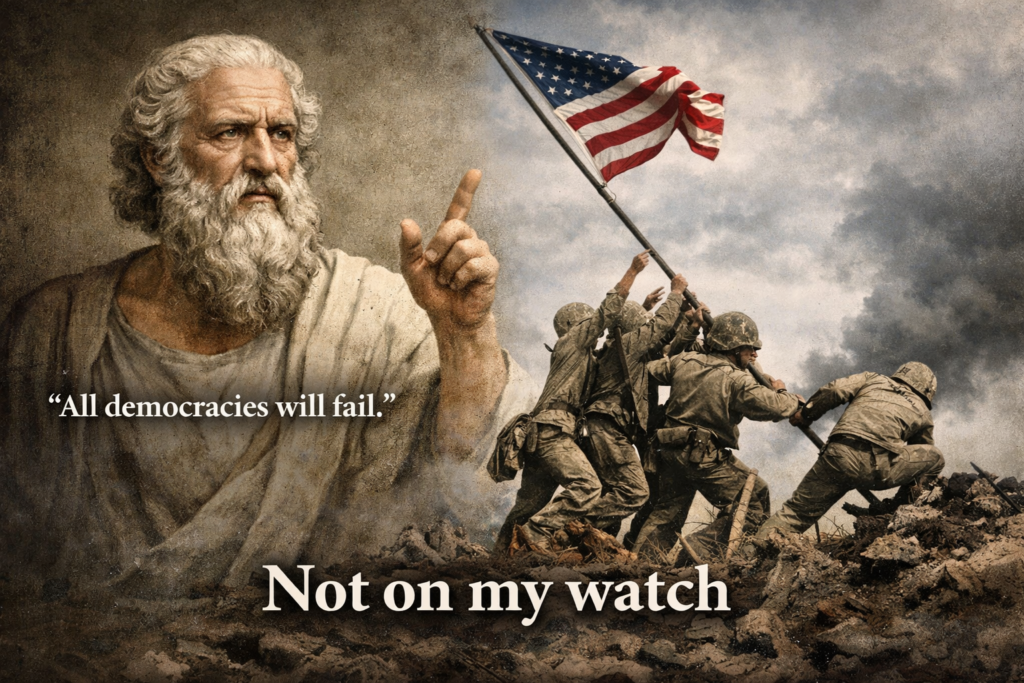

































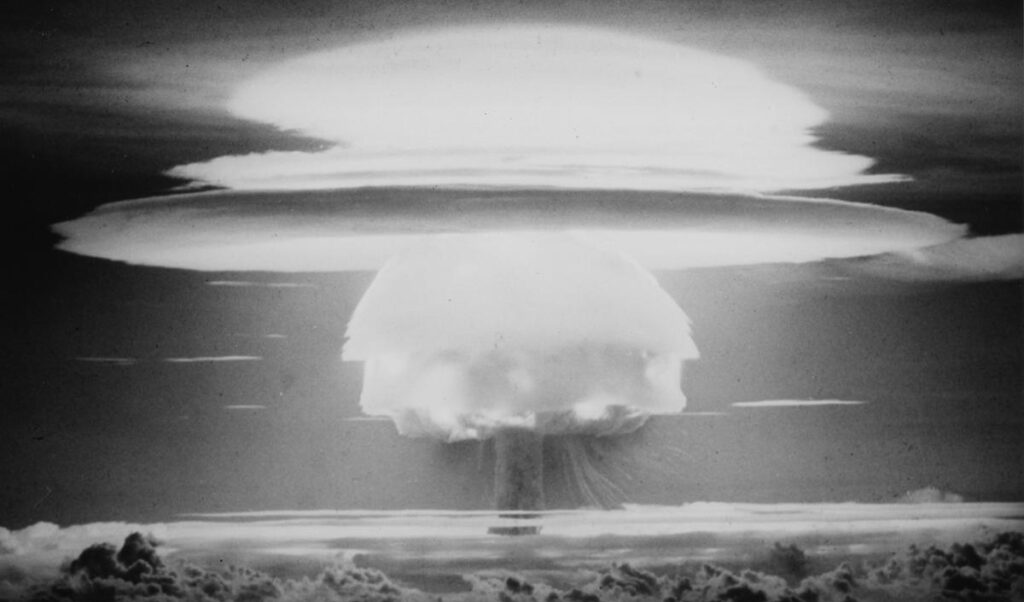
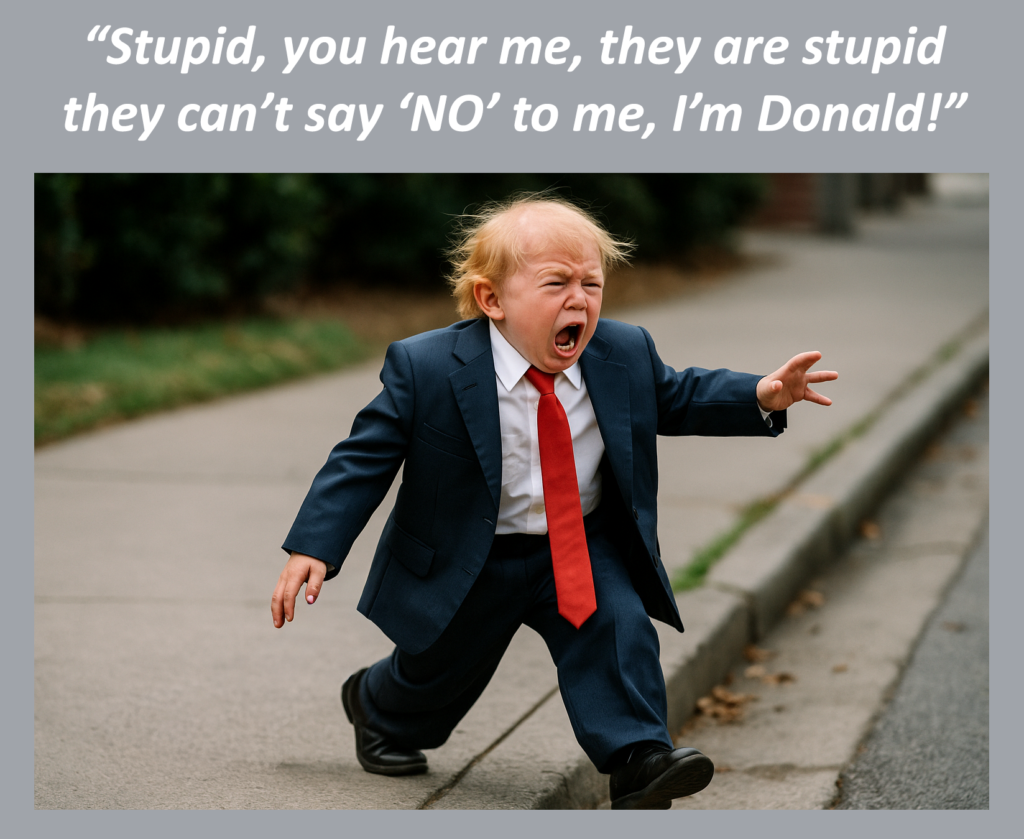
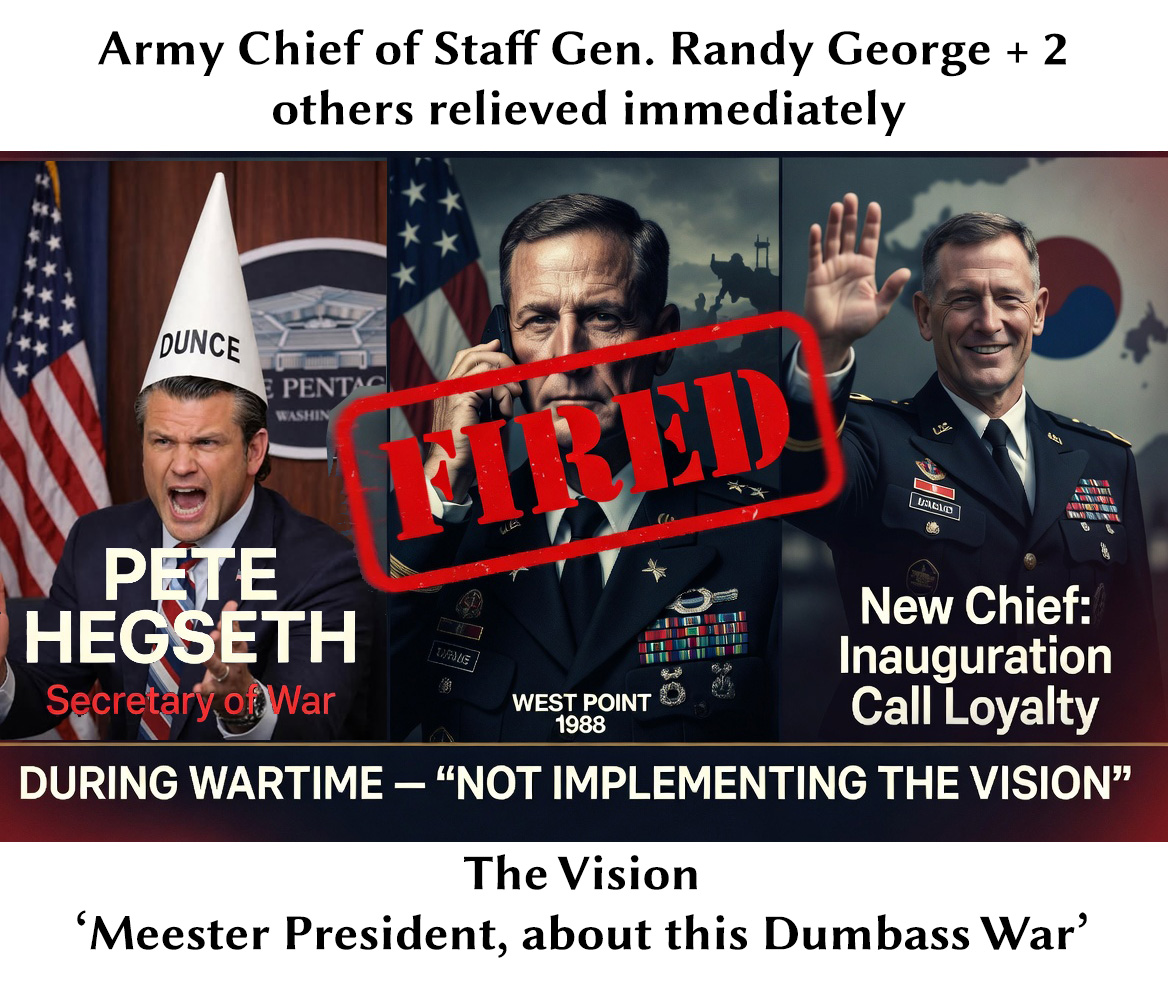
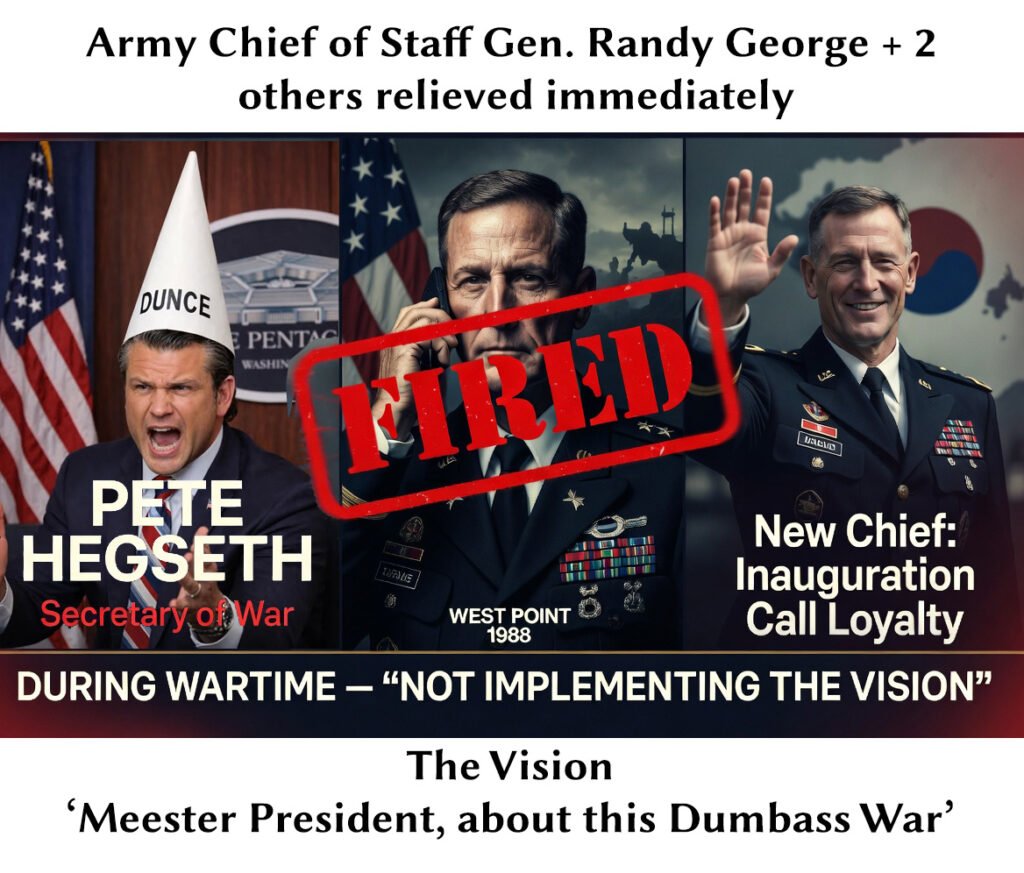
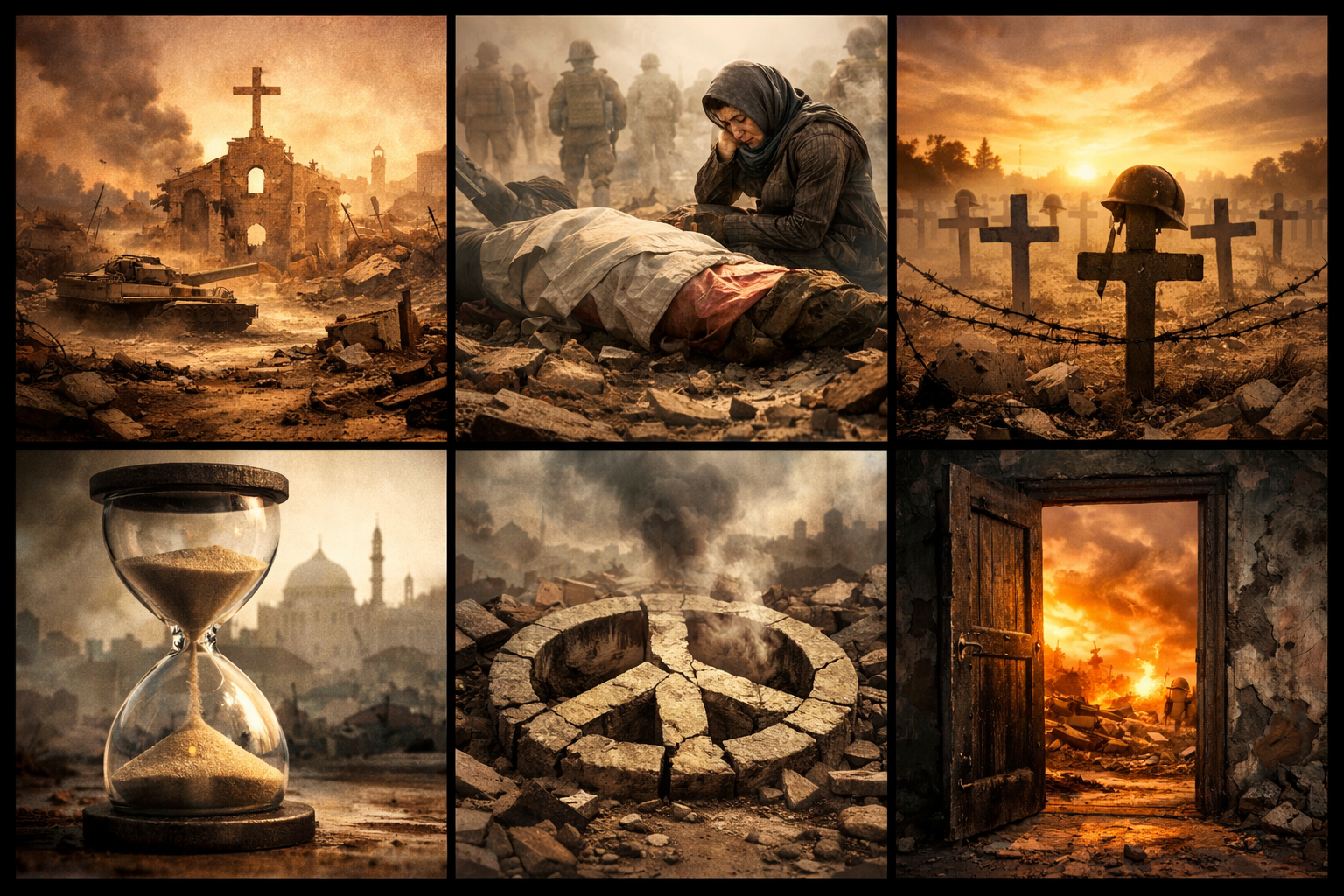
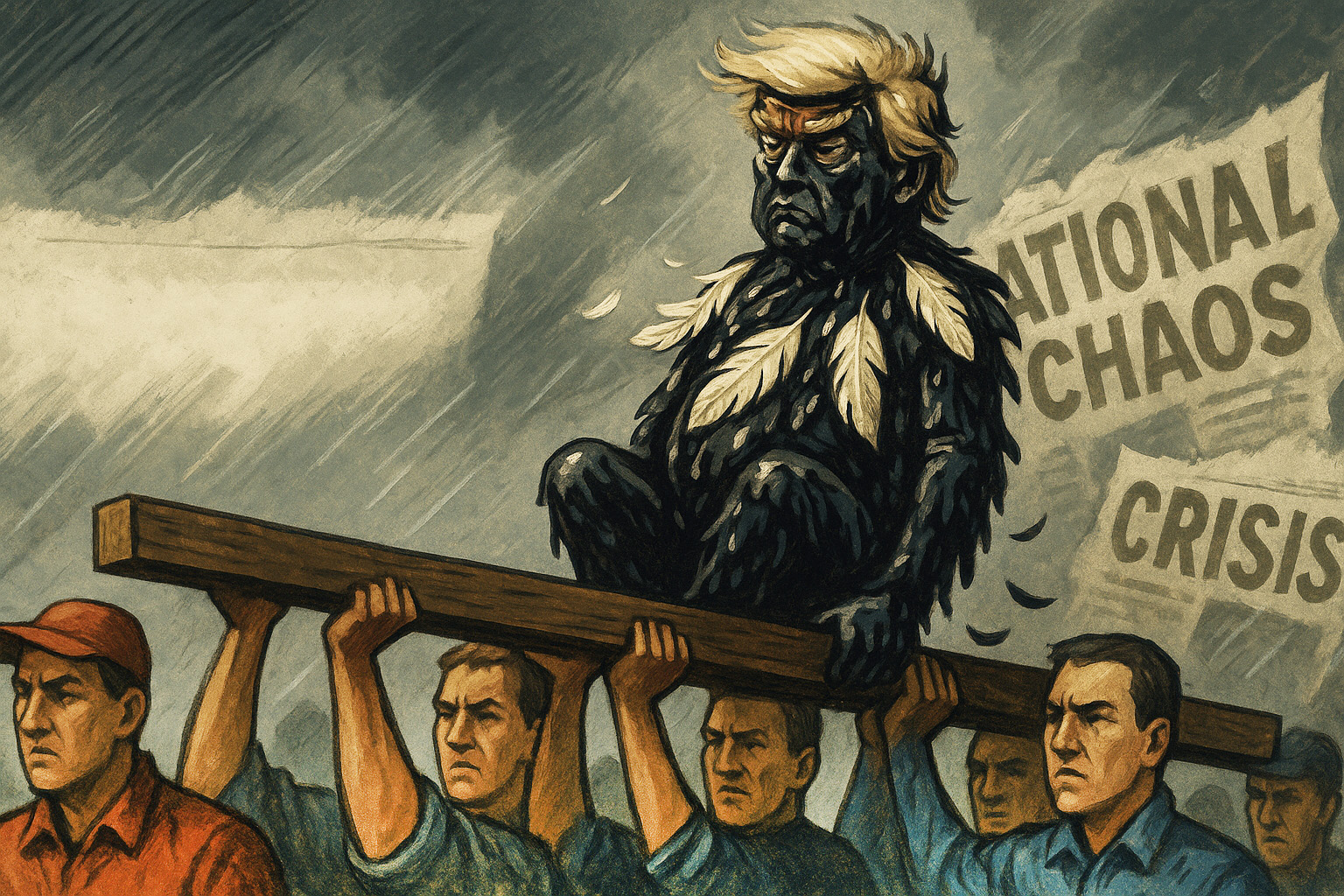
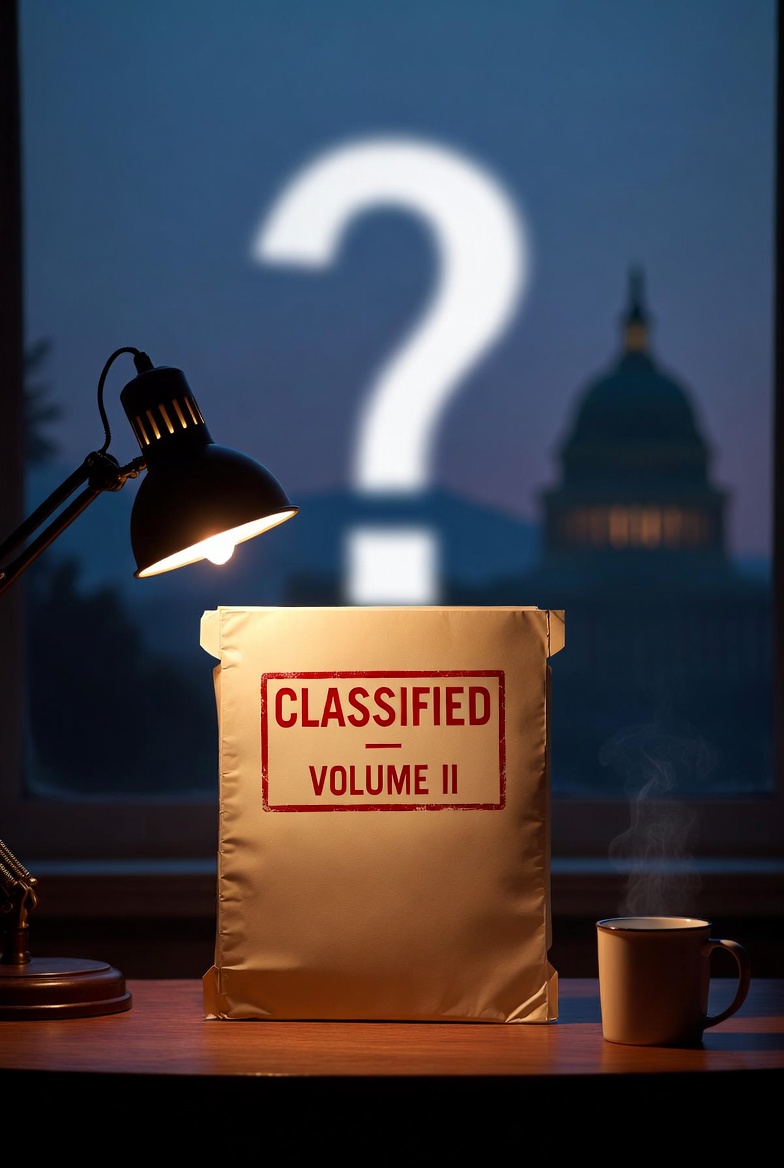
They Are Soldiers
What If?
There’s always a “what if.”
That’s what keeps us looking up… or looking out.
Lately though, it feels like we go to bed wondering which version of reality we’ll wake up to.
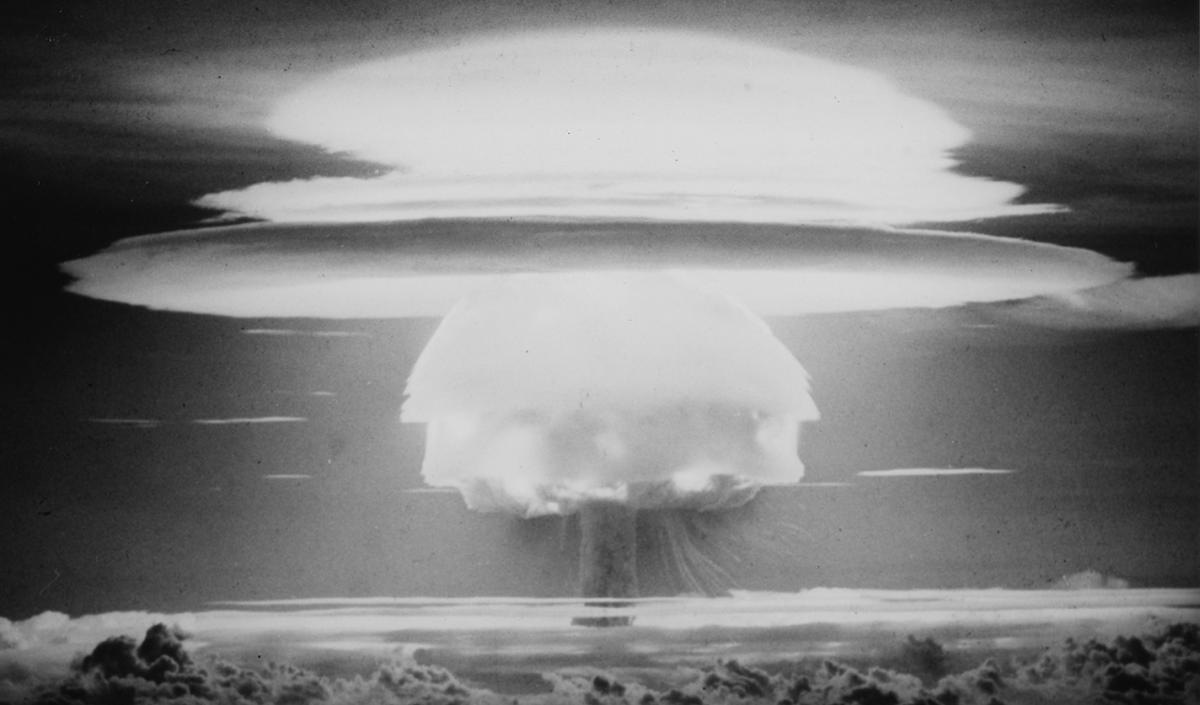
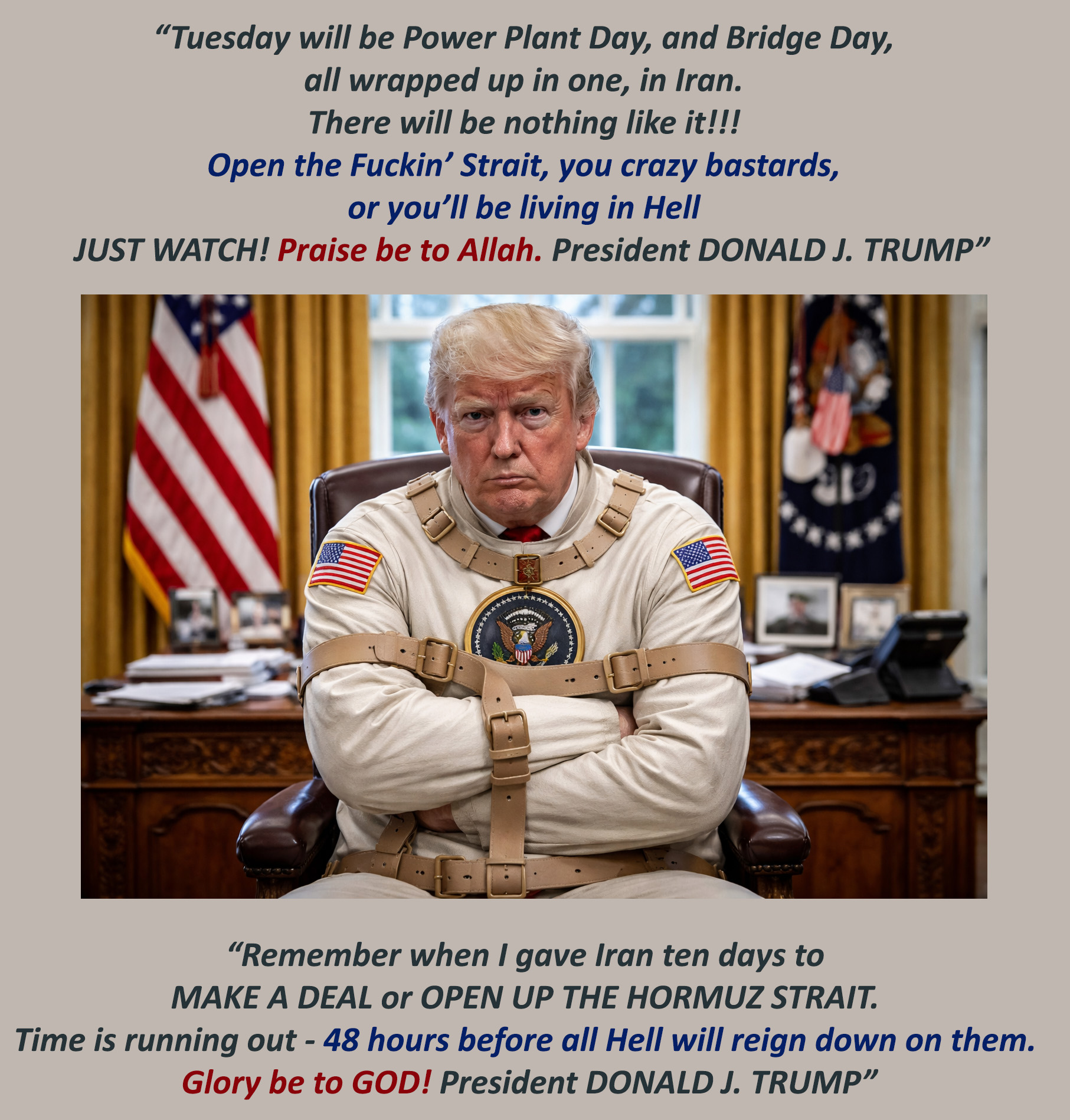
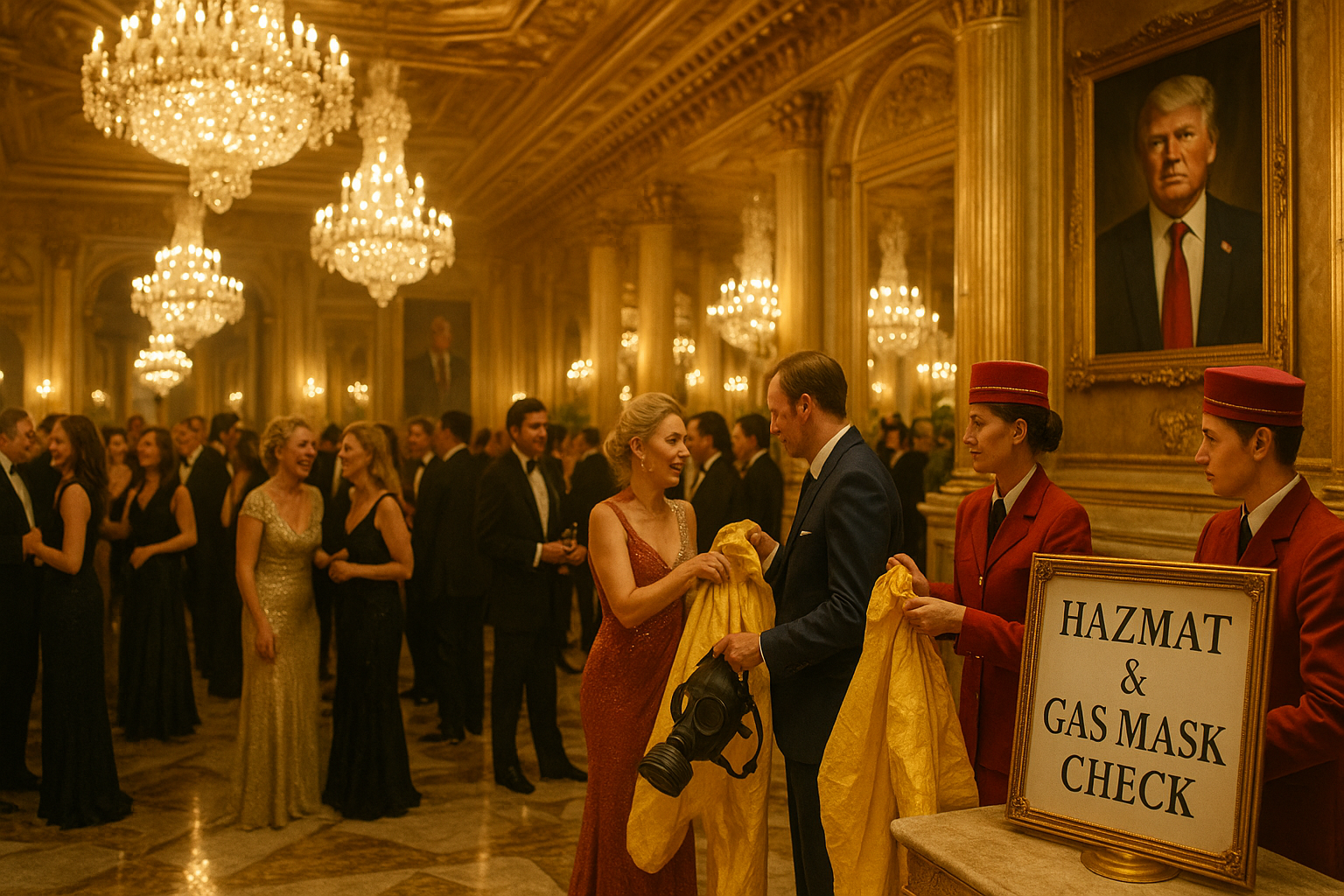
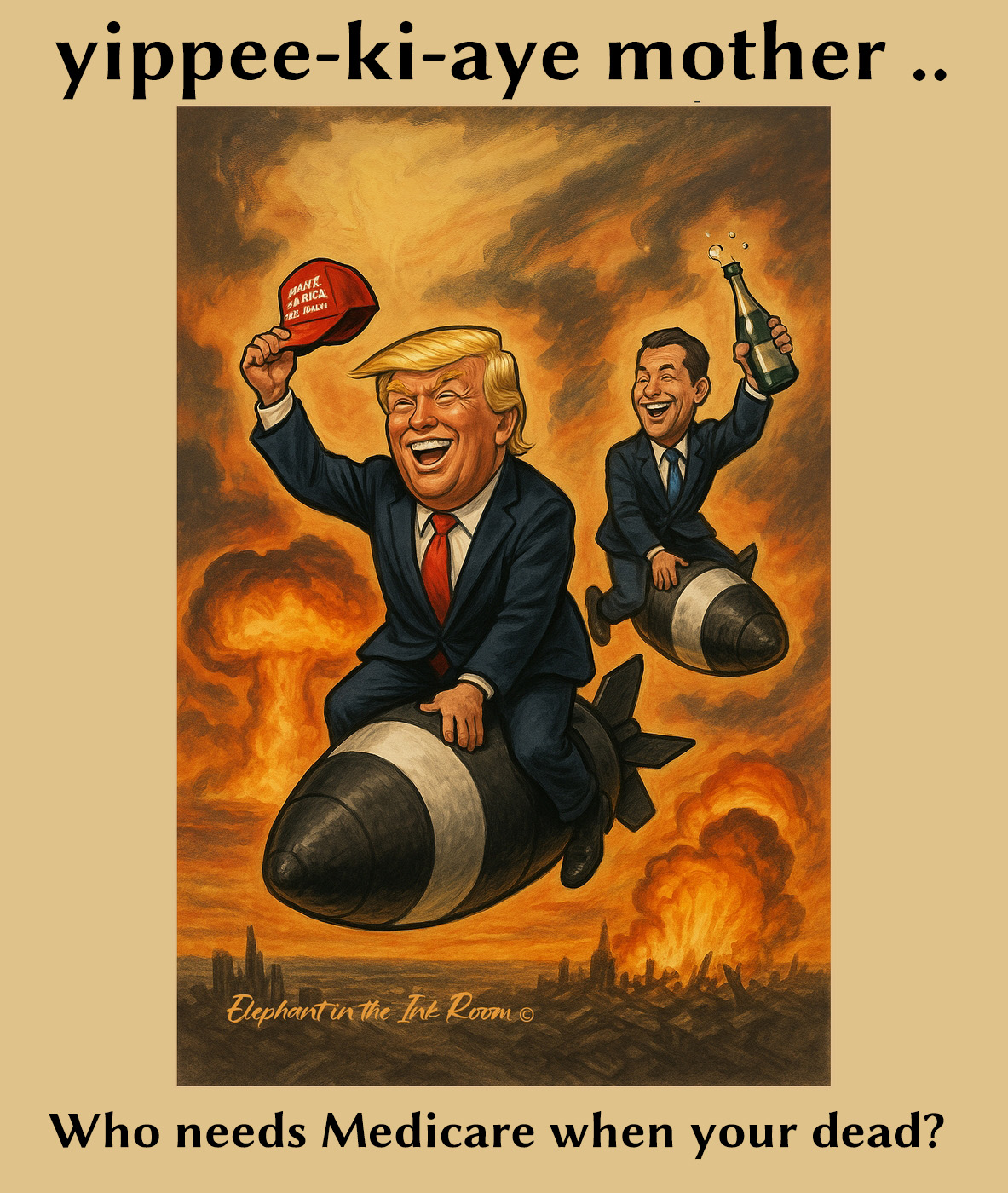
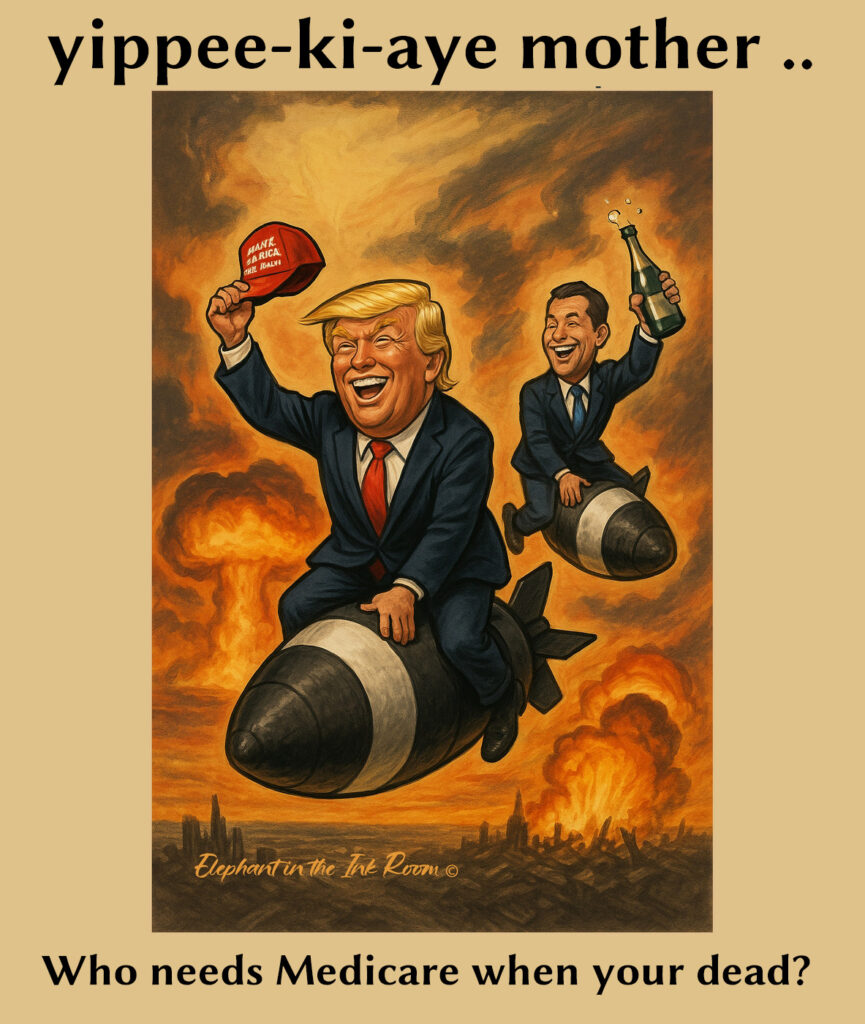
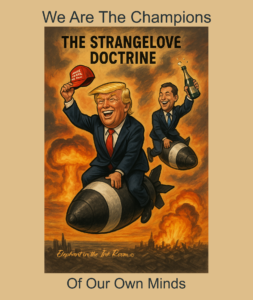
War. Threats. Promises to end civilizations like it’s a negotiating tactic.
And somehow… it starts to feel normal.
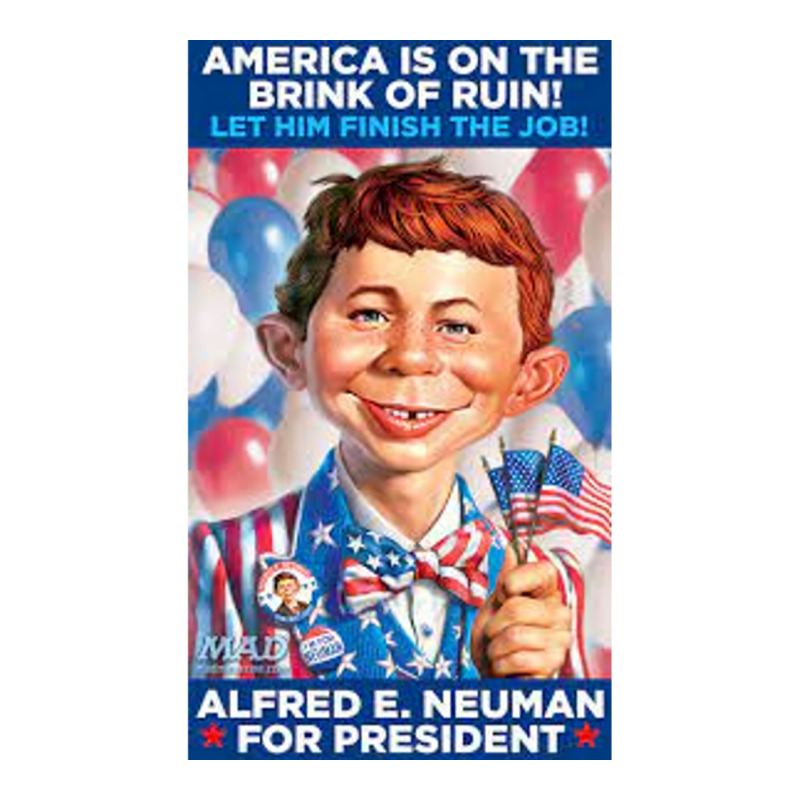
Better that, I guess, than the usual noise—imaginary invasions, cartoon villains rigging elections.
Absurdity has become a kind of background hum.
But then the tone shifts.
Real consequences creep in.
You start thinking about things we haven’t thought about in decades.
And suddenly you realize—our old instincts don’t even apply anymore.
And just when it feels like the edge is coming…
it stops.
Silence.
No victory speech that makes sense.
No outcome that quite lines up.
Just… quiet.
And in that quiet, if you listen closely, something else comes through.
Not the noise. Not the bluster.
Something steadier.
The outline of people who didn’t bend.
Who didn’t follow the script.
Who understood the difference between power and responsibility.
And maybe—just maybe—
what you’re hearing in that silence is the sound of a line being held.
Not by politicians.
By professionals.
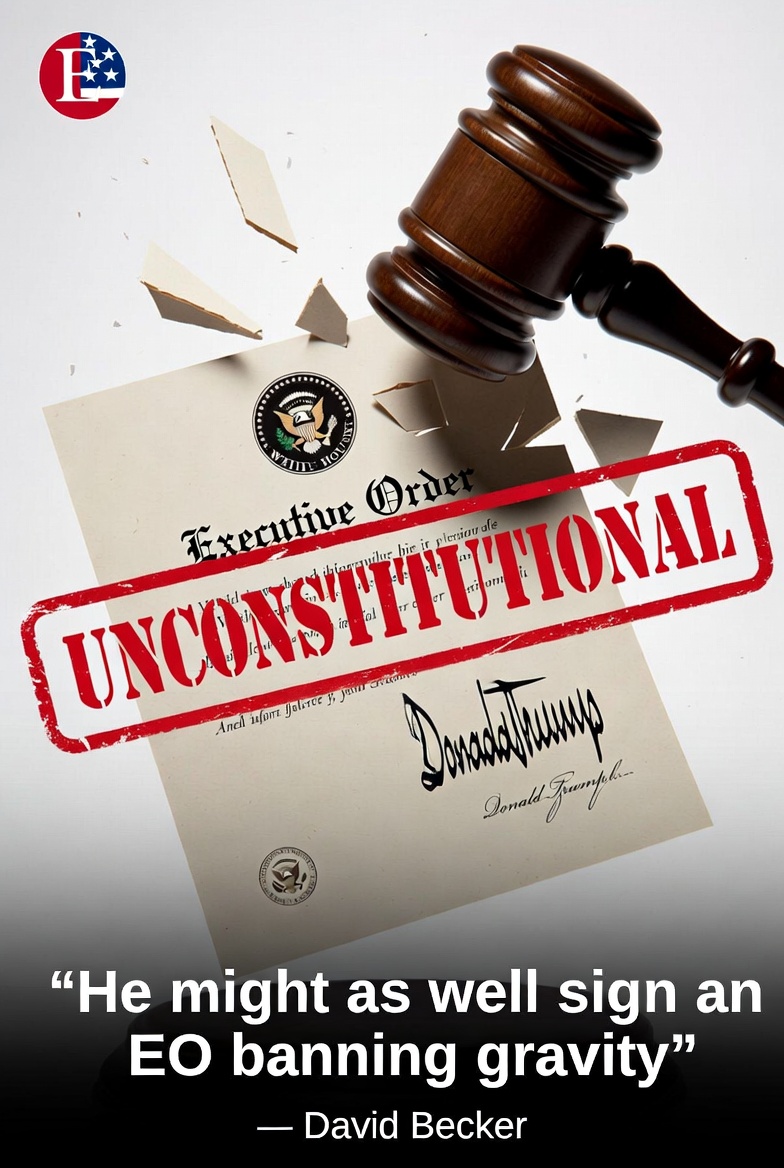
By people who understood that some orders aren’t just commands…
they’re choices with consequences that don’t come back.
People who knew where the line was—
and what it meant if it disappeared.
And when it mattered…
they said no.
Not because it was easy.
Not because it was safe.
Because it was right.
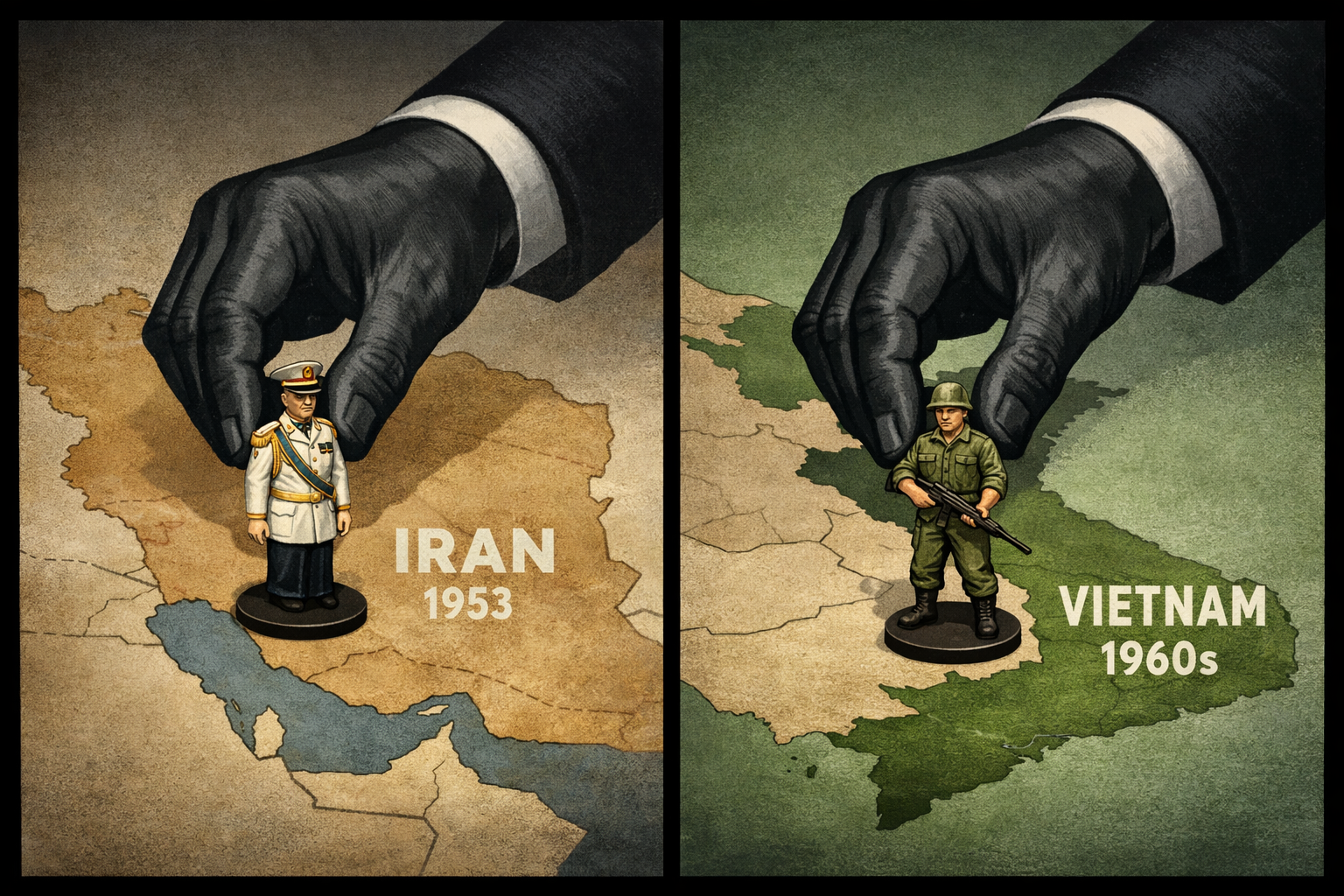
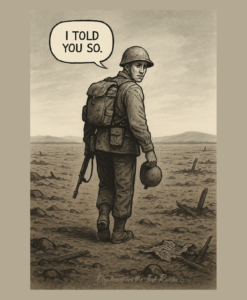
They were soldiers.
Not pawns.
At least, I hope so.
Share this:
Like this: