Posts in Category: Voting Rights

How to Protect your Voting Rights

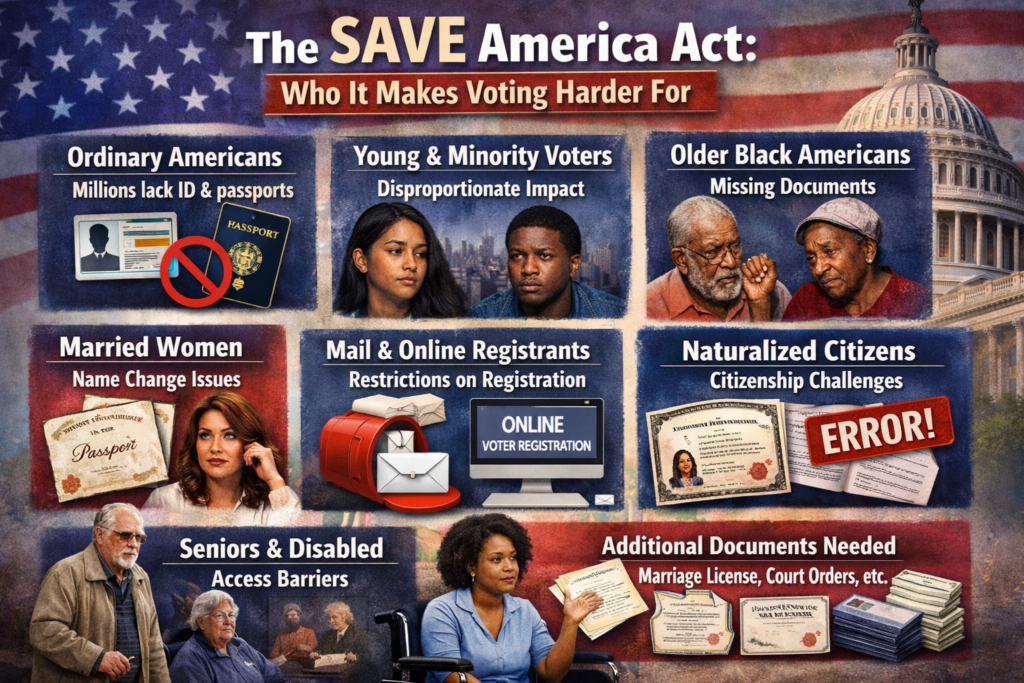
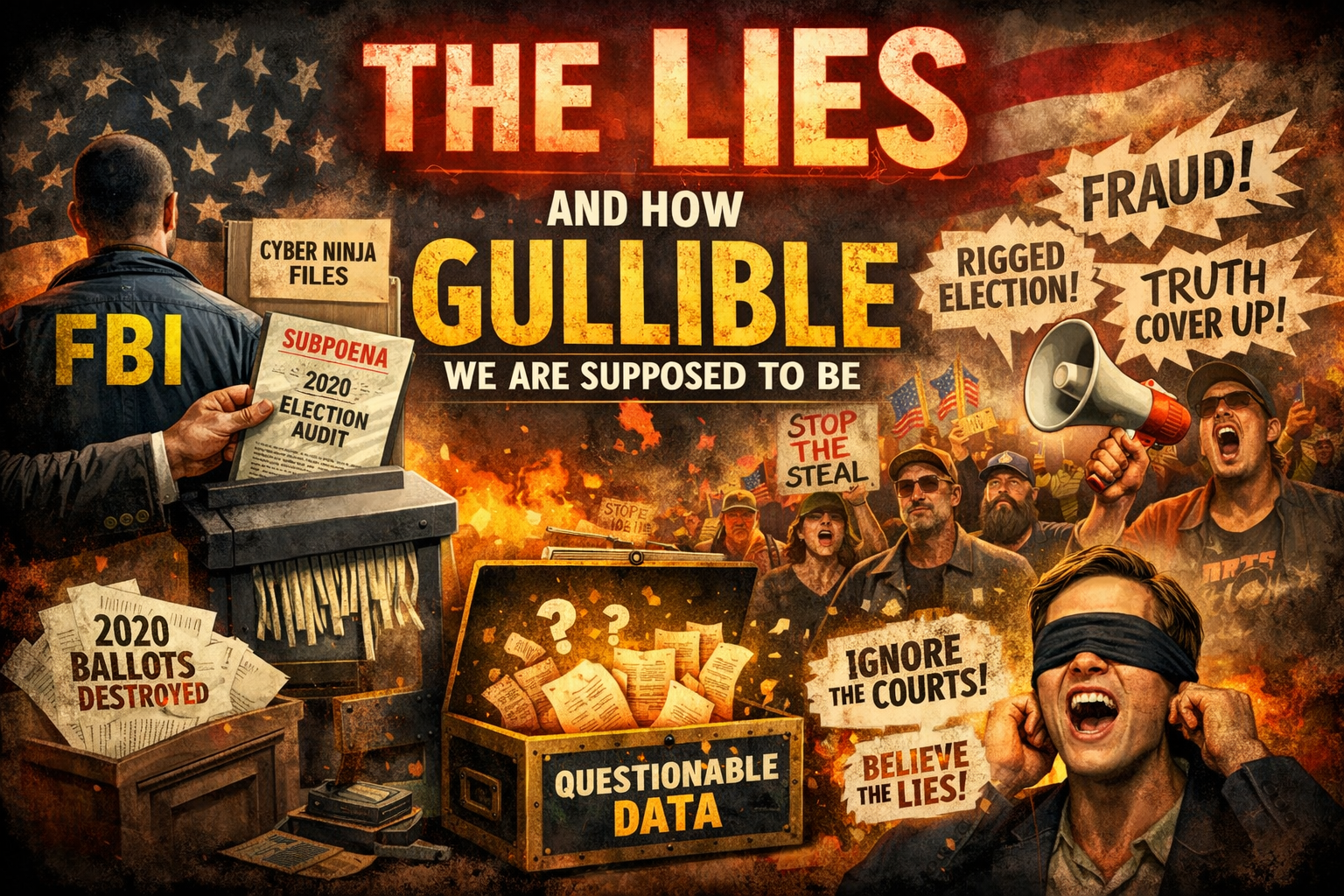
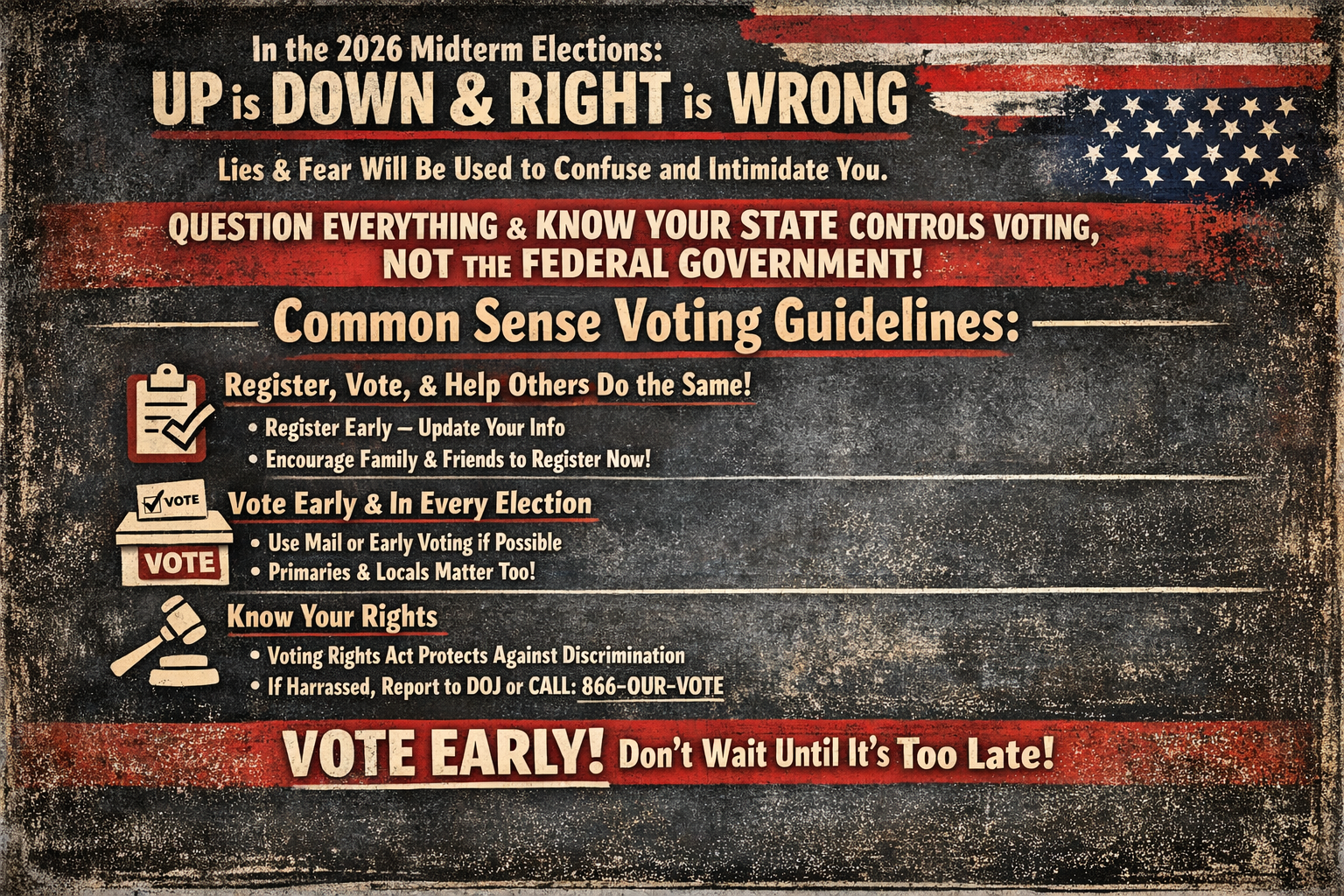
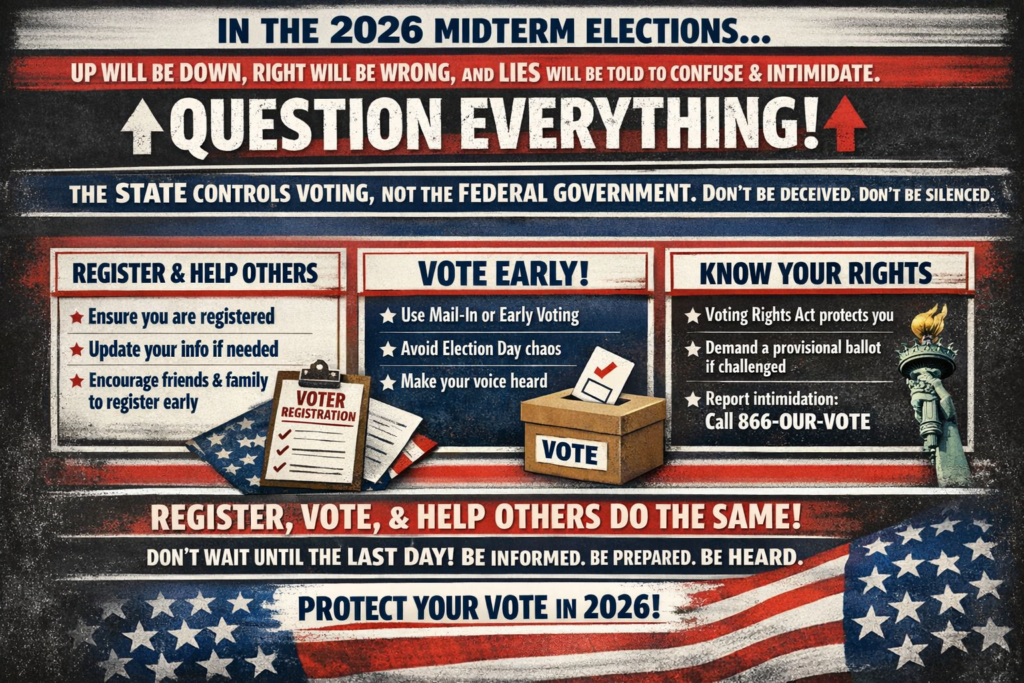
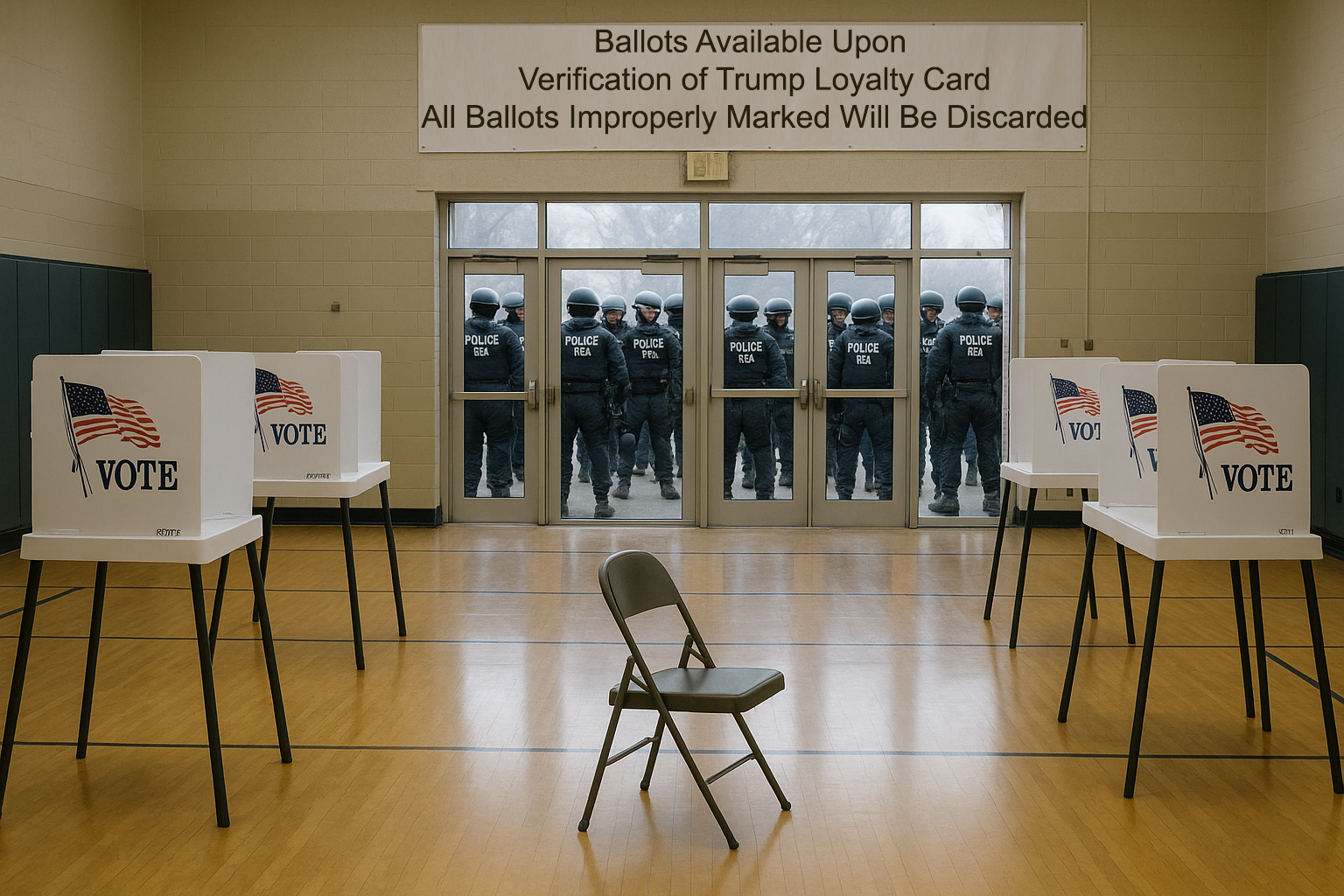
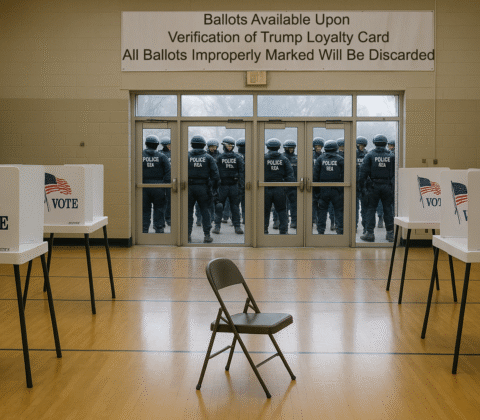
In the coming months we will told up is down, right is wrong and a myriad of lies designed to confuse and intimidate the way you vote in the 2026 Midterm Elections.

Question what you are being told, check with your State, The State controls voting, not the Federal Government and especially not the current administration.  You will lied to and you will be threatened.

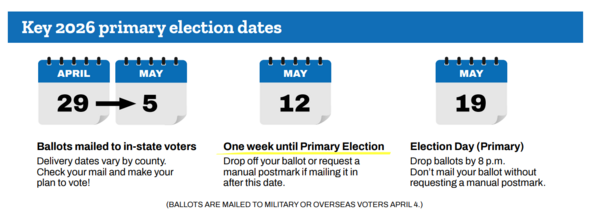
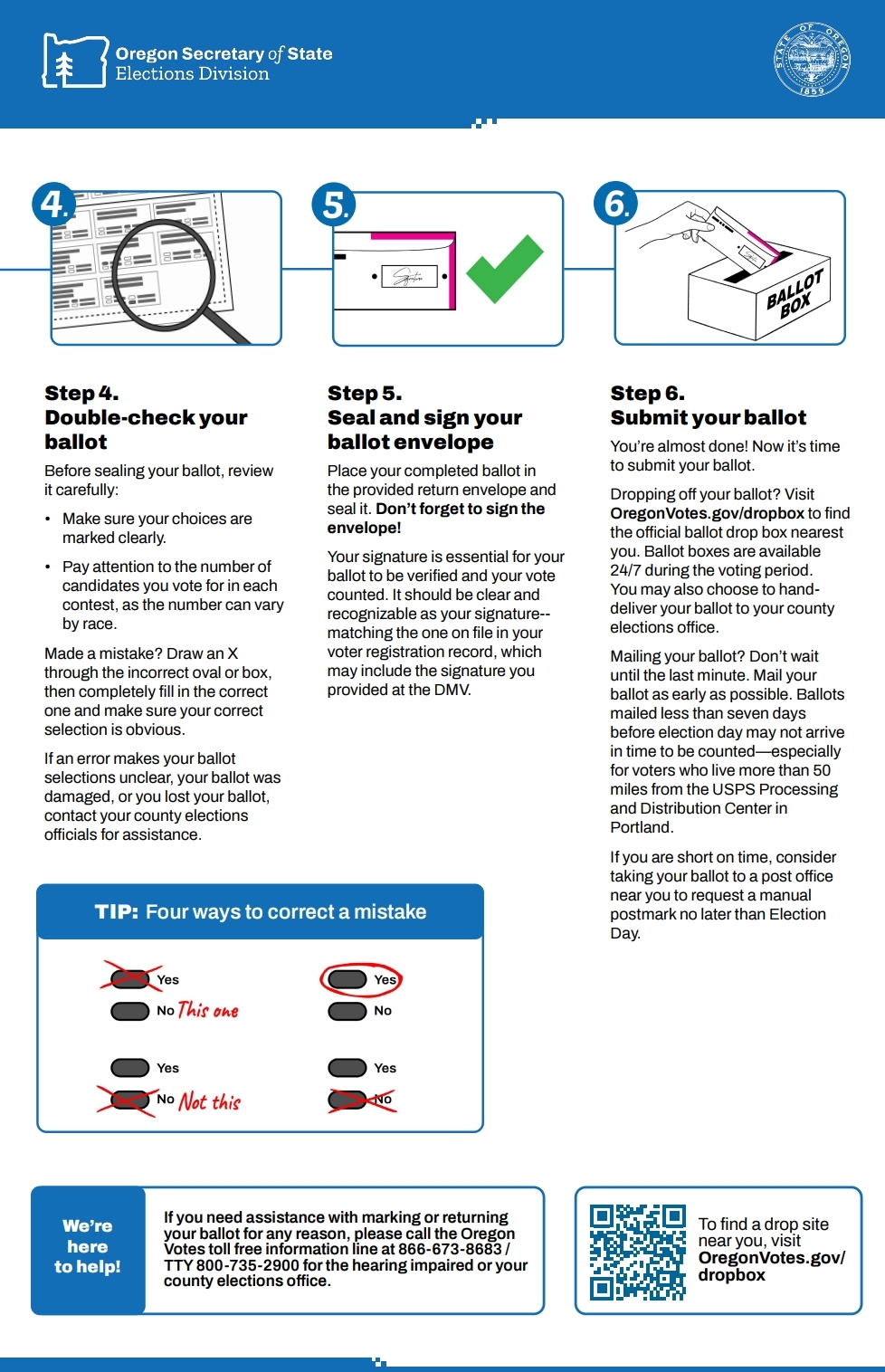
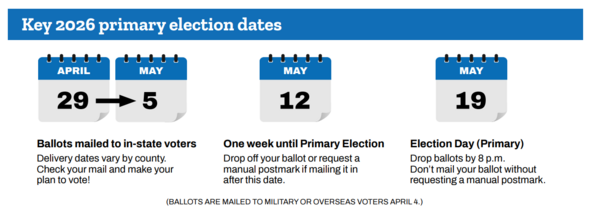
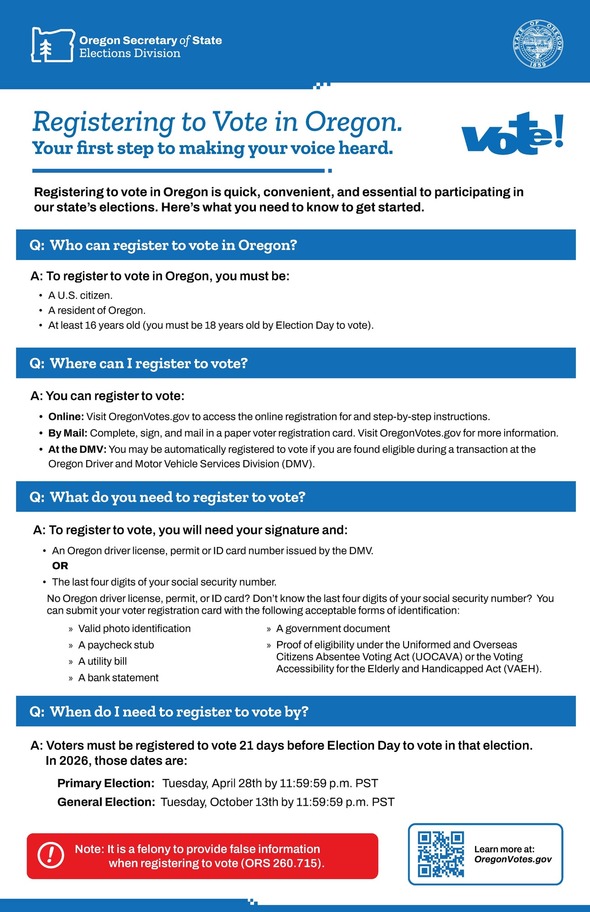
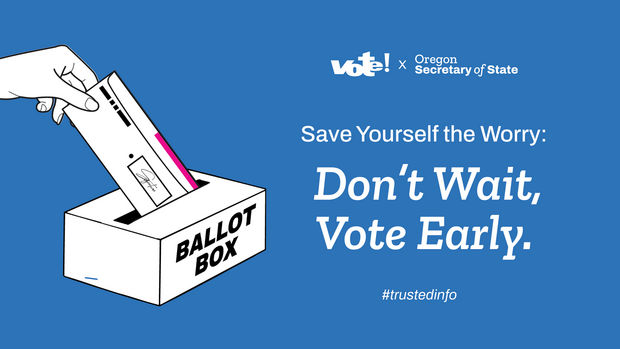
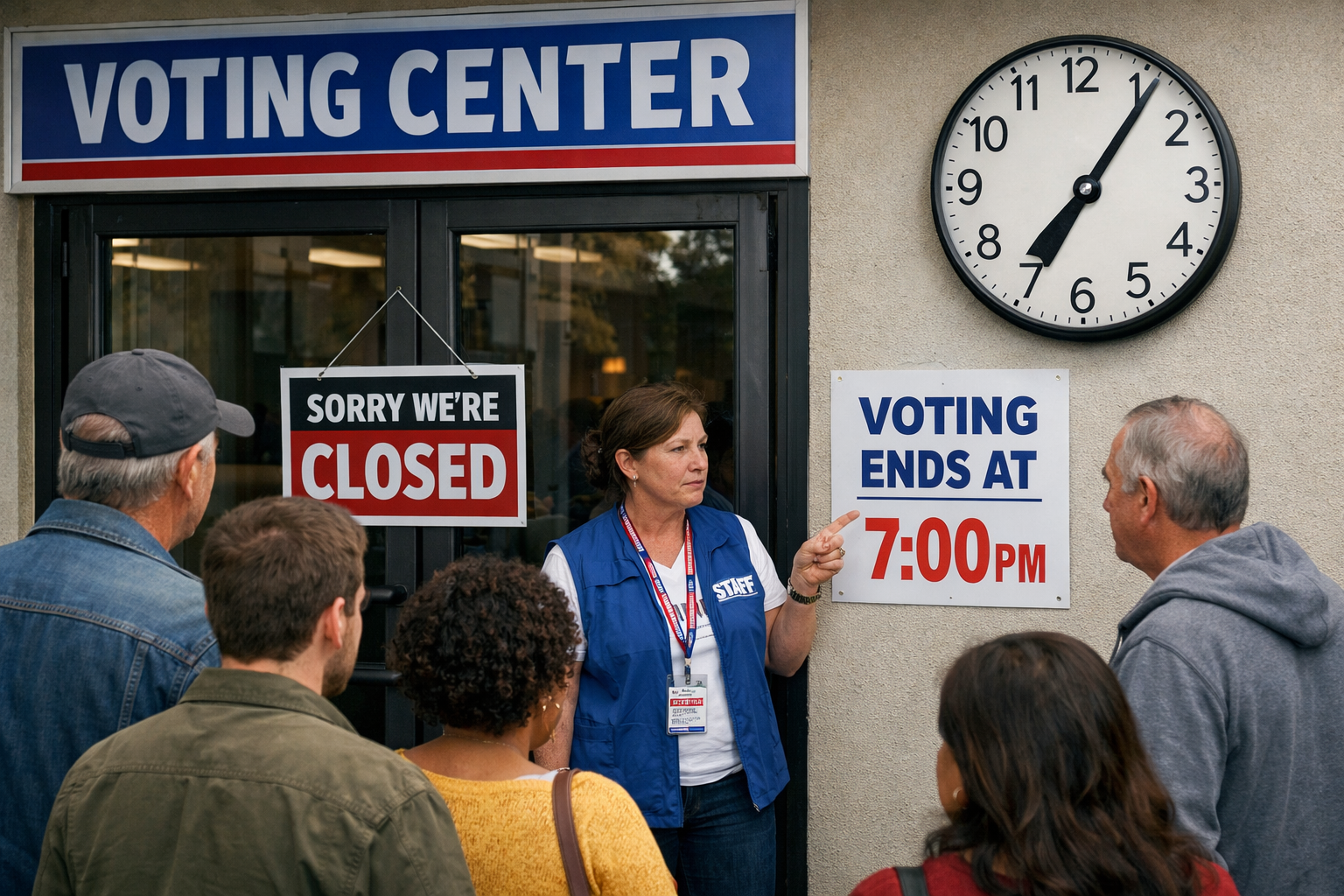
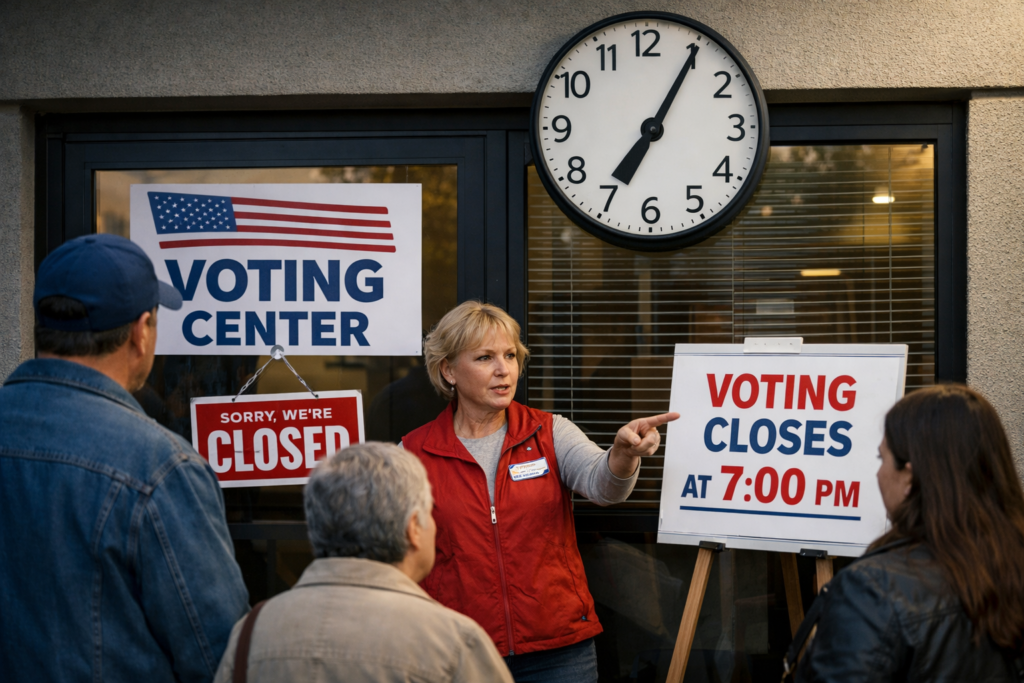
Follow these common sense guidelines to insure your vote will count and above ALL. vote early, do not wait until the last day to be heard as that will be when most efforts to disrupt the voting process will be.

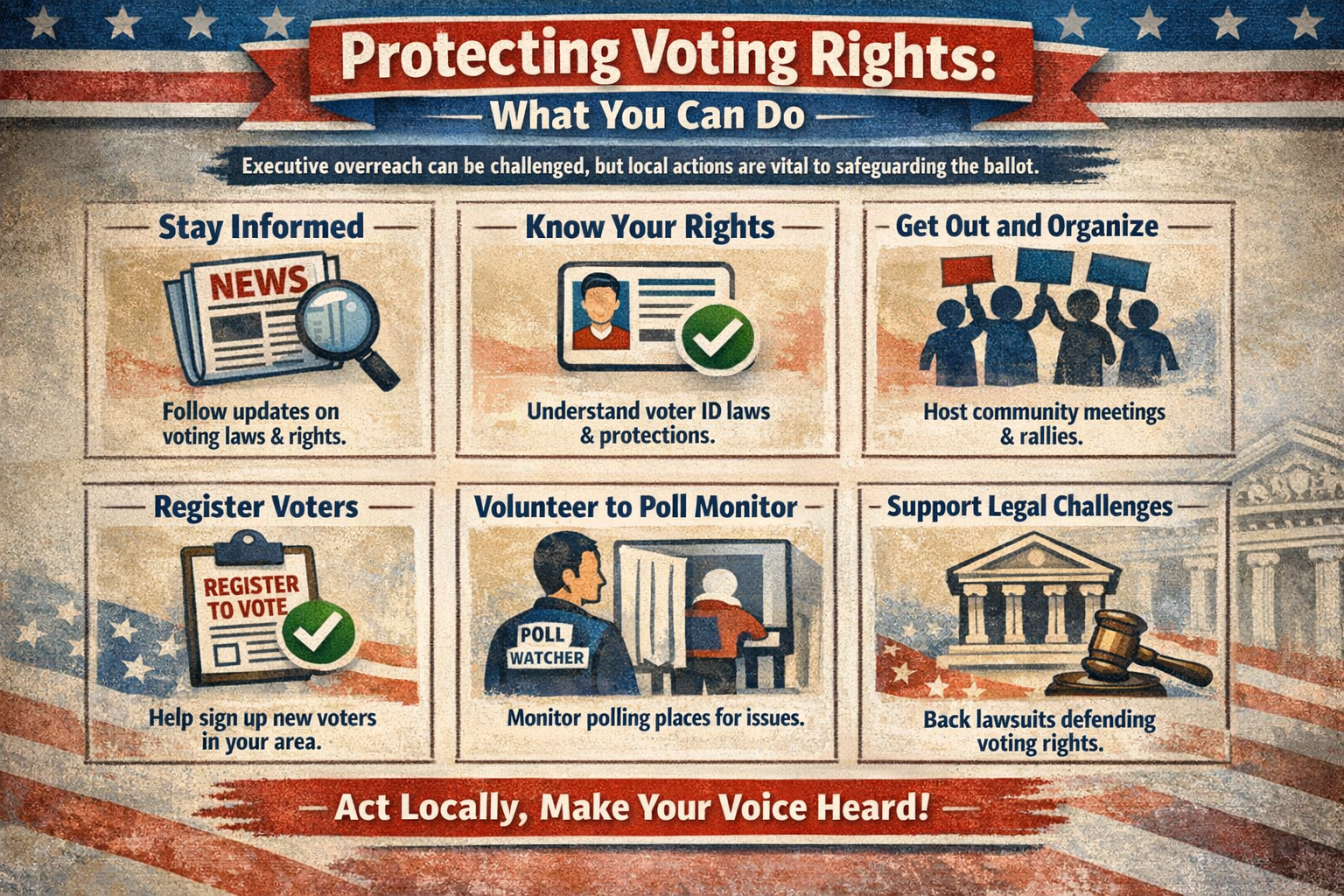
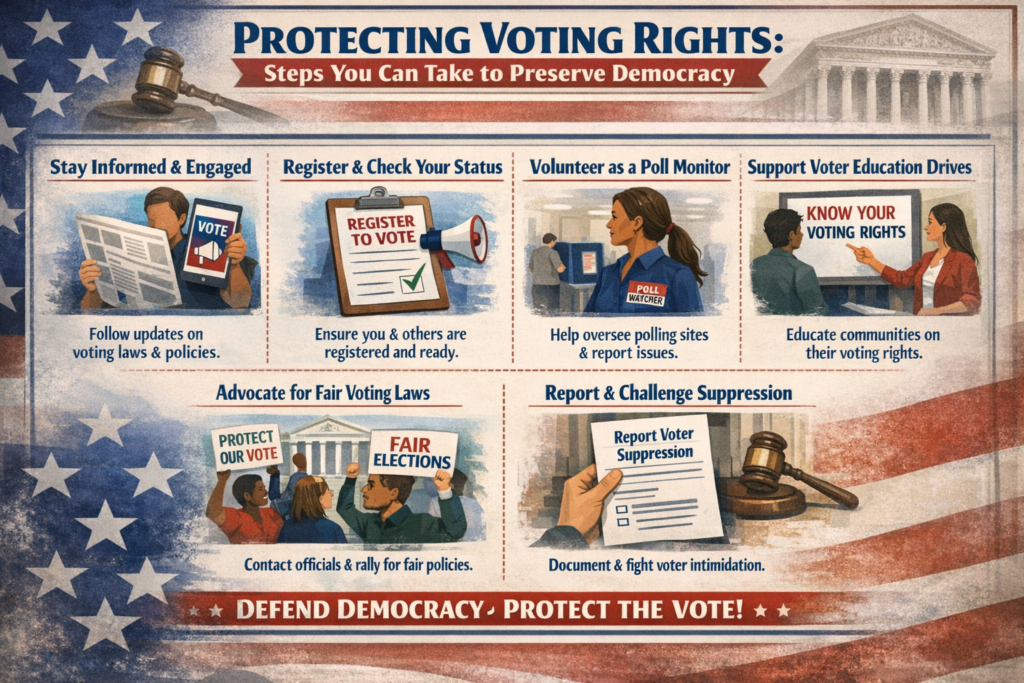
Register, Vote, and Help Others Do the Same

  • Ensure you’re registered and update your information if needed—use the National Voter Registration Act (NVRA) provisions, which allow registration at DMVs or online in many states. Encourage friends, family, and neighbors to register early to avoid last-minute barriers.

  • Vote in every election, including primaries and locals, where turnout can influence who shapes voting rules. If mail voting or early voting is available in your state, use it to reduce reliance on Election Day logistics that could be disrupted.

  • Know your rights: Federal laws like the Voting Rights Act prohibit discrimination based on race, color, or language, and the Help America Vote Act (HAVA) ensures provisional ballots if your eligibility is questioned. If you face issues at the polls (e.g., intimidation or denial), report them immediately to the DOJ’s Voting Section or the Election Protection Hotline (866-OUR-VOTE).

20260227 1517 Secure Your Vote simple compose 01kjgp7wsbevt8tw3nmkczqs93

Fast Forward 02/26/2026

Bill —

Tuesday’s State of the Union was another reminder of how divided Washington has become. Instead of laying out a vision that spoke to the whole country, the President spent much of the speech framing the moment as Republicans versus Democrats. (Independents anyone?) At times he talked down to Democrats and suggested they were the problem rather than partners in governing. That kind of language may excite partisans, but it does not lower costs, secure the border, strengthen families, or rebuild trust. Many Americans already feel the country is on the wrong track, and they are tired of politics that puts winning over working together.

The President also outlined some of his legislative agenda for the year ahead. He urged Congress to codify his plans to reduce prescription drug prices, fully fund DHS, enact election reforms, ban Congressional stock trading and pursue other major policy changes. Forward believes these ideas should be aired openly with honest debate and real cost estimates, not used as partisan talking points. Important changes to taxes, spending, elections, and immigration policy affect every American. Congress should treat these issues with seriousness and work across party lines to find solutions.

There were parts of the speech we welcomed. The President’s proposal to expand retirement savings accounts could help more workers build long-term financial security. People deserve better tools to save and invest for their future. We also support the idea of restricting members of Congress from trading individual stocks so that public service is not a path to personal profit. Forward will push lawmakers in both parties to build upon good ideas such as these and make them a reality.

The speech included a number of claims that were exaggerated or did not hold up to scrutiny. Independent fact-checkers found that the President’s statements about economic growth, investment figures, jobs, and border security did not match the available data. For example, his claim that he had secured more than $18 trillion in new investment was far higher than the actual numbers reported by the White House and analysts. Other claims about record-low crime, instantly falling gas prices, or ending multiple wars were either misleading or overstated when checked against official data and outside reporting. These kinds of broad, unsupported statements make it harder for the public to have an honest conversation about how well policies are working and what should come next.

On the ceremonial side, the President honored several Americans for service and sacrifice, and those moments deserve recognition. He awarded the Medal of Honor to Captain Royce Williams, a 100-year-old Navy veteran, and to Chief Warrant Officer Eric Slover, a wounded Army helicopter pilot. He announced the Presidential Medal of Freedom for Olympic hockey goaltender Connor Hellebuyck for helping bring home gold. He presented the Legion of Merit to Coast Guard rescue swimmer Scott Ruskan for saving lives during devastating floods in Texas. And he recognized Staff Sergeant Andrew Wolfe and Specialist Sarah Beckstrom with Purple Hearts for their service after Specialist Beckstrom was killed and Staff Sergeant Wolfe severely injured in an attack on the streets of Washington, D.C. These individuals represent courage and sacrifice that all Americans can respect.

But most families are focused on everyday costs that keep going up. Groceries cost more. Housing costs more. Some types of Energy cost more. People feel squeezed and are looking for real relief. Respected voices across the political spectrum have warned that dismissing concerns about affordability is out of touch with reality. Forward believes affordability is not a talking point. It is the daily reality for millions of Americans. Congress needs to stop ceding its authority to the WH or trying to score points and start working together on real solutions that lower costs and expand opportunity.

There were uplifting moments, like honoring our brave troops and celebrating Americans’ achievements. But unity requires leaders who respect differences and refuse to treat political opponents as enemies. Forward will continue to call for calm, practical leadership from our officials and recruit candidates focused on solving problems and strengthening trust. Americans deserve a government that isn’t so at odds with itself that it can’t solve problems.

Please forward this to your friends, family, and coworkers. It helps us introduce them to Forward and to what we are building. Also consider inviting them to one of our upcoming events listed below. We’d love to meet them.

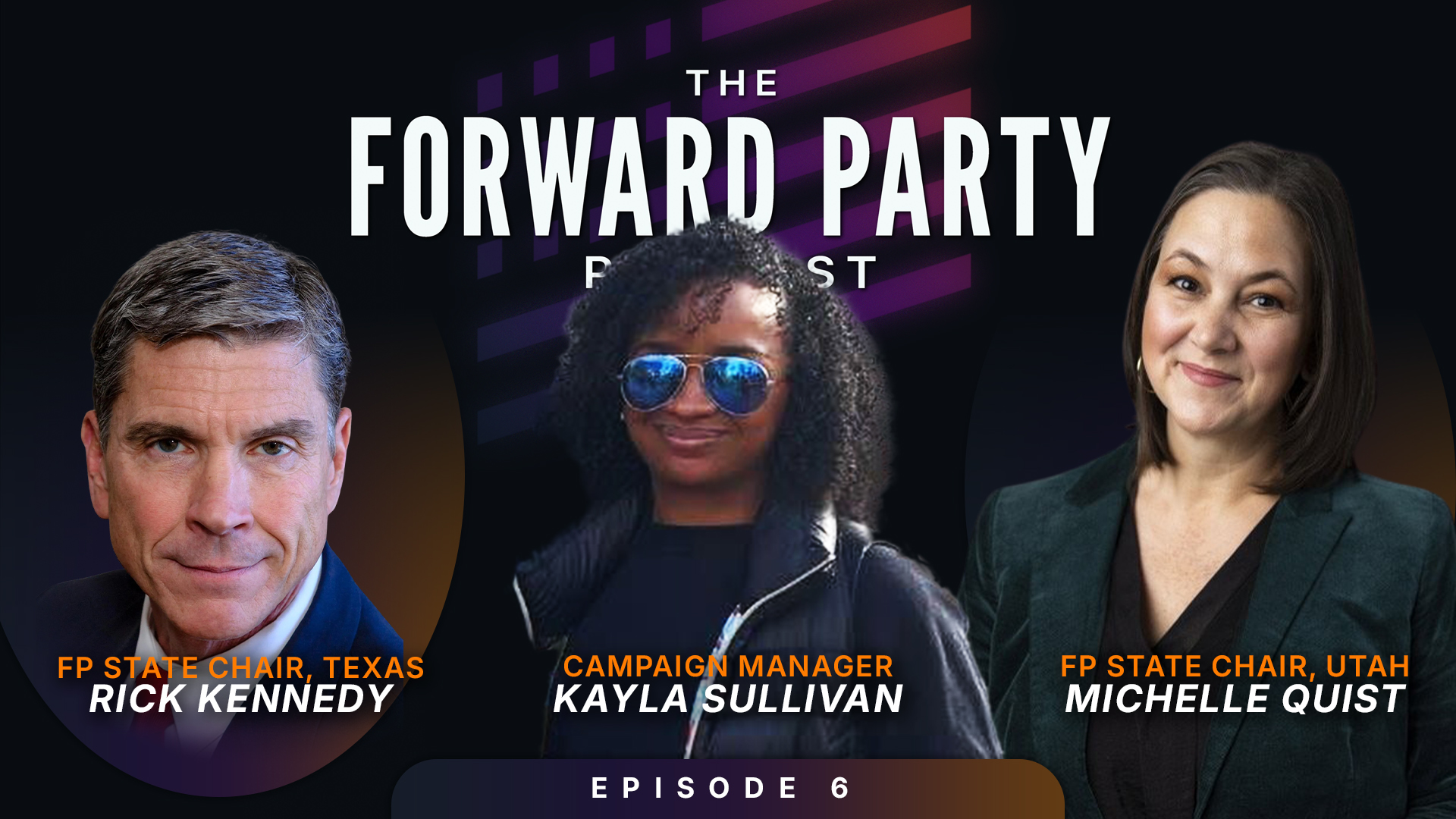
The Forward Party Podcast
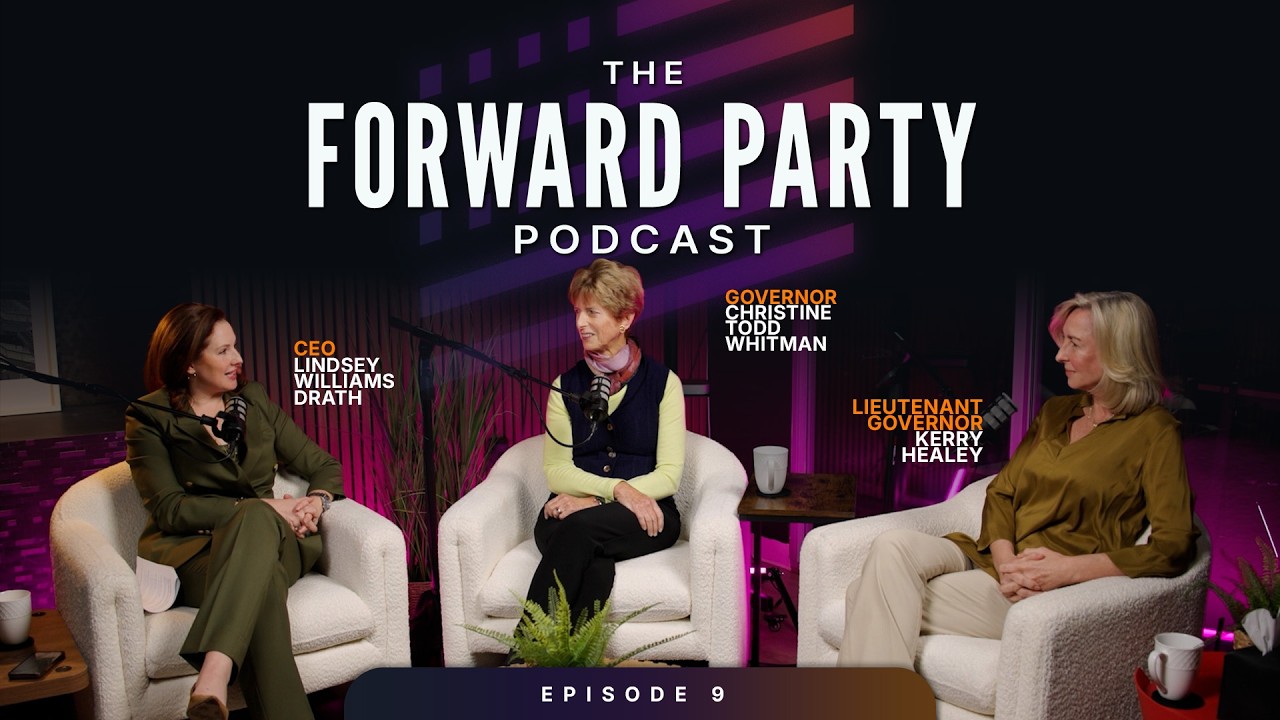
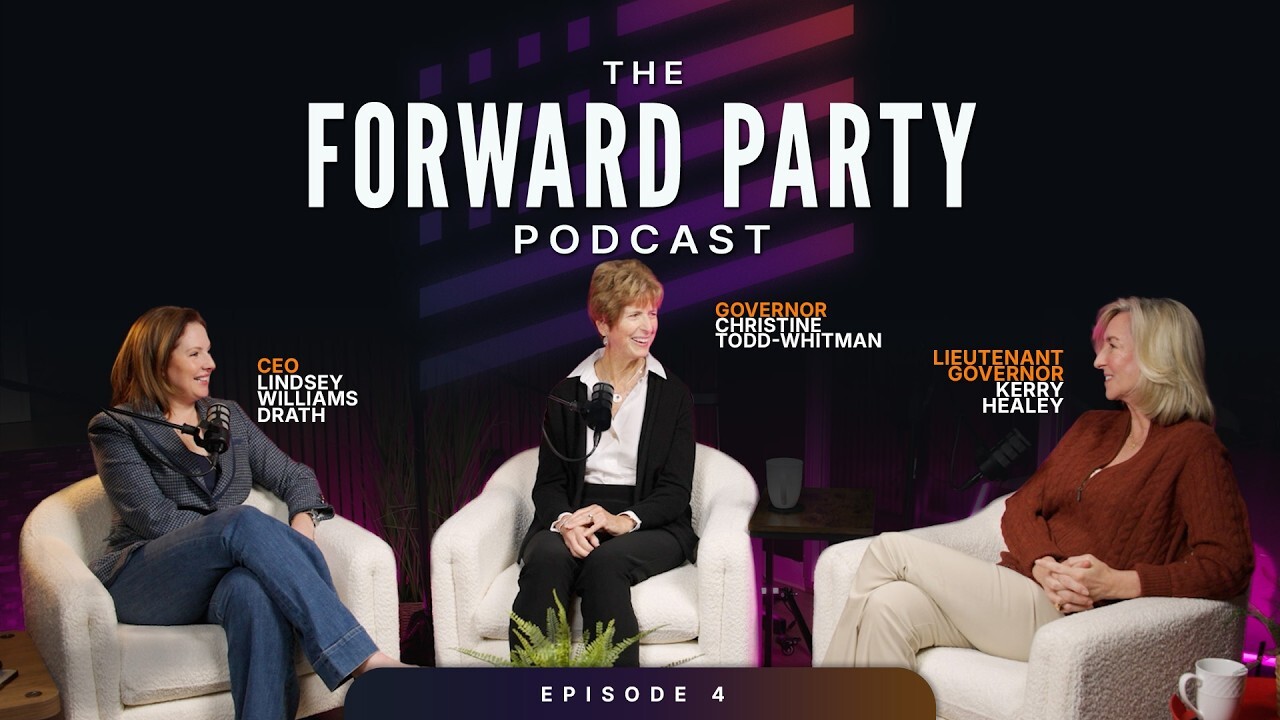
REMINDER: The next episode of The Forward Party Podcast is now live! In Episode 4, Lindsey Williams Drath, Kerry Healey, and Christine Todd Whitman go deeper on the question they hear everywhere: What can I do that actually matters? The answer is bigger than a single election cycle and bigger than any one candidate.

This episode makes the case for building a durable political movement that restores voter choice, rewards problem-solving, and helps everyday Americans step into leadership where it counts.

We hope you enjoy! Don’t forget to let us know what you think.

Click the image below to watch.

Promo Shot forThe Forward Party Podcast

ICYMI: The Forward Party Podcast – Behind the Scenes reel

Get Involved
 

Welcome Team Training – March 2

A quick training and show of resources for new members of the Welcome Team! Welcome Team participants will call new supporters in their state and welcome them to the Forward Party. A suggested script for conversations and an email template for follow up will be provided.
FWD TN Statewide Call w/ Khalil Ekulona – March 2

Forward Tennessee needs YOU! With our endorsement of Lauren Pinkston for governor and other exciting developments in the state, it’s time to put a team together. Please join us for a statewide call to discuss all things Forward Tennessee.

AAPI Committee Meeting – March 4

You are invited to the first meeting of the Forward Party AAPI Committee. This meeting brings together members and supporters who want to ensure Asian American and Pacific Islander communities are seen, heard, and represented in shaping the future of our democracy. 

This first meeting will focus on connection, listening, and alignment. We’ll introduce the committee’s mission and values, hear from participants about the issues and opportunities facing our communities, and begin identifying priorities for the months ahead.

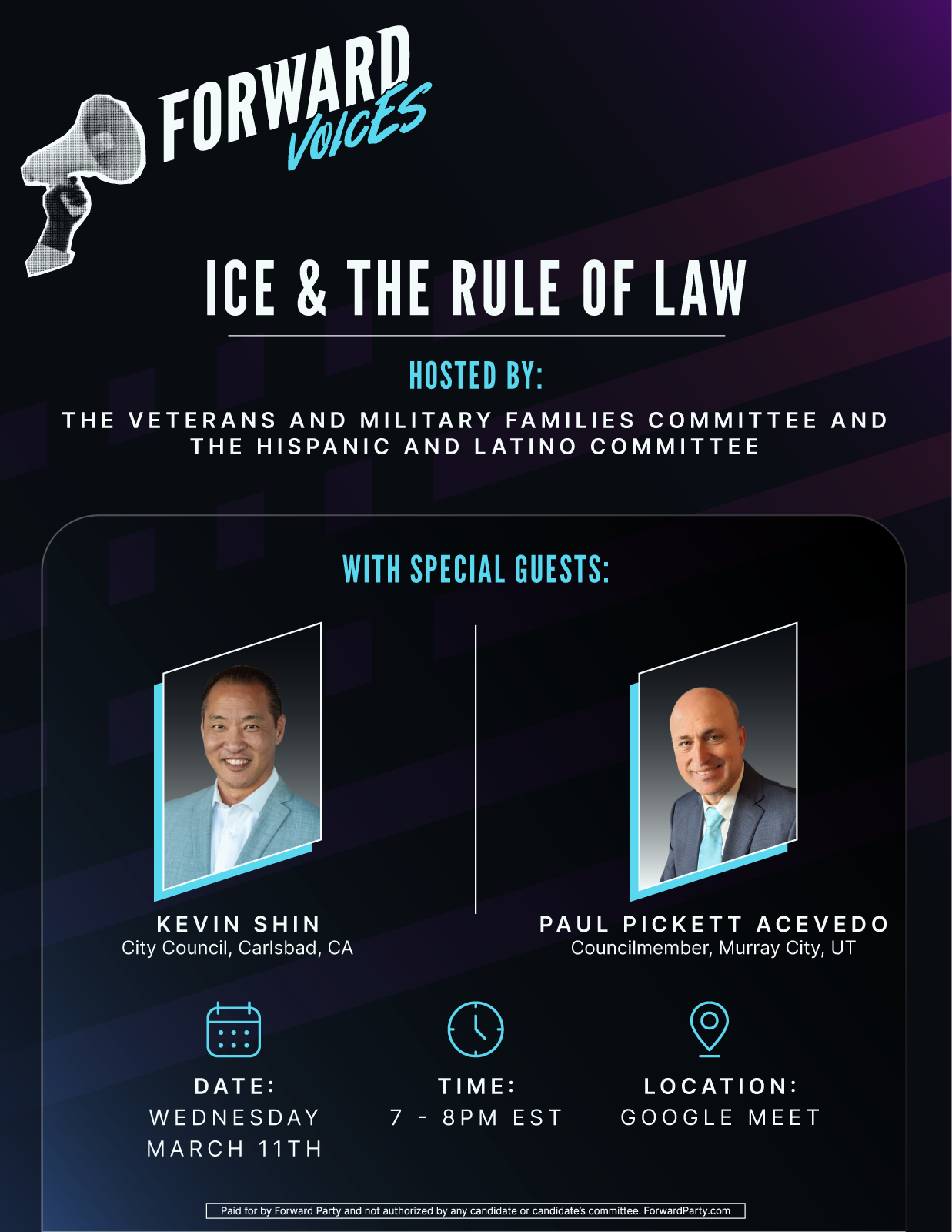
Forward Voice: ICE and the Rule of Law – March 11

This virtual discussion, hosted by the Veterans and Military Families Committee and the Hispanic and Latino Committee of the Forward Party, centers on Forward’s core value of the Rule of Law and examines recent cases in which American citizens, including veterans and their family members, have been unlawfully detained or deported by ICE, raising serious concerns about due process, accountability, and government overreach. The conversation will focus on what the Rule of Law means in practice: holding government agencies accountable when they exceed their legal authority, while also respecting and enforcing immigration law in a lawful, transparent, and constitutional manner rooted in human dignity.

What we're reading
Contrary to what our detractors on social media say, YES, we read!

Joe Manchin, Andrew Yang, & Justin Amash: The Two-Party Problem 

On Saturday, February 21, Forward Party co-founder Andrew Yang joined former West Virginia Governor and Senator Joe Manchin, and former Michigan Congressman Justin Amash on America’s largest nonprofit speaker series, The Richmond Forum, for a conversation called The Two-party Problem. The leaders discussed how “political tribalism stifles innovation and consensus” and  explored “alternative voting systems, the rise of independents, and whether a post-partisan future is possible.” They also “challenged the audience to rethink the foundations of American democracy in a time when the old rules are not working.” A clip of Andrew speaking can be viewed here and a write up of the event is featured at this link.

X / Twitter Bluesky Instagram LinkedIn Facebook YouTube

Copyright © 2026 Forward Party, all rights reserved.

Our mailing address is:
1701 Rhode Island Ave NW, Washington, DC 20036, United States

Paid for by Forward Party and not authorized by any candidate or candidate’s committee.
ForwardParty.com

Is This You?

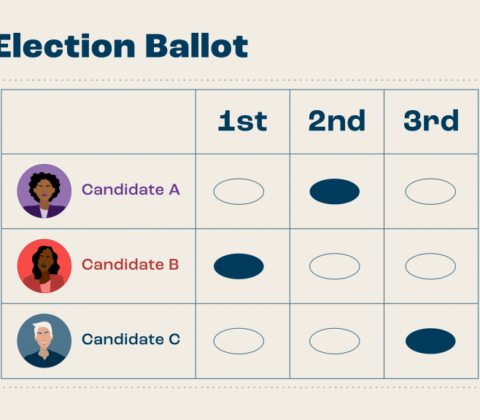
I must say terms like RINO are offensive and inaccurate. It should also be noted that the largest percentage of voters, over 45% align themselves as independents, maybe that’s why both parties fight so hard to keep this a two party system and are against ranked choice voting. If given the opportunity, both sides would lose.

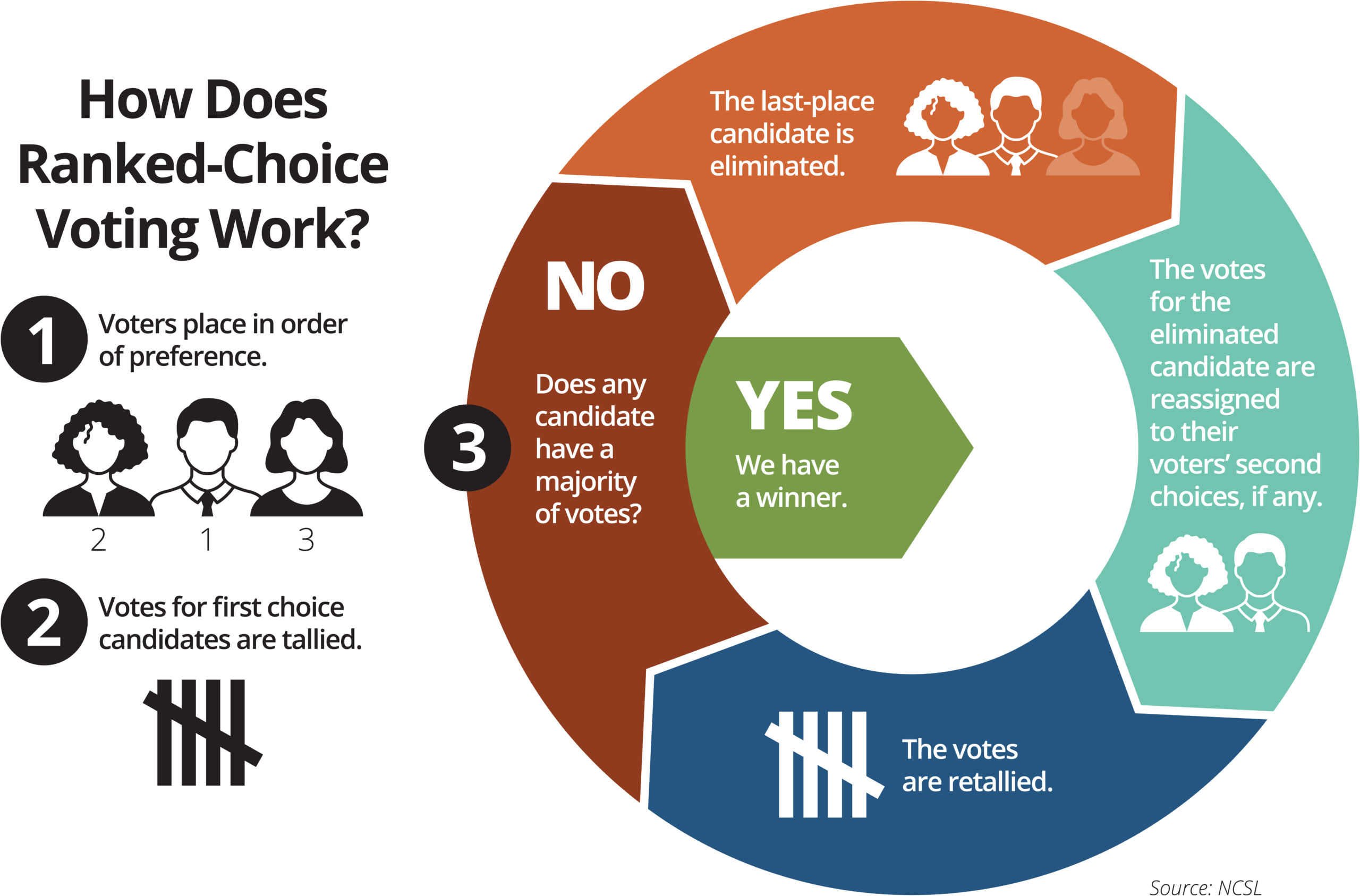
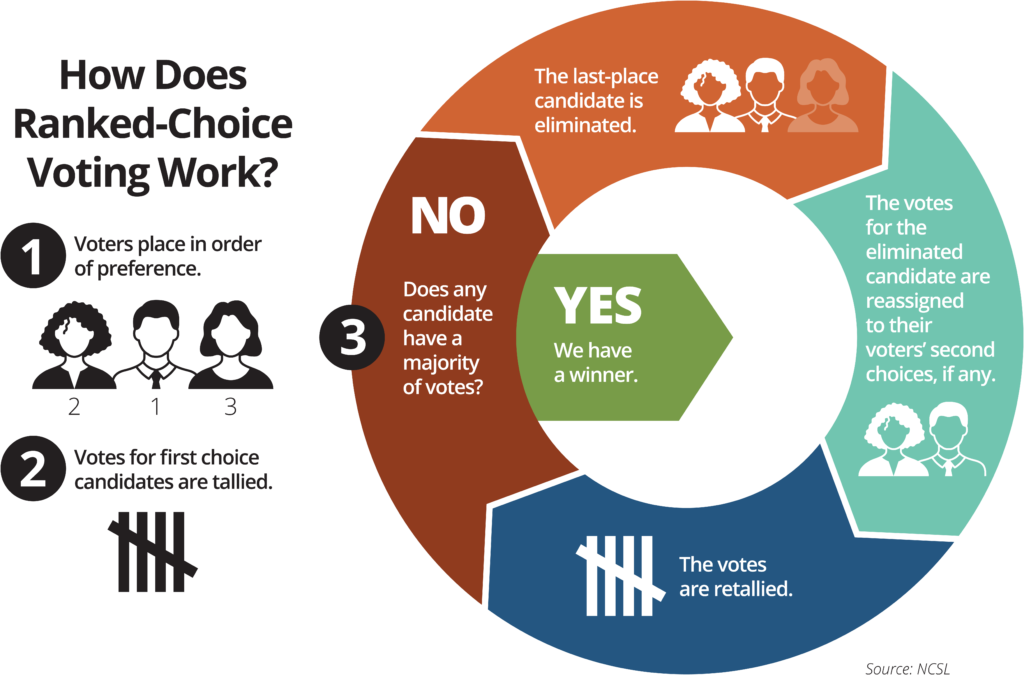
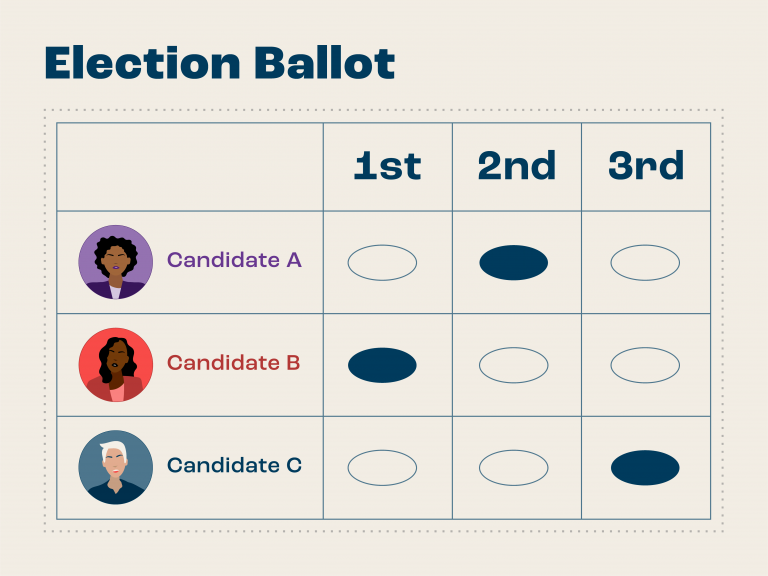
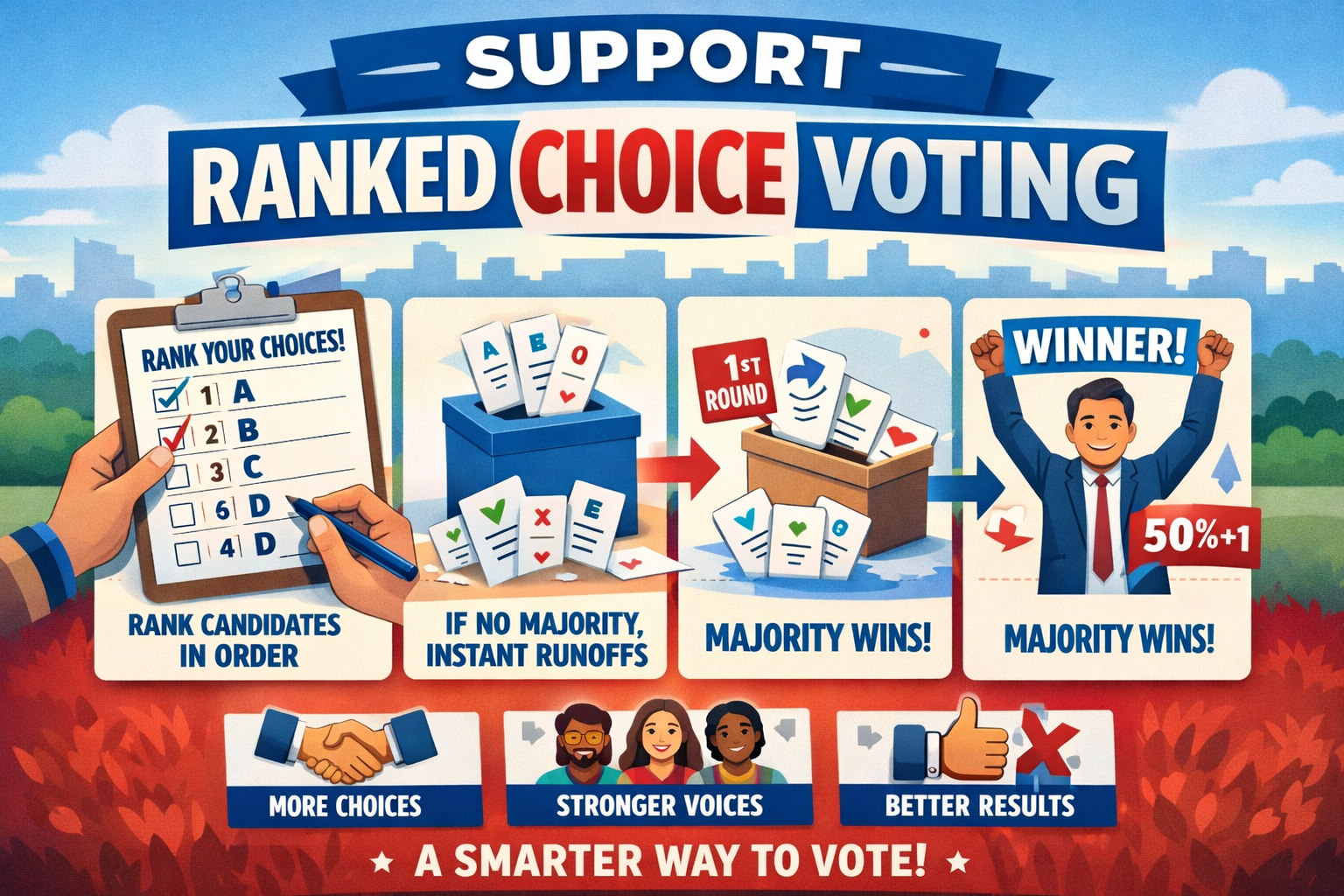
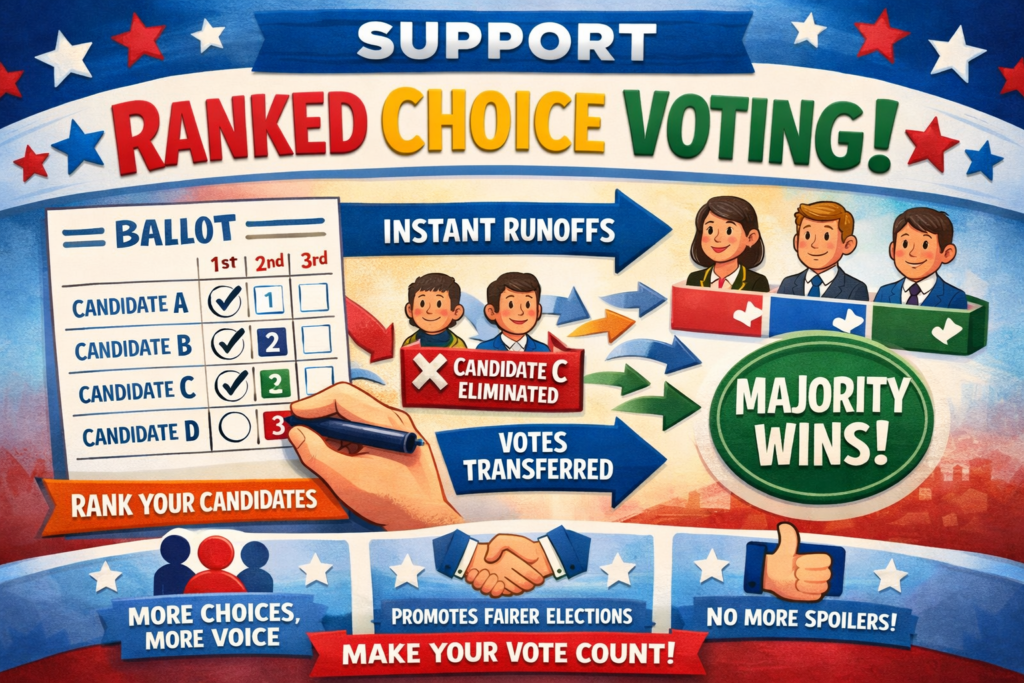
Rank them in the order you prefer 🙂

  • “I’ve always thought of myself as a [Republican/Democrat], but it feels like the party has moved in a direction that doesn’t quite match where I’ve always stood. I haven’t really changed—it’s more that things have shifted around me.”

  • “I’m still the same [Republican/Democrat] I’ve always been, but lately the party seems to have gone in a different direction from the values I first signed up for.”

  • “I get why people might think I’ve switched sides, but honestly, I haven’t left the party—it just feels like the party’s priorities have drifted away from what drew me to it in the first place.”

  • “My views haven’t really changed over the years, but I do feel like the party as a whole has evolved in ways that don’t line up with mine anymore.”

20260219 1243 Image Generation simple compose 01khvt8q6afjyt3rs040p8rsyk

Fast Forward 02/19/2026

Bill —

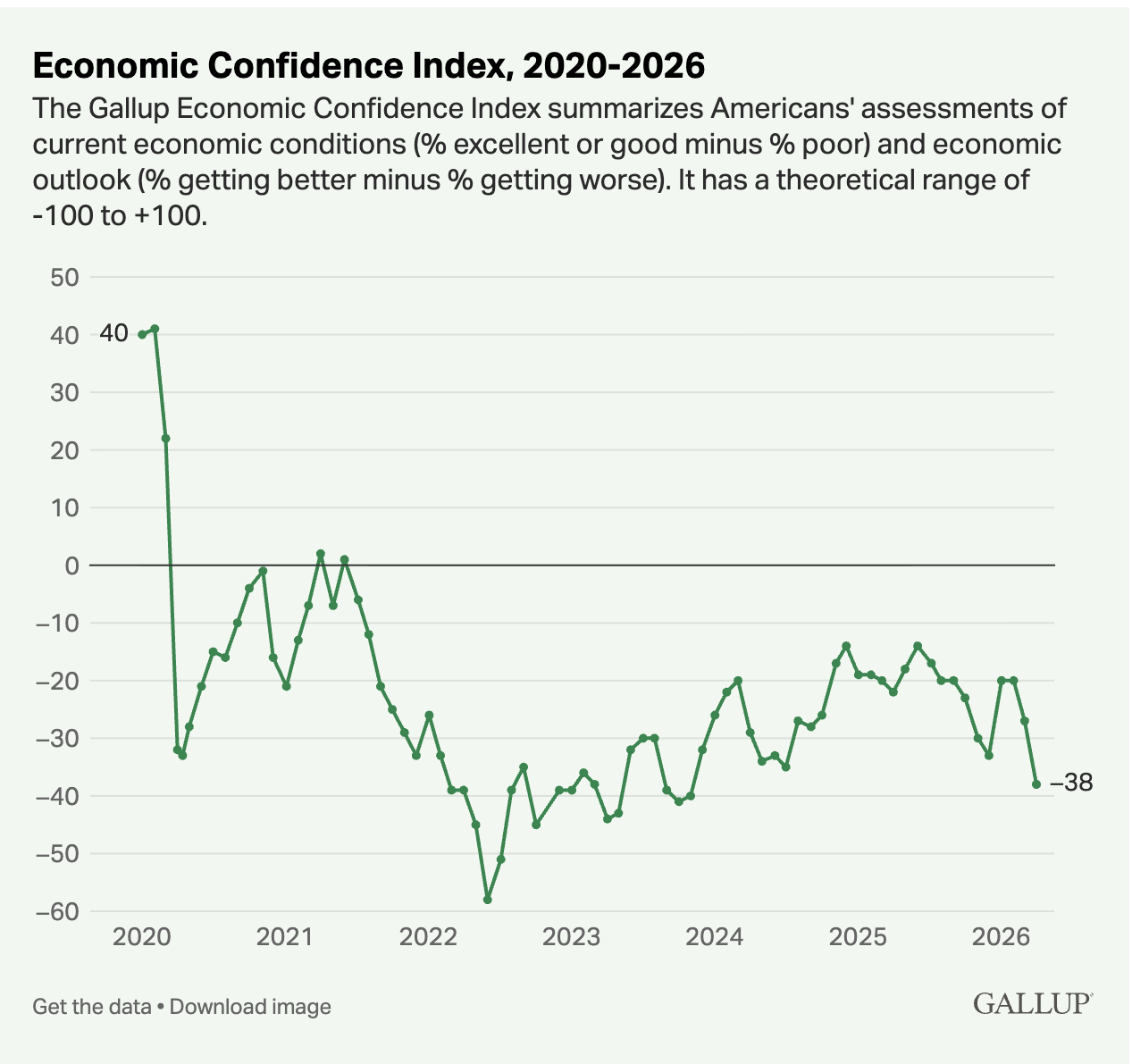
As we read the news and see Americans concerned about the costs imposed on them by tariffs, Presidential and Congressional approval ratings exploring new lows, continuously swirling questions about accountability and association with Jeffrey Epstein among U.S. officials, and more, we are reminded of our roots. Why does Forward exist?

Forward Party was born of the simple but profound idea that what ails our competitive American democracy is “lack thereof”: competition. Real, healthy competition. The current political system rewards division, stifles competition, and has literally devolved into one-party rule in several states. It is a system meant to preserve power and status quo, not one meant to lead Americans into and solve the problems of the future.

Americans want a system that hears them. Hearing implies active listening. Care. Concern. A genuine desire to touch the lives of many in a positive, intentional manner. To do this, a certain type of candidate–a certain type of person–must be able to win elections. This requires a system that draws people of high integrity into politics and builds electoral systems that allow them to fairly compete and win on the basis of their accomplishments and merits.

This is what we at Forward, with your help, seek to build. And we are. You are.

This is an election year and a very critical one. (As they all are, really.) We encourage you to be engaged, involved, and informed. We encourage you contact your elected leadership and to vote. And we thank you for your support of our mission and ask for your continued help getting our message out. Tell your friends about us: Together, stronger. Let us build a future on the lessons of the past and present.

Please forward this to your friends, family, and coworkers. It helps us introduce them to Forward and to what we are building. Also consider inviting them to one of our upcoming events listed below. We’d love to meet them.

The Forward Party Podcast
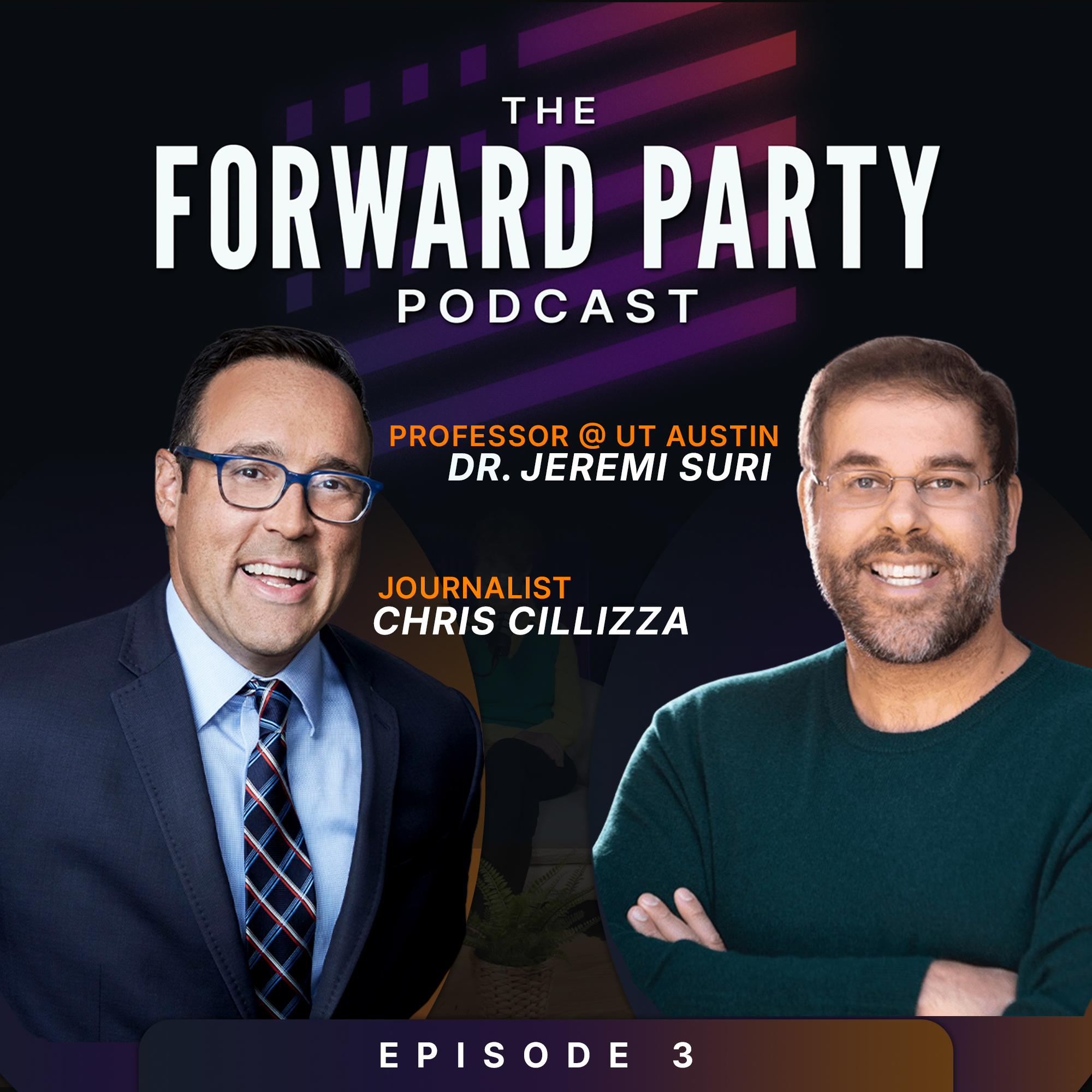
REMINDER: The next episode of The Forward Party Podcast is now live! In Episode 3 of The Forward Party Podcast*, Gov. Christine Todd Whitman, Lt. Gov. Kerry Healey, and Lindsey Williams Drath take a wide-angle look at one of the most important shifts in American politics: the rise of independent voters and the growing demand for a new political approach.

Joined by veteran political journalist Chris Cillizza and professor and historian Dr. Jeremi Suri, the conversation explores what this moment means for the future of democracy and whether a new party can move the country forward. With nearly half of Americans now identifying as independent, the hosts dig into what that really signals. Is it frustration with polarization? A rejection of party loyalty? Or a deeper desire for common-sense solutions that neither major party seems willing to prioritize?

Chris Cillizza offers an unfiltered look at today’s political climate, arguing that while the appetite for change is real, building a successful third party requires more than a headline-grabbing announcement. It takes grassroots organizing, credible candidates, and proof that independent leaders can win and govern.

Dr. Jeremi Suri, chair of Leadership in Global Affairs at the University of Texas at Austin, places this political moment in context. He draws parallels to the 1850’s and the Progressive Era, times when economic upheaval and social change disrupted existing party systems and opened space for new movements.

According to Dr. Suri, when major parties fail to address pressing concerns, voters eventually realign around leaders and ideas that better reflect their lived realities. Together, the guests explore how today’s transformations, from artificial intelligence and workforce disruption to health care affordability and political disengagement, are reshaping expectations of government. The conversation challenges the idea that Americans are divided on everything. In reality, there is broad agreement on many core issues, but the current system amplifies the smallest points of conflict.

We hope you enjoy! Don’t forget to let us know what you think.

Click the image below to watch.

Promo Shot forThe Forward Party Podcast

ICYMI: The Forward Party Podcast – Behind the Scenes reel

FWD Headlines

Forward Party’s Schultz, independent Sweet join crowded race for county treasurer

Christina Schultz, a financial professional, and Andy Sweet, a Main Street business owner, are also running for the position. Schultz, endorsed by former U.S. Presidential candidate and businessman Andrew Yang’s Forward Party, announced her candidacy Wednesday. Sweet, running with no affiliation, launched his campaign early in the year.

Get Involved

Georgia FWD Statewide Call with Former Mayor Copenhaver

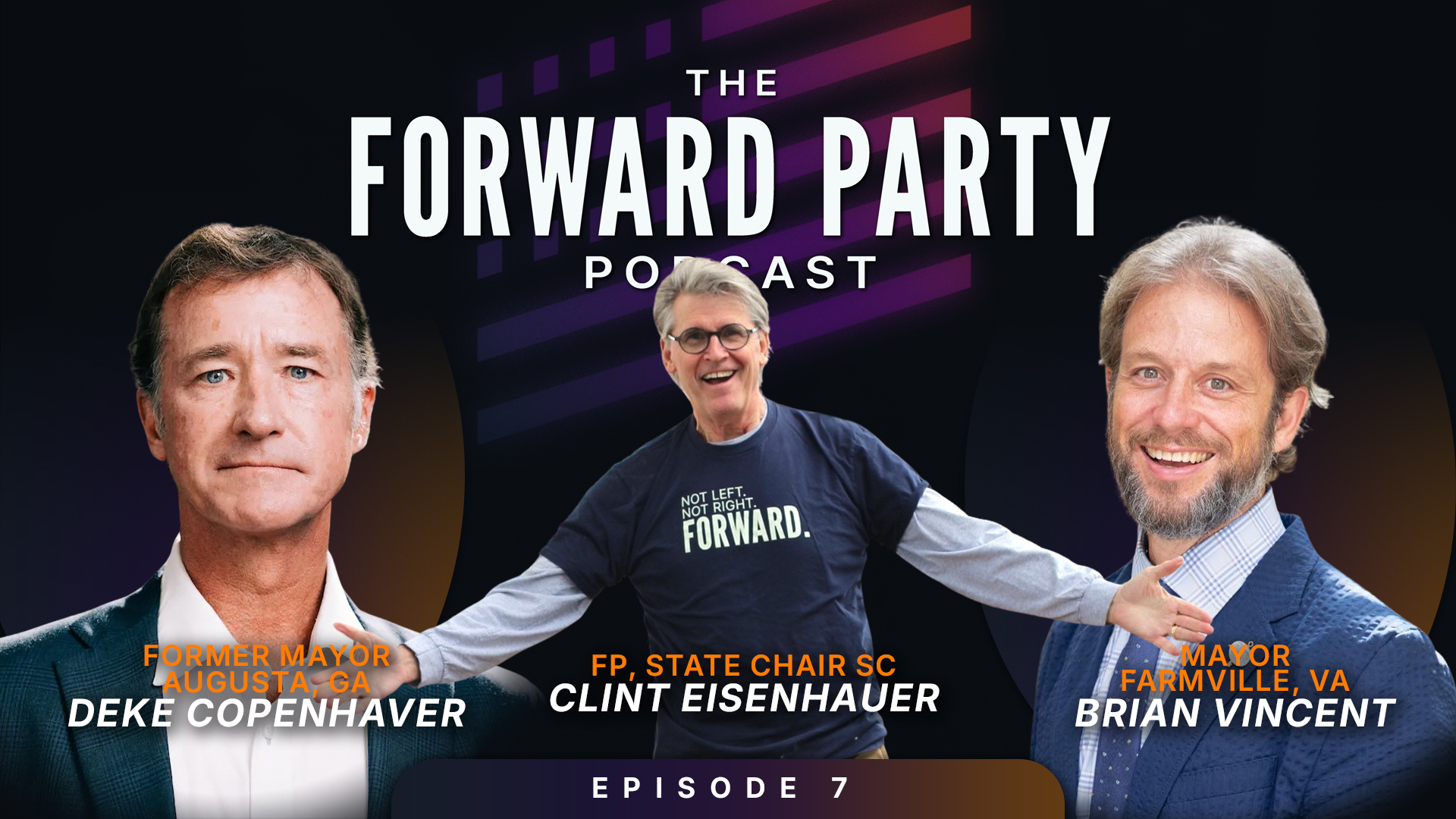
Join us Monday, February 23 at 7:00 PM for what might be the most inspiring (and entertaining) 45 minutes of your month. Former Augusta Mayor Deke Copenhaver is dropping by to share how Forward can bring collaborative leadership to Georgia.

Minnesota Special State Convention Feb26

Join FWD-MN for an ad hoc state convention to address a plethora of party building and election year issues on February 25!

Welcome Team Training

A quick training and show of resources for new members of the Welcome Team! Welcome Team participants will call new supporters in their state and welcome them to the Forward Party. A suggested script for conversations and an email template for follow up will be provided.
FWD TN Statewide Call w/ Khalil Ekulona

Forward Tennessee needs YOU! With our endorsement of Lauren Pinkston for governor and other exciting developments in the state, it’s time to put a team together. Please join us for a statewide call to discuss all things Forward Tennessee.

What we're reading
Contrary to what our detractors on social media say, YES, we read!

Bill takes aim at Arizona Independent Party name change

What’s in a name? For new political parties in Arizona, it won’t be terms like “independent” if a recently proposed bill gets through the Legislature.

Virginia House of Delegates Passes Ranked Choice Voting Expansion

A bill that expands ranked choice voting in Virginia has passed the state House of Delegates not long after it was referred out of committee. If signed into law, the bill will allow cities and counties to adopt the reform for all elections.

Chat: What lies ahead for redistricting and the Voting Rights Act?

Six states have drawn new congressional maps this cycle — but experts say a Supreme Court case could kick mid-decade redistricting into overdrive.

X / Twitter Bluesky Instagram LinkedIn Facebook YouTube

Copyright © 2026 Forward Party, all rights reserved.

Our mailing address is:
1701 Rhode Island Ave NW, Washington, DC 20036, United States

Paid for by Forward Party and not authorized by any candidate or candidate’s committee.
ForwardParty.com

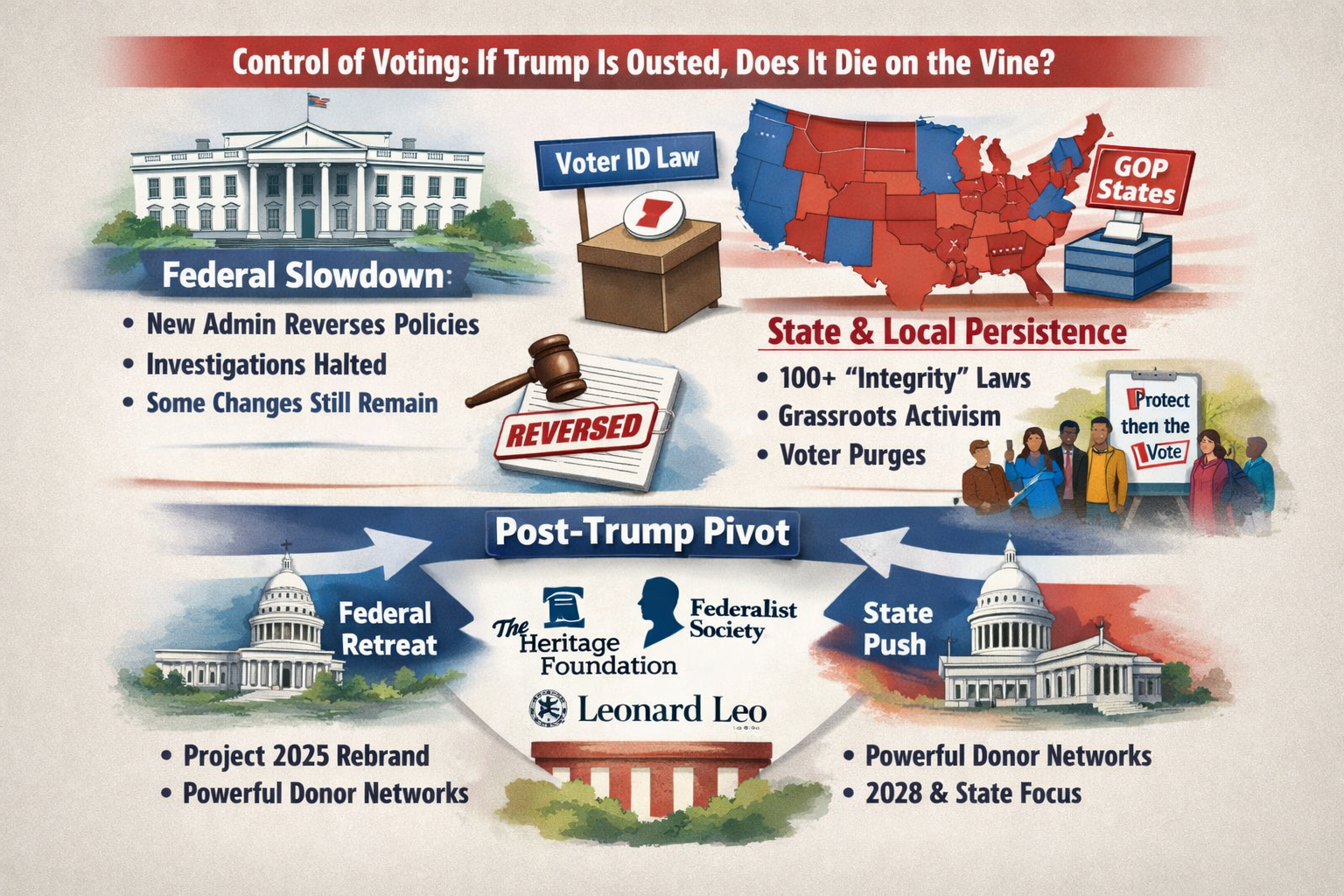
Control of Voting – If Trump Is Ousted: Does It Die on the Vine?

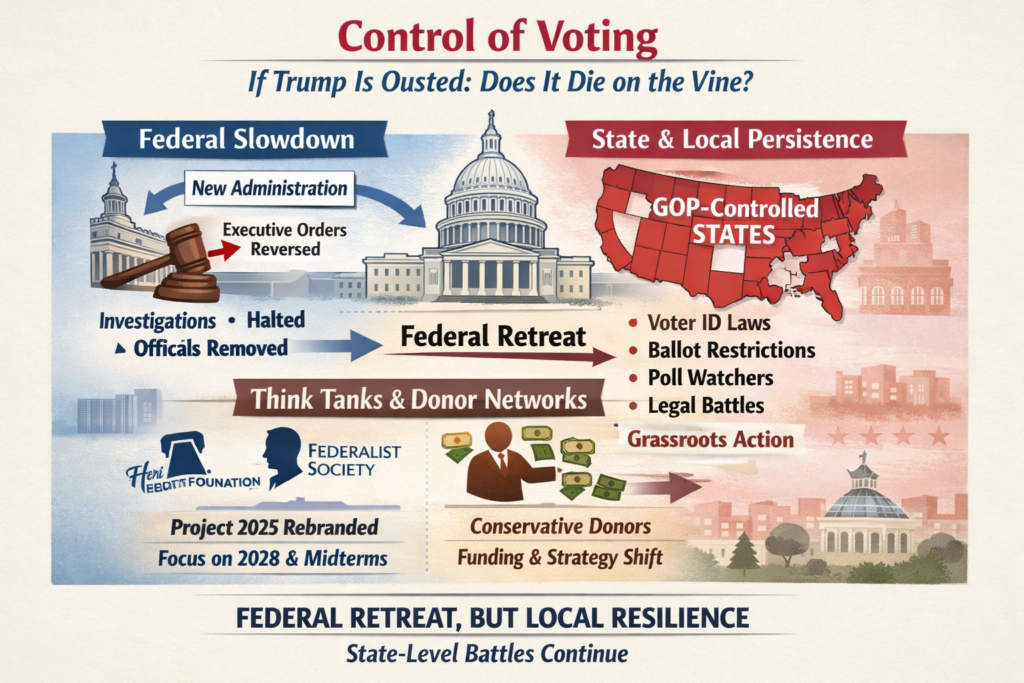
Control of Voting – If Trump Is Ousted: Does It Die on the Vine?

Not entirely, it would slow at the federal level, but these efforts are bigger than one person. Project 2025 isn’t just a Trump playbook; it’s a Heritage Foundation-led blueprint from over 100 conservative groups, predating his second term. By October 2025, Trump had implemented ~47% of its domestic agenda (e.g., workforce cuts via shutdown, executive orders on election “integrity”).

If impeached/removed:

Federal Slowdown: A new admin (e.g., under Vance or a Democrat post-midterms) could reverse executive orders, like Biden did with Trump’s first-term policies. DOJ probes into “fraud” might halt, and appointees like Cleta Mitchell’s network could be ousted. But some changes (e.g., embedded federal observers, voter roll purges) could linger if not actively undone, per experts at the Center for American Progress.

State and Local Persistence: Much of this is decentralized. GOP-led states have passed 100+ “integrity” laws since 2020 (e.g., voter ID, mail ballot restrictions), independent of Trump. Groups like the Election Integrity Network or RNC’s Protect the Vote operate at grassroots levels, training poll watchers and filing lawsuits, stuff that doesn’t vanish overnight. Even without Trump, red states resist federal overreach (e.g., some GOP secretaries of state withholding full voter data from DOJ).

Think Tank and Donor Networks: Heritage, Federalist Society, and funders like Leonard Leo would pivot. Project 2025 is framed as a “conservative promise” for any GOP admin, not Trump-specific. If Trump goes, they’d rebrand for 2028 (e.g., focusing on state ballot initiatives, litigation).

It wouldn’t “die quickly”—more like a temporary federal retreat, with momentum shifting to states and courts. Post-2020, GOP election denialism rewarded incumbents (e.g., no electoral penalty for “stop the steal” supporters in 2022). But backlash (e.g., bipartisan criticism of Georgia raids) could erode support if overreach backfires.
Will They Shift Gears?

Absolutely, conservative networks are adaptive. Without Trump, tactics might soften federally (e.g., less overt “nationalization” talk) but intensify locally: more state laws, voter challenges, or “audit” pushes. X chatter and op-eds suggest prepping for 2028 census fights or midterms as a “blue tsunami” opportunity for Dems. Critics (ACLU, Brennan) warn it could evolve into subtler subversion, like weakening DOJ voting rights enforcement.

In my view, this is a long-game ecosystem (think tanks, donors, state parties) that’s survived presidents before. Trump’s a catalyst, but removal would force a tactical reset—not abandonment. The midterms are the pivot point; if GOP holds, it accelerates. If not, it decentralizes.

20260211 1331 Image Generation simple compose 01kh79v28seq8t505xg3ywtg5x

Seize Control of Voting, Who is Behind the Curtain

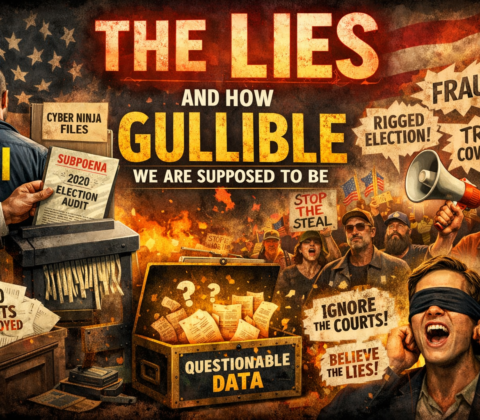
Feb 11, 2026, I read this informative article about the FBI seizing the voting records in Georgia.

“The Silent Coup Is Already Underway: How Trump is moving to seize control of voting — starting in Georgia” by Glenn Kessler (published on his Substack: glennkessler.substack.com).

It discusses concerns over Donald Trump’s statements and actions aimed at influencing or “nationalizing” election processes, with a focus on Georgia as an early example. The article opens with a quote from Trump in a February 2 interview with Dan Bongino: “The Republicans ought to nationalize the voting.” It revisits Trump’s past claims of election fraud and frames current moves (like potential federal involvement in state voting systems, ballot handling, or oversight) as steps toward greater control ahead of future elections, such as the 2026 midterms.

My question is who is actually the architect? I don’t believe Trump ever had the smarts to do this on his own and certainly not now. Someone or some organization is orchestrating everything behind the scenes

Key Players and Enablers from the Article and Related Context

The Kessler article doesn’t name an overarching “architect” but points to several individuals and groups actively involved in pushing this agenda, particularly in Georgia as a testing ground:

Cleta Mitchell: She’s a prominent conservative lawyer who was on the infamous 2021 call where Trump pressured Georgia’s Secretary of State Brad Raffensperger to “find” votes. Mitchell now leads the Election Integrity Network, a group focused on challenging election processes and training poll watchers. The article notes her influence through appointees like Heather Honey (Deputy Assistant Secretary for Election Integrity), who has ties to Mitchell’s network and has floated ideas like declaring a “national emergency” to override state voting rules.

Kurt Olsen: Appointed by Trump as Director of Election Security and Integrity, he’s been sanctioned in the past for baseless election fraud claims. He referred the warrant that led to the FBI seizing Fulton County ballots in January 2026, reviving old 2020 conspiracies.

Tulsi Gabbard: As Director of National Intelligence, she oversaw the FBI raid on Fulton County for a vague “national security issue,” which the article suggests is a pretext for federal overreach.

These folks aren’t new; they’ve been part of Trump’s orbit since his first term or the 2020 challenges. The Georgia focus—using a Trump-friendly state election board to potentially seize county boards—seems designed as a blueprint for scaling up nationally, per the article.

Broader Influences and Organizations

Looking beyond the piece, reporting ties this to a more structured conservative playbook that’s been in development since at least 2024-2025:

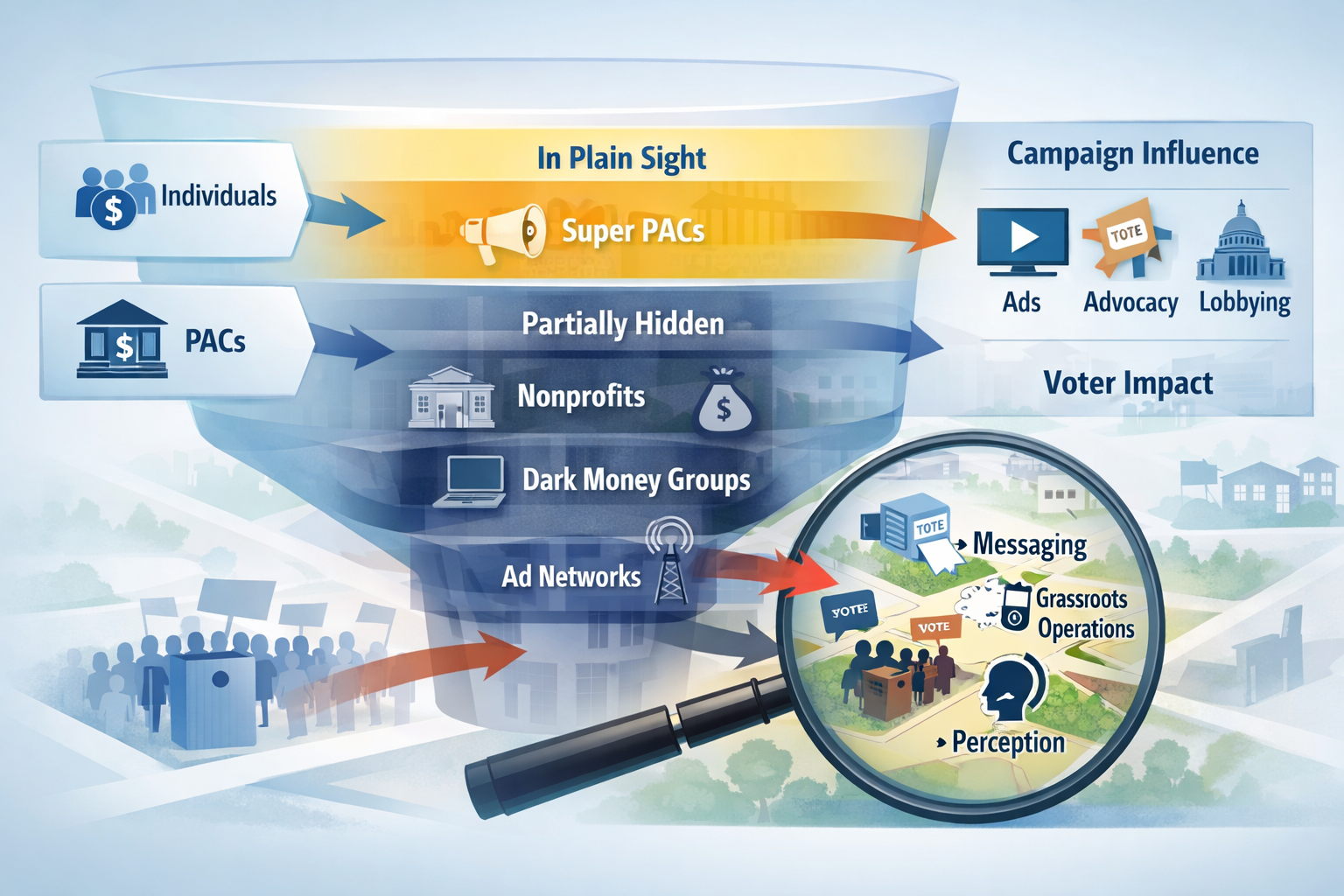
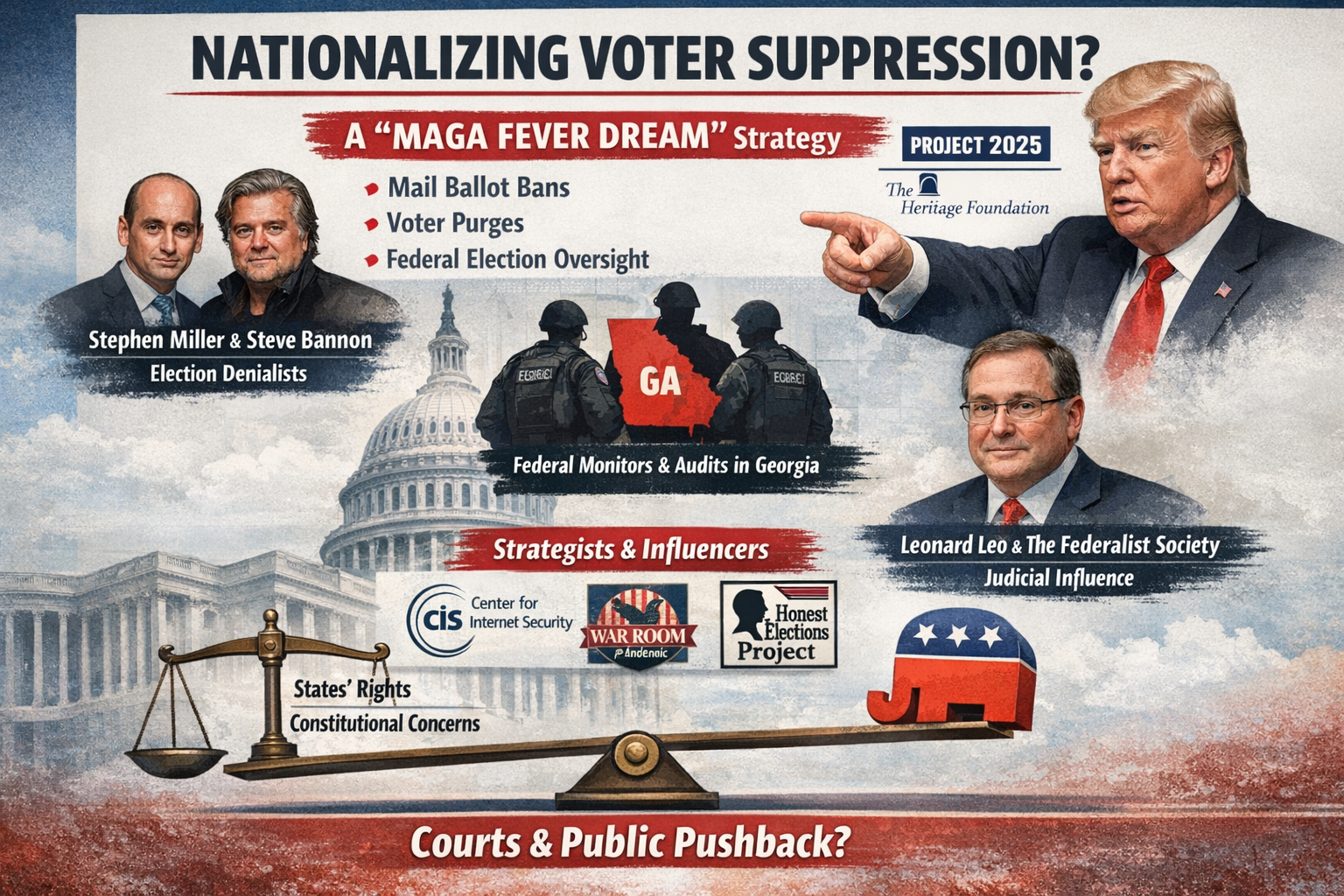
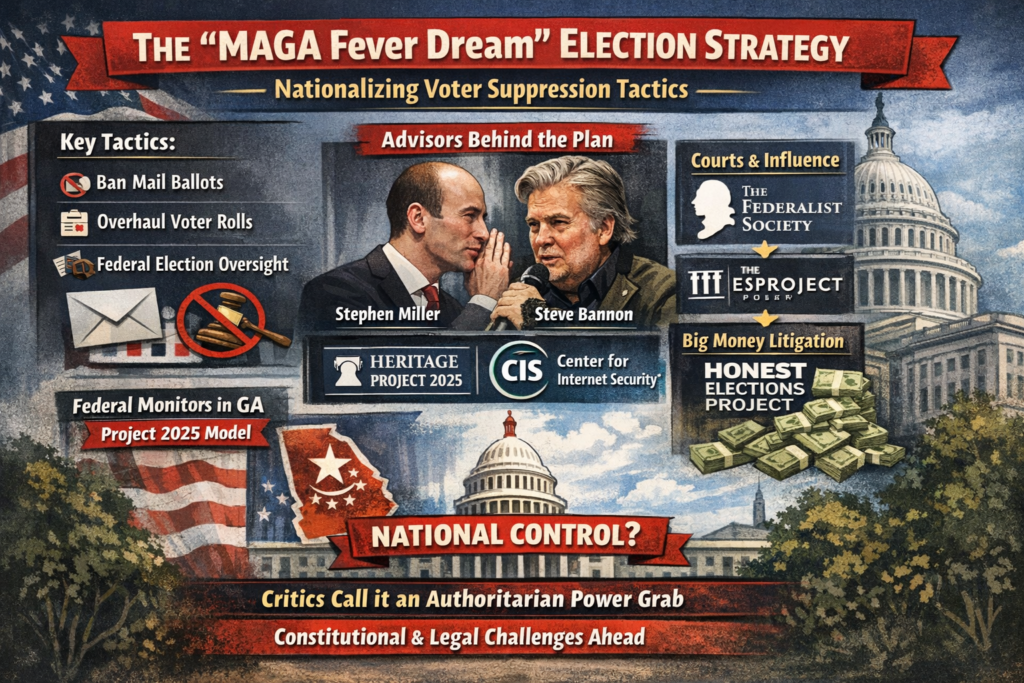
Heritage Foundation and Project 2025: This stands out as the most likely “organizational architect.” Project 2025, a detailed policy roadmap from the Heritage Foundation (a major conservative think tank), explicitly calls for using the Department of Justice (DOJ) to investigate and prosecute alleged voter fraud, even based on debunked claims. It proposes federal interventions like proof-of-citizenship requirements for voting and empowering agencies to audit state elections. Trump’s administration has implemented parts of this, such as shifting the DOJ’s Civil Rights Division toward “fraud” probes under appointees like Harmeet Dhillon (a 2020 election denier) and Kash Patel (FBI pick who’s vowed to go after perceived election riggers).

Critics from groups like the Brennan Center have called it a “MAGA fever dream” for nationalizing voter suppression tactics, like banning mail ballots or overhauling voter registration.

Other Advisors and Networks: Figures like Stephen Miller (Trump’s policy whisperer on immigration and now broader issues) or Steve Bannon (who’s pushed election denialism via his “War Room” podcast) often get credited in analyses for strategizing these moves. There’s also overlap with groups like the Center for Internet Security (CIS), which handles election cybersecurity and has DHS ties—some X discussions speculate it’s part of a deeper infrastructure for monitoring elections.

In Georgia specifically, the push involves embedding federal observers and audits, which echoes tactics from Project 2025.

As for the Federalist Society: They’re hugely influential in judicial appointments (shaping courts that could rule on election cases), and their co-founder Leonard Leo has funneled big money into conservative causes, including election-related litigation through networks like the Honest Elections Project. But they’re not the primary driver here—that seems more Heritage’s lane for policy blueprints. Federalist Society folks might advise on legal strategies to make this stick, though.

Trump isn’t devising this solo; his style is more improvisational and grievance-driven than master-planner. In my view, the real “architecture” is a decentralized but aligned network of conservative think tanks (led by Heritage via Project 2025) and loyalists like Mitchell, Olsen, and Patel, who’ve been gaming out ways to centralize election oversight under the guise of “integrity.” It’s not a conspiracy in the tin-foil sense—it’s out in the open, rooted in post-2020 frustrations and amplified by Trump’s platform.

The goal appears to be tilting the system toward Republicans by federalizing controls that states have historically managed, which raises constitutional red flags (elections are state-run per the Constitution, as even some GOP allies like Gov. Greg Abbott have pushed back on).

Whether this succeeds depends on courts, Congress, and public push back—it’s already facing bipartisan criticism and could backfire if it erodes trust further.

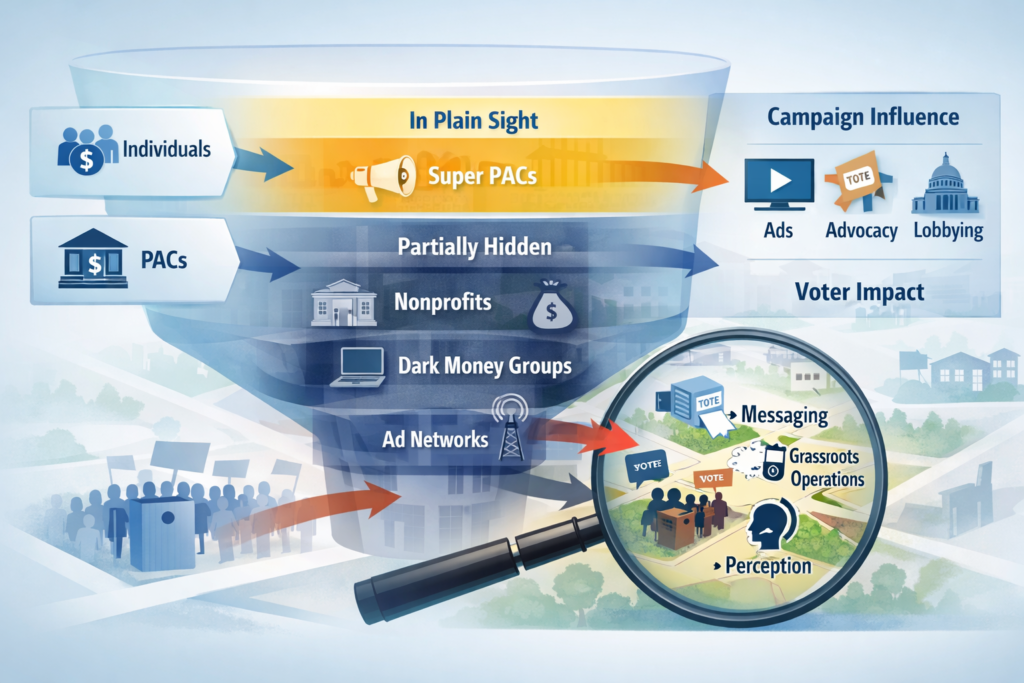
20260211 1205 Image Generation simple compose 01kh74wcqff3et9yhd5n0qp2sg

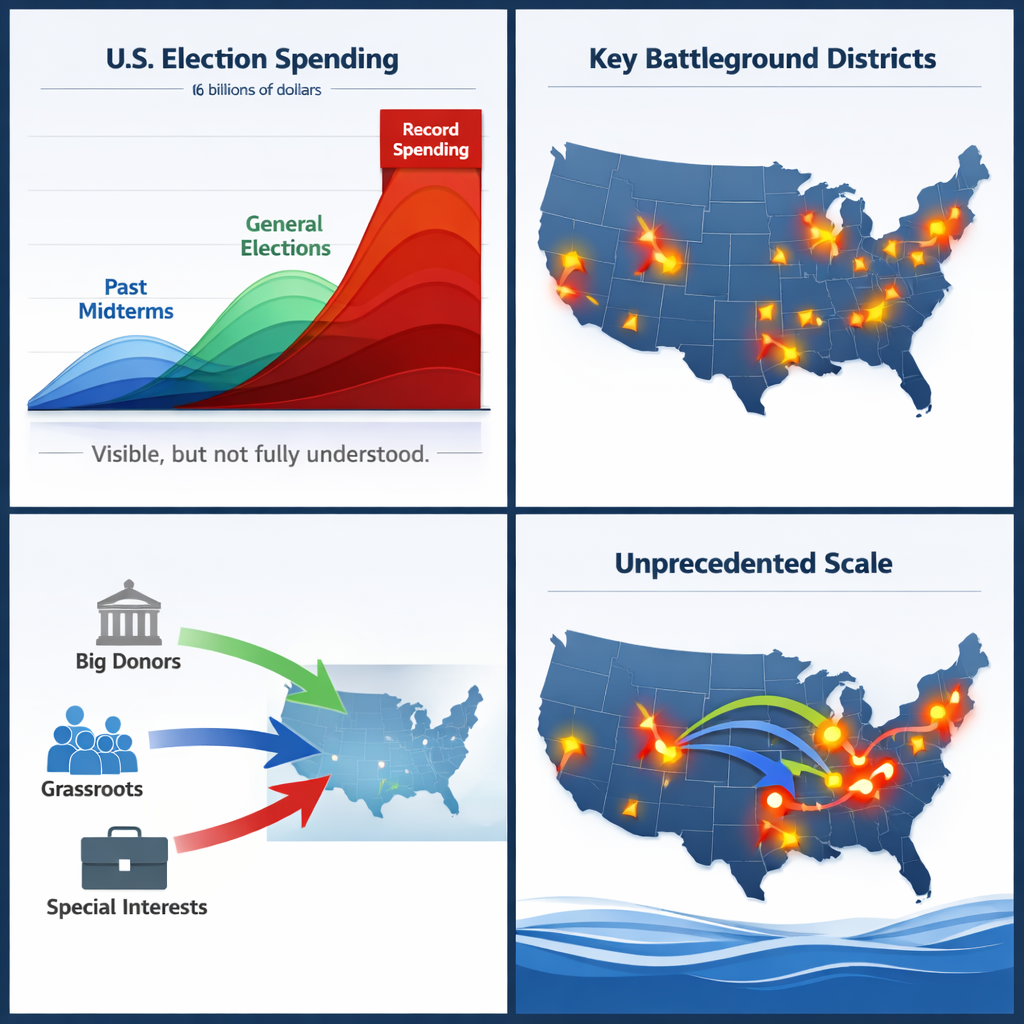
2026 Midterm Elections