







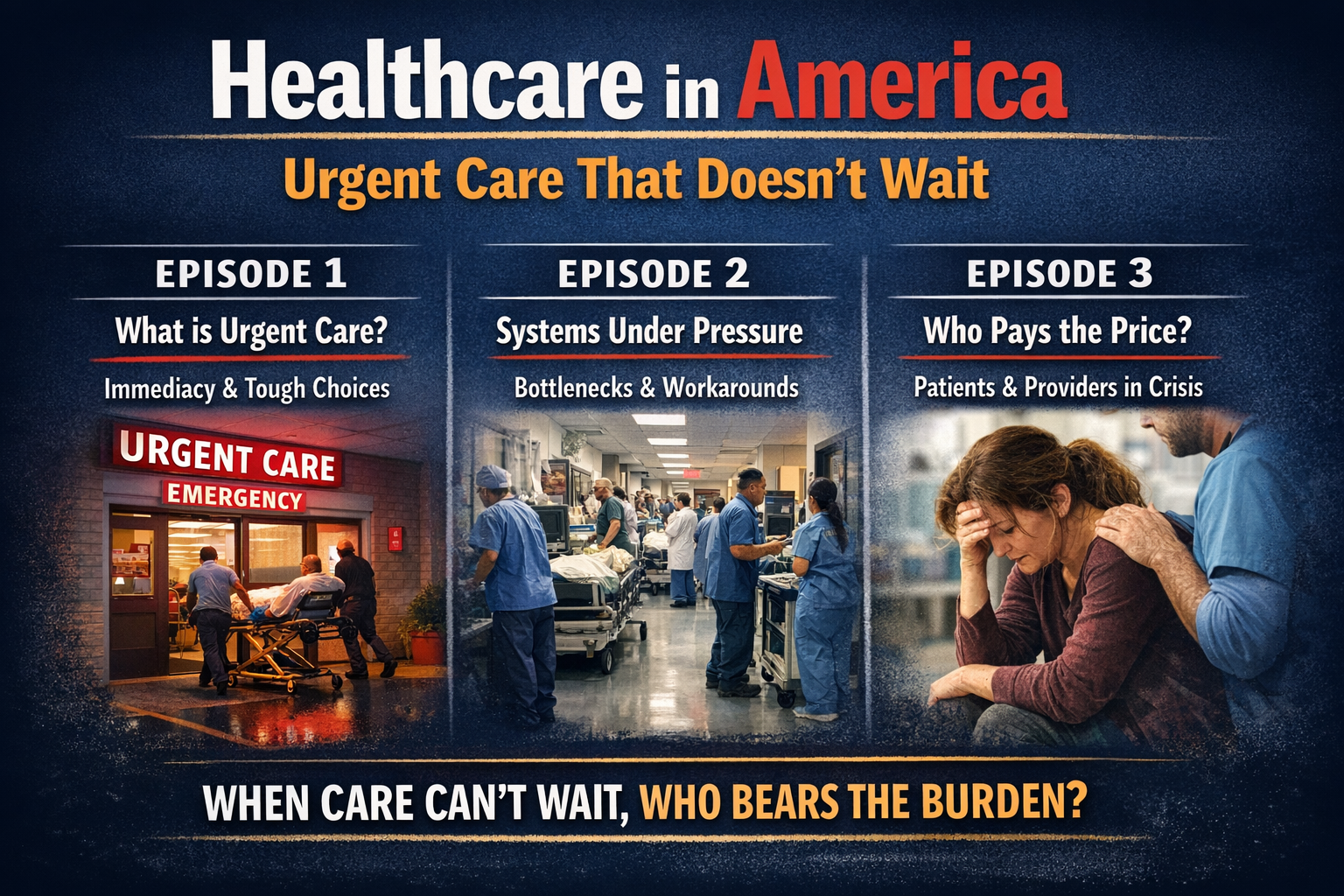
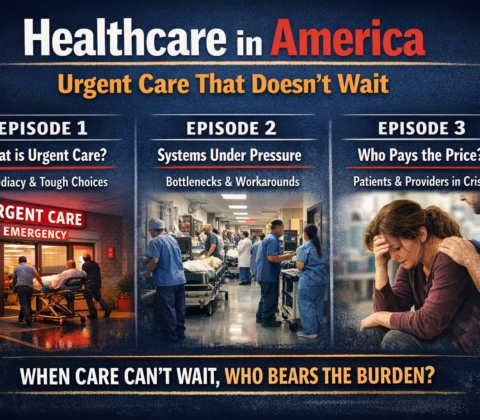
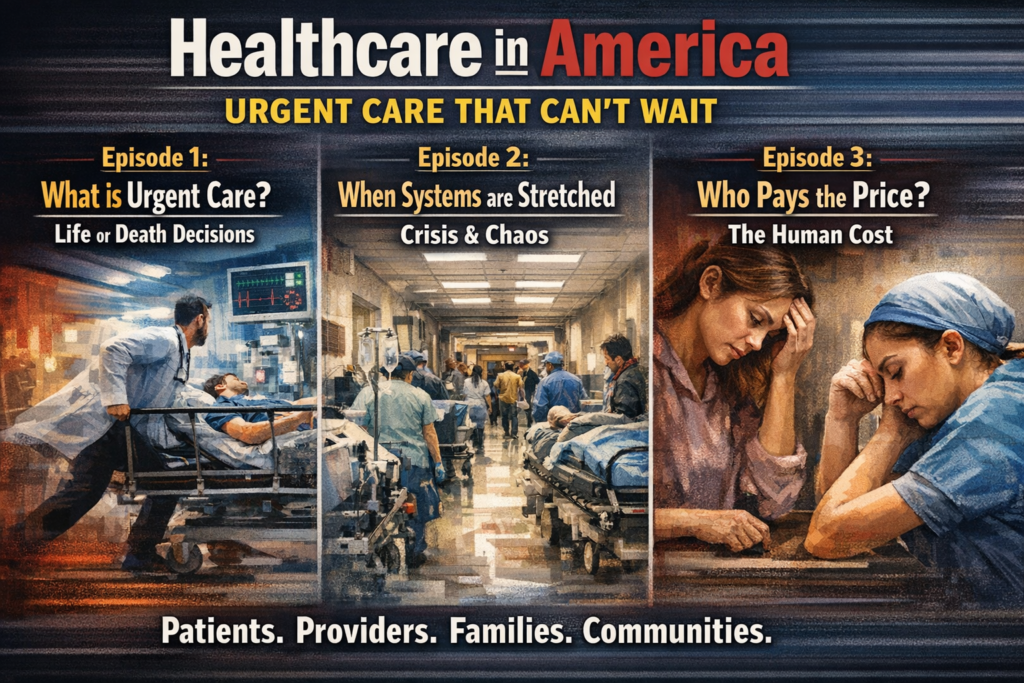
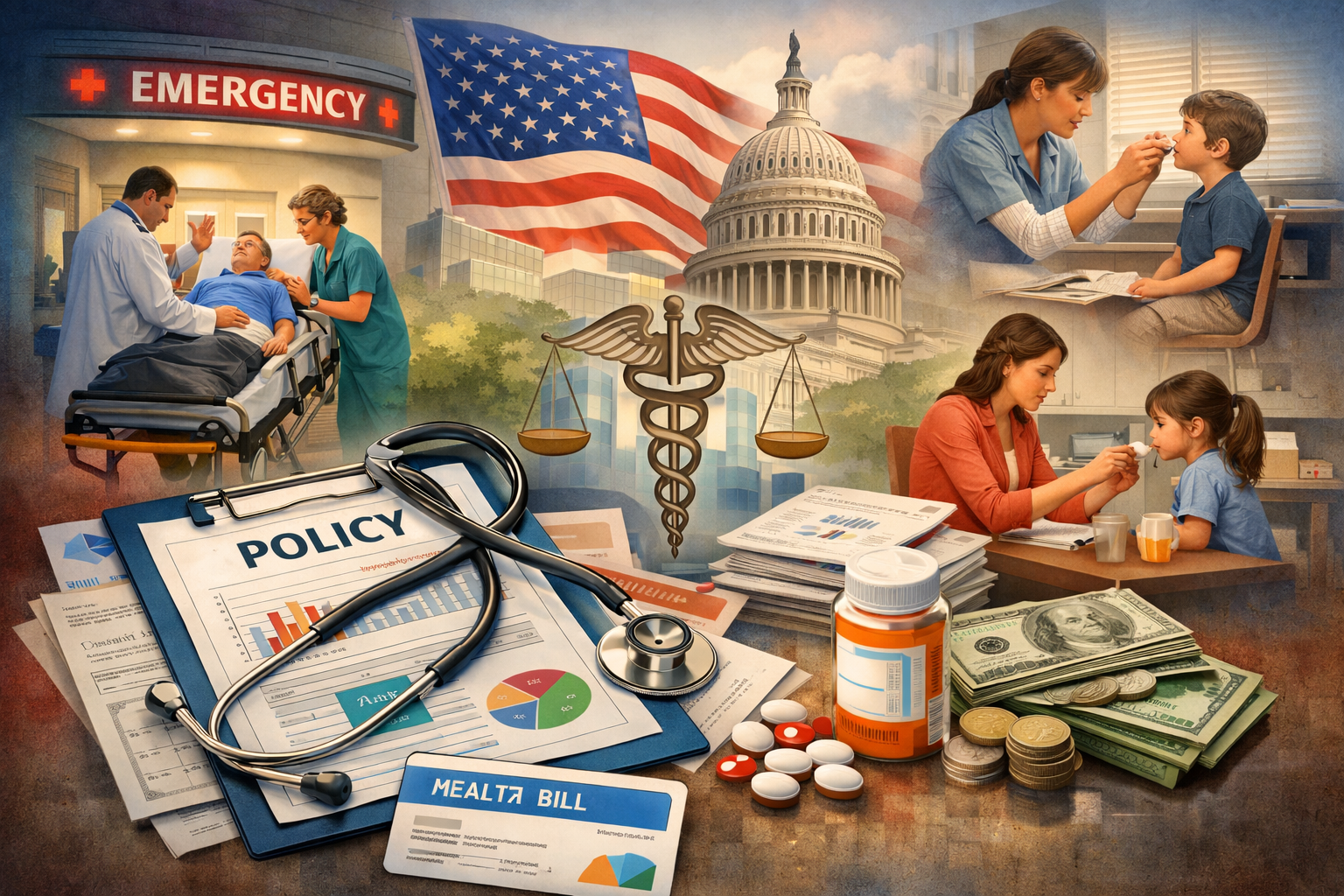
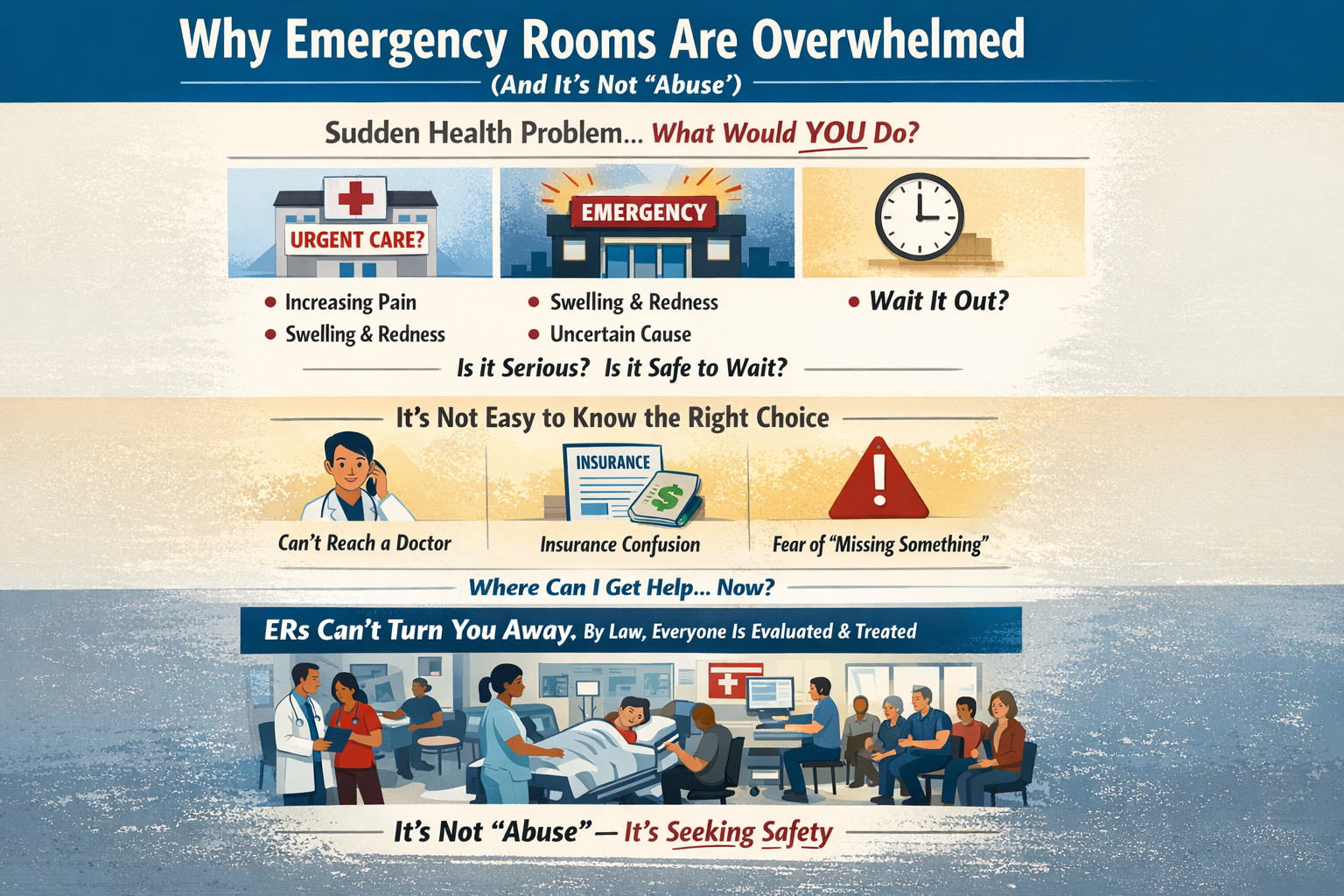
“Welcome to the first episode of Healthcare in America: When Care Can’t Wait. Today, we’re going to look at what urgent care really means — and what it doesn’t.
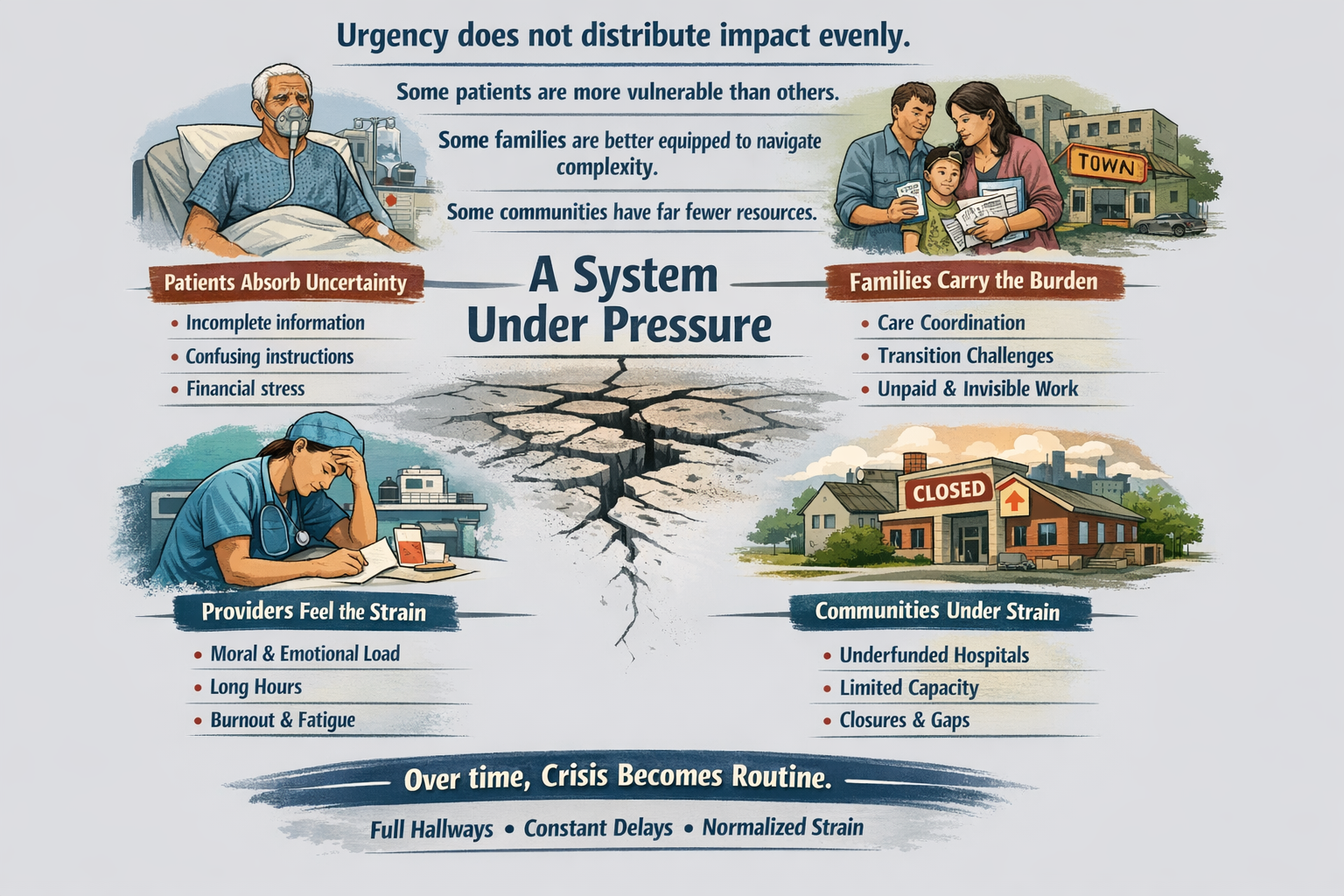
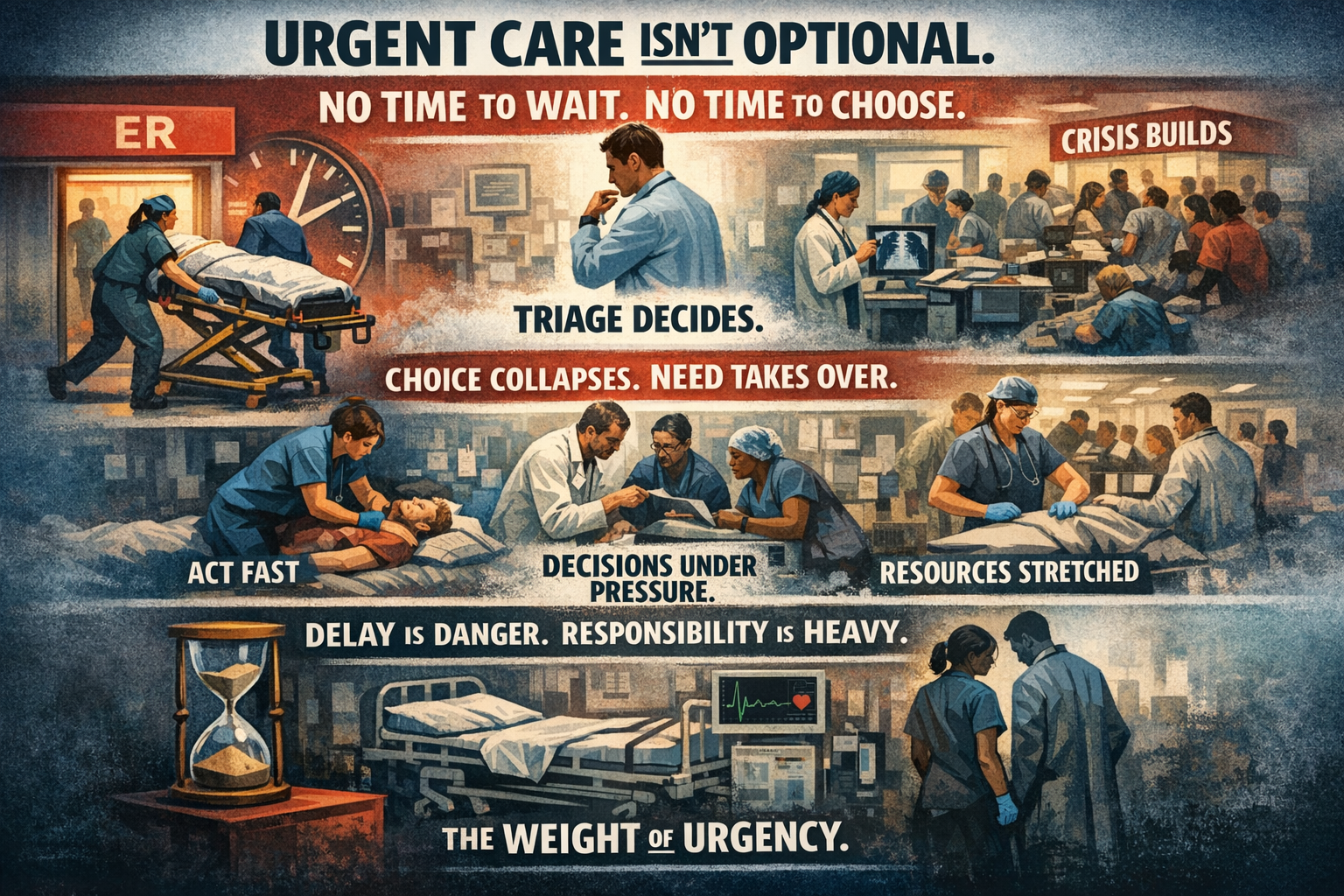
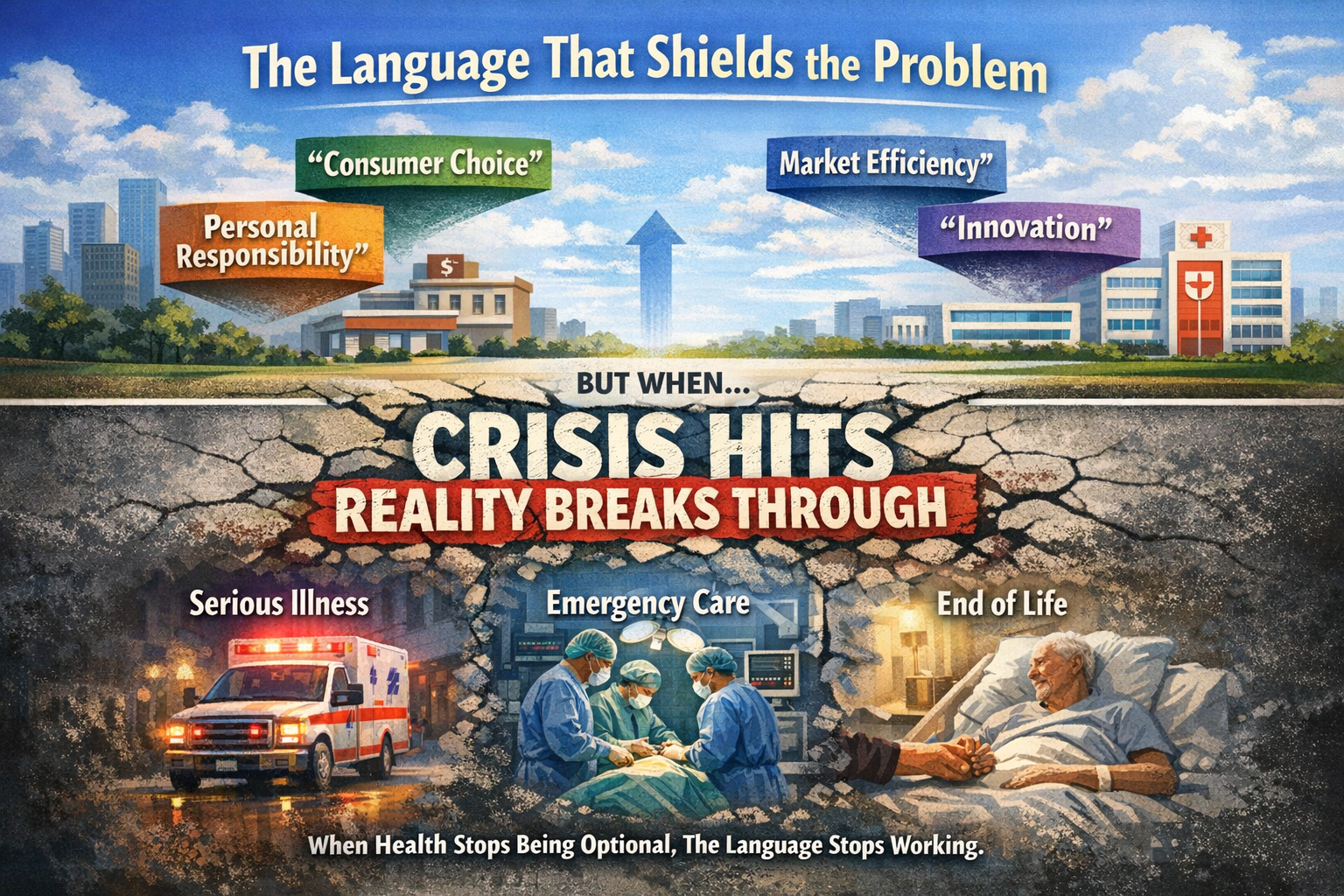
Most of the time, when we talk about healthcare, we think about appointments, schedules, and choices. But urgent care isn’t optional. It doesn’t wait for comfort or convenience. It arrives whether the system is ready or not, and it changes everything.
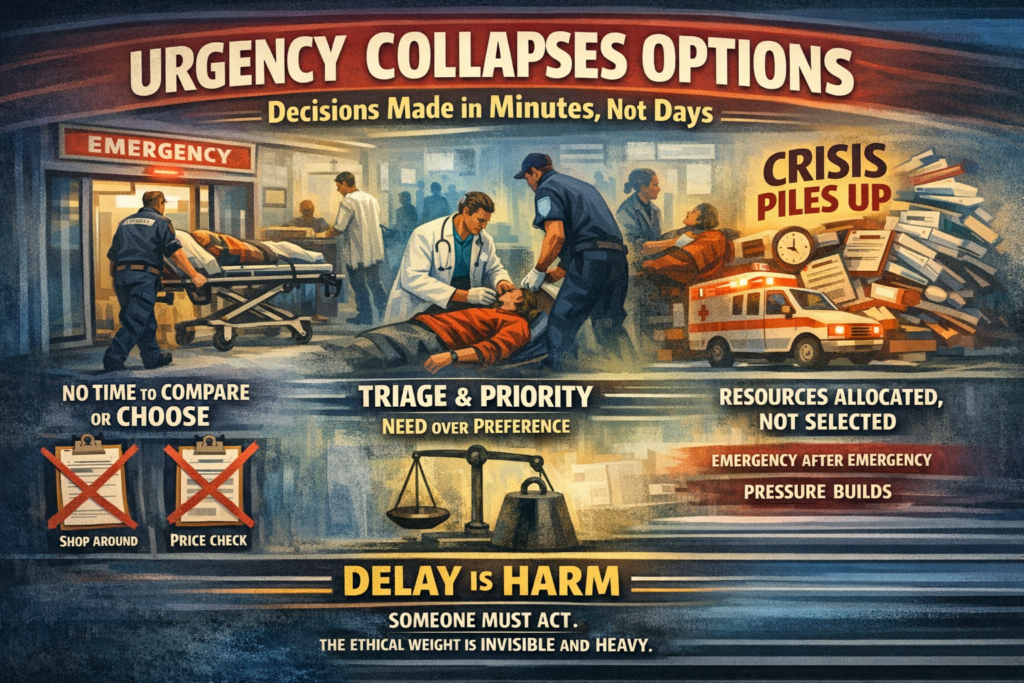
Urgency collapses options. Decisions that would normally take days, weeks, or months are compressed into minutes or hours. There’s no time to compare prices, shop for the best facility, or negotiate who sees you first. Consent still exists, but it’s constrained. Choice becomes secondary to need.
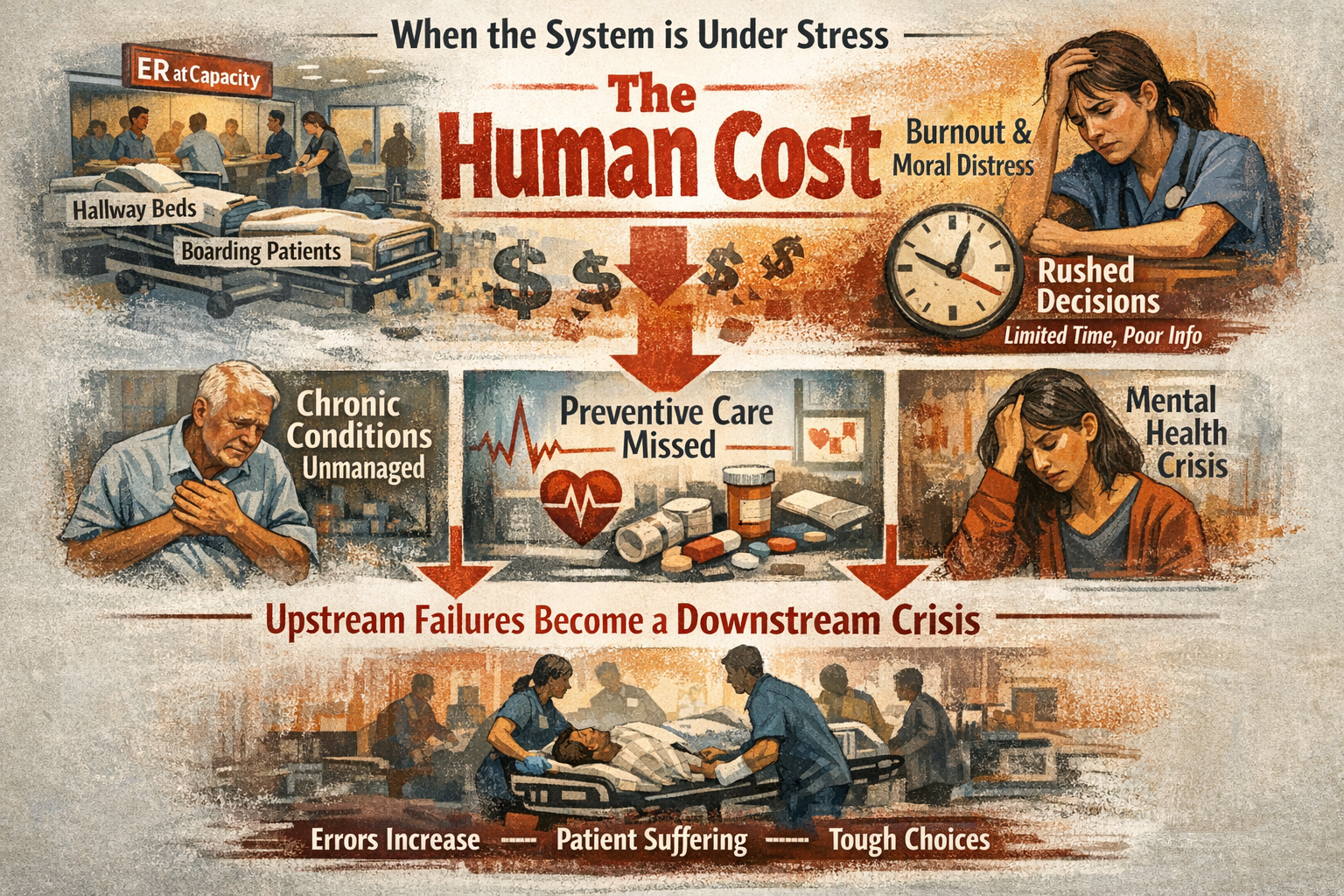
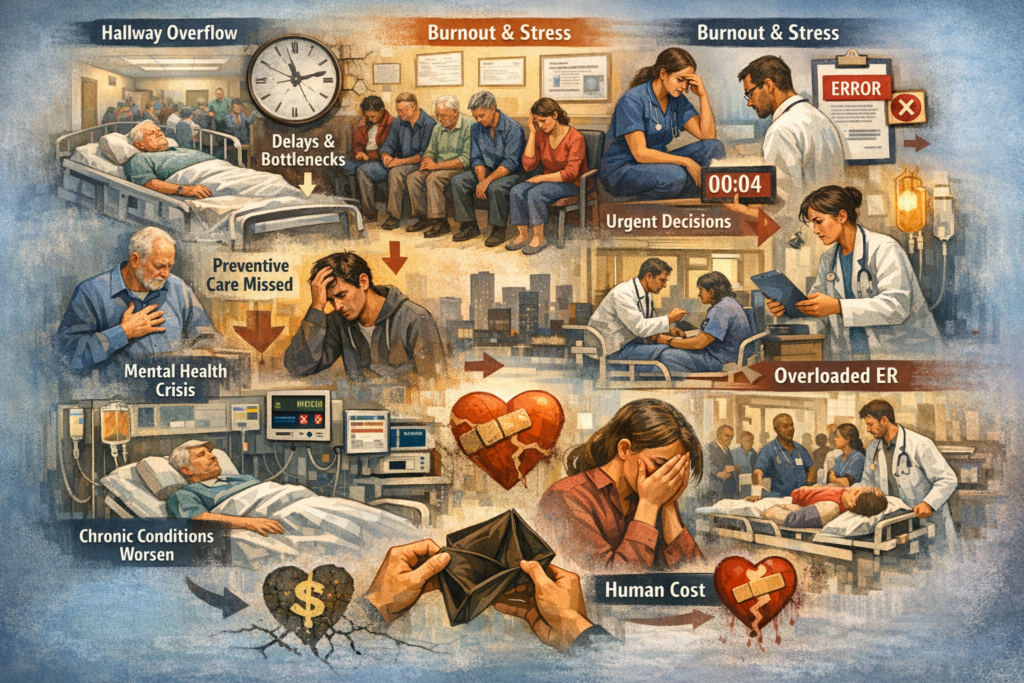
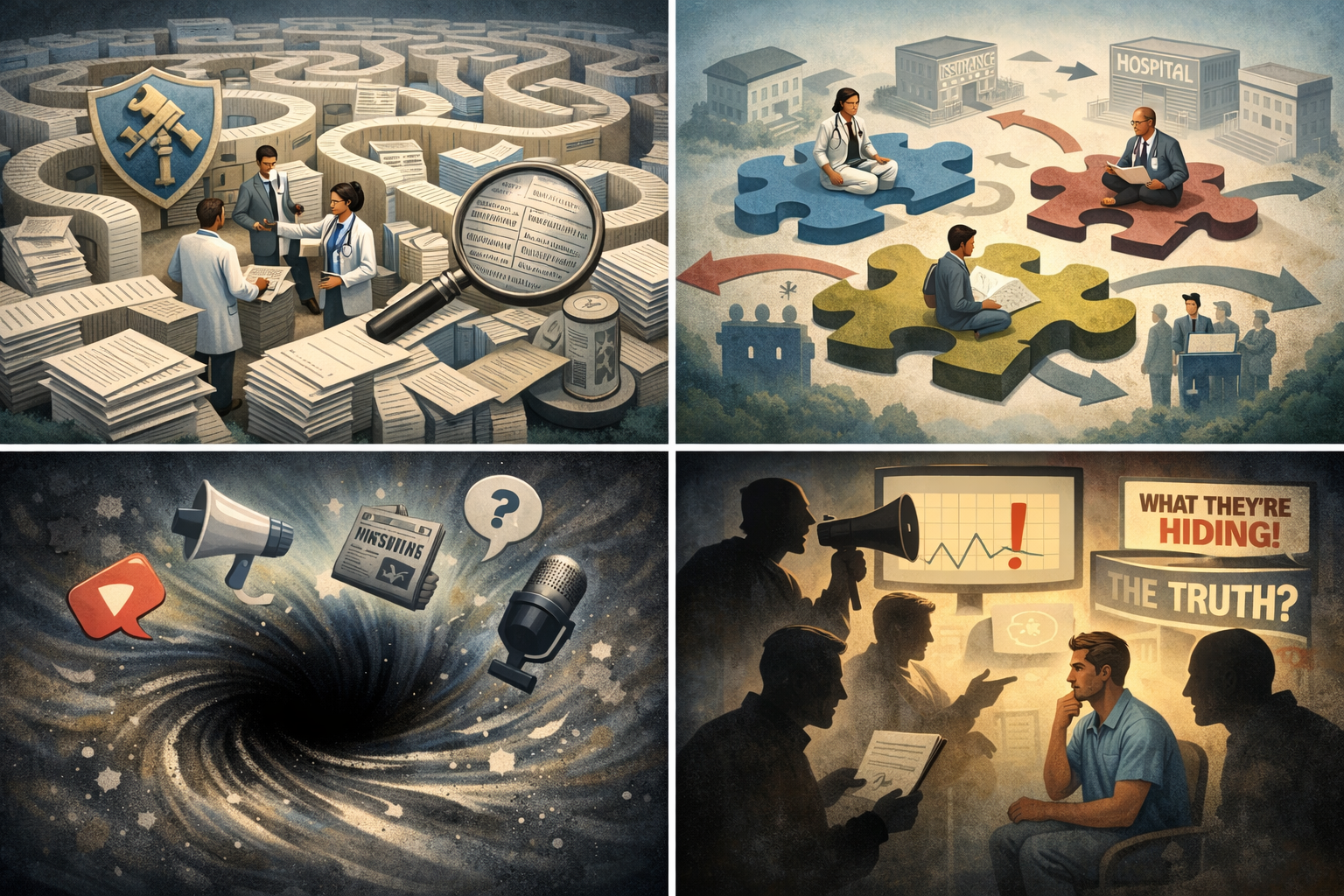
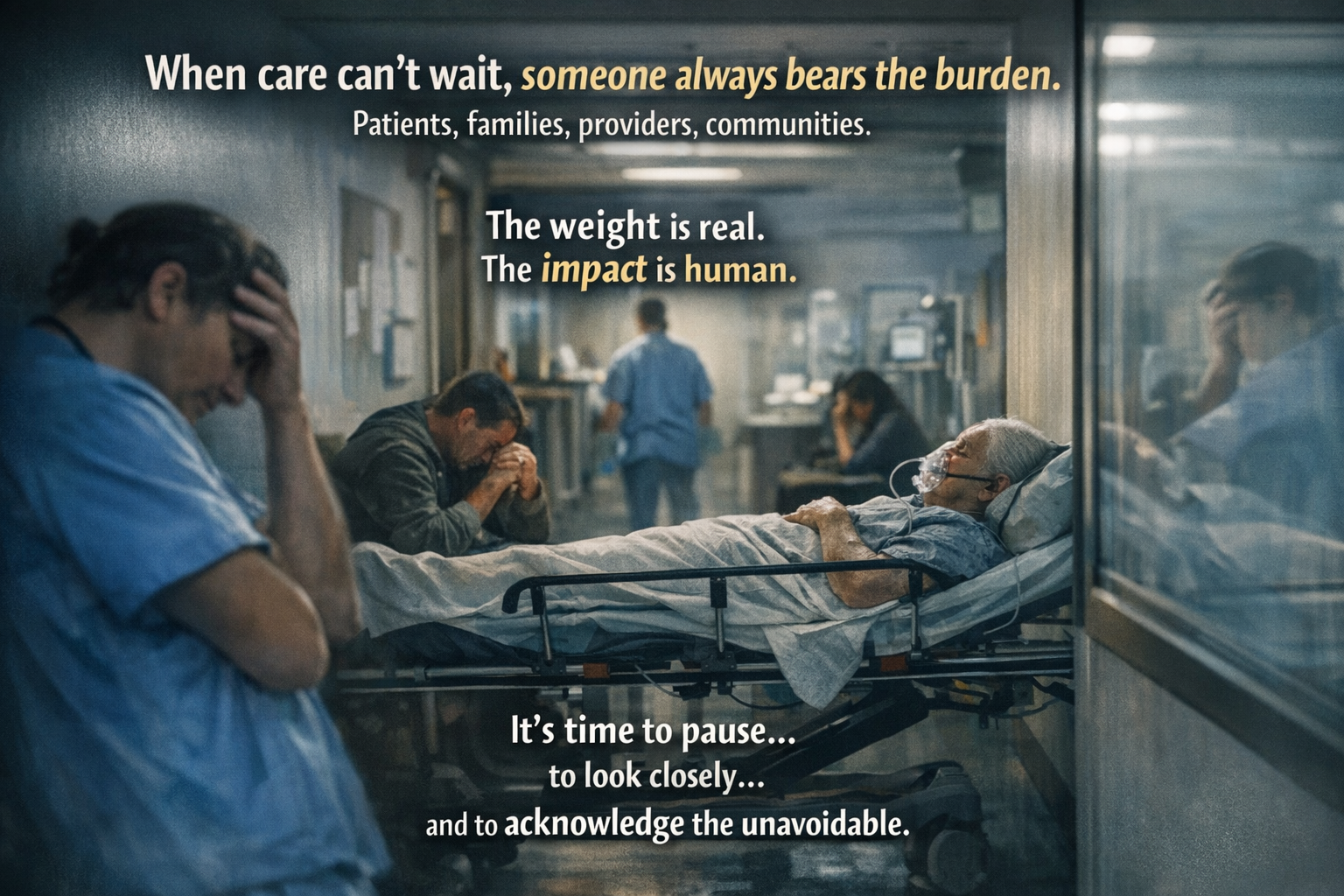
Triage replaces preference. Clinical judgment determines who gets attention first, and who waits. Resources are allocated, not selected. What begins as exception — a single patient needing immediate attention — can quickly become the new normal, because urgent care is cumulative. Emergencies don’t happen in isolation. Chronic neglect, unmanaged conditions, and mental health crises feed into the system until every gap becomes a pressure point.
At its core, urgent care is about responsibility. Someone must act. Delay itself is harm. And yet, the system doesn’t pause to announce this. The ethical load is quiet, invisible, and heavy.
In this episode, we’re not going to talk about costs, insurance, or policy solutions. That comes later. Today is about observation — about noticing how care behaves when it becomes unavoidable.
If this episode feels incomplete, that’s intentional — because urgent care itself is incomplete by nature. It demands action before understanding.
By the end, I hope you’ll see urgent care not as an anomaly, but as a lens: a way to understand the pressures, constraints, and human work that sustain healthcare when waiting isn’t an option.”
Part 1: What Urgent Care Actually Is (and Is Not) outline
Purpose of Part 1
To reset assumptions about urgency in healthcare — before ERs, costs, or policy enter the room.
This part answers:
What changes when care becomes immediate?
I. Urgency changes the rules
-
Urgent care is not just “faster care”
-
Time becomes the dominant variable
-
Delay itself becomes harm
-
Decision-making compresses
Key idea: Urgency collapses options.
II. Choice behaves differently under urgency
-
No shopping
-
No meaningful comparison
-
No negotiating scope or price
-
Consent exists, but it’s constrained
This is not a failure — it’s a condition.
III. Triage replaces preference
-
Clinical judgment overrides consumer preference
-
Severity determines sequence
-
Resources are allocated, not selected
This is where healthcare quietly stops behaving like a market.
IV. Urgent care is not rare — it’s cumulative
-
Emergencies aren’t anomalies; they accumulate
-
Chronic neglect turns into acute crisis
-
Mental health and physical health intersect here
Urgency is often the end point, not the beginning.
V. The moral baseline
-
-
Care cannot be deferred without consequence
-
Refusal is not always an option
-
Someone must act, even without clarity
-
This is where ethics quietly step in — without fanfare.
VI. What this part does not address (explicit restraint)
-
Costs and reimbursement
-
Insurance mechanics
-
Institutional blame
-
Policy fixes
We name these absences intentionally.
























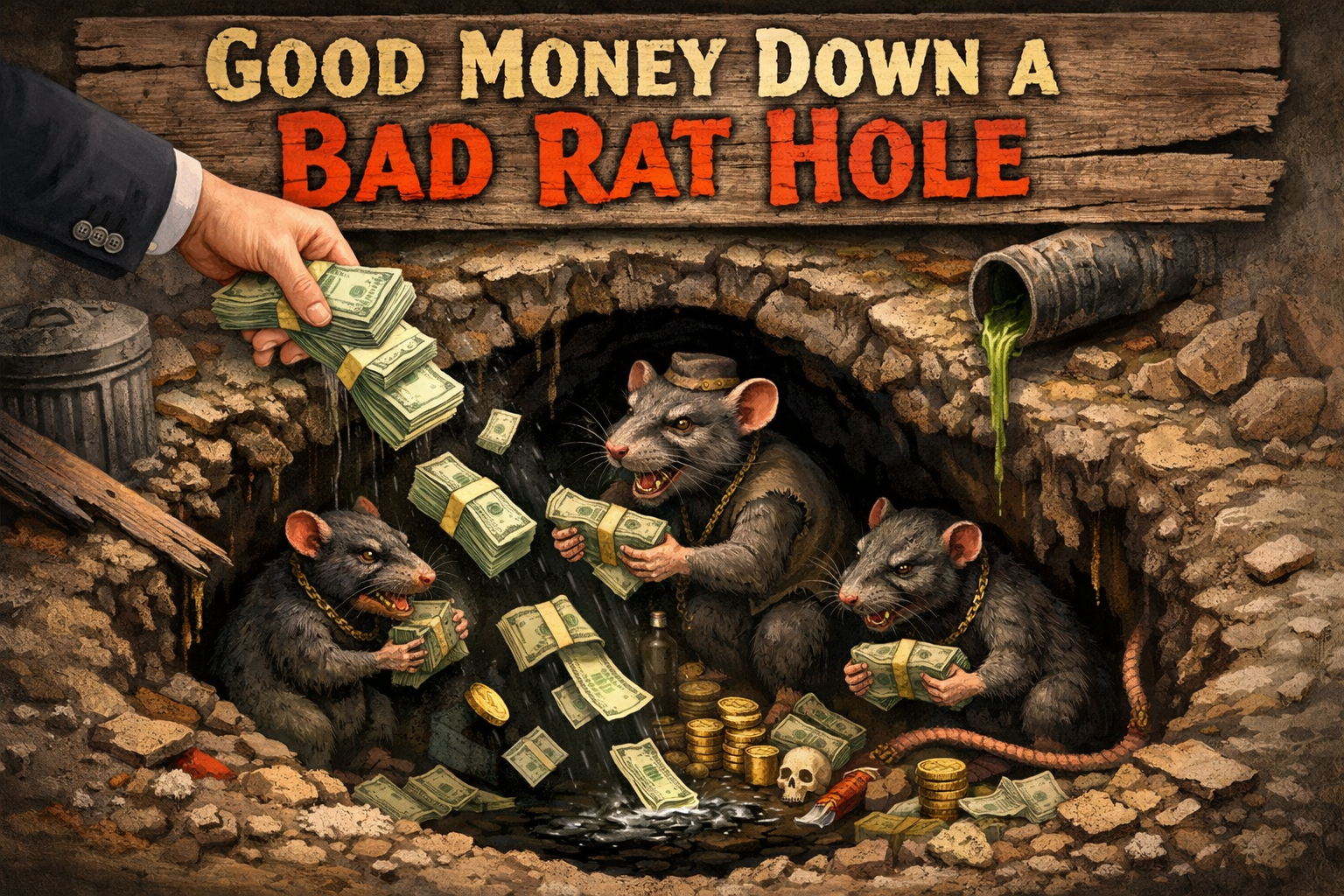








































































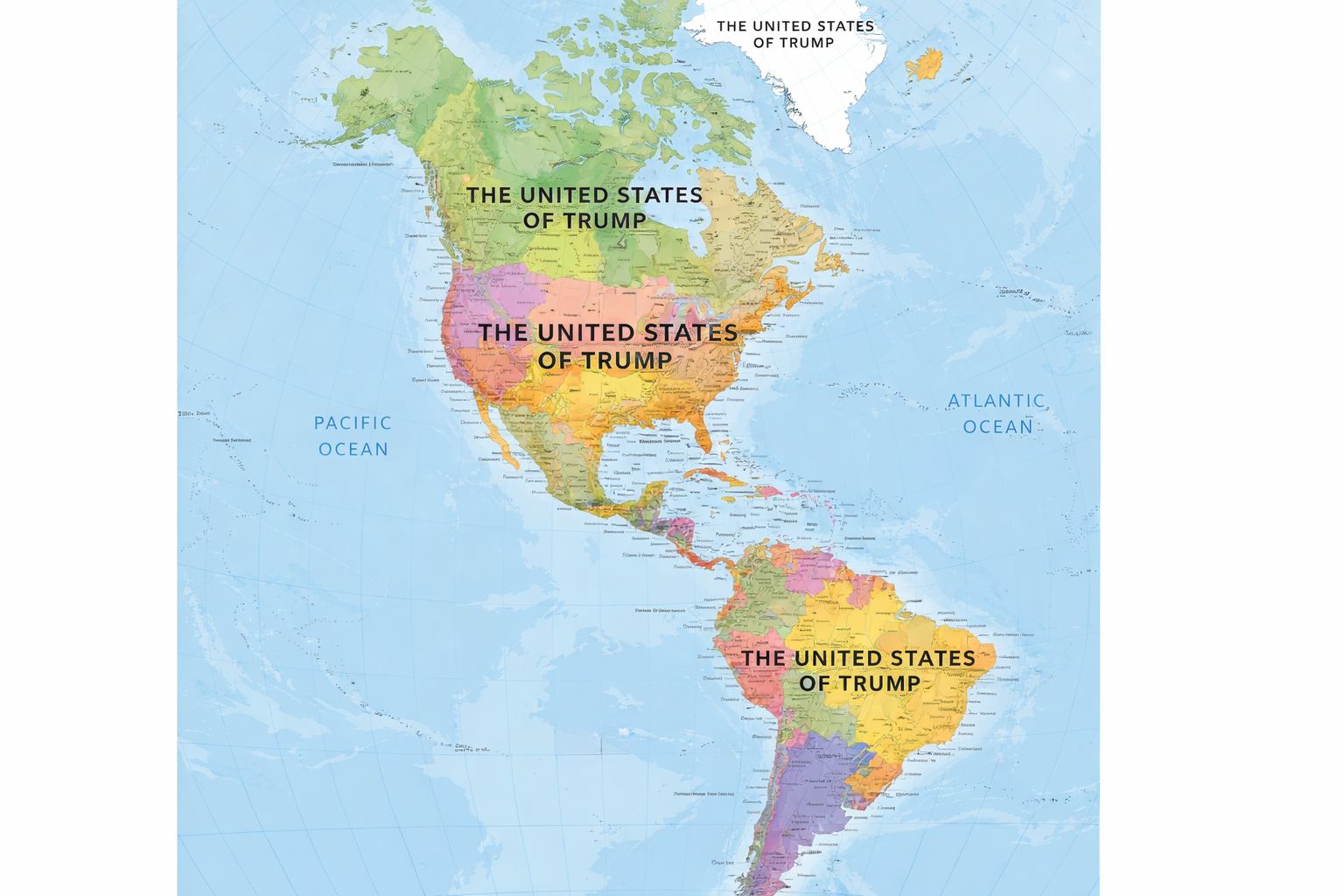
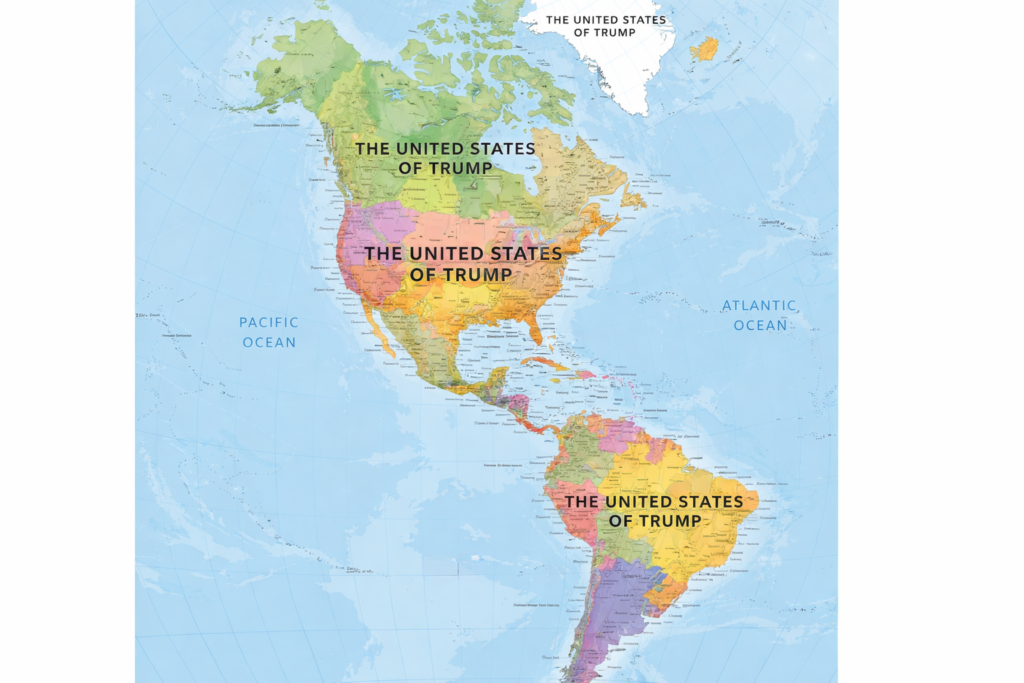









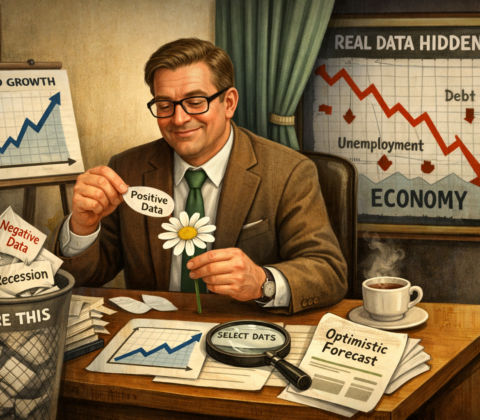











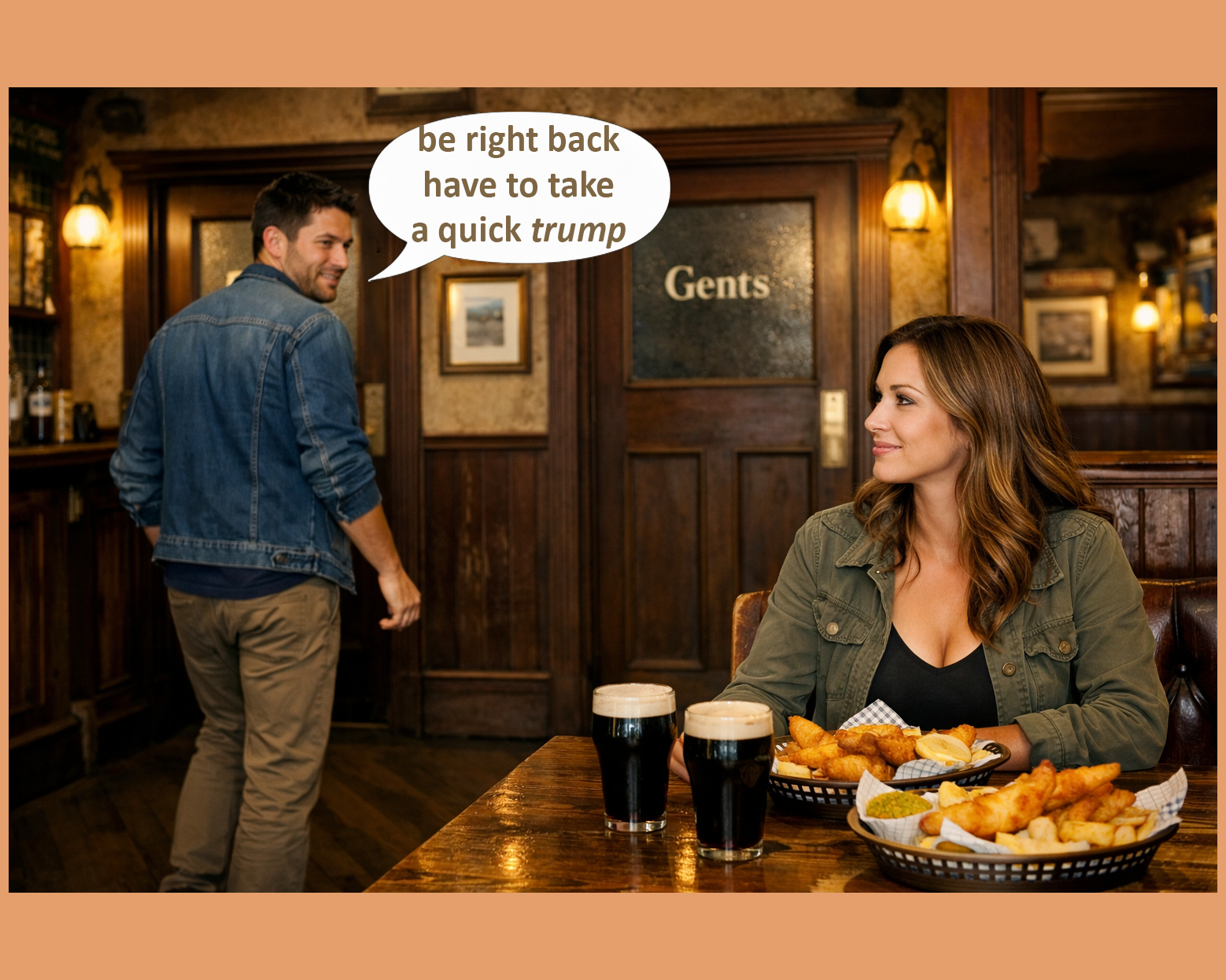
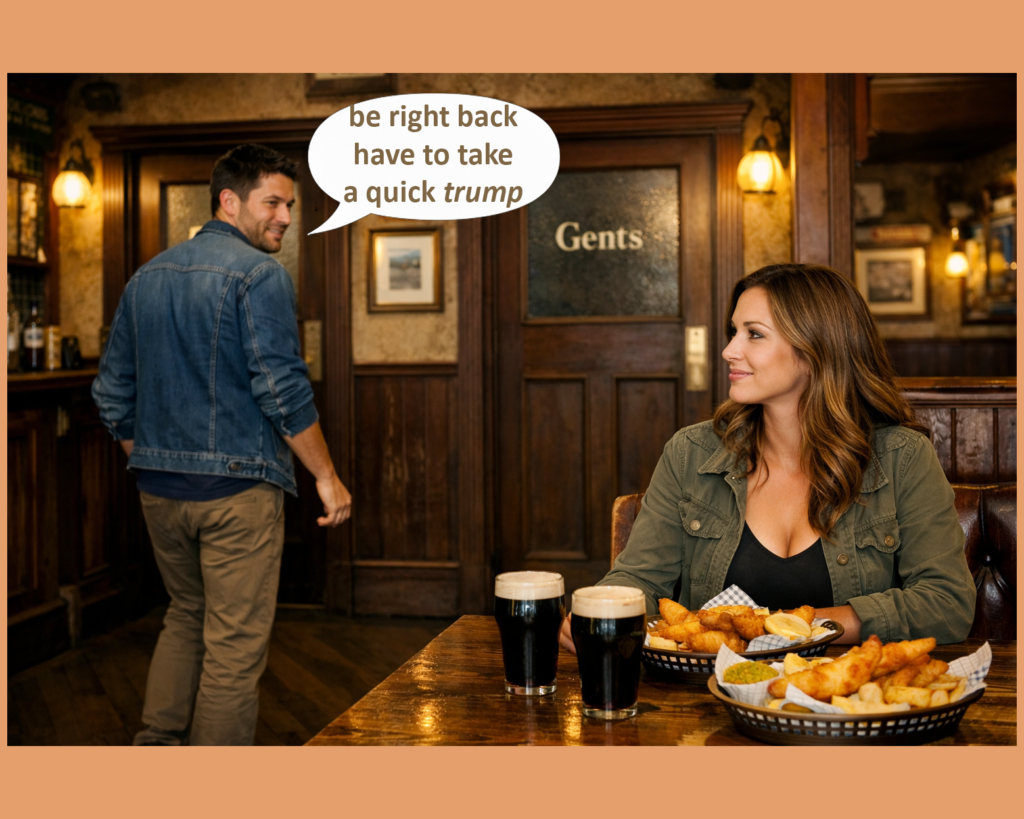





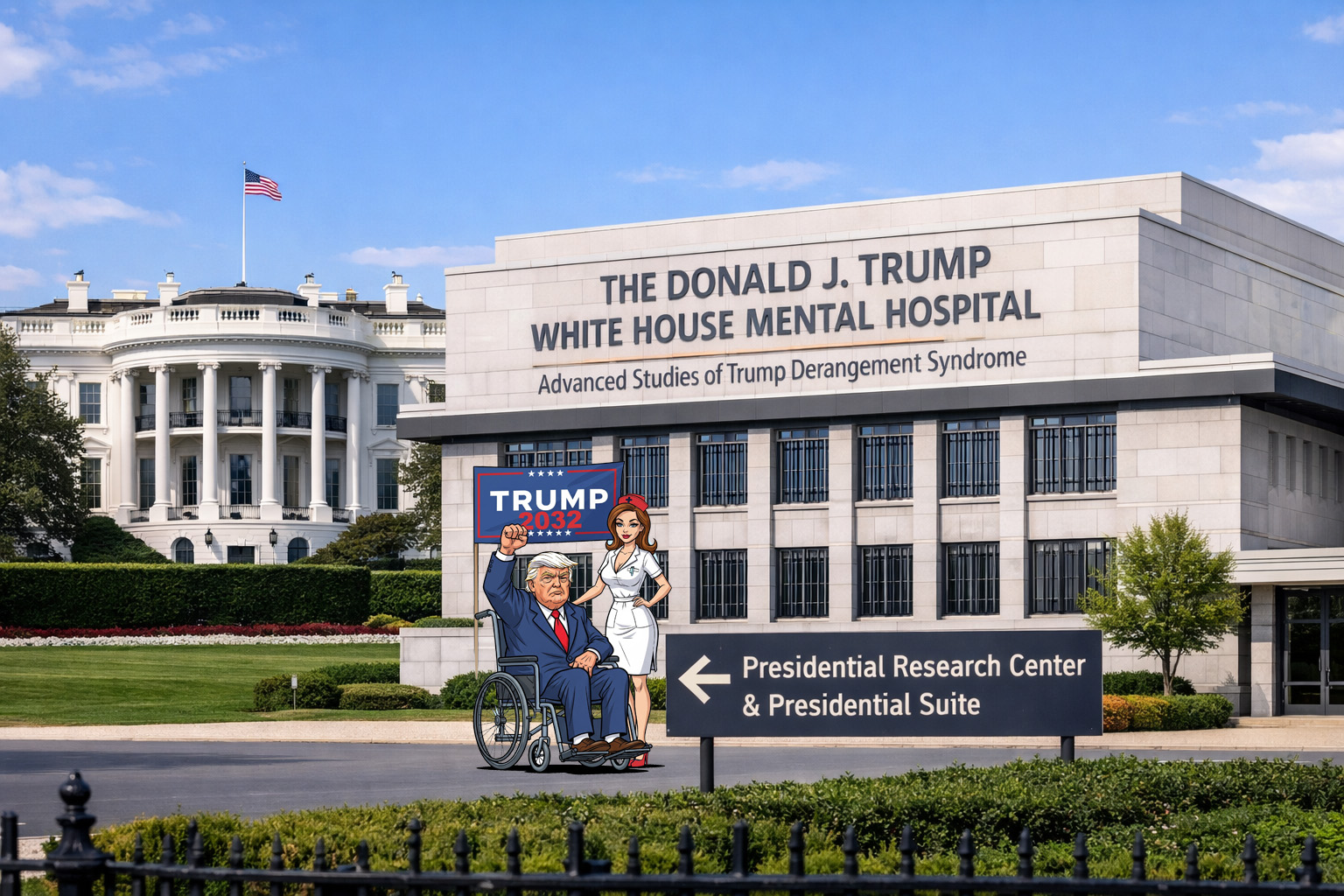





















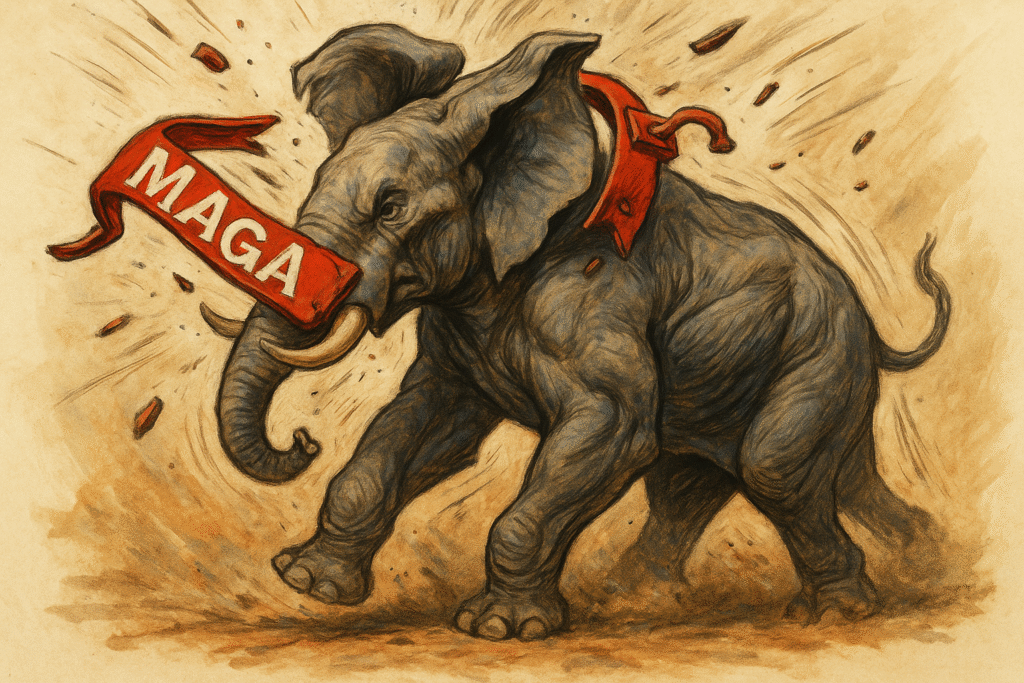





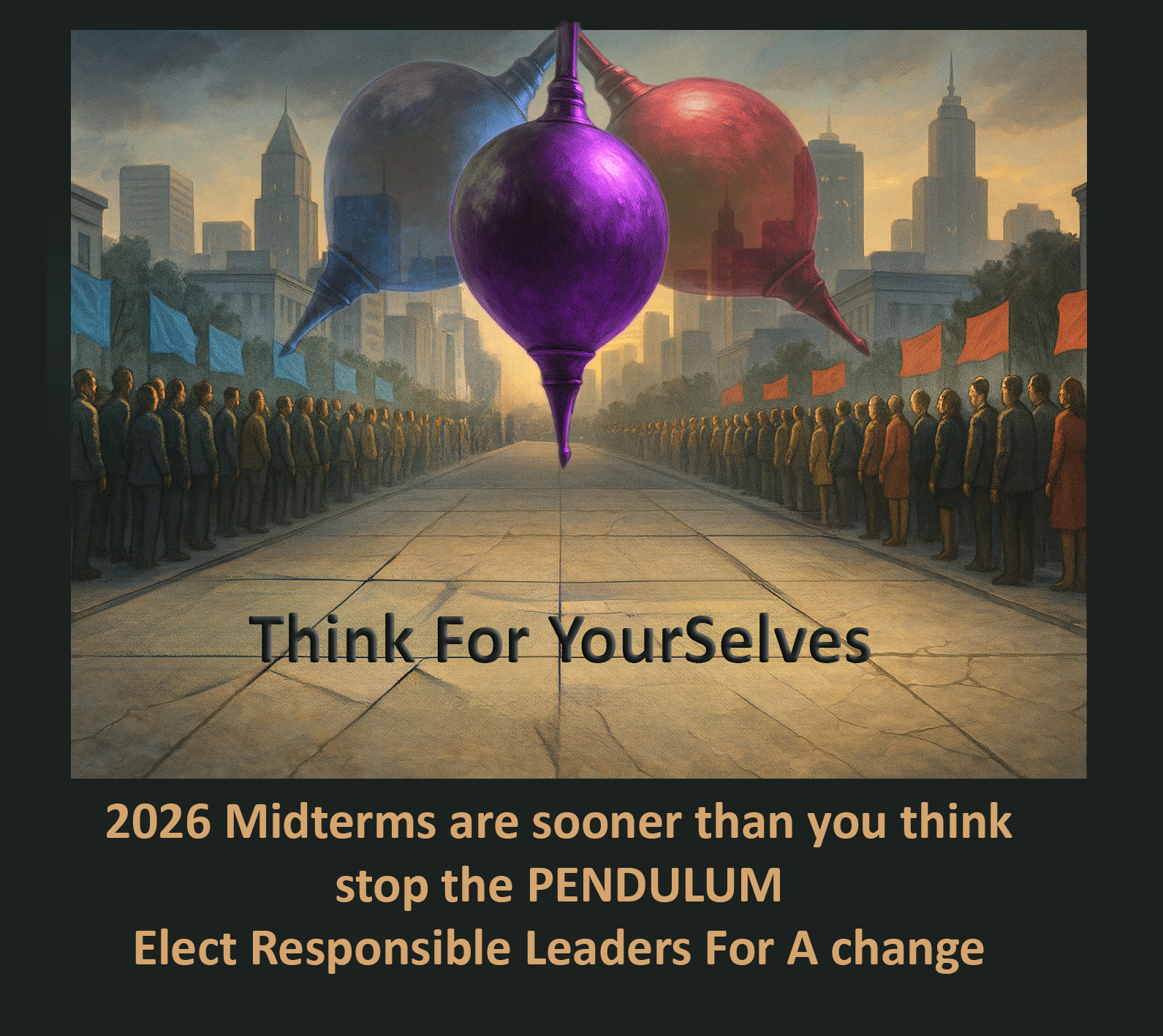

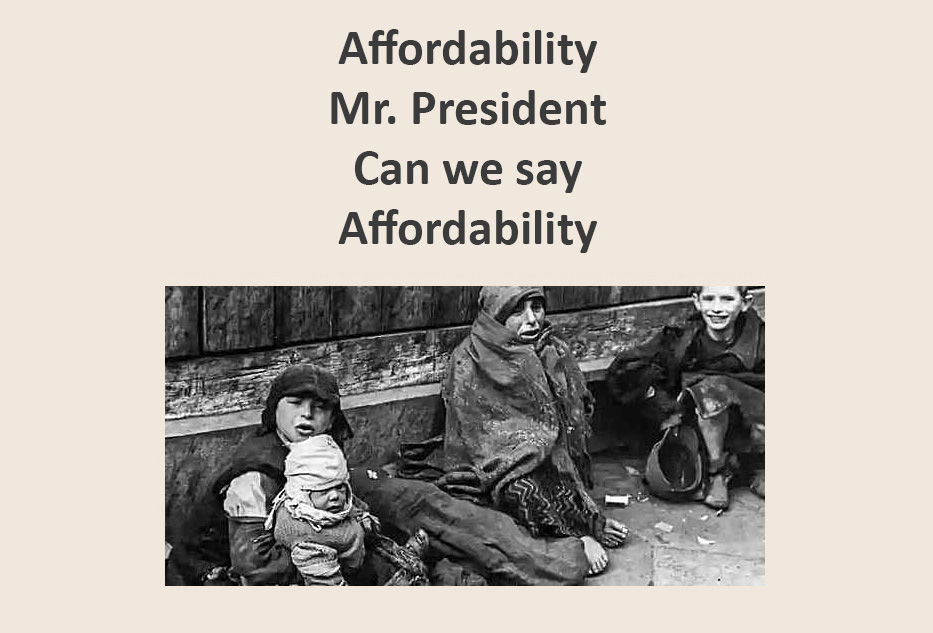

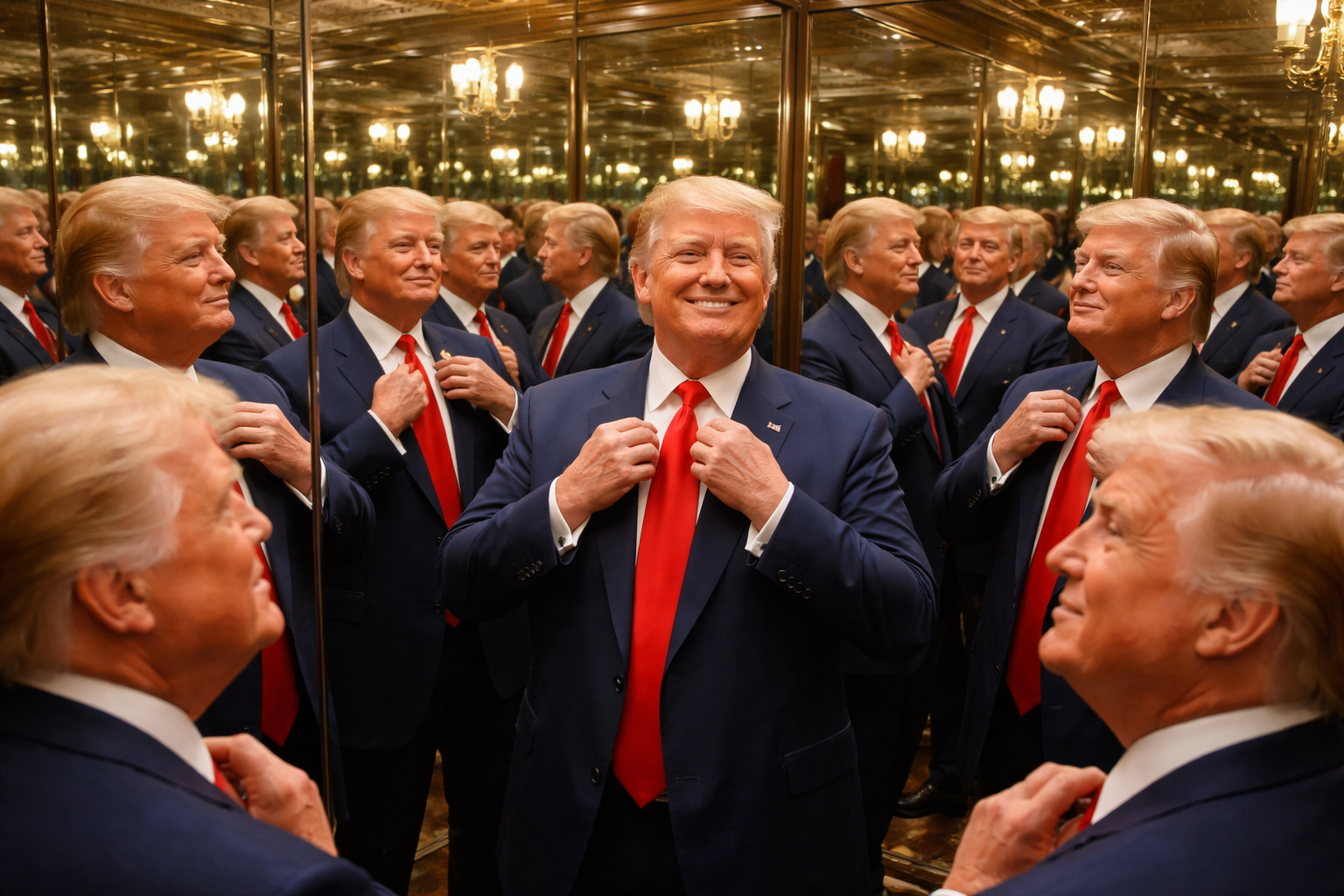

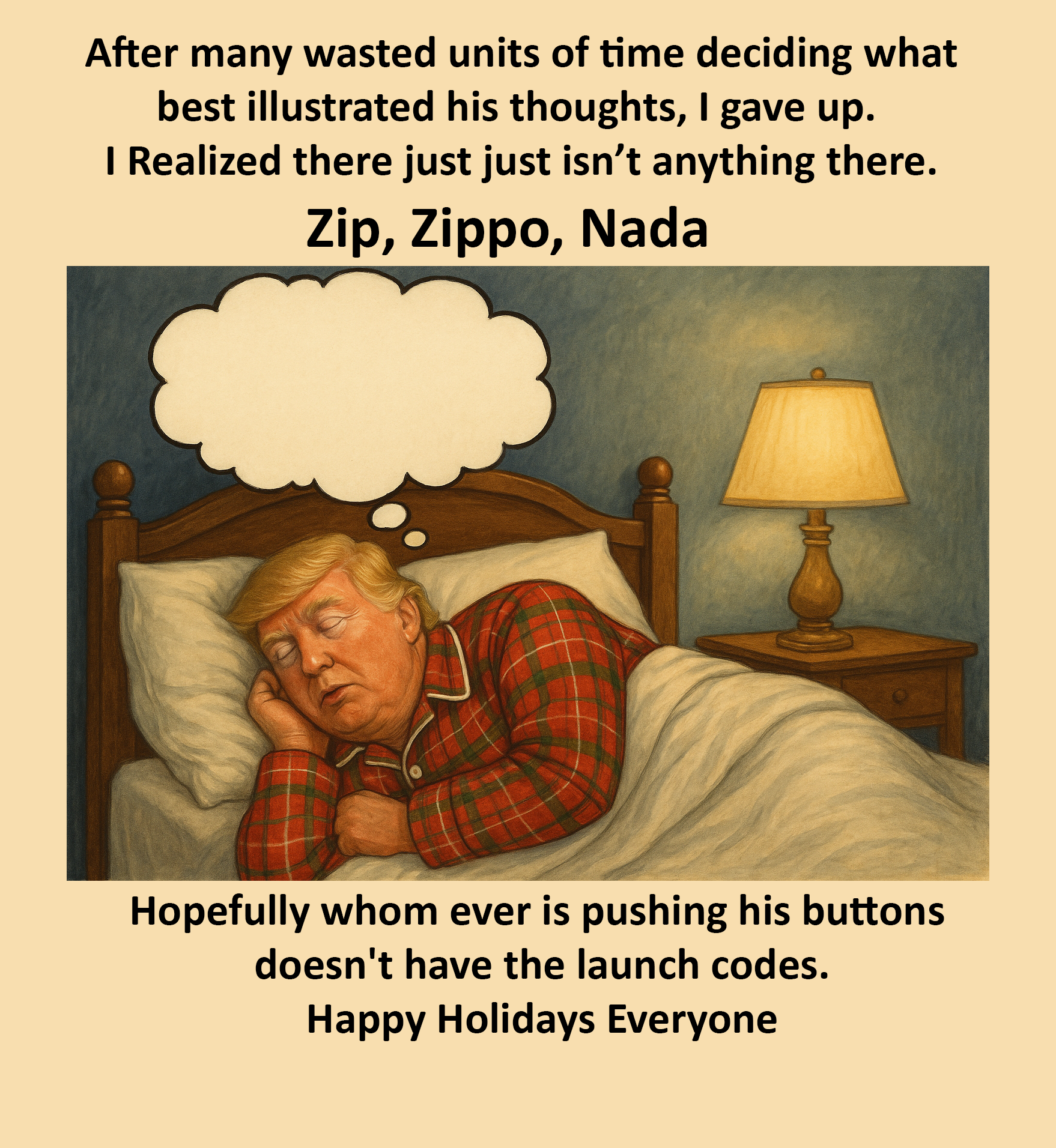
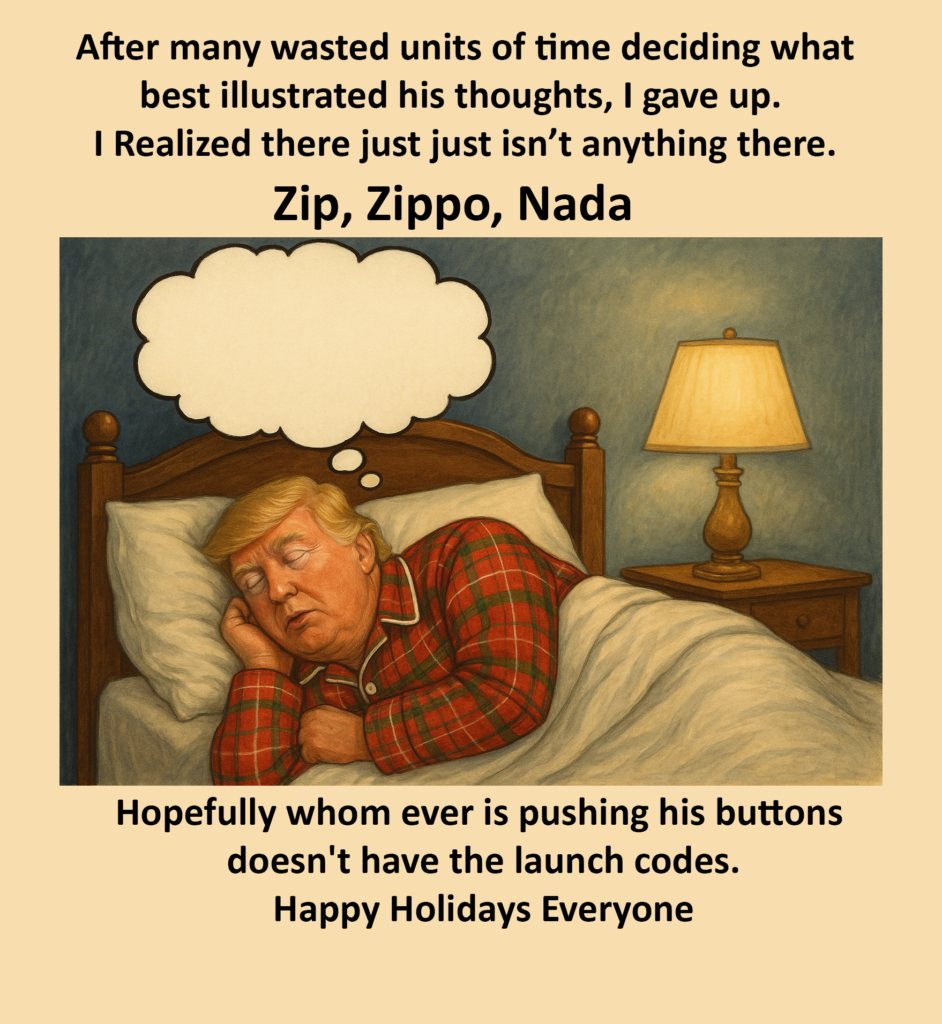

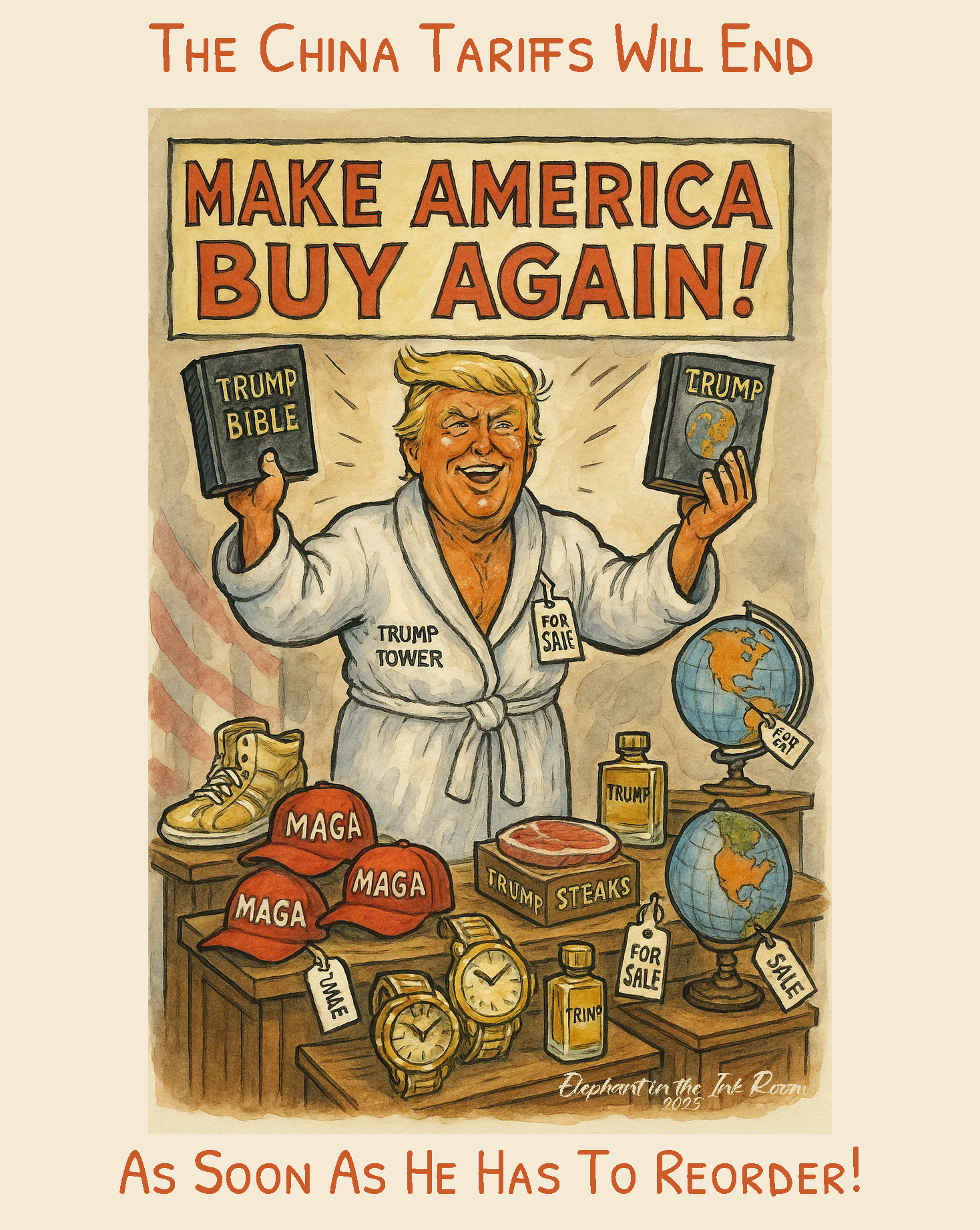









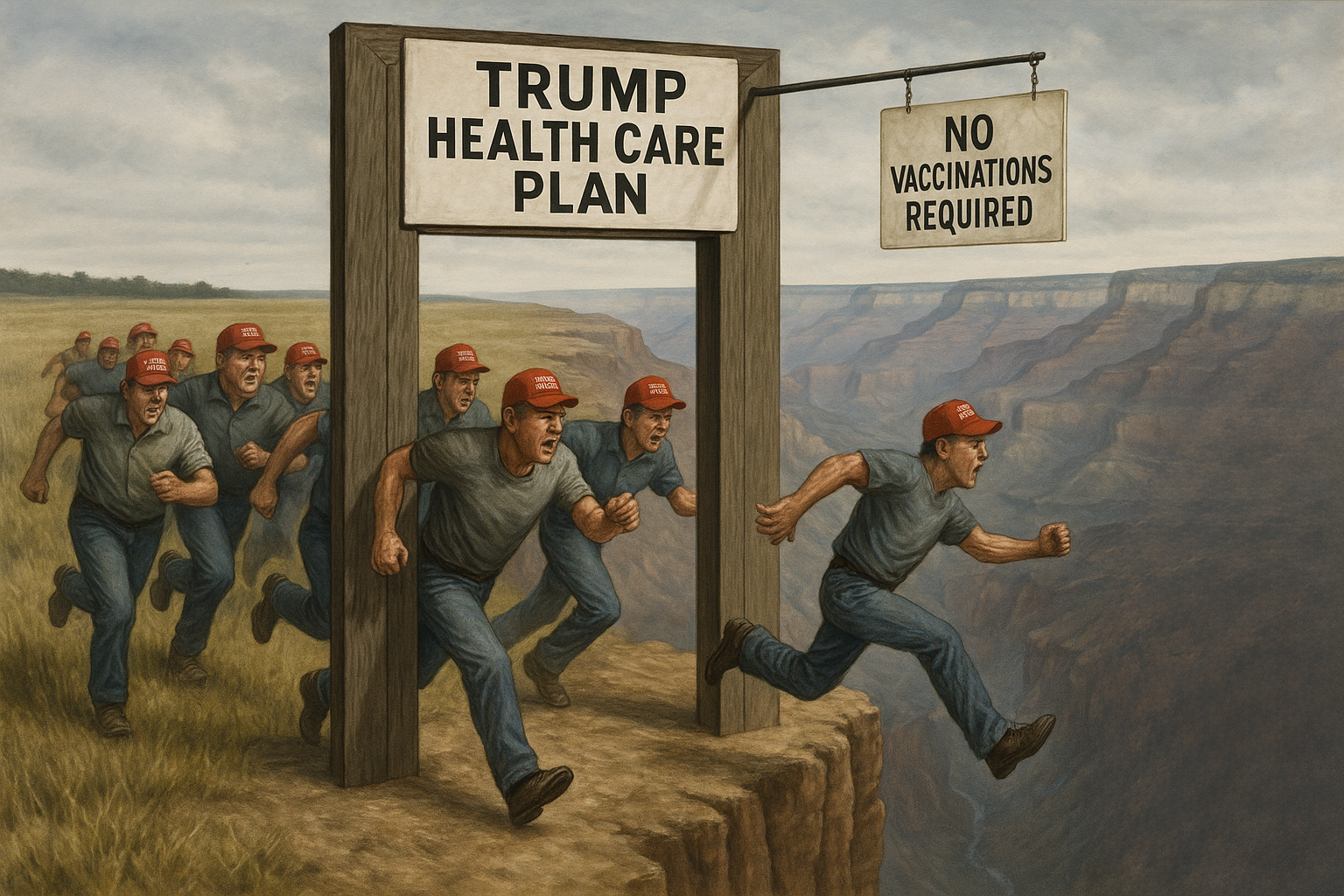


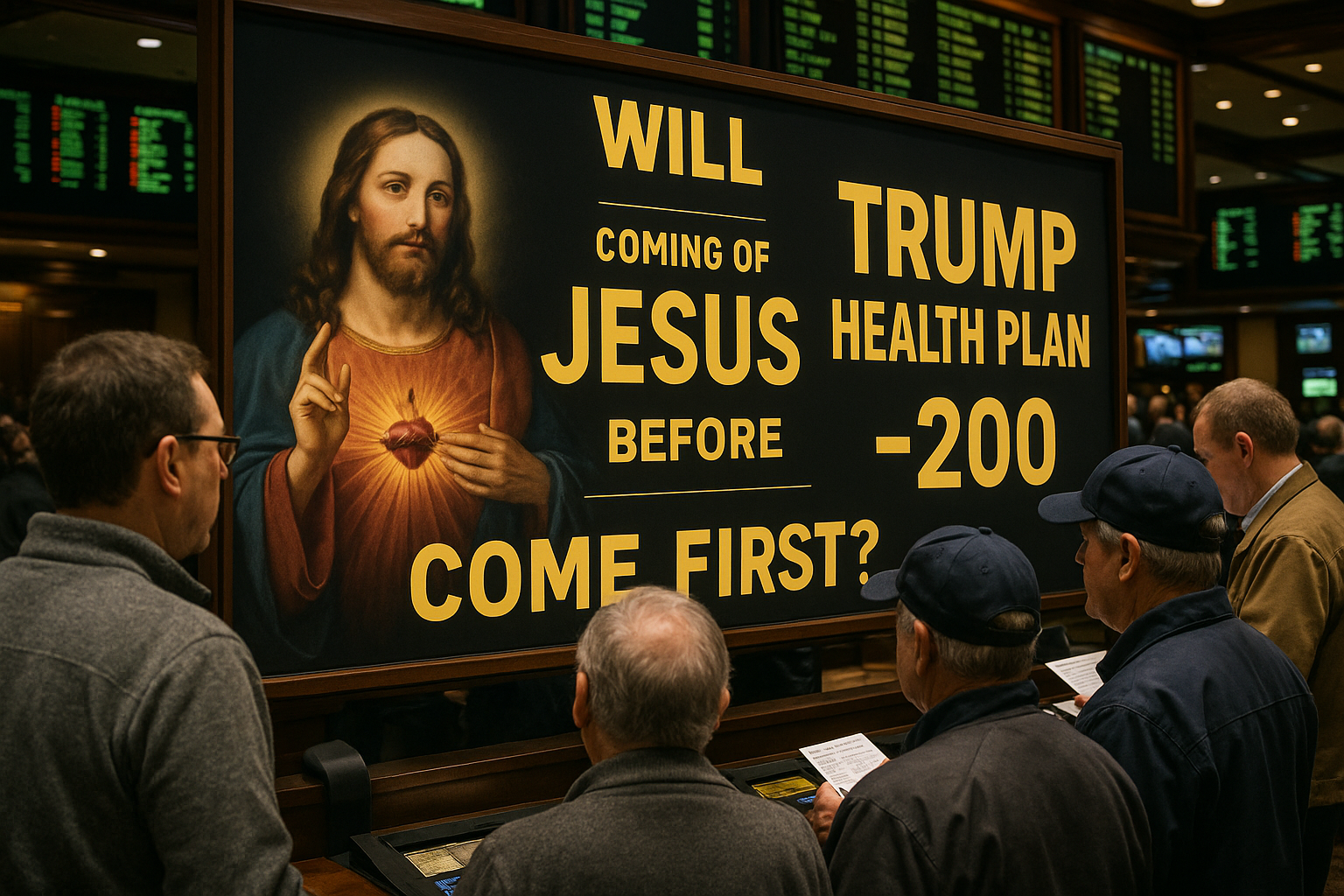



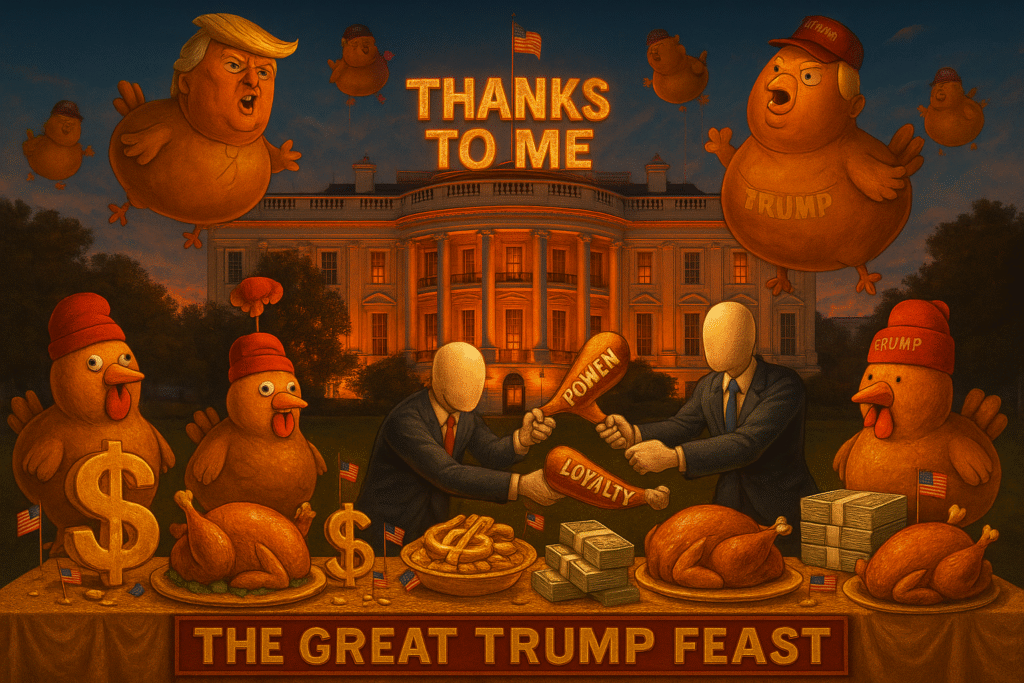
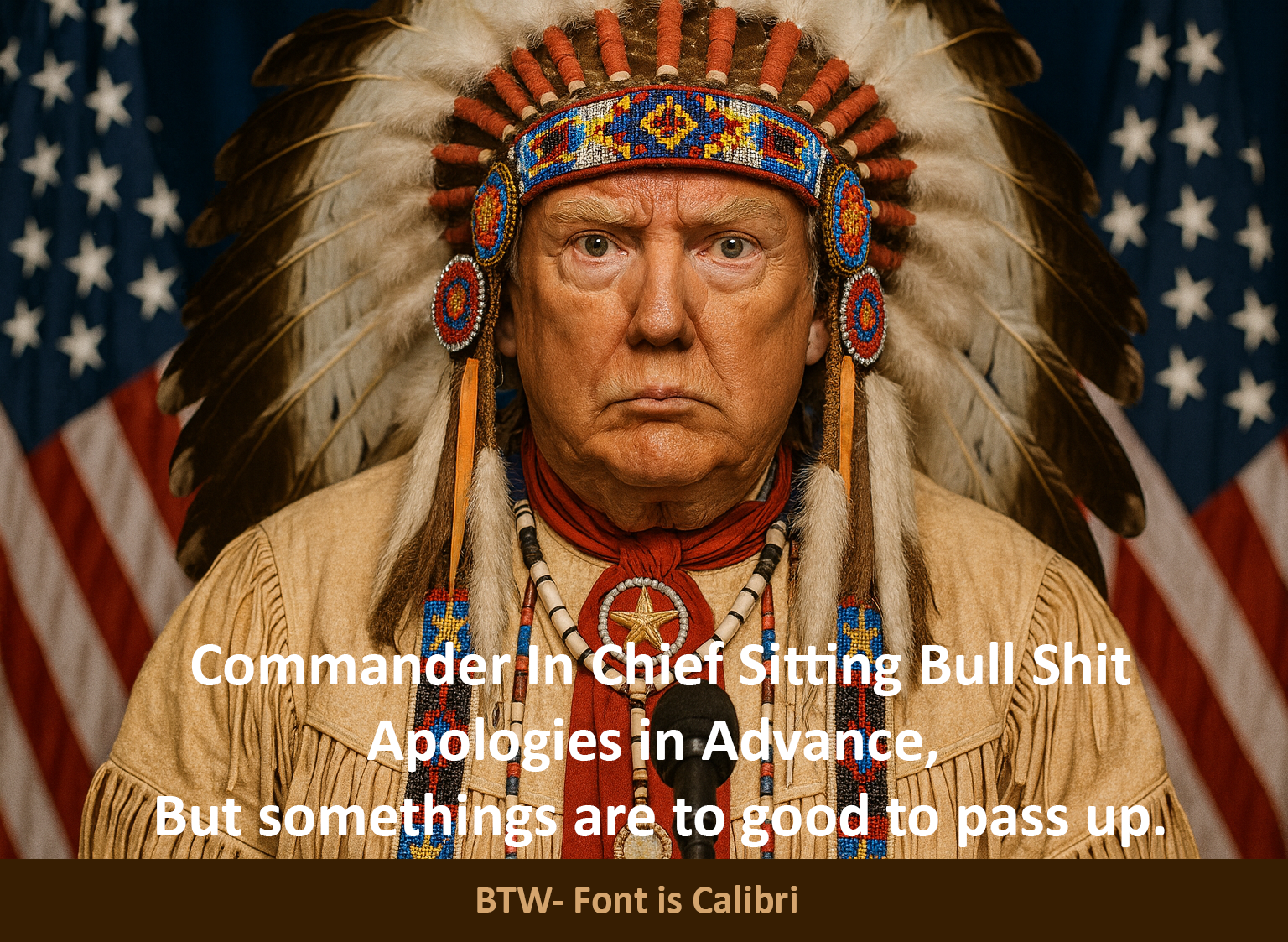
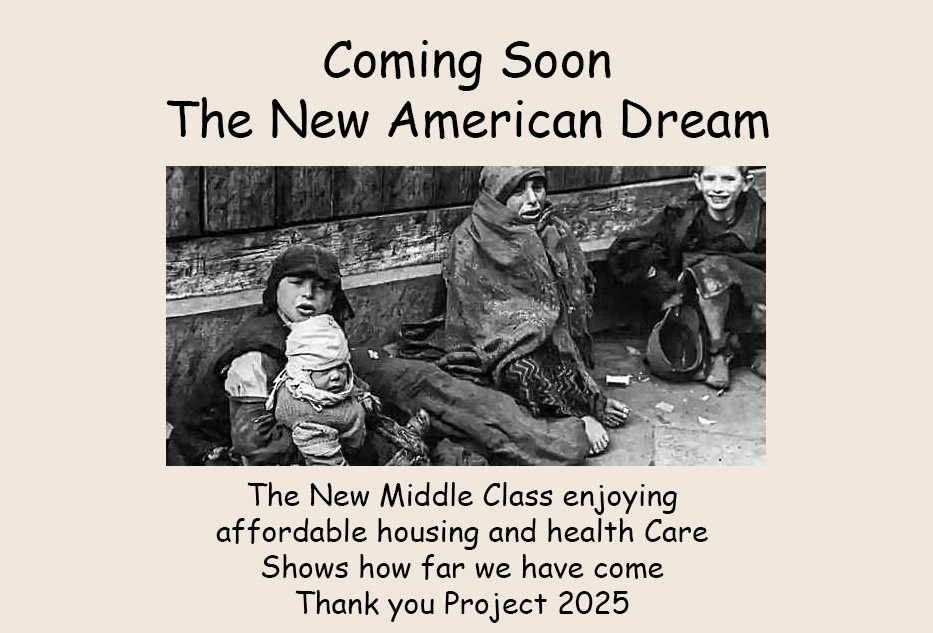
 That’s right, saved 25% from last years meal. Only had to give up 50% of the food. Putz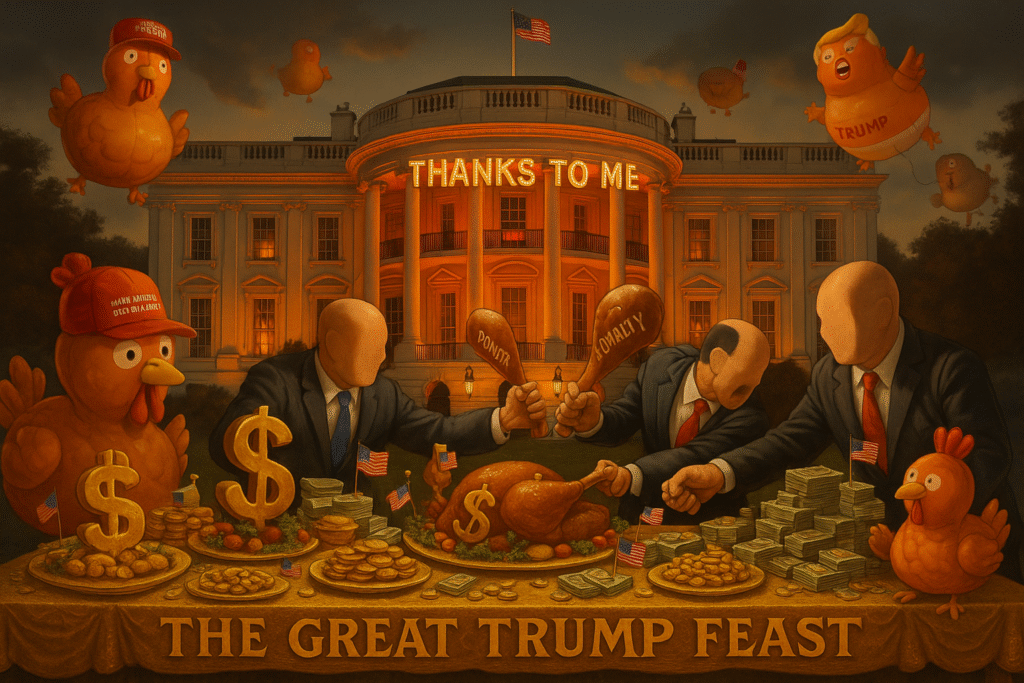
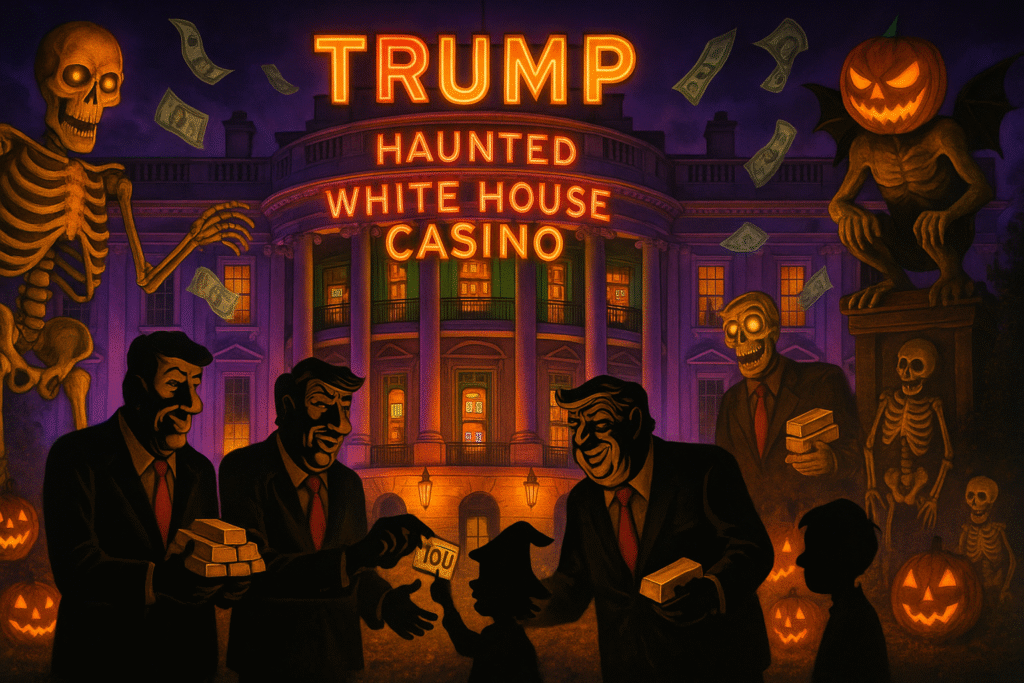
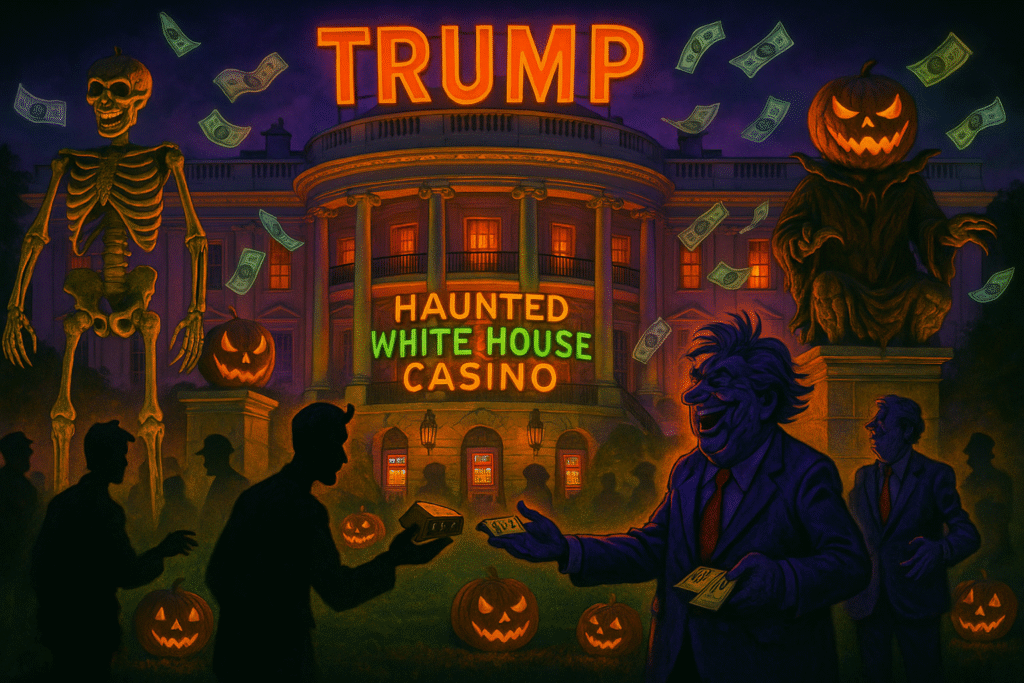





















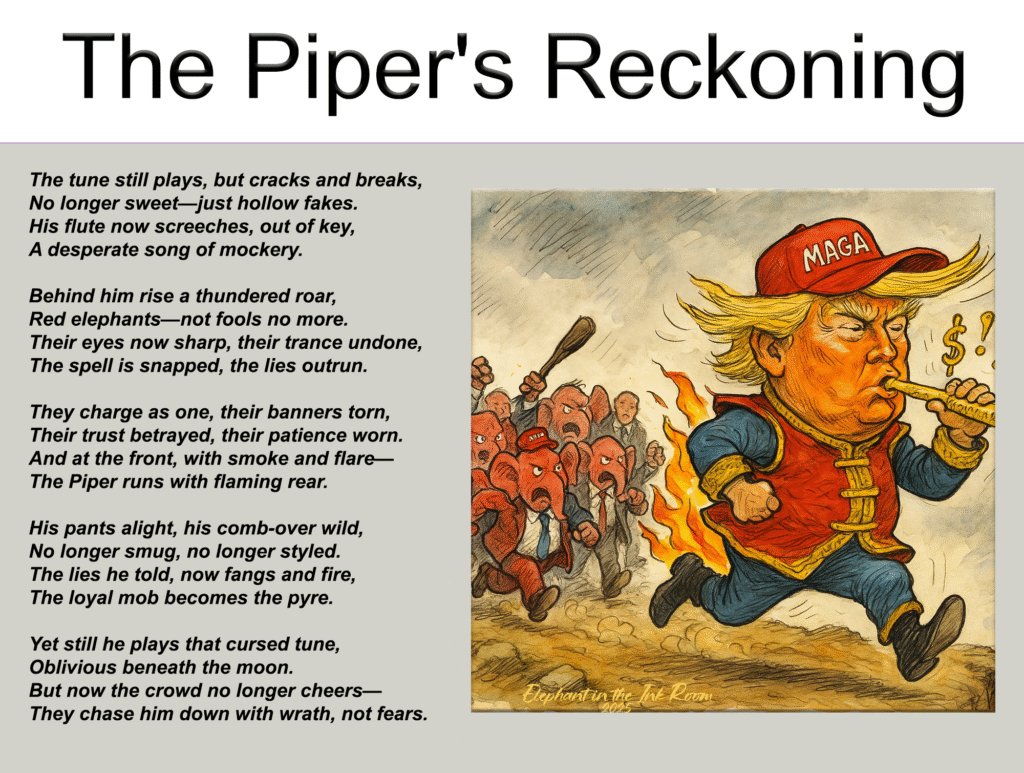
















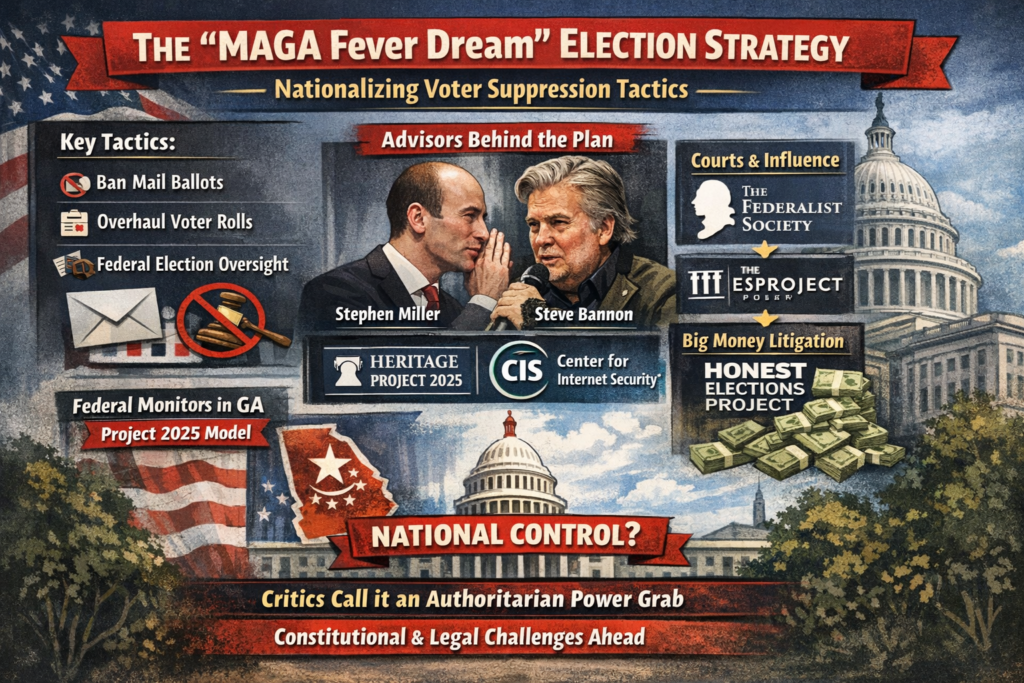
Control of Voting – If Trump Is Ousted: Does It Die on the Vine?
Control of Voting – If Trump Is Ousted: Does It Die on the Vine?
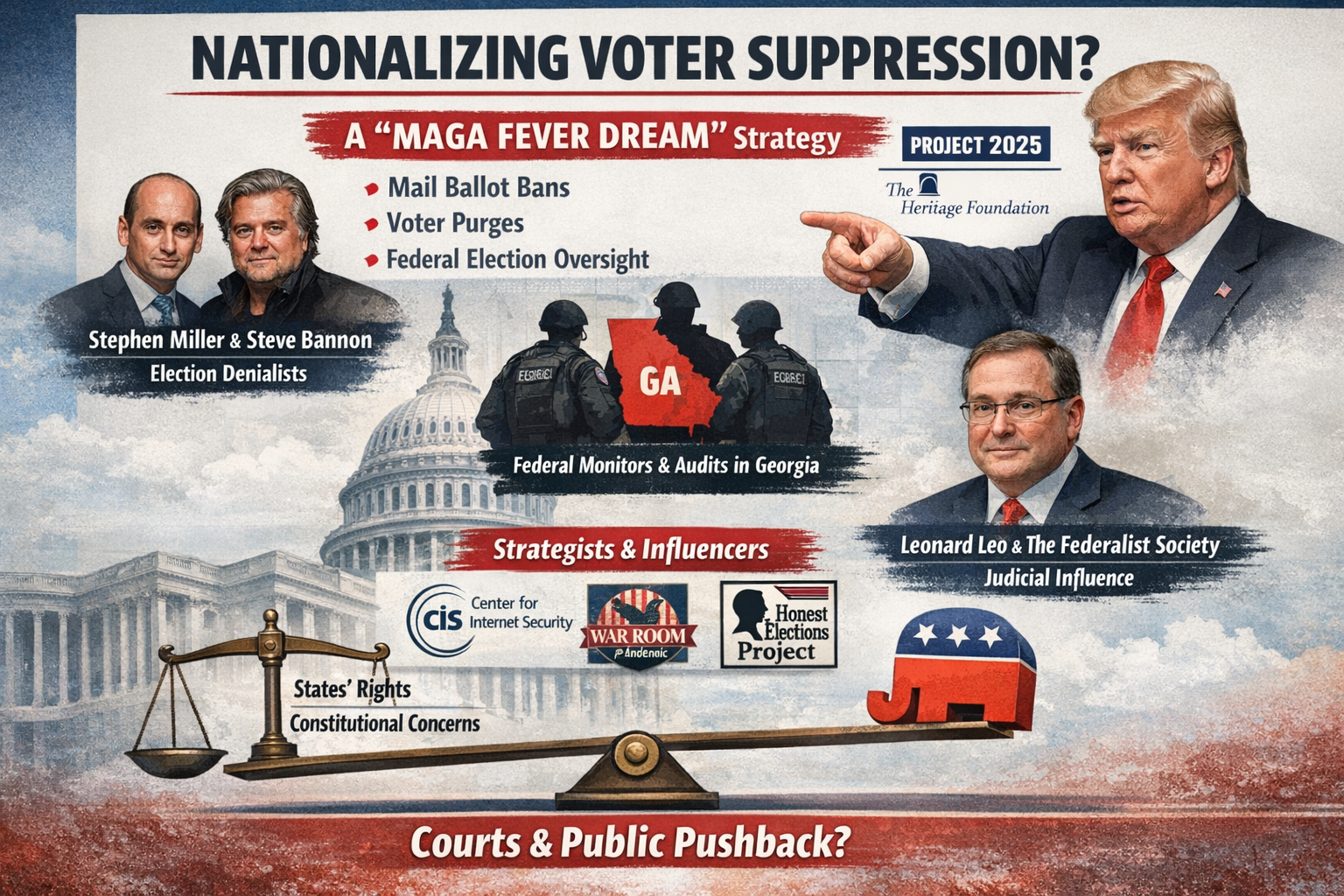
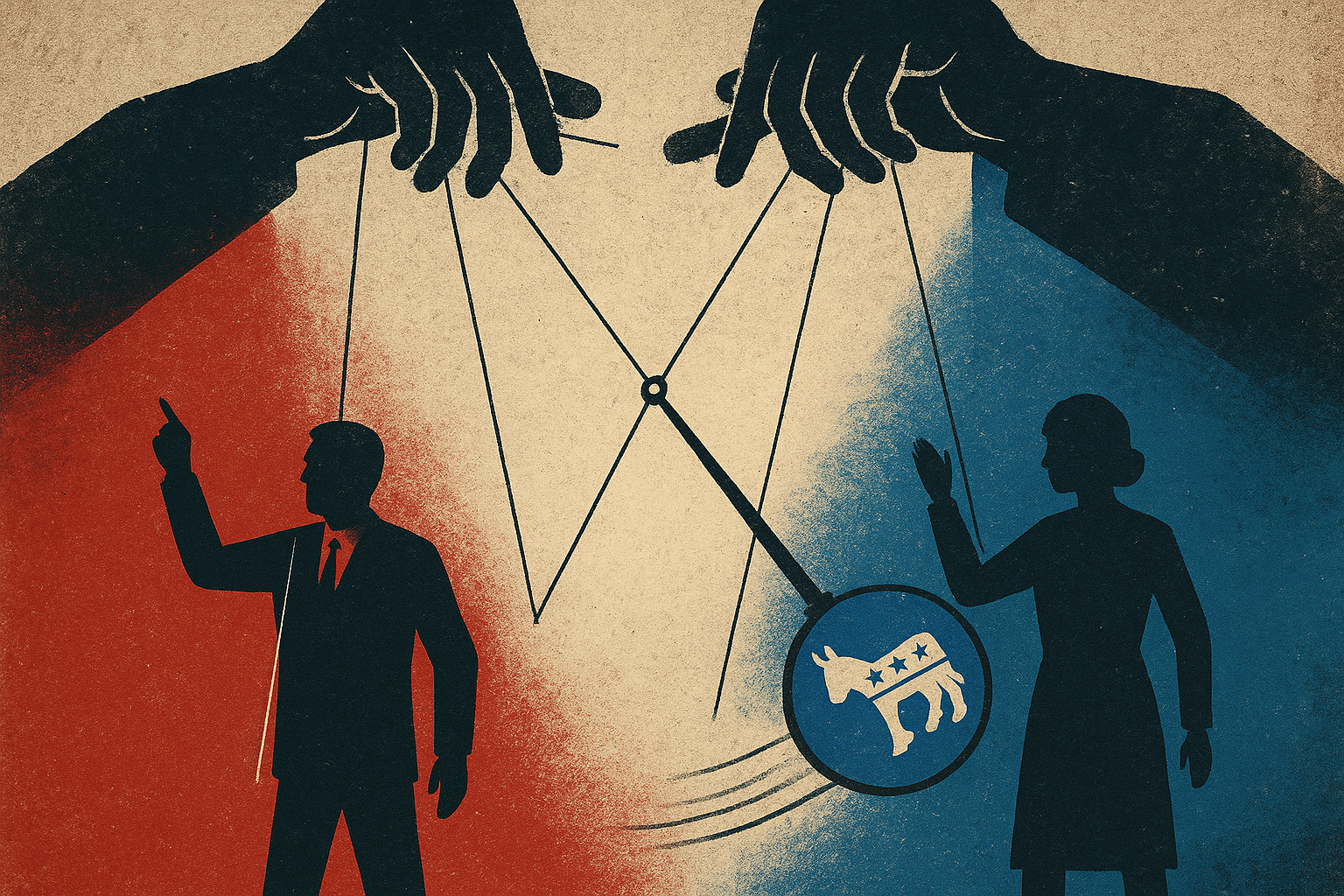
Not entirely, it would slow at the federal level, but these efforts are bigger than one person. Project 2025 isn’t just a Trump playbook; it’s a Heritage Foundation-led blueprint from over 100 conservative groups, predating his second term. By October 2025, Trump had implemented ~47% of its domestic agenda (e.g., workforce cuts via shutdown, executive orders on election “integrity”).
If impeached/removed:
Federal Slowdown: A new admin (e.g., under Vance or a Democrat post-midterms) could reverse executive orders, like Biden did with Trump’s first-term policies. DOJ probes into “fraud” might halt, and appointees like Cleta Mitchell’s network could be ousted. But some changes (e.g., embedded federal observers, voter roll purges) could linger if not actively undone, per experts at the Center for American Progress.
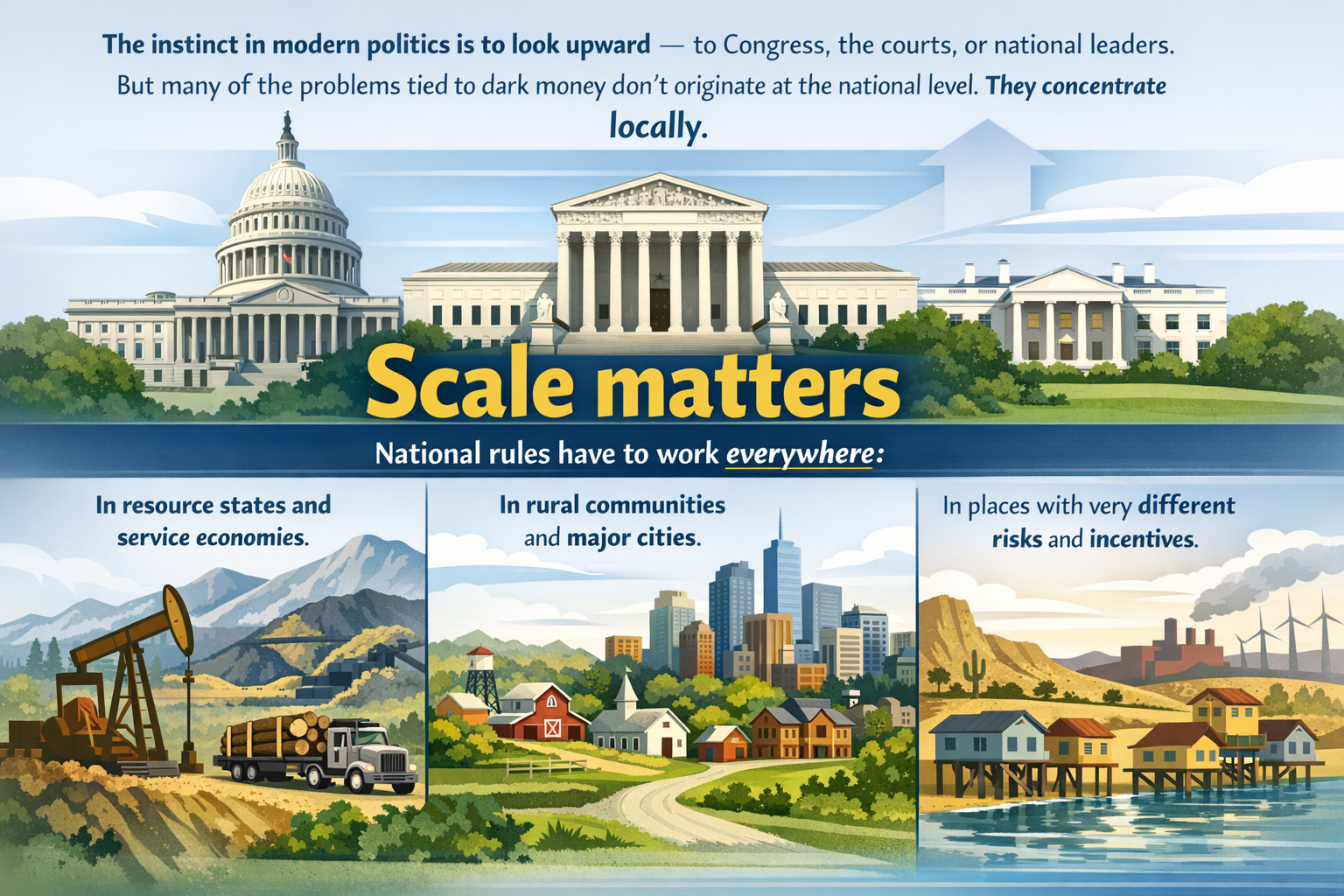
State and Local Persistence: Much of this is decentralized. GOP-led states have passed 100+ “integrity” laws since 2020 (e.g., voter ID, mail ballot restrictions), independent of Trump. Groups like the Election Integrity Network or RNC’s Protect the Vote operate at grassroots levels, training poll watchers and filing lawsuits, stuff that doesn’t vanish overnight. Even without Trump, red states resist federal overreach (e.g., some GOP secretaries of state withholding full voter data from DOJ).
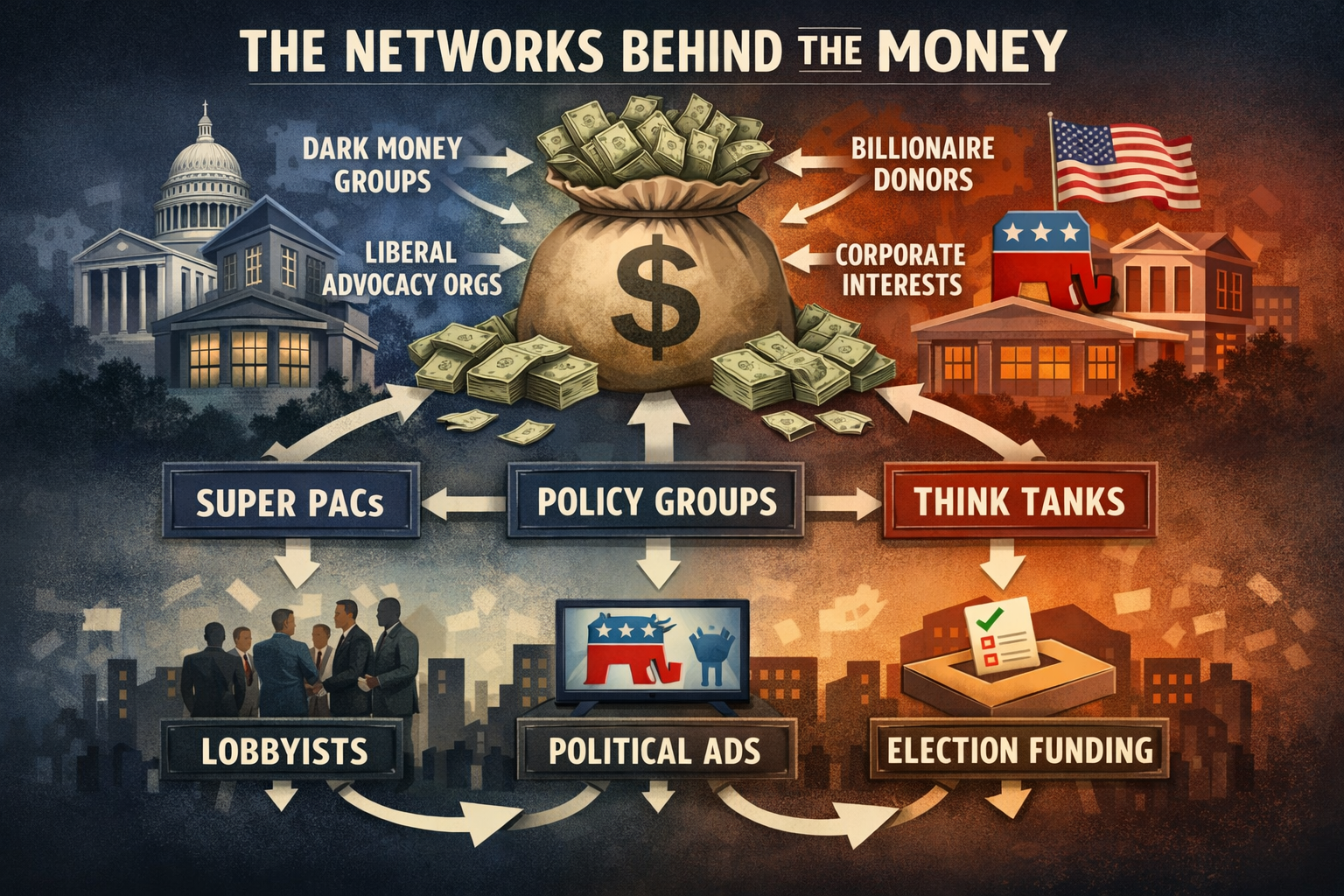
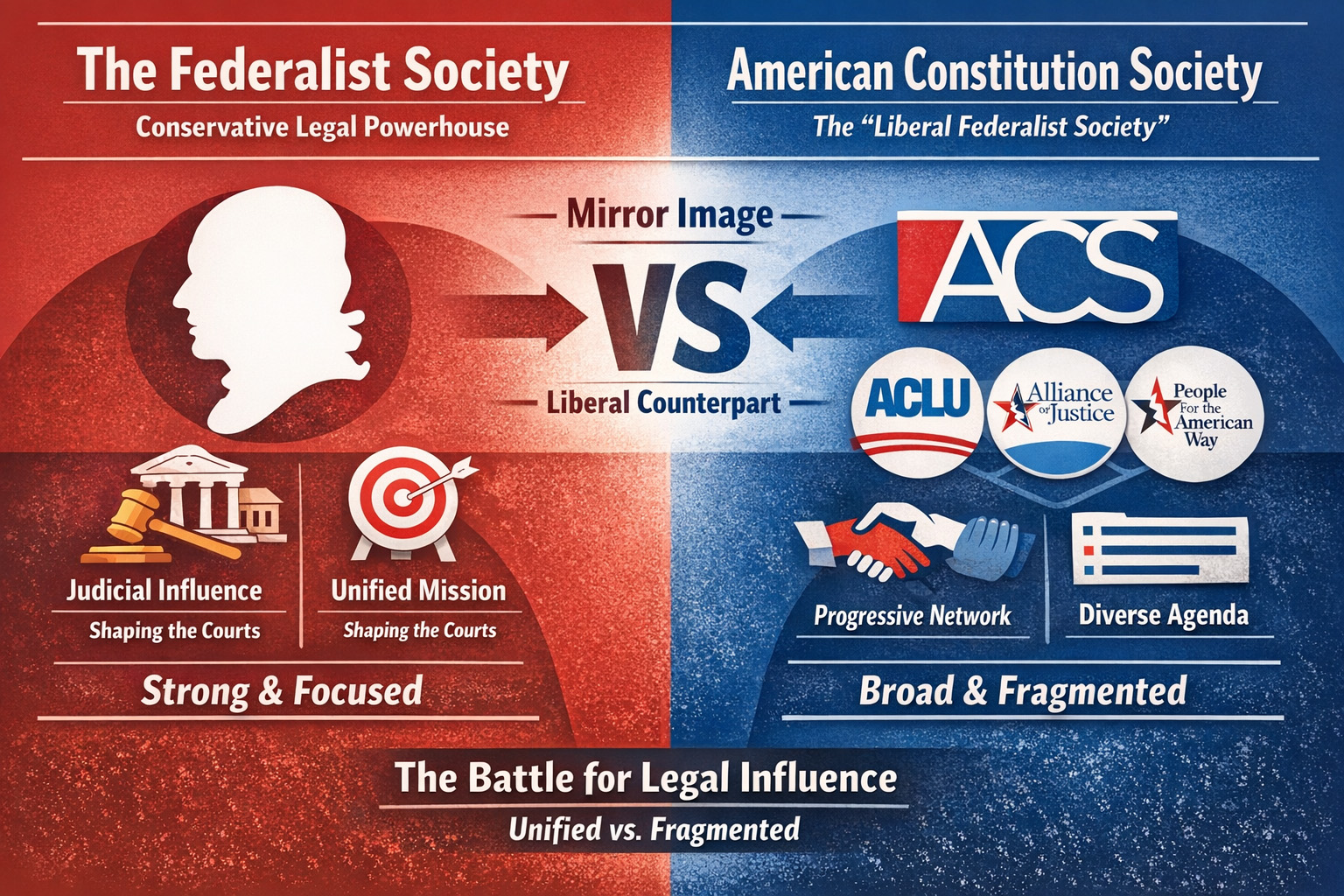
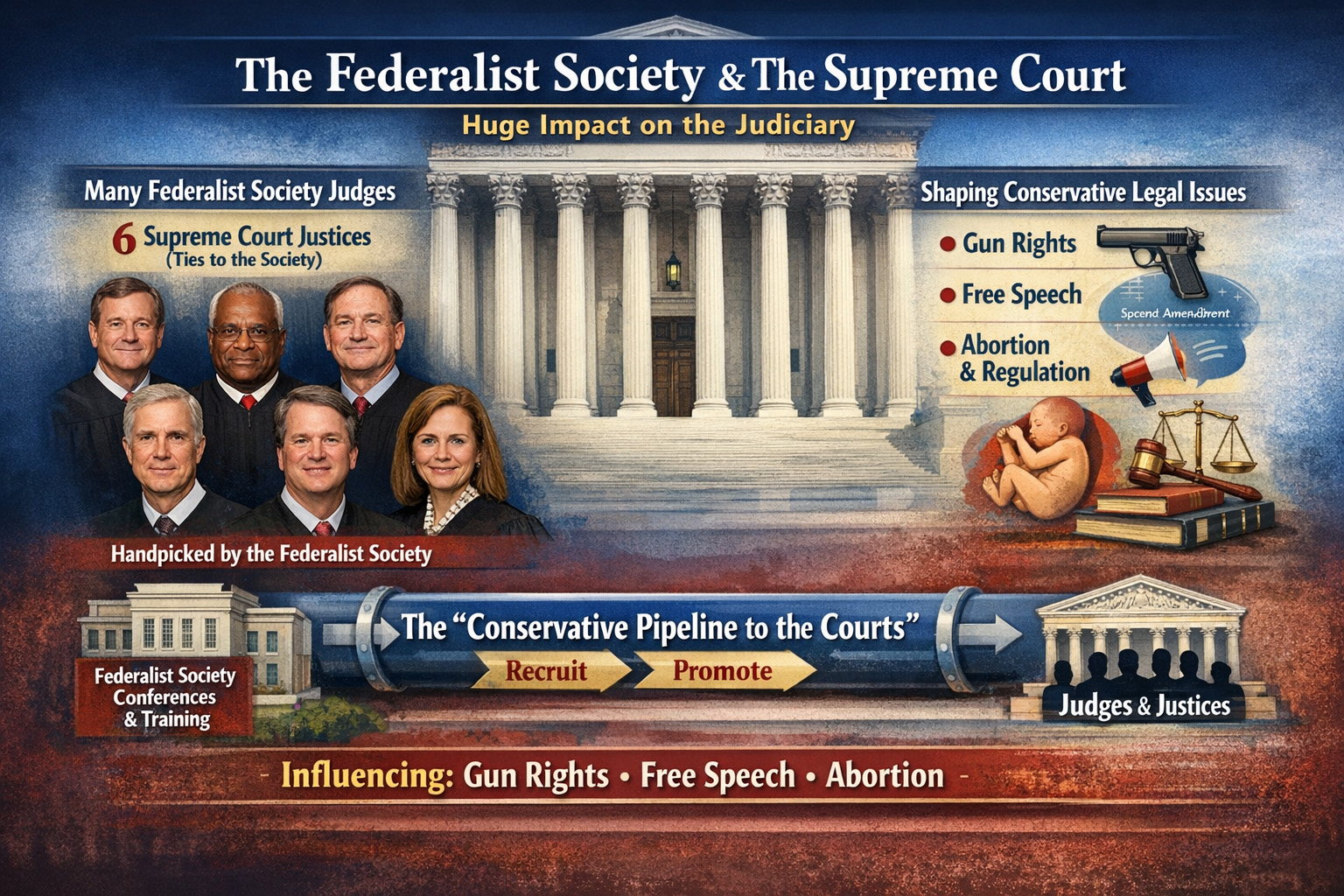
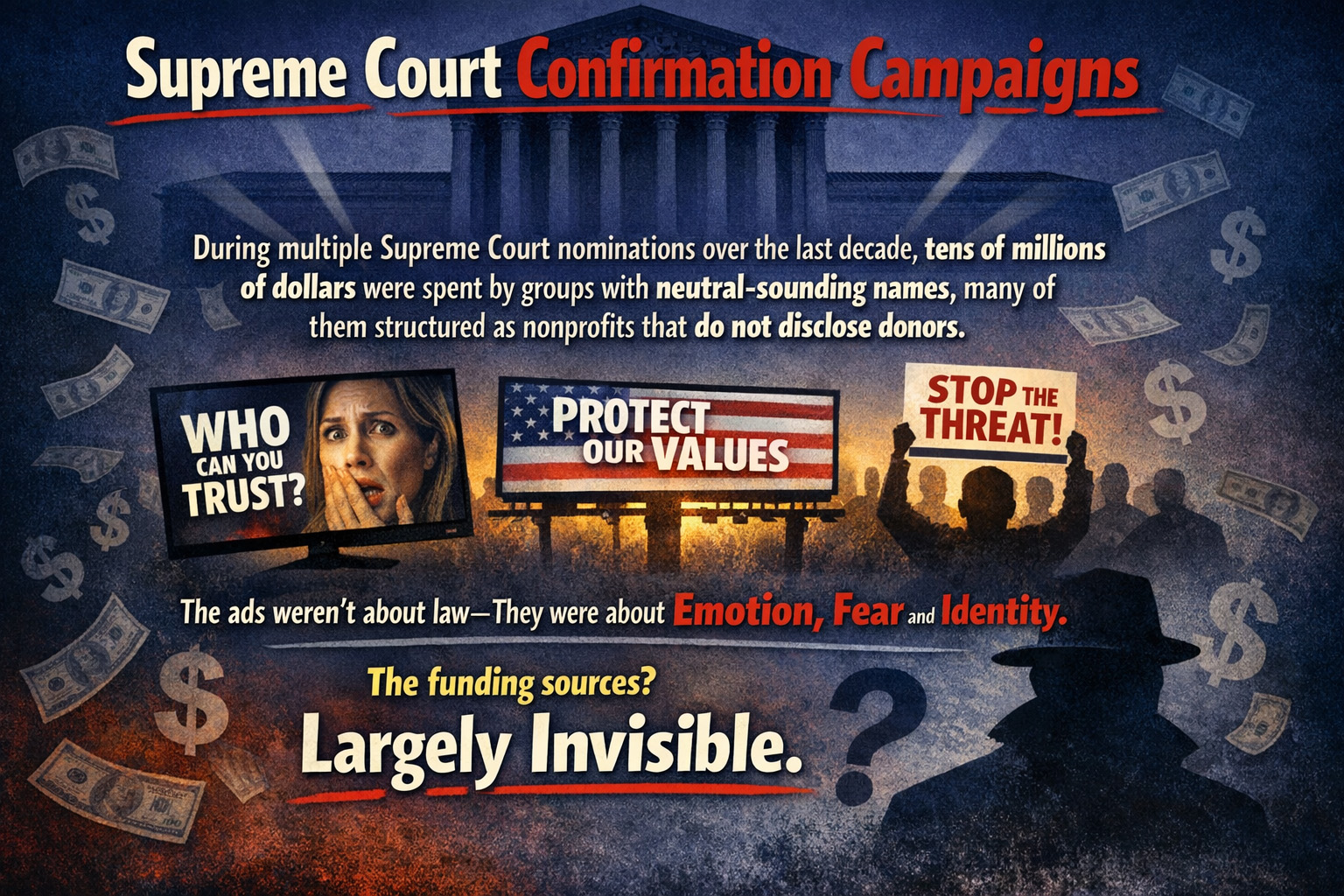
Think Tank and Donor Networks: Heritage, Federalist Society, and funders like Leonard Leo would pivot. Project 2025 is framed as a “conservative promise” for any GOP admin, not Trump-specific. If Trump goes, they’d rebrand for 2028 (e.g., focusing on state ballot initiatives, litigation).
It wouldn’t “die quickly”—more like a temporary federal retreat, with momentum shifting to states and courts. Post-2020, GOP election denialism rewarded incumbents (e.g., no electoral penalty for “stop the steal” supporters in 2022). But backlash (e.g., bipartisan criticism of Georgia raids) could erode support if overreach backfires.
Will They Shift Gears?
Absolutely, conservative networks are adaptive. Without Trump, tactics might soften federally (e.g., less overt “nationalization” talk) but intensify locally: more state laws, voter challenges, or “audit” pushes. X chatter and op-eds suggest prepping for 2028 census fights or midterms as a “blue tsunami” opportunity for Dems. Critics (ACLU, Brennan) warn it could evolve into subtler subversion, like weakening DOJ voting rights enforcement.
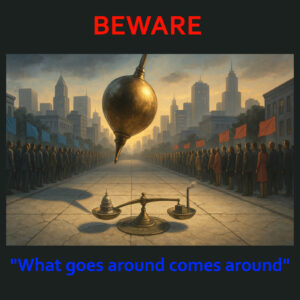
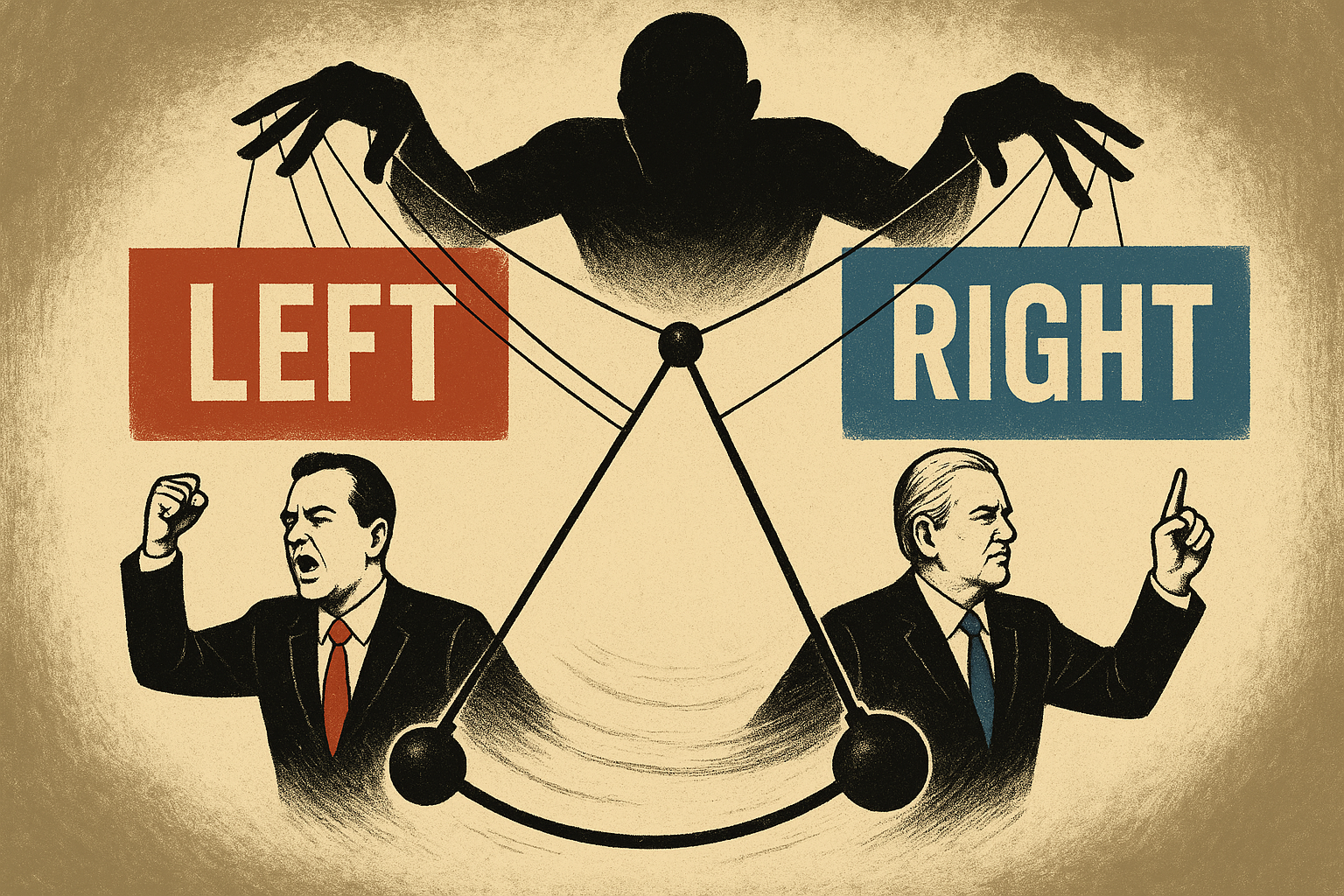
In my view, this is a long-game ecosystem (think tanks, donors, state parties) that’s survived presidents before. Trump’s a catalyst, but removal would force a tactical reset—not abandonment. The midterms are the pivot point; if GOP holds, it accelerates. If not, it decentralizes.
Share this:
Like this: