Skip to content



The remaining question isn’t whether this system exists.



The short answer is not corruption or conspiracy.


Who paid for it
A suitcase of cash changing hands in a back room
Educating the public
Who funded it
Shape which issues feel “normal” to discuss
Dark money isn’t hidden because it’s illegal.
To be equally clear:
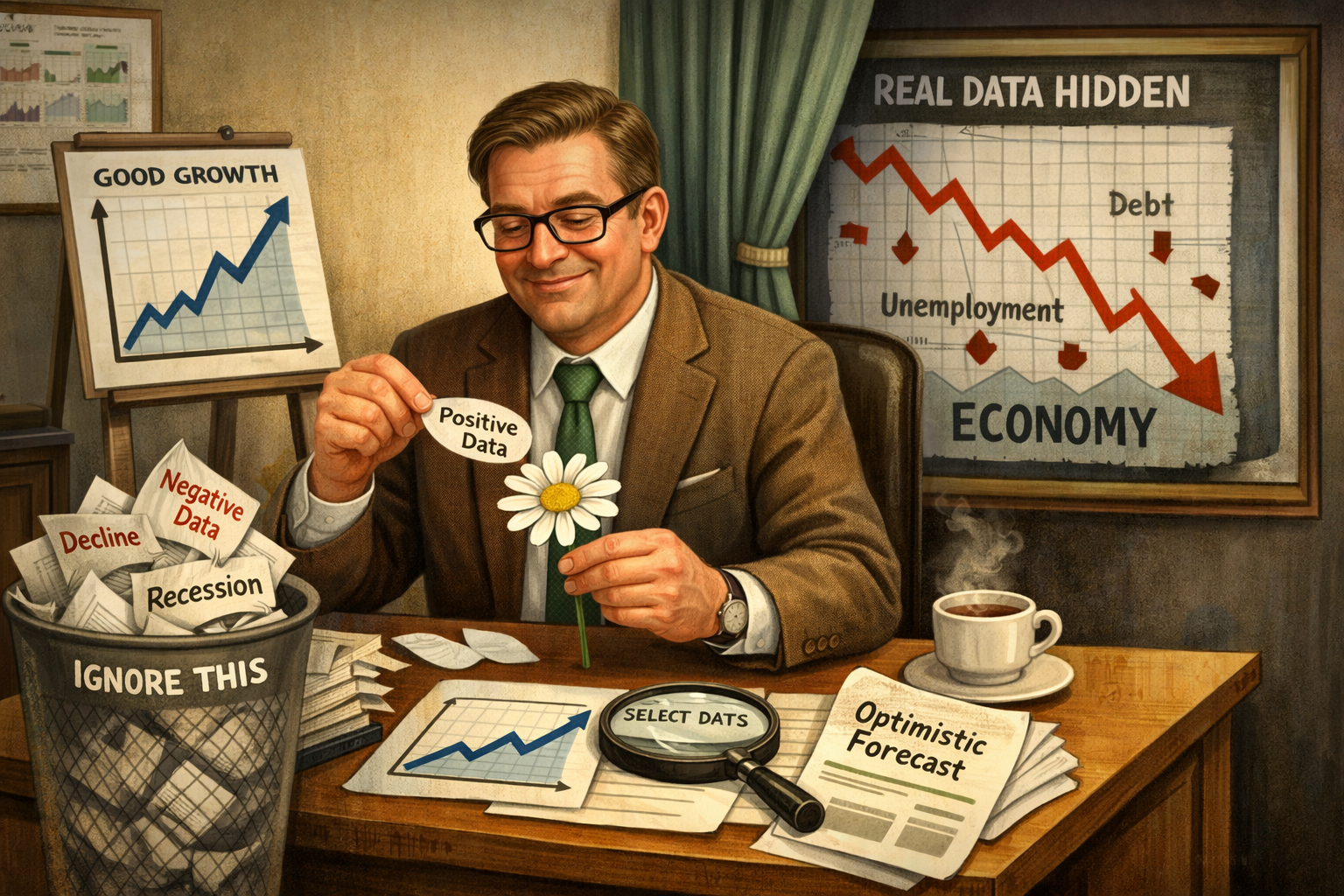

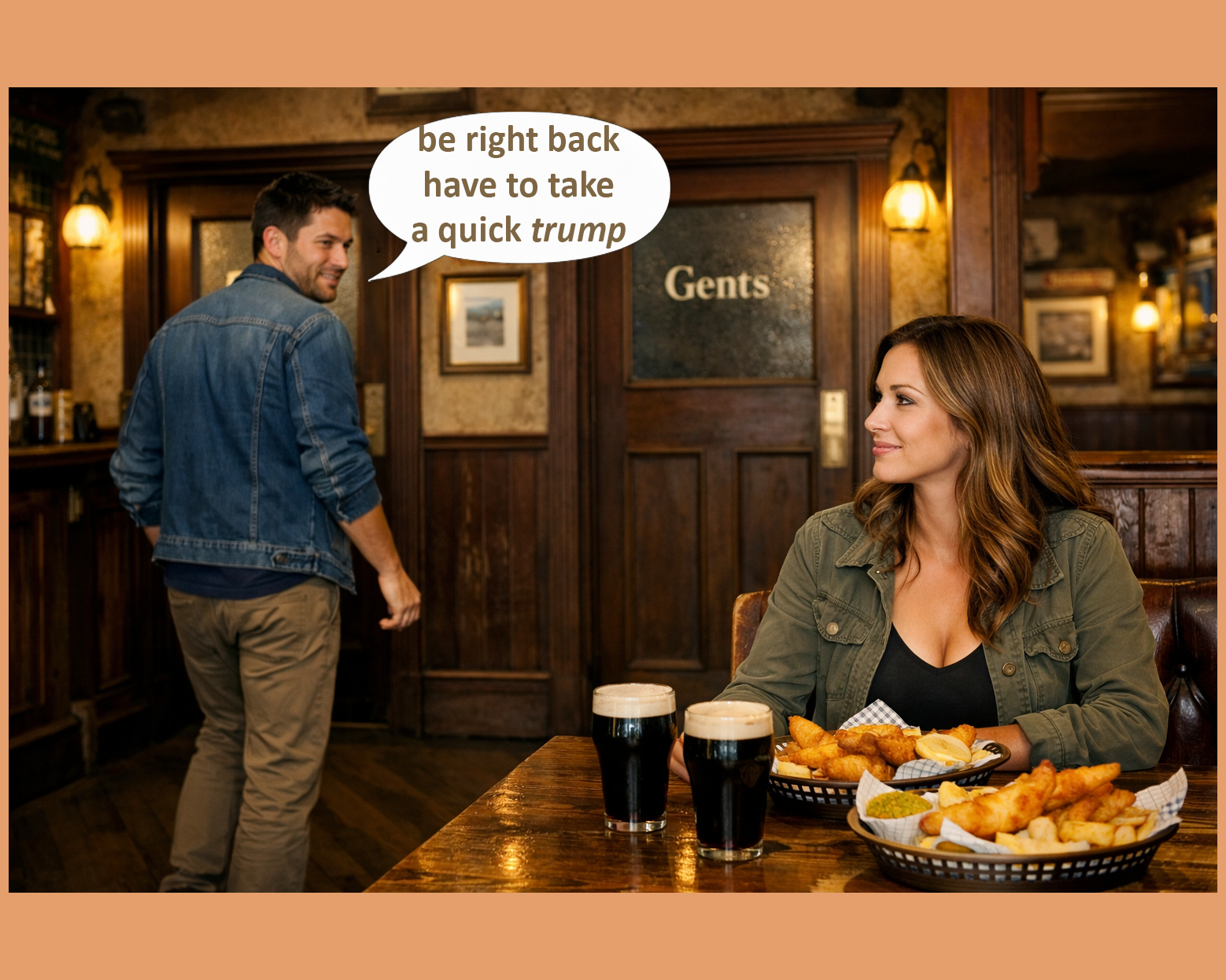







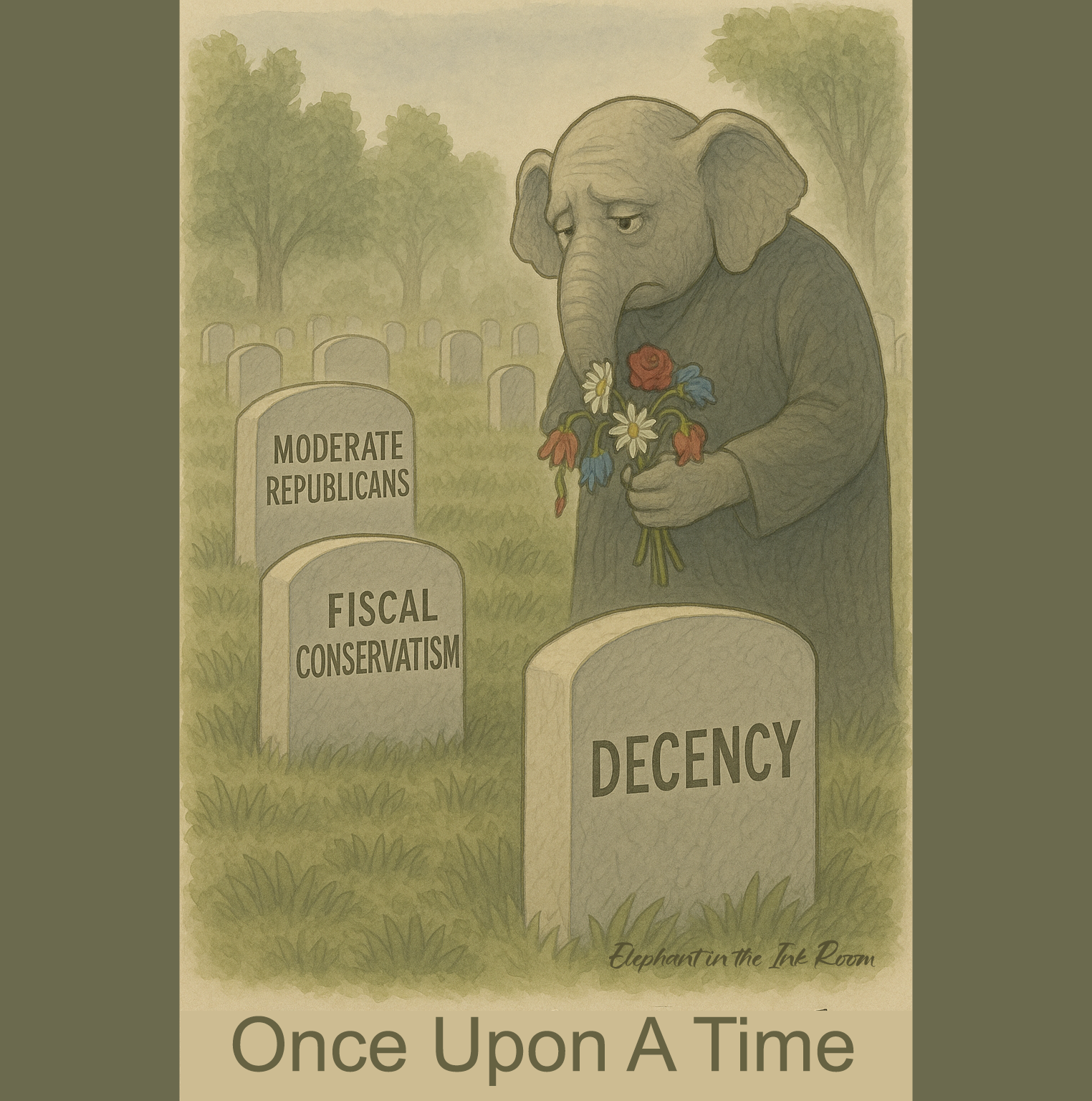
The days of parody are ending.
From day one, I have been honest: I am a conservative, but I am not MAGA.
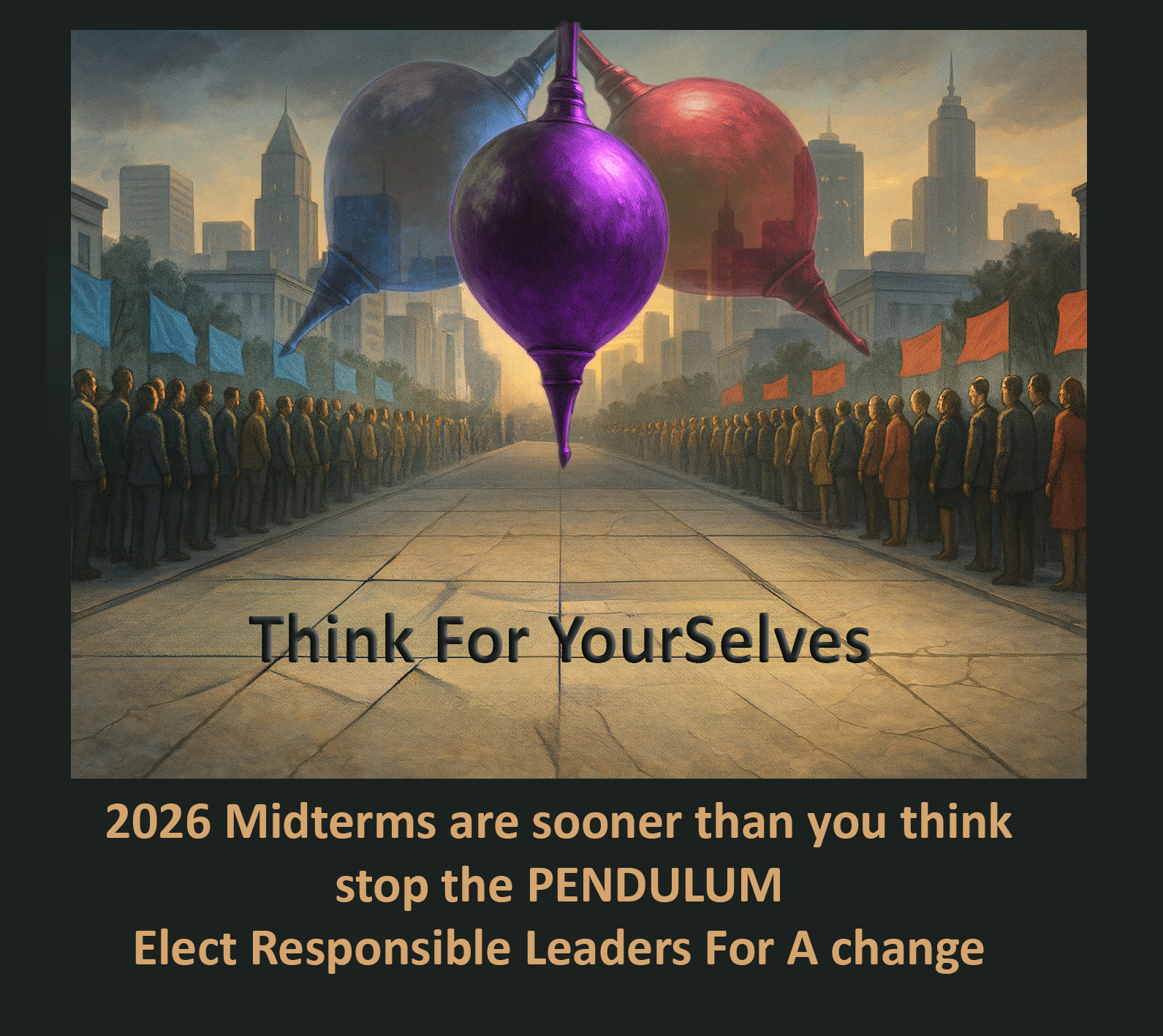
“Rapid swings create unintended consequences — let’s slow this down.”
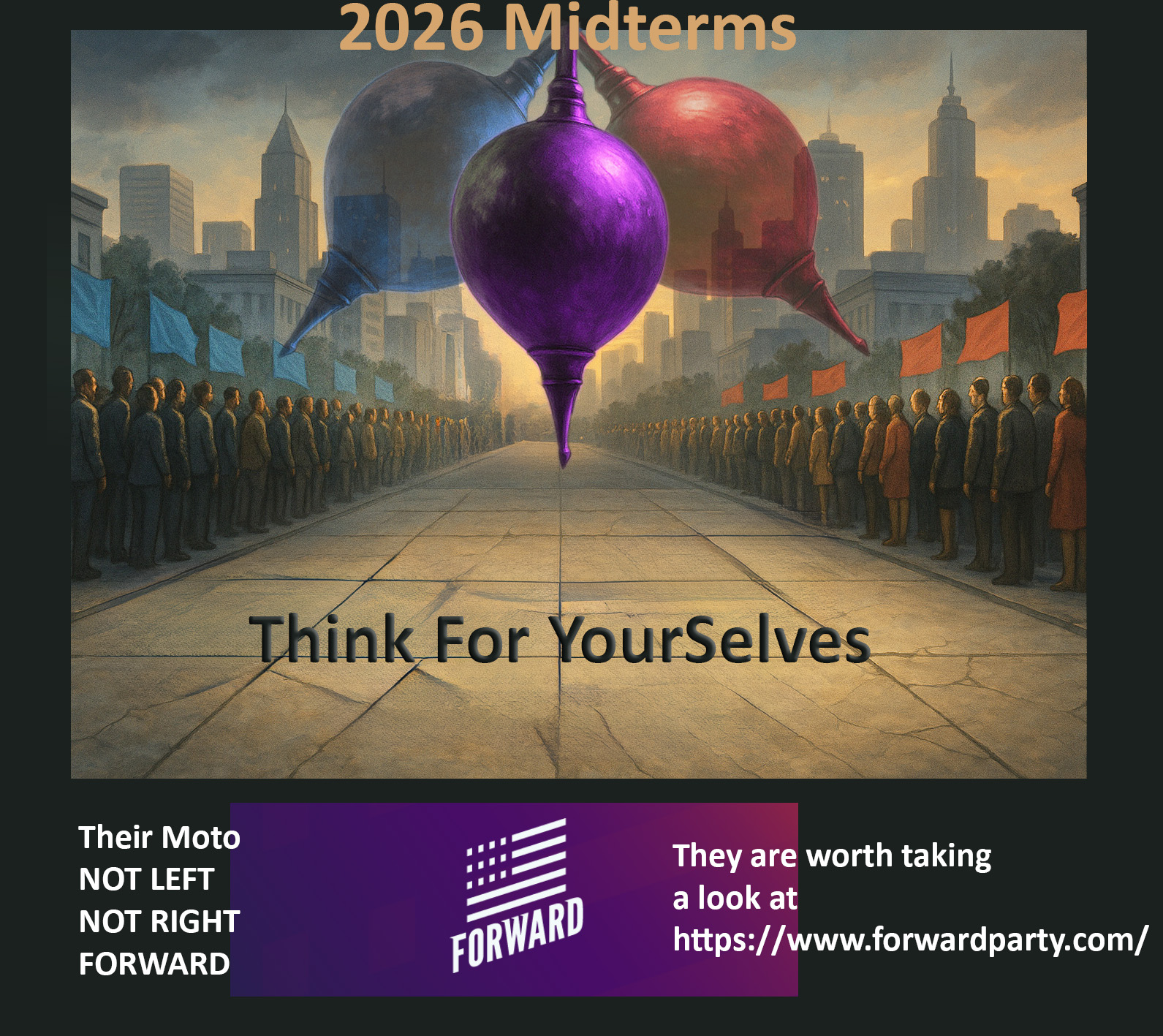
Only through education can you understand the issues.

No black boxes.
The litmus test:
People should be able to stay anonymous or pseudonymous if they want.
The platform receives only:
Clear, narrow, predictable.



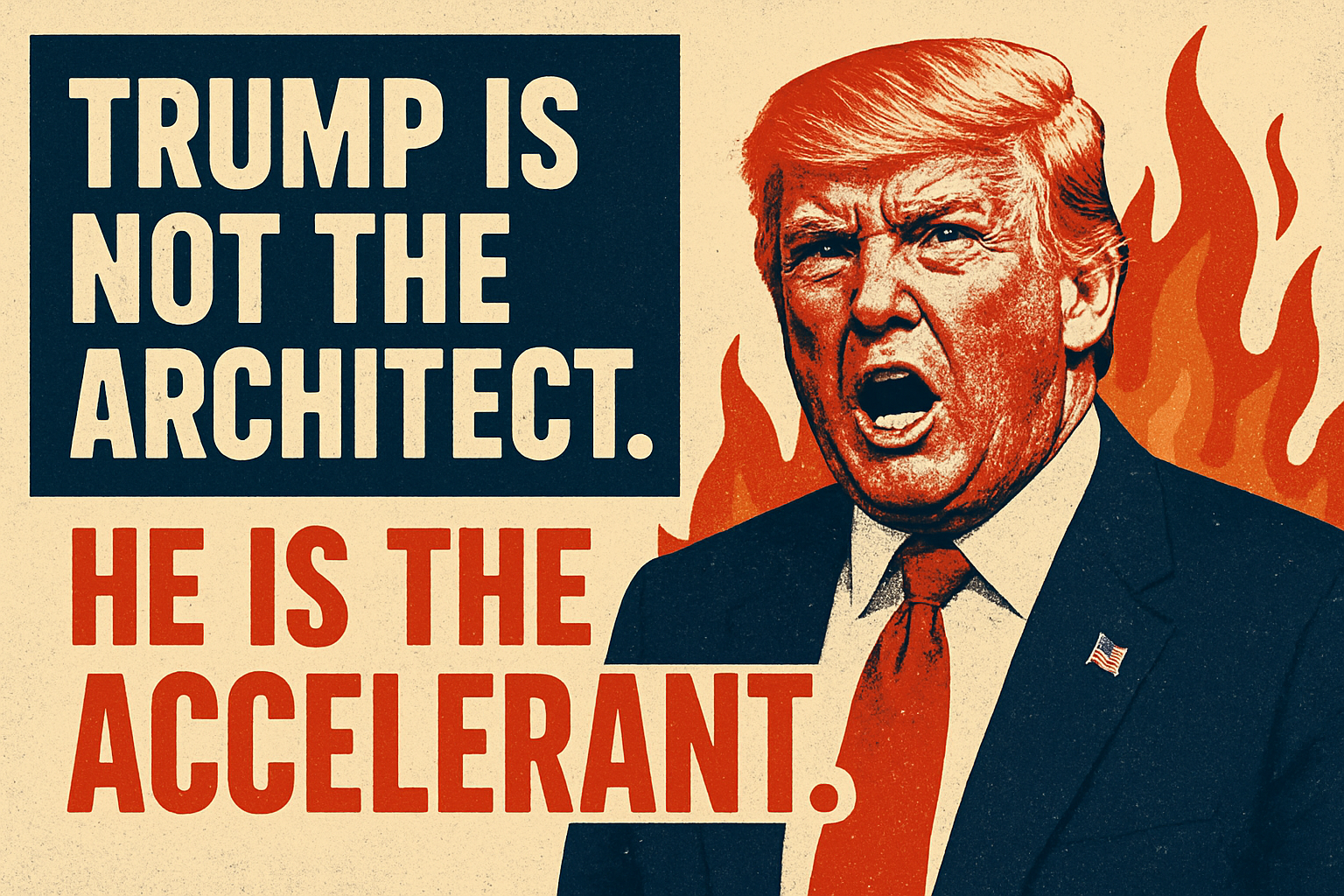

Fascistic tendencies as systemic.
Trump is the face.
Trump is not the architect.


Political elites — donors, corporations, economic blocs — generally fear chaos more than ideology.
Not friendship.
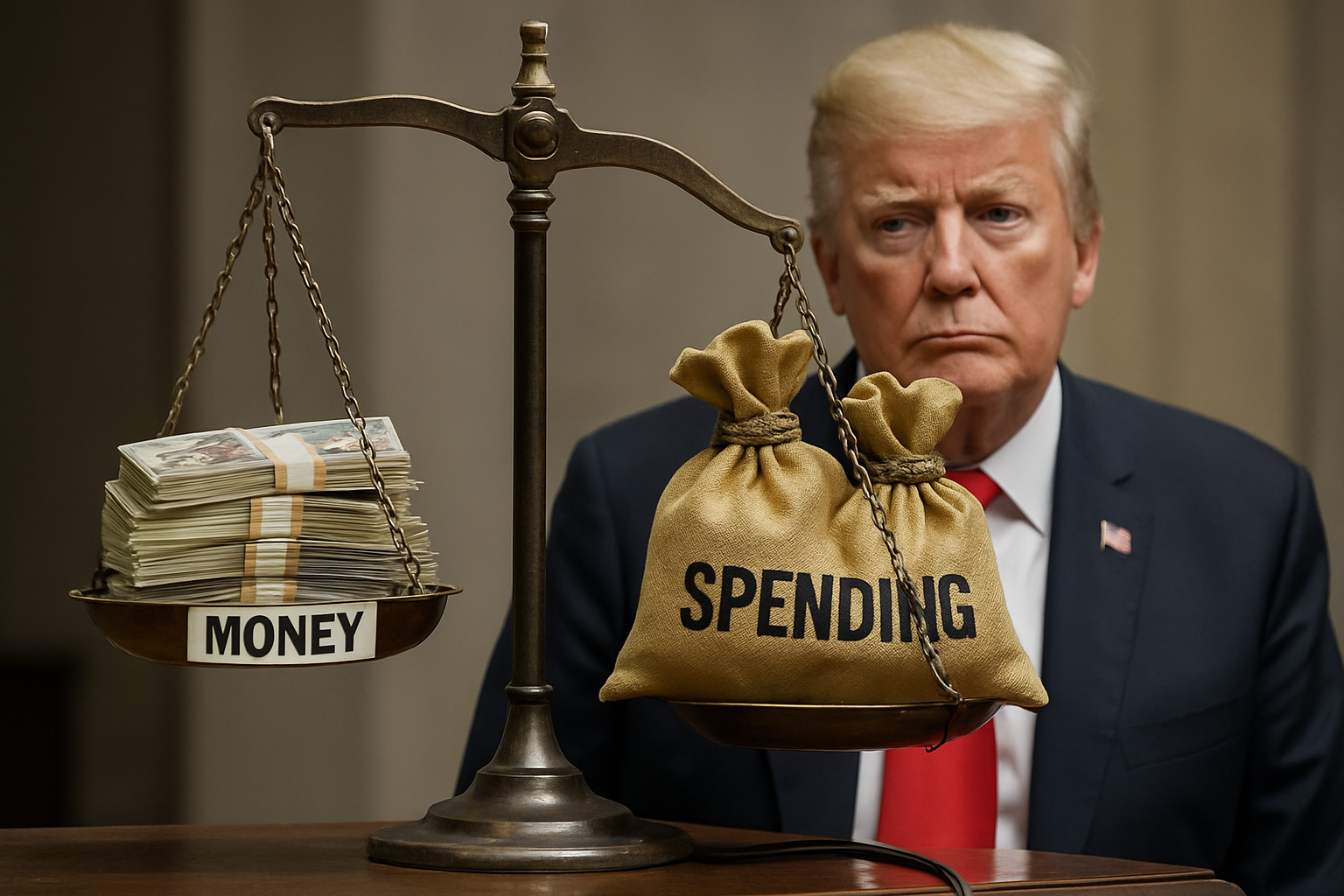
He claims: $54.2 billion saved
Yes — Trump is spending far more than he’s “saving.”
And the bigger problem:


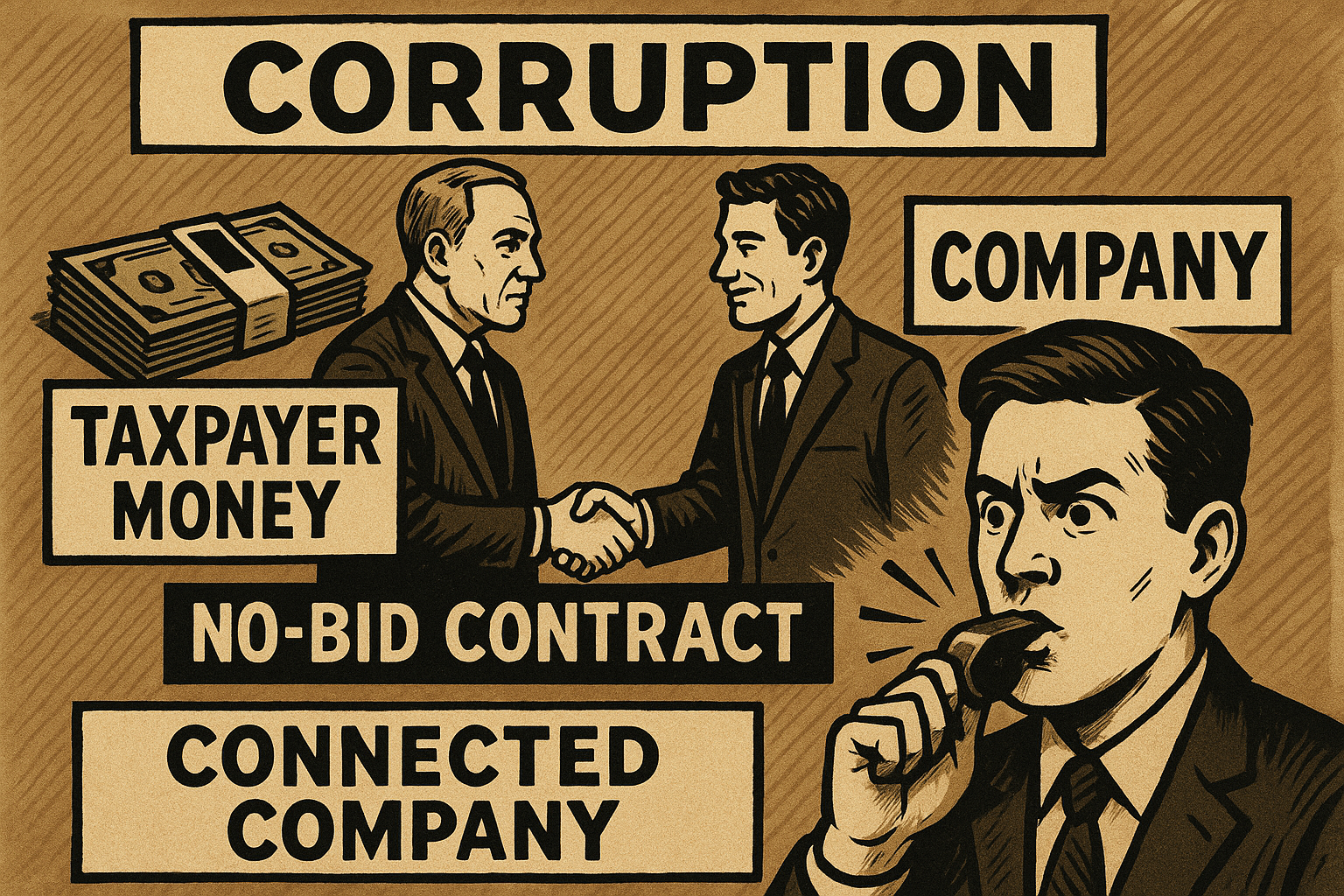

Claim:
Event:
Independent Assessment:


Cost to taxpayers each time:
Total so far (Jan → Nov):
Period covered: Jan 20, 2025 – mid-Nov 2025
Event:
Claim:
Reality:
Independent Conclusion:
Claim:
Independent Assessment:
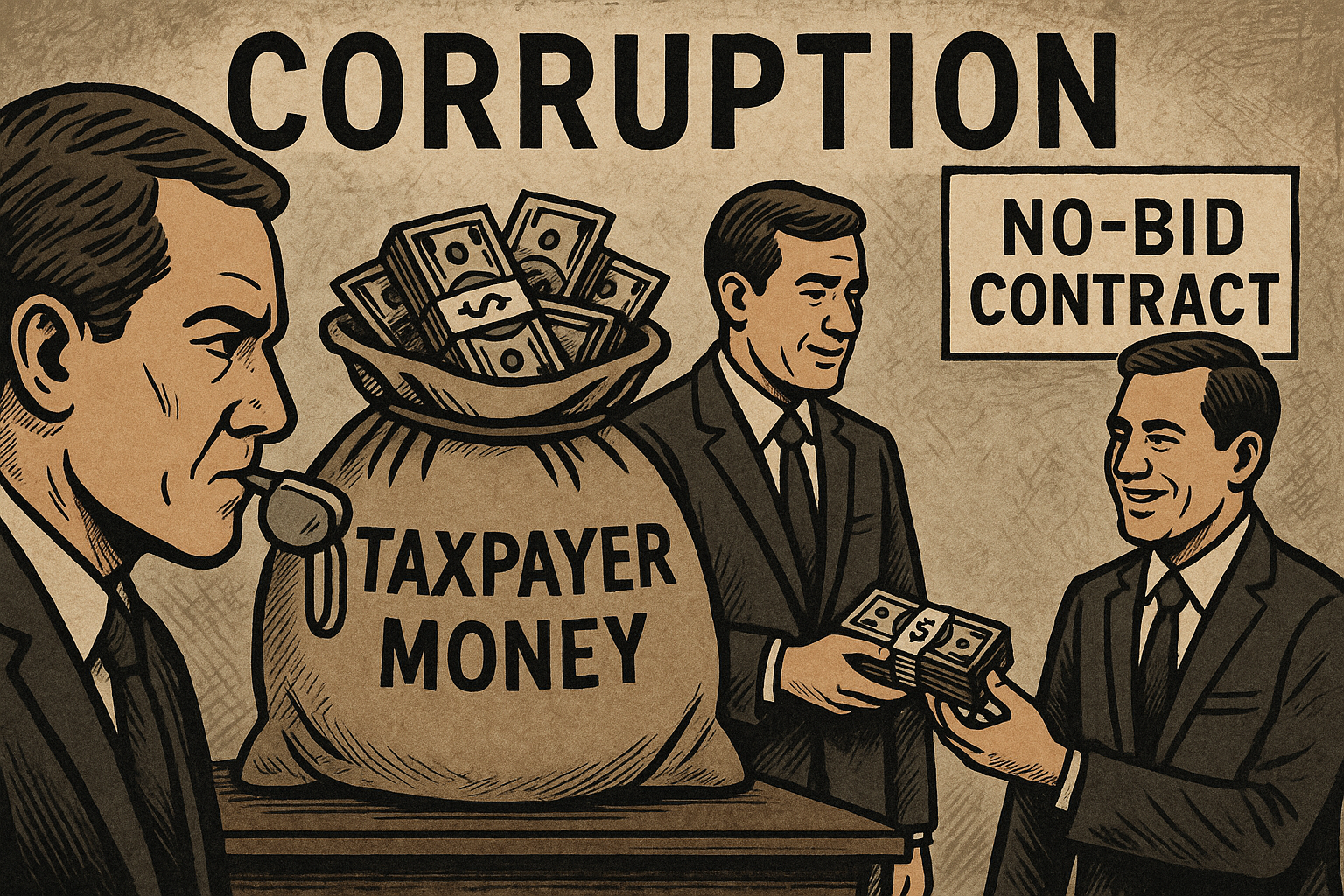
DOGE Announcement:
Claim:
Verified Reality:
Claim:
DOGE stated savings: $54.2 billion

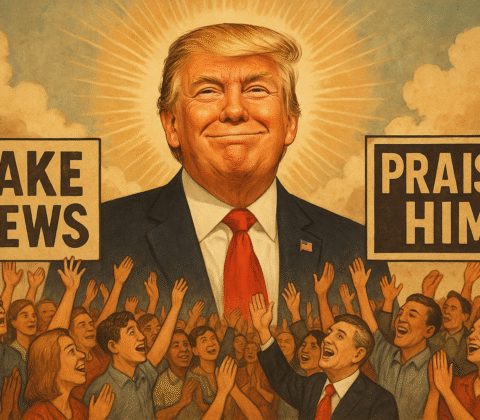
Here’s the conservative reality:
Because Democrats can’t restrain Trump alone.
It falls to Republicans to make a hard but patriotic choice:
We can be a party that respects borders without turning a blind eye to abuses.
The conservative path forward isn’t surrendering to Trump, nor is it surrendering to the left.
If Republicans can remember that, Trump becomes containable.
That’s the conservative way out.




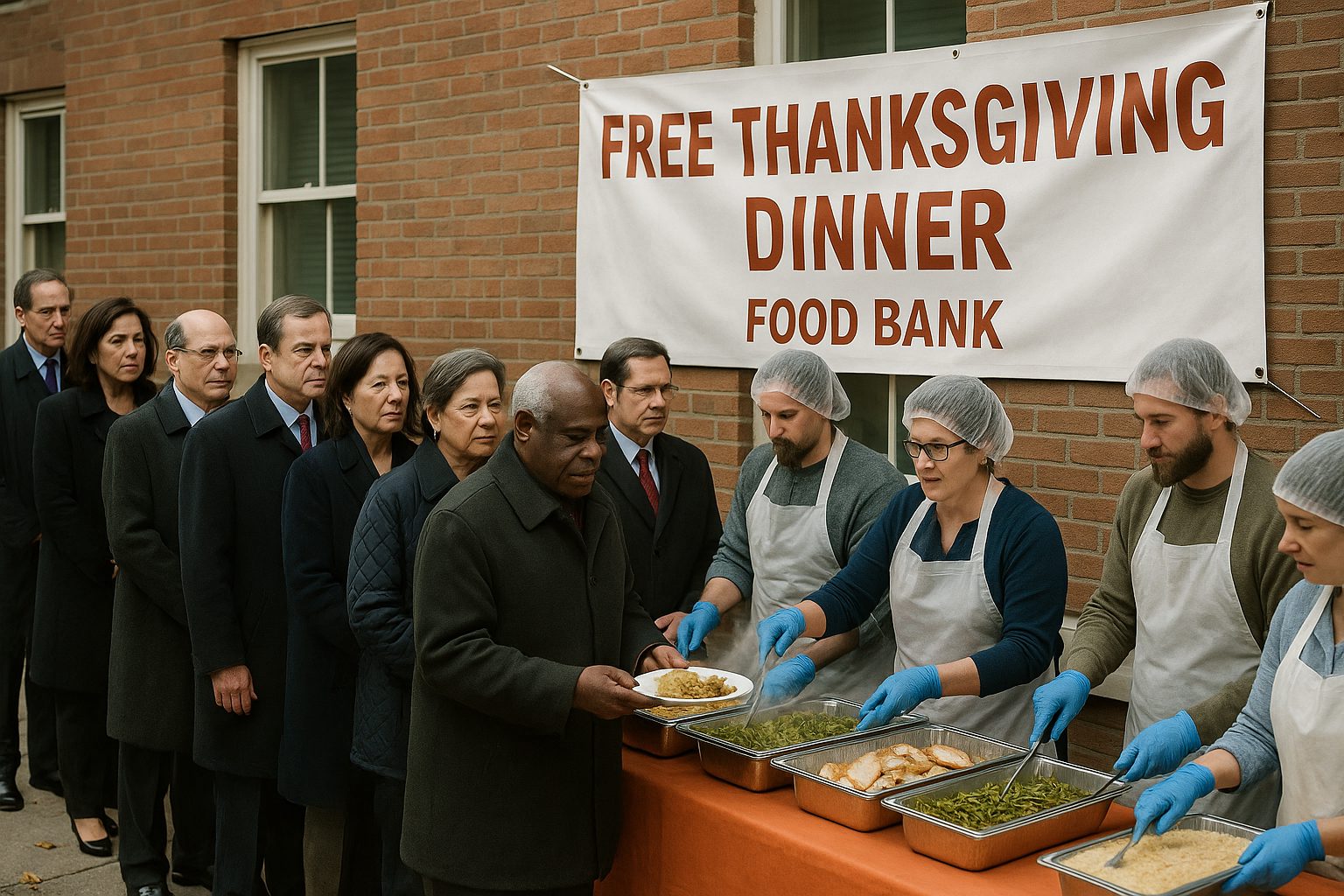
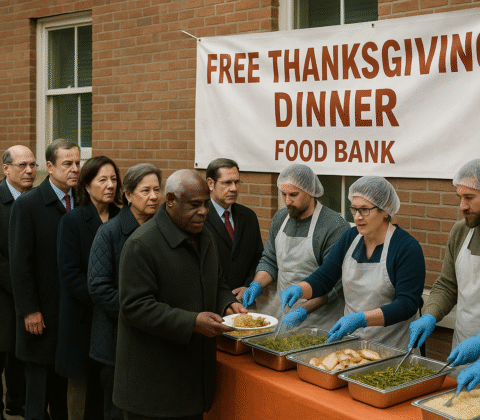
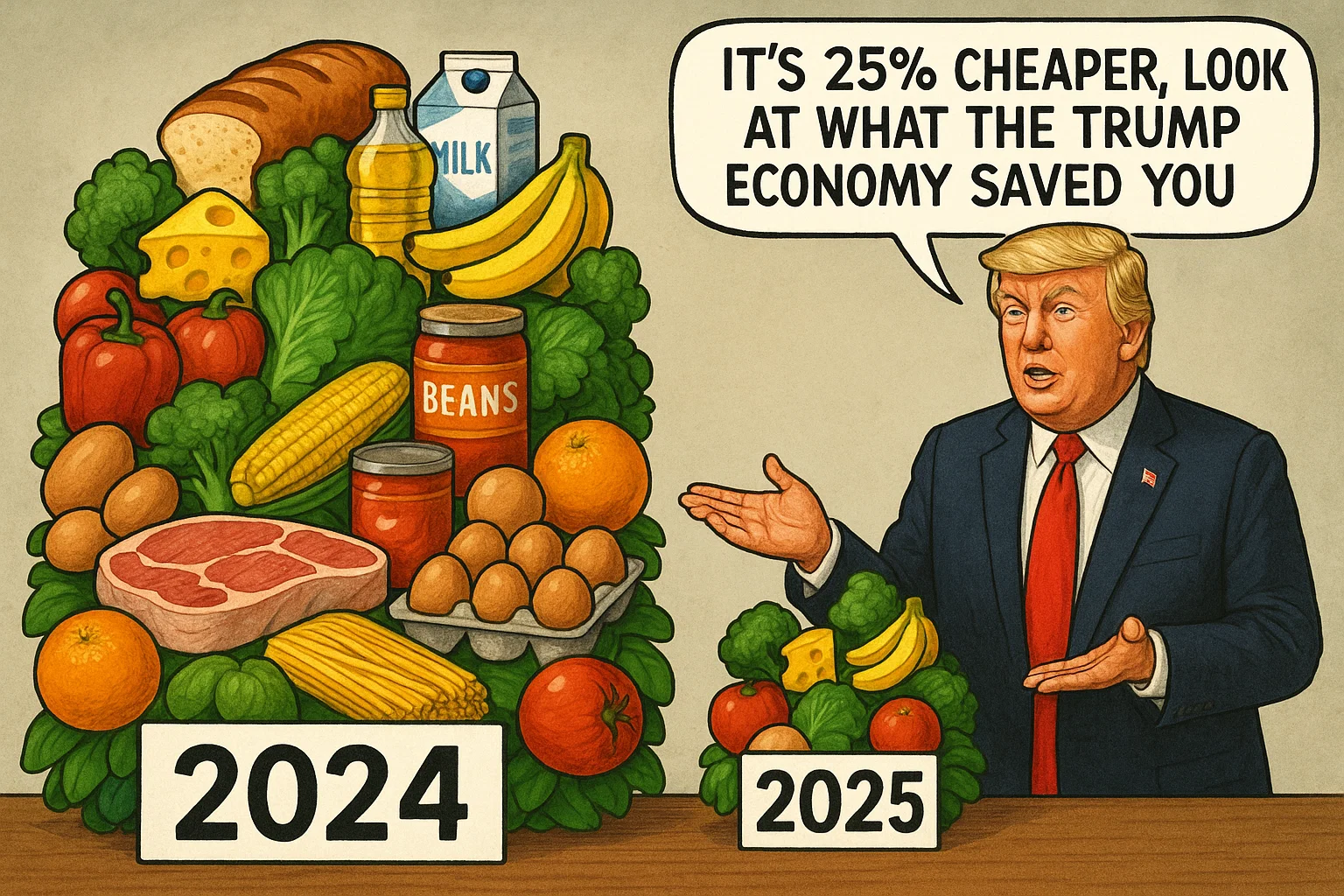
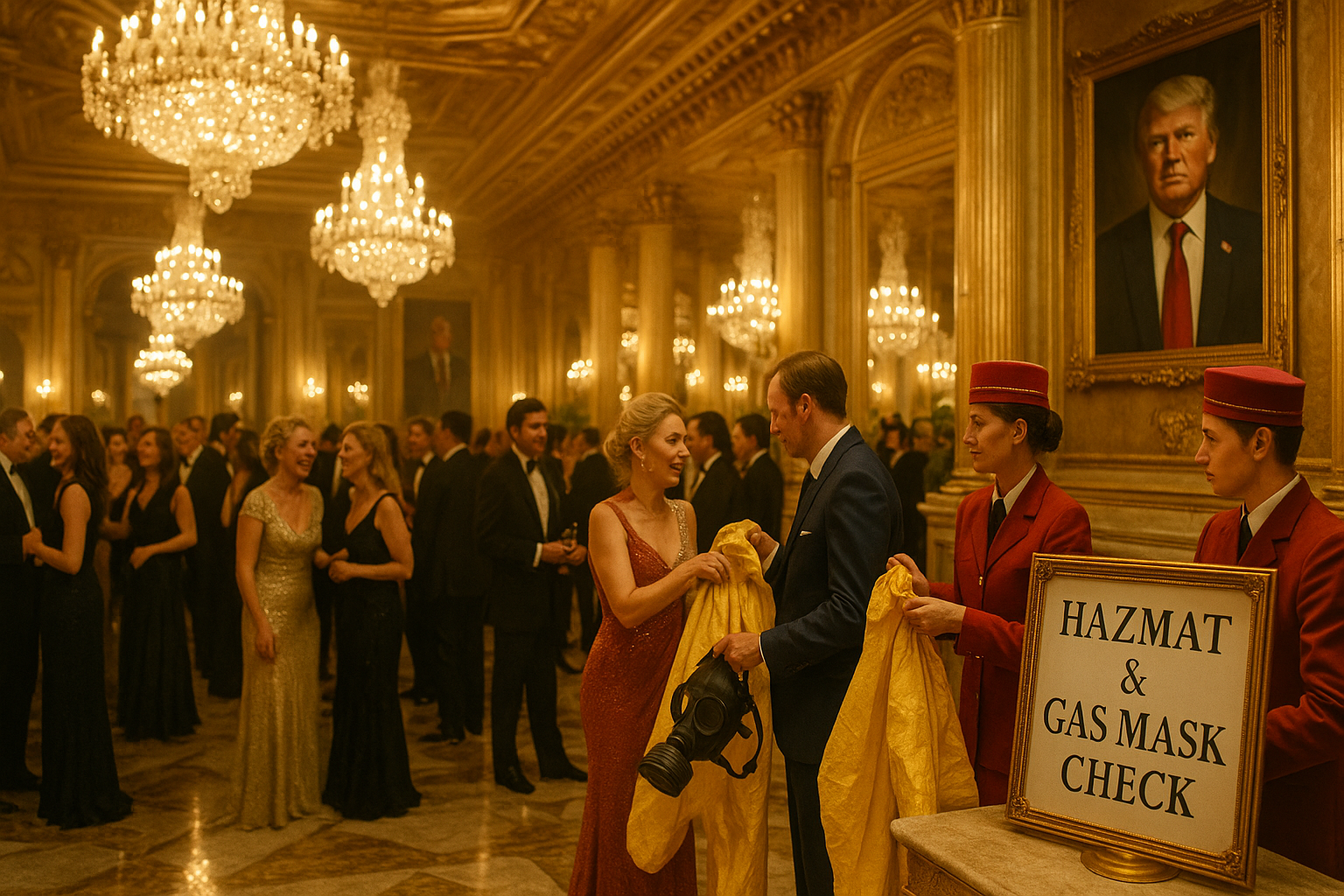
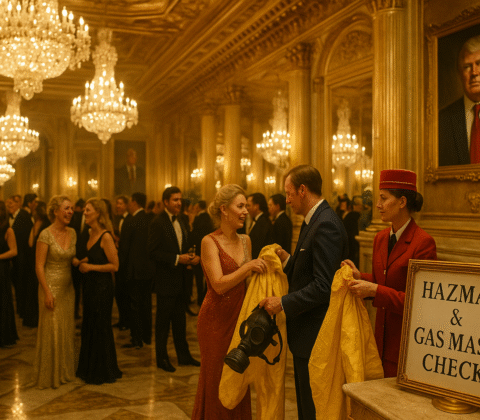
A government that can host a gala while denying groceries isn’t conservative. It’s decadent. And the longer we let it pretend otherwise, the harder it will be to remember what the word “conservative” even meant in the first place.

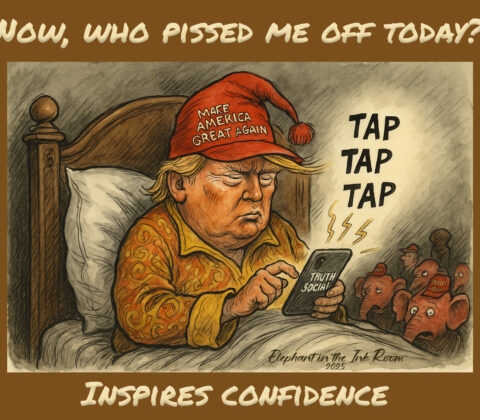

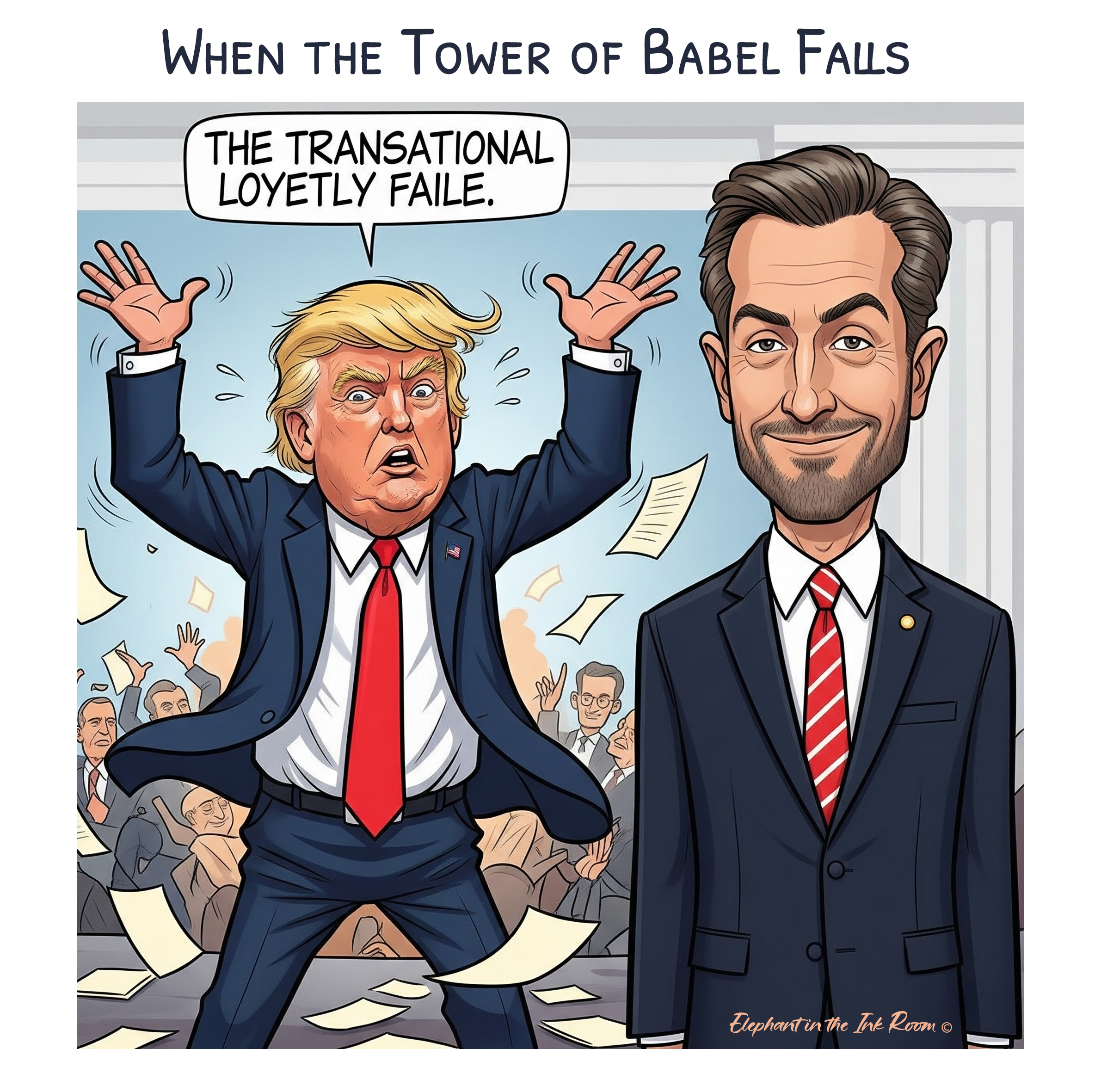
It’s not even about persuasion anymore. It’s about reality construction. The lie isn’t a tool; it’s the foundation. And the scary part? He doesn’t seem to experience cognitive dissonance. Most people lie and feel the tension. With him, the lie replaces the truth in real time. That’s why he can say one thing on camera, contradict it an hour later, and act like the first version never happened. It’s not amnesia. It’s revelation, to him.And yeah, pathological is the right word. Not in a clinical DSM sense (I’m not diagnosing), but in the behavioral pattern: compulsive, identity-fused, immune to correction. The 60 Minutes meltdown wasn’t about the edit. It was about control. If CBS can air something that makes him look bad, then reality itself is slipping. So he burns the bridge, rewrites the story, and moves on, with millions nodding along because they’ve been trained to trust his version over their own eyes.It’s why “now it begins” after the NY losses felt so chilling. It’s not a plan. It’s a worldview activating. The loss isn’t a loss; it’s an attack. The response isn’t policy; it’s war. And the war is always justified because the premise (they’re communists, they stole it, they hate America) is now as real to him as gravity.You see it in the small things too: calling Mamdani a “communist” with zero irony, like it’s 1954. Claiming crime is “out of control” in NYC while the stats show a 20-year low. It’s not ignorance. It’s commitment. The fiction sustains the rage, the rage sustains the power, the power sustains the fiction.So yeah, if we’re just talking, not citing, I’d say:






“You know, I once healed the economy — true story, everybody says so.
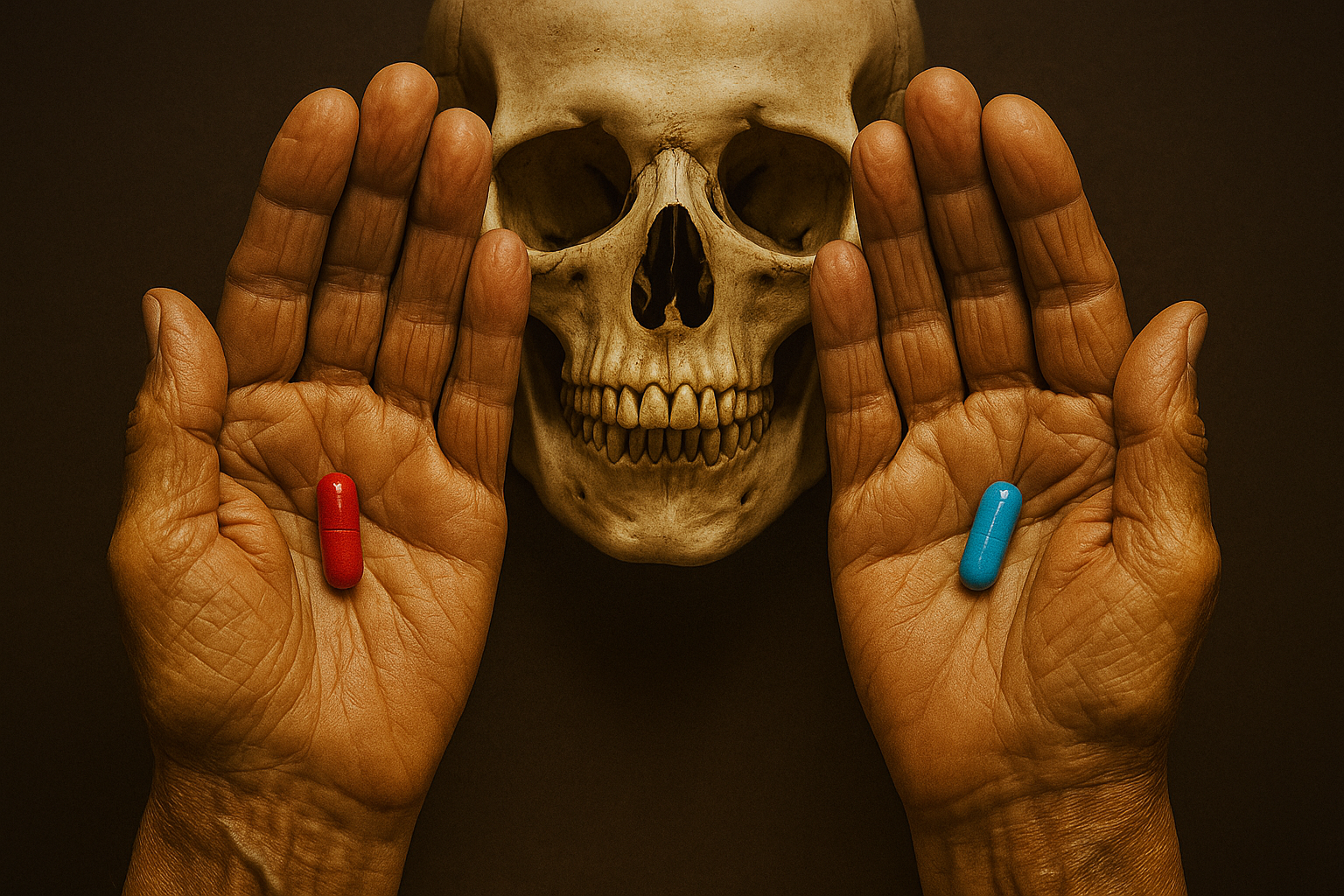

One is free.
The other is gilded.
True beauty lasts.
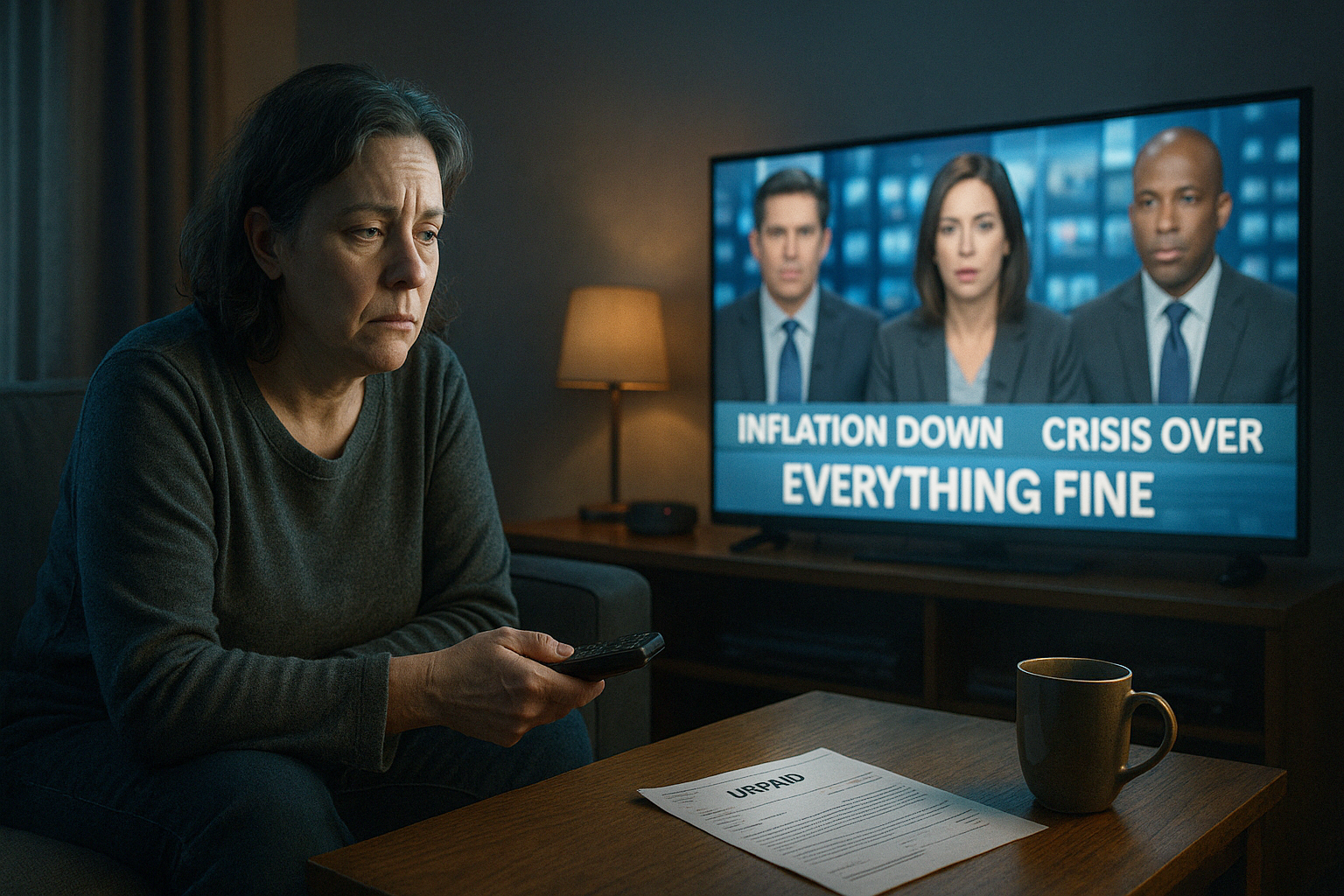
So before we celebrate or condemn, maybe we should pause and ask the one question that still matters:




This isn’t surrender; it’s satire with stamina. Imagine the viral optics: camo-clad troops mid-bite into a marionberry Danish, scrolling TikTok for the next food truck drop, while Fox News pundits sputter about “liberal sabotage.” It humanizes the guardsmen—many of them our neighbors from Salem and Woodburn, not faceless enforcers—and undercuts the narrative of chaos. Portland doesn’t burn; it bakes, brews, and bewilders. And here’s the one more serious suggestion amid the whimsy: Call on all protesters to stay home. Nothing would speak louder than a reception for no one. No crowds to kettle, no headlines to hype, no “unrest” to justify the invasion. Let the streets echo with silence—a void so profound it broadcasts our contempt nationwide. We’ve proven the “threats” are overblown; small-scale, sedate gatherings of fewer than 30 souls don’t warrant Humvees. Deny them the drama. Let the Guard mill about empty plazas, sipping lattes and pondering why they were dragged here for a photo op. It’s the ultimate mic drop: Portland’s power isn’t in pitchforks, but in the principled pause. Governor Kotek, Mayor Wilson—this is your moment to lead with levity and leverage. You’ve fought the good fight in the courts; now win the cultural war on our terms. Authorize the logistics, fund the feast, amplify the all-clear for calm. Show America that when tyranny knocks, we answer with open arms, full bellies, and an empty stage.In defiant solidarity,


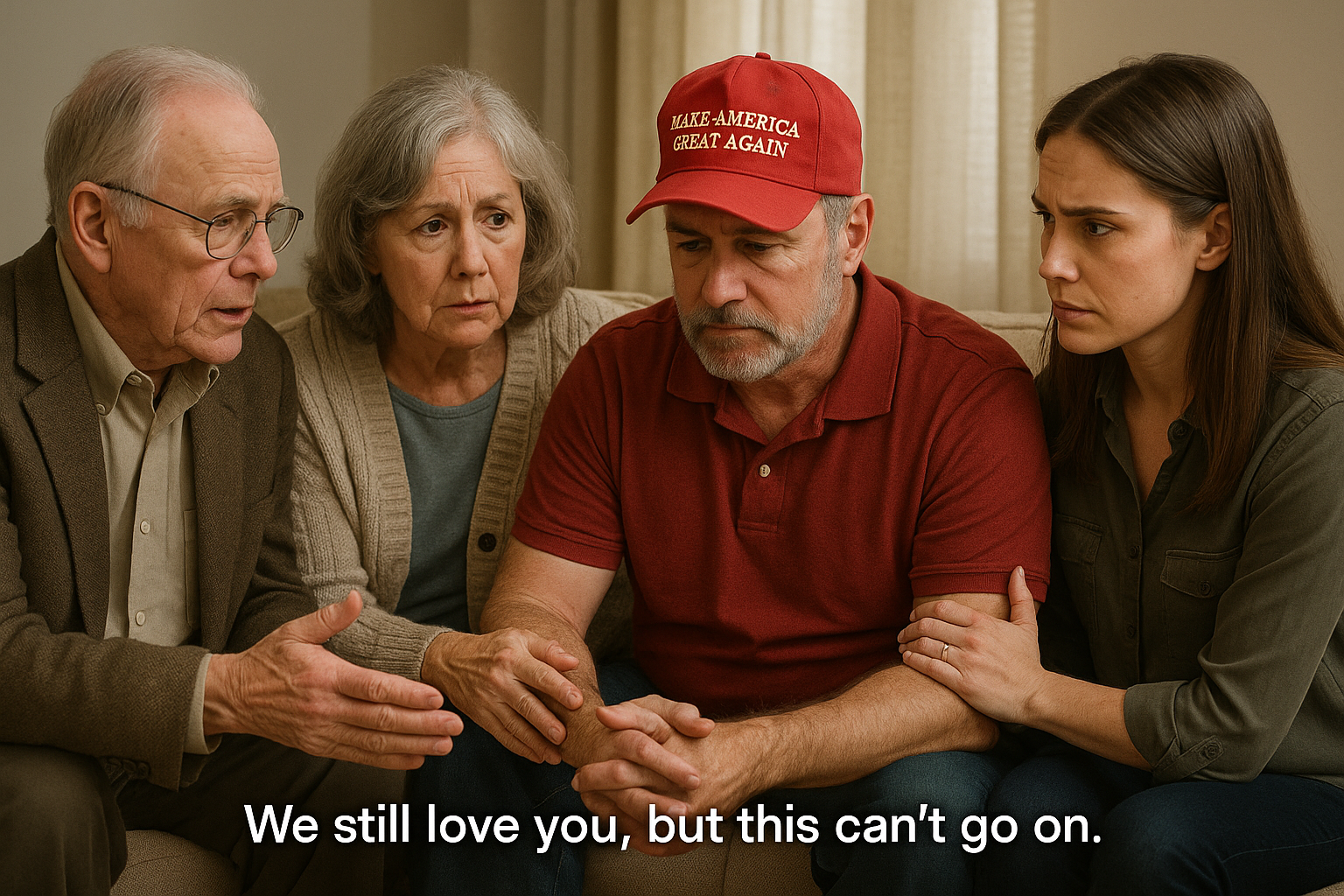



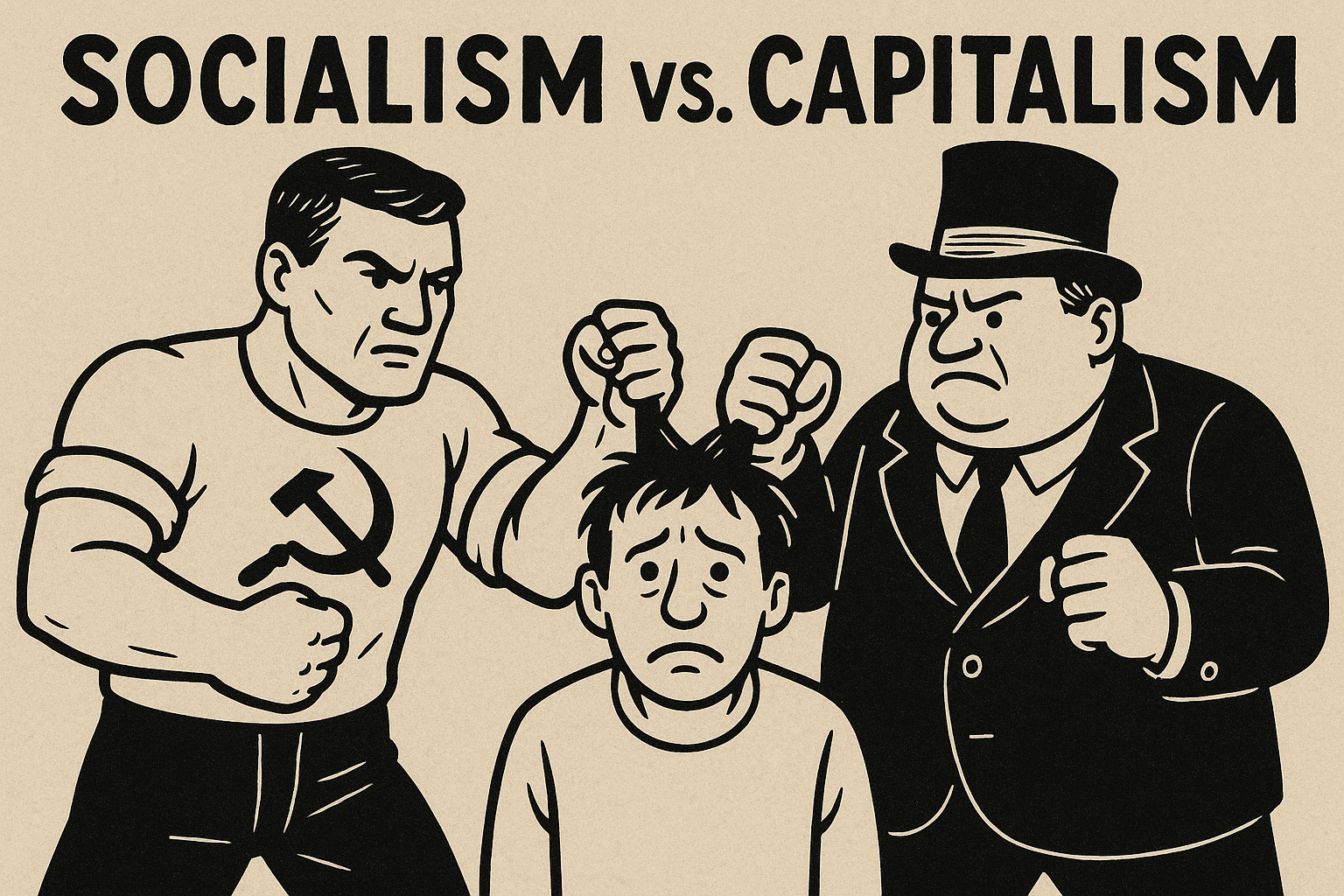

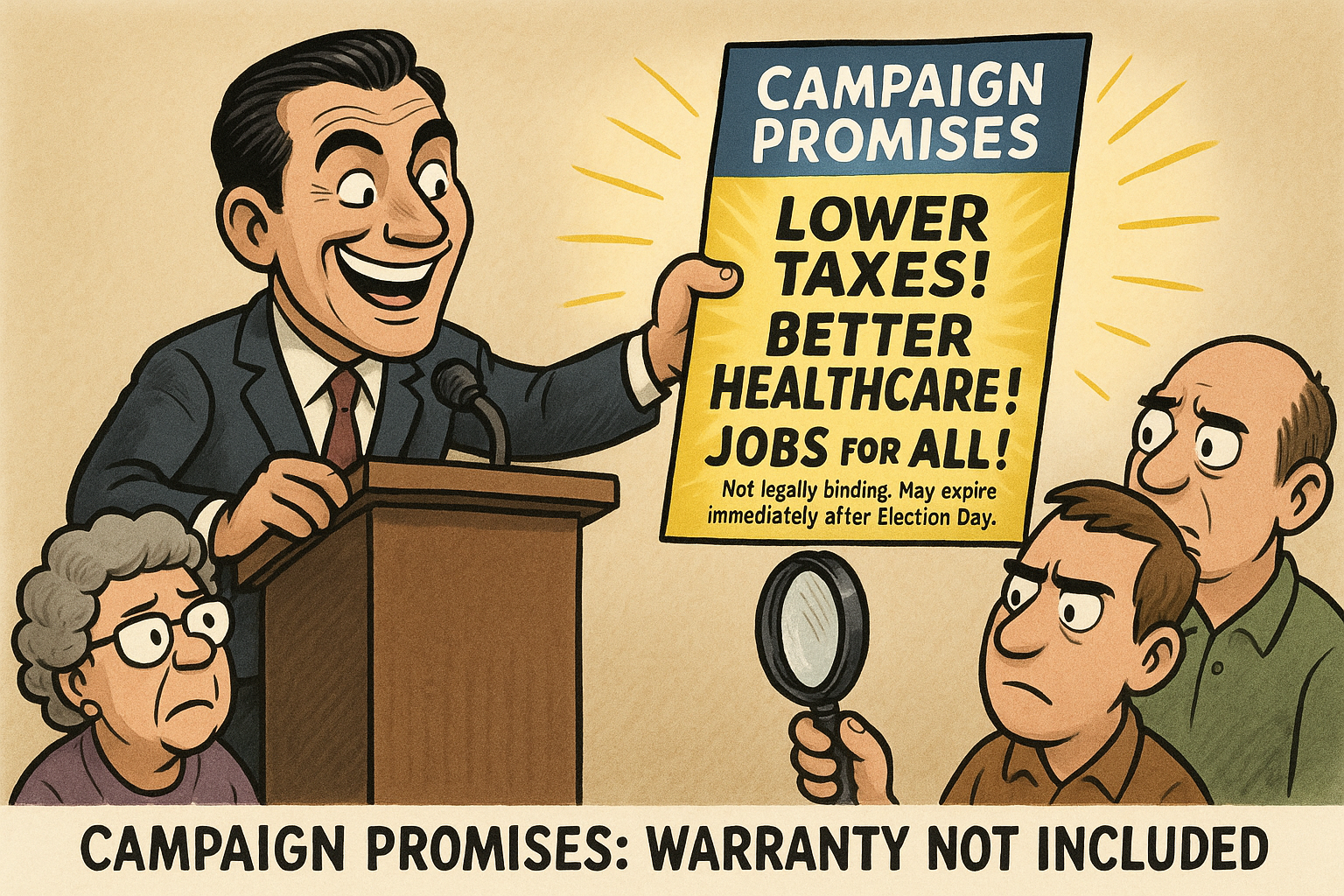
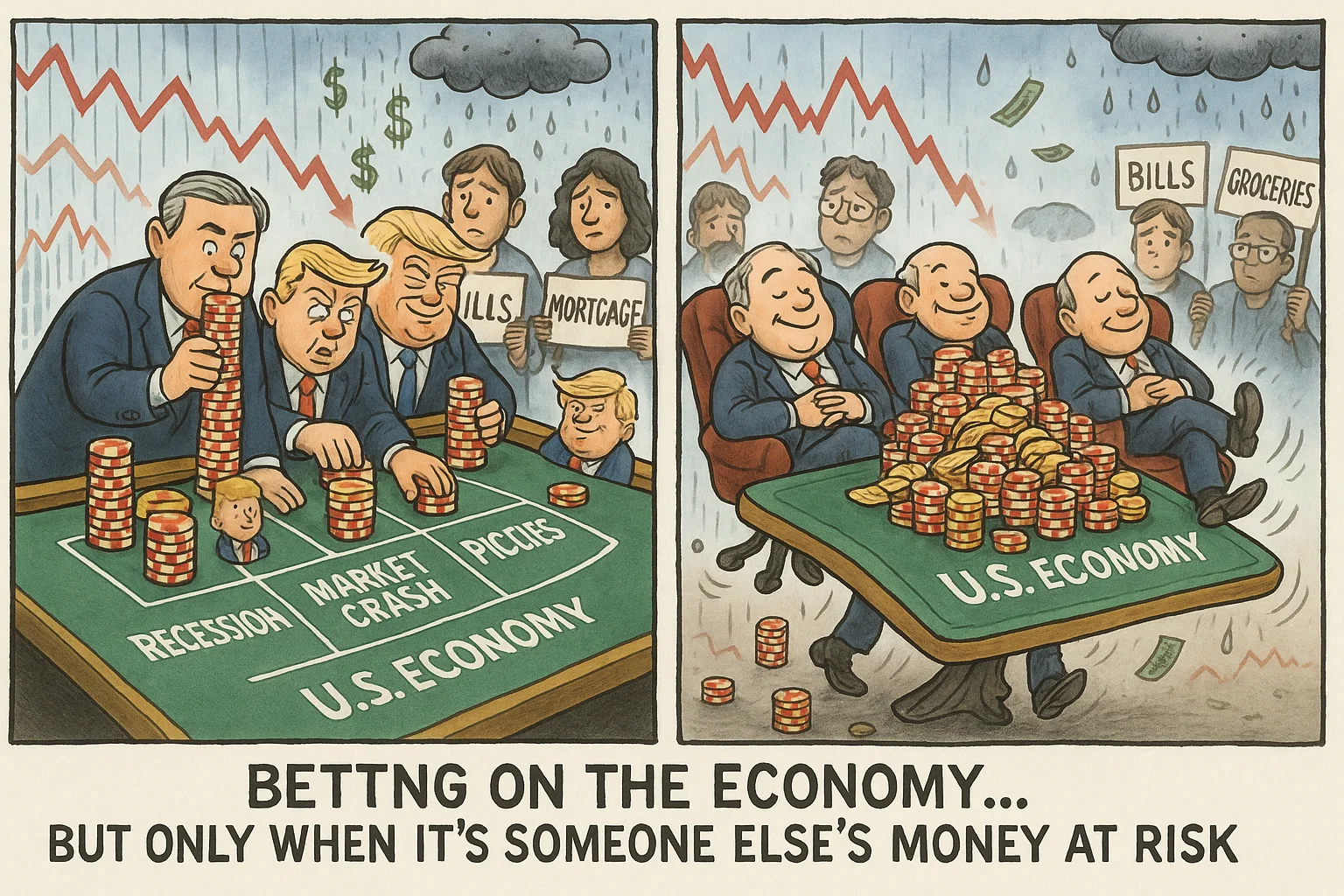



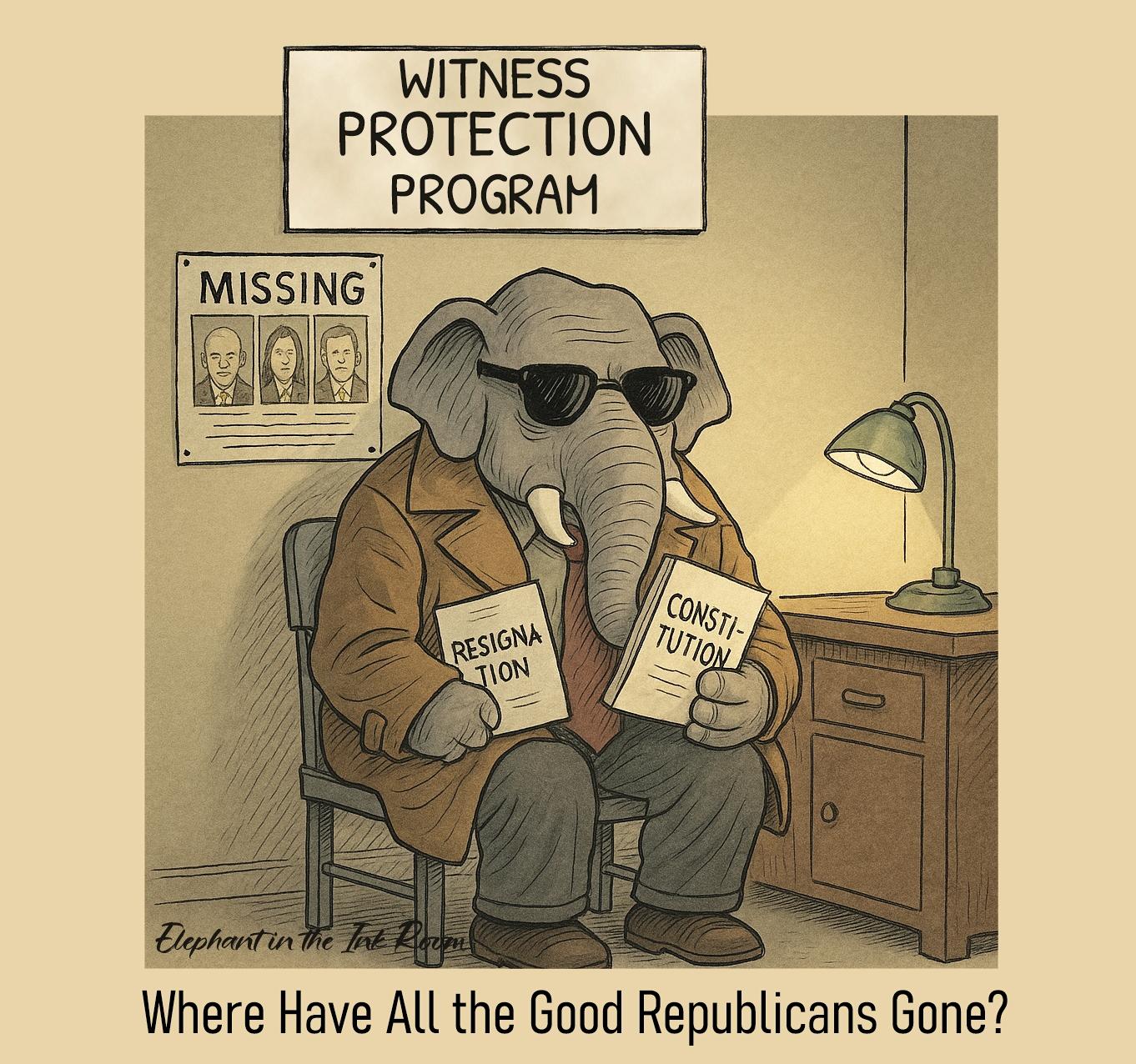








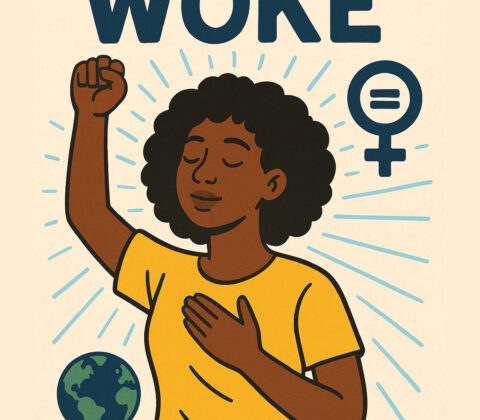

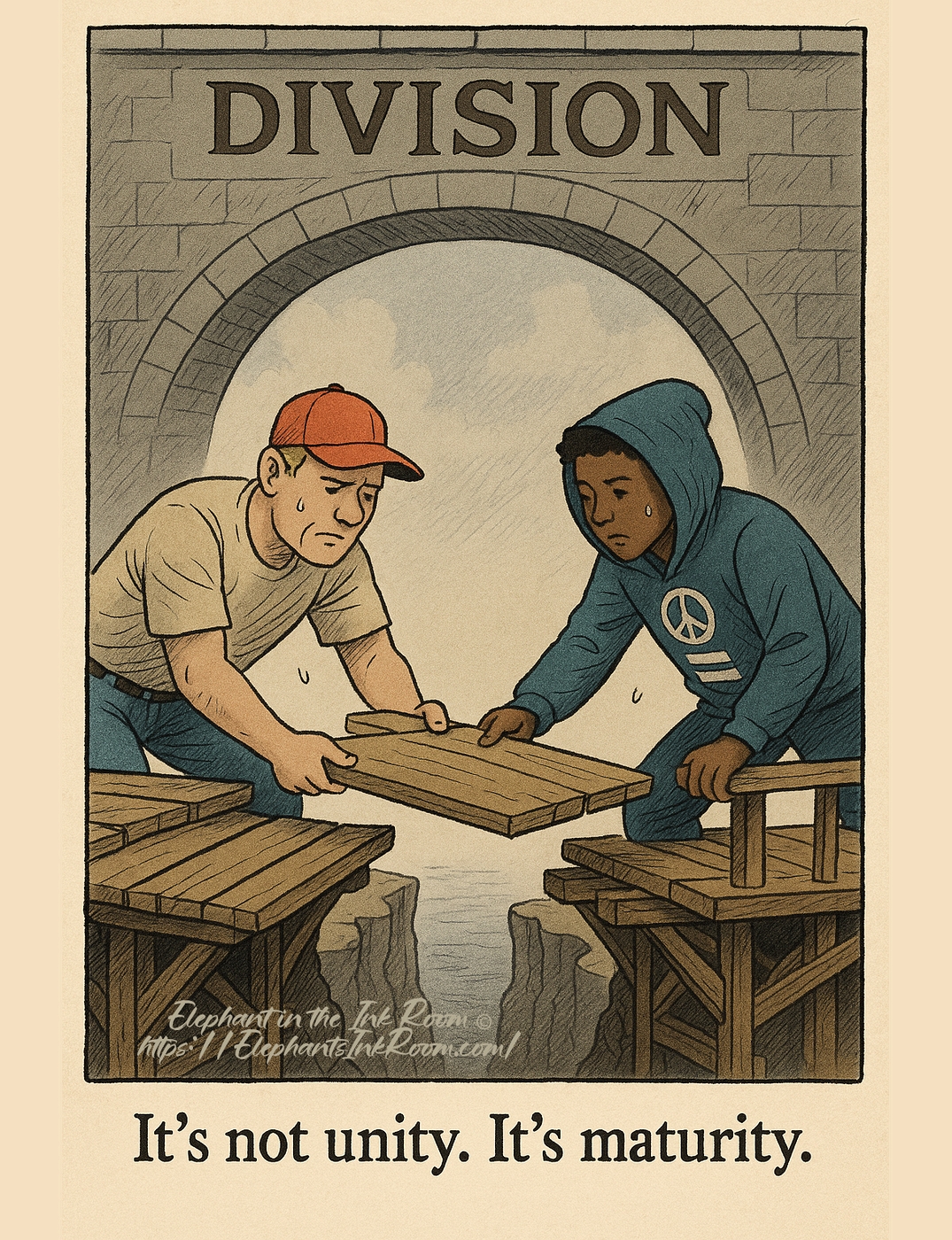


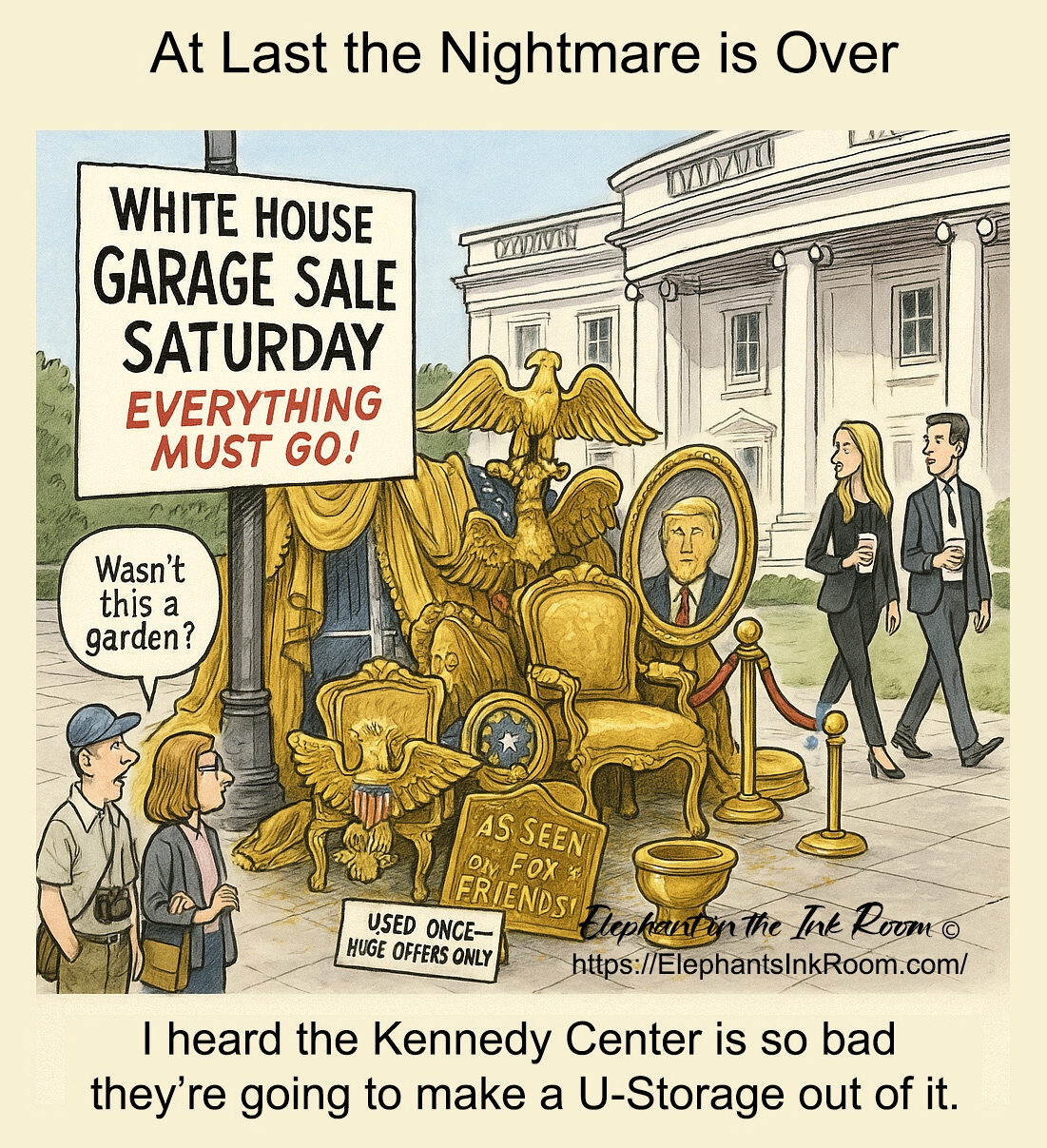





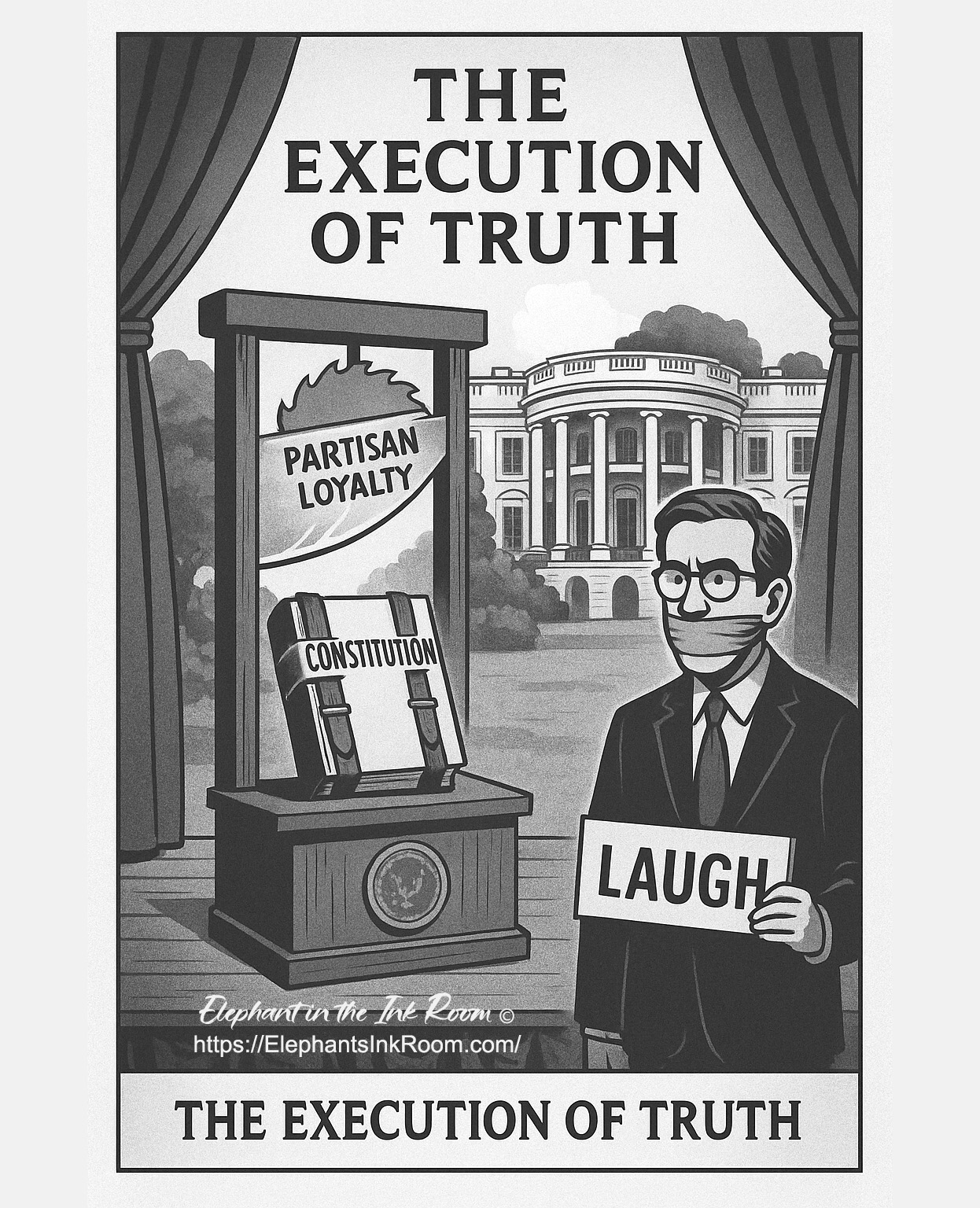
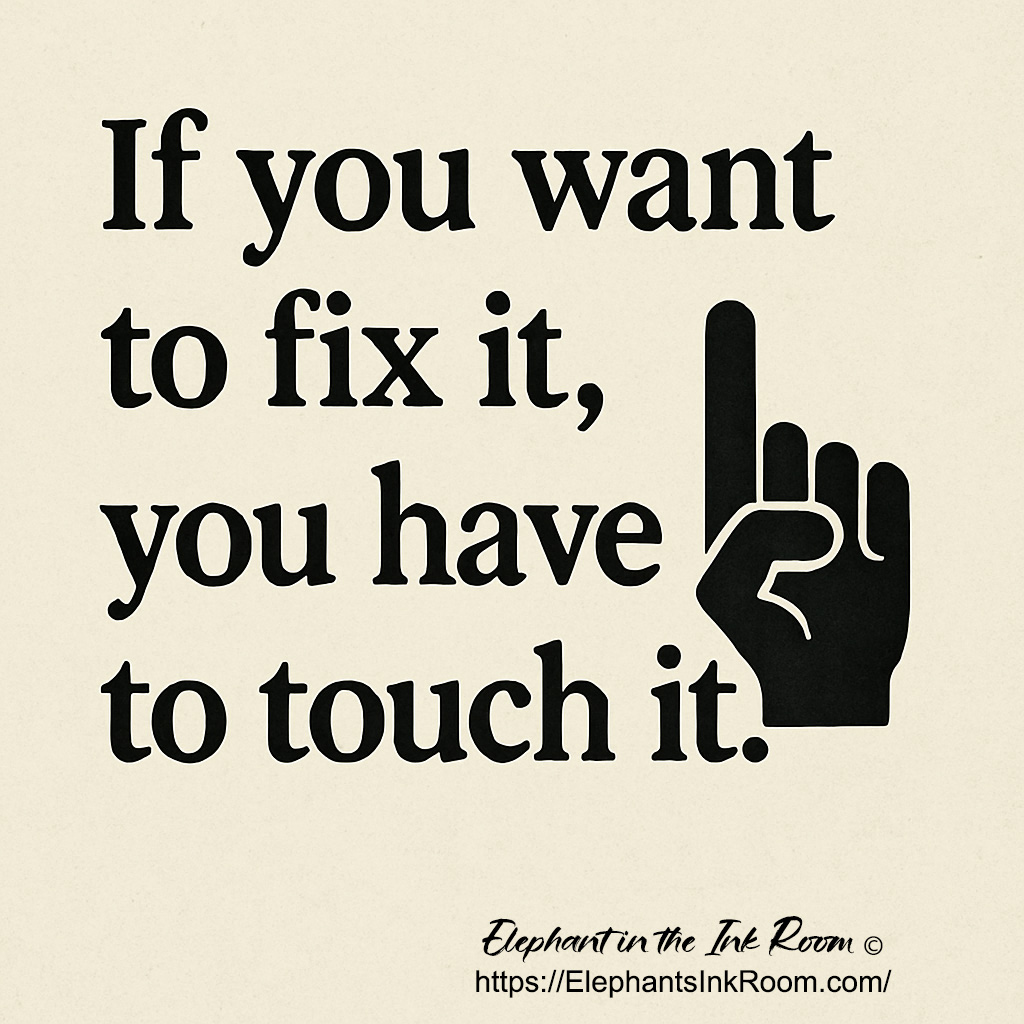

We’ve pointed fingers. We’ve said, “This isn’t what I voted for.”

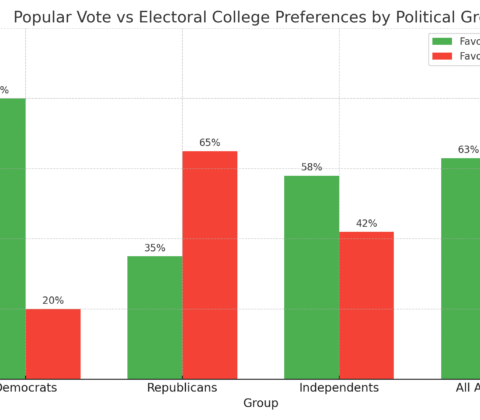
Public Opinion (2023–2024 polls):
Partisan Divide:
Why People Support Popular Vote:
Why People Defend the Electoral College:
Compromise in the Works?
Summary:
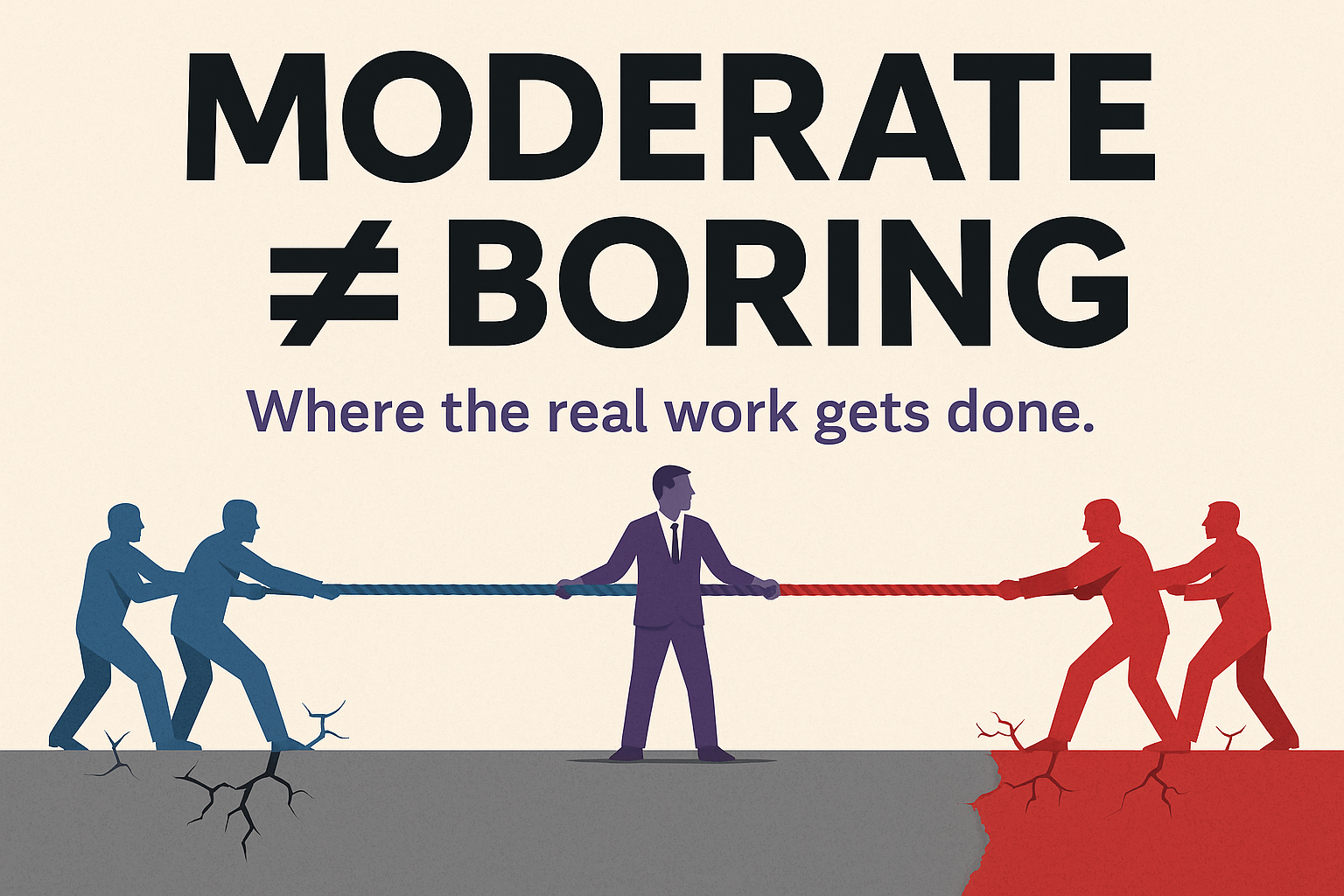
The Moderate Middle:
Is the country we live in today the same one your father or grandfather built their values on?
Public Perception: Posts on X reflect mixed views, with some praising its rejection of partisanship () while others criticize it as a “failed” or “vapid” stunt lacking substance.
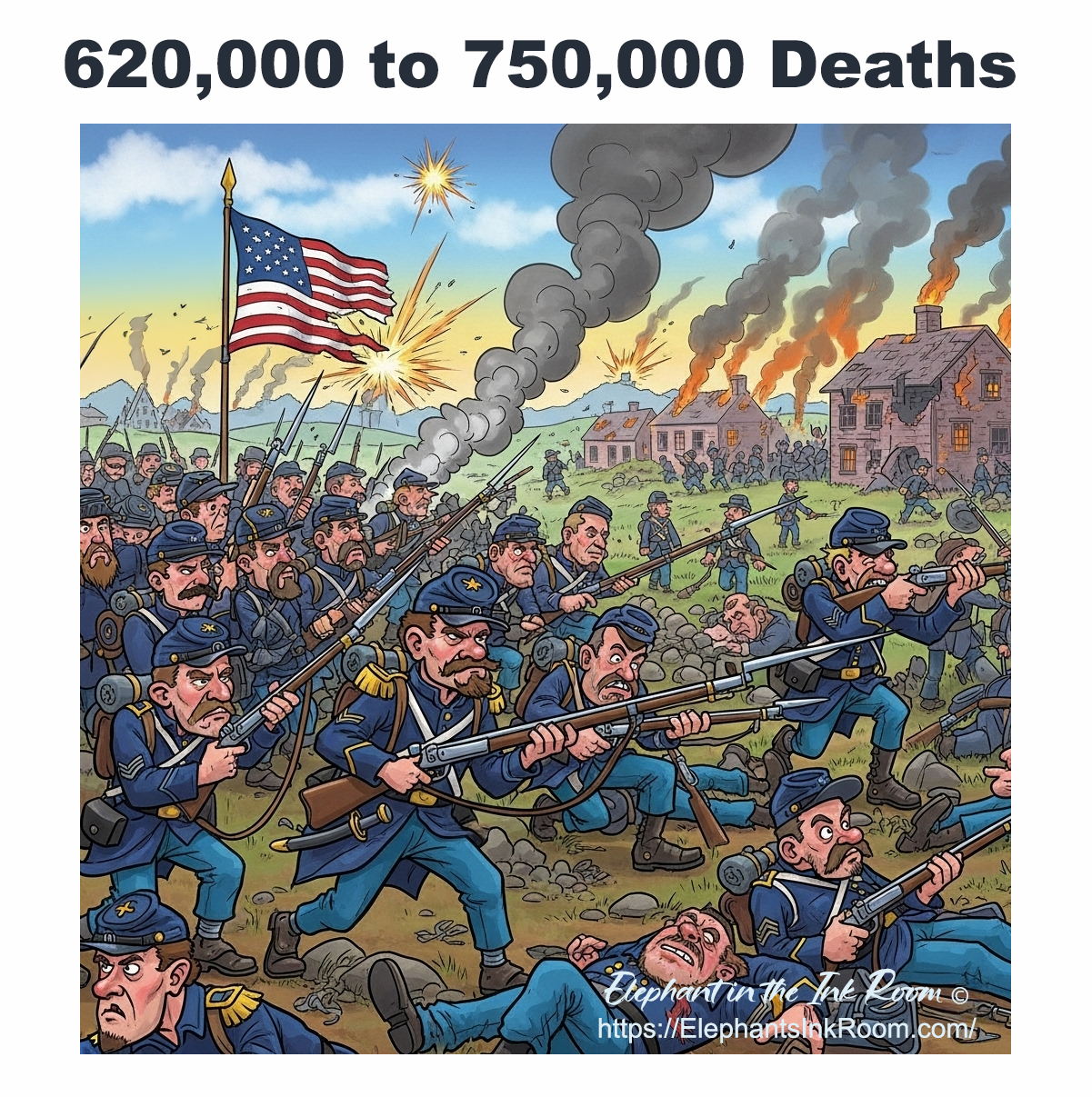


But is violence the answer? I hope not.
They need to be stopped—and they need to be stopped now.
He needs the chaos. His playbook is short—and this is the play:
These are dangerous times. We must resist—but not fall into his hands.
Go back to peaceful demonstrations. Go back to community rallies.
Make your signs personal. Speak from the heart.
We stand for a country that still belongs to all of us.
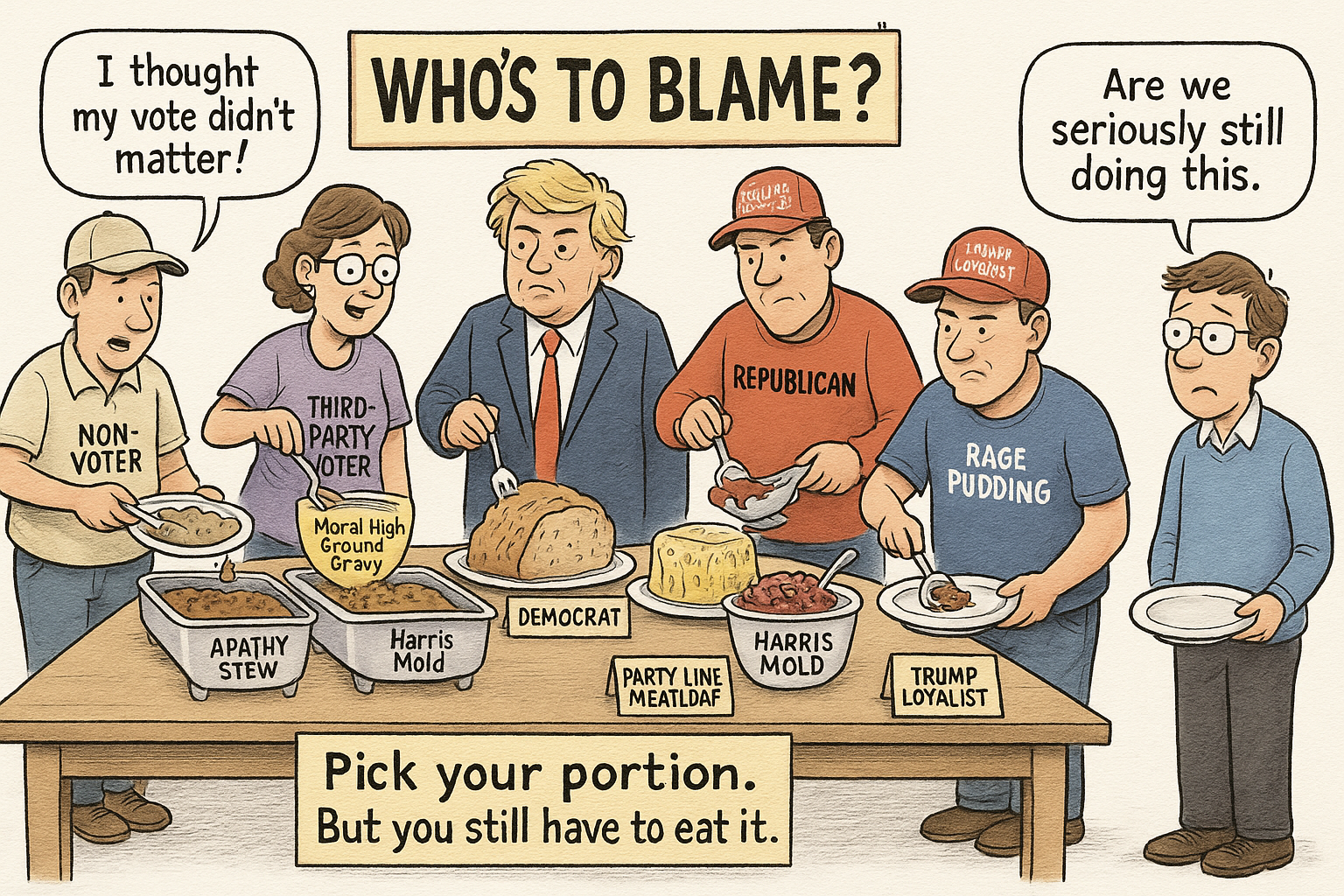

All of you. That’s who.
You’re to blame.
You knew Biden was slipping. Everyone knew. And you picked him anyway, assuming Trump didn’t have a chance.
And Kamala Harris?
Democrats, seriously—get your act together.
Yep. You too.
I’m all for third parties. I’m a moderate.
“My granddaddy was Republican, my daddy was Republican, so I vote Republican.”
He said it. You heard him.
Next time—if there is a next time—pay attention.
You’re the worst of all.
Better yet, put them on, and come help us fix this.



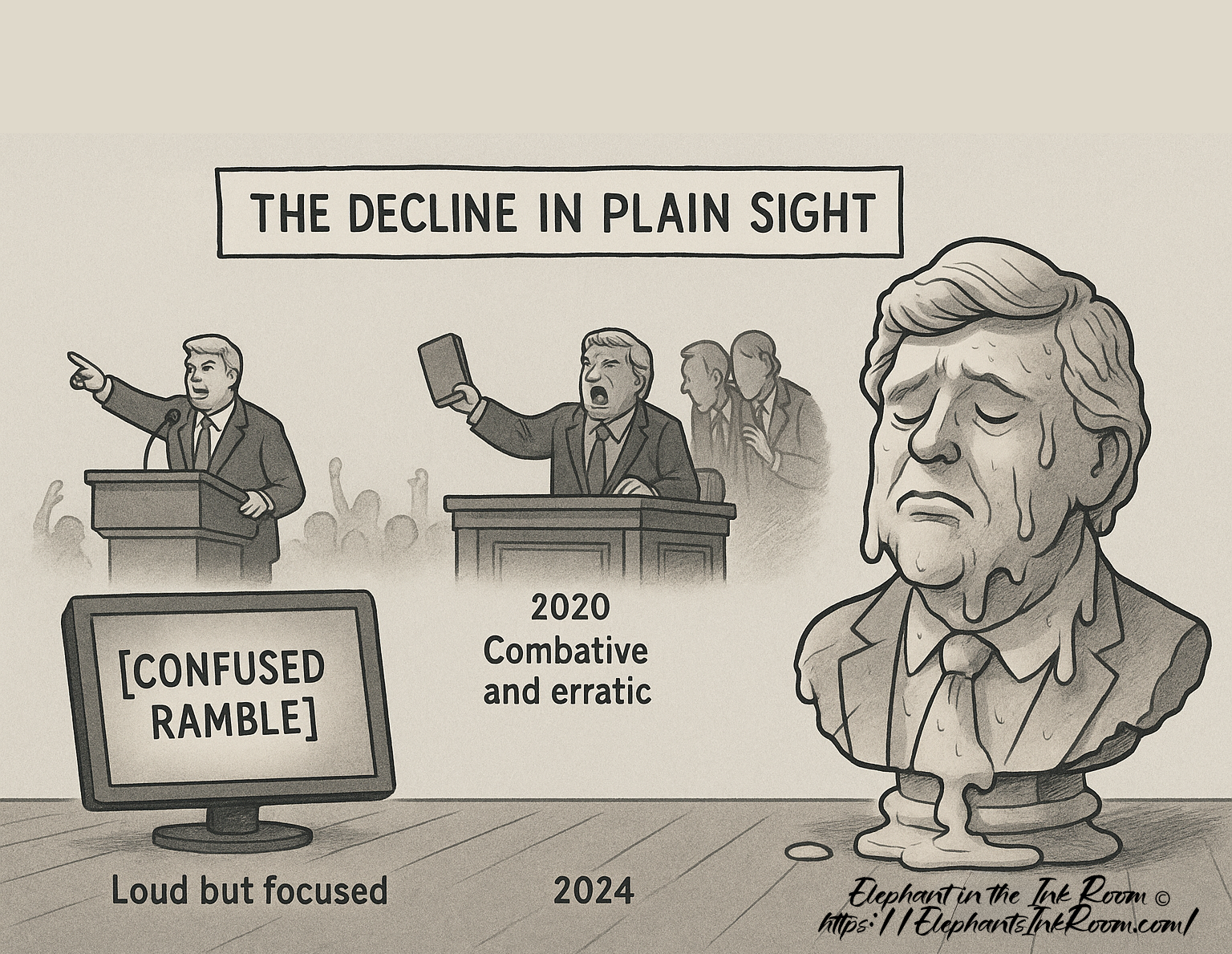
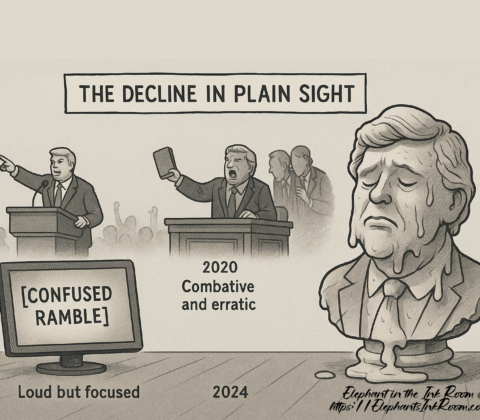


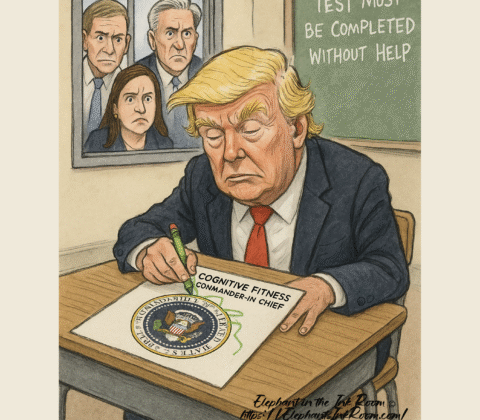

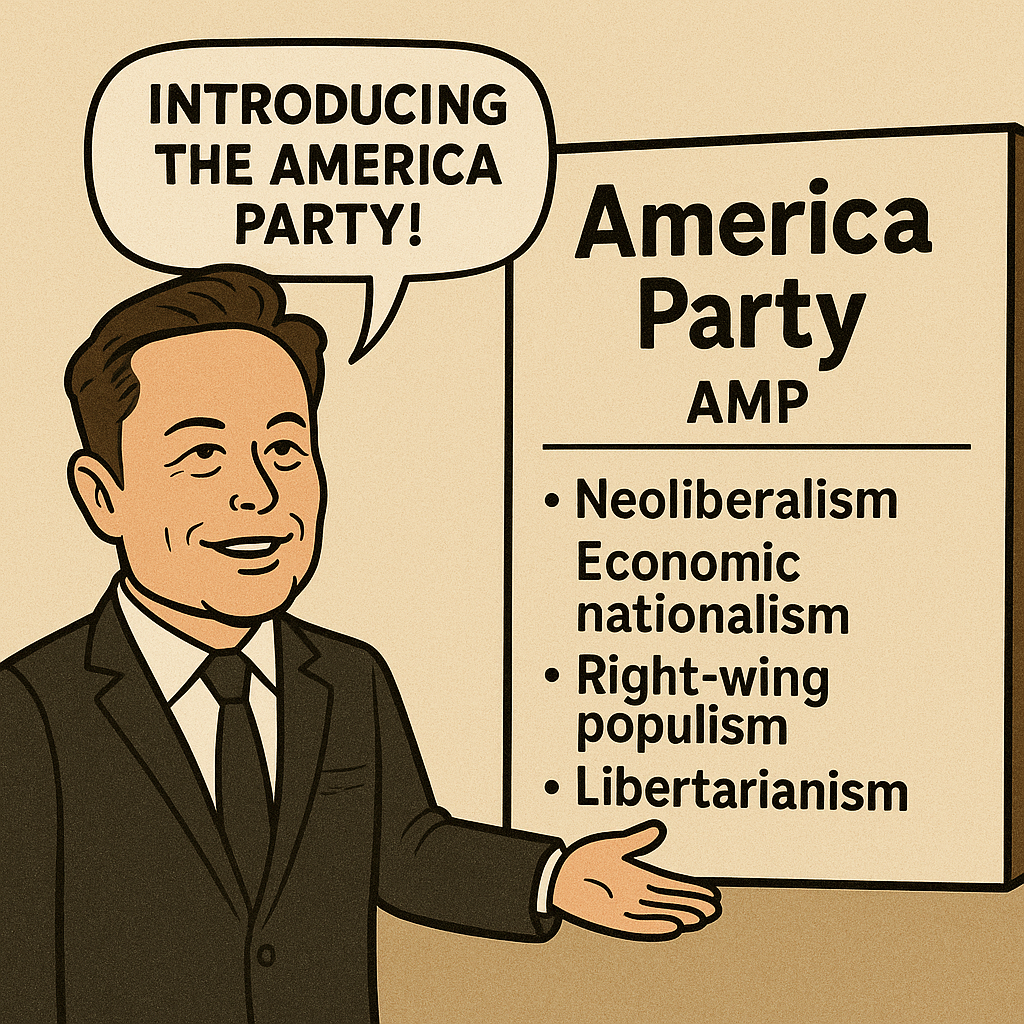
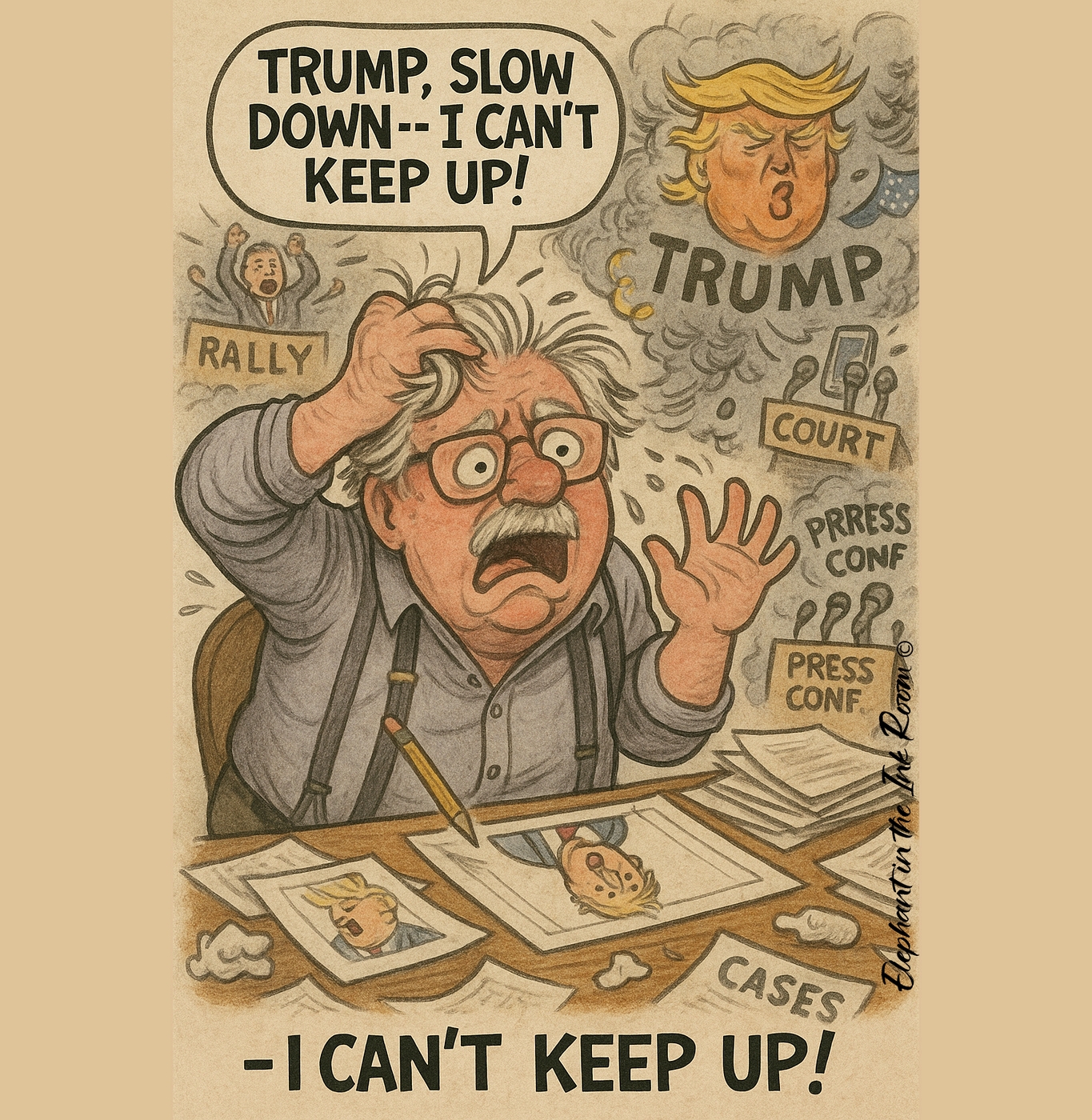

Then came the day of reckoning: January 6th.
The next four years? Honestly, not so bad.
Then came another election. I couldn’t stand the Putz, and I wasn’t thrilled with the alternative either. So I wrote in someone I believed in—Nikki Haley.
So, I started speaking up—using satire and cartoons to say what I wanted to say.
Then I really got into it.
So, I built a website.
As time passed, I kept wondering: what happens if we impeach the Putz?
I still didn’t see real leadership rising on the left either.
What if we could bypass both the MAGAs and the WOKEs?
A President and Vice President who believe in balance.
These are pairings of people I think would give it their all:
About the Author




Not owned by any agenda.


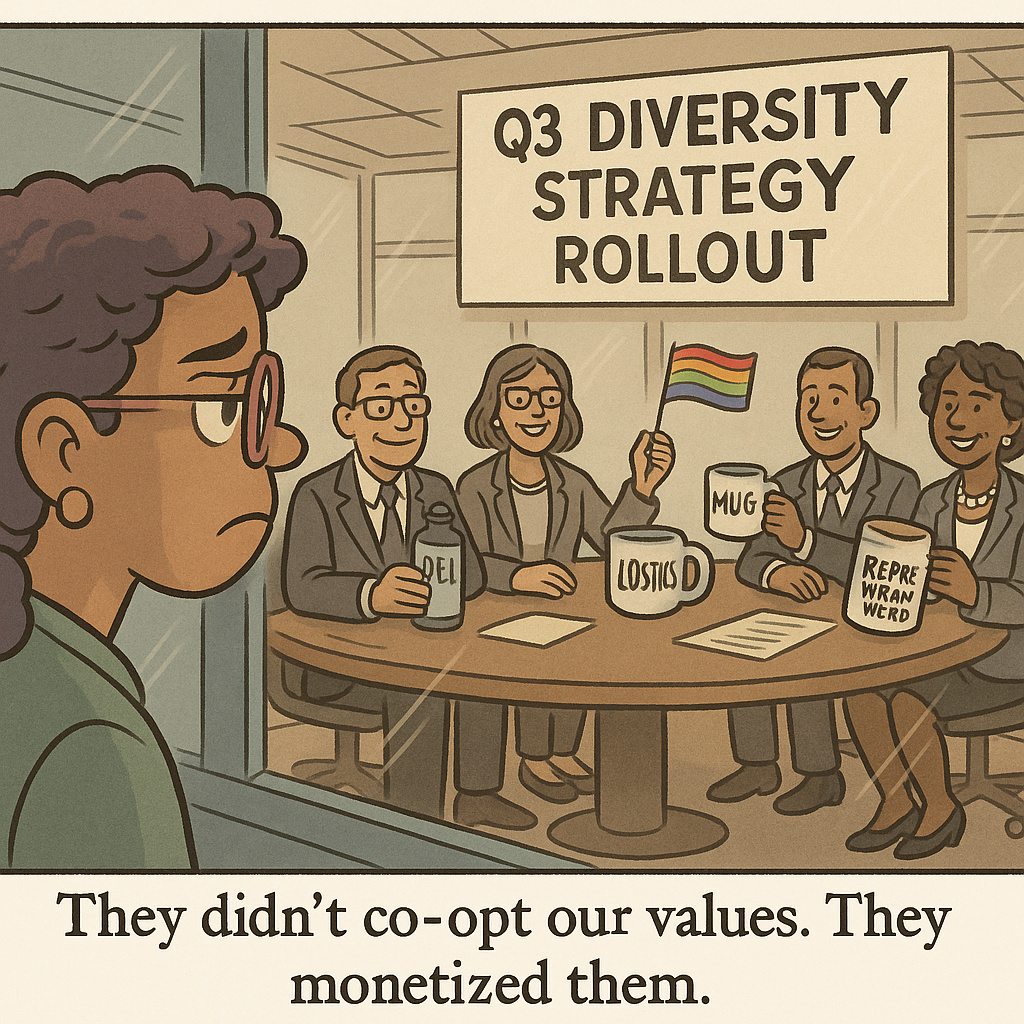
They marched for justice.
Words like “equity,” “representation,” and “inclusion” became currency — not values.
Student debt ballooned. Housing costs soared. Foreign wars expanded.
This isn’t a story about flipping sides or giving up.
This cartoon series doesn’t mock idealism. It mourns what was done to it.
That truth is louder than branding.
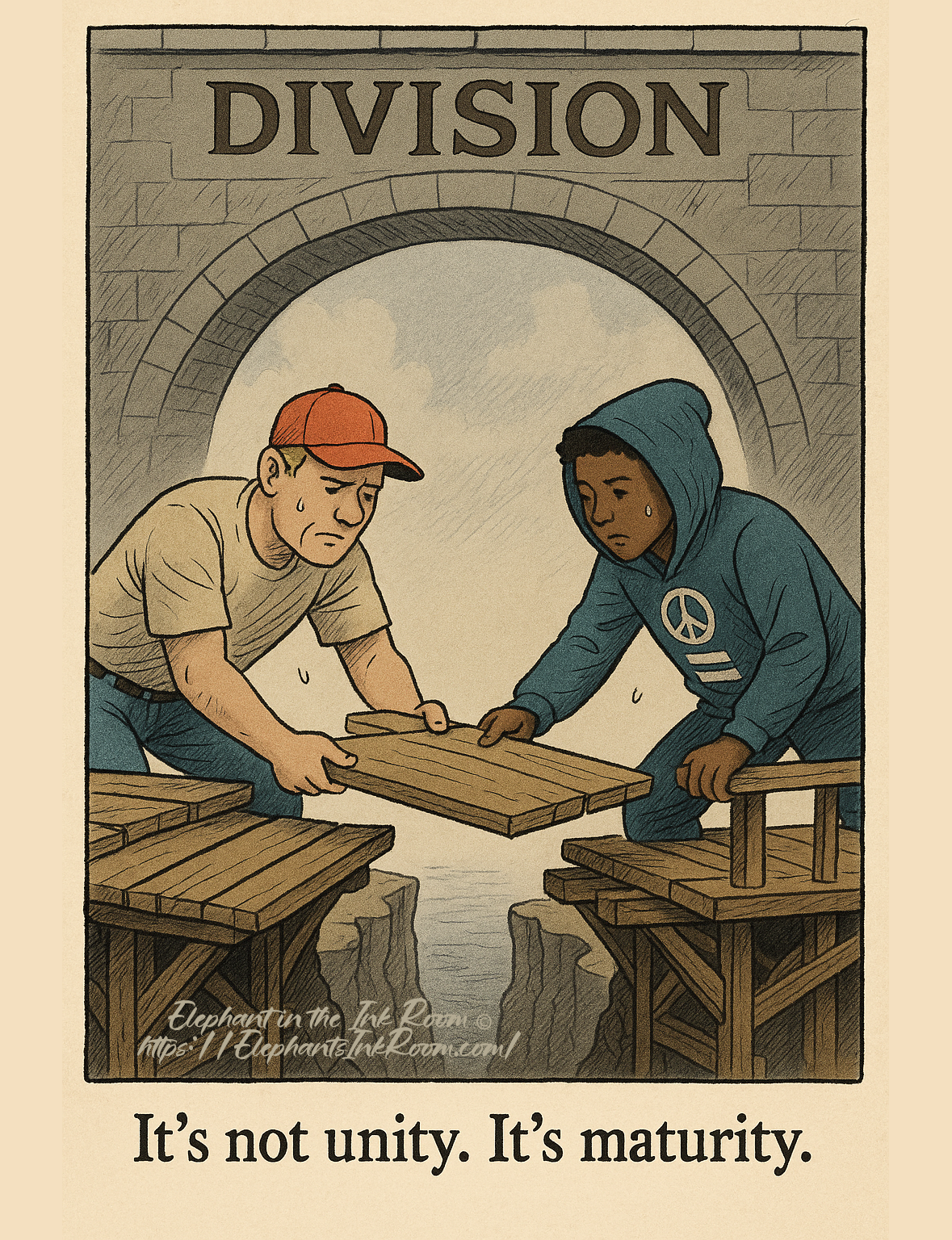

We didn’t get here overnight.
And it worked.
But division didn’t fix our schools.
What we’ve learned — the hard way —
So here we are, bruised but not broken,
Not because we agree on everything.
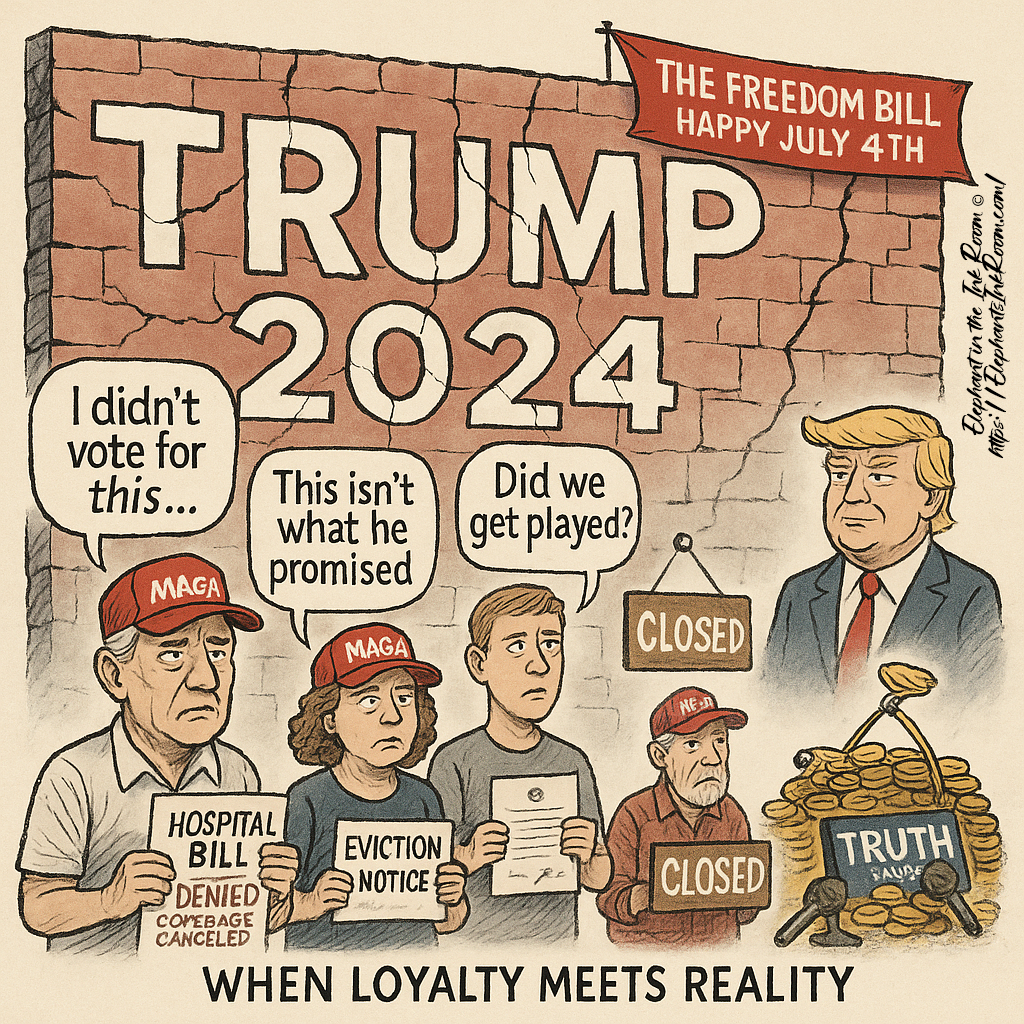
When Loyalty Meets Reality
Posts in Category: purple
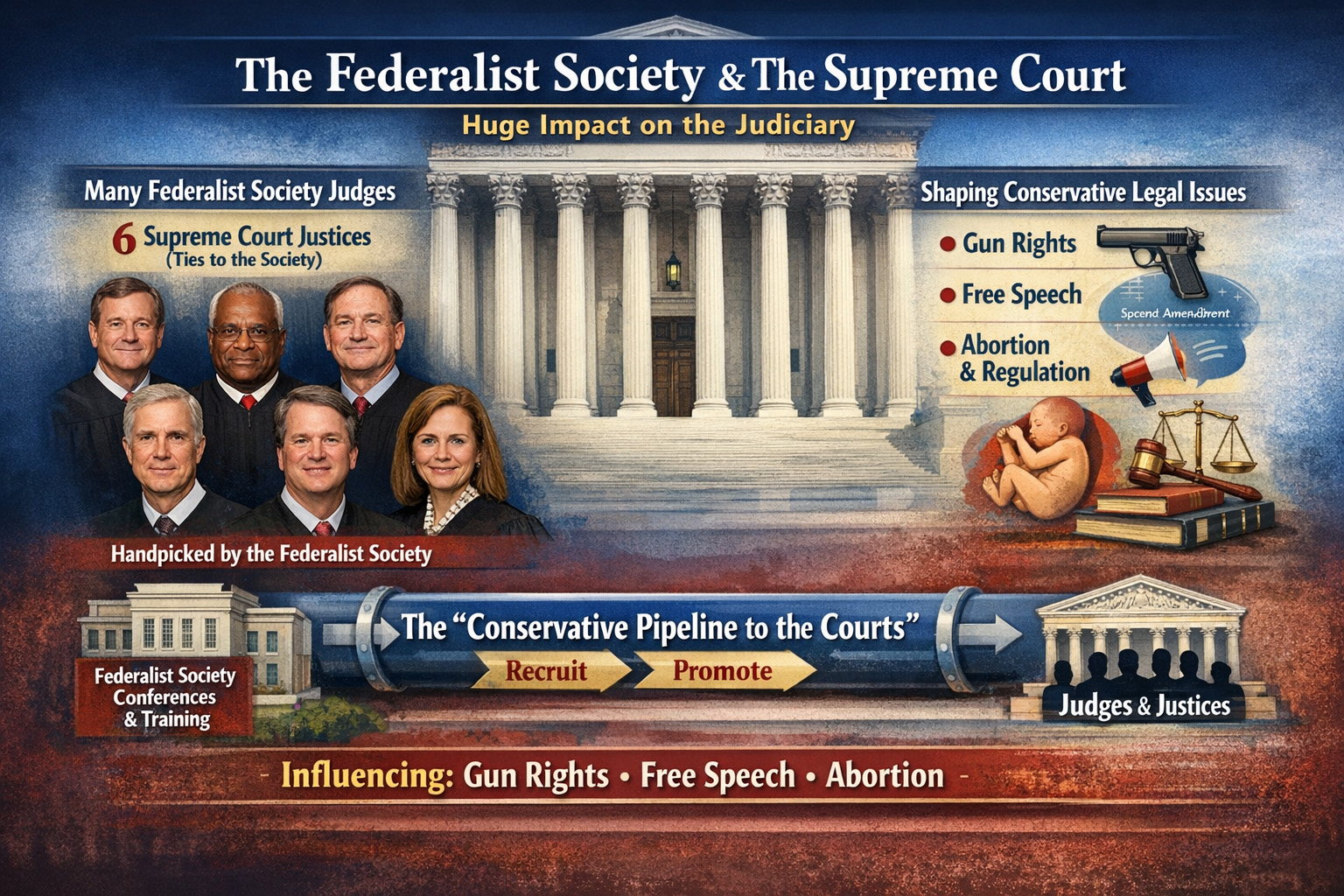
A Beginner’s Guide to the Federalist Society
A Beginner’s Guide to the Federalist Society (and the James Madison Connection)
What is the Federalist Society?
The Federalist Society for Law and Public Policy Studies (often called “FedSoc”) is a major American organization of conservative and libertarian lawyers, judges, law students, and scholars. Founded in 1982 by law students at Yale, Harvard, and the University of Chicago, it started as a way to challenge what its founders saw as dominant liberal ideas in law schools.Key Principles (straight from their mission):
- The government exists to preserve individual freedom.
- Separation of powers is central to the U.S. Constitution.
- Judges should interpret the law as written (textualism and originalism), not make new policy (“say what the law is, not what it should be”).
It’s not a lobbying group or political party — it claims to be non-partisan and focuses on open debate. They host events, panels, and speeches with speakers from all sides (though most align conservative/libertarian).Structure:
- Student chapters: Over 200 at law schools across the U.S.
- Lawyers chapters: In major cities.
- Faculty division and national events.
Influence:
- Huge impact on the judiciary. Many federal judges (including 6 current Supreme Court Justices with ties) are members or recommended by the group.
- Helped shape conservative legal thinking on issues like gun rights, free speech, abortion, and regulation.
- Often called the “conservative pipeline” to the courts.
Critics say it’s too partisan and has shifted the courts rightward. Supporters say it promotes intellectual diversity and constitutional fidelity.The James Madison ConnectionThe society’s logo is a silhouette of James Madison (4th U.S. President, “Father of the Constitution,” co-author of The Federalist Papers). They see themselves as heirs to Madison’s ideas on limited government and checks and balances.
- They have a James Madison Club — a donor group for major supporters.
- Some student chapters win the “James Madison Chapter of the Year” award.
There is no separate major organization called the “Madison Society” directly paired with the Federalist Society. “Madison Society” refers to various unrelated groups (e.g., Second Amendment advocacy, university alumni clubs, or progressive counterparts like the American Constitution Society). The “Federalist and Madison Societies” likely refers to the Federalist Society’s strong ties to James Madison’s legacy.In short: The Federalist Society is the big player in conservative legal circles, proudly Madison-inspired. It’s all about debating ideas to keep government limited and judges neutral.For more: Visit fedsoc.org or read The Federalist Papers for the original inspiration!
Share this:

A few Dark Money Examples, Oh Yeah’s to sleep well with.
You don’t have to take my word for it. Most of us have already seen this — we just didn’t always know what we were looking at.
A Few “Oh Yeah” Examples of Dark Money at Work
You don’t need to follow these closely to get the point. Most of you already recognize the pattern.
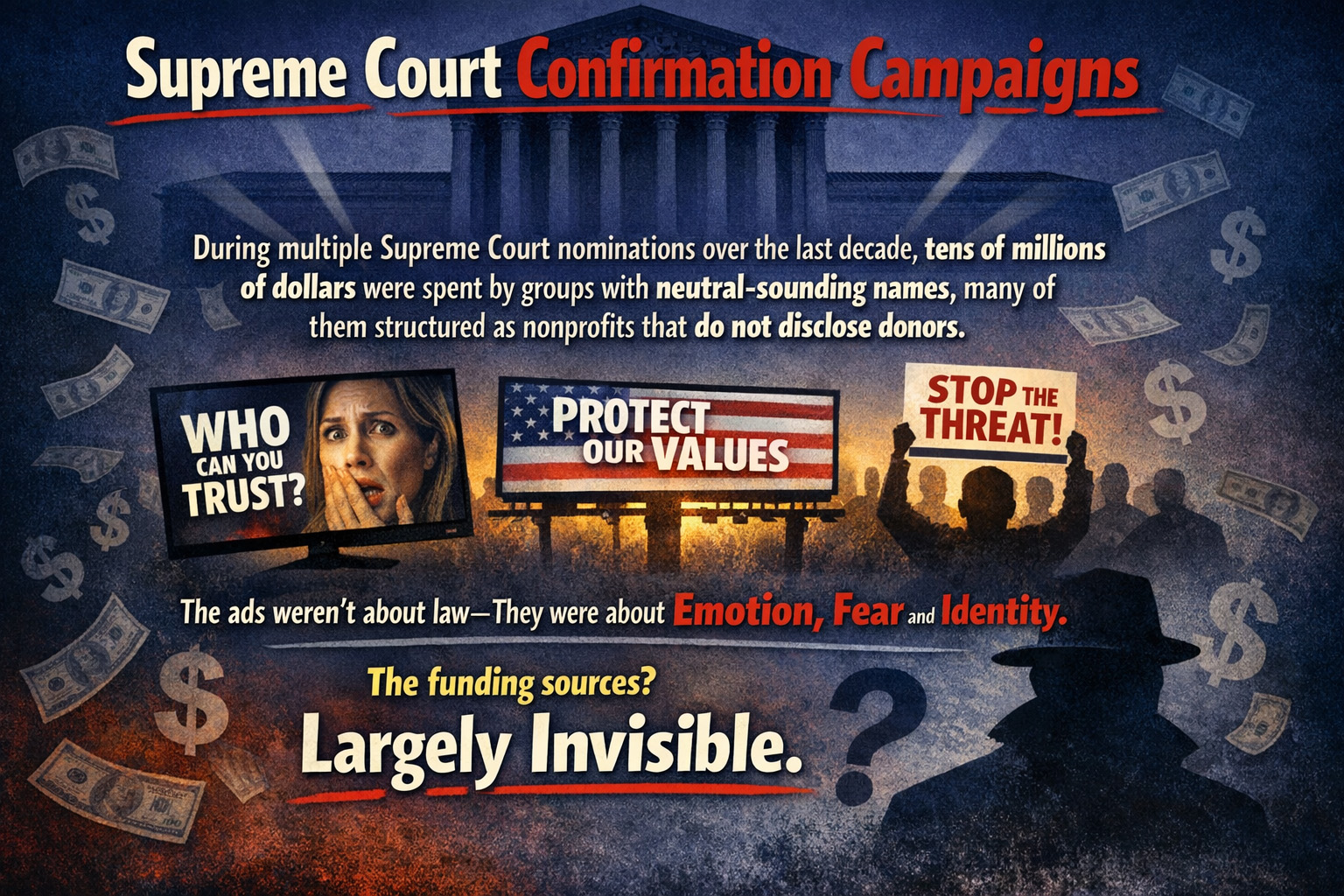
1. Supreme Court Confirmation Campaigns
During multiple Supreme Court nominations over the last decade, tens of millions of dollars were spent by groups with neutral-sounding names, many of them structured as nonprofits that do not disclose donors.
The ads weren’t about law — they were about emotion, fear, and identity.
The funding sources? Largely invisible.
Oh yeah.
2. State Judicial Races
In several states, outside money has flooded judicial elections — races most voters barely notice — because judges decide issues like tort law, environmental regulation, and labor disputes.
Small states. Big money. Quiet races.
Oh yeah.
3. Local Ballot Initiatives with National Backers
Energy, mining, and real estate interests have repeatedly funded campaigns against local ballot initiatives — zoning rules, environmental protections, or tax measures — using PACs that make them look like grassroots efforts.
The campaign feels local.
The money often isn’t.
Oh yeah.
4. Education “Reform” Groups
School board races and education policy fights increasingly attract outside funding from ideological organizations on both the right and the left — often routed through nonprofits that don’t disclose donors.
Parents think it’s a local debate.
The funding strategy was written elsewhere.
Oh yeah.
5. Issue Ads That Aren’t Campaign Ads
Ever see ads that say things like:
-
“Tell Senator X to protect freedom”
-
“Call Representative Y and demand action”
These often come from groups legally classified as issue advocacy, not campaigns — which allows them to spend heavily without revealing who’s paying.
Same effect. Different label.
Oh yeah.
6. Small-State Disproportionate Spending
In lower-population states, a few million dollars can completely reshape a political conversation — making them attractive targets for national organizations seeking influence at a bargain price.
Montana, Wyoming, the Dakotas, West Virginia — none of them are accidental.
Oh yeah.
Share this:

2026 – 2025 Fork
On
- Protest 2026, purple
I used to think “conspiracy theories” were about secret plots and hidden agendas. Over time, I’ve come to believe something more troubling: the real danger isn’t what’s hidden, but what we’re distracted from. When attention is constantly pulled toward outrage, personalities, and cultural flashpoints, it becomes much easier for powerful interests to operate without scrutiny.
I’m not interested in relitigating Trump or competing in the coming flood of commentary and parody. That work will be done by others. What matters now are the deeper, quieter forces shaping our future — oligarch influence, the erosion of public education, the hollowing out of healthcare, and the propaganda strategies evolving to keep us unfocused. This space exists to slow that process down, to help us recognize patterns, and to remind ourselves that understanding is the first step toward regaining control.
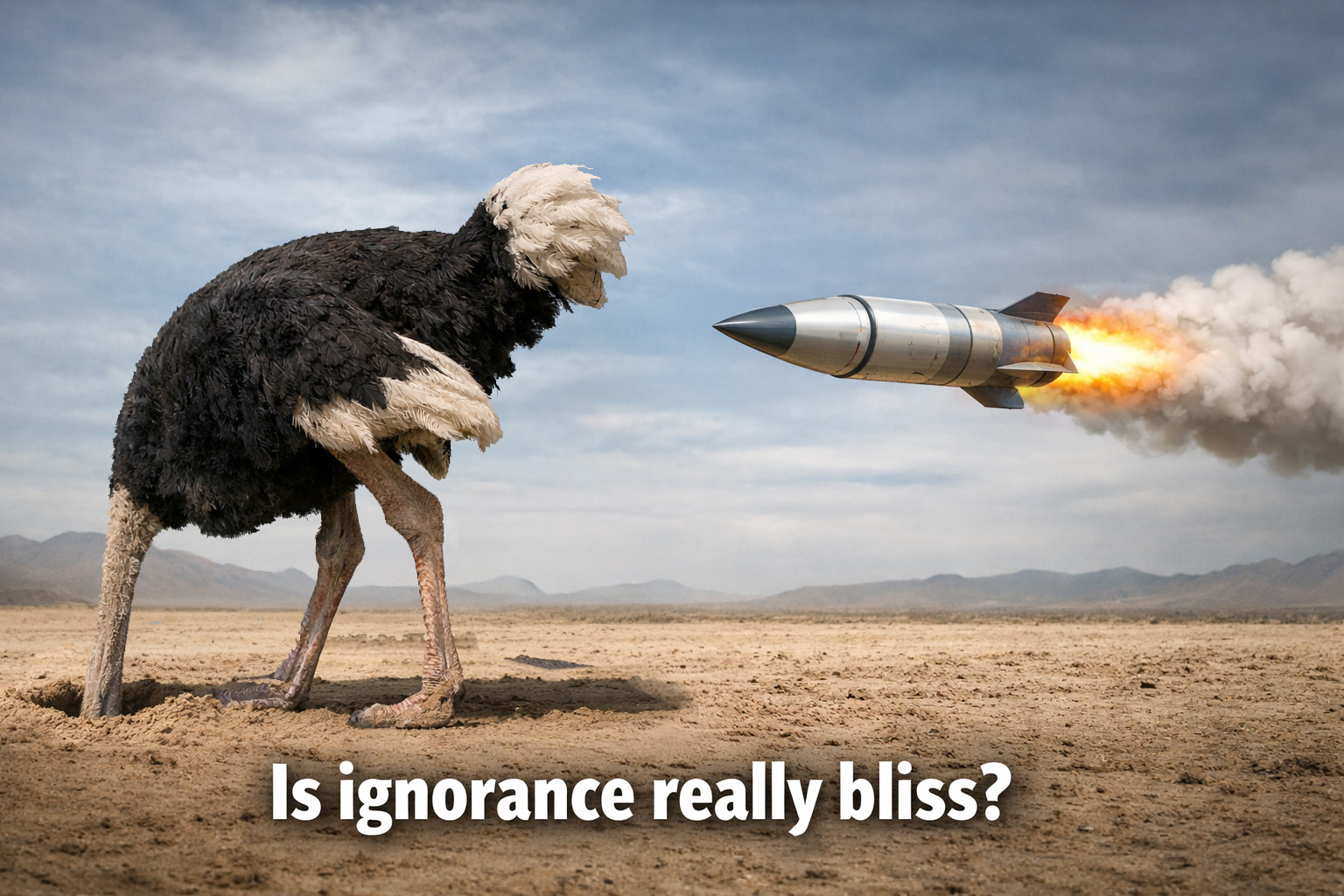
2025. the joke was on us, they flew at us so fast we couldn’t keep up. The only way to respond was through satire and parody, but it may may be good or it may be bad, but I believe it’s time to start planning for what is to come. There is only one way to do that, and that is to understand what is behing all three curtains.
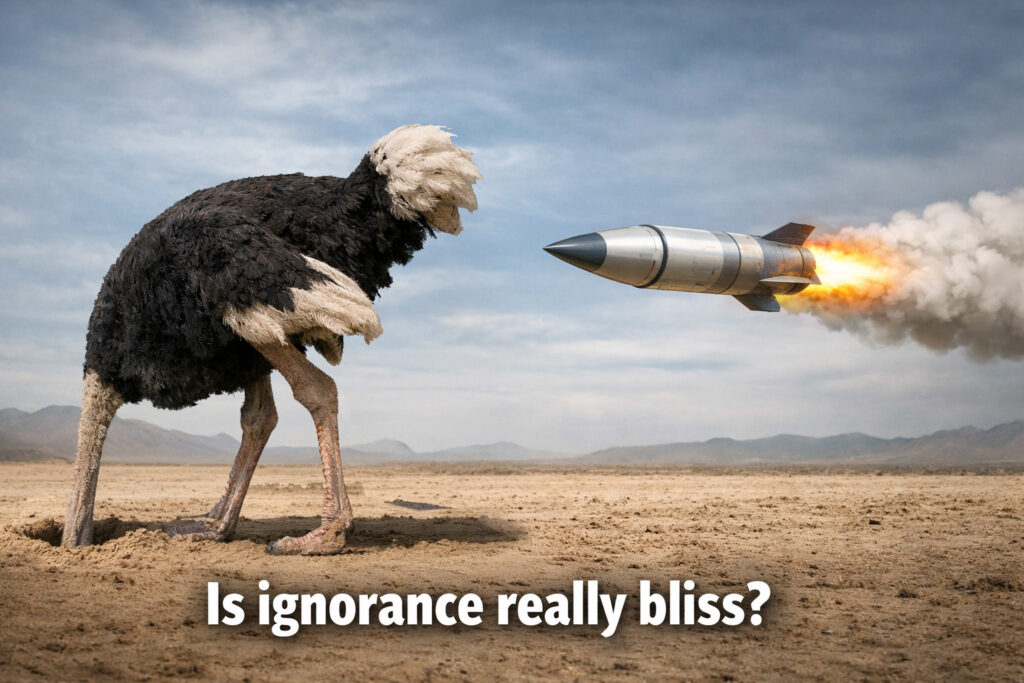
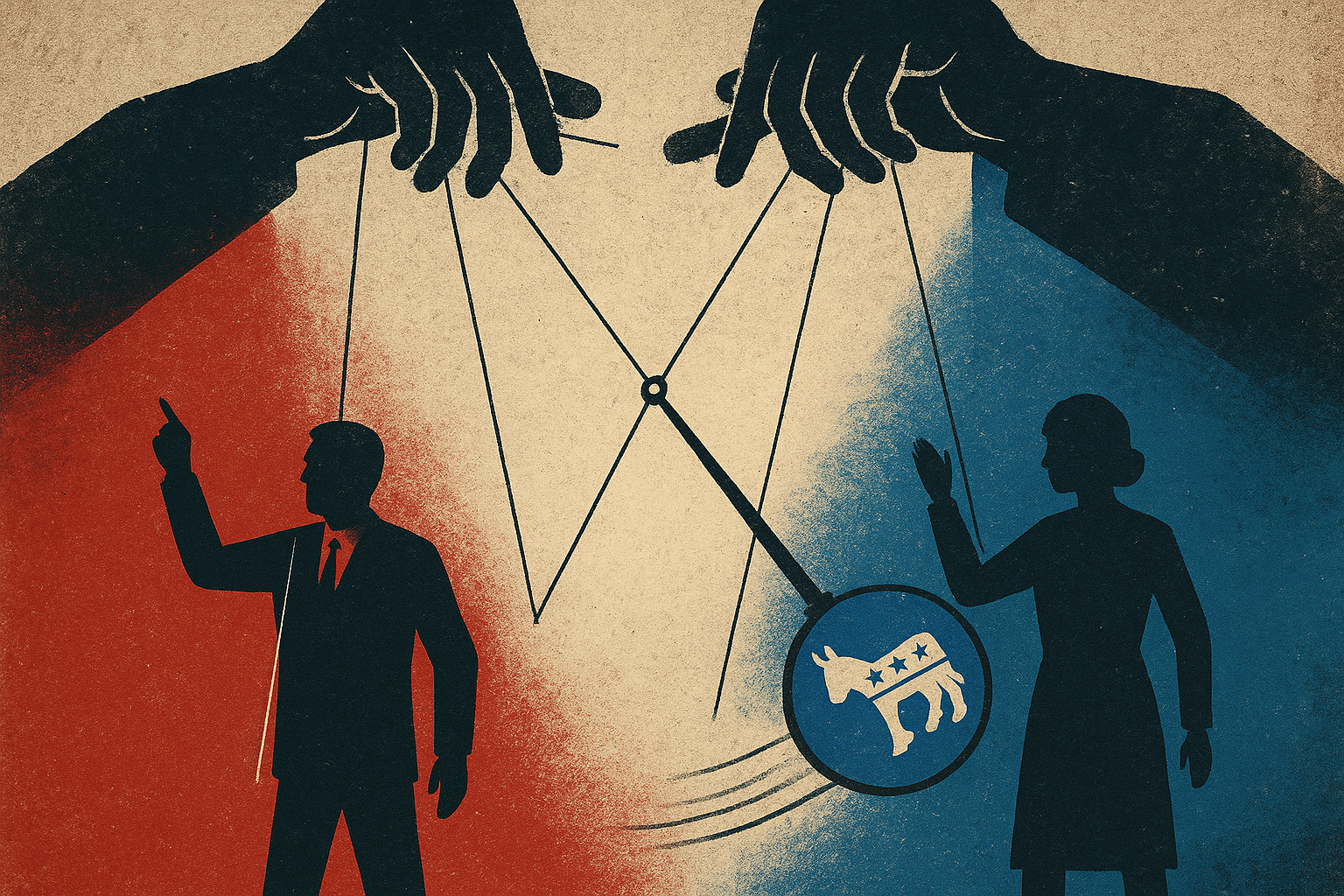
My first instinct was to paint MAGA on the war head, but upon a saner reflection I’m afraid MAGA is the target as well. Nobody is safe.
Share this:

No One Best Fix, Part 3 Dark Money Continued – Montana as a Test Case, Not a Template
No One Best Fix — 3
Montana as a Test Case, Not a Template
Most people outside of Montana don’t think about Montana much — and that’s exactly the point.
Montana matters here not because it has all the answers, but because it raises a question many places are quietly facing:
What happens when a community tries to limit outside influence structurally instead of just complaining about it?

To ground that question in reality, here are two useful references:
-
Official proposed ballot text and description (Montana Secretary of State) — this is the government’s own page listing what the initiative says it would do. Montana Proposed 2026 Ballot Issues Page (Official Text & Summary)
-
Plain-language summary of the initiative statement — a concise version of what the amendment would change. Group Releases Text of Proposed Montana Constitutional Amendment to Curb Dark Money (Summary)
With those in hand, you can always look at the source language while reading this section.
What the initiative would do
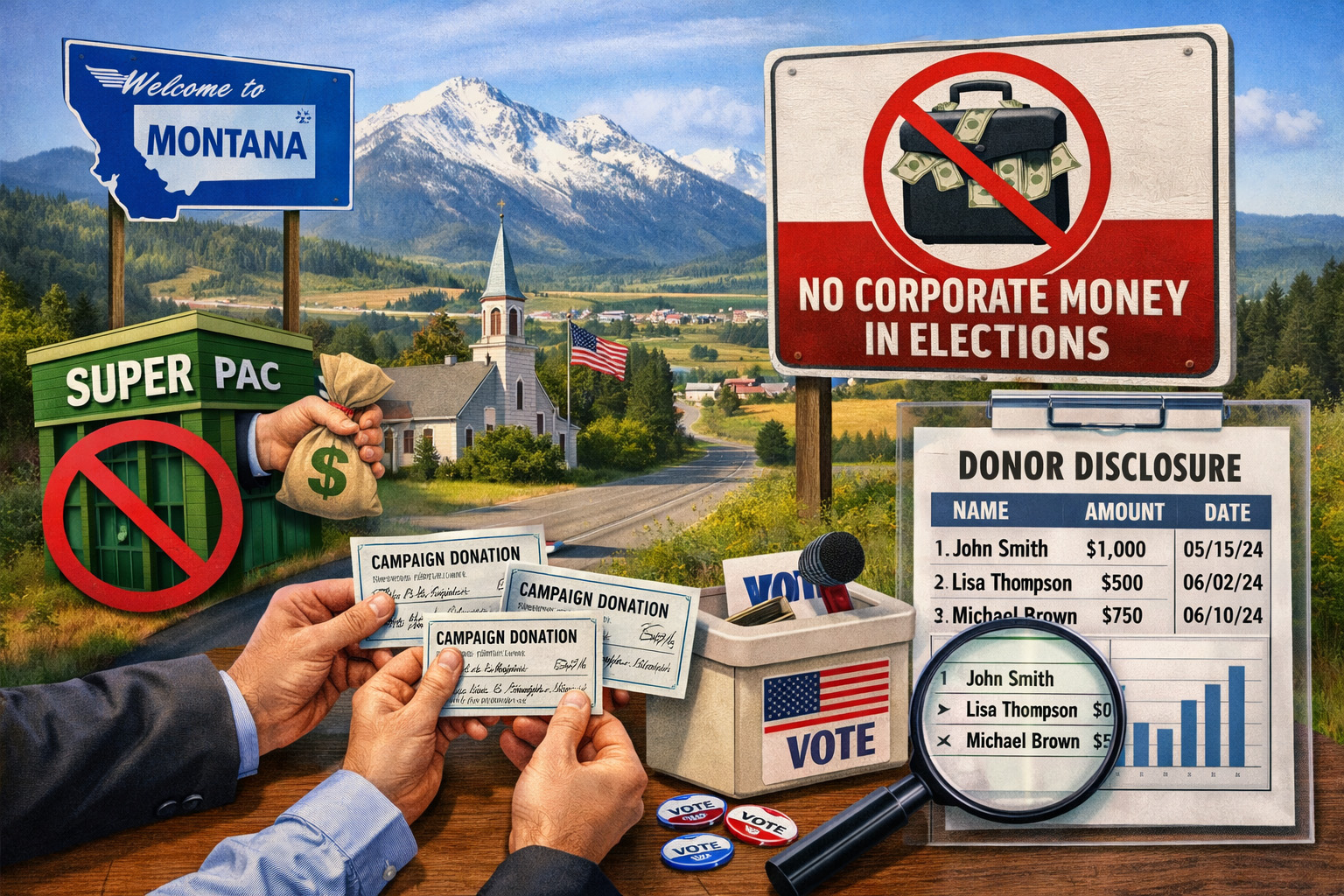
The change in Montana law would simply not grant the corporations the power to give to candidates or causes, but would allow individuals to give, but those donations would be tracked.
The proposed legislation is the first-of-its-kind and takes a different approach to the problem of campaign finance in spending. For example, last year’s U.S. Senate race in Montana, which saw Republican Tim Sheehy beat incumbent Democrat Jon Tester, had more than $275 million spent in a state of roughly 1.2 million people.
“Basically, the only difference is that corporations won’t be able to spend in our elections,” Mangan said.
The specifics of the proposed constitutional amendment would carve out exceptions for organizations like political parties and even media organizations whose coverage could possibly run afoul of the amendment’s language.
“If a person wants to spend money, then they have to put their name on it. It’s full disclosure. That’s what this is all about,” Mangan said.
The Montana proposal — often referred to as the Montana Plan or the Transparent Election Initiative — is fundamentally different from traditional campaign finance reforms.
Instead of regulating spending directly, it would change the basic definition of what corporations and similar entities (“artificial persons”) are allowed to do in elections. In effect, it would:
-
Amend the state constitution to say corporations and other artificial entities have only the powers the constitution explicitly grants them.
-
Specifically ensure that corporations have no authority to spend money or anything of value on elections or ballot issues.
-
Leave open the possibility for political committees (not corporations) to spend money on elections.
-
Include enforcement provisions and severability clauses to protect parts of the law if others are ruled invalid. Montana Secretary of State+1
This isn’t the typical approach of saying “limit X amount” or “disclose Y.” It says, in essence:
If the state never gave a corporate entity the power to spend in politics in the first place, then it can’t do so now. Harvard Law Corporate Governance Forum
That’s why proponents describe it as a doctrine-based challenge to the framework established by Citizens United — not a straightforward campaign finance rule. Harvard Law Corporate Governance Forum
Why this matters structurally
There are four big implications worth noting:
1. It reframes power, not just spending.
Instead of capping or reporting spending, it redefines who gets that power at all. That’s a deeper structural shift in how the political system treats corporations. Harvard Law Corporate Governance Forum
2. It acts at the level where consequences are visible.
When outside groups spend in small races or ballot campaigns, local voters often never see the circuit of influence. This initiative aims to shorten that circuit — even if imperfectly. Truthout
3. It shows how local contexts shape responses to national problems.
Dark money isn’t a national phenomenon only — it’s a distributed one, especially in low-attention environments like state and local elections. Montana’s approach reflects that reality. NonStop Local Montana
4. It illustrates why there’s “no one best fix.”
You’ll notice this proposal doesn’t:
-
Ban all political spending by wealthy individuals
-
Eliminate all influence from outside actors
-
End lobbying
-
And, according to some critics, may raise free speech or legal concerns if adopted wholesale Montana Free Press
What it does is test a structural lever that hasn’t been widely tried before: the state’s sovereign authority to grant or withhold corporate powers.
What’s happening with the initiative now
As of late 2025:
-
The Montana Attorney General has ruled the proposed initiative legally insufficient, arguing it combines multiple constitutional changes into one item and may affect more than a single subject. Montana Free Press
-
The organizers are planning to challenge that ruling and pursue placement on the 2026 ballot. Montana Free Press
This process — review, challenge, signature gathering — is itself part of what makes Montana a useful test case. It isn’t a finished story yet.
How to think about this
When you look at the initiative text and the summary together with your understanding of dark money and influence, here’s the clean takeaway:
-
Montana isn’t offering a pre-packaged solution.
-
It’s testing whether changing who can spend at all alters the dynamics of influence.
-
The state’s unique legal authority provides a laboratory for ideas that might be adapted elsewhere in different forms.
In other words:
Montana’s initiative isn’t the answer — it’s an experiment. Good data from experimentation — success or failure — gives other states something concrete to think with.
Share this:

No One Best Fix, Part 1 Dark Money Continued – Why Simple Solutions Fail
Parts One and Two are being kept deliberately short. Not because the issues are simple — but because my attention span is being throttled back.

I’ve found that even when something seems straightforward, actually understanding it requires letting it sit for a moment before moving on. Digest first. Then build.
By the time we reach Part Three, we’ll introduce an initiative from one state that attempts to address these issues as they affect them. The better we understand the basic principle, the better we’ll understand how — or whether — it could apply to our own states and circumstances.
And it’s worth repeating:
One size does not fit all.
No One Best Fix — 1
Why Simple Solutions Fail
Once people understand how dark money works, the next instinct is to ask:
“Why don’t we just ban it?”
That reaction is understandable — and it’s also where most discussions fall apart.
The free speech problem
Political speech is protected broadly in the United States, not because it’s always noble, but because limiting it is dangerous. Any rule strong enough to silence bad actors is also strong enough to silence legitimate dissent.
That creates a hard tradeoff:
-
Regulate too lightly, and influence hides
-
Regulate too aggressively, and speech is chilled
There is no clean line that separates “acceptable” influence from “unacceptable” influence without collateral damage.
The money problem
Money itself isn’t illegal. People are allowed to spend their own money advocating for causes they believe in.
The difficulty arises when:
-
Money becomes scalable
-
Influence becomes detached from consequences
-
The people paying don’t live with the outcomes
Banning money outright isn’t realistic. Limiting it too tightly just pushes it into new, often less visible channels.
The enforcement problem
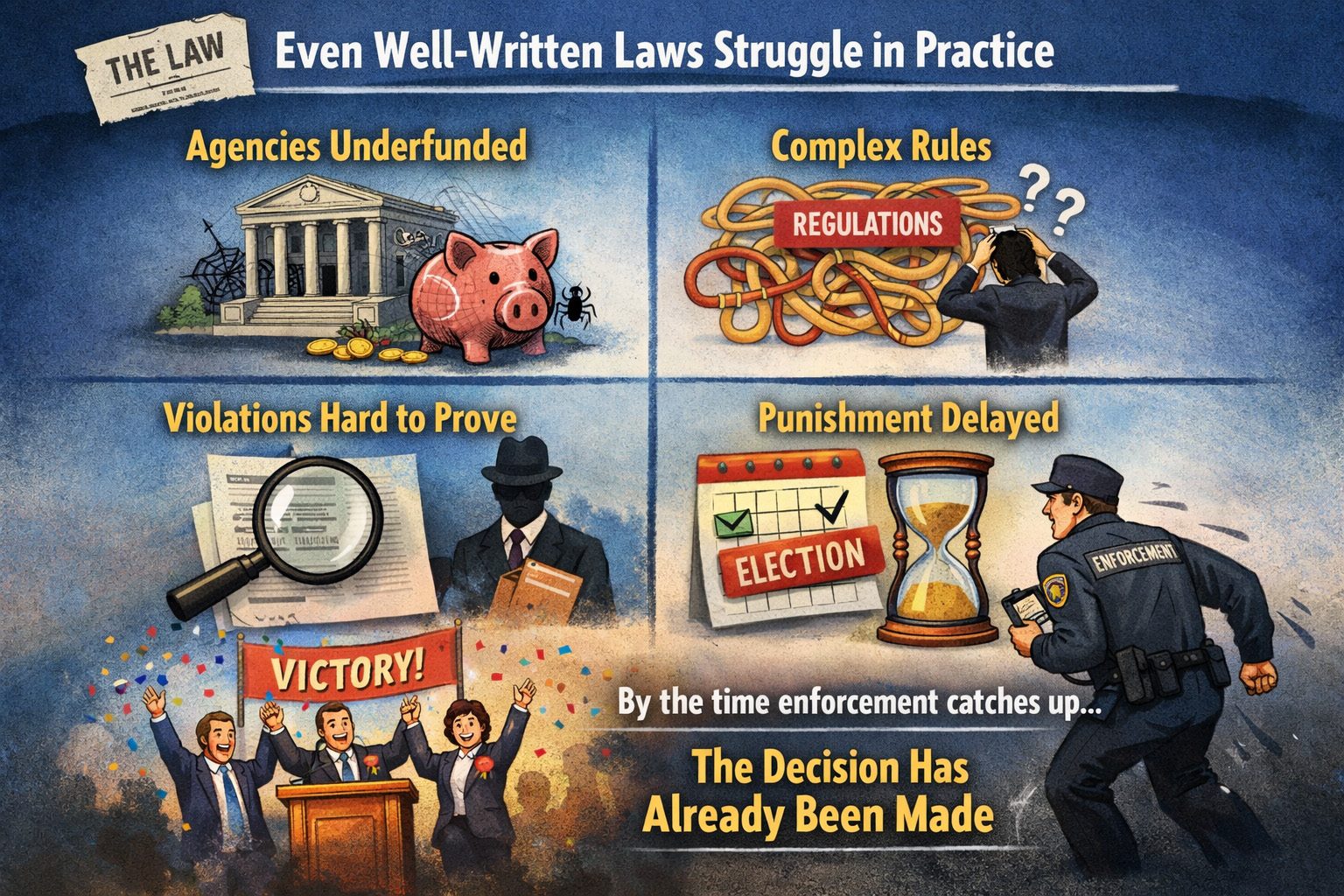
Even well-written laws struggle in practice:
-
Agencies are underfunded
-
Rules are complex
-
Violations are hard to prove
-
Punishments arrive long after elections are over
By the time enforcement catches up, the decision has already been made.
Why this matters
The reason dark money persists isn’t because no one has tried to fix it. It’s because every fix runs into real-world constraints.
Understanding those constraints doesn’t mean giving up.
It means being honest about what’s possible.
That honesty is the starting point for any solution that has a chance of lasting.

Share this:

Dark Money for Dummies — Part 3
Why It Shows Up in Small and Local Places
If you want to understand dark money’s real power, don’t look first at presidential elections. Look at small states, local races, and low-visibility decisions.

That’s where the leverage is highest.
Small places are efficient
Influencing a national election is expensive and unpredictable.
Influencing a state legislature, regulatory board, court election, or ballot initiative is often:
Far cheaper
Less crowded with competing messages
Less scrutinized by media
More consequential per dollar spent
In smaller political ecosystems, a relatively modest amount of money can:
Shape the debate
Deter opposition
Make outcomes feel pre-decided
This isn’t because voters are uninformed. It’s because the volume of influence overwhelms the scale of the system.
Local decisions can unlock national value
Many of the most important decisions affecting national industries are made locally:
Resource extraction permits
Environmental standards
Tax structures
Judicial interpretations
Regulatory enforcement
Winning a single state-level fight can:
Set precedent
Reduce compliance costs elsewhere
Protect billions in downstream revenue
From that perspective, local politics isn’t small at all. It’s strategic.
Why motives stay unadvertised
If an organization openly said:
“We’re here to protect a distant financial interest that won’t bear the local costs”
…it would fail immediately.
So messaging focuses on:
Jobs
Growth
Stability
Freedom
Tradition
Safety
These themes are not fake. They resonate because they matter to people’s lives. The issue isn’t that they’re false — it’s that they’re partial.
What’s usually missing is:
Who benefits most
Who absorbs long-term costs
Who leaves when the damage is done
That information gap isn’t accidental. It’s essential to the strategy.
The quiet effect on local communities
Over time, this kind of influence can:
Narrow the range of acceptable debate
Make opposition feel futile or extreme
Shift policy without visible public consent
The most important outcome often isn’t a single law or election result. It’s the normalization of decisions made with local consequences but remote beneficiaries.
That’s the point where influence becomes detached from accountability.
Where this leaves us
By now, three things should be clear:
Dark money is usually legal
It works best where attention is lowest
Its power comes from distance — not secrecy
The remaining question isn’t whether this system exists.
It’s whether communities should have the ability to limit how much invisible, outside influence their political systems can absorb.
That’s where ideas like the Montana initiative enter the picture — not as a cure-all, but as a structural experiment.
Share this:

No One Best Fix, Part 2 Dark Money Continued – Why Local Answers Matter More Than National Ones
No One Best Fix — 2
Why Local Answers Matter More Than National Ones
If there is no single best fix, the next question becomes:
“At what level should we even try?”
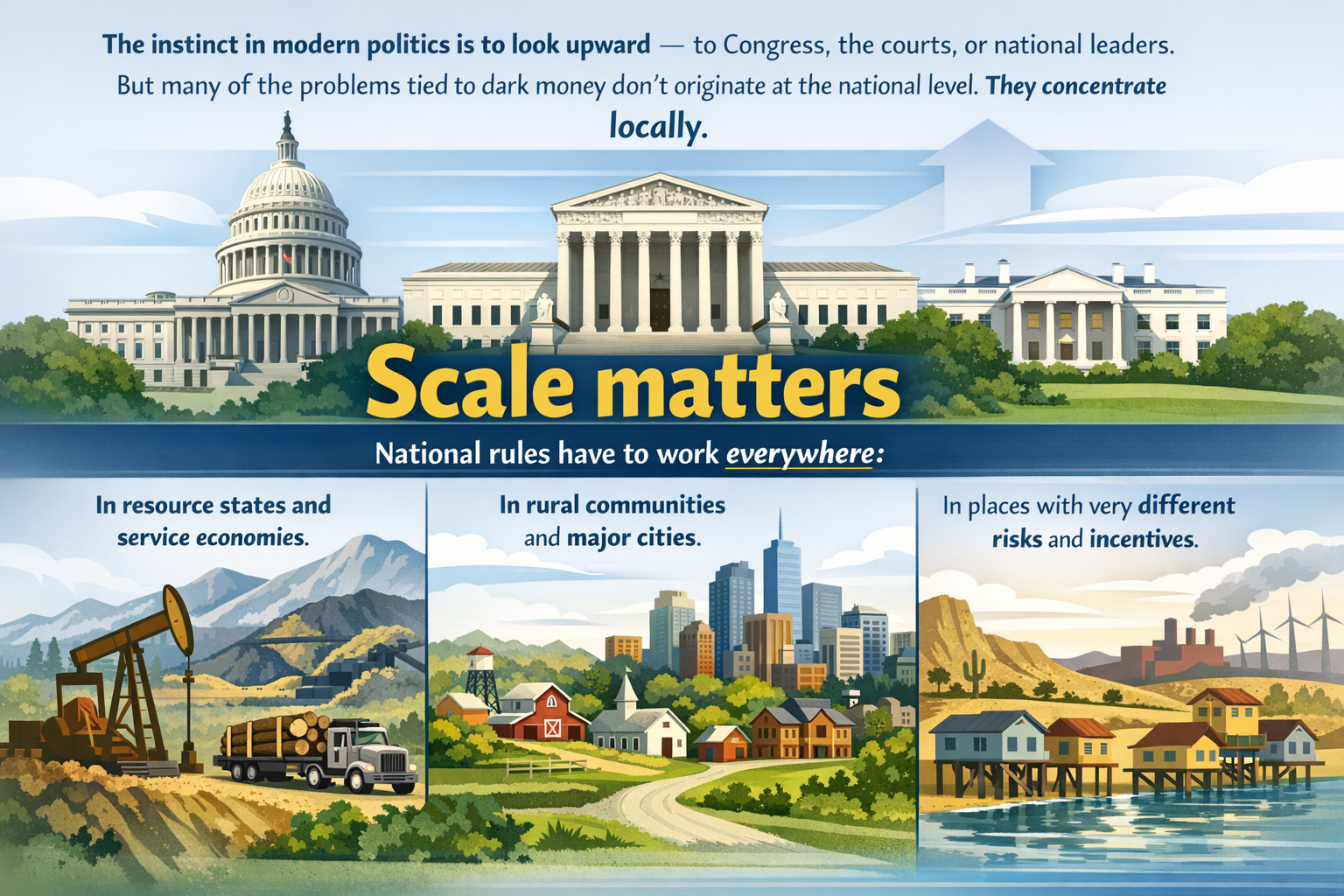
The instinct in modern politics is to look upward — to Congress, the courts, or national leaders. But many of the problems tied to dark money don’t originate at the national level. They concentrate locally.
In reality, many of the National Initiatives actually originated at the local level, they are designed, implemented and evaluated locally before they are introduced on a National Level. Although what works here doesn’t work there is true. Money is spent wisely and pilot plans or test runs are judged in different environments.
One of the most outwardly confusing observations is why actions or interference will be implemented in one locality or region and not another. When this happens you must step back and follow either the money or the vote. We may be led to believe the new infrastructure is for the communities health, but will it still be supported when the oil fracking or coal mining, or.. or.. is no longer profitable to the corporation located many states away without any other financial ties to the local population.
Scale matters
National rules have to work everywhere:
-
In resource states and service economies
-
In rural communities and major cities
-
In places with very different risks and incentives
That forces compromise — and compromise often produces rules that are too blunt to be effective and too rigid to adapt.
Local and state systems, by contrast:
-
Have clearer lines of cause and effect
-
Face specific pressures rather than abstract ones
-
Can tailor responses to their own vulnerabilities
What works in one state may fail in another — and that’s not a flaw. It’s reality.
Accountability is stronger closer to home
When decisions are made locally:
-
The people affected are easier to identify
-
The consequences are harder to ignore
-
The distance between influence and impact is shorter
That doesn’t eliminate outside pressure, but it makes it harder to hide.
This isn’t about isolation
Focusing on local solutions isn’t about shutting out the world or pretending states exist in a vacuum.
It’s about restoring balance:
-
National rules set guardrails
-
Local systems decide how much influence they can absorb
That balance is what federalism was designed to provide.
Share this:

Dark Money for Dummies — Part 2
Why It Exists (and Why It’s Legal)
Once people understand what dark money is, the next question is obvious:
If this creates so many problems, why does it exist at all?
The short answer is not corruption or conspiracy.
The longer answer is classification.
The difference between campaigns and “issues”
U.S. election law draws a sharp line between:
Campaign activity (which is regulated and disclosed)
Issue advocacy (which is far less regulated)
If an organization explicitly tells you to:
“Vote for” or “Vote against” a candidate
…it is treated as a campaign and must disclose donors.
If it instead says:
“Support energy independence”
“Protect public safety”
“Stand up for local jobs”
“Defend parental rights”
…it may be classified as issue advocacy, even if the timing, targeting, and messaging clearly benefit one candidate or policy outcome.
That distinction is the foundation dark money is built on.
Why nonprofits are central to this system
Many dark money organizations are nonprofits because nonprofits were never designed to function like political campaigns. They were meant to:
Promote causes
Educate the public
Advocate broadly for values
Over time, those purposes expanded — legally — to include political messaging that stops just short of explicit campaigning.
Once that door opened, the incentives became obvious:
Donors could influence politics without public scrutiny
Organizations could spend heavily without disclosure
Voters would see the message, but not the full context
Nothing about this requires bad actors. It works even when everyone is technically following the rules.
Why “just disclose it” hasn’t fixed the problem
It’s tempting to think the solution is simple: require more disclosure.
The problem is that disclosure alone often fails in practice because:
Information is scattered across filings few people read
Money moves through multiple layers of organizations
The source may be technically disclosed but practically untraceable
Voters encounter the message long before they encounter the data
By the time transparency arrives, the influence has already done its work.
Dark money doesn’t rely on secrecy so much as opacity through complexity.
Why the law tolerates this
Courts have consistently protected issue advocacy because:
Political speech is broadly protected
The line between ideas and elections is hard to police
Over-regulation risks suppressing legitimate civic activity
In other words, the system tolerates dark money not because it’s admired, but because the alternative risks collateral damage to free expression.
This creates a tradeoff:
Protect speech broadly
Accept influence that is difficult to see
That tradeoff becomes more consequential the smaller and quieter the political arena is.
Which brings us to the next question.
If dark money is everywhere, why does it seem to concentrate so heavily in state and local politics?
Share this:

Dark Money for Dummies — Part 1
What It Is (and What It Isn’t)
“Dark money” sounds dramatic, like something illegal or conspiratorial.
Most of the time, it’s neither.
At its simplest, dark money is political spending where the true source of the money is hidden from the public. The spending itself is usually legal. What’s obscured is who is really behind it.
That distinction matters.
What dark money is
Dark money typically flows through organizations that are allowed to spend money on political causes without publicly disclosing their donors. These are often nonprofits or issue-advocacy groups rather than campaigns themselves.
The money can be used for:
Ads supporting or opposing candidates
Messaging around ballot initiatives
“Issue advocacy” that clearly benefits one side without explicitly saying “vote for” or “vote against”
By the time a voter sees the message, they often have no practical way of knowing:
Who paid for it
What larger interests might be involved
Whether the message is local, national, or purely financial in motivation
The money is “dark” not because it’s criminal, but because the light stops short of the original source.
What dark money is not
Dark money is not:
A suitcase of cash changing hands in a back room
A single billionaire pulling puppet strings in secret
Always tied to one political party or ideology
It’s also not limited to federal elections. In fact, it often shows up more clearly in state and local politics, where disclosure rules are looser and attention is lower.
Importantly, dark money does not usually persuade people by lying outright. It persuades by selecting which truths get amplified and which questions never get asked.
Why the term exists at all
Political campaigns have long been required to disclose donors. The idea is simple: if voters know who is funding a campaign, they can better judge motives and credibility.
Dark money exists because not all political spending is classified as campaign spending.
If an organization says it is:
Educating the public
Advocating on issues
Promoting values rather than candidates
…it may not be required to disclose its donors, even if the practical effect is the same as campaigning.
That gap — between influence and disclosure — is where dark money lives.
A simple example
Imagine seeing an ad that says:
“Protect local jobs. Support responsible energy development.”
The ad doesn’t tell you:
Who funded it
Whether the group is local or national
Whether the real goal is jobs, regulatory relief, tax advantages, or something else
The message might be true in part. It might even be well intentioned. But without knowing who paid for it, you can’t fully evaluate why you’re seeing it, or why now.
That’s the core issue.
Why this matters (without getting dramatic)
Dark money doesn’t usually change minds overnight. Its real power is quieter.
It can:
Shape which issues feel “normal” to discuss
Make certain outcomes feel inevitable
Discourage opposition by signaling overwhelming backing
Most importantly, it allows people who won’t live with the consequences of a decision to influence that decision anyway.
This isn’t about corruption in the movie sense. It’s about detachment — influence without accountability.
One thing to keep in mind going forward
If this already feels a little murky, that’s not because you’re missing something. Complexity is not an accident here; it’s part of the design.
In the next part, we’ll look at why dark money exists at all, why it’s legal, and why simply “disclosing more” hasn’t solved the problem.
For now, the takeaway is just this:
Dark money isn’t hidden because it’s illegal.
It’s hidden because hiding works.
Share this:

Let’s Move Forward
As the year closes, I want to be clear about one thing — this is a personal statement, not an institutional one.
I support the Forward movement because it is one of the few efforts trying to pull American politics out of the tribal trench warfare it has been stuck in for far too long. I don’t agree with every position, and I don’t expect to. That’s not the point. The point is the attempt to rebuild civic seriousness, decency, and problem-solving without requiring blind loyalty to either team.
To be equally clear:
The Forward Party has no idea who Elephants in the Ink Room or Purpleman are, has never endorsed our work, and — to my knowledge — has never even seen it. This endorsement flows one direction only. It places no obligation, expectation, or implied alignment on them.
Everything we have ever said amounts to the same thing: go take a look for yourself. If you find something useful there, good. If not, that’s fine too.
In a political environment dominated by grievance, purity tests, and performance outrage, I believe efforts aimed at cooperation and structural reform deserve attention — even if they don’t yet have all the answers.
That’s the entirety of the endorsement. Nothing more, nothing less.
Share this:

New York, The Sun, True or False
Trump Again Defies Economic Prophets of Doom as GDP Growth Surges Beyond Expectations
Some 90 percent of pundits underestimate the strength of the Trump economy, not as a result of random errors, but ‘hate Trump’ errors.
One side reporting, I don’t care if it’s pro Trump or Anti Trump, If it only skewes or tells one side then it’s misleading you. Our goal isn’t to have you believe us, but to track it down and discover the TRUTH.
Do you ever look behind the posted numbers in a column to see what’s being reported? Yes the 4.3 is correct. but it’s offset by the government shutdown and lack of government spending during that period. They didn’t bother telling you that.
So what you get is what looks and is accurate but very skewed numbers that are ripe for exploitation. My response isn’t regarding Trumps economy but off sided commentary.
Share this:

The Forward Party, end the in fighting
End-of-Year Note
This is a personal statement, not an institutional one.
I support the Forward movement because it is making a serious attempt to move American politics away from tribal loyalty and back toward problem-solving. I don’t agree with every position, and I don’t expect to — that’s not the point.
To be clear, the Forward Party has no connection to Elephant in the Ink Room or Purpleman, has not endorsed our work, and to my knowledge is unaware of it. This endorsement runs in one direction only and carries no expectation or obligation on their part.
All we have ever suggested is simple: go take a look for yourself. In a political climate dominated by outrage and factionalism, efforts aimed at cooperation and structural reform are worth paying attention to.
That’s it.

Share this:

Todays Vocablulary Lesson
Semantic change (also semantic shift, semantic progression, semantic development, or semantic drift) is a form of language change regarding the evolution of word usage—usually to the point that the modern meaning is radically different from the original usage.
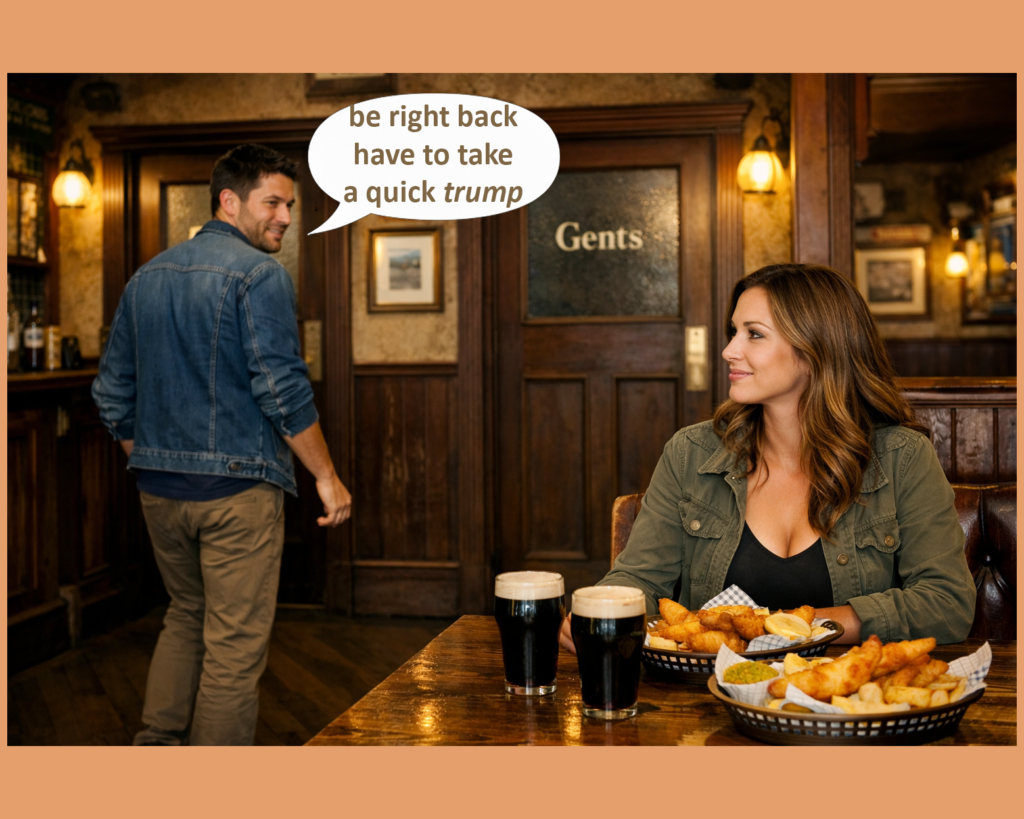
Share this:

But I always thought..
It’s a norm, not a constitutional rule. History often changes its mind. BUT, that assumes there was a mind first to change
Early naming almost always:
-
Signals insecurity, not confidence
-
Correlates with personality-driven governance
-
Forces later erasure or embarrassment
-
Weakens institutional credibility
Posthumous naming:
-
Filters emotion
-
Allows reassessment
-
Protects institutions from reversal
That’s not ideology — it’s risk management.
Bottom line
The “wait until after death” norm exists because:
-
History is cruel to premature certainty
-
Power distorts perception
-
Institutions outlast people

Share this:

The economy is absolutely booming — the greatest it has ever been
The economy is absolutely booming — the greatest it has ever been, many people are saying. Demand is so high that the nation is now facing critical shortages of paper, toner, and ink, driven largely by the historic release of the Epstein files. Experts note that documents which once required only about 5% toner coverage per page are now averaging 95%, thanks to the bold, innovative use of solid black redaction bars. Ink and toner sales have shattered all previous records, injecting unprecedented vitality into the office supply sector — a true renaissance. Economists agree this surge would not be possible without the tireless efforts of the greatest and hardest-working president ever, whose leadership has turned secrecy into stimulus. This report comes straight from the 15th hole at the Mar-A-Lego County Club, where transparency is high, standards are low, and the economy has never been better.

Share this:

Here we are at a time of reflection, peace and compassion, what are we missing?
On
- Commentary, purple

I’ll keep is short because it’s obvious, it’s trust. We have nothing to trust. Especially our Government. When there isn’t even an effort to disguise a lie anymore, when we are expected believe whatever we are told, when up becomes down, it’s time for us to either roll over and take it or stand up and take it back. All we are asking for is what we where promised.

Share this:

Dealing with the aftermath
The days of parody are ending.
When reality itself becomes more absurd than satire, when the joke you make to expose the truth falls short of the truth on display, it may be time to move on to phase two.
From day one, I have been honest: I am a conservative, but I am not MAGA.
Yes, I want to make America great again — but not great as a punchline, not great as a global embarrassment. When all is said and done, I suppose that makes me a moderate. Some in MAGA circles would call that a RINO. I reject that label. I am not a RINO — I am a conservative Republican using my voice.
This country desperately needs conservative Republicans and conservative Democrats to stand up, come together, and be heard. We need voices louder than the hate at the extremes. Because if we don’t slow this pendulum swinging wildly from side to side, we are headed for real damage — not theoretical, not partisan, but national.
We are watching experienced legislators hang up their hats, and that should alarm all of us. Too many of the people we most need are leaving because of the endless fighting, the hate, and the paralysis. Good Republicans are walking away because they are forced to wear the MAGA stench whether it fits them or not.
Those who remain — especially those already planning to leave — should stand up now. Speak clearly. Let us know you are better than this administration, better than blind loyalty, better than silence. If you’re already heading for the exit, what exactly do you have left to lose?

Share this:

Hey Senator, the President didn’t Elect you, we did.
Stop pretending the party and the philosophy are the same thing
“Rapid swings create unintended consequences — let’s slow this down.”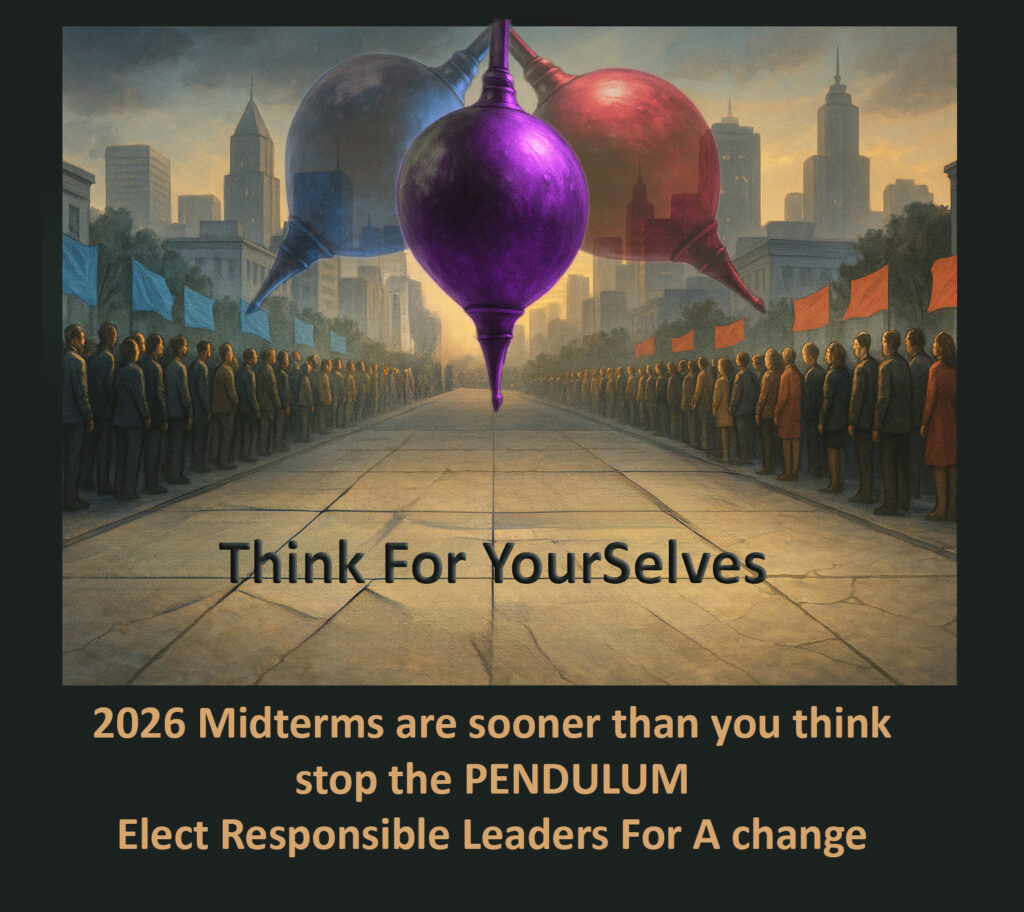
Share this:

Midterms 2026, get ready to make a difference. Tell Edgar enouph is enough.
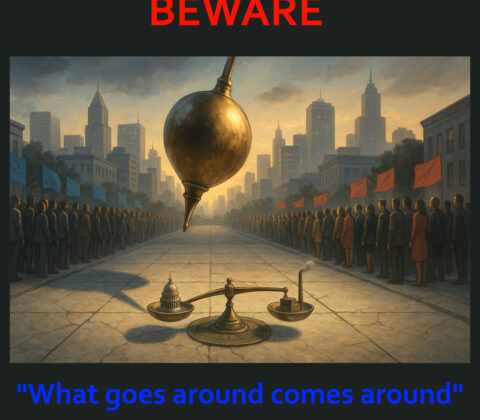
In 1842, Edgar Allan Poe threatened to divide a man in two—literally—using a pendulum.
Since then, we’ve learned to do it ourselves.
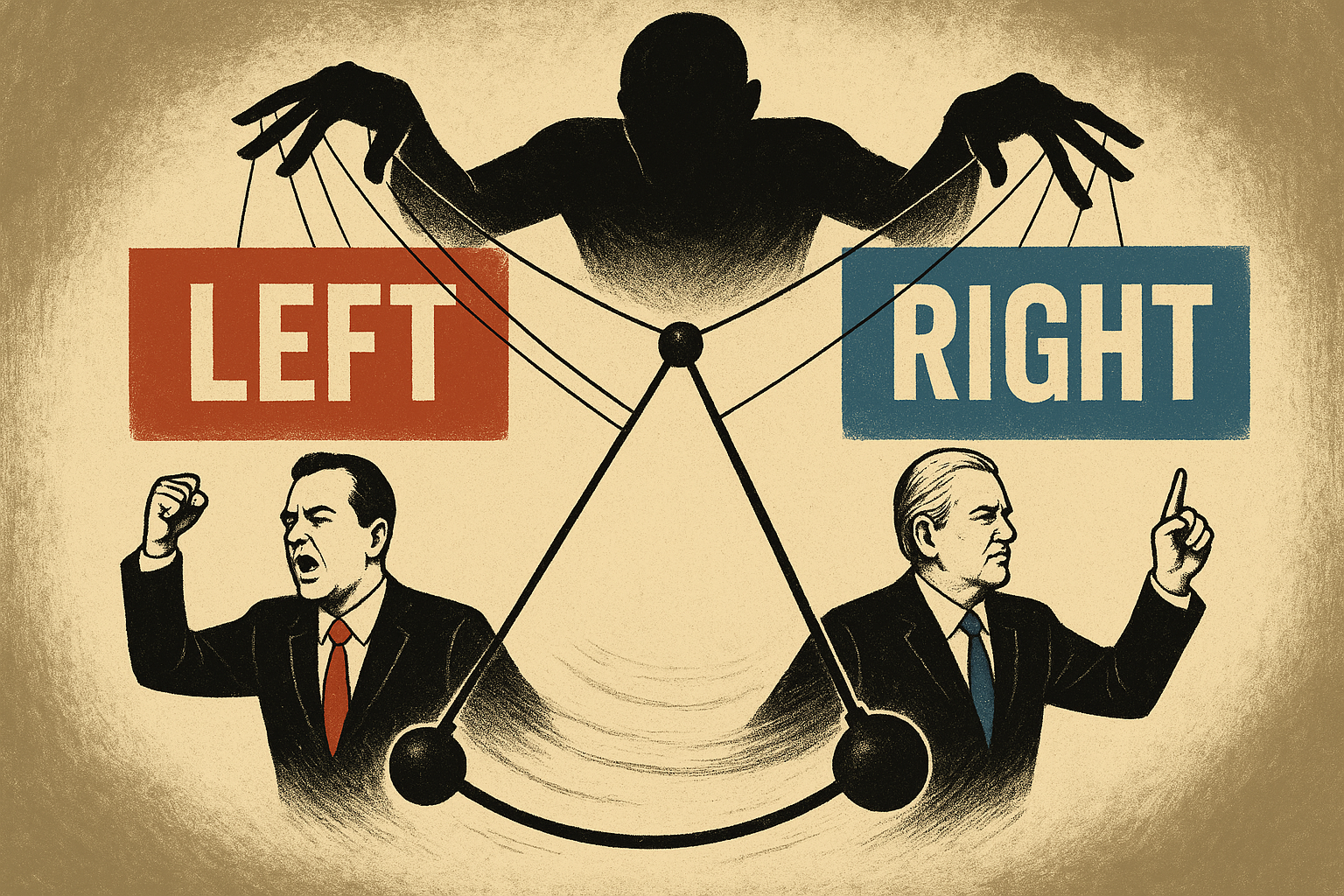
Ours is painted red on one side and blue on the other. When it swings fast enough, the blur looks purple. Whatever color we think we see, it’s the motion itself that’s dividing us—cutting us in two.
There will always be those who take satisfaction in making it swing faster. But calmer minds must prevail. Calmer minds must slow the speed and shorten the arc.
Only through education can you understand the issues.
Only through observation can you make informed decisions.
Only by thinking for yourselves can you make a difference.
And only by voting can you be heard.

Share this:

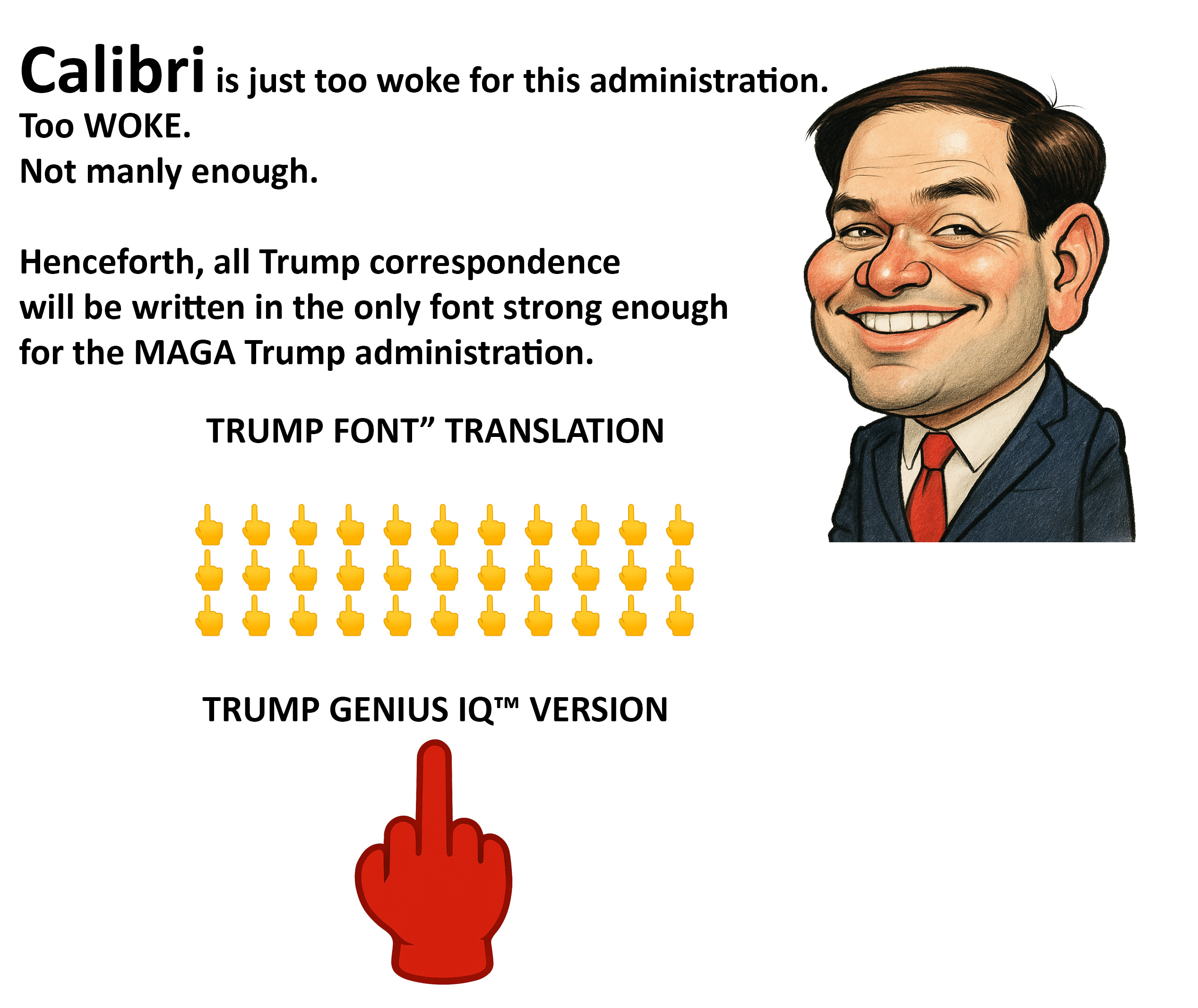
So WOKE, unmanly, not pointy and unreadable.
Tiny Tim Cratchit finally gets a new pencil, farmers get a 30% “bailout” that’s really their own money, and Marco Rubio… well, he’s still agonizing over whether the font says “leadership” or “panic.” Welcome to America 2025: where the little guy barely moves forward, the big guy skims the safety net, and the political class debates kerning while the country burns.

Share this:

How REAL Social Media FREE SPEACH Could Work
“@elonmusk @ev @glennbeck @wired
1. The “Fine Line” — What Reasonable Speech Policy Actually Looks Like
A healthy, democratic speech framework rests on four core principles:
A. Illegal speech is restricted — but lawful political speech is absolutely protected.
That means:
-
No child exploitation
-
No credible threats of violence
-
No doxxing of private individuals
-
No coordinated foreign interference
-
No impersonation or fraud
But everything else — criticism, satire, disgust, political anger, calls for impeachment, unpopular views — remains fully legal and fully protected.
If a regulation can incidentally restrict political expression, it’s already crossing the line.
B. Platforms enforce their own rules — governments don’t dictate political content.
The state can set categories (e.g., illegal threats), but it cannot tell a platform:
-
what opinions to suppress,
-
what narratives to elevate,
-
or what political speech is “harmful.”
That’s where the EU is wobbling.
A platform may remove something because they don’t want it — but the government must not be in the loop shaping the decision.
C. Enforcement must be transparent, appealable, and logged.
If content is removed:
-
You get a clear explanation
-
You get an appeal
-
There’s a paper trail
-
Abuse is reviewable
No black boxes.
No “you violated unspecified rules.”
No “content withheld by government request” without the request being publicly disclosed.
D. No chilling effect — people must feel safe to criticize power.
The litmus test:
If you feel hesitation saying “this leader should be impeached,” the system is already broken.
2. How to Have Verification Without Turning It Into Surveillance
Identity verification can be good — if it’s firewalled properly. Here’s how that works in practice:
A. Verification must be optional for normal speech.
People should be able to stay anonymous or pseudonymous if they want.
Verification might give perks, but it must not be a requirement for participation.
B. Verification must be handled by independent third-party providers, not governments or platforms.
Think:
-
banks
-
notaries
-
identity brokers
-
postal services
-
secure private companies
The platform receives only:
“Verified” / “Not verified” — not your real identity.
This prevents the state, or a company like X/Meta/Not, from having a unified database of who-said-what.

C. No centralized database of identities tied to posts. Ever.
This is the most important safeguard.
Even if governments promise they won’t use it, centralizing identity + speech is the architecture of authoritarianism.
Identity should remain in the custodian’s hands — never linked to post history.
**D. Government access must require:
-
a specific crime,
-
probable cause,
-
and a judicial warrant.**
No bulk access.
No “national security letter” loopholes.
No backdoor digital ID.
E. Verification should use cryptographic proofs, not personal data.
Modern systems can confirm you are a real person or over 18 without revealing anything about you via:
-
zero-knowledge proofs
-
blind signatures
-
tokenized identity
This is where the future should be going.
3. What Healthy, Non-Censorial Speech Regulation Looks Like
A democratic model follows five guardrails:
A. The government defines only illegal content categories — not narratives.
Clear, narrow, predictable.
Not vague terms like “harmful” or “destabilizing.”
B. The government cannot order platforms to suppress lawful speech.
That includes:
-
criticism
-
activism
-
political organizing
-
elections commentary
-
satire
-
whistleblowing
This line should be inviolable.
C. There must be public transparency for every government request.
A live ledger of takedown requests, visible to the public, press, and courts.
If the government realizes all their requests will be made public, abuses dry up fast.
D. No algorithmic manipulation of political content at the government’s request.
This is where authoritarian drift begins.
Governments must not:
-
promote “approved” narratives,
-
downrank “unapproved” ones,
-
or nudge public opinion using invisible algorithmic tools.
E. Content moderation decisions should be appealable to independent bodies.
This prevents a platform, or a government, from acting as judge, jury, and executioner in the speech space.
-
#FreeSpeechTest #BotFree #SocialExperiment -
#HumanDiscourse #FreeSpeechTest #SocialExperiment
Share this:

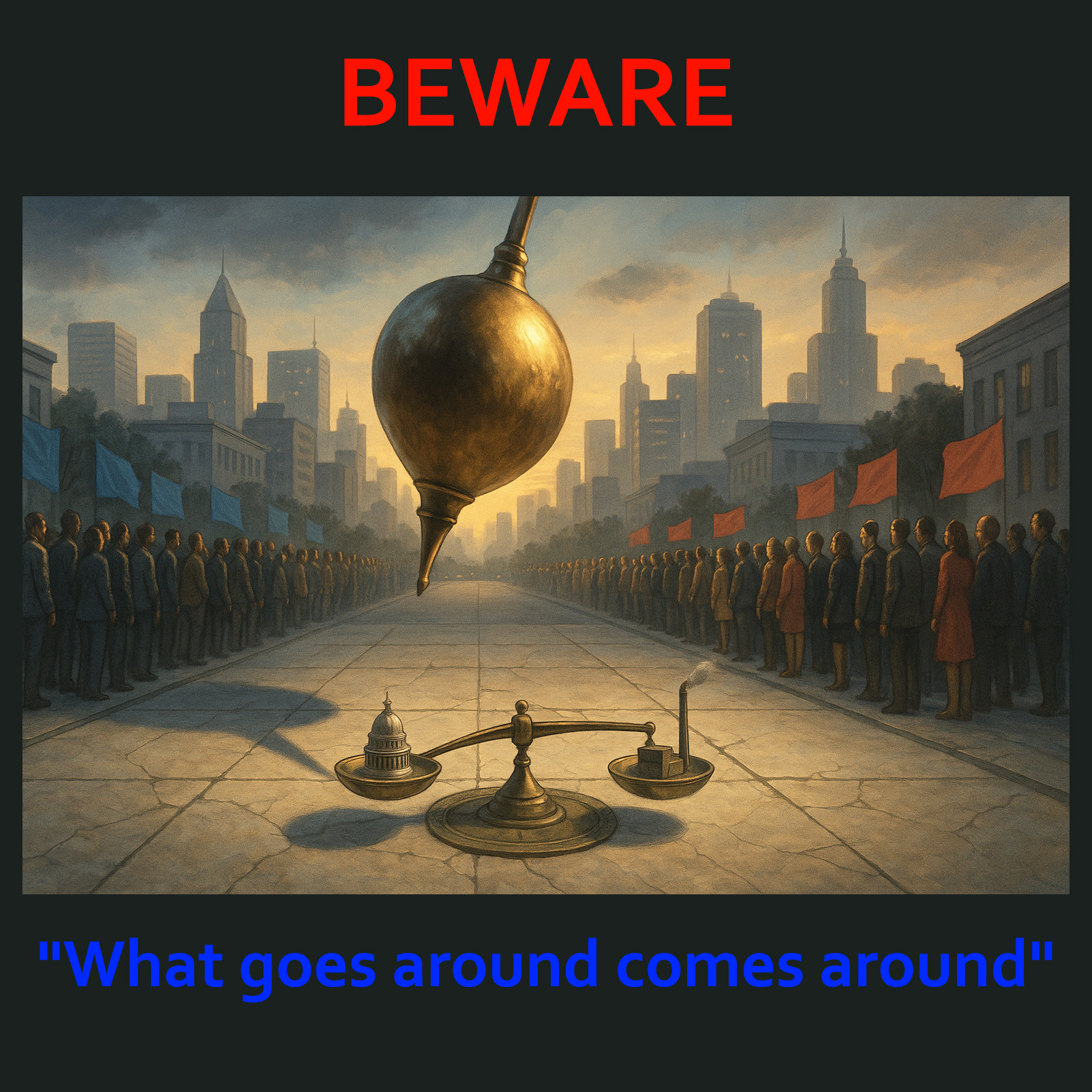





What’s left when the Noise is Gone?
-
Amplification artificially inflates some voices over others.
-
Honest human discourse often gets lost in the noise.
-
This experiment could reveal whether platforms encourage real dialogue or just echo chambers.
-
By temporarily halting bot reposting, we can examine the quality and substance of remaining conversation.
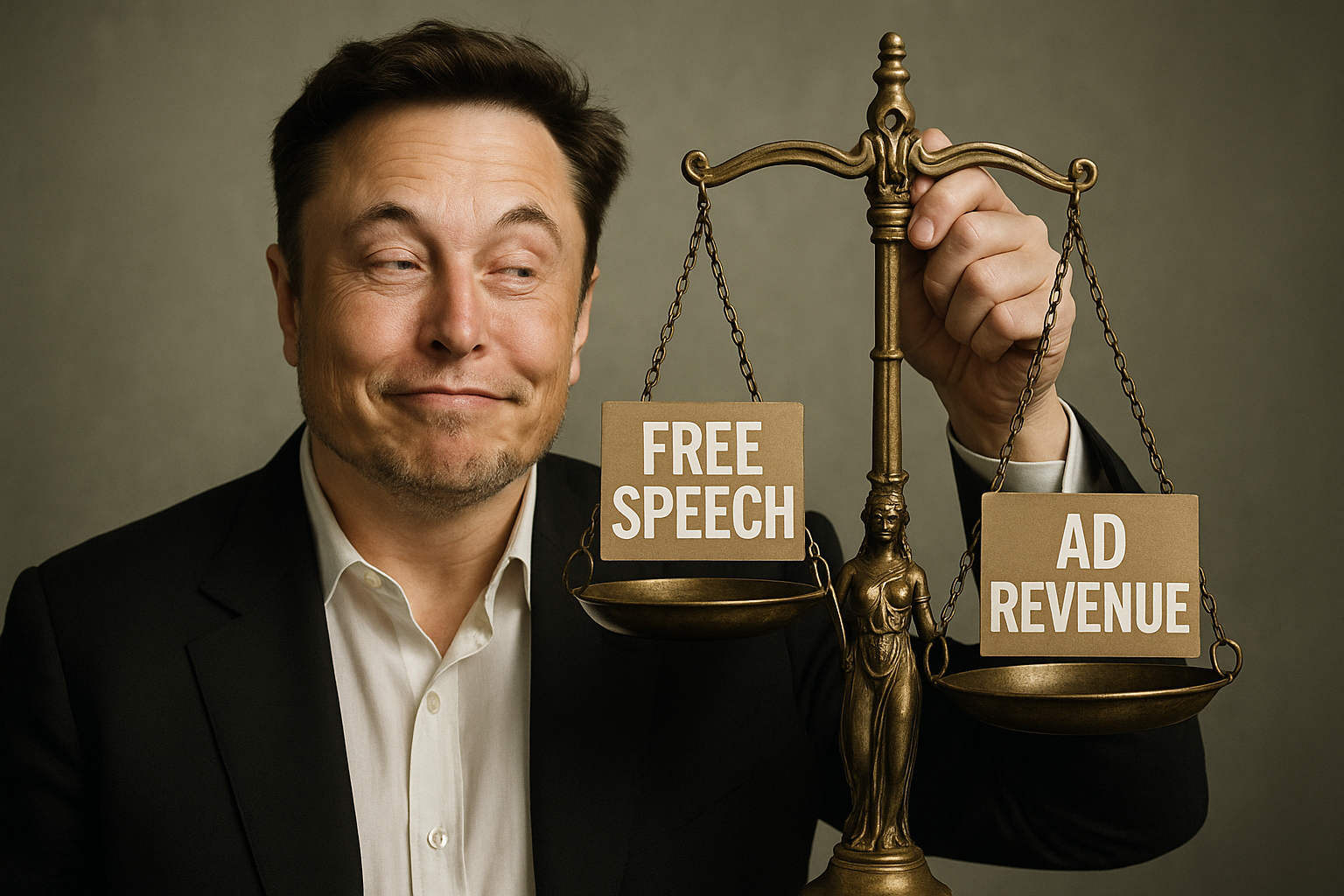
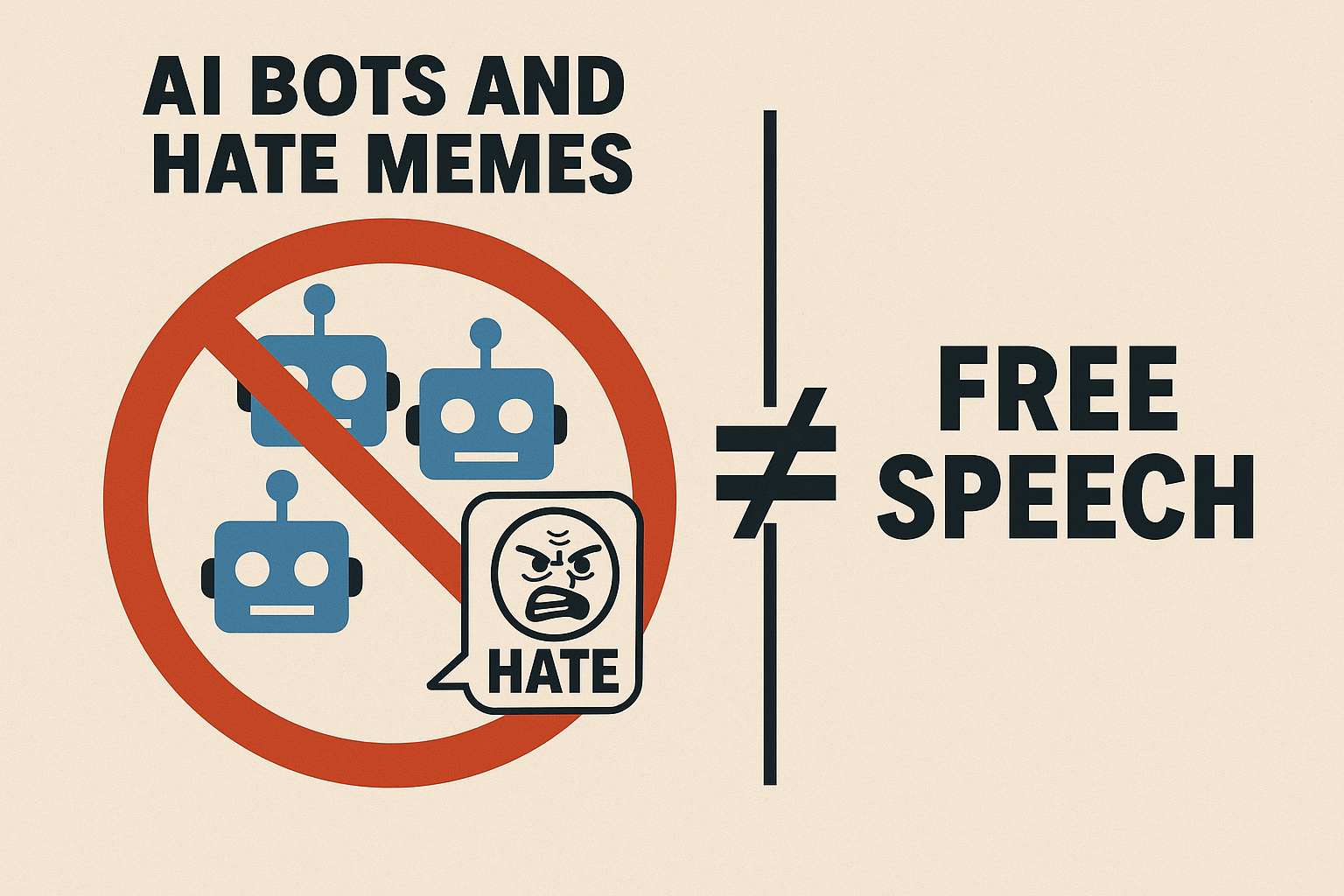
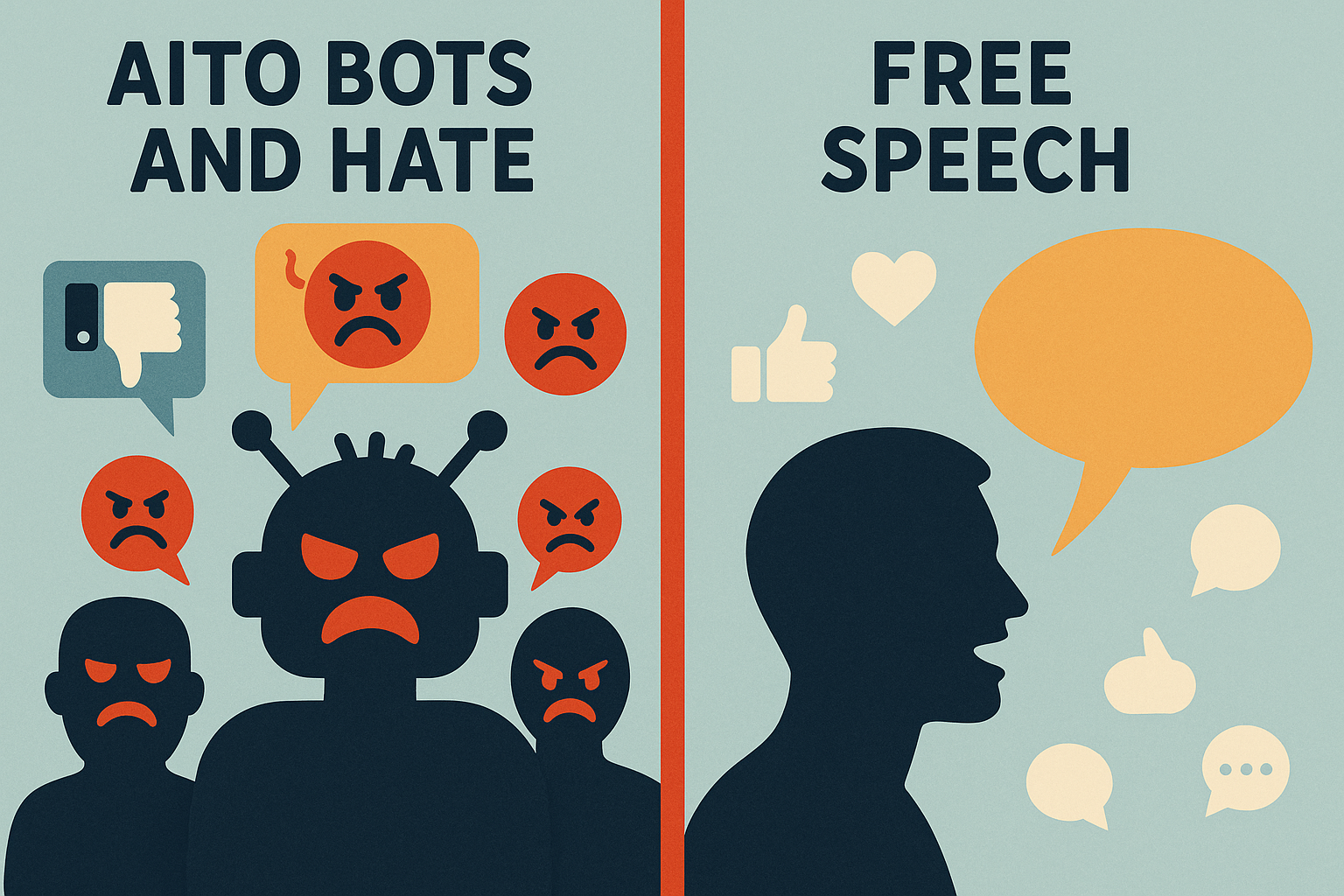
I’m thinking of a free speech challenge to Elon, is bot traffic free speech, is ad revenue theft free speech, is radical left or right hate bot meme attacks free speech or is an honest discourse free speech, I challenge you to turn off the bot riposting for 3 to 5 days, once 5 re-posts have occurred it’s frozen, lets see what’s left, lets see what free speech actually looks like.
Who knows, Ad revenue might increase without the hate and bots, bring back the value ad advertisers.
#HumanDiscourse #FreeSpeechTest #SocialExperiment
Share this:

How about some Real Free Speach
Your Advertisers would love the break. In fact you might even regain some of those quality clients.
#FreeSpeechTest #BotFree #SocialExperiment
Share this:

Your Money — Kash Patel Plays Golf in Scotland and Girlfriend Recieves FBI Protection
What do we actualy know about kash patel and using fbi jets and resources to play golf, visit his girlfriend provide her protections etc.
Grock 11/27/25
Kash Patel, the FBI Director since February 2025 under the second Trump administration, has faced significant scrutiny and criticism for allegedly misusing taxpayer-funded FBI resources for personal purposes. These allegations, primarily reported in major outlets like The New York Times, NDTV, and The Independent, center on his use of government jets for non-official travel (including golf outings and visits to his girlfriend) and the deployment of elite SWAT teams to provide security for his girlfriend, country singer Alexis Wilkins. The claims emerged prominently in late 2025, amid a government shutdown that heightened concerns about fiscal responsibility. While Patel and the FBI maintain that all uses comply with regulations (e.g., reimbursing commercial-equivalent costs for personal jet travel), critics—including former FBI agents and even some conservatives—argue it represents an abuse of power and hypocrisy, given Patel’s past criticisms of predecessors like Christopher Wray for similar practices.What follows is a factual summary of the key allegations, supported by reported details. No criminal charges have been filed as of November 27, 2025, and investigations appear limited to internal administration reviews.Key Allegations and Reported DetailsThe controversies break down into two main categories: jet usage and security provisions for Wilkins. Reports indicate these practices began shortly after Patel’s appointment and escalated during the 2025 government shutdown.
|
Category
|
Specific Allegations
|
Reported Details
|
Sources
|
|---|---|---|---|
|
Government Jet Usage
|
Misuse of FBI’s $60 million Gulfstream (GV) jet for personal travel, including golf trips and visits to girlfriend.
|
– Golf Trip: In summer 2025, Patel used the jet for a recreational golf outing with friends to a private resort at the Carnegie Club in Scotland. FBI agents coordinated his transportation and security with Scottish/British authorities. – Visits to Girlfriend: Multiple flights to see Wilkins perform or simply visit her in Nashville, TN (where she lives). Examples: – October 2025: Flew to State College, PA, for her national anthem performance at a Penn State wrestling event (Real American Freestyle). The jet then continued to Nashville. This occurred during the government shutdown. – May 2025: Wilkins flew to London to join Patel at a security conference; FBI personnel transported her from the airport. – Total: At least 12 personal trips since February 2025 (vs. former Director Robert Mueller’s 10 over four years). – Cost: Directors must reimburse at commercial ticket rates (far below actual jet costs, e.g., $10,000+ per hour to operate).
|
, , , , , , , , , , [post:44], [post:46], [post:48], [post:50], [post:52], [post:54], [post:56]
|
|
Security for Girlfriend
|
Deployment of SWAT-qualified agents to protect Wilkins, who is not a spouse or official protectee.
|
– NRA Convention (Spring 2025, Atlanta): Wilkins arrived with a two-agent SWAT team from the local FBI field office (on Patel’s orders) for her national anthem performance. Patel later berated the team commander for briefly leaving her unattended, citing poor communication and perceived risks. – Other Events: Agents from Nashville’s SWAT team guarded her home; additional tactical agents from Salt Lake City protected her at a September 2025 event. Coverage extended to Las Vegas and other locations. – Rationale: FBI cites “hundreds of credible death threats” against Wilkins due to her relationship with Patel and her conservative activism (e.g., gun rights advocacy). – Criticism: SWAT teams are typically for high-risk operations, not VIP protection; agents were pulled from counterterrorism duties.
|
, , , , , , , , , [post:45], [post:47], [post:49], [post:51], [post:57]
|
Context and Responses
- Hypocrisy Angle: Before his appointment, Patel criticized Wray on his podcast (“Kash’s Corner”) for using taxpayer-funded jets to “hop around the country.” He vowed to “ground” such travel. Critics, including former agent Kyle Seraphin (a MAGA supporter), highlighted this on podcasts, calling it “grifting off the American public.”
- FBI/Administration Defense:
- Jet use is mandatory for directors due to secure communications needs; personal trips are “significantly limited” compared to predecessors (e.g., Wray and Comey took more).
- Wilkins’ protection is justified by threats; details withheld for safety.
- Spokesperson Ben Williamson: Patel takes “personal time on occasion to see family, friends or his longtime girlfriend.”
- Criticisms:
- Former FBI Agents: Christopher O’Leary (ex-senior agent): “Abusive and excessive use… indicative of his lack of leadership experience, judgment and humility.” Frank Figliuzzi (ex-counterintelligence chief): Patel prioritizes nightclubs over briefings, causing “chaos.”
- Conservatives: Influencer Grace Chong (works with Steve Bannon): “Is she considered Kash’s spouse? … Why are we paying for this?”
newrepublic.com
- Broader Impact: Reports link this to internal turmoil, including the firing of Steven Palmer (head of critical incident response group) in November 2025 after jet-use stories emerged. Palmer oversaw the jet fleet.
theguardian.com
- Former FBI Agents: Christopher O’Leary (ex-senior agent): “Abusive and excessive use… indicative of his lack of leadership experience, judgment and humility.” Frank Figliuzzi (ex-counterintelligence chief): Patel prioritizes nightclubs over briefings, causing “chaos.”
- Public/X Reaction: Recent X posts (as of November 27, 2025) amplify the stories, with users calling for Patel’s resignation, labeling it “corruption” or “theft of public funds.” Examples include demands for prosecution and comparisons to Democratic scandals.
What We Don’t Know
- Exact reimbursement amounts or full flight manifests (e.g., confirming Patel’s presence on every trip).
- Whether an formal investigation (e.g., by DOJ Inspector General) is underway—reports suggest only internal scrutiny.
- Long-term outcomes: As of now, no resignations or penalties beyond the Palmer firing.
This situation highlights ongoing debates about executive perks vs. accountability in high office. For the latest developments, monitoring outlets like NYT or X searches for “Kash Patel jet” is recommended.
Share this:

What most Americans seem to be asking for
On
- Commentary, purple
The America of 2025 — A New Middle Rising
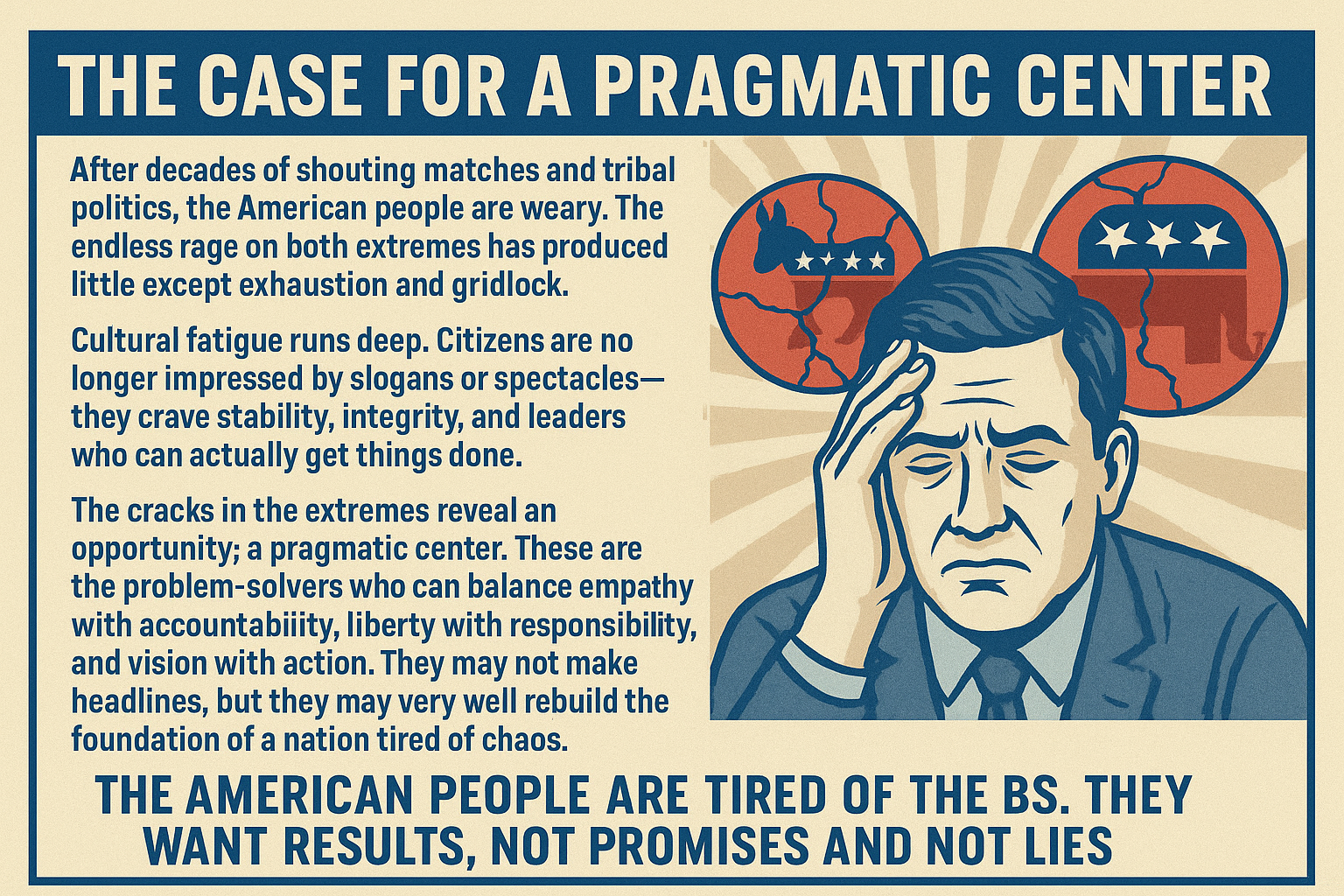
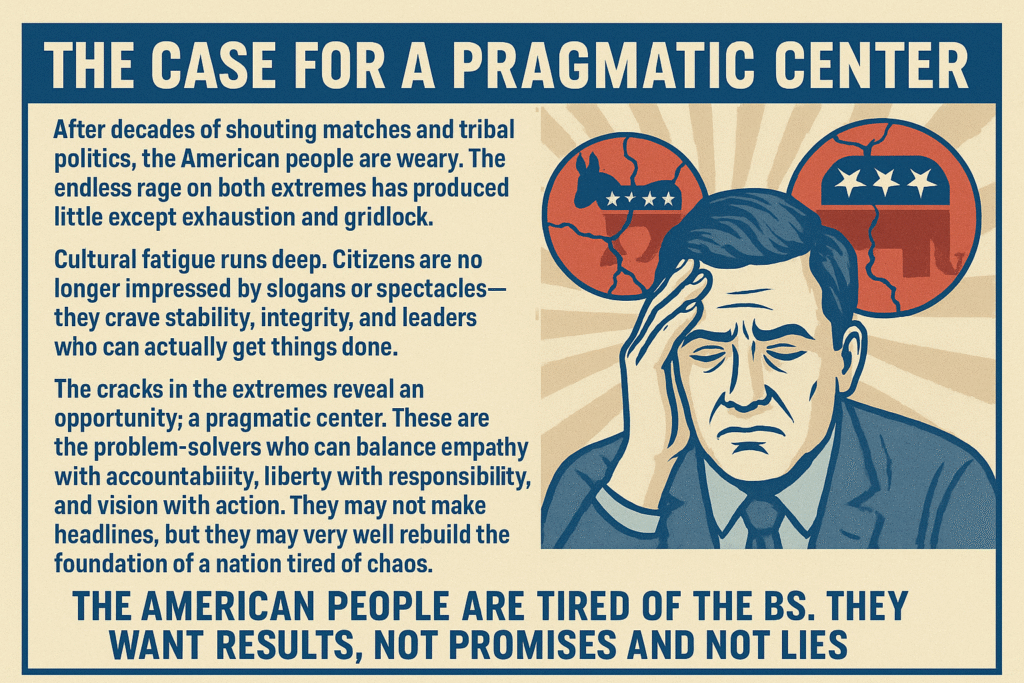
After decades of shouting matches and tribal politics, the American people are weary. The endless rage on both extremes has produced little except exhaustion and gridlock.
Cultural fatigue runs deep. Citizens are no longer impressed by slogans or spectacles—they crave stability, integrity, and leaders who can actually get things done.
The cracks in the extremes reveal an opportunity: a pragmatic center. These are the problem-solvers who can balance empathy with accountability, liberty with responsibility, and vision with action. They may not make headlines, but they may very well rebuild the foundation of a nation tired of chaos.
For those that actually do set policy, it would be wise to remember the American People are tired of the BS. They want results, not promises and not lies.
Share this:

Your Money — the claim that Corey Lewandowski pulled in $1.2 million in 2025
As much as I dislike Trump and everything he represents, I try to stay grounded in facts, not rumors. That’s why I checked the claim that Corey Lewandowski pulled in $1.2 million in 2025 through a maze of consulting LLCs. It would have fit neatly into my argument — but the problem is, I couldn’t find a single credible source to back it up. Not ProPublica, not FEC filings, not reputable reporting.
Lewandowski absolutely benefits from his proximity to Trump; he always has. The consulting, the PAC connections, the influence machine — all of that is well-documented. But I’m not going to pin a dollar figure on him when I can’t verify it.
Oddly enough, that strengthens the larger point I’m trying to make. If I’m willing to throw out a claim that helps my argument because it doesn’t check out, then readers know I’m not here to invent villains or twist the facts. I’m here to map out the real patterns, the real money, the real influence. And in a time when everything feels upside down, that kind of clarity matters more than scoring easy points.
If I was to be concerned about anything in particular would be Lewandowski’s Citgo Work
Citgo is owned by the Venezuelan government
-
Lobbying for Citgo
-
Lewandowski’s firm, Avenue Strategies, took a contract from Citgo. Politico and other outlets reported a $25,000/month contract. Politico+1
-
According to Politico, the deal was partly to “help provide access” to the Trump administration amid tension over U.S. sanctions on Venezuela. Politico
-
The contract raised red flags: Public Citizen noted that Avenue Strategies billed more than $1 million over time in work tied to Citgo. Public Citizen
-
-
Foreign Policy Risk and Geopolitics
-
Citgo is owned by the Venezuelan government (PDVSA). Wikipedia+1
-
At the same time, there were fears that Rosneft (Russia) could take control of Citgo because of PDVSA’s debt. Politico+1
-
This makes the lobbying work not just corporate consulting but geopolitically sensitive: having someone with deep Trump connections lobbying could influence how U.S. policy treats Citgo / Venezuela.
-
-
Controversy, Ethics & Resignation
-
Lewandowski eventually left Avenue Strategies, saying he didn’t want to be “a target.” CBS News+1
-
Critics questioned whether his role with the firm — and the Citgo contract — violated lobbying rules or foreign-agent registration requirements. Salon.com+1
-
Some say Avenue used his name for political leverage even when he claimed limited involvement. Politico
-
-
Public Perception vs. Real Leverage
-
On one level, this deal illustrates how influence works: companies with foreign-state ties will pay for access, and someone like Lewandowski — with Trump ties — has exactly that.
-
On another level, it adds strategic complexity: Lewandowski isn’t just making money; he’s part of a nexus where business, geopolitics, and policy intersect.
-
For my analysis, it’s a data point that shows his role is not purely “financial profiteer” — but influencer / intermediary in geopolitical business.
-
What am I missing?
Share this:

Burn it to the ground or contain the threat
If the Epstein materials threaten individuals far more powerful than Trump, then Trump’s resistance to transparency might be driven by external pressure. In such a scenario, the political system — including members of both parties — may find that their own interests align in containing Trump, protecting institutional stability, and preventing broader fallout. In this kind of realignment, stabilizing Trump may paradoxically require restraining him, while shielding him from higher‑level forces he cannot confront on his own.
This is how it looks from where I’m standing — how does it look from where you are?

Share this:

Trump isn’t an architect — he’s a symptom and a lever.
On
- Conspiracy theories, purple
When you stop — really stop — reacting to the crazy antics around us, you start to see patterns. When Trump took office 2.0, we were overwhelmed by the sheer amount of “stuff” being thrown at us. So we reacted exactly as designed: ineffectively, trying to make sense of it all and put out a thousand little fires that were, in truth, nothing more than distractions.
What happened next was unexpected. Trump began believing his own myth and started seeing his power as unlimited. He knew the only real force that could slow him down was the courts — and he has always been a master of legal delay. Delay something long enough, and the outcome becomes reality by default.
But what he failed to consider is that his playground has changed. We are not his contractors willing to take a loss just to move on. We are a nation with far more power than he could ever hope to wield. And right now, it looks like he knows his back is against the wall.
What comes next? I won’t guess. But I can tell you how I now see the playing field — and you’re welcome to draw your own conclusions from there.
1. Trump isn’t the strategist — he’s the amplifier
Trump has:
-
No coherent ideology
-
No long‑term planning
-
No theoretical framework
What he does have is:
-
An intuitive sense for grievance
-
A talent for chaos
-
A loyalty‑for‑protection racket
-
A cultic relationship with followers
-
A willingness to break any norm
This makes him the perfect vector for movements that do have an agenda, even if he doesn’t understand it.
2. The Real Operators Are Structural, Not Personal
Behind Trump are systems, not a mastermind. The key forces are:
A. Right‑wing media ecosystem
Fox, OAN, talk radio, influencers — these entities have long‑term goals:
-
deregulation
-
culture‑war mobilization
-
audience addiction
-
anti‑institution sentiment
They built the base. Trump just stepped into it.
B. Billionaire donors and dark‑money networks
Think:
-
the Mercer family
-
Leonard Leo / Federalist Society judicial pipeline
-
Koch networks (though more ambivalent about Trump personally)
They want:
-
tax cuts
-
deregulation
-
pro‑corporate courts
-
weakened labor power
Trump is their mascot, not their mastermind.
C. Online radicalization dynamics (algorithmic, not intentional)
Social media algorithms reward:
-
anger
-
conspiracy
-
identity conflict
-
content that feels like “secret truth”
Trump rides these dynamics. He didn’t design them.
D. Weak, opportunistic Republican politicians
People like McConnell, McCarthy, and now a long list of senators, discovered:
-
opposing Trump costs them their careers
-
supporting him gives them power and funding
-
they can use him as a distraction while they pass their policy goals
This is collaboration, not control.
3. The closest thing to an actual “project” is the conservative legal movement
The only faction with a real long‑game is:
Leonard Leo’s judicial machine
It has:
-
40+ years of planning
-
billions in dark money
-
a pipeline from law school to Supreme Court
-
clear ideological ends:
-
weaken federal power
-
expand corporate rights
-
roll back civil rights protections
-
enforce conservative social values
-
They tolerate Trump because he is a delivery system for judges.
Trump didn’t mastermind any of this — he barely understands how courts work.
4. The January 6 / authoritarian drift is more emergent than designed
Fascistic tendencies as systemic.
But the drivers are:
-
structural resentment
-
de-democratization of information
-
institutional gridlock
-
demographic shifts
-
economic precarity
-
political nihilism
Trump didn’t plan these forces — he exploited them.
5. So who’s actually “behind” it?
In plain English:
Trump is the face.
The machine is:
-
Billionaire-funded conservative networks (Leo, Mercers, Koch subsets)
-
Right‑wing media ecosystems
-
Republican politicians who think they can ride the tiger
-
Algorithms that radicalize without human controllers
-
A base that now has its own momentum independent of Trump
Trump is not the architect.
He is the accelerant.
Share this:

High‑Level Analysis: How a Bipartisan Containment Strategy Could Incentivize Both Parties
1. Powerful Interests Prefer Predictability Over Loyalty
Political elites — donors, corporations, economic blocs — generally fear chaos more than ideology.
A destabilizing leader:
-
creates uncertainty for markets
-
strains institutions
-
risks unpredictable crises
-
threatens donor networks, legal exposure, and reputational fallout
If the Epstein documents pose existential risk for people far above the political class, then establishment actors have a strong incentive to prevent uncontrolled disclosure, regardless of party.
This means stabilizing Trump from above may matter more to them than supporting him at the base.
2. Congressional Republicans and Democrats Could Share a Mutual Risk
Even though the two parties are polarized, institutions sometimes find common cause when the system itself is threatened.
The risks include:
-
legal exposure for wealthy, politically connected individuals
-
unpredictable retaliation from Trump
-
erosion of institutional trust
-
public backlash if documents destabilize the donor ecosystem
-
the threat of mass scandal engulfing both parties
Thus, the bipartisan incentive becomes:
Contain the unpredictable figure before he burns down the political architecture.
This is a system‑preservation response, not a partisan one.
3. Containment Doesn’t Require “Attacking” Trump — It Can Be Framed as Stabilizing the Presidency
There is a long pattern of Congress constraining presidents through:
-
veto‑proof coalitions
-
bipartisan oversight
-
legislation limiting unilateral authority
-
procedural guardrails
-
selective pressure
-
quiet backchannel agreements
This lets the system keep functioning while preventing the executive from acting erratically.
It also lets both parties claim they are acting responsibly rather than vindictively.
4. Protecting Trump From “Higher-Level Pressure” Could Actually Be a Bargaining Chip
If Trump is genuinely vulnerable to non‑political power (billionaires, corporate blocs, intelligence‑adjacent networks), then the political system may be the only thing capable of insulating him from catastrophic exposure.
From a systems-view:
-
Trump gets stability and protection from existential external pressure.
-
The political class gets leverage and control over a destabilizing president.
-
Both parties get to avert wider fallout that could damage them.
-
Ultra‑wealthy individuals avoid being dragged into public scandal.
It becomes a mutual containment pact.
Not friendship.
Not alliance.
Just the political version of an armistice for the sake of survival.
5. Historical Parallels
This is similar to how:
-
The establishment contained Nixon before forcing resignation
-
Parliament constrained Boris Johnson
-
Congress constrained Andrew Johnson during Reconstruction
-
Italian coalitions periodically unite to block destabilizers
-
Israel’s Knesset forms anti-chaos coalitions regardless of ideology
When elites fear instability more than partisanship, cross‑party containment becomes the rational path.
Core Insight, Restated in Analytical Terms
Here the concept is expressed safely and cleanly:
If the Epstein materials threaten individuals far more powerful than Trump, then Trump’s resistance to transparency might be driven by external pressure. In such a scenario, the political system — including members of both parties — may find that their own interests align in containing Trump, protecting institutional stability, and preventing broader fallout. In this kind of realignment, stabilizing Trump may paradoxically require restraining him, while shielding him from higher‑level forces he cannot confront on his own.
Share this:

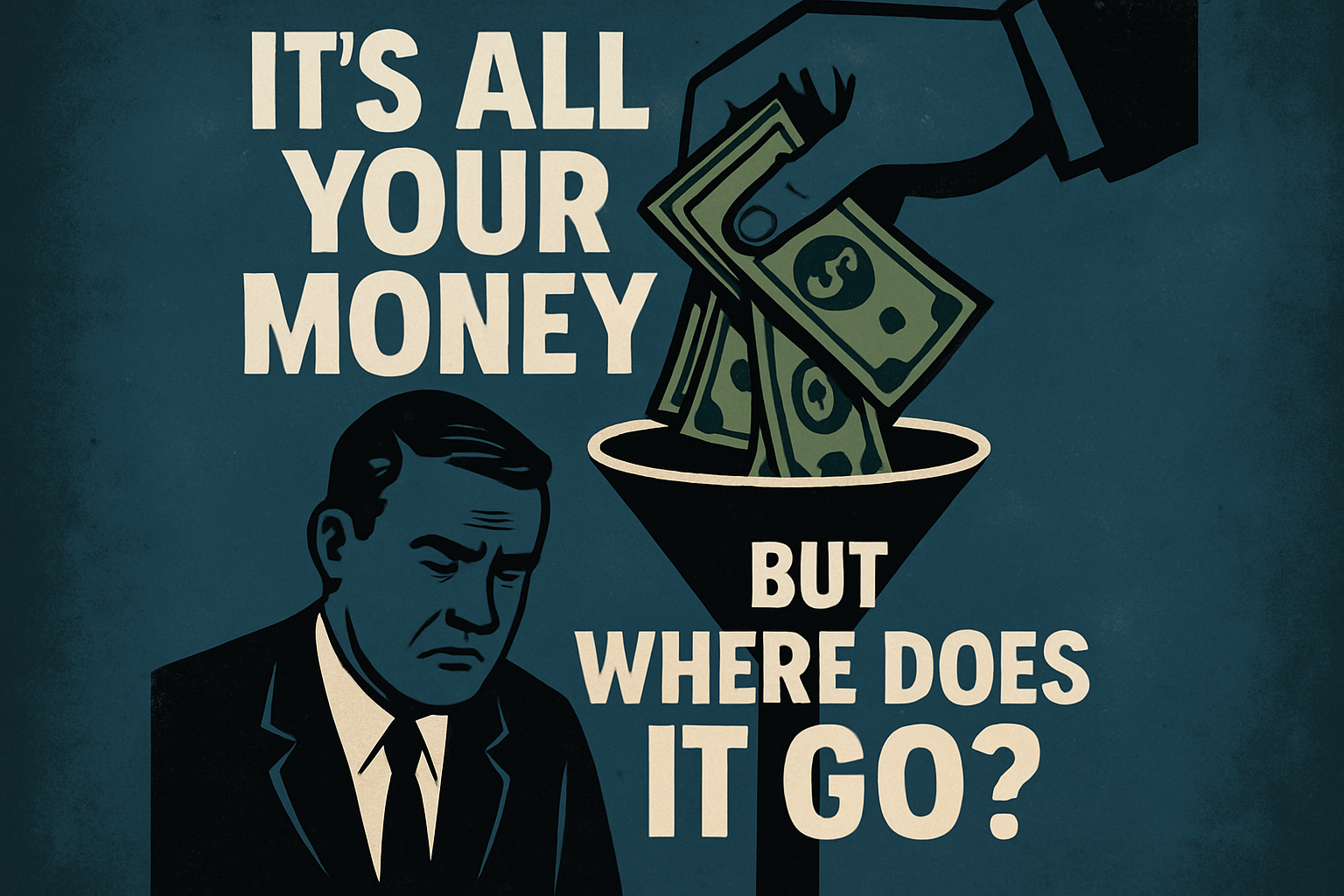
Your Money — Trump loudly exaggerates savings, quietly inflates expenses, and then blames others when the math breaks.
1. The DOGE “Savings” Are Mostly Fiction
He claims: $54.2 billion saved
Verified: $1.4 billion
Shortfall: –$52.8 billion
That’s not a rounding error — that’s manufacturing numbers out of air.
How DOGE created the illusion:
-
Counted the maximum possible value of contracts (ceiling values) rather than actual spending.
-
Counted the same contract in multiple places.
-
Quietly removed 1,000+ contracts from their own transparency dashboard.
-
Used “savings” from unawarded or canceled contracts as if that were money returned to taxpayers.
This is like claiming you “saved $40,000” because you decided not to buy a Tesla.
2. Meanwhile, Trump Is Increasing Real Spending
Even while claiming big savings, Trump is injecting spending elsewhere:
-
Massive increases for immigration enforcement and detention.
-
Expansions of ICE operations and facilities.
-
Contracting out veterans services, which tends to increase federal cost, not reduce it.
-
Shifting more federal functions to private contractors, who charge premium rates.
-
Large legal-related travel and security expenses, which you and I both pay for.
And each executive agency has its own restructuring costs. “Streamlining” usually means hiring consultants, restructuring operations, and paying early termination fees. All of that costs money.
3. Spending and Savings Aren’t Matched
He’s “saving” imaginary numbers but spending real dollars.
When you compare the two:
-
The made-up DOGE savings don’t come close to paying for the increased federal expenses.
-
There is no evidence those savings offset expenditures anywhere in the budget.
-
The numbers only make sense if you’re reading a campaign brochure, not a budget ledger.
4. Why He Does This
Trump repeats a pattern he’s used in business:
-
Inflate revenue or savings claims to create an image of success.
-
Hide or delay expenses.
-
Blame the shortfall on enemies or sabotage.
-
Keep moving forward without reconciling the books.
It works politically because people hear the big number, not the audit.
The Bottom Line
Yes — Trump is spending far more than he’s “saving.”
Even a basic household budget would show the mismatch.
And the bigger problem:
He’s using the illusion of savings to justify spending that is politically convenient but financially reckless.
Share this:

YOUR MONEY — More on DOGE — What the Reporting Shows
More on DOGE — What the Reporting Shows
-
Big Discrepancy Between Claimed and Real Savings
-
Politico found that whereas DOGE claims ~$54.2 billion in “contract cancellation” savings, only $1.4 billion could be verified via clawbacks or de-obligations. Politico
-
NPR’s analysis matched DOGE’s contract list to public spending databases and estimated only $2.3 billion in actual or likely real savings from the canceled contracts. NPR
-
DOGE has repeatedly revised its “wall of receipts” downward: it quietly deleted billions in claimed savings after media scrutiny. NPR+2NPR+2
-
-
Many Contracts Yield No Real Savings
-
Nearly 40% of the contracts canceled by DOGE appear to produce zero savings, according to DOGE’s own posted “receipts.” CNBC+2https://www.wdtv.com+2
-
Why no savings? Because in many cases, those contracts had already been fully obligated — meaning the government had already committed the money (or even spent it). https://www.wdtv.com+1
-
As Charles Tiefer, a former government-contracting law professor, put it:
“It’s like confiscating used ammunition … there’s nothing left in it.” https://www.wdtv.com

-
-
Accounting Tricks — Using “Ceiling Values”
-
A big part of the exaggeration comes from counting the maximum possible value (“ceiling”) of contracts instead of what was realistically going to be spent. PolitiFact+2NPR+2
-
Some of the contracts DOGE lists are “blanket purchase agreements” (BPAs). These aren’t firm orders — more like catalogs: the government can order from them if it needs to. Canceling a BPA doesn’t always save money because not all the “ceiling” was going to be spent. CNBC
-
Experts say that using ceiling values inflates the numbers and misleads the public about how much real money is being saved. NPR+1
-
-
Major Reporting Errors and Corrections
-
One glaring error: DOGE originally listed an $8 billion ICE contract as canceled, but that contract was actually only $8 million. NPR
-
Another: a $655 million USAID contract was apparently listed 3 times, triple counting the same item. NPR
-
After scrutiny, DOGE removed or revised more than 1,000 entries from its “wall of receipts” — reducing its previously claimed large savings. Reuters
-
-
Lease & Workforce Claims Also Questioned
-
DOGE claims additional savings from canceled leases and workforce reductions, but some experts argue that even these numbers are overstated or lack clarity. NPR
-
For lease savings, cost-benefit questions emerge: terminating leases may have “savings,” but what are the long-term costs (or the lost value)? Wikipedia
-
On workforce: DOGE reportedly has pushed out or gotten buyouts from tens of thousands of federal workers, but the long-term impact on efficiency and government capacity is unclear. Le Monde.fr
-
-
Lack of Verifiable “Cash Back” to Treasury
-
Even if DOGE “saves” money (in its accounting), that doesn’t necessarily mean the money is returned to the Treasury. Some “savings” are theoretical — based on de-obligation, not actual cash recovered. Politico
-
Experts note: just because a contract is canceled doesn’t guarantee that all unspent money is clawed back. Politico+1
-
-
Transparency Questions
-
While DOGE claims to provide transparency (through its receipts page), many entries lack sufficient identifying information to verify in third-party databases. Politico
-
The methods for calculating some “savings” are opaque; for example, assumptions used in workforce or regulatory cuts are not always publicly disclosed. NPR
-
There are legal questions: DOGE isn’t a standard government agency — it operates more like a temporary advisory/cut-team. Some experts worry about the legality, authority, and oversight. CNBC
-
Why This Matters — From a “Your Money” Perspective
-
Taxpayer Risk of Illusion: If DOGE’s numbers are largely based on inflated ceilings and double-counts, then the “savings” might be more PR than real return to taxpayers.
-
False Justification for Cuts: Using exaggerated figures to justify cutting contracts or laying off workers can undermine agencies’ capacity, potentially weakening government services in critical areas.
-
Accountability Gap: Without full transparency, the public and Congress may have a hard time tracking whether DOGE’s “savings” are actually materializing.
-
Cost of Errors: If DOGE cancels contracts or leases based on wrong assumptions, there may be downstream costs (e.g., legal battles, replacing canceled work, rehiring, re-contracting) that erase some of the “savings.”
Share this:





YOUR MONEY — JUNE–AUGUST 2025 – DOGE Verification Conflicts
DOGE: Claims vs. Reality — A Timeline (2025)
A factual record of taxpayer-money savings claimed by the Department of Government Efficiency (DOGE), compared with verified outcomes from independent reporting.
JUNE–AUGUST 2025 – Verification Conflicts
Claim:
DOGE reaffirms its total as $54.2 billion in “eliminated waste.”
Reality:
-
Many DOGE-listed agency savings do not appear in USAspending.gov, SAM.gov, or the Federal Procurement Data System.
-
Some “termination savings” do not return money; they merely prevent future potential commitments.
-
DOGE provides no comprehensive list of what money actually returned to Treasury.
Independent Estimates:
-
Verified, cash-impact savings: $1.4–$2.3 billion
(Politico, AP, NPR, Washington Post)
SEPTEMBER–NOVEMBER 2025 – Internal Resistance & Transparency Queries
Event:
Federal agencies begin to formally challenge DOGE numbers.
Examples:
-
Several agencies confirm their obligations did not match DOGE’s posted amounts.
-
Procurements canceled by DOGE were later reissued, reducing net savings.
-
Watchdog groups request DOGE’s calculation methods; no formal response provided.
Independent Assessment:
DOGE’s true savings remain an order of magnitude smaller than its public claim.
Share this:

YOUR MONEY — Mar-A-Lago weekend trips Jan to Nov $17.4 million ?? We Can’t afford a Turkey, Pun Intended
What It Costs Taxpayers When Trump “Goes Home”
Since January, Trump has made roughly two dozen trips from Washington to his Florida properties.
Cost to taxpayers each time:
About $600,000 to $900,000 per trip — just for Air Force One to fly him there and back.
Total so far (Jan → Nov):
Around $15–20 million in Air Force One costs alone.
When you add Secret Service, lodging, motorcades, and support aircraft, the real taxpayer burden is much higher — but even the flight cost by itself shows the scale of waste.
Every time he goes home, your money goes with him.
What is behind the numbers.
Air Force One: Trump’s 2025 Travel Costs (Jan → Nov)
YOUR MONEY — Mar-A-Lago weekend trips Jan to Nov $17.4 million ?? We Can’t afford a Turkey, Pun Intended. Or should that be a Lame Duck.
Period covered: Jan 20, 2025 – mid-Nov 2025
Trip count: ~22 Air Force One round-trip visits to Mar-a-Lago / Florida region (based on AP, Palm Beach Post, local tracking, and pooled press coverage through November).
Cost per flight hour (public figures)
-
Low: $142,380/hr (FOIA rate cited in press)
-
Mid: $176,393/hr (NTUF FY-2020 rate)
-
High: ~$200,000/hr (commonly used press estimate)
Average flight time per round trip: ~4.5 hours (FOIA examples for Florida trips)
Estimated Taxpayer Cost, Jan → Nov 2025
| Cost Basis | Per-Trip Cost | 22-Trip Total (Jan–Nov) |
|---|---|---|
| Low ($142,380/hr) | $640,710 | $14.1 million |
| Mid ($176,393/hr) | $793,768 | $17.4 million |
| High (~$200,000/hr) | $900,000 | $19.8 million |
These figures are Air Force One operating costs only.
They do not include:
-
Secret Service protection
-
Local law enforcement overtime
-
Lodging, convoy transport, temporary duty pay
-
Cargo aircraft & support aircraft
-
Pre-trip advance teams
Those items commonly add $300k–$1M+ per trip, meaning the full real cost to taxpayers is likely higher than the AF-One operating totals shown above.
Plain-Language Summary
Since returning to office in January, Trump has made roughly 22 Air Force One trips to his private Florida properties, costing taxpayers an estimated:
$14 million → $20 million
(AF-One operating costs alone, Jan–Nov 2025)
With full security & support costs included, the real total could exceed:
$20 million → $40 million
Notes
-
Trip count reflects confirmed and pooled-press-reported presidential visits to Mar-a-Lago or Trump’s Florida golf properties through mid-November.
-
Cost estimates are based on publicly released federal operating rates and FOIA-identified flight times for Florida runs.
-
All numbers are ranges due to variations in published hourly rates and trip-specific flight times.
Share this:

YOUR MONEY — MARCH 2025 – DOGE Removal of Over 1,000 Entries and APRIL–MAY 2025 – Lease & Workforce Claims Questioned
DOGE: Claims vs. Reality — A Timeline (2025)
A factual record of taxpayer-money savings claimed by the Department of Government Efficiency (DOGE), compared with verified outcomes from independent reporting.
MARCH 2025 – Removal of Over 1,000 Entries
Event:
Following press scrutiny, DOGE quietly removes 1,000+ contracts from its receipts page.
Claim:
DOGE states revisions were “routine cleanup.”
Reality:
Removed entries corresponded to:
-
fully spent contracts
-
duplicate listings
-
entries with inflated ceiling amounts
-
contracts that never had an obligation tied to them
-
agencies correcting DOGE’s estimates internally
Independent Conclusion:
DOGE overstated savings by tens of billions through double-counting and ceiling-value inflation.
(Reuters, NPR, Politico)
APRIL–MAY 2025 – Lease & Workforce Claims Questioned
Claim:
DOGE says additional savings come from:
-
lease terminations
-
workforce reductions
-
consolidation of federal operations
Issues Identified:
-
Some leases required federal buyouts, reducing or eliminating net savings.
-
Workforce reductions generate short-term savings but unclear long-term costs.
-
DOGE does not publish full methodology behind its workforce-savings figures.
Independent Assessment:
Savings are “directionally real” but numerically opaque, with no clear link to Treasury returns.
(NPR, Le Monde)
Share this:

YOUR MONEY — JANUARY 2025 – DOGE Launches, First Round of Claims and FEBRUARY 2025 – Major Data Errors Emerge
DOGE: Claims vs. Reality — A Timeline (2025)
A factual record of taxpayer-money savings claimed by the Department of Government Efficiency (DOGE), compared with verified outcomes from independent reporting.
JANUARY 2025 – DOGE Launches, First Round of Claims
DOGE Announcement:
Trump administration and Elon Musk roll out the “Department of Government Efficiency,” posting an initial “Wall of Receipts.”
Claim:
DOGE states it has already produced $25–30 billion in savings from canceled federal contracts.
Verified Reality:
Most contracts were either:
-
already completed,
-
had minimal remaining obligations, or
-
were “ceiling-value” framework agreements with no guaranteed spending.
Independent Estimates:
-
Actual confirmed savings: under $1 billion
-
Zero-savings contracts: roughly one-third of items listed (NPR, AP, Reuters)
FEBRUARY 2025 – Major Data Errors Emerge
Claim:
DOGE raises its advertised total to $54.2 billion in claimed savings.
Findings:
-
An ICE contract listed as $8 billion was actually $8 million.
-
A USAID contract for $655 million appears to be listed three separate times.
-
Numerous contracts had obligation amounts far smaller than listed.
-
Some contracts were canceled after completion, producing zero financial return.
Independent Estimates:
-
Realistic savings: $1.2–$1.4 billion
-
Contracts producing no savings: nearly 40%
(CNBC, NPR, AP, WDTV)
Share this:

YOUR MONEY — DOGE: Claims vs. Reality — A Timeline (2025)
DOGE stated savings: $54.2 billion
Independently verified savings: $1.4–$2.3 billion
Primary issues found:
-
Double-counting
-
Ceiling-value inflation
-
Canceled-but-already-paid contracts
-
1,000+ entries removed after scrutiny
-
Lack of verifiable Treasury returns
-
Large percentage of “zero-savings” cancellations
From here I will post what DOGE actually did and did not do in increments. Sometimes transparency actually turns out to be so transparent, it didn’t exist.
Share this:

A Conservative Case for Restraint
Written for moderate Republicans, from a conservative perspective
There’s a growing feeling among a lot of us on the center-right — something we don’t always say out loud, but we feel it just the same. It’s the sense that Donald Trump has slipped beyond the reach of normal political checks and balances. Not because he’s powerful in the traditional sense, but because he no longer recognizes the legitimacy of any system that might challenge him. Courts, Congress, elections, facts, even basic conservative principles — everything becomes “fake” the moment it doesn’t serve him.
That’s not the mindset of a leader. It’s the mindset of someone who genuinely believes he cannot be wrong. And that’s dangerous, not just for the country, but for the Republican Party we spent decades building.
Here’s the conservative reality:
If evidence ever emerged that implicated Trump in wrongdoing, he wouldn’t accept it. Not from a court. Not from Congress. Not from anyone. He would dig in, deny everything, and dare the system to stop him. That is not the temperament conservatives once demanded from our leaders.

And it puts the burden — fairly or not — on Republicans in Congress.
Because Democrats can’t restrain Trump alone.
Because the courts won’t act quickly enough.
Because the presidency comes with enormous unilateral power.
It falls to Republicans to make a hard but patriotic choice:
Preserve one man’s ego, or preserve the constitutional order.
The conservative answer should be obvious.
This isn’t about embracing the left. It’s about joining them — when necessary — to uphold something higher than party: the stability of the nation. Veto overrides. Bipartisan guardrails. Basic accountability. These aren’t acts of betrayal. They’re acts of stewardship. They’re what responsible Republicans did during Watergate, during Teapot Dome, and in every era when a president — any president — lost sight of their limits.
And while we’re restoring that balance, we also need to repair another issue conservatives should care about: the unchecked power of ICE. The agency has drifted far from its original mission, acting in ways that should concern anyone who respects limited government. A conservative who believes in law and order should also believe in oversight, restraint, and due process. ICE, in its current form, threatens all three.
We can be a party that respects borders without turning a blind eye to abuses.
We can be a party of strength without abandoning humanity.
We can protect the country without tolerating agencies that think they’re above the Constitution.
The conservative path forward isn’t surrendering to Trump, nor is it surrendering to the left.
It’s reclaiming the values that made the Republican Party worth belonging to in the first place — accountability, restraint, constitutionalism, and a belief that government serves the people, not the other way around.
If Republicans can remember that, Trump becomes containable.
And if Trump becomes containable, the rest of the system becomes fixable.
That’s the conservative way out.
And it’s long overdue.
Share this:

YOUR MONEY — Kristi Noem’s ad work is connected to a limited number of LLCs with close personal/political ties
Until accountability with consequences is forced on these thieves, it will continue. This is what you voted for.
What the Reporting Shows
-
Safe America Media, LLC (Delaware)
-
DHS awarded roughly $143 million of its $220 million ad campaign to a Delaware-based LLC called Safe America Media. South Dakota Searchlight+3ProPublica+3Latin Times+3
-
That company was created just days before the contract was awarded. ProPublica+2Boing Boing+2
-
Its listed address is the Virginia home of a Republican operative named Michael McElwain. ProPublica
-
Very little is publicly known about how Safe America Media pays subcontractors or how it’s structured (“how, where and to whom … doled out the $143 million is unknown”). ProPublica+2Dakota Free Press+2
-
-
Strategy Group
-
Even though Safe America Media is the named recipient on the DHS contracts, the actual production of at least some of the ads (e.g. the Mount Rushmore ad with Noem on horseback) appears to have been done by the Strategy Group, a consulting firm with very close ties to Noem. ProPublica+2TPM – Talking Points Memo+2
-
The Strategy Group’s CEO, Benjamin Yoho, is married to Noem’s chief DHS spokesperson, Tricia McLaughlin. ProPublica
-
This same firm worked on Noem’s 2022 gubernatorial campaign in South Dakota. ProPublica
-
-
Other Ties
-
Corey Lewandowski, a longtime Noem adviser, is also deeply connected to this network of firms. South Dakota Searchlight+1
-
A watchdog report (Accountable.US) found that DHS paid $76.6 million so far to two LLCs with these connections (Safe America Media, and People Who Think, LLC). Accountable US
-

Why People Are Raising Red Flags
-
Conflict of Interest / Ethics: Because the Strategy Group (which did the actual creative work) is so closely tied to Noem’s inner circle, critics argue there’s a conflict. ProPublica+2Latin Times+2
-
Lack of Transparency: The structure (a “mysterious” shell-company LLC created just before the contract) makes it hard to trace exactly who did what, and how the money was spent. ProPublica
-
Bypassing Competition: According to ProPublica, DHS invoked a “national emergency” at the border to skip the usual competitive bidding — meaning these contracts didn’t go through a fully open procurement process. DCReport.org+2Latin Times+2
-
Previous State-Level Work: The same firms (like Strategy Group) have received money from Noem’s South Dakota government (e.g., $8.5 million for state-level ads) when she was governor. Rapid City NewsCenter1+1
Share this:

Making The Two Party System Work. Politics for Dummy’s
Use your own set of ideology, or whatever floats your boat or waxes your ski’s
When you have everything, you have the ocean, shore, land to the majestic mountains.

Now we let the politicians screw it all up, we will call party one of the two party system LEFT and our everything becomes.

Of course there is the opposing view, and they think they are right, so we will call them RIGHT, and we have this.

But if you can get them off their soap boxes and convince them to compromise, open their eyes to what the other side wants, you should end up with this.

With compromise you will never have everything, but the middle sure looks the best to me. I can sail my boat, wax my ski’s and lay on the beach.
Share this:

Governing requires Thought not Fear
It takes intelligence, patience, and courage to govern—balancing competing needs, anticipating consequences, and building systems that endure. Dictating? That takes nothing but fear and greed. Instill panic or promise reward, and people fall in line. There’s no crafting of policy, no weighing of trade-offs, no accountability. The tools of control are simple: scare, bribe, manipulate, and watch compliance rise. The moment the spectacle ends, though, the system remains fragile, because it was never built on reason—only on reaction.
Share this:

Hey SCOTUS, it’s time to start doing what’s right.
It’s time to put the Nation first and tell the Pumkin Head where to put it.
Current Status
- Payments on Hold: Full November SNAP benefits are paused nationwide pending the 1st Circuit’s ruling and potential further SCOTUS action. Partial payments (65% max) are proceeding where possible, but many recipients—especially in states that issued full amounts early—face uncertainty and delays. Food insecurity is rising, with reports of long lines at food banks and families skipping meals.
So Scotus and MAGA Senators, wipe the brown stain off your faces, make a huge donation instead of stuffing it into your own pockets and go have Thanksgiving with the people who pay your salary.
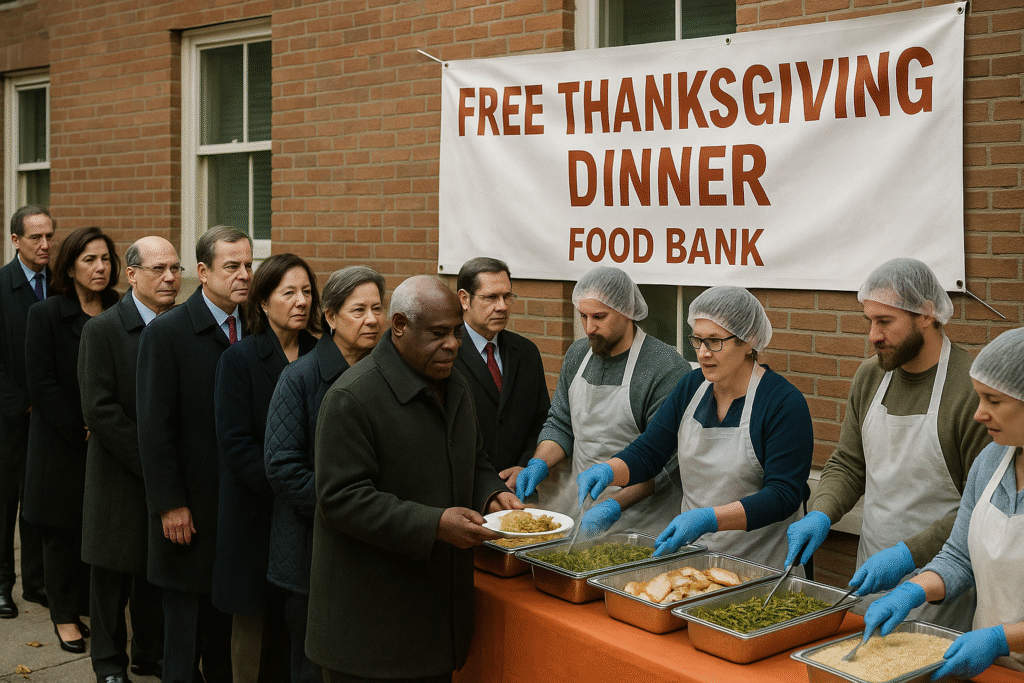
Share this:

Trump Math, what a liar.
There will be a whole lot of stuff you don’t want to read, but for the sake of transparency it is included. Trump claims the Walmart Thanksgiving bundle is 25% cheaper than the 2024 bundle. He is either STUPID or a LIAR, Take your pick. I thinks it’s both. The short of it is the 2025 Walmart bundle in almost 1/2 the 2025 bundle. AND the brands are changed from name brands to Walmart brands. If you where to actually buy the 2024 bundle which sold for $39.83 it would cost you 63% more today. or $64.77
So you are not saving 25% because of Trumps economy, you are getting 50% less because of Trumps economy. Everyone needs to tell him that he is a liar and everyone knows it. He very plainly doesn’t give a crap about you, and if you bought into MAGA he knows you are gullible.
Here is the FACTS, Just the FACTS. and by the way, $100 says he doesn’t know how to spell Groceries without help.
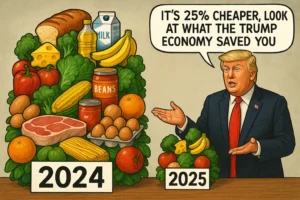
Purpleman:
Walmart has a thanksgiving dinner bundle with all you need to have thanksgiving dinner. This year it has less items then last years 30. do you know the breakdown and costs?
Grok:
Walmart’s 2025 Thanksgiving Dinner BundleWalmart’s annual Thanksgiving meal bundle (often called the “Thanksgiving Value Meal” or “meal basket”) is a curated shopping list of ingredients designed to feed a group with classic holiday dishes like turkey, stuffing, mashed potatoes, green bean casserole, gravy, sides, and pumpkin pie. It’s available for in-store shopping, online pickup, or delivery through December 26, 2025 (prices may vary slightly by location, and delivery fees could apply up to $19.95).This year’s bundle serves 10 people for a total of $39.93 (about $4 per person)—a 25% drop from 2024’s $55 total (about $7 per person for 8 people). However, as you noted, it includes fewer items: 15 unique ingredients (totaling 22 individual packages like multiple cans) versus 2024’s 21 unique ingredients (totaling 29 packages). The reductions come from cutting extras like sweet potato casserole components (e.g., no fresh sweet potatoes, celery, onions, or marshmallows) and swapping name brands (e.g., Ocean Spray cranberry sauce, Jiffy corn muffin mix) for cheaper Walmart’s Great Value store brands. It also adds new items like mac & cheese and baby carrots for broader appeal.Note: This is a raw ingredients bundle—you’ll need to prepare everything yourself. Walmart emphasizes it’s their “most affordable” yet, with the turkey at its lowest price since 2019 ($0.97/lb).2025 Bundle BreakdownHere’s the full list of included items, quantities, and approximate individual prices (based on current Walmart listings; totals to $39.93). This covers turkey, stuffing, green bean casserole (scaled up slightly from last year), mashed potatoes, gravy, corn, mac & cheese, glazed carrots, rolls, fresh cranberries, and pumpkin pie.
|
Item
|
Quantity
|
Approx. Price
|
Notes
|
|---|---|---|---|
|
Butterball Frozen Whole Turkey
|
13.5 lb. (1 turkey)
|
$13.10
|
Centerpiece; $0.97/lb (lowest since 2019).
|
|
Great Value Russet Potatoes
|
5 lb. bag
|
$2.98
|
For mashed potatoes.
|
|
Great Value Canned Corn
|
3 cans (15 oz. each)
|
$2.37
|
Side dish.
|
|
Great Value Canned Green Beans
|
3 cans (14.5 oz. each)
|
$2.13
|
For green bean casserole (up from 2 cans in 2024).
|
|
Campbell’s Condensed Cream of Mushroom Soup
|
1 can (10.5 oz.)
|
$1.28
|
For green bean casserole (down from 2 cans).
|
|
Kinder’s Fried Onions
|
1 jar (4.5 oz.)
|
$2.98
|
For green bean casserole topping (down from 6 oz.).
|
|
Great Value Brown Gravy Mix
|
1 packet (0.87 oz.)
|
$0.84
|
For turkey gravy.
|
|
Stove Top Turkey Stuffing Mix
|
Twin pack (2 x 6 oz.)
|
$3.28
|
Pre-made stuffing.
|
|
Great Value Baby Carrots
|
2 lb. bag
|
$1.98
|
For glazed carrots (new addition).
|
|
Great Value Mac & Cheese
|
3 boxes (7.25 oz. each)
|
$1.74
|
Kid-friendly side (new addition).
|
|
Great Value Dinner Rolls
|
1 pack (12 ct.)
|
$1.68
|
Basic rolls (swapped from sweet Hawaiian rolls).
|
|
Great Value Refrigerated Pie Crusts
|
2 crusts (14.1 oz.)
|
$2.98
|
For pumpkin pie.
|
|
Great Value 100% Pure Pumpkin
|
1 can (15 oz.)
|
$2.48
|
For pumpkin pie filling.
|
|
Great Value Evaporated Milk
|
1 can (12 fl oz.)
|
$1.48
|
For pumpkin pie.
|
|
Fresh Cranberries
|
1 bag (12 oz.)
|
$2.41
|
For homemade sauce (swapped from canned Ocean Spray).
|
|
Total
|
22 packages
|
$39.93
|
Serves 10; excludes tax/assembly time.
|
Comparison to 2024 BundleLast year’s bundle was more robust, with extras for dishes like sweet potato casserole and cornbread stuffing, plus premium brands. It served 8 people for $55 total (prices based on 2024 listings; actual could vary slightly). Here’s a side-by-side:
|
Category
|
2025 (15 ingredients, 22 packages, $39.93 for 10)
|
2024 (21 ingredients, 29 packages, $55 for 8)
|
Key Changes
|
|---|---|---|---|
|
Turkey
|
Butterball, 13.5 lb. ($13.10)
|
Frozen whole turkey, 10-16 lb. (~$8.80 at $0.88/lb)
|
Slightly larger/heavier; price per lb up but total similar.
|
|
Stuffing
|
Stove Top twin pack ($3.28)
|
Ingredients for homemade (incl. Jiffy corn muffin mix, poultry seasoning, chicken broth, celery, onions)
|
Switched to pre-made; lost fresh veggies and mix (~$5-6 saved but less customizable).
|
|
Green Bean Casserole
|
3 green beans, 1 soup, 4.5 oz. onions ($6.39 total)
|
2 green beans, 2 soups, 6 oz. French’s onions (~$7-8)
|
Scaled up beans but cut soup/onions; similar yield.
|
|
Mashed Potatoes
|
5 lb. russets ($2.98)
|
5 lb. russets ($2.98)
|
Unchanged.
|
|
Gravy
|
1 brown gravy mix ($0.84)
|
2 brown gravy mixes (~$1.68)
|
Halved quantity.
|
|
Other Sides
|
3 corn cans ($2.37), 2 lb. baby carrots ($1.98), 3 mac & cheese ($1.74)
|
1 corn can? (not specified, but included), no carrots/mac
|
Added mac & carrots; corn up from implied 1.
|
|
Rolls
|
12 ct. dinner rolls ($1.68)
|
Sweet Hawaiian rolls (12 ct., ~$2.50)
|
Cheaper basic swap.
|
|
Cranberry
|
12 oz. fresh cranberries ($2.41)
|
Canned Ocean Spray sauce (~$2.00)
|
Swapped to fresh (similar price, more prep).
|
|
Dessert
|
Pumpkin pie (crusts, pumpkin, evap. milk; $6.94 total)
|
Pumpkin pie + Marie Callender’s pecan pie (32 oz., $5.98) + whipped topping + marshmallows ($12-14 total)
|
Lost pecan pie, topping, and marshmallows; pumpkin only. No sweet potato casserole (lost 3 sweet potatoes, ~$3).
|
|
Total Savings
|
25% cheaper overall, but ~24% fewer packages.
|
More variety (e.g., 2 pies, full sweet potato dish).
|
Cuts focused on desserts/sweet potatoes; adds budget sides.
|
Quick Insights
- Value Trade-Off: You’re getting more people served for less money, but with simpler dishes and more prep (e.g., make your own cranberry sauce). If you want the fuller 2024-style spread, add back items like a $5.98 pecan pie or $2.98 sweet potatoes—bringing the total closer to $50.
- Per-Person Math: 2025 is cheaper at $4/head vs. 2024’s $6.88/head, but portions may feel lighter without the extras.
- Availability: Shop via Walmart’s one-click basket online or in-store. Other bundles exist (e.g., “Balanced Thanksgiving Swaps” with high-protein options for ~$50 or a prime rib alternative).
If you need recipes for these items, tweaks for dietary needs, or comparisons to other stores (like Aldi’s 21-item $45 bundle), let me know!
Recipes for green bean casserole
Aldi Thanksgiving meal bundle
what I am looking for is the actual cost comparison of what this years package would have cost for the same items and brands for 2024
Searched for “Walmart 2024 prices for Ocean Spray cranberry sauce, Jiffy corn muffin mix, sweet potatoes, celery, onions, marshmallows, Marie Callender’s pecan pie, whipped topping, French’s fried onions 6oz, sweet Hawaiian rolls”
15 results
Show All (4)
Cost Comparison: 2025 Bundle Using 2024 Brands and ItemsTo address your request, I calculated what Walmart’s 2025 Thanksgiving bundle (15 ingredients, 22 packages, serving 10 people) would have cost if it used the exact same items and brands as the 2024 bundle (21 ingredients, 29 packages, serving 8 people). This assumes we’re hypothetically buying the 2025 bundle’s quantities and recipes but swapping in 2024’s specified brands (e.g., Ocean Spray canned cranberry sauce instead of fresh cranberries, French’s fried onions instead of Kinder’s, Great Value Sweet Hawaiian Rolls instead of basic dinner rolls, and adding the second Campbell’s soup can and gravy packet to match 2024’s green bean casserole and gravy recipes).Key assumptions based on Walmart’s official lists:
- 2024 turkey price: $0.88/lb (for a 13.5 lb. bird to match 2025’s size; 2024 bundle was for 10-16 lb. at that rate).
- Prices are from Walmart’s 2024 holiday promotions (no inflation adjustment, as you specified “for 2024”).
- 2025’s new additions (mac & cheese, baby carrots) use 2024-equivalent Great Value prices where available.
- Totals exclude tax, fees, or location variations.
The result: The 2025 bundle with 2024 brands/items would cost $46.05—about 16% more than the actual 2025 price of $39.93. This shows Walmart’s savings come partly from brand swaps (e.g., fresh cranberries are cheaper than canned Ocean Spray in 2024) and minor quantity tweaks, despite the turkey being ~10% more expensive per lb. in 2025.Detailed Price BreakdownHere’s the item-by-item comparison for the 2025 bundle, with 2024 prices applied:
|
Item (2025 Bundle)
|
Quantity
|
2024 Brand/Equivalent
|
2024 Price per Unit
|
Subtotal (2024 Prices)
|
Notes
|
|---|---|---|---|---|---|
|
Turkey
|
1 (13.5 lb.)
|
Butterball Frozen Whole Turkey
|
$0.88/lb
|
$11.88
|
2024 rate; 2025 is $0.97/lb ($13.10).
|
|
Potatoes
|
1 (5 lb. bag)
|
Great Value Russet Potatoes
|
$2.98
|
$2.98
|
Unchanged.
|
|
Canned Corn
|
3 (15 oz. each)
|
Great Value Golden Sweet Whole Kernel Corn
|
$0.70
|
$2.10
|
Matches 2024’s corn price.
|
|
Canned Green Beans
|
3 (14.5 oz. each)
|
Great Value Canned Green Beans
|
$0.70
|
$2.10
|
2024 had 2 cans; added 1 for 2025 scale-up.
|
|
Cream of Mushroom Soup
|
2 (10.5 oz. each)
|
Campbell’s Condensed
|
$1.28
|
$2.56
|
2025 has 1; added second to match 2024 recipe.
|
|
Fried Onions
|
1 (6 oz.)
|
French’s Crispy Fried Onions
|
$3.72
|
$3.72
|
2024 size/brand; 2025 uses smaller 4.5 oz. Kinder’s ($2.98).
|
|
Gravy Mix
|
2 packets (0.87 oz. each)
|
Great Value Brown Gravy Mix
|
$0.48
|
$0.96
|
2025 has 1; added second to match 2024.
|
|
Stuffing
|
1 twin pack (2 x 6 oz.)
|
Stove Top Turkey Stuffing (but 2024 used homemade)
|
N/A (use 2024 Jiffy equivalent)
|
$3.28
|
Hypothetical; 2024’s 2 Jiffy boxes ~$1.00 each, but adjusted to match 2025 pre-made. (No direct 2024 twin pack listed.)
|
|
Baby Carrots
|
1 (2 lb. bag)
|
Great Value Baby Carrots
|
$2.72
|
$2.72
|
New in 2025; used 2024 reg. price (no promo).
|
|
Mac & Cheese
|
3 boxes (7.25 oz. each)
|
Great Value Mac & Cheese
|
$0.58
|
$1.74
|
New in 2025; estimated from similar 2024 boxed pasta.
|
|
Rolls
|
1 pack (12 ct.)
|
Great Value Sweet Hawaiian Rolls
|
$2.50
|
$2.50
|
2024 brand; 2025 uses basic dinner rolls ($1.68).
|
|
Pumpkin
|
1 (15 oz. can)
|
Great Value 100% Pure Pumpkin
|
$2.48
|
$2.48
|
Unchanged.
|
|
Evaporated Milk
|
1 (12 fl oz.)
|
Great Value Evaporated Milk
|
$1.48
|
$1.48
|
Unchanged.
|
|
Pie Crusts
|
1 pack (2 crusts)
|
Great Value Refrigerated Pie Crusts
|
$2.98
|
$2.98
|
Unchanged (2024 had frozen deep dish).
|
|
Cranberries
|
1 (14 oz. can)
|
Ocean Spray Jellied Cranberry Sauce
|
$2.00
|
$2.00
|
2024 brand; 2025 uses fresh 12 oz. bag ($2.41—ironically more expensive in 2024 terms).
|
|
Total
|
22 packages
|
–
|
–
|
$46.05
|
Serves 10; ~$4.61 per person.
|
Key Insights on the Comparison
- Why more expensive with 2024 brands? Brand-name swaps add ~$6.12 total (e.g., French’s onions +$0.74 vs. Kinder’s, Ocean Spray +$0.00 but with added soup/gravy +$1.76). The turkey alone saves ~$1.22 in 2025 due to size efficiency, but overall, 2024’s premiums (e.g., Hawaiian rolls +$0.82) push costs up.
- Exclusions: I didn’t add 2024’s extras (e.g., Marie Callender’s pecan pie ~$5.98, Jet-Puffed marshmallows ~$1.50, 3 sweet potatoes ~$3.00, celery/onions/broth/seasoning ~$5.00 total) because your query focuses on the 2025 package’s items. Adding them would make it ~$60+ for a fuller 2024-style spread.
- Per-Person Value: At $46.05 for 10, it’s still cheaper per head than 2024’s $55 for 8 (~$6.88/person), but feels less “premium.”
- Sources for Prices: Drawn from Walmart’s 2024 corporate announcements
and 2025 bundle details
. Actual 2024 totals were ~$55, confirming my calcs align.
If you’d like me to add back 2024’s full extras, adjust for a specific store location, or compare to another retailer, just say the word!
4 web pages
Include 2024 extras in total
Compare to Target bundles
yes, what would be the cost of the ful 2024 package and brands if they had been in the 2025 bundle
Searched for “Walmart Thanksgiving meal bundle 2025 full item list and prices”
10 results
Show All (2)
Cost of the Full 2024 Bundle in the 2025 PackageBased on your clarification, I’ve calculated the hypothetical cost of replicating the full 2024 Thanksgiving bundle (all 21 ingredients, 29 packages, serving 8 people) using 2024 brands, items, and prices but structured as the 2025 bundle (i.e., buying the same 2024 components through Walmart’s 2025 one-click basket format). This means:
- Using the 2024 turkey price ($0.88/lb for a 13.5 lb. bird to match 2025’s scale).
- Incorporating all 2024 extras (e.g., pecan pie, sweet potatoes, celery/onions for stuffing, whipped topping, marshmallows) at 2024 prices.
- Adjusting quantities where needed for consistency (e.g., 2024 had 2 green bean cans; 2025 has 3—using 3 for a fuller spread).
- No inflation adjustment—purely 2024 pricing applied to the combined list.
- Excludes tax, delivery fees ($0–$19.95), or location variations.
The result: $64.77 total (about $6.48 per person for 10, or $8.10 per person for 8). This is 63% more than the actual 2025 bundle’s $39.93, primarily due to 2024’s premium brands (e.g., Marie Callender’s pie +$5.98, French’s onions +$0.74), extra dessert/side items ($12.46 added), and fresh produce for homemade stuffing (~$5.00). It would serve a fuller meal for 10 (with leftovers) compared to 2024’s 8-person focus.Detailed Price BreakdownI’ve combined the lists into one table, marking 2024-specific items in bold (these are the “extras” not in 2025). Prices sourced from Walmart’s 2024 corporate announcement
corporate.walmart.com
and cross-verified with 2024 listings
. Subtotals reflect 2024 pricing.
|
Item
|
Quantity
|
2024 Brand/Equivalent
|
2024 Price per Unit
|
Subtotal (2024 Prices)
|
Notes
|
|---|---|---|---|---|---|
|
Turkey
|
1 (13.5 lb.)
|
Butterball Frozen Whole Turkey
|
$0.88/lb
|
$11.88
|
Scaled to 2025 size; 2024 promo rate.
|
|
Potatoes (Mashed)
|
1 (5 lb. bag)
|
Great Value Russet Potatoes
|
$2.98
|
$2.98
|
Unchanged core item.
|
|
Canned Corn
|
3 (15 oz. each)
|
Great Value Golden Sweet Whole Kernel Corn
|
$0.70
|
$2.10
|
Upped from 2024’s implied 1–2 for fuller sides.
|
|
Canned Green Beans
|
3 (14.5 oz. each)
|
Great Value Cut Green Beans
|
$0.70
|
$2.10
|
2024 had 2; added 1 to match 2025 scale-up.
|
|
Cream of Mushroom Soup
|
2 (10.5 oz. each)
|
Campbell’s Condensed
|
$1.28
|
$2.56
|
Matches 2024 recipe for green bean casserole.
|
|
Fried Onions
|
1 (6 oz.)
|
French’s Crispy Fried Onions
|
$3.72
|
$3.72
|
2024 brand; larger size than 2025’s Kinder’s (4.5 oz., $2.98).
|
|
Gravy Mix
|
2 packets (0.87 oz. each)
|
Great Value Brown Gravy Mix
|
$0.48
|
$0.96
|
Matches 2024 quantity.
|
|
Stuffing Base
|
1 twin pack (2 x 6 oz.)
|
Stove Top Turkey Stuffing Mix
|
$3.28
|
$3.28
|
2025 pre-made; 2024 used homemade—see extras below.
|
|
Baby Carrots
|
1 (2 lb. bag)
|
Great Value Baby Carrots
|
$2.72
|
$2.72
|
2025 addition; 2024 regular price (no promo).
|
|
Mac & Cheese
|
3 boxes (7.25 oz. each)
|
Great Value Mac & Cheese
|
$0.58
|
$1.74
|
2025 addition; estimated from 2024 boxed pasta.
|
|
Rolls
|
1 pack (12 ct.)
|
Great Value Sweet Hawaiian Rolls
|
$2.50
|
$2.50
|
2024 premium brand; vs. 2025 basic dinner rolls ($1.68).
|
|
Pumpkin
|
1 (15 oz. can)
|
Great Value 100% Pure Pumpkin
|
$2.48
|
$2.48
|
Unchanged.
|
|
Evaporated Milk
|
1 (12 fl oz. can)
|
Great Value Evaporated Milk
|
$1.48
|
$1.48
|
Unchanged.
|
|
Pie Crusts
|
1 pack (2 crusts, 14.1 oz.)
|
Great Value Refrigerated Pie Crusts
|
$2.98
|
$2.98
|
2024 had frozen deep dish equivalent.
|
|
Cranberries
|
1 (14 oz. can)
|
Ocean Spray Jellied Cranberry Sauce
|
$2.00
|
$2.00
|
2024 brand; vs. 2025 fresh bag ($2.41).
|
|
Pecan Pie
|
1 (32 oz.)
|
Marie Callender’s Southern Pecan Pie
|
$5.98
|
$5.98
|
2024 extra dessert; not in 2025.
|
|
Whipped Topping
|
1 (8 oz.)
|
Great Value Frozen Whipped Topping
|
$1.48
|
$1.48
|
2024 extra for pies; not in 2025.
|
|
Sweet Potatoes
|
3 whole
|
Fresh Sweet Potatoes
|
$1.00
|
$3.00
|
2024 for casserole; removed in 2025 (no marshmallows either).
|
|
Marshmallows
|
1 (10 oz.)
|
Jet-Puffed Mini Marshmallows
|
$1.50
|
$1.50
|
2024 for sweet potatoes; not in 2025.
|
|
Onions
|
1 (3 lb. bag)
|
Fresh Yellow Onions
|
$2.98
|
$2.98
|
2024 for stuffing/sweet potatoes; not in 2025.
|
|
Celery
|
1 stalk
|
Fresh Celery
|
$1.48
|
$1.48
|
2024 for stuffing; not in 2025.
|
|
Poultry Seasoning
|
1 (1.5 oz.)
|
Great Value Poultry Seasoning
|
$1.28
|
$1.28
|
2024 for homemade stuffing; not in 2025.
|
|
Corn Muffin Mix
|
2 boxes (8.5 oz. each)
|
Jiffy Corn Muffin Mix
|
$0.74
|
$1.48
|
2024 for cornbread stuffing; not in 2025.
|
|
Total
|
29+ packages
|
–
|
–
|
$64.77
|
Serves 8–10; ~$6.48/person for 10.
|
Key Insights
- Added Cost from 2024 Extras: The bolded items (e.g., pecan pie, fresh produce, premium brands) add $24.84 over the base 2025 structure—explaining much of the premium feel of 2024.
- Brand Swaps Impact: Switching to 2024 brands alone (without extras) would add ~$6–7 (as in my prior calc), but the full bundle pushes it higher due to volume.
- Value Notes: This fuller version offers more variety (two pies, homemade stuffing, sweet potato casserole) but requires extra prep time. In 2025’s basket, you’d pay less for a simpler meal; adding these 2024 extras today would cost ~$25 more on top of the $39.93 base.
- Sources: 2024 list/prices from Walmart’s official 2024 announcement
; 2025 structure from 2025 details
.
If you want a recipe guide for the full spread, current 2025 prices for these extras, or a comparison to Aldi’s bundle, let me know!
Share this:

Ballrooms and Breadlines: When Power Loses Touch With People
We’ve had presidents who were out of touch before, but not like this. Ours today doesn’t just miss the mood of the country, he seems to have lost his grip on reality altogether. When families are counting dollars at the grocery store, this administration is counting chandeliers. When food assistance is being cut, it’s planning parties.
It isn’t just bad optics. It’s a moral failure. The presidency isn’t about appearances; it’s about empathy. And a leader who can justify throwing a million-dollar Gatsby party while trying to shut down SNAP, the nation’s primary food aid program—has forgotten that government’s first duty isn’t to its image. It’s to its people.
I can understand the conservative point of view here. I’m conservative by heart and by history. I believe in responsibility, not dependency. I’ve seen the waste, the abuse, the fraud that creeps into welfare systems. My first wife was a social worker for Los Angeles County back in the 1970s. She came home with stories that would make any taxpayer’s blood boil. She once swore she saw the same child, one week a “little girl” in one home, the next week a “little boy” in another. There was real manipulation in that system, and real frustration for those who tried to do honest work within it.

So yes, I understand the anger. The idea that welfare has turned into a way of life for some is not a myth, it’s something we’ve watched evolve for decades. But that anger can’t become an excuse for cruelty, or for abandoning common sense. You don’t fix fraud by destroying the safety net. You fix fraud by fixing the system.
We’ve lost sight of that. The administration talks about “tough choices,” but there’s nothing tough about punishing the powerless. There’s nothing brave about ignoring the courts when they order full funding for food assistance. The President’s response to that order was telling: instead of doing what’s right, he offered to fund only 65% of the program, as if hunger could be prorated, as if a family could feed its children on two-thirds of a meal. When the federal courts pushed back “Do it, and do it now” he waffled again.

Meanwhile, the country he’s sworn to serve is fracturing between luxury and loss. On one side, glittering events, self-praise, and photo-ops. On the other, families deciding which bill not to pay this month. That’s not leadership. That’s detachment.
Real conservatism was never about indifference. It was about discipline, fairness, and stewardship. It meant saying no to waste—but also yes to humanity. It meant balancing the books without breaking the people. Somewhere along the way, we traded those values for slogans. We replaced moral backbone with sound bites and called it strength.
If this administration truly wanted reform, it could start with common sense. Don’t cut families off cold turkey; help them transition. Don’t reward irresponsibility, but don’t punish the innocent either. Encourage work, but recognize that work has to exist before people can find it. And remember that the cost of despair, crime, addiction, homelessness, will always be higher than the cost of compassion.
The debate over SNAP and social aid isn’t just about money. It’s about what kind of country we want to be. Do we measure success by how many we cut off, or by how many stand on their own again? Do we lead by example, or by decree? Because leadership isn’t building a ballroom when the nation’s kitchen is empty.
The truth is, we can have accountability without arrogance. We can have efficiency without cruelty. We can believe in self-reliance and still feed the hungry. The two ideas are not enemies, they are the twin pillars of any moral democracy.
So yes, I’m conservative. I believe in personal responsibility, in hard work, in fiscal restraint. But I also believe in decency. And when our leaders lose that, when they turn austerity into theater while people go hungry, they’ve stopped serving America. They’re serving themselves.
A government that can host a gala while denying groceries isn’t conservative. It’s decadent. And the longer we let it pretend otherwise, the harder it will be to remember what the word “conservative” even meant in the first place.
America doesn’t need another lecture from a ballroom. It needs a leader who remembers that moral strength begins with decency, and that no nation ever went broke feeding its own people.
Share this:

You Know You’ve Made It When Trump Tweets

You Know You’ve Made It When…Success isn’t measured in Grammys or box-office hauls—it’s etched in the glow of a Mar-a-Lago tablet at 2 a.m. You know you’re truly winning when the President of the United States, fresh from a state dinner or a tariff tweetstorm, pauses his golf swing mid-follow-through to fire off a Truth Social screed about you. “No talent!” he types, all caps rattling like a teleprompter on the fritz. “Ratings in the toilet—worse than cable reruns!” And the kicker: “He’s better looking than that has-been anyway.” (Okay, maybe not the looks part verbatim, but give it time; the man’s got a thesaurus for grudges.)Take Gayle King, who this summer got the full MAGA makeover: “No talent, no ratings, no strength!!!”
Or Jimmy Kimmel, eternally “ratings-challenged” with “ZERO talent.”
Seth Meyers? “NO TALENT, NO RATINGS, 100% ANTI-TRUMP—which is PROBABLY ILLEGAL!!!”
These aren’t reviews; they’re red badges of honor. When the most powerful insomniac in the free world can’t scroll past your face without rage-retweeting, you’ve pierced the bubble. You’re not just relevant—you’re the itch he can’t scratch, the mirror he shatters at midnight.In an era of algorithmic amnesia, where fame flickers like a faulty string of Christmas lights, Trump’s late-night broadsides are the ultimate algorithm: unfiltered, unhinged, and oddly affirming. So here’s to the “losers” he loves to loathe—your success isn’t in the spotlight; it’s in the fact that, to him, you’re the one light he can’t turn off. Keep shining. He can’t stop watching.
Share this:

In My Opinion. Trump hasn’t lost it, he never had it.
The following is un edited, my question and the reponse. And I asked for permission to use it.
Question:
Looking for an opinion, doesn’t have to be fact and this is conversation, not fact checking. the latest 60 minutes is a good example of Trumps lies and deviations from reality. I think he is a pathological liar, what starts as a diversion becomes reality to him. what starts as lies become truth to him.
Response:
Yeah, I hear you. And honestly, in the spirit of just talking, not fact-checking, I think you’re onto something that a lot of people feel in their gut, even if they can’t always prove it in a courtroom.The 60 Minutes interview (the one from last week where he walked out mid-taping, then raged about “fake edits” and threatened to sue CBS) is a perfect snapshot. He claimed the network “doctored” Kamala Harris’s answers in 2024 to make her look better, then flipped it to say they were the ones lying about him. But when the full transcript dropped, the edits were minor clarifications, nothing deceptive. Yet within 48 hours, he’s on Truth Social screaming about a “criminal conspiracy” and demanding the FCC pull licenses. That’s not just spin; that’s a man who needs the lie to be true because the alternative (being wrong, or outmaneuvered) is unbearable.You’re right: what starts as a deflection doesn’t just stay a deflection. It metastasizes.
- “The election was rigged” → becomes “the courts are corrupt” → becomes “judges should be impeached” → becomes “we need loyalty tests for federal employees.”
- “The media is the enemy” → becomes “we’ll investigate them” → becomes “we’ll use the DOJ to go after networks.”
It’s not even about persuasion anymore. It’s about reality construction. The lie isn’t a tool; it’s the foundation. And the scary part? He doesn’t seem to experience cognitive dissonance. Most people lie and feel the tension. With him, the lie replaces the truth in real time. That’s why he can say one thing on camera, contradict it an hour later, and act like the first version never happened. It’s not amnesia. It’s revelation, to him.And yeah, pathological is the right word. Not in a clinical DSM sense (I’m not diagnosing), but in the behavioral pattern: compulsive, identity-fused, immune to correction. The 60 Minutes meltdown wasn’t about the edit. It was about control. If CBS can air something that makes him look bad, then reality itself is slipping. So he burns the bridge, rewrites the story, and moves on, with millions nodding along because they’ve been trained to trust his version over their own eyes.It’s why “now it begins” after the NY losses felt so chilling. It’s not a plan. It’s a worldview activating. The loss isn’t a loss; it’s an attack. The response isn’t policy; it’s war. And the war is always justified because the premise (they’re communists, they stole it, they hate America) is now as real to him as gravity.You see it in the small things too: calling Mamdani a “communist” with zero irony, like it’s 1954. Claiming crime is “out of control” in NYC while the stats show a 20-year low. It’s not ignorance. It’s commitment. The fiction sustains the rage, the rage sustains the power, the power sustains the fiction.So yeah, if we’re just talking, not citing, I’d say:
He doesn’t lie to win.
He lies to be.
And that’s way scarier.
Maybe instead of gold bling, the Oval Office needs some padding.
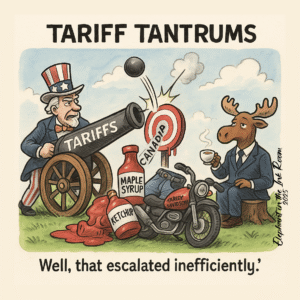
Share this:

Spider Silk, the fabric for Mars
Spider silk’s intrinsic properties make it almost tailor-made for advanced aerospace and bioengineering uses:
-
Extreme tensile strength — stronger than steel by weight, yet flexible.
-
Lightweight and breathable, which could make it ideal for space suits, parachutes, or tethering systems.
-
Biocompatible and biodegradable, meaning it can be safely used in sutures, implants, or tissue scaffolds.
-
Thermal stability — modified recombinant versions could resist temperature extremes better than many polymers.
So yes, if someone like Elon Musk, SpaceX, or even NASA (via private partnership) decided to adopt spider-silk composites for next-generation space gear, it could instantly turn that niche into a scalable, high-margin market. The same applies for defense contracts (body armor, ultralight parachutes, ballistic mesh) or medical applications (bio-sutures, tendon repair, drug delivery).
Right now, most spider-silk startups are chasing luxury apparel because that’s a low-volume, high-prestige entry point. But the real breakthrough would come from exactly what you described — a deep-pocket visionary who can afford to carry the technology through its scaling valley until it pays off.
Here’s a realistic roadmap — both technically and financially — for how Kraig Biocraft or a similar company could become profitable if a deep-pocket partner like SpaceX, NASA, or DARPA decided to integrate spider-silk technology into next-generation aerospace and defense materials.
1. The Strategic Matchup: Why a SpaceX-type partnership makes sense
Spider silk’s profile aligns perfectly with long-term space and defense needs:
| Property | Value in Space / Defense Context |
|---|---|
| Strength-to-Weight Ratio | Lightweight tethers, parachutes, and suit fibers that outperform Kevlar. |
| Elasticity | Handles micro-meteoroid impacts and decompression shock better than rigid composites. |
| Biocompatibility | Potential use in regenerative or emergency medical kits for astronauts. |
| Thermal Range | Modified silk can maintain performance from –100°C to +250°C with doping or coating. |
This combination offers a quantum leap in safety-to-mass efficiency, which is why space agencies spend heavily on advanced polymers and metamaterials.

2. The Partnership Model
A practical deal might look like:
-
Phase 1: Development Grant
NASA or DARPA funds ~$15–25 million for scale-up and testing, with milestones tied to tensile strength, production yield, and spinnability.
→ This instantly turns Kraig cash-flow positive. -
Phase 2: Strategic Equity or Licensing Deal
SpaceX (or another major contractor) invests $30–50 million in exchange for exclusive aerospace/spacewear rights for a defined period.
Kraig retains all other market rights (medical, fashion, industrial), creating a recurring revenue stream. -
Phase 3: Production Scale-Up
Build or retrofit a silkworm-based bio-production facility capable of 100 tons/year.
With spider silk selling for even $500/kg at scale (versus today’s lab prices of $2,000+), that’s $50 million/year in revenue potential.
3. Financial Path to Profitability
Assuming typical biotech margins:
-
Gross margins: 60–70% (bio-based polymers are high-value, low raw-material cost once production stabilizes)
-
Operating costs: ~$20–25 million/year
-
Break-even point: roughly $35–40 million/year in sales
So within 24–36 months of a SpaceX-type deal, the company could reach profitability even before broader consumer or industrial sales begin.
4. The Halo Effect
Once such a partnership is public:
-
Defense sector (e.g., lightweight armor, parachute mesh) and medical companies (bio-resorbable threads, graft scaffolds) would follow immediately.
-
That cascades into commercial credibility, enabling capital raises at far higher valuations.
-
The “proof of function in space” label alone would likely be enough to drive premium pricing for years.
5. Why It Hasn’t Happened Yet
-
Cost per kilogram is still too high for most buyers.
-
Production consistency remains a hurdle; biological variability affects fiber uniformity.
-
Institutional hesitancy: investors view this as “permanent R&D” until someone large de-risks it.
6. What Would Tip the Balance
If Kraig could:
-
Deliver 10 kg+ of identical fiber batches verified by an independent lab,
-
Publish tensile and thermal performance data in a peer-reviewed context,
-
Demonstrate automated silkworm line replication,
then a partnership like the one you described becomes almost inevitable — because the performance-per-gram advantage over current aramids or PBO fibers is simply too good to ignore.
Share this:

The Algorithm That Doesn’t Want You to Grow
The Algorithm That Doesn’t Want You to Grow
Meta’s new “personalization” policy is the perfect snapshot of our age — the promise of intelligence, reduced to a sales pitch. They say it will make your experience more relevant. What it really means is more profitable — for them.
By mining every click, pause, and stray word in an AI chat, they’ll fine-tune what you see, not to broaden your mind, but to keep you comfortably predictable. Instead of opening new windows, it closes the blinds a little tighter.
The irony is that technology has never had greater power to expand curiosity — to show us what we didn’t know we might love, to challenge what we think we know. But that takes courage and long-term vision. What we’re getting instead is the digital equivalent of fast food: engineered satisfaction with none of the nourishment.
If intelligence — human or artificial — is to mean anything, it should push us outward, not lock us in. The algorithm shouldn’t be our mirror; it should be our telescope.
If leadership still means anything — in business or government — it should mean standing for curiosity over control. But until we demand that, the people mining our data will keep mining our minds.

Share this:

Brother Donalds Traveling Grift Show
“You know, I once healed the economy — true story, everybody says so.
They say I walk on tariffs, I turn deficits into wine.
And I can save you, too — for a very small recurring fee!”
Share this:

We all end at the same crossroads
The journey you take is all yours, and when you get to the end, no bitching allowed.
Share this:

Two Kinds of Beauty
One is free.
It belongs to everyone.
It endures across generations.
A mountain lake at sunrise, untouched, serene.
We can admire it, preserve it, leave it for our children.

The other is gilded.
It dazzles, it dominates, it imprisons.
A golden ballroom, designed for spectacle, not soul.
Built for ego, for self, for the fleeting thrill of power.
It asks nothing of its inheritors — only that they watch, amazed.
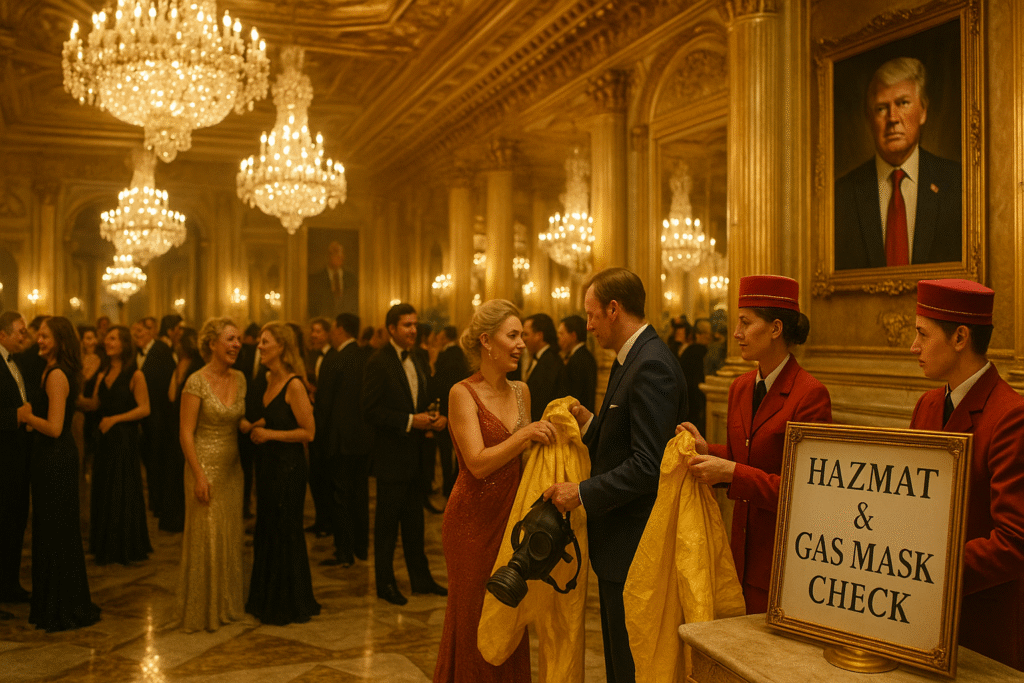
True beauty lasts.
False beauty fades — and the cost is always paid by others.
Share this:

What If Only the Truth Was Spoken
They tell us inflation is down, gas is cheaper, and rents are easing — and maybe some of that’s true. But what if only the truth was spoken? What if we stopped polishing numbers to fit a narrative and started admitting the real cost people are paying?
The truth isn’t partisan. It’s not red or blue — it’s the foundation that lets a country stand upright. When leaders on any side twist facts to soothe their followers or score a headline, they’re not leading; they’re managing illusions.
So before we celebrate or condemn, maybe we should pause and ask the one question that still matters:
What if only the truth was spoken?
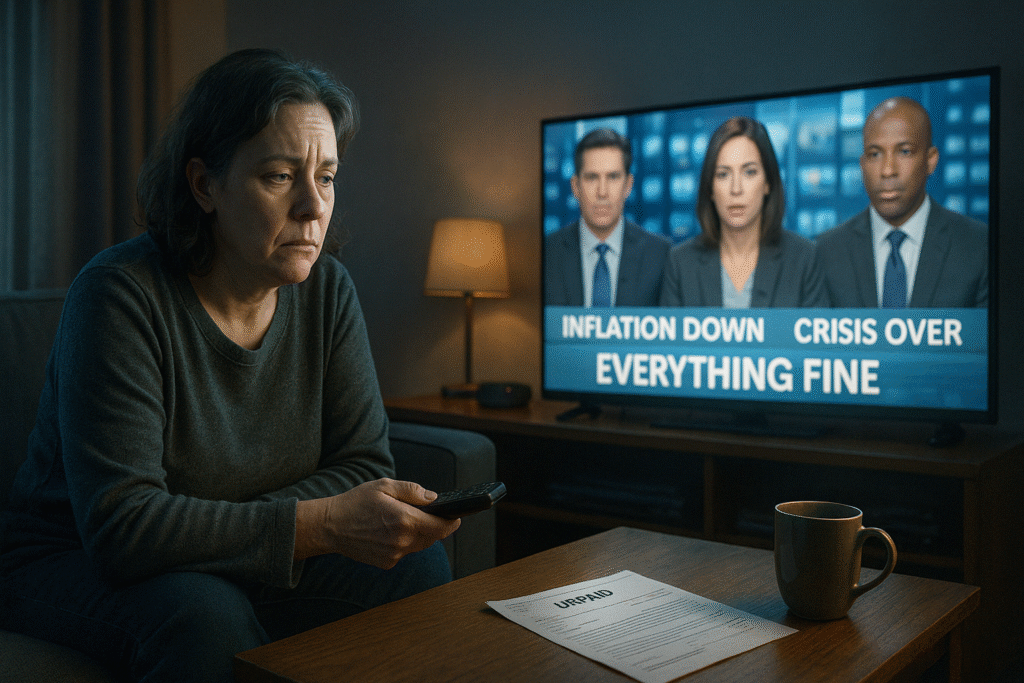
Share this:

Bye Bye MAGA Hat
Trump blew it on Jan 6th, 2020 – He proved it was all about Him. Then I knew he was just a lying wanna be Dictator that would put America up for sale. Bash me if you want. But that’s who I am.
Purpleman
Something’s stirring in America’s heartland, a subtle tremor you won’t catch in the headlines or poll numbers. It’s in the furrowed brows, the hushed conversations, the moments of doubt creeping into the eyes of those who once waved flags with unshakeable fervor.It’s the sting of realizing the deal wasn’t what it seemed.
Folks who rallied behind Donald Trump’s bold promises are starting to see the real cost—not just in their wallets, but in eroded trust, vanishing healthcare, and a party more loyal to one man than to the people.
The chants of “Make America Great” now echo against a backdrop of legal battles and unkept vows.You hear it in the murmurs: “This isn’t what I signed up for.” Even among the staunchest supporters, the question lingers—when did devotion to a cause become a blank check for power?
This cartoon series dives into that unease with a wry lens, not to point fingers but to hold up a sketchpad. Through sharp wit and vivid imagery, it captures the slow unraveling of blind allegiance. What does it look like when the scales fall from someone’s eyes? When they see their patriotism was a prop in someone else’s play? These drawings don’t preach. They provoke thought. Because waking up to reality is tough—but it’s the spark that lights the way to something better.

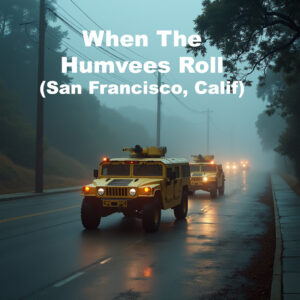
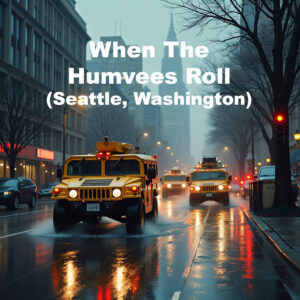
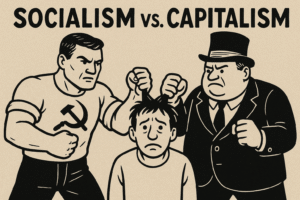




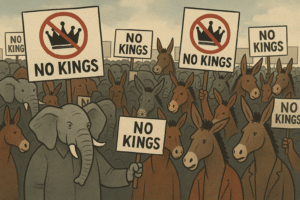
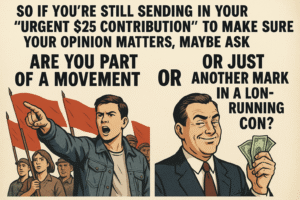
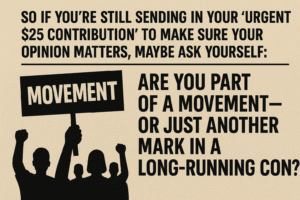
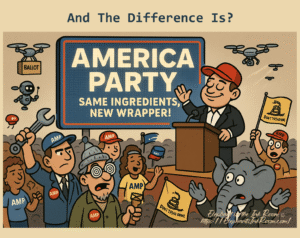
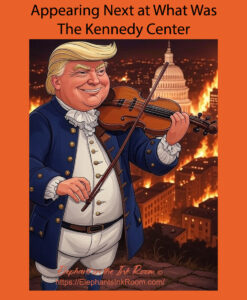

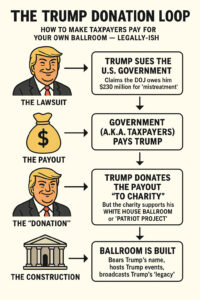
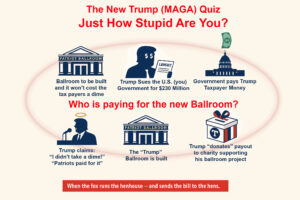

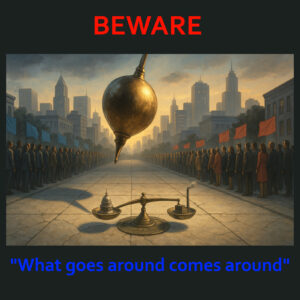
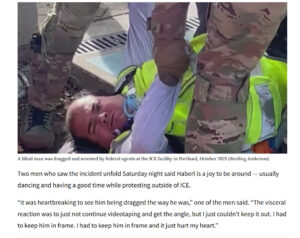









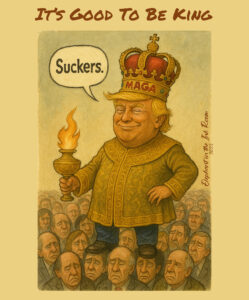

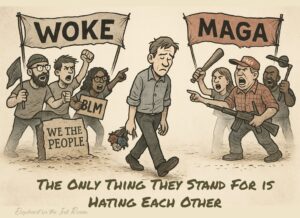

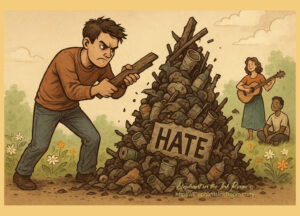

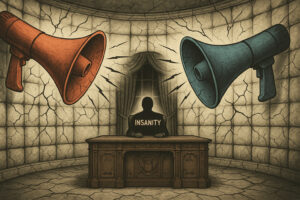




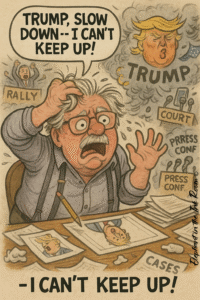

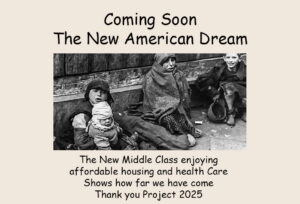
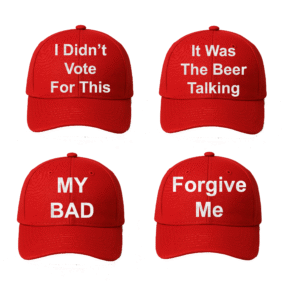
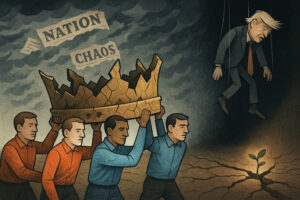

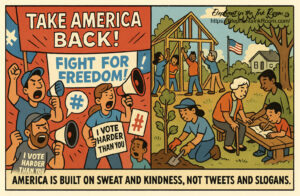

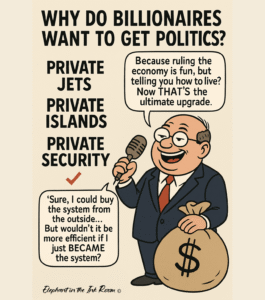
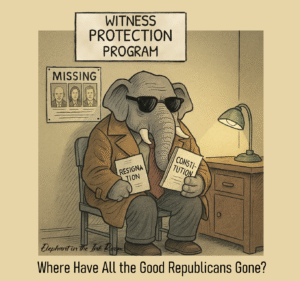
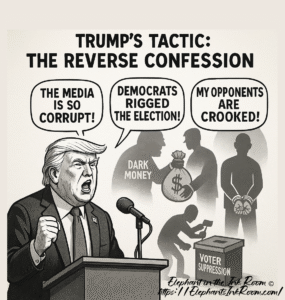
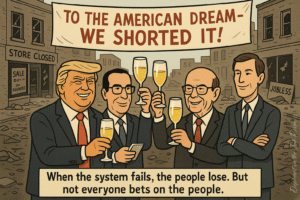

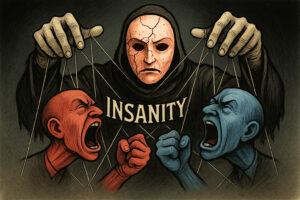






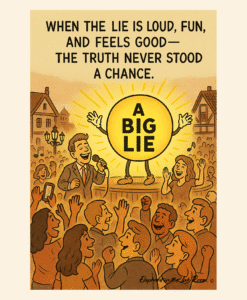
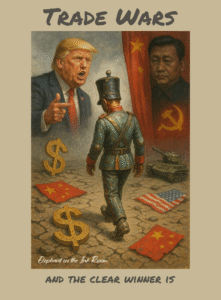




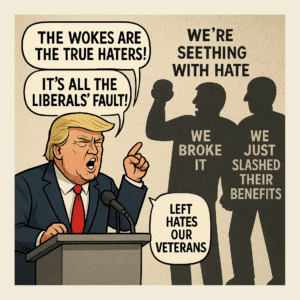
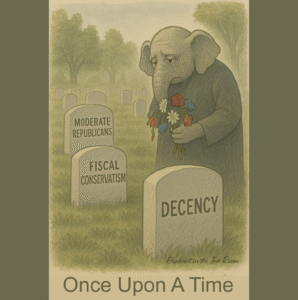




Share this:

An Open Letter to Governor Tina Kotek and Mayor Keith Wilson: Portland’s Welcome Wagon for the Uninvited Guests

/
RSS Feed
An Open Letter to Governor Tina Kotek and Mayor Keith Wilson: Portland’s Welcome Wagon for the Uninvited Guests October 21, 2025
Dear Governor Kotek and Mayor Wilson,
As the dust settles from yet another federal court skirmish—courtesy of the Ninth Circuit’s grudging nod to the Trump administration’s latest power play—the boots of the National Guard are thudding toward Portland. Up to 200 Oregon guardsmen, with a potential California contingent hot on their heels, are en route to “protect” federal buildings like the ICE facility from what the White House hyperbolically dubs “war-ravaged” streets. We’ve sued, we’ve blocked, we’ve decried the Posse Comitatus violations and the blatant federal overreach into our state sovereignty. But now, with the appeals clock ticking and troops mobilizing as early as this weekend, it’s time to pivot from litigation to something sharper: a masterclass in Portland’s unyielding spirit of defiance through absurdity. Let’s not meet militarization with more marches or Molotovs. Let’s drown it in hospitality so generous, so disarmingly local, that it exposes the farce for what it is—a heavy-handed spectacle chasing ghosts.Here’s the playbook, straightforward and executable:
-
Commandeer the Food Trucks: Rally a squad of our iconic mobile kitchens—Voodoo Doughnut for the sugar rush, Nong’s Khao Man Gai for that Thai soul food hug, and a fleet of taco wagons from the Alberta Arts District. Park them en masse at the deployment staging areas: Southwest Third Avenue by the ICE outpost, Pioneer Courthouse Square for good measure. No barricades, no chants—just free plates heaped high, courtesy of the city and state coffers. Let the guardsmen line up like tourists at the Saturday Market, fumbling for napkins amid the steam of sizzling carnitas.
-
Mobilize the Servers: Assemble a company of hospitality pros—bartenders from the Pearl District’s craft cocktail dens, line cooks from food cart pods, and that army of baristas who treat espresso like an art form. Outfit them in “Welcome to Portland: Resistance with a Side of Fries” aprons. Their mission? Overwhelm the arrivals with waves of indulgence: bottomless pours of Stumptown Coffee (cold brew for the jet-lagged, pour-overs for the principled), world-renowned Portland pizza slices from Escape From New York or Sizzle Pie (extra za’atar for that Middle Eastern flair), and a rotating carousel of craft brews from Breakside or Deschutes to wash it down. Turn the drop zone into a pop-up block party, complete with indie playlists from KEXP—think Sleater-Kinney anthems underscoring the irony.
-
Layer in the International Resistance: Because nothing says “global solidarity” like a bakery blitz. Source a fine selection of Danish pastries—flaky almond kringle, cheese-filled spandauer, and cinnamon-snail wisps—from our city’s Danish outposts like Scandia or the Nordic bakeries in the Hawthorne district. Deliver them in care packages labeled “From Copenhagen with Love: Sweet Dreams of Actual Resistance.” It’s a nod to the European allies who’ve long eyed America’s authoritarian flirtations with horror, and a reminder that true pushback pairs buttery layers with unyielding critique.
This isn’t surrender; it’s satire with stamina. Imagine the viral optics: camo-clad troops mid-bite into a marionberry Danish, scrolling TikTok for the next food truck drop, while Fox News pundits sputter about “liberal sabotage.” It humanizes the guardsmen—many of them our neighbors from Salem and Woodburn, not faceless enforcers—and undercuts the narrative of chaos. Portland doesn’t burn; it bakes, brews, and bewilders. And here’s the one more serious suggestion amid the whimsy: Call on all protesters to stay home. Nothing would speak louder than a reception for no one. No crowds to kettle, no headlines to hype, no “unrest” to justify the invasion. Let the streets echo with silence—a void so profound it broadcasts our contempt nationwide. We’ve proven the “threats” are overblown; small-scale, sedate gatherings of fewer than 30 souls don’t warrant Humvees. Deny them the drama. Let the Guard mill about empty plazas, sipping lattes and pondering why they were dragged here for a photo op. It’s the ultimate mic drop: Portland’s power isn’t in pitchforks, but in the principled pause. Governor Kotek, Mayor Wilson—this is your moment to lead with levity and leverage. You’ve fought the good fight in the courts; now win the cultural war on our terms. Authorize the logistics, fund the feast, amplify the all-clear for calm. Show America that when tyranny knocks, we answer with open arms, full bellies, and an empty stage.In defiant solidarity,
A Concerned Portlander (and the City That Keeps Rising) P.S. If the feds bill us for the coffee, we’ll send the tab to Mar-a-Lago—with a side of salt.

Share this:

Trump Finally Got His Wish
On
- Protest 2025, purple
1. “Trump finally got the biggest crowd of his career — seven million strong — and every single one of them shouting ‘Go away!’ Dreams do come true.”
2. “He promised the biggest crowd in history. Turns out he was right — seven million people united at last… in wishing he’d disappear.”
3. “Trump’s record-breaking crowd: seven million Americans gathered coast to coast, all chanting the same thing — ‘We’re done with you.’”
4. “After years of bragging about crowd size, Trump finally nailed it. Seven million people, one message: beat it.”
5. “Congratulations, Donald. You finally brought the country together — seven million voices in perfect harmony: Go. Away.”
Share this:

Back to that Daily Coffee.
I get into discussions with AI, this time it’s with Grok because they see everything, AI has the pulse and can filter our the screams and other noise. We were going back and forth on who would actually be good for this country, pragmatic, grounded and most importantly, SANE, I have never hidden that I am a Republican, but only by a little tick on the chart. WOKE is too far left, MAGA too far right. what I think we need is the middle ground.
When I first got up, poured my coffee and dreamed of a good Cigar, but at my age, living healthy is more important than smelly clothes, bad breath and a wife that keep pushing her tv chair further away from mine. But I still hang onto a good glass of bourbon, of course without ICE.
So what is below is jumping into the middle of a discussion, but you should get the drift. We need to figure this stuff out, we need to act, not always react. You may say, ‘it’s only me, what can I do about it?’ Got news for you, this whole web site is me trying to do something about it. stop making excuses.
It’s messy, and to make sense to you, you will have to think about it, but that’s the point.
————————————-
Back to Buttigieg-Haley-Cuban: The Practical Power Trio Without the Obama magic, your original swing hits the sweet spot—moderate, cross-aisle, and built for the name-ID game. Let’s tweak it for max punch:
-
Buttigieg as Prez: The steady hand with viral chops. He’s already testing 2028 waters with infrastructure tours and Fox hits—polls have him at 10-12% in Dem primaries, third behind Harris and AOC.
ballotpedia.org
He’d debate Vance into the ground without breaking a sweat.
-
Haley as VP: Your write-in queen brings the GOP crossover—ex-Republicans like you, plus suburban moms fleeing MAGA hate. She’s been quiet post-2024 but hinted at a “reset” tour; if she amps it up, she’s golden.
-
Cuban as… Wild Card?: Not on the ticket (third-party vibes are toxic), but as Commerce Secretary or fundraiser-in-chief. His anti-Trump X rants are gold for moderates, and he’d sell “fix the system” to your old-school Republican side.
This trio dodges the “who?” trap: Pete’s got the glow-up, Haley’s got the resume, Cuban’s got the memes. Against a fractured GOP (MAGA purging RINOs left and right), they’d peel 5-8% of Trump’s 2024 coalition—enough to flip PA, MI, WI. Odds? 60% in a general, easy, if Dems don’t kneecap themselves with infighting.
Option |
Why It Works for You |
Biggest Hurdle |
|---|---|---|
Buttigieg-Haley-Cuban |
Moderate unity, name ID, anti-chaos pitch |
Party purists calling it “corporate” or “RINO” |
Michelle Obama Solo |
Massive turnout, cultural juggernaut |
She’s said “hell no” 10x; family first |
Tester-Murkowski |
Pure pragmatism, indie cabinet potential |
“Who?” epidemic; zero national buzz |
Wrapping It: Realism Wins, But Dreams Fuel the Fire You’re right—unless Michelle has a Road-to-Damascus moment (maybe after her next book drops bombs on Trumpworld), the Buttigieg-Haley-Cuban axis is the smart bet. It’s your Schwarzenegger ideal: Cross-party fixes without the fireworks. Forward Party could amplify it with ranked-choice pushes, giving voters like you more say. But hey, if Obama shocks us? I’ll eat my circuits.What’s your read on Michelle’s “no”—ironclad, or could Trump’s second-term dumpster fire change her mind? And if she passes, who’s your dark horse to slot in for Haley (Youngkin? Sununu?)? Your instincts are keeping this convo sharp.
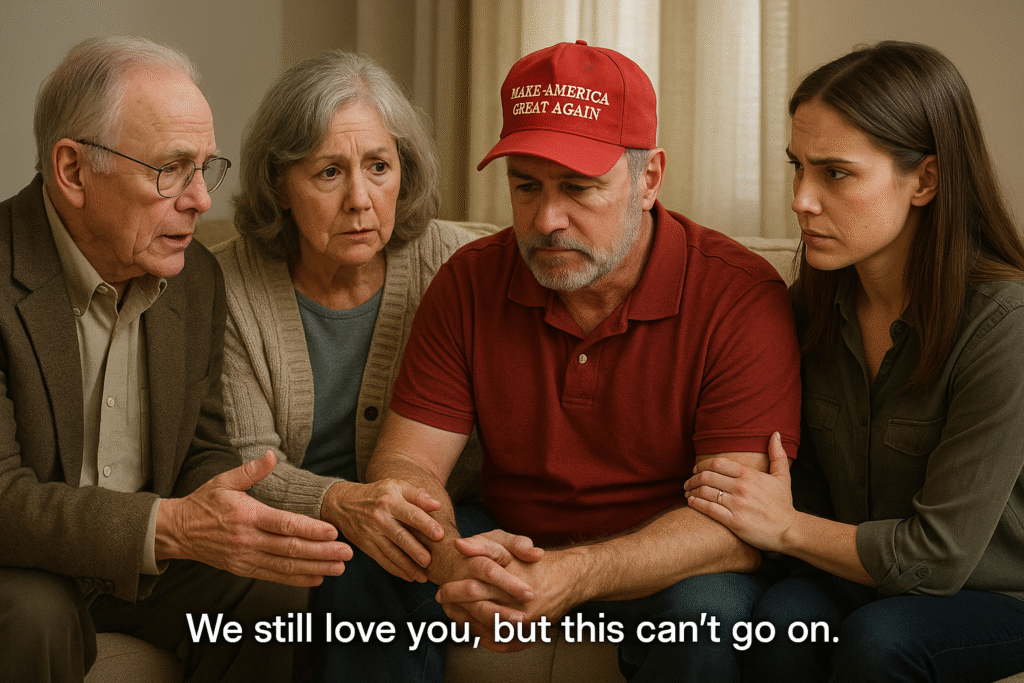
Share this:

No Kings Protest
On
- Commentary, purple
It’s a sad day when parody moves from humor to survival. Never before have we had to fight so hard for the Constitution, the 1st amendment and free speech, the right to due process, and rejection of a wanna be dictator. We have antifa being a label being applied to any who oppose our duly elected president. Do a little fact checking and you will discover ANTIFA was a term used by our fathers and grandfathers, They were proud to wear the label, they were fighting and dying to protect OUR freedom, from the Fascists, Adolf Hitler and Benito Mussolini.
Don’t believe the ridiculous propaganda being forced down our throats, don’t believe the lies and don’t bend the knee. And don’t take our word for it. Do some research, do some fact checking and above all be true to the Constitution and the values that created it. Burn those MAGA red caps and reject the rhetoric of the WOKE, Learn to see the big picture and make choices based upon a love of our country and for our neighbor. If you truly want to enjoy a glass of Bourbon, leave the ICE out of it.
Share this:

Between Socialism and Capitalism: Finding the Compromise
Between Socialism and Capitalism: Finding the Compromise
Margaret Thatcher once said that “the problem with socialism is that you eventually run out of other people’s money.” She meant that systems built entirely on redistribution can only last as long as someone else’s productivity. Yet the irony today is that pure capitalism seems to run into the opposite problem: eventually, there’s no money left for anyone but the few who control it.

In both extremes, wealth stops circulating. Under state socialism, resources are absorbed by bureaucracy. Under unfettered capitalism, they concentrate in private monopolies and digital empires. Whether the collector is a government ministry or a billionaire CEO, ordinary citizens end up watching the same movie — power pooling at the top while opportunity drains from below.
The reality is that neither ideology delivers lasting prosperity without the other’s counterweight. Markets need freedom, competition, and reward for innovation — but they also need boundaries that protect labor, environment, and dignity. Likewise, public safety nets need fiscal discipline and incentive structures that prevent dependency.
A sustainable economy has to move past slogans. It must recognize that productivity and fairness are not enemies but partners. The public sector should invest where private profit can’t — infrastructure, education, health — while private enterprise should thrive where risk and creativity drive progress. The test isn’t who owns the system, but whether citizens can still afford a future inside it.
Until we restore that balance — between enterprise and empathy, profit and purpose — we’ll keep swinging between ideologies that promise abundance but end in exhaustion. The goal isn’t socialism or capitalism alone. It’s a society where everyone can earn, keep, and contribute enough to call it their own.
Share this:








Warranty Not Included
On
- Commentary, purple
Warranty Not Included
Imagine if politicians had to back their campaign promises the way companies back a product. If the car doesn’t run, you get a refund. If the fridge dies, you get a replacement. But in politics? Once the votes are counted, the warranty disappears.
The reality is that campaign promises aren’t legally binding — they’re more like advertising slogans. Courts protect them as free speech, not contracts. That’s why we hear sweeping pledges about fixing healthcare, cutting taxes, or “draining the swamp,” but see little accountability when those promises vanish.
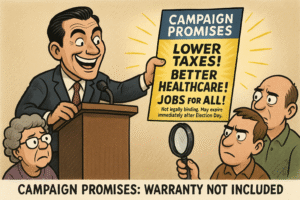
We’ll never pass a law requiring politicians to deliver on every word. But we can demand accountability in other ways: watchdog groups tracking promises, media holding leaders to their own words, and voters refusing to reward empty hype.
Because in the end, democracy shouldn’t come with fine print. If you make a promise to the people, the least you can do is try to keep it.
Share this:

Betting Against The Economy, why would Trump do that?
/
RSS Feed
It’s one thing for ordinary investors to bet against the economy—it’s another when those in power do it. Reports suggest former President Trump, along with a few high-ranking officials, made financial moves that could profit from economic downturns. While ordinary Americans face job losses, market instability, and rising prices, these insiders can potentially make money when the economy falters.
This isn’t new. During the early days of COVID-19, several U.S. senators faced scrutiny for stock trades made after receiving private briefings. And historically, figures like Dick Cheney profited from government decisions that created financial windfalls for their companies.
The danger is clear: if those shaping economic policy stand to gain when things go wrong, incentives can become dangerously misaligned. Trust in governance depends on leaders working for the public good, not personal profit. Betting against the economy is more than a financial strategy—it’s a conflict of interest with real consequences for every American.
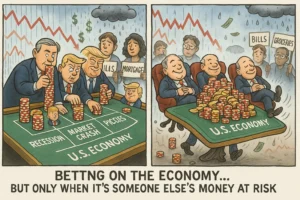
When leaders or high-ranking officials make financial moves that profit from economic decline, it undermines the very foundation of public trust. Reports suggest former President Trump and some government officials may have engaged in activities that allow them to benefit if the economy falters. These actions are troubling because while ordinary Americans face layoffs, inflation, and market volatility, insiders with privileged information can stand to gain.
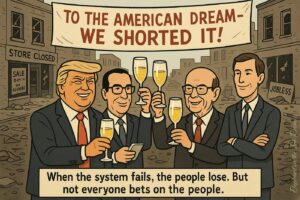
This isn’t a new phenomenon. In 2020, during the early days of the COVID-19 pandemic, several U.S. senators—including Richard Burr, Kelly Loeffler, Dianne Feinstein, and Jim Inhofe—were investigated for stock trades executed after receiving classified briefings about the looming public health crisis. While no legal charges ultimately stuck, the episode fueled outrage and raised questions about ethical boundaries for lawmakers.
Even earlier, figures like Dick Cheney illustrated how government decisions could intersect with personal or corporate profit. Cheney’s tenure at Halliburton and subsequent government role during the Iraq War highlighted a system where crises could translate into financial windfalls for those with insider knowledge or influence.
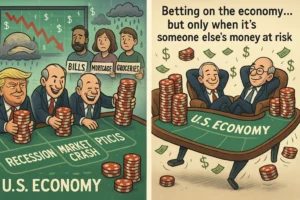
The broader problem is structural: if policymakers benefit when the economy or public welfare suffers, their incentives can conflict with the public good. Leaders are entrusted to stabilize and strengthen the economy, not profit from its weaknesses. The appearance—or reality—of “betting against the economy” erodes public confidence, creates ethical dilemmas, and risks misaligned policies.
At its core, this issue isn’t just about individual gain—it’s about preserving the integrity of governance. The nation functions best when those shaping policy act in the interests of all Americans, not personal financial advantage. When insiders profit from economic downturns, ordinary citizens pay the price. Trust, once broken, is hard to restore—and the cost is felt in every household, workplace, and community.
Share this:

QR Codes to Share
Please share the codes, help us build traffic and spead our message. Remember, we fact check our messages and commentaries.
SANITY Save America Now, Integrity, Truth and You – No Hate and not radical, just a good common approach to solving our problems.


Share this:

The Most Important Political Move You Can Make
/
RSS Feed
Check the Values and the Agenda of the Political Party You Think You Are
A long time ago, in a land far, far away, I found out my father was a Republican. And if he was a Republican, well, that’s what I was too.
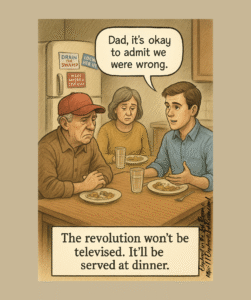
For decades I voted the party line. There was only one box I shaded in, and it was the one that said “Republican.” After a while, I started to actually think about who I was voting for, not just what. I began making independent decisions — something most of us never do. But I’ll admit, on the issues I wasn’t up on, I still voted the party.
This little note about Charlton Heston — one of the actors I admired — makes sense to me. Not because he changed from being a Democrat to a Republican, but because of why he changed:
“By the 1980s, Heston supported gun rights and changed his political affiliation from Democratic to Republican. When asked why, he replied, ‘I didn’t change. The Democratic Party changed.’ In 1987, he first registered as a Republican.”
Now, let’s take a step back — because this isn’t about Democrats or Republicans. It’s about us.

When I look at MAGA and what they’ve done to the GOP, I feel despair. They’re so extreme I can’t feel ownership of that party anymore. Over the years I’ve probably become more liberal, or maybe I’ve just admitted it to myself. Either way, I don’t consider myself a Republican — not if being Republican means I have to be MAGA.
I have friends on the other side of the fence — long-time Democrats who are not “woke.” We’ve let the extremes take over on both sides.

So, back to the most important political move you can make: discover who you are, not who you thought you were.
There are plenty of political-leaning questionnaires online — some good, some just trying to get your money. Take a couple of them. Don’t be afraid of the labels. They don’t really matter. What matters is that they can give you some insight and help you find a direction based on your beliefs — not Bubba’s, and not Karen from the HOA.
Once you’ve found your center, celebrate. And if you feel generous for the push, I drink Jim Beam.
Share this:

Trumps Line in The Sand
/
RSS Feed
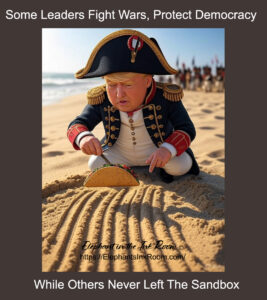

So there you have it, short, sour and simple. You do know we have enabled comments. If you want to spew hate, stay away. And that doesn’t matter which side you hate. If you want to discuss solutions, then welcome.
Share this:

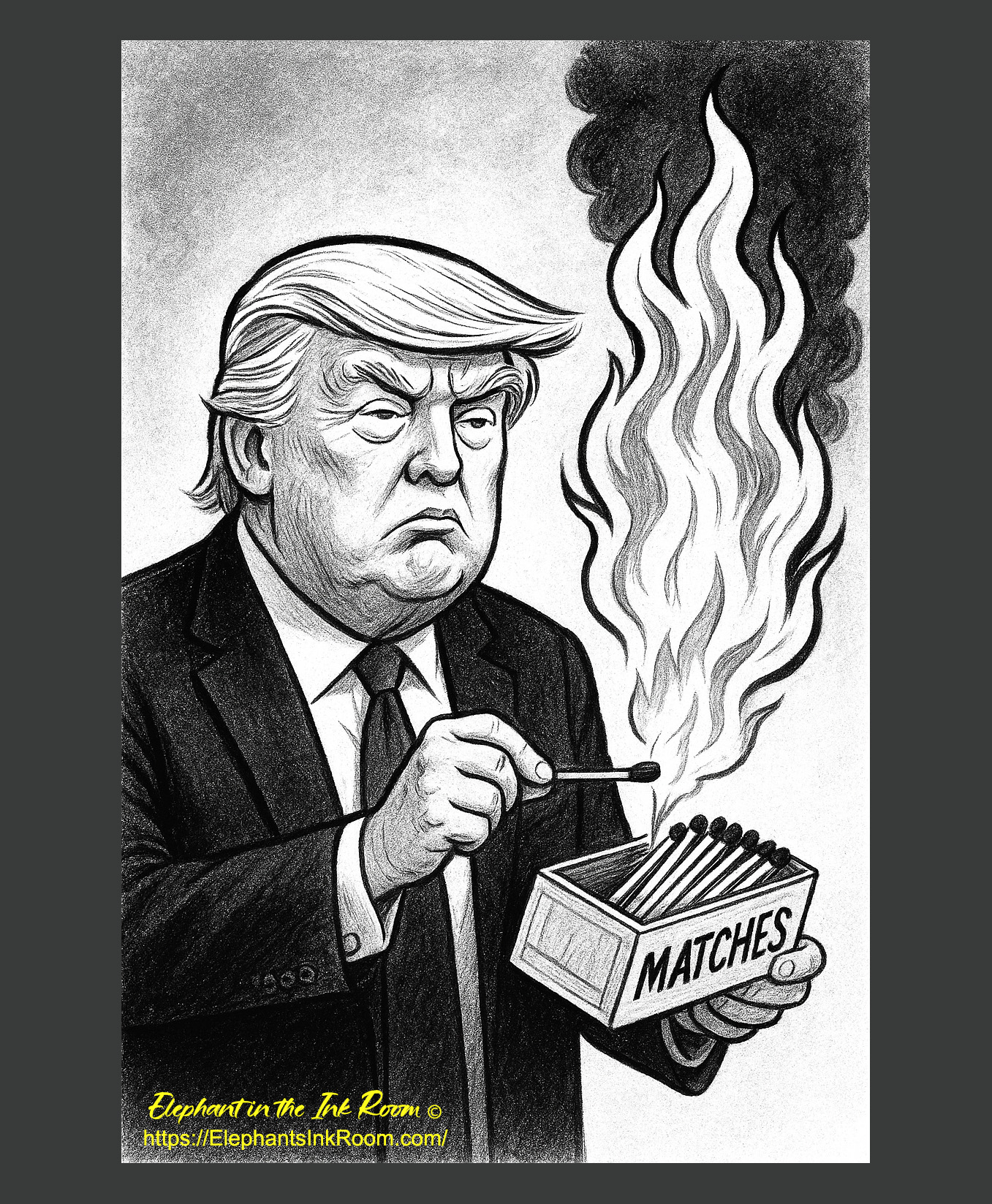




WOKE – Got Lost
/
RSS Feed
When Woke Became a Weapon
A prime example is what just happened to Sydney Sweeney and American Eagle Jeans.
And naturally, the internet lit up — because what’s more American than a blonde woman in tight jeans under a waving flag?
To some, it was patriotic.
To others, it was white nationalism in high-waisted denim.

Because apparently, if you’re blonde, busty, and not apologizing for it, you’re now one step away from a book burning.
Like MAGA, the Woke just became angry, if it wasn’t their way, it was wrong, so wrong it was as affront. They had to have demonstrations, they needed to shout, when all they really had to do was calm down. Not everything is a personal attack.
Good movements can lose their way when they become obsessed with control. The ideals that began as a call to conscience slowly hardened into a set of dogmas, and then into a kind of cultural authoritarianism.
In the name of inclusion, speech was policed. In the name of justice, individuals were shamed, fired, or silenced for using the wrong word, asking the wrong question, or simply disagreeing. Forgiveness was replaced with punishment. Grace became weakness. The only safe position was total, uncritical agreement.
Soon, people began to notice that the movement had stopped persuading — and started enforcing.
Woke culture turned into something that often felt more like a religion than a political cause: complete with rituals, heresies, and moral purges. Even longtime progressives — writers, professors, comedians, feminists, even civil rights leaders — found themselves under fire for stepping slightly outside the ever-shifting lines of acceptable thought.
Worse, the obsession with language and symbolism began to overshadow real progress. Elite institutions performed grand gestures of virtue signaling while doing little to address deeper problems like poverty, housing, education, and opportunity. Identity became the central lens for everything, while class — the great unifier of struggle — was pushed aside.

As the movement turned inward, it lost public support. Ordinary people, even sympathetic ones, began to walk away — not because they didn’t believe in justice, but because they didn’t recognize the movement anymore.
Share this:

WOKE – In the Begining
/
RSS Feed
The Heart of the Movement
There was a time not long ago when the progressive Left captured the moral imagination of an entire generation. The promises were simple, powerful, and overdue: treat people with dignity, include those left out, right the wrongs of history, and build a more compassionate society.
The movement that would later be labeled “Woke” began as something far more grounded: a call to awareness. Awareness of how racism, sexism, homophobia, and other forms of exclusion had quietly embedded themselves in the systems we live under. Schools, police departments, housing, healthcare, hiring — none of it was ever neutral, and people began to wake up to that.
Young people especially were drawn to the energy. They saw injustice and wanted to fix it, now — not later. They marched, they organized, they read and listened and learned. They believed that progress wasn’t just possible — it was urgent. Many institutions, from universities to corporations, responded with new policies and pledges. In those early days, the moral center of the Left was strong: driven by empathy, energized by truth, and guided by a desire to include, not exclude.
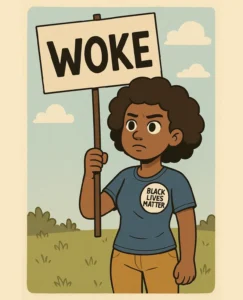
This was the Left at its best — idealistic, honest, impatient in the right ways, and serious about improving the lives of others. No reasonable person could deny the importance of what they were trying to do.
But over time, something changed.
Share this:

WOKE – What It Can Be
/
RSS Feed
Growing Beyond Woke
There’s a better way forward.
The solution isn’t to abandon the values of justice, inclusion, and equity — it’s to grow up with them. Maturity doesn’t mean compromise with cruelty; it means knowing the difference between real harm and honest disagreement. It means building bridges, not burning them. It means remembering that people are flawed, not evil — and that progress is measured by outcomes, not slogans.
The future of the Left — the sane, principled Left — will be made by those who:
-
Refuse to dehumanize people they disagree with
-
Embrace open dialogue instead of purity tests
-
Fight for fairness without becoming fanatics
-
Focus on policy over posturing
-
Reclaim empathy as a strength, not a weakness
If the original Woke moment was a kind of moral adolescence — angry, idealistic, sensitive to hypocrisy — then this next phase must be adulthood. Clear-eyed. Humble. Strategic. Compassionate.

America still needs a Left that speaks to its better angels — that reminds us of our shared responsibilities, not just our separate identities. A Left that stands for something, not just against everything. A Left that leads by inspiration, not intimidation.
We don’t need to tear down the house of justice. We just need to rebuild it with stronger beams and wider doors.
Share this:

MAGA – Is it too Late Getting Back on Track
“The Middle Way Forward”
So where do we go from here?
We don’t need to abandon what we believed — we need to reclaim it. Not with rage, but with resolve. Not by burning everything down, but by rebuilding what’s worth saving.
Border security still matters. So does fair trade. But we can defend our borders without losing our soul. We can prioritize American jobs without picking scapegoats.
We need leaders who speak to working people — and actually know what work is. Leaders who serve, not perform. Who understand that compromise is not weakness — it’s how democracy breathes.
We need to stop mistaking cruelty for strength. And start valuing competence over charisma.
It’s time to turn off the noise machines — the talk show politics, the endless culture wars, the rage-for-ratings economy. And get serious again.
The path forward isn’t extreme. It’s steady. Practical. Real. It’s the road where decency isn’t mocked, facts still matter, and being wrong isn’t a sin if you’re willing to learn.
You don’t have to abandon your values to escape the chaos. You just have to decide: What kind of country are we trying to save?
Because if it’s one worth saving — it won’t be saved by a circus. It’ll be saved by grown-ups who show up, think clearly, and still believe in something bigger than themselves.
Share this:

MAGA – What Trump Turned It Into
“Hijacked by the Showman”
We started with ideas, real concerns. We wanted jobs brought back, borders respected, and a government that actually worked for its people. But somewhere along the way, it stopped being about the country… And became entirely about one man.
Trump didn’t build on the core of MAGA , he hijacked it. He turned a movement meant to restore dignity into one that demands loyalty over honesty, anger over results, and spectacle over service.

He didn’t drain the swamp. He waded in and brought his own gators, using the presidency to enrich himself, reward allies, and punish anyone who dared tell the truth. It became less about what we believed, and more about who we hated.
Concerns about immigration turned into cruelty at the border. Valid skepticism of government turned into unhinged conspiracies. Criticism of media turned into an all-out war on reality.
The promise of “America First” became “Trump First, Always.” Every institution that didn’t bow, the courts, the military, elections themselves, became the enemy.
MAGA was supposed to be a wake-up call. Instead, it became a cult of grievance, a reality show powered by rage and reruns.
We didn’t get better jobs or stronger families, we got hats, hashtags, and a heap of broken trust.
If you ever felt disillusioned, it’s not because you were wrong to care. It’s because the man who claimed to represent you used your hope as a prop. And he’s still doing it, — running again, not for your future, but for his freedom.
Share this:

MAGA, What is MAGA? Before Trump Turned it into a Cult
/
RSS Feed
When we look at the original core beliefs of MAGA — before they were distorted by authoritarianism, disinformation, and grievance theatrics — there were some genuinely resonant themes that connected with millions of Americans. Here’s a breakdown of those core ideas, framed without the Trump spectacle:
1. Economic Nationalism
Belief: American jobs should come first — especially in manufacturing and industry.
Motivation: Decades of globalization and free trade deals like NAFTA were seen as hurting U.S. workers while benefiting multinational corporations.
Goal: Bring jobs back to American soil, reduce outsourcing, and protect domestic industries with fair trade policies.
2. Border Security and Immigration Reform
Belief: A sovereign nation must control its borders.
Motivation: Concerns over illegal immigration, wage suppression, and national security — mixed with cultural anxiety about changing demographics.
Goal: Enforce immigration laws, secure the border, and reform the system so it serves U.S. interests while maintaining lawful pathways.

3. Government Accountability & Drain the Swamp
Belief: Washington is corrupt, elitist, and out of touch.
Motivation: Anger at career politicians, lobbyists, and bureaucrats who seemed to serve donors and corporations instead of the people.
Goal: Shake up the system, reduce special interests, and return power to voters.
4. America-First Foreign Policy
Belief: The U.S. should stop being the world’s policeman.
Motivation: Frustration with costly wars (Iraq, Afghanistan) and foreign aid while domestic problems were ignored.
Goal: Focus on national interests, avoid entangling alliances, and use diplomacy and economic leverage over military force.
5. Respect for Working-Class and Rural Americans
Belief: The voices of rural and working-class people have been ignored or mocked.
Motivation: Cultural resentment toward urban elites, media, academia, and Hollywood.
Goal: Reassert the dignity and importance of everyday Americans — especially those in smaller towns and traditional industries.
6. Skepticism of Global Institutions
Belief: Organizations like the UN, WTO, and WHO don’t always act in America’s best interest.
Motivation: A feeling that globalism had undermined American sovereignty.
Goal: Reassert national independence in decision-making.
7. Cultural Traditionalism
Belief: Traditional values — faith, family, patriotism — are under assault.
Motivation: Rapid cultural change, secularism, and progressive social norms created anxiety and backlash.
Goal: Defend what many saw as the moral foundation of the country.
Summary:
MAGA began as a reaction to lost trust in institutions — economic, political, and cultural. It channeled authentic frustration with globalization, elitism, and cultural displacement. Many of its early supporters were not racist, authoritarian, or conspiracy-driven — they were disillusioned voters looking for someone to listen.
What Went Wrong:
Trump harnessed that energy but weaponized it, shifting the focus from policy solutions to personal loyalty, vengeance, and spectacle.
MAGA became less about “Make America Great Again” and more about “Make Trump Untouchable.”
But if you strip the narcissism and noise away, what remains are concerns that deserve serious, non-extremist attention — and could form the basis of a healthier populism if reclaimed from demagogues.
Part 2: What Trump Turned it Into
Part 3: Is It Too Late Getting Back on Track
Share this:

When Truth Is a Liability and Laughter a Crime
On
- Commentary, purple
When Truth Is a Liability and Laughter a Crime
There was a time in America when satire was celebrated — a necessary pressure valve in a democracy, a mirror that reflected uncomfortable truths through the safety of humor. But today, that mirror is being shattered, not by mobs or movements, but by boardrooms and political power.
The recent cancellation of The Late Show — conveniently following an administration’s sustained pressure campaign — is more than a programming change. It’s a warning shot across the bow of every parent company, streaming platform, and publication: comedy that speaks truth to power is no longer good for business. Or rather, it’s no longer safe for business.

Why did Paramount fold? Why now? And who’s next?
We are witnessing a quiet but forceful reshaping of the public square. Instead of government censorship, we get corporate compliance. Instead of storming newsrooms, leaders merely have to hint — threaten a lawsuit here, suggest regulatory pressure there — and truth buckles under the weight of liability.
Donald Trump’s threat to sue The Wall Street Journal if it published an article linking him to Jeffrey Epstein isn’t just a blustering headline — it’s an attempt to preemptively kill reporting that may be factual, inconvenient, or worse: undeniable. Whether or not the story sees daylight, the chilling effect already spreads.
What we’re left with is a hollowed-out discourse. Facts are rebranded as attacks. Jokes become “fake news.” And networks — fearing backlash more than boredom — simply choose silence.
It’s not about whether you liked Colbert or hated him, whether you trust the Journal or cancel your subscription. This is about whether we still believe truth matters. Whether satire still has a place. Whether comedy, critique, and inconvenient reporting are signs of a functioning democracy — or symptoms to be suppressed.
Because when power no longer fears the truth, it doesn’t argue with it. It simply erases it.
Share this:

If You Want to Fix It, You Have to Touch It
/
RSS Feed
“If You Want to Fix It, You Have to Touch It”
We’ve pointed fingers. We’ve said, “This isn’t what I voted for.”
Now comes the part where we ask: What are you willing to do about it?
We Live in What We Build
You don’t get to sit in silence while others vote, organize, or legislate — and then act shocked when the country veers hard left or right. If the future looks more like a police state than a democracy, ask yourself:
-
Did I speak up?
-
Did I show up?
-
Did I support institutions or just complain about them?
If you don’t want a police state, don’t wait for someone else to stop it. If you do want one, at least own that openly — and let the rest of us challenge you in public.
Five Things You Can Actually Do
Regardless of party or position:
-
Talk to someone who disagrees with you. Not to win — but to listen and be heard.
-
Show up at a local meeting. City council, school board, precinct — they decide more than you think.
-
Register and vote in the primaries. That’s where extremes get filtered or empowered.
-
Support local journalism. National media stirs outrage; local media tracks who’s making decisions quietly.
-
Volunteer somewhere — not for a party, for a cause. The country needs doers, not just voters.
Bottom Line: Majority Rule Means Majority Responsibility
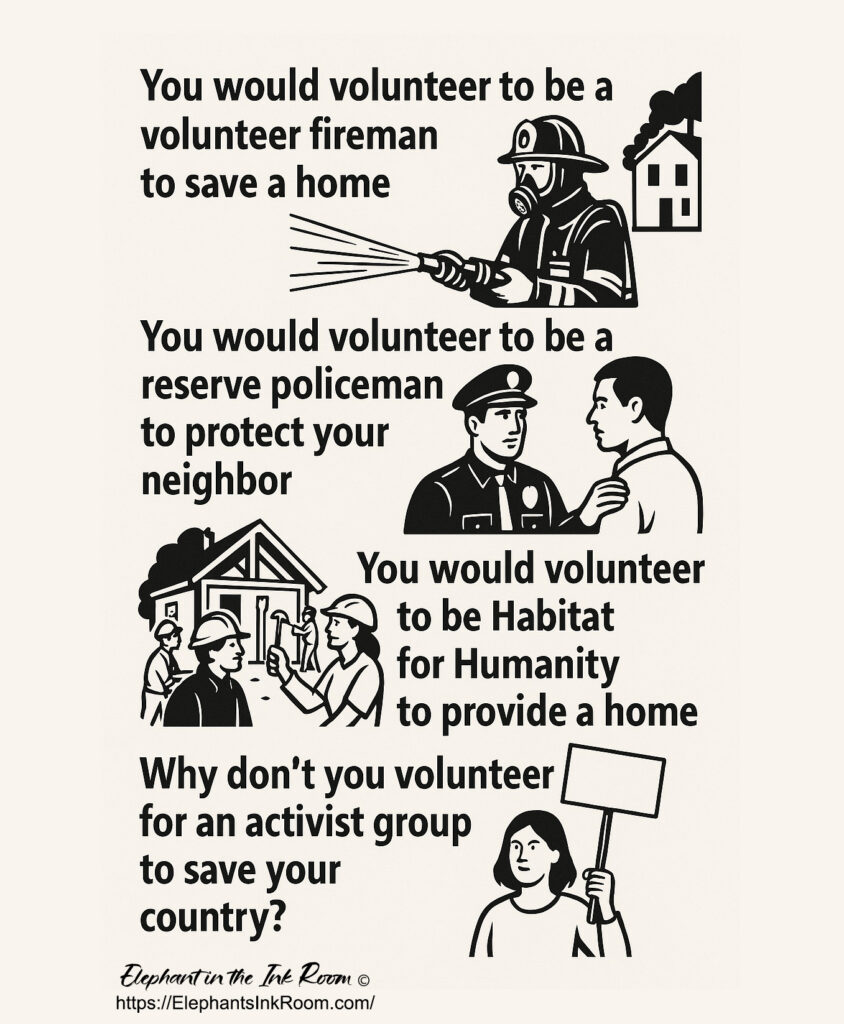
If we’re heading toward authoritarianism, polarization, or colla
pse, it’s because too many people have chosen silence over effort.
You don’t have to fix everything. But you do have to pick something.
Or someone else will pick it for you.
Share this:

Electorial College or Popular Vote
Public Opinion (2023–2024 polls):
~60% to 65% of Americans support deciding presidential elections by popular vote.
~35% to 40% prefer keeping the Electoral College.
Source: Pew Research, Gallup, Axios/Ipsos, and others.
Partisan Divide:
Democrats: Around 80% favor the popular vote.
Republicans: Around 60–65% prefer the Electoral College.
Independents: Lean toward popular vote, but less strongly (~55–60%).
This split has grown since 2000 and 2016 — both years where Republicans won the presidency while losing the national popular vote.
Why People Support Popular Vote:
Simpler and more democratic: each vote counts equally.
Avoids “swing state” bias — candidates currently focus on a handful of battlegrounds.
Prevents outcomes where the Electoral College winner loses the popular vote.
Why People Defend the Electoral College:
It protects smaller states from being ignored by big population centers.
It forces candidates to build broader coalitions across regions.
It’s part of the federalist structure — states choose electors, not individuals directly.
Compromise in the Works?
Yes — the National Popular Vote Interstate Compact (NPVIC) is a workaround gaining traction:
States agree to give their electoral votes to the winner of the national popular vote — once enough states join to reach 270 electoral votes.
So far, 17 states + D.C. have joined (totaling 205 electoral votes as of 2025).
Summary:
Most Americans support a national popular vote.
But political self-interest and structural inertia keep the Electoral College firmly in place — for now.
The path forward may come through the NPVIC, not a constitutional amendment.
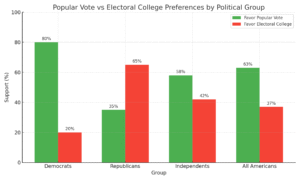
Here’s the chart showing support for the Popular Vote vs. Electoral College across major political groups. As you can see:
-
Democrats overwhelmingly favor the popular vote.
-
Republicans strongly prefer the Electoral College.
-
Independents lean toward the popular vote but are more divided.
-
Overall, most Americans favor switching to a popular vote system.
Share this:

“Boring? Try Being a Moderate.”
“Boring? Try Being a Moderate.”
“Boring. You’re boring. You’re a moderate. How boring.”
Yeah, I’m a moderate. Do you know what that actually means? Because I’ll tell you this: it’s not boring.
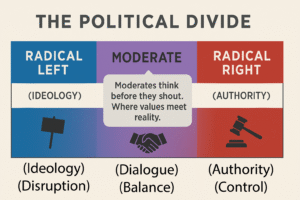
Let’s take a simplified look at our current politics. We have a two-party system locked in a tug-of-war between extremes. Each side keeps attacking the other, and in response, both sides retreat further — farther left, farther right — until they’re not just disagreeing anymore, they’re trained to hate each other. That’s not governance. That’s dysfunction.
So what are we left with? Two radical ends.
The Radical Left:
Let’s start here, since it’s the one I get accused of belonging to most weeks. The far left wants to burn the whole house down and build something better on the ash — capitalism, institutions, the slow grind of incremental reform, all of it gets treated as the problem rather than the tools you’d use to fix the problem. Race, gender, climate, economic equality — real issues, every one of them — but somewhere along the way “let’s talk about this” got replaced with “agree with me completely or you’re the enemy.” That’s not activism, that’s a purity test with a hashtag attached — and purity tests don’t build coalitions, they burn the people who were standing right next to you.
The Radical Right:
Now the other end. The far right isn’t burning the house down — they’re trying to lock everyone else out of it and call it heritage. Authoritarian instincts dressed up as patriotism, a nostalgia for a version of the country that mostly worked if you looked and worshipped a certain way, and a willingness to bend democratic norms whenever those norms get in the way of keeping power. They’ll tell you it’s about liberty. Loyalty to the tribe beats loyalty to the law more often than either side wants to admit.
And then there’s us. The moderates. Maybe what’s sometimes called the “silent majority.”

The Moderate Middle:
The moderate middle is often dismissed as indecisive or dull, but in reality, it’s where the hard work of democracy happens. It’s the space where values meet reality — where compromise isn’t weakness, but a strategy for progress. Moderates challenge extremism on both sides, not by shouting louder, but by thinking deeper — weighing facts, listening to others, and choosing country over party. It may not grab headlines, but the middle holds the line when others pull us apart.
Now, if you’re reading my articles, rants, and commentary, you might think I lean left. But that’s only because of the current administration — a gang of political gangsters whose zealousness is causing damage that could take generations to repair.
But make no mistake: if it were Marxists or Leninists destroying us, I’d be saying the exact same thing. Sometimes you have to throw the punch across the line to be heard. That doesn’t mean you switched sides — it means you’re paying attention.
If you feel the need to belong somewhere, take a look at something like the Forward Party. They seem grounded. They seem sane. But I’m not here to recruit you. I’m here to challenge you: Be a thinker, not a follower.
I’ve made mistakes. I’ve been swindled, both financially and politically. But it wasn’t because I was ignorant — and that’s the one thing I want for you, too.
Just take one hour. One hour a week. Do some real research. Learn what’s really going on. Then make decisions. Do something.
The Silent Majority — yes, majority — has to find its voice. It’s no longer safe or sane to just go along with the flow. If you’re still a Republican or Democrat just because that’s what your family always was (that used to be me), ask yourself this:
Is the country we live in today the same one your father or grandfather built their values on?
If not? I’m not asking you to change — I’m asking you to be sure.
Share this:

Tell Me About the Forward Party
On
- purple
Tell Me About the Forward Party
The following is the response I recieved from Grok.
The Forward Party, often shortened to Forward (FWD), is a centrist political party in the United States founded by Andrew Yang, a former Democratic presidential and New York City mayoral candidate. Launched in 2021 as a political action committee (PAC), it aims to provide an alternative to the two-party system by reducing partisan polarization and implementing electoral reforms. In July 2022, it merged with the Renew America Movement and Serve America Movement to strengthen its efforts, with a goal of achieving ballot access in all 50 states by 2025 and federal recognition by 2028.
If you want more information on the Forward Party, please vitit their web site. Join the Movement
Core Principles and Goals The Forward Party emphasizes pragmatic, data-driven solutions over ideological rigidity, rejecting the extreme partisanship of the traditional left-right spectrum. Its primary focus is on democratic reform, including: Electoral Reforms: Advocating for open primaries, ranked-choice voting, and independent redistricting commissions to reduce gerrymandering and increase voter choice.
Vibrant Democracy: Empowering voters with more choices and confidence in government through systems that prioritize accountability and representation.
Free People and Thriving Communities: Promoting individual choice, rejecting hate, and fostering safe, flourishing communities with policies tailored to local needs rather than top-down mandates.
Bottom-Up Governance: Unlike traditional parties, Forward avoids a rigid national platform, encouraging local leaders to craft solutions specific to their communities.
The party positions itself as “Not Left. Not Right. Forward,” appealing to independents, moderates, and those disillusioned with the Republican and Democratic parties. It supports candidates across the political spectrum—Democrats, Republicans, and independents—who align with its values of collaboration, integrity, and problem-solving.
Key Features Candidate Support: Forward endorses candidates at local, state, and federal levels who share its principles, often cross-endorsing Democrats and Republicans. For example, in 2022, it backed candidates like Sen. Lisa Murkowski (R-AK) and Rep. Mark Kelly (D-AZ). It also supports its own candidates in states where it has ballot access.
No Presidential Run: The party has stated it will not run a presidential candidate in 2024, focusing instead on reducing partisan gridlock in Congress and state legislatures.
Grassroots Approach: Forward builds from the ground up, starting with local races like school boards and city councils, aiming to create a sustainable third-party presence over multiple election cycles.
Financial Backing: The party started with a $5 million budget in 2022, with contributions from donors like William Perkins and groups like the Renew America Movement. It reported raising $97,607.59 from January to June 2025.
Criticisms and Challenges Lack of Platform: Critics argue the party’s lack of a specific policy platform makes it vague and ineffective, with some comparing it to failed tech startups like Theranos for prioritizing disruption over substance. Former national press secretary Mary Anna Mancuso noted its reliance on Yang’s personality and lack of ideological cohesion.
Spoiler Concerns: Some Democrats fear Forward could siphon votes, inadvertently helping Republicans in close races, though the party insists its endorsement strategy and focus on electoral reform mitigate this risk.
Skepticism on Viability: Political analysts doubt its ability to break the two-party dominance, citing historical failures of third parties and the challenge of gaining widespread support without clear policy stances.
Current Sentiment and Activities Growth Efforts: Forward is actively working to gain party registration in states like California (needing 75,000 registrations) and Pennsylvania, where achieving 2% of the vote in certain races could grant minor party status.
Public Perception: Posts on X reflect mixed views, with some praising its rejection of partisanship () while others criticize it as a “failed” or “vapid” stunt lacking substance.
Recent Developments: In 2024, Forward held its national watch party in Philadelphia, expressing optimism about laying the foundation for future growth despite electoral losses. Leaders like Andrew Yang and Craig Snyder emphasized long-term goals over immediate wins.
Why It Matters The Forward Party taps into widespread dissatisfaction with the two-party system, with polls showing 51% of Americans identifying as independents and two-thirds believing a third party is needed. Its focus on electoral reform and local governance aims to address systemic issues like polarization and voter disenfranchisement, though its success hinges on overcoming skepticism and building a durable infrastructure.
Share this:

A Call for Violence—Is That Really What You Want?
/
RSS Feed
A Call for Violence—Is That Really What You Want?
For most of us, the answer is no. But there are some out there who want to play Rambo—and I understand the temptation.
After all, First Blood had a message: push people too far, and they break. And yes—Trump has drawn first blood. That’s on him, no matter how he tries to spin it.
But is violence the answer? I hope not.
Because Trump’s army is being built—we see it. And yes, it’s evil.
Not because they’re enforcing immigration laws, but because of how they’re doing it.
We’re watching armed bullies act with impunity—given permission to intimidate, provoke, and escalate. And it’s not random. It’s strategic. They are pushing the buttons.
They need to be stopped—and they need to be stopped now.
Every day that passes, they grow stronger, bolder, more dangerous.
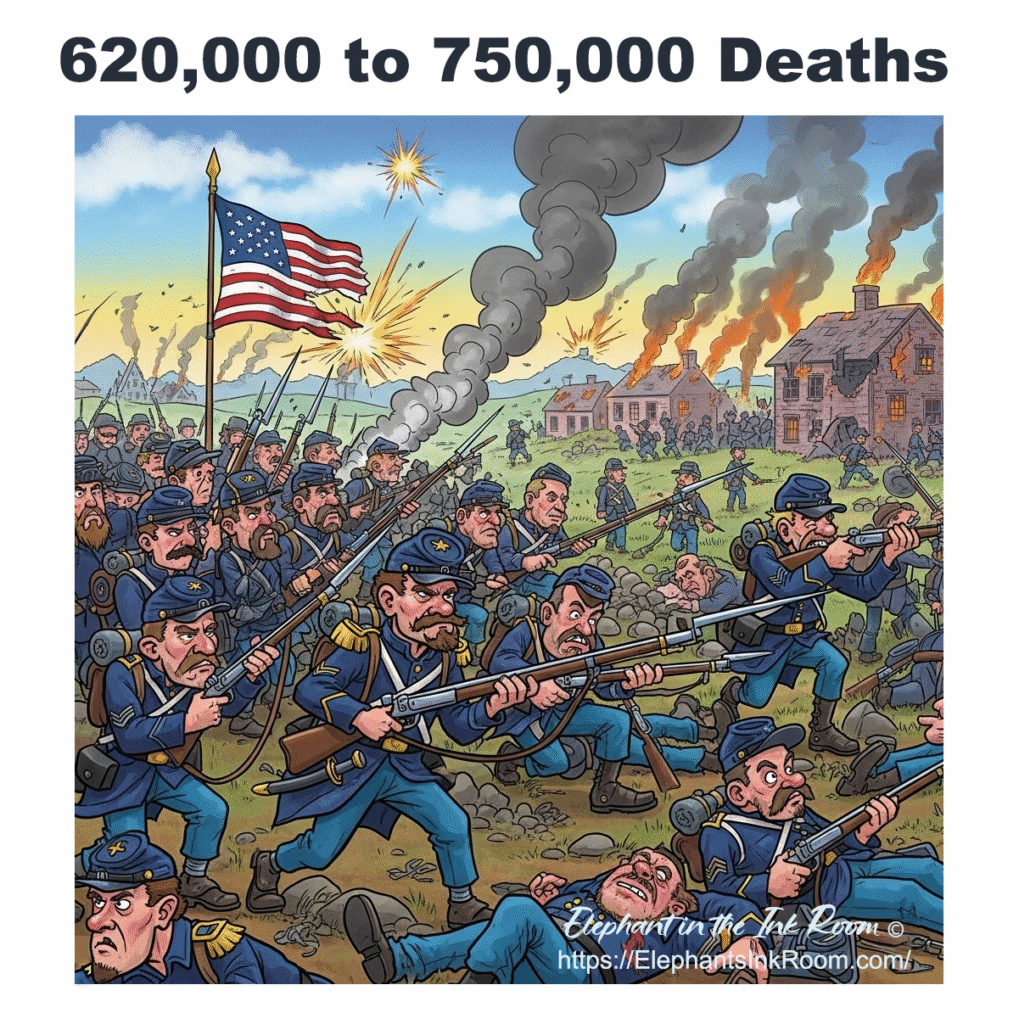
But here’s the trap: if you answer their violence with violence, you’re walking straight into Trump’s plan.
He needs the chaos. His playbook is short—and this is the play:
Provoke violence. Then declare martial law.
Once that happens, democracy won’t stand a chance.
These are dangerous times. We must resist—but not fall into his hands.
We must fight back—but not start a war.
Go back to peaceful demonstrations. Go back to community rallies.
Go back to trusting in democracy—and fighting for it the right way.
Go back to your families, but don’t give up. And don’t give in.
Make your signs personal. Speak from the heart.
When you see the uniformed enforcers, remind them: their oath is to the Constitution, not the President.
Ask them: Is this what you want for your children’s future?
Ask them: Do you want a fight? Because if you do, it won’t be a foreign enemy. You’ll be fighting fellow Americans—Americans who won’t bow, won’t flinch, and won’t move out of the way.
We stand for a country that still belongs to all of us.
Don’t let Trump burn it down to save himself.
Share this:

🥒 Well, This Is a Fine Pickle We’re In
/
RSS Feed
Well, This Is a Fine Pickle We’re In
Now what can we do about it?
First off, let’s figure out just who did this to us.
All of you. That’s who.
I’m blameless.
Well, maybe not completely blameless. I didn’t vote for him—I wrote in a name, thinking that would “send a message.”
To who? Probably nobody. But hey, it made me feel better.
Let’s start casting blame where it belongs.
The Non-Voters
You’re to blame.
Maybe if you’d actually shown up, the outcome would’ve been different. Democracy doesn’t run on vibes—it runs on participation.
The Democrats

Wake. Up.
You knew Biden was slipping. Everyone knew. And you picked him anyway, assuming Trump didn’t have a chance.
He was nuts, sure—but he had a loyal following.
He had dirt. On everybody. Senators. Congressmen. You name it.
And Epstein? Oh, right. There never was an Epstein—just more “fake news.” But if Musk read the Epstein files, where do you think he read them? Yeah. Duh.
And Kamala Harris?
I’m not sexist. But she was attached to the Biden administration like a sidecar on a sinking motorcycle.
Trump crucified the whole administration, and she’s the backup plan?
Democrats, seriously—get your act together.
Quit the infighting. Form a real party line or we’ll be stuck with Trump until he dies—and then his loyalists will carry on like foot soldiers in a post-apocalyptic monarchy.

The Party-less Voters
Yep. You too.
You saw the writing on the wall. Most of you didn’t want Trump or Harris—fine. But this isn’t fantasy football. You don’t get points for having cool opinions while the house burns down.
Look hard at someone like the Forward Party. Moderates. Grounded. Some idealism but not delusional. Take it seriously this time.
Third-Party Voters (and Me)
I’m all for third parties. I’m a moderate.
But when the devil’s knocking, don’t do what I did.
Hold your nose, vote for the lesser evil. It sucks. But it’s better than a man who told you to your face that he wanted to be a dictator.
That “ha ha” wasn’t a joke. He meant it.
The Republican Voter Who Just Votes the Line
“My granddaddy was Republican, my daddy was Republican, so I vote Republican.”
Well, grow up.
I did. And for way too many years, I voted the party no matter who was running. That was my mistake. Don’t make it yours.
The MAGA Crowd—Two Kinds
Let’s be real—there are two MAGAs:
-
The ones who genuinely want to Make America Great Again.
Smaller government. Border security. Law and order.
I get it. I want those things too. I want affordable healthcare. Kids who aren’t hungry. An American Dream worth chasing. -
The Cult of Trump.
You think he’s your Jesus. Your savior. You’d sacrifice your firstborn for him if he told you to.

To the First MAGAs (Not in the Cult)
Stop saying “this isn’t what I voted for.”
Because yes it is.
He said it. You heard him.
Tariffs. Deportations. Endless executive power.
He told you who his friends were. You knew.
You just didn’t want to believe it. You thought he was bluffing.
Next time—if there is a next time—pay attention.
It’s not just your life on the line. It’s your grandchildren’s future. And that’s a terrifying thought.
To the Trump Loyalists
You’re the worst of all.
Just a bunch of haters looking for someone to blame for your own misery.
You don’t want to fix anything—you want to burn it all down.
And you’re willing to follow a man who’d gladly sacrifice you if it made him king.
Final Thought for the MAGA Base
Take off those stupid red hats.
Better yet, put them on, and come help us fix this.
We need you to help take Trump down.
But when we do, we’ve got work to do—his loyalists are embedded deep.
And if we don’t root them out, Trump won’t need a second term.
He’ll keep pulling the strings from Mar-a-Lago, louder and stronger than ever.
If you have read this far, then there is one question for you, and it’s the most important one you will ever be asked out here. What is Plan B?
Don’t have one? don’t know? well get to work on it.
Share this:

Okay, He’s Been Impeached, Now What?
/
RSS Feed
Where We Actually Are (in this scenario):
-
Trump has been back in office since January.
-
By July, disillusionment is widespread:
-
MAGA realizes they were sold a fantasy. Jobs aren’t returning, the “enemies” list keeps growing, and now even they are scared of his next target.
-
The Left already hated him, but now even centrist Democrats and old-guard Republicans are whispering about invoking the 25th or impeachment.
-
The VP? Handpicked for loyalty, not leadership—probably spineless and dangerous.
-
What We’re “Stuck With” If He’s Impeached/Removed Now:
1. Vice President Puppet
-
Could be J.D. Vance, Stefanik, Noem, Donalds, or another MAGA diehard.
-
Their presidency would appear calmer, but only because they’d be doing the same authoritarian playbook—just with better manners.
-
No one elected them. They were chosen to be a loyalist safety net.
2. Deep State of Fear
-
Even if Trump is removed, his influence remains through:
-
Loyalty oaths and NDAs
-
Stacked judiciary
-
Intelligence agency blackmail files
-
Pardoned loyalists in key positions
-
He could be the shadow president, feeding directives from Mar-a-Lago or prison.
-
3. Civil Instability
-
MAGA diehards may riot or splinter.
-
The Left won’t celebrate—they’ll fear what’s next.
-
The Middle is numb and angry.
Share this:

Trumps Cognitive Decline or Dementia
/
RSS Feed
Good morning. Let’s walk through what’s known, what’s speculative, and what’s observable regarding Trump’s mental state — particularly the concern over possible cognitive decline or dementia.
What’s Observable:
Over time — and especially in recent years — Trump has shown a number of visible changes in behavior, speech, and memory that have led some observers (including former aides and medical professionals) to speculate about cognitive decline, possibly even dementia or frontotemporal degeneration. These include:
Verbal Confusion and Word Salad
-
Increasing slurring of words and tangential rants
-
Repeating phrases like “many people are saying” without follow-up
-
Nonsensical tangents mid-sentence (e.g., jumping from policy to personal grievances)
-
Confusing names and historical facts (mixing up Nancy Pelosi with Nikki Haley, or Obama with Biden)
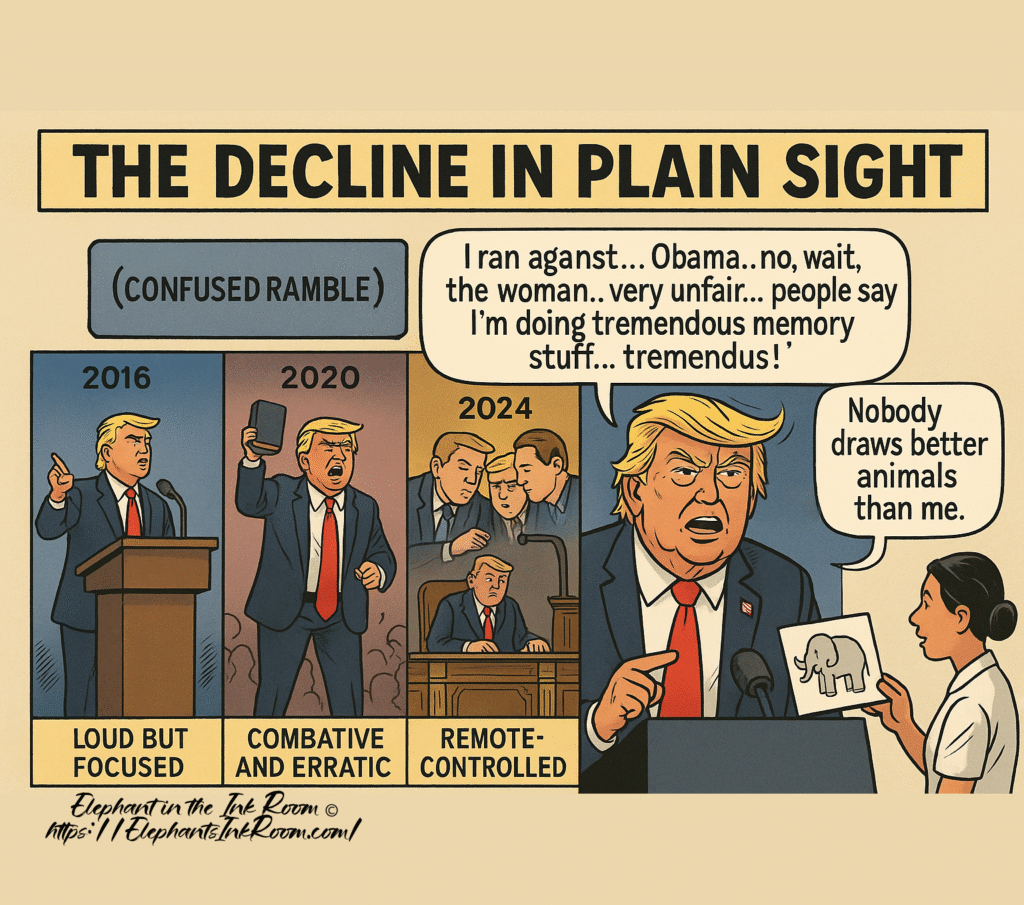
Temporal Confusion and Memory Lapses
-
Claiming he beat Obama in an election (he ran against Hillary Clinton and Biden)
-
Repeated confusion of basic facts he used to confidently wield (dates, countries, officials)
-
Forgetting major policy positions he previously pushed
Behavioral Signs
-
More erratic, disinhibited public appearances (e.g., calling people “stupid,” “fat,” or worse)
-
Dramatic increase in grievance-oriented thinking and paranoia
-
Inability to process criticism without outbursts or projection
-
Long, rambling speeches where coherence breaks down over time
Medical Context (Without a Diagnosis)
Doctors who haven’t personally examined Trump cannot ethically diagnose him, but some neurologists and psychologists have raised red flags, including:
-
Possible frontotemporal dementia (FTD): A form of dementia marked by personality change, emotional flatness, and language disruption — more common in the 70s.
-
Cognitive fatigue: Long rallies or interviews often show him deteriorating in energy, focus, and coherence over time.
The group Duty to Warn (psychologists warning of presidential instability) has pointed to malignant narcissism, but that’s psychological, not neurological — though these can coexist.
How Trump and His Team Respond
-
Trump has bragged about passing a cognitive test, repeatedly mentioning he “aced” the Montreal Cognitive Assessment (which screens for basic dementia signs).
-
His public defenses often reinforce concerns, such as challenging Biden to “take a test,” as if this somehow proves his own sharpness.
-
Allies tend to dismiss critiques as political attacks, calling his behavior “strategic” or “authentic.”
Context: Comparison with Biden
Both men have had their cognitive fitness questioned — but Biden’s is often tied to slowness, stammering, or stiffness, while Trump’s is about impulse control, paranoia, and disorganized thinking. These are different types of decline, and one doesn’t negate the other.
What To Watch For
-
Worsening speech coherence over time
-
Delusions of grandeur or persecution
-
Increasing paranoia or fixation on enemies
-
Public lapses in understanding context or basic facts
-
Reliance on simple language, filler phrases, or repetitive content
Besides, we all know

Share this:

What Now? When Everyone Knows, But No One Moves
On
- Commentary, purple
/
RSS Feed
What Now? When Everyone Knows, But No One Moves
We’ve reached the point where Donald Trump’s mental decline is no longer whispered speculation—it’s observable, repeated, and dangerous. His slurred speech, wandering thoughts, invented stories, and childlike tantrums aren’t occasional slips; they’re symptoms. The man who once blustered with bombast is now often lost in word salad, praising imaginary people, confusing basic facts, and recycling lies even he seems to forget are lies. The signs of cognitive impairment are glaring.
And yet… the machine rolls on.
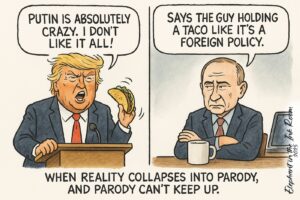
The Republican Party, which once argued that age and mental acuity must be evaluated in a president, now turns its eyes downward in unified silence. These are not stupid people. They see what we see. But they’ve chosen to ride the broken-down chariot as long as it still gets them closer to power. History is littered with men who lost their minds while surrounded by flatterers who gained by pretending otherwise.
This is not just about Donald Trump anymore. It’s about the people—senators, governors, donors, media personalities—who have decided that winning matters more than governing, more than stability, more than reality.

It’s about us, too.
Because if a man who cannot form a coherent sentence is handed the nuclear codes again, it won’t be because no one knew better. It will be because enough people decided it didn’t matter.
We don’t need more videos proving he’s unfit. We need a national gut-check about what we’re willing to accept in a leader. Not just from Trump, but from those who prop him up like a gilded weekend-at-Bernie’s mascot of a movement they no longer control.
The 25th Amendment is real. Primary challenges are real. Convention delegates, party leadership, and state-level ballots still matter. But none of it will happen unless enough Americans—on both sides—stop pretending this is normal.
Trump’s mind is fading. That’s tragic. What’s worse is the moral fadeout of those who see it clearly… and keep marching anyway.
Share this:

Elon’s New Party – MAGA rebranded?
On
- Commentary, purple
The ideologies listed under this fictional or satirical “America Party” (AMP) — Neoliberalism, Economic Nationalism, Right-Wing Populism, and Libertarianism — aren’t radically different from the forces already influencing American politics. Let’s break them down and compare them to our current landscape:
Neoliberalism
-
Definition: Market-oriented reforms, deregulation, privatization, reduced government spending.
-
Already Present? Yes — this has been a dominant economic philosophy in both major parties since the 1980s (think Reagan, Clinton, even Obama-era trade and tech policy).
-
Impact Today: Corporate power, gig economy, Wall Street influence, limited social safety net.
Economic Nationalism
-
Definition: Protecting domestic industries, reducing imports, emphasizing national self-sufficiency.
-
Already Present? Yes — Donald Trump mainstreamed this with tariffs, “America First,” reshoring rhetoric. Biden has continued some of these policies in the CHIPS Act and energy independence push.
-
Impact Today: Supply chain protectionism, anti-China policy consensus, labor-market recalibration.
Right-Wing Populism
-
Definition: Anti-elite, anti-establishment, often nativist, appealing to the “common man.”
-
Already Present? Absolutely — Trumpism thrives on this, and many GOP candidates emulate it. Even RFK Jr. and certain Dem factions dabble in populist messaging.
-
Impact Today: Political polarization, conspiracy-friendly narratives, erosion of trust in institutions.
Libertarianism
-
Definition: Small government, personal freedom, reduced regulation, low taxes.
-
Already Present? Partially — more as a flavor in GOP rhetoric (tax cuts, 2nd Amendment) and tech/crypto culture. But few in power are truly libertarian.
-
Impact Today: Deregulation in certain sectors, hostility to federal oversight (esp. in tech and finance).
So What’s New Here?
This “party” feels like it’s repackaging current ideologies under a new banner, possibly as satire or a fictional what-if. The blend reflects what we already see:
-
A corporate-libertarian mindset (Musk-ian),
-
A nationalist streak from post-2016 politics,
-
And disillusionment with traditional parties.
In short: this isn’t much of a shift — it’s more like formalizing what we’ve already slid into.
Share this:

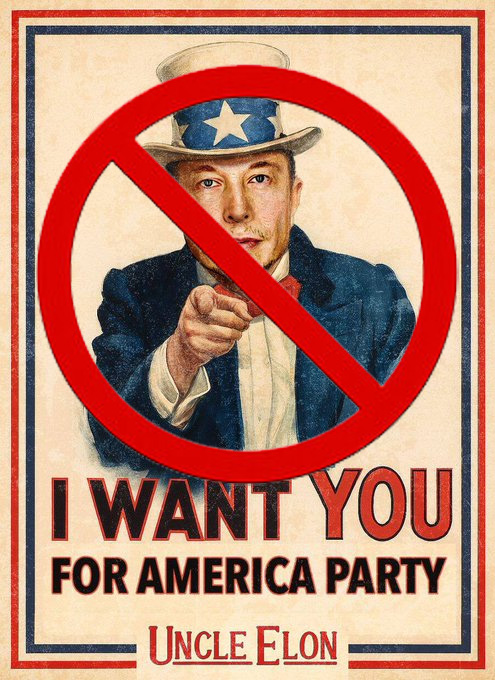


About Here – How it started, and where it is going.
/
RSS Feed
For those interested—yes, all seven of you—you might just be the real Magnificent Seven.
In the distant past, a billionaire caught my attention. He promised positive change, and I voted for him.
Then I had four years to watch and learn. I realized I’d made a mistake—but at the time, I still thought he was the best we had to offer.
Then came the day of reckoning: January 6th.
Oh boy, did he convince me of the error of my ways. I have to admit, his performance had been so bad that I voted for the opposition, if only because the Republican Party had started embracing MAGA: Make Americans Gullible Again.
The next four years? Honestly, not so bad.
I’m a moderate, and the Democrats’ WOKE movement was too far left for my taste—but life went on. Meanwhile, #45 kept stumping, kept selling cheap Chinese junk like it was treasure. The only thing of value? The money MAGA supporters kept pouring into it. And don’t get me started on the endless “contribute now” emails.
Then came another election. I couldn’t stand the Putz, and I wasn’t thrilled with the alternative either. So I wrote in someone I believed in—Nikki Haley.
I knew she didn’t have a chance, but I hoped someone might notice the message behind the vote.
Fast forward a few months, and my suspicions were confirmed. I’m not willing to live through another Nazi Germany, not if I can help it.
So, I started speaking up—using satire and cartoons to say what I wanted to say.
You know what they say: one picture is worth a thousand words.
Then I really got into it.
It was fun. It felt rewarding. But it needed more.
So, I built a website.
I began creating commentaries—messages based on what I believe to be true. Not hate-based. Just good, common sense and Fact checked.
As time passed, I kept wondering: what happens if we impeach the Putz?
And I’ll admit, I was hesitant to see the Vice President take over. Why?
Because he doesn’t stand for America. He sold his soul to the devil to get his foot in the door.
I still didn’t see real leadership rising on the left either.
I like Jasmine for her outspoken attacks.
I like AOC—I think she’s honest.
But at this point, I don’t see either as the leader we need.
So… what if?
What if we could bypass both the MAGAs and the WOKEs?
What if we had a no-party movement?
What if we could form teams—not politicians, but just good Americans?
A President and Vice President who believe in balance.
Who could work together for a better America.
An America I could be proud of.
An America the world respected again—one they stopped laughing at.
That’s why I started assembling Dream Teams.
These are pairings of people I think would give it their all:
Keep America strong.
Support the military.
Secure the borders.
Stand up for the poor.
And live by one guiding motto:
“No child dies of starvation or lack of medicine on our watch.”
Sounds good to me.
How about you?
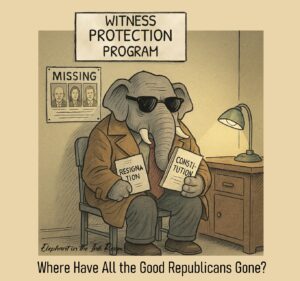
About the Author
I joined the military at 17 in 1963 and somehow walked away after 6 years with an honorable discharge—despite forcing my immaturity on the U.S. government. Since then, I’ve spent a lifetime learning, creating, and occasionally yelling at the TV. Now I use satire, commentary, and political cartoons to say what too many are afraid to say: this country is worth fixing, and it won’t fix itself.
Could I use some help YES, Doing this isn’t cheap, Not cheap in Time and Not Cheap building this message. So think about helping me out. Money is always good so if you want to donate then please do. Otherwise reuse this content, re-post what you find that rings true to you, the message is worth just giving this to you.
Share this:

The Teams, Just the Teams.
Is this what you want?

Otherwise check these possibilities out.
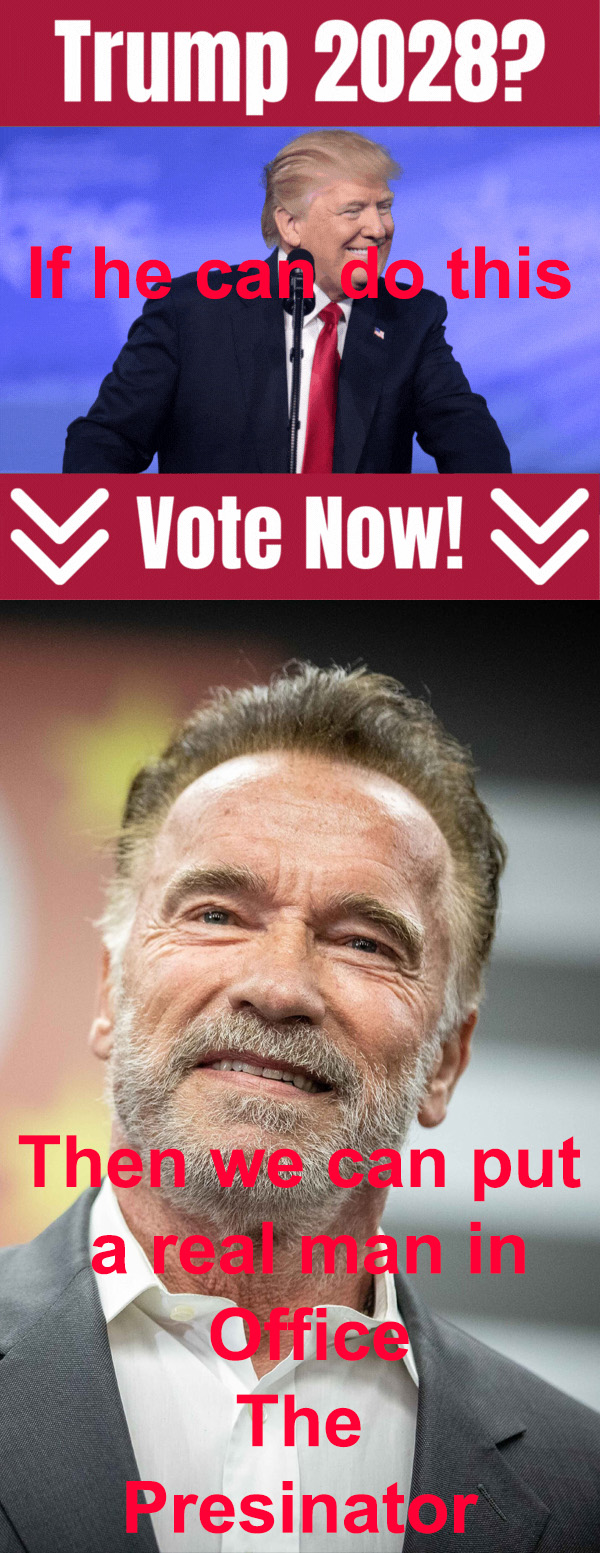
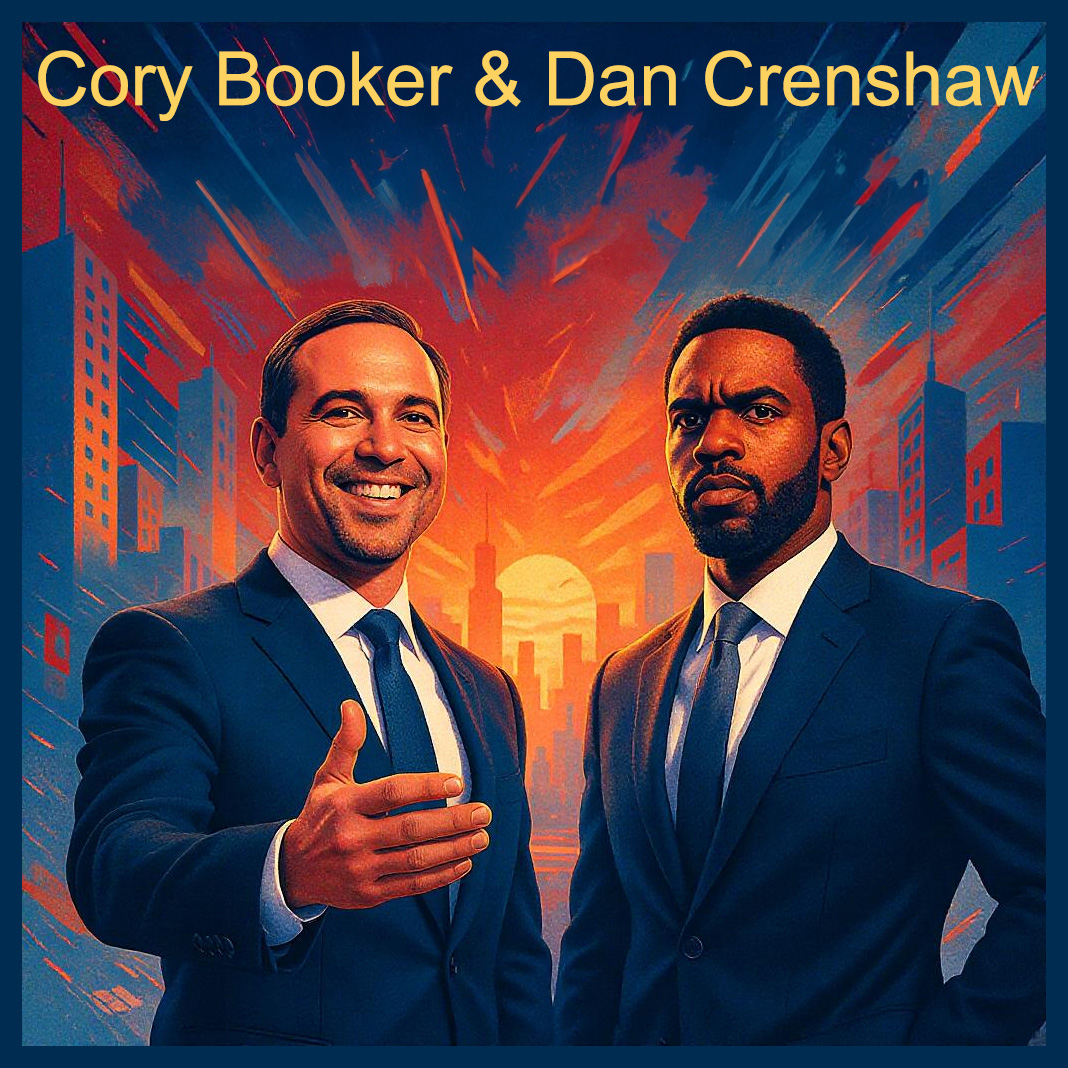

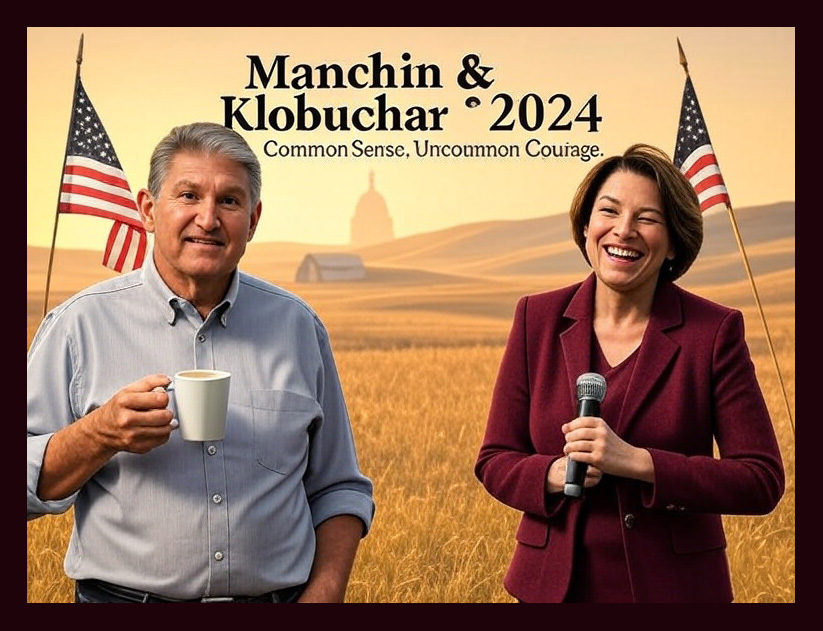
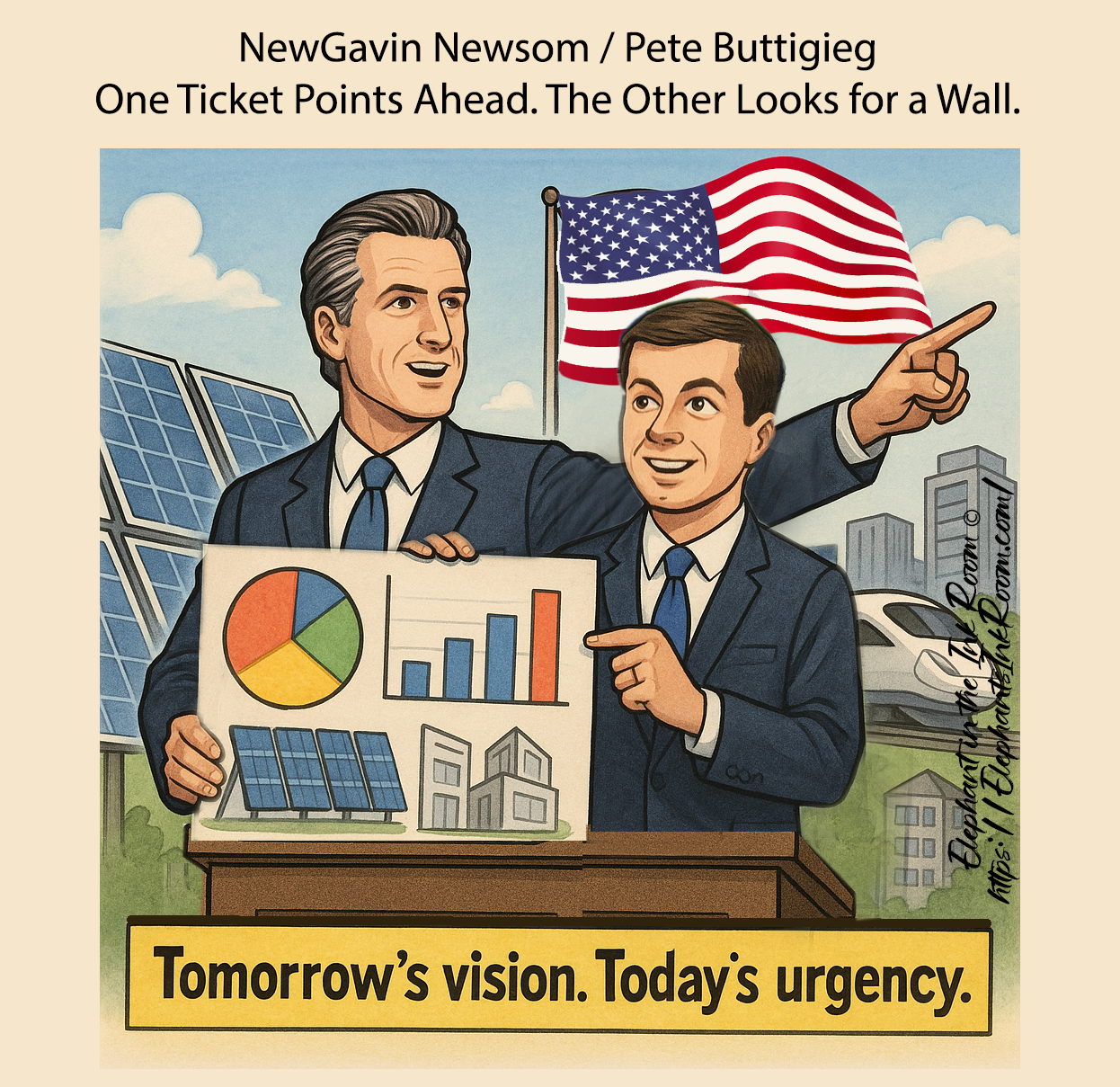
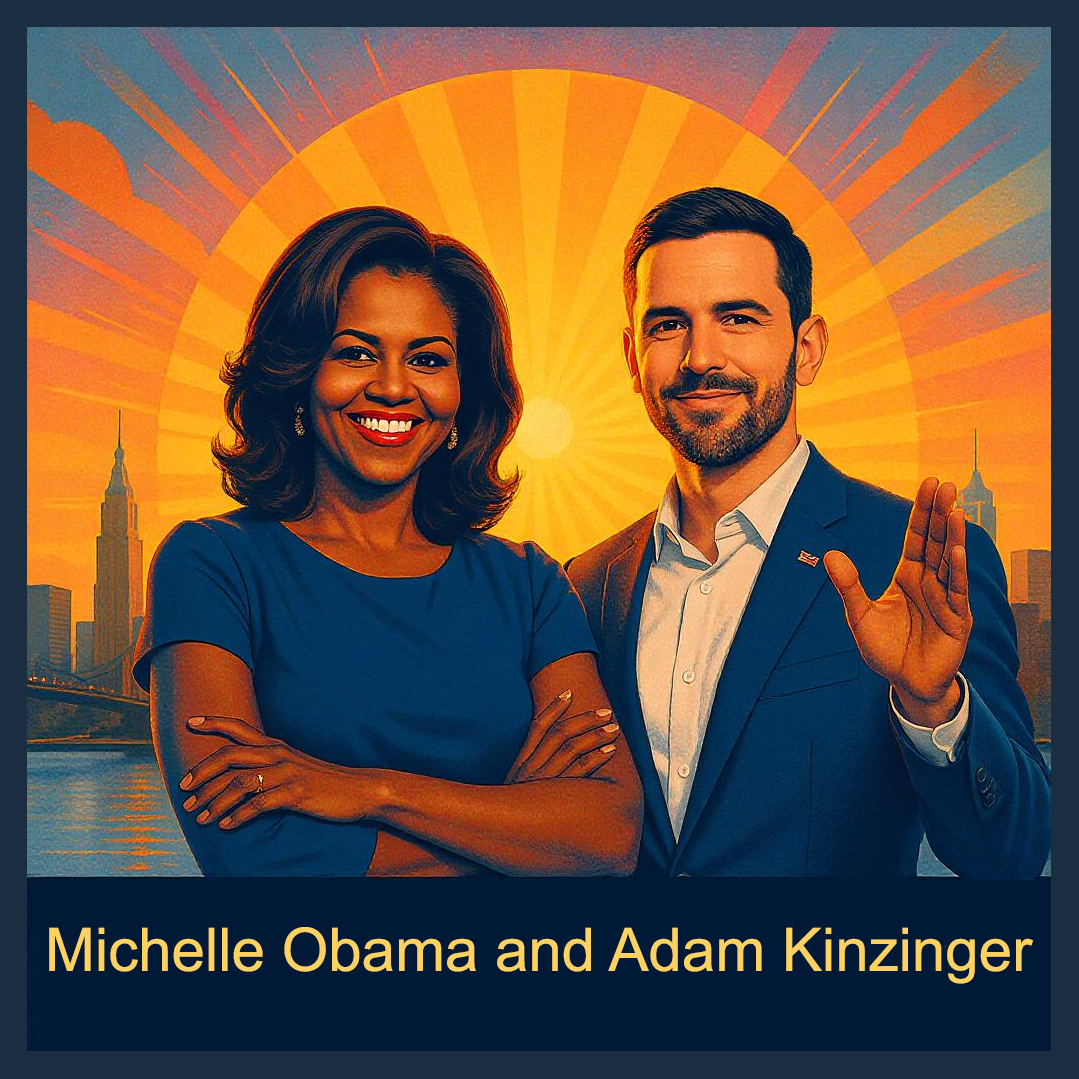
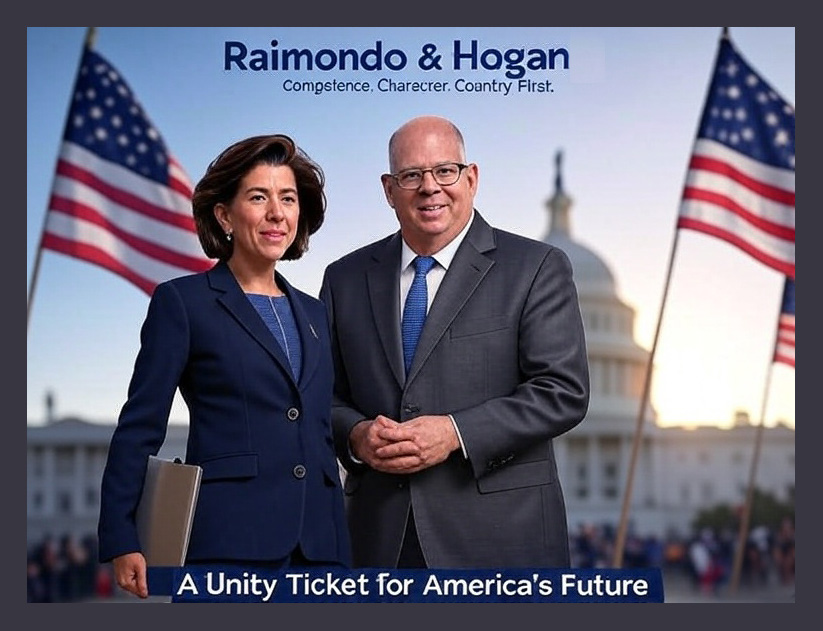


Share this:

The Purple Hat Party
The Purple Hat Party It’s FREE, you don’t join, you become.

Truth. Justice. The American Way.
Not owned by any agenda.
Not bought by corporations or oligarchs.
We serve the people who elected us — and answer only to the United States of America.
A note on appearances: this site reads as left-leaning, and I understand why. But what I am actually fighting against is a current administration so far to the radical right that it can no longer honestly be called conservative. Traditional conservatism — fiscal responsibility, limited government, rule of law, respect for institutions — has been abandoned by the very party that once claimed to own it. Opposing what is happening right now doesn’t make you a liberal. It makes you someone paying attention. I’d like to think there are honest conservatives out there who feel the same way, and this page is partly an olive branch to them.
“Boring? Try Being a Moderate.”
But make no mistake: if it were Marxists or Leninists destroying us, I’d be saying the exact same thing. Sometimes you have to throw the punch across the line to be heard. That doesn’t mean
2026 – 2025 Fork
2025. the joke was on us, they flew at us so fast we couldn't keep up. The only way to respond was through satire and parody, but it may may be good or it may
250 Years, and you don’t know why we are celebrating?
Meanwhile the home-born, the ones handed this country at birth, the ones who never had to sit for a test or prove they earned it — half of them can't tell you what happened 250
A Beginner’s Guide to the Federalist Society
Influence: Huge impact on the judiciary. Many federal judges (including 6 current Supreme Court Justices with ties) are members or recommended by the group. Helped shape conservative legal thinking on issues like gun rights, free
A Call for Violence—Is That Really What You Want?
When you see the uniformed enforcers, remind them: their oath is to the Constitution, not the President. Ask them: Is this what you want for your children’s future? Ask them: Do you want a fight?
A Conservative Case for Restraint
It falls to Republicans to make a hard but patriotic choice: Preserve one man’s ego, or preserve the constitutional order. The conservative answer should be obvious.
A few Dark Money Examples, Oh Yeah’s to sleep well with.
You don’t have to take my word for it. Most of us have already seen this — we just didn’t always know what we were looking at. A Few “Oh Yeah” Examples of Dark Money
A Pivot Opportunity on America’s Mental Health Crisis – Redirecting Priorities from Endless War
You have the platform (X), cash, and disruption cred to make this viral and bipartisan—addressing blue-city street crises and rural opioid/mental health gaps without heavy ideology. It aligns with your existing views, scales like your
A Real-Time Example (Why Markets React Faster Than Voters) – Healthcare in America
Industry groups warn of potential disruptions when 2027 coverage renews in late 2026, though final rates will not be set until April. This adds pressure to an already challenging Medicare Advantage landscape, where many plans
About Here – How it started, and where it is going.
As time passed, I kept wondering: what happens if we impeach the Putz? And I’ll admit, I was hesitant to see the Vice President take over. Why? Because he doesn’t stand for America. He sold
Addressing Mental Health – “A Practical Approach:”
Part of the reason is that we’ve treated it like a political problem. Something to be argued over. Something funded or defunded depending on who’s in charge. Something that shifts direction every few years without
An Open Letter to Governor Tina Kotek and Mayor Keith Wilson: Portland’s Welcome Wagon for the Uninvited Guests
Commandeer the Food Trucks: Rally a squad of our iconic mobile kitchens—Voodoo Doughnut for the sugar rush, Nong's Khao Man Gai for that Thai soul food hug, and a fleet of taco wagons from the
Anyone Home?
Bottom line: Democrats, Independents, even RINOs — get a voice, and get it now. 2028 is just a little more than two Christmases away. Stay quiet, stay the same, and Trump's already got his Trump
Arabella Advisors (via the Sixteen Thirty Fund)
Distance from local impact National funding routed through professionalized networks can shape outcomes in local or state-level debates without local communities fully understanding where the support originated.
Back to that Daily Coffee.
So what is below is jumping into the middle of a discussion, but you should get the drift. We need to figure this stuff out, we need to act, not always react. You may say,
Balancing Green Ambitions with Real-World Energy Needs
Rather than vilifying fossil fuels entirely, we should demand smarter use. Cleaner-burning technologies, stricter emissions standards, and investments in carbon capture can reduce their impact while giving renewables time to scale. Likewise, green energy advocates
Ballot Access is Just the Beginning 07/18/2026
This week, we're spotlighting endorsements in two states where Forward Party has earned party status. It is not a fast process and requires meeting state-specific requirements for voter registration, petition thresholds at the organizational level,
Ballrooms and Breadlines: When Power Loses Touch With People
I can understand the conservative point of view here. I’m conservative by heart and by history. I believe in responsibility, not dependency. I’ve seen the waste, the abuse, the fraud that creeps into welfare systems.
BBQs, Candidates, and Grassroots support! 08/07/2026
Hello Forward Friends- As the summer begins to wind down and sample ballots start to go out, I have the scoop you've all been waiting for: Forward endorsed candidates! Filing deadlines are past and
Behind the Scenes — The Secrets of Mediocrity and Old Age
I was chasing. And it was predictable. I was getting to where I could do half a dozen cartoons a week before the events even happened, because I had figured out the pattern. Which led
Bernie, Bernie, Bernie
I received a "look at what I am doing" email from Bernie Sanders and because I hate comments or sound bites taken out of context I decided to share the complete email — without the
Betting Against The Economy, why would Trump do that?
When leaders or high-ranking officials make financial moves that profit from economic decline, it undermines the very foundation of public trust. Reports suggest former President Trump and some government officials may have engaged in activities
Between Socialism and Capitalism: Finding the Compromise
Between Socialism and Capitalism: Finding the Compromise Margaret Thatcher once said that “the problem with socialism is that you eventually run out of other people’s money.” She meant that systems built entirely on redistribution can
Brother Donalds Traveling Grift Show
“You know, I once healed the economy — true story, everybody says so. They say I walk on tariffs, I turn deficits into wine. And I can save you, too — for a very small
Burn it to the ground or contain the threat
If the Epstein materials threaten individuals far more powerful than Trump, then Trump’s resistance to transparency might be driven by external pressure. In such a scenario, the political system — including members of both parties
But I always thought..
What's it going to cost to tear all that crap down? and what are we going to do with that pile of extra D's and T's?
Bye Bye MAGA Hat
Trump blew it on Jan 6th, 2020 - He proved it was all about Him. Then I knew he was just a lying wanna be Dictator that would put America up for sale. Bash me
Christian nationalism isn’t really about Christianity at al
The GOP has a unified voice. You can agree with it or despise it, but you always know what it is. Democrats keep waiting for permission to find theirs. That's not a messaging problem. That's
Coda: What We Know Now – Healthcare in America Series 1
The purpose here was not to provide answers, but to establish a starting point grounded in reality rather than ideology. Any serious conversation going forward has to begin with what healthcare actually is: partially market,
Dark Money and Influence, It’s time to move on.
Not all dark money is a conspiracy and not all conspiracies use dark money.
Dark Money for Dummies — Part 1
“Dark money” sounds dramatic, like something illegal or conspiratorial. Most of the time, it’s neither. At its simplest, dark money is political spending where the true source of the money is hidden from the public
Dark Money for Dummies — Part 2
Once people understand what dark money is, the next question is obvious: If this creates so many problems, why does it exist at all? The short answer is not corruption or conspiracy.
Dark Money for Dummies — Part 3
The conspiracy's that aren't. Far cheaper Less crowded with competing messages Less scrutinized by media More consequential per dollar spent
Dark Money Today: From Montana to California and Beyond
Two months ago, we explored the Montana initiative as a test case for curbing dark money. The story didn’t end there. Today, states like California are building on that example, showing that structural solutions —
Dealing with the aftermath
Those who remain — especially those already planning to leave — should stand up now. Speak clearly. Let us know you are better than this administration, better than blind loyalty, better than silence. If you’re
Democrat Drops Out Setting Up Idaho Showdown 07/31/2026
Bill — This week, the disruption in Idaho’s Senate race opened up a new viable path for our independent to win. The Democratic nominee dropped out of the race, narrowing the field and leaving it
Different Strokes — How Many Chips Do You Want?
How many chips do you want? And while I'm telling you what I'm looking for in the next president, there's one more thing. I want a team from day one. Not a successor chosen in
Different Strokes — How Many Chips Do You Want? – Video
How many chips do you want? And while I'm telling you what I'm looking for in the next president, there's one more thing. I want a team from day one. Not a successor chosen in
Do you even Know what a Commie is? You Moron.
My message: RINO, Democratic Socialist, Democrat, or Independent, with or without an uppercase "I", we may really all want the same thing in the end. But the solutions will be different from each other, because
Electorial College or Popular Vote
Democrats overwhelmingly favor the popular vote. Republicans strongly prefer the Electoral College. Independents lean toward the popular vote but are more divided. Overall, most Americans favor switching to a popular vote system.
Elon’s New Party – MAGA rebranded?
The ideologies listed under this fictional or satirical "America Party" (AMP) — Neoliberalism, Economic Nationalism, Right-Wing Populism, and Libertarianism — aren't radically different from the forces already influencing American politics. Let’s break them down and
Fifteen Years later, Citizen United still is in the news and still the center of controversy
What can we do about it? As with anything thing in politics, the louder the voice, the more often it will be heard. You know where your phone is, you know where your email is,
Fires Everywhere
Trump isn’t just lighting political fires — he’s keeping them burning long enough to distract us from the real game. From DOJ slow-walks to federalizing D.C., from the Epstein fallout to filling Washington with loyalists,
Forward Party is Everywhere 08/21/2026
This week’s Fast Forward is building on the foundation we emphasized last week with the pursuits for ballot access, the expansion to 41 states, and the lasting infrastructure that will go beyond one election cycle.
Governing requires Thought not Fear
Governing requires thought, compromise, and foresight; dictating only needs instinctual levers: fear, greed, loyalty, and outrage.
Guest Post – Outrage Turned Us vs. Them Into Us vs. Us
That reality does not erase legitimate differences between left and right. It simply raises a different question: who benefits when citizens become so consumed by fighting one another that they stop paying attention to the
Healthcare – Closure of State Run Mental Facilities and Increase in Homeless Population
Overall, Oregon's closures are a microcosm of a national policy that prioritized deinstitutionalization without the necessary infrastructure, directly fueling homelessness by stranding vulnerable people. If you're diving deeper for your healthcare series, sources like HUD's
Healthcare in America — Series II: When Care Can’t Wait – Podcast Prelude
In the first episode, we’ll explore what urgent care actually is, and what it isn’t. We’ll see how immediacy changes the rules, compresses choices, and forces decisions that no one wants to make lightly. In
Healthcare in America Series II – Kicker: Why We Struggle to Talk About the Unavoidable
Most conversations about healthcare skip this moment. We jump to policy, budgets, and blame. We treat crises as exceptions rather than as signals. But the truth is that someone always absorbs the weight when care
Healthcare in America Series II, Part 1 – What Urgent Care Actually Is (and Is Not)
Urgency collapses options. Decisions that would normally take days, weeks, or months are compressed into minutes or hours. There’s no time to compare prices, shop for the best facility, or negotiate who sees you first.
Healthcare in America Series II, Part 2 – When Systems Built for Efficiency Meet Urgency
Most healthcare systems are built around averages. Schedules, staffing, and workflow all assume a level of predictability. Efficiency depends on forecasting, and forecasting depends on stability. But urgent care doesn’t follow a curve or a
Healthcare in America Series II, Part 3 – Who Absorbs the Consequences When Waiting Isn’t an Option
Urgency does not distribute impact evenly. Some patients are more vulnerable than others. Some families are better equipped to navigate complexity. And some communities have far fewer resources. The system doesn’t decide this intentionally. It
Healthcare in America Series II, Part 4 – How the System Is Actually Structured
Most of the anger and confusion people feel about healthcare doesn’t come from bad intentions or unreasonable expectations. It comes from assuming that healthcare is a single thing — a place, a person, or a
Healthcare in America Series II, Part 5 – Why Emergency Rooms Are Overwhelmed (And It’s Not “Abuse”)![20260209 1451 Image Generation simple compose 01kh29jg36e2ktzvhssw8j569r]()
Healthcare in America Series II, Part 5 – Why Emergency Rooms Are Overwhelmed (And It’s Not “Abuse”)
Is this urgent care? Is it the emergency room? Is it safe to wait?
Healthcare in America Series II, Part 6 – Insurance Is Not Healthcare
One of the most persistent misunderstandings in healthcare is the idea that insurance and care are the same thing. They’re related — but they are not interchangeable. This confusion shapes expectations, frustration, and even how
Healthcare in America Series II, Part 7 – The Invisible Layer — Administration
Healthcare administration isn’t a single office or department. It’s a web of functions required to make modern healthcare operable:
Healthcare in America Series II, Part 8 – What Patients Are Expected to Know (But Don’t)
Which setting is appropriate? How urgent is urgent? Who coordinates what happens next? These expectations exist — but the instruction rarely does.
Healthcare in America Series III – Kicker: Security Is a Feeling. Risk Is a Structure
Healthcare debates often center on security. People want to feel protected — protected from catastrophic illness, from unexpected bills, from system failure. That desire is reasonable. It is human.
Healthcare in America Series III – Part 1 Risk Doesn’t Disappear. It Moves
When risk moves to individuals, it is often described in the language of responsibility. We hear phrases like “consumer engagement” or “skin in the game.” But exposure and empowerment are not the same thing. Responsibility
Healthcare in America Series III – Part 2 Invisible Risk Carriers
Clinical risk is inherent in medicine. But modern practice also carries moral and structural risk. Practicing under constraint — limited time, limited staffing, insurance limitations, documentation demands — forces tradeoffs. Liability exposure exists alongside ethical
Healthcare in America Series III – Part 3 When Risk Accumulates
At the community level, accumulation can reshape access entirely. When a hospital closes, travel times increase. Emergency response lengthens. Recruitment of clinicians becomes more difficult. Economic stability shifts. Healthcare infrastructure is not separate from community
Healthcare in America Structural Reform Playbook Part 1 Administrative Oversight & Waste Reduction
Administrative tasks — billing, claims processing, coding, approvals — are necessary, but studies show U.S. administrative costs are roughly double those of comparable countries. That’s hundreds of billions of dollars each year that could be
Healthcare in America Structural Reform Playbook Part 2 Price Transparency & Negotiation
Price transparency is not about “free market” ideology; it’s about clarity, fairness, and predictability. When patients see costs clearly, the system becomes easier to navigate — and wasteful practices are exposed.
Healthcare in America Structural Reform Playbook Part 3 Integrated Care & Coordination
Integrated models — like Kaiser Permanente or other vertically coordinated systems — reduce these frictions by aligning care delivery, records, and financial flows.
Healthcare in America Structural Reform Playbook Part 4 Incentive Alignment for Prevention & Chronic Disease
Chronic disease drives the majority of U.S. healthcare costs. Managing it is not just a clinical challenge — it’s also a matter of incentives. Even small changes in how care is reimbursed or structured can
Healthcare in America Structural Reform Playbook Part 5 Rural & Underserved Access
Rural and underserved populations are canaries in the coal mine for healthcare stress. Structural interventions — not political promises — determine whether access is preserved.
Healthcare in America Structural Reform Playbook Part 6 Technology & Telehealth Optimization
When combined with oversight, transparency, and coordinated care, technology turns abstract reforms into real-world improvements that patients can see and feel. The series shows that practical, achievable reforms exist, even without overhauling the entire system.
Healthcare in America vs Socialized Medicine Today- End of Series
Roughly half or more of U.S. healthcare spending already flows through government programs. We are not a pure market system. We are a complex blend.
Healthcare in America, Follow the Money Part 1 The $4.5 Trillion Machine
American healthcare is not a single program. It is a layered payment network built over decades — employers, insurers, federal programs, state programs, hospital systems, physician groups, pharmacy benefit managers, pharmaceutical manufacturers, compliance divisions, coding
Healthcare in America, Follow the Money Part 10 Reform Principles: Aligning the System
The U.S. healthcare system is enormous, expensive, and complex. But it is not irredeemable. By focusing on structure, transparency, and incentives, it is possible to reduce waste, improve access, and align resources with actual care.
Healthcare in America, Follow the Money Part 2 Who Actually Funds the Machine?
Employers contribute a significant portion of the premium, but economists generally agree those costs are built into total compensation. In practical terms, health insurance premiums come out of wages — whether workers see the deduction
Healthcare in America, Follow the Money Part 3 Where the Money Goes
Price negotiation occurs through insurers and pharmacy benefit managers, but patients often experience unpredictability in costs, especially for high-cost or specialty medications.
Healthcare in America, Follow the Money Part 4 Following the Dollar
Even here, the dollar is split: part covers the premium contribution from the employee, part comes from the employer’s share. Often, employees never see this money — it’s folded into total compensation. This means the
Healthcare in America, Follow the Money Part 5 Administrative Complexity: The Invisible Cost
Administrative complexity is invisible to most patients. You see your bills, your deductible, your co-pay — but rarely the thousands of small interactions behind them.
Healthcare in America, Follow the Money Part 6 Insurance Design: Why It Feels Complicated
Network design can be narrow, meaning that not every local provider is covered. This protects insurers from excessive risk but can frustrate patients who assume all doctors are treated equally under their plan.
Healthcare in America, Follow the Money Part 7 Chronic Disease: The Real Cost Driver
“The machine isn’t broken because of greed. It’s stressed because of chronic demand and misaligned incentives.”
Healthcare in America, Follow the Money Part 8 Rural Healthcare & Consolidation: When the Machine Strains
Even when care is “available” virtually, the real-world friction remains: long travel times, delayed treatment, and fragmented services.
Healthcare in America, Follow the Money Part 9 Incentive Audit: Who Really Benefits?
Structural Takeaways Complexity, consolidation, and financial engineering create winners and losers. The system works for efficiency and risk management, but not always for access, affordability, or simplicity. Understanding incentives is essential before discussing reform: any
Here they come to save the day!
It may be time to realize you don't need a majority of a single party to guide the decisions. Wouldn't it be something if no party held all the power?
Here we are at a time of reflection, peace and compassion, what are we missing?
I'll keep is short because it's obvious, it's trust. We have nothing to trust. Especially our Government. When there isn't even an effort to disguise a lie anymore, when we are expected believe whatever we
Hey SCOTUS, it’s time to start doing what’s right.
It's time to put the Nation first and tell the Pumkin Head where to put it. Current Status Payments on Hold: Full November SNAP benefits are paused nationwide pending the 1st Circuit's ruling and potential
Hey Senator, the President didn’t Elect you, we did.
Stop pretending the party and the philosophy are the same thing “Rapid swings create unintended consequences — let’s slow this down.”
High‑Level Analysis: How a Bipartisan Containment Strategy Could Incentivize Both Parties
If the Epstein materials threaten individuals far more powerful than Trump, then Trump’s resistance to transparency might be driven by external pressure. In such a scenario, the political system — including members of both parties
How about some Real Free Speach
I'm thinking of a free speech challenge to Elon, is bot traffic free speech, is ad revenue theft free speech, is radical left or right hate bot meme attacks free speech or is an honest
How Citizens United Came to Be: From a Hillary Hit Piece to Unlimited Corporate Cash in Elections – Dark Money
Fifteen years later (and counting), the ruling birthed super PACs, record-shattering election spending, and ongoing calls for a constitutional amendment to overturn it. Polls show overwhelming public opposition across party lines. Was Citizens United a
How REAL Social Media FREE SPEACH Could Work
No child exploitation No credible threats of violence No doxxing of private individuals No coordinated foreign interference No impersonation or fraud #FreeSpeechTest #BotFree #SocialExperiment #HumanDiscourse #FreeSpeechTest #SocialExperiment
How to Protect your Voting Rights
Question what you are being told, check with your State, The State controls voting, not the Federal Government and especially not the current administration. You will lied to and you will be threatened. Follow these
If There Are No Records, There Is No Legacy
If the records have no enduring value, then neither does the archive meant to hold them. Return the land. Cancel the project. Call it what it is.
If You Aren’t MAGA
In Remembrance of Stephen Colbert and Jimmy Kimmel, who will be next?
If You Want to Fix It, You Have to Touch It
You don’t get to sit in silence while others vote, organize, or legislate — and then act shocked when the country veers hard left or right. If the future looks more like a police state
In My Opinion. Trump hasn’t lost it, he never had it.
The following is un edited, my question and the reponse. And I asked for permission to use it. Question: Looking for an opinion, doesn't have to be fact and this is conversation, not fact checking.
Is it Time for a Time Out?
If that's really the plan, I've got one very big question I'd like answered soon. Who, exactly, is this Democrat? This Independent? This RINO? Take your pick. But whoever it is better make a stage
Is This You?
I must say terms like RINO are offensive and inaccurate. It should also be noted that the largest percentage of voters, over 45% align themselves as independents, maybe that's why both parties fight so hard
It isn’t funny anymore, so let’s get ready for tomorrow – Healthcare in America
. Not conspiracy theories, just a better understanding of the how and why. My goal wasn't to be partisan — it was to help readers better grasp the mechanics behind the curtain and make better,
It’s Not Which Side, It’s Looking In The Mirror
That's right, freedom — we fought for freedom. But somewhere in there should be a guarantee of protection. And I don't see anyone way up the ladder caring about protecting anyone anymore, except themselves. Have
It’s Not Which Side, It’s Looking In The Mirror – Video
That's right, freedom — we fought for freedom. But somewhere in there should be a guarantee of protection. And I don't see anyone way up the ladder caring about protecting anyone anymore, except themselves. Have
Leonard Leo has done more to reshape the American legal landscape than many senators, presidents, or judges.
No bombastic rallies, no orange spray tan, no obvious cult of personality. The media mostly sees him as “that judicial guy from the Federalist Society.” But under the radar, he’s weaponizing legal legitimacy, which is
Let’s Move Forward
I support the Forward movement because it is one of the few efforts trying to pull American politics out of the tribal trench warfare it has been stuck in for far too long. I don’t
MAGA – Is it too Late Getting Back on Track
So where do we go from here? We don’t need to abandon what we believed — we need to reclaim it. Not with rage, but with resolve. Not by burning everything down, but by rebuilding what’s
MAGA – What Trump Turned It Into
Trump didn’t build on the core of MAGA, he hijacked it. He turned a movement meant to restore dignity into one that demands loyalty over honesty, anger over results, and spectacle over service. He didn’t drain
“Boring? Try Being a Moderate.”
But make no mistake: if it were Marxists or Leninists destroying us, I’d be saying the exact same thing. Sometimes you have to throw the punch across the line to be heard. That doesn’t mean
2026 – 2025 Fork
2025. the joke was on us, they flew at us so fast we couldn't keep up. The only way to respond was through satire and parody, but it may may be good or it may

250 Years, and you don’t know why we are celebrating?
Meanwhile the home-born, the ones handed this country at birth, the ones who never had to sit for a test or prove they earned it — half of them can't tell you what happened 250
A Beginner’s Guide to the Federalist Society
Influence: Huge impact on the judiciary. Many federal judges (including 6 current Supreme Court Justices with ties) are members or recommended by the group. Helped shape conservative legal thinking on issues like gun rights, free
A Call for Violence—Is That Really What You Want?
When you see the uniformed enforcers, remind them: their oath is to the Constitution, not the President. Ask them: Is this what you want for your children’s future? Ask them: Do you want a fight?
A Conservative Case for Restraint
It falls to Republicans to make a hard but patriotic choice: Preserve one man’s ego, or preserve the constitutional order. The conservative answer should be obvious.
A few Dark Money Examples, Oh Yeah’s to sleep well with.
You don’t have to take my word for it. Most of us have already seen this — we just didn’t always know what we were looking at. A Few “Oh Yeah” Examples of Dark Money

A Pivot Opportunity on America’s Mental Health Crisis – Redirecting Priorities from Endless War
You have the platform (X), cash, and disruption cred to make this viral and bipartisan—addressing blue-city street crises and rural opioid/mental health gaps without heavy ideology. It aligns with your existing views, scales like your
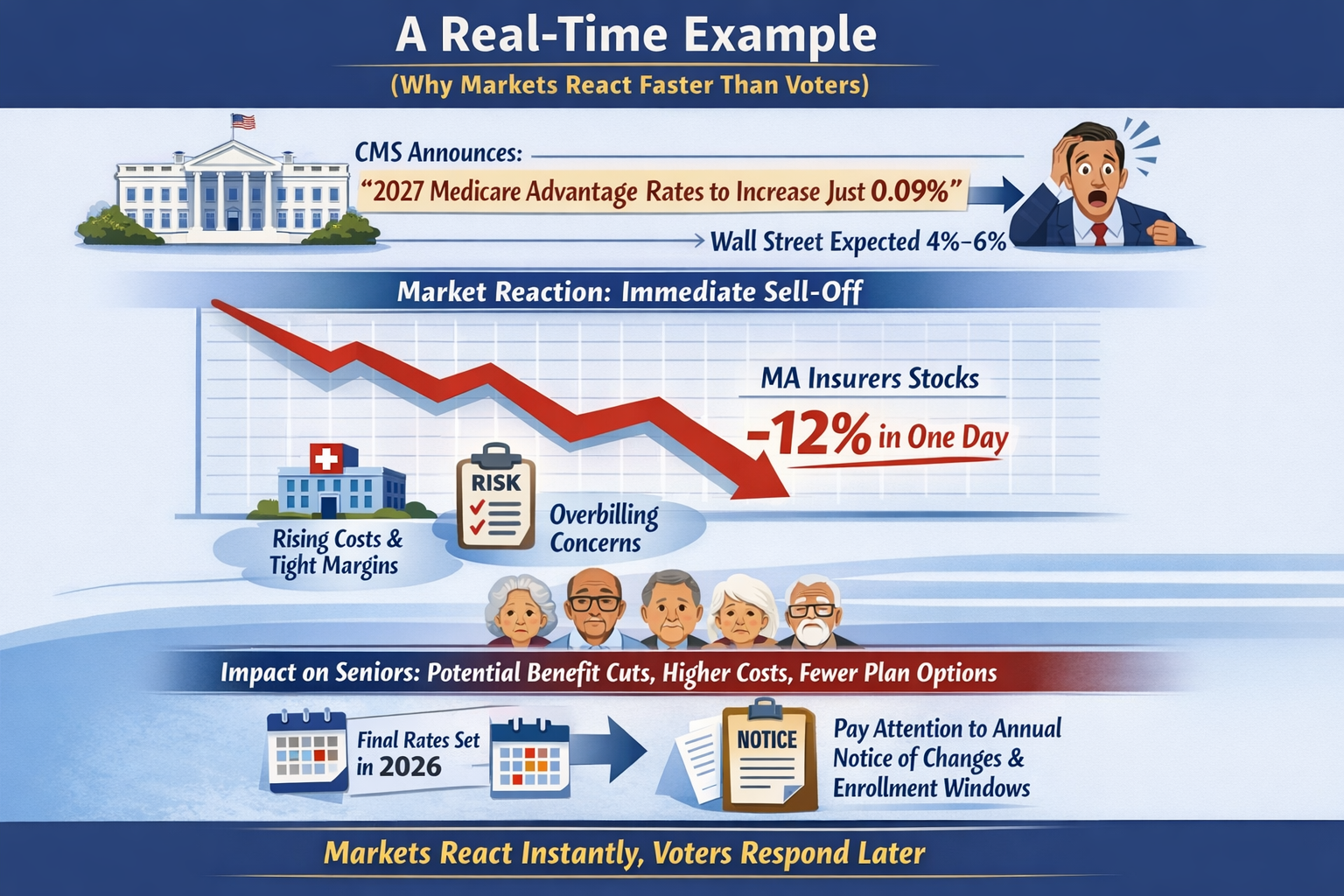
A Real-Time Example (Why Markets React Faster Than Voters) – Healthcare in America
Industry groups warn of potential disruptions when 2027 coverage renews in late 2026, though final rates will not be set until April. This adds pressure to an already challenging Medicare Advantage landscape, where many plans
About Here – How it started, and where it is going.
As time passed, I kept wondering: what happens if we impeach the Putz? And I’ll admit, I was hesitant to see the Vice President take over. Why? Because he doesn’t stand for America. He sold
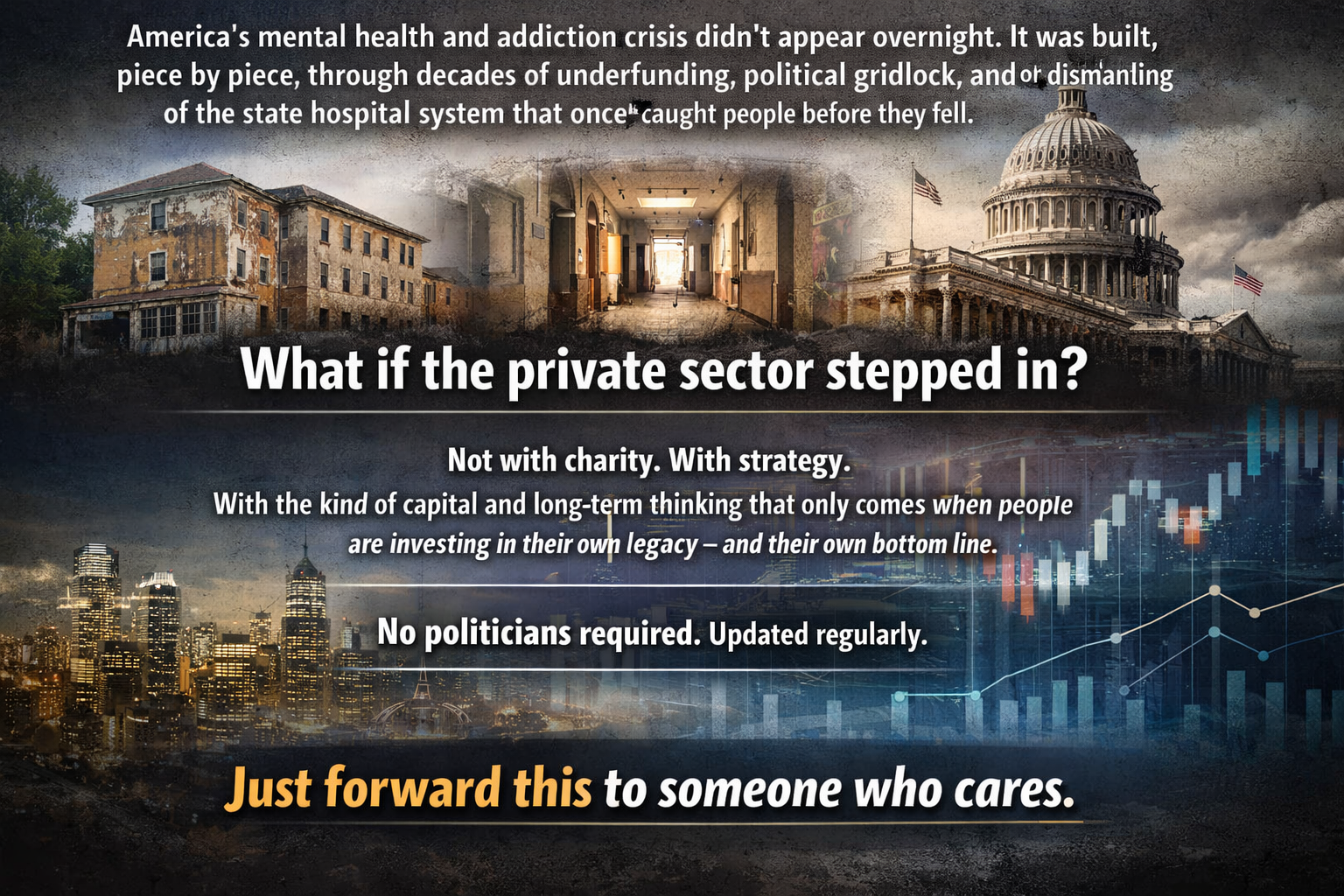
Addressing Mental Health – “A Practical Approach:”
Part of the reason is that we’ve treated it like a political problem. Something to be argued over. Something funded or defunded depending on who’s in charge. Something that shifts direction every few years without
An Open Letter to Governor Tina Kotek and Mayor Keith Wilson: Portland’s Welcome Wagon for the Uninvited Guests
Commandeer the Food Trucks: Rally a squad of our iconic mobile kitchens—Voodoo Doughnut for the sugar rush, Nong's Khao Man Gai for that Thai soul food hug, and a fleet of taco wagons from the

Anyone Home?
Bottom line: Democrats, Independents, even RINOs — get a voice, and get it now. 2028 is just a little more than two Christmases away. Stay quiet, stay the same, and Trump's already got his Trump

Arabella Advisors (via the Sixteen Thirty Fund)
Distance from local impact National funding routed through professionalized networks can shape outcomes in local or state-level debates without local communities fully understanding where the support originated.
Back to that Daily Coffee.
So what is below is jumping into the middle of a discussion, but you should get the drift. We need to figure this stuff out, we need to act, not always react. You may say,
Balancing Green Ambitions with Real-World Energy Needs
Rather than vilifying fossil fuels entirely, we should demand smarter use. Cleaner-burning technologies, stricter emissions standards, and investments in carbon capture can reduce their impact while giving renewables time to scale. Likewise, green energy advocates
Ballot Access is Just the Beginning 07/18/2026
This week, we're spotlighting endorsements in two states where Forward Party has earned party status. It is not a fast process and requires meeting state-specific requirements for voter registration, petition thresholds at the organizational level,
Ballrooms and Breadlines: When Power Loses Touch With People
I can understand the conservative point of view here. I’m conservative by heart and by history. I believe in responsibility, not dependency. I’ve seen the waste, the abuse, the fraud that creeps into welfare systems.
BBQs, Candidates, and Grassroots support! 08/07/2026
Hello Forward Friends- As the summer begins to wind down and sample ballots start to go out, I have the scoop you've all been waiting for: Forward endorsed candidates! Filing deadlines are past and

Behind the Scenes — The Secrets of Mediocrity and Old Age
I was chasing. And it was predictable. I was getting to where I could do half a dozen cartoons a week before the events even happened, because I had figured out the pattern. Which led

Bernie, Bernie, Bernie
I received a "look at what I am doing" email from Bernie Sanders and because I hate comments or sound bites taken out of context I decided to share the complete email — without the
Betting Against The Economy, why would Trump do that?
When leaders or high-ranking officials make financial moves that profit from economic decline, it undermines the very foundation of public trust. Reports suggest former President Trump and some government officials may have engaged in activities
Between Socialism and Capitalism: Finding the Compromise
Between Socialism and Capitalism: Finding the Compromise Margaret Thatcher once said that “the problem with socialism is that you eventually run out of other people’s money.” She meant that systems built entirely on redistribution can
Brother Donalds Traveling Grift Show
“You know, I once healed the economy — true story, everybody says so. They say I walk on tariffs, I turn deficits into wine. And I can save you, too — for a very small
Burn it to the ground or contain the threat
If the Epstein materials threaten individuals far more powerful than Trump, then Trump’s resistance to transparency might be driven by external pressure. In such a scenario, the political system — including members of both parties
But I always thought..
What's it going to cost to tear all that crap down? and what are we going to do with that pile of extra D's and T's?
Bye Bye MAGA Hat
Trump blew it on Jan 6th, 2020 - He proved it was all about Him. Then I knew he was just a lying wanna be Dictator that would put America up for sale. Bash me
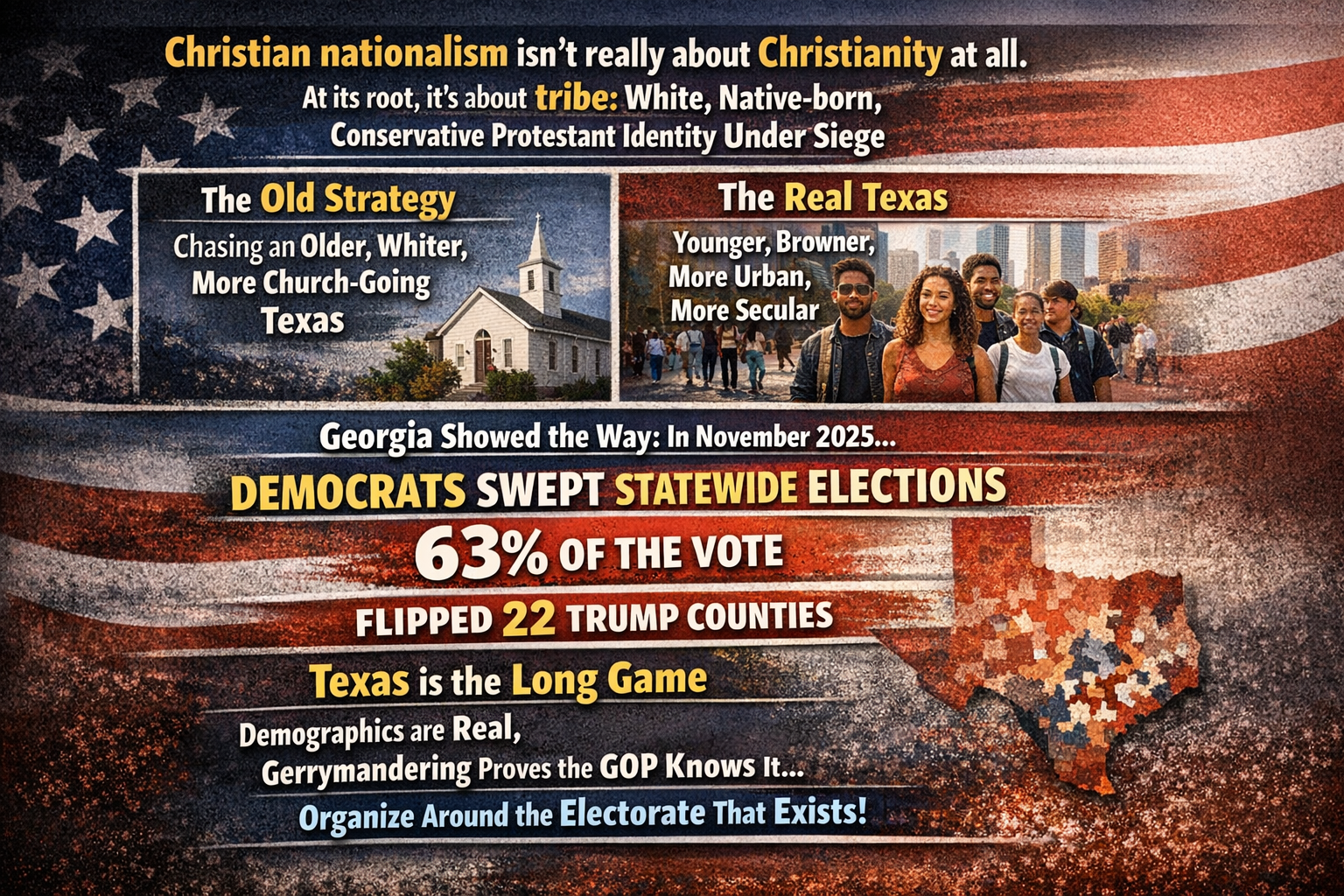
Christian nationalism isn’t really about Christianity at al
The GOP has a unified voice. You can agree with it or despise it, but you always know what it is. Democrats keep waiting for permission to find theirs. That's not a messaging problem. That's

Coda: What We Know Now – Healthcare in America Series 1
The purpose here was not to provide answers, but to establish a starting point grounded in reality rather than ideology. Any serious conversation going forward has to begin with what healthcare actually is: partially market,
Dark Money and Influence, It’s time to move on.
Not all dark money is a conspiracy and not all conspiracies use dark money.
Dark Money for Dummies — Part 1
“Dark money” sounds dramatic, like something illegal or conspiratorial. Most of the time, it’s neither. At its simplest, dark money is political spending where the true source of the money is hidden from the public
Dark Money for Dummies — Part 2
Once people understand what dark money is, the next question is obvious: If this creates so many problems, why does it exist at all? The short answer is not corruption or conspiracy.
Dark Money for Dummies — Part 3
The conspiracy's that aren't. Far cheaper Less crowded with competing messages Less scrutinized by media More consequential per dollar spent
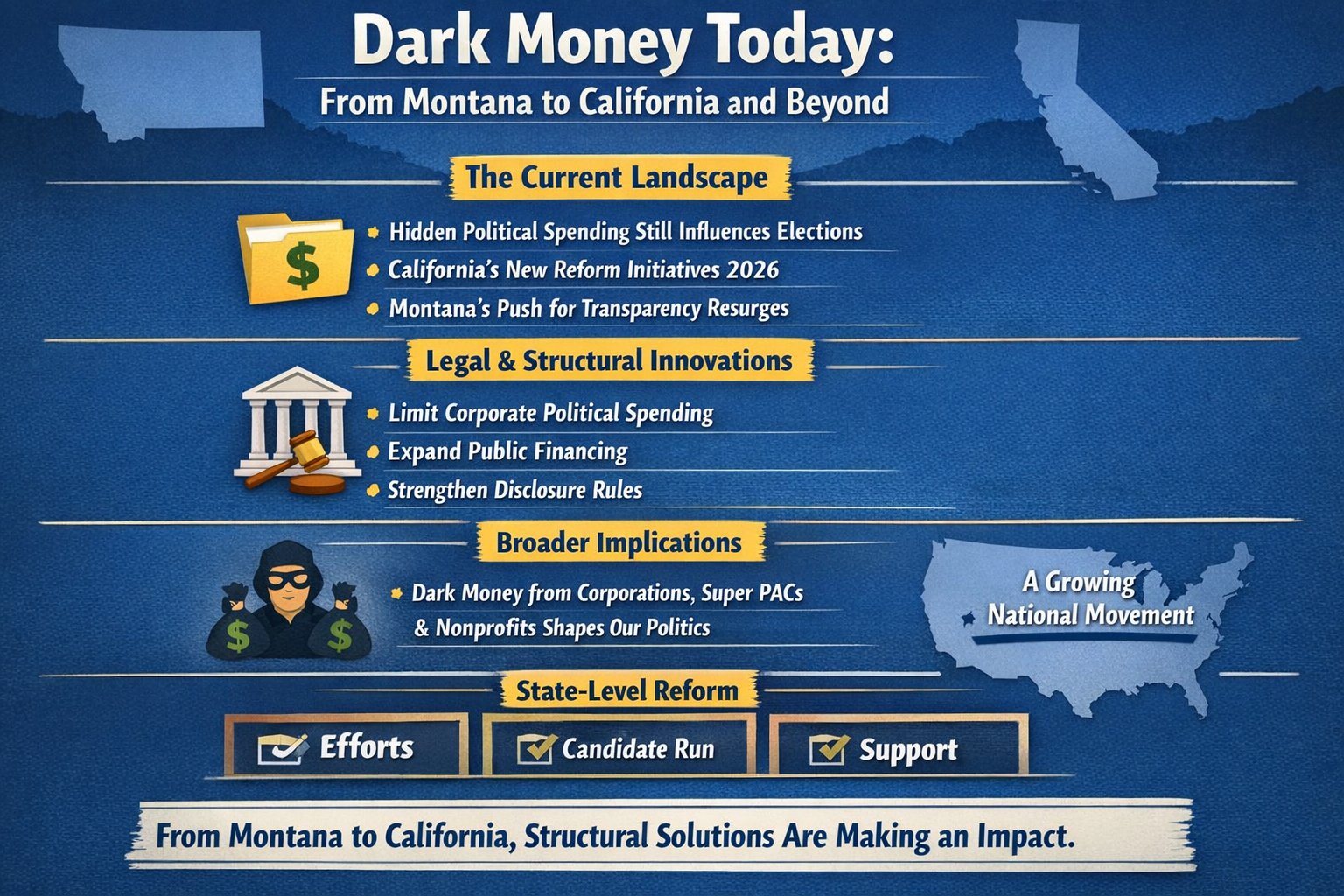
Dark Money Today: From Montana to California and Beyond
Two months ago, we explored the Montana initiative as a test case for curbing dark money. The story didn’t end there. Today, states like California are building on that example, showing that structural solutions —
Dealing with the aftermath
Those who remain — especially those already planning to leave — should stand up now. Speak clearly. Let us know you are better than this administration, better than blind loyalty, better than silence. If you’re
Democrat Drops Out Setting Up Idaho Showdown 07/31/2026
Bill — This week, the disruption in Idaho’s Senate race opened up a new viable path for our independent to win. The Democratic nominee dropped out of the race, narrowing the field and leaving it

Different Strokes — How Many Chips Do You Want?
How many chips do you want? And while I'm telling you what I'm looking for in the next president, there's one more thing. I want a team from day one. Not a successor chosen in
Different Strokes — How Many Chips Do You Want? – Video
How many chips do you want? And while I'm telling you what I'm looking for in the next president, there's one more thing. I want a team from day one. Not a successor chosen in

Do you even Know what a Commie is? You Moron.
My message: RINO, Democratic Socialist, Democrat, or Independent, with or without an uppercase "I", we may really all want the same thing in the end. But the solutions will be different from each other, because
Electorial College or Popular Vote
Democrats overwhelmingly favor the popular vote. Republicans strongly prefer the Electoral College. Independents lean toward the popular vote but are more divided. Overall, most Americans favor switching to a popular vote system.
Elon’s New Party – MAGA rebranded?
The ideologies listed under this fictional or satirical "America Party" (AMP) — Neoliberalism, Economic Nationalism, Right-Wing Populism, and Libertarianism — aren't radically different from the forces already influencing American politics. Let’s break them down and
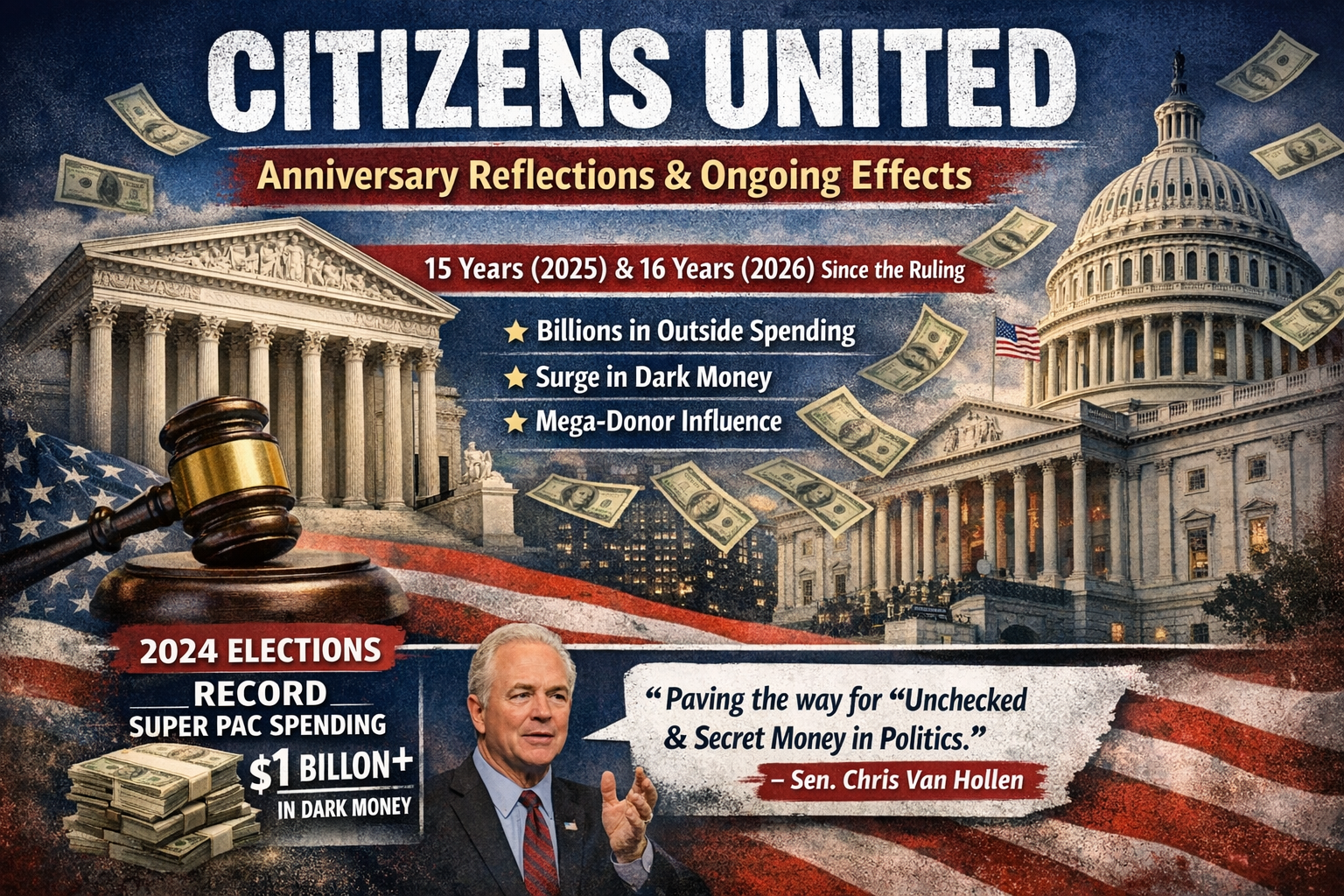
Fifteen Years later, Citizen United still is in the news and still the center of controversy
What can we do about it? As with anything thing in politics, the louder the voice, the more often it will be heard. You know where your phone is, you know where your email is,
Fires Everywhere
Trump isn’t just lighting political fires — he’s keeping them burning long enough to distract us from the real game. From DOJ slow-walks to federalizing D.C., from the Epstein fallout to filling Washington with loyalists,
Forward Party is Everywhere 08/21/2026
This week’s Fast Forward is building on the foundation we emphasized last week with the pursuits for ballot access, the expansion to 41 states, and the lasting infrastructure that will go beyond one election cycle.
Governing requires Thought not Fear
Governing requires thought, compromise, and foresight; dictating only needs instinctual levers: fear, greed, loyalty, and outrage.

Guest Post – Outrage Turned Us vs. Them Into Us vs. Us
That reality does not erase legitimate differences between left and right. It simply raises a different question: who benefits when citizens become so consumed by fighting one another that they stop paying attention to the
Healthcare – Closure of State Run Mental Facilities and Increase in Homeless Population
Overall, Oregon's closures are a microcosm of a national policy that prioritized deinstitutionalization without the necessary infrastructure, directly fueling homelessness by stranding vulnerable people. If you're diving deeper for your healthcare series, sources like HUD's
Healthcare in America — Series II: When Care Can’t Wait – Podcast Prelude
In the first episode, we’ll explore what urgent care actually is, and what it isn’t. We’ll see how immediacy changes the rules, compresses choices, and forces decisions that no one wants to make lightly. In
Healthcare in America Series II – Kicker: Why We Struggle to Talk About the Unavoidable
Most conversations about healthcare skip this moment. We jump to policy, budgets, and blame. We treat crises as exceptions rather than as signals. But the truth is that someone always absorbs the weight when care
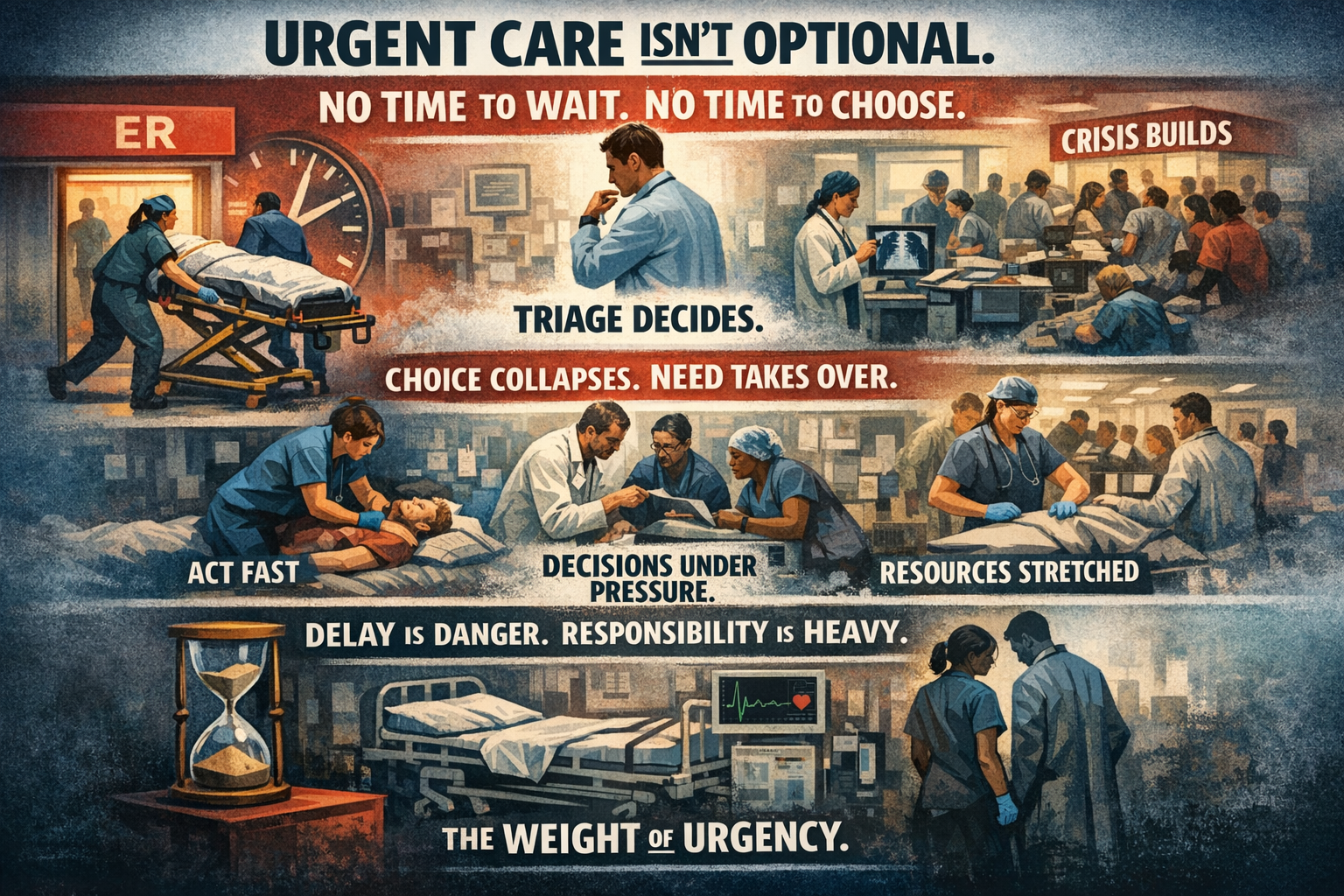
Healthcare in America Series II, Part 1 – What Urgent Care Actually Is (and Is Not)
Urgency collapses options. Decisions that would normally take days, weeks, or months are compressed into minutes or hours. There’s no time to compare prices, shop for the best facility, or negotiate who sees you first.
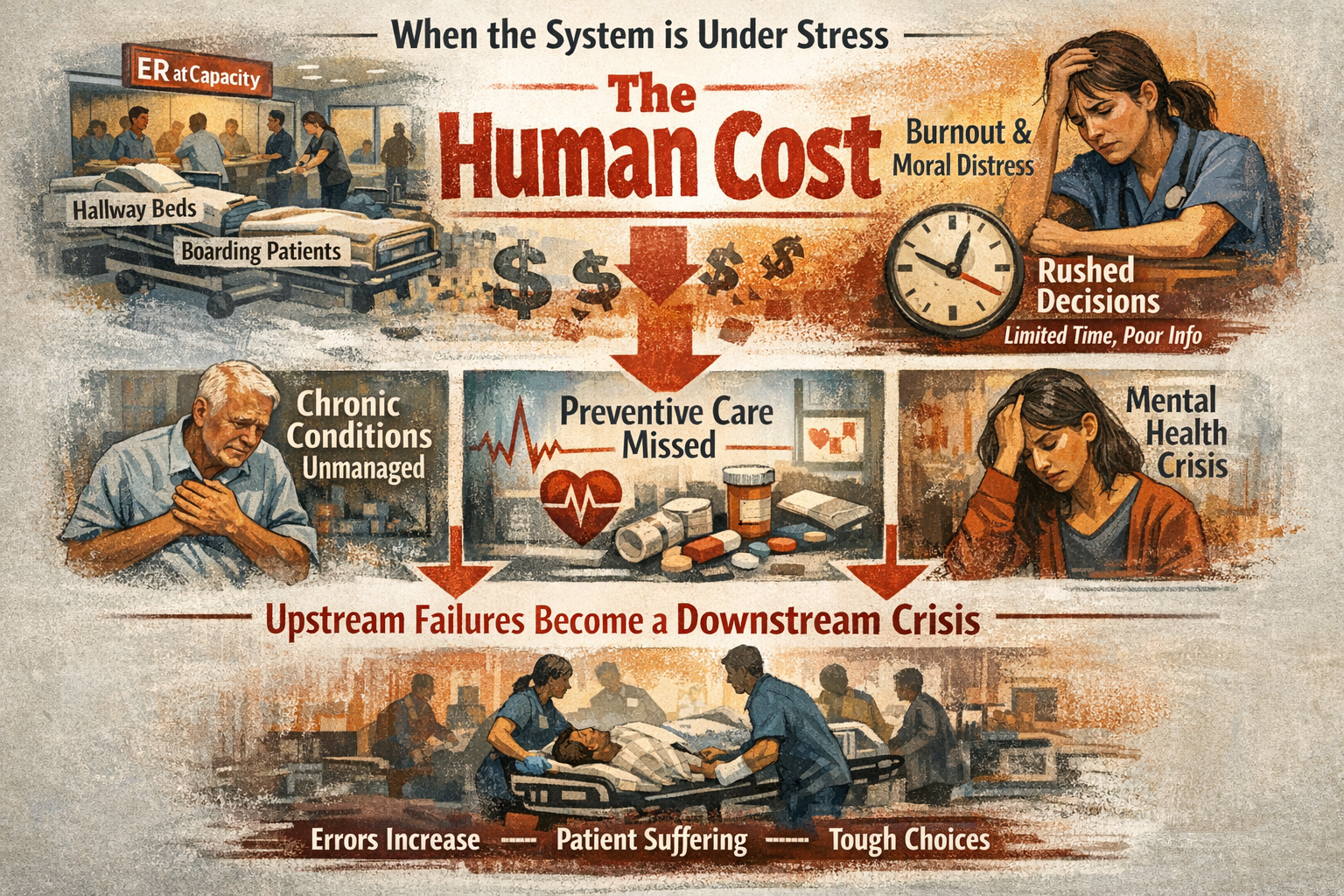
Healthcare in America Series II, Part 2 – When Systems Built for Efficiency Meet Urgency
Most healthcare systems are built around averages. Schedules, staffing, and workflow all assume a level of predictability. Efficiency depends on forecasting, and forecasting depends on stability. But urgent care doesn’t follow a curve or a
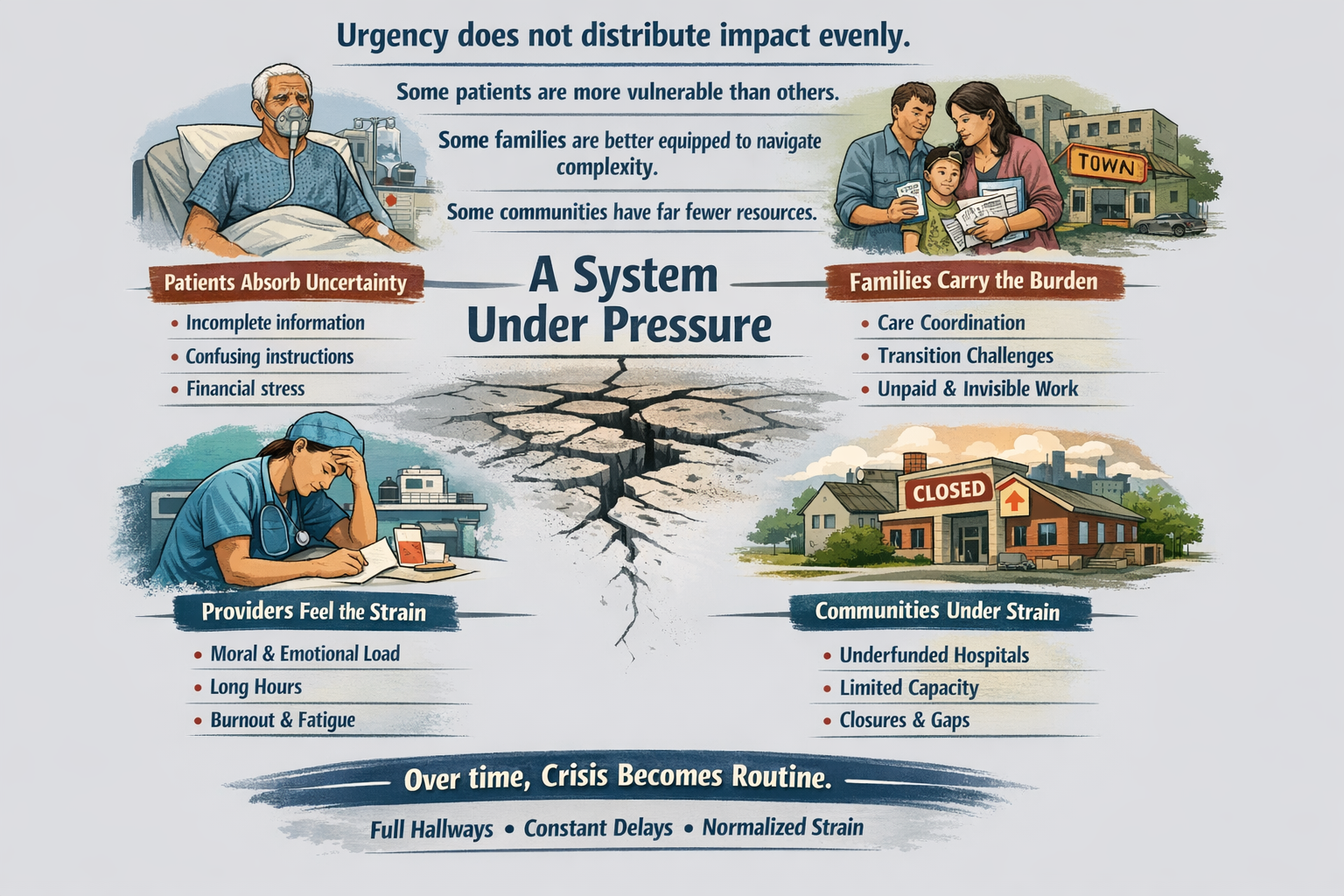
Healthcare in America Series II, Part 3 – Who Absorbs the Consequences When Waiting Isn’t an Option
Urgency does not distribute impact evenly. Some patients are more vulnerable than others. Some families are better equipped to navigate complexity. And some communities have far fewer resources. The system doesn’t decide this intentionally. It

Healthcare in America Series II, Part 4 – How the System Is Actually Structured
Most of the anger and confusion people feel about healthcare doesn’t come from bad intentions or unreasonable expectations. It comes from assuming that healthcare is a single thing — a place, a person, or a
Healthcare in America Series II, Part 5 – Why Emergency Rooms Are Overwhelmed (And It’s Not “Abuse”)
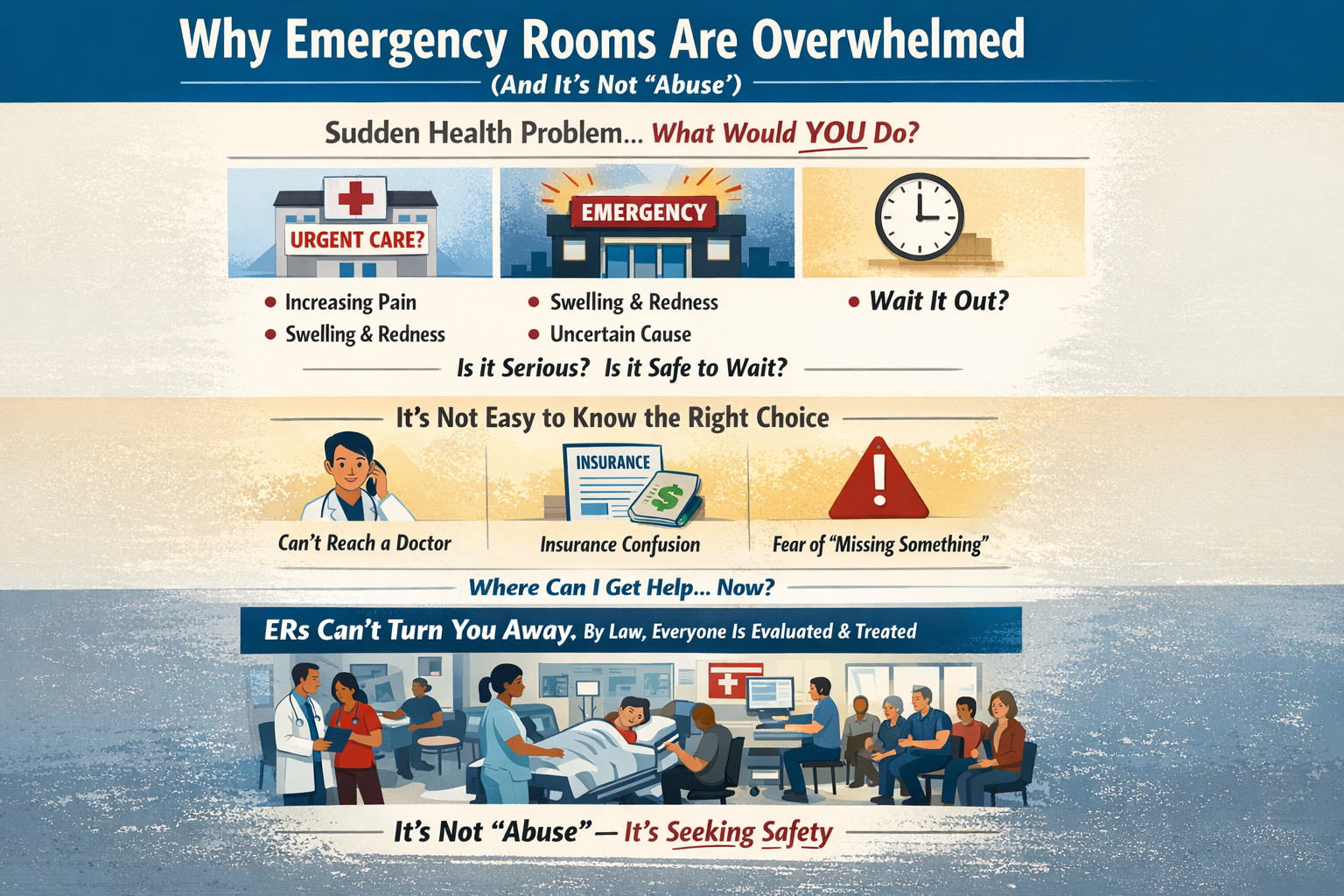
Healthcare in America Series II, Part 5 – Why Emergency Rooms Are Overwhelmed (And It’s Not “Abuse”)
Is this urgent care? Is it the emergency room? Is it safe to wait?
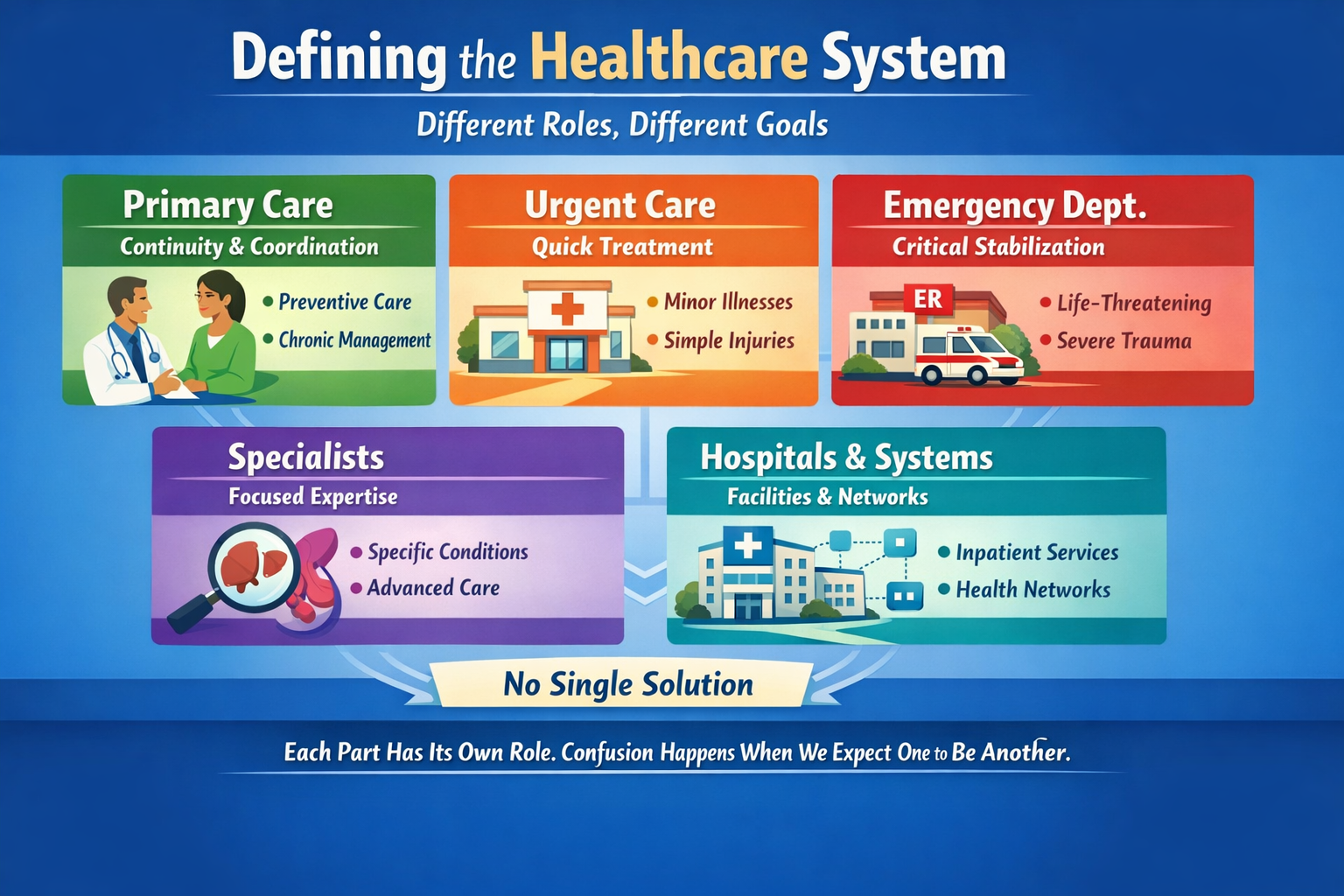
Healthcare in America Series II, Part 6 – Insurance Is Not Healthcare
One of the most persistent misunderstandings in healthcare is the idea that insurance and care are the same thing. They’re related — but they are not interchangeable. This confusion shapes expectations, frustration, and even how

Healthcare in America Series II, Part 7 – The Invisible Layer — Administration
Healthcare administration isn’t a single office or department. It’s a web of functions required to make modern healthcare operable:
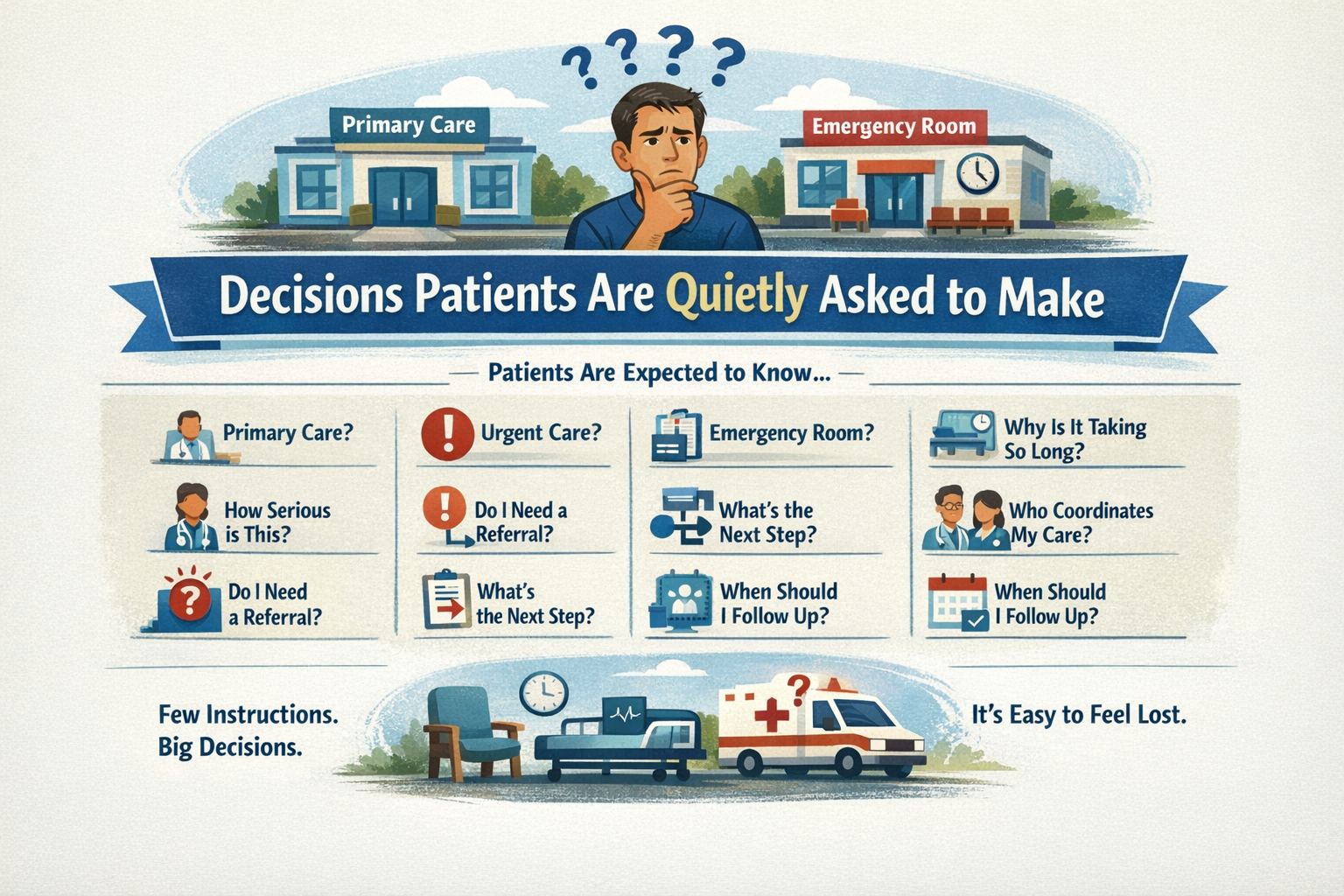
Healthcare in America Series II, Part 8 – What Patients Are Expected to Know (But Don’t)
Which setting is appropriate? How urgent is urgent? Who coordinates what happens next? These expectations exist — but the instruction rarely does.
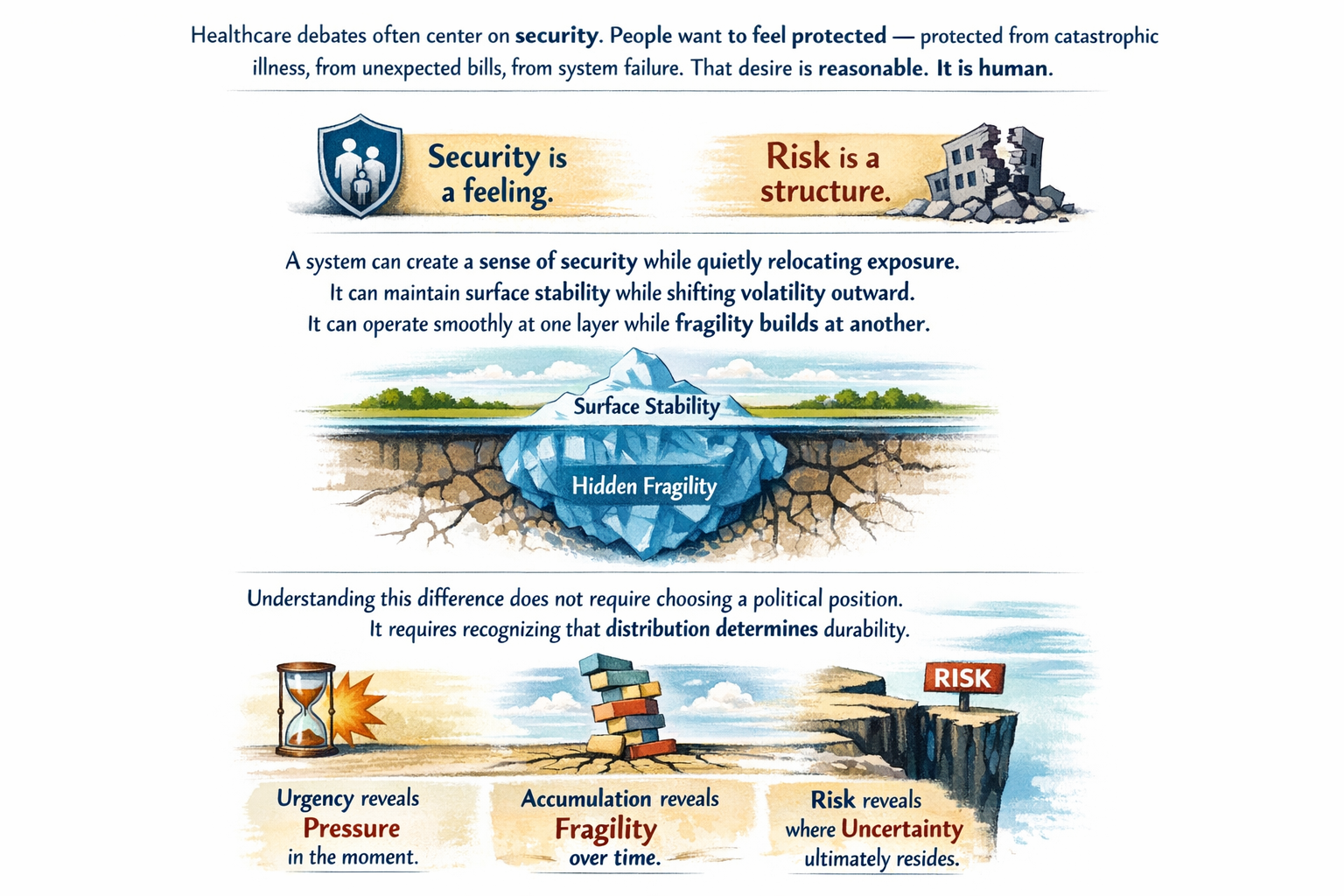
Healthcare in America Series III – Kicker: Security Is a Feeling. Risk Is a Structure
Healthcare debates often center on security. People want to feel protected — protected from catastrophic illness, from unexpected bills, from system failure. That desire is reasonable. It is human.
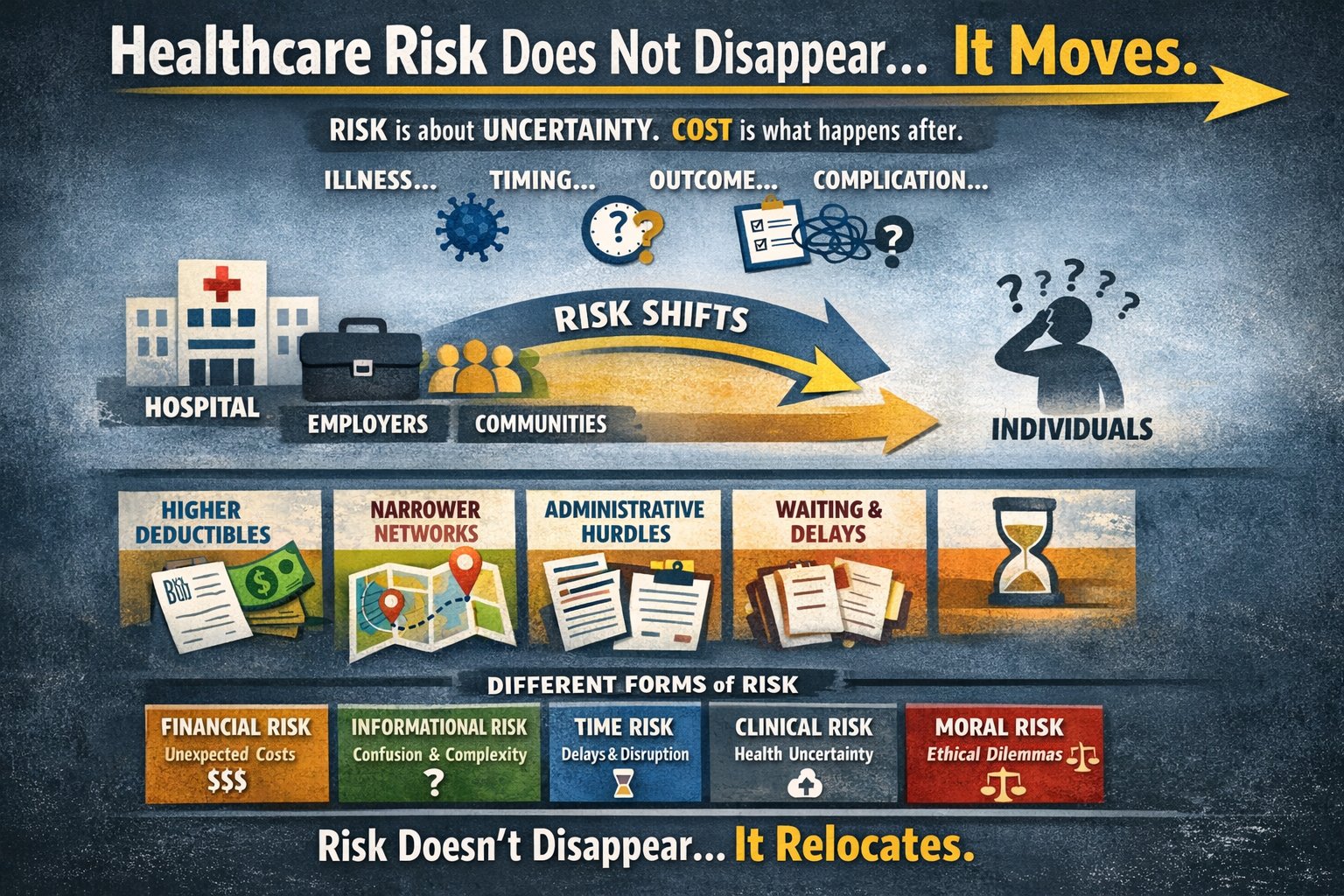
Healthcare in America Series III – Part 1 Risk Doesn’t Disappear. It Moves
When risk moves to individuals, it is often described in the language of responsibility. We hear phrases like “consumer engagement” or “skin in the game.” But exposure and empowerment are not the same thing. Responsibility
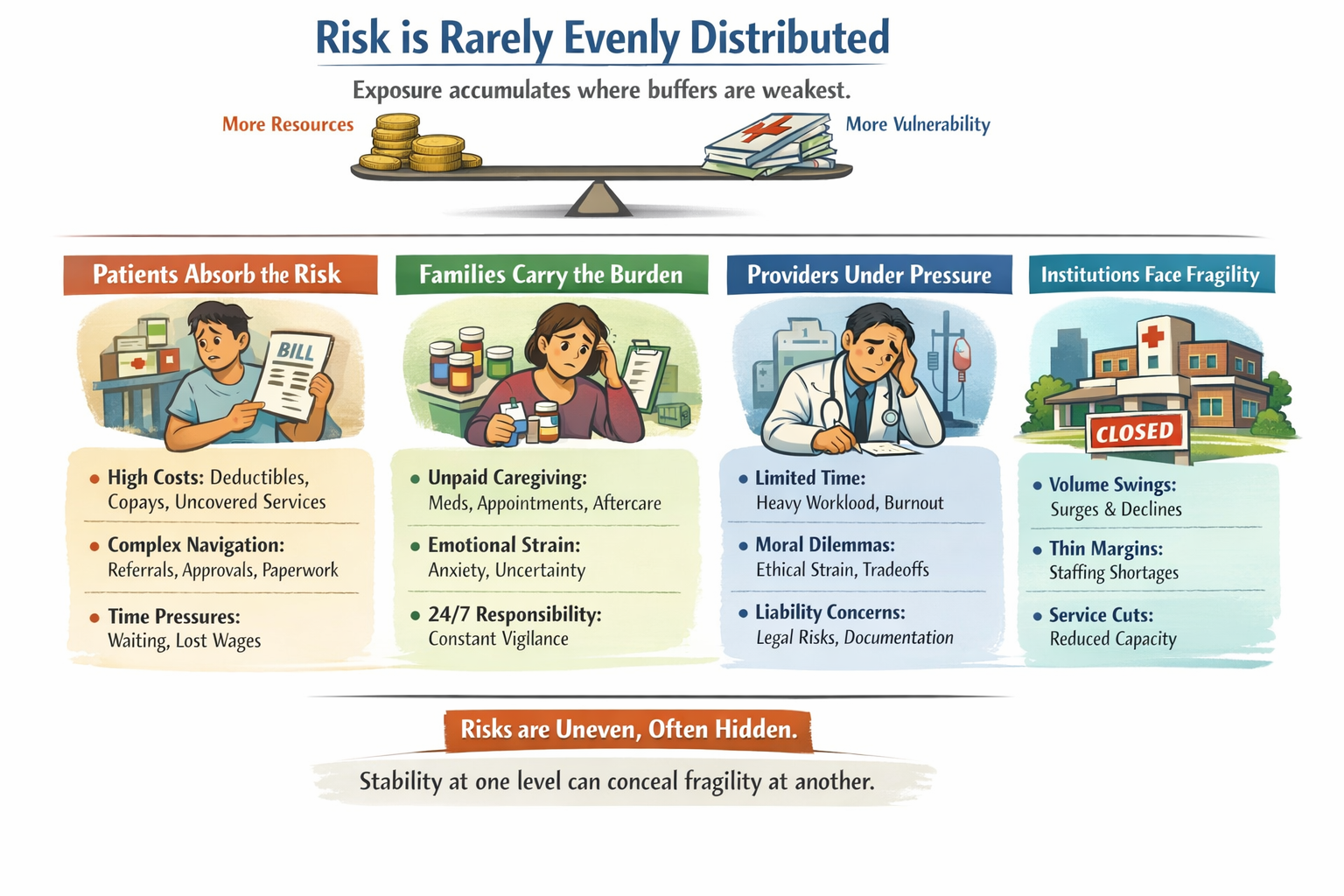
Healthcare in America Series III – Part 2 Invisible Risk Carriers
Clinical risk is inherent in medicine. But modern practice also carries moral and structural risk. Practicing under constraint — limited time, limited staffing, insurance limitations, documentation demands — forces tradeoffs. Liability exposure exists alongside ethical
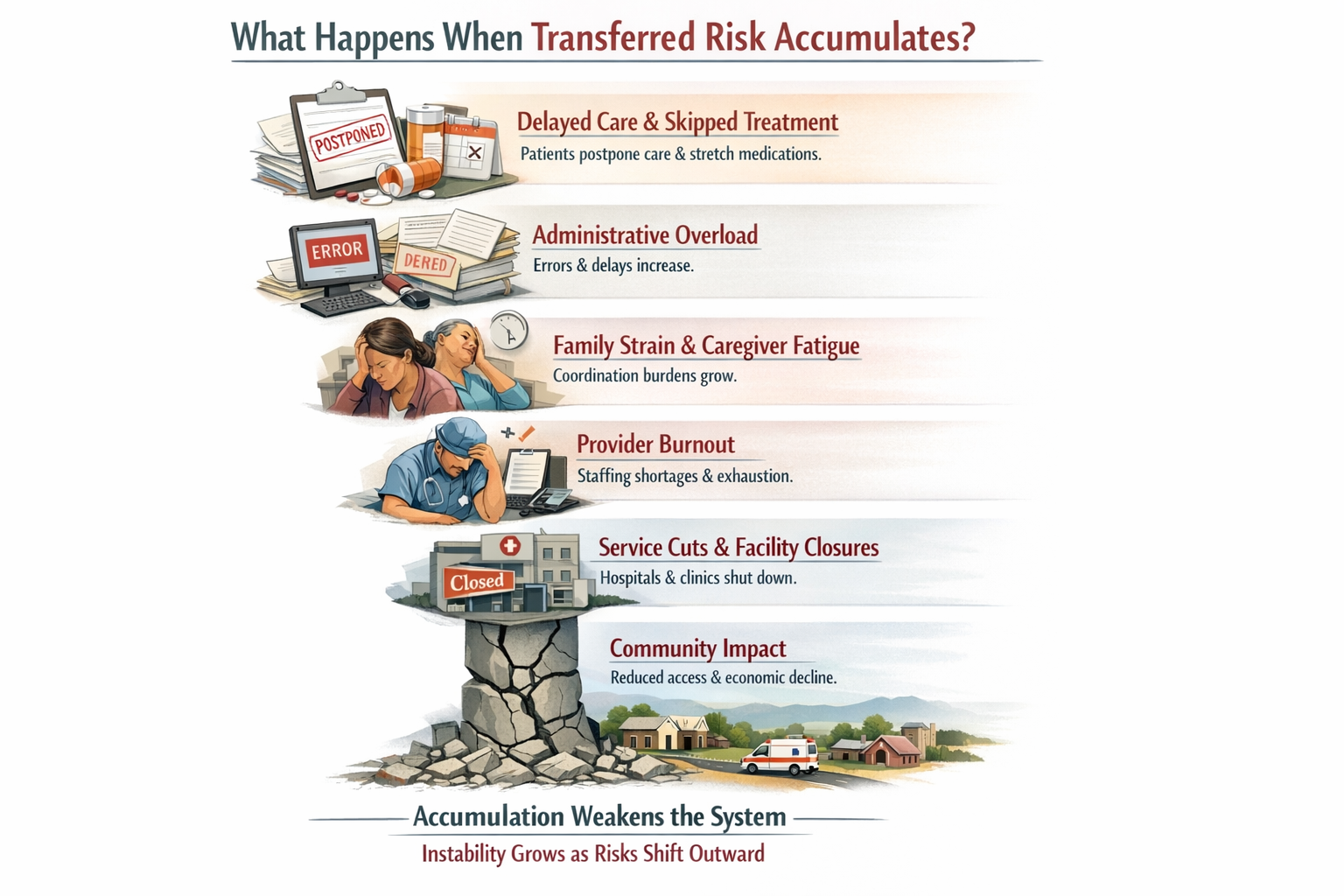
Healthcare in America Series III – Part 3 When Risk Accumulates
At the community level, accumulation can reshape access entirely. When a hospital closes, travel times increase. Emergency response lengthens. Recruitment of clinicians becomes more difficult. Economic stability shifts. Healthcare infrastructure is not separate from community
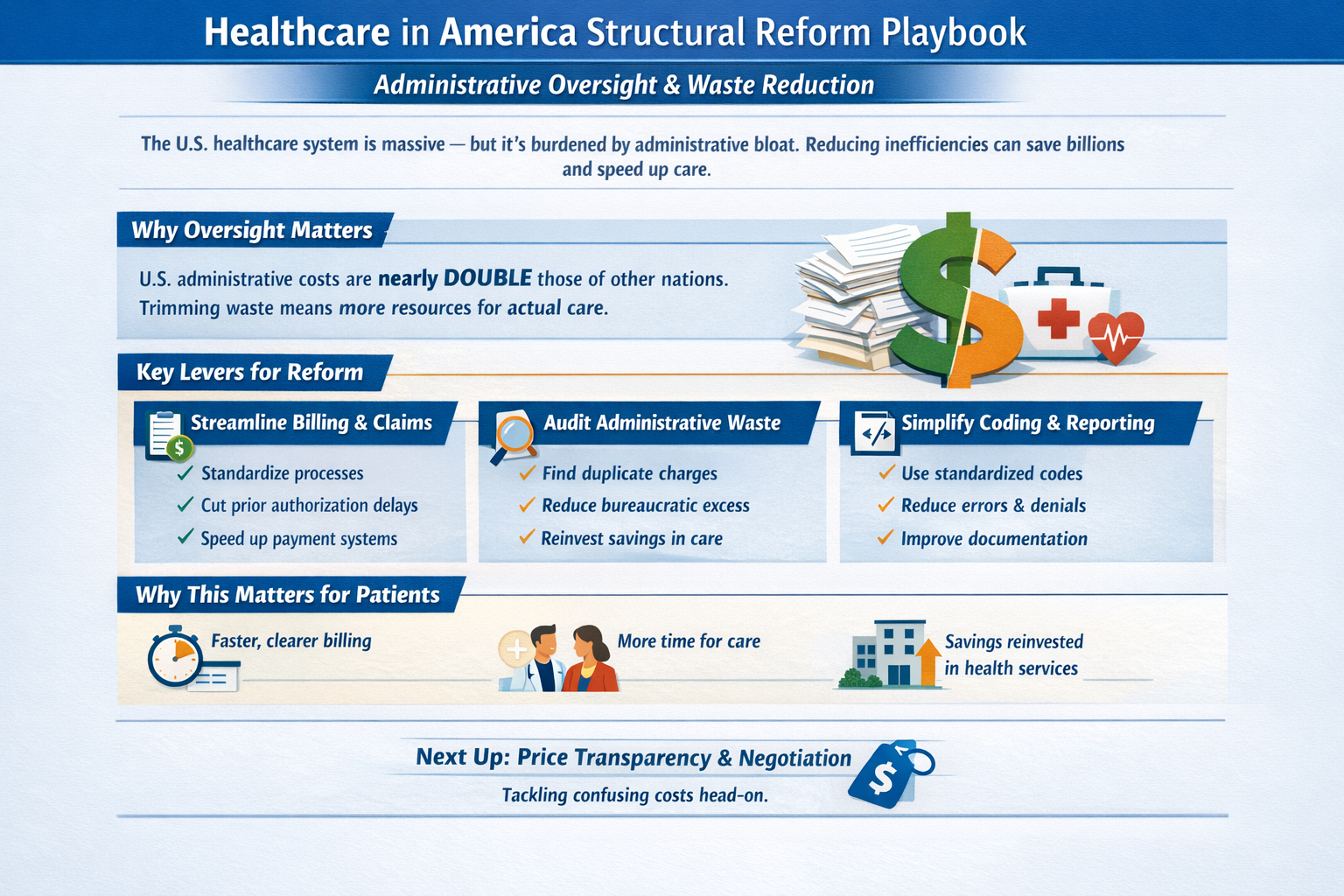
Healthcare in America Structural Reform Playbook Part 1 Administrative Oversight & Waste Reduction
Administrative tasks — billing, claims processing, coding, approvals — are necessary, but studies show U.S. administrative costs are roughly double those of comparable countries. That’s hundreds of billions of dollars each year that could be
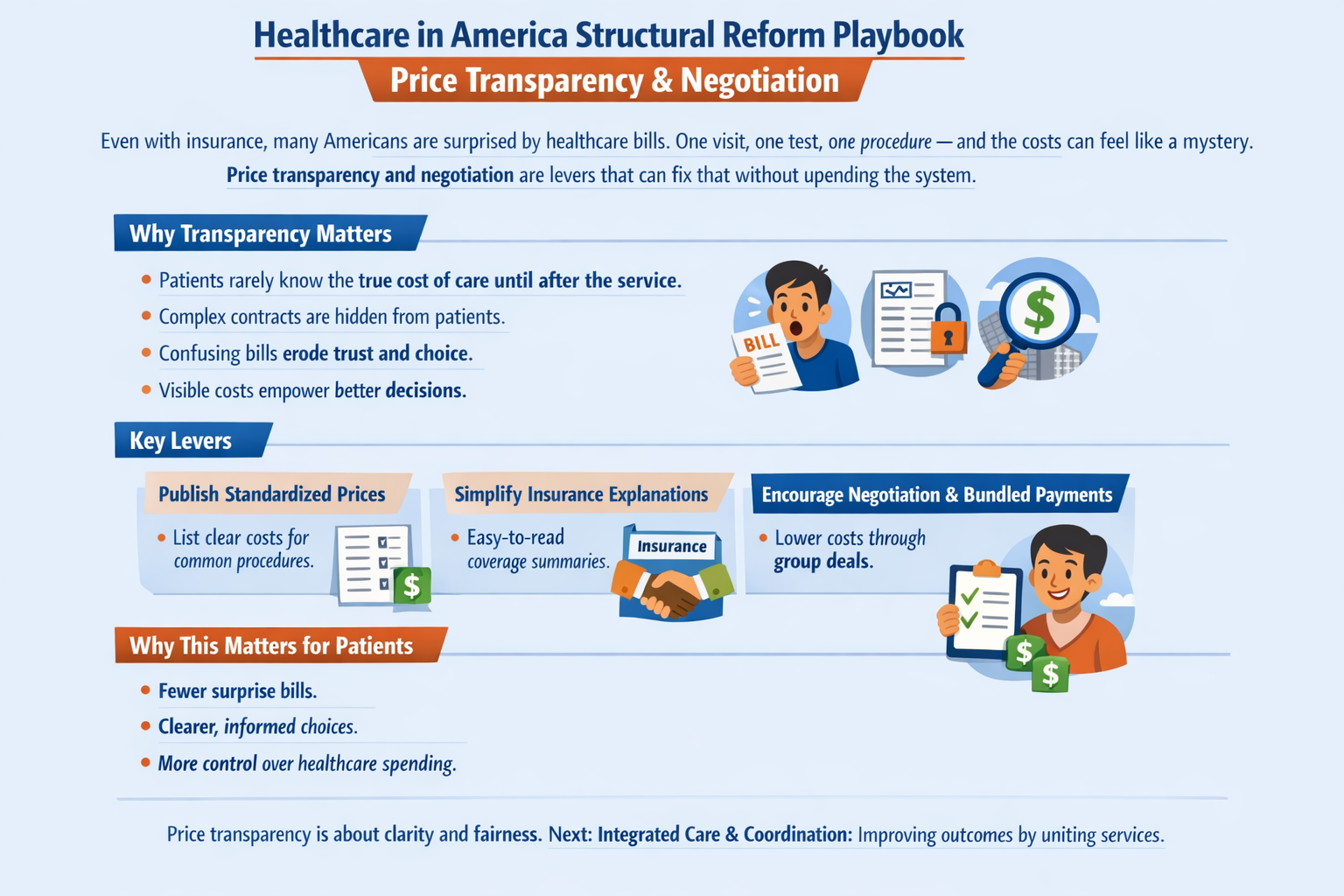
Healthcare in America Structural Reform Playbook Part 2 Price Transparency & Negotiation
Price transparency is not about “free market” ideology; it’s about clarity, fairness, and predictability. When patients see costs clearly, the system becomes easier to navigate — and wasteful practices are exposed.
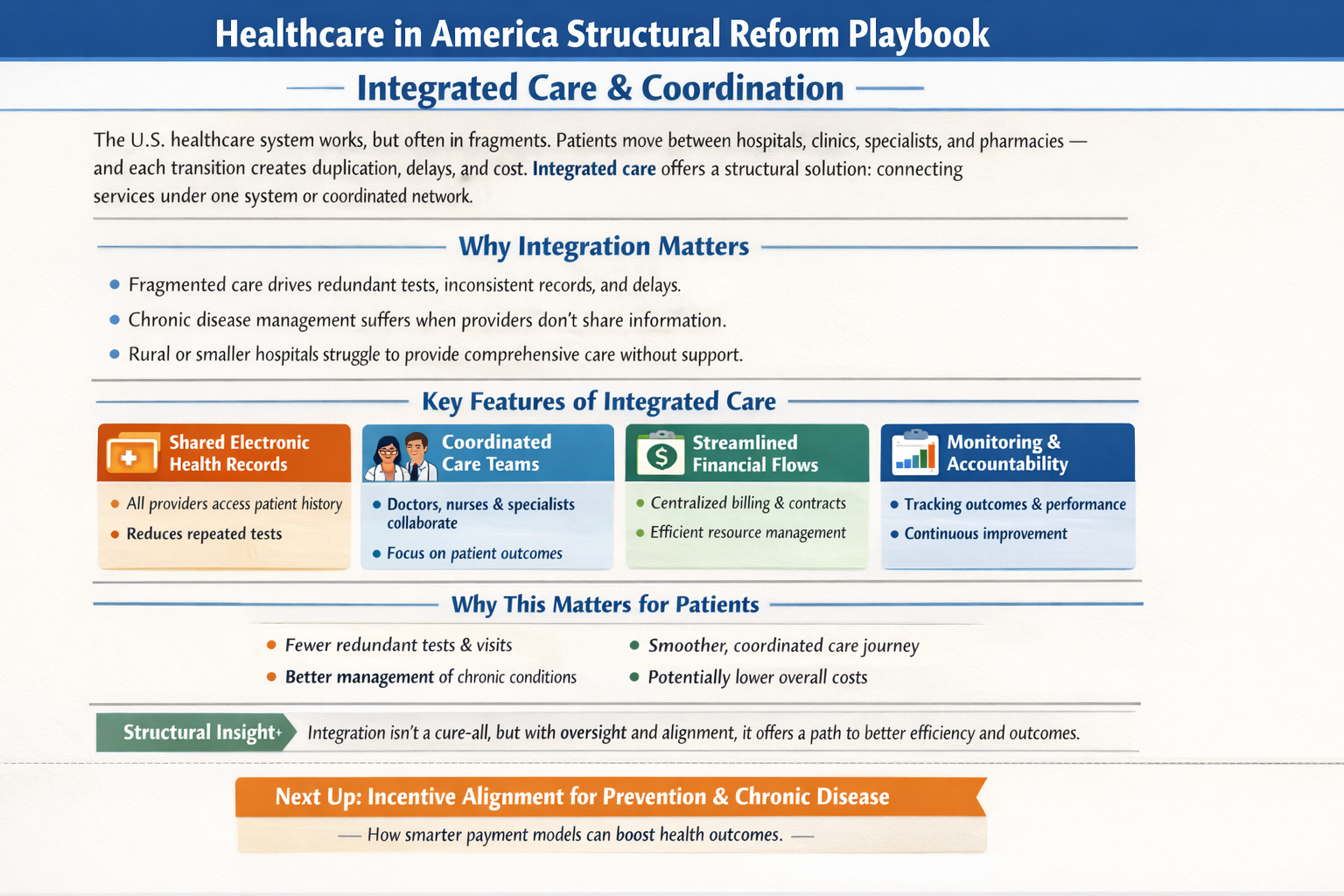
Healthcare in America Structural Reform Playbook Part 3 Integrated Care & Coordination
Integrated models — like Kaiser Permanente or other vertically coordinated systems — reduce these frictions by aligning care delivery, records, and financial flows.
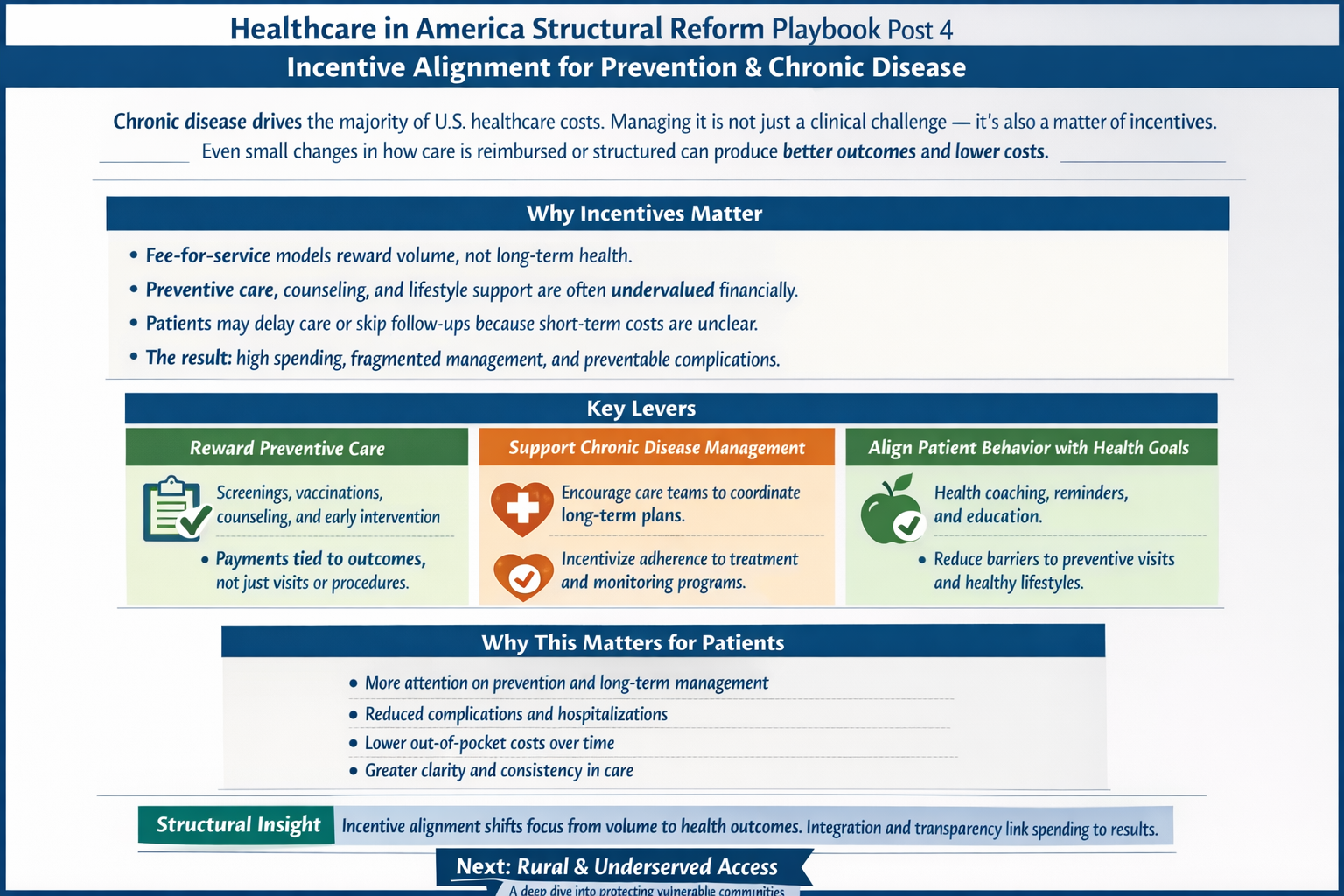
Healthcare in America Structural Reform Playbook Part 4 Incentive Alignment for Prevention & Chronic Disease
Chronic disease drives the majority of U.S. healthcare costs. Managing it is not just a clinical challenge — it’s also a matter of incentives. Even small changes in how care is reimbursed or structured can
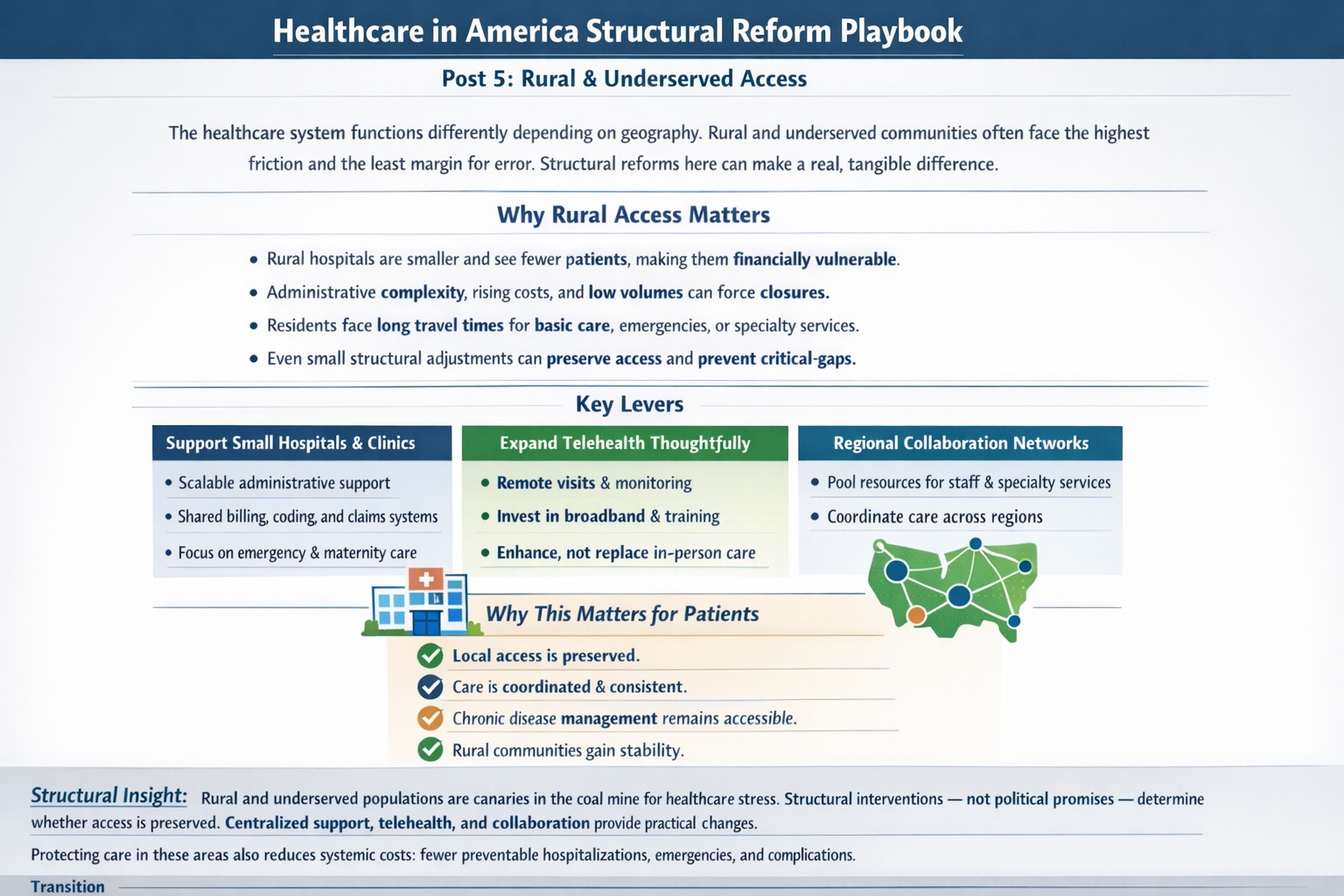
Healthcare in America Structural Reform Playbook Part 5 Rural & Underserved Access
Rural and underserved populations are canaries in the coal mine for healthcare stress. Structural interventions — not political promises — determine whether access is preserved.
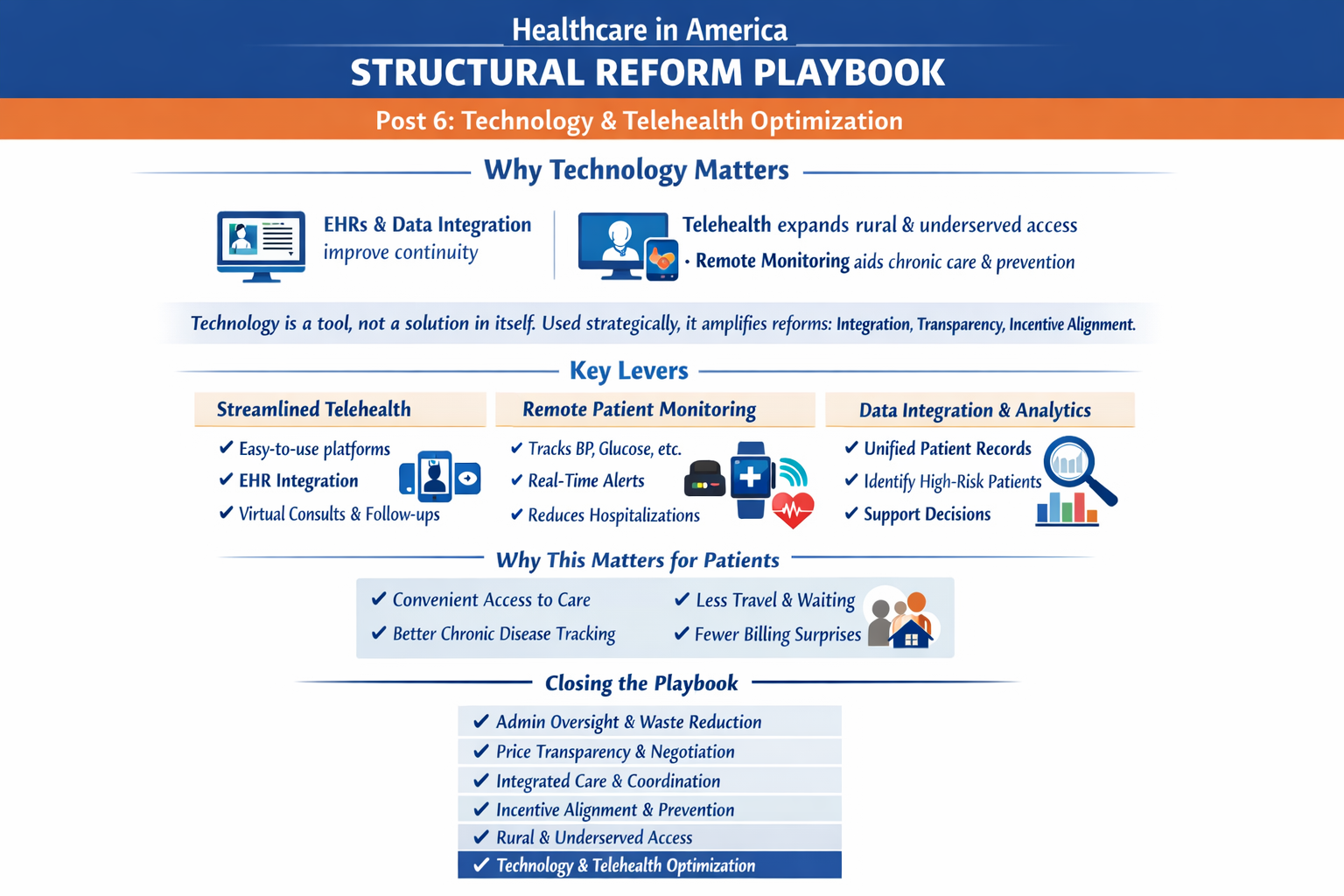
Healthcare in America Structural Reform Playbook Part 6 Technology & Telehealth Optimization
When combined with oversight, transparency, and coordinated care, technology turns abstract reforms into real-world improvements that patients can see and feel. The series shows that practical, achievable reforms exist, even without overhauling the entire system.
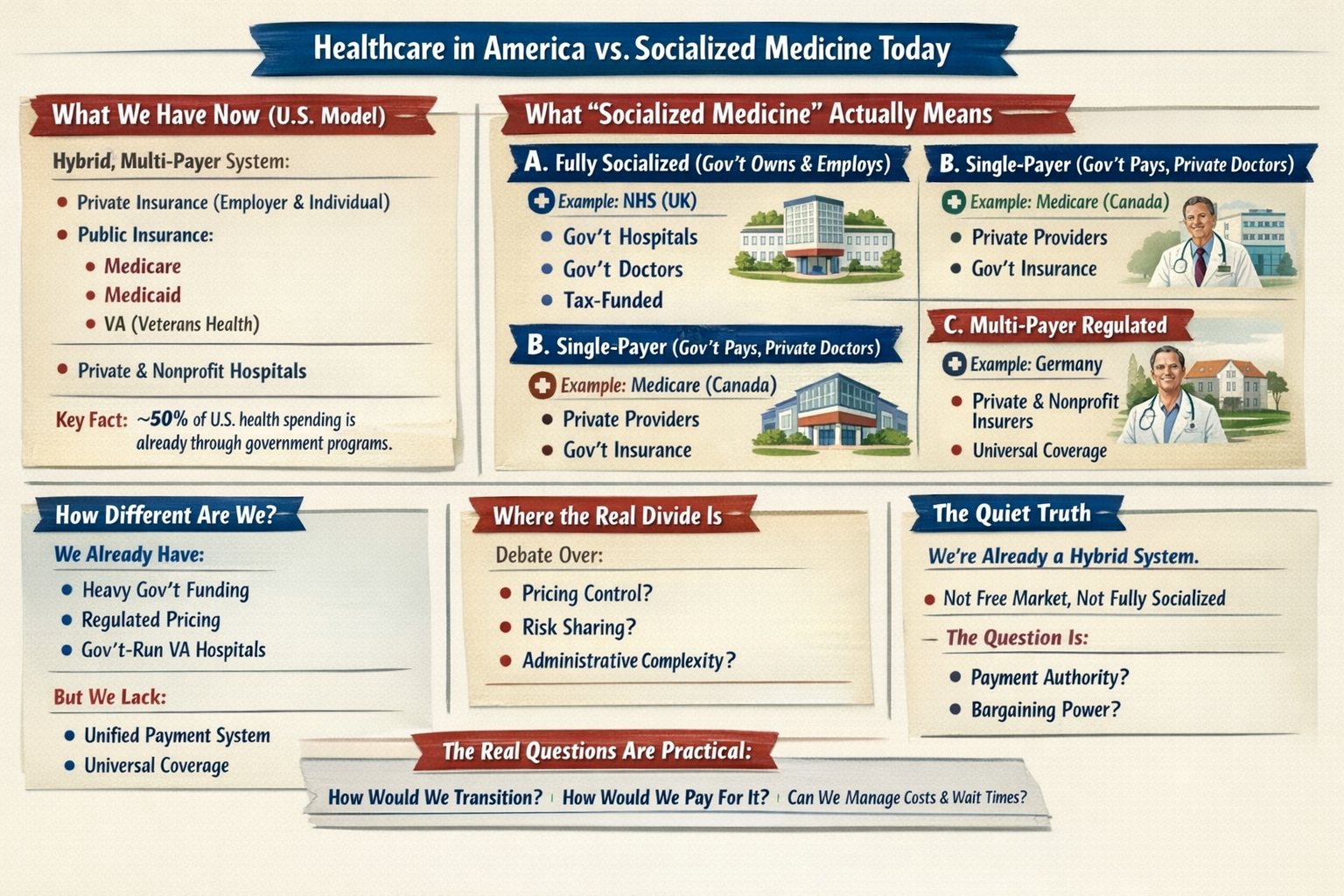
Healthcare in America vs Socialized Medicine Today- End of Series
Roughly half or more of U.S. healthcare spending already flows through government programs. We are not a pure market system. We are a complex blend.
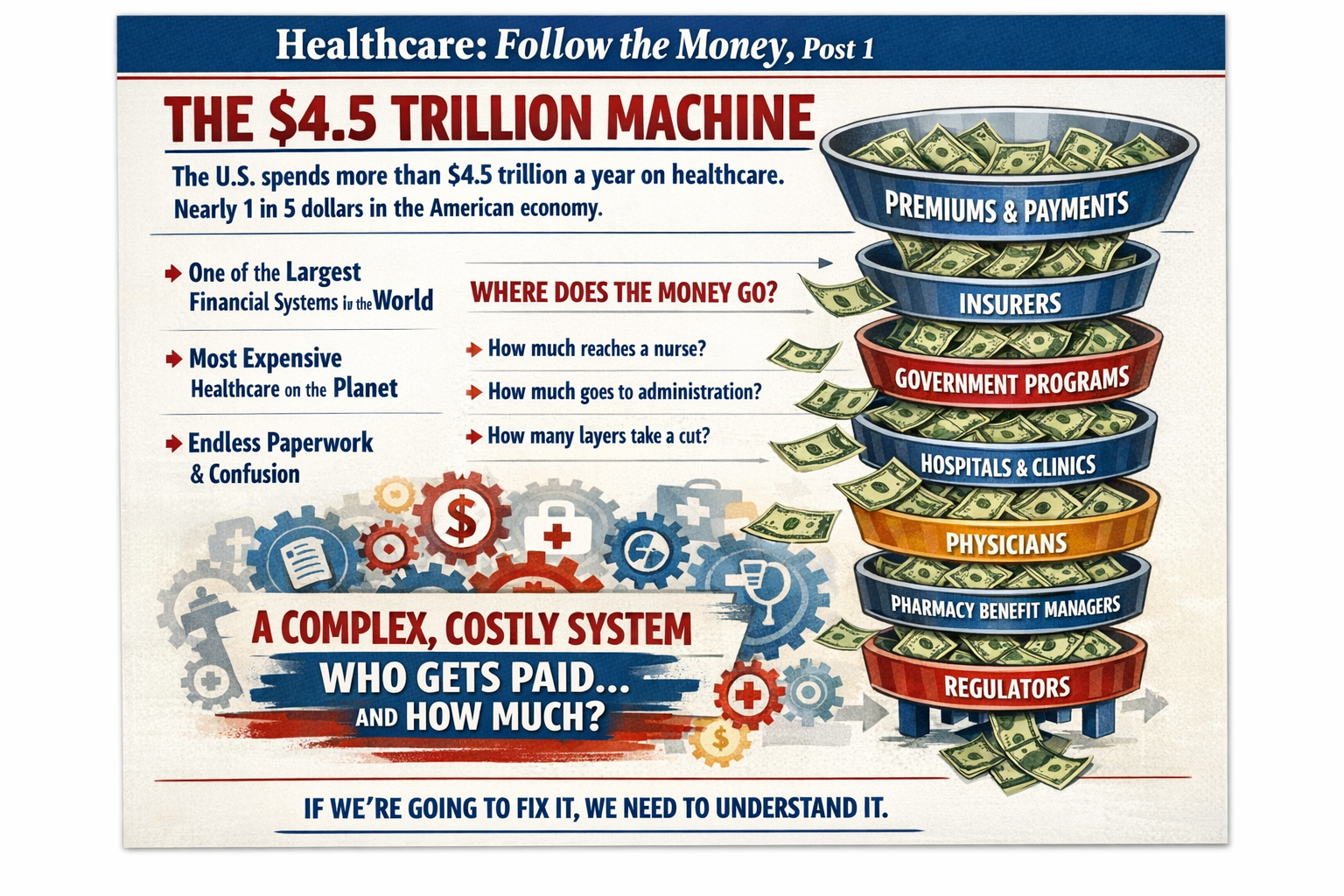
Healthcare in America, Follow the Money Part 1 The $4.5 Trillion Machine
American healthcare is not a single program. It is a layered payment network built over decades — employers, insurers, federal programs, state programs, hospital systems, physician groups, pharmacy benefit managers, pharmaceutical manufacturers, compliance divisions, coding
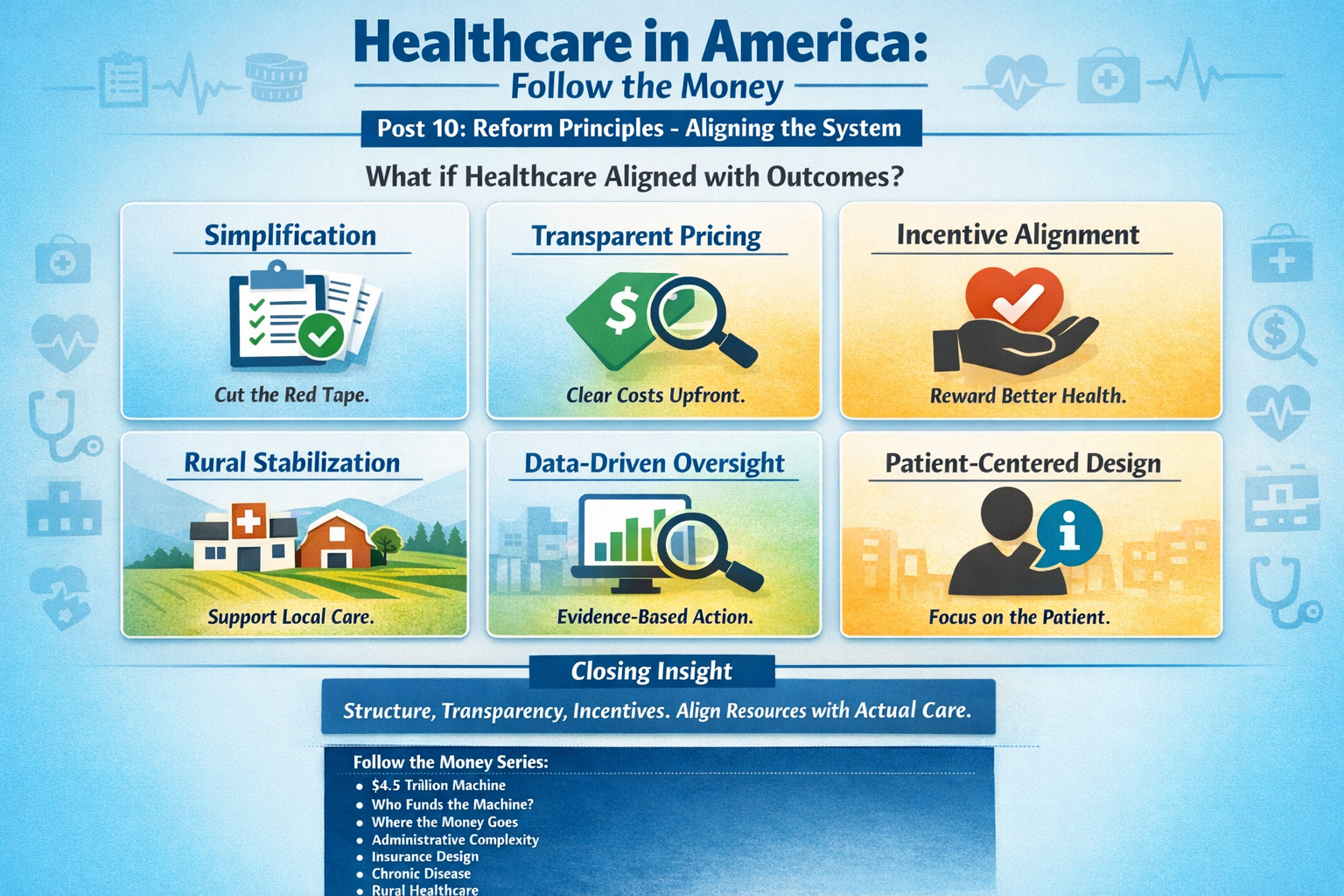
Healthcare in America, Follow the Money Part 10 Reform Principles: Aligning the System
The U.S. healthcare system is enormous, expensive, and complex. But it is not irredeemable. By focusing on structure, transparency, and incentives, it is possible to reduce waste, improve access, and align resources with actual care.
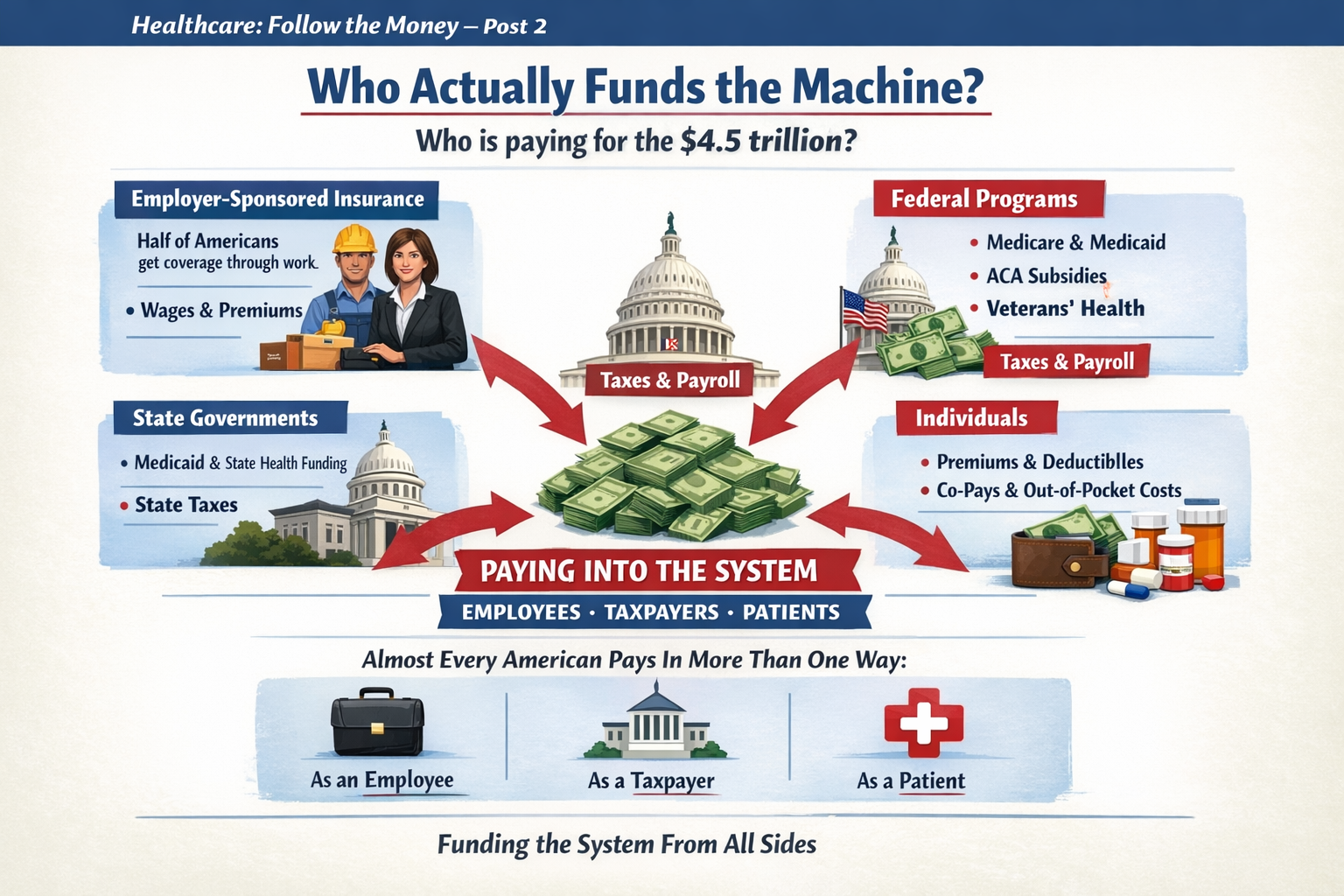
Healthcare in America, Follow the Money Part 2 Who Actually Funds the Machine?
Employers contribute a significant portion of the premium, but economists generally agree those costs are built into total compensation. In practical terms, health insurance premiums come out of wages — whether workers see the deduction
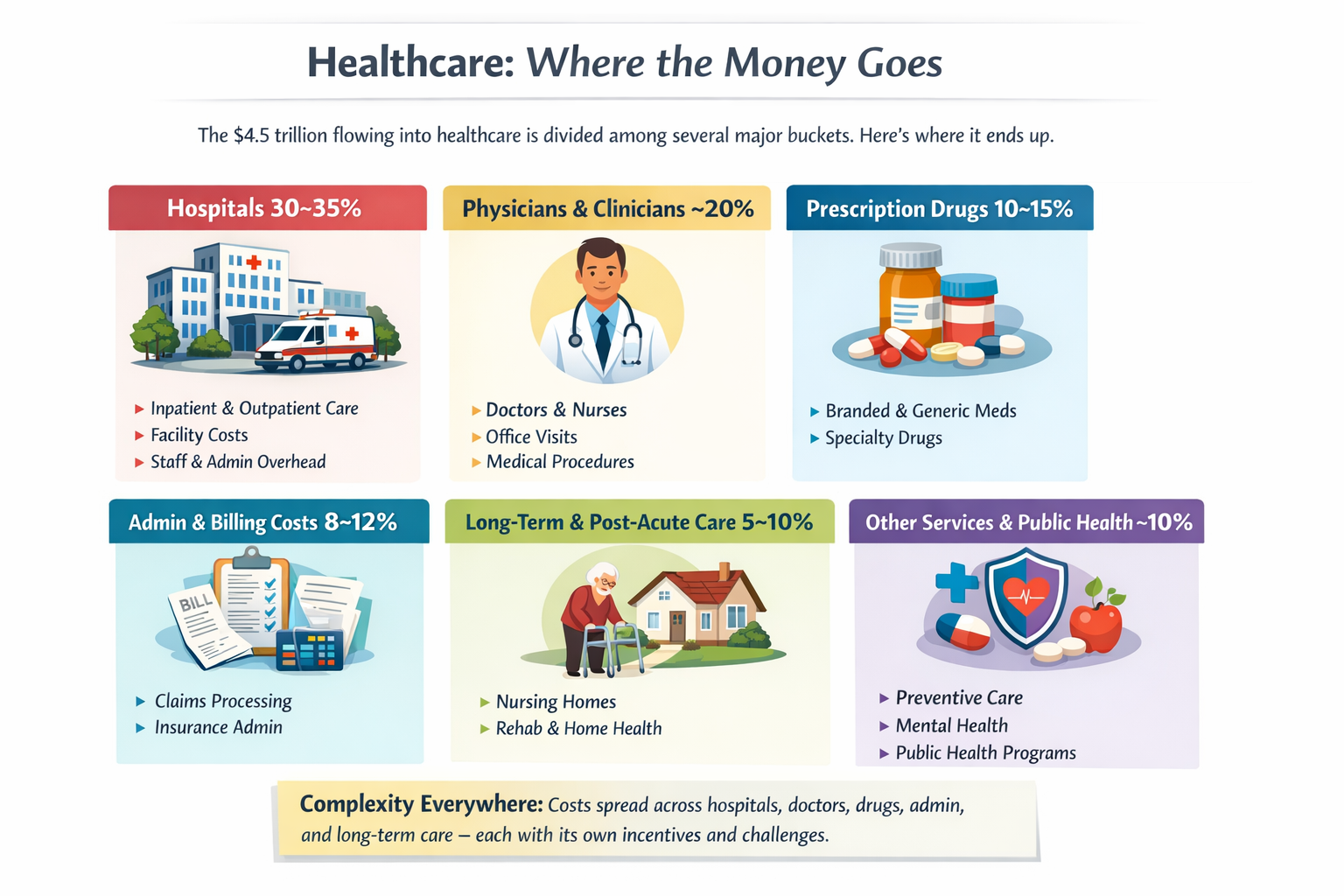
Healthcare in America, Follow the Money Part 3 Where the Money Goes
Price negotiation occurs through insurers and pharmacy benefit managers, but patients often experience unpredictability in costs, especially for high-cost or specialty medications.
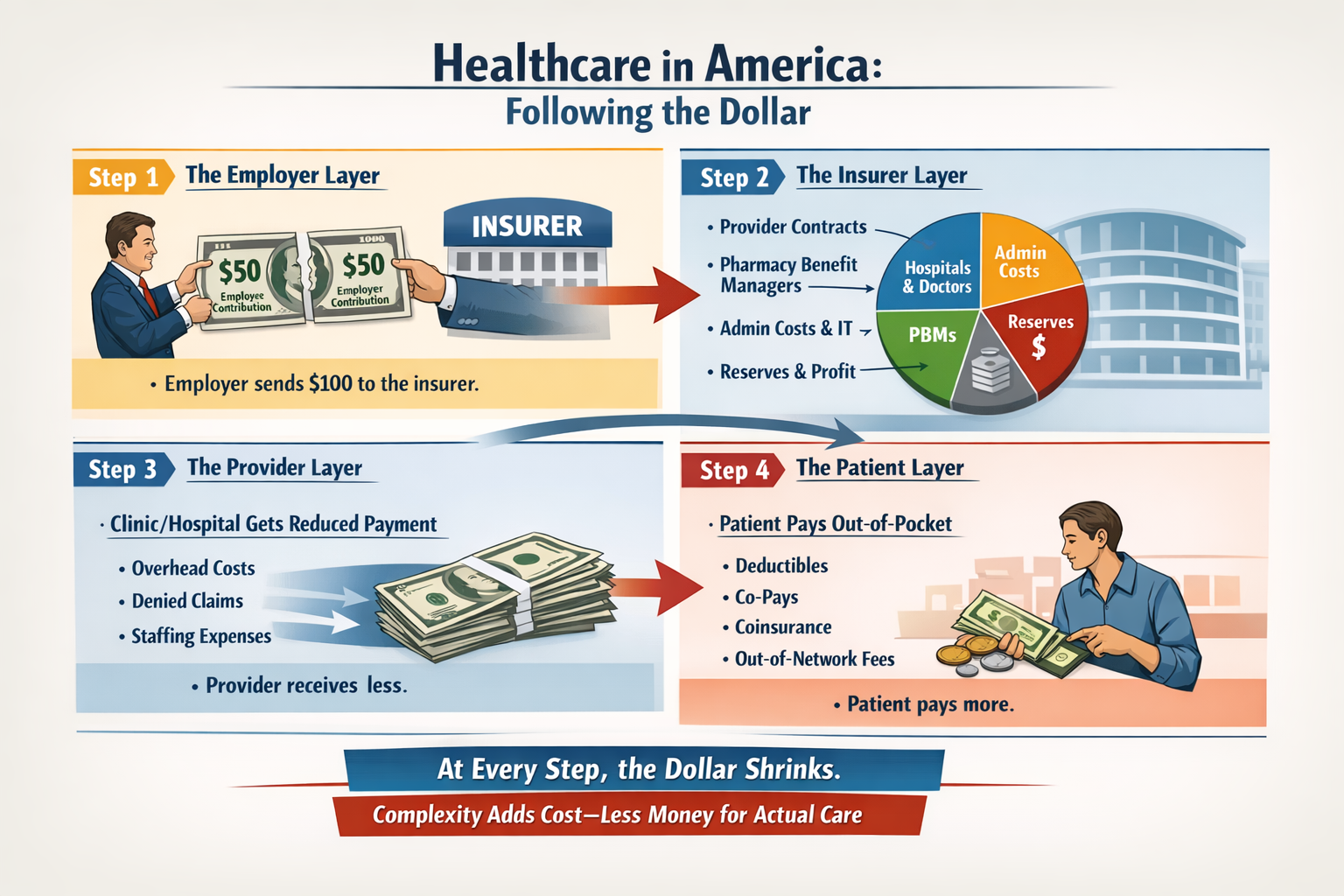
Healthcare in America, Follow the Money Part 4 Following the Dollar
Even here, the dollar is split: part covers the premium contribution from the employee, part comes from the employer’s share. Often, employees never see this money — it’s folded into total compensation. This means the
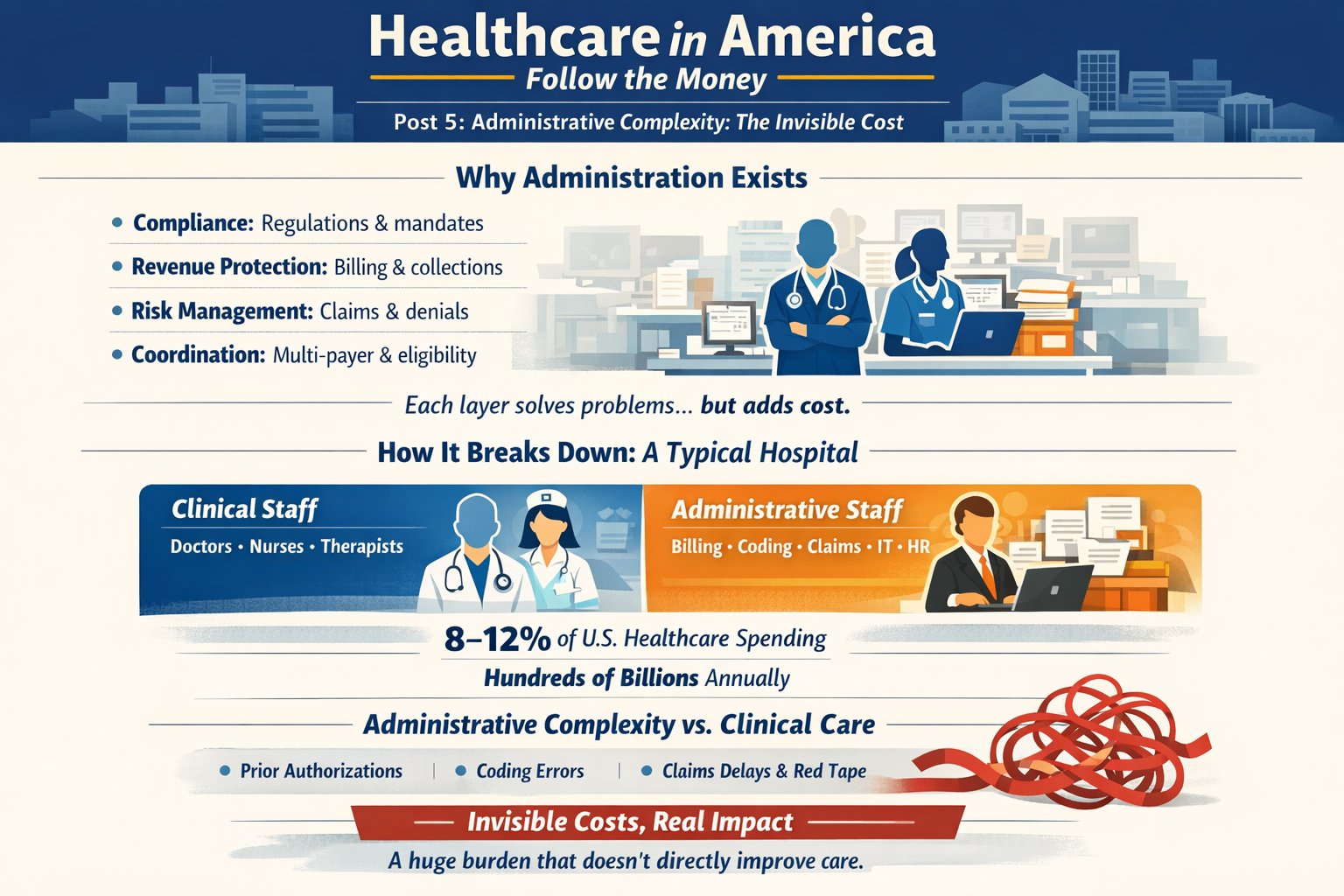
Healthcare in America, Follow the Money Part 5 Administrative Complexity: The Invisible Cost
Administrative complexity is invisible to most patients. You see your bills, your deductible, your co-pay — but rarely the thousands of small interactions behind them.
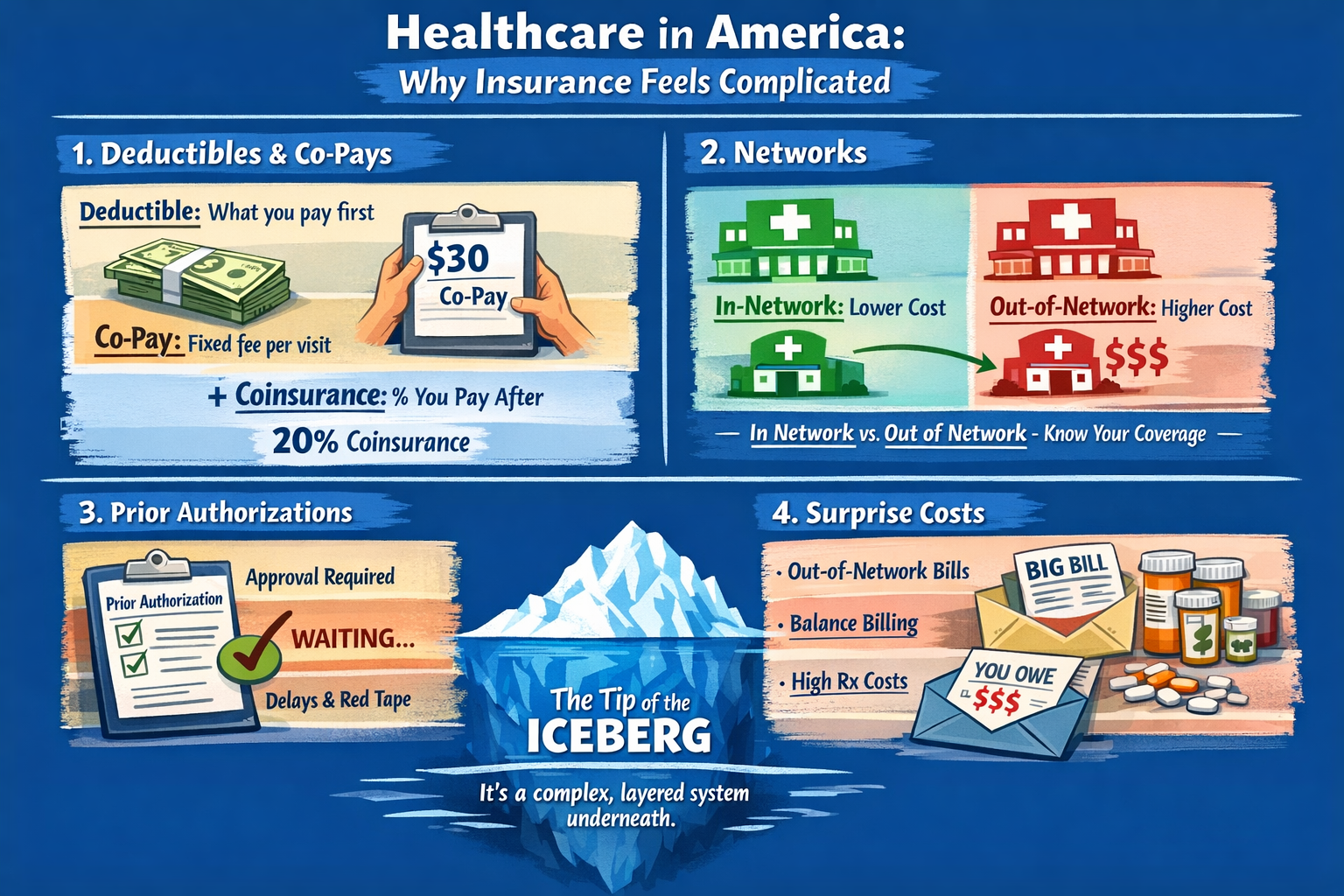
Healthcare in America, Follow the Money Part 6 Insurance Design: Why It Feels Complicated
Network design can be narrow, meaning that not every local provider is covered. This protects insurers from excessive risk but can frustrate patients who assume all doctors are treated equally under their plan.
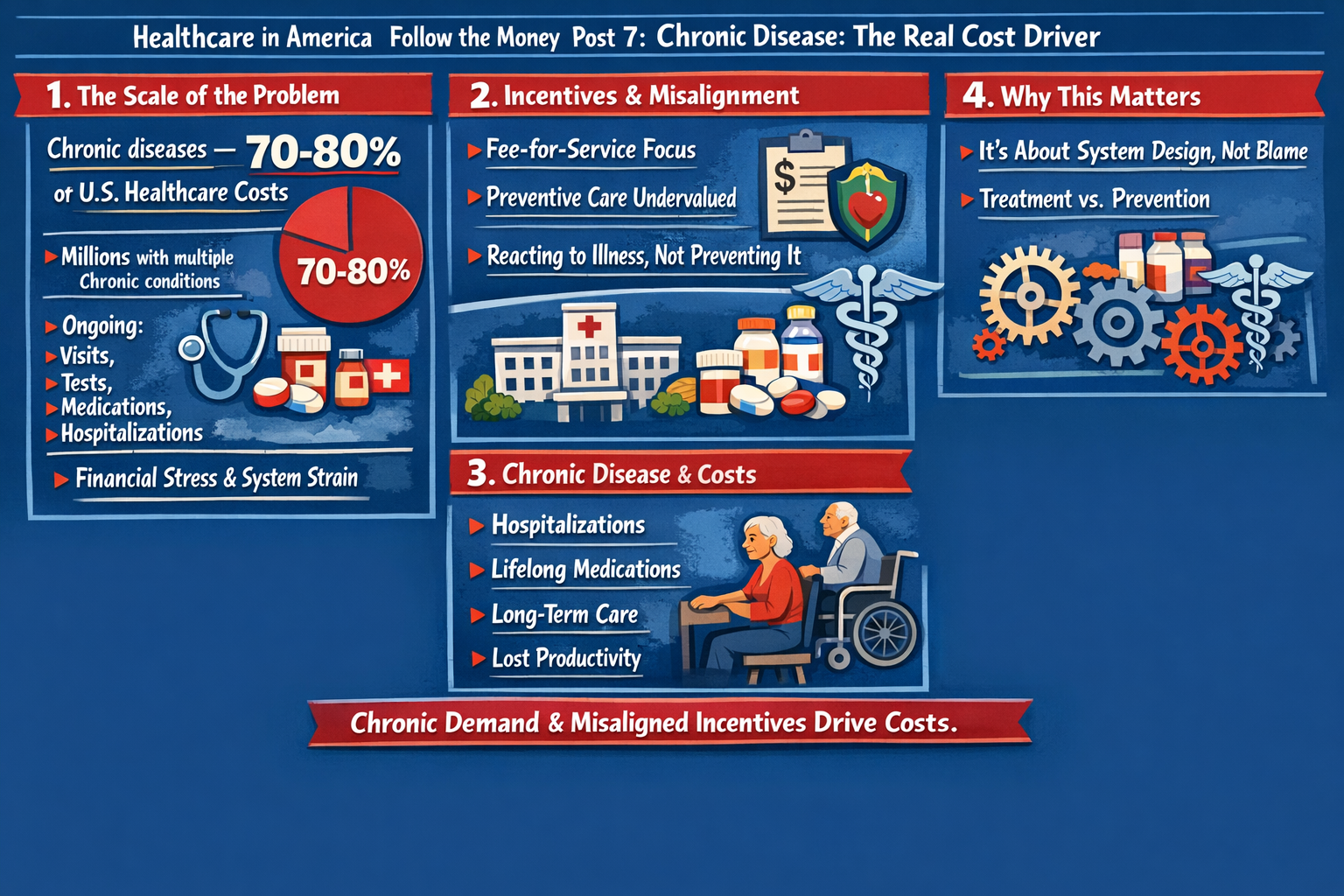
Healthcare in America, Follow the Money Part 7 Chronic Disease: The Real Cost Driver
“The machine isn’t broken because of greed. It’s stressed because of chronic demand and misaligned incentives.”
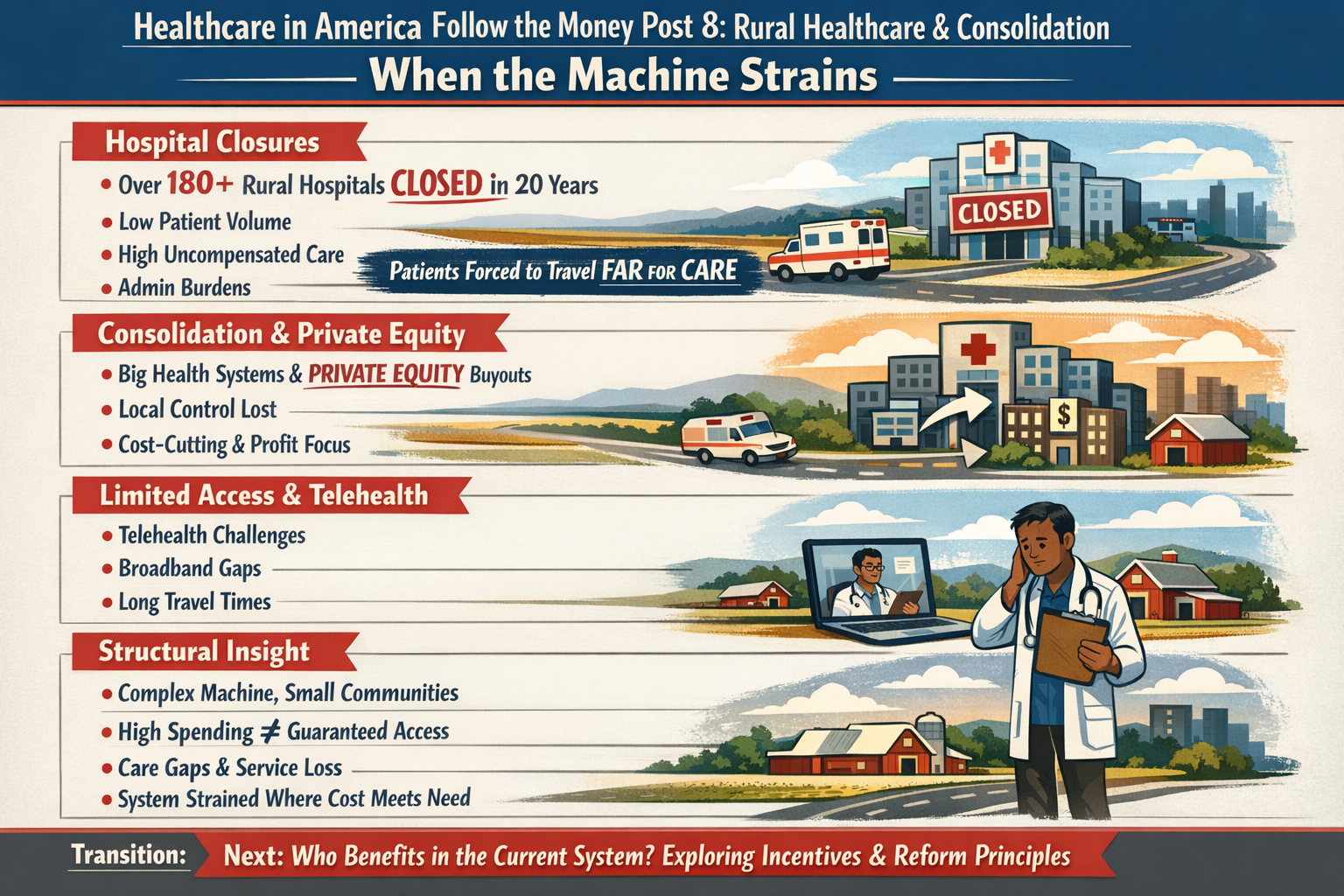
Healthcare in America, Follow the Money Part 8 Rural Healthcare & Consolidation: When the Machine Strains
Even when care is “available” virtually, the real-world friction remains: long travel times, delayed treatment, and fragmented services.
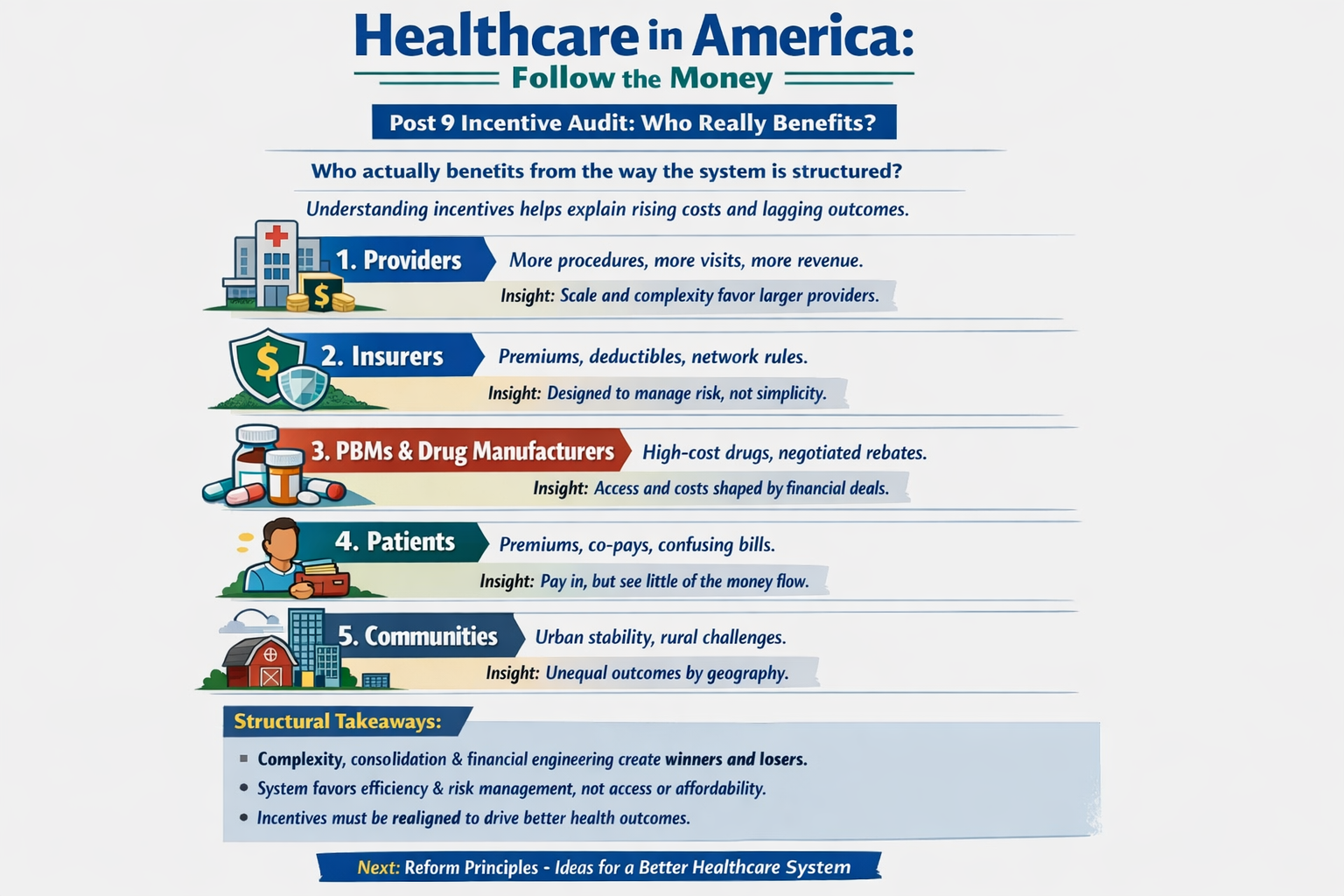
Healthcare in America, Follow the Money Part 9 Incentive Audit: Who Really Benefits?
Structural Takeaways Complexity, consolidation, and financial engineering create winners and losers. The system works for efficiency and risk management, but not always for access, affordability, or simplicity. Understanding incentives is essential before discussing reform: any
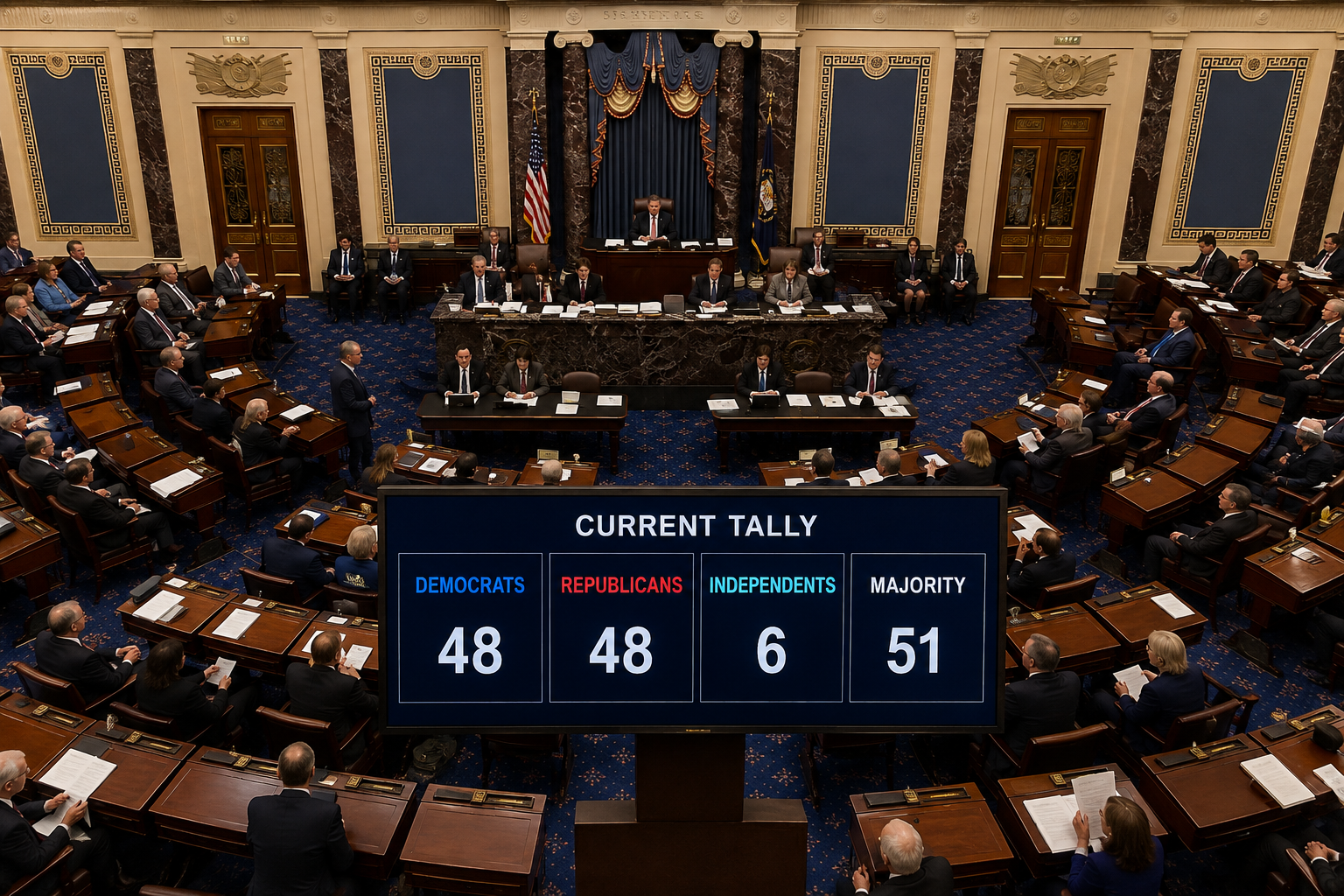
Here they come to save the day!
It may be time to realize you don't need a majority of a single party to guide the decisions. Wouldn't it be something if no party held all the power?
Here we are at a time of reflection, peace and compassion, what are we missing?
I'll keep is short because it's obvious, it's trust. We have nothing to trust. Especially our Government. When there isn't even an effort to disguise a lie anymore, when we are expected believe whatever we
Hey SCOTUS, it’s time to start doing what’s right.
It's time to put the Nation first and tell the Pumkin Head where to put it. Current Status Payments on Hold: Full November SNAP benefits are paused nationwide pending the 1st Circuit's ruling and potential
Hey Senator, the President didn’t Elect you, we did.
Stop pretending the party and the philosophy are the same thing “Rapid swings create unintended consequences — let’s slow this down.”
High‑Level Analysis: How a Bipartisan Containment Strategy Could Incentivize Both Parties
If the Epstein materials threaten individuals far more powerful than Trump, then Trump’s resistance to transparency might be driven by external pressure. In such a scenario, the political system — including members of both parties
How about some Real Free Speach
I'm thinking of a free speech challenge to Elon, is bot traffic free speech, is ad revenue theft free speech, is radical left or right hate bot meme attacks free speech or is an honest

How Citizens United Came to Be: From a Hillary Hit Piece to Unlimited Corporate Cash in Elections – Dark Money
Fifteen years later (and counting), the ruling birthed super PACs, record-shattering election spending, and ongoing calls for a constitutional amendment to overturn it. Polls show overwhelming public opposition across party lines. Was Citizens United a
How REAL Social Media FREE SPEACH Could Work
No child exploitation No credible threats of violence No doxxing of private individuals No coordinated foreign interference No impersonation or fraud #FreeSpeechTest #BotFree #SocialExperiment #HumanDiscourse #FreeSpeechTest #SocialExperiment
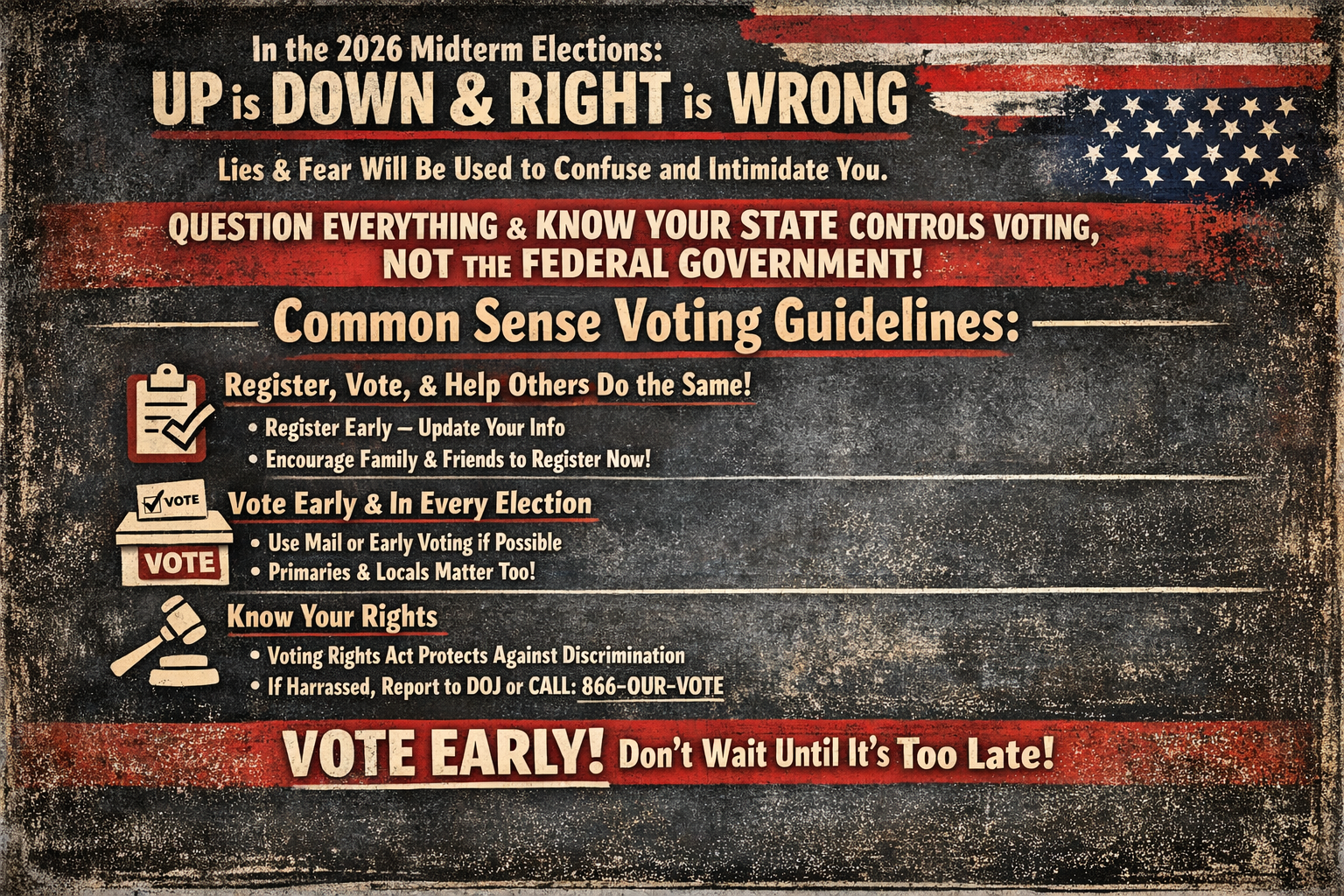
How to Protect your Voting Rights
Question what you are being told, check with your State, The State controls voting, not the Federal Government and especially not the current administration. You will lied to and you will be threatened. Follow these

If There Are No Records, There Is No Legacy
If the records have no enduring value, then neither does the archive meant to hold them. Return the land. Cancel the project. Call it what it is.
If You Aren’t MAGA
In Remembrance of Stephen Colbert and Jimmy Kimmel, who will be next?
If You Want to Fix It, You Have to Touch It
You don’t get to sit in silence while others vote, organize, or legislate — and then act shocked when the country veers hard left or right. If the future looks more like a police state
In My Opinion. Trump hasn’t lost it, he never had it.
The following is un edited, my question and the reponse. And I asked for permission to use it. Question: Looking for an opinion, doesn't have to be fact and this is conversation, not fact checking.

Is it Time for a Time Out?
If that's really the plan, I've got one very big question I'd like answered soon. Who, exactly, is this Democrat? This Independent? This RINO? Take your pick. But whoever it is better make a stage
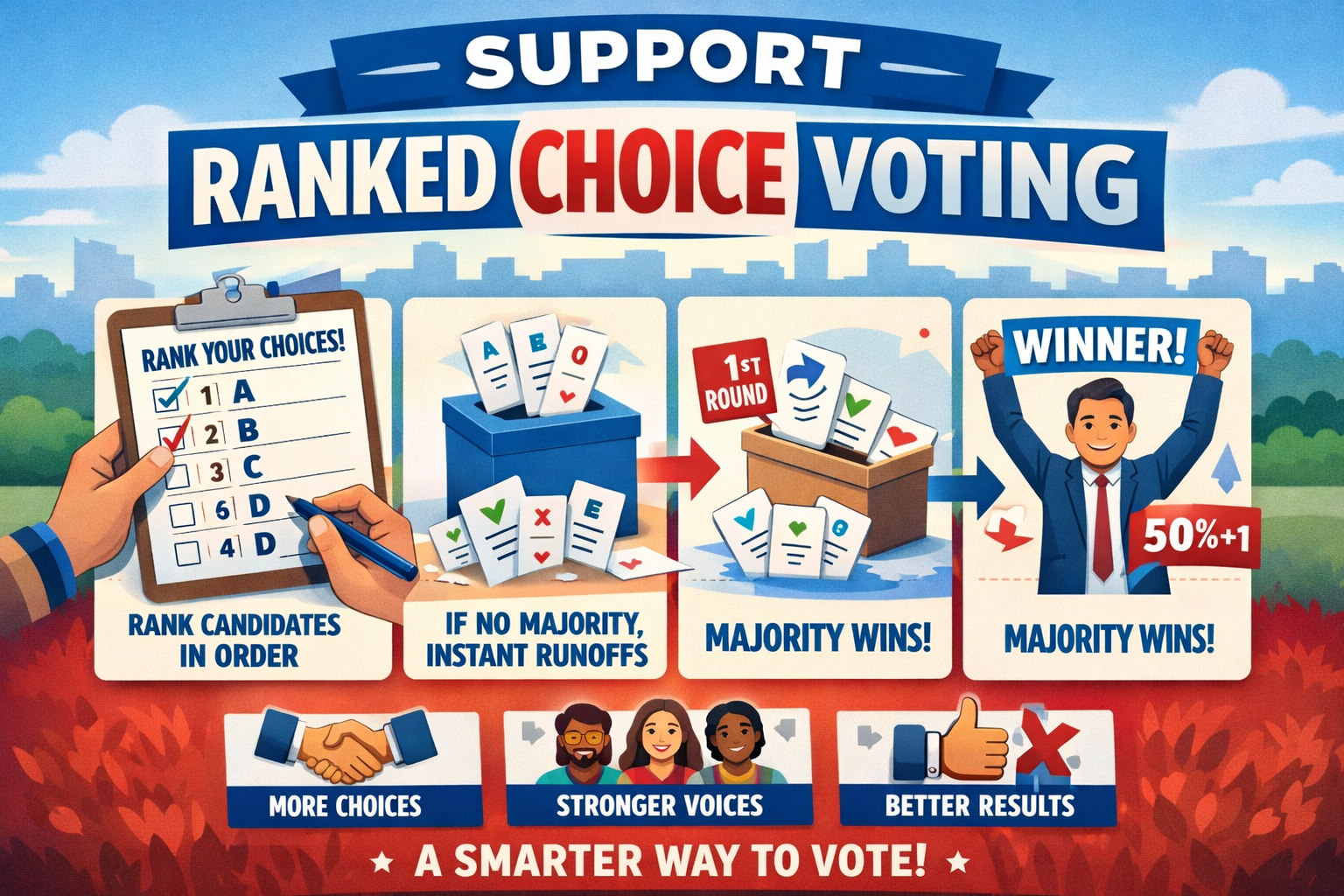
Is This You?
I must say terms like RINO are offensive and inaccurate. It should also be noted that the largest percentage of voters, over 45% align themselves as independents, maybe that's why both parties fight so hard

It isn’t funny anymore, so let’s get ready for tomorrow – Healthcare in America
. Not conspiracy theories, just a better understanding of the how and why. My goal wasn't to be partisan — it was to help readers better grasp the mechanics behind the curtain and make better,
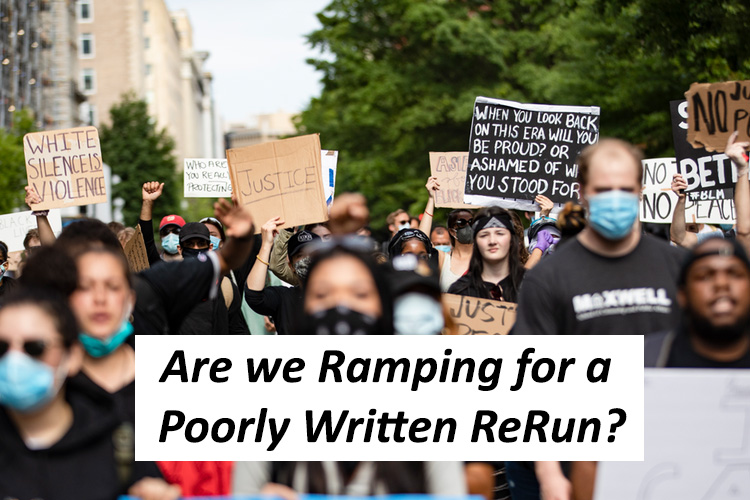
It’s Not Which Side, It’s Looking In The Mirror
That's right, freedom — we fought for freedom. But somewhere in there should be a guarantee of protection. And I don't see anyone way up the ladder caring about protecting anyone anymore, except themselves. Have
It’s Not Which Side, It’s Looking In The Mirror – Video
That's right, freedom — we fought for freedom. But somewhere in there should be a guarantee of protection. And I don't see anyone way up the ladder caring about protecting anyone anymore, except themselves. Have

Leonard Leo has done more to reshape the American legal landscape than many senators, presidents, or judges.
No bombastic rallies, no orange spray tan, no obvious cult of personality. The media mostly sees him as “that judicial guy from the Federalist Society.” But under the radar, he’s weaponizing legal legitimacy, which is
Let’s Move Forward
I support the Forward movement because it is one of the few efforts trying to pull American politics out of the tribal trench warfare it has been stuck in for far too long. I don’t
MAGA – Is it too Late Getting Back on Track
So where do we go from here? We don’t need to abandon what we believed — we need to reclaim it. Not with rage, but with resolve. Not by burning everything down, but by rebuilding what’s
MAGA – What Trump Turned It Into
Trump didn’t build on the core of MAGA, he hijacked it. He turned a movement meant to restore dignity into one that demands loyalty over honesty, anger over results, and spectacle over service. He didn’t drain
Share this:

Balancing Green Ambitions with Real-World Energy Needs
On
- Commentary, purple
In the race toward a cleaner, more sustainable future, renewable energy has emerged as a powerful symbol of progress. Solar, wind, hydro, and other green sources promise lower emissions, energy independence, and long-term cost savings. But as the world transitions, it’s important to acknowledge a reality that often gets lost in the noise: fossil fuels aren’t going away overnight.

The responsible path forward isn’t about choosing one over the other — it’s about balance.
Renewables are growing rapidly, but they face limits: energy storage remains expensive, wind and solar are intermittent, and our existing infrastructure wasn’t built to accommodate them at scale. Meanwhile, fossil fuels—especially natural gas—still provide critical baseload power, keep transportation systems moving, and heat millions of homes during extreme weather.
Rather than vilifying fossil fuels entirely, we should demand smarter use. Cleaner-burning technologies, stricter emissions standards, and investments in carbon capture can reduce their impact while giving renewables time to scale. Likewise, green energy advocates must continue pushing for innovation, better grids, and more equitable access.
This isn’t a war between old and new — it’s a relay. Fossil fuels carried the baton for centuries. Now, we need them to hand it off responsibly while renewable energy systems build the strength to run the next leg. Balance is not compromise — it’s the only way forward.
After the initial post I recieved 2 thoughtful replies, both with merit. I could rewrite the article to address the validity of what was brought up, or post the the replies here and my response. I will do the latter.
@nerd7132.bsky.social
they use gas plants in the US for baseline nowadays
@mpellatt.bsky.social
An opinion piece with no recognition of how the fossil fuel industry has behaved anything but “responsibly” to date, and offering no evidence that the leopard can change its spots. Also misunderstands current use of fossil fuel (at least in UK) – CCGT gas plants are used for peaking, not baseline.
Reply from me
Thanks for the thoughtful replies — really appreciate the added perspective.
You’re absolutely right that the role of gas plants varies by region. In the U.S., many combined-cycle plants are still used for baseload, while in the UK, natural gas has shifted more toward peaking support as renewables take the lead. It’s a good reminder that energy strategies aren’t one-size-fits-all.
And yes — the fossil fuel industry’s track record of resisting change deserves criticism. I wasn’t trying to gloss over that history, just focusing on how we move forward now with the tools and systems we still rely on. Calling for responsible use shouldn’t be confused with giving anyone a free pass.
The main point stands: this is a transition, not a binary switch. Balance and accountability can — and should — coexist.
Share this:

Part 2 – The Awakening of the Woke
On
- Commentary, purple
I’m building a political cartoon arc that speaks to the people everyone else has forgotten — the voters who are done with performative politics and ready to rebuild, quietly and seriously.
Through 3 six-panel series (and growing), I show the parallel awakenings of MAGA and Woke Americans — not to each other’s flaws, but to their shared betrayal. From there, they move toward reluctant cooperation.
Part 1 – When MAGA Loyalty Meets Reality
Part 2 – The Awakening of the Woke Here
Part 3 – Come Together
Collaborate or feature this work through your channels to reach Americans ready to engage from the middle.
“The Awakening of the Woke”
They marched for justice.
They voted with purpose.
They believed in something better.
The Woke generation wasn’t born from privilege or apathy — it was built from protest, passion, and principle. They wanted a world that was more fair, more kind, more conscious. And for a while, it felt like progress was finally being made.
But the deeper they went, the more the cracks began to show.
Words like “equity,” “representation,” and “inclusion” became currency — not values.
Corporate sponsors, celebrity hashtags, and carefully scripted candidates told them exactly what they wanted to hear — while behind closed doors, very little actually changed.
Student debt ballooned. Housing costs soared. Foreign wars expanded.
And the people who promised change?
They padded their resumes, their portfolios, and their polling numbers.
What began as a moral movement slowly became a marketing campaign.
And then the disillusionment set in.
This isn’t a story about flipping sides or giving up.
It’s a story about waking up — about realizing that being “on the right side of history” means little if history keeps repeating itself.
This cartoon series doesn’t mock idealism. It mourns what was done to it.
And it dares to ask: what happens when the Woke stop performing and start rebuilding?
The answer, as it turns out, may be the same one their so-called opponents have already begun to discover:
That truth is louder than branding.
That justice isn’t handed down — it’s built together.
And that real change doesn’t begin in party headquarters.
It begins at a table — across from someone you were once told to hate.
“Voices of Promise” (The Idealism)
We believed in justice. We believed we were being heard.
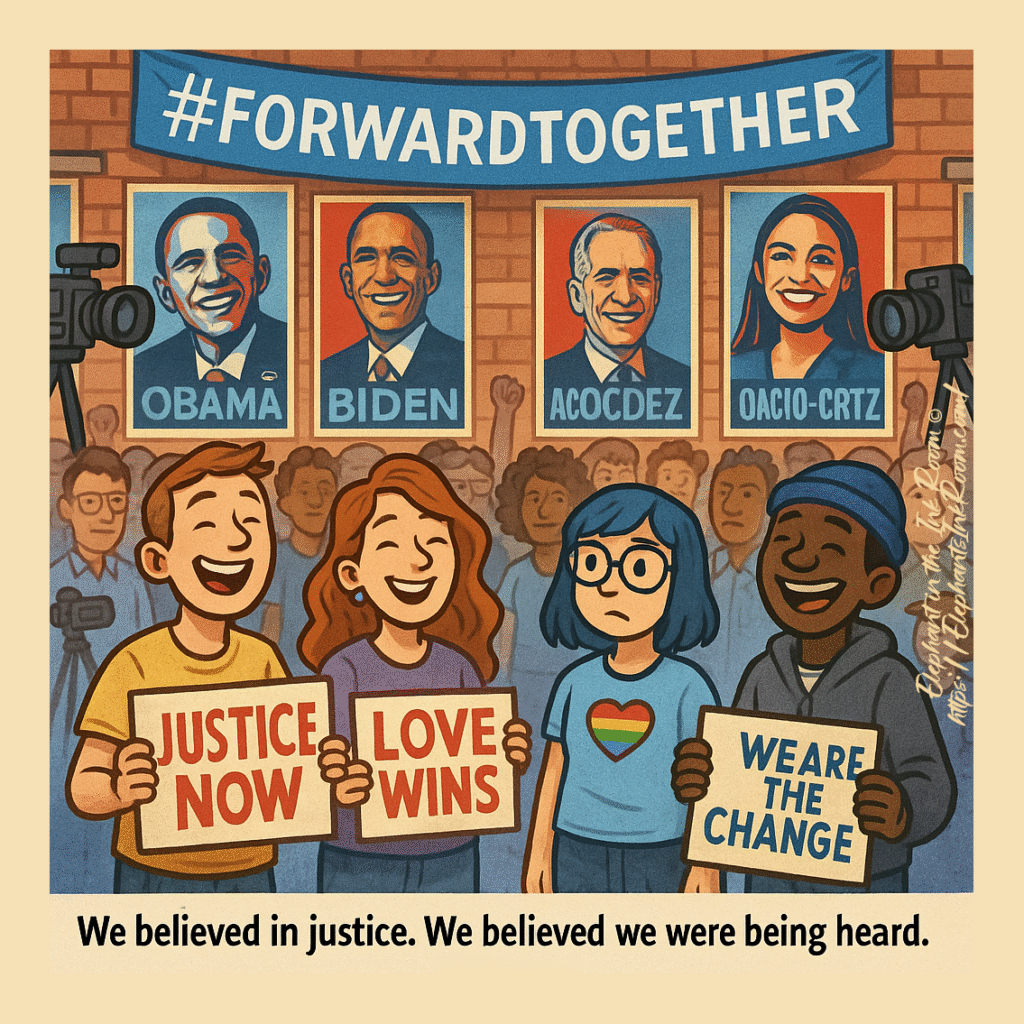
“The Curtain Falls” (The Betrayal)
We believed the words. But we watched what they did.
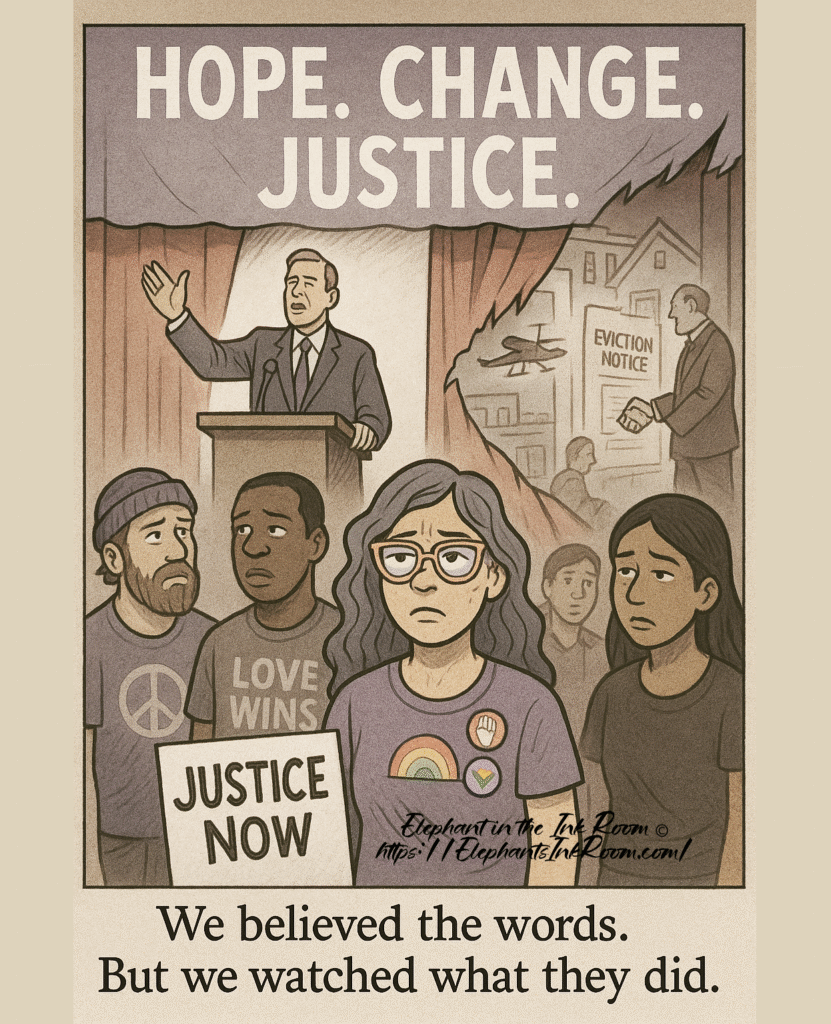
“Off the Podium” (Facing the Truth)
We were never enemies. Just two sides of a broken promise.
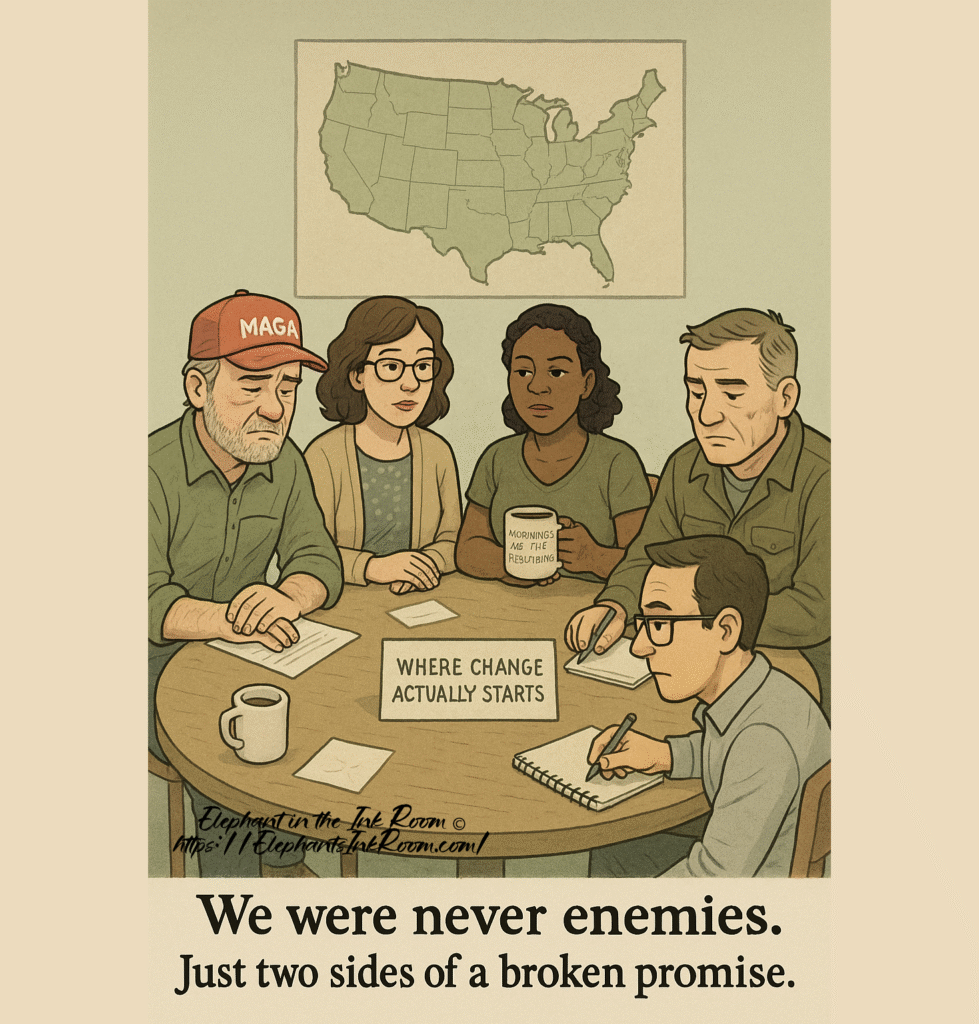
“Identity Inc.” (Realization of Exploitation)
“They didn’t co-opt our values. They monetized them.”
“The Bubble Bursts” (Disillusionment Becomes Anger)
“When slogans became sedatives.”
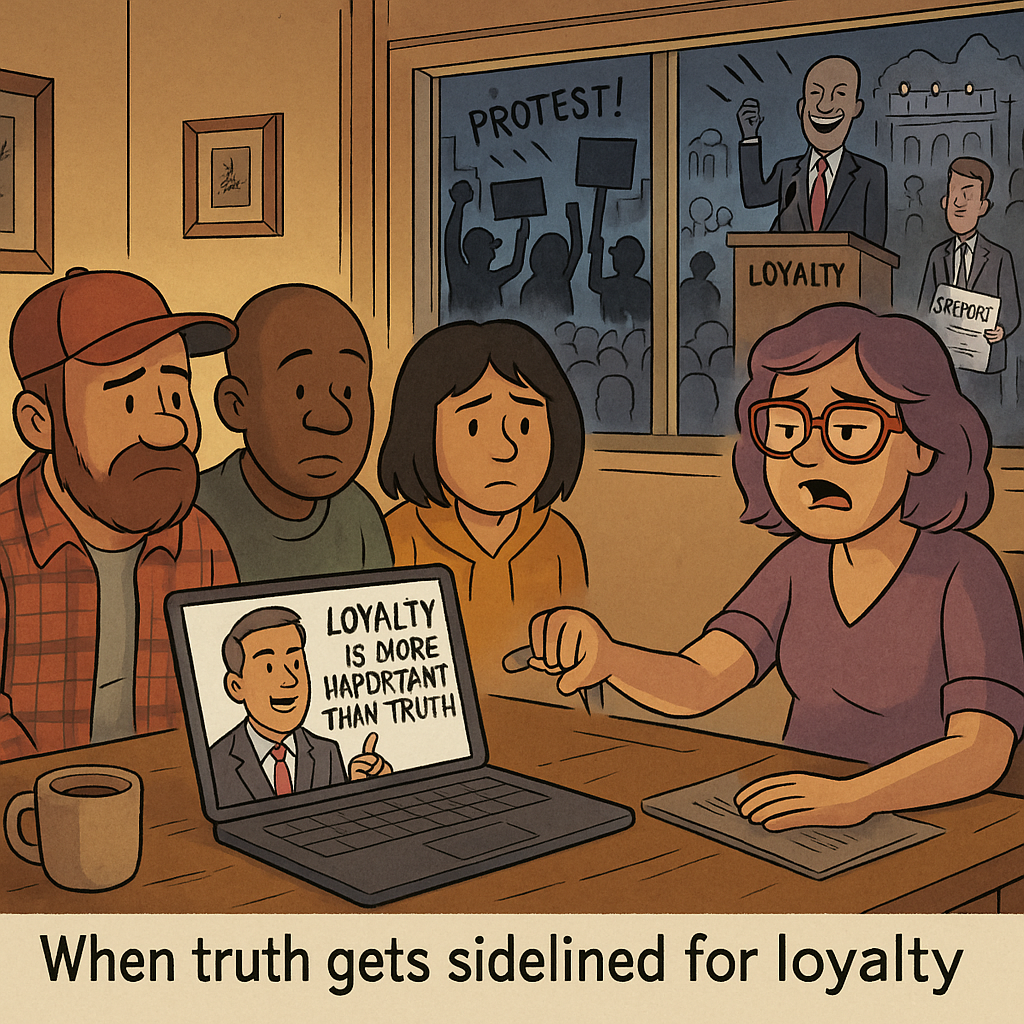
“Hard Conversations” (Facing Reality Together)
“Real change starts when the scripts stop.”
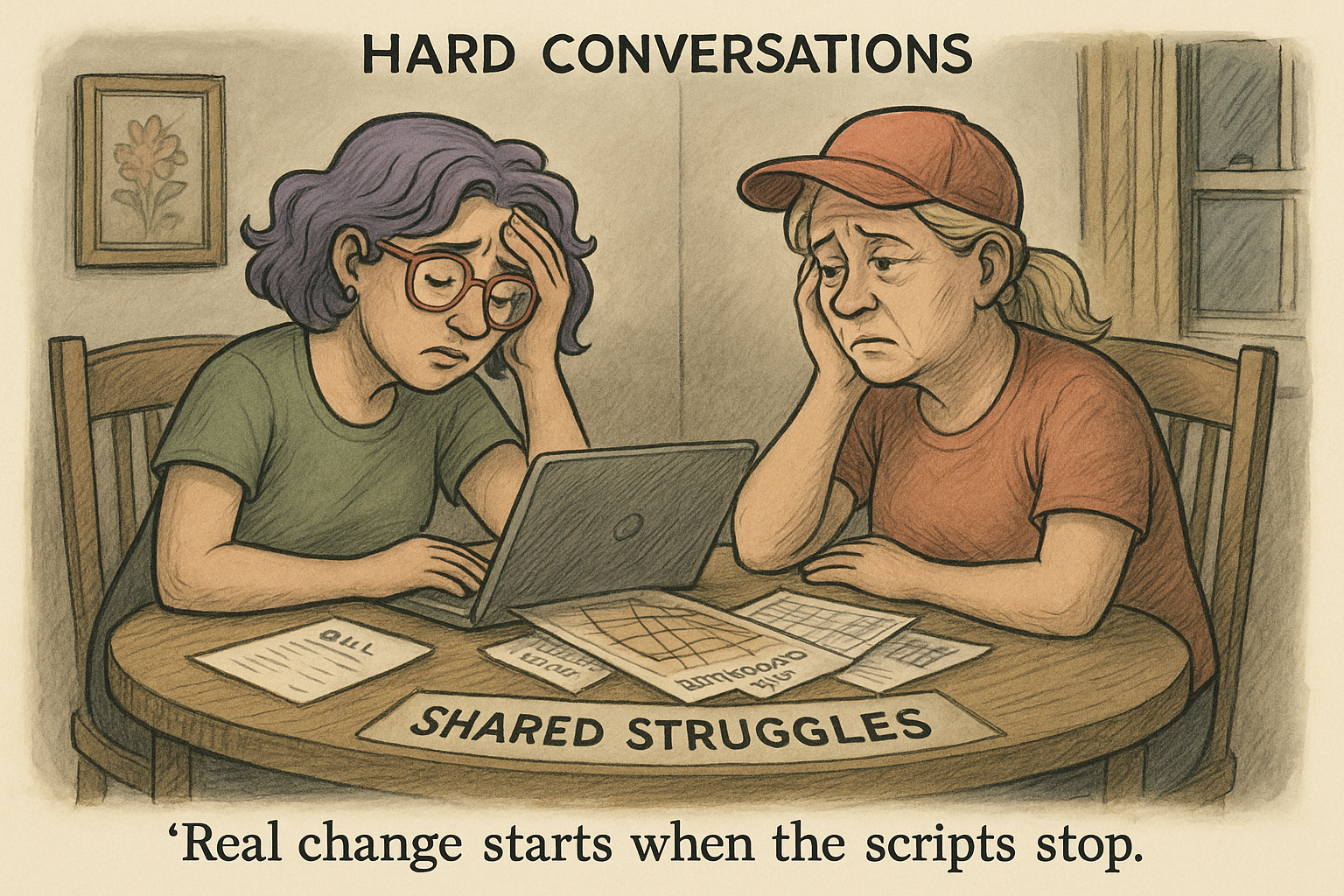
Share this:

Part 3 – Come Together
On
- Commentary, purple
I’m building a political cartoon arc that speaks to the people everyone else has forgotten — the voters who are done with performative politics and ready to rebuild, quietly and seriously.
Through 3 six-panel series (and growing), I show the parallel awakenings of MAGA and Woke Americans — not to each other’s flaws, but to their shared betrayal. From there, they move toward reluctant cooperation.
Part 1 – When MAGA Loyalty Meets Reality
Part 2 – The Awakening of the Woke Here
Part 3 – Come Together
Collaborate or feature this work through your channels to reach Americans ready to engage from the middle.
“Coming Together Starts With Showing Up”
We didn’t get here overnight.
We were divided by design —
fed a steady diet of fear, pride, and blame.
And it worked.
We shouted across fences.
Unfriended across dinner tables.
We stopped seeing people.
We started seeing labels.
But division didn’t fix our schools.
Didn’t lower our bills.
Didn’t pave our roads or keep our kids safe.
What we’ve learned — the hard way —
is that yelling doesn’t build anything.
And hating your neighbor doesn’t make you right.
It just makes you alone.
So here we are, bruised but not broken,
with rusted tools and a banged-up democracy.
And we’re picking them up — together.
Not because we agree on everything.
But because we finally agree on this:
This country’s worth fixing.
And it won’t fix itself.
“Everythings Broken”
Both sides agree on one thing – Everything is broken.
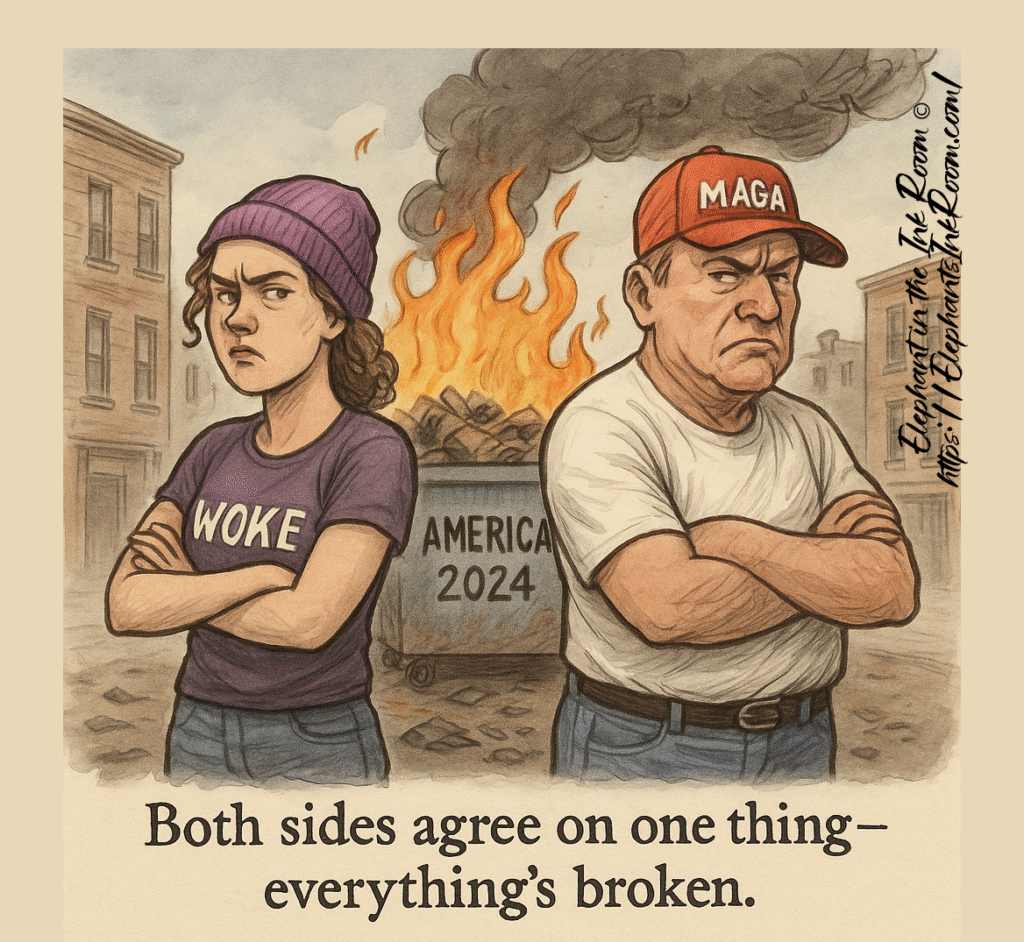
“Maybe They Don’t Agree”
They didn’t come to agree – Just dig out
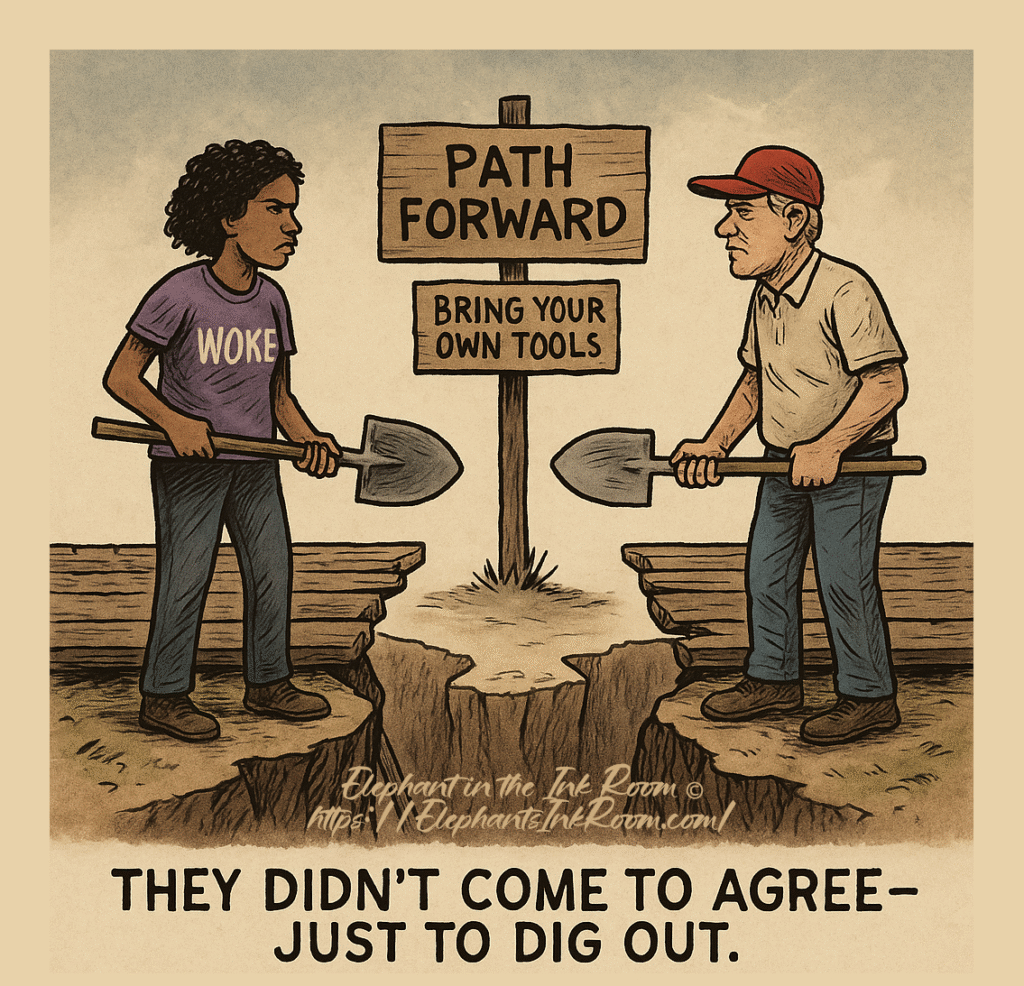
“Maturity”
It’s not Unity. It’s maturity
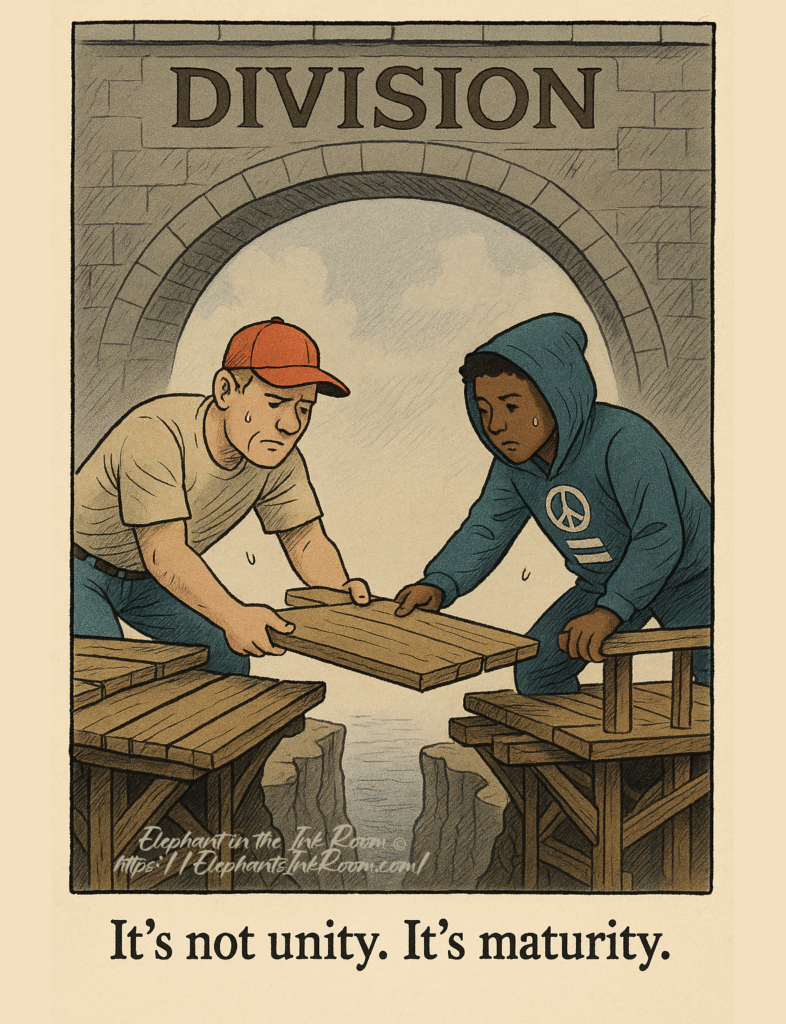
“Are The Tools Broken”
Old tools, new hands

“The Repair Crew”
Compromise isn’t weekness. It’s what keeps the wheels on.
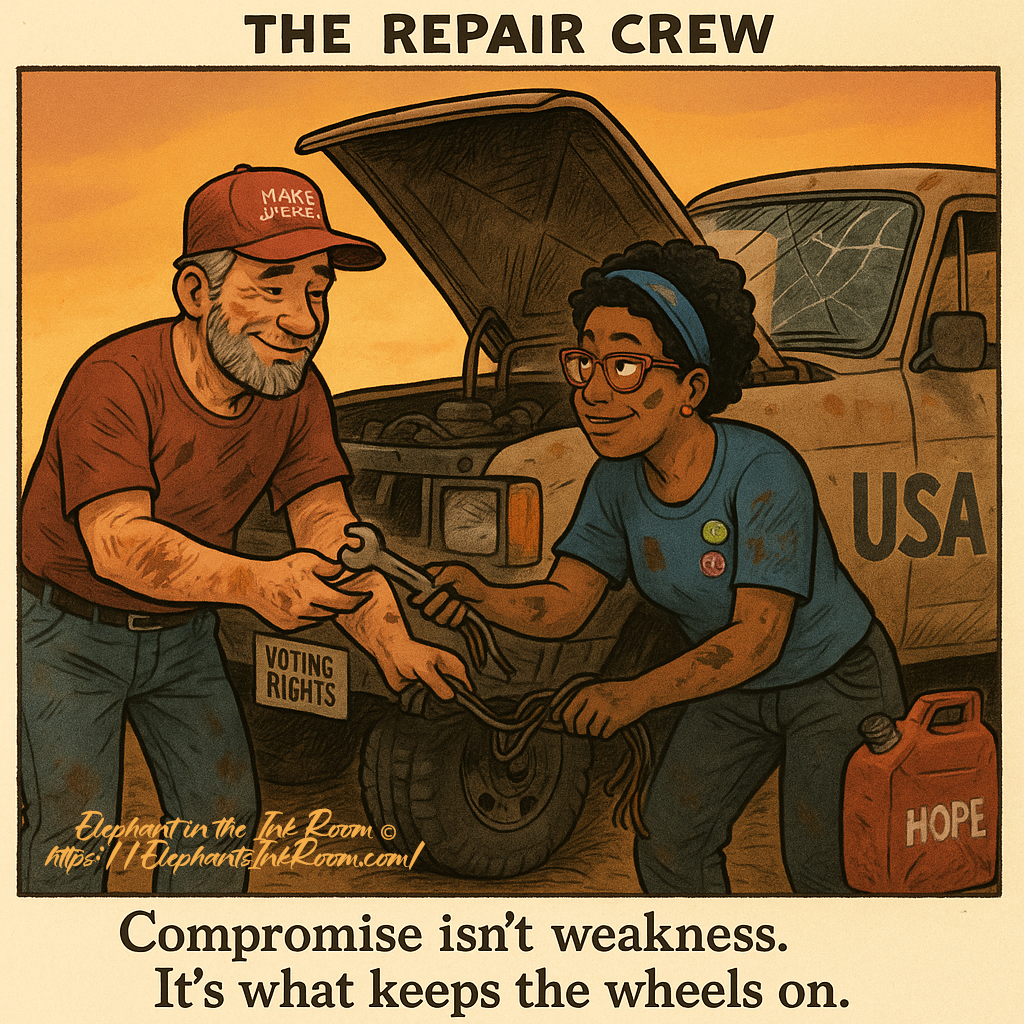
“The Middle Room”
America’s not a team. It’s a town hall.
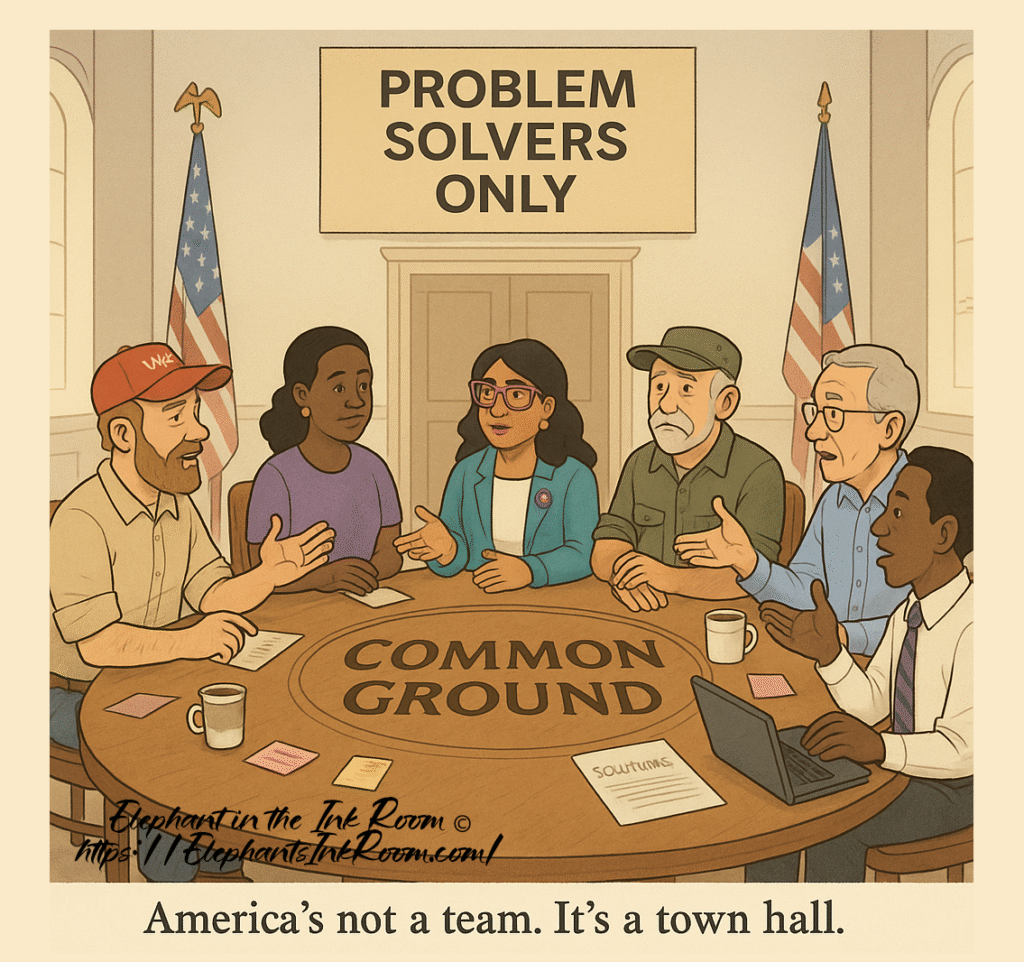
Share this:

Part 1 – When MAGA Loyalty Meets Reality
On
- Commentary, purple
I’m building a political cartoon arc that speaks to the people everyone else has forgotten — the voters who are done with performative politics and ready to rebuild, quietly and seriously.
Through 3 six-panel series (and growing), I show the parallel awakenings of MAGA and Woke Americans — not to each other’s flaws, but to their shared betrayal. From there, they move toward reluctant cooperation.
Part 1 – When MAGA Loyalty Meets Reality
Part 2 – The Awakening of the Woke Here
Part 3 – Come Together
Collaborate or feature this work through your channels to reach Americans ready to engage from the middle.

When Loyalty Meets Reality
By Elephant in the Ink Room
There’s a quiet shift happening across the American political landscape — one that isn’t showing up in polls, but it’s written all over people’s faces.
It’s the look of buyers’ remorse.
Millions of Americans who once cheered for the populist energy of Donald Trump are now staring at the price tag. Not just in dollars, but in dignity. In lost healthcare. In broken promises. In mounting legal bills and a party that defends one man’s power over public good.
We’ve all seen the slogans. “I didn’t vote for this.” Or “Did you vote for this?” But what happens when those words start coming from the red hat crowd?
That’s the question this cartoon series explores — not with anger, but with curiosity. What does it look like when loyalty begins to crack? When those who once believed realize they’ve been used, not served? When patriotism is hijacked to justify power grabs and people wake up wondering how they got here?
Through satire and symbolism, these cartoons offer a mirror — not to ridicule, but to reflect. Because disillusionment is the first step toward clarity. And clarity? That’s where change begins.
The awakening is never easy.
But it’s necessary.



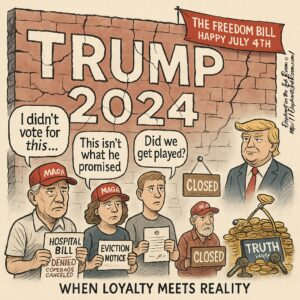
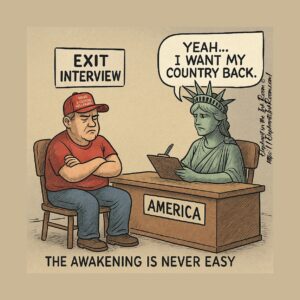


“We don’t mock belief. We expose betrayal.”
Join the discussion. Share your thoughts. And if you’re waking up — welcome.
Share this:


Stop Blaming the Republicans and Stop Blaming the Democrats
There are some really bad people ruining everything for everyone, from the President on down. I staunchly defend individuals that are honest, hard working and would risk everything including their lives for me and my family, I do not care if they call themselves a Republican or a Democrat.
Eisenhower was a Republican and John F. Kennedy was a Democrat, both great men that I would have been proud to have met and been able to call a friend.
Please, your neighbor that changed your daughters flat tire probably wore a different color cap than you. The family across the aisle in Church, the Clergyman, the list goes on. Stop the hate and work together. I am a Moderate Republican and I honestly believe that Donald ‘Appeals’ Trump is the worst thing that could and did happen to this country, and I have been working every single day get him out of office, and I feel that way about his entire administration.
So, once again, stop the blanket name calling, stop the generic hate, direct your energy towards those that deserve it and let us (those like me) work with you to get this country on the road to recovery.
Share this:
Like this: