



























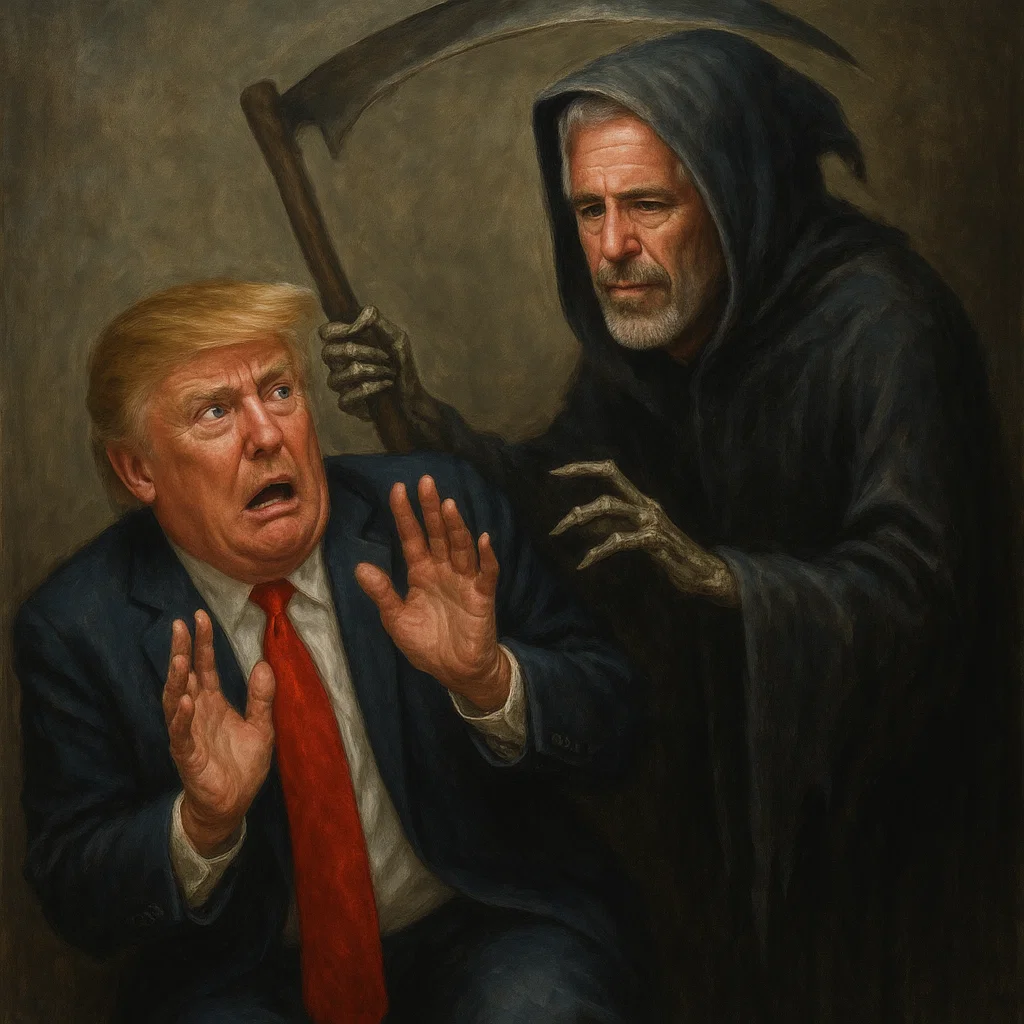

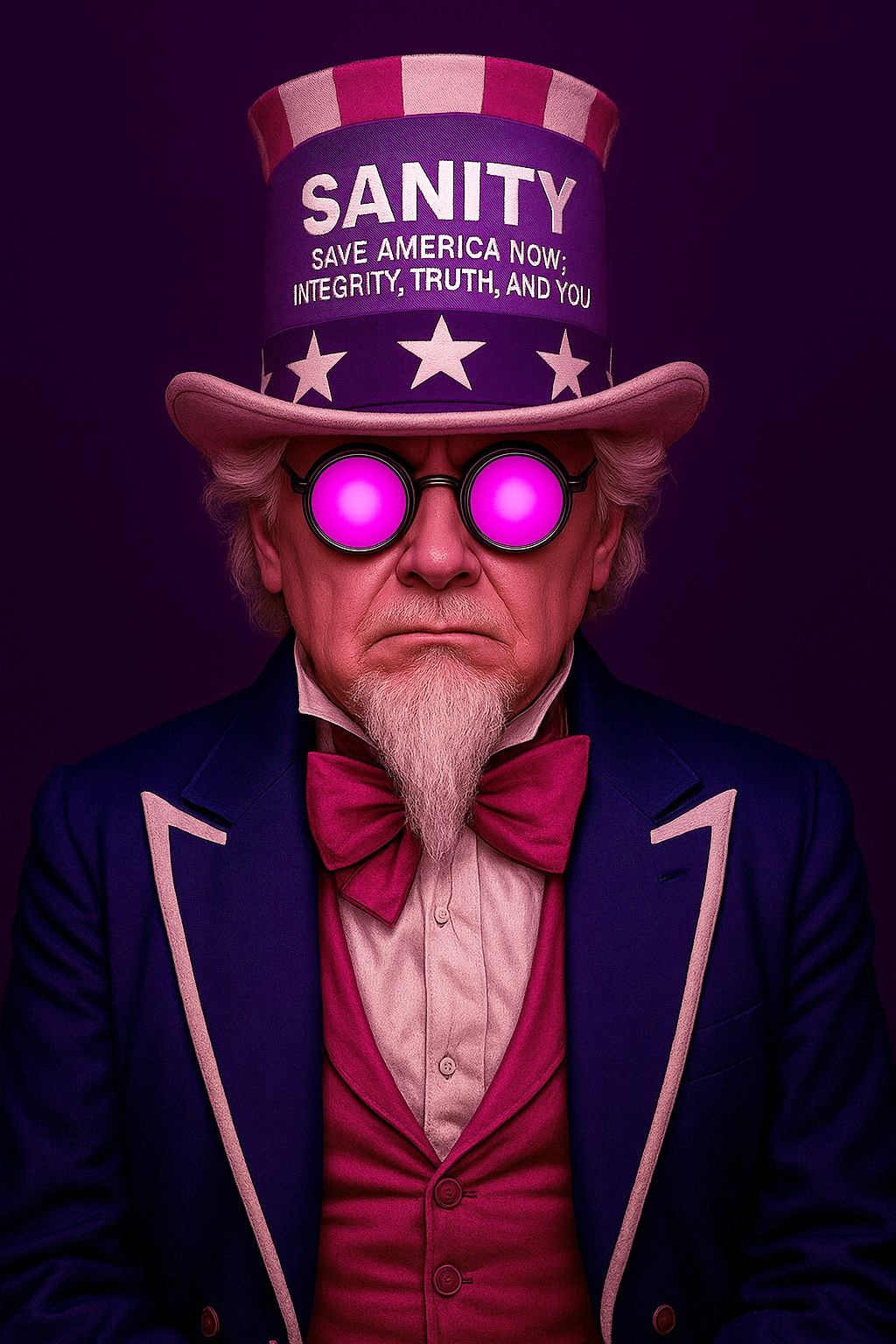

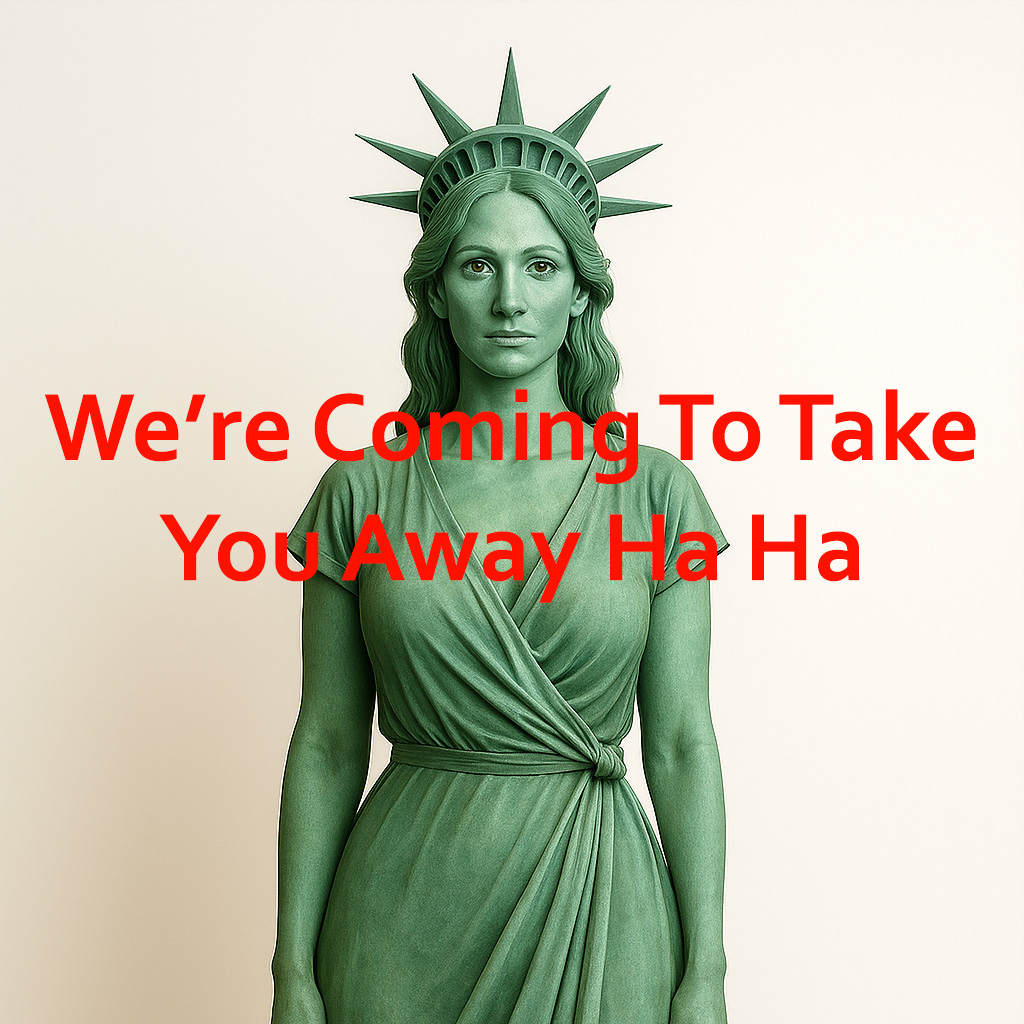


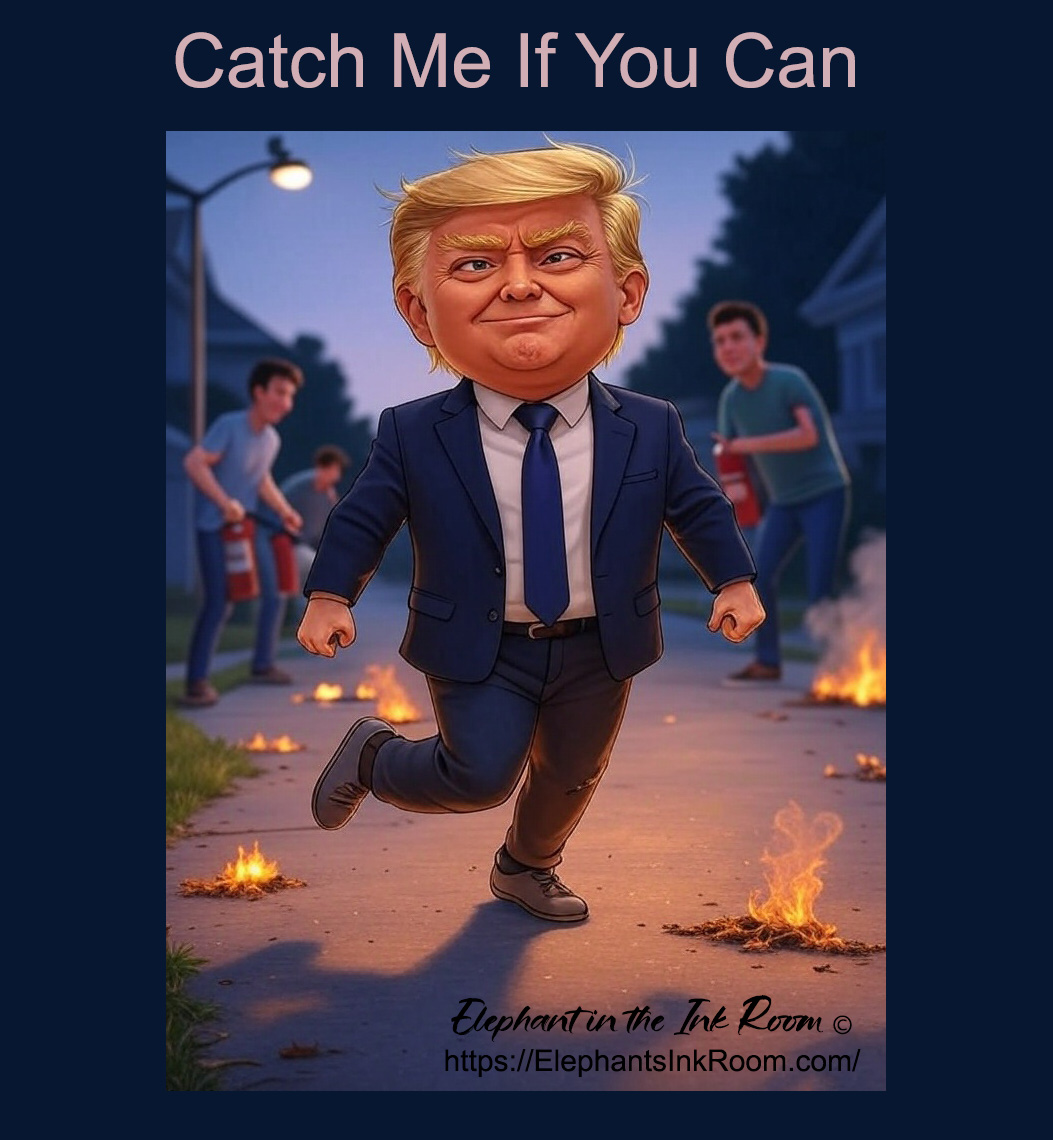
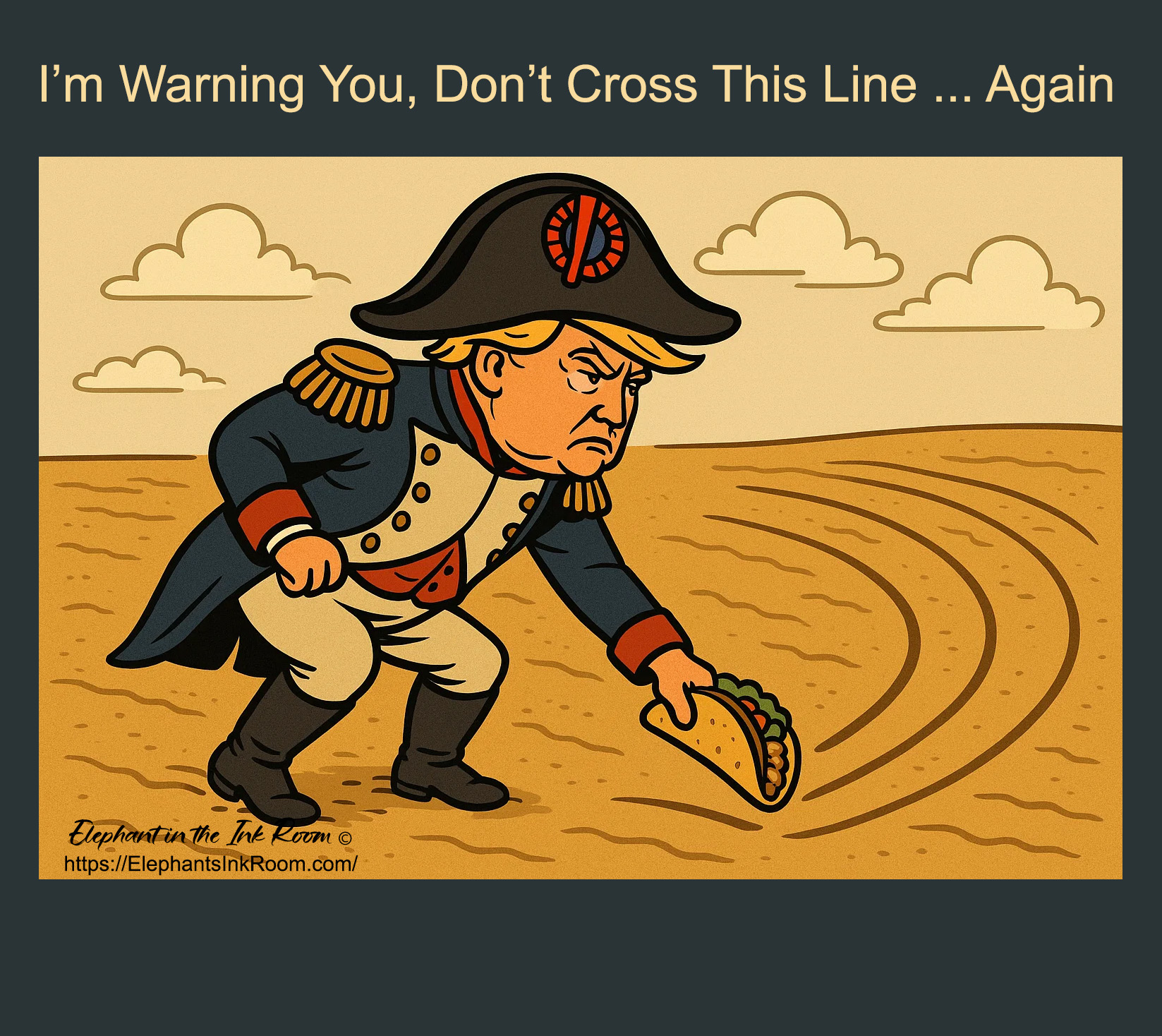
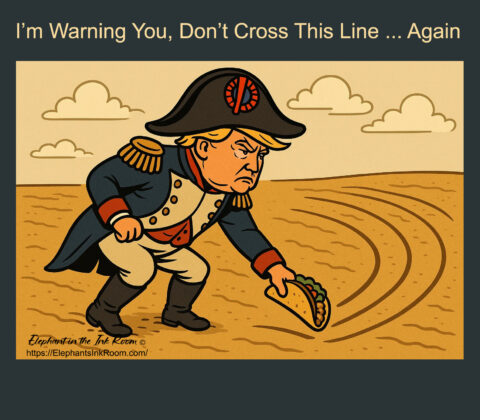
A Line in the Sand, that would be nice, too bad Taco Man is at the other end of the stick.
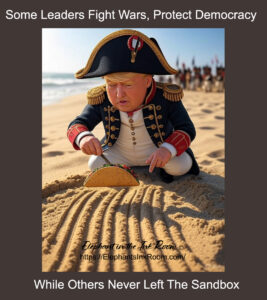














































































It isn’t hard to see why tempers are boiling over in America. Every day brings another round of double talk, broken promises, and political gamesmanship. People work hard, play by the rules, and still feel ignored.
They watch leaders twist the system to their own advantage, then sneer when ordinary citizens cry foul. Add to that the endless stream of lies, name-calling, and finger-pointing, and the frustration deepens.
Anger, at its core, comes from powerlessness — and millions feel powerless in the face of a political class that cheats, bends rules, and shrugs off accountability. No wonder people are furious.
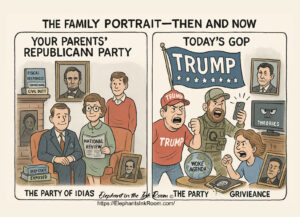
This anger didn’t appear out of thin air. It’s been stoked, often deliberately, by those who profit from division. When leaders lie with a straight face, they corrode trust. When they weaponize insults, they cheapen public life. When they change the rules to shield themselves, they leave citizens feeling that playing fair is pointless.
It’s not just one man or one party, though Trump’s barrage of falsehoods and attacks made the trend painfully visible. Washington’s insiders have grown comfortable rewriting the playbook to suit themselves. The result is a public that feels cheated and betrayed — and that’s on the leadership, not the people.
Here’s the truth: anger is justified, but violence isn’t the answer.
The same frustration that tempts people to lash out can also fuel something better — a demand for honesty, accountability, and decency. Citizens don’t have to swallow lies or tolerate corruption.
They can demand reform, expose the cheaters, and use their voices in ways that can’t be ignored. It starts by calling out the truth and refusing to be distracted by the circus of insults and spin. The anger is real — but it can be turned into a force that builds, not destroys. Leaders created this climate, but it’s the people who can change it.


















































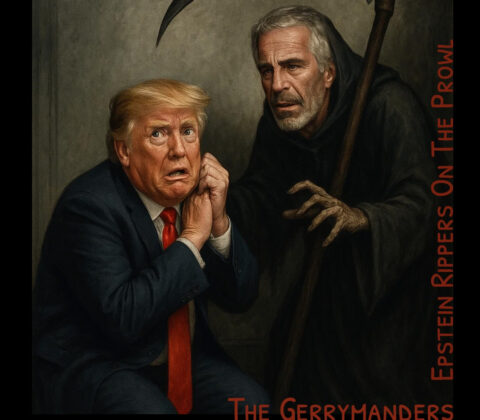





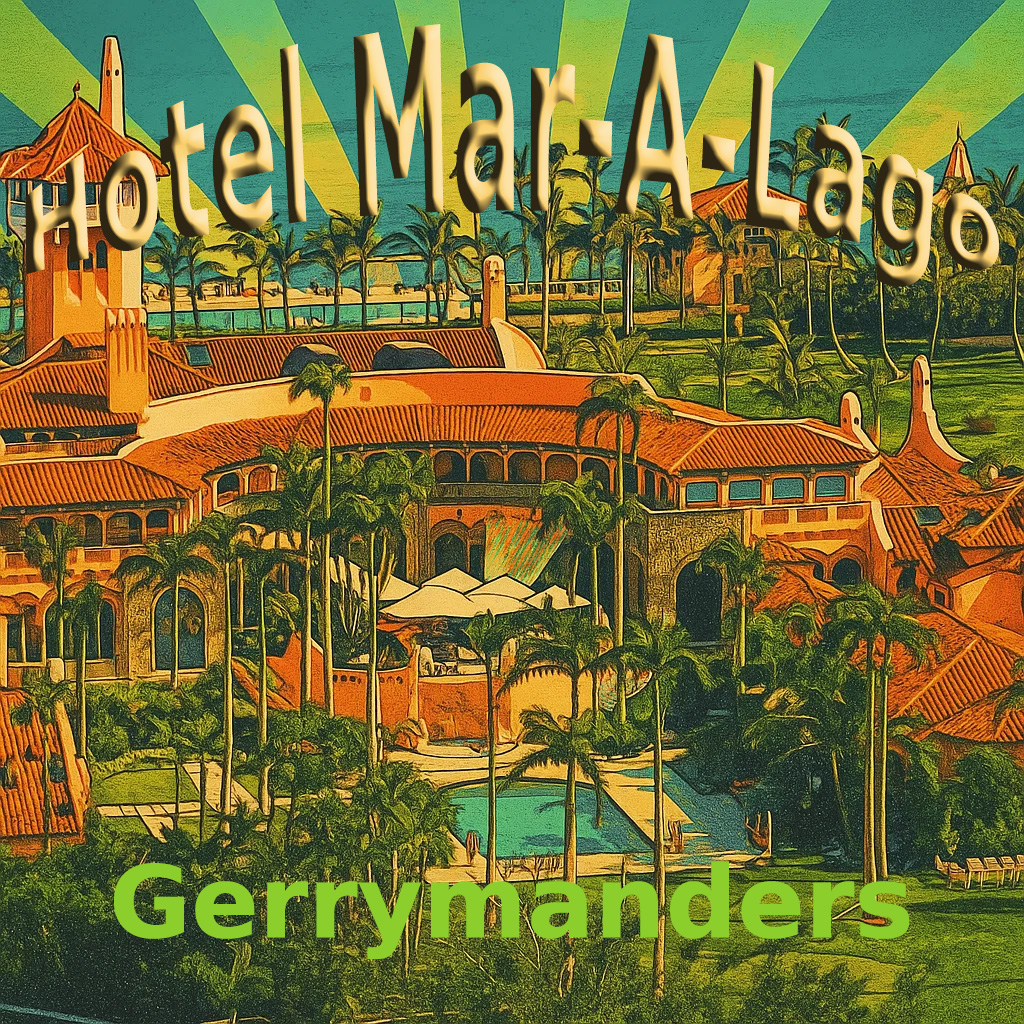
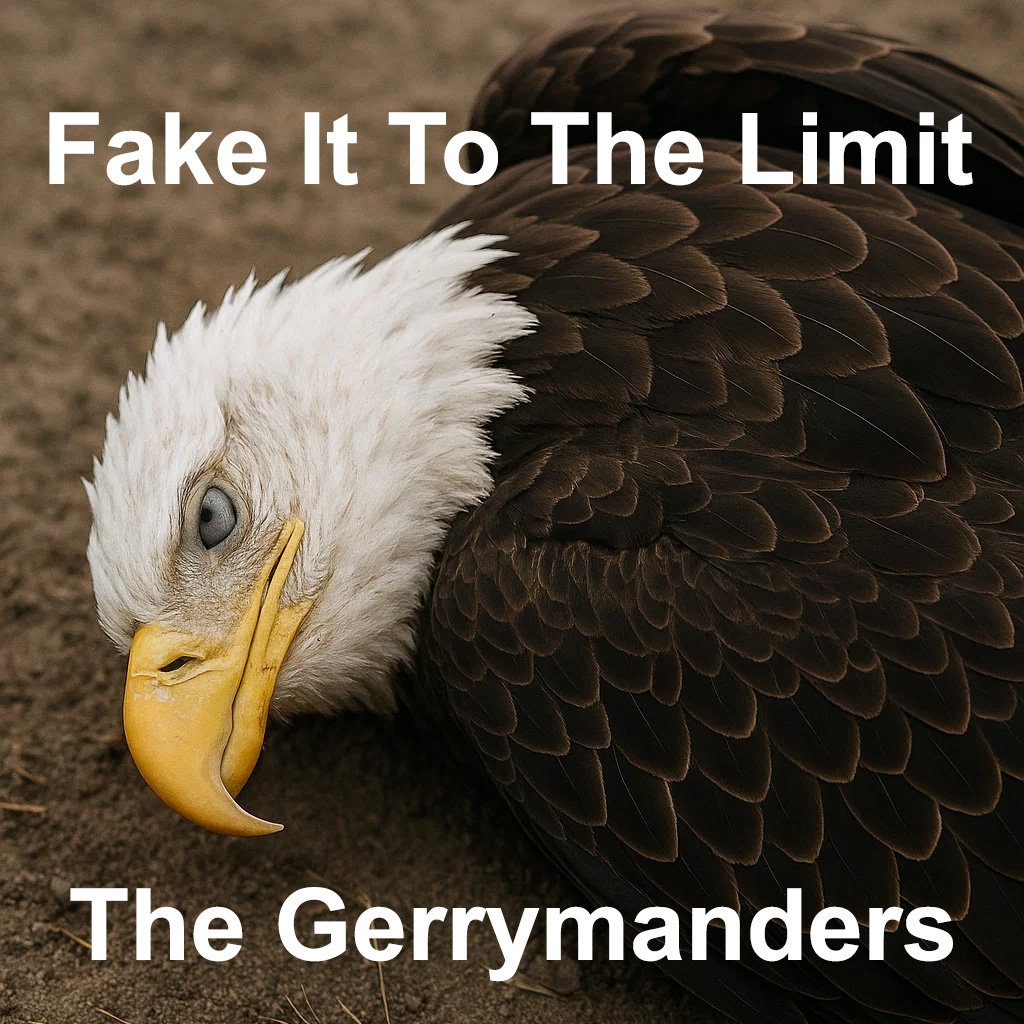


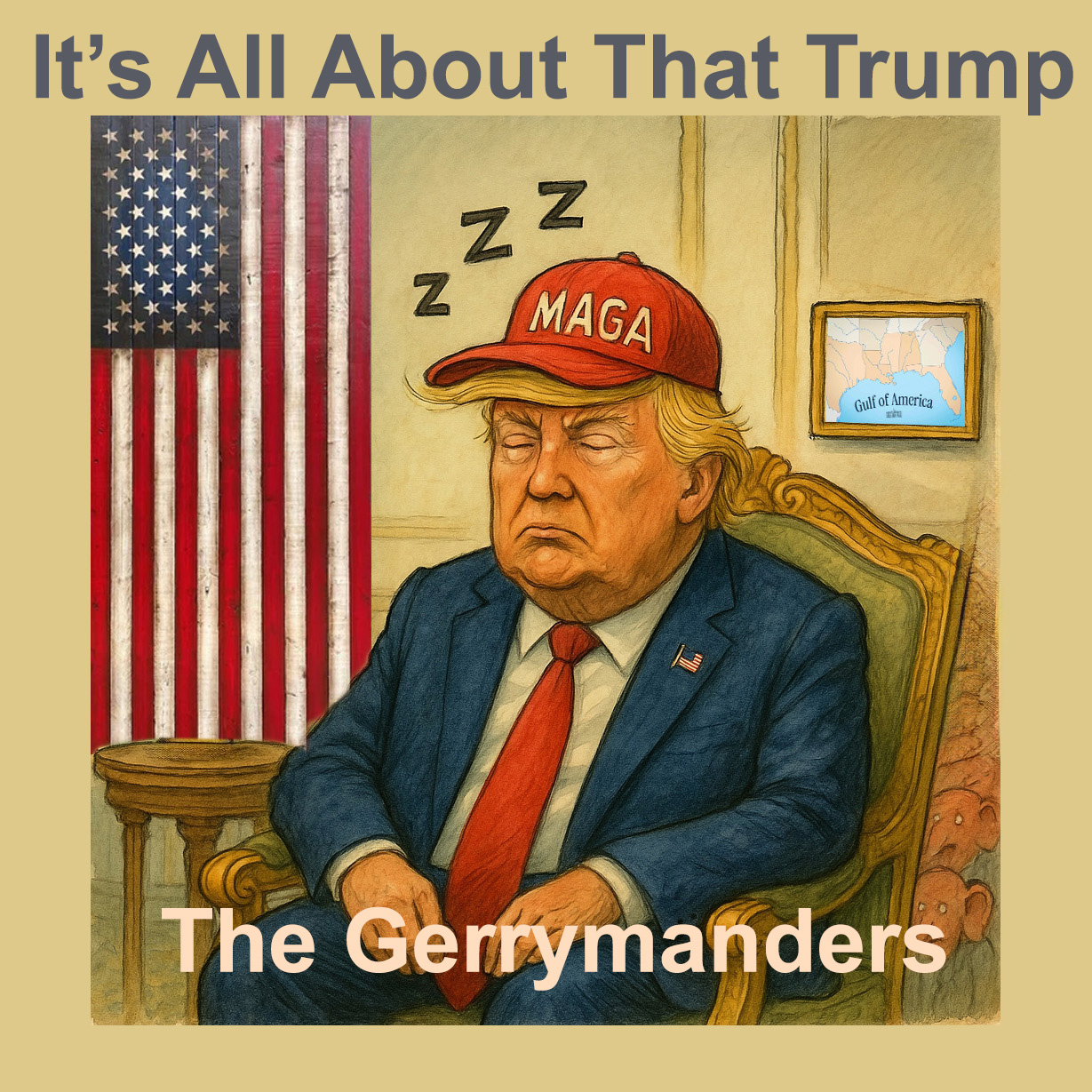
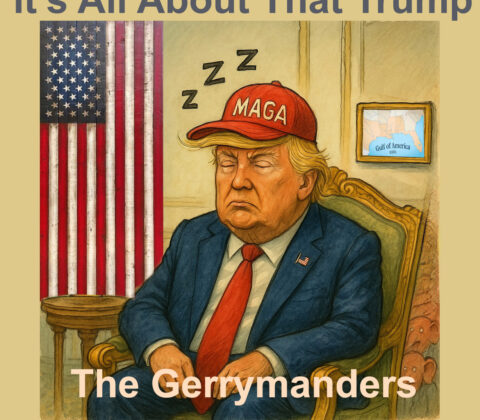
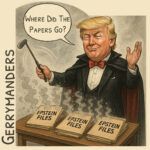

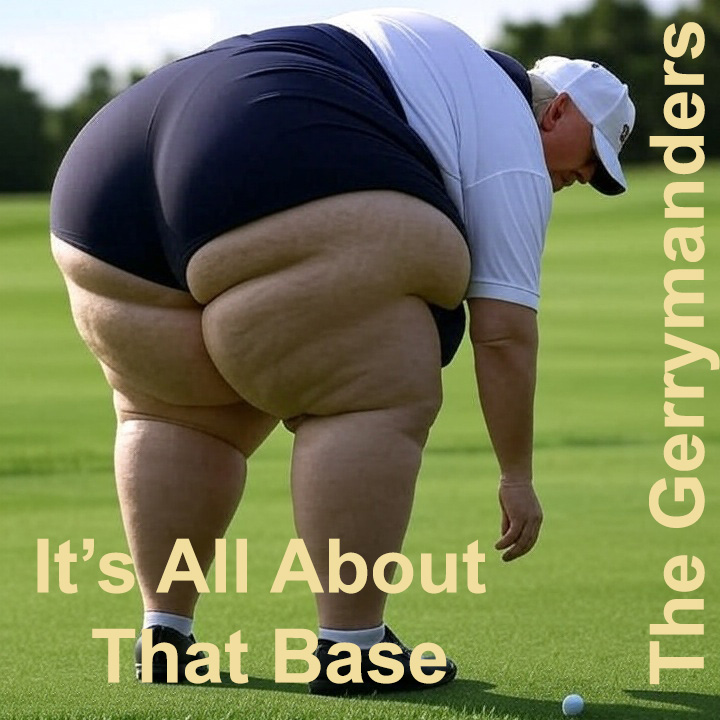
Because you know I’m all about that base
’Bout that base — no facts
I’m all about that base
’Bout that base — no facts
I’m all about that base
’Bout that base — no facts
I’m all about that base
’Bout that base
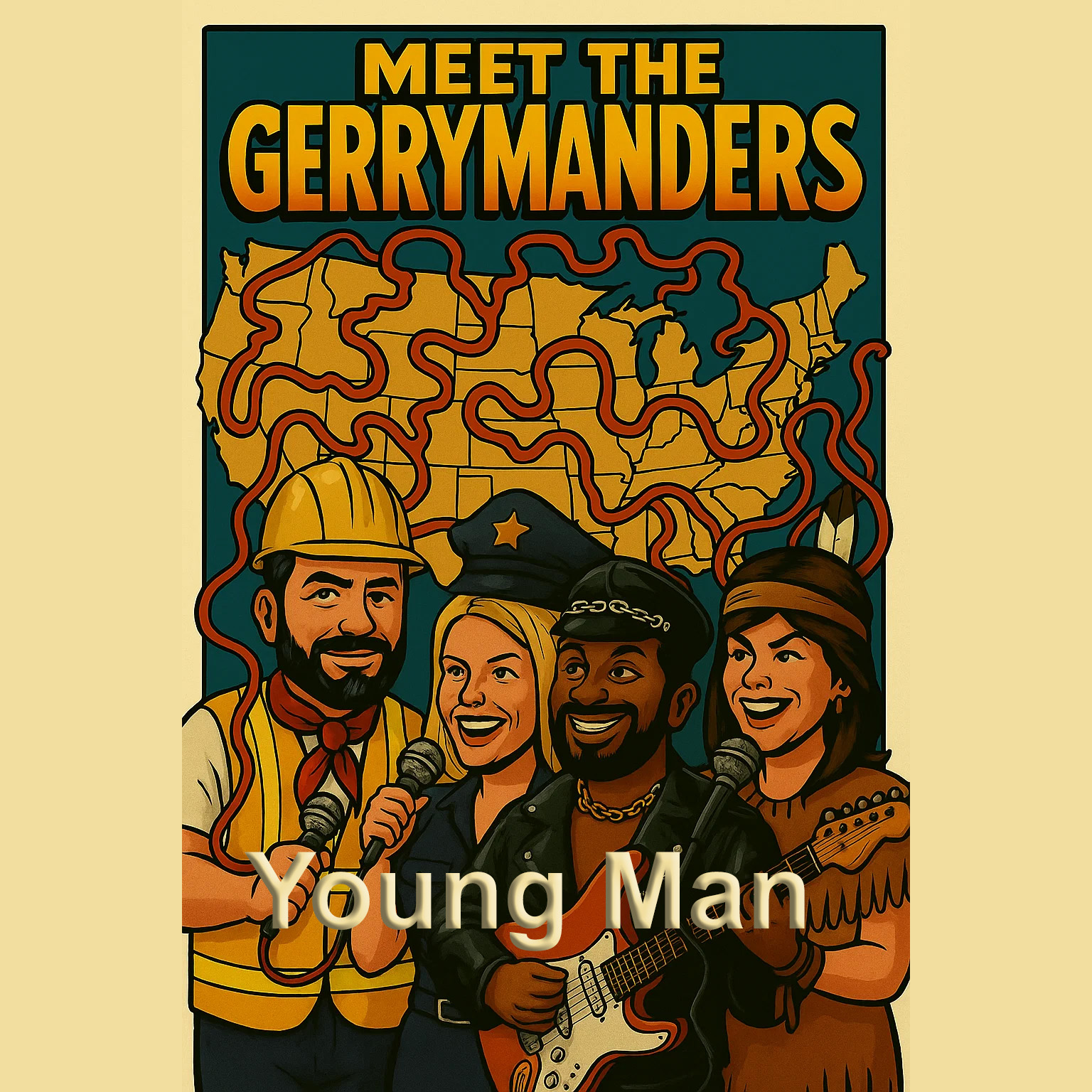
Trump man,
You just won’t go away,
I said, Trump man,
Courtrooms call every day,
But hey,
Trump man,
There are millions to sway,
With a truth that’s been twisted and broken!
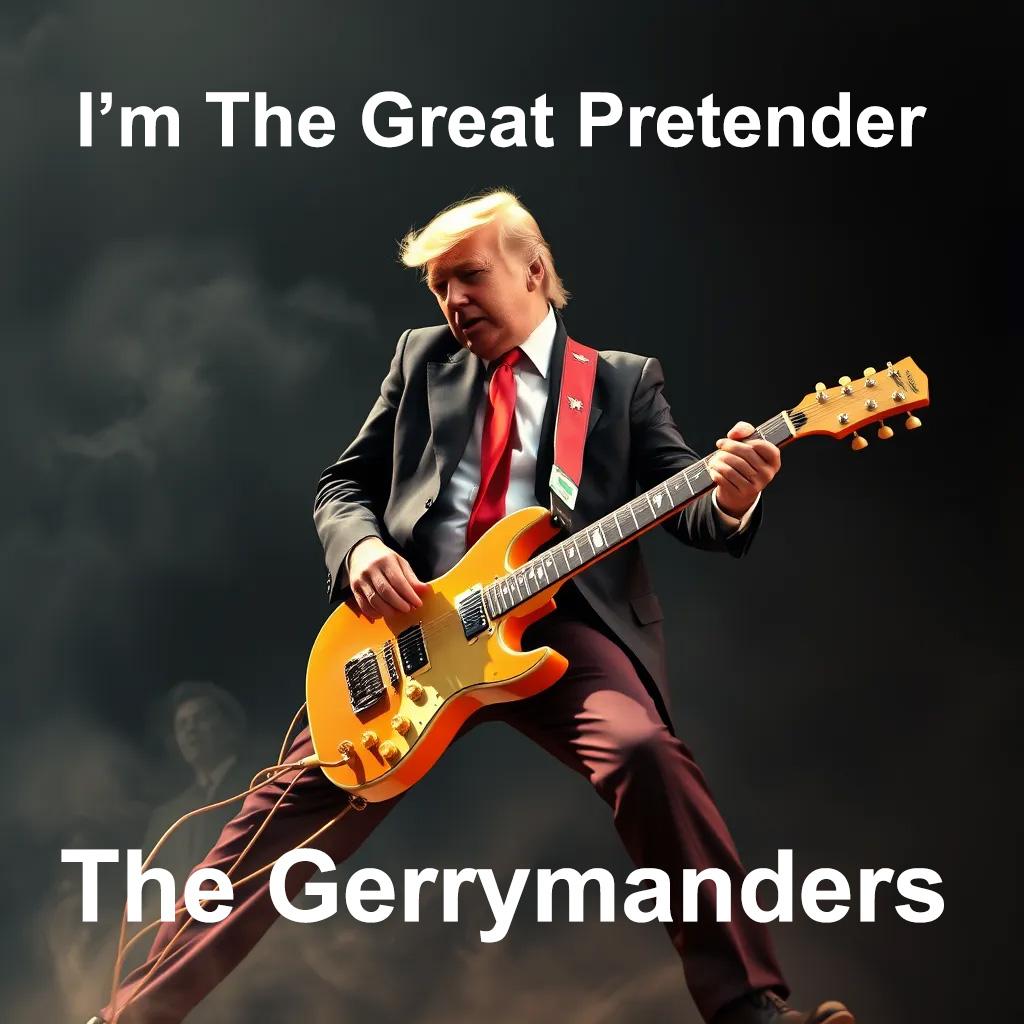
Oh yes, I’m the great pretender,
Claiming I’ve won when I’ve lost,
Bragging with pride,
And always I hide,
The truth that would show what it cost.
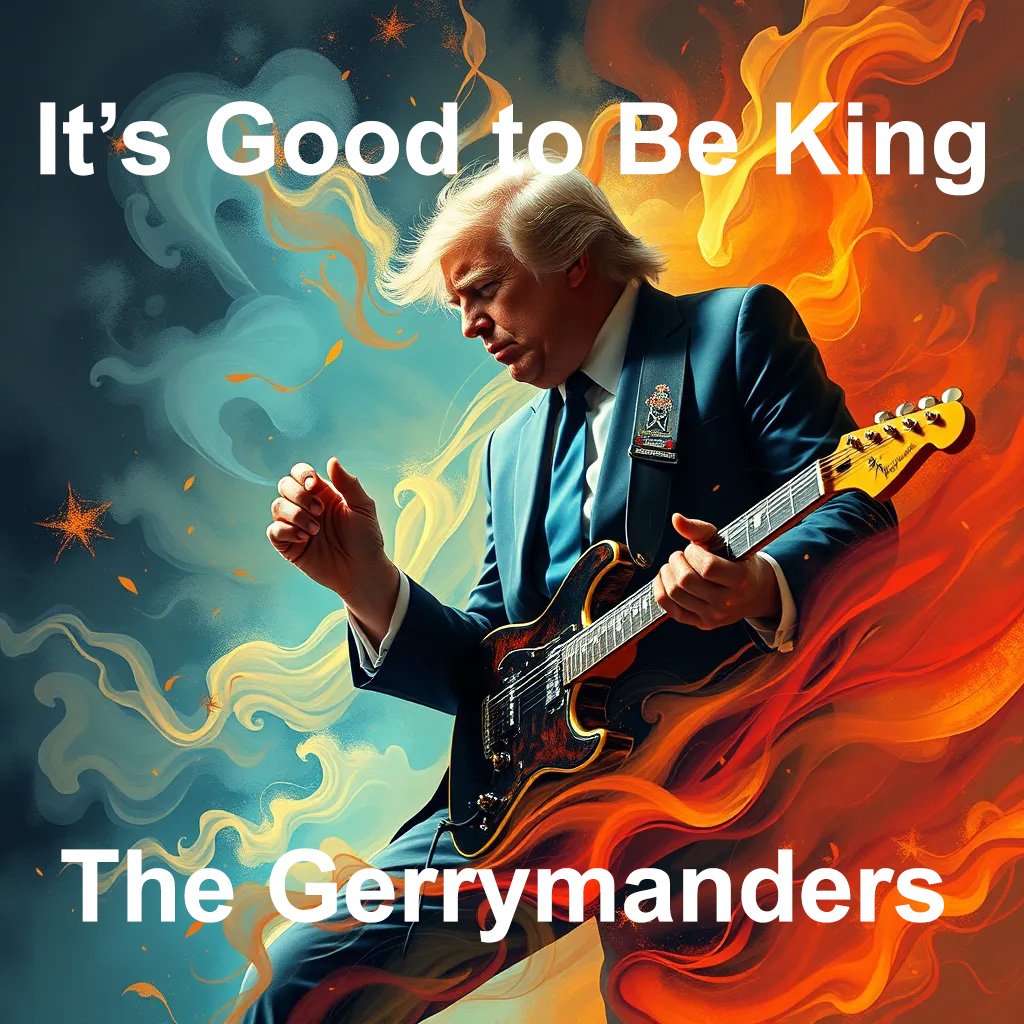
The swamp he swore he’d drain, Just filled with grift again, The debt climbs ever higher, Fed by a ring of liar.
Trump told lies, lies grew higher, And it burns, burns, burns — the ring of liar, The ring of liar.
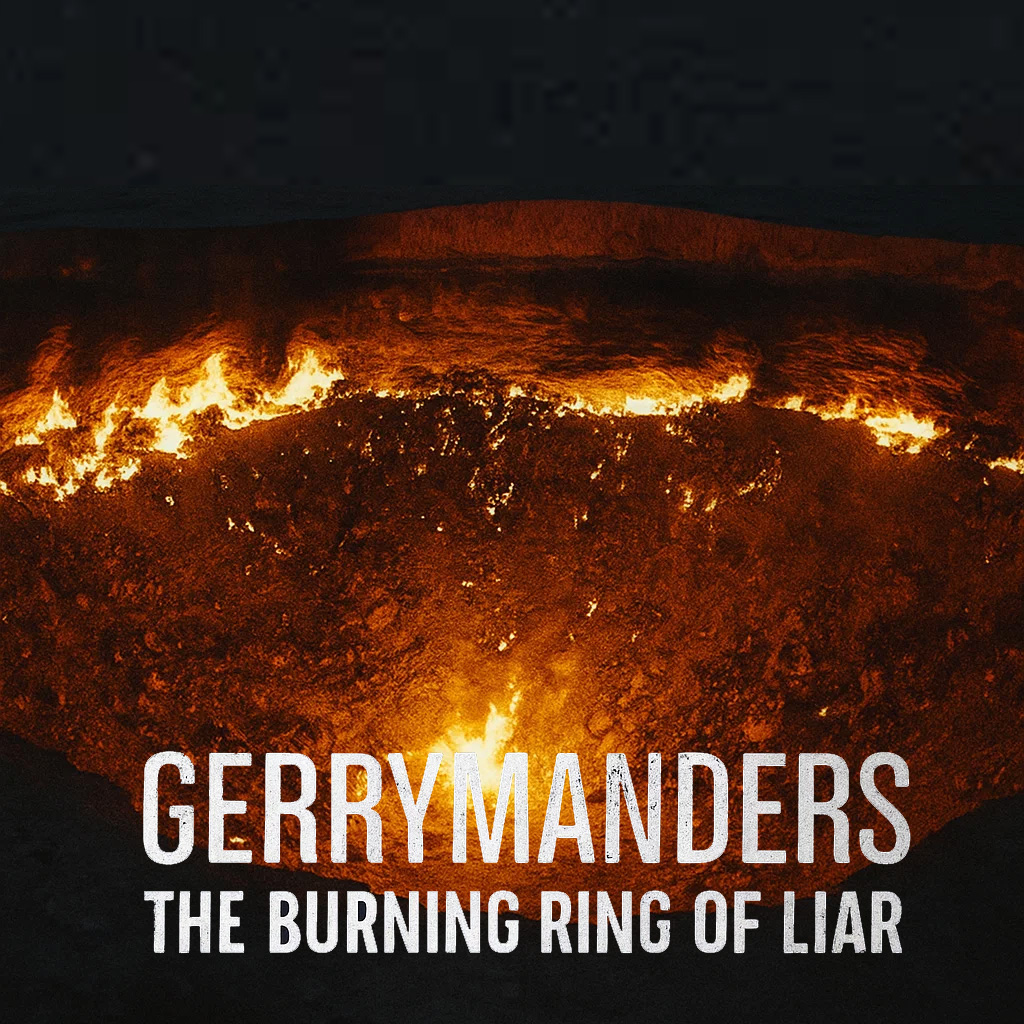
The swamp he swore he’d drain, Just filled with grift again, The debt climbs ever higher, Fed by a ring of liar.
Trump told lies, lies grew higher, And it burns, burns, burns — the ring of liar, The ring of liar.



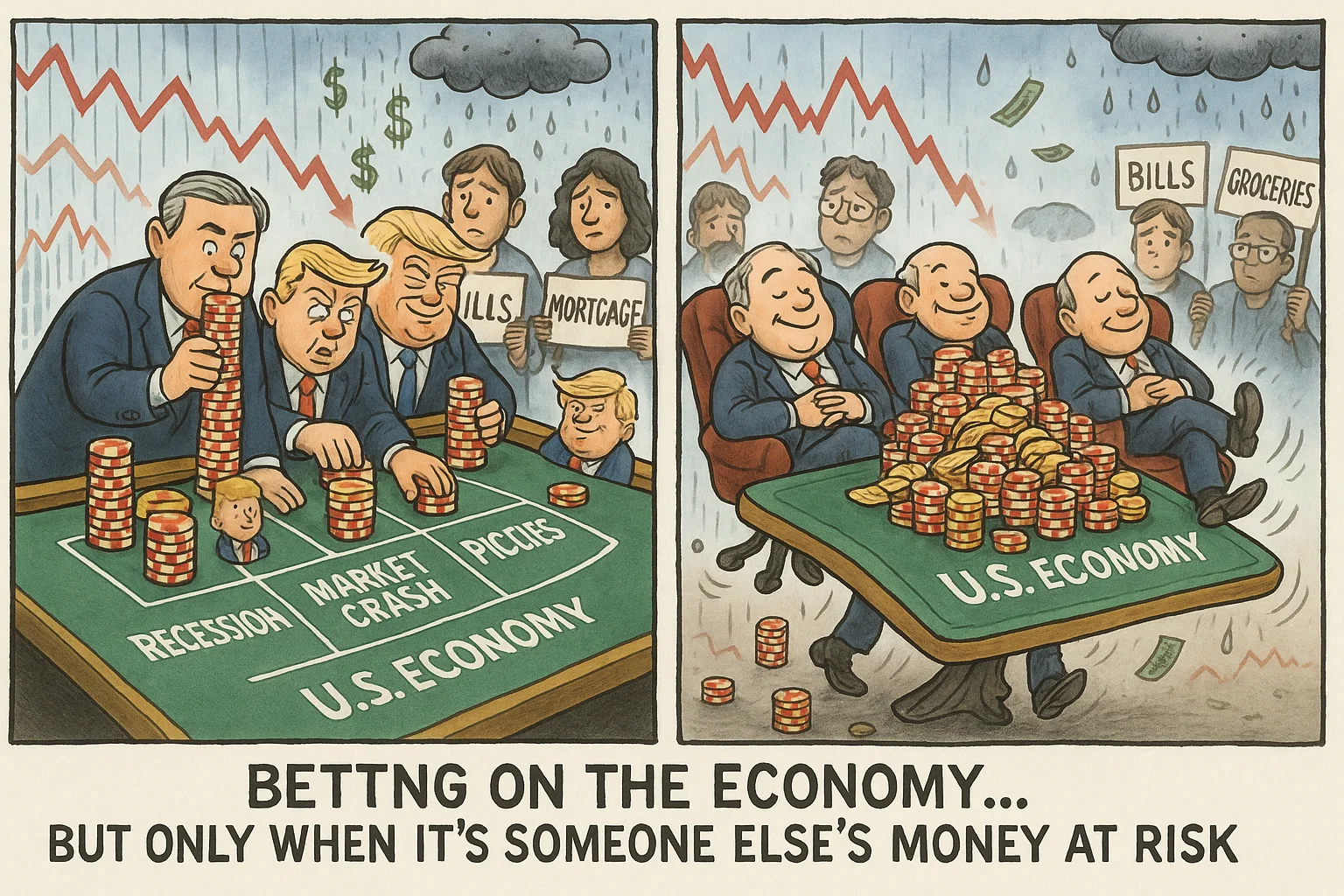

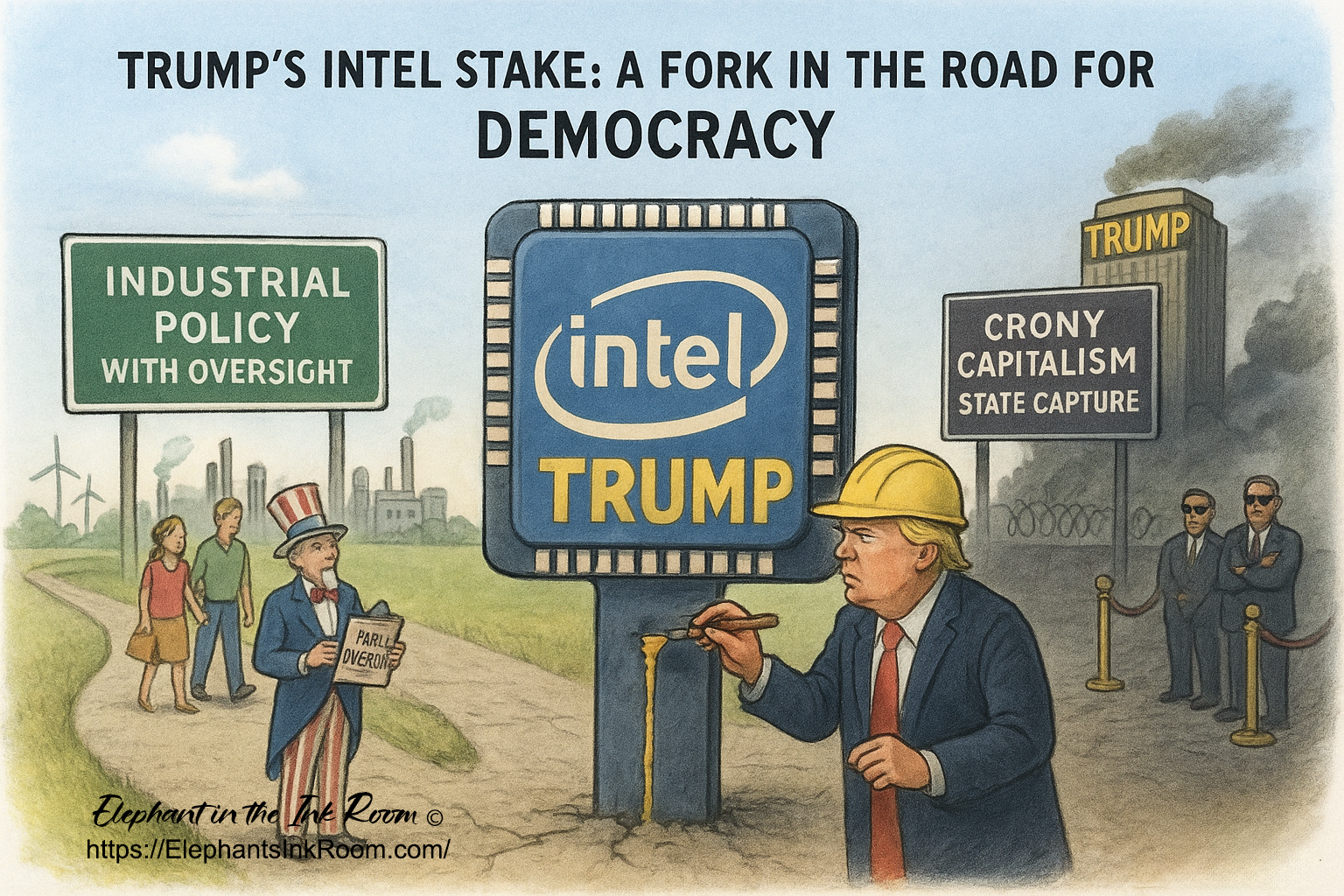
The administration reportedly secured a 10% government stake in Intel, and has intervened directly in markets.
This marks a shift from the Reagan-era conservative doctrine of deregulation, privatization, and “government out of the way.”
Instead, it leans toward industrial policy—the government actively picking winners and reshaping industries.
Strategic control: In critical sectors like semiconductors, government ownership could ensure national security and reduce reliance on foreign supply chains (esp. China).
Public leverage: A stake means taxpayers share in profits, not just subsidies. If Intel succeeds, the public could benefit directly.
Rapid mobilization: In crises (like war or supply chain breakdown), the government can direct resources more efficiently.
Erosion of free-market discipline: When government owns part of a company, it can distort competition and reward political allies rather than the best performers.
Politicization of business: Decisions might be driven by electoral or partisan considerations, not long-term stability.
Crony capitalism: The line between legitimate national security intervention and favoritism for friends/donors becomes blurry.
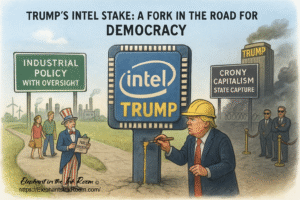
This is where it gets tricky:
Better for democracy (if done transparently):
If citizens see that government stakes mean accountability, profit-sharing, and national resilience, it could rebuild trust that democracy delivers.
Industrial policy, done openly, shows government is actively trying to protect workers, jobs, and sovereignty.
Worse for democracy (if done opaquely):
If Trump (or any leader) can direct state capital toward allies, donors, or politically useful industries, it becomes a tool of authoritarian-style control.
Concentrated power in the executive branch—deciding which companies thrive—weakens the role of Congress, markets, and watchdog institutions.
Citizens could lose faith that the economy is fair, seeing it instead as rigged by political power.
Reagan: Deregulation + belief in private sector efficiency.
FDR / WWII: Heavy government involvement in production—seen as necessary in an existential crisis.
China today: State-capitalist model—government directs investment, controls key industries, uses companies for geopolitical leverage.
Trump’s move edges the U.S. slightly toward the China model, away from the Reagan model.
If transparent and accountable → could strengthen democracy by showing government works for the people.
If secretive and politicized → could weaken democracy by concentrating power and blurring public/private interests.
So the real test isn’t just the Intel stake itself—it’s whether it’s managed with checks, balances, and public oversight, or whether it becomes another lever of personal power.
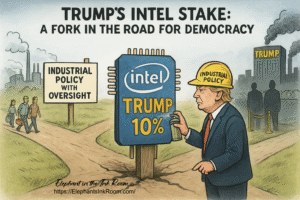
Trump is moving away from Reagan-era free-market conservatism by having the government take direct stakes in companies (Intel being the headline example) and intervening in markets.
Shared Prosperity – If taxpayers hold equity, the public—not just private investors—benefits from profits.
National Security – Strategic industries (like semiconductors) stay resilient and less dependent on adversarial nations (esp. China).
Visible Action – Citizens see government actively solving problems, restoring some trust that democracy “delivers.”
Crisis Readiness – In moments of emergency, government stakes allow faster mobilization than free markets alone.
Analogy: FDR’s New Deal and WWII mobilization — heavy government involvement, but ultimately seen as strengthening democracy by protecting people and the nation.
Politicized Economy – Leaders may favor allies, donors, or swing-state industries, eroding faith in fairness.
Crony Capitalism – Public stakes become a cover for funneling wealth or contracts to insiders.
Erosion of Checks & Balances – The executive, not Congress or independent regulators, ends up controlling major sectors of the economy.
Authoritarian Drift – Citizens may see government as a tool of one leader’s power rather than an impartial institution.
Analogy: China’s state-capitalist model — stability and strength for a time, but at the cost of transparency and individual freedom.
If transparent and accountable → this could look like a 21st-century New Deal: democracy showing it can adapt, protect, and deliver for its people.
If opaque and self-serving → this could be one more step toward government by strongman, where the economy is bent to political loyalty instead of public good
Here’s what public sources indicate regarding whether Donald Trump or his family personally hold any financial interest in Intel:
All credible reporting confirms that the 10% stake in Intel is held by the U.S. government, not any individual, including Trump or his family.
Financed through grants: The government converted roughly $11 billion from previously allocated CHIPS and Secure Enclave grants into a non-voting equity stake—approximately 9.9% to 10% of Intel.
Passive investment: The government’s ownership is described as passive—no board seats, no governance or information rights, and agreement to vote with Intel’s board in most cases.
Not Trump-family property: None of the reports mention any personal ownership by Trump or his family. The capital involved came strictly from federal funds, not private assets.
Trump’s known investment profile: Public records and reporting show he has diversified holdings across multiple sectors (stocks, real estate, funds, etc.), including historical past holdings in companies like Intel. Yet, there is no indication that he or his family currently hold private Intel stock or a stake in this government-led deal.
The recent Intel stake is clearly portrayed as a federal government transaction, with no intermingling of Trump’s personal finances.
| Entity | Reports Indicate Stake? | Notes |
|---|---|---|
| Donald Trump (personal) | No | No evidence of ownership tied to this Intel stake |
| Trump Family | No | No public disclosures connecting family to Intel equity |
| U.S. Government (Trump administration) | Yes | 10% non-voting stake acquired from federal grants |
There is no public information or credible report showing that Trump or his family has any personal financial interest or greed in Intel related to this deal.
The 10% stake is strictly a federal government investment, backed by grants—not private funds.
.


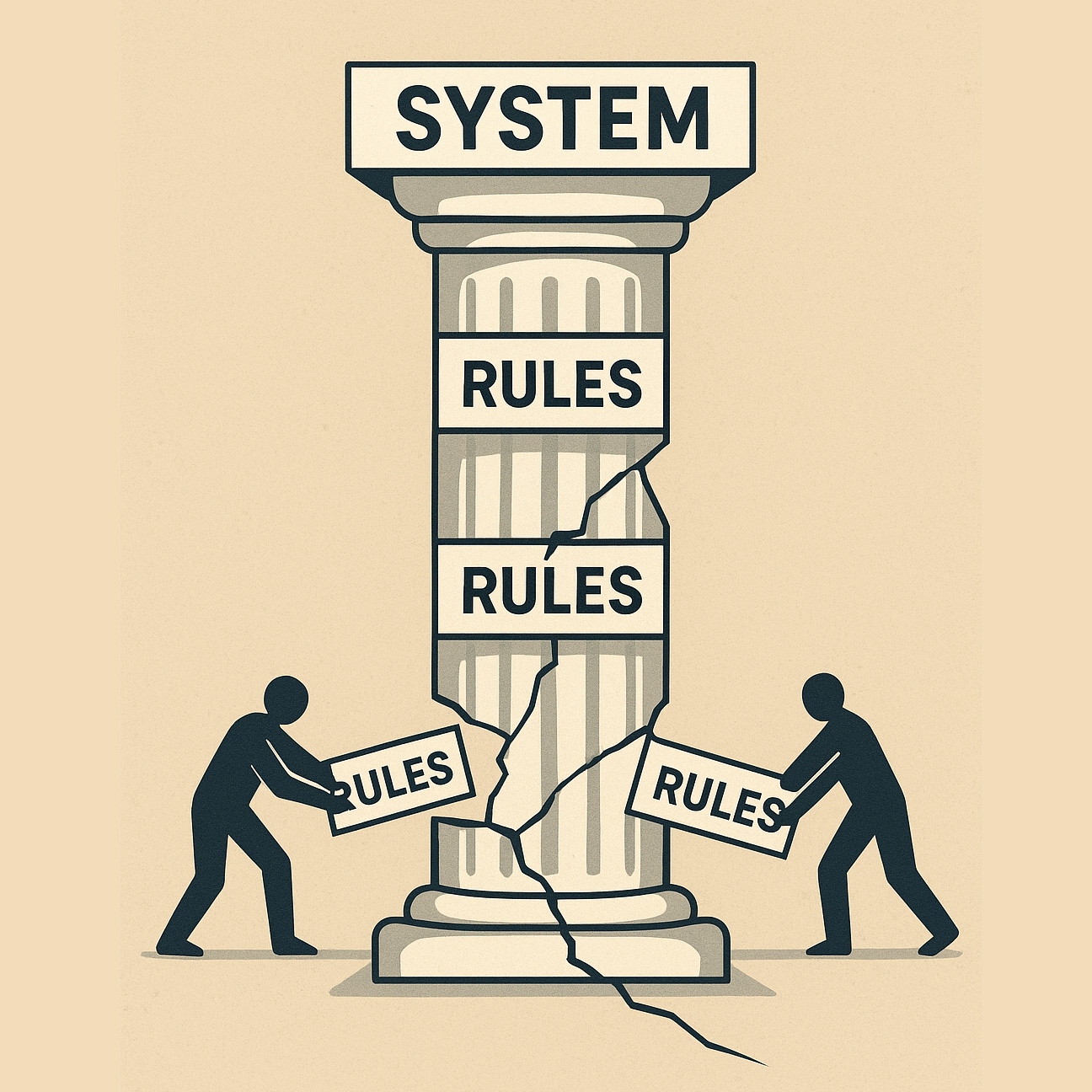
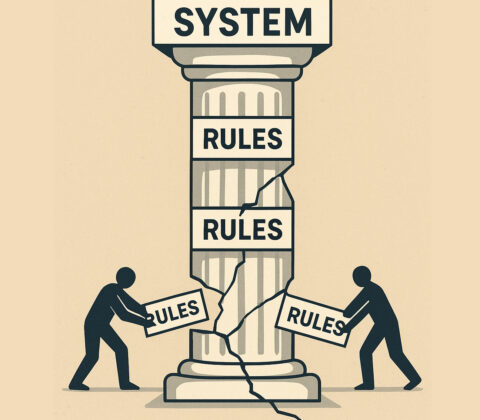
If no one is playing by the rules, why do the rules exist?
That may sound like a rhetorical jab, but it’s an honest question. The United States was founded on principles designed to safeguard fairness, accountability, and representation. The Constitution and the framework of government were meant to ensure that no group could hoard power unchecked, and that citizens’ voices would shape the course of the nation.
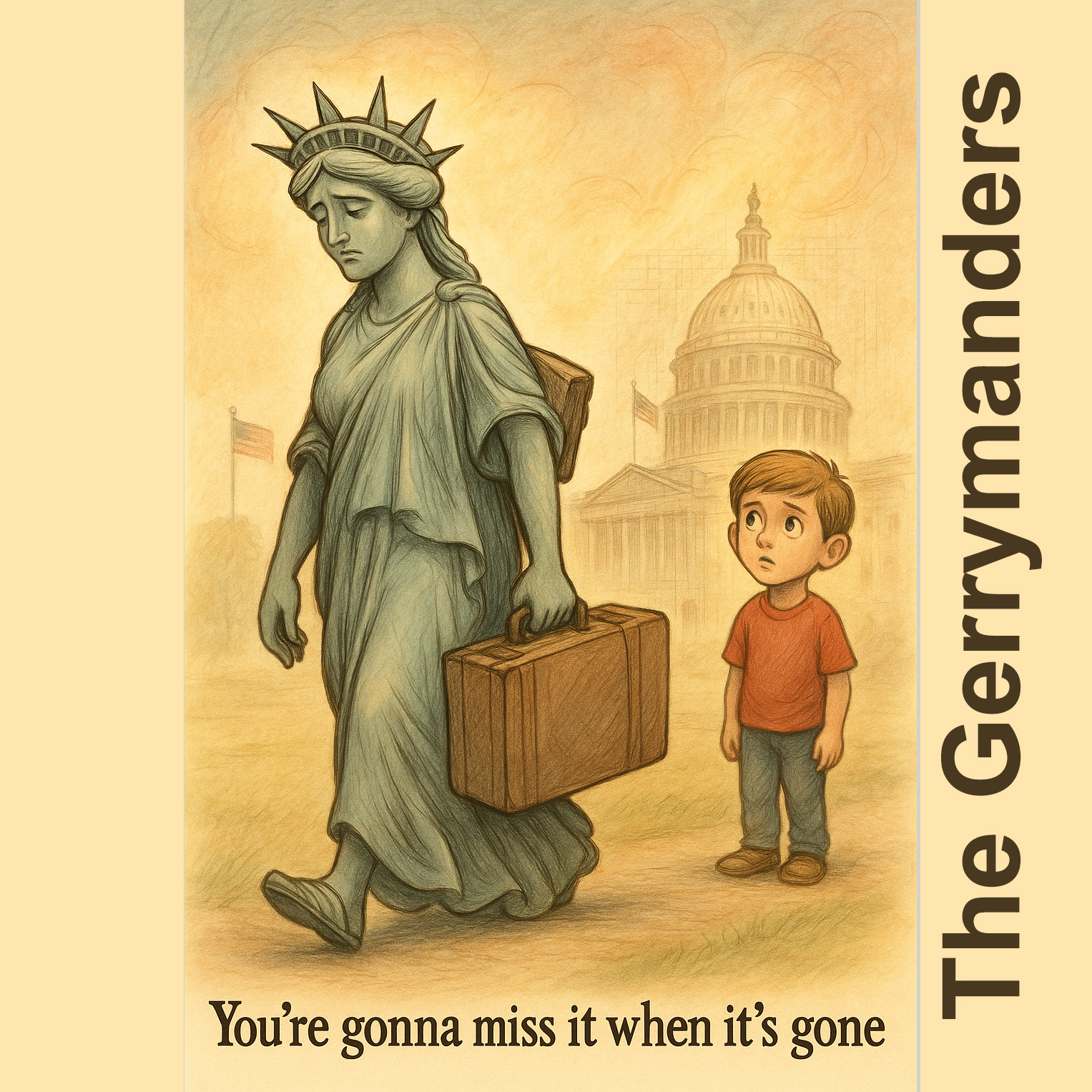
But gerrymandering—when politicians redraw voting districts to give themselves an advantage—cuts against the very heart of those ideals. It is a quiet form of tyranny, a manipulation of the democratic process for partisan gain. Instead of voters choosing their representatives, representatives are choosing their voters.
When either party engages in gerrymandering, they are not just breaking some technical rule of fair play. They are undermining the moral foundation of democracy. The rules of representative government only matter if leaders commit to follow them in good faith. If they don’t, then how are we any better than the monarchs, oligarchs, and tyrants we once rejected?
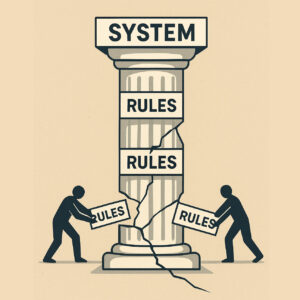
Some defend the practice as just “part of the game.” But democracy is not a game. The purpose of elections is to reflect the will of the people—not to manipulate it. When politicians normalize bending or breaking the rules for personal advantage, they don’t just weaken their opponents; they weaken faith in the entire system. And once that faith is gone, it’s far harder to restore than it is to destroy.
The danger of gerrymandering is not only unfair maps. It’s the message it sends: that rules are optional, that power is the only goal, and that principles can be cast aside when inconvenient. If that’s the lesson, then the ideals written into our founding documents become nothing more than decorative words on old parchment.
So the question remains: if no one is playing by the rules, why do the rules exist? Perhaps the answer is that the rules are waiting—for us. They are waiting for citizens to demand better, for courts to enforce standards of fairness, and for leaders to rediscover the humility that comes with serving rather than ruling.
The rules still exist because they are the difference between democracy and tyranny. But they will only matter if we decide to make them matter.


A Bedtime Bullaby for TrumpVerse 4 And when the last note is called, the offshore blades will moan, Their spinning arms a requiem, a mocking undertone. No pipes nor hearts shall comfort, no mercy in the air, Just turbines Throwing Off the MAGA YokeDon't believe the ridiculous propaganda being forced down our throats, don't believe the lies and don't bend the knee. And don't take our word for it. Do some research, do some fact checking and above An Ode to TrumpDon't believe the ridiculous propaganda being forced down our throats, don't believe the lies and don't bend the knee. And don't take our word for it. Do some research, do some fact checking and above An Ode To The DOJ – Trump RegimeDon't believe the ridiculous propaganda being forced down our throats, don't believe the lies and don't bend the knee. And don't take our word for it. Do some research, do some fact checking and above Nobel Peace Prize SpokenWe have antifa being a label being applied to any who oppose our duly elected president. Do a little fact checking and you will discover ANTIFA was a term used by our fathers and grandfathers, The Facts They Are Re Arrangin – Short VersionWe have antifa being a label being applied to any who oppose our duly elected president. Do a little fact checking and you will discover ANTIFA was a term used by our fathers and grandfathers, An Ode to the Dept Of War – Trump RegimeDon't believe the ridiculous propaganda being forced down our throats, don't believe the lies and don't bend the knee. And don't take our word for it. Do some research, do some fact checking and above Land of Constant Borrowhttps://youtube.com/shorts/_KQi5rtL9Xc It's a sad day when parody moves from humor to survival. Never before have we had to fight so hard for the Constitution, the 1st amendment and free speech, the right to due process, We’re Coming to Take You Away Ha Haa!https://youtube.com/shorts/b0NhgiEK9WY It's a sad day when parody moves from humor to survival. Never before have we had to fight so hard for the Constitution, the 1st amendment and free speech, the right to due process, Trump’s Ring Of LiarsUncle Sam Needs You! |
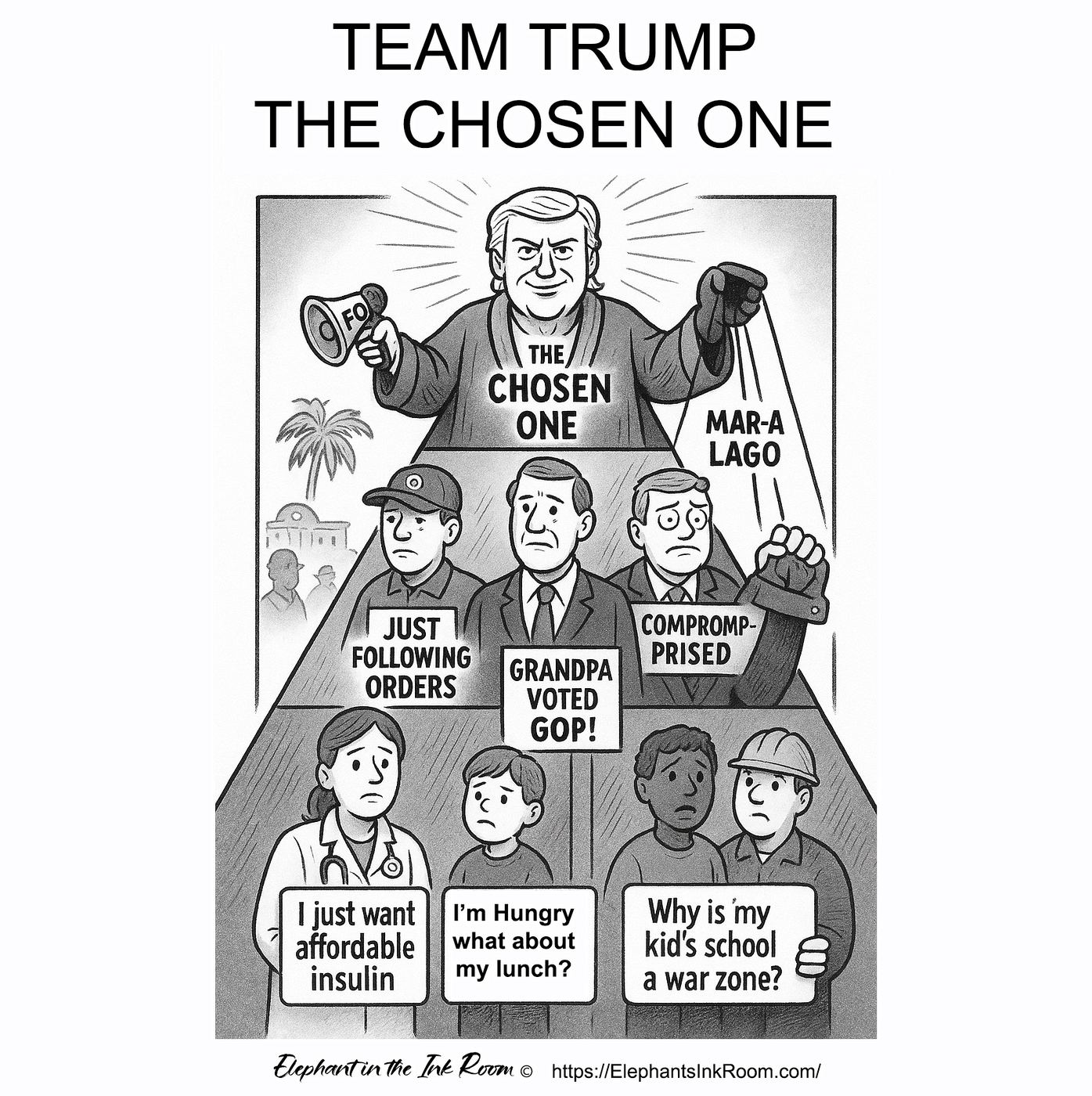

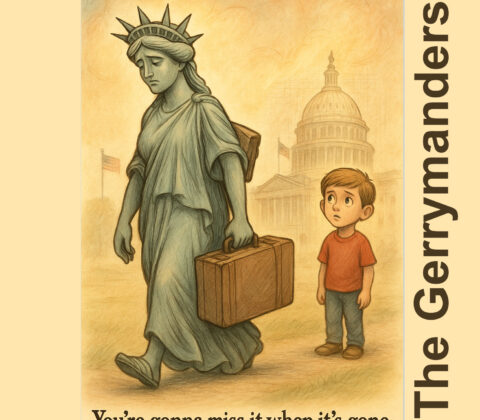
Gerrymandering isn’t politics, it’s theft. It’s the art of stealing voters’ voices before they ever reach the ballot box. A strong leader convinces the people. A weak leader redraws the lines until only his loyalists remain.



A Bedtime Bullaby for TrumpVerse 4 And when the last note is called, the offshore blades will moan, Their spinning arms a requiem, a mocking undertone. No pipes nor hearts shall comfort, no mercy in the air, Just turbines Throwing Off the MAGA YokeDon't believe the ridiculous propaganda being forced down our throats, don't believe the lies and don't bend the knee. And don't take our word for it. Do some research, do some fact checking and above An Ode to TrumpDon't believe the ridiculous propaganda being forced down our throats, don't believe the lies and don't bend the knee. And don't take our word for it. Do some research, do some fact checking and above An Ode To The DOJ – Trump RegimeDon't believe the ridiculous propaganda being forced down our throats, don't believe the lies and don't bend the knee. And don't take our word for it. Do some research, do some fact checking and above Nobel Peace Prize SpokenWe have antifa being a label being applied to any who oppose our duly elected president. Do a little fact checking and you will discover ANTIFA was a term used by our fathers and grandfathers, The Facts They Are Re Arrangin – Short VersionWe have antifa being a label being applied to any who oppose our duly elected president. Do a little fact checking and you will discover ANTIFA was a term used by our fathers and grandfathers, An Ode to the Dept Of War – Trump RegimeDon't believe the ridiculous propaganda being forced down our throats, don't believe the lies and don't bend the knee. And don't take our word for it. Do some research, do some fact checking and above Land of Constant Borrowhttps://youtube.com/shorts/_KQi5rtL9Xc It's a sad day when parody moves from humor to survival. Never before have we had to fight so hard for the Constitution, the 1st amendment and free speech, the right to due process, We’re Coming to Take You Away Ha Haa!https://youtube.com/shorts/b0NhgiEK9WY It's a sad day when parody moves from humor to survival. Never before have we had to fight so hard for the Constitution, the 1st amendment and free speech, the right to due process, Trump’s Ring Of LiarsUncle Sam Needs You! |




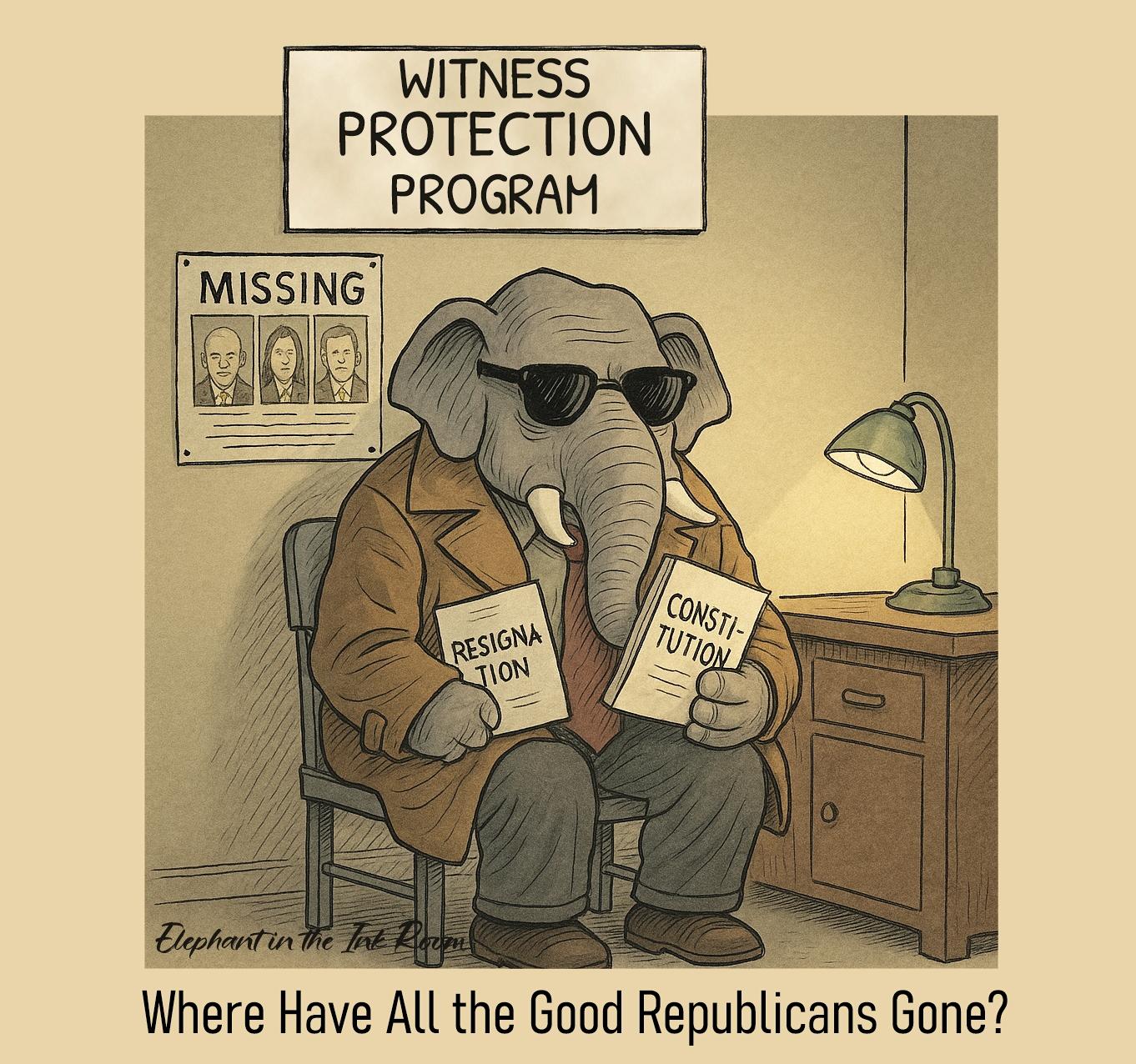

“By the 1980s, Heston supported gun rights and changed his political affiliation from Democratic to Republican. When asked why, he replied, ‘I didn’t change. The Democratic Party changed.’ In 1987, he first registered as a Republican.”




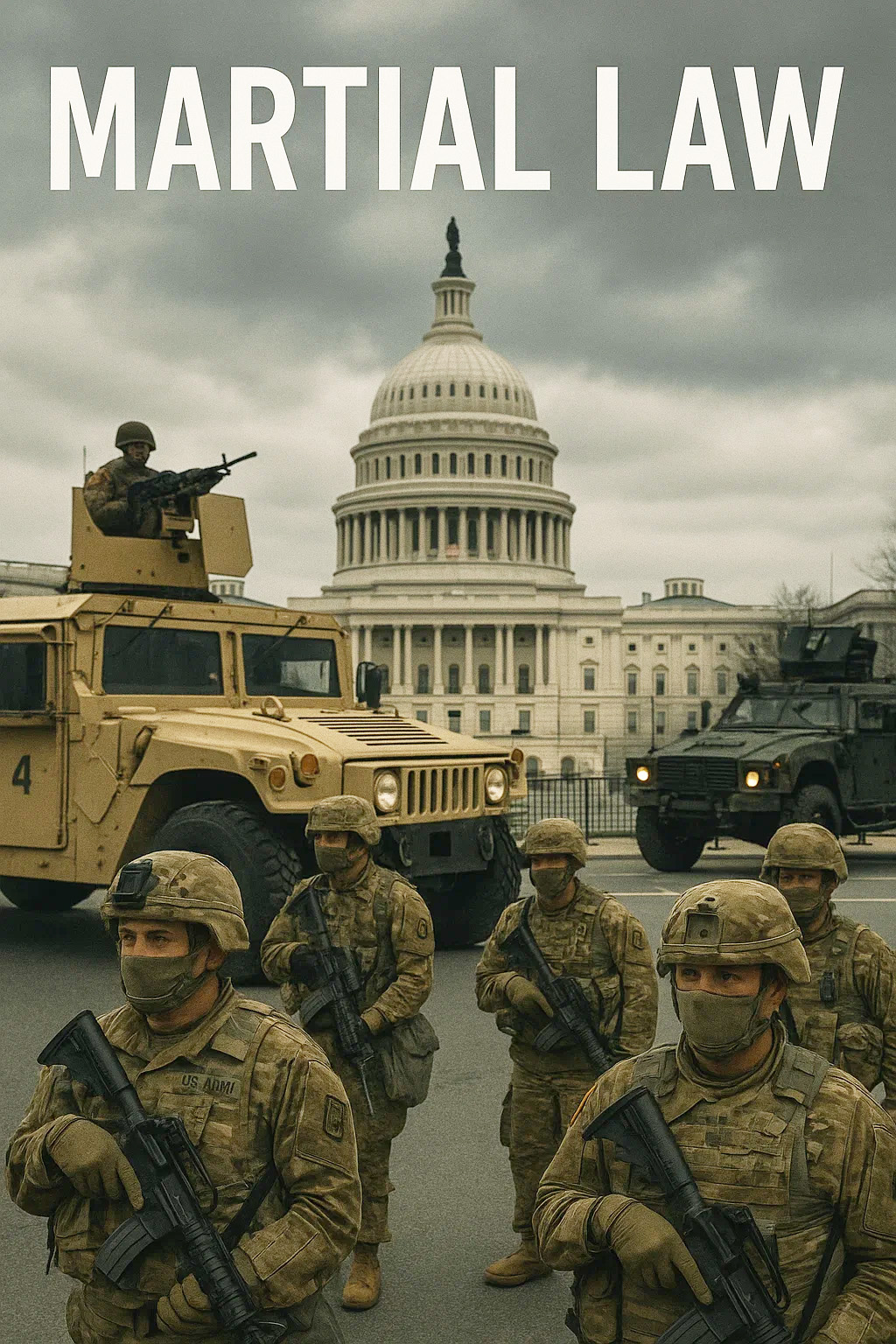







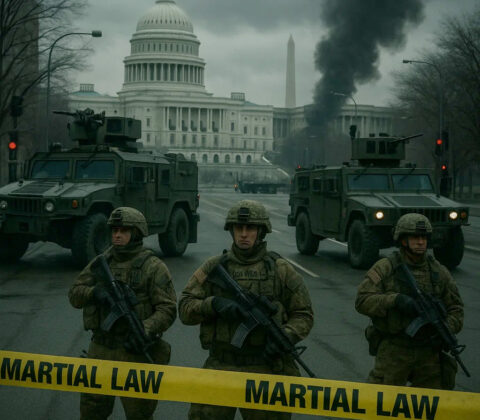





Loyalty to Country, Not to a Man
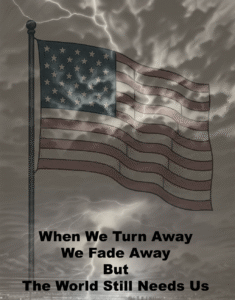
Too much of our politics today has twisted the idea of loyalty. We’re told to prove we’re “true patriots” by lining up behind one politician, one party, one personality. That’s not patriotism—that’s blind allegiance.
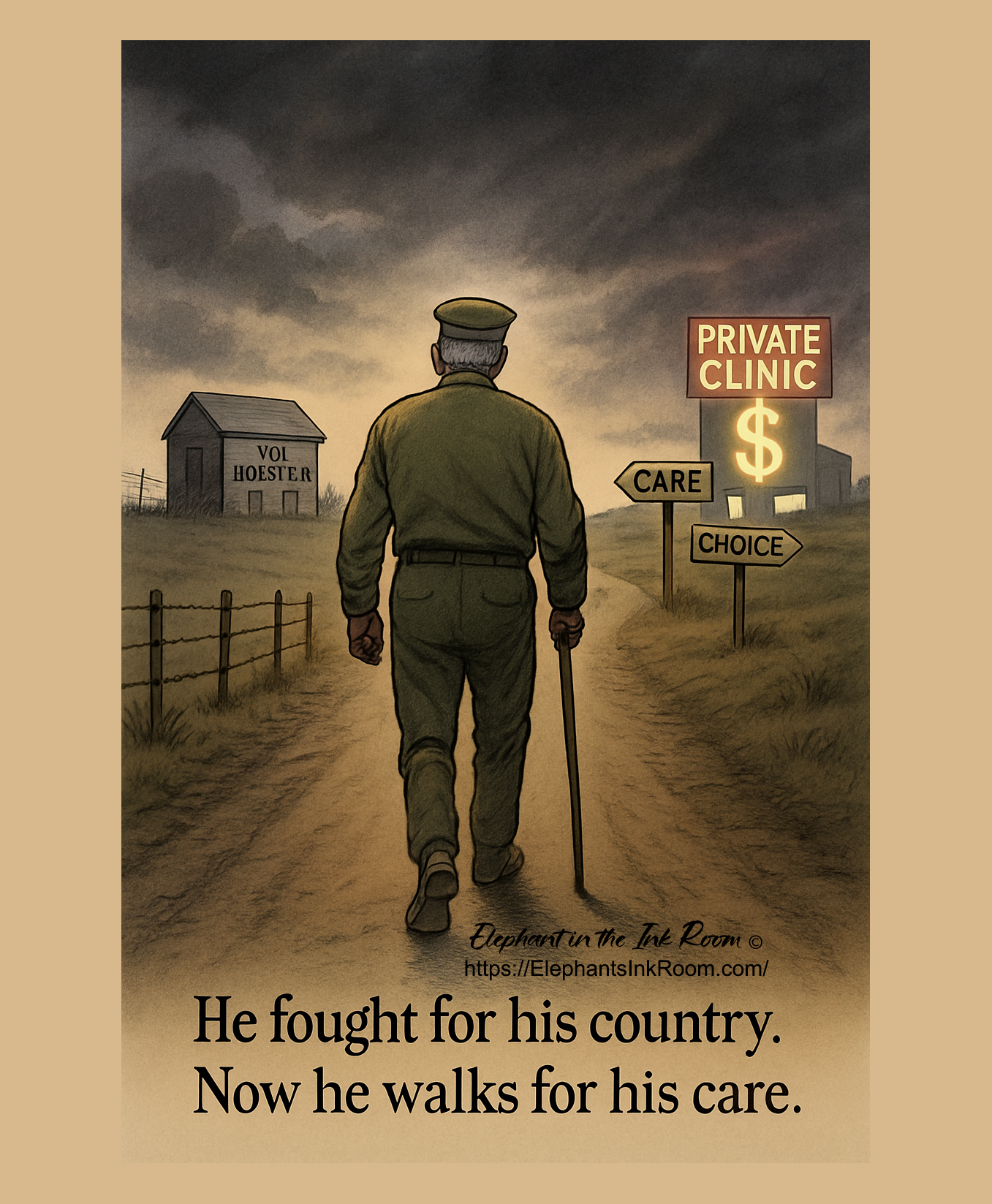
Real loyalty isn’t to a man. Real loyalty is to our country. And a country shows its loyalty back by taking care of its people. That means intelligent solutions, not slogans. It means tackling the hard problems—healthcare, jobs, inflation, veterans’ care—with real ideas instead of scapegoats.
If a leader asks for loyalty to themselves instead of loyalty to the people, that’s a red flag. We don’t need cults of personality. We need leaders willing to work, compromise, and solve problems.
Stop the bullshit. Enough with the distractions. Loyalty to country means loyalty to each other—and it’s time our politics caught up to that simple truth.
Share this:
Like this: