There was a time when most Americans got their news from the same three places: the evening broadcasts of ABC, NBC, and CBS. At six o’clock or ten o’clock, millions of households watched the same headlines. Whether you agreed with the coverage or not, the country largely started from the same set of facts.
That world is gone.
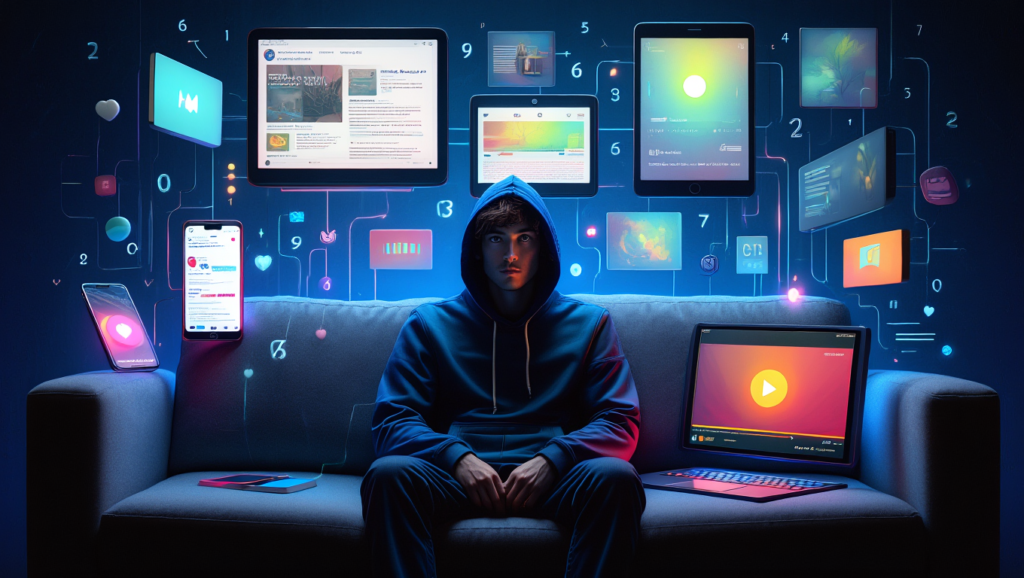
Today, a voter might get political information from cable news, a Facebook post, a short video clip on TikTok, or a direct message from a candidate on X (Twitter). Others follow political updates through niche platforms like Truth Social. Instead of one national conversation, we now have thousands of overlapping conversations happening at once.
When Old Rules Meet New Media
A recent late-night television moment quietly demonstrated how the old media rules collide with the modern media environment.
When host Stephen Colbert attempted to interview Texas legislator James Talarico on The Late Show with Stephen Colbert, the segment reportedly ran into concerns related to broadcast “equal time” rules—regulations historically overseen by the Federal Communications Commission that were designed to ensure fairness when political candidates appear on broadcast television.
Instead of airing the interview during the television broadcast, the conversation was recorded after the official taping and released online through YouTube. The same interview that could not appear on traditional television could still reach millions of viewers online.
This moment illustrated an important truth about modern political communication: the old broadcast gatekeepers and rules still exist, but they no longer control the flow of information.
Rise of Independent Commentary
Alongside the fractured media landscape, a new class of voices has emerged: independent commentators, legal analysts, and podcasters. Channels run by attorneys, journalists, and civic-minded creators—such as Michael Popok or personalities connected to MeidasTouch Network—offer detailed coverage of lawsuits, filings, and policy disputes.
Many of these creators provide useful expertise, but they operate within a digital attention economy. Platforms like YouTube and TikTok reward content that keeps people watching, clicking, and sharing. Calm, careful explanations may get modest engagement, while dramatic headlines or urgent tones spread rapidly. As a result, much of today’s political news is shaped not only by journalists and editors but also by the mechanisms of digital media itself.
Ideology in the Attention Economy
It’s important to remember that independent commentary often comes with a perspective. Channels like MeidasTouch or individual analysts may lean left, just as other voices lean right. The system doesn’t automatically provide balance—it rewards attention. As a result, the information voters receive reflects both ideology and engagement, and the ecosystem is likely to shift depending on which side captures audience focus.
This also plays directly into how money influences the media landscape. Independent channels that attract audiences are often supported or amplified by funding networks, PACs, or advocacy organizations aligned with their perspective. Understanding these dynamics helps explain why the information voters consume is shaped well before they enter the voting booth—a perfect segue into examining the role of dark money.
Setting Up the Next Step
The result is clear: voters now navigate a complex, fragmented media environment long before they step into a booth. Traditional gatekeepers no longer hold a monopoly on political information. And that leads directly to the next part of the story—who funds the messages that flow through these channels, and how outside money shapes the narrative before it even reaches voters.