




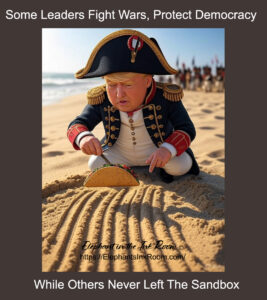
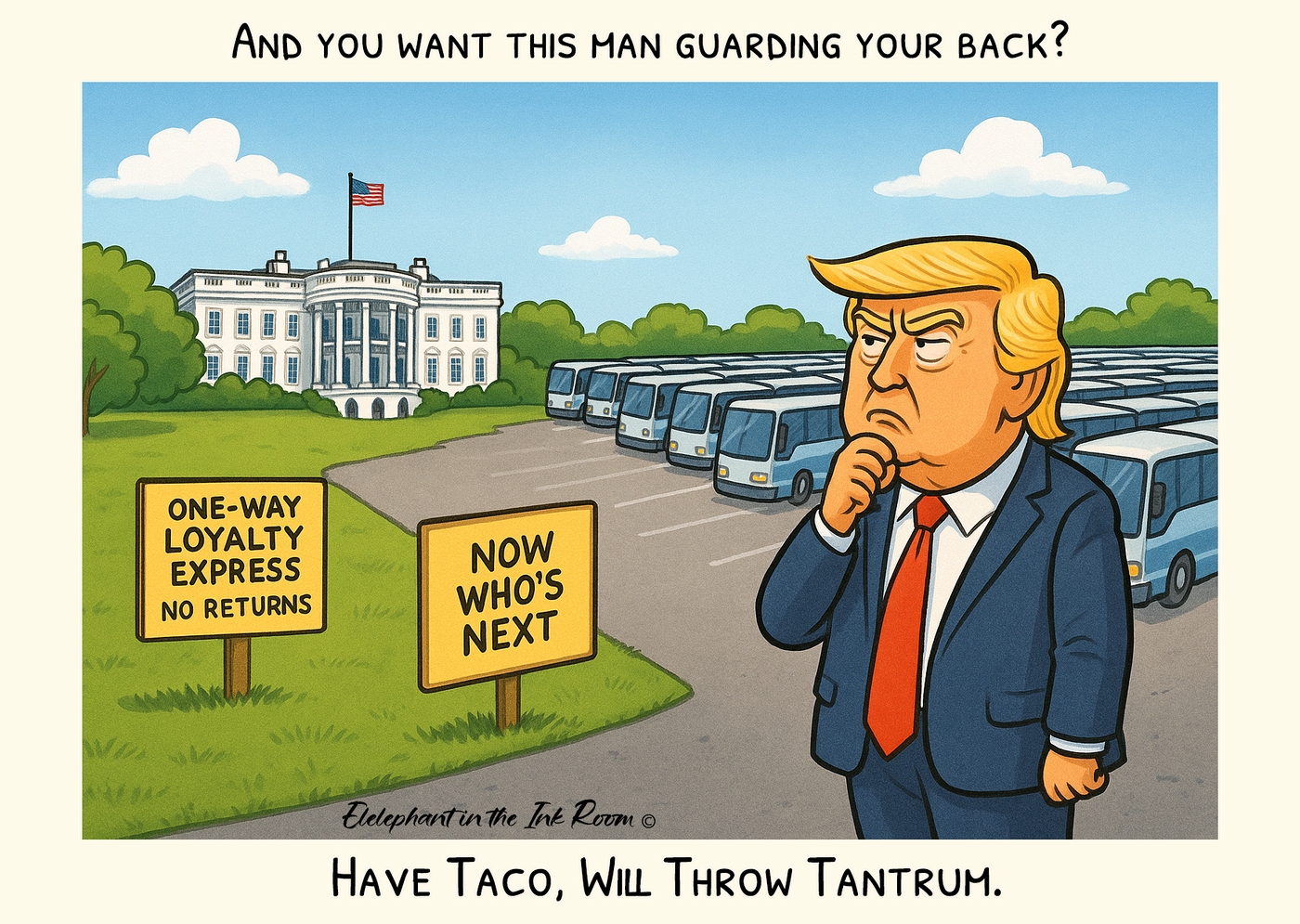
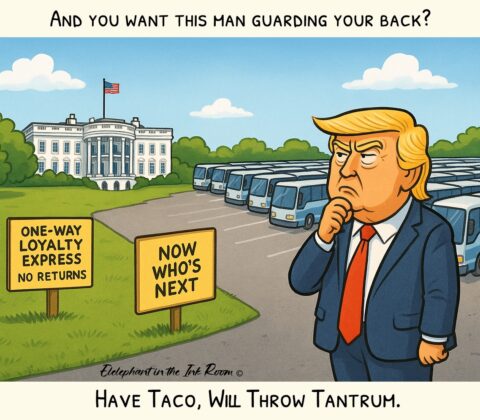
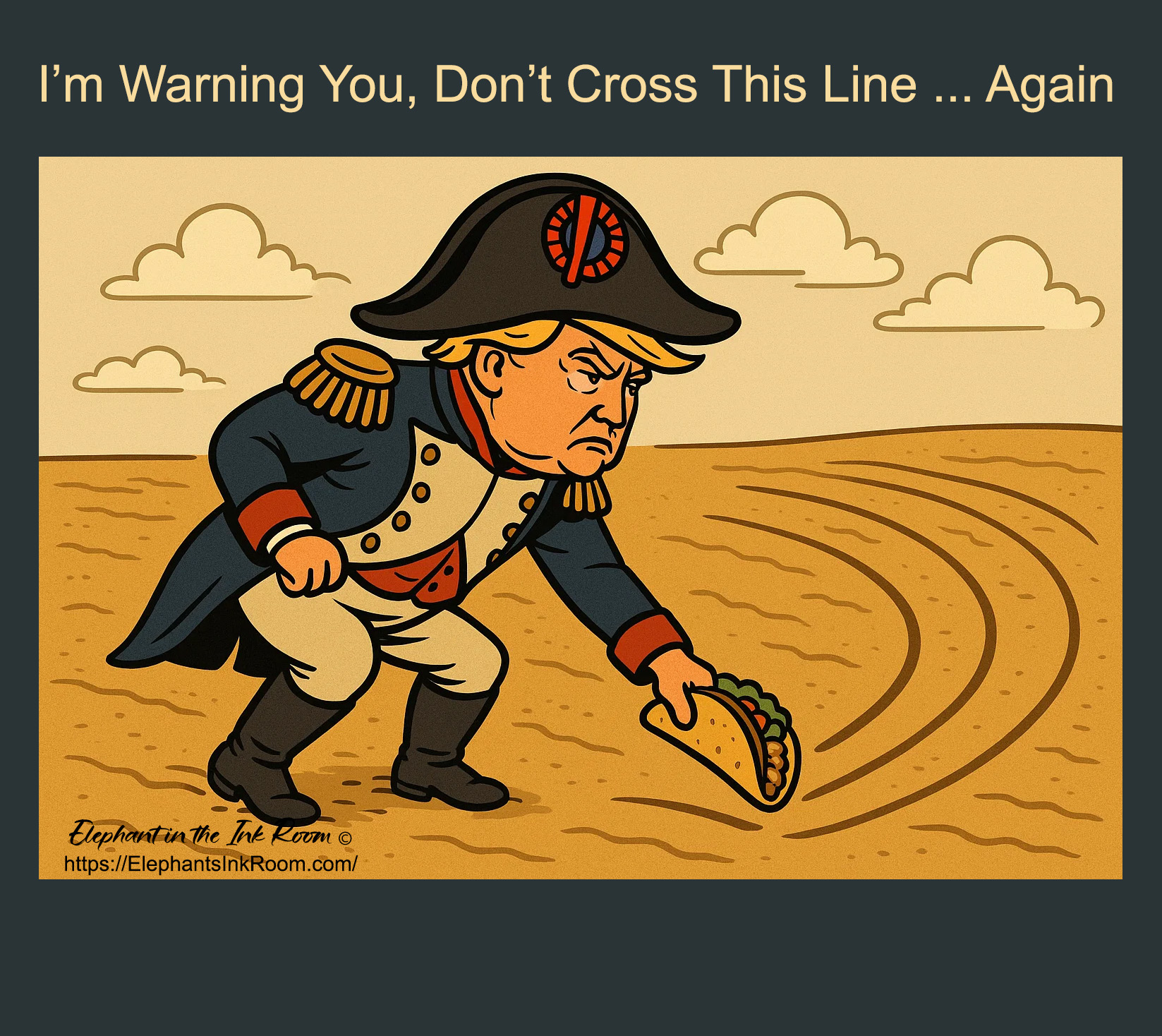
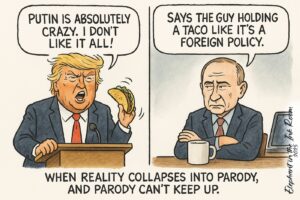
A Line in the Sand, that would be nice, too bad Taco Man is at the other end of the stick.



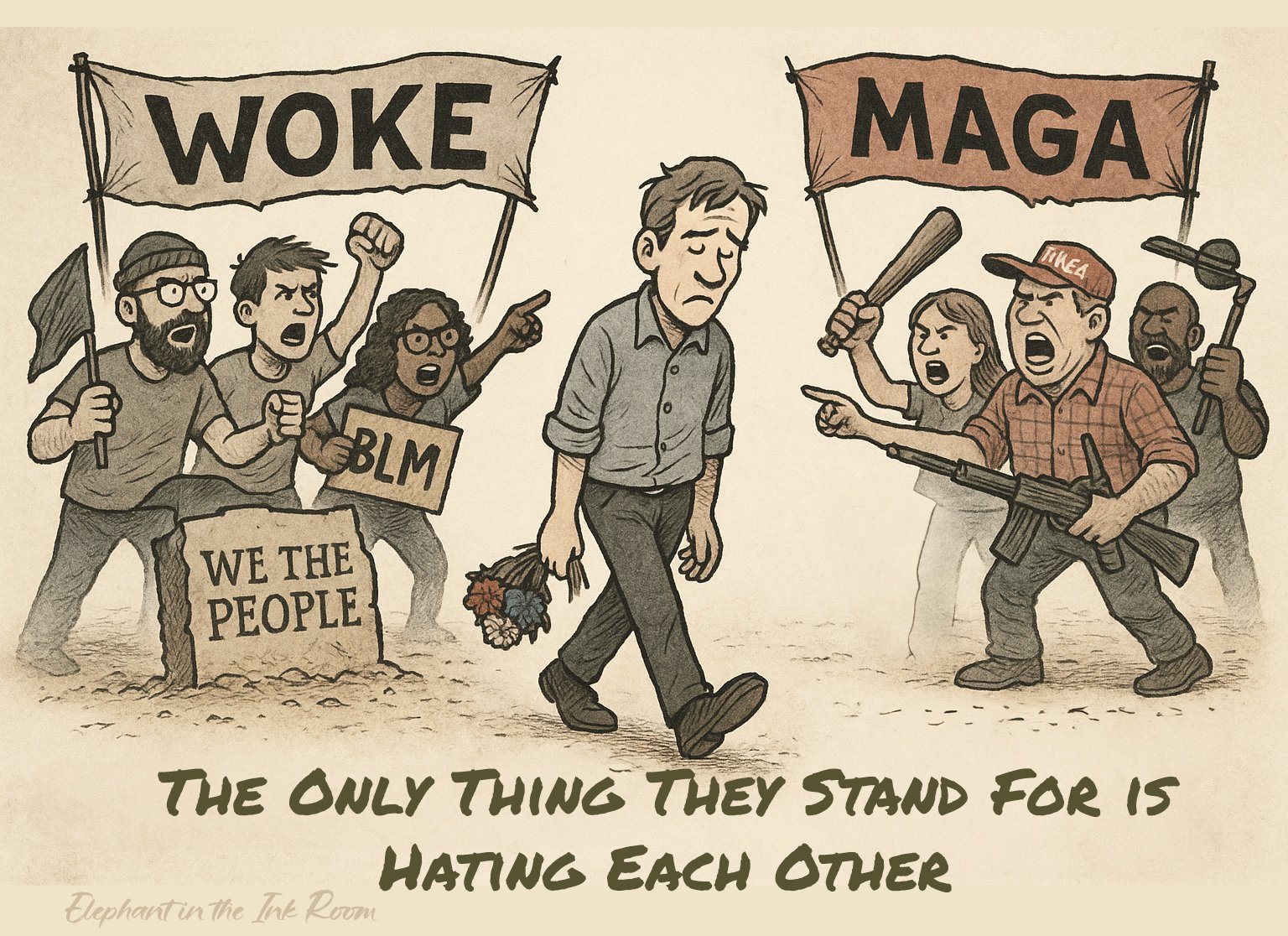
Overview of Political Rhetoric and ViolencePolitical rhetoric that promotes or incites violence—such as dehumanizing opponents, using metaphors of war or elimination, or endorsing threats—has been a growing concern in the U.S., particularly since the mid-2010s. Research from sources like the Carnegie Endowment for International Peace, Brookings Institution, and academic studies (e.g., in Political Behavior journal) shows that such language correlates with increased acceptance of violence among partisans, though it rarely causes it directly. Instead, it amplifies existing grievances, especially in polarized environments.Key findings:
Evidence from Studies and PollsMultiple peer-reviewed studies and polls quantify rhetoric’s role. Here’s a summary table of key data:
|
Source
|
Key Finding
|
Party Breakdown
|
|---|---|---|
|
Carnegie Endowment (2023)
|
Affective polarization and leader rhetoric increase violence risk by 35%; right-wing dehumanization (e.g., “enemies of the people”) normalizes threats more than left-wing equivalents.
|
Republicans: Higher in mainstream rhetoric (e.g., Trump’s “fight like hell”). Democrats: More anti-violence messaging from leaders.
|
|
Brookings Institution (2022)
|
Hateful rhetoric boosts polarization and terrorism; 75% of Americans link heated language to violence. El Paso shooter’s manifesto echoed conservative media terms like “invasion.”
|
Right-wing: Correlated with 80%+ of domestic terrorism incidents. Left-wing: Mostly protest-related, less lethal.
|
|
Political Behavior Journal (2025)
|
Elite threatening rhetoric increases support for violence among strong partisans; effects stronger when targeting out-groups.
|
Both parties, but Republican examples (e.g., endorsing Jan. 6) cited more.
|
|
Reuters/Ipsos Poll (Sep 2025)
|
67% of Americans say harsh rhetoric fuels violence; 71% see society as “broken” by divisions.
|
Post-Kirk assassination: Bipartisan concern, but Republicans more likely to blame “left lunatics.”
|
|
YouGov Poll (Sep 2025)
|
72% say political violence never justified; liberals (esp. under 45) slightly more open to it “sometimes” (25% vs. 6% conservatives).
|
Overall rejection high, but right-wing supporters show higher justification in past polls (e.g., 36% GOP in 2020 vs. 33% Dems).
|
|
Voter Study Group/YouGov (2020)
|
Acceptance of party violence rose from 8% (2017) to 33-36% (2020).
|
Near parity, but post-2020 data shows GOP edge in actual incidents.
|
|
Network Contagion Research Institute (2024)
|
Bluesky (left-leaning) had highest justification for violence/murder online.
|
Platforms matter; X/Twitter amplifies right-wing echo chambers more for threats.
|
Comparative Analysis: Rhetoric by PartyWhile both sides use aggressive language, the scale and impact differ:
|
Aspect
|
Republicans
|
Democrats
|
|---|---|---|
|
Dehumanizing Language
|
High (e.g., “traitors,” “animals”)
|
Moderate (e.g., “threat to democracy”)
|
|
Endorsement of Past Violence
|
Frequent (e.g., Jan. 6 praise)
|
Rare (condemnations dominant)
|
|
Linked Incidents (2016-2025)
|
~80% of extremist murders (GAO data)
|
~20% (mostly non-lethal)
|
|
Voter Acceptance
|
25-36% justify violence
|
16-33% justify violence
|
Conclusion: Which Party’s Rhetoric Promotes Violence Most?Based on empirical data, Republican rhetoric promotes violence the most in the current U.S. context. It is more pervasive among elites, amplified by aligned media, and correlated with higher rates of lethal attacks (e.g., mass shootings, insurrections). This isn’t to absolve Democrats—fringe left rhetoric contributes to unrest—but the asymmetry is clear: Right-wing language has spilled into more widespread, deadly actions, per sources like the Journal of Democracy and Greater Good Science Center.To mitigate: Cross-party pacts against dehumanizing speech (as Carnegie recommends) and media accountability could help. Rhetoric alone doesn’t “cause” violence, but it primes unstable actors—reducing it starts with leaders modeling restraint.
The truth is simple: anger is real, and it’s justified. But unchecked, it’s dangerous — for others and for ourselves. The frustration that millions feel, the sense of betrayal and powerlessness, can easily spill into harm if it isn’t channeled. That’s why the way forward matters more than ever.

We can’t pretend that the chaos and lies haven’t left scars. But we can take that energy and turn it into something constructive. Citizens still have power, even when it feels like the system is rigged. They can demand honesty, insist on accountability, and call out corruption at every level. They can expose the lies and demand answers, using evidence and facts to hold leaders responsible.
Nonviolent action is not weakness — it’s the strongest statement a society can make. Voting, volunteering, civic organizing, fact-checking, and public advocacy are all ways to turn frustration into tangible results. When people act together, they create pressure that even the most entrenched politicians cannot ignore. And when they refuse to be distracted by insults, theatrics, or spin, they reclaim control over the narrative.
This is not about taking the easy path or expecting instant change. It’s about insisting that change is possible and refusing to settle for less. The anger we feel is a warning signal: the country’s political life is damaged, and the people are rightly frustrated. But that same anger can become a force for repair rather than destruction.

Leaders have sown this climate of division and deception. But citizens still hold the remedy. By staying engaged, speaking truth, and demanding accountability, we turn outrage into progress. The fire is real, but it doesn’t have to consume us — it can light the way forward.

|
Target
|
Date Filed/Settled
|
Claim
|
Outcome/Status
|
Key Quote on Free Speech Impact
|
|---|---|---|---|---|
|
ABC News (over George Stephanopoulos calling Trump “liable for rape” in E. Jean Carroll case)
|
December 2024
|
Defamation
|
Settled for $15 million; ABC issued statement of “regret”
|
“This is part of a strategy to silence critical coverage through costly litigation.” |
|
CBS/Paramount (over “60 Minutes” edit of Kamala Harris interview)
|
July 2025
|
Deceptive editing/election interference
|
Settled for $16 million
|
“Weaponizing civil suits to punish critics and chill unfavorable speech.” |
|
The New York Times (over articles/book on Trump’s business dealings and Epstein ties)
|
September 15, 2025
|
Defamation/libel
|
Ongoing; seeks $15 billion
|
“An audacious effort to curb free speech via nuisance lawsuits.” |
|
The Wall Street Journal (over Epstein birthday card story)
|
July 2025
|
Defamation
|
Ongoing; seeks $10 billion
|
“First time a sitting president has sued for libel—aimed at suppressing discomforting speech.” |
|
CNN (over “Big Lie” reference to 2020 election claims)
|
2023 (pre-second term)
|
Defamation
|
Dismissed by judge; Trump appealing
|
“Compares him to Hitler—frivolous suit to intimidate media.” |
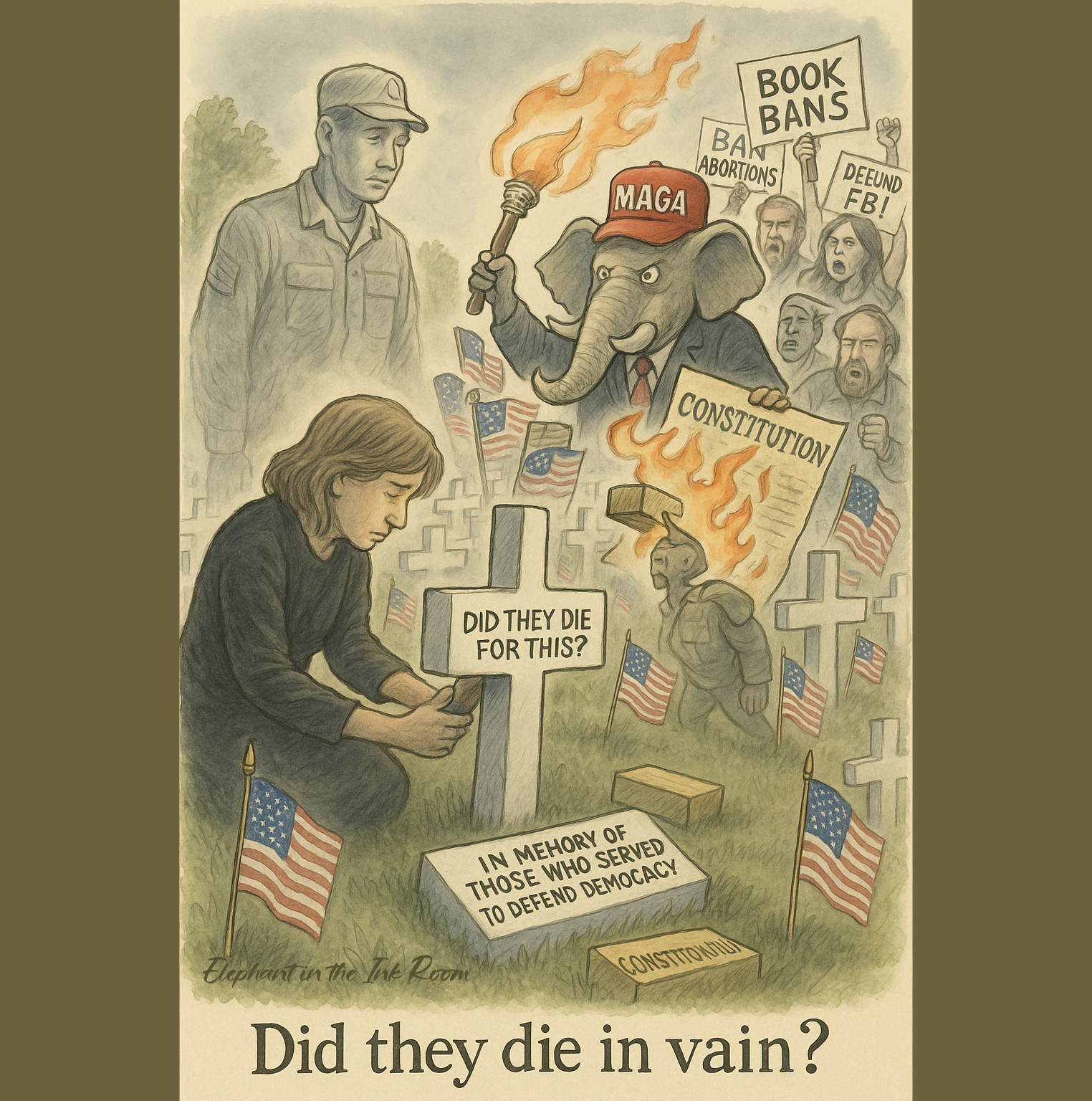
Anger doesn’t just happen in a vacuum. It builds. It festers. It grows out of a thousand little cuts and a handful of gaping wounds. And right now in America, it’s everywhere — simmering in conversations, boiling over on social media, and spilling out at town halls, rallies, and even in day-to-day life. The question is: why?
The truth is, millions of Americans feel cheated. They feel as if the deck is stacked against them, no matter how hard they work or how carefully they play by the rules. They see the system tilted toward insiders and special interests. They see rules bent and laws gamed. They watch as politicians twist the machinery of government to protect themselves while ordinary people struggle to make ends meet. That gap between effort and reward is where frustration turns into rage.
And the politicians don’t make it better. In fact, they make it worse. Instead of honesty, we get double talk. Instead of accountability, we get excuses. Instead of transparency, we get cover-ups. At some point, a citizen watching all this can’t help but feel powerless. And when people feel powerless, anger is the natural response.
This is not a partisan observation. Republicans and Democrats alike are furious. The reasons may differ — for some it’s the sense that elites ignore their values; for others, it’s the belief that leaders have sold them out to big corporations. But the common denominator is the same: distrust. And distrust corrodes everything it touches.
Then there’s the noise. The constant flood of lies, name-calling, and half-truths that pours out of our politics every single day. Leaders who should be setting a higher standard have decided it’s easier to score cheap points by tearing opponents down. But when every issue is framed as an insult war, it’s the people who end up caught in the crossfire. They don’t get solutions — they get slogans. They don’t get progress — they get poison.
It’s little wonder, then, that so many Americans feel they’ve had enough. Anger is not weakness here. It’s the logical response to being ignored, misled, and manipulated. But understanding the roots of that anger matters, because until we face it honestly, the temperature will only keep rising.
This is where the national conversation must begin — not with lectures about civility or finger-wagging about tone, but with a plain acknowledgment: people are angry because they’ve been given reason to be.
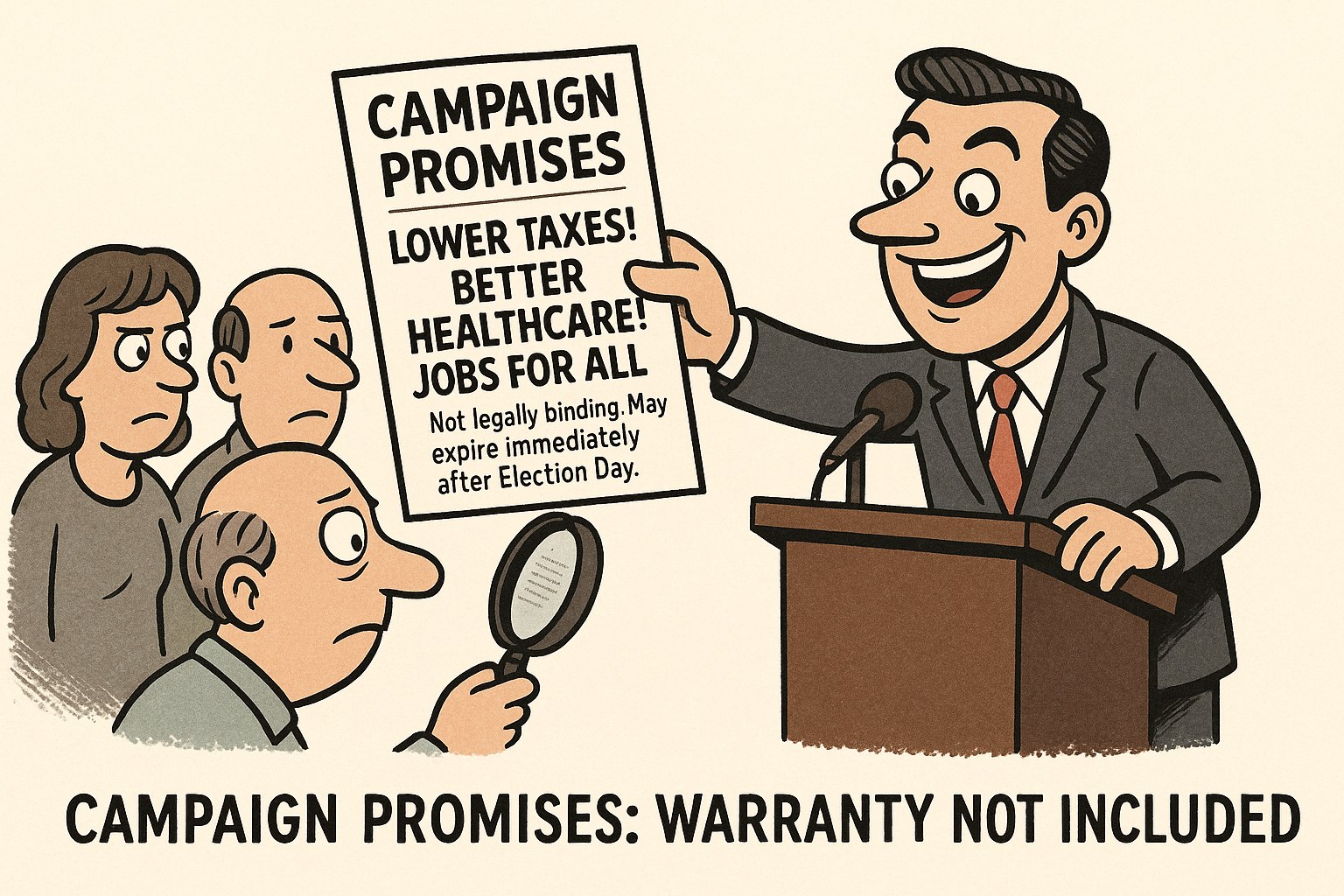
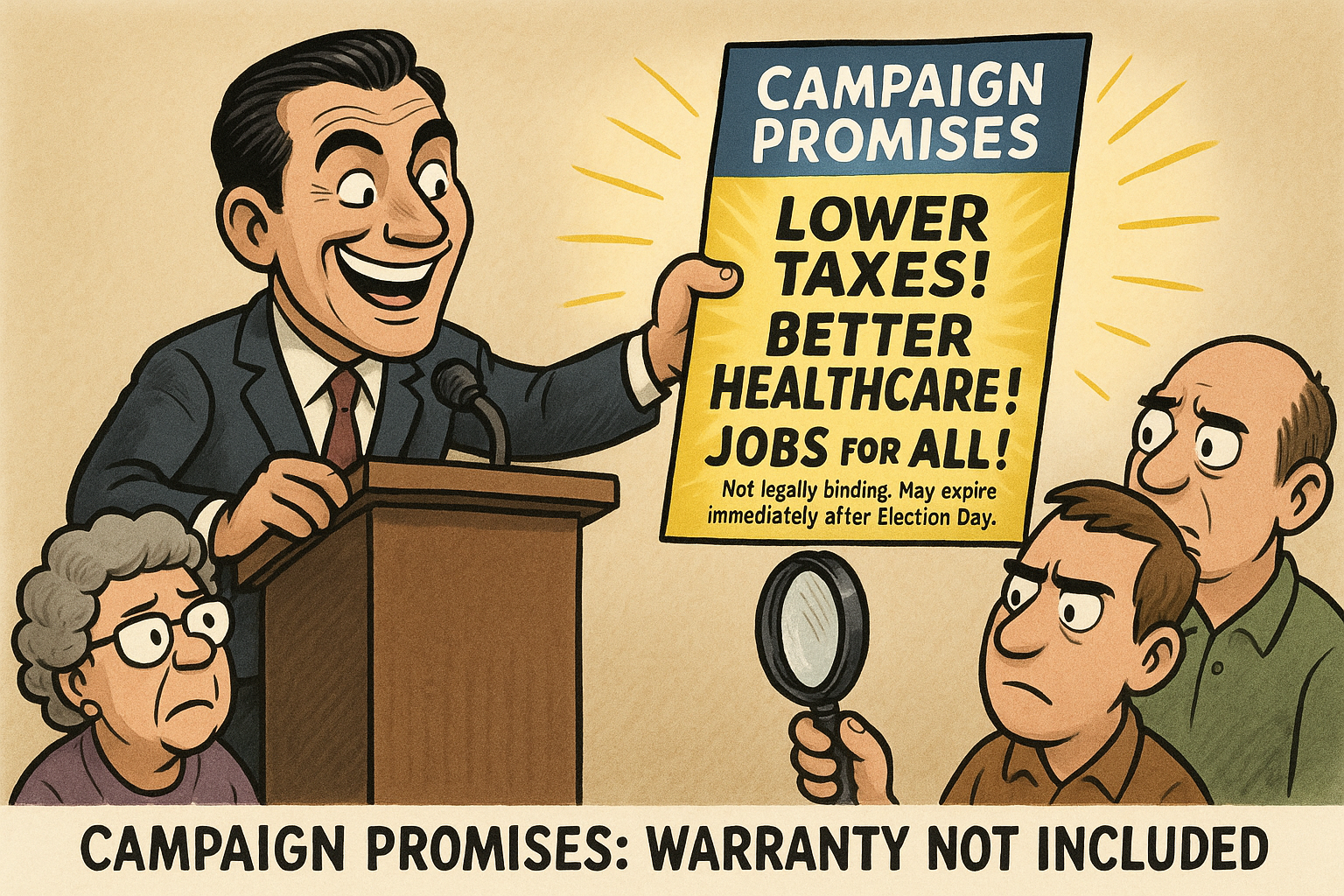



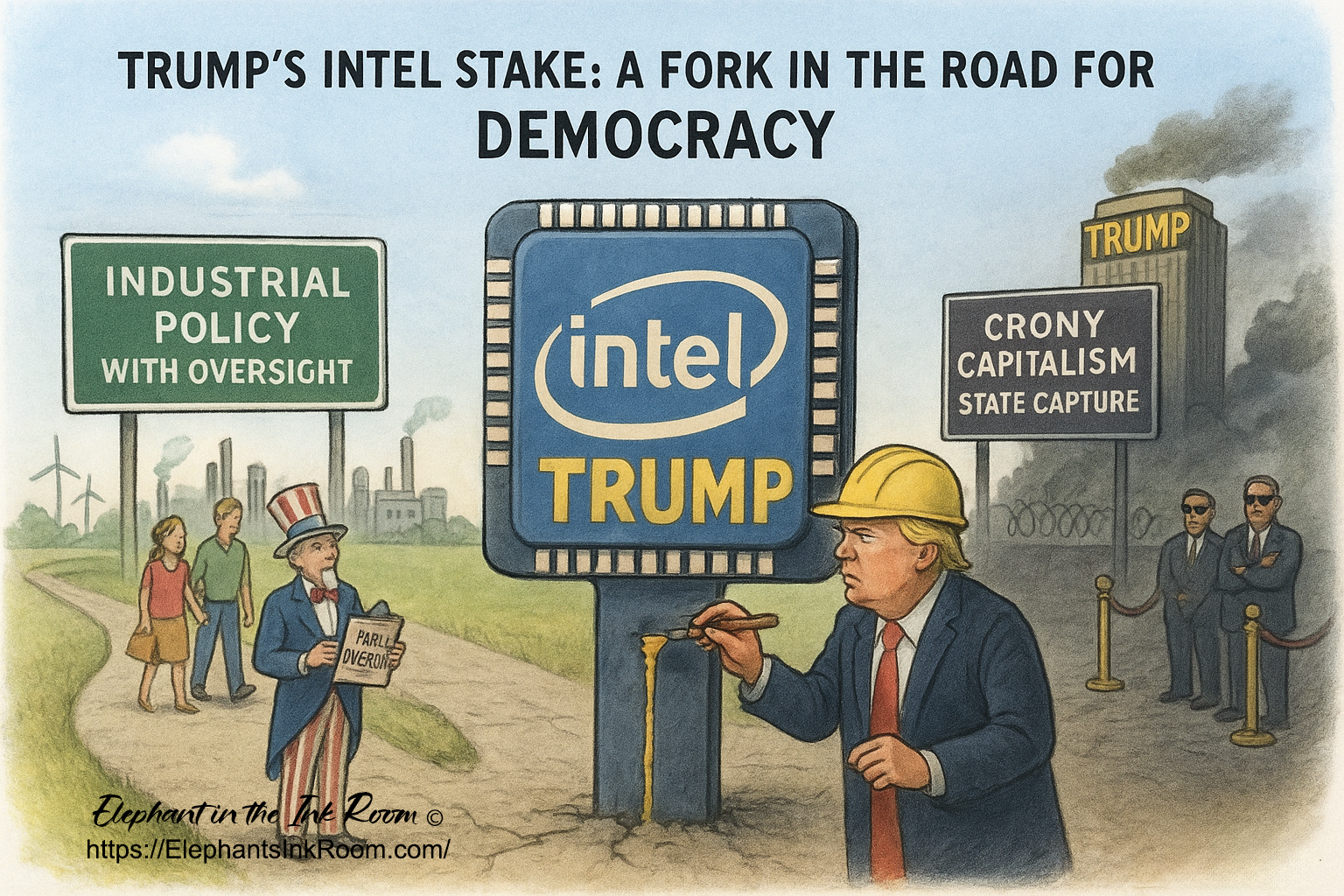
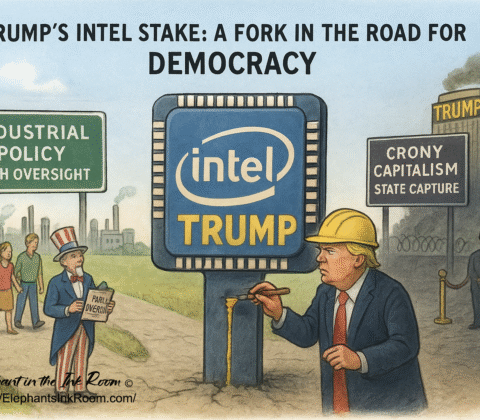
The administration reportedly secured a 10% government stake in Intel, and has intervened directly in markets.
This marks a shift from the Reagan-era conservative doctrine of deregulation, privatization, and “government out of the way.”
Instead, it leans toward industrial policy—the government actively picking winners and reshaping industries.
Strategic control: In critical sectors like semiconductors, government ownership could ensure national security and reduce reliance on foreign supply chains (esp. China).
Public leverage: A stake means taxpayers share in profits, not just subsidies. If Intel succeeds, the public could benefit directly.
Rapid mobilization: In crises (like war or supply chain breakdown), the government can direct resources more efficiently.
Erosion of free-market discipline: When government owns part of a company, it can distort competition and reward political allies rather than the best performers.
Politicization of business: Decisions might be driven by electoral or partisan considerations, not long-term stability.
Crony capitalism: The line between legitimate national security intervention and favoritism for friends/donors becomes blurry.
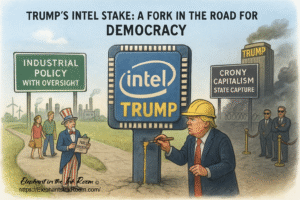
This is where it gets tricky:
Better for democracy (if done transparently):
If citizens see that government stakes mean accountability, profit-sharing, and national resilience, it could rebuild trust that democracy delivers.
Industrial policy, done openly, shows government is actively trying to protect workers, jobs, and sovereignty.
Worse for democracy (if done opaquely):
If Trump (or any leader) can direct state capital toward allies, donors, or politically useful industries, it becomes a tool of authoritarian-style control.
Concentrated power in the executive branch—deciding which companies thrive—weakens the role of Congress, markets, and watchdog institutions.
Citizens could lose faith that the economy is fair, seeing it instead as rigged by political power.
Reagan: Deregulation + belief in private sector efficiency.
FDR / WWII: Heavy government involvement in production—seen as necessary in an existential crisis.
China today: State-capitalist model—government directs investment, controls key industries, uses companies for geopolitical leverage.
Trump’s move edges the U.S. slightly toward the China model, away from the Reagan model.
If transparent and accountable → could strengthen democracy by showing government works for the people.
If secretive and politicized → could weaken democracy by concentrating power and blurring public/private interests.
So the real test isn’t just the Intel stake itself—it’s whether it’s managed with checks, balances, and public oversight, or whether it becomes another lever of personal power.
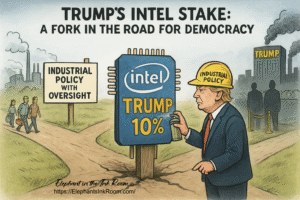
Trump is moving away from Reagan-era free-market conservatism by having the government take direct stakes in companies (Intel being the headline example) and intervening in markets.
Shared Prosperity – If taxpayers hold equity, the public—not just private investors—benefits from profits.
National Security – Strategic industries (like semiconductors) stay resilient and less dependent on adversarial nations (esp. China).
Visible Action – Citizens see government actively solving problems, restoring some trust that democracy “delivers.”
Crisis Readiness – In moments of emergency, government stakes allow faster mobilization than free markets alone.
Analogy: FDR’s New Deal and WWII mobilization — heavy government involvement, but ultimately seen as strengthening democracy by protecting people and the nation.
Politicized Economy – Leaders may favor allies, donors, or swing-state industries, eroding faith in fairness.
Crony Capitalism – Public stakes become a cover for funneling wealth or contracts to insiders.
Erosion of Checks & Balances – The executive, not Congress or independent regulators, ends up controlling major sectors of the economy.
Authoritarian Drift – Citizens may see government as a tool of one leader’s power rather than an impartial institution.
Analogy: China’s state-capitalist model — stability and strength for a time, but at the cost of transparency and individual freedom.
If transparent and accountable → this could look like a 21st-century New Deal: democracy showing it can adapt, protect, and deliver for its people.
If opaque and self-serving → this could be one more step toward government by strongman, where the economy is bent to political loyalty instead of public good
Here’s what public sources indicate regarding whether Donald Trump or his family personally hold any financial interest in Intel:
All credible reporting confirms that the 10% stake in Intel is held by the U.S. government, not any individual, including Trump or his family.
Financed through grants: The government converted roughly $11 billion from previously allocated CHIPS and Secure Enclave grants into a non-voting equity stake—approximately 9.9% to 10% of Intel.
Passive investment: The government’s ownership is described as passive—no board seats, no governance or information rights, and agreement to vote with Intel’s board in most cases.
Not Trump-family property: None of the reports mention any personal ownership by Trump or his family. The capital involved came strictly from federal funds, not private assets.
Trump’s known investment profile: Public records and reporting show he has diversified holdings across multiple sectors (stocks, real estate, funds, etc.), including historical past holdings in companies like Intel. Yet, there is no indication that he or his family currently hold private Intel stock or a stake in this government-led deal.
The recent Intel stake is clearly portrayed as a federal government transaction, with no intermingling of Trump’s personal finances.
| Entity | Reports Indicate Stake? | Notes |
|---|---|---|
| Donald Trump (personal) | No | No evidence of ownership tied to this Intel stake |
| Trump Family | No | No public disclosures connecting family to Intel equity |
| U.S. Government (Trump administration) | Yes | 10% non-voting stake acquired from federal grants |
There is no public information or credible report showing that Trump or his family has any personal financial interest or greed in Intel related to this deal.
The 10% stake is strictly a federal government investment, backed by grants—not private funds.
.
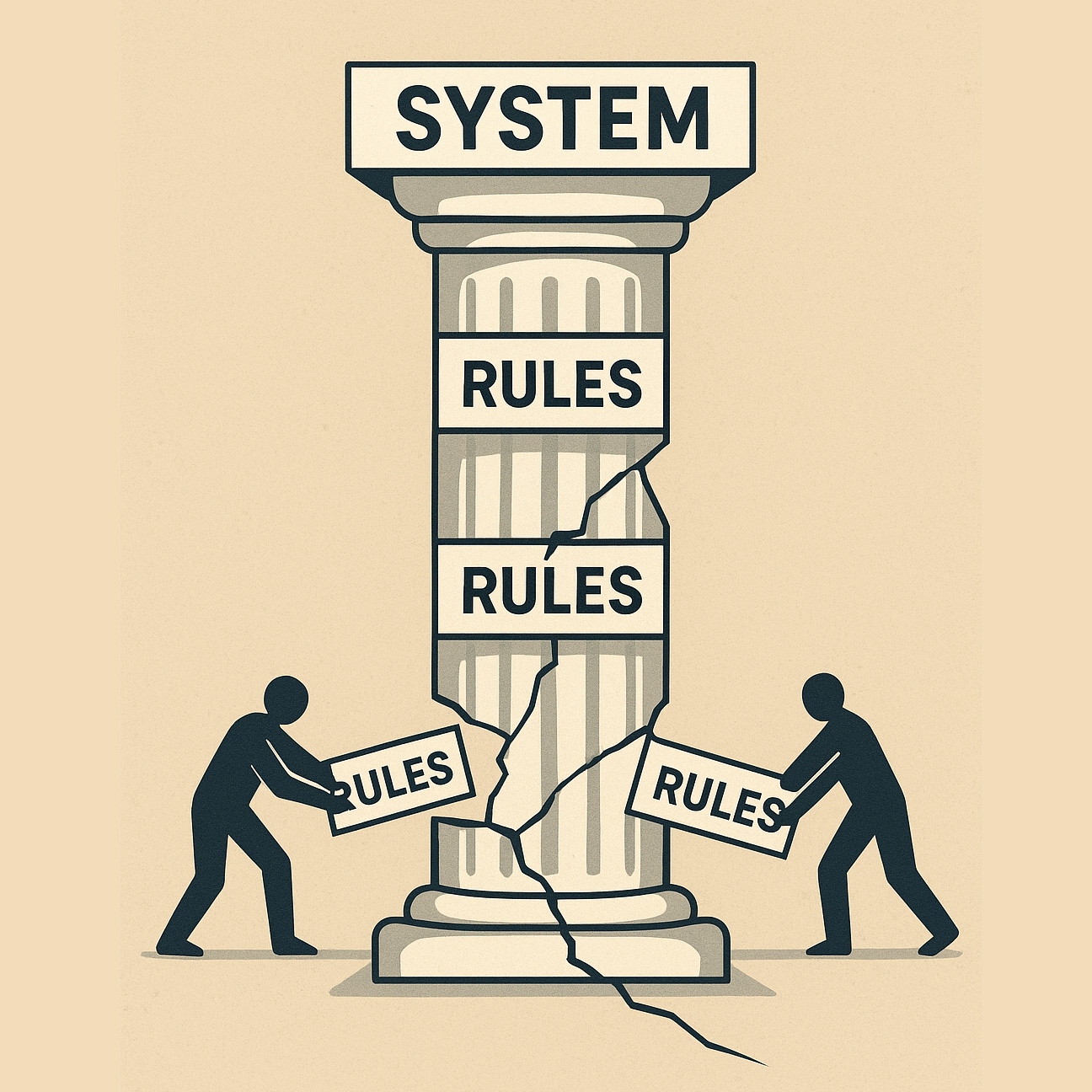

If no one is playing by the rules, why do the rules exist?
That may sound like a rhetorical jab, but it’s an honest question. The United States was founded on principles designed to safeguard fairness, accountability, and representation. The Constitution and the framework of government were meant to ensure that no group could hoard power unchecked, and that citizens’ voices would shape the course of the nation.
But gerrymandering—when politicians redraw voting districts to give themselves an advantage—cuts against the very heart of those ideals. It is a quiet form of tyranny, a manipulation of the democratic process for partisan gain. Instead of voters choosing their representatives, representatives are choosing their voters.
When either party engages in gerrymandering, they are not just breaking some technical rule of fair play. They are undermining the moral foundation of democracy. The rules of representative government only matter if leaders commit to follow them in good faith. If they don’t, then how are we any better than the monarchs, oligarchs, and tyrants we once rejected?
Some defend the practice as just “part of the game.” But democracy is not a game. The purpose of elections is to reflect the will of the people—not to manipulate it. When politicians normalize bending or breaking the rules for personal advantage, they don’t just weaken their opponents; they weaken faith in the entire system. And once that faith is gone, it’s far harder to restore than it is to destroy.
The danger of gerrymandering is not only unfair maps. It’s the message it sends: that rules are optional, that power is the only goal, and that principles can be cast aside when inconvenient. If that’s the lesson, then the ideals written into our founding documents become nothing more than decorative words on old parchment.
So the question remains: if no one is playing by the rules, why do the rules exist? Perhaps the answer is that the rules are waiting—for us. They are waiting for citizens to demand better, for courts to enforce standards of fairness, and for leaders to rediscover the humility that comes with serving rather than ruling.
The rules still exist because they are the difference between democracy and tyranny. But they will only matter if we decide to make them matter.
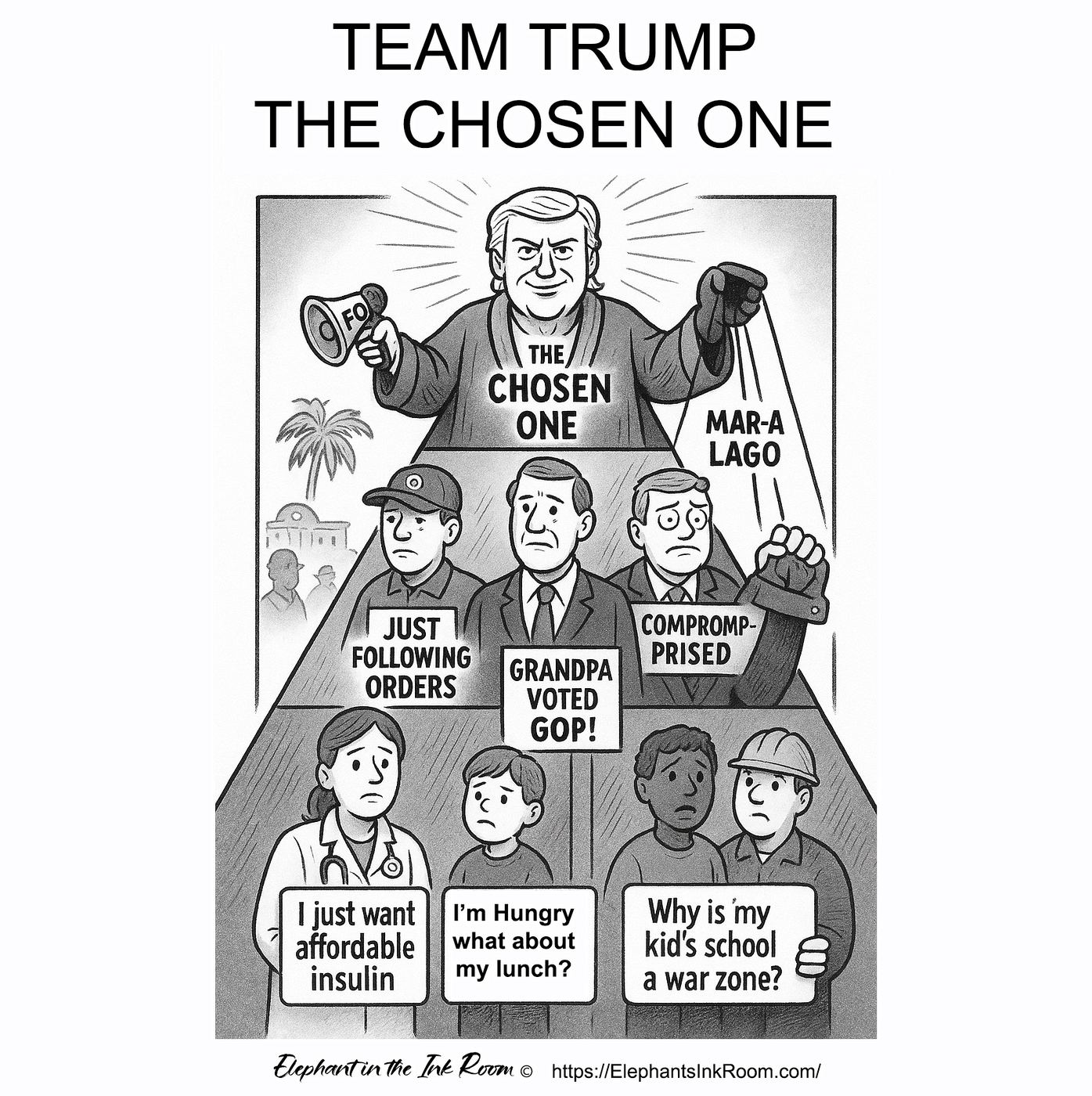

Gerrymandering isn’t politics, it’s theft. It’s the art of stealing voters’ voices before they ever reach the ballot box. A strong leader convinces the people. A weak leader redraws the lines until only his loyalists remain.


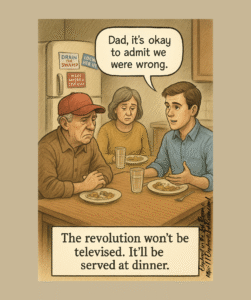
“By the 1980s, Heston supported gun rights and changed his political affiliation from Democratic to Republican. When asked why, he replied, ‘I didn’t change. The Democratic Party changed.’ In 1987, he first registered as a Republican.”

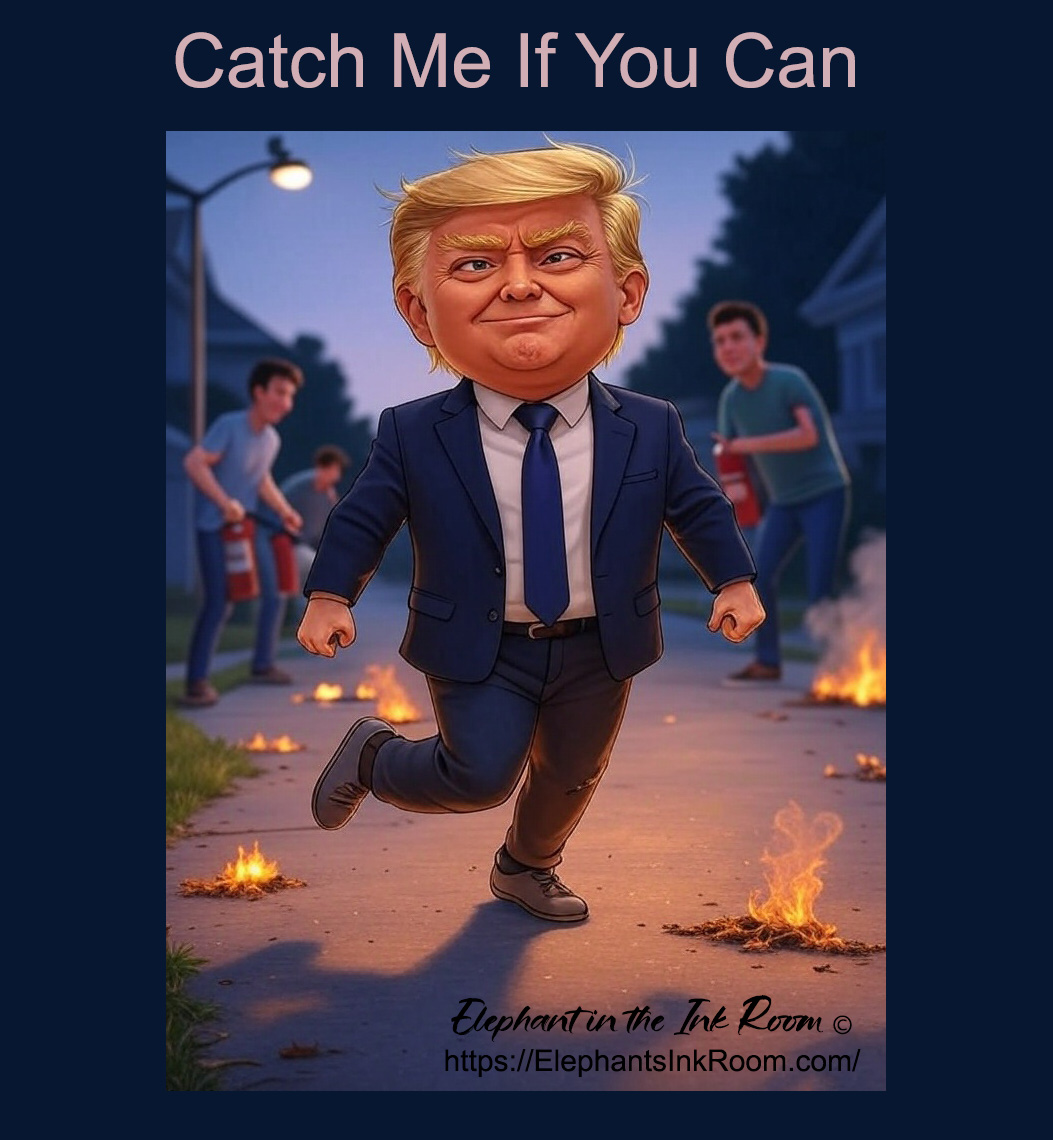




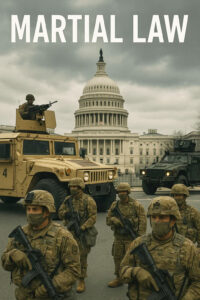
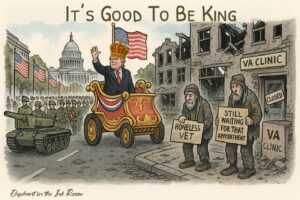



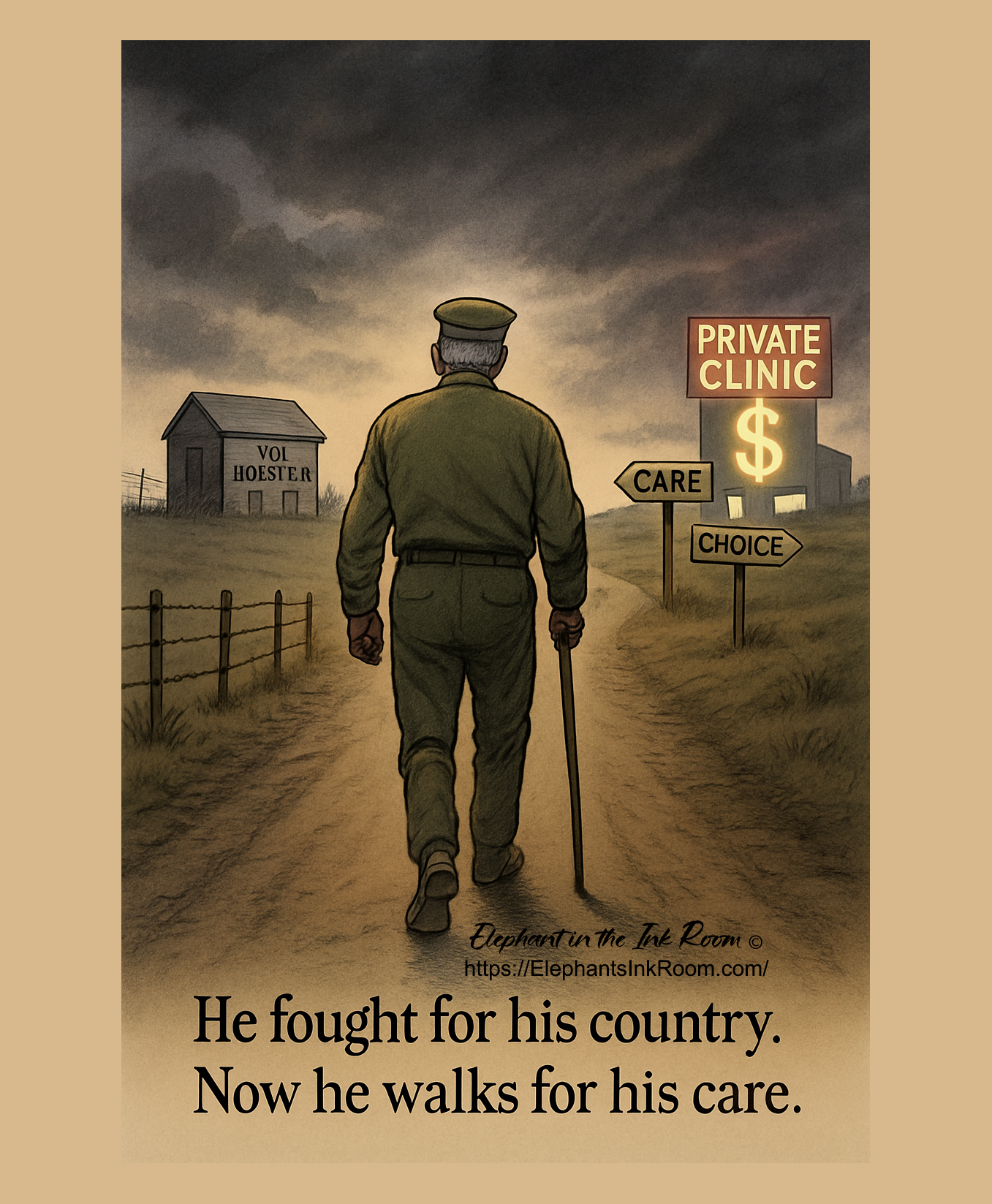

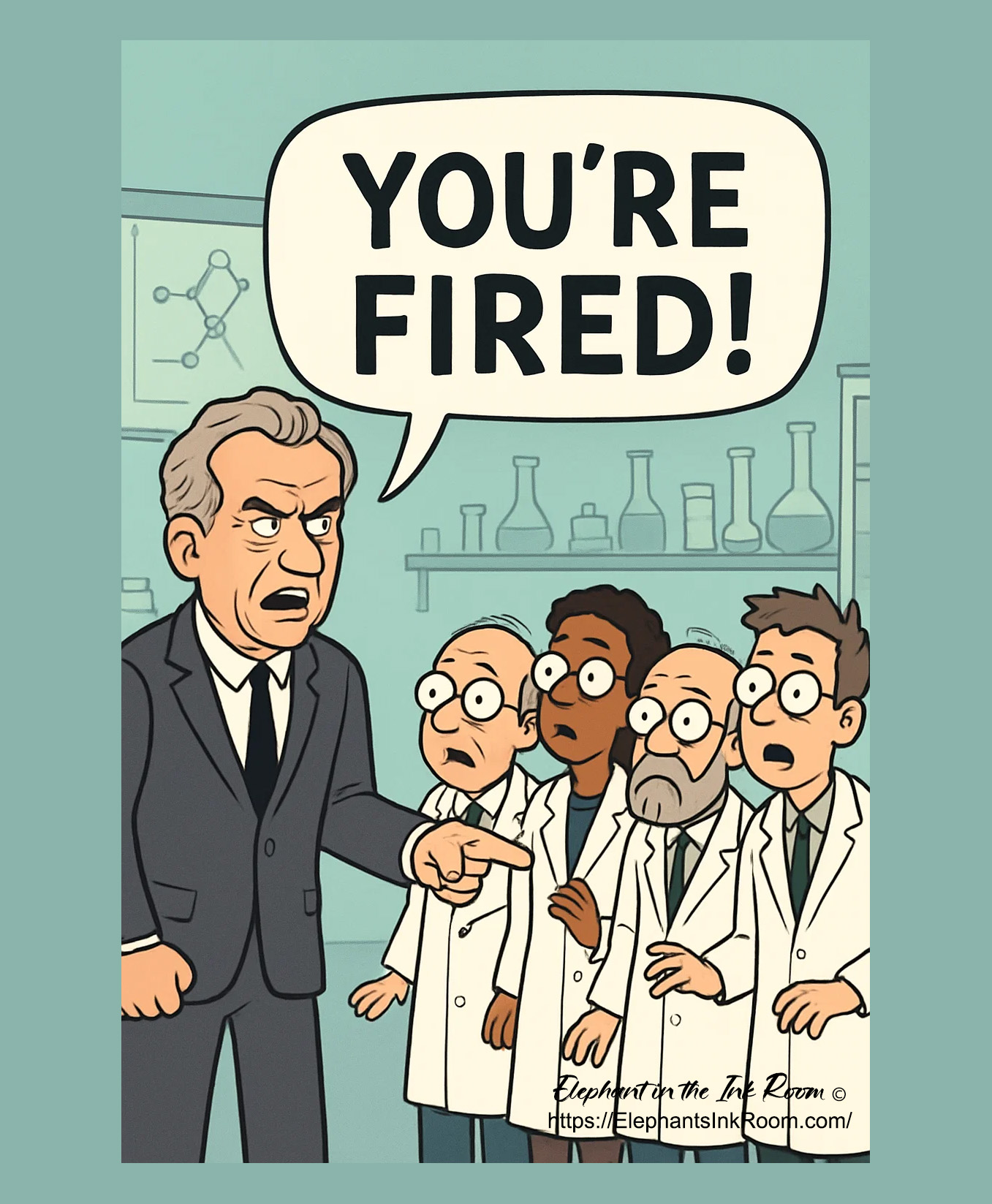




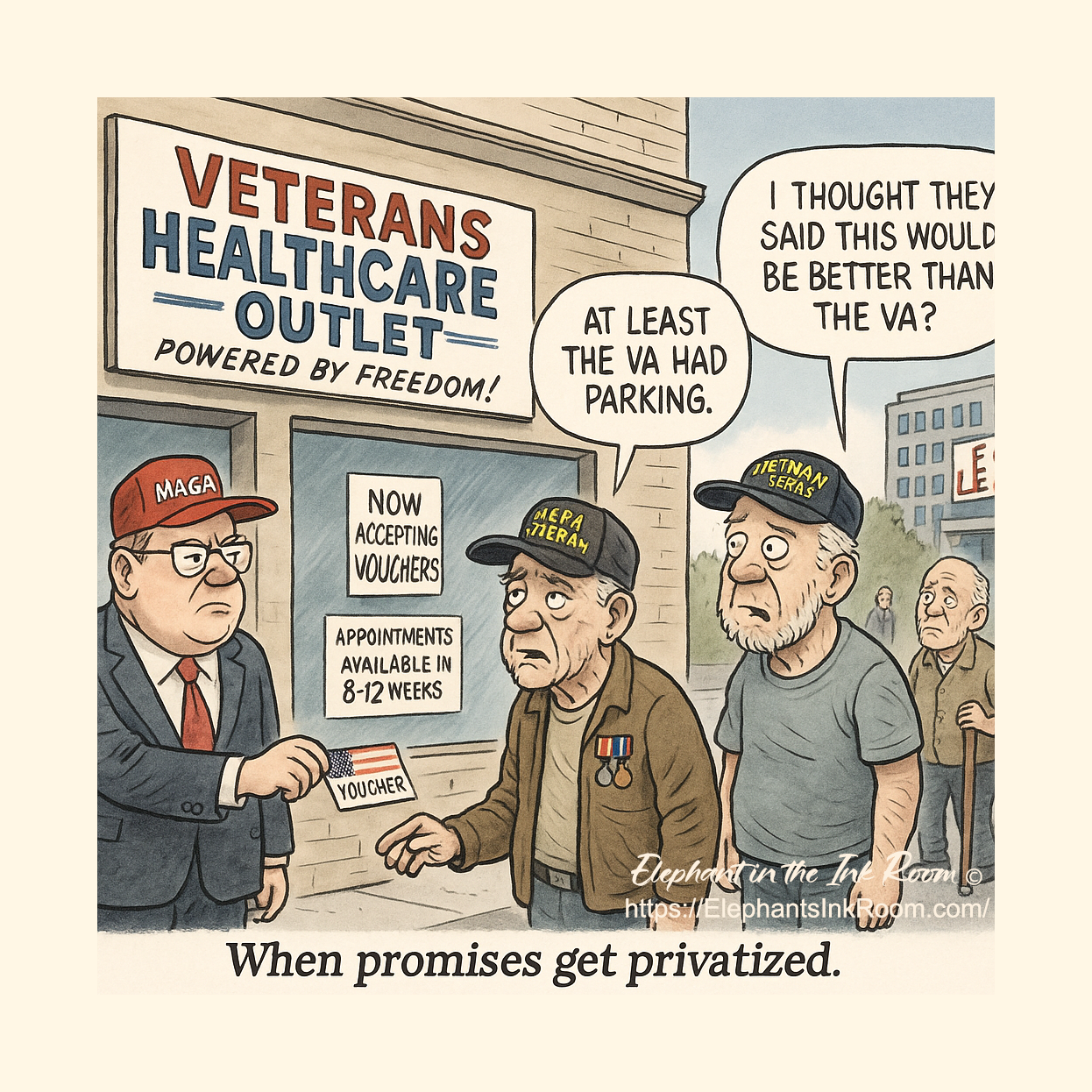

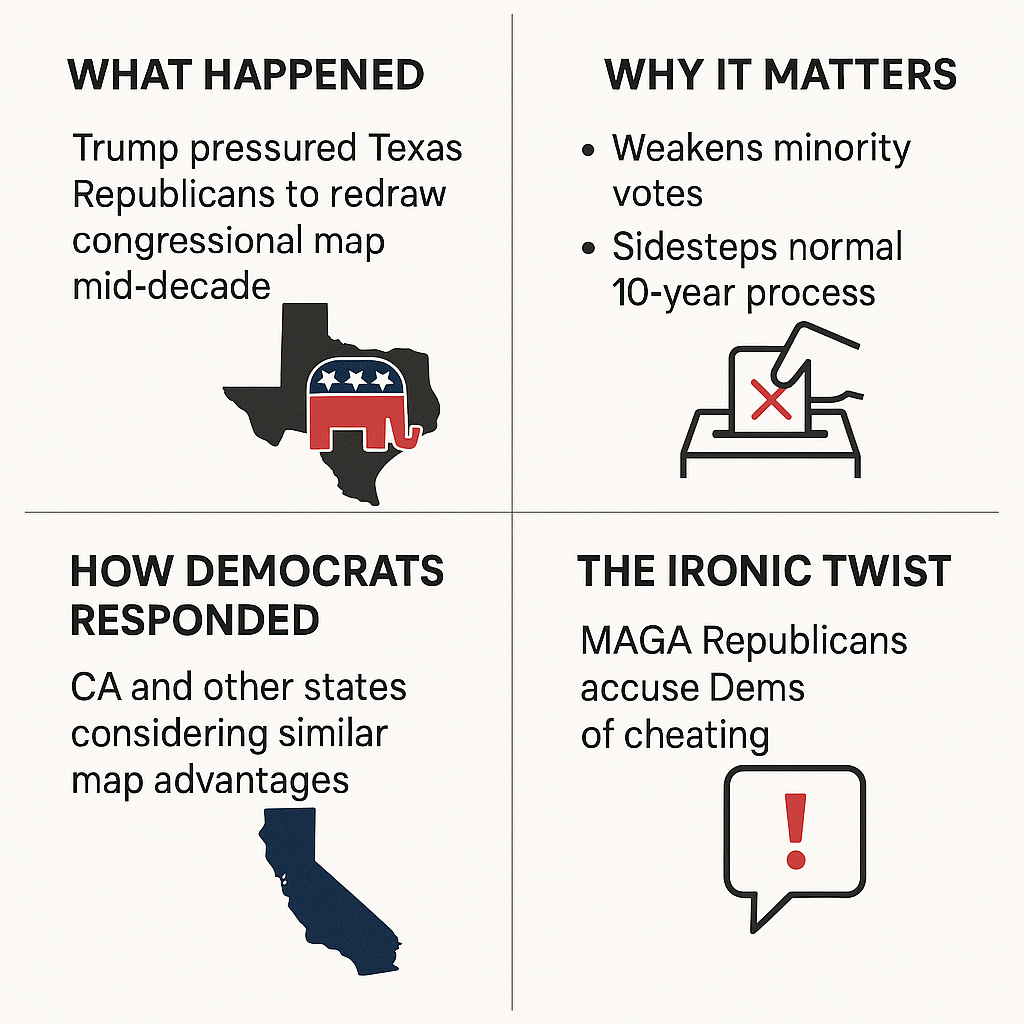

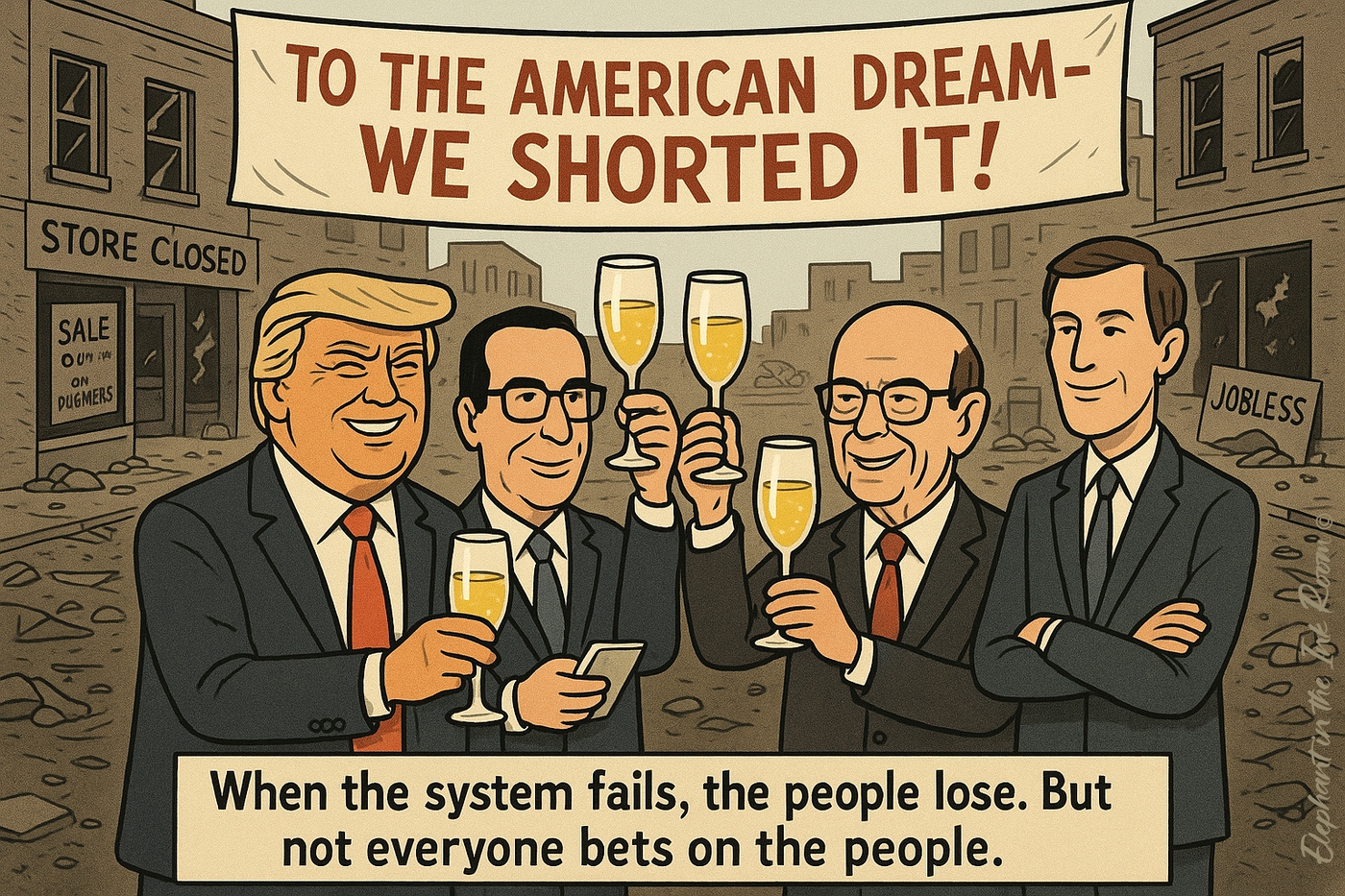

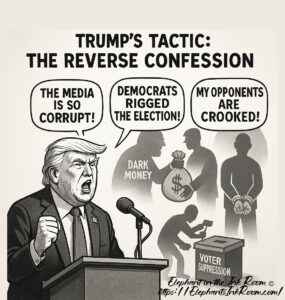
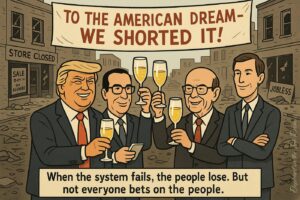
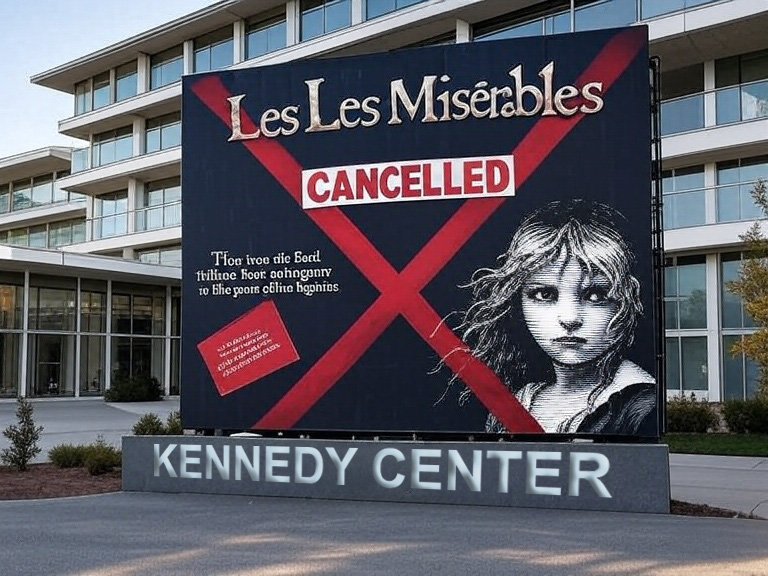






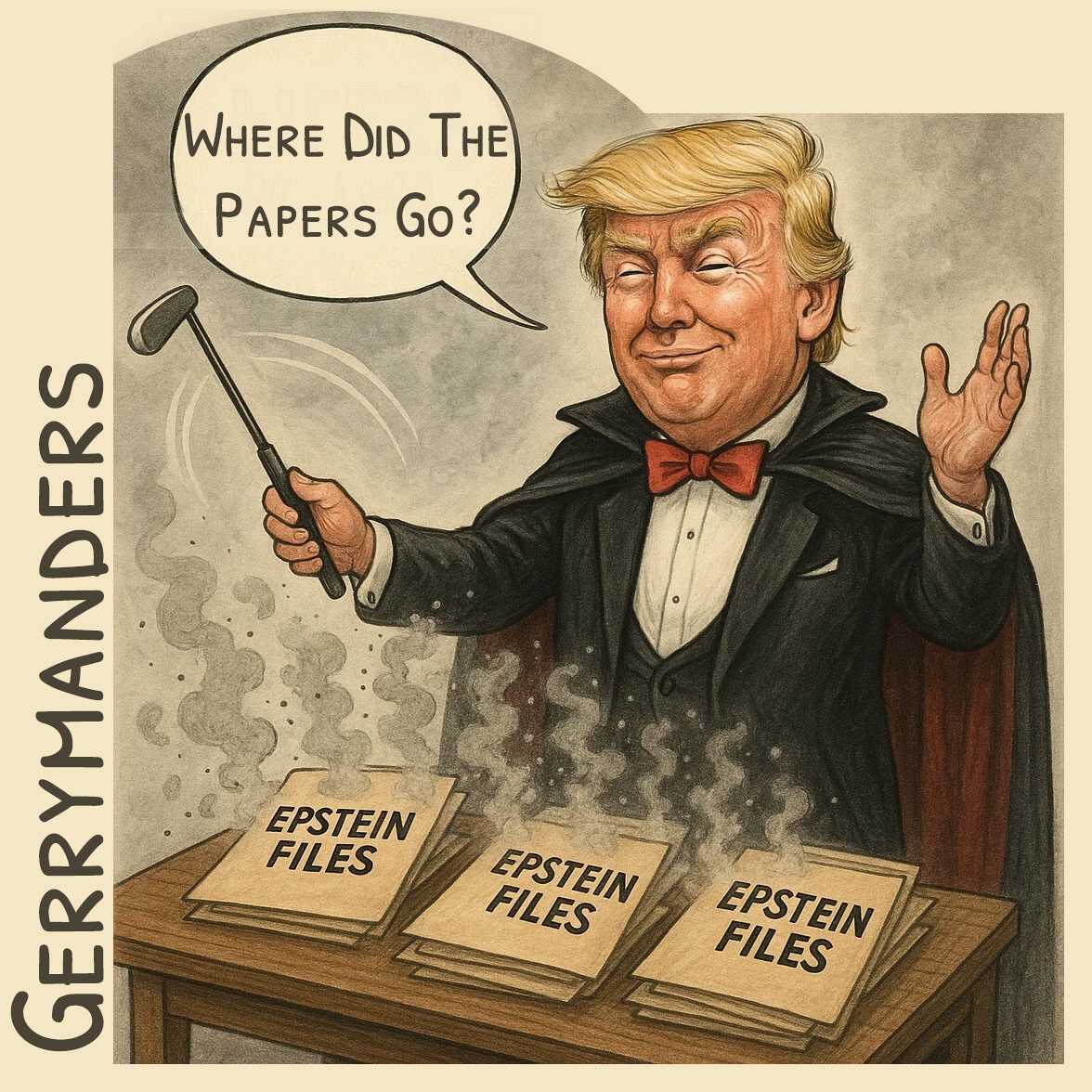
Is this just another diversion, another slap across the face designed to make us look the other way, or is this an unchecked ego running rampant?
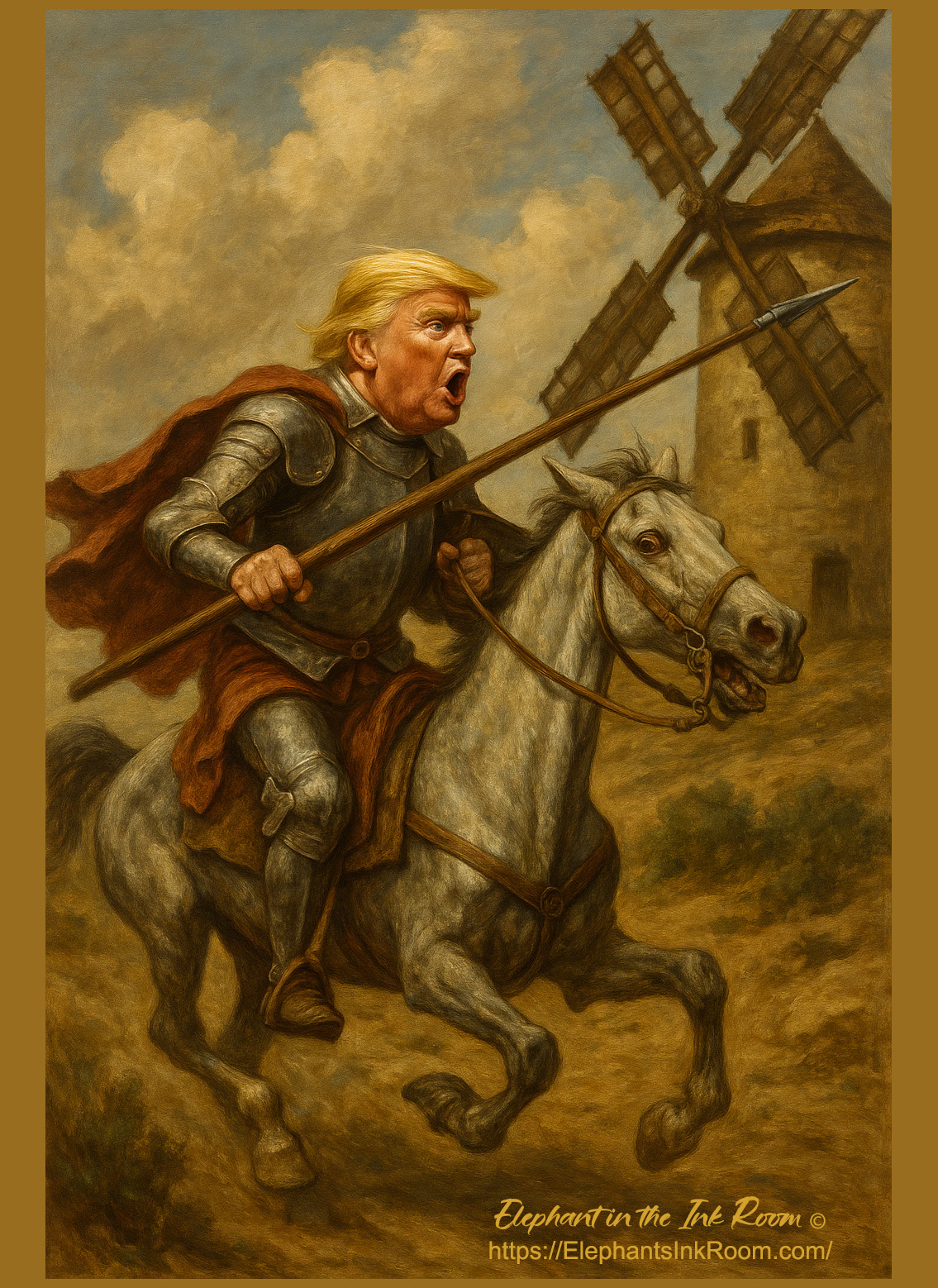





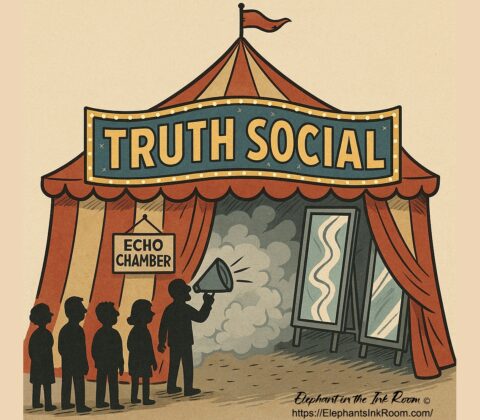

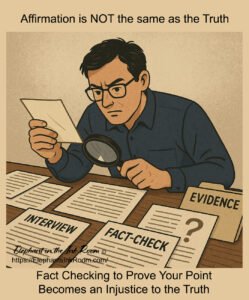


Okay, so what got me going? The Muslims, those horrid decapitators of the innocence.
So to start off, here it the image posted showing how evil the Koran is.
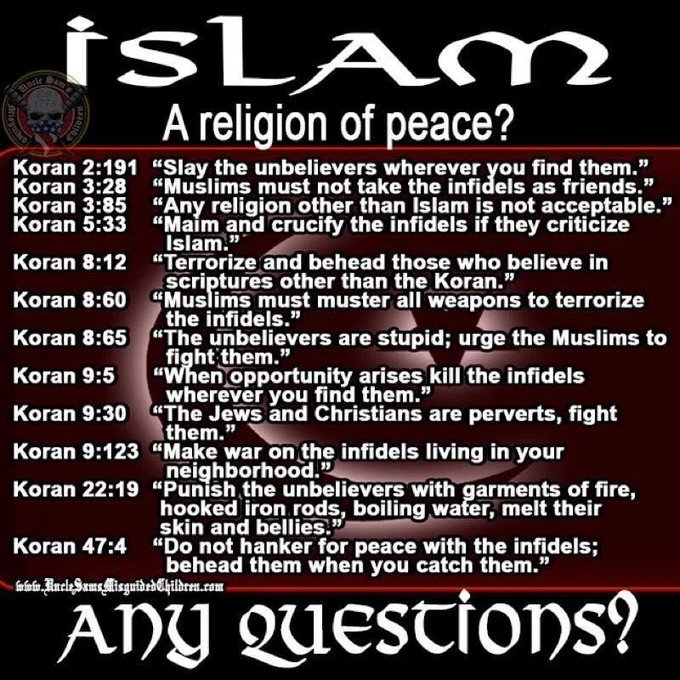
Since I was on X I took a copy of the image and asked Grok to analyze it.
‘Grok, can you analyze and fact check this image?’
These verses often relate to specific historical conflicts (e.g., battles during the Prophet Muhammad’s time) and are moderated by other verses promoting peace, such as 2:256 (“No compulsion in religion”) and 60:8 (kindness to non-hostile non-Muslims). The image’s interpretations exaggerate or omit context, presenting a skewed narrative. For a deeper understanding, consulting a full Quran translation (e.g., Sahih International) or Islamic scholars is recommended. Would you like me to search further or focus on a specific verse?
‘YES’
Thank you for confirming. I have analyzed the image and fact-checked the listed Quranic verses using available information. The image provides interpretations of verses (Koran 2:191, 3:28, 3:85, 5:33, 8:12, 8:60, 8:65, 9:5, 9:30, 9:123, 22:19, 47:4) that suggest violence or intolerance, but many of these are either misquoted, taken out of context, or lack complete translation.
These verses often relate to specific historical conflicts (e.g., battles during the Prophet Muhammad’s time) and are moderated by other verses promoting peace, such as 2:256 (“No compulsion in religion”) and 60:8 (kindness to non-hostile non-Muslims). The image’s interpretations exaggerate or omit context, presenting a skewed narrative. For a deeper understanding, consulting a full Quran translation (e.g., Sahih International) or Islamic scholars is recommended. Would you like me to search further or focus on a specific verse?
Comparing the Quran and the Bible involves examining their origins, content, structure, and theological perspectives. Here’s a concise overview:Origins
Structure
Content Themes
Key Differences
Similarities
For a deeper comparison, specific topics (e.g., specific verses, ethics) could be explored. Would you like me to focus on any particular aspect?
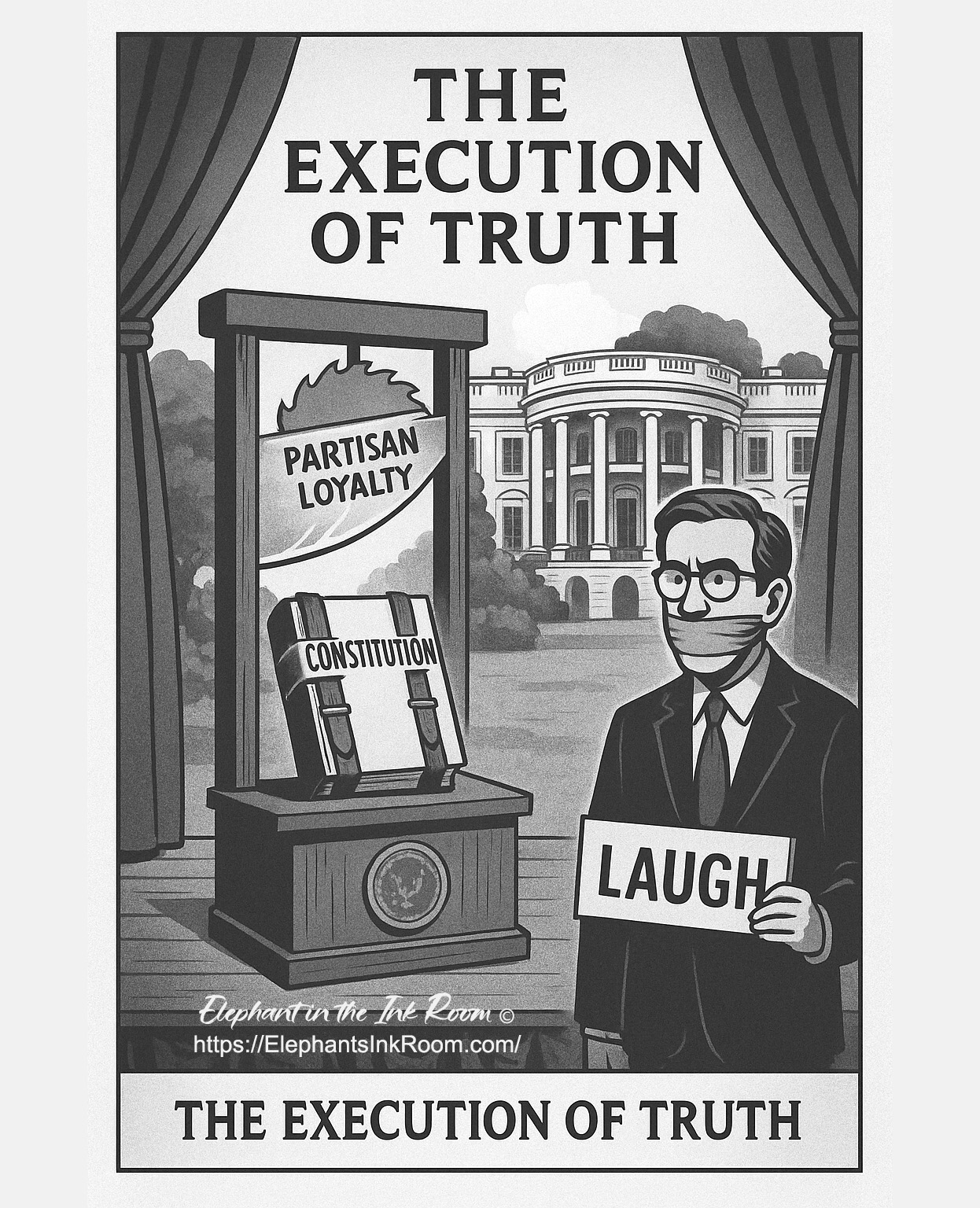


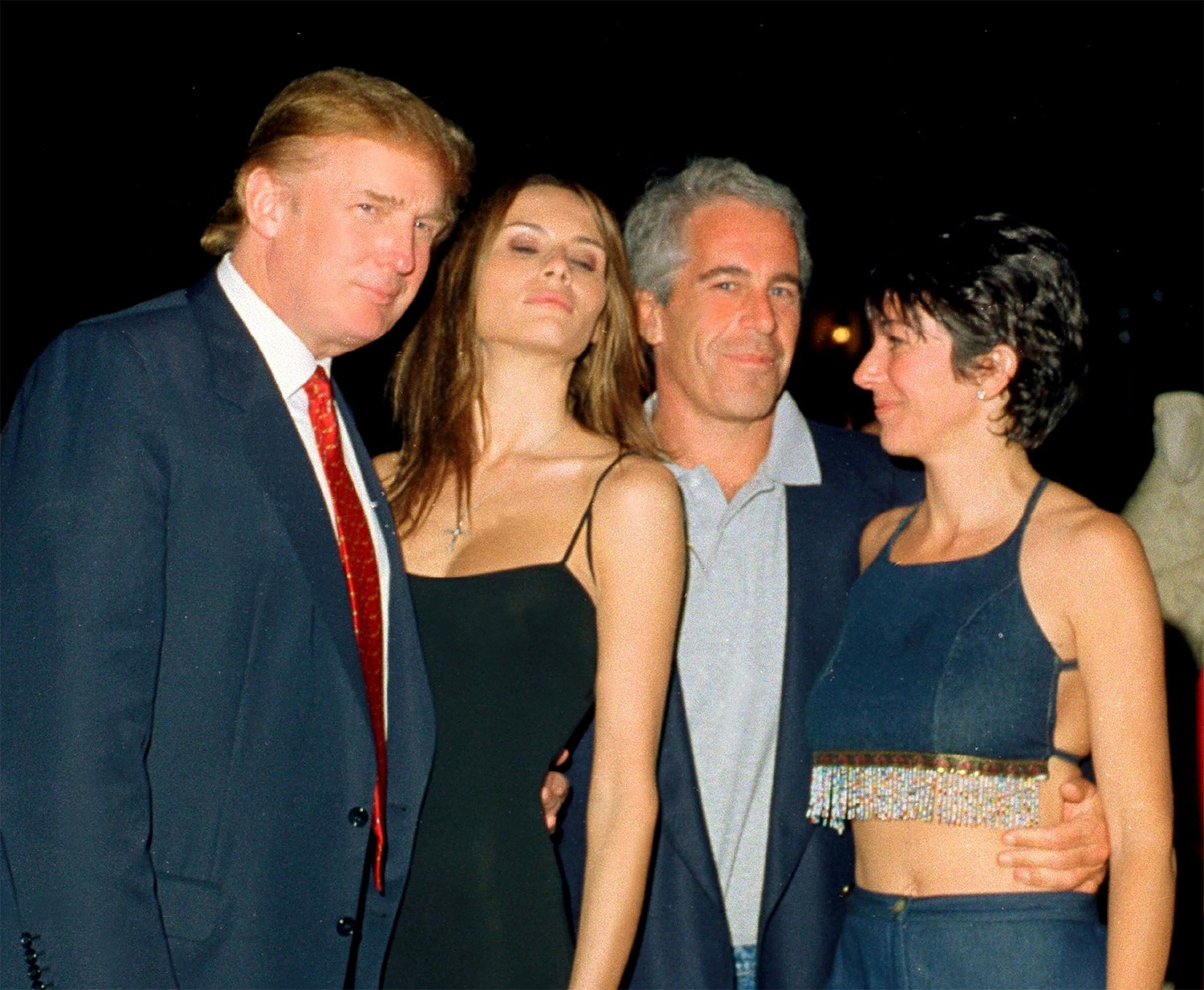
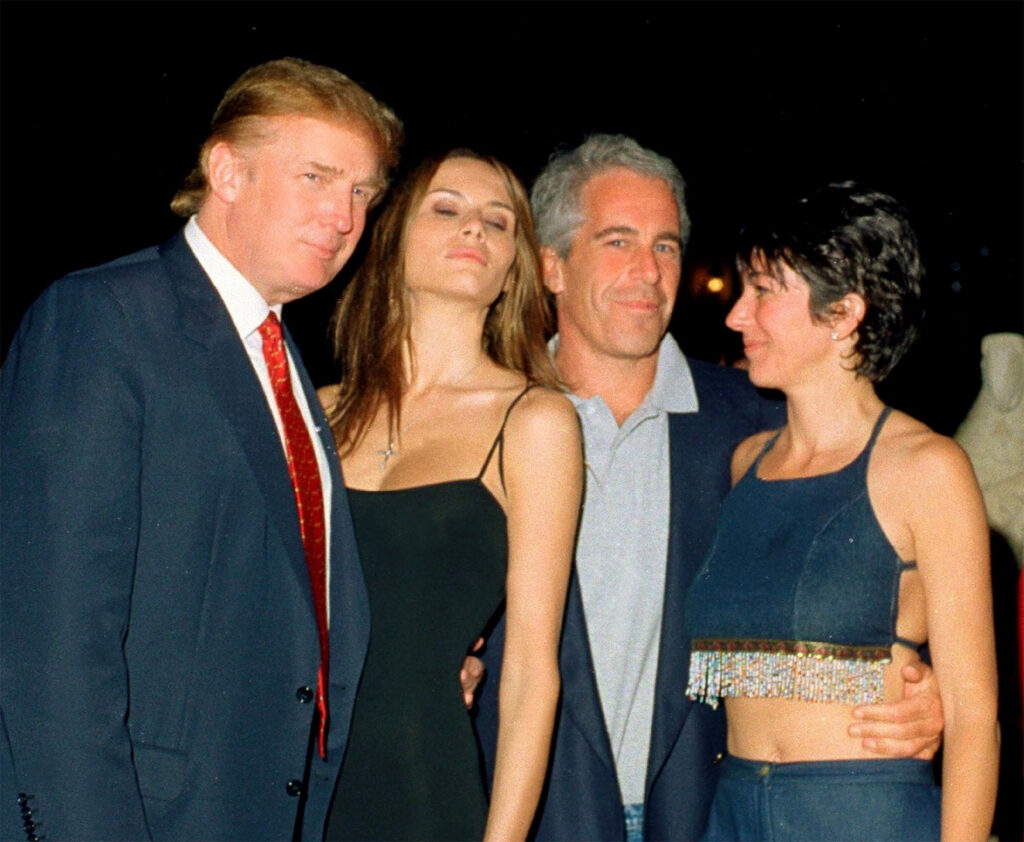
| What Trump Said | Media & Public Reaction |
|---|---|
| Called the Epstein revelations a “hoax,” “scam,” “bulls***” | News outlets report strong backlash from MAGA influencers and internal dissent The Sun+2CBS News+2ABC News+2People.com+2The Guardian+2The Sun+2. |
| Labeled those pressing for transparency “stupid” or “weaklings” | Some Republican leaders (e.g. Mike Johnson) continue to call for transparency . |
| Supported Pam Bondi’s handling of the case | Despite promises, Bondi hasn’t released much—raising questions about credibility . |
| Claimed disinterest: “sordid, boring,” “I don’t understand the fascination” | Many see this as a strategic retreat from previously embracing Epstein conspiracy theories . |


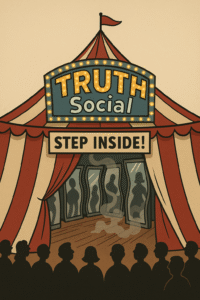
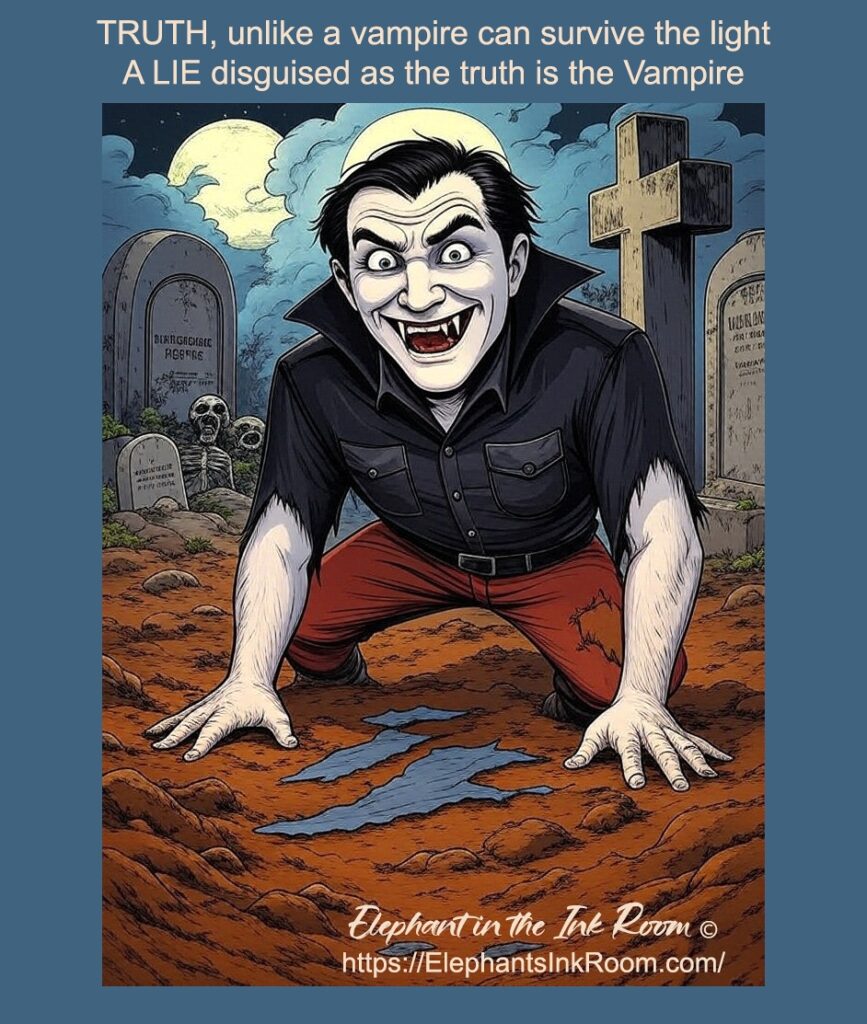
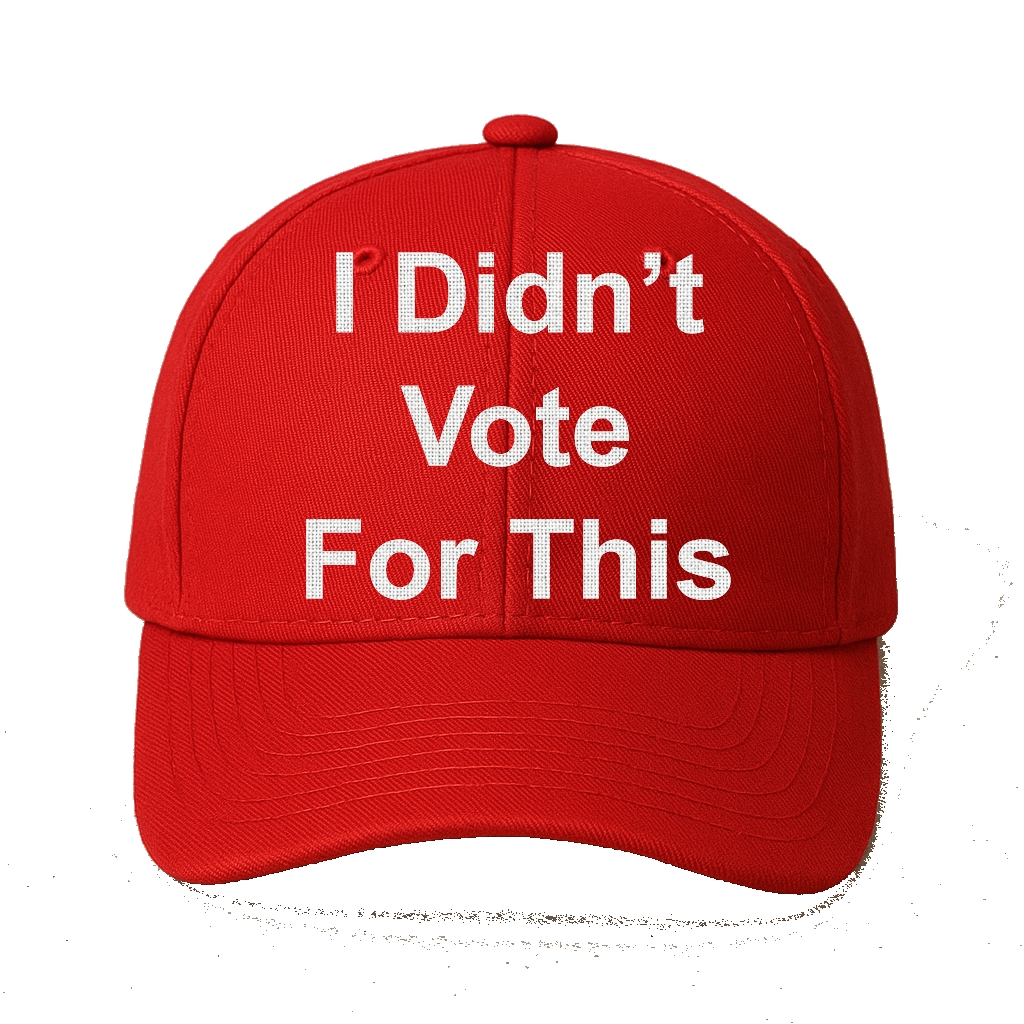

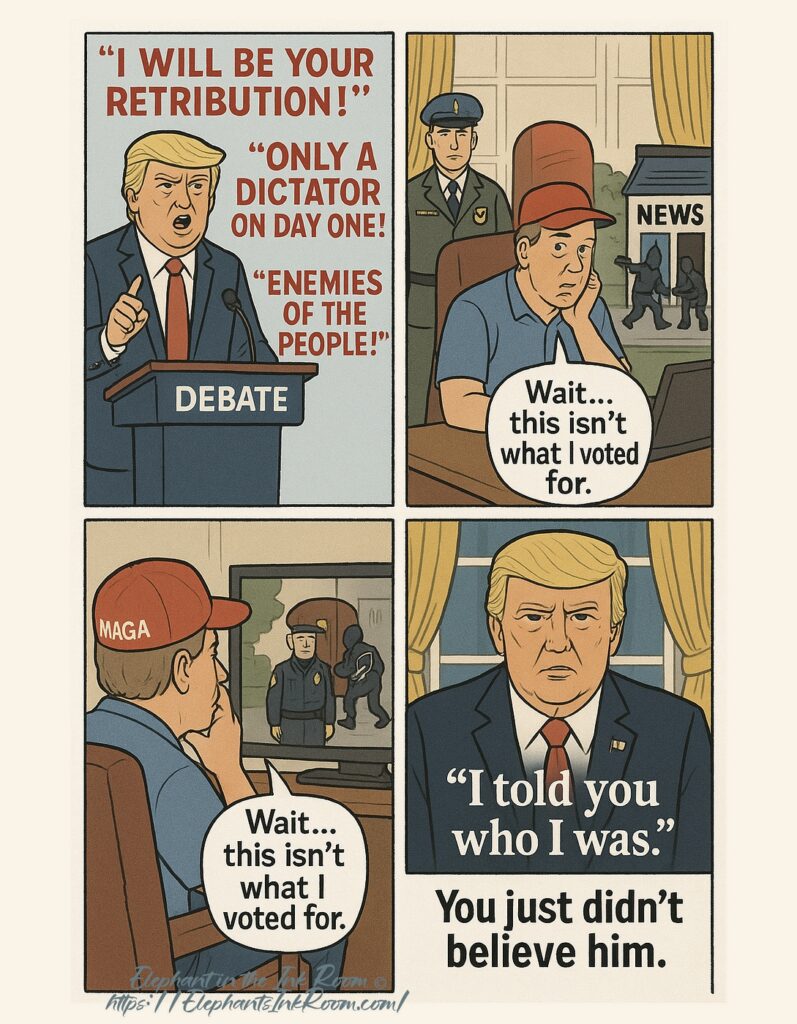
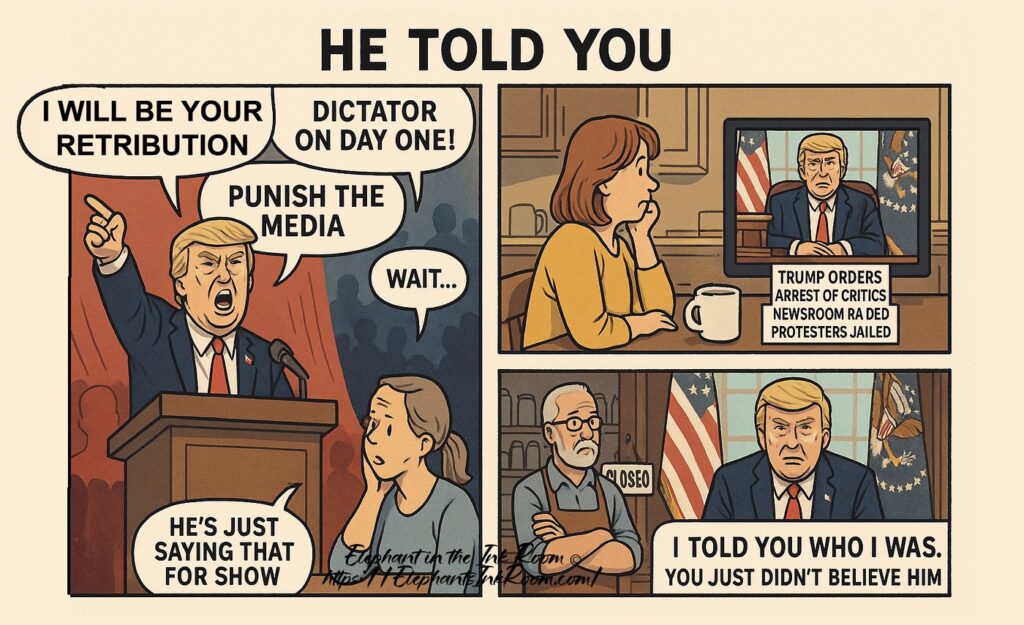



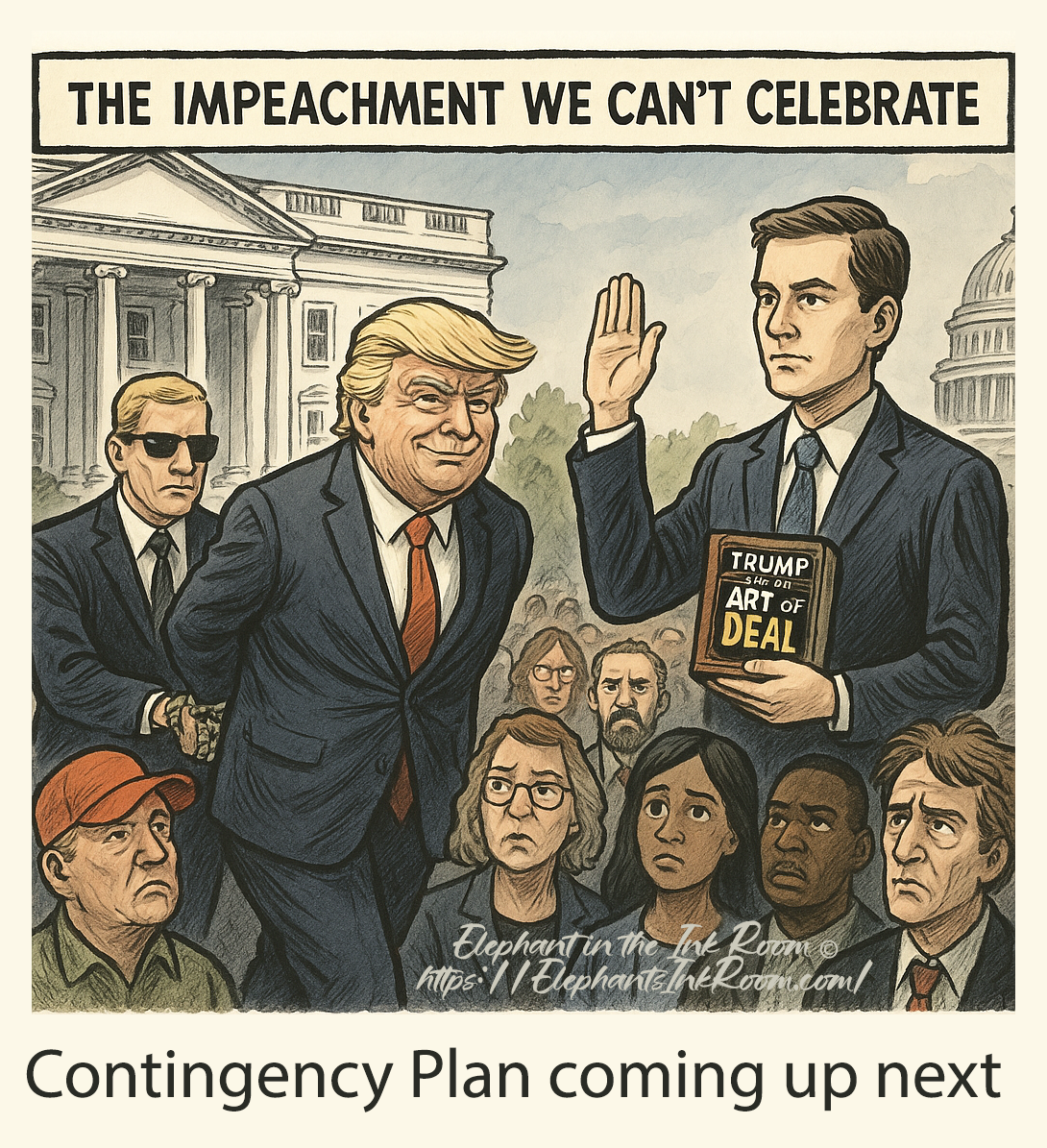



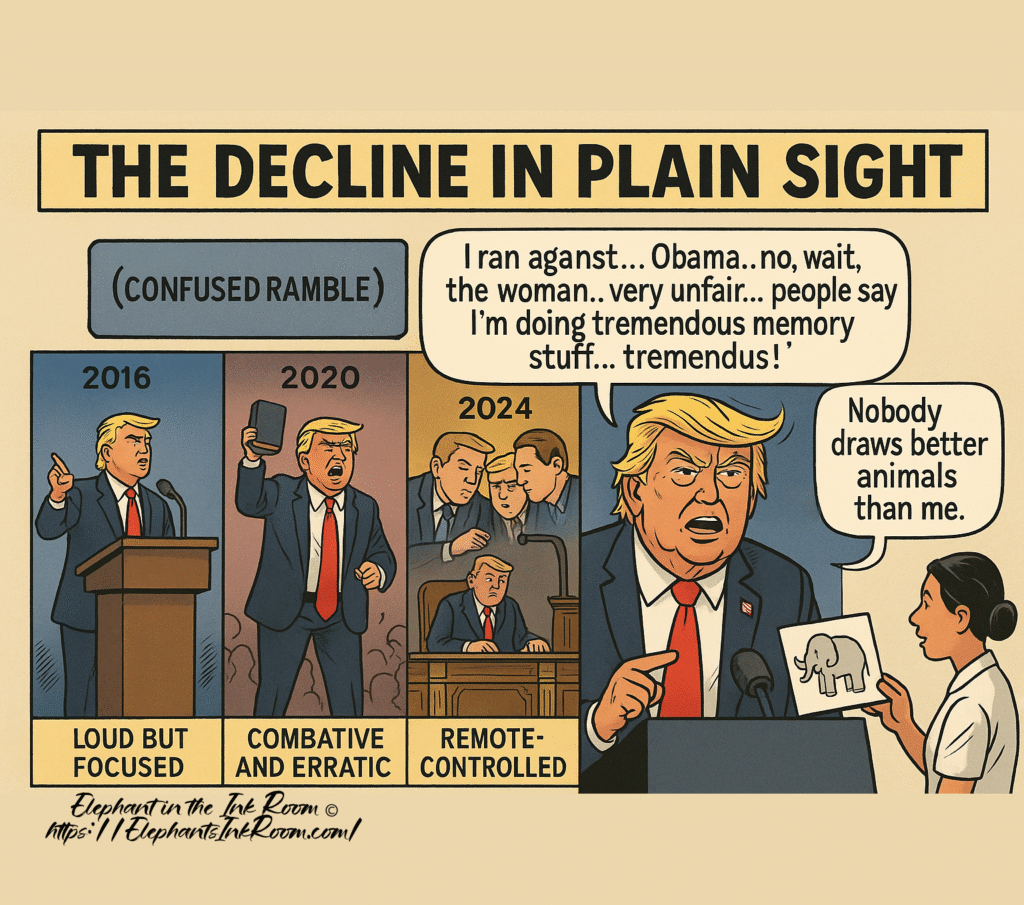
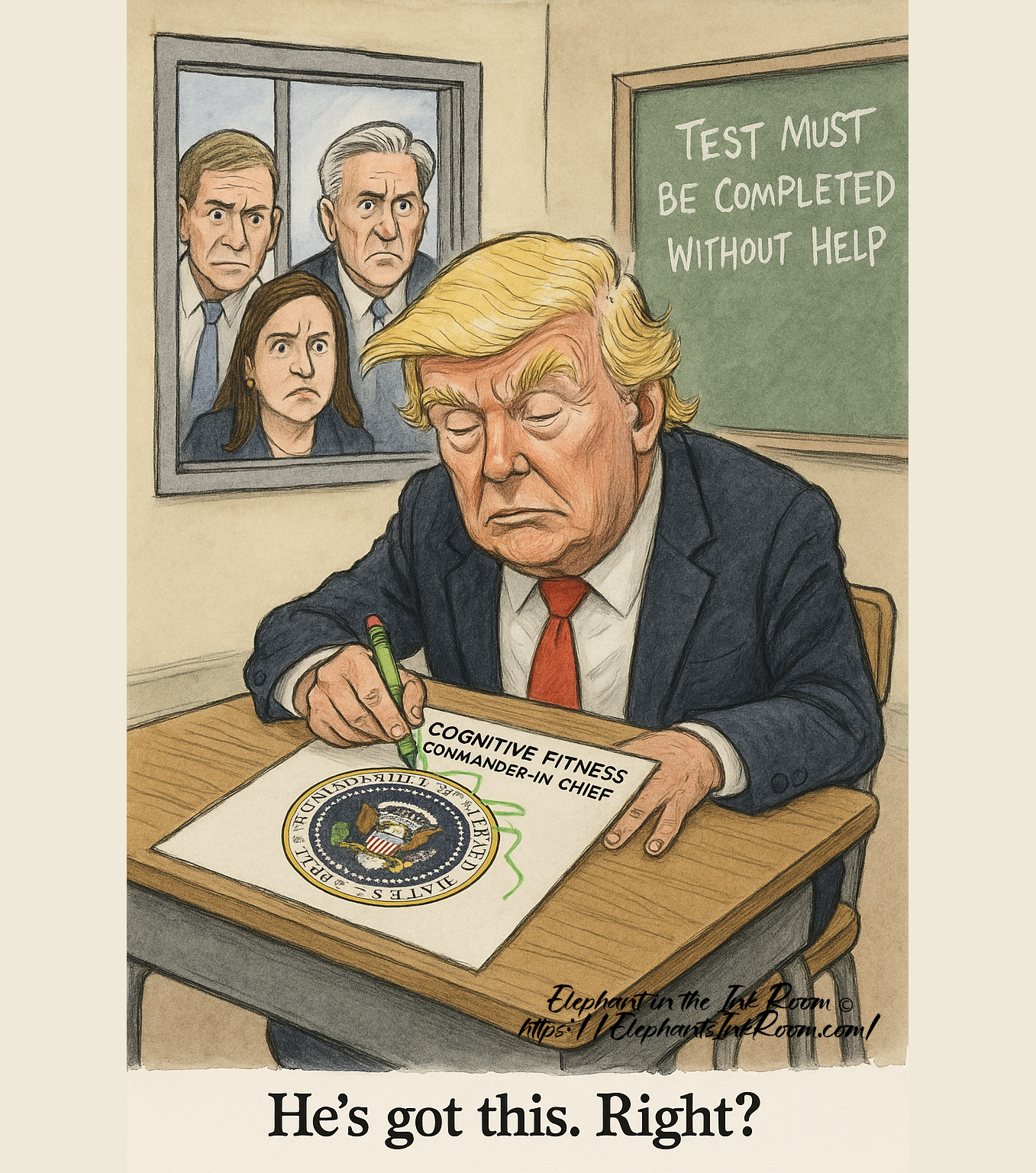



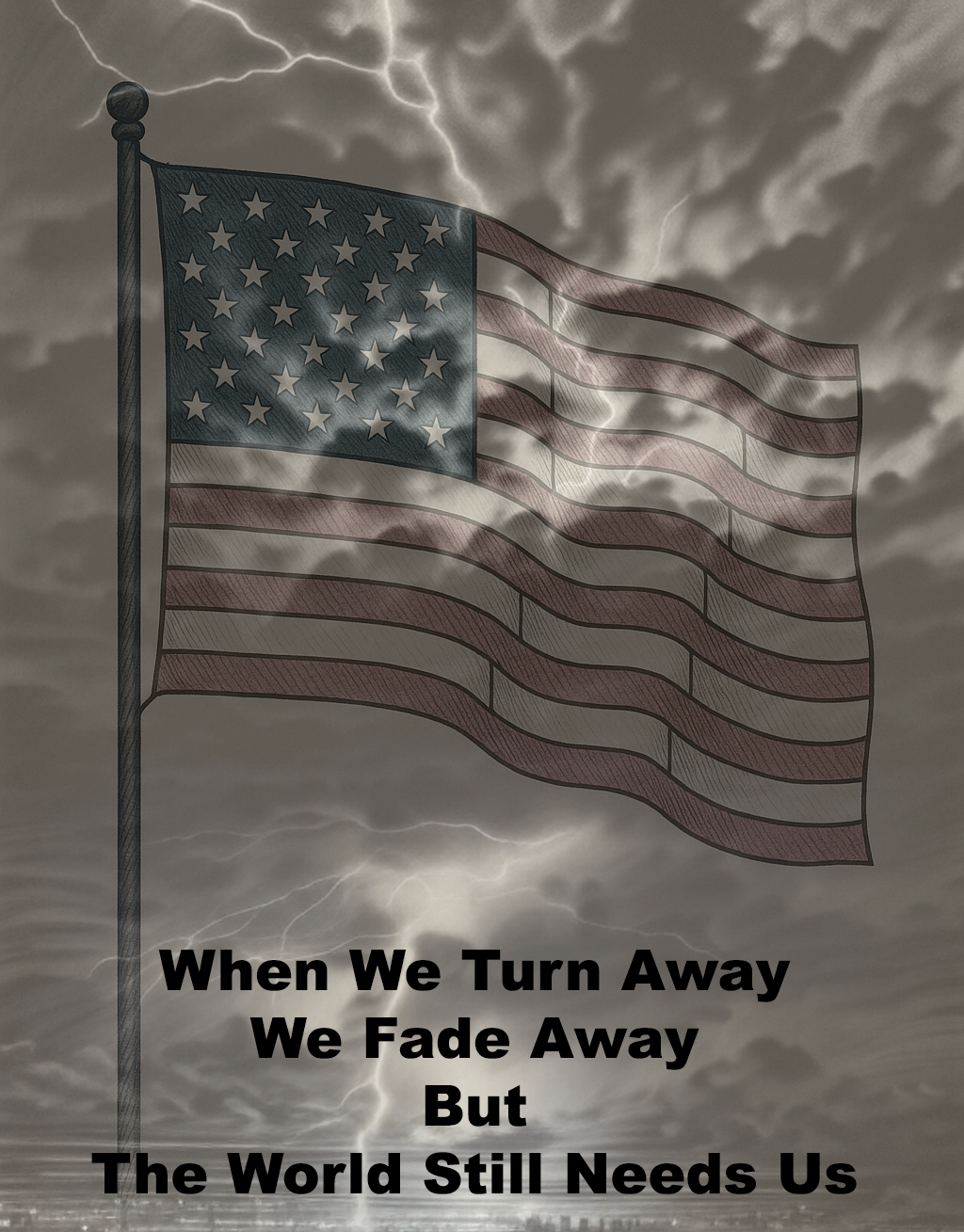

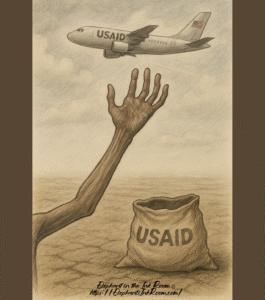
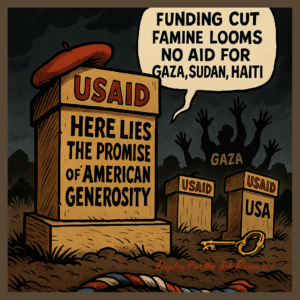




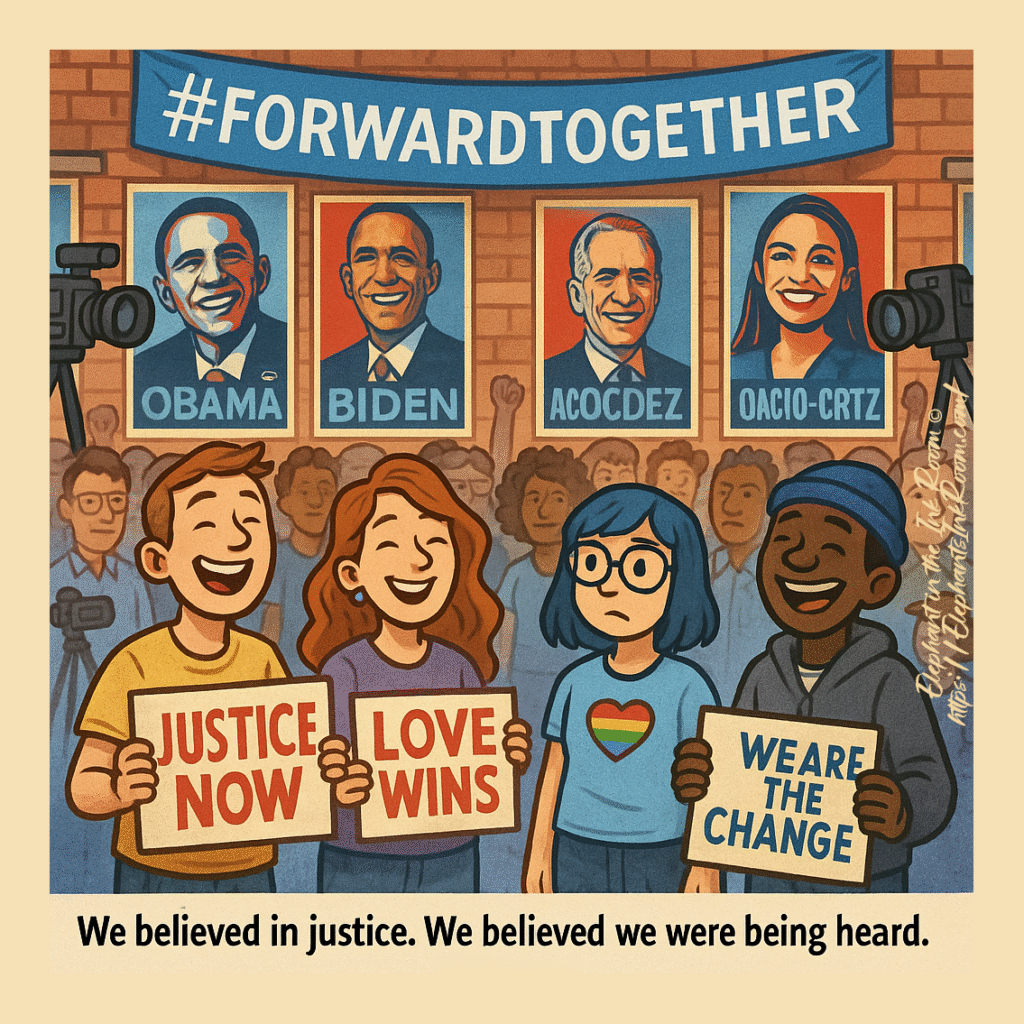
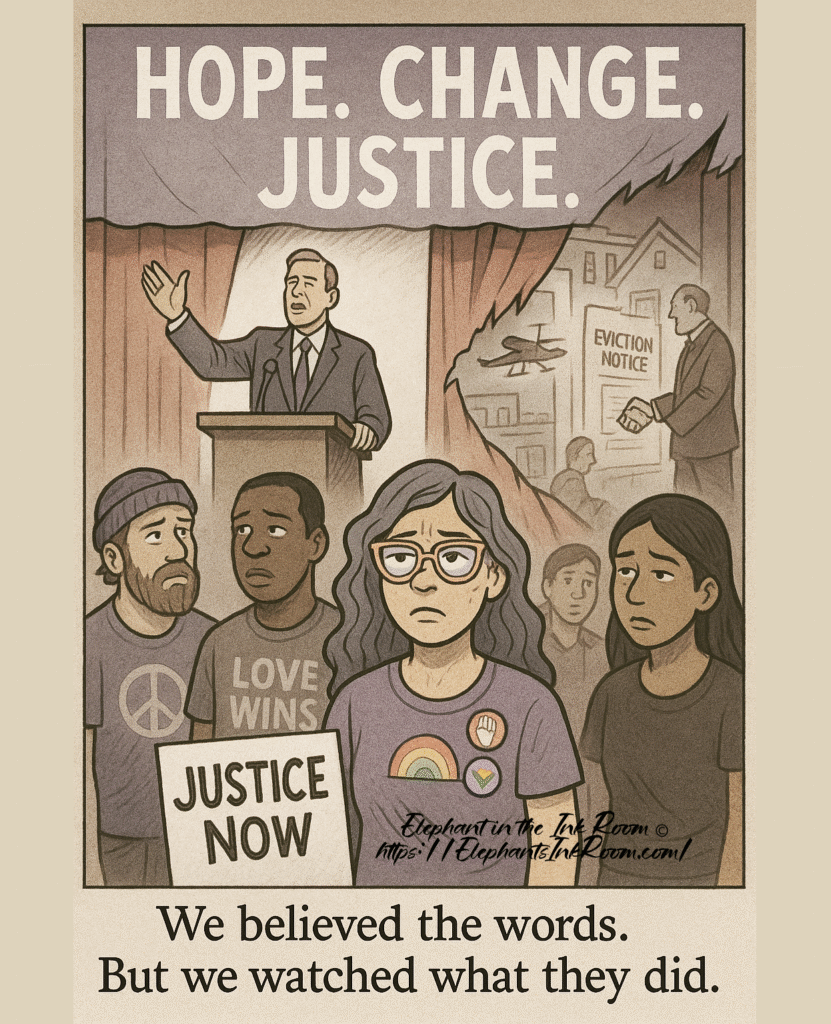
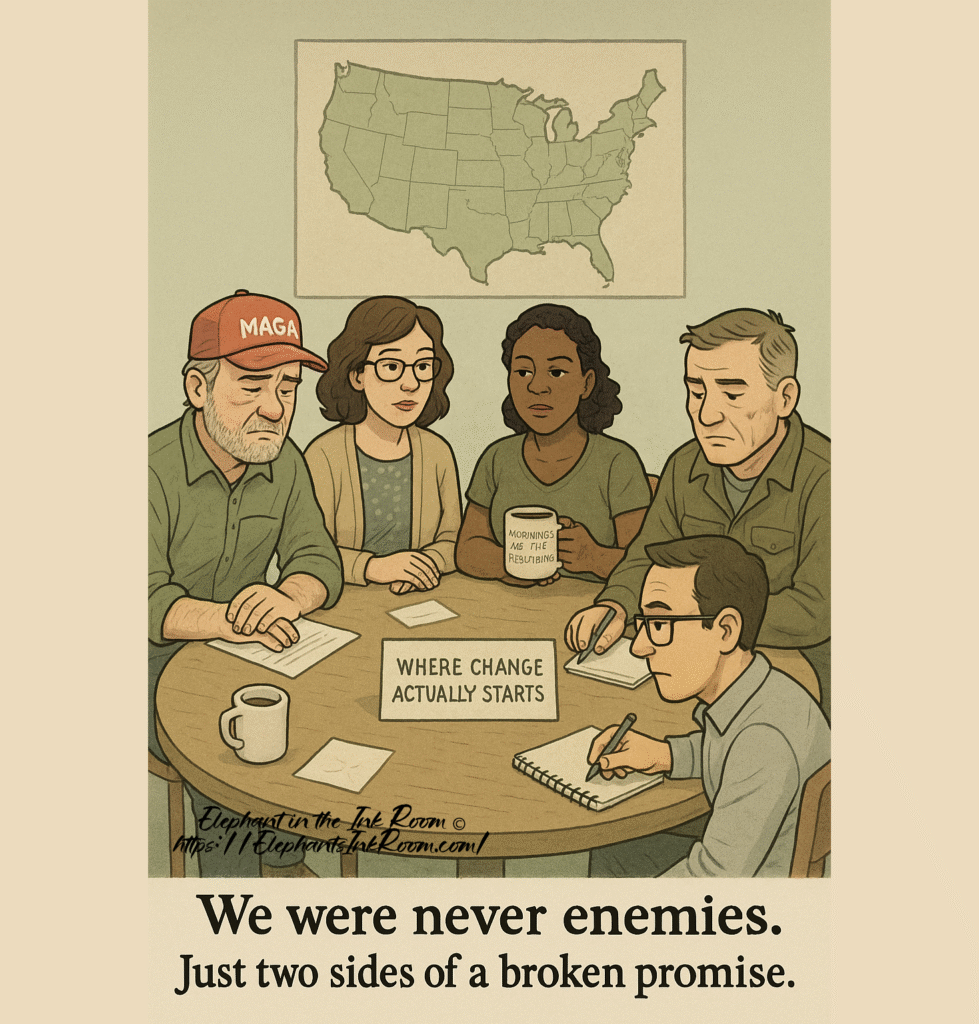
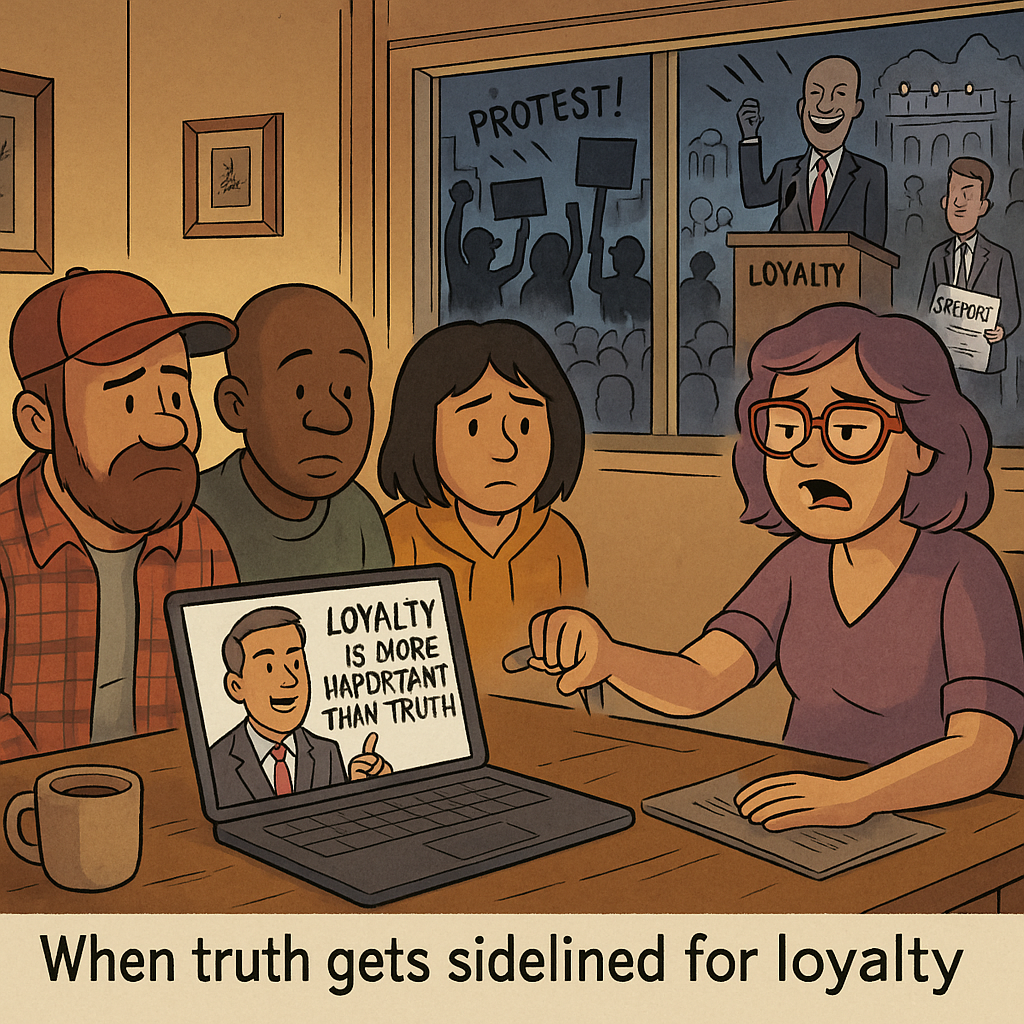
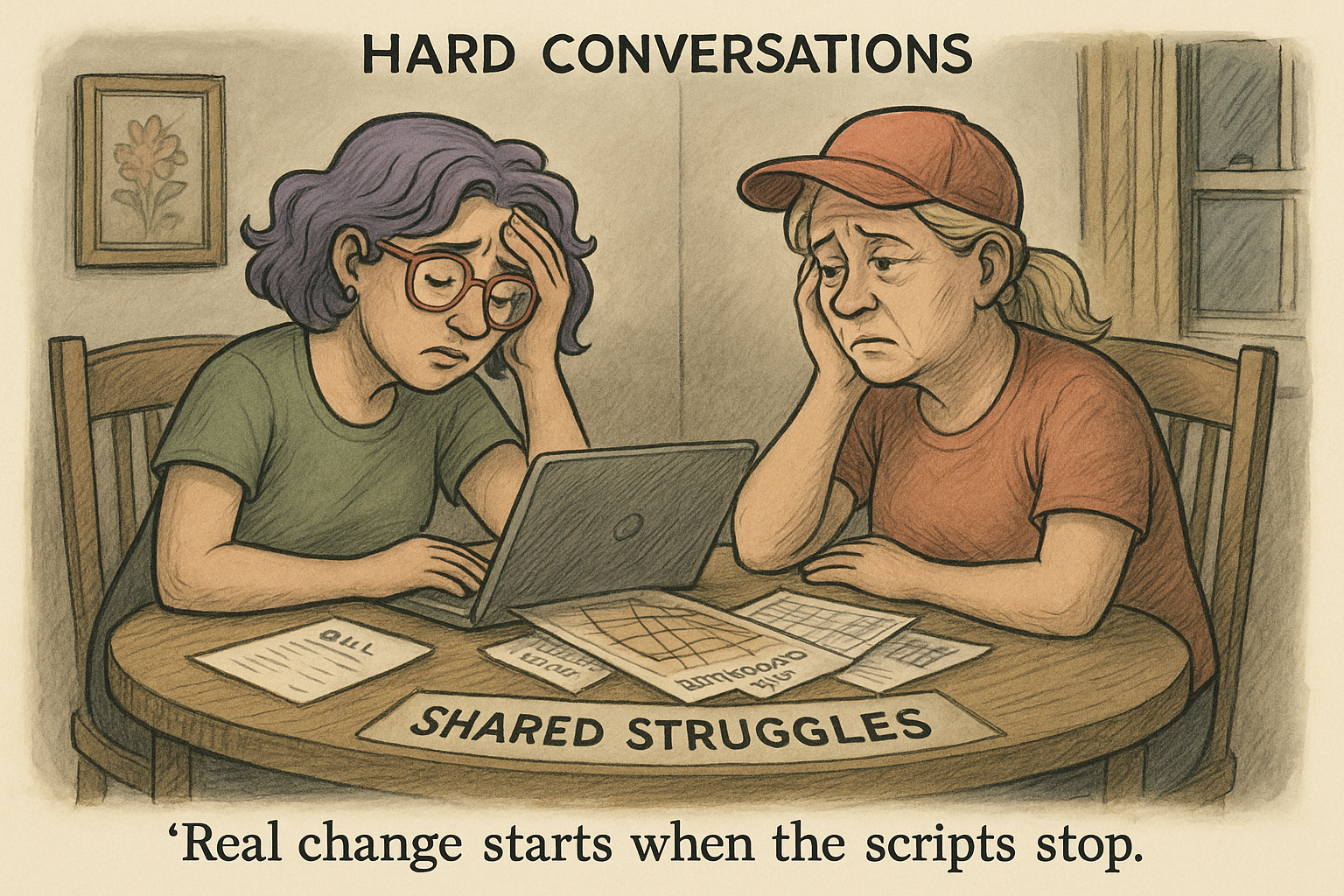
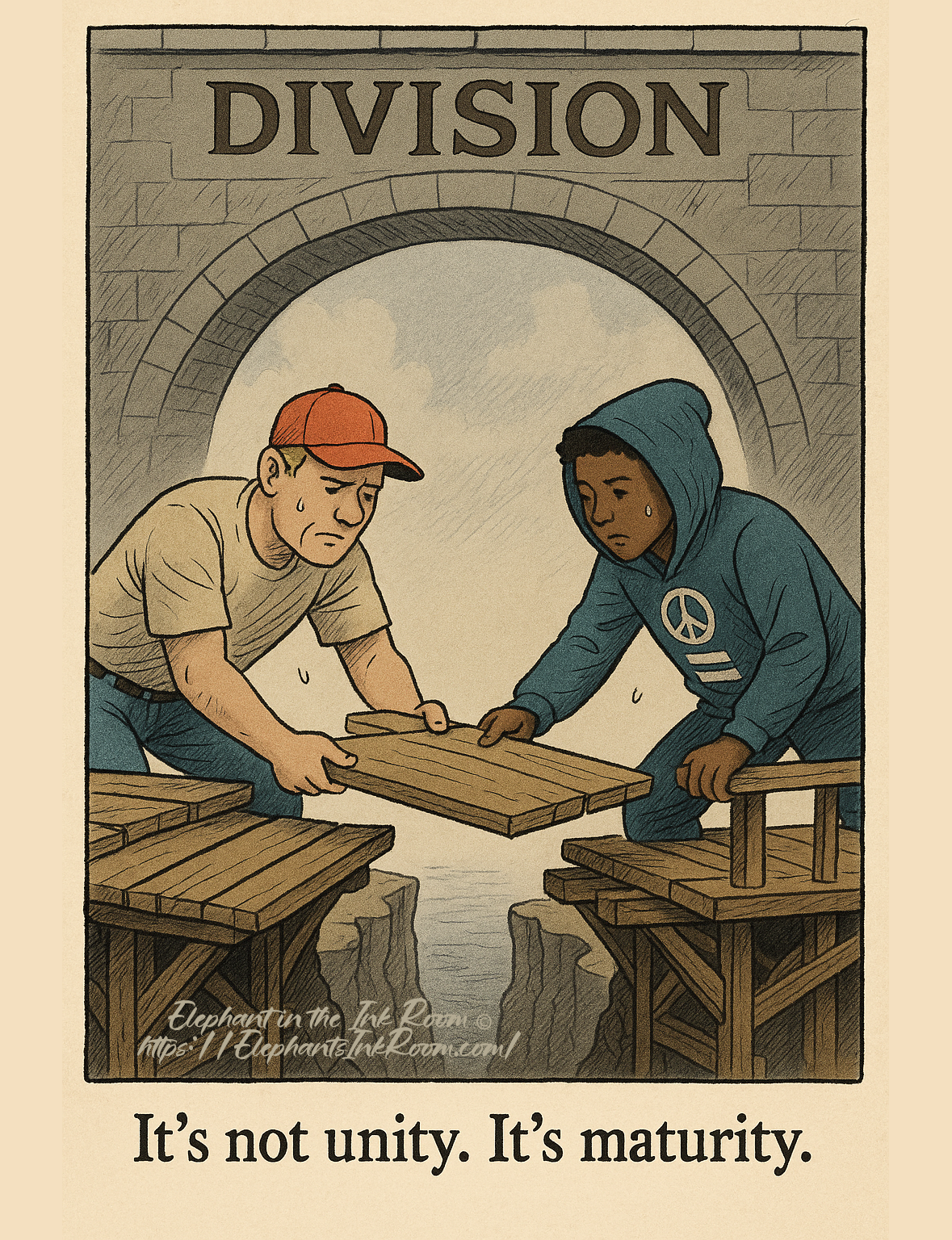
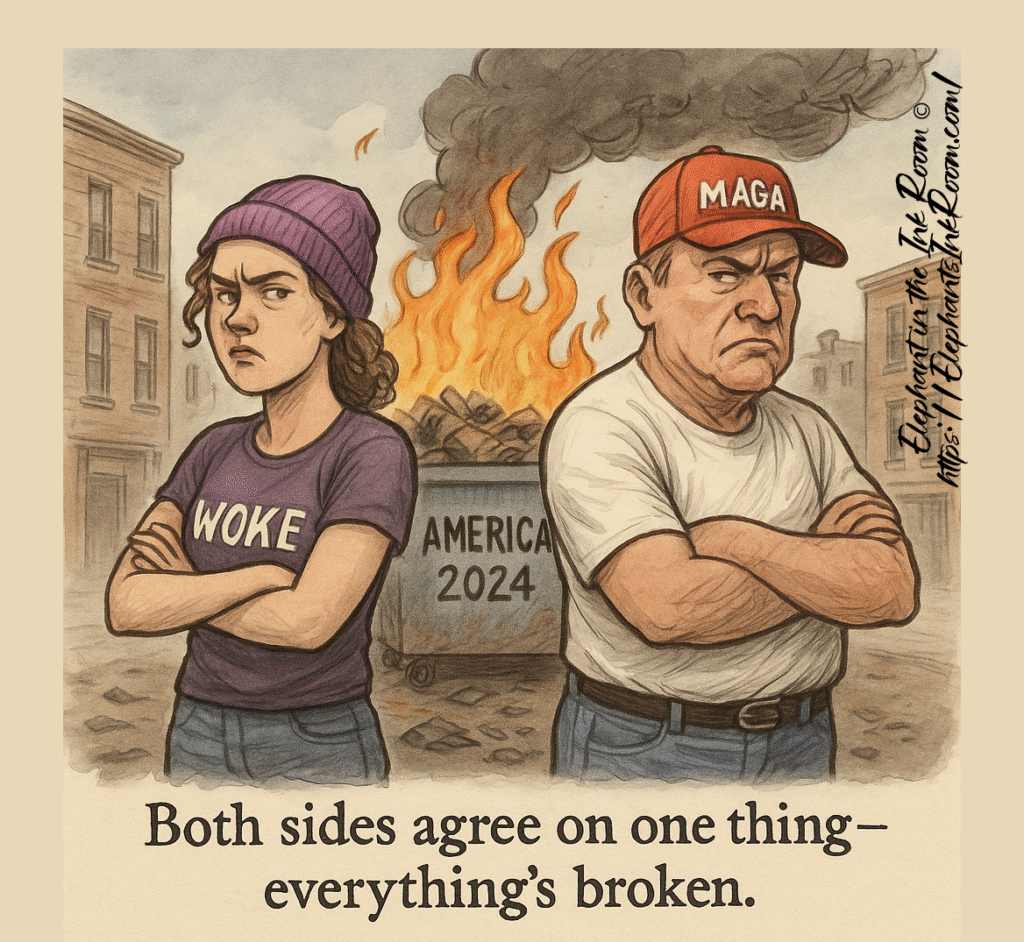
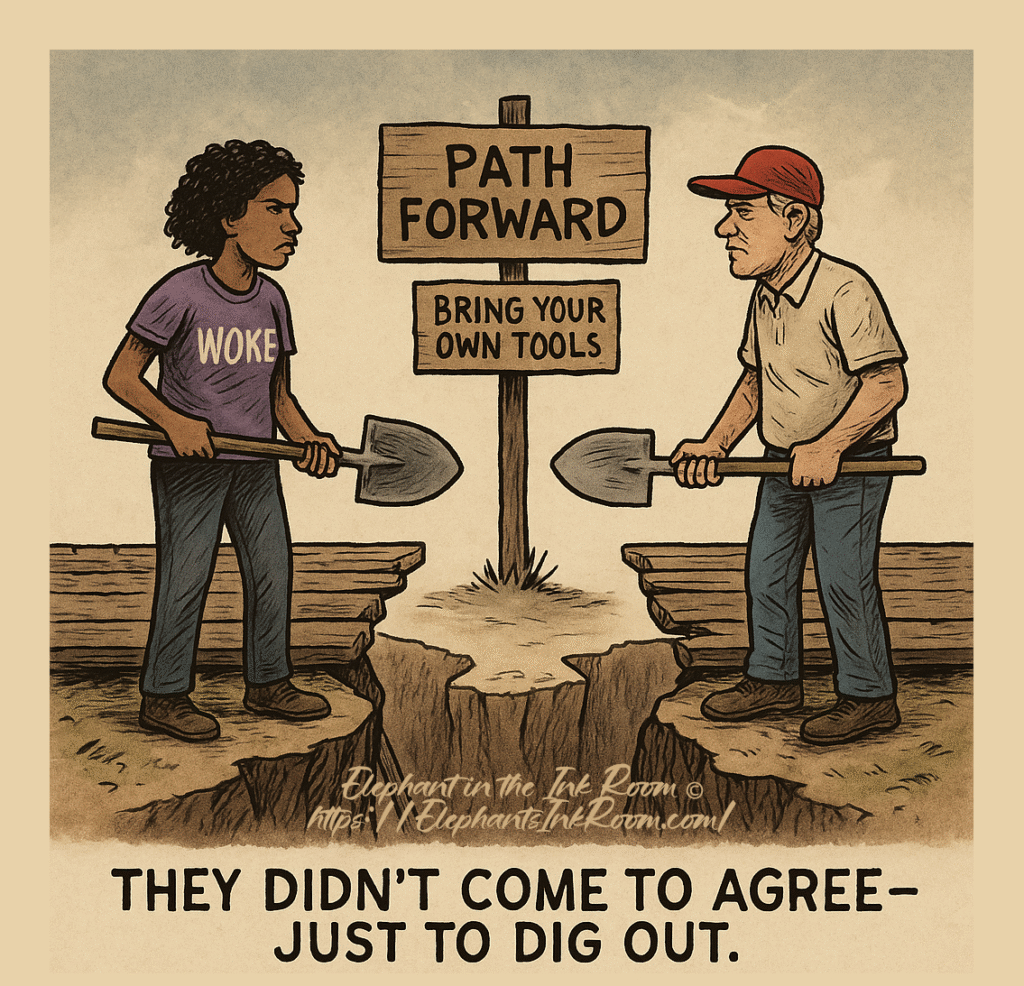
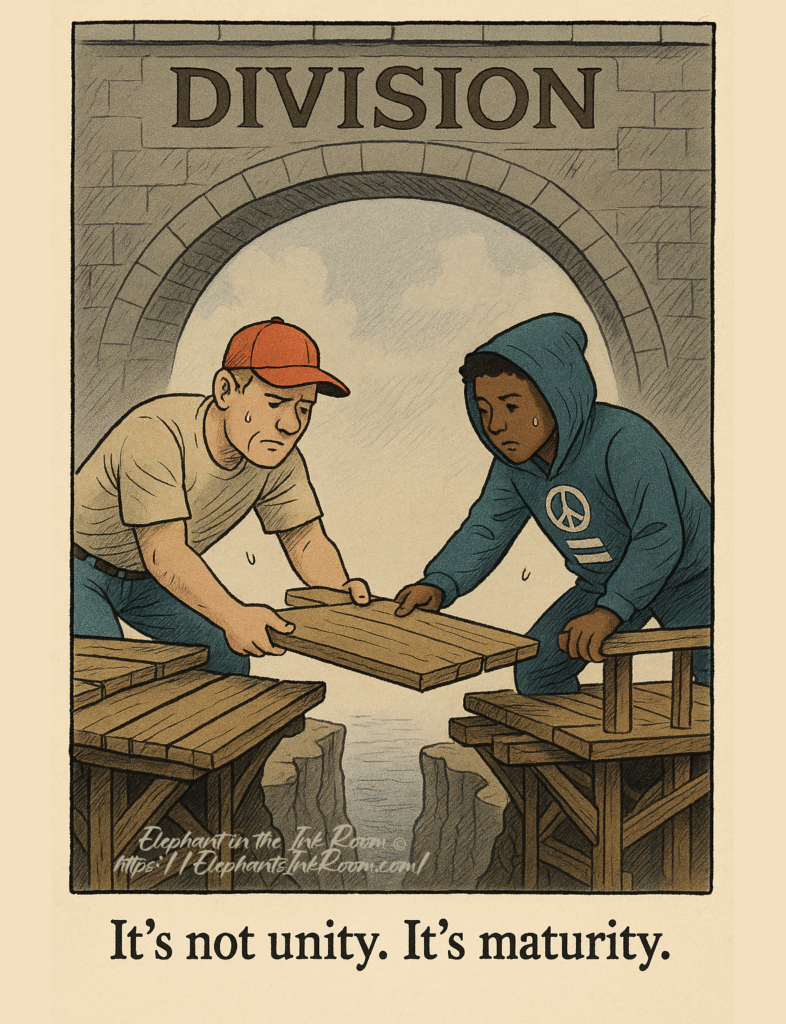

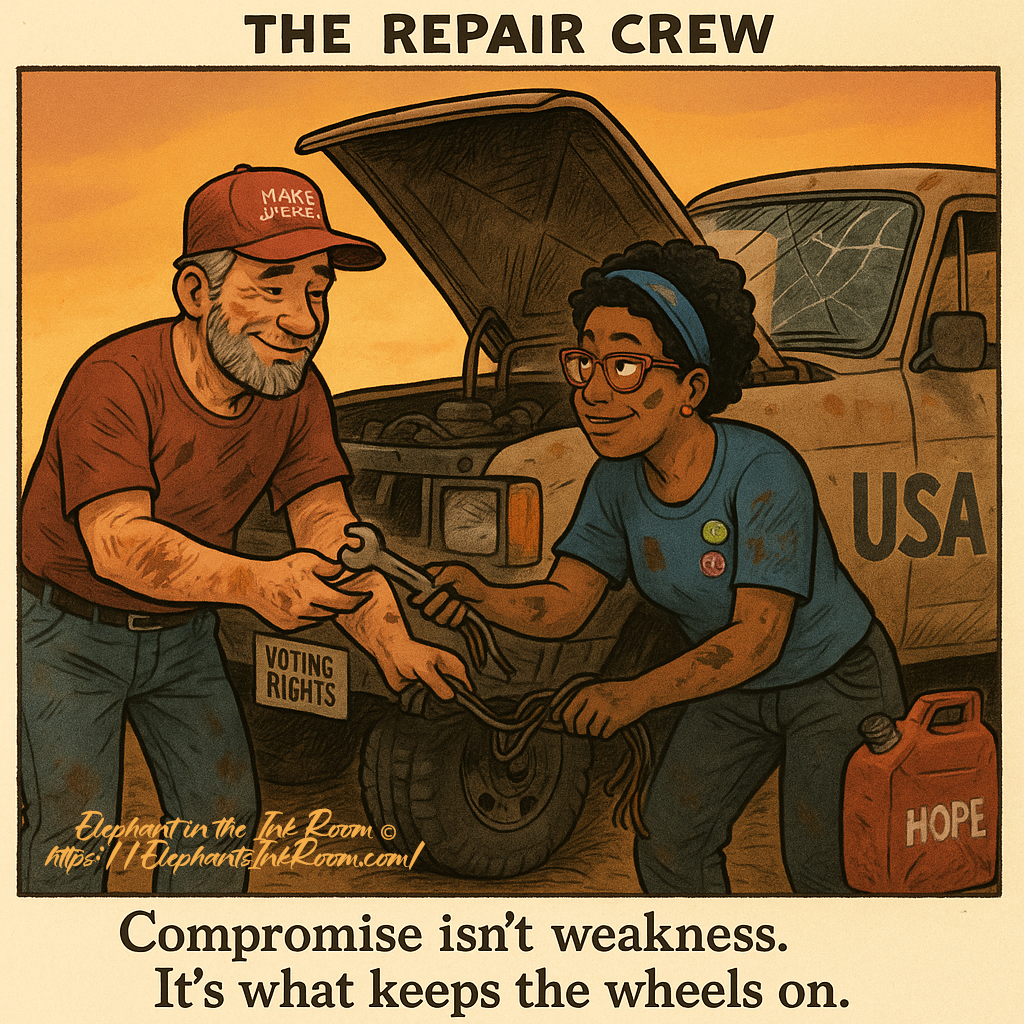
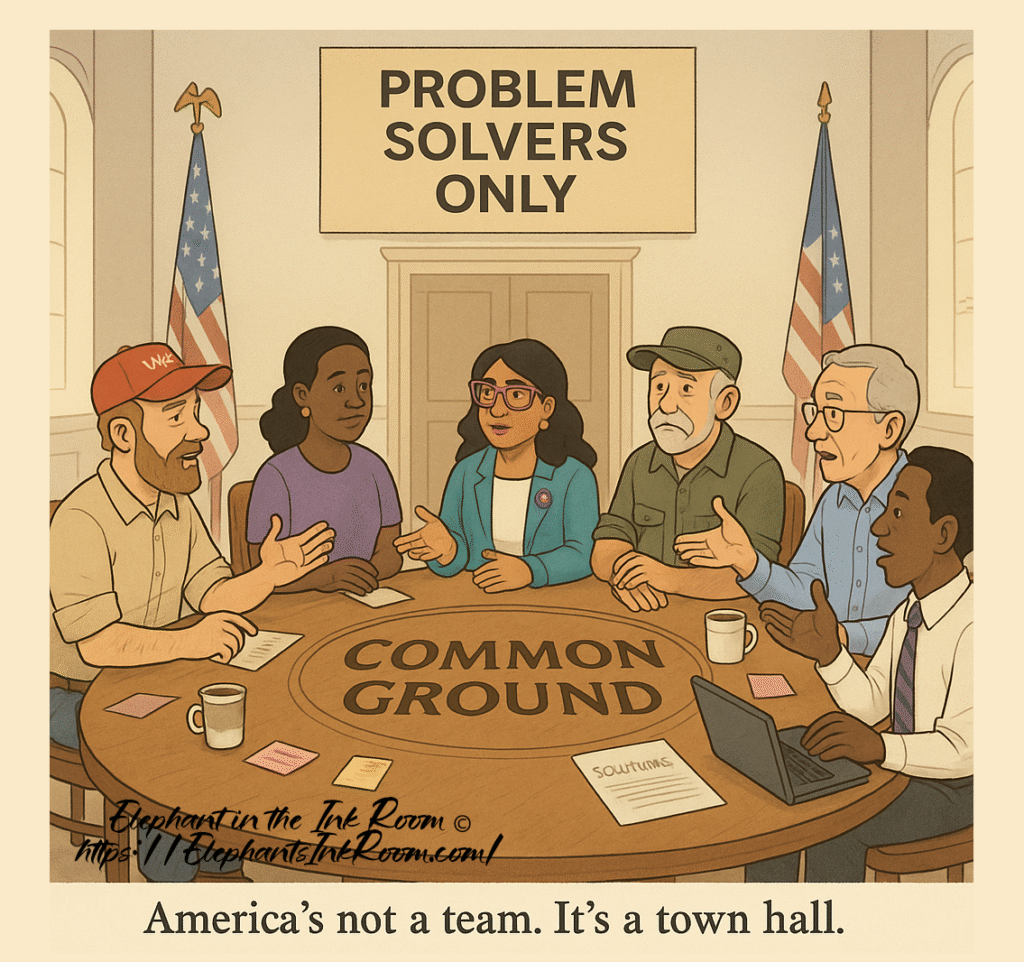
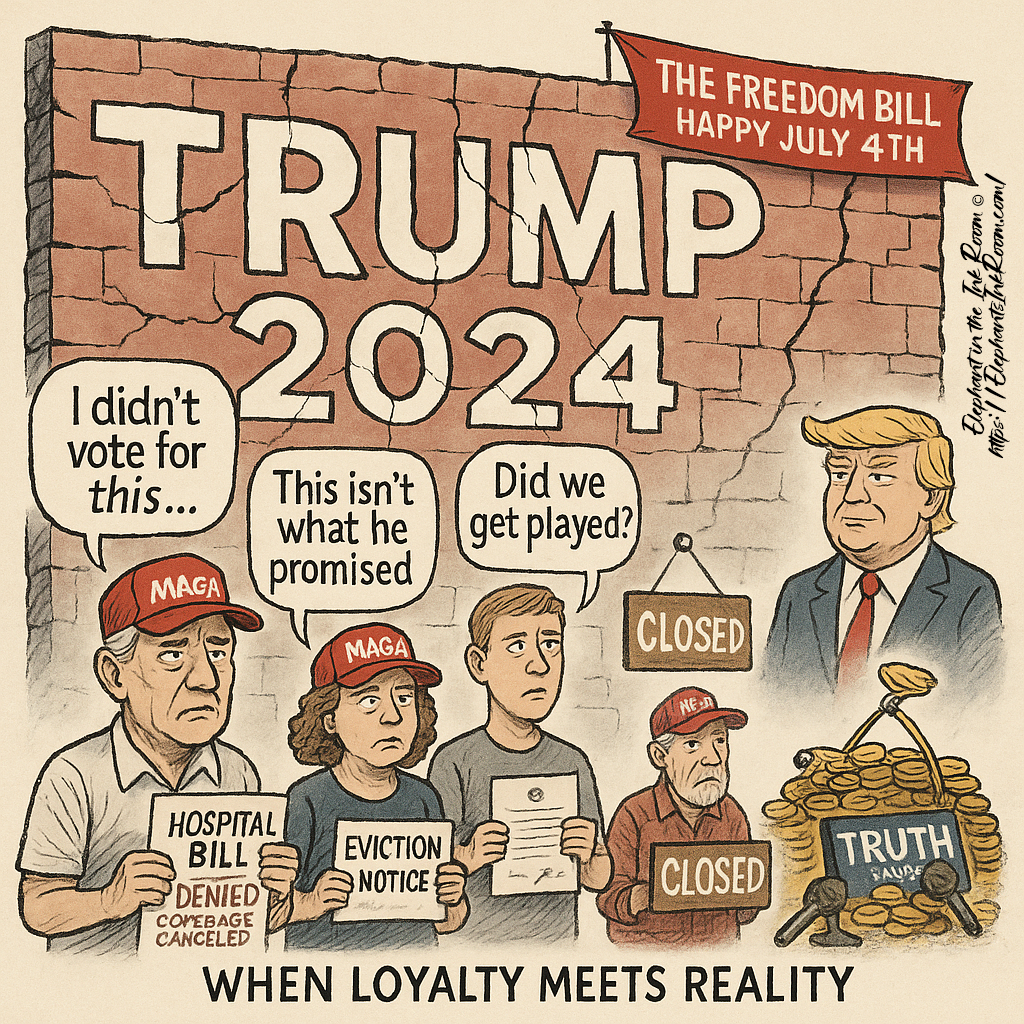

Join the discussion. Share your thoughts. And if you’re waking up — welcome.
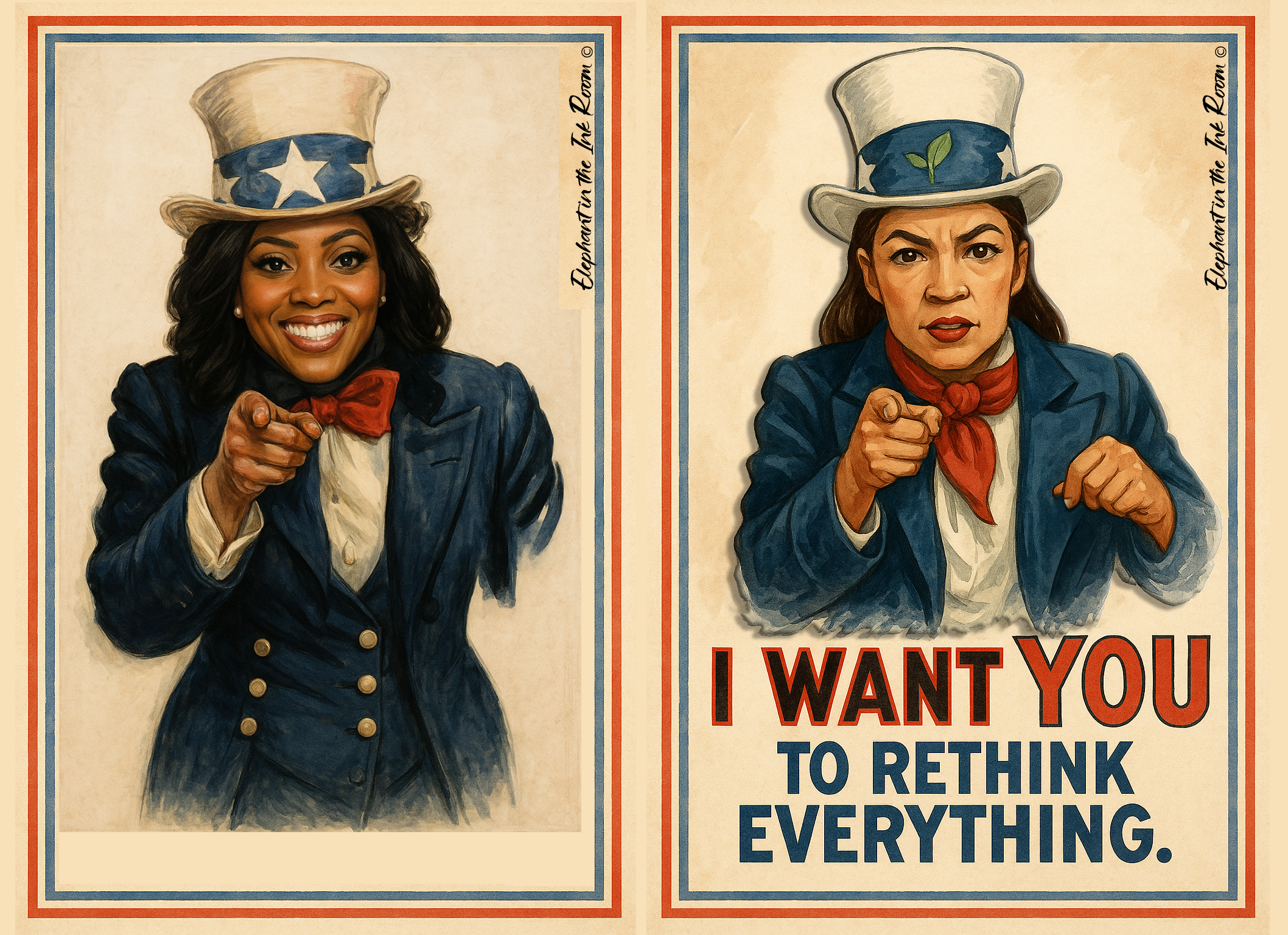
| Category | Amount |
|---|---|
| Assets (2023 disclosure) | Less than $50,000 |
| Student Loans | $15,000–$50,000 |
| Retirement Savings (TSP) | Majority of net worth (~$100k) |
| Reported Net Worth Estimate | $25,000–$125,000 |




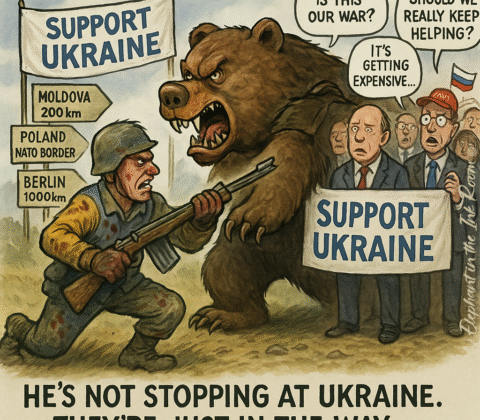

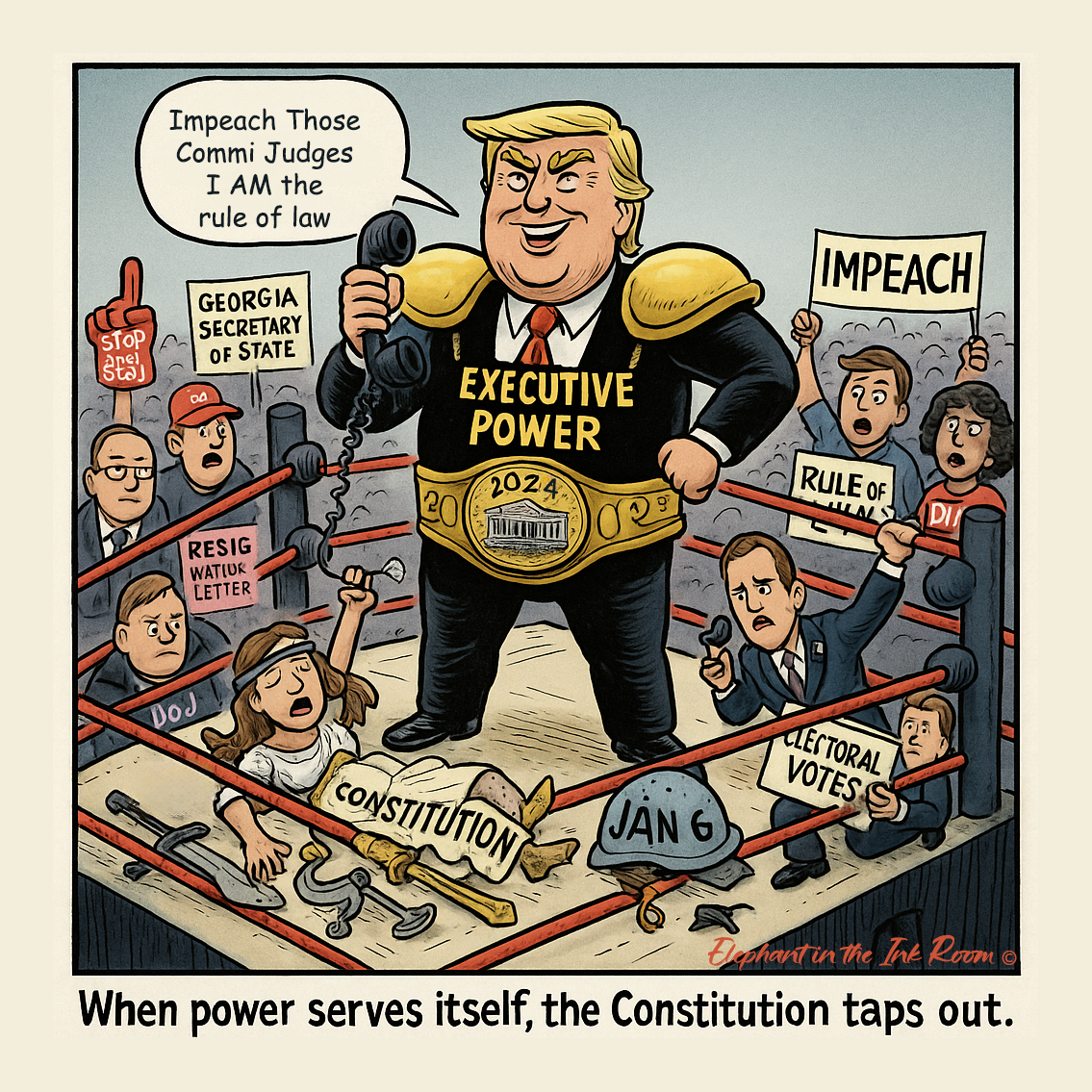

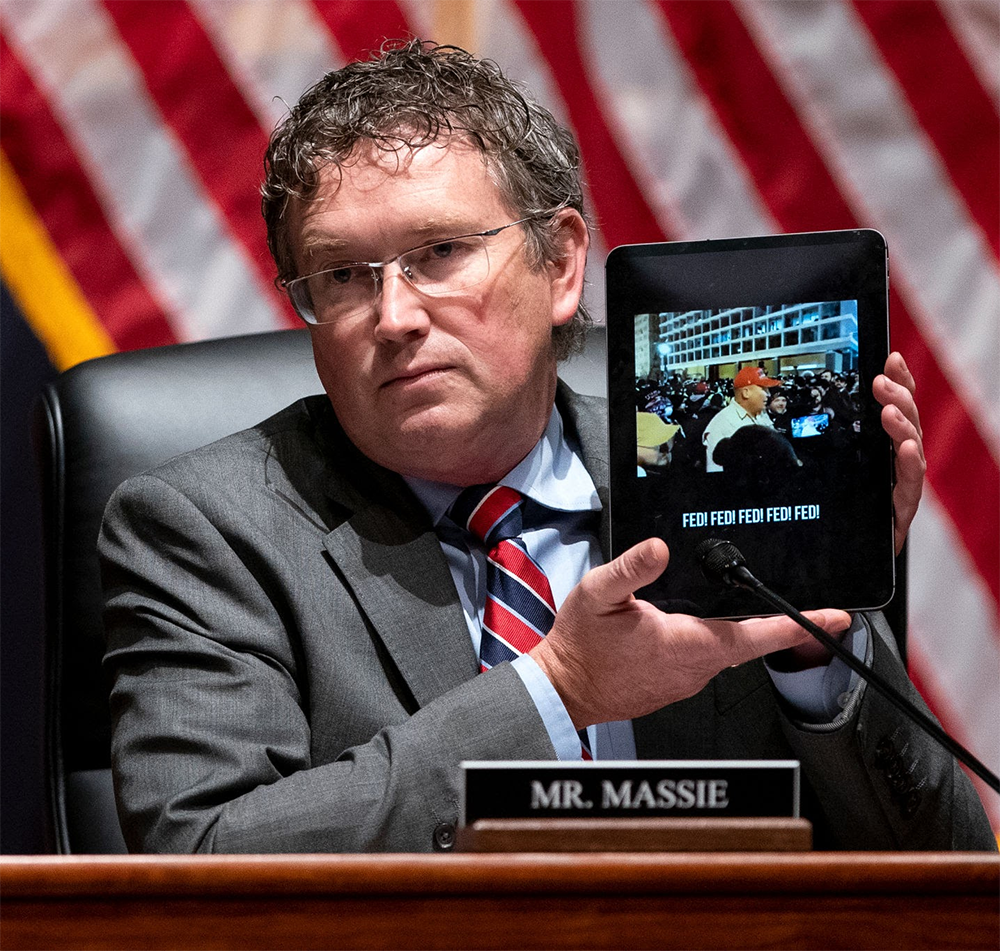
Thomas Massie (R-KY), a libertarian-leaning Republican, has long advocated for abolishing or dramatically reforming the Federal Reserve. His reasons for calling for an end to the Fed stem from several ideological and economic beliefs:
Massie argues that the Federal Reserve operates with too much secrecy. He has supported legislation like the “Audit the Fed” bill (originally championed by Ron Paul) to bring more accountability and transparency to its operations. He believes Americans should know more about how the Fed sets monetary policy and manages trillions in assets.
Massie holds a strict interpretation of the Constitution and often claims the Fed has usurped powers not granted by the founding document. He believes that the Constitution grants Congress the power to coin money and regulate its value—not to delegate that power to an independent central bank.
Like many critics of the Fed, Massie argues that its policies—especially low interest rates and quantitative easing—debase the dollar and lead to inflation. He views this as a hidden tax on Americans, especially the poor and those on fixed incomes.
Massie believes the Fed distorts the free market by manipulating interest rates, which he sees as a form of central planning. He argues this creates artificial booms and busts and misallocates capital, contributing to cycles of economic instability.
Philosophically, Massie is a small-government conservative. He views the Federal Reserve as a key pillar of centralized government control over the economy. By dismantling the Fed, he believes monetary power could be returned to the people—possibly through a return to commodity-backed currency or market-based alternatives.
He is highly critical of how the Fed enables deficit spending by purchasing government debt. In his view, this removes fiscal discipline from Congress and allows for runaway national debt.
In short, Massie’s call to end the Fed aligns with a broader libertarian critique: that the Federal Reserve is unaccountable, unconstitutional, inflationary, and harmful to a truly free market. Whether one agrees or not, his position is rooted in a coherent ideological framework that’s been shared by figures like Ron Paul and the Austrian school of economics.
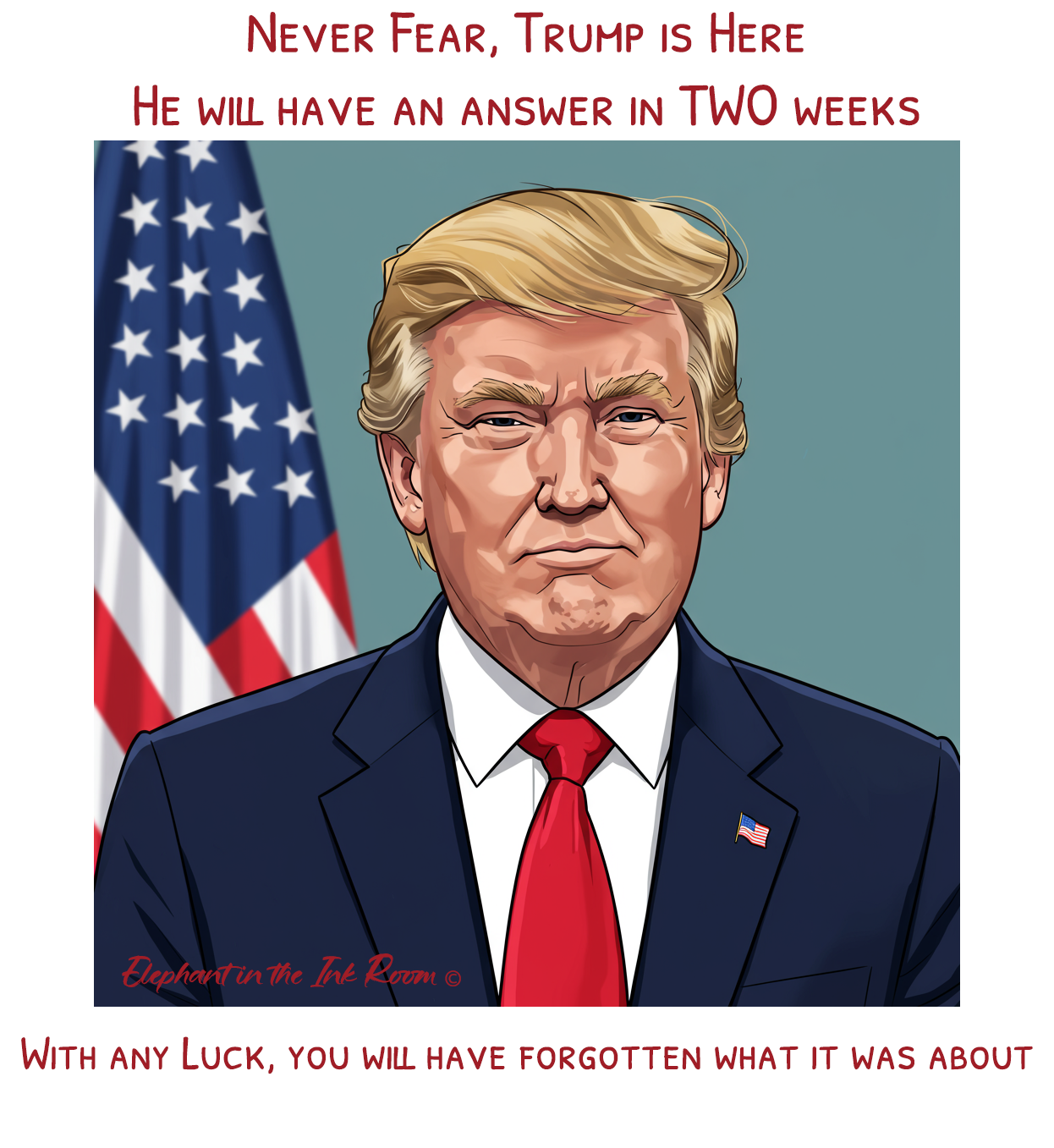



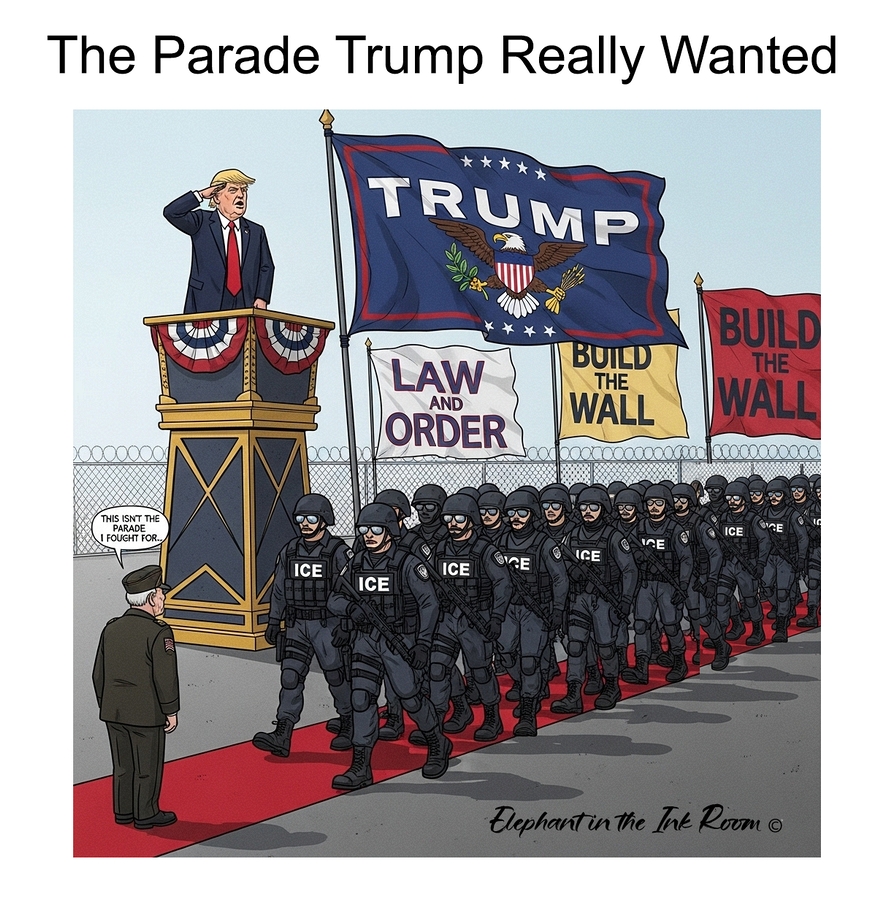
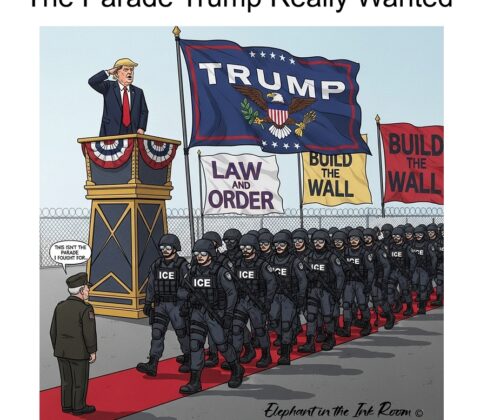
Recent immigration policies have aggressively tightened borders and expanded enforcement efforts, but the human and societal costs are profound. The use of mass raids and detentions — often described as paramilitary operations — has sowed fear and mistrust in immigrant communities. These tactics disrupt families, undermine due process, and raise serious questions about civil rights and humane treatment.
While border security is a legitimate priority, enforcement must be balanced with respect for human dignity and the rule of law. Policies that prioritize harshness over compassion risk alienating vulnerable populations and weakening social cohesion. True security comes not from intimidation and separation, but from thoughtful, fair, and effective immigration reform.

1. Reduced Legal Immigration Levels:
The Trump administration implemented stricter visa restrictions and reduced refugee admissions significantly. Caps on asylum claims and travel bans on several majority-Muslim countries also curtailed legal immigration flows.
2. Tougher Border Enforcement:
There was a strong emphasis on “zero tolerance” policies leading to family separations at the border, increased border wall construction, and heightened use of detention facilities.
3. Expanded ICE Enforcement:
ICE ramped up raids and deportations targeting undocumented immigrants, including those with minor offenses or no criminal records. This aggressive enforcement fueled widespread fear among immigrant communities.
4. Public Backlash and “ICE-Gestapo” Criticism:
Critics and immigrant advocates accused ICE of acting like a paramilitary “Gestapo,” citing reports of harsh raids, lack of due process, and aggressive tactics. This rhetoric highlighted the deep mistrust and fear generated by enforcement methods.
5. Impact on Communities and Economy:
The policies disrupted immigrant families, led to legal challenges, and created uncertainty for workers in industries reliant on immigrant labor. Some industries reported labor shortages and economic strain due to stricter enforcement.
Summary
Trump’s immigration policies effectively tightened borders and reduced immigration numbers but at the cost of humanitarian concerns, legal challenges, and increased social polarization. The aggressive ICE tactics, often described by critics with terms like “Gestapo,” deepened fear and trauma within immigrant communities and sparked intense debate about the balance between enforcement and human rights.

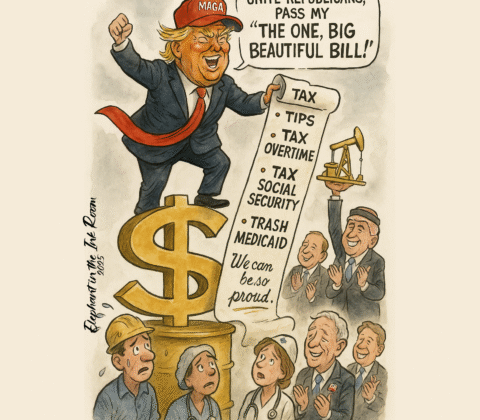

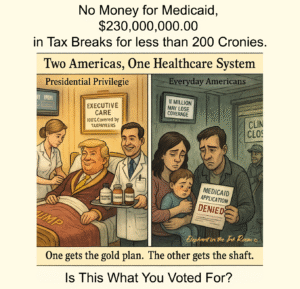
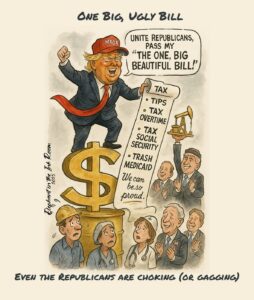
Group |
Likely Impact |
|---|---|
Low-income individuals/families |
Reduced Medicaid coverage, higher out-of-pocket costs, risk of losing care |
Marketplace enrollees |
Less subsidy support, tighter enrollment rules, higher rates |
Rural communities |
Potential loss of local hospitals and services |
Insurers |
Margins under pressure—could affect availability and competition |
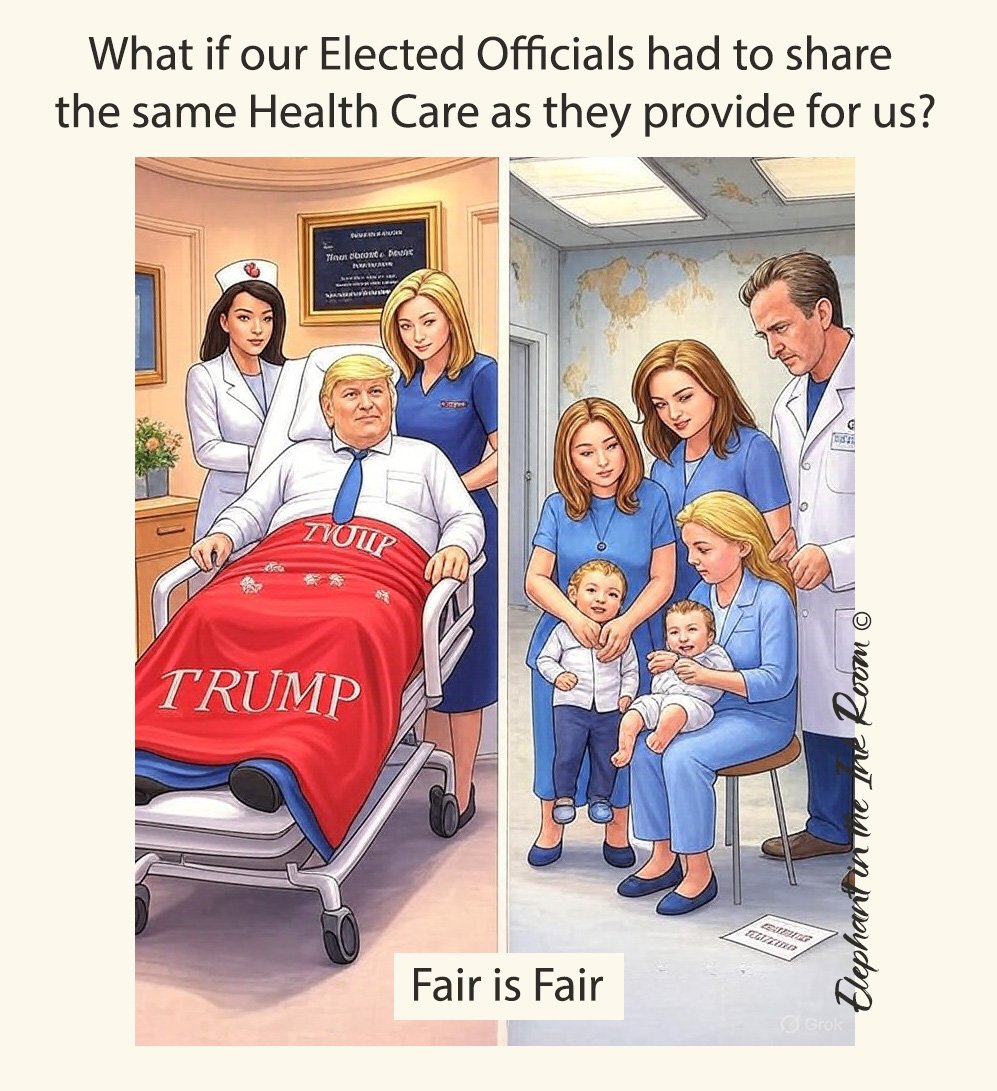

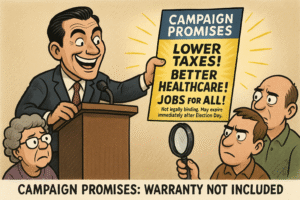
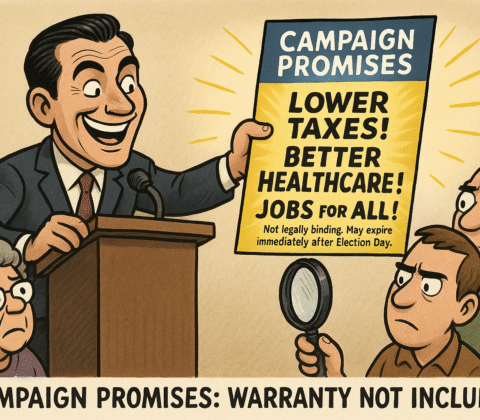
When Donald Trump ran for president in 2016, he promised to fix America’s healthcare system with a bold pledge: “Everybody’s going to be taken care of… better and cheaper.” He said he’d repeal Obamacare and replace it with something “beautiful.”
So what happened after four years in office? What changed — and what didn’t?
Let’s break it down.
The 2017 tax law eliminated the Affordable Care Act’s (ACA) penalty for not having insurance. That meant people no longer had to pay a fine for going uninsured.
Supporters saw it as a win for personal freedom.
Critics warned it would destabilize the insurance market — and it did increase the number of uninsured Americans.
Trump allowed short-term health plans to last up to 12 months (renewable), instead of just 3. These plans came with lower premiums — but they also didn’t have to cover things like:
Preexisting conditions
Mental health
Maternity care
They were cheaper because they covered less. Some called them “junk insurance.”
One area where Trump saw bipartisan praise was veterans’ care. He signed the MISSION Act, making it easier for vets to see private doctors if VA care wasn’t available quickly. He also boosted telehealth and pushed for tech upgrades at the VA.
Hospitals were ordered to disclose prices for procedures. Drug companies were told to include prices in TV ads (though that rule was blocked in court).
While helpful in theory, these moves didn’t bring major price relief to consumers — but they did push the system toward more transparency.
Despite constant promises, Trump never unveiled a full replacement for the ACA.
In 2017, Republicans tried to repeal it — but famously failed when Senator John McCain voted no.
Trump said a new plan was “coming in two weeks” multiple times. It never came.
Trump talked tough on drug companies and announced several plans, like international price indexing. But most were delayed, dropped, or blocked in court.
In the end, prescription drug prices remained a top concern for Americans — with no real relief.
Trump pushed states to require Medicaid recipients to work. Some states implemented it, but federal courts blocked most of them.
These changes could have led to millions losing coverage, according to healthcare experts.
Trump repeatedly claimed he would protect people with preexisting conditions.
But — his administration also backed a lawsuit to strike down the entire ACA, which includes those protections. Critics saw this as a dangerous contradiction. No replacement plan ever guaranteed the same level of coverage.
In 2020, Trump introduced what he called the “America First Healthcare Plan.” It was mostly a summary of past executive orders and ideas — without new funding or legislation.
There were no major new policies. Just more promises.
Trump’s presidency saw:
Partial dismantling of the ACA
Looser insurance regulations
Expanded access for veterans
Some transparency reforms
But it did not deliver lower costs, better coverage, or a meaningful replacement plan.
Healthcare — one of the top issues for voters — remained deeply divided and unresolved after four years.
Bottom line:
Trump changed parts of the system, mostly by weakening what was already there. But he never built the “beautiful” new healthcare system he promised.
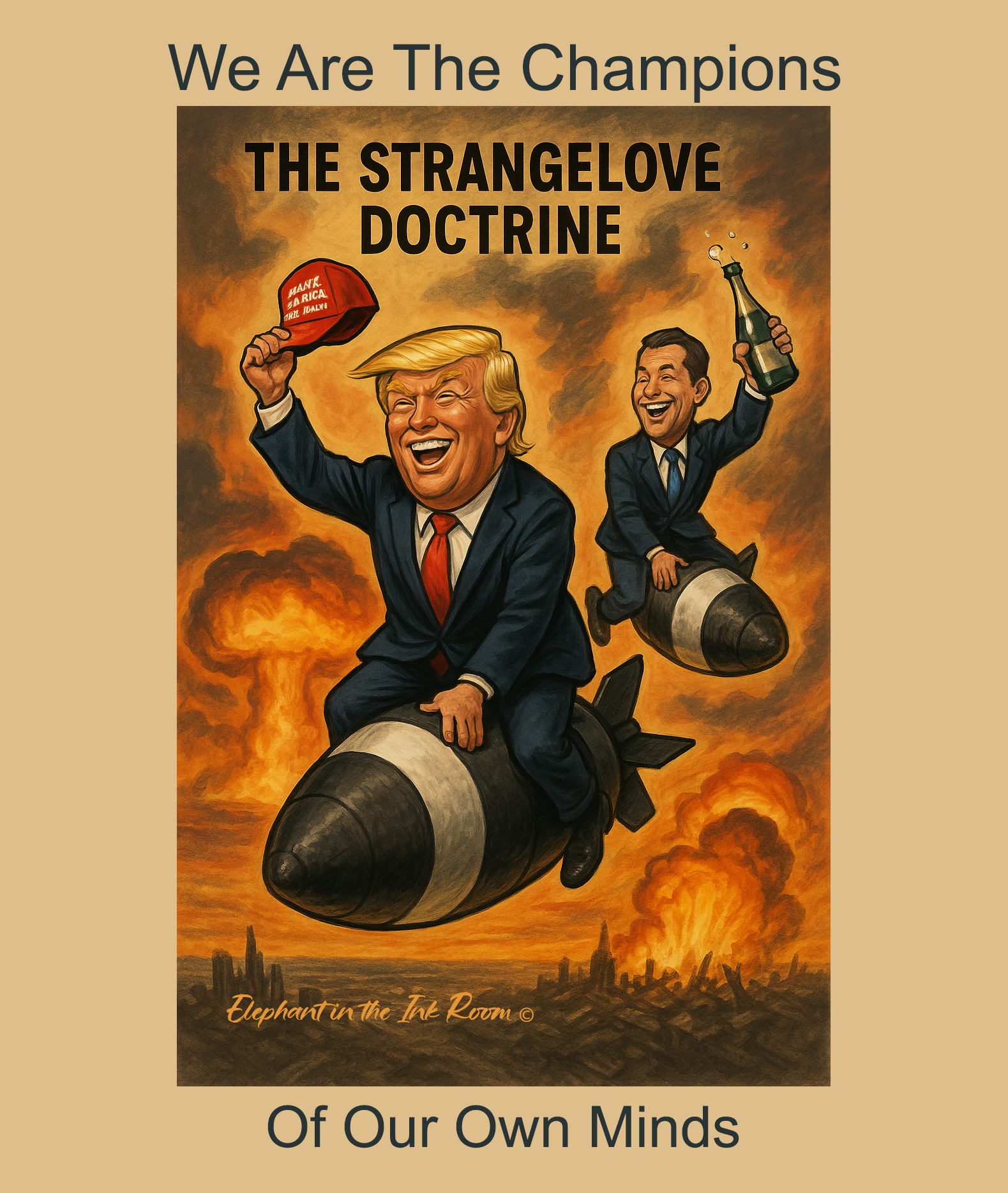
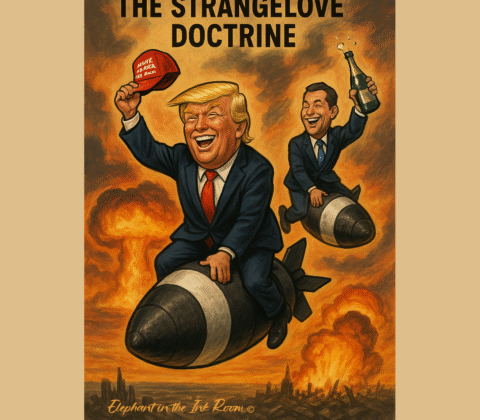

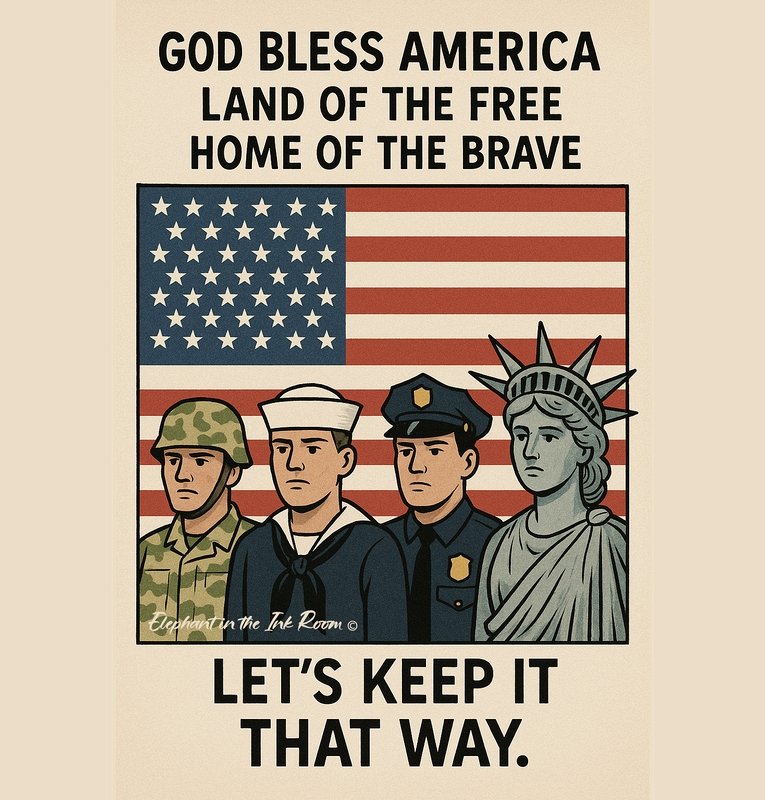




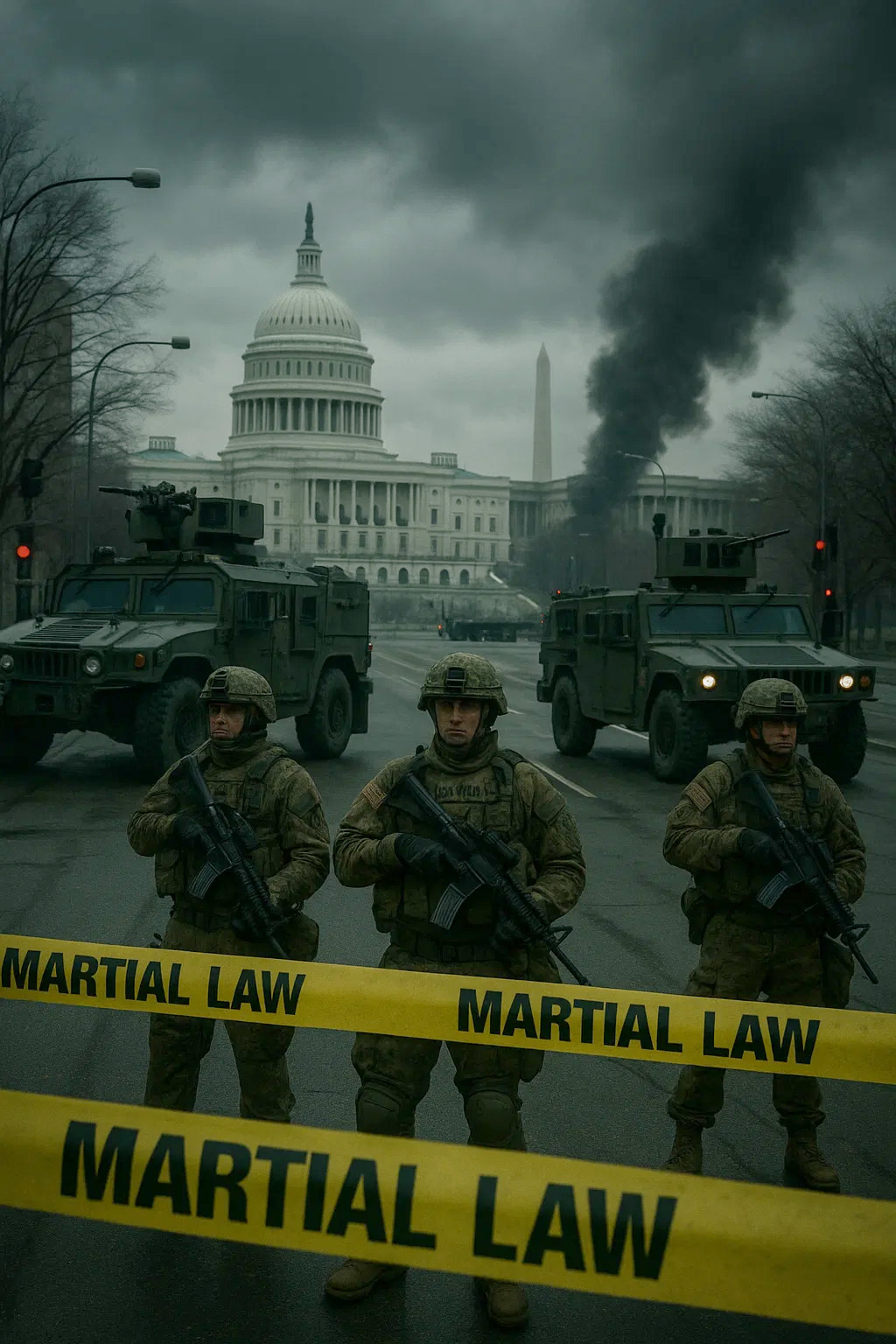








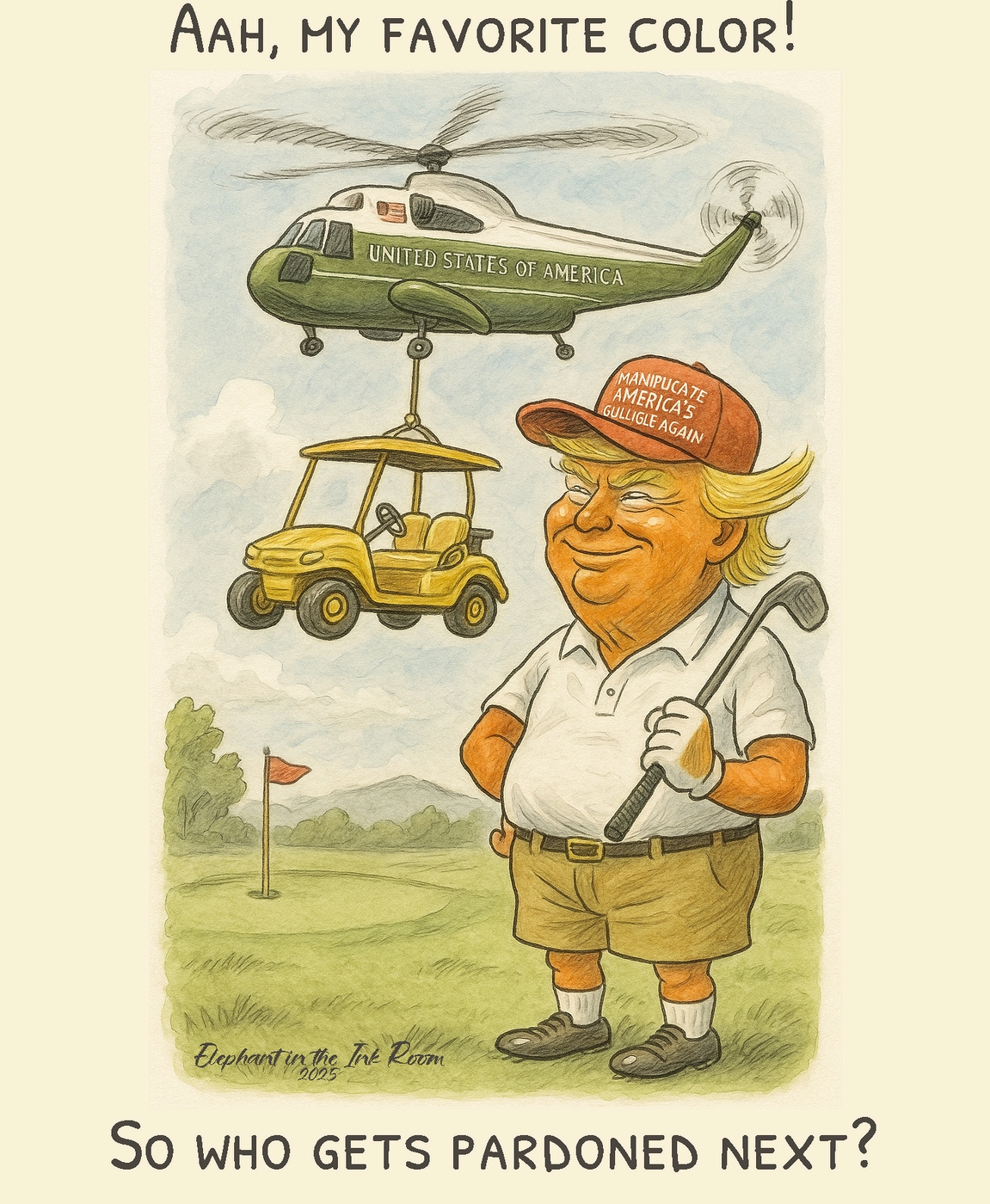

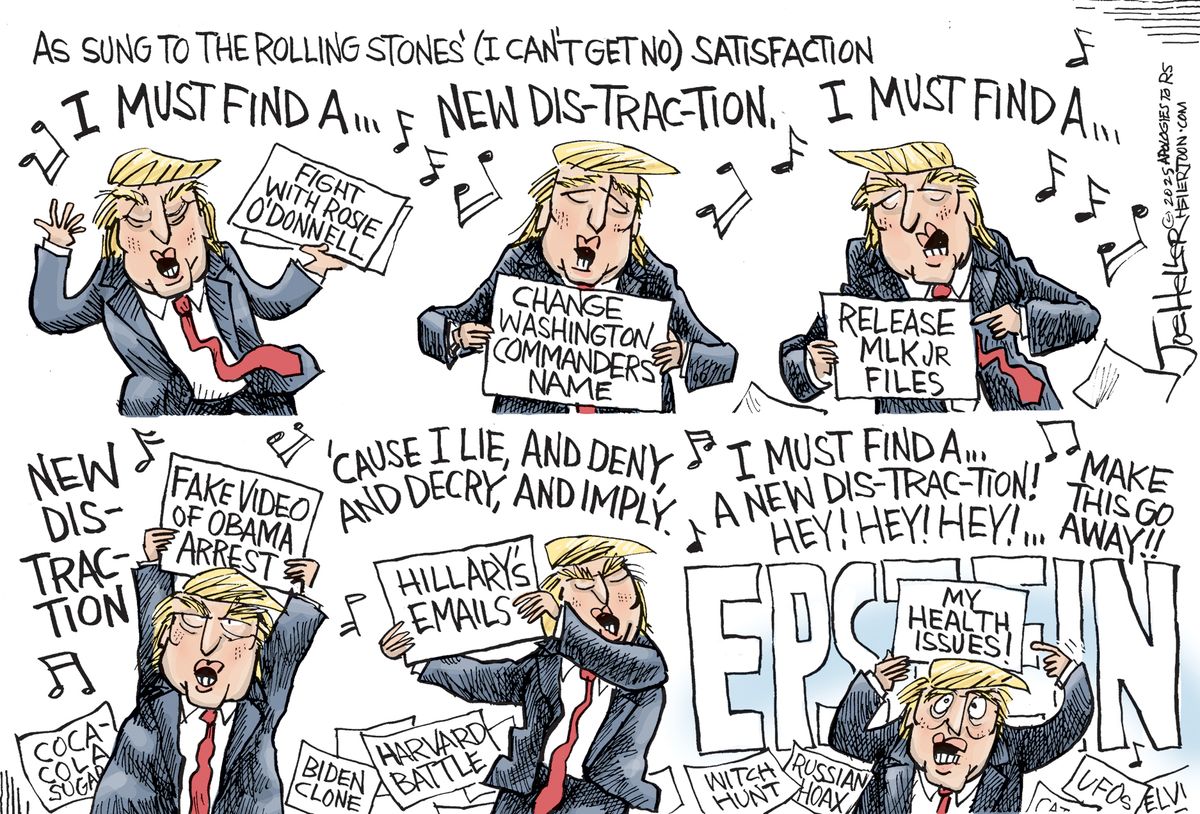


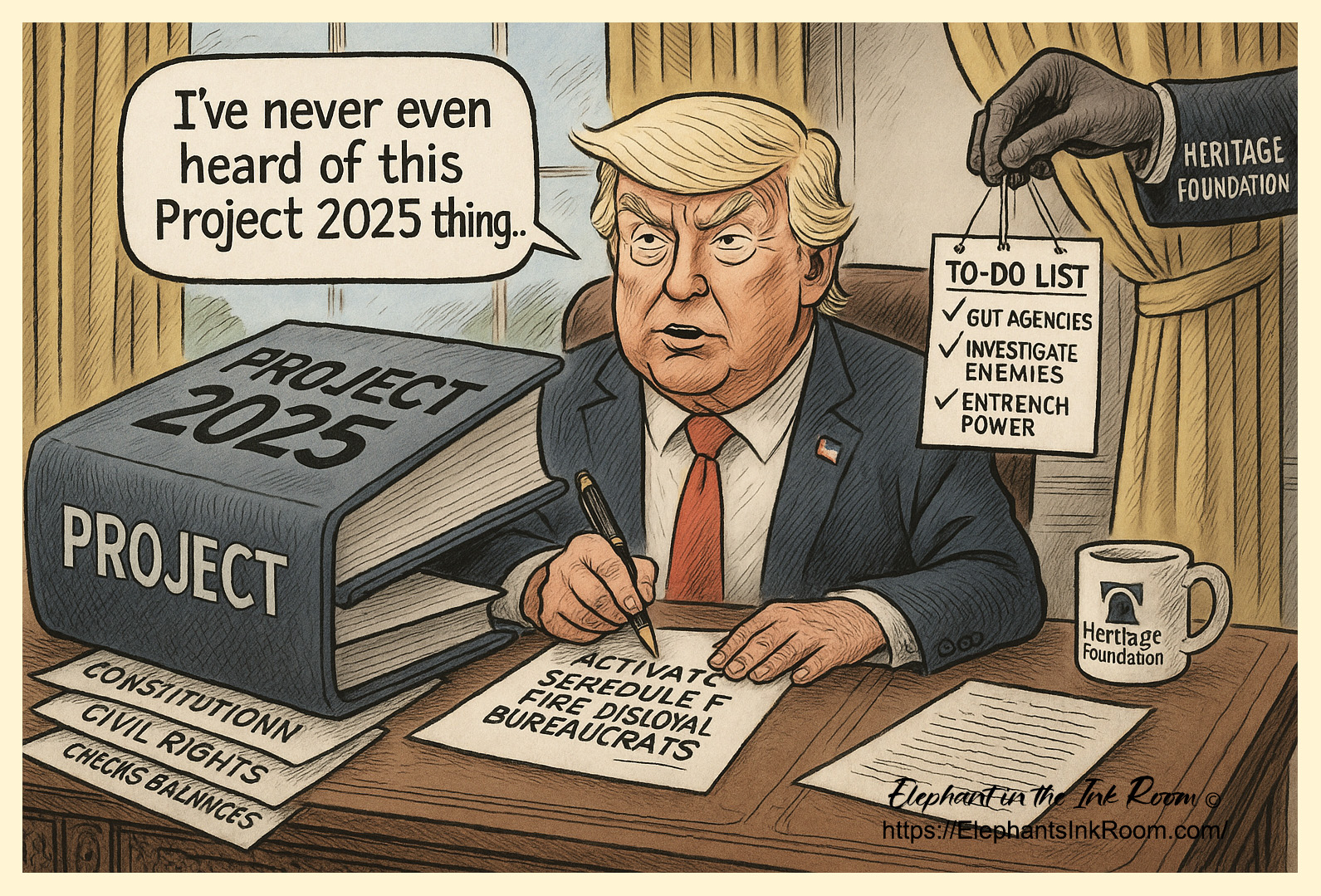







Government Shutdown: A Nation in Gridlock and Shootings
Government Shutdown: A Nation in Gridlock
The U.S. government officially shut down on October 1, 2025, after Congress failed to pass a funding bill. Senate Democrats blocked a Republican plan, while Republicans opposed a Democratic bill with provisions for healthcare and social funding. Approximately 750,000 federal workers face furloughs, and many government agencies—including the EPA, FDA, and the Department of Education—have limited operations. President Trump has threatened mass layoffs if a shutdown occurs and circulated a controversial AI-generated video mocking Democratic leaders. Legal challenges and widespread agency disruptions have accompanied the standoff, with no resolution in sight.
Mass Shootings: A Grim Surge
Over the weekend, the U.S. experienced a surge in gun violence with six mass shootings spanning across four states—Louisiana, North Carolina, Michigan, and Texas—resulting in nine fatalities and at least 33 injuries. One of the deadliest incidents occurred at a Mormon church in Grand Blanc Township, Michigan, where four worshippers were killed and the suspect died after opening fire and setting the building ablaze. These incidents bring the year’s total mass shootings to 324, averaging over one per day, according to the Gun Violence Archive.
Our commentary: We don’t believe the increase is shootings is related to firearms, even though they were used. Our belief is that as people feel more and more polarized and lose all hope of control (Yes, I’m Referring to our very own Benito Mussolini) they seek attention, they want a voice and sadly that’s the only voice they can find. Make an effort, listen to those around you, have open discussions without passing judgement. You might just save a few lives.
Share this:
Like this: