Everything in Published Order, Easist Way To Stay Up To Date Contact Us Or Have a Suggestion?
A note on appearances: this site reads as left-leaning, and I understand why. But what I am actually fighting against is a current administration so far to the radical right that it can no longer honestly be called conservative.
Traditional conservatism, fiscal responsibility, limited government, rule of law, respect for institutions, has been abandoned by the very party that once claimed to own it. Opposing what is happening right now doesn’t make you a liberal. It makes you someone paying attention. I’d like to think there are honest conservatives out there who feel the same way, and this page is partly an olive branch to them.
AI Disclaimer, Our Video’s are created with Heygen with an avatar, you don’t want to watch me stutter and restart. A lot of what I write is checked for major errors and grammar, sometimes Claude will insert dash ems. sorry, but the article is mine or credited. The graphics are built off my prompts.

Healthcare in America — On the Sidelines – Medicare for All Sounds Simple
Ask how. Where does the money come from? Who pays? Who gets paid? What happens to the people and businesses already in the system? How long does it take? What happens during the transition? What

The Outrage Is Not an Accident – Video
Nobody's asking you to switch teams forever. Nobody's asking you to feel bad for the values you hold. The ask is smaller and harder than that: notice when you're being fed fear instead of information,

Uh, Hey Canada, busy Friday?
Maybe a nice king crab and salmon dinner and a bottle of Pinot Noir from one of my Willamette Valley wineries. Not commitments, maybe just some nice conversation away from the noise. After all, we

Is it Official Election Mail? A PSA from Secretary of State Tobias Read
The Official Election Mail logo is a trademarked design that can only be used on mail pieces created by, or on behalf of, an election official that is mailed to or from a U.S. citizen
Healthcare in America — The Next Conversation Part 8 – Where Do We Go From Here? – Video
It doesn't belong to Democrats. It doesn't belong to Republicans. It doesn't belong to any political label. It belongs to the people who would have to live with whatever we eventually build.
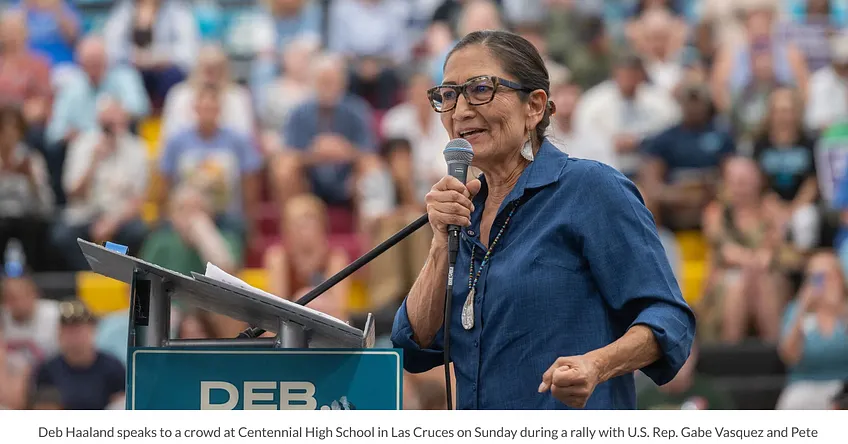
Don’t Check Just the Box
Sometimes that may mean voting for a Republican. Sometimes a Democrat. Sometimes someone outside the two major parties. And sometimes it may mean leaving a box unchecked. The point is simple: don’t vote for the
Forward Party CEO Weighs in After US Supreme Court Denial 09/17/2026
I generally don't weight in on Shared Posts, but if you think it's time to weaken the 2 party stranglehold on today's politics and Superpac money that controls the candidates and the elections, then you
Healthcare in America — The Next Conversation Part 8 – Where Do We Go From Here?
It doesn't belong to Democrats. It doesn't belong to Republicans. It doesn't belong to any political label. It belongs to the people who would have to live with whatever we eventually build.
The Moment We’ve Been Building Toward
The Forward Party is bringing moderates, conservatives, and progressives together to heal our political divisions, find our shared ground, and create a brighter future for America. Forward Party candidates are accountable to the voters, and

Audit: To Preserve Federal Funding, OHA Must Do More to Prevent Duplicate Medicaid IDs
Auditors made five recommendations to improve the detection and prevention of duplicate IDs, and, if incorrect payments do occur because of duplicate IDs, to quickly correct overpayments. As part of Secretary Read’s new audit follow-up
Healthcare in America — The Next Conversation Part 7 – The Elephant in the Room – Video
What should be covered? Who should administer it? Who should pay for it? What happens to the systems we already have? What happens to the people who work in the existing system? What happens to

Screwed, Blued, and Tattooed
And it's the same when the far left keeps referring to all Republicans as MAGAs. You don't need to apologize, but if you're not a card-carrying MAGA, tell someone that. Hey, I'm a Republican, I'm
Less than 50 days left to help Forward Party win! 09/15/2026
Hello Forward Friends- Hope your September is going well. We had an incredible Meet the Forwardists event with NBC's Chuck Todd last week, thank you so much to everyone who was able to join!
Healthcare in America — The Next Conversation Part 7 – The Elephant in the Room
What should be covered? Who should administer it? Who should pay for it? What happens to the systems we already have? What happens to the people who work in the existing system? What happens to
Supreme Court Decision: Oregon Will Vote-By-Mail in Upcoming Election
Tonight, the U.S. Supreme Court rejected President Donald Trump’s attempt to restrict mail-in voting ahead of the 2026 midterm elections, blocking changes that would have caused major disruption just days before the first ballots are
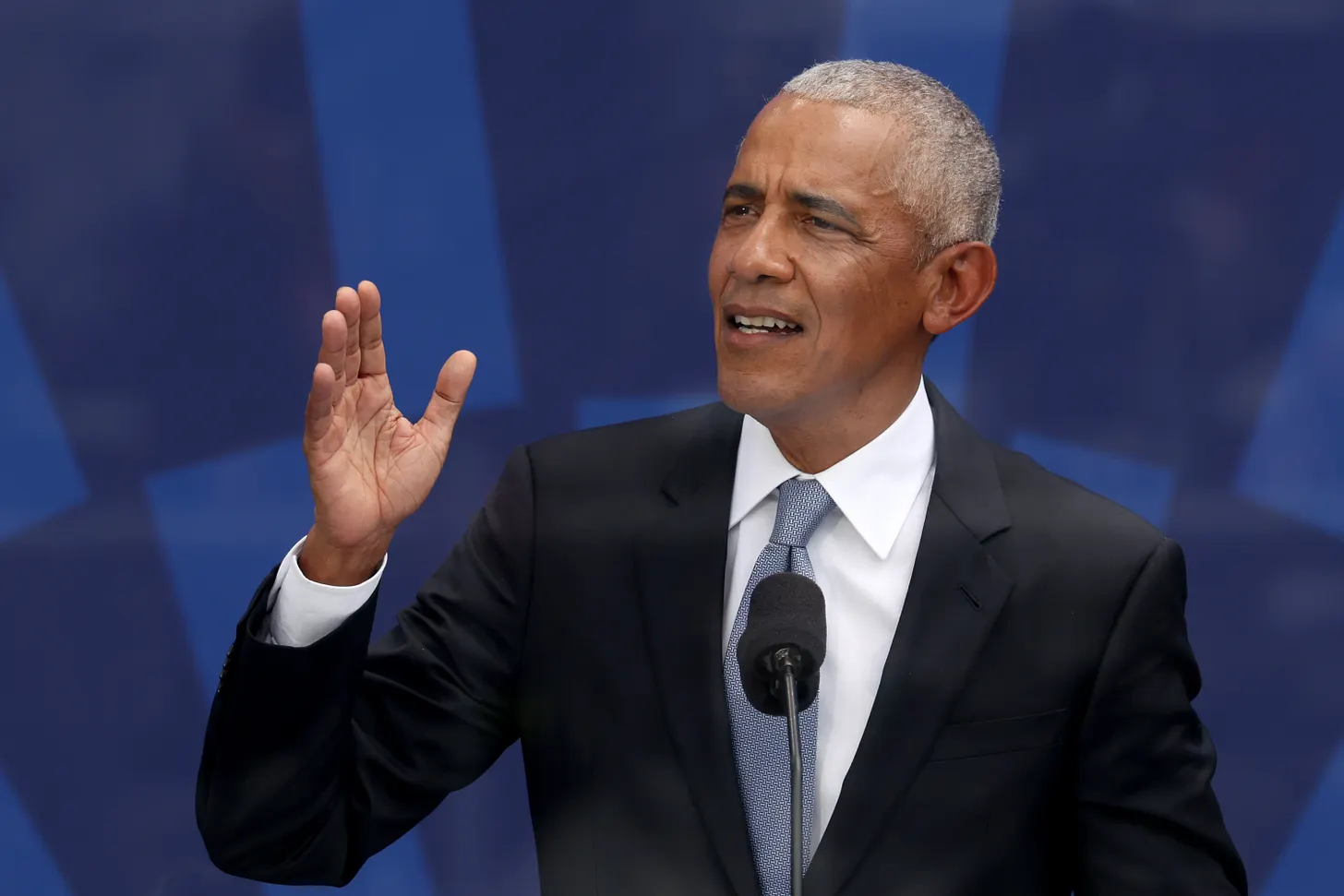
Obama, Trump and the Age of AI by Dan Rather and Team Steady Sep 14, 2026
Then along comes artificial intelligence (AI). The new technology has stormed into our lives whether we like it or not, and suddenly it doesn’t matter for whom you voted.
Forward Party CEO Agrees with New Mexico Attorney General
“Simply put, New Mexico’s attorney general — a Democrat — agrees that asking minor party candidates in the state to achieve many multiples of what is required of legacy party candidates is unfair, prevents reasonable

Registered Republican found the Vaccine – Video
Pay attention to your local politics more than the national hoopla. What works in New York isn't what works in Mayberry, and decent national leadership will support that difference instead of forcing everyone to bend
Healthcare in America — The Next Conversation Part 6 – Wait a Minute – Video
That matters because healthcare isn’t just doctors and hospitals. It is an enormous ecosystem of people, businesses and institutions that depend upon one another. There are rural hospitals that are already struggling, private clinics, specialists,

The Devil Went to D.C.
The Devil Went to D.C.

The Greatest Firsts of All Time
Elephant's Ink Room Believe It or Not
Healthcare in America — The Next Conversation Part 6 – Wait a Minute
That matters because healthcare isn’t just doctors and hospitals. It is an enormous ecosystem of people, businesses and institutions that depend upon one another. There are rural hospitals that are already struggling, private clinics, specialists,

Healthcare in America — The Next Conversation Part 5 – Where Does the Money Come From? – Video
And if we are serious about healthcare for all, then eventually we have to be willing to sit down, put all the numbers on the table and figure it out. It won't be easy. But
Registered Republican found the Vaccine
Pay attention to your local politics more than the national hoopla. What works in New York isn't what works in Mayberry, and decent national leadership will support that difference instead of forcing everyone to bend

Is There No Decency
Donald J. Trump. You have insulted and offended me and my family. And I would imagine you have insulted and offended just about every person who has ever served in the military, and every first
Healthcare in America — The Next Conversation Part 5 – Where Does the Money Come From?
And if we are serious about healthcare for all, then eventually we have to be willing to sit down, put all the numbers on the table and figure it out. It won't be easy. But
Legislature Passes Emergency Funding for Drop Boxes, Improved Ballot Tracking for Voters
Emergency funding of $618,000 will pay for additional drop box locations and expenses related to an anticipated increase in drop box usage. Implementation will require county support, site preparation, and procurement.

Would I Lie To You?
I'm going to give every adult $5,000.00 if I stay in POWER, oops, there it went again, in office. Yes, $5,000.00. Just don't think about the issues, don't think about wars, don't think about healthcare,
Healthcare in America — The Next Conversation Part 4 – So What Would Healthcare for All Actually Look Like? – Video
The point I am trying to make is that there isn't going to be an easy answer. We can talk about healthcare for all as a wonderful goal, and perhaps it is. But eventually somebody

Your Government at Work? Or How to Limit Free Speech
When the FCC can strong-arm a network into yanking a Senate candidate’s interview off the air—and it happens twice, to two different hosts covering the exact same race—that’s not some random regulatory hiccup. That’s a
