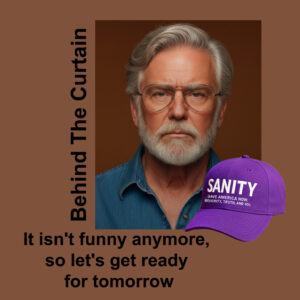
After a year of sharp satire aimed at one particularly loud clown who’s now less funny than frightening, I’ve shifted gears. For the past month, I’ve worked hard not to let the current atrocities wag me or incite me — because the chaos, as dangerous as it has become, is still a self-serving diversion.The parody landed its points. But I’ve shifted gears.
The noise is deafening — endless sky-is-falling takes, reaction bait, and soundbite wars. Parody can’t out-absurd reality forever, and outrage isn’t insight.So I’m moving on to something more useful: helping people understand the actual systems we live inside, not just the circus around them.
I’ve just wrapped up a month of breaking down dark money mechanics (how it flows, manipulates, and warps decisions on both sides). Not conspiracy theories, just a better understanding of the how and why. My goal wasn’t to be partisan — it was to help readers better grasp the mechanics behind the curtain and make better, self-informed decisions.
Next up: a 4 series, 43 chapter discussion on institutional healthcare. Not the latest premium hikes, Trump tweets, or partisan talking points. Instead:
How the U.S. healthcare machine evolved historically
Who really makes the decisions (incentives, gatekeepers, power structures)
What access actually looks like on the ground
A clear comparison of free-market vs. socialized models — trade-offs, not team cheers
The goal isn’t to push an agenda; it’s to equip you with context so you can think, decide, and act from knowledge instead of reflexes. For the majority of my life, my knowledge of healthcare was condensed into these three or four questions, asked under stress:
Am I insured?
Will my spouse’s job still cover us?
What happens if we get pregnant / sick / laid off?
Can we afford this surprise?
Knowing the answers to those 4 questions is not enough.Occasional memes will still sneak in (old habits die hard), but the main lane now is education over entertainment. Thanks for reading along so far. If this resonates, stick around.



Comments are Disabled