
No commentary just what is being reported on a regular basis. We do not want these updates to be coincided the gospel but a guideline for you work with. And most importantly, we are showing no political bias.
These are articles that come up with a non partisan request for an update.
Here are the key updates on on each subject covering a 2 week time span. We will try tp do these on the 1st and th 15th of each month.
Currently the topics covered with Healthcare, Veterans Affairs and Highlights of what Trump has done or accomplished according to your point of view.

Healthcare In America – Everything Is Here
This began as a short explanation of American healthcare and the dynamics behind it. The goal was simply to spark interest, open some eyes, and encourage people to think beyond the talking points politicians and
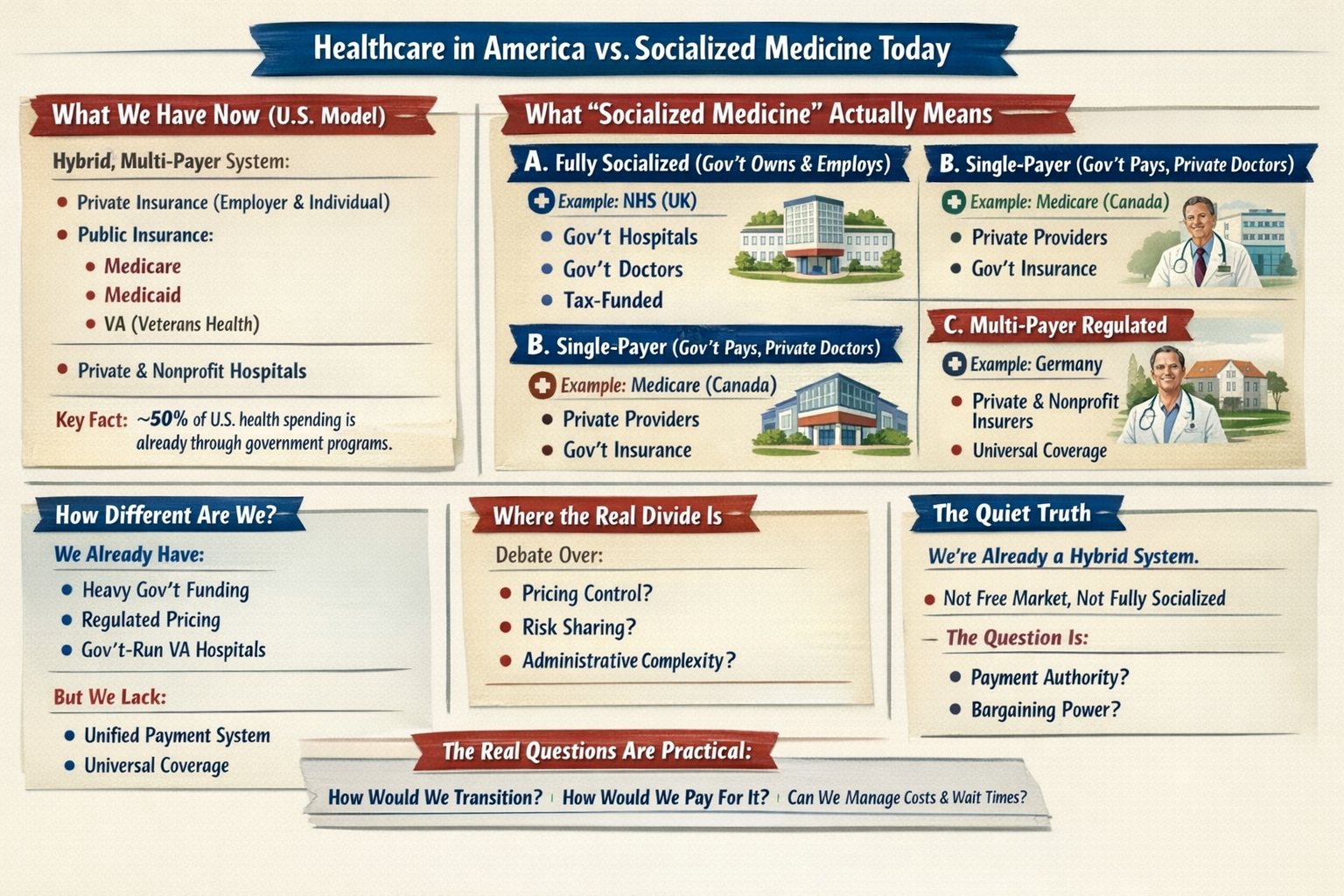
Healthcare in America vs Socialized Medicine Today- End of Series
Roughly half or more of U.S. healthcare spending already flows through government programs. We are not a pure market system. We are a complex blend.
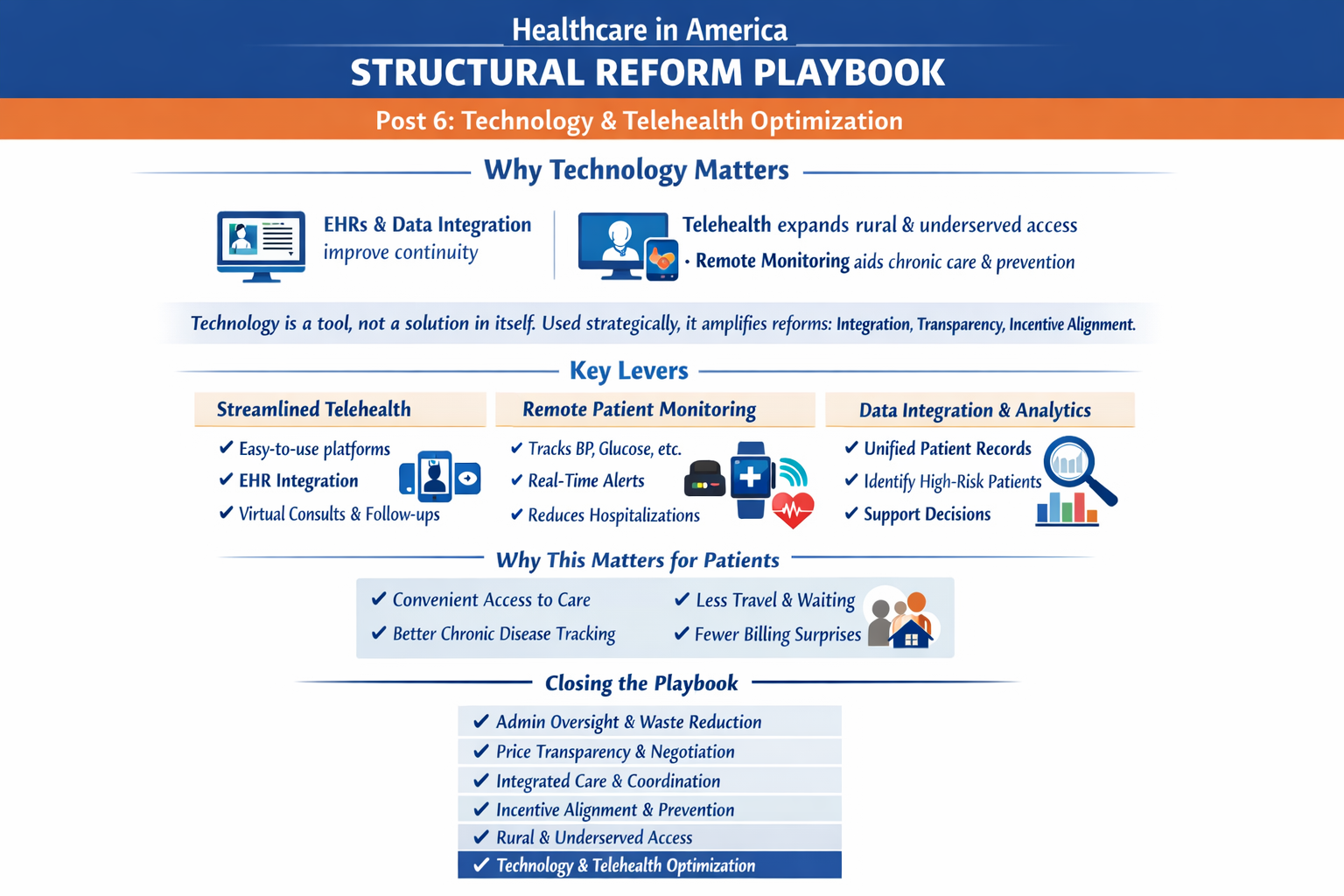
Healthcare in America Structural Reform Playbook Post 6 Technology & Telehealth Optimization
When combined with oversight, transparency, and coordinated care, technology turns abstract reforms into real-world improvements that patients can see and feel. The series shows that practical, achievable reforms exist, even without overhauling the entire system.
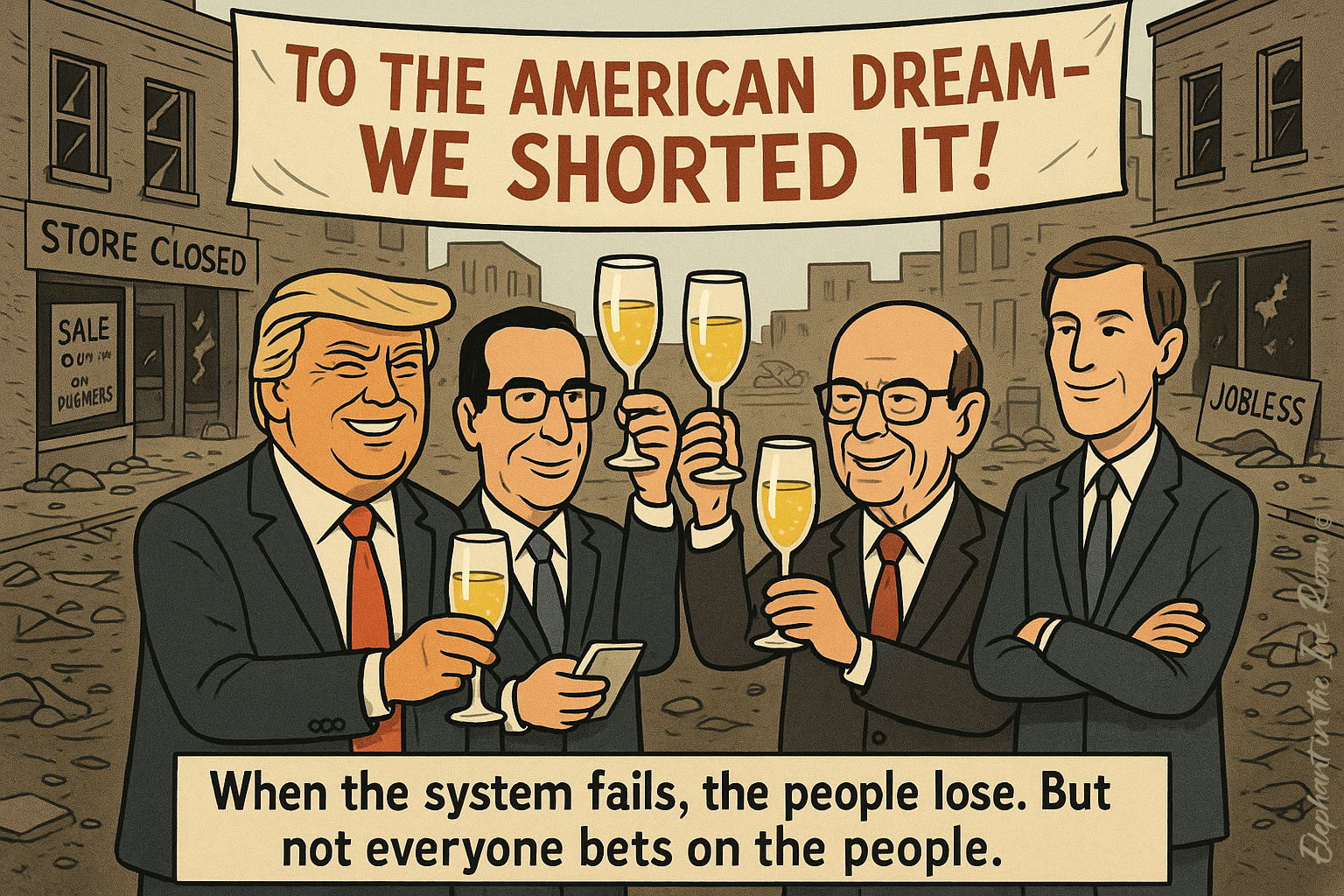
650 Million Dollars in Oil Trades just before Iran announcement, Tar and Feathers anyone?
The trades weren’t random. They were overwhelmingly sells—aggressive short positions betting that oil prices were about to crater. At the exact same moment, another $1.5 billion flood of buy orders hit S&P 500 futures.
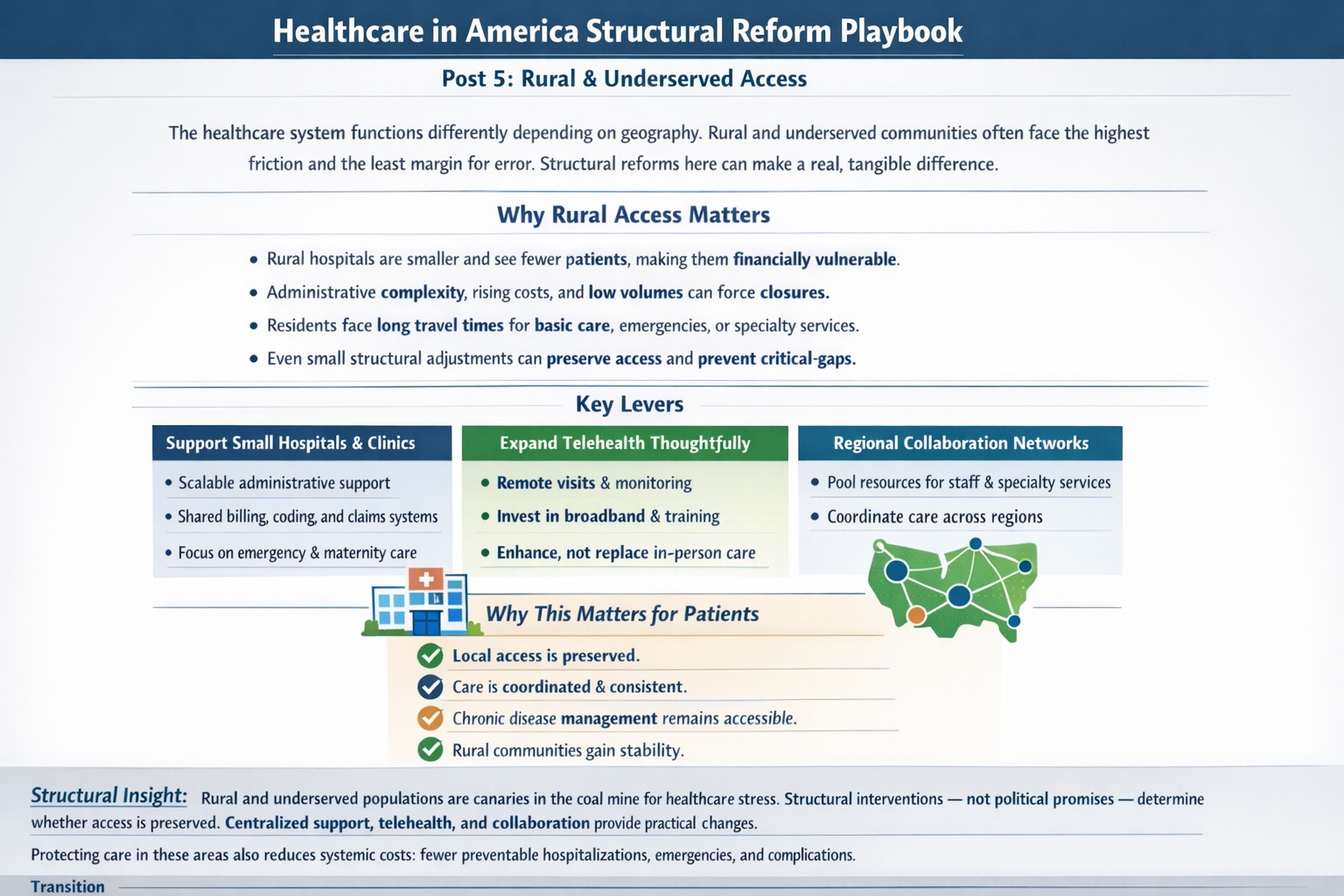
Healthcare in America Structural Reform Playbook Post 5 Rural & Underserved Access
Rural and underserved populations are canaries in the coal mine for healthcare stress. Structural interventions — not political promises — determine whether access is preserved.

All to Hide The Epstein Files
Broken Promises Blues
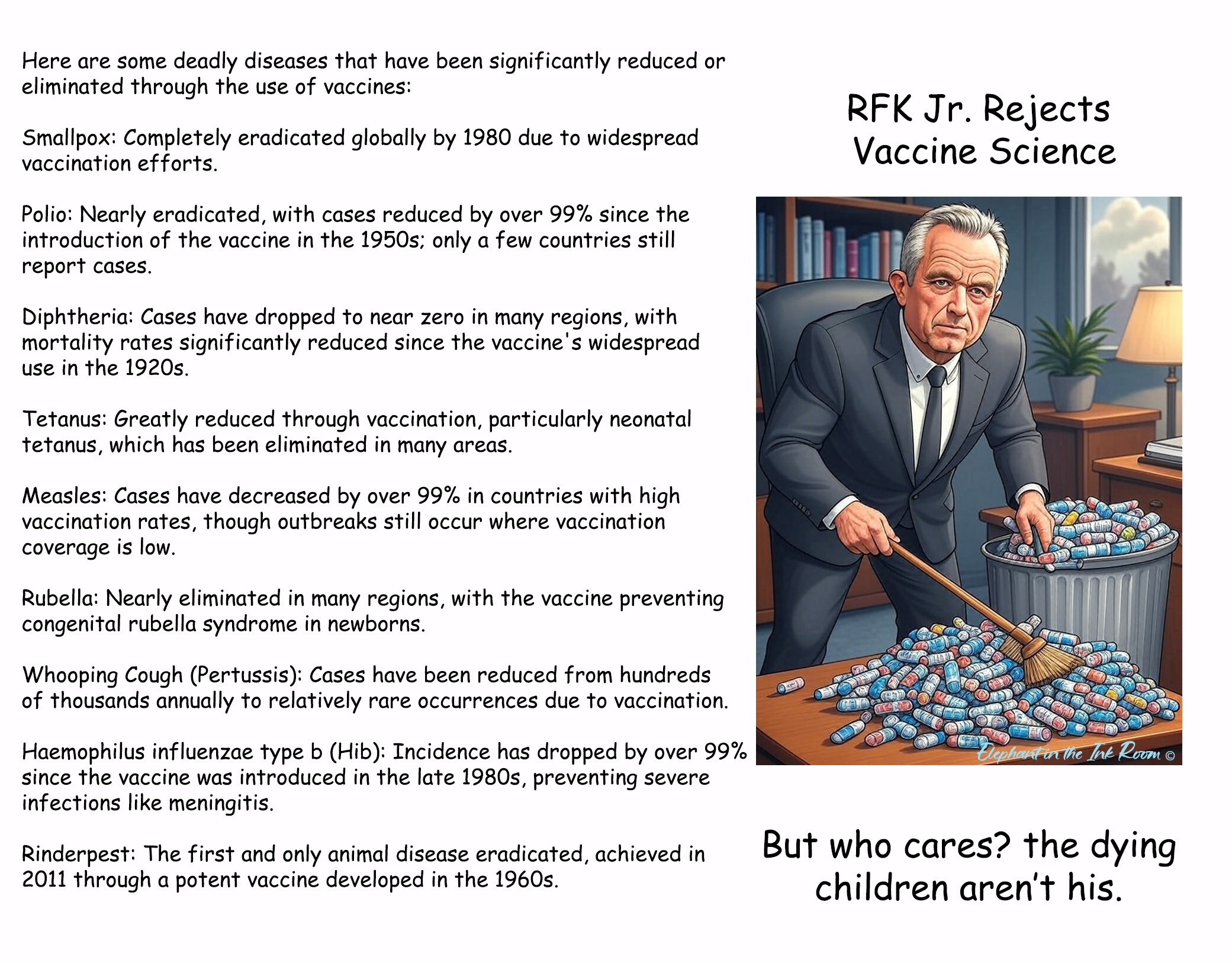
Process vs. Power: When the Courts Step Into Medicine
What we are seeing now is not simply a legal pause. It is the system doing what it was built to do when pushed too far, too fast. Slowing things down. And in a healthcare
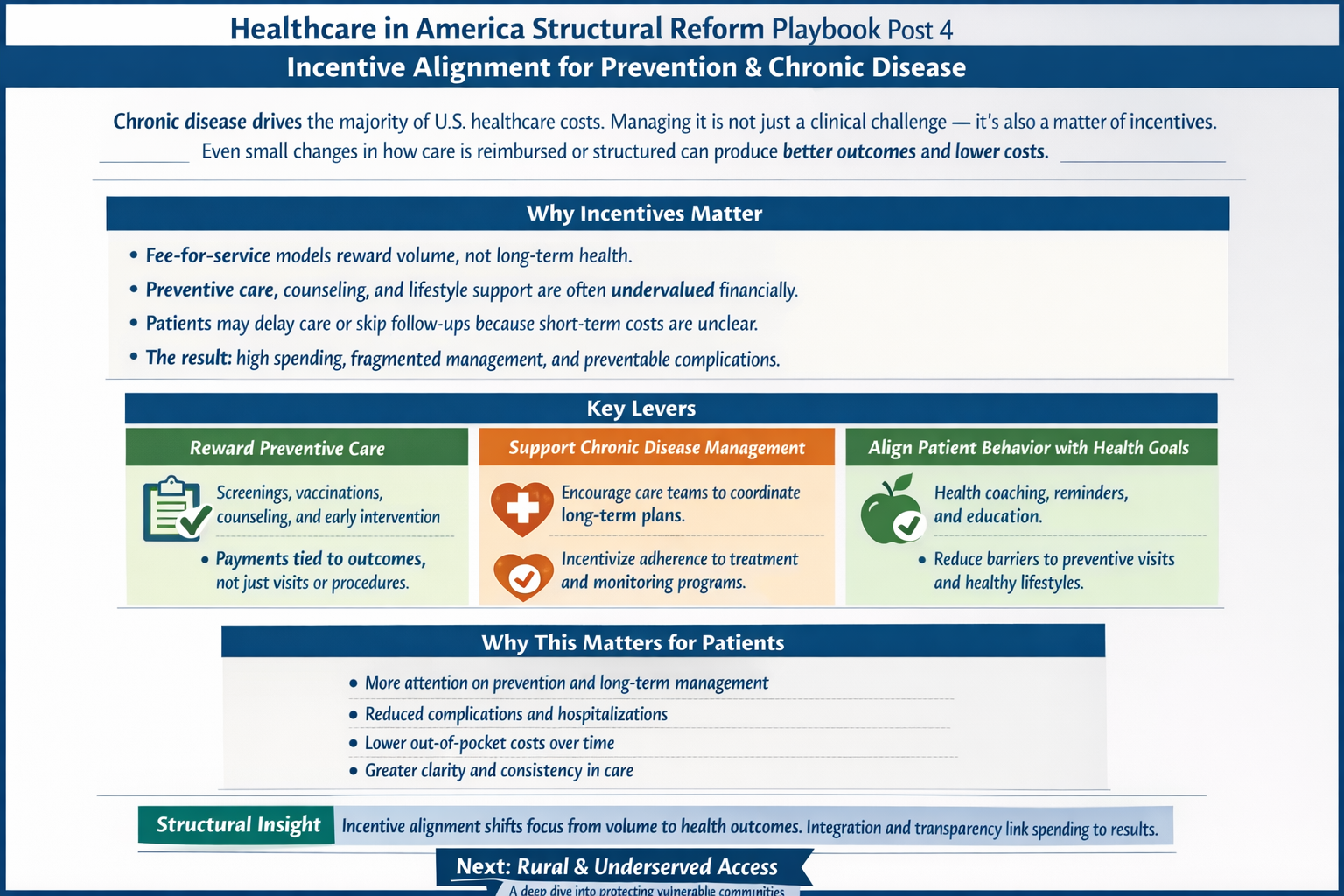
Healthcare in America Structural Reform Playbook Post 4 Incentive Alignment for Prevention & Chronic Disease
Chronic disease drives the majority of U.S. healthcare costs. Managing it is not just a clinical challenge — it’s also a matter of incentives. Even small changes in how care is reimbursed or structured can
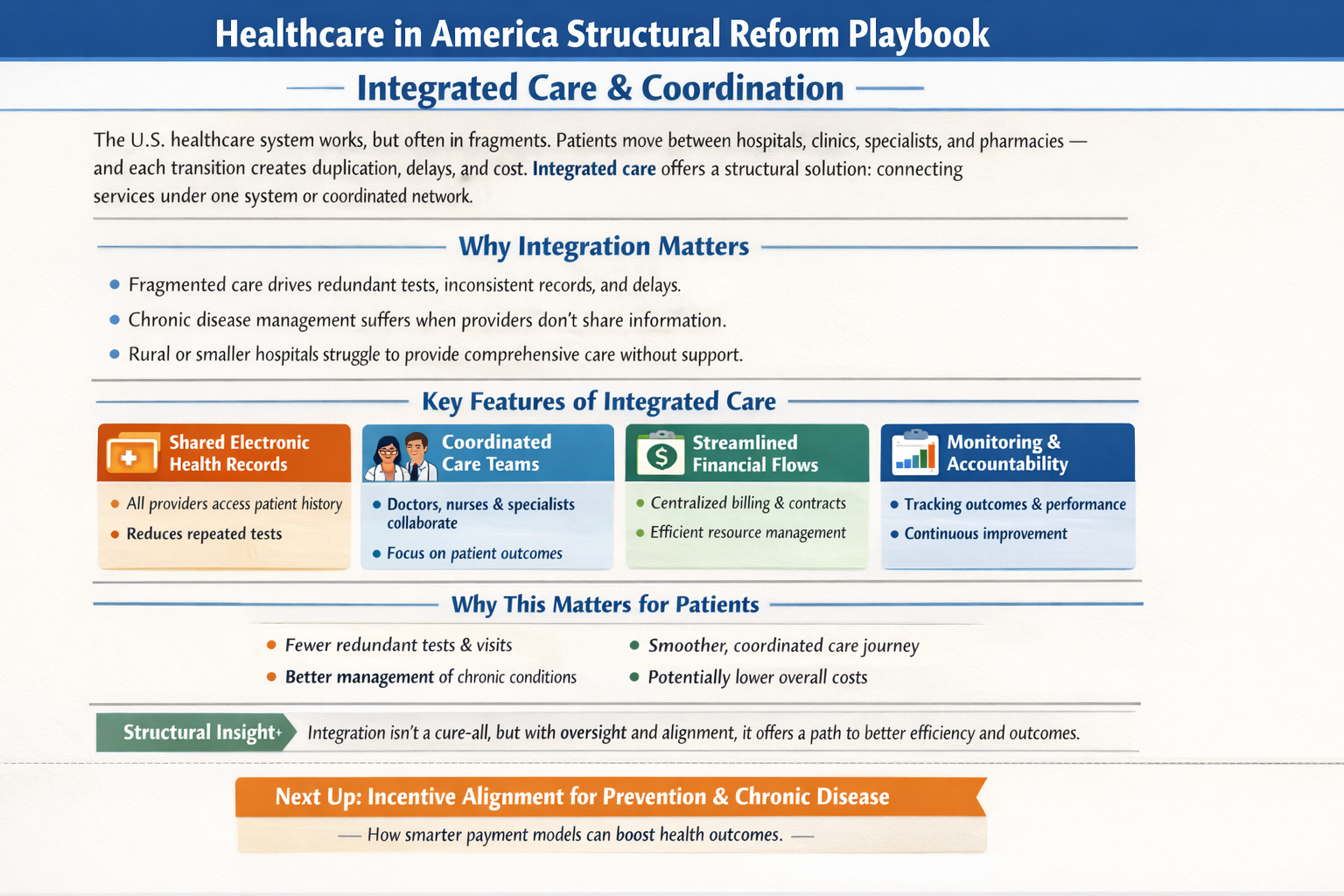
Healthcare in America Structural Reform Playbook Post 3 Integrated Care & Coordination
Integrated models — like Kaiser Permanente or other vertically coordinated systems — reduce these frictions by aligning care delivery, records, and financial flows.
