
Posts in Category: Your Money

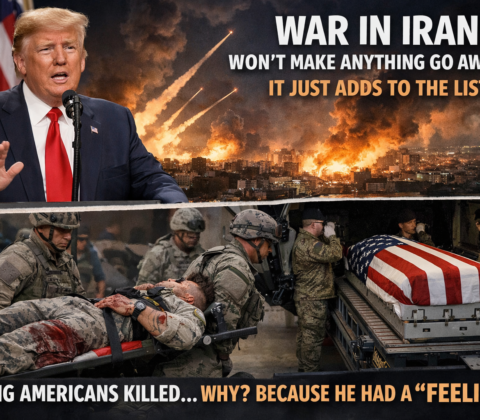
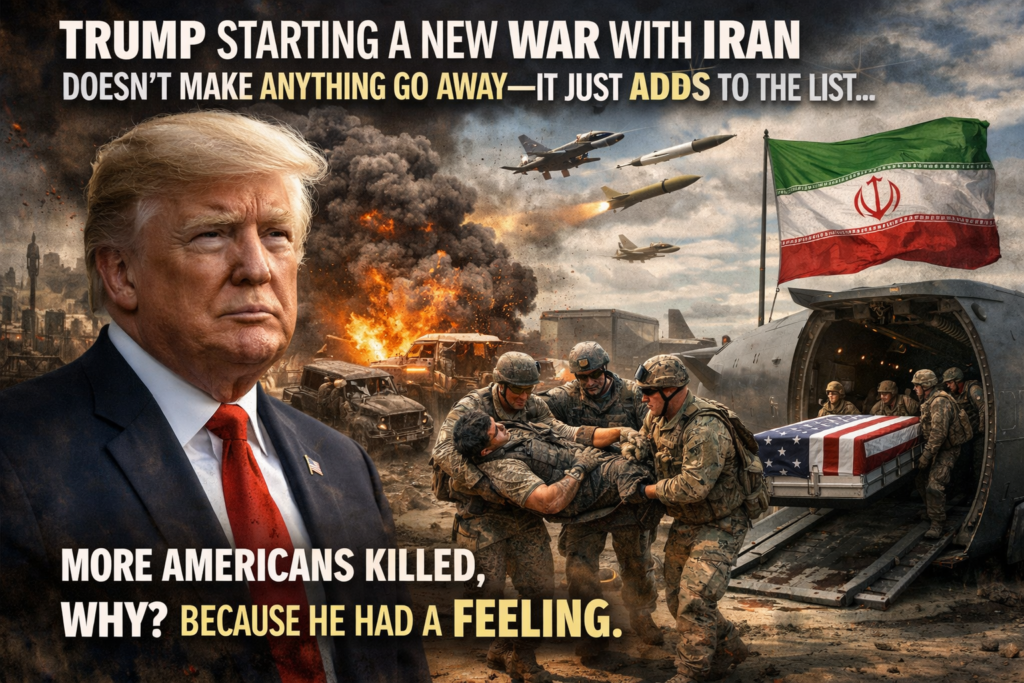
Nothing Goes Away, the list just gets longer.
Starting a new diversion doesn’t make anything go away—it just adds to the list.
A war in Iran doesn’t make Epstein go away.
-
It doesn’t make pedophiles innocent.
-
It doesn’t make 34 felony counts go away.
-
It doesn’t stop elections.
-
It doesn’t create tariffs.
-
It doesn’t prevent tariff refunds.
-
It doesn’t take the focus off ICE and the brutality.
-
It doesn’t take the focus off the extreme excess of this regime’s spending (ICE luxury airplanes).
-
It doesn’t erase the ongoing fallout from January 6th investigations.
-
It doesn’t fix the skyrocketing national debt from tax cuts for the ultra-wealthy.
-
It doesn’t heal the divisions sown by election denialism.
-
It doesn’t address climate crises or extreme weather disasters hitting home.
-
It doesn’t resolve the Supreme Court ethics scandals or judicial overreach.
-
It doesn’t make supply chain vulnerabilities disappear amid global trade wars.
-
It doesn’t cover up the mishandling of public health threats, like lingering pandemic aftershocks.
-
It does add one more illegal action.
-
It does cost American taxpayers billions of dollars.
-
It does make American protests even more intense.
-
It does embolden adversaries like Russia and China to test U.S. resolve further.
-
It does strain military resources already stretched thin.
-
It does risk escalating regional conflicts into something far deadlier.
-
And it does get Americans Killed, why? because he had a feeling.
Share this:

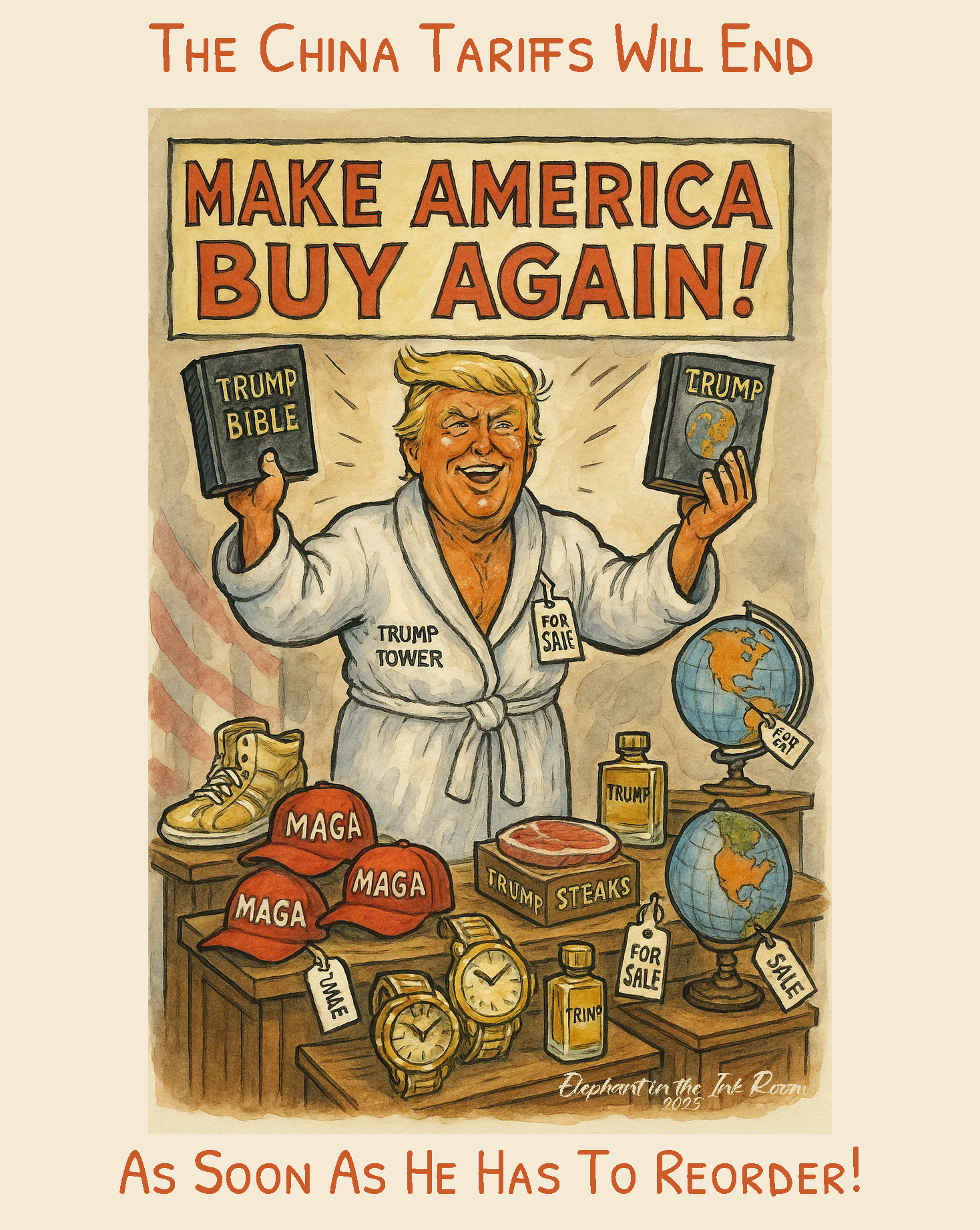
Trumps Tariffs, Thanks Trump for the dirty floors
Roomba maker iRobot files for bankruptcy, pursues manufacturer buyout
New U.S. tariffs have also harmed the company, especially a 46% levy on imports from Vietnam, where iRobot manufactures vacuum cleaners for the U.S. market. The tariffs raised the company’s costs by $23 million in 2025, while making it more difficult to plan for the future, according to iRobot’s court filings.

Share this:

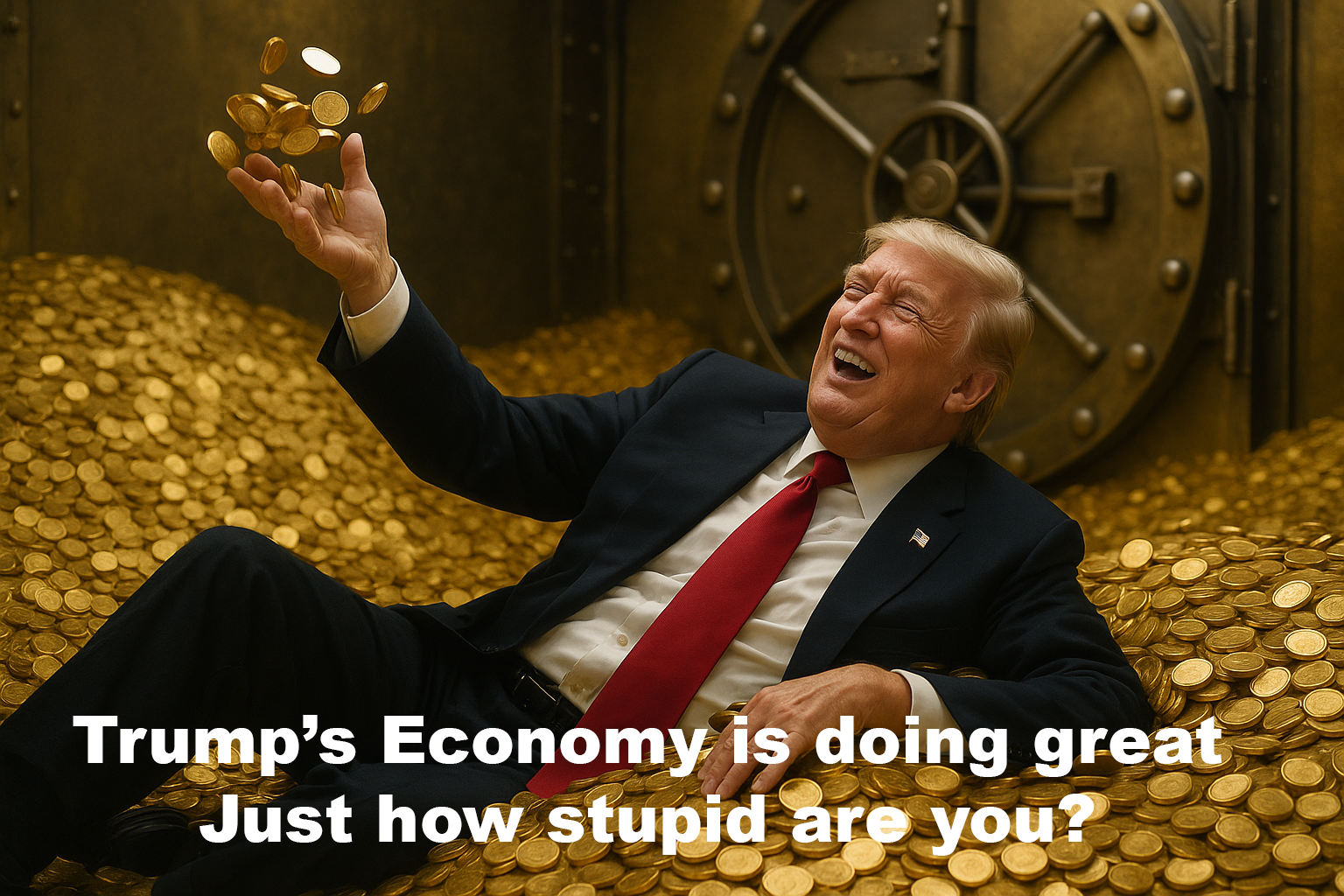
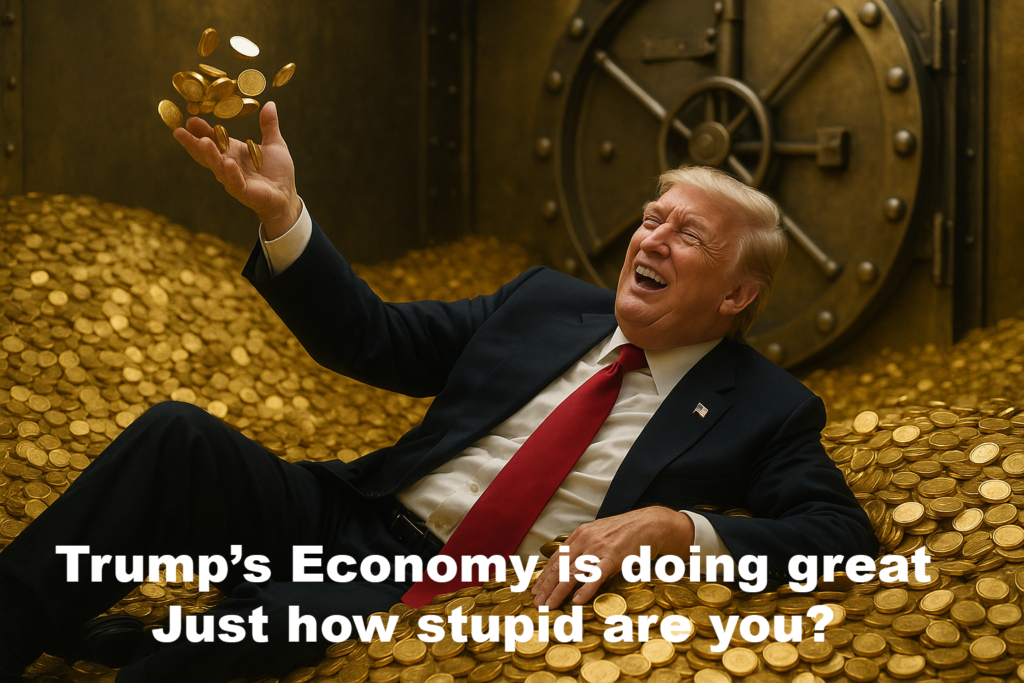
The Greatest Econony Every, FOR TRUMP.
King Putz says Tiny Tim Cratchit can do with just 1 pencil for Christmas, the Trump economy is great, if your TRUMP. Just How Stupid Are You?
Verifiable Estimates of Donald Trump’s Net Worth Increase Since Taking Office in 2025Yes, there are verifiable estimates from reputable sources like Forbes and Bloomberg tracking the change in Donald Trump’s net worth since he took office on January 20, 2025. These are based on public financial disclosures, stock valuations (e.g., Trump Media & Technology Group, or TMTG), real estate appraisals, and cryptocurrency holdings. However, exact figures are estimates due to the private nature of much of his wealth, market volatility (especially in crypto and TMTG shares), and varying methodologies between trackers. Trump’s net worth has reportedly surged, driven largely by cryptocurrency ventures (e.g., $TRUMP memecoin and World Liberty Financial), licensing deals, and TMTG stock performance.Key Estimates and TimelineHere’s a summary of the most cited figures from major sources, focusing on pre-inauguration (late 2024/early 2025) vs. current (as of late 2025). The increase is generally pegged at $2.5–3 billion year-to-date, with Forbes providing the most detailed breakdown.
|
Source
|
Net Worth (Jan 2025, at Inauguration)
|
Net Worth (Current, Dec 2025)
|
Estimated Increase
|
Primary Drivers of Growth
|
Date of Estimate
|
|---|---|---|---|---|---|
|
Forbes
|
$4.3–5.1 billion (end-2024 baseline, rising to ~$6.7B by Jan 21)
|
$7.3 billion
|
+$3 billion (from 2024 baseline); +$0.6–2.6 billion (from Jan)
|
Crypto ($1B+ from World Liberty tokens), licensing (+$400M), golf clubs (+$325M), TMTG shares
|
Sep 2025 |
|
Bloomberg Billionaires Index
|
~$7.16 billion (Jan 21)
|
$7.4–7.75 billion
|
+$0.24–0.59 billion (stable but with crypto gains)
|
TMTG stake, crypto exposure (~$620M in holdings), real estate licensing
|
Jul–Sep 2025 |
- Forbes’ Detailed Breakdown: Their September 2025 report attributes the $3 billion year-over-year gain (from $4.3 billion in 2024) directly to his presidency, including a 580% jump in licensing revenue to $45 million (e.g., deals in Saudi Arabia, Vietnam, and Qatar) and crypto sales exceeding $1 billion via family-controlled entities.
forbes.com
Earlier in 2025 (March/April), Forbes valued him at $5.1 billion, showing intra-year growth of ~$2.2 billion by September.
palmbeachpost.com - Bloomberg’s View: More conservative on volatility, they note his net worth held steady around $6.4–7.75 billion through mid-2025, with ~$620 million from crypto reshaping his portfolio but offset by TMTG fluctuations.
bloomberg.com
They highlight over $10 billion in Trump-branded real estate projects since early 2025 as a longer-term booster.
bloomberg.com - Other Trackers: The New York Times (July 2025) estimated up to $10 billion including illiquid assets like crypto, while outlets like WION and Money Digest align with Forbes’ $3 billion gain narrative.
Wikipedia’s aggregation (as of Dec 2025) cites a post-inauguration rise from ~$6 billion to $7+ billion, factoring in a June 2025 disclosure of $1.6 billion in assets and $600 million income.
en.wikipedia.org
Key Factors Behind the Increase
- Cryptocurrency Ventures: The biggest driver, adding $1–2 billion. The $TRUMP memecoin (launched Jan 2025) and World Liberty Financial (family-controlled, with 75% revenue share) generated over $1 billion in token sales, though values have since dipped.
- TMTG/Truth Social: Stake valued at ~$2 billion (114 million shares), with spikes around inauguration (e.g., +20% pre-Jan 20).
- Real Estate & Licensing: New deals (e.g., Vietnam resort, Gulf projects) added $400–500 million; golf clubs profited $66 million in 2024, up 30% into 2025.
- Legal Wins: Overturned fraud penalties (~$500 million saved) and settlements (e.g., $15 million from Disney) reduced liabilities.
- Presidential Perks: $400,000 salary plus gifts like a $400 million Qatari jet (for his library).
Caveats and Verifiability
- Volatility: Crypto and TMTG can swing wildly (e.g., $TRUMP fell from $44 to $6 per token by Oct 2025), so daily tallies fluctuate.
moneydigest.com
- No Full Disclosure: Trump hasn’t released tax returns since 2016, relying on estimates from public filings (e.g., June 2025 disclosure).
- Criticism: Watchdogs (e.g., House Democrats) claim up to $11.6 billion in unreported crypto, accusing conflicts of interest.
Supporters view it as savvy branding.
- Ongoing Tracking: Forbes and Bloomberg update regularly; check their sites for real-time figures.
In summary, the most substantiated tally is Forbes’ $3 billion increase from 2024 to mid-2025, with ~$1–2 billion post-inauguration—verifiable via their methodologies and public data. This makes his second term the most financially lucrative for any U.S. president on record.
Share this:

Copy of Your Money — Kash Patel Plays Golf in Scotland and Girlfriend Recieves FBI Protection
What do we actualy know about kash patel and using fbi jets and resources to play golf, visit his girlfriend provide her protections etc.
Grock 11/27/25
Kash Patel, the FBI Director since February 2025 under the second Trump administration, has faced significant scrutiny and criticism for allegedly misusing taxpayer-funded FBI resources for personal purposes. These allegations, primarily reported in major outlets like The New York Times, NDTV, and The Independent, center on his use of government jets for non-official travel (including golf outings and visits to his girlfriend) and the deployment of elite SWAT teams to provide security for his girlfriend, country singer Alexis Wilkins. The claims emerged prominently in late 2025, amid a government shutdown that heightened concerns about fiscal responsibility. While Patel and the FBI maintain that all uses comply with regulations (e.g., reimbursing commercial-equivalent costs for personal jet travel), critics—including former FBI agents and even some conservatives—argue it represents an abuse of power and hypocrisy, given Patel’s past criticisms of predecessors like Christopher Wray for similar practices.What follows is a factual summary of the key allegations, supported by reported details. No criminal charges have been filed as of November 27, 2025, and investigations appear limited to internal administration reviews.Key Allegations and Reported DetailsThe controversies break down into two main categories: jet usage and security provisions for Wilkins. Reports indicate these practices began shortly after Patel’s appointment and escalated during the 2025 government shutdown.
|
Category
|
Specific Allegations
|
Reported Details
|
Sources
|
|---|---|---|---|
|
Government Jet Usage
|
Misuse of FBI’s $60 million Gulfstream (GV) jet for personal travel, including golf trips and visits to girlfriend.
|
– Golf Trip: In summer 2025, Patel used the jet for a recreational golf outing with friends to a private resort at the Carnegie Club in Scotland. FBI agents coordinated his transportation and security with Scottish/British authorities. – Visits to Girlfriend: Multiple flights to see Wilkins perform or simply visit her in Nashville, TN (where she lives). Examples: – October 2025: Flew to State College, PA, for her national anthem performance at a Penn State wrestling event (Real American Freestyle). The jet then continued to Nashville. This occurred during the government shutdown. – May 2025: Wilkins flew to London to join Patel at a security conference; FBI personnel transported her from the airport. – Total: At least 12 personal trips since February 2025 (vs. former Director Robert Mueller’s 10 over four years). – Cost: Directors must reimburse at commercial ticket rates (far below actual jet costs, e.g., $10,000+ per hour to operate).
|
, , , , , , , , , , [post:44], [post:46], [post:48], [post:50], [post:52], [post:54], [post:56]
|
|
Security for Girlfriend
|
Deployment of SWAT-qualified agents to protect Wilkins, who is not a spouse or official protectee.
|
– NRA Convention (Spring 2025, Atlanta): Wilkins arrived with a two-agent SWAT team from the local FBI field office (on Patel’s orders) for her national anthem performance. Patel later berated the team commander for briefly leaving her unattended, citing poor communication and perceived risks. – Other Events: Agents from Nashville’s SWAT team guarded her home; additional tactical agents from Salt Lake City protected her at a September 2025 event. Coverage extended to Las Vegas and other locations. – Rationale: FBI cites “hundreds of credible death threats” against Wilkins due to her relationship with Patel and her conservative activism (e.g., gun rights advocacy). – Criticism: SWAT teams are typically for high-risk operations, not VIP protection; agents were pulled from counterterrorism duties.
|
, , , , , , , , , [post:45], [post:47], [post:49], [post:51], [post:57]
|
Context and Responses
- Hypocrisy Angle: Before his appointment, Patel criticized Wray on his podcast (“Kash’s Corner”) for using taxpayer-funded jets to “hop around the country.” He vowed to “ground” such travel. Critics, including former agent Kyle Seraphin (a MAGA supporter), highlighted this on podcasts, calling it “grifting off the American public.”
- FBI/Administration Defense:
- Jet use is mandatory for directors due to secure communications needs; personal trips are “significantly limited” compared to predecessors (e.g., Wray and Comey took more).
- Wilkins’ protection is justified by threats; details withheld for safety.
- Spokesperson Ben Williamson: Patel takes “personal time on occasion to see family, friends or his longtime girlfriend.”
- Criticisms:
- Former FBI Agents: Christopher O’Leary (ex-senior agent): “Abusive and excessive use… indicative of his lack of leadership experience, judgment and humility.” Frank Figliuzzi (ex-counterintelligence chief): Patel prioritizes nightclubs over briefings, causing “chaos.”
- Conservatives: Influencer Grace Chong (works with Steve Bannon): “Is she considered Kash’s spouse? … Why are we paying for this?”
newrepublic.com
- Broader Impact: Reports link this to internal turmoil, including the firing of Steven Palmer (head of critical incident response group) in November 2025 after jet-use stories emerged. Palmer oversaw the jet fleet.
theguardian.com
- Former FBI Agents: Christopher O’Leary (ex-senior agent): “Abusive and excessive use… indicative of his lack of leadership experience, judgment and humility.” Frank Figliuzzi (ex-counterintelligence chief): Patel prioritizes nightclubs over briefings, causing “chaos.”
- Public/X Reaction: Recent X posts (as of November 27, 2025) amplify the stories, with users calling for Patel’s resignation, labeling it “corruption” or “theft of public funds.” Examples include demands for prosecution and comparisons to Democratic scandals.
What We Don’t Know
- Exact reimbursement amounts or full flight manifests (e.g., confirming Patel’s presence on every trip).
- Whether an formal investigation (e.g., by DOJ Inspector General) is underway—reports suggest only internal scrutiny.
- Long-term outcomes: As of now, no resignations or penalties beyond the Palmer firing.
This situation highlights ongoing debates about executive perks vs. accountability in high office. For the latest developments, monitoring outlets like NYT or X searches for “Kash Patel jet” is recommended.
Share this:

Your Money — the claim that Corey Lewandowski pulled in $1.2 million in 2025
As much as I dislike Trump and everything he represents, I try to stay grounded in facts, not rumors. That’s why I checked the claim that Corey Lewandowski pulled in $1.2 million in 2025 through a maze of consulting LLCs. It would have fit neatly into my argument — but the problem is, I couldn’t find a single credible source to back it up. Not ProPublica, not FEC filings, not reputable reporting.
Lewandowski absolutely benefits from his proximity to Trump; he always has. The consulting, the PAC connections, the influence machine — all of that is well-documented. But I’m not going to pin a dollar figure on him when I can’t verify it.
Oddly enough, that strengthens the larger point I’m trying to make. If I’m willing to throw out a claim that helps my argument because it doesn’t check out, then readers know I’m not here to invent villains or twist the facts. I’m here to map out the real patterns, the real money, the real influence. And in a time when everything feels upside down, that kind of clarity matters more than scoring easy points.
If I was to be concerned about anything in particular would be Lewandowski’s Citgo Work
Citgo is owned by the Venezuelan government
-
Lobbying for Citgo
-
Lewandowski’s firm, Avenue Strategies, took a contract from Citgo. Politico and other outlets reported a $25,000/month contract. Politico+1
-
According to Politico, the deal was partly to “help provide access” to the Trump administration amid tension over U.S. sanctions on Venezuela. Politico
-
The contract raised red flags: Public Citizen noted that Avenue Strategies billed more than $1 million over time in work tied to Citgo. Public Citizen
-
-
Foreign Policy Risk and Geopolitics
-
Citgo is owned by the Venezuelan government (PDVSA). Wikipedia+1
-
At the same time, there were fears that Rosneft (Russia) could take control of Citgo because of PDVSA’s debt. Politico+1
-
This makes the lobbying work not just corporate consulting but geopolitically sensitive: having someone with deep Trump connections lobbying could influence how U.S. policy treats Citgo / Venezuela.
-
-
Controversy, Ethics & Resignation
-
Lewandowski eventually left Avenue Strategies, saying he didn’t want to be “a target.” CBS News+1
-
Critics questioned whether his role with the firm — and the Citgo contract — violated lobbying rules or foreign-agent registration requirements. Salon.com+1
-
Some say Avenue used his name for political leverage even when he claimed limited involvement. Politico
-
-
Public Perception vs. Real Leverage
-
On one level, this deal illustrates how influence works: companies with foreign-state ties will pay for access, and someone like Lewandowski — with Trump ties — has exactly that.
-
On another level, it adds strategic complexity: Lewandowski isn’t just making money; he’s part of a nexus where business, geopolitics, and policy intersect.
-
For my analysis, it’s a data point that shows his role is not purely “financial profiteer” — but influencer / intermediary in geopolitical business.
-
What am I missing?
Share this:

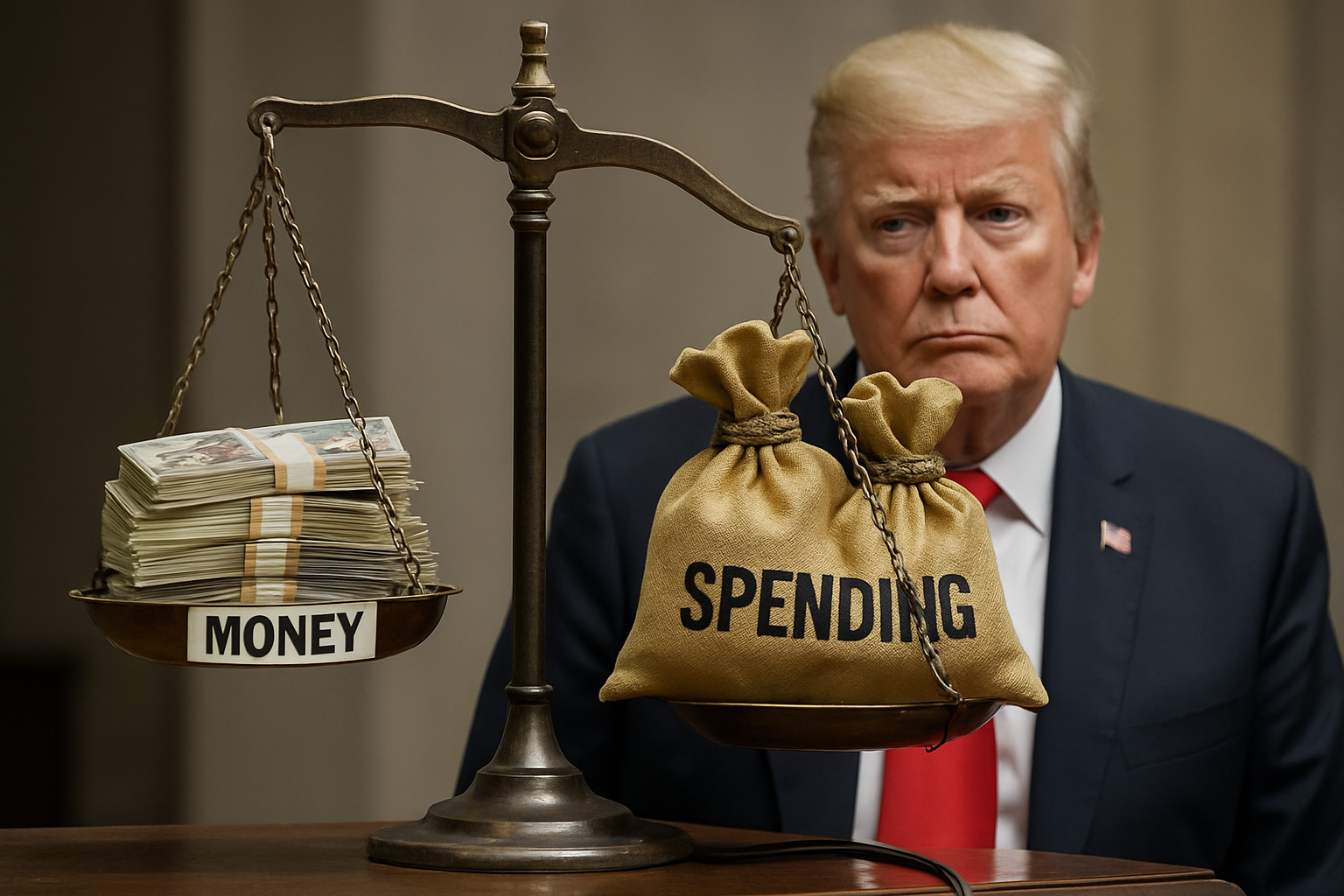
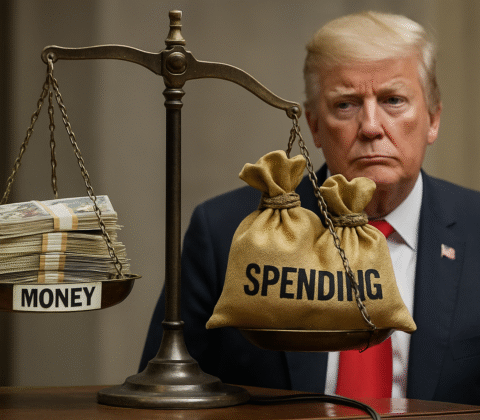
Your Money — Trump loudly exaggerates savings, quietly inflates expenses, and then blames others when the math breaks.
1. The DOGE “Savings” Are Mostly Fiction
He claims: $54.2 billion saved
Verified: $1.4 billion
Shortfall: –$52.8 billion
That’s not a rounding error — that’s manufacturing numbers out of air.
How DOGE created the illusion:
-
Counted the maximum possible value of contracts (ceiling values) rather than actual spending.
-
Counted the same contract in multiple places.
-
Quietly removed 1,000+ contracts from their own transparency dashboard.
-
Used “savings” from unawarded or canceled contracts as if that were money returned to taxpayers.
This is like claiming you “saved $40,000” because you decided not to buy a Tesla.
2. Meanwhile, Trump Is Increasing Real Spending
Even while claiming big savings, Trump is injecting spending elsewhere:
-
Massive increases for immigration enforcement and detention.
-
Expansions of ICE operations and facilities.
-
Contracting out veterans services, which tends to increase federal cost, not reduce it.
-
Shifting more federal functions to private contractors, who charge premium rates.
-
Large legal-related travel and security expenses, which you and I both pay for.
And each executive agency has its own restructuring costs. “Streamlining” usually means hiring consultants, restructuring operations, and paying early termination fees. All of that costs money.
3. Spending and Savings Aren’t Matched
He’s “saving” imaginary numbers but spending real dollars.
When you compare the two:
-
The made-up DOGE savings don’t come close to paying for the increased federal expenses.
-
There is no evidence those savings offset expenditures anywhere in the budget.
-
The numbers only make sense if you’re reading a campaign brochure, not a budget ledger.
4. Why He Does This
Trump repeats a pattern he’s used in business:
-
Inflate revenue or savings claims to create an image of success.
-
Hide or delay expenses.
-
Blame the shortfall on enemies or sabotage.
-
Keep moving forward without reconciling the books.
It works politically because people hear the big number, not the audit.
The Bottom Line
Yes — Trump is spending far more than he’s “saving.”
Even a basic household budget would show the mismatch.
And the bigger problem:
He’s using the illusion of savings to justify spending that is politically convenient but financially reckless.
Share this:


YOUR MONEY — More on DOGE — What the Reporting Shows
More on DOGE — What the Reporting Shows
-
Big Discrepancy Between Claimed and Real Savings
-
Politico found that whereas DOGE claims ~$54.2 billion in “contract cancellation” savings, only $1.4 billion could be verified via clawbacks or de-obligations. Politico
-
NPR’s analysis matched DOGE’s contract list to public spending databases and estimated only $2.3 billion in actual or likely real savings from the canceled contracts. NPR
-
DOGE has repeatedly revised its “wall of receipts” downward: it quietly deleted billions in claimed savings after media scrutiny. NPR+2NPR+2
-
-
Many Contracts Yield No Real Savings
-
Nearly 40% of the contracts canceled by DOGE appear to produce zero savings, according to DOGE’s own posted “receipts.” CNBC+2https://www.wdtv.com+2
-
Why no savings? Because in many cases, those contracts had already been fully obligated — meaning the government had already committed the money (or even spent it). https://www.wdtv.com+1
-
As Charles Tiefer, a former government-contracting law professor, put it:
“It’s like confiscating used ammunition … there’s nothing left in it.” https://www.wdtv.com

-
-
Accounting Tricks — Using “Ceiling Values”
-
A big part of the exaggeration comes from counting the maximum possible value (“ceiling”) of contracts instead of what was realistically going to be spent. PolitiFact+2NPR+2
-
Some of the contracts DOGE lists are “blanket purchase agreements” (BPAs). These aren’t firm orders — more like catalogs: the government can order from them if it needs to. Canceling a BPA doesn’t always save money because not all the “ceiling” was going to be spent. CNBC
-
Experts say that using ceiling values inflates the numbers and misleads the public about how much real money is being saved. NPR+1
-
-
Major Reporting Errors and Corrections
-
One glaring error: DOGE originally listed an $8 billion ICE contract as canceled, but that contract was actually only $8 million. NPR
-
Another: a $655 million USAID contract was apparently listed 3 times, triple counting the same item. NPR
-
After scrutiny, DOGE removed or revised more than 1,000 entries from its “wall of receipts” — reducing its previously claimed large savings. Reuters
-
-
Lease & Workforce Claims Also Questioned
-
DOGE claims additional savings from canceled leases and workforce reductions, but some experts argue that even these numbers are overstated or lack clarity. NPR
-
For lease savings, cost-benefit questions emerge: terminating leases may have “savings,” but what are the long-term costs (or the lost value)? Wikipedia
-
On workforce: DOGE reportedly has pushed out or gotten buyouts from tens of thousands of federal workers, but the long-term impact on efficiency and government capacity is unclear. Le Monde.fr
-
-
Lack of Verifiable “Cash Back” to Treasury
-
Even if DOGE “saves” money (in its accounting), that doesn’t necessarily mean the money is returned to the Treasury. Some “savings” are theoretical — based on de-obligation, not actual cash recovered. Politico
-
Experts note: just because a contract is canceled doesn’t guarantee that all unspent money is clawed back. Politico+1
-
-
Transparency Questions
-
While DOGE claims to provide transparency (through its receipts page), many entries lack sufficient identifying information to verify in third-party databases. Politico
-
The methods for calculating some “savings” are opaque; for example, assumptions used in workforce or regulatory cuts are not always publicly disclosed. NPR
-
There are legal questions: DOGE isn’t a standard government agency — it operates more like a temporary advisory/cut-team. Some experts worry about the legality, authority, and oversight. CNBC
-
Why This Matters — From a “Your Money” Perspective
-
Taxpayer Risk of Illusion: If DOGE’s numbers are largely based on inflated ceilings and double-counts, then the “savings” might be more PR than real return to taxpayers.
-
False Justification for Cuts: Using exaggerated figures to justify cutting contracts or laying off workers can undermine agencies’ capacity, potentially weakening government services in critical areas.
-
Accountability Gap: Without full transparency, the public and Congress may have a hard time tracking whether DOGE’s “savings” are actually materializing.
-
Cost of Errors: If DOGE cancels contracts or leases based on wrong assumptions, there may be downstream costs (e.g., legal battles, replacing canceled work, rehiring, re-contracting) that erase some of the “savings.”
Share this:

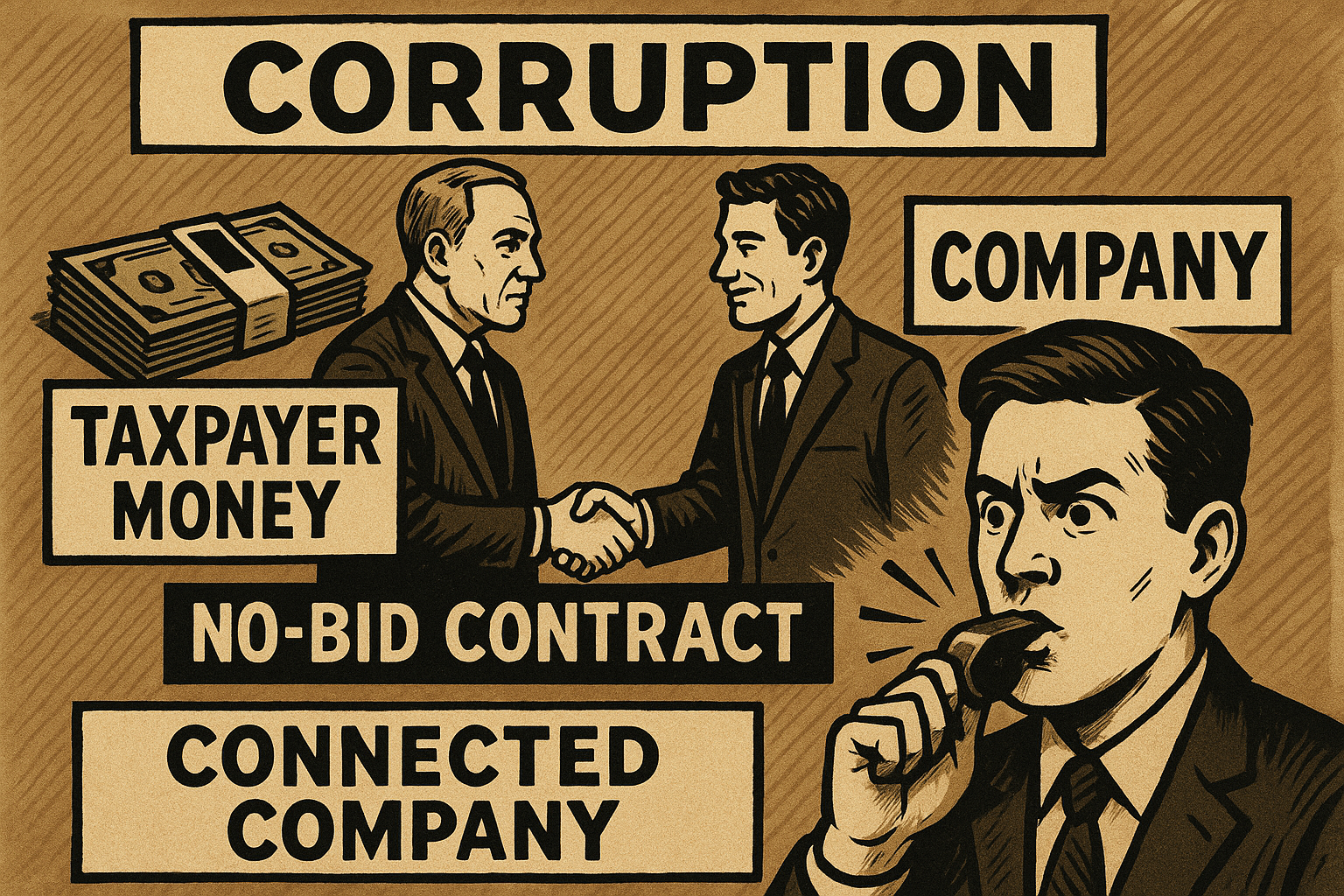

YOUR MONEY — JUNE–AUGUST 2025 – DOGE Verification Conflicts
DOGE: Claims vs. Reality — A Timeline (2025)
A factual record of taxpayer-money savings claimed by the Department of Government Efficiency (DOGE), compared with verified outcomes from independent reporting.
JUNE–AUGUST 2025 – Verification Conflicts
Claim:
DOGE reaffirms its total as $54.2 billion in “eliminated waste.”
Reality:
-
Many DOGE-listed agency savings do not appear in USAspending.gov, SAM.gov, or the Federal Procurement Data System.
-
Some “termination savings” do not return money; they merely prevent future potential commitments.
-
DOGE provides no comprehensive list of what money actually returned to Treasury.
Independent Estimates:
-
Verified, cash-impact savings: $1.4–$2.3 billion
(Politico, AP, NPR, Washington Post)
SEPTEMBER–NOVEMBER 2025 – Internal Resistance & Transparency Queries
Event:
Federal agencies begin to formally challenge DOGE numbers.
Examples:
-
Several agencies confirm their obligations did not match DOGE’s posted amounts.
-
Procurements canceled by DOGE were later reissued, reducing net savings.
-
Watchdog groups request DOGE’s calculation methods; no formal response provided.
Independent Assessment:
DOGE’s true savings remain an order of magnitude smaller than its public claim.
Share this:



YOUR MONEY — Mar-A-Lago weekend trips Jan to Nov $17.4 million ?? We Can’t afford a Turkey, Pun Intended
What It Costs Taxpayers When Trump “Goes Home”
Since January, Trump has made roughly two dozen trips from Washington to his Florida properties.
Cost to taxpayers each time:
About $600,000 to $900,000 per trip — just for Air Force One to fly him there and back.
Total so far (Jan → Nov):
Around $15–20 million in Air Force One costs alone.
When you add Secret Service, lodging, motorcades, and support aircraft, the real taxpayer burden is much higher — but even the flight cost by itself shows the scale of waste.
Every time he goes home, your money goes with him.
What is behind the numbers.
Air Force One: Trump’s 2025 Travel Costs (Jan → Nov)
YOUR MONEY — Mar-A-Lago weekend trips Jan to Nov $17.4 million ?? We Can’t afford a Turkey, Pun Intended. Or should that be a Lame Duck.
Period covered: Jan 20, 2025 – mid-Nov 2025
Trip count: ~22 Air Force One round-trip visits to Mar-a-Lago / Florida region (based on AP, Palm Beach Post, local tracking, and pooled press coverage through November).
Cost per flight hour (public figures)
-
Low: $142,380/hr (FOIA rate cited in press)
-
Mid: $176,393/hr (NTUF FY-2020 rate)
-
High: ~$200,000/hr (commonly used press estimate)
Average flight time per round trip: ~4.5 hours (FOIA examples for Florida trips)
Estimated Taxpayer Cost, Jan → Nov 2025
| Cost Basis | Per-Trip Cost | 22-Trip Total (Jan–Nov) |
|---|---|---|
| Low ($142,380/hr) | $640,710 | $14.1 million |
| Mid ($176,393/hr) | $793,768 | $17.4 million |
| High (~$200,000/hr) | $900,000 | $19.8 million |
These figures are Air Force One operating costs only.
They do not include:
-
Secret Service protection
-
Local law enforcement overtime
-
Lodging, convoy transport, temporary duty pay
-
Cargo aircraft & support aircraft
-
Pre-trip advance teams
Those items commonly add $300k–$1M+ per trip, meaning the full real cost to taxpayers is likely higher than the AF-One operating totals shown above.
Plain-Language Summary
Since returning to office in January, Trump has made roughly 22 Air Force One trips to his private Florida properties, costing taxpayers an estimated:
$14 million → $20 million
(AF-One operating costs alone, Jan–Nov 2025)
With full security & support costs included, the real total could exceed:
$20 million → $40 million
Notes
-
Trip count reflects confirmed and pooled-press-reported presidential visits to Mar-a-Lago or Trump’s Florida golf properties through mid-November.
-
Cost estimates are based on publicly released federal operating rates and FOIA-identified flight times for Florida runs.
-
All numbers are ranges due to variations in published hourly rates and trip-specific flight times.
Share this:

YOUR MONEY — MARCH 2025 – DOGE Removal of Over 1,000 Entries and APRIL–MAY 2025 – Lease & Workforce Claims Questioned
DOGE: Claims vs. Reality — A Timeline (2025)
A factual record of taxpayer-money savings claimed by the Department of Government Efficiency (DOGE), compared with verified outcomes from independent reporting.
MARCH 2025 – Removal of Over 1,000 Entries
Event:
Following press scrutiny, DOGE quietly removes 1,000+ contracts from its receipts page.
Claim:
DOGE states revisions were “routine cleanup.”
Reality:
Removed entries corresponded to:
-
fully spent contracts
-
duplicate listings
-
entries with inflated ceiling amounts
-
contracts that never had an obligation tied to them
-
agencies correcting DOGE’s estimates internally
Independent Conclusion:
DOGE overstated savings by tens of billions through double-counting and ceiling-value inflation.
(Reuters, NPR, Politico)
APRIL–MAY 2025 – Lease & Workforce Claims Questioned
Claim:
DOGE says additional savings come from:
-
lease terminations
-
workforce reductions
-
consolidation of federal operations
Issues Identified:
-
Some leases required federal buyouts, reducing or eliminating net savings.
-
Workforce reductions generate short-term savings but unclear long-term costs.
-
DOGE does not publish full methodology behind its workforce-savings figures.
Independent Assessment:
Savings are “directionally real” but numerically opaque, with no clear link to Treasury returns.
(NPR, Le Monde)
Share this:

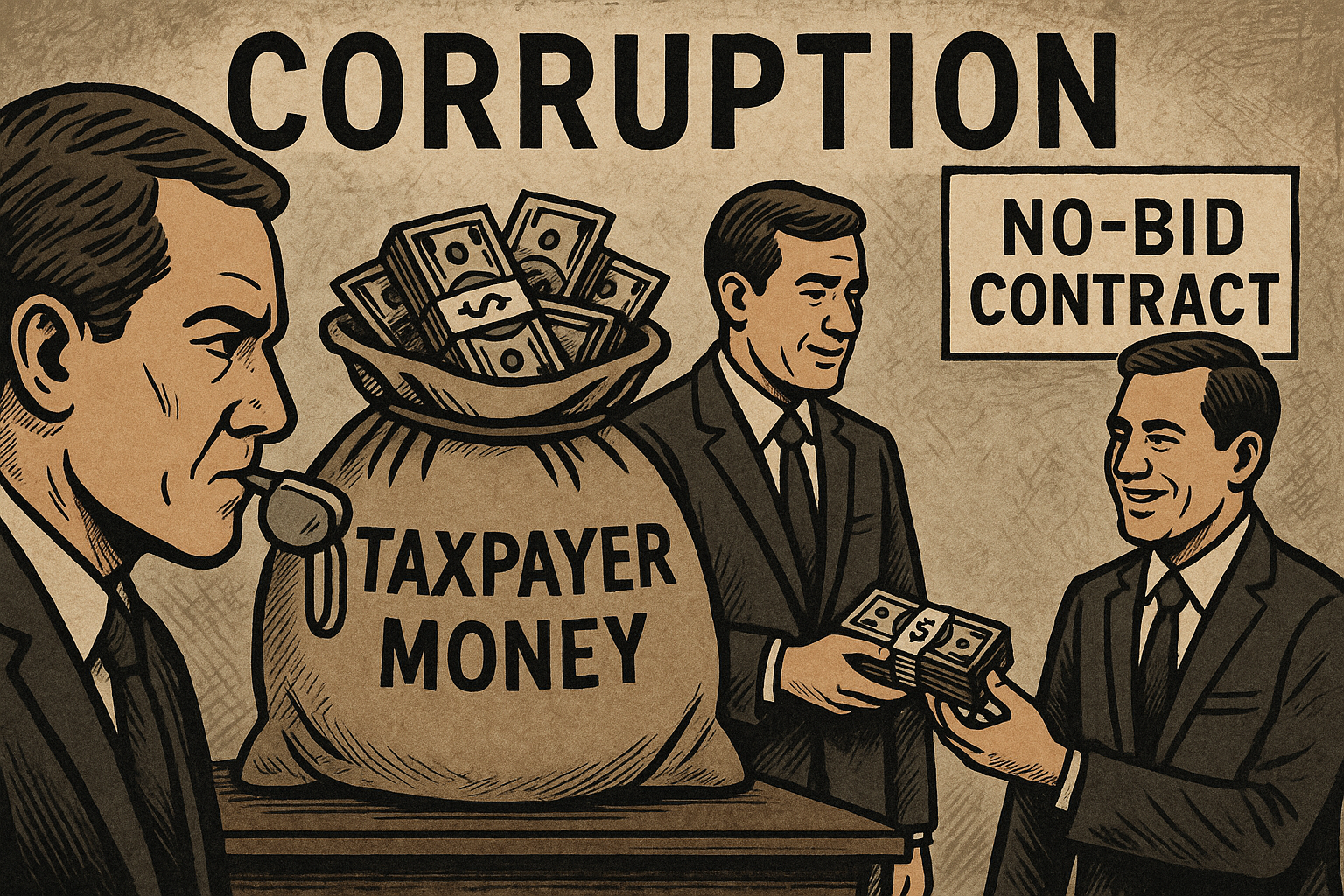
YOUR MONEY — JANUARY 2025 – DOGE Launches, First Round of Claims and FEBRUARY 2025 – Major Data Errors Emerge
DOGE: Claims vs. Reality — A Timeline (2025)
A factual record of taxpayer-money savings claimed by the Department of Government Efficiency (DOGE), compared with verified outcomes from independent reporting.
JANUARY 2025 – DOGE Launches, First Round of Claims
DOGE Announcement:
Trump administration and Elon Musk roll out the “Department of Government Efficiency,” posting an initial “Wall of Receipts.”
Claim:
DOGE states it has already produced $25–30 billion in savings from canceled federal contracts.
Verified Reality:
Most contracts were either:
-
already completed,
-
had minimal remaining obligations, or
-
were “ceiling-value” framework agreements with no guaranteed spending.
Independent Estimates:
-
Actual confirmed savings: under $1 billion
-
Zero-savings contracts: roughly one-third of items listed (NPR, AP, Reuters)
FEBRUARY 2025 – Major Data Errors Emerge
Claim:
DOGE raises its advertised total to $54.2 billion in claimed savings.
Findings:
-
An ICE contract listed as $8 billion was actually $8 million.
-
A USAID contract for $655 million appears to be listed three separate times.
-
Numerous contracts had obligation amounts far smaller than listed.
-
Some contracts were canceled after completion, producing zero financial return.
Independent Estimates:
-
Realistic savings: $1.2–$1.4 billion
-
Contracts producing no savings: nearly 40%
(CNBC, NPR, AP, WDTV)
Share this:

YOUR MONEY — DOGE: Claims vs. Reality — A Timeline (2025)
DOGE stated savings: $54.2 billion
Independently verified savings: $1.4–$2.3 billion
Primary issues found:
-
Double-counting
-
Ceiling-value inflation
-
Canceled-but-already-paid contracts
-
1,000+ entries removed after scrutiny
-
Lack of verifiable Treasury returns
-
Large percentage of “zero-savings” cancellations
From here I will post what DOGE actually did and did not do in increments. Sometimes transparency actually turns out to be so transparent, it didn’t exist.
Share this:

Your Money — Key Kristi Noem Spending Stories
Your Money — Key Kristi Noem Spending Stories
1. $220 Million DHS Ad Campaign (Safe America Media)
-
Amount: ~$220 million contracted by DHS. ProPublica+2DCReport.org+2
-
Recipient: Safe America Media, LLC — a Delaware-registered company created just days before receiving the contract. ProPublica
-
Purpose: Border-security-themed ad campaign, featuring Secretary Noem warning of enforcement (“Break our laws, we’ll punish you”). Yahoo+1
-
Procurement Process: DHS invoked a “national emergency” at the southern border to bypass the usual competitive bidding process. Yahoo+1
-
Transparency Concerns: It’s unclear who the subcontractors are — “how, where and to whom … Safe America Media doled out the $143 million” is not publicly disclosed. ProPublica+1
-
Ties to Noem:
-
Strategy Group (a political firm closely connected to Noem) appears to have done production work. ProPublica
-
The Strategy Group’s CEO, Ben Yoho, is married to Noem’s DHS spokesperson, Tricia McLaughlin. DCReport.org+1
-
The Strategy Group previously worked on Noem’s 2022 South Dakota gubernatorial campaign. ProPublica+1
-
-
Ethics Red Flags: Contracting experts say the structure suggests potential conflicts of interest and favoritism. DCReport.org+1
-
Watchdogs’ Reaction: Former contracting official called the deal “corrupt.” Yahoo
2. $76.6 Million Spent So Far (Accountable.US Report)
-
Amount Spent (so far): $76.6 million of taxpayer money on Noem-led ads. Accountable US
-
Companies Involved:
-
Safe America Media, LLC — same Delaware-based LLC mentioned above. Accountable US
-
People Who Think, LLC — another company receiving funds. Accountable US
-
-
Connections: One of the companies is linked to Noem’s longtime aide Corey Lewandowski, according to Accountable.US. Accountable US
-
Contextual Note: This spending is occurring while other areas of federal funding (like SNAP, Medicaid) are being cut, according to the watchdog group. Accountable US
3. Undisclosed $80,000 Payment to Noem While Governor
-
Amount: $80,000
-
Source: Paid by the American Resolve Policy Fund — a nonprofit that operates in the “dark money” space (does not fully disclose its donors). ProPublica
-
Purpose: The payment was compensation for Noem’s fundraising efforts. ProPublica
-
Ethics Issue: Noem did not list this payment on her public ethics disclosures. ProPublica+1
-
Corporate Structure: The nonprofit routed the money into a Delaware LLC owned by Noem. ProPublica
Share this:

YOUR MONEY — Kristi Noem’s ad work is connected to a limited number of LLCs with close personal/political ties
Until accountability with consequences is forced on these thieves, it will continue. This is what you voted for.
What the Reporting Shows
-
Safe America Media, LLC (Delaware)
-
DHS awarded roughly $143 million of its $220 million ad campaign to a Delaware-based LLC called Safe America Media. South Dakota Searchlight+3ProPublica+3Latin Times+3
-
That company was created just days before the contract was awarded. ProPublica+2Boing Boing+2
-
Its listed address is the Virginia home of a Republican operative named Michael McElwain. ProPublica
-
Very little is publicly known about how Safe America Media pays subcontractors or how it’s structured (“how, where and to whom … doled out the $143 million is unknown”). ProPublica+2Dakota Free Press+2
-
-
Strategy Group
-
Even though Safe America Media is the named recipient on the DHS contracts, the actual production of at least some of the ads (e.g. the Mount Rushmore ad with Noem on horseback) appears to have been done by the Strategy Group, a consulting firm with very close ties to Noem. ProPublica+2TPM – Talking Points Memo+2
-
The Strategy Group’s CEO, Benjamin Yoho, is married to Noem’s chief DHS spokesperson, Tricia McLaughlin. ProPublica
-
This same firm worked on Noem’s 2022 gubernatorial campaign in South Dakota. ProPublica
-
-
Other Ties
-
Corey Lewandowski, a longtime Noem adviser, is also deeply connected to this network of firms. South Dakota Searchlight+1
-
A watchdog report (Accountable.US) found that DHS paid $76.6 million so far to two LLCs with these connections (Safe America Media, and People Who Think, LLC). Accountable US
-

Why People Are Raising Red Flags
-
Conflict of Interest / Ethics: Because the Strategy Group (which did the actual creative work) is so closely tied to Noem’s inner circle, critics argue there’s a conflict. ProPublica+2Latin Times+2
-
Lack of Transparency: The structure (a “mysterious” shell-company LLC created just before the contract) makes it hard to trace exactly who did what, and how the money was spent. ProPublica
-
Bypassing Competition: According to ProPublica, DHS invoked a “national emergency” at the border to skip the usual competitive bidding — meaning these contracts didn’t go through a fully open procurement process. DCReport.org+2Latin Times+2
-
Previous State-Level Work: The same firms (like Strategy Group) have received money from Noem’s South Dakota government (e.g., $8.5 million for state-level ads) when she was governor. Rapid City NewsCenter1+1

Your Money — If Donald Trump Had Paid His Bills…
If Donald Trump Had Paid His Bills…
Donald Trump has spent decades cultivating the image of a billionaire titan, a master dealmaker with golden touch. The reality? Much of his empire runs on a simple principle: don’t pay your bills. Contractors, lawyers, lenders, city fees — he delays, disputes, or outright stiff-pays until someone gives up. Inflated asset claims, settlements for pennies, partnerships that take the losses — it’s all part of the same pattern.
If Trump had actually honored every obligation over the past 40 years, he wouldn’t be the legendary mogul he claims to be. He’d be a comfortably upper-middle-class real estate owner, maybe a minor hotel owner, but certainly not a titan.
And that’s the unnerving part: the same playbook he used to survive financially may be what he’s trying on America itself. Promises, laws, and institutions he’s supposed to uphold? Delayed, ignored, or manipulated until the rules bend—or break. Borrowed authority, deferred accountability, and risk piled onto everyone else while he maintains the illusion of control. The question is whether the country can withstand the long-term consequences of being run like a Trump enterprise: a system that thrives on others paying the bills while the figure at the top walks away unscathed.
In short: Trump’s financial myth works because he avoids paying. His political myth may be heading the same way — and in this case, the stakes aren’t just contractors and banks; they’re the American people.
Share this:
Like this: