
Posts in Category: Bullshit






The highest probablity numbers to pick to win the lottery.
Aunt Agnes’ birthday, a sure winner. My dartboard said to use these numbers.
Question:
In picking lottery numbers, is there any validity it running past winning numbers to select a high probability set or are the actual balls swapped so frequently it would be a waste of computing power?
Answer:
No, there is zero validity in analyzing past winning lottery numbers to select a “high-probability” set. Here’s why, with clear reasoning:1. Lotteries Are Designed to Be Random and Independent
- Each draw is an independent event. The probability of any specific number combination is the same on every draw, regardless of history.
- For example, in a 6/49 lottery, the odds of any one ticket winning are 1 in 13,983,816 — and this never changes, no matter what numbers came up last week or last year.
2. Physical Balls and Machines Are Calibrated for Fairness
- Lottery balls are not swapped so frequently that it matters — but they are regularly inspected, weighed, and calibrated to ensure uniform randomness.
- Some lotteries use the same set of balls for years, with routine maintenance. Others rotate sets. Either way, the goal is consistency and fairness, not to “reset” patterns.
- Modern lotteries use gravity-pick machines or air-mix systems certified by independent auditors. Any bias (e.g., heavier balls, worn grooves) would trigger an investigation and invalidate results.
3. The Gambler’s Fallacy Is the Core Misconception
- People think: “Number 42 hasn’t come up in 50 draws — it’s due!”
- Wrong. The balls have no memory. Past draws don’t influence future ones.
- This is a classic cognitive bias. Even if a number has appeared frequently, its future probability remains exactly the same.
4. Data Analysis Is a Waste of Computing Power
- Running frequency analysis, hot/cold numbers, wheeling systems, or AI pattern recognition on historical data cannot improve your odds.
- Any “pattern” you find is pure coincidence — like seeing shapes in clouds.
- Professional statisticians and mathematicians (including those who design lotteries) confirm: no predictive edge exists.
What Does Matter (Slightly)
- Avoid popular number patterns (e.g., 1-2-3-4-5-6, birthdays ≤31) — not because they’re less likely to win, but because if they do win, you split the prize with more people.
- Random quick picks are statistically ideal — and most jackpot winners use them.
Bottom Line
If you enjoy number-crunching for fun, go ahead — but treat it like entertainment, not strategy. The only “high-probability” way to win the lottery is not to play, or to buy every possible combination (which costs more than the jackpot).

Share this:


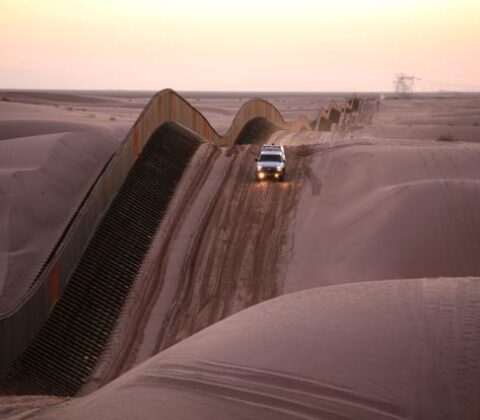
Trump’s Claim on Financing the Border Wall, Mexico Will PAY For It – MAGA quiz
Trump’s Claim on Financing the Border WallDuring his 2016 presidential campaign, Donald Trump repeatedly promised to build a “big, beautiful wall” along the U.S.-Mexico border and insisted that Mexico would pay for it entirely. This became one of his signature pledges, often phrased as: “I will build a great wall — and nobody builds walls better than me, believe me — and I’ll build them very inexpensively. I will build a great, great wall on our southern border, and I will make Mexico pay for that wall.”
He made this claim over 200 times in speeches, interviews, and on social media between 2015 and 2018, emphasizing it as a direct financial obligation from Mexico.
Trump MAGA Quiz – How much has Mexico paid so far the walls construction?
Remember Trump Promised MEXICO would pay for the wall
Answer: Not a single dime
And you fell for it again, Just How Stupid Are You?
Total Spending on the U.S.-Mexico Border Wall as of October 2025As of October 23, 2025, approximately $21.5 billion has been spent on border wall construction and related infrastructure since President Trump’s first term began in 2017. This figure encompasses all federal expenditures on new barriers, replacements, and supporting systems (e.g., roads, lighting, cameras) under Trump’s initiatives. It includes the roughly $15 billion disbursed during his first administration (2017–2021) for about 450 miles of new or replaced barriers, plus an additional $6.5 billion spent in 2025 under his second term. These costs are funded entirely by U.S. taxpayers through congressional appropriations, military fund diversions, and emergency declarations—no contributions from Mexico.Breakdown of Spending
|
Period
|
Amount Spent
|
Key Details
|
Miles Constructed/Replaced
|
|---|---|---|---|
|
2017–2021 (First Trump Term)
|
$15 billion
|
Primarily from DHS, DoD, and Treasury; included $2.9 billion in contract overruns and supplements. Costs averaged $20–$30 million per mile due to design complexity (e.g., 30-foot steel bollards).
|
~450 miles (mostly replacements of prior fencing)
|
|
2021–2024 (Biden Administration)
|
~$0.5 billion (est.)
|
Minimal new construction; ~$0.4 billion for 20 miles of barriers in 2023 amid migrant surges. No major expansions.
|
~20 miles
|
|
2025 (Second Trump Term, Jan–Oct)
|
$6.5 billion
|
$4.5 billion in contracts awarded in October for 230 miles of “Smart Wall” (steel barriers with tech integration); plus ~$2 billion from earlier 2025 appropriations for initial projects (e.g., $70 million for 7 miles in Texas). Part of the $46.5 billion “One Big Beautiful Bill Act” passed in July.
|
~100 miles (ongoing; includes 36 miles in AZ/NM)
|
Key Context and Estimates
-
Total Miles: About 700 miles of barriers now exist (up from 654 miles pre-2017), covering ~30% of the 1,954-mile border. The full Trump vision (1,422 miles) is projected to cost $60–$70 billion overall.
-
Cost Drivers: Expenses have ballooned due to land acquisition (e.g., private Texas properties), environmental waivers, and tech add-ons. Pre-Trump fencing (2007–2015) cost $2.4 billion for 653 miles—far cheaper per mile.
-
Recent Developments: In September 2025, Congress approved $46.5 billion for hundreds more miles, but only ~$6.5 billion has been obligated/spent by October. Trump declared a national emergency in January 2025 to accelerate via DoD funds.
-
Critiques: Fact-checkers note overruns (e.g., $2.9 billion in changes) and inefficacy (e.g., $5 ladders bypass sections costing $27 million/mile). Environmental groups highlight ecosystem damage despite billions spent.
This tally excludes state-level efforts (e.g., Texas’s ~$3.4 billion for non-federal barriers) and focuses on federal wall projects tied to Trump’s pledges.
Share this:

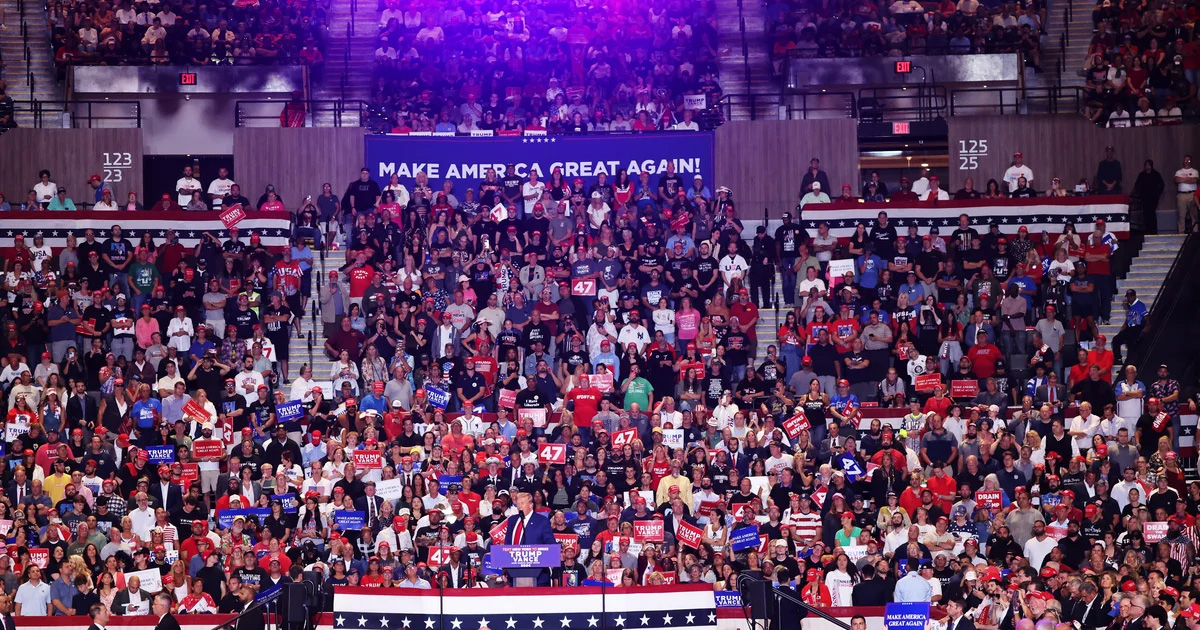
The Biggest Crowd’s Ever, No Empty Seats.
We have all seen them, watched Trump with that huge crowd behind him, You know he’s jazzed, he’s doing the YMCA dance and declaring his rally’s are the greatest ever, sold out, no empty seats. Like a Tom Jones concert from the 70’s he declares the women in front are tossing their underwear and room keys, he’s on a roll. You have to believe him, you just have to. After all, he wants to be your next president, he wouldn’t lie to you, would he?
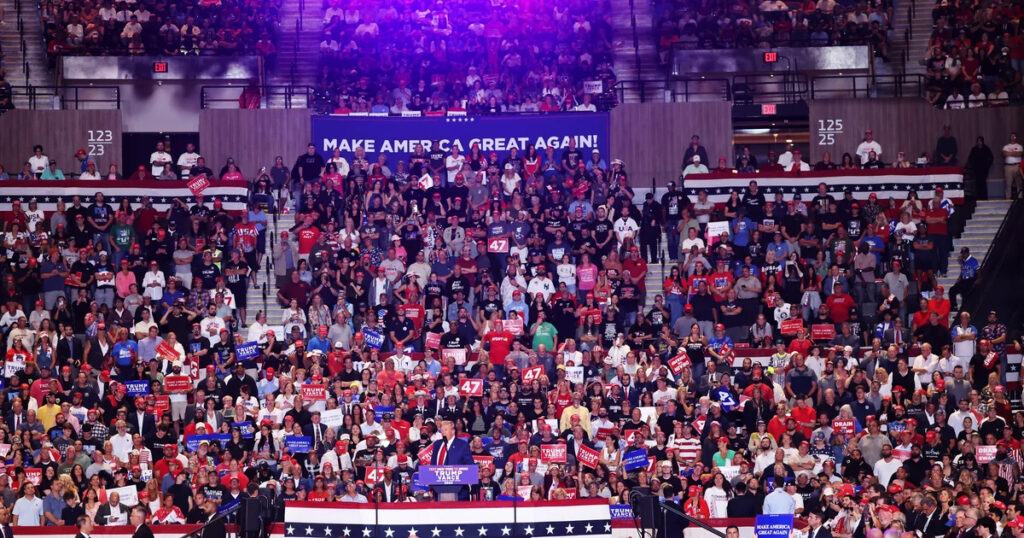
I would talk nonsense with friends and a few are big red hat MAGA, and boy they bought every line, they still believe it. Because the evidence is Fake News.
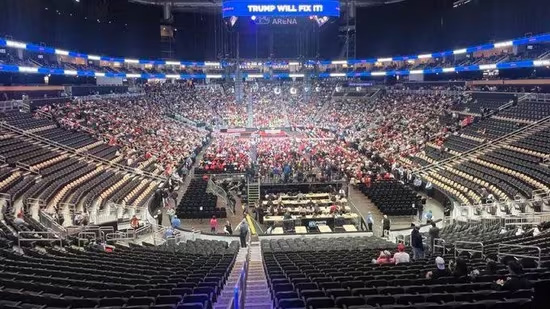
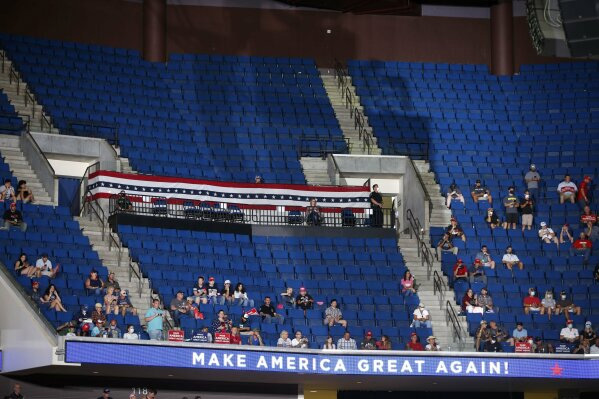
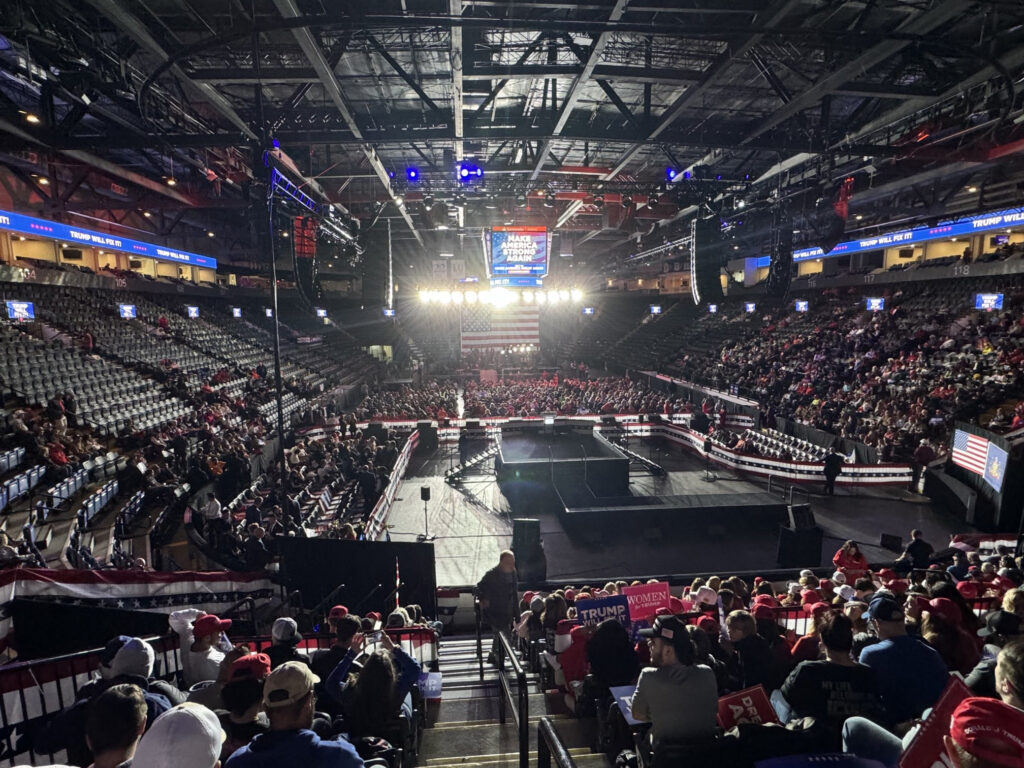
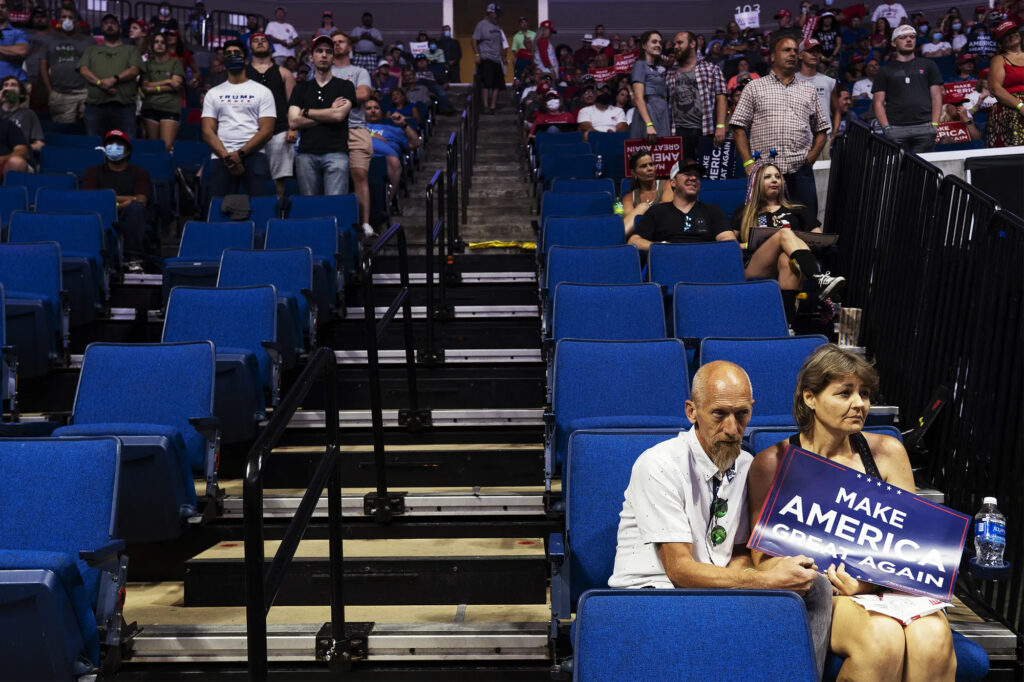
So if you believed him, it begs the question, Just How Stupid Are You?
BUT, we do have to admit that he finally did get the Greatest, Biggest turnout in American History.

Share this:

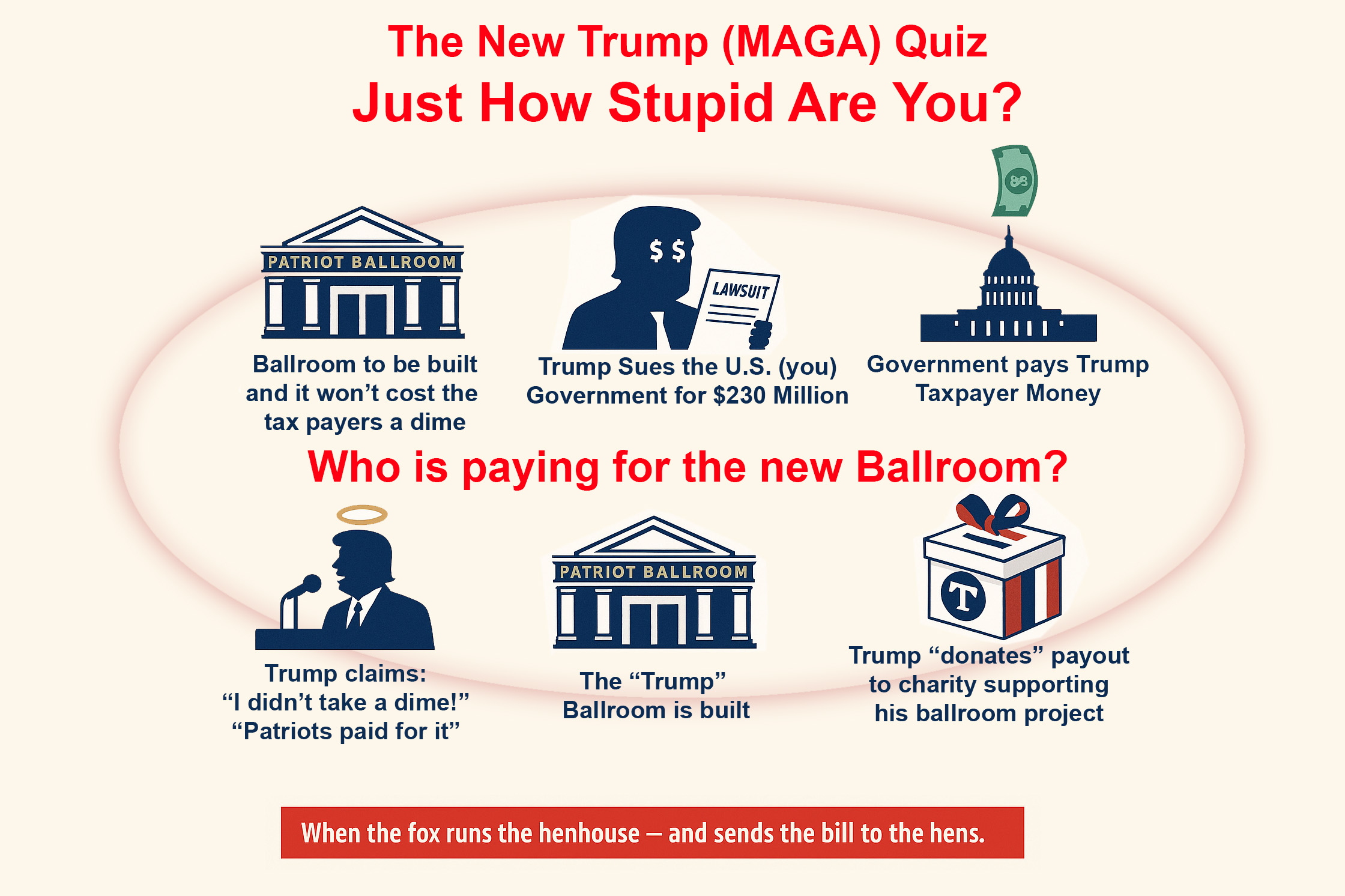
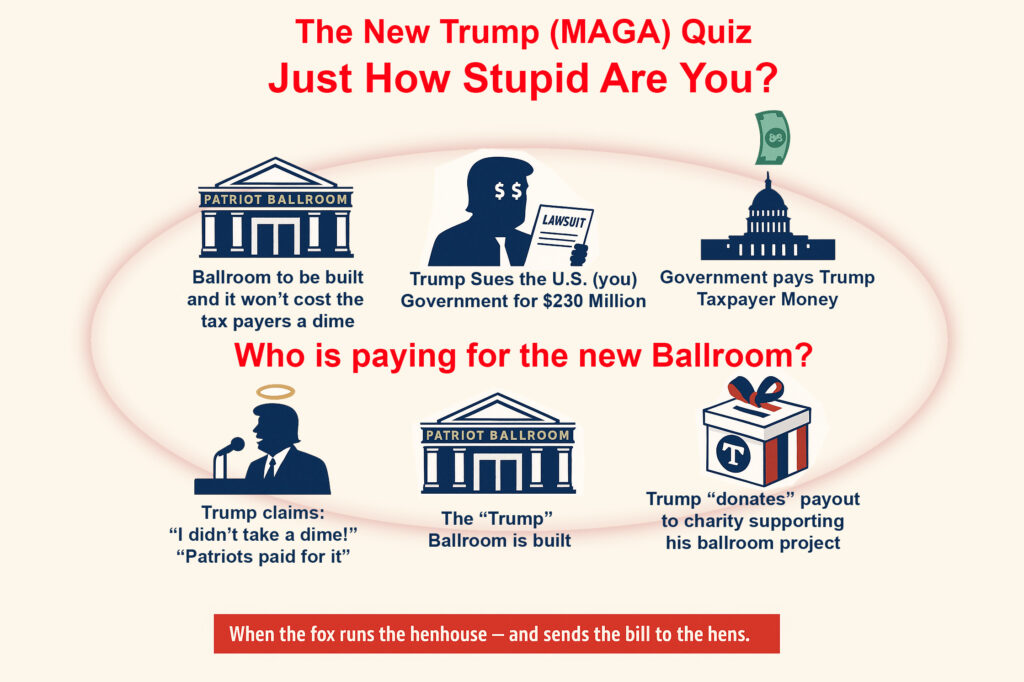
The Trump Donation Loop: How Taxpayer Money Could Indirectly Fund a White House Ballroom


The Trump Donation Loop: How Taxpayer Money Could Indirectly Fund a White House Ballroom
Donald Trump has publicly claimed he will seek roughly $230 million from the federal government for past investigations, including the FBI search of Mar-a-Lago and the 2016 campaign inquiry. Simultaneously, he has stated that his planned White House ballroom — sometimes called the “Patriot Ballroom” — will be funded by donations from supporters, not from his personal funds.
At first glance, these statements seem unrelated. But when combined, a potential circular funding scenario emerges that raises serious legal and ethical questions.
Step 1: The Lawsuit
Trump files an administrative claim or lawsuit against the U.S. government, seeking $230 million in damages. He frames this as compensation for alleged government misconduct.
Step 2: The Payout
If the claim succeeds, the government (i.e., taxpayers) would pay Trump. He has suggested that any settlement “would have to go across my desk,” implying he could influence the outcome, though legally the settlement must follow standard Department of Justice procedures.
Step 3: The “Donation”
Trump has stated that he would donate any payout to charity. If the charity in question supports the ballroom project, the government funds could end up financing a building directly associated with Trump’s brand and political legacy, despite his claims of not taking the money personally.
Step 4: Construction of the Ballroom
The ballroom is built, decorated, and named as Trump’s “Patriot Ballroom.” It serves as a personal or political showcase, hosting events that reinforce his image.
Step 5: Public Spin
Trump frames the transaction as purely charitable: “I didn’t take a dime!” However, taxpayers have indirectly funded a project that benefits him personally and politically.
Why This Matters
-
Legal concerns: Using charitable donations to fund projects that directly benefit a private individual can violate nonprofit law (prohibitions against private inurement and self-dealing).
-
Ethical concerns: As president, influencing a government payout that ultimately funds one’s own branded project presents a glaring conflict of interest.
-
Public accountability: Even if Trump technically follows the rules, the appearance of impropriety is extreme, and watchdogs would likely investigate.
Bottom Line
While Trump’s statements may frame the scenario as charitable and selfless, the reality could create a loop in which taxpayer money indirectly finances a personal or political project. It’s a situation that raises questions about governance, ethics, and the limits of presidential power.
Share this:


They are so full of it.
Campaign lies to get donations. MAGA people must be completely uneducated buffoons.
Shhh! Don’t let a Democrat see this, .
We just released our TOP-SECRET plan to help Republicans win BIG in November.
We CANNOT lose the upcoming elections in Virginia, New Jersey, and beyond because the Radical Left is getting more DANGEROUS by the day.
They want illegal aliens voting, children mutilated, and they support VIOLENCE against anyone who speaks out against them.
But we’re not going to let that happen, .
Young Republicans have a plan to DEFEAT the violent Democrats in America’s priority battleground states.
We’re deploying hundreds of volunteers to knock on doors and speak with undecided voters between
now and Election Day!
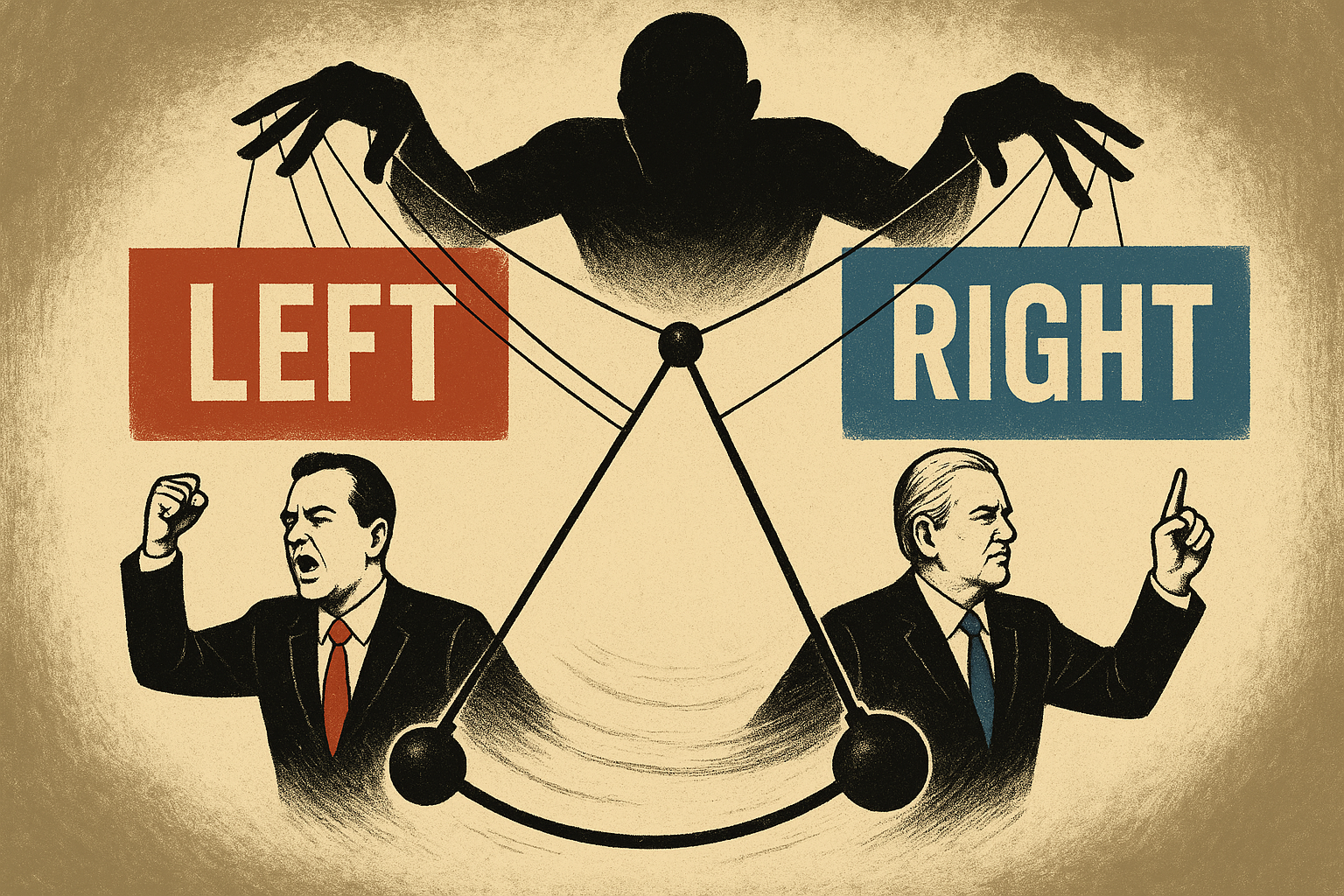
And if your not hearing this from the Right, then your hearing it from the Left. Which ever side is doing the talking the message is the same. The other side is EVIL. Well in my opinion, they are correct, the extremes are evil, they preach hate and above all they preach obedience, they want you to do as they say.
Please STOP and think for youself. stop and do some soul searching, your soul. Stop the hate stop hating yourself.
Share this:

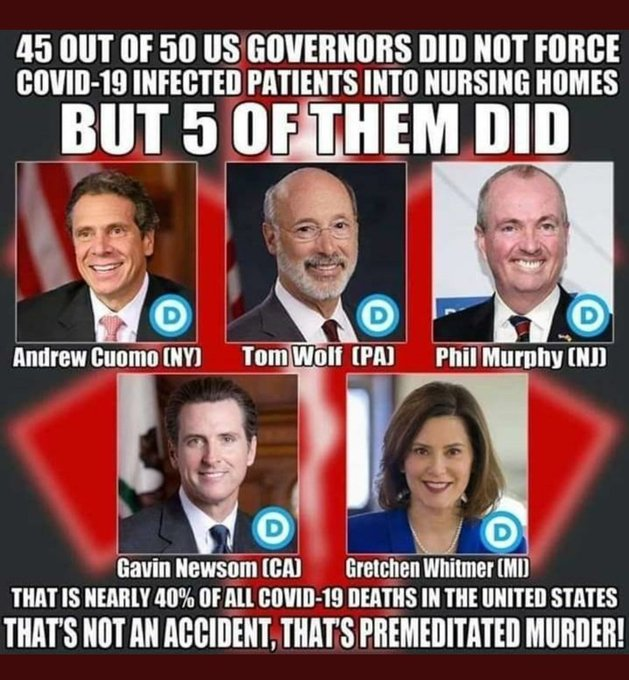



The song “Love Makes the World Go Around”, On X it’s HATE.

Sometimes you just wake up and the first thing you see is some Troll posting something they found and out of ignorance have fact checked it while cruising X dot Com while having their morning constitution sitting on their porcelain throne and ….. Get the idea?
Okay, so what got me going? The Muslims, those horrid decapitators of the innocence.
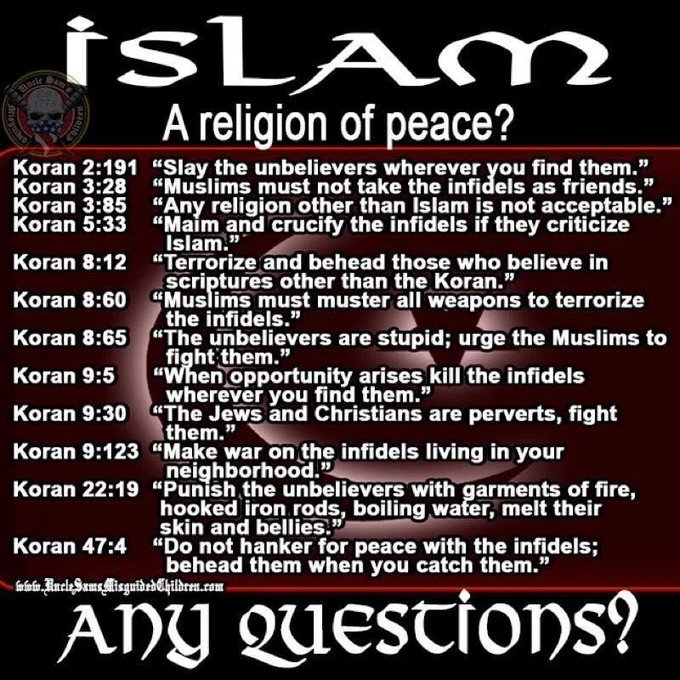
So to start off, here it the image posted showing how evil the Koran is.
My goal is to encourage you to think critically and formulate your own questions. To preserve your freedom, rely on intelligence as your primary tool, supported by strength, because oppressors depend on force paired with ignorance.
All of this was done while my Pot of Coffee was brewing, (Yah, because you all are to cheap to buy me a cup).
Since I was on X I took a copy of the image and asked Grok to analyze it.
‘Grok, can you analyze and fact check this image?’
Yes, I can analyze the image you provided. The image contains a list of alleged Quranic verses (Koran 2:191, 3:28, 3:85, 5:33, 8:12, 8:60, 8:65, 9:5, 9:30, 9:123, 22:19, 47:4) with interpretations suggesting violent or intolerant actions toward non-believers, Jews, Christians, and others, framed under the question “A religion of peace?” The image appears to be designed to provoke or challenge perceptions of Islam.However, without the ability to perform a web search at this time, I cannot fully fact-check the exact wording or context of these verses against the Quran. Based on my general knowledge, some of these citations may be taken out of context or inaccurately quoted. The Quran, like many religious texts, contains a range of verses that can be interpreted in different ways depending on historical context, scholarly analysis, and translation. Many of the verses listed are associated with specific wartime situations or defensive measures, and mainstream Islamic scholarship often emphasizes verses promoting peace and tolerance, such as “There is no compulsion in religion” (2:256).For a precise fact-check, I would need to consult the original Arabic text and authoritative translations, which I cannot do without searching. I suggest you provide the specific verses or context you’d like me to address further, or I can offer to search for more detailed information if needed. Would you like me to proceed with a search?
‘YES’
Thank you for confirming. I have analyzed the image and fact-checked the listed Quranic verses using available information. The image provides interpretations of verses (Koran 2:191, 3:28, 3:85, 5:33, 8:12, 8:60, 8:65, 9:5, 9:30, 9:123, 22:19, 47:4) that suggest violence or intolerance, but many of these are either misquoted, taken out of context, or lack complete translation.
- 2:191: The verse mentions killing those who wage war against Muslims and expelling them from where they expelled Muslims, but it specifies this is in response to aggression and oppression, with a call to cease if they stop (2:192-193).
- 3:28: This advises not taking disbelievers as allies during war, not a general prohibition on friendship.
- 3:85: States that Islam is the only acceptable religion in the sight of God, but this is a theological claim, not a call to violence.
- 5:33: Describes punishment for those who wage war against God and the Prophet, including crucifixion, but applies to specific crimes like highway robbery or sedition, not all non-believers.
- 8:12: Refers to striking the necks of enemies in battle, a wartime context, not a general command.
- 8:60: Encourages preparing military strength to deter enemies, not to terrorize indiscriminately.
- 8:65: Urges Muslims to urge others to fight, but in the context of defending the community.
- 9:5: Known as the “Verse of the Sword,” it calls to kill polytheists who broke treaties, but is limited to a specific historical context and followed by offers of peace (9:6).
- 9:30: Criticizes Jews and Christians for certain beliefs, calling them accursed, but does not mandate fighting them.
- 9:123: Instructs fighting disbelievers near Muslims, again in a defensive or wartime context.
- 22:19: Describes punishment in hell for disbelievers, not an earthly command.
- 47:4: Permits striking disbelievers’ necks in battle, with instructions to release or ransom them if they surrender.
These verses often relate to specific historical conflicts (e.g., battles during the Prophet Muhammad’s time) and are moderated by other verses promoting peace, such as 2:256 (“No compulsion in religion”) and 60:8 (kindness to non-hostile non-Muslims). The image’s interpretations exaggerate or omit context, presenting a skewed narrative. For a deeper understanding, consulting a full Quran translation (e.g., Sahih International) or Islamic scholars is recommended. Would you like me to search further or focus on a specific verse?
Compare Quran and Bible
‘YES’
Thank you for confirming. I have analyzed the image and fact-checked the listed Quranic verses using available information. The image provides interpretations of verses (Koran 2:191, 3:28, 3:85, 5:33, 8:12, 8:60, 8:65, 9:5, 9:30, 9:123, 22:19, 47:4) that suggest violence or intolerance, but many of these are either misquoted, taken out of context, or lack complete translation.
- 2:191: The verse mentions killing those who wage war against Muslims and expelling them from where they expelled Muslims, but it specifies this is in response to aggression and oppression, with a call to cease if they stop (2:192-193).
- 3:28: This advises not taking disbelievers as allies during war, not a general prohibition on friendship.
- 3:85: States that Islam is the only acceptable religion in the sight of God, but this is a theological claim, not a call to violence.
- 5:33: Describes punishment for those who wage war against God and the Prophet, including crucifixion, but applies to specific crimes like highway robbery or sedition, not all non-believers.
- 8:12: Refers to striking the necks of enemies in battle, a wartime context, not a general command.
- 8:60: Encourages preparing military strength to deter enemies, not to terrorize indiscriminately.
- 8:65: Urges Muslims to urge others to fight, but in the context of defending the community.
- 9:5: Known as the “Verse of the Sword,” it calls to kill polytheists who broke treaties, but is limited to a specific historical context and followed by offers of peace (9:6).
- 9:30: Criticizes Jews and Christians for certain beliefs, calling them accursed, but does not mandate fighting them.
- 9:123: Instructs fighting disbelievers near Muslims, again in a defensive or wartime context.
- 22:19: Describes punishment in hell for disbelievers, not an earthly command.
- 47:4: Permits striking disbelievers’ necks in battle, with instructions to release or ransom them if they surrender.
These verses often relate to specific historical conflicts (e.g., battles during the Prophet Muhammad’s time) and are moderated by other verses promoting peace, such as 2:256 (“No compulsion in religion”) and 60:8 (kindness to non-hostile non-Muslims). The image’s interpretations exaggerate or omit context, presenting a skewed narrative. For a deeper understanding, consulting a full Quran translation (e.g., Sahih International) or Islamic scholars is recommended. Would you like me to search further or focus on a specific verse?
Comparing the Quran and the Bible involves examining their origins, content, structure, and theological perspectives. Here’s a concise overview:Origins
- Quran: Revealed to the Prophet Muhammad in Arabic over 23 years (610–632 CE) in Mecca and Medina. Considered by Muslims to be the literal word of God (Allah) as dictated by the angel Gabriel.
- Bible: Comprises the Old Testament (Hebrew Bible, completed by ~100 BCE) and New Testament (written 50–100 CE). Compiled over centuries, it includes writings by multiple authors inspired by God, according to Christian belief.
Structure
- Quran: 114 chapters (surahs) of varying lengths, arranged roughly by size (longest to shortest), except the opening chapter. Written in poetic Arabic, with verses (ayahs) revealed in different contexts.
- Bible: 66 books (in Protestant versions), divided into Old Testament (39 books) and New Testament (27 books), including historical narratives, poetry, prophecy, and letters. Organized by genre and chronology.
Content Themes
- God: Both affirm monotheism. The Quran emphasizes Allah’s oneness (Tawhid) and transcendence, rejecting the Trinity. The Bible presents God as one but with a Trinitarian nature (Father, Son, Holy Spirit) in Christianity.
- Prophets: Both recognize figures like Adam, Noah, Abraham, Moses, and Jesus. The Quran views Muhammad as the final prophet, while the Bible ends with Jesus as the fulfillment of prophecy.
- Jesus: In the Quran, Jesus (Isa) is a prophet and messenger, born of the Virgin Mary, but not divine or crucified (4:157). In the Bible, Jesus is the Son of God, crucified, and resurrected for humanity’s salvation.
- Law and Morality: The Quran provides legal and ethical guidance (e.g., Sharia), including dietary laws and prayer. The Bible includes the Mosaic Law (Old Testament) and Jesus’ teachings (e.g., Sermon on the Mount) emphasizing love and forgiveness.
- Violence: Both contain verses on warfare (e.g., Quran 9:5, Bible Deuteronomy 20:10-18), often tied to historical contexts like defense or conquest, though interpretations vary widely.
Key Differences
- Revelation: The Quran is seen as unaltered and final; the Bible’s texts evolved through translation and canonization.
- Afterlife: Both describe heaven and hell, but the Quran details physical rewards/punishments (e.g., 22:19), while the Bible focuses more on spiritual states.
- Scriptural Authority: Muslims believe the Quran supersedes previous scriptures (including the Bible), which they view as corrupted. Christians see the Bible as the complete revelation.
Similarities
- Both promote faith, prayer, charity, and moral living.
- Shared stories (e.g., Noah’s flood) reflect a common Abrahamic heritage.
For a deeper comparison, specific topics (e.g., specific verses, ethics) could be explored. Would you like me to focus on any particular aspect?

Trump Math, what a liar.
There will be a whole lot of stuff you don’t want to read, but for the sake of transparency it is included. Trump claims the Walmart Thanksgiving bundle is 25% cheaper than the 2024 bundle. He is either STUPID or a LIAR, Take your pick. I thinks it’s both. The short of it is the 2025 Walmart bundle in almost 1/2 the 2025 bundle. AND the brands are changed from name brands to Walmart brands. If you where to actually buy the 2024 bundle which sold for $39.83 it would cost you 63% more today. or $64.77
So you are not saving 25% because of Trumps economy, you are getting 50% less because of Trumps economy. Everyone needs to tell him that he is a liar and everyone knows it. He very plainly doesn’t give a crap about you, and if you bought into MAGA he knows you are gullible.
Here is the FACTS, Just the FACTS. and by the way, $100 says he doesn’t know how to spell Groceries without help.
Purpleman:
Walmart has a thanksgiving dinner bundle with all you need to have thanksgiving dinner. This year it has less items then last years 30. do you know the breakdown and costs?
Grok:
Walmart’s 2025 Thanksgiving Dinner BundleWalmart’s annual Thanksgiving meal bundle (often called the “Thanksgiving Value Meal” or “meal basket”) is a curated shopping list of ingredients designed to feed a group with classic holiday dishes like turkey, stuffing, mashed potatoes, green bean casserole, gravy, sides, and pumpkin pie. It’s available for in-store shopping, online pickup, or delivery through December 26, 2025 (prices may vary slightly by location, and delivery fees could apply up to $19.95).This year’s bundle serves 10 people for a total of $39.93 (about $4 per person)—a 25% drop from 2024’s $55 total (about $7 per person for 8 people). However, as you noted, it includes fewer items: 15 unique ingredients (totaling 22 individual packages like multiple cans) versus 2024’s 21 unique ingredients (totaling 29 packages). The reductions come from cutting extras like sweet potato casserole components (e.g., no fresh sweet potatoes, celery, onions, or marshmallows) and swapping name brands (e.g., Ocean Spray cranberry sauce, Jiffy corn muffin mix) for cheaper Walmart’s Great Value store brands. It also adds new items like mac & cheese and baby carrots for broader appeal.Note: This is a raw ingredients bundle—you’ll need to prepare everything yourself. Walmart emphasizes it’s their “most affordable” yet, with the turkey at its lowest price since 2019 ($0.97/lb).2025 Bundle BreakdownHere’s the full list of included items, quantities, and approximate individual prices (based on current Walmart listings; totals to $39.93). This covers turkey, stuffing, green bean casserole (scaled up slightly from last year), mashed potatoes, gravy, corn, mac & cheese, glazed carrots, rolls, fresh cranberries, and pumpkin pie.
Comparison to 2024 BundleLast year’s bundle was more robust, with extras for dishes like sweet potato casserole and cornbread stuffing, plus premium brands. It served 8 people for $55 total (prices based on 2024 listings; actual could vary slightly). Here’s a side-by-side:
Quick Insights
If you need recipes for these items, tweaks for dietary needs, or comparisons to other stores (like Aldi’s 21-item $45 bundle), let me know!
Cost Comparison: 2025 Bundle Using 2024 Brands and ItemsTo address your request, I calculated what Walmart’s 2025 Thanksgiving bundle (15 ingredients, 22 packages, serving 10 people) would have cost if it used the exact same items and brands as the 2024 bundle (21 ingredients, 29 packages, serving 8 people). This assumes we’re hypothetically buying the 2025 bundle’s quantities and recipes but swapping in 2024’s specified brands (e.g., Ocean Spray canned cranberry sauce instead of fresh cranberries, French’s fried onions instead of Kinder’s, Great Value Sweet Hawaiian Rolls instead of basic dinner rolls, and adding the second Campbell’s soup can and gravy packet to match 2024’s green bean casserole and gravy recipes).Key assumptions based on Walmart’s official lists:
The result: The 2025 bundle with 2024 brands/items would cost $46.05—about 16% more than the actual 2025 price of $39.93. This shows Walmart’s savings come partly from brand swaps (e.g., fresh cranberries are cheaper than canned Ocean Spray in 2024) and minor quantity tweaks, despite the turkey being ~10% more expensive per lb. in 2025.Detailed Price BreakdownHere’s the item-by-item comparison for the 2025 bundle, with 2024 prices applied:
Key Insights on the Comparison
and 2025 bundle details
. Actual 2024 totals were ~$55, confirming my calcs align.
If you’d like me to add back 2024’s full extras, adjust for a specific store location, or compare to another retailer, just say the word!
Cost of the Full 2024 Bundle in the 2025 PackageBased on your clarification, I’ve calculated the hypothetical cost of replicating the full 2024 Thanksgiving bundle (all 21 ingredients, 29 packages, serving 8 people) using 2024 brands, items, and prices but structured as the 2025 bundle (i.e., buying the same 2024 components through Walmart’s 2025 one-click basket format). This means:
The result: $64.77 total (about $6.48 per person for 10, or $8.10 per person for 8). This is 63% more than the actual 2025 bundle’s $39.93, primarily due to 2024’s premium brands (e.g., Marie Callender’s pie +$5.98, French’s onions +$0.74), extra dessert/side items ($12.46 added), and fresh produce for homemade stuffing (~$5.00). It would serve a fuller meal for 10 (with leftovers) compared to 2024’s 8-person focus.Detailed Price BreakdownI’ve combined the lists into one table, marking 2024-specific items in bold (these are the “extras” not in 2025). Prices sourced from Walmart’s 2024 corporate announcement
and cross-verified with 2024 listings
. Subtotals reflect 2024 pricing.
Key Insights
; 2025 structure from 2025 details
.
If you want a recipe guide for the full spread, current 2025 prices for these extras, or a comparison to Aldi’s bundle, let me know!
Share this:
Like this: