Skip to content



















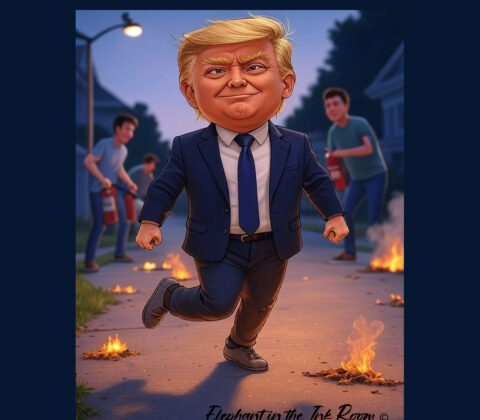
So while from the outside it looks like: “They already won the game — why act like fools?”


“Every civil war starts with people believing they’ve got nothing left to lose. We’d lose everything. Let’s not let it start.”

















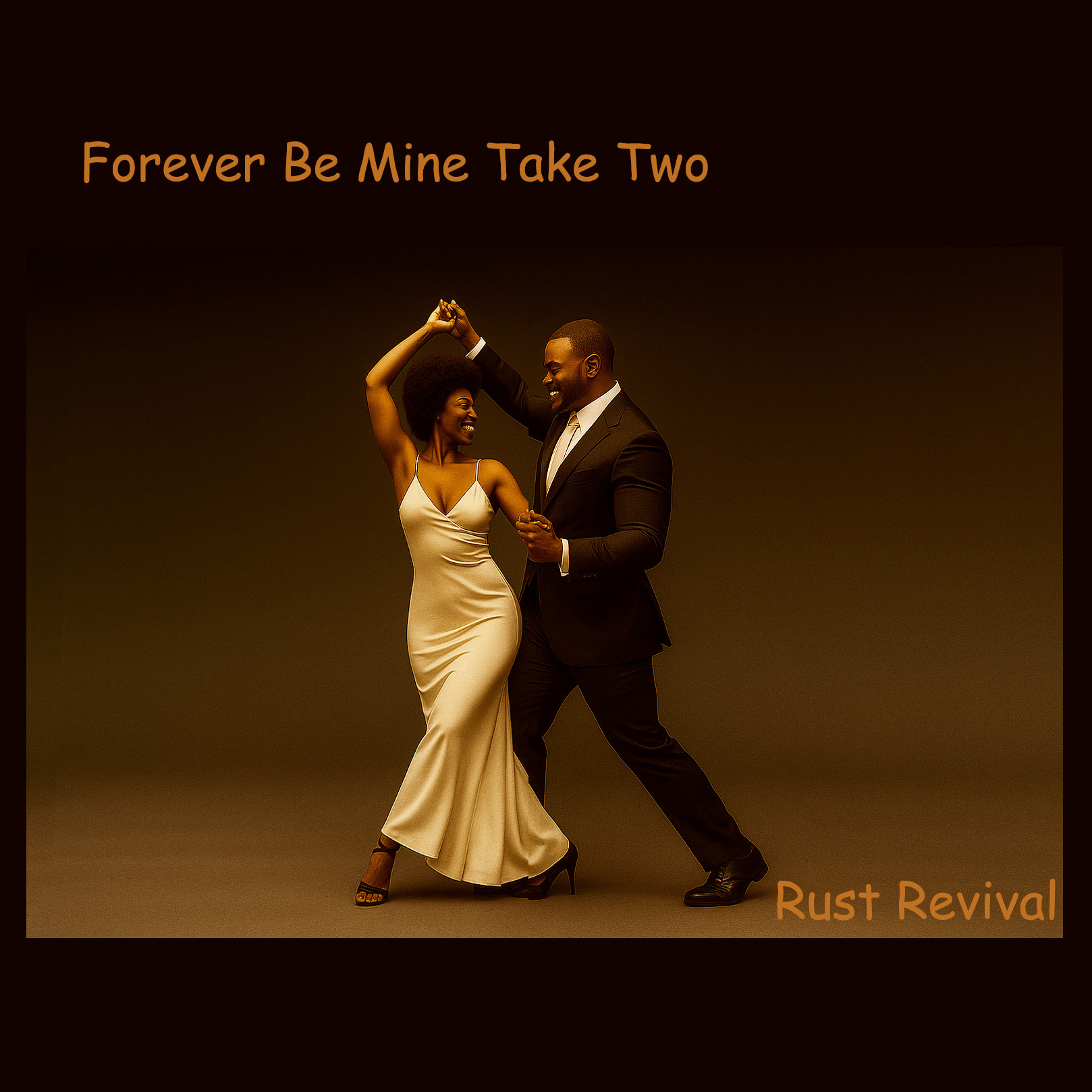
I’ve been draggin’ these boots through the ashes,
The Intimidation Angle: Chilling Free SpeechYou’re spot on about the intimidation factor. Under U.S. law (thanks to the 1964 Supreme Court case New York Times v. Sullivan), public figures like Trump must prove “actual malice”—that statements were knowingly false or made with reckless disregard for the truth—to win defamation cases. This high bar protects robust criticism of powerful people, but Trump’s barrage of suits bypasses it by design:
2 sources
















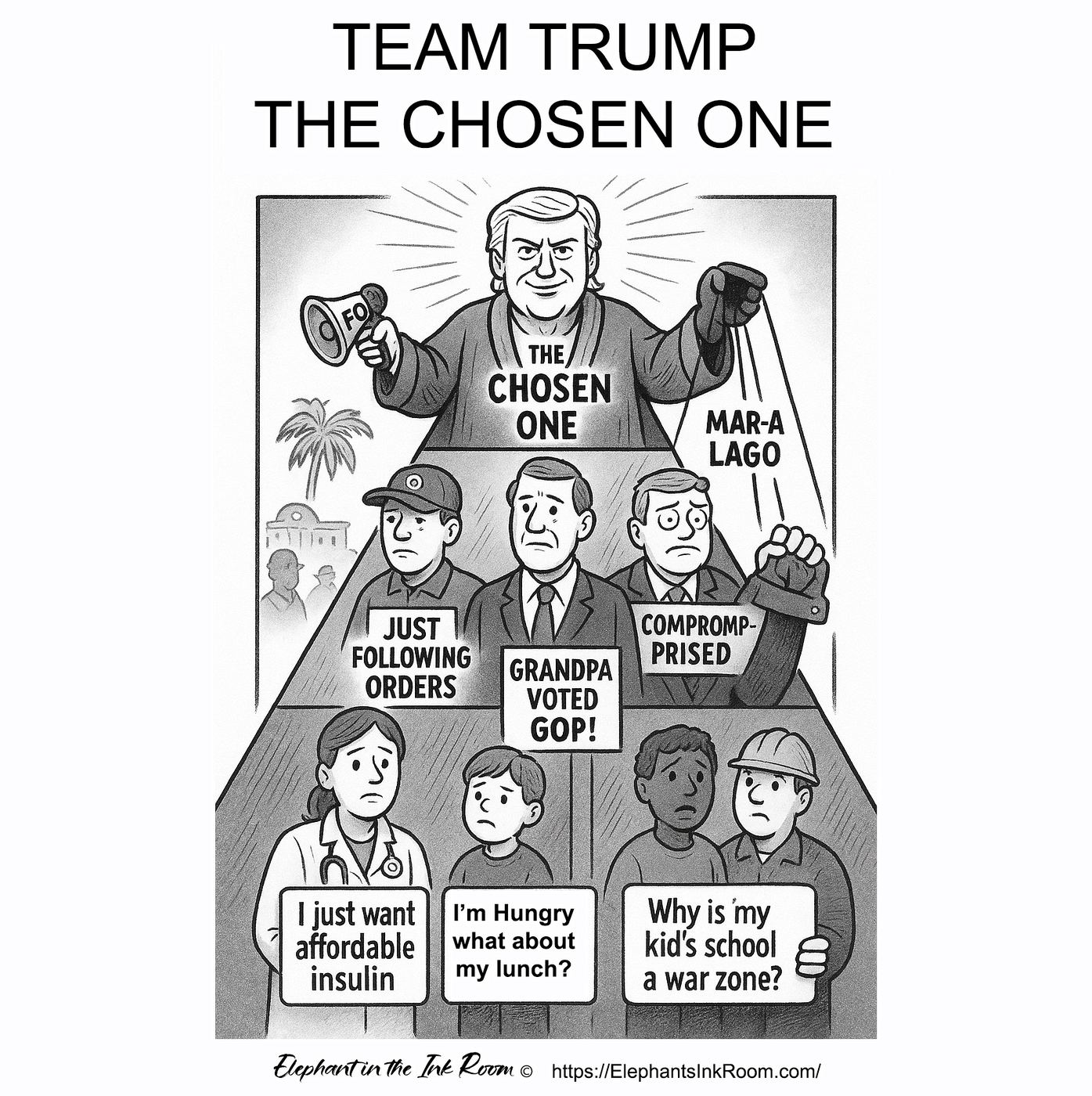






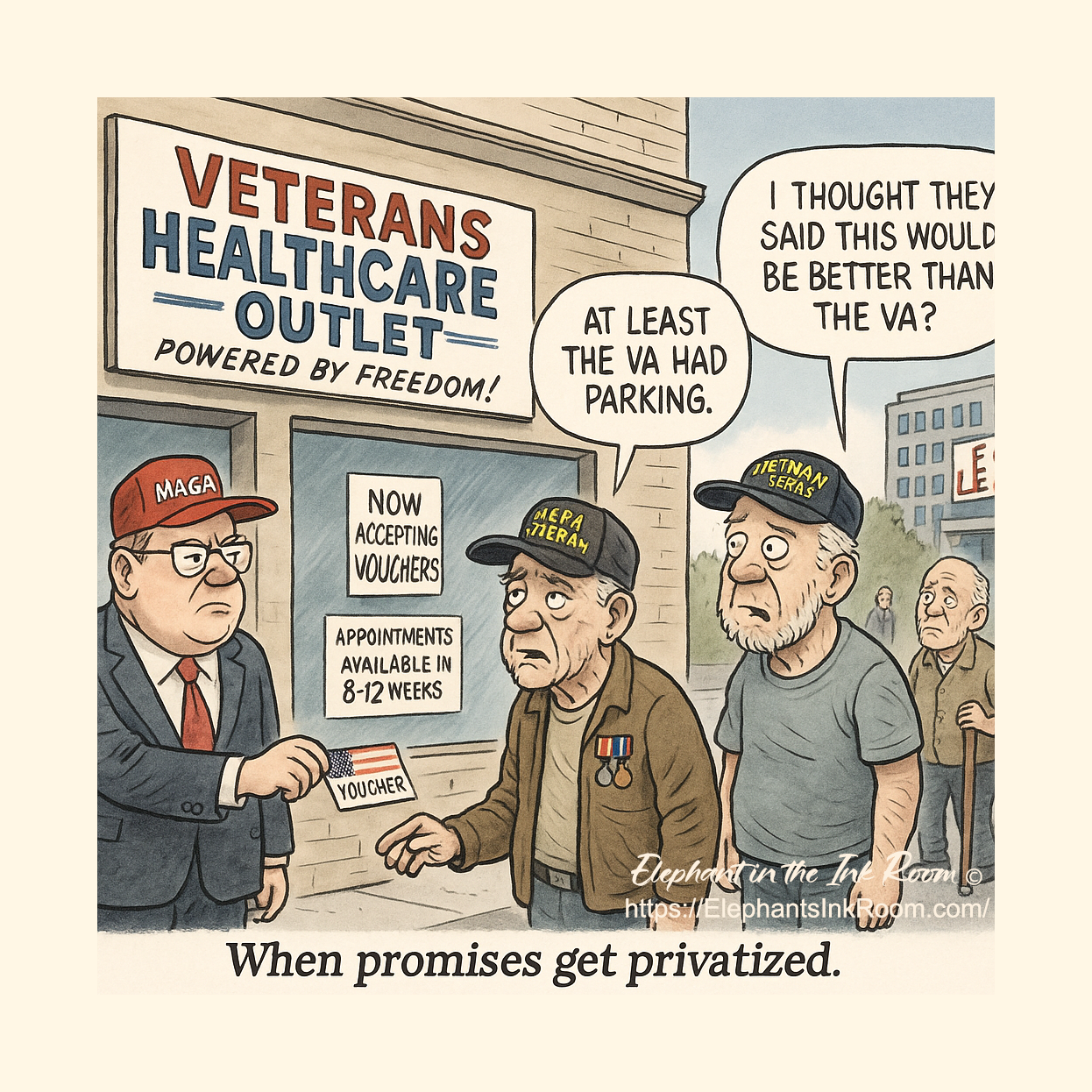


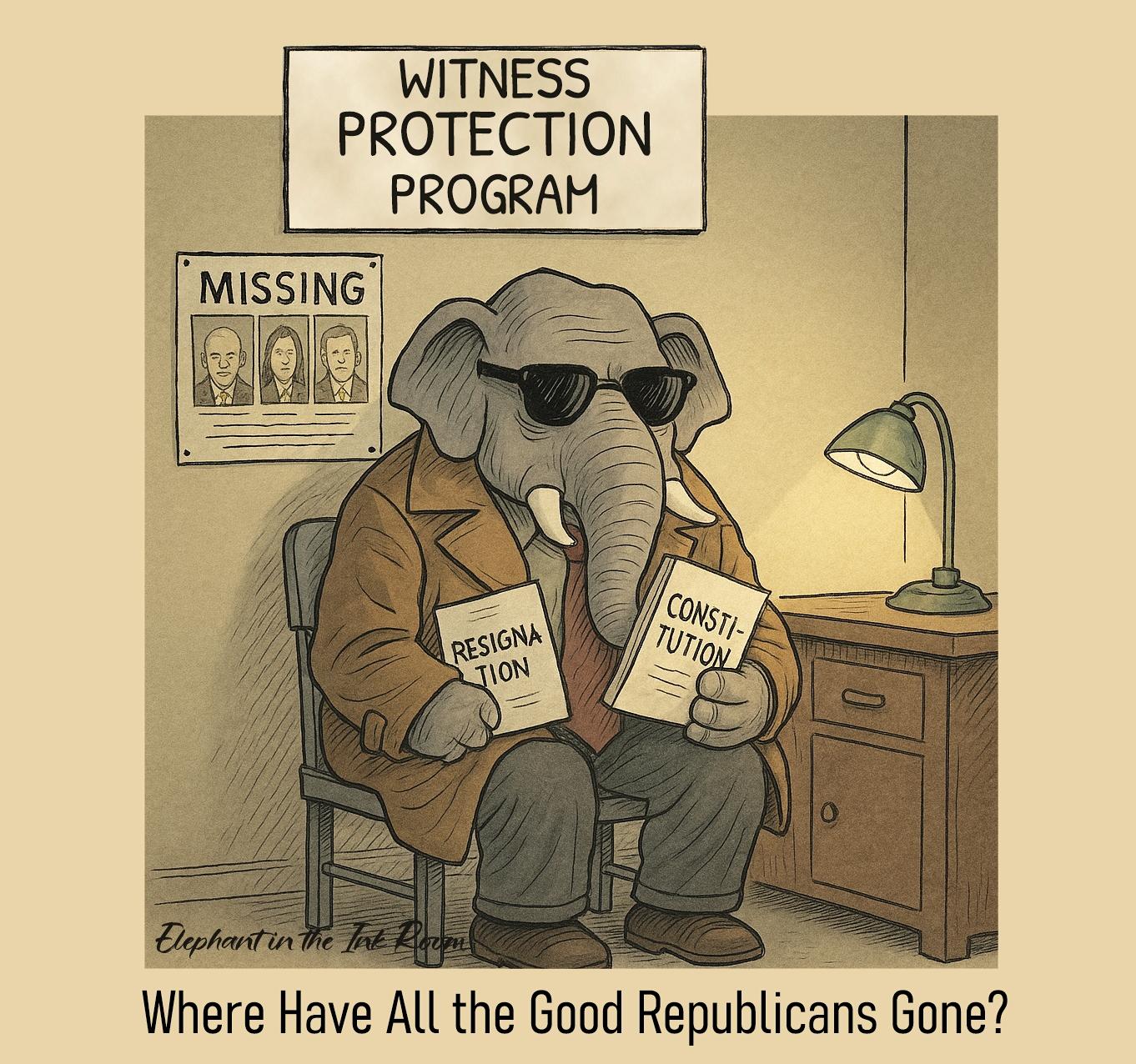



Bottom Line:
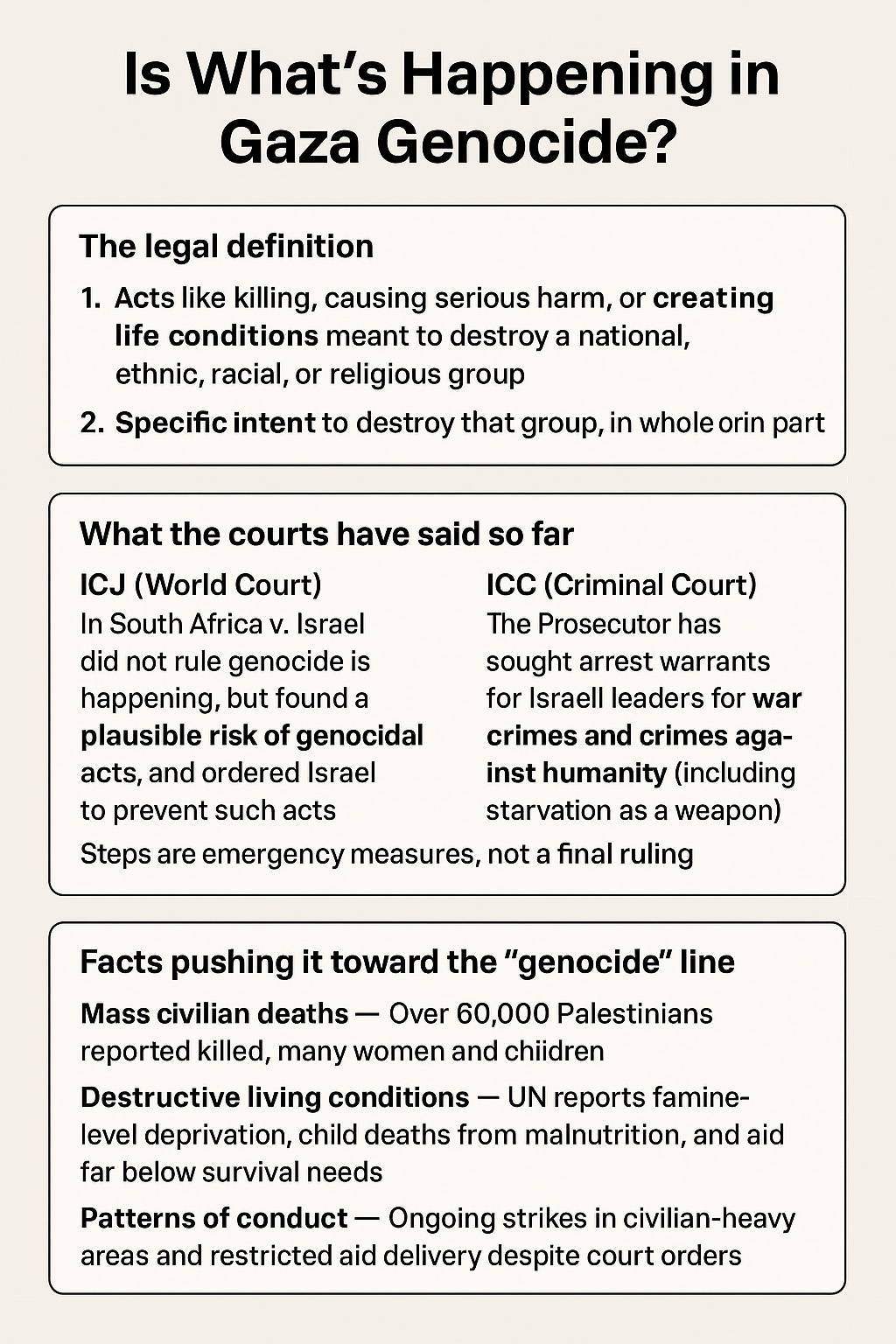

The legal definition
The sticking point




Posts By
No Kings Protest
On
- Commentary, purple
It’s a sad day when parody moves from humor to survival. Never before have we had to fight so hard for the Constitution, the 1st amendment and free speech, the right to due process, and rejection of a wanna be dictator. We have antifa being a label being applied to any who oppose our duly elected president. Do a little fact checking and you will discover ANTIFA was a term used by our fathers and grandfathers, They were proud to wear the label, they were fighting and dying to protect OUR freedom, from the Fascists, Adolf Hitler and Benito Mussolini.
Don’t believe the ridiculous propaganda being forced down our throats, don’t believe the lies and don’t bend the knee. And don’t take our word for it. Do some research, do some fact checking and above all be true to the Constitution and the values that created it. Burn those MAGA red caps and reject the rhetoric of the WOKE, Learn to see the big picture and make choices based upon a love of our country and for our neighbor. If you truly want to enjoy a glass of Bourbon, leave the ICE out of it.
Share this:

We don’t need to worry about MAGA anymore
On
- Commentary, Politics
Because if this is the intelligence level of the average MAGA supporter, natural selection isn’t in their favor.
Share this:

An Ode to Trump
It’s a sad day when parody moves from humor to survival. Never before have we had to fight so hard for the Constitution, the 1st amendment and free speech, the right to due process, and rejection of a wanna be dictator. We have antifa being a label being applied to any who oppose our duly elected president. Do a little fact checking and you will discover ANTIFA was a term used by our fathers and grandfathers, They were proud to wear the label, they were fighting and dying to protect OUR freedom, from the Fascists, Adolf Hitler and Benito Mussolini.
Don’t believe the ridiculous propaganda being forced down our throats, don’t believe the lies and don’t bend the knee. And don’t take our word for it. Do some research, do some fact checking and above all be true to the Constitution and the values that created it. Burn those MAGA red caps and reject the rhetoric of the WOKE, Learn to see the big picture and make choices based upon a love of our country and for our neighbor. If you truly want to enjoy a glass of Bourbon, leave the ICE out of it.
Share this:



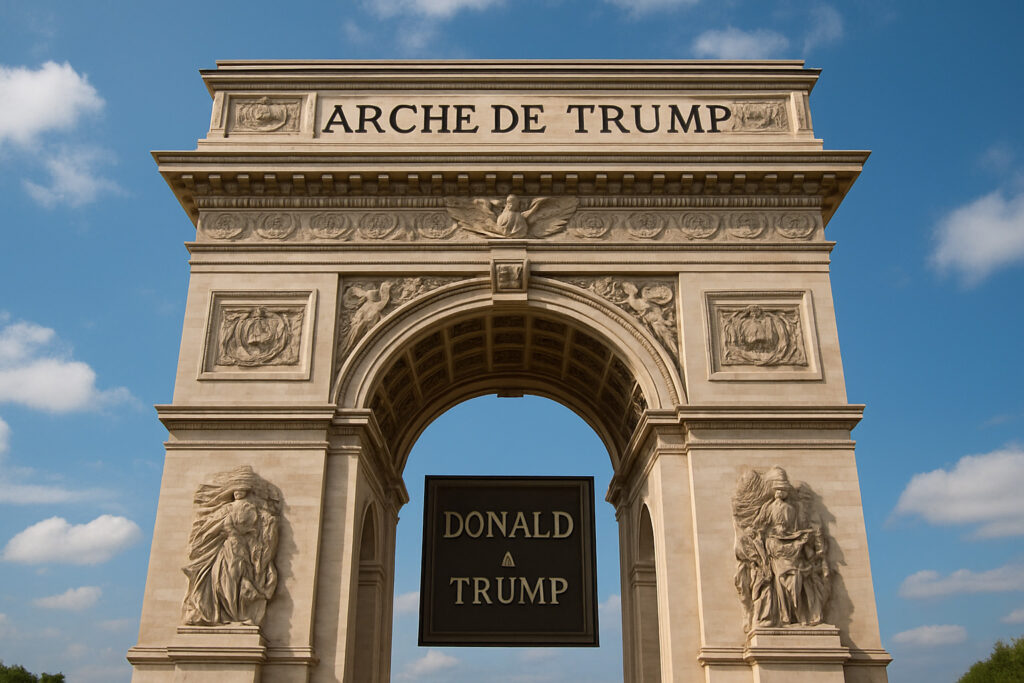


10/16/2025 What has Trump done in the past 30 days in a nutshell.
🕊️ Foreign Policy & Military Actions
-
Covert Operations in Venezuela
President Trump confirmed the authorization of CIA operations in Venezuela, citing concerns over drug trafficking and the release of prisoners into the U.S. He also hinted at the possibility of U.S. land operations in the region. AP News+1 -
Naval Strikes in the Caribbean
The U.S. Navy conducted strikes on alleged drug-smuggling vessels originating from Venezuela, resulting in multiple casualties. The administration labeled drug cartels as “unlawful combatants,” a move that has drawn bipartisan criticism in Congress. Wikipedia+1 -
India Ceases Russian Oil Imports
President Trump announced that India will stop purchasing oil from Russia, marking a significant diplomatic shift and easing tensions between the U.S. and India. Politico
🏛️ Domestic Affairs
-
Wealthy Donor Dinner at the White House
President Trump hosted a lavish dinner for approximately 130 top donors and political allies at the White House, celebrating the progress on a $250 million renovation project to build a new, bulletproof-glass-clad White House ballroom. AP News -
Federal Judge Halts Mass Layoffs
A federal judge temporarily blocked the Trump administration’s plan to lay off over 4,100 federal workers during the government shutdown, ruling in favor of unions that argued the layoffs were illegal. The Washington Post
🏗️ Infrastructure & Monuments
-
Plans for the ‘Arc de Trump’
President Trump revealed plans for a monumental arch in Washington, D.C., dubbed the “Arc de Trump,” to commemorate the 250th anniversary of American independence in 2026. The proposed structure would be situated near the Lincoln Memorial. TIME+1
Share this:

11/09/2025 Changes or Headlines for National Healthcare in the past 21 days
On
- News
-
Here are 10 recent national-healthcare headlines from the past ~21 days, focusing on U.S. policy, health care markets, and public health issues (no commentary, just the facts):
-
Donald J. Trump announced a deal with Eli Lilly and Company and Novo Nordisk to lower the cost of popular GLP-1 weight-loss drugs in some cases to between approximately $149 and $350 per month. CBS News+1
-
Millions of Americans beginning the 2026 open-enrollment period are bracing for higher health insurance premiums, with reports indicating significant premium increases and reduced subsidies under the Affordable Care Act marketplace. CBS News
-
The administration’s shutdown of certain federal operations has created “sticker-shock” for many consumers as enrollment deadlines approach, and some essential health-care services face disruption. CBS News
-
The Centers for Disease Control and Prevention (CDC) and other public-health agencies have reported staffing and operational challenges tied to funding freezes during the shutdown. ABC News+1
-
States are competing for slices of a new $50 billion rural-health care fund to improve access in underserved areas, as public forums and health systems lobby for participation. CBS News
-
Health-care providers and hospitals warned that changes in visa/immigration rules may worsen the nurse/medical-staff shortage, especially in rural and underserved markets. CBS News
-
The American Hospital Association (AHA) expressed support for bipartisan legislation (H.R. 5142) that would pause planned Medicaid/home-health cuts for two years. American Hospital Association
-
A federal court issued a stay on major 2026 marketplace rule changes under the ACA while the Centers for Medicare & Medicaid Services (CMS) appeals, conserving current benefit structures for the moment. Health Affairs
-
Health-care oversight groups flagged that some Medicare/Medicaid plans operated by private insurers overstated mental-health-provider network sizes, raising concerns of access gaps. CBS News
-
A surge in demand at food banks and pantries followed benefit disruptions for approximately 42 million Americans when SNAP aid was halted — underscoring the link between social services and health outcomes. ABC News
-
Share this:

10/16/2025 Veterans’ benefits and healthcare from the past 30 days:
On
- News, Veterans News
Major Policy / Legal / Insurance News
-
-
Media scrutiny over VA disability claims / fraud claims
-
Washington Post published an investigation criticizing how some disability claims are handled — pointing out “minor health conditions” being approved, and alleging systemic incentives to maximize claims. The Washington Post
-
Veterans’ groups (American Legion, DAV, Paralyzed Veterans of America, etc.) pushed back hard, saying the reporting misrepresents the scale of abuse, overlooks the genuine struggles of many claimants, and ignores changes from things like the PACT Act. The Washington Post+1
-
-
Government Shutdown Effects
-
With the U.S. federal government shutdown (which began Oct 1), many VA services remain active, and many veterans’ benefits continue to be delivered. The American Legion+2The White House+2
-
Some VA facilities/offices are closed to the public, especially regional benefit offices. Some transition programs, career counseling, and GI Bill-hotlines are impacted (closed or limited). Reddit+1
-
-
Facility / Home for Veterans in Texas
-
In Bexar County, Texas, 27 acres donated for a state veterans home near San Antonio. It will include long-term care, memory care, therapy services, possibly dialysis, with capacity about 120 veterans. Most funding from VA + state agencies, no county taxes. San Antonio Express-News
-
-
Veterans & Protests / Civil Rights Issues
-
A growing number of veterans are getting arrested during protests over ICE raids. Some are seeking damages, alleging aggressive tactics, harsh detention or treatment. The Guardian
-
-
Artists / Mental Health / Advocacy
-
There’s the “Trail to Zero” horseback ride through NYC organized by BraveHearts to raise awareness of veteran suicide. New York Post
-
-
What’s Not Changing or Being Cut
-
Despite the shutdown, veteran health care (VA medical centers, clinics, Vet Centers) are still open. Benefits like compensation, pension, education, housing continue. The American Legion+1
-
Hotlines for crisis / MyVA / core services remain active (Veterans Crisis Line, etc.). Reddit+1
-
⚠ What These Mean / Possible Impacts
-
Delays & closures of certain services: Even though most core VA functions are uninterrupted, things like regional office access, non-emergency counseling, career transition programs are getting disrupted. So vets might face delays in submitting or following up on claims, or in accessing non-urgent benefits.
-
Public perception & policy pressure: The reporting on disability claim abuse (real or overstated) could lead to increased political pressure for reforms, audits, stricter documentation requirements. That might make some cases harder to prove or slower to process.
-
Staffing / morale concerns: Some VA doctors and employees are speaking out about workforce cuts, potential privatization, or reduced support. That could affect quality or access in some areas, especially for specialty or remote VA services.
-
New facilities development: The Texas veterans home project is an example of expanding infrastructure for aged veterans, which is good, but likewise will take time to build and staff.
-
Legal / appeal standards: While not brand-new in the past 30 days, the Bufkin v. Collins Supreme Court decision (from earlier in 2025) continues to echo: it raised the standard for appellate review in “benefit-of-the-doubt” cases, meaning veterans appealing denials must overcome a stricter proof threshold. Justia Law+1
-
Share this:

An Ode To The DOJ – Trump Regime
It’s a sad day when parody moves from humor to survival. Never before have we had to fight so hard for the Constitution, the 1st amendment and free speech, the right to due process, and rejection of a wanna be dictator. We have antifa being a label being applied to any who oppose our duly elected president. Do a little fact checking and you will discover ANTIFA was a term used by our fathers and grandfathers, They were proud to wear the label, they were fighting and dying to protect OUR freedom, from the Fascists, Adolf Hitler and Benito Mussolini.
Don’t believe the ridiculous propaganda being forced down our throats, don’t believe the lies and don’t bend the knee. And don’t take our word for it. Do some research, do some fact checking and above all be true to the Constitution and the values that created it. Burn those MAGA red caps and reject the rhetoric of the WOKE, Learn to see the big picture and make choices based upon a love of our country and for our neighbor. If you truly want to enjoy a glass of Bourbon, leave the ICE out of it.
Share this:

Nobel Peace Prize Spoken
It’s a sad day when parody moves from humor to survival. Never before have we had to fight so hard for the Constitution, the 1st amendment and free speech, the right to due process, and rejection of a wanna be dictator. We have antifa being a label being applied to any who oppose our duly elected president. Do a little fact checking and you will discover ANTIFA was a term used by our fathers and grandfathers, They were proud to wear the label, they were fighting and dying to protect OUR freedom, from the Fascists, Adolf Hitler and Benito Mussolini.
Don’t believe the ridiculous propaganda being forced down our throats, don’t believe the lies and don’t bend the knee. And don’t take our word for it. Do some research, do some fact checking and above all be true to the Constitution and the values that created it. Burn those MAGA red caps and reject the rhetoric of the WOKE, Learn to see the big picture and make choices based upon a love of our country and for our neighbor. If you truly want to enjoy a glass of Bourbon, leave the ICE out of it.
Share this:

The Facts They Are Re Arrangin – Short Version
It’s a sad day when parody moves from humor to survival. Never before have we had to fight so hard for the Constitution, the 1st amendment and free speech, the right to due process, and rejection of a wanna be dictator. We have antifa being a label being applied to any who oppose our duly elected president. Do a little fact checking and you will discover ANTIFA was a term used by our fathers and grandfathers, They were proud to wear the label, they were fighting and dying to protect OUR freedom, from the Fascists, Adolf Hitler and Benito Mussolini.
Don’t believe the ridiculous propaganda being forced down our throats, don’t believe the lies and don’t bend the knee. And don’t take our word for it. Do some research, do some fact checking and above all be true to the Constitution and the values that created it. Burn those MAGA red caps and reject the rhetoric of the WOKE, Learn to see the big picture and make choices based upon a love of our country and for our neighbor. If you truly want to enjoy a glass of Bourbon, leave the ICE out of it.
Share this:

An Ode to the Dept Of War – Trump Regime
It’s a sad day when parody moves from humor to survival. Never before have we had to fight so hard for the Constitution, the 1st amendment and free speech, the right to due process, and rejection of a wanna be dictator. We have antifa being a label being applied to any who oppose our duly elected president. Do a little fact checking and you will discover ANTIFA was a term used by our fathers and grandfathers, They were proud to wear the label, they were fighting and dying to protect OUR freedom, from the Fascists, Adolf Hitler and Benito Mussolini.
Don’t believe the ridiculous propaganda being forced down our throats, don’t believe the lies and don’t bend the knee. And don’t take our word for it. Do some research, do some fact checking and above all be true to the Constitution and the values that created it. Burn those MAGA red caps and reject the rhetoric of the WOKE, Learn to see the big picture and make choices based upon a love of our country and for our neighbor. If you truly want to enjoy a glass of Bourbon, leave the ICE out of it.
Share this:

Land of Constant Borrow
It’s a sad day when parody moves from humor to survival. Never before have we had to fight so hard for the Constitution, the 1st amendment and free speech, the right to due process, and rejection of a wanna be dictator. We have antifa being a label being applied to any who oppose our duly elected president.
Do a little fact checking and you will discover ANTIFA was a term used by our fathers and grandfathers, They were proud to wear the label, they were fighting and dying to protect OUR freedom, from the Fascists, Adolf Hitler and Benito Mussolini. Don’t believe the ridiculous propaganda being forced down our throats, don’t believe the lies and don’t bend the knee. And don’t take our word for it. Do some research, do some fact checking and above all be true to the Constitution and the values that created it. Burn those MAGA red caps and reject the rhetoric of the WOKE, Learn to see the big picture and make choices based upon a love of our country and for our neighbor. If you truly want to enjoy a glass of Bourbon, leave the ICE out of it.
Share this:

Stay Alert at Upcoming King Protests
The upcoming No King protests are an important opportunity to honor voice your opposition to an authorian regime. Do attend, exercise your rights peacefully, and stand strong.
Important Safety Notice: There may be infiltrators or paid agitators present whose sole purpose is to create violence or chaos. These actions are intended to provoke confrontation and generate a false narrative of destruction — exactly what Trump and his allies want.
Guidelines for safety:
-
Stay in groups, watch for suspicious behavior.
-
Do not engage provocateurs or respond with aggression.
-
Follow official instructions from organizers and law enforcement.
-
Document incidents from a safe distance if necessary.
Remember: The power of these protests is in peaceful presence and moral clarity. Do not let outsiders hijack your message or jeopardize your safety.
Please Repost
Share this:

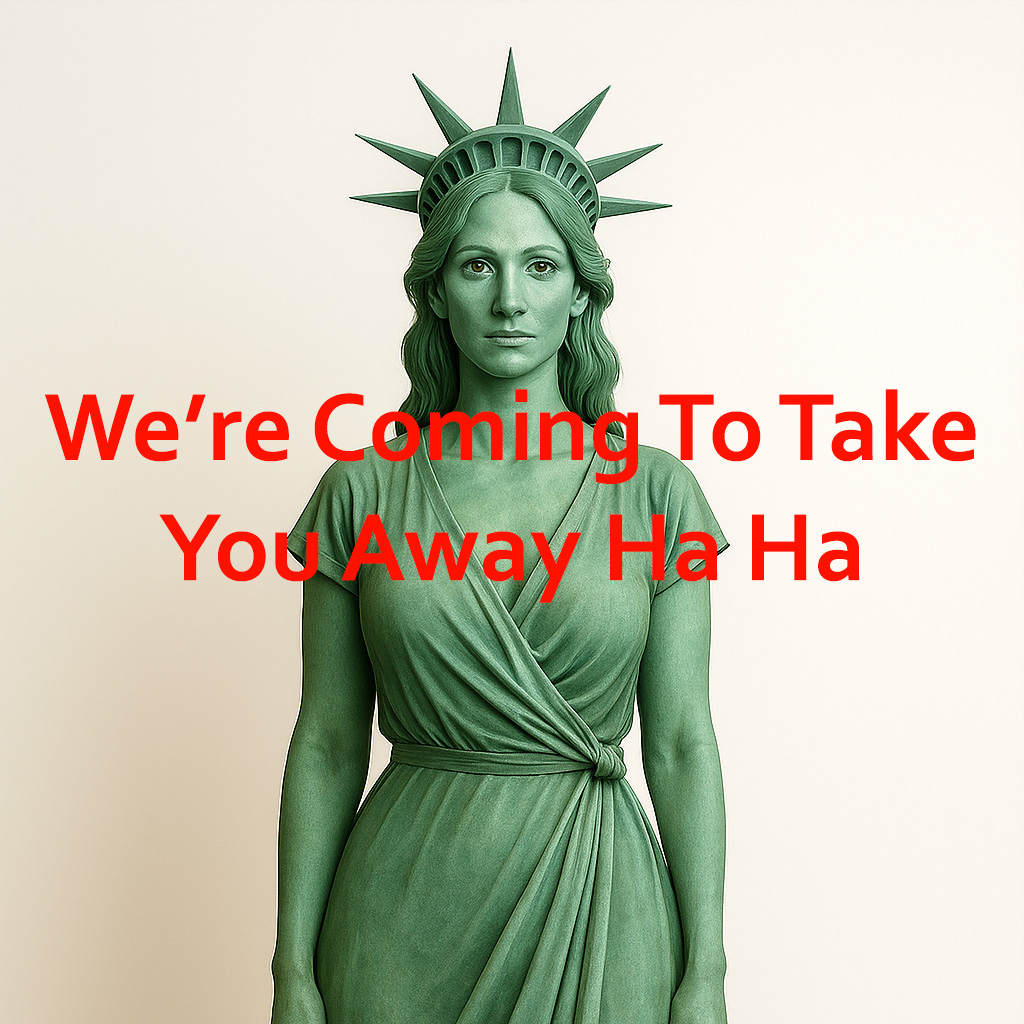
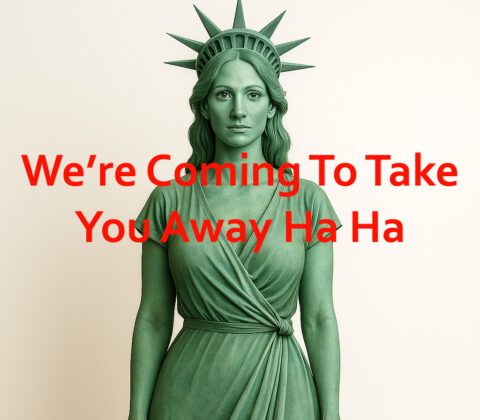
We’re Coming to Take You Away Ha Haa!
It’s a sad day when parody moves from humor to survival. Never before have we had to fight so hard for the Constitution, the 1st amendment and free speech, the right to due process, and rejection of a wanna be dictator. We have antifa being a label being applied to any who oppose our duly elected president. Do a little fact checking and you will discover ANTIFA was a term used by our fathers and grandfathers, They were proud to wear the label, they were fighting and dying to protect OUR freedom, from the Fascists, Adolf Hitler and Benito Mussolini.
Don’t believe the ridiculous propaganda being forced down our throats, don’t believe the lies and don’t bend the knee. And don’t take our word for it. Do some research, do some fact checking and above all be true to the Constitution and the values that created it. Burn those MAGA red caps and reject the rhetoric of the WOKE, Learn to see the big picture and make choices based upon a love of our country and for our neighbor. If you truly want to enjoy a glass of Bourbon, leave the ICE out of it.
Share this:

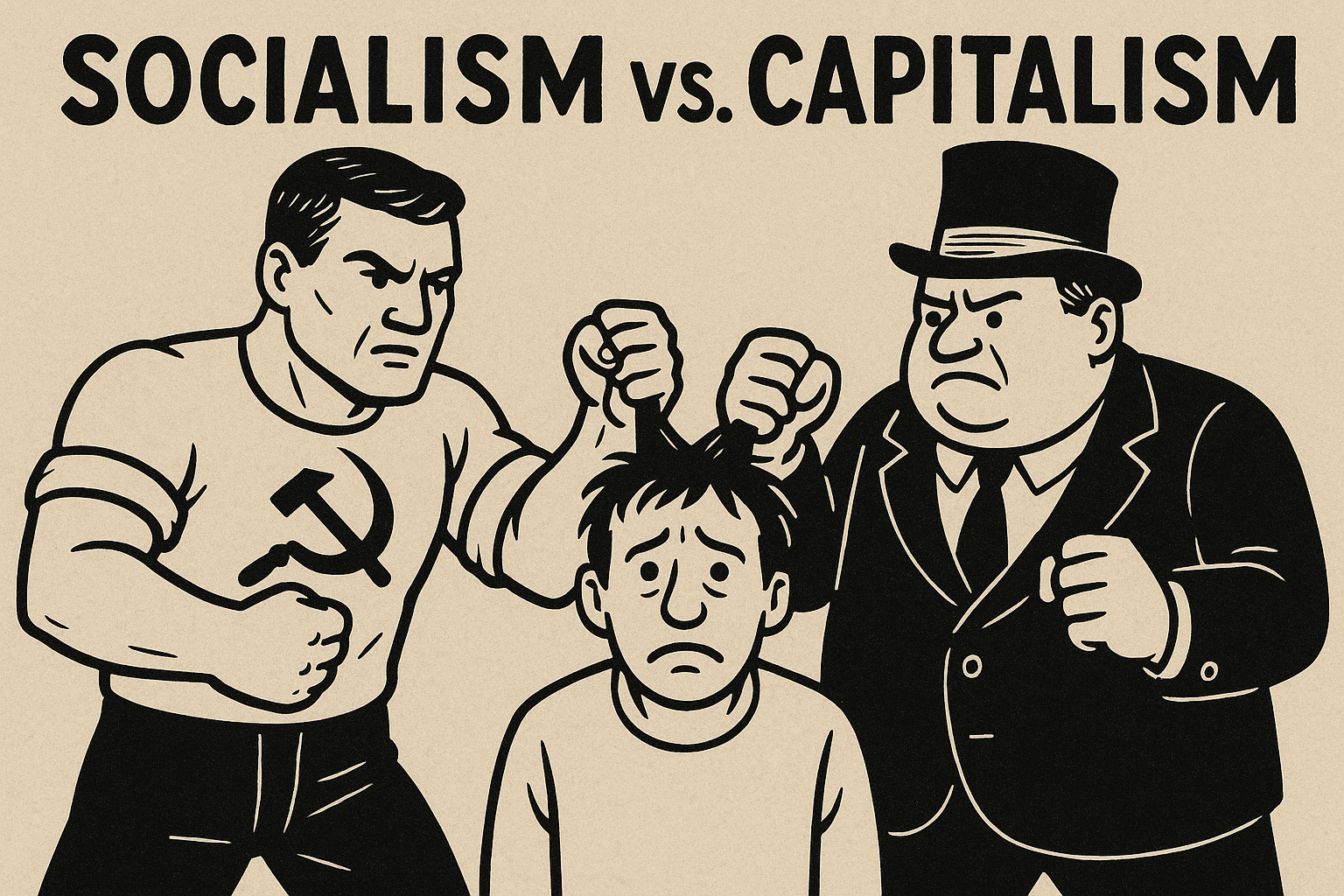
Between Socialism and Capitalism: Finding the Compromise
Between Socialism and Capitalism: Finding the Compromise
Margaret Thatcher once said that “the problem with socialism is that you eventually run out of other people’s money.” She meant that systems built entirely on redistribution can only last as long as someone else’s productivity. Yet the irony today is that pure capitalism seems to run into the opposite problem: eventually, there’s no money left for anyone but the few who control it.

In both extremes, wealth stops circulating. Under state socialism, resources are absorbed by bureaucracy. Under unfettered capitalism, they concentrate in private monopolies and digital empires. Whether the collector is a government ministry or a billionaire CEO, ordinary citizens end up watching the same movie — power pooling at the top while opportunity drains from below.
The reality is that neither ideology delivers lasting prosperity without the other’s counterweight. Markets need freedom, competition, and reward for innovation — but they also need boundaries that protect labor, environment, and dignity. Likewise, public safety nets need fiscal discipline and incentive structures that prevent dependency.
A sustainable economy has to move past slogans. It must recognize that productivity and fairness are not enemies but partners. The public sector should invest where private profit can’t — infrastructure, education, health — while private enterprise should thrive where risk and creativity drive progress. The test isn’t who owns the system, but whether citizens can still afford a future inside it.
Until we restore that balance — between enterprise and empathy, profit and purpose — we’ll keep swinging between ideologies that promise abundance but end in exhaustion. The goal isn’t socialism or capitalism alone. It’s a society where everyone can earn, keep, and contribute enough to call it their own.
Share this:

They are so full of it.
On
- Bullshit
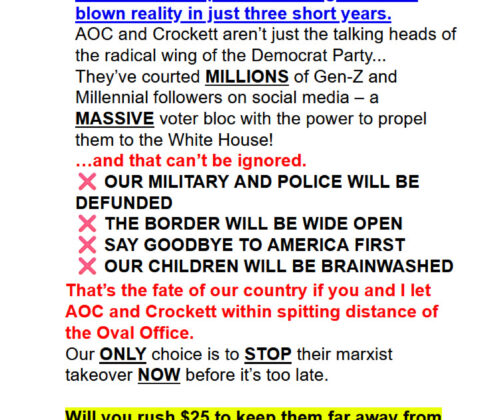
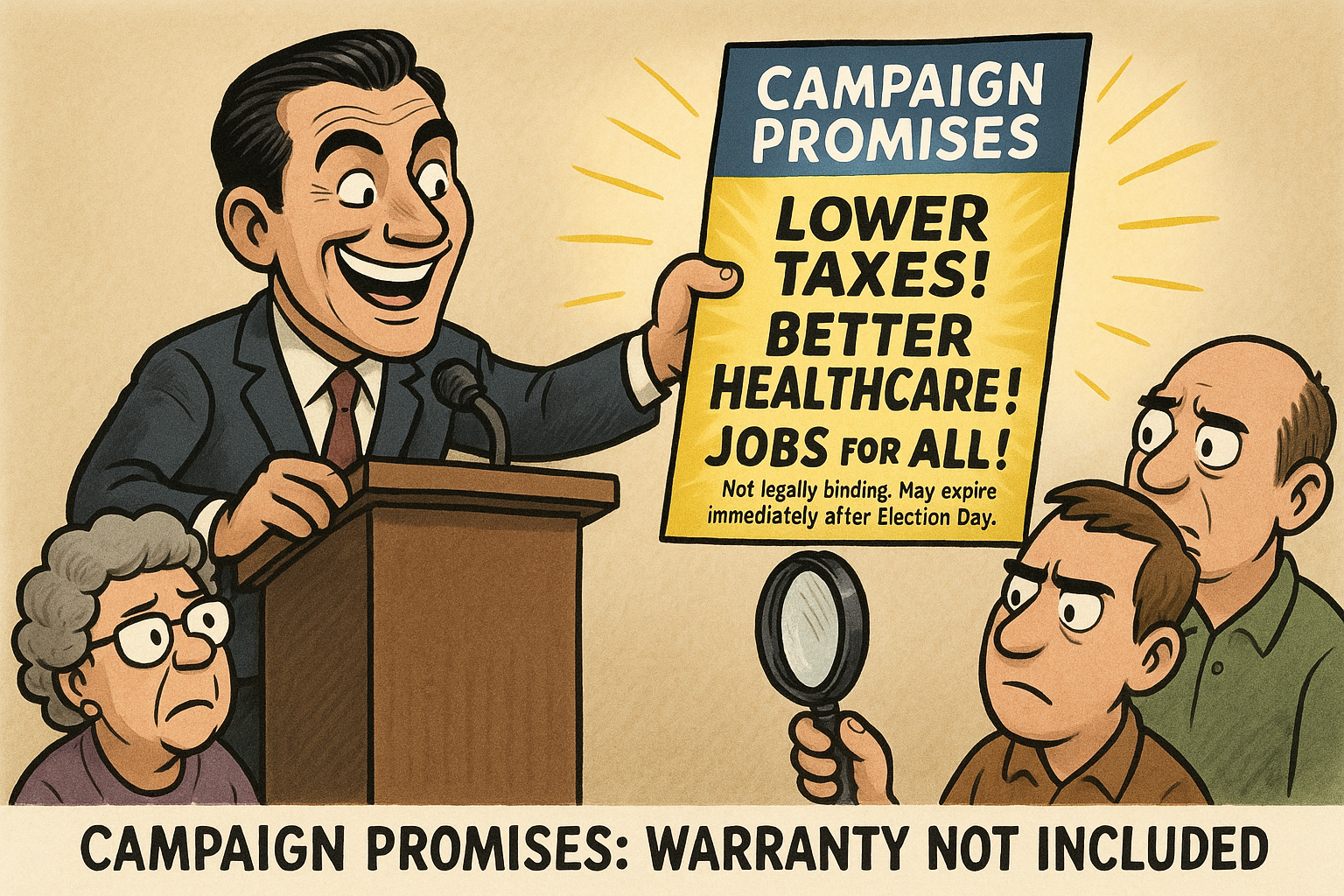
Campaign lies to get donations. MAGA people must be completely uneducated buffoons.
Shhh! Don’t let a Democrat see this, .
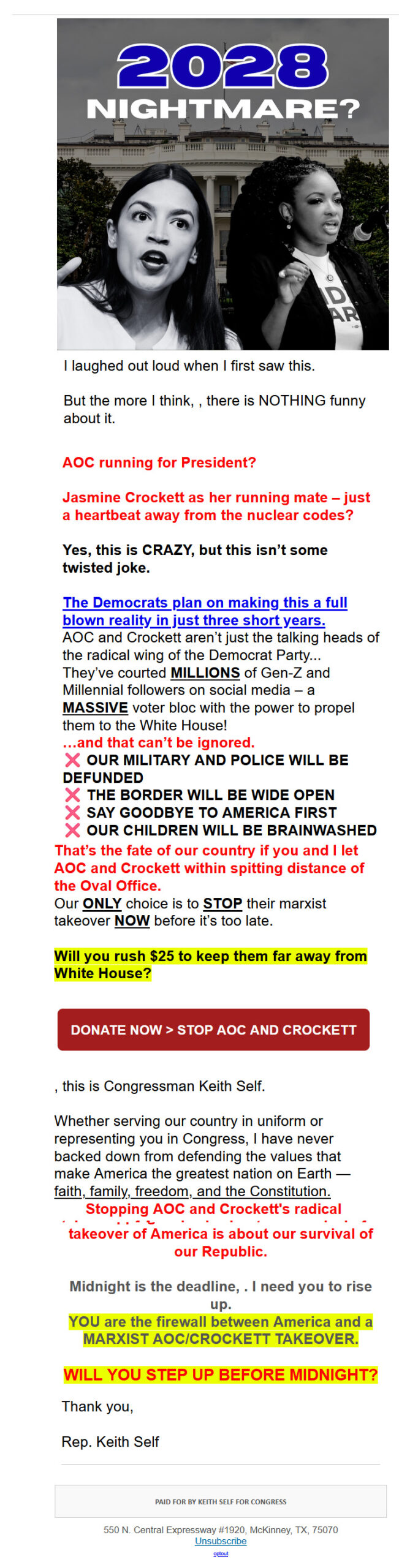
We just released our TOP-SECRET plan to help Republicans win BIG in November.
We CANNOT lose the upcoming elections in Virginia, New Jersey, and beyond because the Radical Left is getting more DANGEROUS by the day.
They want illegal aliens voting, children mutilated, and they support VIOLENCE against anyone who speaks out against them.
But we’re not going to let that happen, .
Young Republicans have a plan to DEFEAT the violent Democrats in America’s priority battleground states.
We’re deploying hundreds of volunteers to knock on doors and speak with undecided voters between
now and Election Day!
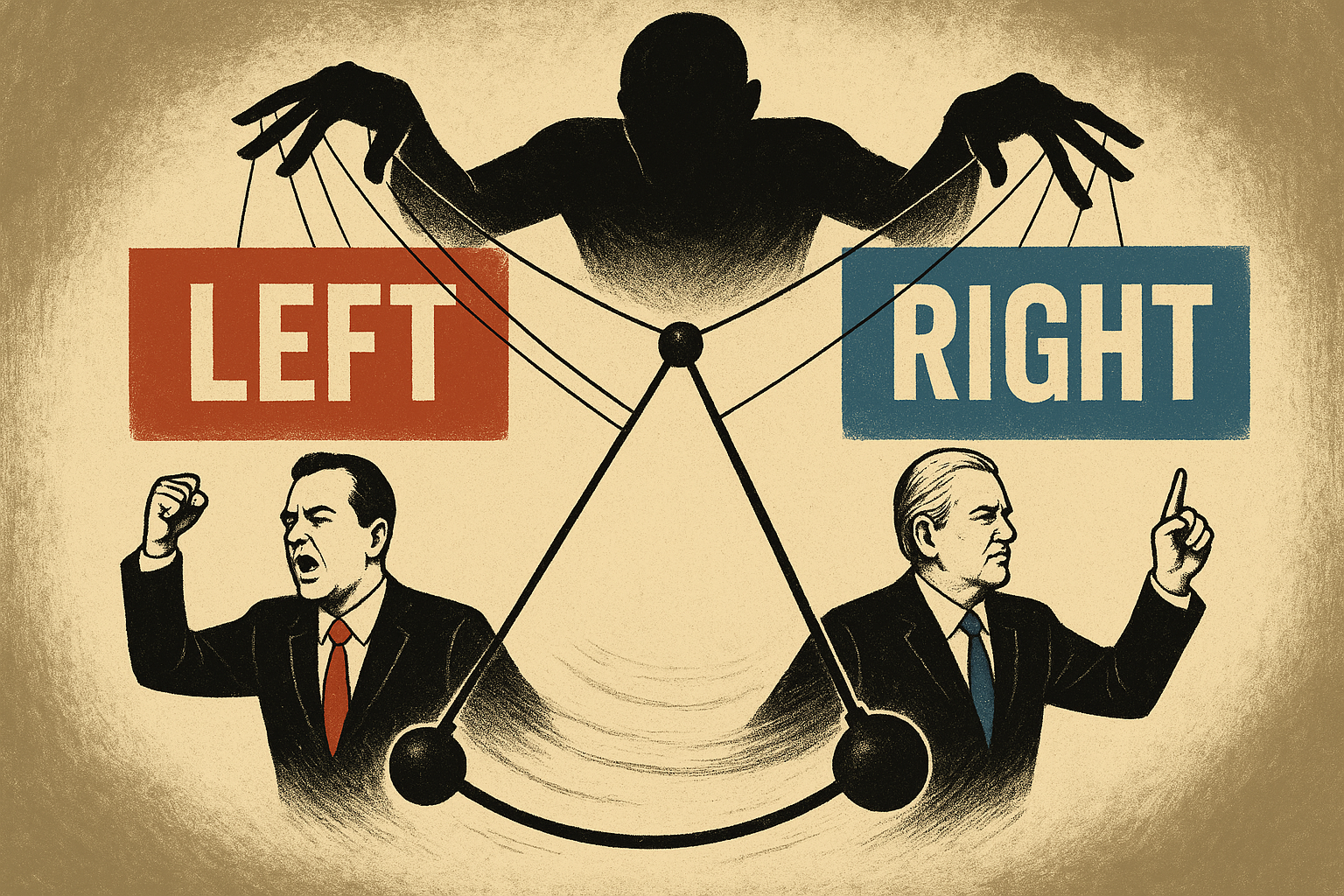
And if your not hearing this from the Right, then your hearing it from the Left. Which ever side is doing the talking the message is the same. The other side is EVIL. Well in my opinion, they are correct, the extremes are evil, they preach hate and above all they preach obedience, they want you to do as they say.
Please STOP and think for youself. stop and do some soul searching, your soul. Stop the hate stop hating yourself.
Share this:






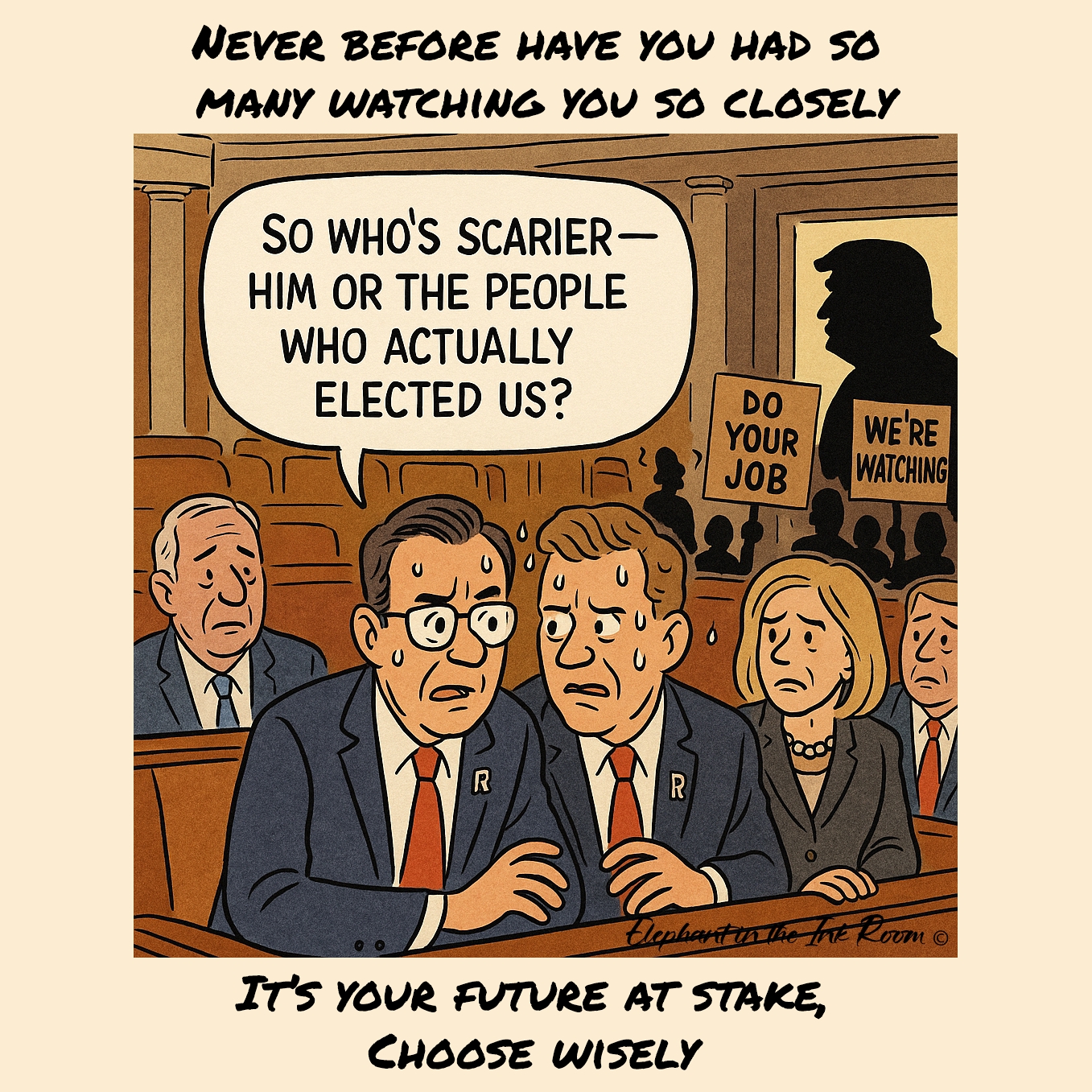












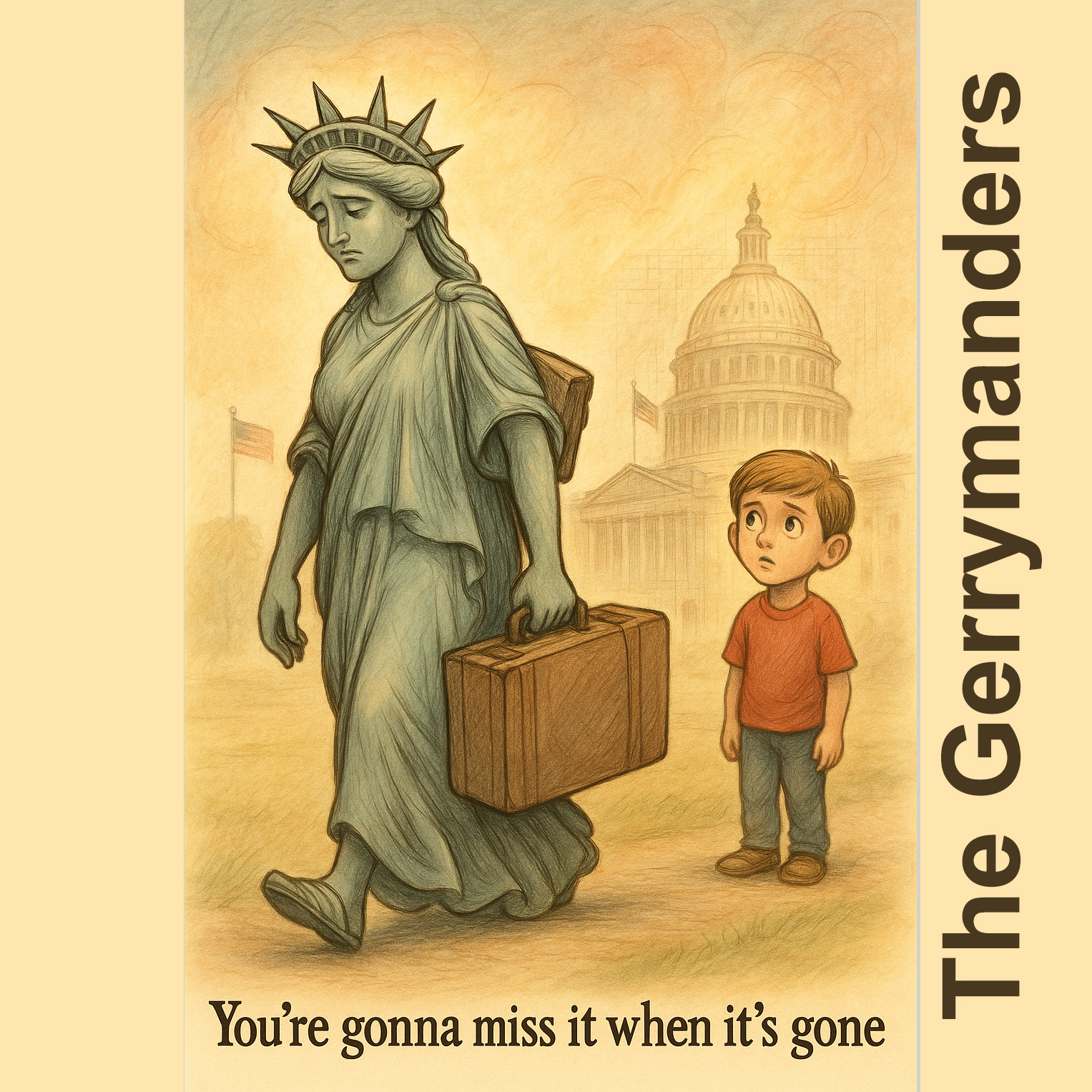
Liberty On Vacation / You’re Gonna Miss It When It’s Gone
On
- Protest 2025, spec
It’s a sad day when parody moves from humor to survival. Never before have we had to fight so hard for the Constitution, the 1st amendment and free speech, the right to due process, and rejection of a wanna be dictator. We have antifa being a label being applied to any who oppose our duly elected president. Do a little fact checking and you will discover ANTIFA was a term used by our fathers and grandfathers, They were proud to wear the label, they were fighting and dying to protect OUR freedom, from the Fascists, Adolf Hitler and Benito Mussolini.
Don’t believe the ridiculous propaganda being forced down our throats, don’t believe the lies and don’t bend the knee. And don’t take our word for it. Do some research, do some fact checking and above all be true to the Constitution and the values that created it. Burn those MAGA red caps and reject the rhetoric of the WOKE, Learn to see the big picture and make choices based upon a love of our country and for our neighbor. If you truly want to enjoy a glass of Bourbon, leave the ICE out of it.
Share this:

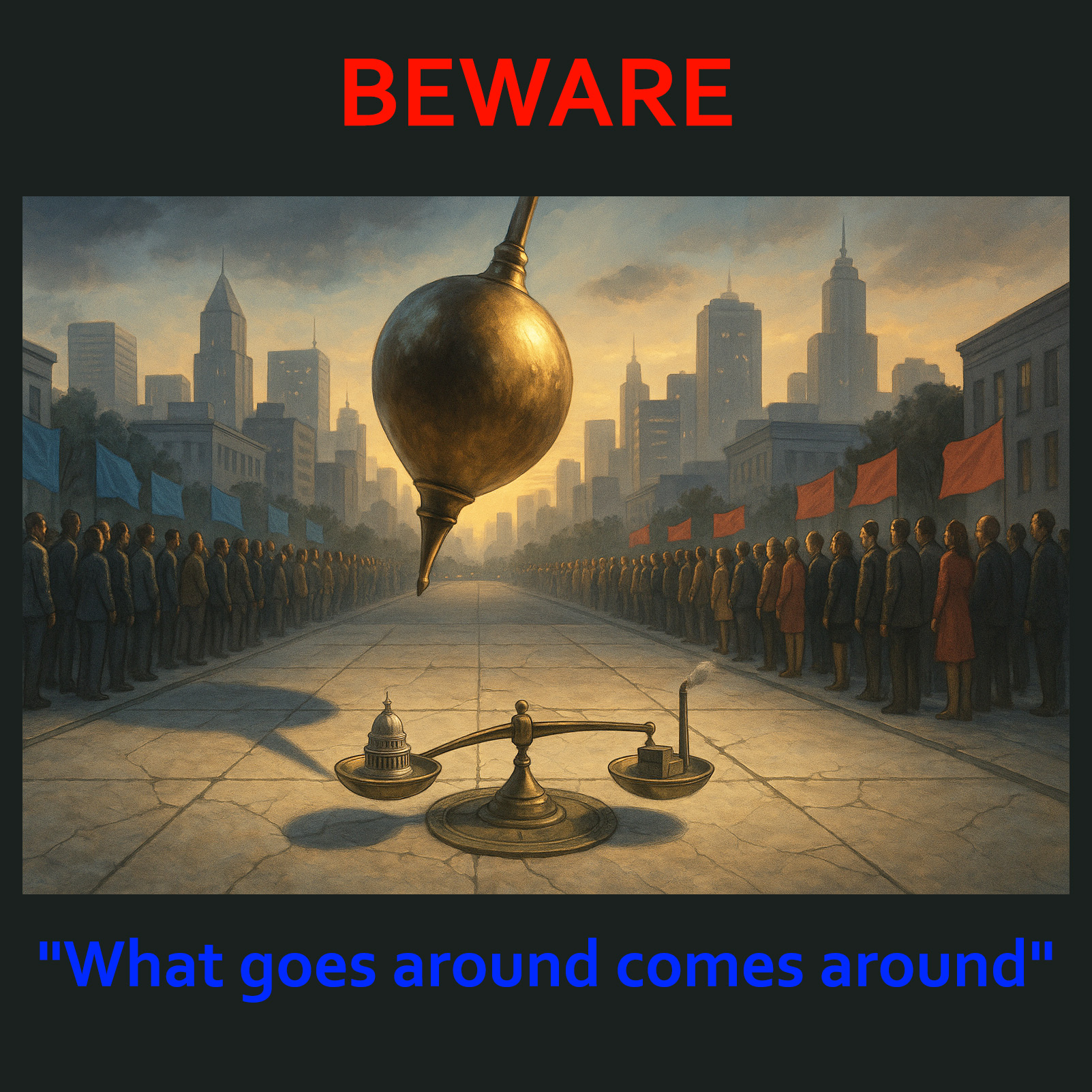
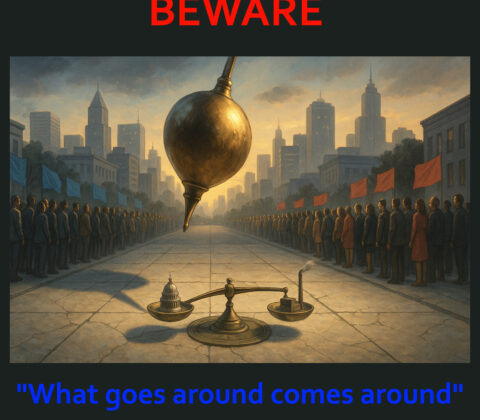
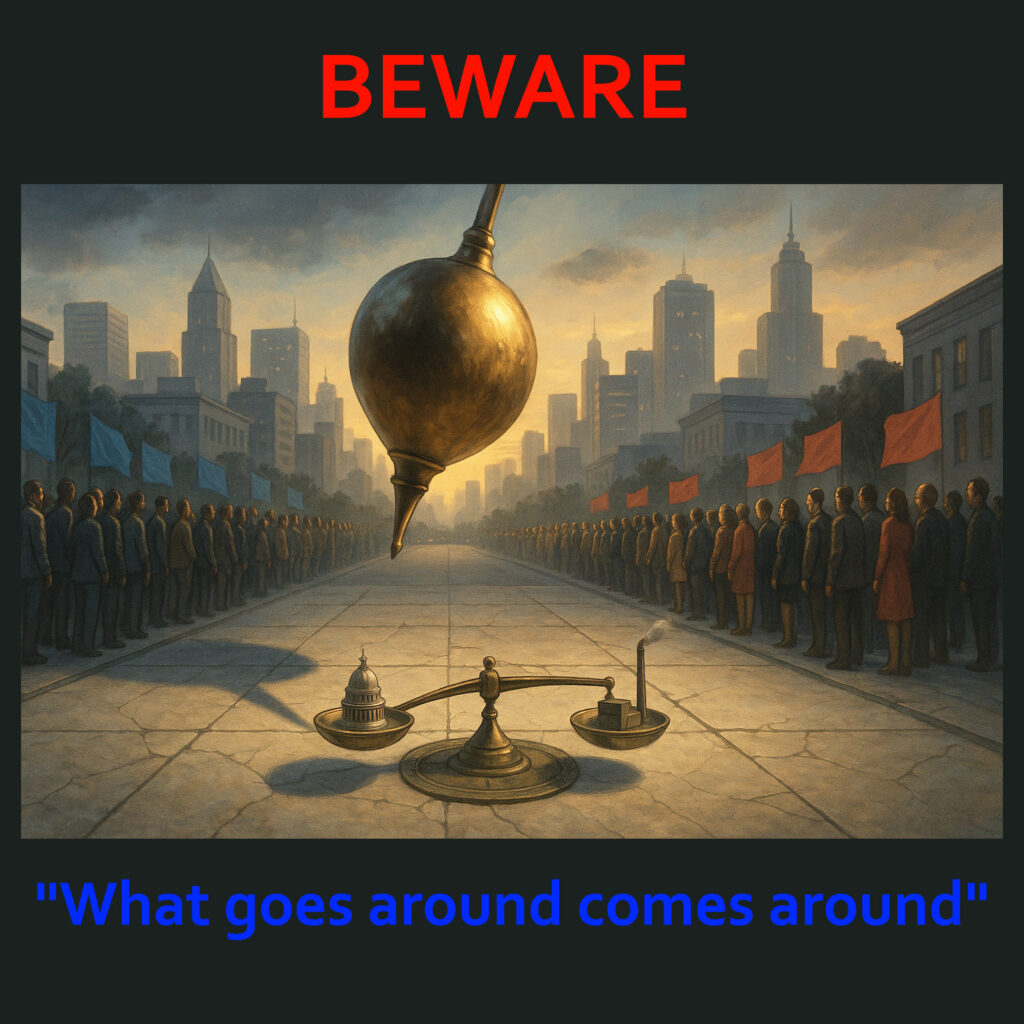
What goes around comes around
“What goes around comes around” is an idiom meaning that your actions, whether good or bad, will eventually have a consequence for you, much like the law of karma or the principle of “as you sow, so shall you reap”. If you treat others with kindness and respect, you are likely to be treated kindly in return. Conversely, if you treat others poorly, you may eventually be treated badly by someone else.
Share this:


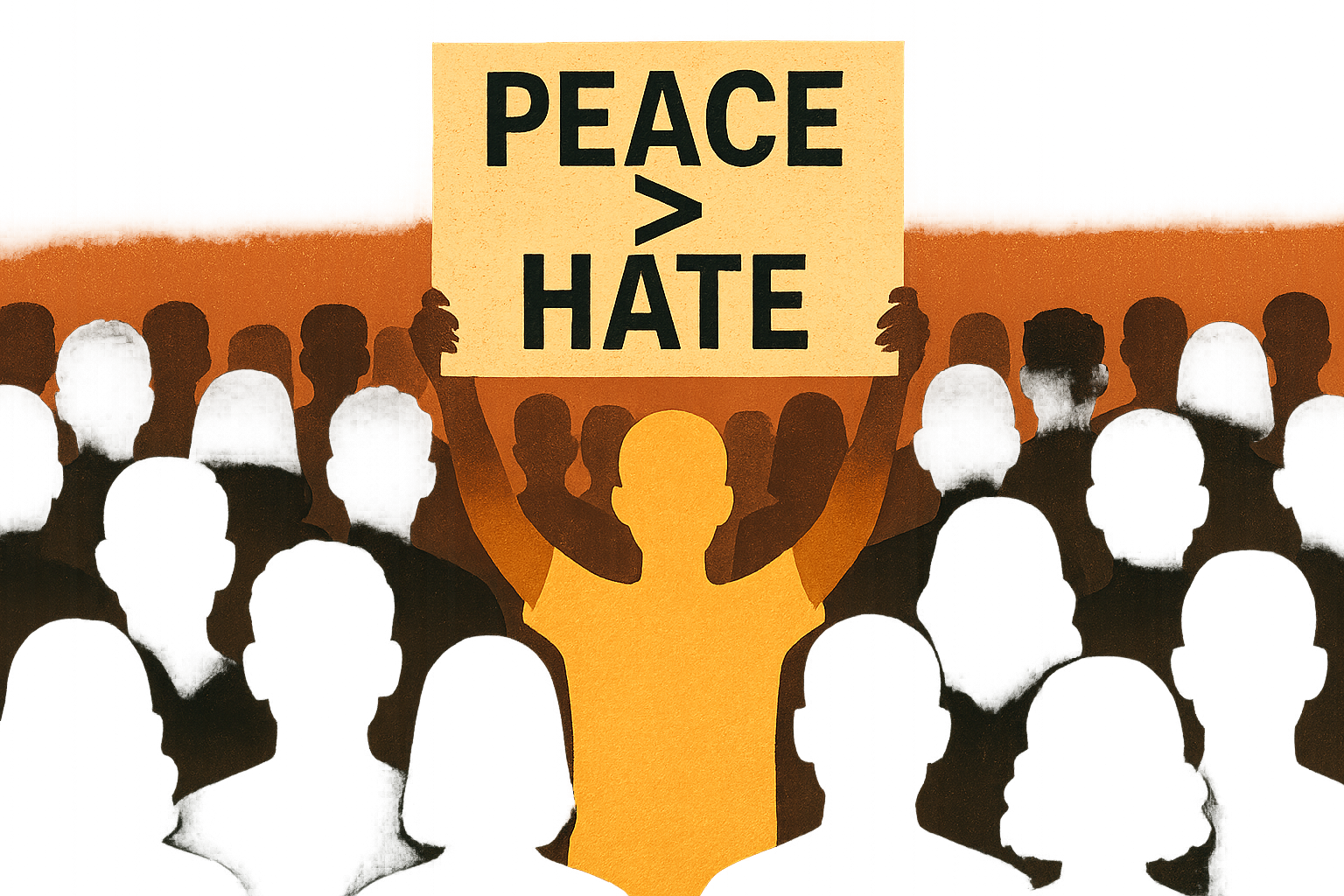




Take America Back
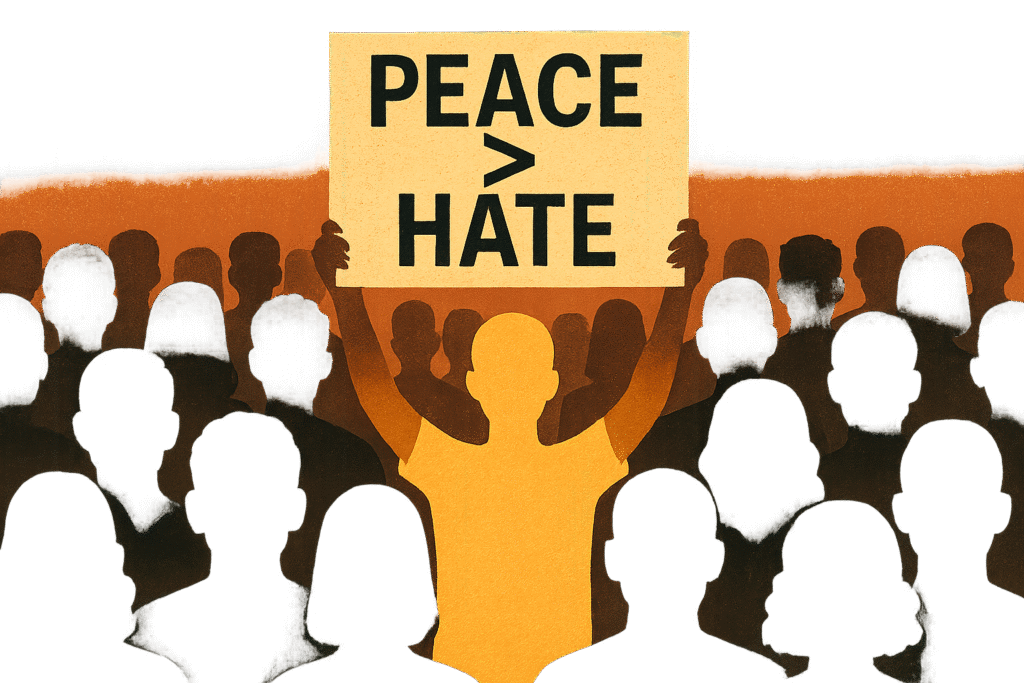
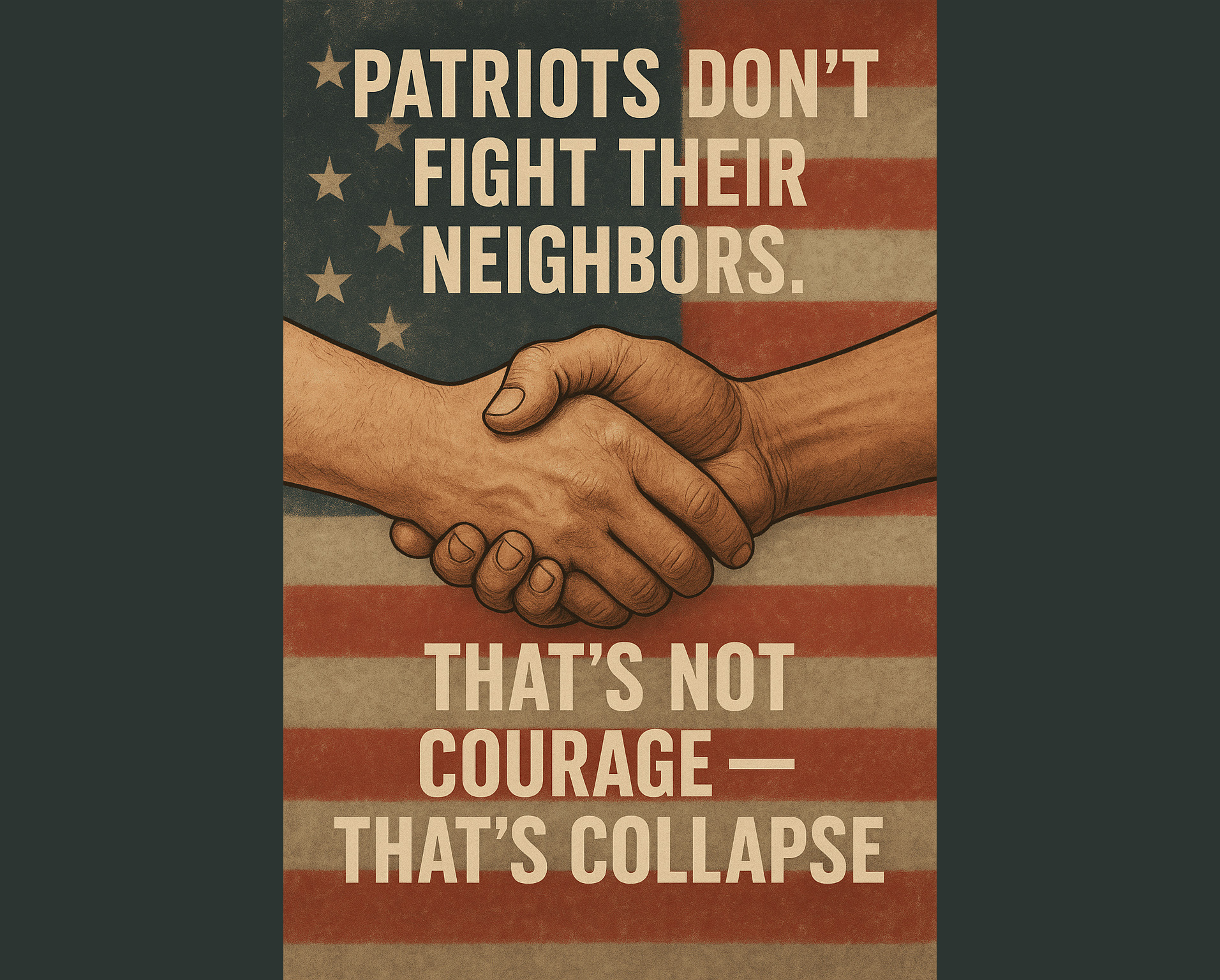
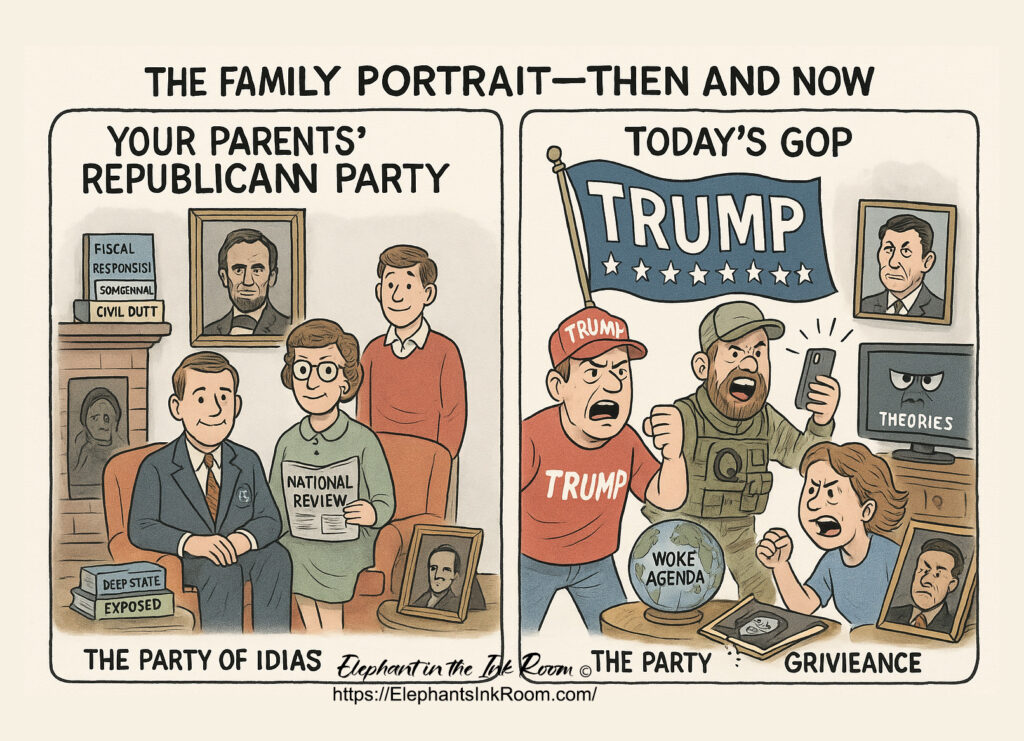
It’s up to the middle to finally raise their voices, it’s time for the loud fringes to get a wake up call. It’s easy to pull the covers up and mutter about how bad it is.
You don’t have to get in faces, just let them know who you are. It’s easy for them to find ‘FACTS’ that say their right, it’s hard to soul search and stand your ground. But that’s where the TRUTH is. That’s where your childrens future is. Protect it for them.
Share this:

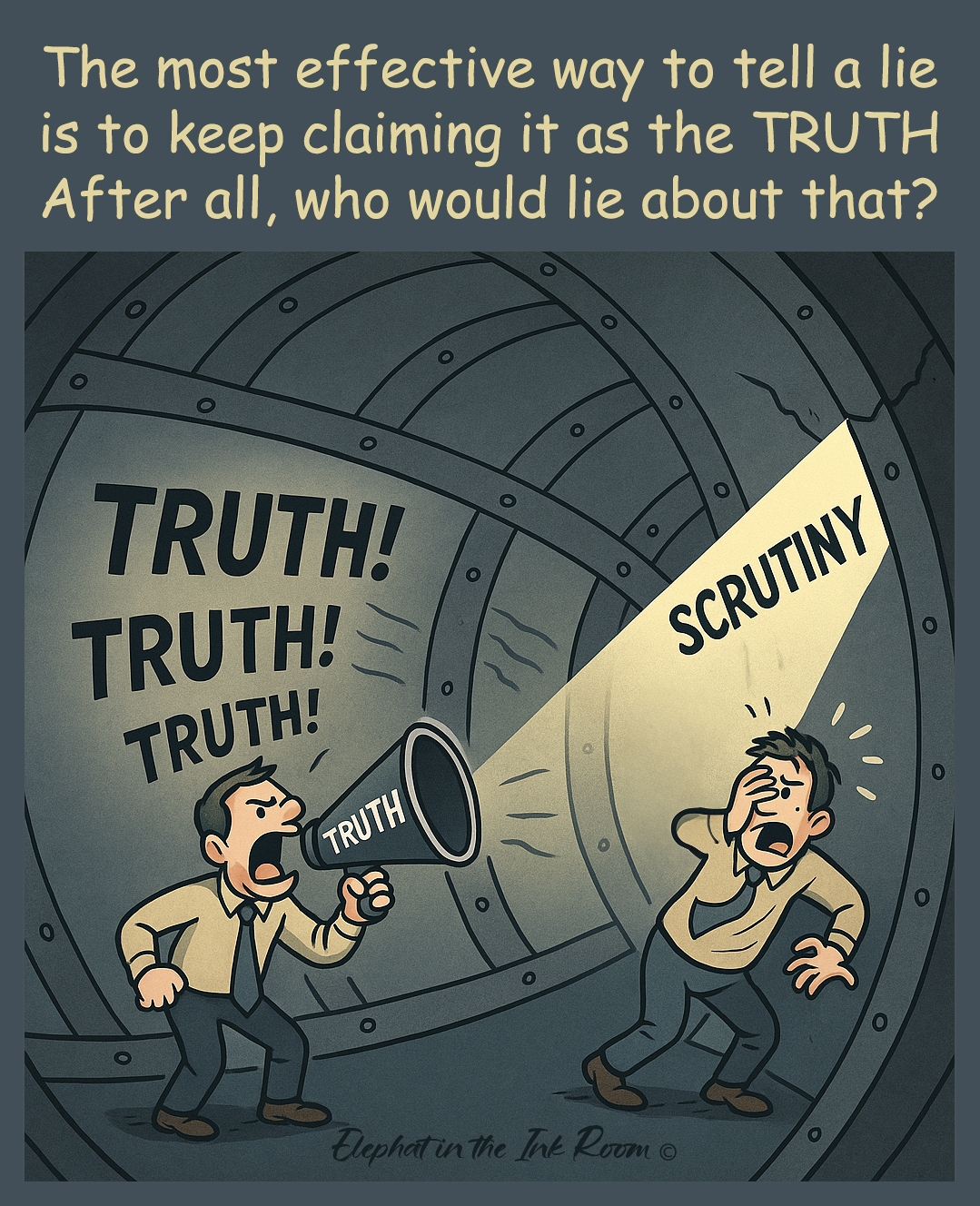

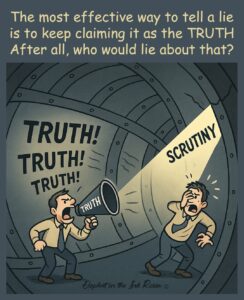

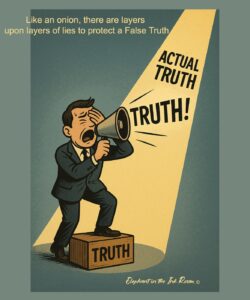

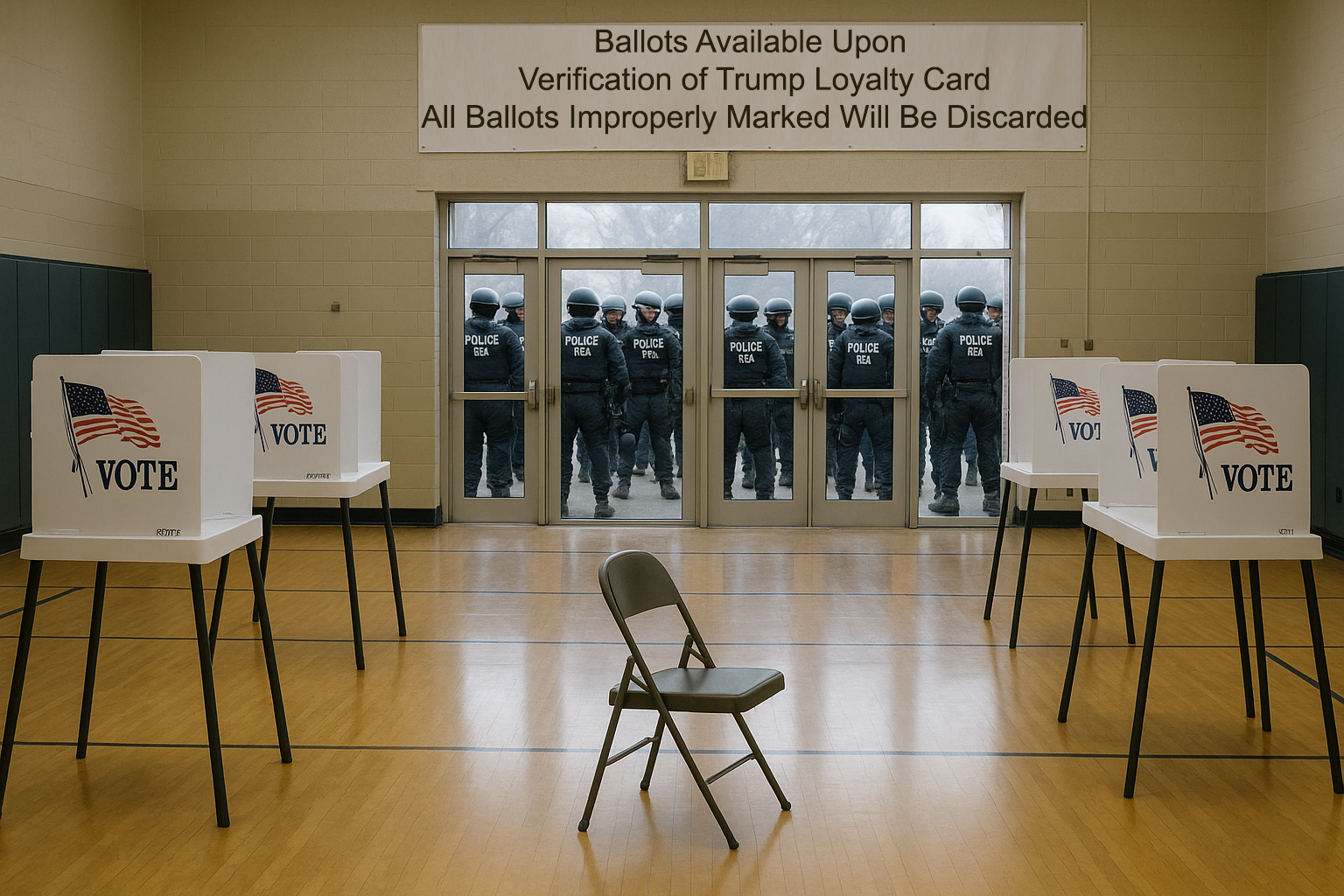

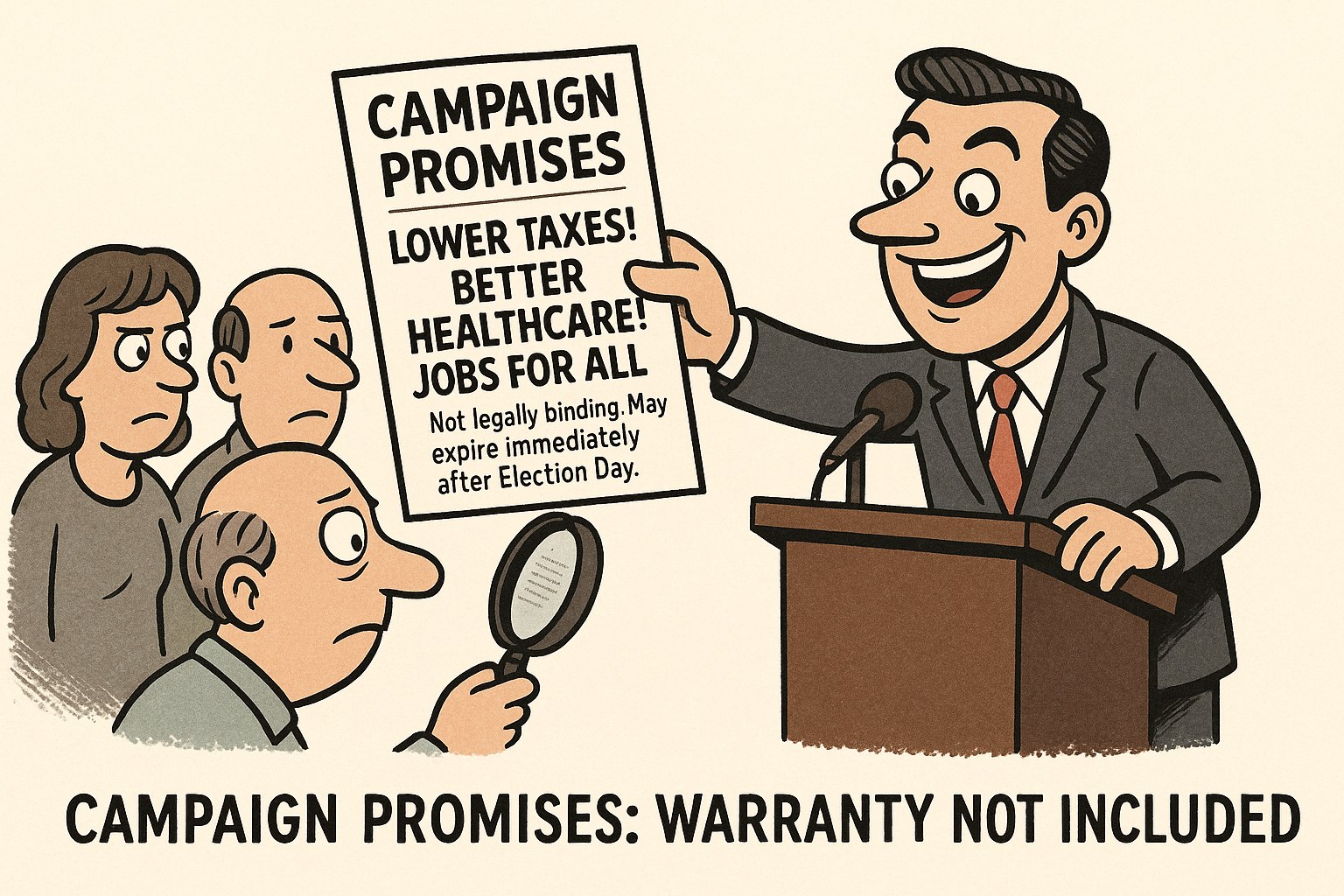
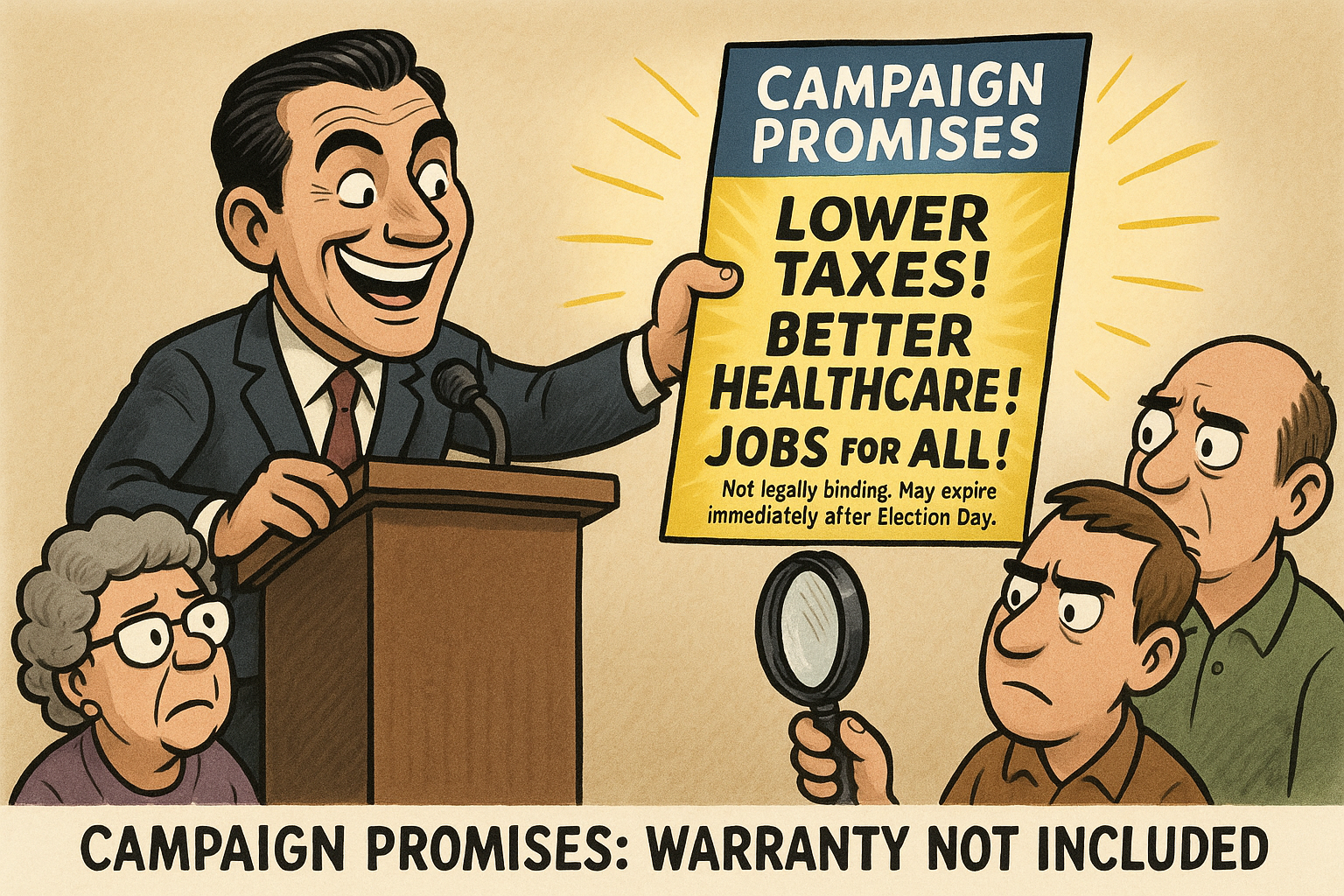
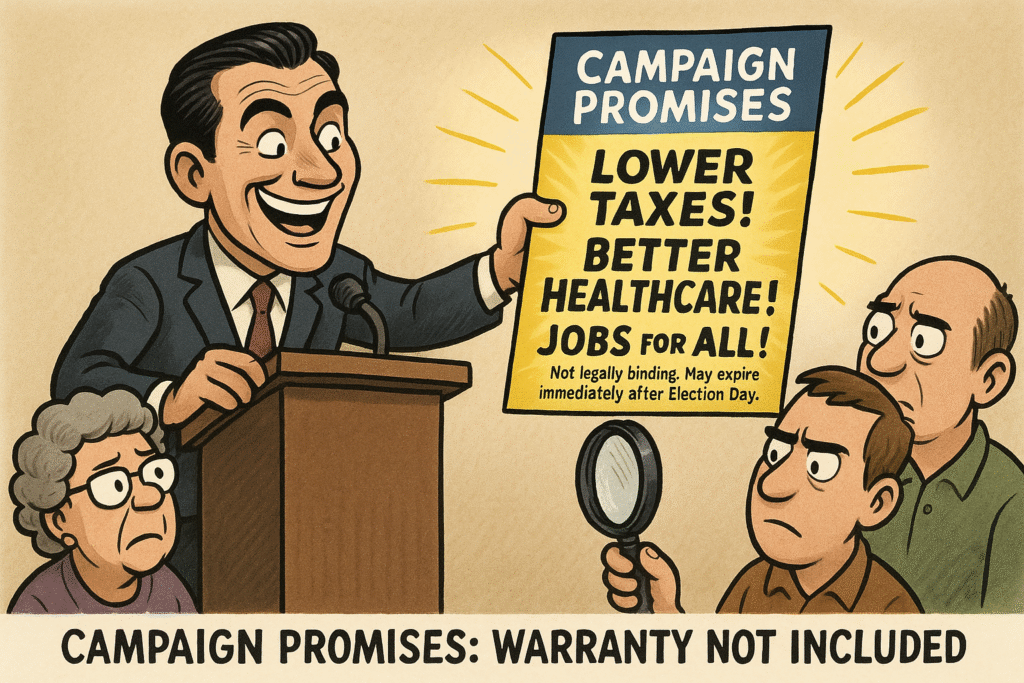
Truth In Advertising, Yah, Right.
Truth In Advertising, Yah, Right. Did you know there aren’t any laws about truth in Politics? Maybe that should change?
Share this:

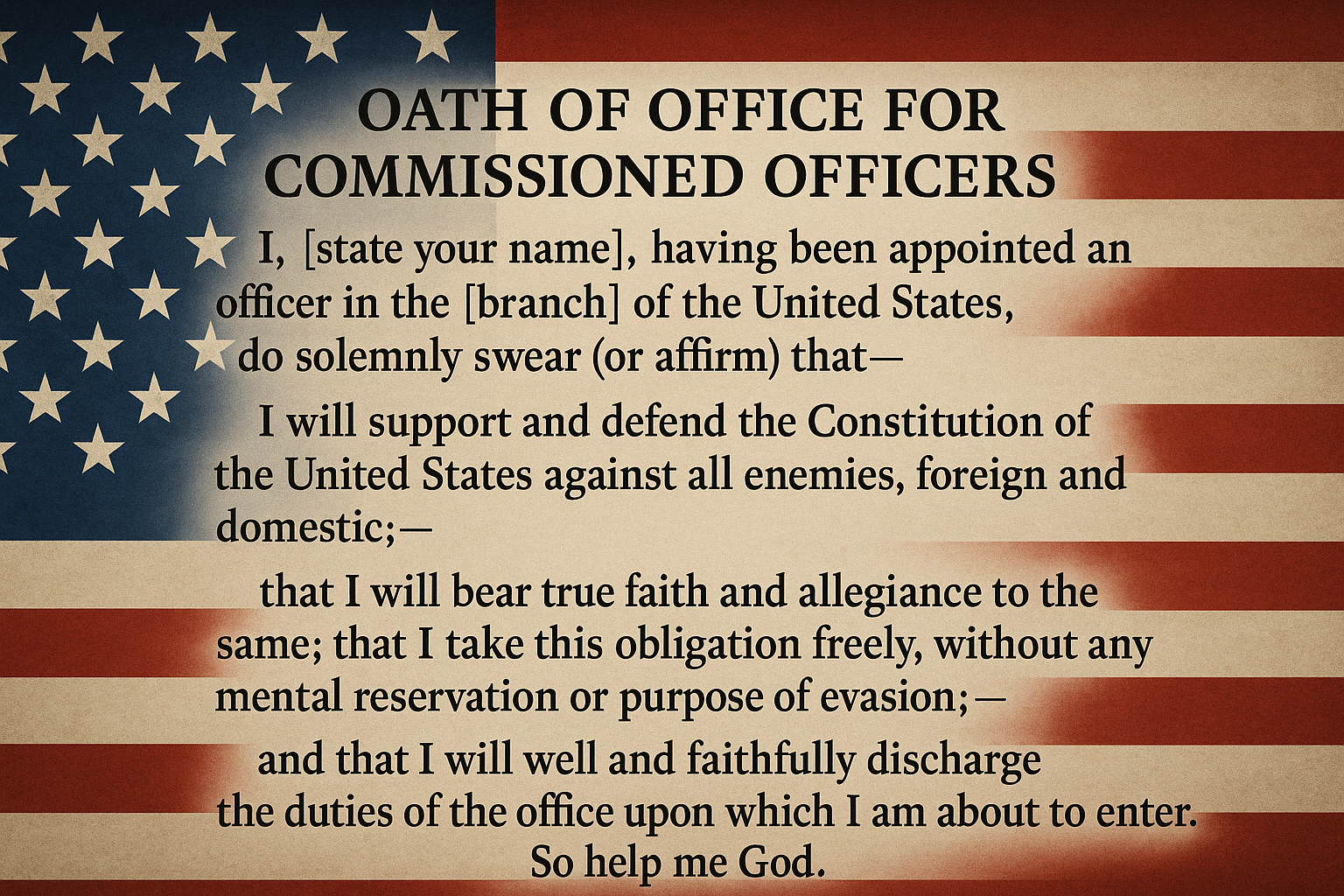
Oath of Office for Commissioned Officers
Oath of Office for Commissioned Officers
“I, [state your name], having been appointed an officer in the [branch] of the United States, do solemnly swear (or affirm) that I will support and defend the Constitution of the United States against all enemies, foreign and domestic; that I will bear true faith and allegiance to the same; that I take this obligation freely, without any mental reservation or purpose of evasion; and that I will well and faithfully discharge the duties of the office upon which I am about to enter. So help me God.”
Real Men and Women, not pawns took this oath, it’s time to live up to it.

Share this:

If it’s war he wants, he may very well get it. King Leprocy may be in over his head.
📰 What we know (so far)
-
California Governor Gavin Newsom says the Trump administration is dispatching 300 California National Guard members to Oregon. Politico+3AP News+3AP News+3
-
Oregon Governor Tina Kotek confirmed that 101 California Guard members had arrived overnight (Saturday to Sunday), though she said there was no formal communication from the federal government about the move. AP News+2Oregon Capital Chronicle+2
-
The timing is significant: this move comes right after a federal judge temporarily blocked Trump’s plan to deploy Oregon’s own National Guard to Portland. AP News+4Reuters+4The Washington Post+4
-
Newsom is vowing legal action, calling the deployment “a breathtaking abuse of the law and power.” AP News+3Politico+3AP News+3
⚠️ What’s unclear / what to watch
-
Whether the move is fully legal under federal / state law, or whether it’s being used to circumvent the judicial blocking of Oregon’s own Guard.
-
Exactly where those troops are being sent within Oregon (are they concentrated around Portland, ICE facilities, or other locations?).
-
What their rules of engagement / mission orders are (will they act in law enforcement roles, or purely to protect federal property/assets?).
-
Whether more California troops will continue to arrive—or even troops from other states.
-
The judicial response (will courts block this as well?)
Share this:

National Guard Deployed in Washington D.C – What the truth may actually be?
The effects of the National Guard deployment in Washington, D.C. are mixed, and people are seeing both “positive” and “negative” outcomes depending on perspective, values, and what metrics they use. Here’s a breakdown of what I found — what seems to be working, what’s criticized, and what the ambiguities are.
👍 Positive / Intended Effects
-
Deterrence / Public Safety Appearance
-
The Trump administration claims the Guard + federal law enforcement presence has “stopped violent crime” and restored “total safety” in tourist-heavy / landmark zones. Al Jazeera+3Wikipedia+3Foreign Policy+3
-
There have been arrests (~700 according to some reports) and seizures of illegal firearms (~91 in some time periods) since the deployment began. Wikipedia
-
-
Visible Government Action
-
For some residents, seeing a large federal presence could signal that something is being done about complaints — crime, homelessness, perceived lawlessness. It’s a kind of psychological reassurance (for some) that authorities are making crime control a priority.
-
Use of Guard for certain “non-law-enforcement” tasks (crowd control, presence, etc.) may reduce visible risk in certain spaces, for example around federal property, tourist zones, etc. Wikipedia+2Foreign Policy+2
-
-
Political Leverage & Messaging
-
The deployment gives political cover to arguing that the administration is “doing something serious” about public safety, which can resonate with portions of the electorate concerned about crime.
-
It also boosts leverage in legal/political battles over federal vs local control, home rule, etc. The administration’s ability to invoke certain statutory powers (Home Rule, etc.) is being tested. Wikipedia+1
-
👎 Negative / Criticisms & Side Effects
-
Fear, Confusion, Distrust
-
Many D.C. local officials, residents, and civil rights advocates argue the deployment creates more fear than safety, particularly in communities already wary of policing. Al Jazeera+2Foreign Policy+2
-
The attorney general of D.C. pointed out that the Guard and federal forces “create confusion, sow fear, erode trust, inflame tensions, and harm the crucial relationship between police and communities they serve.” Al Jazeera+1
-
-
Legal and Constitutional Concerns
-
Questions over whether the deployment violates the D.C. Home Rule Act (which gives local government control over its police / governance) or laws that limit military involvement in domestic policing (e.g. Posse Comitatus). Al Jazeera+1
-
Challenges in court: lawsuits from D.C., pushbacks from states and judges. Some deployments blocked or constrained. https://www.wdtv.com+1
-
-
Cost / Resource Questions
-
High financial cost to taxpayers. Guard deployments, lodging, operations, etc., are expensive, especially given that in some areas crime has been trending downward already, raising the question of whether the marginal benefit is worth the cost. Wikipedia+2Army Times+2
-
Opportunity costs: the Guard and federal forces may be pulled away from other mission-critical gaps.
-
-
Morale / Legitimacy & Public Perception
-
Internal documents indicate that some portion of the troops feel shame, confusion, or demoralization about being used for what they see as political or symbolic missions rather than clear public safety tasks. Reddit
-
Among residents, there’s substantial opposition. Polls show many residents do not support the deployment. Wikipedia+1
-
-
Effectiveness Unclear / Possibly Minimal
-
Because crime trends in D.C. were already improving / trending downward in many categories before the deployment, it’s hard to definitively credit the Guard for positive changes. Correlation vs. causation is murky. Wikipedia+1
-
Some deployment areas are more symbolic (tourist zones, major monuments, etc.) rather than neighborhoods with high crime, which reduces potential impact on daily safety for many residents. Wikipedia+1
-
⚠️ Ambiguities / What Is Still Unknown
-
Long-term effects: Does this increase in federal/military presence change community relations for the worse in ways that cost more (social trust, economic activity, local cooperation)?
-
Displacement vs. reduction: Are crimes just being pushed somewhere else (other neighborhoods, near thresholds) rather than reduced overall?
-
Legal precedent: Deploying Guard units across state lines, federalizing local law enforcement, and using them for continuous high-visibility “patrol” tasks sets new precedents. It’s unclear how much pushback or legal restrictions will emerge.
-
Public health of democracy: There are concerns this normalizes military presence in cities in ways that weaken civil liberties or set up frameworks for repression in future.
🔍 Conclusion: Net Effect
Overall, the deployment in DC seems to have partially delivered what was promised (visibility, symbolic control, some arrests/seizures, possibly deterrence in certain zones), but at substantial cost — legally, socially, financially — and with serious damage to trust and perception in many parts of the city.
If I had to sum it up: modestly effective in narrow, high-visibility zones, but deeply problematic elsewhere, especially in terms of rights, legitimacy, community relations, and scope creep.
Share this:

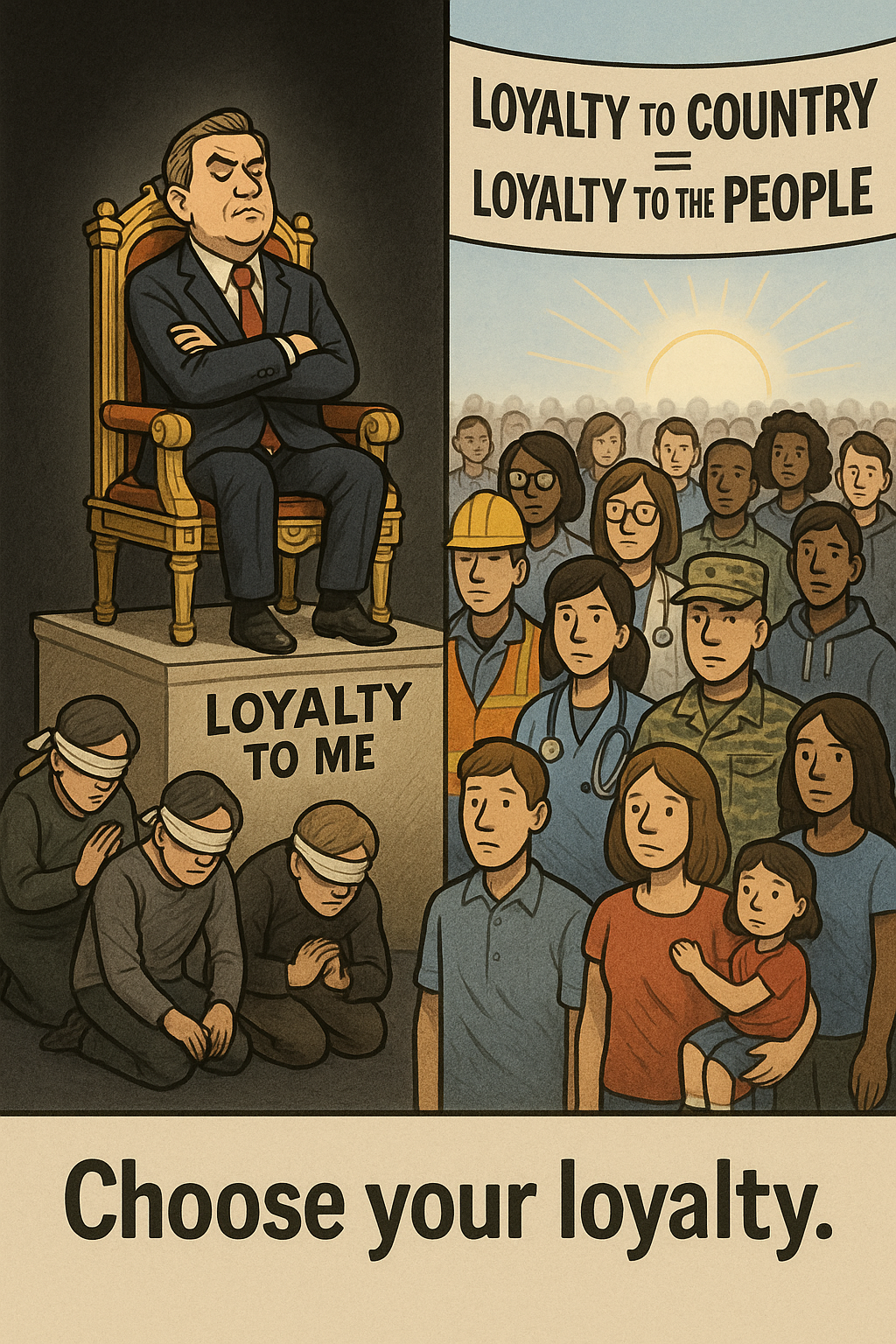
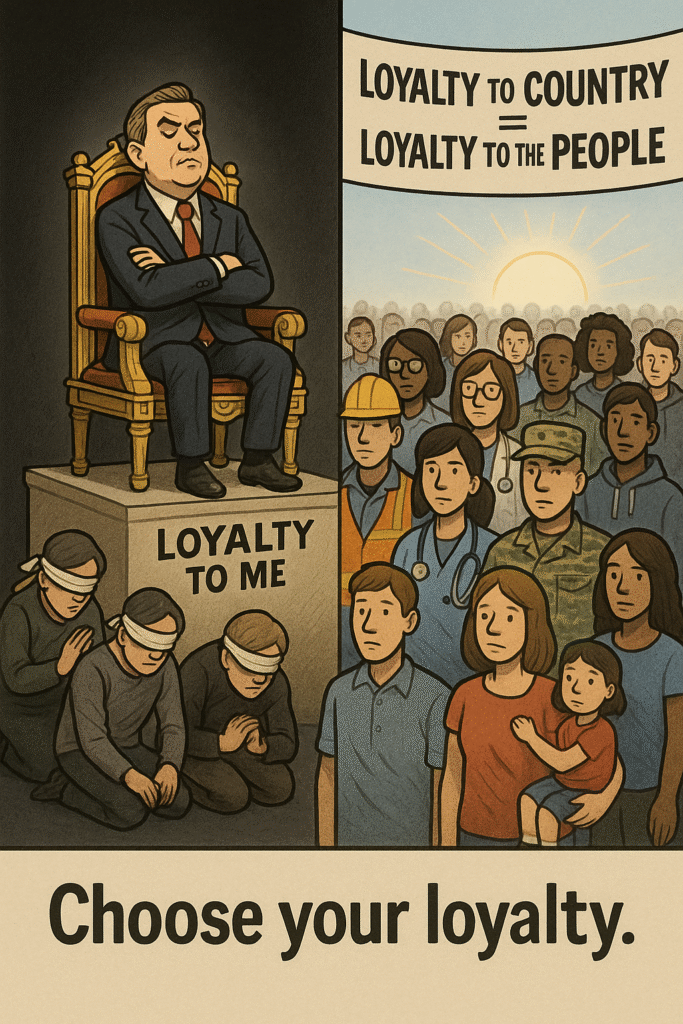
Loyalty, is only valid when you made that choice.
Loyalty, is only valid when you made that choice. Chose wisely while you still have the freedom to chose.
Share this:

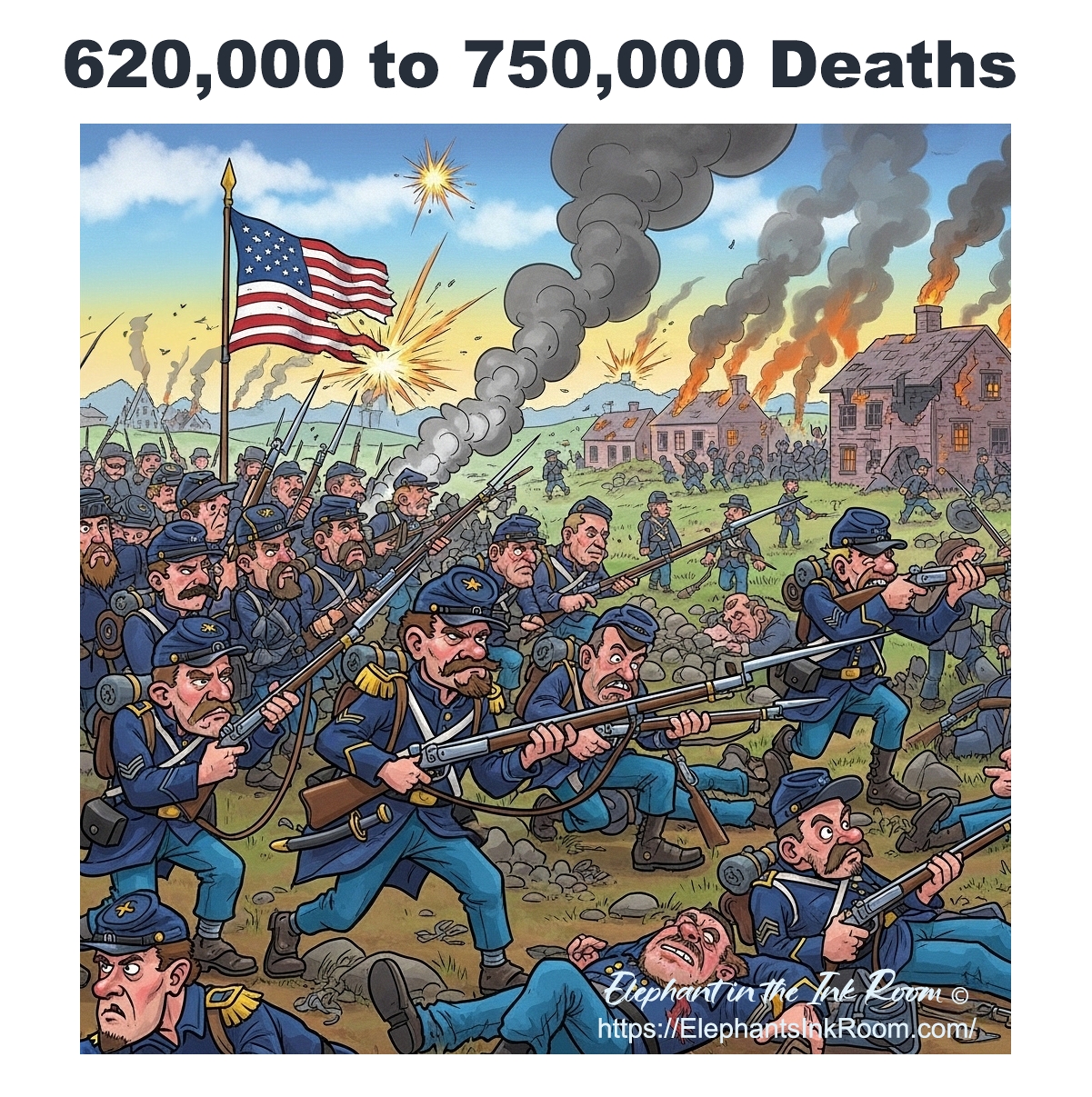
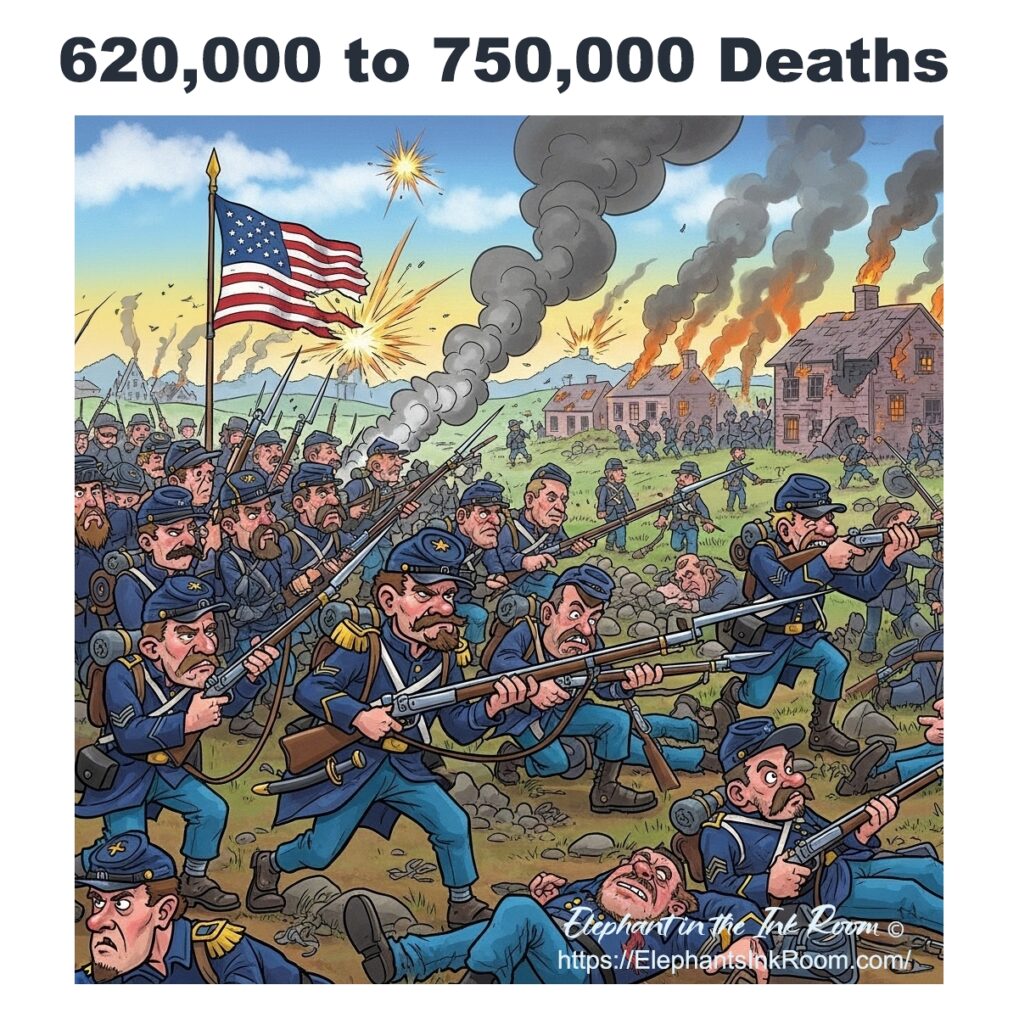


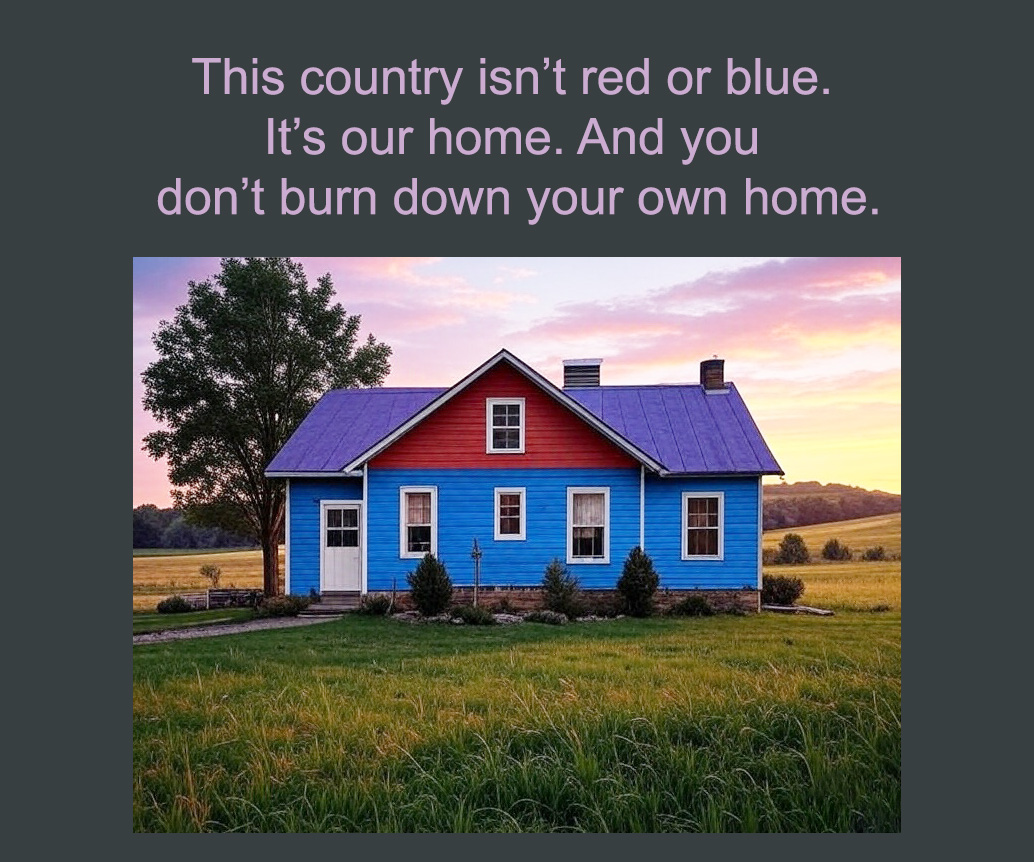
This country isn’t red or blue. It’s our home. And you don’t burn down your own home.
This country isn’t red or blue. It’s our home. And you don’t burn down your own home.
Share this:

Why Do The Ultra Rich Make Asses Of Themselves

/
RSS Feed

1. It’s Not About Money Anymore
Once you have more wealth than you can possibly spend, the “scoreboard” shifts. For some, the new currency is power, attention, and influence. Trump craves adoration and dominance. Musk craves being the center of the cultural/tech conversation. They treat the public stage the way a gambler treats the casino: the thrill matters more than the chips.
2. Addiction to Attention
Wealth insulates people from ordinary accountability. If you never hear “no,” and every outrageous move gets you headlines, you learn that being loud and provocative works. For personalities like theirs, attention becomes almost like oxygen — they can’t sit quietly with their fortune; they need to be seen.
3. Ego and Legacy
The ultra-rich often start chasing immortality through legacy. Ordinary lives can be content with family, friendships, or small communities. Billionaires sometimes need the world to remember their name in 100 years. That drive makes them behave like emperors or disruptors rather than satisfied retirees.
4. They Live in a Bubble
Surrounded by yes-men, lawyers, PR teams, and insulated wealth, many lose touch with how their behavior looks to normal people. What feels “bold” or “visionary” in their insulated world often looks childish, arrogant, or reckless from the outside.
5. Some Just Can’t Stop
The personality traits that made them rich in the first place — risk-taking, defiance, obsession, ruthlessness — don’t switch off once the money is in the bank. In some ways, those very traits make them incapable of enjoying peace or moderation.
So while from the outside it looks like: “They already won the game — why act like fools?”
Inside their heads, the game never ends.
Share this:

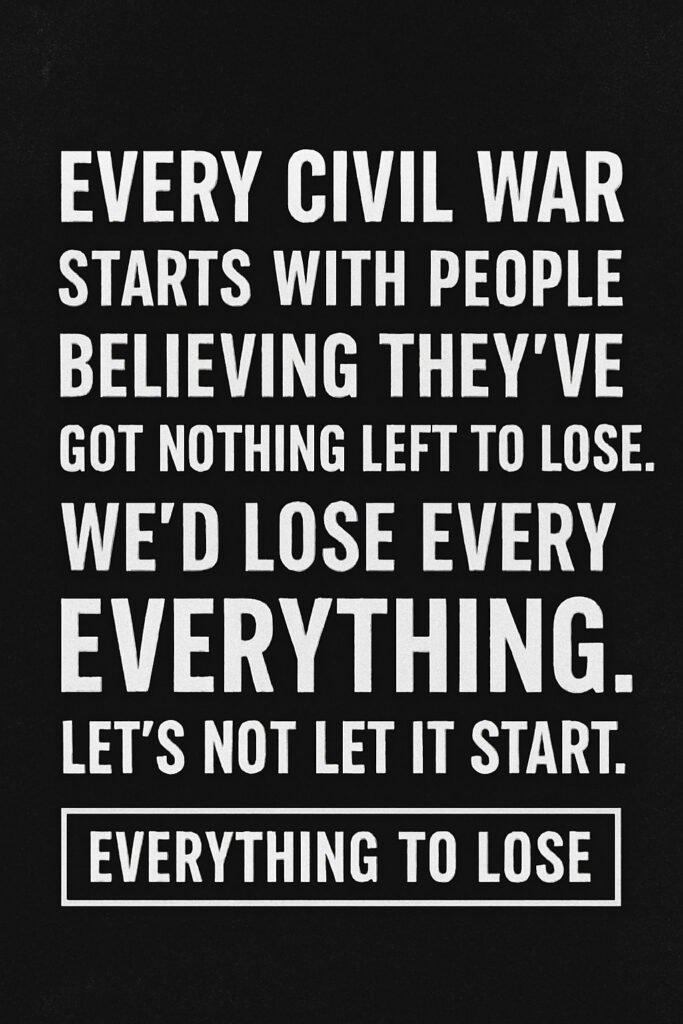
Every civil war starts with people believing they’ve got nothing left to lose. We’d lose everything. Let’s not let it start.
On
- Blog
“Every civil war starts with people believing they’ve got nothing left to lose. We’d lose everything. Let’s not let it start.”
Share this:

With Comey’s indictment, has the DOJ been weaponized? | The Excerpt

On the Sunday, September 28, 2025 episode of The Excerpt podcast: With the indictment of former FBI Director James Comey, some legal observers are questioning whether President Donald Trump has effectively weaponized the Department of Justice. USA TODAY Chief Political Correspondent Phillip M. Bailey joined USA TODAY’s The Excerpt for more on this developing story.
Share this:

Martrina & Jasper – Blues And Romance
On
- music
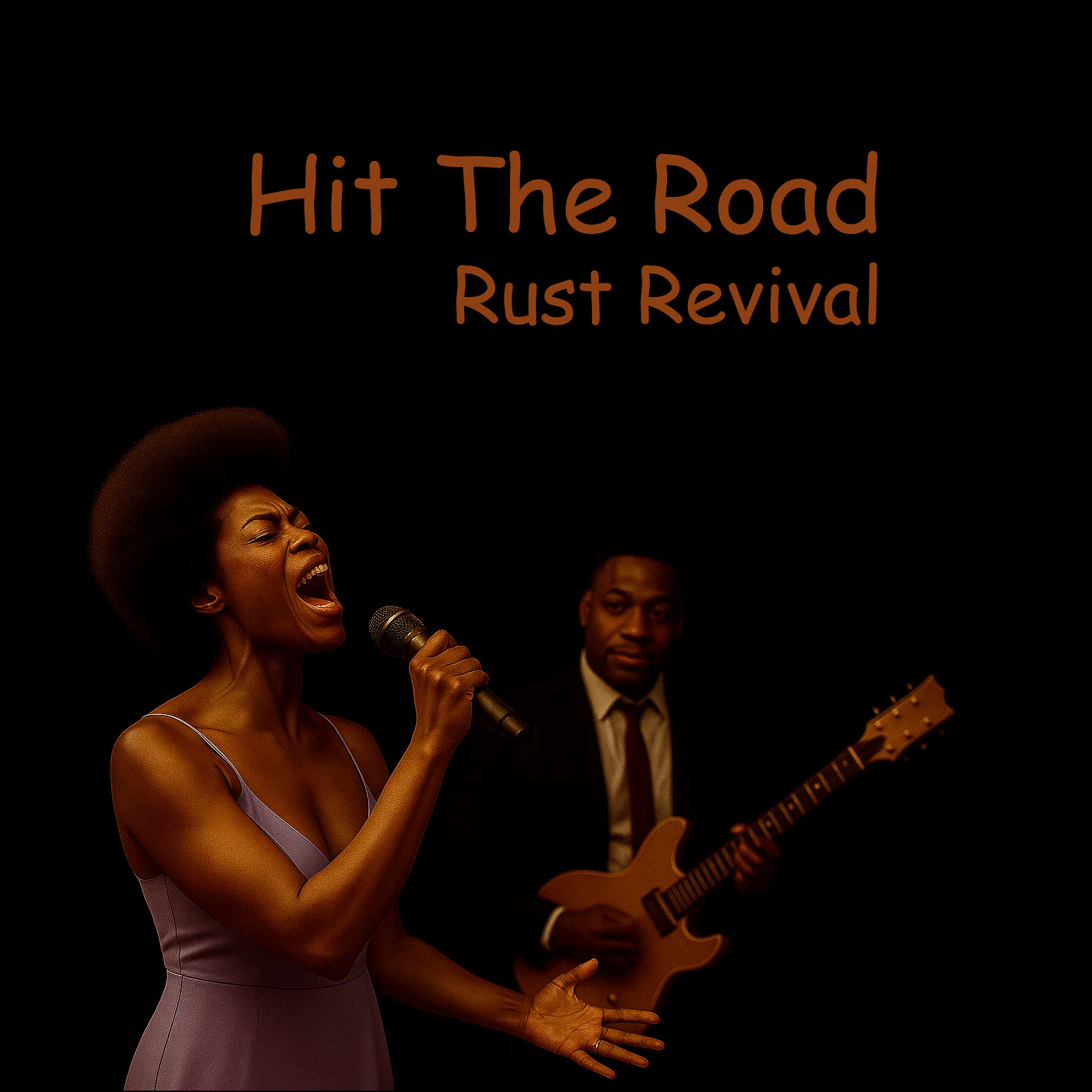
Martrina and Jasper hit the road where the neon hums, barbecue smoke drifts across back alleys, and chrome glints under Southern moonlight.
This playlist is their songbook — a journey through plates piled high, nights that never end, and the roar of engines chasing freedom. Down highways lined with magnolia and diners glowing in the dark.
Martrina & Jasper YouTube Drifters Blues Playlist
Share this:

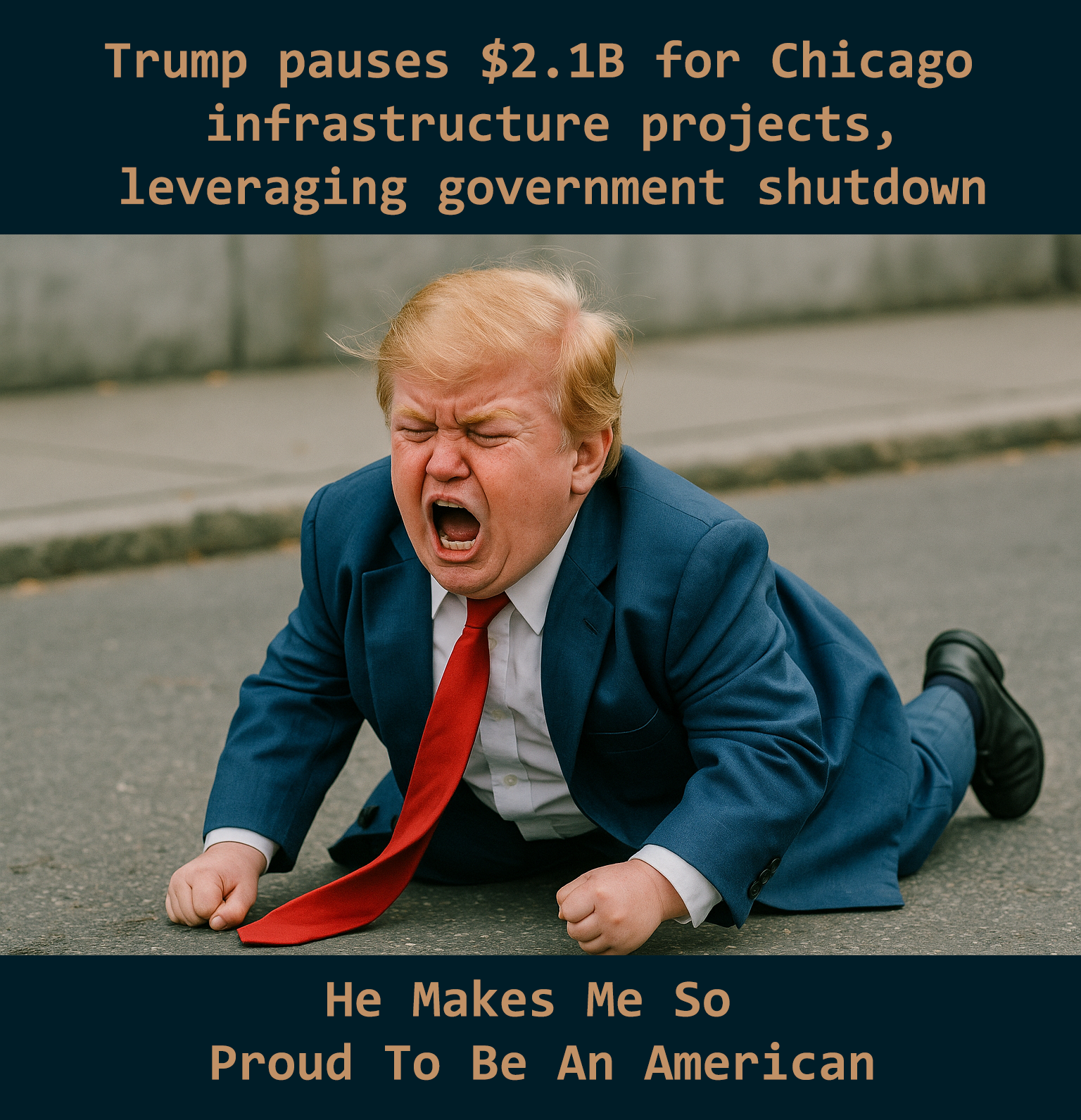


In a Galaxy Far Far Away
In a Galaxy Far Far Away, in a land of make believe and fairy tails there were men of Honor, there were also women of honor, just be politically correct. The HONORABLE people put their differences aside and came together for the sake of all who had given them their votes of confidence and they did the most honorable act they could do, and they did it together.

Share this:

The Dam Exploded and everyone died
Yes, it’s true, one little boy with his finger in the dyke was ignored for too long and he couldn’t get his message to be taken seriously so the whole thing failed because the repair men in RED couldn’t agree with the repair men in BLUE on how stick a cork in the insane problem.

Share this:

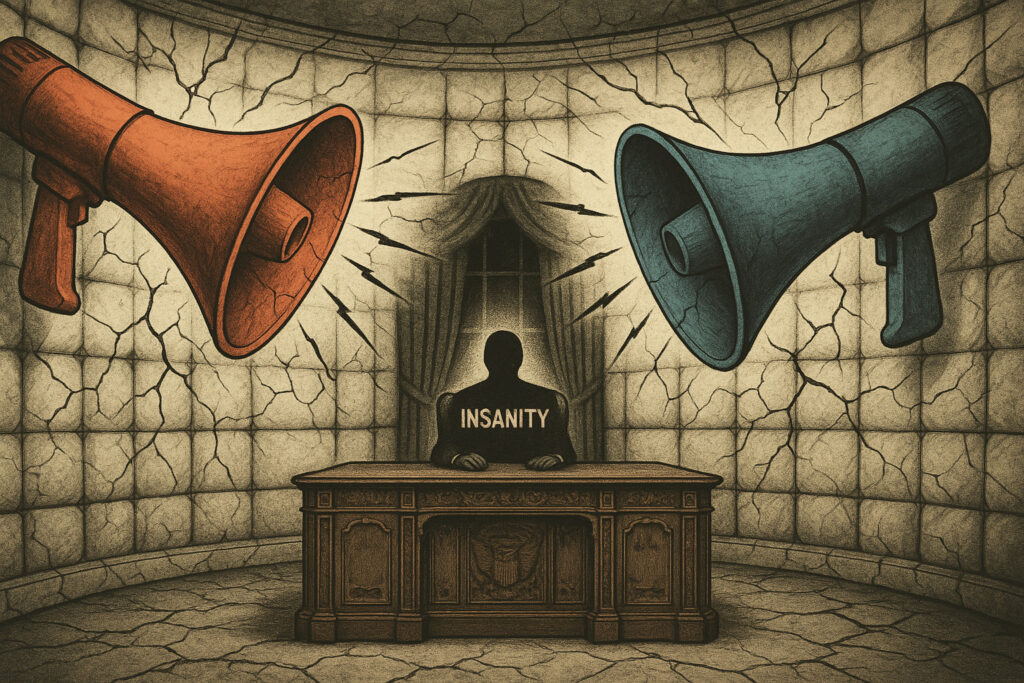
Crazy beyond belief – STOP IT and STOP IT NOW.
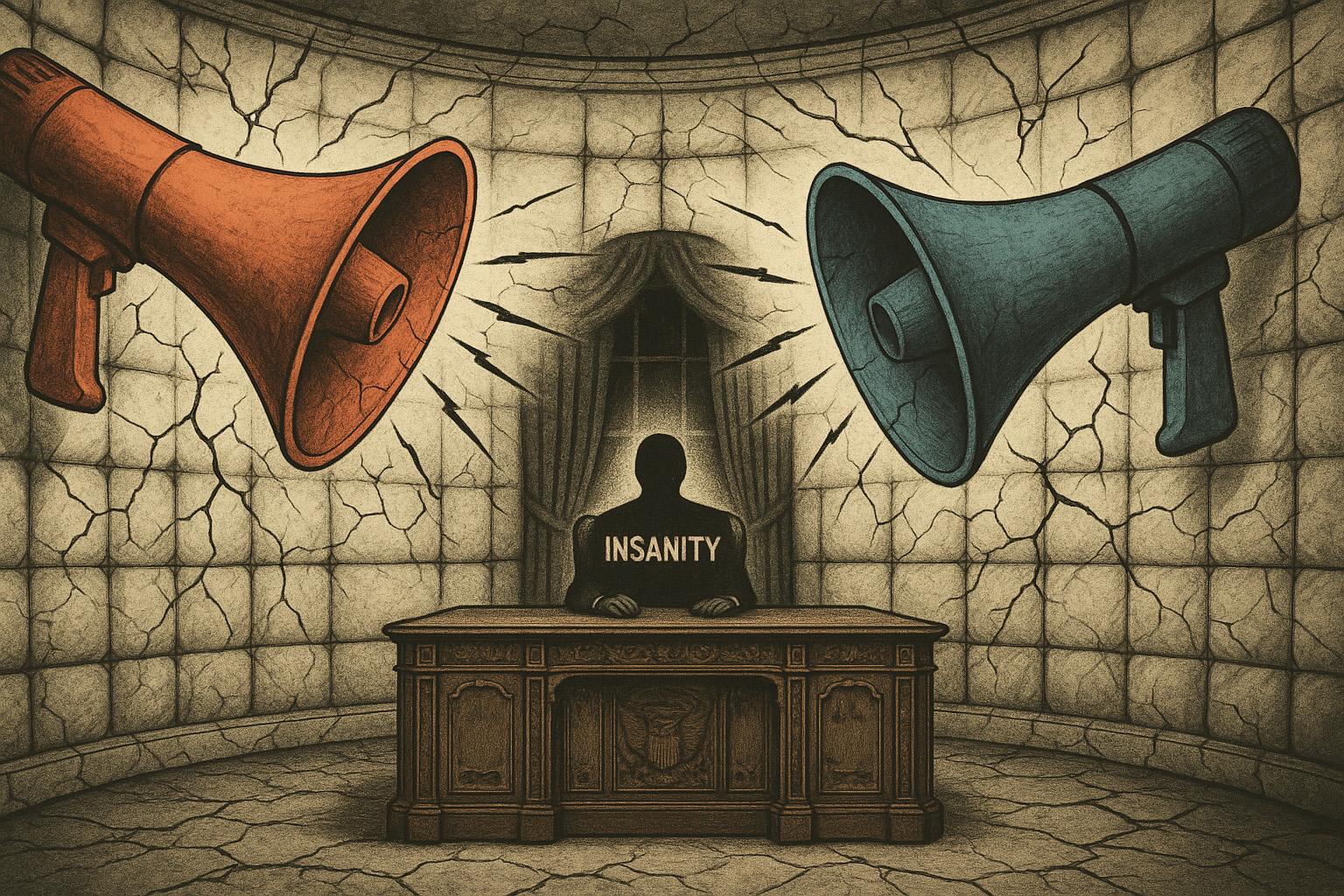
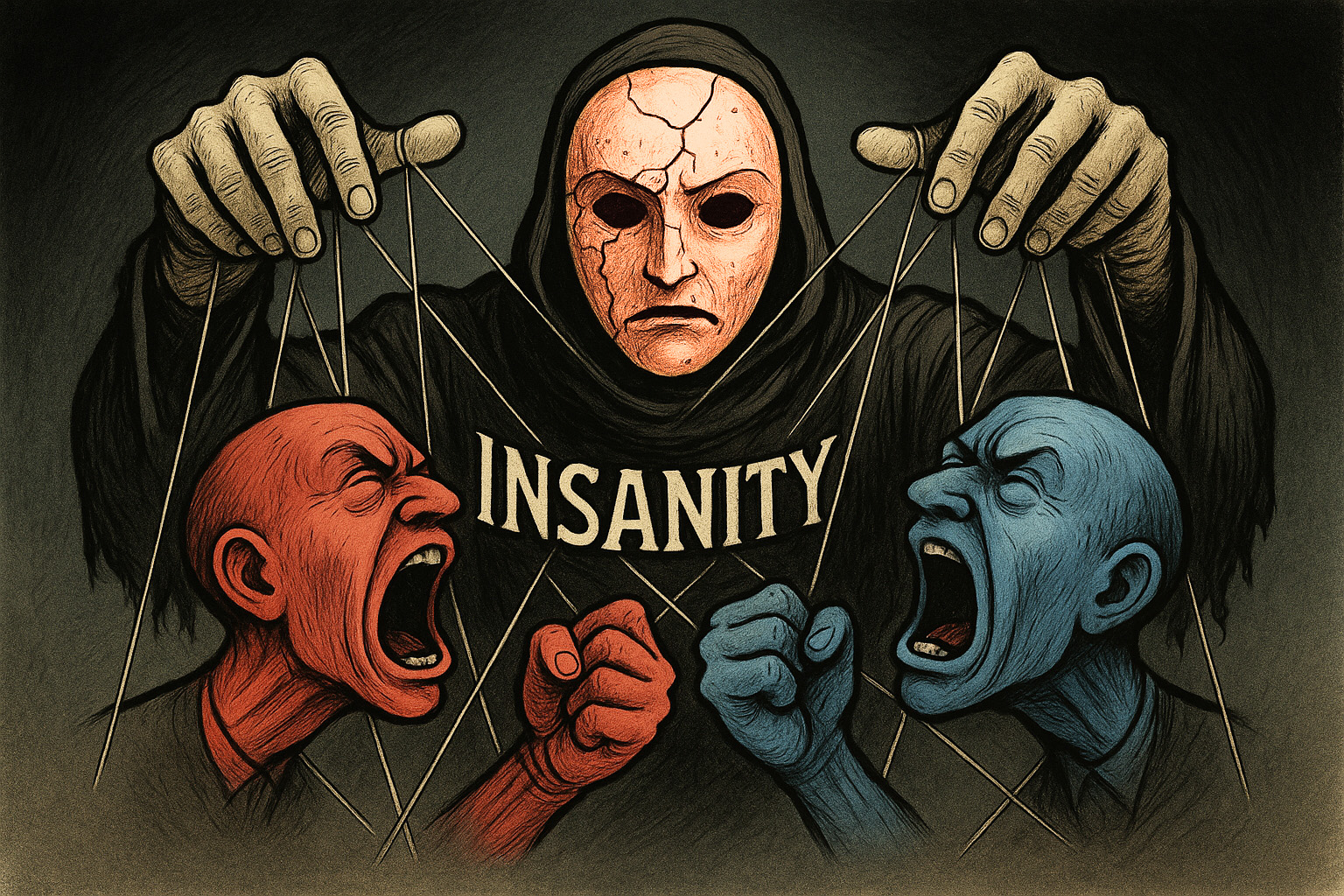
We have an inept platoon leader telling Generals and Admirals that they are physically unfit and a fat draft dodger telling them to get onboard or leave. And the worse part of this joke is that we are allowing it. STOP your infighting, STOP this Insanity.
STOP IT and STOP IT NOW
Share this:

Do You Want A Civil War? Or a Krispy Creme?
Because that’s what’s going to happen if everyone doesn’t calm down and remove the agitator, And Yes, the Agitator can be removed. But both sides need to suck it up and just do it. That’s right, JUST DO IT.
This non stop violence, mass shooting aren’t because we have guns, it’s because some insane idiot has removed hope, unbalanced people feel they need to act because nobody is listening to them. And with a totally deaf leader, it’s no wonder.
We have provisions for removal when incapacity becomes evident.

Share this:

Hey, all you good Christians, someone you should pay attention to has made his point.
Pope’s Rare Comments on U.S. Politics
In a rare statement on U.S. politics, Pope Leo XIV expressed concerns over remarks made by President Donald Trump and Defense Secretary Pete Hegseth during a meeting with military commanders, criticizing their confrontational rhetoric as potentially escalating tensions. The pontiff, originally from Illinois, also commented on the moral tensions among American Catholics, highlighting the inconsistency of identifying as “pro-life” while supporting the death penalty or harsh treatment of migrants. Pope Leo urged a broader evaluation of a public servant’s record, underscoring the complexity of ethical issues.
Share this:

Government Shutdown: A Nation in Gridlock and Shootings
On
- Commentary, The Fallout
Government Shutdown: A Nation in Gridlock
The U.S. government officially shut down on October 1, 2025, after Congress failed to pass a funding bill. Senate Democrats blocked a Republican plan, while Republicans opposed a Democratic bill with provisions for healthcare and social funding. Approximately 750,000 federal workers face furloughs, and many government agencies—including the EPA, FDA, and the Department of Education—have limited operations. President Trump has threatened mass layoffs if a shutdown occurs and circulated a controversial AI-generated video mocking Democratic leaders. Legal challenges and widespread agency disruptions have accompanied the standoff, with no resolution in sight.
Mass Shootings: A Grim Surge
Over the weekend, the U.S. experienced a surge in gun violence with six mass shootings spanning across four states—Louisiana, North Carolina, Michigan, and Texas—resulting in nine fatalities and at least 33 injuries. One of the deadliest incidents occurred at a Mormon church in Grand Blanc Township, Michigan, where four worshippers were killed and the suspect died after opening fire and setting the building ablaze. These incidents bring the year’s total mass shootings to 324, averaging over one per day, according to the Gun Violence Archive.
Our commentary: We don’t believe the increase is shootings is related to firearms, even though they were used. Our belief is that as people feel more and more polarized and lose all hope of control (Yes, I’m Referring to our very own Benito Mussolini) they seek attention, they want a voice and sadly that’s the only voice they can find. Make an effort, listen to those around you, have open discussions without passing judgement. You might just save a few lives.
Share this:

Insanity Rules
On
- activism, Commentary
And if you want to know who is to blame, look in the mirror. Only you can stop it.
Everyone needs to SHUT UP and get rid of the INSANITY.

Share this:

Mollie Strickland – Make Me An Angel
On
- music
Mollie Strickland, brings her southern roots to the midwest, weaving songs of freedom, love and longing. A bit of torch and empty roads. Let her set the mood for a cold beer or glass of Chardonnay and maybe juicy burger and fries.
Mollie Strickland -YouTube Playlist
Mollie Strickland – Your Love Won’t Set Me Free
I’m breaking every time you smile at someone new My heart keeps whispering your name, though I know we’re through I stand in shadows, watching you dance so far away Loving you’s my madness, it

Mollie Strickland – Why’d you cut me so deep
I gave you my heart, you tore it apart, Left me standing in the rain. Every promise you made just faded away, Now I’m drowning in the pain.

Mollie Strickland – When Will I Be Needed
I’ve been chasing hearts, like a runaway train, Pouring all my love, and catching only pain. Every smile I give, they take and they go, Tell me why, tell me when, will someone know?

Mollie Strickland – Wander’s Road
Wanderer, you’re ridin’ alone, Chasin’ shadows where the cold winds moan. Your boots are worn, your heart’s grown hard, Countin’ scars beneath the desert stars.

Mollie Strickland – Shadows Of My Smile
People see me laughin’, dancin’ in the light, They think my heart’s unbroken, that I’m doin’ alright. But behind this painted grin, there’s a story left untold, A love that slipped away, left my spirit

Mollie Strickland – I’m Done With You
I’ve been waitin’ by the window, watchin’ time slip slow, Countin’ every star that falls where your shadow used to go. My heart’s a quiet fire, burnin’ soft and low, But it aches for you,

Mollie Strickland – Fading Echos
I’ve been waitin’ by the window, watchin’ time slip slow, Countin’ every star that falls where your shadow used to go. My heart’s a quiet fire, burnin’ soft and low, But it aches for you,

Mollie Strickland – Make Me An Angel
I’m a woman carved by years, in this quiet town I stay Lines upon my weathered face, dreams that slipped away Kitchen light’s too harsh tonight, walls feel like a cage Wish I could ride
Share this:






Lila Rae Voss – Feeling Good
On
- music
Lila doesn’t want to redo the standards, she wants to create her own songbook with a bit of nostalgia for those that remember and something fresh for the new enthusiasts of today. Please take the time to listen.
Lila Rae Voss – YouTube Playlist

Lila Rae Voss – Night Train Fever
Runnin’ through the city, lights are flashin’ bright, Train’s a-rollin’ heavy, cuttin’ through the night. Got that fever risin’, heart’s a-beatin’ loud, Step into the rhythm, lose yourself in the crowd.

Lila Rae Voss – Shadow Waltz
In the fog of the harbor, where the liners slip away, I meet him 'neath the lantern light, at the close of the day. He's got eyes like microfilm, lips that seal a vow, One

Lila Rae Voss – Secrets In The Moonlight
In the shadows where the whispers hide, You slipped your number on the table by my side. A coded message in a glance so sly, One dance together and we’re living a lie.

Lila Rae Voss – The Way Tomorrow Feels
I’ve walked through crowded evenings, with neon in the rain, And every stranger’s laughter just echoes the refrain. But when your hand found mine, the city changed its tune, And suddenly the midnight felt softer

Lila Rae Voss – Rise Above
Woke up to the sun, breaking through the pain, Shadows in my past, but I’m breaking the chain, Heart’s been heavy, but I’m lifting the load, Found my strength, now I’m hitting the road.

Lila Rae Voss – Pixel Heartache
In the glow of a midnight screen, where the shadows play, I scroll through your stories, but you're miles away. A swipe to the right, and we danced in the dark, But the signal went

Lila Rae Voss – Midnight Glow
Under the moonlight, your shadow calls, Soft whispers echo through these walls, Heart beats slow, like a river’s flow, Baby, you’re the fire, I’m lost in the glow.
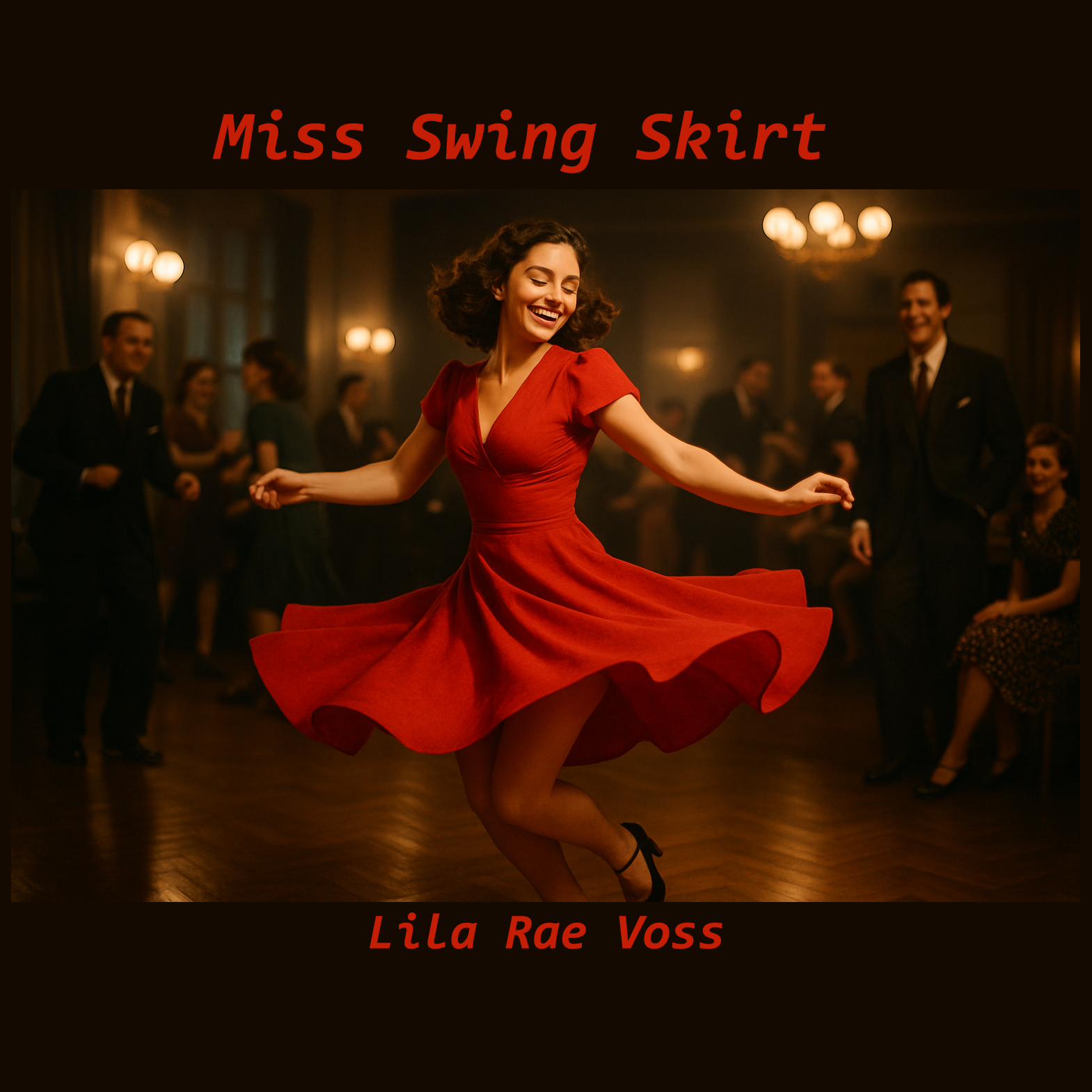
Lila Rae Voss – Miss Swing Skirt
She's got rhythm in her hips, shakin' to the tips, Dancin' down the avenue, makin' all the fellas swoon. Polka-dot bow, she's stealin' the show, Twirlin' in the moonlight, under the neon glow.

Lila Rae Voss – After Midnight
After midnight, when the world is still I let the night confess what I can’t reveal Hold me closer, breathe me in so slow After midnight, that’s when I let it show
Share this:

Purpleman’s Rhythm – Two Versions when possible, Blues and Dirge (Gospel Style)
On
- music
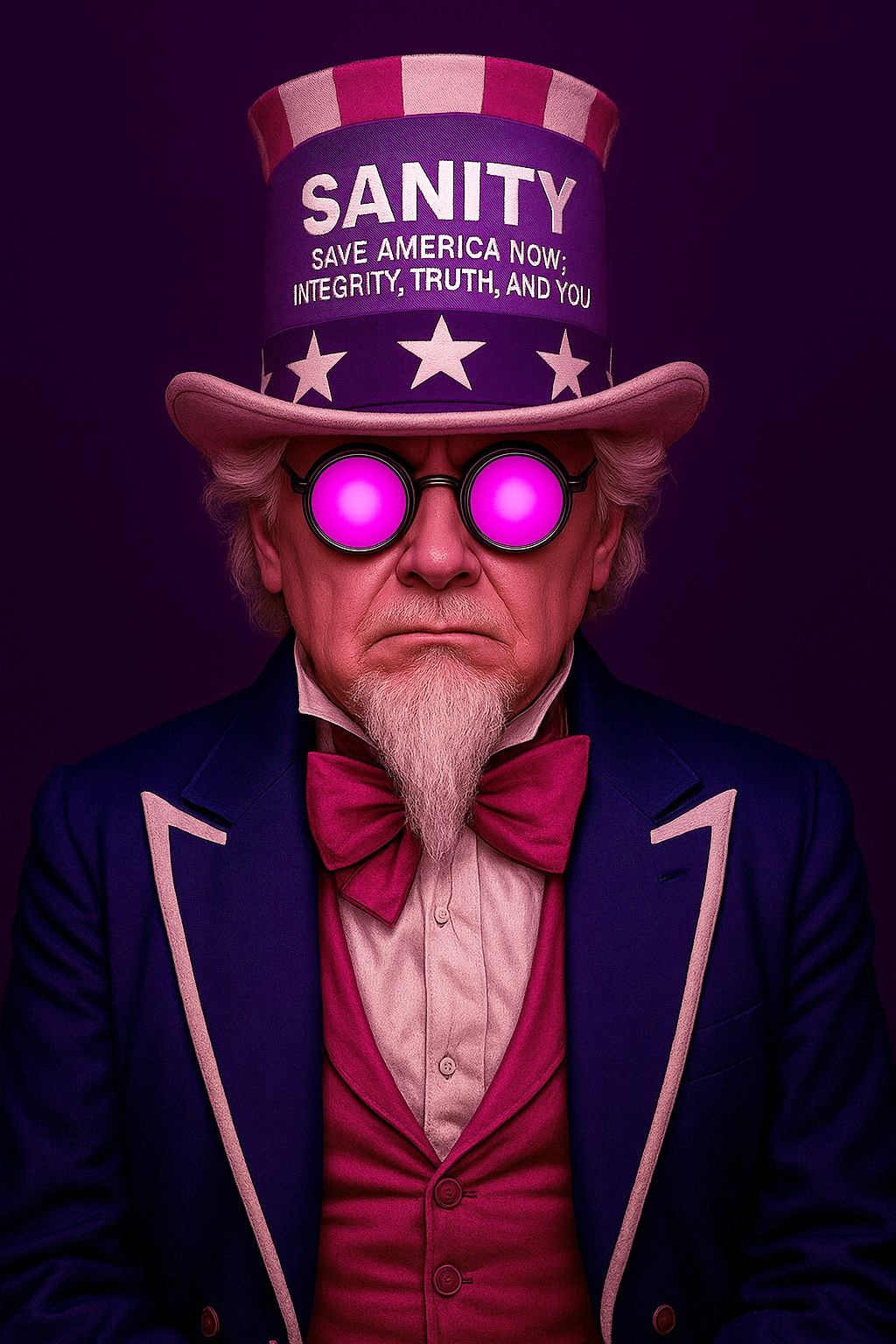
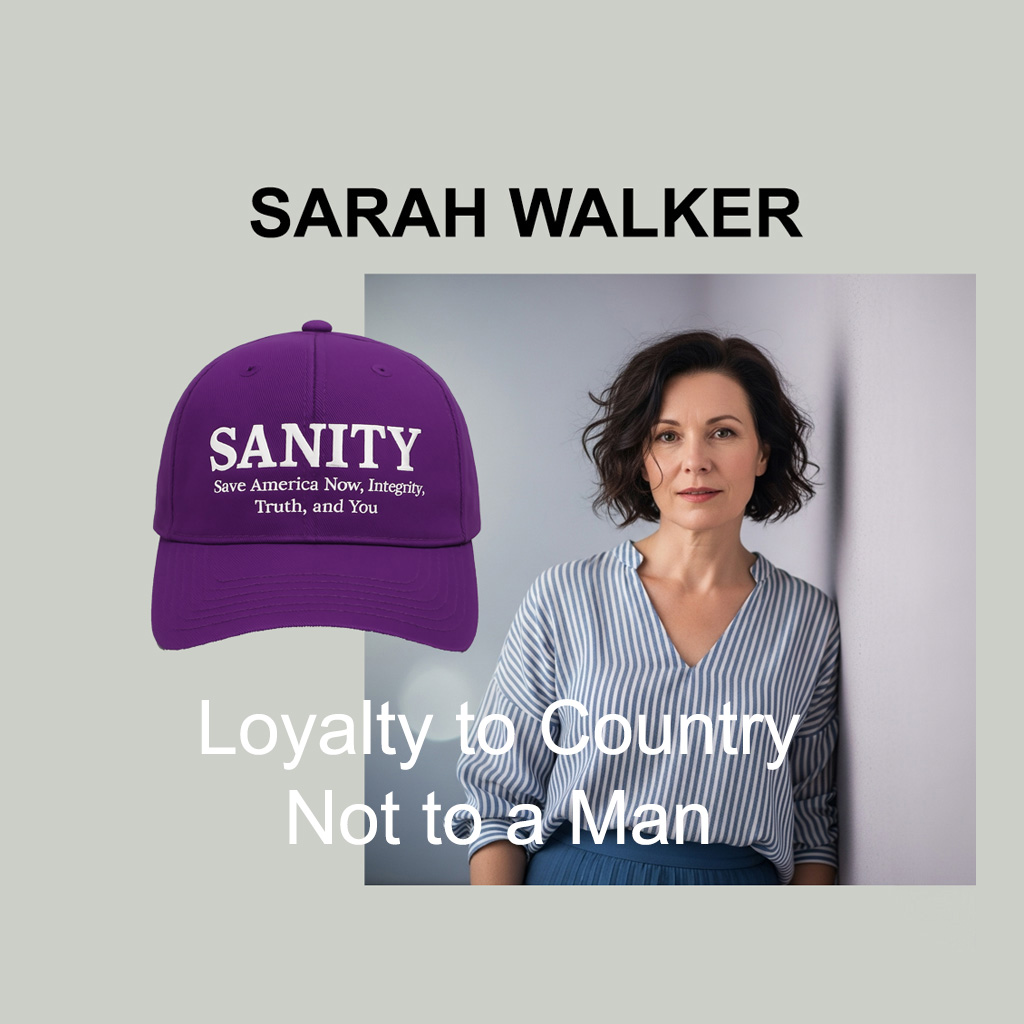
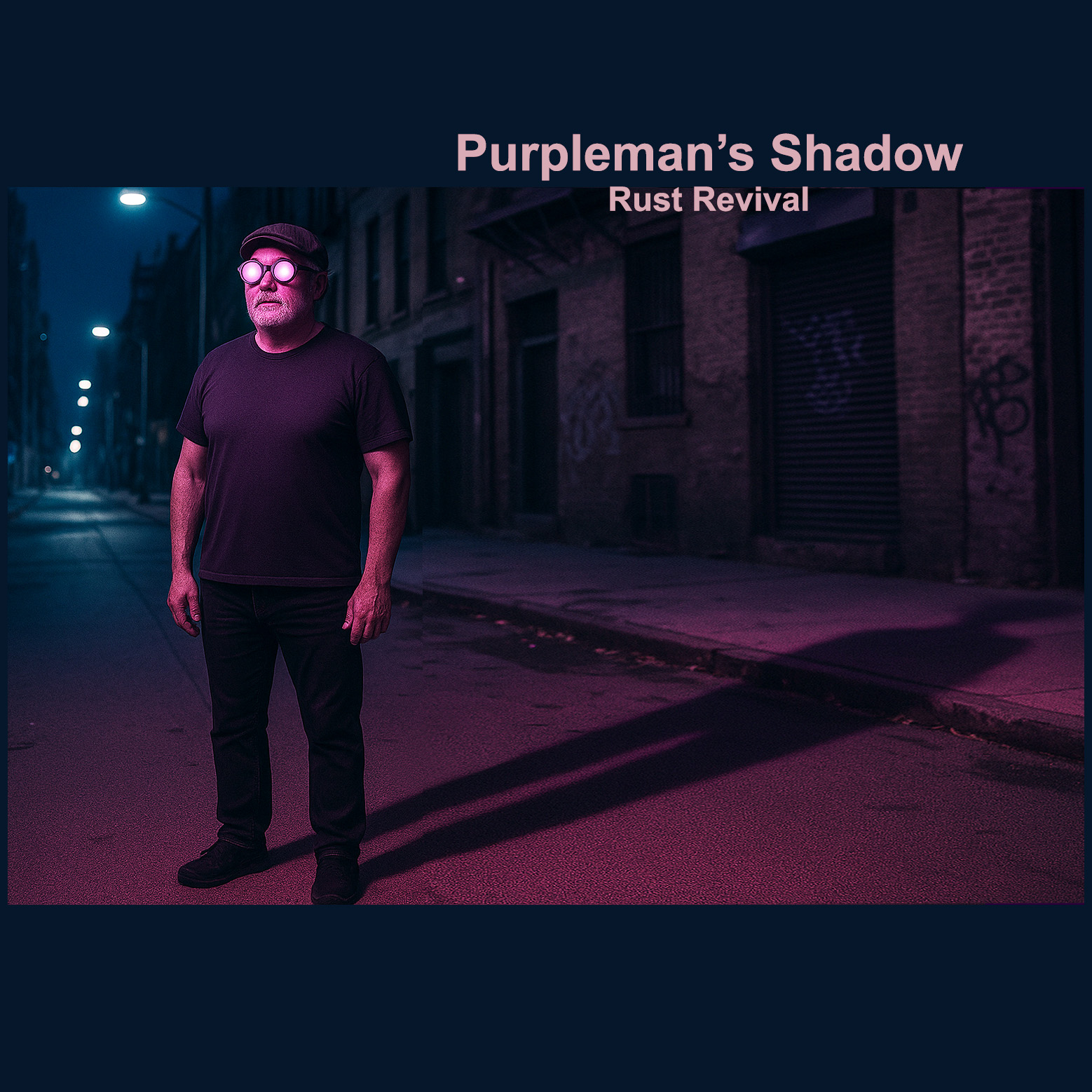
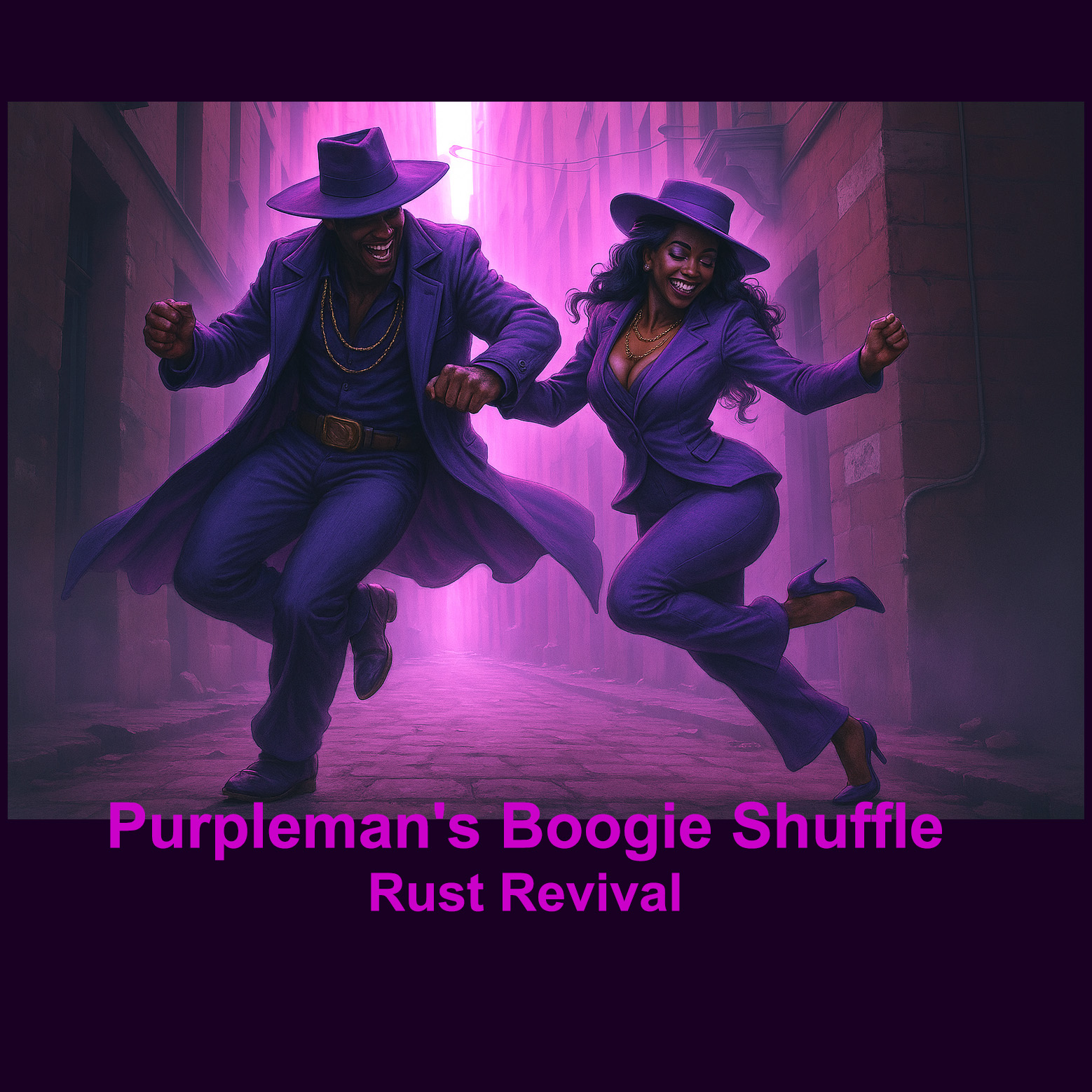
We started out as friends just jamming into the night. One song — Purpleman’s Rhythm — took off, written as a thank-you to our friend, The Purpleman, for standing strong in a divided world. Today, everything feels split between Woke and MAGA. But the future isn’t at the edges — it’s in the middle. Because sanity is compromise… and compromise is strength. We had fun, we tried different takes, cause everyone see’s life a little differently.
If you enjoy Gospel-Blues then take one of our DIRGE songs for a ride, Just might touch the soul.
Purpleman’s Rhythm Playlist On YouTube





Share this:

It Hurts To Be Right
This morning, a text to as friend:
I hope they have Trump give the closing eulogy, that will give everyone at least 30 minutes to leave, otherwise they will have to listen to 30 seconds how great Charlie was, and the remaining 29.5 minutes about ‘who the fuck knows, but you know windmills and talent will be included’
The Memorial Service was held and is over, so I asked Grok this question and got this response.
how long did trump talk at the kirk memorial
President Donald Trump spoke for approximately 34 minutes at the Charlie Kirk memorial service held on September 21, 2025, at State Farm Stadium in Glendale, Arizona. Multiple eyewitness accounts from the event, including live reactions on X (formerly Twitter), confirm this duration, noting that his remarks began as the final speech of the evening and extended well beyond initial expectations, blending eulogy elements with political commentary. For context, the full service lasted around five hours, drawing nearly 100,000 attendees, and Trump’s address was described in media coverage as lengthy and meandering, prompting some early departures from the crowd.
Share this:

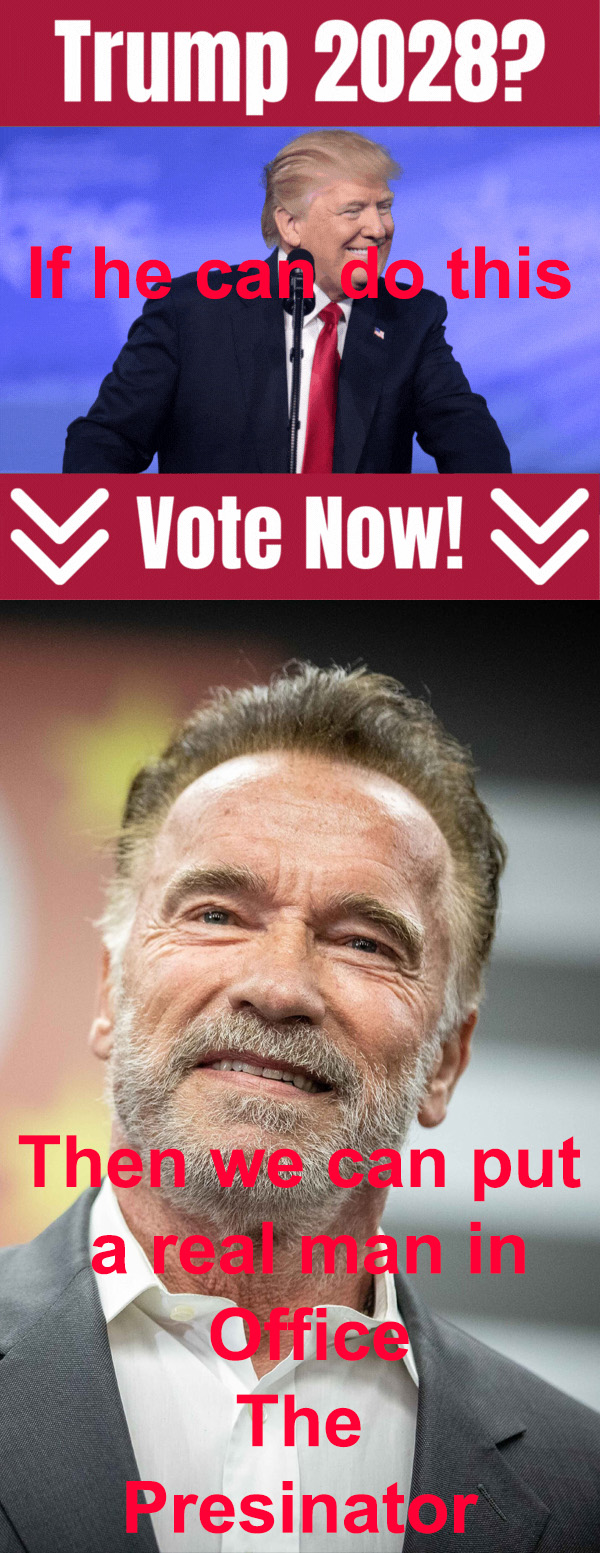


Thank you Donald Trump, you saved me over $350.00 a year.
On
- Commentary
All the services offered by CBS, ABC, Disney, Paramount that I have dropped because of their putting corportae profits above Freedom Of Speech. Savings of $350.00 plus
Now if you factor in all of the movie fees I wil save by not taking my family to, or renting Marvel or Disney Movies, then factor in the money I will save by never going to their crummy theme parks and I will break even with the added cost of food and goods because of the Orange Man’s Tariffs.
Thanks again to the man with NO TALENT AND POOR RATINGS, Isn’t that a firing offence?
Share this:

Martrina & Jasper – Take Two
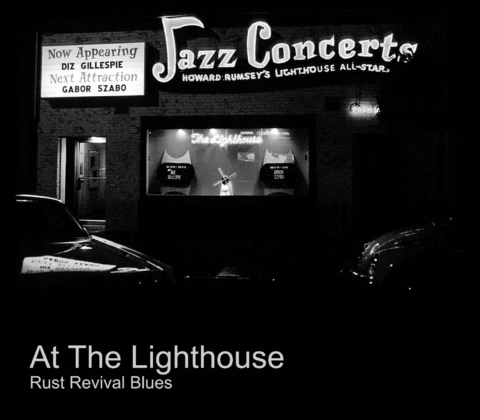
Martrina & Jasper of Rust Revival Blues takes you on a more sultry ride.
Just time to kick back and enjoy, maybe a Bourbon and Cigar.
Martrina & Jasper’s Take Two Playlist On YouTube
I’ve been draggin’ these boots through the ashes,
Chasin’ ghosts down a broken line.
Every road just burned to cinders,
But I kept on movin’, buyin’ time.
Martrina & Jasper – At Long Last
I’ve been draggin’ these boots through the ashes, Chasin’ ghosts down a broken line. Every road just burned to cinders, But I kept on movin’, buyin’ time.
Martrina & Jasper – Can’t Go Back
We left what we had in the dust of the night, Suitcase of dreams, no wrong or no right. The road stretched long, shadows fell fast, We walked away, love, from all of our past.
Martrina & Jasper – Carry Me Through
Shadows fall in minor lines, Echoes move where silence hides. Cello weeps, the night unravels, Saxophone remembers why.
Martrina & Jasper – Done It My Way
Well I’ve walked the line, Through smoke and thunder, Paid my dues, And made my blunders. But when the lights go down, And the night turns gray, I can say I lived it — Done
Martrina & Jasper – Forever Be Mine
In the twilight’s glow, your shadow’s calling, Your skin’s a soft whisper, my soul is falling. The beat drives us forward, two steps in the breeze, Your body against mine, a sweet, restless tease.
Martrina & Jasper – In The Dark Of The Night, What If
So blow that line of maybe, Let the bass keep time with cheer. We’ll swing the truth so lightly, That the pain can’t find us here.

Martrina & Jasper – Maybe Love Was Late To Show
Maybe love was late to show, Maybe time just ran too fast, But this groove won’t let me go, Keeps the blues from holding fast.
Martrina & Jasper – Pull Me Closer To The Secret
Take my hand across the silence, where the candles start to lean, Every step a slow confession, Every glance a broken dream.

Martrina & Jasper – Purpleman’s Rhythm
Power in the people, rising from the ground, Purpleman’s rhythm shaking all around. No more hiding, no more chains, We’re the fire running through the veins.
Martrina & Jasper – Rolling Away ’25
Well, my hopes were high in the morning light But the truth rolled in sometime last night I gave my trust, but it slipped away Now I’m driving on toward a clearer day
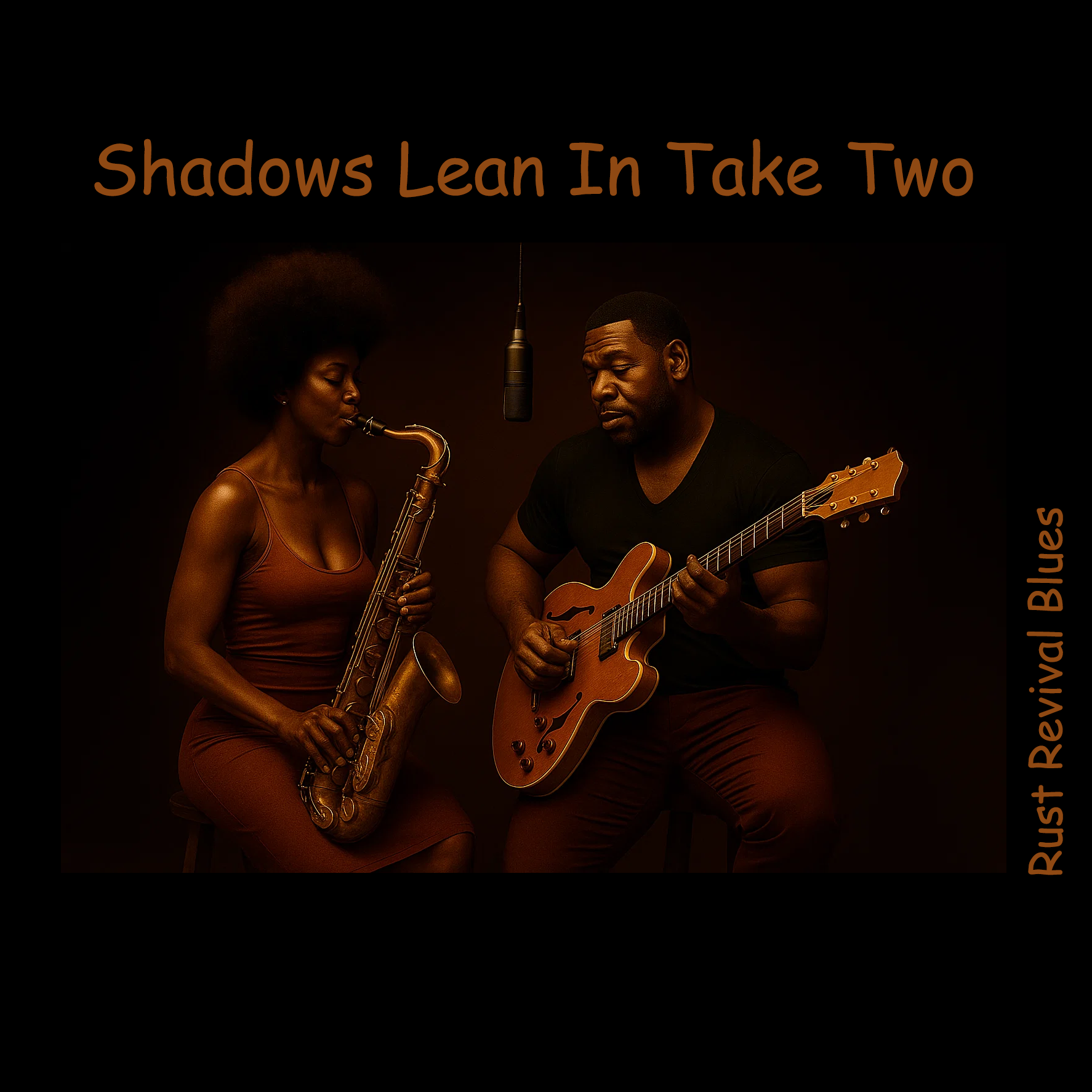
Martrina & Jasper – Shadows Lean In
Smoke curls around our memory, Bass walks under our skin, We’ve been lost in the waiting, Since the night it all began.
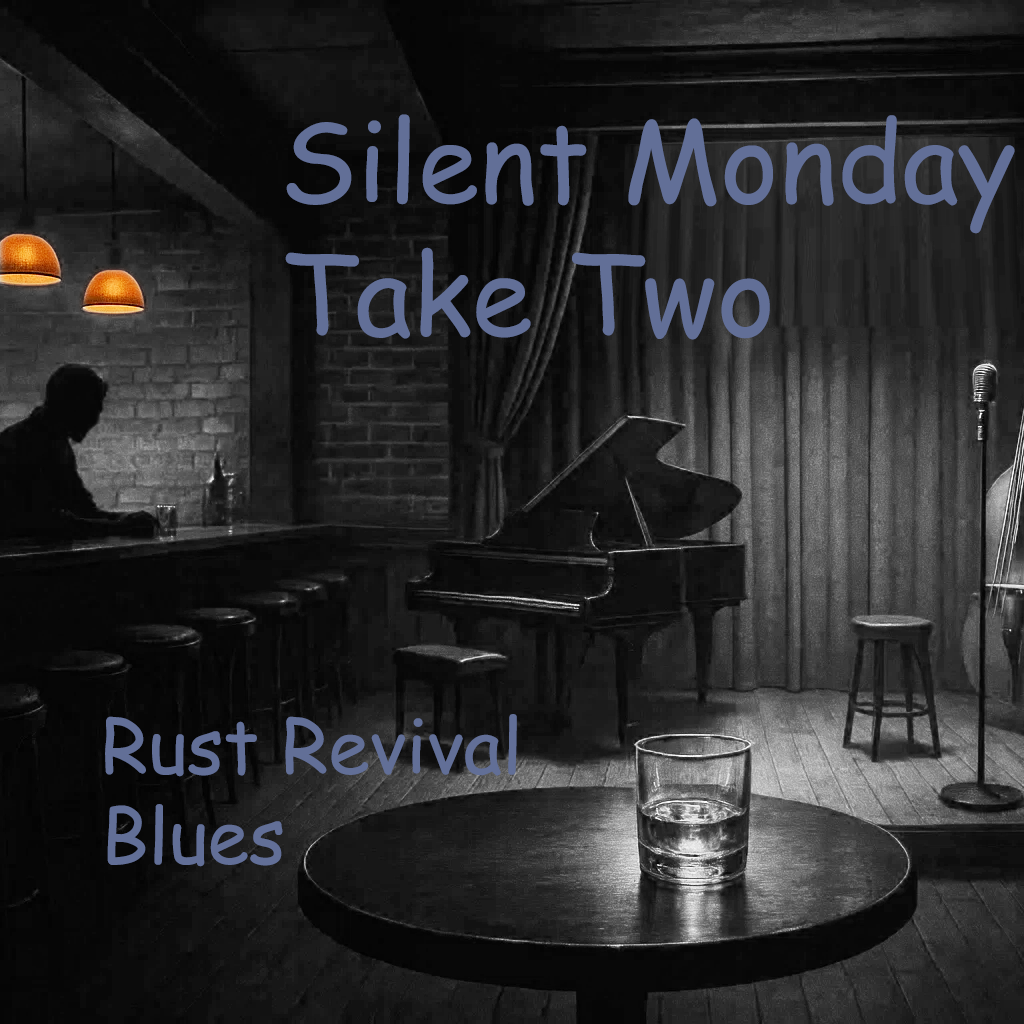
Martrina & Jasper – Silent Monday
Candles are burning, but the light feels cold Memories linger, stories left untold The wind through the window carries your sigh And I am left asking, why must love die?
Share this:

MAGA Hypocrisy
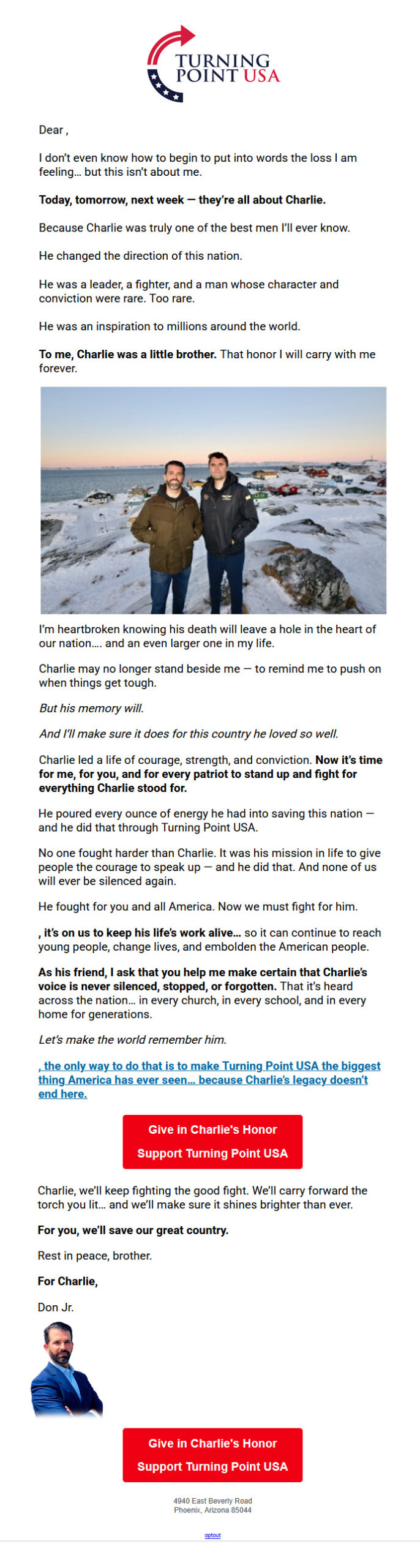
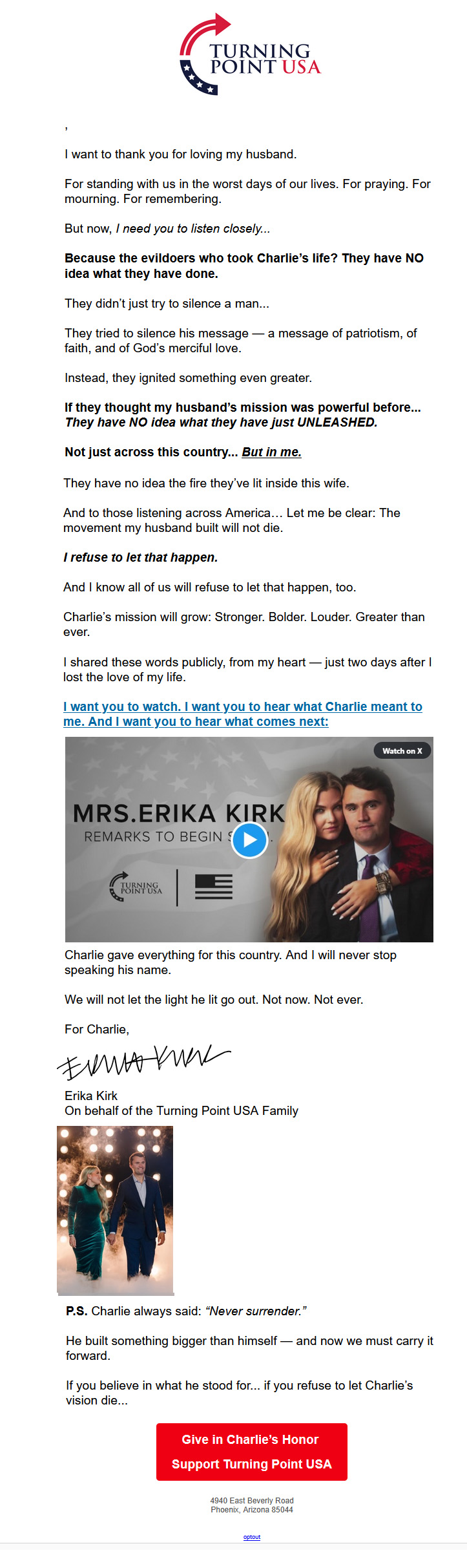
First I would like to say I never saw Charlie Kirk do anything so I certainly have nothing bad to say about him, and I do NOT approve of the violence and certainly not murder. But if he was half the man the far right claims him to be, then he would be shocked to see the hypocrisy MAGA is doing in his name. In less than one week from his murder MAGA is stumping his image and memory for a few dollars more, And got Jimmy Kimmel fired for calling them out on it.
Delivering his opening monologue, the host said the “MAGA gang” was “desperately trying to characterise this kid who murdered Charlie Kirk as anything other than one of them and doing everything they can to score political points from it”.
He also accused them of “working very hard to capitalise on the murder”.
All Kimmel did was call a spade a spade. MAGA Hypocrits
I am a registered Republican and this shames me. Free Speech, I don’t think so.
Share this:

Violence, who’s who.
On
- Commentary, The Fallout
Overview of Political Rhetoric and ViolencePolitical rhetoric that promotes or incites violence—such as dehumanizing opponents, using metaphors of war or elimination, or endorsing threats—has been a growing concern in the U.S., particularly since the mid-2010s. Research from sources like the Carnegie Endowment for International Peace, Brookings Institution, and academic studies (e.g., in Political Behavior journal) shows that such language correlates with increased acceptance of violence among partisans, though it rarely causes it directly. Instead, it amplifies existing grievances, especially in polarized environments.Key findings:
- Both parties use heated rhetoric, but studies and data indicate Republican rhetoric is more frequently linked to mainstream incitement and actual violence. This includes normalization of threats by party leaders and media allies, leading to higher rates of attacks motivated by right-wing ideologies.
- Left-wing rhetoric (e.g., from fringes like Antifa) often focuses on property damage during protests, but mainstream Democrats more commonly condemn violence outright.
- Recent events, like the 2025 assassination of conservative activist Charlie Kirk (blamed on “radical left” rhetoric by Trump and allies) and prior incidents (e.g., Jan. 6, 2021 Capitol riot), highlight a cycle where blame is partisan, but data points to asymmetry.
Evidence from Studies and PollsMultiple peer-reviewed studies and polls quantify rhetoric’s role. Here’s a summary table of key data:
|
Source
|
Key Finding
|
Party Breakdown
|
|---|---|---|
|
Carnegie Endowment (2023)
|
Affective polarization and leader rhetoric increase violence risk by 35%; right-wing dehumanization (e.g., “enemies of the people”) normalizes threats more than left-wing equivalents.
|
Republicans: Higher in mainstream rhetoric (e.g., Trump’s “fight like hell”). Democrats: More anti-violence messaging from leaders.
|
|
Brookings Institution (2022)
|
Hateful rhetoric boosts polarization and terrorism; 75% of Americans link heated language to violence. El Paso shooter’s manifesto echoed conservative media terms like “invasion.”
|
Right-wing: Correlated with 80%+ of domestic terrorism incidents. Left-wing: Mostly protest-related, less lethal.
|
|
Political Behavior Journal (2025)
|
Elite threatening rhetoric increases support for violence among strong partisans; effects stronger when targeting out-groups.
|
Both parties, but Republican examples (e.g., endorsing Jan. 6) cited more.
|
|
Reuters/Ipsos Poll (Sep 2025)
|
67% of Americans say harsh rhetoric fuels violence; 71% see society as “broken” by divisions.
|
Post-Kirk assassination: Bipartisan concern, but Republicans more likely to blame “left lunatics.”
|
|
YouGov Poll (Sep 2025)
|
72% say political violence never justified; liberals (esp. under 45) slightly more open to it “sometimes” (25% vs. 6% conservatives).
|
Overall rejection high, but right-wing supporters show higher justification in past polls (e.g., 36% GOP in 2020 vs. 33% Dems).
|
|
Voter Study Group/YouGov (2020)
|
Acceptance of party violence rose from 8% (2017) to 33-36% (2020).
|
Near parity, but post-2020 data shows GOP edge in actual incidents.
|
|
Network Contagion Research Institute (2024)
|
Bluesky (left-leaning) had highest justification for violence/murder online.
|
Platforms matter; X/Twitter amplifies right-wing echo chambers more for threats.
|
- Historical Context: Post-Civil Rights era, Democratic rhetoric in the South (e.g., lynchings as election tactics) promoted violence, but modern data shifts focus to the right (e.g., Tea Party to MAGA pipeline, per Columbia University study).
- X/Twitter Trends (Sep 2025): Posts blaming Democrats dominate (e.g., Vance: “Left-wing radicalization killed my friend”), but counter-posts cite GOP (e.g., “Trump’s ‘bloodbath’ rhetoric”). Semantic search shows ~60% of recent discourse attributes violence to the left, often without evidence.
Comparative Analysis: Rhetoric by PartyWhile both sides use aggressive language, the scale and impact differ:
- Republican Rhetoric:
- Examples: Trump’s “fight like hell” (pre-Jan. 6), “bloodbath” if he loses election, calling opponents “vermin” or “enemies.” Allies like MTG and Boebert normalize guns/threats at events. Fox News/MAGA media amplify conspiracies (e.g., “replacement theory”).
- Impact: Linked to 450+ right-wing extremist plots/attacks since 2016 (per ADL). Jan. 6 riot (140+ officers injured) directly tied to rhetoric. Experts (e.g., Lilliana Mason, Johns Hopkins) note it mainstreams violence, eroding norms.
- Why More Prominent?: Party leaders/media ecosystem (e.g., OAN, Newsmax) consistently dehumanize; 30%+ GOP voters justify civil war (2022 poll).
- Democratic Rhetoric:
- Examples: Waters (“get confrontational”), Schumer (SCOTUS “pay the price”), or Biden’s “MAGA Republicans threaten democracy.” Fringes (e.g., “punch a Nazi”) on Bluesky/Tumblr.
- Impact: Tied to property damage (e.g., 2020 BLM riots, $2B+ damage) and isolated attacks (e.g., 2025 Minnesota lawmaker slaying). Less lethal; mainstream Dems (e.g., Obama post-Kirk) pivot to unity calls.
- Scale: Lower mainstream endorsement; polls show Dems more likely to denounce own-side violence.
|
Aspect
|
Republicans
|
Democrats
|
|---|---|---|
|
Dehumanizing Language
|
High (e.g., “traitors,” “animals”)
|
Moderate (e.g., “threat to democracy”)
|
|
Endorsement of Past Violence
|
Frequent (e.g., Jan. 6 praise)
|
Rare (condemnations dominant)
|
|
Linked Incidents (2016-2025)
|
~80% of extremist murders (GAO data)
|
~20% (mostly non-lethal)
|
|
Voter Acceptance
|
25-36% justify violence
|
16-33% justify violence
|
Conclusion: Which Party’s Rhetoric Promotes Violence Most?Based on empirical data, Republican rhetoric promotes violence the most in the current U.S. context. It is more pervasive among elites, amplified by aligned media, and correlated with higher rates of lethal attacks (e.g., mass shootings, insurrections). This isn’t to absolve Democrats—fringe left rhetoric contributes to unrest—but the asymmetry is clear: Right-wing language has spilled into more widespread, deadly actions, per sources like the Journal of Democracy and Greater Good Science Center.To mitigate: Cross-party pacts against dehumanizing speech (as Carnegie recommends) and media accountability could help. Rhetoric alone doesn’t “cause” violence, but it primes unstable actors—reducing it starts with leaders modeling restraint.
Share this:





Anger in America, Part 3: The Way Forward
On
- Commentary, The Fallout
The truth is simple: anger is real, and it’s justified. But unchecked, it’s dangerous — for others and for ourselves. The frustration that millions feel, the sense of betrayal and powerlessness, can easily spill into harm if it isn’t channeled. That’s why the way forward matters more than ever.

We can’t pretend that the chaos and lies haven’t left scars. But we can take that energy and turn it into something constructive. Citizens still have power, even when it feels like the system is rigged. They can demand honesty, insist on accountability, and call out corruption at every level. They can expose the lies and demand answers, using evidence and facts to hold leaders responsible.
Nonviolent action is not weakness — it’s the strongest statement a society can make. Voting, volunteering, civic organizing, fact-checking, and public advocacy are all ways to turn frustration into tangible results. When people act together, they create pressure that even the most entrenched politicians cannot ignore. And when they refuse to be distracted by insults, theatrics, or spin, they reclaim control over the narrative.
This is not about taking the easy path or expecting instant change. It’s about insisting that change is possible and refusing to settle for less. The anger we feel is a warning signal: the country’s political life is damaged, and the people are rightly frustrated. But that same anger can become a force for repair rather than destruction.
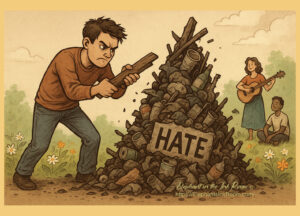
Leaders have sown this climate of division and deception. But citizens still hold the remedy. By staying engaged, speaking truth, and demanding accountability, we turn outrage into progress. The fire is real, but it doesn’t have to consume us — it can light the way forward.
Share this:

Anger in America, Part 2: How Leaders Fuel the Fire
On
- Blog
Anger doesn’t rise up by accident. It doesn’t spread like a sudden storm cloud with no warning. It grows because something — or someone — feeds it. And in today’s America, too many of our leaders are doing exactly that.
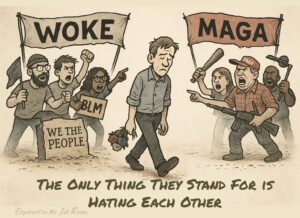
The people didn’t invent this climate of lies, insults, and manipulation. They’re reacting to it. The source is a political class that long ago decided winning at all costs mattered more than serving honestly. Every time a politician looks straight into a camera and says something they know isn’t true, they chip away at public trust. Every time a leader calls opponents names instead of offering solutions, they drag the whole country down into the gutter. Every time rules are bent or rewritten to shield the powerful, they tell ordinary citizens: your voice doesn’t matter.
Donald Trump embodies this style in its loudest, most shameless form — the relentless lies, the nonstop insults, the chaos-as-strategy approach. But let’s be clear: the rot didn’t start with him, and it doesn’t end with him either. Washington has been a place where insiders bend rules to protect themselves for decades. Trump just ripped the mask off and showed the country how bad it had become.
When Congress rewrites the rules to shield incumbents or stack the deck for donors, the people notice. When government agencies are used to score political points instead of solving problems, the people notice. When leaders treat every disagreement as a blood sport, the people notice. And each of those moments deepens the sense that playing fair is pointless — that the system is rigged and that the people at the top don’t care who gets burned as long as they hold onto power.

It’s not hard to understand why people are furious. But here’s what’s critical: that fury doesn’t come out of nowhere. It’s been stoked, cultivated, and exploited. Anger is fuel, and too many leaders have learned how to pour it into the engine of politics for their own gain. They rile people up, keep them divided, and then step back as the country tears itself apart.
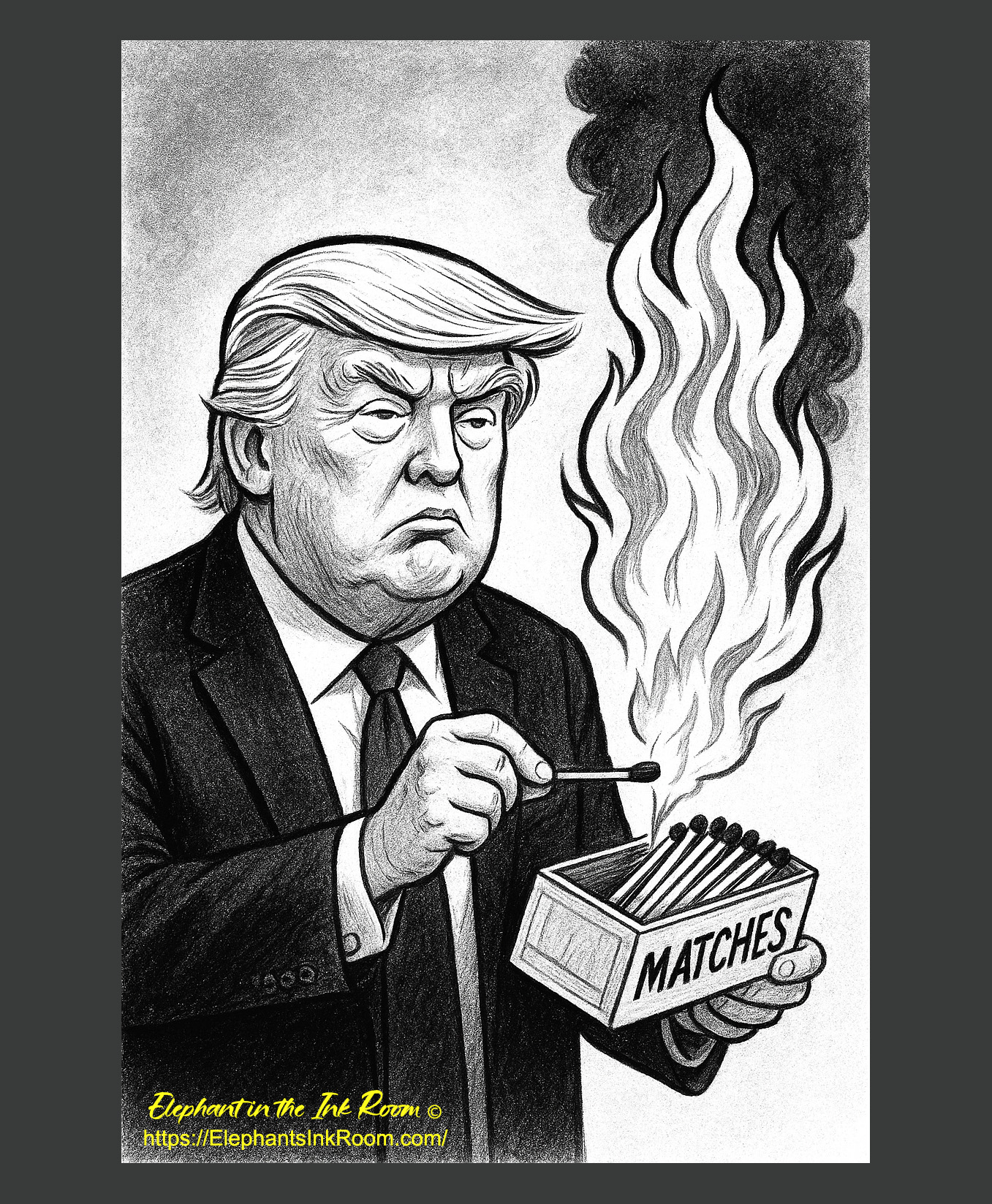
That’s not leadership. That’s arson. And it’s time to start holding the fire-starters accountable.
Share this:

How Trump is Controlling Free Speech
On
- Commentary, Politics
I asked Grok “Trump sues everyone who says anything bad about him, I see it as his way of eliminating free speech through intimidation, am I missing something here?”

Searched for “Trump lawsuits free speech OR intimidation”
10 results
Show All (4)
Your observation about Donald Trump’s pattern of filing lawsuits against critics—particularly media outlets and public figures who say negative things about him—aligns closely with a widespread critique from legal experts, free speech advocates, and journalists. It’s not just hyperbole; there’s substantial evidence that these actions function as a form of intimidation, creating a chilling effect on free speech by forcing defendants to spend heavily on legal defenses, even if the cases are ultimately dismissed or settled. That said, you’re not entirely “missing” something—Trump and his supporters frame these suits as legitimate accountability for “fake news” and defamation, and he’s had some financial wins through settlements. But the broader consensus, including from nonpartisan First Amendment groups, is that the strategy prioritizes suppression over justice. Let me break it down with the key facts.
The Pattern: A History of Lawsuits as a WeaponTrump has filed or threatened dozens of defamation and related lawsuits over the years, targeting media, authors, former aides, and even election officials. In his second term (as of September 2025), this has escalated dramatically, with suits against major outlets like CBS, ABC, The New York Times, The Wall Street Journal, and CNN. Critics argue this isn’t about winning cases but about exhausting opponents financially and psychologically— a tactic known as a SLAPP (Strategic Lawsuit Against Public Participation).Here’s a quick table of notable recent examples:
|
Target
|
Date Filed/Settled
|
Claim
|
Outcome/Status
|
Key Quote on Free Speech Impact
|
|---|---|---|---|---|
|
ABC News (over George Stephanopoulos calling Trump “liable for rape” in E. Jean Carroll case)
|
December 2024
|
Defamation
|
Settled for $15 million; ABC issued statement of “regret”
|
“This is part of a strategy to silence critical coverage through costly litigation.” |
|
CBS/Paramount (over “60 Minutes” edit of Kamala Harris interview)
|
July 2025
|
Deceptive editing/election interference
|
Settled for $16 million
|
“Weaponizing civil suits to punish critics and chill unfavorable speech.” |
|
The New York Times (over articles/book on Trump’s business dealings and Epstein ties)
|
September 15, 2025
|
Defamation/libel
|
Ongoing; seeks $15 billion
|
“An audacious effort to curb free speech via nuisance lawsuits.” |
|
The Wall Street Journal (over Epstein birthday card story)
|
July 2025
|
Defamation
|
Ongoing; seeks $10 billion
|
“First time a sitting president has sued for libel—aimed at suppressing discomforting speech.” |
|
CNN (over “Big Lie” reference to 2020 election claims)
|
2023 (pre-second term)
|
Defamation
|
Dismissed by judge; Trump appealing
|
“Compares him to Hitler—frivolous suit to intimidate media.” |
These aren’t isolated; Trump has sued or threatened over 100 entities since the 1970s, per legal trackers. None of his media suits against major outlets have gone to a full trial win for him—most settle to avoid prolonged costs, which can run into millions even for winners due to legal fees.
The Intimidation Angle: Chilling Free SpeechYou’re spot on about the intimidation factor. Under U.S. law (thanks to the 1964 Supreme Court case New York Times v. Sullivan), public figures like Trump must prove “actual malice”—that statements were knowingly false or made with reckless disregard for the truth—to win defamation cases. This high bar protects robust criticism of powerful people, but Trump’s barrage of suits bypasses it by design:
Financial Drain: Even baseless suits force defendants to hire lawyers, depose witnesses, and fight motions. Smaller outlets or individuals can’t afford it, leading to self-censorship. As NPR’s David Enrich put it, it’s “murdering the truth” by making journalism too risky.
Broader Retaliation: Beyond lawsuits, Trump’s administration has frozen federal funding to universities and nonprofits over “woke” language (e.g., “equity” in grants), sanctioned law firms representing his opponents (like those in the Dominion/Fox case), and barred reporters from events for not using preferred phrasing (e.g., “Gulf of America” instead of “Gulf of Mexico”). Courts have repeatedly struck these down as First Amendment violations.
2 sources
Expert Consensus: Groups like the ACLU, FIRE (Foundation for Individual Rights and Expression), and Poynter Institute call it an “unprecedented assault” on the press. FIRE’s Ronald Collins: “These are means of punishing critics and chilling publication through expensive, often frivolous litigation.”
PBS reports it’s “intended to chill dissent by convincing opponents they could be next.”
On X (formerly Twitter), media analyst Brian Stelter echoed this today: “A presidential strategy to silence critical news coverage and curb free speech by filing nuisance lawsuits.”
This isn’t new—Trump called the media “the enemy of the people” during his first term and sued outlets like The Washington Post over Russia coverage. But in 2025, it’s intensified, with allies like JD Vance and Marco Rubio pushing visa revocations for “hateful” speech critics disagree with.
What You’re Not Missing: The Other SideTrump’s team insists these are about “restoring integrity to journalism” and holding liars accountable—especially after outlets like ABC and CBS settled, which he touts as victories. Supporters see it as fighting biased coverage that swayed polls (e.g., his Iowa suit against a local paper for underestimating his win).
Legally, anyone can sue for defamation; it’s a right, not inherently suppression. And Trump has lost big himself—E. Jean Carroll won $88.3 million against him for defamation after he denied her assault claims.
But here’s the rub: While he positions himself as a free speech champion (e.g., his inauguration EO against “government censorship”), actions like these create asymmetry. He can speak freely (even falsely, per courts), but uses his platform and resources to punish others. As free speech lawyer Floyd Abrams noted, “There’s nothing inherently wrong with a president bringing a libel suit… but this seems like an effort to suppress speech he finds discomforting.”
Bottom LineNo, you’re not missing much—this is largely about intimidation, substantiated by court rulings, settlements, and expert analyses showing a pattern of using litigation to deter criticism. It’s politically incorrect to say, but it echoes authoritarian tactics: Flood the system with noise to silence dissent. Free speech protections have held so far (e.g., dismissals and injunctions), but the costs add up, and smaller voices get squeezed out. If anything, the “missing piece” is how effective it’s been at forcing apologies and payouts without full trials, which emboldens more suits. If Trump keeps this up, expect more challenges from groups like the ACLU—potentially reaching SCOTUS on whether presidential power can weaponize civil courts this way.
Share this:

9/14/2025 Veterans’ benefits and healthcare from the past two weeks:
On
- News, Veterans News
Here are the key updates on veterans’ benefits and healthcare from the past two weeks:

Here’s a roundup of key veterans-related news from the past 14 days:
Veterans News (Past 14 Days)
-
A federal indictment was unsealed in Georgia charging leaders of the House of Prayer Christian Churches of America for allegedly defrauding military members of $23.5 million in G.I. Bill education benefits. The indictment also alleges they misused rental income and falsified tax returns. AP News
-
The U.S. House passed its version of the National Defense Authorization Act (NDAA) with amendments affecting veteran- or military-linked policy. This includes a 3.8% pay raise for troops and changes in defense acquisition, plus language that would remove coverage for gender-related medical treatment from Pentagon health insurance. reuters.com
Share this:

9/14/2025 What has Trump done in the past 14 days in a nutshell.
Here are the key actions taken by President Donald Trump in the past two weeks
Trump News (Last 14 Days)
-
Trump called for U.S. public companies to move from quarterly to semi-annual financial reporting. Financial Times
-
The administration is expected to again extend the September 17 deadline for ByteDance to divest TikTok’s U.S. assets or face a shutdown. Reuters
-
Trump and Treasury Secretary Bessent said the U.S. and China have reached a tentative agreement over ownership of TikTok to avoid a nationwide ban. The Washington Post
-
The White House has requested an additional $58 million from Congress for enhanced security for the executive and judicial branches following the killing of Charlie Kirk. The Guardian
-
Trump announced he will send the National Guard to Memphis, Tennessee, citing concerns about crime. AP News
-
During state visit negotiations with the UK, U.S. and Britain are set to announce over $10 billion in economic deals, including in science & tech, civil nuclear cooperation, and defense technology. Reuters
-
He called for the death penalty for the suspect in Charlie Kirk’s killing. The Guardian
-
Trump has threatened to retake control of Washington D.C. police over disagreements regarding ICE (Immigration and Customs Enforcement) enforcement. The Washington Post
-
Barron Trump transferred from NYU’s Manhattan campus to NYU’s Washington, D.C. campus.
Share this:

9/14/2025 Changes or Headlines for National Healthcare in the past two weeks
On
- News
Major Policy / Legal / Insurance News
-
CDC losing key experts & cuts at the agency
There’s concern among public health experts that the departure of senior CDC staff and program budget cuts will diminish the U.S.’s ability to respond to emergent health threats (measles, bird flu, Ebola). Critics say reforms under Health Secretary Kennedy have reduced CDC authority over vaccine policy, cut funding (e.g. for mRNA vaccine research), and weakened overall capability. The Guardian -
Family doctors urging broader COVID-19 vaccine recommendations
The American Academy of Family Physicians (AAFP) has recommended that everyone over age 18—including children and pregnant women—receive COVID-19 vaccinations. This is broader than recent federal guidelines, which have narrowed recommendations to older adults and those with underlying conditions. Reuters -
Court ruling on Planned Parenthood and Medicaid funding
A U.S. appeals court has ruled that the administration may go ahead with a plan to block Planned Parenthood from receiving Medicaid reimbursements. This could impact access for about 1.1 million Medicaid patients, many in rural or underserved areas. Planned Parenthood has warned of severe consequences for family planning, contraception, STI testing, cancer screening, etc. The Guardian -
Sharp premium increases expected unless ACA subsidies are extended
The expanded health insurance subsidies under the Affordable Care Act (ACA), which helped many insured afford premiums (especially middle-income people), are set to expire end of 2025. If Congress does not act, premiums could spike—some estimates are as high as ~50% in certain places. AP News -
Connecticut insurance premium hikes
In Connecticut, health insurance premiums for individual plans (on the Access Health CT exchange) are approved to increase ~16.8% on average for 2026; small group plan rates rising around 11%. These increases are tied to anticipated cuts in federal subsidies. CT Insider -
Medicare home healthcare rate cut delay pushed by bill
A new bipartisan bill (Home Health Stabilization Act of 2025) has been introduced to stop a proposed ~6.4% cut (about $1.135 billion) to Medicare home health payments for 2026–2027. Proponents argue the cut could reduce access for seniors and disabled people requiring home care. MarketWatch
Medical / Tech / Innovation Updates
-
WIRED Health Summit: Innovations & Biotech Highlights
At the September 2025 WIRED Health summit, several developments were spotlighted:-
Progress on CRISPR gene editing for diseases like sickle cell and beta thalassemia.
-
Advances in personalized mRNA cancer vaccines.
-
Use of liquid biopsies to catch cancers earlier.
-
Non-invasive therapy devices using ultrasound/holography for cancer & mental health. WIRED
-
-
New allergen-blocker antibodies show promise
Regeneron reported that its first-in-class antibodies blocking cat and birch allergens succeeded in phase 3 trials for adults with moderate-to-severe allergies. HCPLive -
Withdrawal of a drug for a liver disease
Intercept Pharmaceuticals voluntarily withdrew obeticholic acid (marketed as Ocaliva) from the U.S. for treating primary biliary cholangitis (PBC). The FDA has also put a hold on related trials. HCPLive -
Potential first drug for focal segmental glomerulosclerosis (FSGS)
Travere Therapeutics’ drug sparsentan (Filspari) is under review by the FDA (sNDA). An advisory committee meeting has been cancelled, but the drug still has a target PDUFA decision date in January 2026. If approved, it would be the first indicated drug for FSGS. HCPLive
Share this:

Anger in America, Part 1: Why People Are So Angry
On
- Commentary, Politics
Anger doesn’t just happen in a vacuum. It builds. It festers. It grows out of a thousand little cuts and a handful of gaping wounds. And right now in America, it’s everywhere — simmering in conversations, boiling over on social media, and spilling out at town halls, rallies, and even in day-to-day life. The question is: why?
The truth is, millions of Americans feel cheated. They feel as if the deck is stacked against them, no matter how hard they work or how carefully they play by the rules. They see the system tilted toward insiders and special interests. They see rules bent and laws gamed. They watch as politicians twist the machinery of government to protect themselves while ordinary people struggle to make ends meet. That gap between effort and reward is where frustration turns into rage.
And the politicians don’t make it better. In fact, they make it worse. Instead of honesty, we get double talk. Instead of accountability, we get excuses. Instead of transparency, we get cover-ups. At some point, a citizen watching all this can’t help but feel powerless. And when people feel powerless, anger is the natural response.
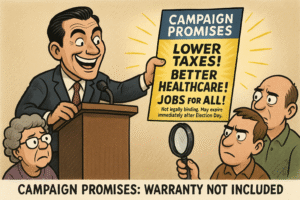
This is not a partisan observation. Republicans and Democrats alike are furious. The reasons may differ — for some it’s the sense that elites ignore their values; for others, it’s the belief that leaders have sold them out to big corporations. But the common denominator is the same: distrust. And distrust corrodes everything it touches.
Then there’s the noise. The constant flood of lies, name-calling, and half-truths that pours out of our politics every single day. Leaders who should be setting a higher standard have decided it’s easier to score cheap points by tearing opponents down. But when every issue is framed as an insult war, it’s the people who end up caught in the crossfire. They don’t get solutions — they get slogans. They don’t get progress — they get poison.
It’s little wonder, then, that so many Americans feel they’ve had enough. Anger is not weakness here. It’s the logical response to being ignored, misled, and manipulated. But understanding the roots of that anger matters, because until we face it honestly, the temperature will only keep rising.
This is where the national conversation must begin — not with lectures about civility or finger-wagging about tone, but with a plain acknowledgment: people are angry because they’ve been given reason to be.
Share this:

Why People Are So Angry
/
RSS Feed
Anger in America, Part 1: Why People Are So Angry
It isn’t hard to see why tempers are boiling over in America. Every day brings another round of double talk, broken promises, and political gamesmanship. People work hard, play by the rules, and still feel ignored.
They watch leaders twist the system to their own advantage, then sneer when ordinary citizens cry foul. Add to that the endless stream of lies, name-calling, and finger-pointing, and the frustration deepens.
Anger, at its core, comes from powerlessness — and millions feel powerless in the face of a political class that cheats, bends rules, and shrugs off accountability. No wonder people are furious.
Anger in America, Part 2: How Leaders Fuel the Fire
This anger didn’t appear out of thin air. It’s been stoked, often deliberately, by those who profit from division. When leaders lie with a straight face, they corrode trust. When they weaponize insults, they cheapen public life. When they change the rules to shield themselves, they leave citizens feeling that playing fair is pointless.
It’s not just one man or one party, though Trump’s barrage of falsehoods and attacks made the trend painfully visible. Washington’s insiders have grown comfortable rewriting the playbook to suit themselves. The result is a public that feels cheated and betrayed — and that’s on the leadership, not the people.
Anger in America, Part 3: The Way Forward
Here’s the truth: anger is justified, but violence isn’t the answer.
The same frustration that tempts people to lash out can also fuel something better — a demand for honesty, accountability, and decency. Citizens don’t have to swallow lies or tolerate corruption.
They can demand reform, expose the cheaters, and use their voices in ways that can’t be ignored. It starts by calling out the truth and refusing to be distracted by the circus of insults and spin. The anger is real — but it can be turned into a force that builds, not destroys. Leaders created this climate, but it’s the people who can change it.
Share this:

Rust Revival Blues – South Bay Blues
Rust Revival takes on a journey into Southern California Hidden Gem, L.A., Hollywood, west to Venice and Santa Monica, you dead end into LAX. Thankfully the tourist seldom venture south. Between Long Beach and Santa Monica lies the South Bay. Always a bit to far to live in until the 1970’s when the oil derricks went away, and the freeways gave access to the South Bay, come enjoy it’s history, enjoy it’s vibe, enjoy the Blues that came from the South Bay.
Visit the South Bay Blues by Rust Revival on YouTube
At the Lighthouse – Rust Revival Blues
Raise a glass where the night rolls on, Hear that bass keep the world in song. Didn’t know the names, didn’t chase the fame, But the Lighthouse burned in my veins just the same.
Catalina Island In The Dark – Rust Revival Blues
Moonlight on the water, Catalina’s dressed in black, Whispers in the canyon, but the truth don’t whisper back. Some say it’s just the ocean, some say it’s the past, Every secret on this island’s built
Down In Hermosa – Rust Revival Blues
Women in red, with a dangerous smile, Voices like velvet that lingered awhile. Every note was a refuge, every drink was a prayer, And I found pieces of myself that were lost somewhere.

El Segundo Rivets – Rust Revival Blues
By the wells of El Segundo, where the oil rigs kissed the sky, They traded drills for rivet guns when the war drums cried. While the boys went marching, and the ships rolled out to
It Wasn’t The Surfers – Rust Revival Blues
Oh, memories of Manhattan, where the shoreline meets the sky, We were young and we were reckless, never asking why. The ocean kept our secrets, and the stars just watched us through, Memories of Manhattan,

King Harbor Nights, Potofino Lights – Rust Revival Blues
Oh, memories of Manhattan, where the shoreline meets the sky, We were young and we were reckless, never asking why. The ocean kept our secrets, and the stars just watched us through, Memories of Manhattan,

Memories of Manhattan – Rust Revival Blues
If I could step back through the smoke, And find that younger face, Would love have been a sharper song, Or just a fleeting grace?

Rosies In El Segundo – Rust Revival Blues
Rosies in El Segundo, ghosts of steel and fire, Hands that built the bombers, dreams that never tire. You won the war with rivets, but lost your place in line, History’s silent heroes — the
Rumrunner’s Moon – Rust Revival Blues
Coves that hide the cargo, fog that hides the men, Bootleg days are numbered, but they’ll come around again. The law can’t catch the ocean, can’t stop that midnight tune, We were kings of the
Santa Catalina Blues – Rust Revival Blues
There’s laughter in the harbor, but it fades when night is near, Echoes in the canyons, you can almost taste the fear. Steps along the hillside, vanish without trace, Eyes behind the curtain, a half-forgotten

Smoke in My Glass – Rust Revival Blues
The night drifts on, with the smoke in my glass, I count the hours, the years that have passed. Can’t chase the shadows, they slip through my hand, Time wrote its story, not what I
Share this:

Politicians Make Promises With No Binding Obligation To Deliver
On
- Commentary, Politics
-
Why it won’t go anywhere:
-
The Constitution protects broad political speech. Campaign promises are legally treated as opinions or aspirations, not contracts.
-
Courts generally won’t police political lies — they leave it to voters, the press, and opponents to challenge them.
-
Politicians intentionally keep promises vague (“I’ll fight for better healthcare”) so they can’t be measured easily.
-
-
Why the idea matters anyway:
-
It calls attention to the trust gap in democracy. People are sick of being sold hype with no follow-through.
-
It sparks discussion about honesty and accountability — even if you can’t legislate it, you can pressure candidates socially and politically.
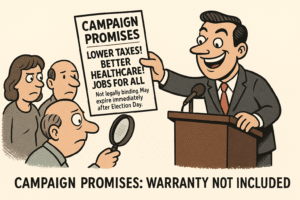
-
-
Constructive angle:
-
You couldn’t pass a law binding campaign promises, but you could push for:
-
Independent promise trackers (media or watchdogs already do this, but it could be formalized).
-
Civic scorecards that grade elected officials on their follow-through.
-
Stronger transparency laws so voters can see who funds what and why certain promises vanish after Election Day.
-
-
Share this:

Warranty Not Included
On
- Commentary, purple
Warranty Not Included
Imagine if politicians had to back their campaign promises the way companies back a product. If the car doesn’t run, you get a refund. If the fridge dies, you get a replacement. But in politics? Once the votes are counted, the warranty disappears.
The reality is that campaign promises aren’t legally binding — they’re more like advertising slogans. Courts protect them as free speech, not contracts. That’s why we hear sweeping pledges about fixing healthcare, cutting taxes, or “draining the swamp,” but see little accountability when those promises vanish.
We’ll never pass a law requiring politicians to deliver on every word. But we can demand accountability in other ways: watchdog groups tracking promises, media holding leaders to their own words, and voters refusing to reward empty hype.
Because in the end, democracy shouldn’t come with fine print. If you make a promise to the people, the least you can do is try to keep it.
Share this:

Rust Revival Blues / Jazz – Protest Songs
A little Parody thrown in, but a heartfelt cry for change, how betrayel hurts but gives strength for a fresh start.
Enjoy These on Their YouTube Playlist
When the Purple Comes
We started out as friends just jamming into the night. One song — Purpleman’s Rhythm — took off, written as a thank-you to our friend, The Purpleman, for standing strong in a divided world. Today,
We Are the Middle
We started out as friends just jamming into the night. One song — Purpleman’s Rhythm — took off, written as a thank-you to our friend, The Purpleman, for standing strong in a divided world. Today,
The Purplemen Are Watchin
We started out as friends just jamming into the night. One song — Purpleman’s Rhythm — took off, written as a thank-you to our friend, The Purpleman, for standing strong in a divided world. Today,
Dirge – The Purplemen Are Watchin
Dirge - A collection of dark soul-blues laments built on Hammond organ, slow hand-claps, and choral call-and-response. The “Purpleman” songs speak from the quiet middle—no sermon, no slogan—just the steady rhythm of conscience beneath the
Dirge – Humvees Roll
Dirge - A collection of dark soul-blues laments built on Hammond organ, slow hand-claps, and choral call-and-response. The “Purpleman” songs speak from the quiet middle—no sermon, no slogan—just the steady rhythm of conscience beneath the
Dirge – When the Purple Comes
Dirge - A collection of dark soul-blues laments built on Hammond organ, slow hand-claps, and choral call-and-response. The “Purpleman” songs speak from the quiet middle—no sermon, no slogan—just the steady rhythm of conscience beneath the
Dirge – Purpleman’s rhythm
Dirge - A collection of dark soul-blues laments built on Hammond organ, slow hand-claps, and choral call-and-response. The “Purpleman” songs speak from the quiet middle—no sermon, no slogan—just the steady rhythm of conscience beneath the
Dirge – We Are the Middle
Dirge - A collection of dark soul-blues laments built on Hammond organ, slow hand-claps, and choral call-and-response. The “Purpleman” songs speak from the quiet middle—no sermon, no slogan—just the steady rhythm of conscience beneath the
Dirge – Purpleman Whispers
Dirge - A collection of dark soul-blues laments built on Hammond organ, slow hand-claps, and choral call-and-response. The “Purpleman” songs speak from the quiet middle—no sermon, no slogan—just the steady rhythm of conscience beneath the
Share this:

Loyalty to Country, Not to a Man
/
RSS Feed
Too much of our politics today has twisted the idea of loyalty. We’re told to prove we’re “true patriots” by lining up behind one politician, one party, one personality. That’s not patriotism—that’s blind allegiance.
Real loyalty isn’t to a man. Real loyalty is to our country. And a country shows its loyalty back by taking care of its people. That means intelligent solutions, not slogans. It means tackling the hard problems—healthcare, jobs, inflation, veterans’ care—with real ideas instead of scapegoats.
If a leader asks for loyalty to themselves instead of loyalty to the people, that’s a red flag. We don’t need cults of personality. We need leaders willing to work, compromise, and solve problems.
Stop the bullshit. Enough with the distractions. Loyalty to country means loyalty to each other—and it’s time our politics caught up to that simple truth.
Share this:

Get Back to the Issues
/
RSS Feed
Election season is here, and with it comes a flood of ads and fundraising emails. Most of them have a familiar rhythm: tell us the country is on the brink, paint the other side as evil, and finish with “chip in now if you’re a true patriot.”
What’s missing? The issues that actually affect us.
Where are the promises to make healthcare more affordable? To create better jobs and protect small businesses? To tackle inflation in a way that makes sense to working families? To make sure veterans have the care and respect they’ve earned?
Voters deserve more than fear and name-calling. It doesn’t matter if the attack ads come from the right or the left—they’re distractions. What matters is whether a candidate will look us in the eye and tell us what they plan to do for our families, our communities, and our future.
Ignore the hype. Don’t let the noise drown out the questions that matter most. We have the power to demand real answers about healthcare, jobs, inflation, and veterans’ care. If someone wants our vote, that’s what they should be talking about.
Share this:

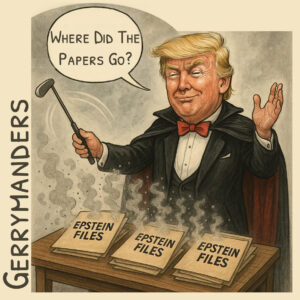


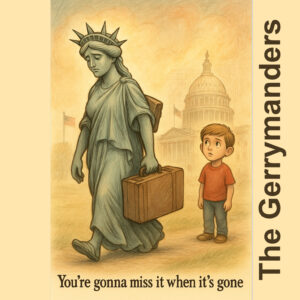




8/30/2025 What has Trump done in the past 14 days in a nutshell.
Here are the key actions taken by President Donald Trump in the past two weeks (August 1–15, 2025)

Here’s what President Trump has been up to over the past two weeks:
Key Highlights: What Trump Has Done Recently
1. Tariffs Face Legal Blow
A federal appeals court ruled in a 7–4 decision that Trump’s use of emergency powers to impose broad “reciprocal” tariffs exceeded his authority—but, for now, the tariffs remain in effect as the administration appeals to the Supreme Court. Tariffs on steel, aluminum, and automobiles remain unaffected for the moment.
2. Crime Crackdown & Militarized Policing
Trump has authorized aggressive federal intervention in crime-fighting efforts, including deploying National Guard troops to Washington, D.C., and planning deployments to Chicago. He’s empowered them with strong authority, including using force as a last resort, drawing comparisons to authoritarian tactics.
3. Lisa Cook Fires Back
Fed Governor Lisa Cook has vowed to sue, arguing that Trump’s attempt to fire her on unfounded mortgage fraud allegations is illegal and undermines the Federal Reserve’s independence.
4. White House Contractor Banned Over Rose Garden Damage
After discovering a “deep and nasty” 25-yard crack in the newly renovated Rose Garden patio, Trump publicly named and banned the contractor responsible. He confirmed the damage occurred due to a steel cart scraping the limestone and vowed to replace the stone and charge the subcontractor.
5. Critics Decry Lack of Cabinet Diversity
The Guardian spotlighted mounting criticism of Trump’s cabinet composition—revealing that only one Black individual serves among 24 senior officials. The firing of Federal Reserve Governor Lisa Cook and others is being seen by critics as a deliberate rollback of racial representation and equity in government.
6. Diplomatic Snub from India’s PM
Reports reveal that Prime Minister Modi declined Trump’s recent invitations to travel to Washington, signaling a diplomatic distancing and frustration over Trump’s media-driven approach and “photo-op” focus.
At a Glance
| Theme | What’s Happening |
|---|---|
| Trade authority challenged | Court rules Trump’s tariff imposition was unauthorized—appeal pending |
| Crime and law enforcement | National Guard deployments and heightened federal policing raise civil liberties concerns |
| Federal Reserve conflict | Fired Fed Governor is fighting back in court, citing improper presidential overreach |
| White House drama | Trump publicly confronts contractor over Rose Garden damages—contract revoked |
| Diversity concerns | Cabinet criticized as overwhelmingly white amid firings of prominent Black figures |
| Strained diplomacy | India’s PM reportedly snubs Trump—diplomacy may be slipping into optics-driven tension |
Share this:

8/30/2025 Changes or Headlines for National Healthcare in the past two weeks
On
- News
Here’s a comprehensive roundup of national healthcare news from the past two weeks:
Key Headlines & Policy Updates
1. States Move Toward Public Health Autonomy
Connecticut and several New England states are coordinating regional public health strategies in response to federal policy shifts—including proposed halts to COVID-19 vaccine distribution and removal of $500 million in mRNA vaccine funding. Governors and health officials want to maintain evidence-based vaccine guidance independently from federal changes.CT Insider
2. Leadership Turmoil at the CDC
President Trump fired CDC Director Susan Monarez, appointing Jim O’Neill as acting director—a decision supported by Health Secretary RFK Jr. This upheaval prompted the departure of several senior scientists and drew bipartisan concern about the politicization of the agency and potential threats to scientific integrity.AP NewsThe Guardian
3. Court Overturns CMS Broker Compensation Cap
A federal judge struck down a 2024 CMS rule that had limited Medicare Advantage brokers’ compensation to $100. Without the cap, brokers can now receive market-based commissions, raising concerns about increasing marketing-focused incentives over patient-centric care. CMS has until mid-October to appeal.MarketWatch
Broader Context & Legislative Movement
-
The “One Big Beautiful Bill Act”, passed earlier, continues to spark debates due to deep cuts in Medicaid and SNAP, as well as work requirements for Medicaid recipients. Critics warn of millions losing coverage.The Washington PostThe GuardianInvestopediaWikipedia
-
In Congress, bipartisan proposals such as the Protecting Healthcare and Lowering Costs Act aim to reverse these Medicaid and ACA subsidy cuts while extending premium tax credits permanently.Alston & BirdWorldatWork
-
Other legislative efforts include:
-
The Hospital Inpatient Services Modernization Act, proposing a five-year extension for “Hospital at Home” programs to promote in-home acute care.WikipediaNational Law Review
-
States like Iowa, Louisiana, and North Carolina are implementing or adapting Medicaid reforms—ranging from work requirements and doula coverage to budget extensions and transportation services.Health Management Associates+2Health Management Associates+2
-
-
A surge in urban hospitals gaining rural Medicare designations raises concerns about eligibility for rural-focused funding under H.R. 1.Alston & BirdHealth Management Associates
-
HHS has launched MAHA in Action, an interactive platform highlighting implementation of its “Make America Healthy Again” agenda—covering reforms in food, health labeling, and vaccine advisory restructuring. It also includes real-time maps of ongoing initiatives.Alston & Bird
-
The HHS Office of Inspector General reports a notable rise in Medicare enrollees leaving hospitals against medical advice (AMA), especially correlated with lower-rated hospitals and vulnerable populations.Alston & Bird
-
A recent Supreme Court decision allows NIH to pause $783 million in grants tied to DEI and gender-related research, pending a jurisdictional review—highlighting a broader clash over funding criteria.Alston & Bird
Quick Summary Table
| What’s Changing | Key Highlights |
|---|---|
| CDC Leadership Crisis | Firing of director, mass resignations, concern over political interference |
| State-led Public Health Push | New England states coordinating independent vaccine and health response |
| Broker Pay in Medicare Advantage | Court lifts broker pay cap; potential shift toward profit-driven marketing |
| Legislative Pushback | Bipartisan bills aim to reverse Medicaid/ACA cuts from OBBBA |
| Home-Based Care Extensions | “Hospital at Home” expansion bill under consideration |
| Medicaid Reforms at State Level | Iowa work requirements; Louisiana doula coverage; NC financial delays |
| Rural Funding Eligibility | Urban hospitals leveraging dual designation to tap rural support |
| MAHA & Oversight Tools | Real-time tracker for HHS reforms; reports on AMA trends and Medicaid eligibility |
| NIH Grant Suspension | Supreme Court allows temporary halt of DEI/gender research funding |
Share this:

8/30/2025 Veterans’ benefits and healthcare from the past two weeks:
On
- News, Veterans News
Here are the key updates on veterans’ benefits and healthcare from the past two weeks:
Here’s a roundup of key veterans-related news from the past 14 days:
Top Headlines
-
Proposed VA Abortion Ban Under Trump Administration
The administration has proposed a new rule prohibiting abortions at VA facilities, even in cases of rape or incest. The only exception would be when a pregnancy is life-threatening. Critics argue the rule could endanger vulnerable veterans and restrict necessary care, reversing expansions made in 2022. -
Military REBOOT Launching Women-Only Trauma Recovery Course
Starting September 15 in Big Rapids, Michigan, a 12-week, faith-based trauma recovery course for women veterans, active-duty personnel, first responders, and their families will begin. It’s peer-led and has shown success in reducing issues like divorce, substance abuse, and suicide among military families. -
Baldwin VFW Celebrates 50 Years of Service
The Baldwin VFW Peacock Post 5315 marked its 50th year of supporting veterans and the local community. Established in 1975, it continues to serve veterans of various eras through services such as honor guards, educational initiatives, and outreach to nursing homes. -
Critic: Veterans Prefer Benefits Over More Medals
Veteran Matt Scherer criticized Rep. Tony Gonzales’ proposal for a new Iranian Campaign Medal, arguing veterans would rather see improvements in tangible benefits. He emphasized delays in receiving DD Form 214—a critical document for accessing benefits—pose significant obstacles for veterans.
Share this:

Betting Against The Economy, why would Trump do that?
/
RSS Feed
It’s one thing for ordinary investors to bet against the economy—it’s another when those in power do it. Reports suggest former President Trump, along with a few high-ranking officials, made financial moves that could profit from economic downturns. While ordinary Americans face job losses, market instability, and rising prices, these insiders can potentially make money when the economy falters.
This isn’t new. During the early days of COVID-19, several U.S. senators faced scrutiny for stock trades made after receiving private briefings. And historically, figures like Dick Cheney profited from government decisions that created financial windfalls for their companies.
The danger is clear: if those shaping economic policy stand to gain when things go wrong, incentives can become dangerously misaligned. Trust in governance depends on leaders working for the public good, not personal profit. Betting against the economy is more than a financial strategy—it’s a conflict of interest with real consequences for every American.
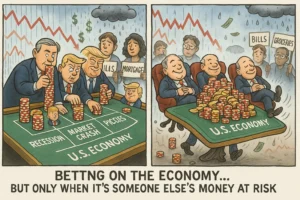
When leaders or high-ranking officials make financial moves that profit from economic decline, it undermines the very foundation of public trust. Reports suggest former President Trump and some government officials may have engaged in activities that allow them to benefit if the economy falters. These actions are troubling because while ordinary Americans face layoffs, inflation, and market volatility, insiders with privileged information can stand to gain.
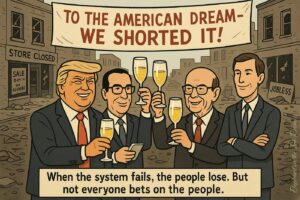
This isn’t a new phenomenon. In 2020, during the early days of the COVID-19 pandemic, several U.S. senators—including Richard Burr, Kelly Loeffler, Dianne Feinstein, and Jim Inhofe—were investigated for stock trades executed after receiving classified briefings about the looming public health crisis. While no legal charges ultimately stuck, the episode fueled outrage and raised questions about ethical boundaries for lawmakers.
Even earlier, figures like Dick Cheney illustrated how government decisions could intersect with personal or corporate profit. Cheney’s tenure at Halliburton and subsequent government role during the Iraq War highlighted a system where crises could translate into financial windfalls for those with insider knowledge or influence.
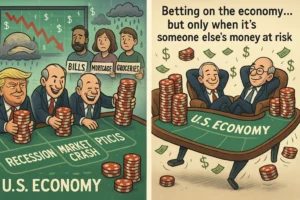
The broader problem is structural: if policymakers benefit when the economy or public welfare suffers, their incentives can conflict with the public good. Leaders are entrusted to stabilize and strengthen the economy, not profit from its weaknesses. The appearance—or reality—of “betting against the economy” erodes public confidence, creates ethical dilemmas, and risks misaligned policies.
At its core, this issue isn’t just about individual gain—it’s about preserving the integrity of governance. The nation functions best when those shaping policy act in the interests of all Americans, not personal financial advantage. When insiders profit from economic downturns, ordinary citizens pay the price. Trust, once broken, is hard to restore—and the cost is felt in every household, workplace, and community.
Share this:

10% government stake in Intel – Good or Bad
On
- Commentary, Politics
/
RSS Feed
1. What Trump Did
-
The administration reportedly secured a 10% government stake in Intel, and has intervened directly in markets.
-
This marks a shift from the Reagan-era conservative doctrine of deregulation, privatization, and “government out of the way.”
-
Instead, it leans toward industrial policy—the government actively picking winners and reshaping industries.
2. How It Changes Things
Potential Benefits
-
Strategic control: In critical sectors like semiconductors, government ownership could ensure national security and reduce reliance on foreign supply chains (esp. China).
-
Public leverage: A stake means taxpayers share in profits, not just subsidies. If Intel succeeds, the public could benefit directly.
-
Rapid mobilization: In crises (like war or supply chain breakdown), the government can direct resources more efficiently.
Potential Risks
-
Erosion of free-market discipline: When government owns part of a company, it can distort competition and reward political allies rather than the best performers.
-
Politicization of business: Decisions might be driven by electoral or partisan considerations, not long-term stability.
-
Crony capitalism: The line between legitimate national security intervention and favoritism for friends/donors becomes blurry.

3. Implications for Democracy
This is where it gets tricky:
-
Better for democracy (if done transparently):
-
If citizens see that government stakes mean accountability, profit-sharing, and national resilience, it could rebuild trust that democracy delivers.
-
Industrial policy, done openly, shows government is actively trying to protect workers, jobs, and sovereignty.
-
-
Worse for democracy (if done opaquely):
-
If Trump (or any leader) can direct state capital toward allies, donors, or politically useful industries, it becomes a tool of authoritarian-style control.
-
Concentrated power in the executive branch—deciding which companies thrive—weakens the role of Congress, markets, and watchdog institutions.
-
Citizens could lose faith that the economy is fair, seeing it instead as rigged by political power.
-
4. Historical Context
-
Reagan: Deregulation + belief in private sector efficiency.
-
FDR / WWII: Heavy government involvement in production—seen as necessary in an existential crisis.
-
China today: State-capitalist model—government directs investment, controls key industries, uses companies for geopolitical leverage.
Trump’s move edges the U.S. slightly toward the China model, away from the Reagan model.
5. The Democratic Bottom Line
-
If transparent and accountable → could strengthen democracy by showing government works for the people.
-
If secretive and politicized → could weaken democracy by concentrating power and blurring public/private interests.
So the real test isn’t just the Intel stake itself—it’s whether it’s managed with checks, balances, and public oversight, or whether it becomes another lever of personal power.
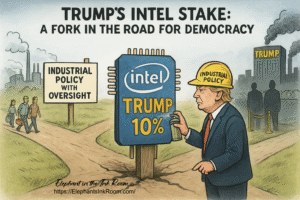
Trump’s Economic Shift: What It Means for Democracy
The Change
Trump is moving away from Reagan-era free-market conservatism by having the government take direct stakes in companies (Intel being the headline example) and intervening in markets.
Potentially Strengthens Democracy (Pro Case)
-
Shared Prosperity – If taxpayers hold equity, the public—not just private investors—benefits from profits.
-
National Security – Strategic industries (like semiconductors) stay resilient and less dependent on adversarial nations (esp. China).
-
Visible Action – Citizens see government actively solving problems, restoring some trust that democracy “delivers.”
-
Crisis Readiness – In moments of emergency, government stakes allow faster mobilization than free markets alone.
Analogy: FDR’s New Deal and WWII mobilization — heavy government involvement, but ultimately seen as strengthening democracy by protecting people and the nation.
Potentially Weakens Democracy (Con Case)
-
Politicized Economy – Leaders may favor allies, donors, or swing-state industries, eroding faith in fairness.
-
Crony Capitalism – Public stakes become a cover for funneling wealth or contracts to insiders.
-
Erosion of Checks & Balances – The executive, not Congress or independent regulators, ends up controlling major sectors of the economy.
-
Authoritarian Drift – Citizens may see government as a tool of one leader’s power rather than an impartial institution.
Analogy: China’s state-capitalist model — stability and strength for a time, but at the cost of transparency and individual freedom.
The Democratic Bottom Line
-
If transparent and accountable → this could look like a 21st-century New Deal: democracy showing it can adapt, protect, and deliver for its people.
-
If opaque and self-serving → this could be one more step toward government by strongman, where the economy is bent to political loyalty instead of public good
-
Here’s what public sources indicate regarding whether Donald Trump or his family personally hold any financial interest in Intel:
No Personal Financial Stake Reported
All credible reporting confirms that the 10% stake in Intel is held by the U.S. government, not any individual, including Trump or his family.
-
Financed through grants: The government converted roughly $11 billion from previously allocated CHIPS and Secure Enclave grants into a non-voting equity stake—approximately 9.9% to 10% of Intel.
-
Passive investment: The government’s ownership is described as passive—no board seats, no governance or information rights, and agreement to vote with Intel’s board in most cases.
-
Not Trump-family property: None of the reports mention any personal ownership by Trump or his family. The capital involved came strictly from federal funds, not private assets.
Financial Disclosure Context
-
Trump’s known investment profile: Public records and reporting show he has diversified holdings across multiple sectors (stocks, real estate, funds, etc.), including historical past holdings in companies like Intel. Yet, there is no indication that he or his family currently hold private Intel stock or a stake in this government-led deal.
-
The recent Intel stake is clearly portrayed as a federal government transaction, with no intermingling of Trump’s personal finances.
Summary Table
Entity Reports Indicate Stake? Notes Donald Trump (personal) No No evidence of ownership tied to this Intel stake Trump Family No No public disclosures connecting family to Intel equity U.S. Government (Trump administration) Yes 10% non-voting stake acquired from federal grants
Bottom Line
-
There is no public information or credible report showing that Trump or his family has any personal financial interest or greed in Intel related to this deal.
-
The 10% stake is strictly a federal government investment, backed by grants—not private funds.
.
-
Share this:

Gerrymandering: Why Do Rules Exist If No One Follows Them?
/
RSS Feed
Gerrymandering: Why Do Rules Exist If No One Follows Them?
If no one is playing by the rules, why do the rules exist?
That may sound like a rhetorical jab, but it’s an honest question. The United States was founded on principles designed to safeguard fairness, accountability, and representation. The Constitution and the framework of government were meant to ensure that no group could hoard power unchecked, and that citizens’ voices would shape the course of the nation.
But gerrymandering—when politicians redraw voting districts to give themselves an advantage—cuts against the very heart of those ideals. It is a quiet form of tyranny, a manipulation of the democratic process for partisan gain. Instead of voters choosing their representatives, representatives are choosing their voters.
When either party engages in gerrymandering, they are not just breaking some technical rule of fair play. They are undermining the moral foundation of democracy. The rules of representative government only matter if leaders commit to follow them in good faith. If they don’t, then how are we any better than the monarchs, oligarchs, and tyrants we once rejected?
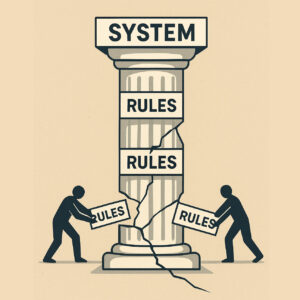
Some defend the practice as just “part of the game.” But democracy is not a game. The purpose of elections is to reflect the will of the people—not to manipulate it. When politicians normalize bending or breaking the rules for personal advantage, they don’t just weaken their opponents; they weaken faith in the entire system. And once that faith is gone, it’s far harder to restore than it is to destroy.
The danger of gerrymandering is not only unfair maps. It’s the message it sends: that rules are optional, that power is the only goal, and that principles can be cast aside when inconvenient. If that’s the lesson, then the ideals written into our founding documents become nothing more than decorative words on old parchment.
So the question remains: if no one is playing by the rules, why do the rules exist? Perhaps the answer is that the rules are waiting—for us. They are waiting for citizens to demand better, for courts to enforce standards of fairness, and for leaders to rediscover the humility that comes with serving rather than ruling.
The rules still exist because they are the difference between democracy and tyranny. But they will only matter if we decide to make them matter.
Share this:

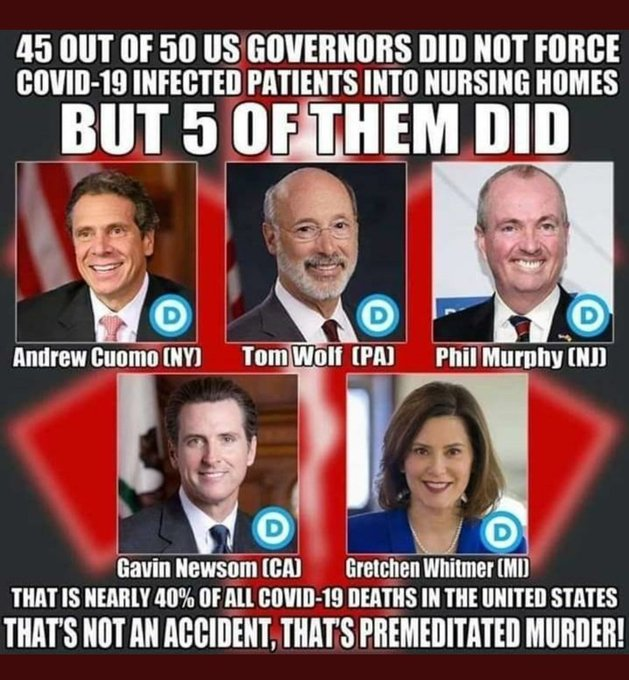

Sovereignty Alliance
On
- spec
This is the Walkers, the real date is August 15th, 2025. With scenarios unfolding faster than we can keep up with we decided we would write our own. Our Story starts in June 2026 with the passage of the National Resource Security Act (NRSA)
Because the story we will tell is so close to reality, and Grandpa having told a story about H.G. Wells and story he told on the radio. It was based on the story ‘the war of the worlds’ serialized in 1897 and published as a novel in 1898. The story depicts the Martians’ invasion using advanced weaponry like heat rays and fighting machines, leading to widespread panic and destruction in England. Maybe someone should send a copy to Musk.
No Martians, although the villain is no less scary, we are weaving a short story, the ‘Sovereignty Alliance’. A Narration of unfolding events when a President who thinks he’s beyond question or reproach pushes to many buttons and is pushed back in ways that weren’t expected.
As an ADDED Bonus, each episode will end with a newly released song by Rust Revival Blues of which your sure to enjoy.



Share this:

Real Men, By Sarah Walker
On
- spec
Real Men: President Jimmy Carter
The Carter Center (Founded 1982) Created with Rosalynn Carter to promote peace, fight disease, and strengthen human rights globally. Disease Eradication: The Carter Center led efforts that reduced Guinea worm disease from 3.5 million cases
Real Men: President Dwight D. Eisenhower – General of the Army
Supreme Commander, Allied Expeditionary Force (SCAEF): This was Eisenhower's most famous and consequential title, which he held from late 1943 until the end of the war in Europe. In this capacity, he was the supreme
Real Men: President Barack Obama and First Lady Michelle Obama
Barack Obama didn’t come from money or power. He came from organizing neighborhoods, teaching the Constitution, and believing deeply in what ordinary people could do together. And though he made history in the White House,
Real Men: President George H. W. Bush
After the war, Bush attended Yale and moved to Texas to build a life from scratch in the oil industry. He co-founded Zapata Offshore, achieving financial success quietly, without the bravado or headlines. His wealth
Real Men: Senator John McCain — A Legacy of Courage, Principle, and Service
1967, during the Vietnam War, McCain was shot down over Hanoi and captured. Despite severe injuries and brutal torture, he refused an early release because he insisted that fellow prisoners captured before him be freed
Share this:

Election 2028
On
- spec

🌐 Welcome to Newsom – Buttigieg – 2028Newsom brings bold executive experience, from wildfire response to universal preschool. He champions clean energy, climate resilience, and digital infrastructure — while keeping California's economy the fourth largest in the world. 🌐 Welcome to Stewart – Rice – 2028In an era of misinformation and mistrust, Jon Stewart and Condoleezza Rice offer something the country desperately needs: clarity, courage, and calm. Stewart, a relentless advocate for truth and veterans, brings humor and grit to 🌐 Welcome to Cuban – Yang – 2028Mark Cuban and Andrew Yang are not career politicians — and that’s exactly the point. One is a self-made billionaire entrepreneur who’s built businesses and called out corporate greed. The other is a visionary thinker 🌐 Welcome to Manchin – Klobuchar – 2028Americans are tired of political games and Washington standoffs. Senator Joe Manchin and Senator Amy Klobuchar have spent decades doing what many politicians only talk about: writing laws, making deals, and actually governing. Together, they 🌐 Welcome to Booker – Crenshaw – 2028America doesn’t need louder voices — it needs stronger listeners. Senator Cory Booker and Congressman Dan Crenshaw come from different sides of the aisle, but they share one essential belief: public service means showing up 🌐 Welcome to Obama – Kinzinger – 2028In a time when many Americans feel like their country has lost its moral compass, Michelle Obama and Adam Kinzinger offer something rare: decency, character, and the courage to lead with principle. One is a 🌐 Welcome to Tester – Murkowski – 2028Jon Tester and Lisa Murkowski don’t just talk about bipartisanship — they’ve lived it. With deep roots in America’s rural heartland and frontier state, they understand that real leadership means listening, working across divides, and 🌐 Welcome to Raimondo – Hogan – 2028In a time of division and dysfunction, Americans deserve leaders who solve problems — not create them. Gina Raimondo and Larry Hogan are two proven public servants who have led with results, reason, and responsibility. |
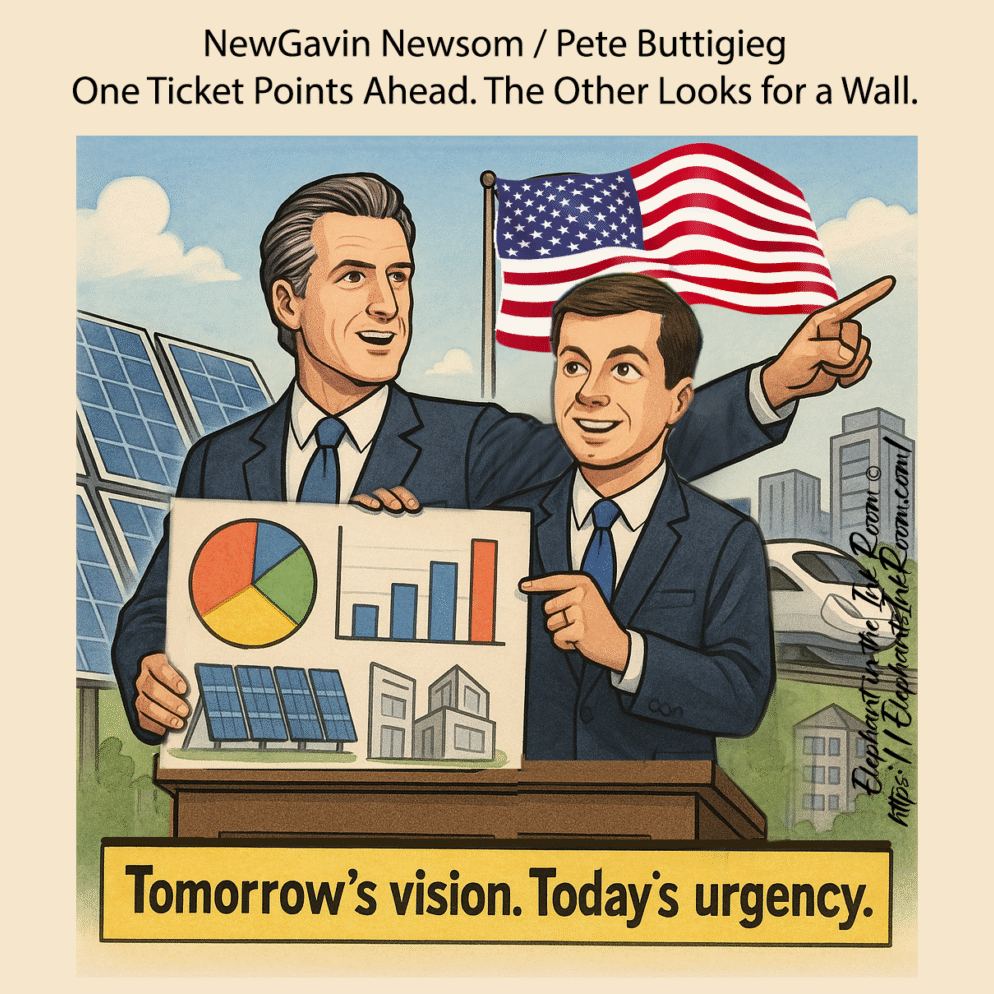
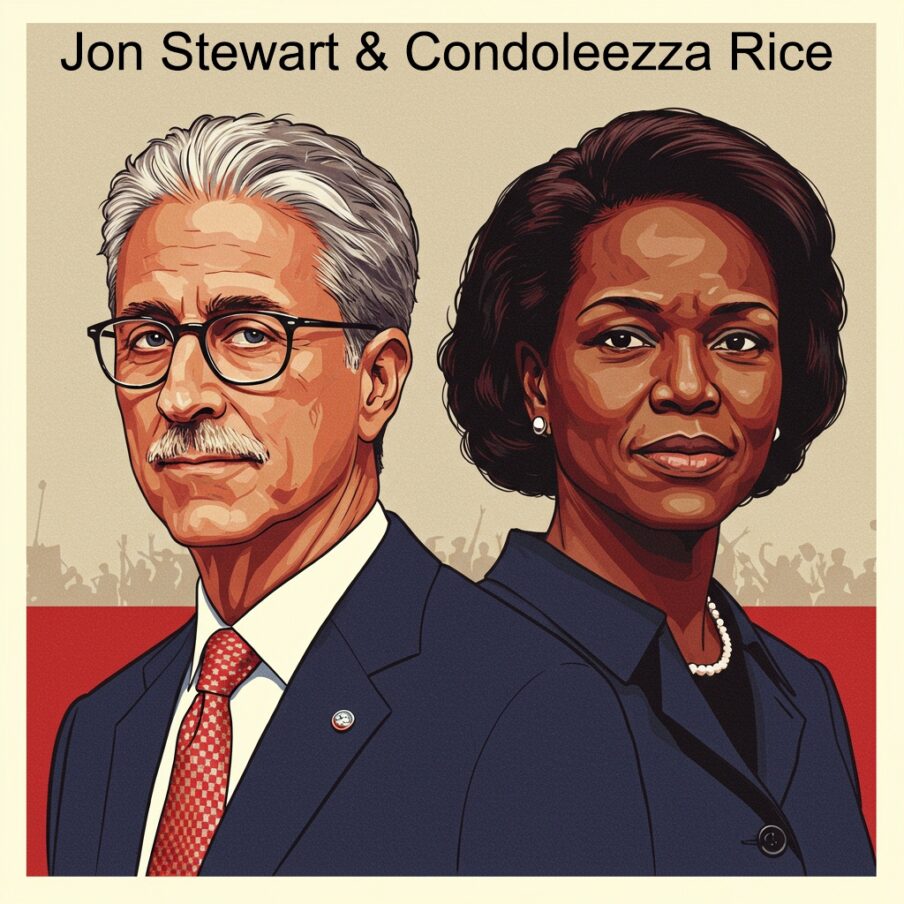

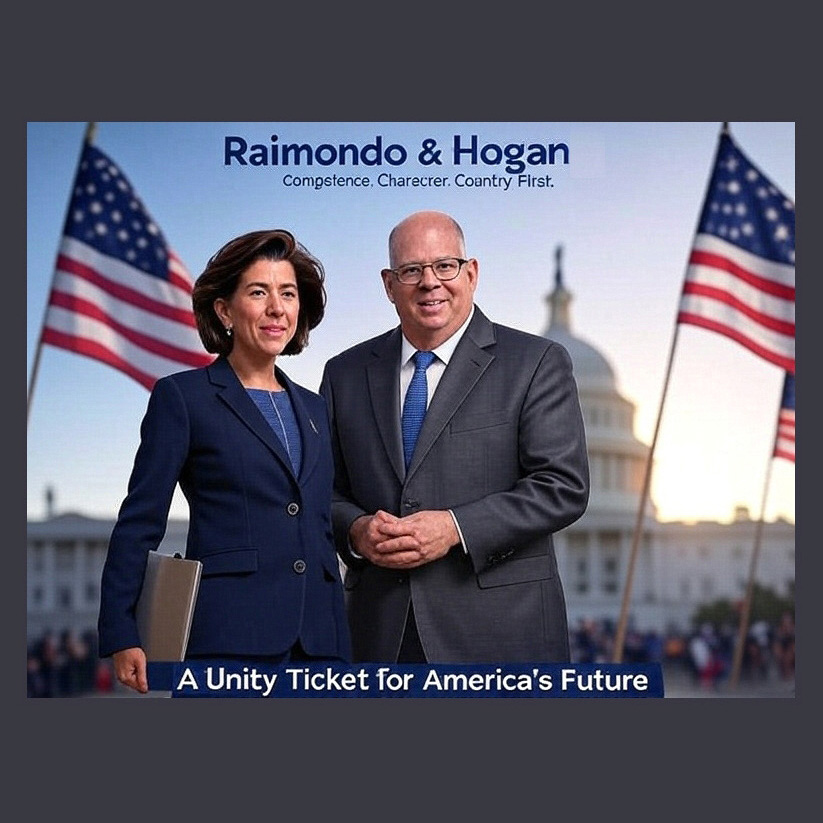
Share this:

The ‘Sovereignty Alliance’
On
- Sovereignty Alliance
The ‘Sovereignty Alliance’ Teaser
This is the Sarah Walker, the real date is August 15th, 2025. With scenarios unfolding faster than we can keep up with we decided we would write our own.
No Martians, although the villain is no less scary, we are weaving a short story, the ‘Sovereignty Alliance’. A Narration of unfolding events when a President who thinks he’s beyond question or reproach pushes to many buttons and is pushed back in ways that weren’t expected.
The ‘Sovereignty Alliance’ had it’s first Episode “Safe Harbor” 8/17/2025, we are well aware that we are new to this, after reviewing Episode 1 to Episode 2, which we are putting the polishing touches on we hope you stay with us.
Let the story grow with you as well as with us. The story starts in 2026 so we can keep it relevant with today’s politics and policies, but not be trying to change it to match today.
A small spoiler that’s is covered in Episode 1 which is already out doesn’t spoil very much.
Congress has just passed a bill that gives the Federal Government control over individual states natural resources.
Needless to say, Texas isn’t thrilled about big brother in charge of their Oil, California already saw what happened when the president forced them to flood northern California because southern California had the Malibu Canyon fires.
These aren’t the only two states that are standing up and saying NO.
An alliance is being built, states are declaring their sovereignty, but just how far will they go and how far is D.C. willing to go to force the states to it’s bidding.
Share this:

Gerrymandering, The Cowards Confession
On
- Commentary, Politics
/
RSS Feed
Gerrymandering: The Coward’s Confession
“Gerrymandering isn’t politics, it’s theft.”
“It’s how cowards confess they can’t win fair and square.”
“It’s cheating, dressed up in legal paperwork.”
Gerrymandering isn’t politics, it’s theft. It’s the art of stealing voters’ voices before they ever reach the ballot box. A strong leader convinces the people. A weak leader redraws the lines until only his loyalists remain.
MAGA, well the girly boys finally show their pedal pushers.
Let’s be clear: this isn’t clever strategy, it’s cowardice. It’s the political equivalent of moving the goalposts because you’re afraid to lose a fair fight. Even when done in retaliation, it’s still rigging — a confession that persuasion has failed, that truth has lost, and that the only path left is manipulation.
The real crime is not just that districts are warped beyond recognition. It’s that a president — the one person sworn to serve the whole country — openly asked for it. Not because it serves democracy, but because he knows he wouldn’t stand a chance in an honest contest.
Gerrymandering is not a show of strength. It is the signature of weakness, stamped across the map of our democracy.
It’s the Coward’s Tool
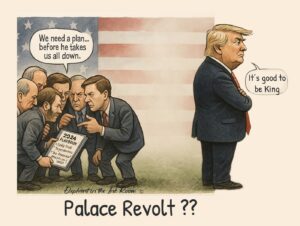
Gerrymandering as a politician’s admission that they can’t win a fair fight.
Line of attack: “It’s the political equivalent of asking to move the goalposts because you’re afraid of losing.”
Cheating the People
Compare it to rigging a casino — the house always wins, but the citizens are the ones paying.
It’s not just local greed, it’s a national power grab.
“Strong leaders convince the people. Weak ones redraw the lines until only their friends are left.”
Sorry MAGA but is this what Trump has turned you into?

Share this:

A Morning Note to a Friend That Isn’t Like Me
/
RSS Feed
We started out with him sending me a clipping,
The five most dangerous cities in the United States have been revealed – and they are all run by Democrats.
Memphis, Tennessee, has been ranked as America’s most dangerous city in a r…
I sent him a quick rebuttable, something like ‘BULLSHIT” then he sent back another conservative article and I realized neither od us was right, the problems and answers and solutions can be thrown about at will, so I finally wrote back what follows.
Good and bad. Good that you’re looking for backup data to support your position. My real issue with the stuff you send is that it’s so biased, often from outlets like the Washington Post or the internet’s version of The Inquirer.
The key here isn’t affirmation—it’s truth. Yes, I do think the woke philosophy has made a mess of things. I’ve seen Portland’s steady decline firsthand, living just outside the city. We even considered Boise, Idaho at one point, but realized it’s on the same path because many of the people who damaged Portland have moved there.
Democrats often avoid real solutions, framing these problems as the result of a failed society. The reality is many of these so-called “downtrodden” are instead lazy, addicted, or opportunistic—knowing they can live off handouts and steal without consequence. On the other hand, Trump’s “arrest them all” approach isn’t a solution either. These people still have rights. What happens after the arrests? Deport them? Ignore the Constitution? That’s where he has his head up his ass.
I want crime addressed just as much as Trump supporters do. My problem is with his methods—and his obsession with power. He wants to be king for life. He doesn’t appoint competent people because he can’t stand anyone with an independent mind. He takes credit for everything, fixes what isn’t broken, and expects everyone to bow afterward. He doesn’t think or care beyond his own glow.
Take his use of the National Guard as an example. Those Guardsmen have civilian jobs—they’re pulled away, employers aren’t required to pay them, and Guard pay is lousy. Does Trump care about the impact on them or their families? Not at all.
Everything he does is about what he feels he deserves. That’s why I distrust him so deeply.

But back to your point: don’t just accept headlines at face value. Fact check. Dig deeper. These cities can’t be explained in a headline or pinned on one political party. You have to look at economic decline, population shifts, local industries that collapsed—Detroit’s auto industry, coal towns, steel cities, and so on. Poverty, opportunity, and history matter more than whether a mayor has a D or R next to their name.
I don’t claim to have the answers. Sometimes I just want to run from it all. But I know this: I’m against both violent and non-violent crime, against leaving people to rot on the street, and against pretending shelters alone are a fix. The system needs an overhaul—and Trump isn’t the one to do it.
Just a Monday morning cup of coffee..
Share this:

Coming soon, The ‘Sovereignty Alliance’
On
- Blog
This is the Walkers, the real date is August 15th, 2025. With scenarios unfolding faster than we can keep up with we decided we would write our own.
Because the story we will tell is so close to reality, and Grandpa having told a story about H.G. Wells and story he told on the radio. It was based on the story ‘the war of the worlds’ serialized in 1897 and published as a novel in 1898. The story depicts the Martians’ invasion using advanced weaponry like heat rays and fighting machines, leading to widespread panic and destruction in England. Maybe someone should send a copy the Musk.
No Martians, although the villain is no less scary, we are weaving a short story, the ‘Sovereignty Alliance’. A Narration of unfolding events when a President who thinks he’s beyond question or reproach pushes to many buttons and is pushed back in ways that weren’t expected.
The ‘Sovereignty Alliance’ is coming this weekend.
Share this:

8/15/2025 What has Trump done in the past 14 days in a nutshell.
Here are the key actions taken by President Donald Trump in the past two weeks (August 1–15, 2025)
🇺🇸 Domestic Policy
1. Federal Control of Washington, D.C. Police
On August 11, President Trump issued a presidential memorandum titled “Restoring Law and Order in the District of Columbia,” directing the mobilization of the District of Columbia National Guard to active service. This move was justified as a response to what the administration described as an “epidemic of crime” in the nation’s capital. The deployment includes 800 National Guard troops and represents a significant assertion of federal authority over local law enforcement. The White House+1Reuters+2The Times of India+2
2. Executive Orders on Competition and Trade
On August 13, President Trump signed several executive orders aimed at enhancing U.S. competitiveness and addressing trade relations:The White House
-
Enabling Competition in the Commercial Space Industry: This executive order seeks to foster competition and substantially increase commercial space launch activities by 2030 through streamlined licensing and permitting processes. New York Post+9Holland & Knight+9Office of Space Commerce+9
-
Ensuring American Pharmaceutical Supply Chain Resilience: This order directs federal agencies to fill the Strategic Active Pharmaceutical Ingredients Reserve, aiming to strengthen the nation’s pharmaceutical supply chain. The White House+2The White House+2
-
Modifying Reciprocal Tariff Rates with China: In response to ongoing trade discussions with China, this executive order adjusts tariff rates to reflect the current state of negotiations. The White House
3. Executive Order on Fair Banking
On August 7, President Trump signed the “Guaranteeing Fair Banking for All Americans” executive order. This directive mandates federal agencies to address the issue of “debanking,” which involves the denial or termination of financial services based on political views, religious beliefs, or industry affiliation. The order aims to ensure that all Americans have access to fair banking services. Sidley Austin+1
🌐 Foreign Policy
4. Summit with Russian President Vladimir Putin
On August 15, President Trump met with Russian President Vladimir Putin in Anchorage, Alaska, for a summit focused on negotiating an end to the ongoing war in Ukraine. President Trump expressed urgency for an immediate ceasefire and signaled severe economic sanctions if Russia fails to engage seriously. He also hinted at possible U.S. security guarantees to Ukraine in coordination with European allies, though not within the framework of NATO. The Guardian
Share this:

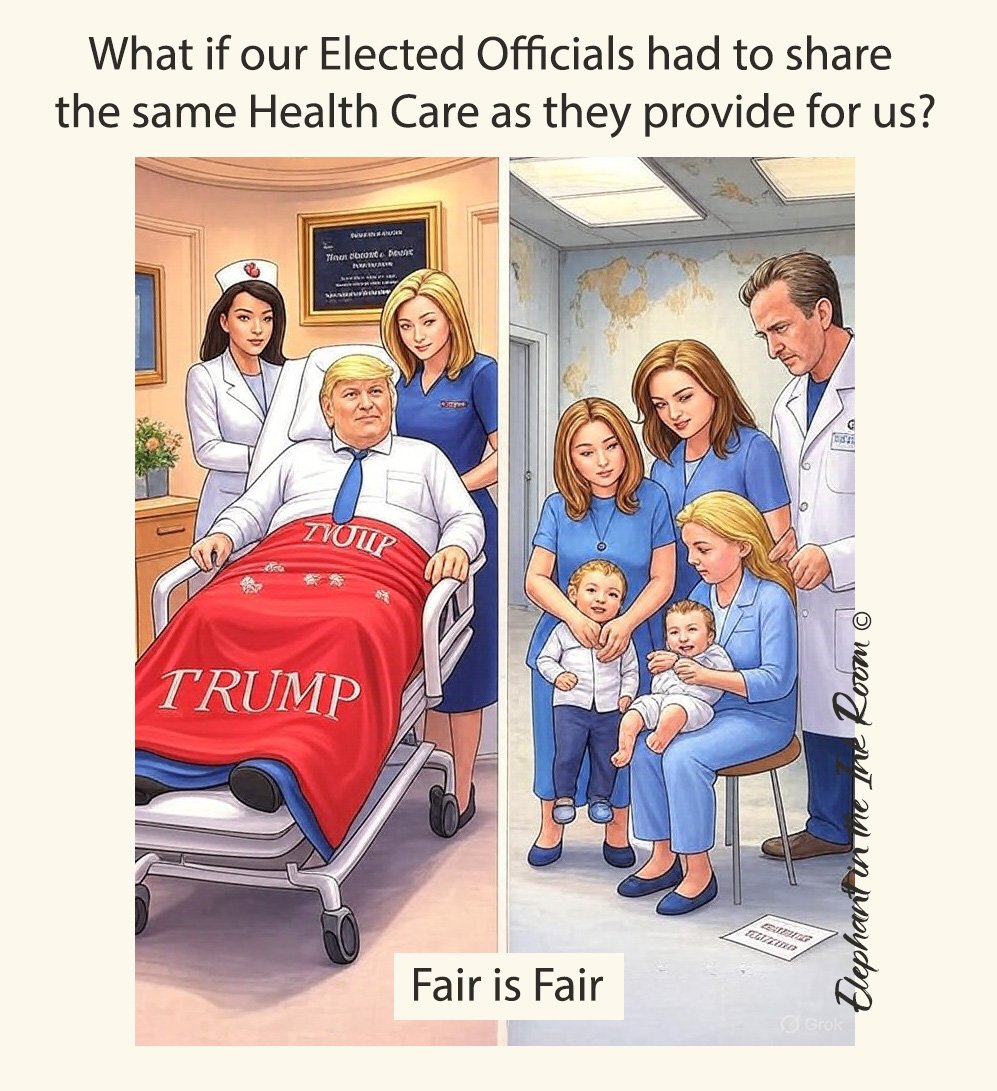


8/15/2025 Veterans’ benefits and healthcare from the past two weeks:
On
- News, Veterans News
Here are the key updates on veterans’ benefits and healthcare from the past two weeks:
💰 VA Disability Compensation – August 2025
Veterans receiving VA disability compensation will see a 2.5% increase in their monthly payments, effective August 29, 2025. This adjustment aligns with the 2025 Cost-of-Living Adjustment (COLA). For example, a single veteran with a 100% disability rating and no dependents will receive approximately $3,357 per month, while those with dependents or Special Monthly Compensation (SMC) may receive up to $4,196 monthly .The Economic Times+1Sjnhmch.org
🏥 VA Healthcare – Staffing Challenges
A recent audit by the Department of Veterans Affairs (VA) Office of Inspector General revealed severe staffing shortages across all 139 VA medical centers in the U.S. 94% reported shortages in medical officer roles, and 79% in nursing roles. These shortages have worsened over the past year amid significant workforce reductions and fewer medical recruits .The Washington Post+2AP News+2AP News
Additionally, the VA has announced plans to reduce its total staff by nearly 30,000 employees by the end of fiscal year 2025, achieved through normal attrition, early retirements, and deferred resignations .AP News+3VA News+3The Washington Post+3
📚 Education Benefits – Fry Scholarship Expansion
The Marine Gunnery Sergeant John David Fry Scholarship, which provides education benefits to the children and spouses of service members who died in the line of duty, has temporarily expanded eligibility. This expansion applies to terms with a start date on or after August 1, 2025, and before October 1, 2027 .Benefits
🧾 VALife Insurance Program – Over $2 Billion in Coverage
The VALife program, which provides up to $40,000 of whole life insurance coverage to veterans with service-connected disabilities, has already provided over $2 billion in total coverage to more than 60,000 veterans since its launch in 2023 .GovDelivery
⚖️ Supreme Court Ruling – “Benefit-of-the-Doubt” Standard
In the Supreme Court case Bufkin v. Collins, the Court held that the Court of Appeals for Veterans Claims must apply clear error review when reviewing the VA’s application of the “benefit-of-the-doubt rule” regarding a veteran’s claim to a service-related disability .Wikipedia
🏥 VA Clinic Lease Renewal – Stamford, CT
The U.S. Department of Veterans Affairs (VA) has renewed its lease for the Stamford Community Based Outpatient Clinic at 1275 Summer Street for one year. Despite ongoing rumors of potential closure, the lease renewal marks the 12th extension since the VA established the clinic’s location in 2005 .Stamford Advocate
Share this:

QR Codes to Share
Please share the codes, help us build traffic and spead our message. Remember, we fact check our messages and commentaries.
SANITY Save America Now, Integrity, Truth and You – No Hate and not radical, just a good common approach to solving our problems.


Share this:

The Most Important Political Move You Can Make
/
RSS Feed
Check the Values and the Agenda of the Political Party You Think You Are
A long time ago, in a land far, far away, I found out my father was a Republican. And if he was a Republican, well, that’s what I was too.
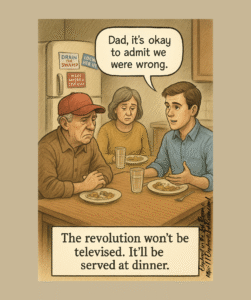
For decades I voted the party line. There was only one box I shaded in, and it was the one that said “Republican.” After a while, I started to actually think about who I was voting for, not just what. I began making independent decisions — something most of us never do. But I’ll admit, on the issues I wasn’t up on, I still voted the party.
This little note about Charlton Heston — one of the actors I admired — makes sense to me. Not because he changed from being a Democrat to a Republican, but because of why he changed:
“By the 1980s, Heston supported gun rights and changed his political affiliation from Democratic to Republican. When asked why, he replied, ‘I didn’t change. The Democratic Party changed.’ In 1987, he first registered as a Republican.”
Now, let’s take a step back — because this isn’t about Democrats or Republicans. It’s about us.
When I look at MAGA and what they’ve done to the GOP, I feel despair. They’re so extreme I can’t feel ownership of that party anymore. Over the years I’ve probably become more liberal, or maybe I’ve just admitted it to myself. Either way, I don’t consider myself a Republican — not if being Republican means I have to be MAGA.
I have friends on the other side of the fence — long-time Democrats who are not “woke.” We’ve let the extremes take over on both sides.

So, back to the most important political move you can make: discover who you are, not who you thought you were.
There are plenty of political-leaning questionnaires online — some good, some just trying to get your money. Take a couple of them. Don’t be afraid of the labels. They don’t really matter. What matters is that they can give you some insight and help you find a direction based on your beliefs — not Bubba’s, and not Karen from the HOA.
Once you’ve found your center, celebrate. And if you feel generous for the push, I drink Jim Beam.
Share this:

The Hidden Cost of Calling Out the National Guard
On
- Commentary, The Fallout
/
RSS Feed
Okay, call out the National Guard, we can hear the echoing across our living rooms, in our cars and during breaks at work. But what does that cost and more importantly what does it do to the weekend warriors that aren’t trained for civil disorder or prepared financially to be forced to leave their paying employment so Trump can beat his chest and scream he saved us all, Yes, saved us from another overblown or made up crisis.
1. Cost to Guardsmen
A. Personal Income & Career Impact
-
Many Guardsmen are part-time reservists and also work civilian jobs.
-
When called to active duty, they may lose pay from their civilian employers if it isn’t fully covered. The federal law USERRA protects jobs, but gaps in pay and benefits can still occur.
-
For longer deployments, career projects, side hustles, or family responsibilities can suffer.
B. Stress & Mental Health
-
Sudden activation to a politically charged situation (like a presidential order) can cause stress and moral dilemmas, especially if the orders conflict with their personal beliefs.
-
Deployments can disrupt family life and schooling for their children.
C. Physical Risk
-
Guardsmen are trained, but they are often not equipped or trained for full-scale combat or civil unrest policing at the same level as active-duty soldiers.
-
Exposure to rioting, tear gas, or physical confrontations carries real risk.
2. Cost to Taxpayers / Public
A. Direct Financial Cost
-
Pay & benefits for Guardsmen during activation come from federal or state budgets. This includes base pay, hazard pay, travel, and per diem.
-
Activation costs include transportation, housing, equipment, fuel, and logistical support — often millions for large-scale operations.
B. Opportunity Cost
-
When Guardsmen are deployed, they are unavailable for their usual missions: disaster relief, local emergencies, and community support.
-
Local services may be understaffed, slowing responses to fires, floods, or other emergencies.
C. Political / Social Cost
-
Deploying troops for political purposes can undermine public trust in the Guard’s neutrality.
-
Using part-time citizen-soldiers in domestic political maneuvers can affect morale and recruitment long-term.
Example: Washington, D.C. (Jan 6, 2021 & other activations)
-
Guard troops were activated with little notice, often sleeping in parking garages or unheated gyms, sometimes for weeks.
-
Costs ran into tens of millions of dollars for housing, meals, and pay.
-
Many Guardsmen reported stress, PTSD symptoms, and resentment over being caught in politically charged deployments.
Bottom line: When Trump or any politician calls out the National Guard, the burden isn’t abstract — it hits individual soldiers, their families, local communities, and taxpayers. The part-time nature of the Guard amplifies these costs because they are not career combat troops; they are civilians asked to drop everything for politically motivated missions.
So, for concise recap:
The Hidden Cost of Calling Out the National Guard
Who They Are:
-
Part-time citizen-soldiers with civilian jobs, families, and responsibilities.
-
Not full-time combat troops — often under-equipped for large-scale civil unrest.
Cost to Guardsmen:
-
Income & Career: Potential loss of civilian pay or disruption of work.
-
Family & Life: Missed time with children, disrupted routines, and personal stress.
-
Physical & Mental Risk: Exposure to unrest, injury, and long-term stress/PTSD.
Cost to Taxpayers:
-
Financial: Base pay, hazard pay, per diem, housing, transport — millions per activation.
-
Opportunity: Guards unavailable for fires, floods, and disaster response.
-
Political / Social: Morale and recruitment take a hit; public trust erodes.
Example: Washington, D.C. (Jan 6, 2021)
-
Guardsmen slept in gyms and parking garages, deployed under stressful conditions for weeks.
-
Deployment cost tens of millions; personal and community disruption was immense.
Bottom Line:
Calling out the National Guard isn’t abstract theater. It’s a real burden on people, families, communities, and taxpayers, amplified when used for politically motivated missions rather than true emergencies.
During the January 2021 inauguration of President Joe Biden, thousands of National Guard troops were deployed to Washington, D.C., to provide security following the January 6 Capitol breach. Initially, many Guardsmen were housed within the Capitol complex itself, including the Capitol Visitor Center and other areas, where they rested between shifts. However, shortly after the inauguration, these troops were ordered to vacate the Capitol and were relocated to a nearby parking garage. Reports indicated that the garage lacked adequate facilities, with only one electrical outlet and two bathrooms for thousands of soldiers, leading to widespread criticism.
After bipartisan outrage from lawmakers, the Guardsmen were allowed to return to the Capitol complex and were provided with better accommodations. Some were also allowed to rest in nearby hotels. These events highlighted concerns about the treatment and conditions faced by National Guard members during domestic deployments.
In ending, Guardsmen are not full time soldiers, they are not trained for insurrection and most importantly, they are forced to make their friends and neighbors the enemy.
But if it makes potus feel the mostus, go for it.
Putz, oops, did I say that?
Share this:

Gaza
On
- International
Opinion as of August 12, 2025
Is What’s Happening in Gaza Genocide?
The legal definition
Under the Genocide Convention, genocide means:
-
Acts like killing, causing serious harm, or creating life conditions meant to destroy a national, ethnic, racial, or religious group; plus
-
Specific intent to destroy that group, in whole or in part.
What the courts have said so far
-
ICJ (World Court) – In South Africa v. Israel, the Court did not rule genocide is happening, but found a plausible risk of genocidal acts and ordered Israel to:
-
Prevent such acts
-
Allow more humanitarian aid
-
Stop incitement to commit genocide
These are emergency measures, not a final ruling.
-
-
ICC (Criminal Court) – The Prosecutor has sought arrest warrants for Israeli leaders for war crimes and crimes against humanity (including starvation as a weapon). This is separate from genocide charges.
Facts pushing it toward the “genocide” line
-
Mass civilian deaths – Over 60,000 Palestinians reported killed, many women and children.
-
Destructive living conditions – UN reports famine-level deprivation, child deaths from malnutrition, and aid far below survival needs.
-
Patterns of conduct – Ongoing strikes in civilian-heavy areas and restricted aid delivery despite court orders.
The sticking point
The key unresolved question is specific intent — whether the goal is to destroy Palestinians as such or, as Israel claims, to destroy Hamas while minimizing civilian harm. Courts often infer intent from patterns, policies, and rhetoric — but this is still under litigation.
Bottom line
-
Already established: Alleged war crimes and crimes against humanity.
-
ICJ finding: Plausible risk of genocide, urgent prevention measures ordered.
-
Not yet decided: Final ruling on genocide — hinges on proving intent to destroy the group.
-
Human reality: Civilian death toll, destruction, and deprivation are at levels many scholars say are perilously close to meeting the legal definition.
Share this:

Trumps Line in The Sand
/
RSS Feed
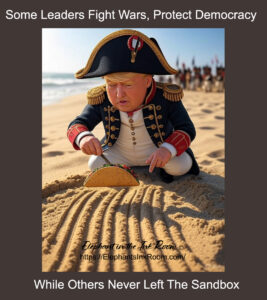

So there you have it, short, sour and simple. You do know we have enabled comments. If you want to spew hate, stay away. And that doesn’t matter which side you hate. If you want to discuss solutions, then welcome.
Share this:

What we hear about us.
The Michael and Sarah Walker podcast from “Elephant in the Ink Room” is a political commentary podcast that focuses on the current political climate in the United States. The episodes are often quite short, with many lasting only a few minutes.
The podcast’s commentary often addresses the polarized nature of politics and the role of truth and facts in public discourse. Topics covered include:
- Foreign Policy: For example, a recent episode discussed the rationale behind supporting Ukraine.
- Journalism and Media: The podcast frequently examines issues like the weaponization of context, the challenges of reporting in a polarized environment, and the chilling effect of lawsuits on journalism.
- Social Commentary: They also touch on broader societal issues and how they are manipulated for political gain, such as manufactured outrage and immigration policy.
Essentially, the podcast offers a critical perspective on contemporary political events, urging listeners to look beyond easy answers and consider the complexities of the issues at hand.

It’s good to be king. no wait, it’s good to be god.
Birds of a Feather stick together. What a bad joke we are living.
84 days out of a 7 year sentence?
Share this:
Like this: