USAID and Those That Will Die
On
- Commentary, The Fallout


/
RSS Feed
When Reform Is Needed, But Retraction Becomes a Death Sentence
No one is denying it: serious misconduct has occurred inside USAID. There have been failures of oversight, mismanagement, and moments of corruption that rightly demand accountability. Some officials abused public trust, others looked the other way, and safeguards that should have protected taxpayer dollars often failed to do so.
But there is a profound difference between cleaning house and burning the house down. And by choosing to freeze, dismantle, or politically sideline USAID rather than reform it, we are not punishing the guilty — we are abandoning the innocent.
Corruption is Real — But So Is the Need
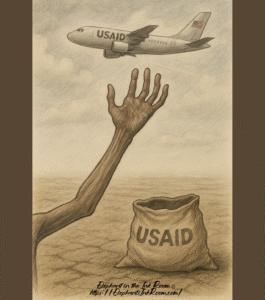
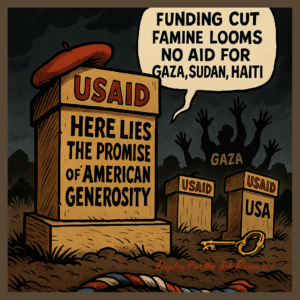
Yes, the system must be fixed. But when the U.S. government pulls back aid in response to internal wrongdoing, the ones who suffer aren’t the bureaucrats in D.C. — they are families in Sudan, Gaza, Haiti, and dozens of fragile states.
These are people who depended on shipments of food, vaccines, water purification, and basic medical supplies. To them, USAID was not a political entity. It was hope.
Reform Is Possible — and Necessary
Every institution with global reach eventually confronts its own failures. The answer is not to dismantle it, but to build back better — with transparency, accountability, and structural integrity.
Reform could mean:
-
Independent auditing and reporting,
-
Whistleblower protections,
-
Contracting transparency,
-
Career experts, not political appointees, in charge of field decisions.

Comments are Disabled