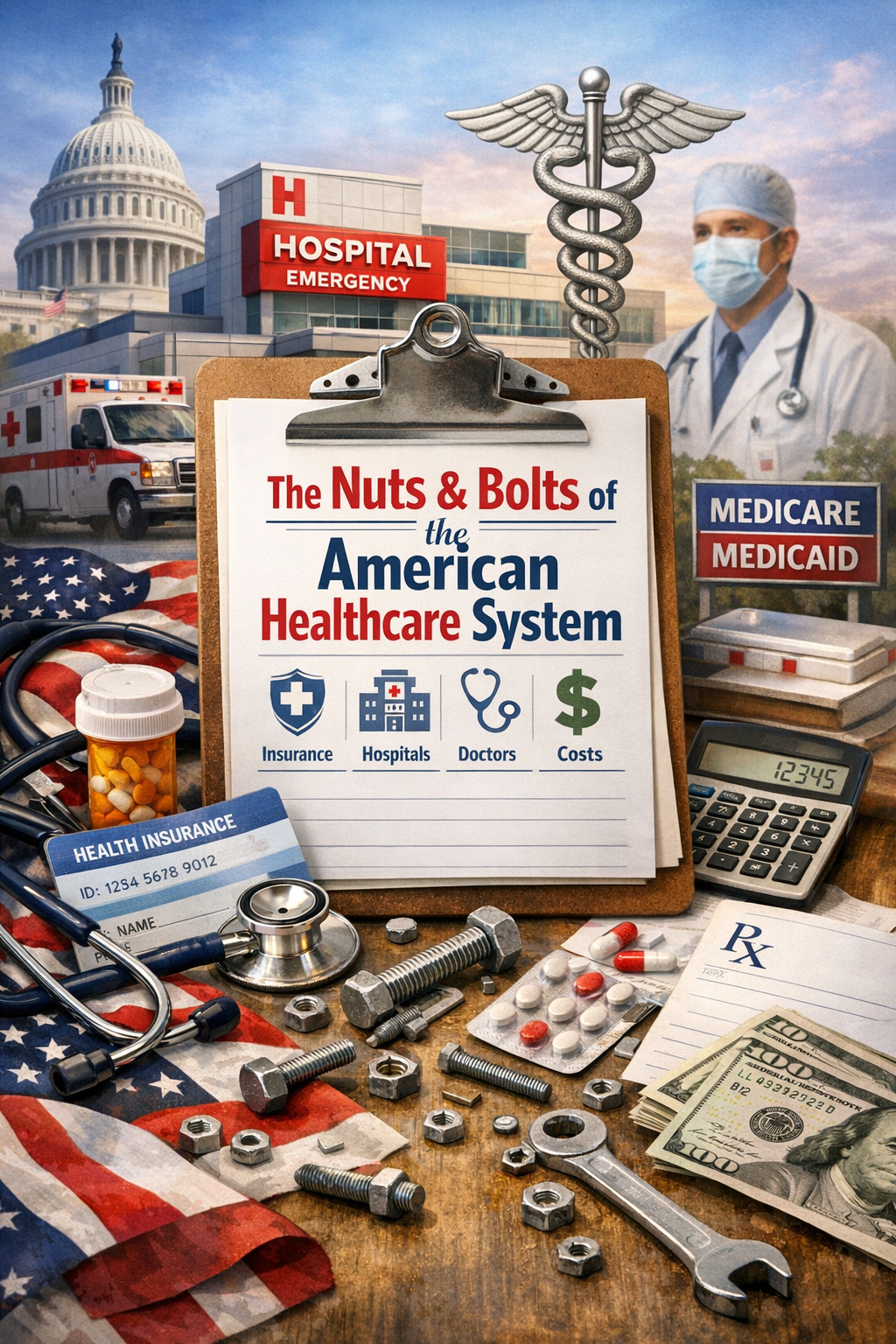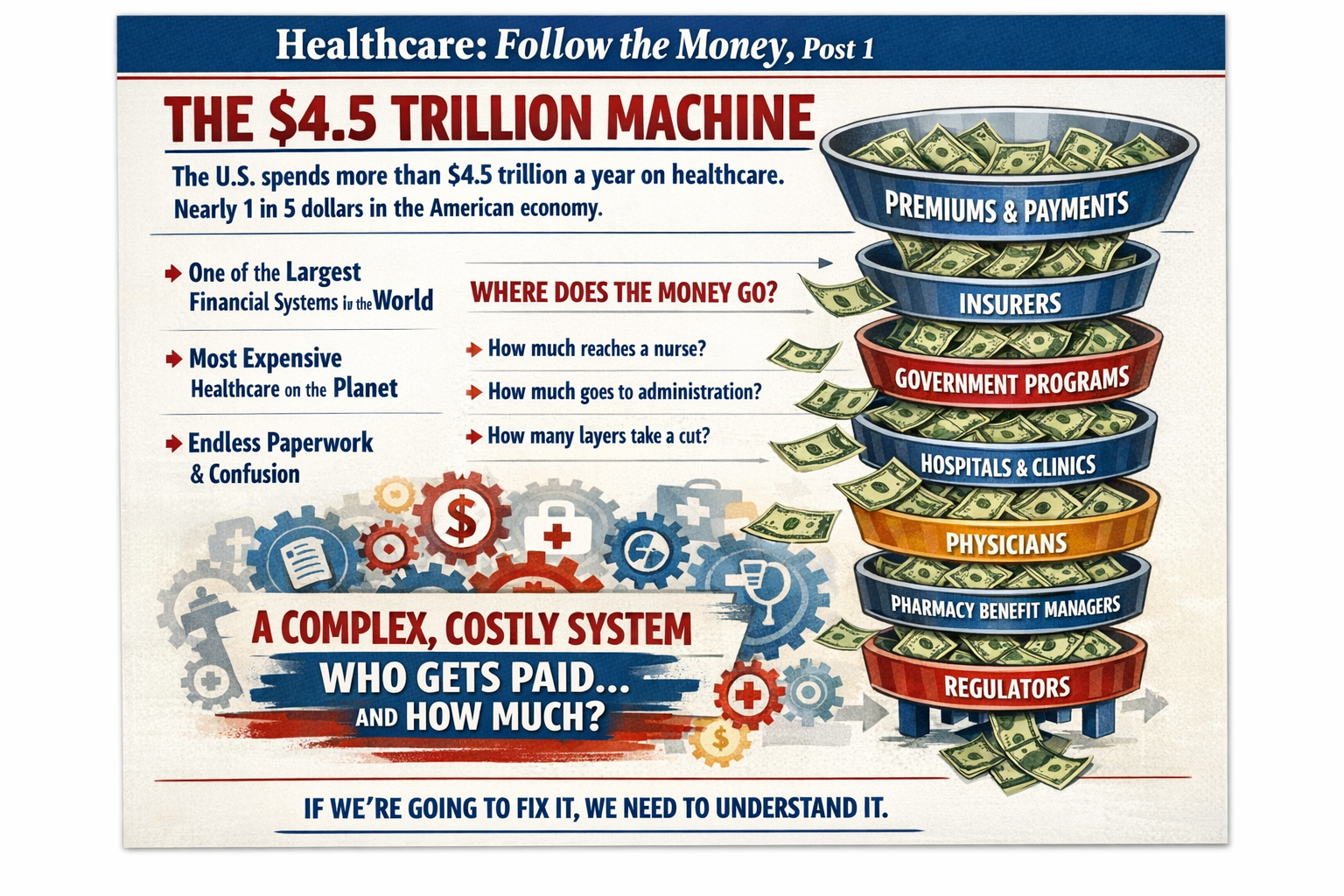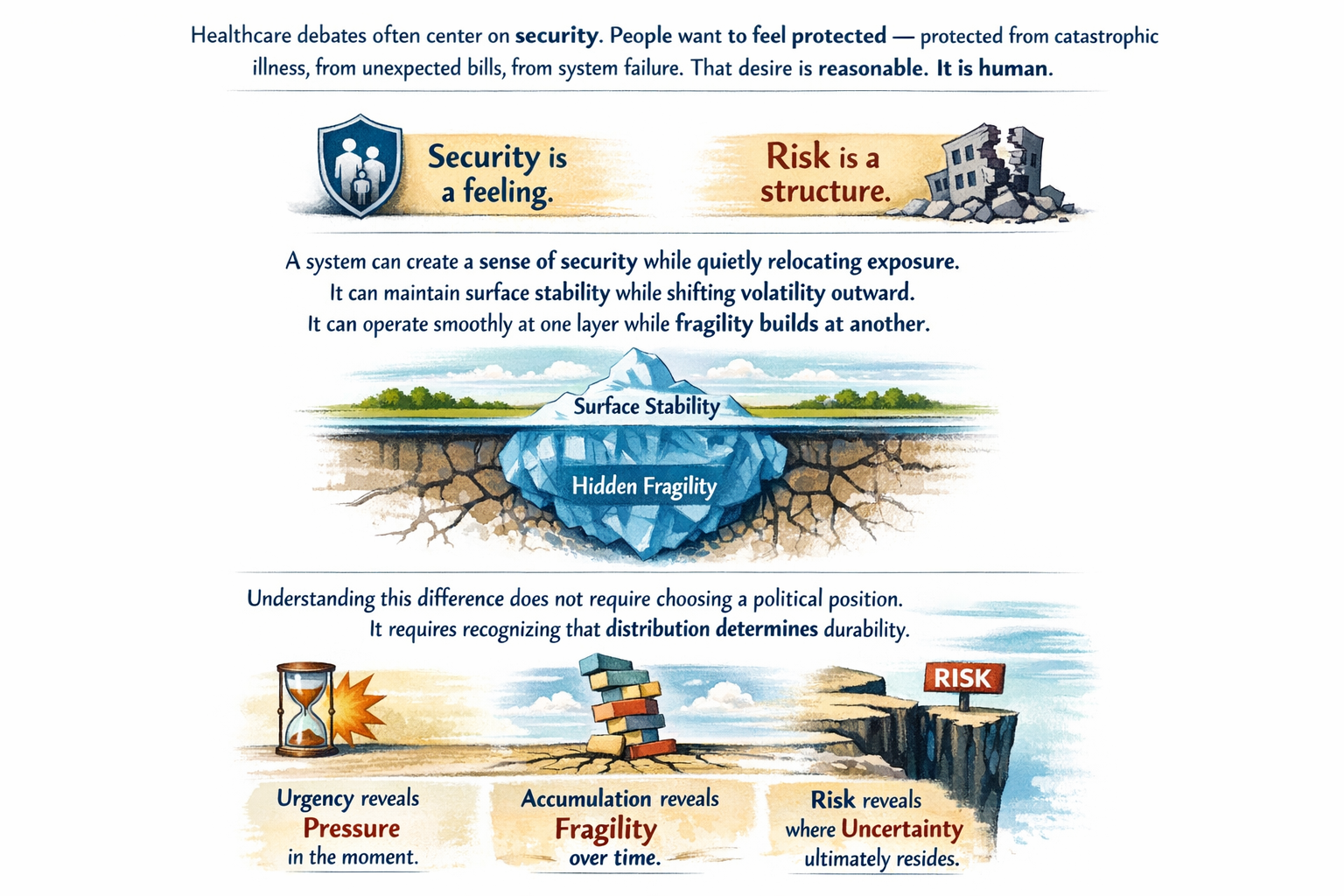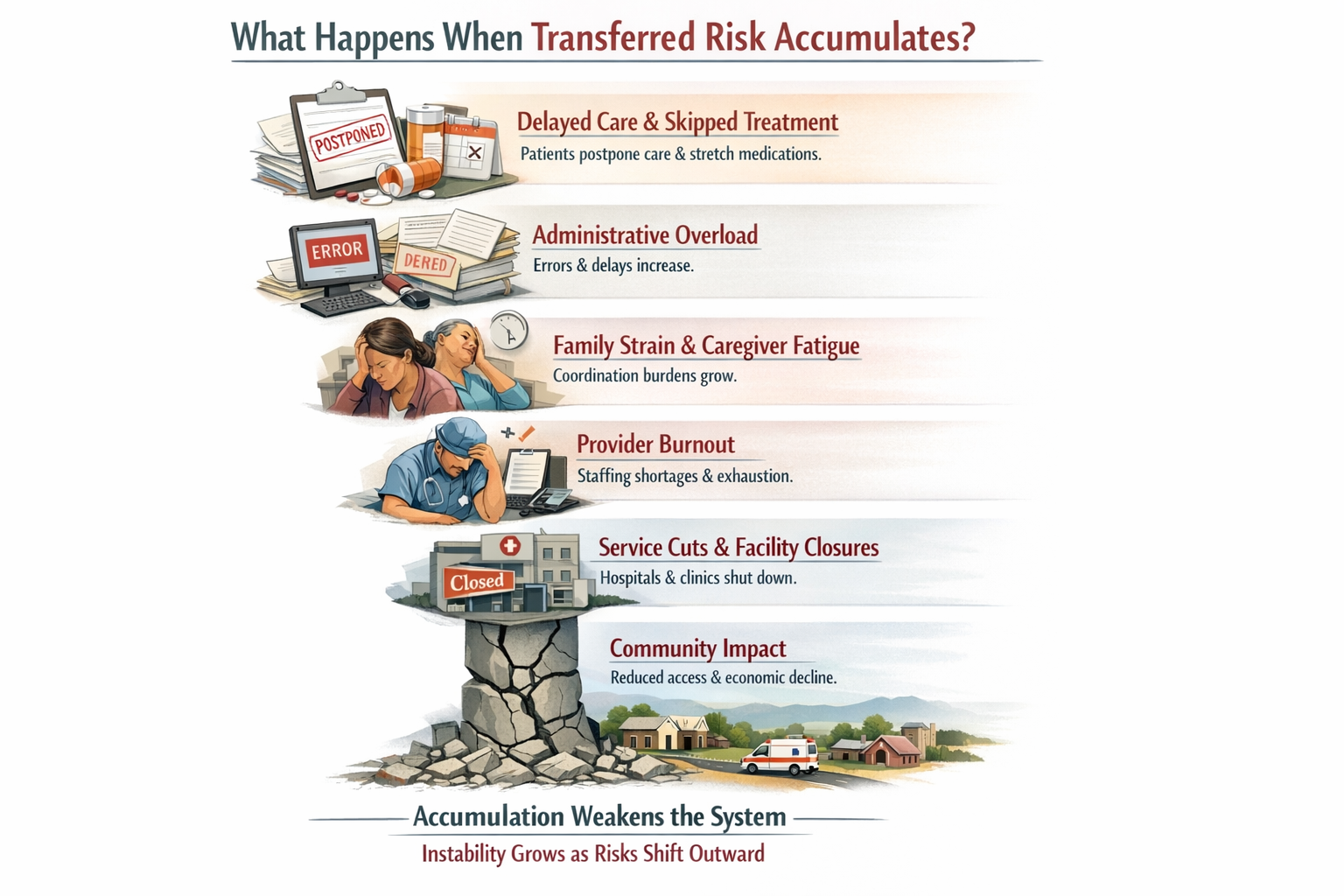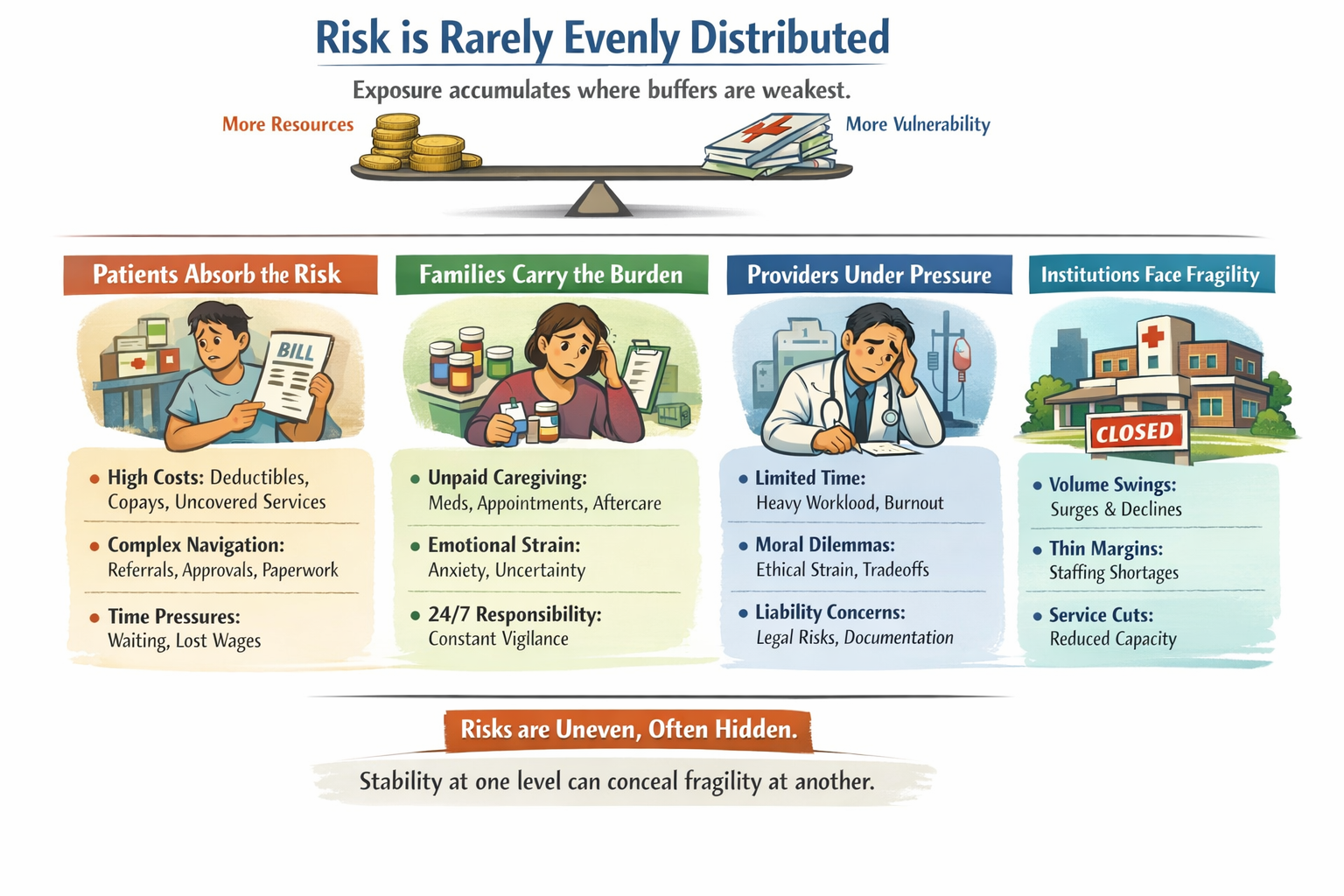
Healthcare, how policies are developed and implemented.
On
- Menu
How the U.S. healthcare machine evolved historically
-
Who really makes the decisions (incentives, gatekeepers, power structures)
-
What access actually looks like on the ground
-
A clear comparison of free-market vs. socialized models — trade-offs, not team cheers
The goal isn’t to push an agenda; it’s to equip you with context so you can think, decide, and act from knowledge instead of reflexes.For the majority of my life, my knowledge of healthcare was condensed into these three or four questions, asked under stress:
-
Am I insured?
-
Will my spouse’s job still cover us?
-
What happens if we get pregnant / sick / laid off?
-
Can we afford this surprise?
Knowing the answers to those 4 questions is not enough.
The actual nuts and bolts begin Tuesday, Wednesday, and Thursday—one part per day unless a topic requires an A/B split. Each section is intentionally concise: long enough to hold your attention, grounded enough to encourage independent research. By the end of the series, you’ll have a clearer, working understanding of healthcare and the government’s role in it—often more than many legislators themselves. More importantly, you’ll be able to see through political rhetoric and make informed judgments instead of relying on campaign slogans.
Occasional memes will still sneak in (old habits die hard), but the main lane now is education over entertainment.Thanks for reading along so far. If this resonates, stick around.
Healthcare in America Series II, Part 1 – What Urgent Care Actually Is (and Is Not)
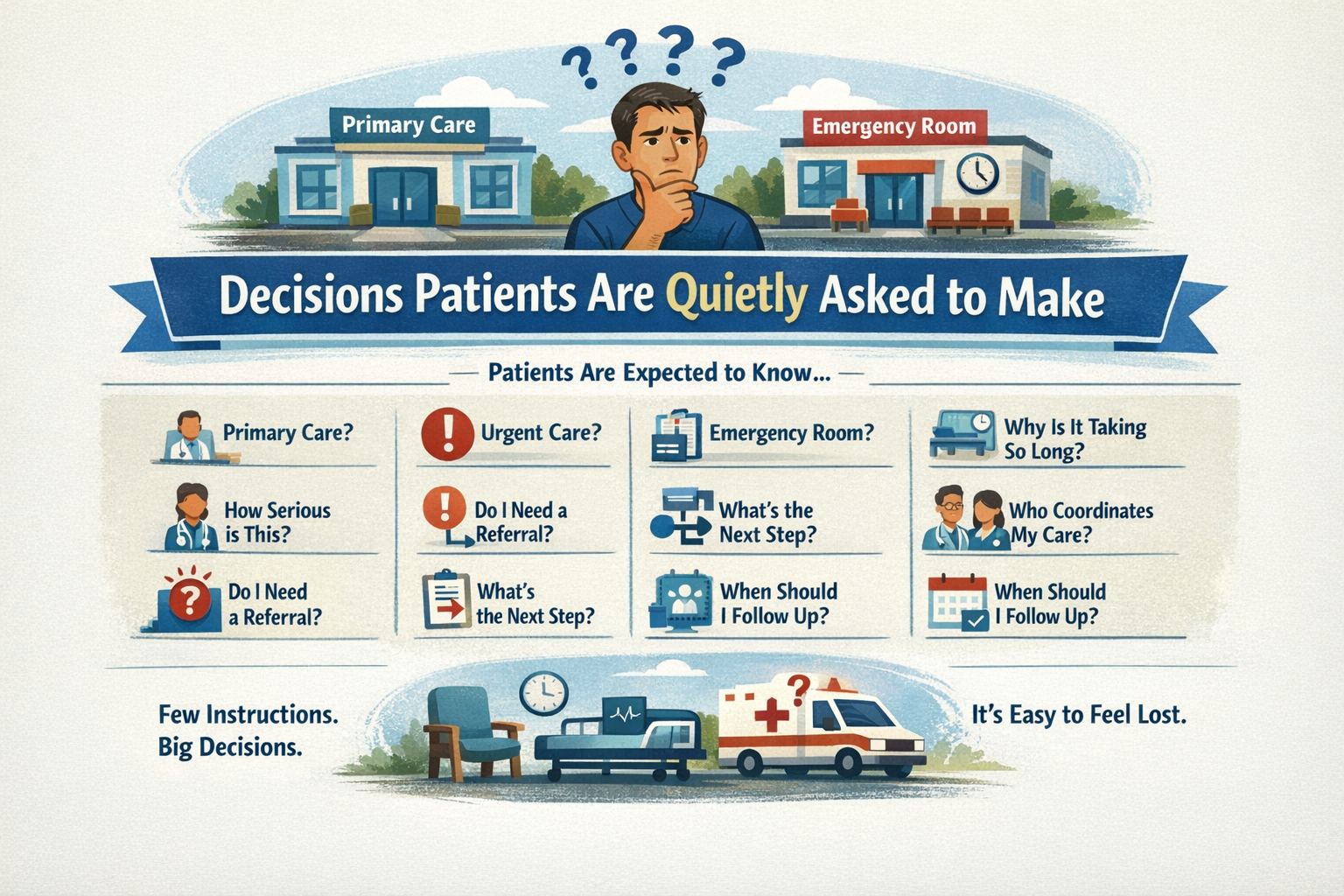
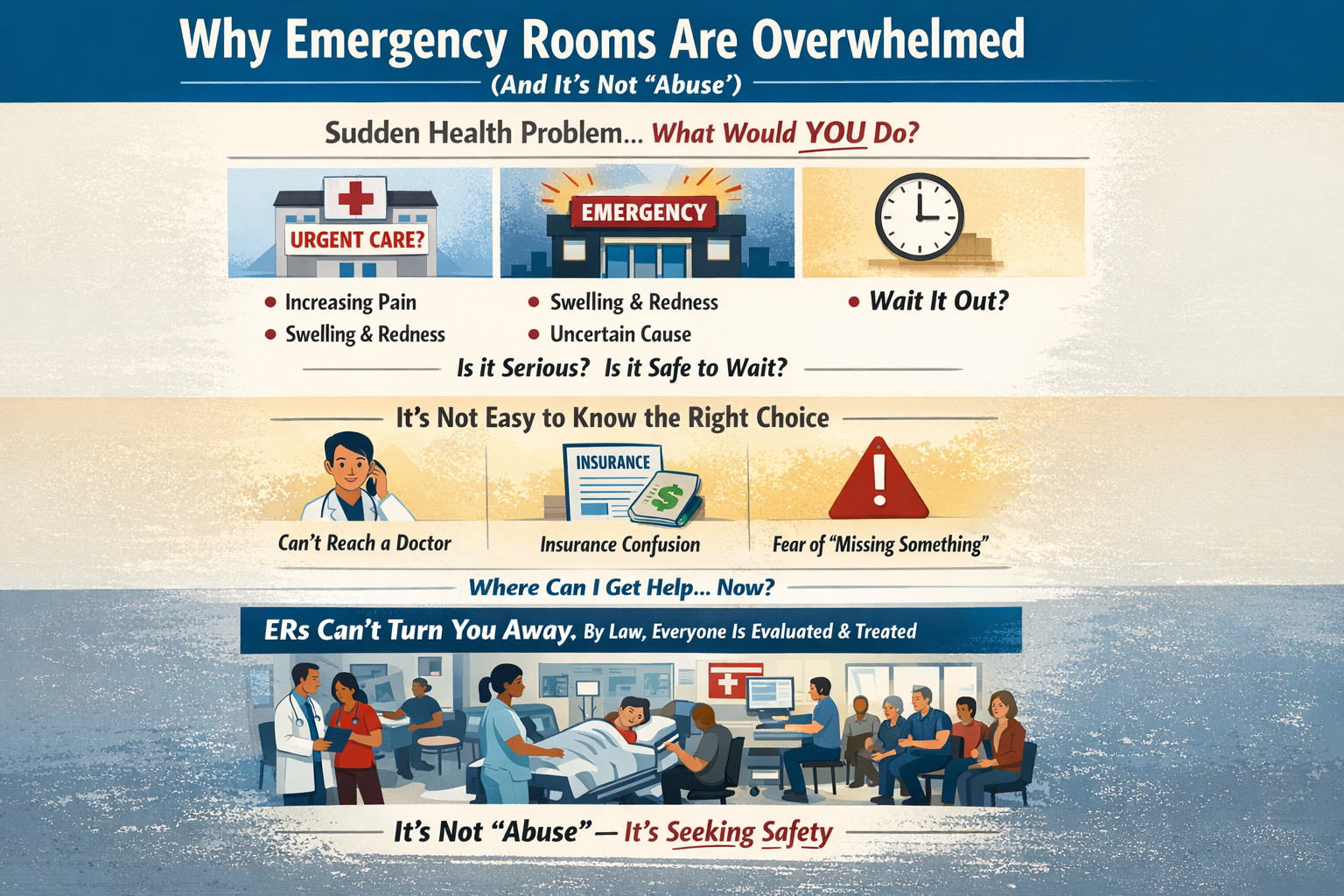
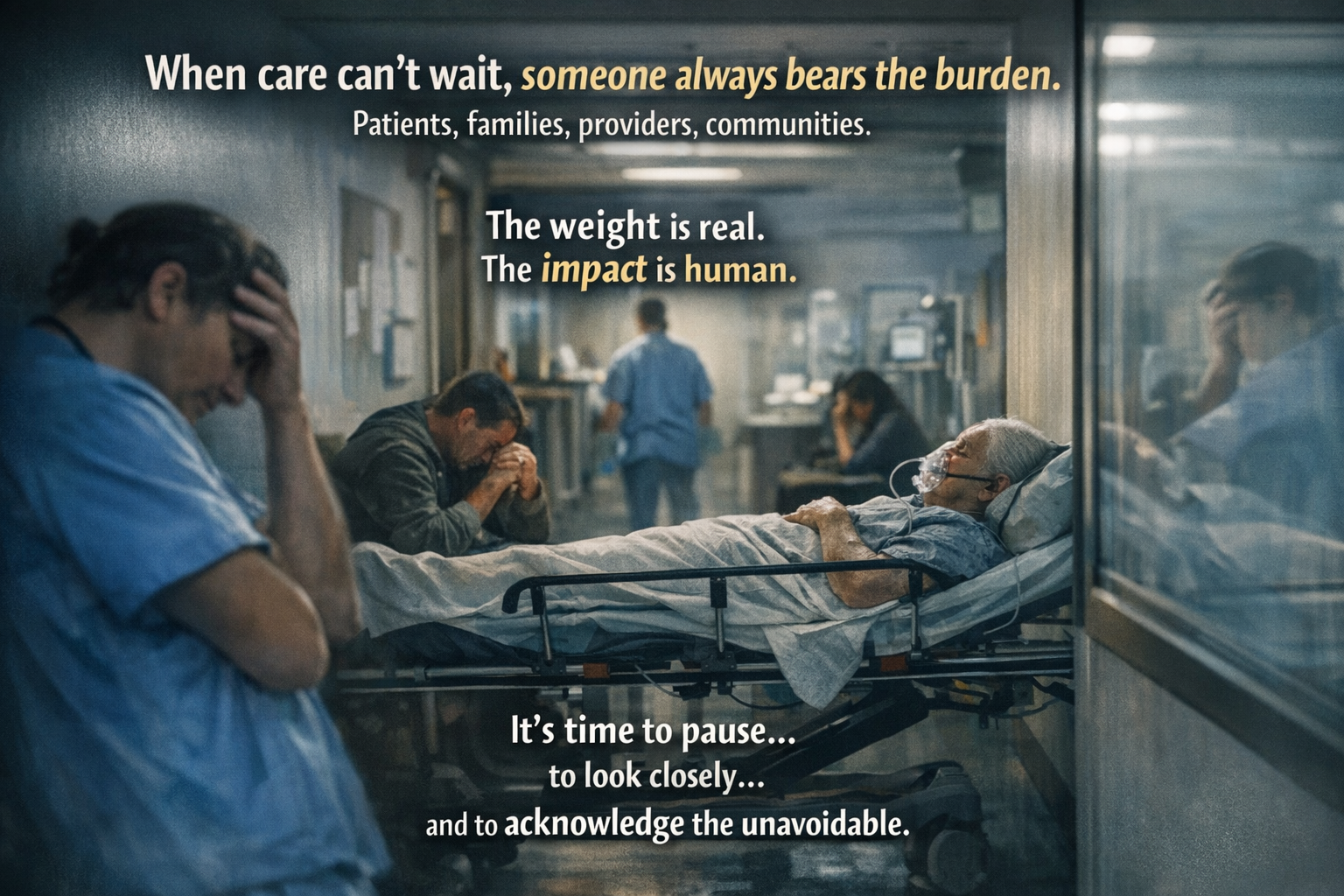
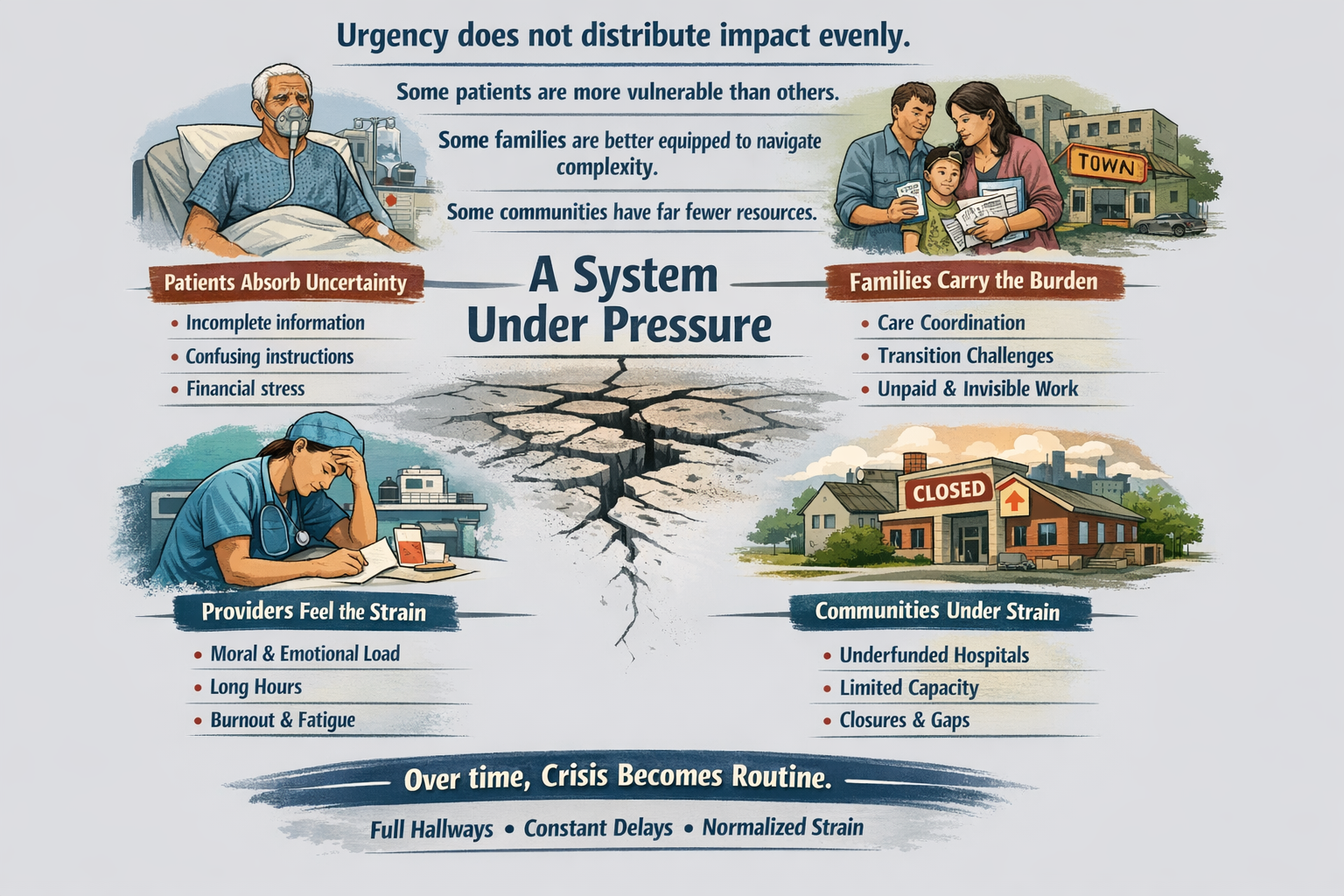
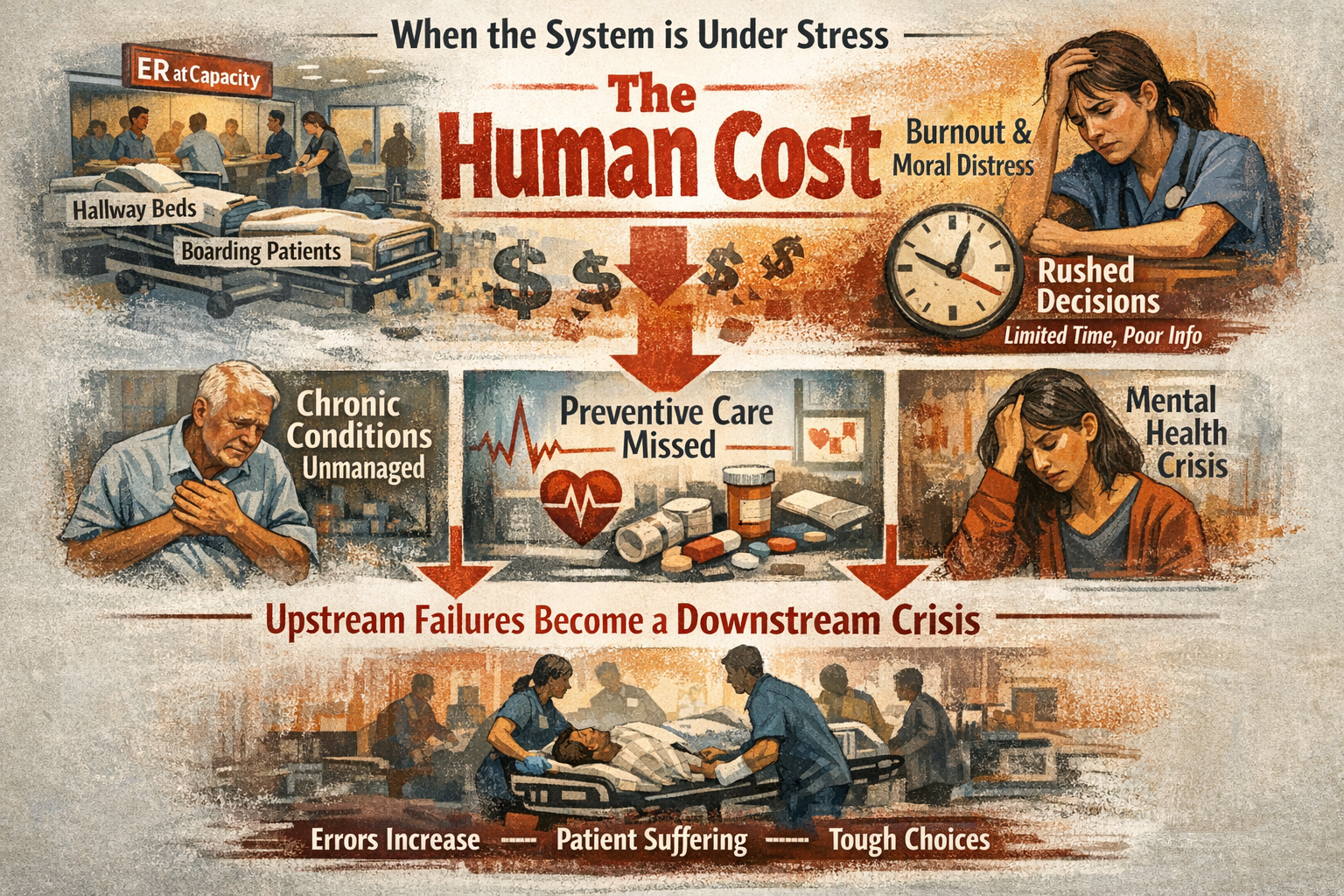
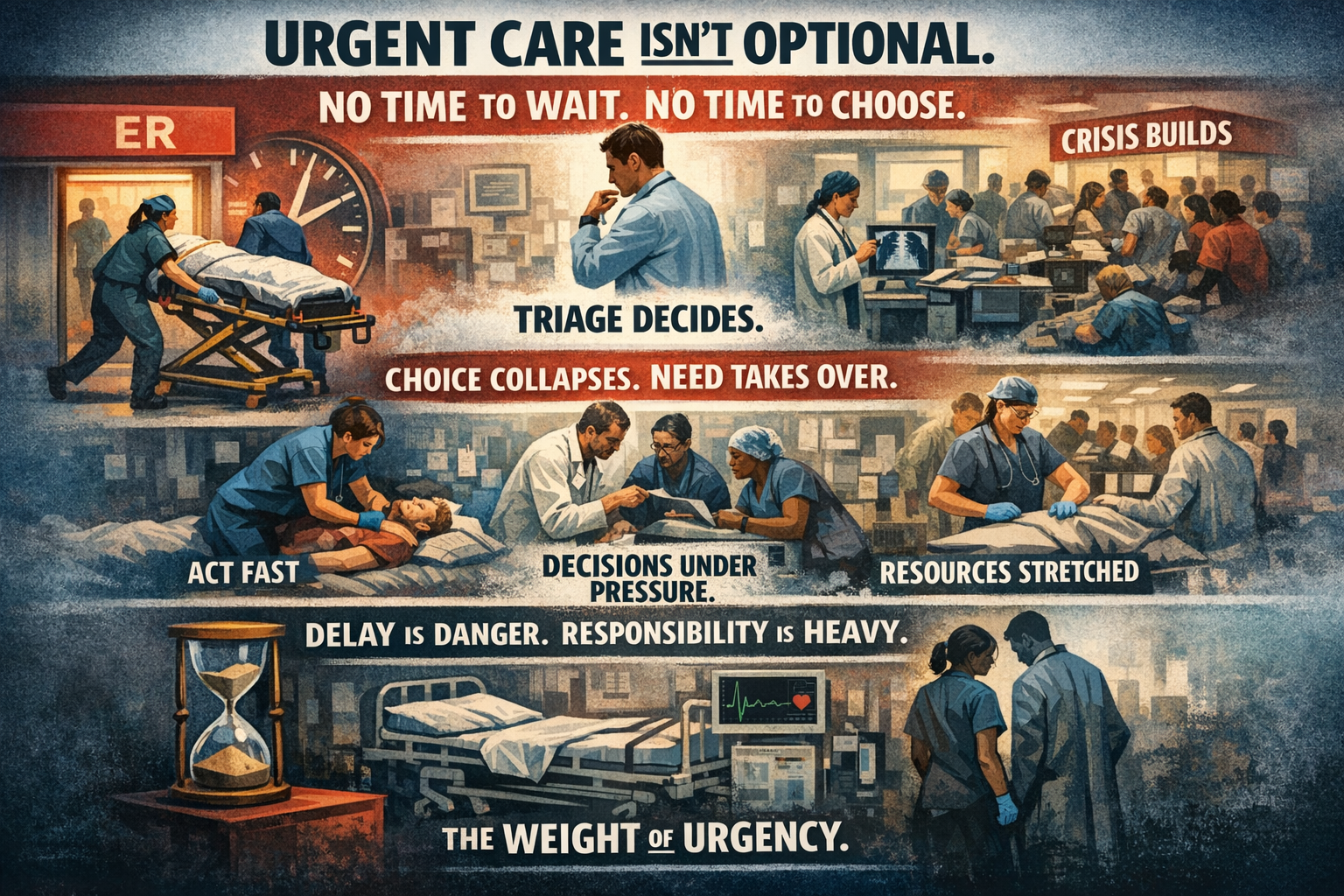
Urgency collapses options. Decisions that would normally take days, weeks, or months are compressed into minutes or hours. There’s no time to compare prices, shop for the best facility, or negotiate who sees you first.
Healthcare in America — Series II: When Care Can’t Wait – Podcast Prelude
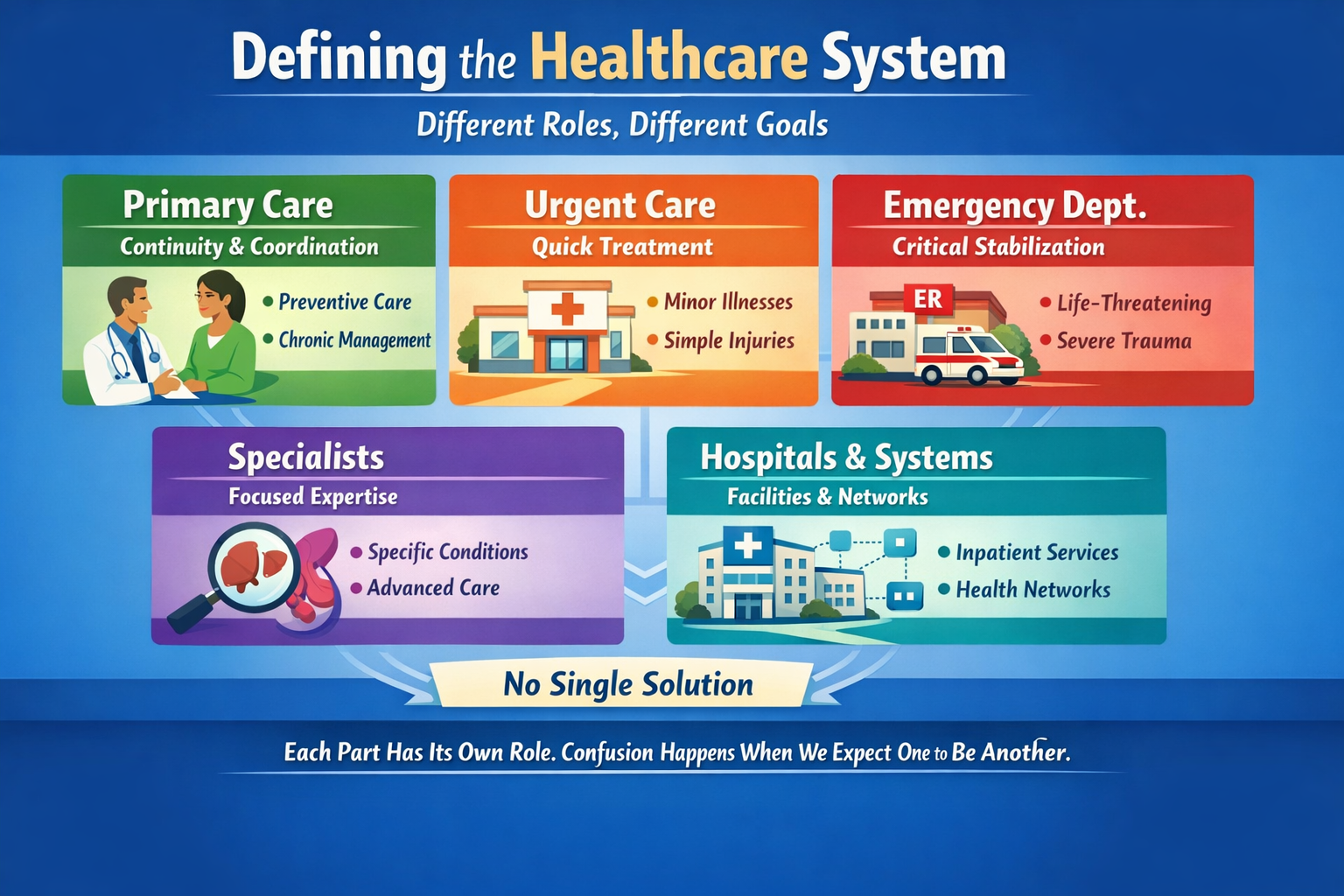
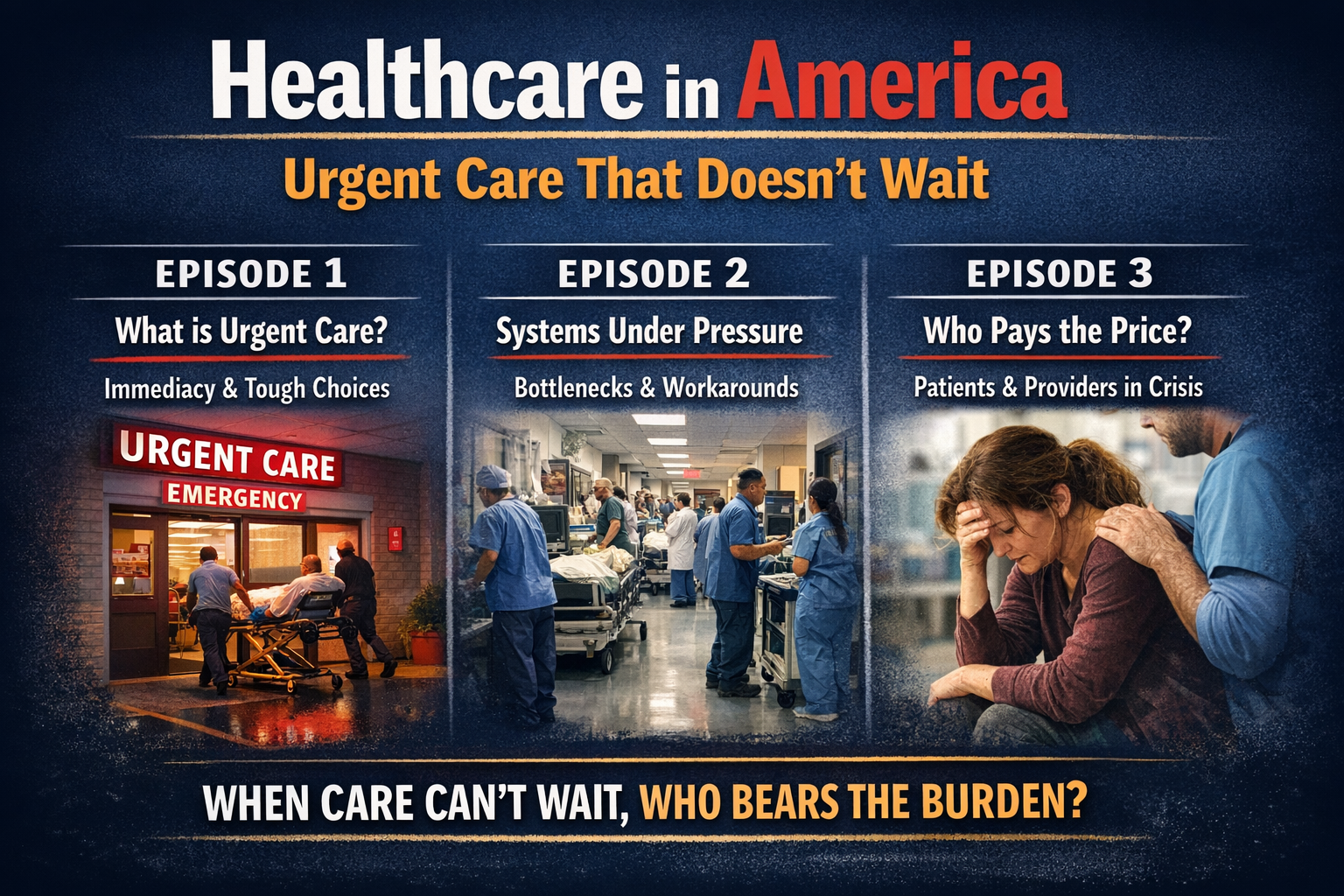
In the first episode, we’ll explore what urgent care actually is, and what it isn’t. We’ll see how immediacy changes the rules, compresses choices, and forces decisions that no one wants to make lightly. In
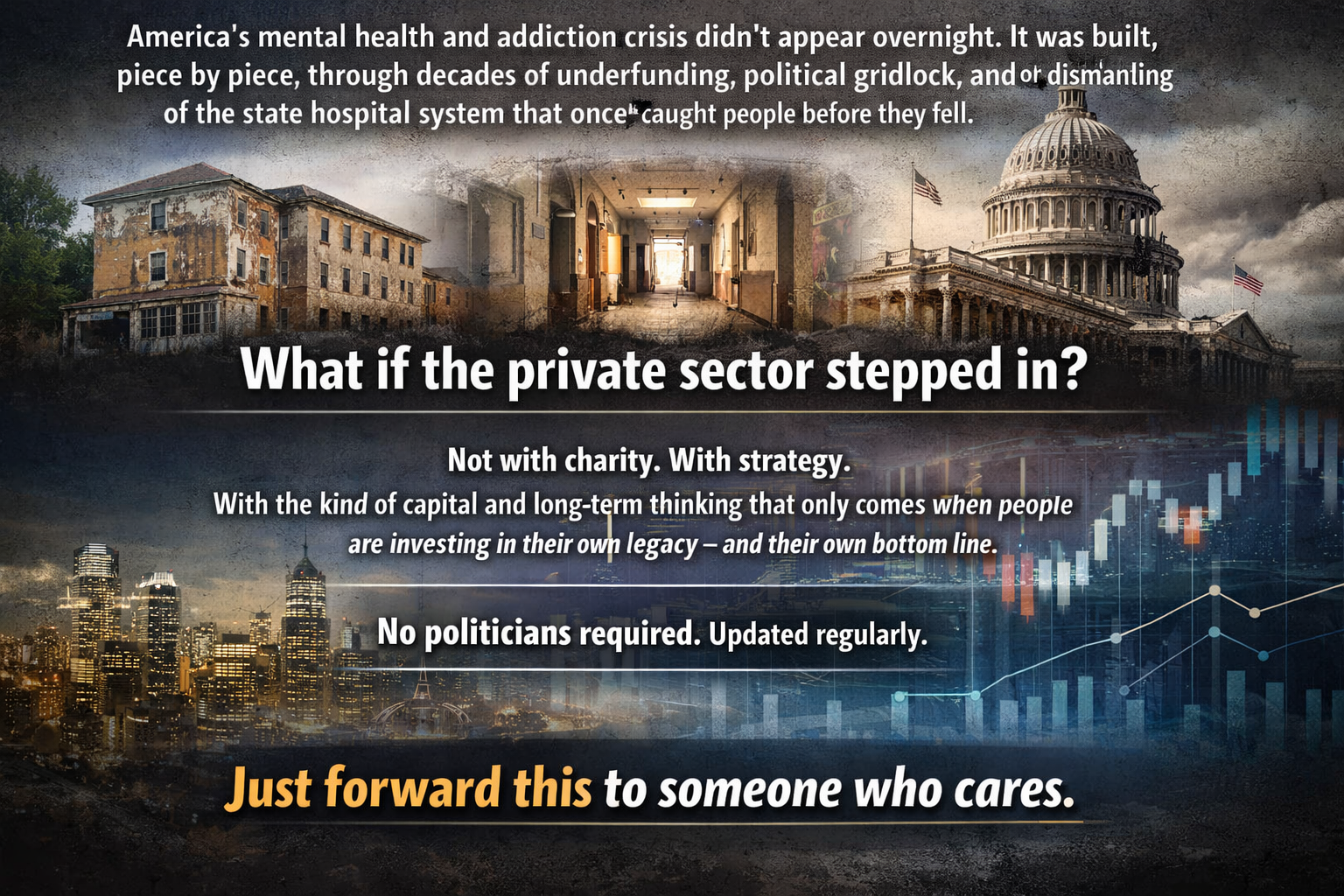
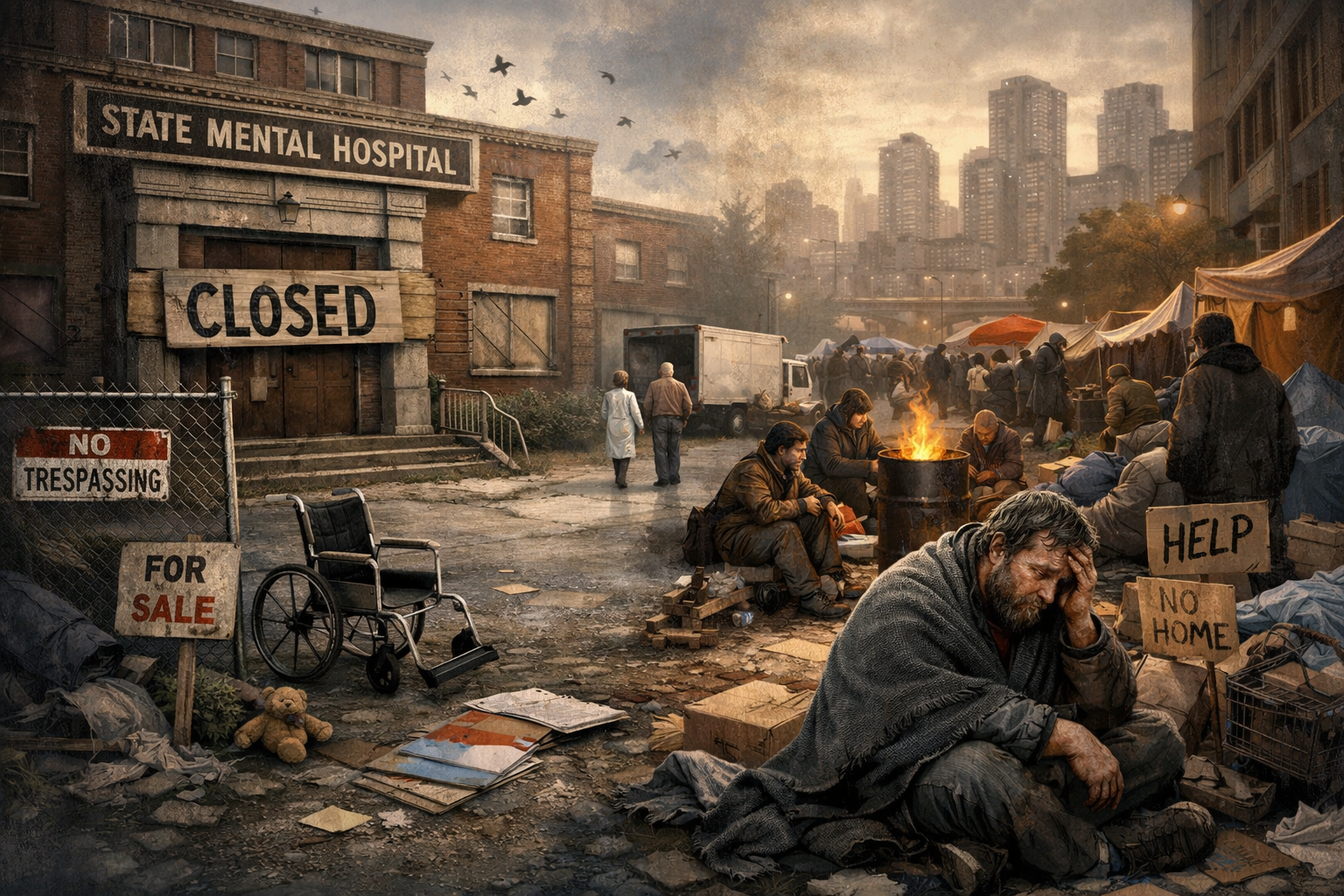
Heathcare – Closure of State Run Mental Facilities and Increase in Homeless Population
Overall, Oregon's closures are a microcosm of a national policy that prioritized deinstitutionalization without the necessary infrastructure, directly fueling homelessness by stranding vulnerable people. If you're diving deeper for your healthcare series, sources like HUD's
Coda: What We Know Now – Healthcare in America Series 1
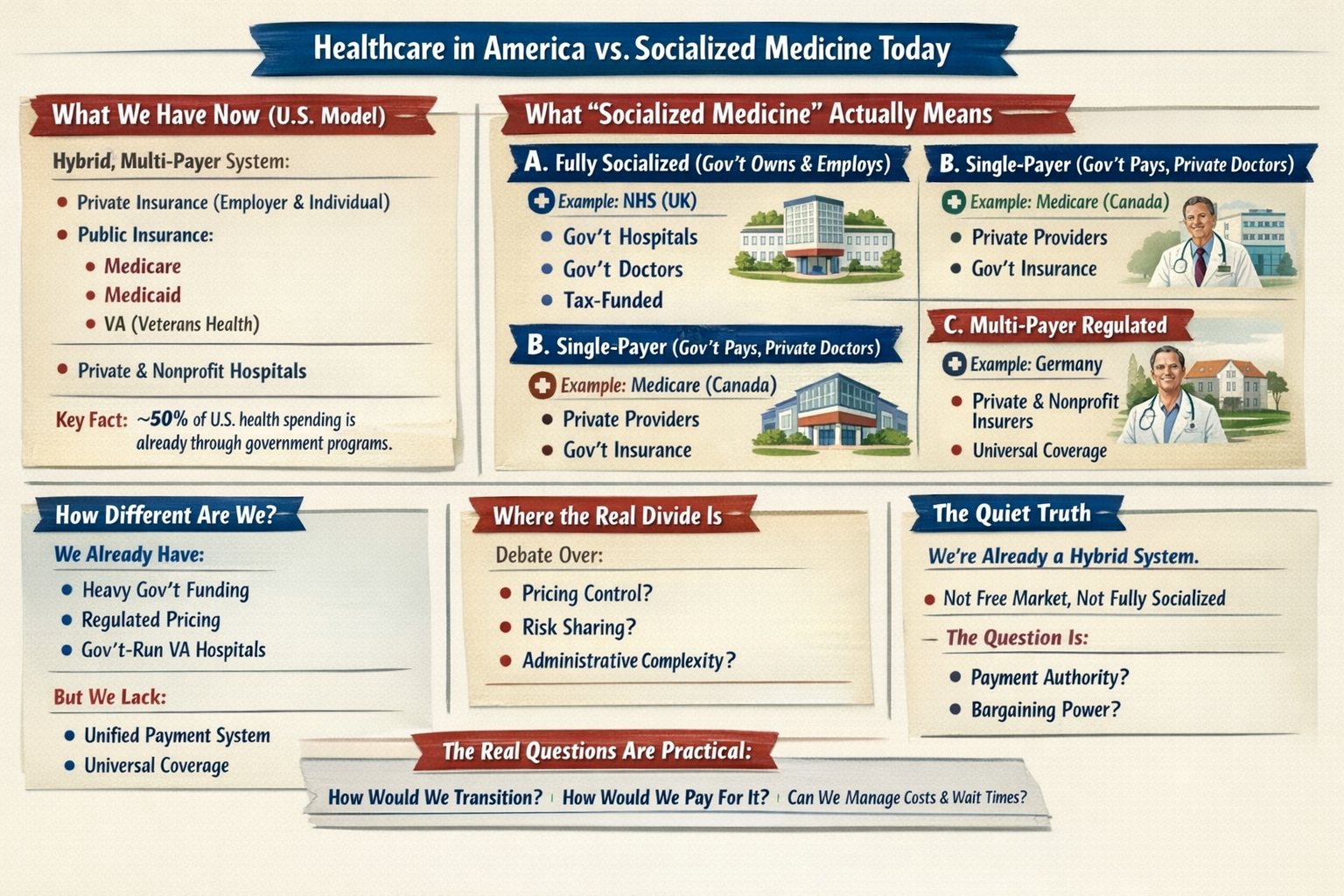
The purpose here was not to provide answers, but to establish a starting point grounded in reality rather than ideology. Any serious conversation going forward has to begin with what healthcare actually is: partially market,
Part 6: When the System Stops Pretending – Healthcare in America
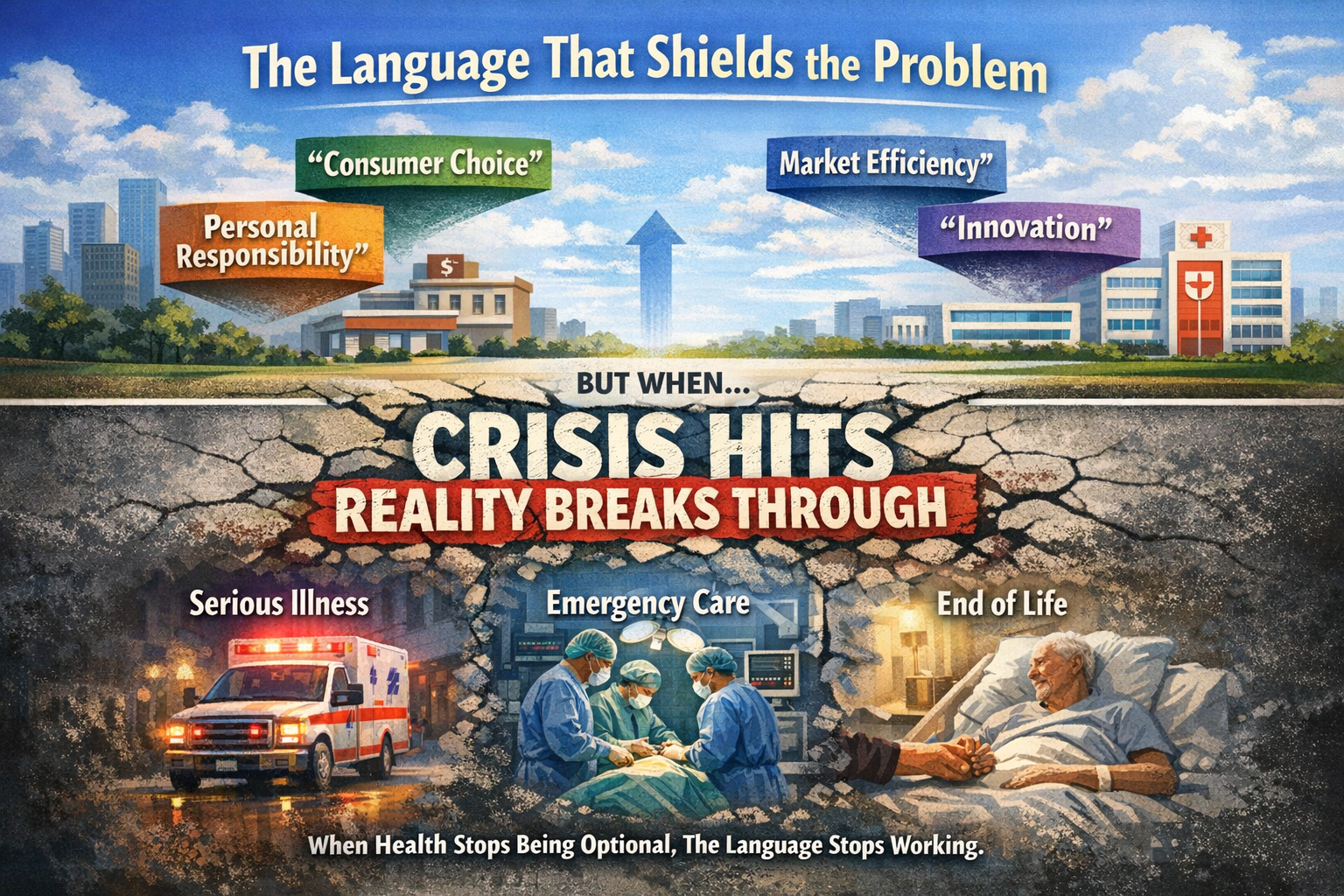
For years, America’s healthcare debates have circled the same familiar arguments: cost, access, innovation, choice. Each side insists the problem is just one adjustment away from being solved — a different payer mix, a different
Part 5: Choice vs. Coverage – Healthcare in America
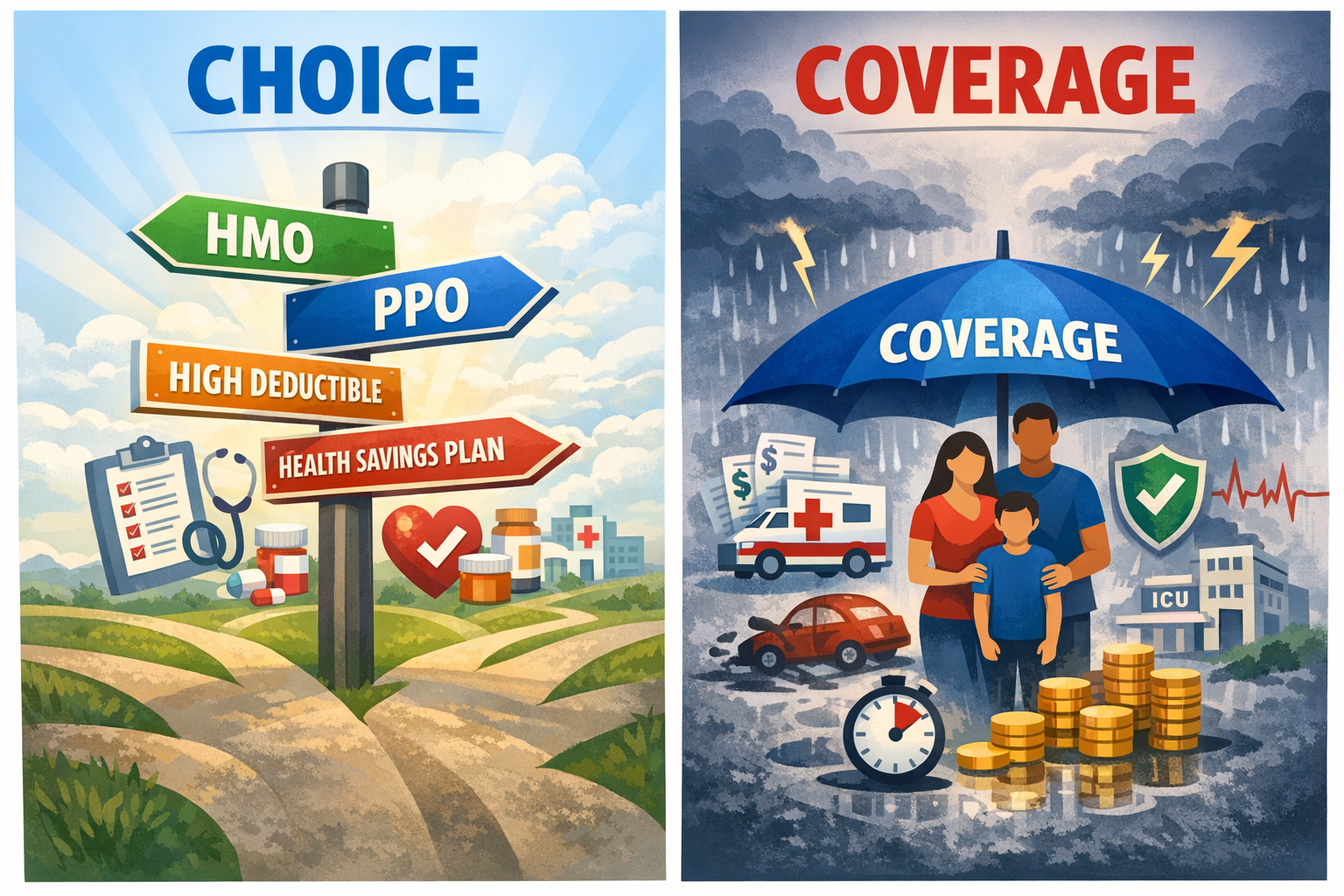
After responsibility shifts to individuals, the system offers something in return. It offers choice. At first glance, this feels like a fair trade. More options suggest more control. More plans suggest better fit. More flexibility
Part 4: When Responsibility Moves Quietly – Healthcare in America
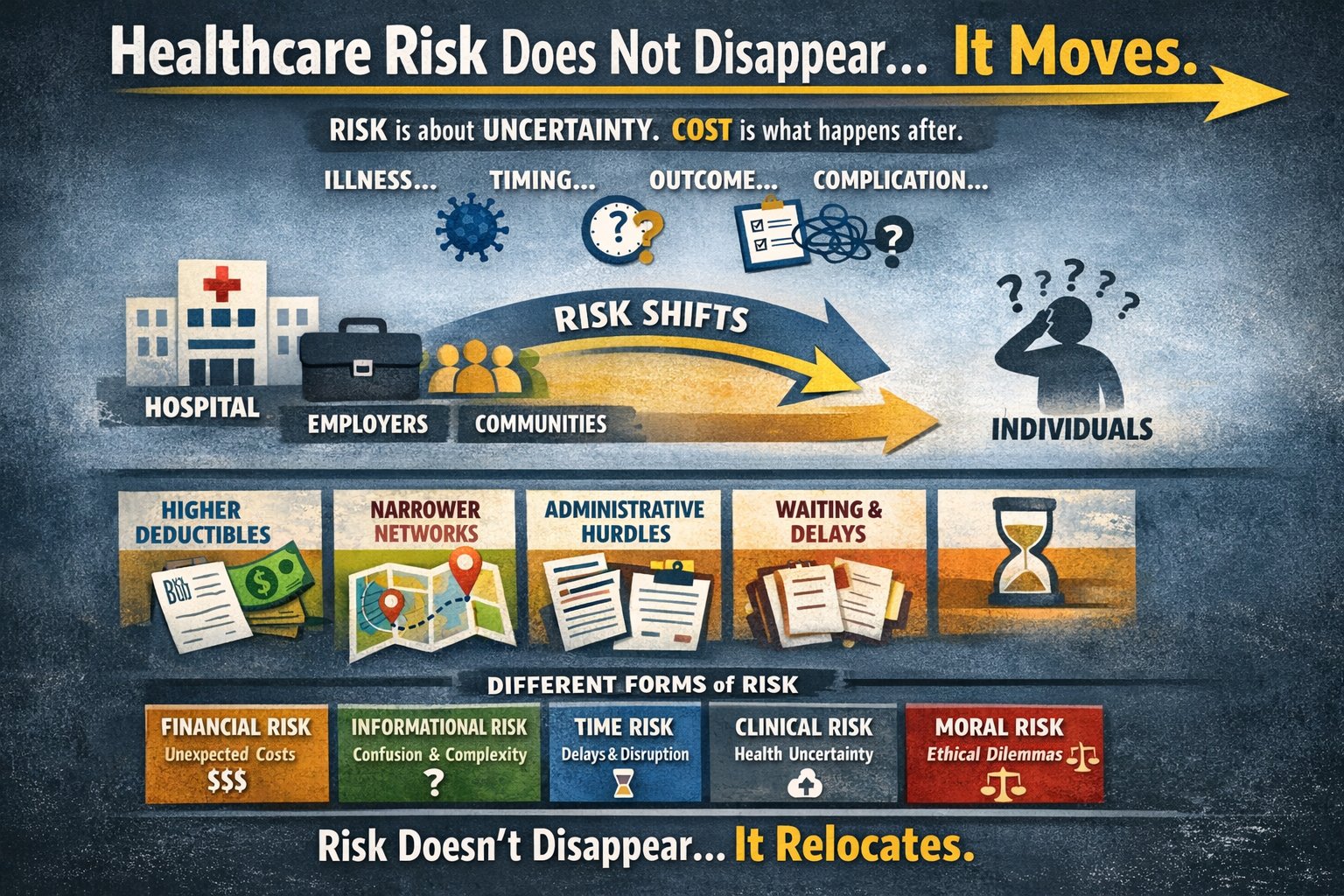
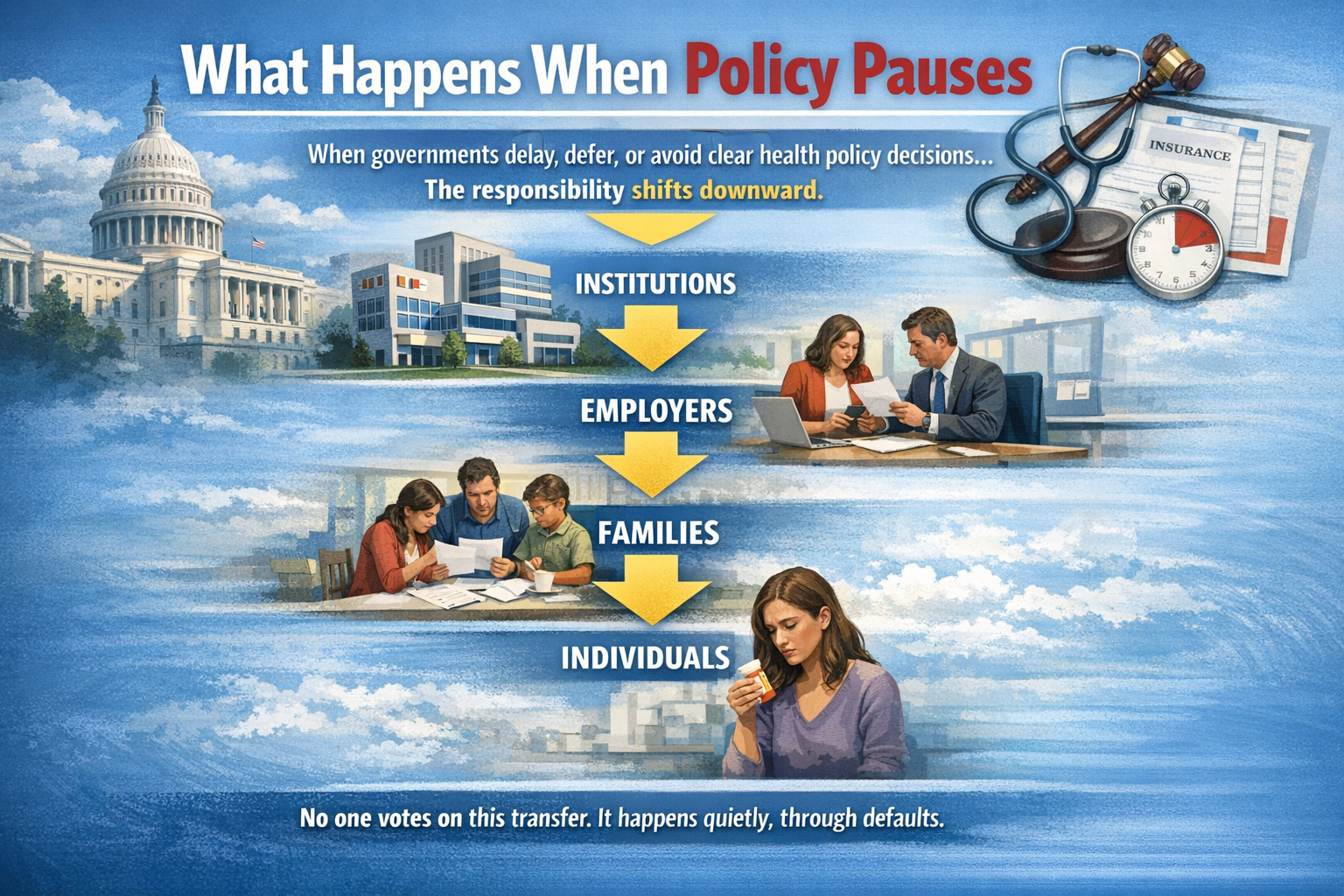
When health policy stalls, something important happens that is easy to miss. Responsibility doesn’t disappear. It moves. And almost always, it moves away from systems and toward individuals. This shift rarely arrives with an announcement.
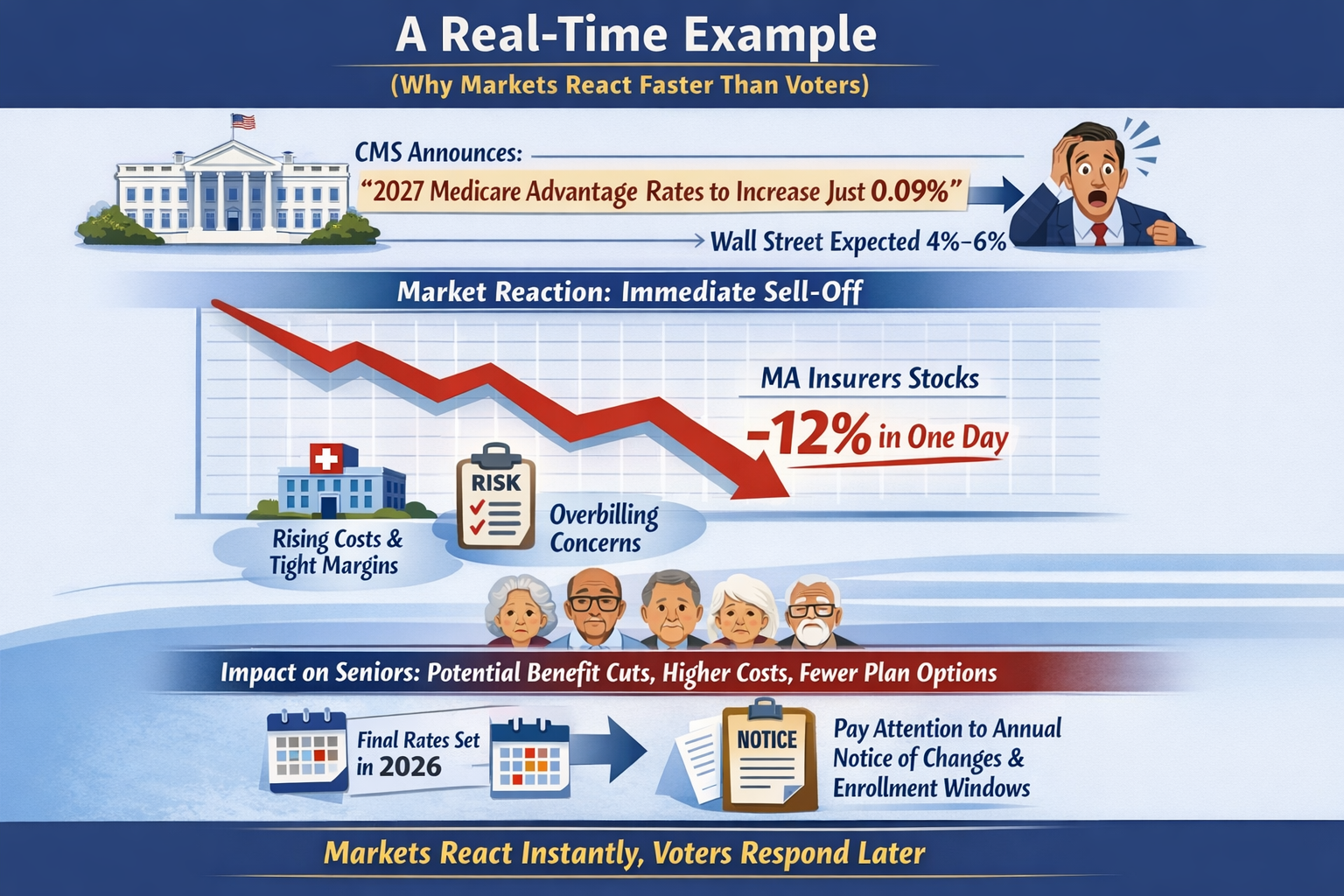
A Real-Time Example (Why Markets React Faster Than Voters) – Healthcare in America
Industry groups warn of potential disruptions when 2027 coverage renews in late 2026, though final rates will not be set until April. This adds pressure to an already challenging Medicare Advantage landscape, where many plans
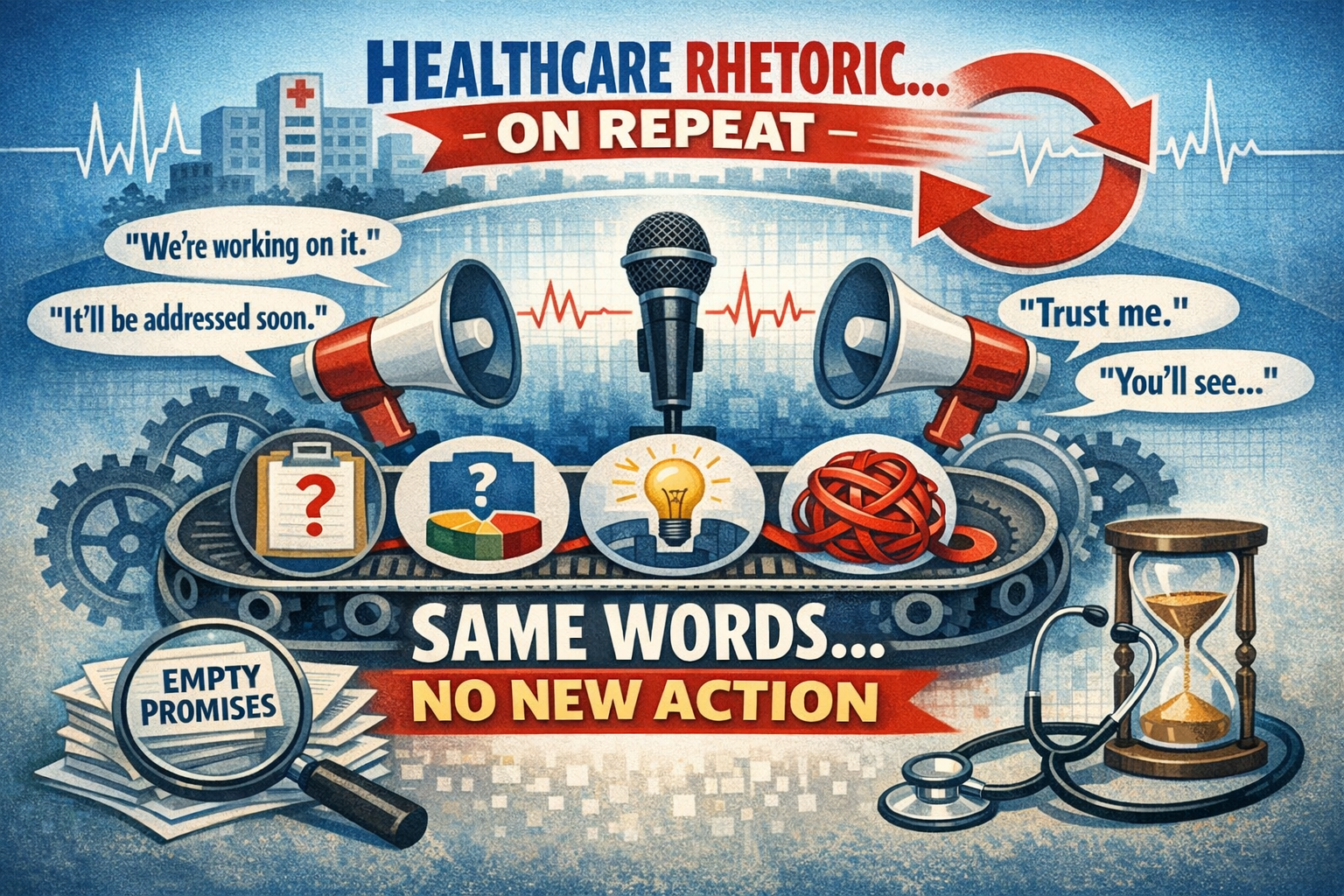
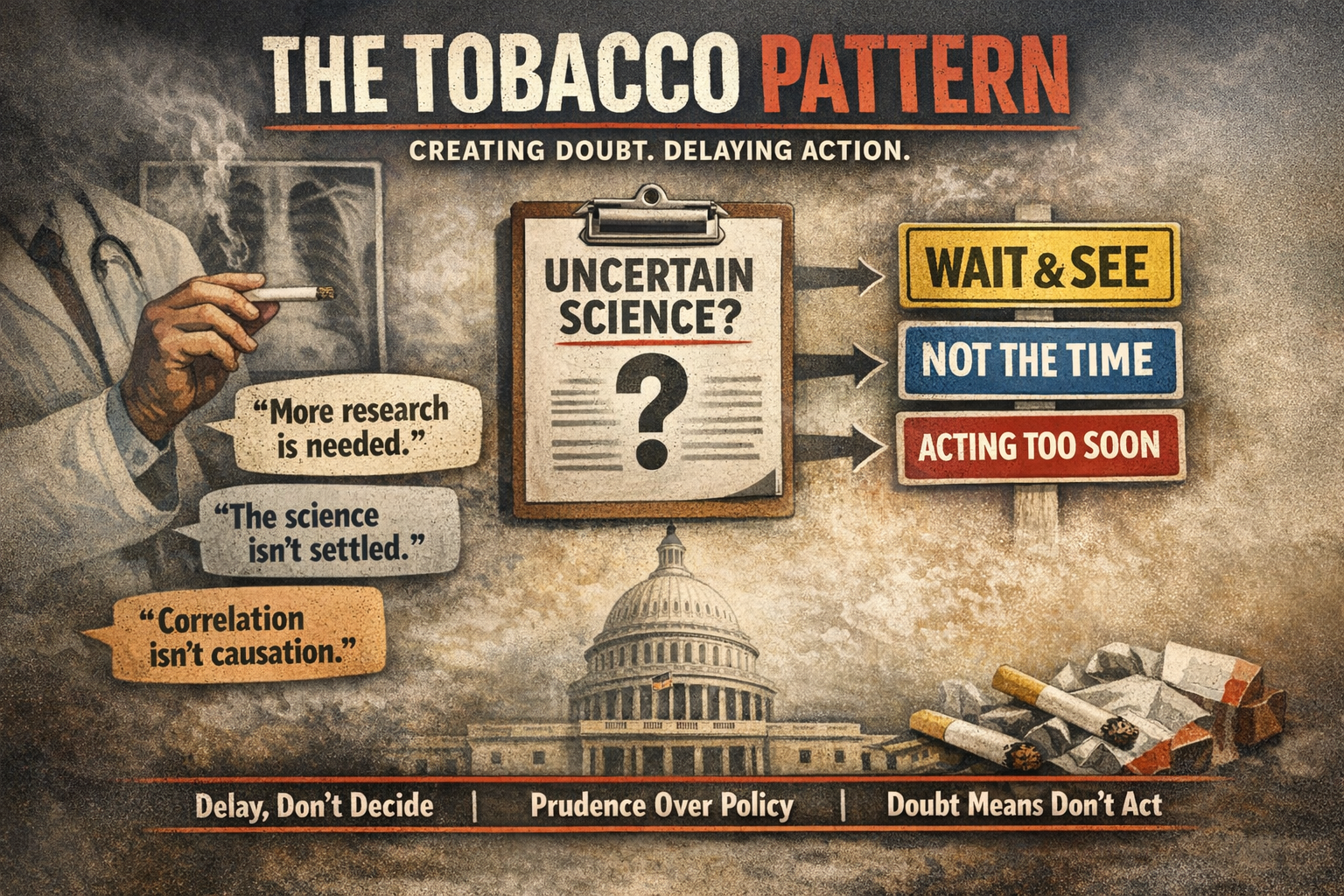
Part 3b – Repetition As Policy Signal – Healthcare in America
When these phrases appear once, they may reflect genuine uncertainty. When they appear repeatedly, over weeks or months, they become signals. The tobacco era showed this clearly. For years, the same reassurances were offered while
Healthcare in America Series II, Part 1 – What Urgent Care Actually Is (and Is Not)
Urgency collapses options. Decisions that would normally take days, weeks, or months are compressed into minutes or hours. There’s no time to compare prices, shop for the best facility, or negotiate who sees you first.
Healthcare in America — Series II: When Care Can’t Wait – Podcast Prelude
In the first episode, we’ll explore what urgent care actually is, and what it isn’t. We’ll see how immediacy changes the rules, compresses choices, and forces decisions that no one wants to make lightly. In
Heathcare – Closure of State Run Mental Facilities and Increase in Homeless Population
Overall, Oregon's closures are a microcosm of a national policy that prioritized deinstitutionalization without the necessary infrastructure, directly fueling homelessness by stranding vulnerable people. If you're diving deeper for your healthcare series, sources like HUD's
Coda: What We Know Now – Healthcare in America Series 1
The purpose here was not to provide answers, but to establish a starting point grounded in reality rather than ideology. Any serious conversation going forward has to begin with what healthcare actually is: partially market,
Part 6: When the System Stops Pretending – Healthcare in America
For years, America’s healthcare debates have circled the same familiar arguments: cost, access, innovation, choice. Each side insists the problem is just one adjustment away from being solved — a different payer mix, a different
Part 5: Choice vs. Coverage – Healthcare in America
After responsibility shifts to individuals, the system offers something in return. It offers choice. At first glance, this feels like a fair trade. More options suggest more control. More plans suggest better fit. More flexibility
Part 4: When Responsibility Moves Quietly – Healthcare in America
When health policy stalls, something important happens that is easy to miss. Responsibility doesn’t disappear. It moves. And almost always, it moves away from systems and toward individuals. This shift rarely arrives with an announcement.
A Real-Time Example (Why Markets React Faster Than Voters) – Healthcare in America
Industry groups warn of potential disruptions when 2027 coverage renews in late 2026, though final rates will not be set until April. This adds pressure to an already challenging Medicare Advantage landscape, where many plans
Part 3b – Repetition As Policy Signal – Healthcare in America
When these phrases appear once, they may reflect genuine uncertainty. When they appear repeatedly, over weeks or months, they become signals. The tobacco era showed this clearly. For years, the same reassurances were offered while
34


Comments are Disabled