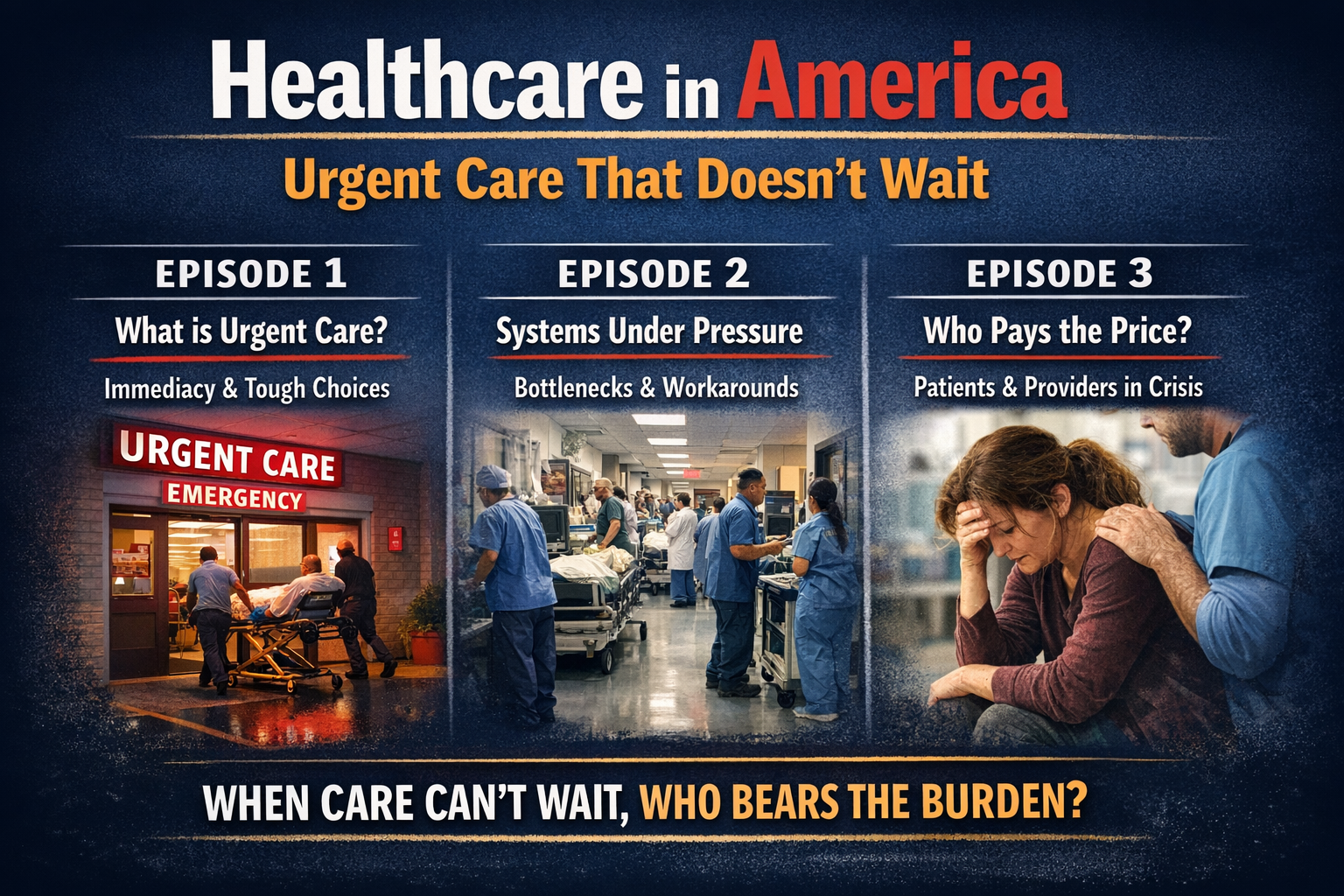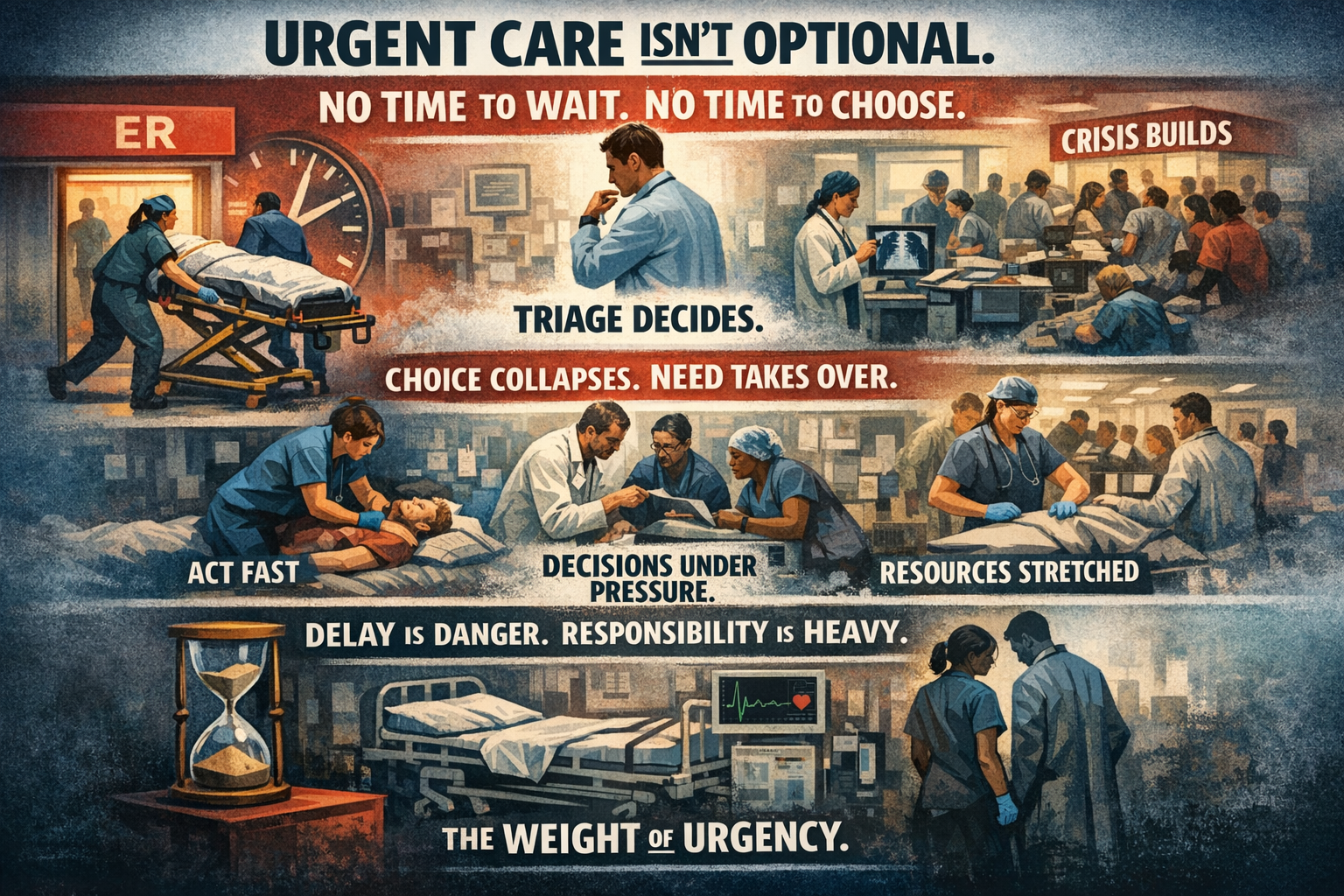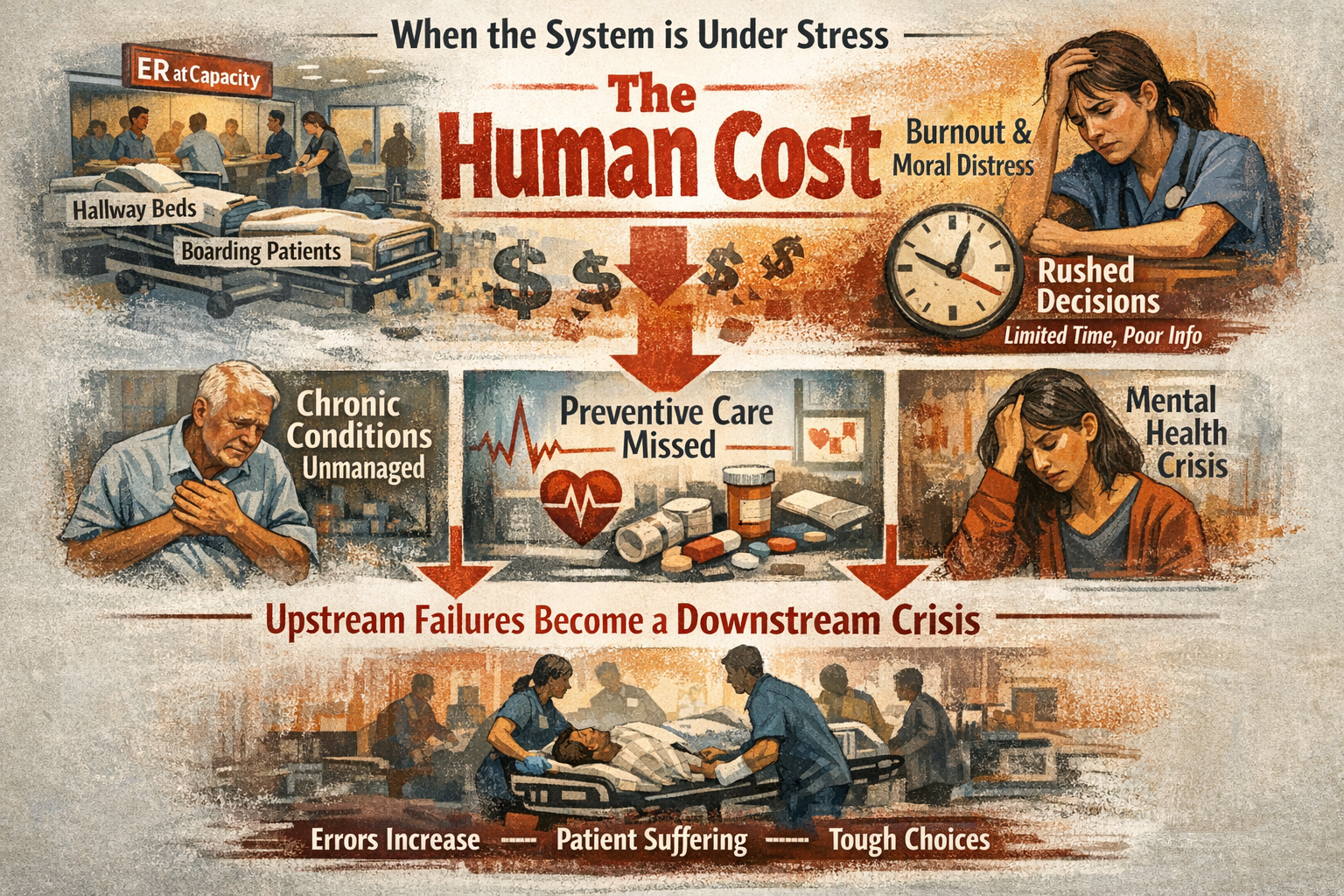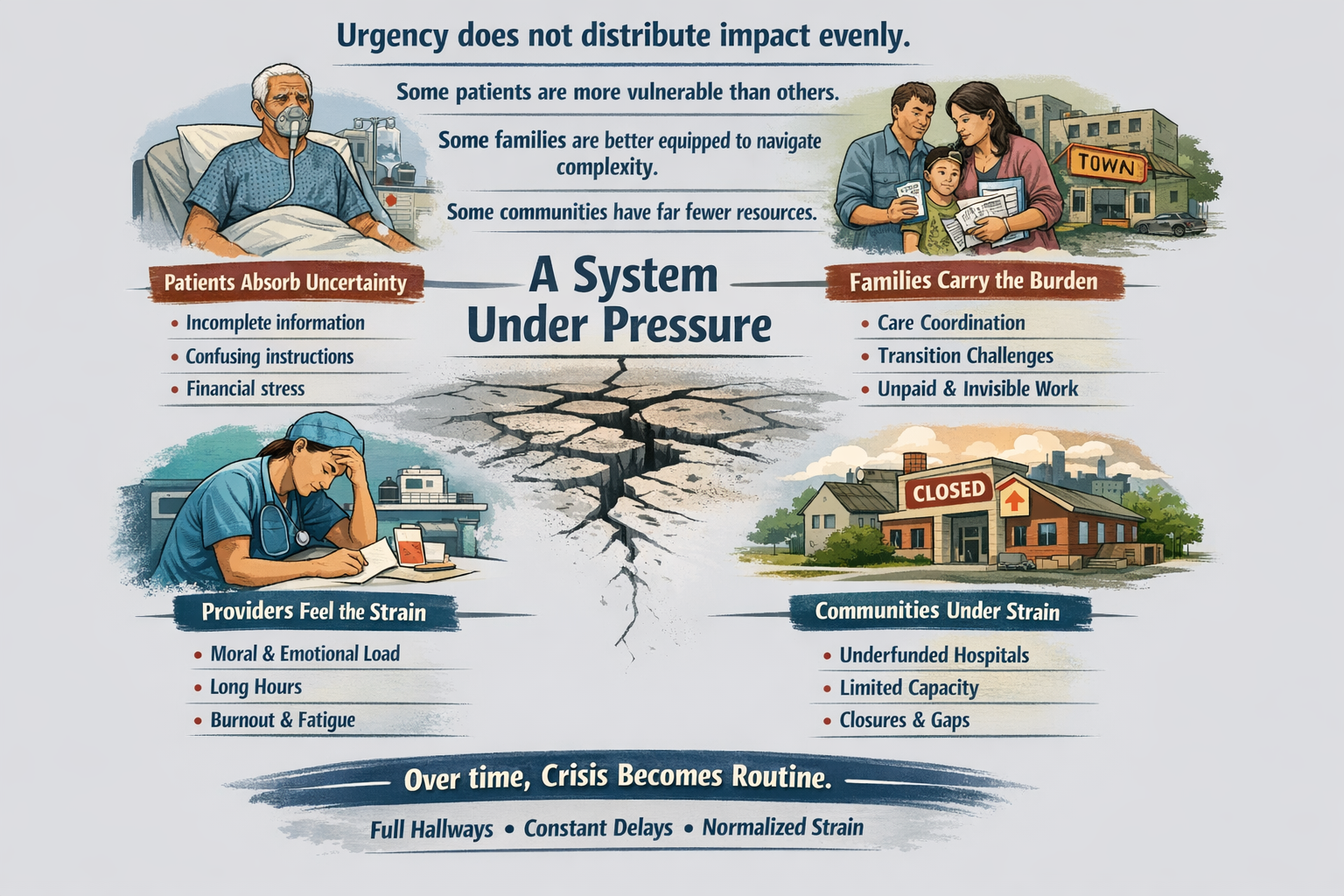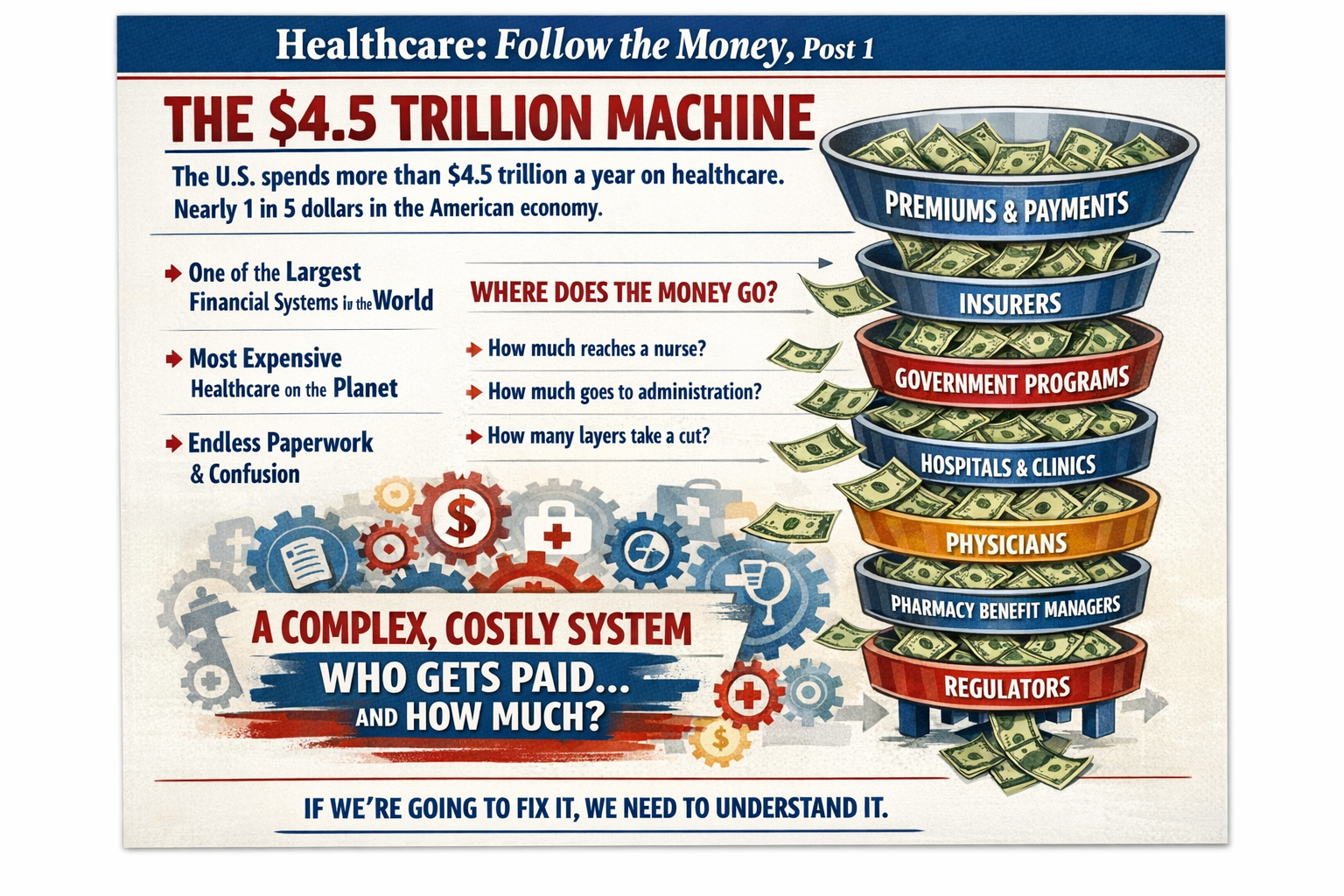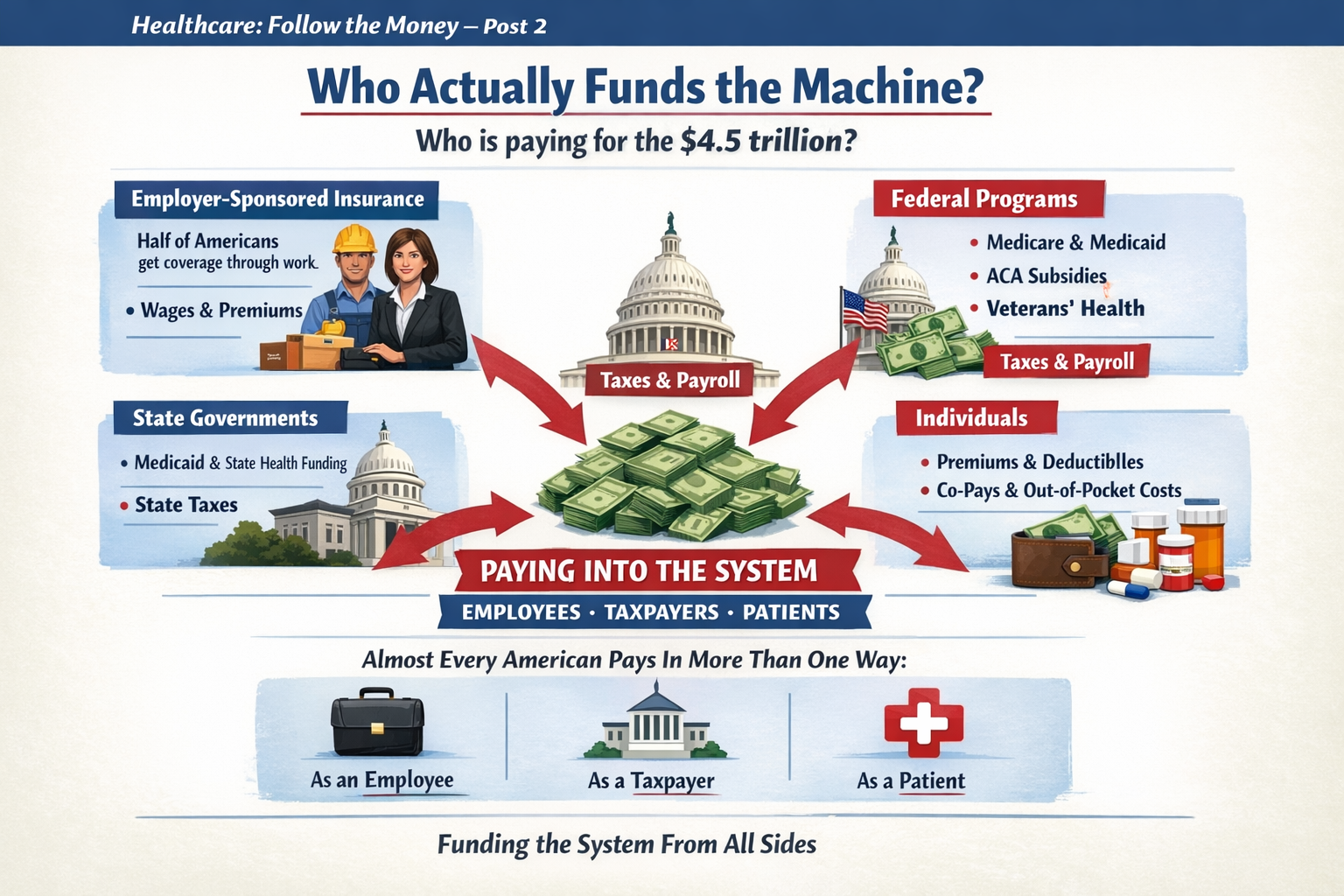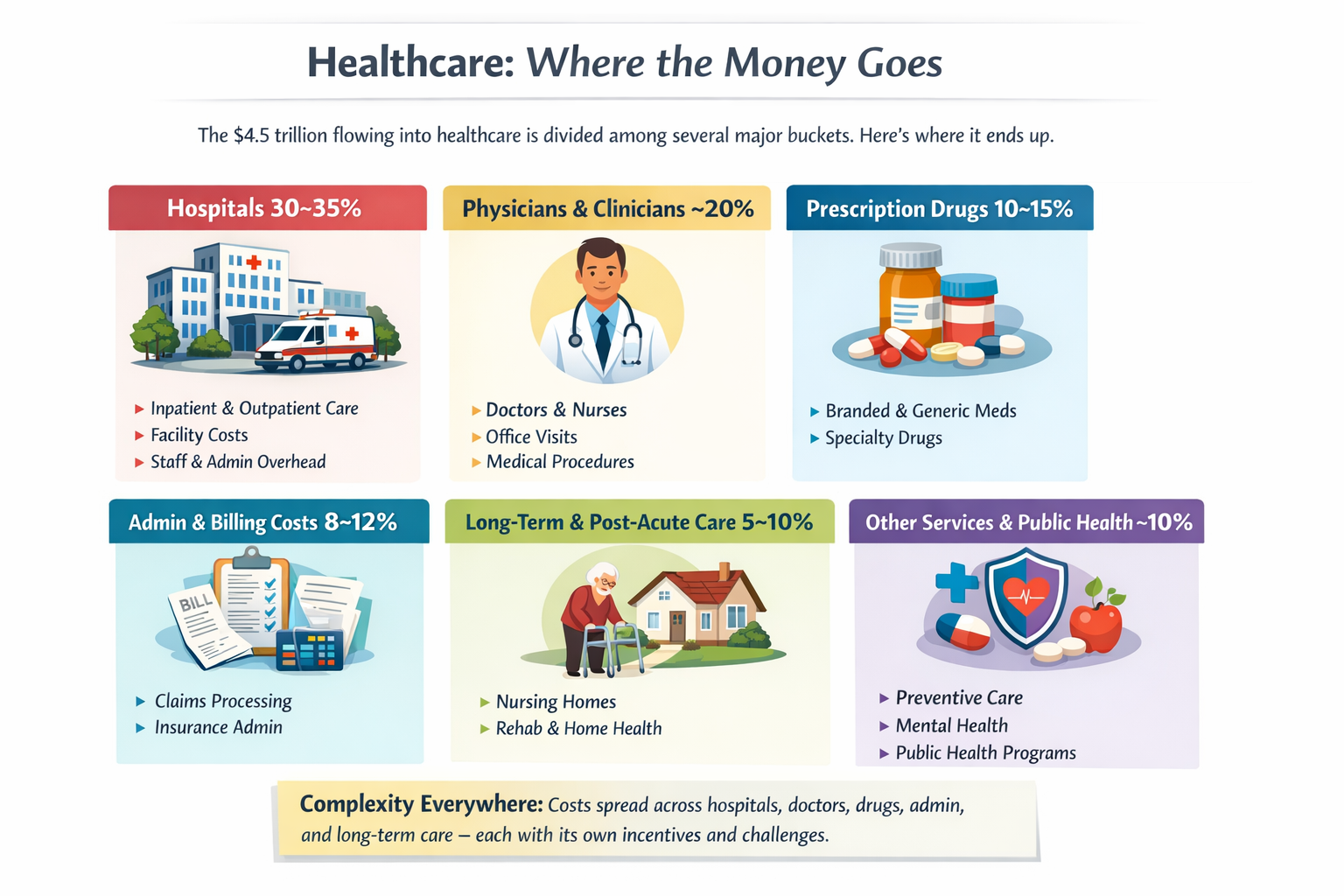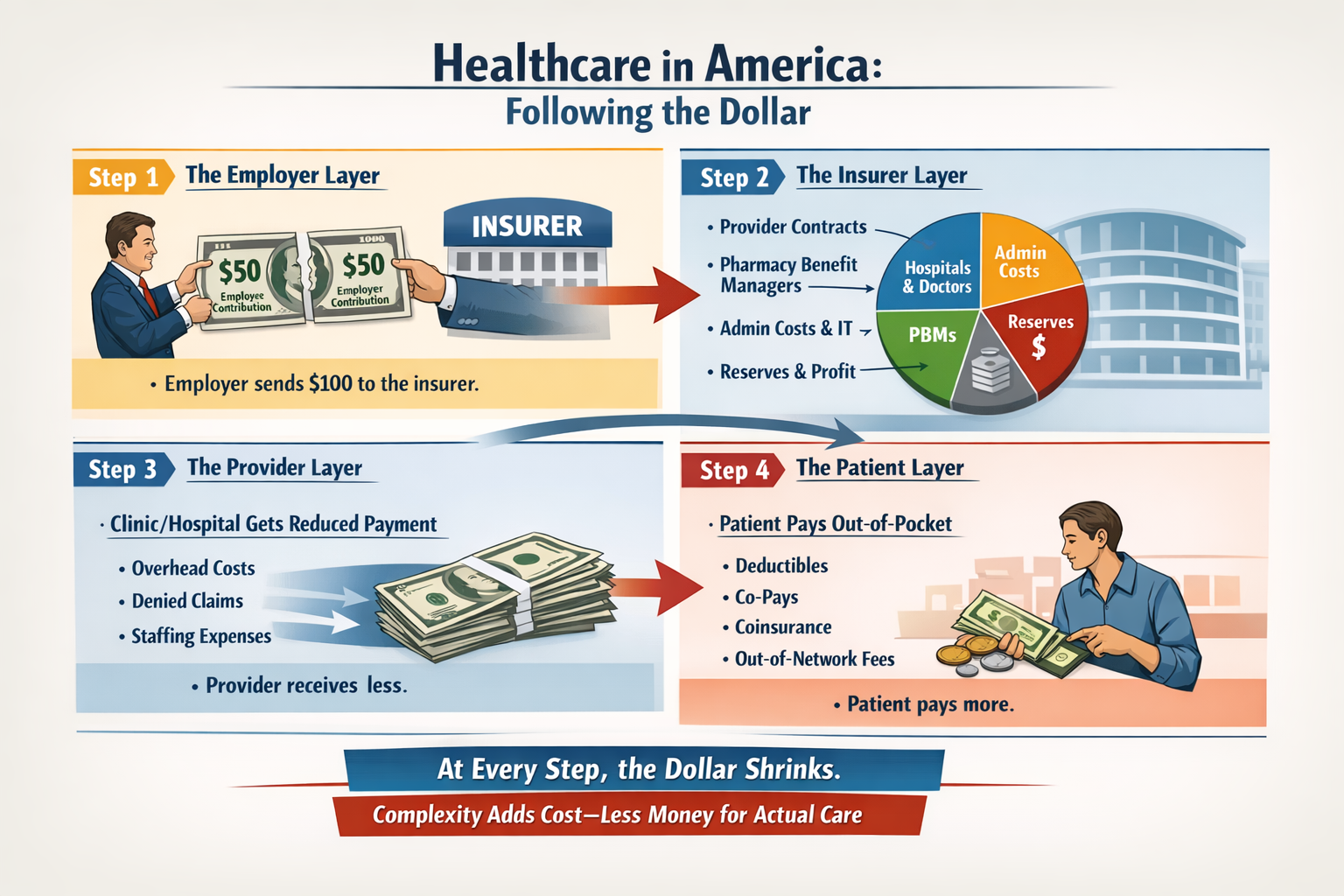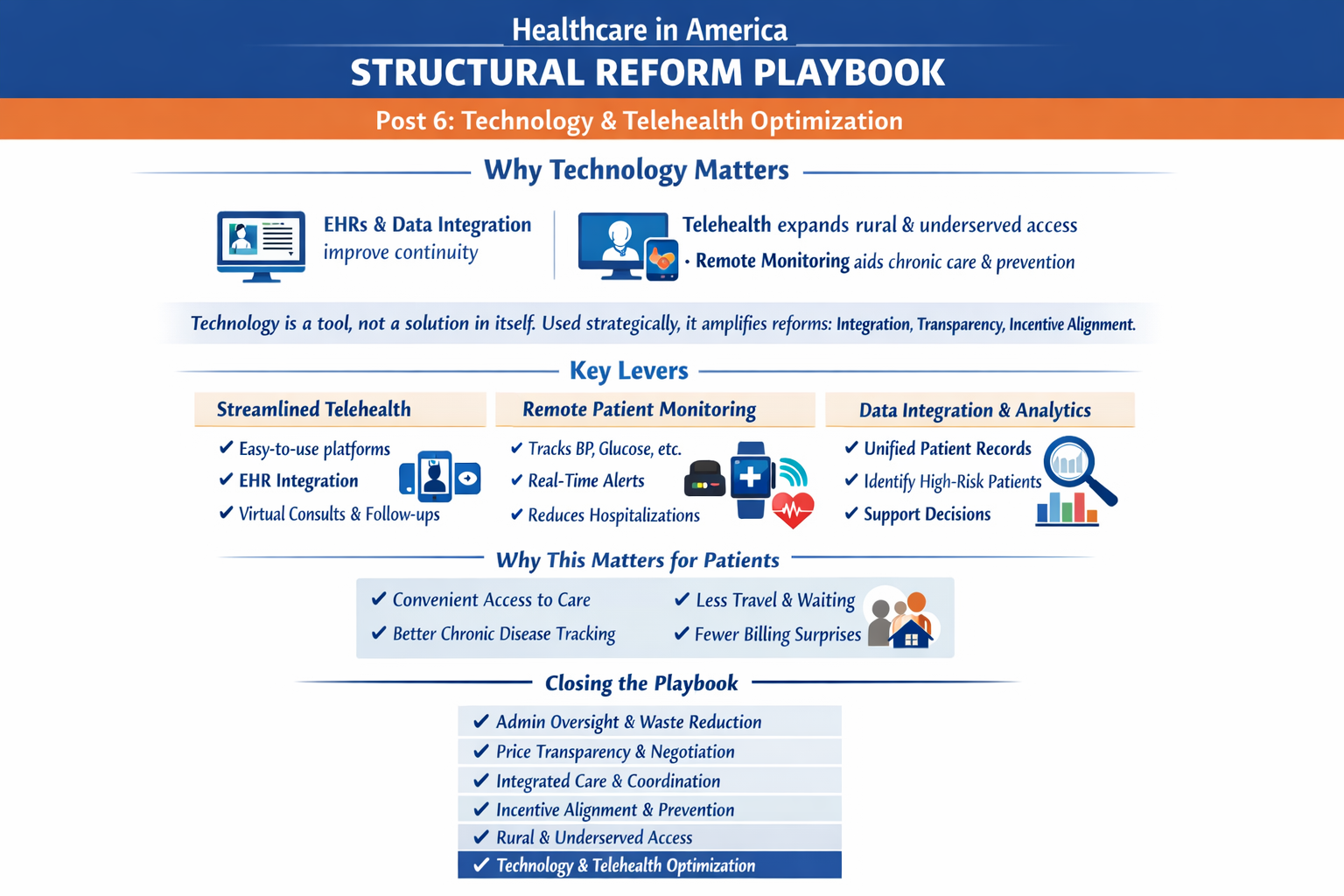
Healthcare, how policies are developed and implemented.
On
- Menu
How the U.S. healthcare machine evolved historically
-
Who really makes the decisions (incentives, gatekeepers, power structures)
-
What access actually looks like on the ground
-
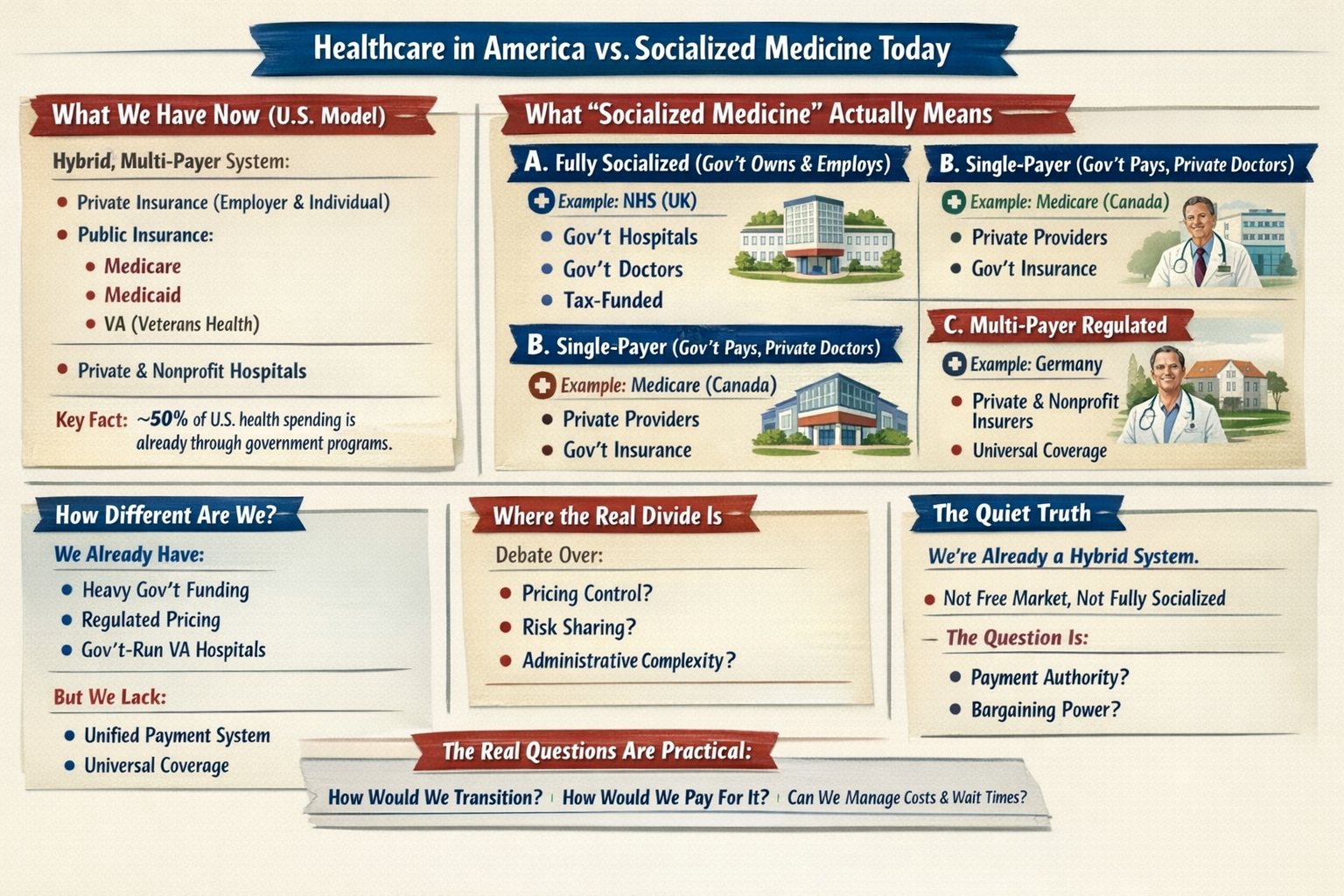
A clear comparison of free-market vs. socialized models — trade-offs, not team cheers
The goal isn’t to push an agenda; it’s to equip you with context so you can think, decide, and act from knowledge instead of reflexes.For the majority of my life, my knowledge of healthcare was condensed into these three or four questions, asked under stress:
-
Am I insured?
-
Will my spouse’s job still cover us?
-
What happens if we get pregnant / sick / laid off?
-
Can we afford this surprise?
Knowing the answers to those 4 questions is not enough.
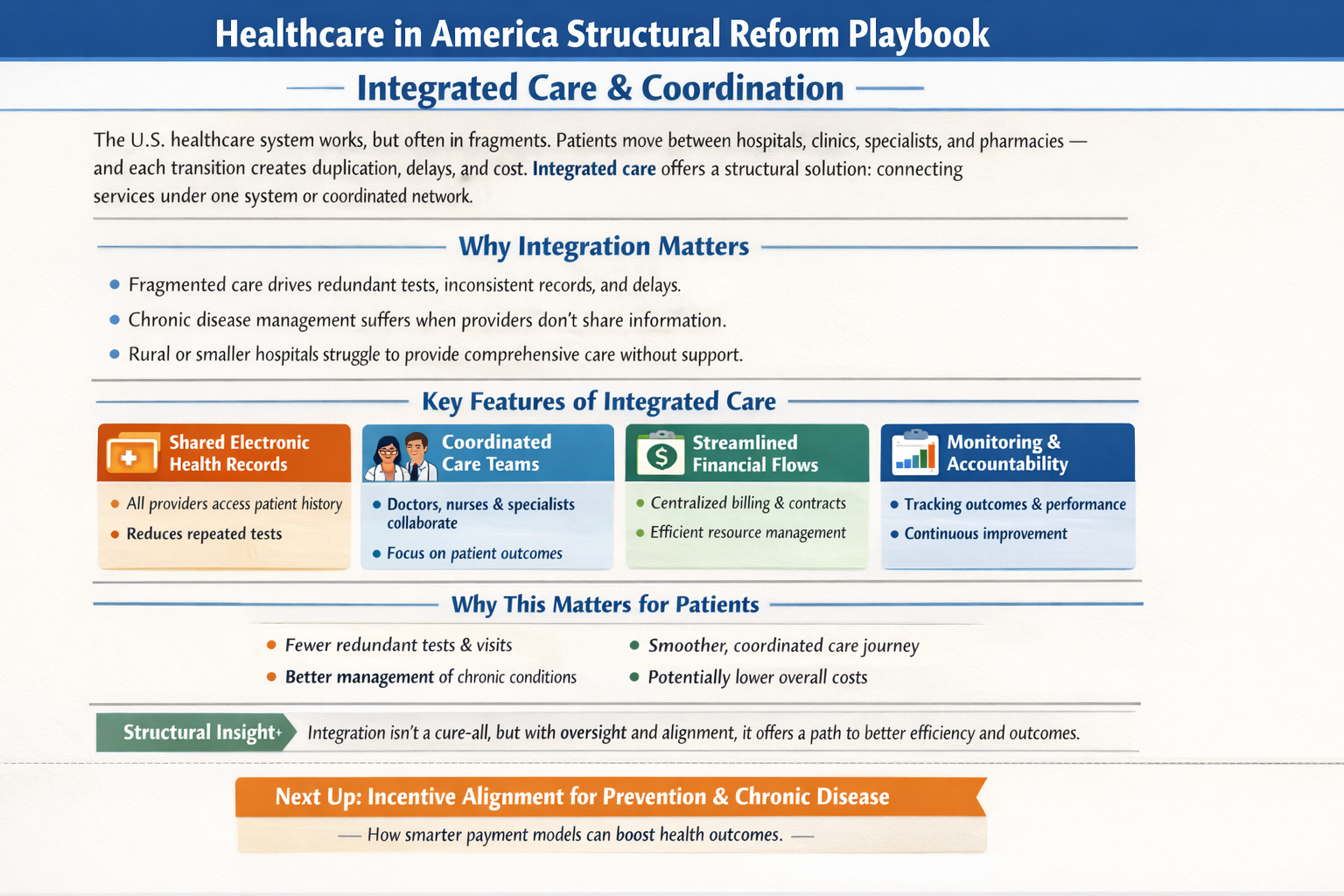
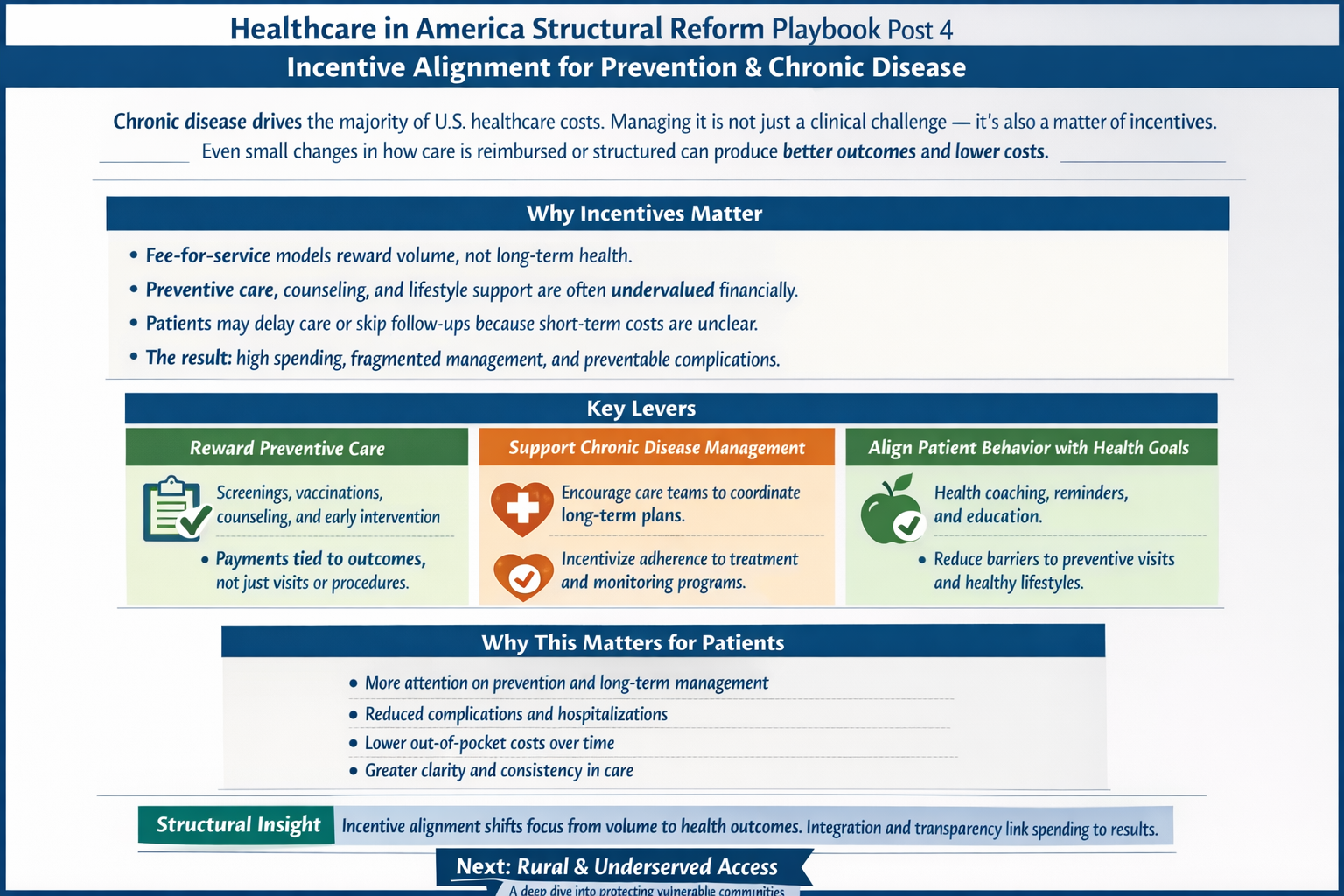
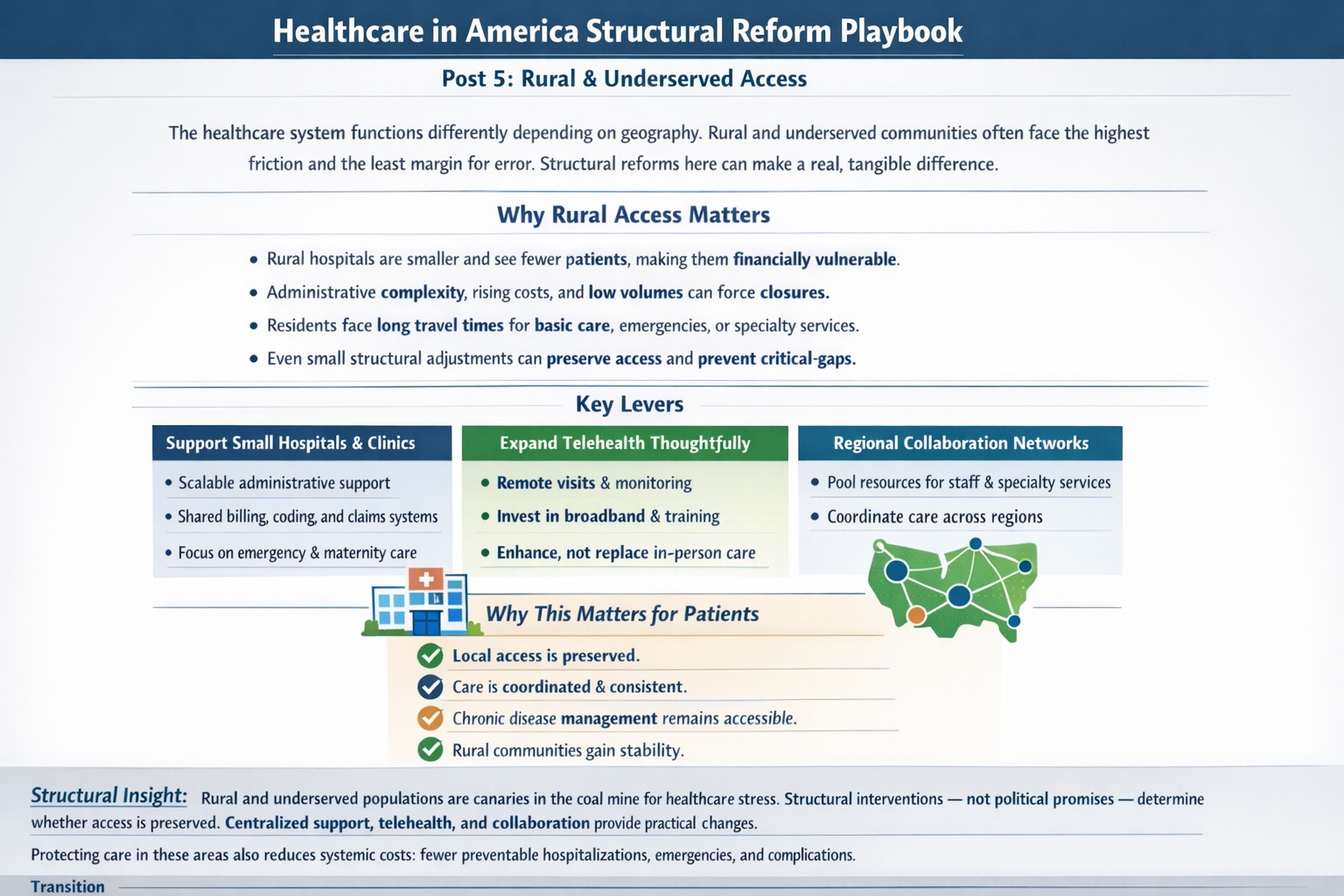
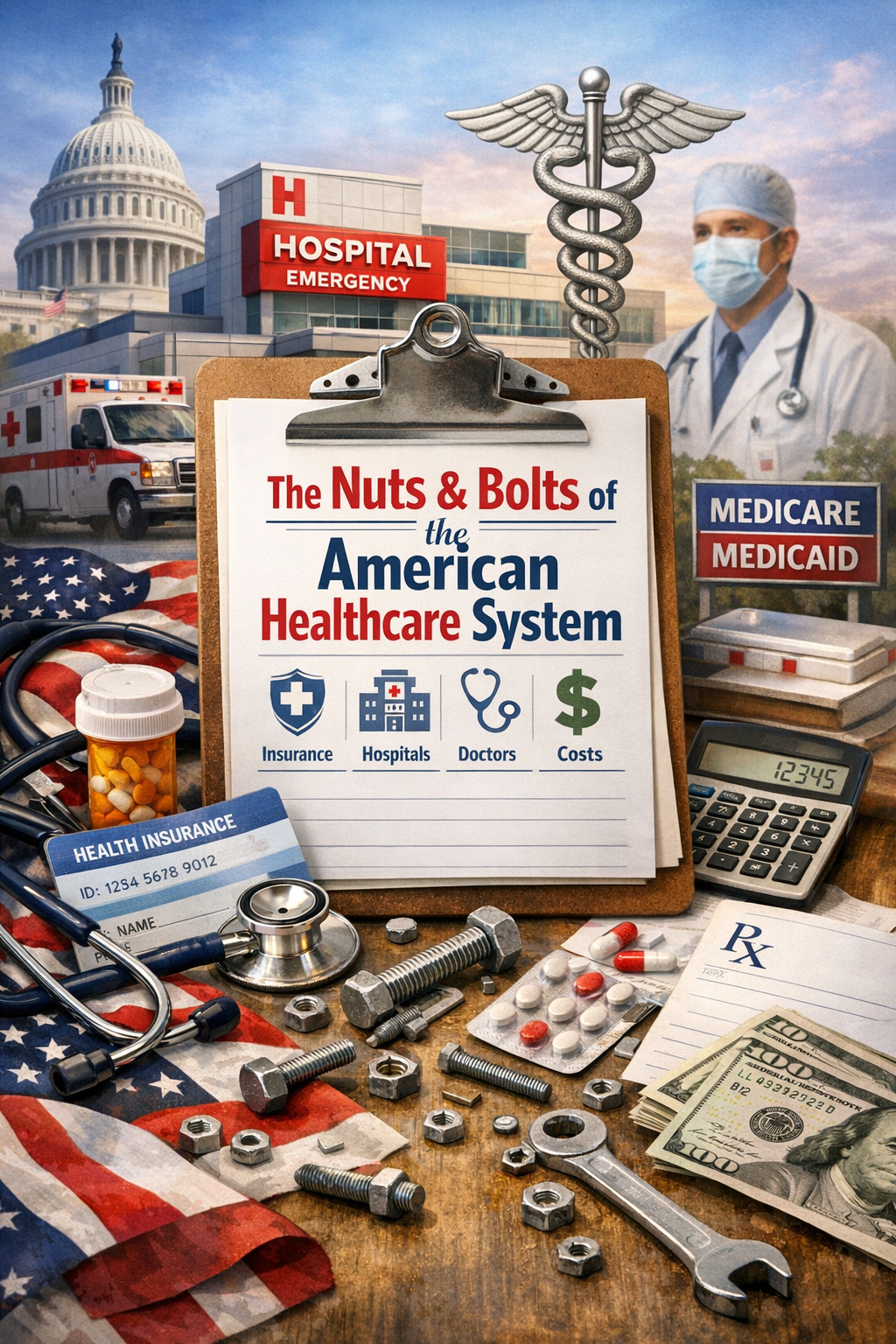
The actual nuts and bolts begin Tuesday, Wednesday, and Thursday—one part per day unless a topic requires an A/B split. Each section is intentionally concise: long enough to hold your attention, grounded enough to encourage independent research. By the end of the series, you’ll have a clearer, working understanding of healthcare and the government’s role in it—often more than many legislators themselves. More importantly, you’ll be able to see through political rhetoric and make informed judgments instead of relying on campaign slogans.
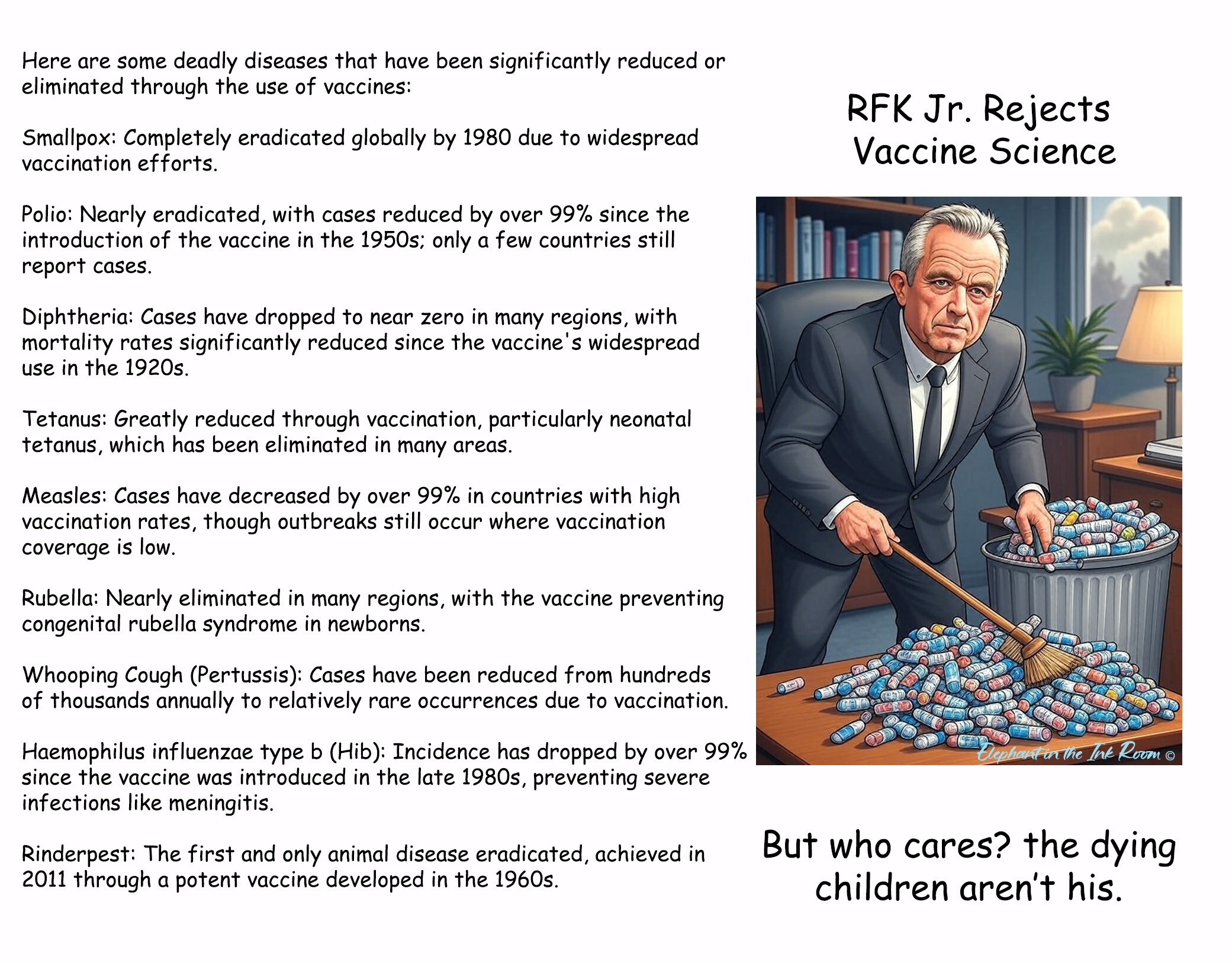
Occasional memes will still sneak in (old habits die hard), but the main lane now is education over entertainment.Thanks for reading along so far. If this resonates, stick around.
Part 3a – When This Happened Before – Healthcare in America
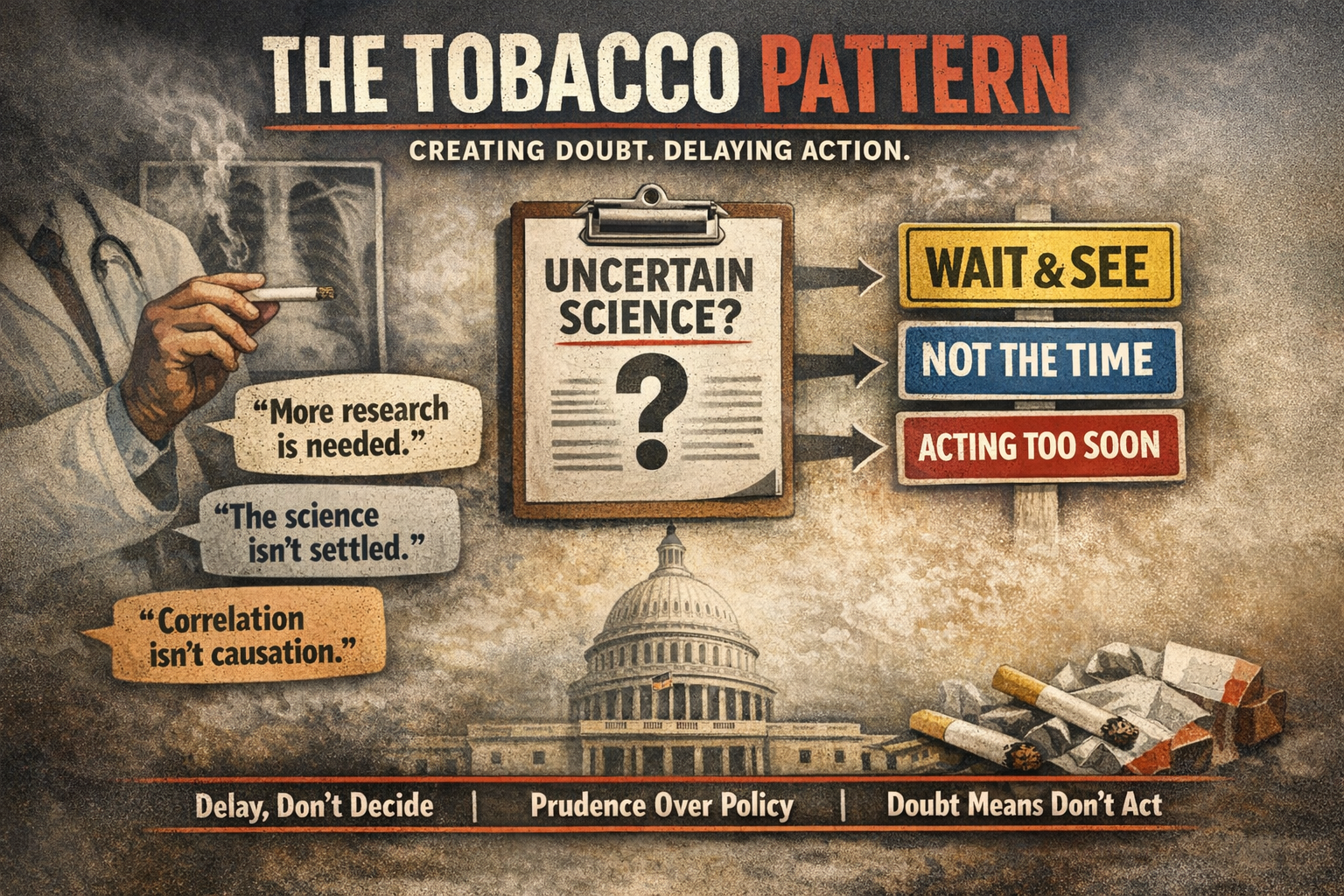
Smoking-related illnesses rose predictably. Generations adopted a habit already known to be dangerous. The burden fell disproportionately on working-class families, veterans, and rural communities — long before those terms became political shorthand. By the time
Part 2: When Expertise Became Personal – HealthCare in America
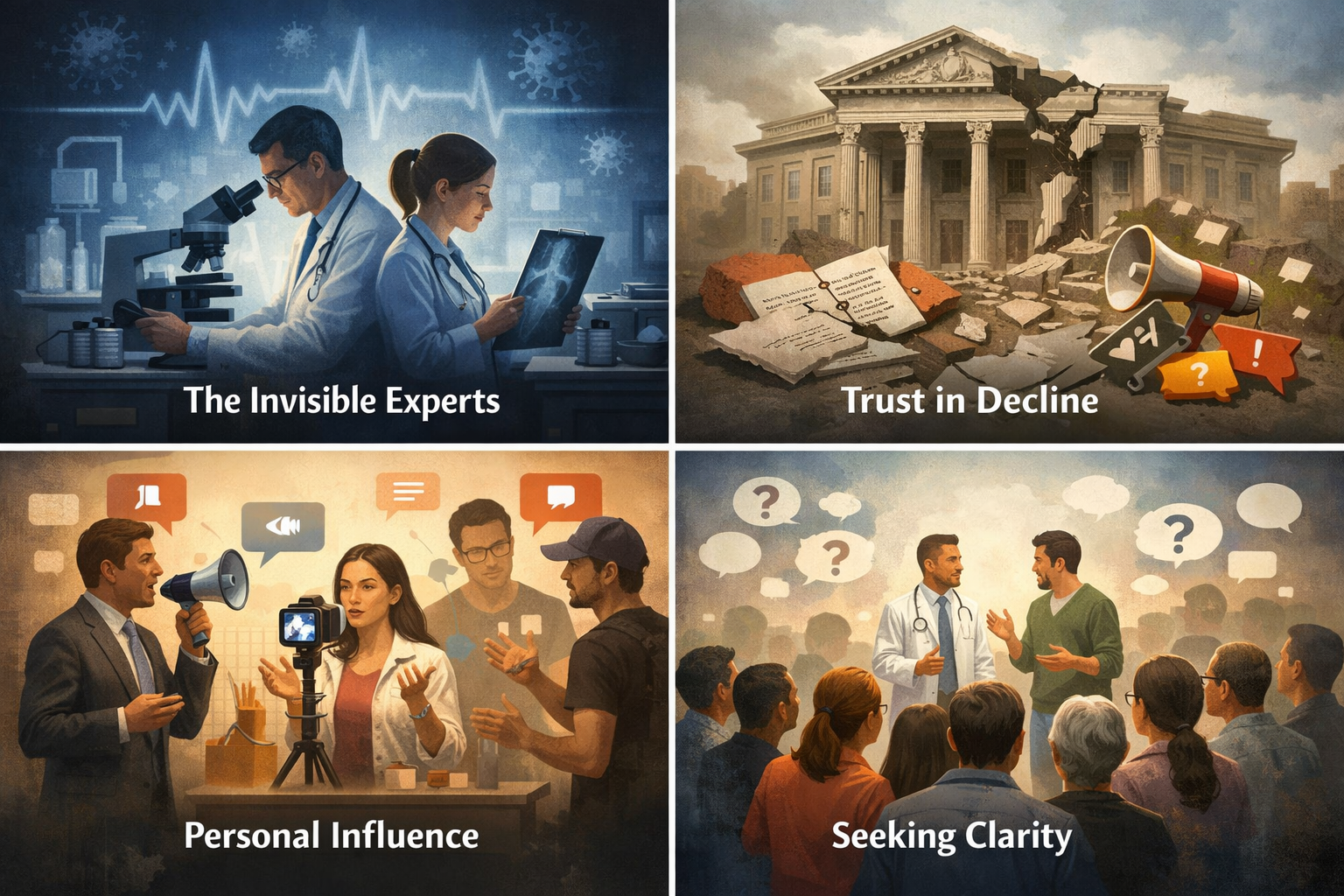
Public health expertise was not always controversial. For decades, it functioned largely in the background—technical, imperfect, and mostly invisible. When it worked, few noticed. When it failed, corrections were usually quiet and procedural. That changed
Part 1: Trust Became the Weak Point – HealthCare in America
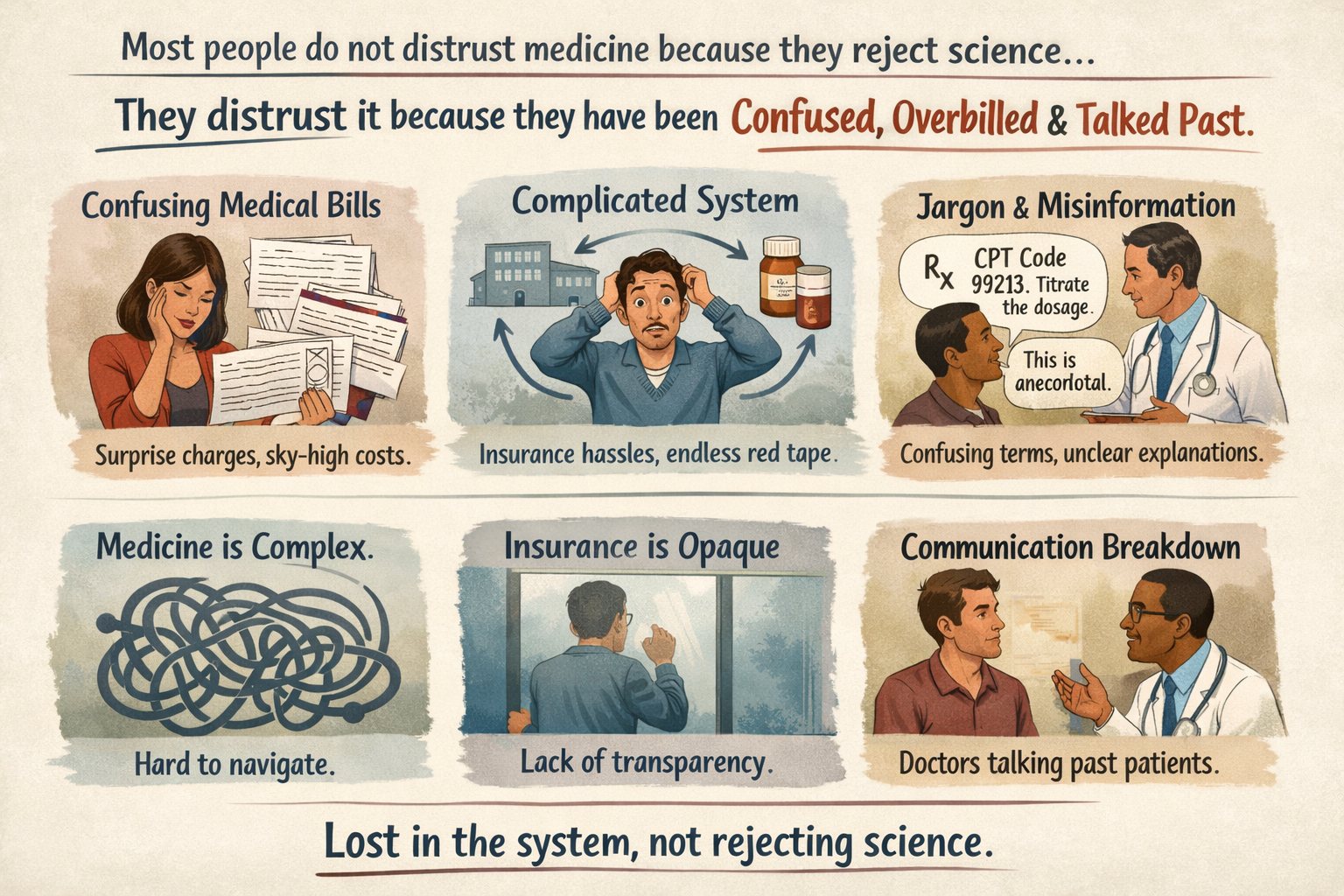
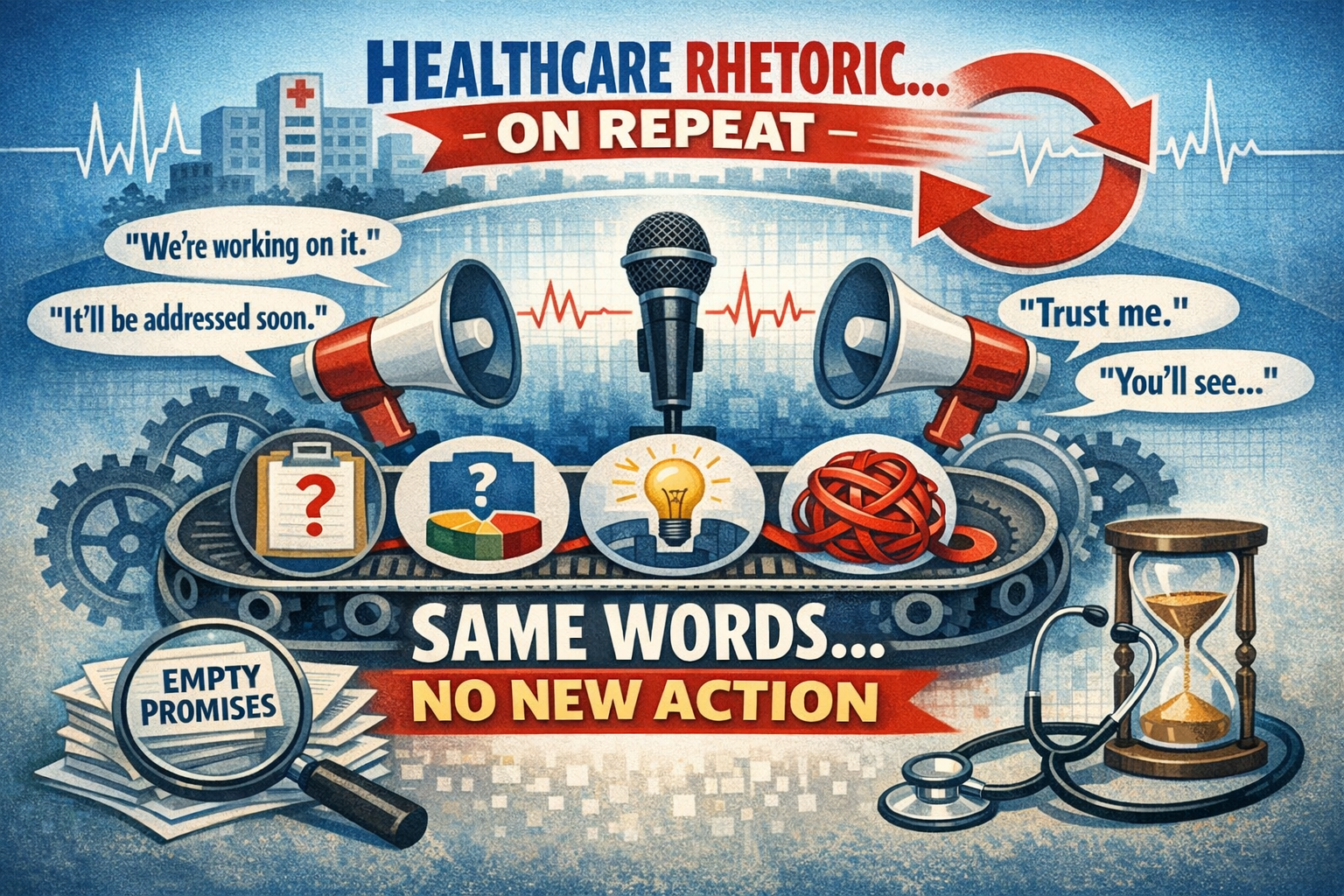
As systems grew more complex, institutional communication often became more defensive. Language shifted toward legal precision and risk avoidance, rather than clarity. Explanations became longer but less informative. Mistakes were corrected quietly, if at all.
America’s Health Policy, Why This Series Exists – Healthcare in America
Examine policy outcomes without assigning personal motive Use real examples to illustrate structural dynamics Move deliberately, one concept at a time Include guidance on what signals matter and where influence exists
This series is about health policy, not ideology – Healthcare in America
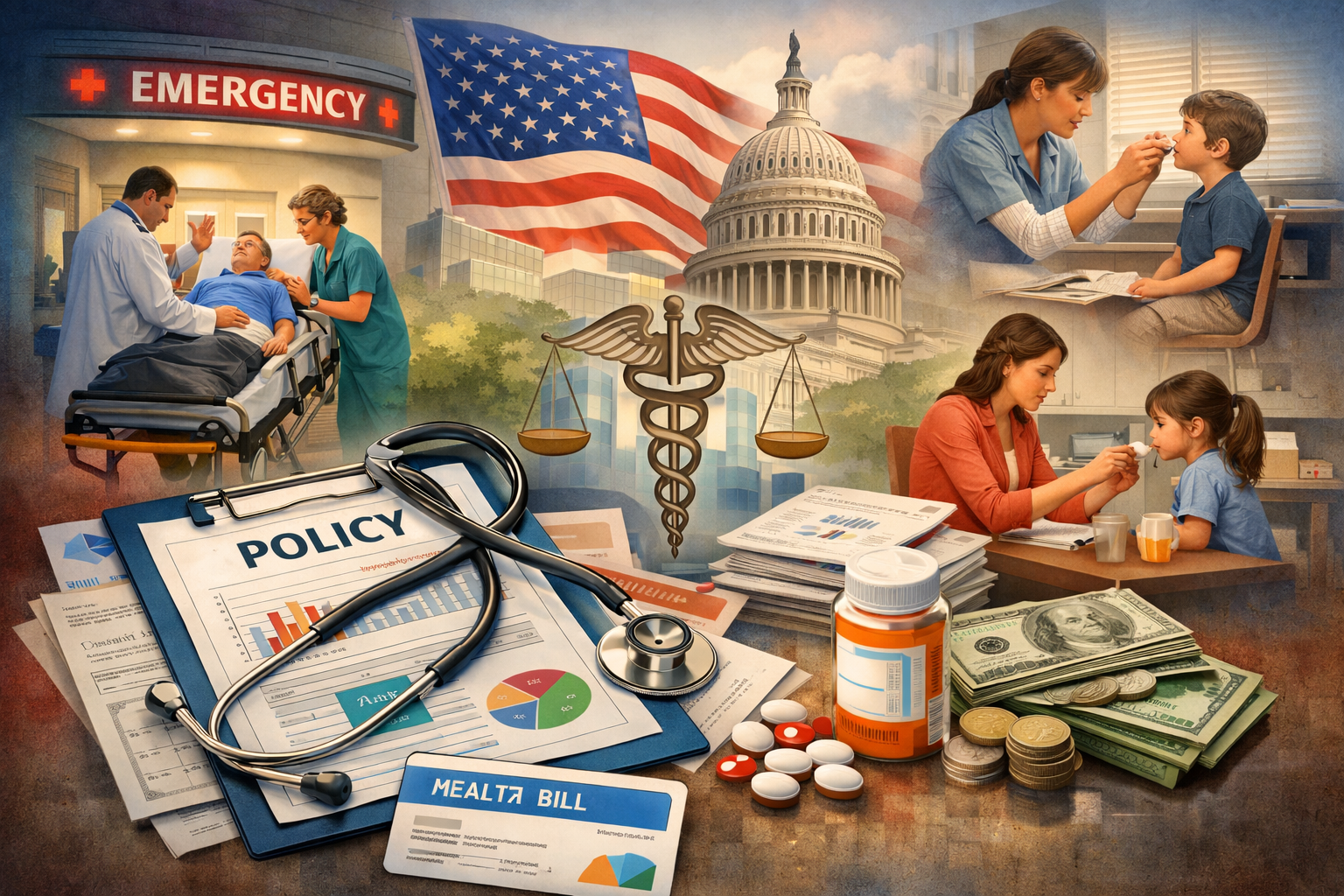
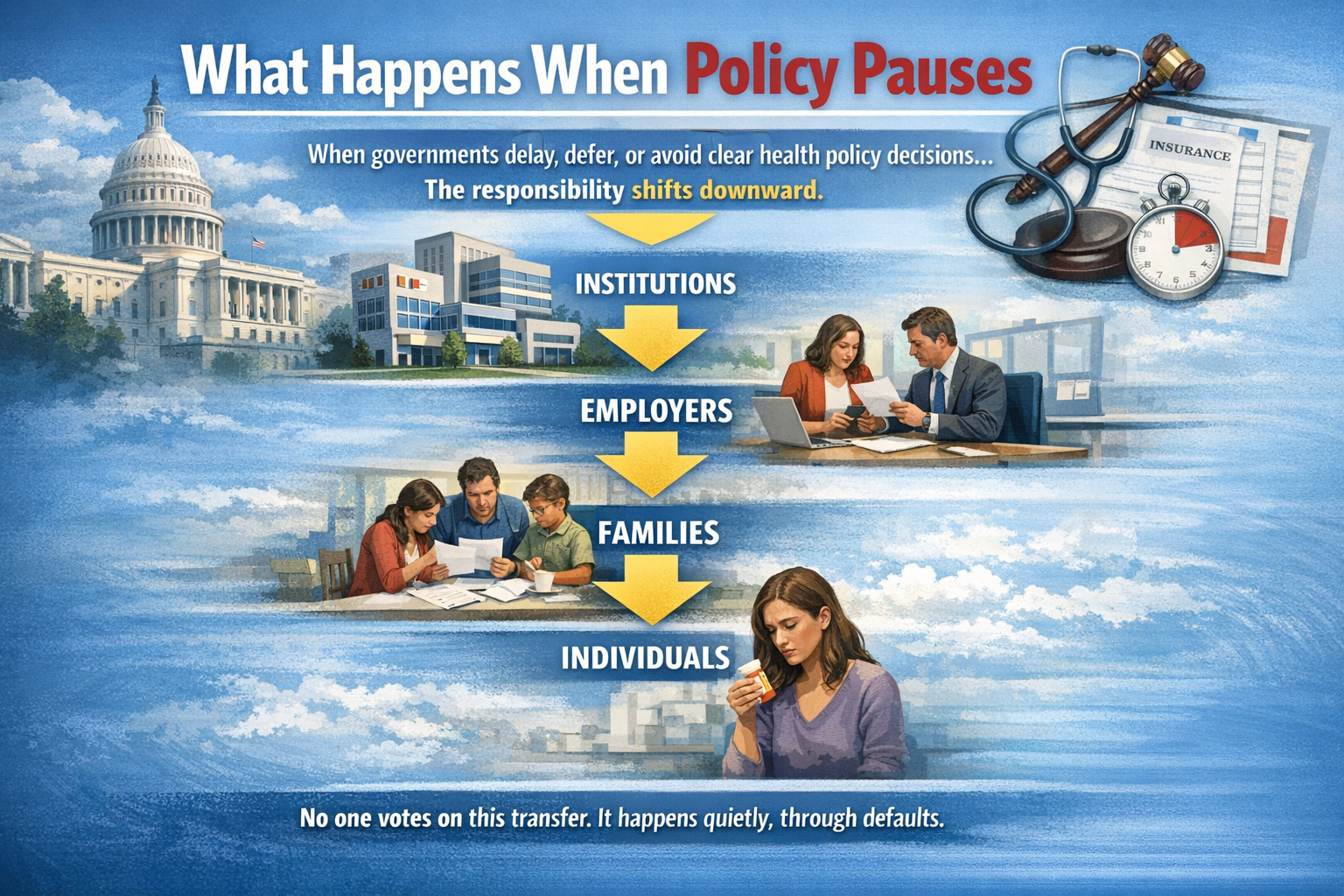
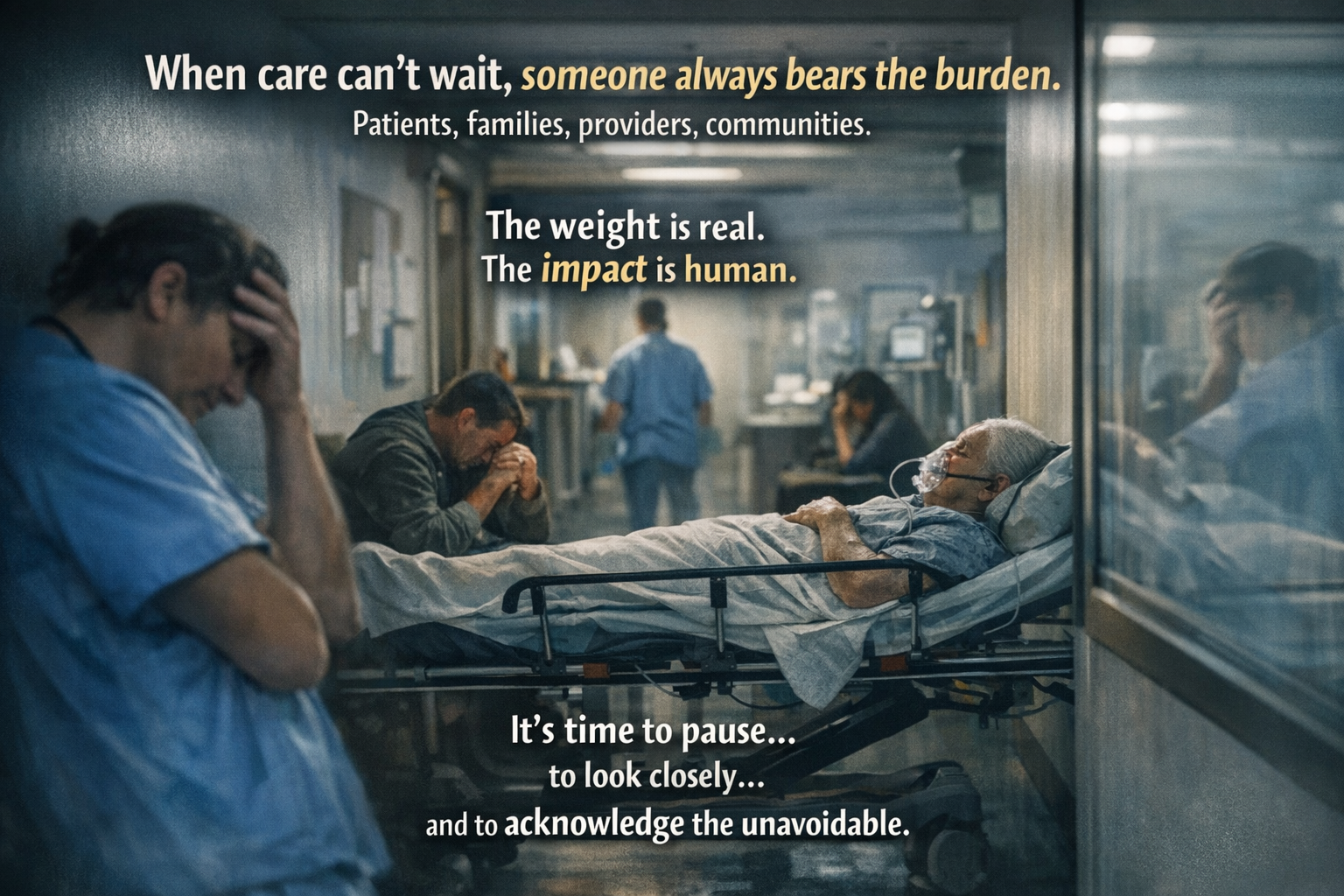
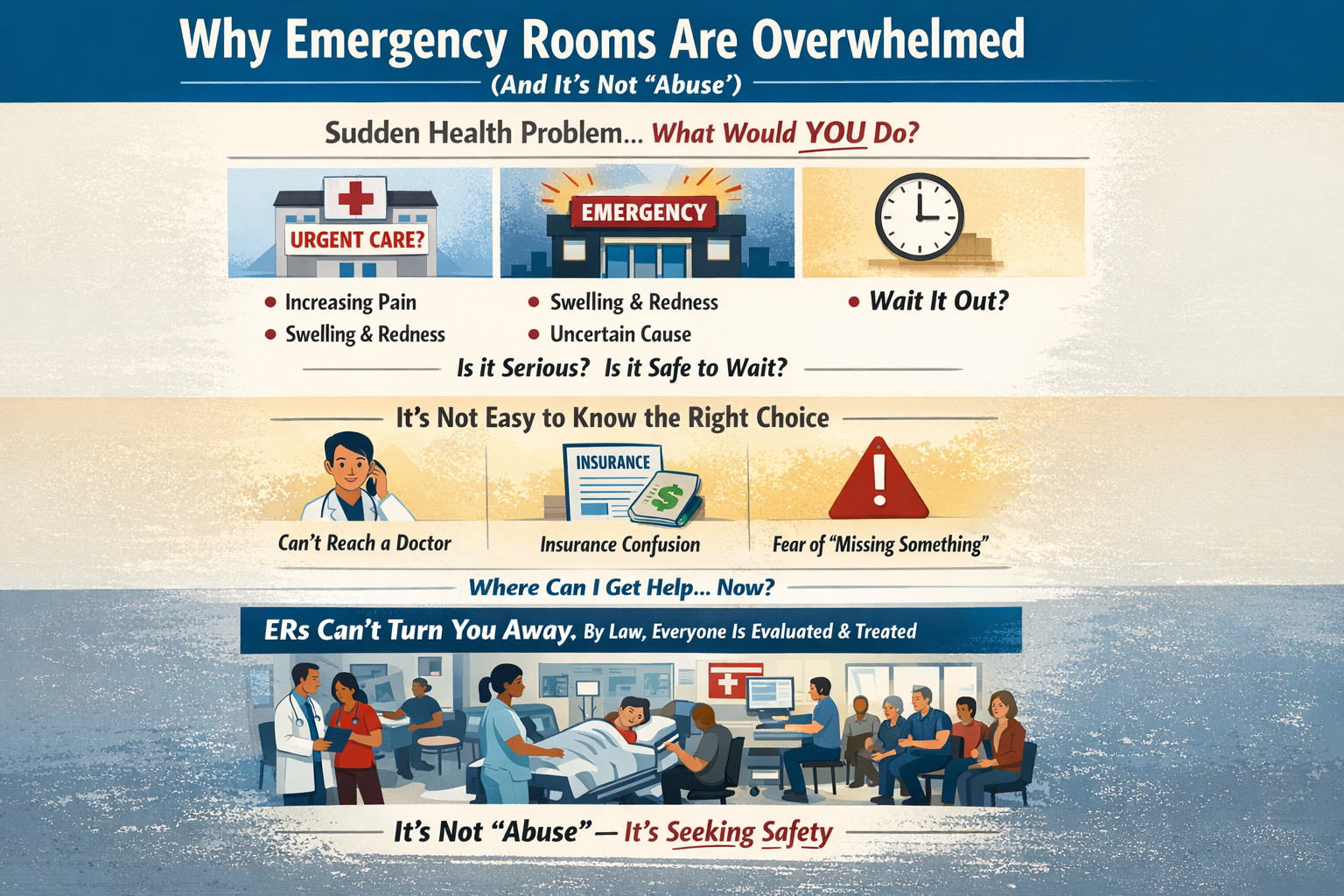
Decisions about healthcare in the United States are often discussed as political abstractions—talking points, slogans, and personalities. But their consequences are not abstract. They show up in emergency rooms, schools, workplaces, and kitchens. They show
It isn’t funny anymore, so let’s get ready for tomorrow – Healthcare in America
. Not conspiracy theories, just a better understanding of the how and why. My goal wasn't to be partisan — it was to help readers better grasp the mechanics behind the curtain and make better,
Part 3a – When This Happened Before – Healthcare in America
Smoking-related illnesses rose predictably. Generations adopted a habit already known to be dangerous. The burden fell disproportionately on working-class families, veterans, and rural communities — long before those terms became political shorthand. By the time
Part 2: When Expertise Became Personal – HealthCare in America
Public health expertise was not always controversial. For decades, it functioned largely in the background—technical, imperfect, and mostly invisible. When it worked, few noticed. When it failed, corrections were usually quiet and procedural. That changed
Part 1: Trust Became the Weak Point – HealthCare in America
As systems grew more complex, institutional communication often became more defensive. Language shifted toward legal precision and risk avoidance, rather than clarity. Explanations became longer but less informative. Mistakes were corrected quietly, if at all.
America’s Health Policy, Why This Series Exists – Healthcare in America
Examine policy outcomes without assigning personal motive Use real examples to illustrate structural dynamics Move deliberately, one concept at a time Include guidance on what signals matter and where influence exists
This series is about health policy, not ideology – Healthcare in America
Decisions about healthcare in the United States are often discussed as political abstractions—talking points, slogans, and personalities. But their consequences are not abstract. They show up in emergency rooms, schools, workplaces, and kitchens. They show
It isn’t funny anymore, so let’s get ready for tomorrow – Healthcare in America
. Not conspiracy theories, just a better understanding of the how and why. My goal wasn't to be partisan — it was to help readers better grasp the mechanics behind the curtain and make better,
36


Comments are Disabled