Bill —
Americans want elections that are secure and easy to participate in. Mail-in voting is one of the ways we make that possible.
It’s back in the spotlight right now because of a new executive order from President Trump that would limit how states use mail-in voting and add new federal requirements around who can receive a ballot. That kind of top-down change raises real questions, both legal and practical, for states that are responsible for running elections and for voters who rely on these systems.
Before getting lost in the politics of the moment, it’s worth stepping back and looking at how mail-in works, and why so many Americans use it.
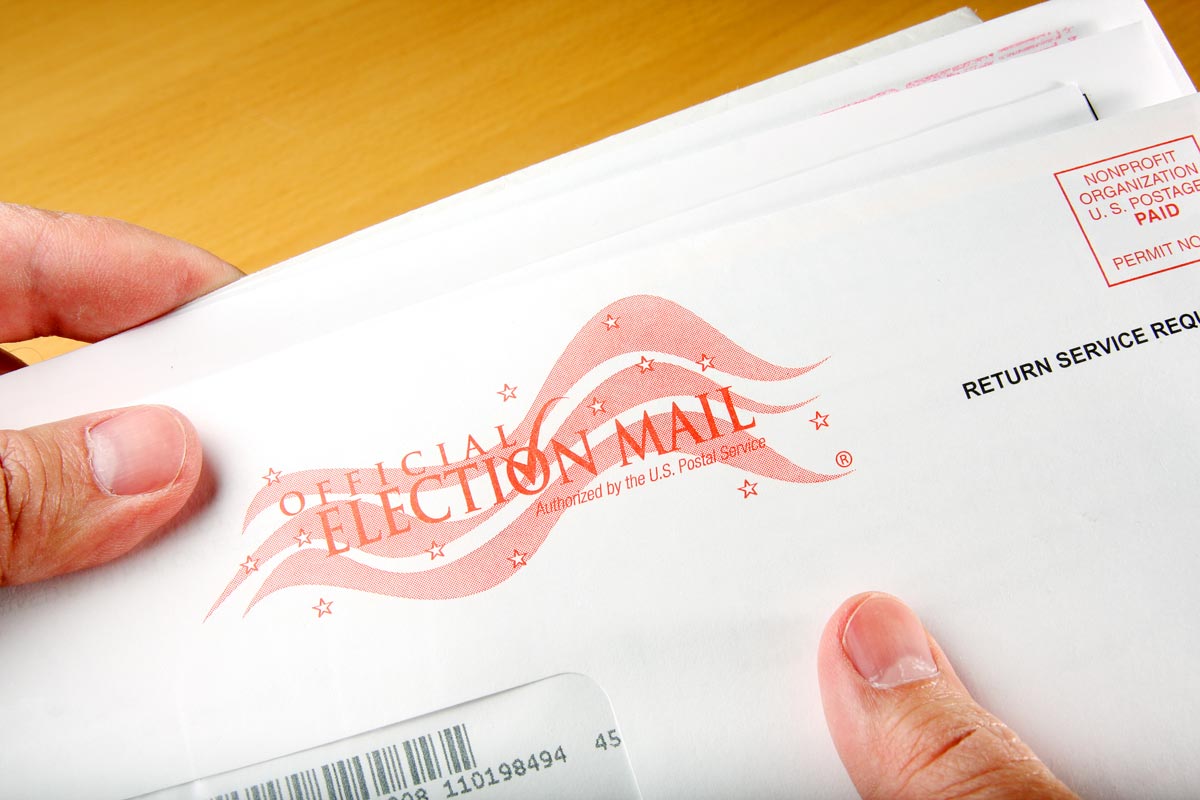
Mail-in voting is not new. Americans have been voting by mail for generations, starting with military members serving overseas and expanding over time to include seniors, rural voters, and anyone who needs more flexibility. Today, it is a part of how elections are run across the country. In states like Colorado, Oregon, Washington, Utah, and Hawaii, elections are conducted almost entirely by mail. Across the country, millions of voters use it every cycle, regardless of party.
In fact, about one in three Americans has voted by mail in recent national elections – including the President himself. That alone tells you something important: this is not a niche system. It is a normal, widely used way Americans participate in democracy.
Security is often where the conversation turns around mail-in ballots. A system only works if people trust it. Mail-in voting includes multiple layers of protection. Ballots are tied to registered voters, signatures are verified, and many states use tracking systems so voters can see when their ballot is sent, received, and counted. Like any system, it is not perfect, but there is no evidence of widespread fraud. What there is, instead, is a system that has been tested at scale and continues to work.
For many people, mail-in voting is not about convenience. It is about access. It allows a parent working two jobs, a senior who cannot stand in line, or a voter living miles from the nearest polling place to still have a voice. For military families and Americans overseas, it is often the only realistic option.
That is why sudden, nationwide changes to the system could cause confusion, disenfranchisement, and barriers to voting. The current proposal would require states to adjust how they administer mail-in voting and who qualifies for it. Even setting aside the legal questions about whether a president can direct those changes, the practical impact could be significant. States would need to rework systems quickly. Voters could face confusion about eligibility. Ballots could be delayed or rejected under new rules.
That is not how you build confidence in elections. It is how you create uncertainty.
At Forward, we believe this should not be an either-or debate. Americans want elections that are both secure and accessible. Those goals are not in conflict. In fact, the best systems do both well. The answer is not to restrict access or to ignore concerns about integrity. It is to improve the system in ways that are transparent, consistent, and based on what actually works.
The bigger issue here is not just mail-in voting. It is whether our political system is focused on serving voters or fighting over the rules of the game. Too often, the conversation is about control instead of outcomes, about process instead of people.
Americans are looking for something different. They want a system that works. They want to know their vote counts and that they have a real voice in the outcome.
That means making it easier for eligible voters to participate while strengthening trust in how elections are run. It means working with states, not around them. And it means focusing on solutions that bring people in, not push them out.
That is how we move forward.
Please forward this to your friends, family, and coworkers. It helps us introduce them to Forward and to what we are building. Also consider inviting them to one of our upcoming events listed below. We’d love to meet them. |